STEFANO FAKE & THE FAKE FACTORY > ESPERIENZE DI ARTE IMMERSIVA
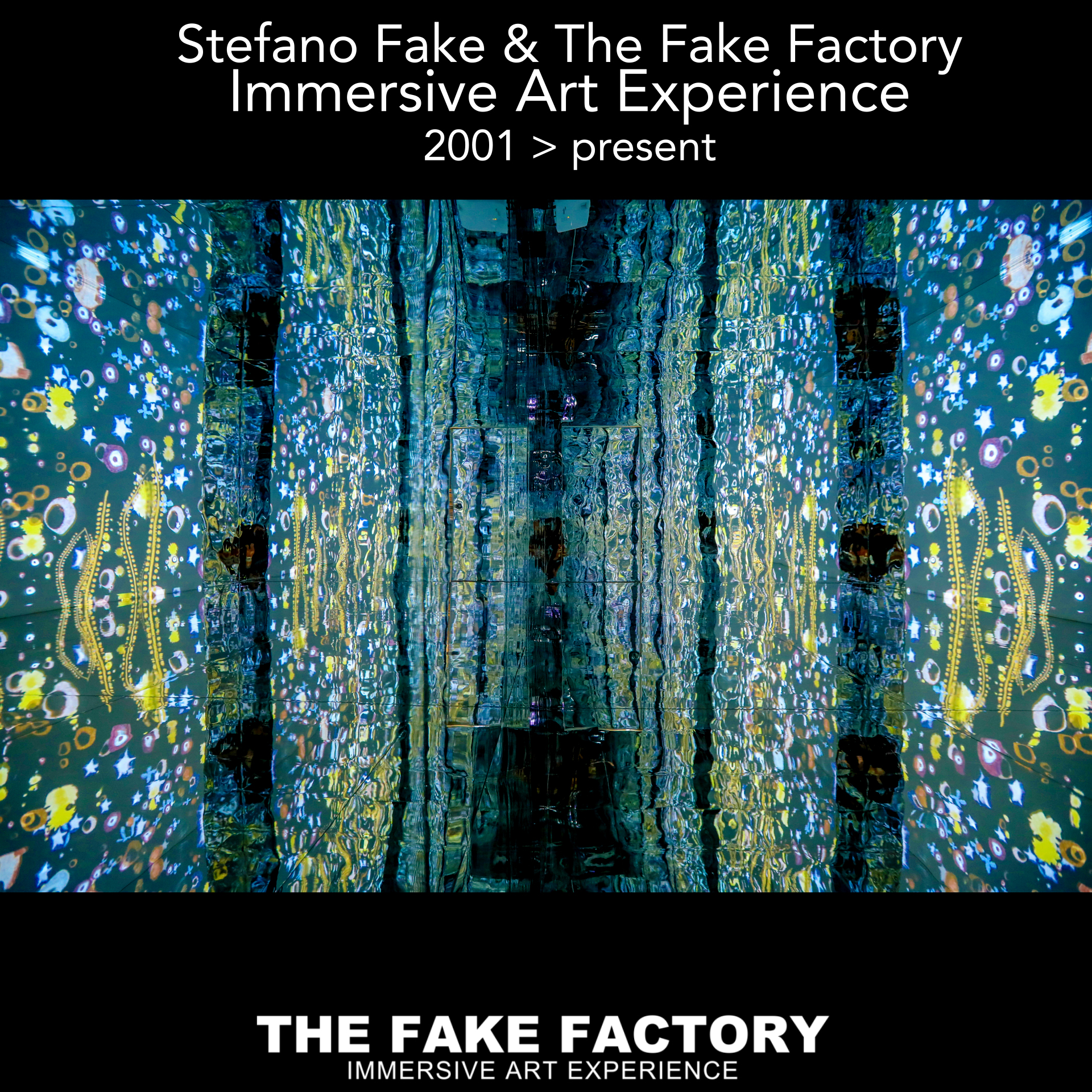
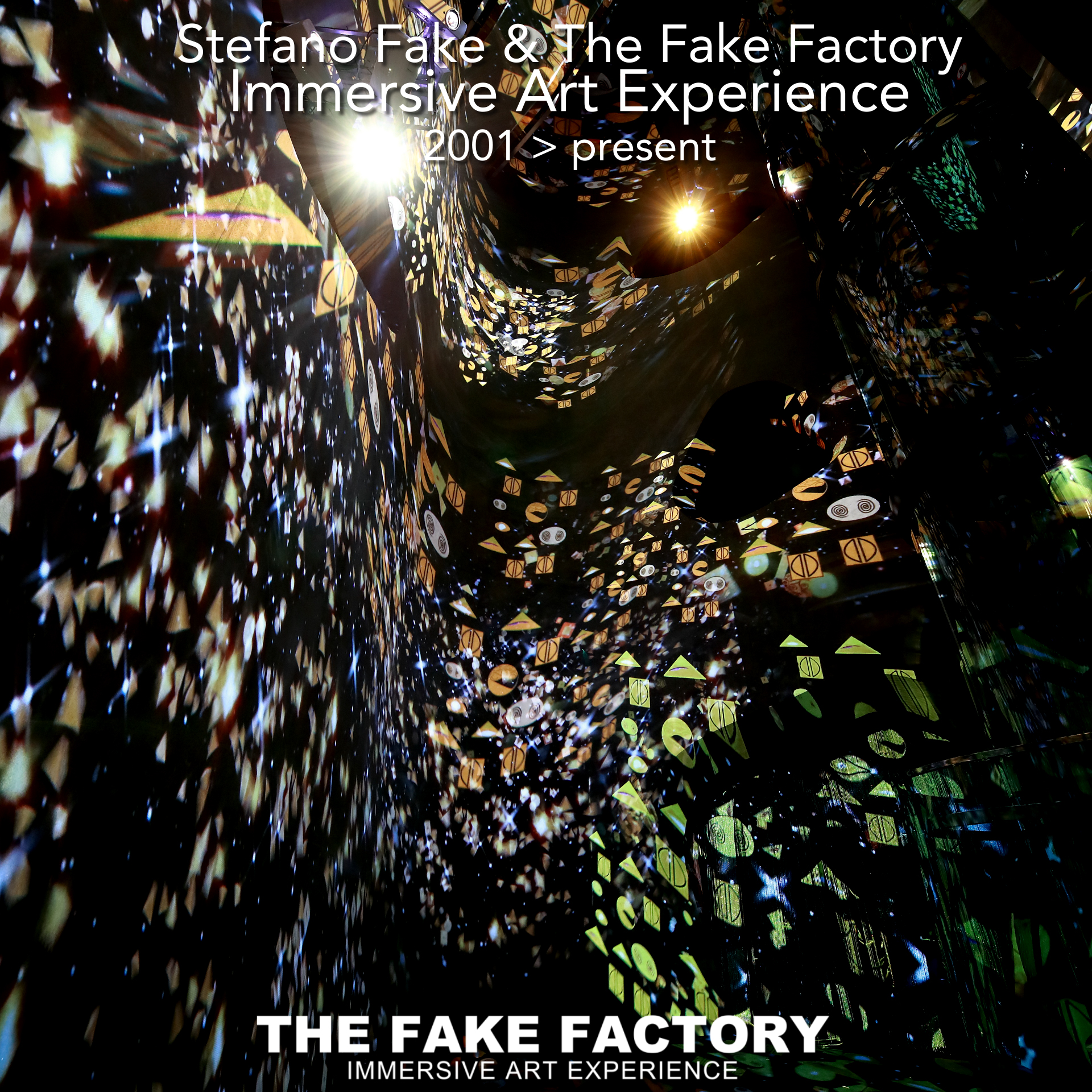
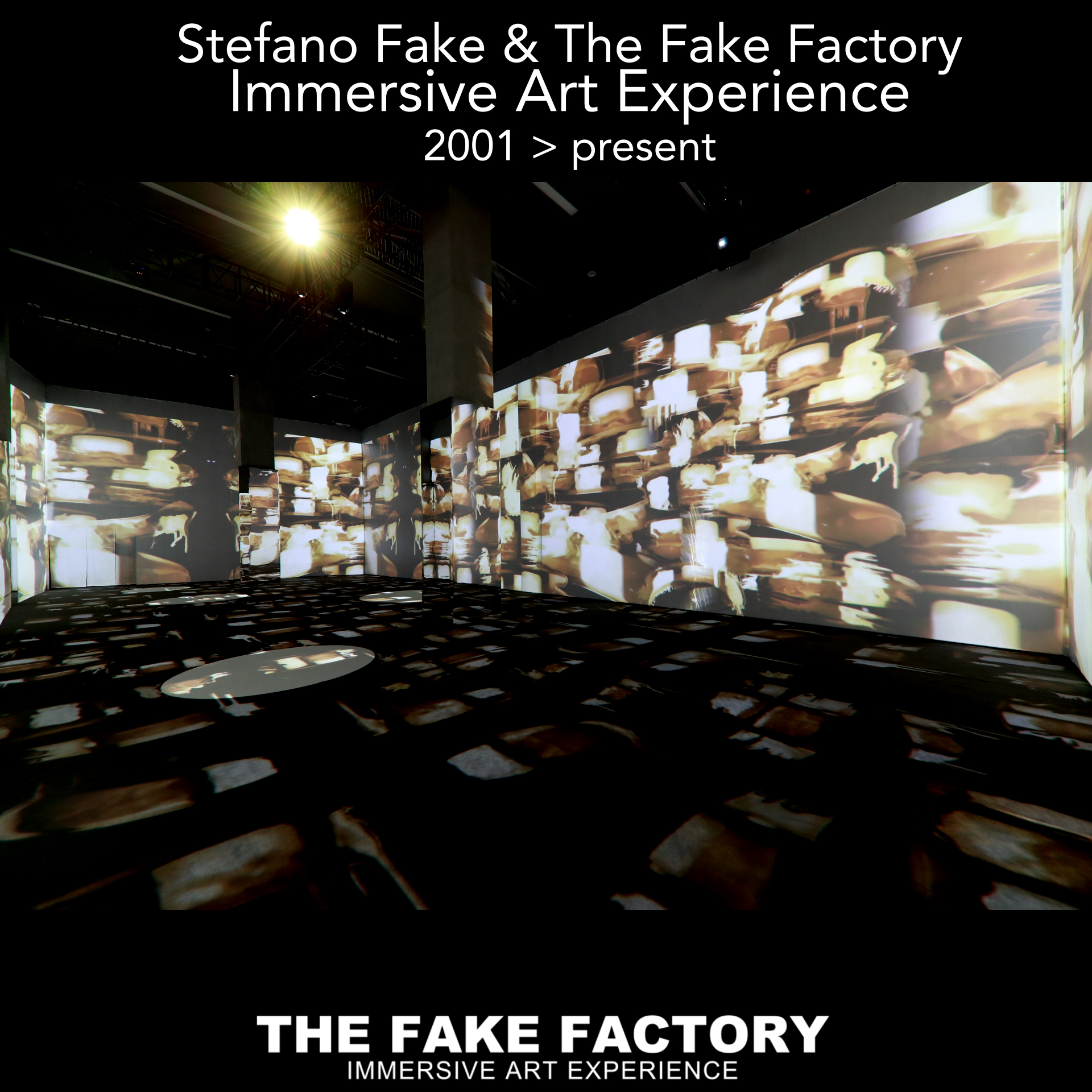
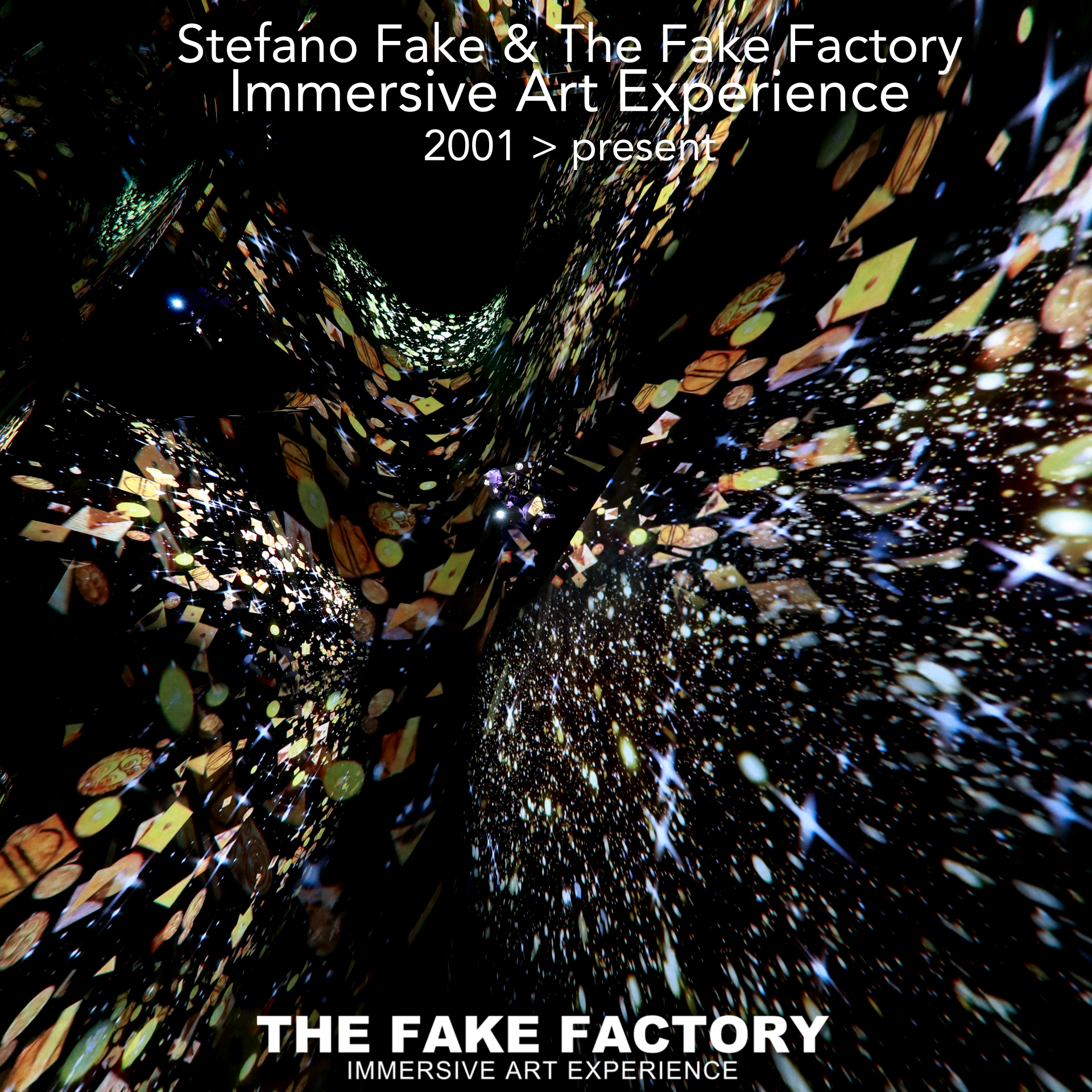
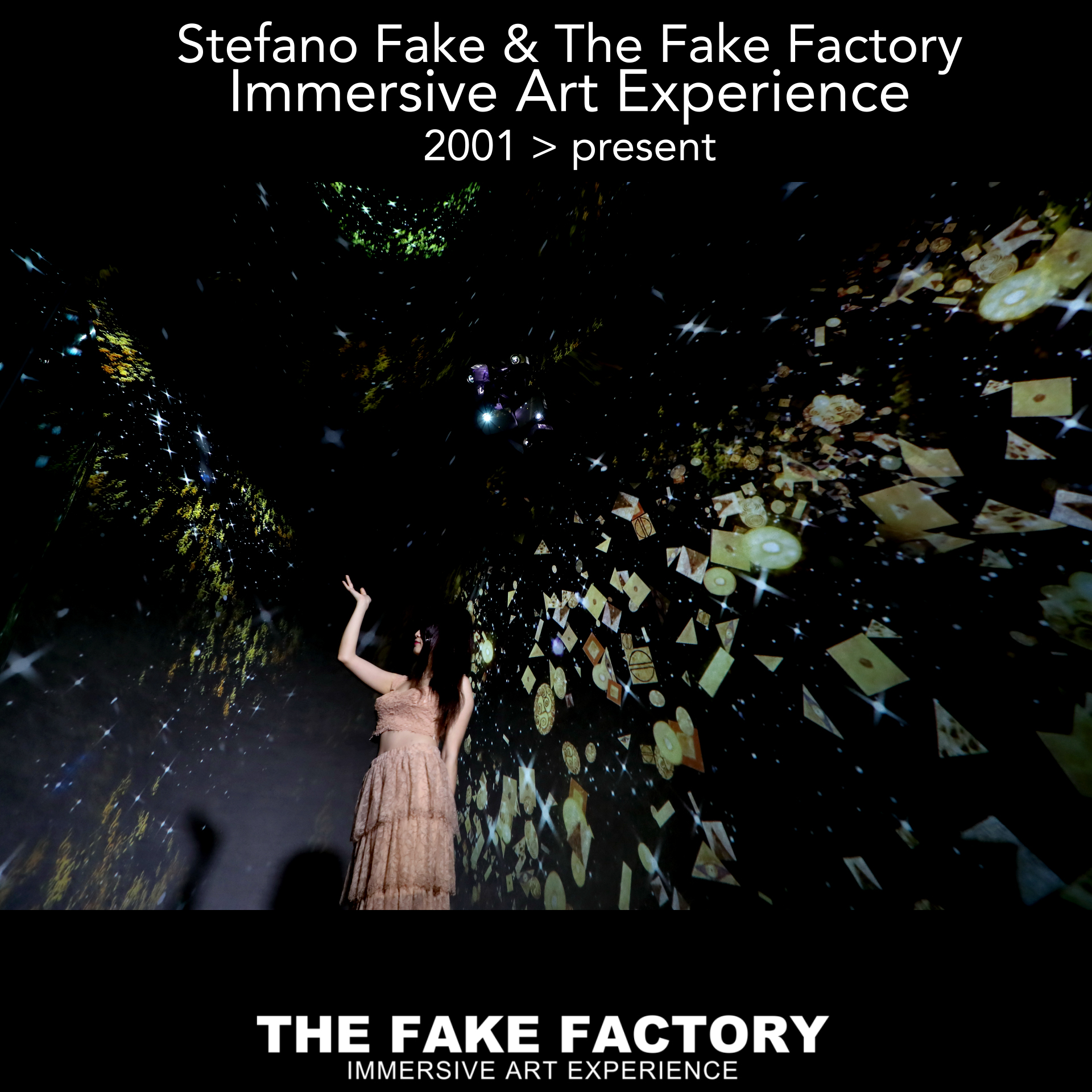
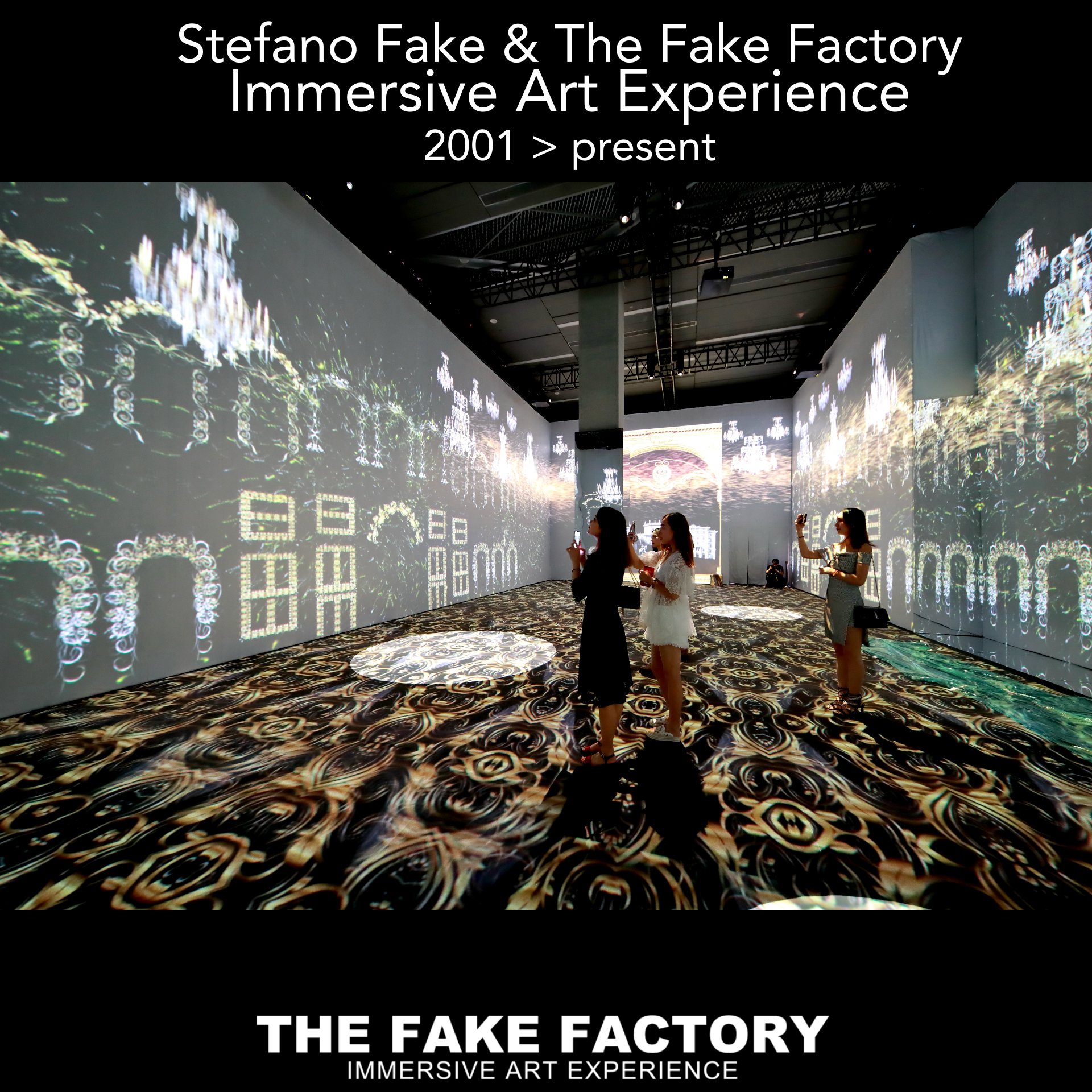
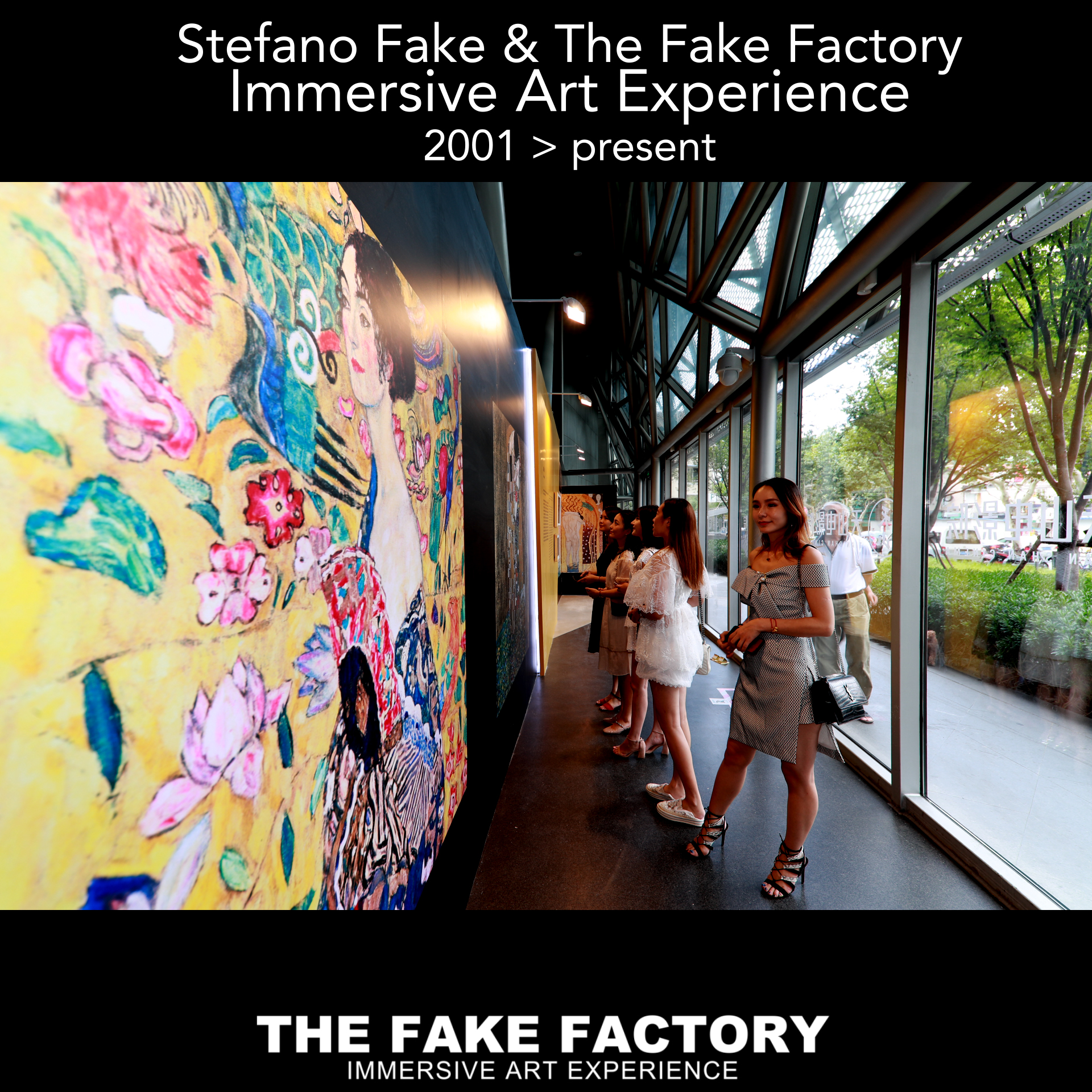
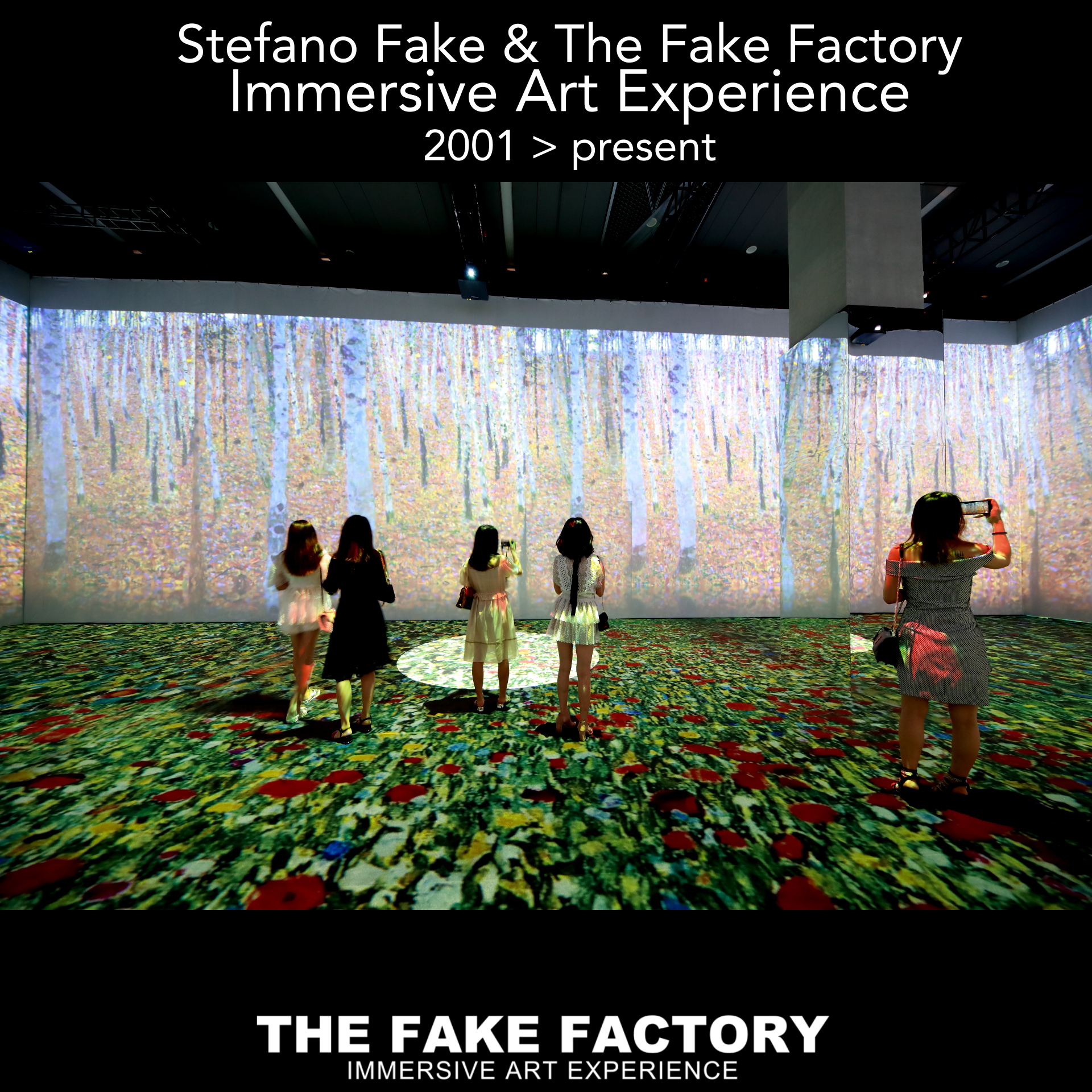
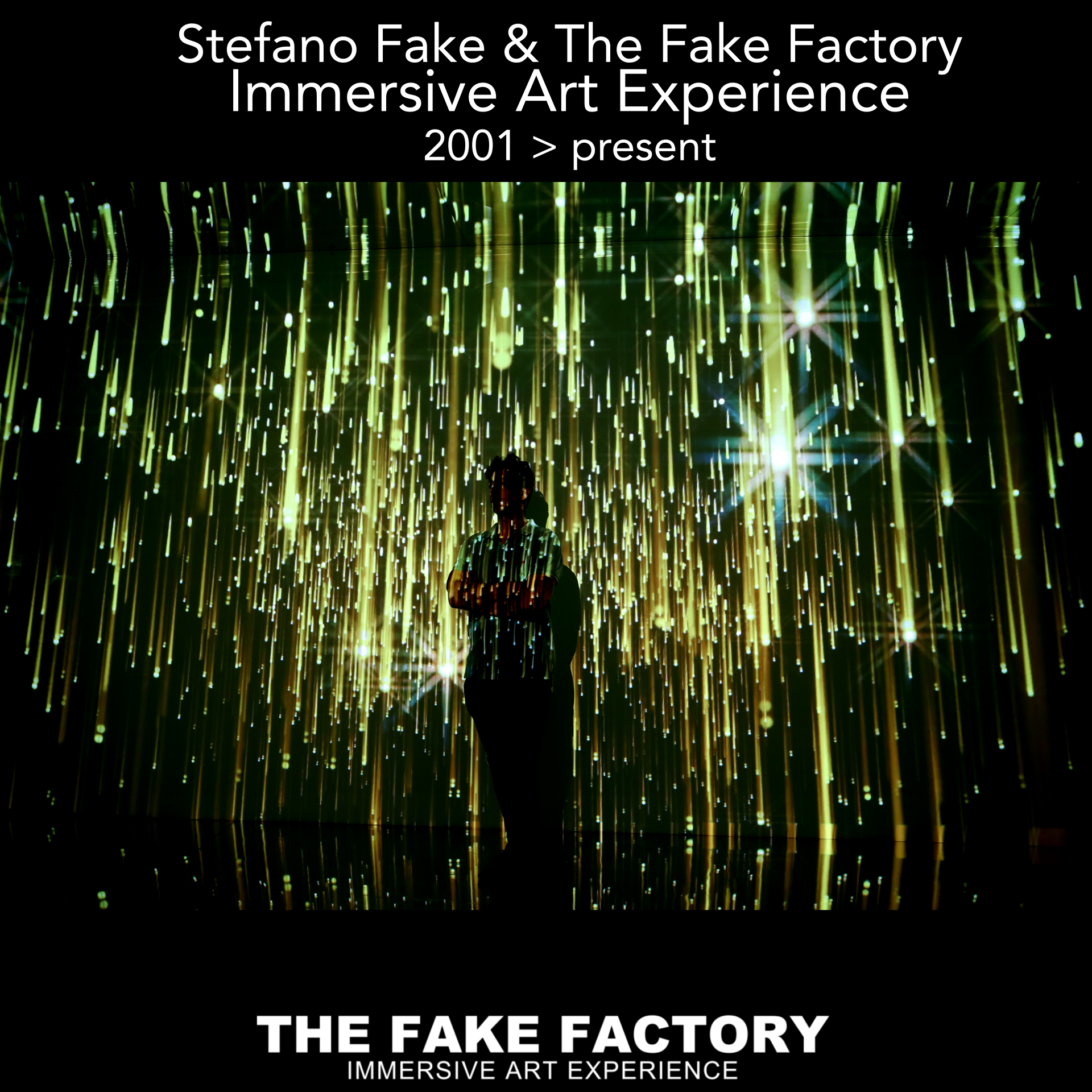
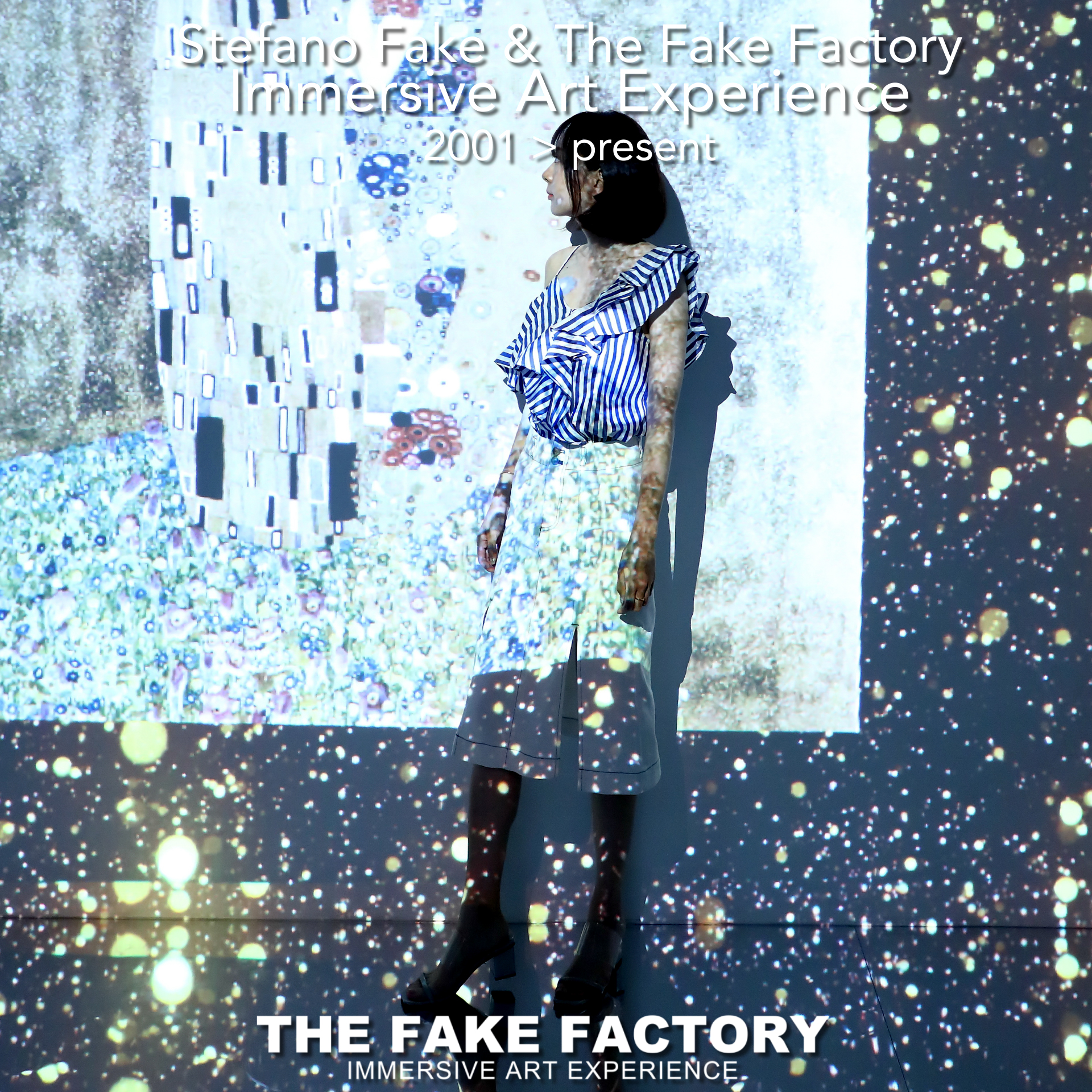
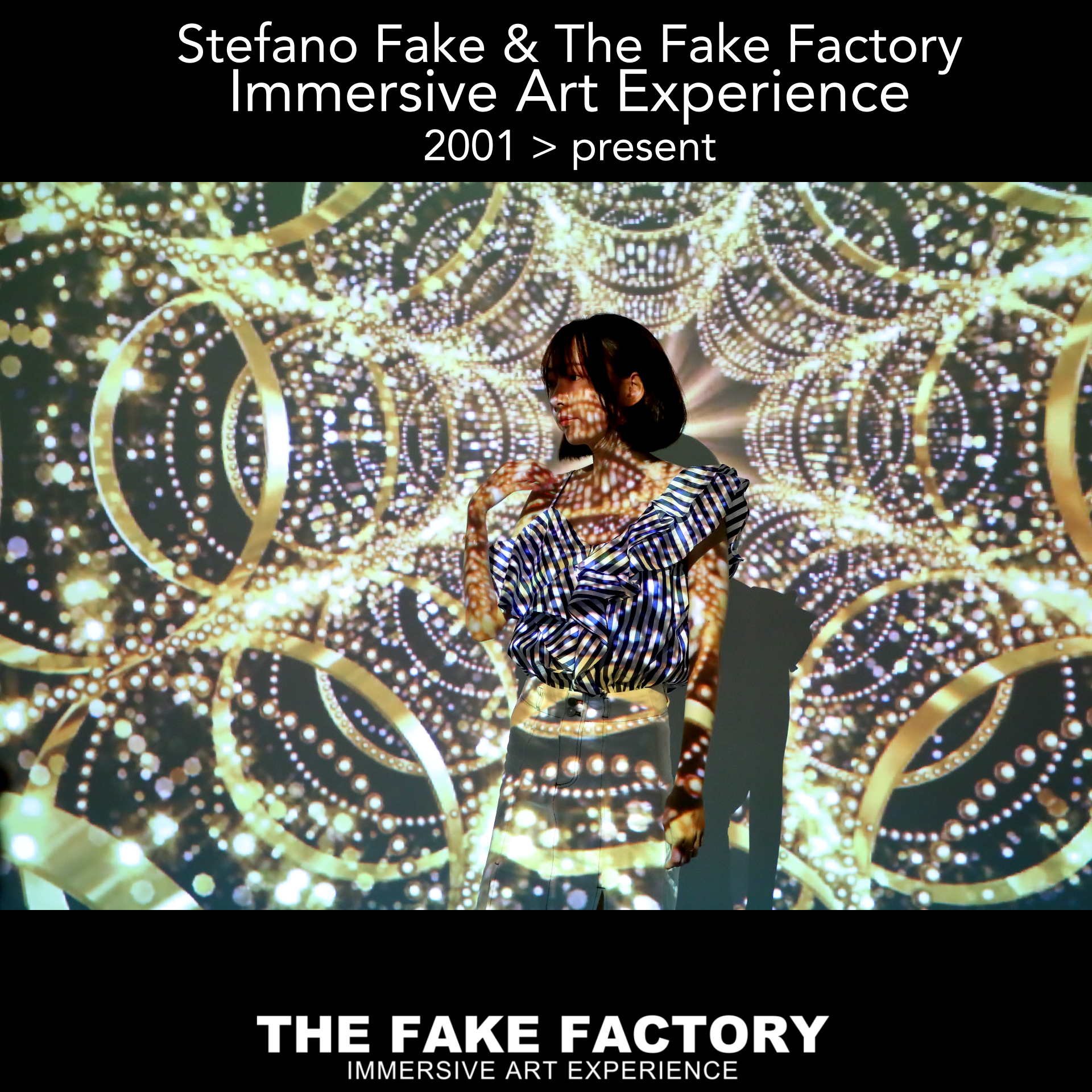
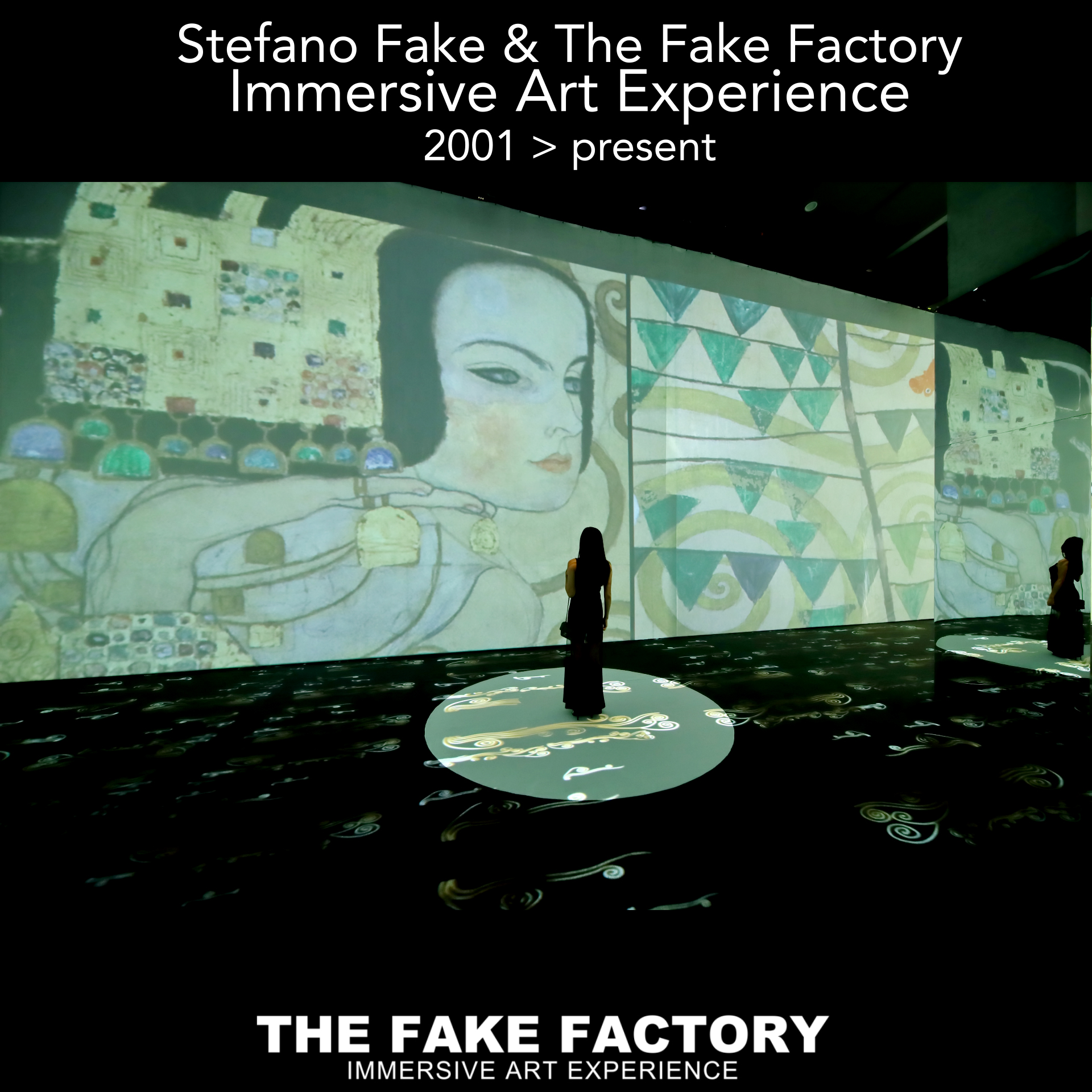
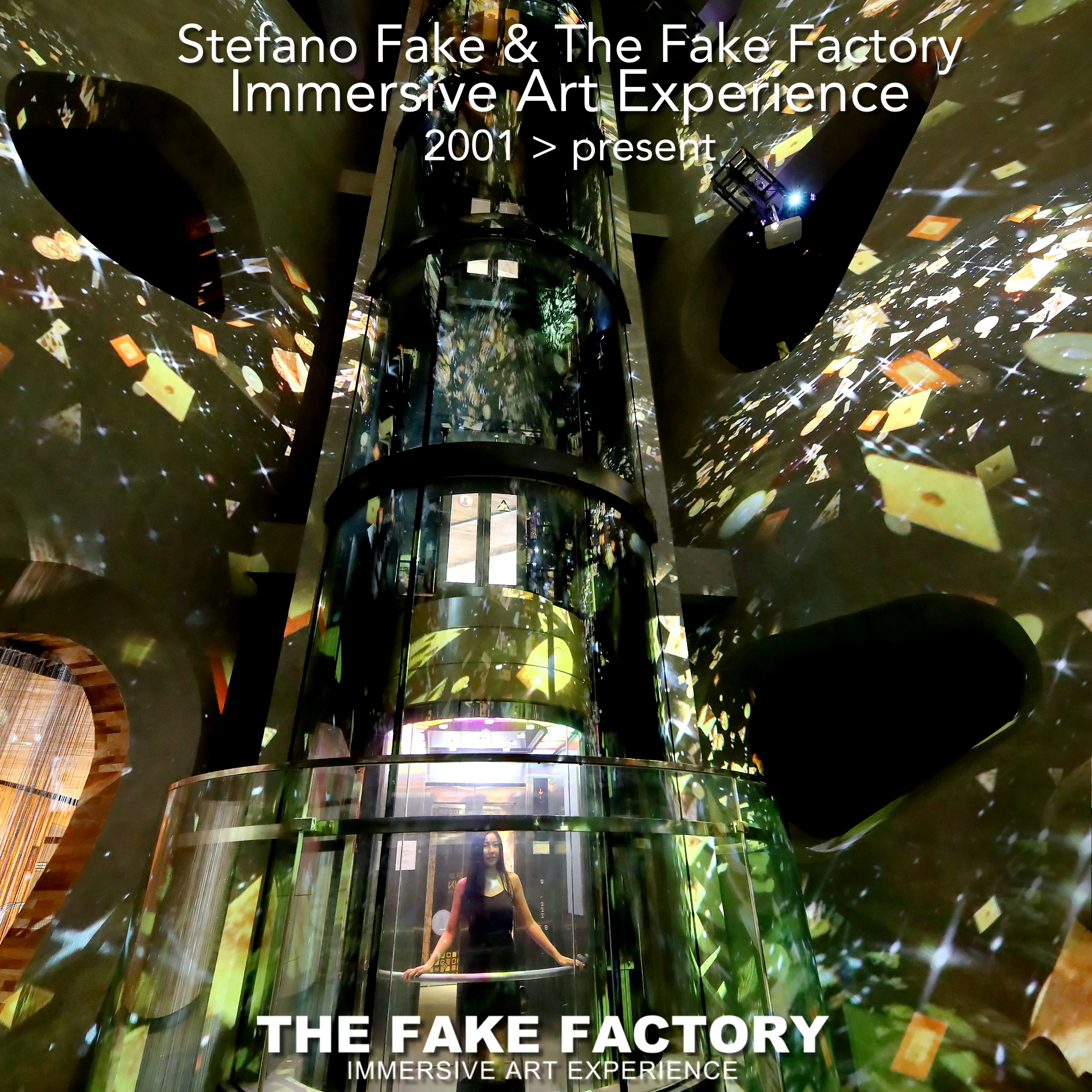
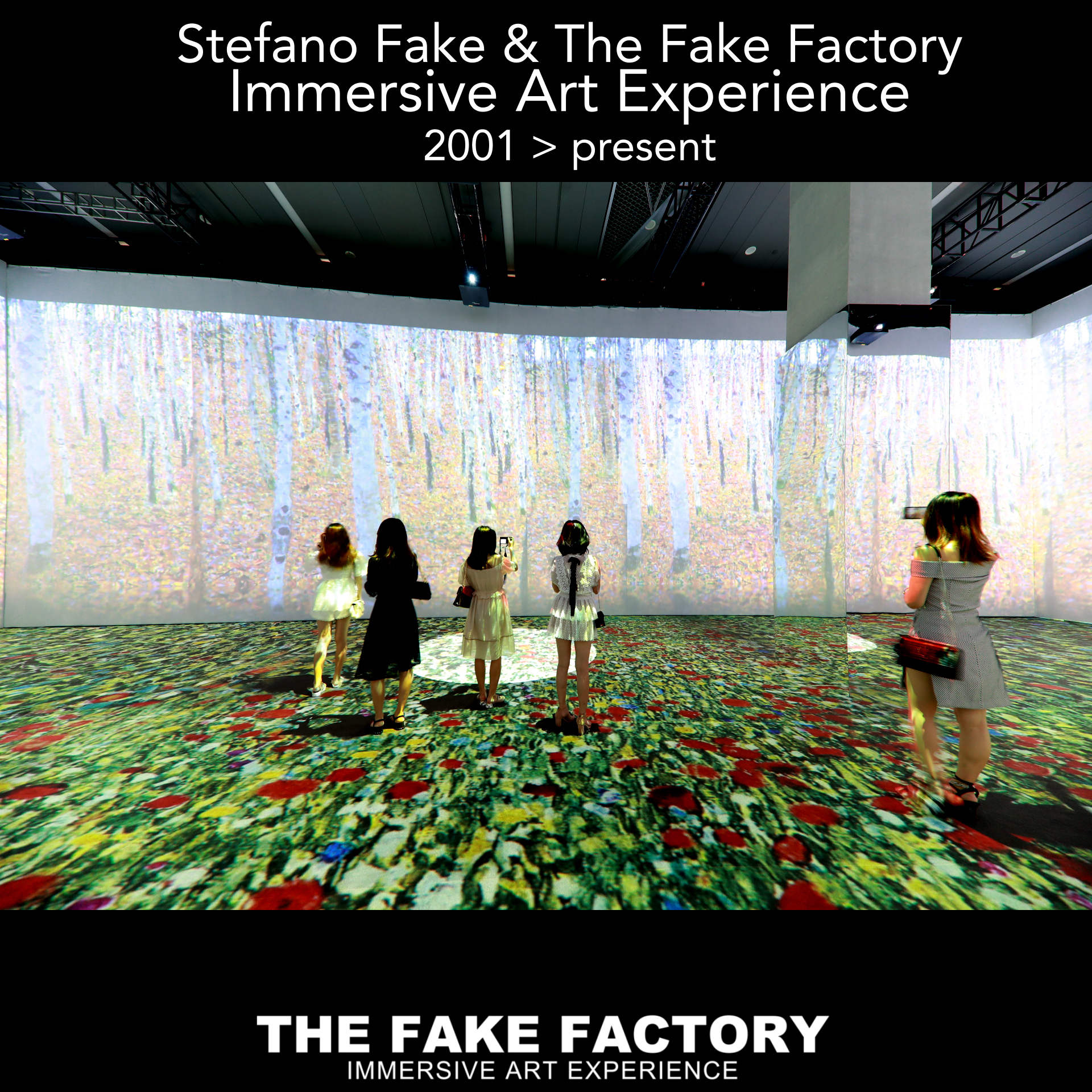
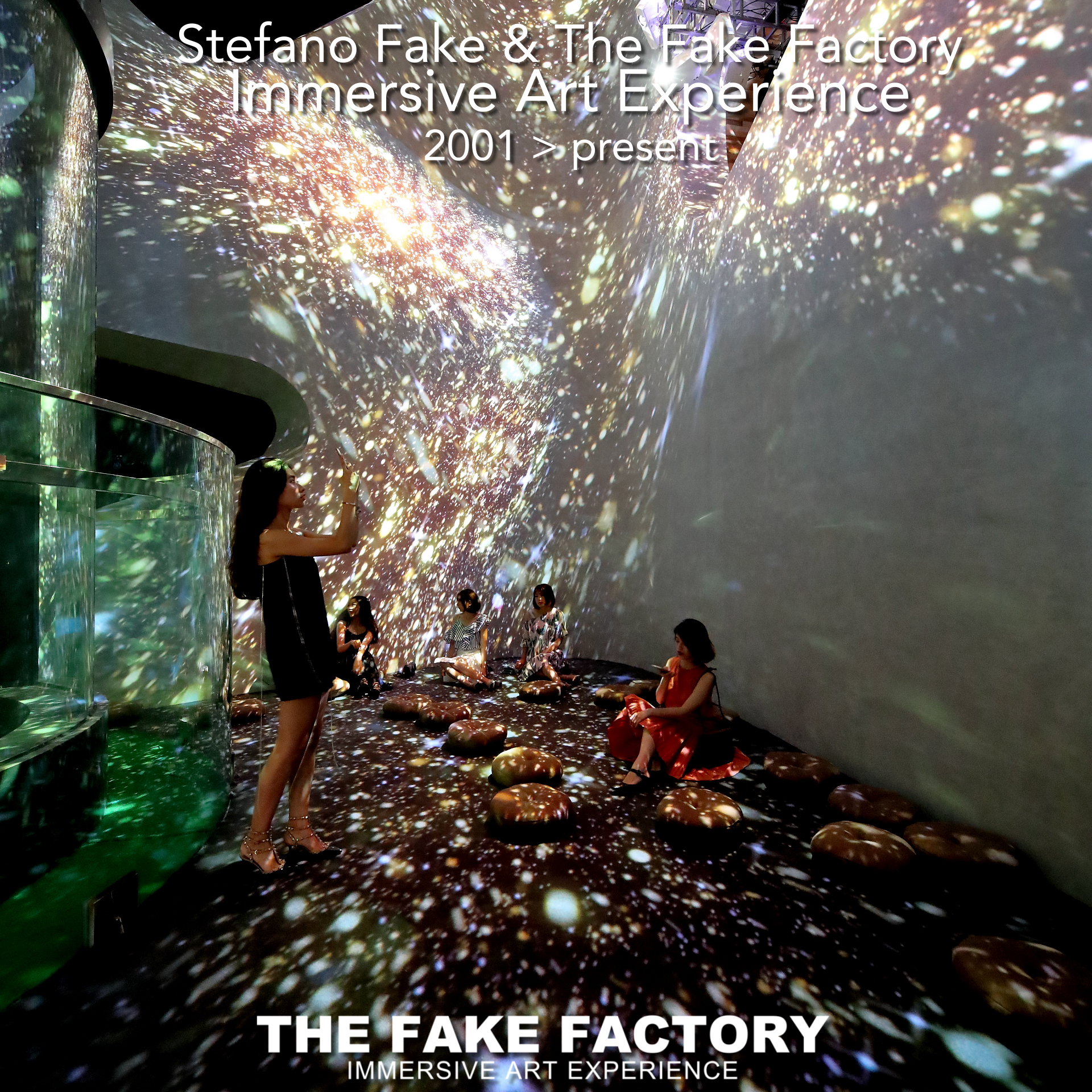
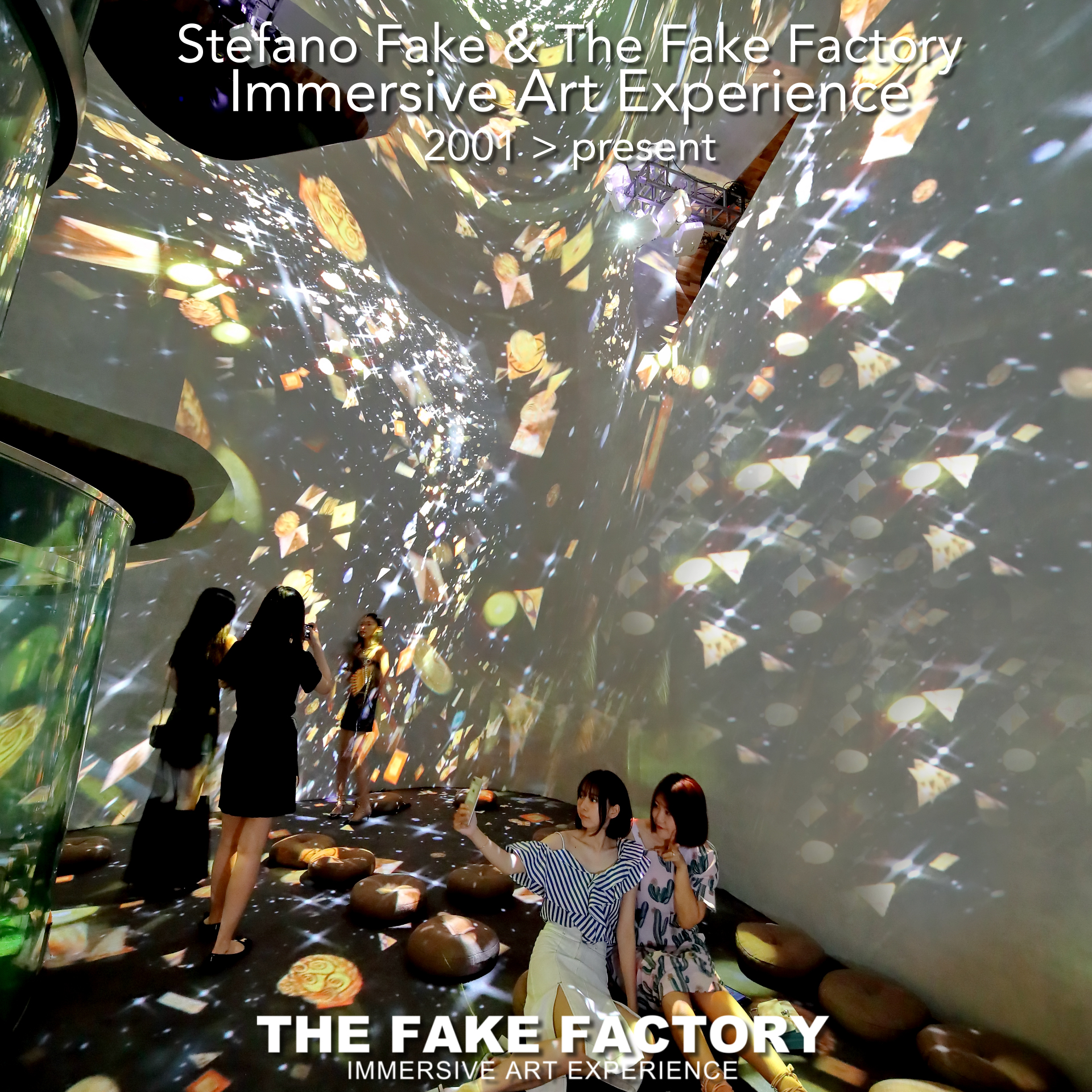
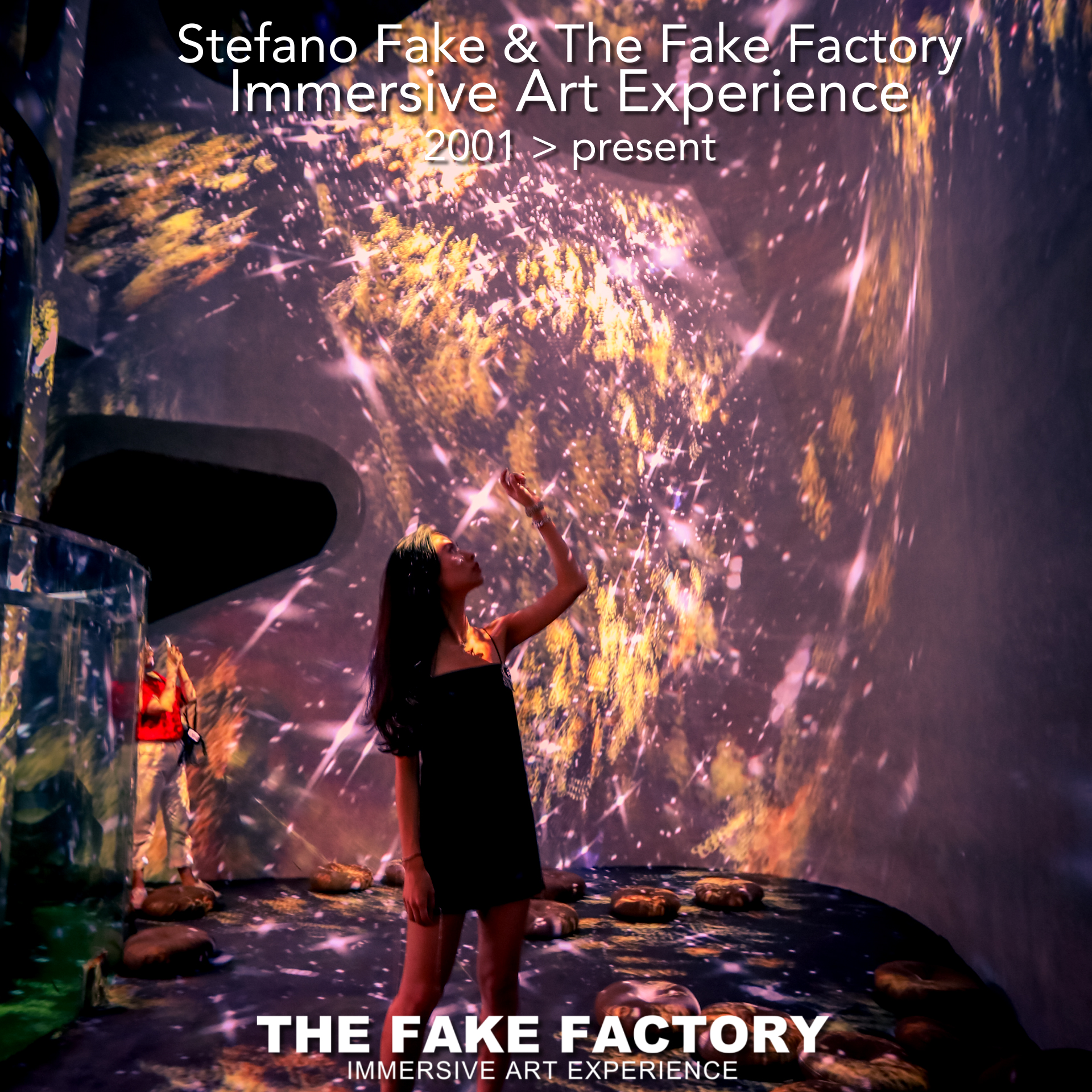
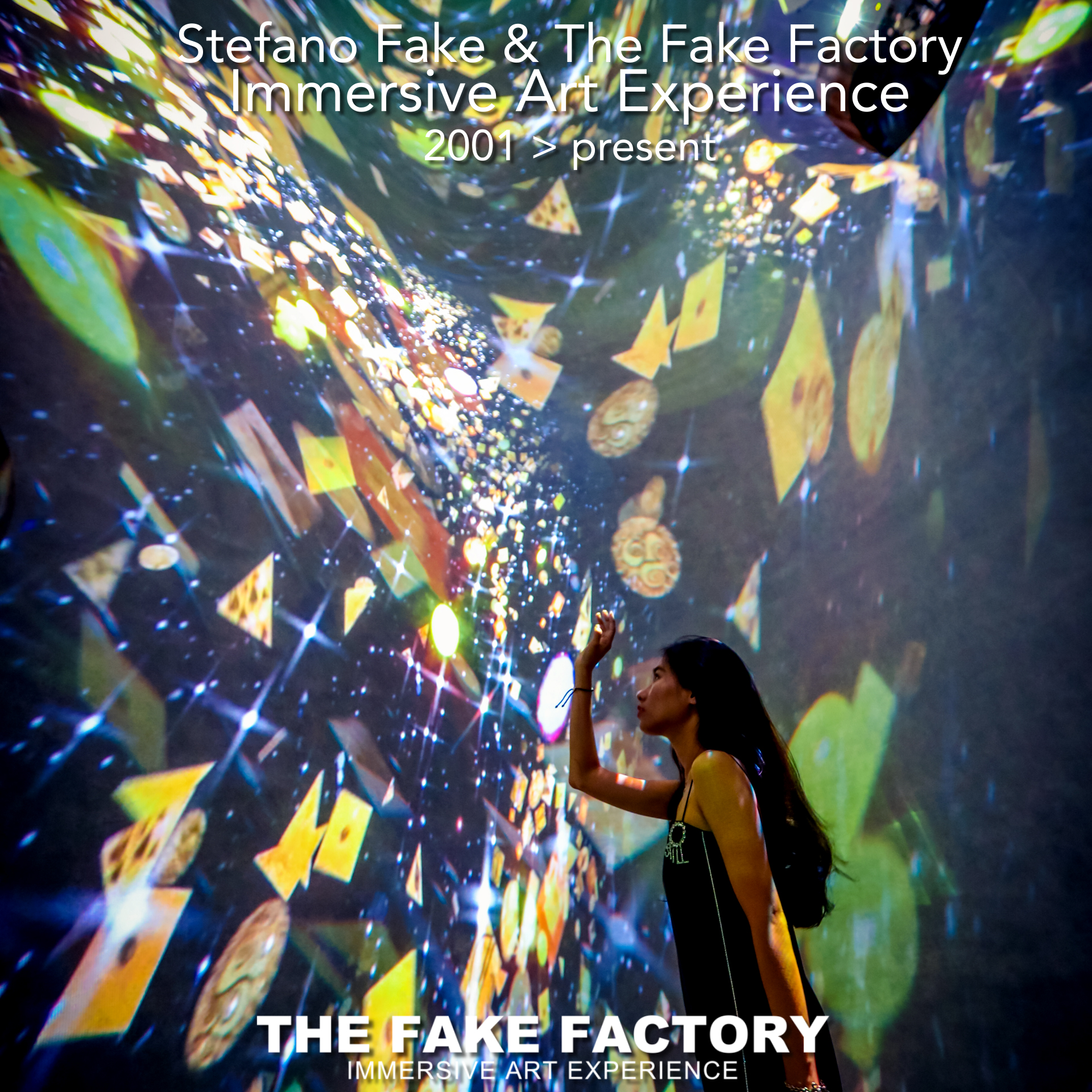
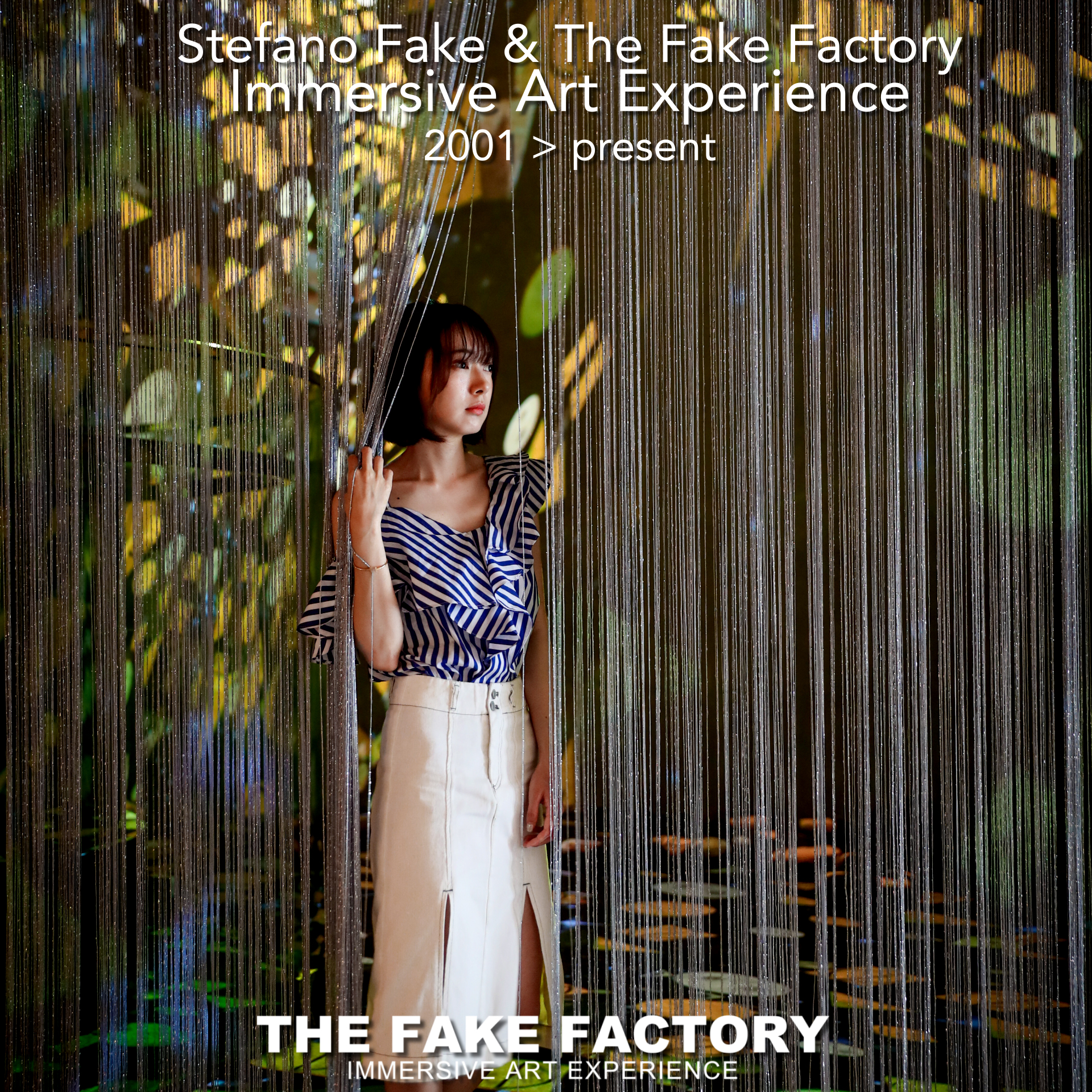
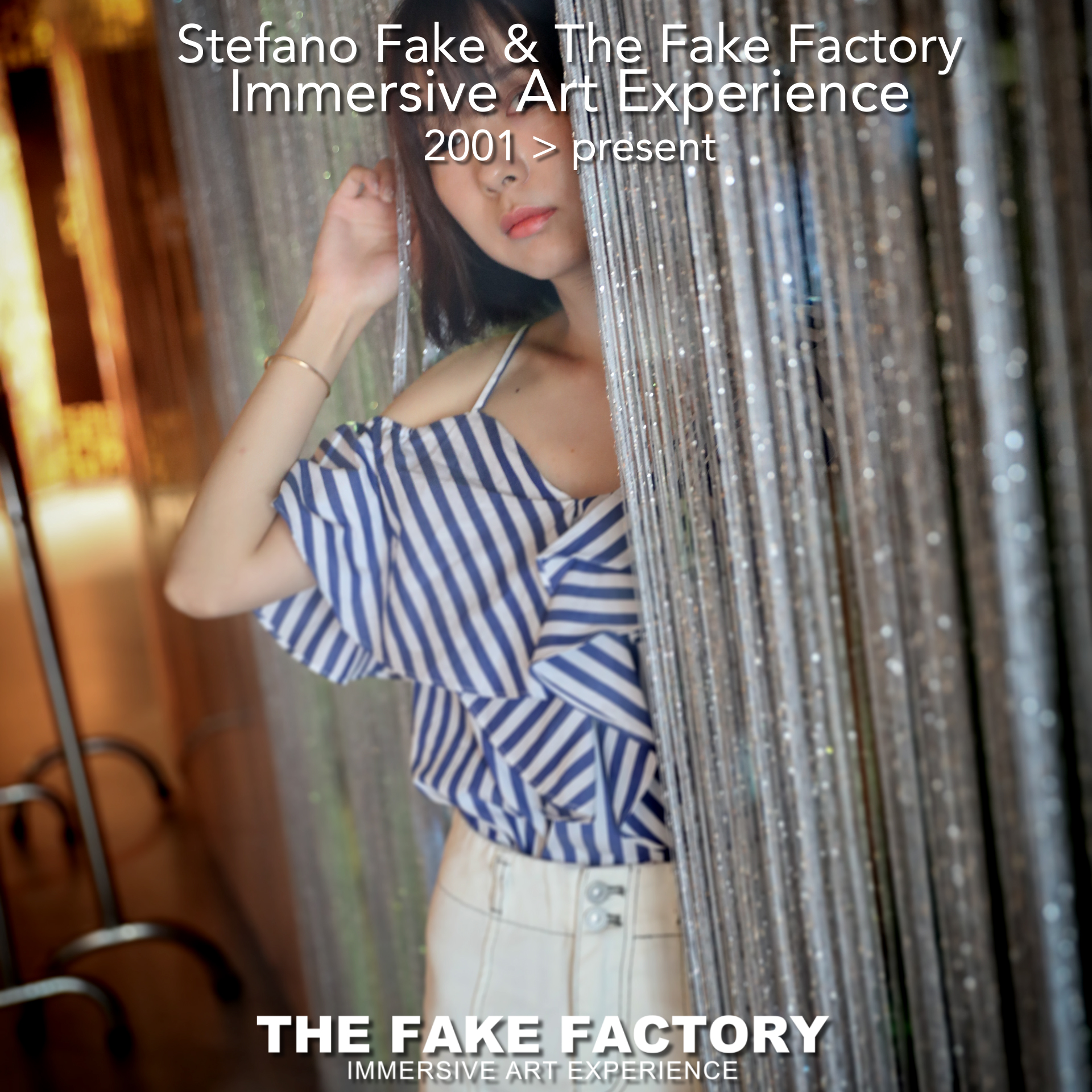
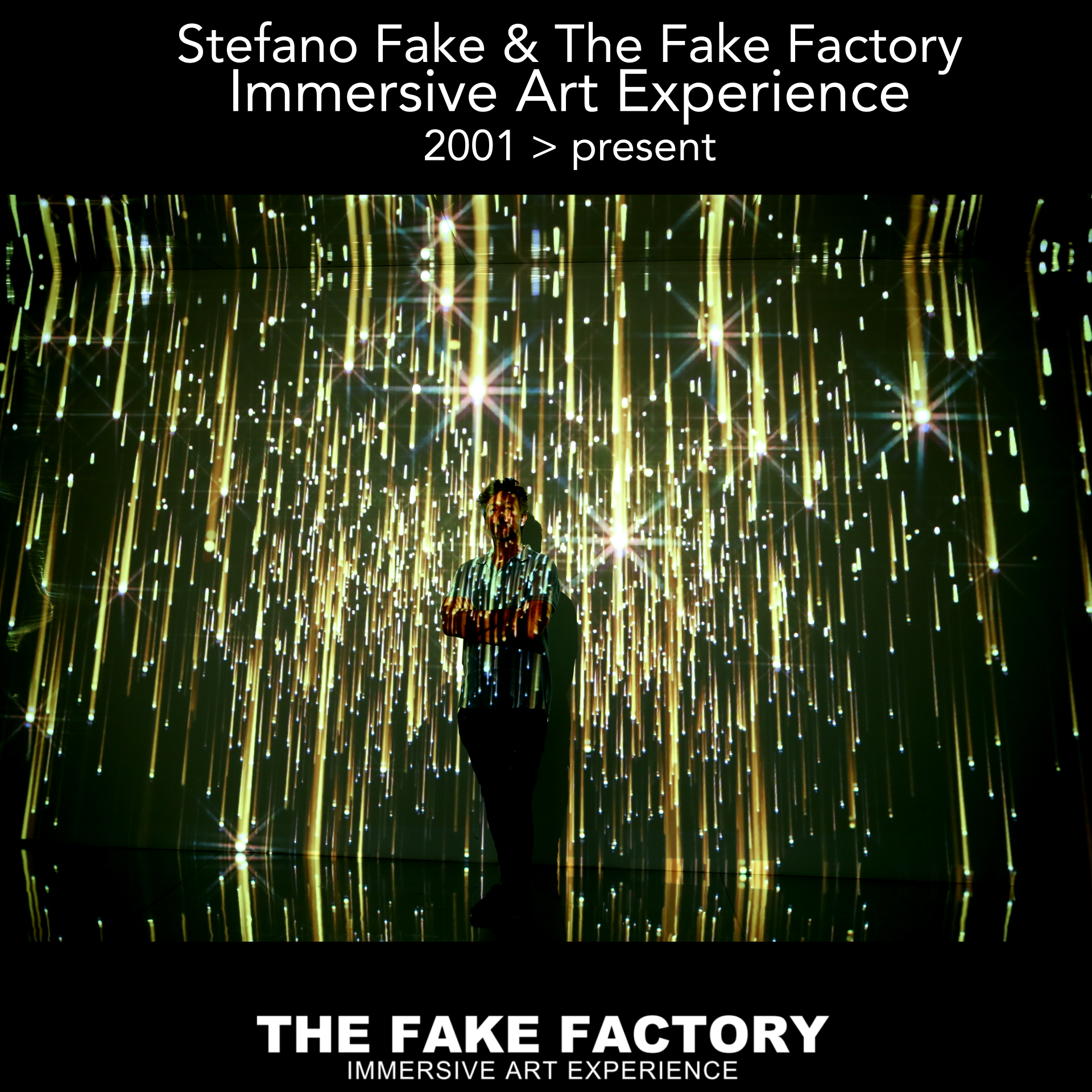
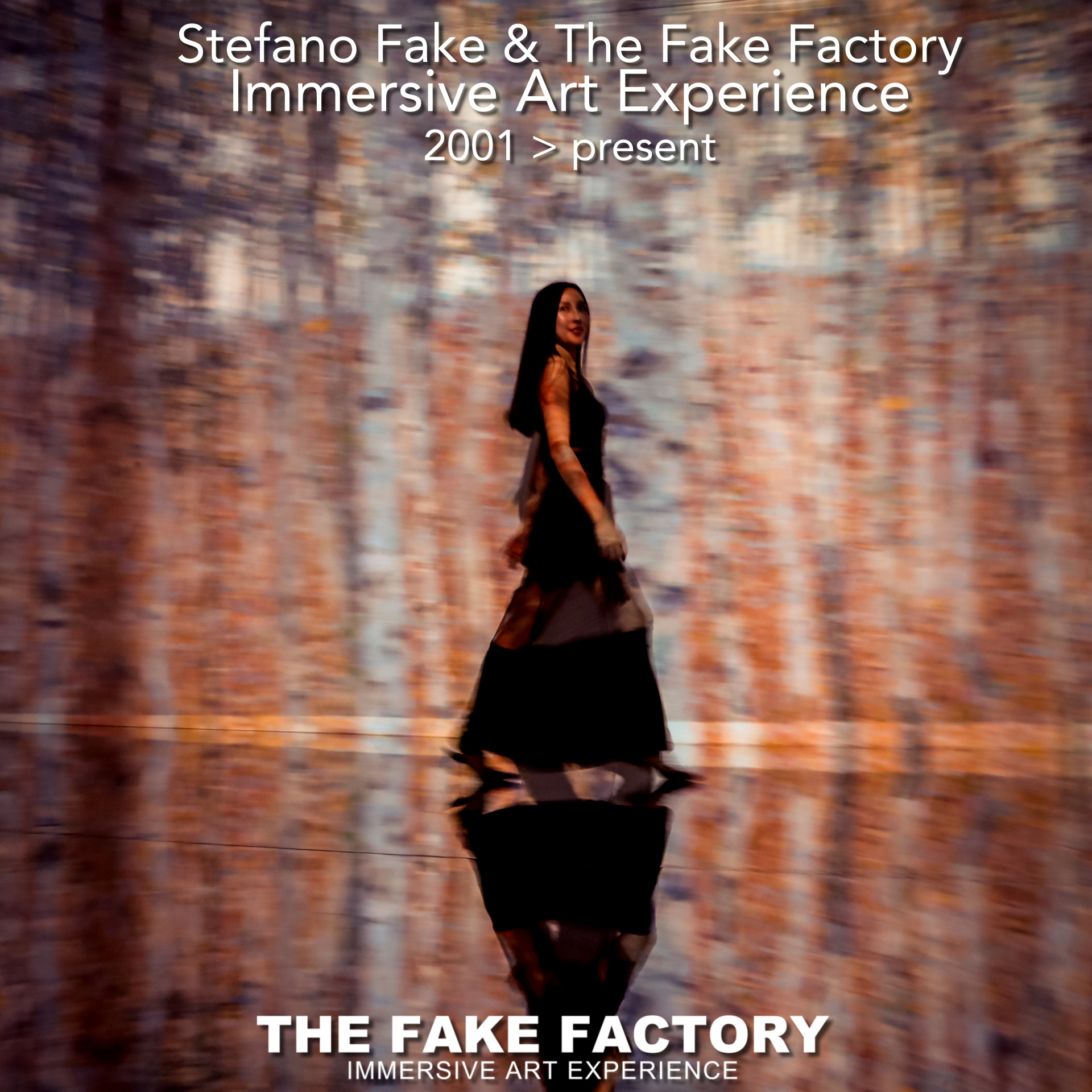
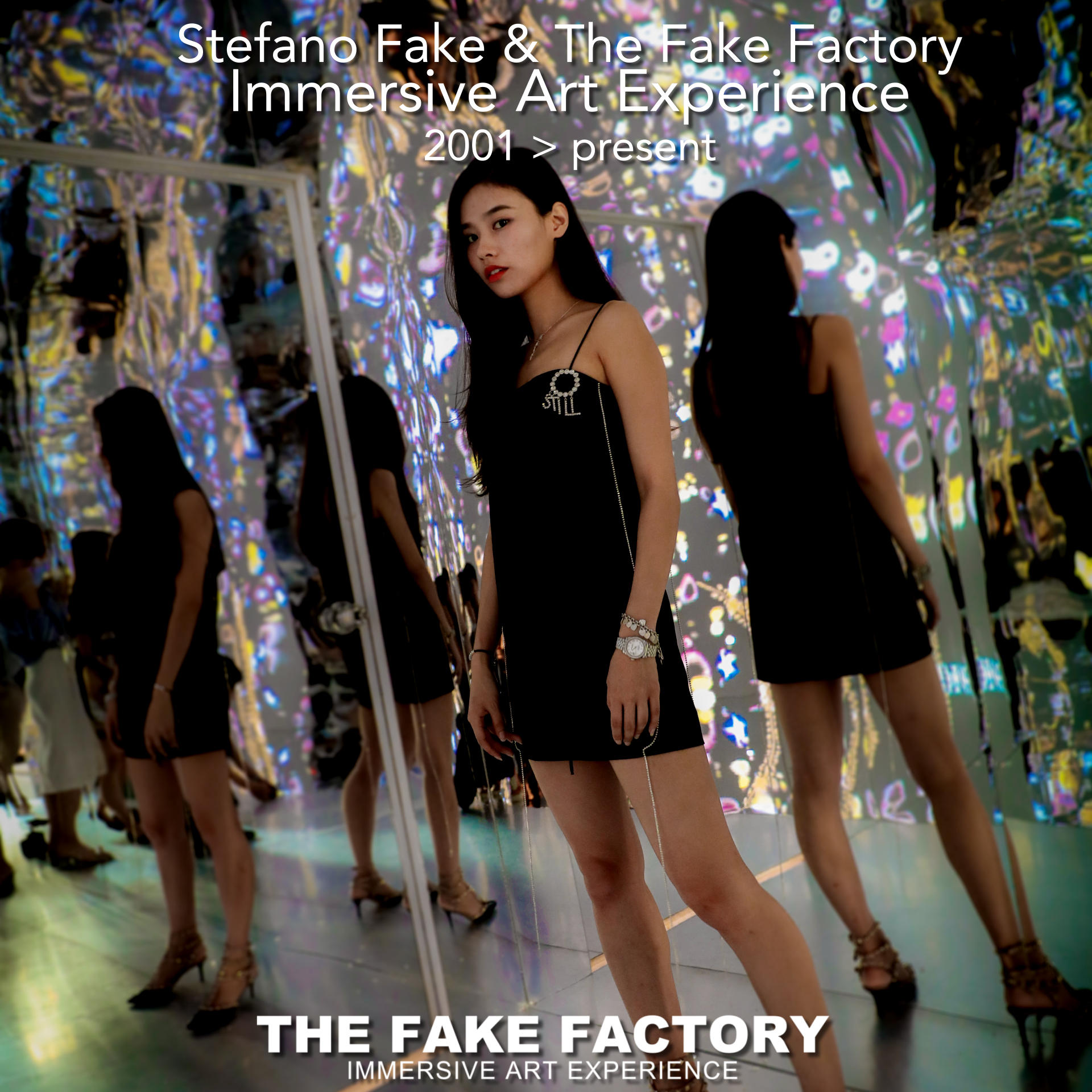
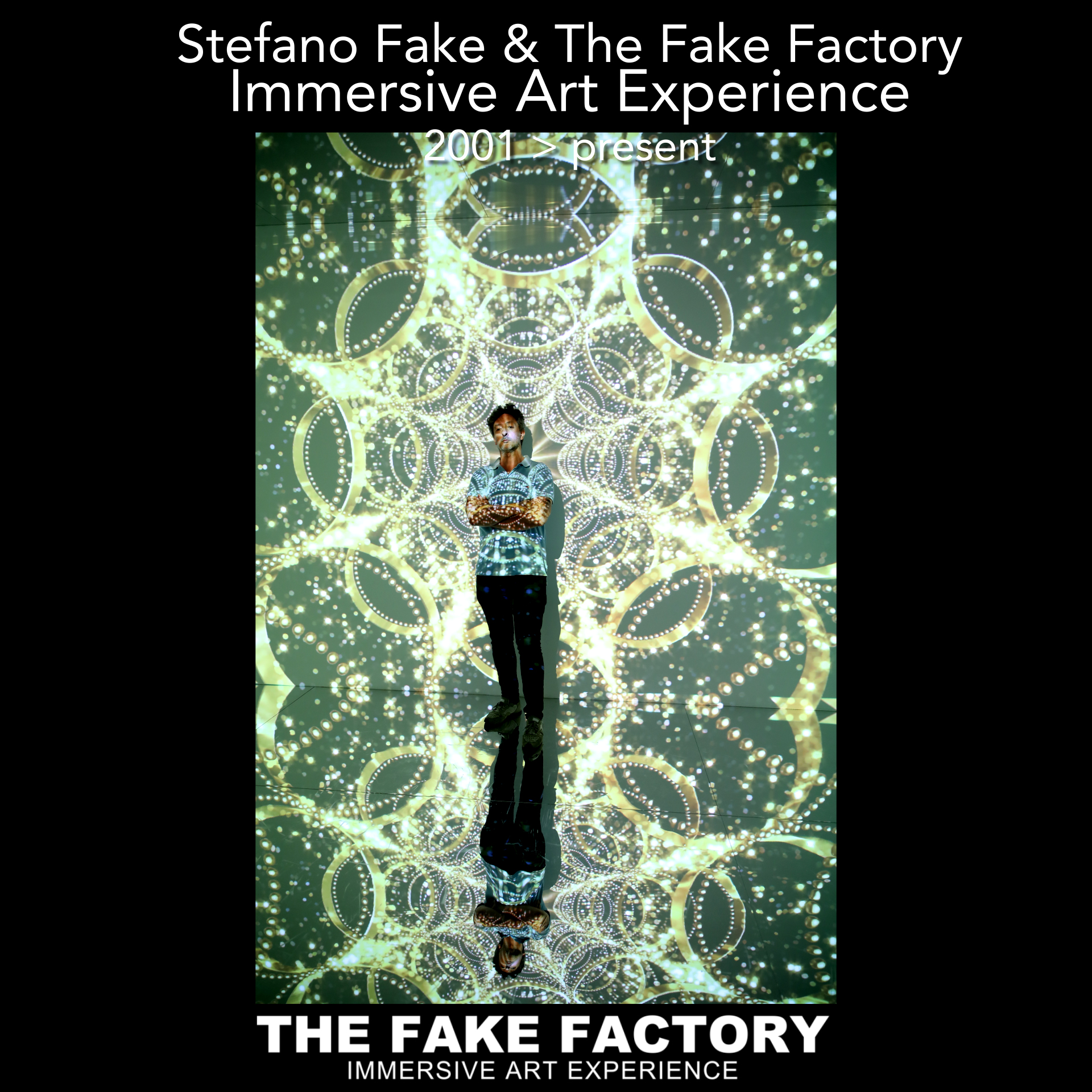
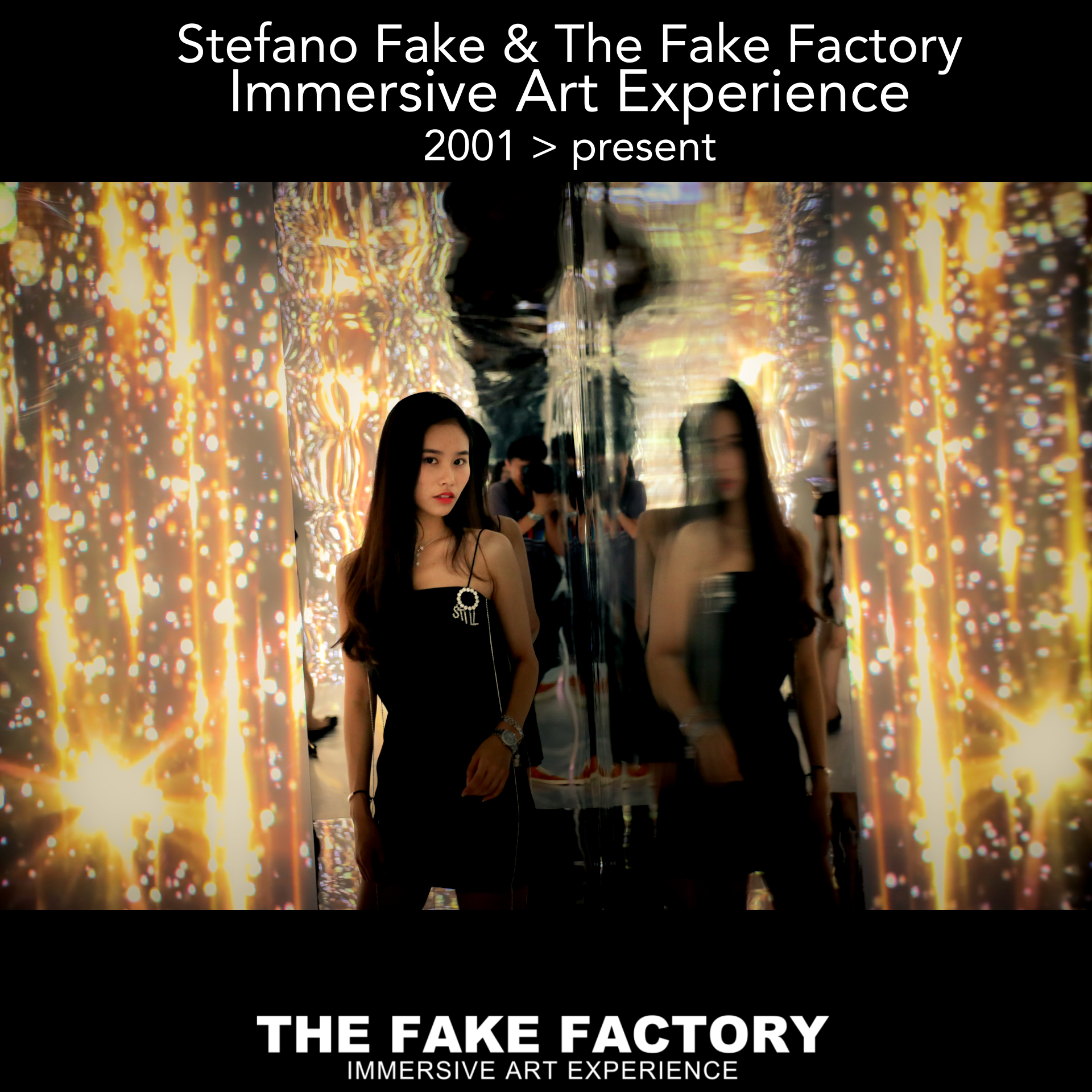
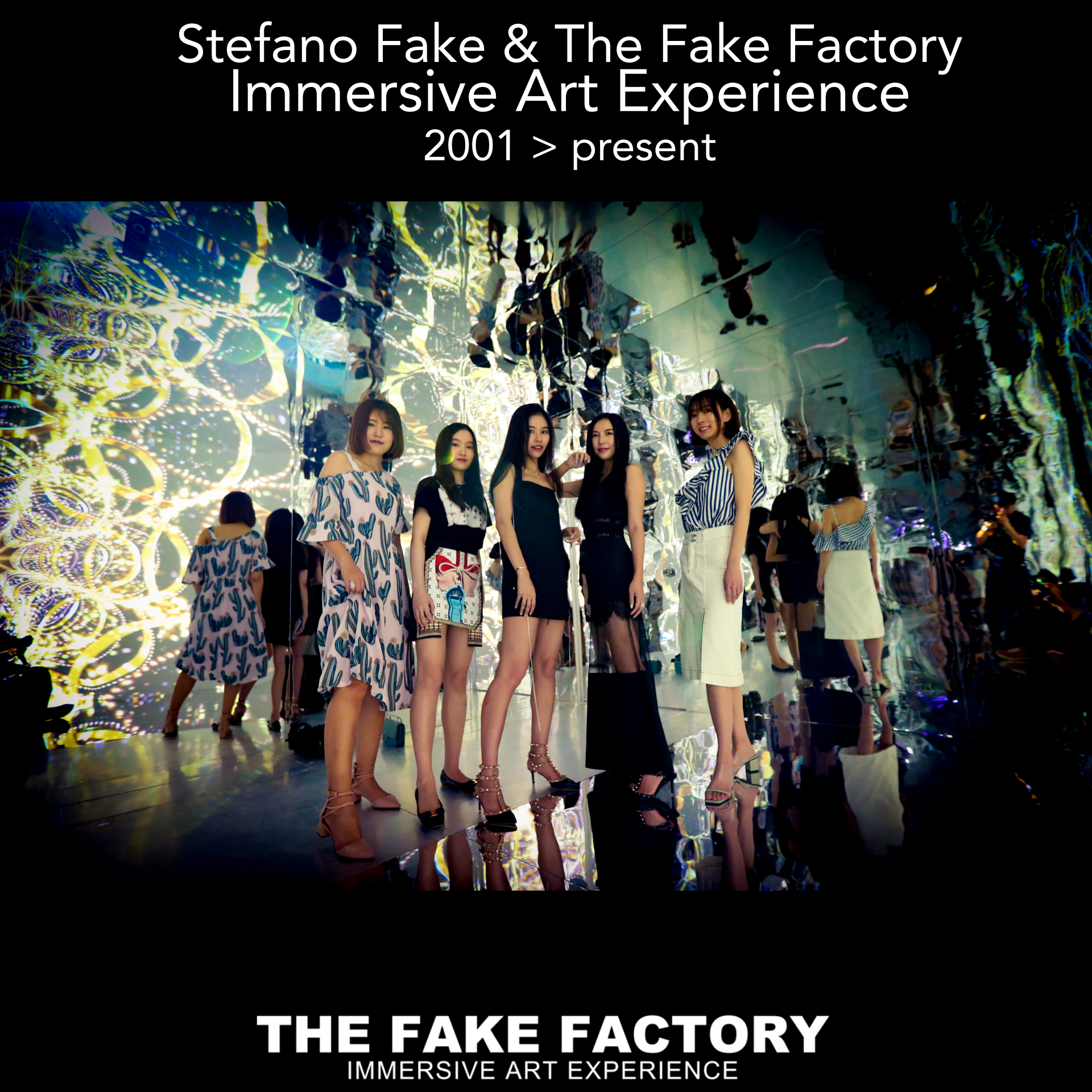
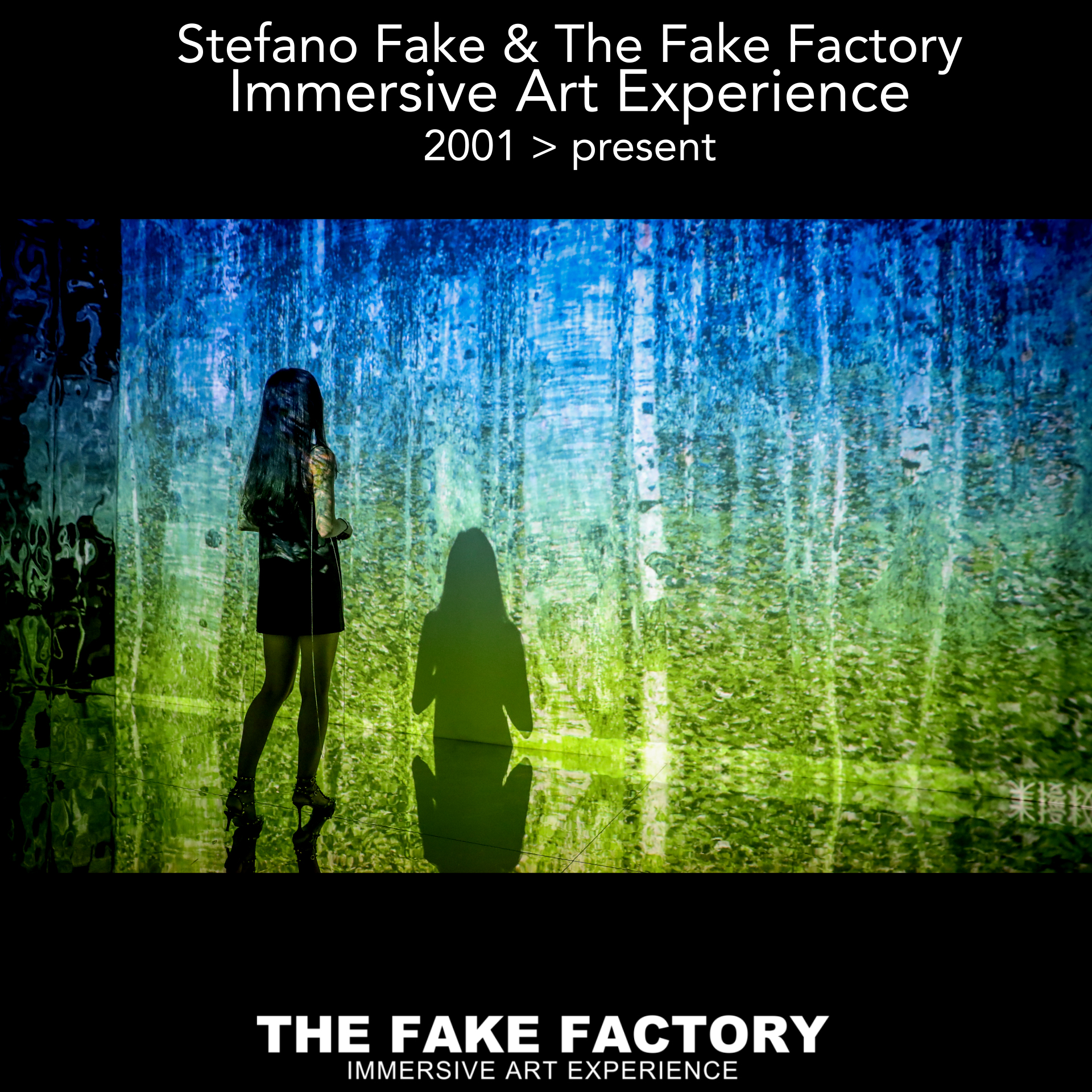
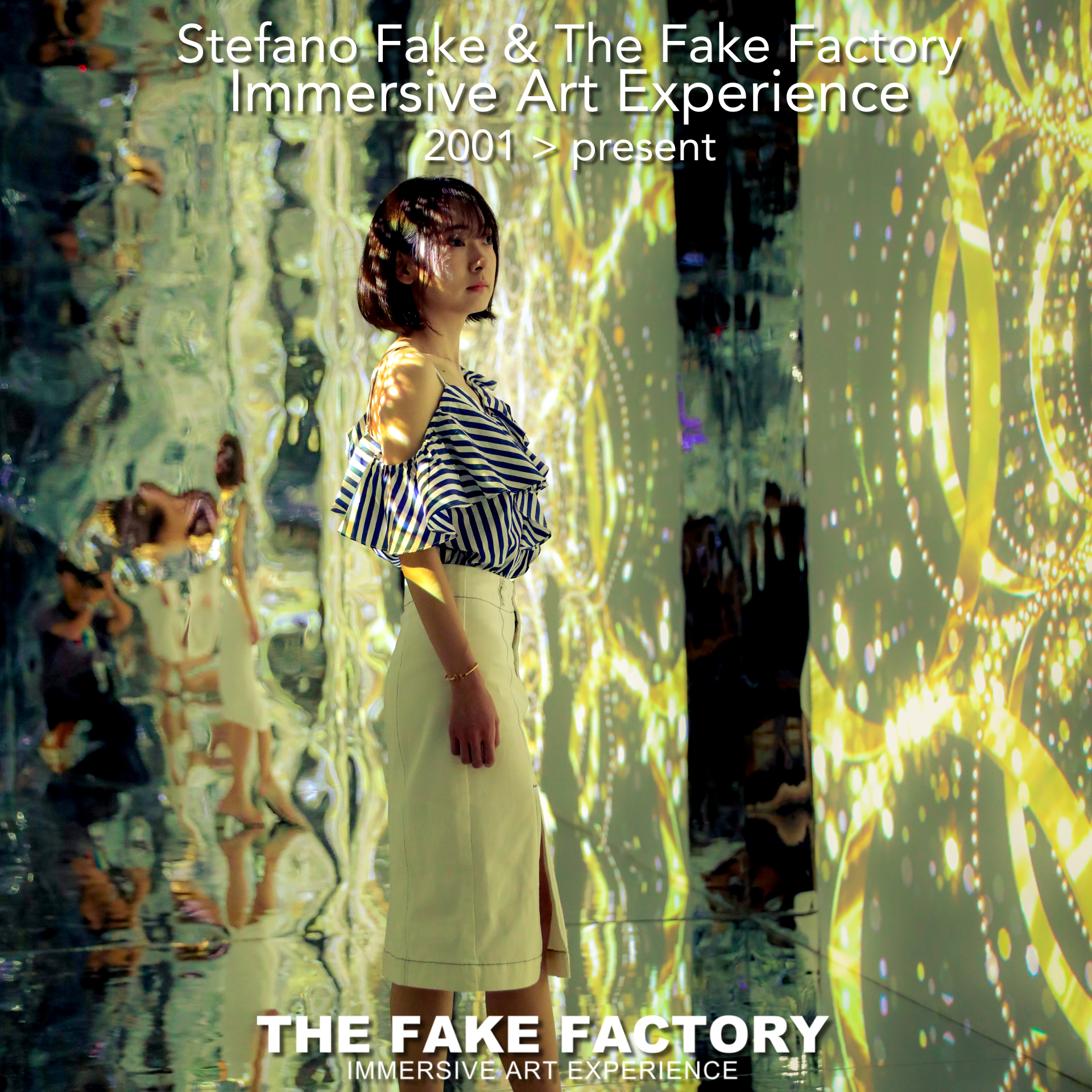
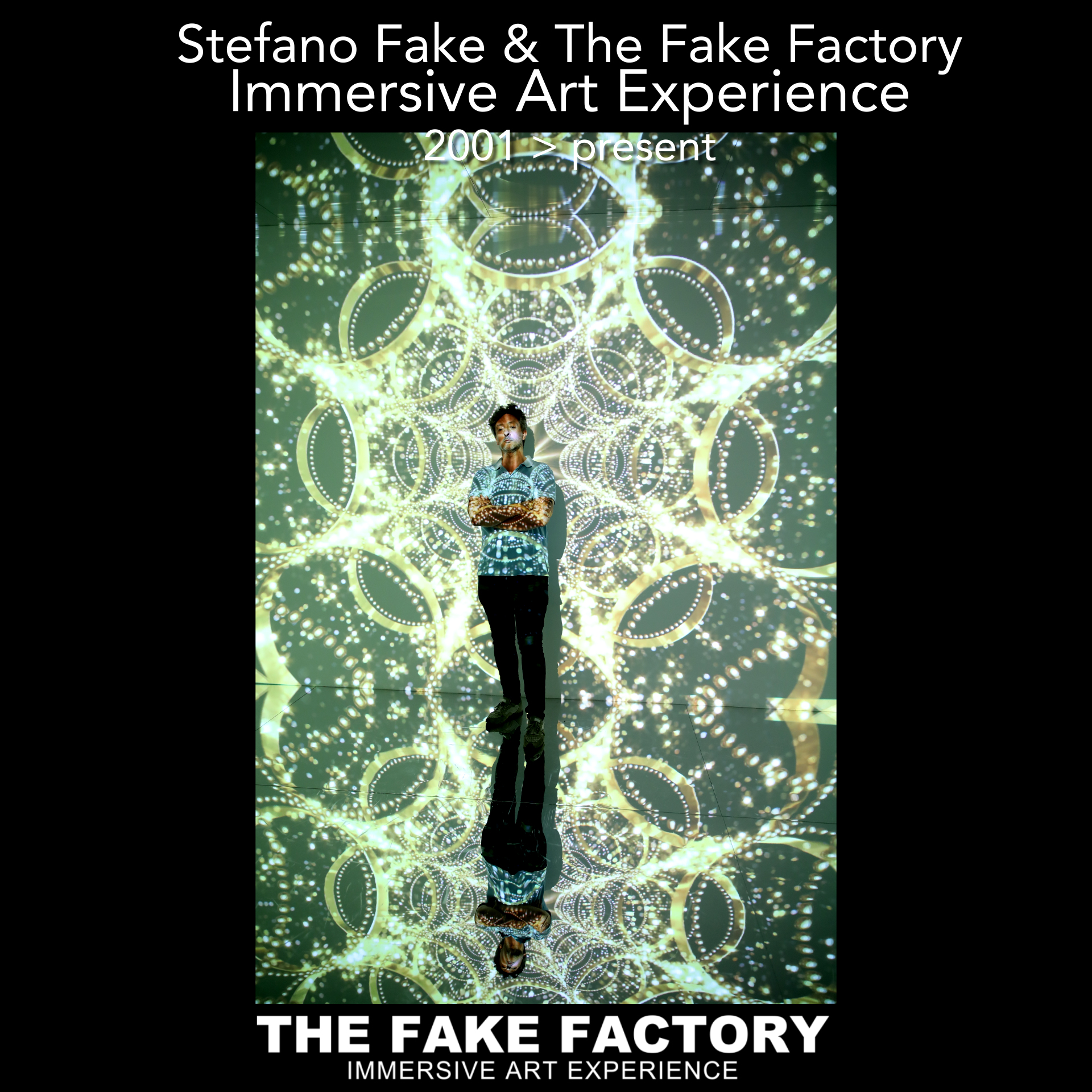
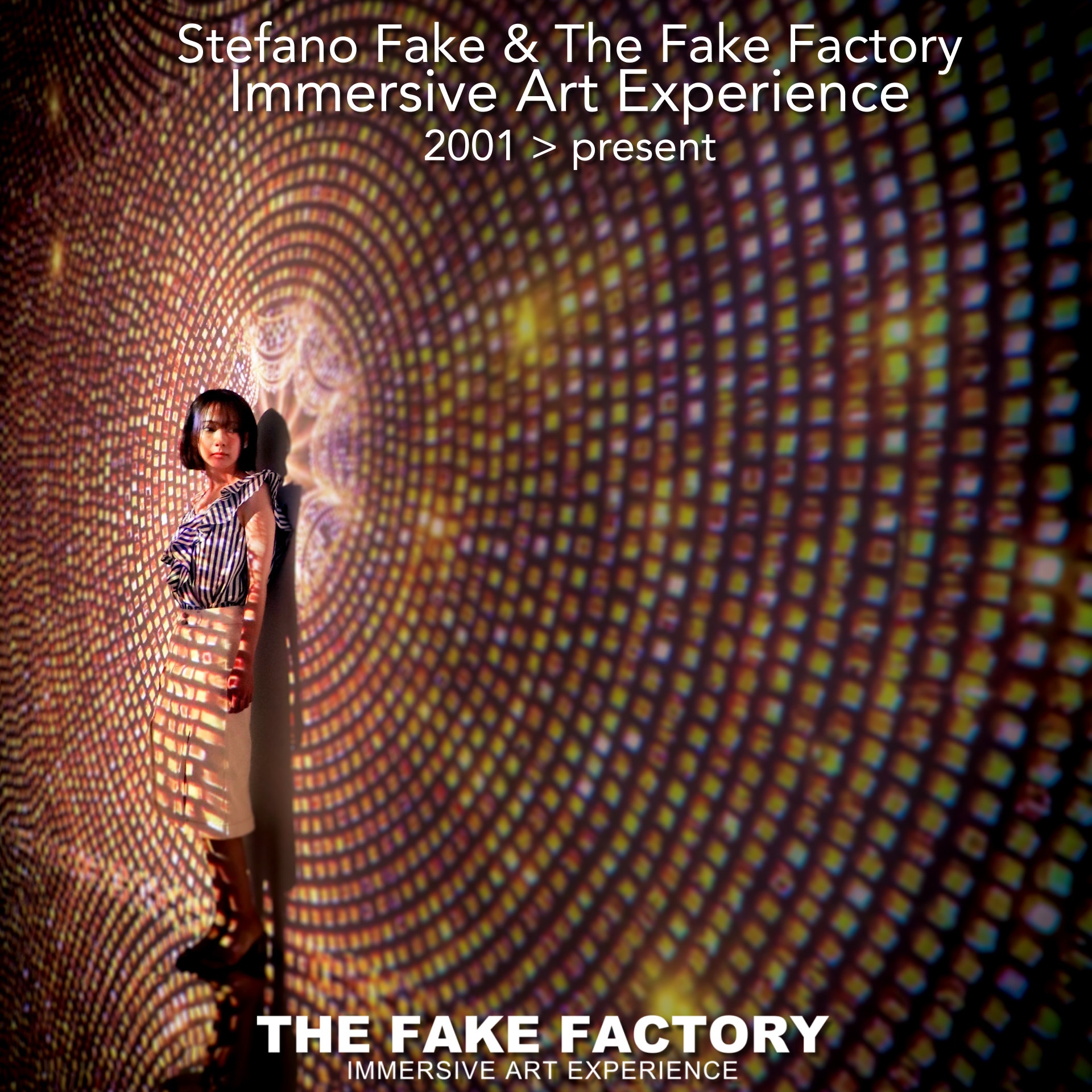
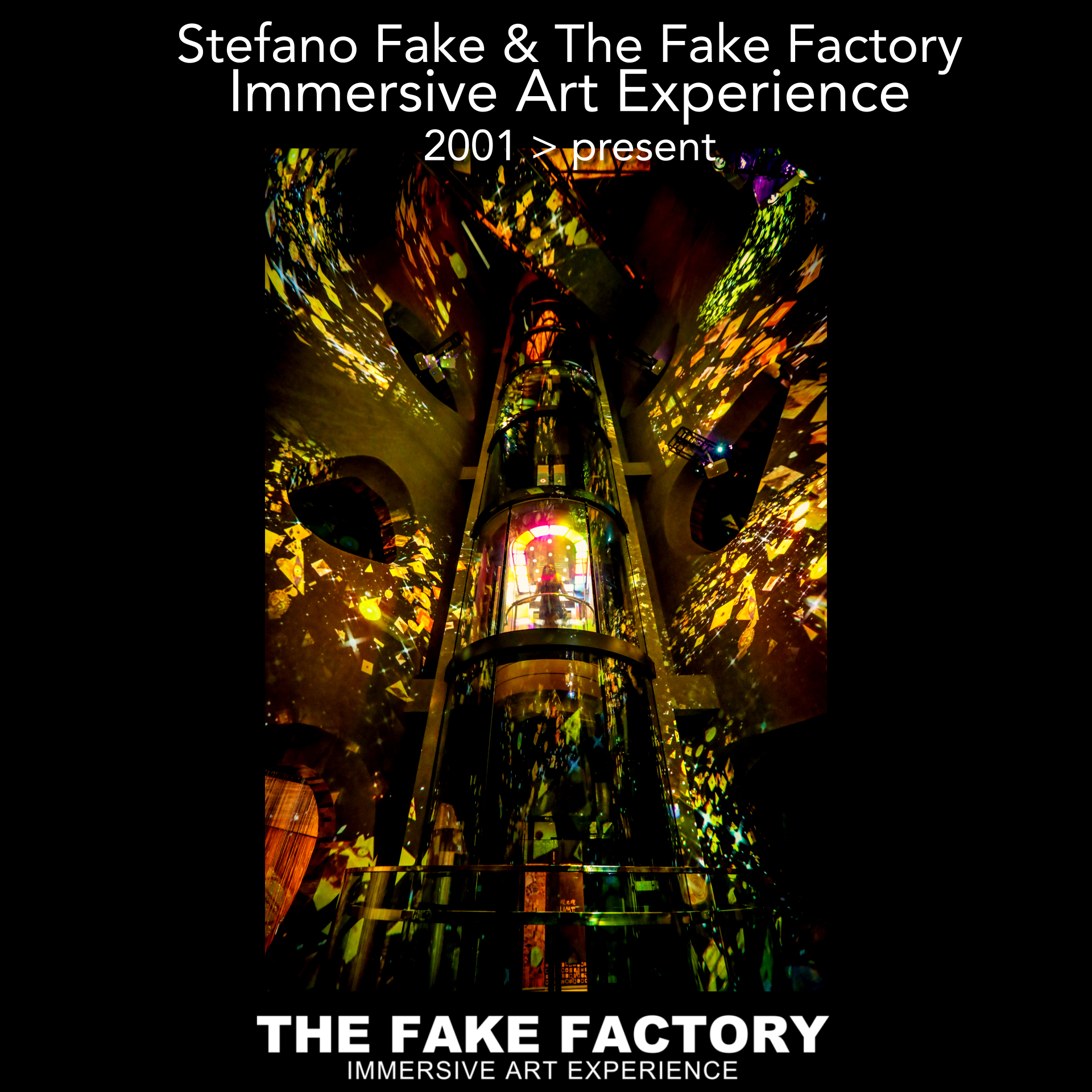
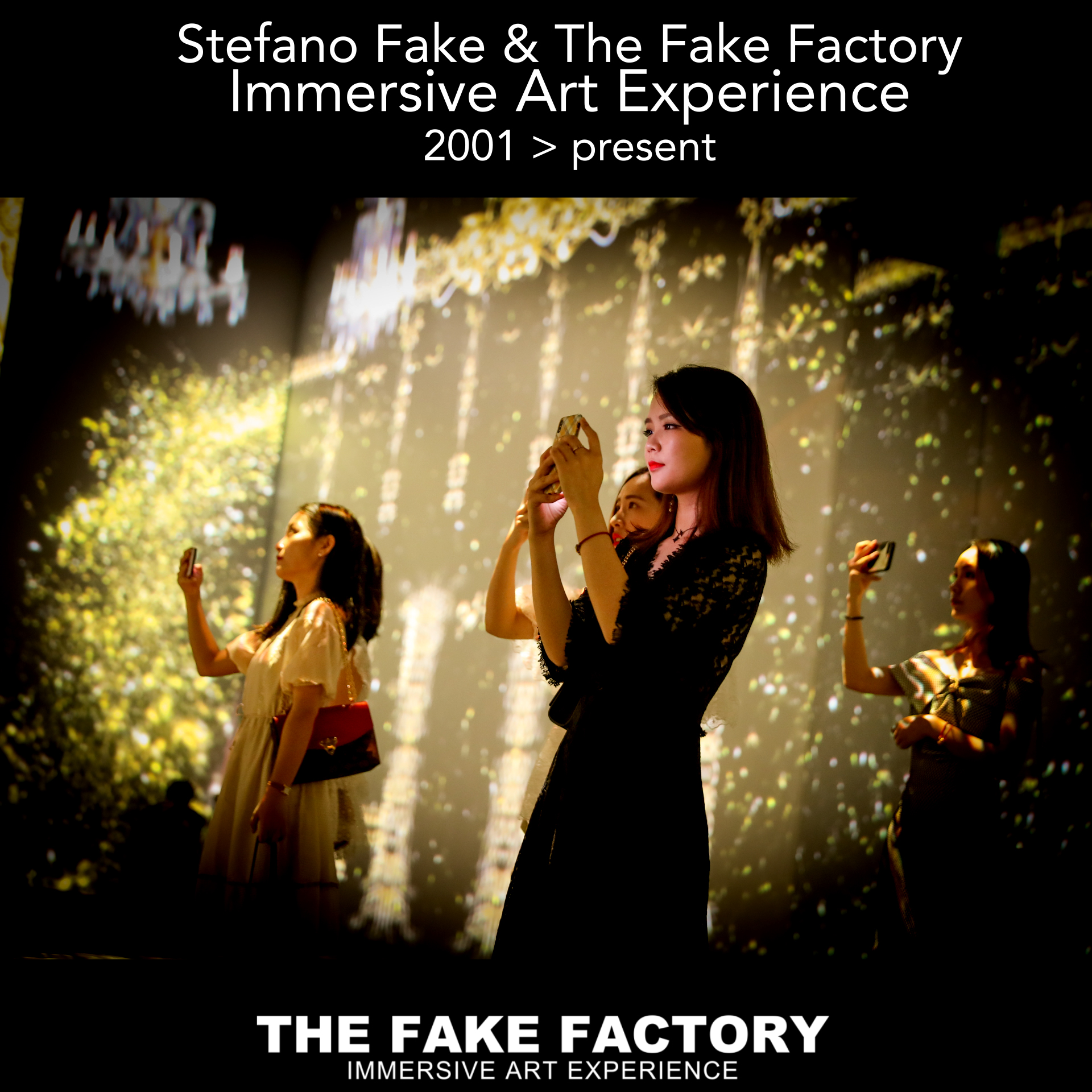
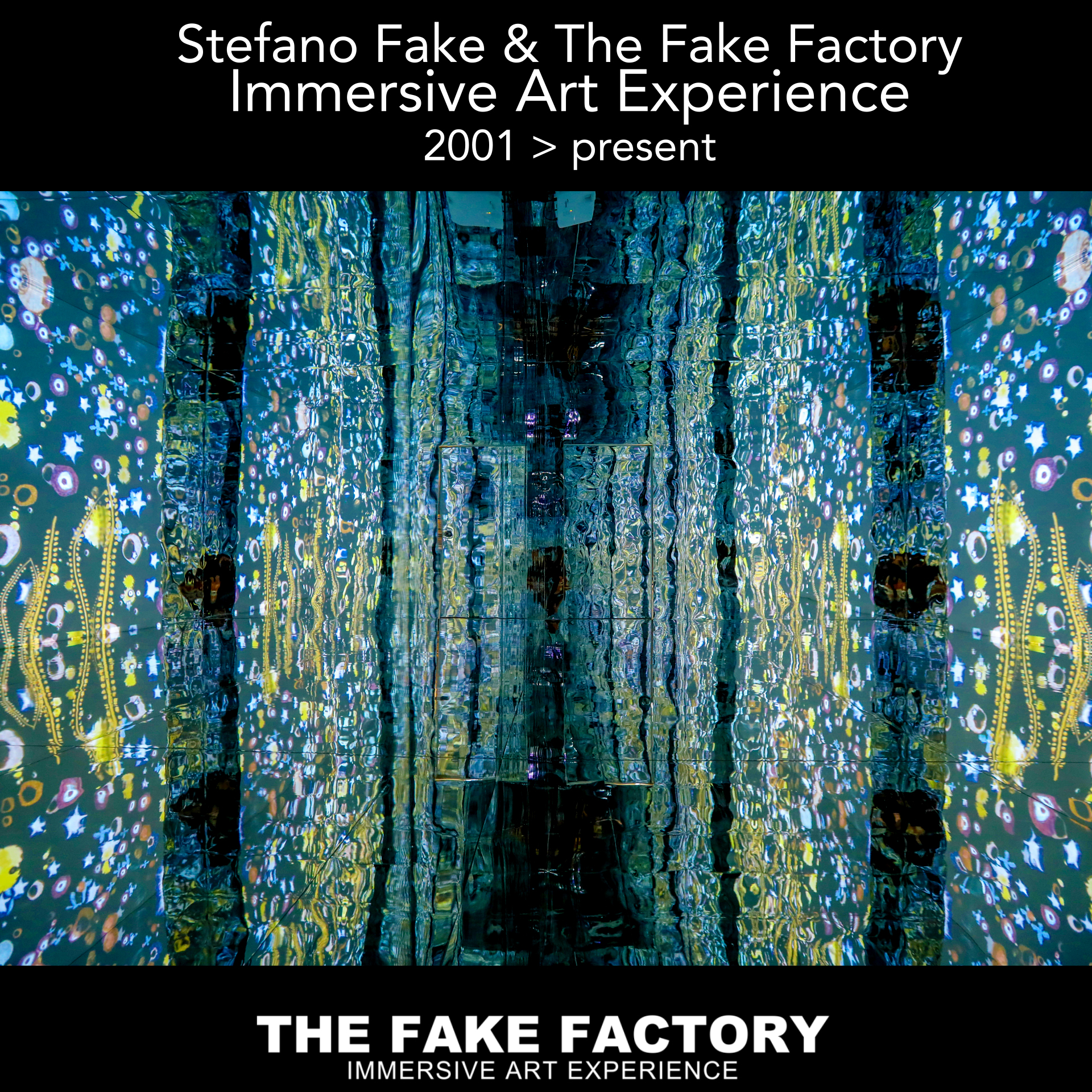
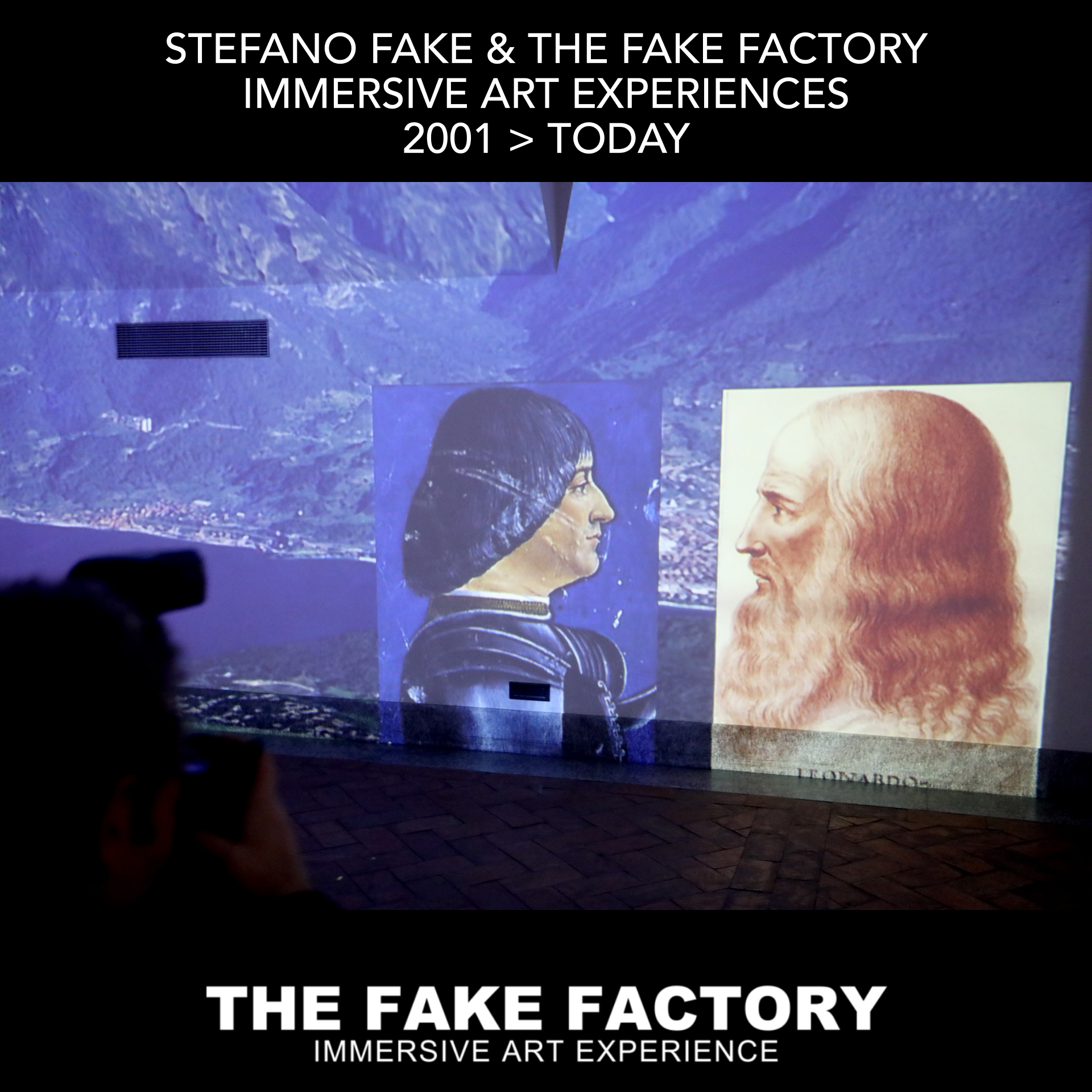
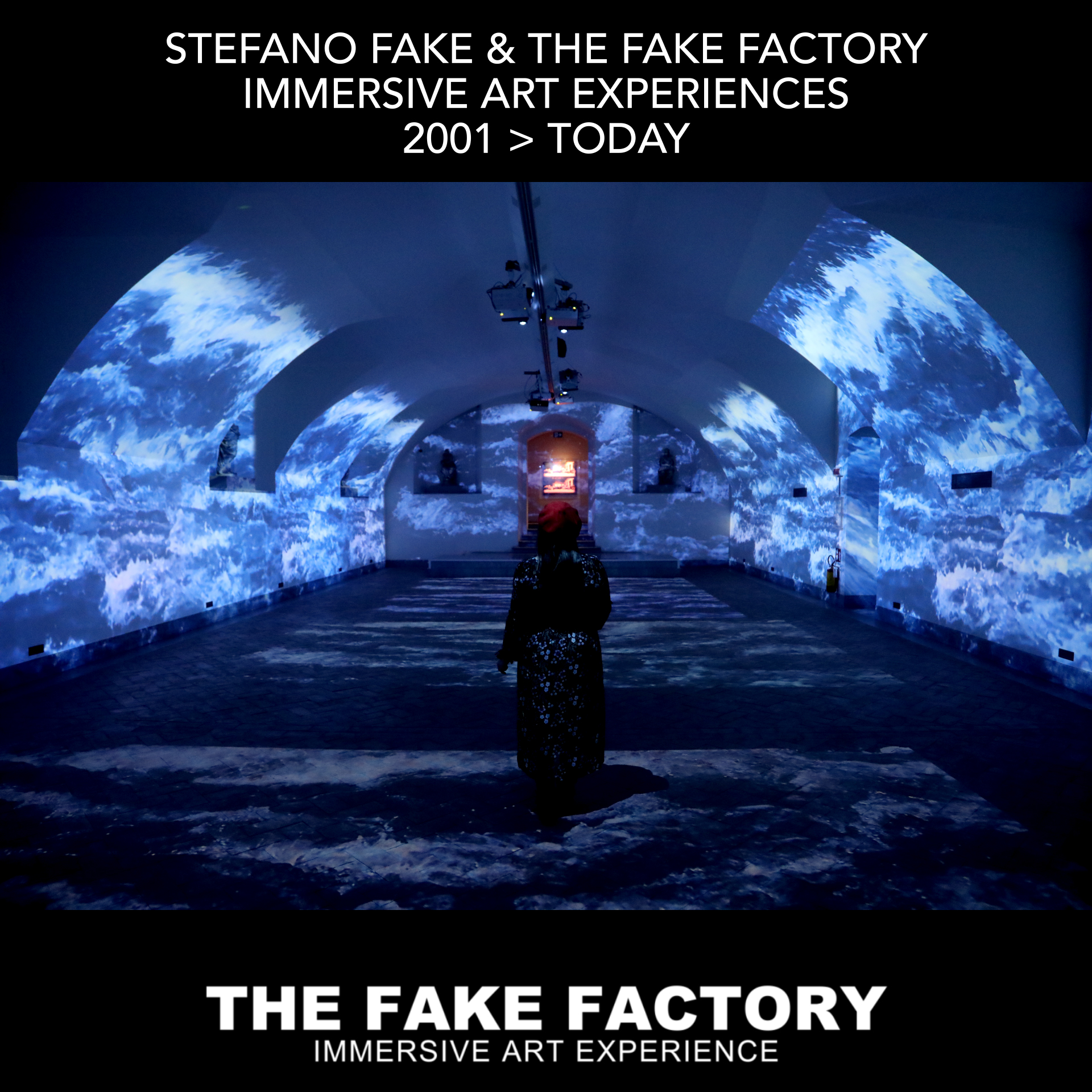
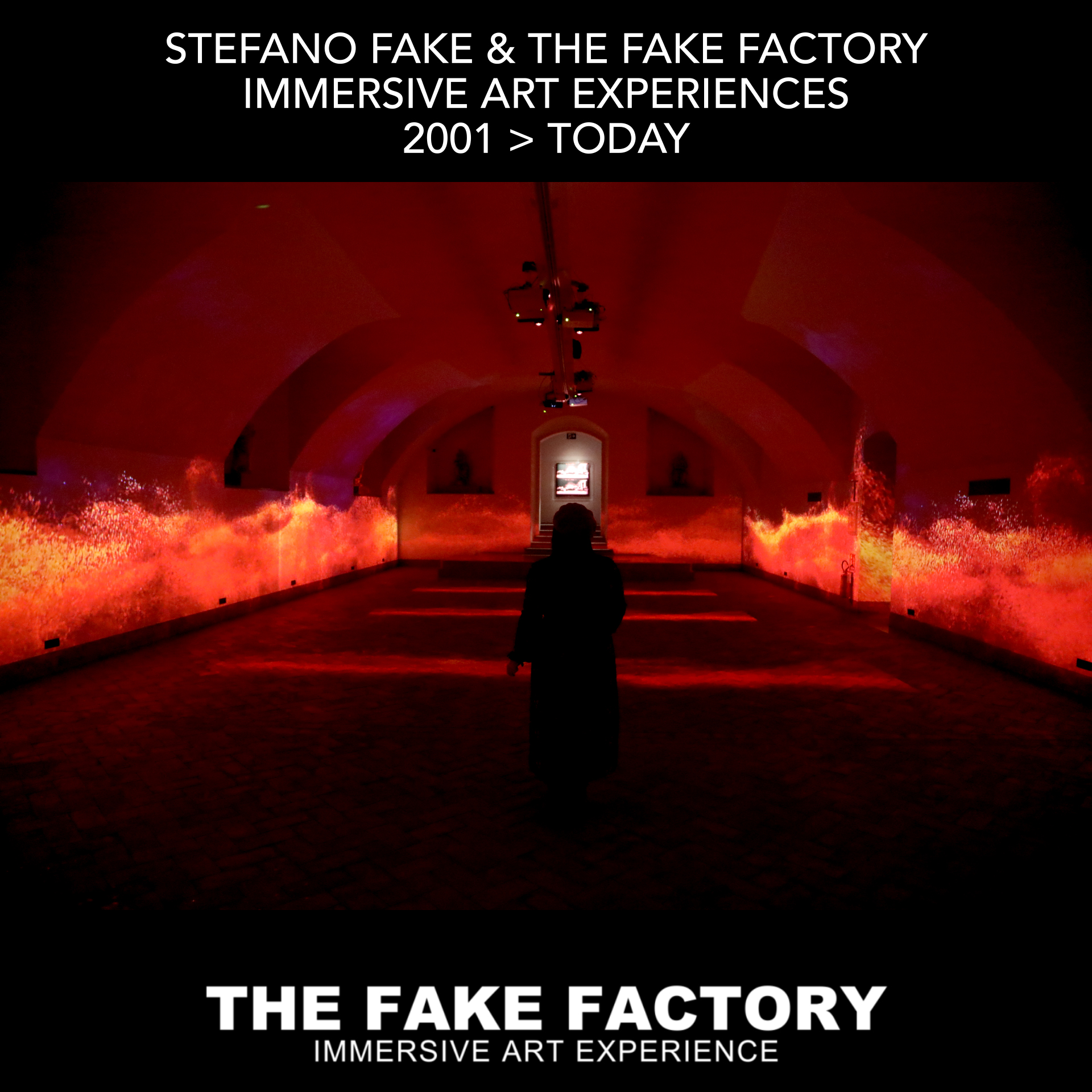
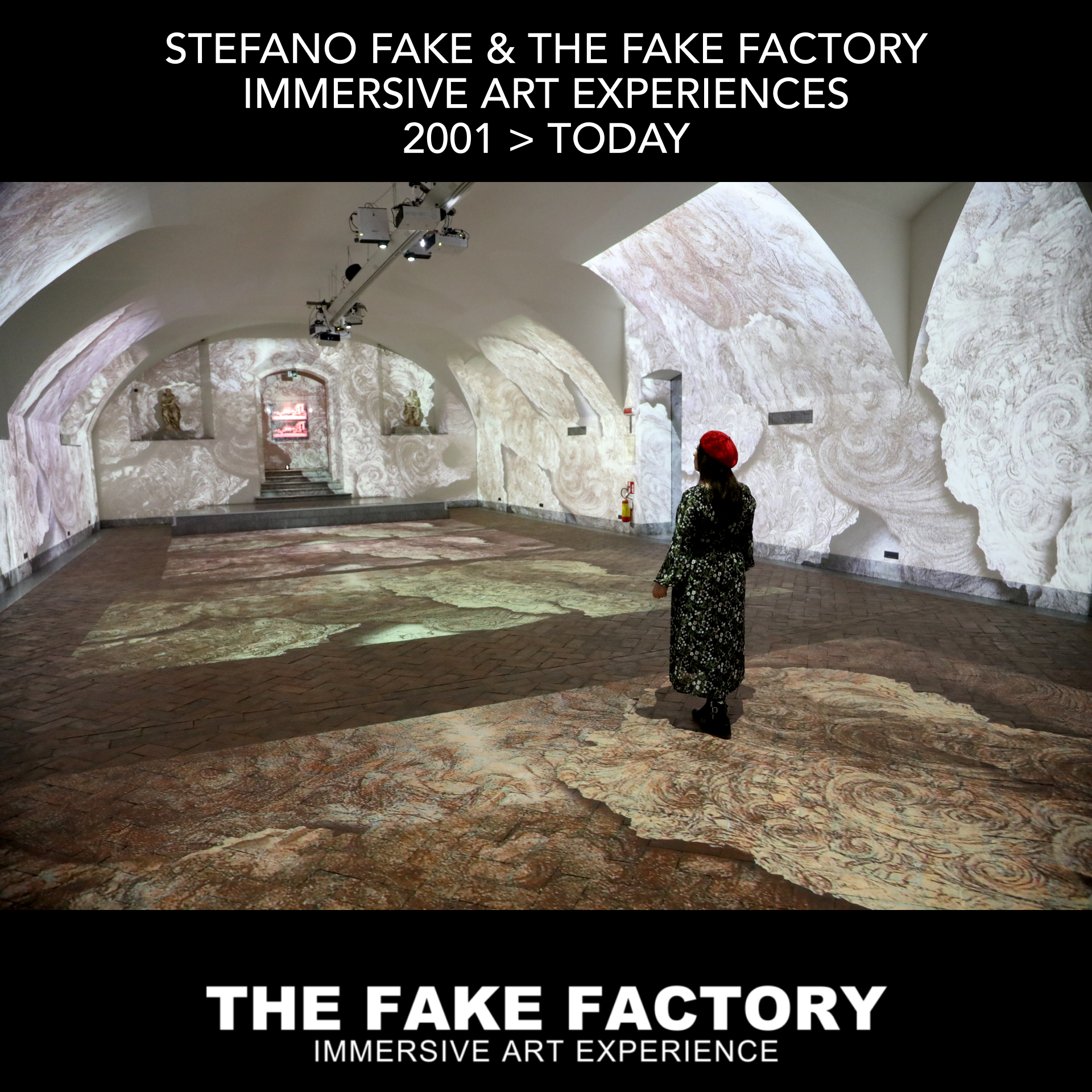
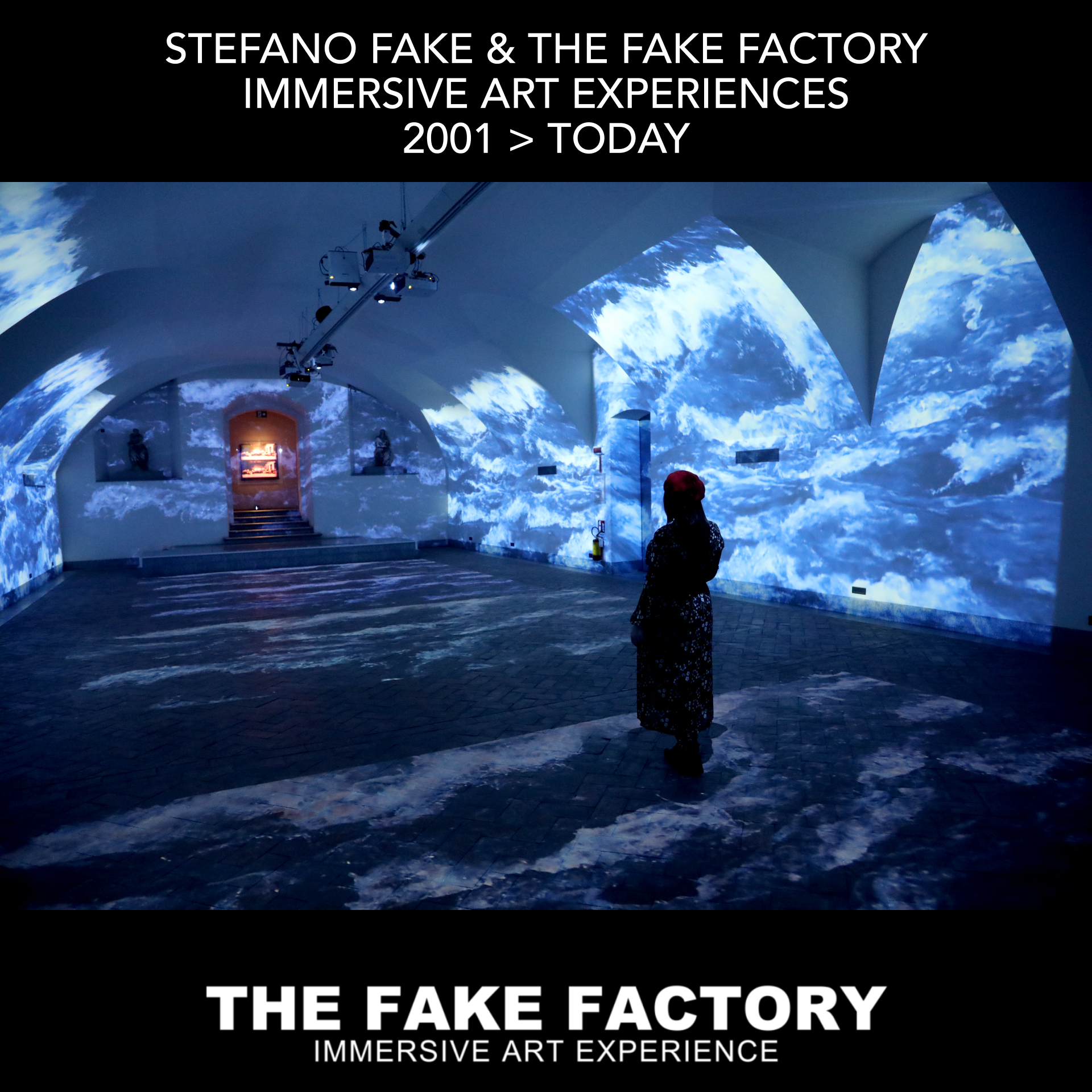
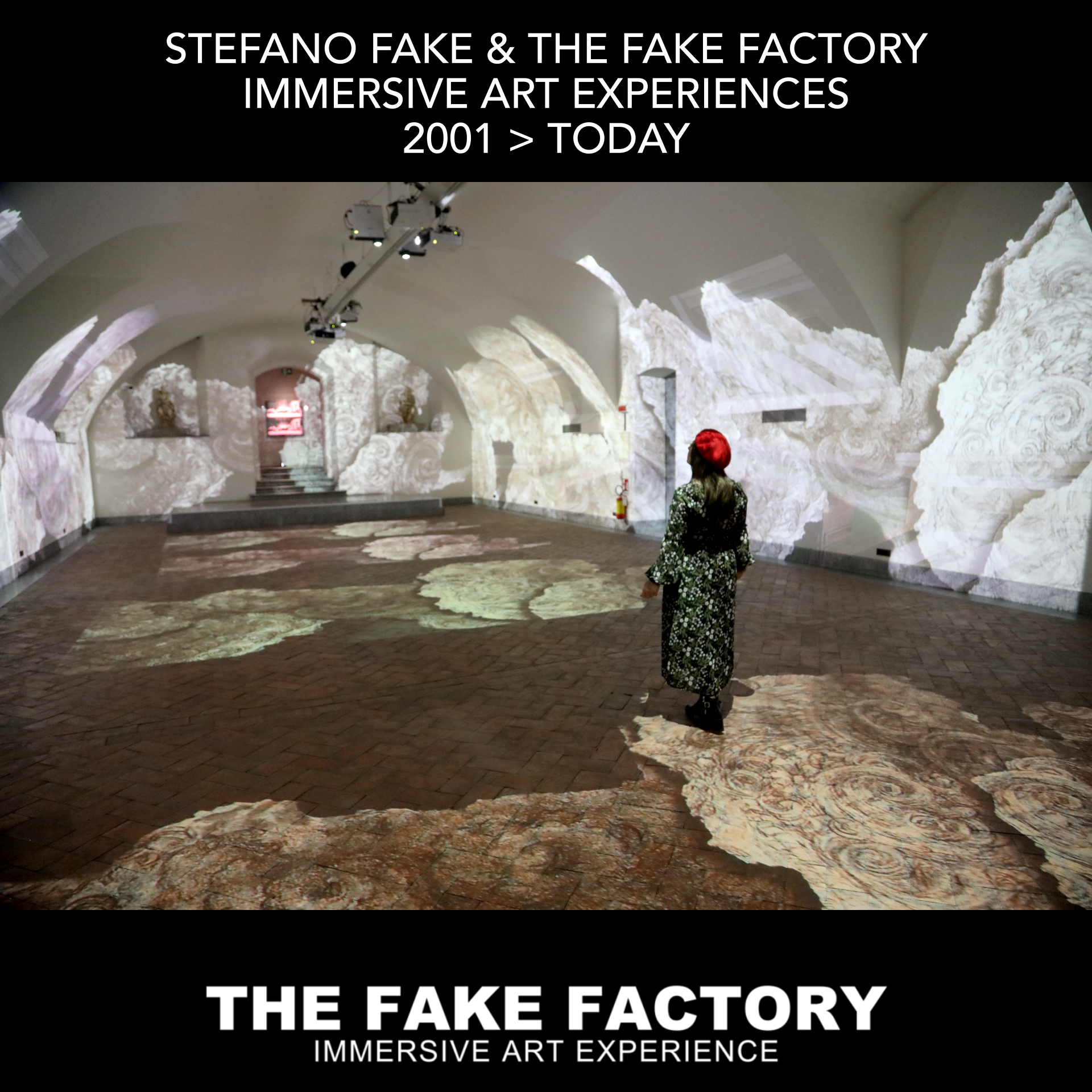
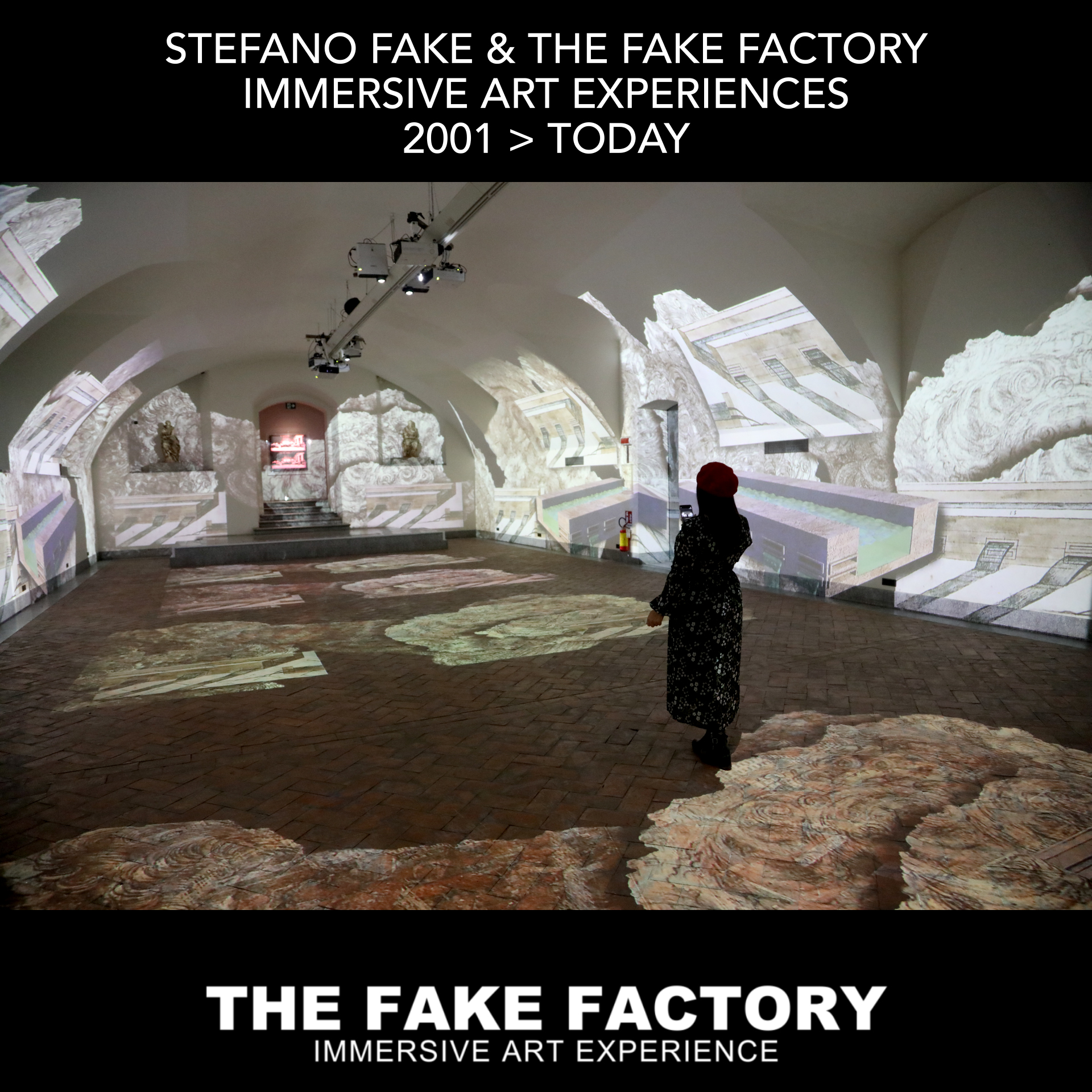
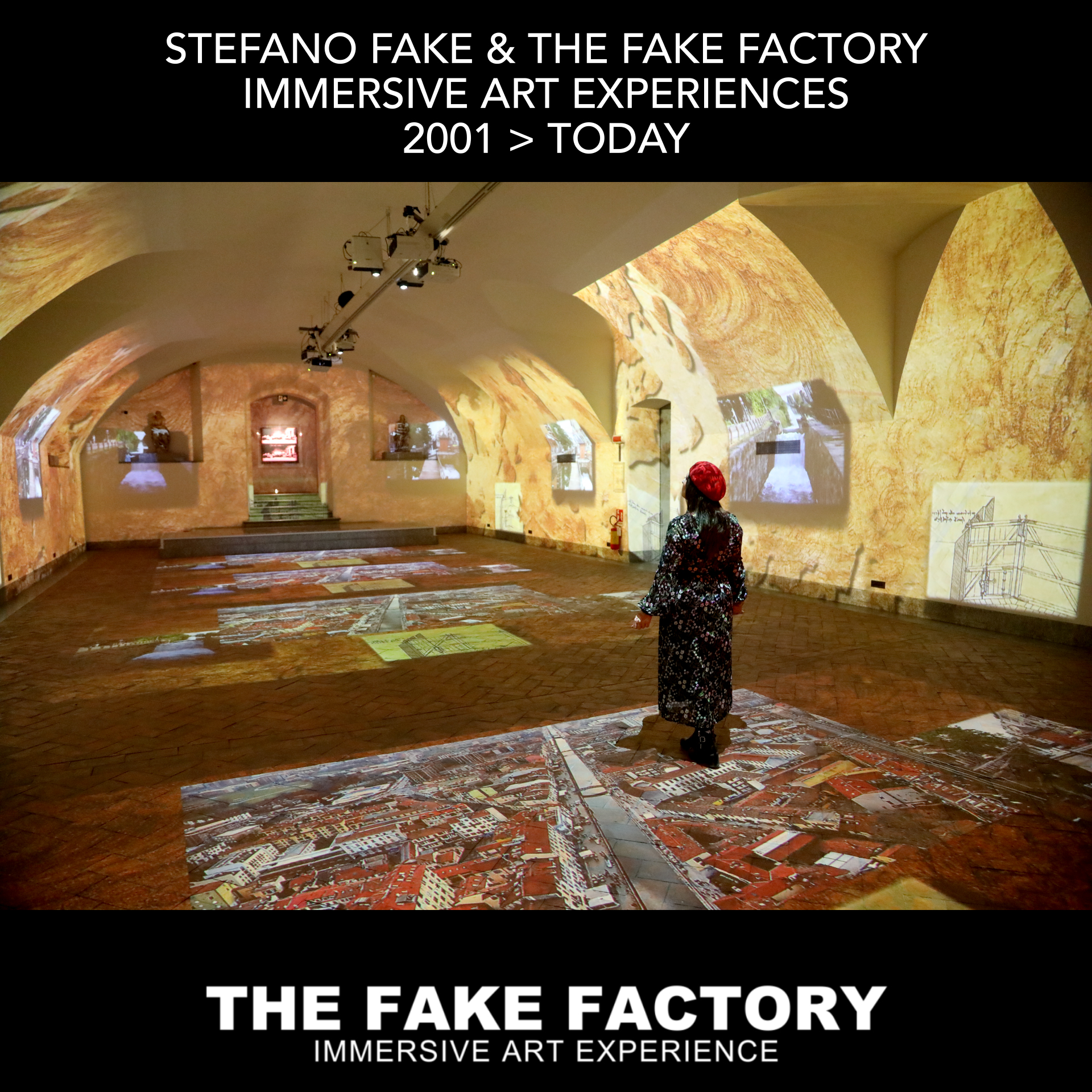
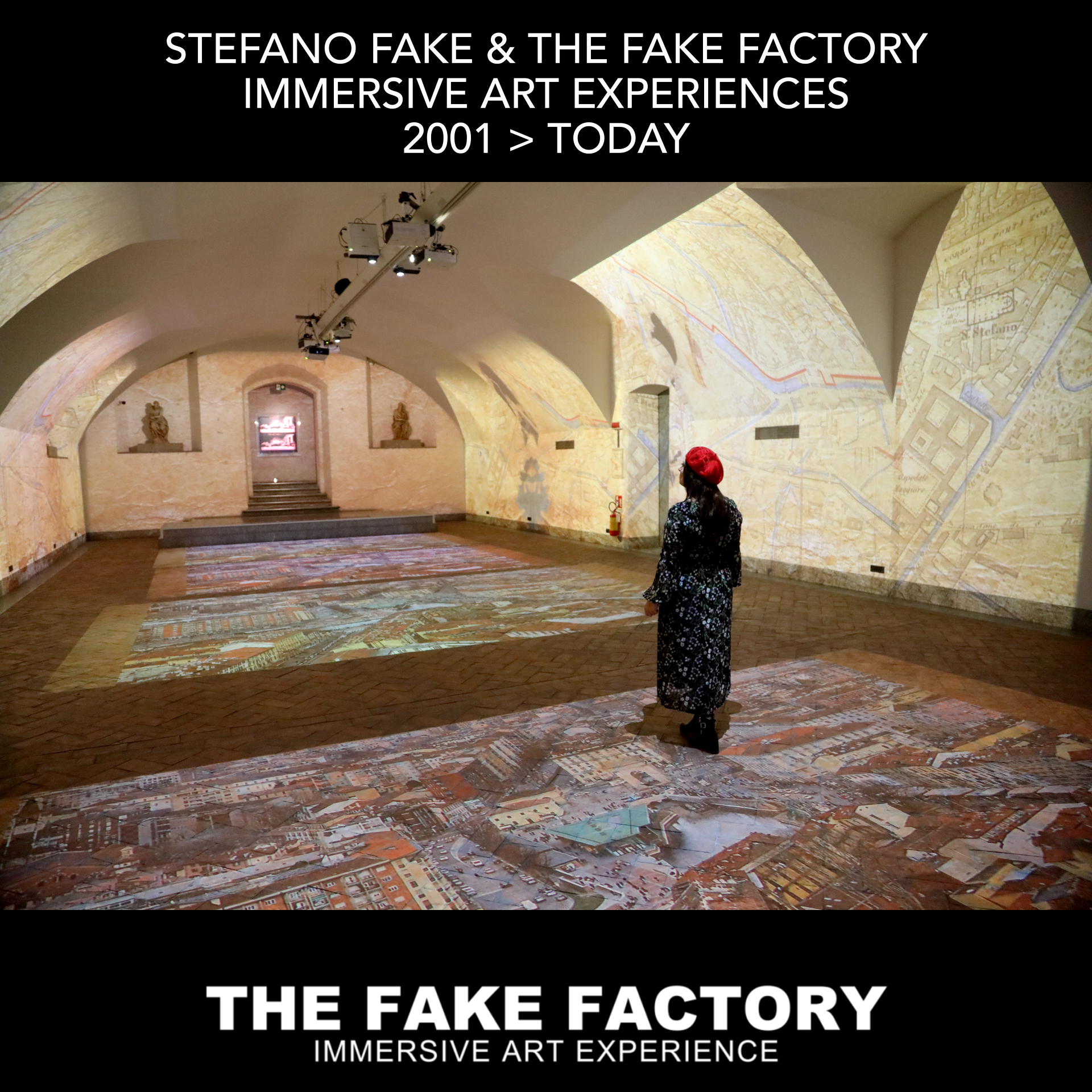
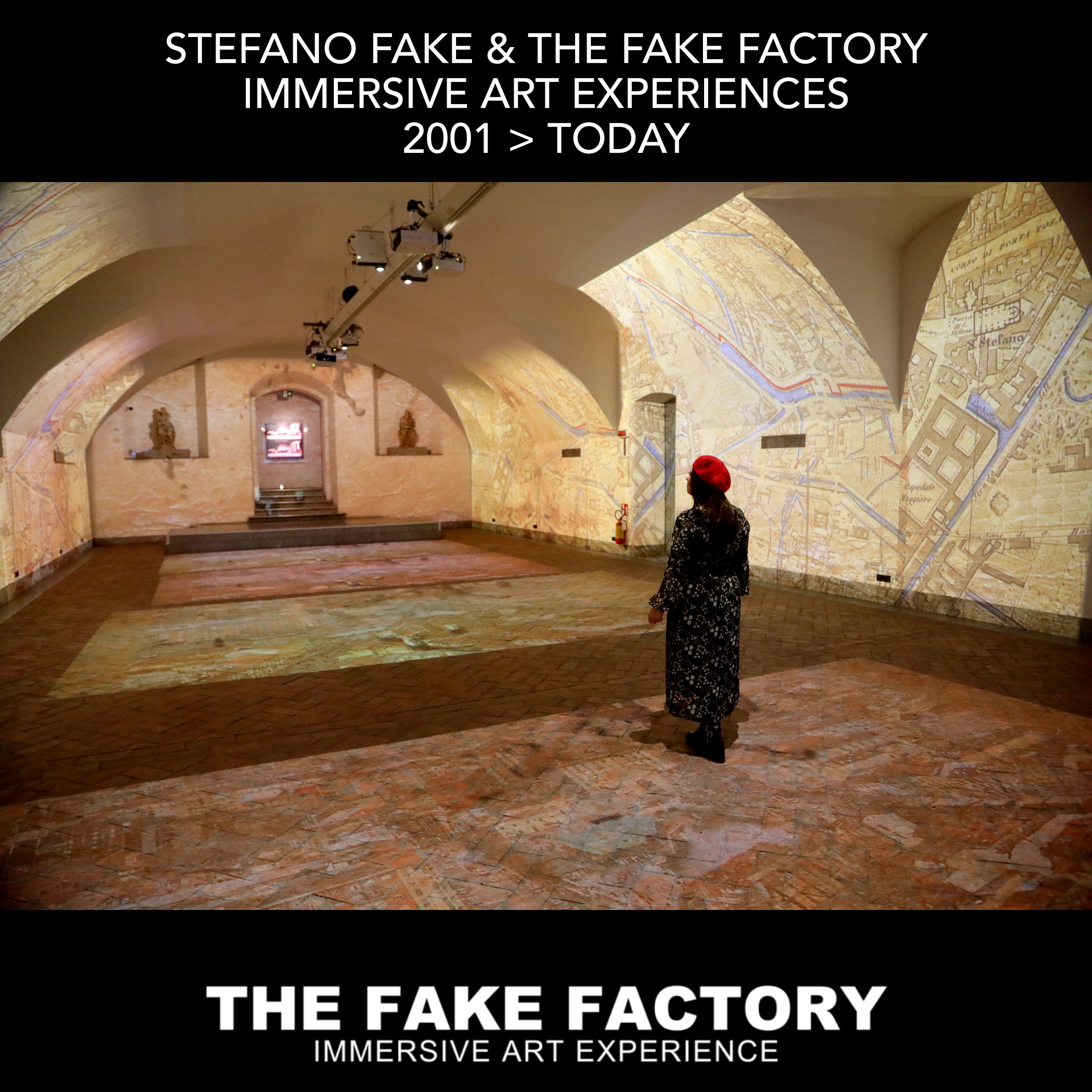
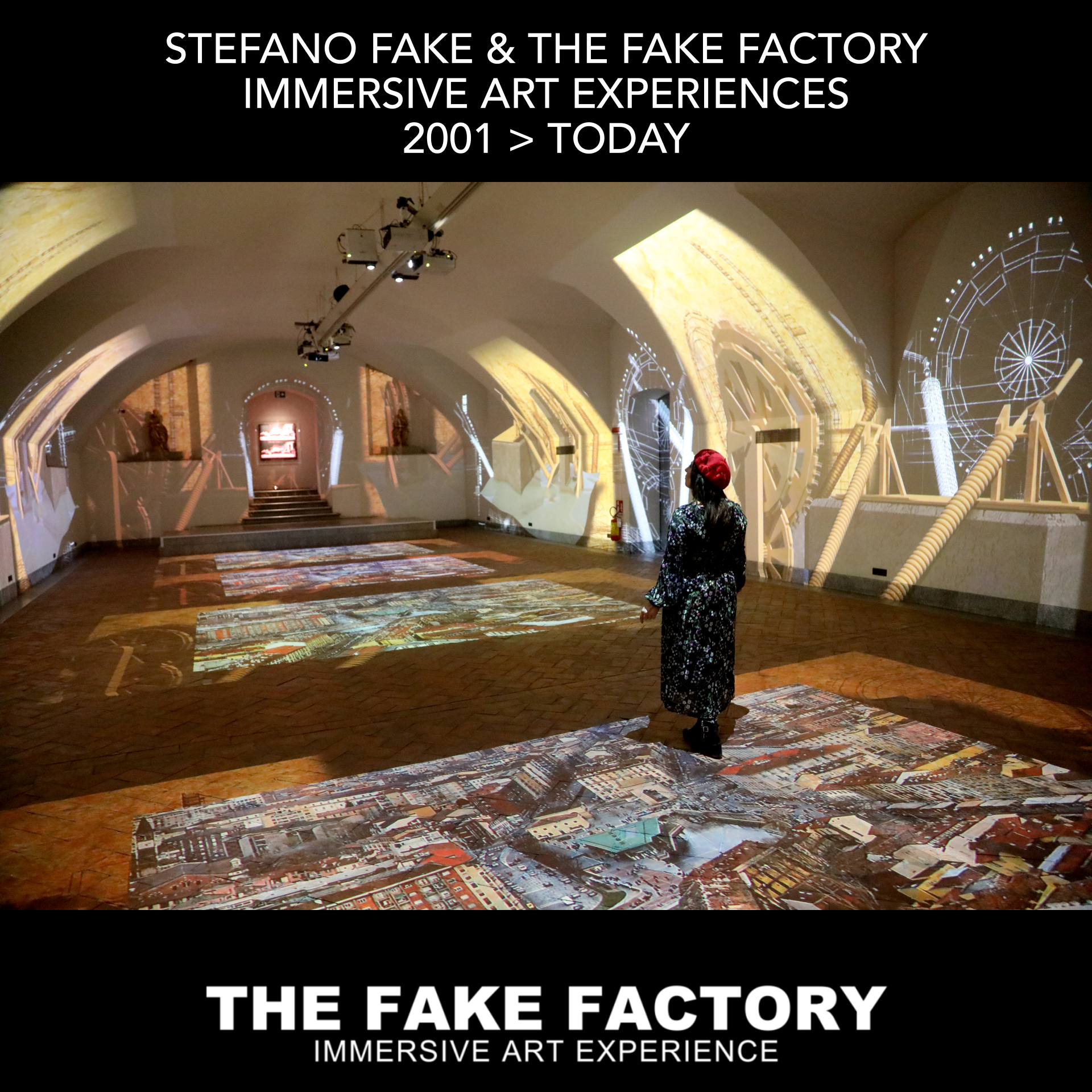
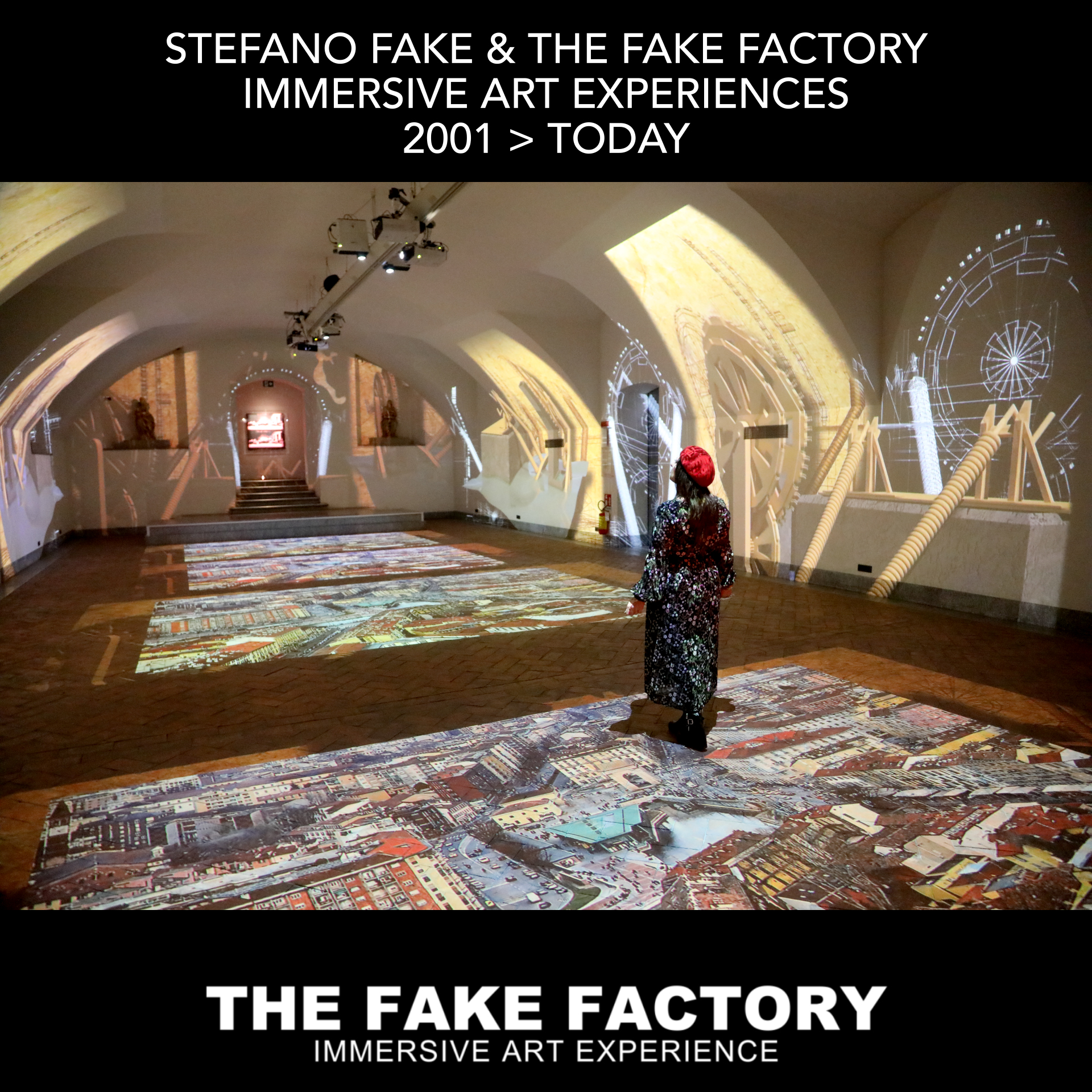
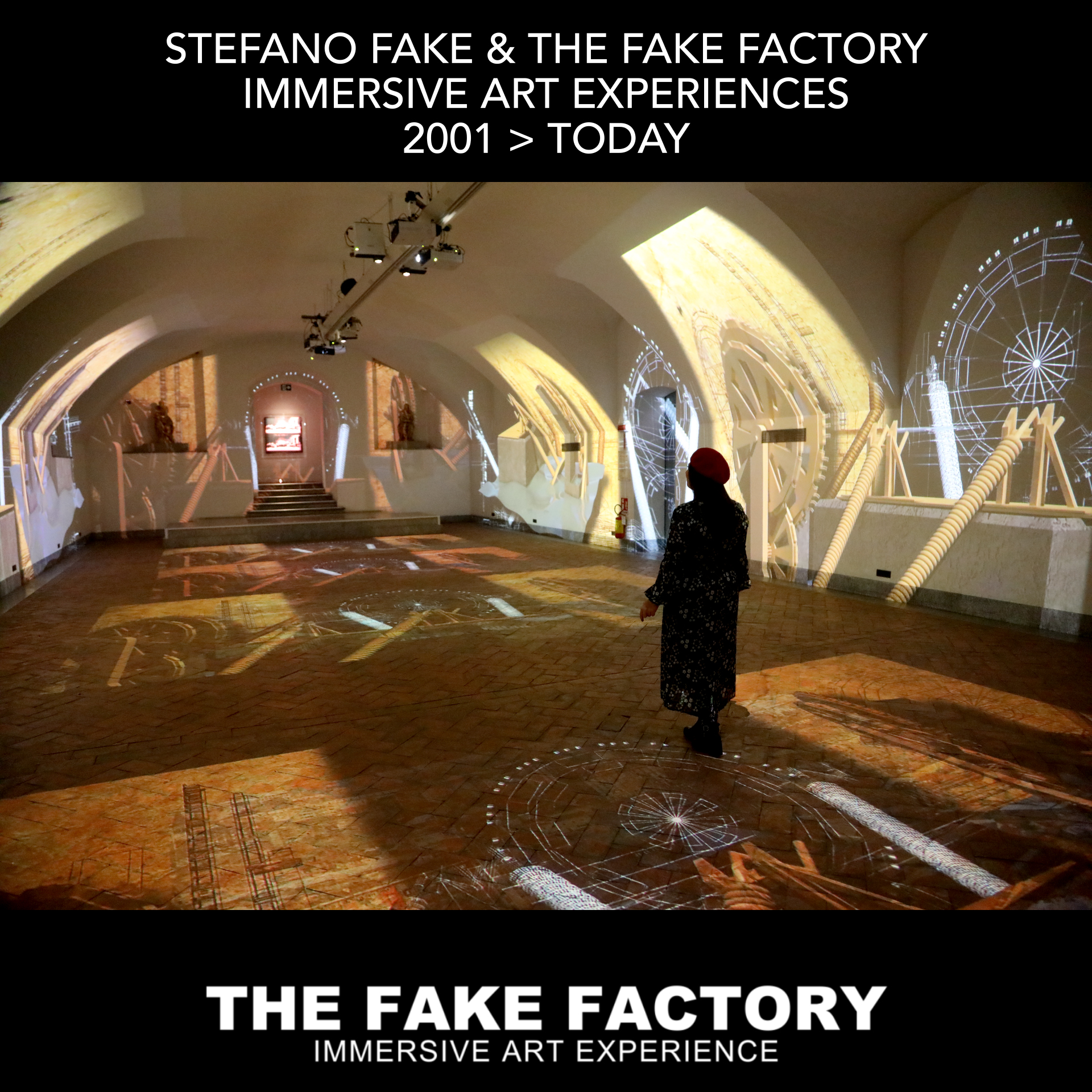
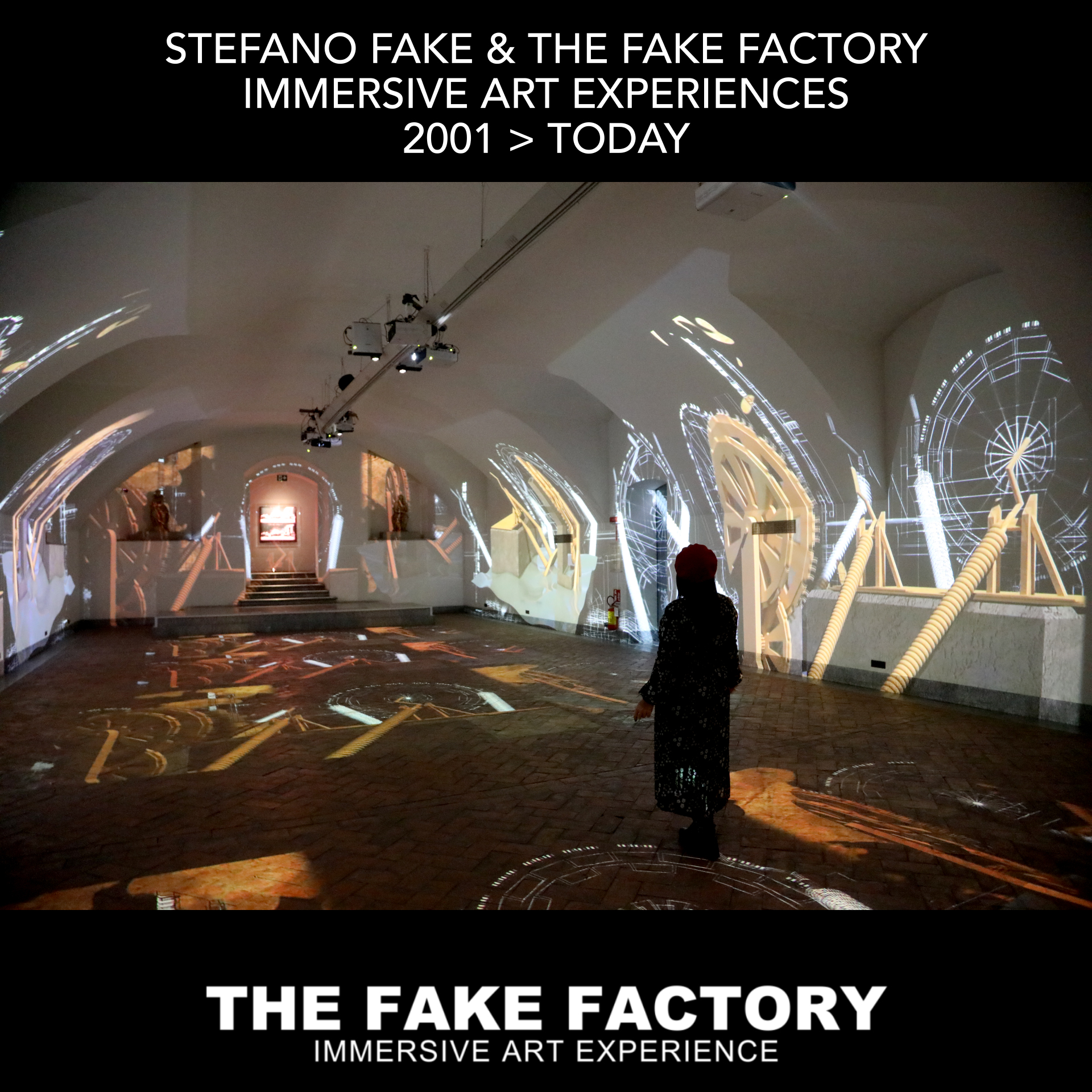
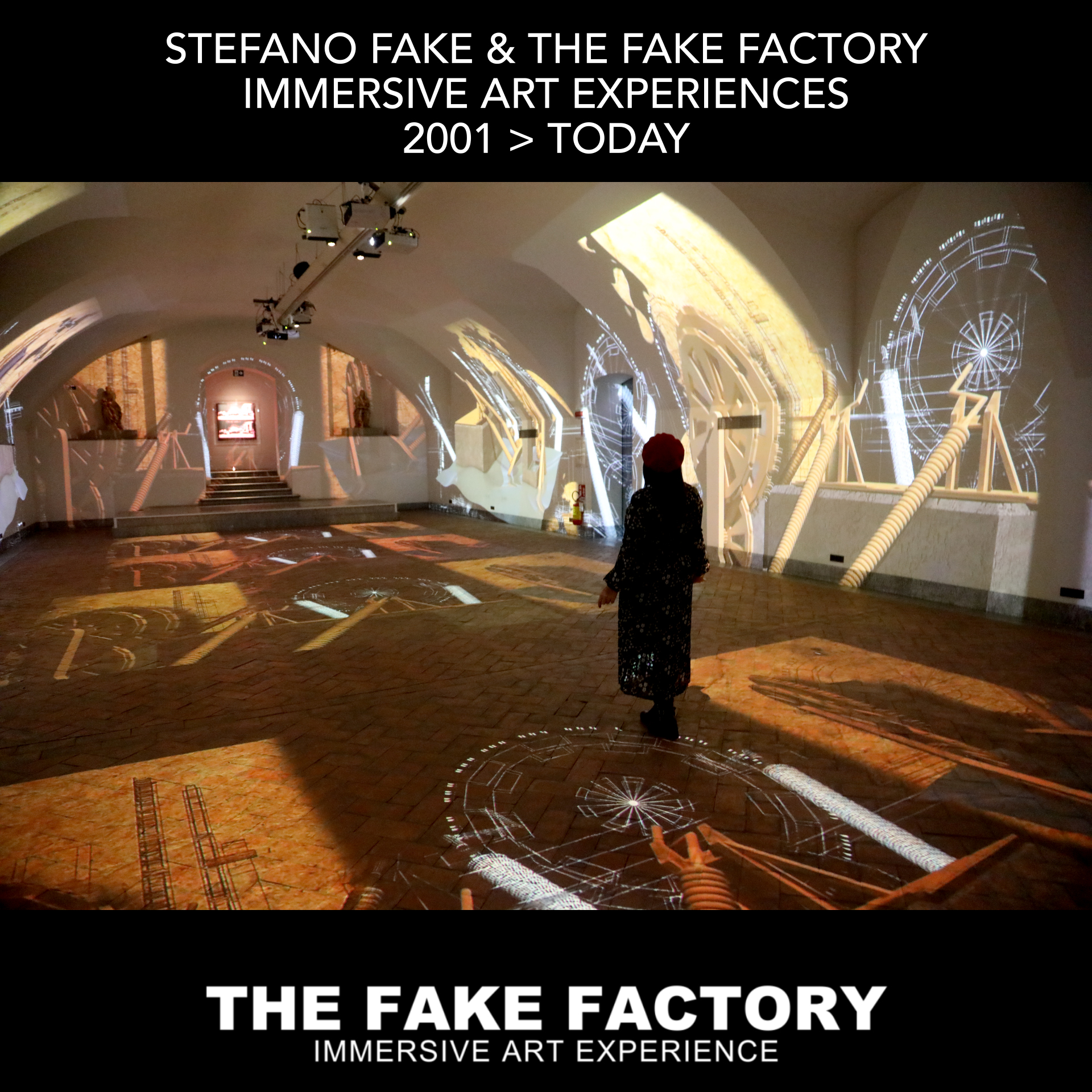
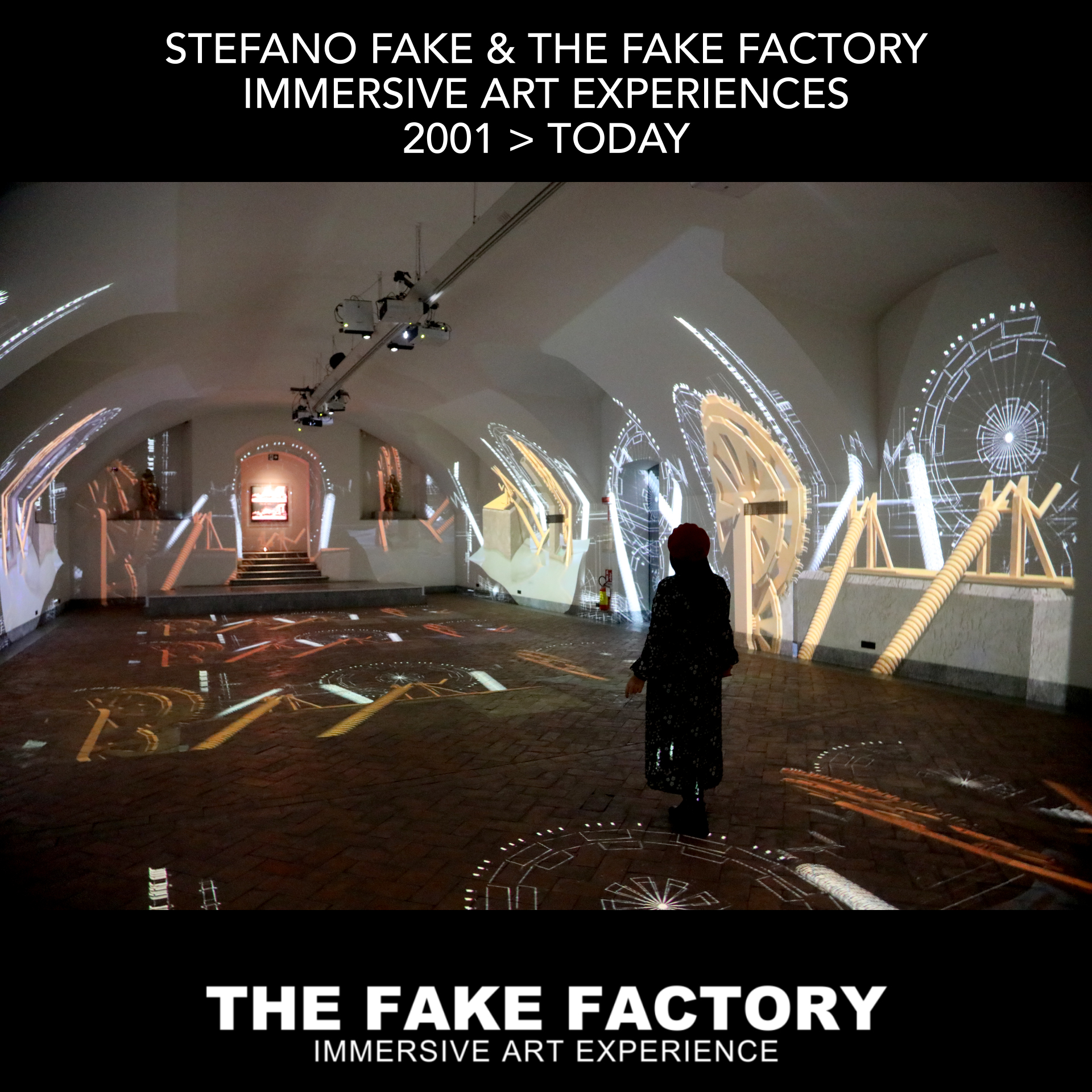
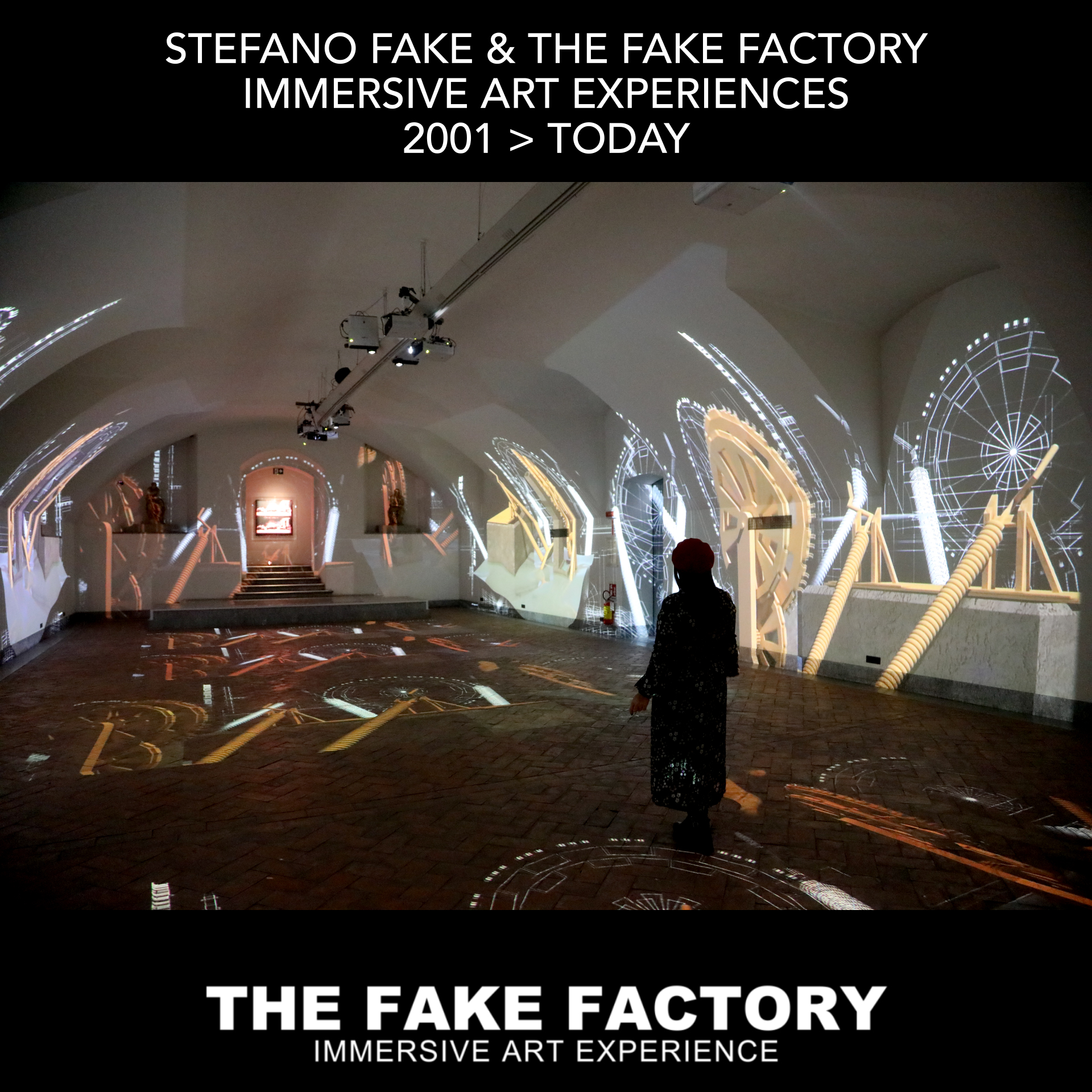
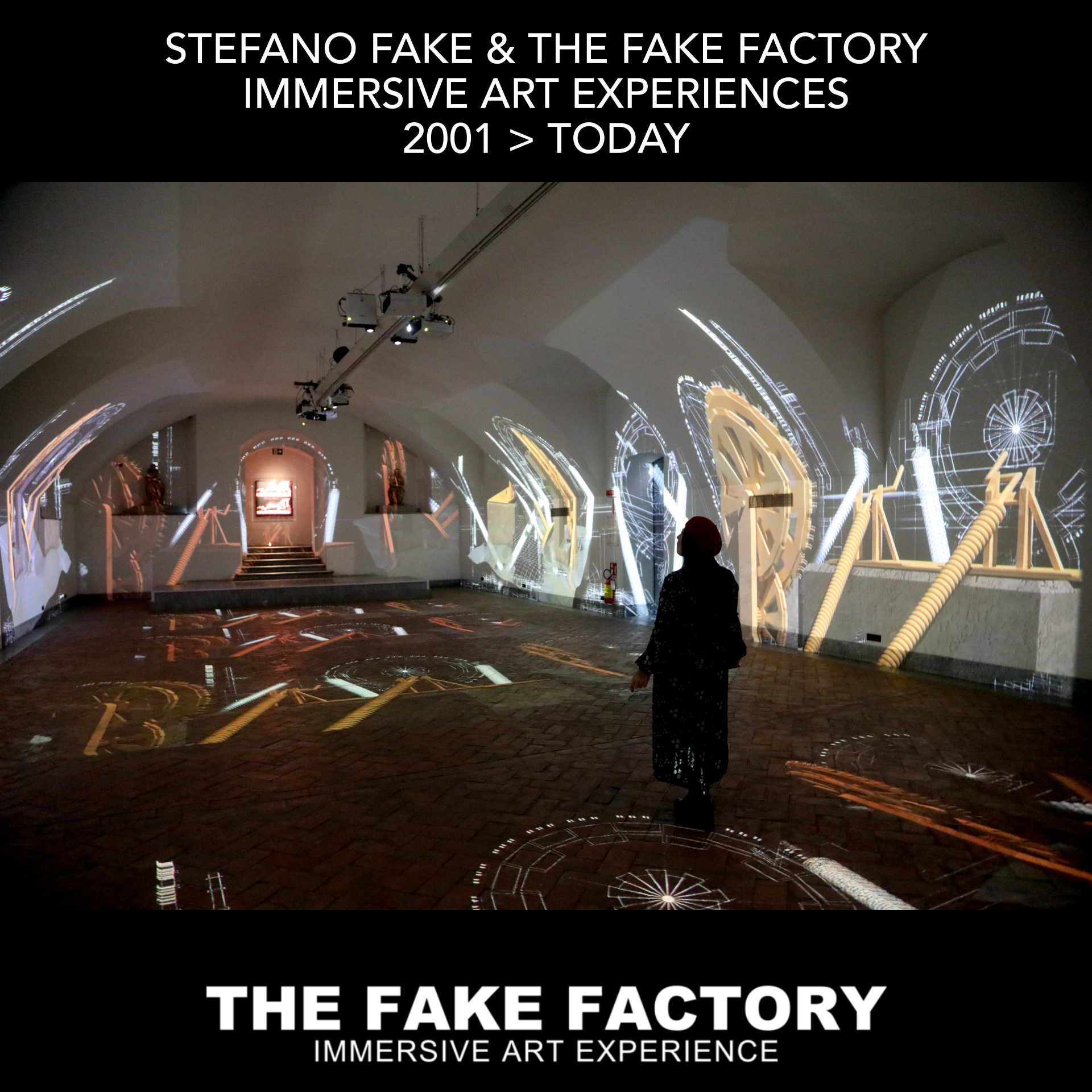
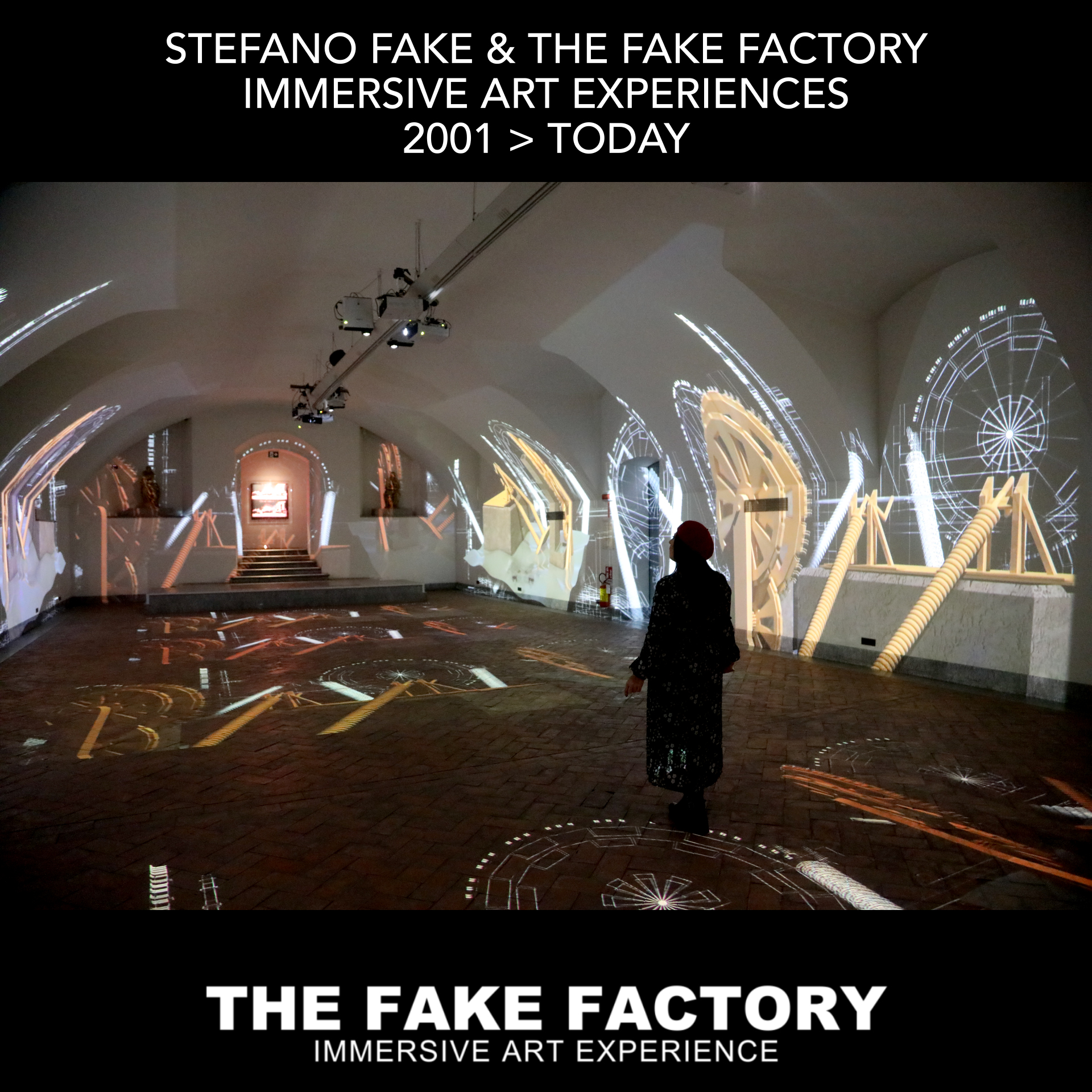
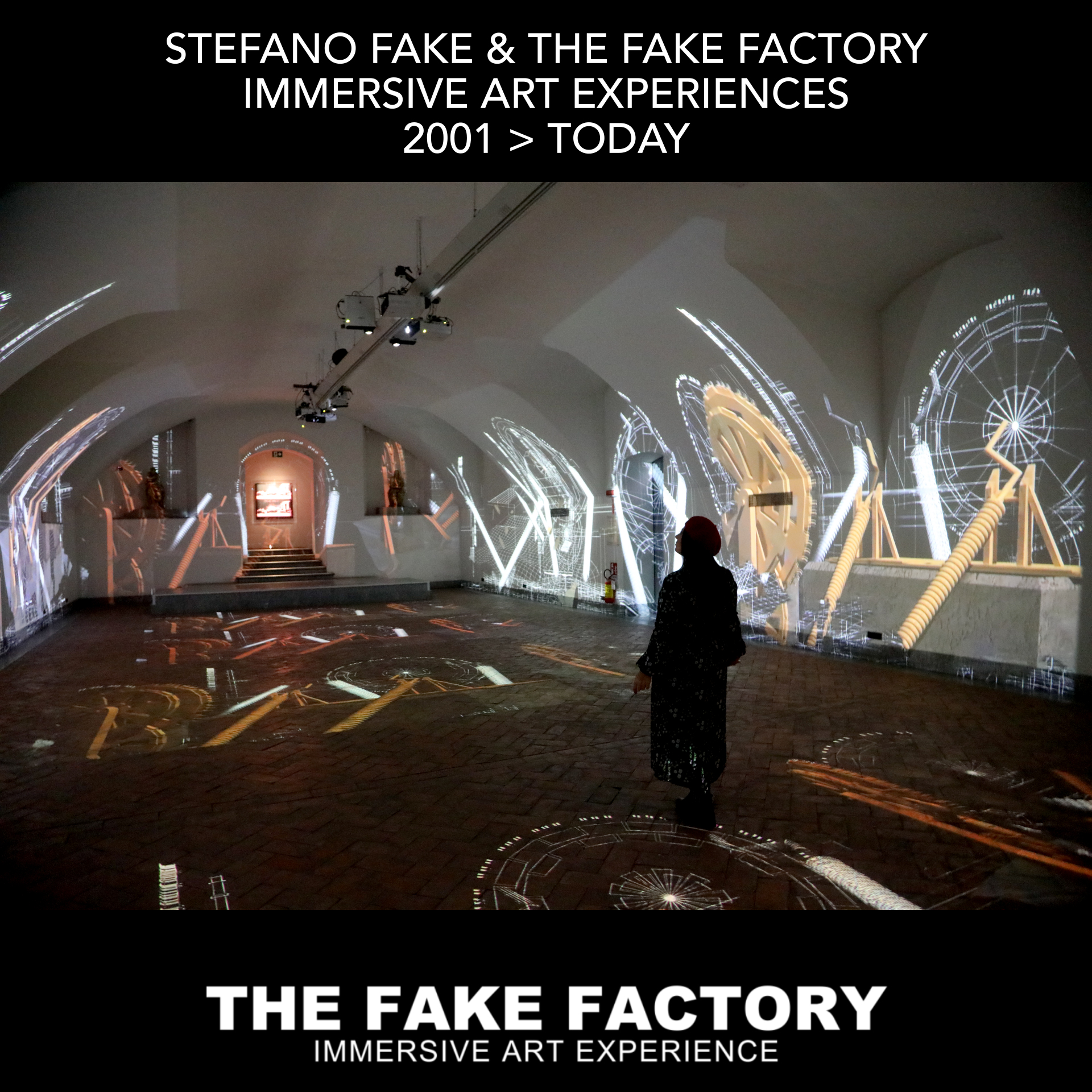
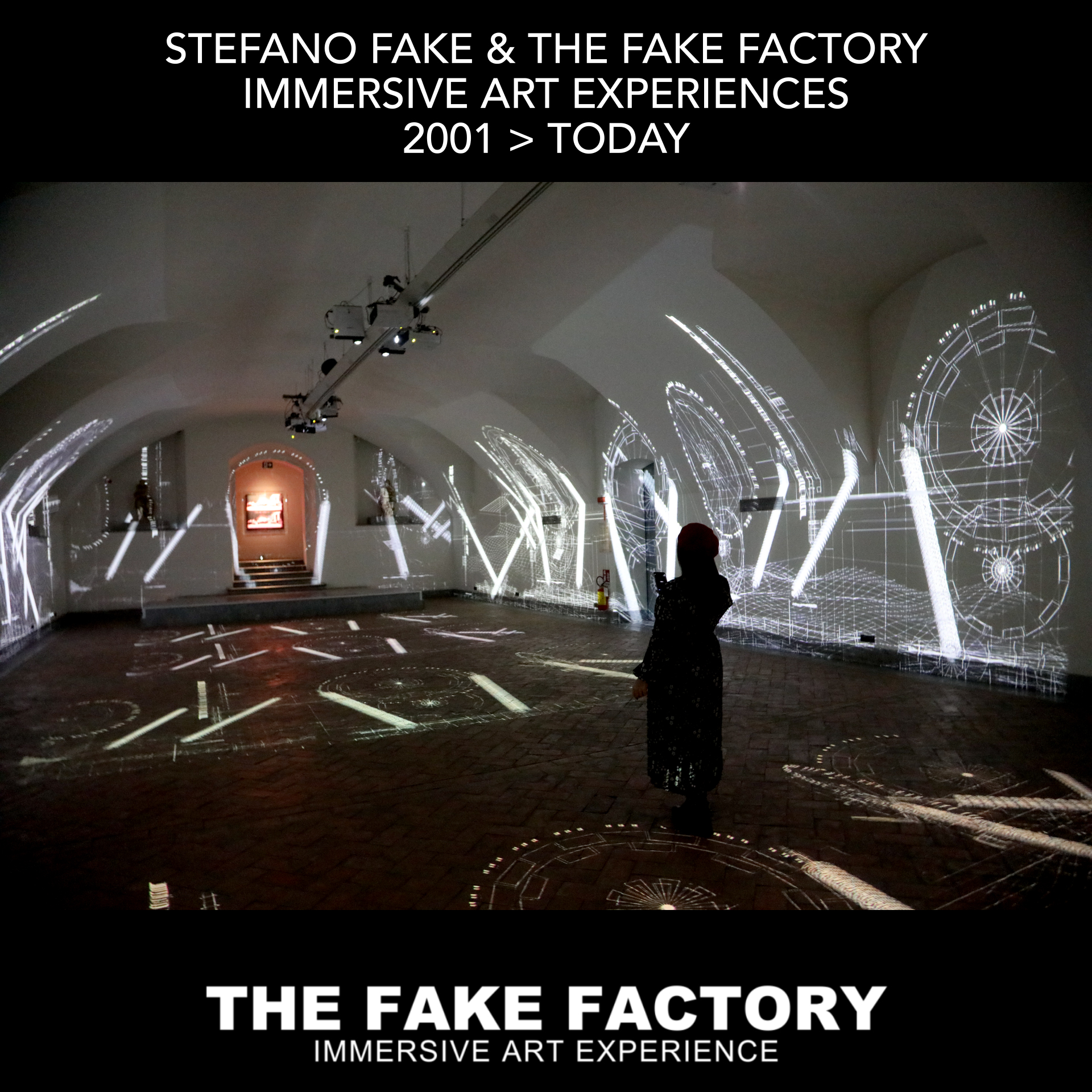
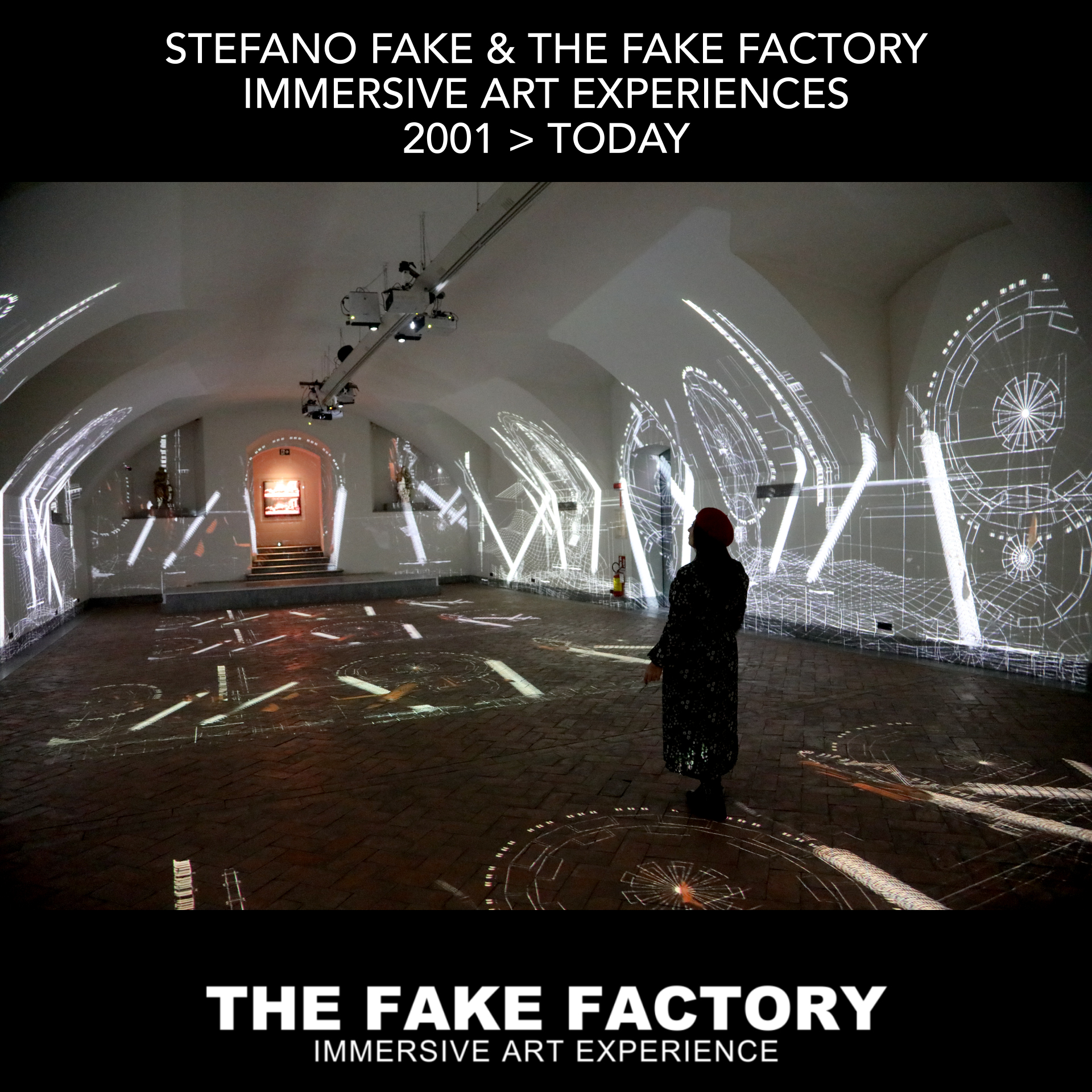
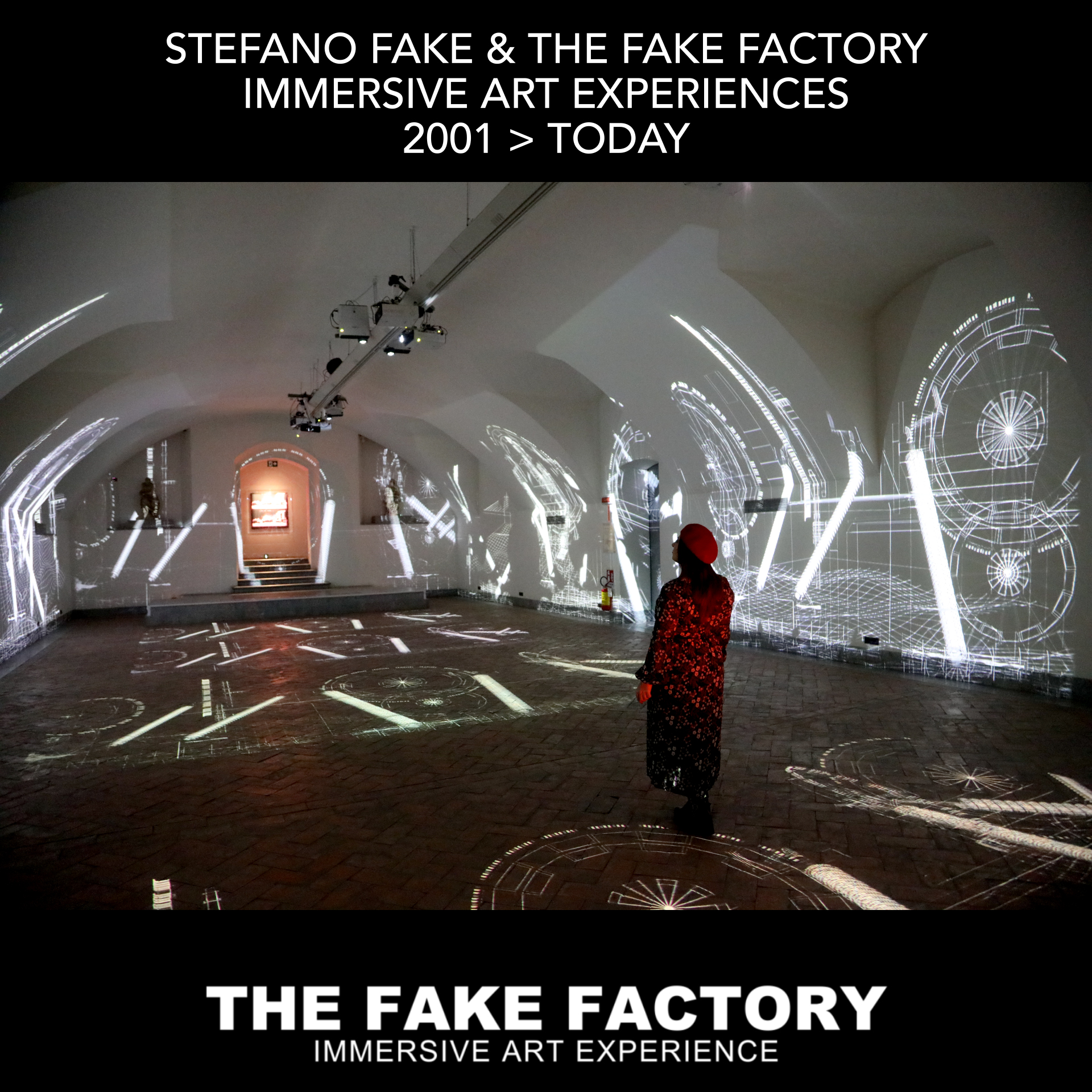
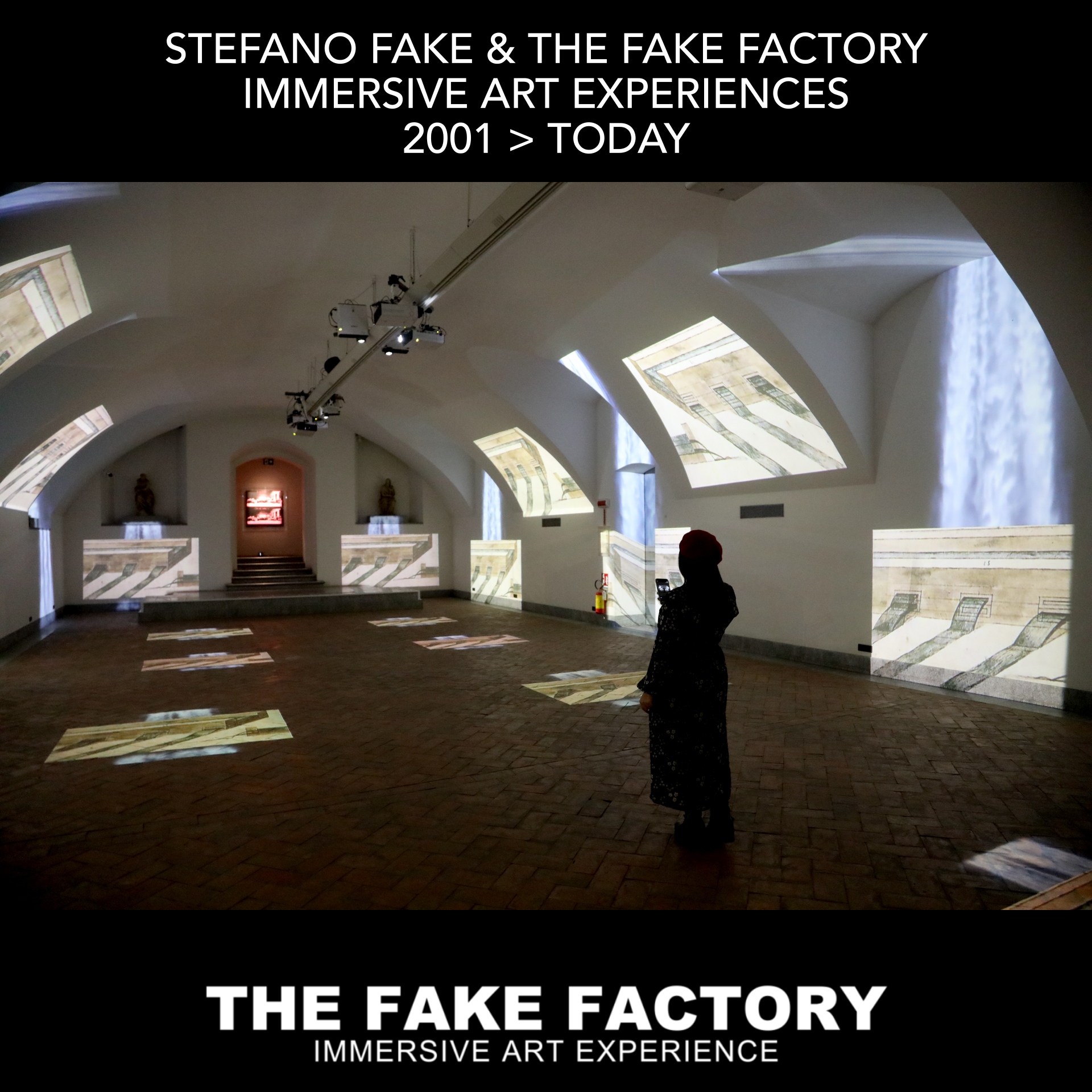
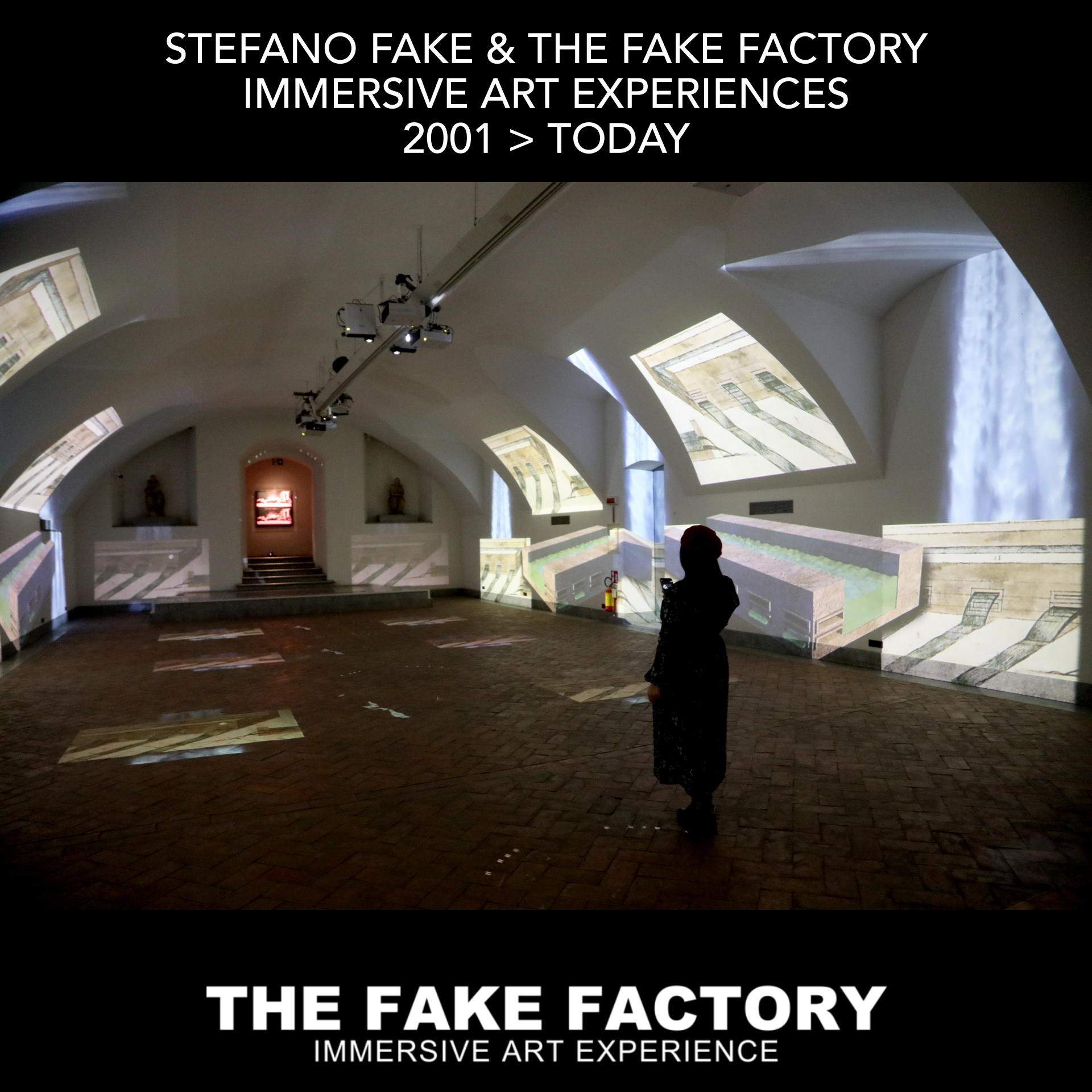
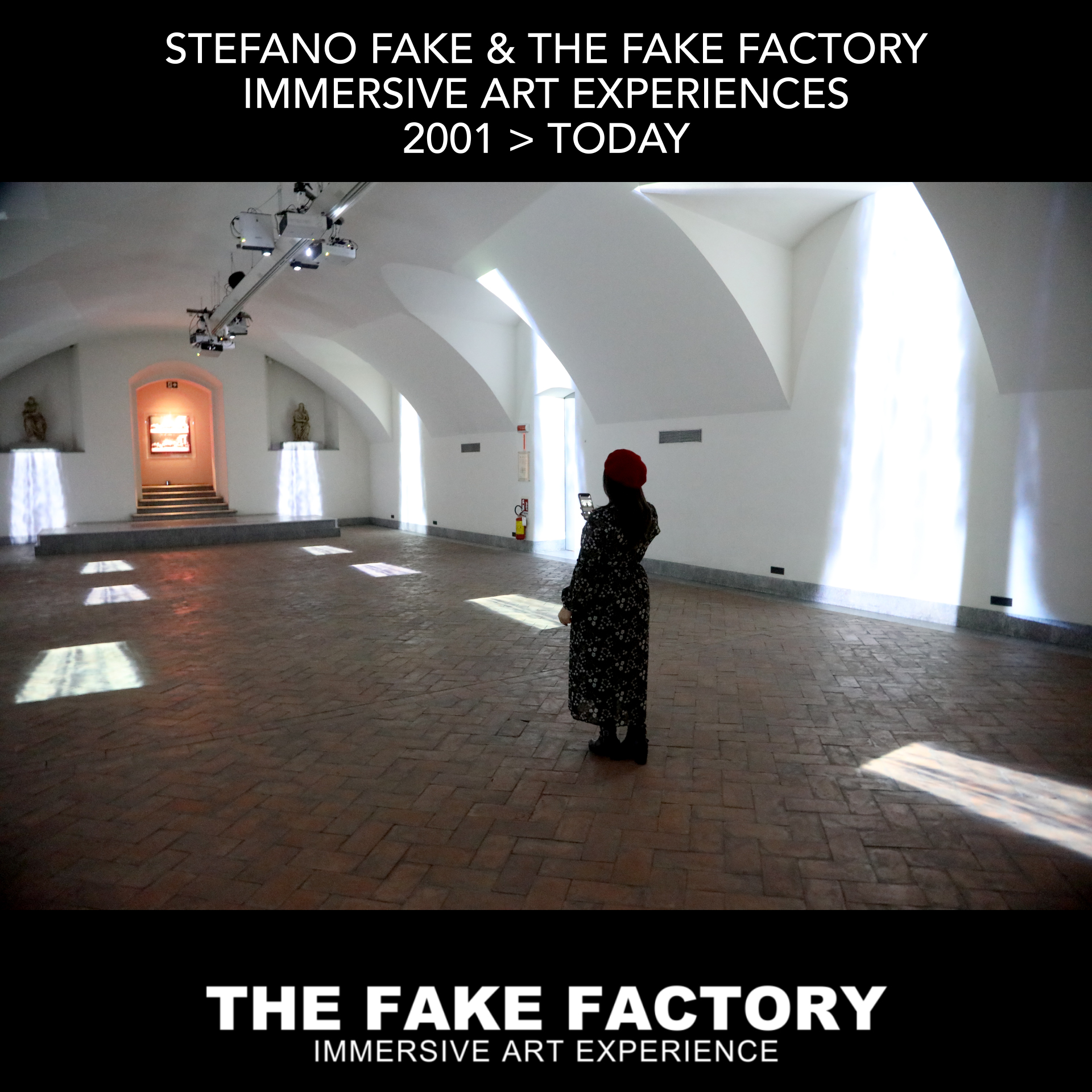
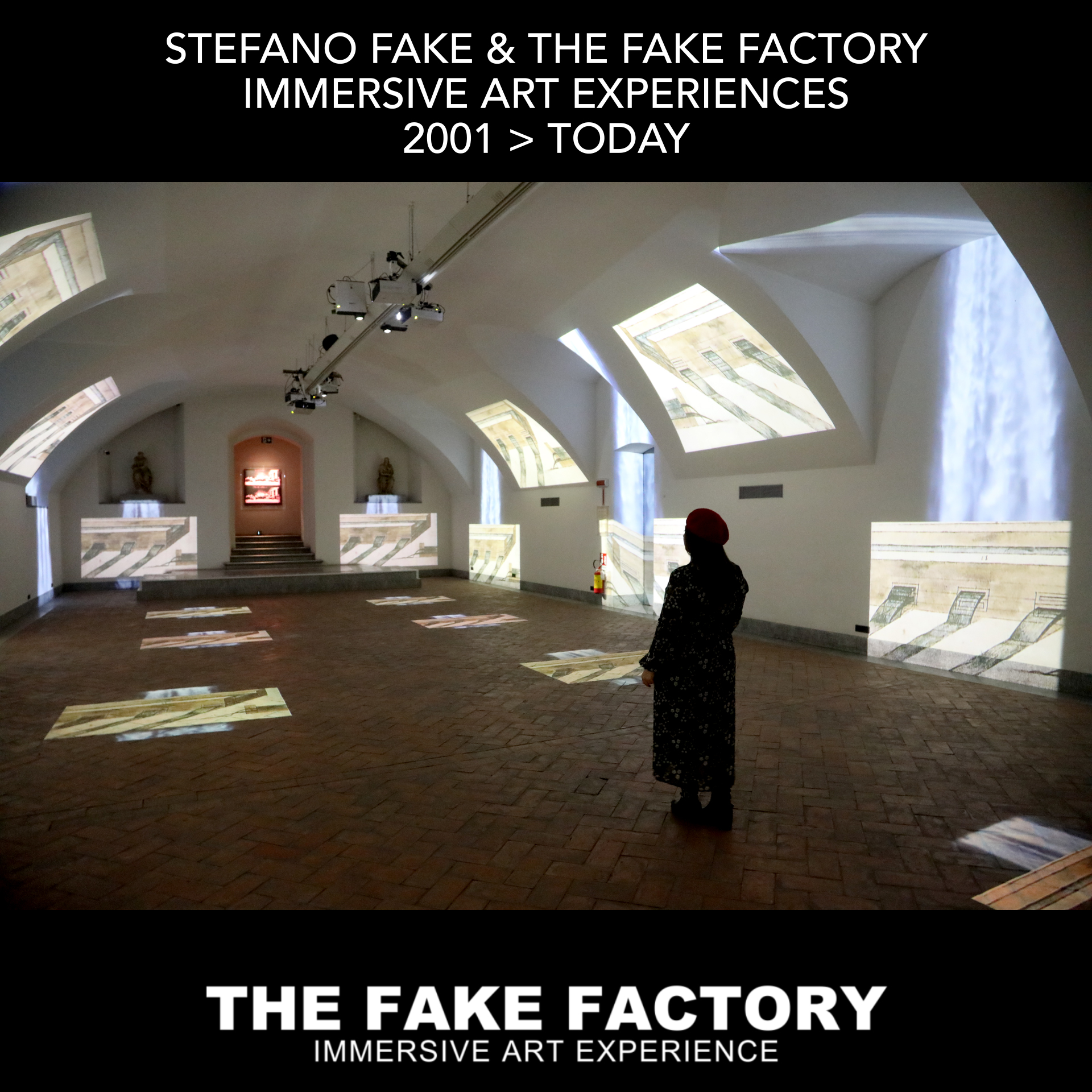
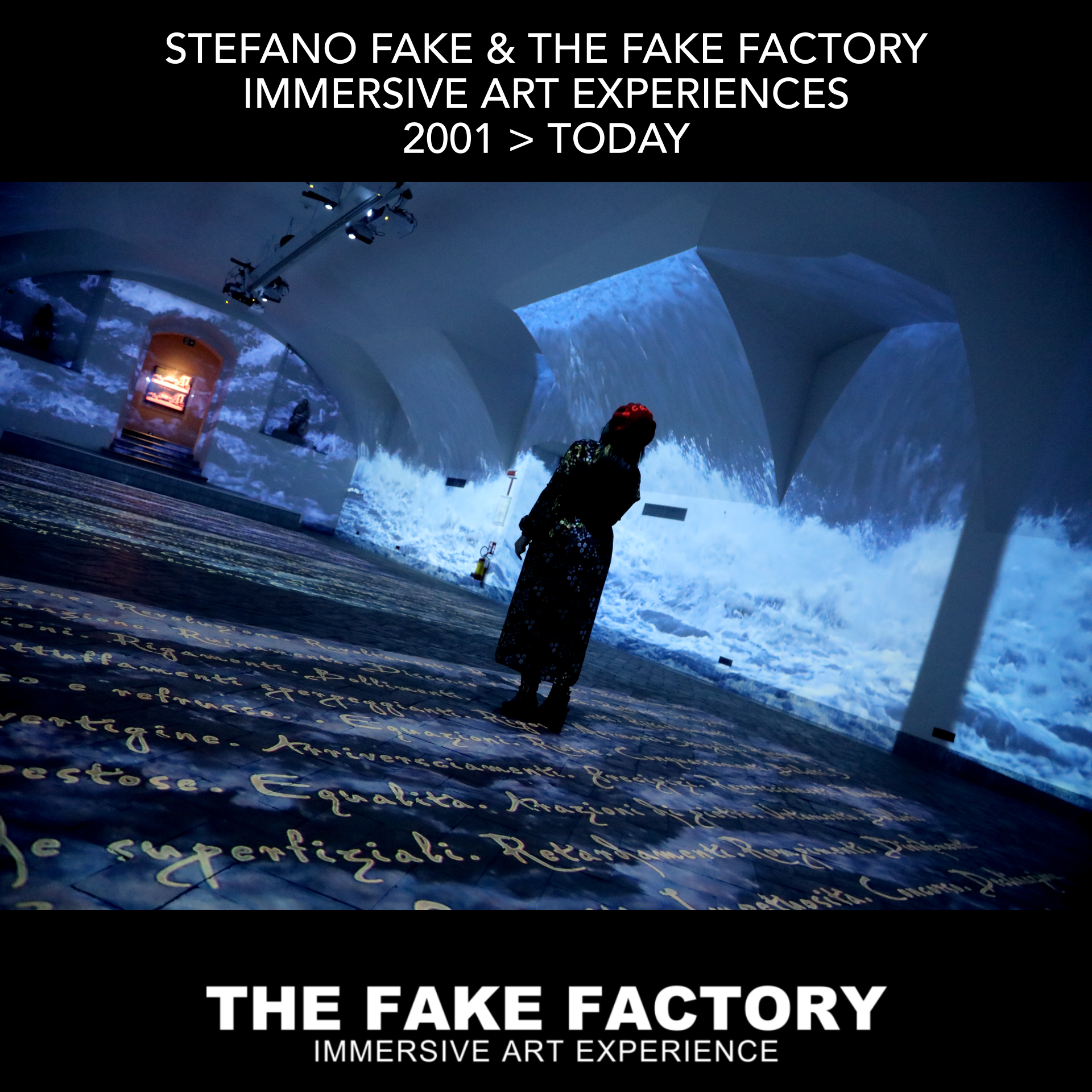
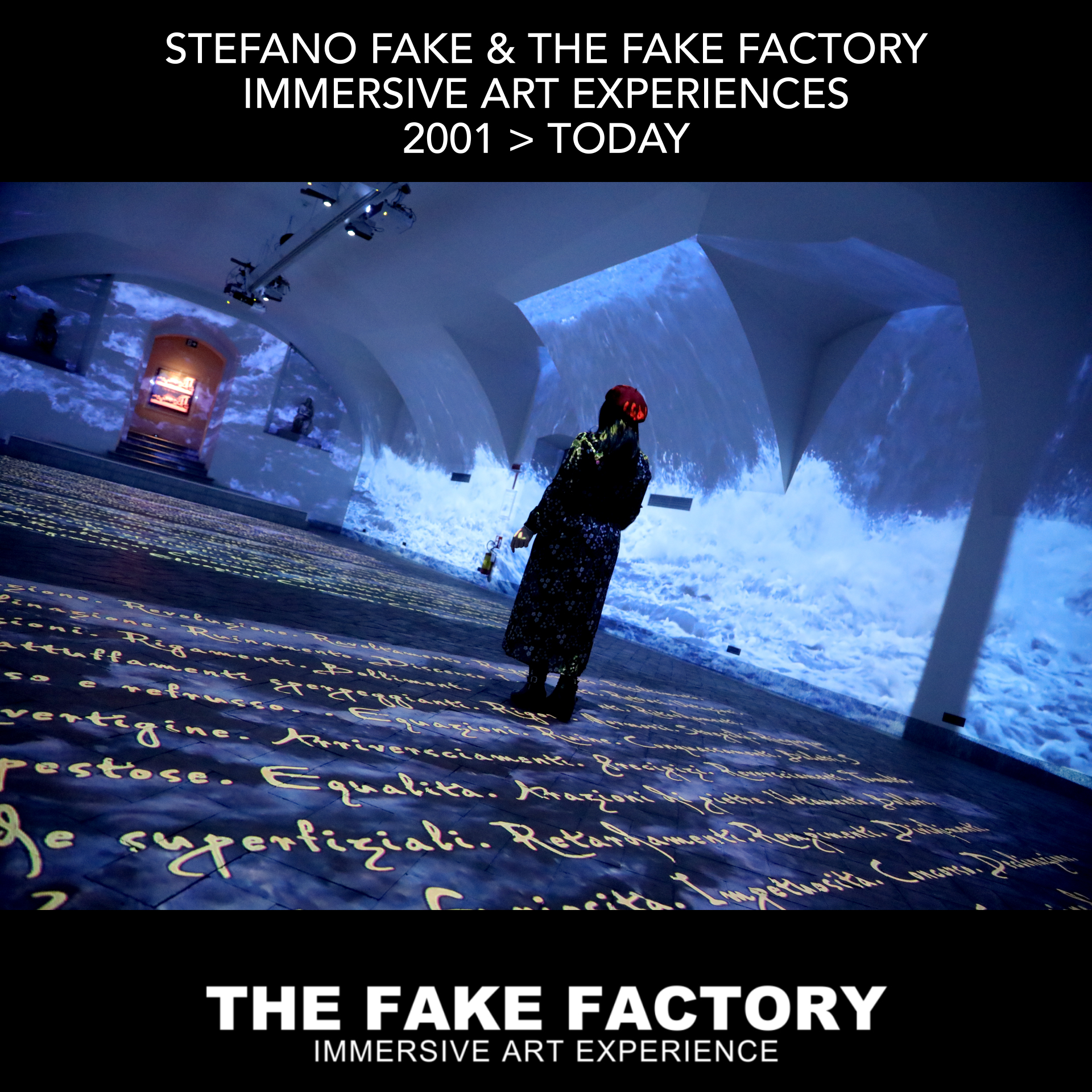
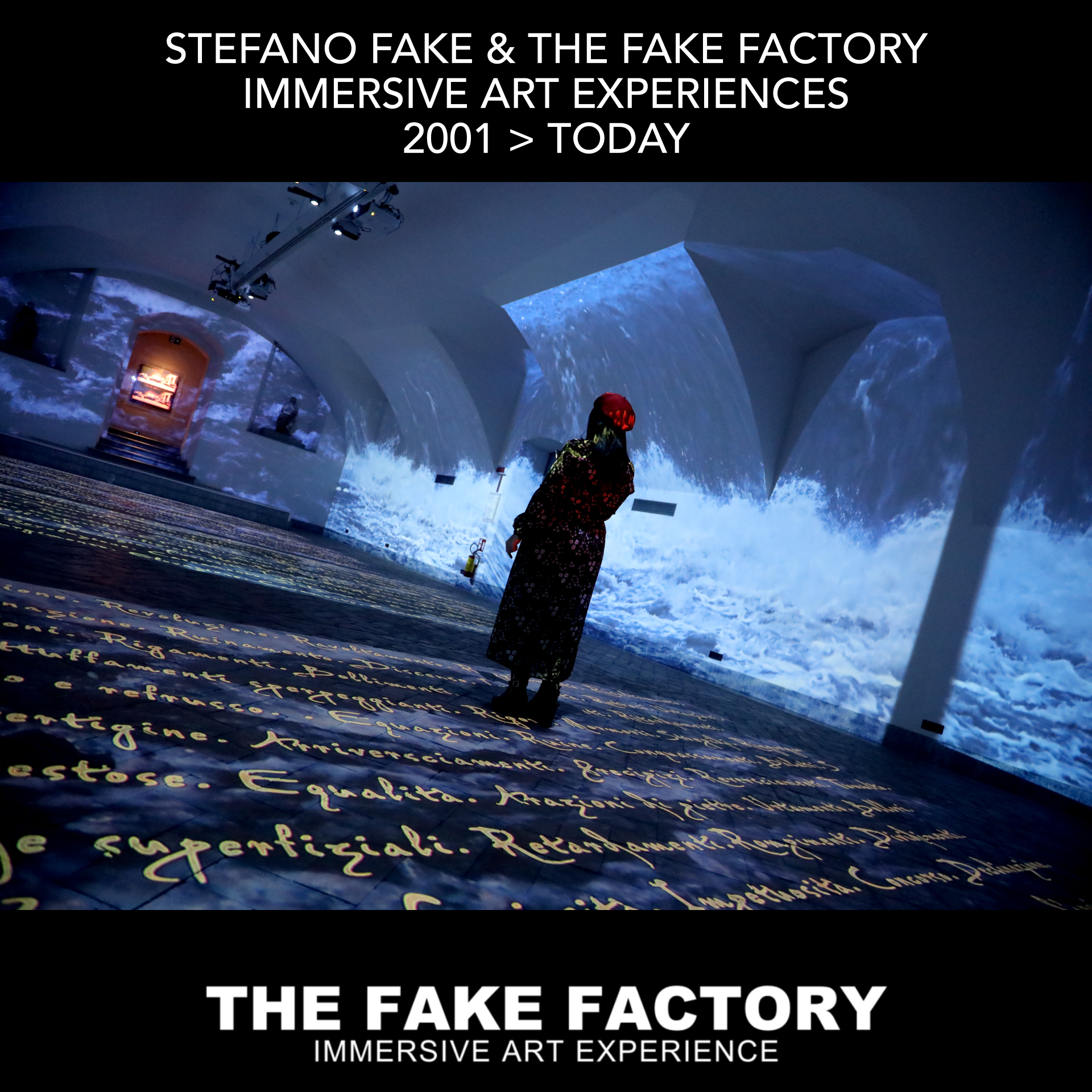
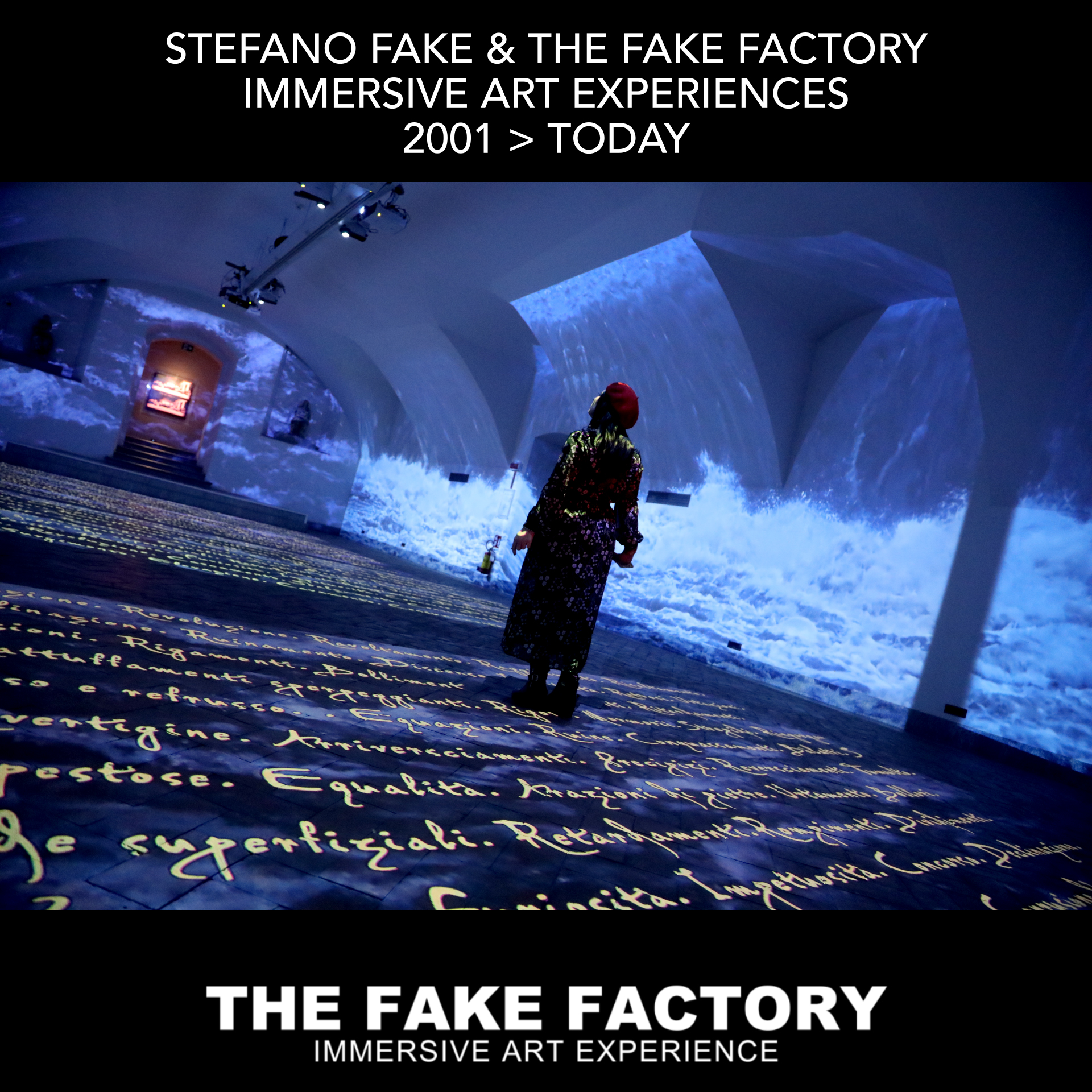
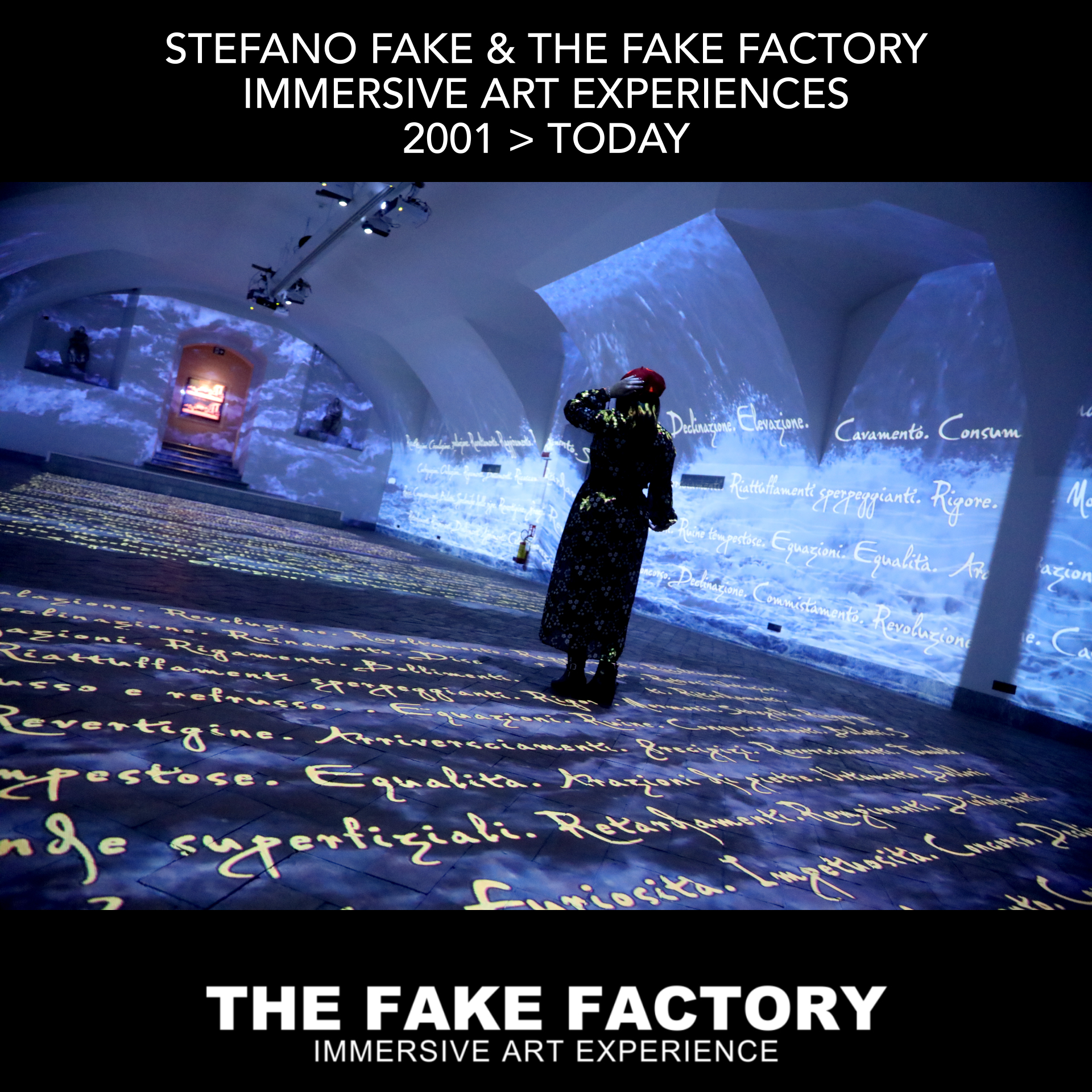
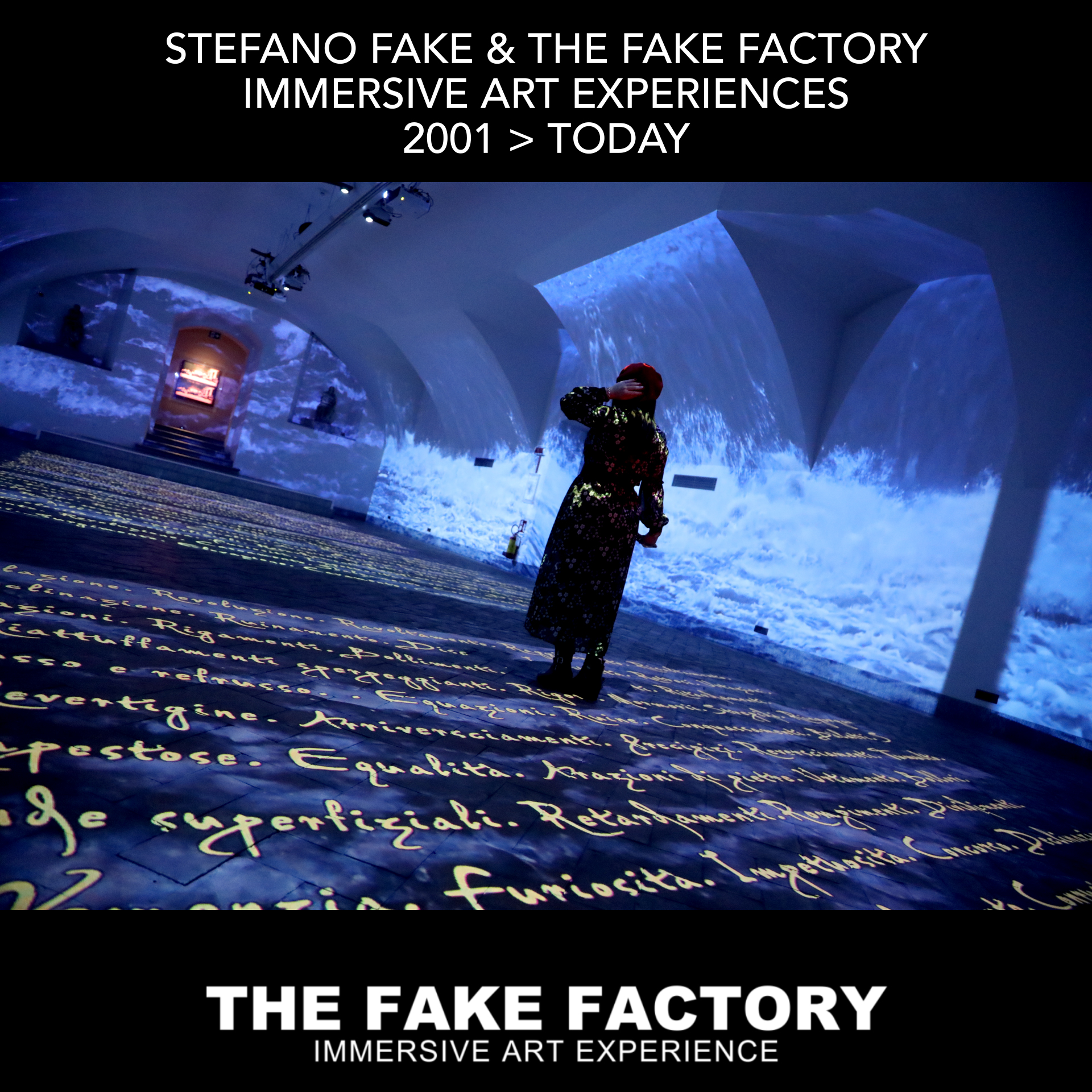
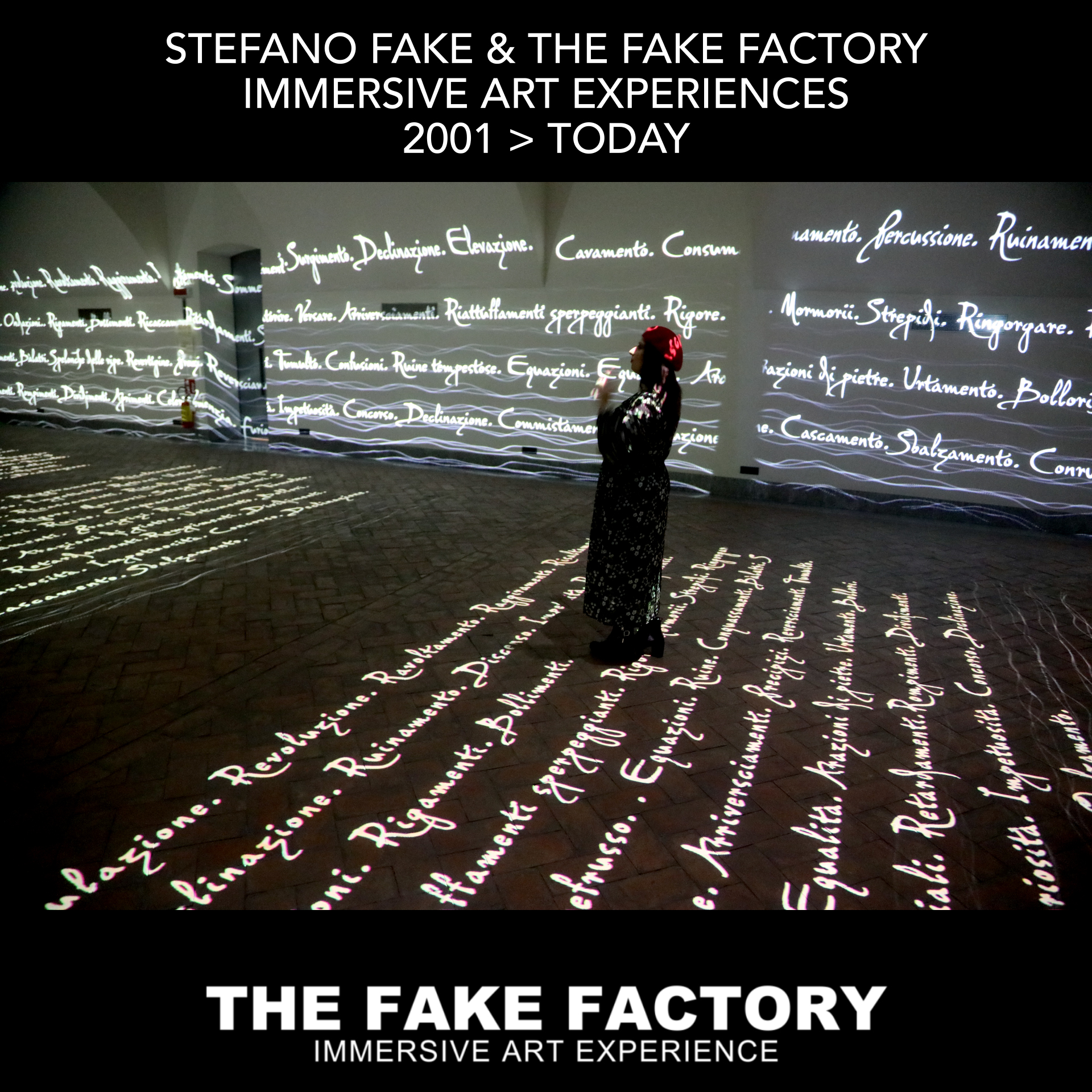
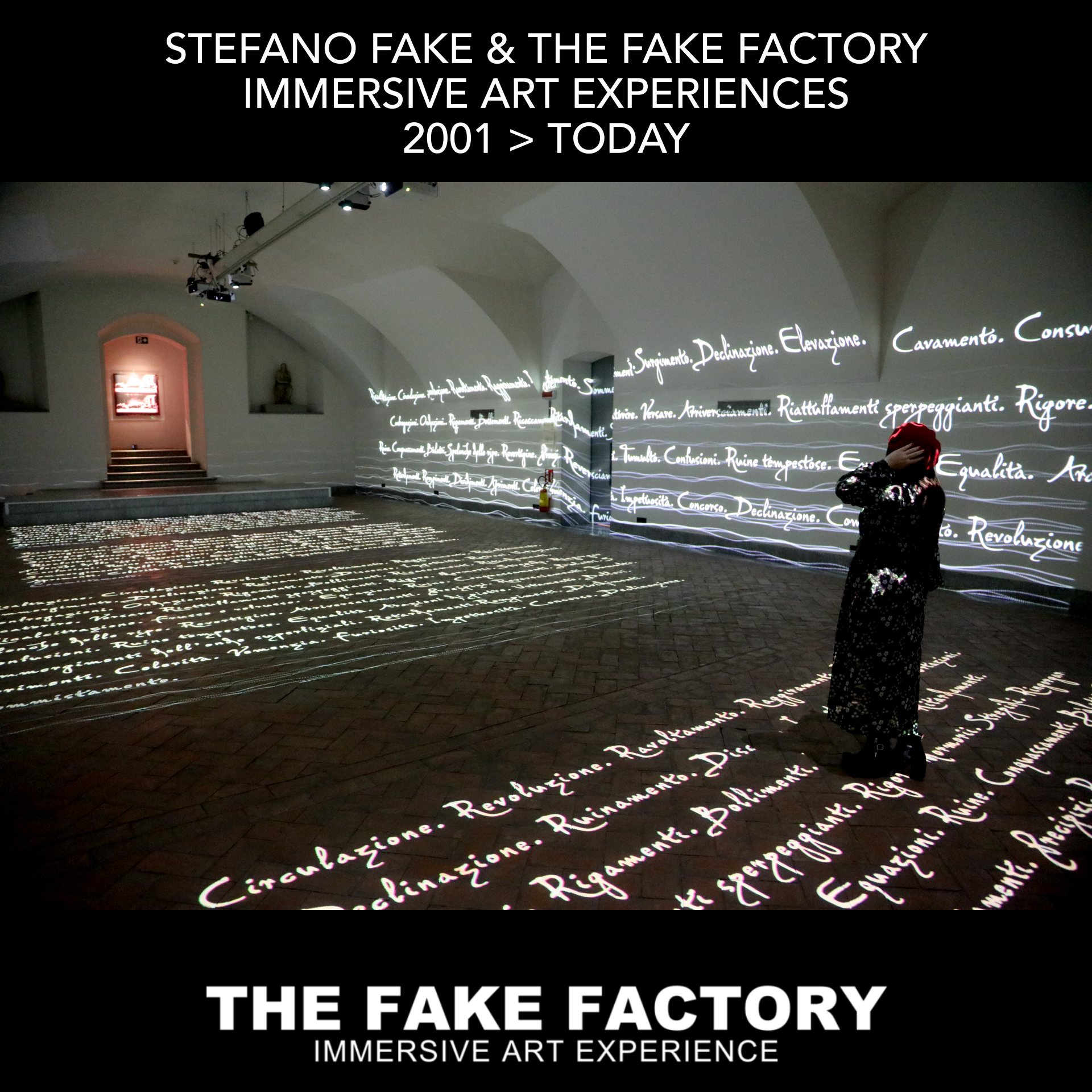
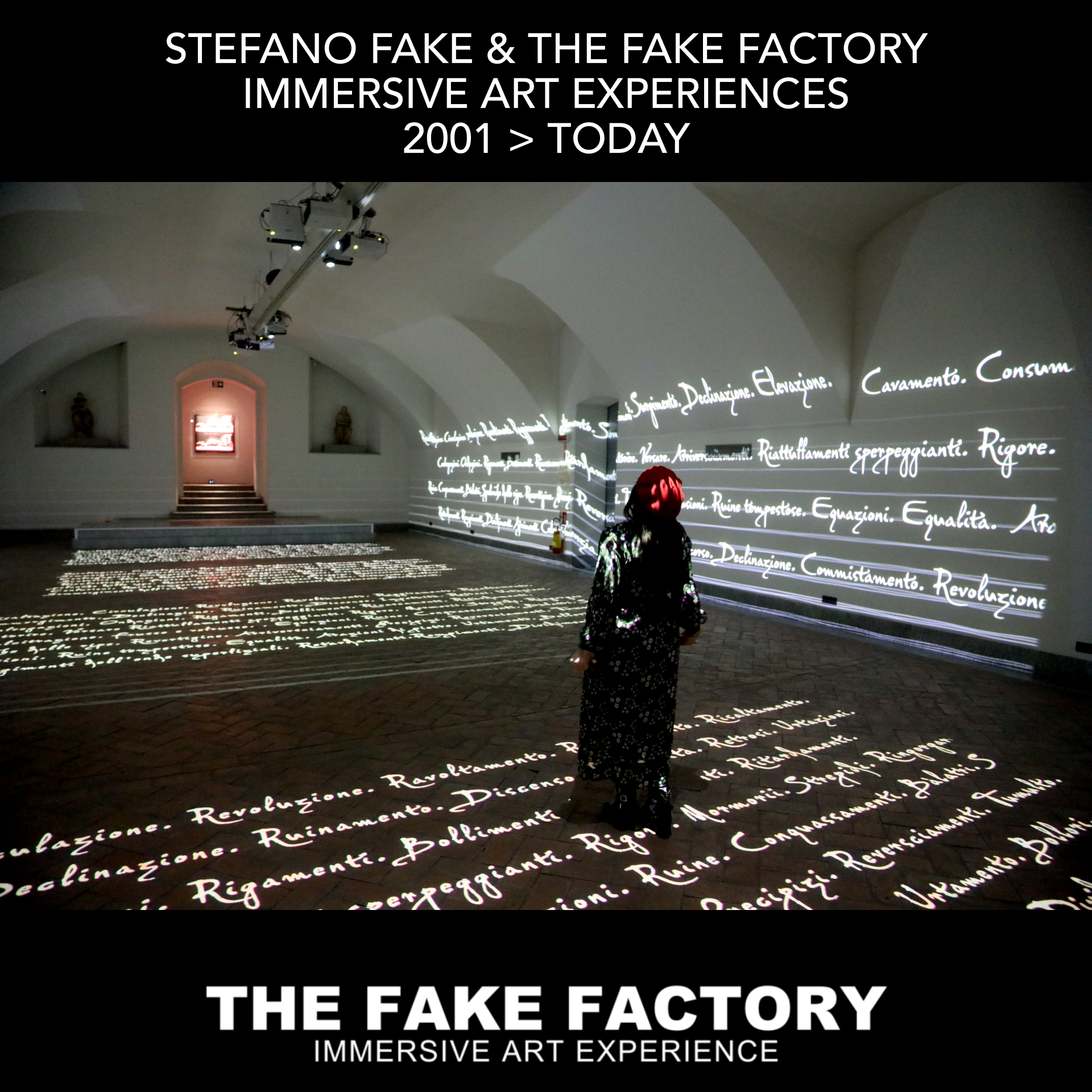
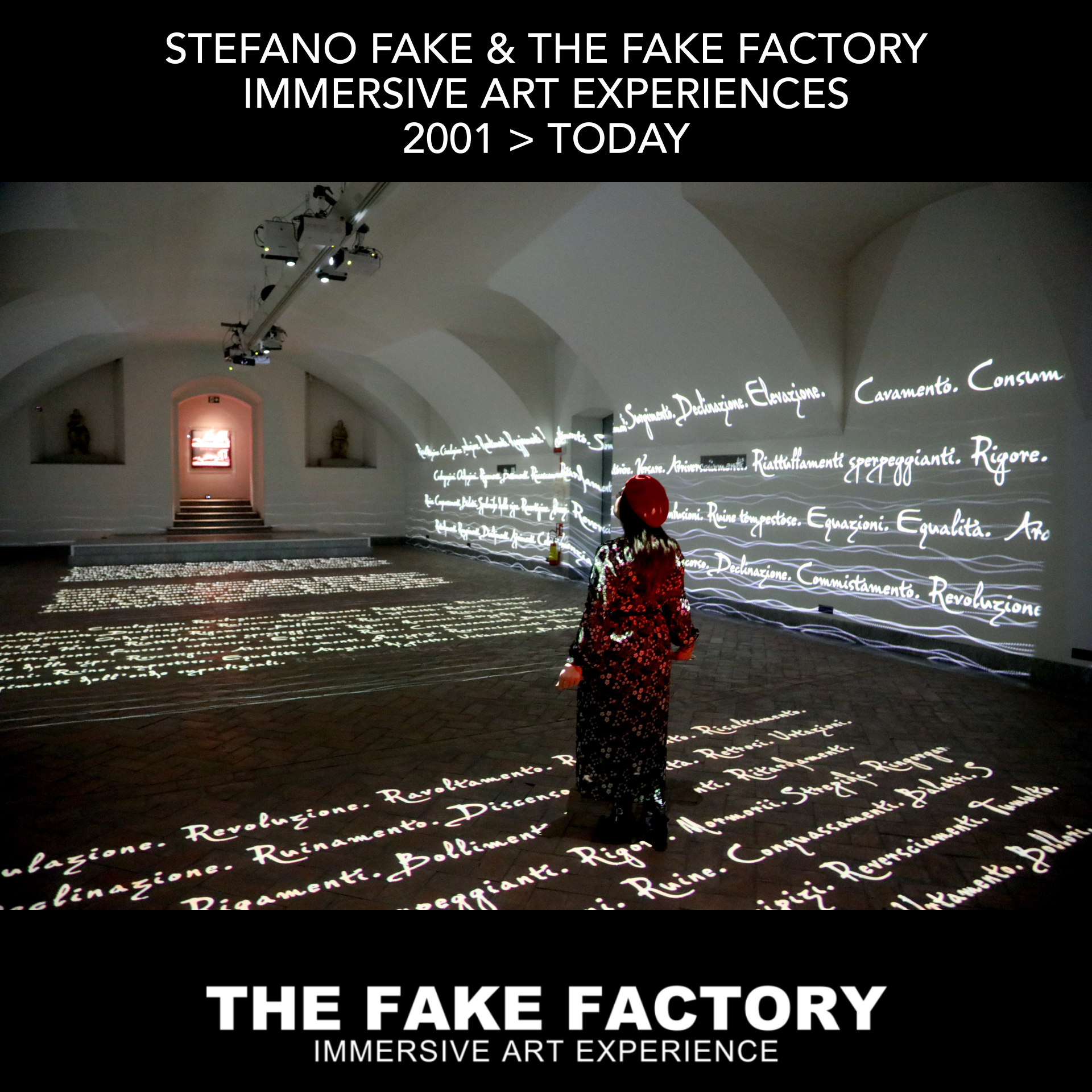
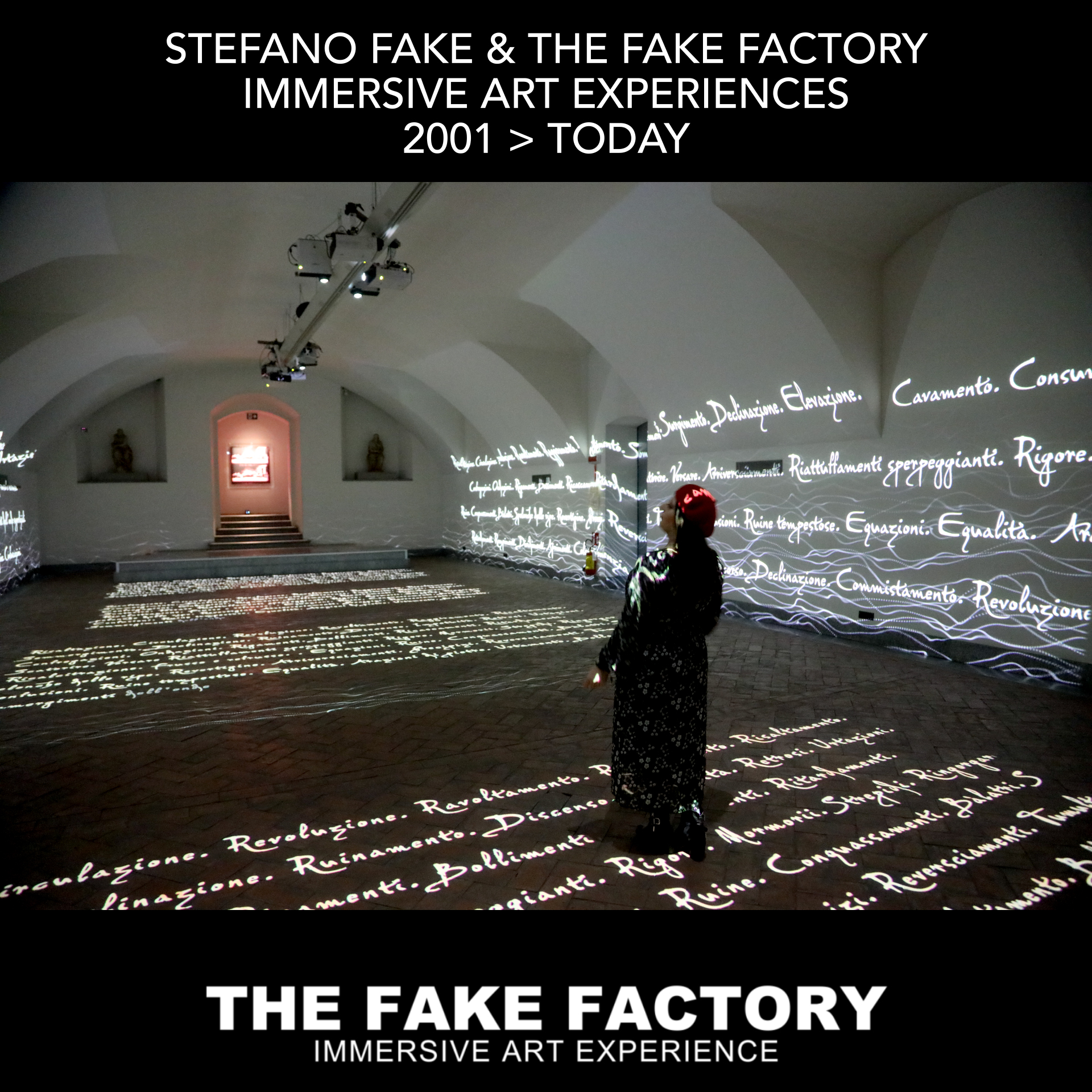
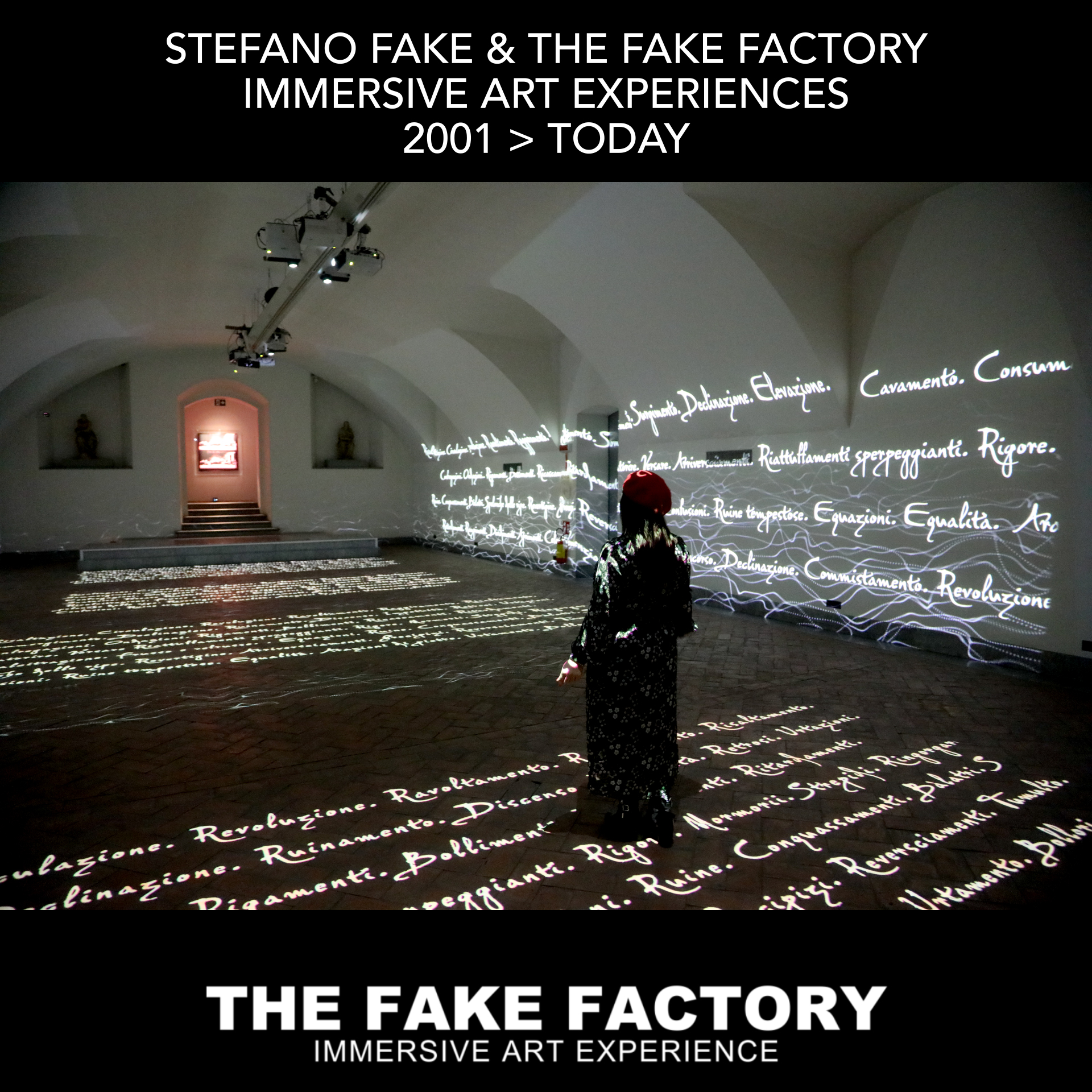
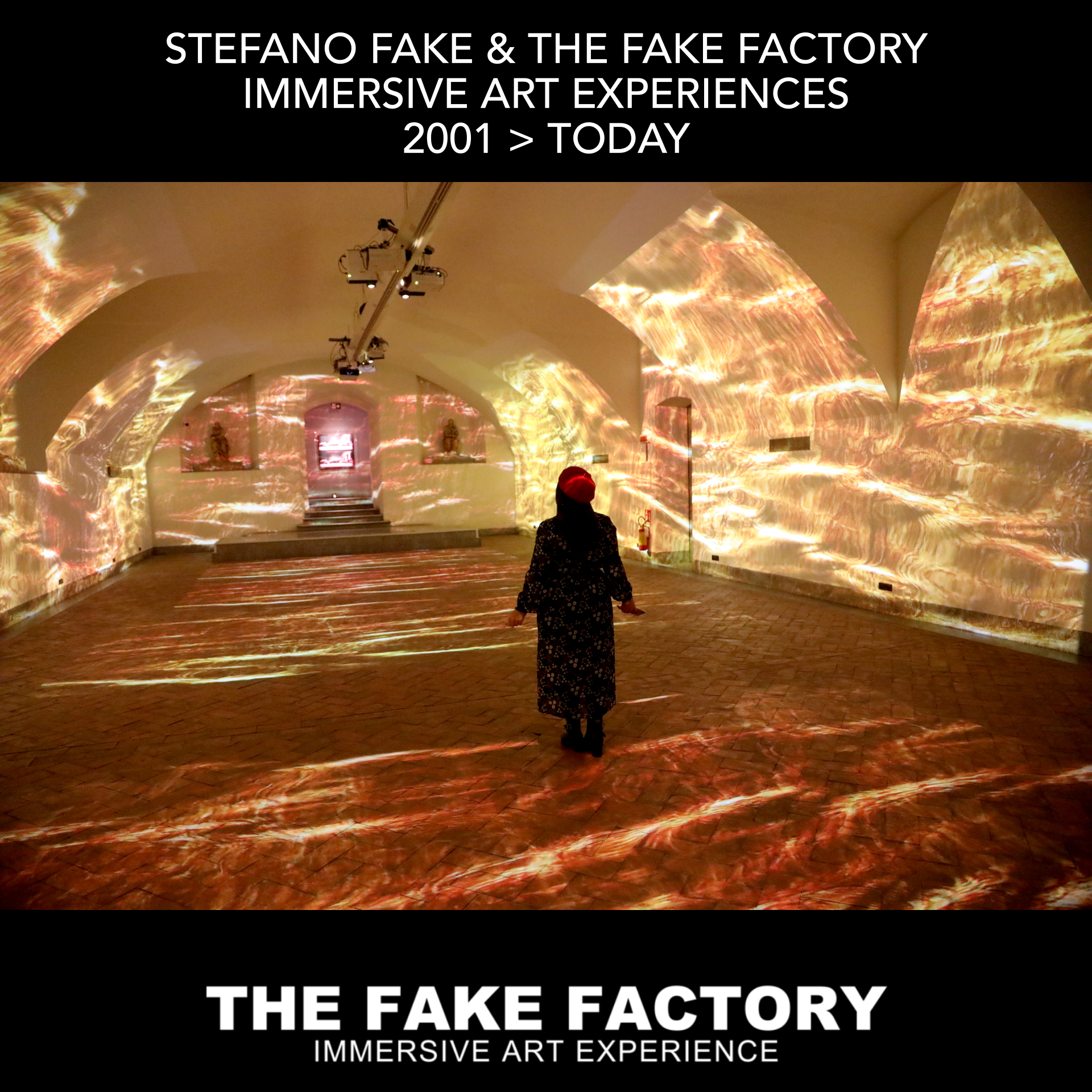
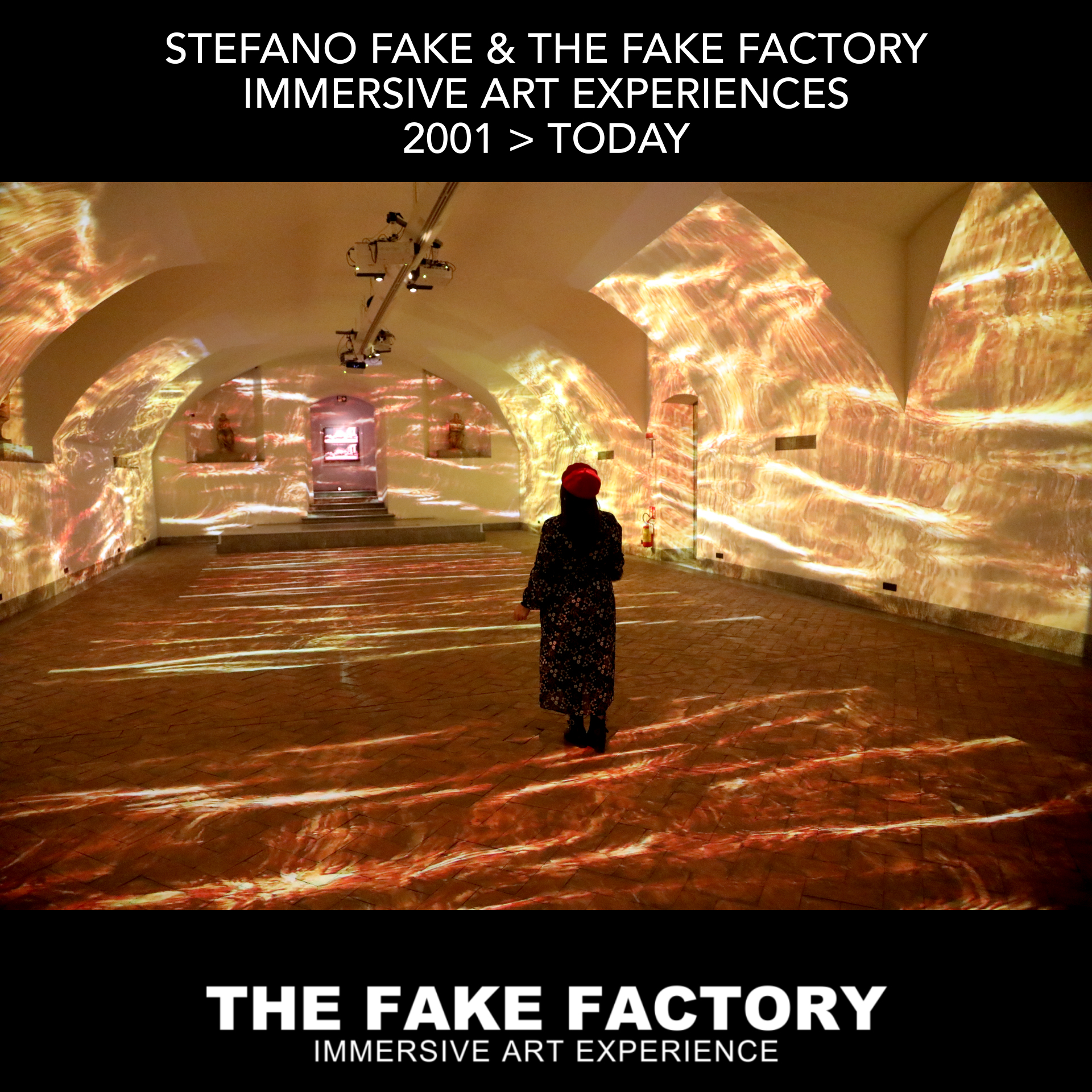
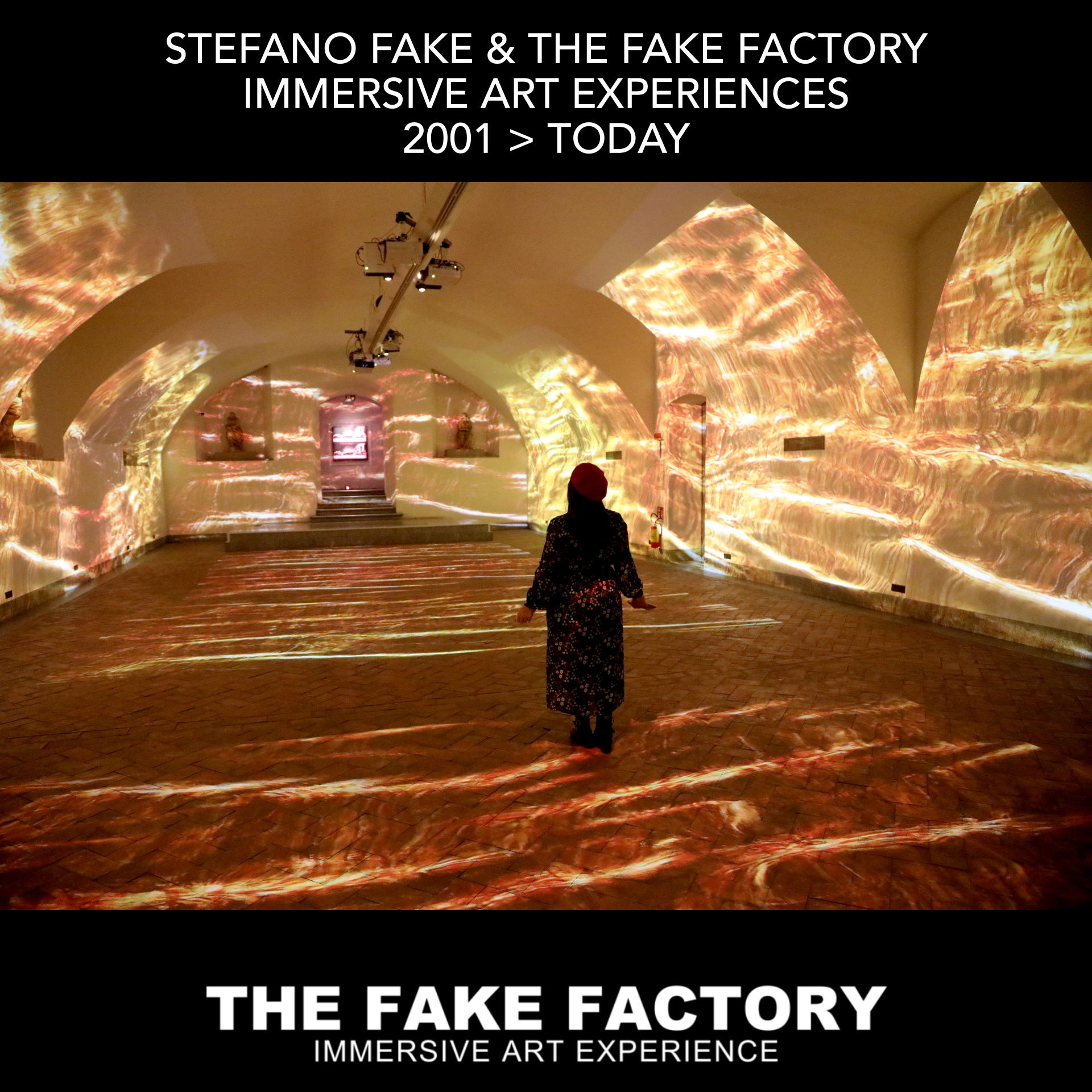
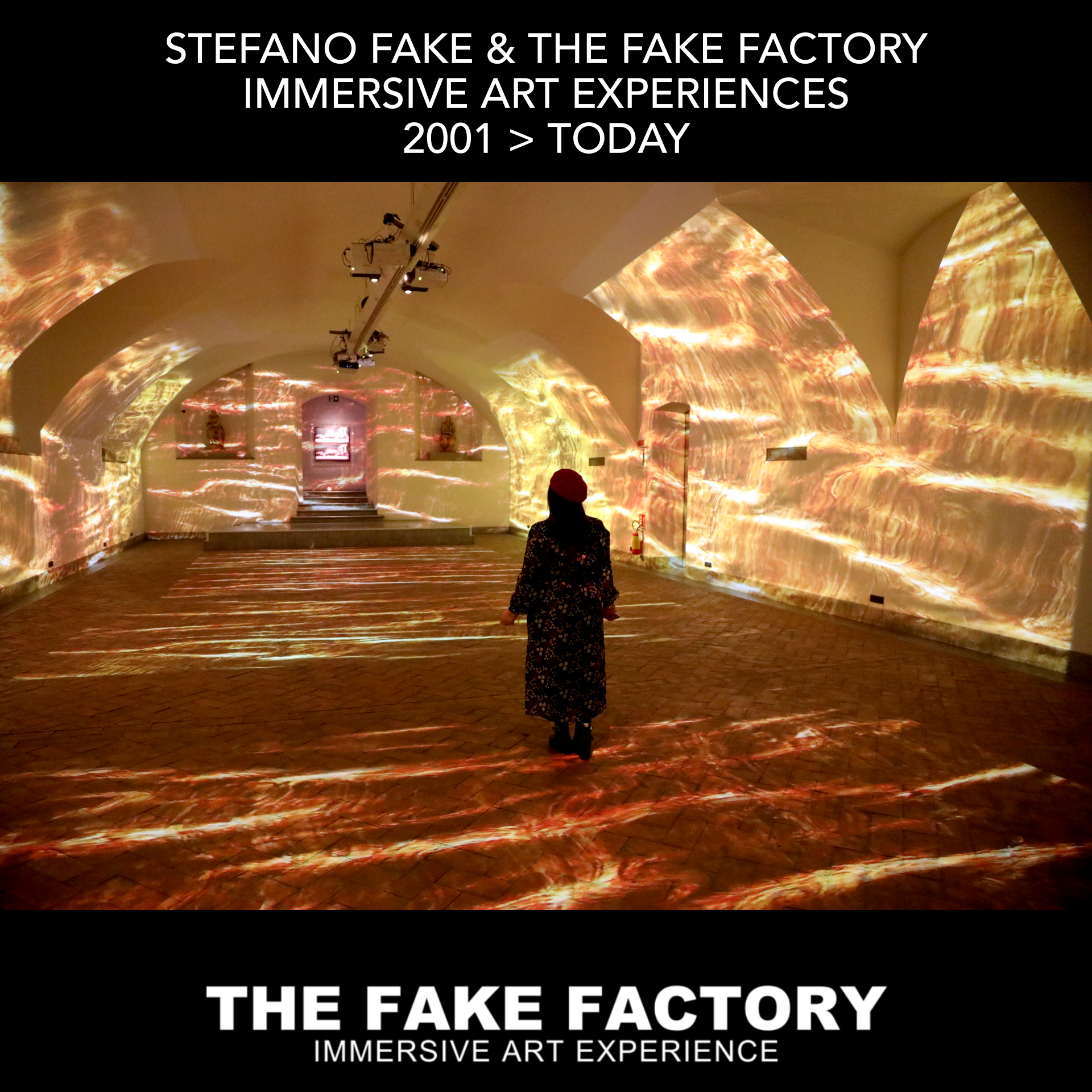
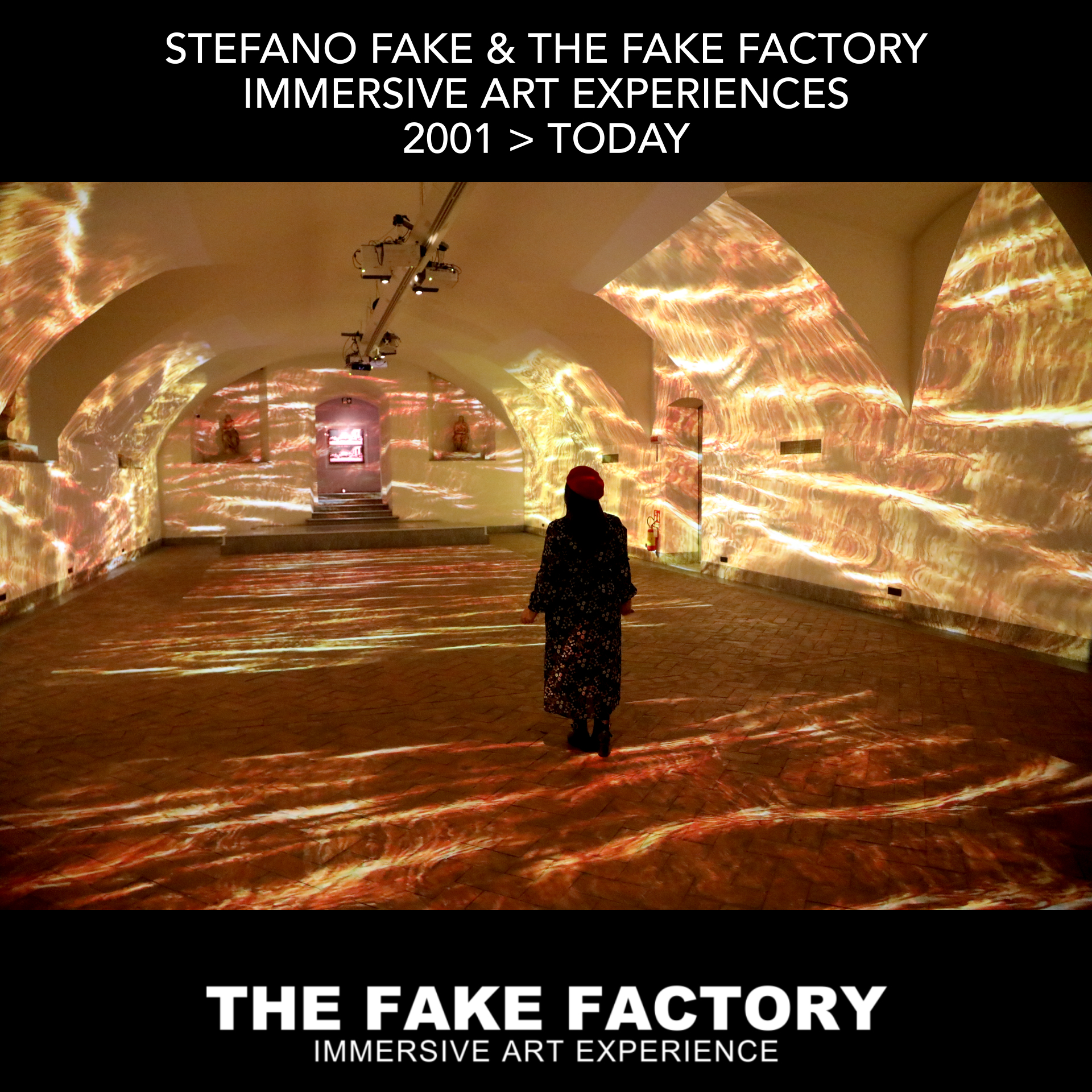
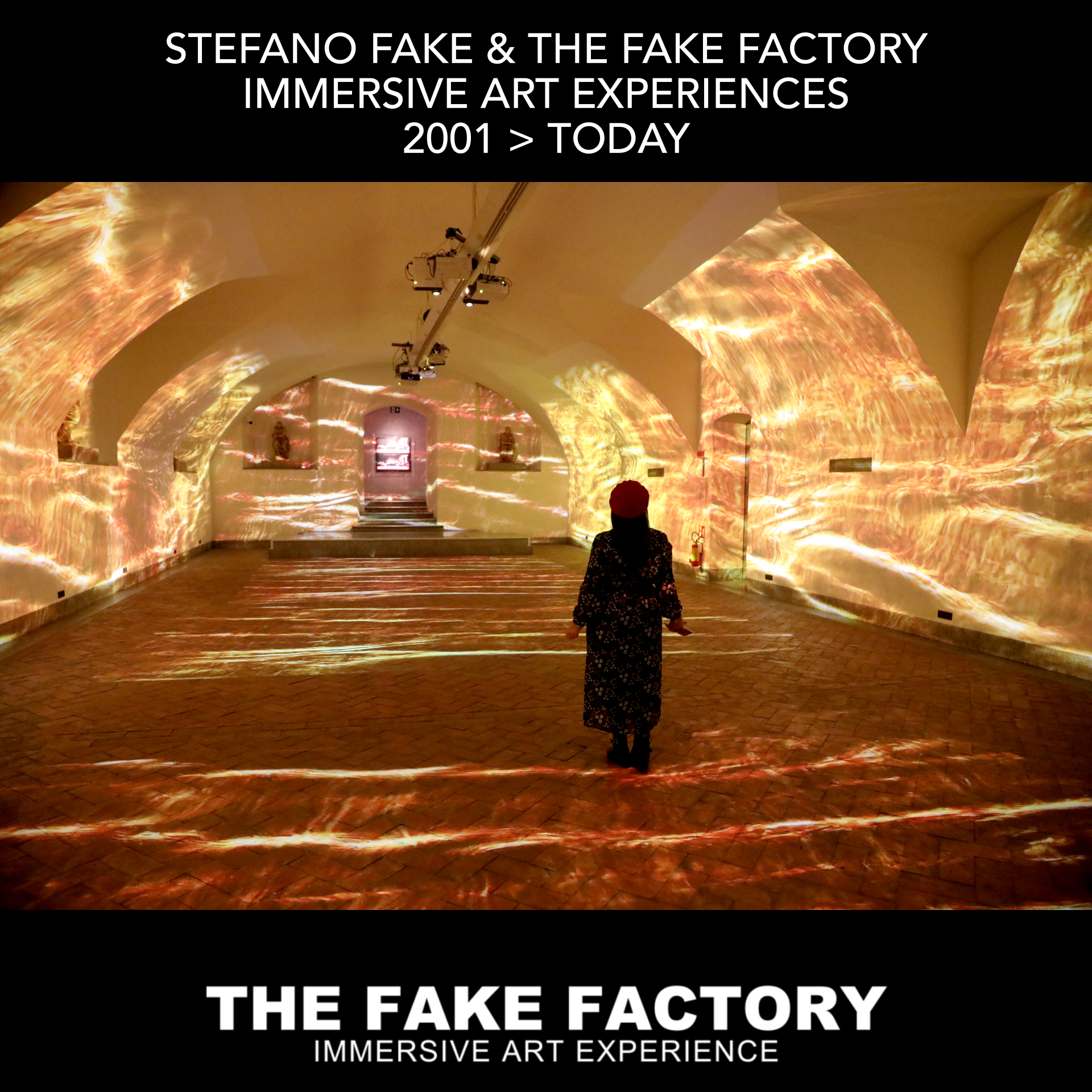
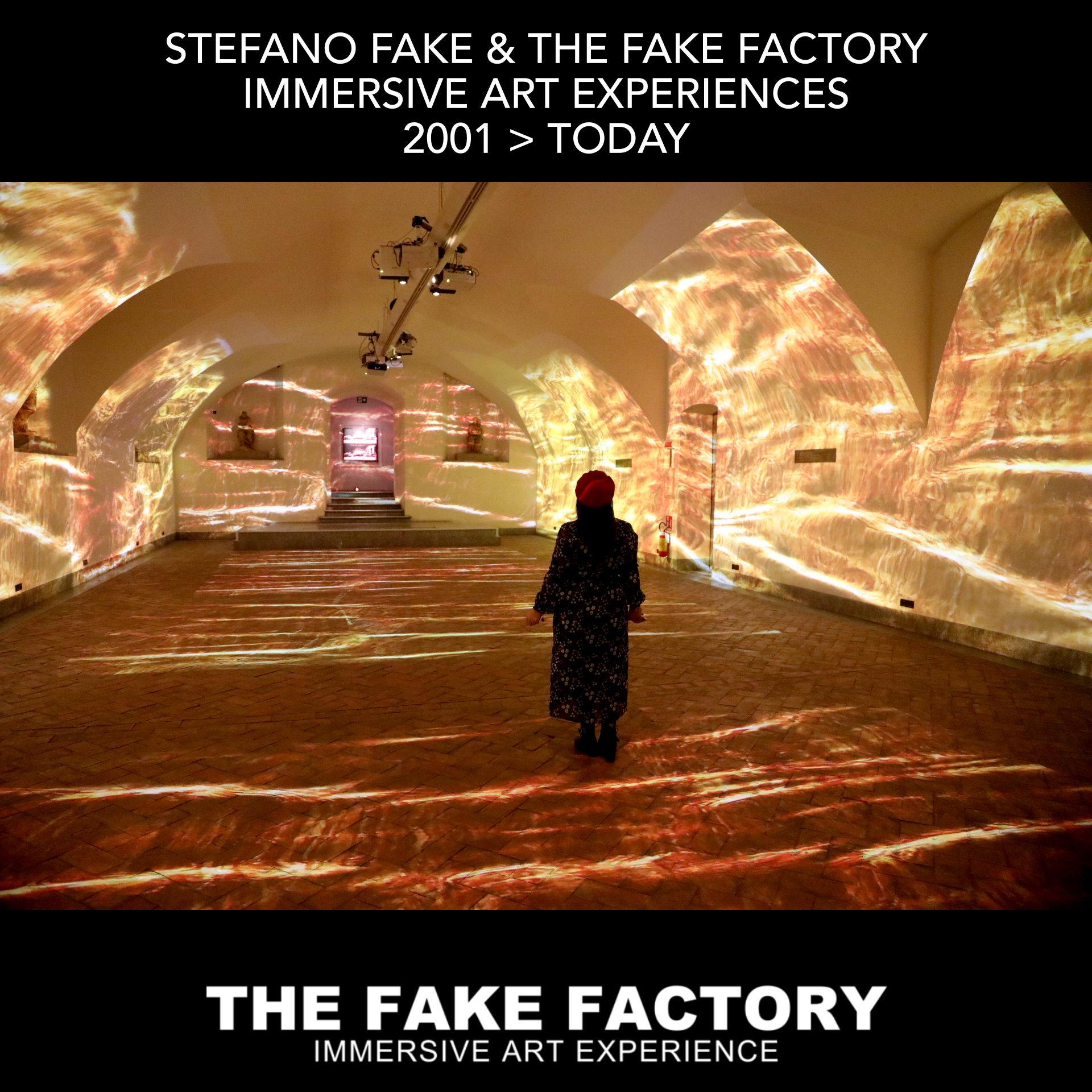
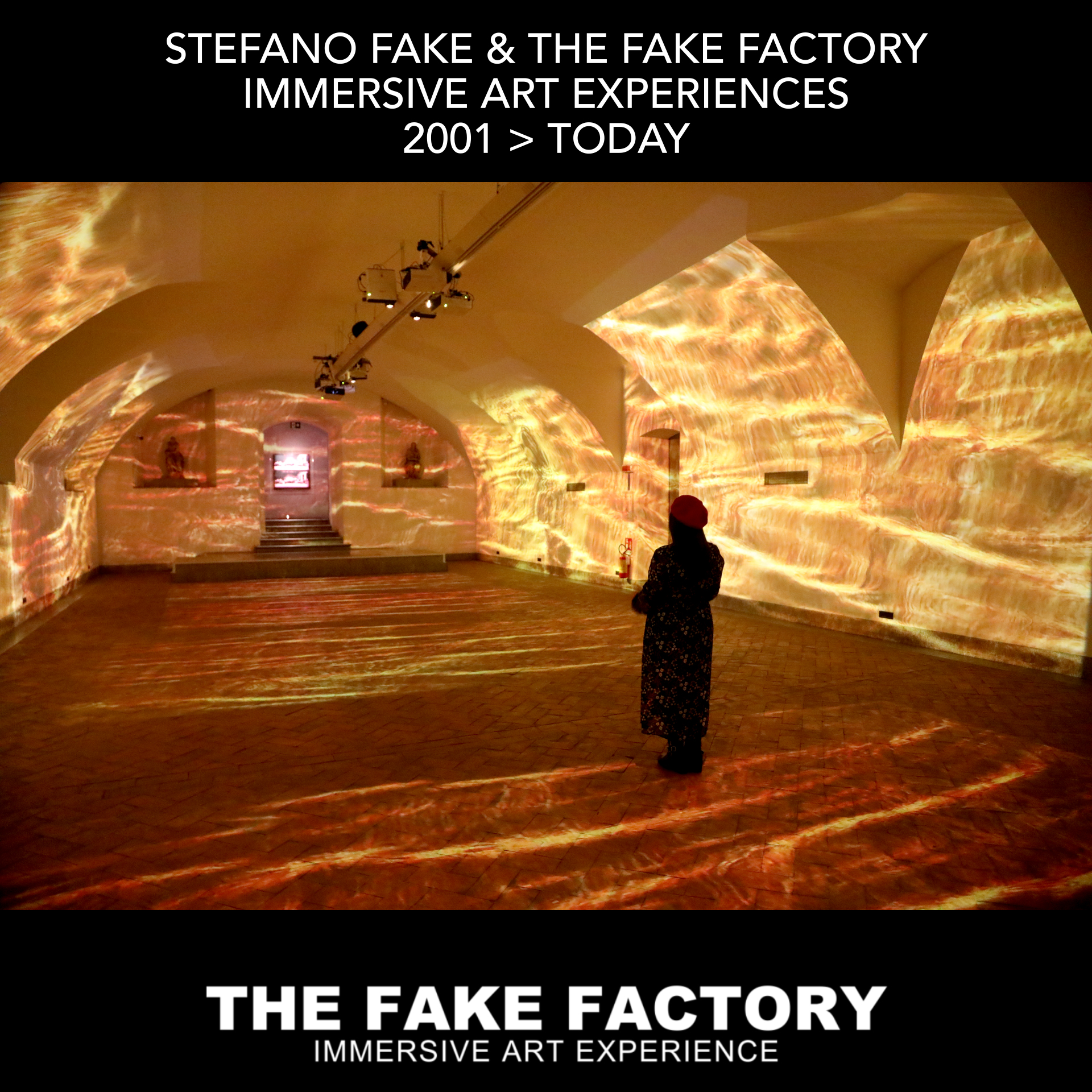
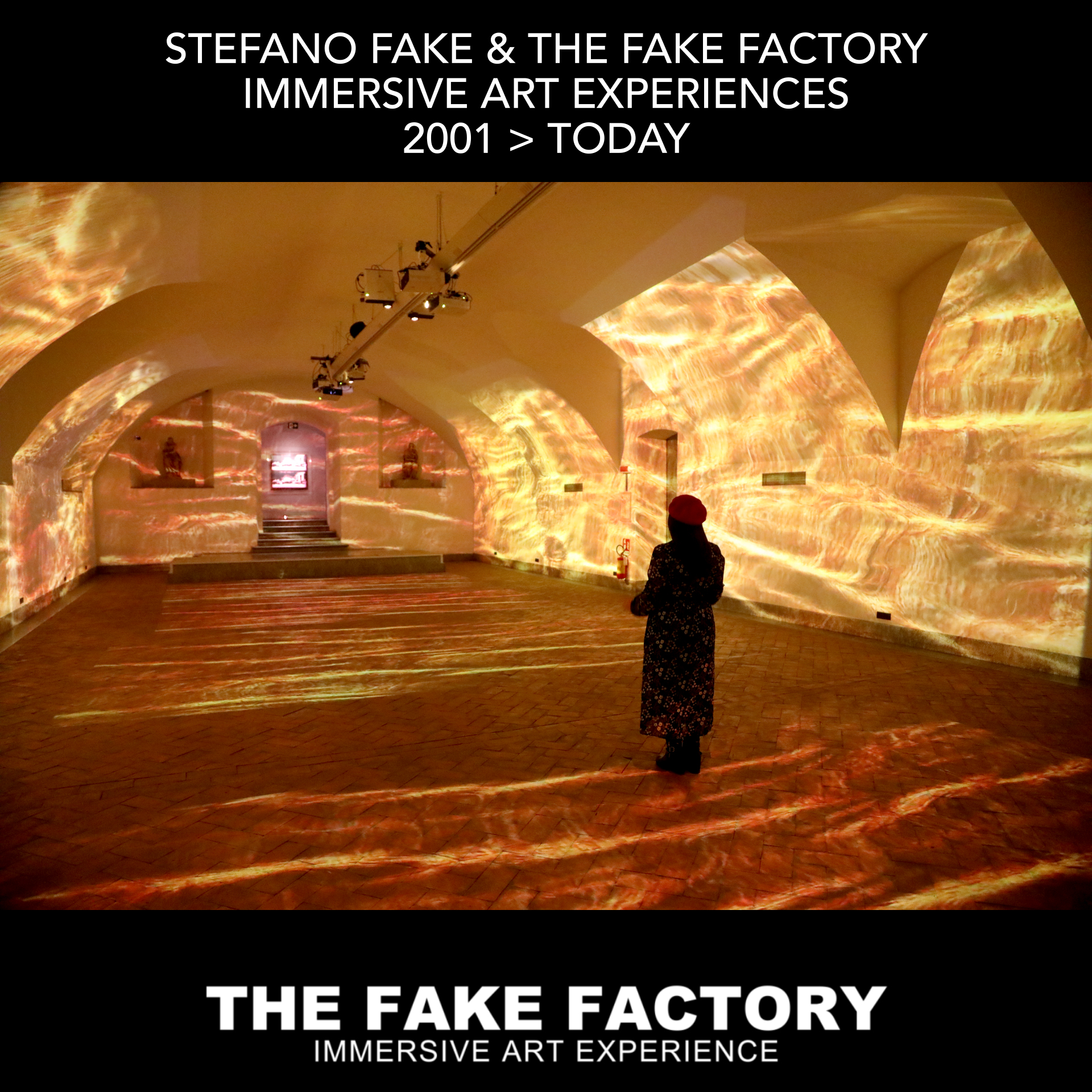
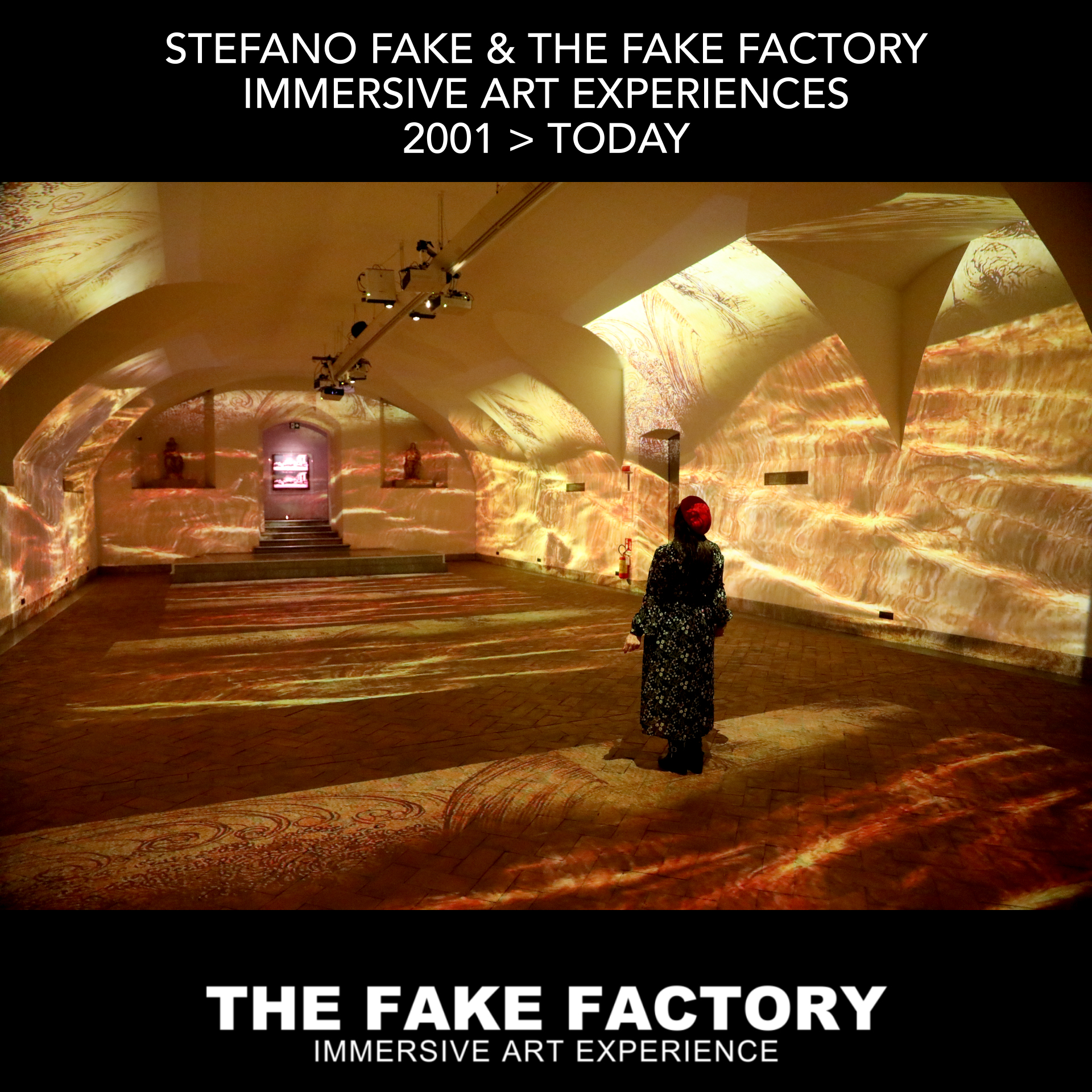
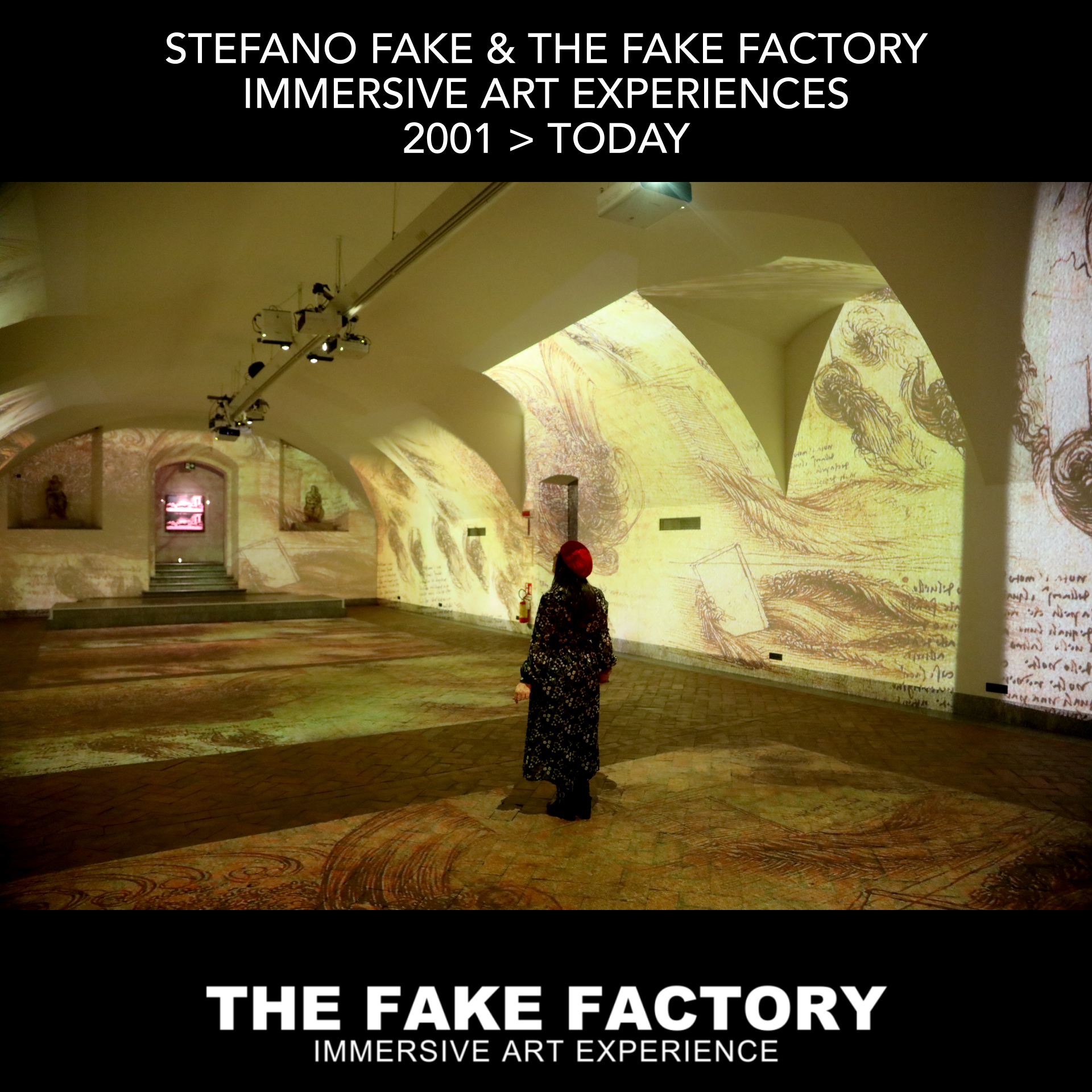
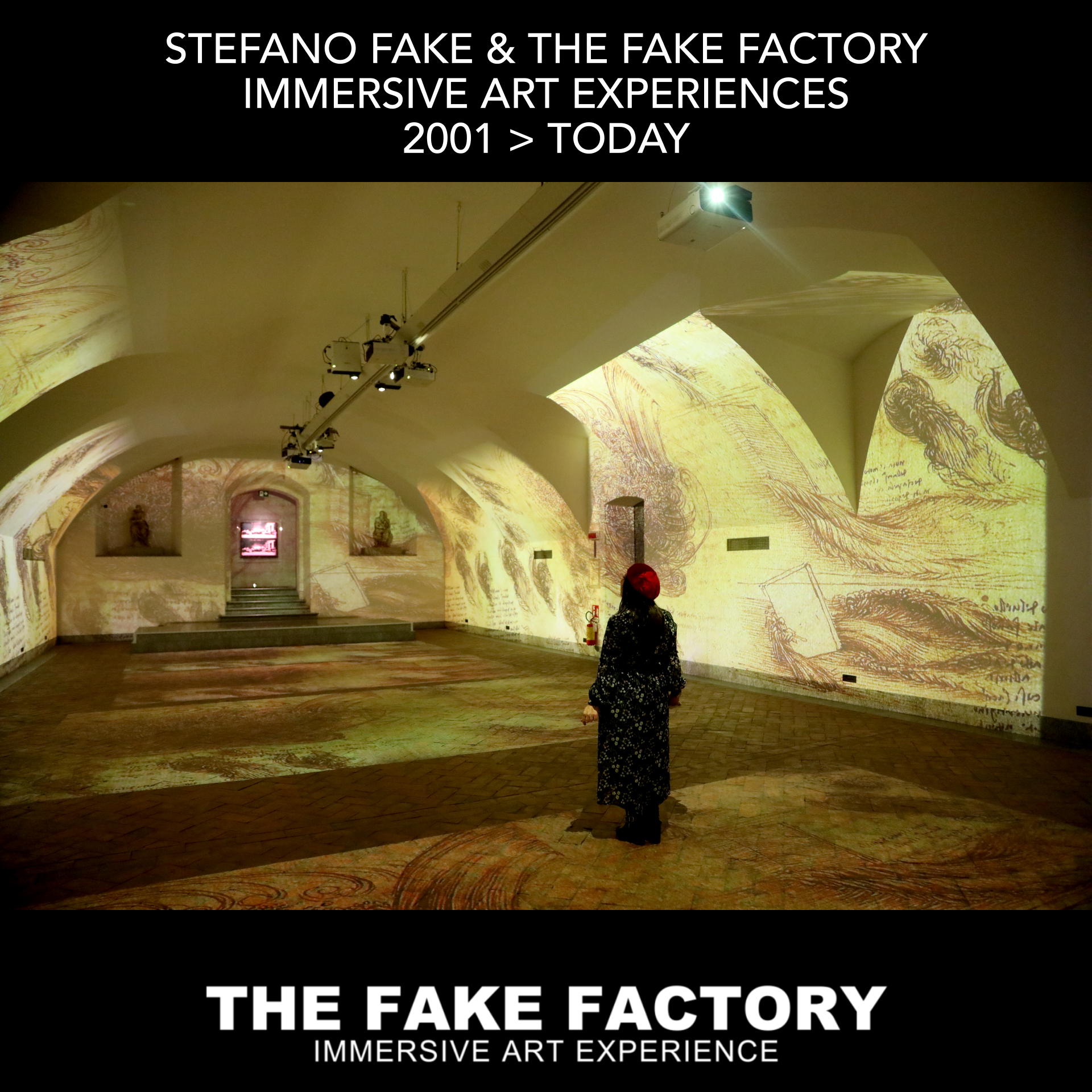
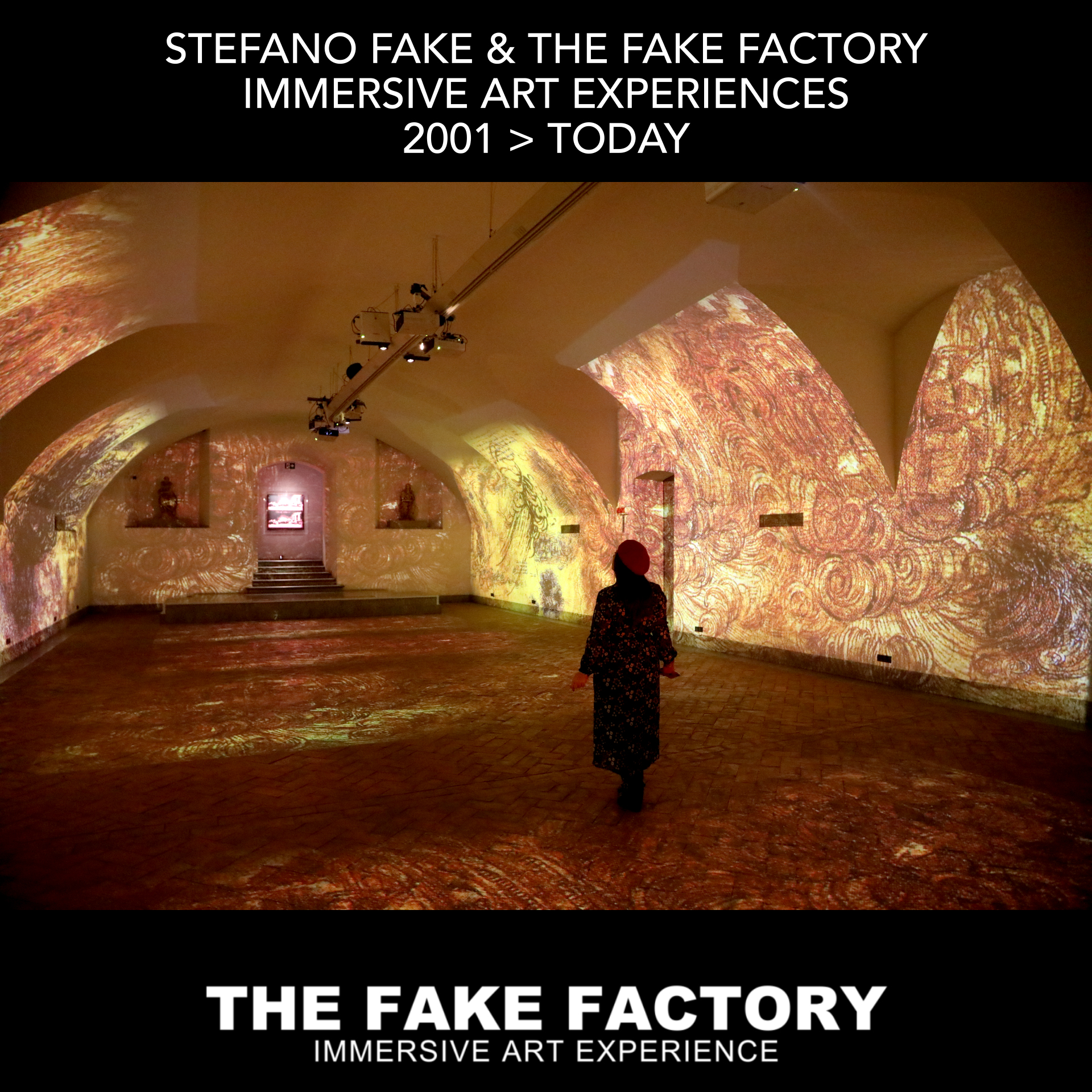
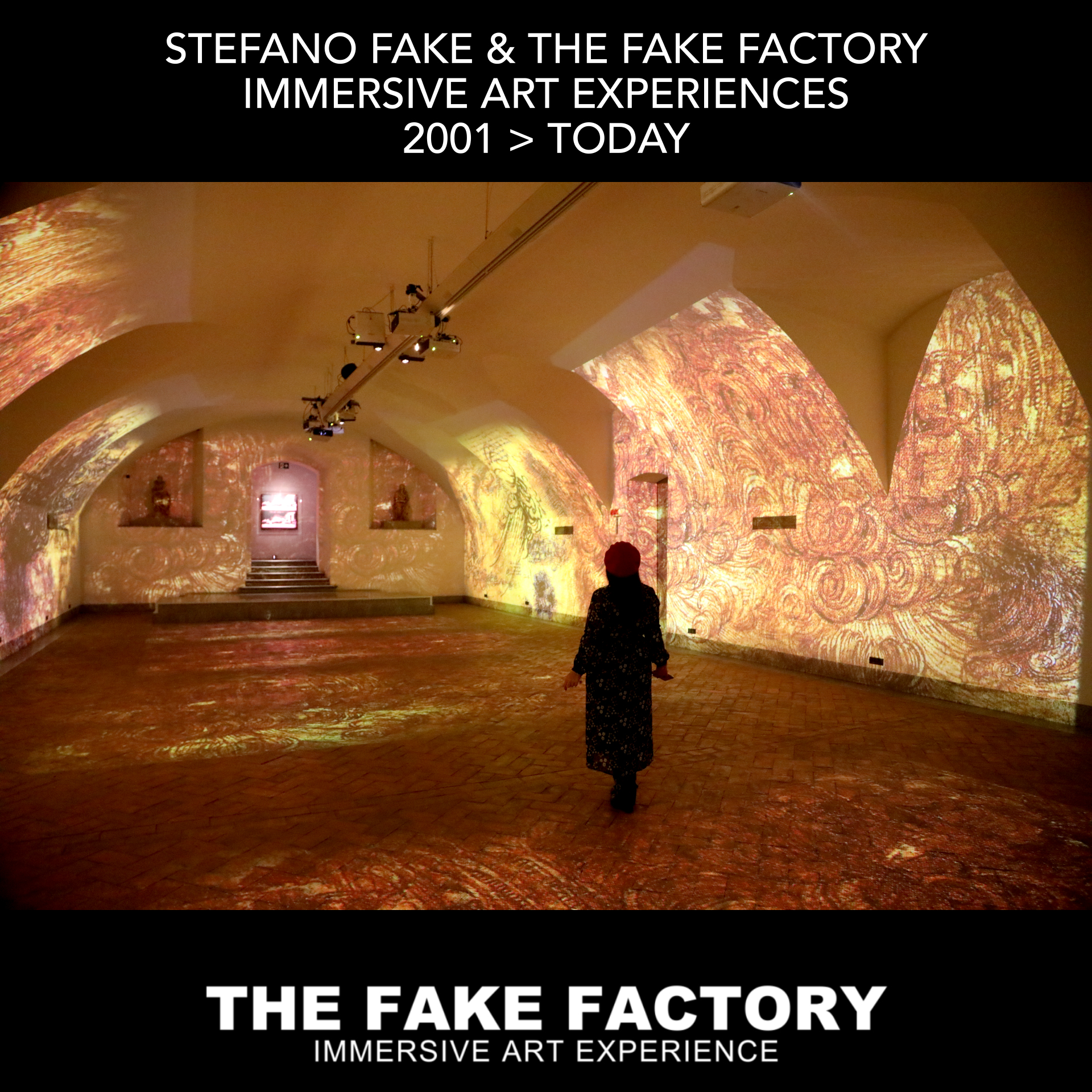
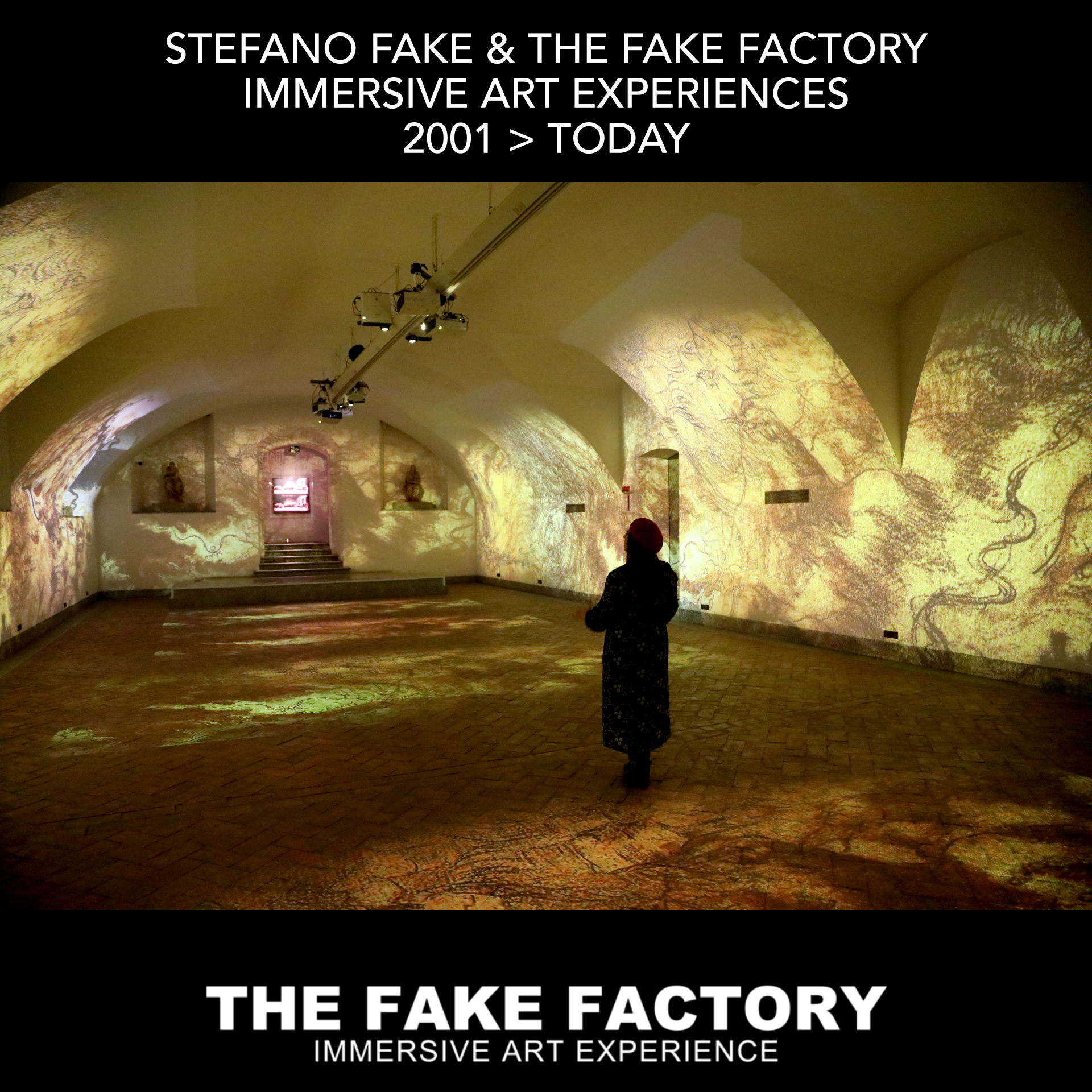
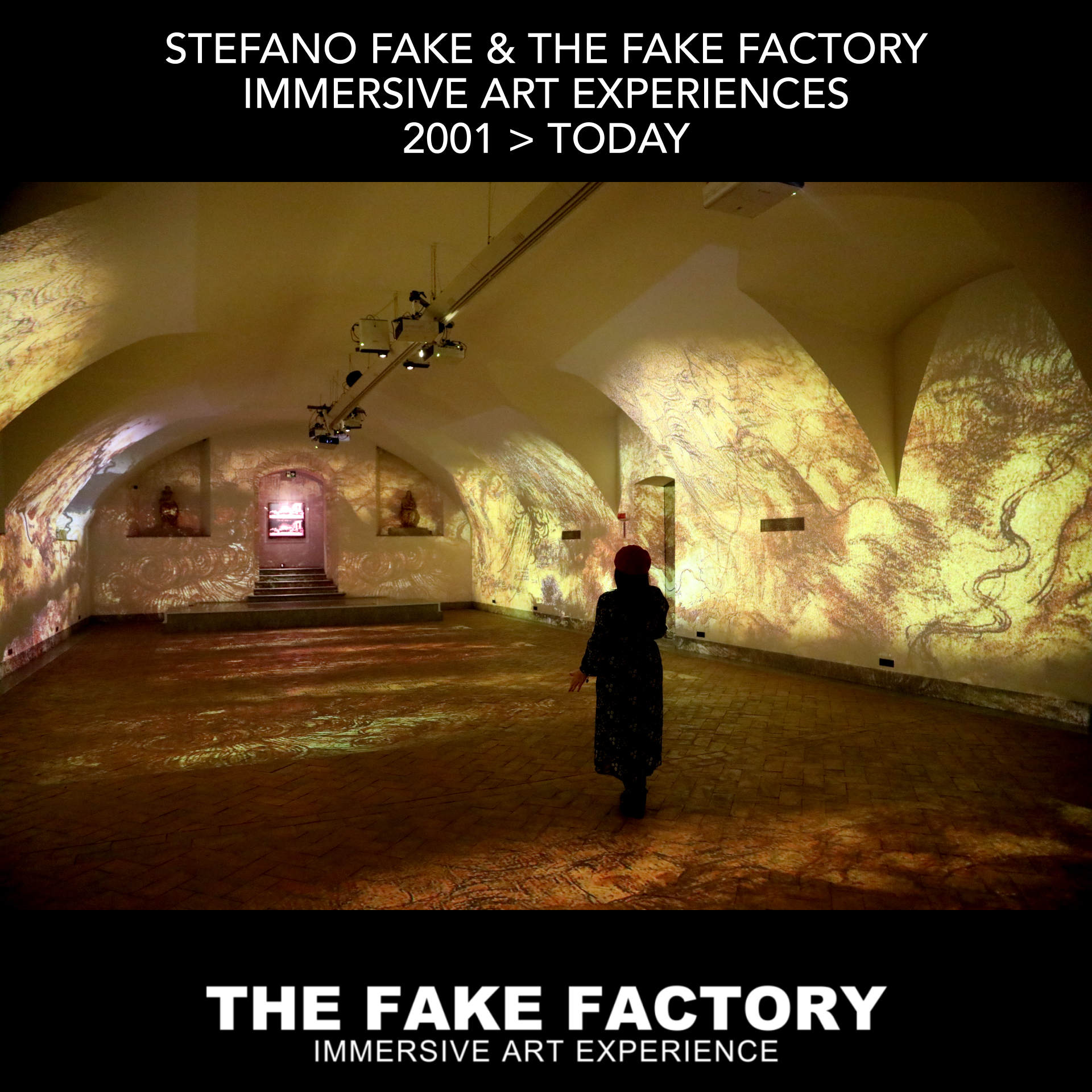
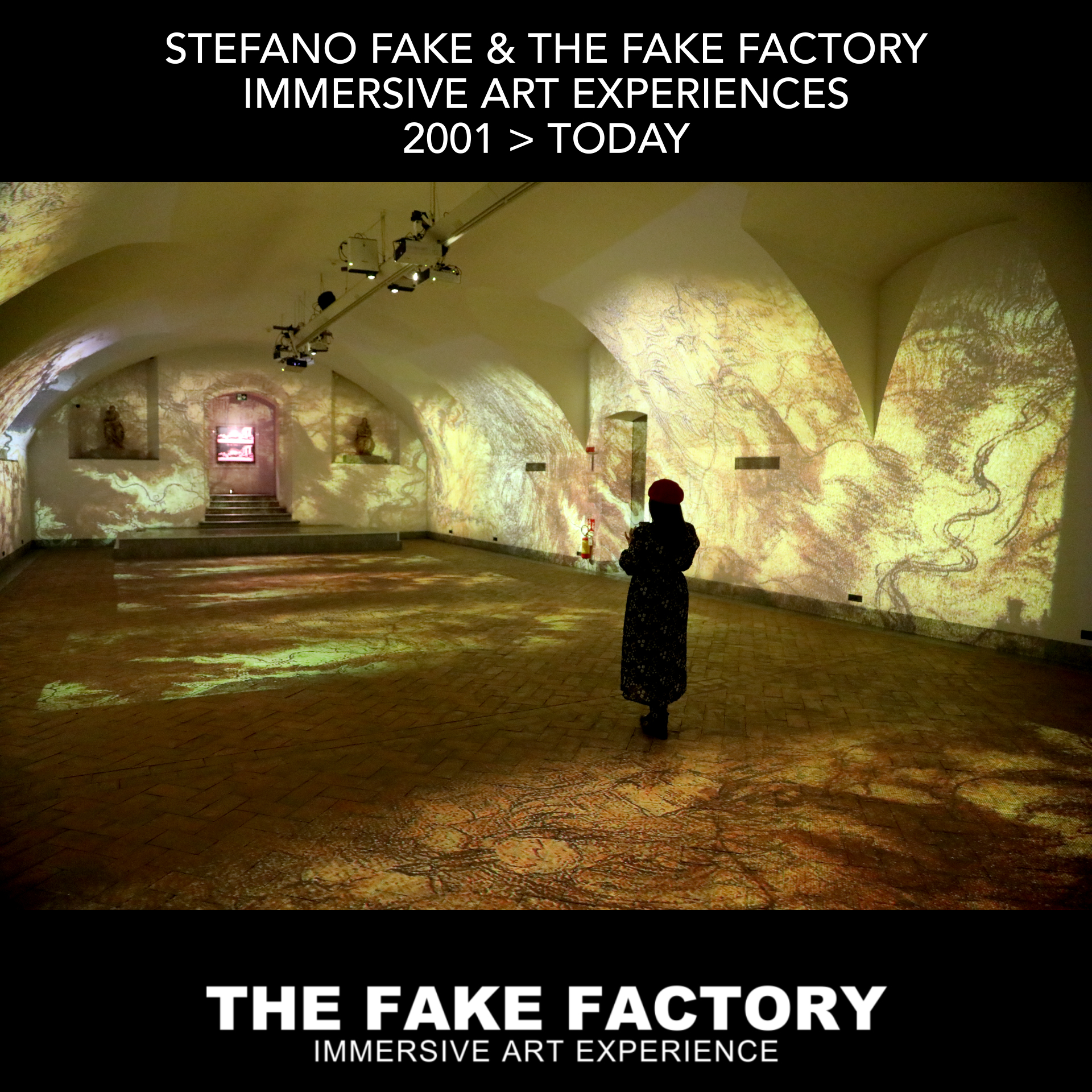
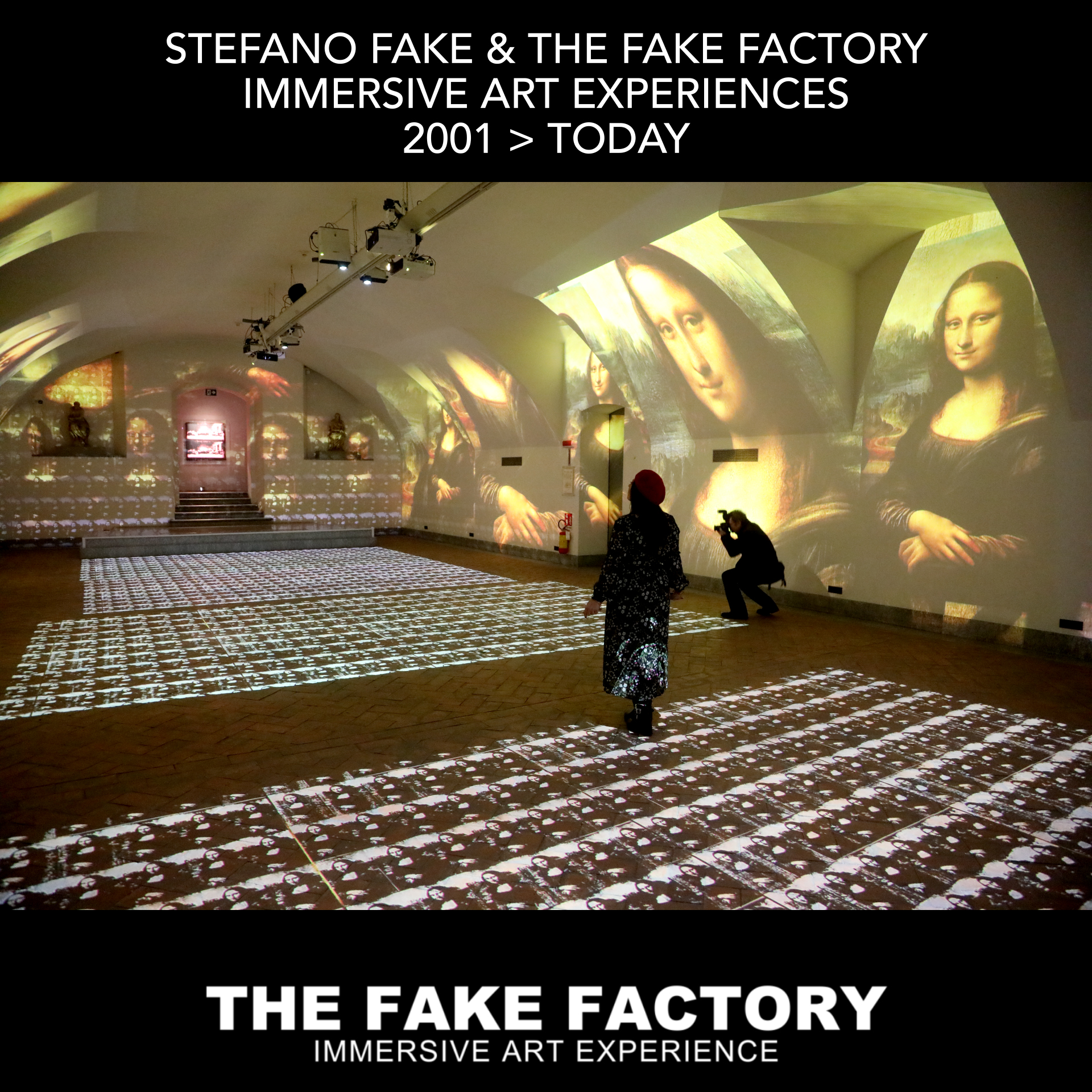
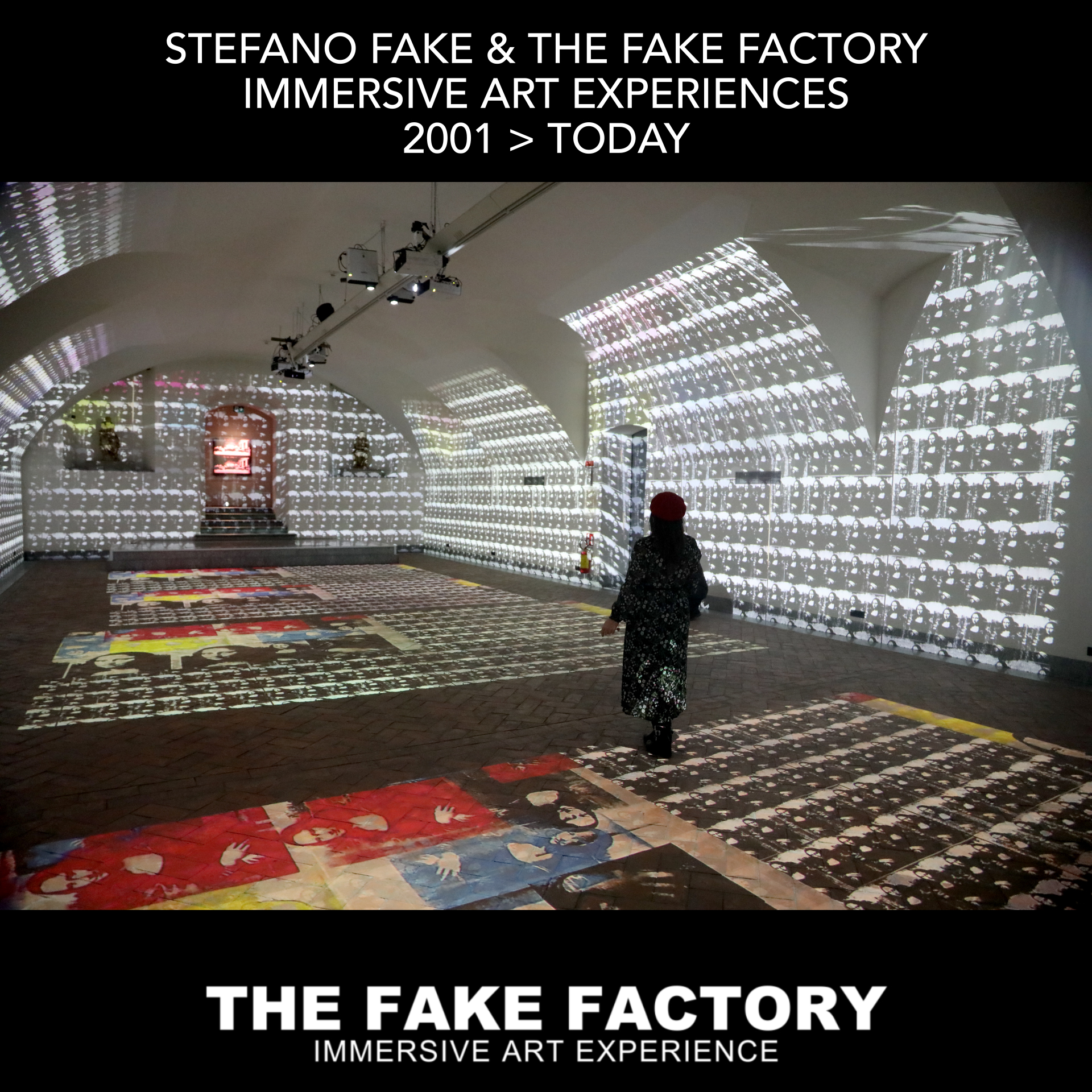
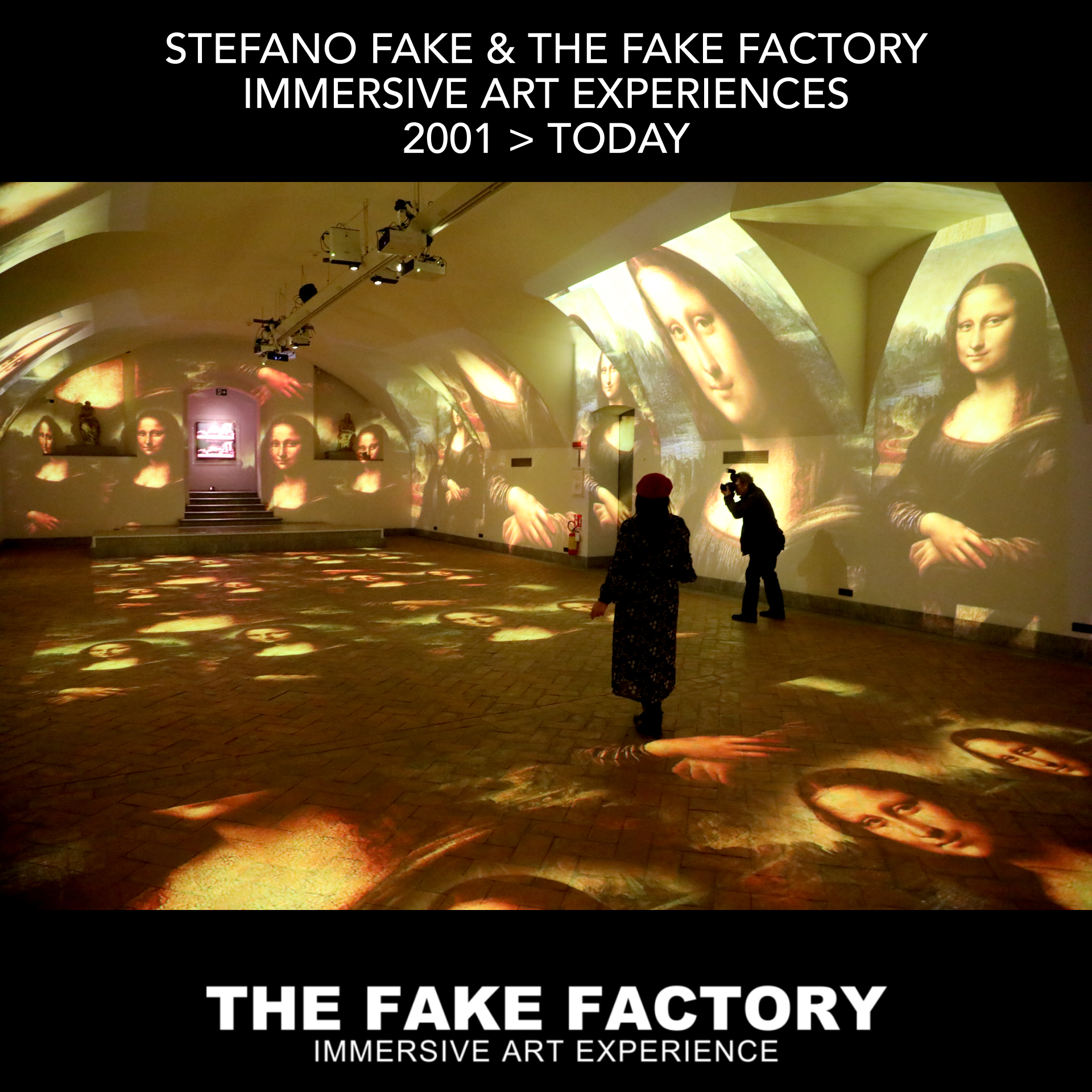
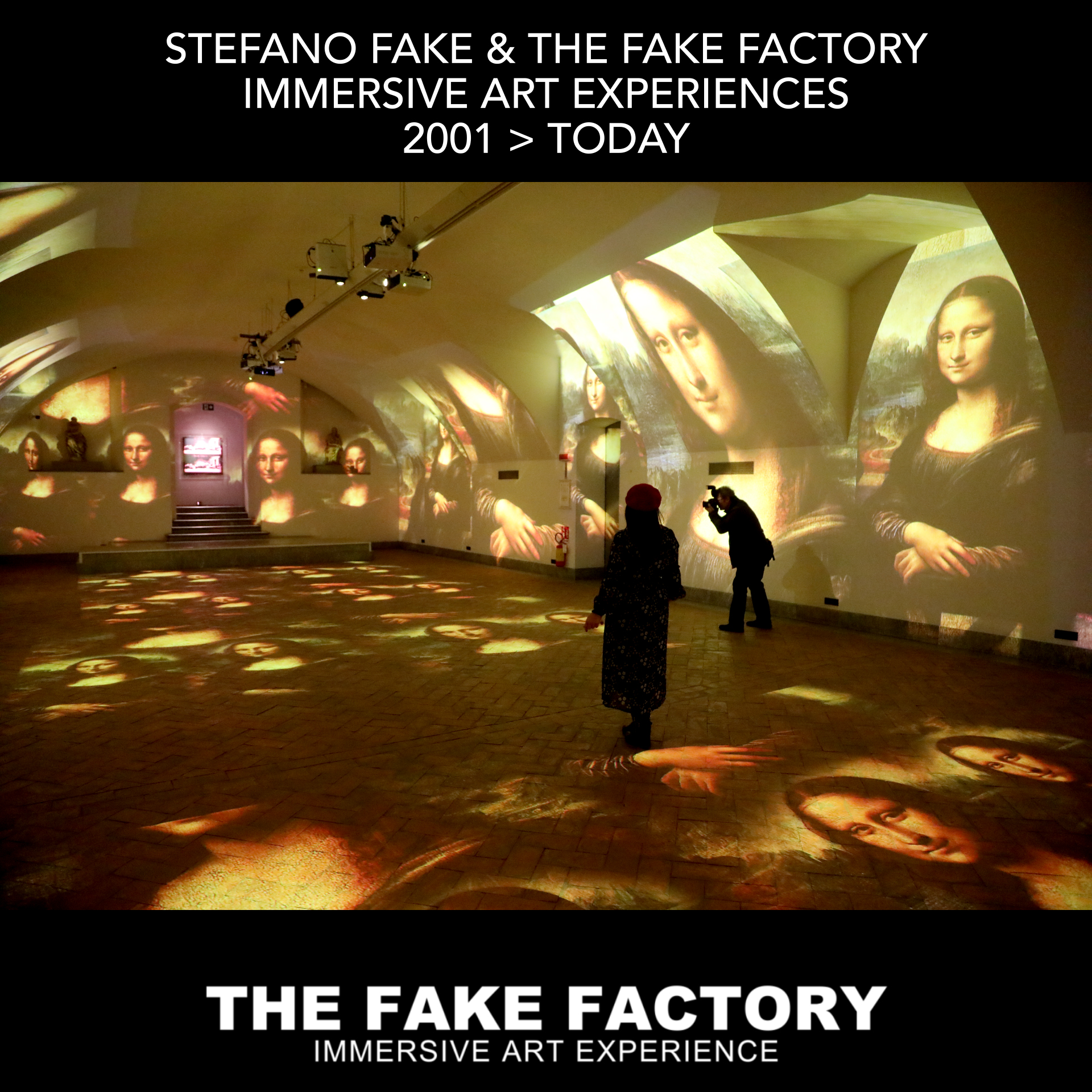
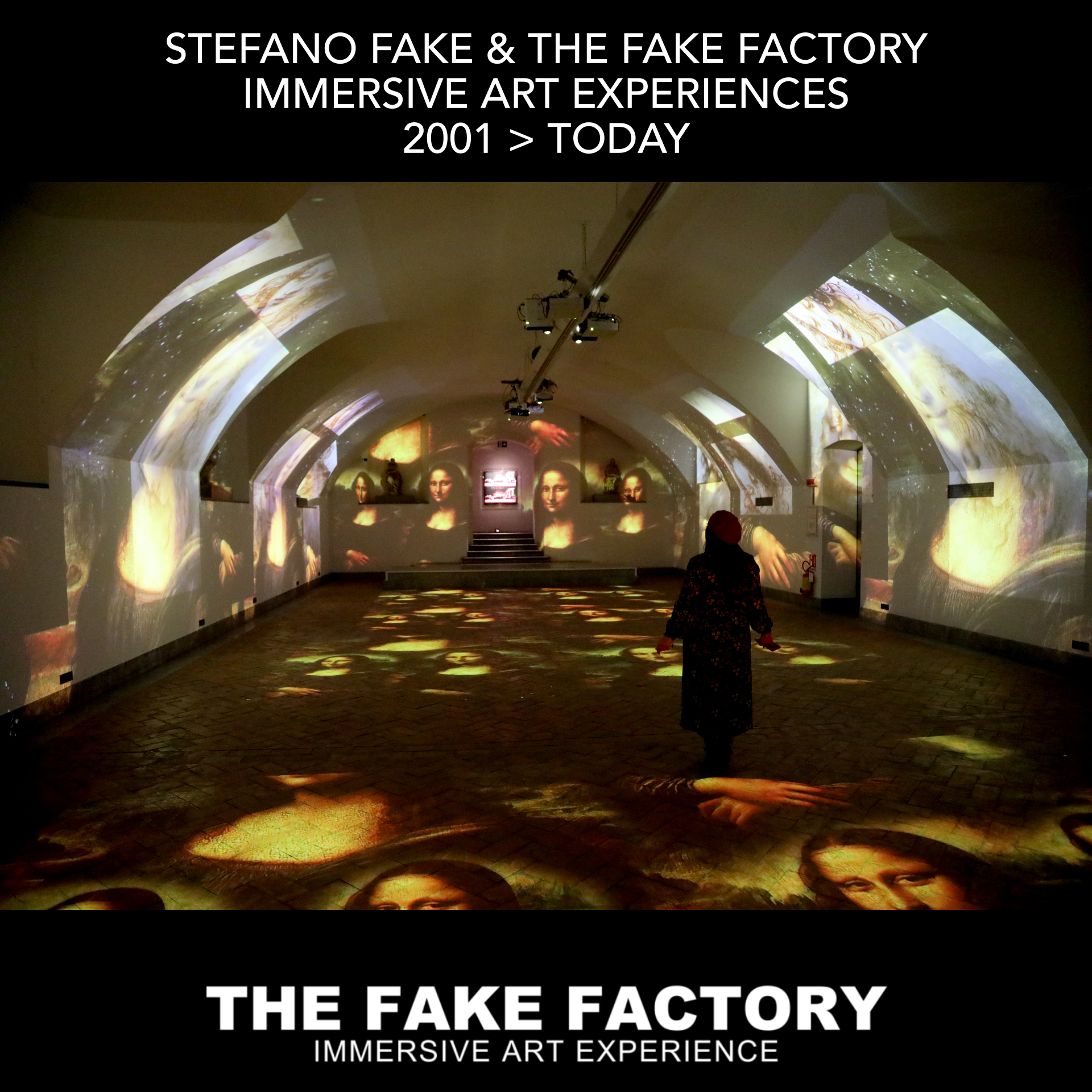
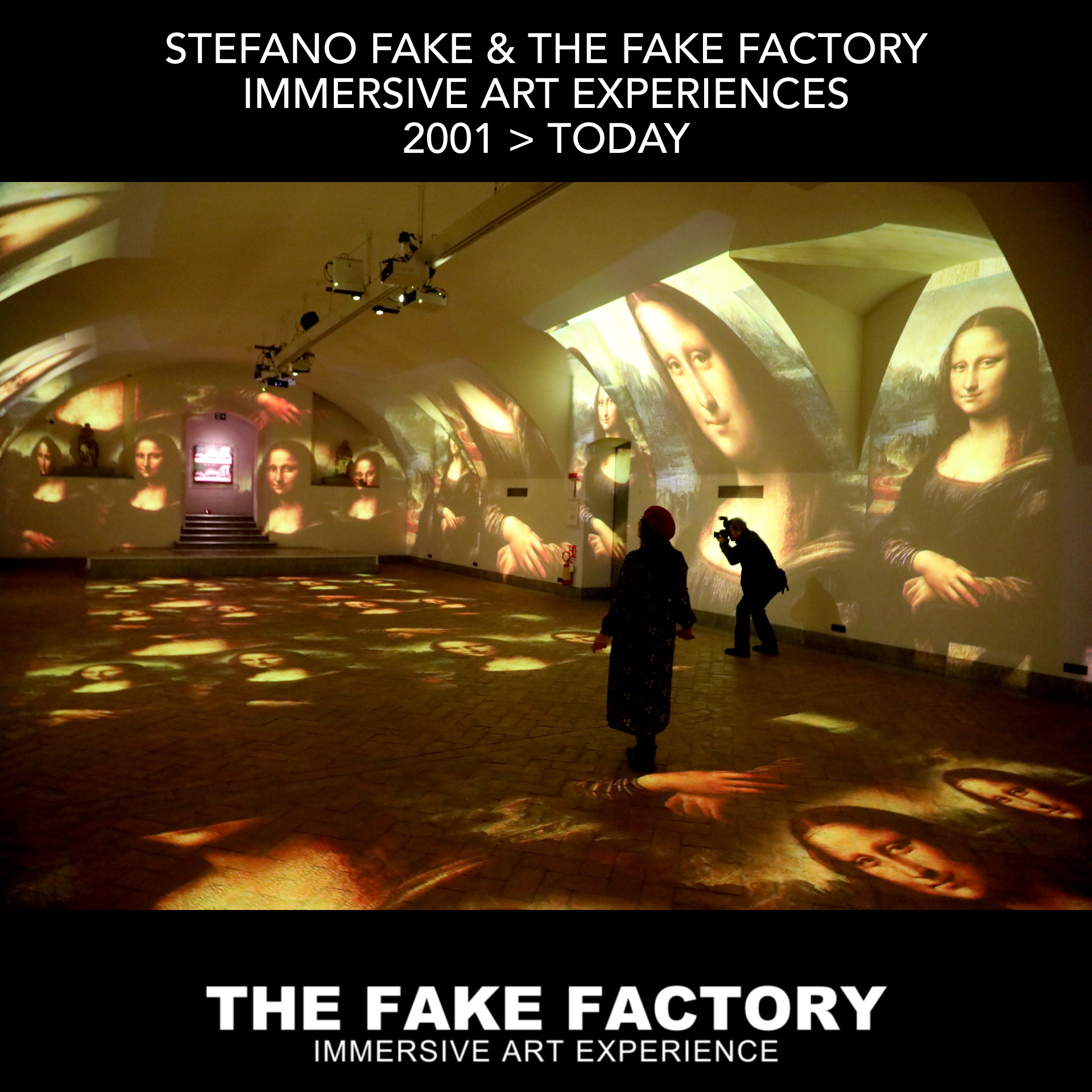
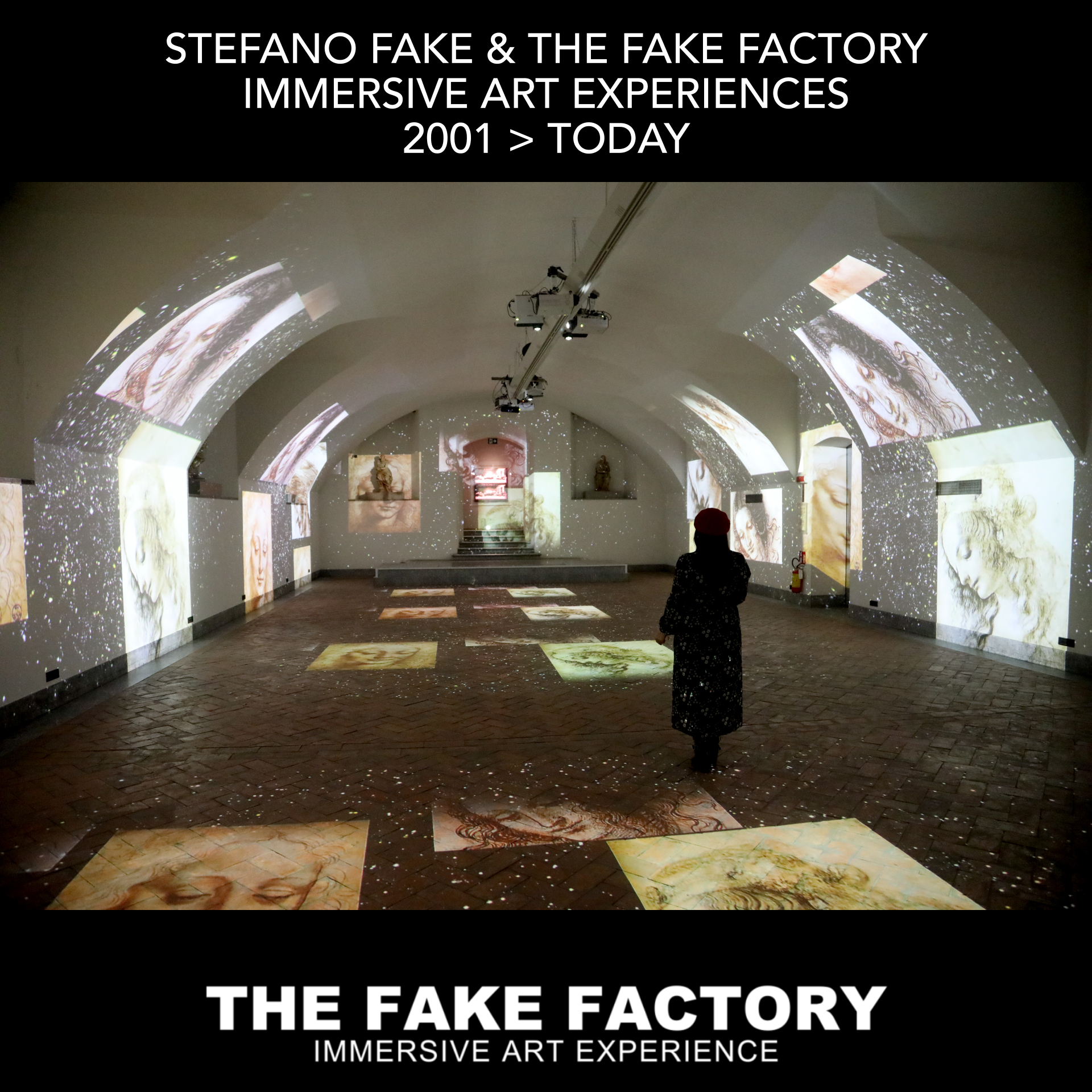
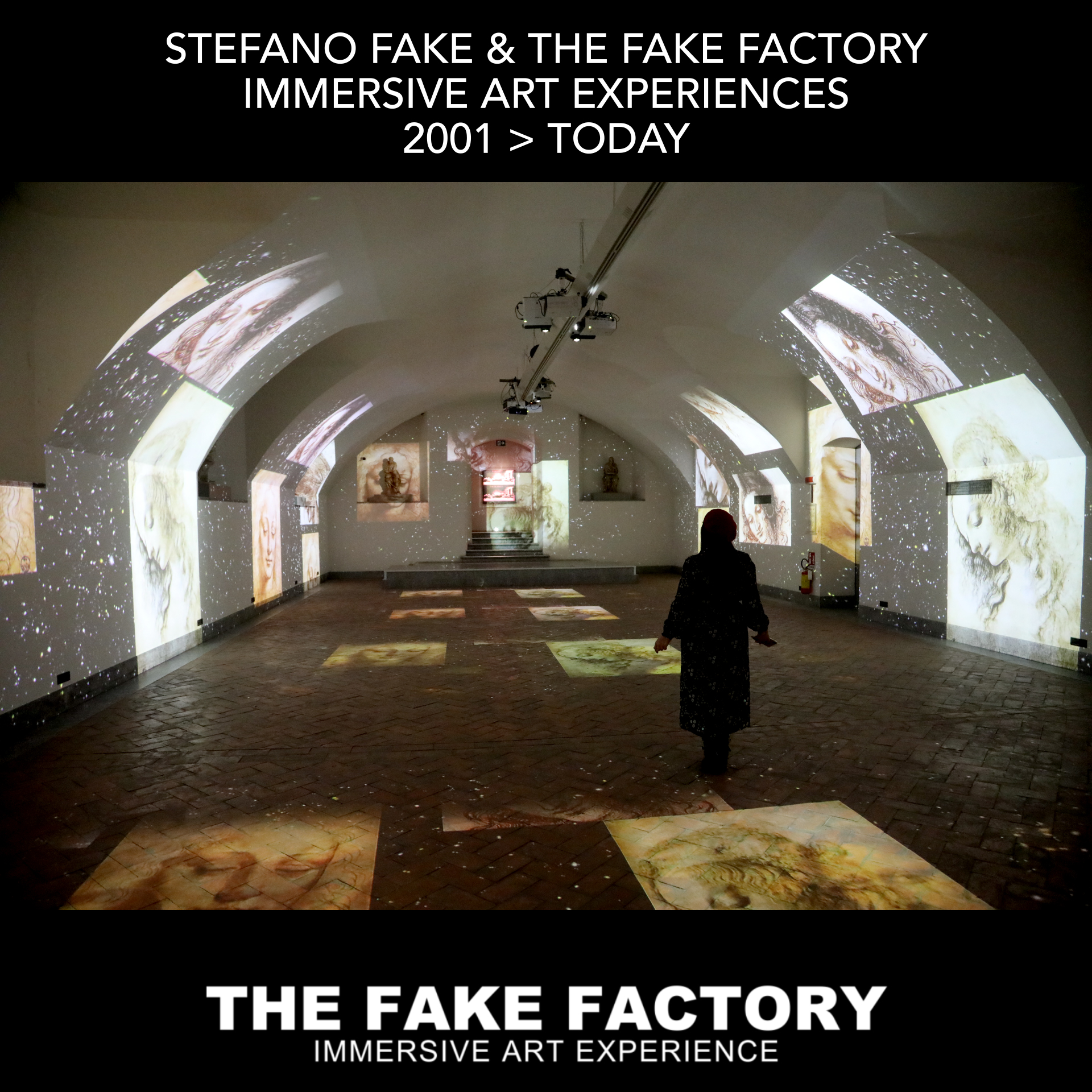
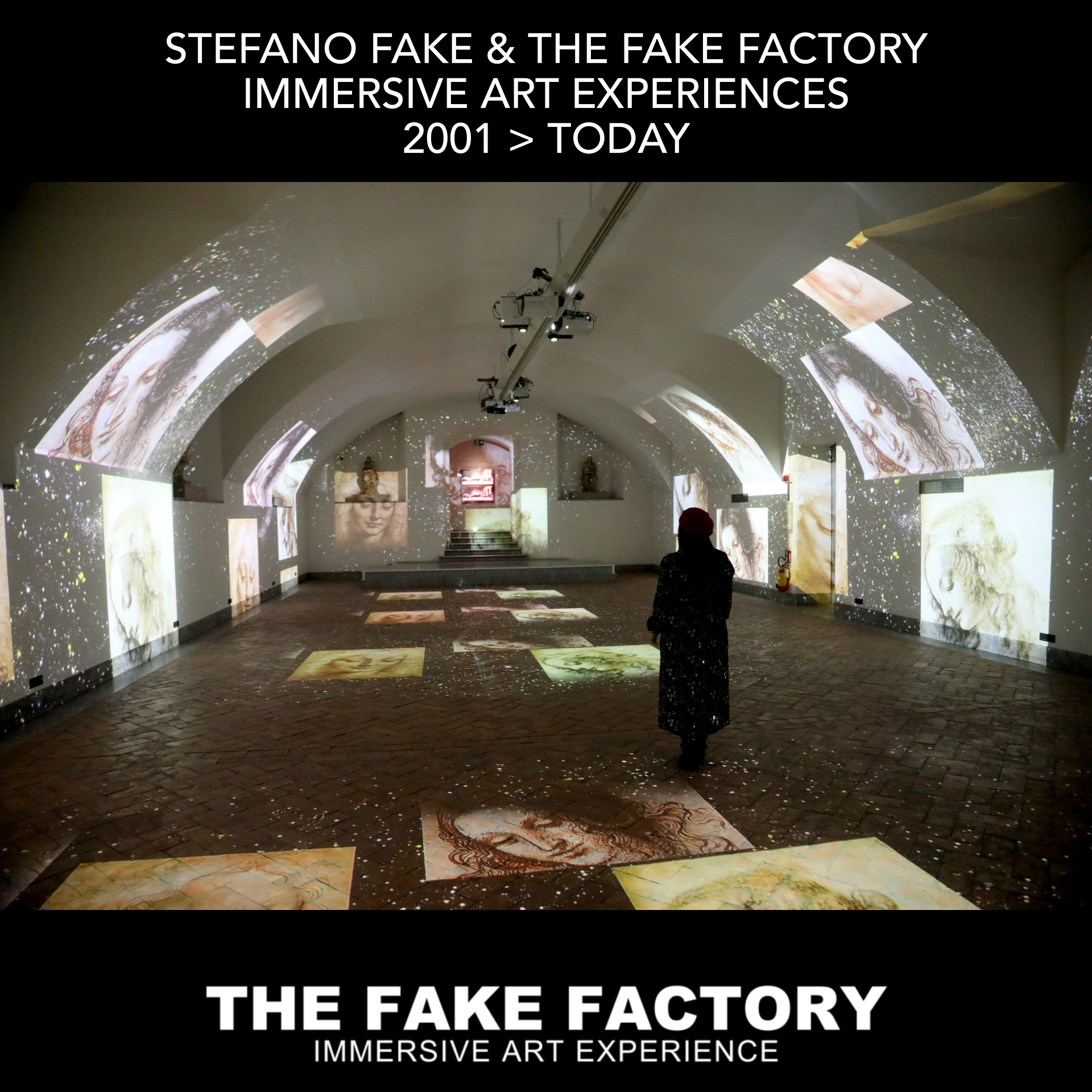
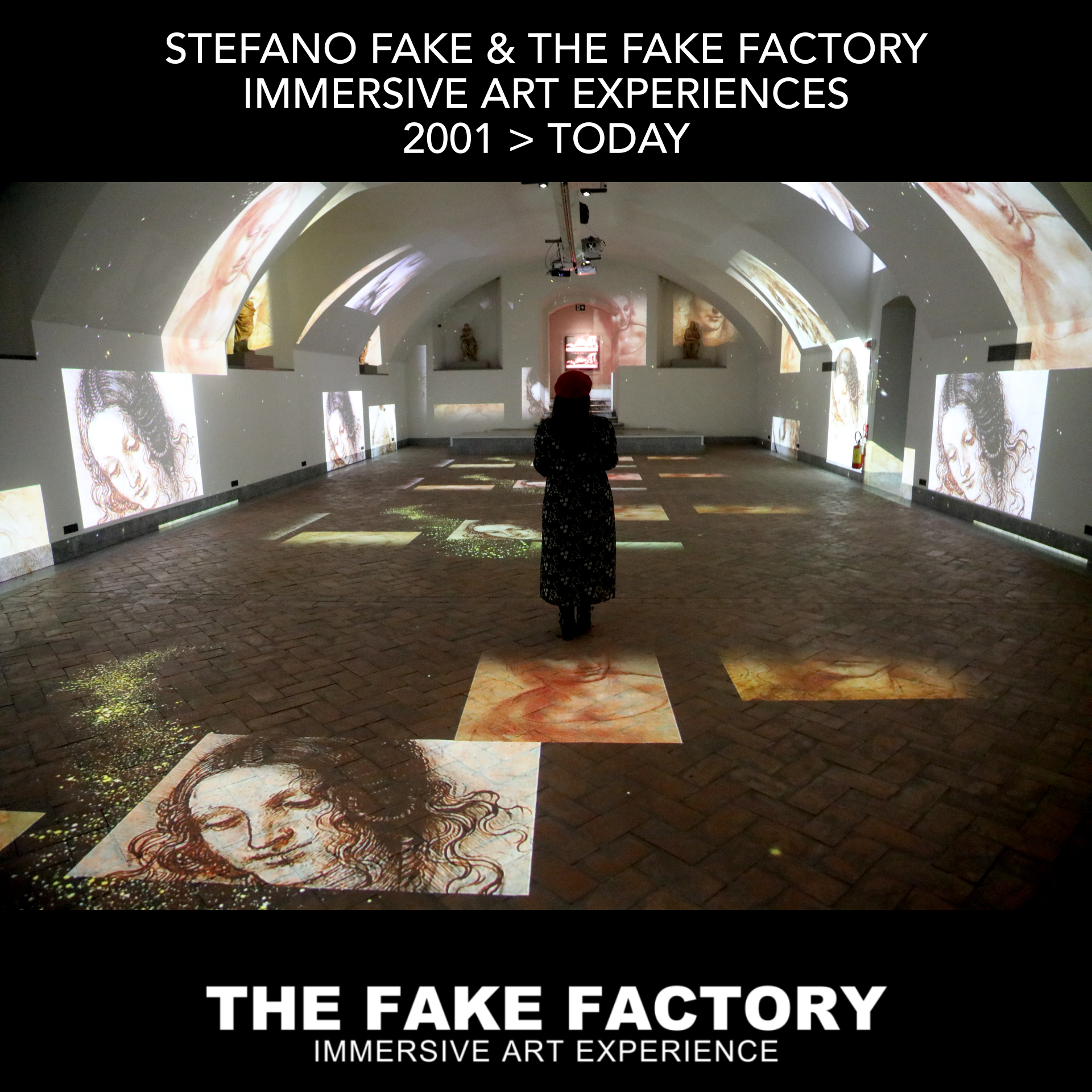
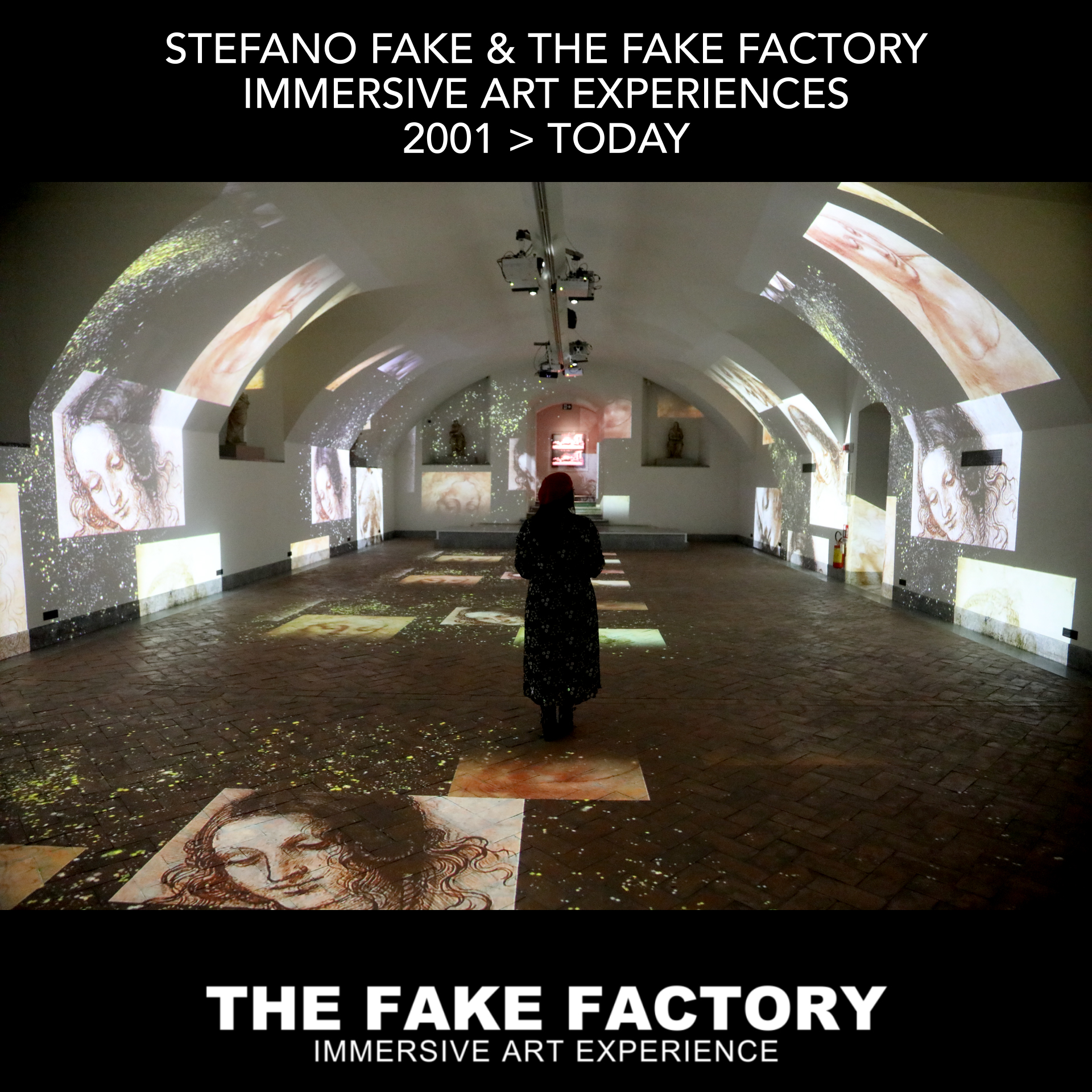
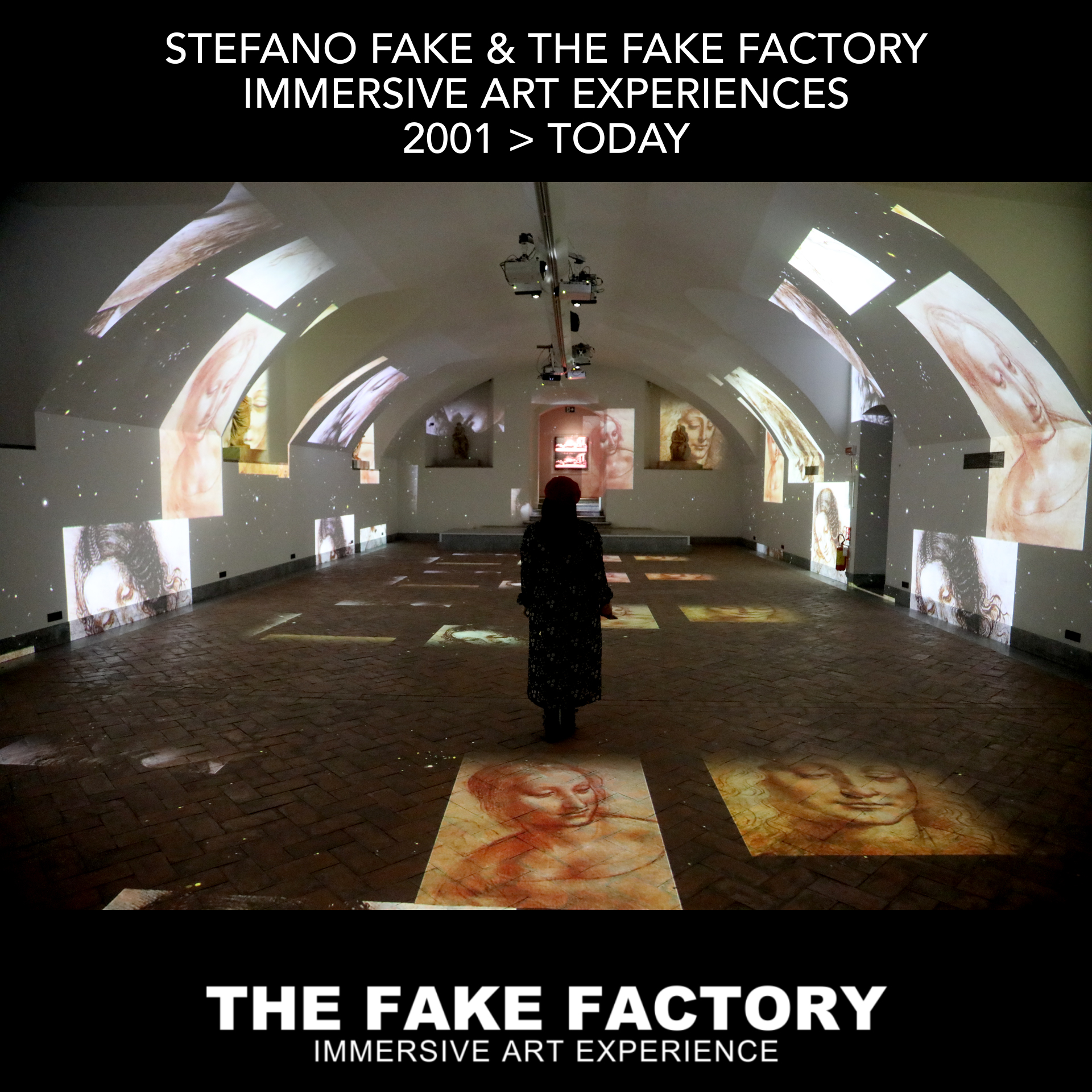
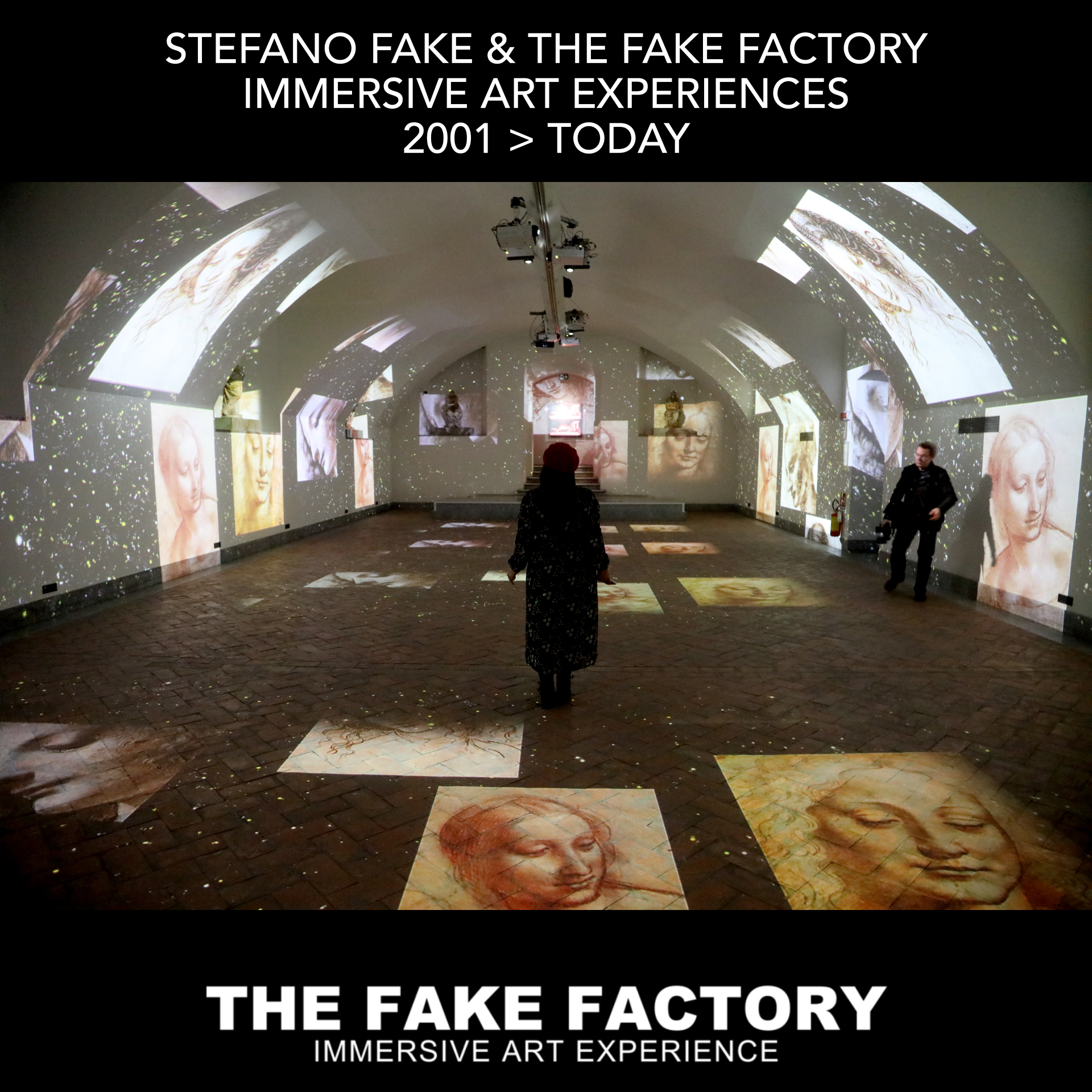
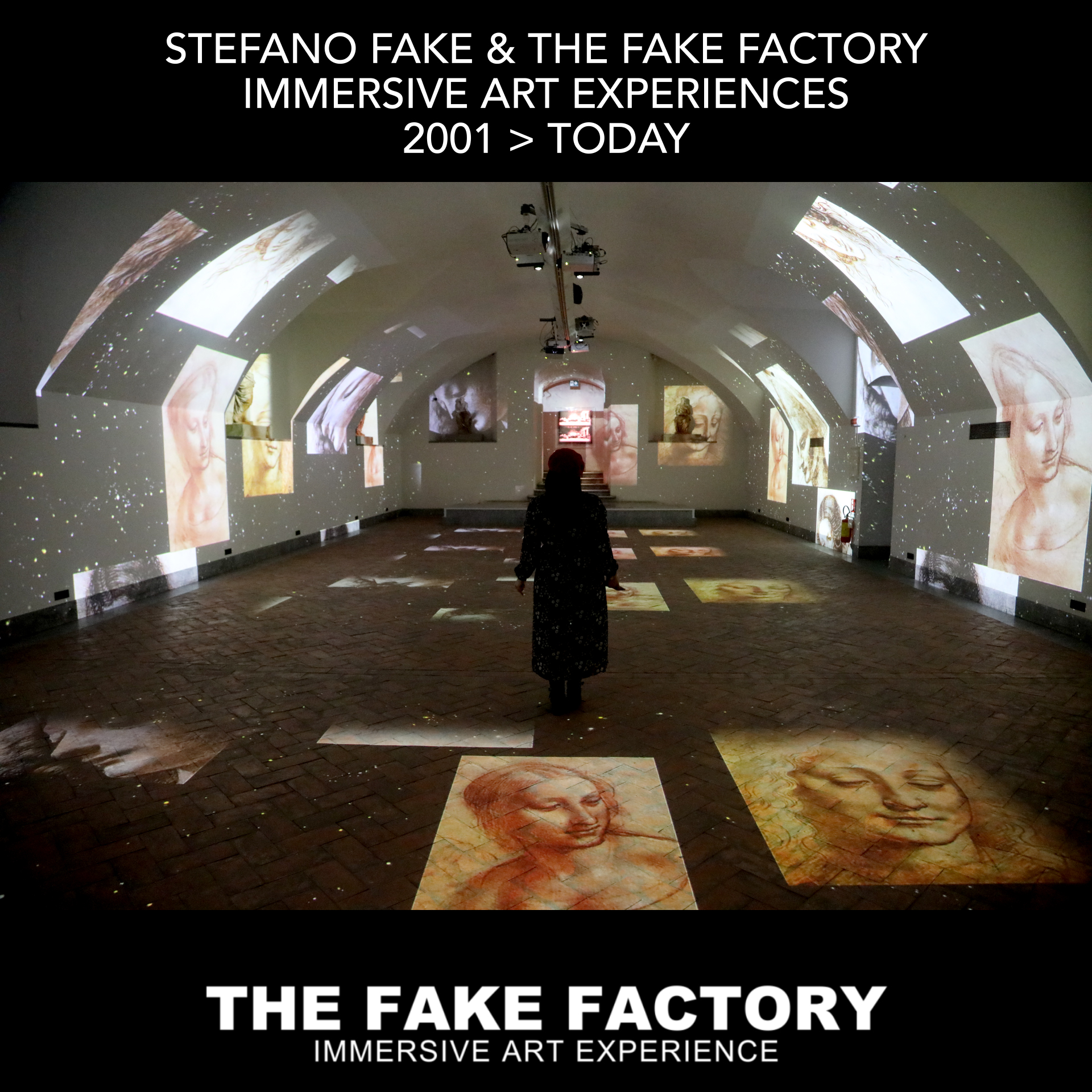
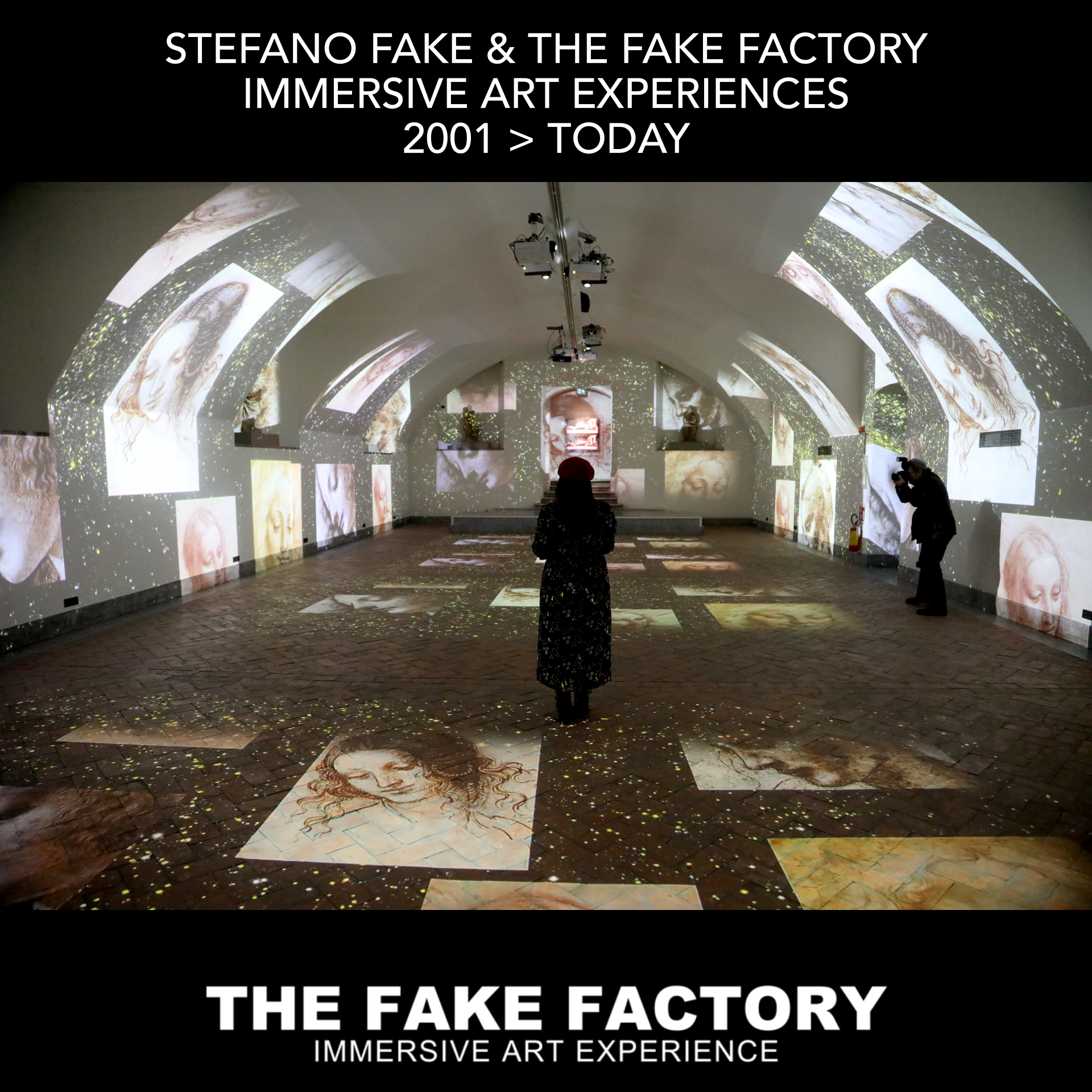
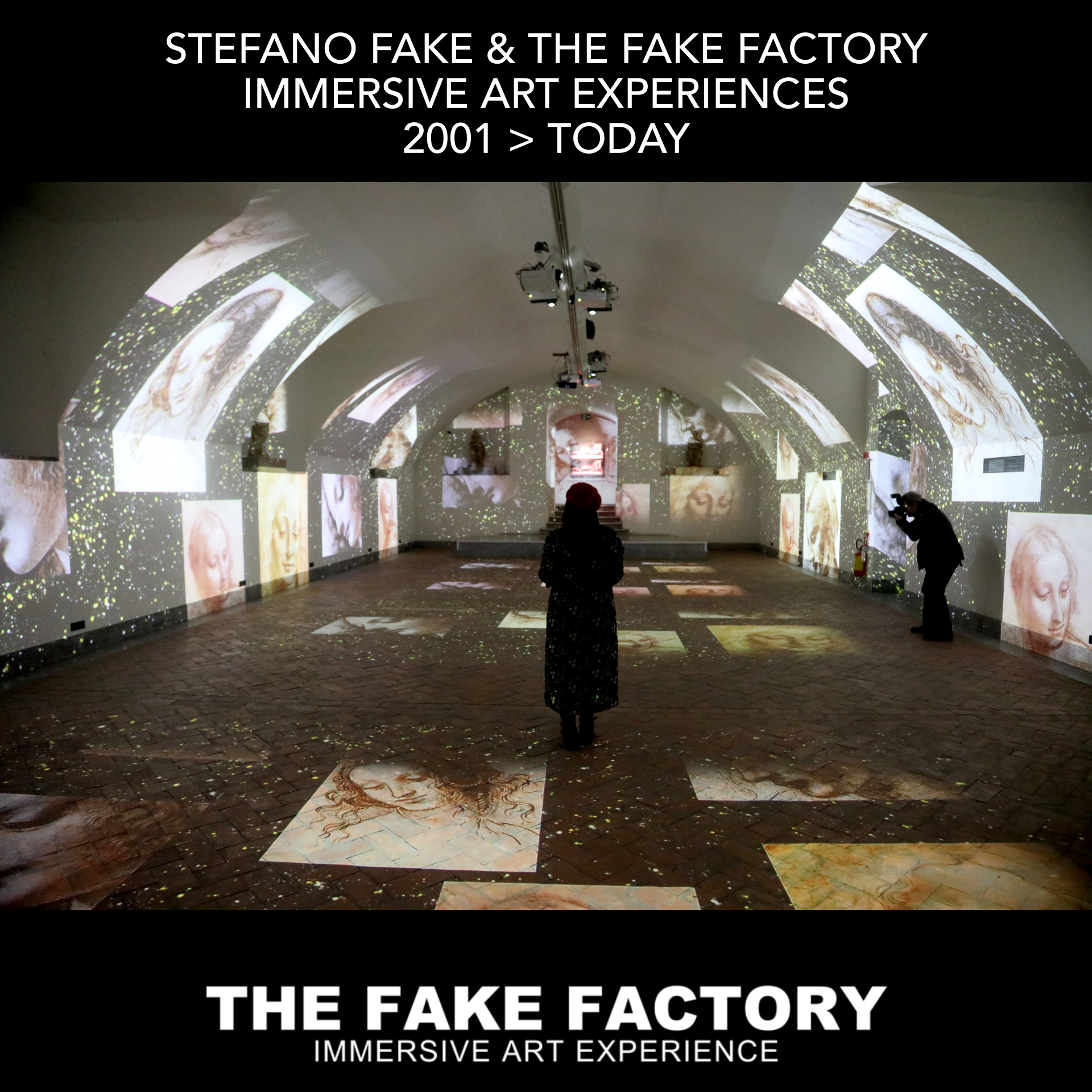
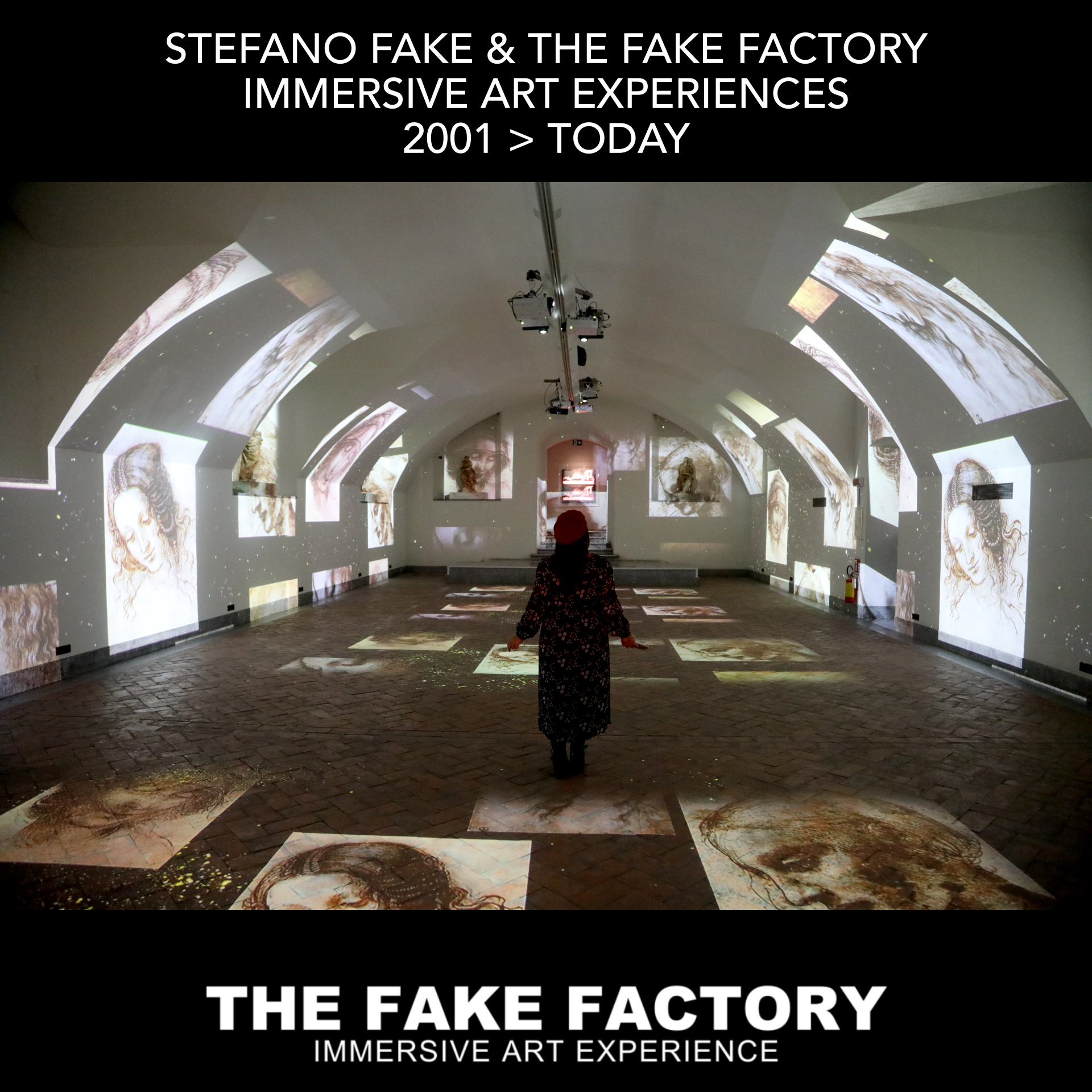
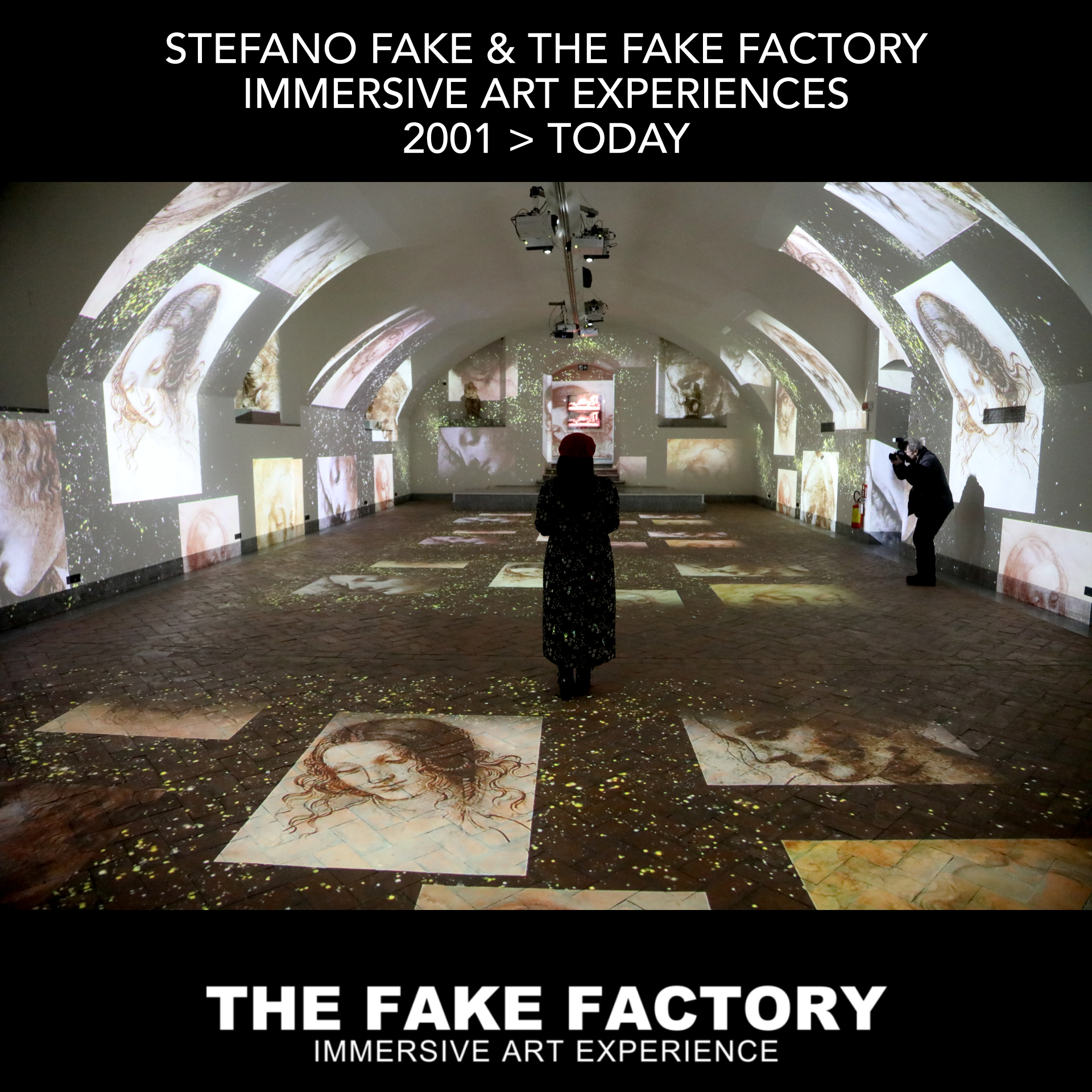
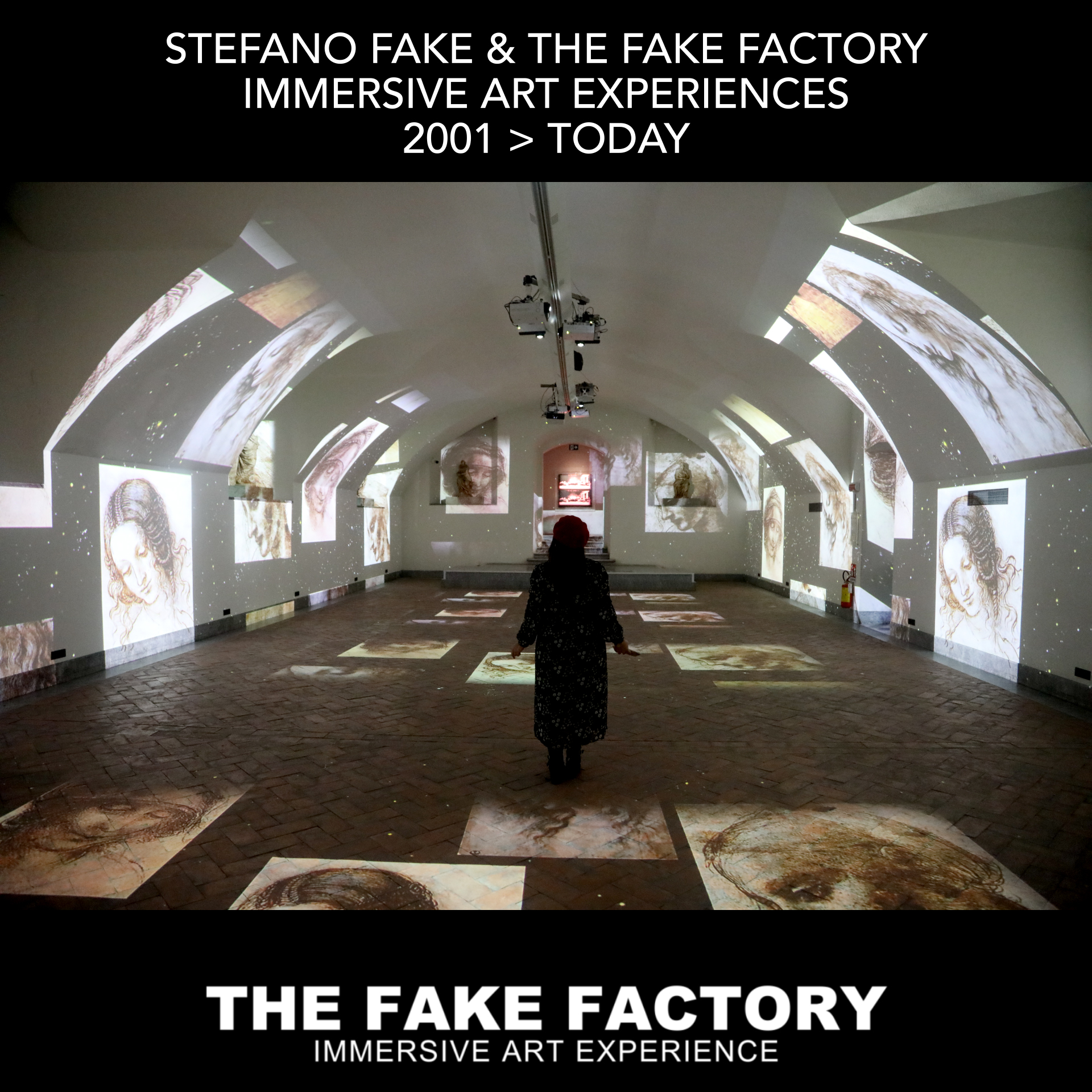
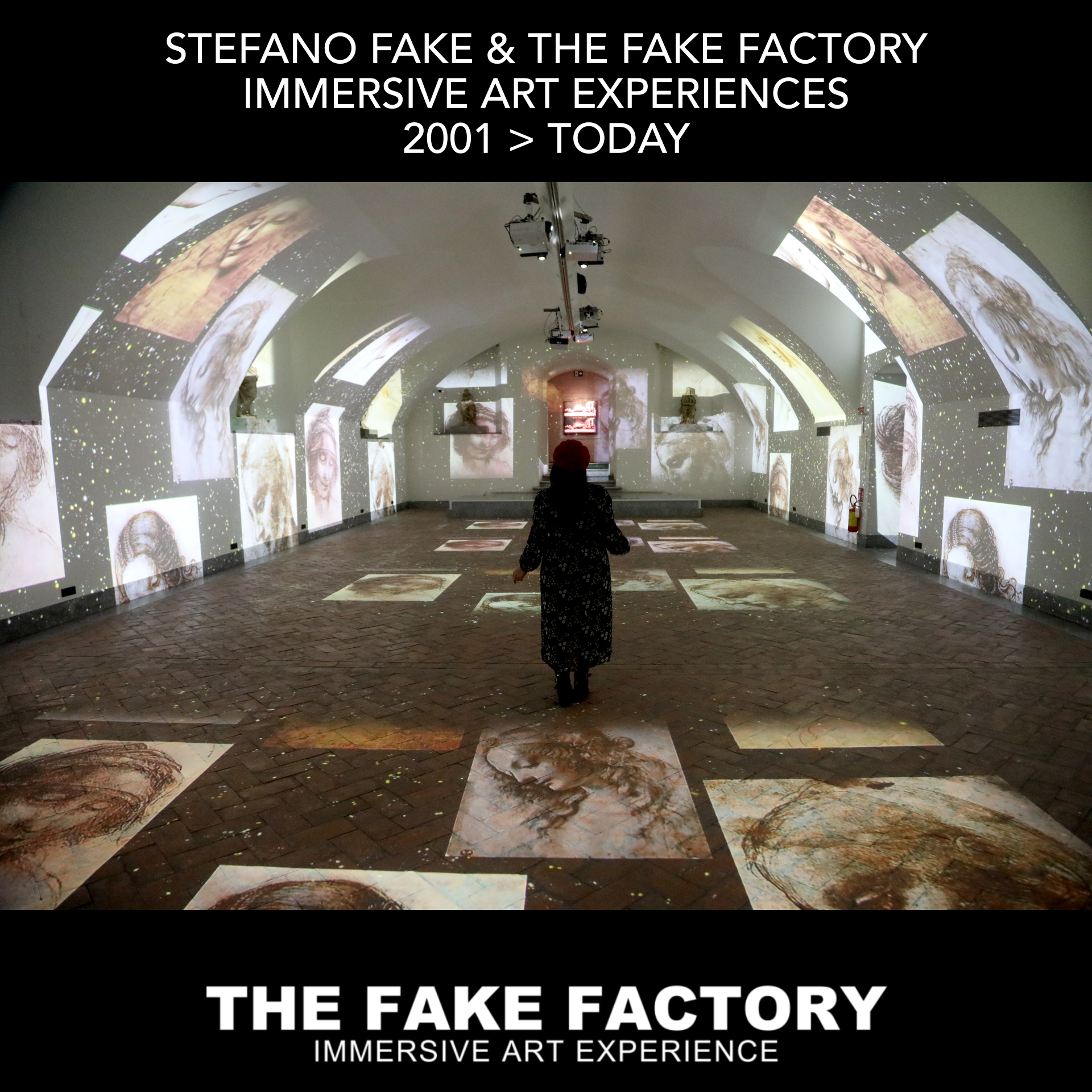
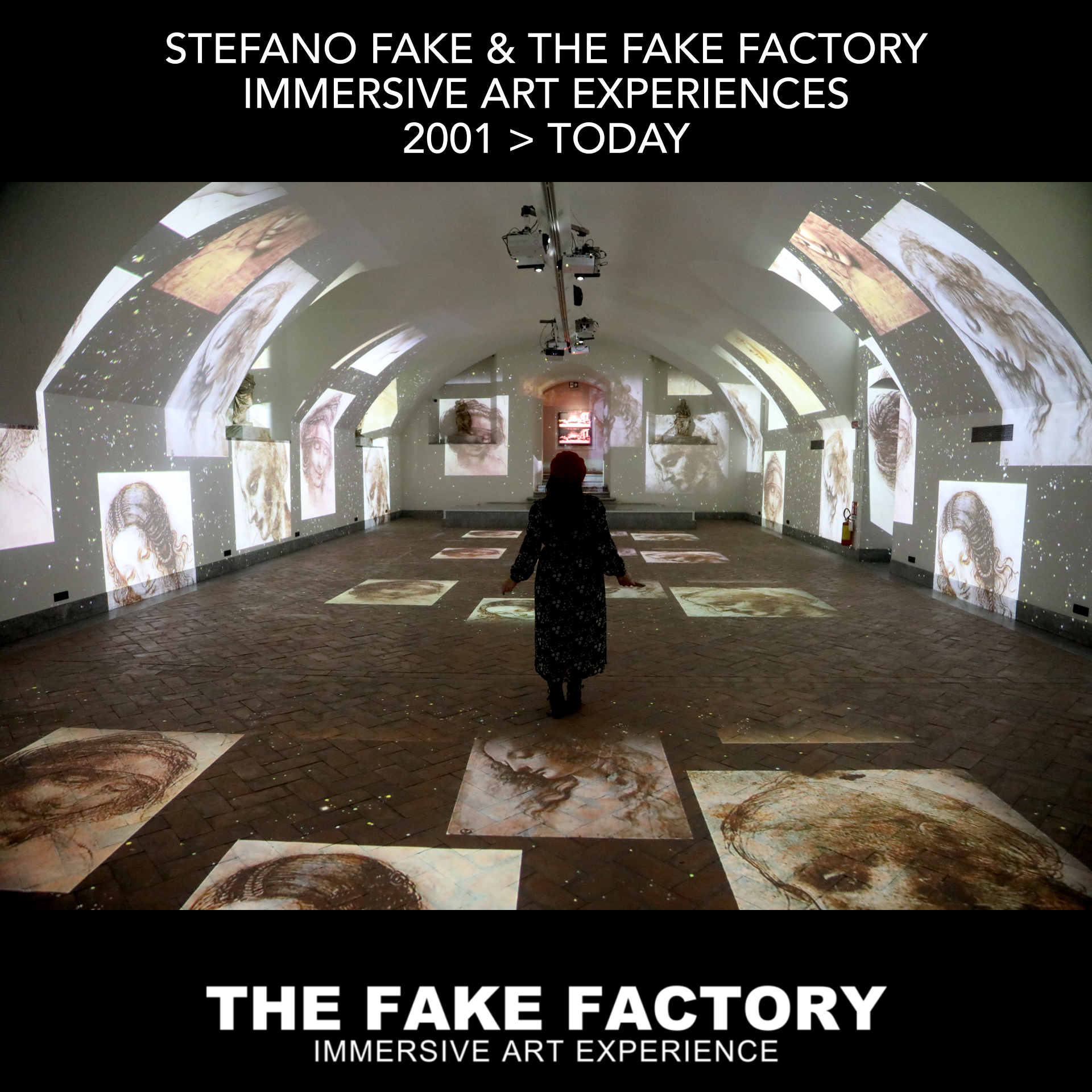
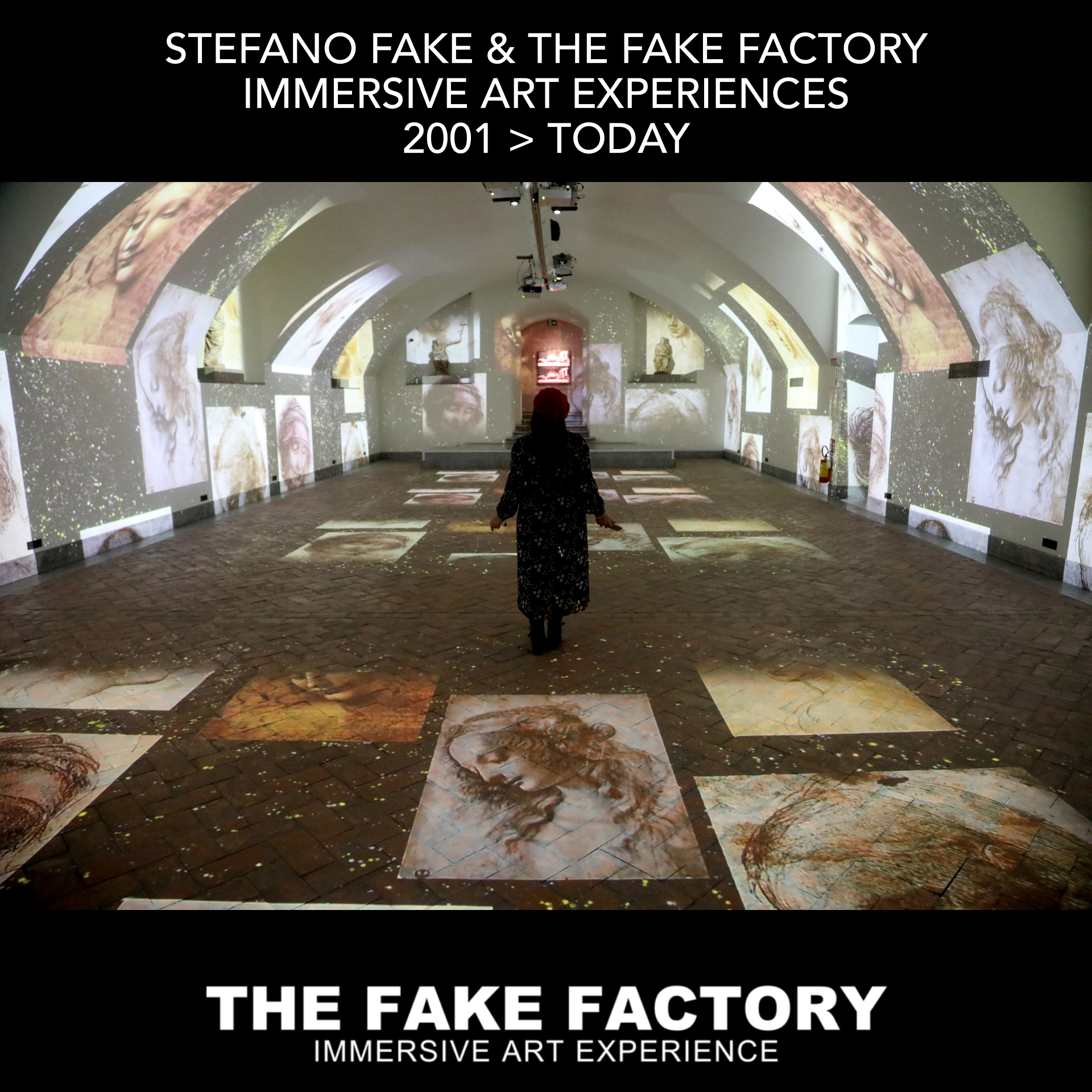
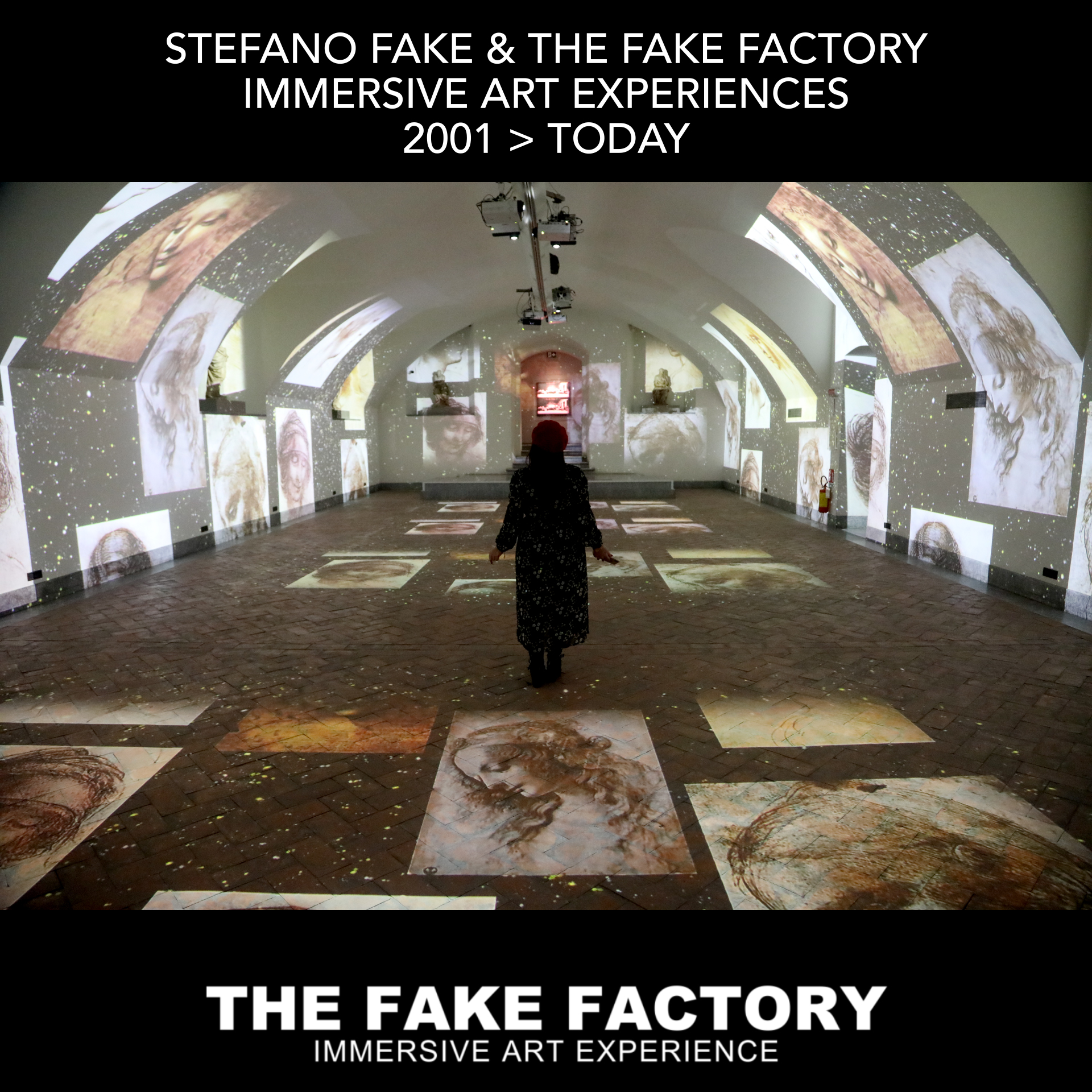
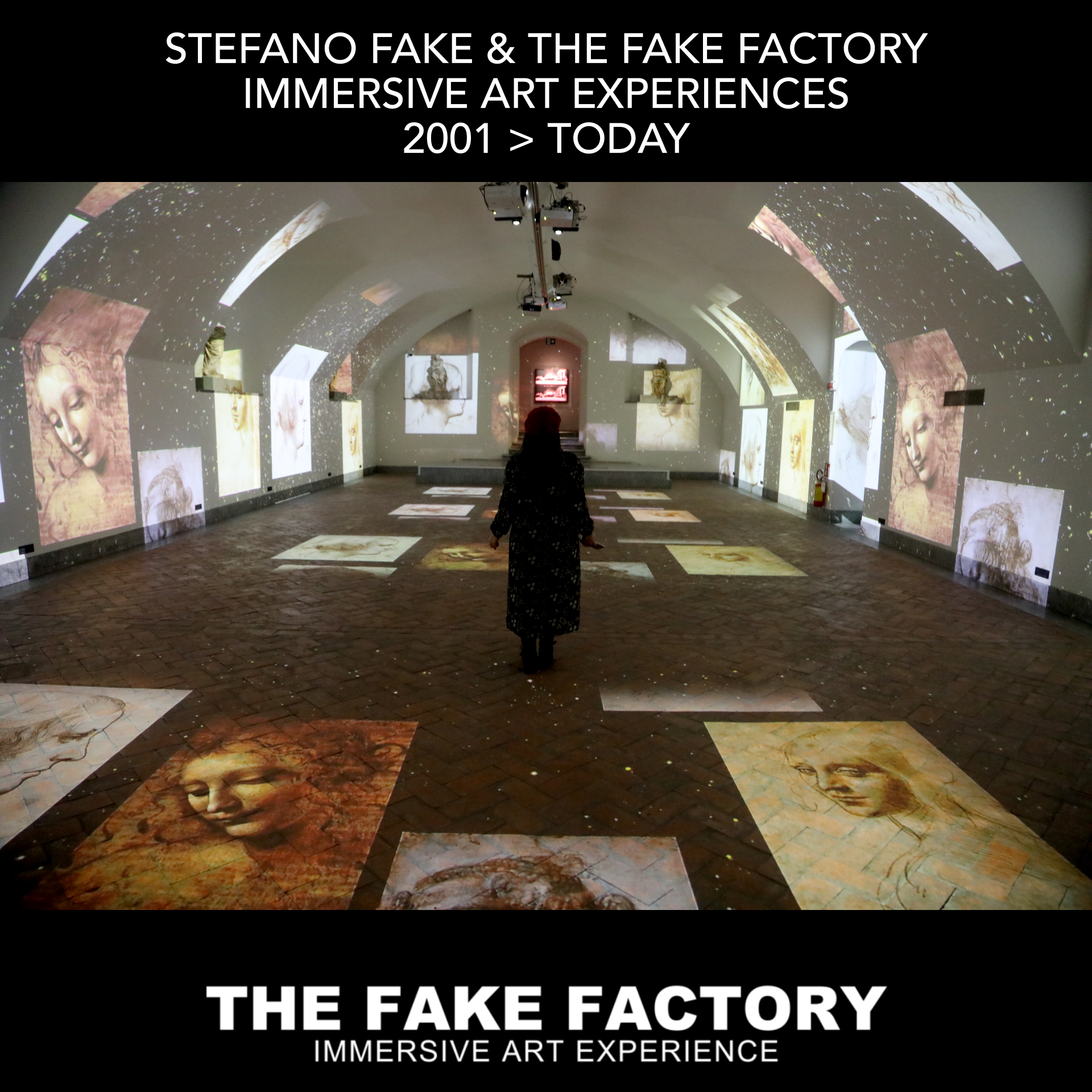
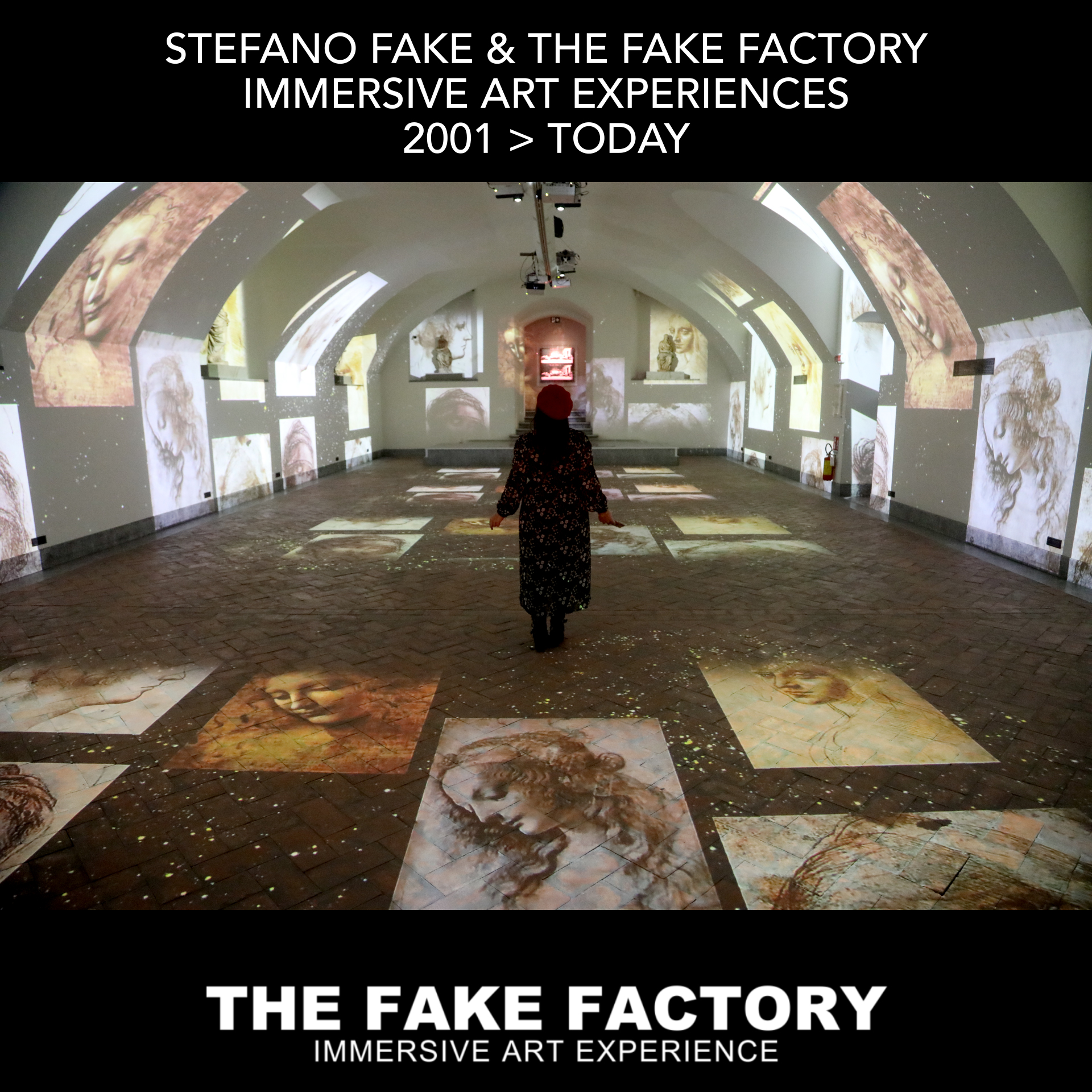
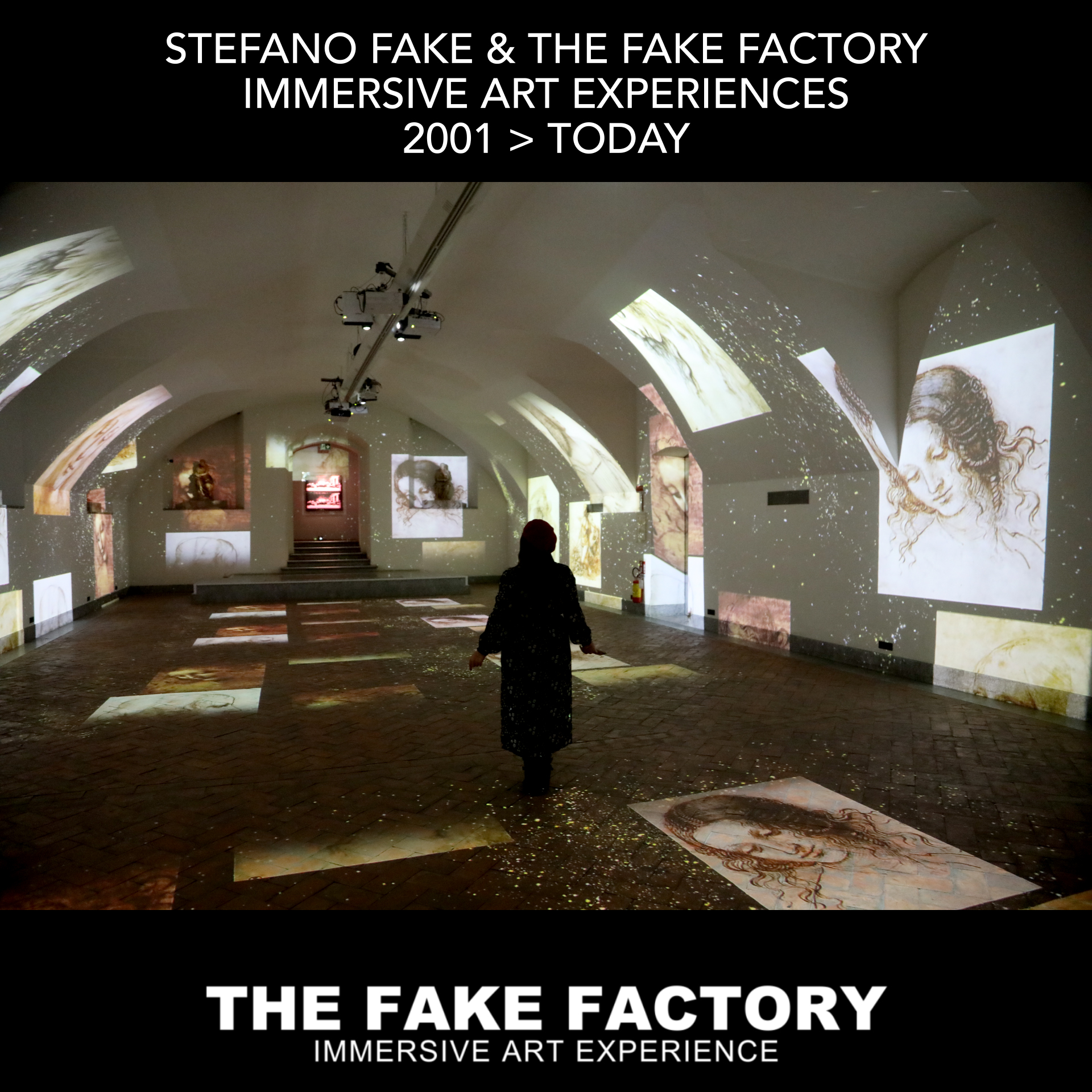
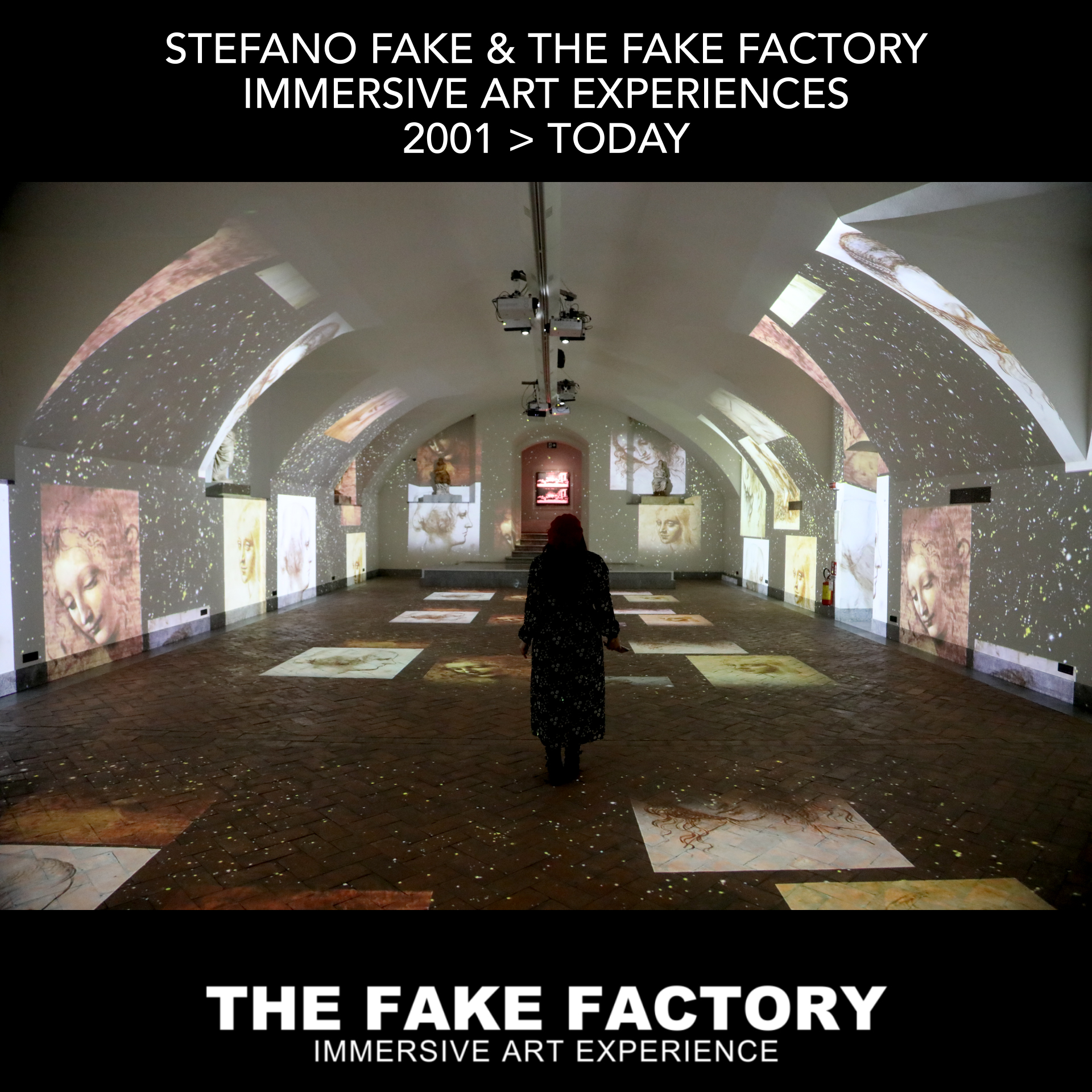
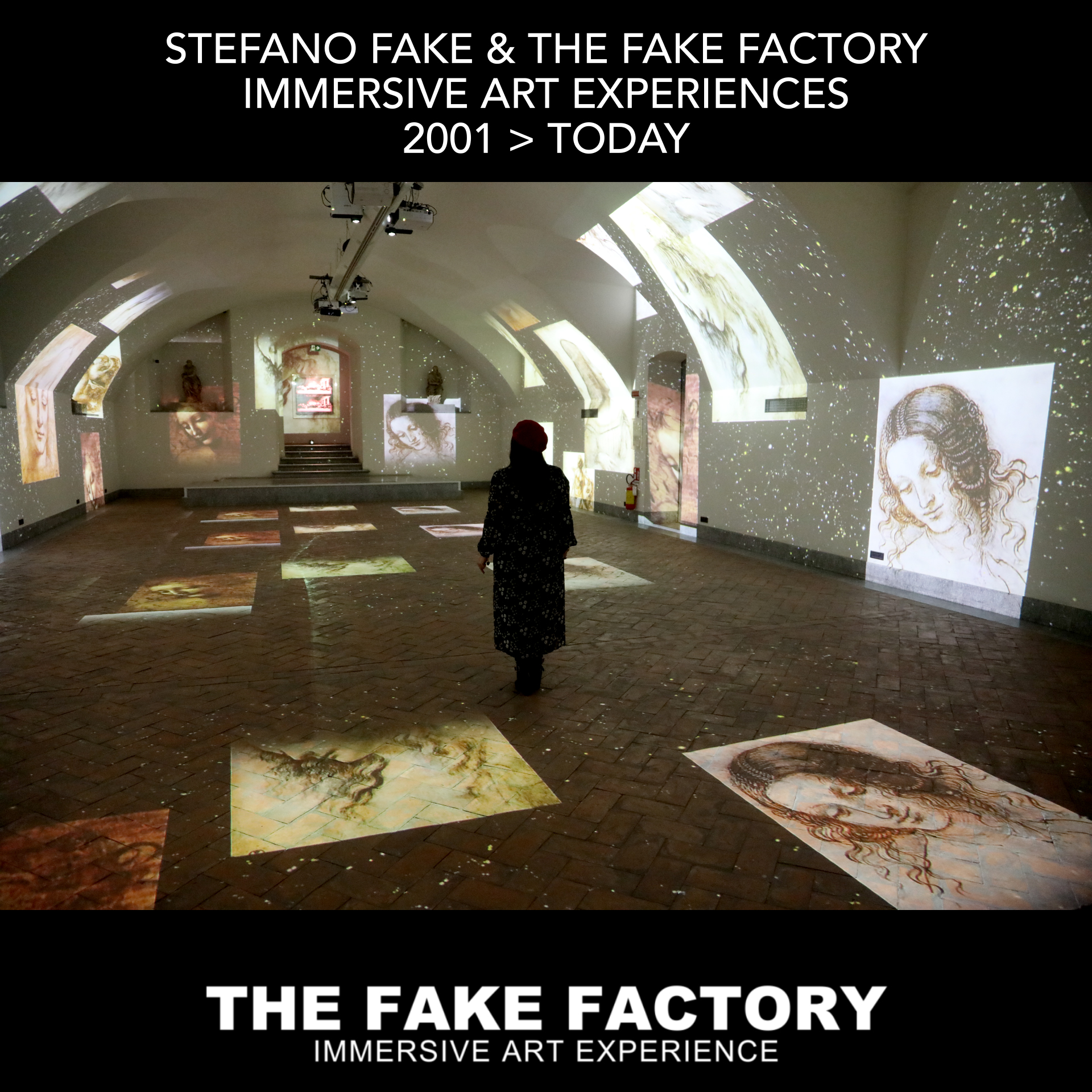
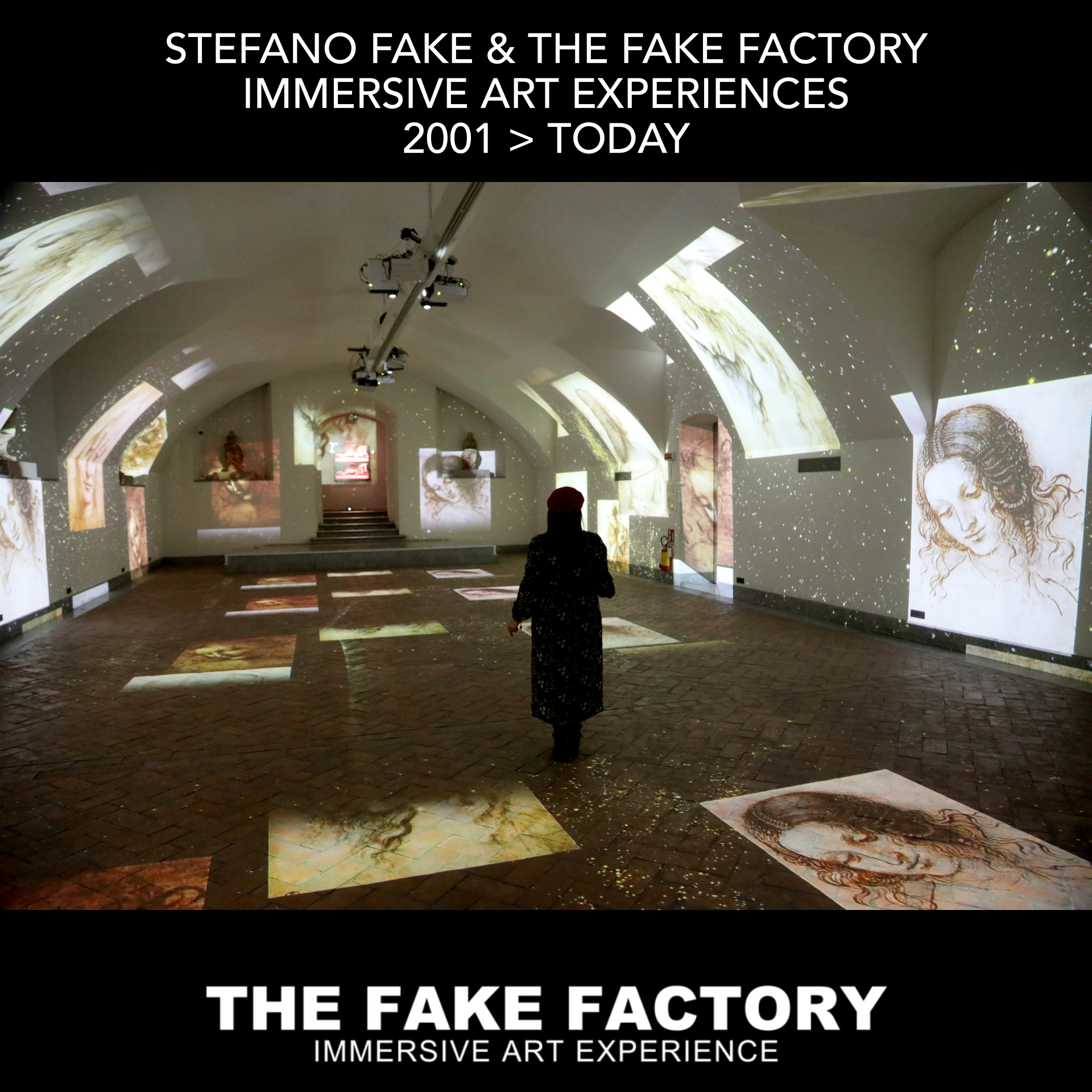
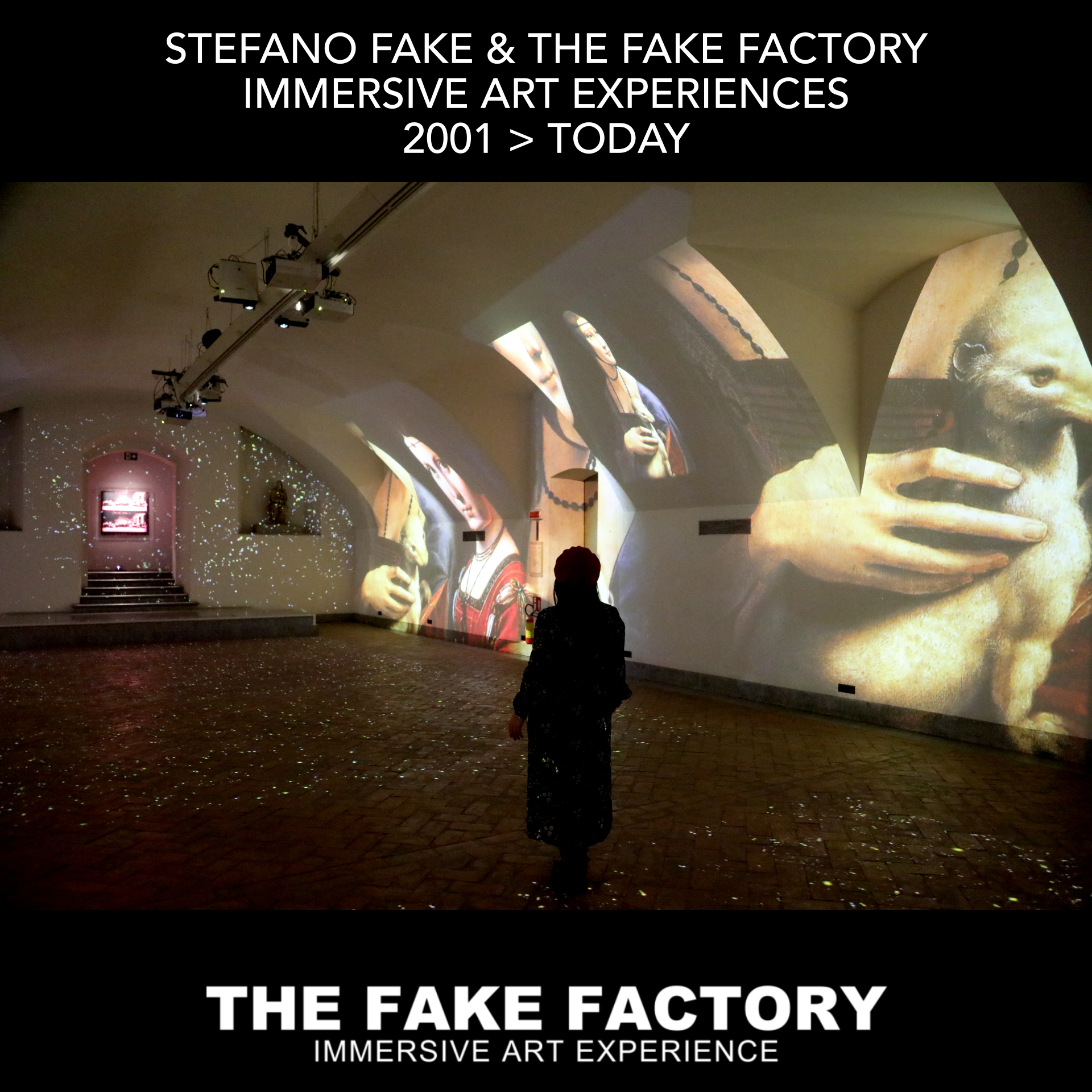
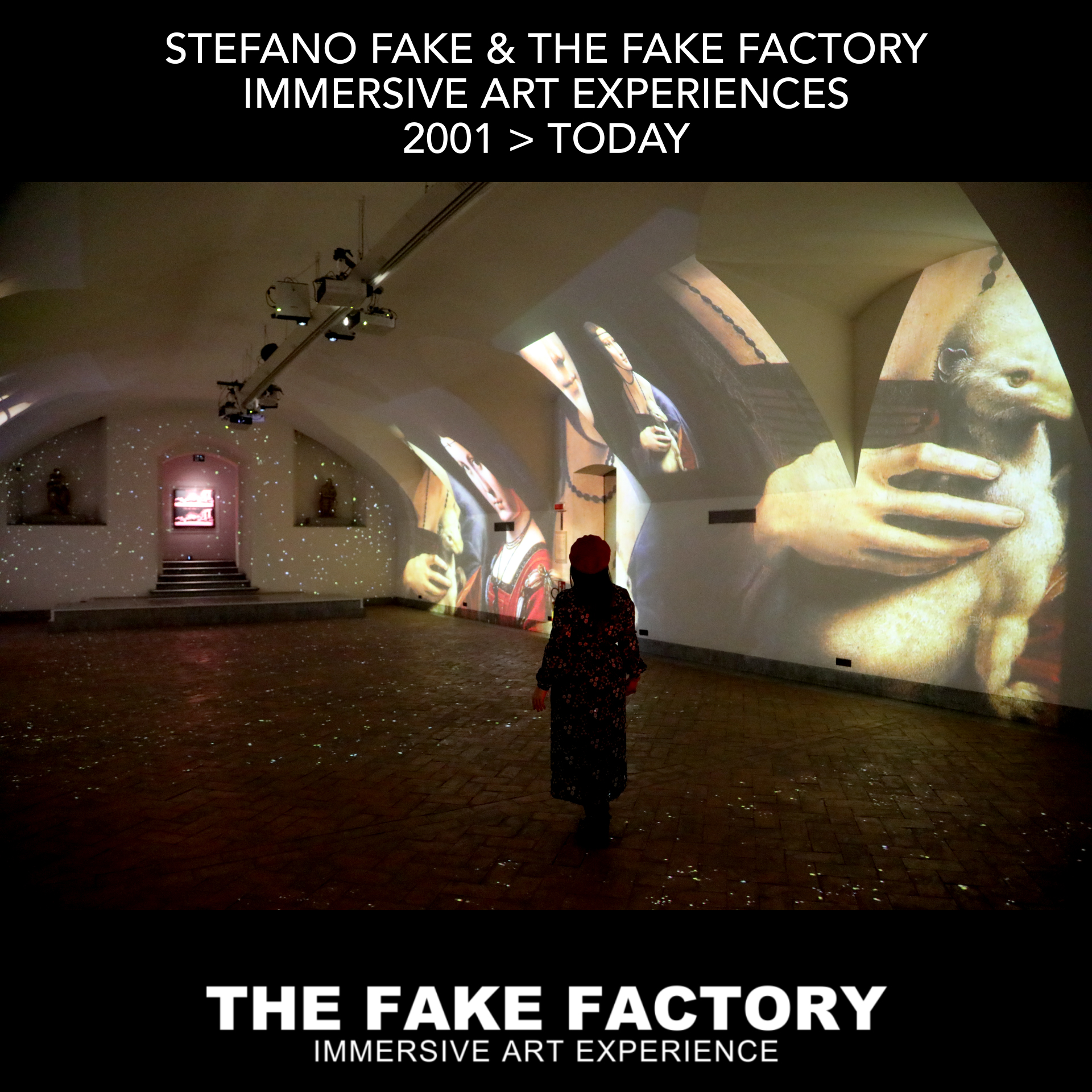
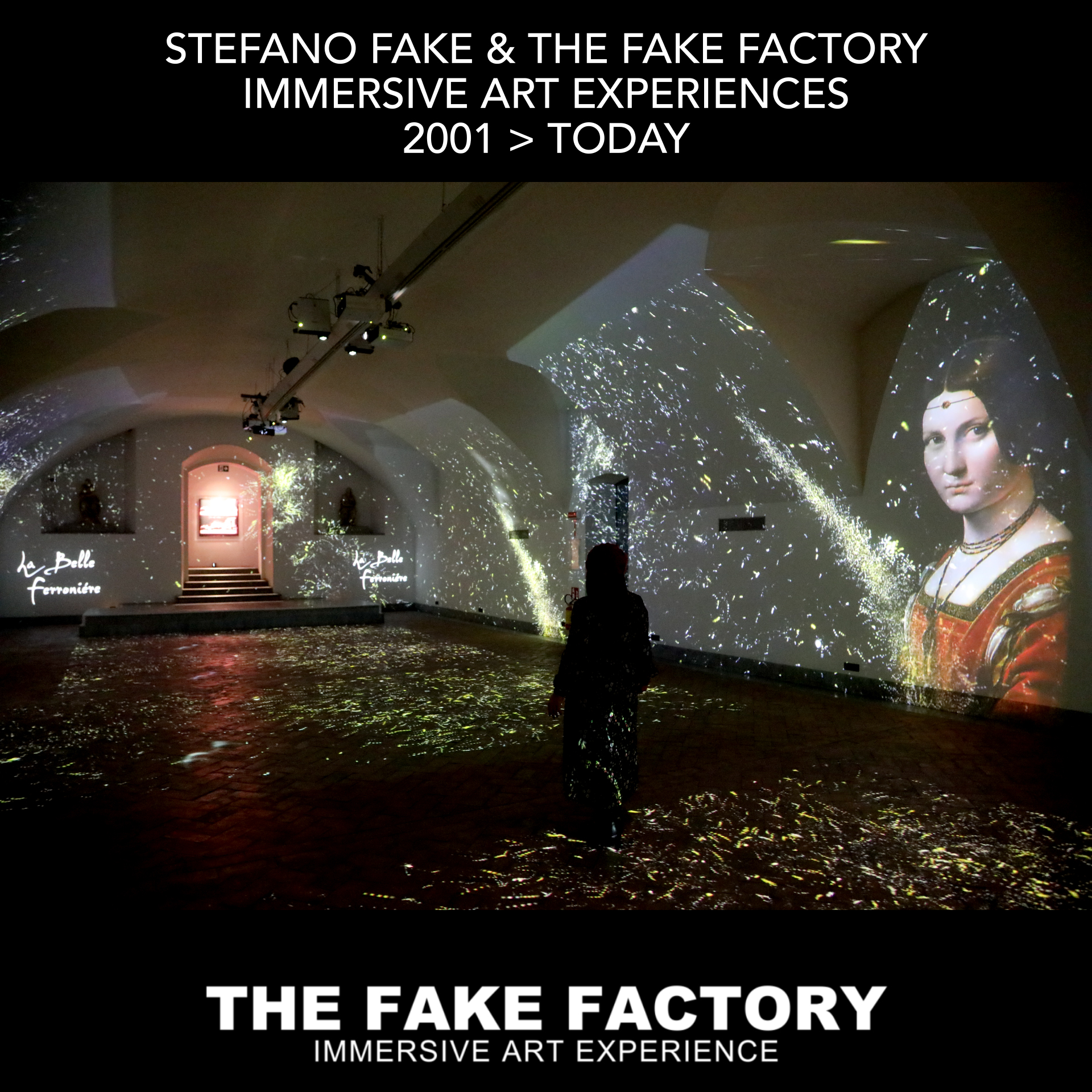
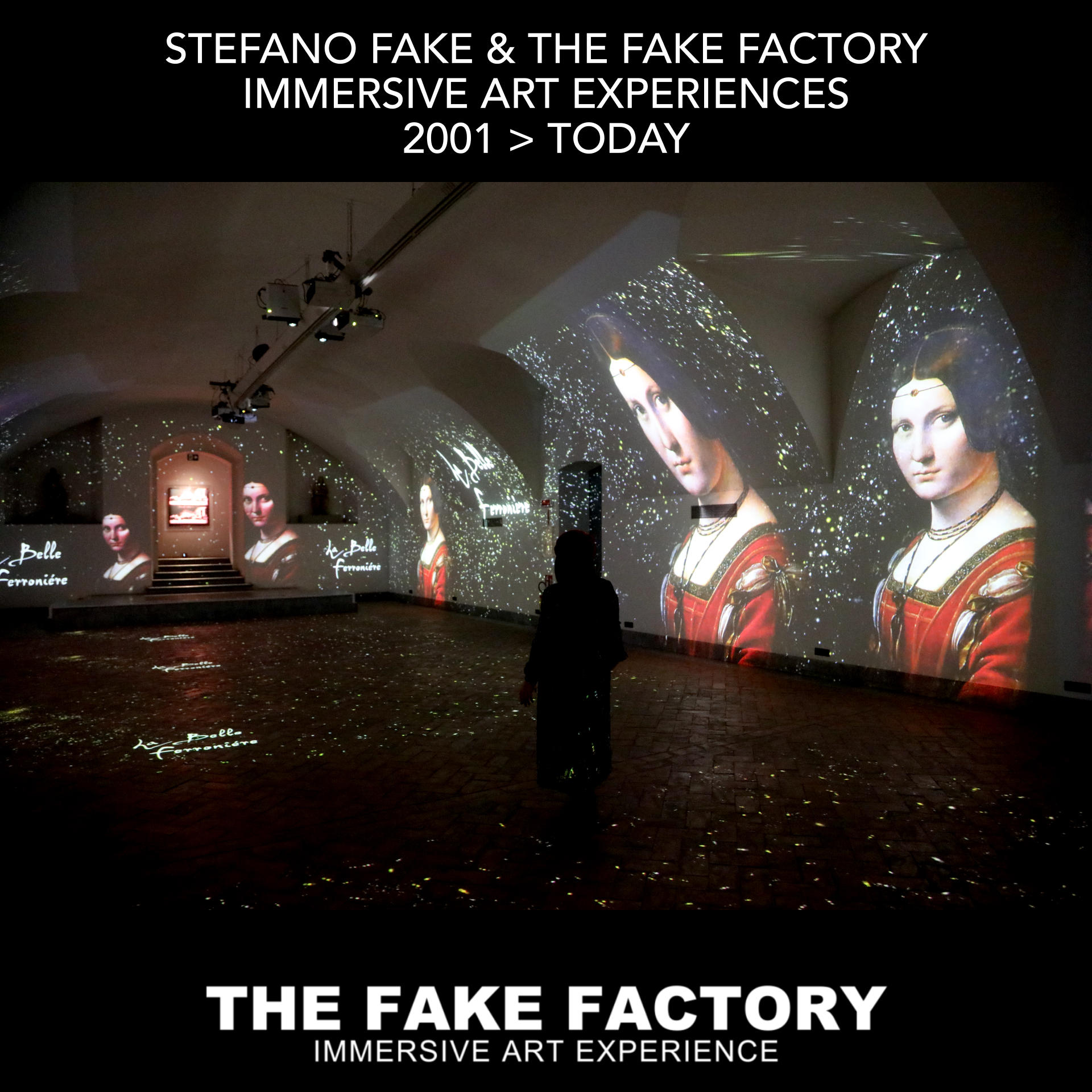
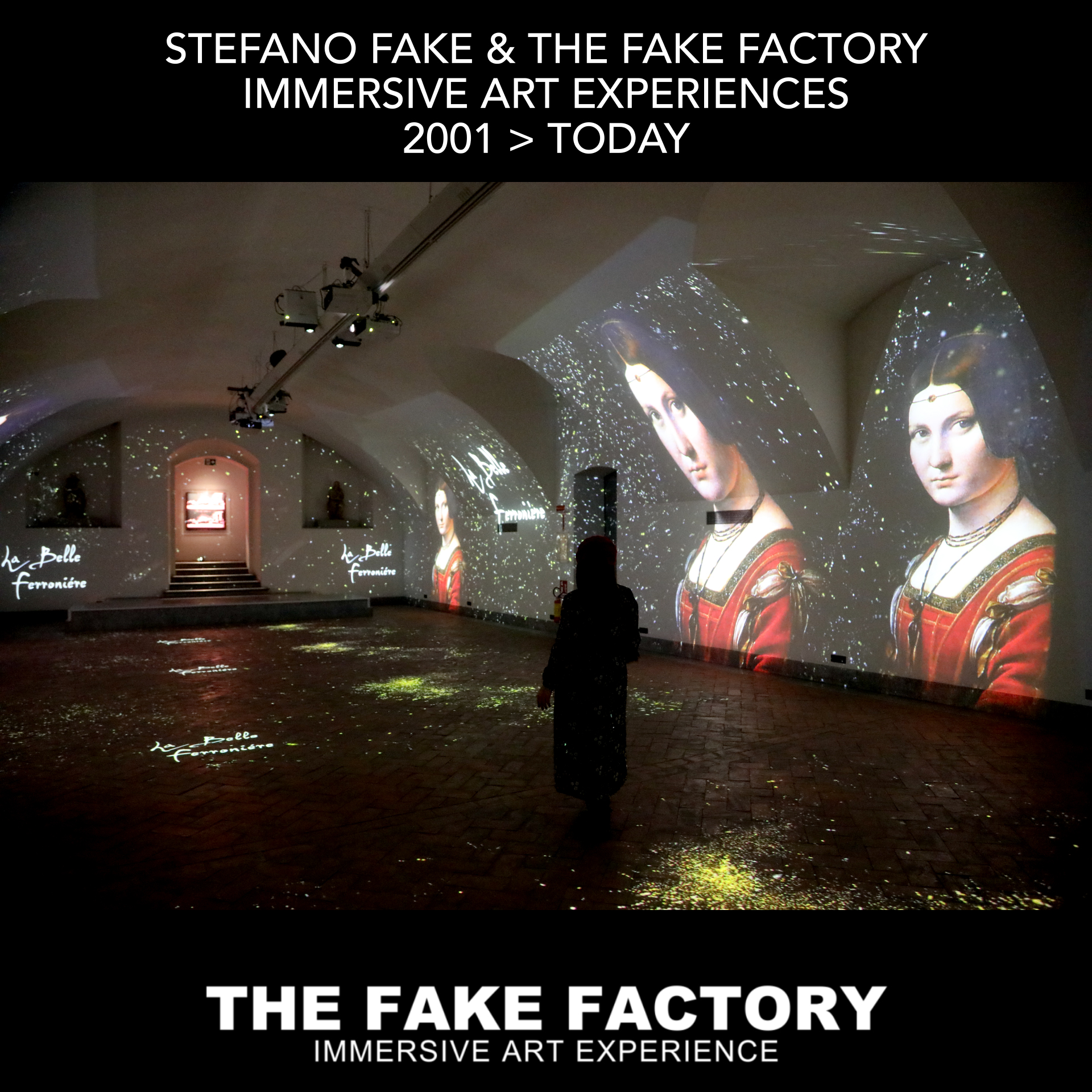
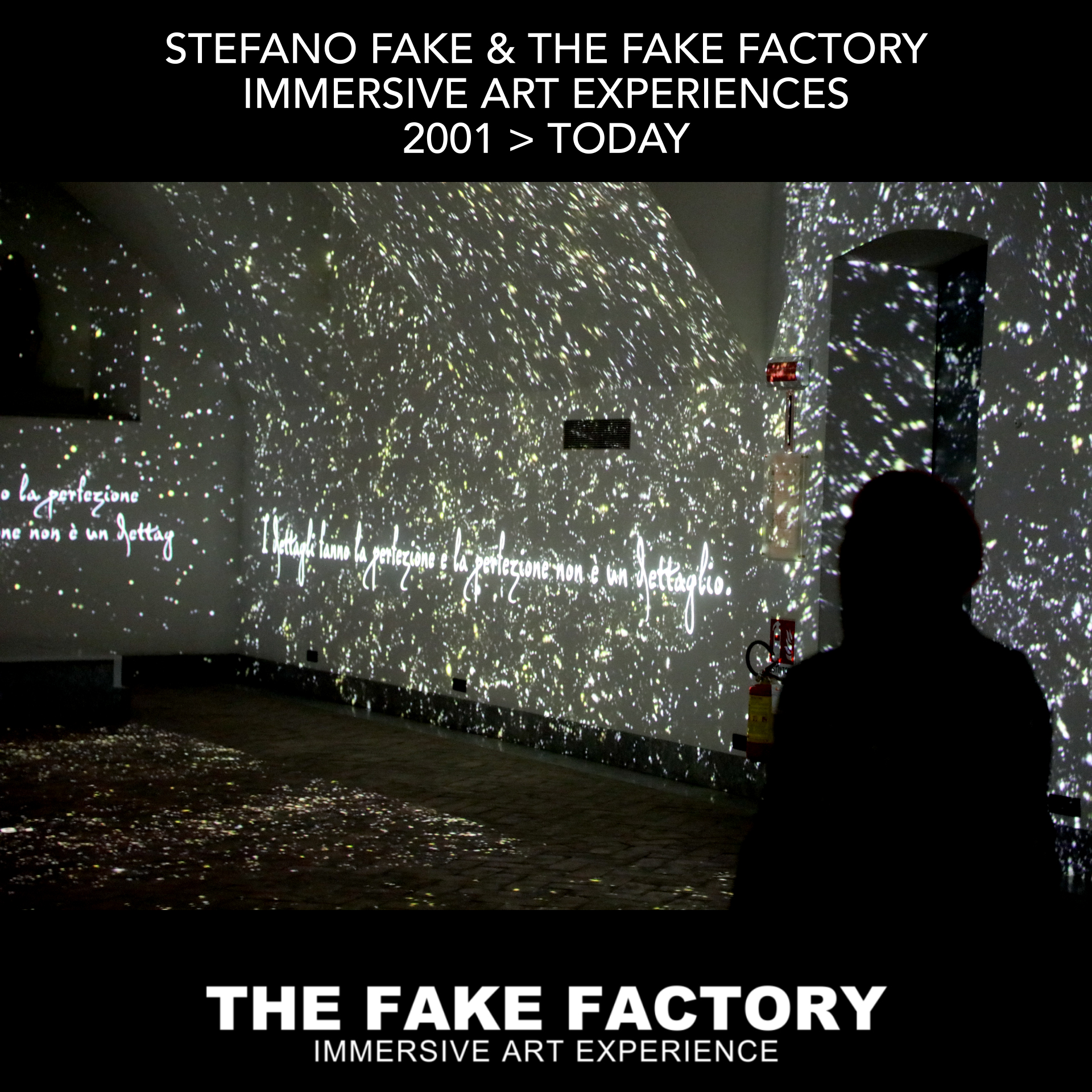
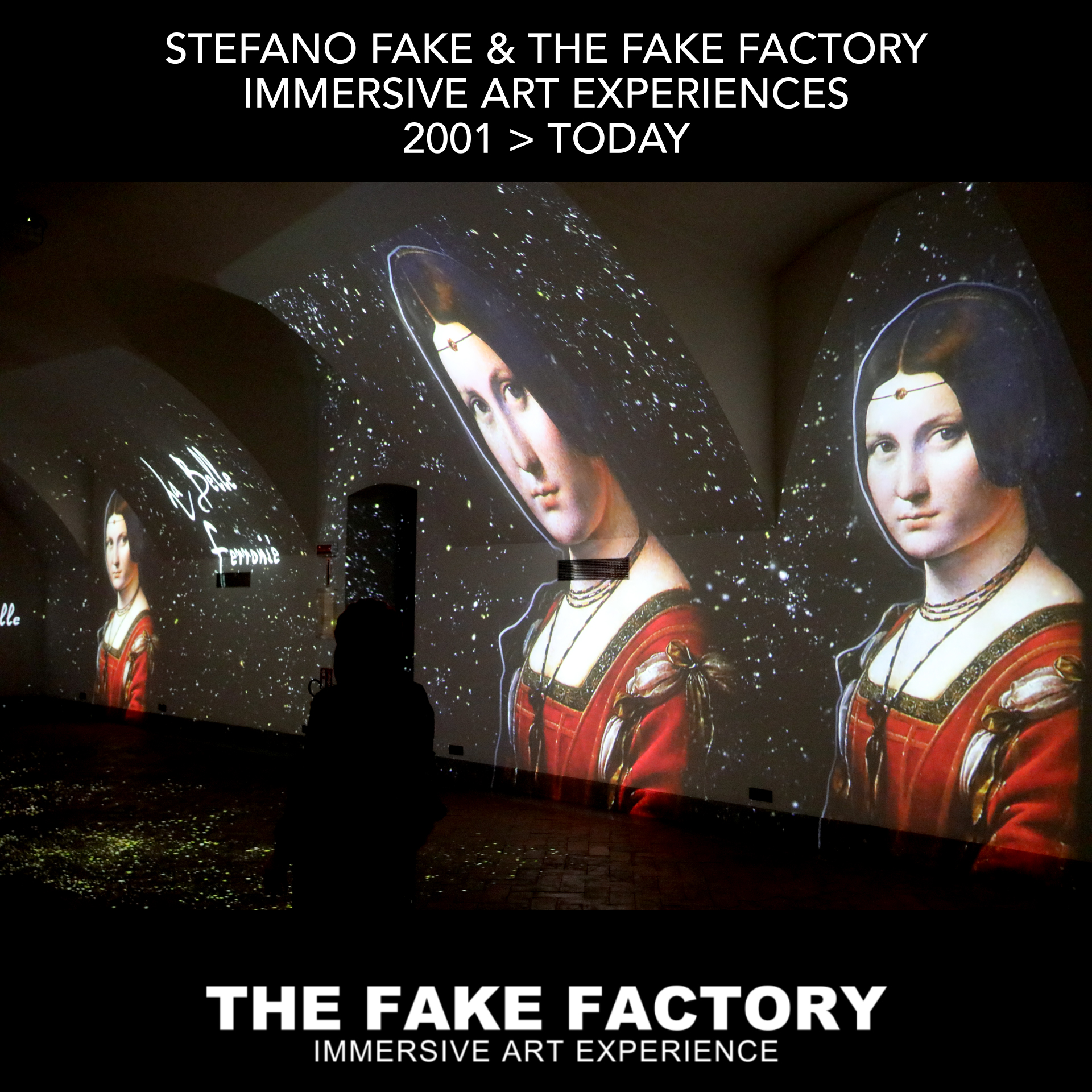
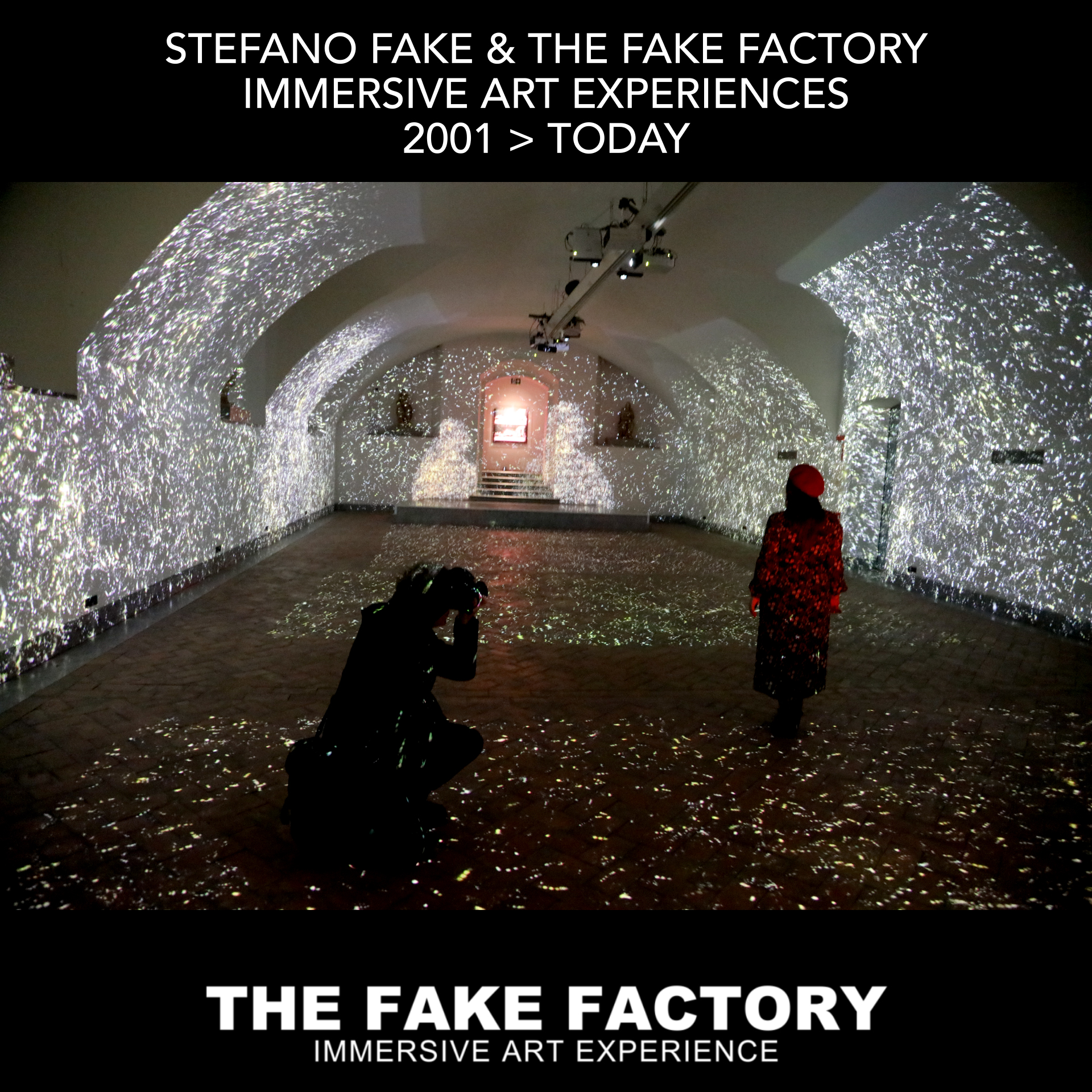
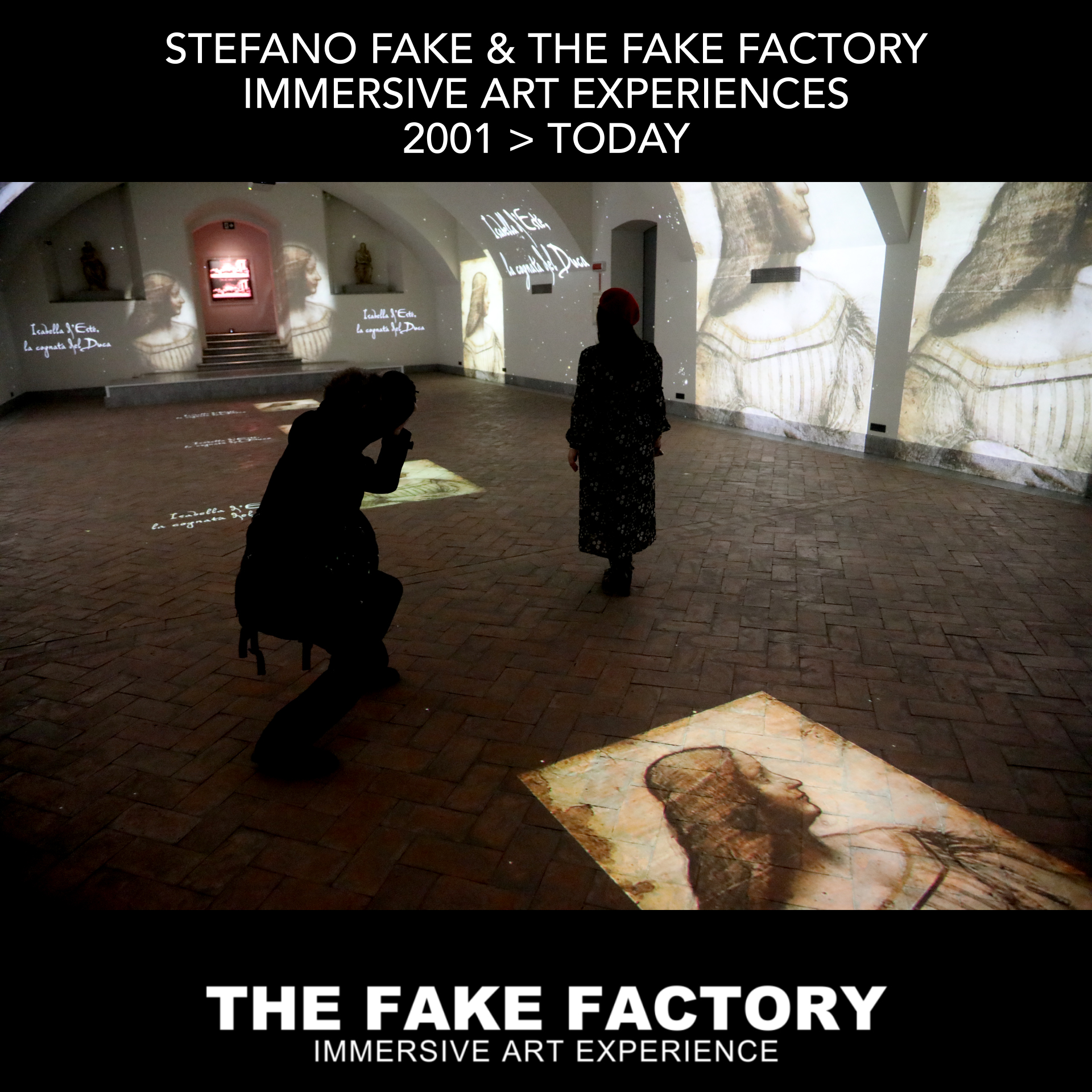
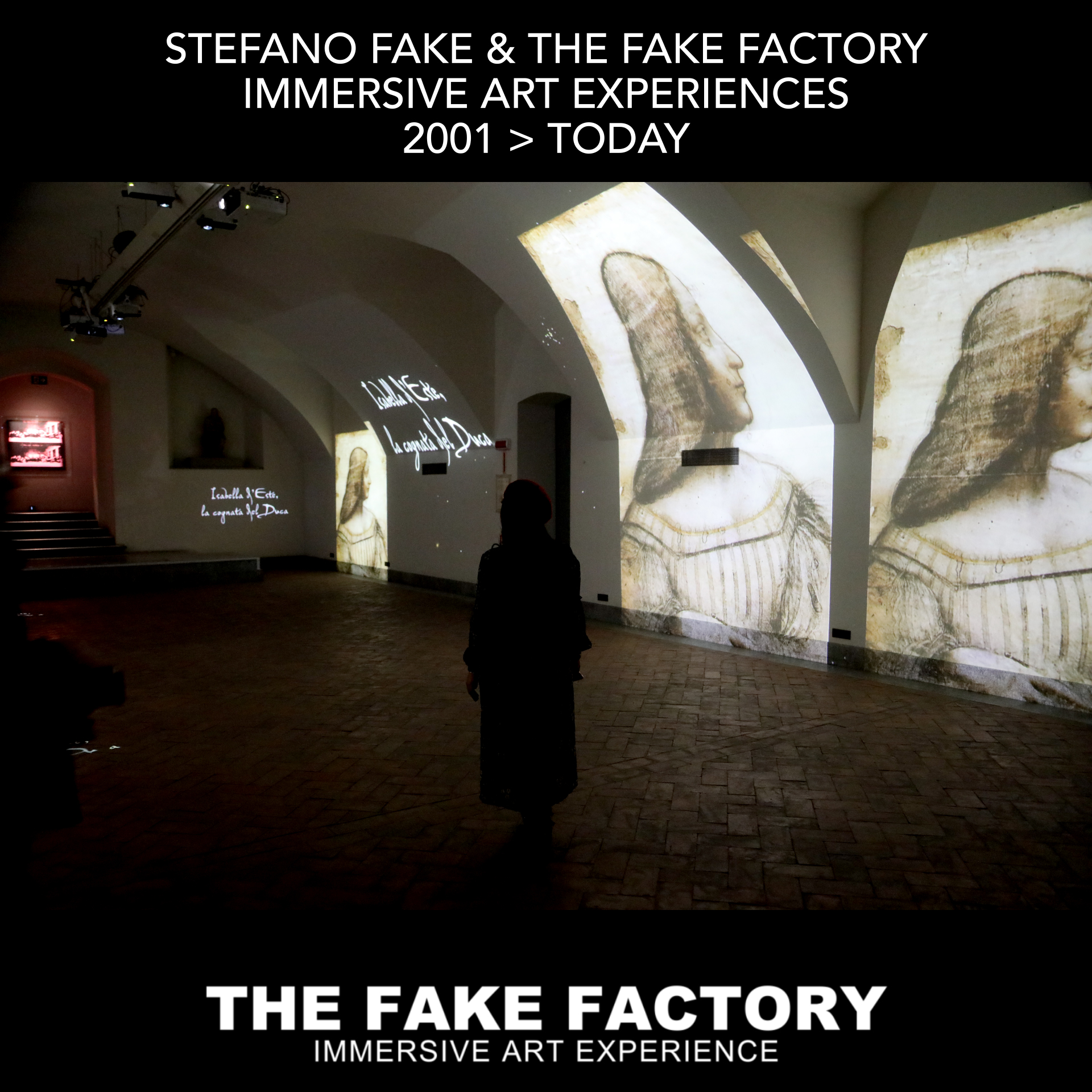
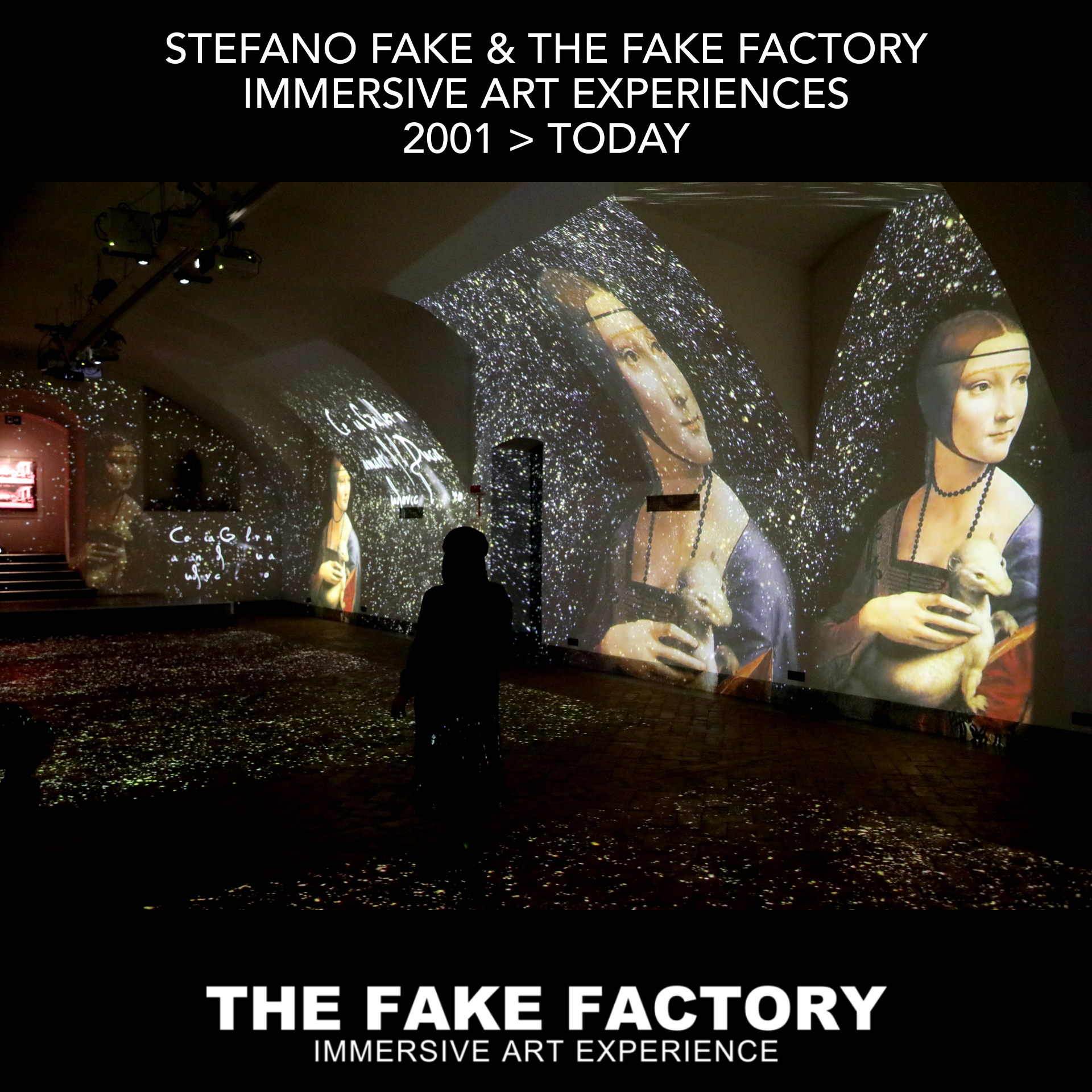
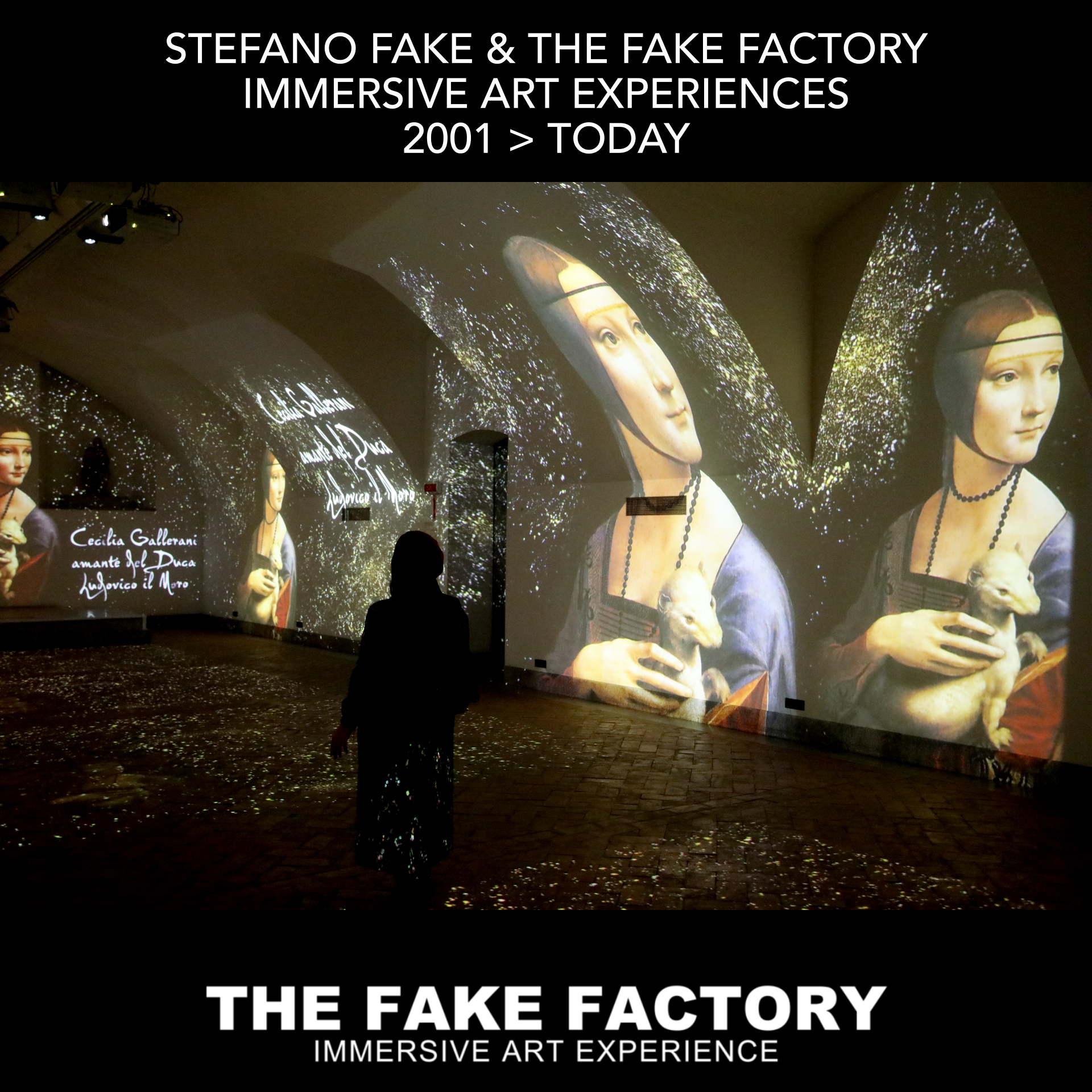
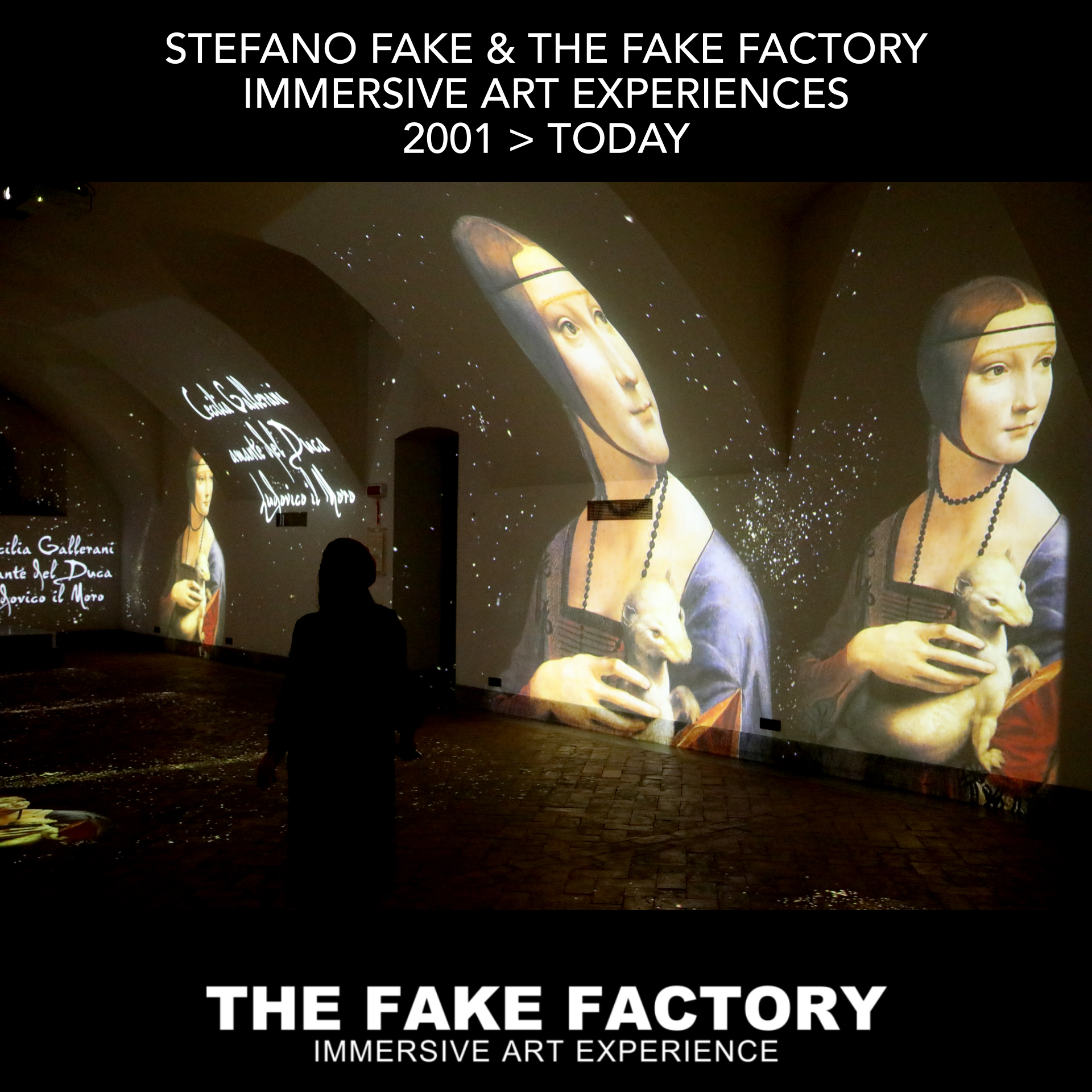
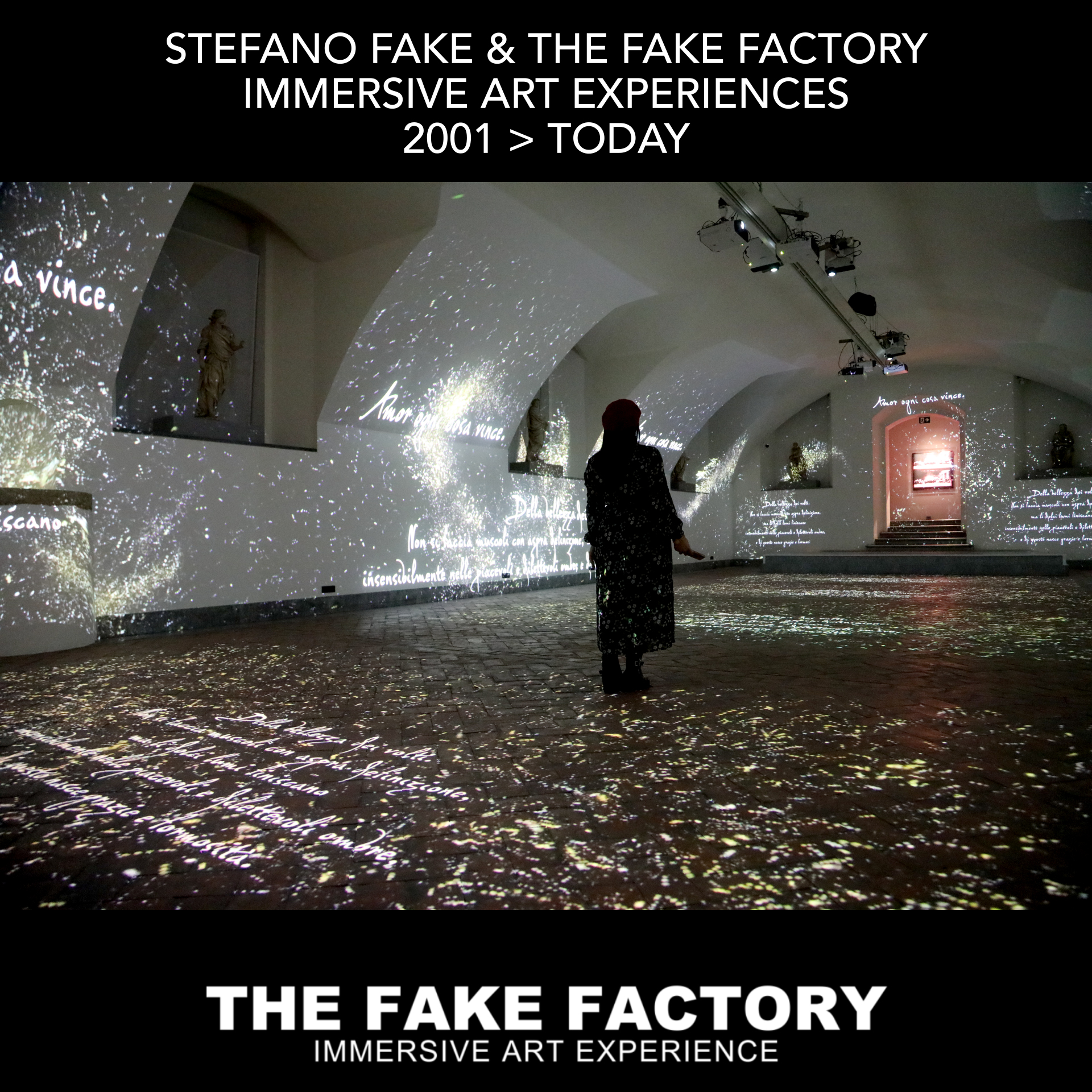
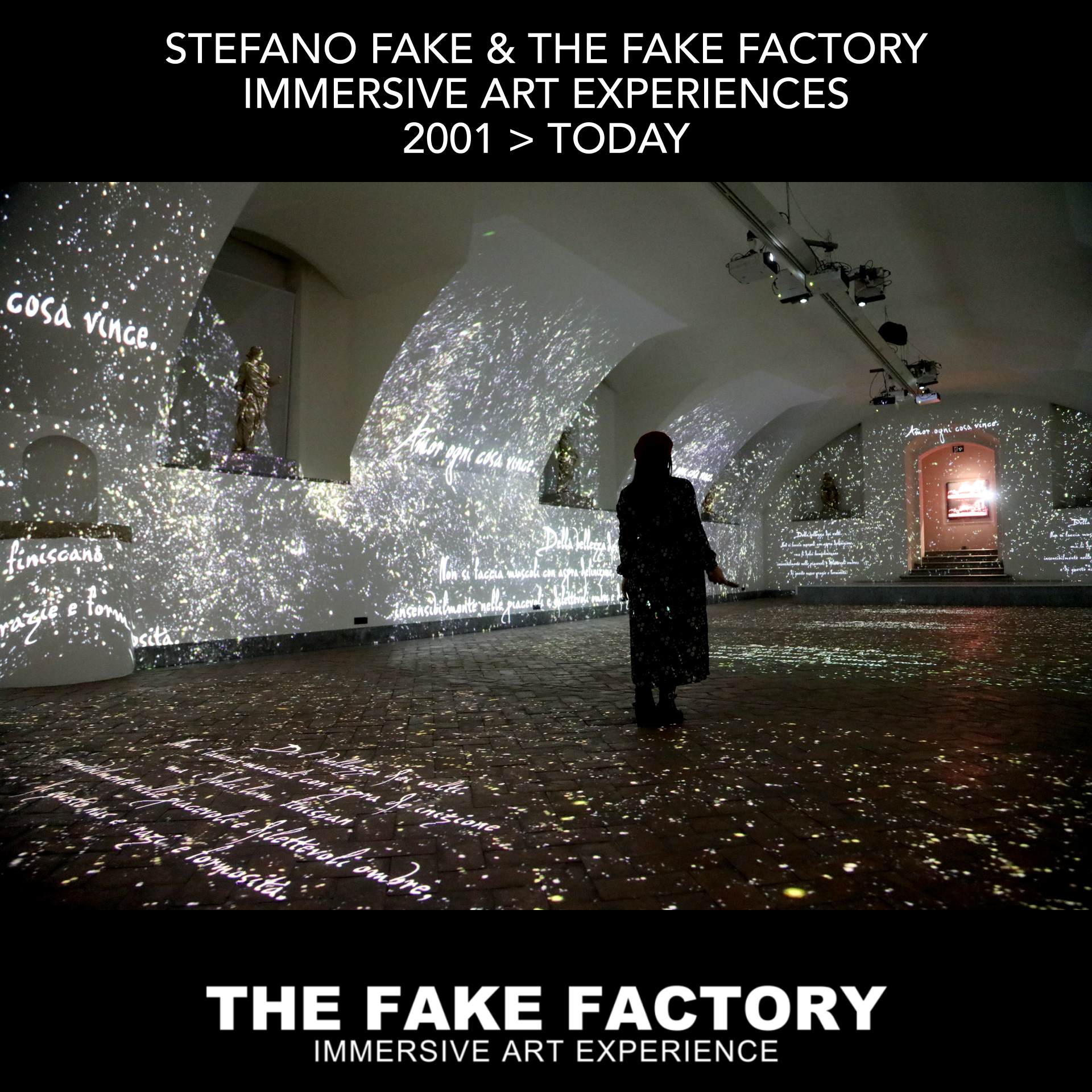
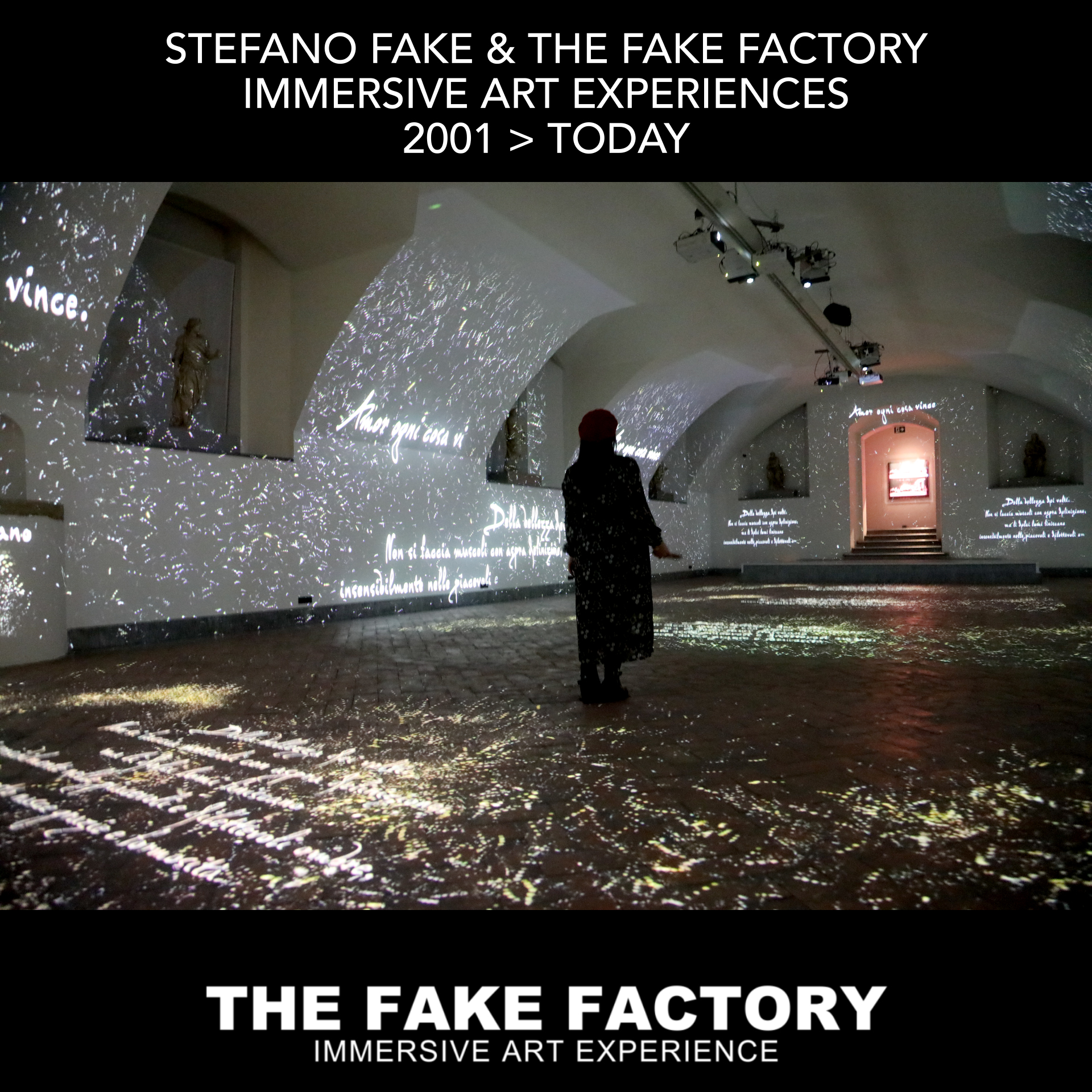
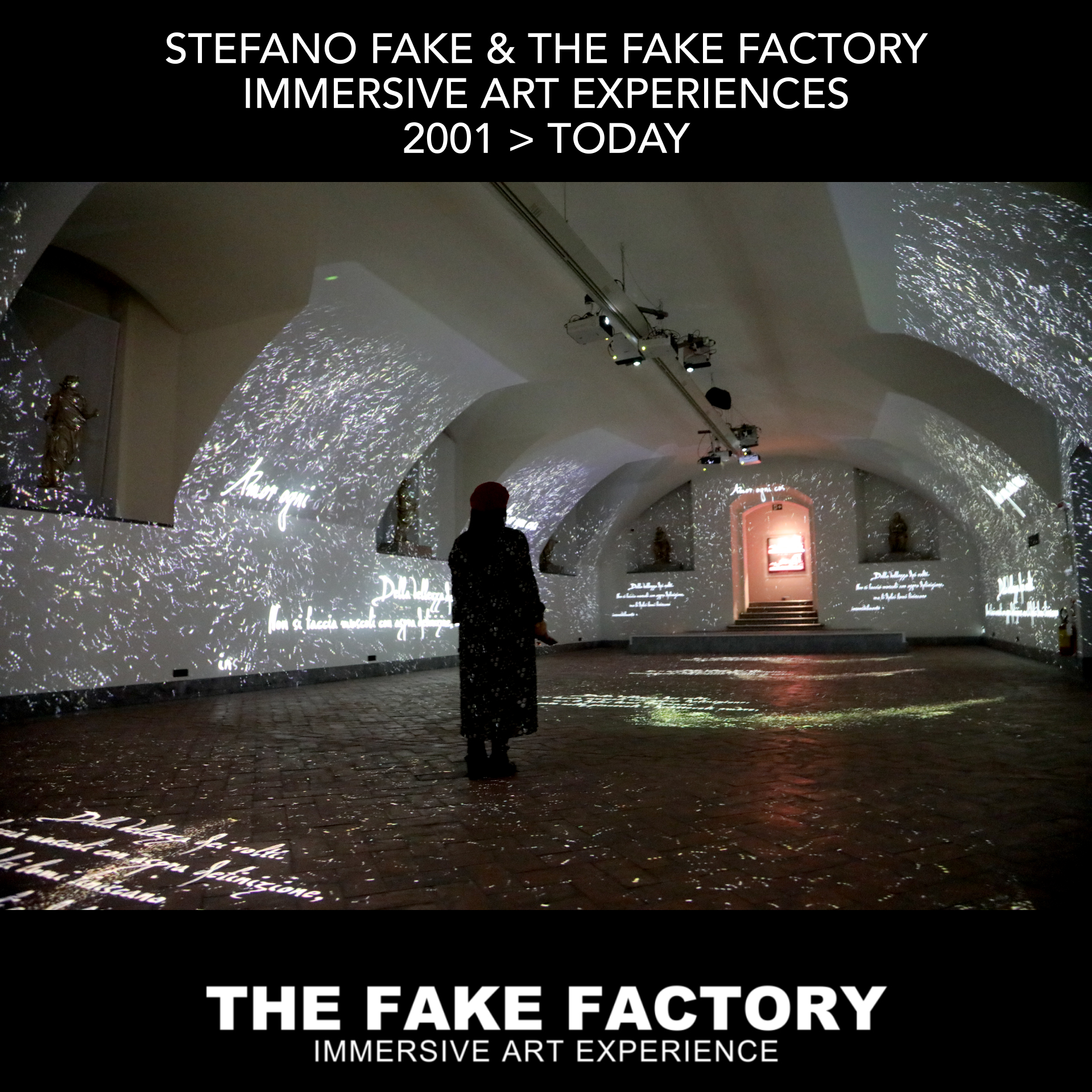
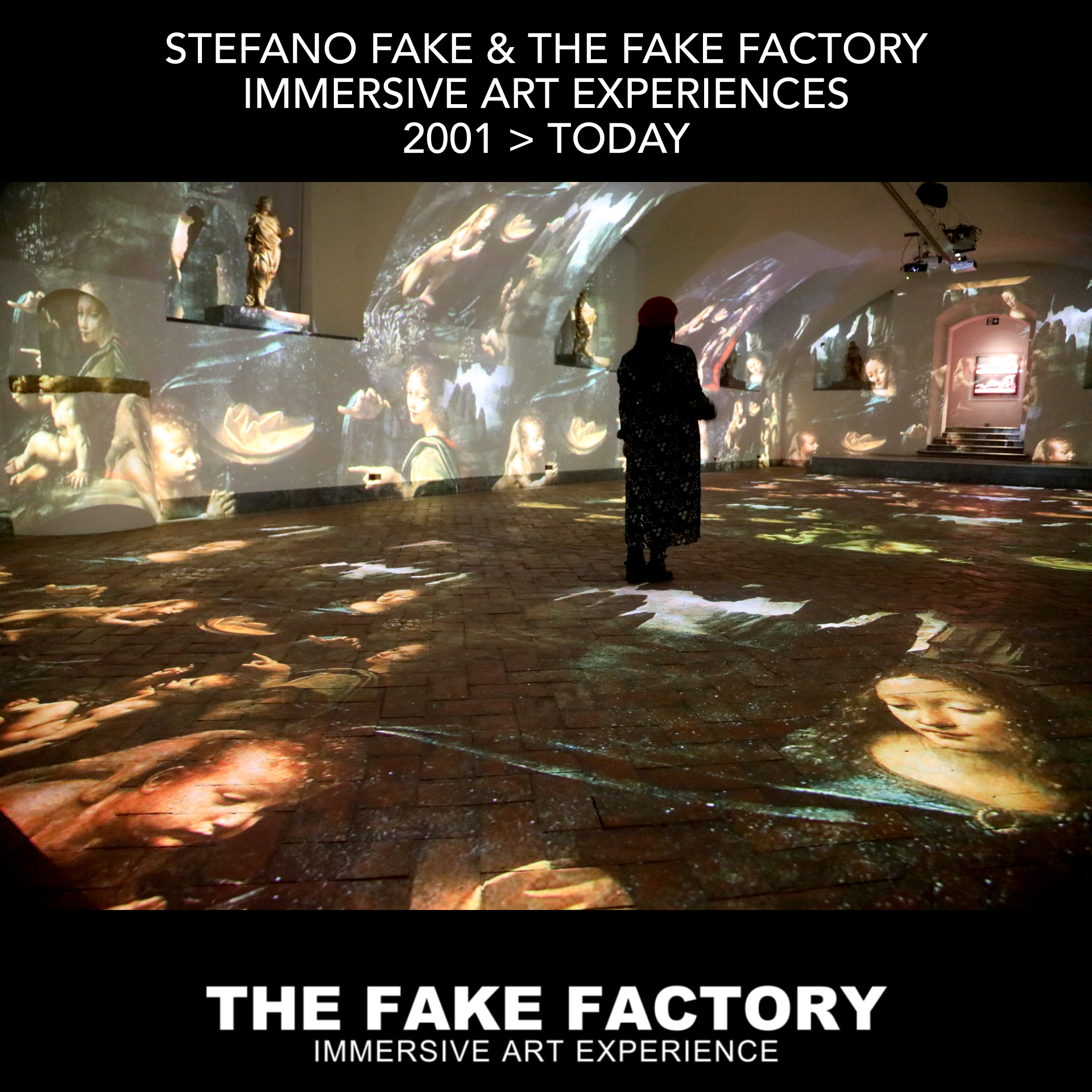
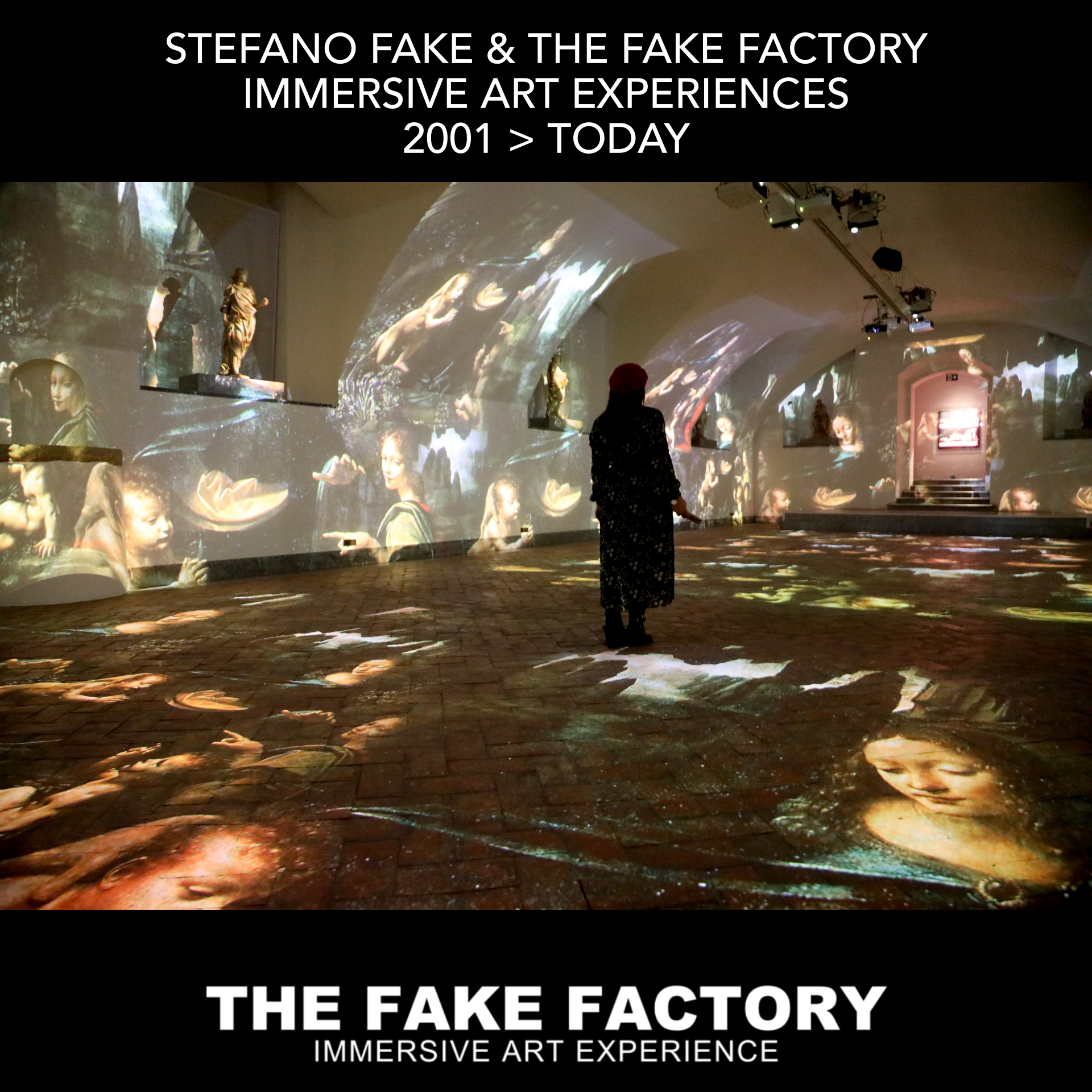
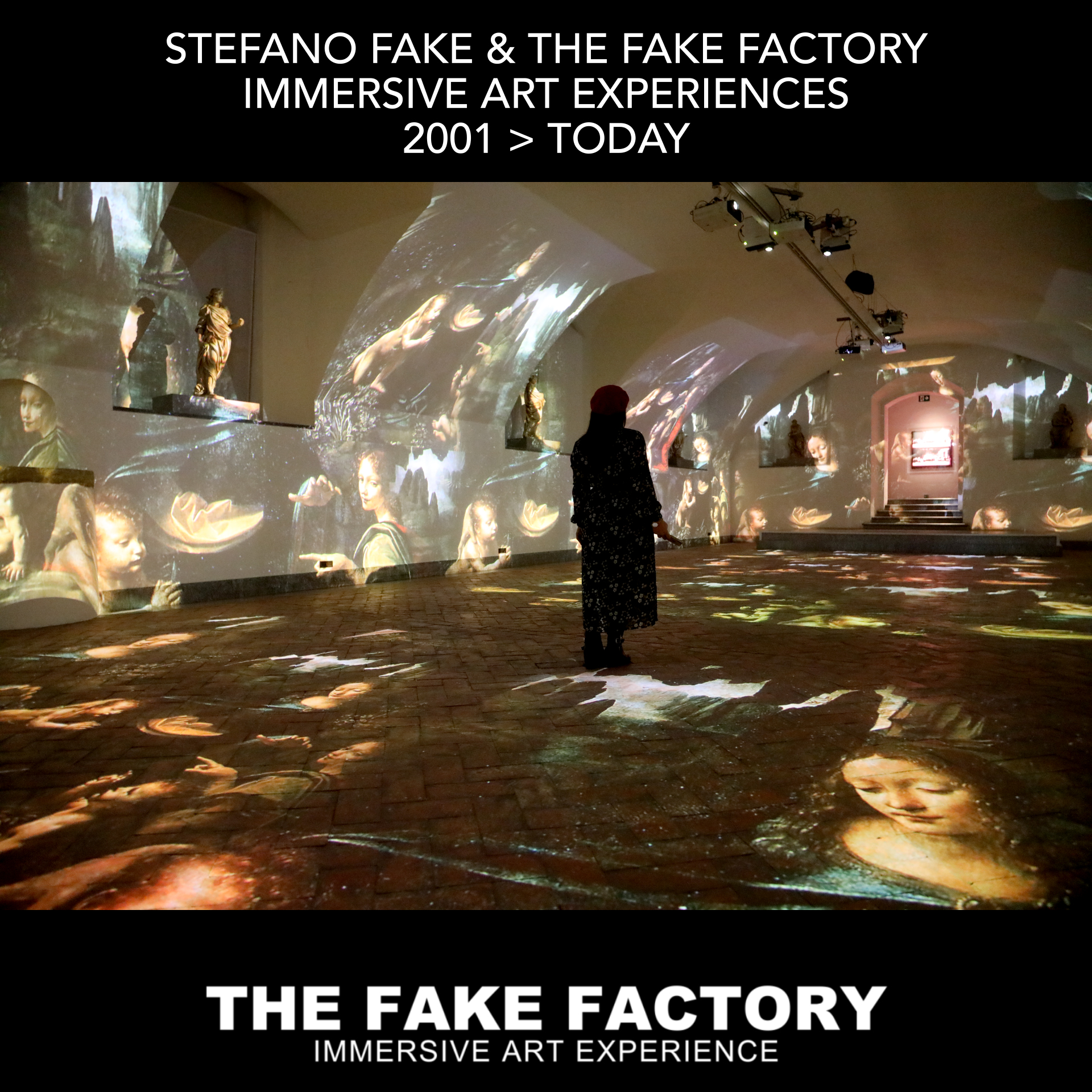
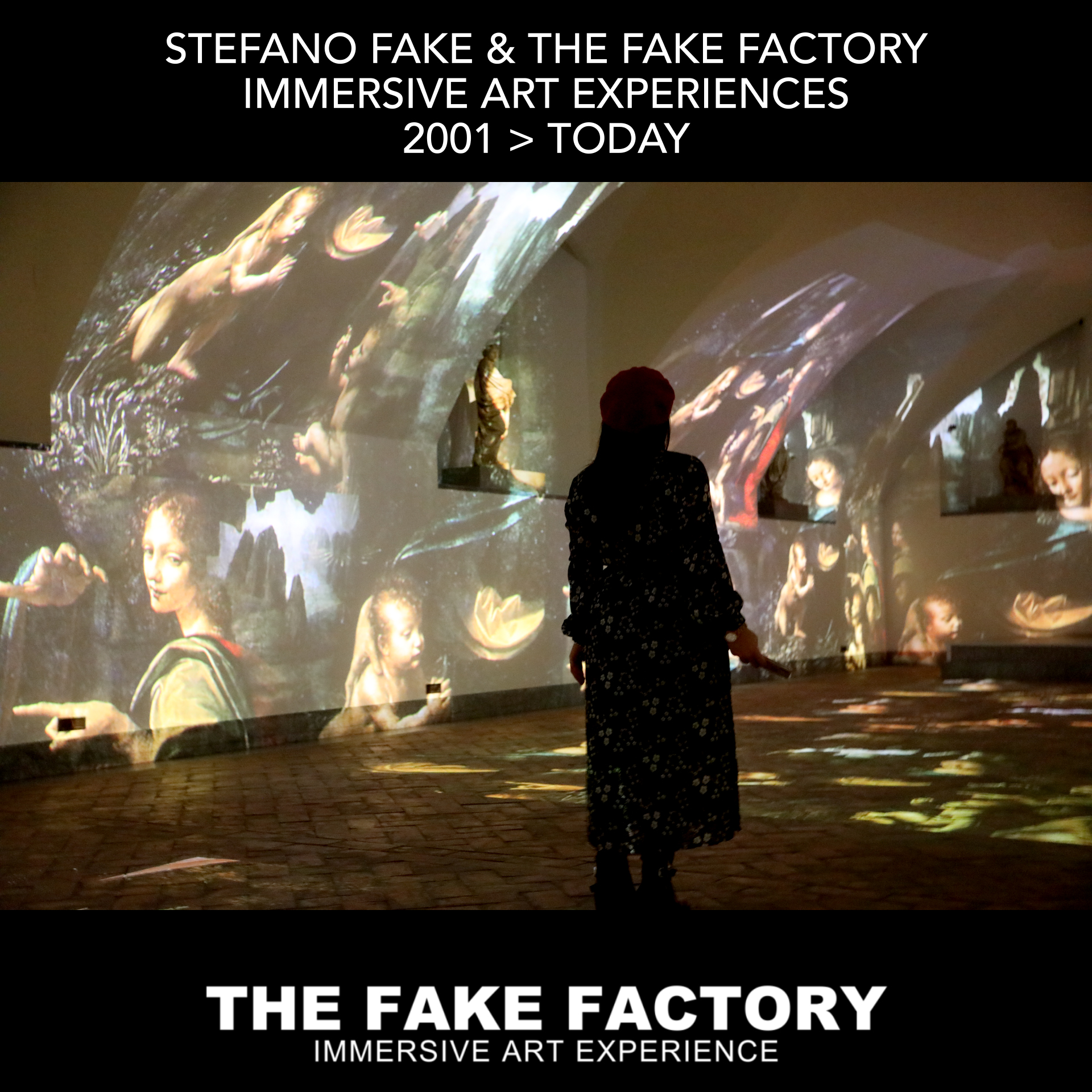
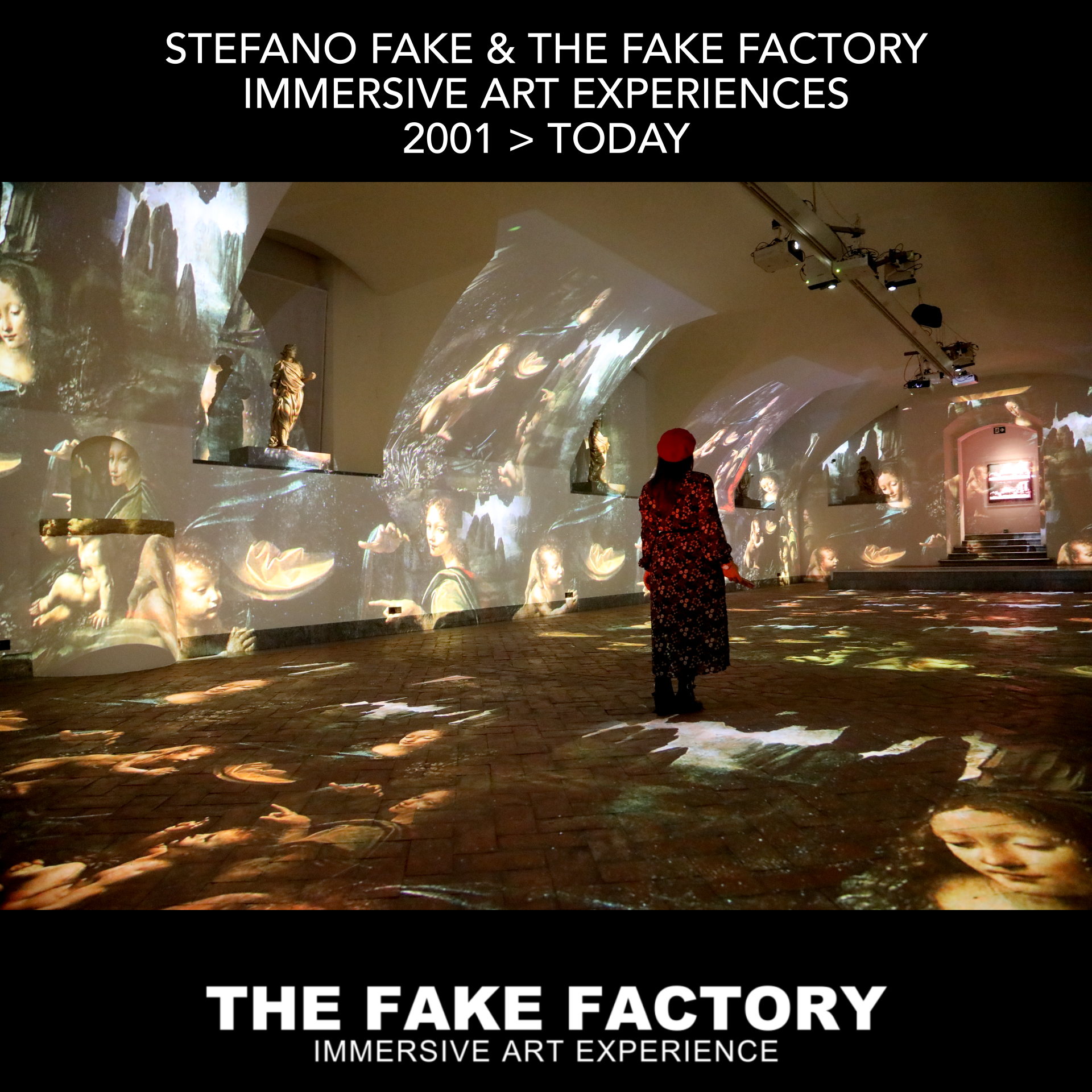
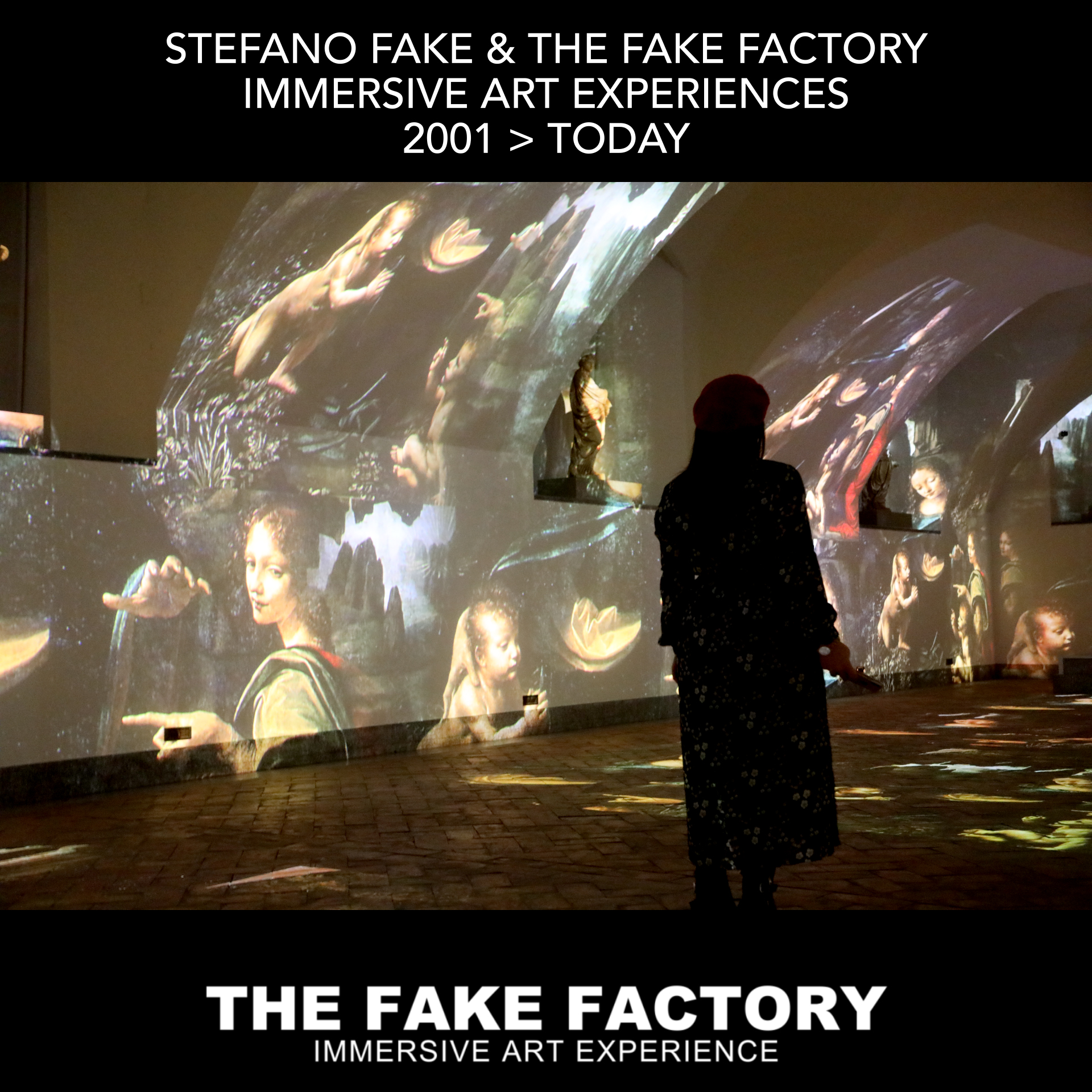
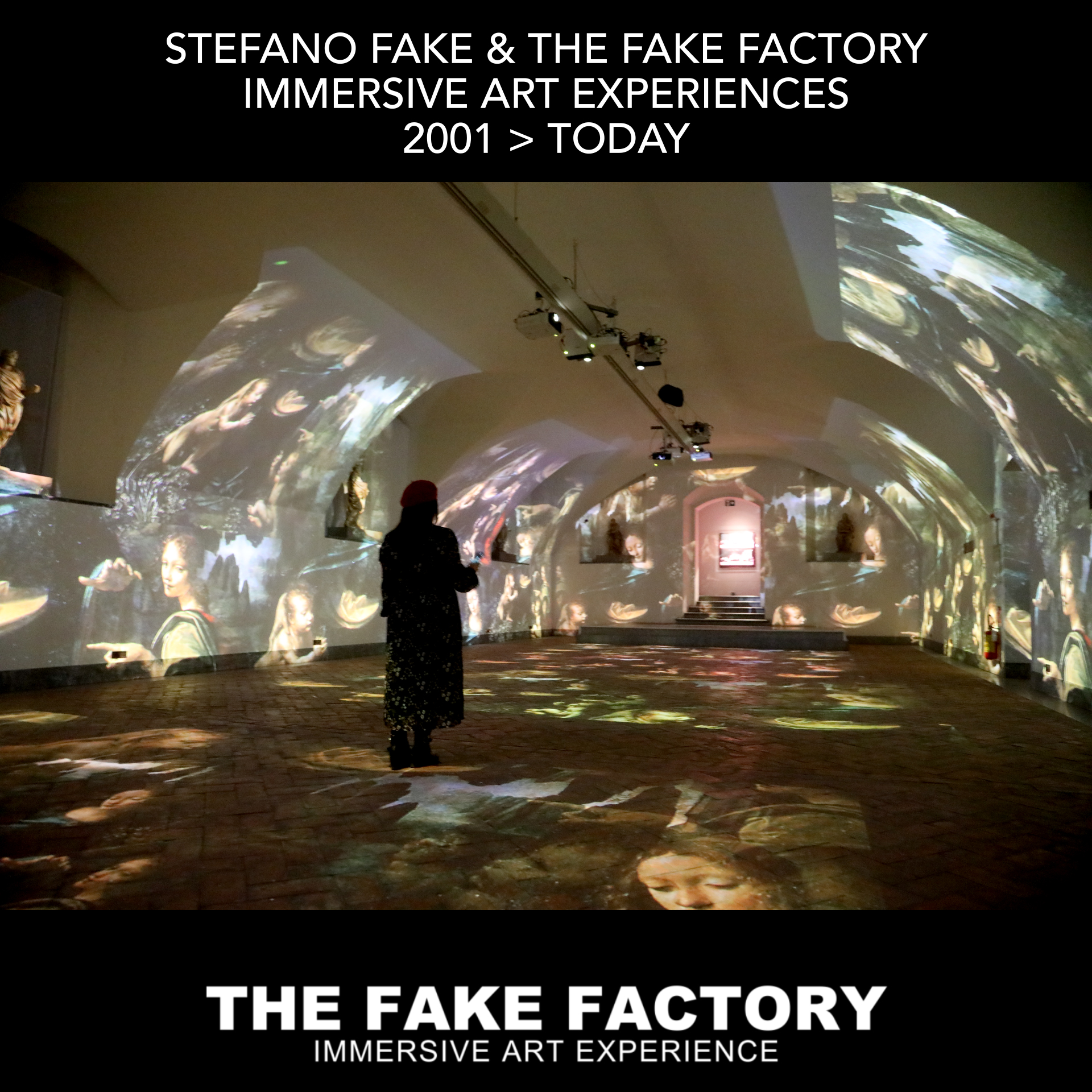
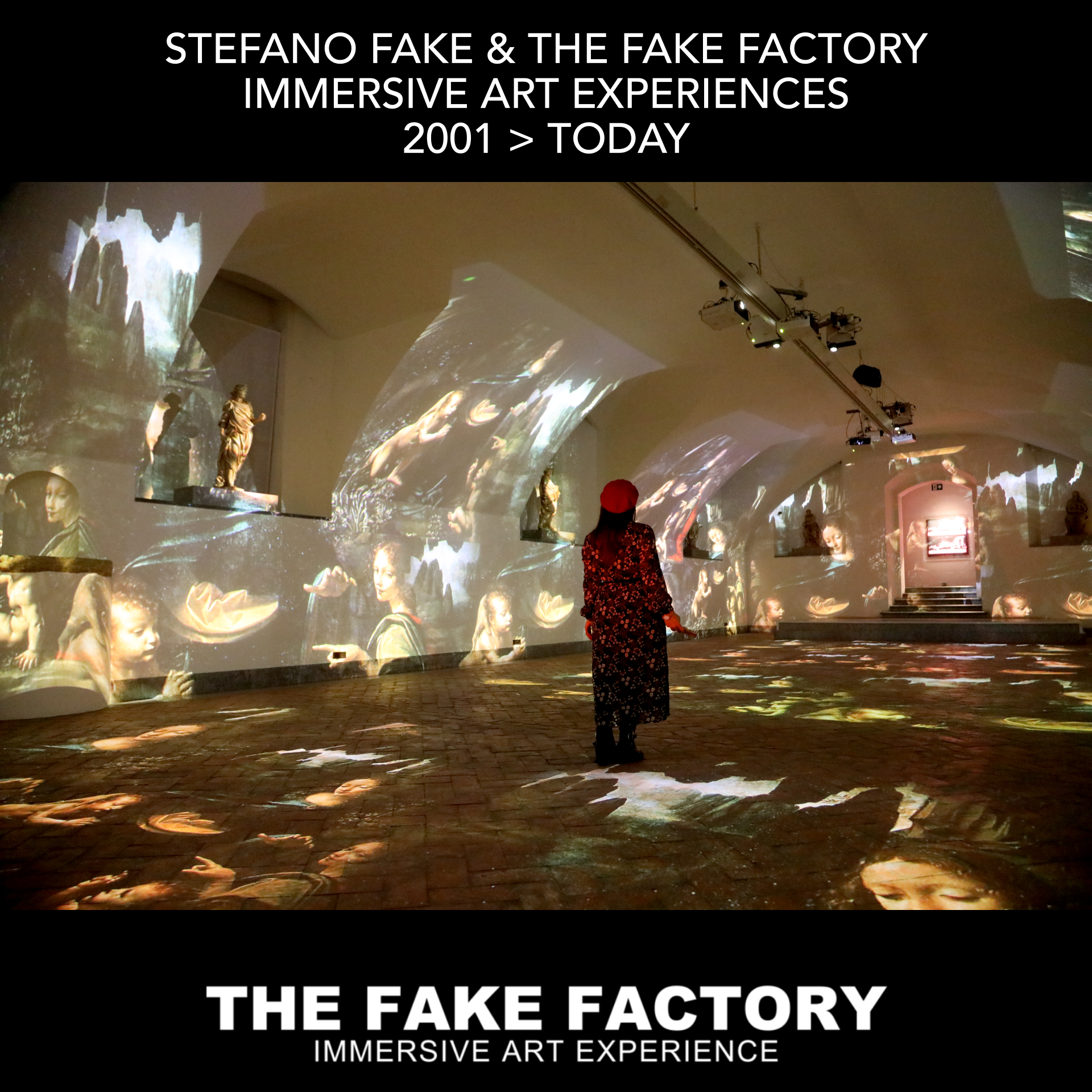
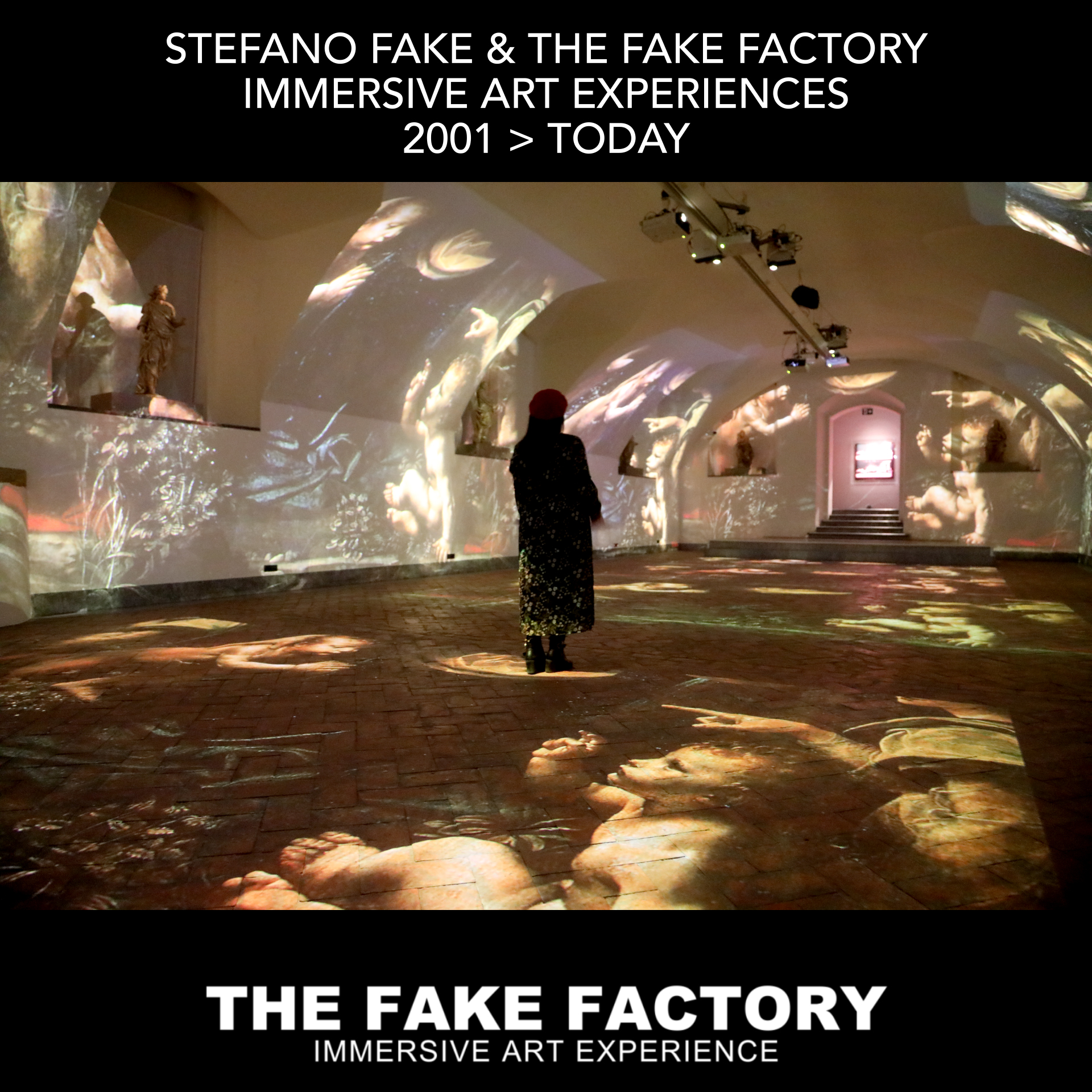
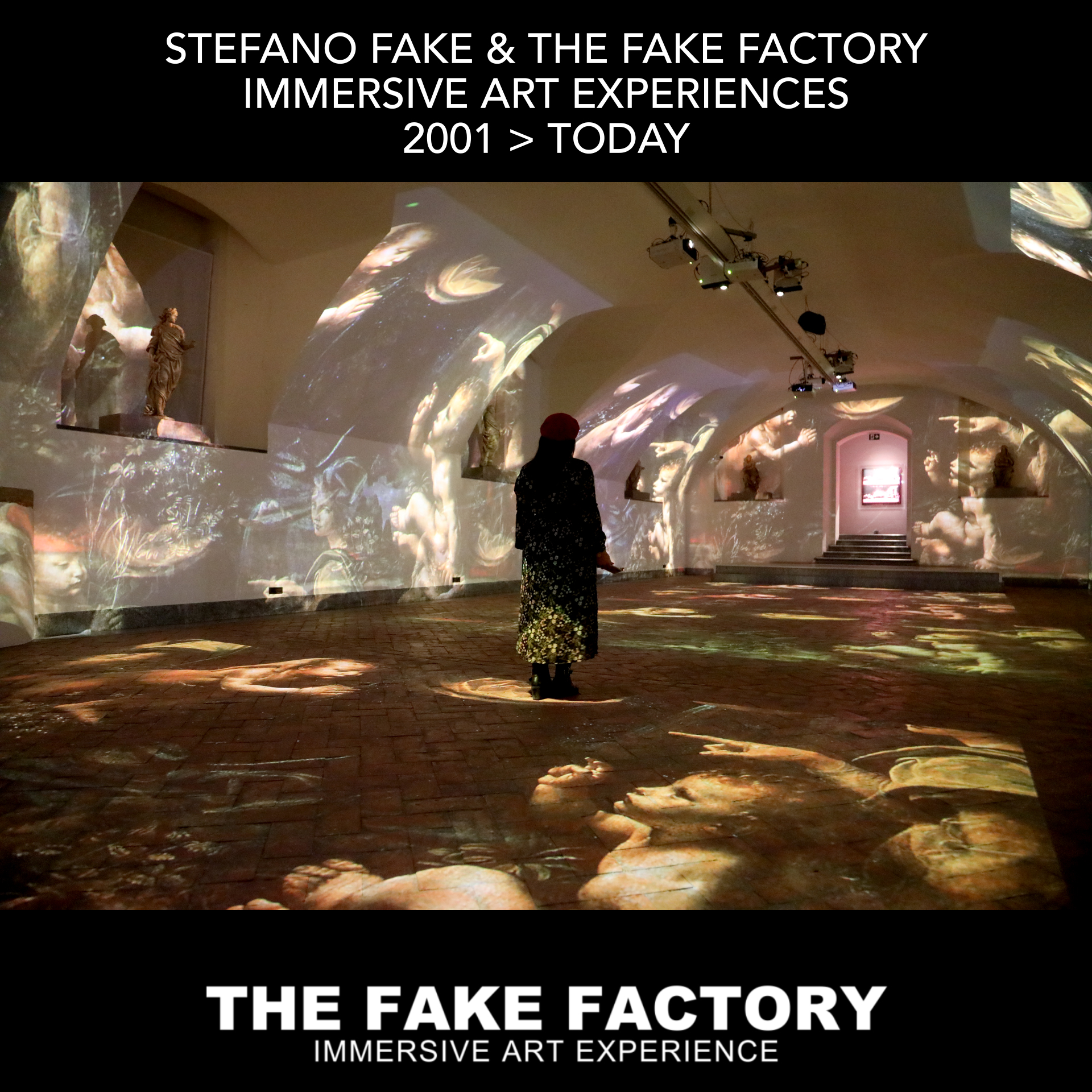
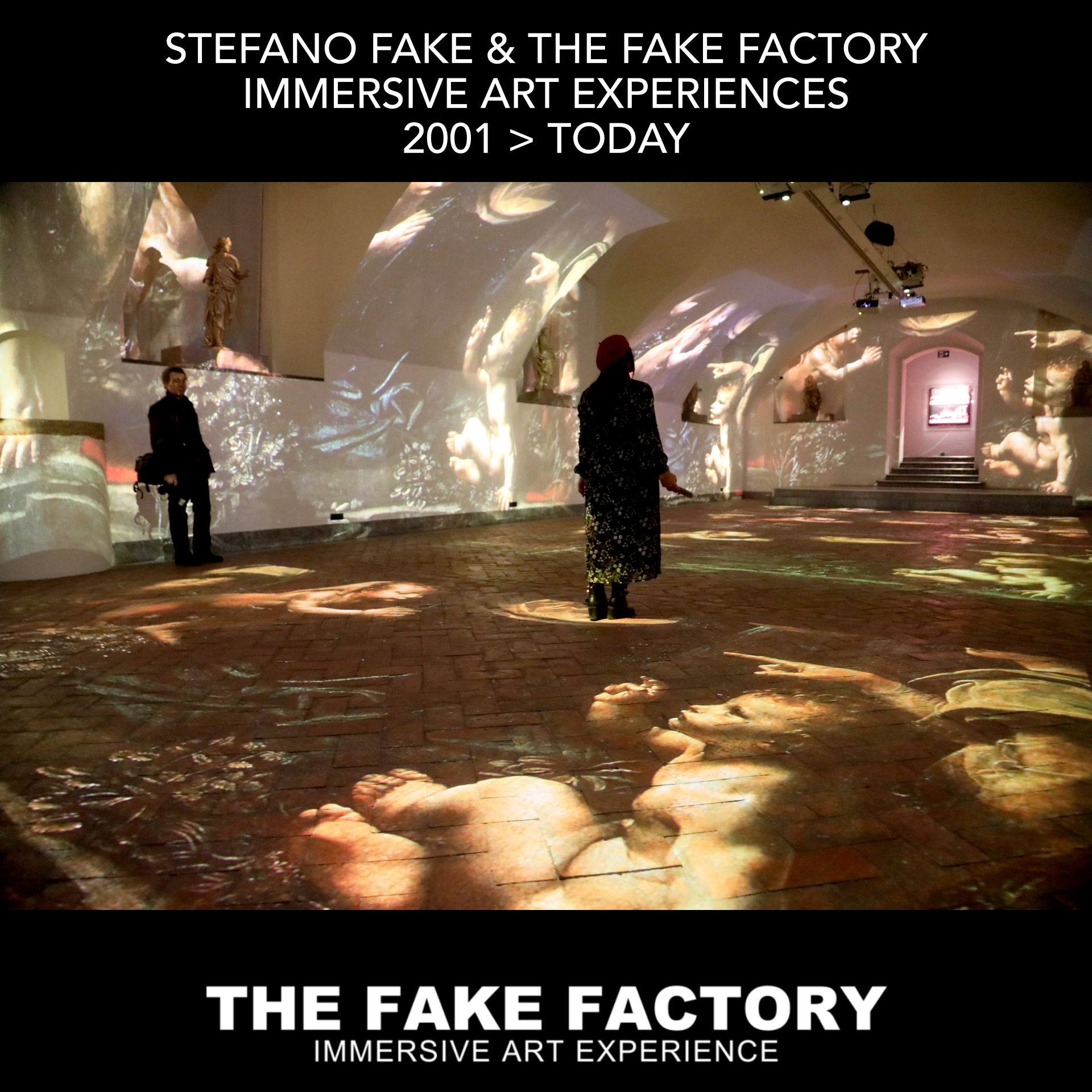
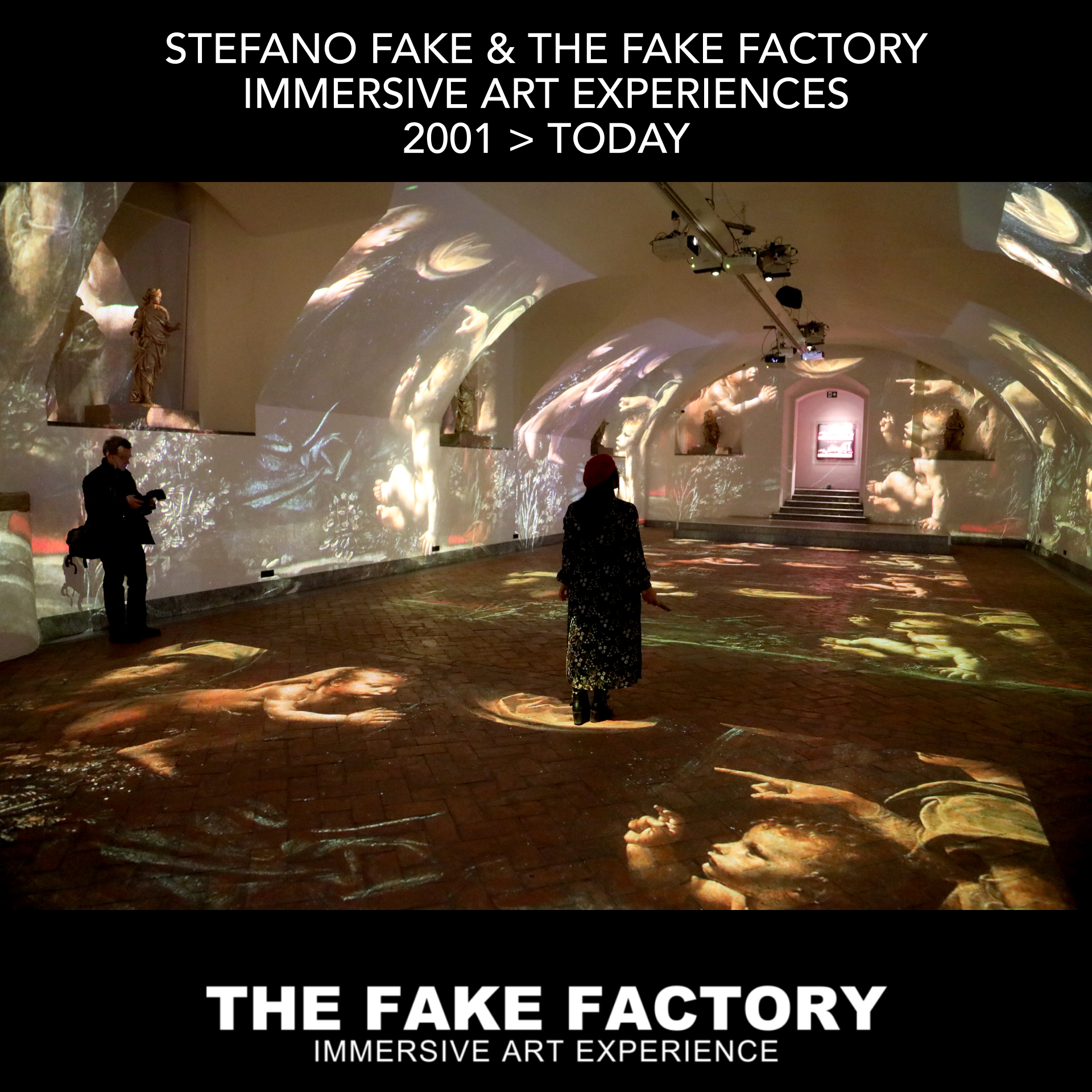
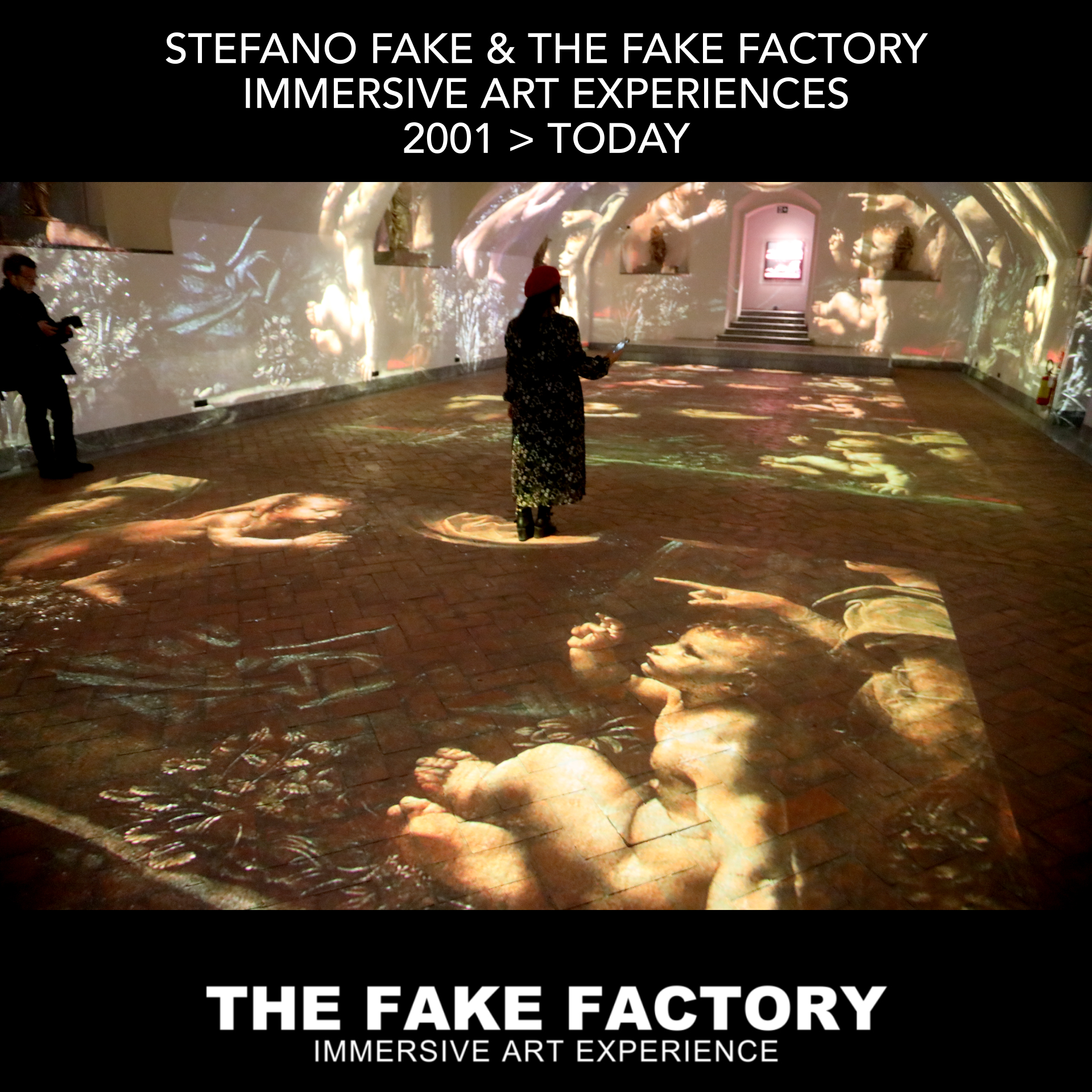
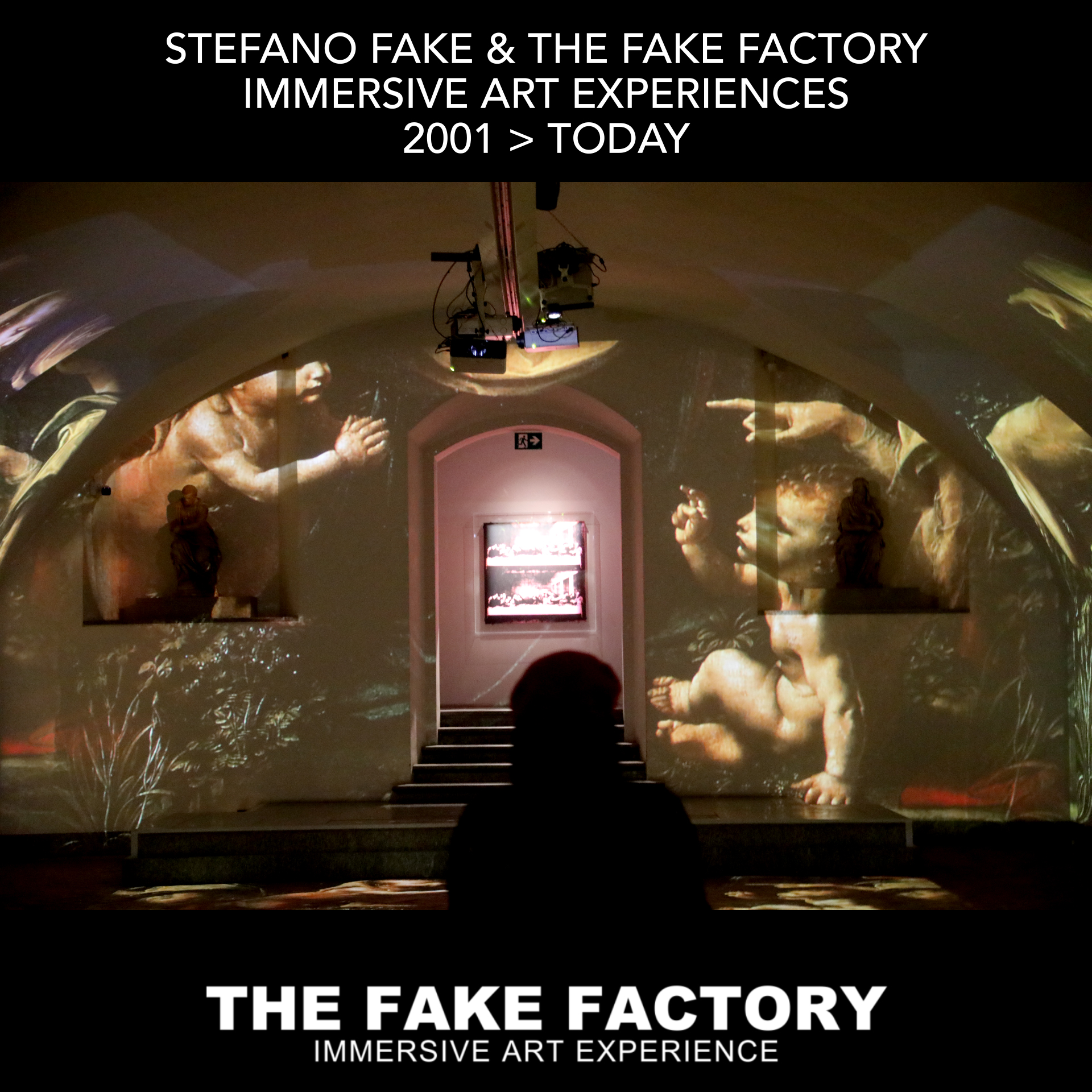
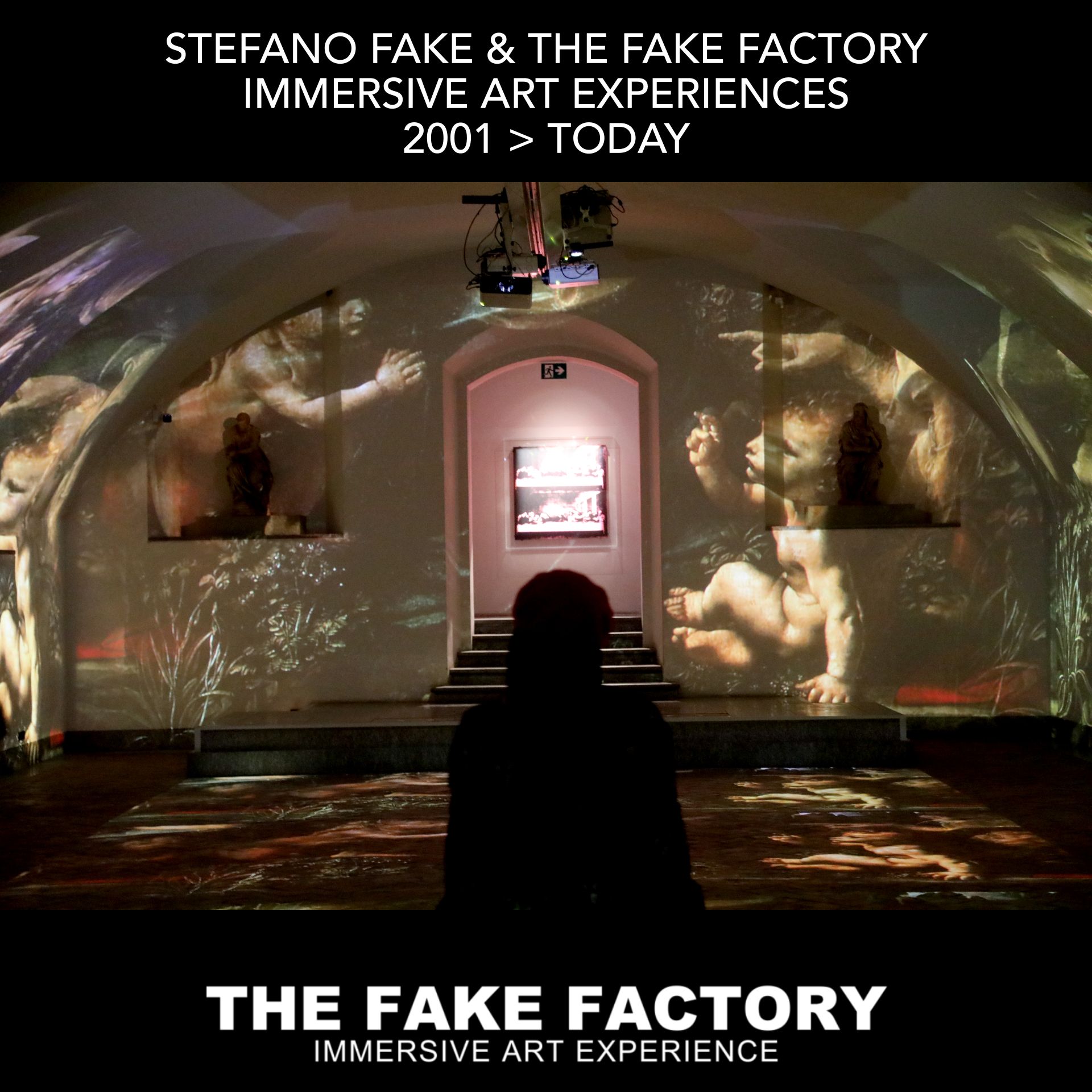
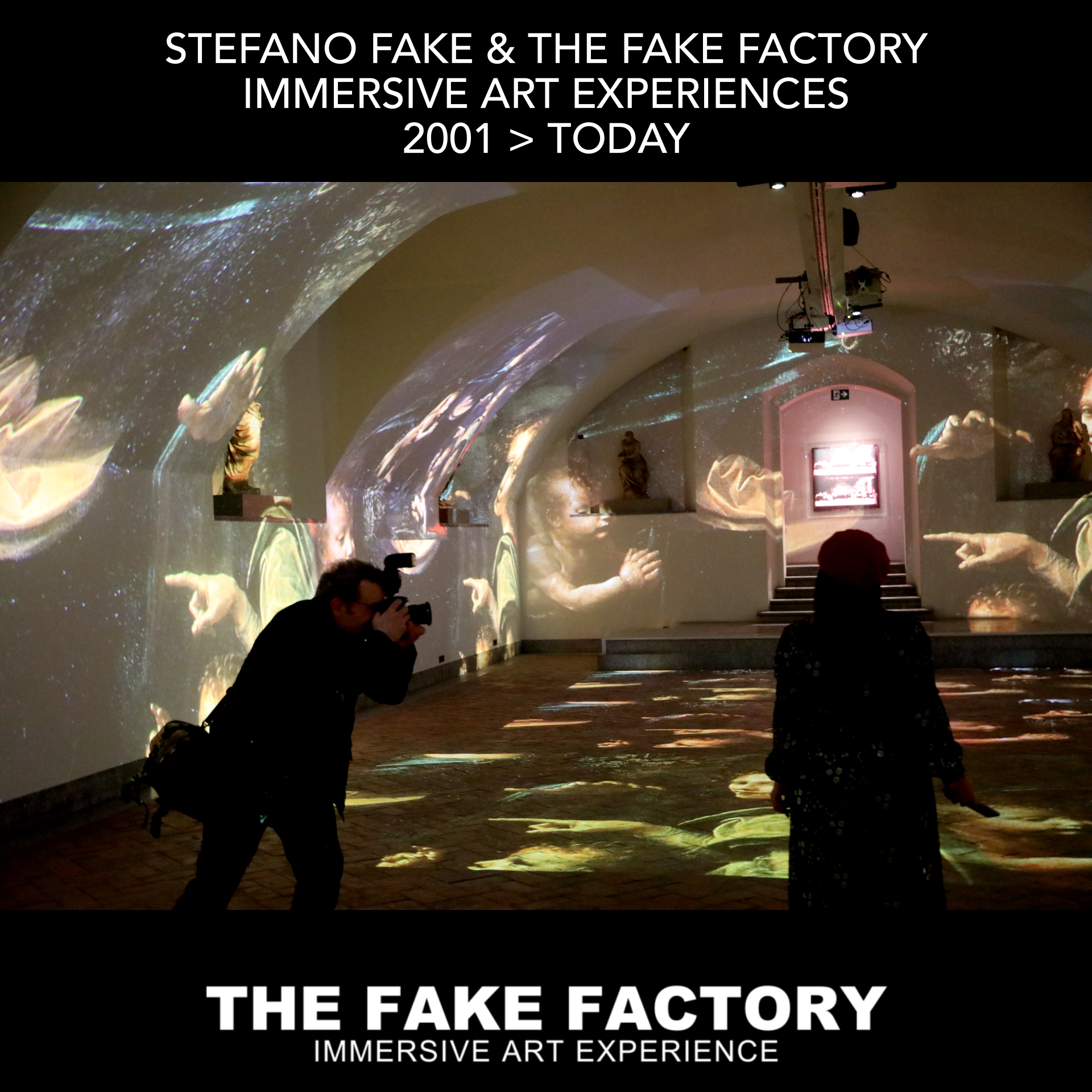
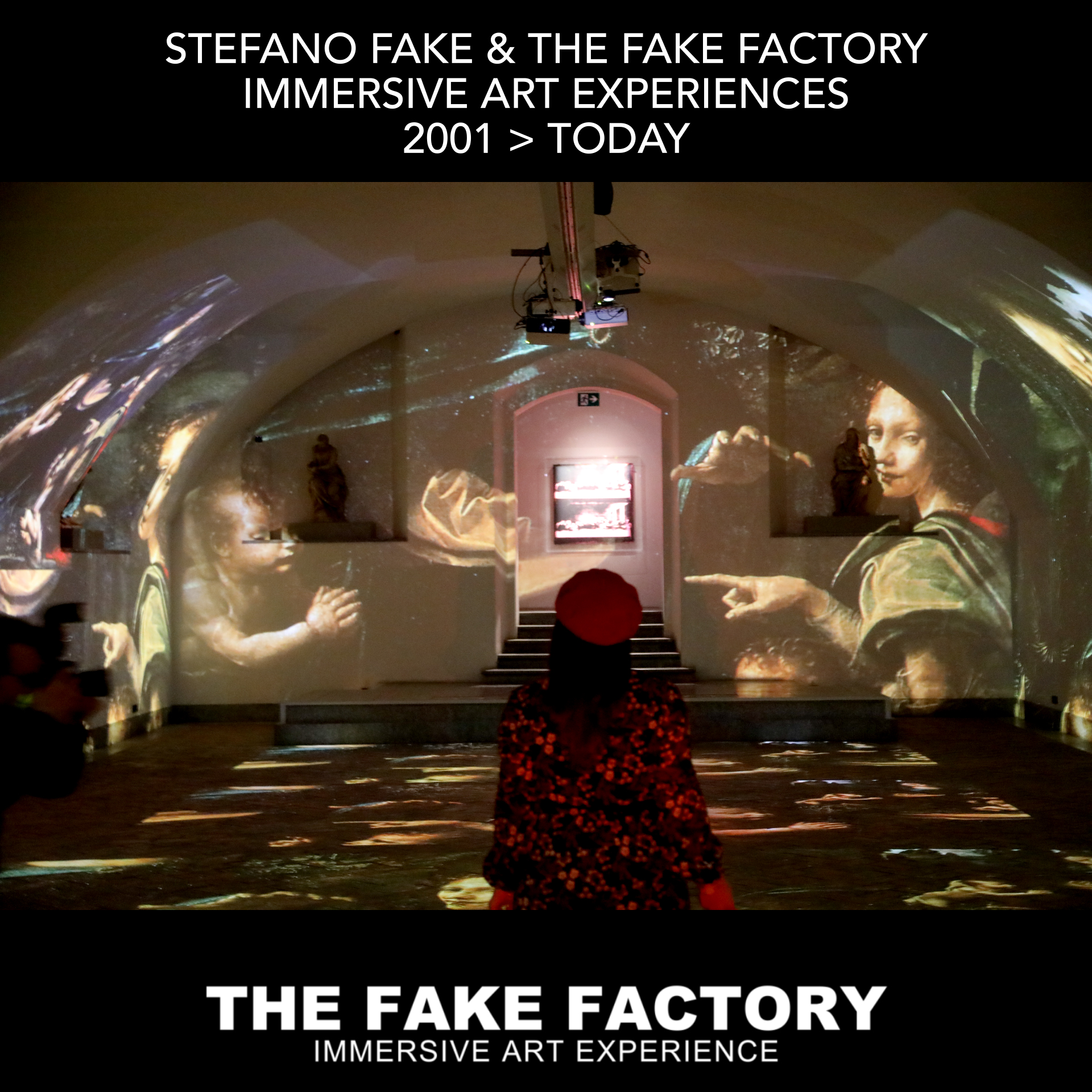
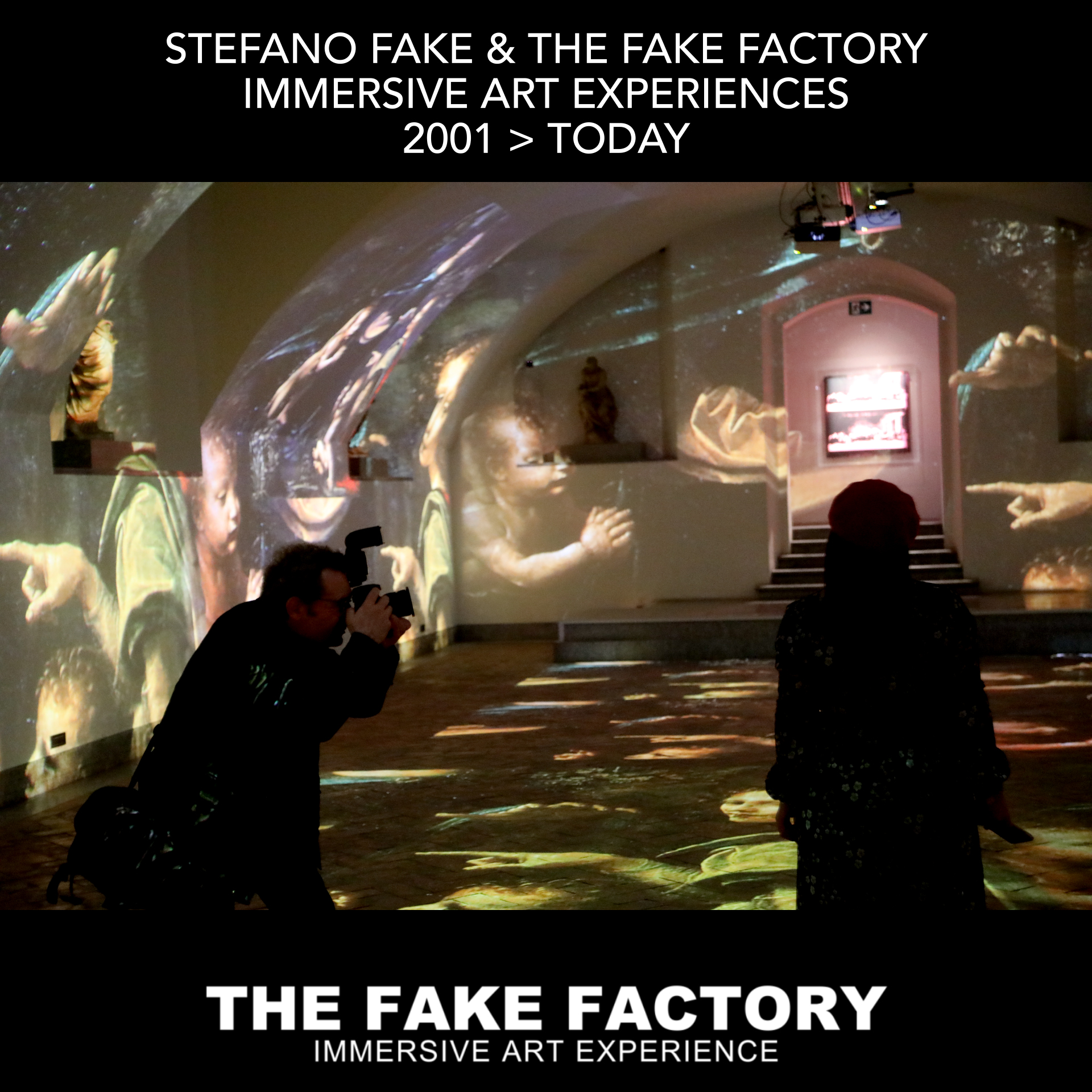
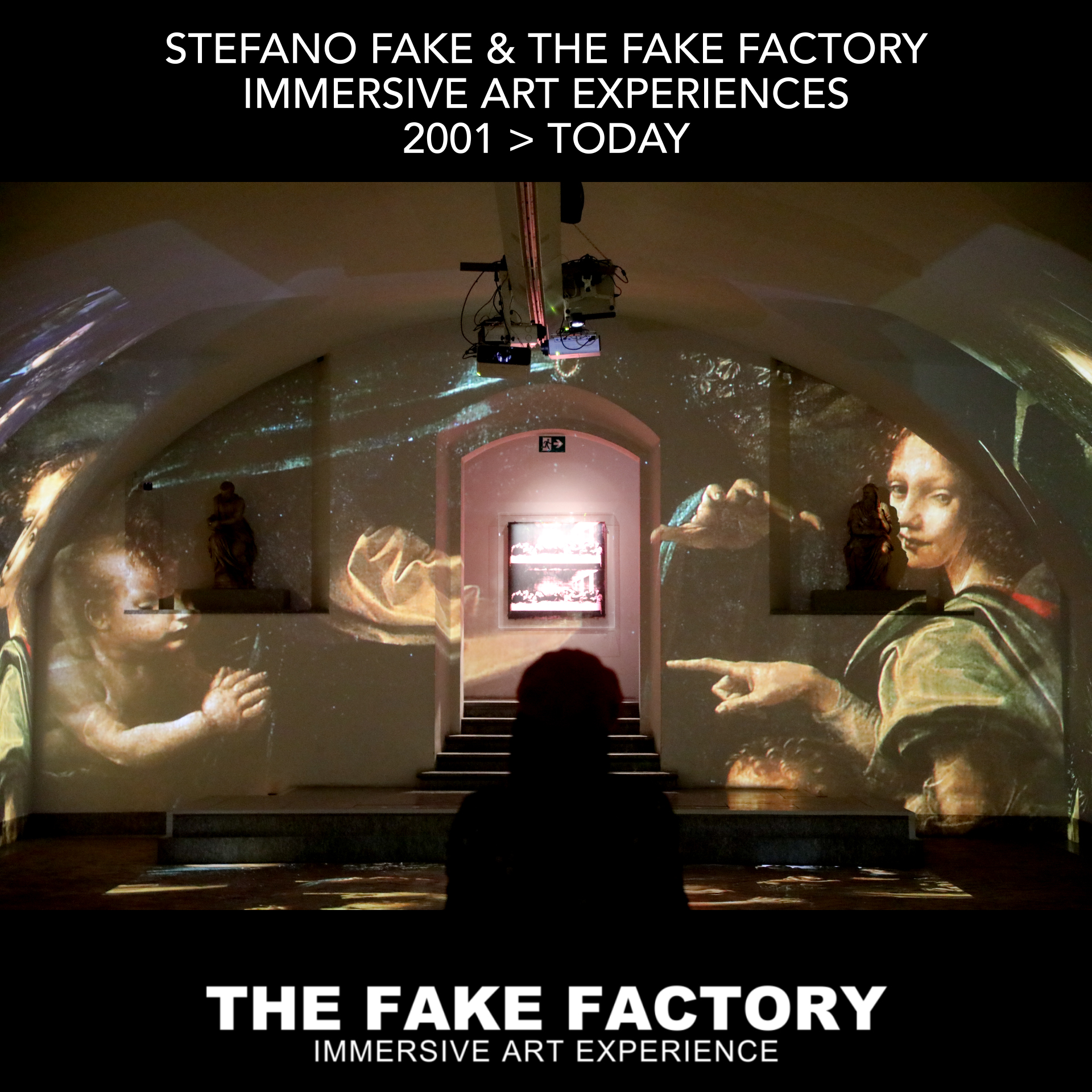
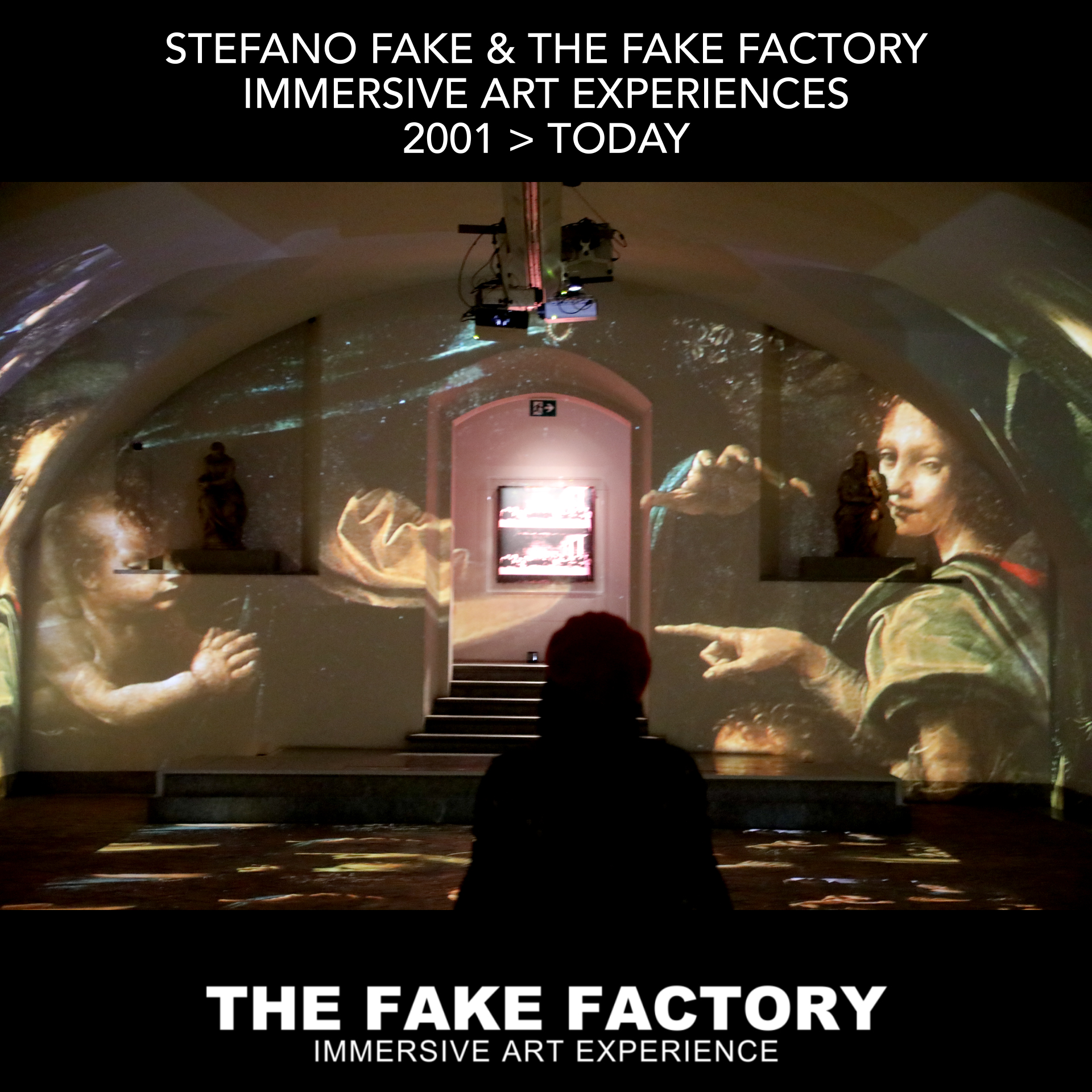
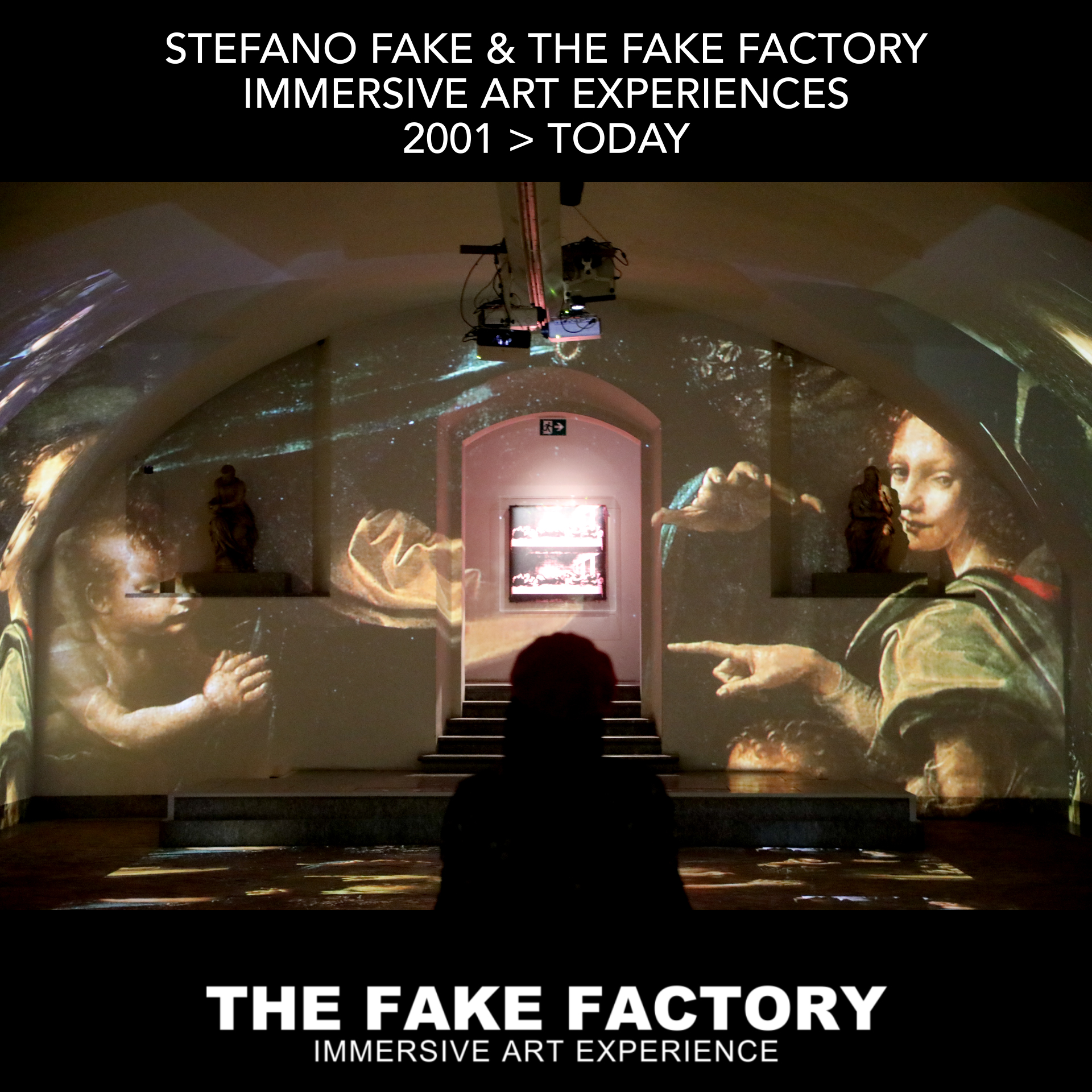
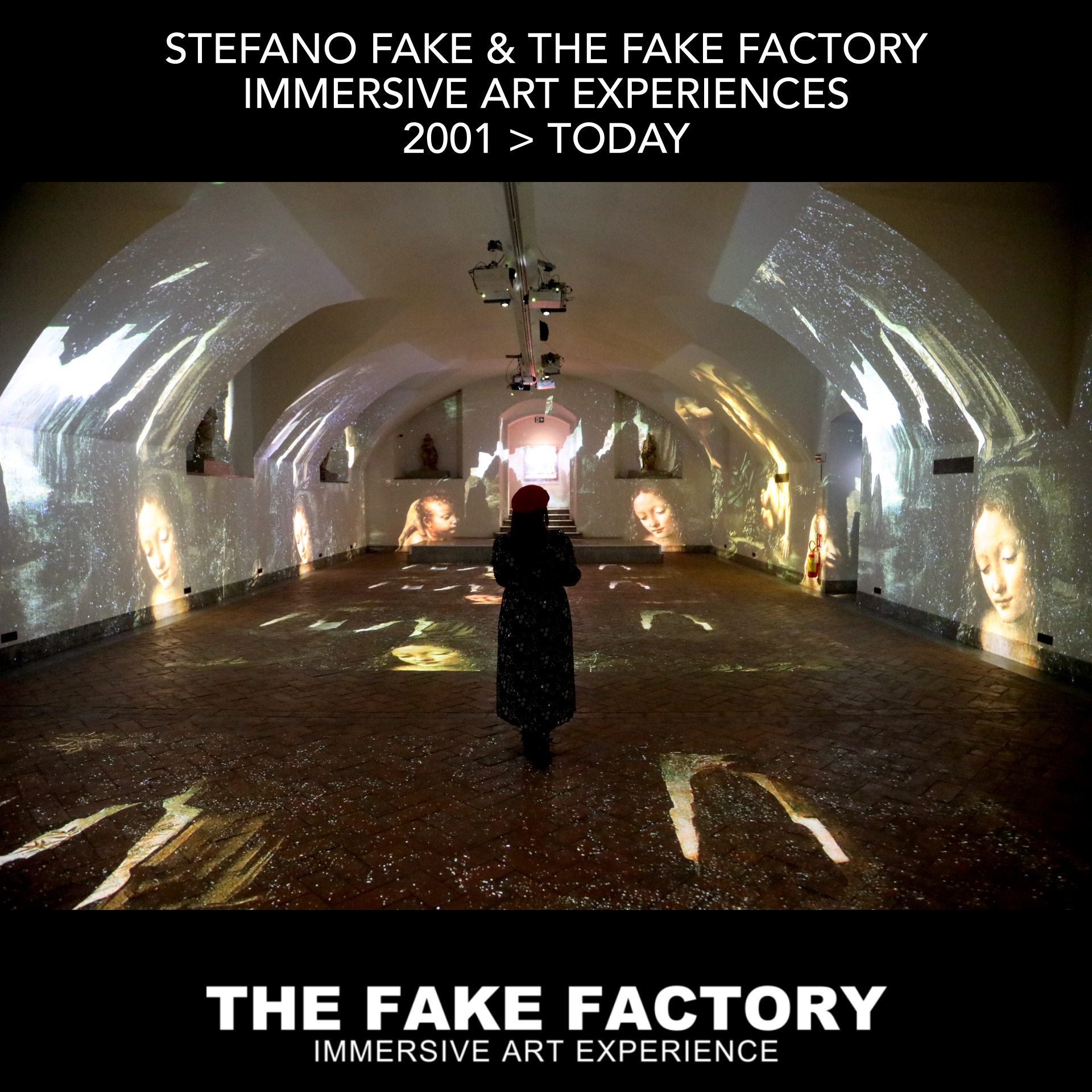
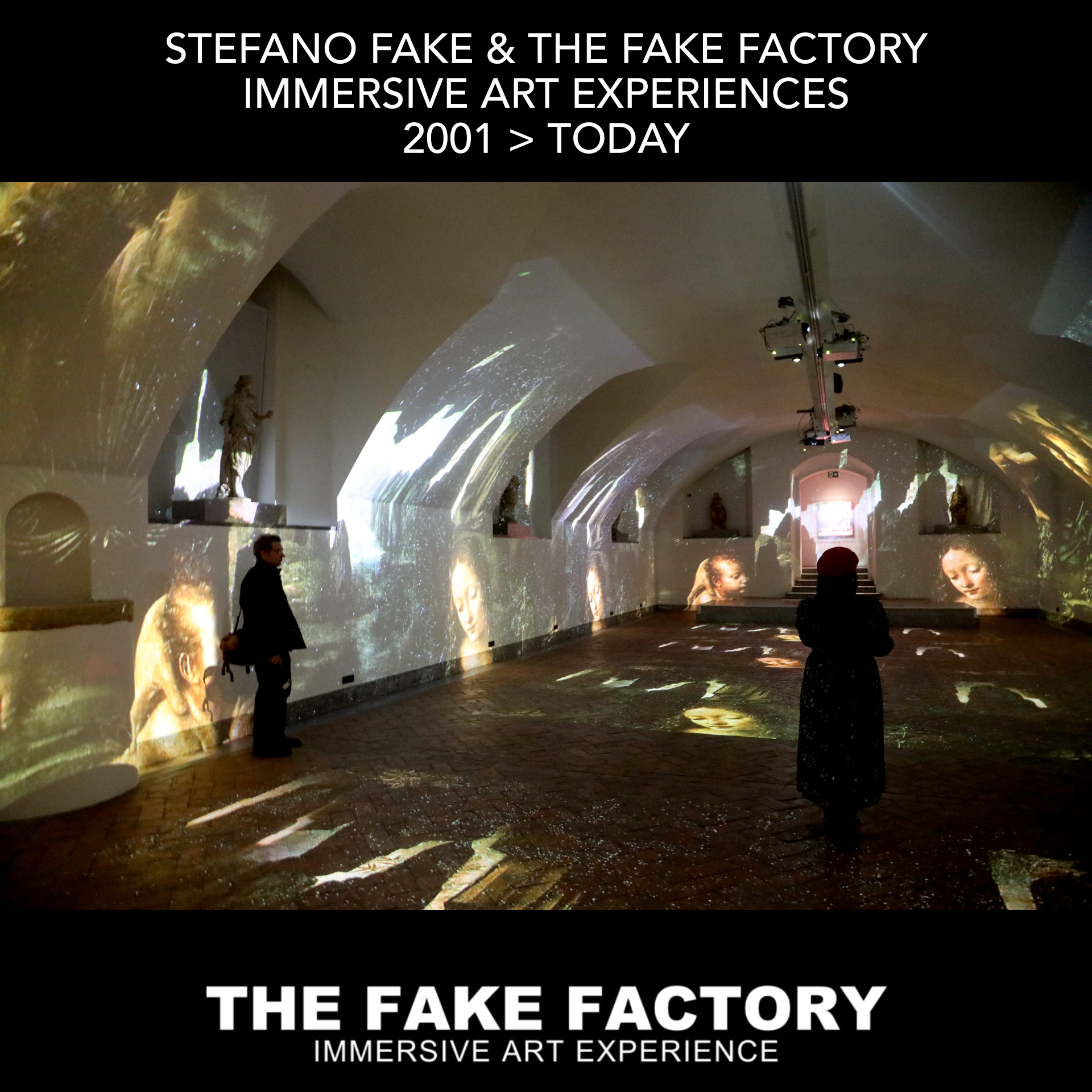
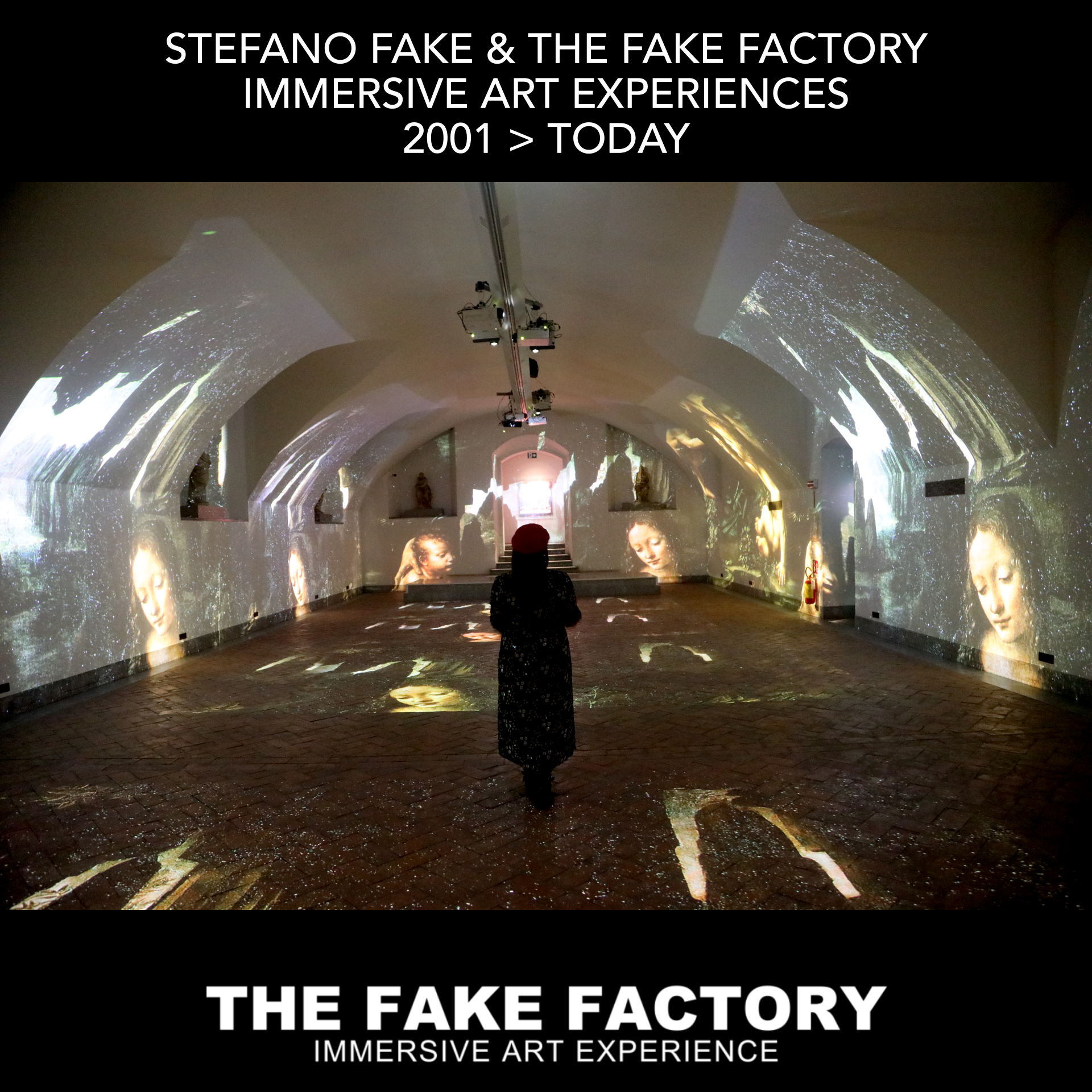
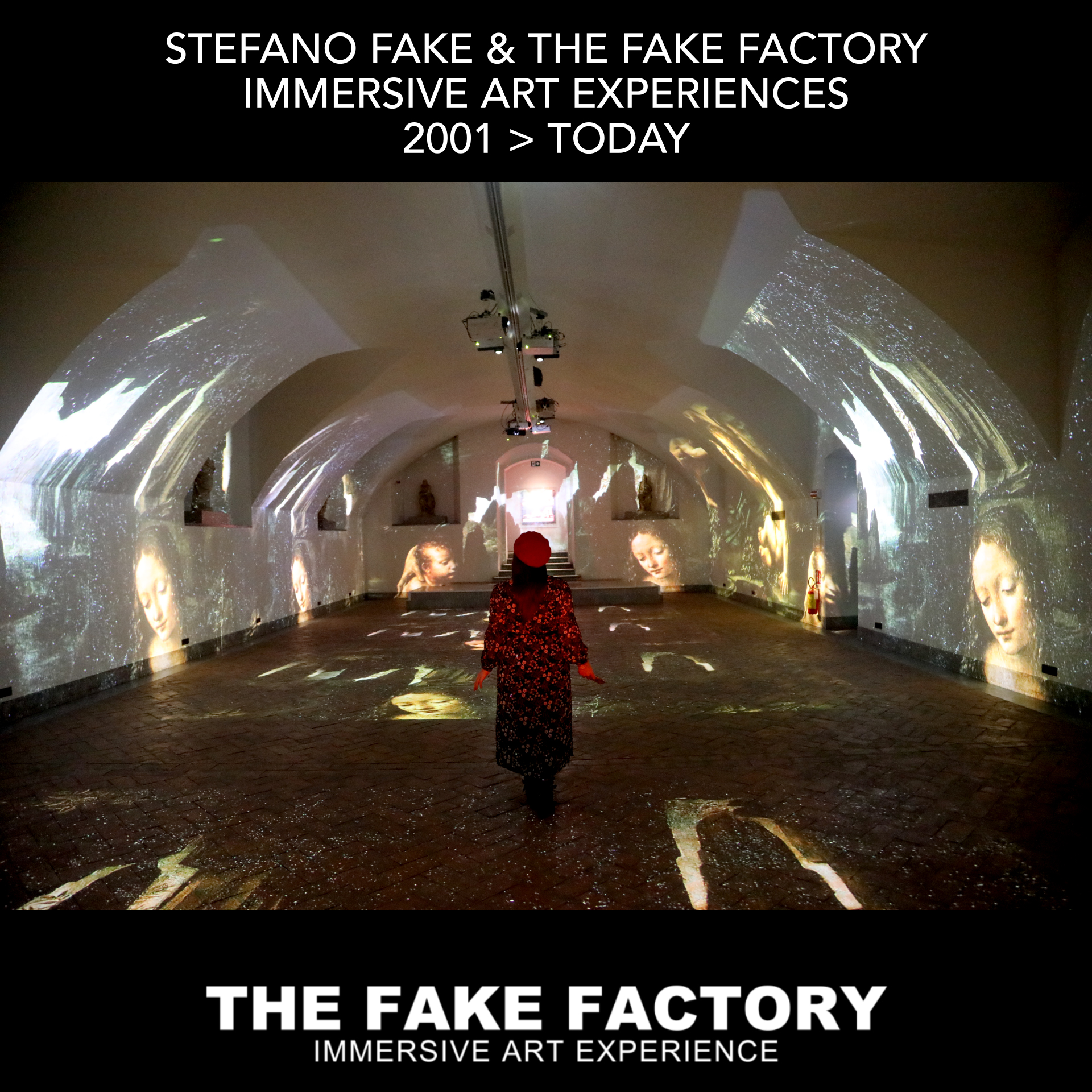
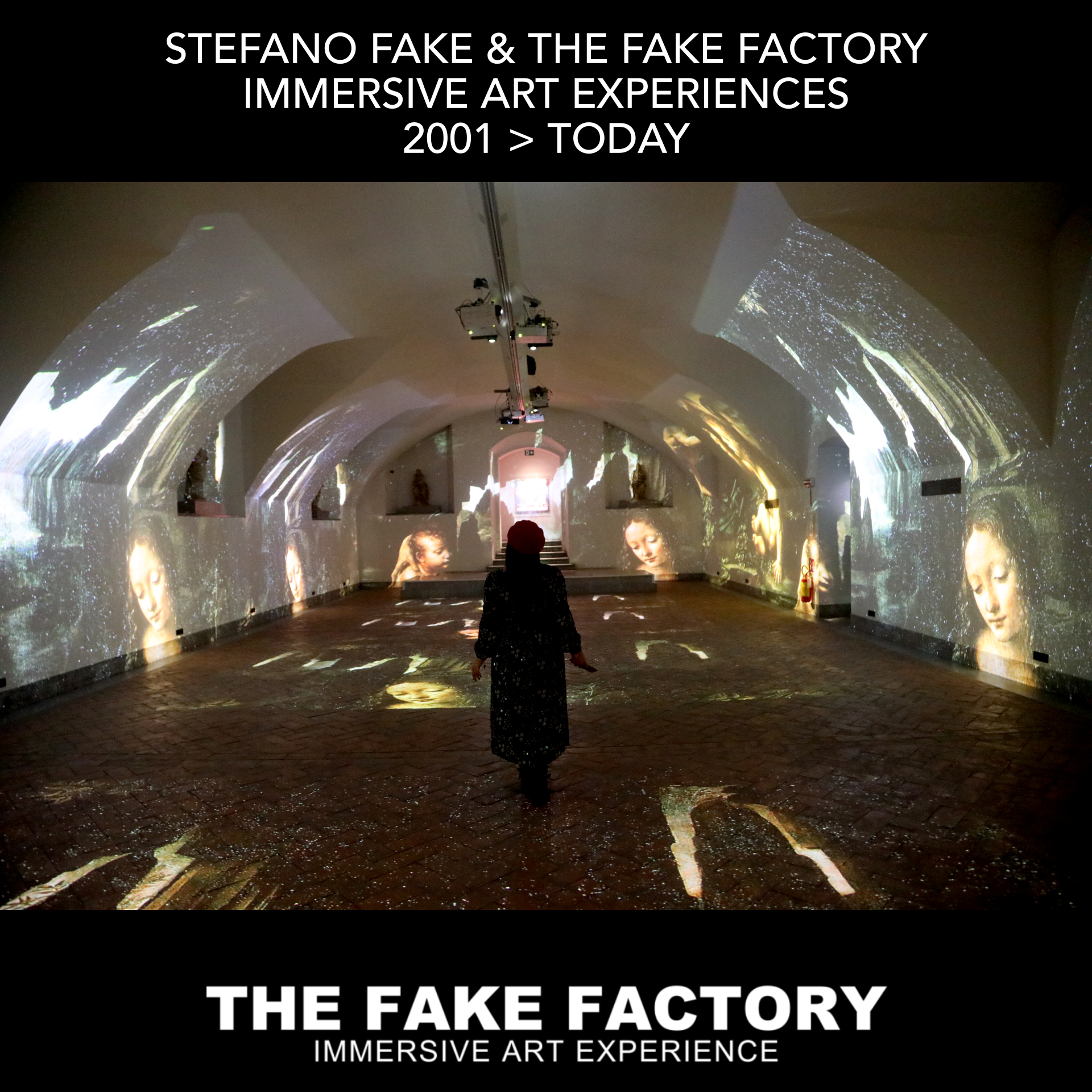
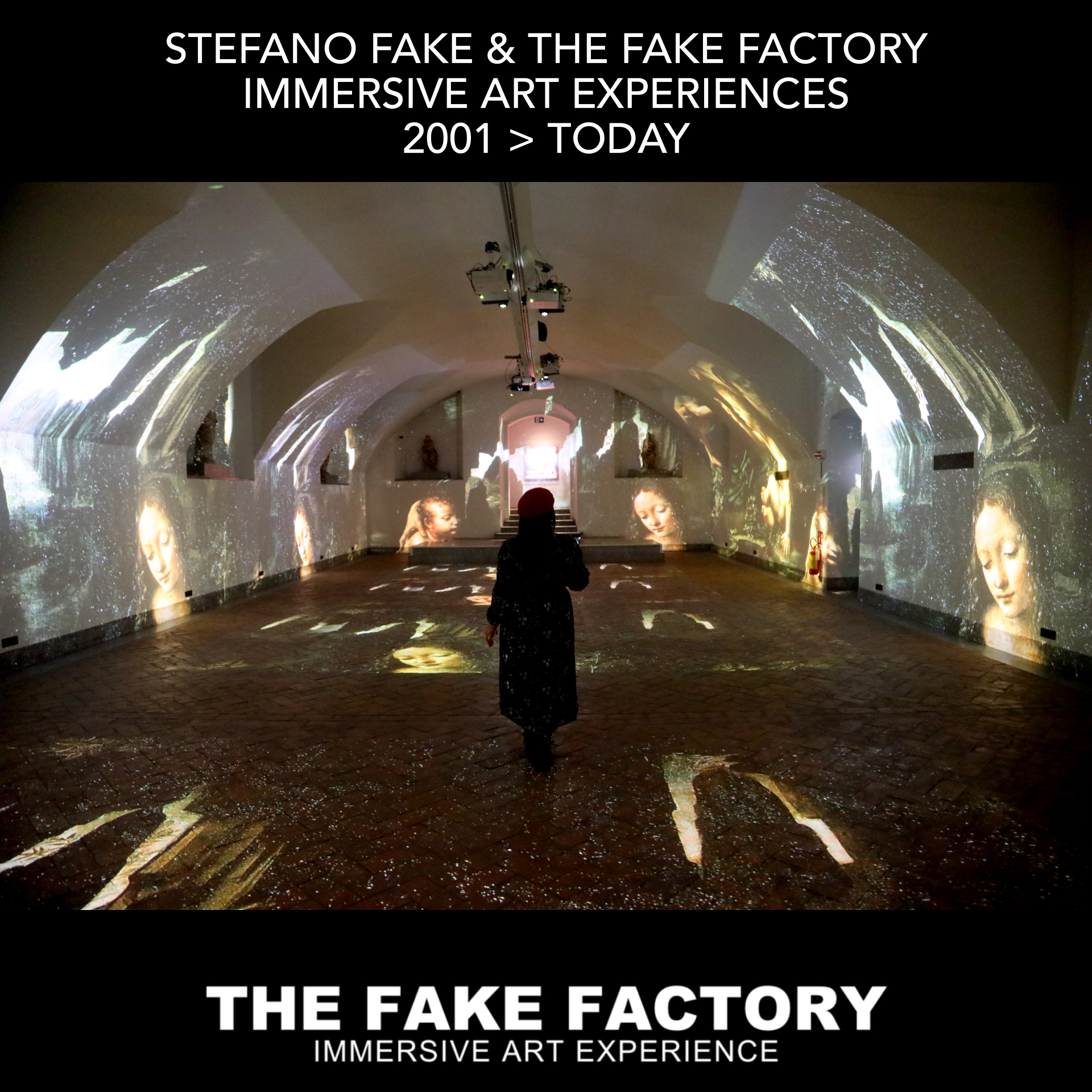
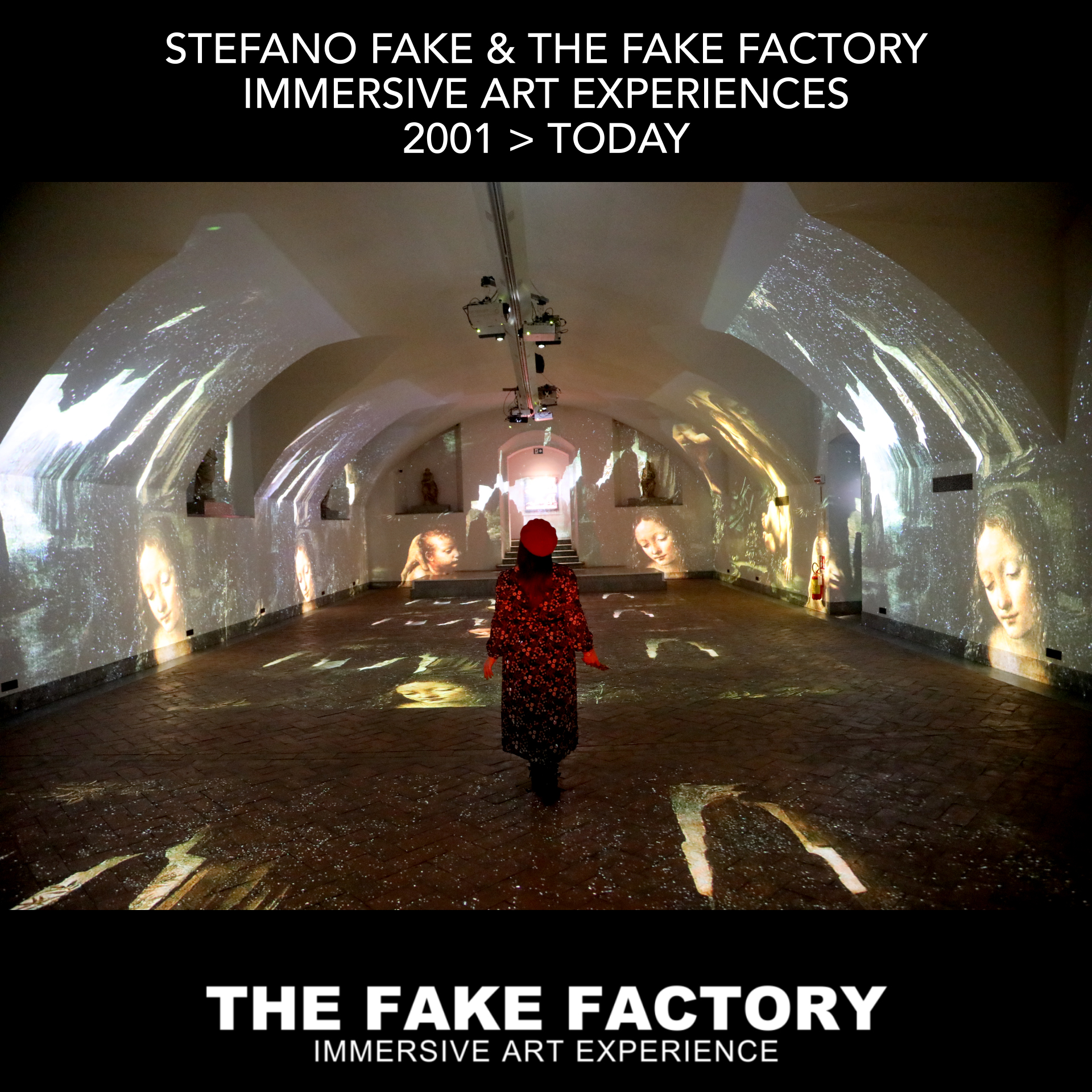
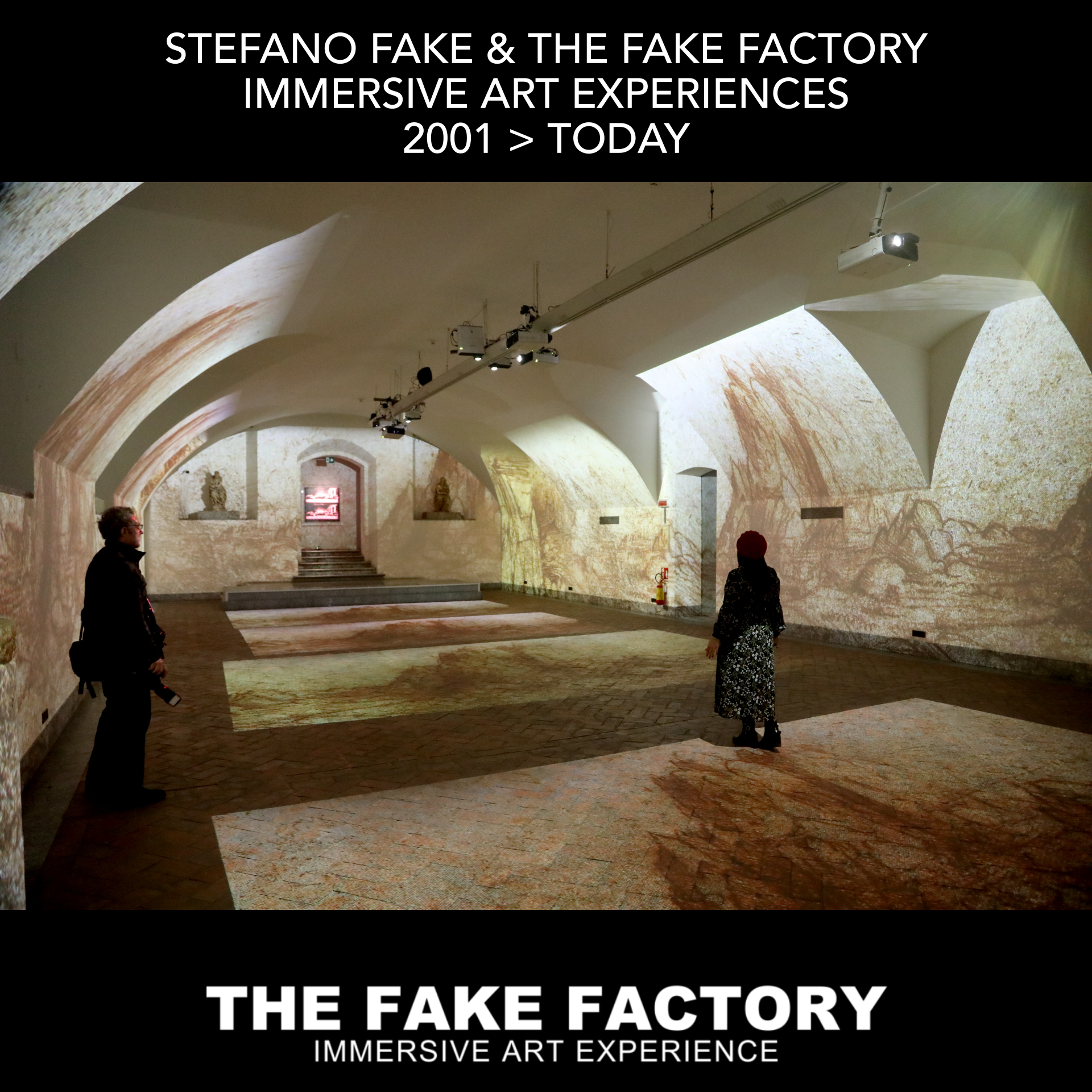
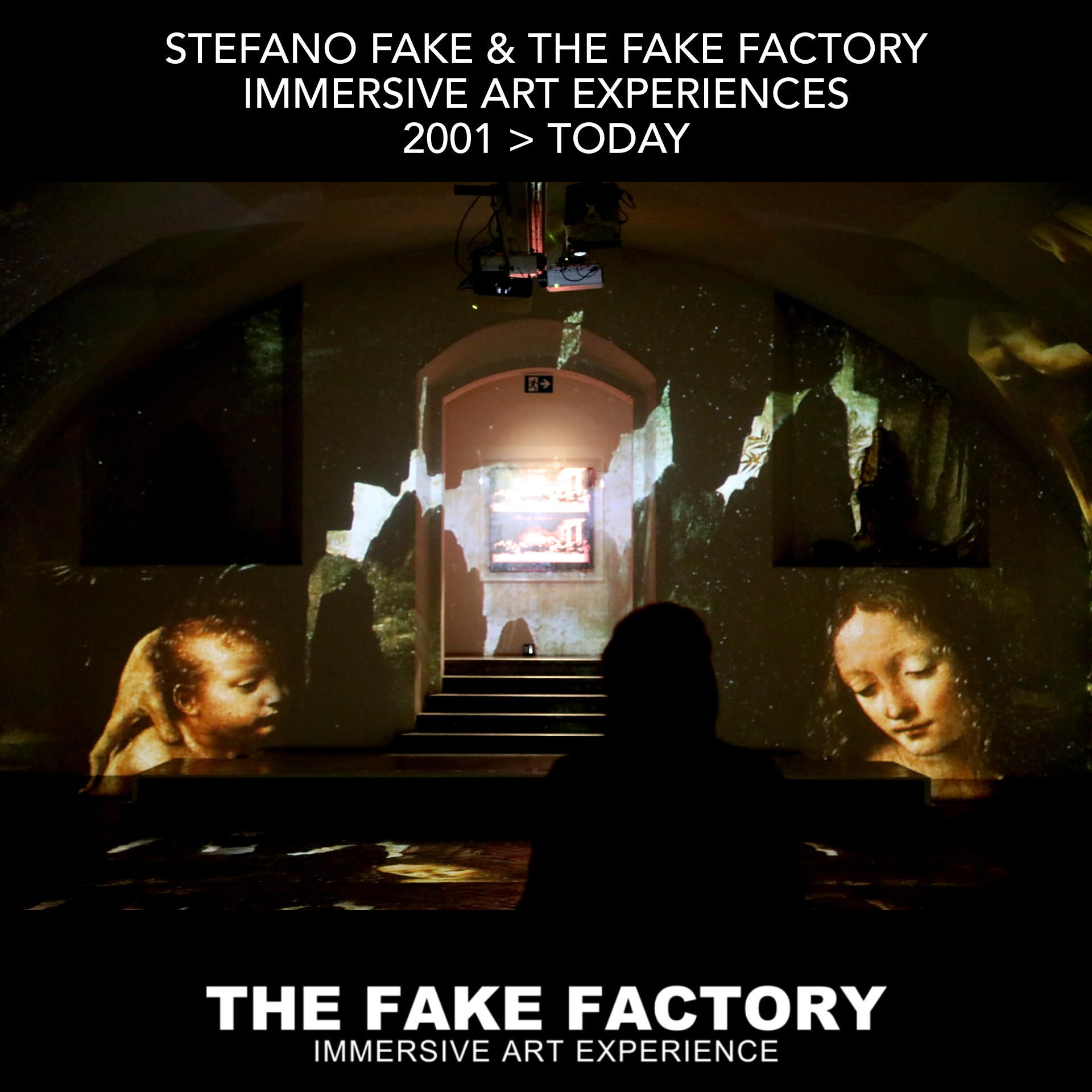
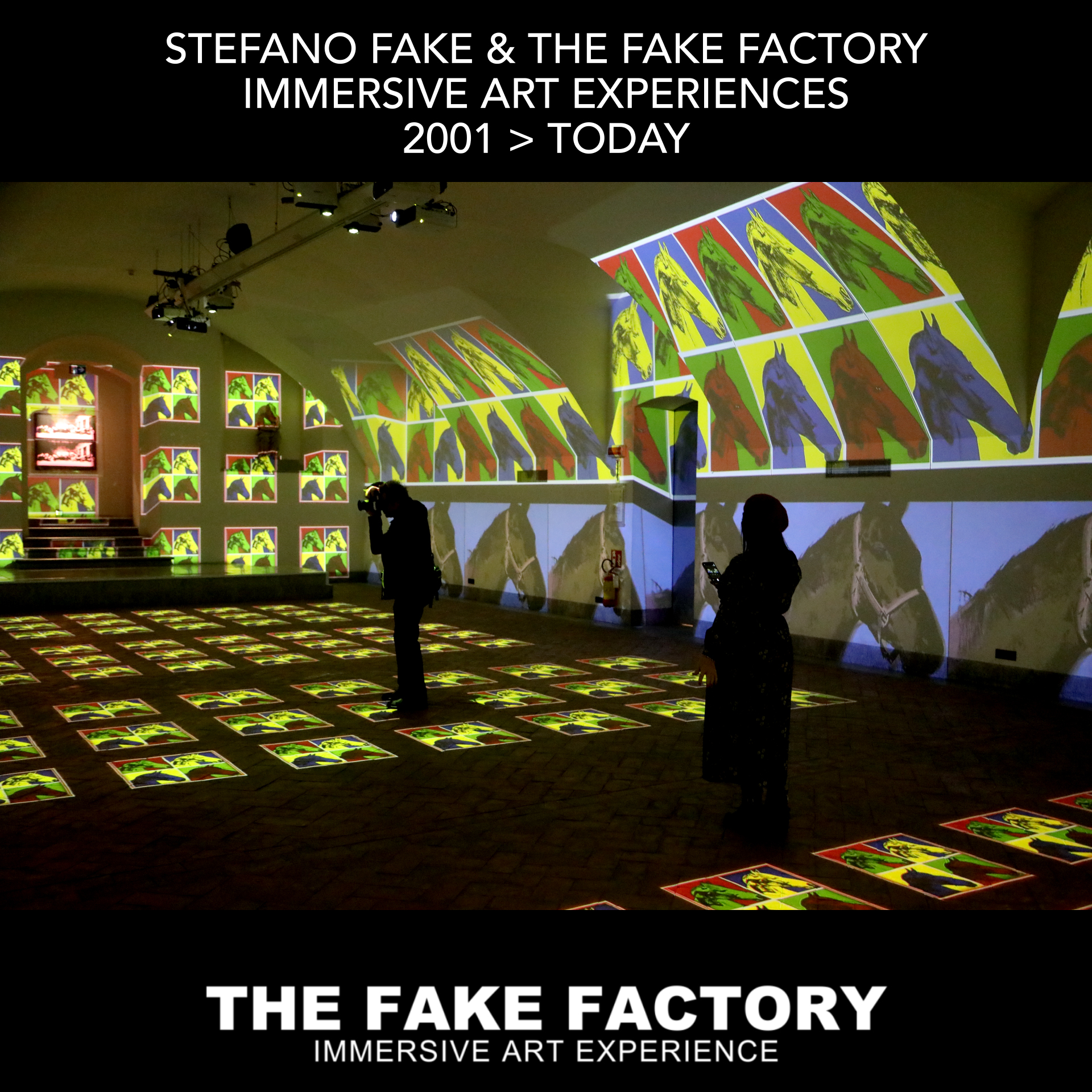
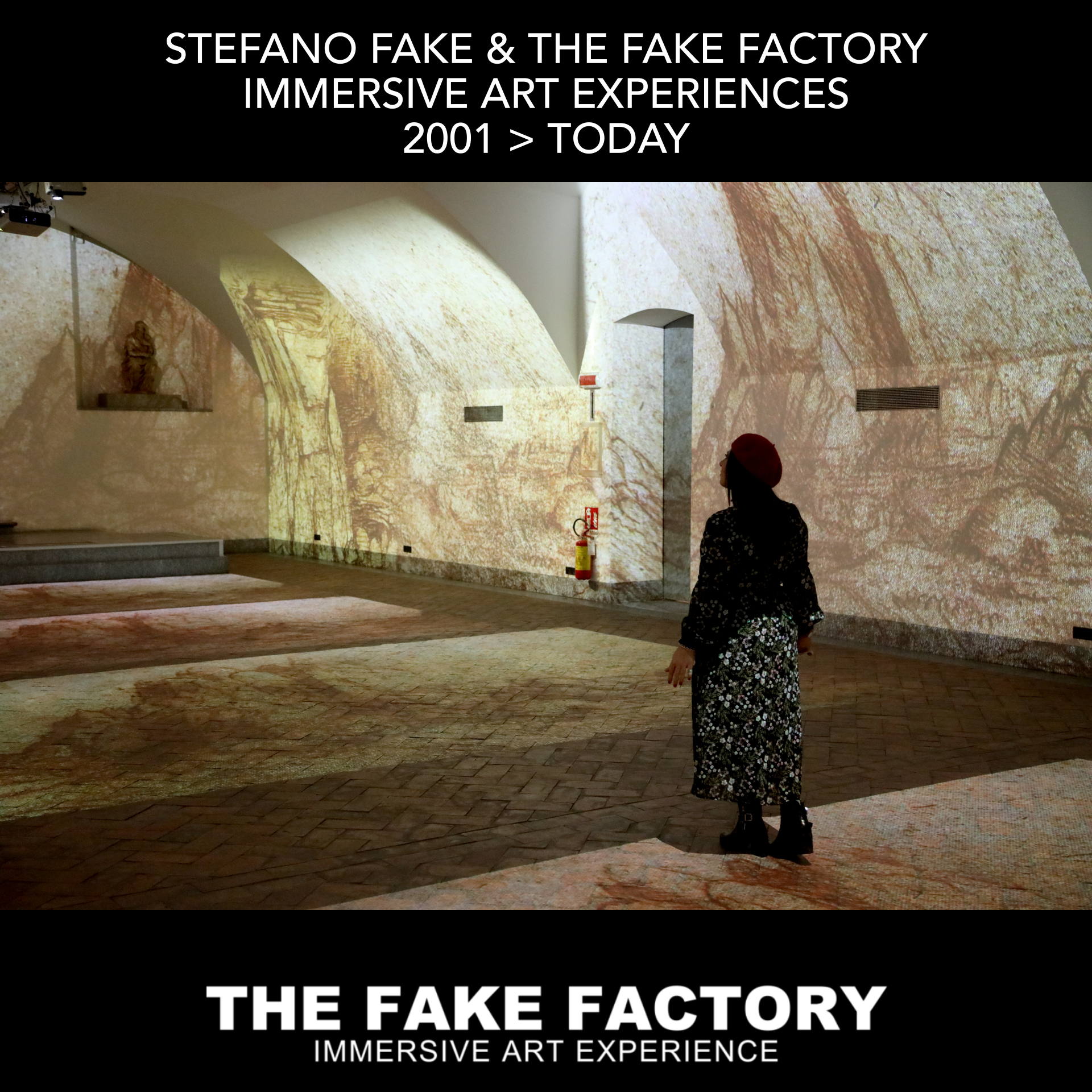
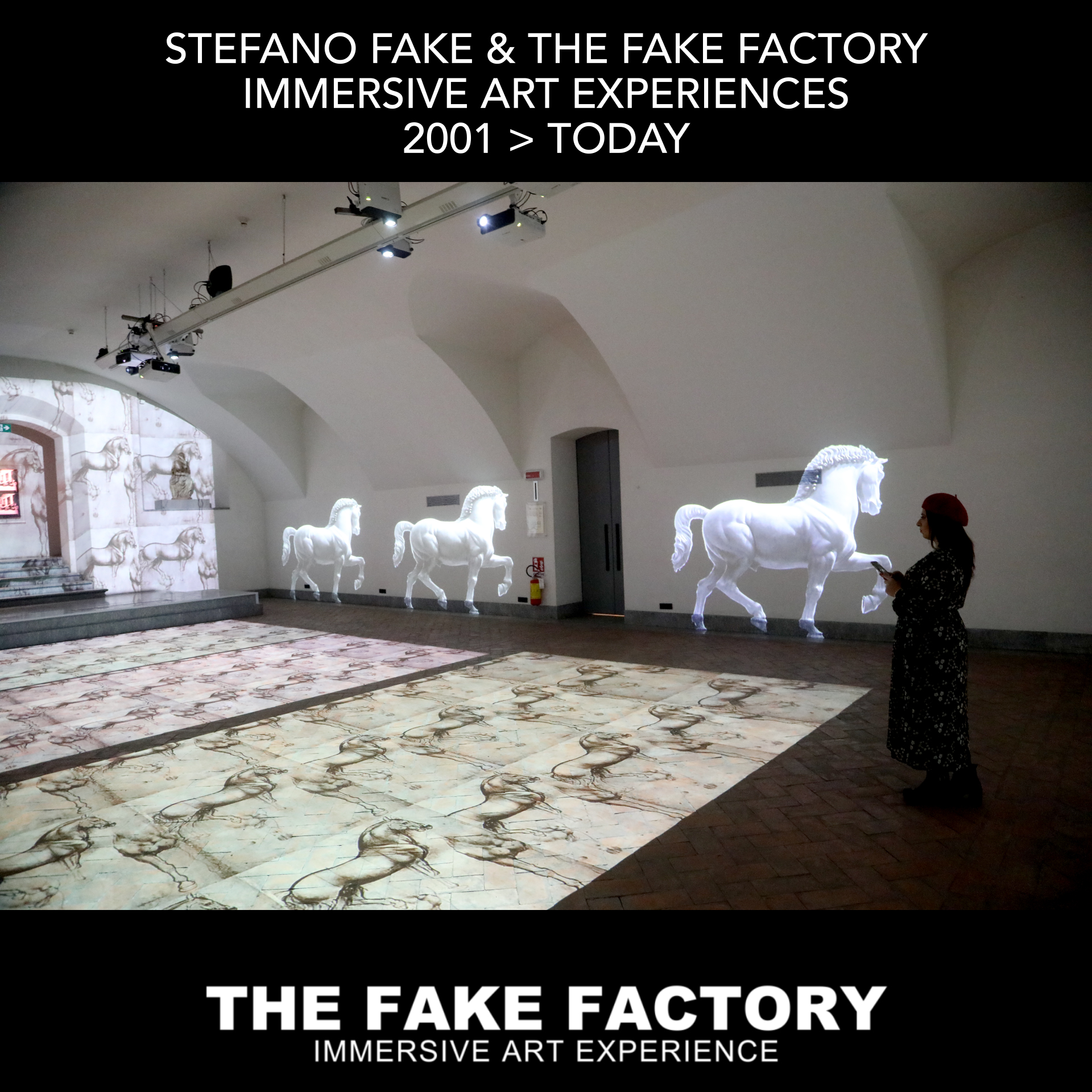
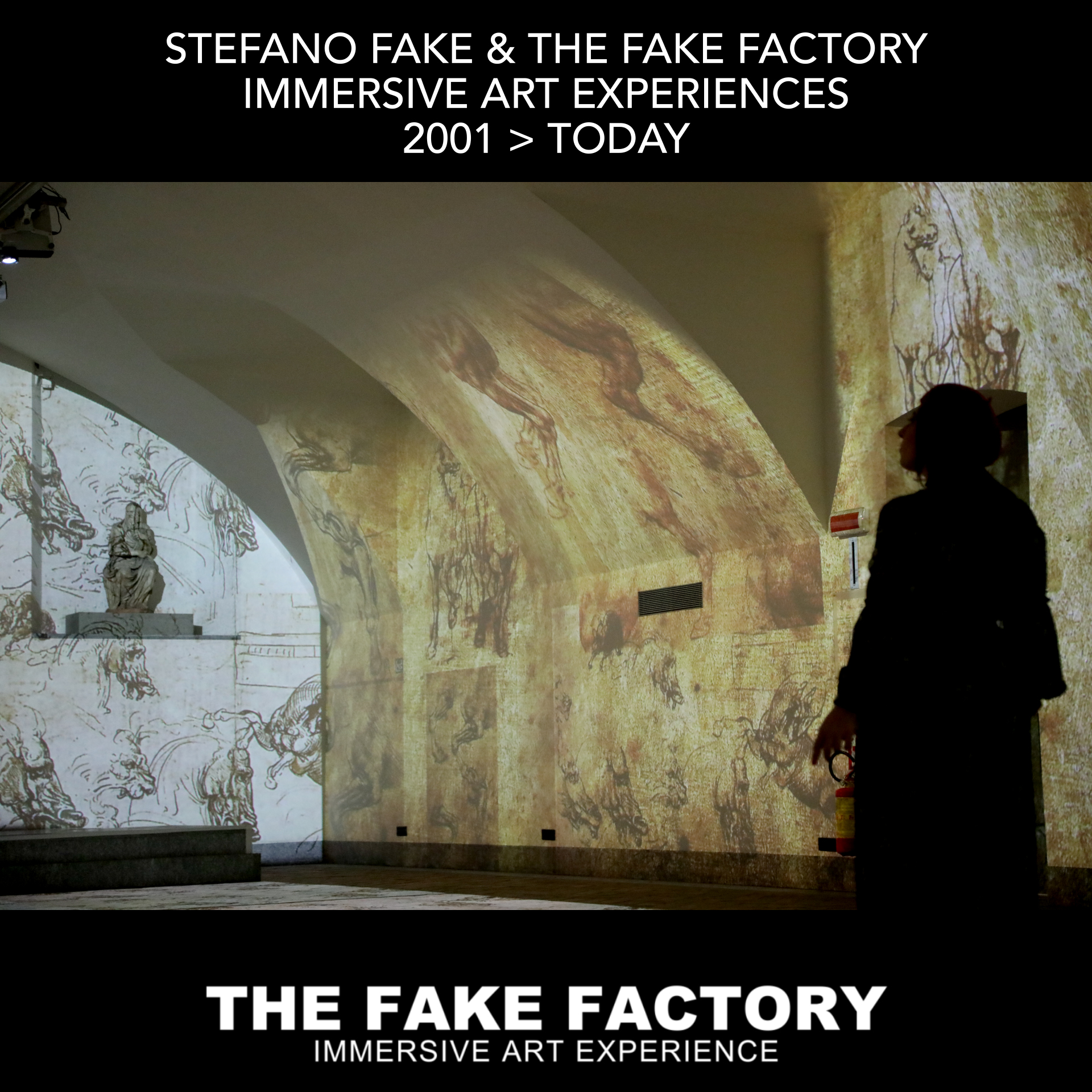
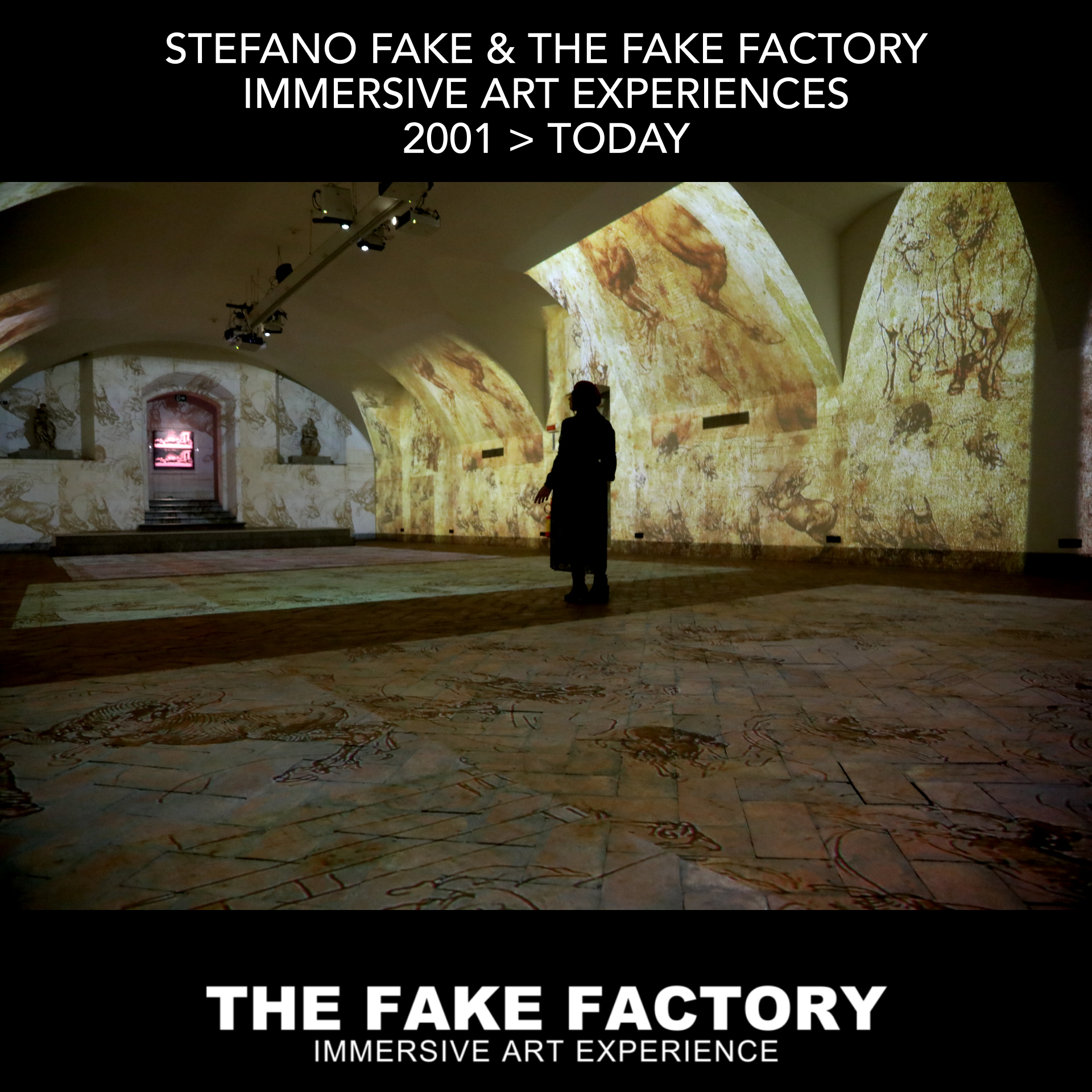
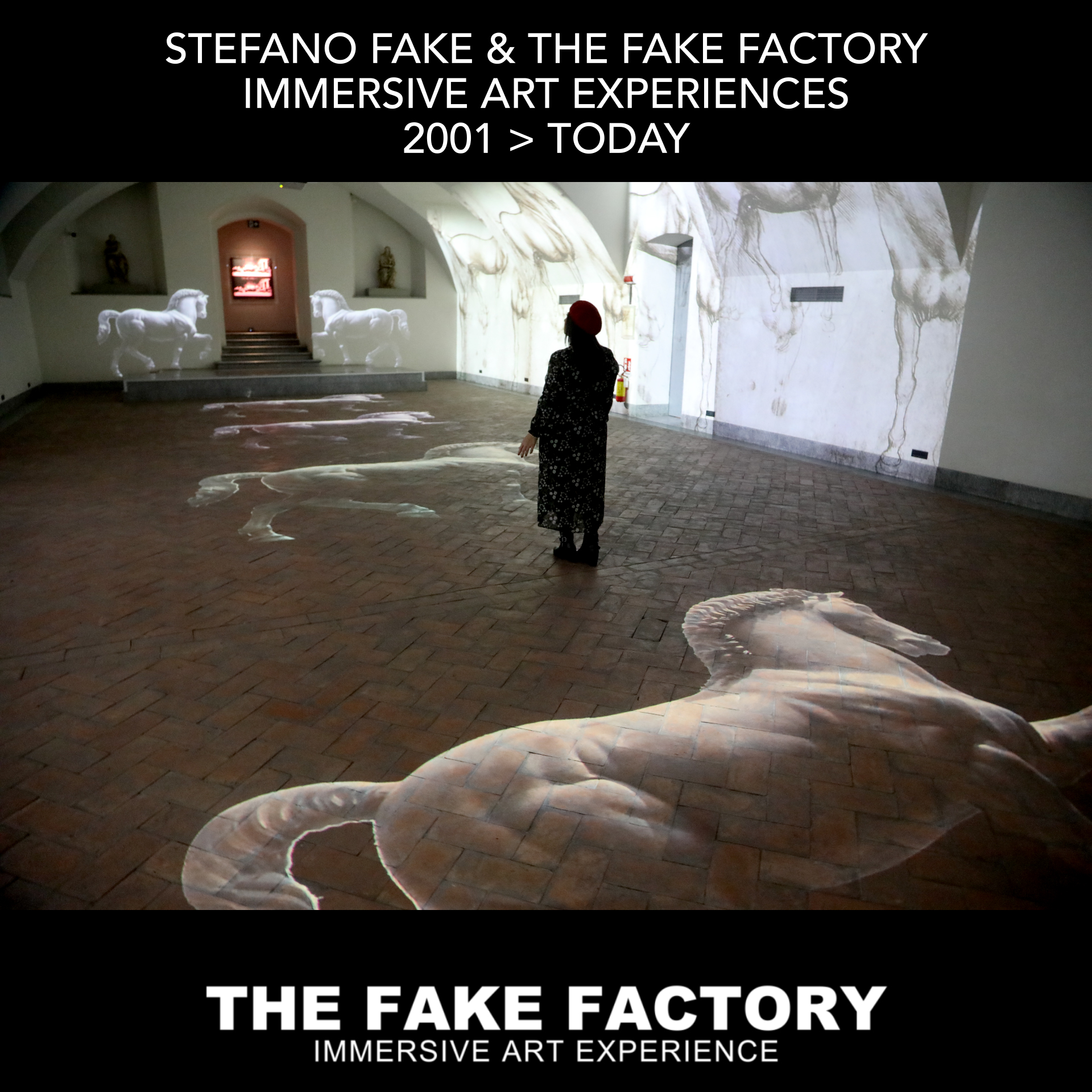
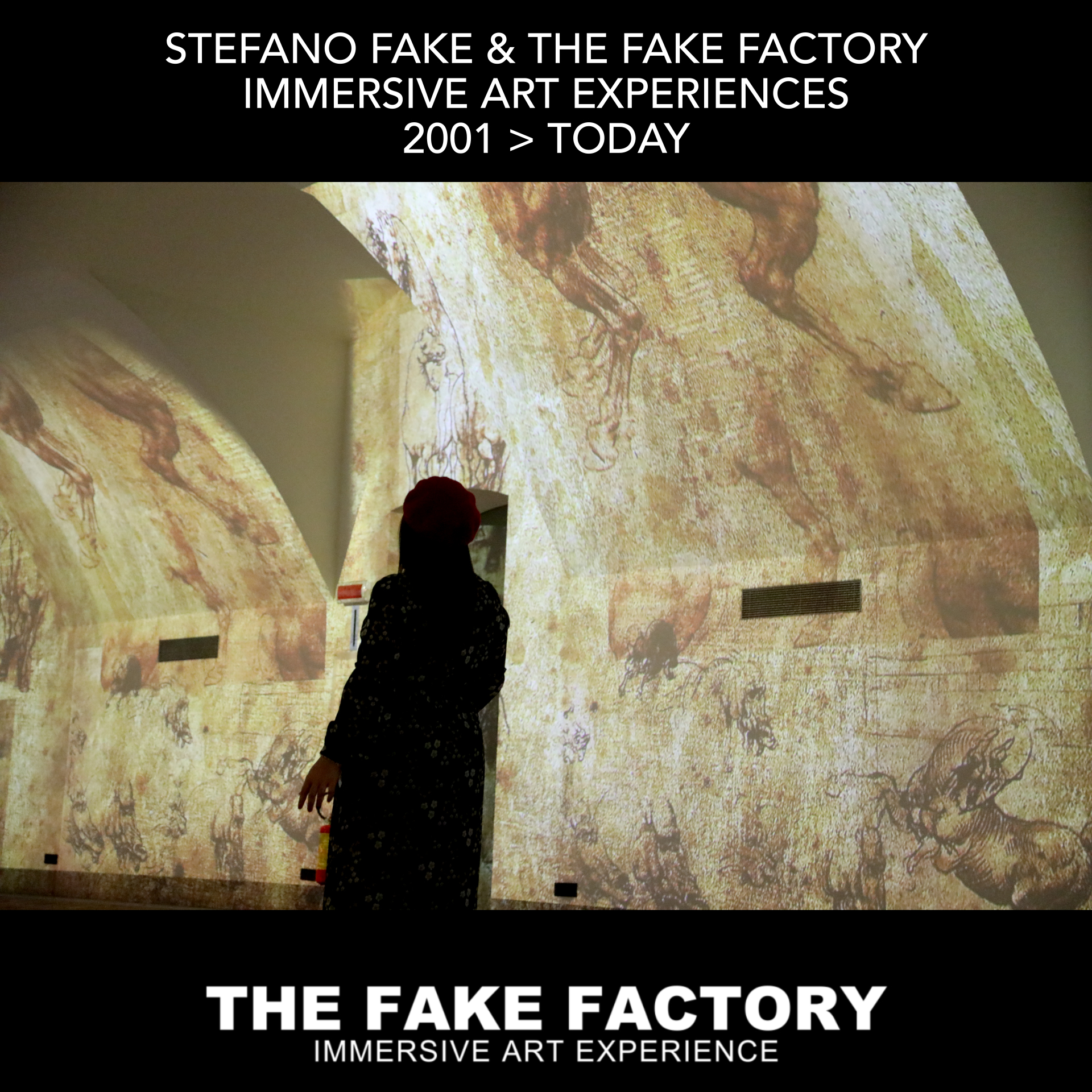
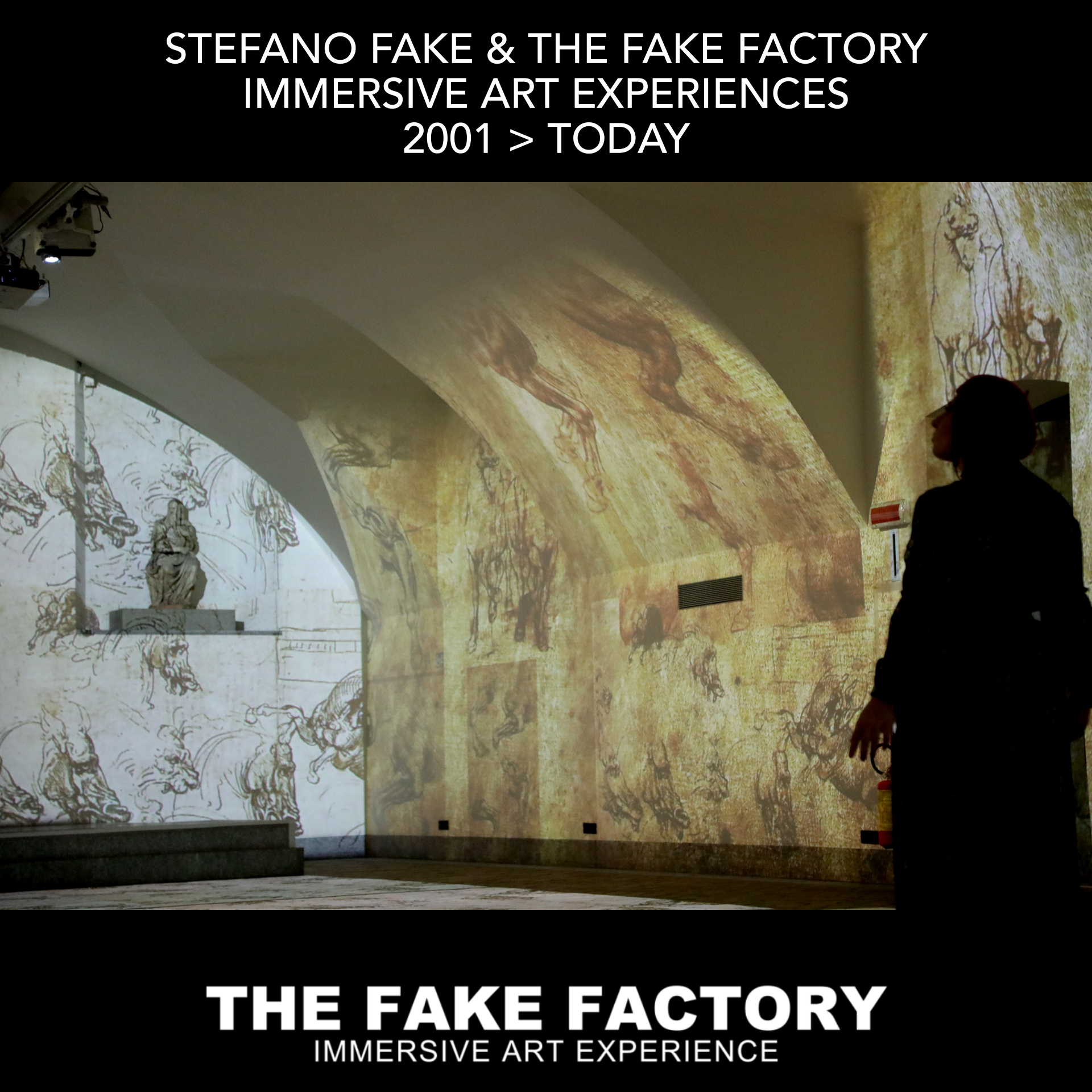
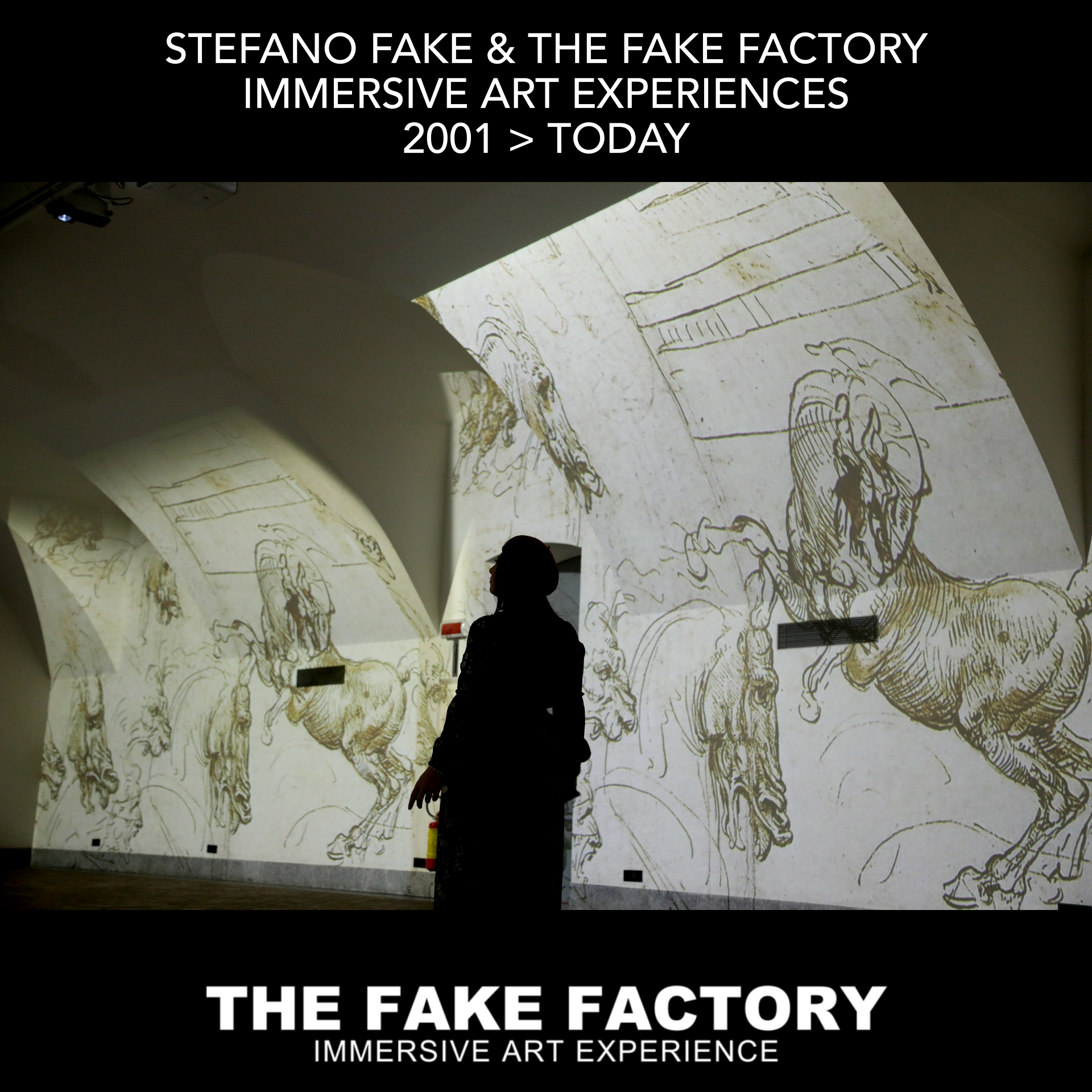
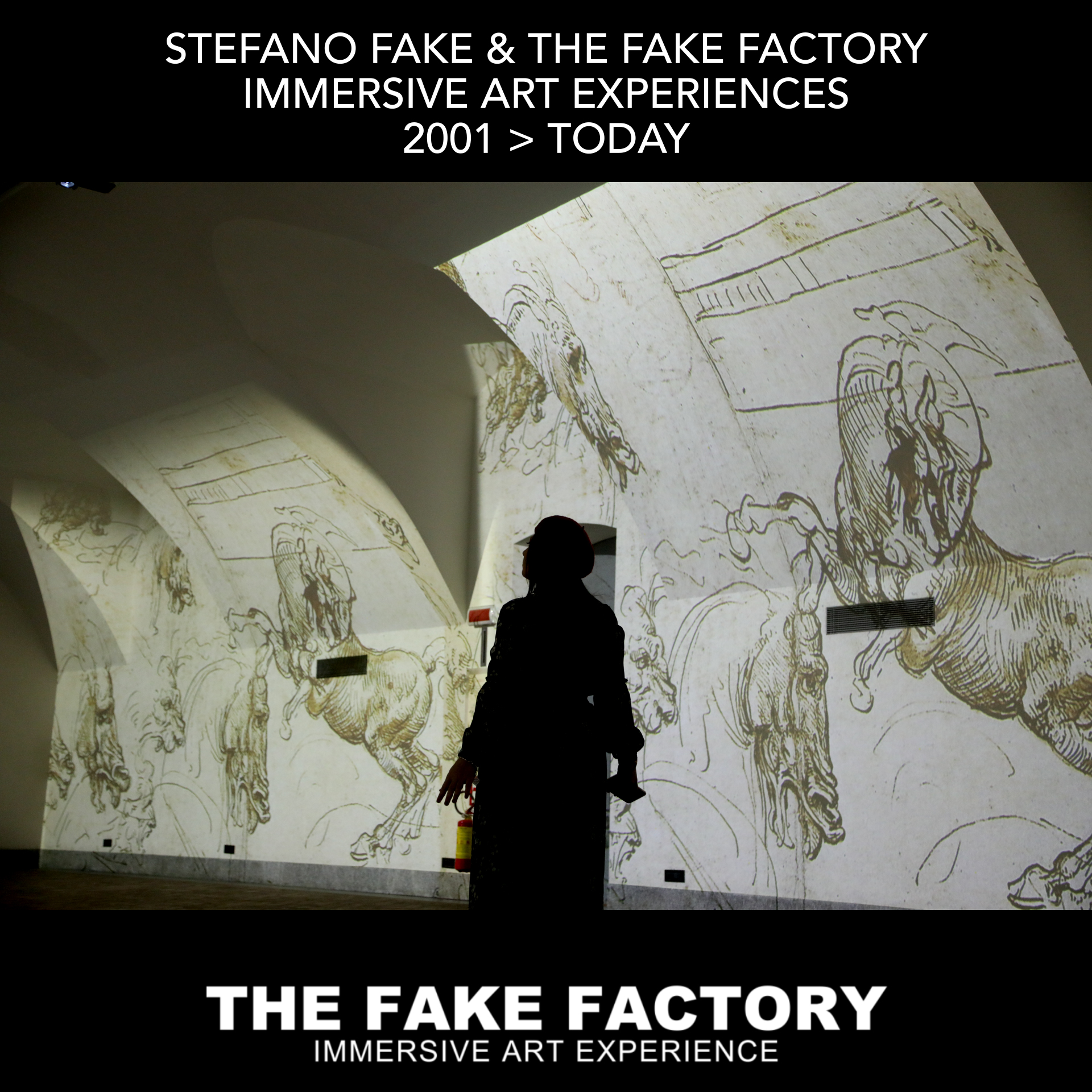
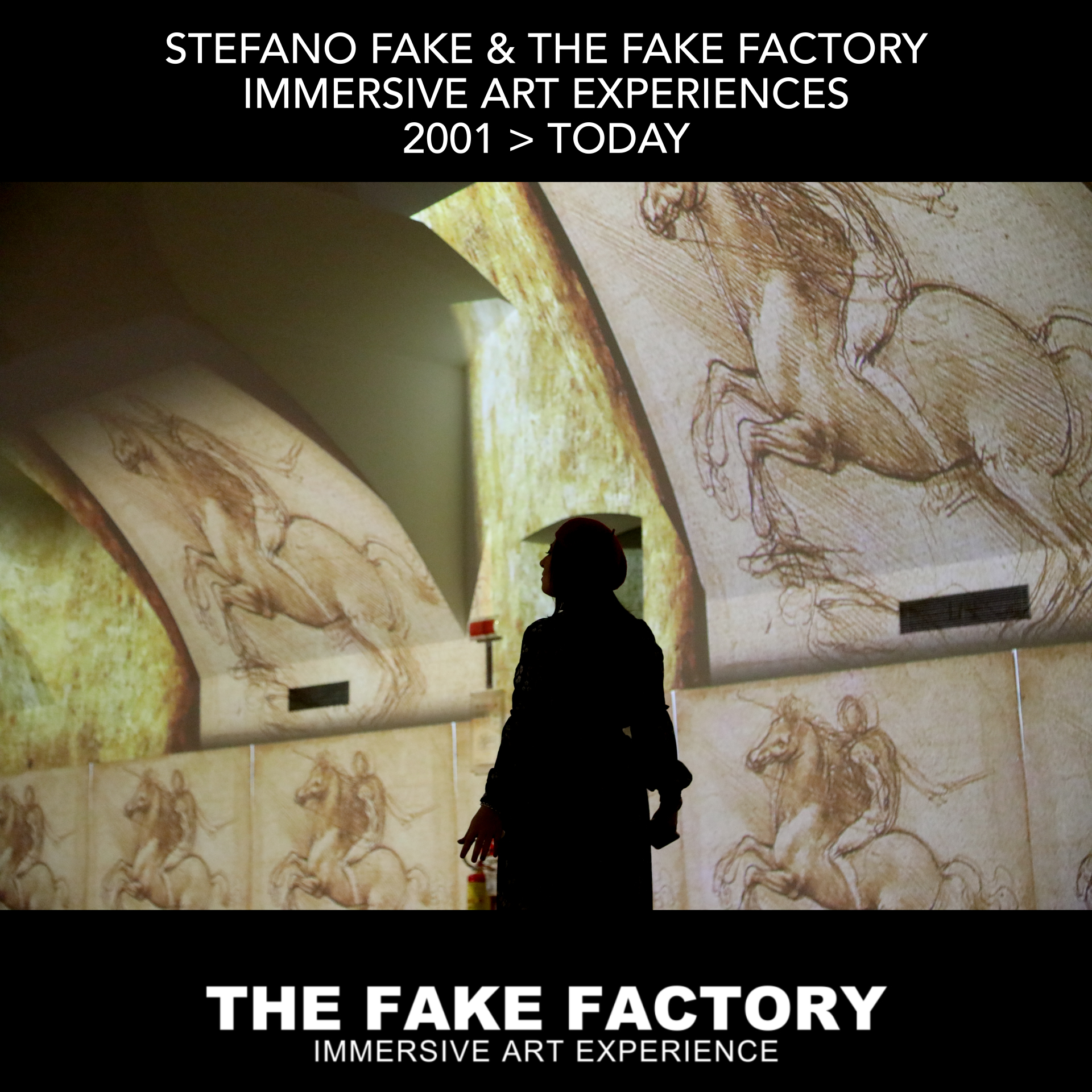
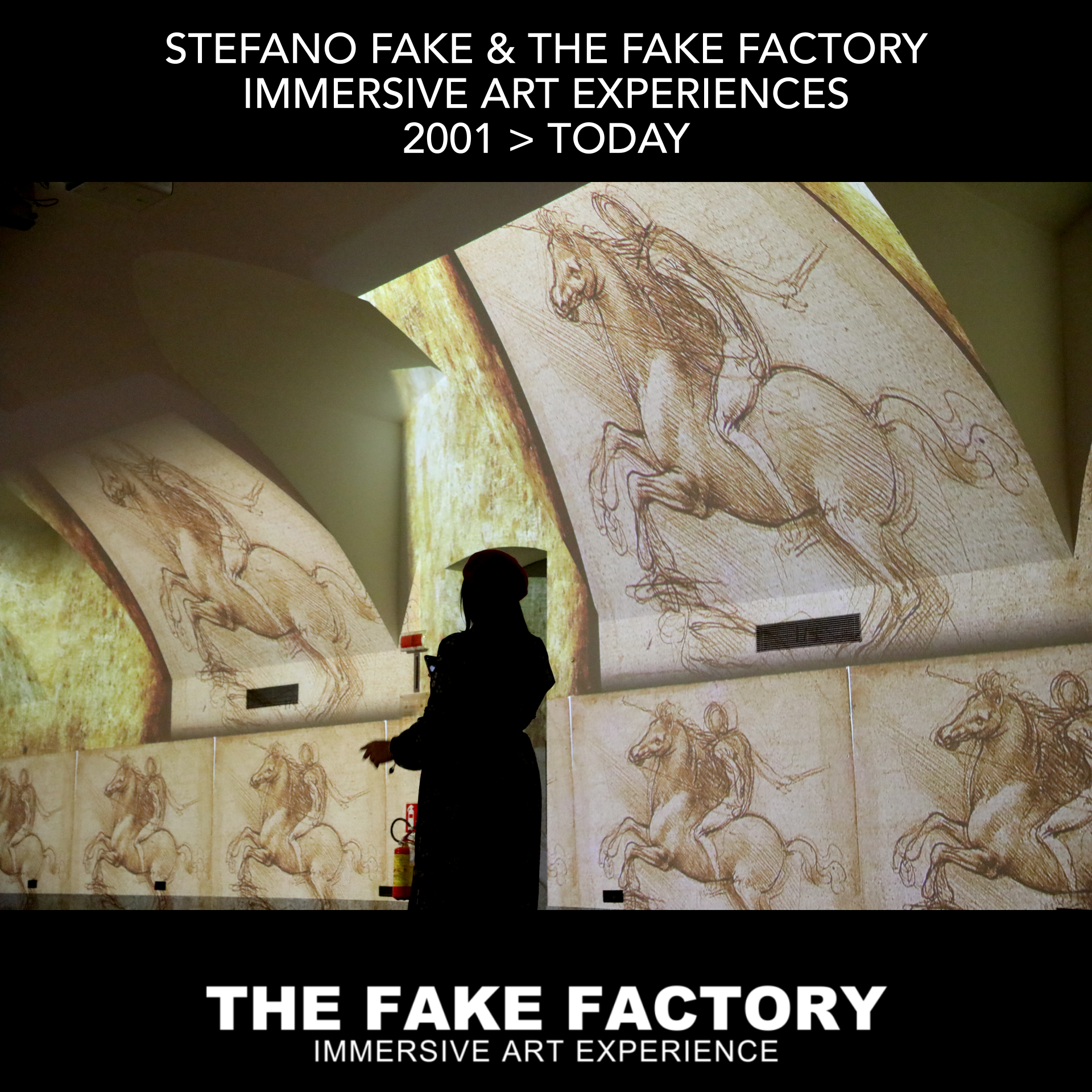
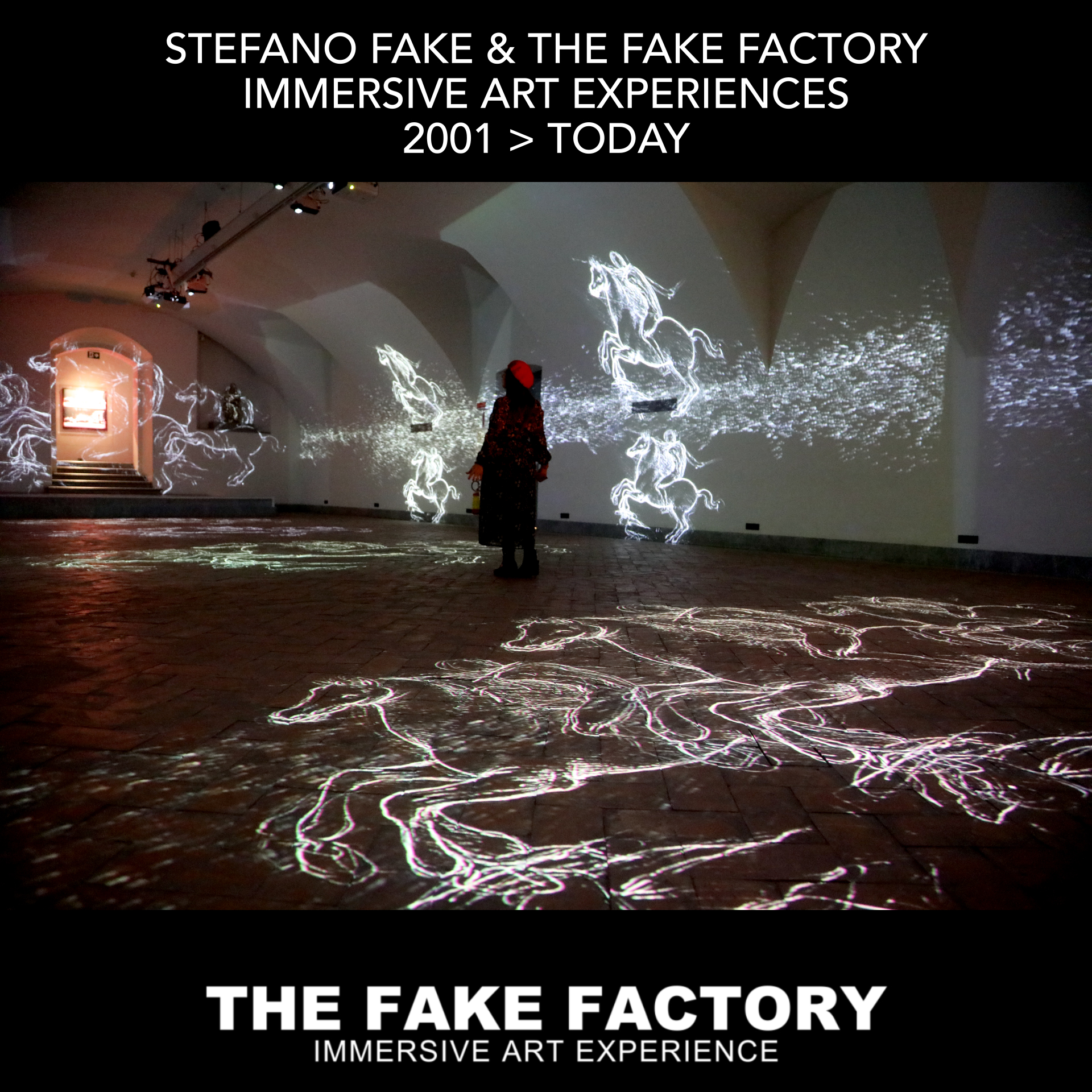
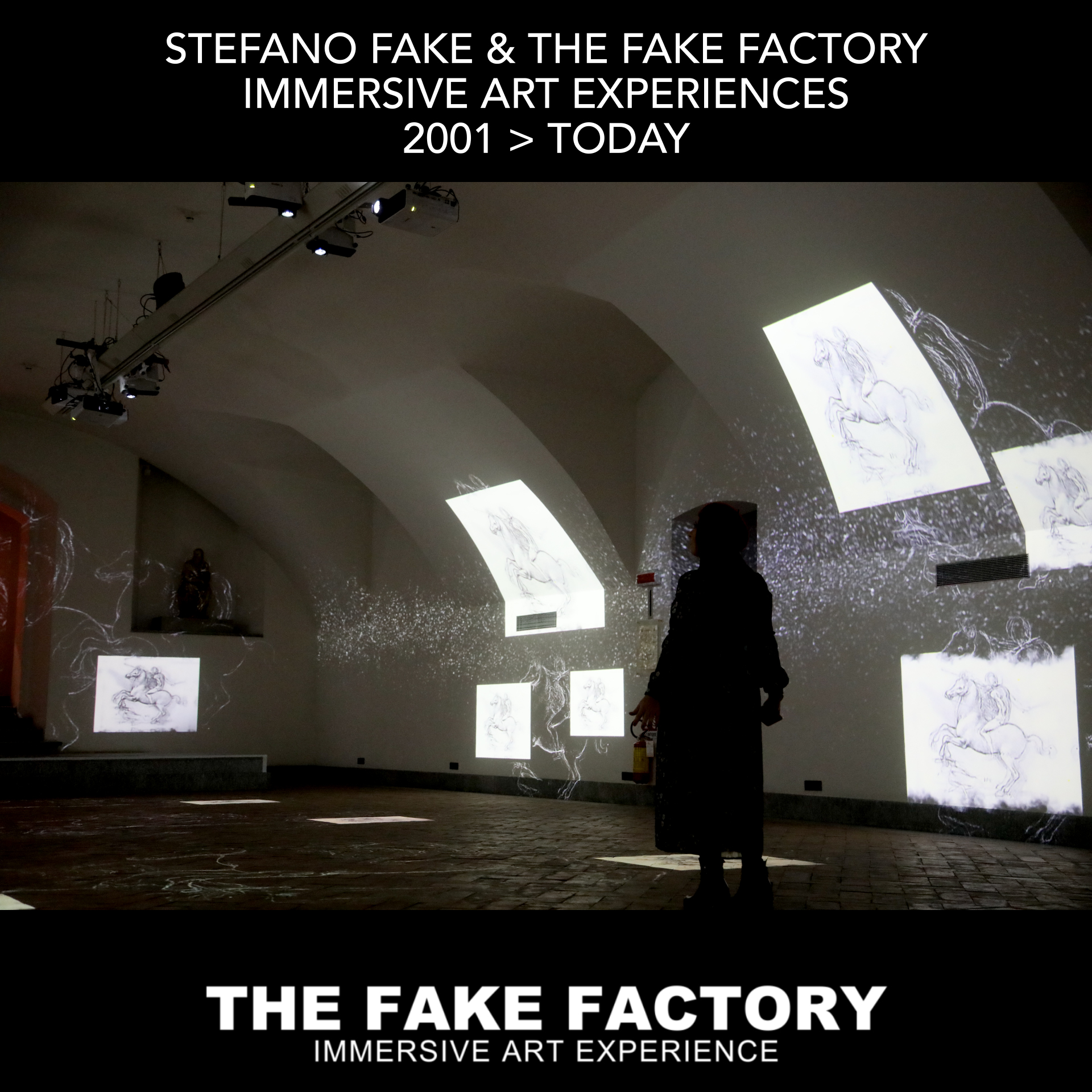
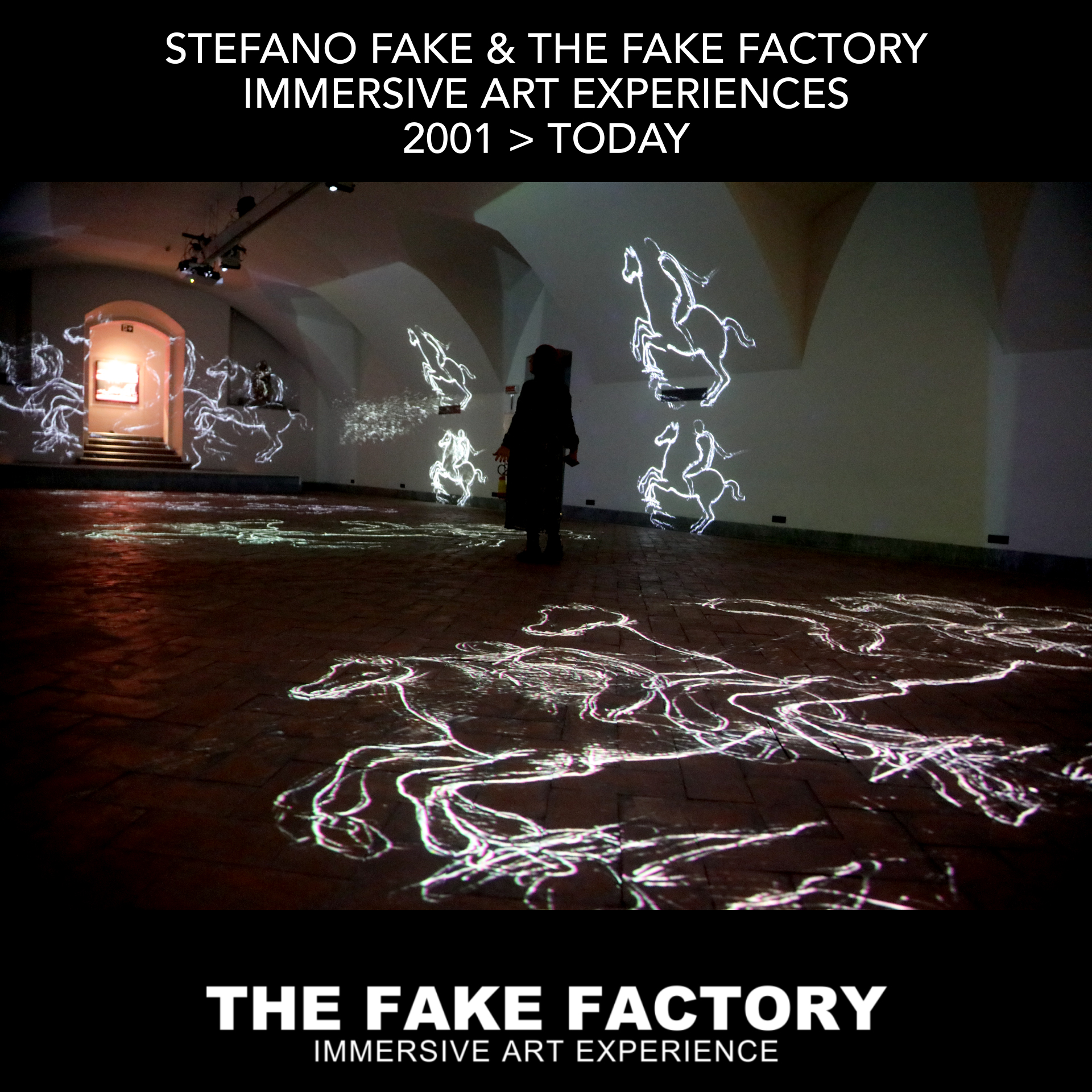
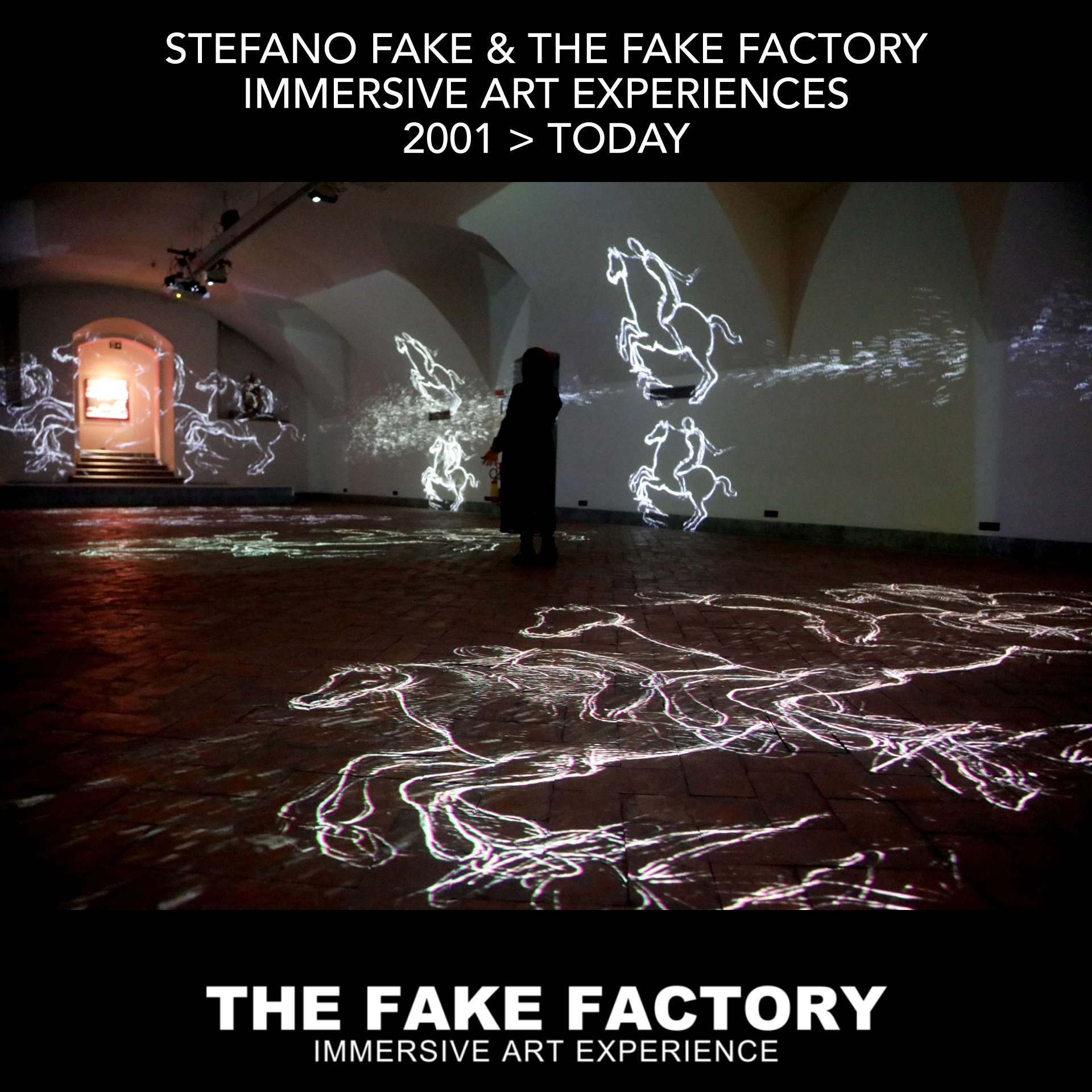
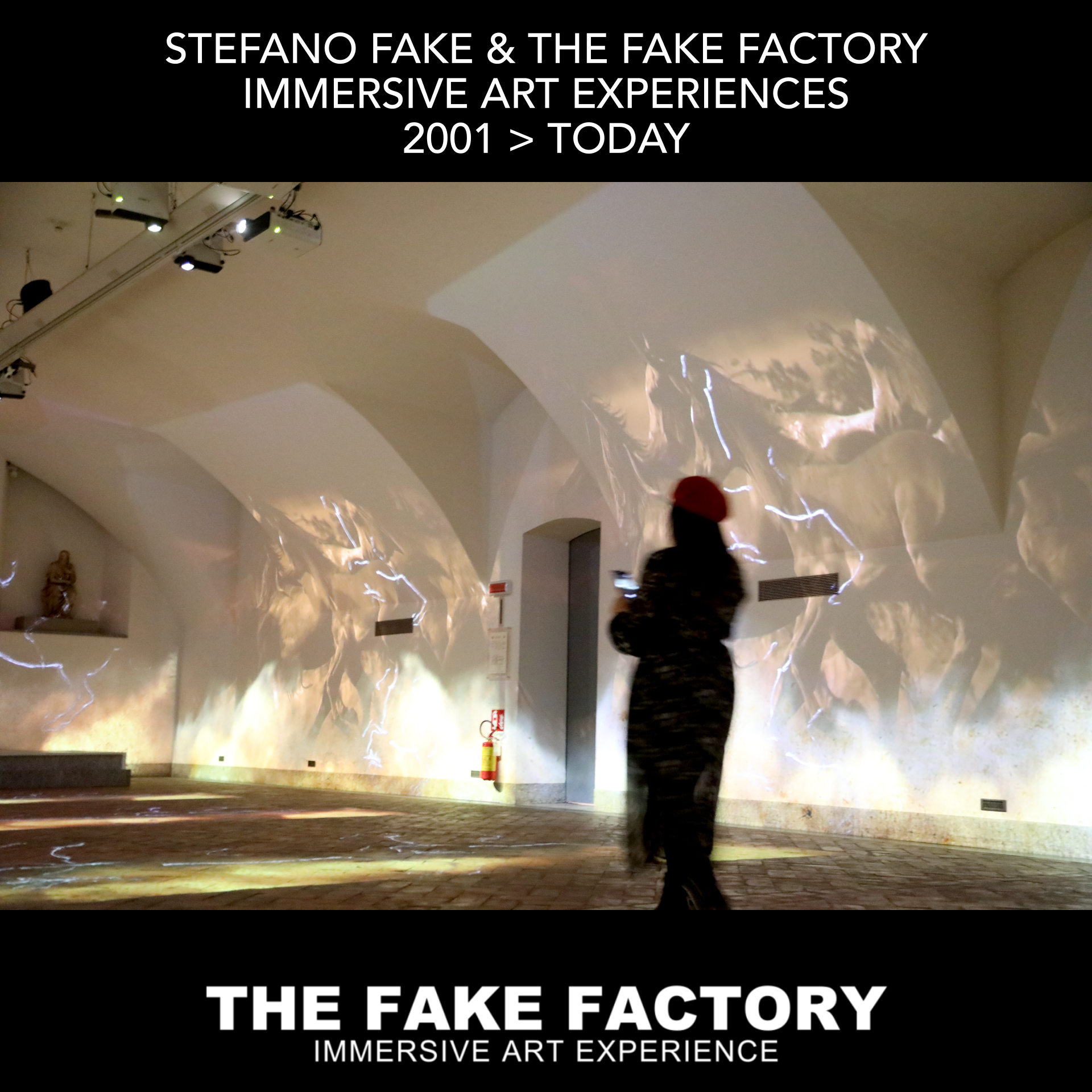
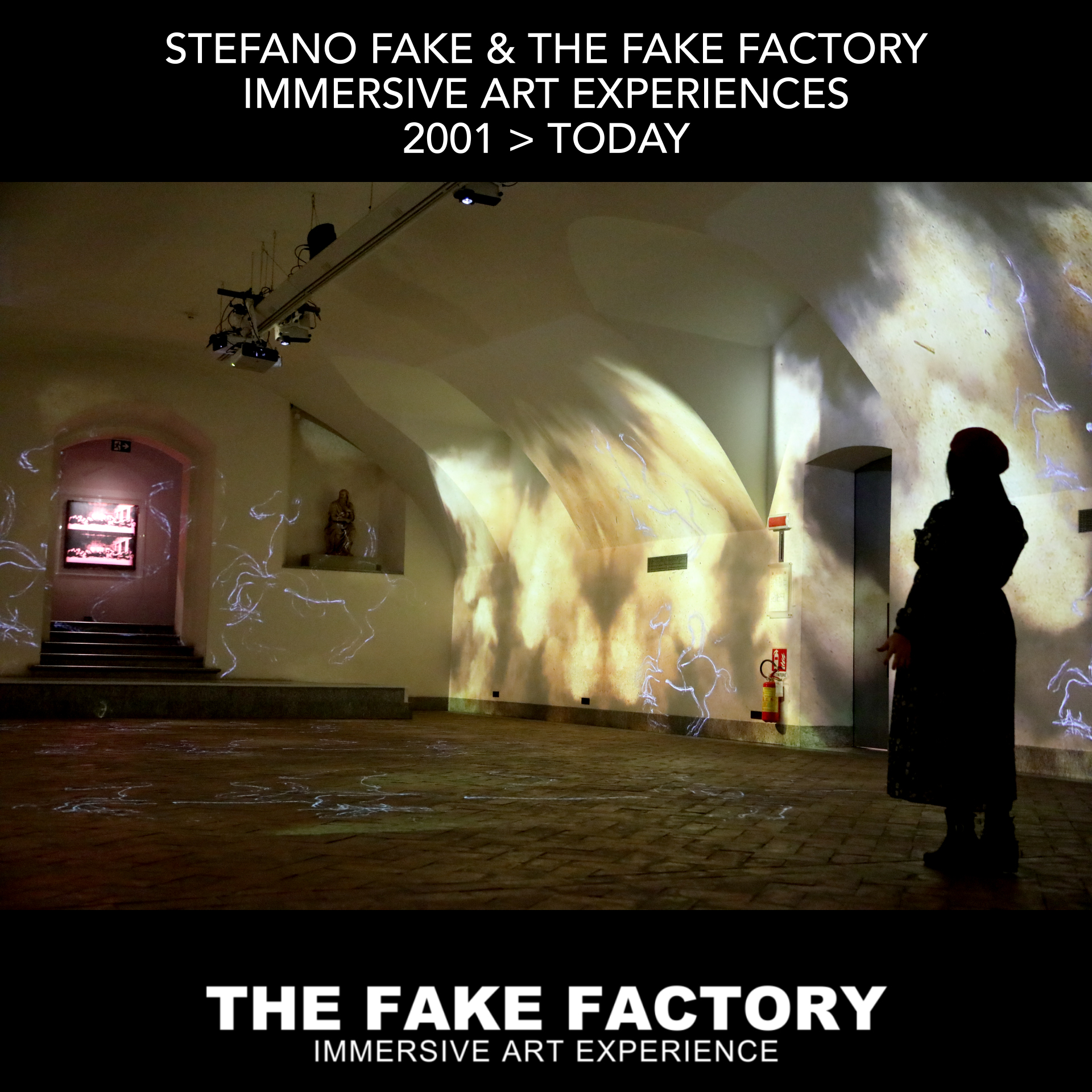
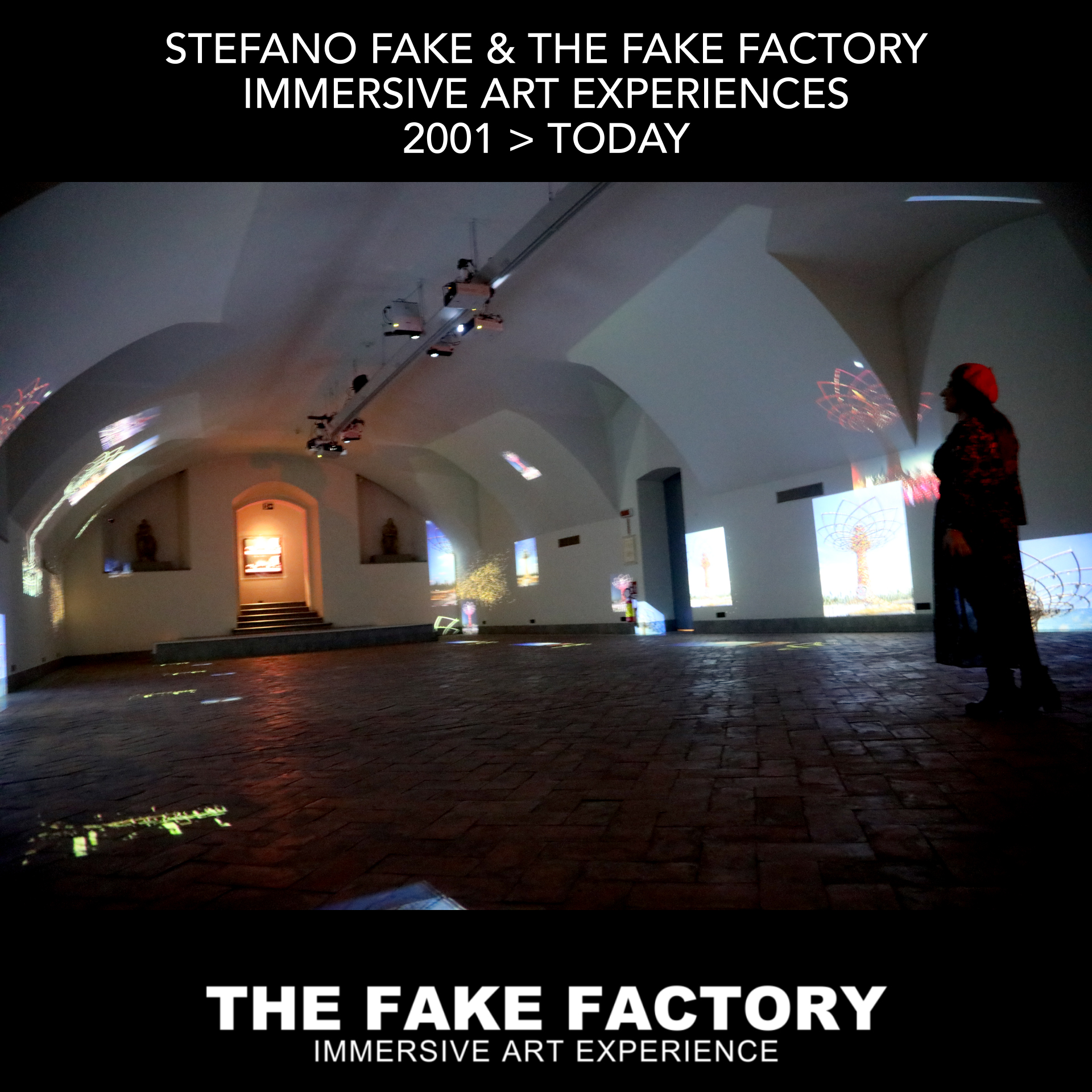
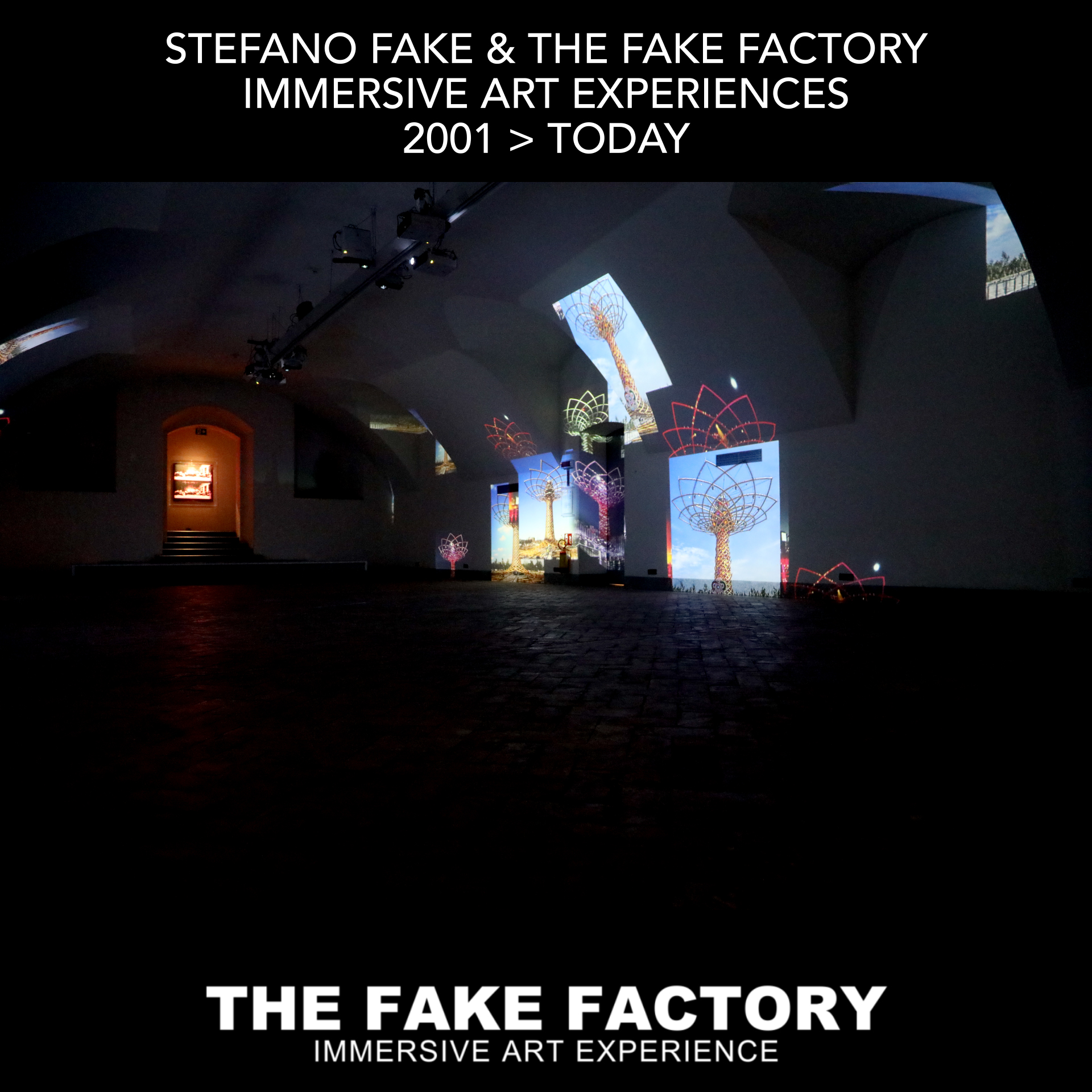
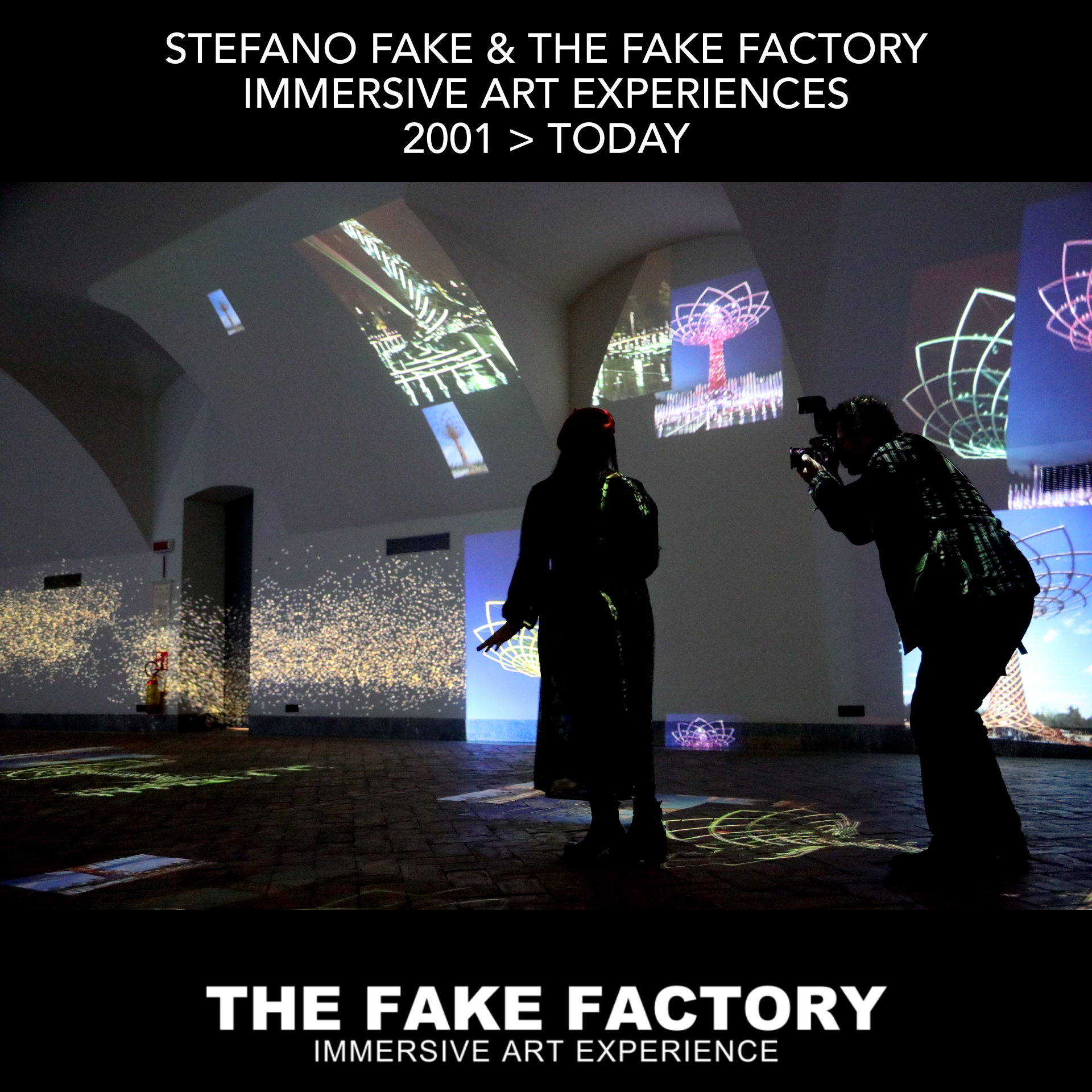
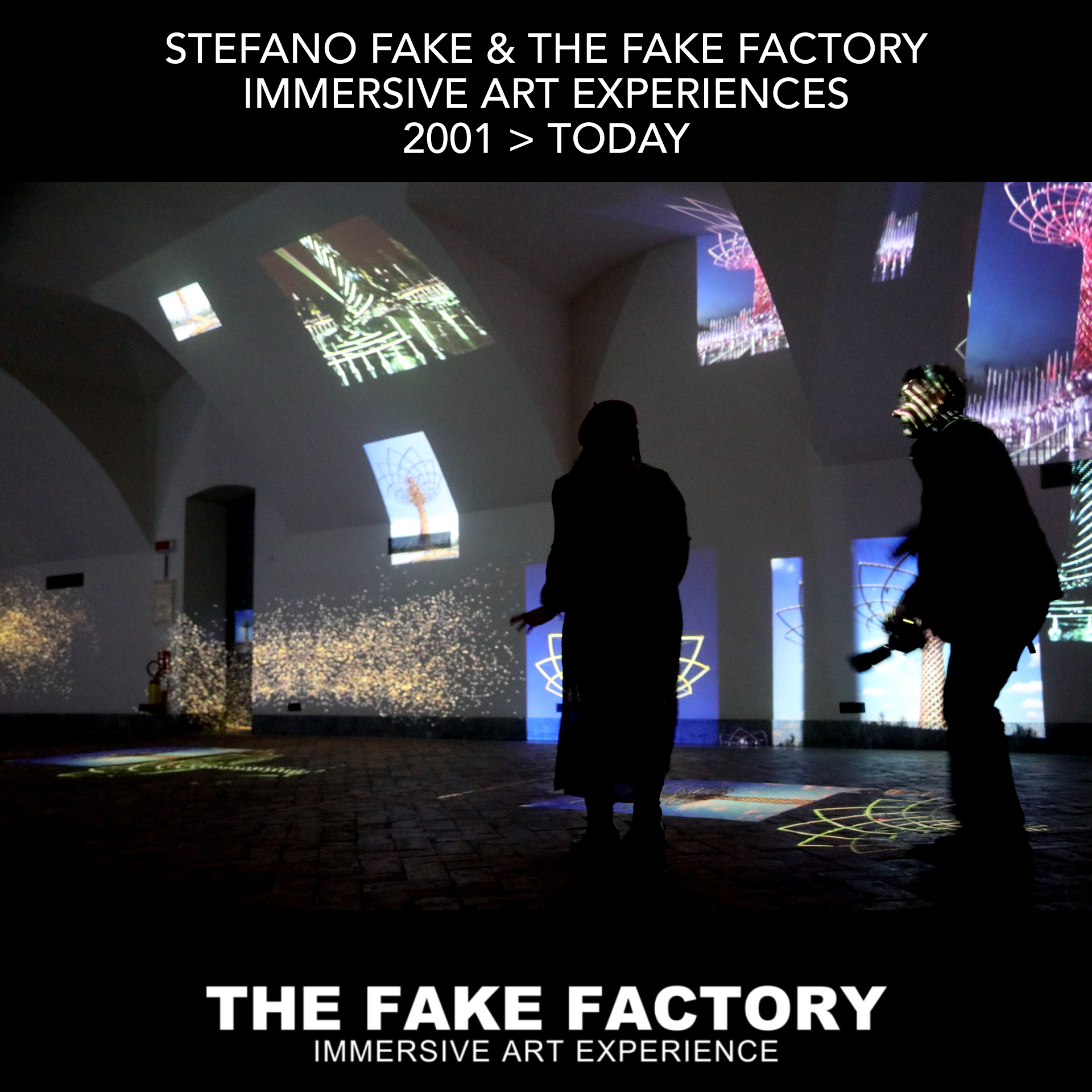
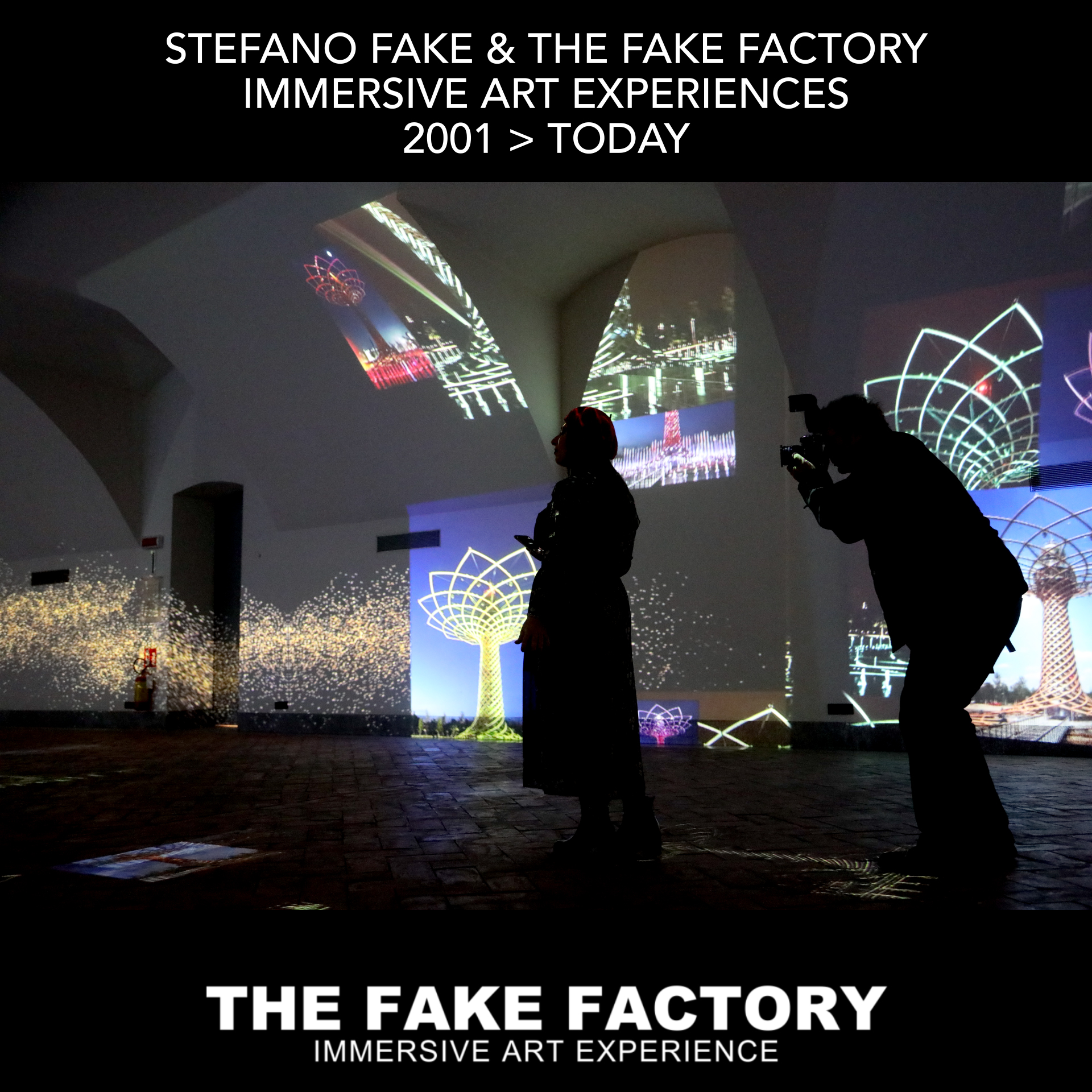
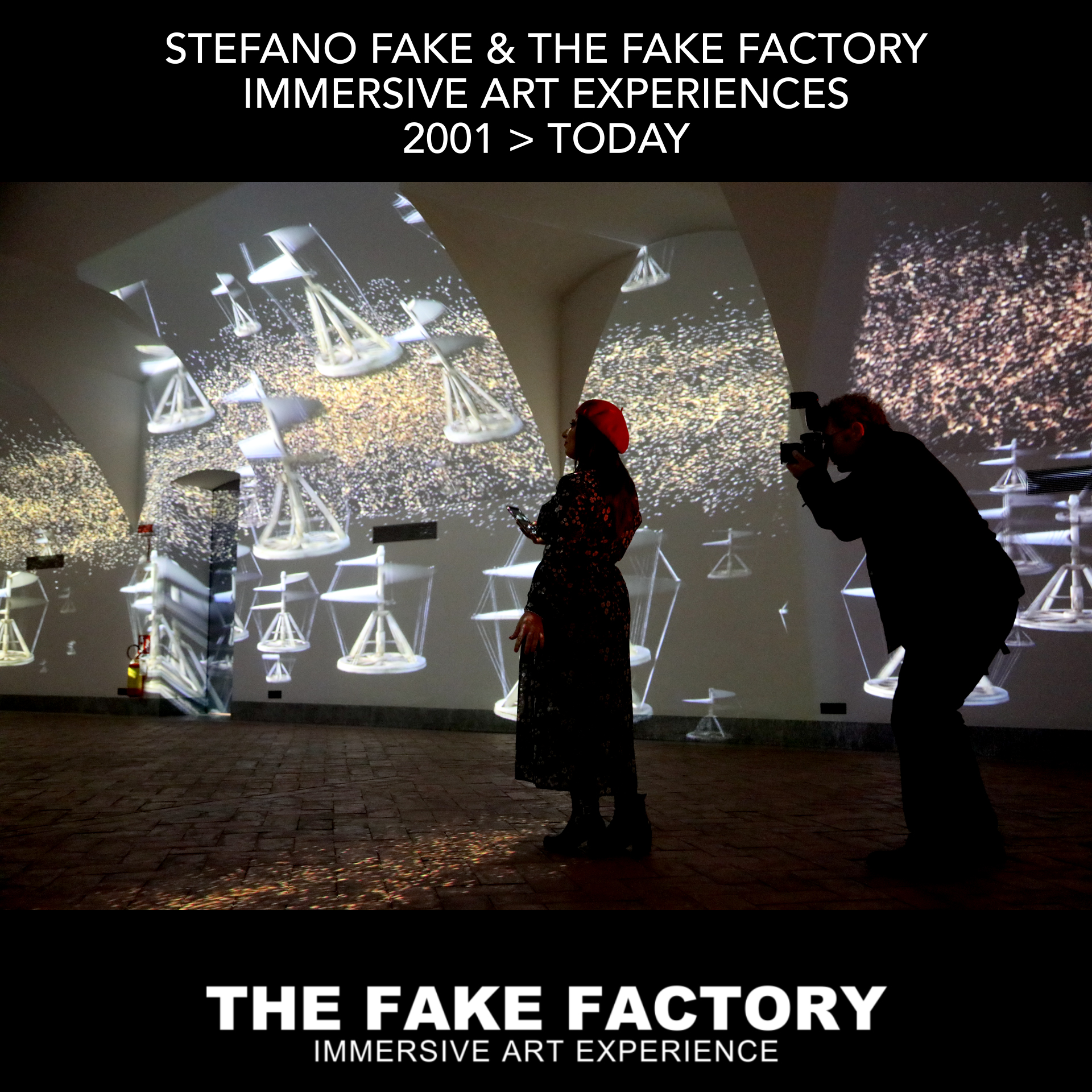
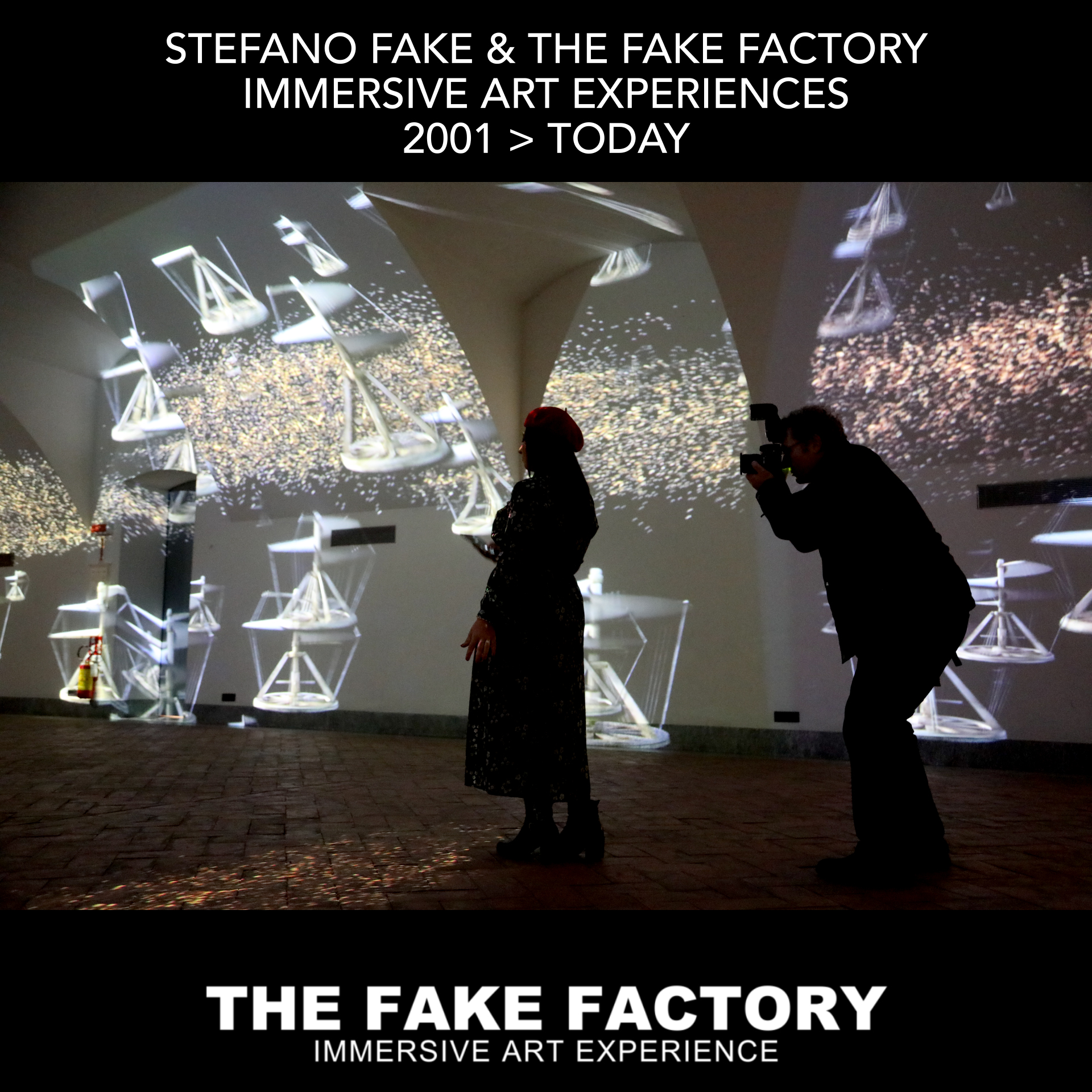
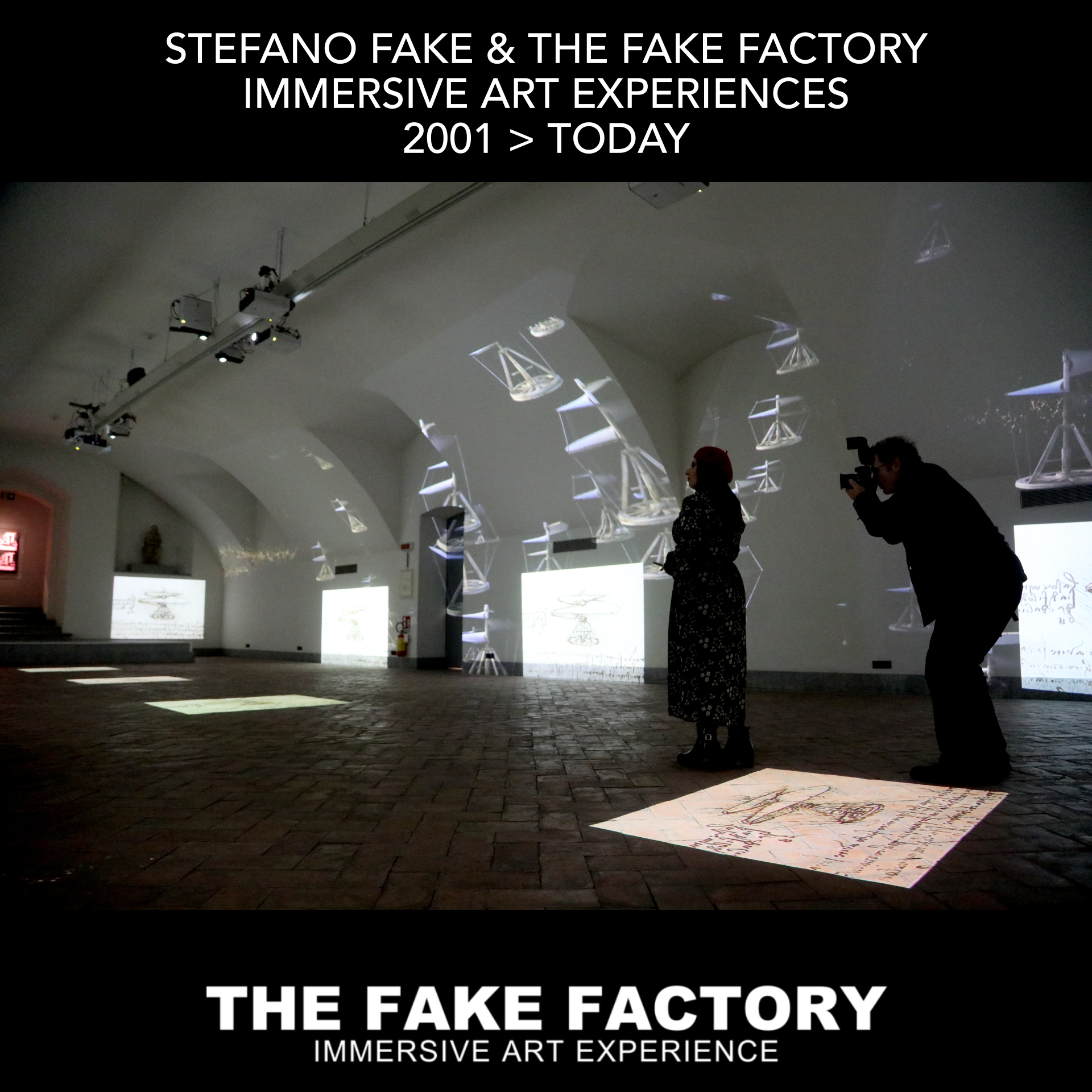
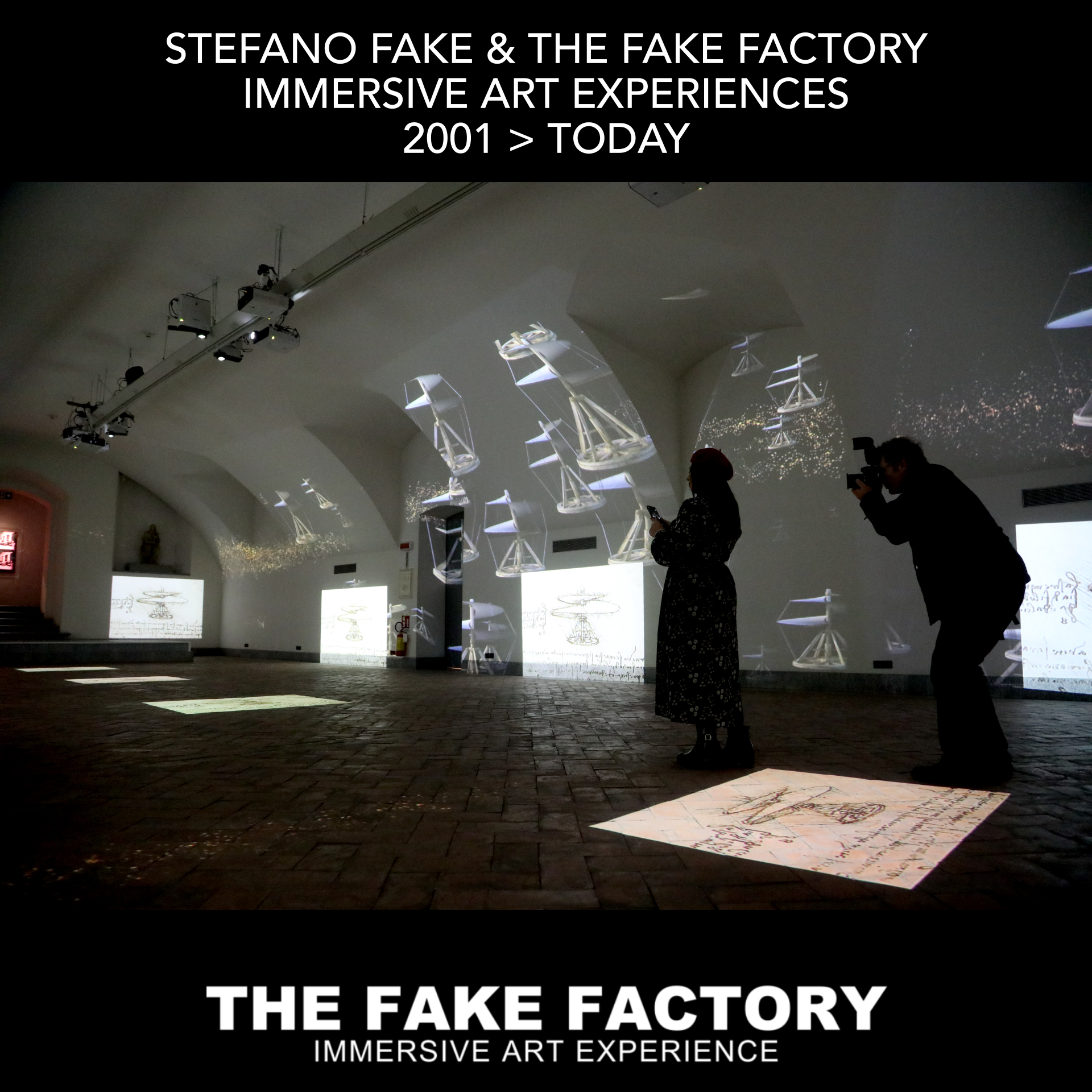
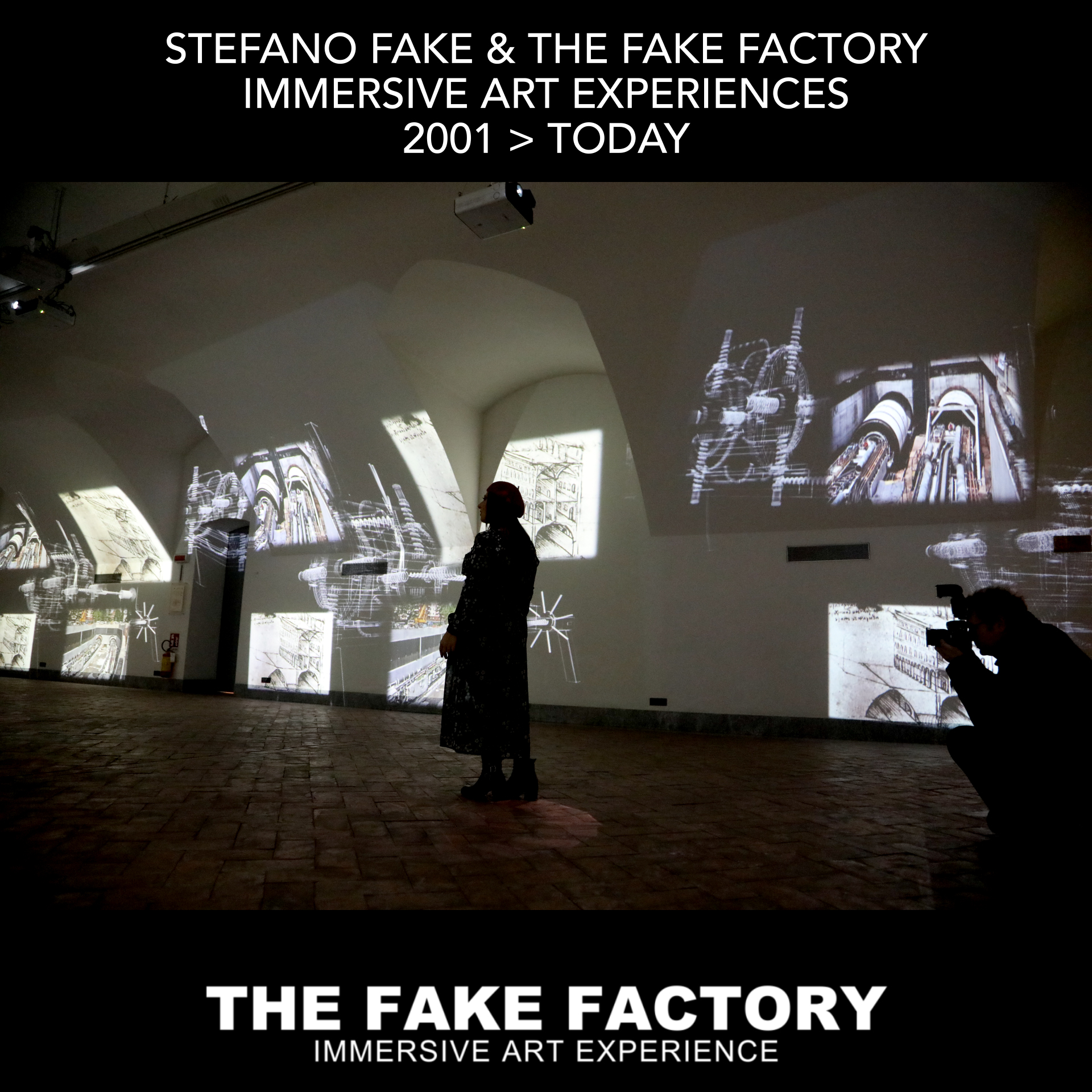
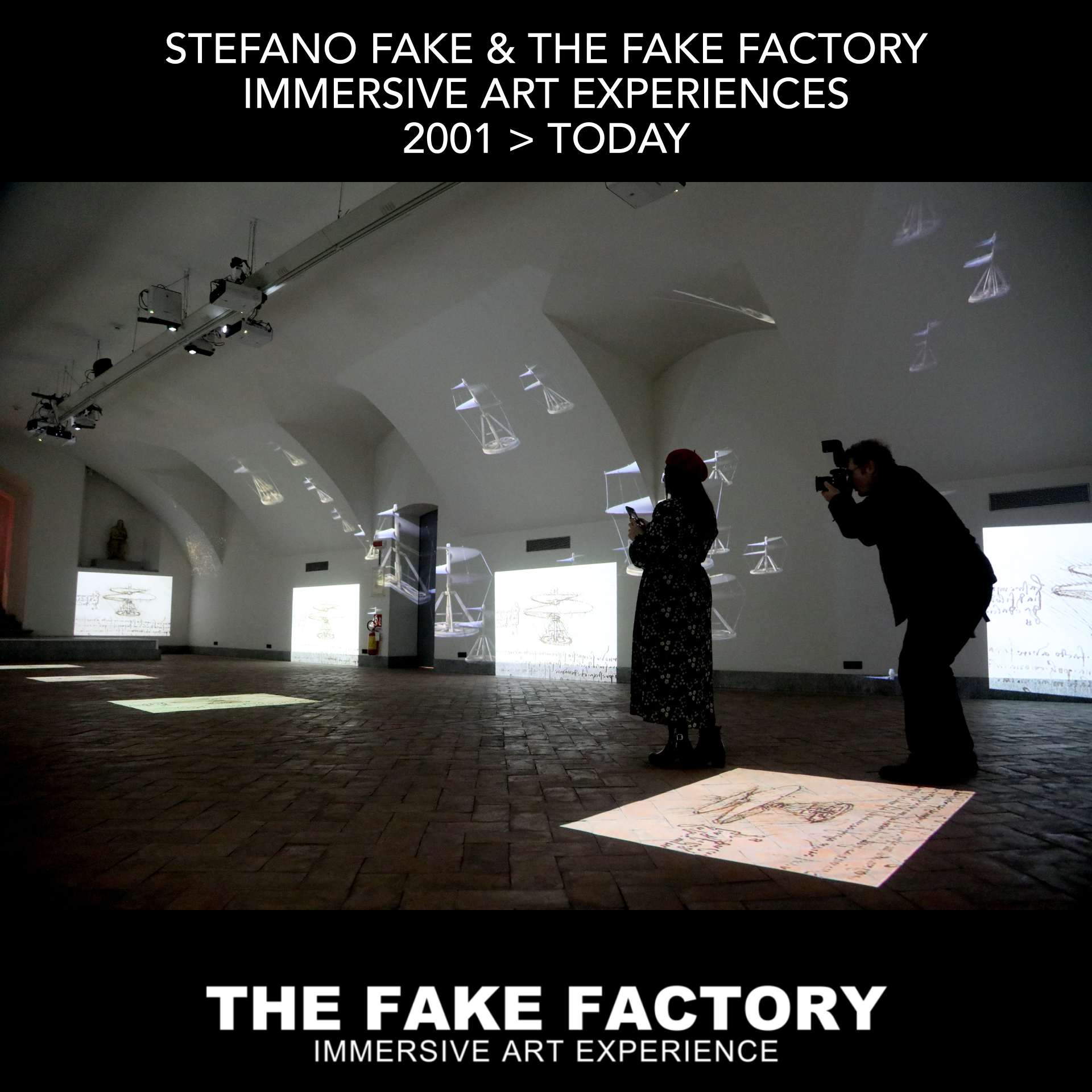
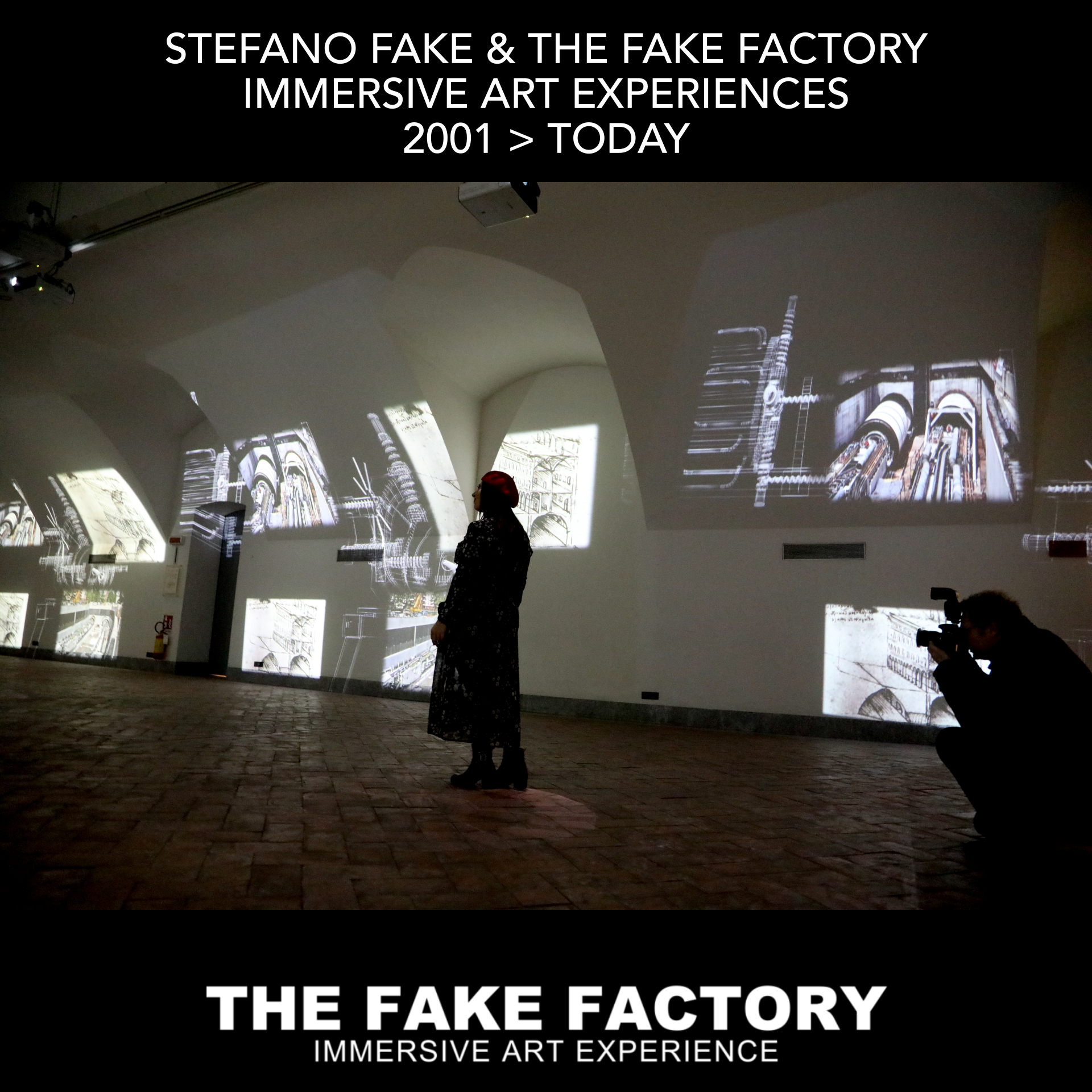
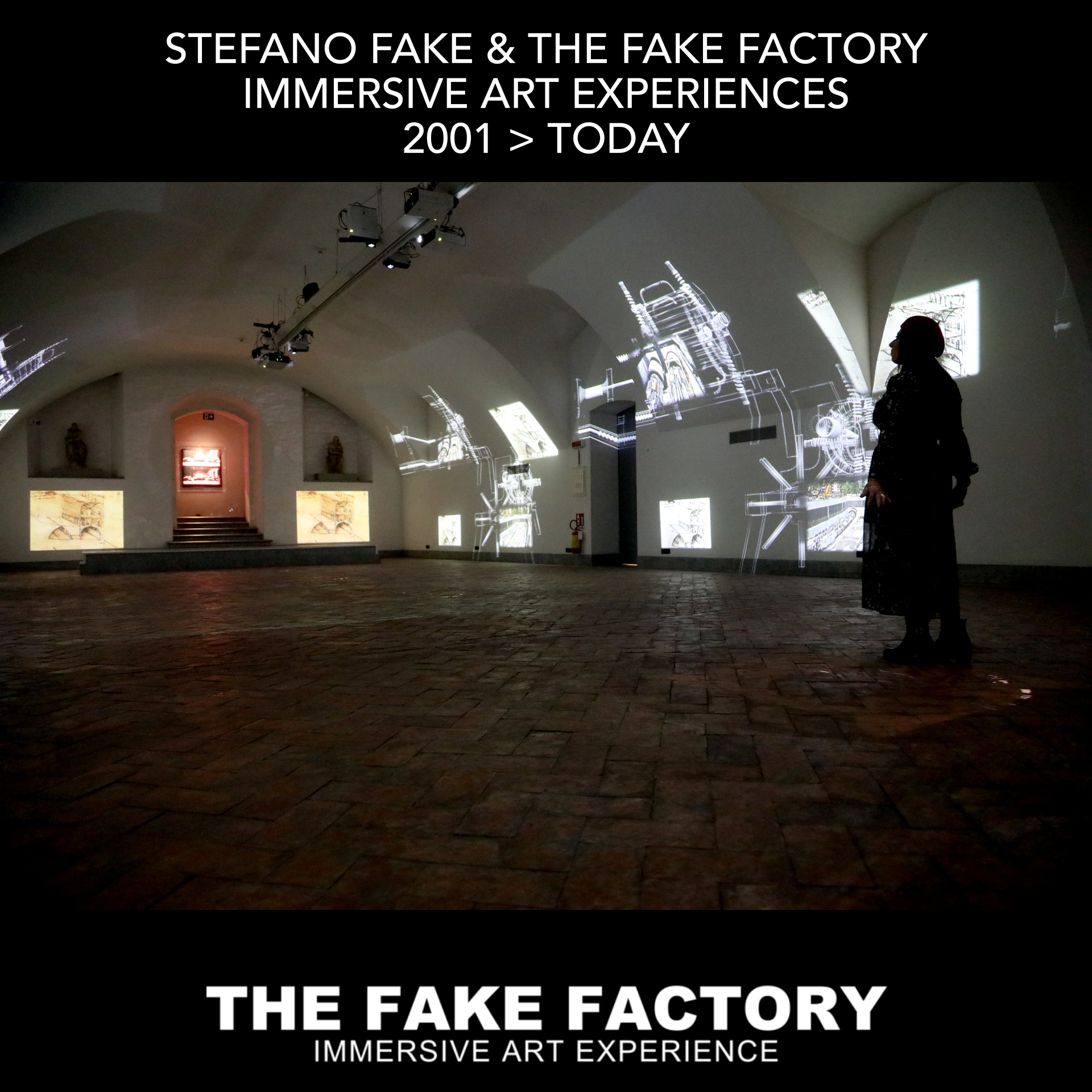
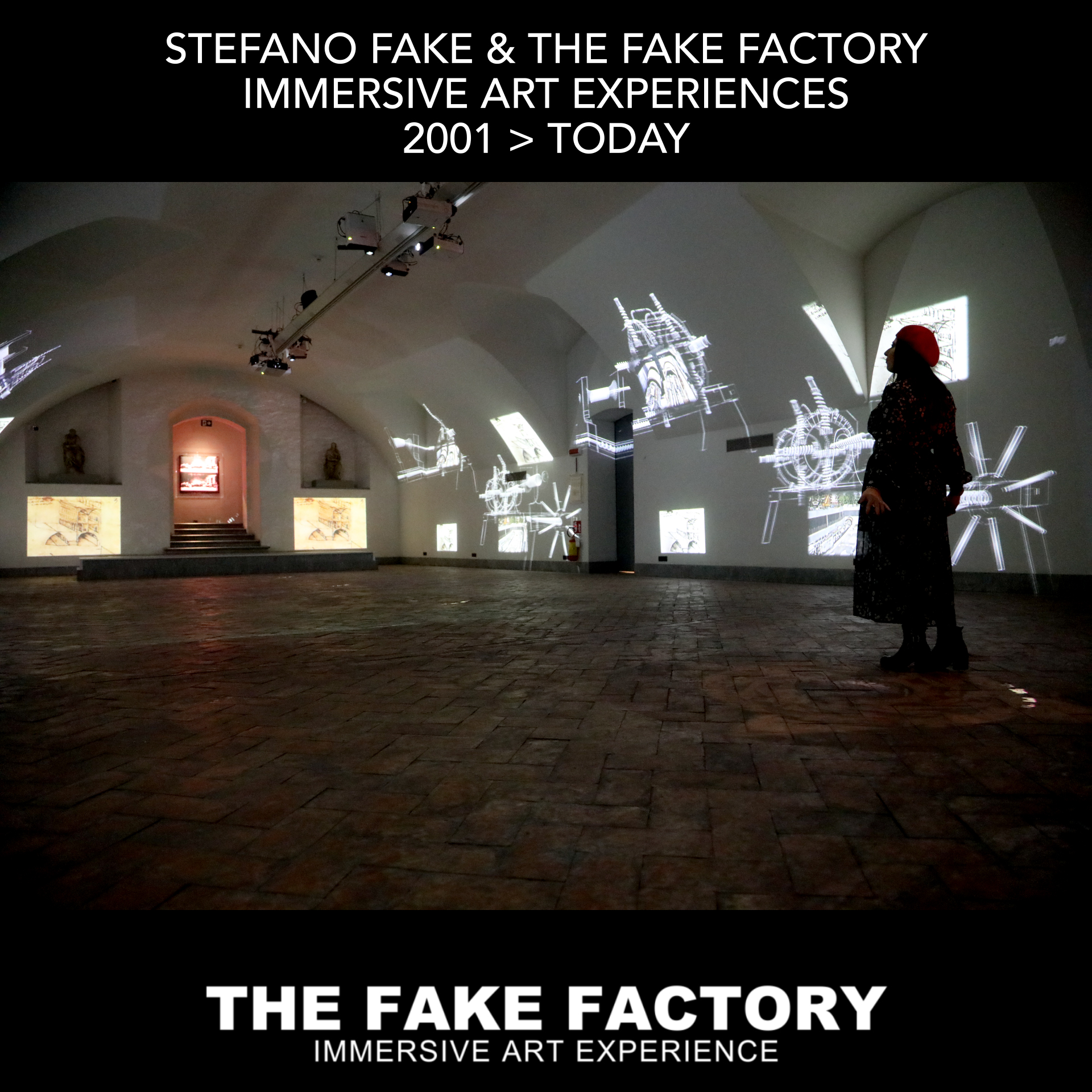
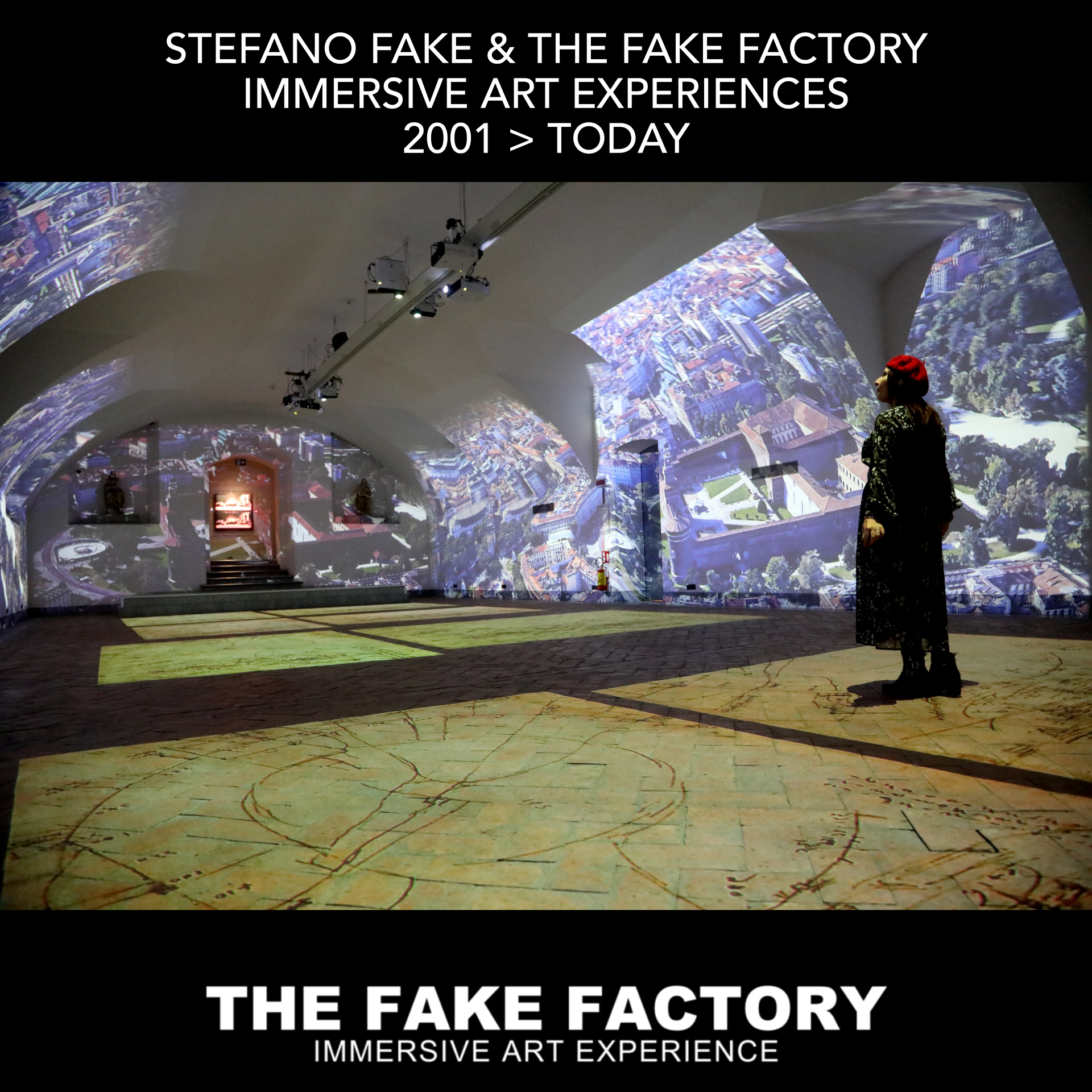
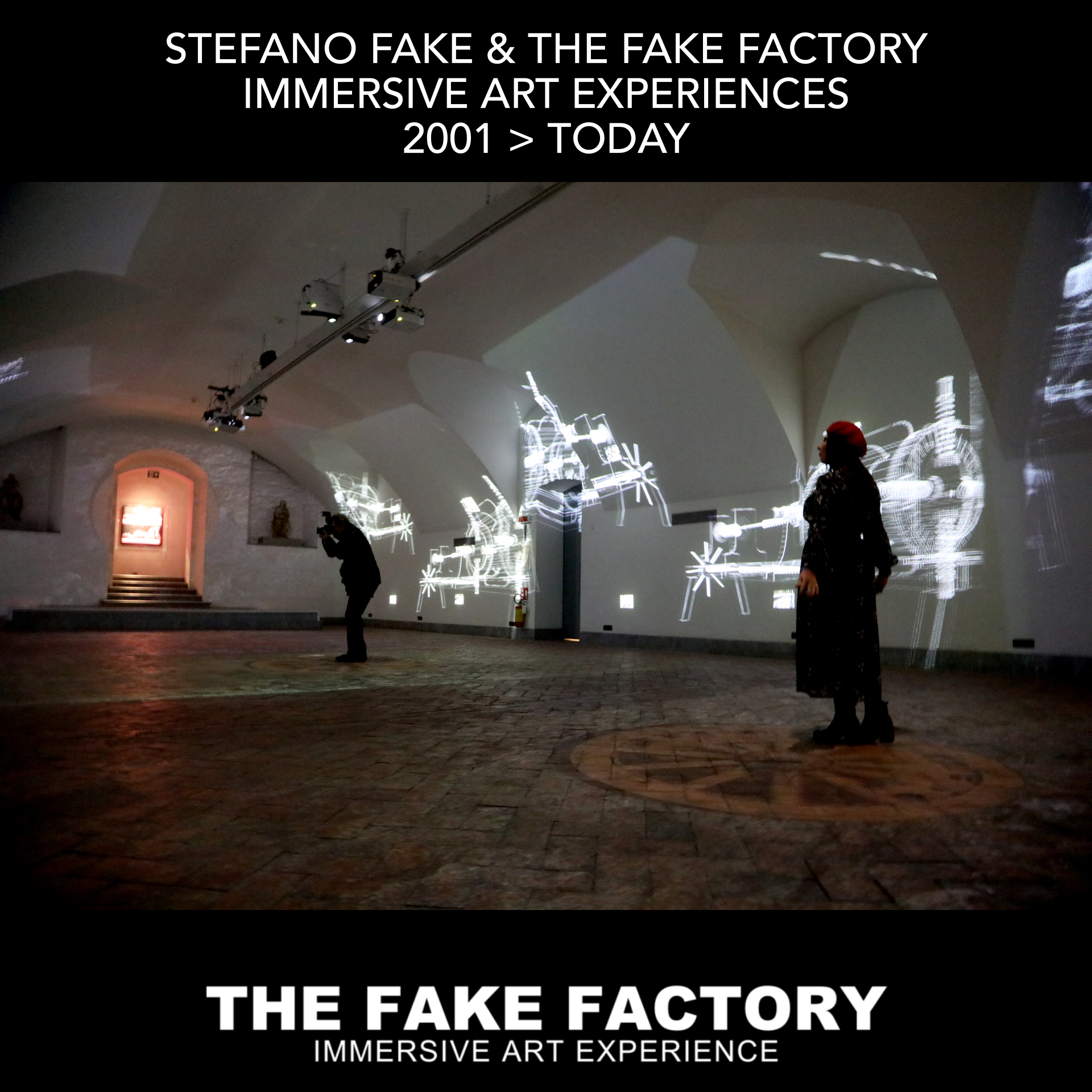
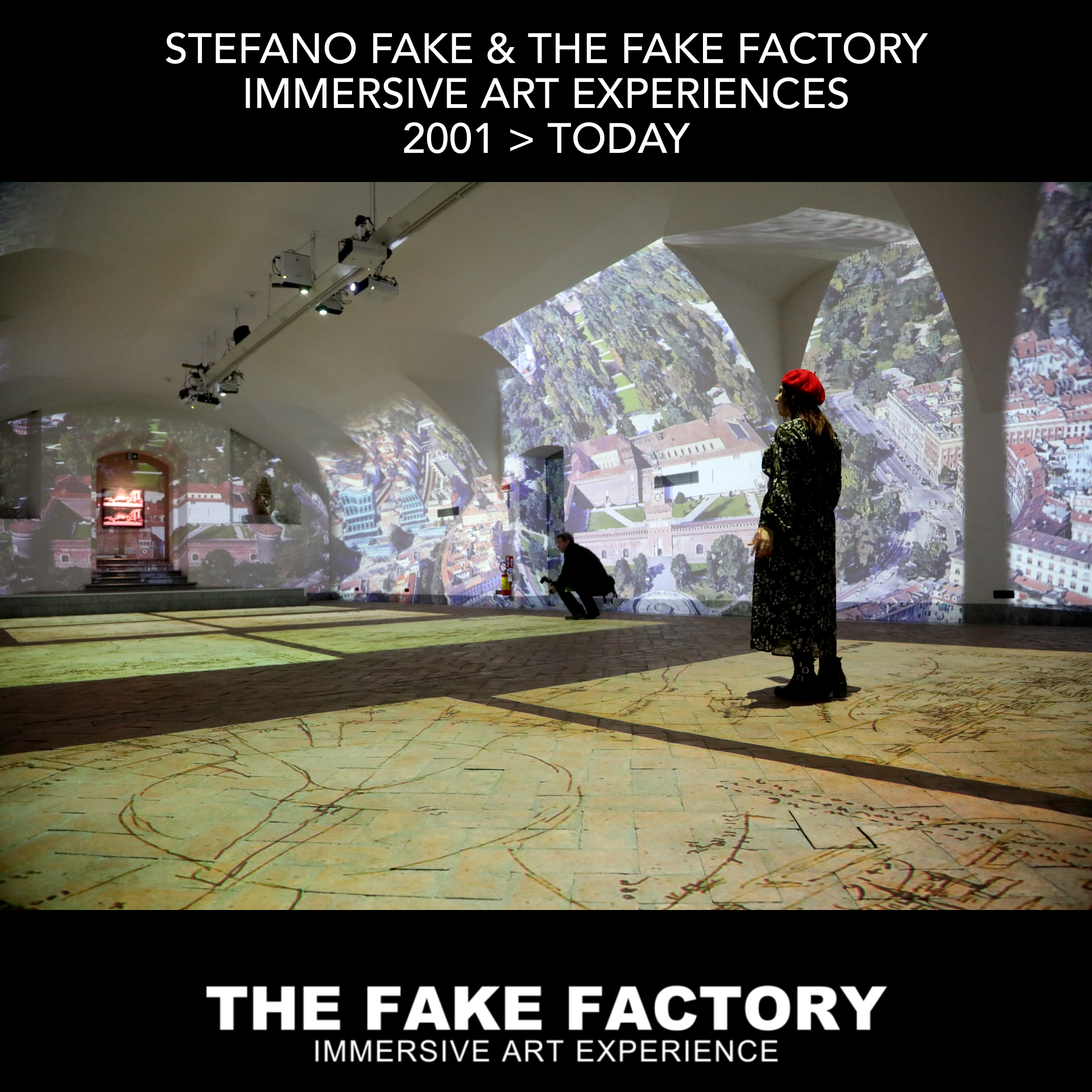
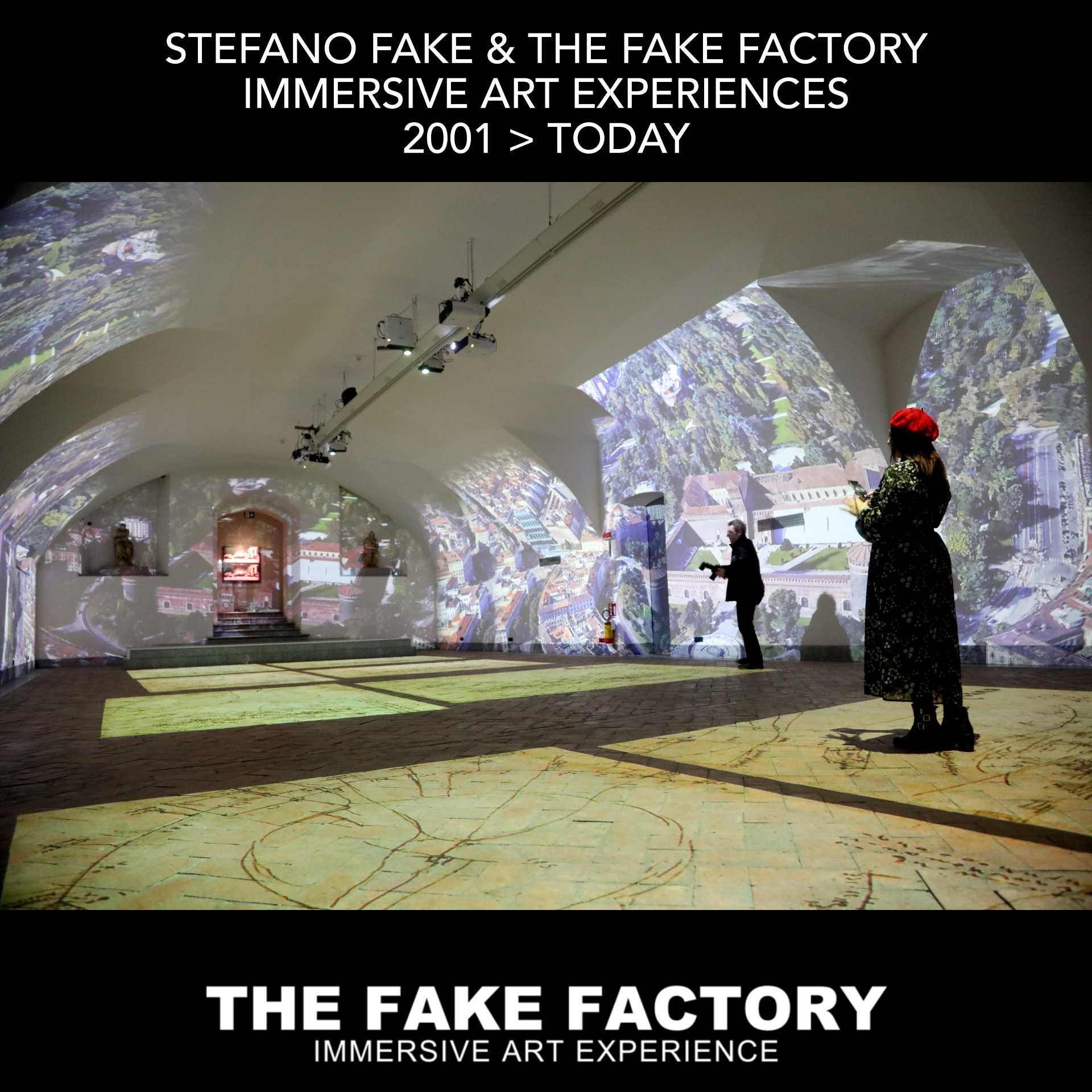
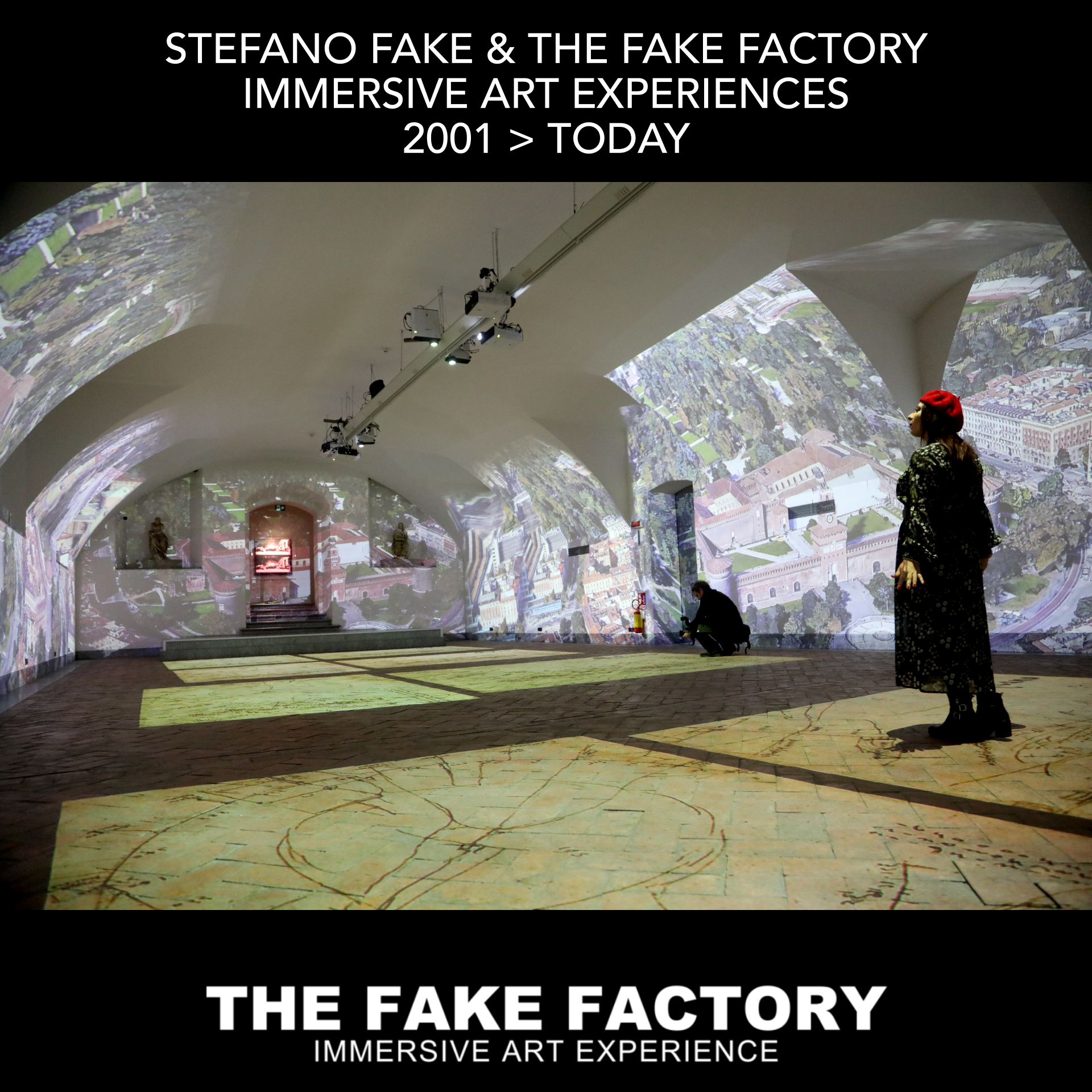
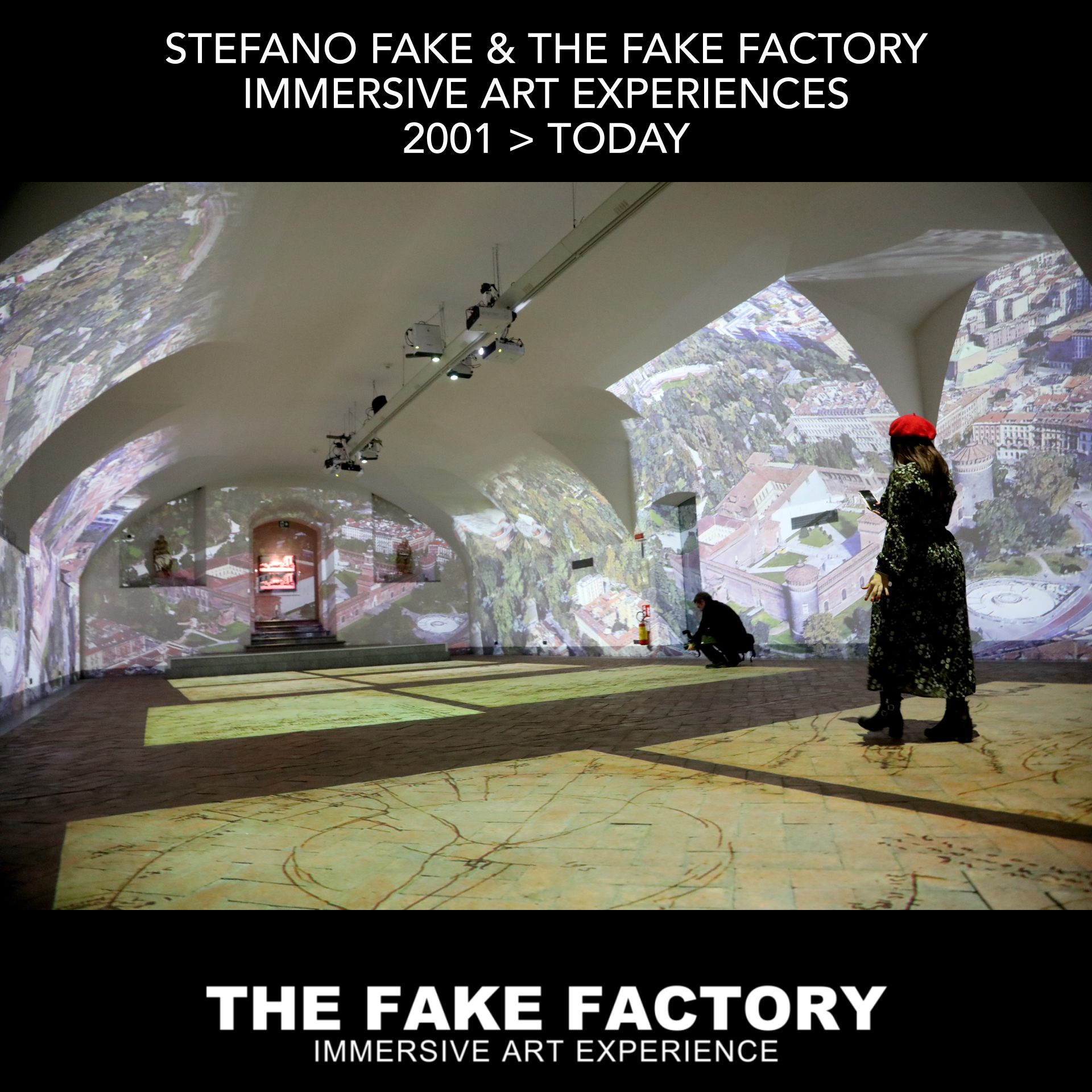
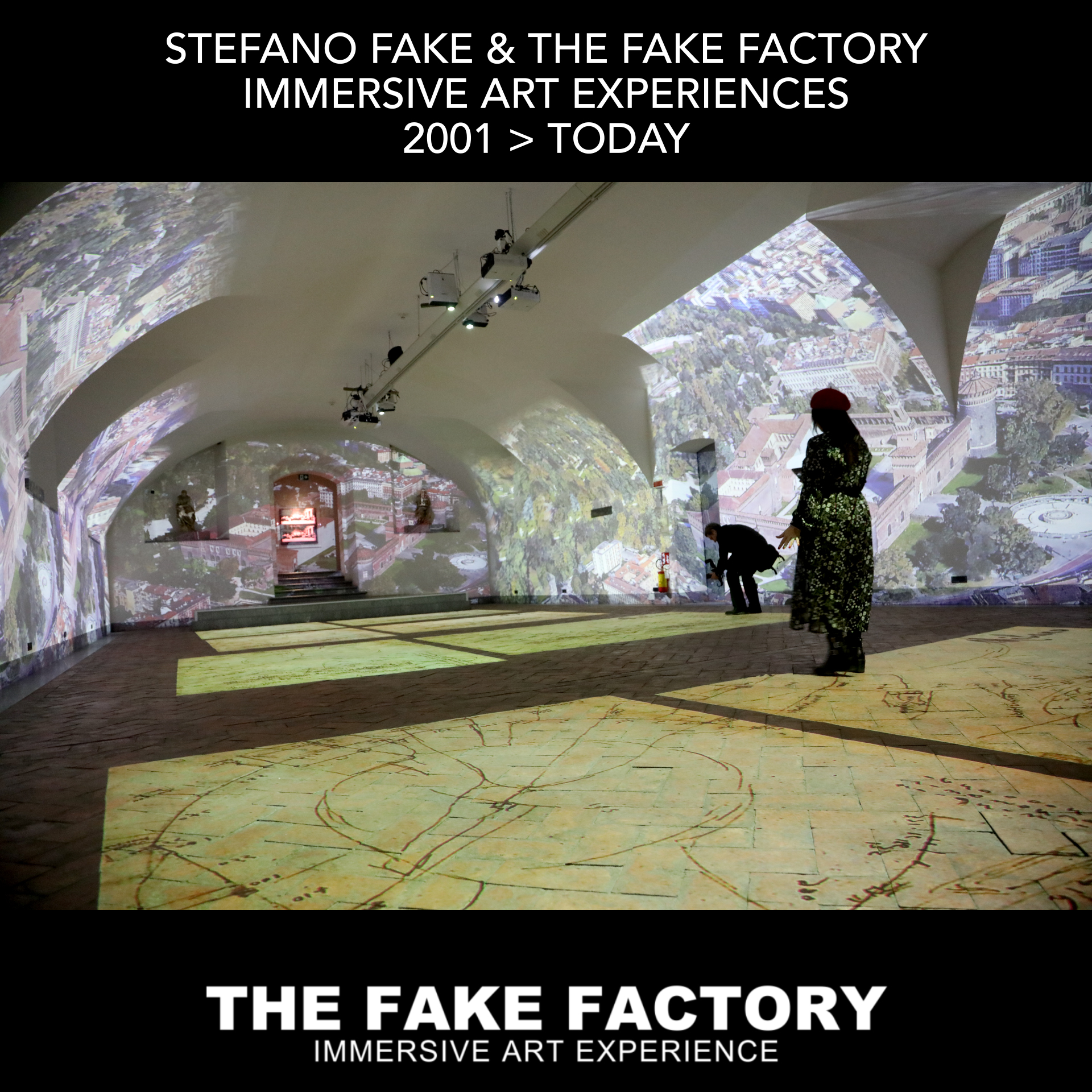
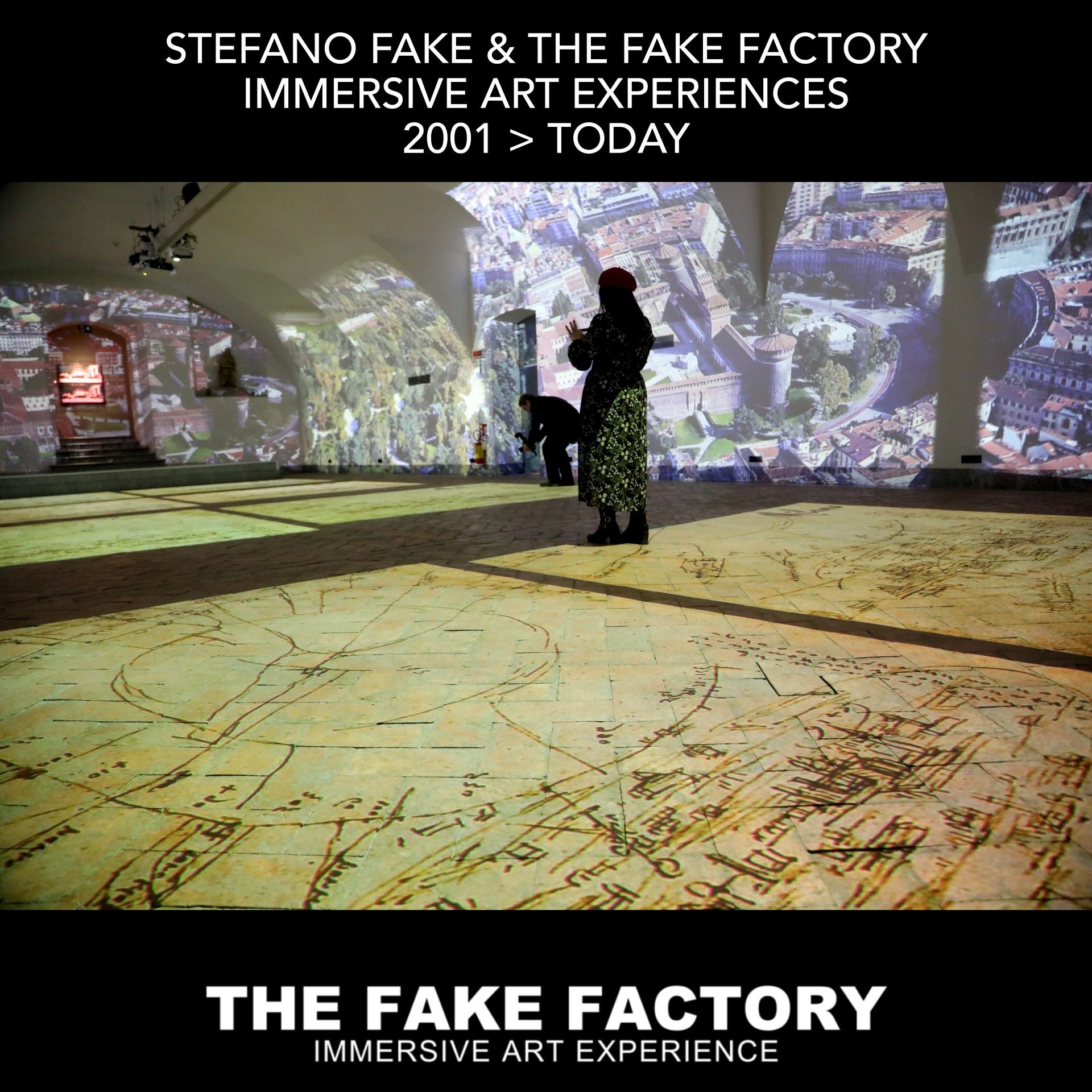
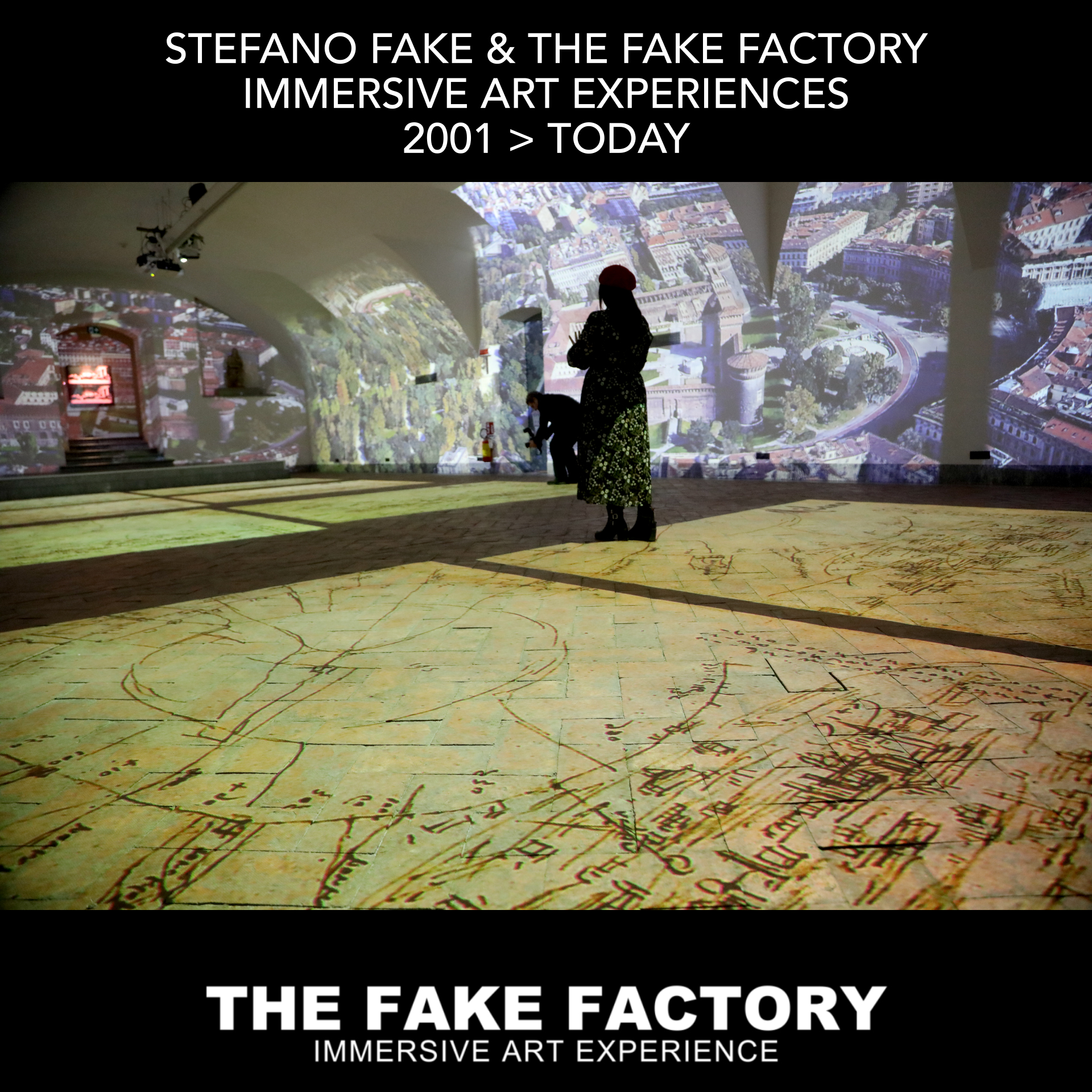
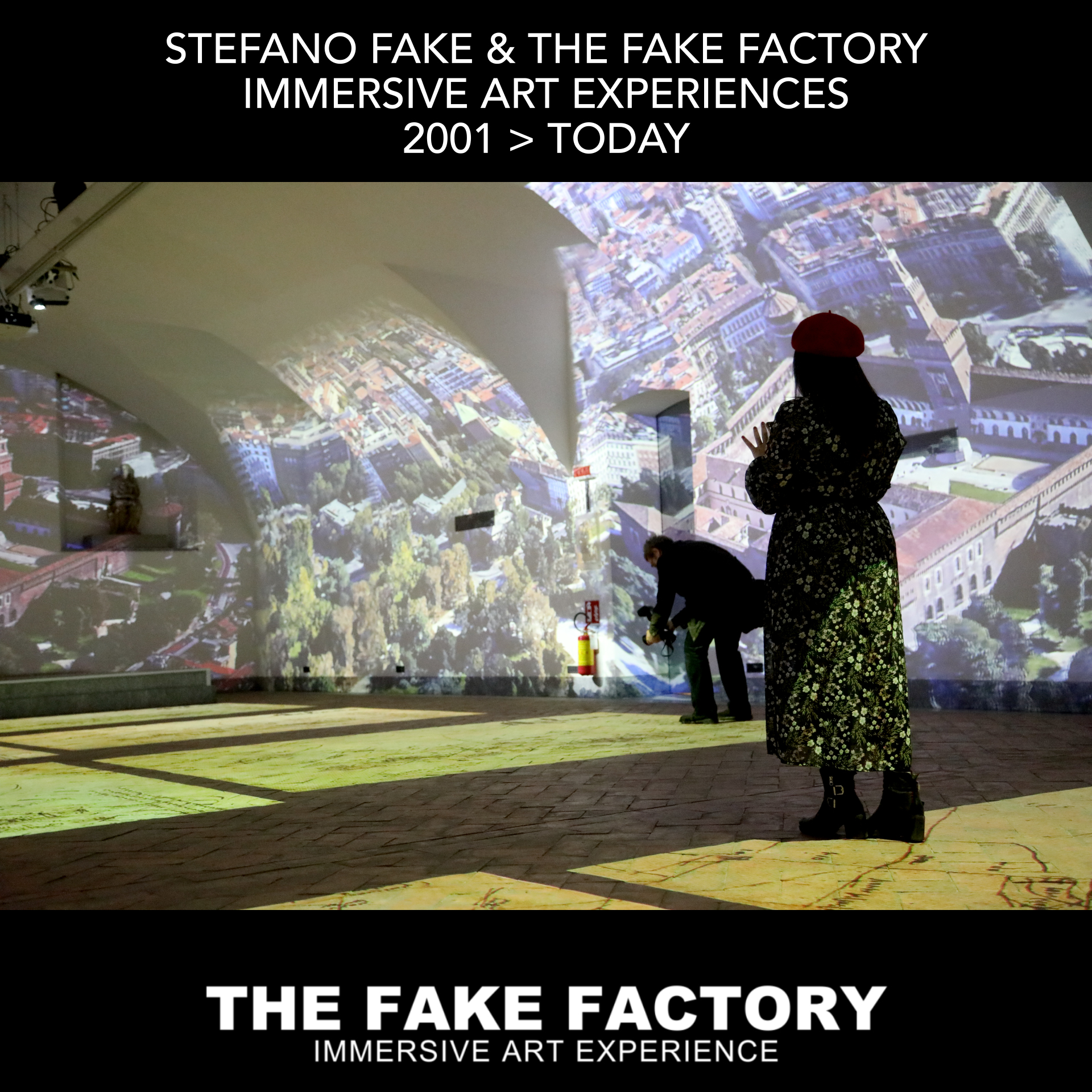
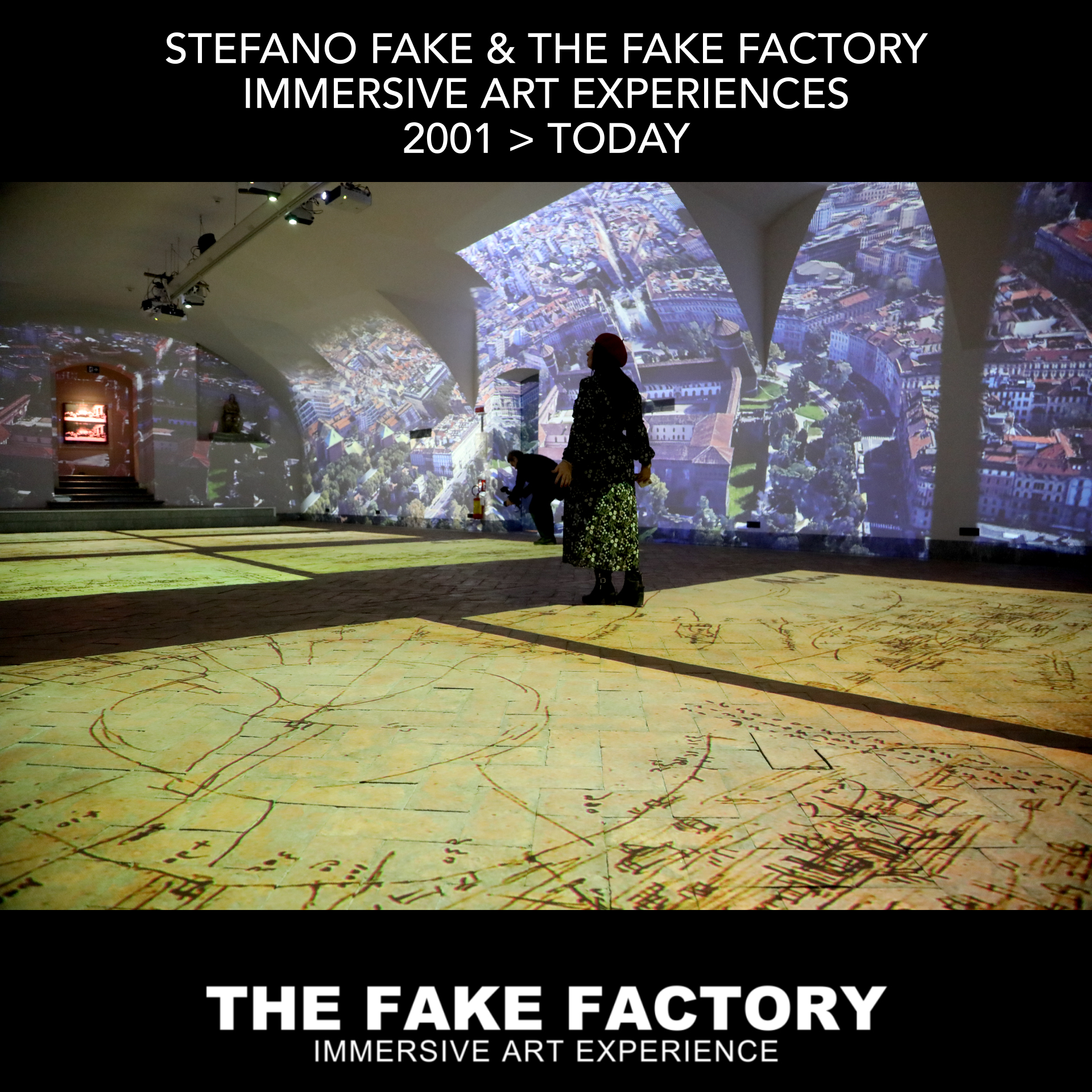
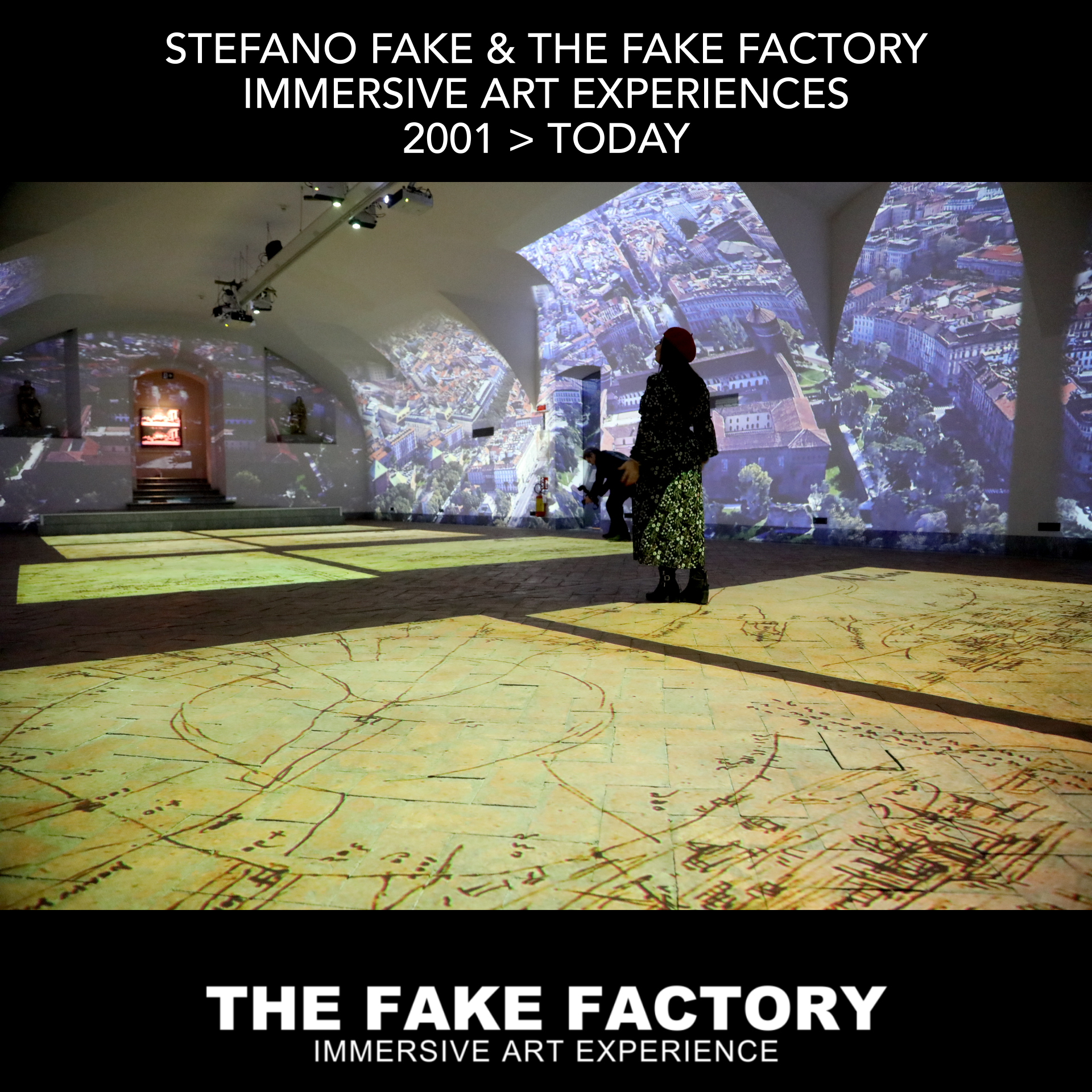
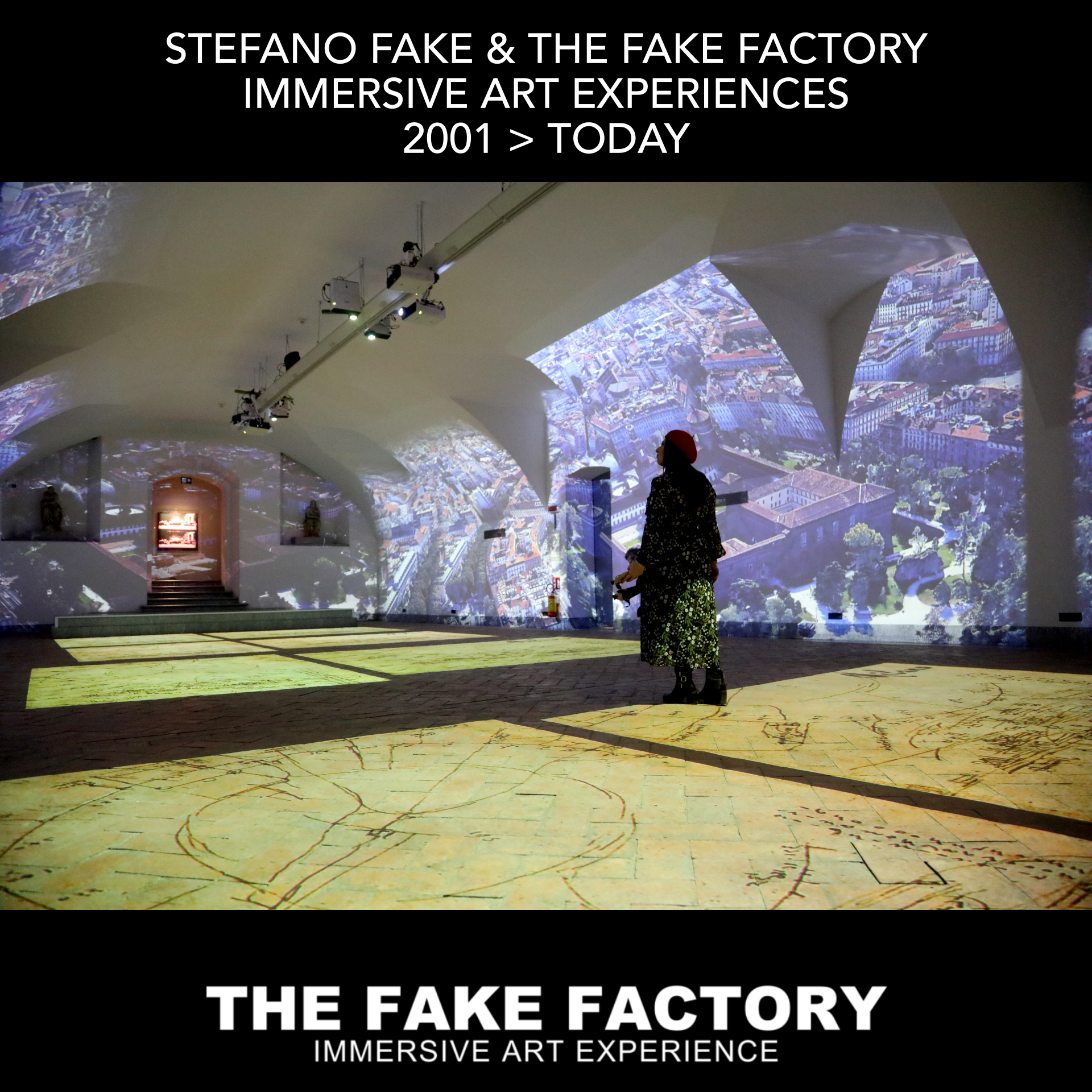
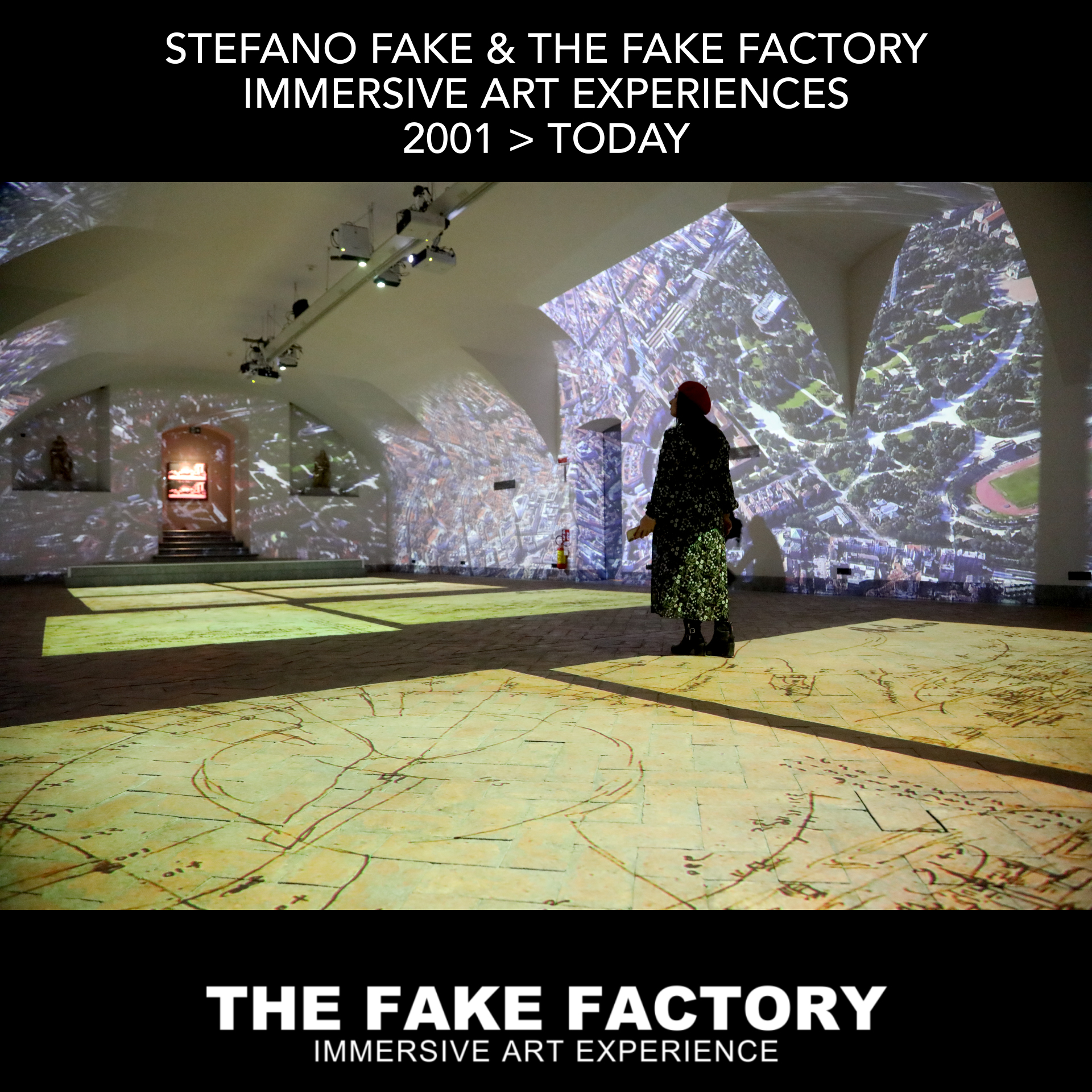
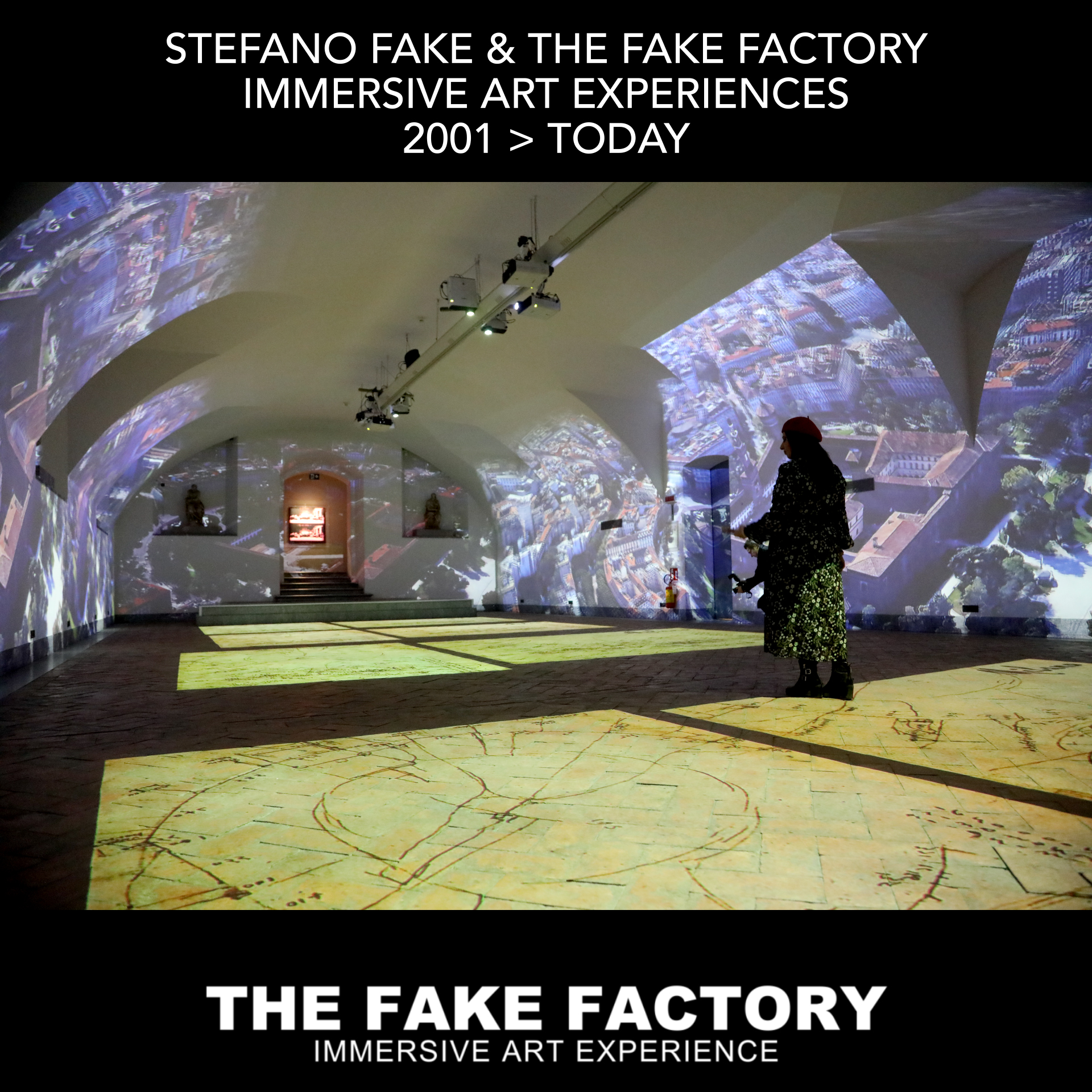
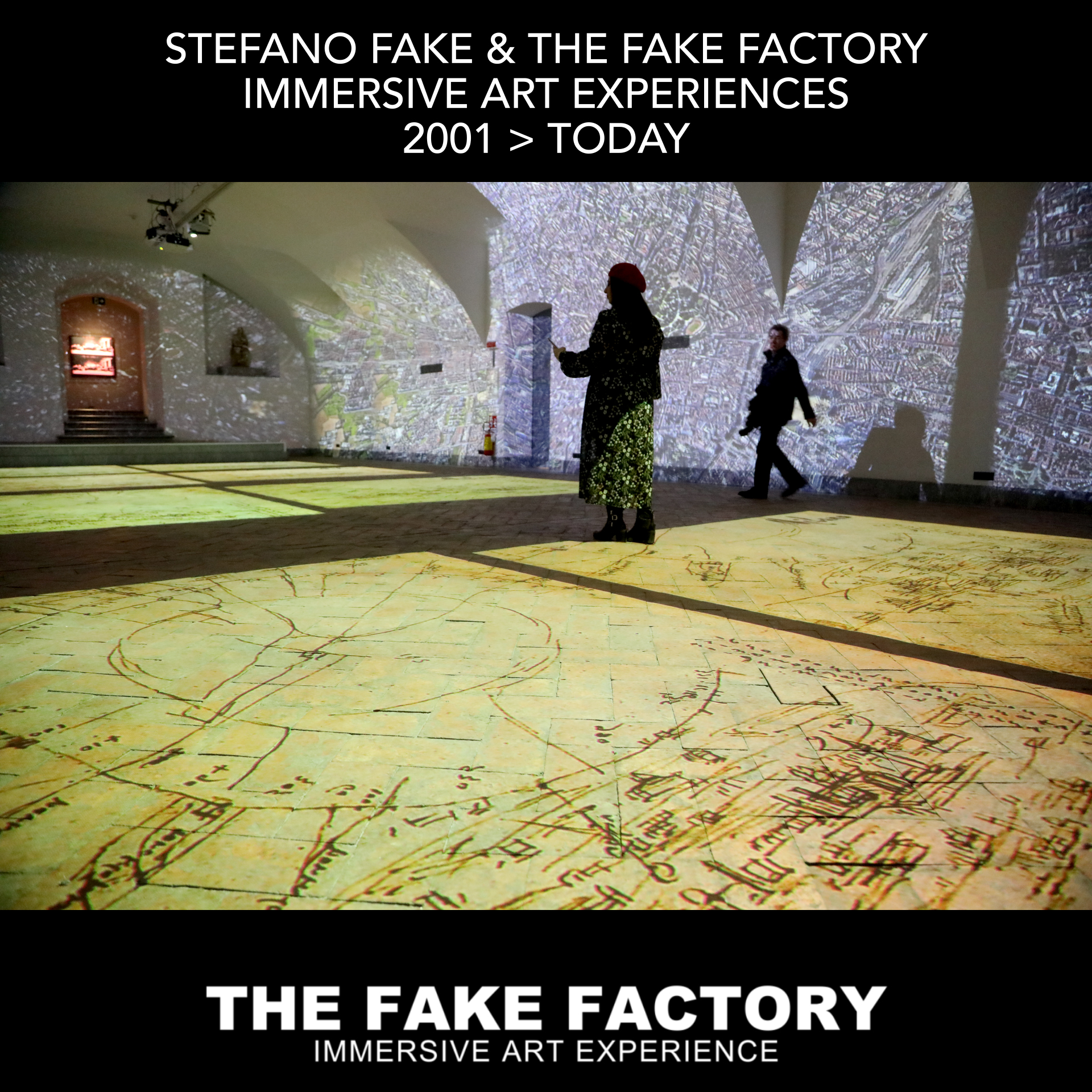
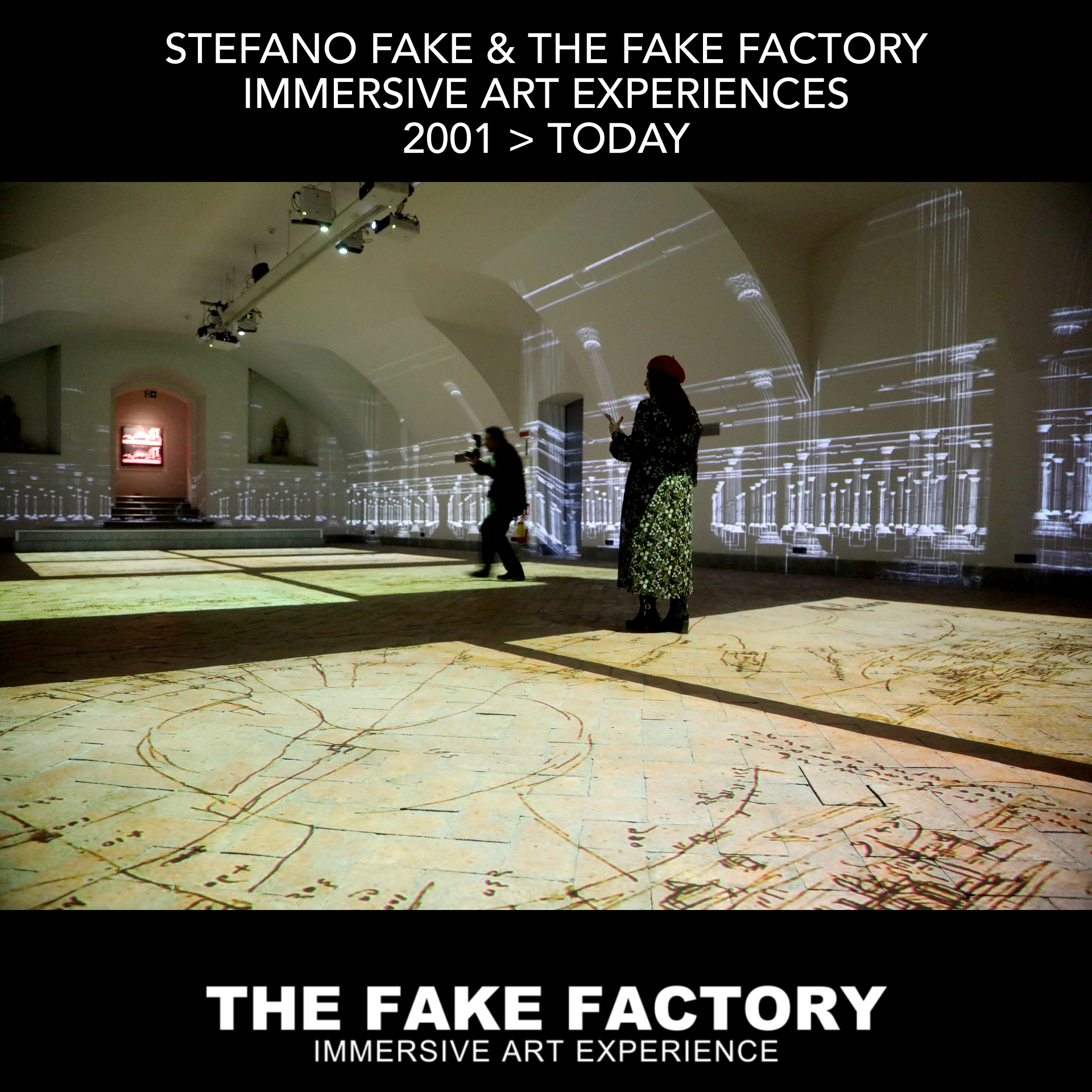
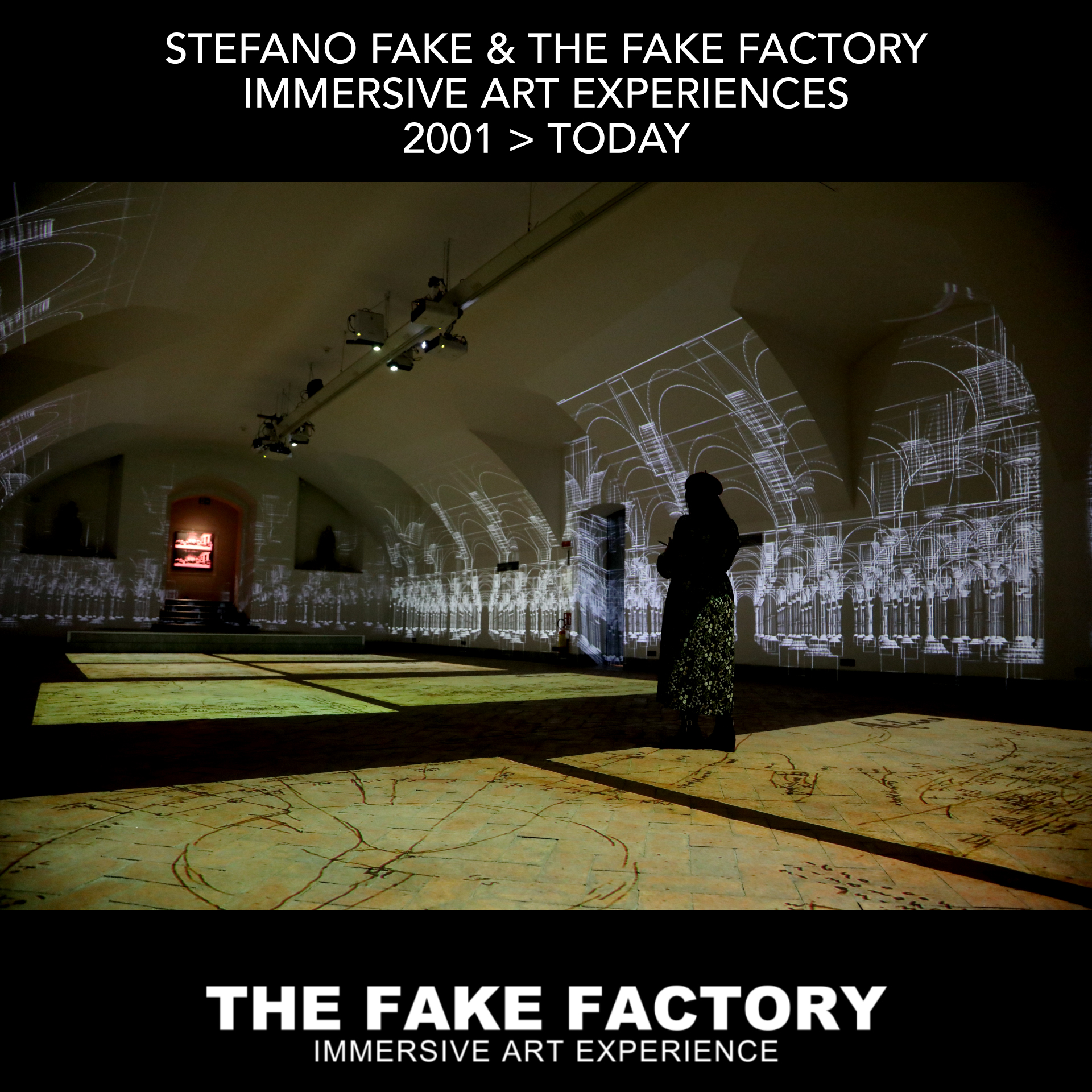
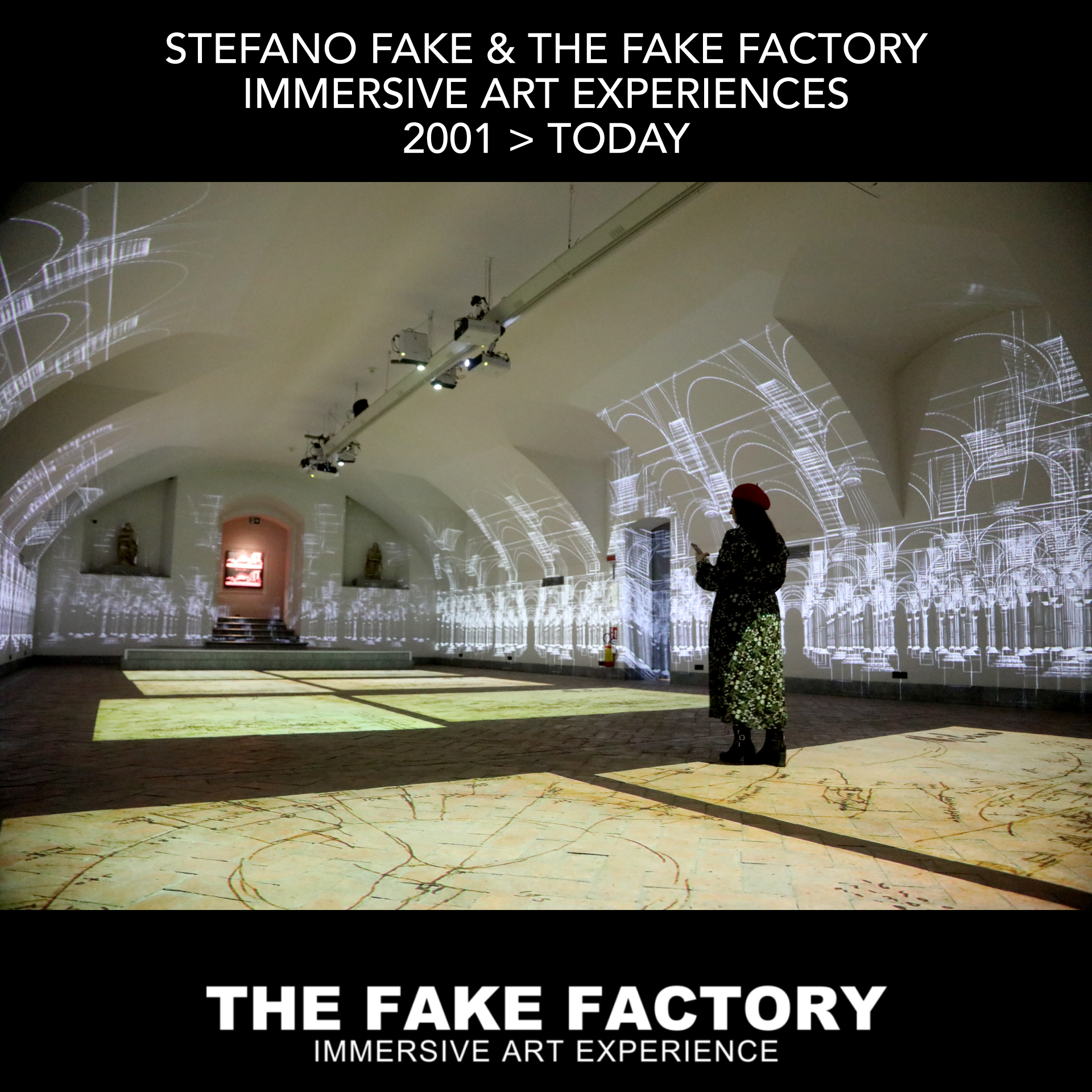
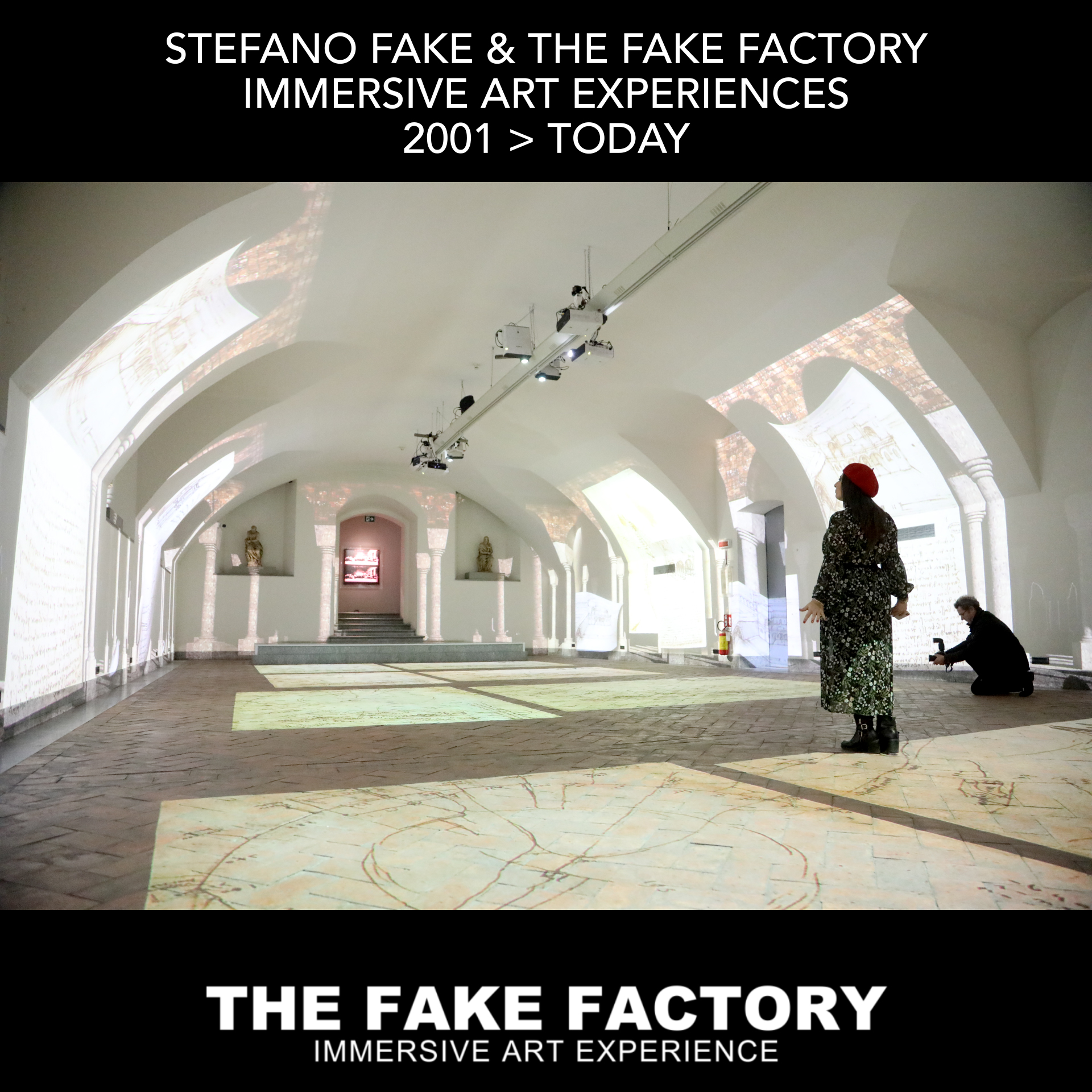
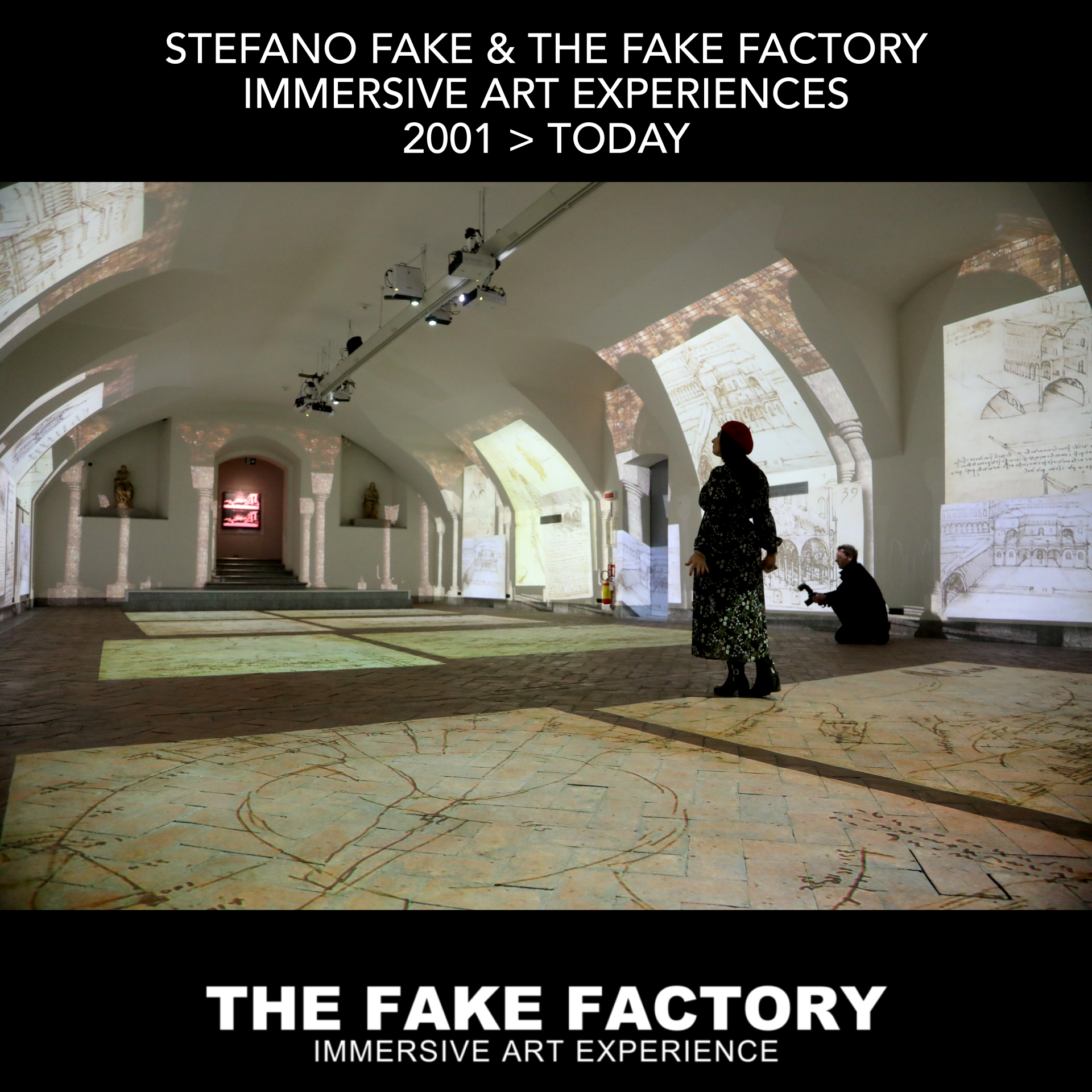
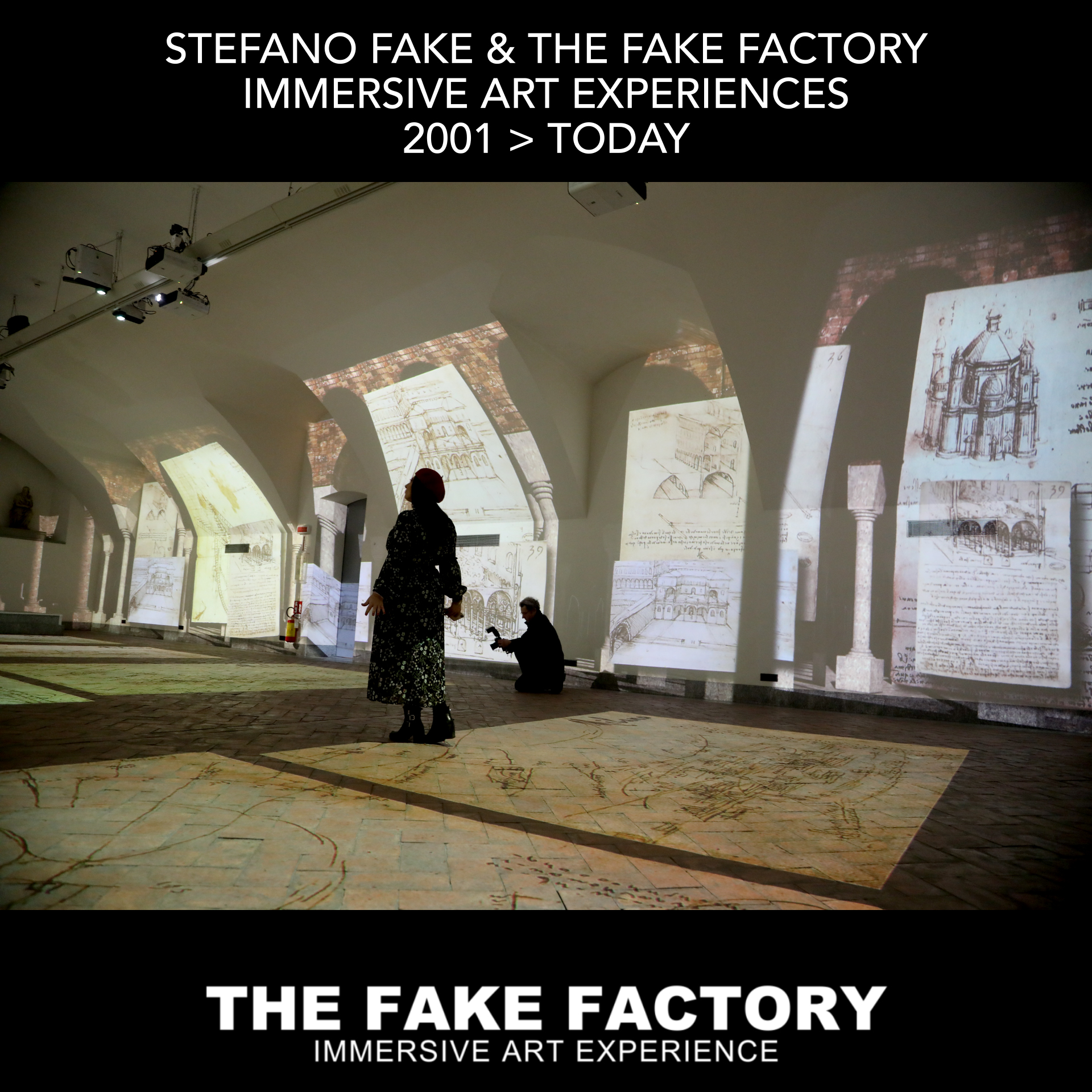
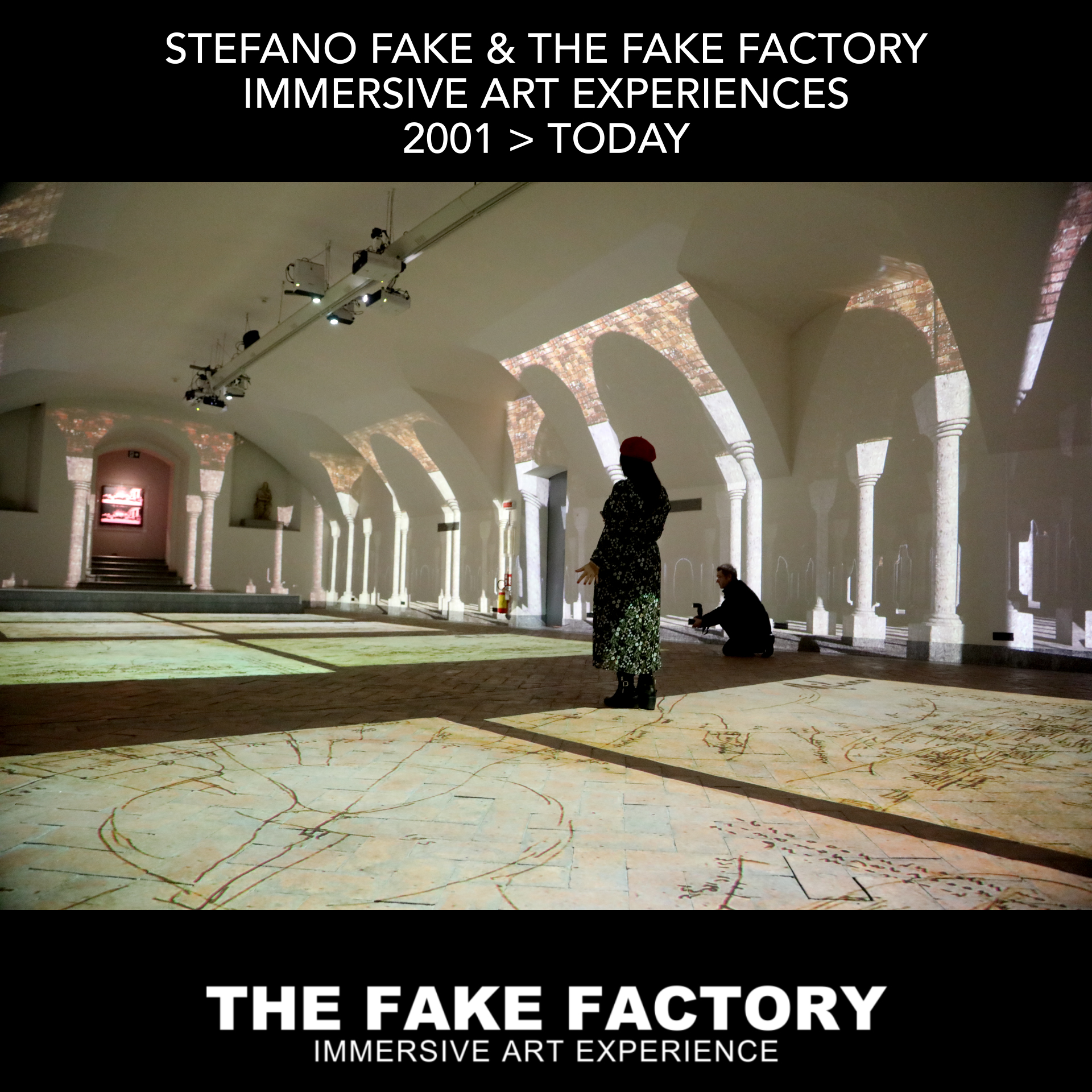
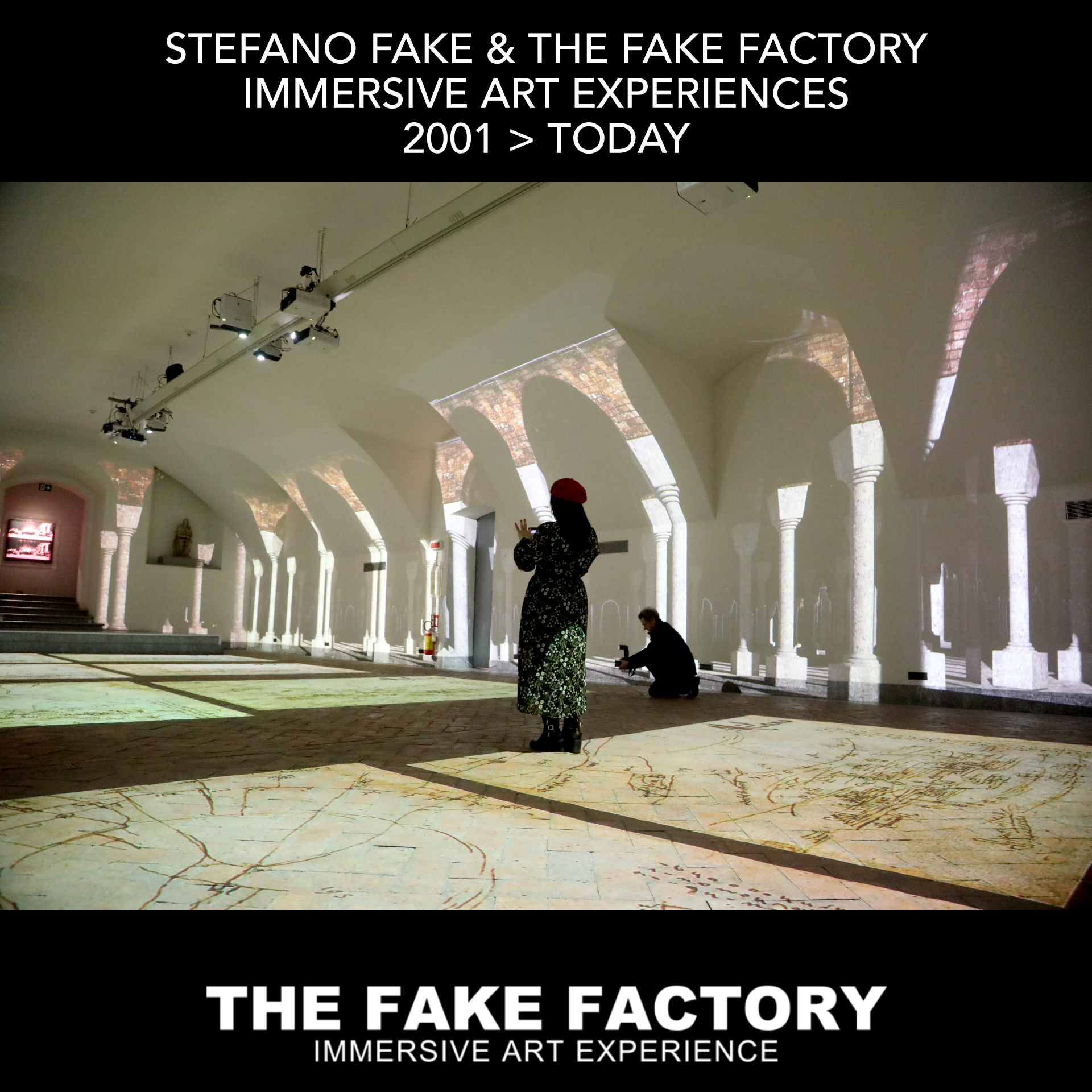
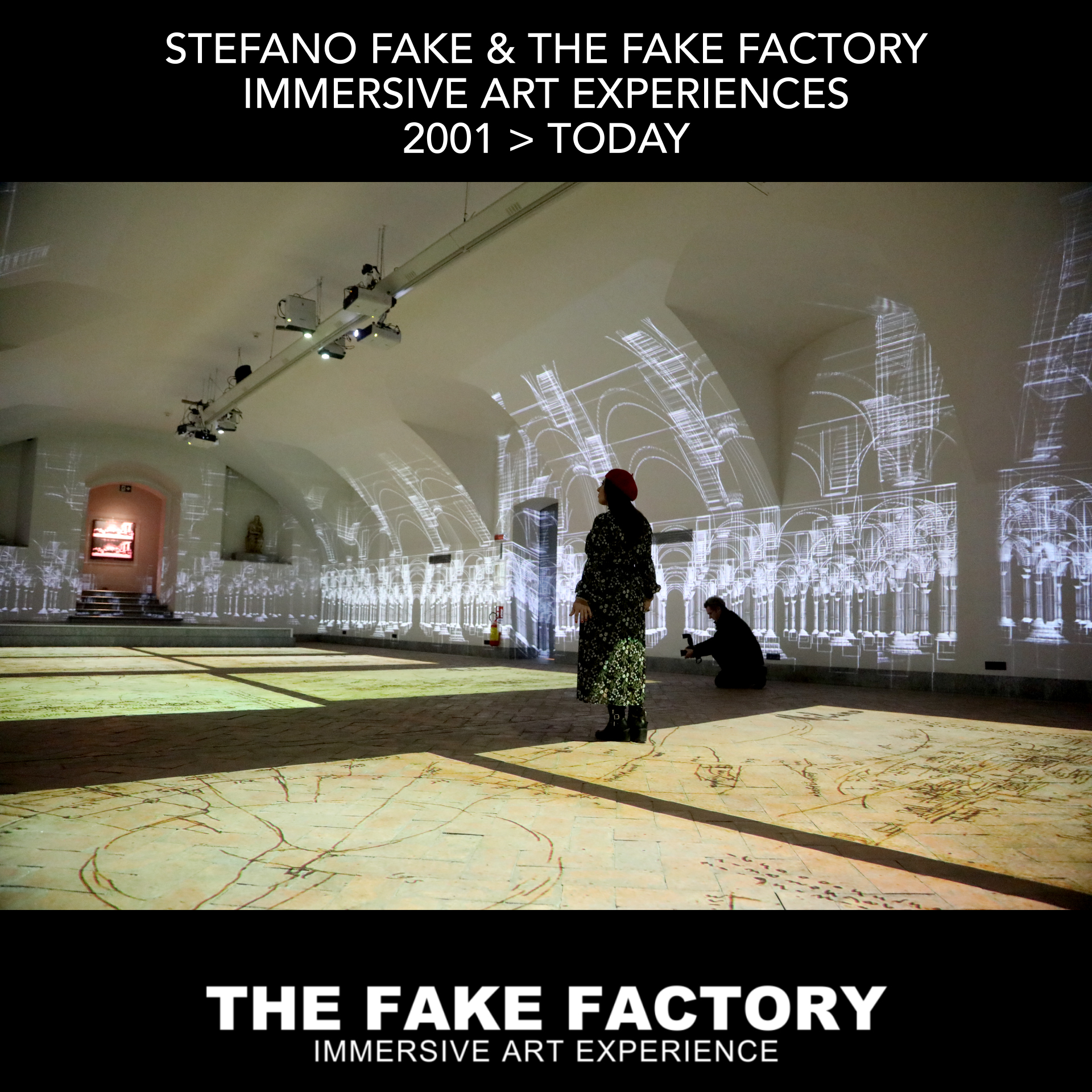
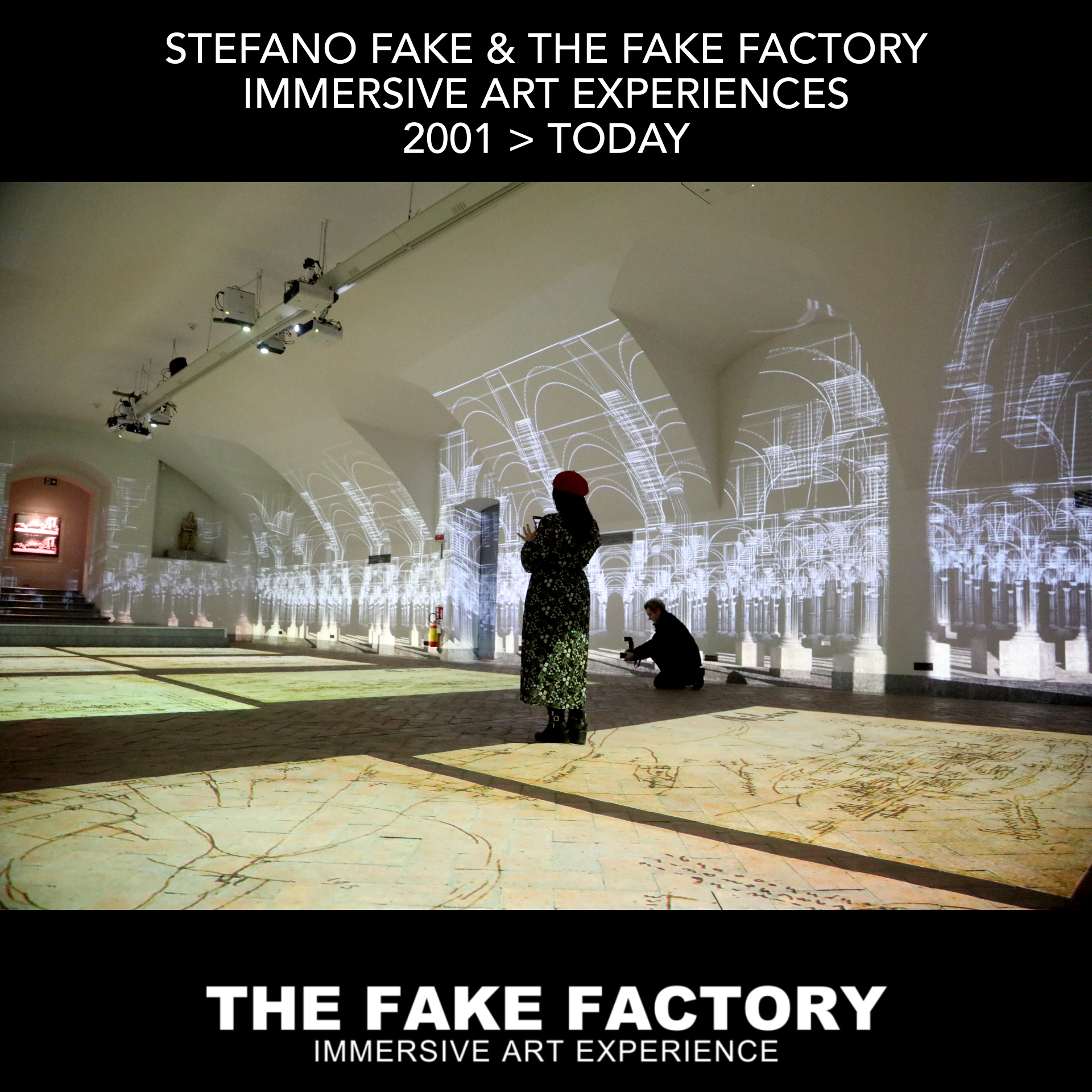
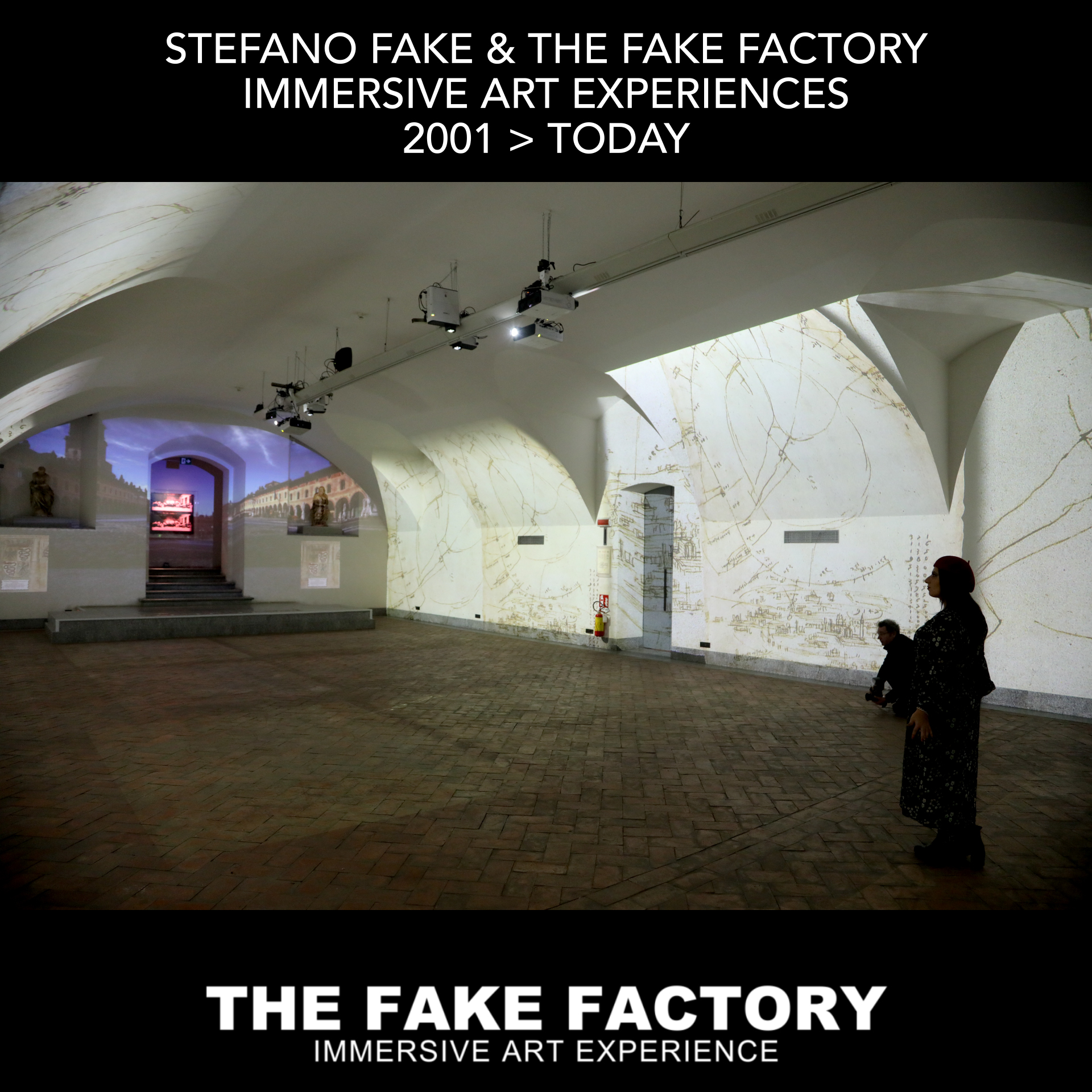
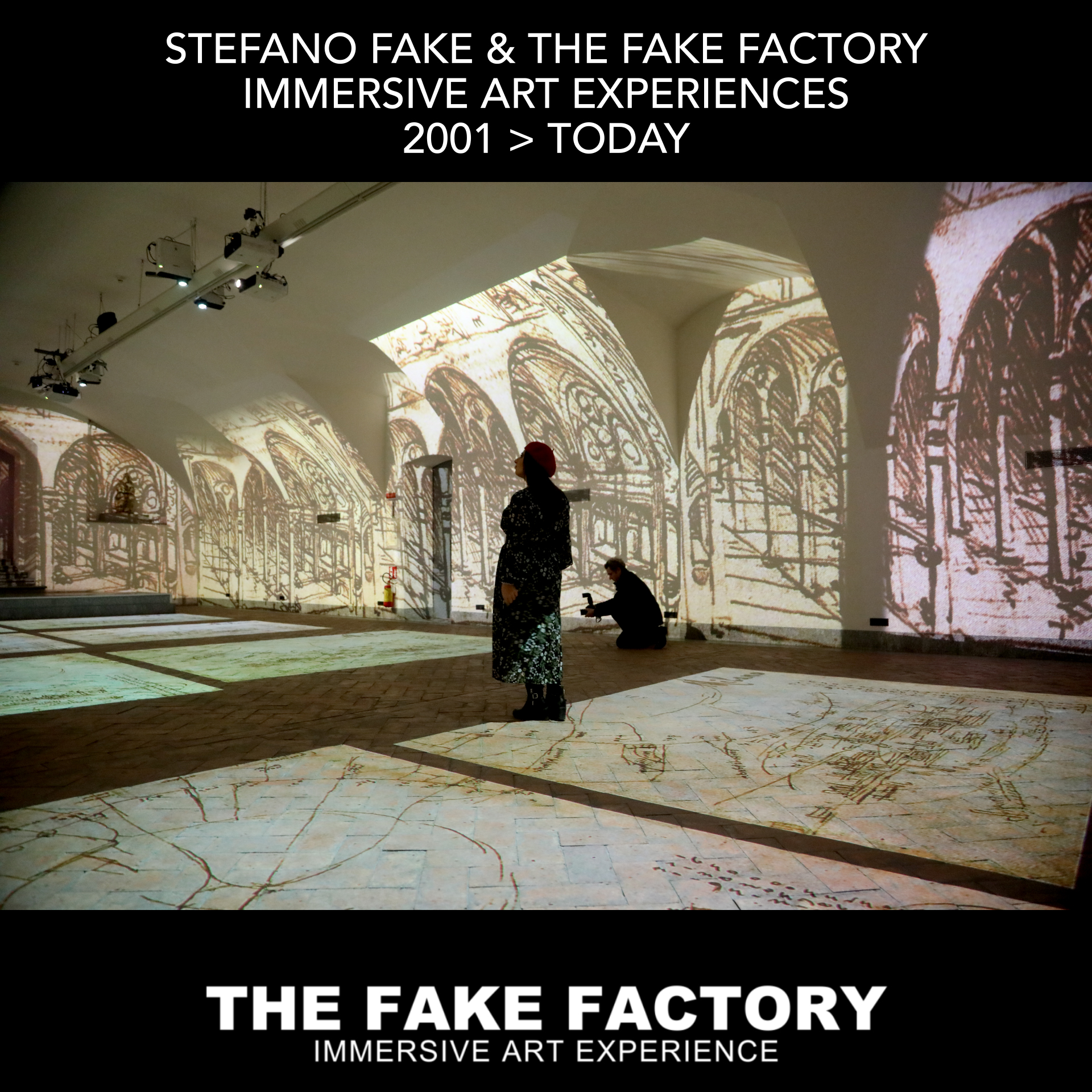
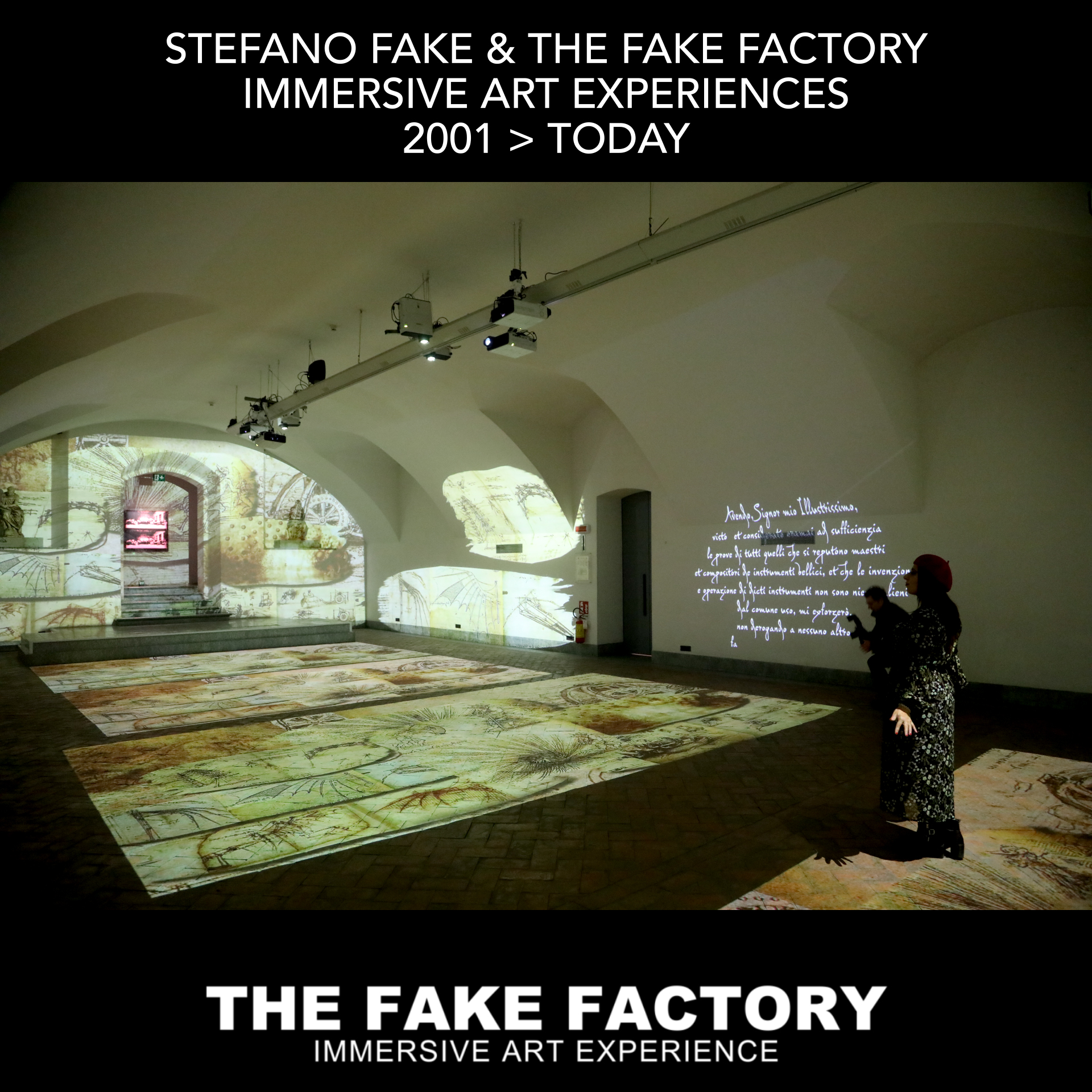
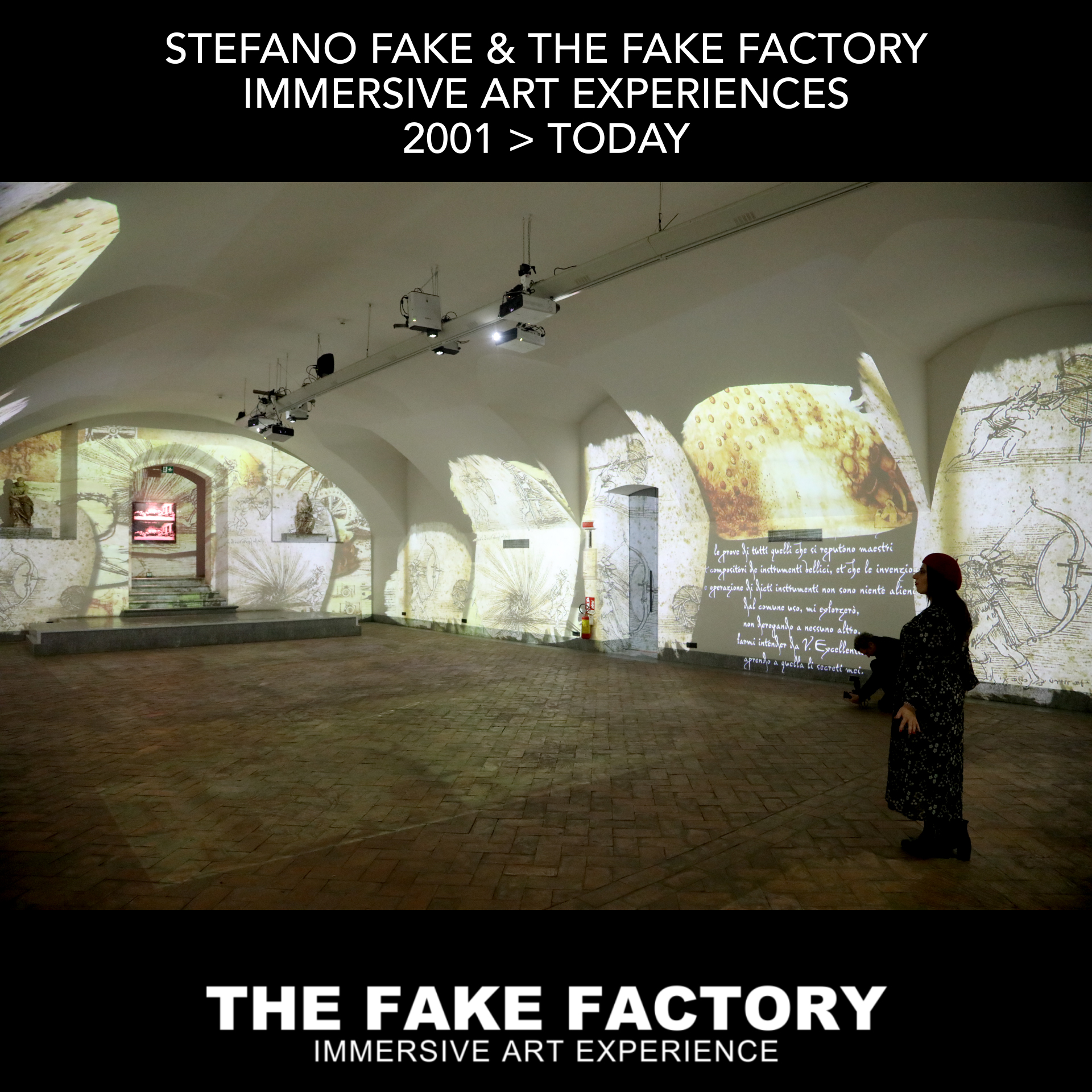
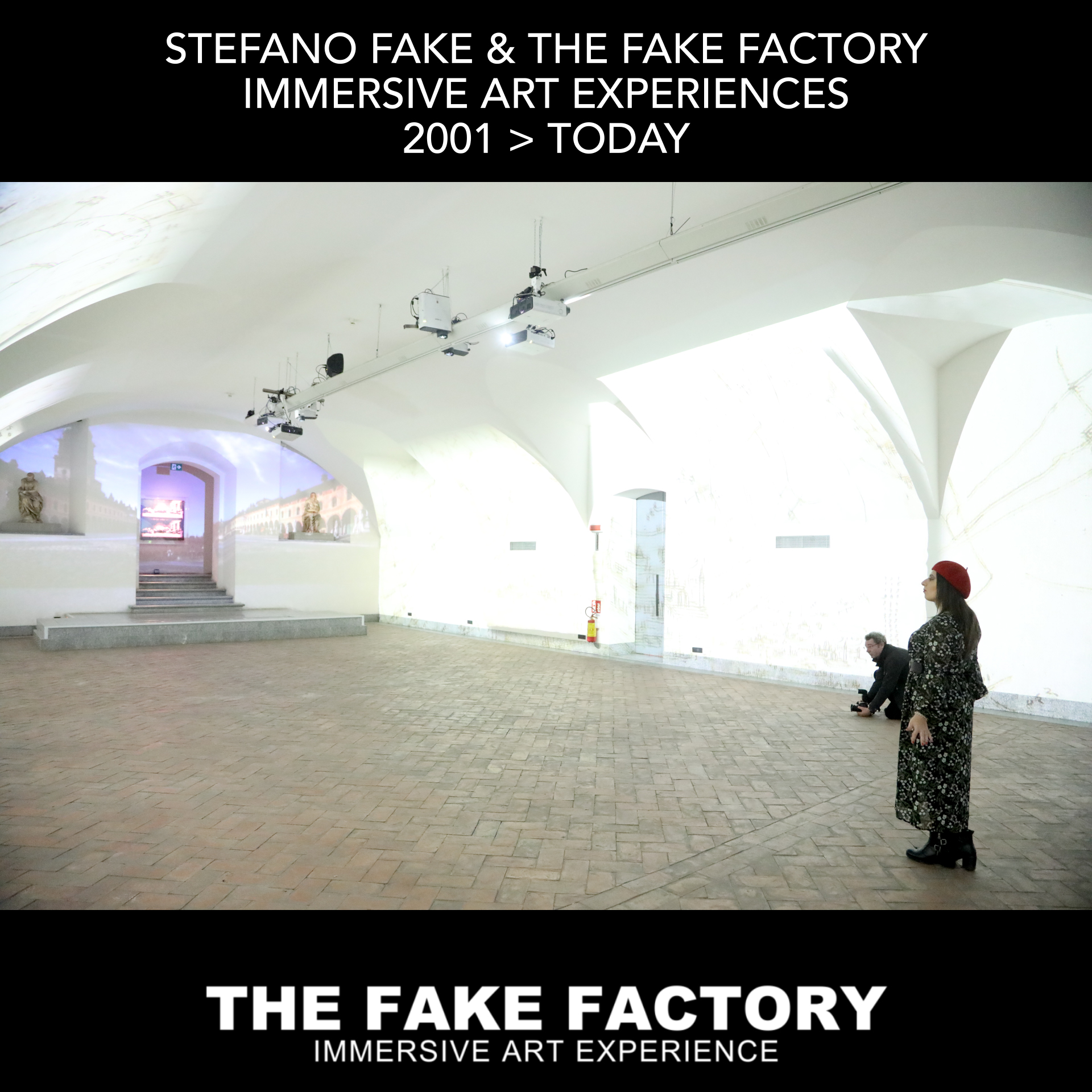
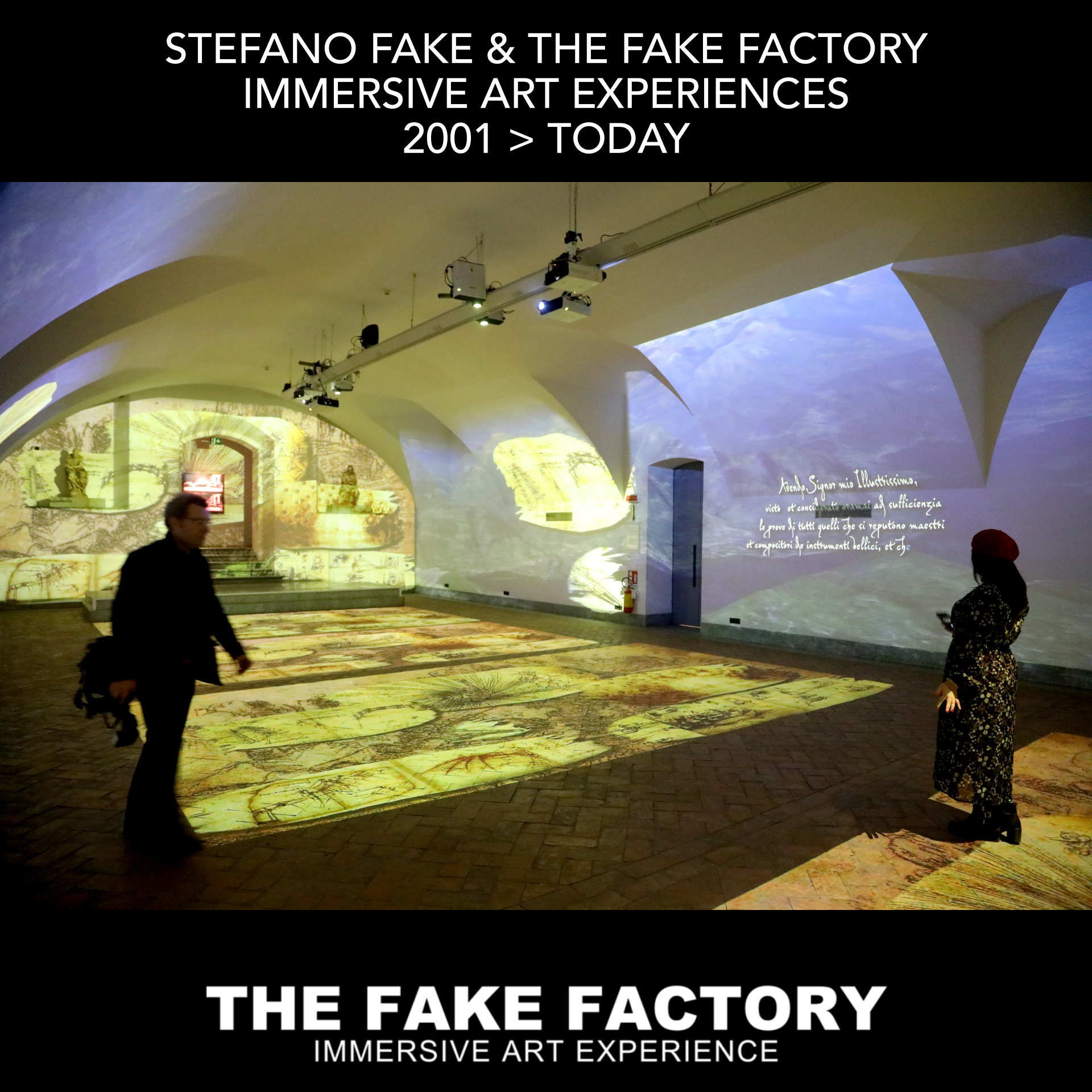
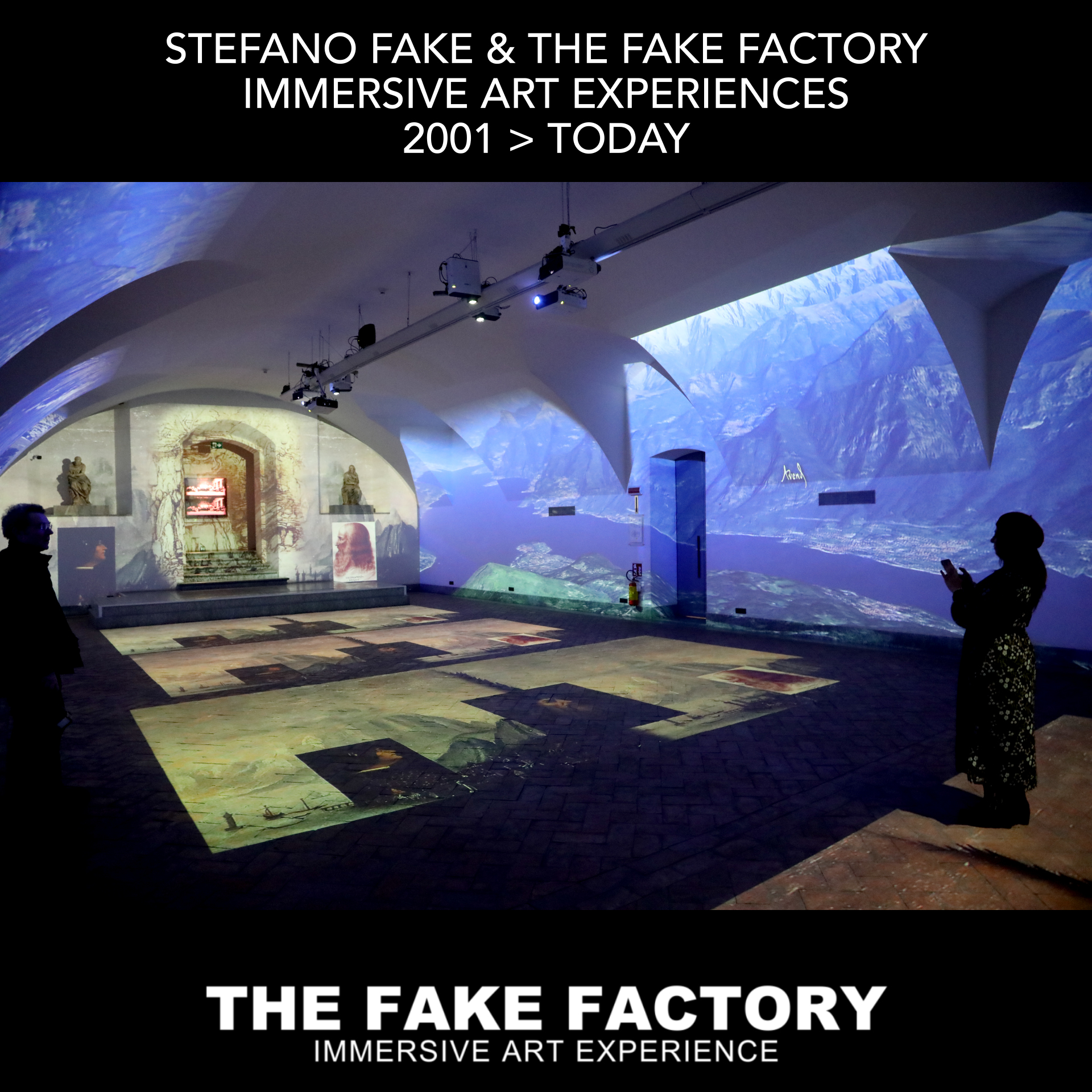
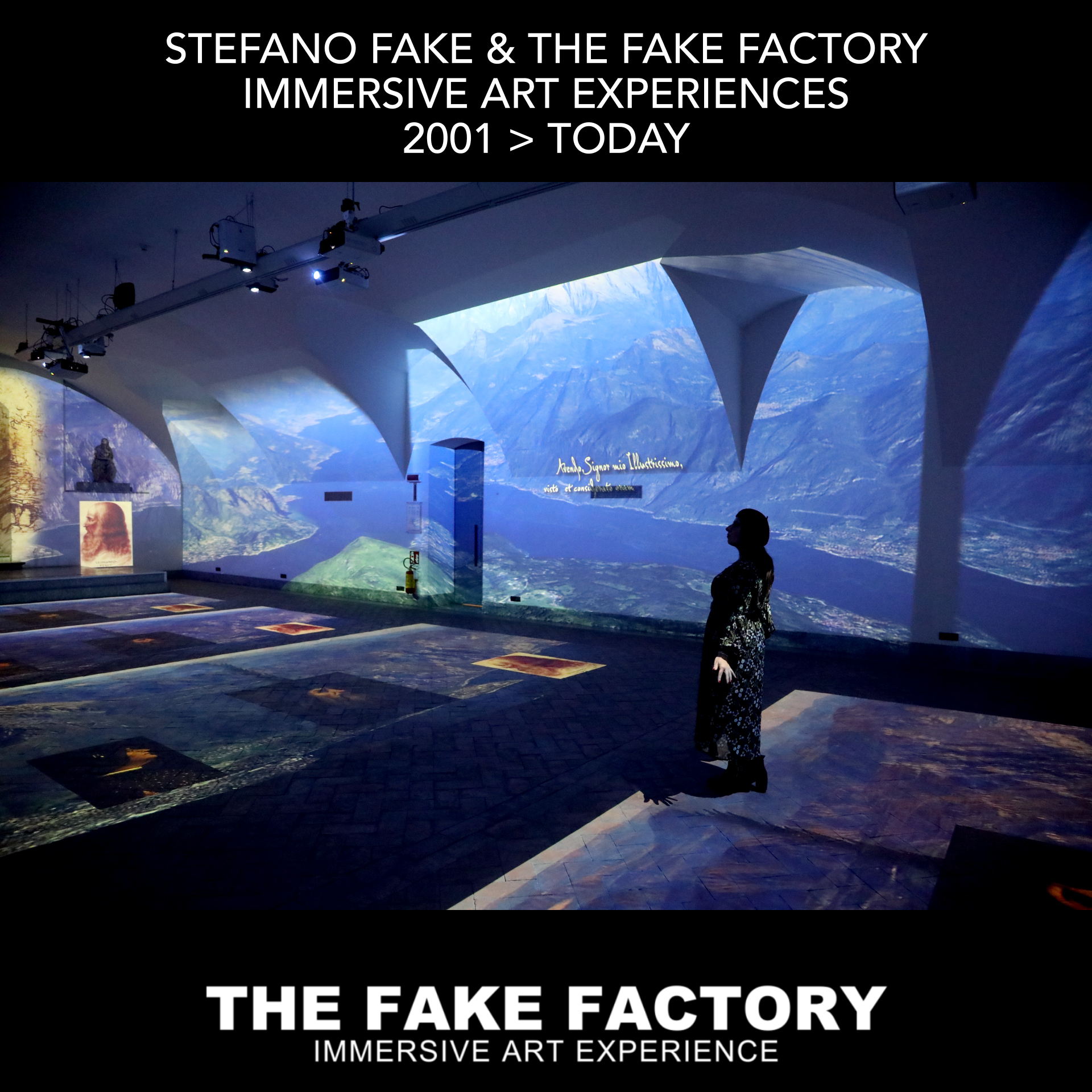
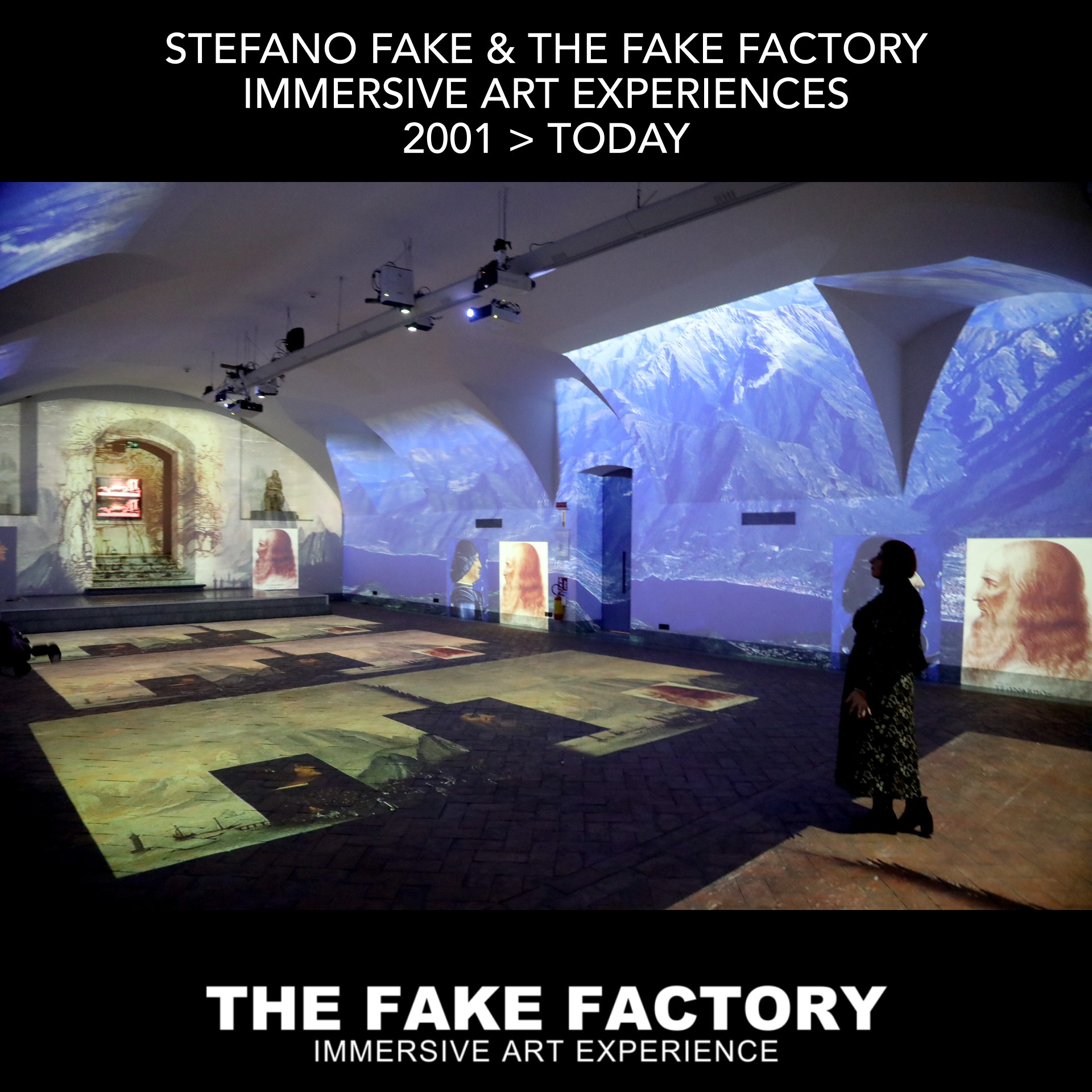
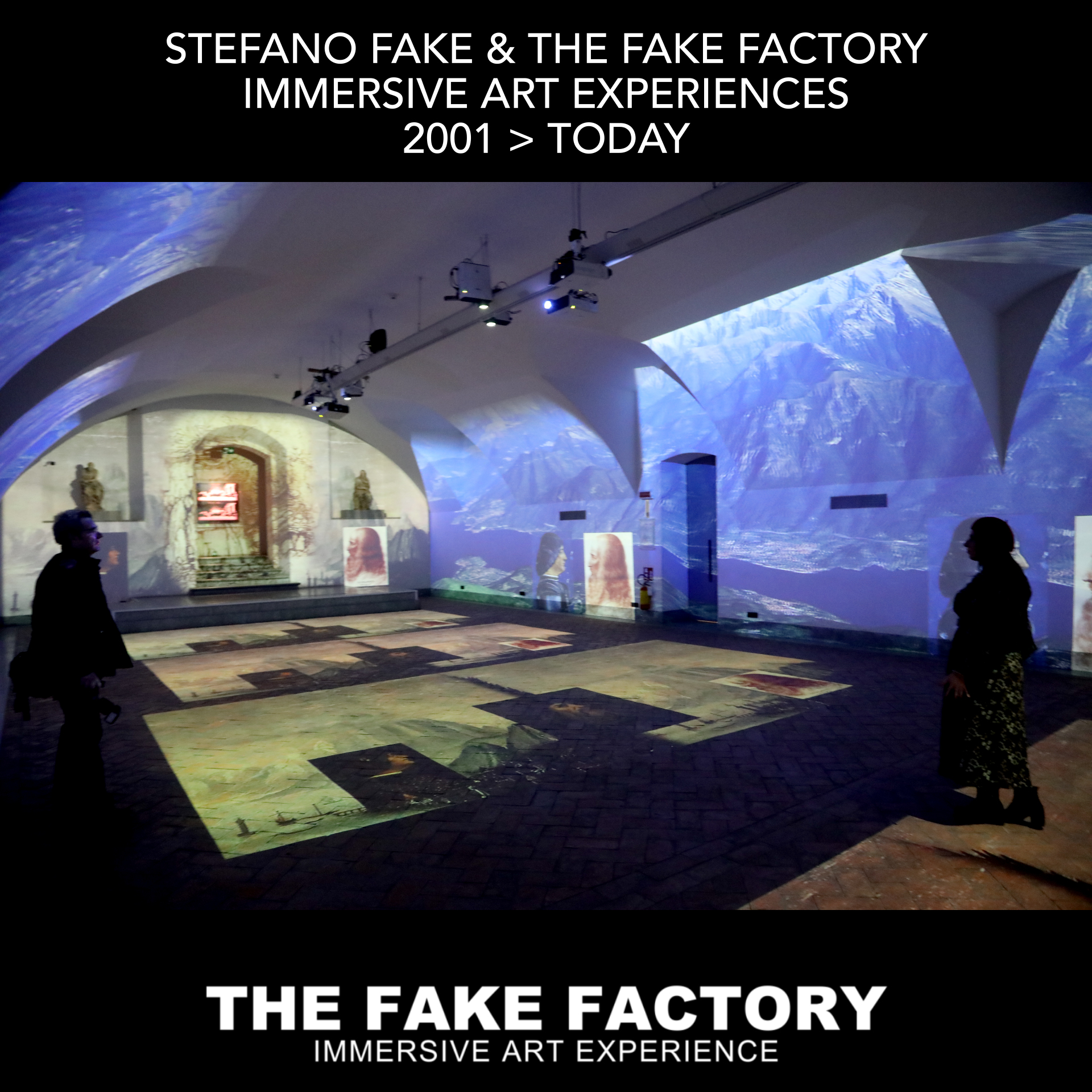
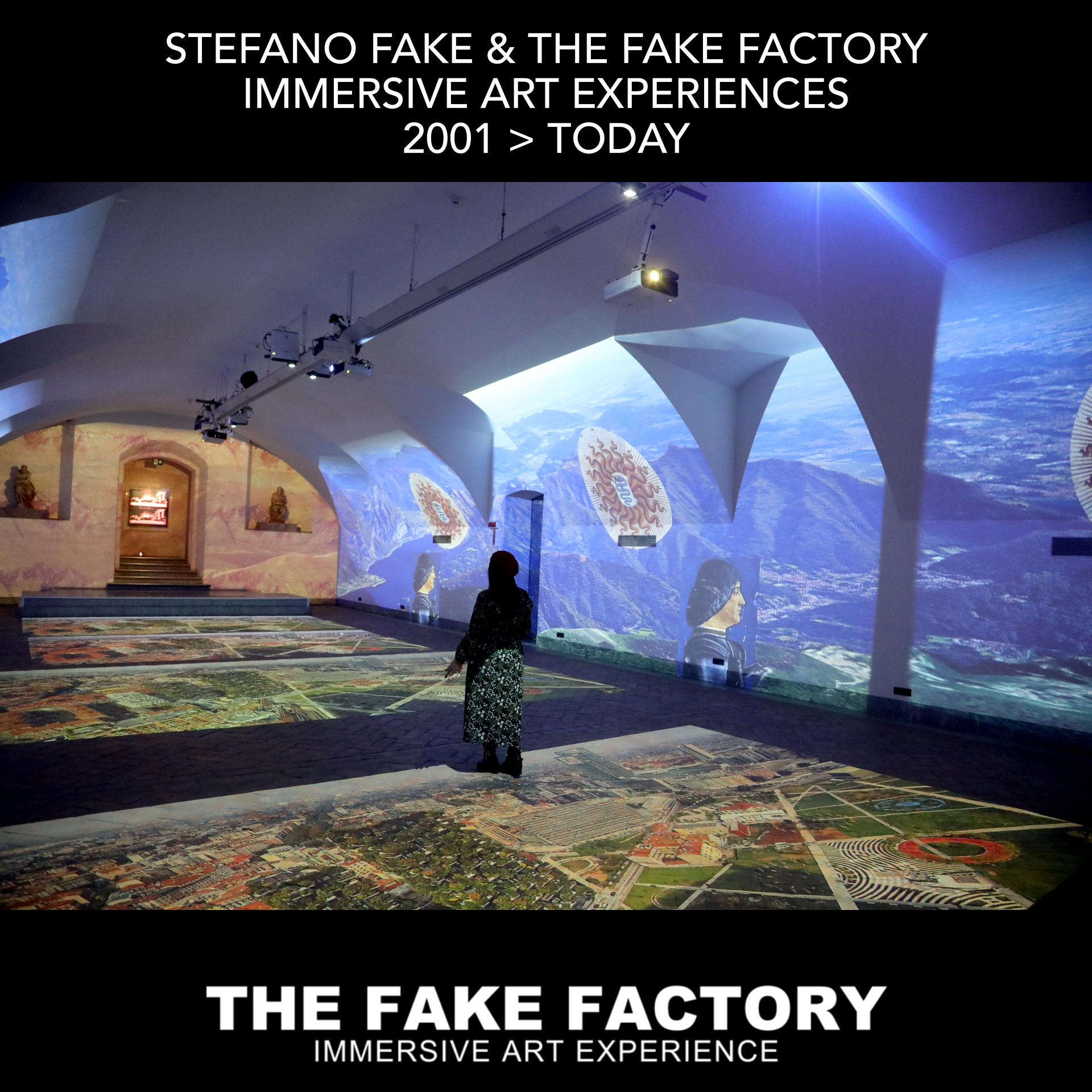
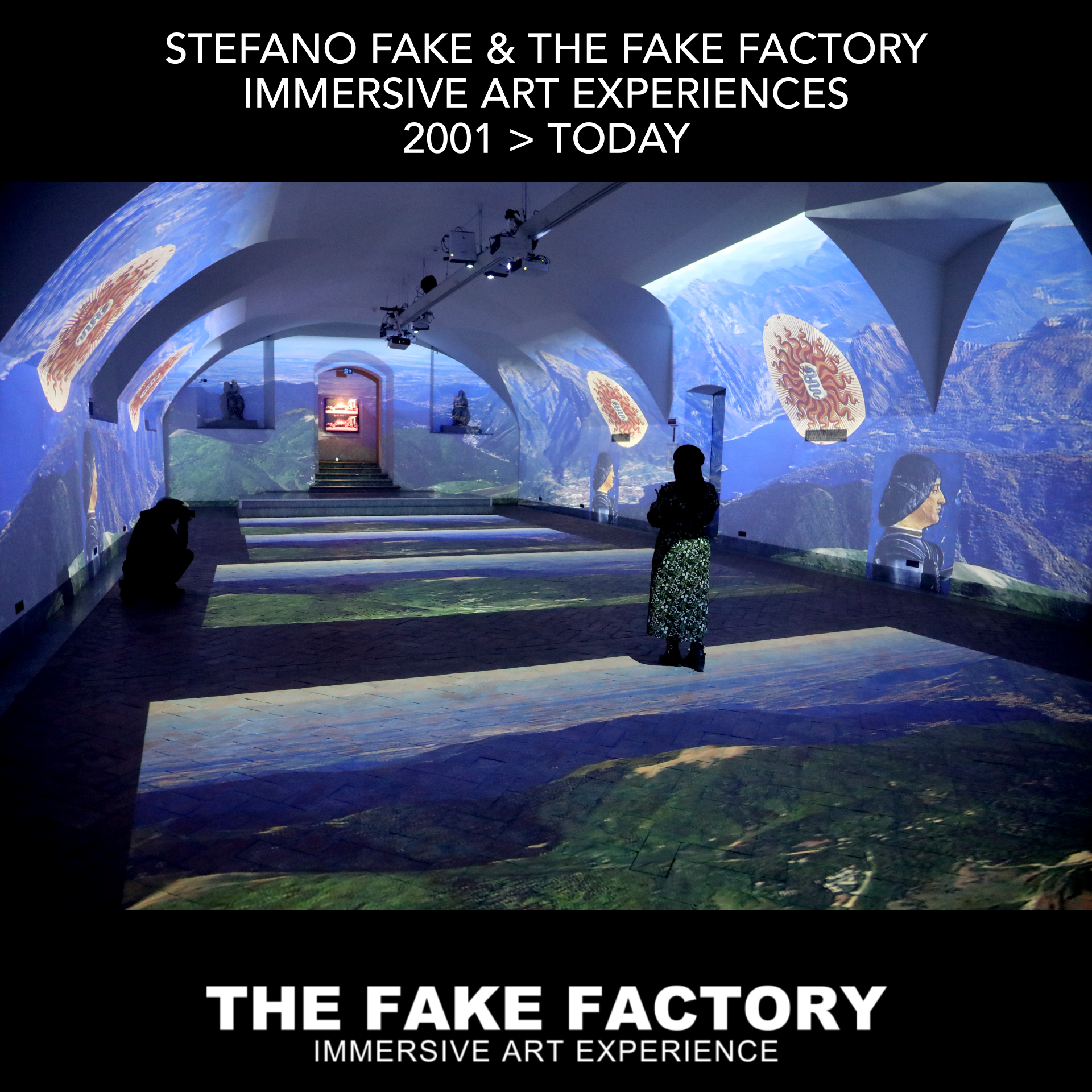
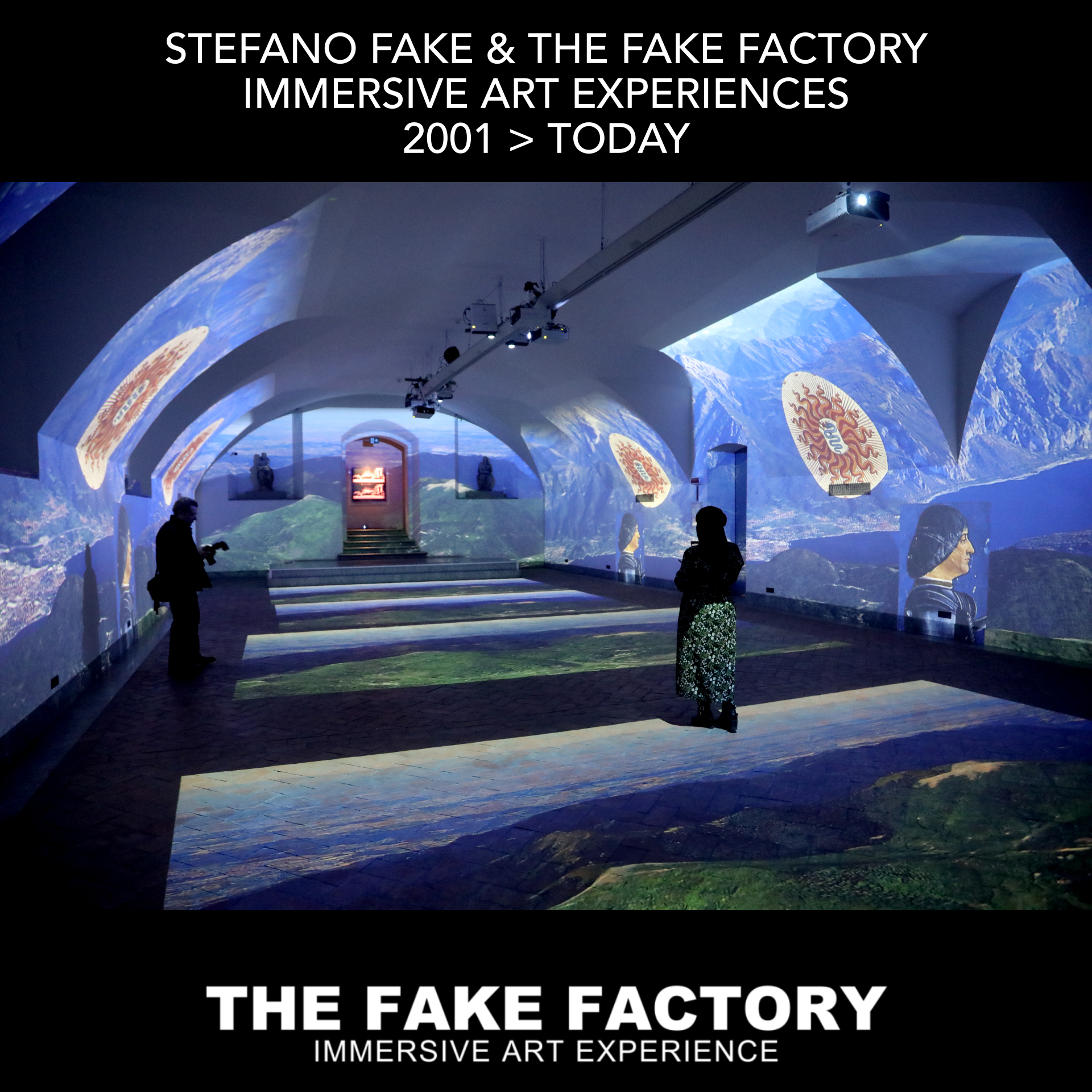
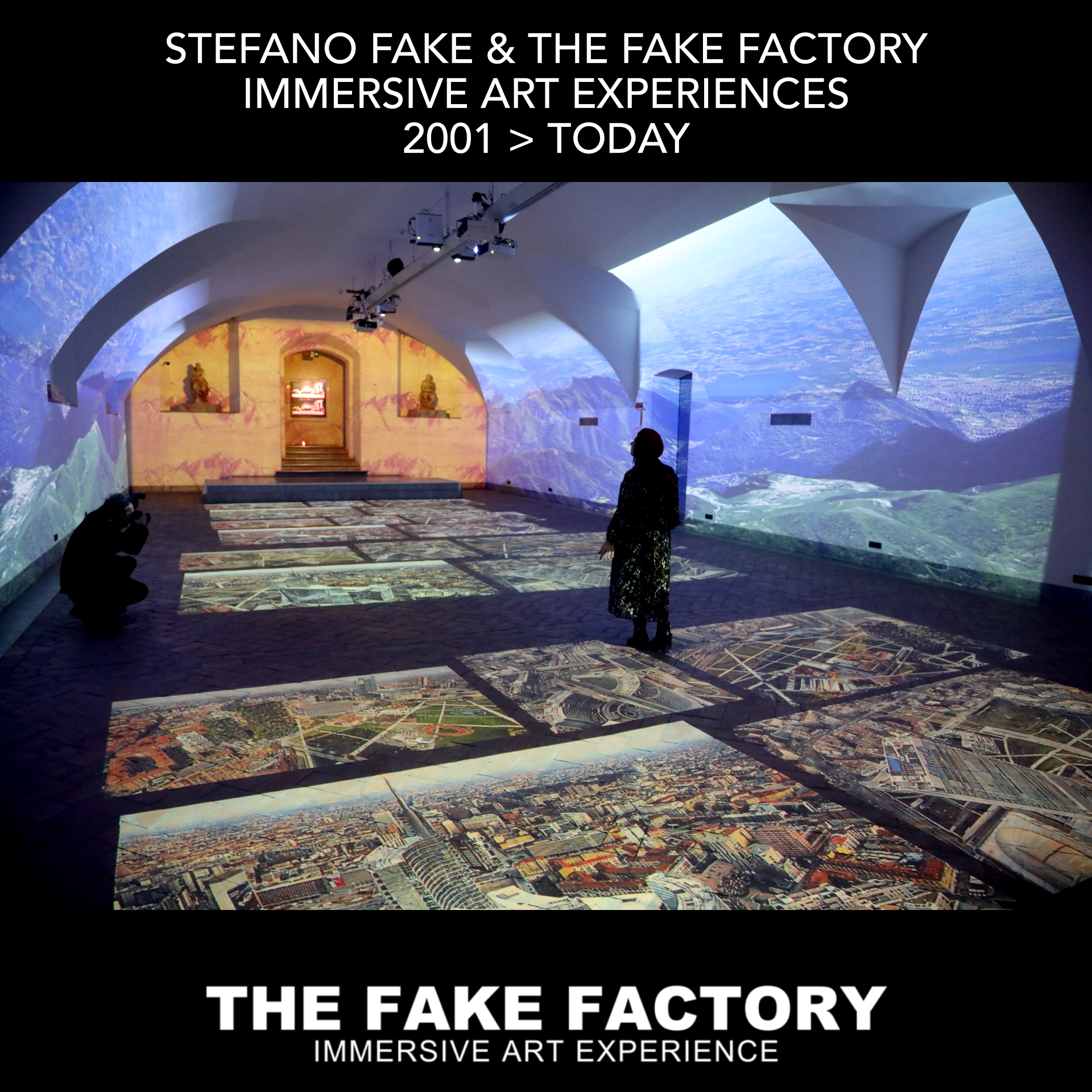
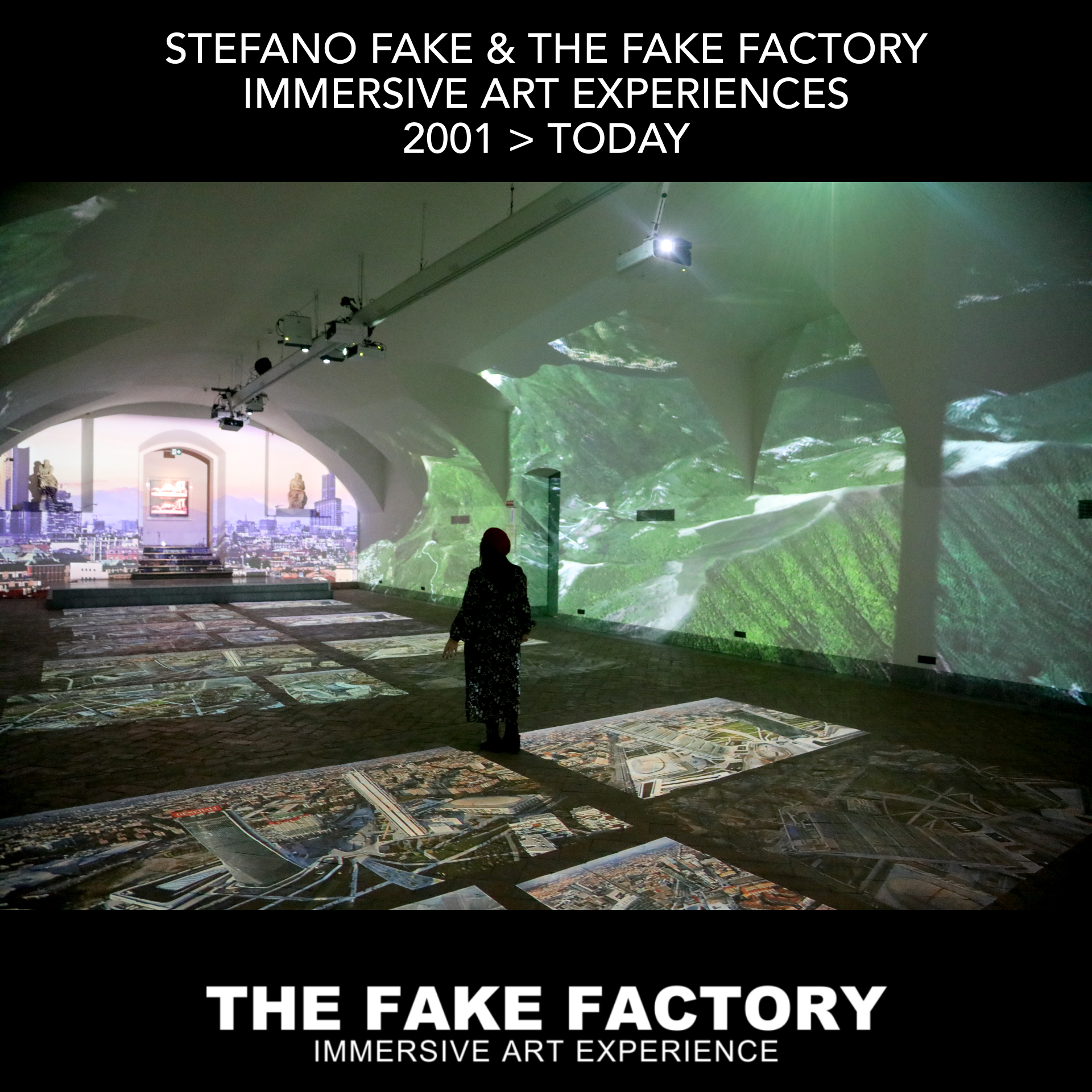
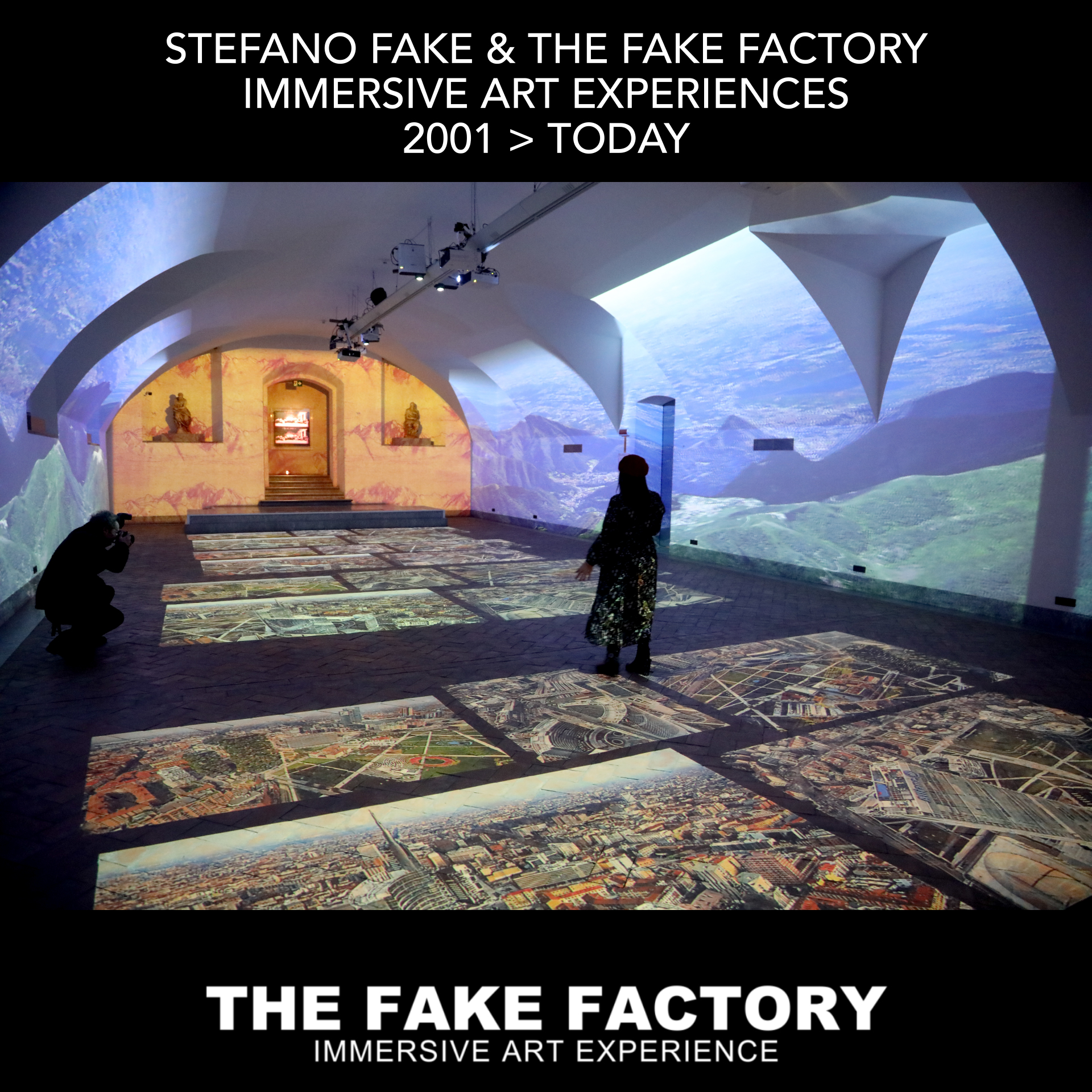
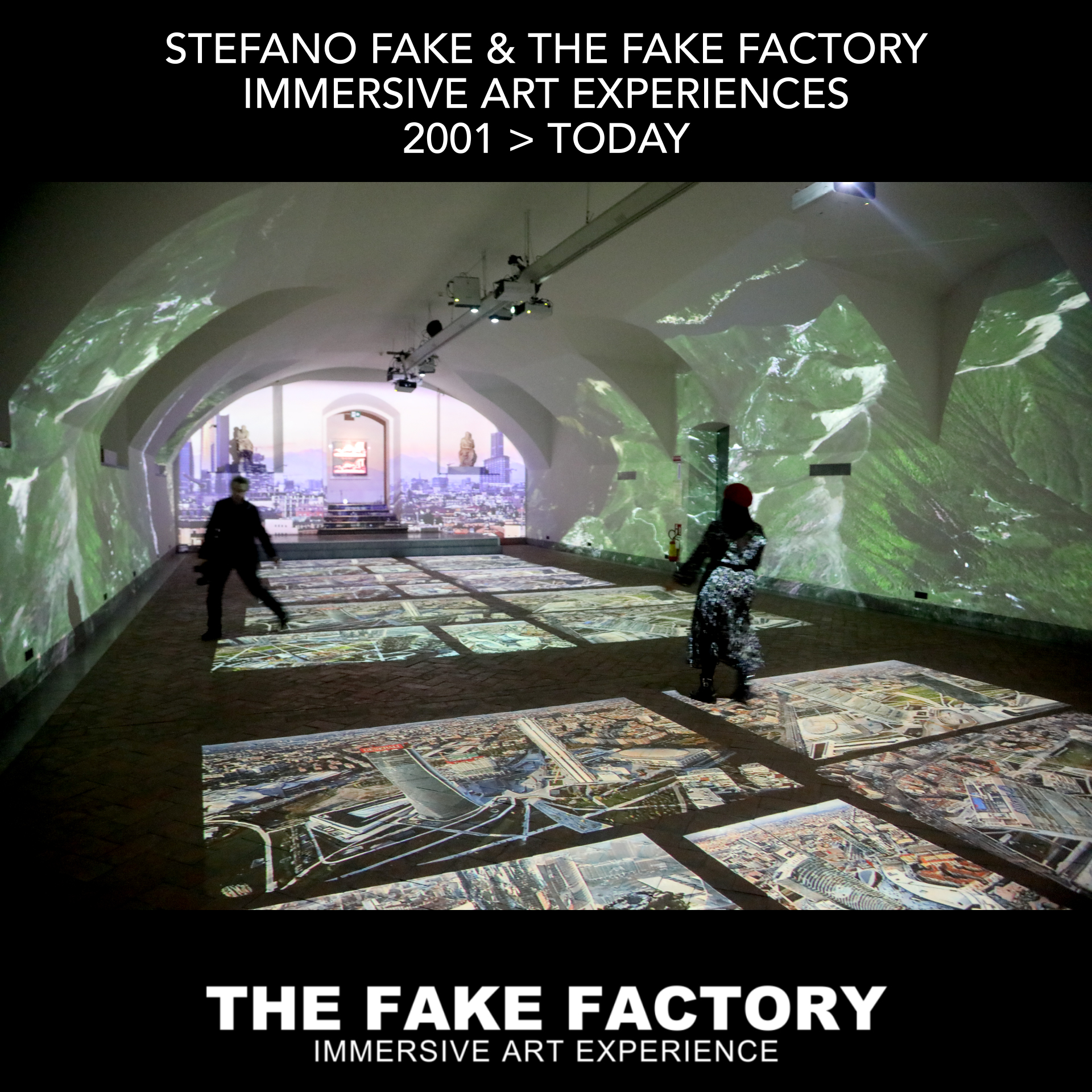
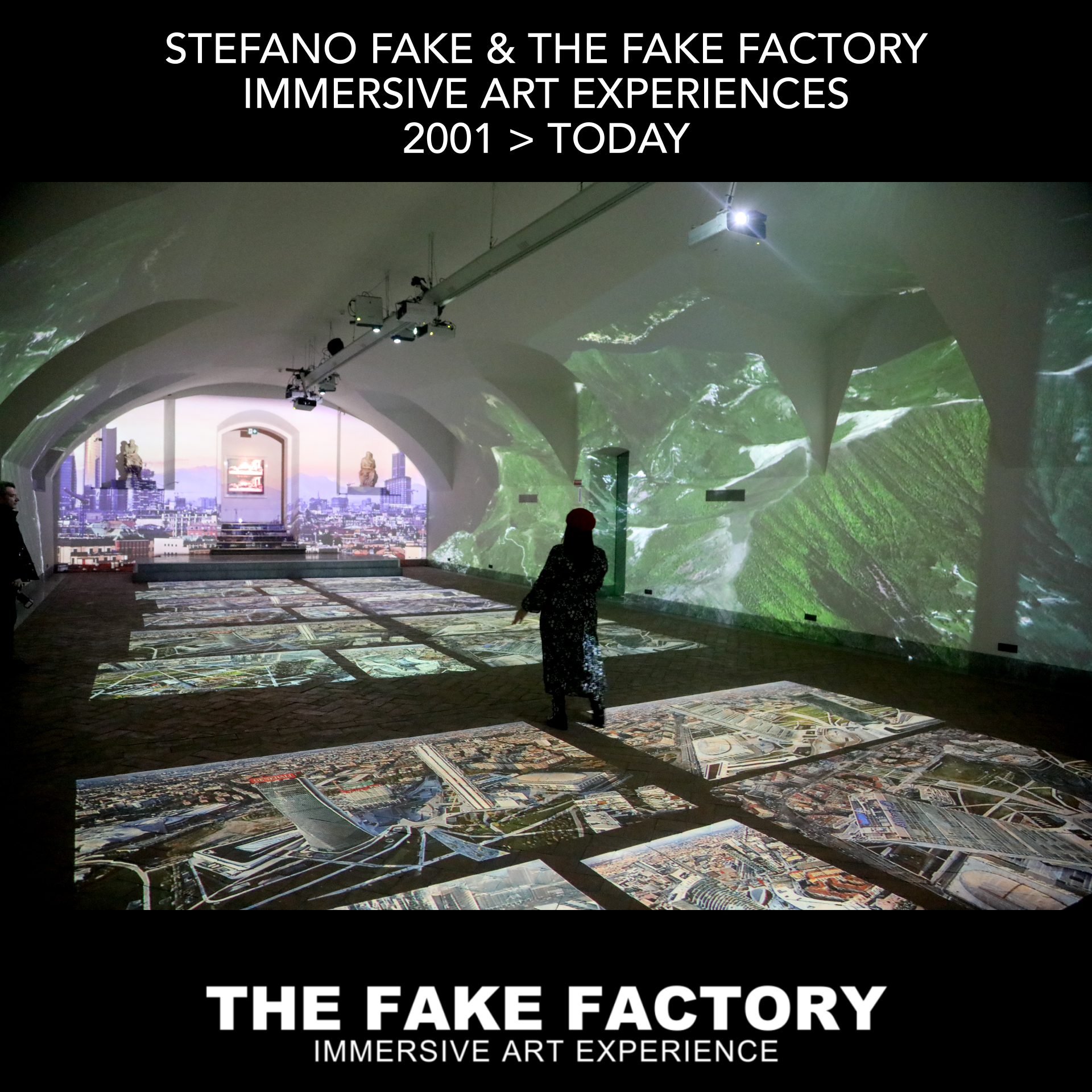
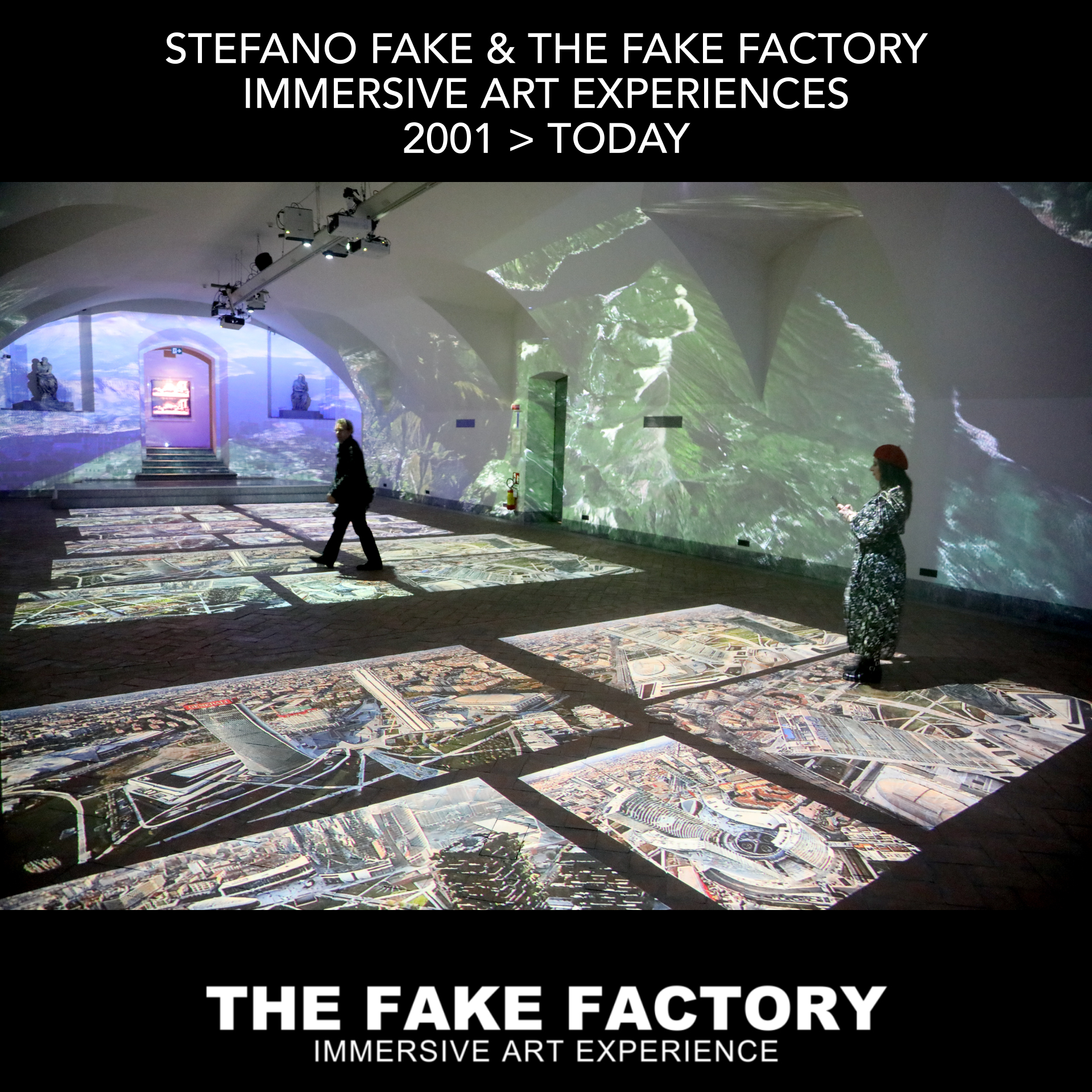
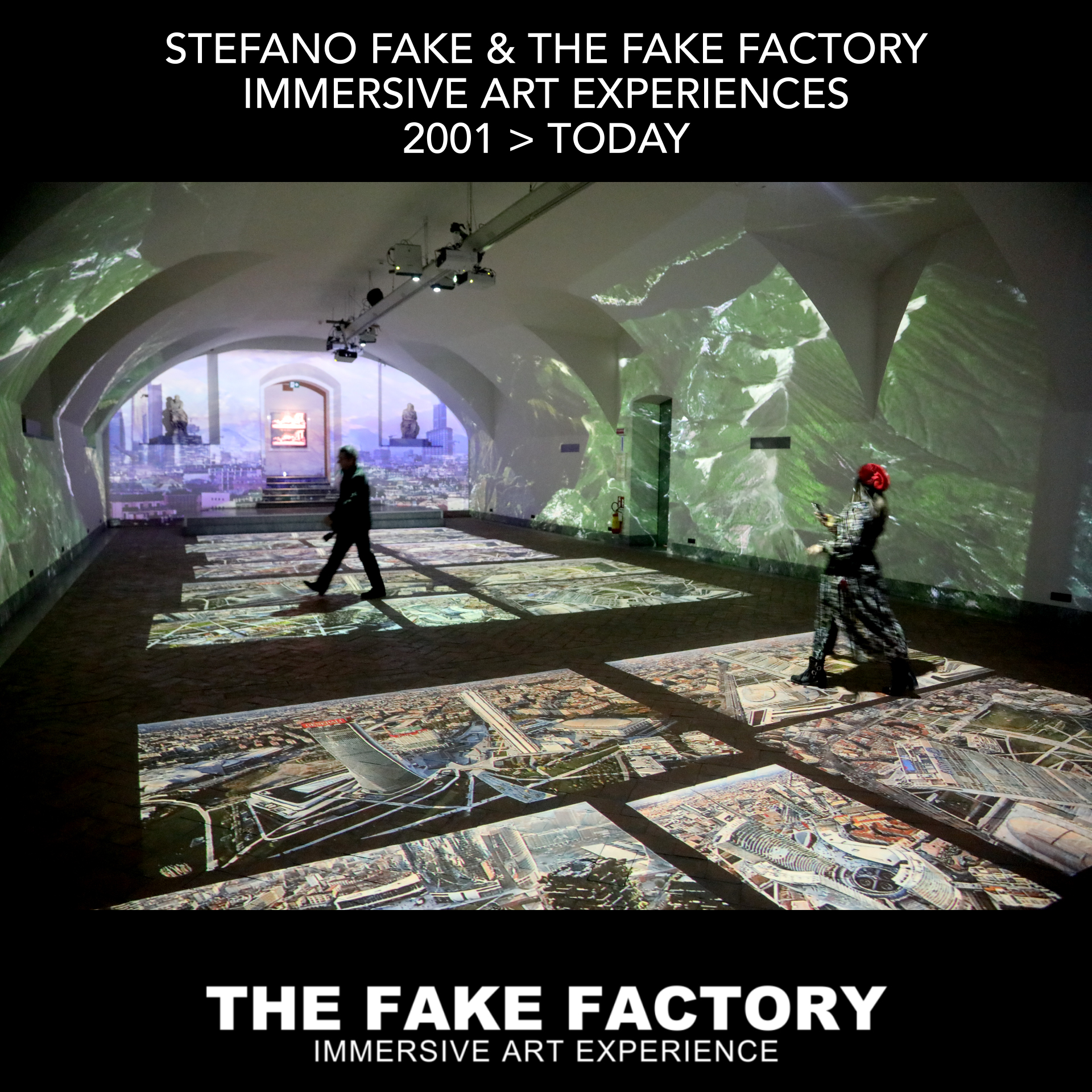
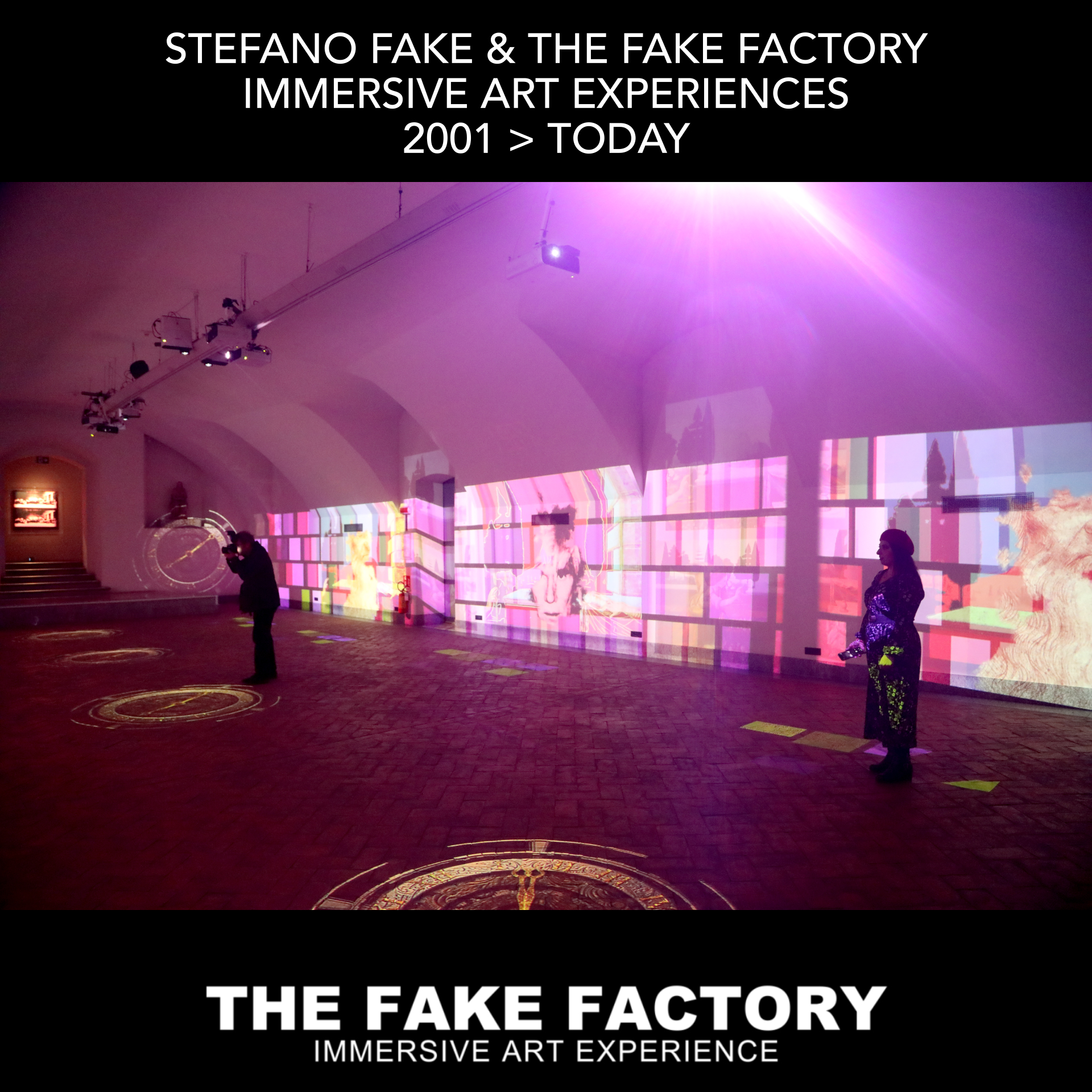
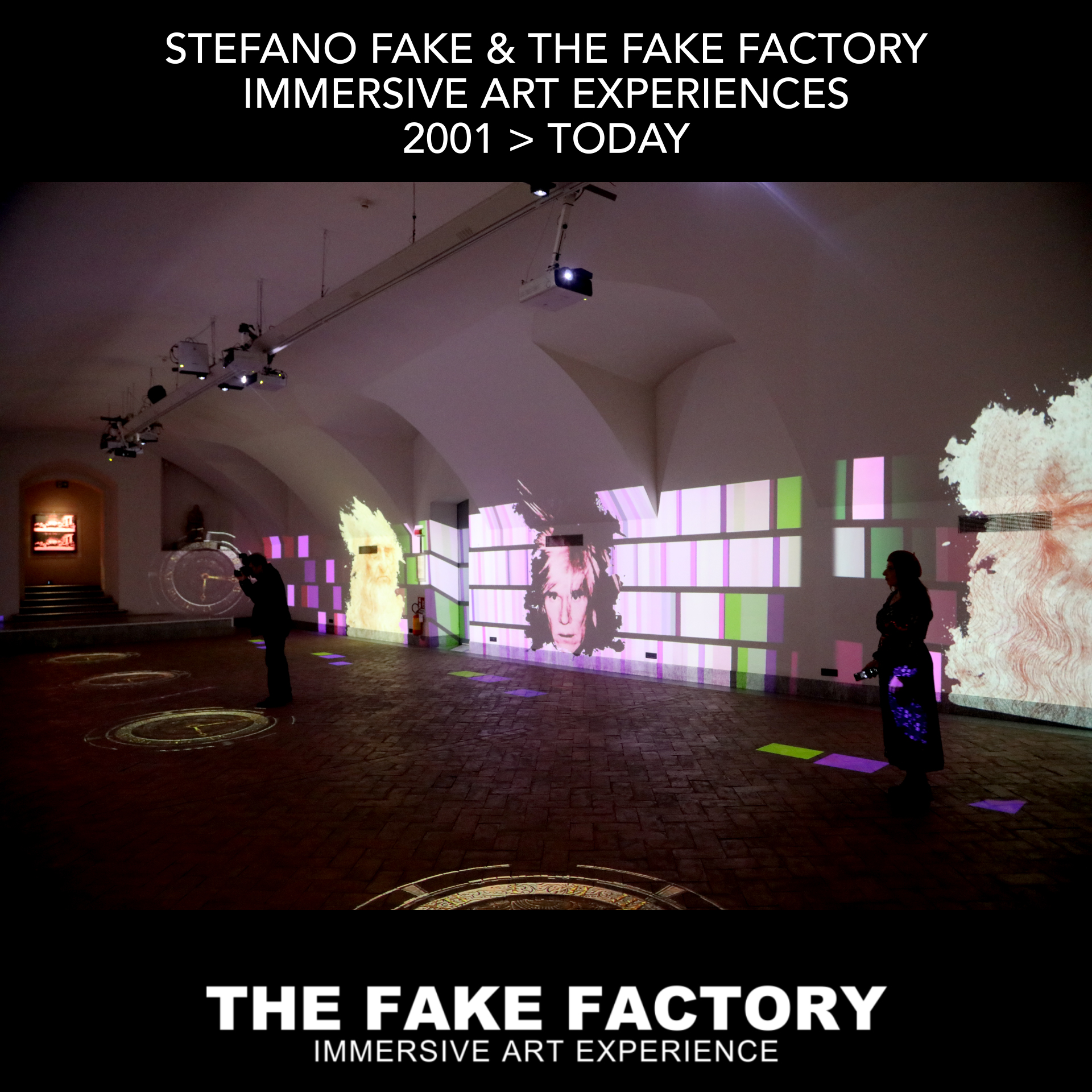
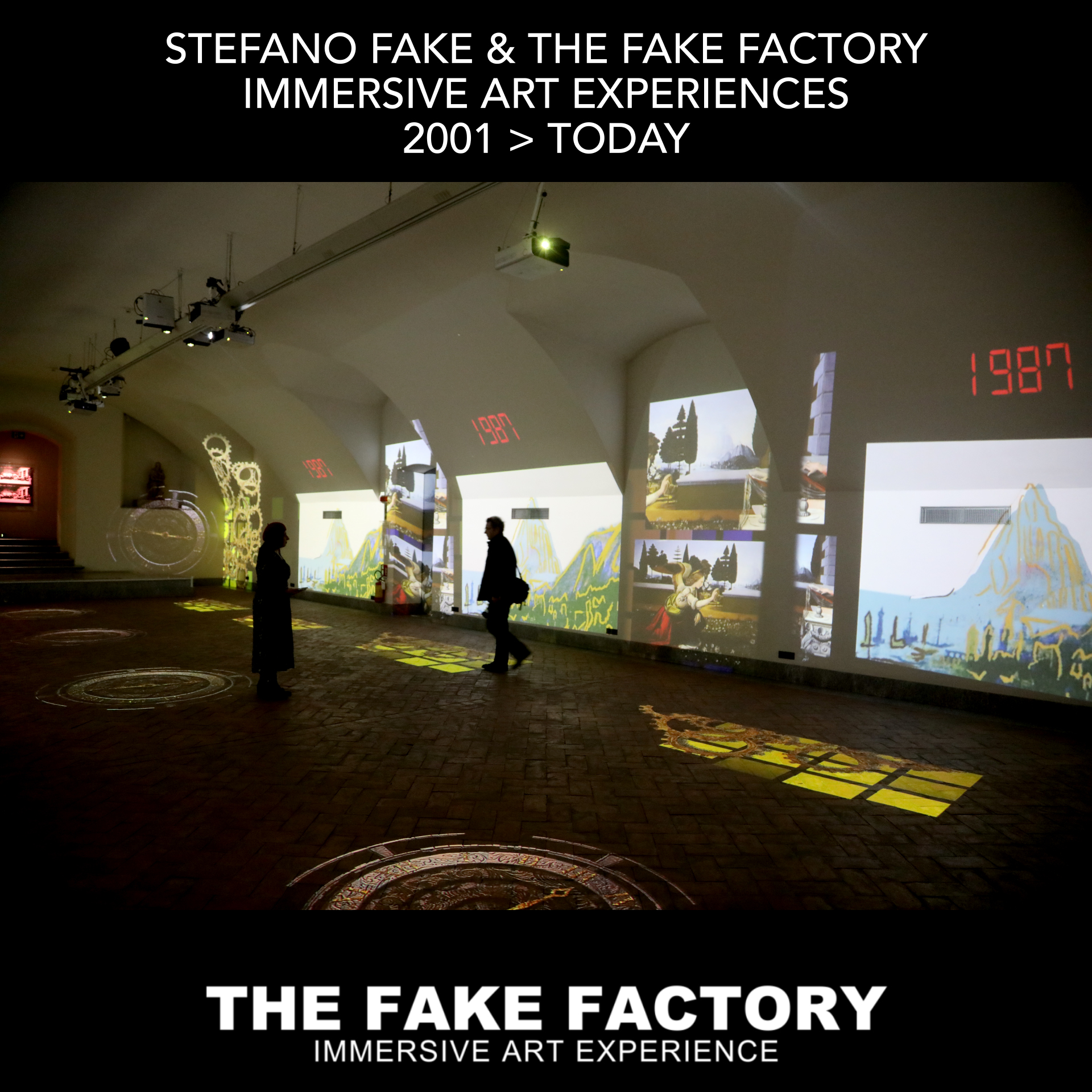
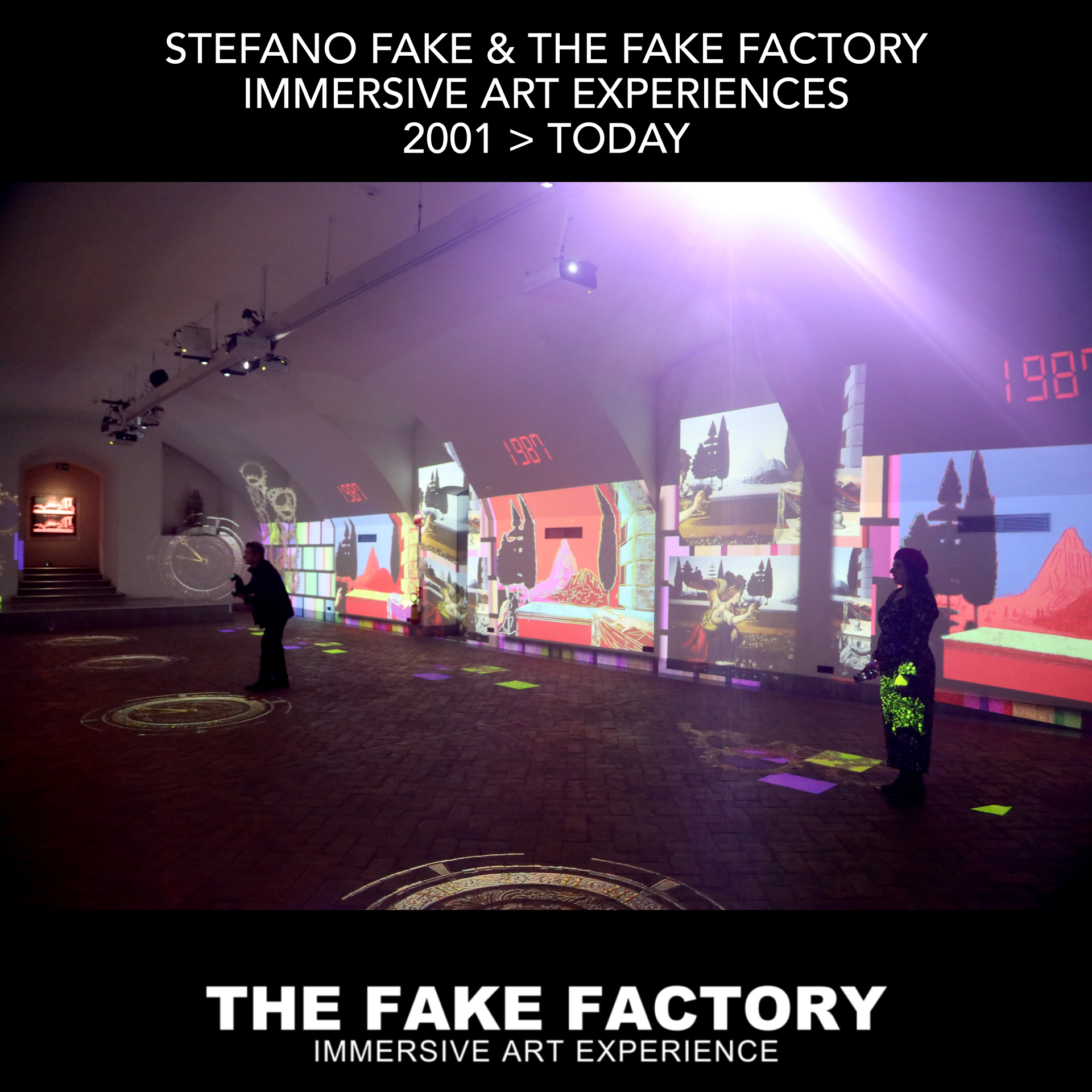
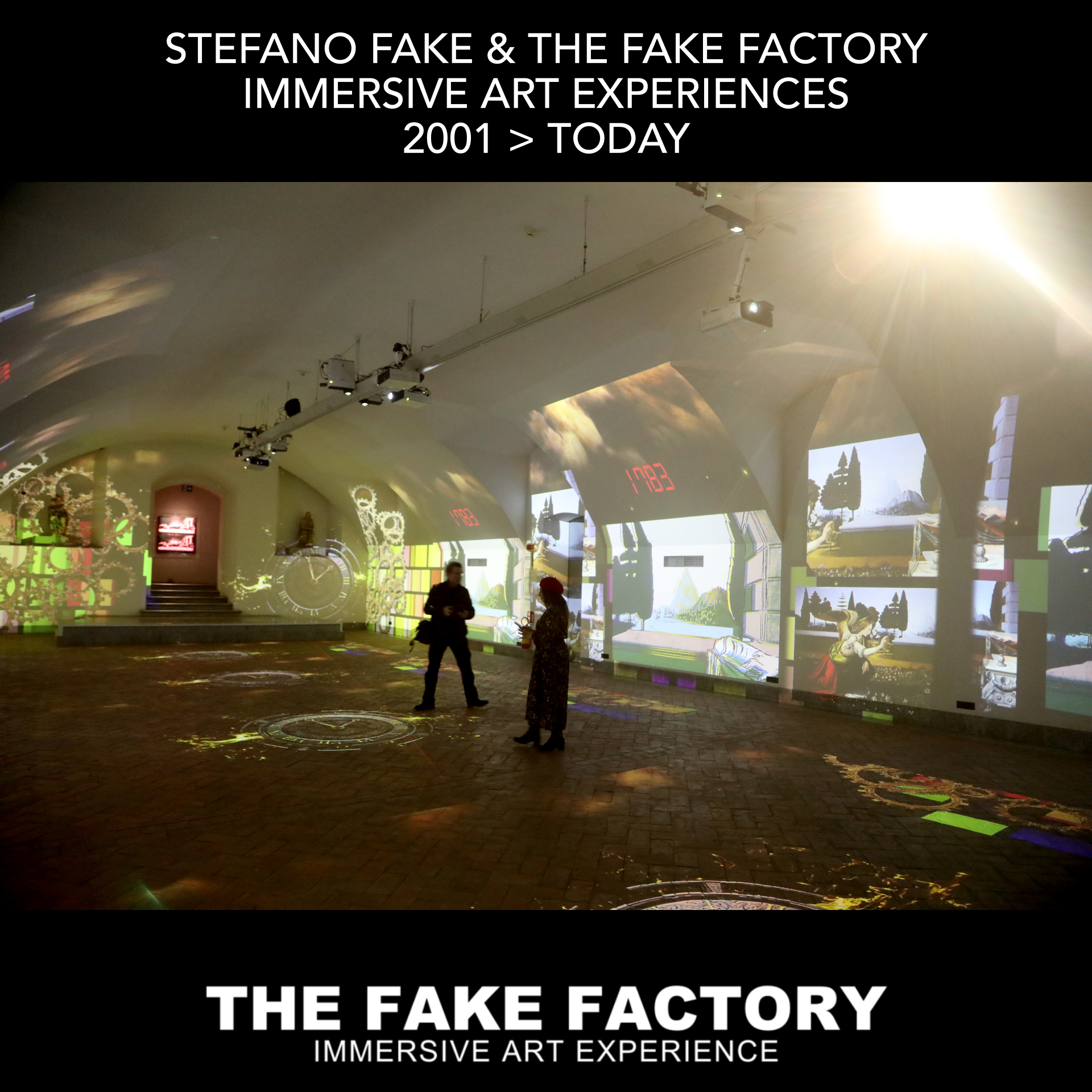
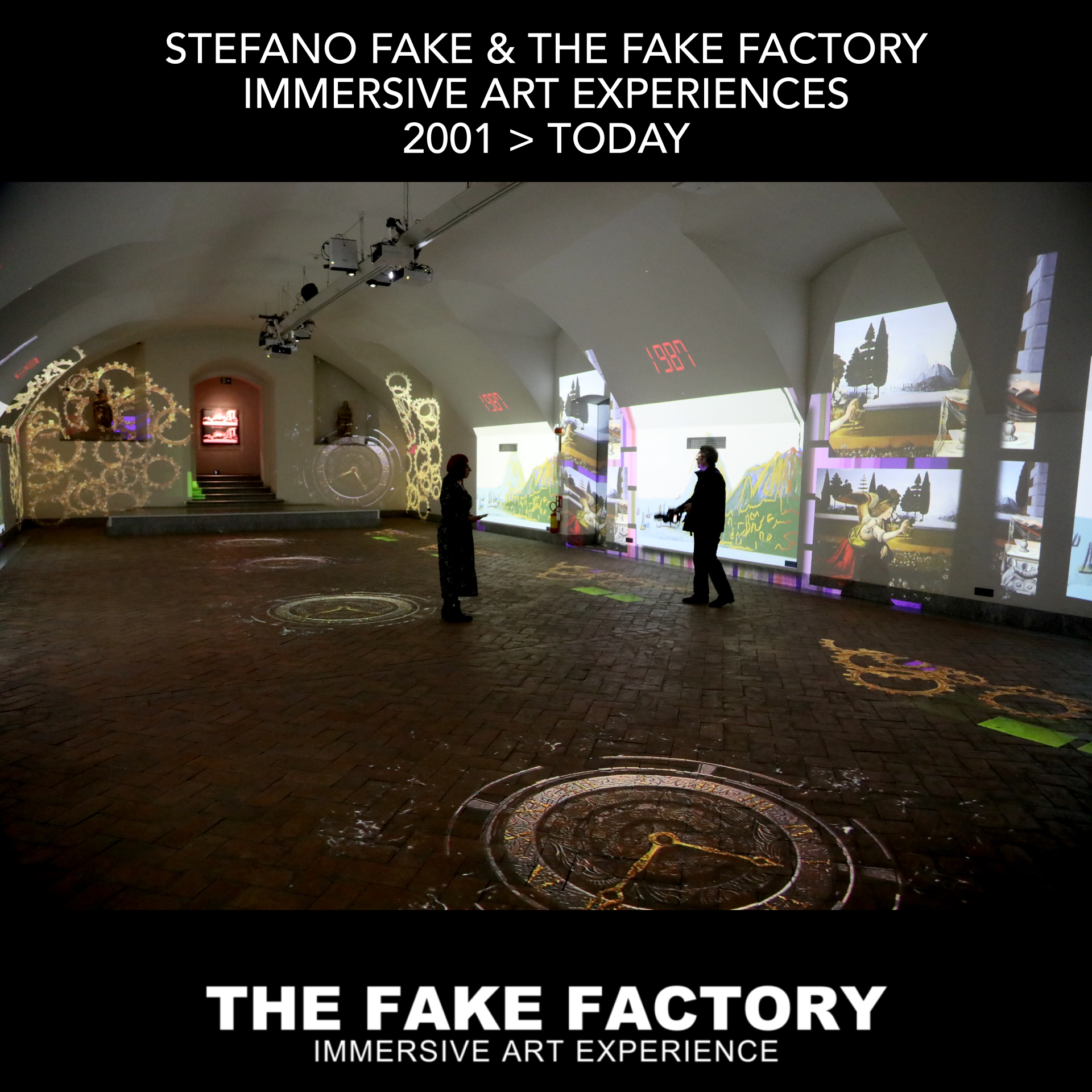
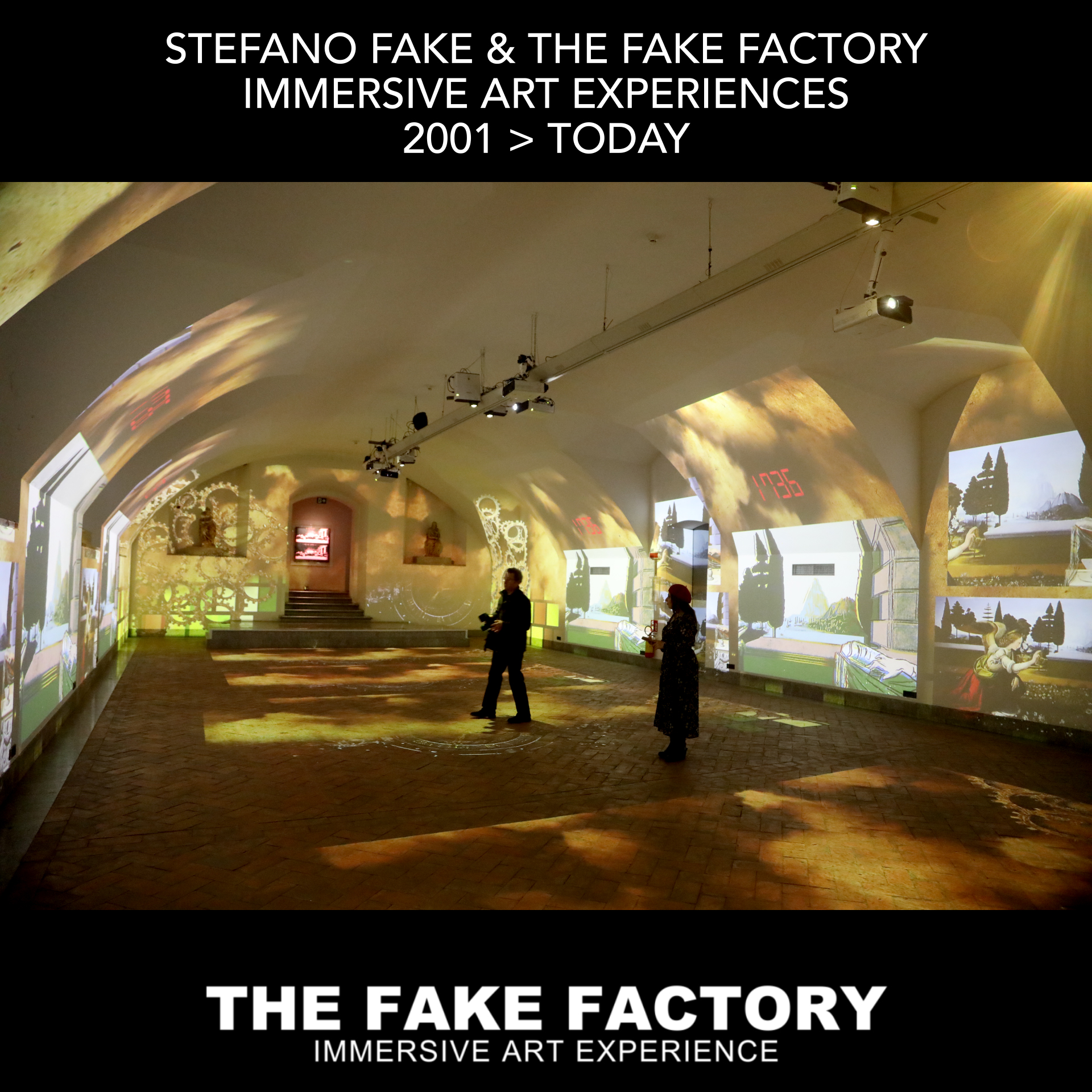
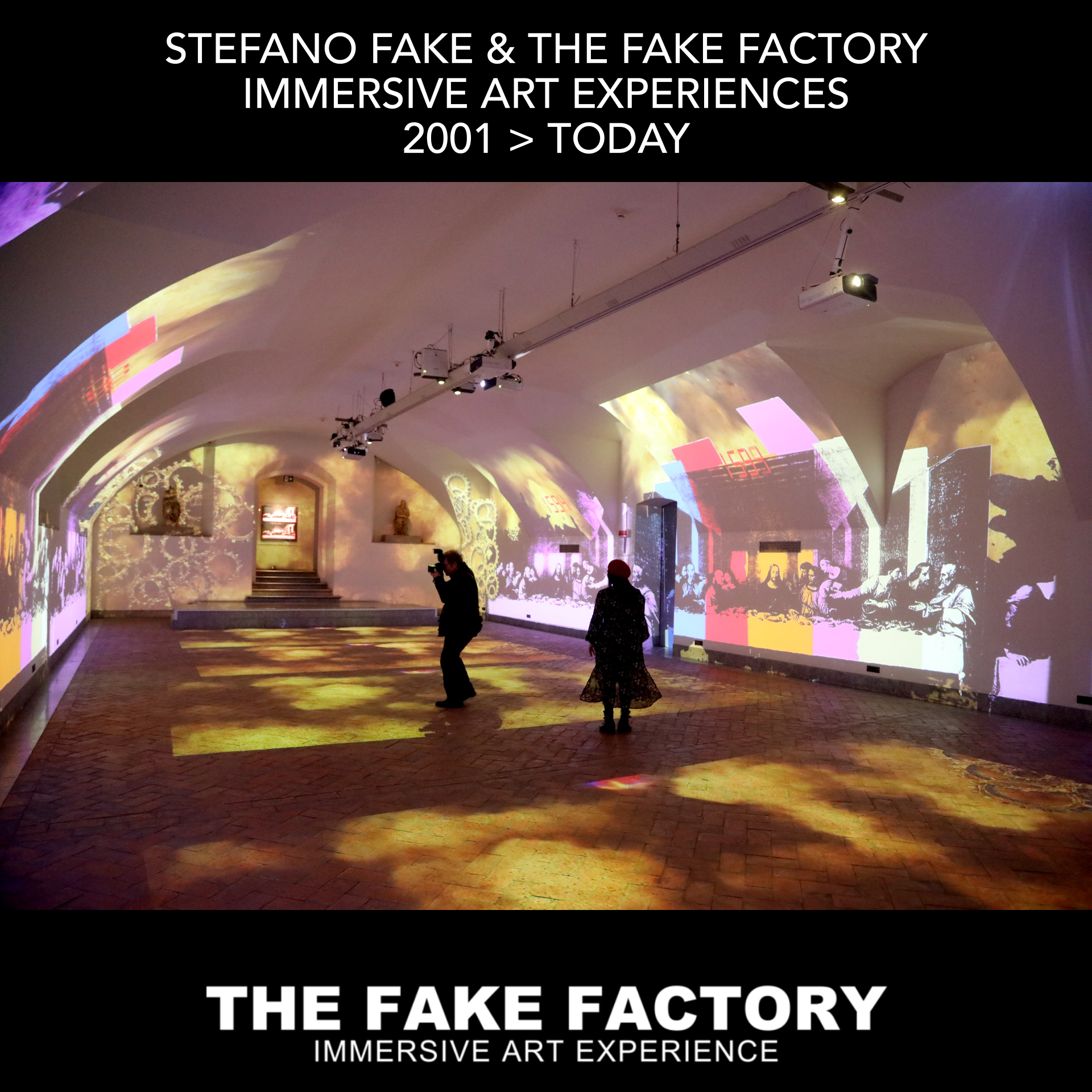
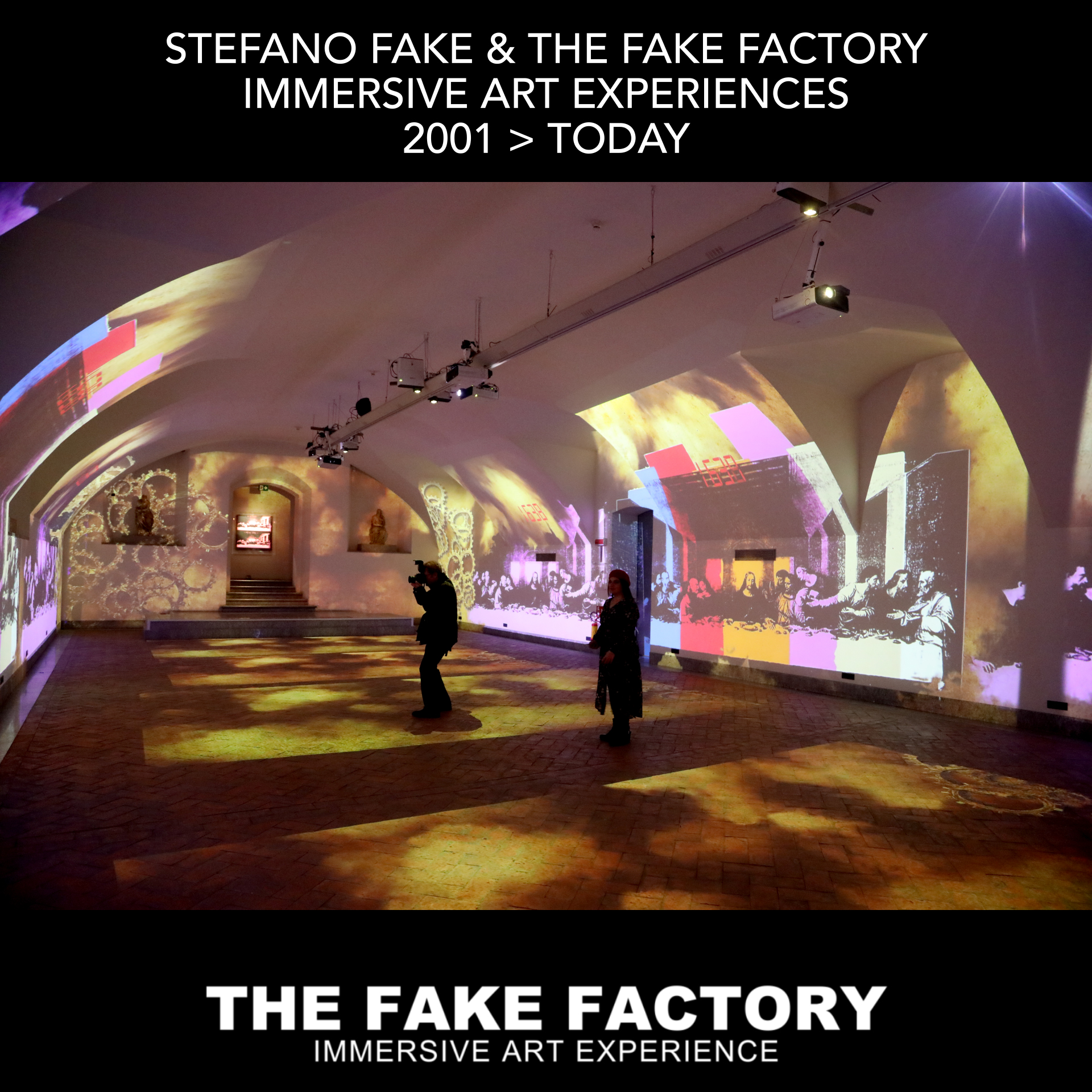
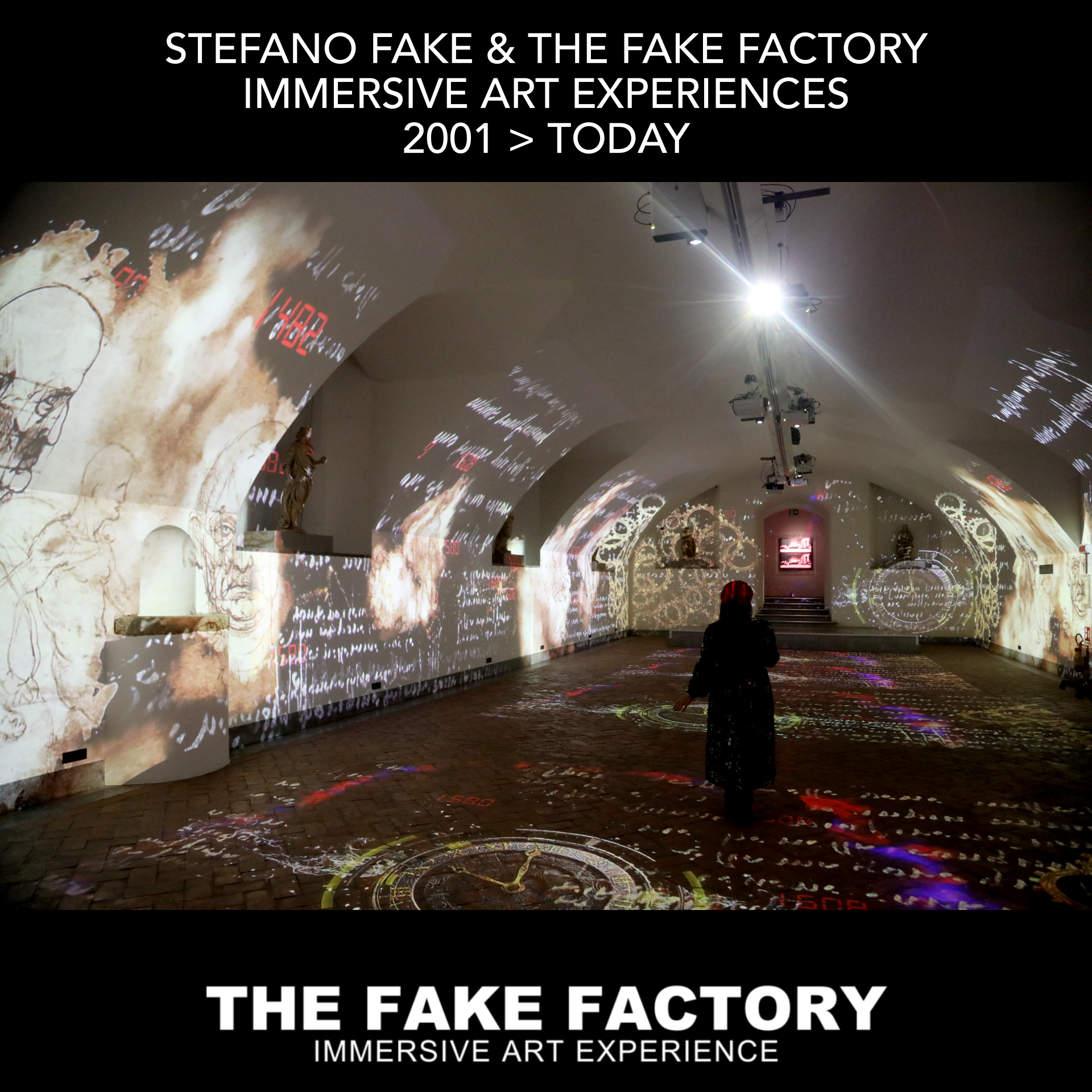
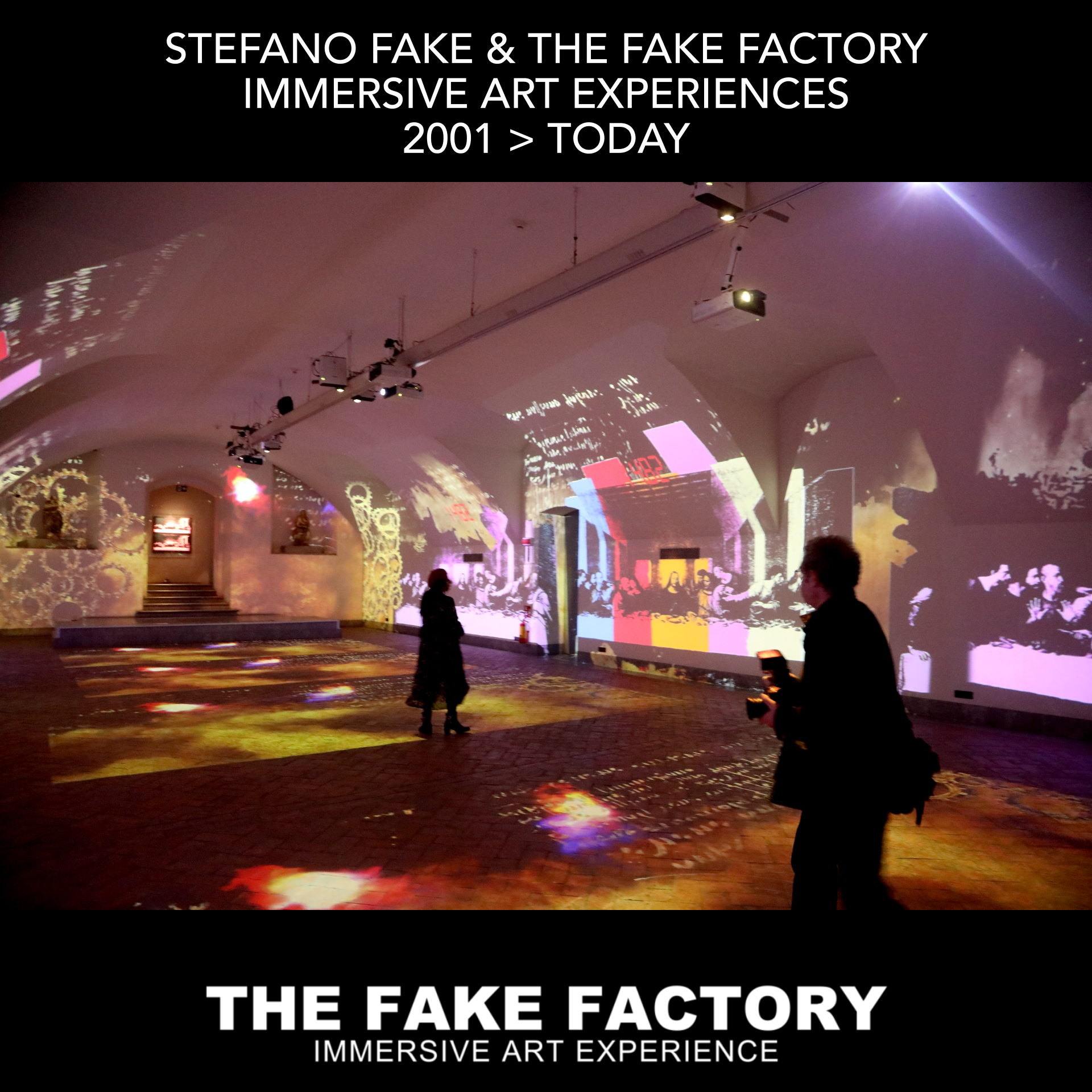
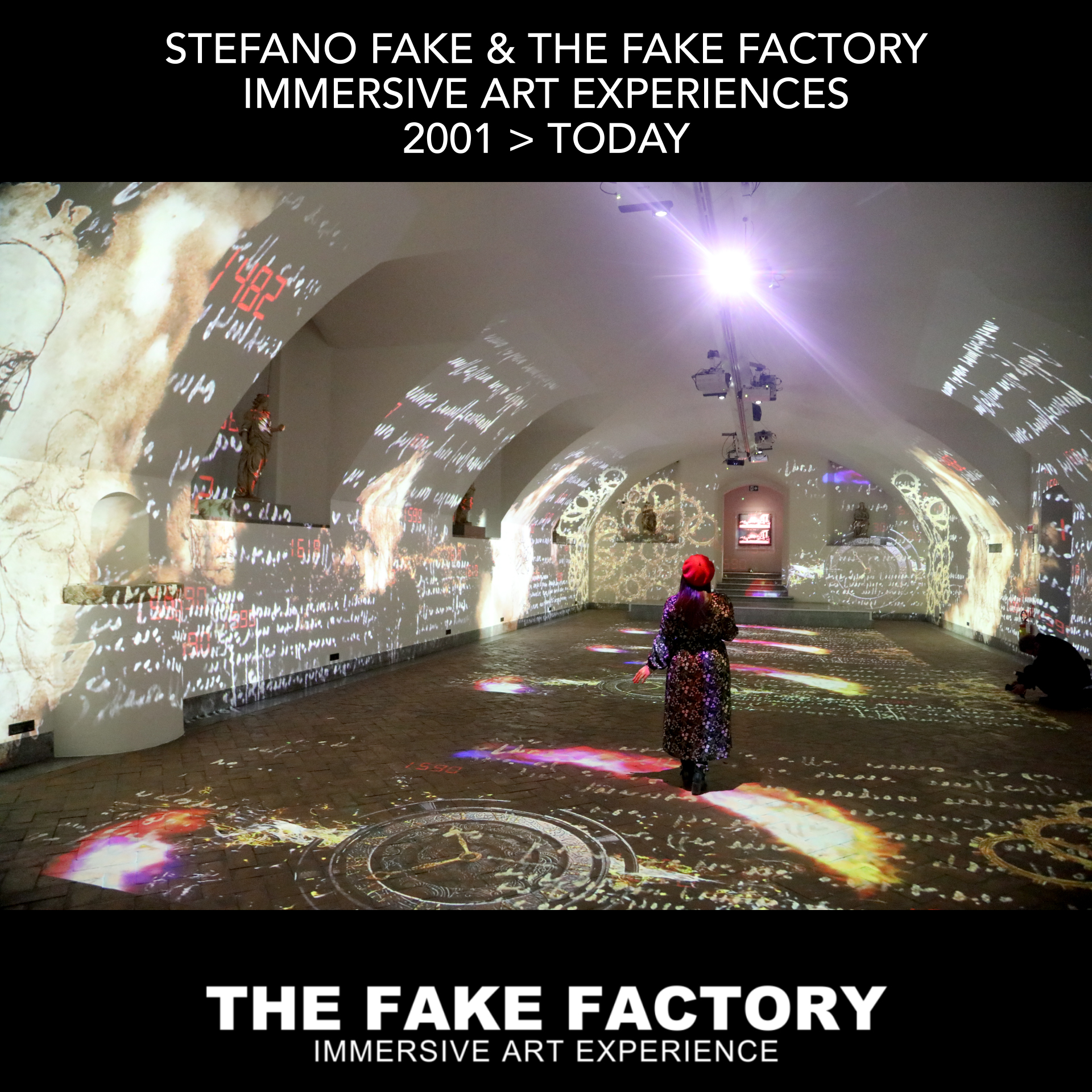
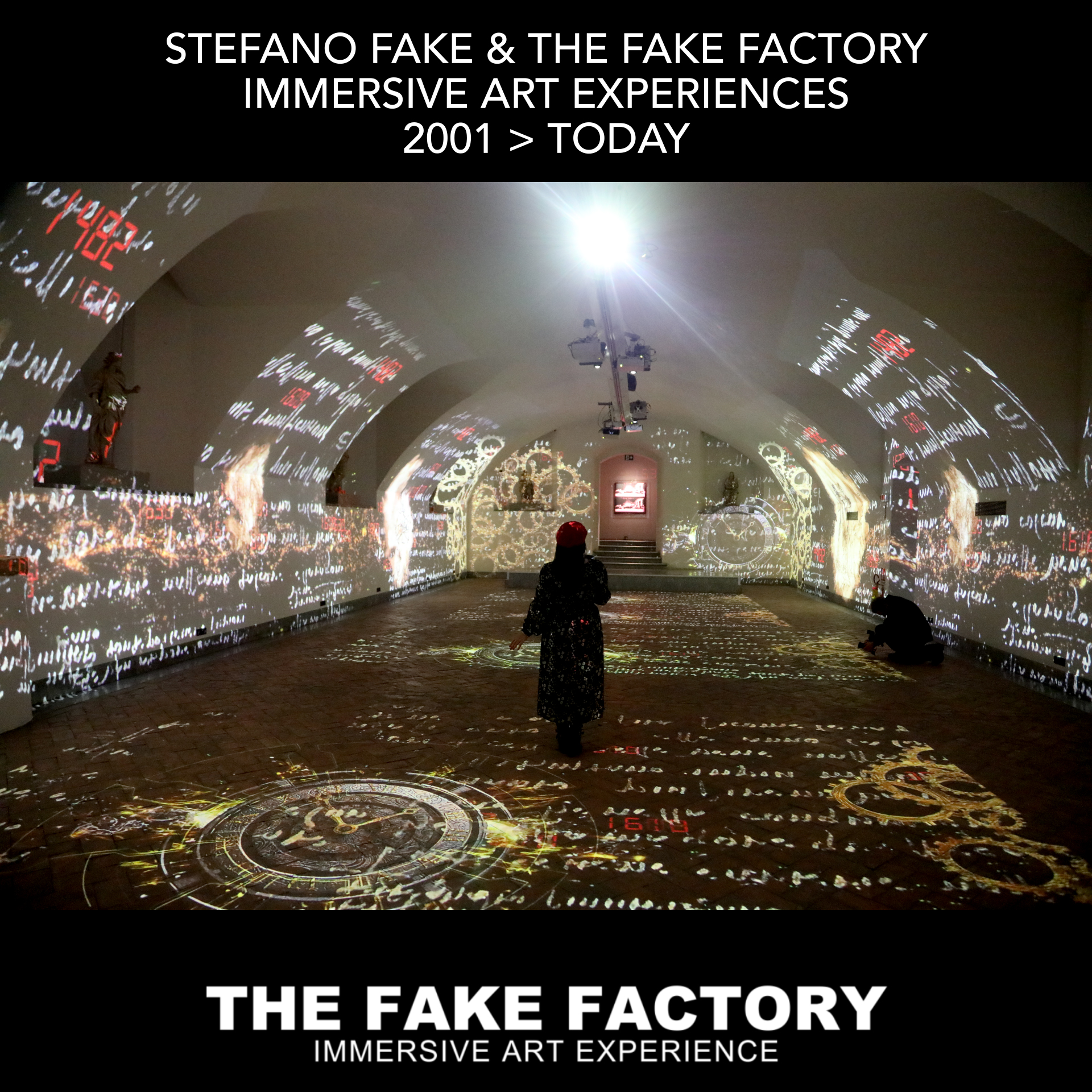
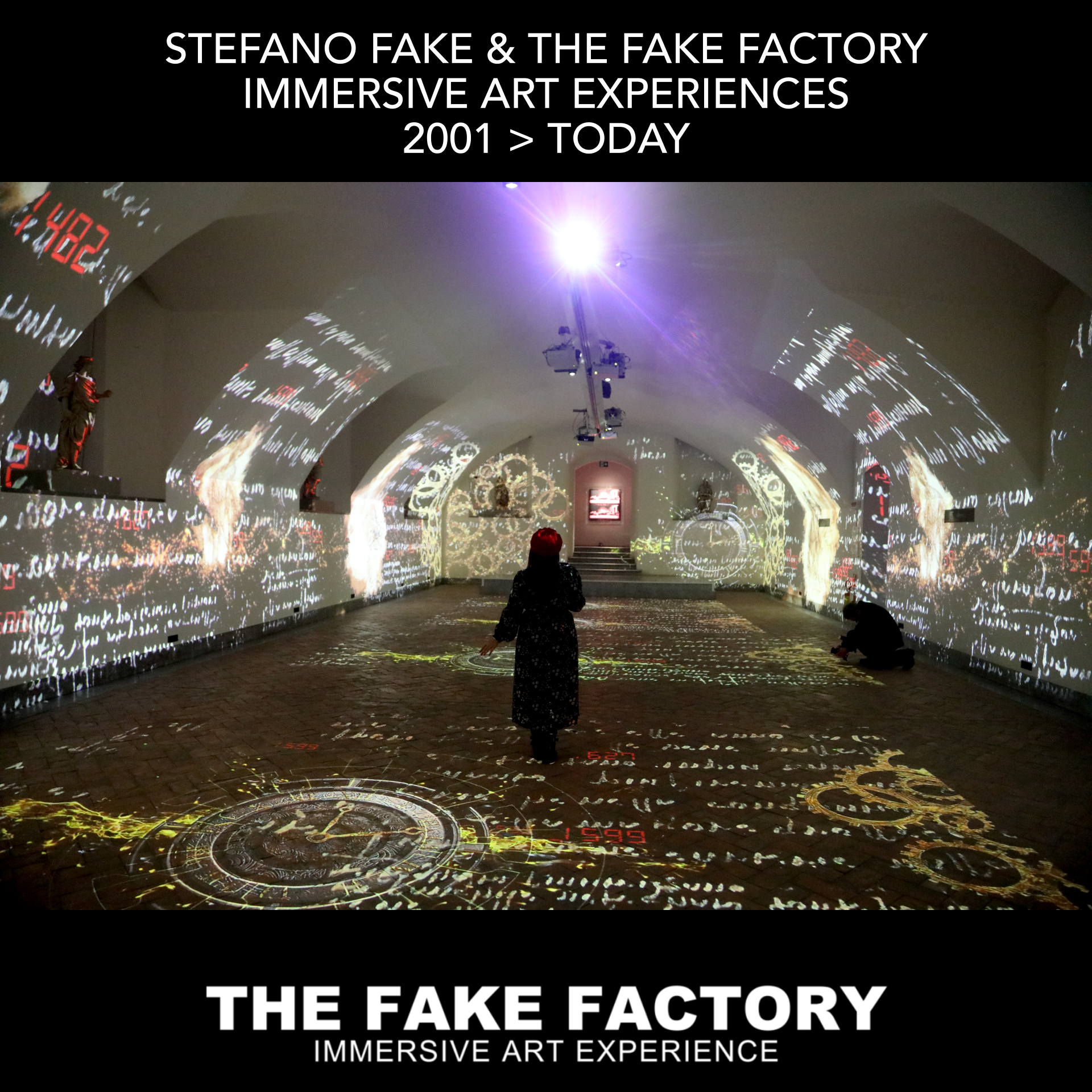
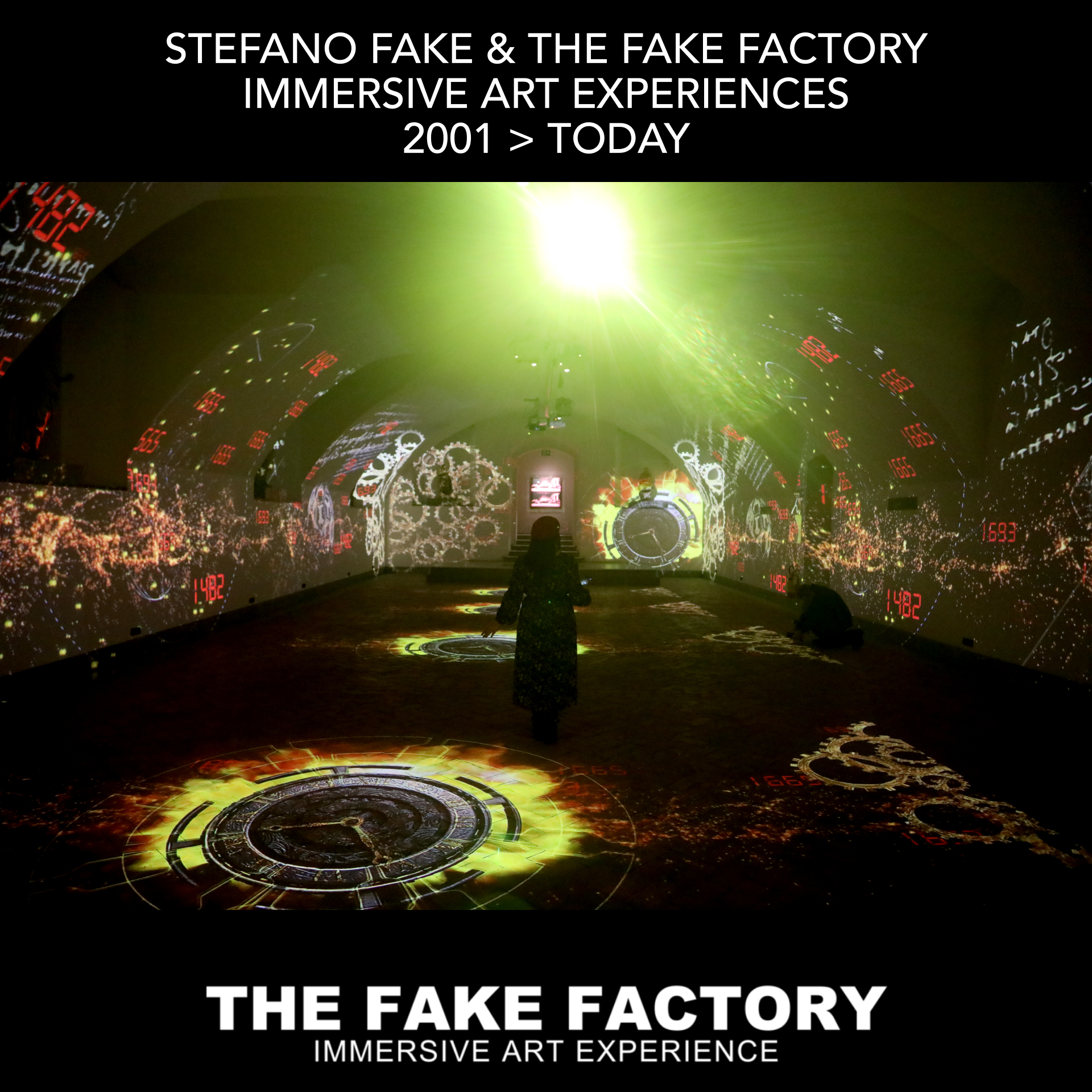
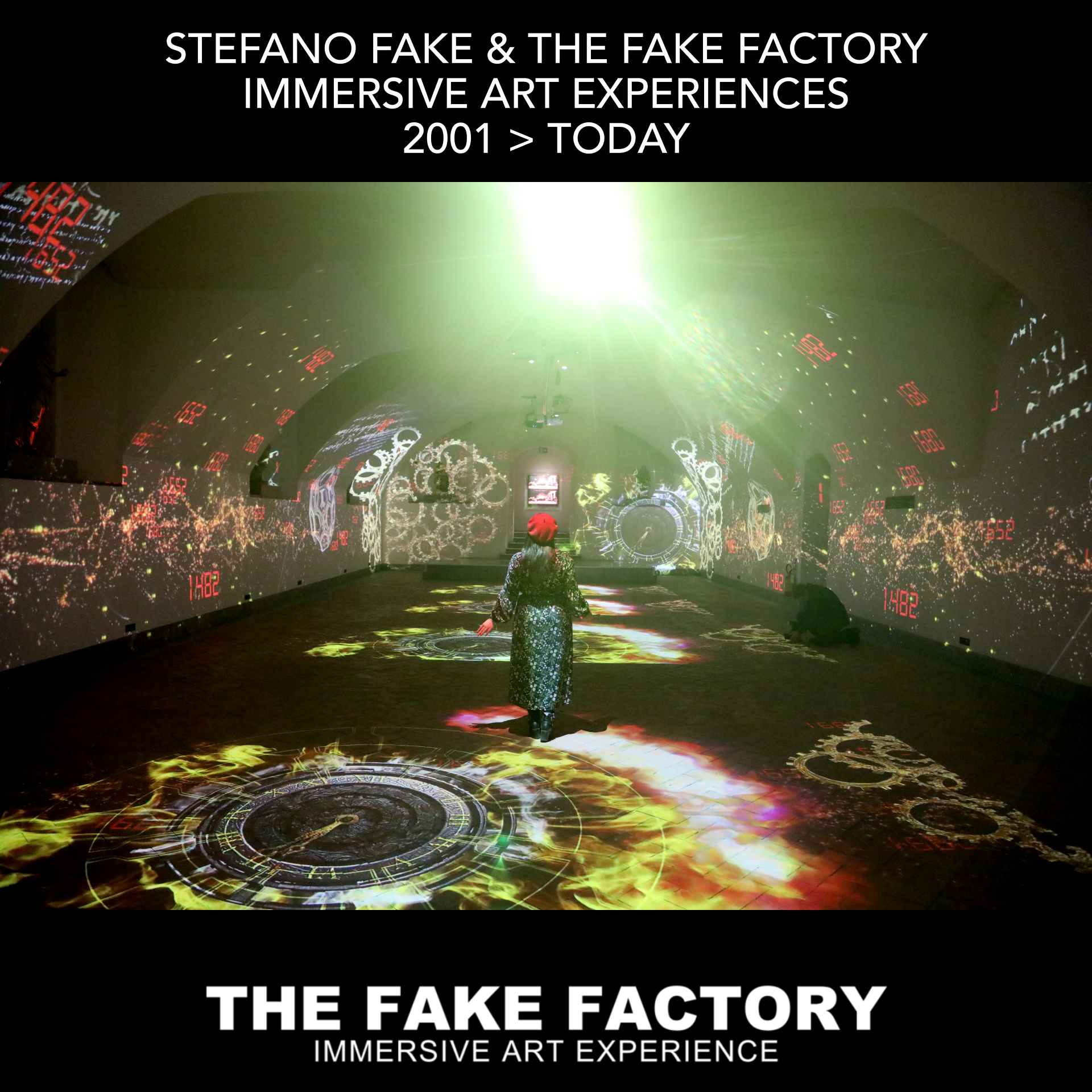
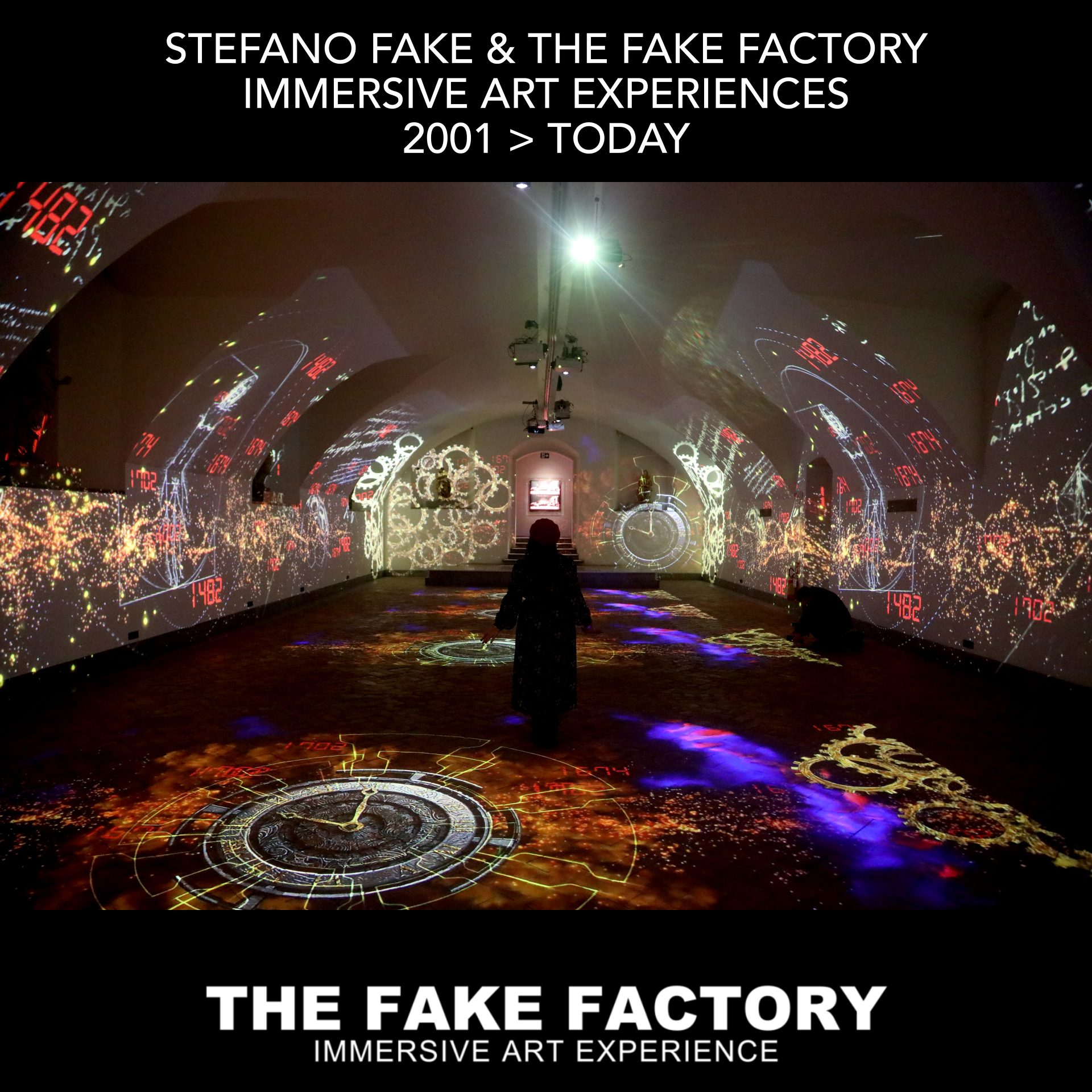
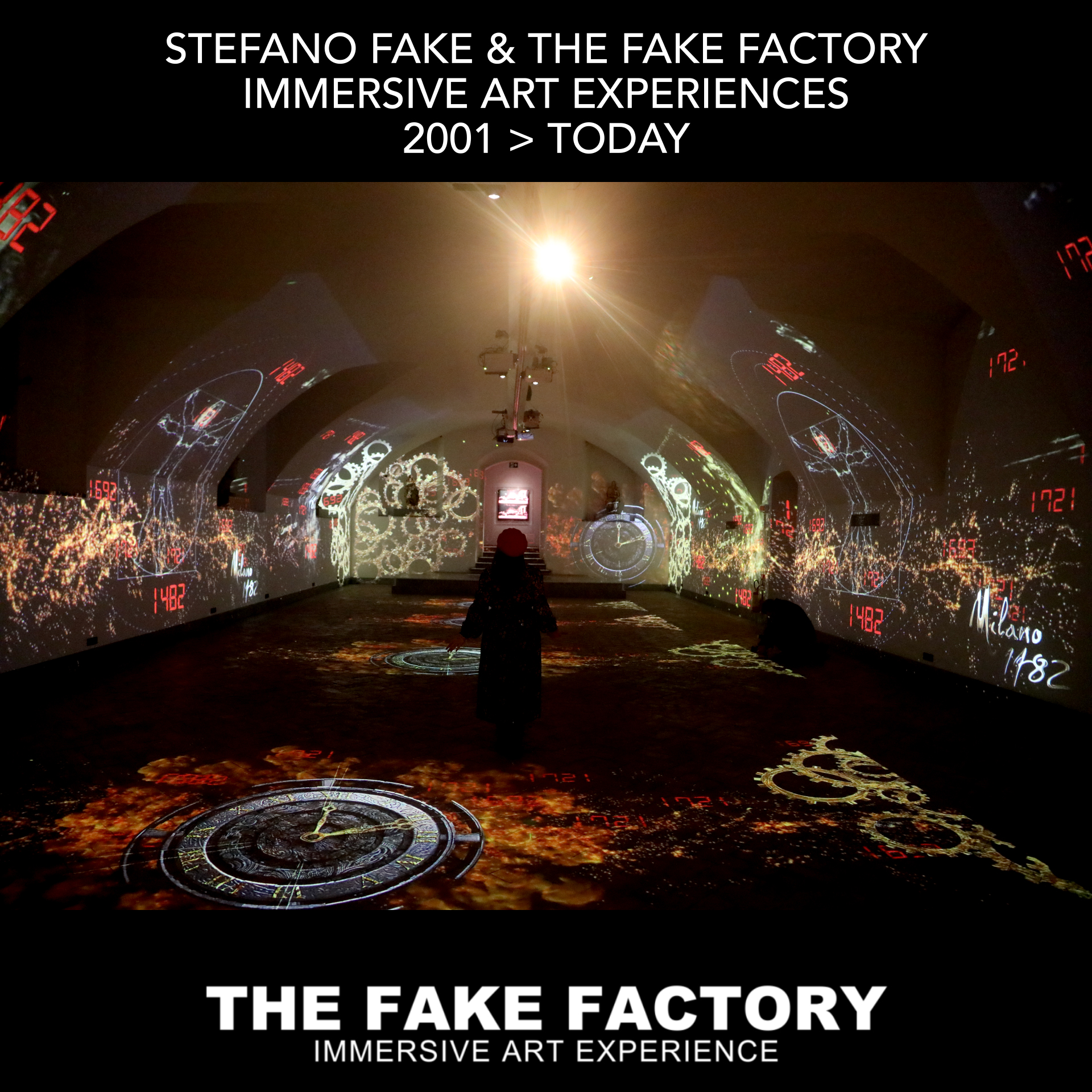
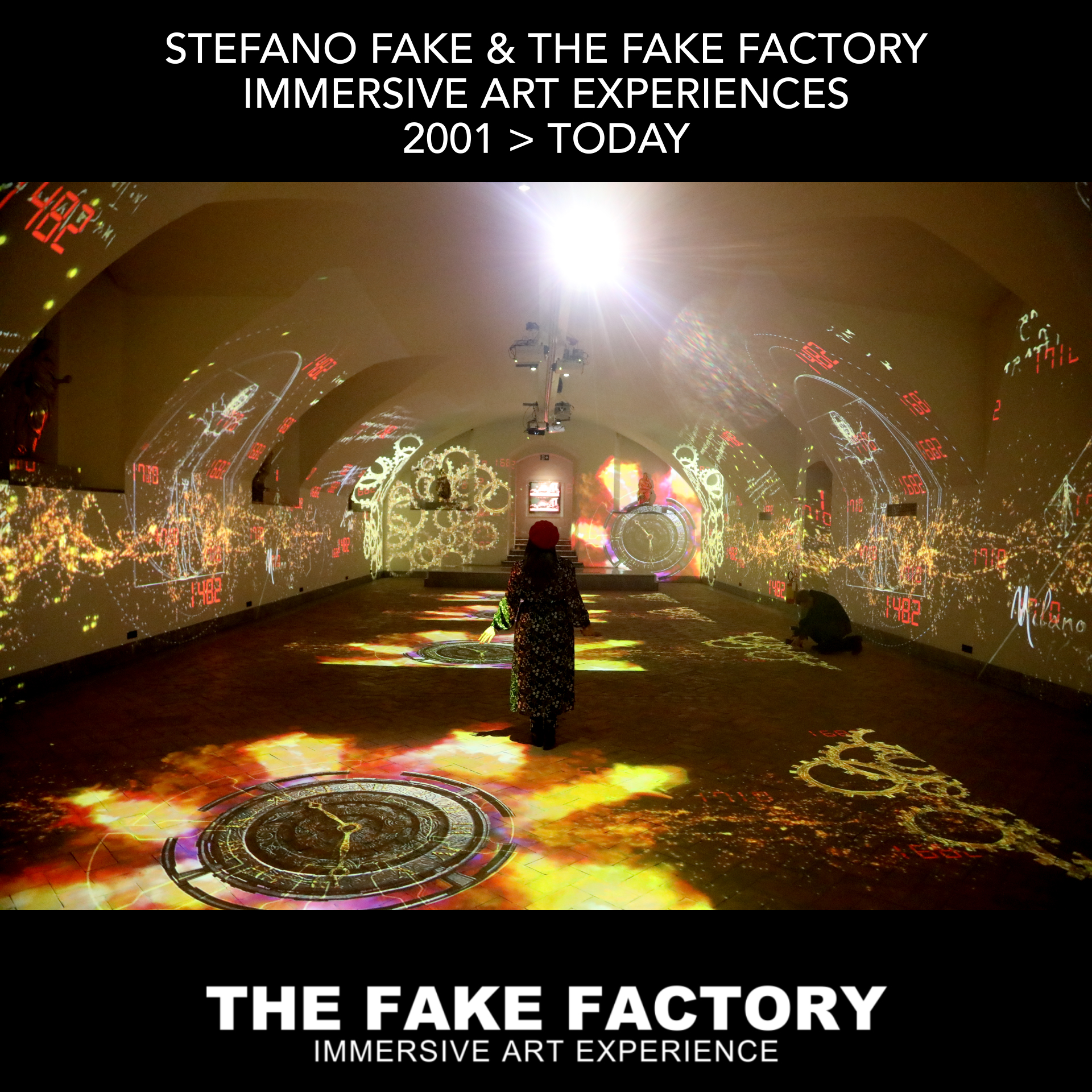
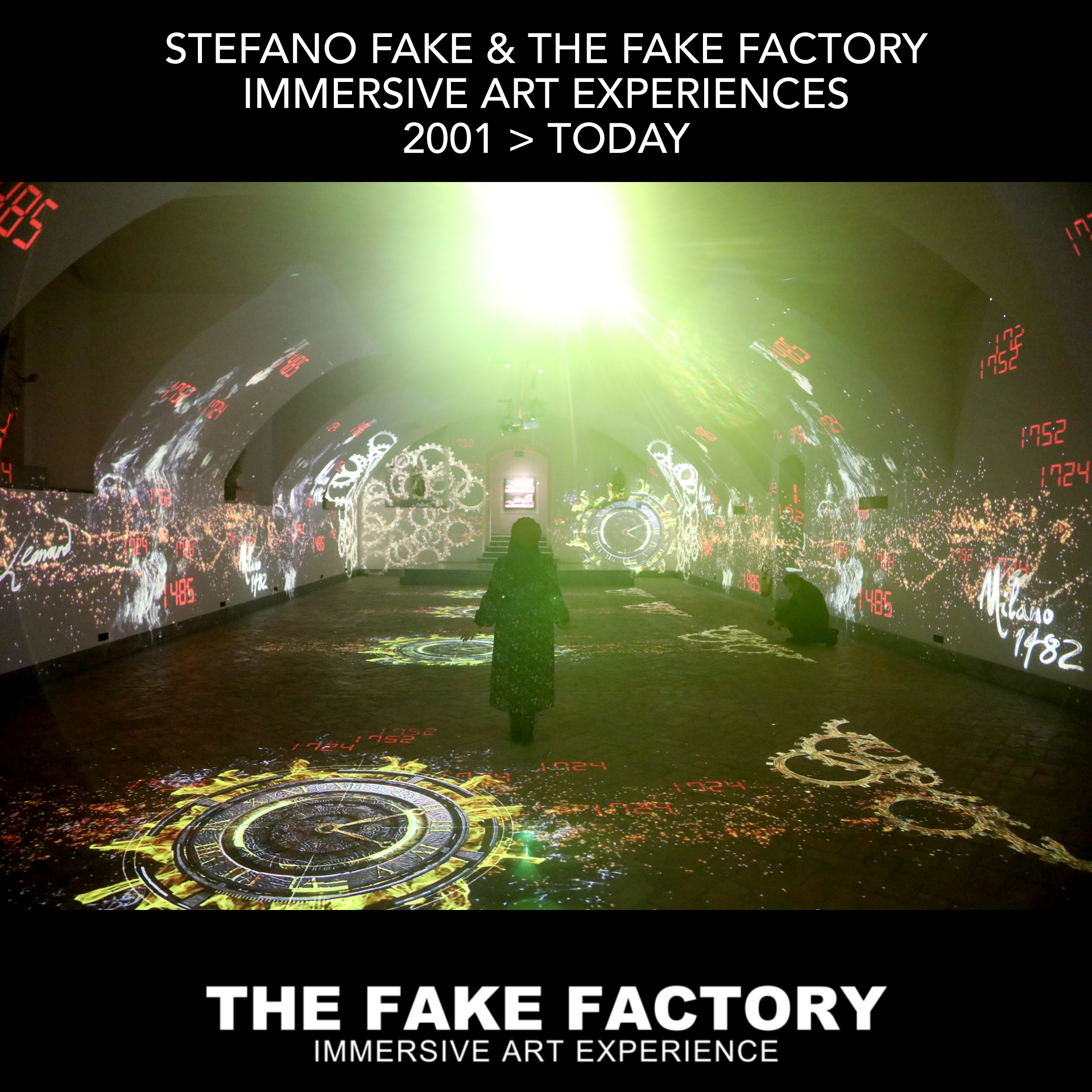
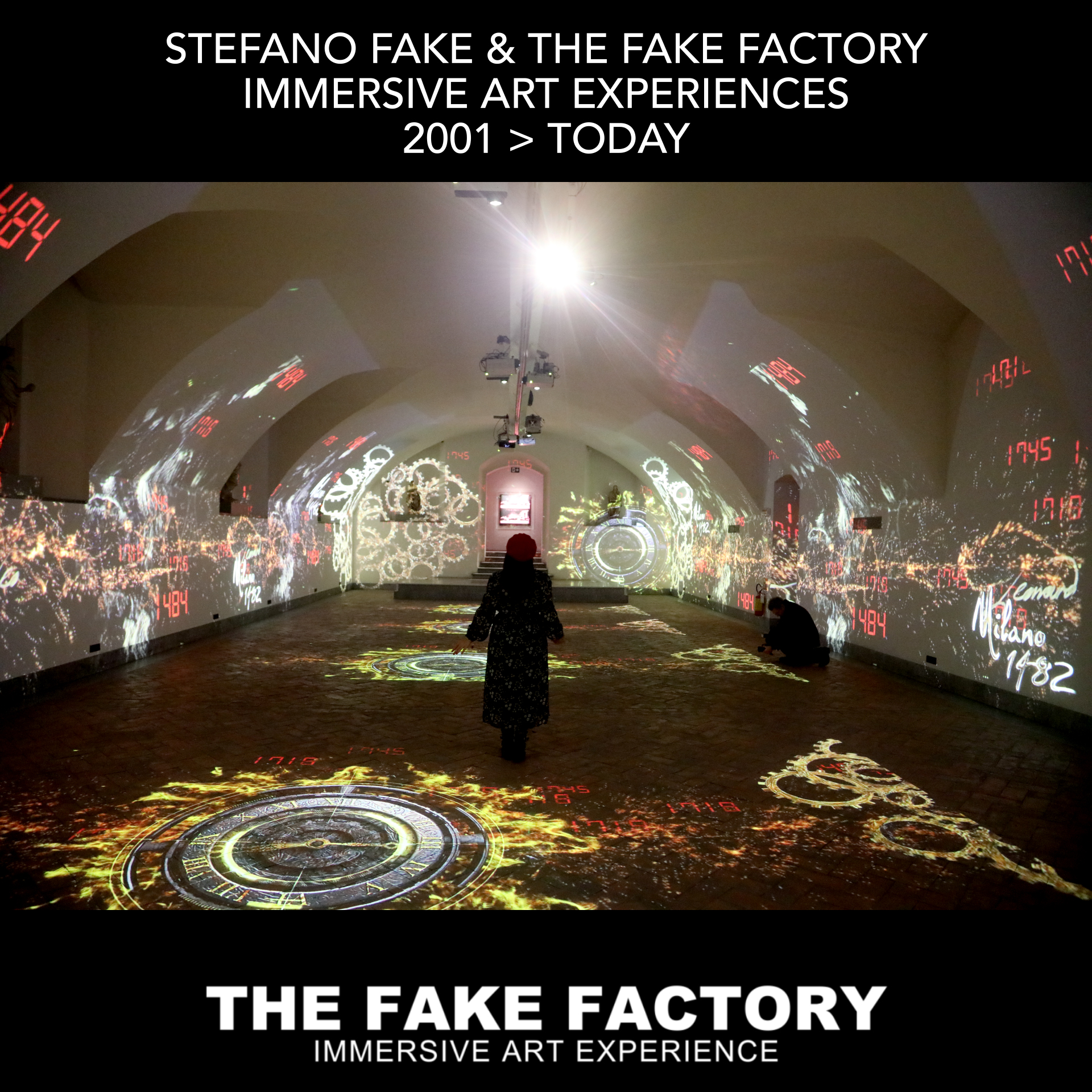
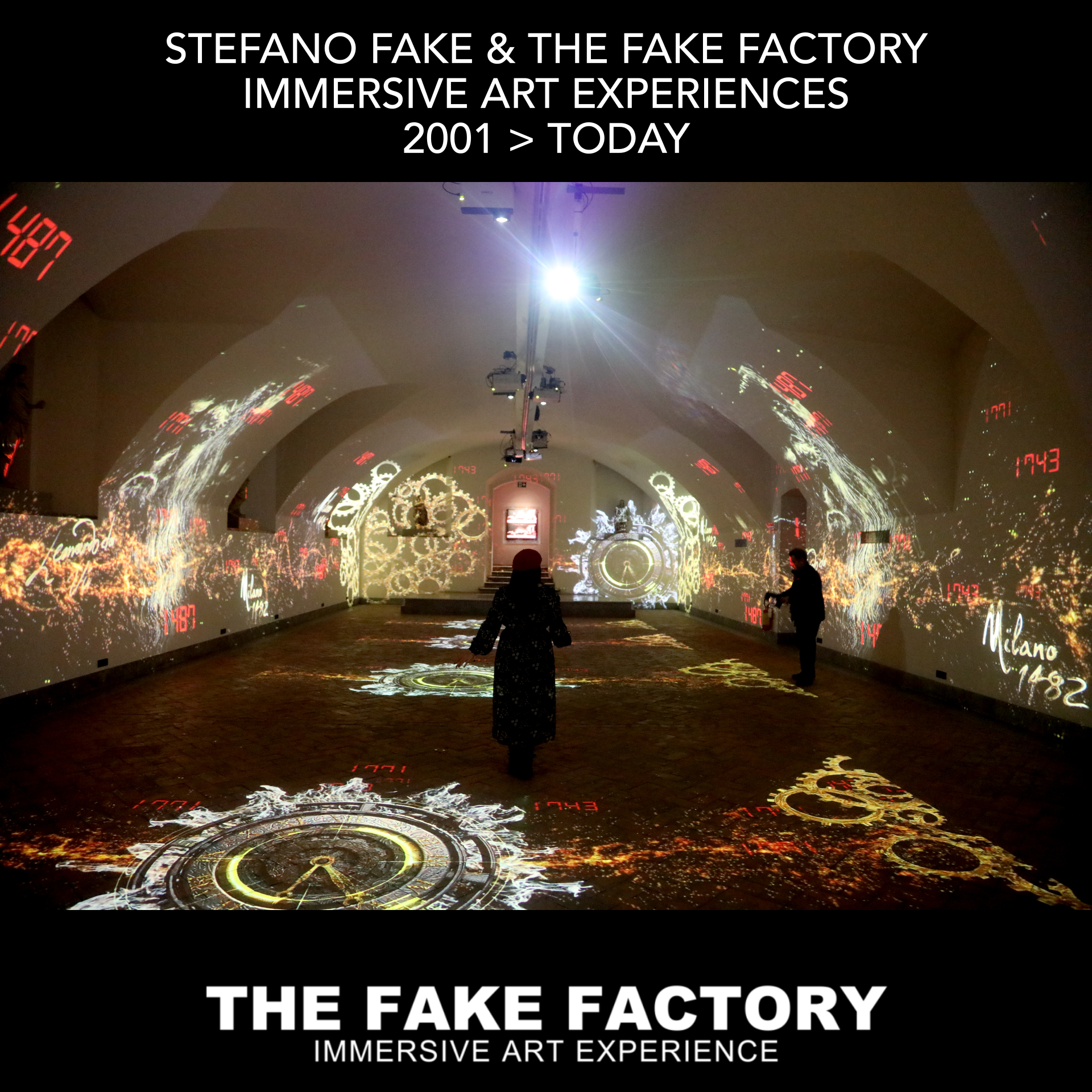
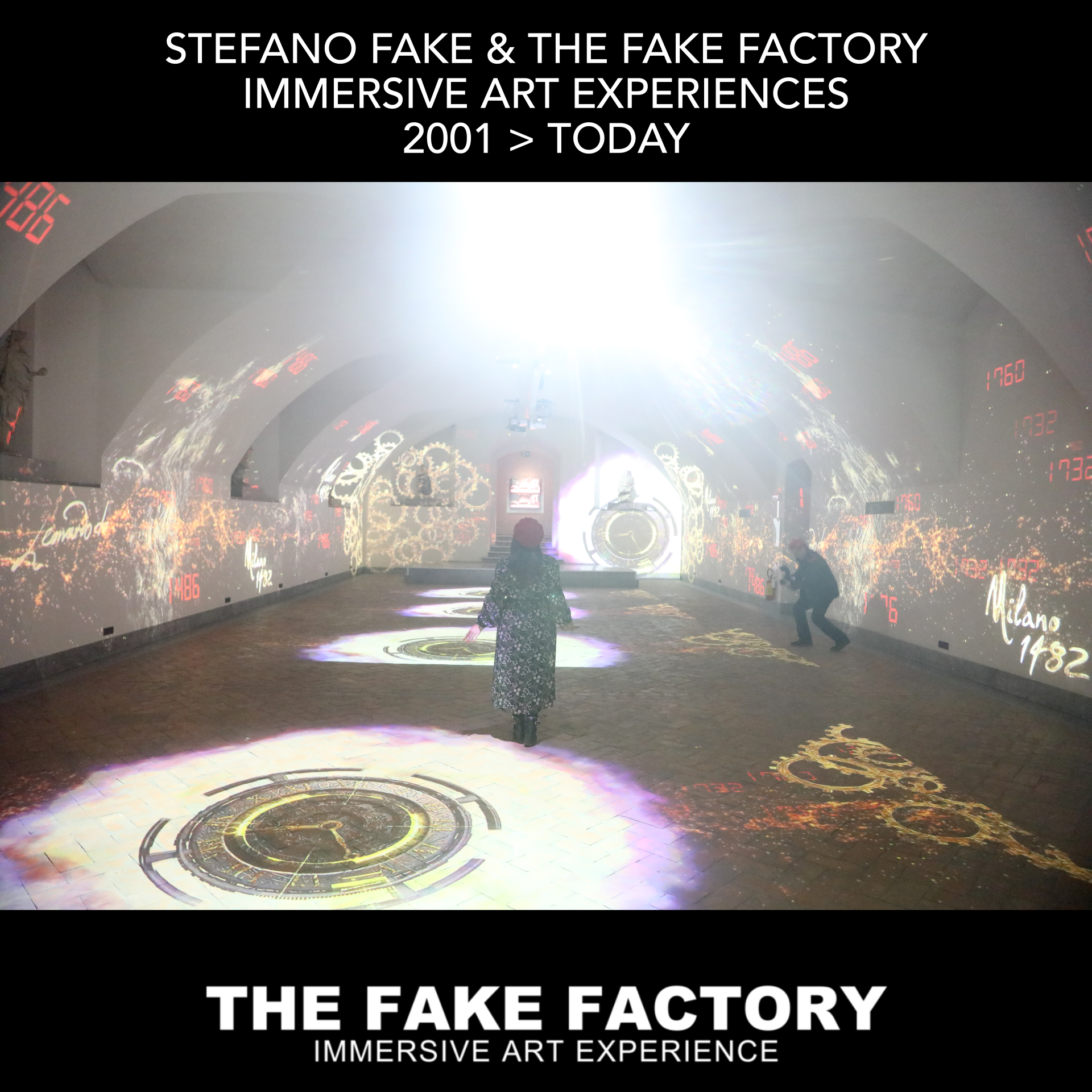
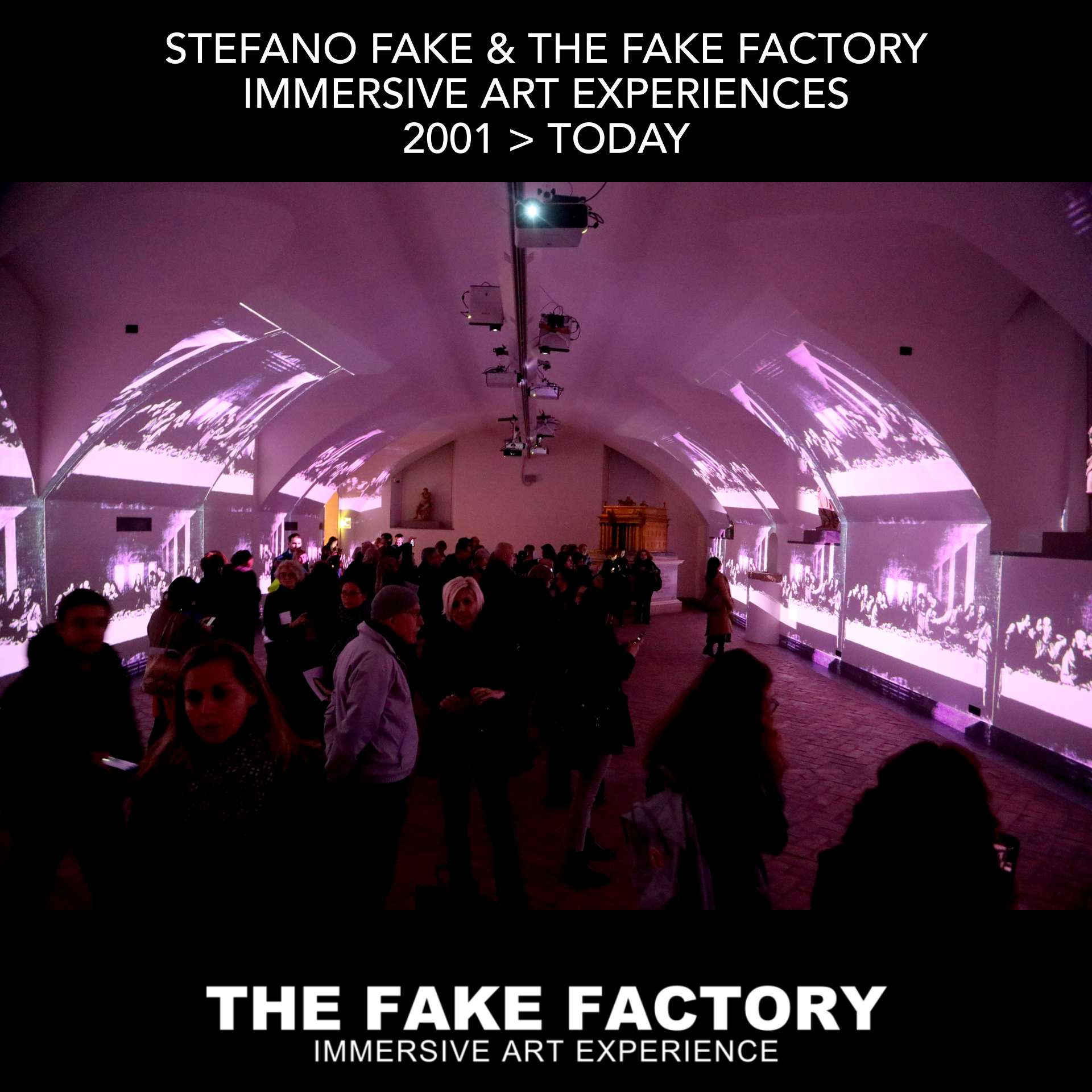
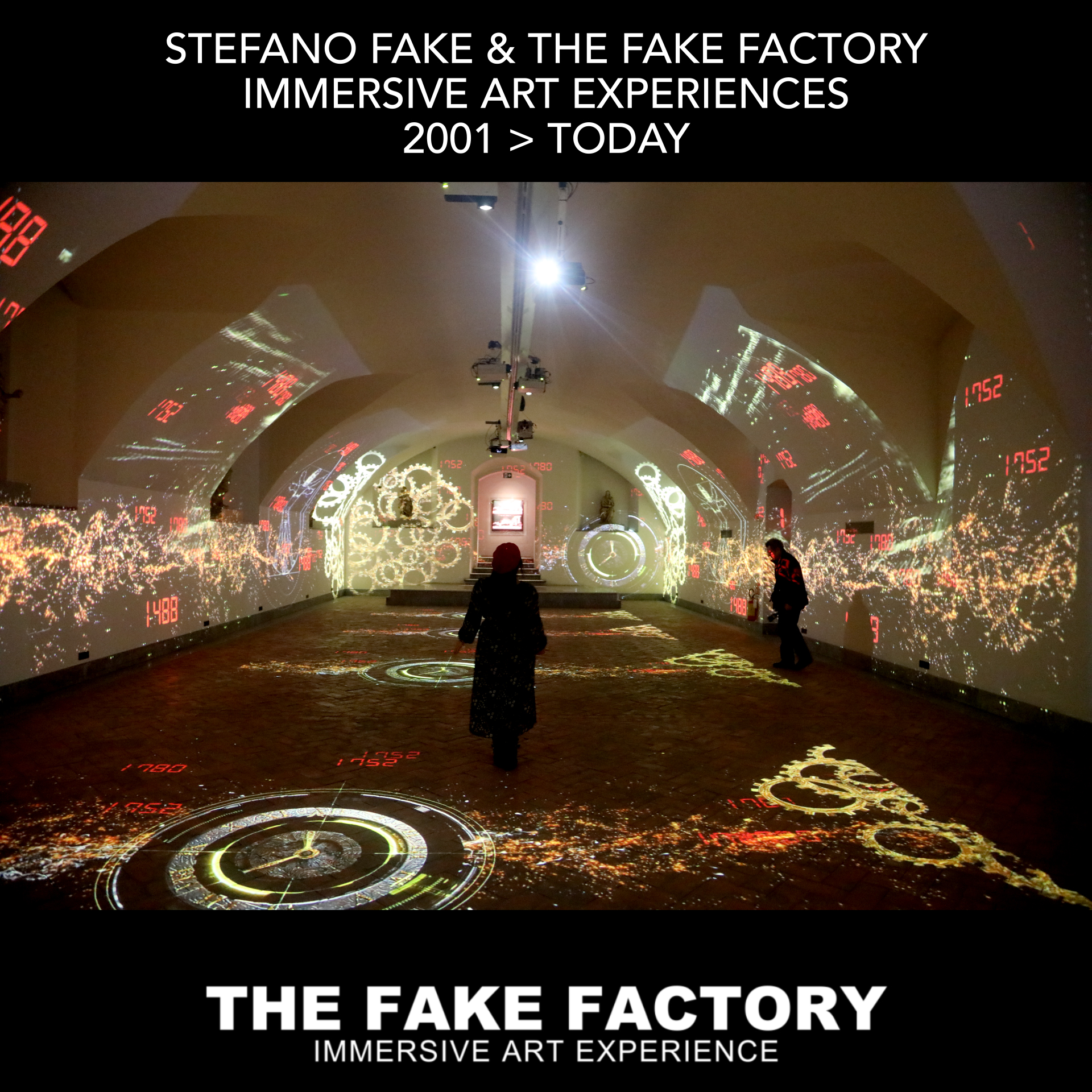
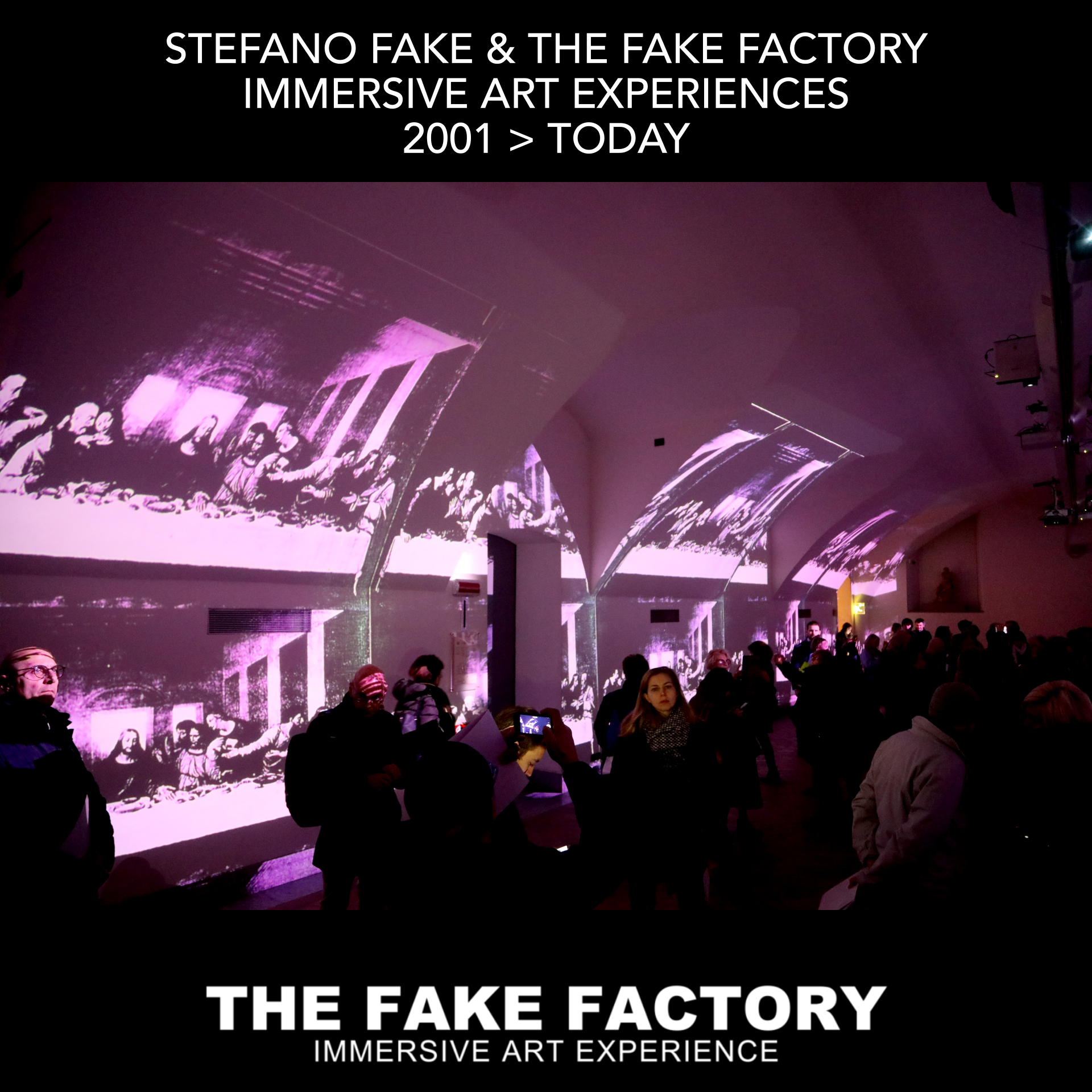
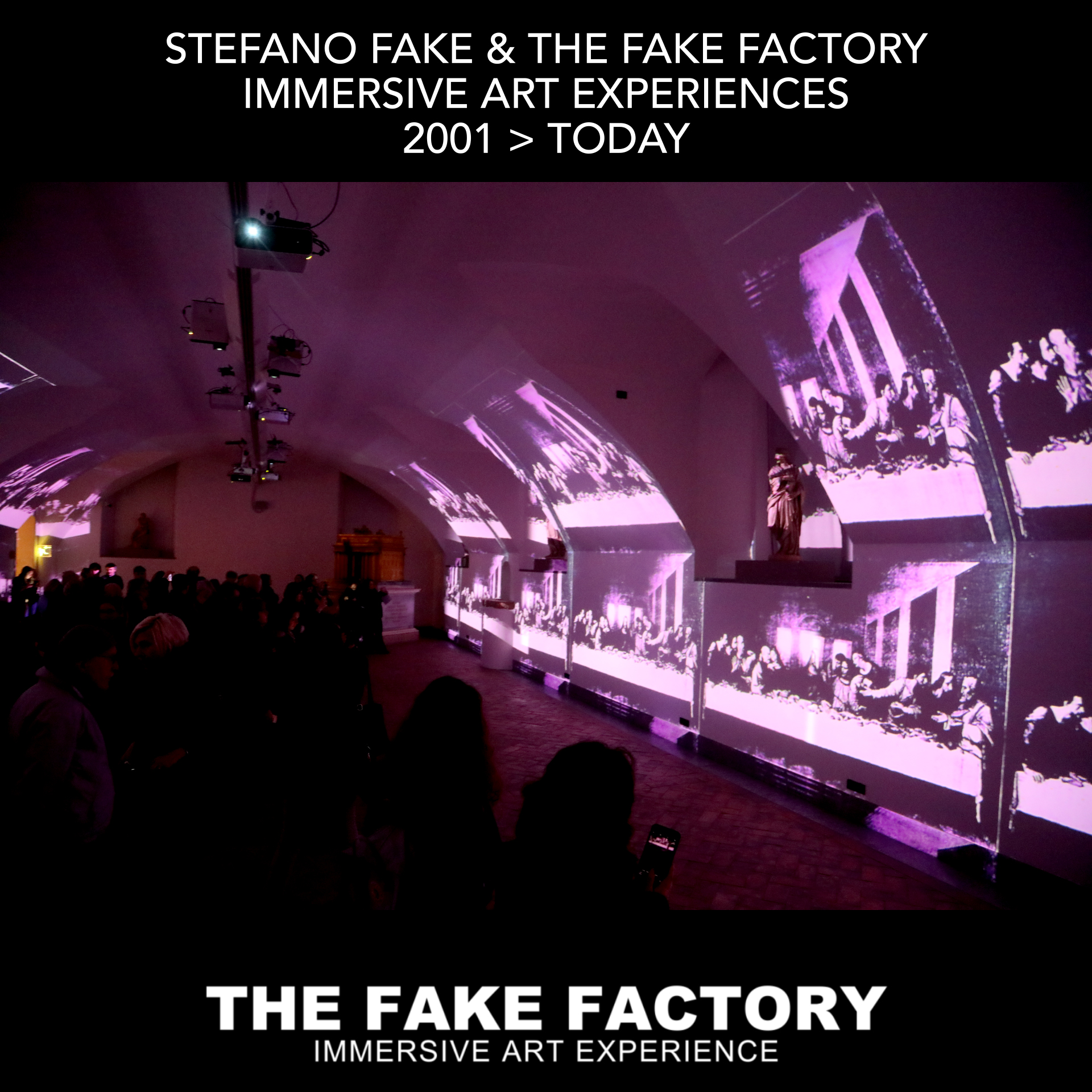
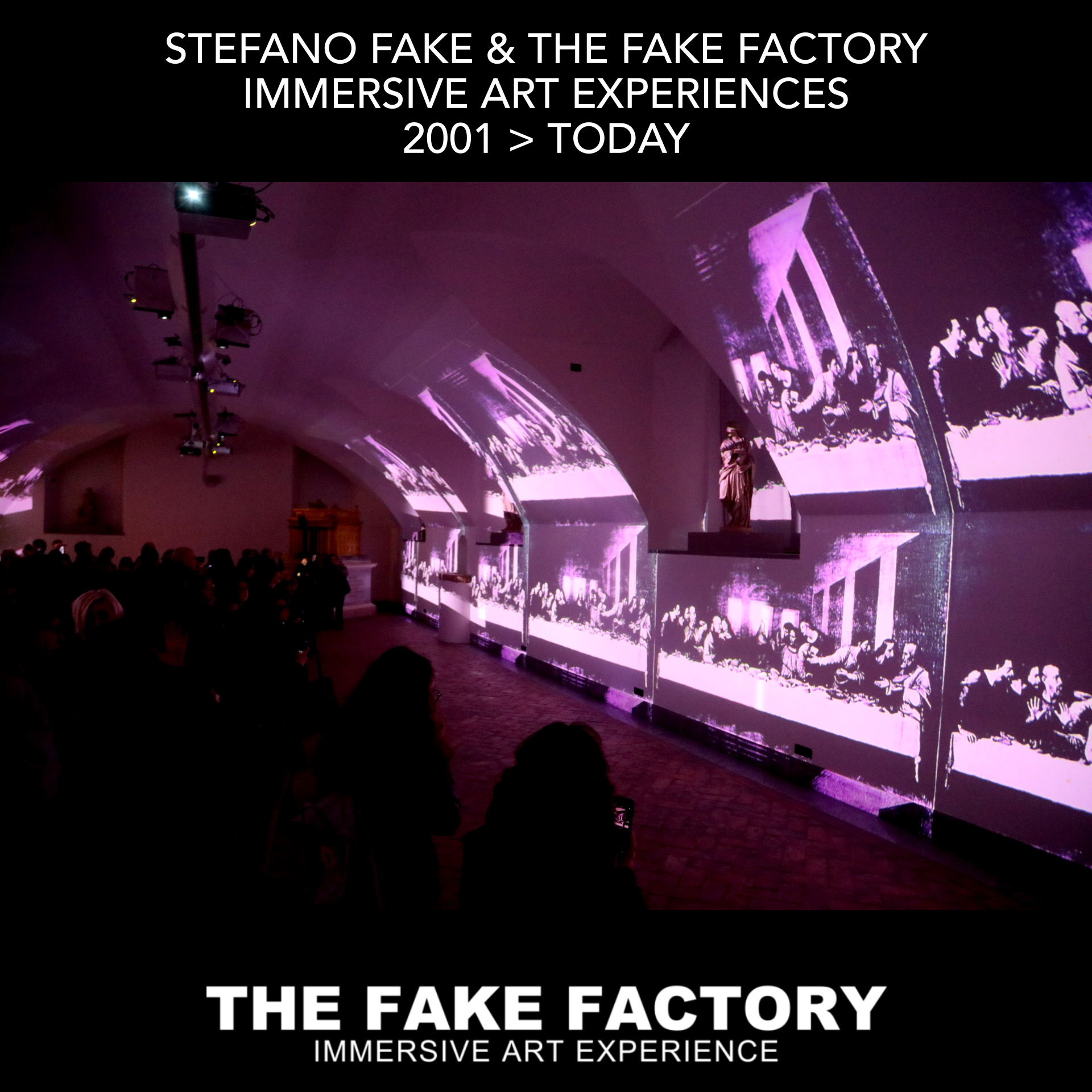
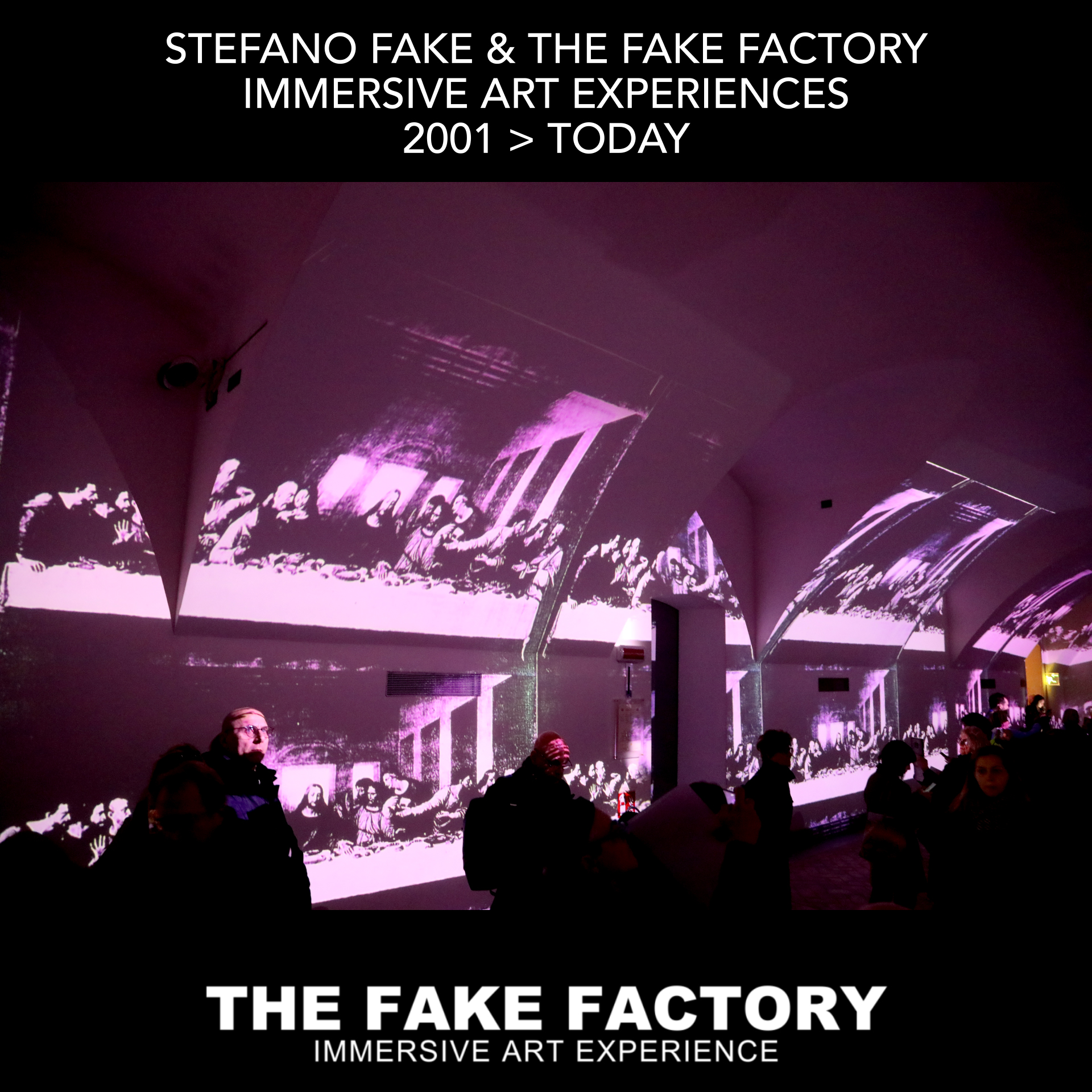
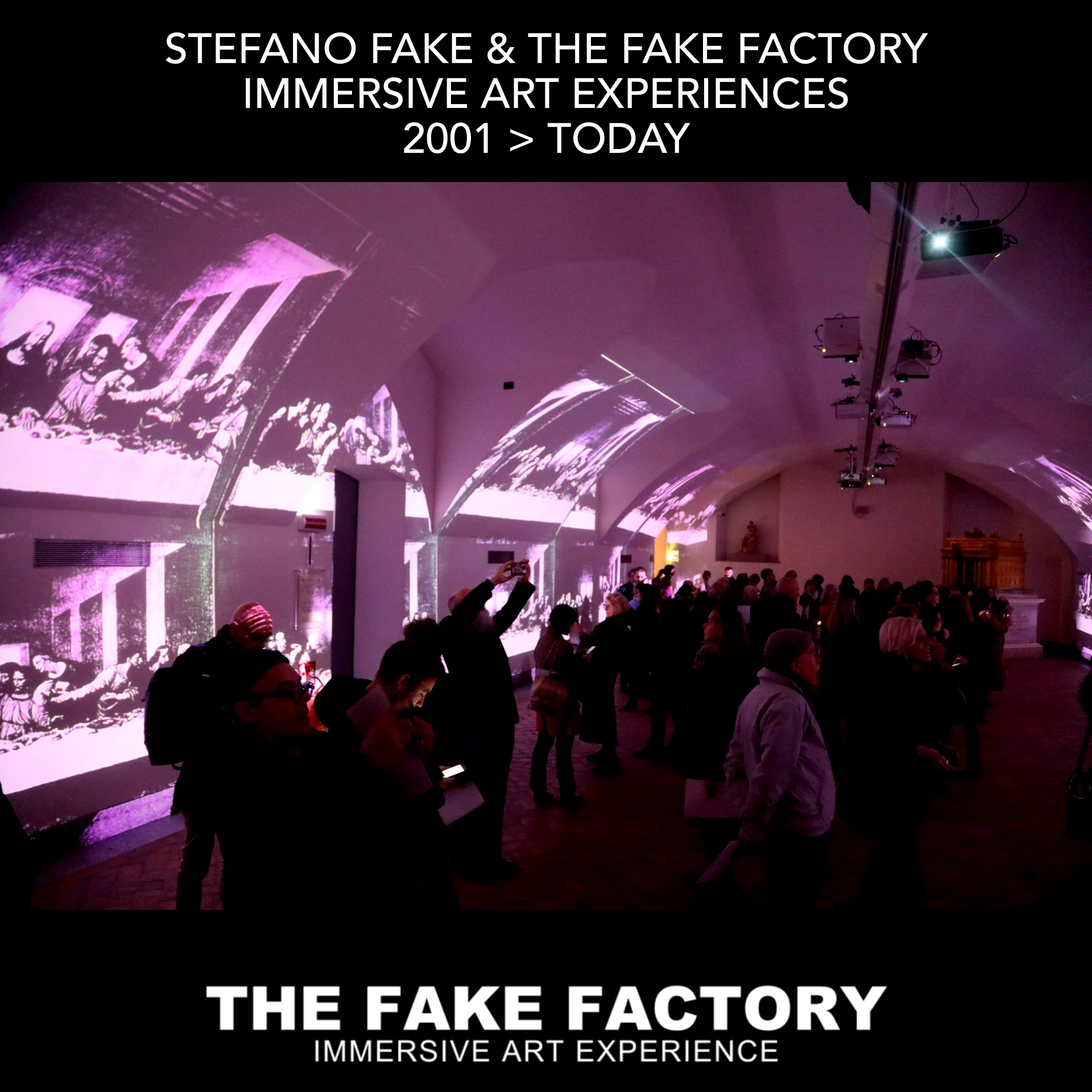
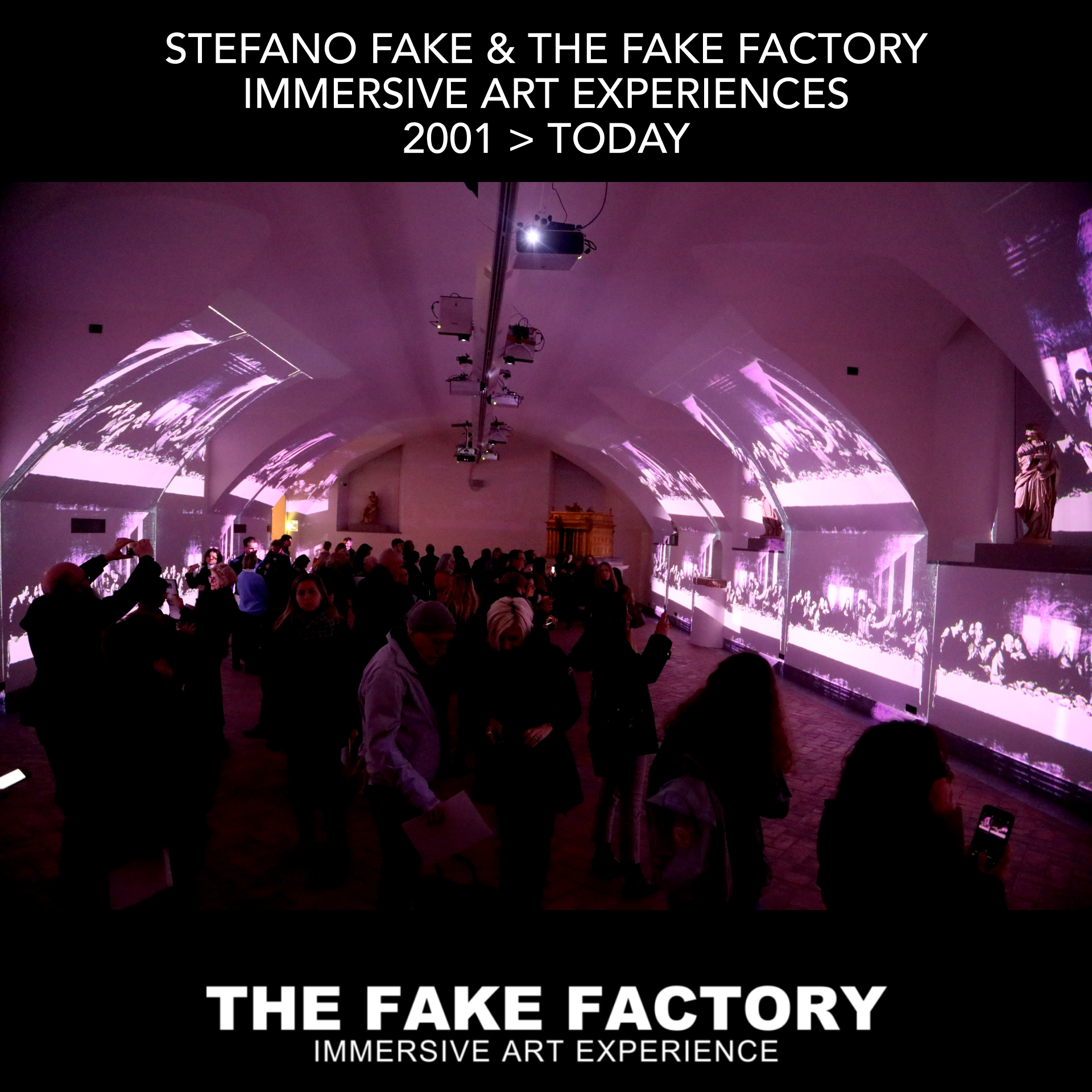
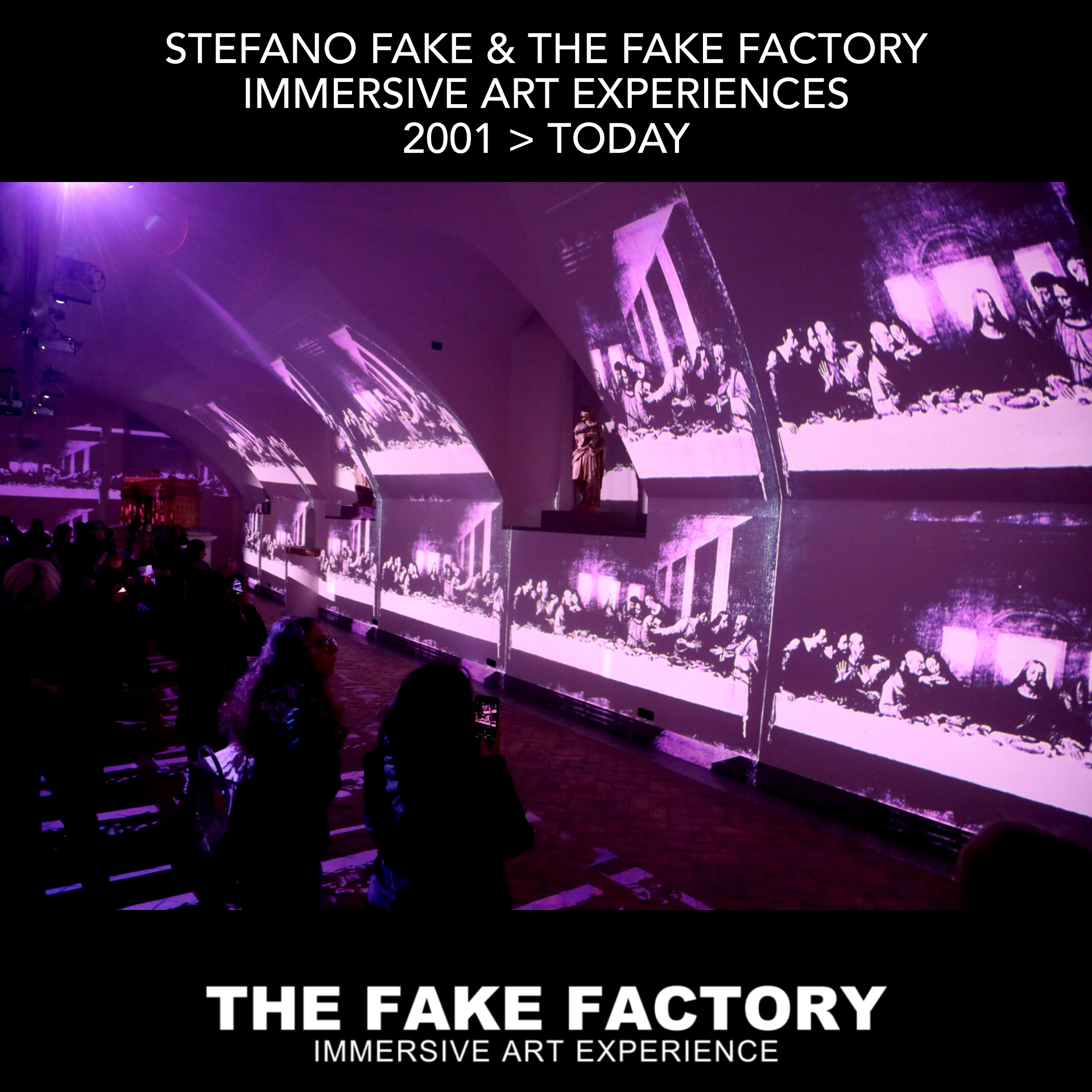
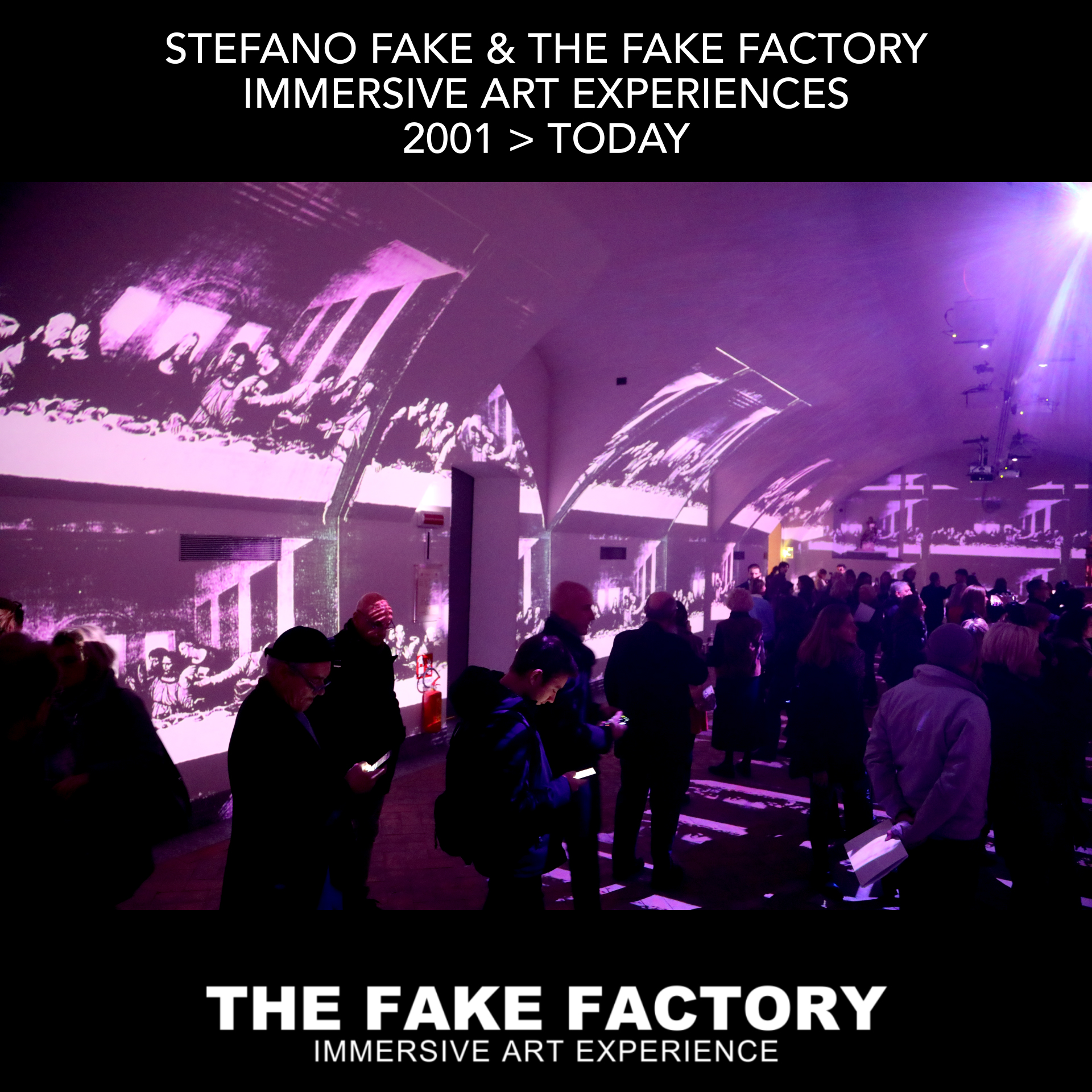
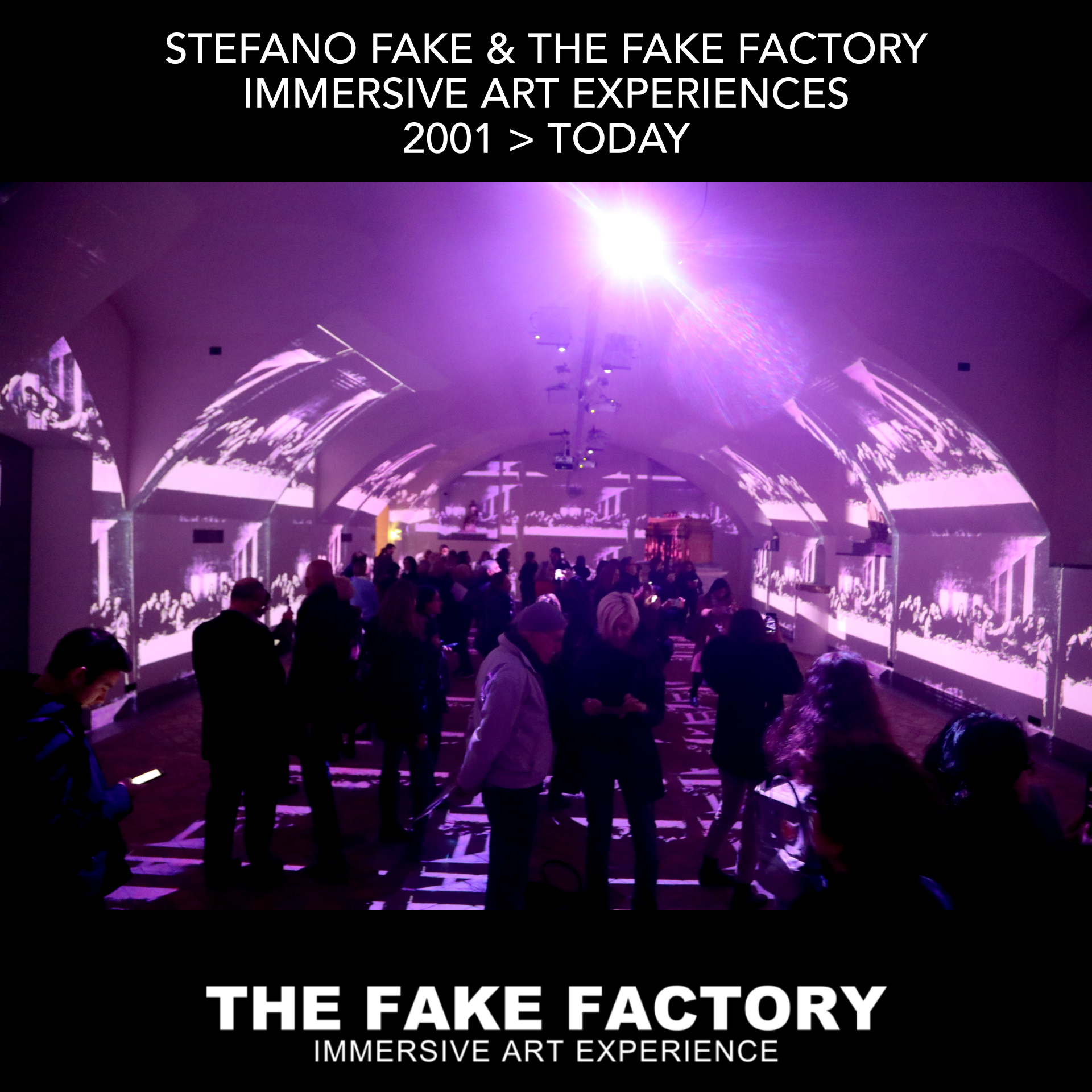
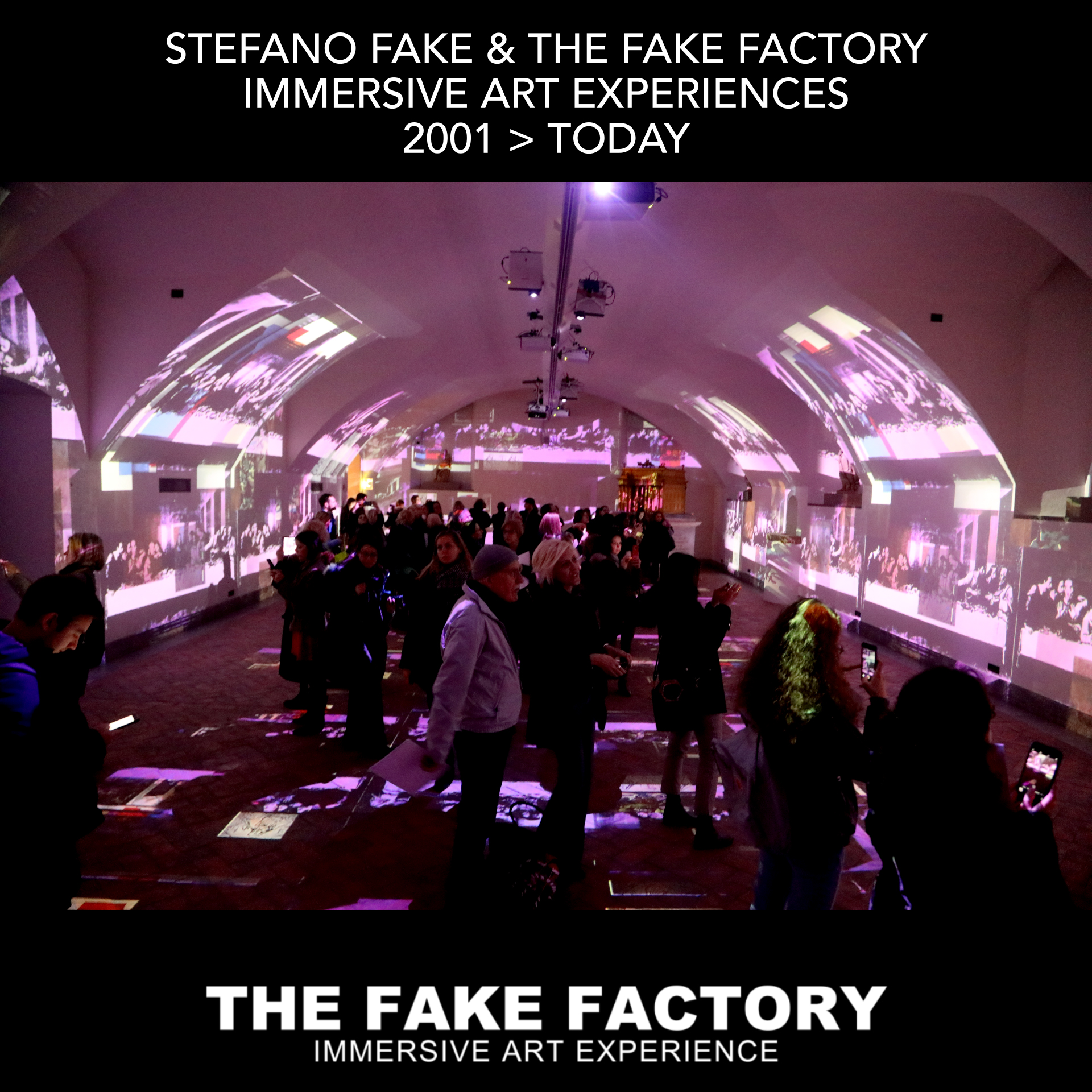
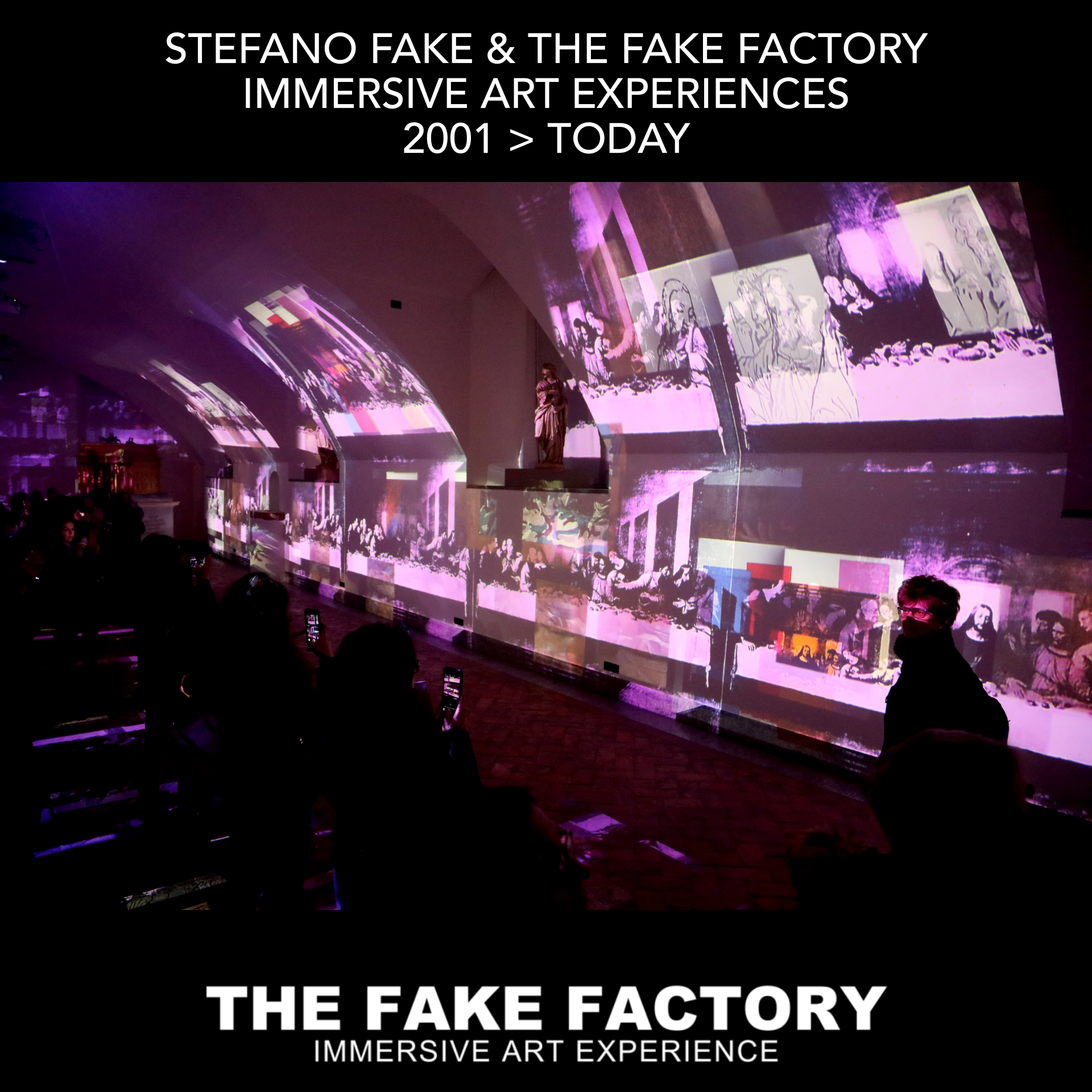
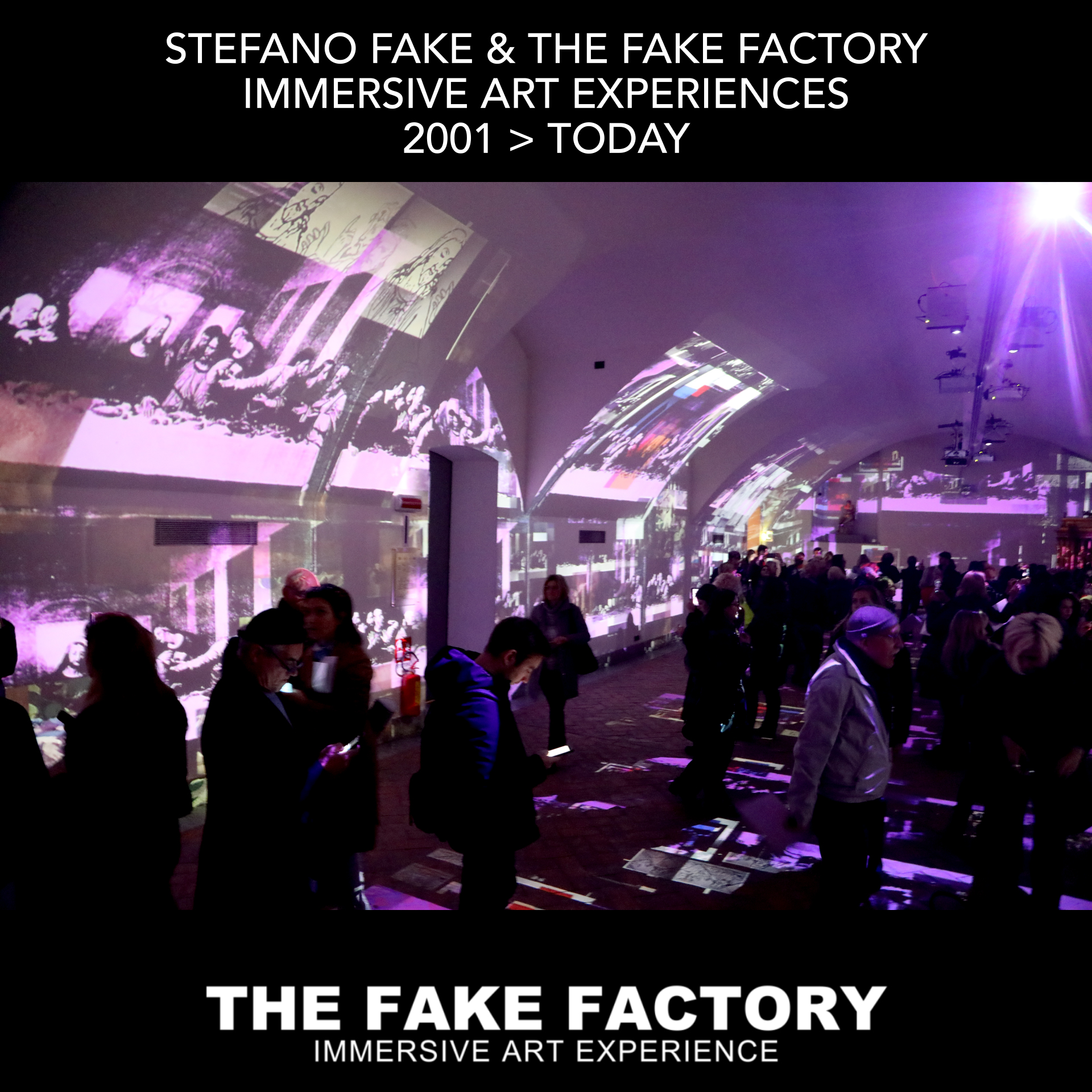
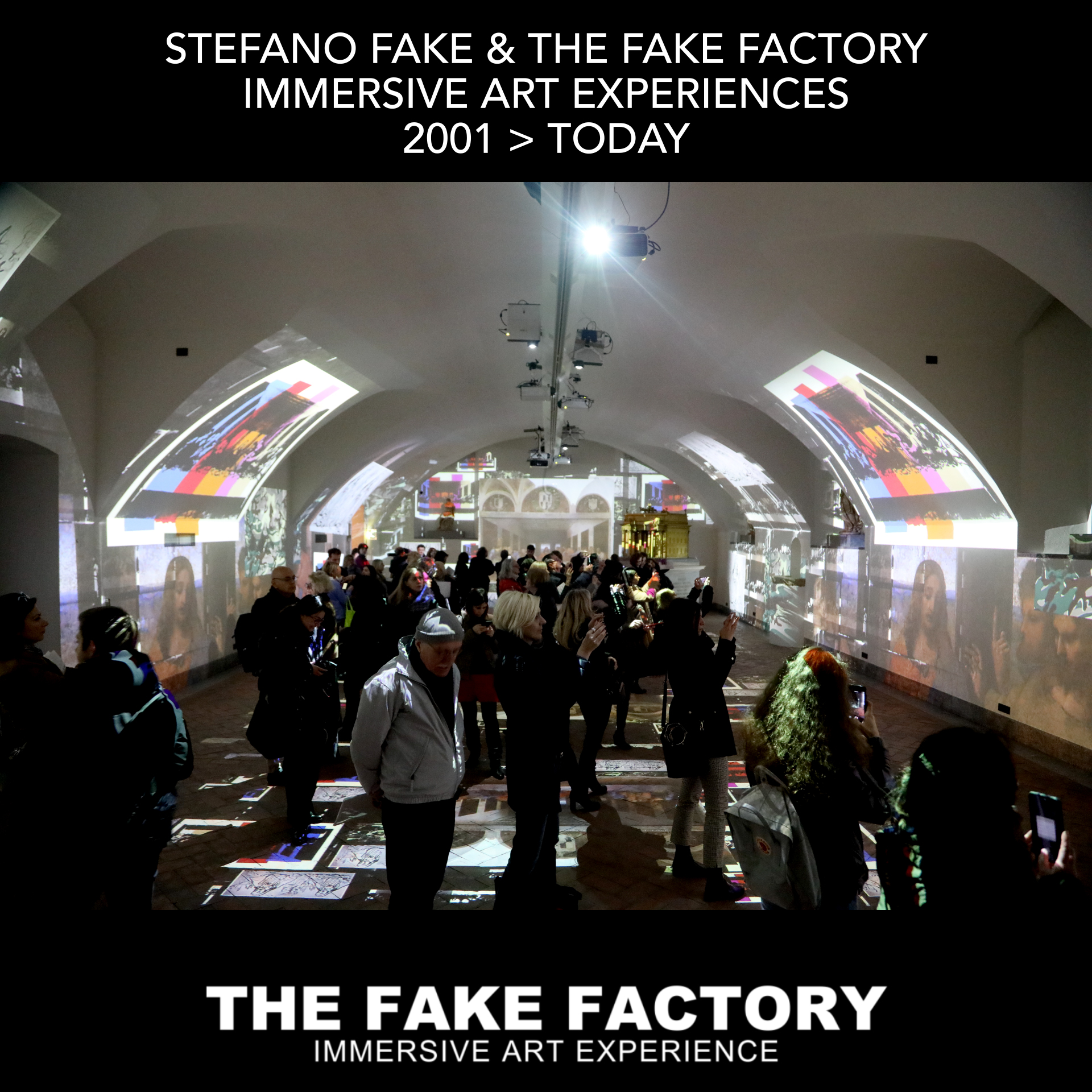
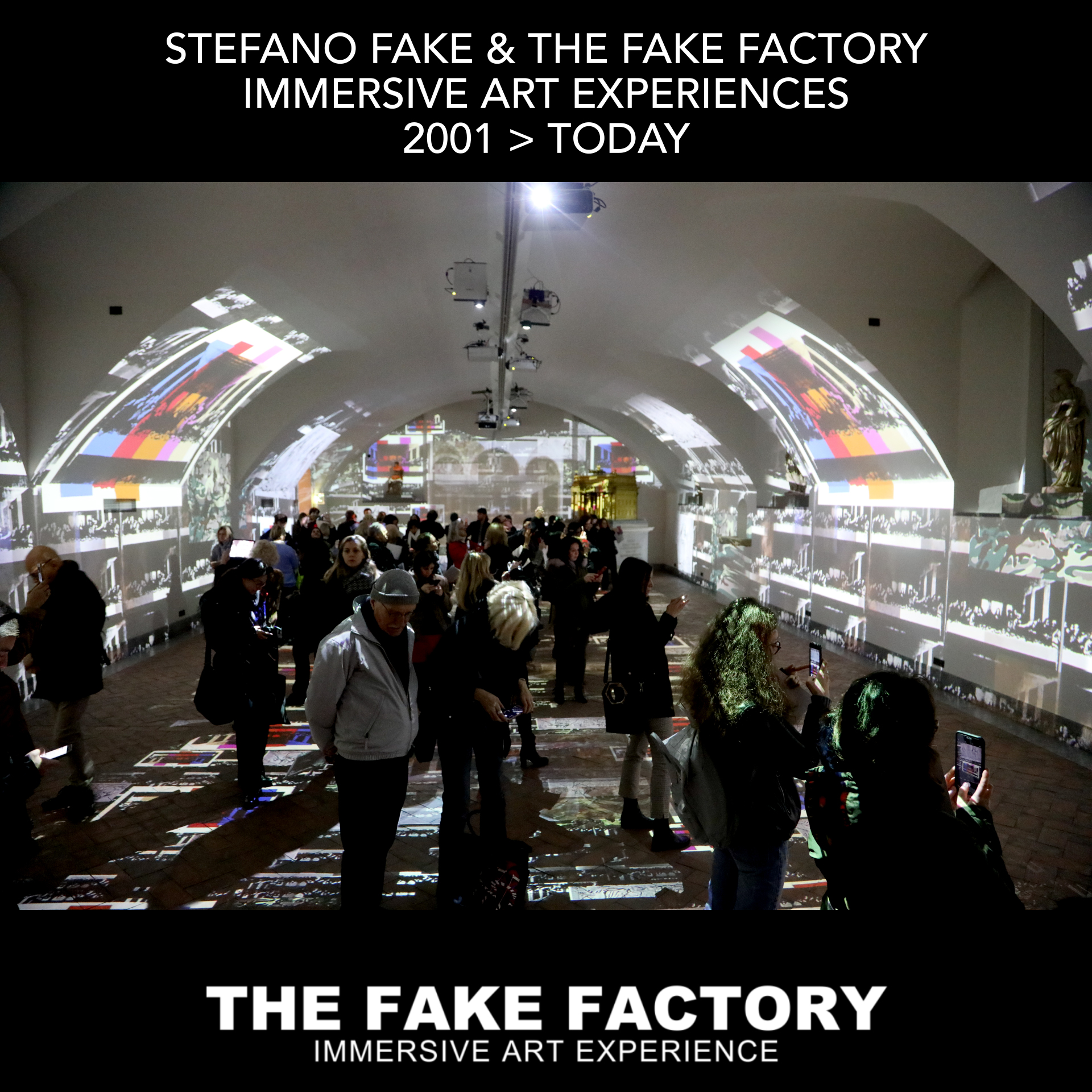
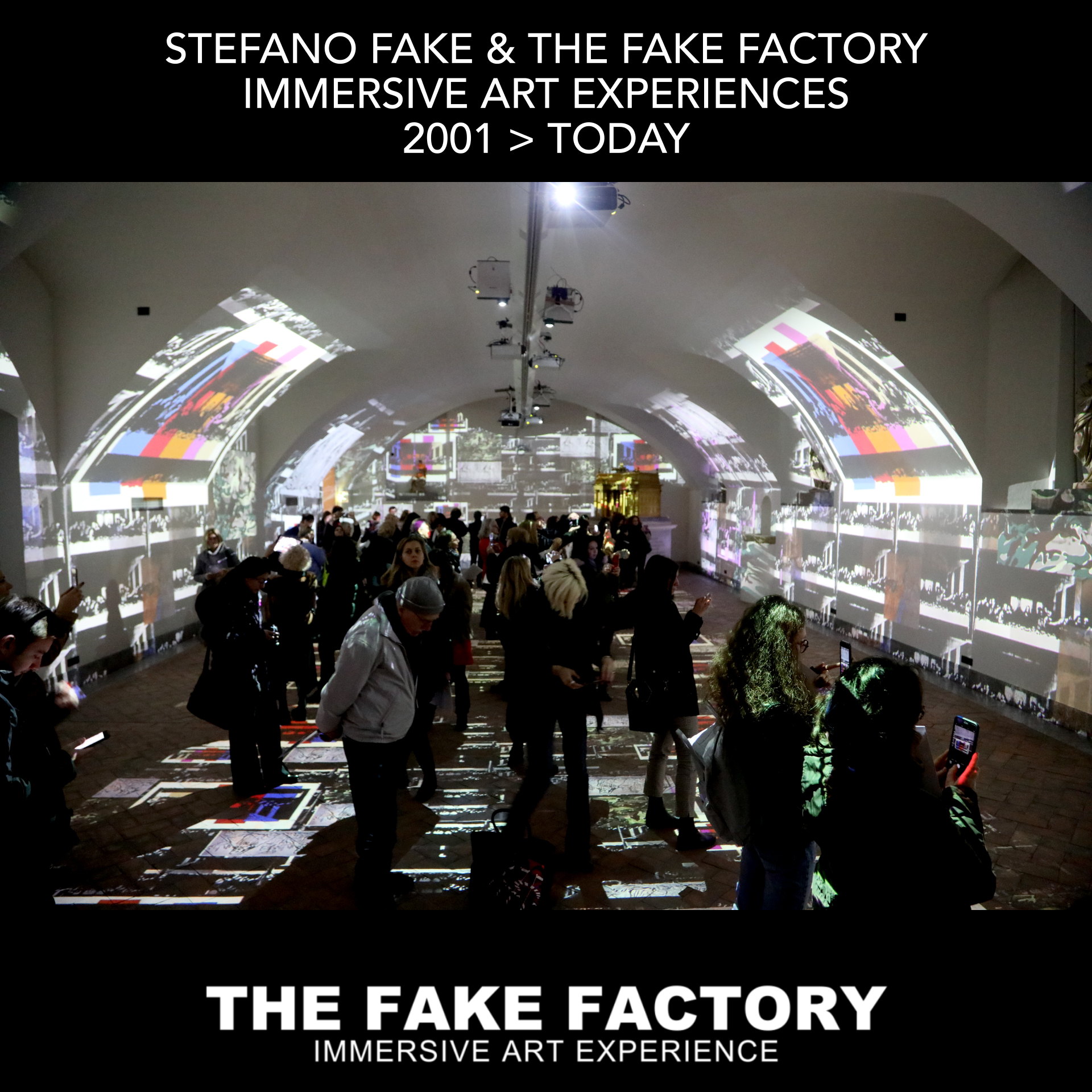
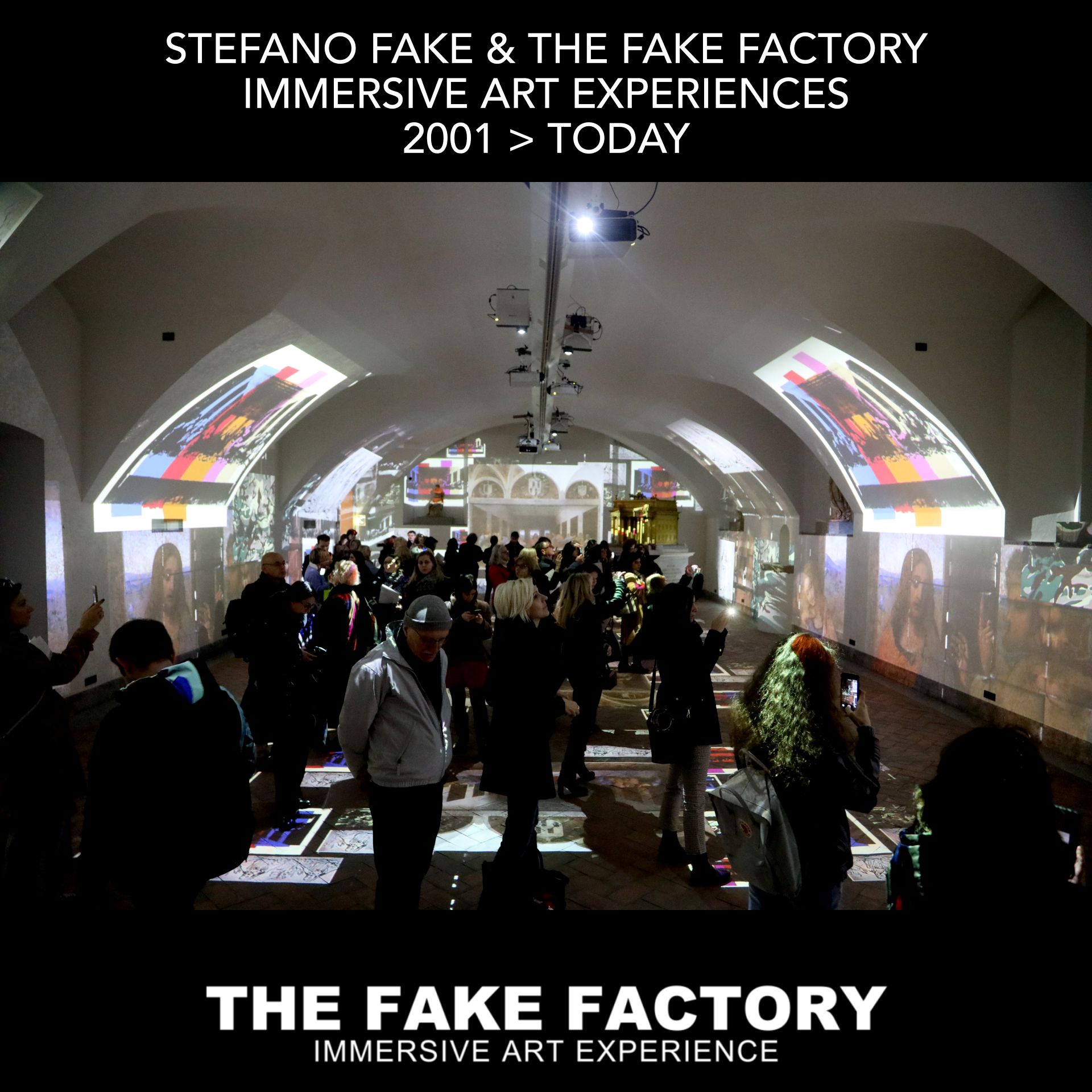
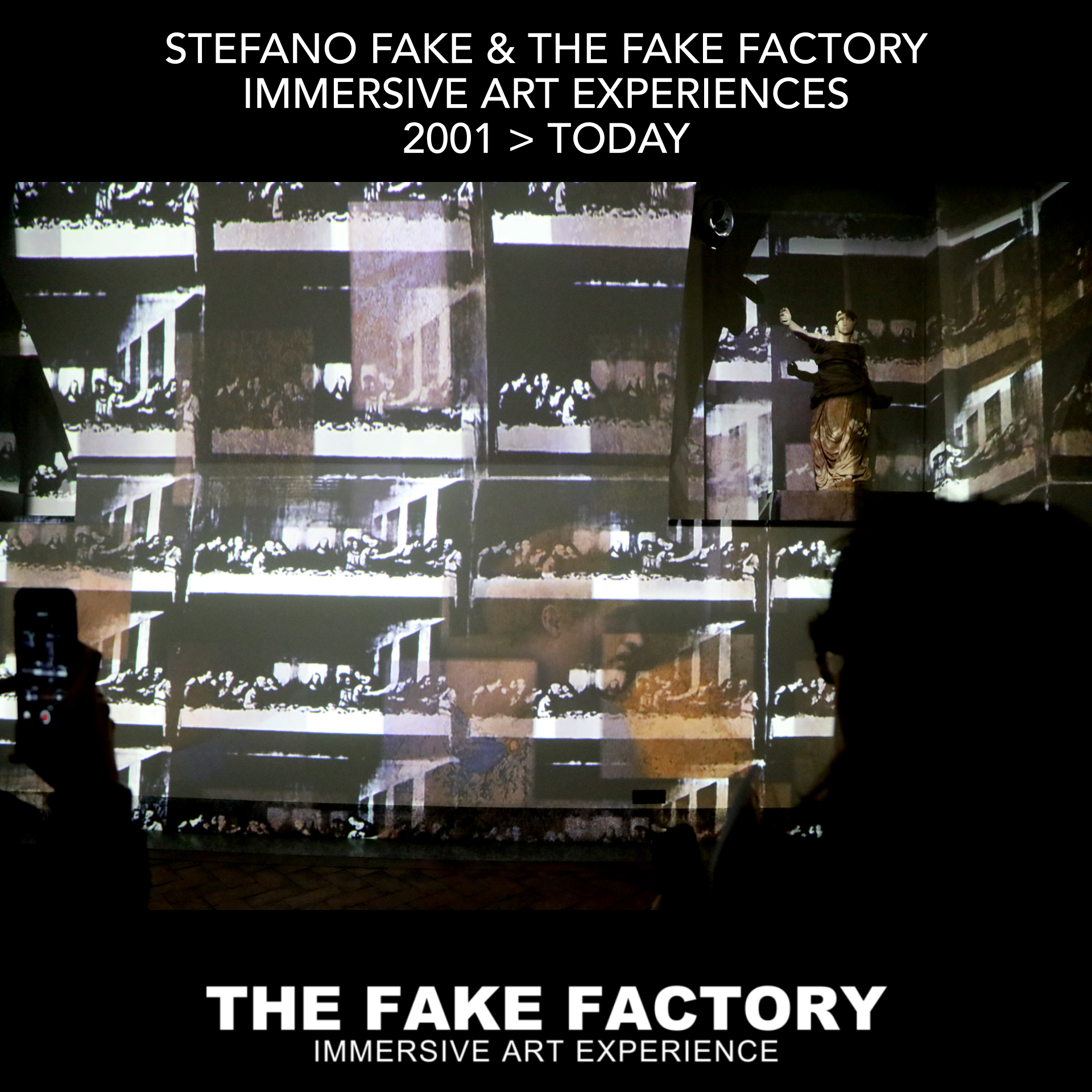
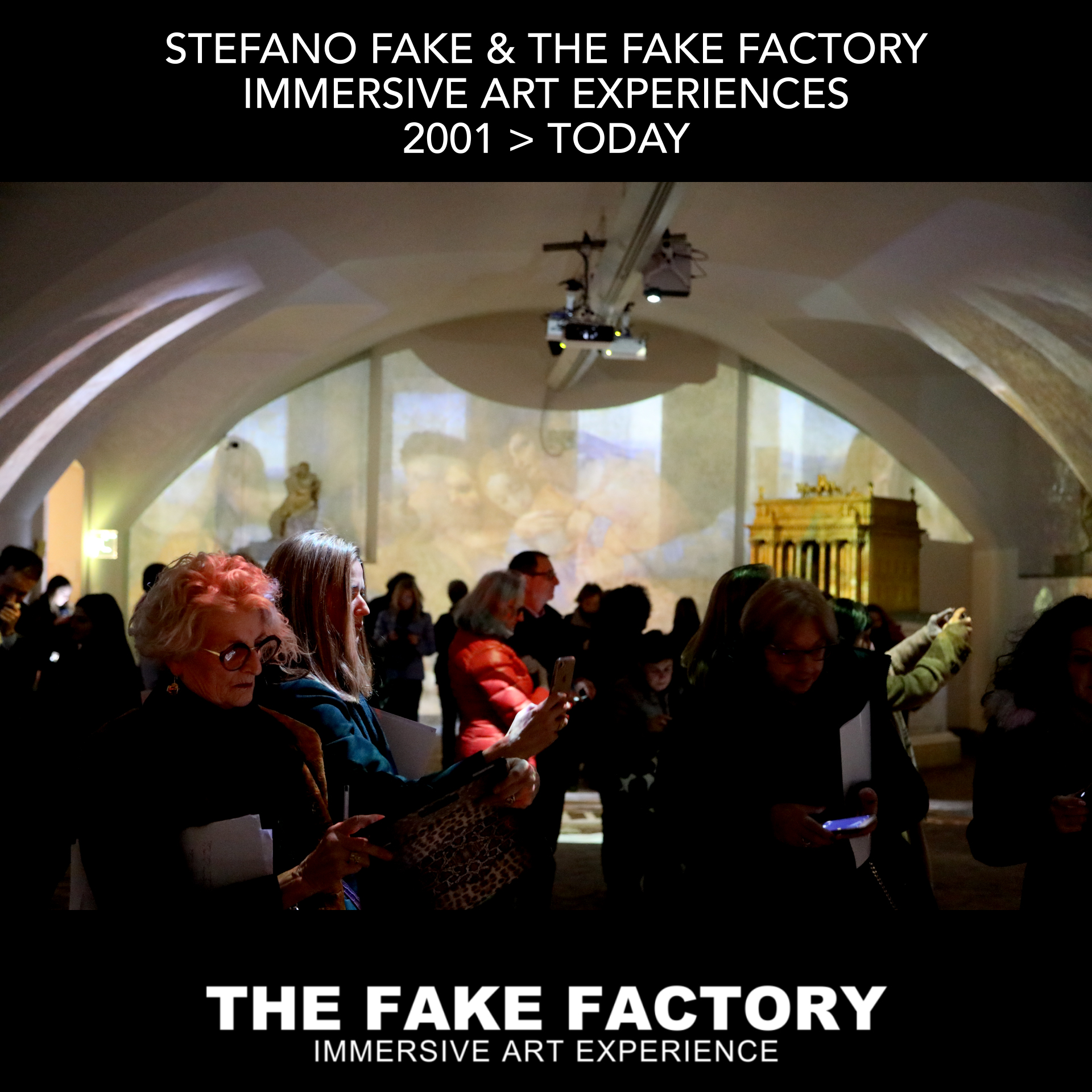
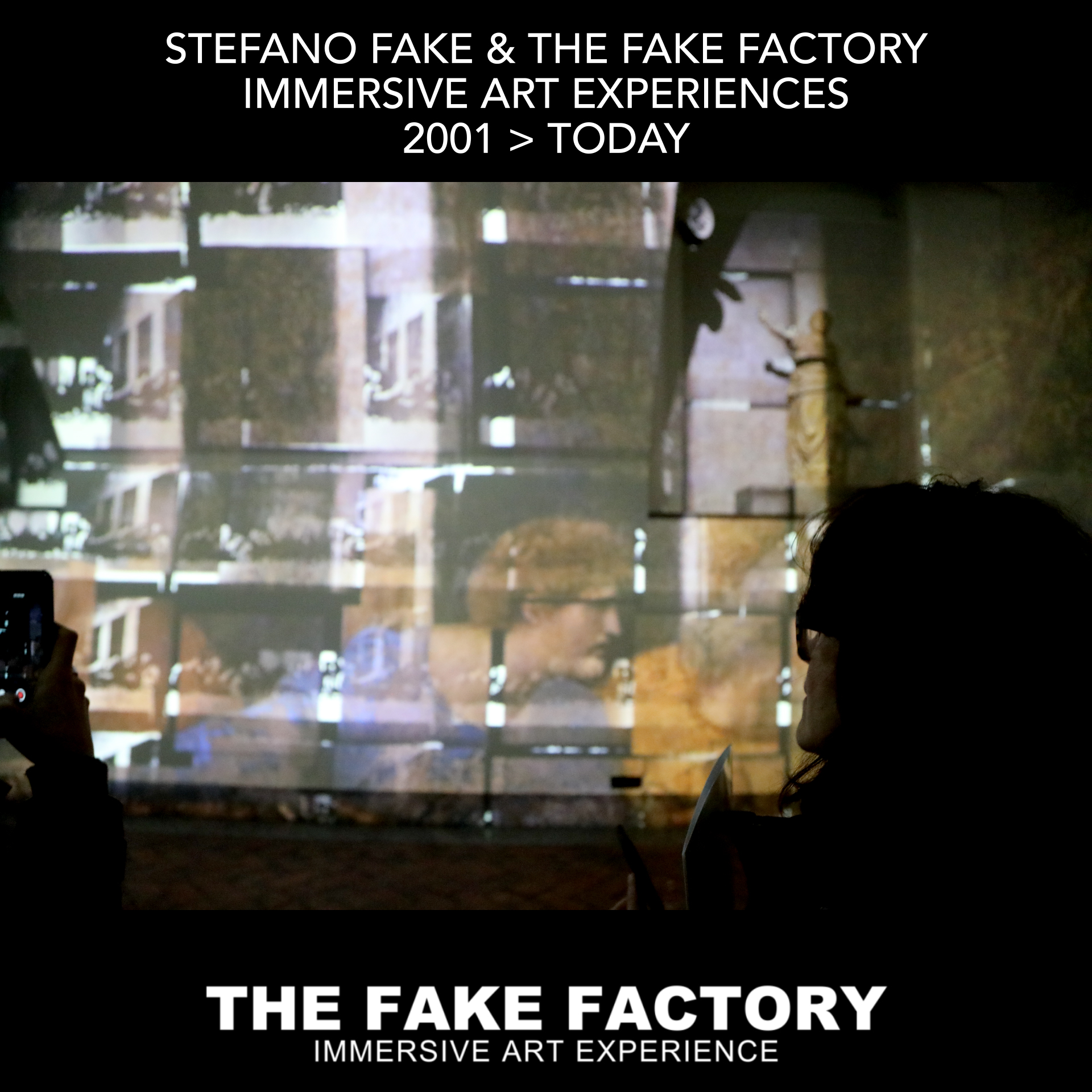
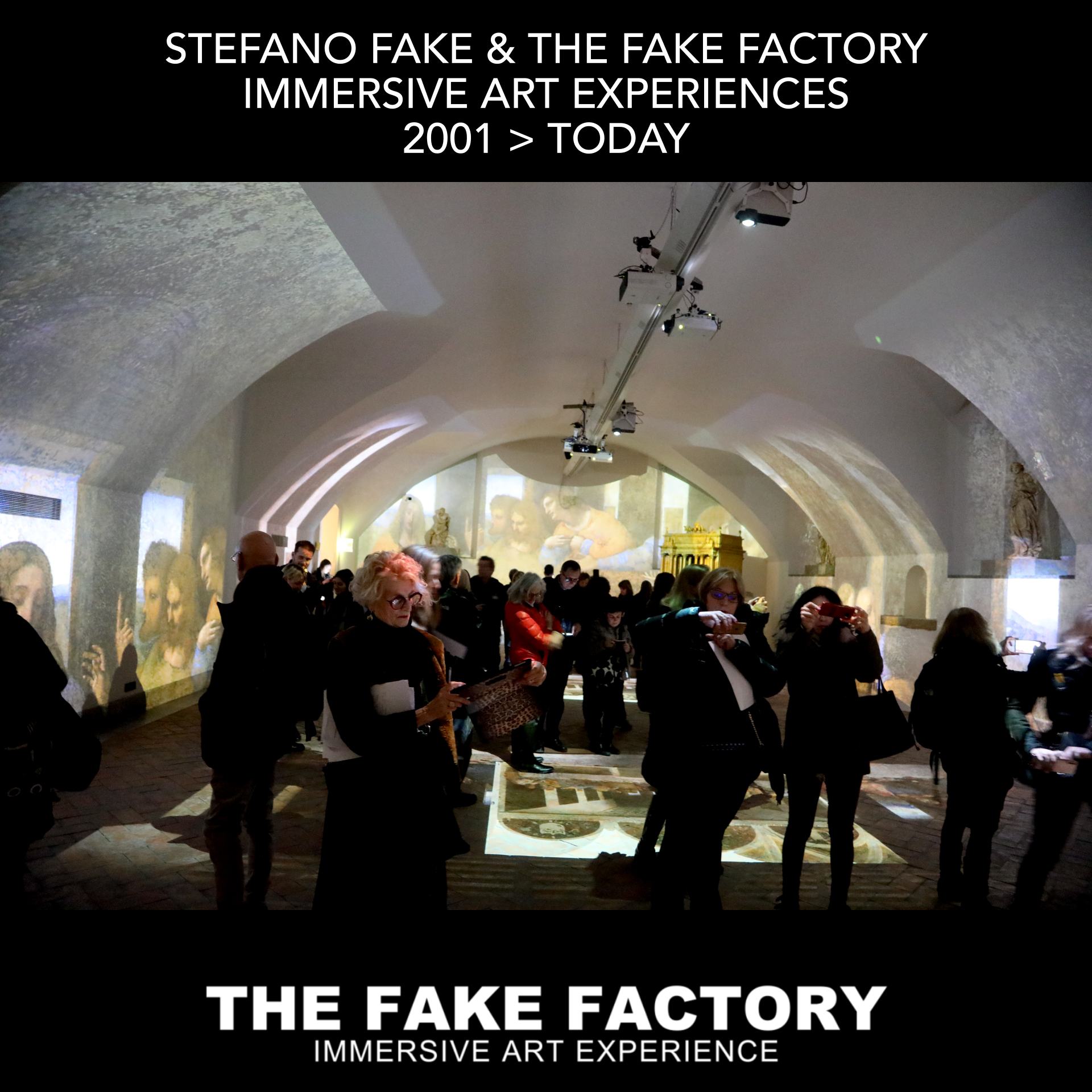
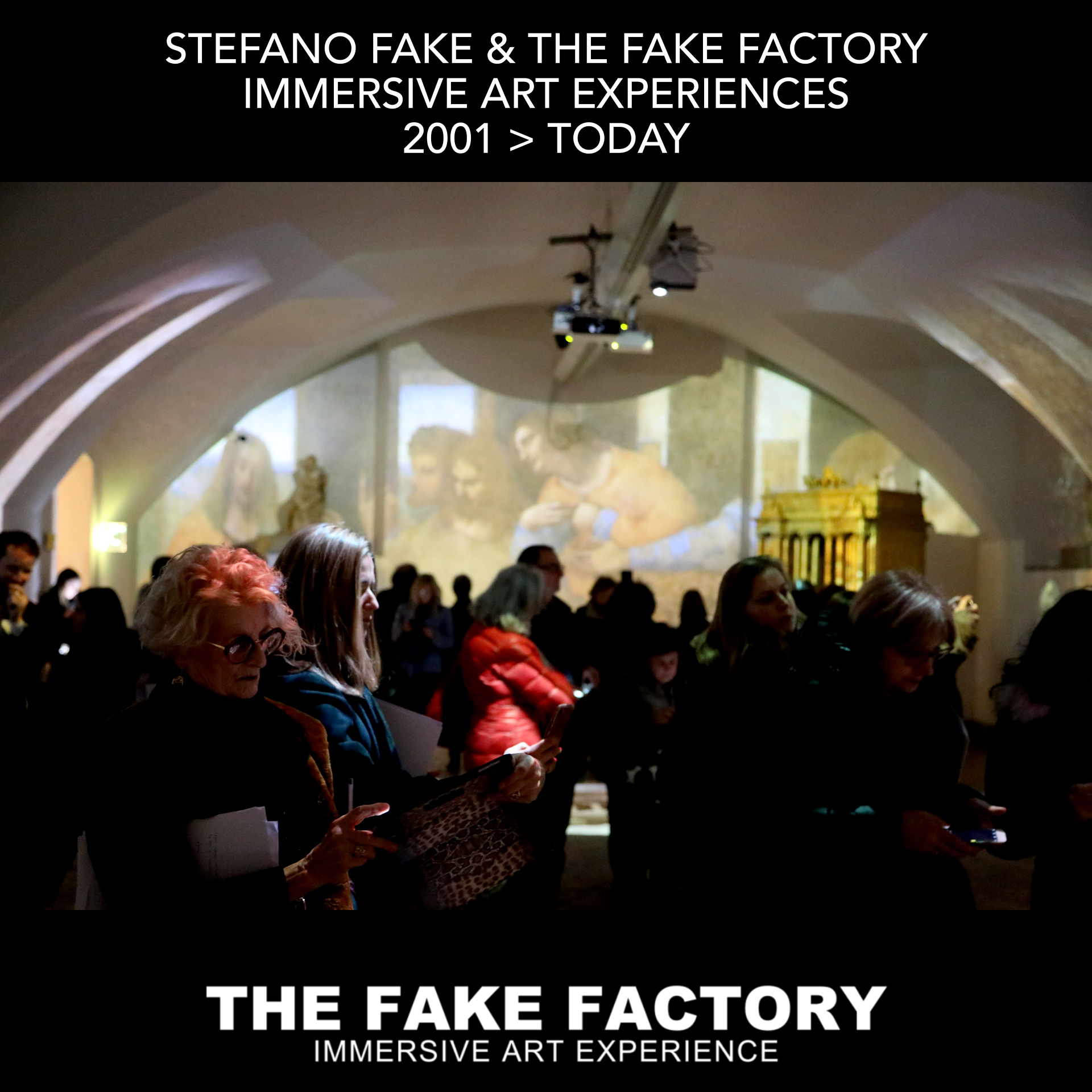
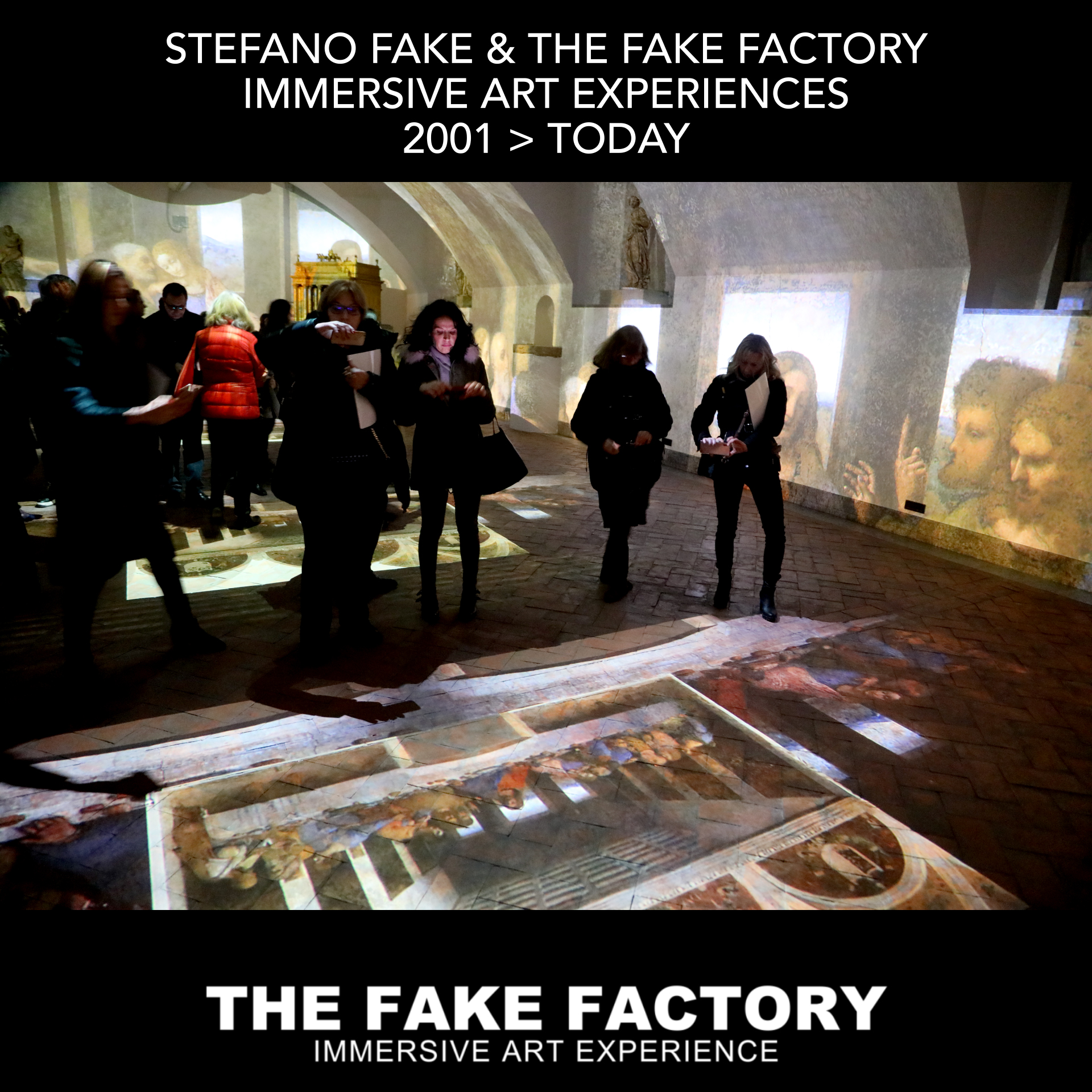
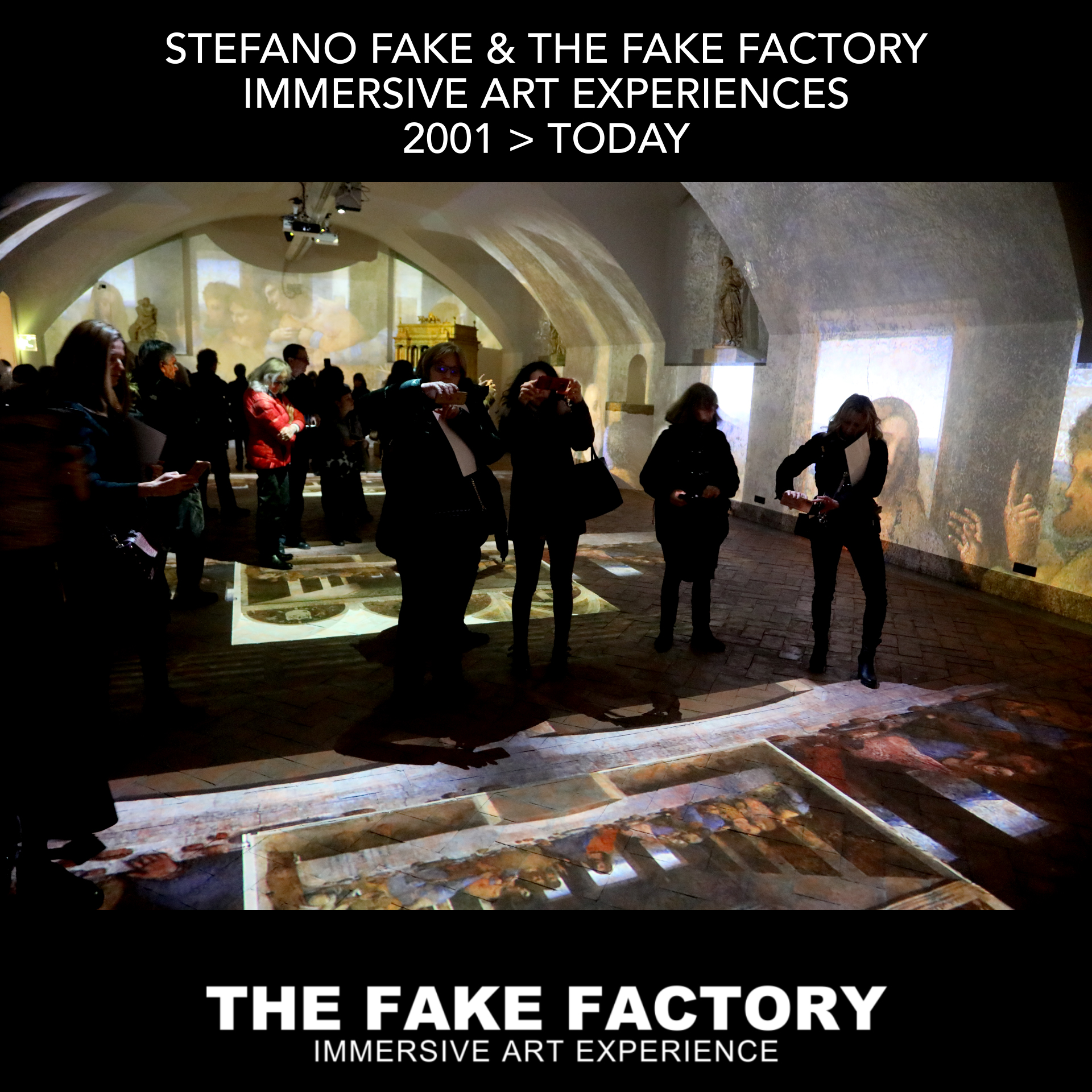
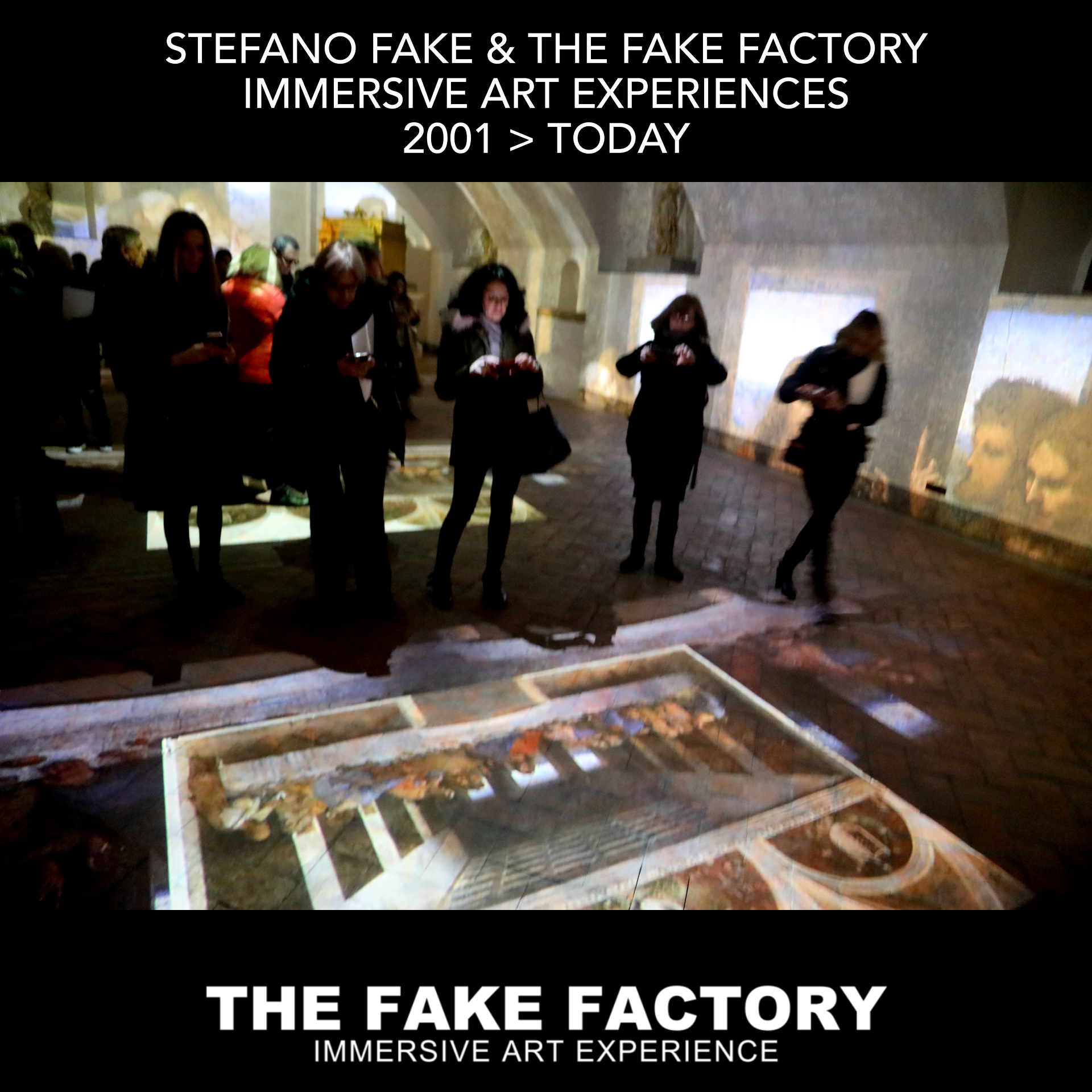
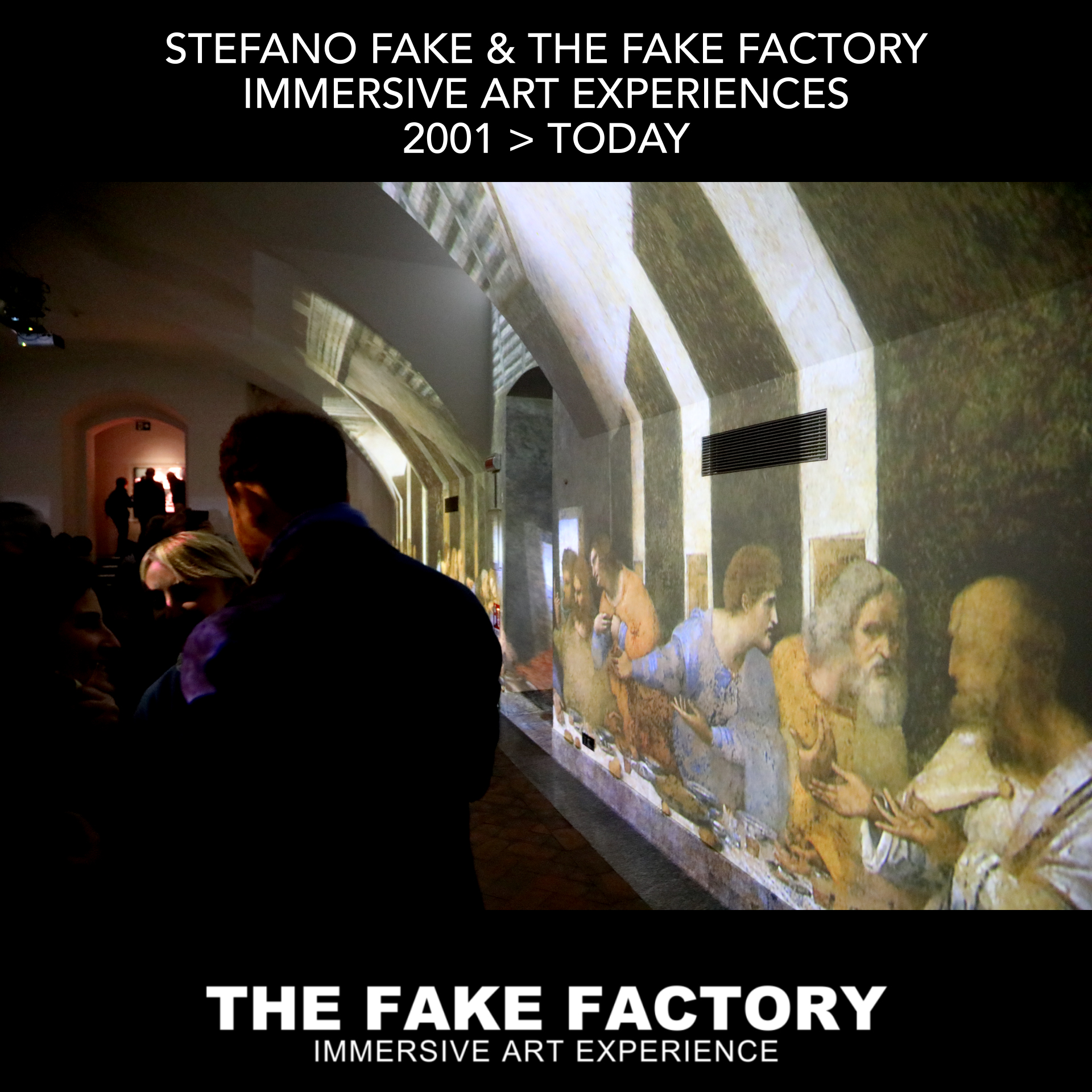
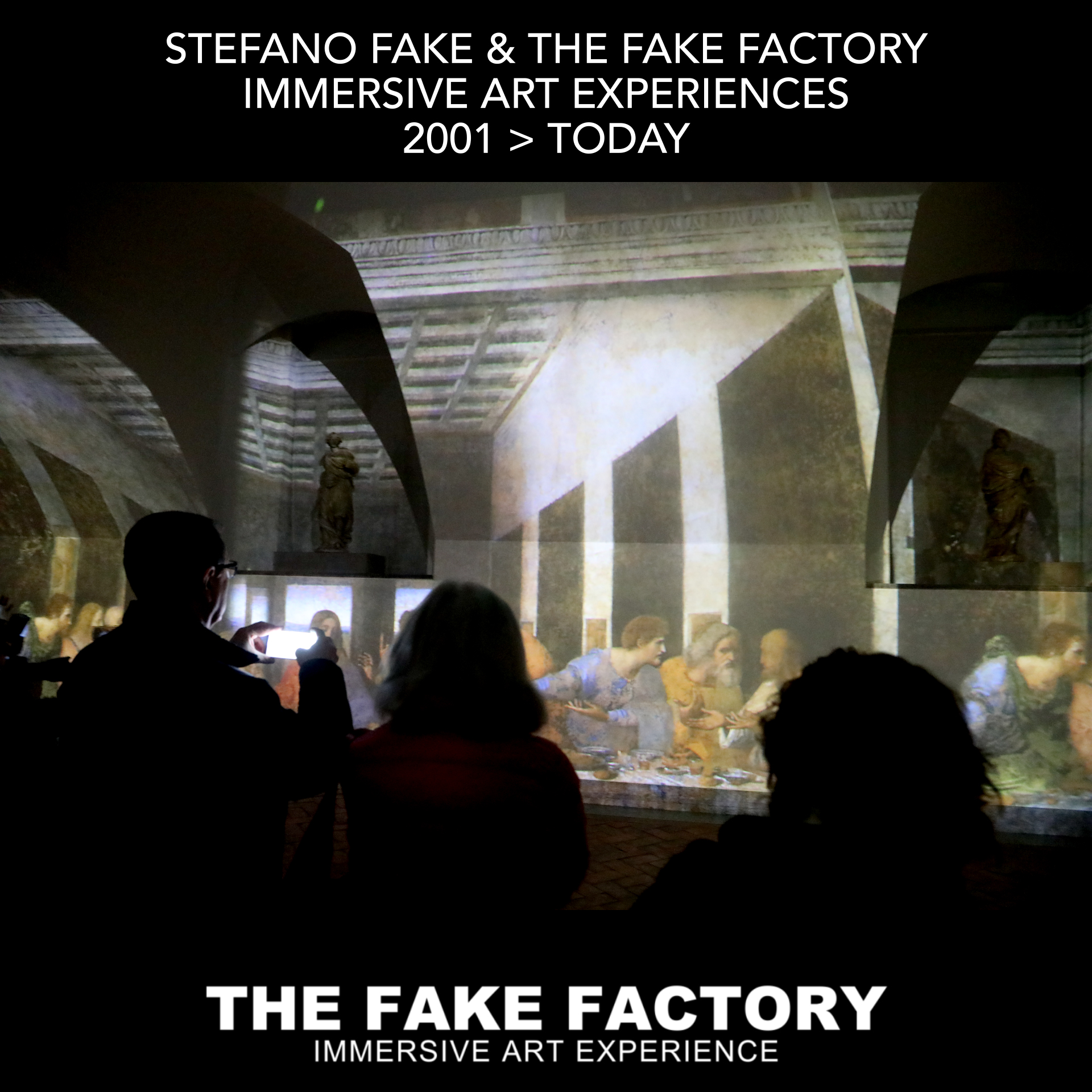
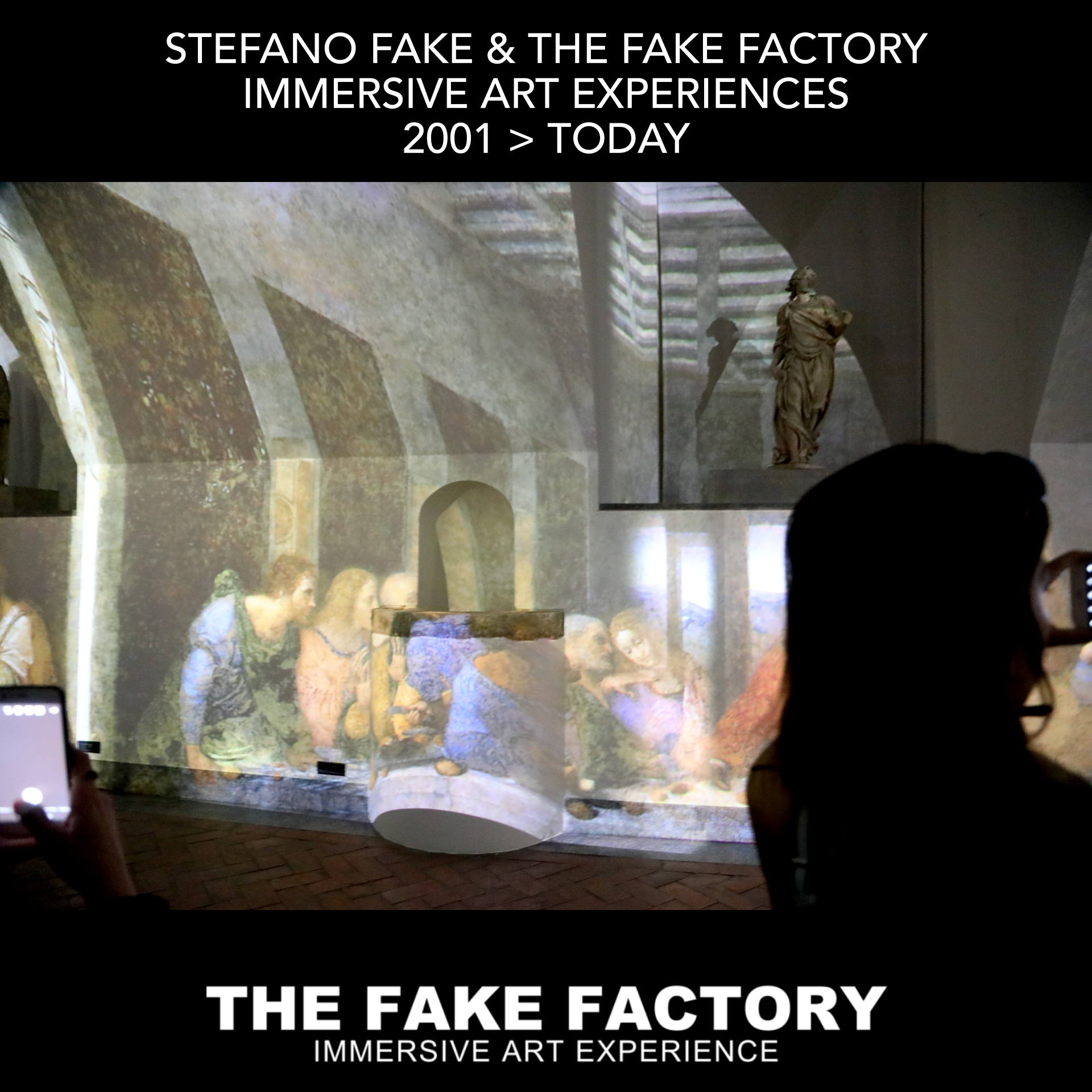
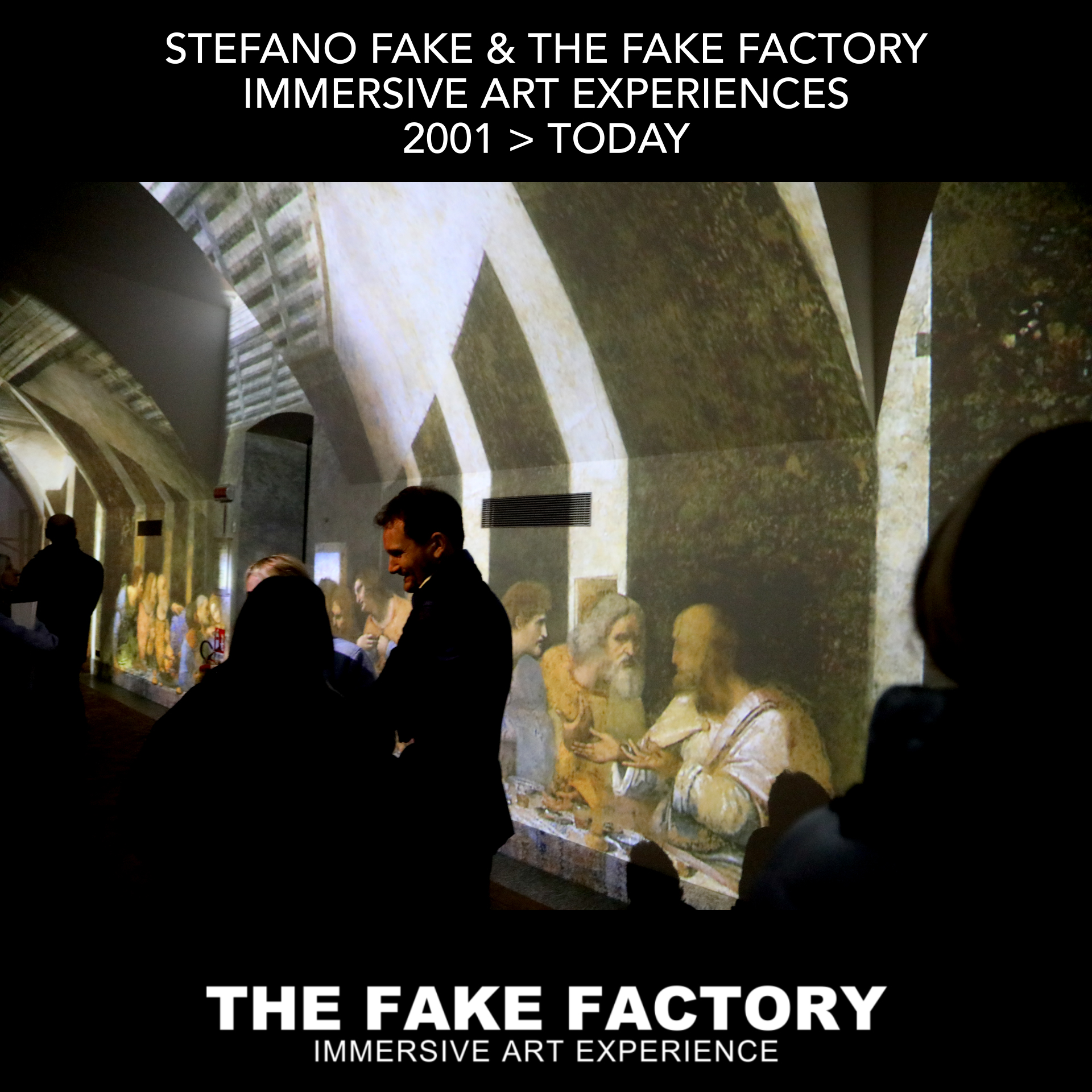
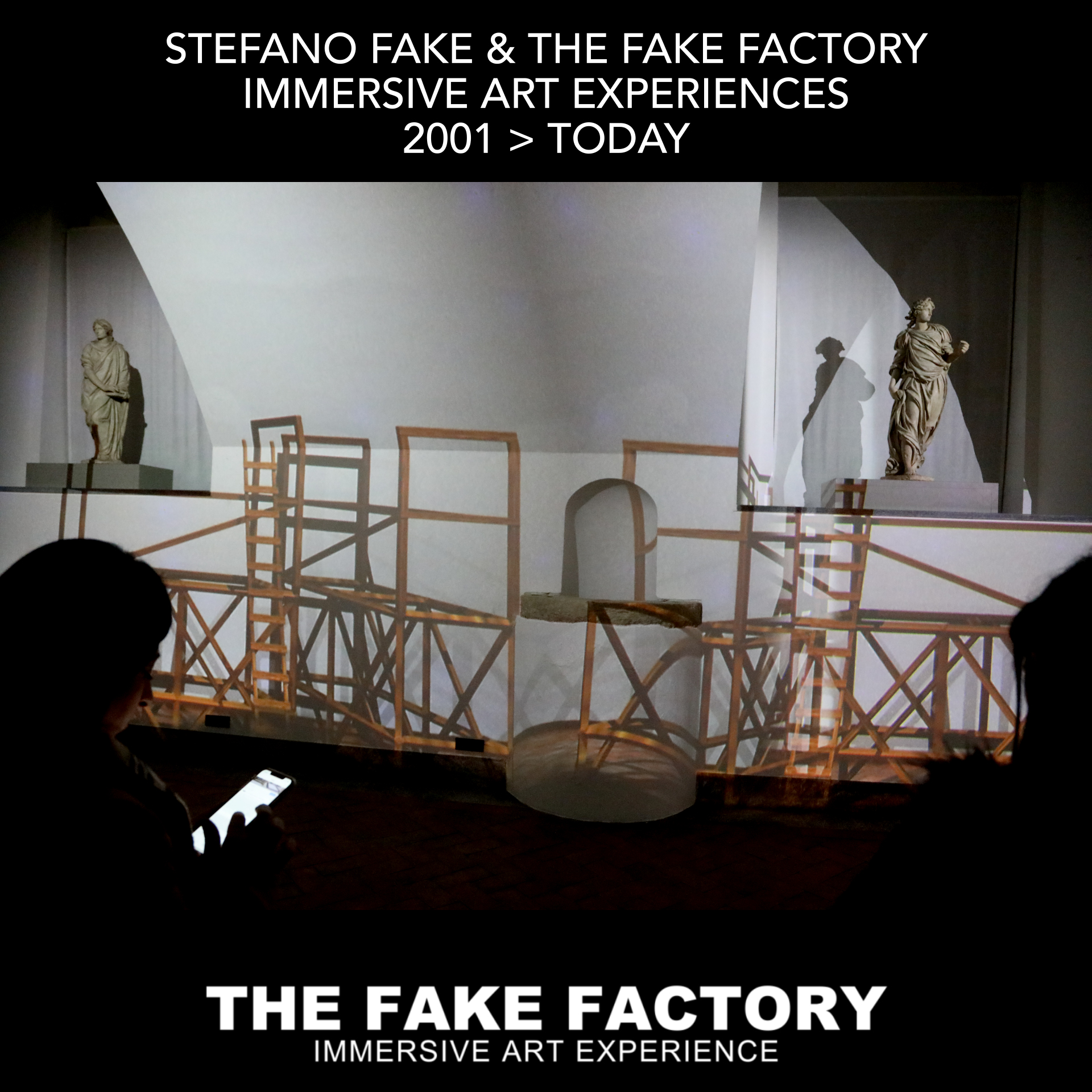
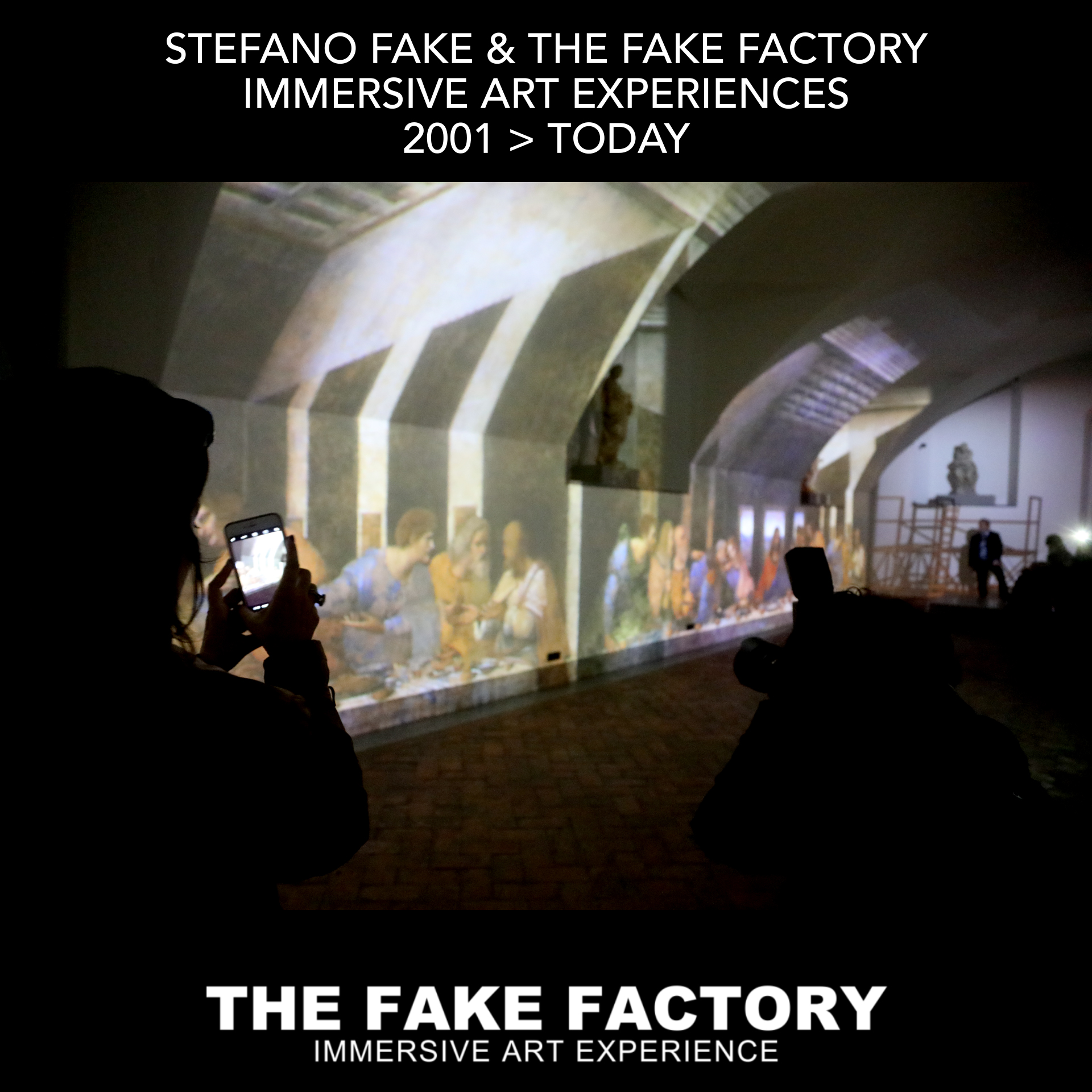
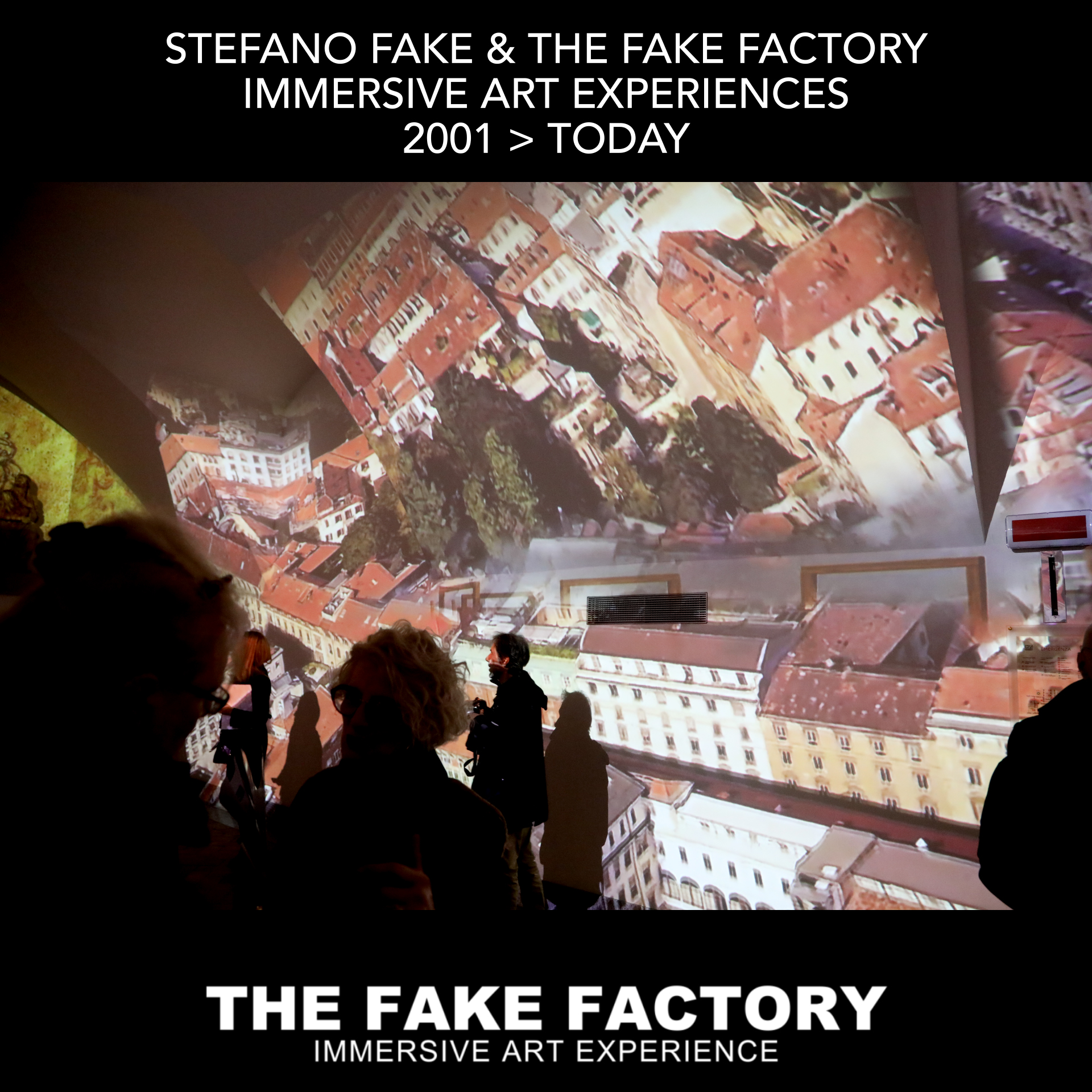
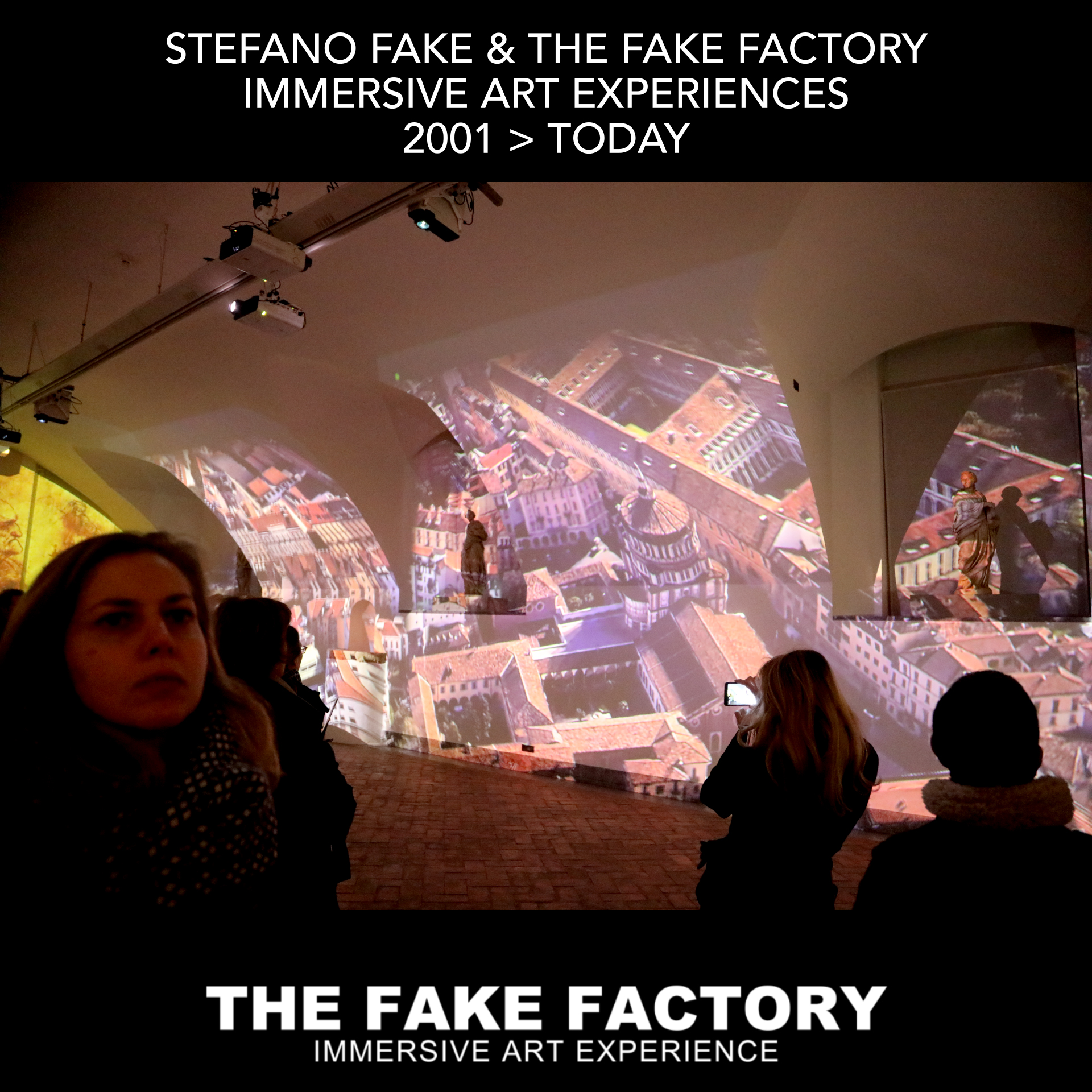
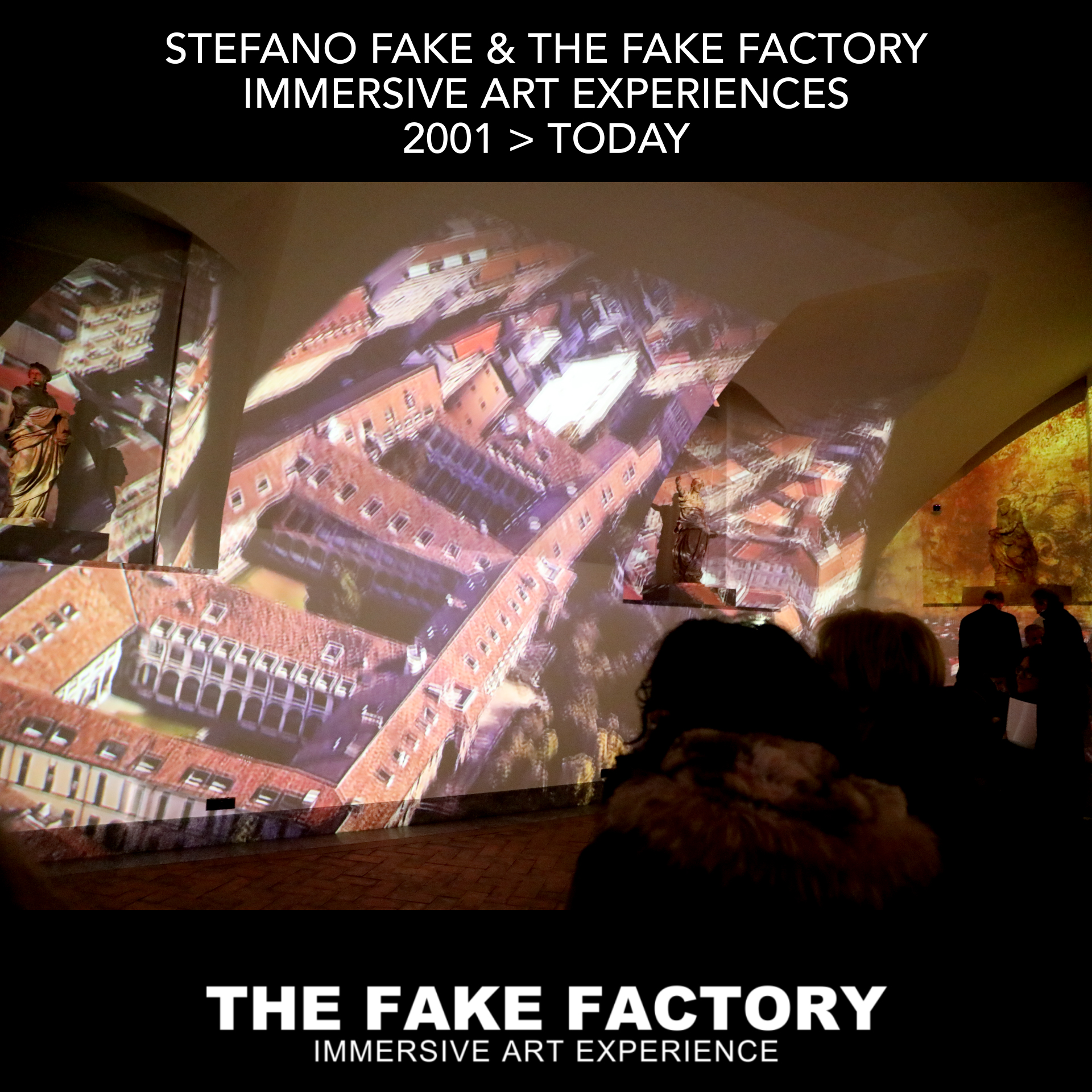
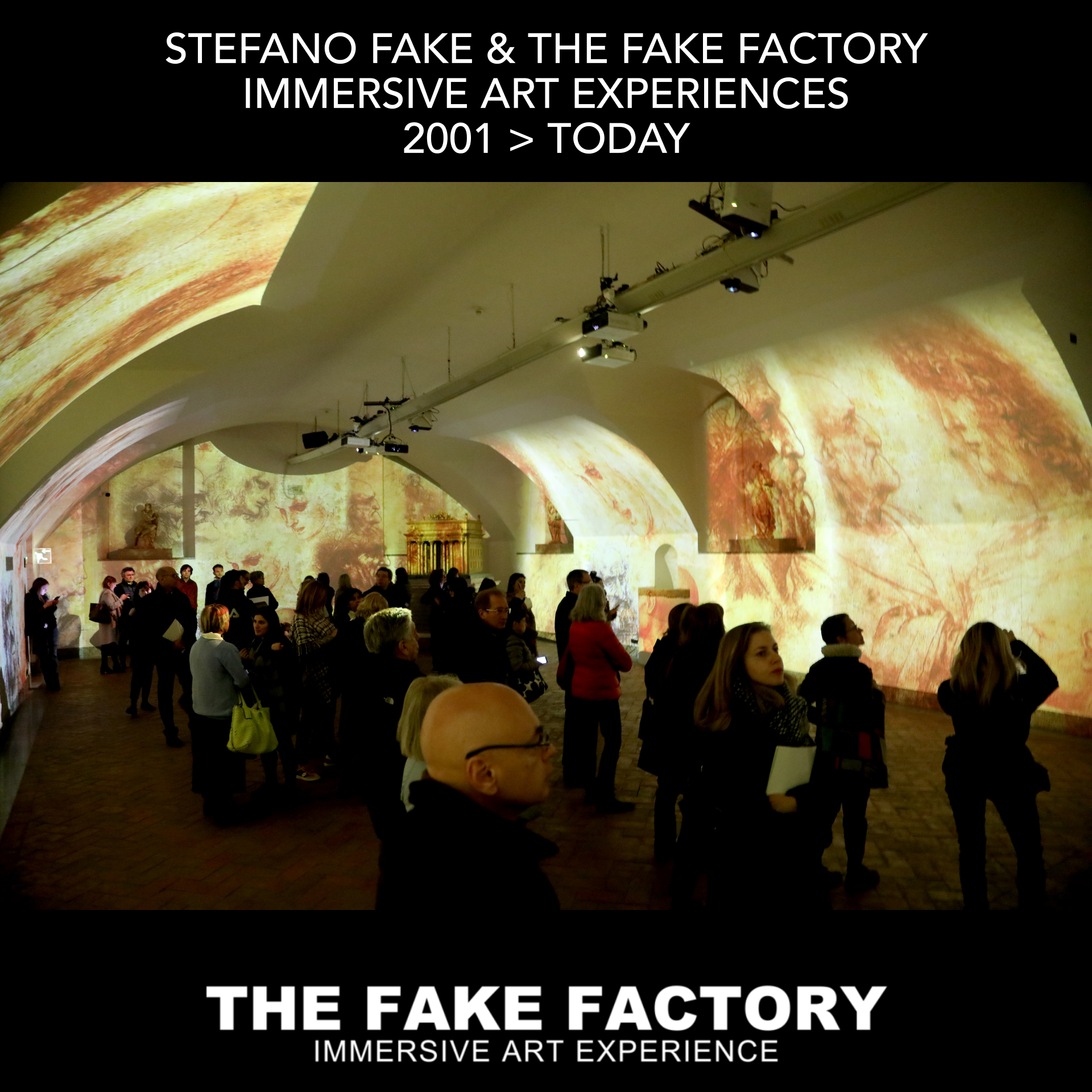
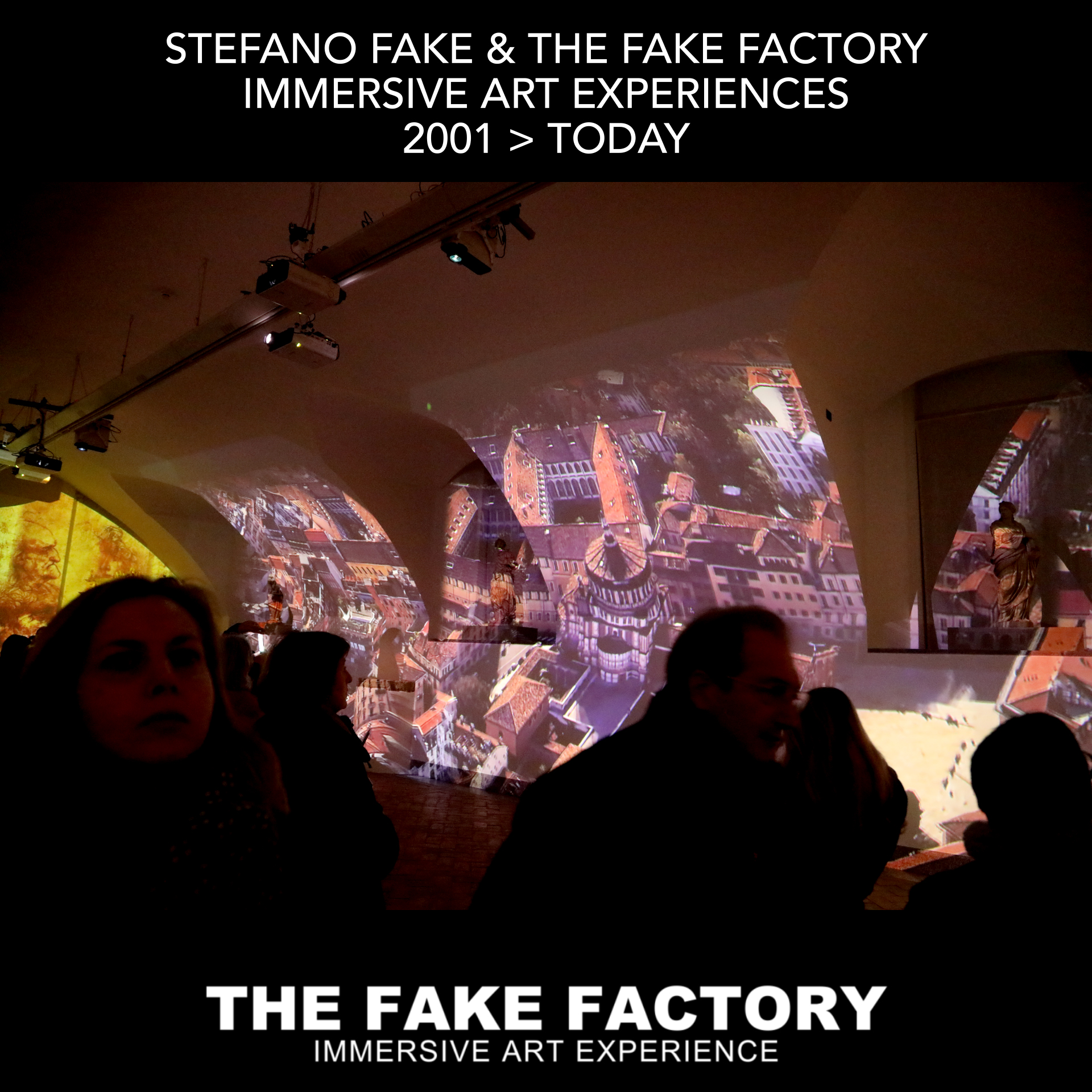
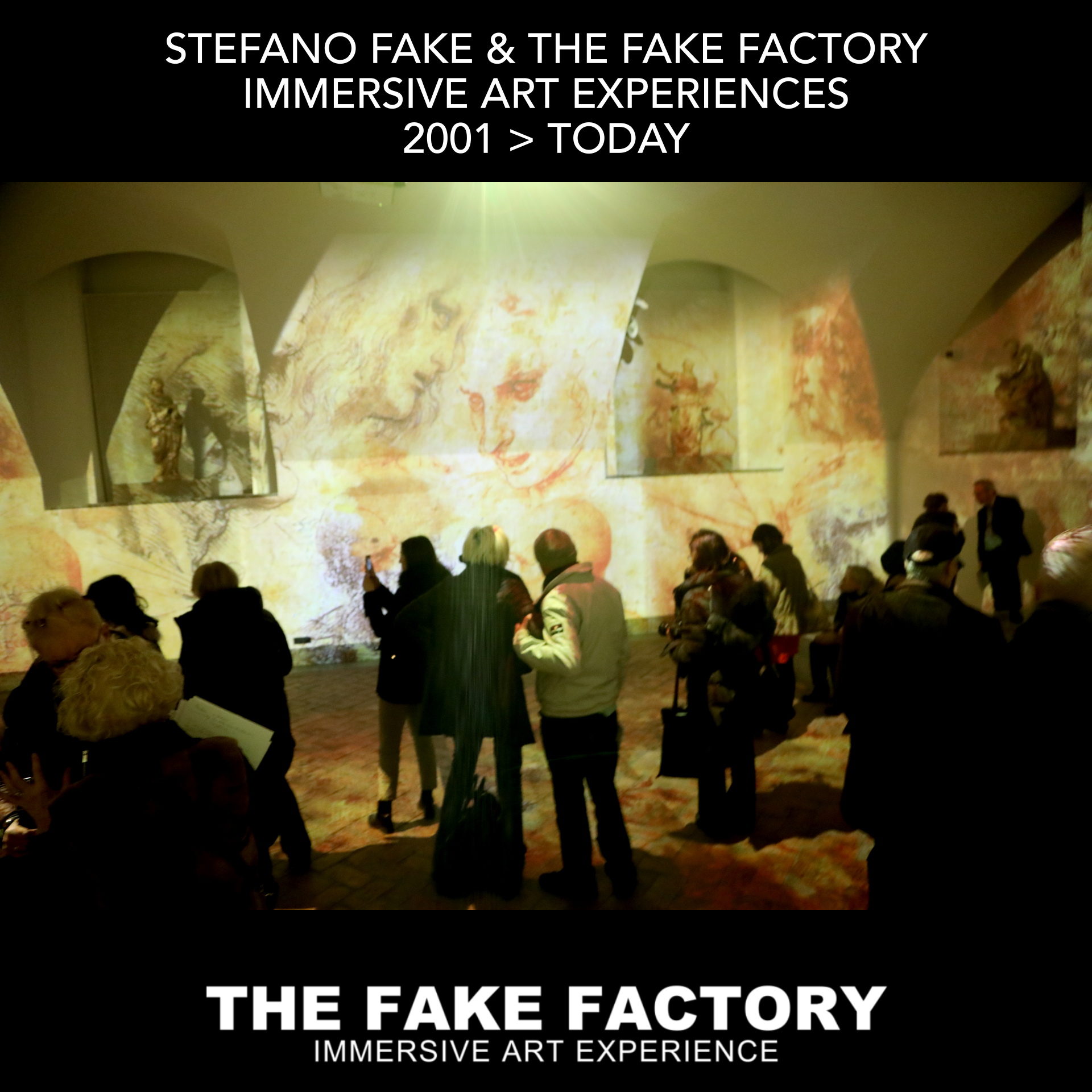
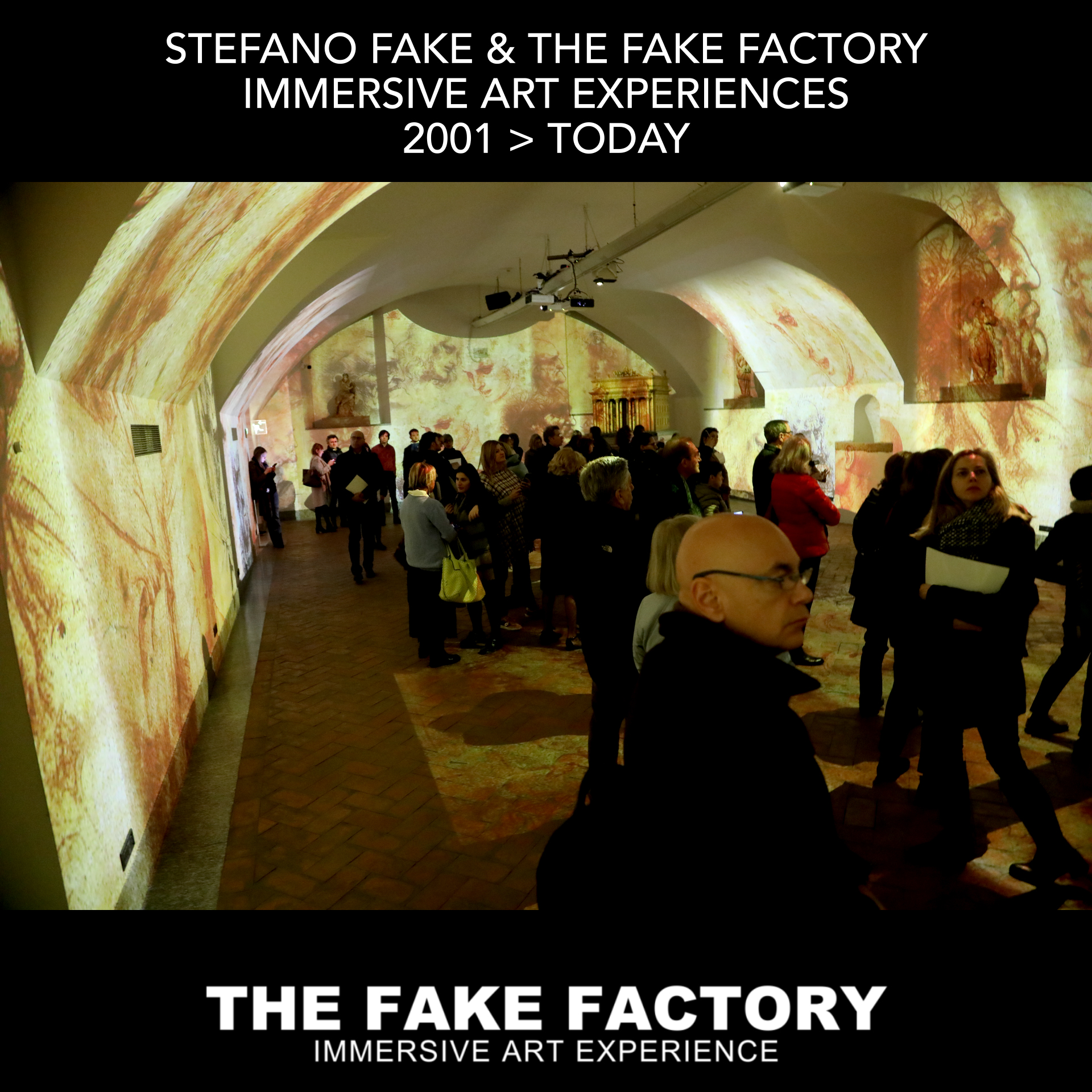
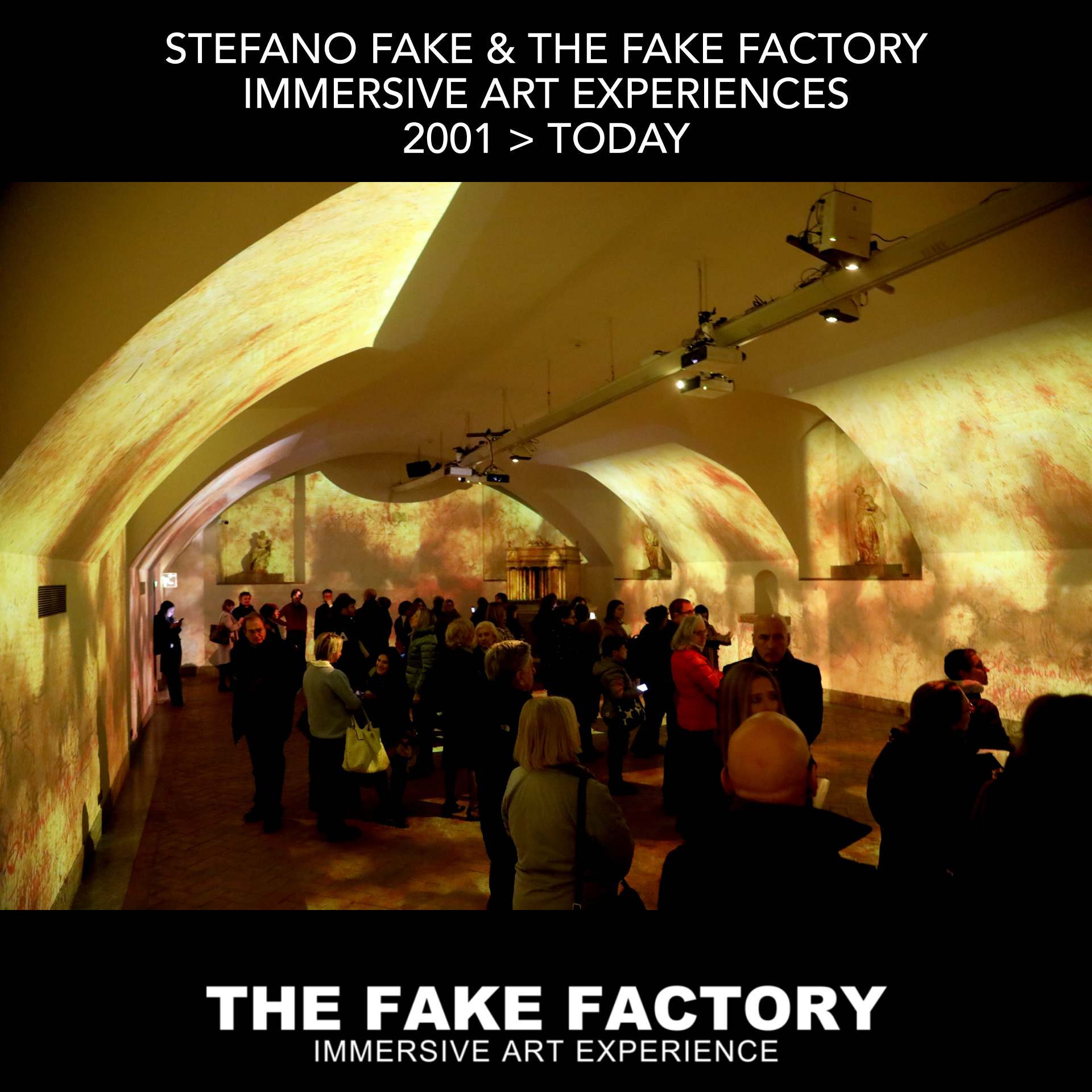
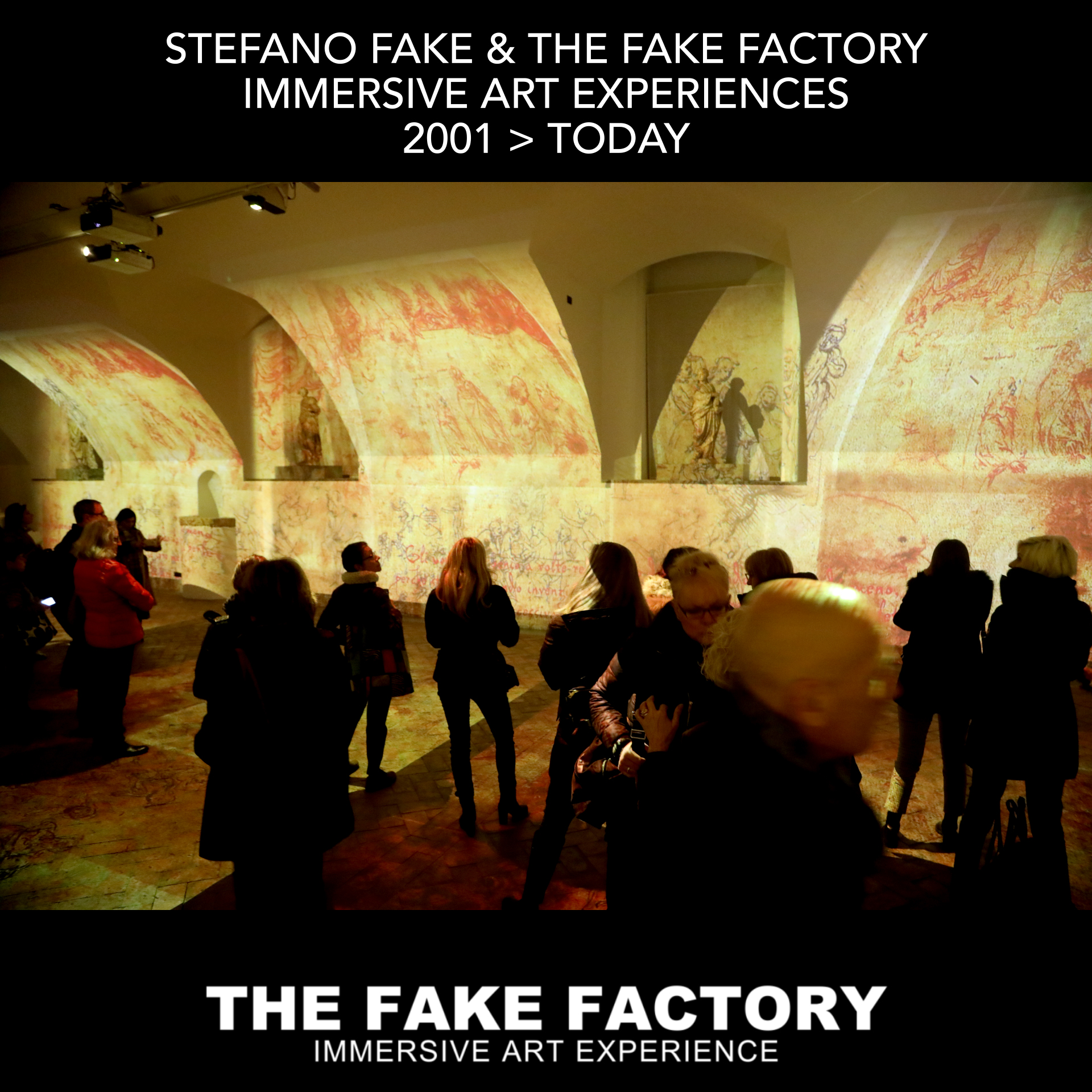
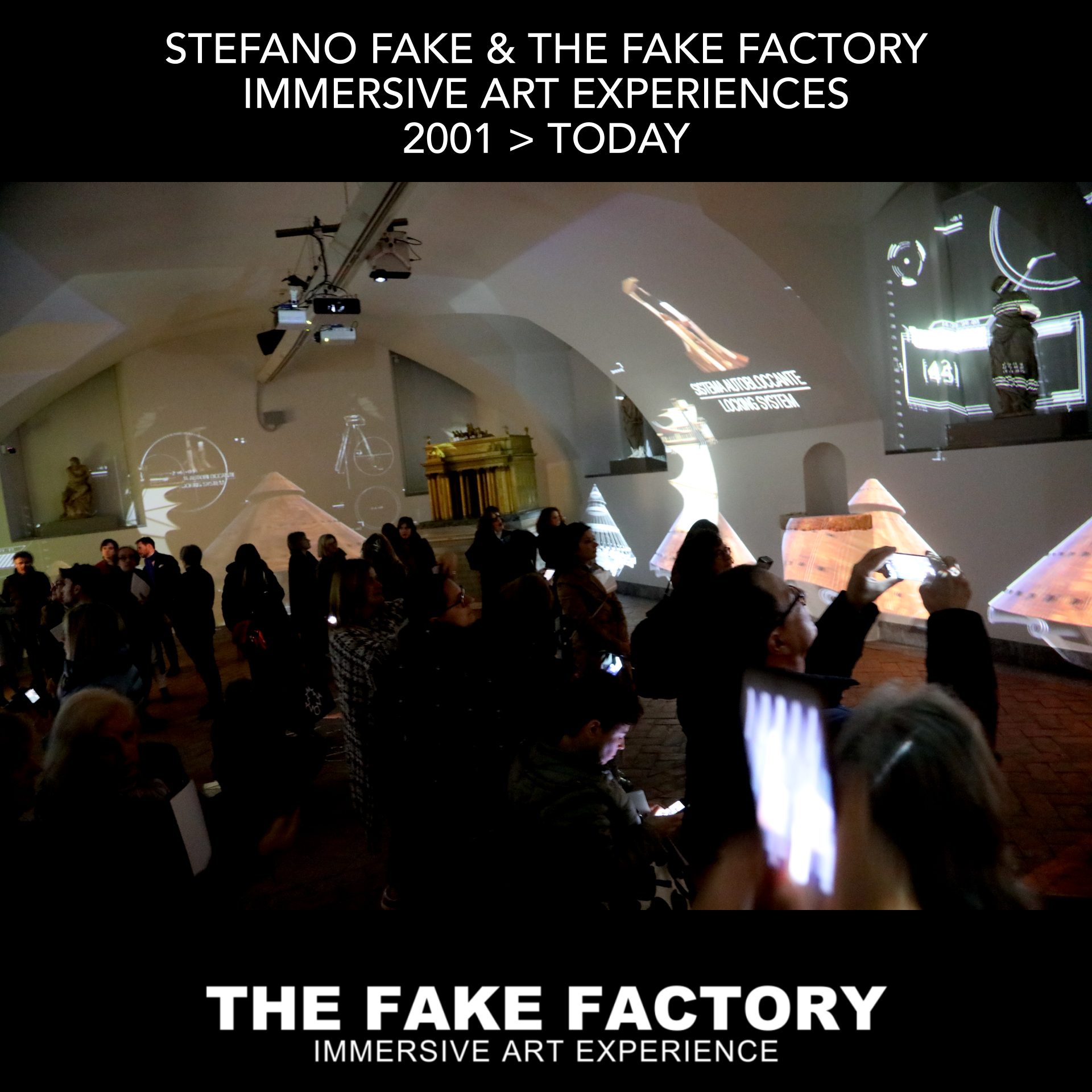
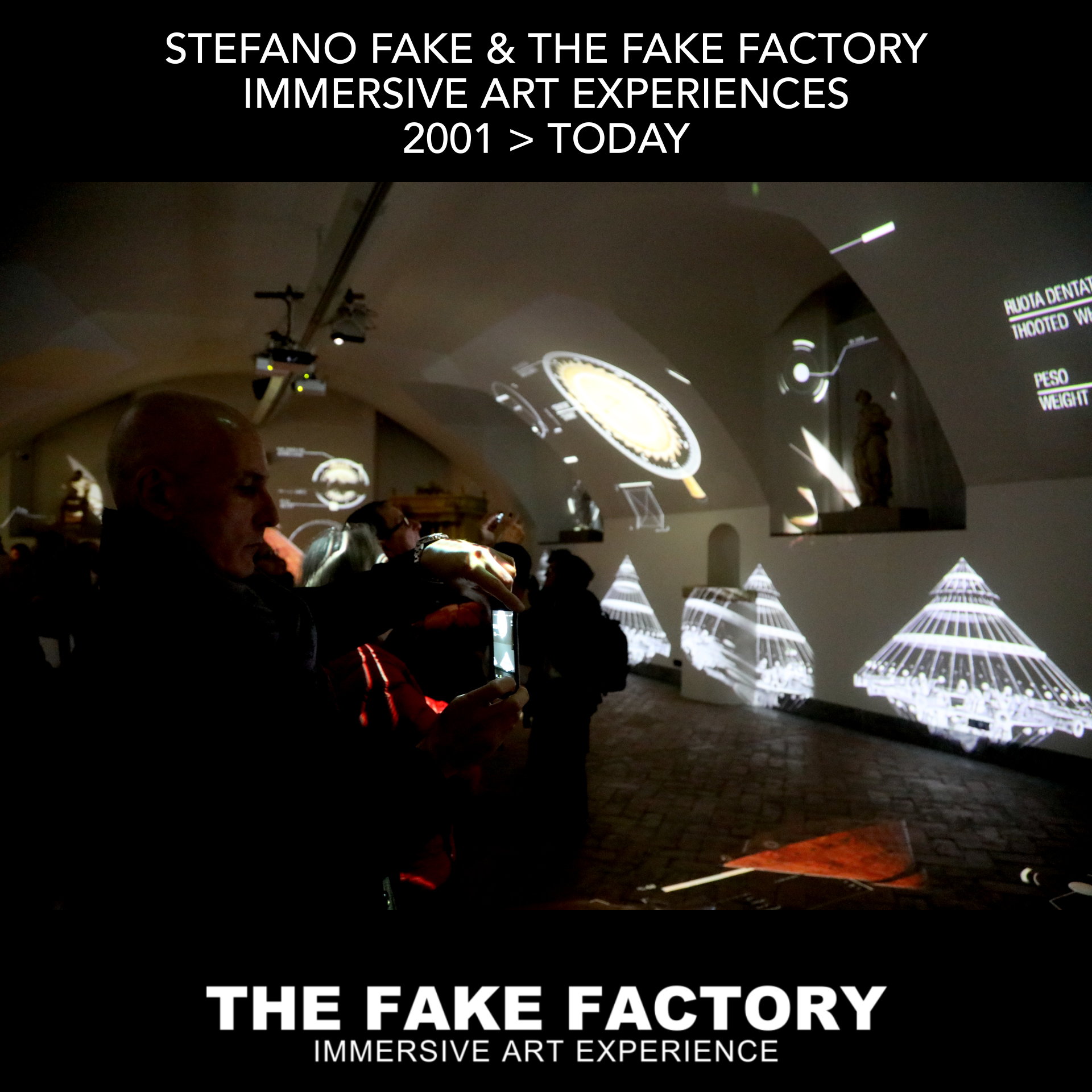
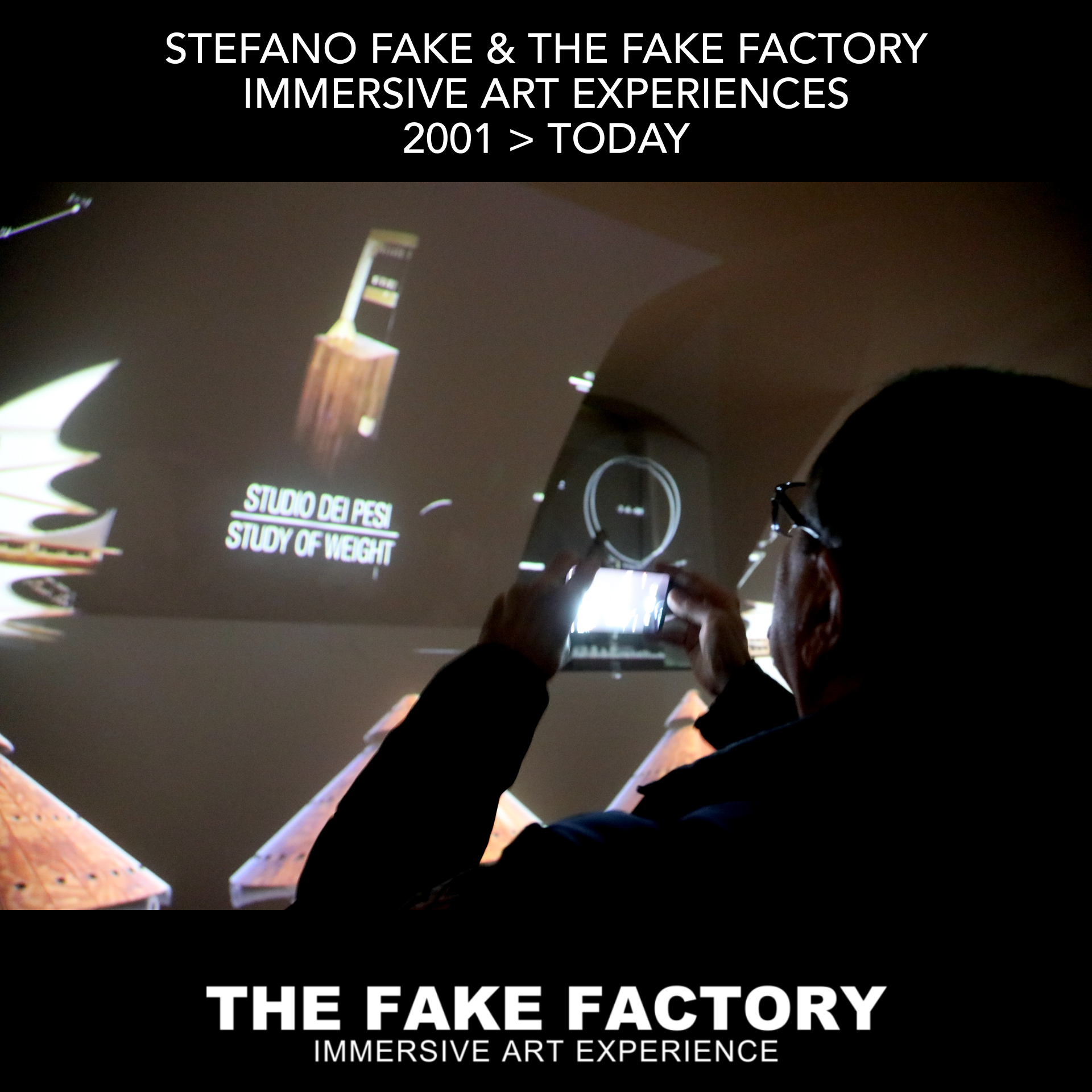
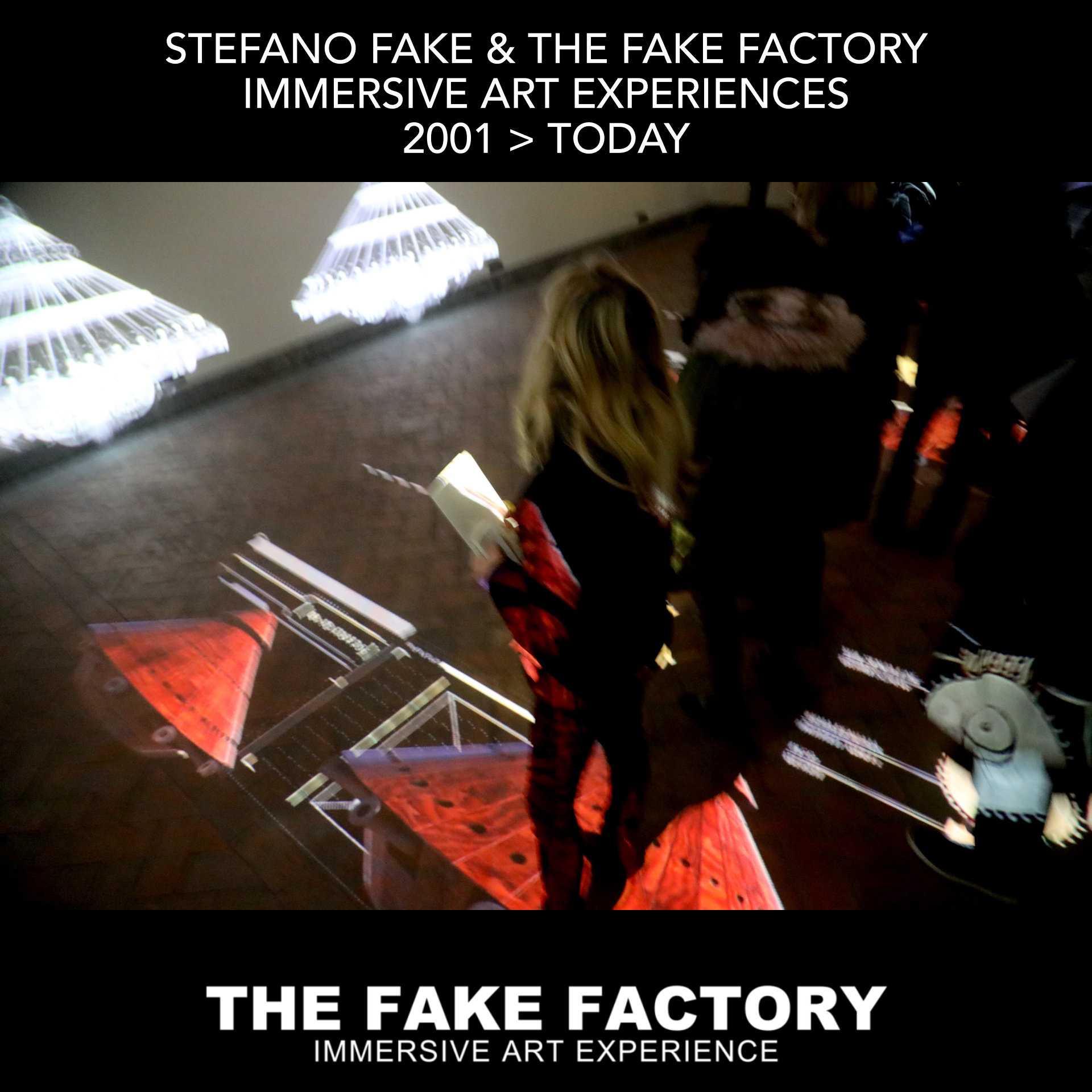
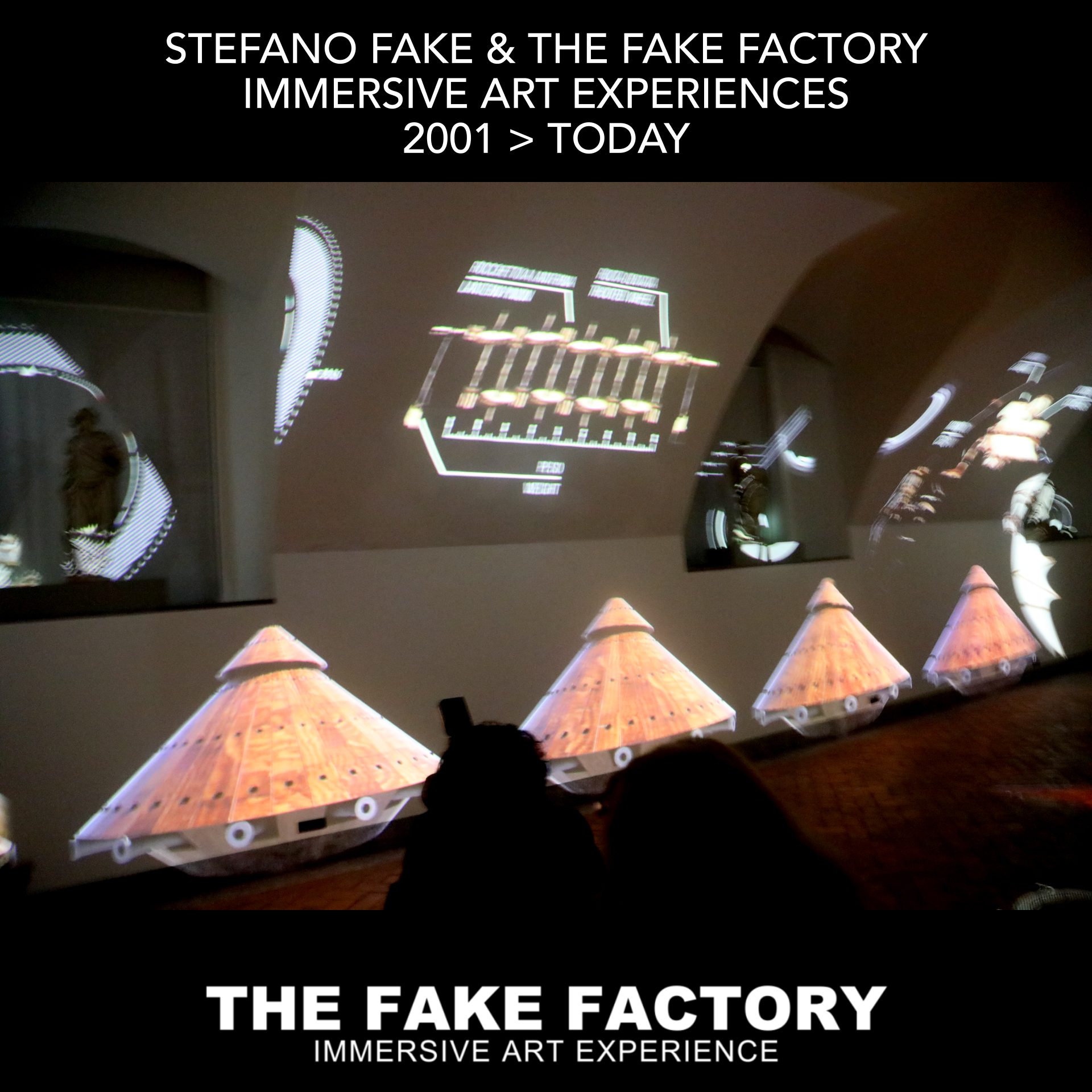
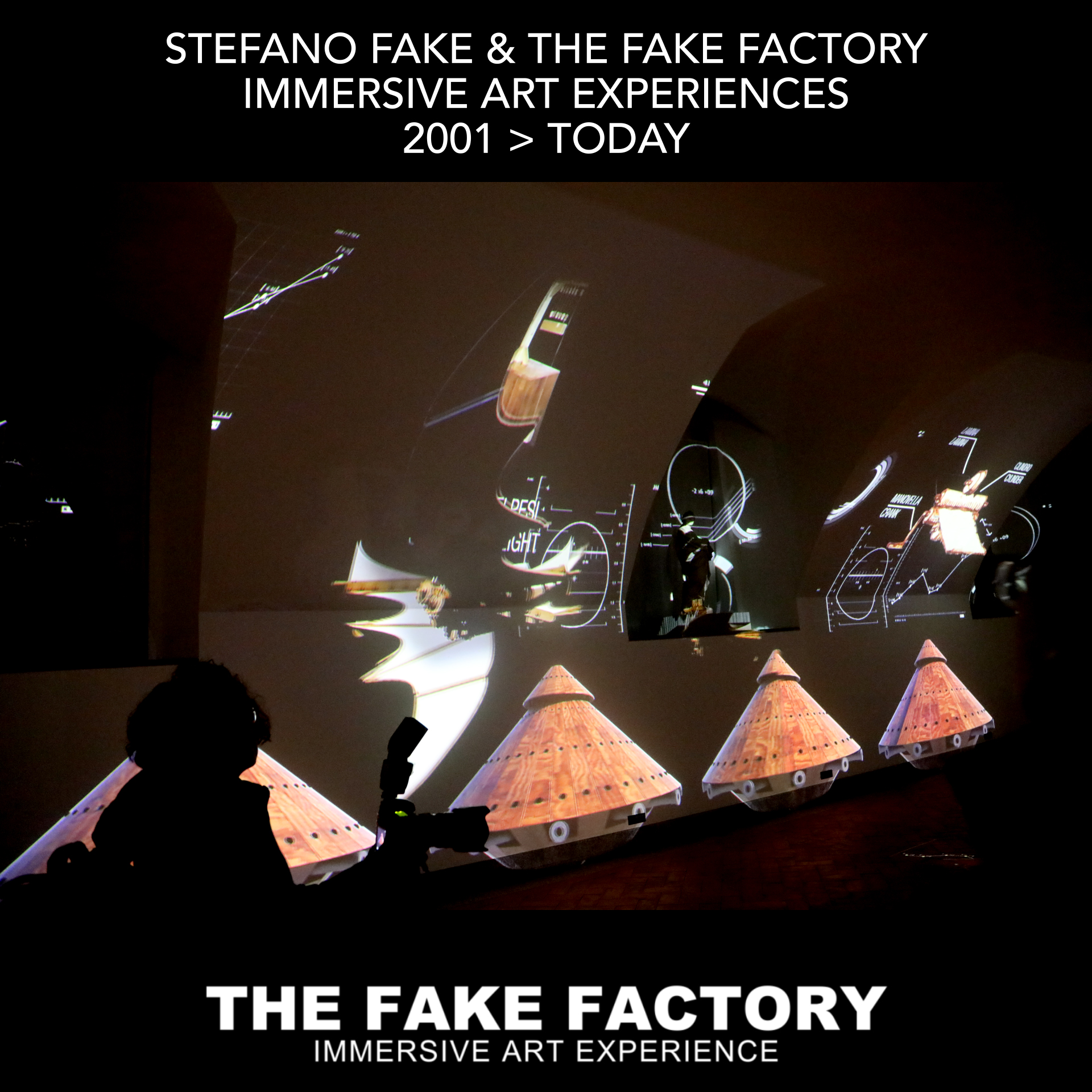
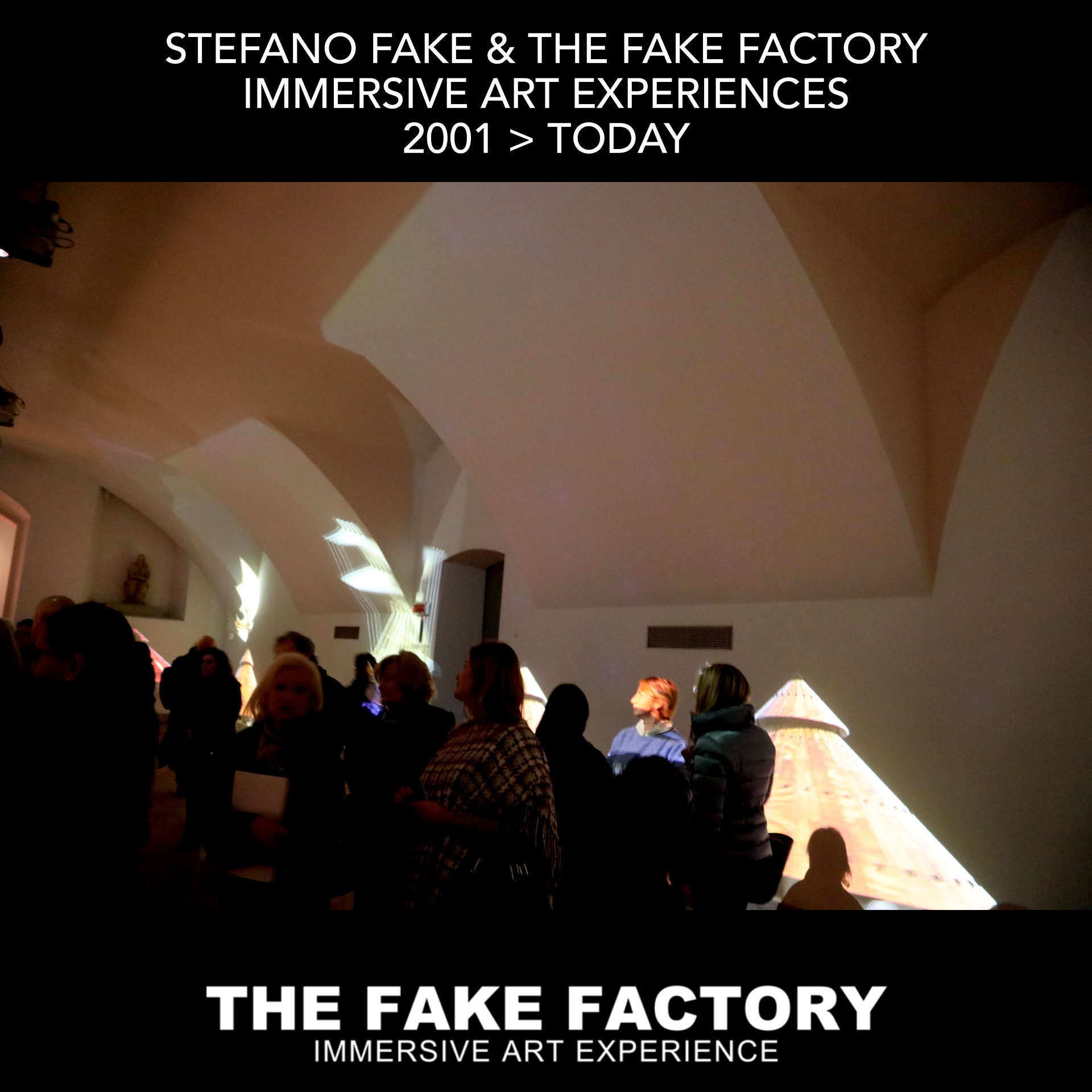
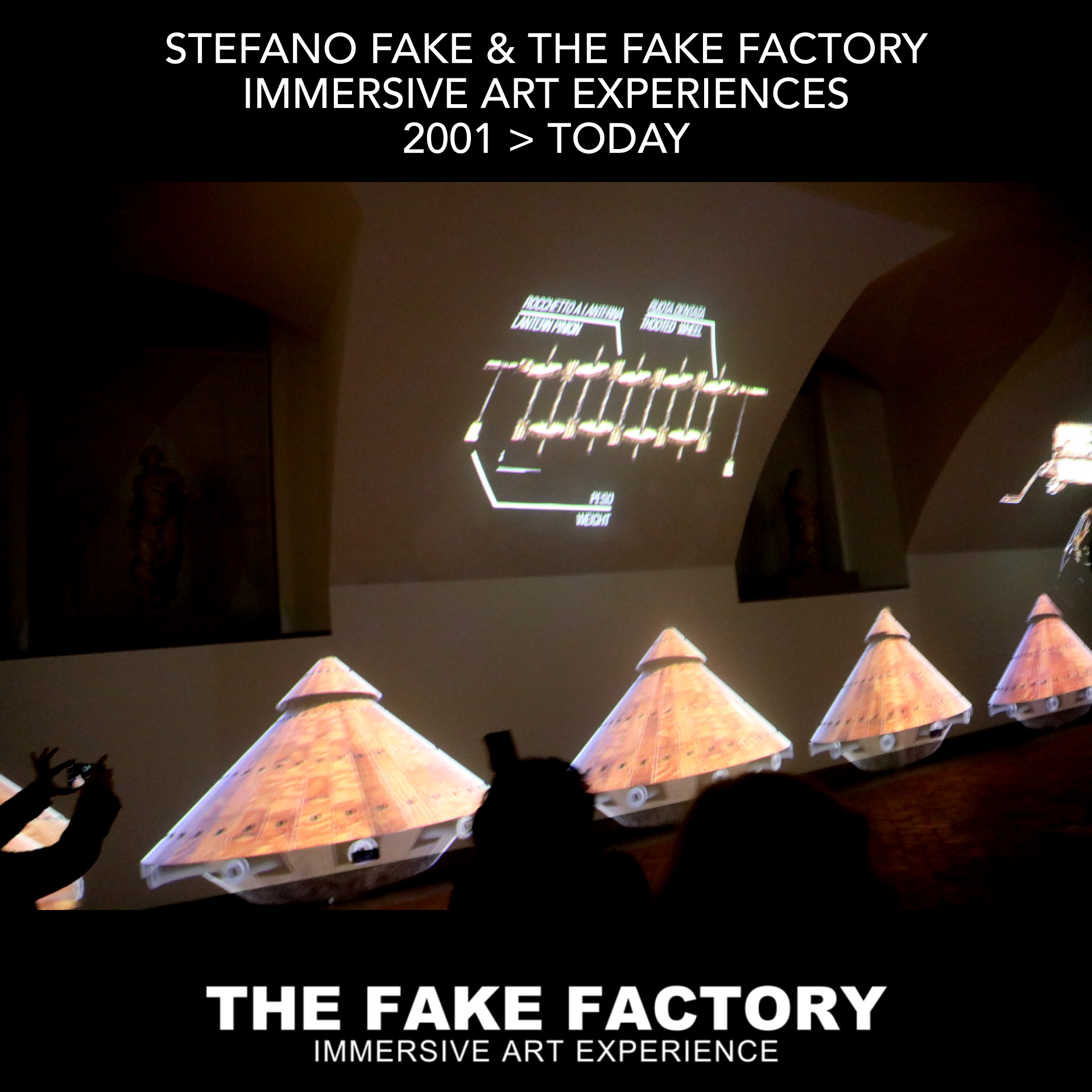
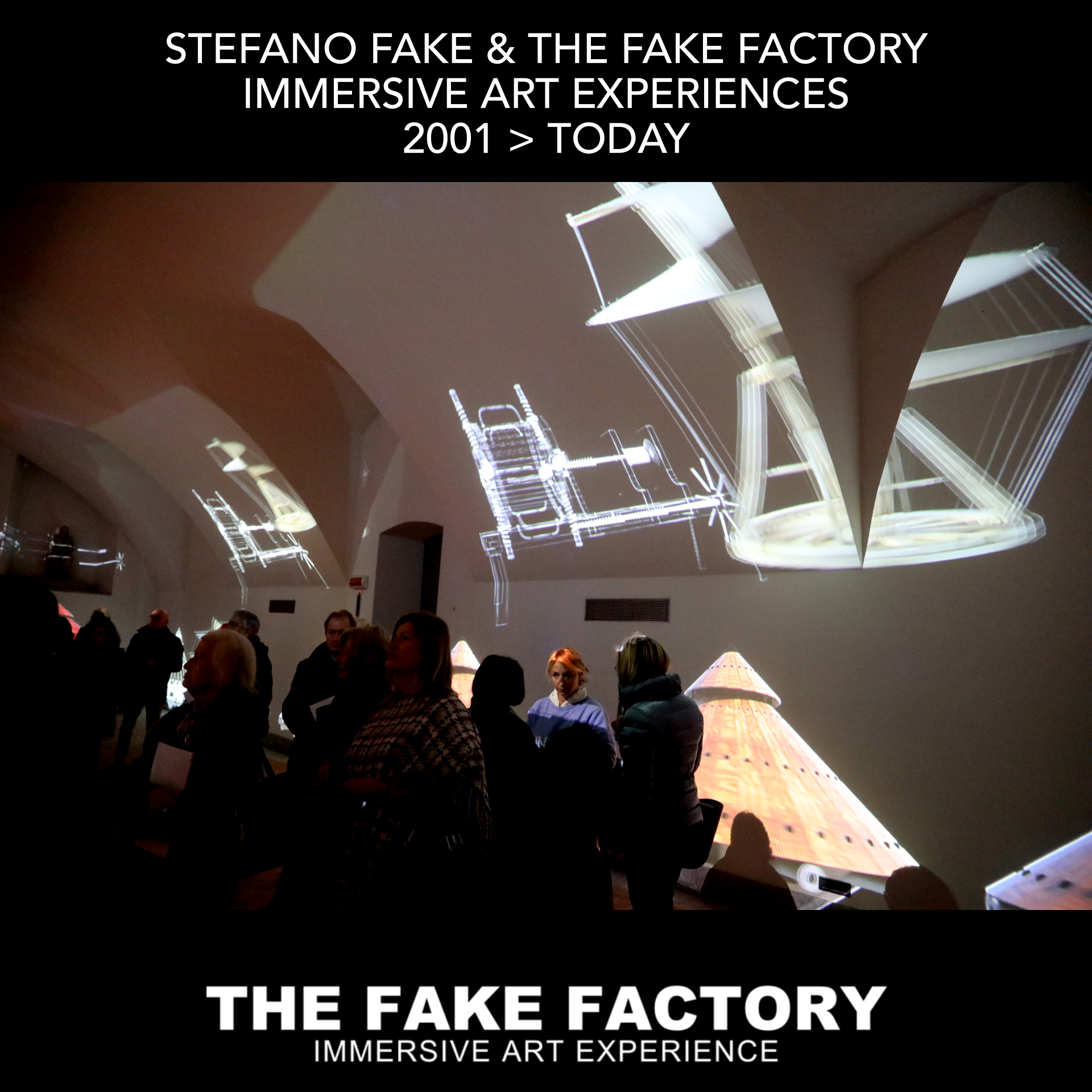
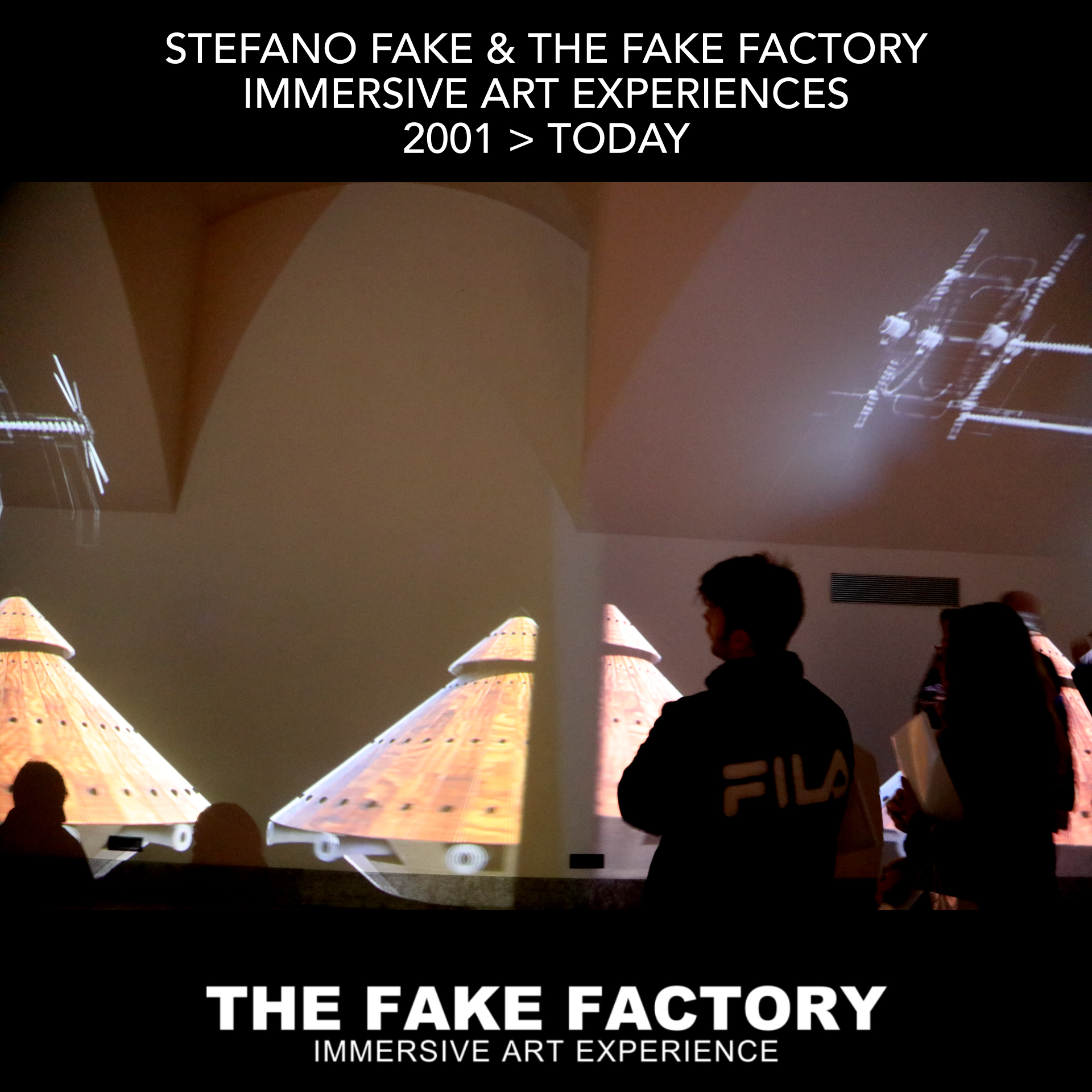
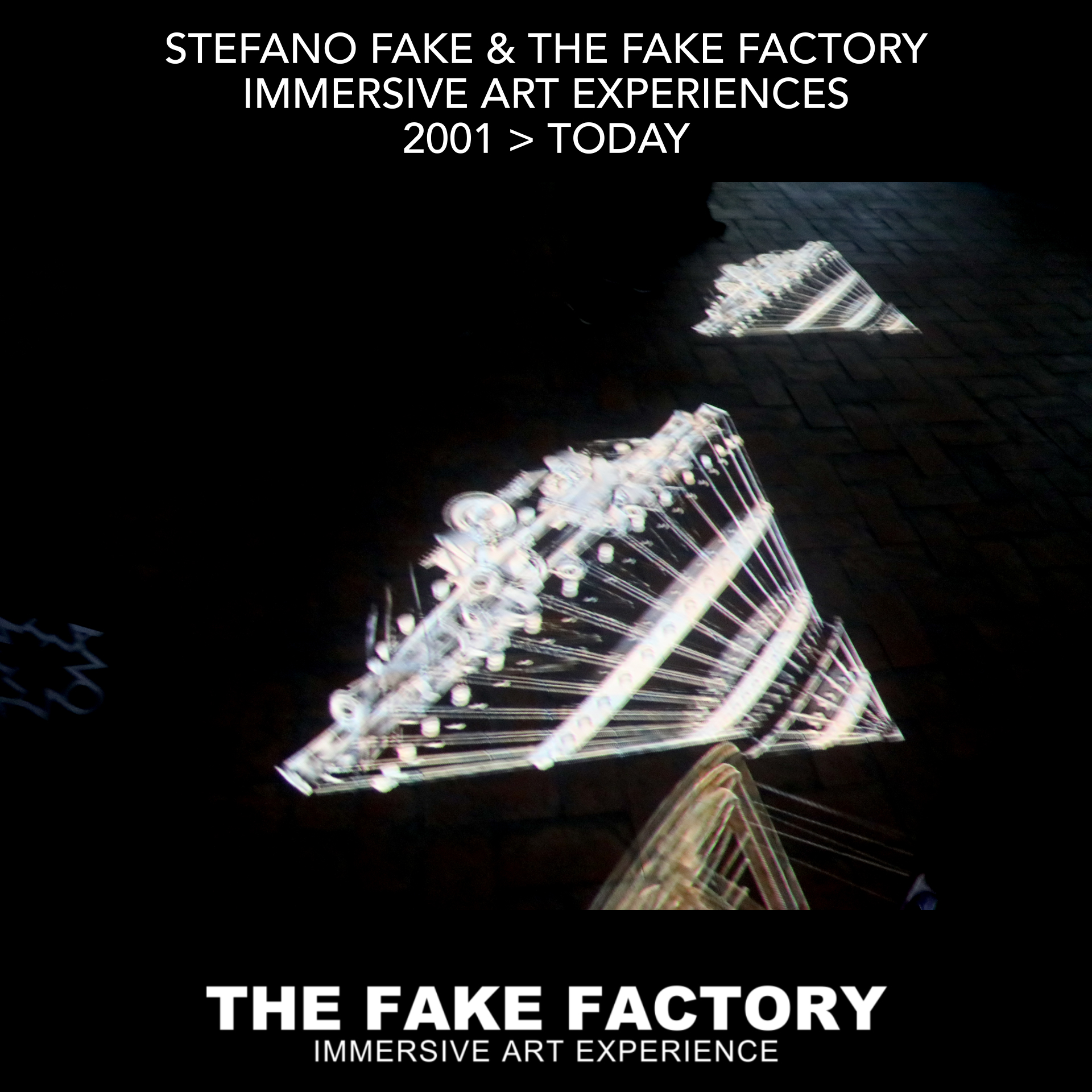
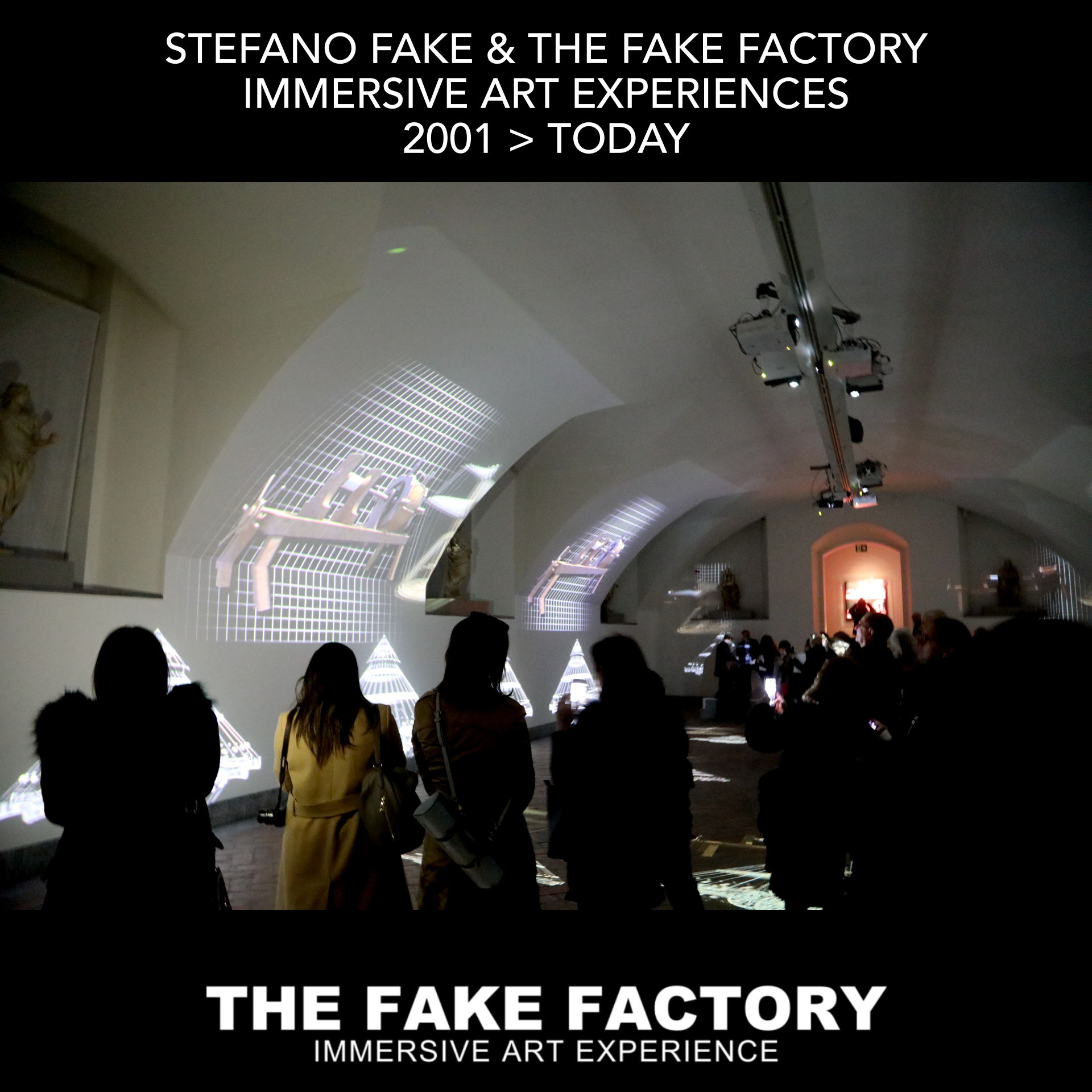
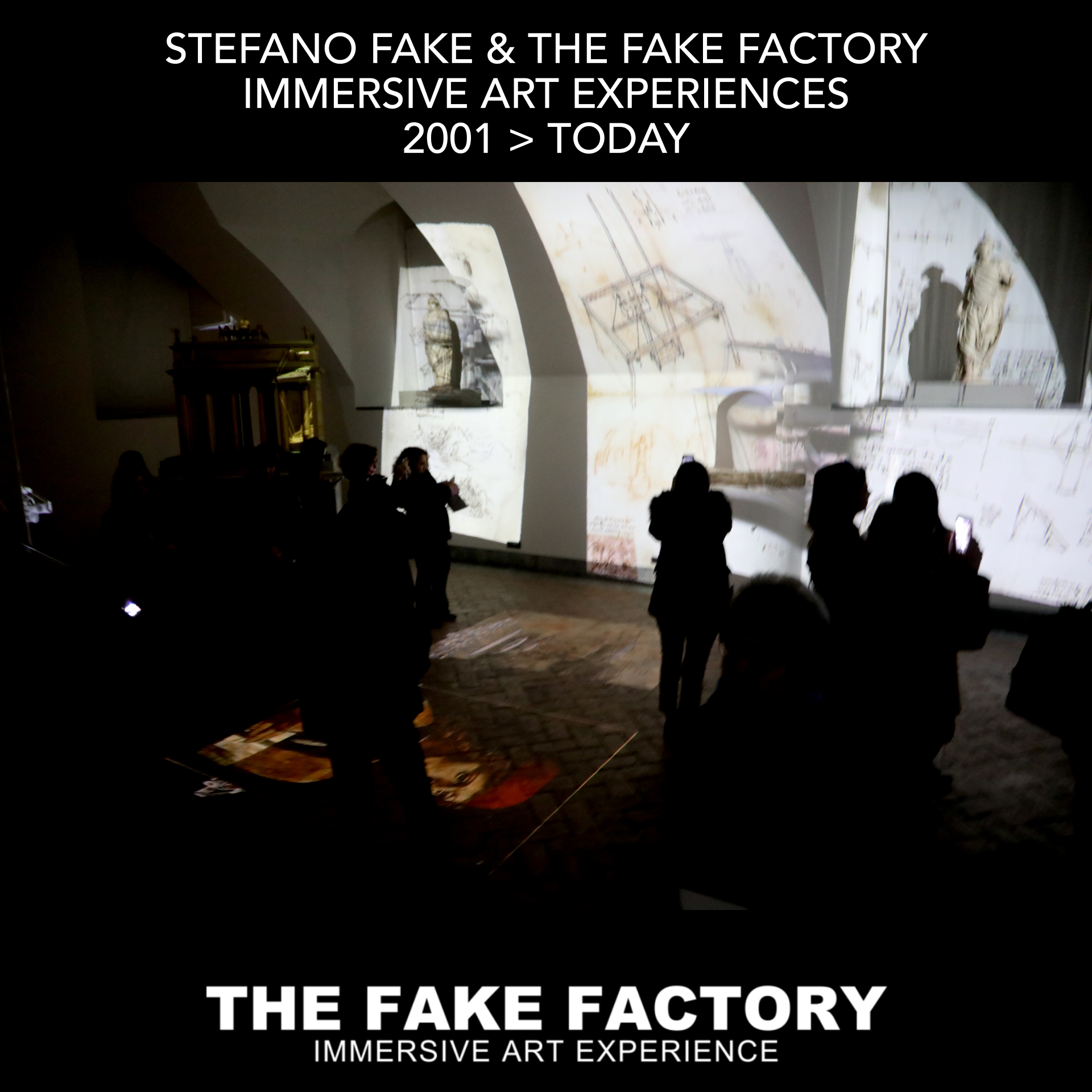
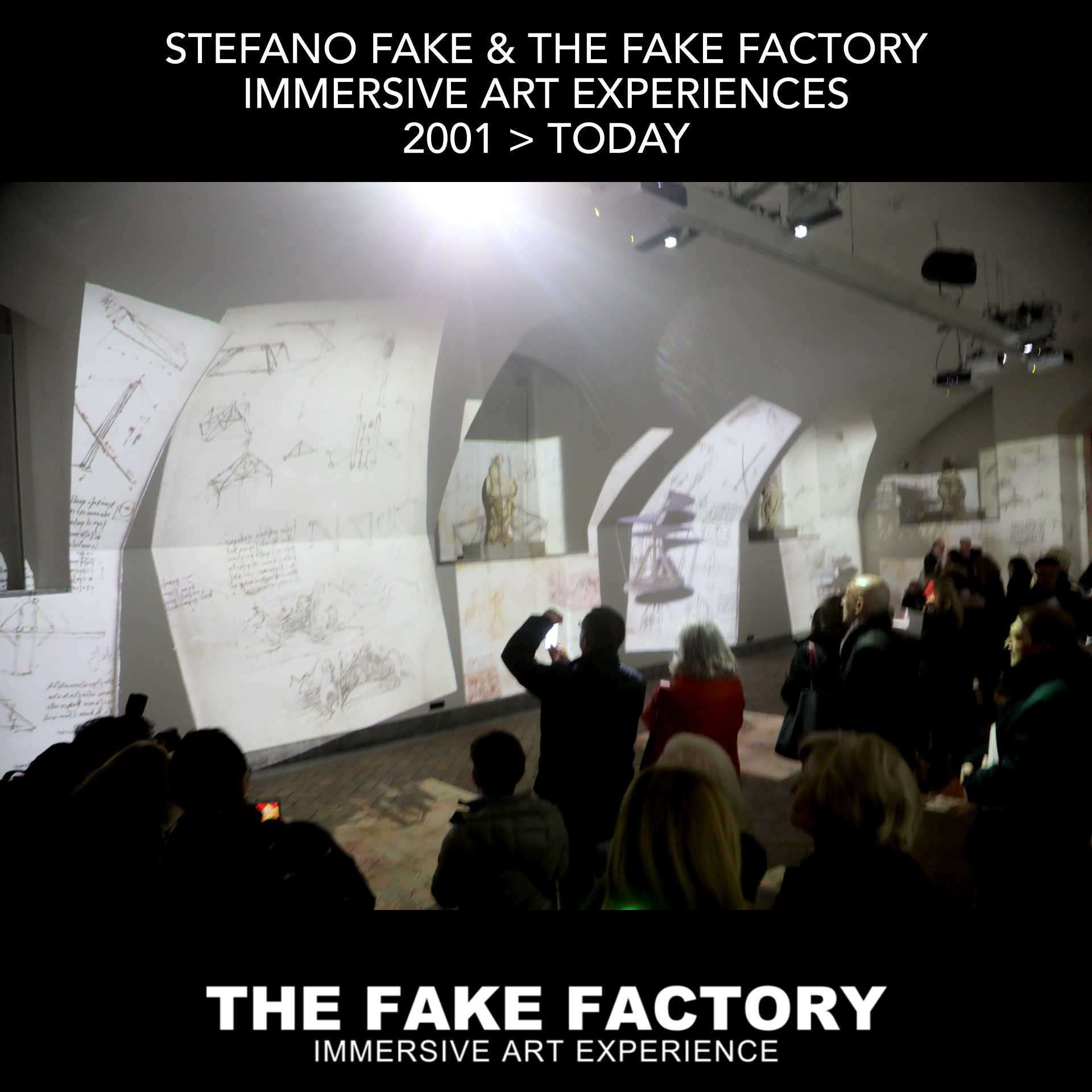
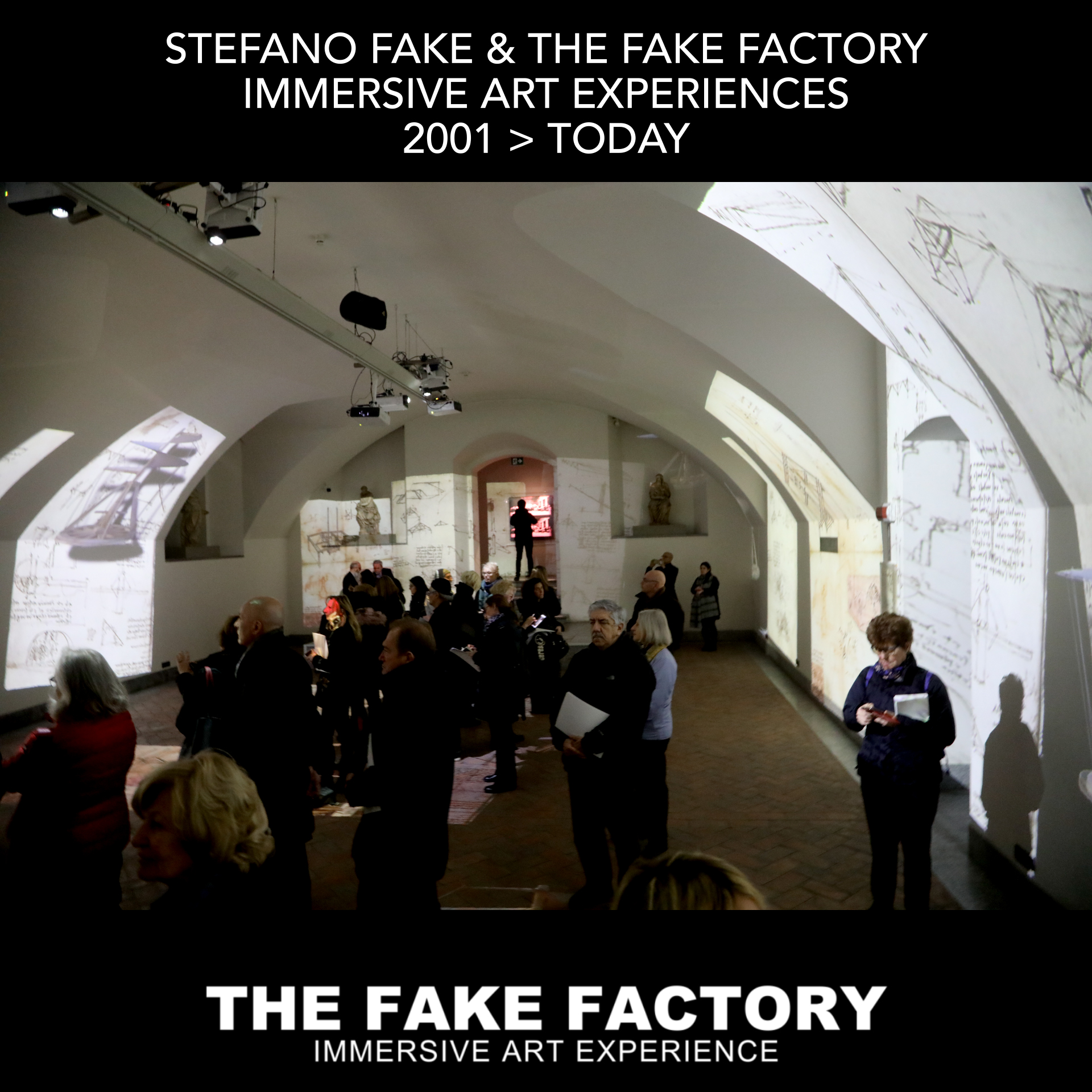
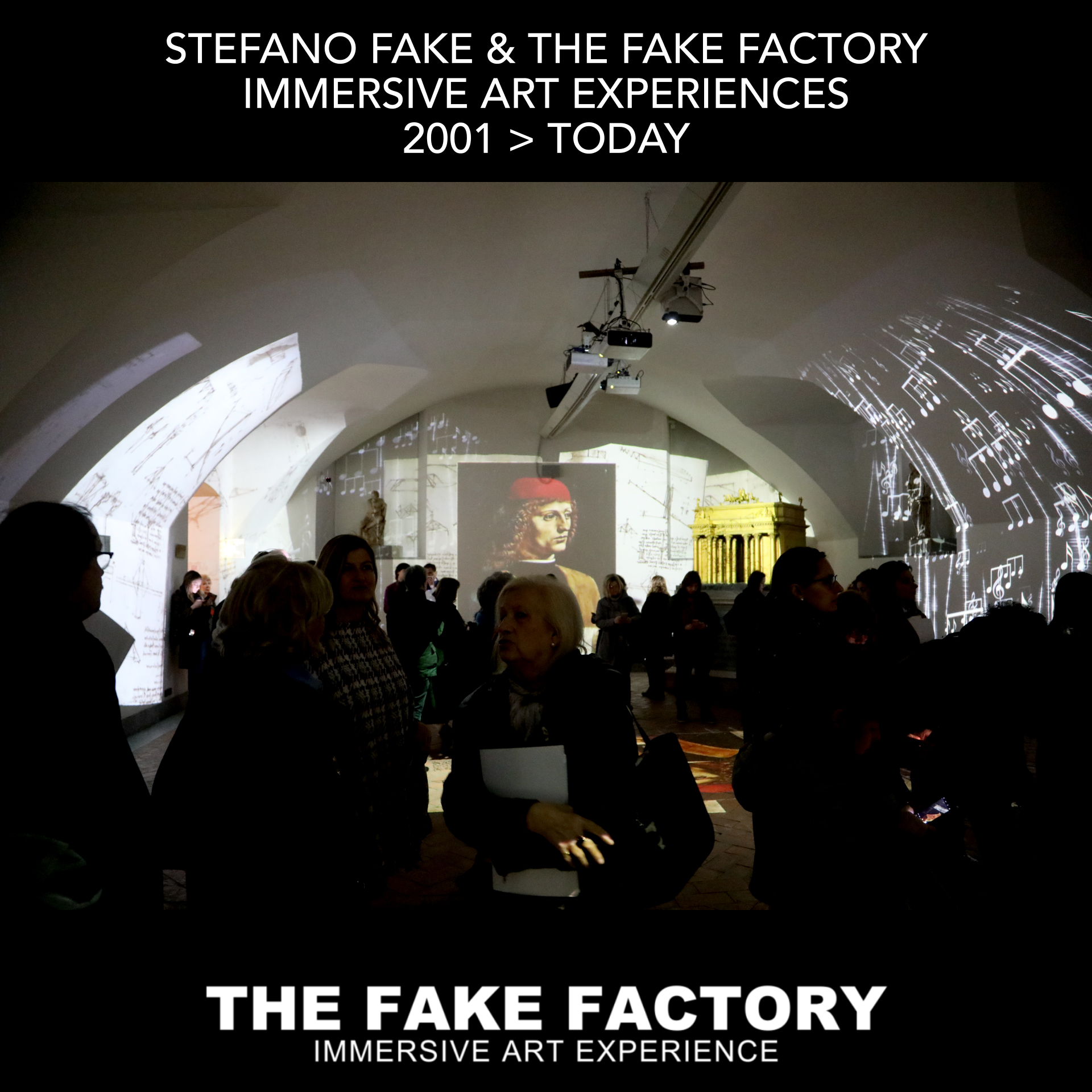
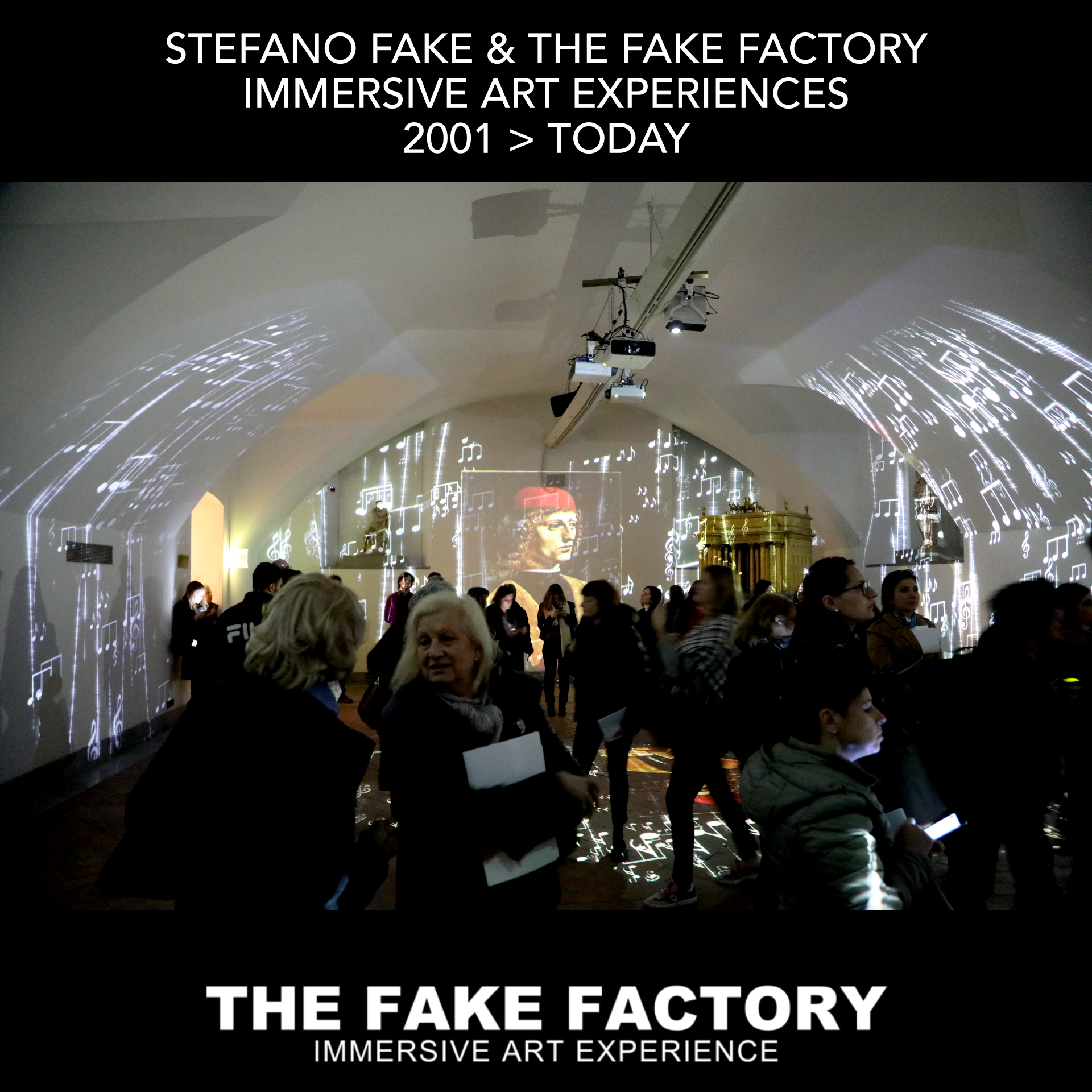
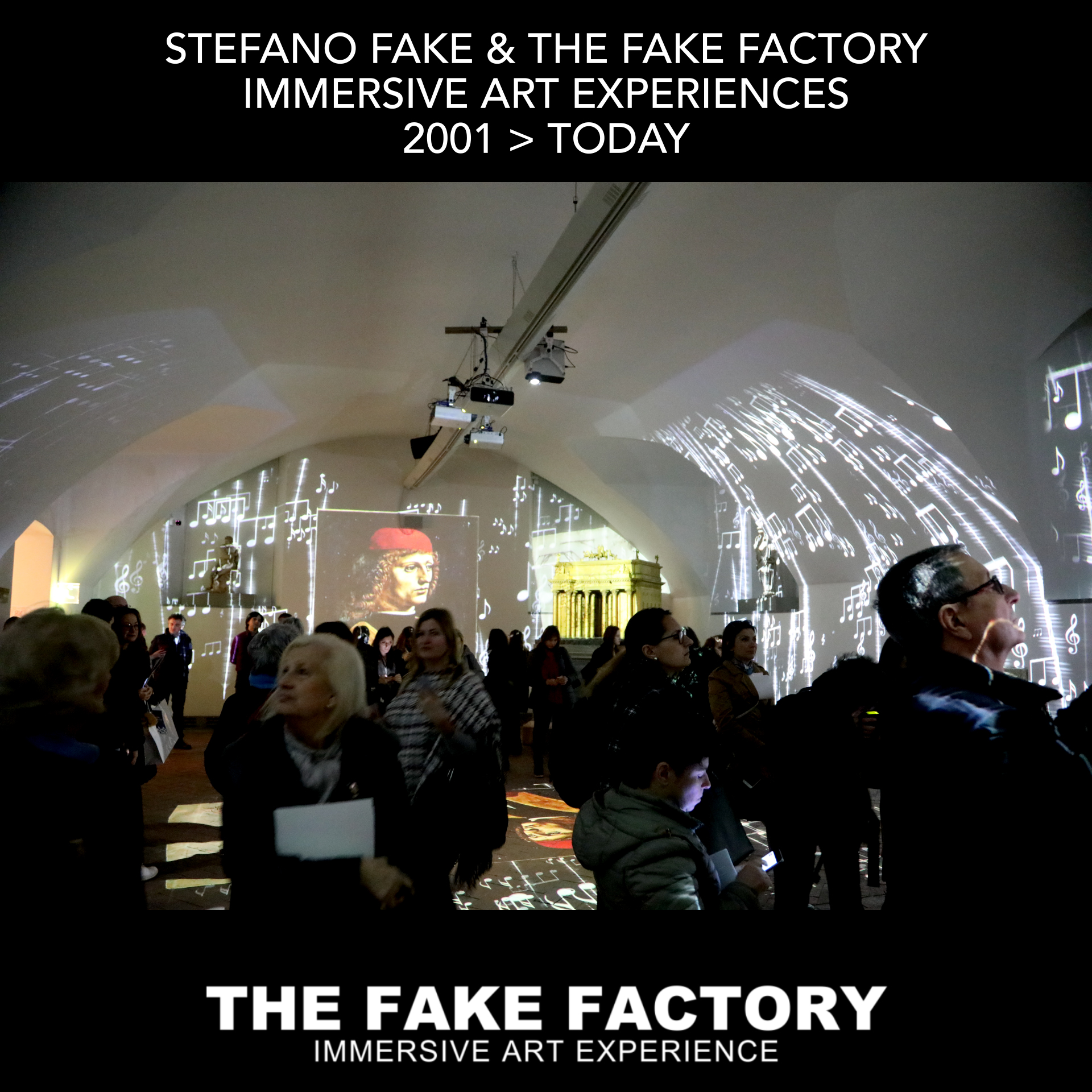
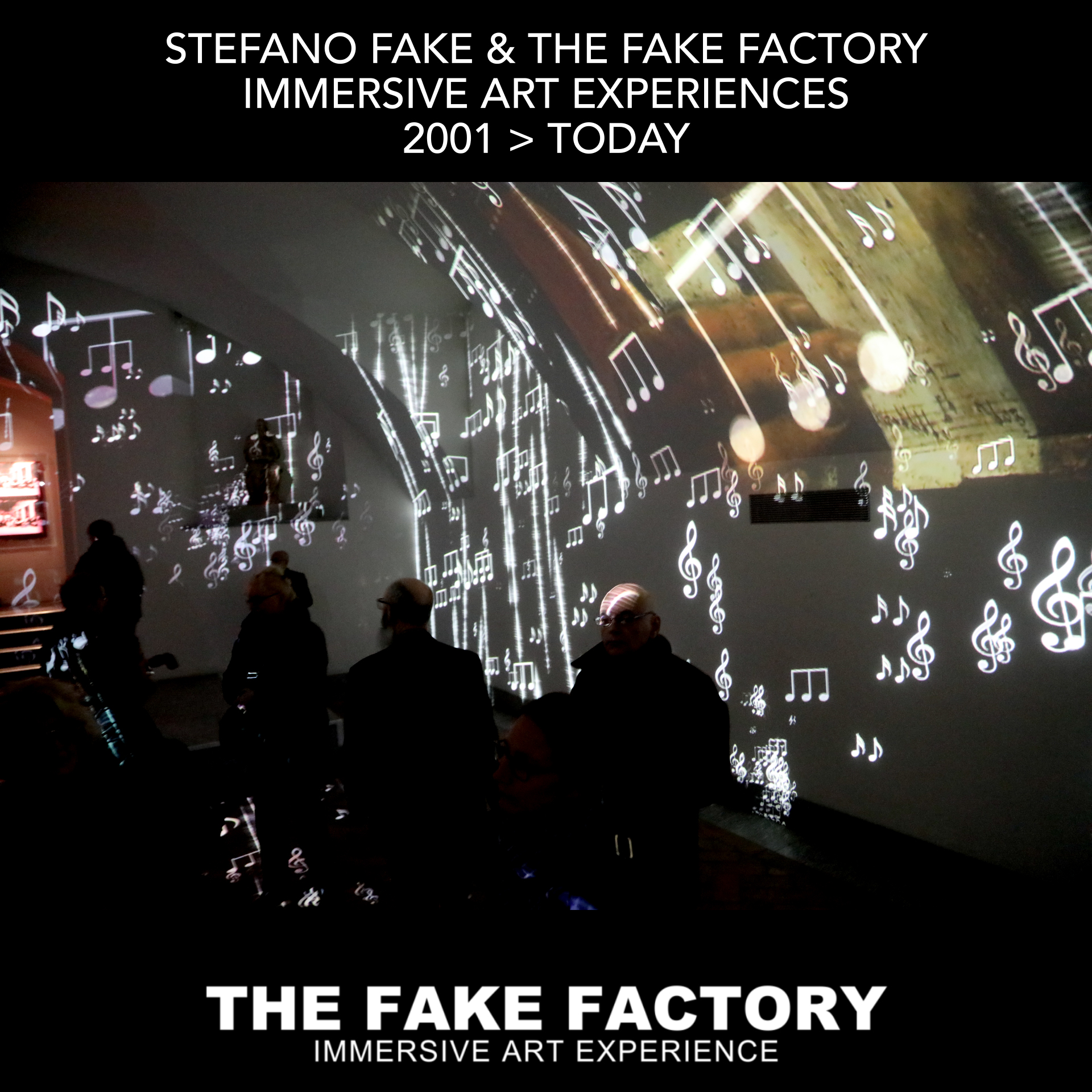
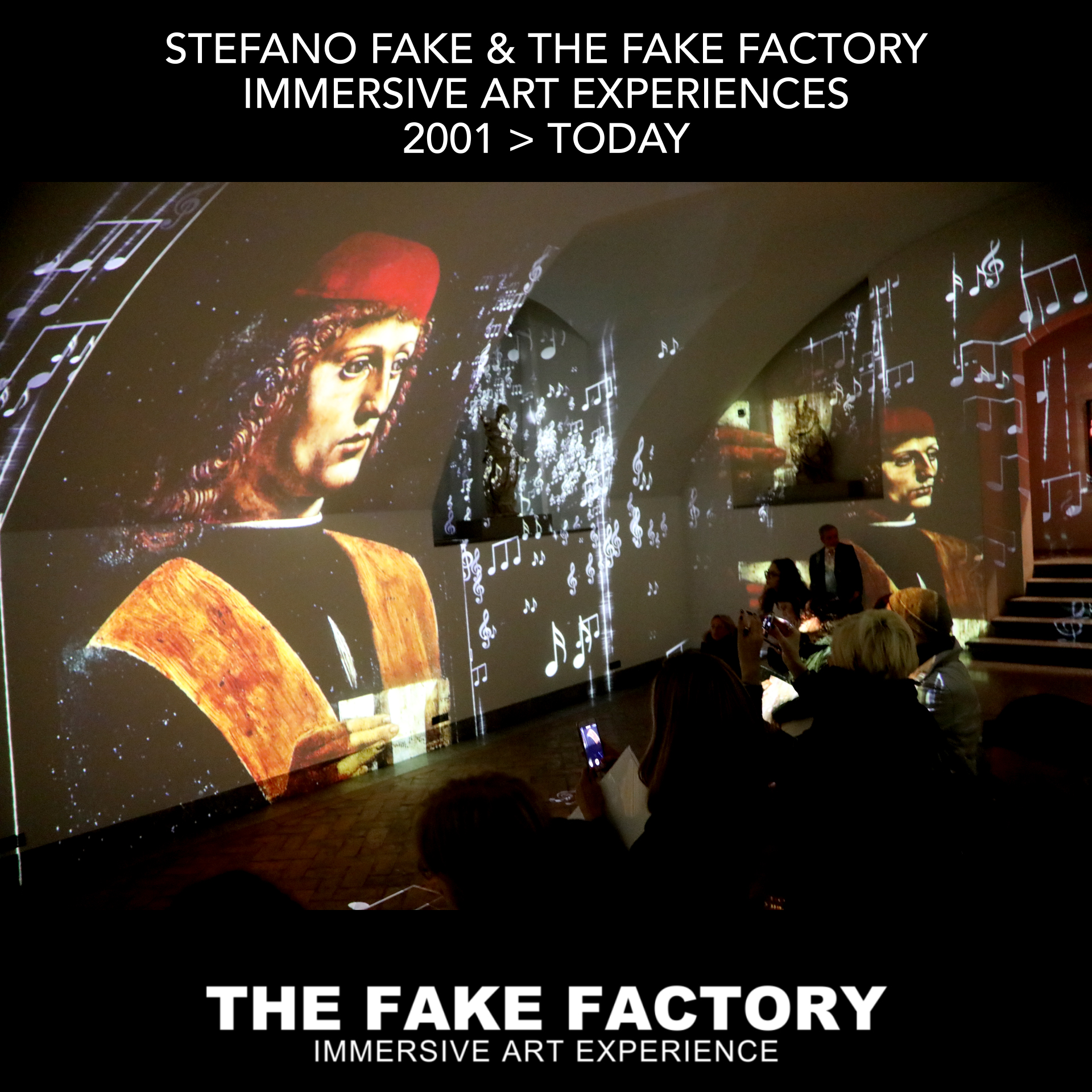
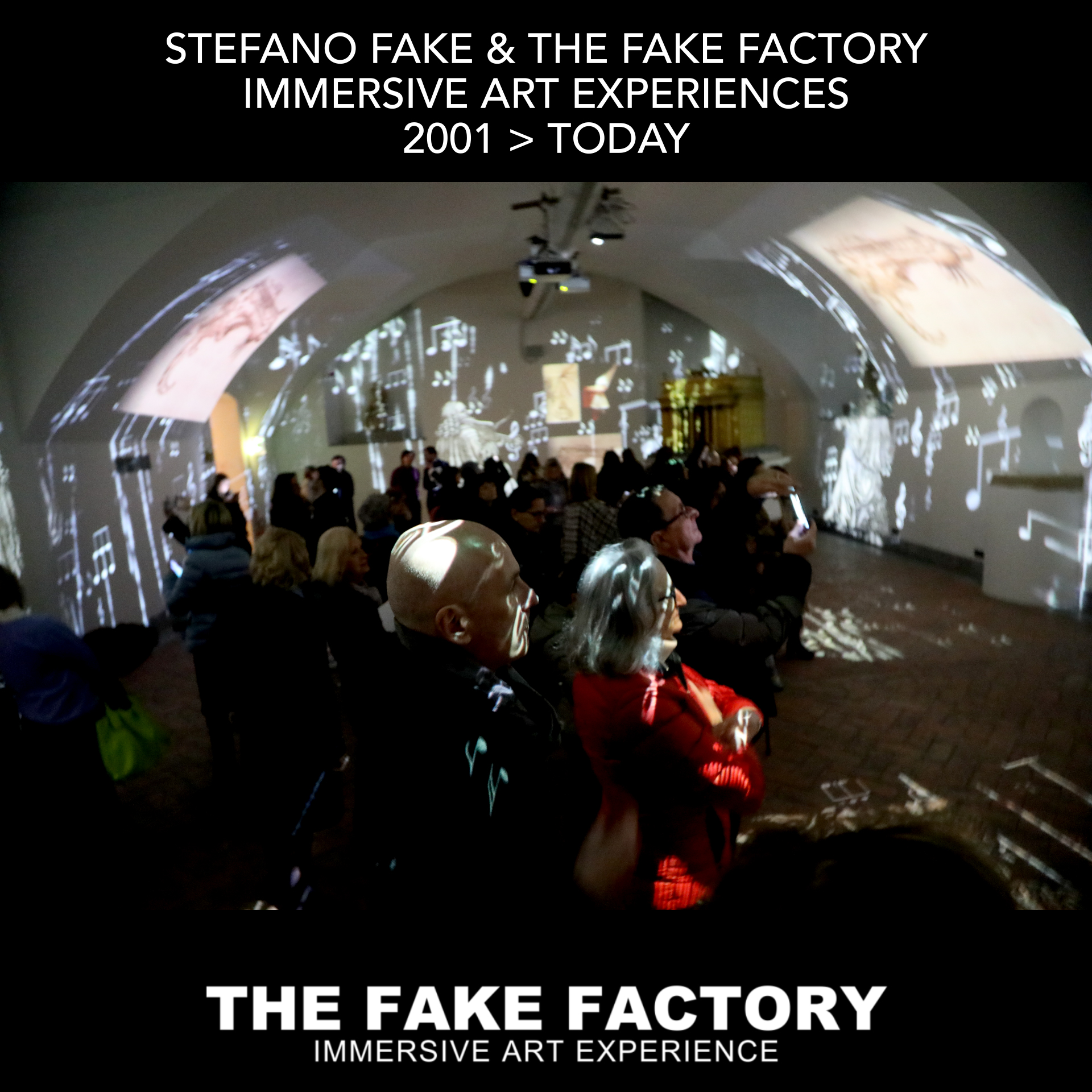
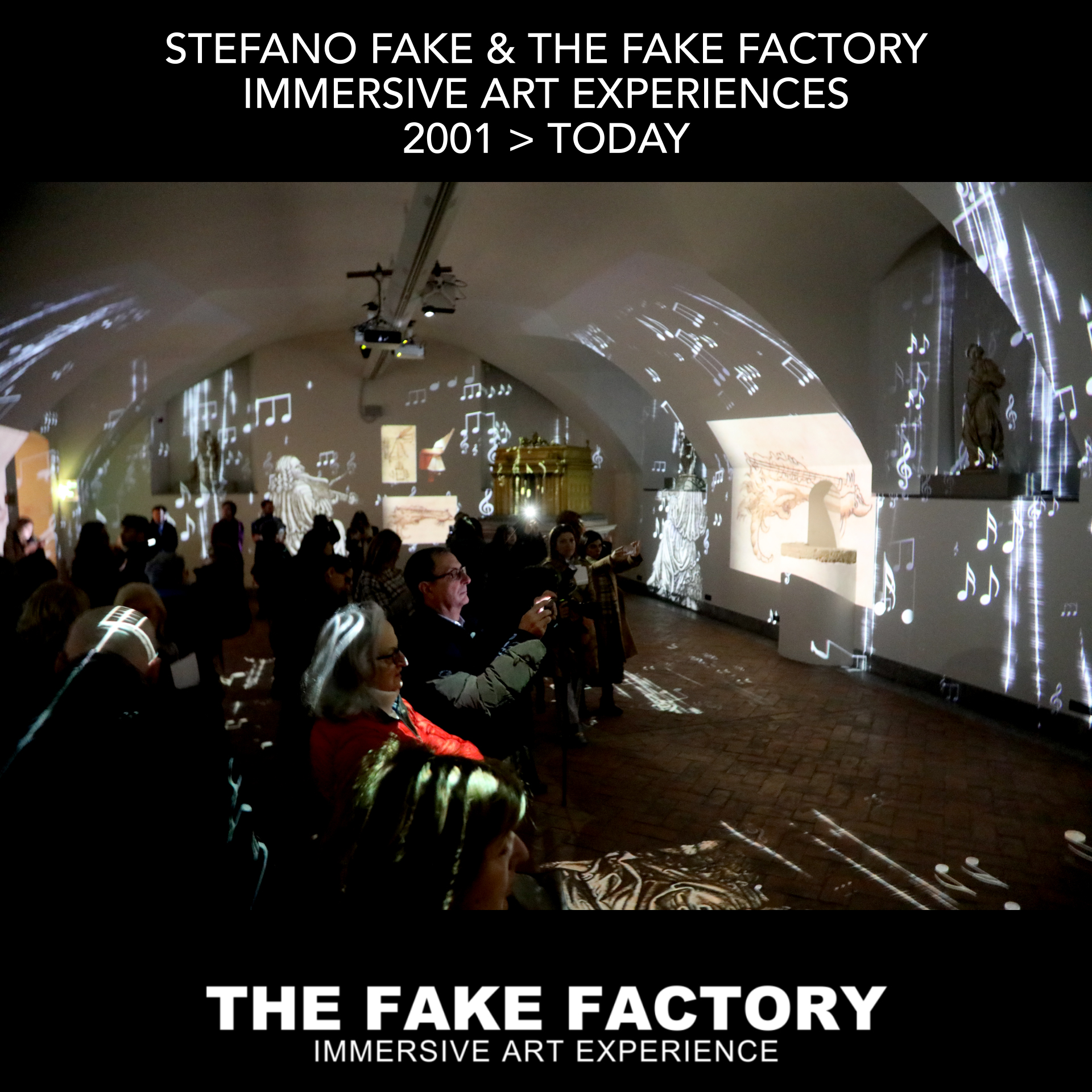
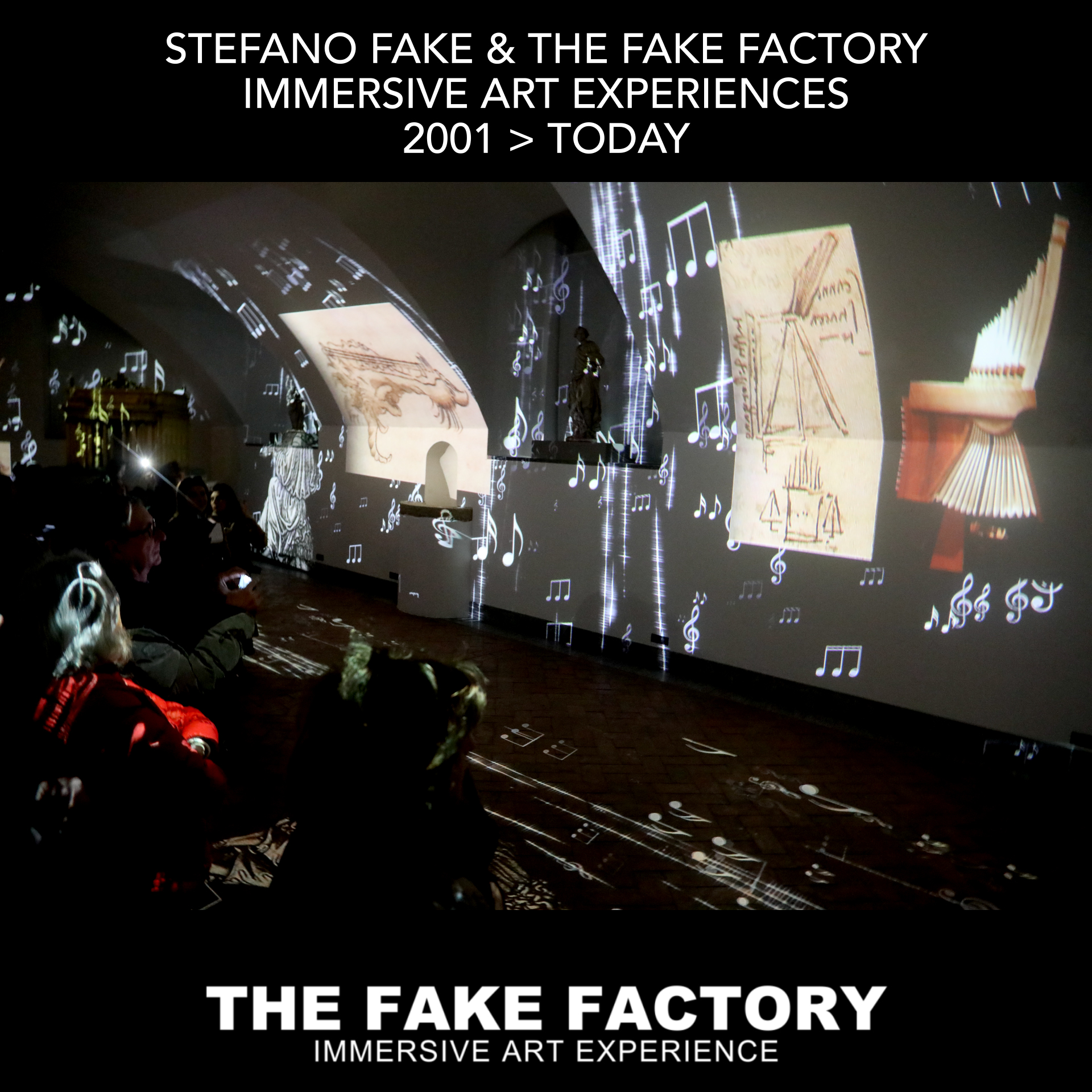
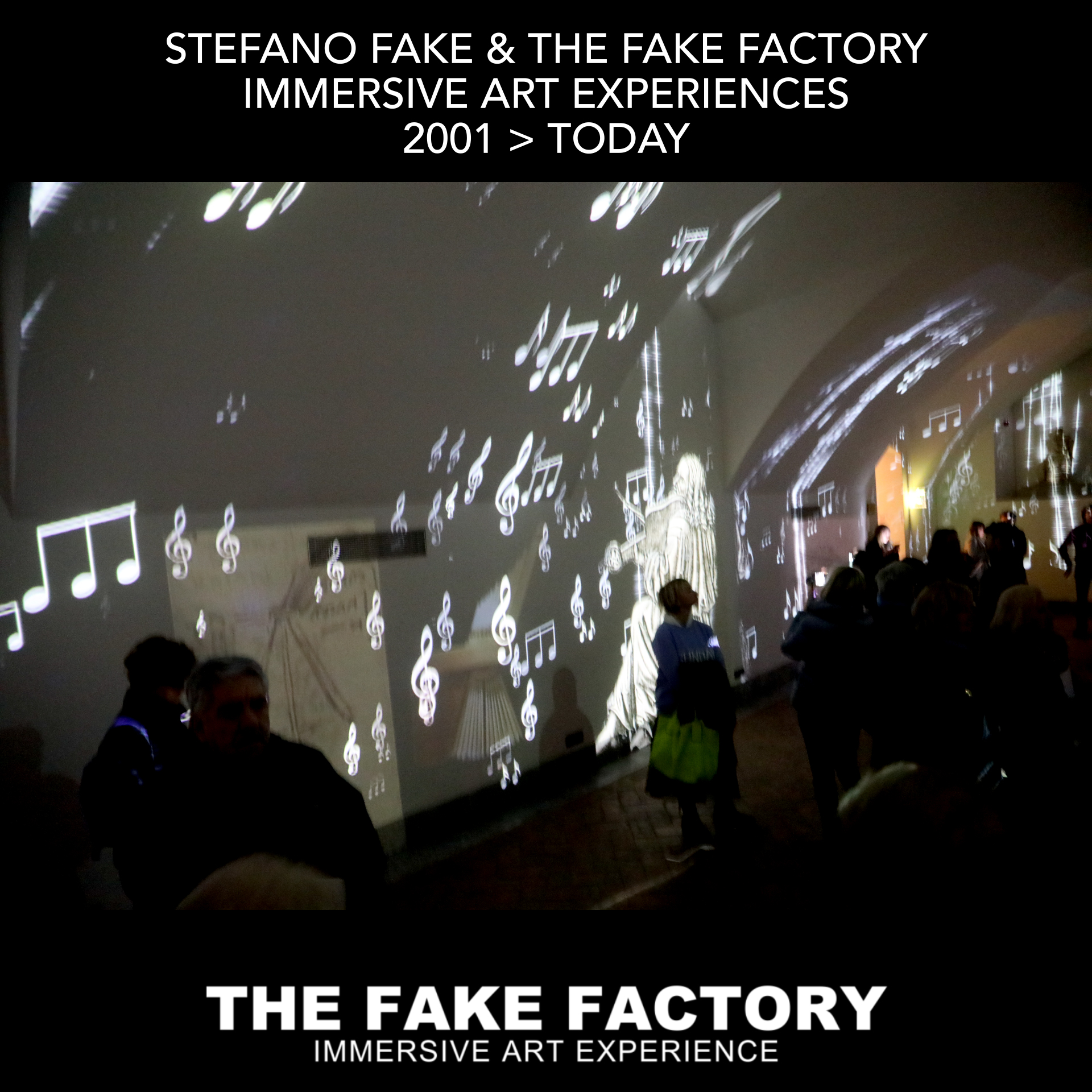
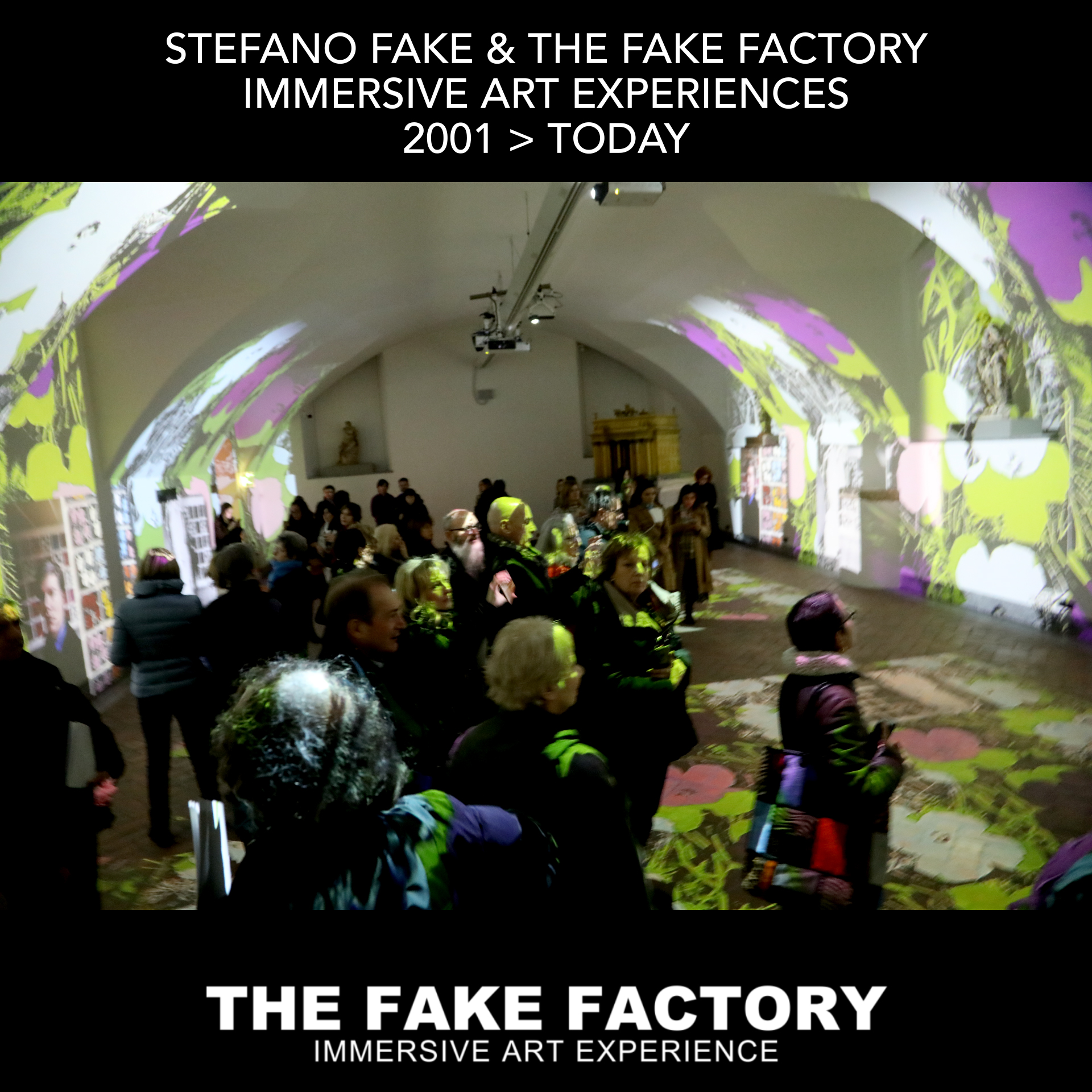
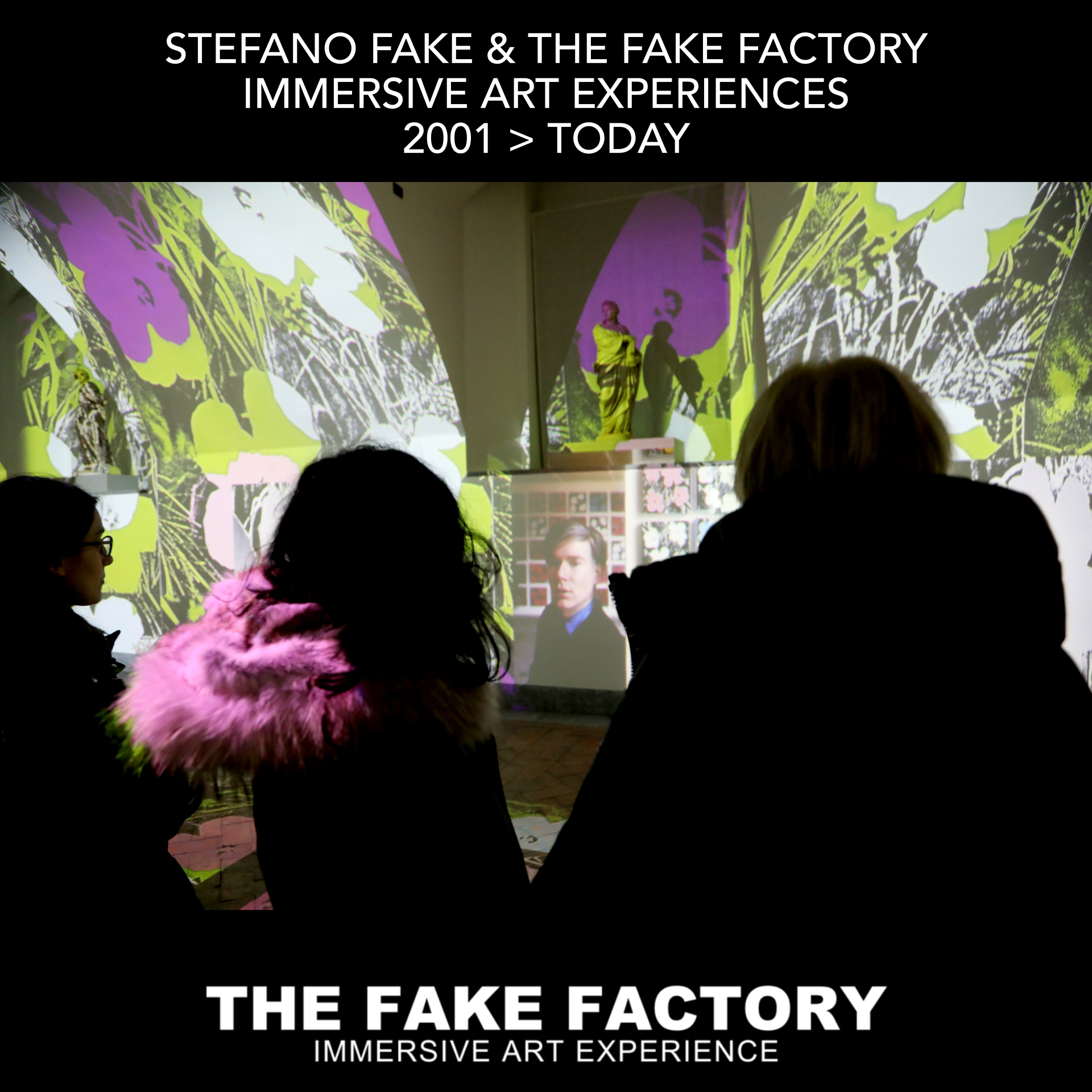
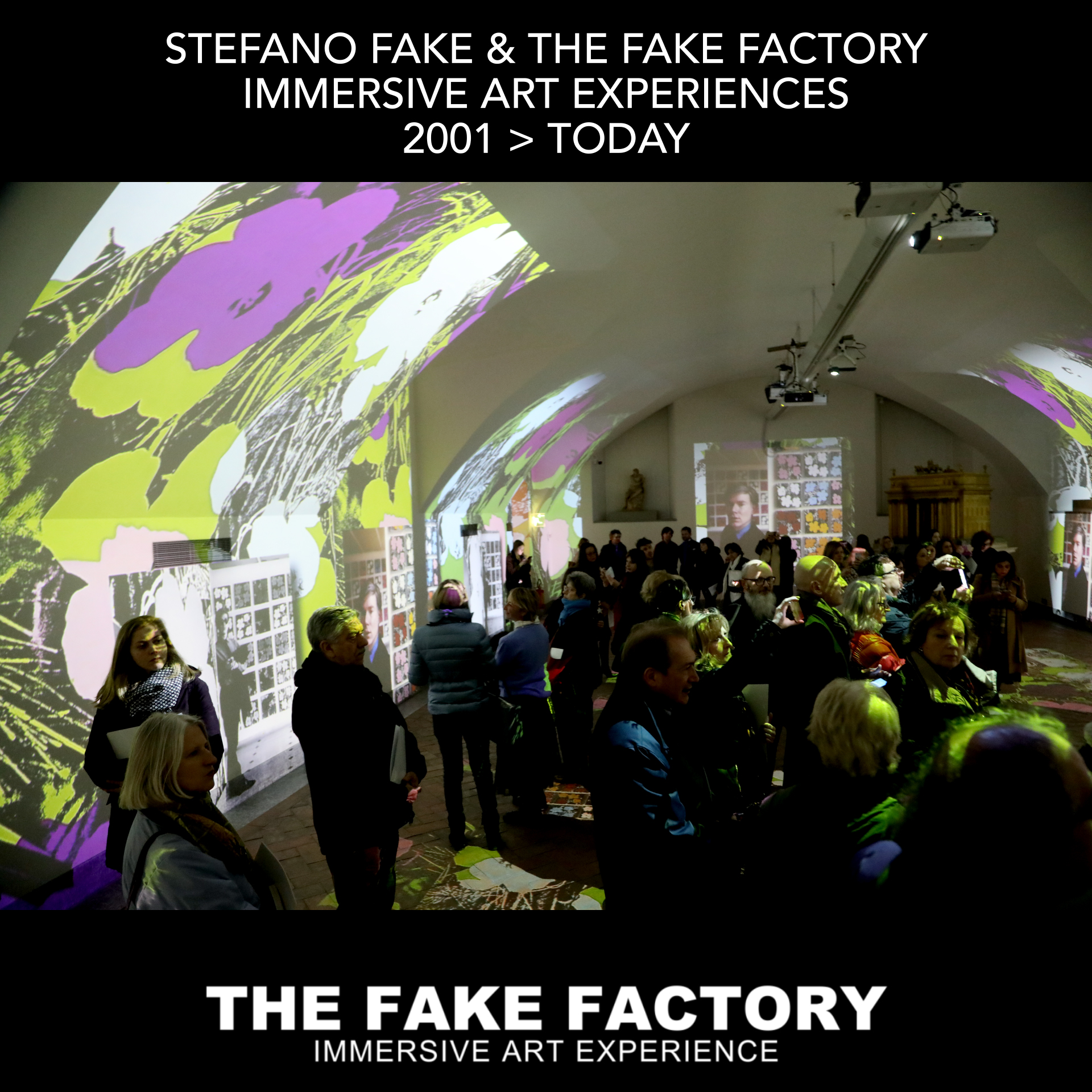
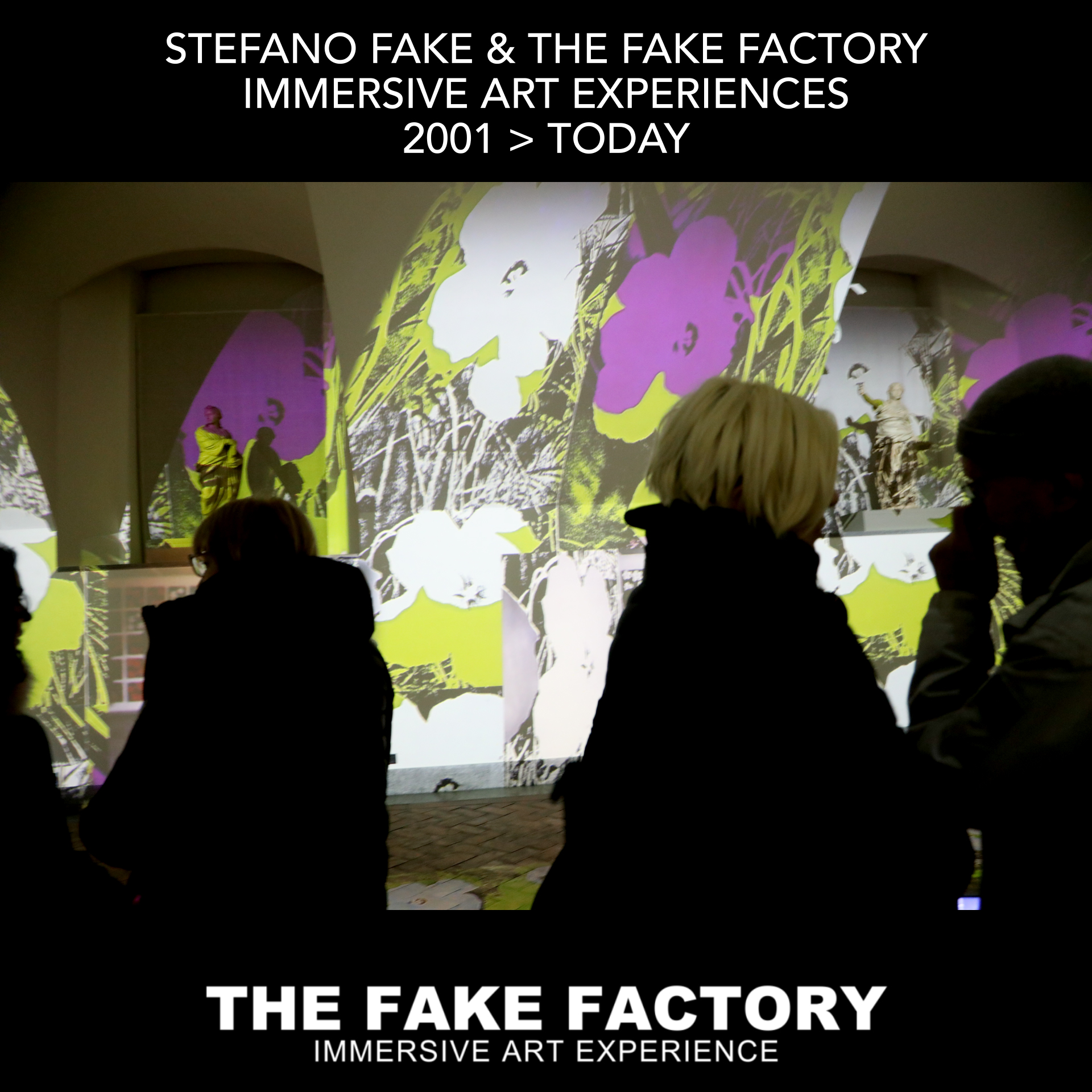
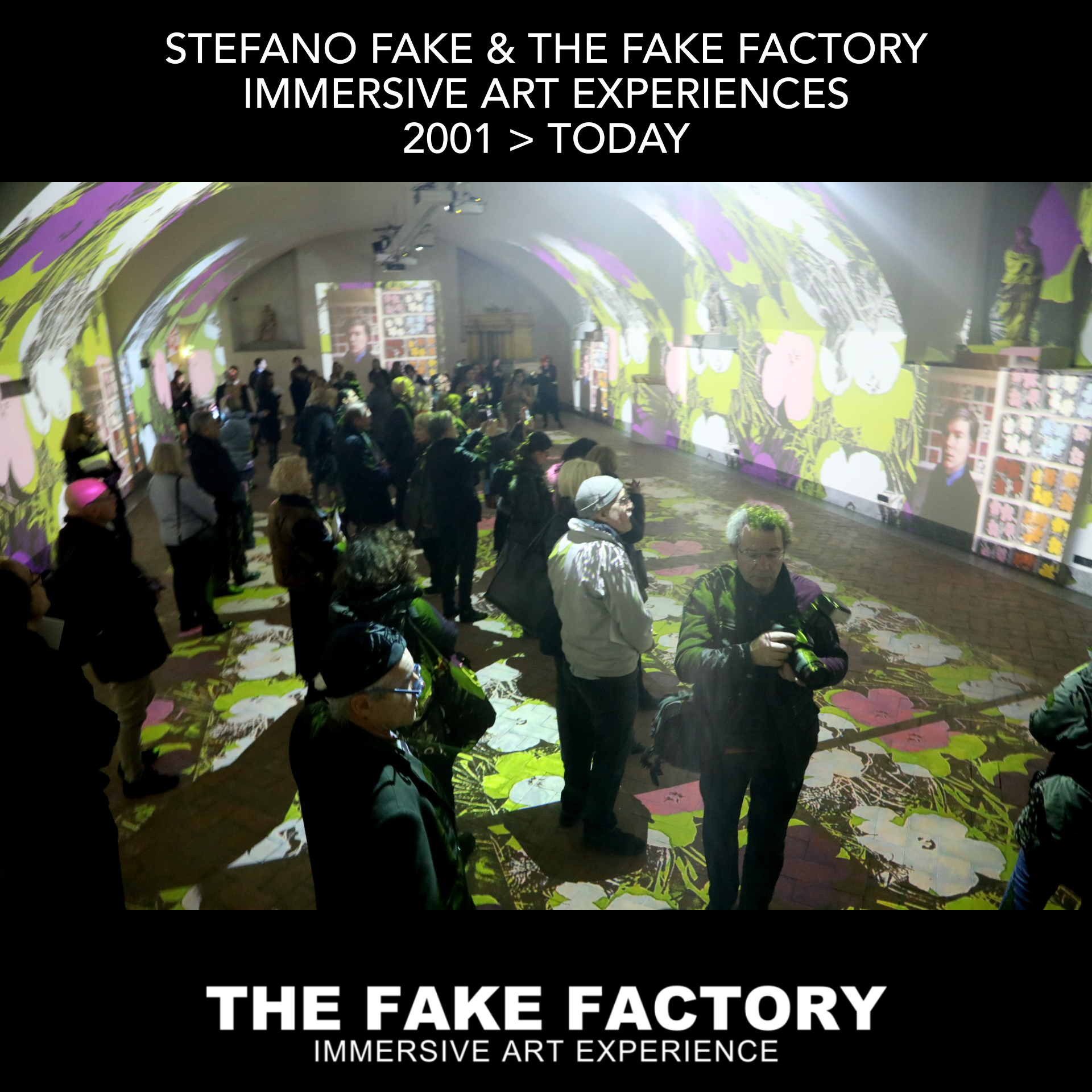
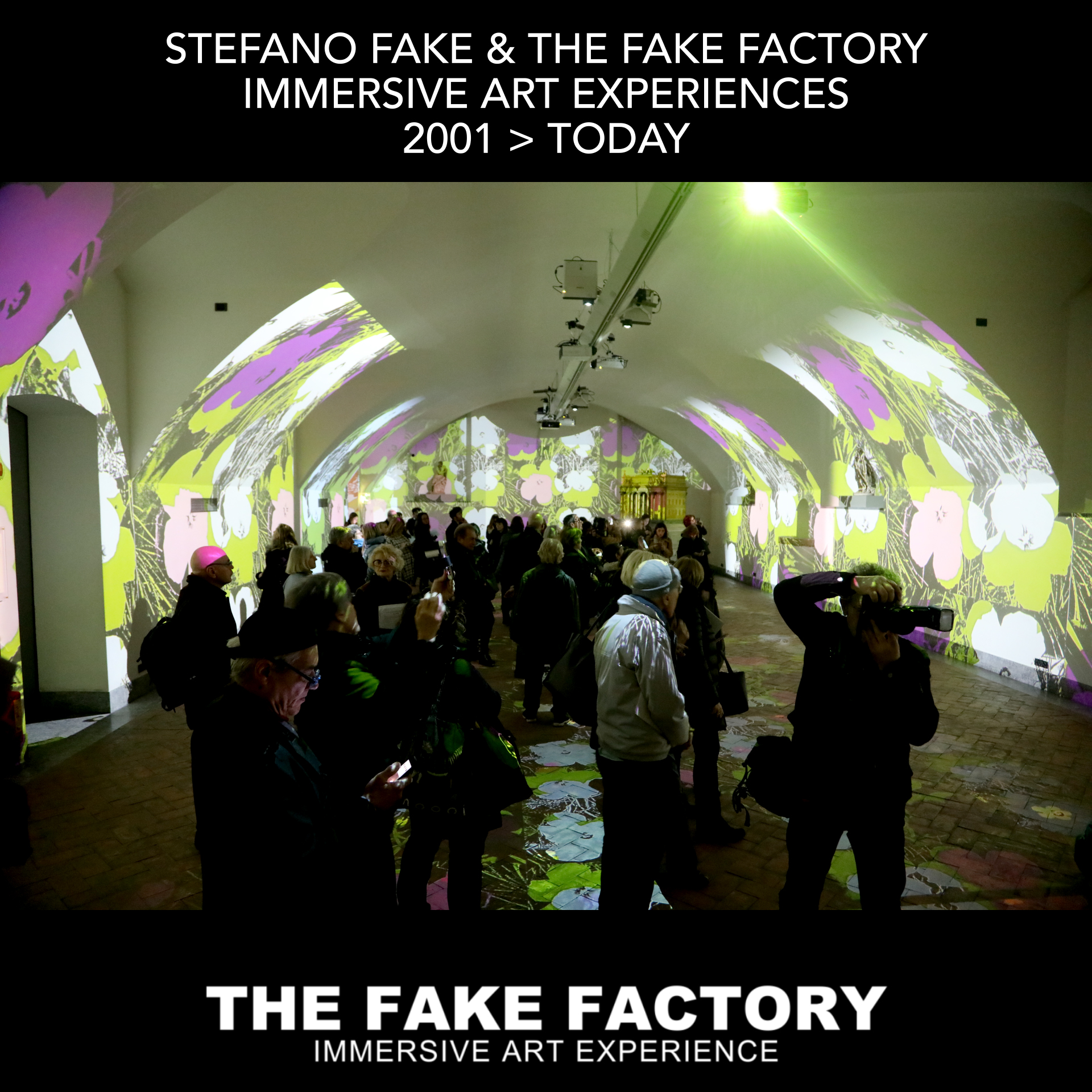
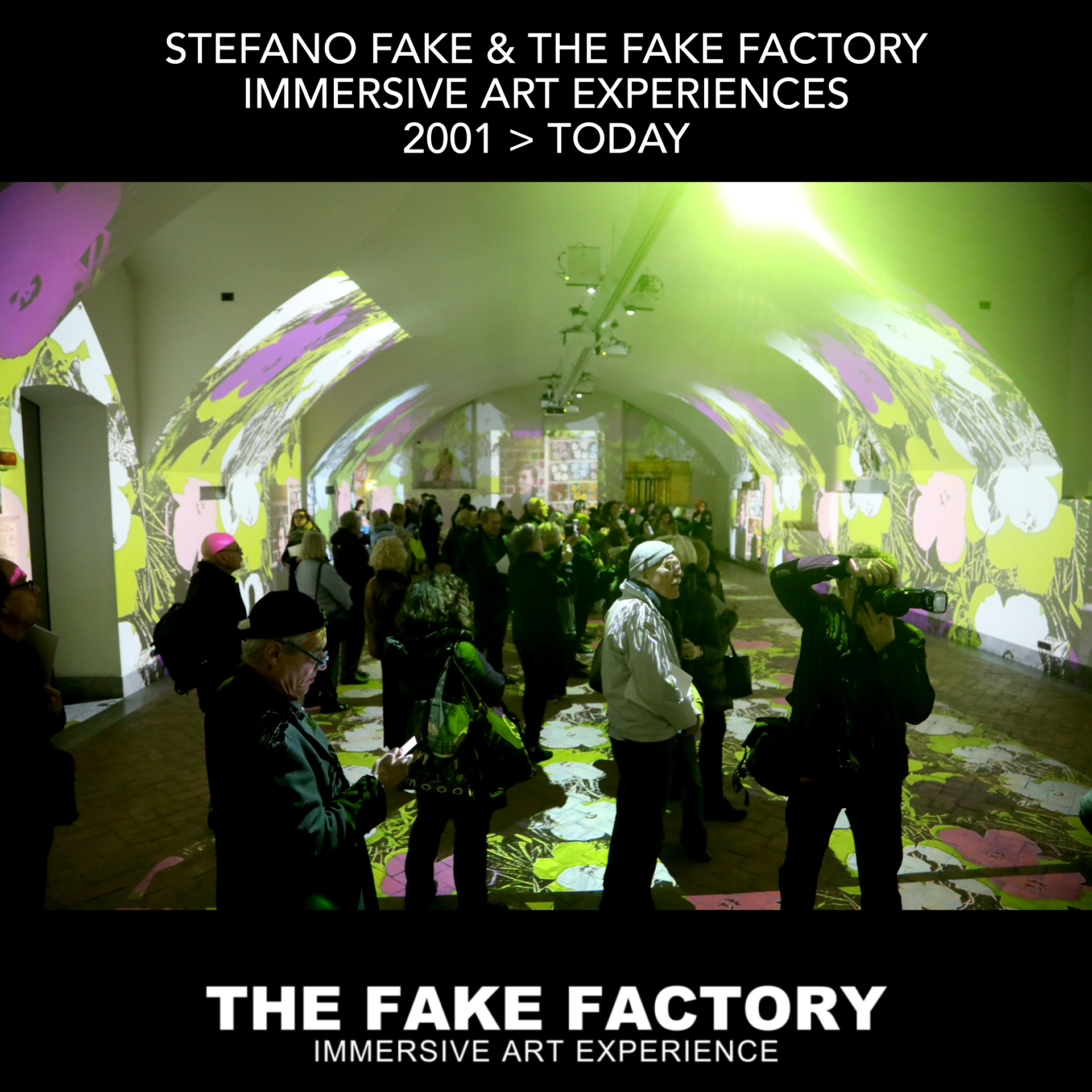
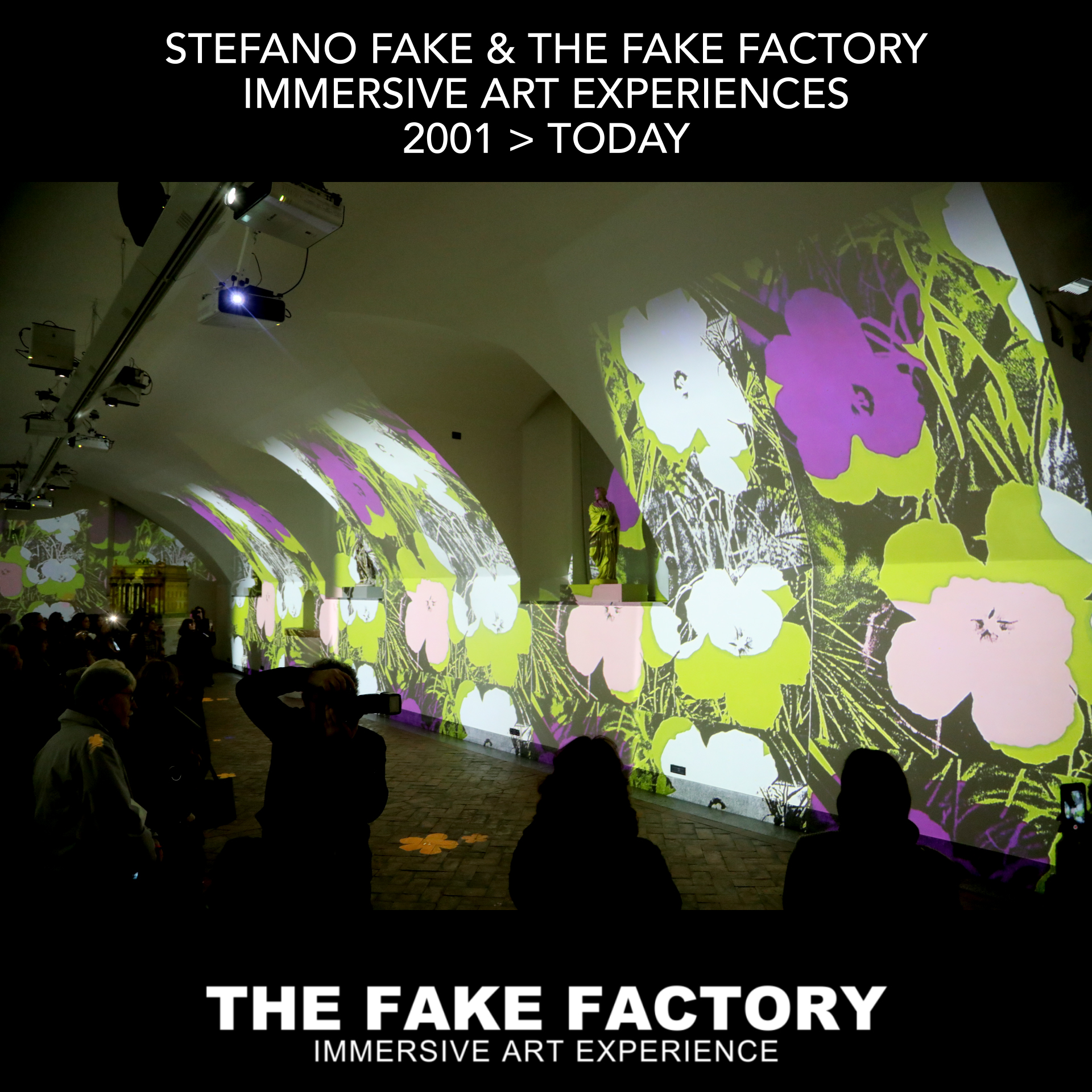
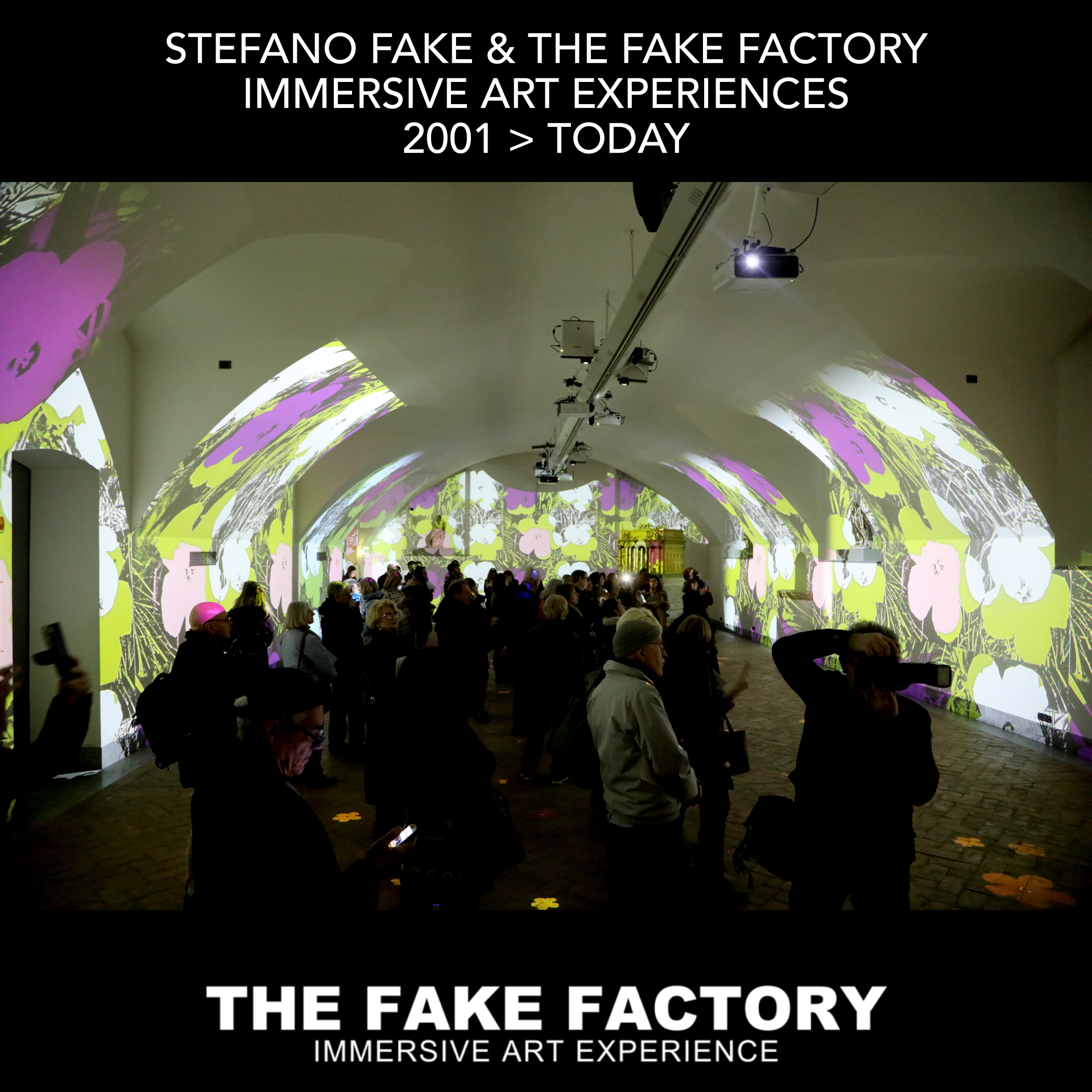
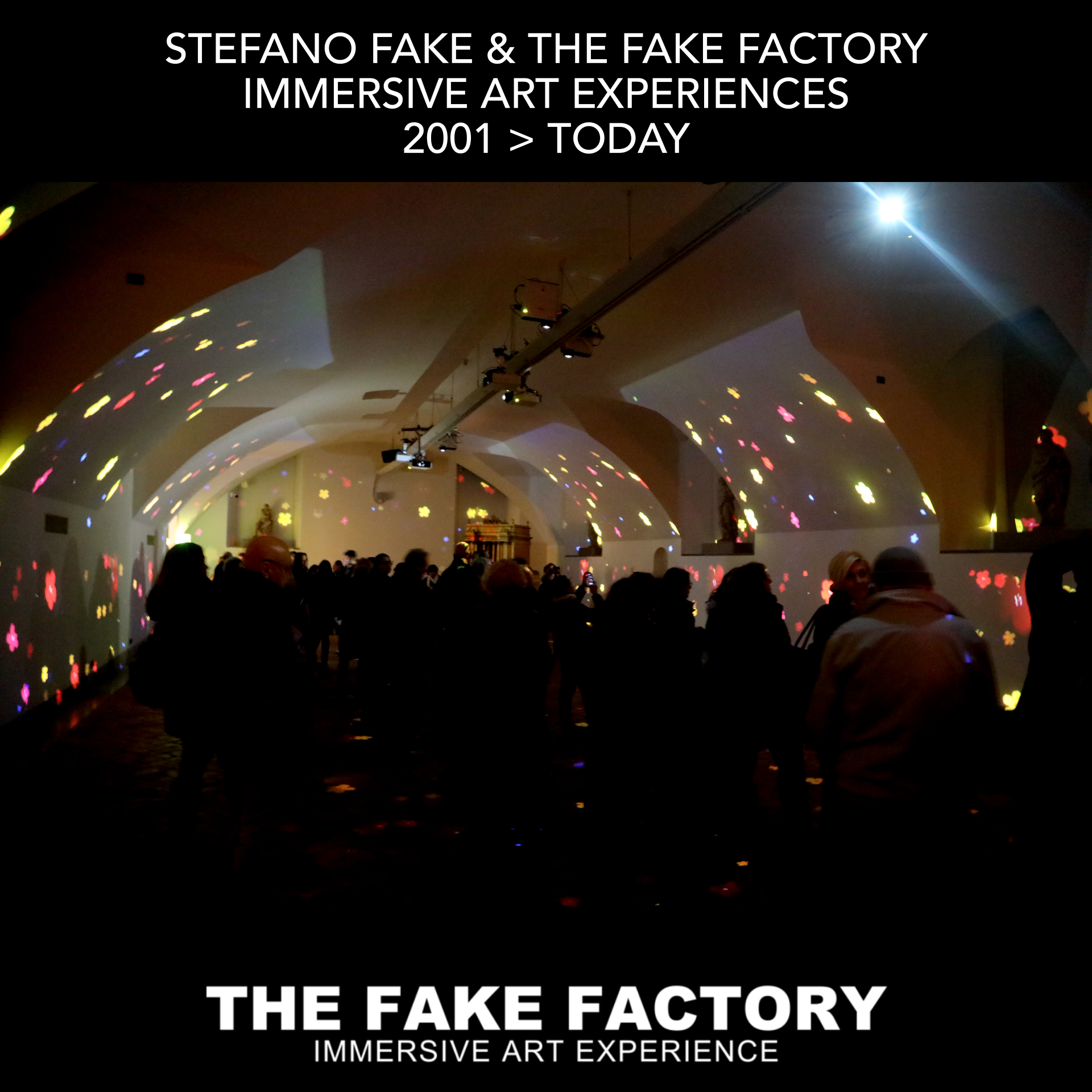
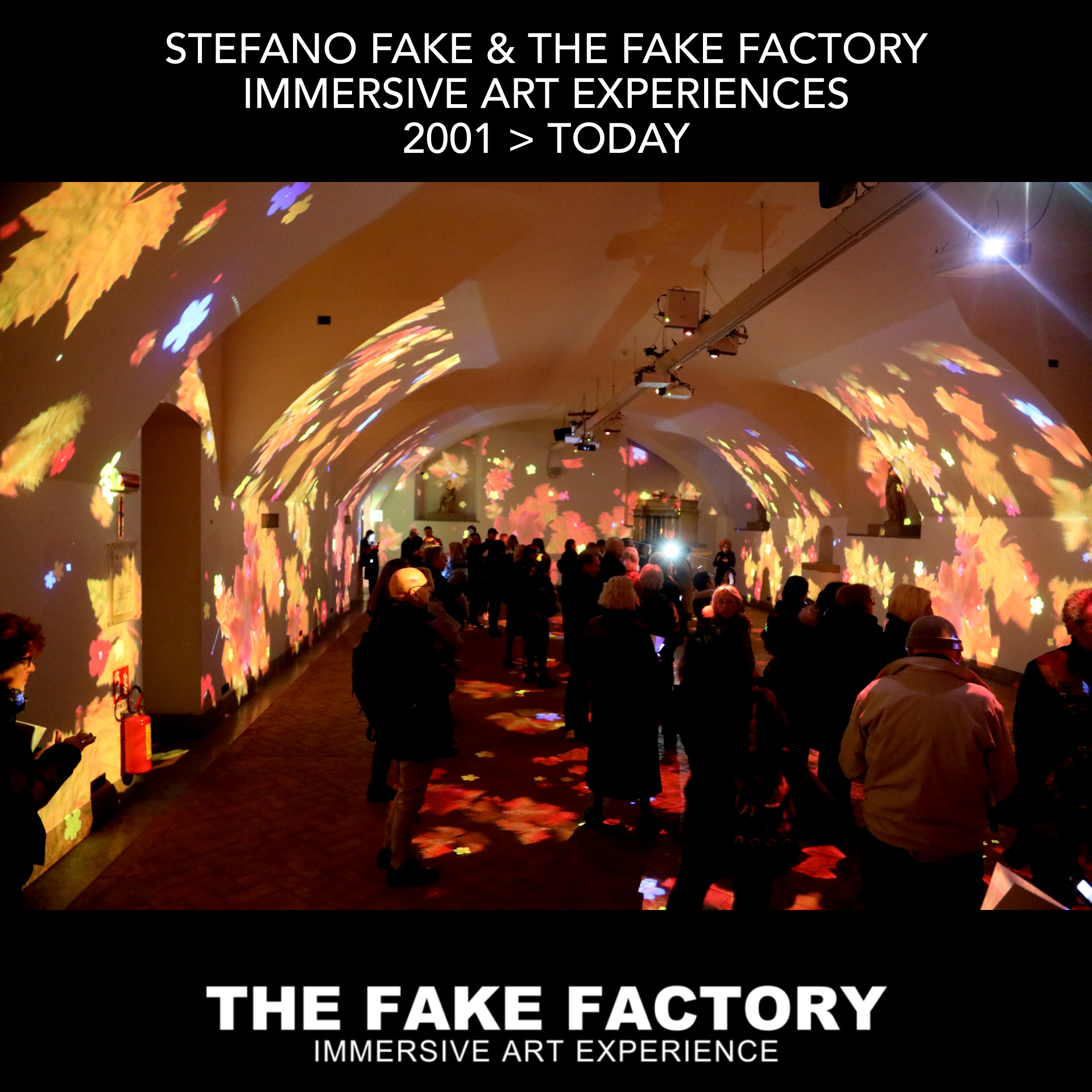
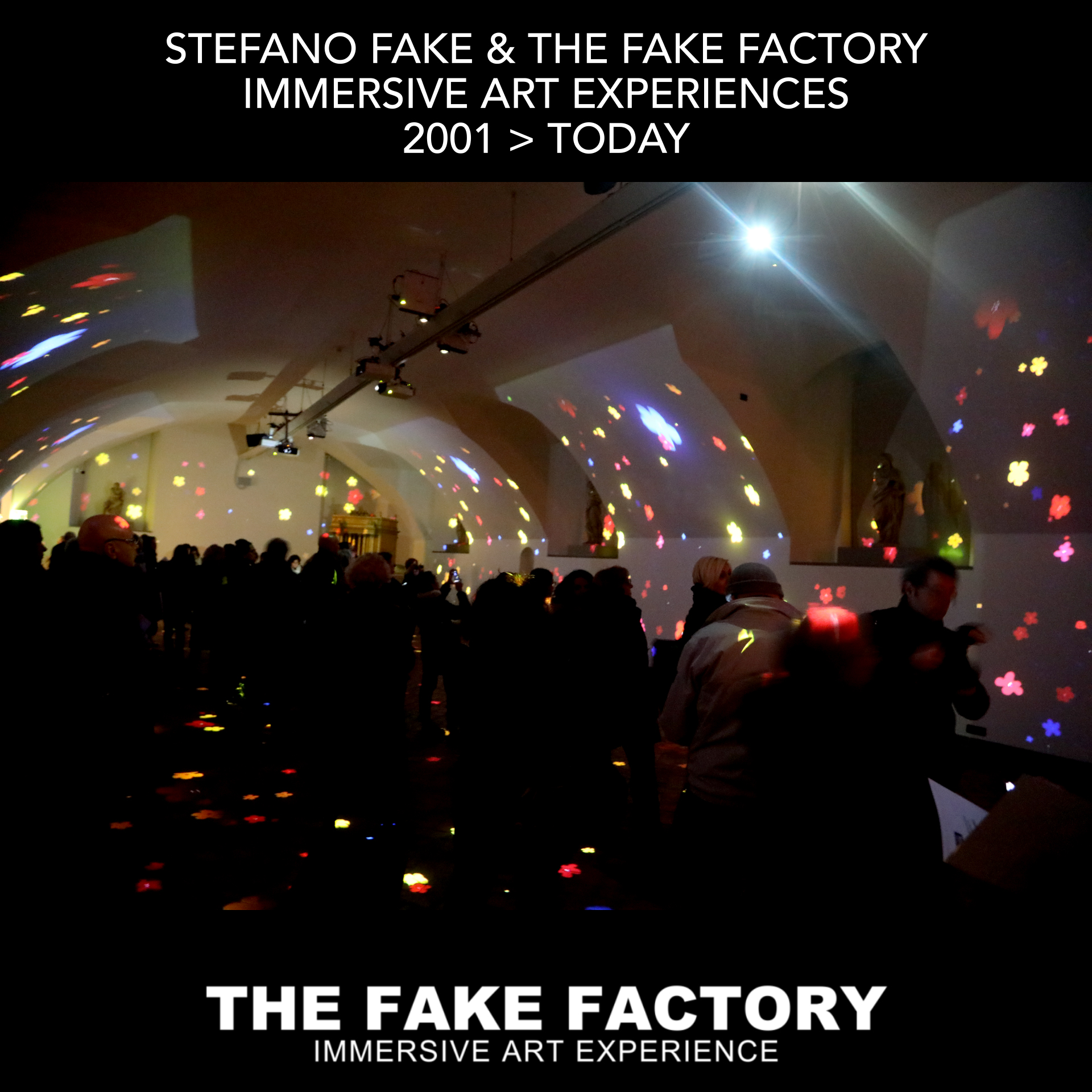
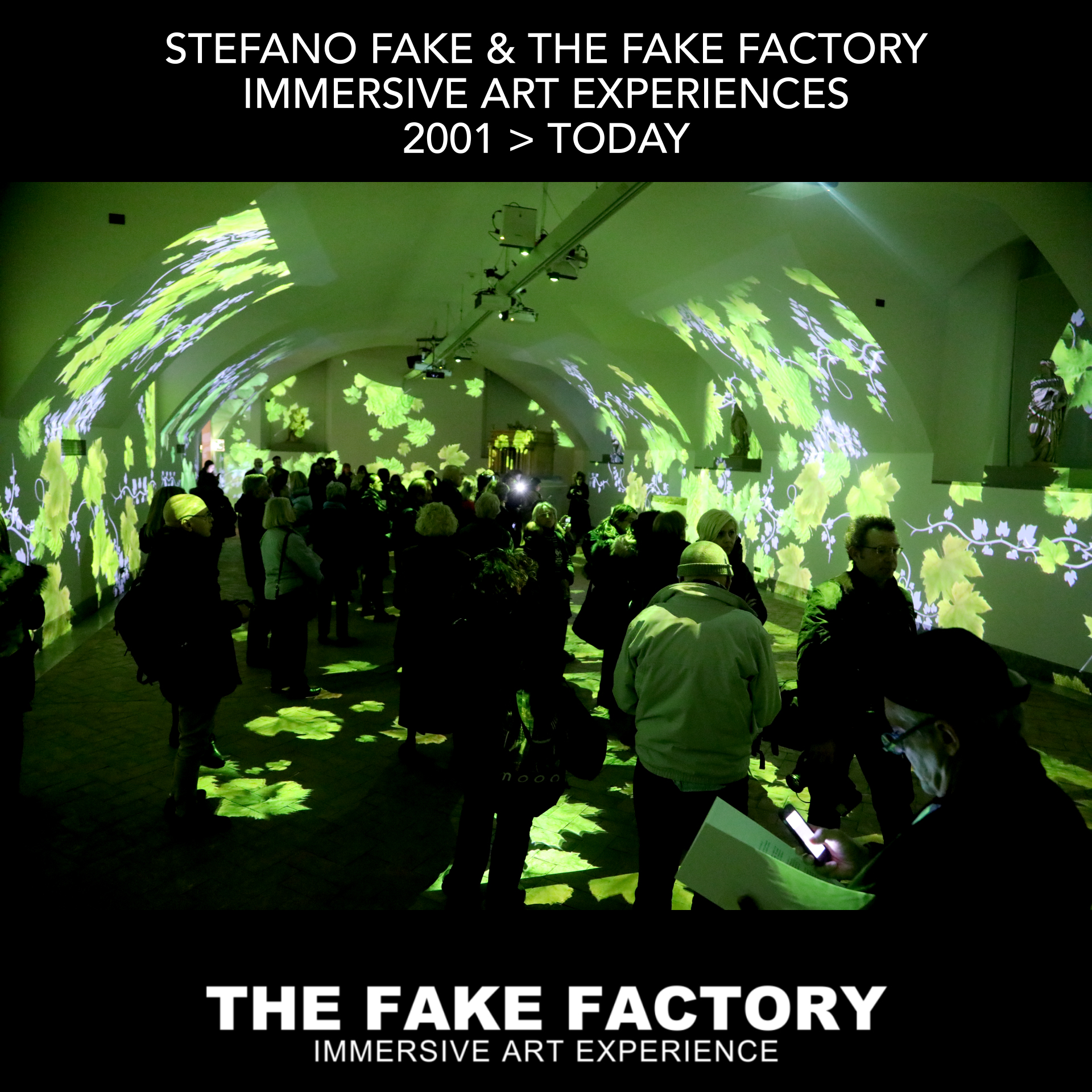
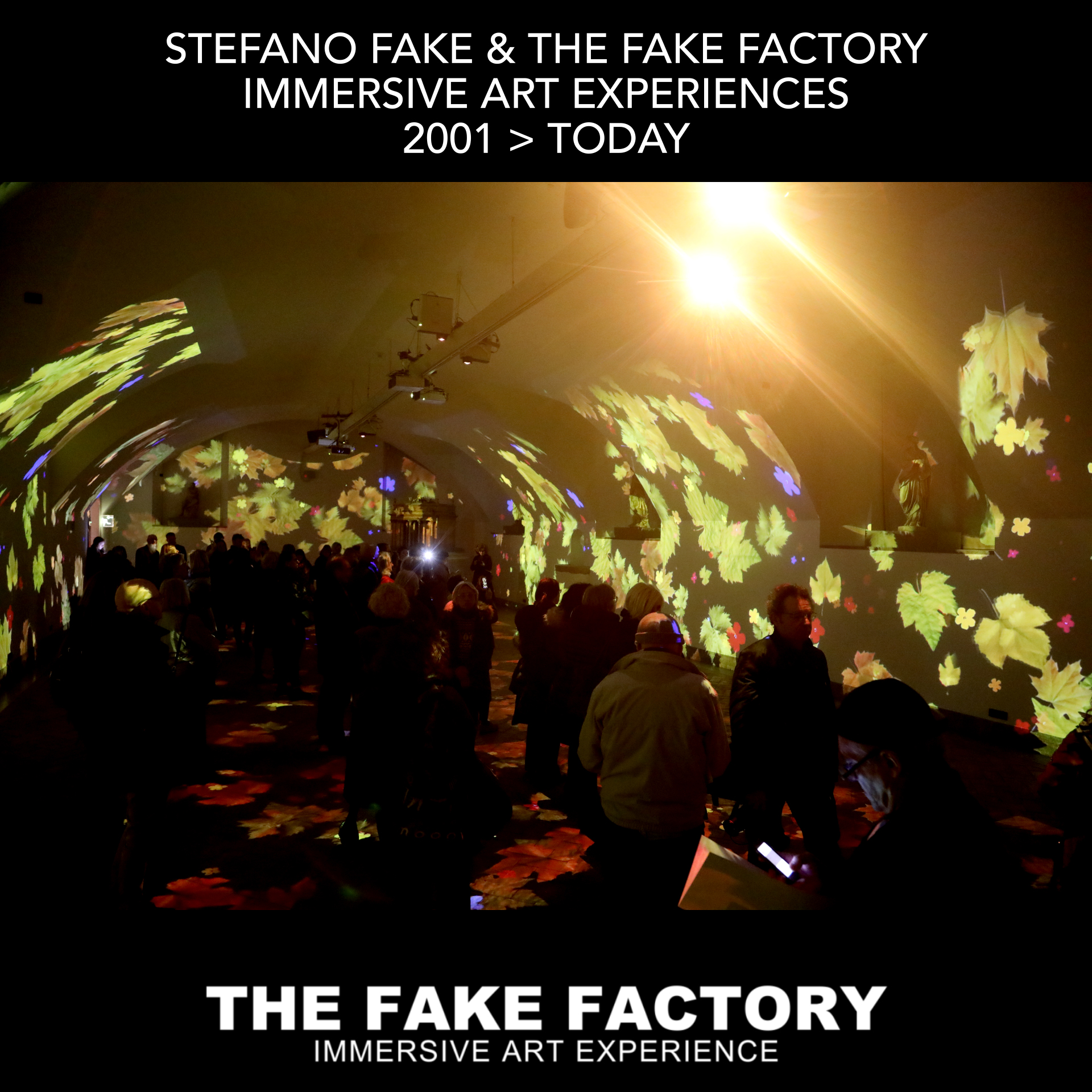
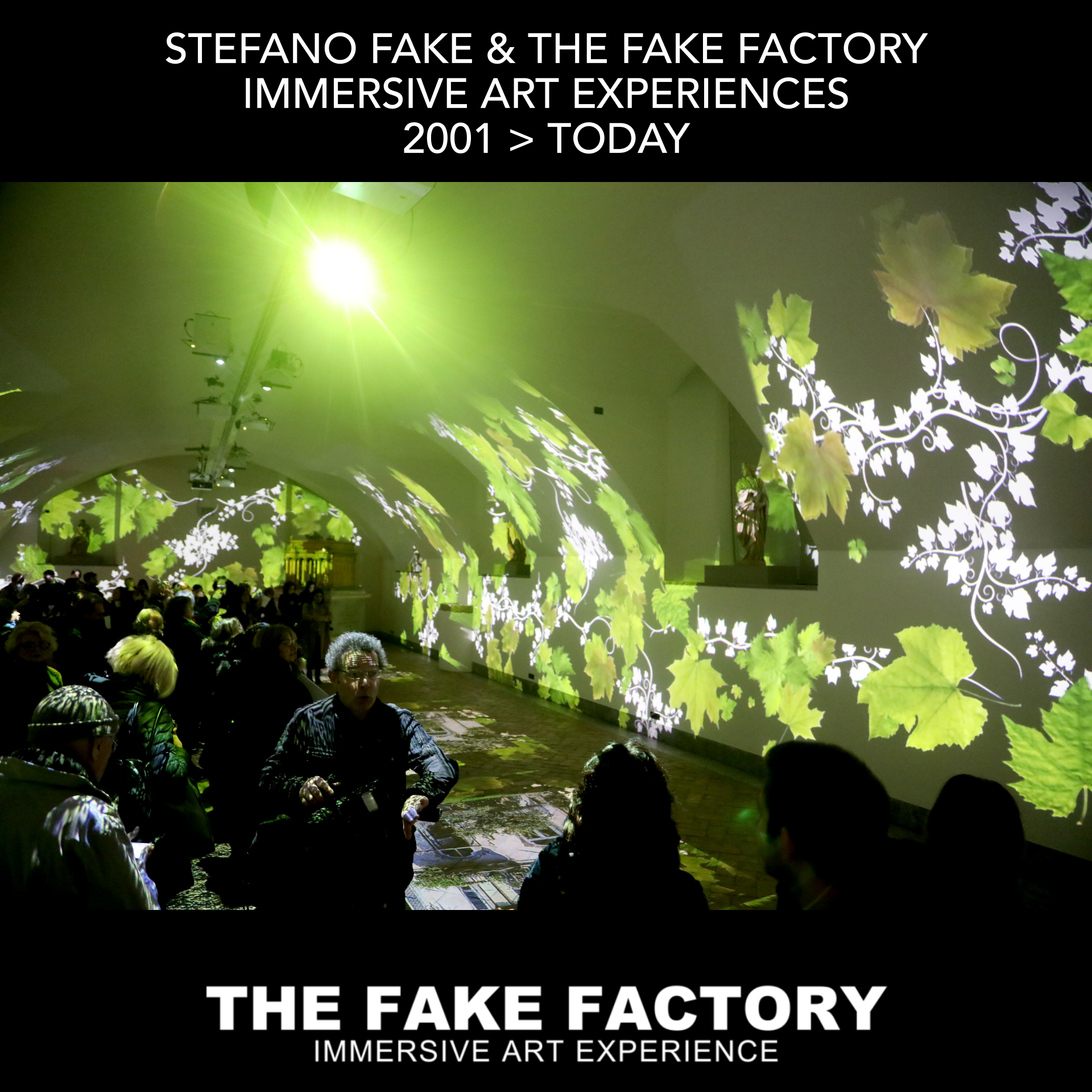
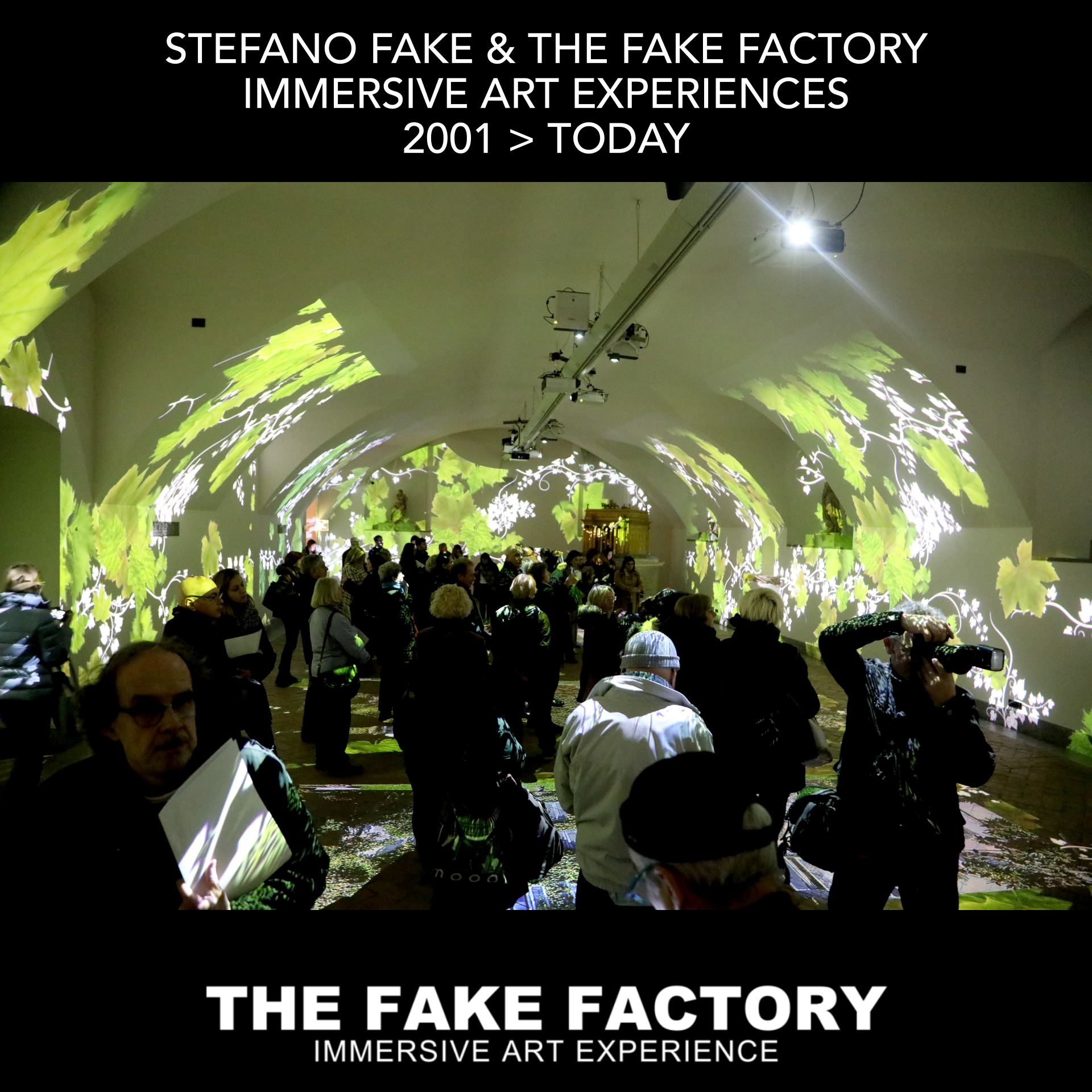
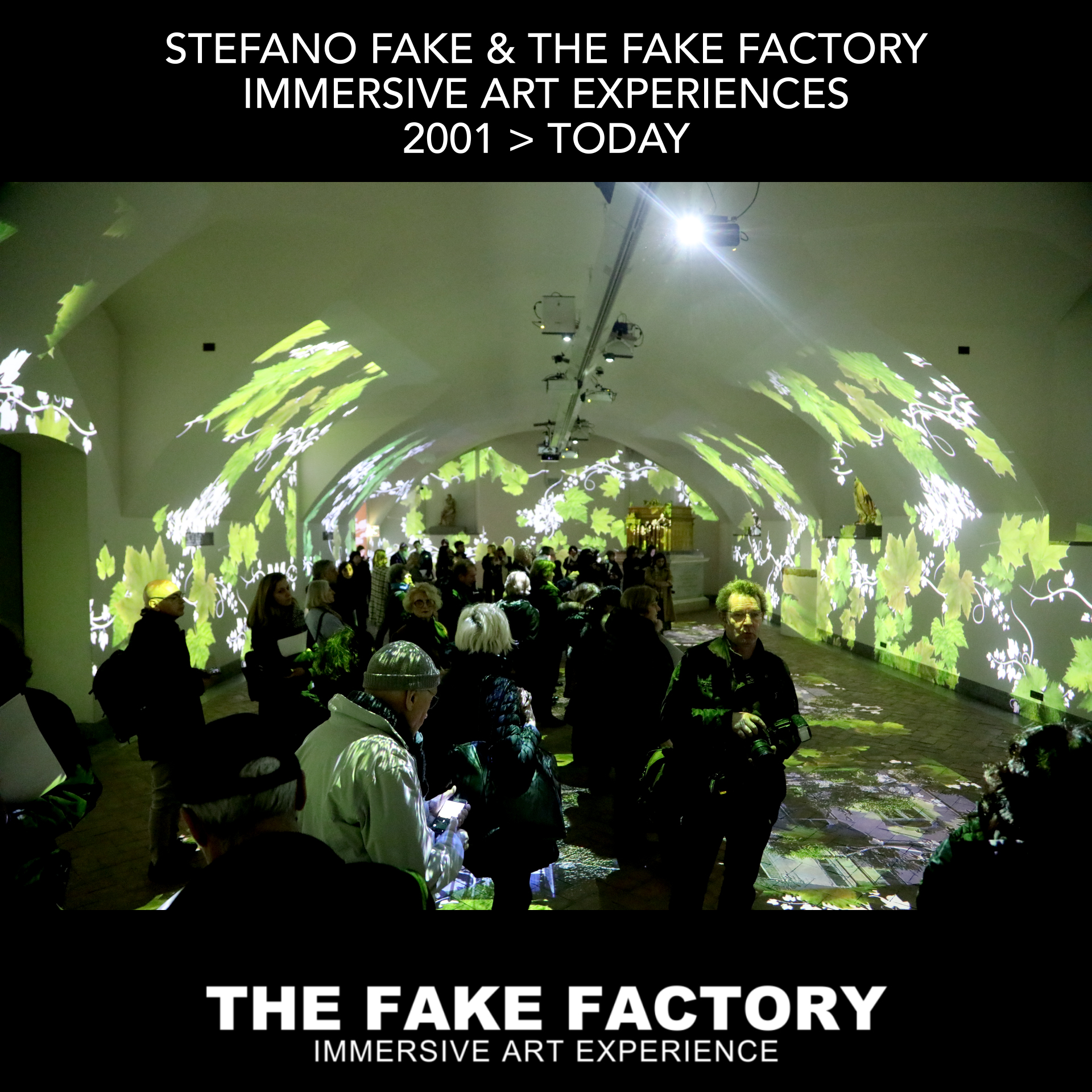
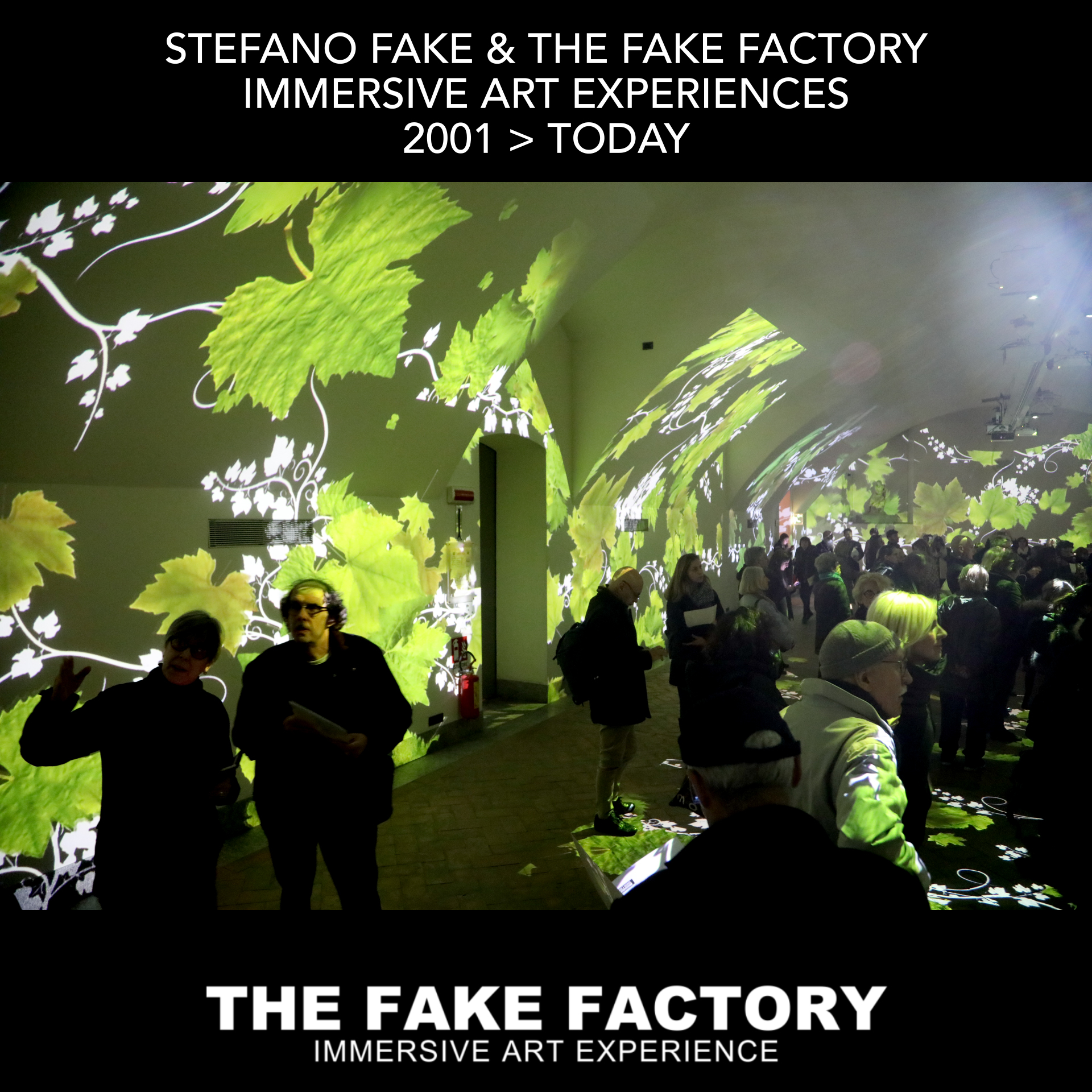
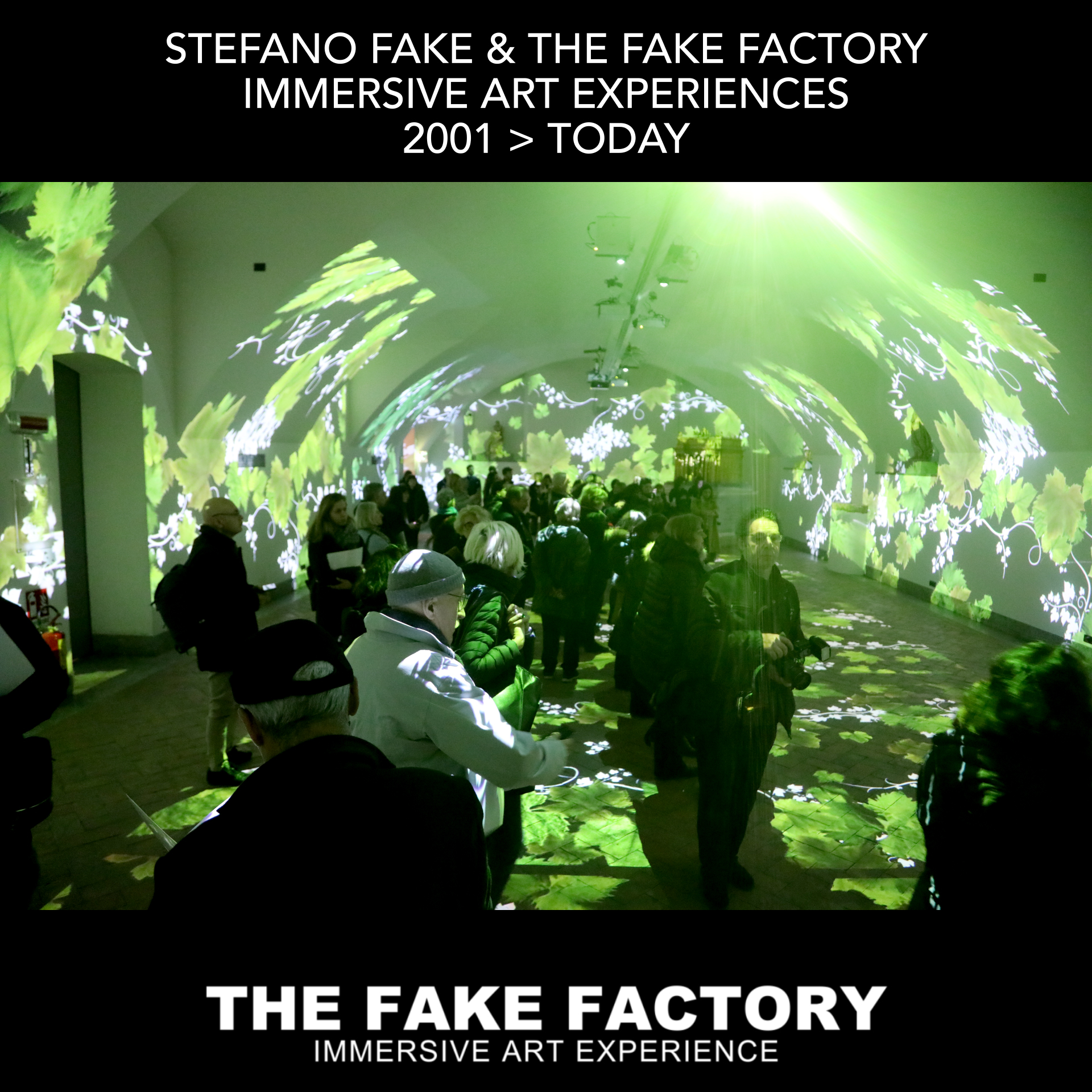
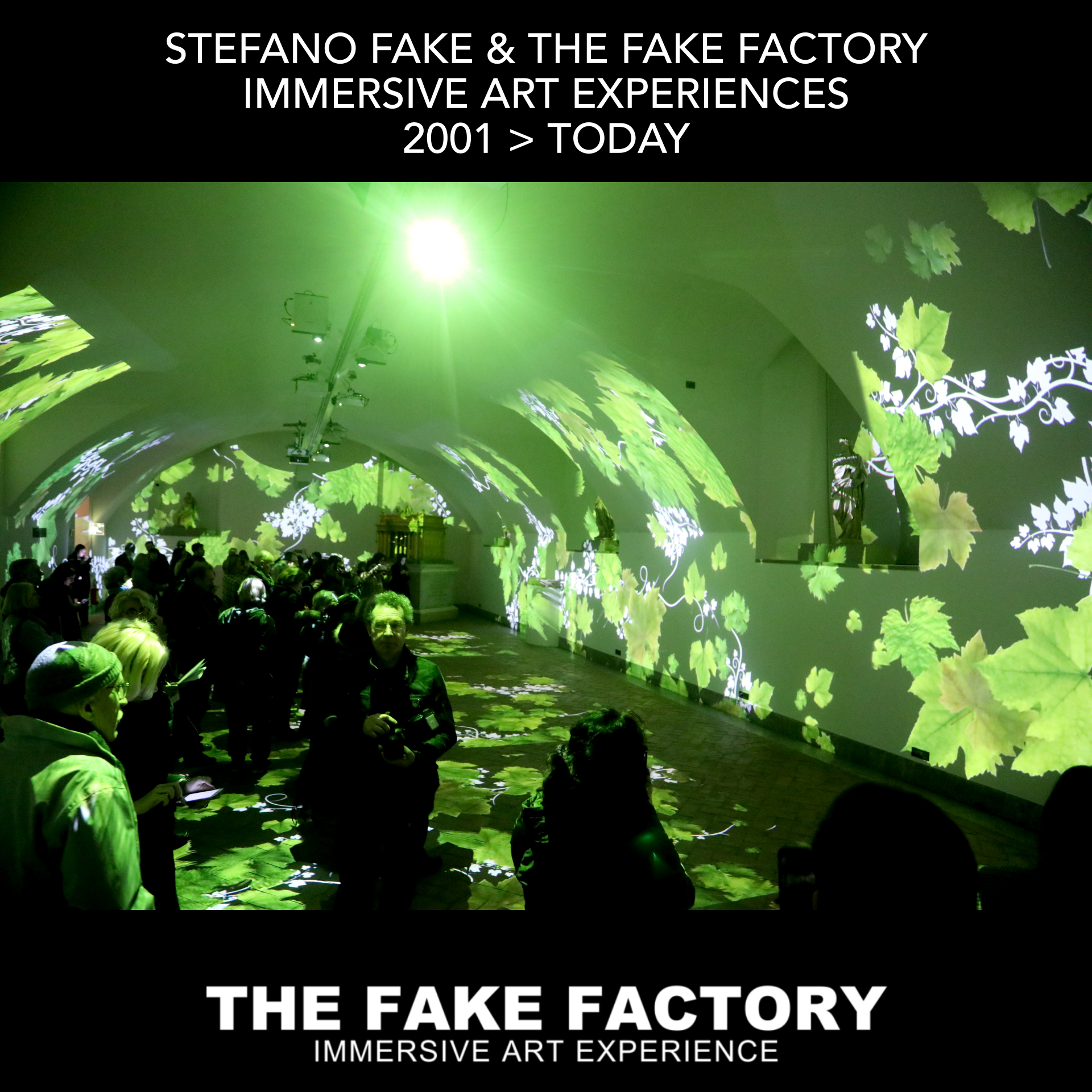
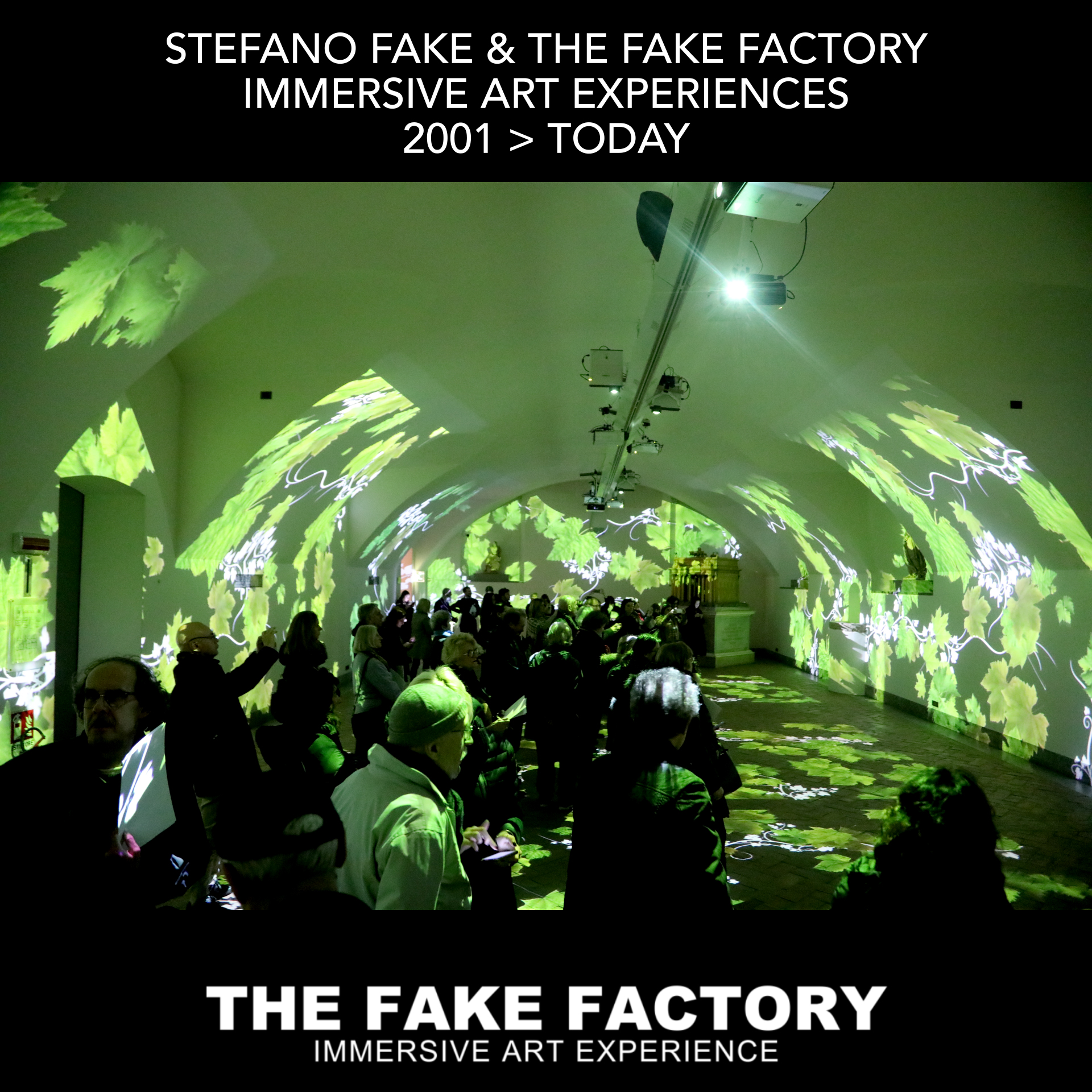
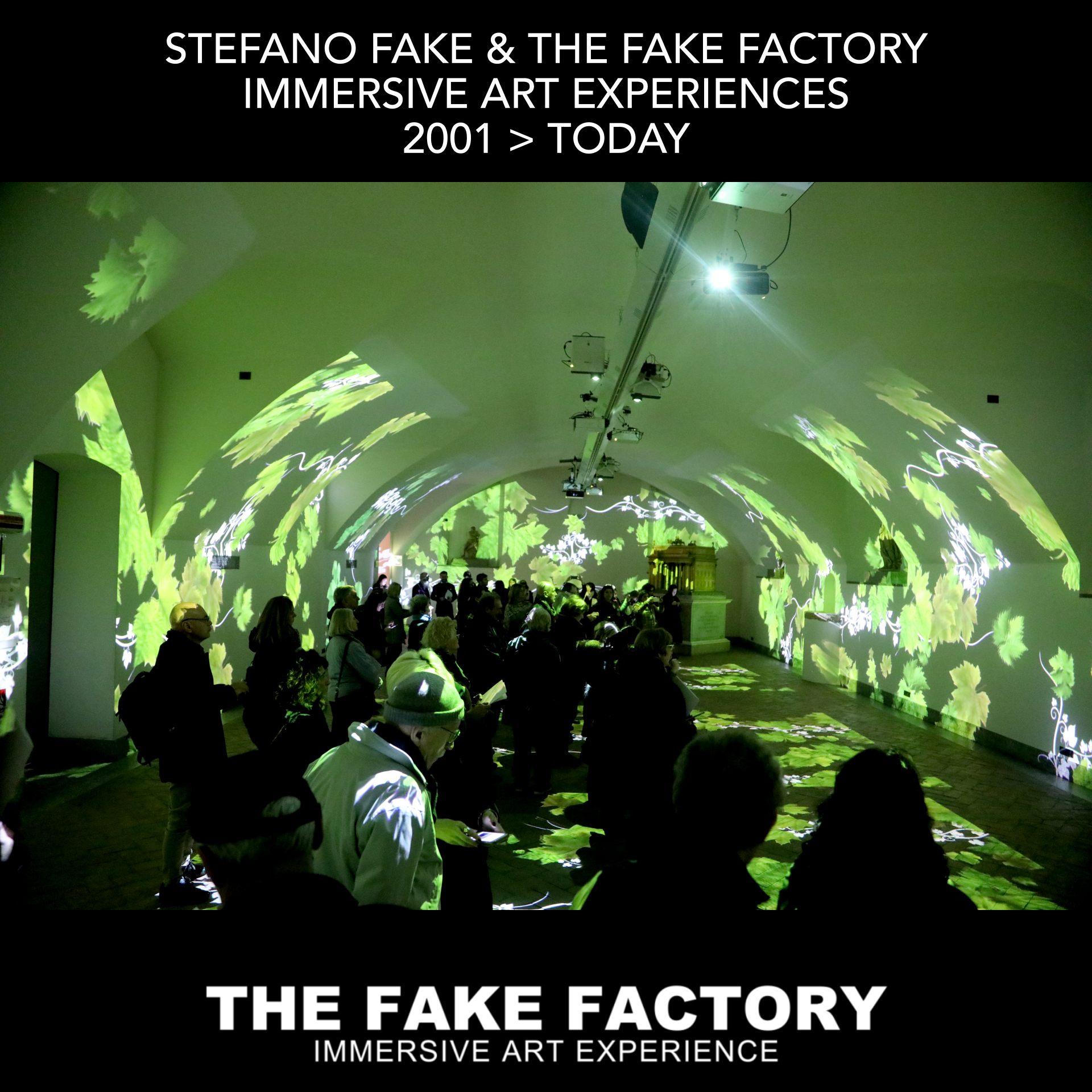
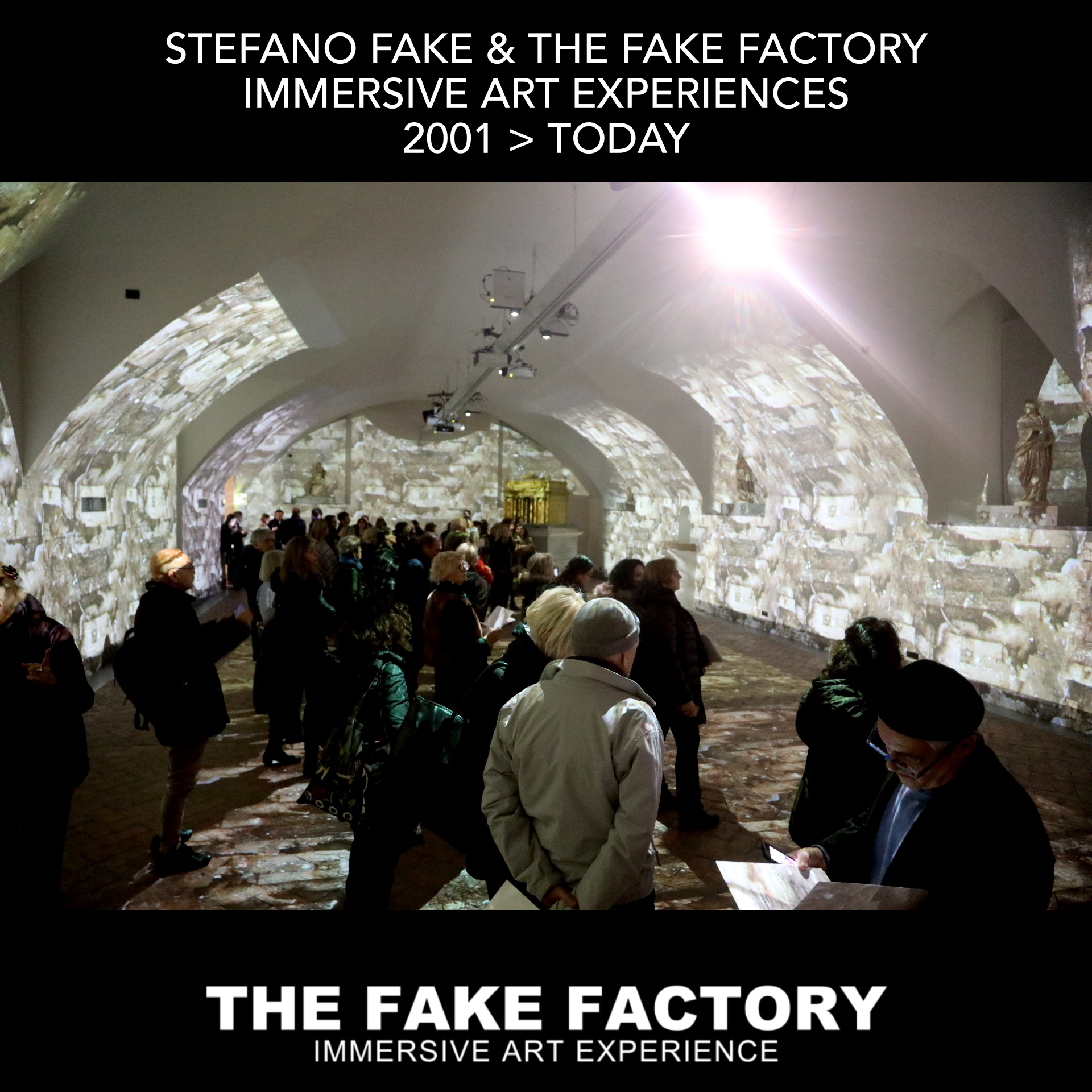
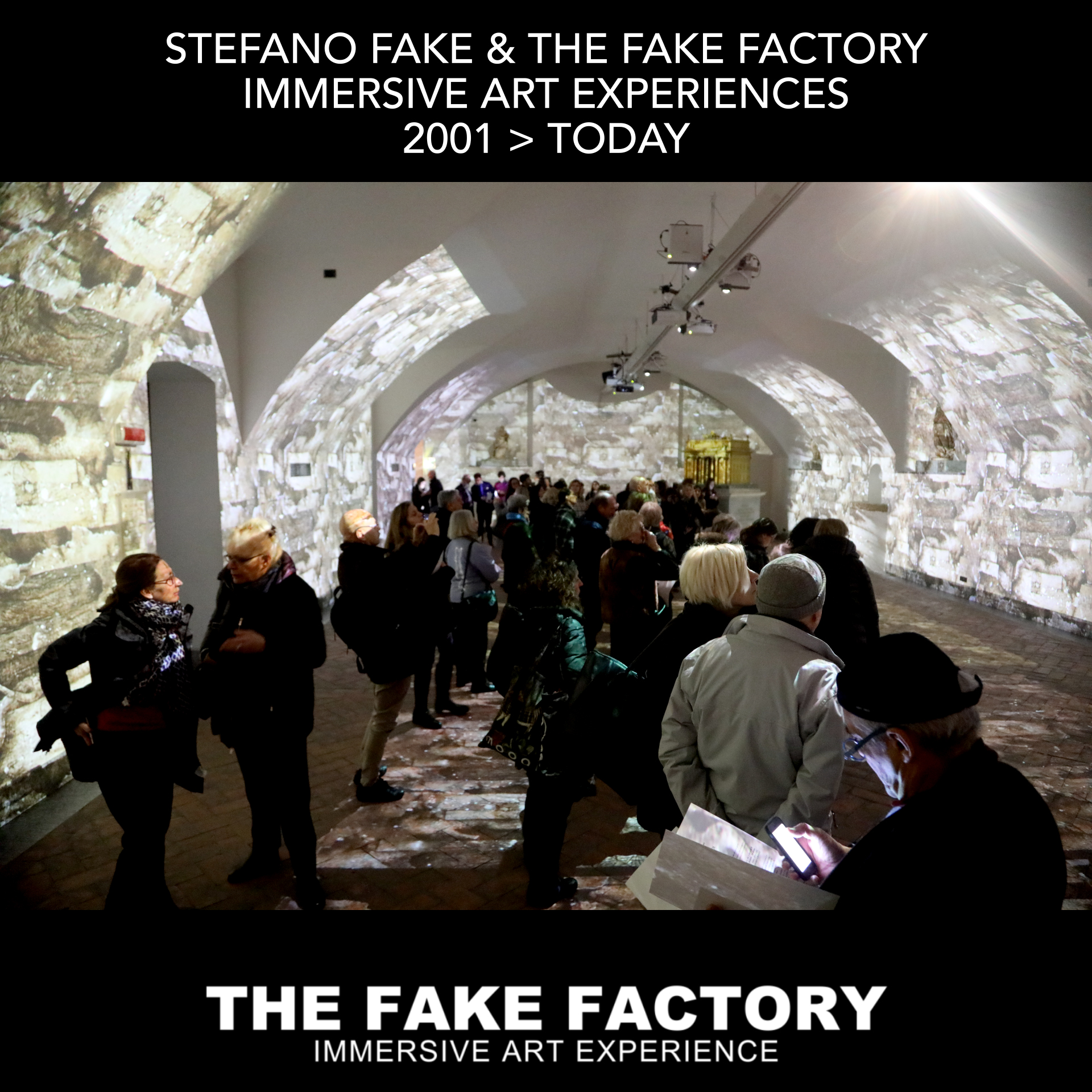
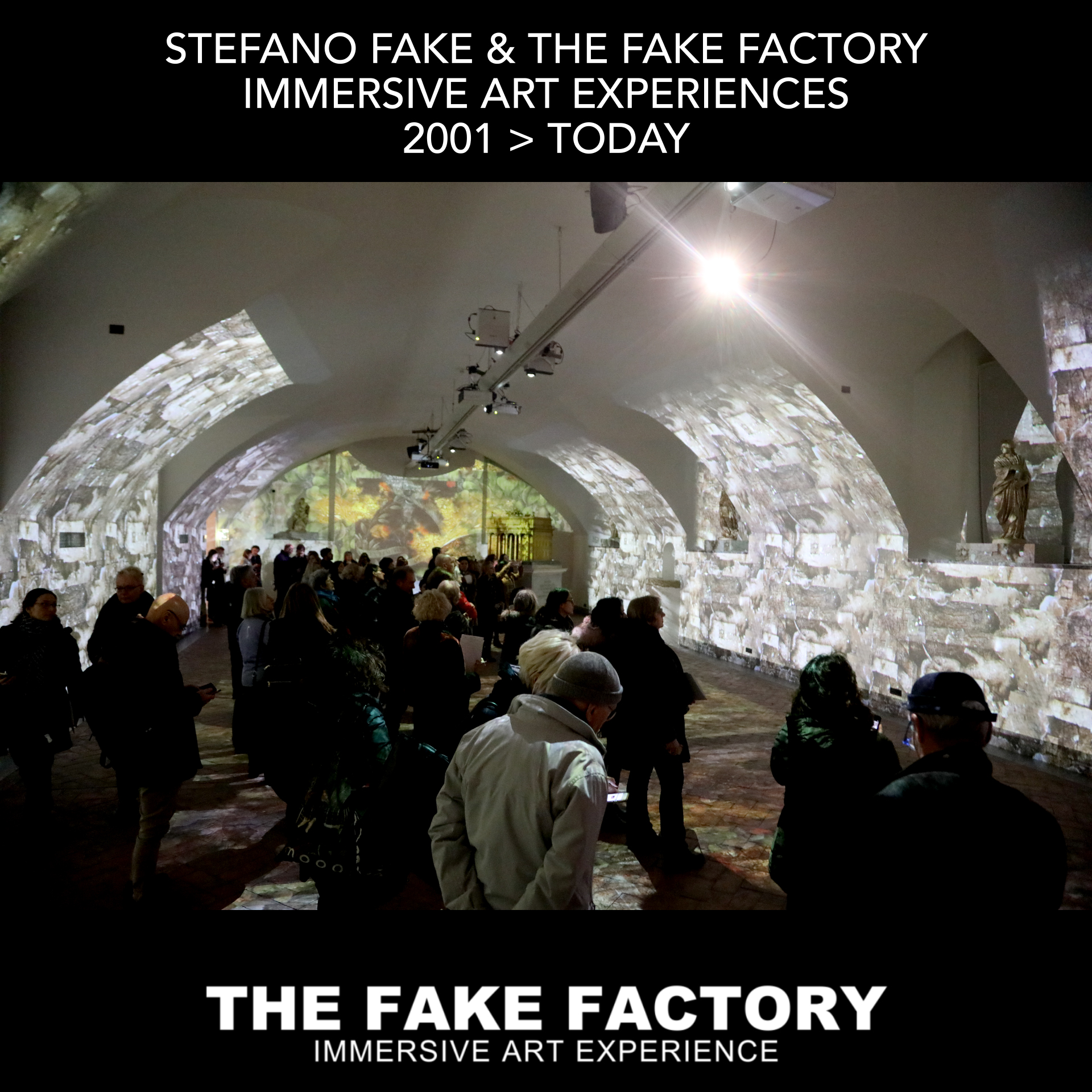
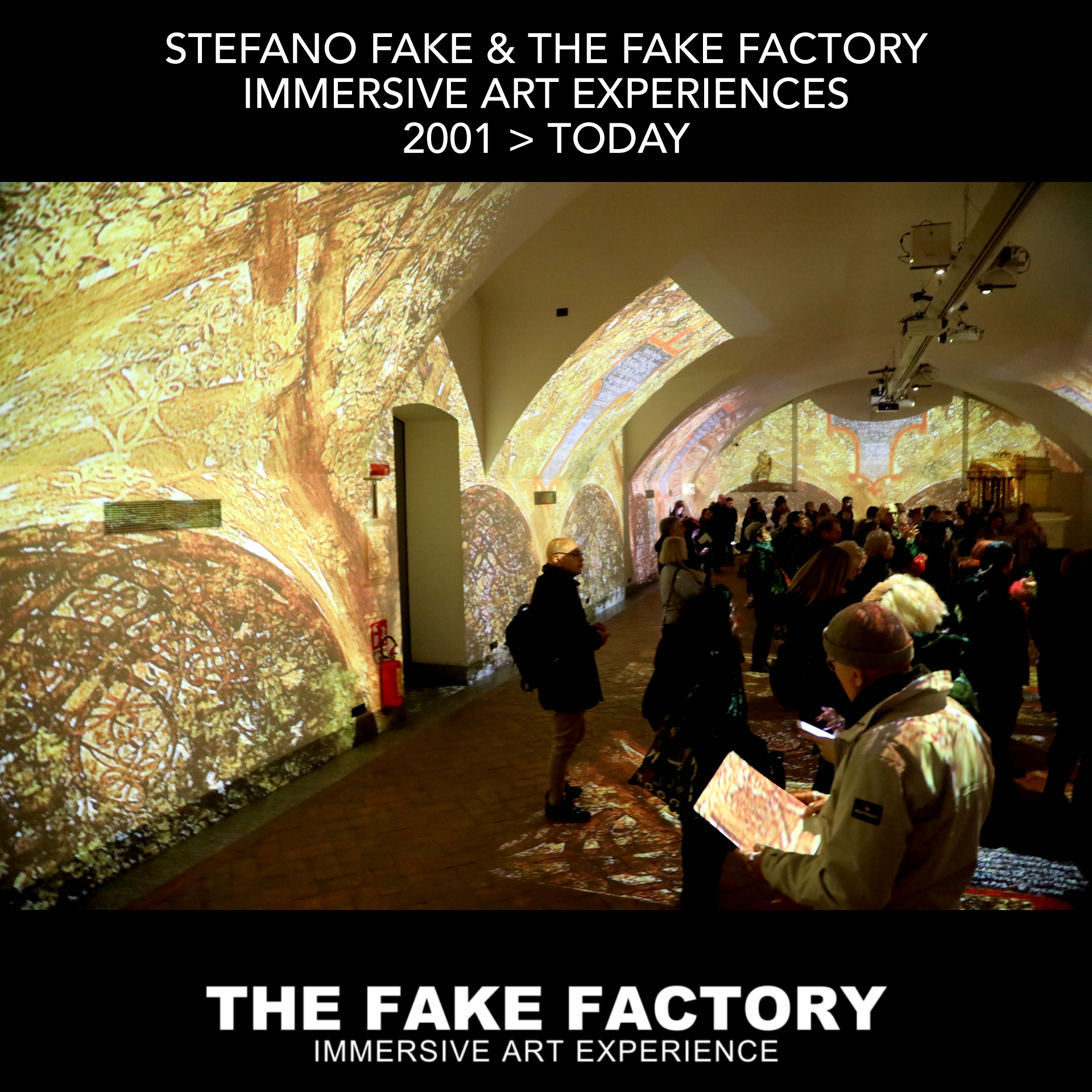
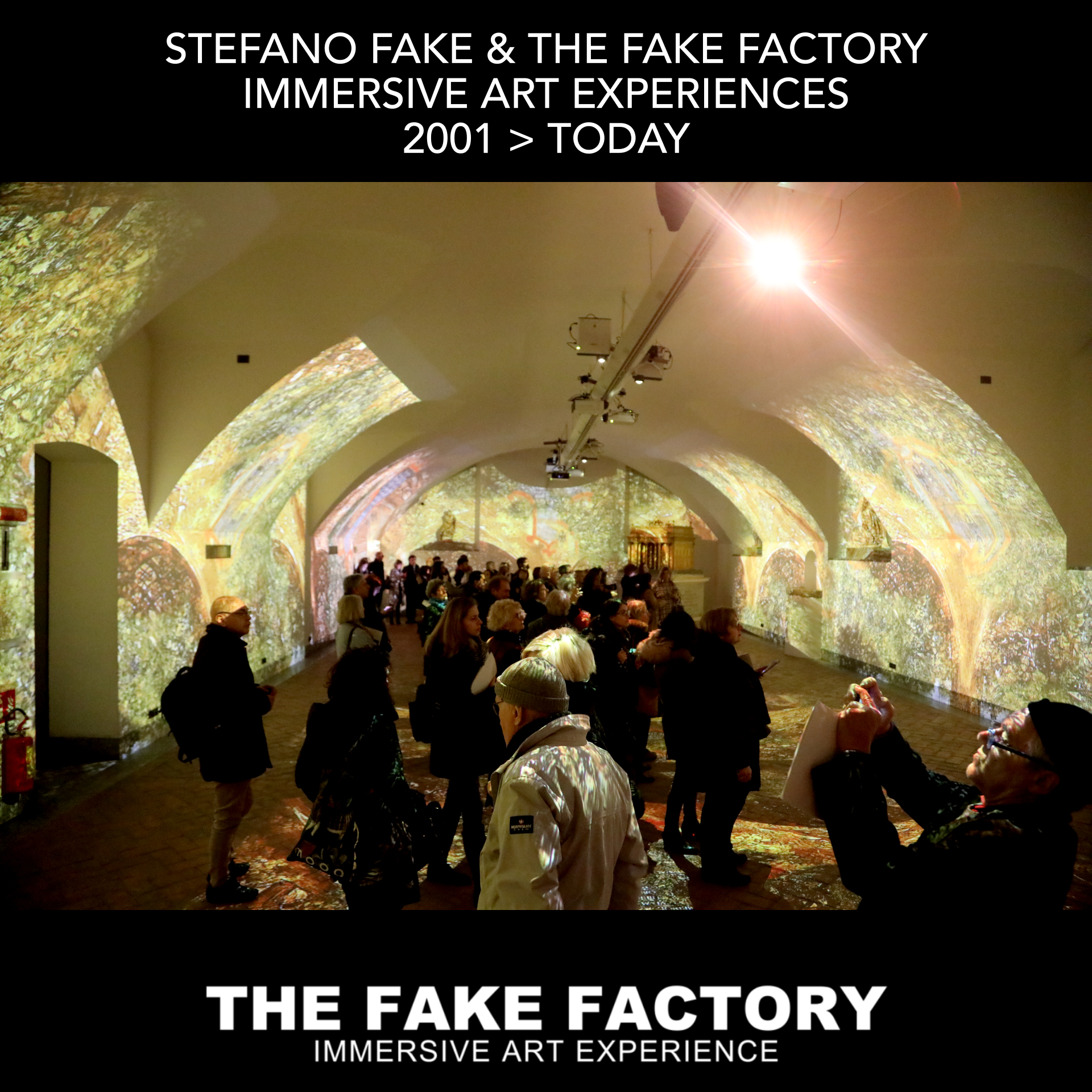
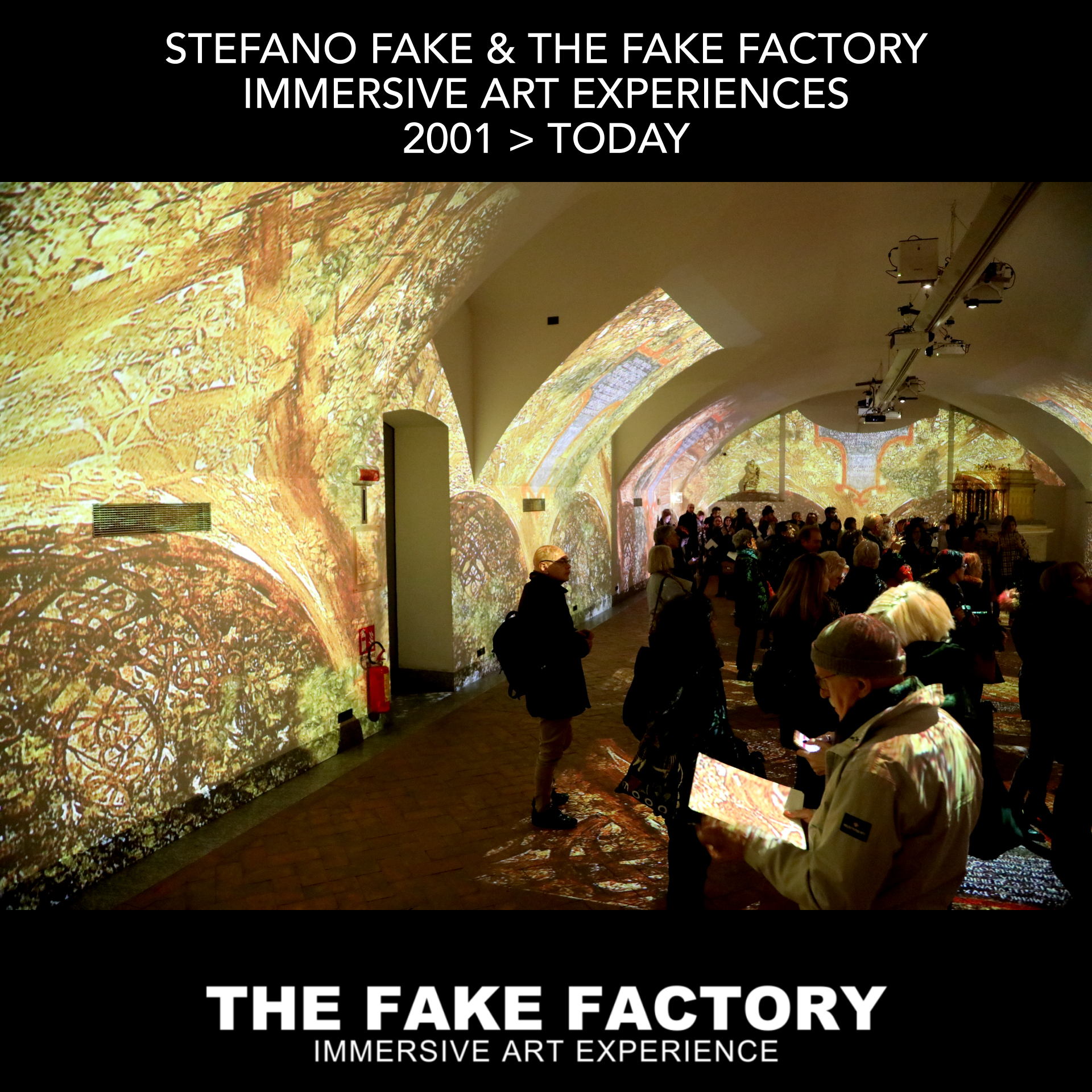
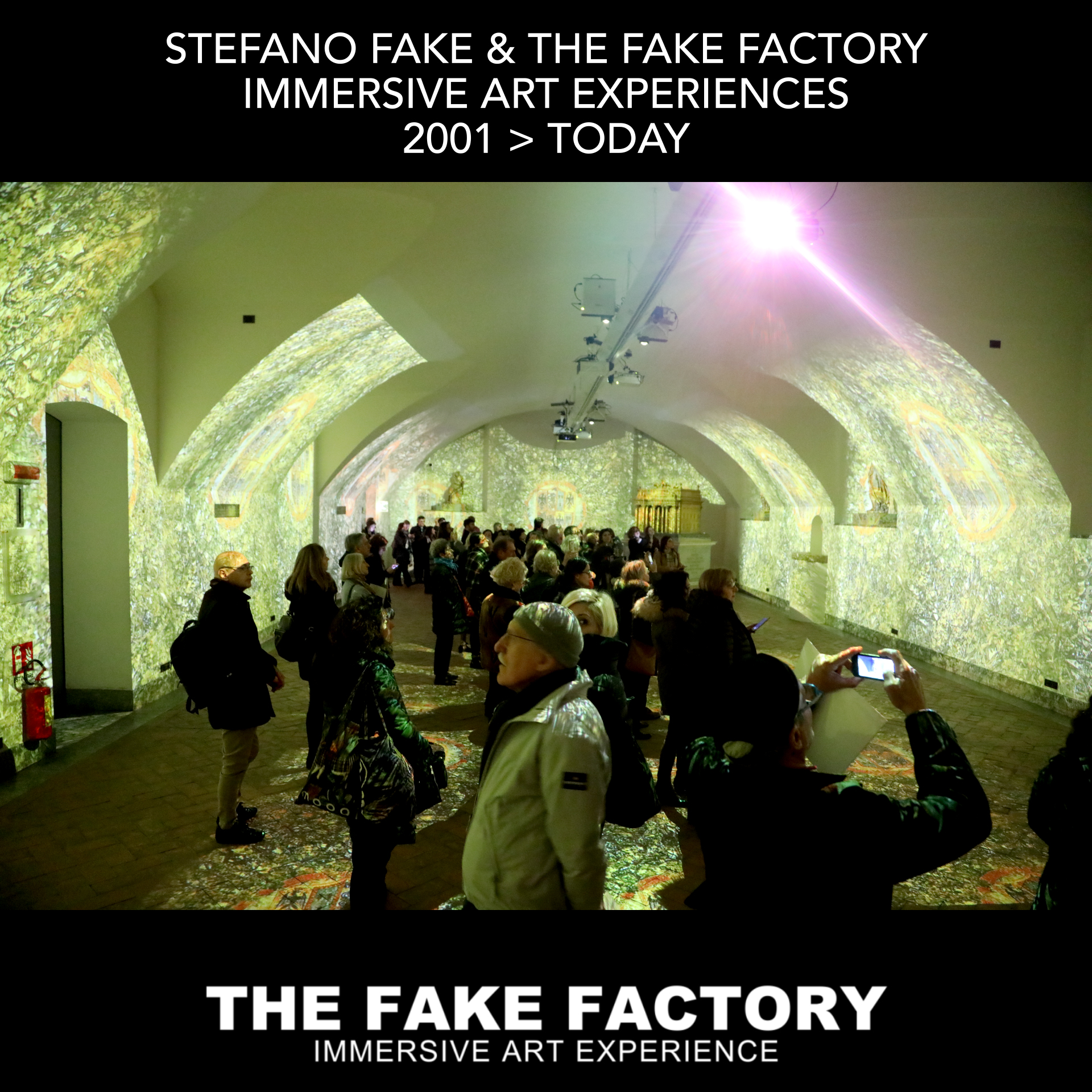
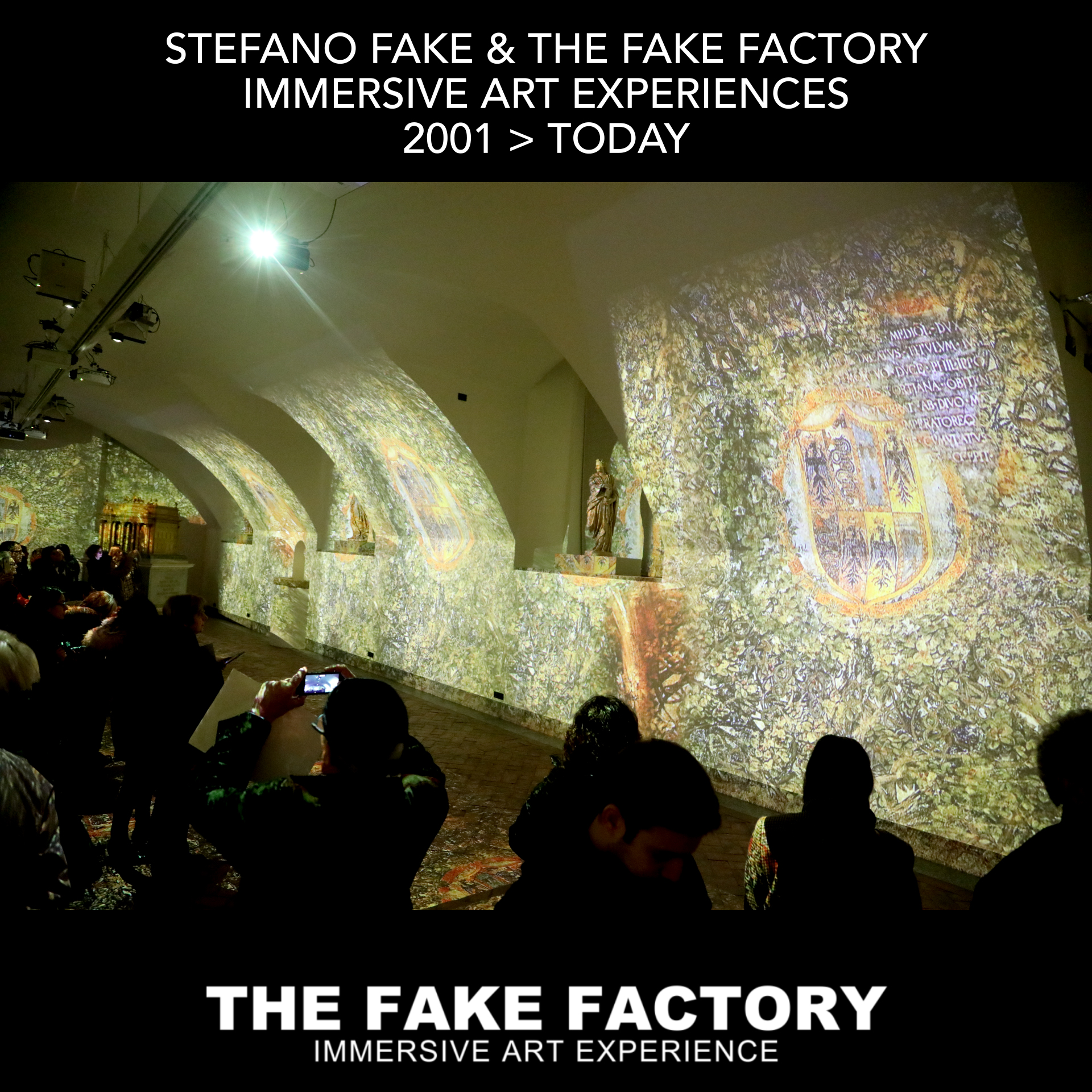
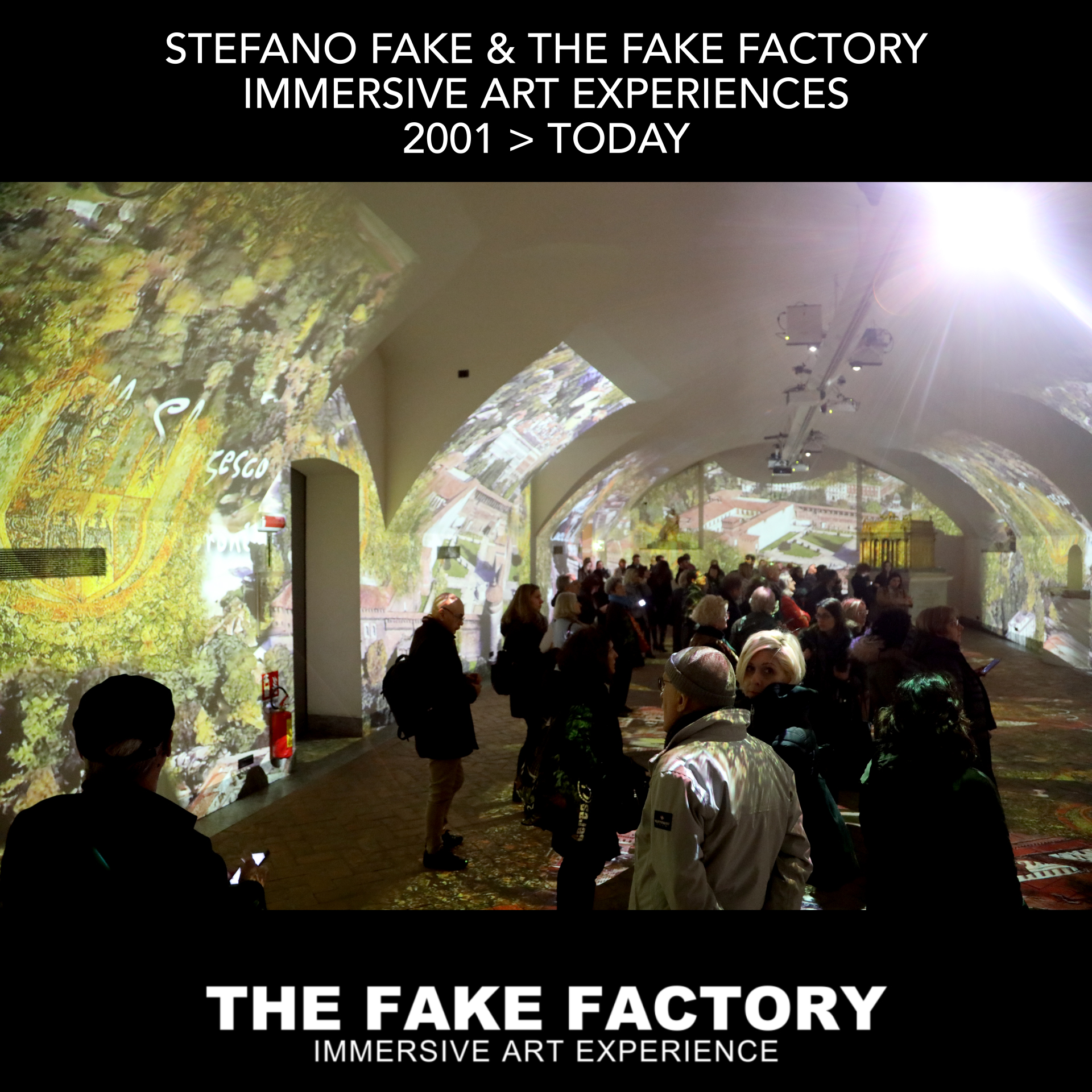
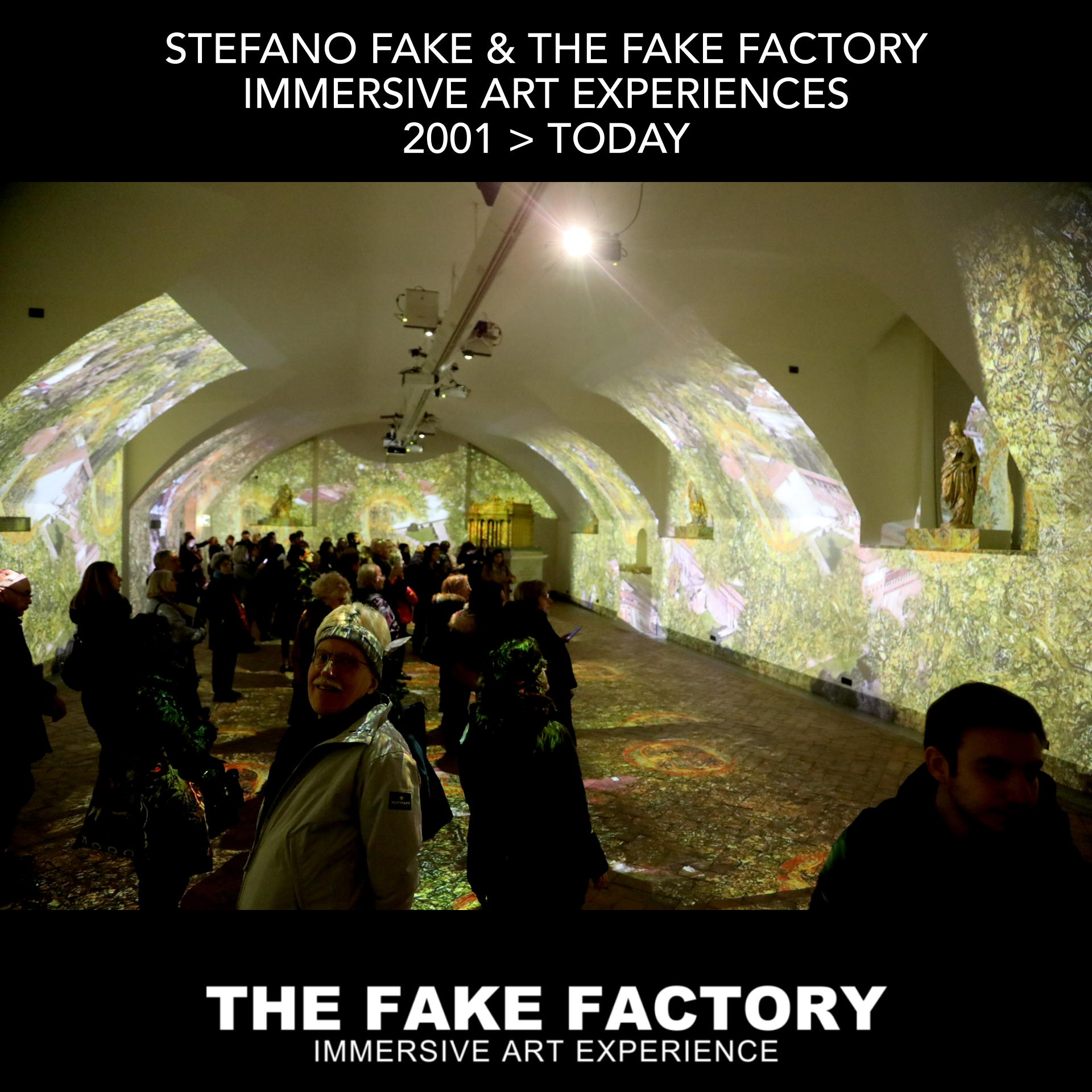
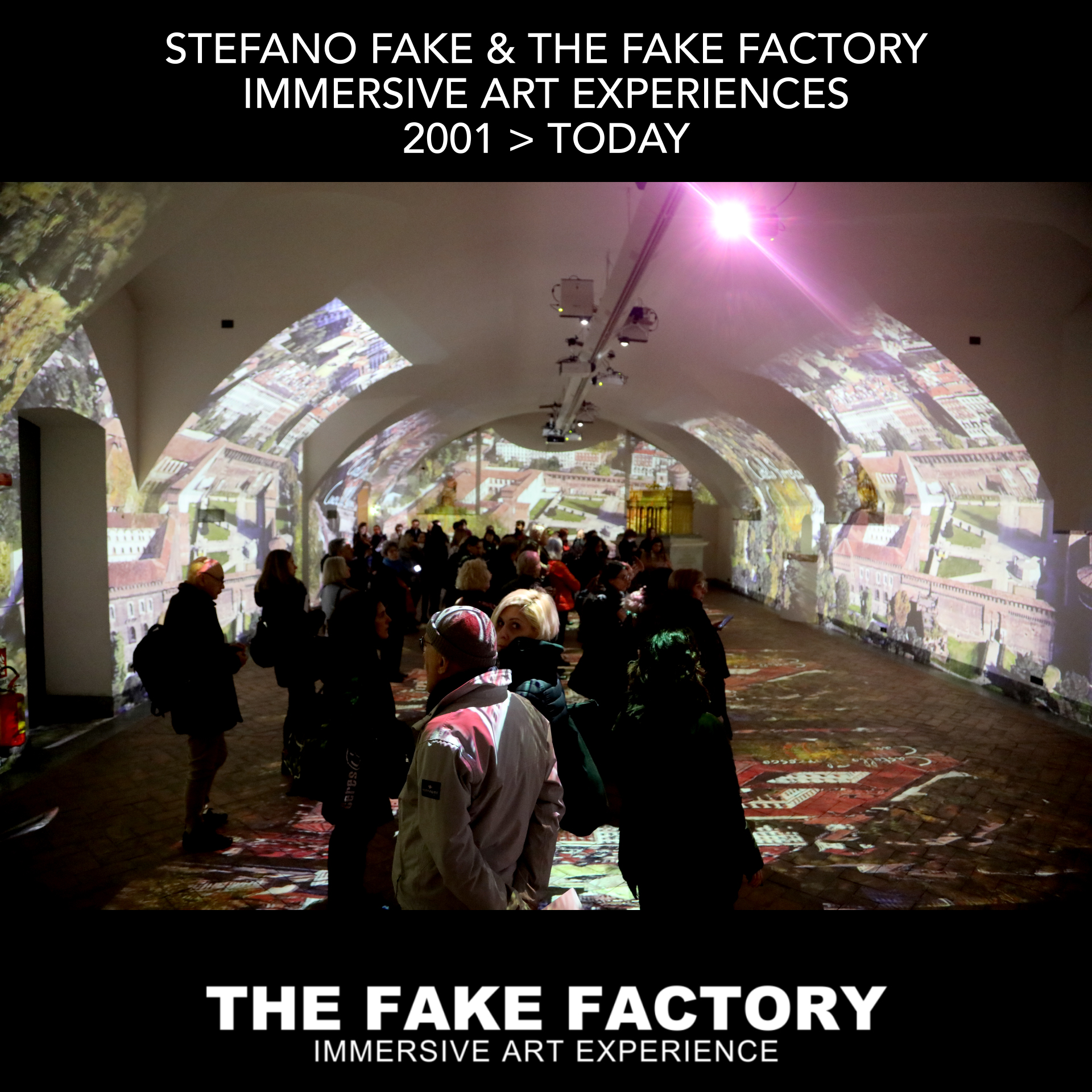
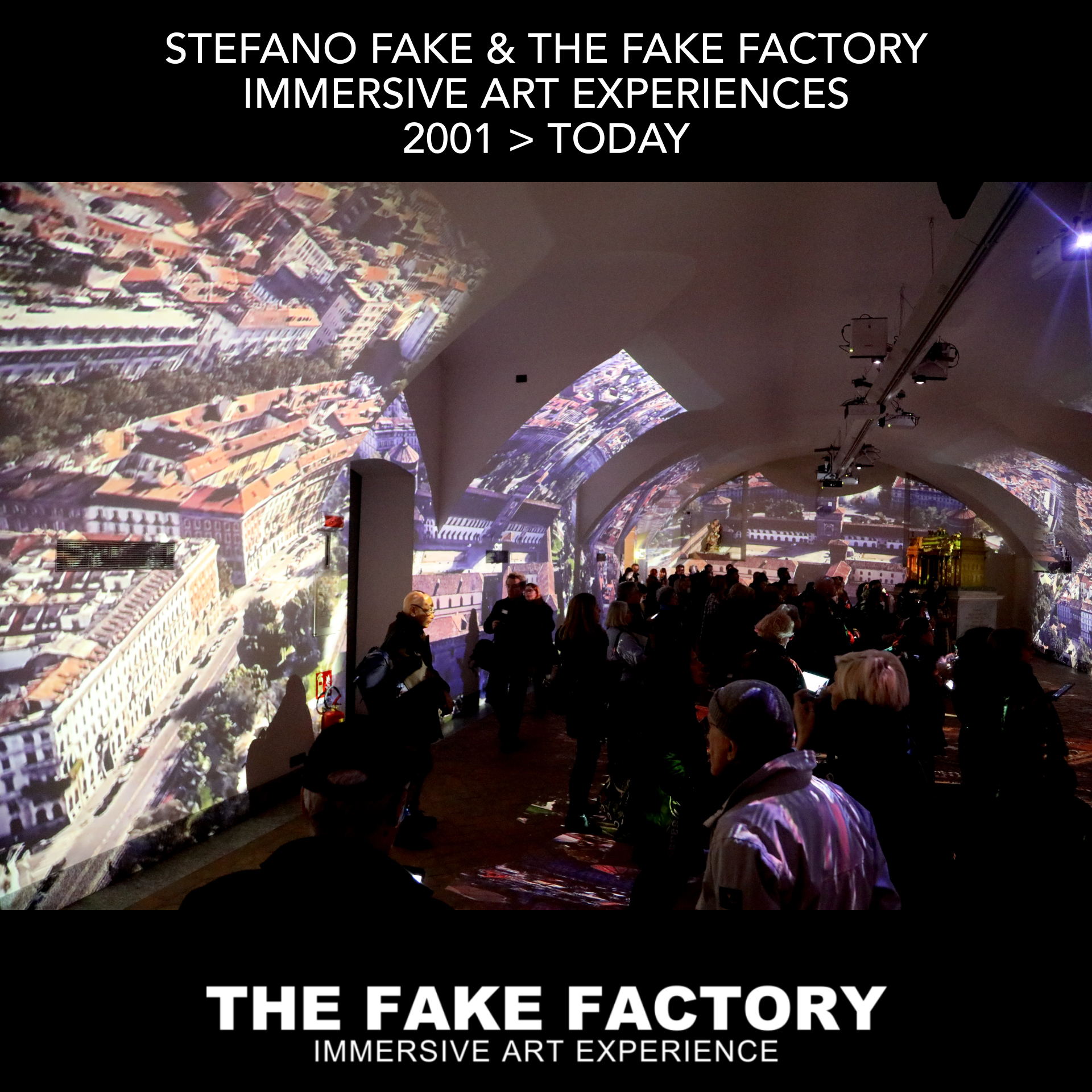
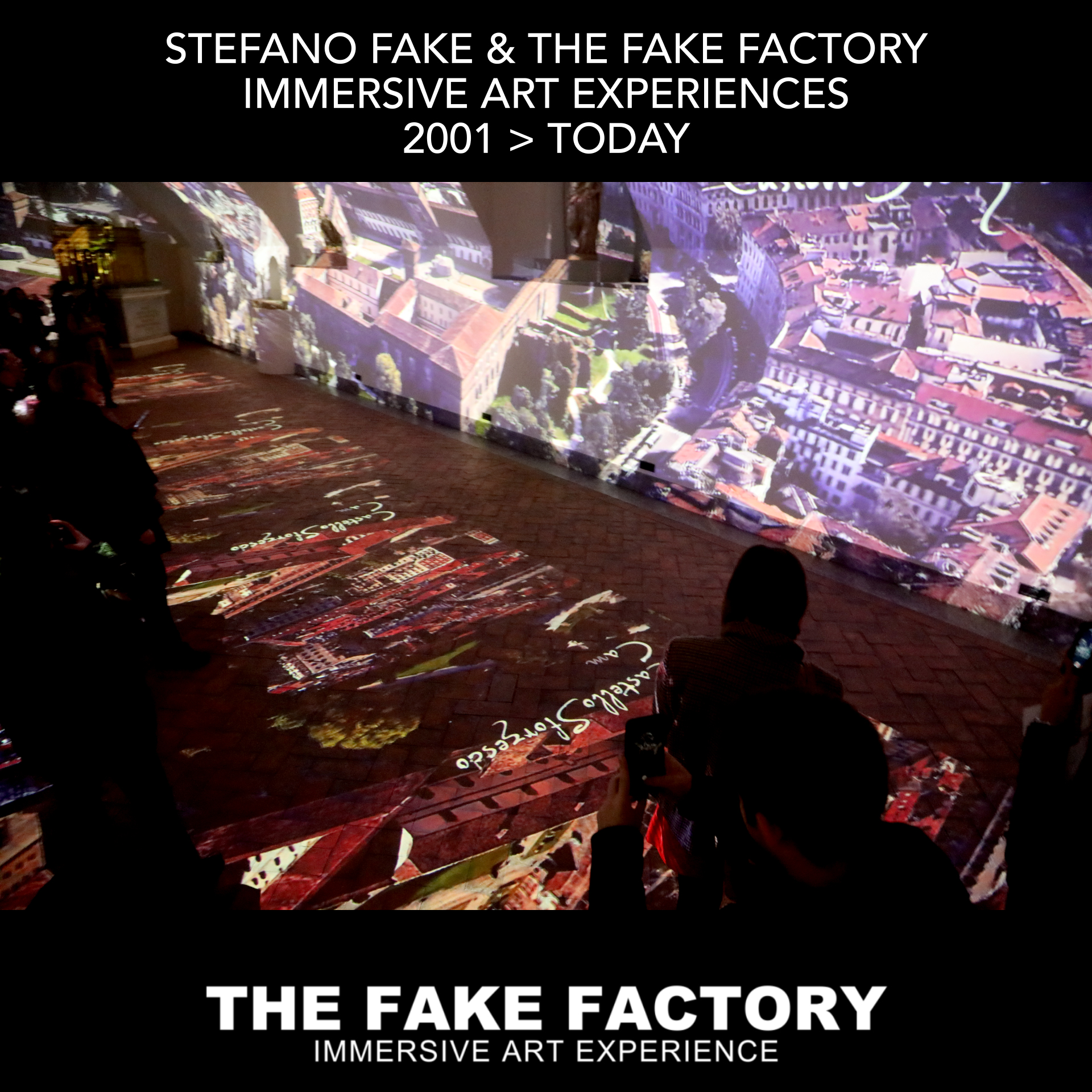
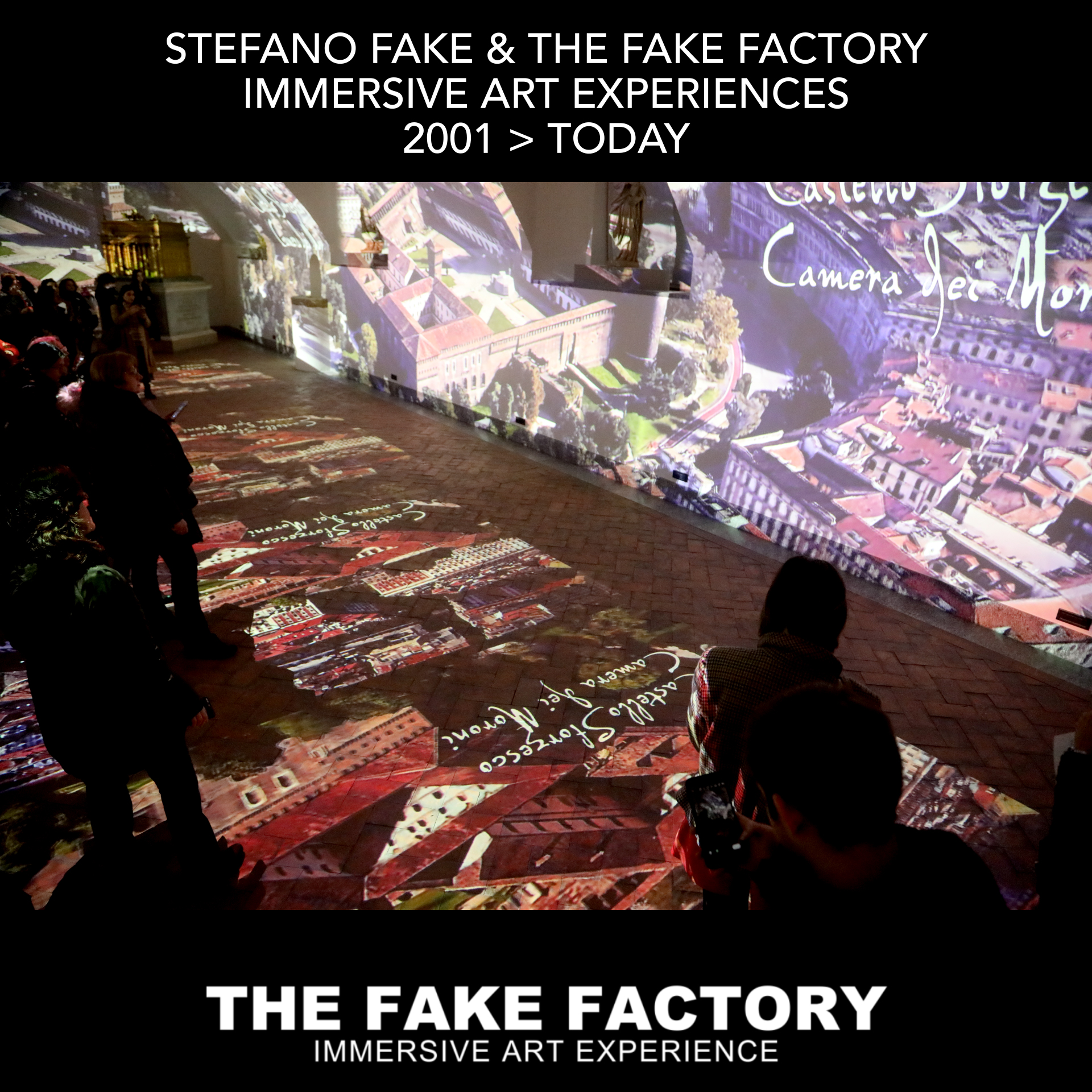
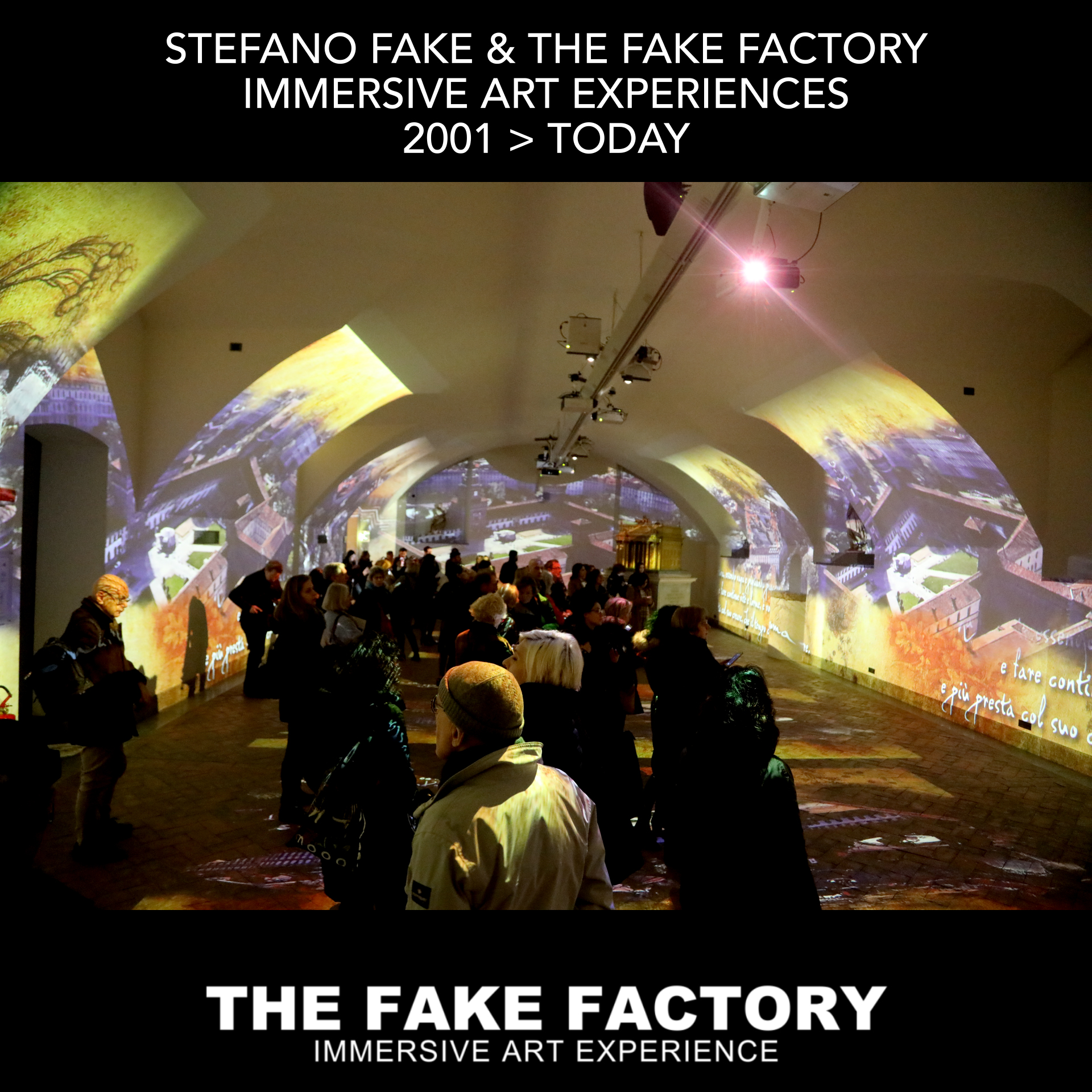
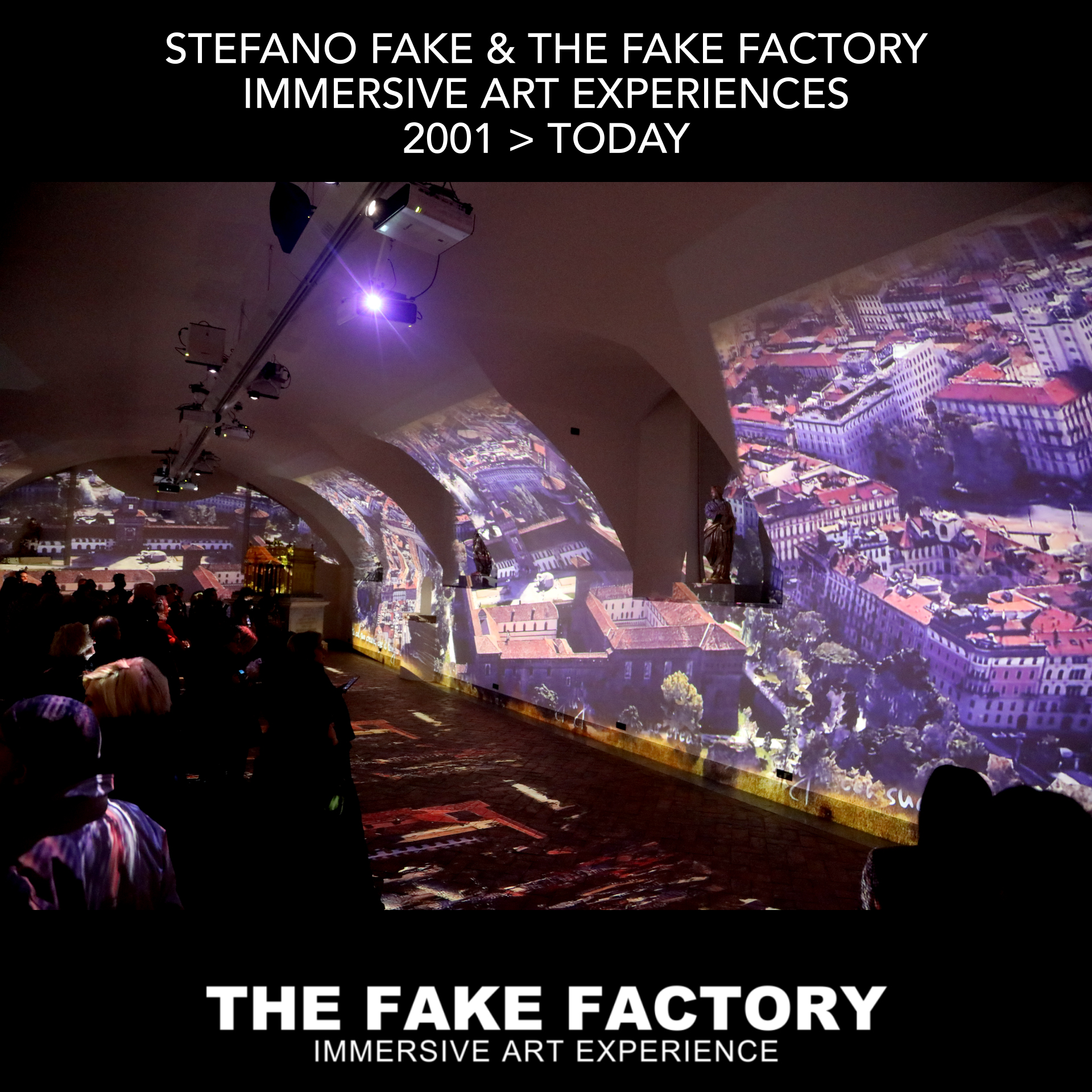
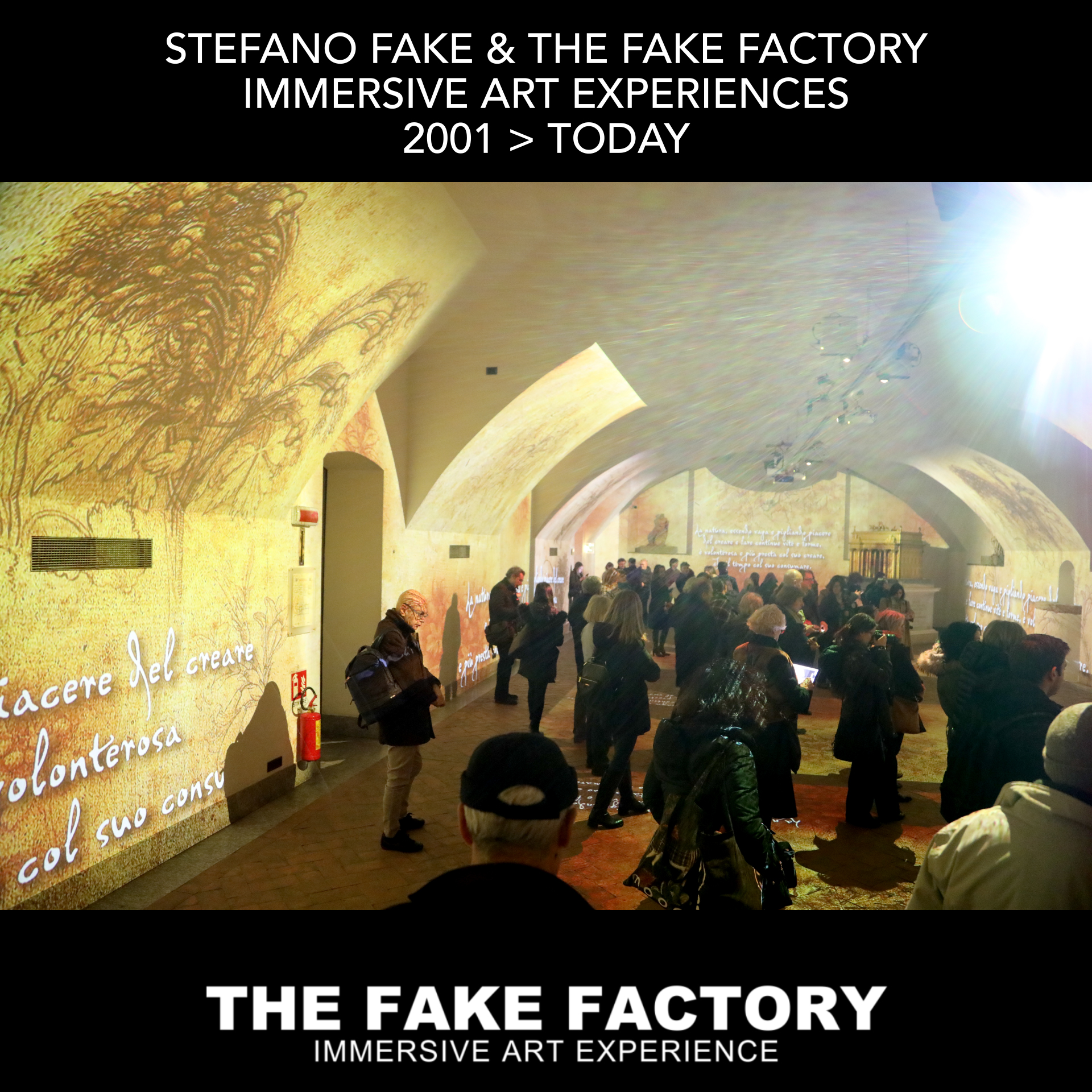
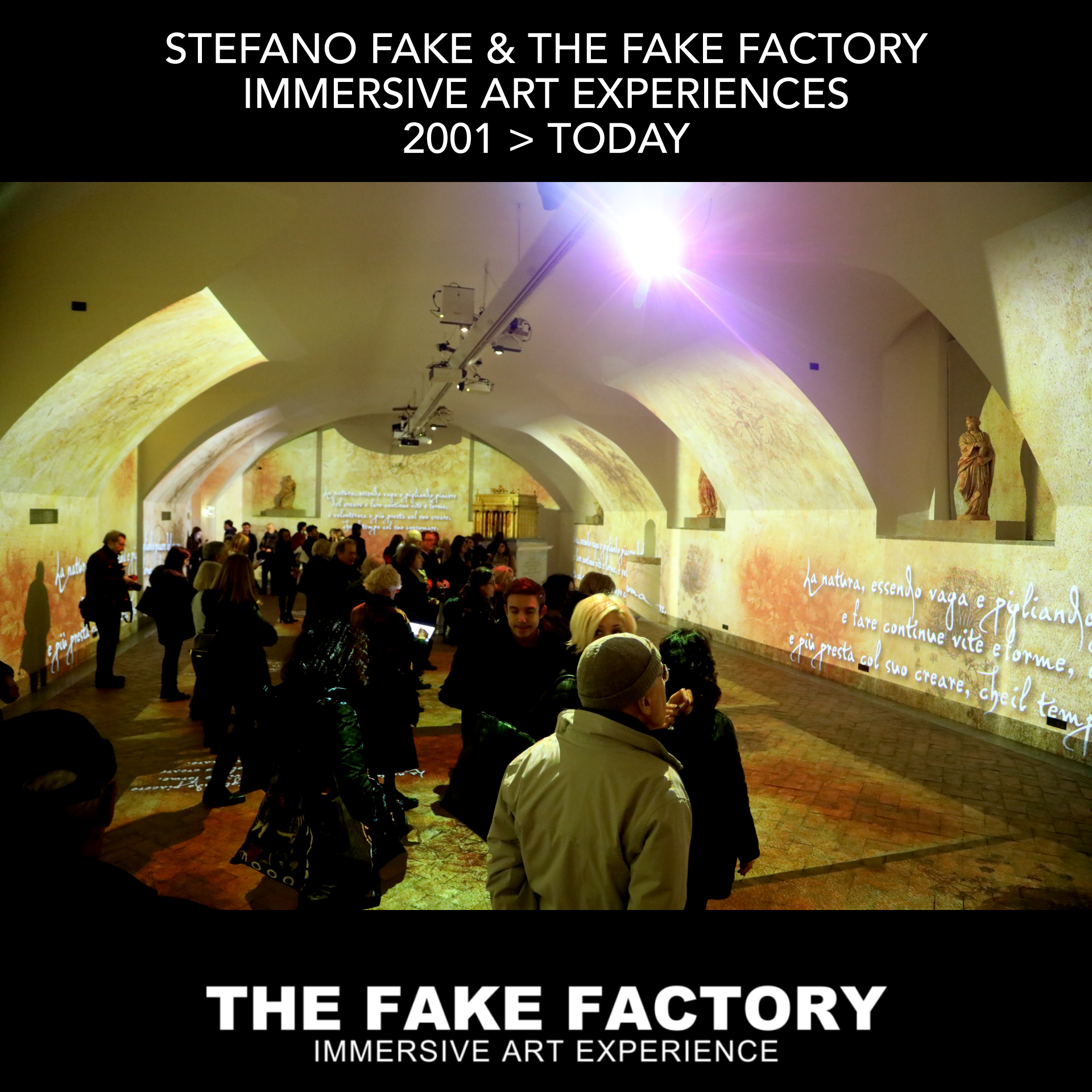
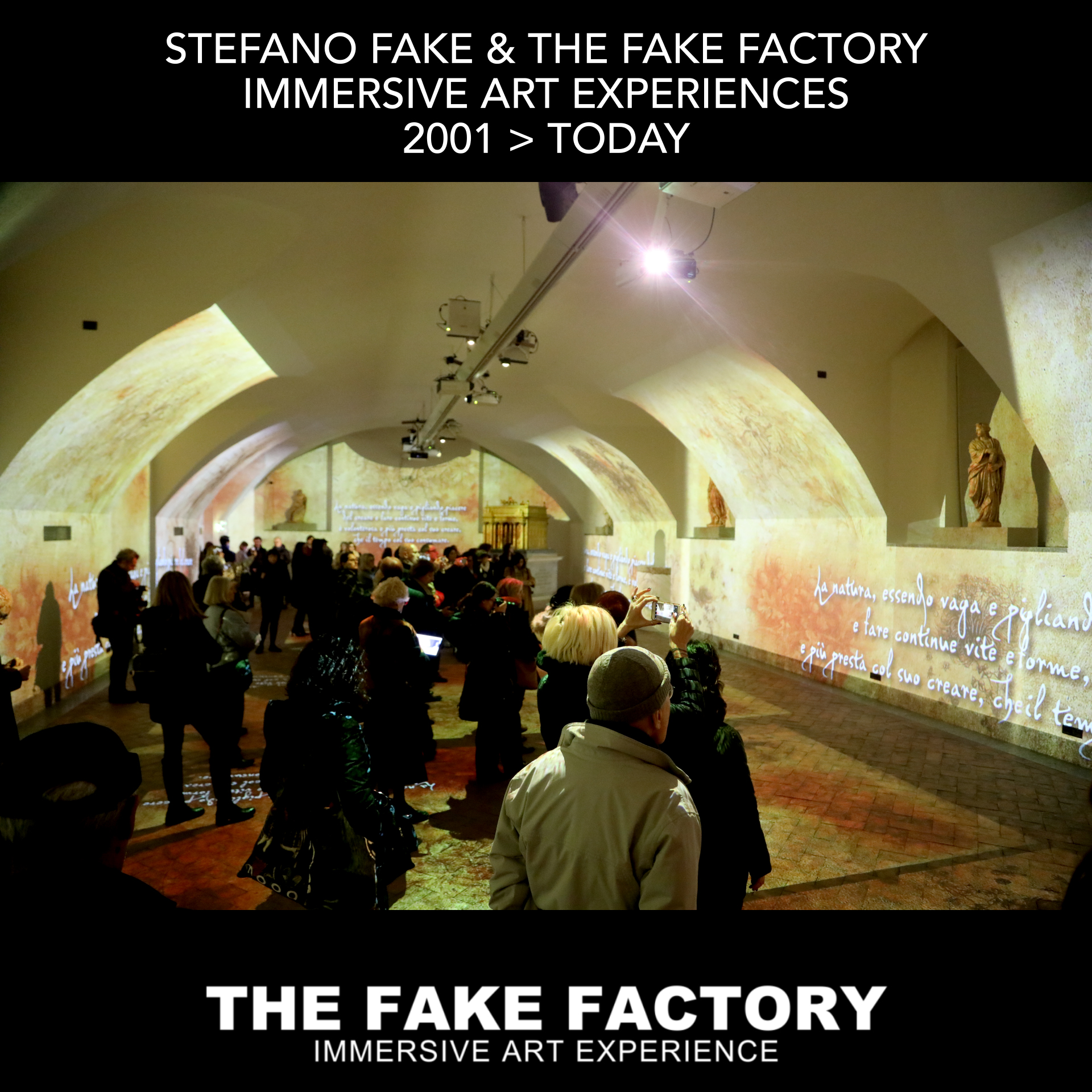
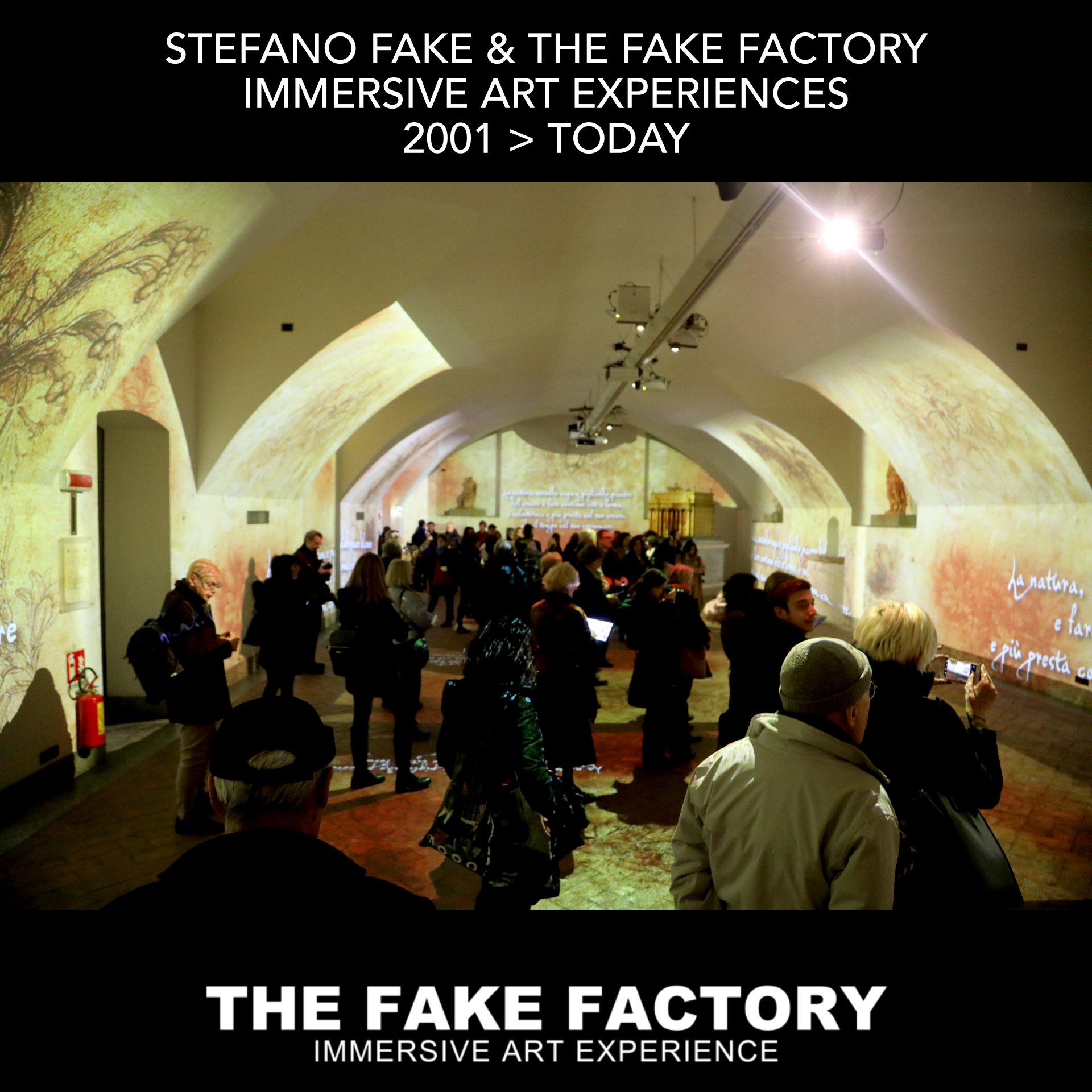
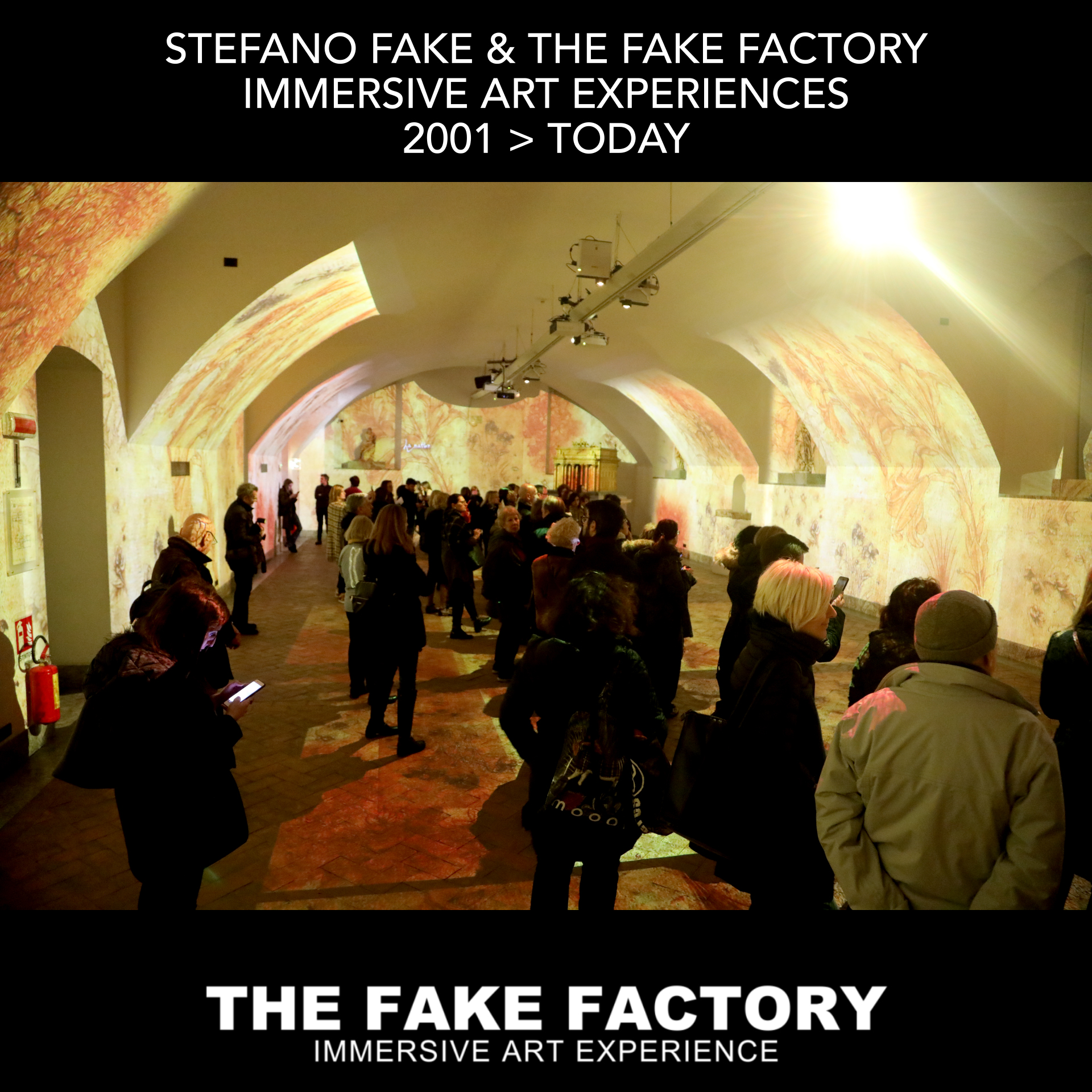
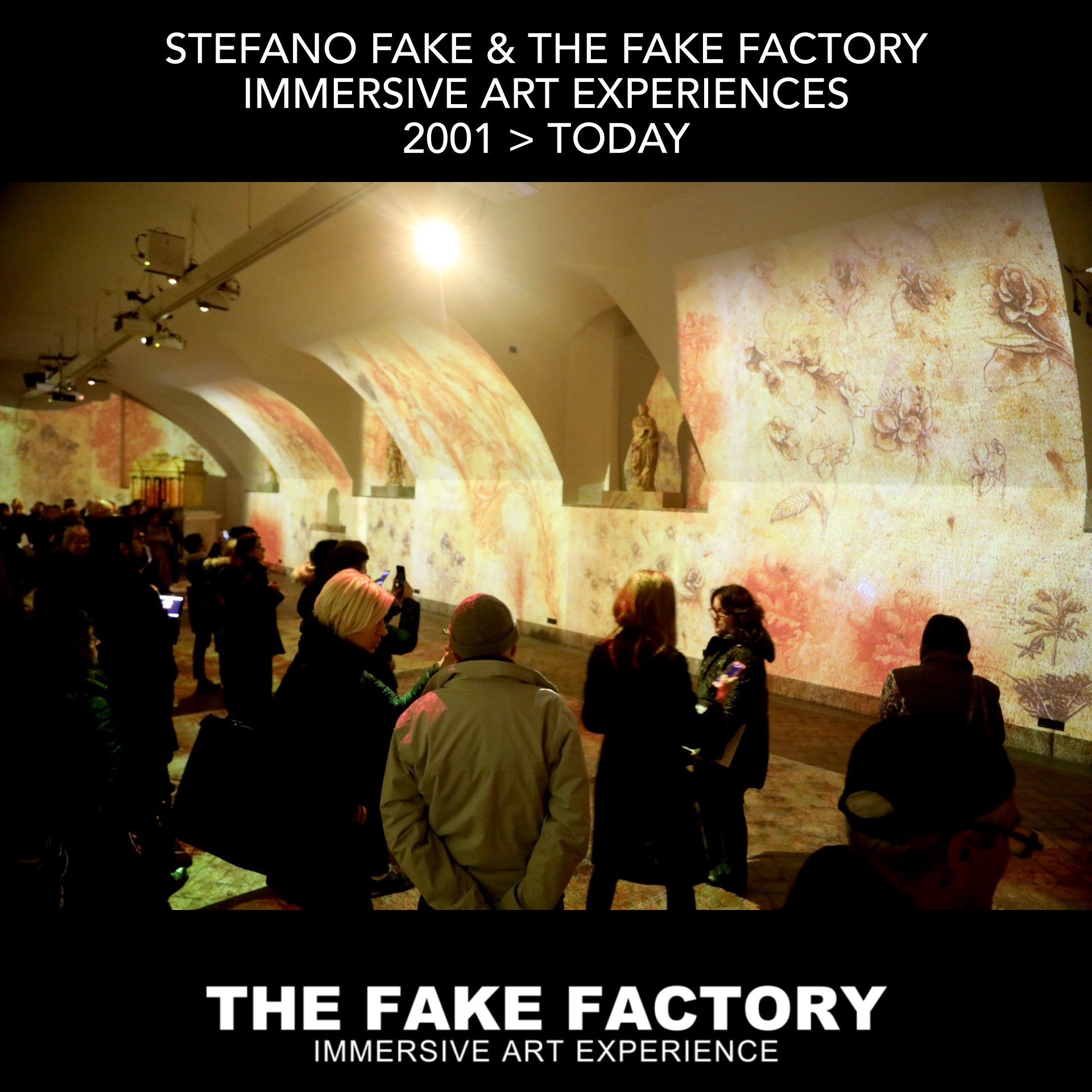
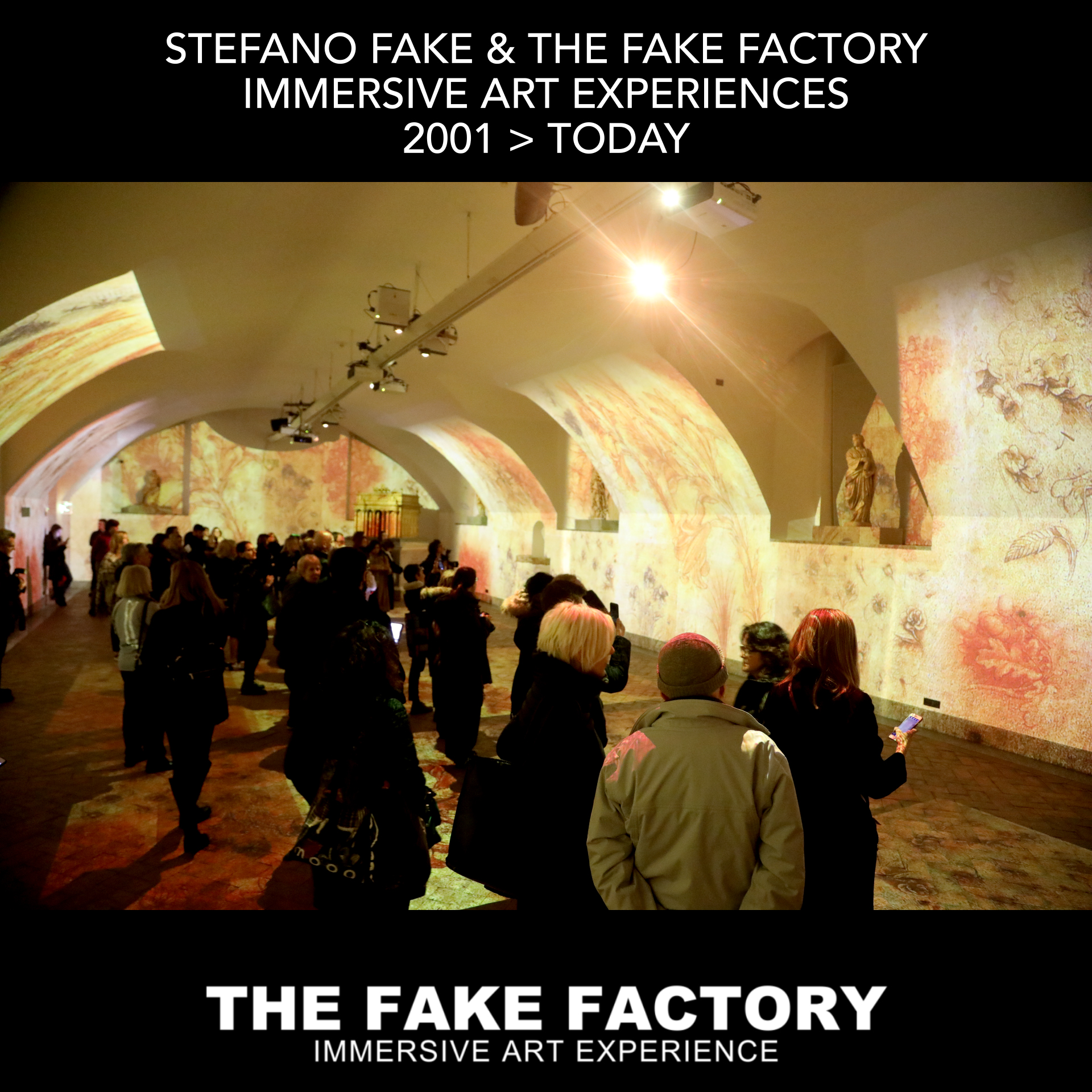
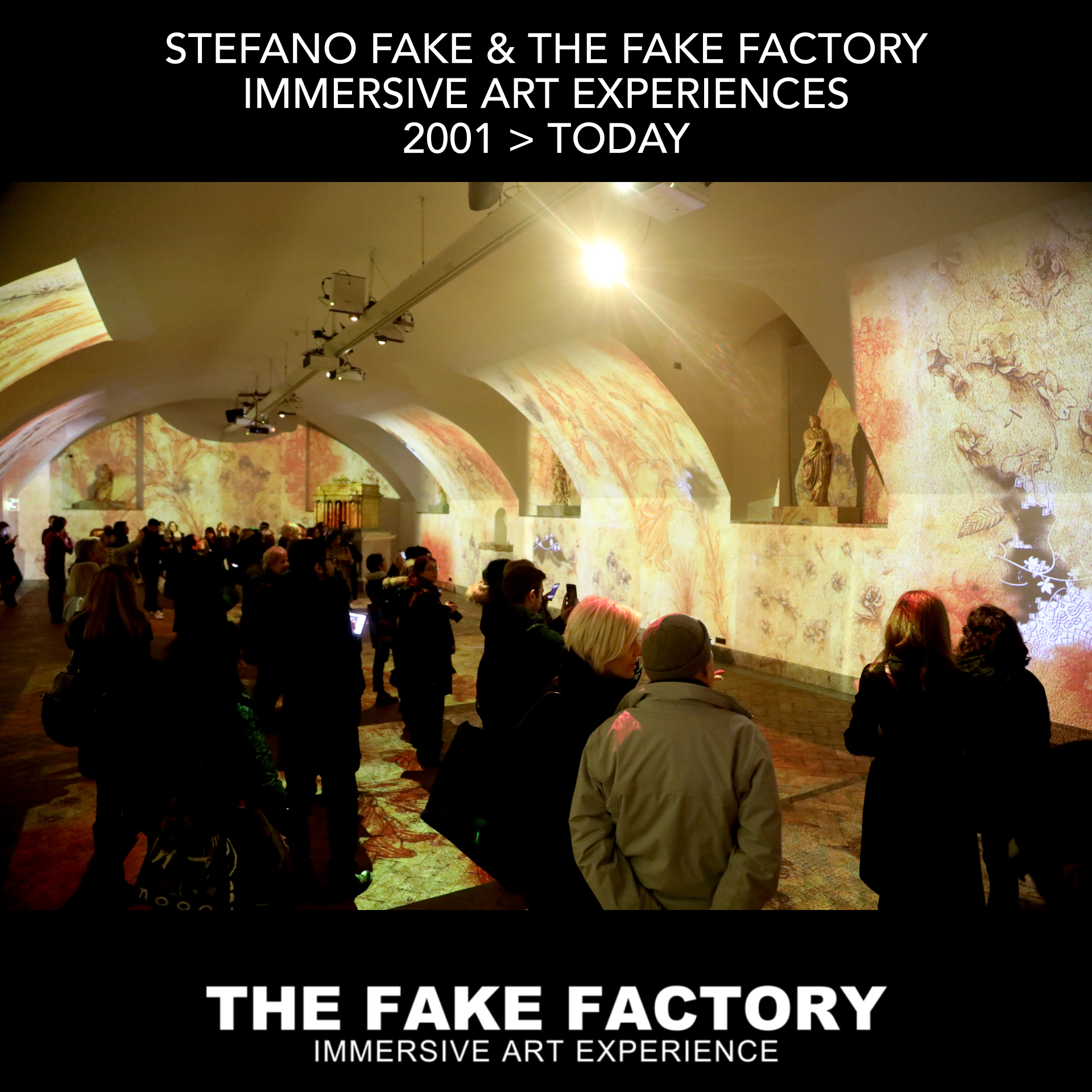
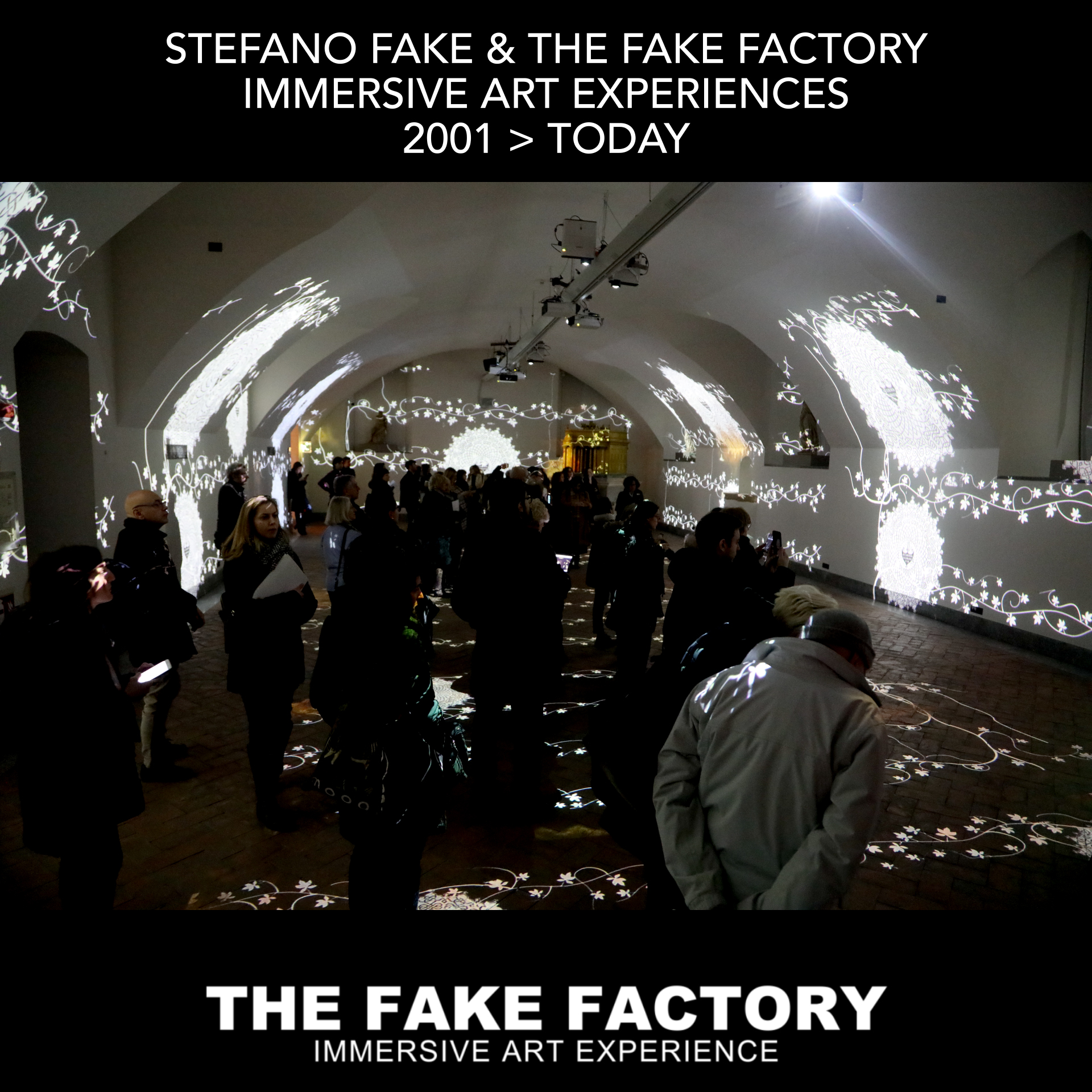
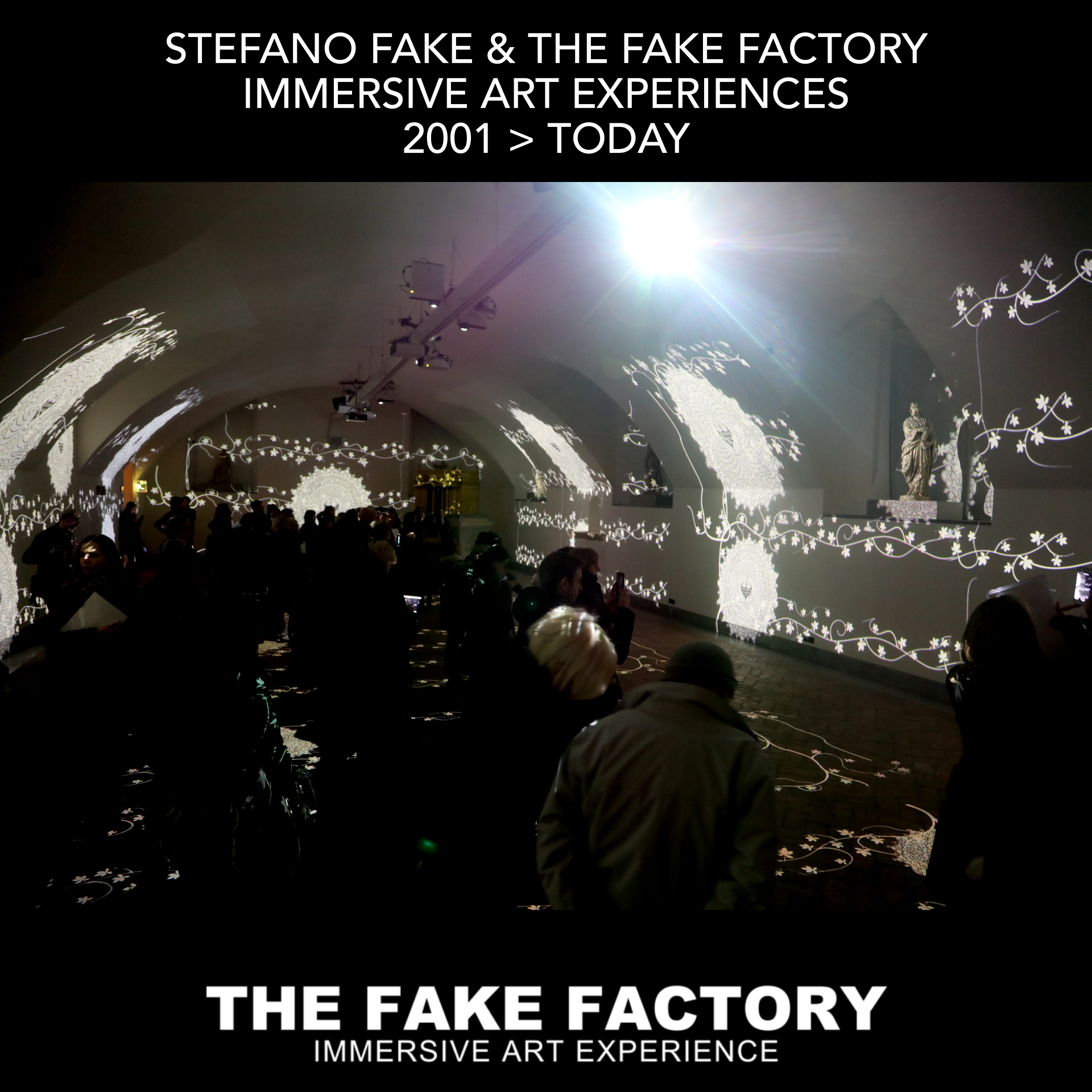
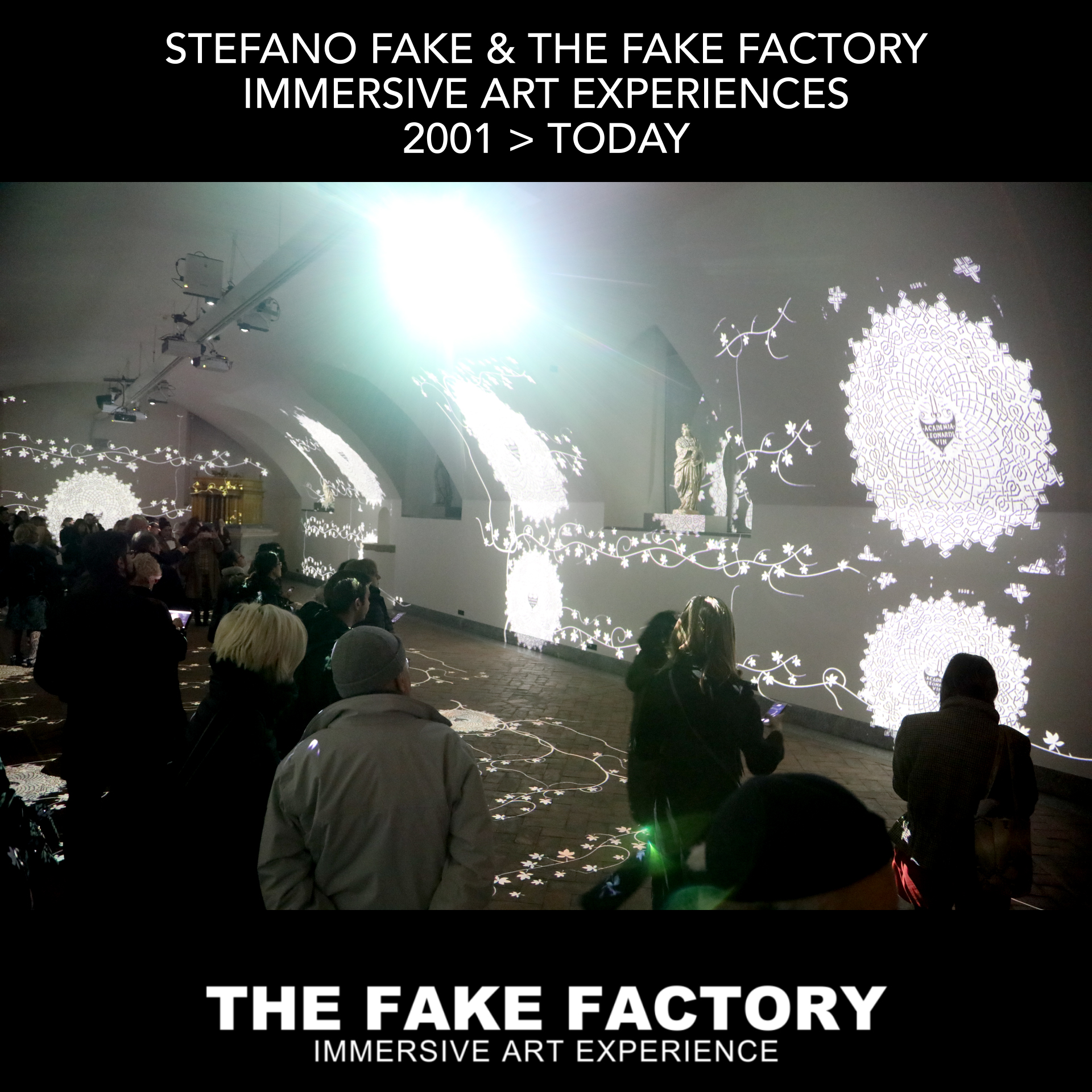
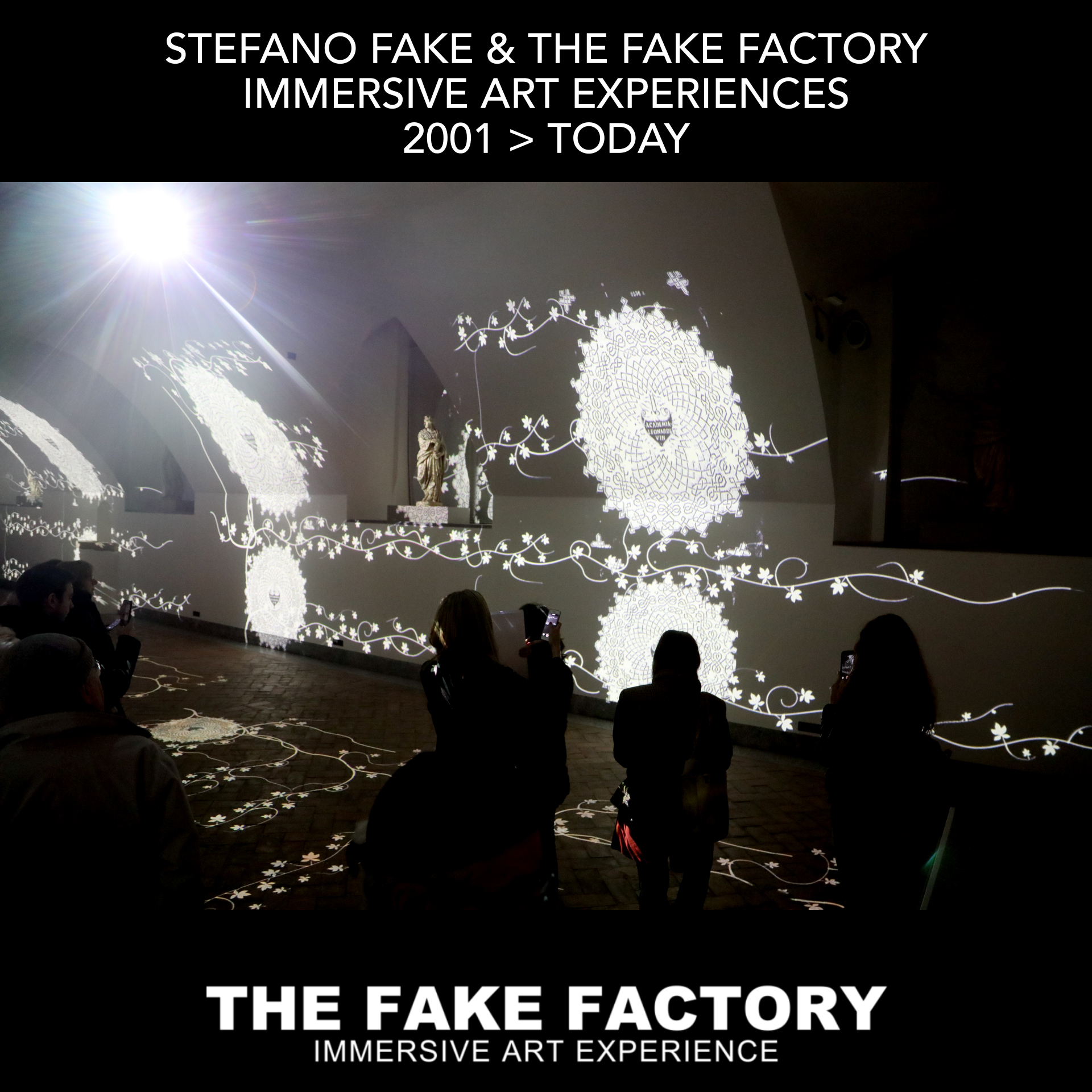
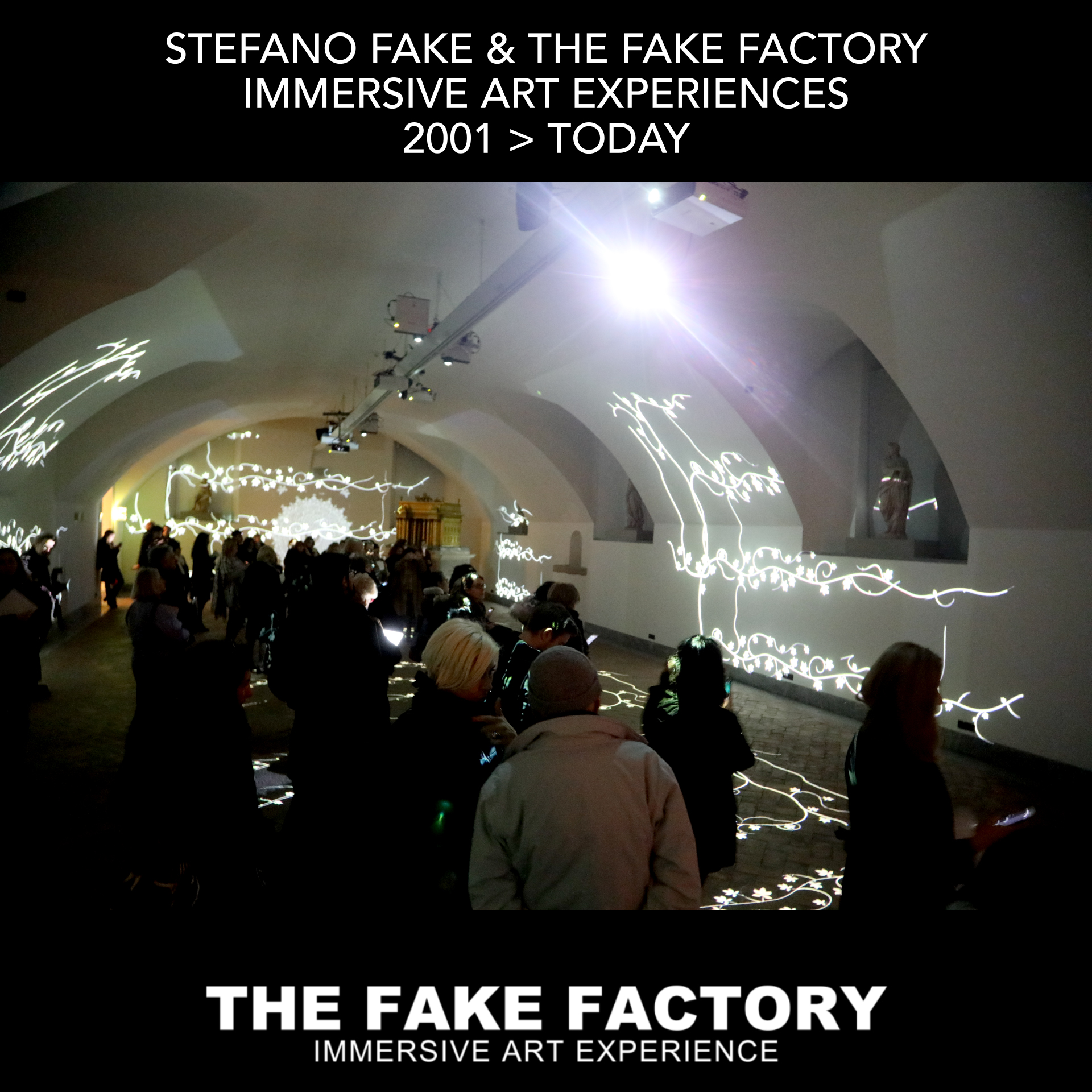
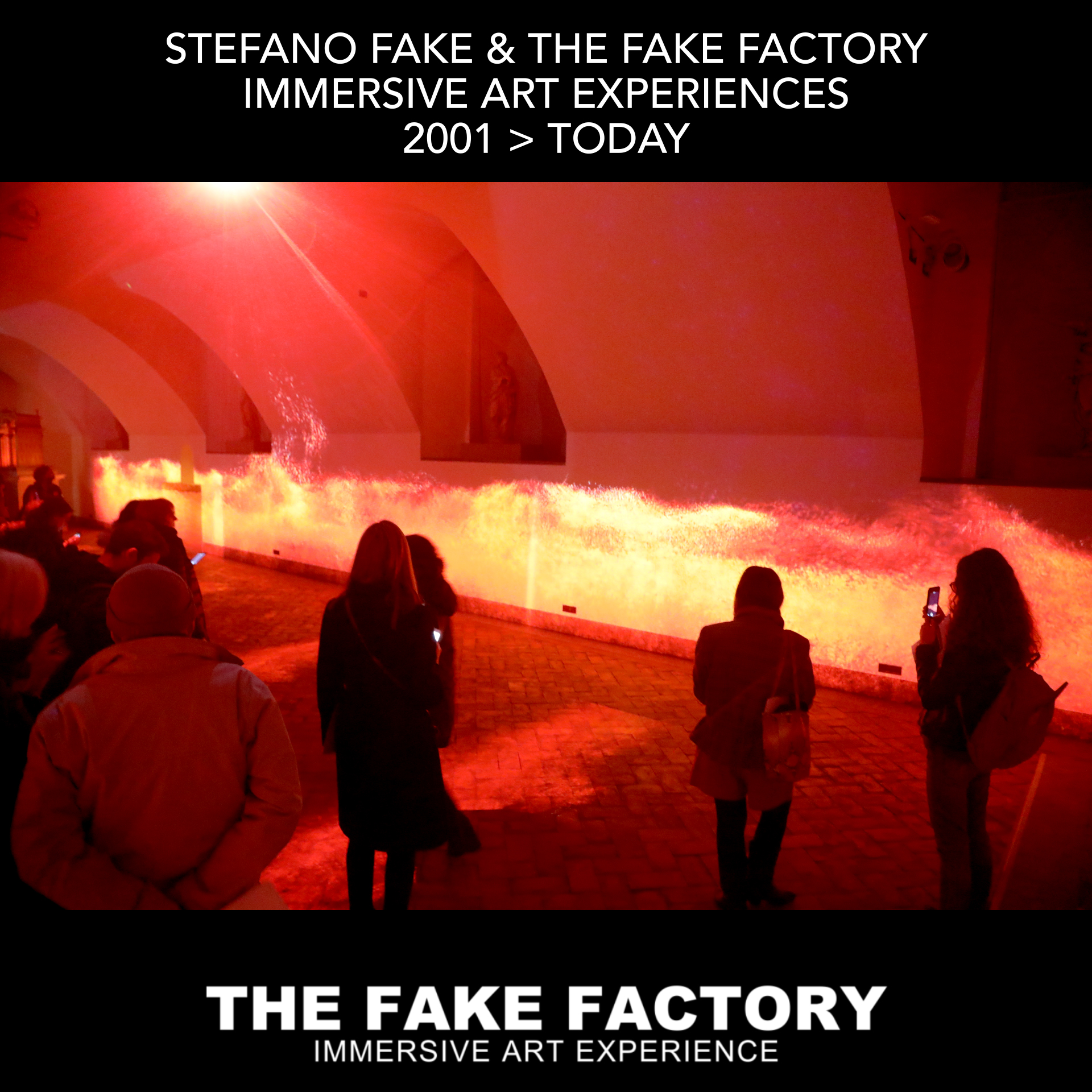
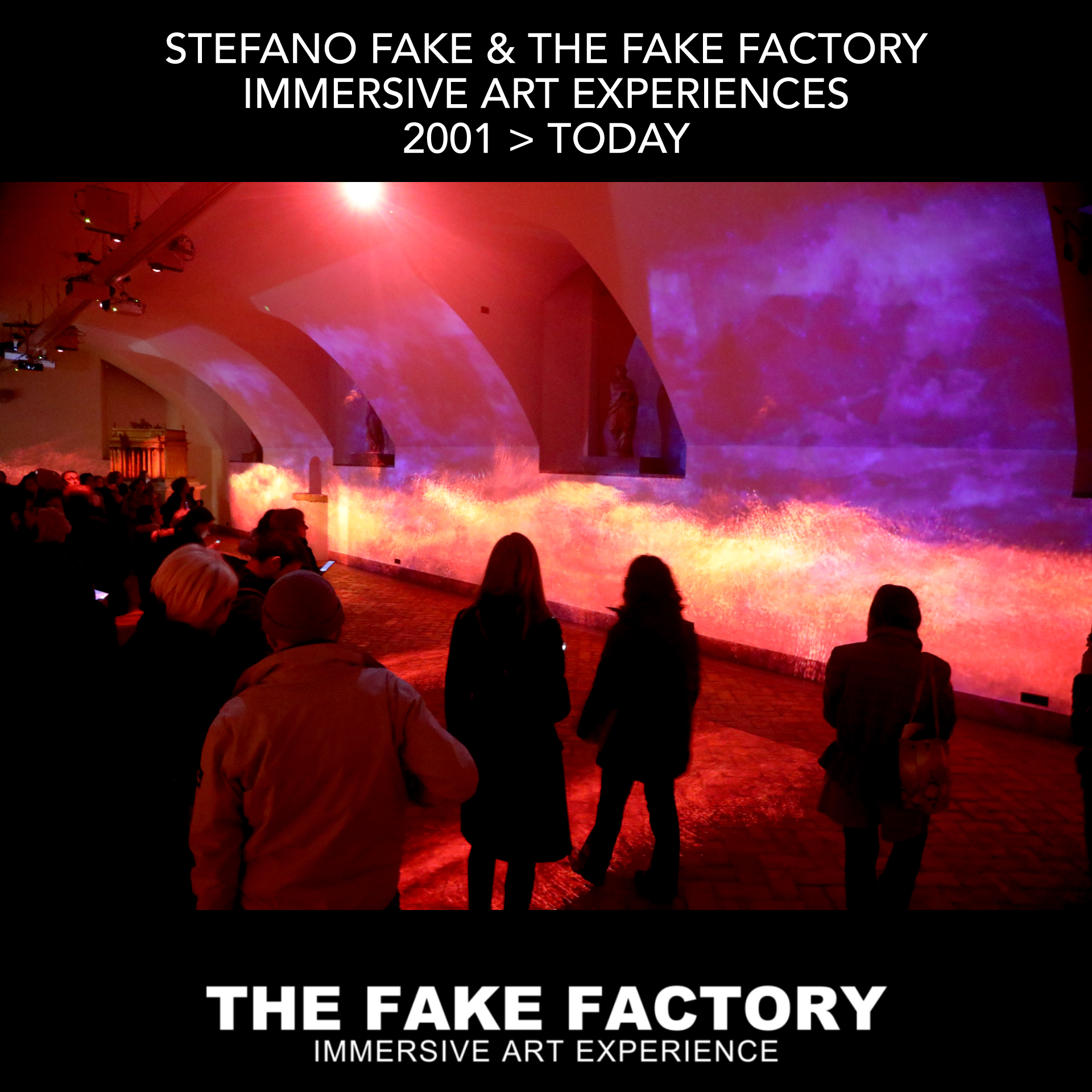
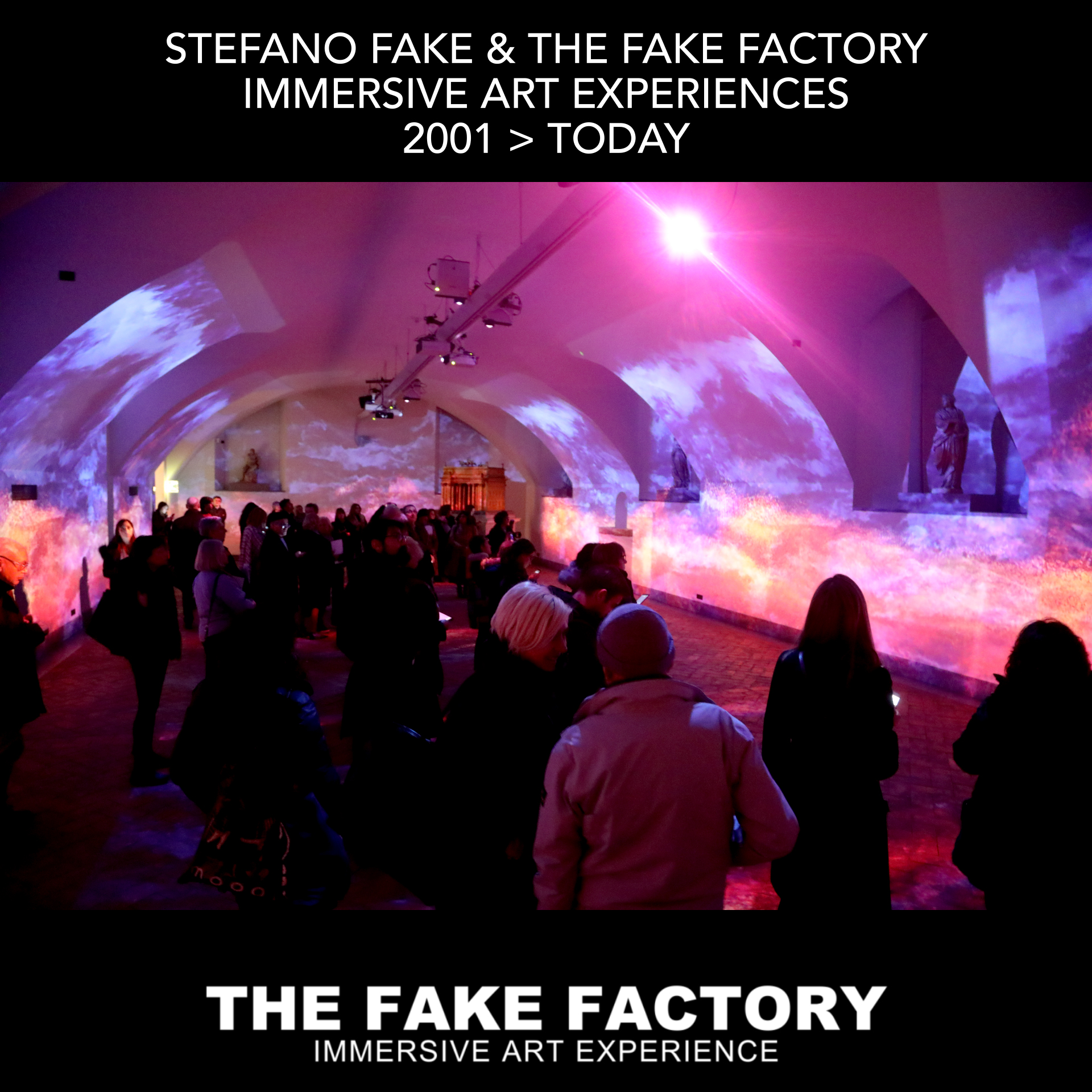
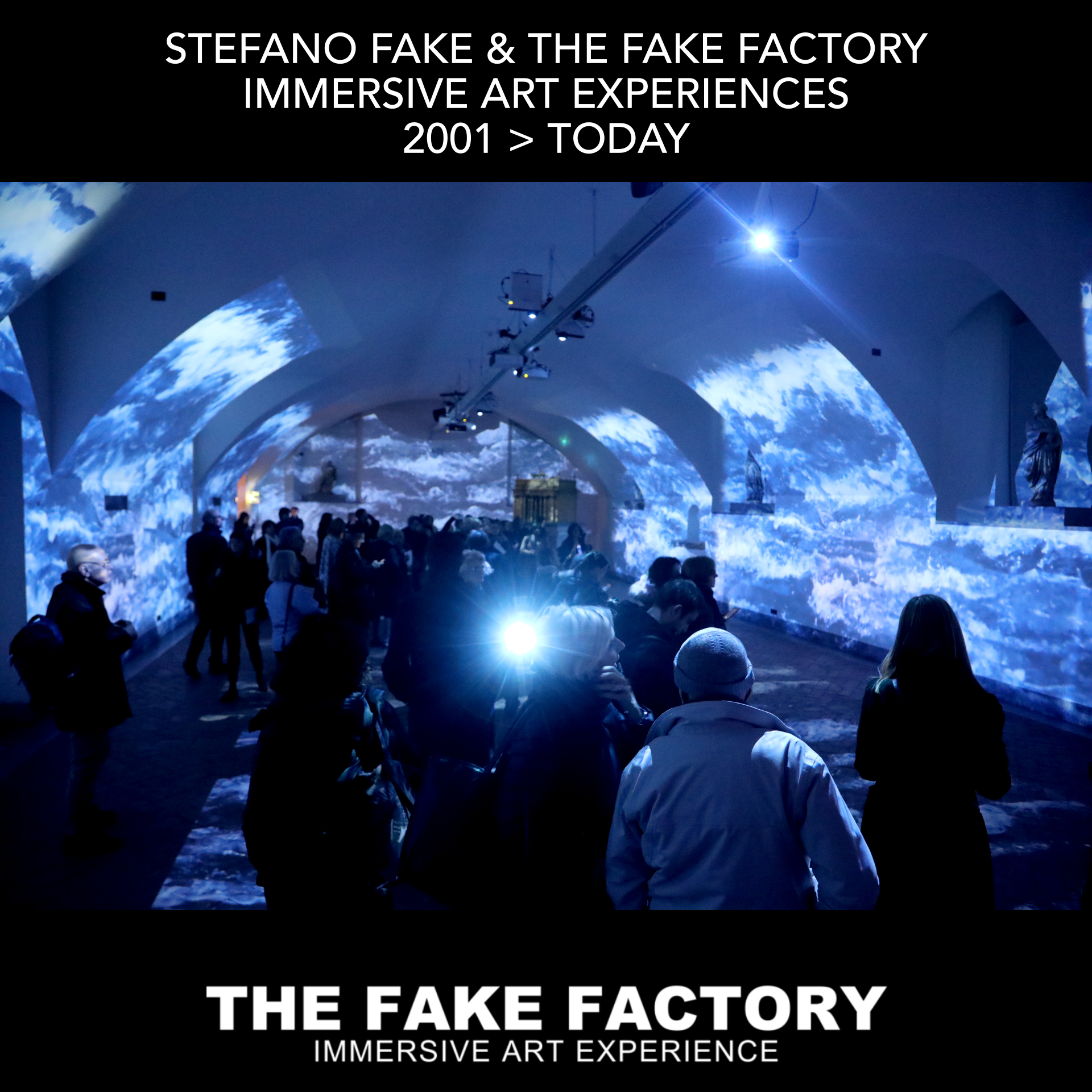
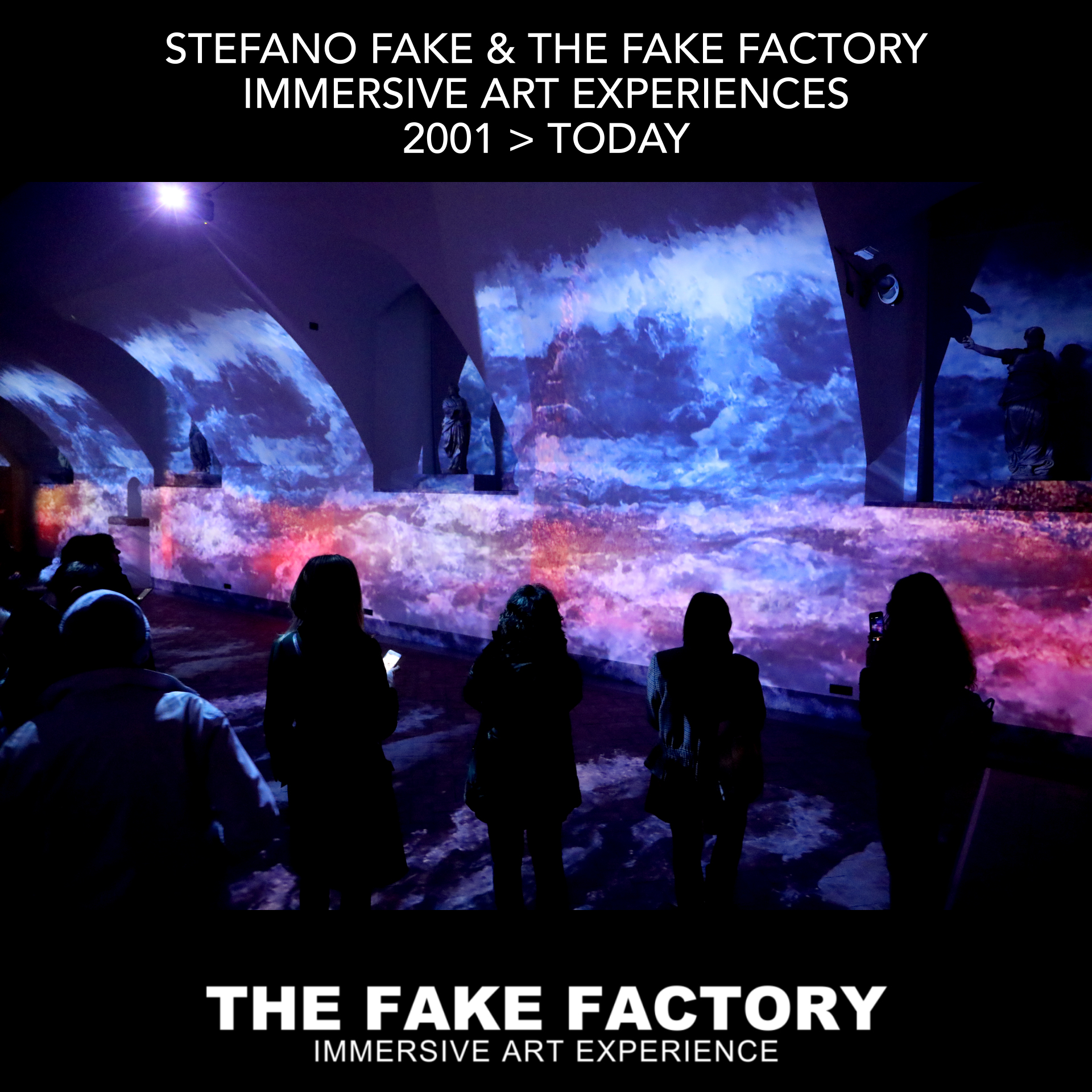
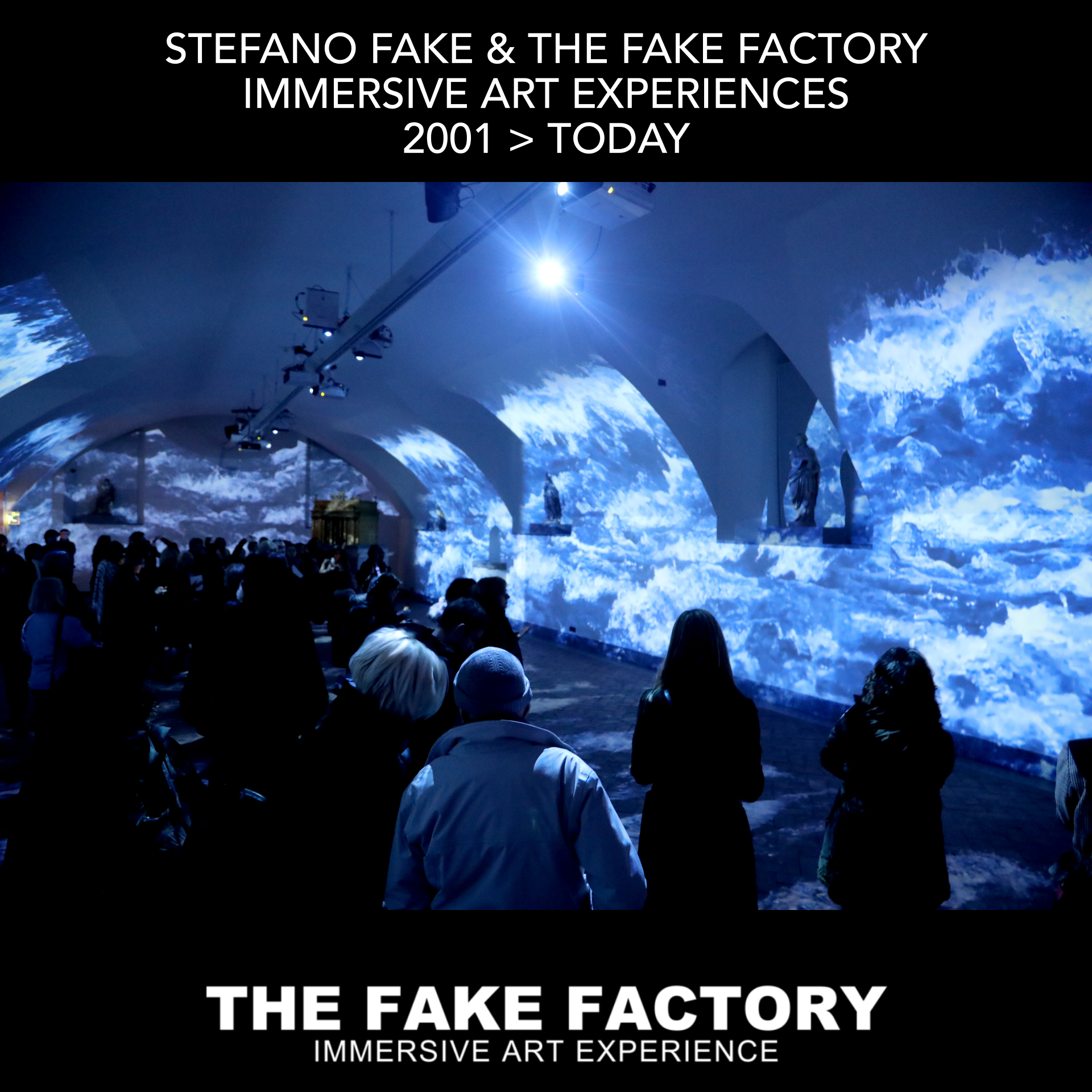
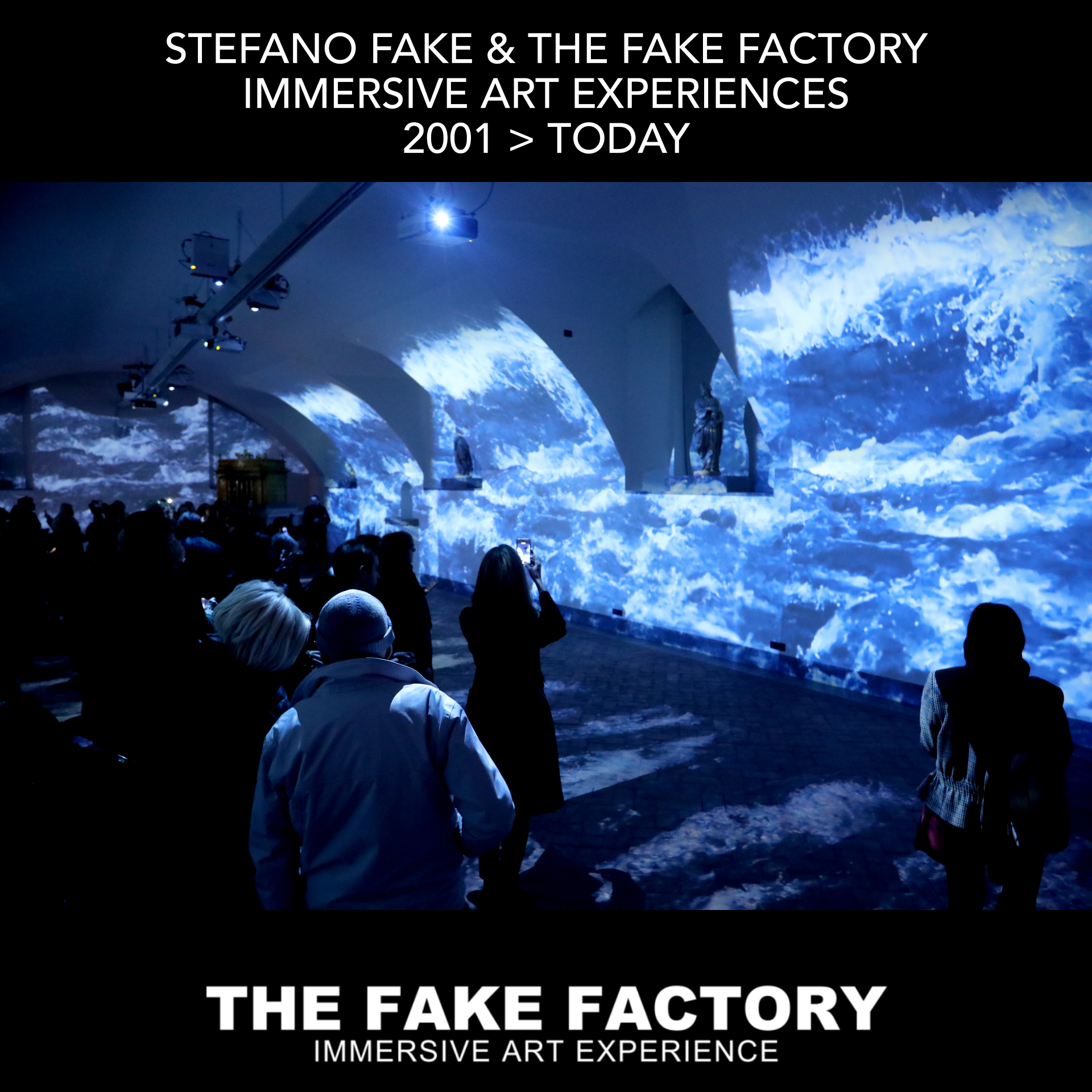
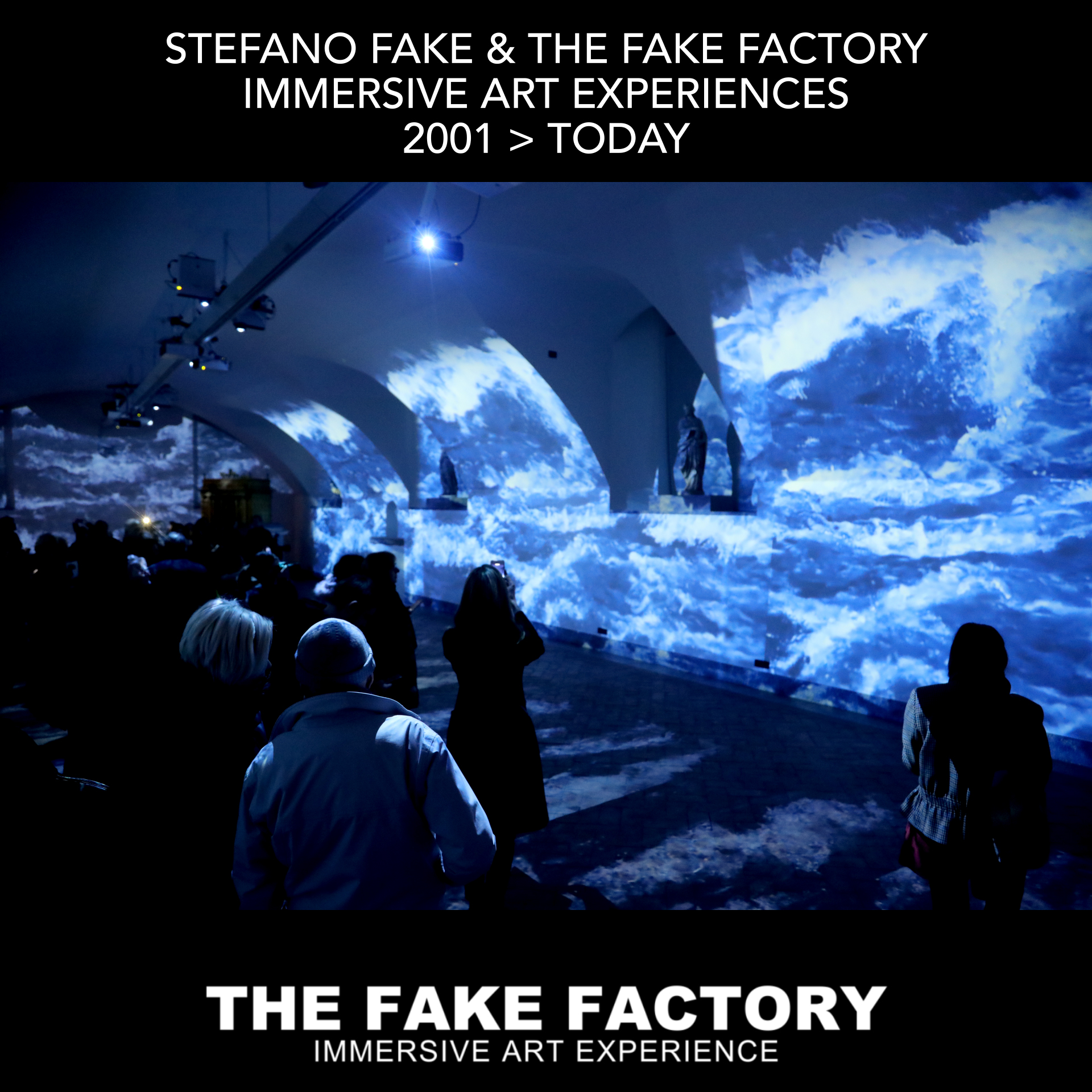
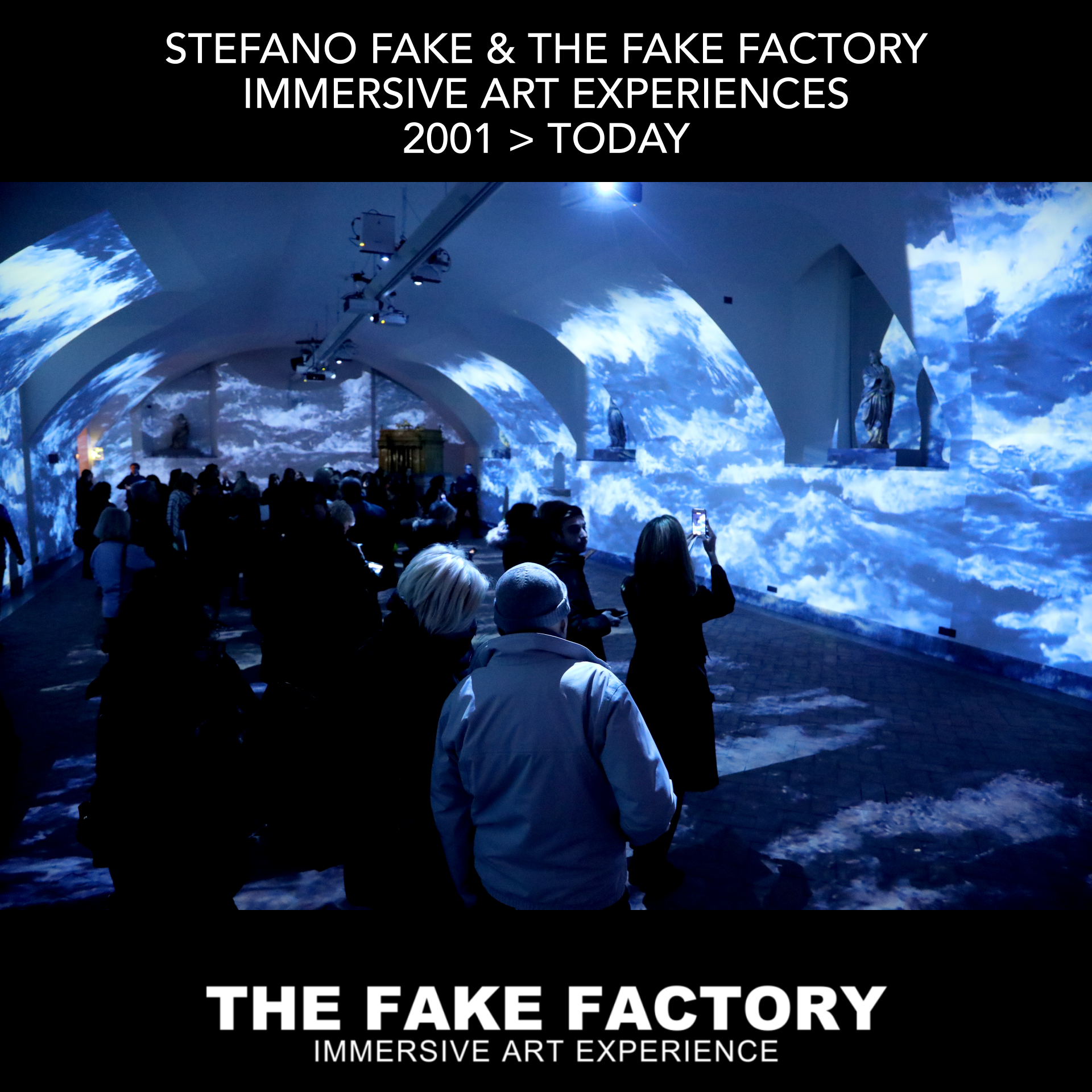
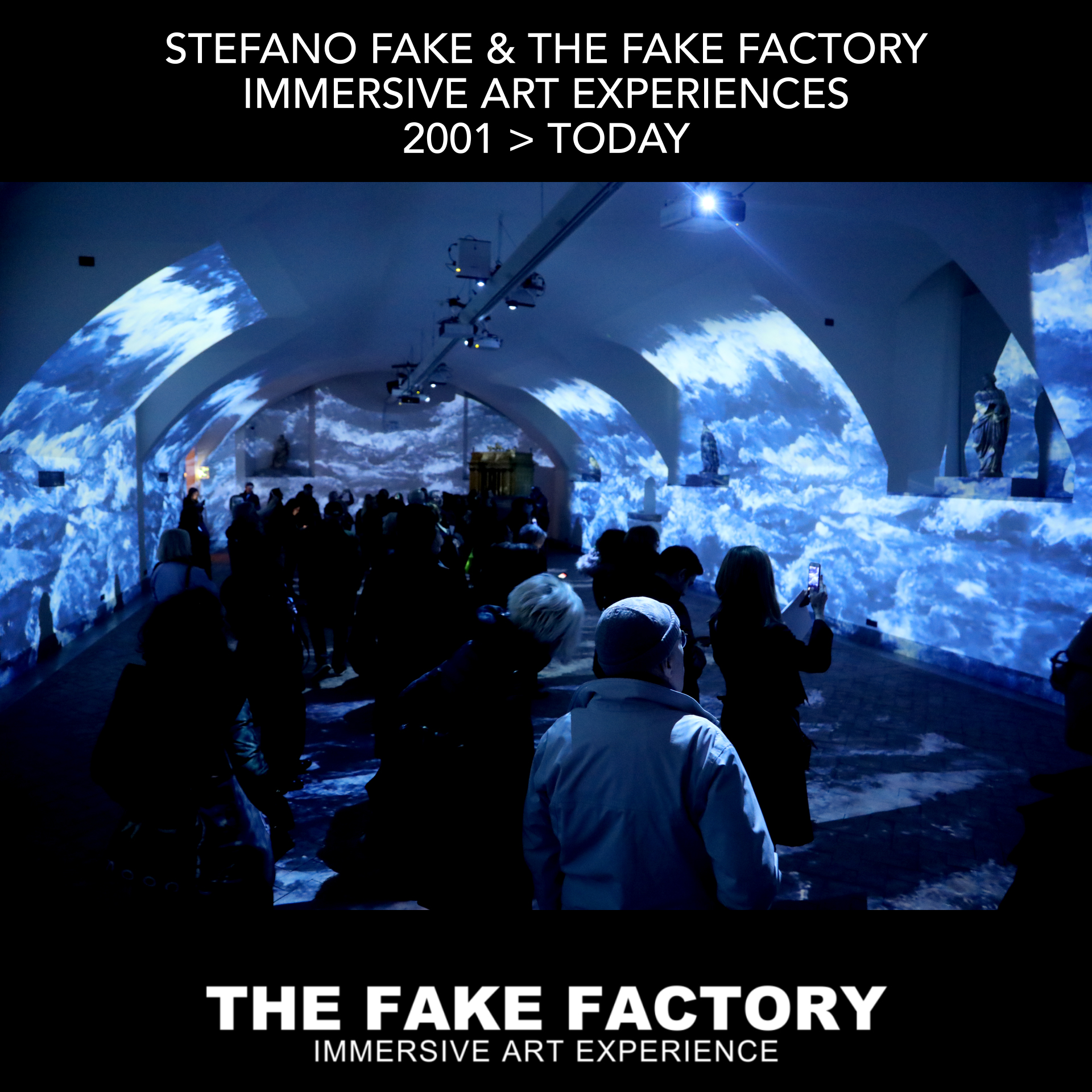
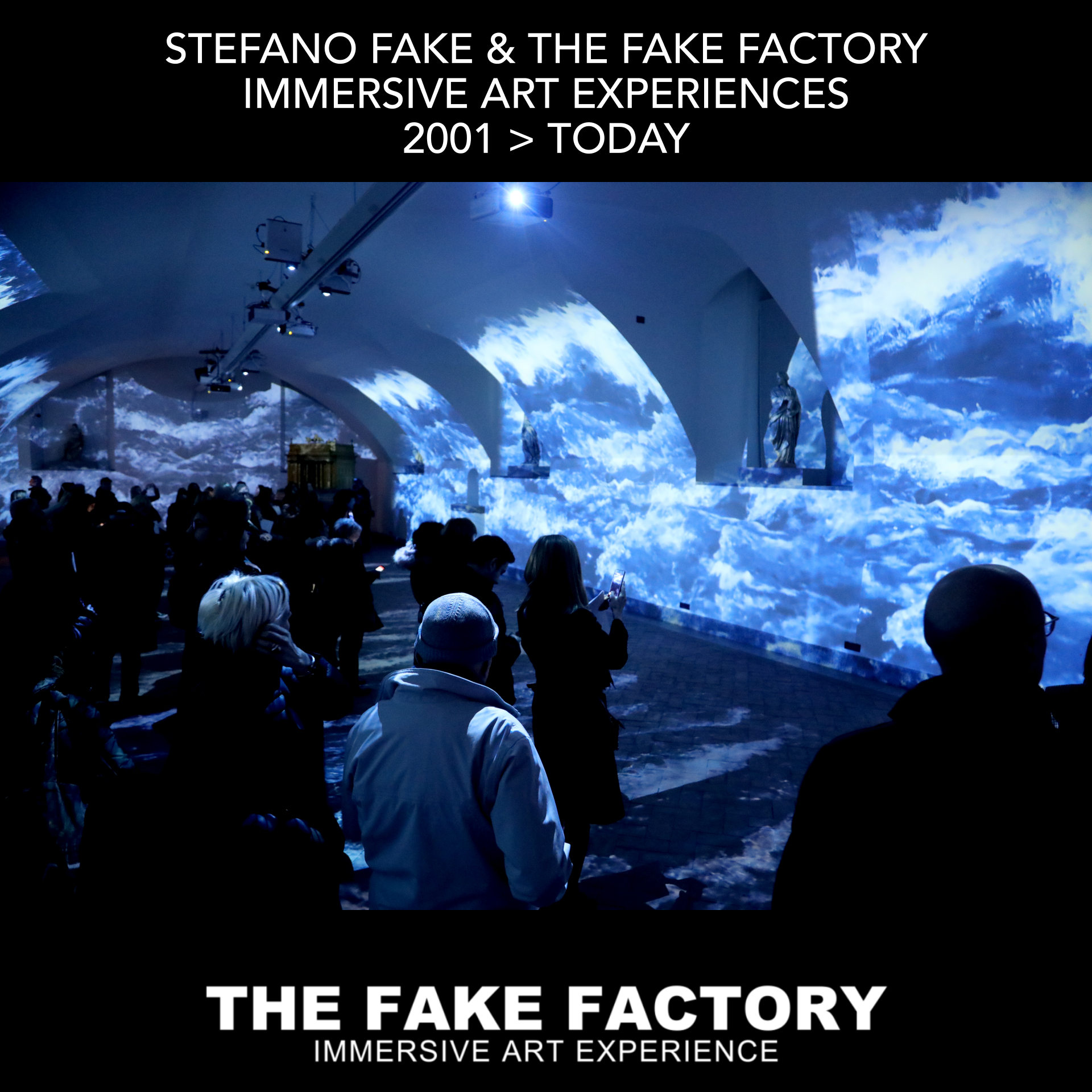
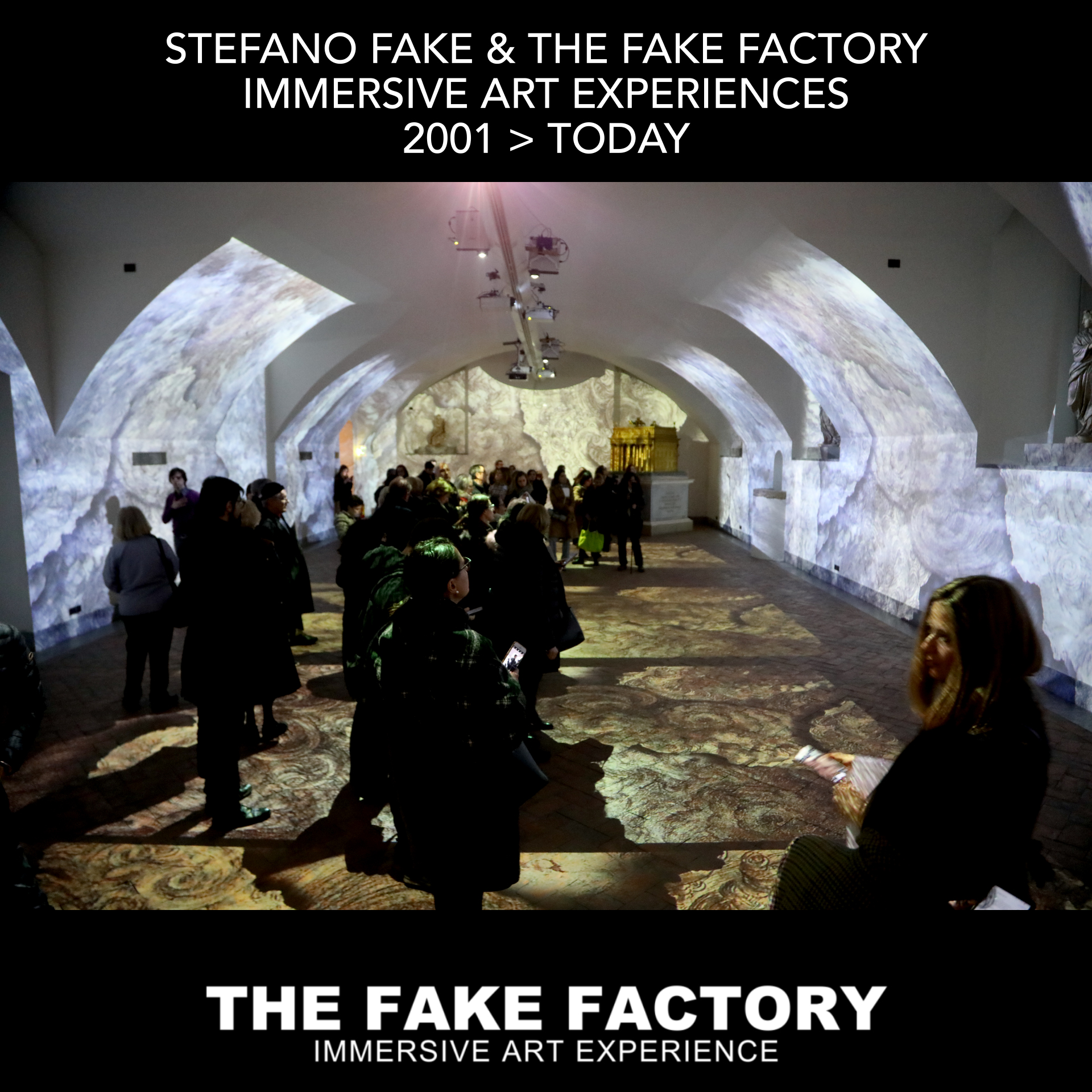
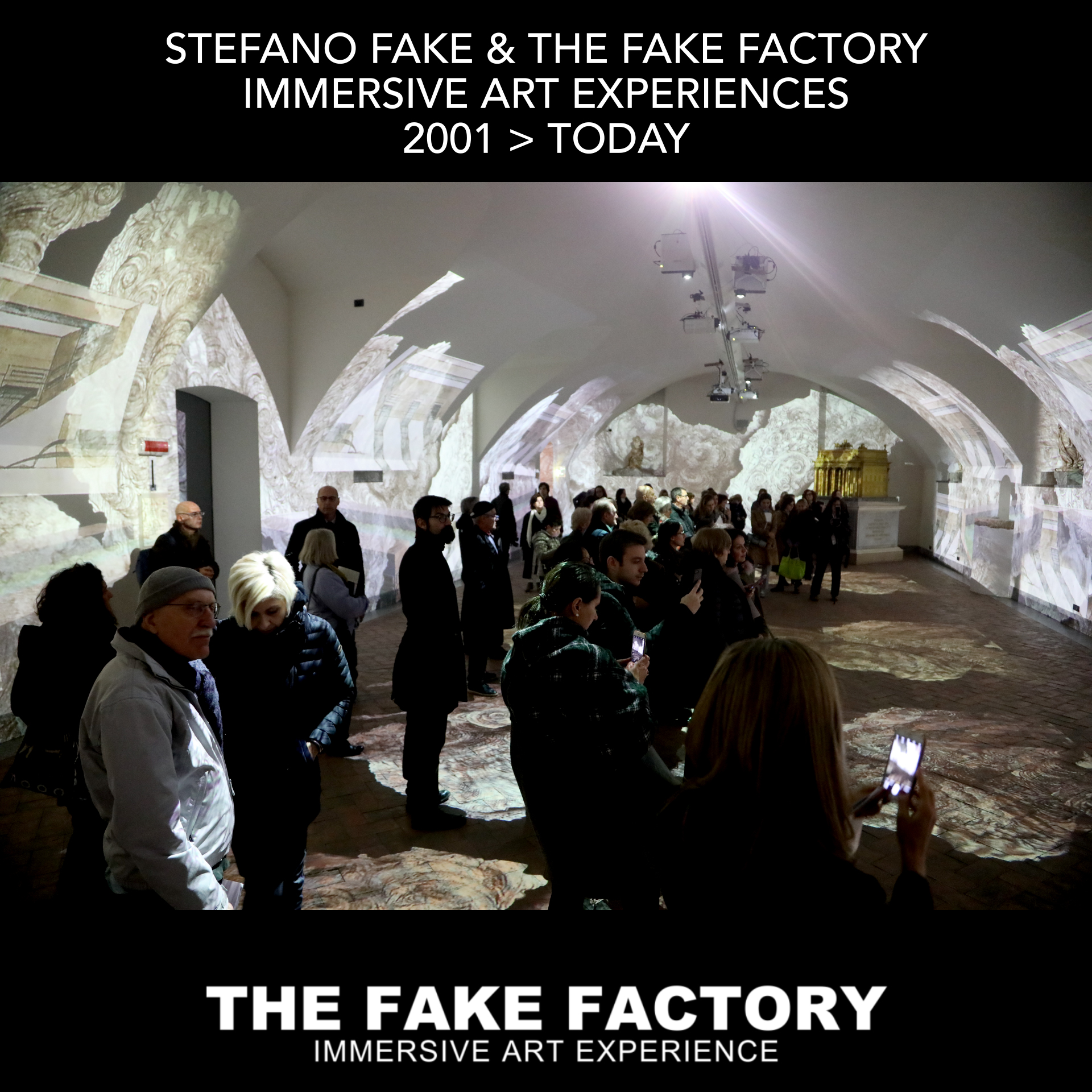
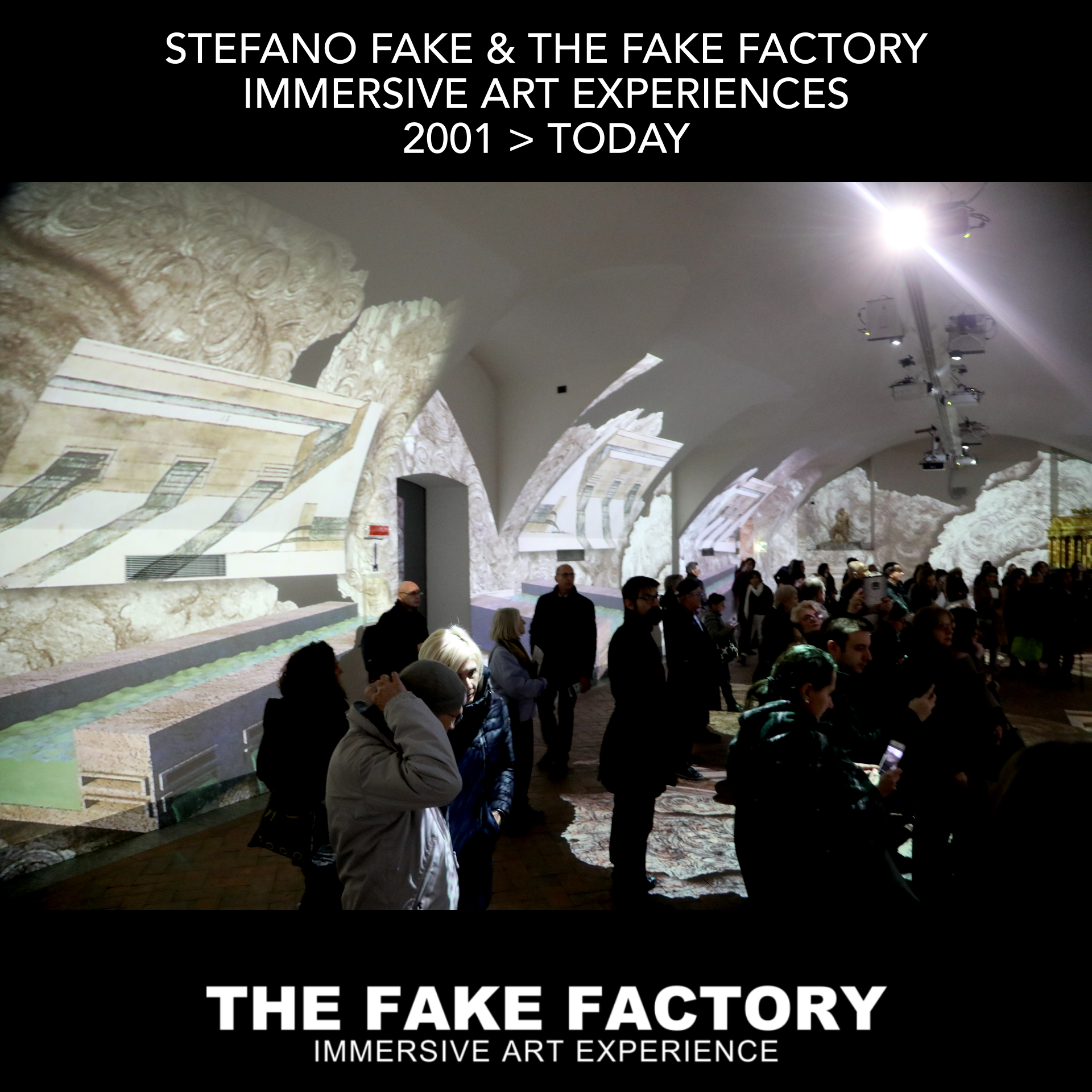
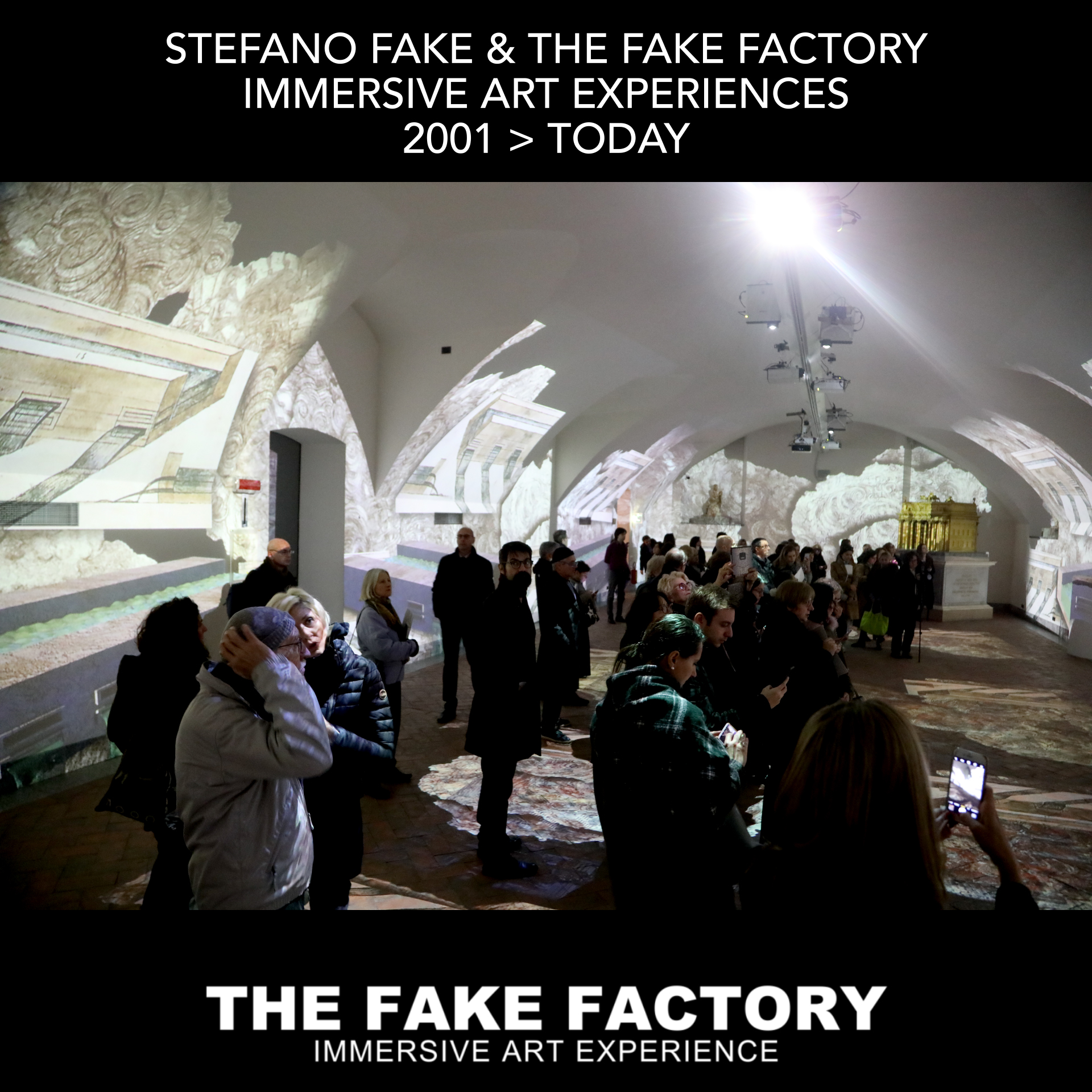
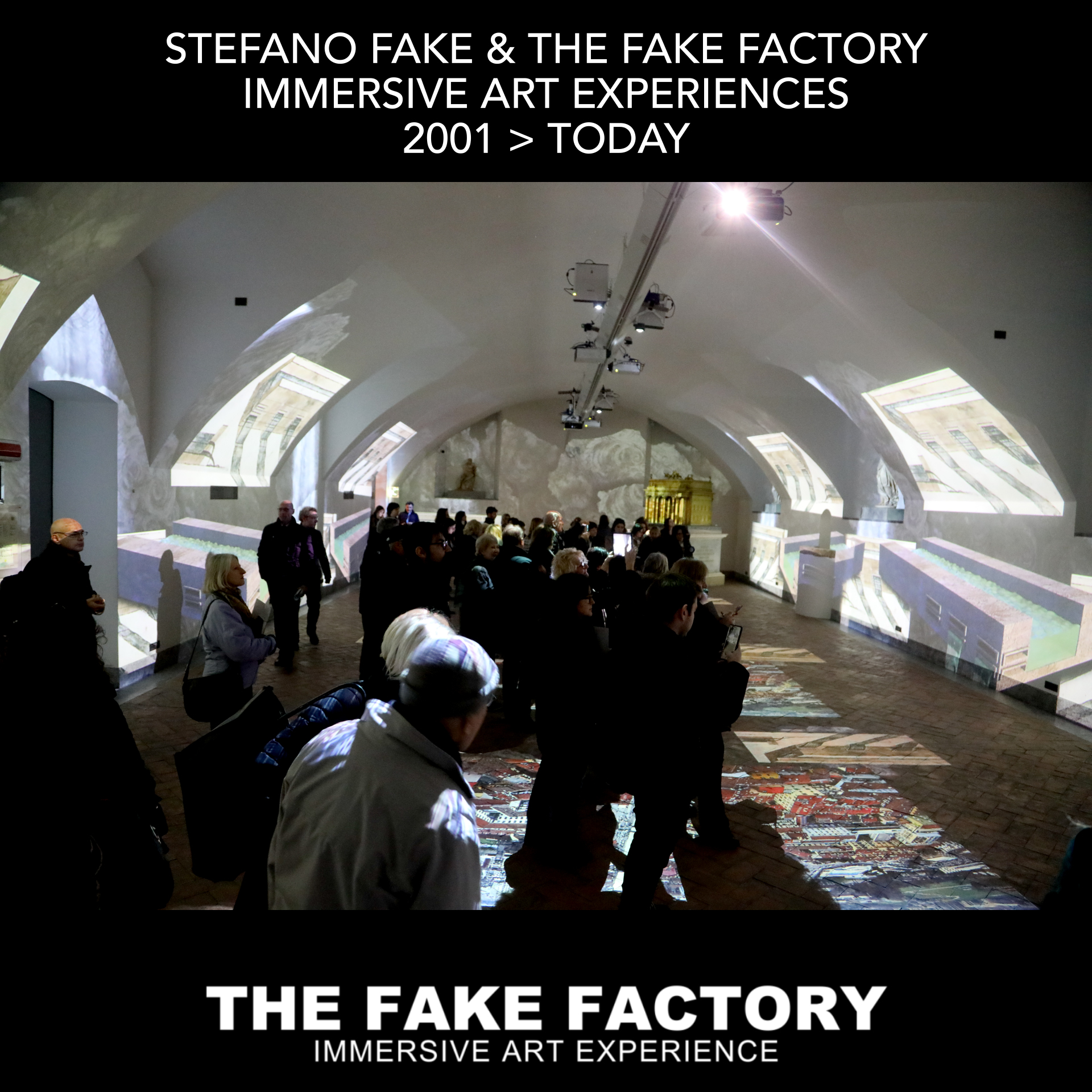
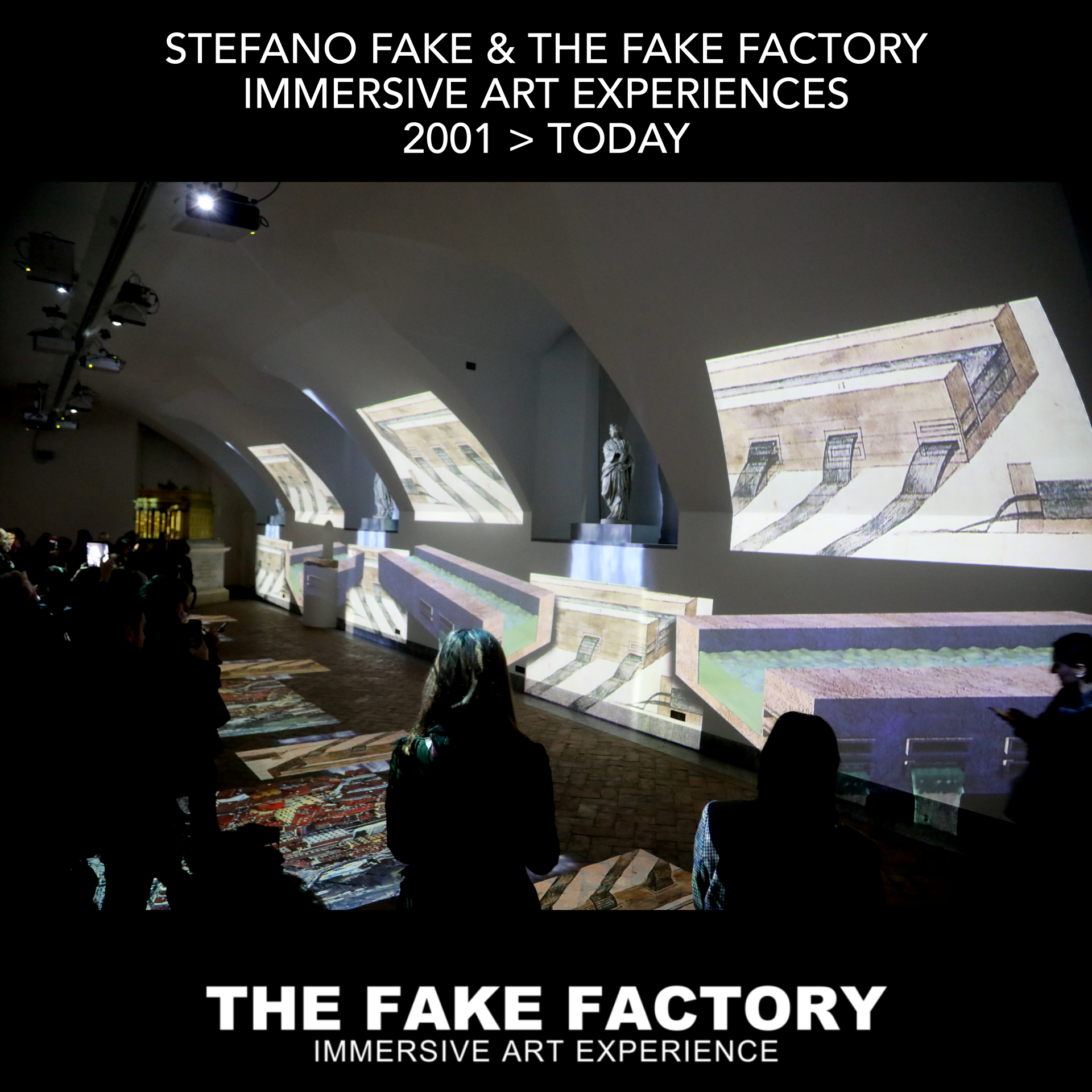
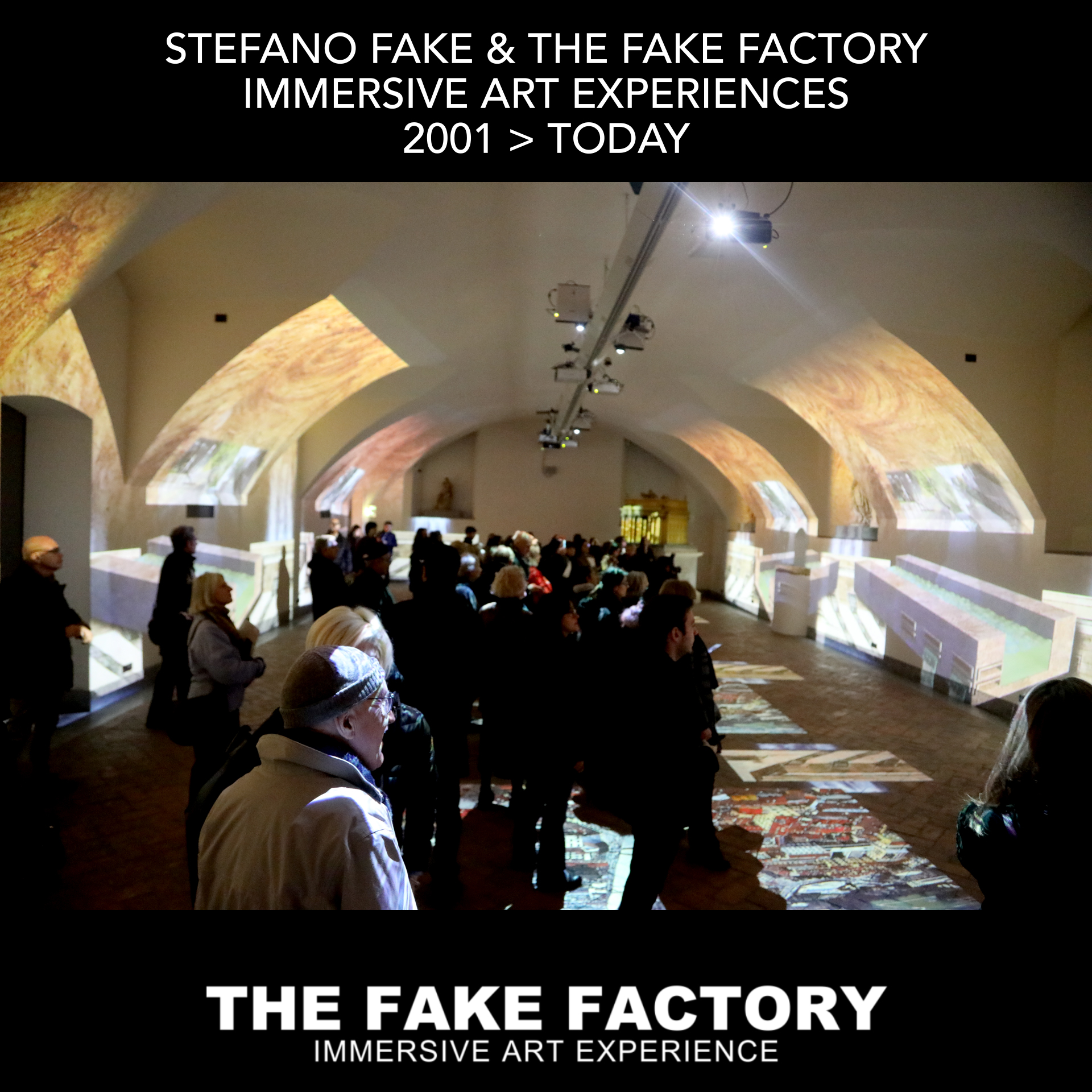
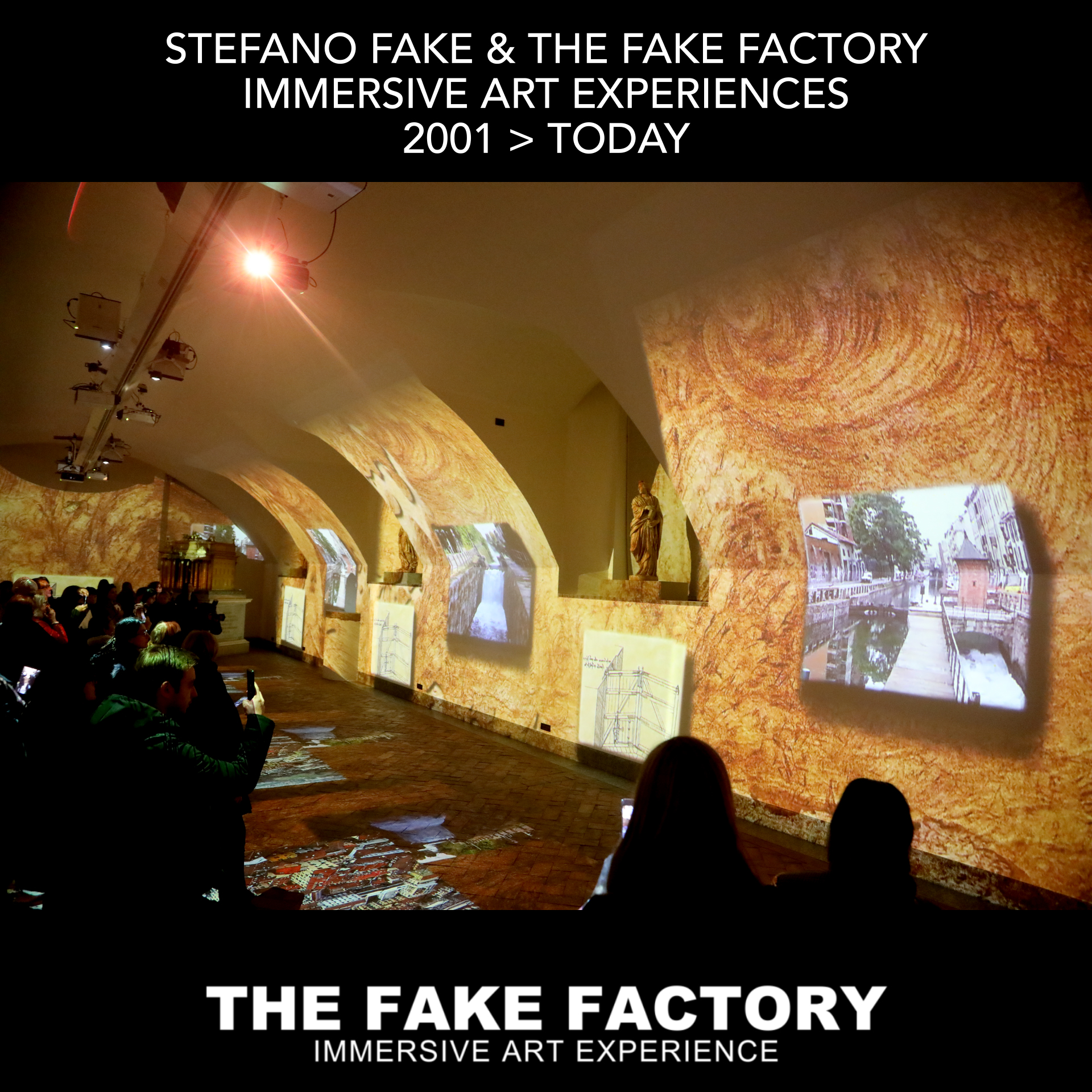
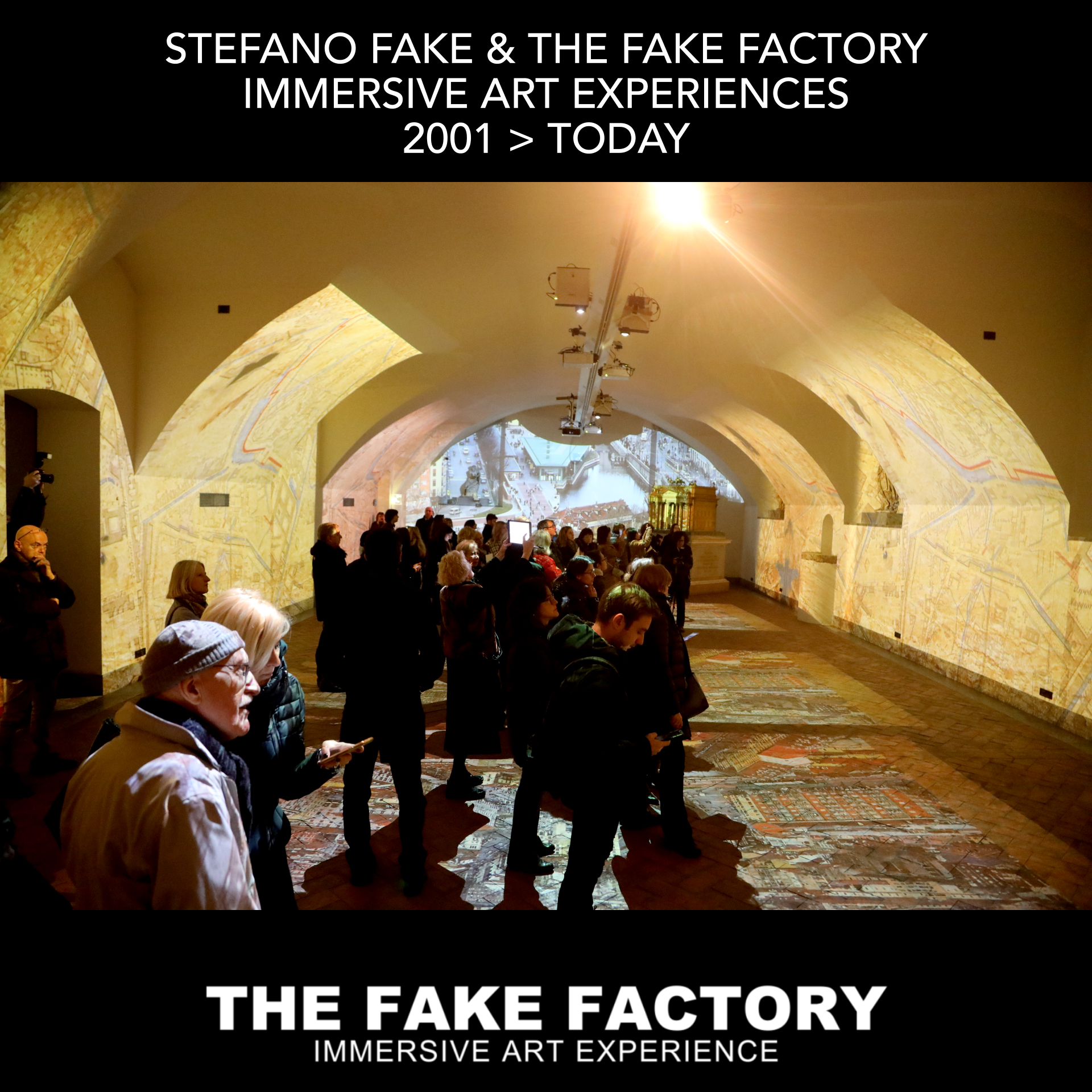
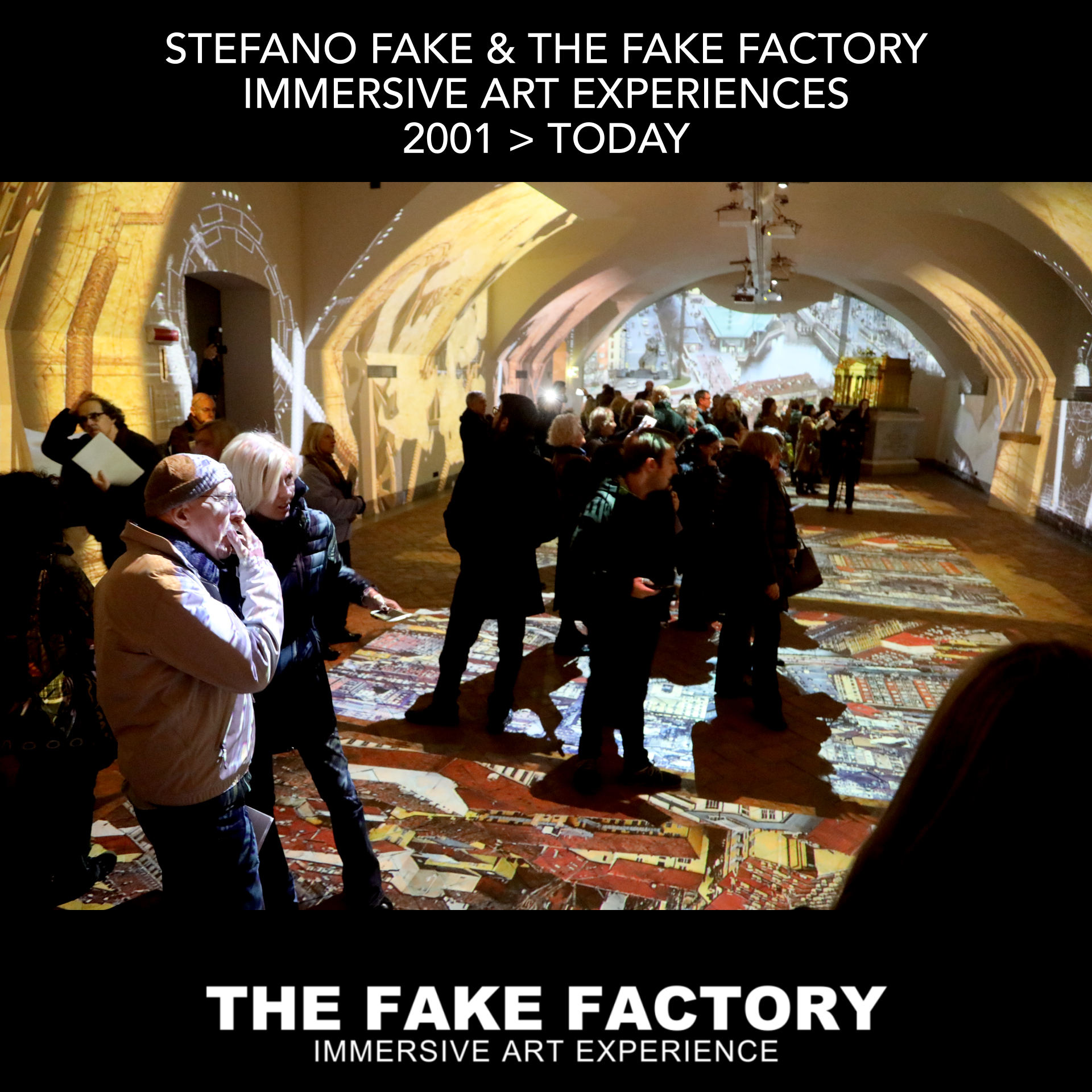
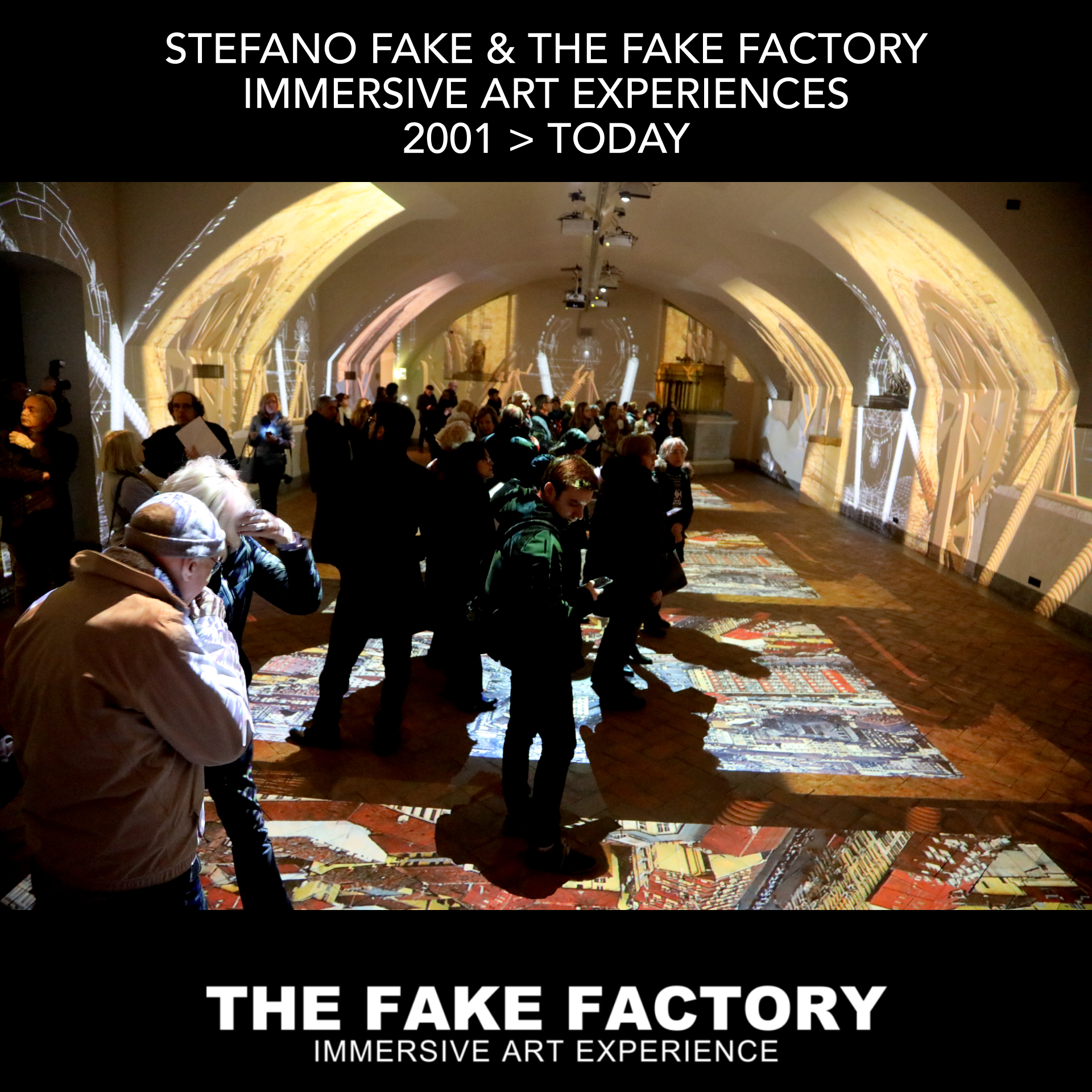
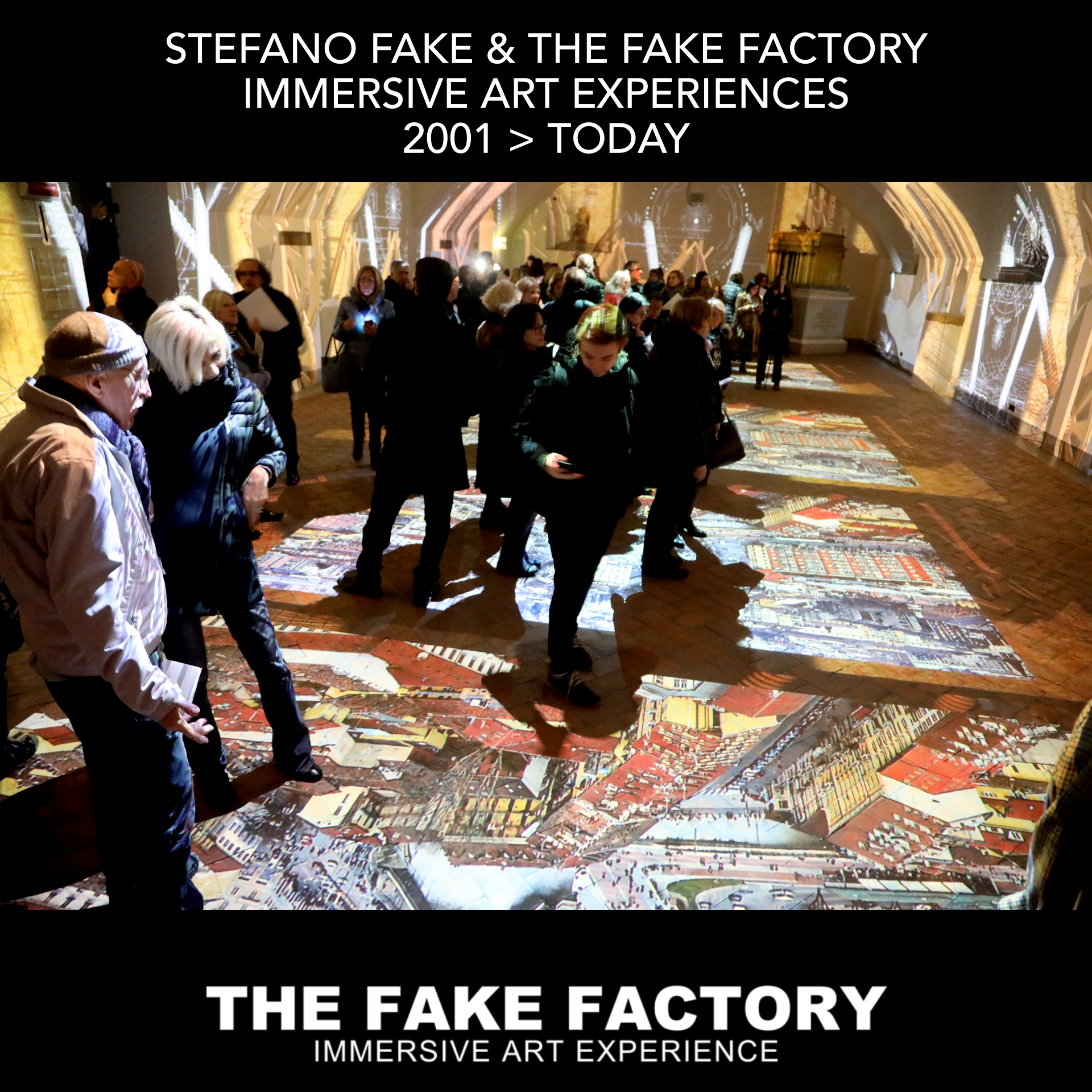
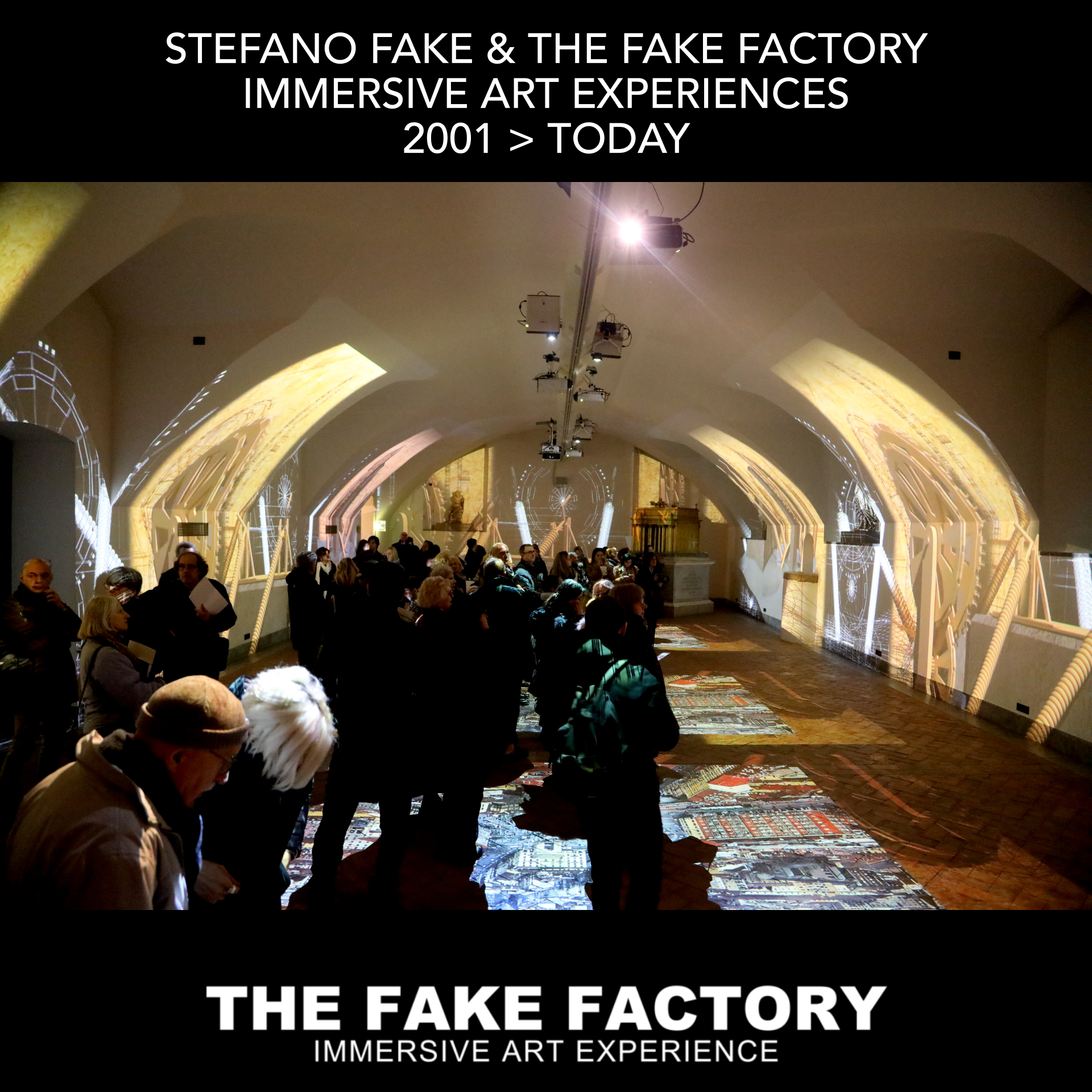
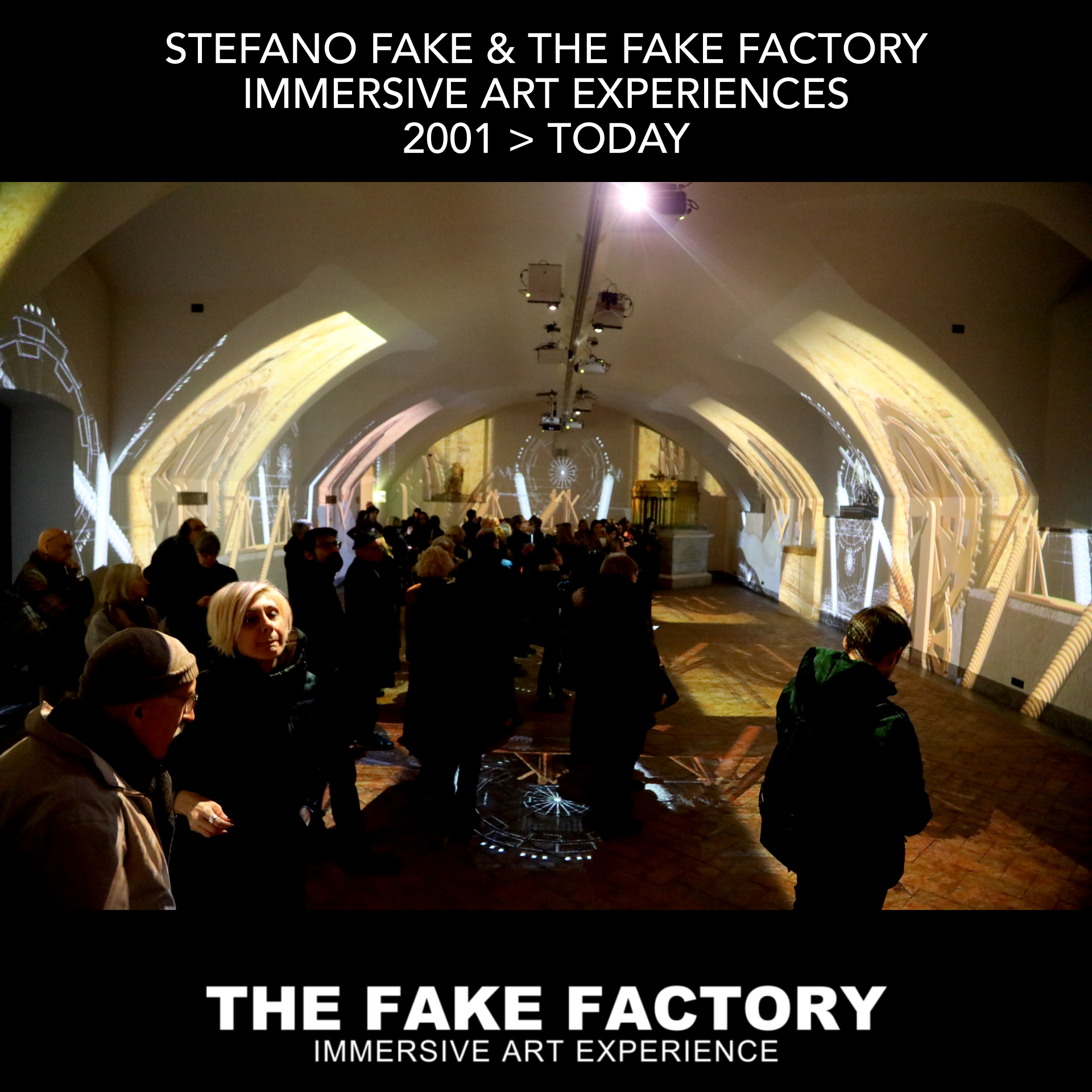
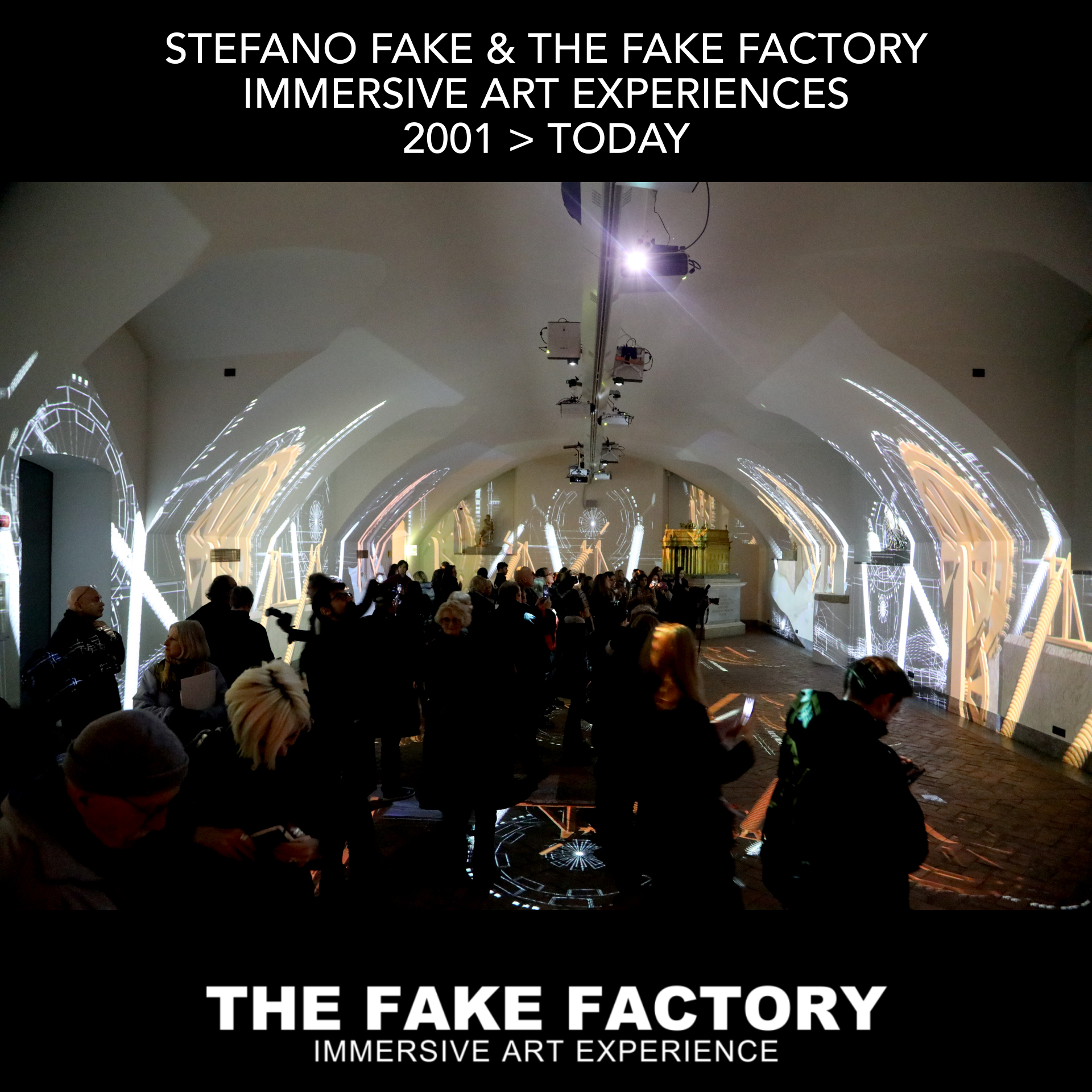
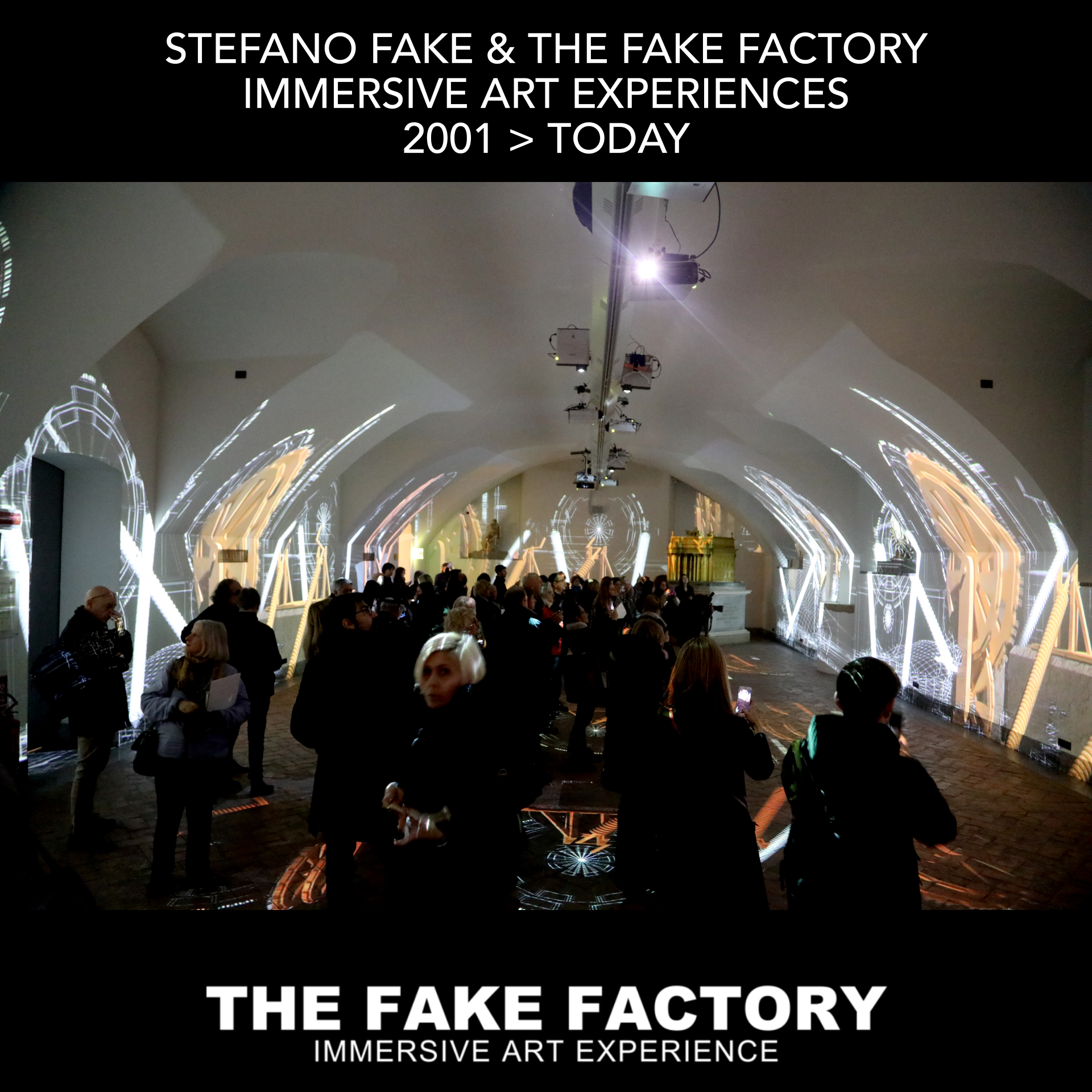
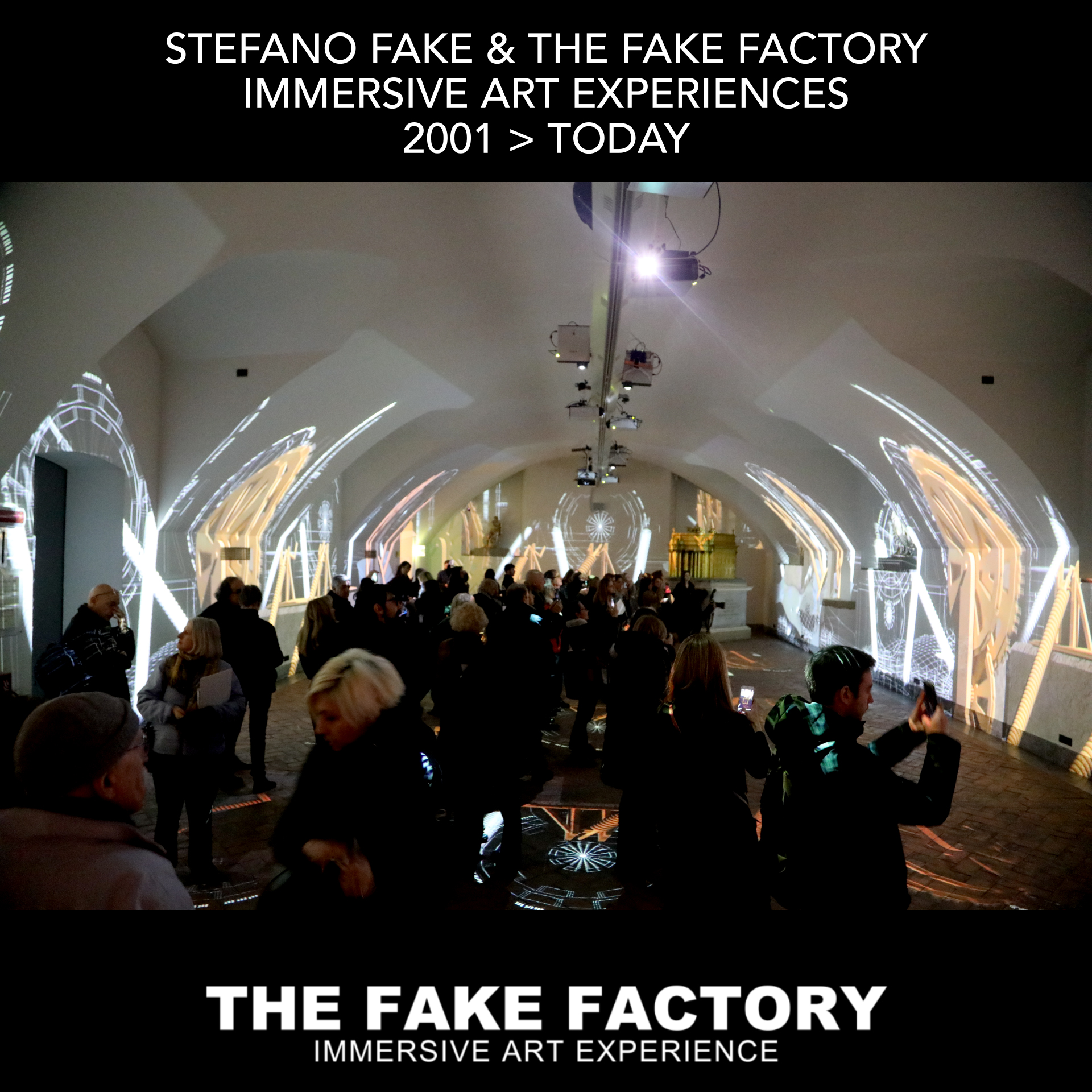
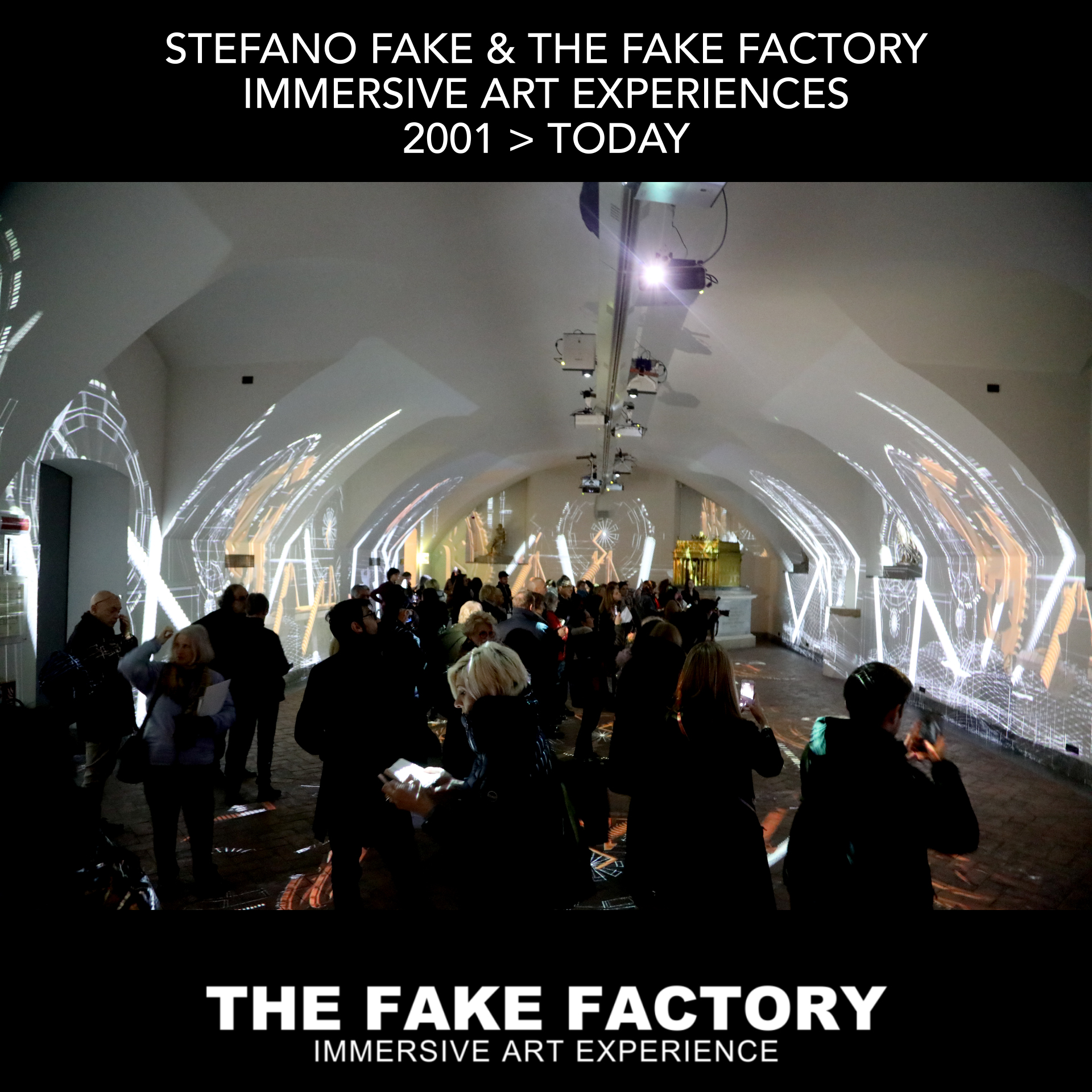
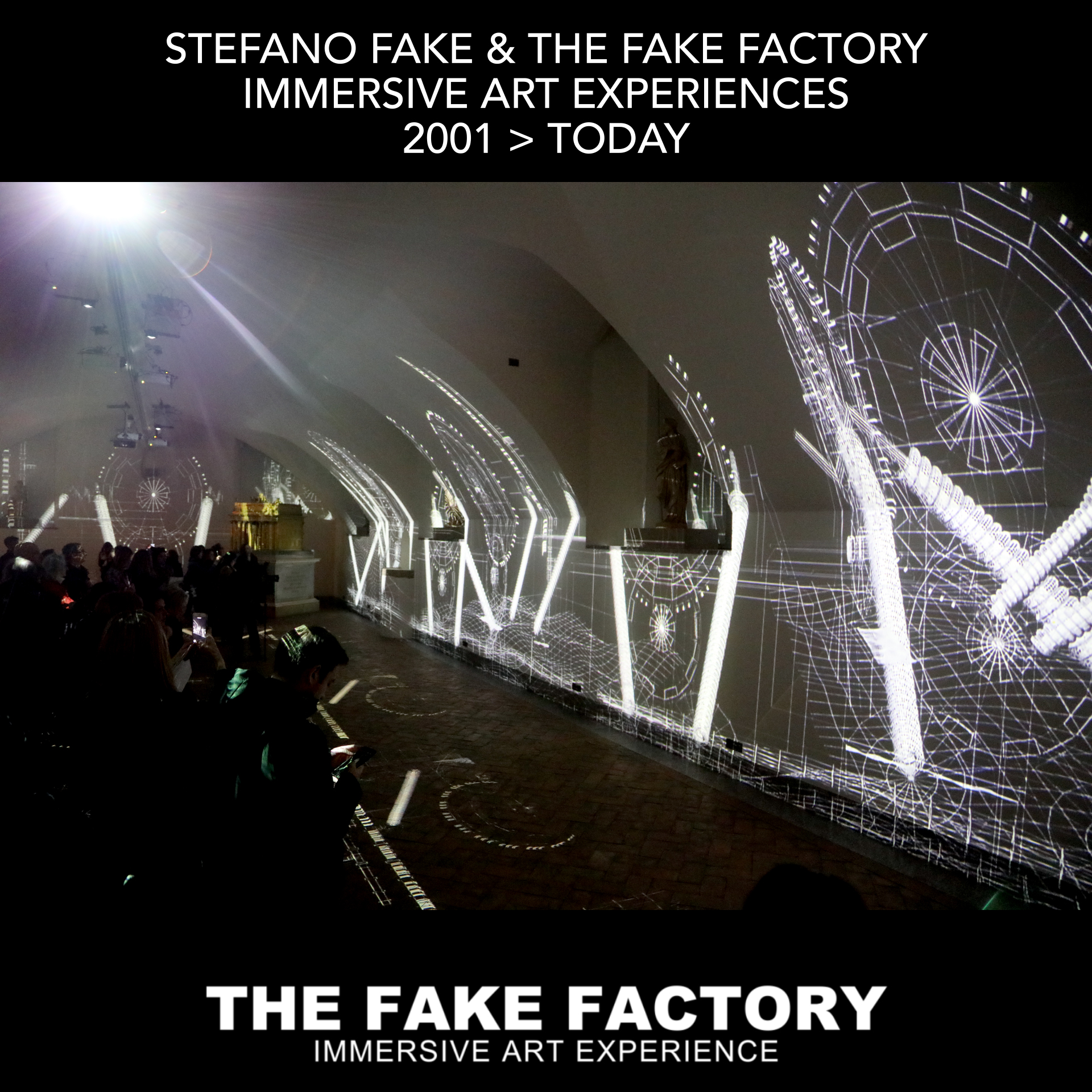
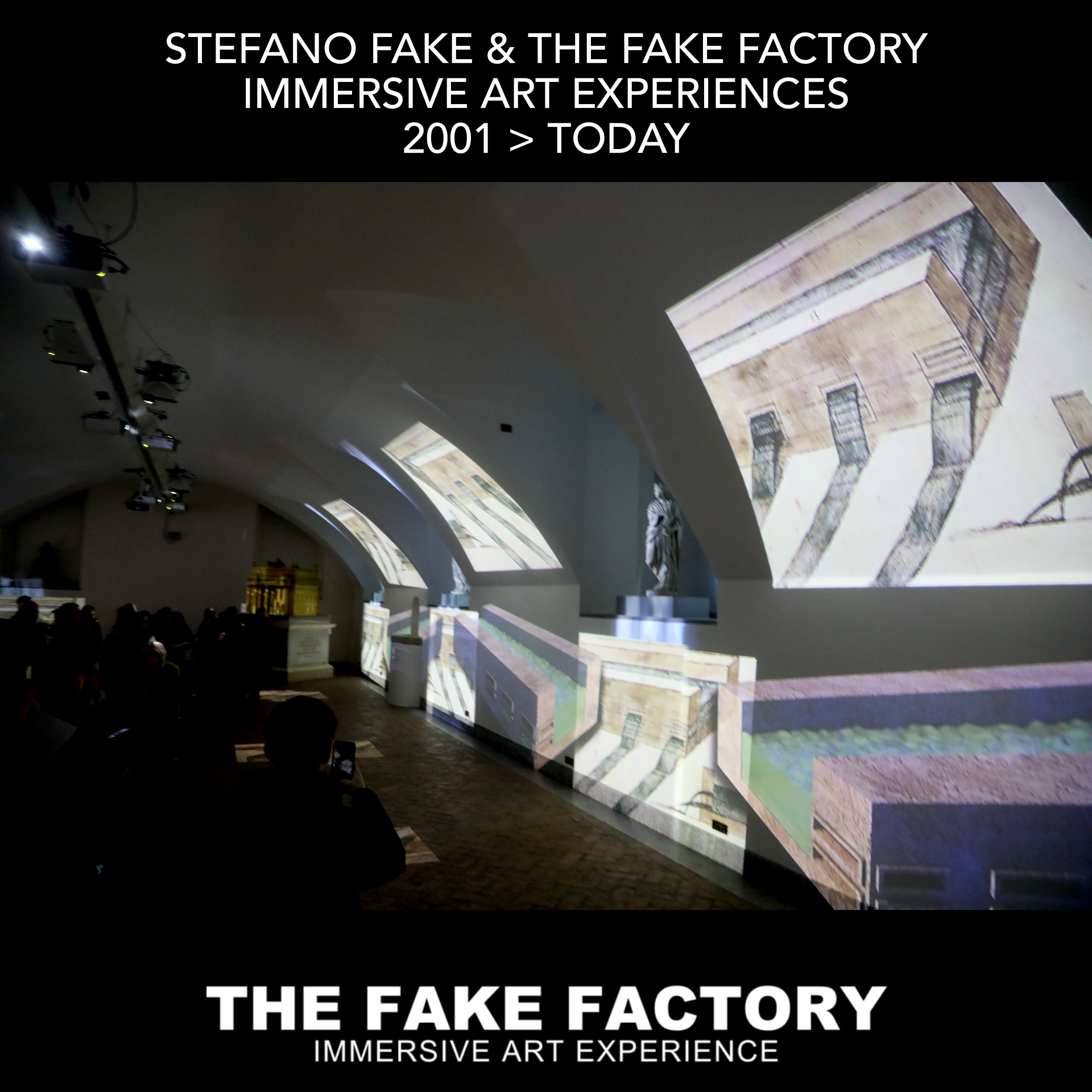
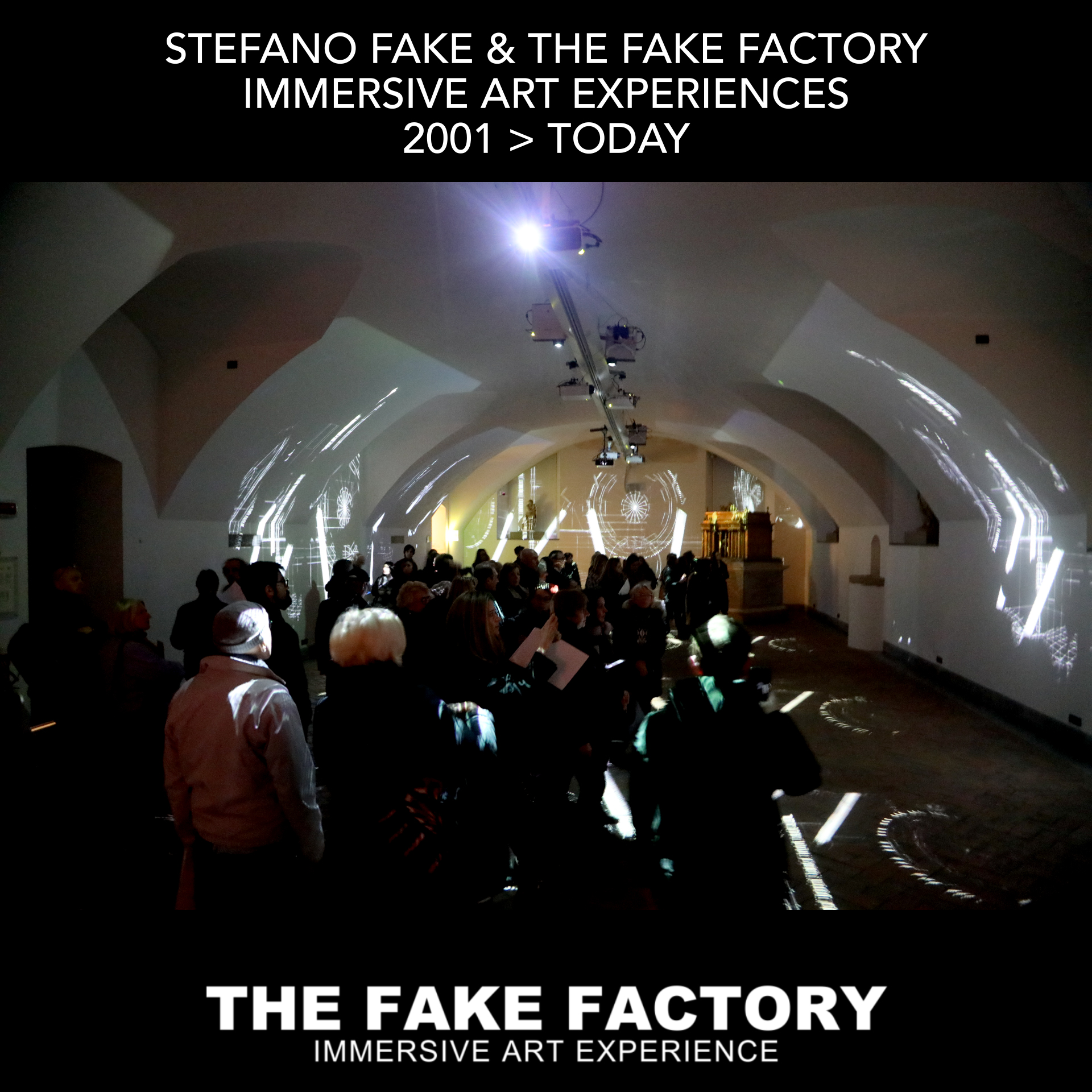
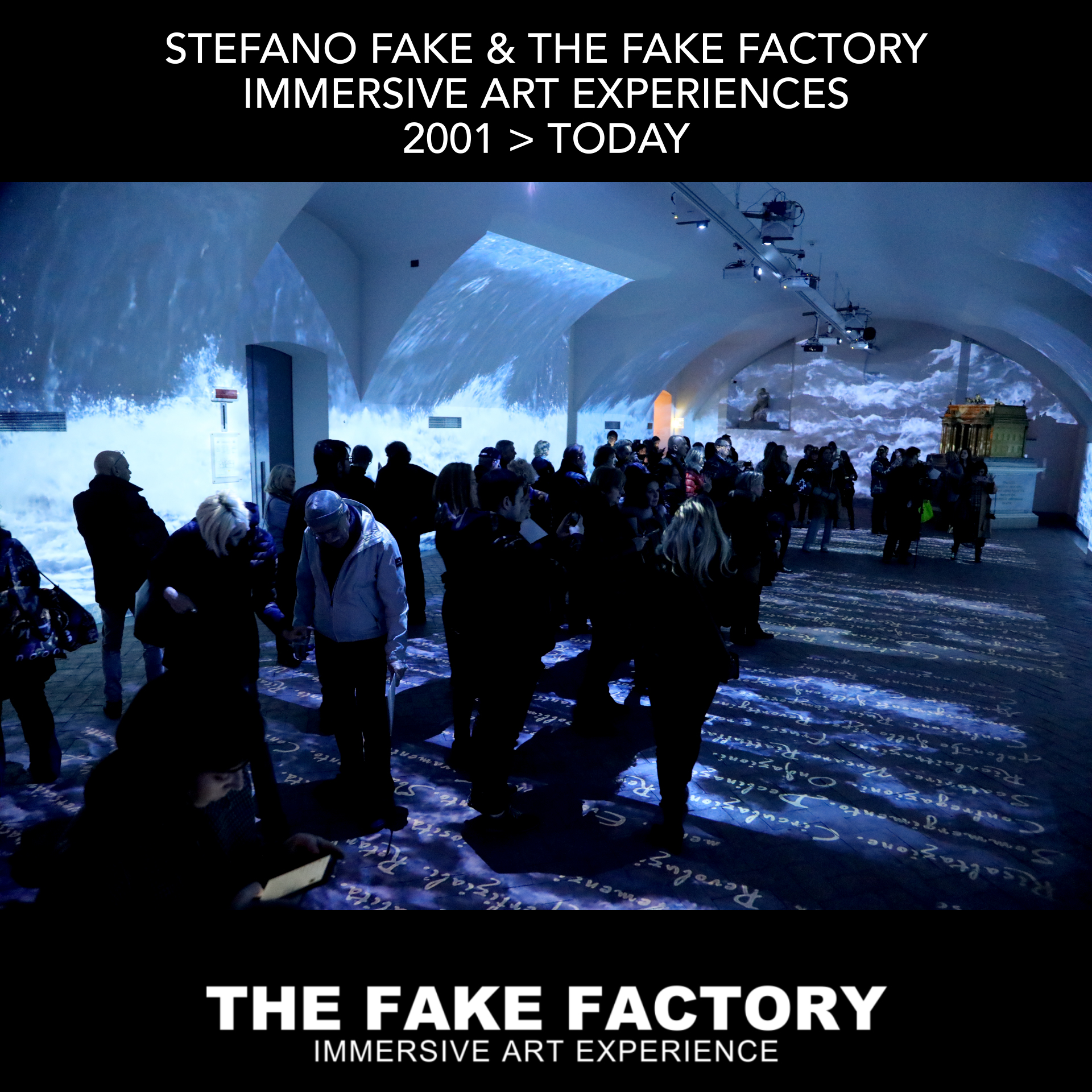
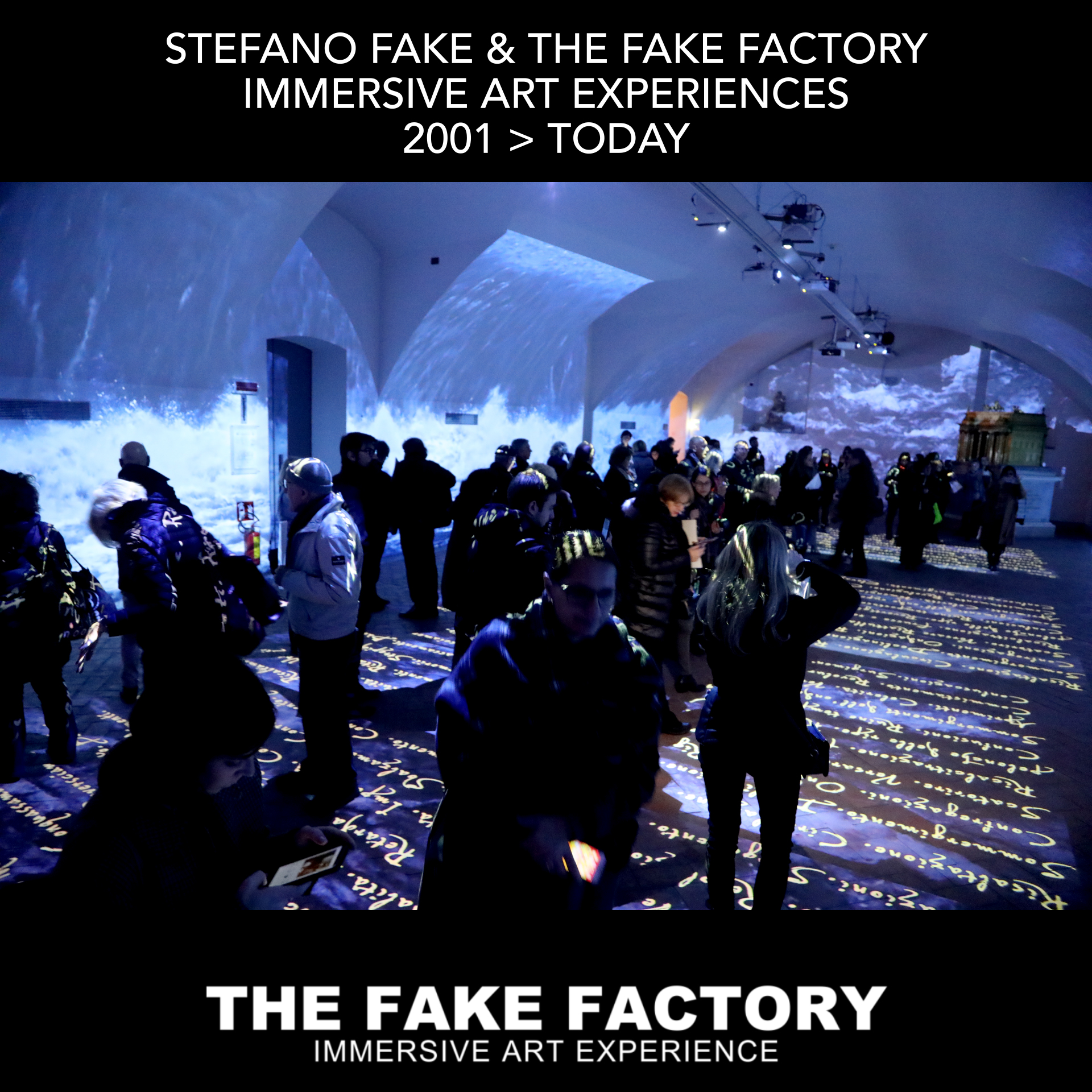
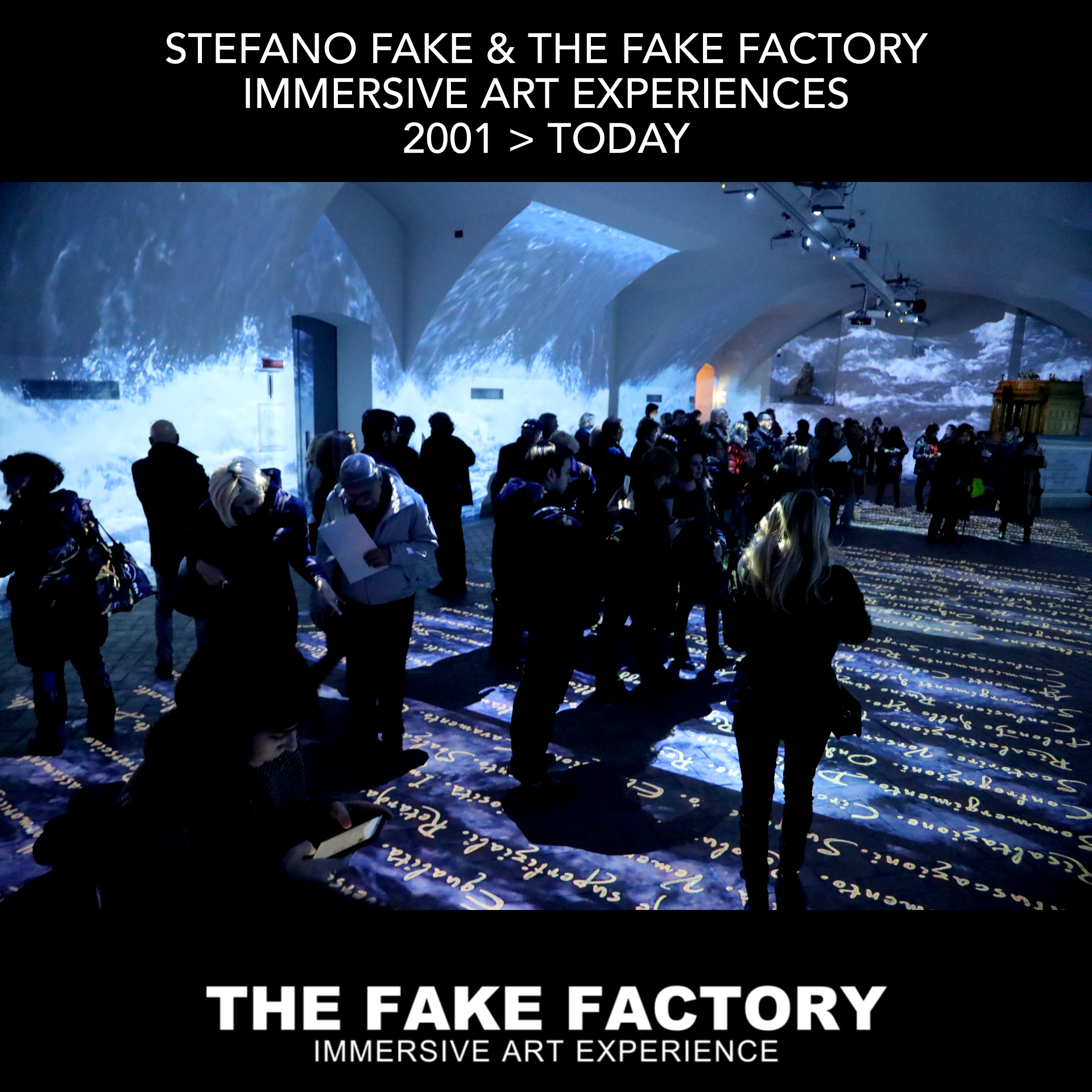
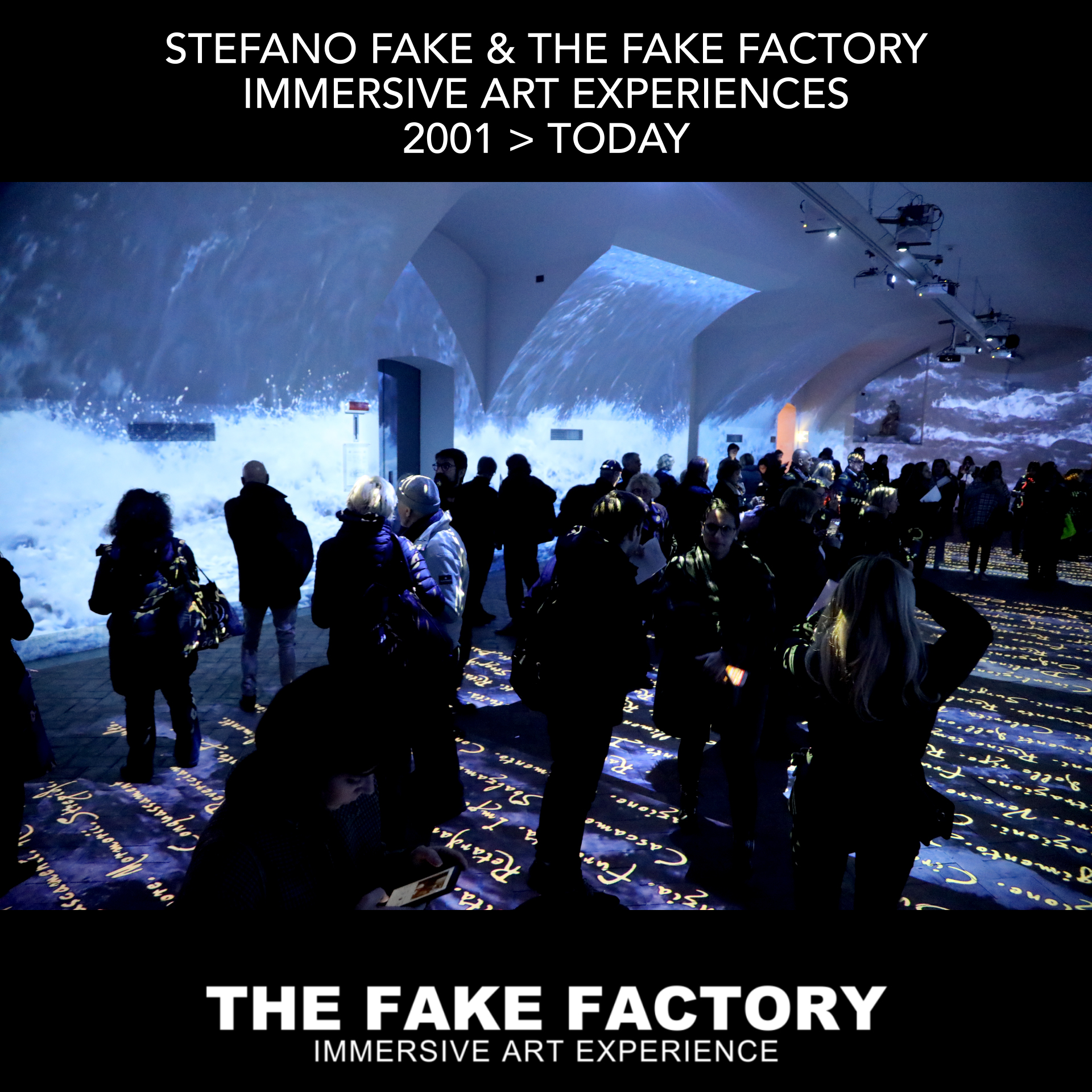
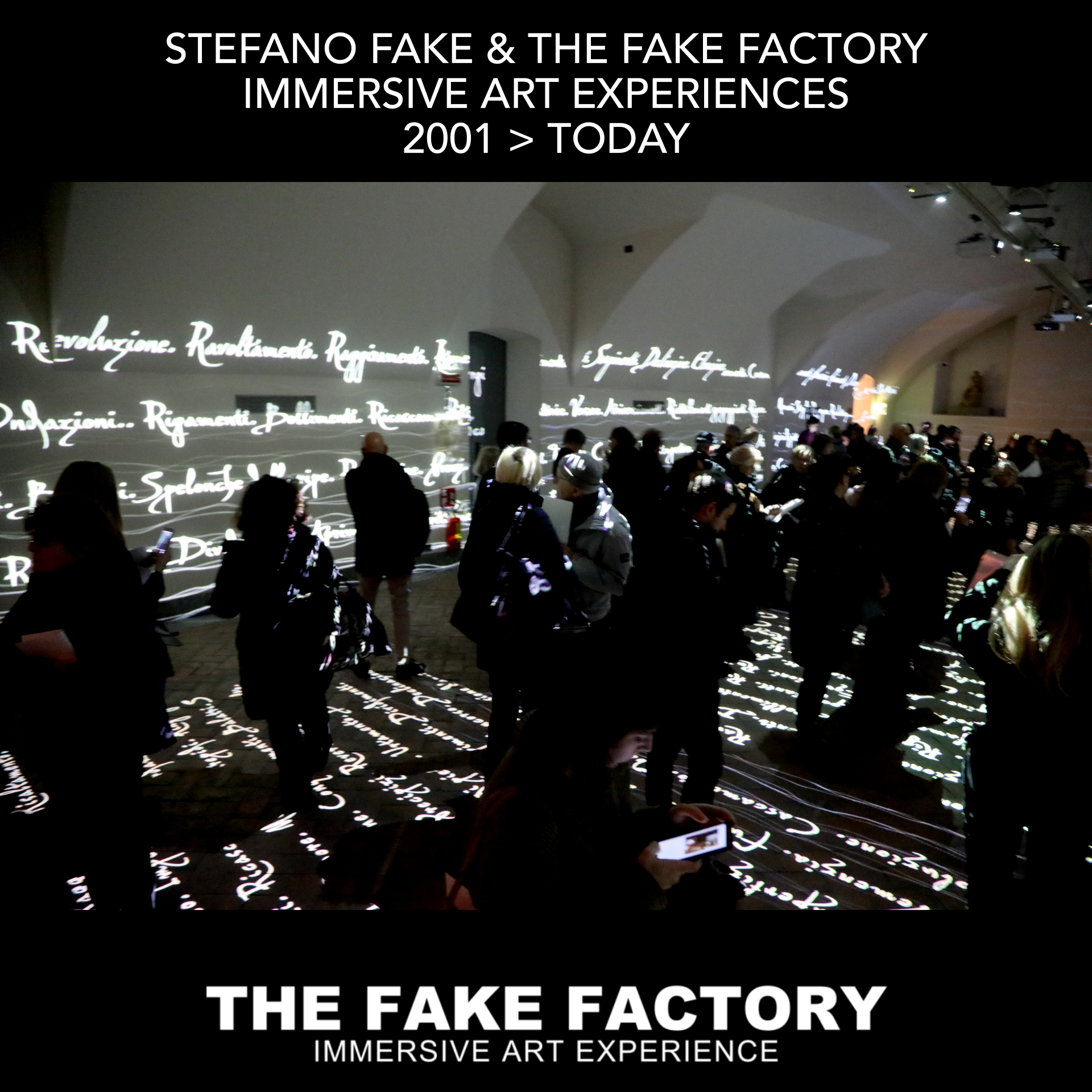
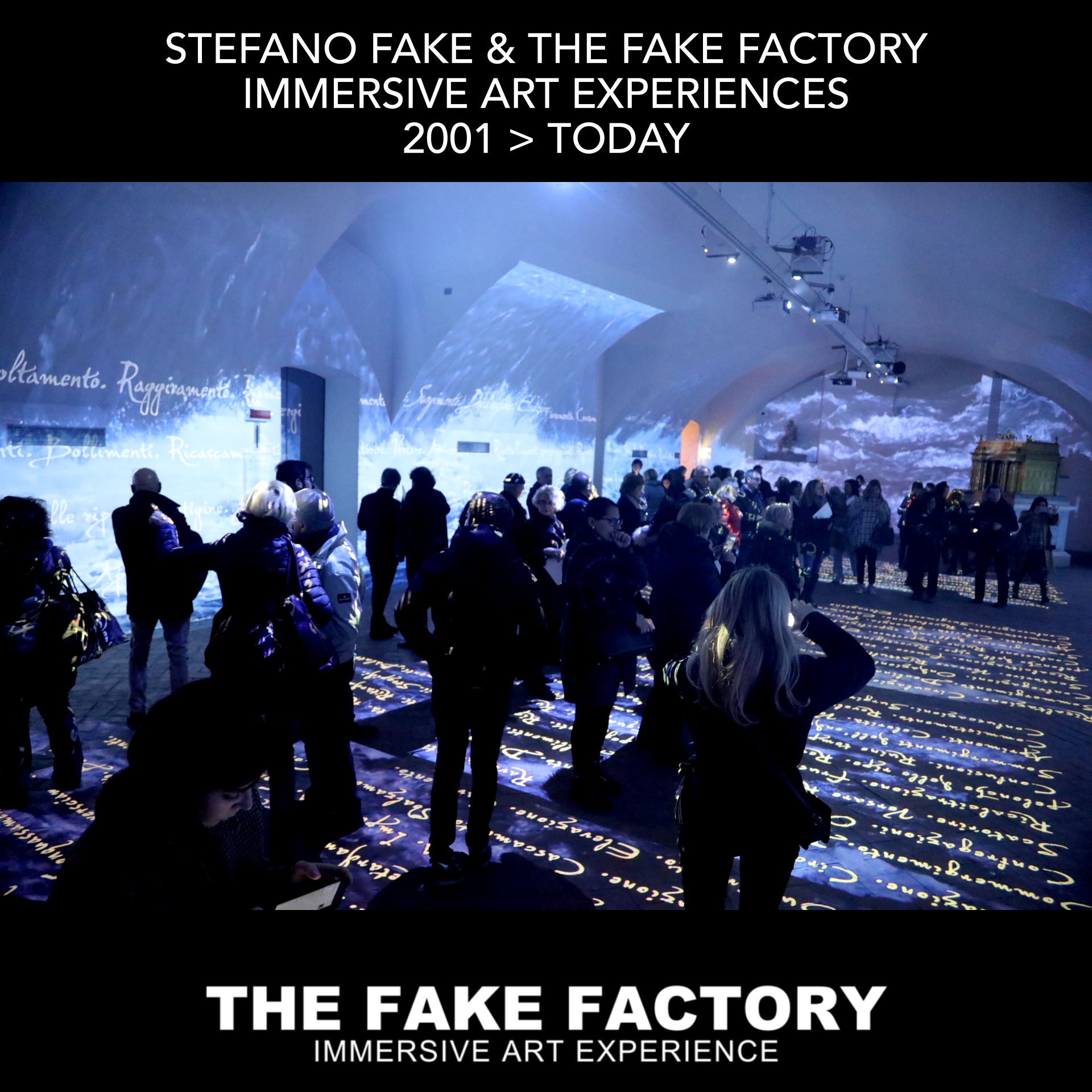
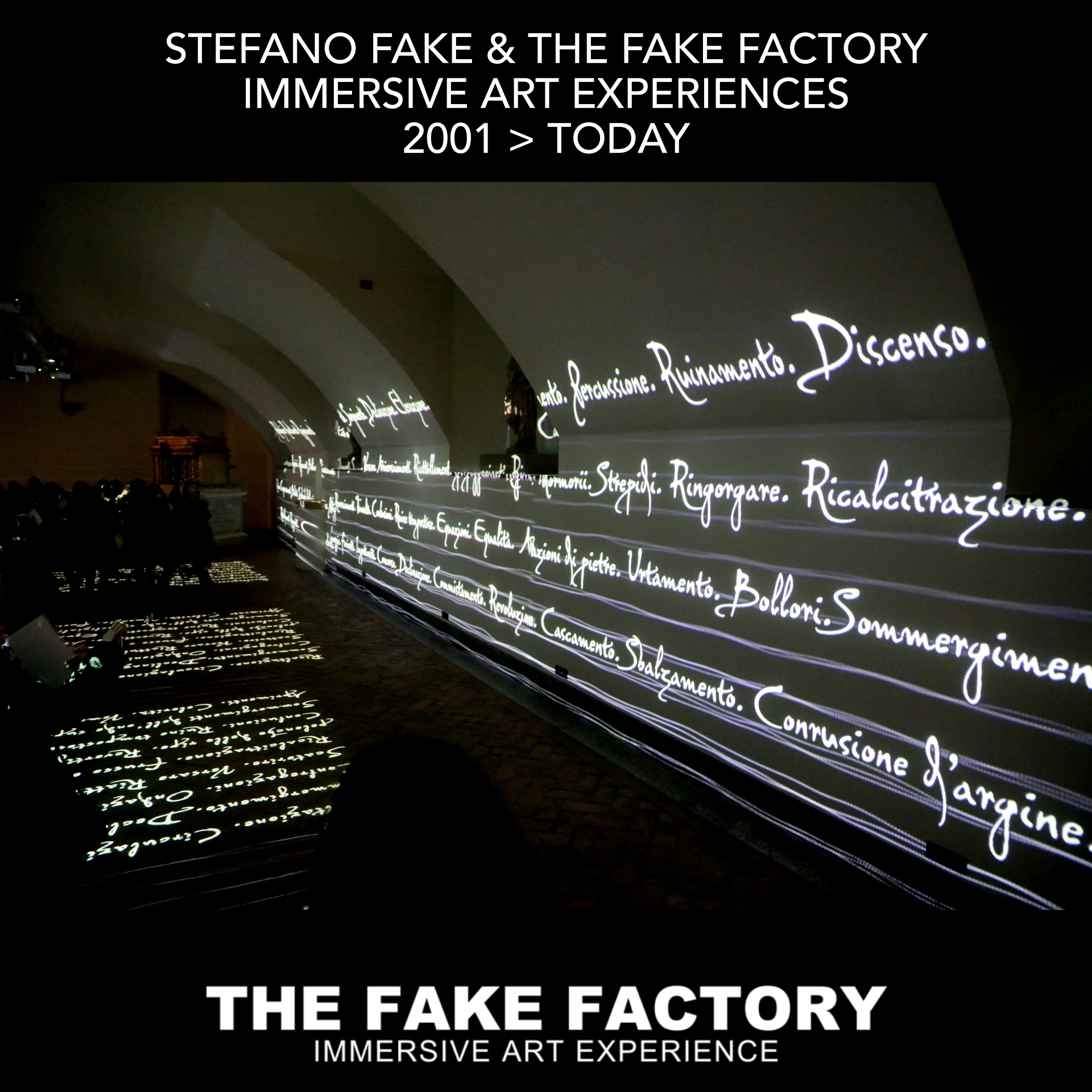
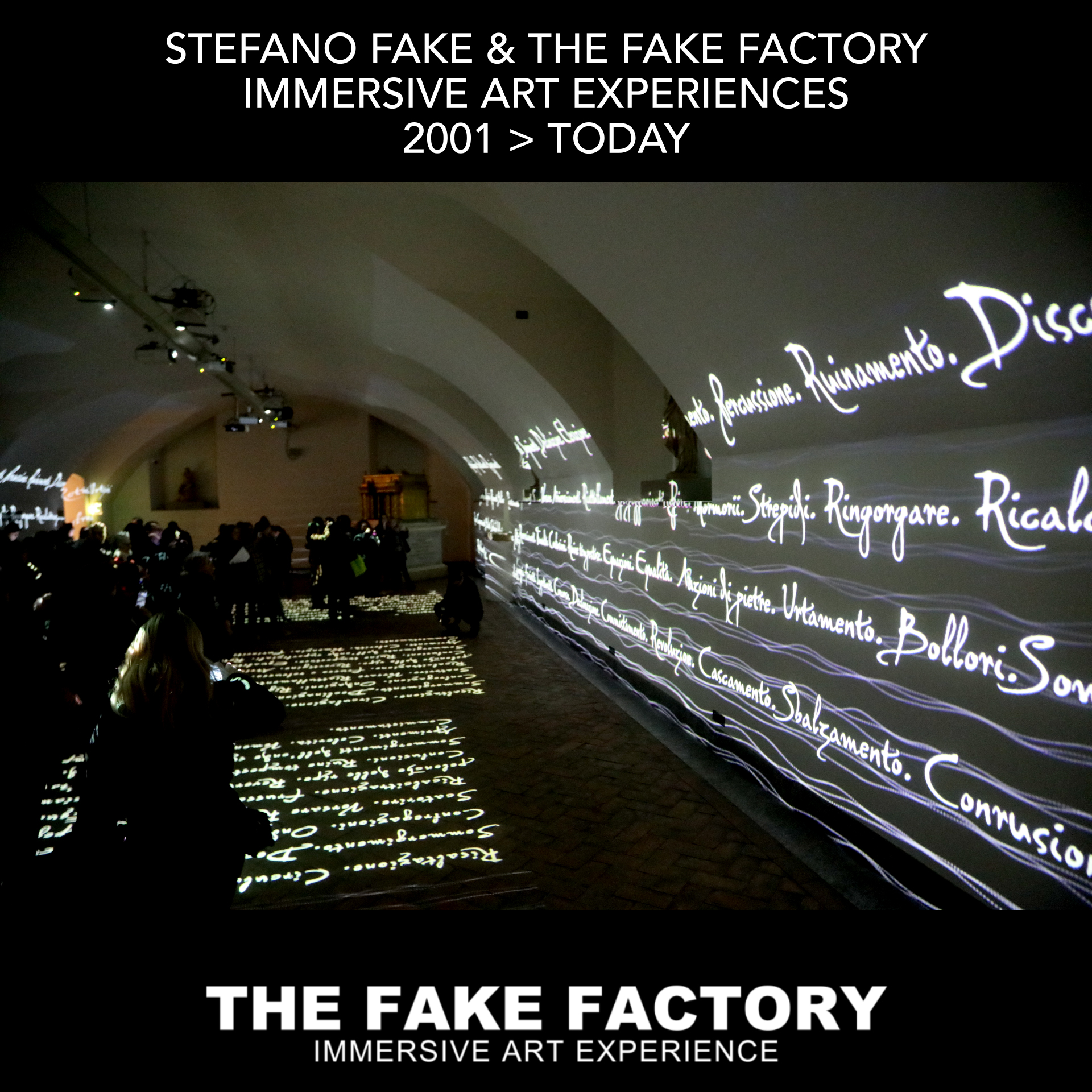
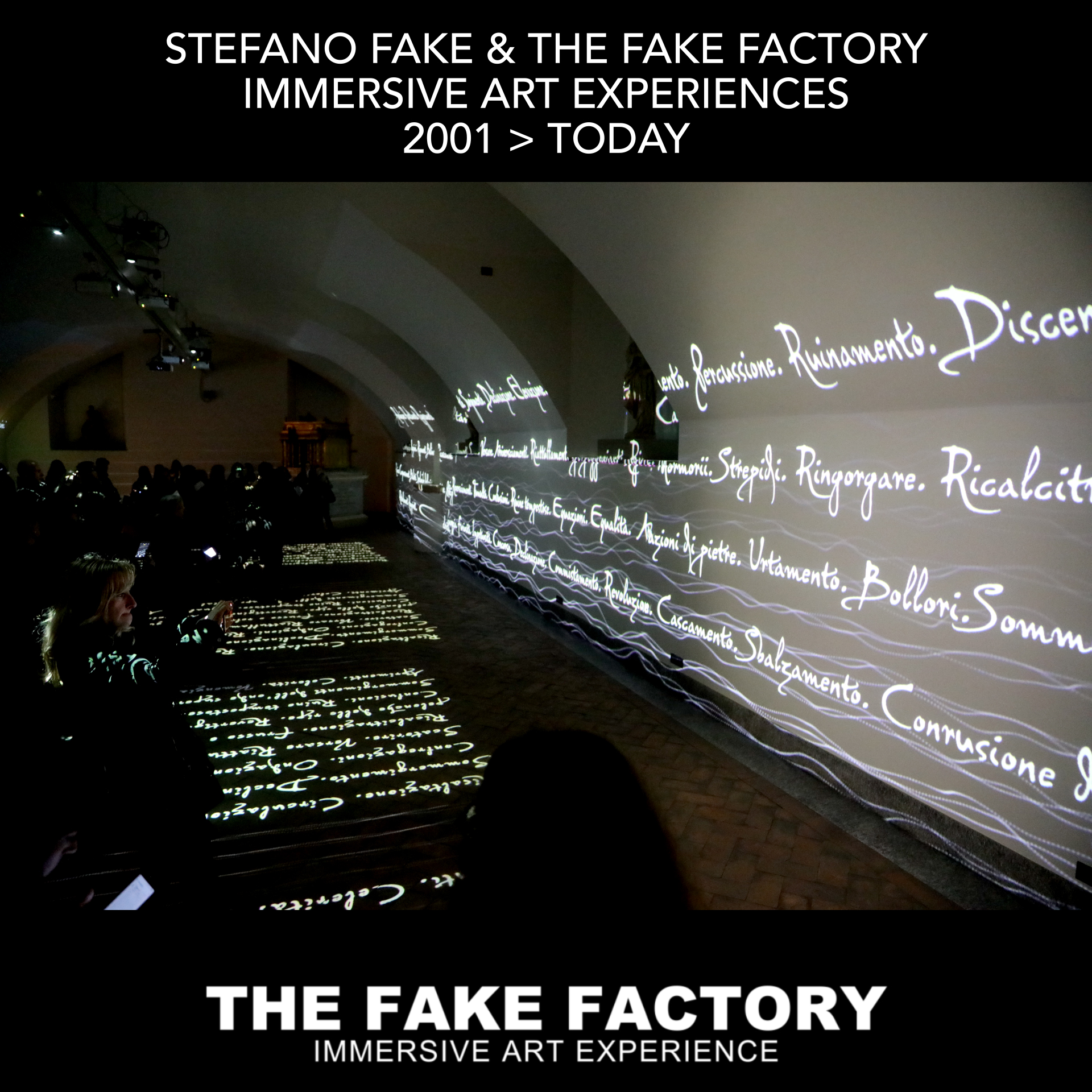
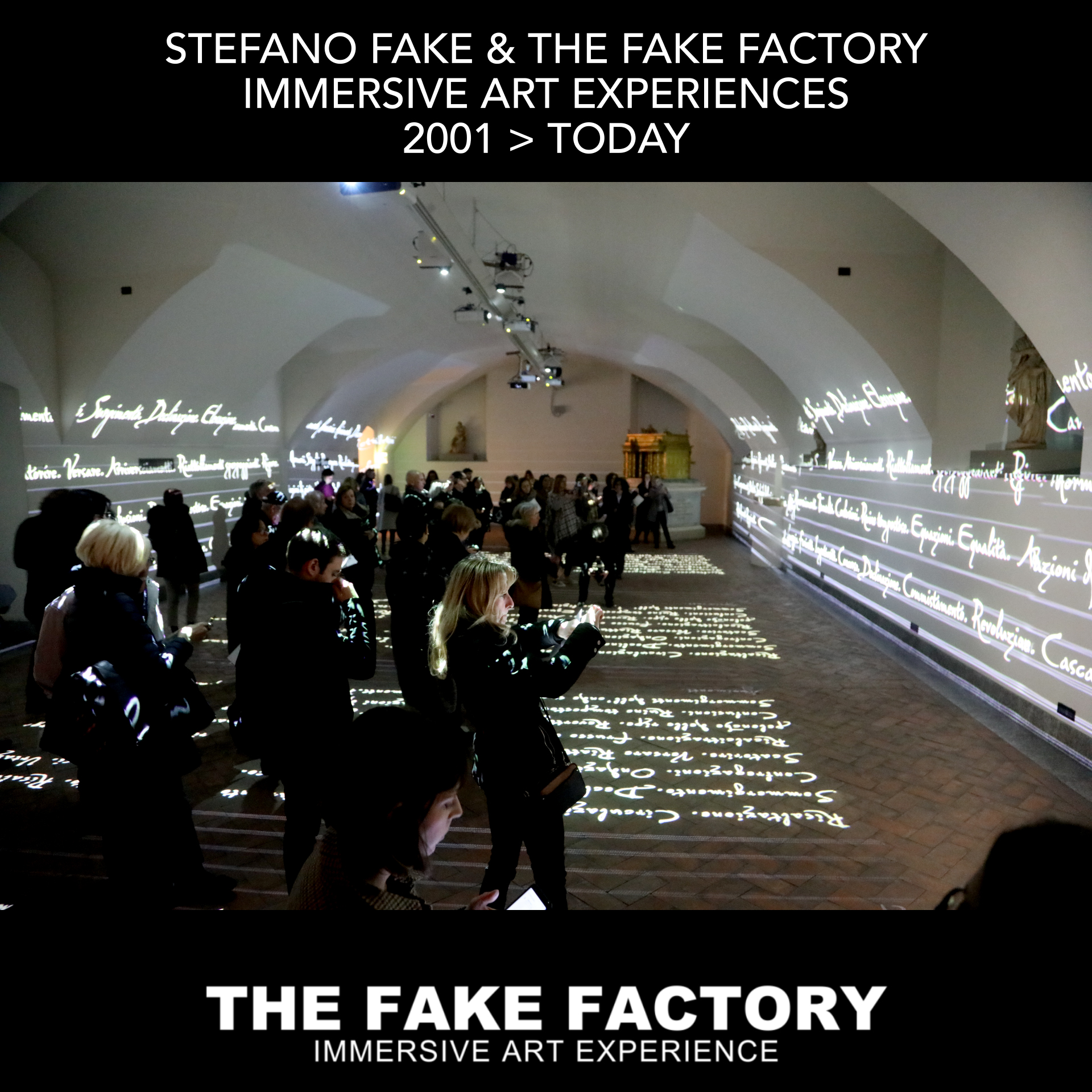
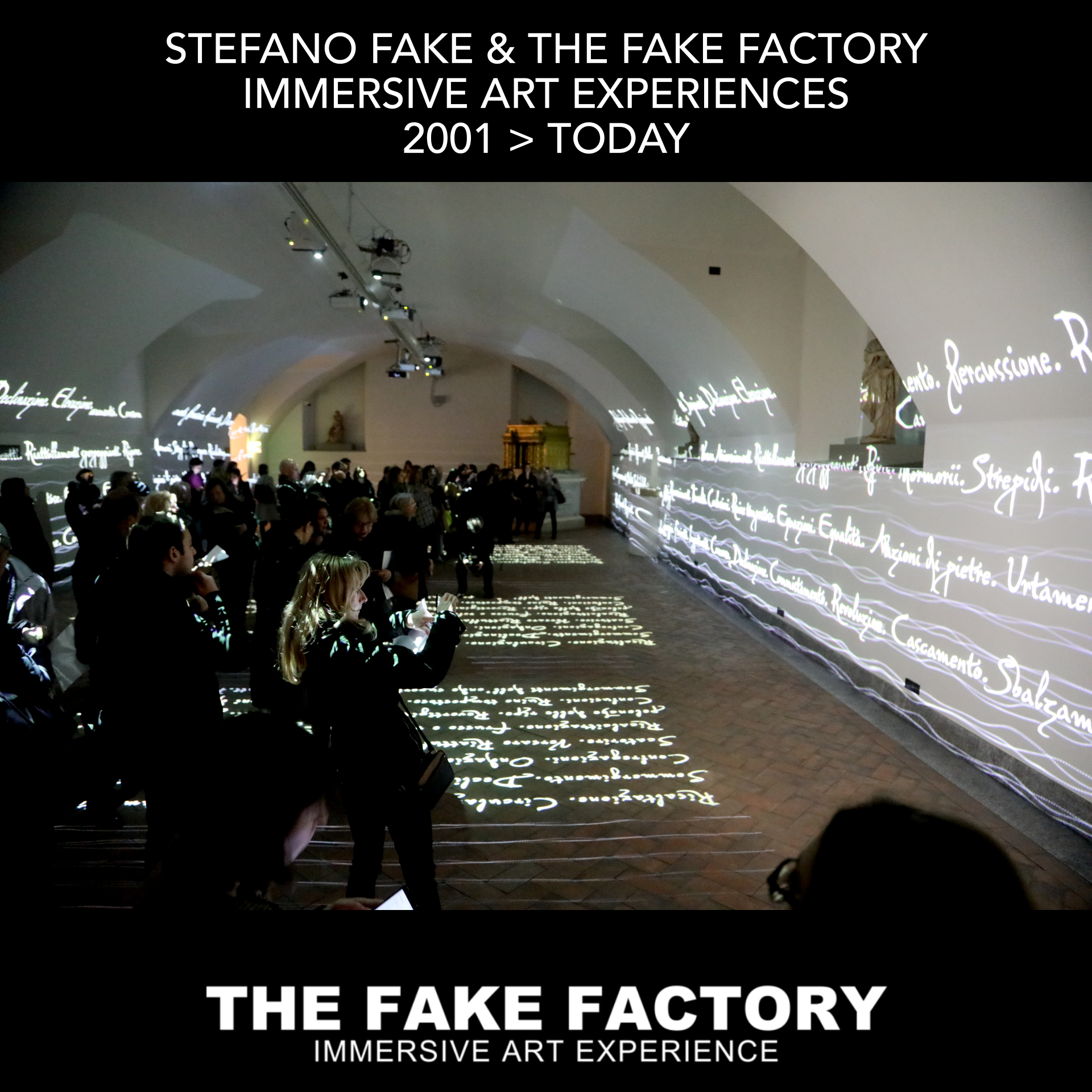
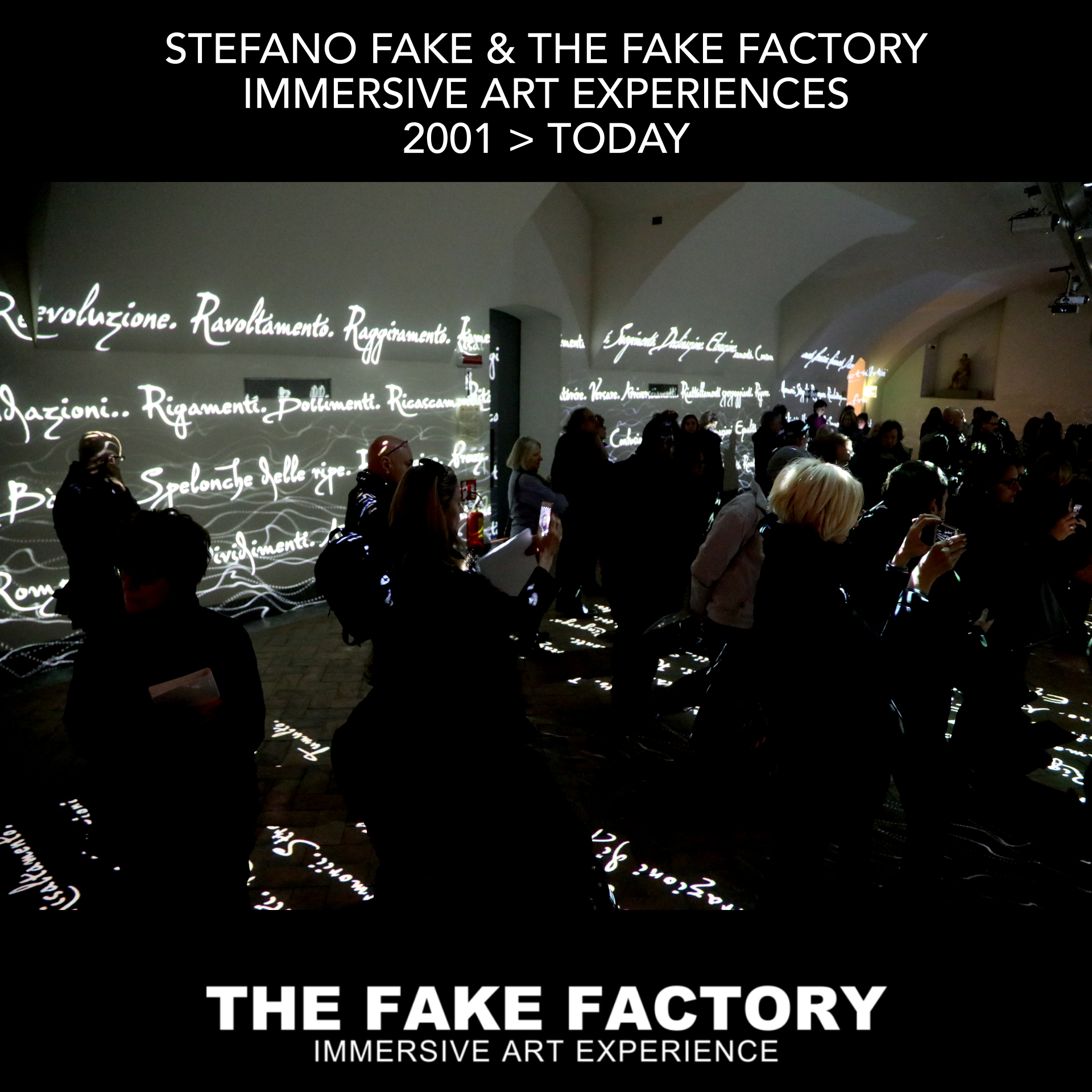
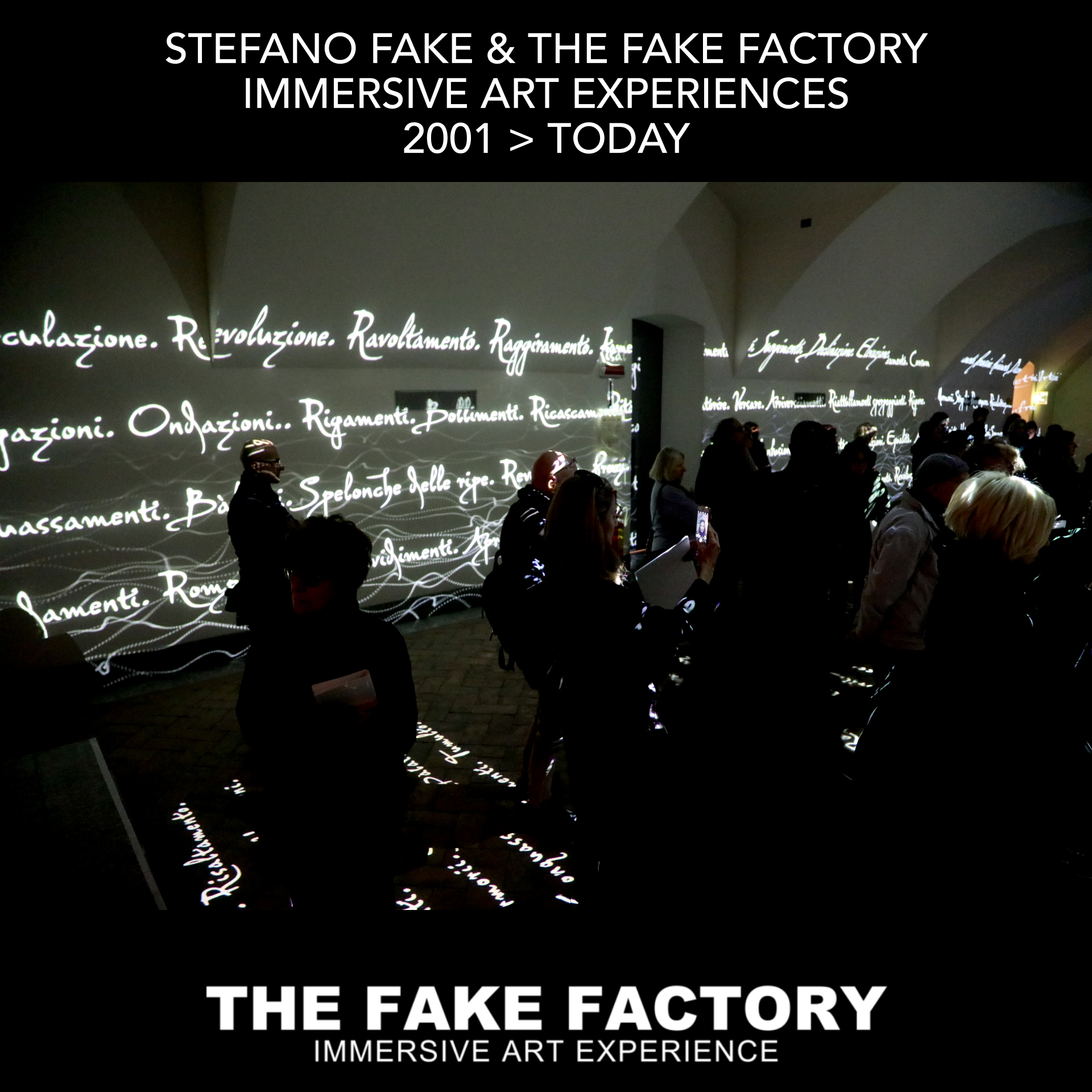
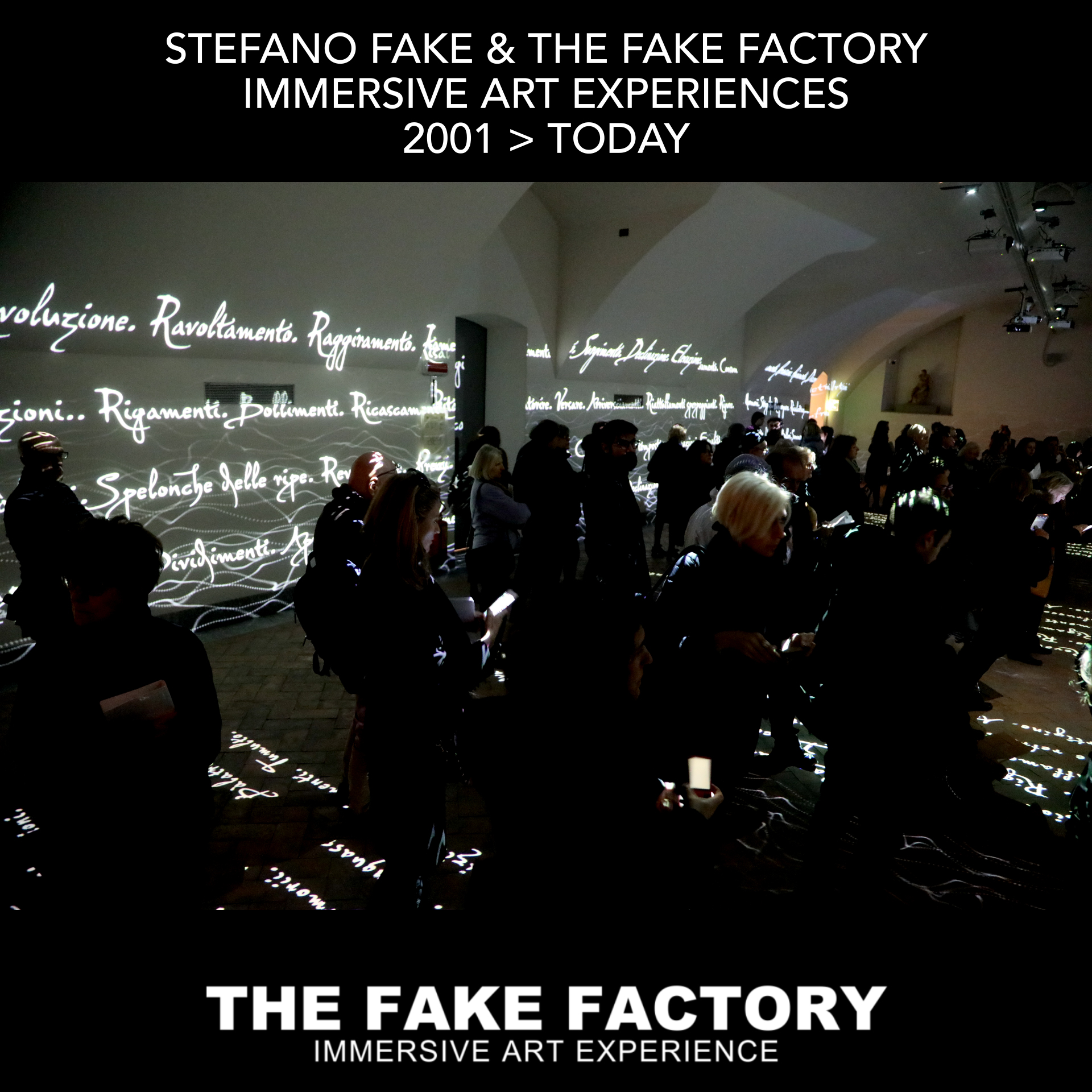
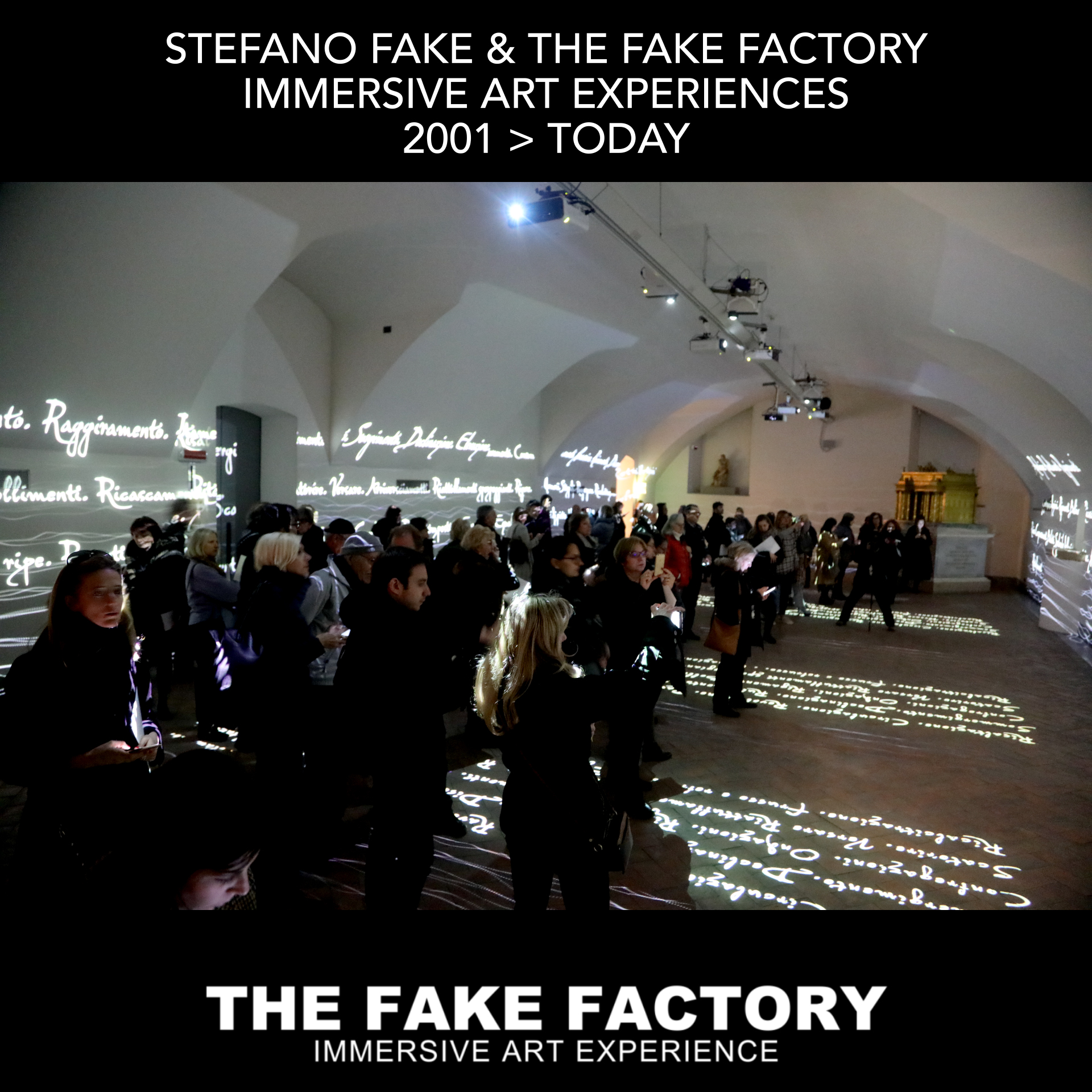
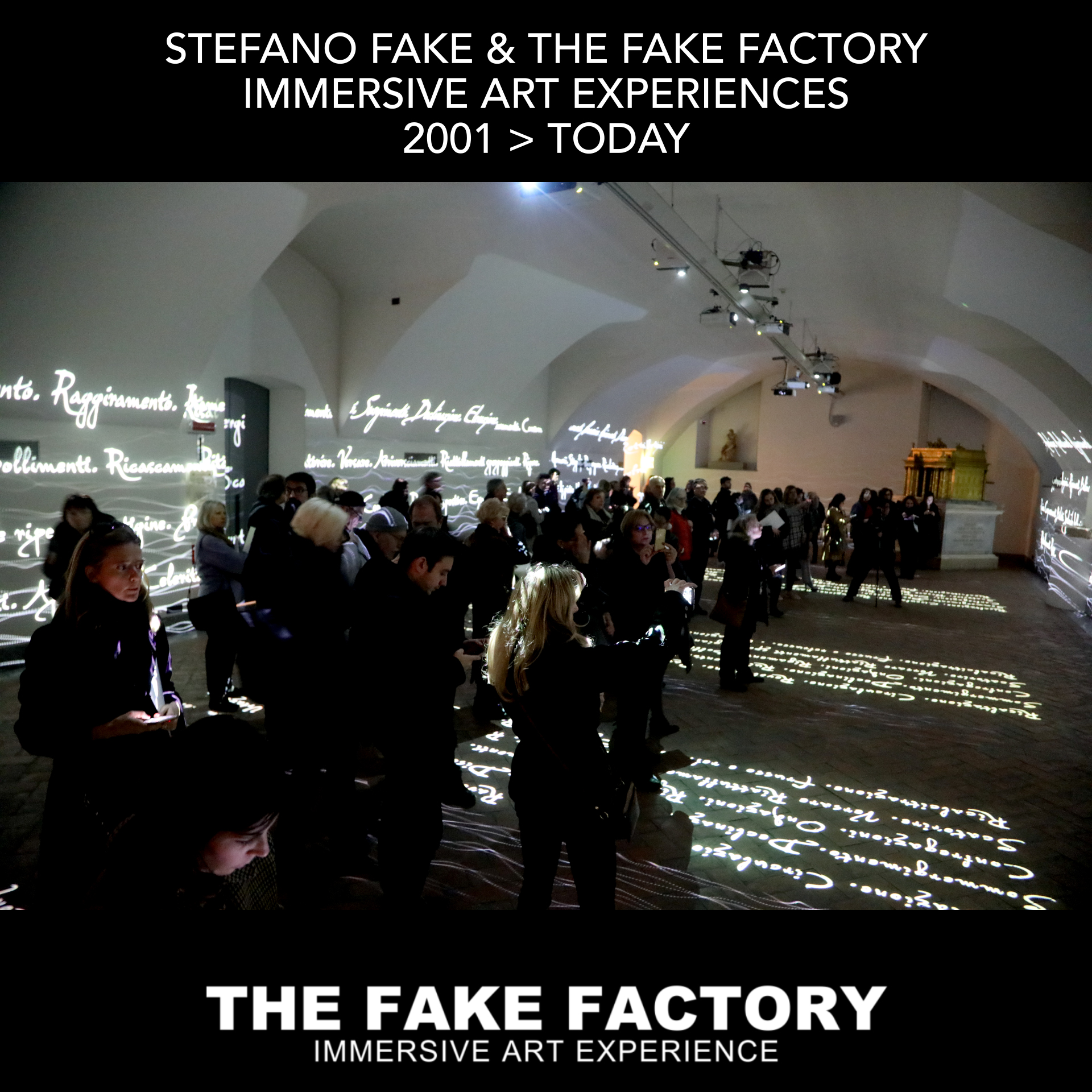
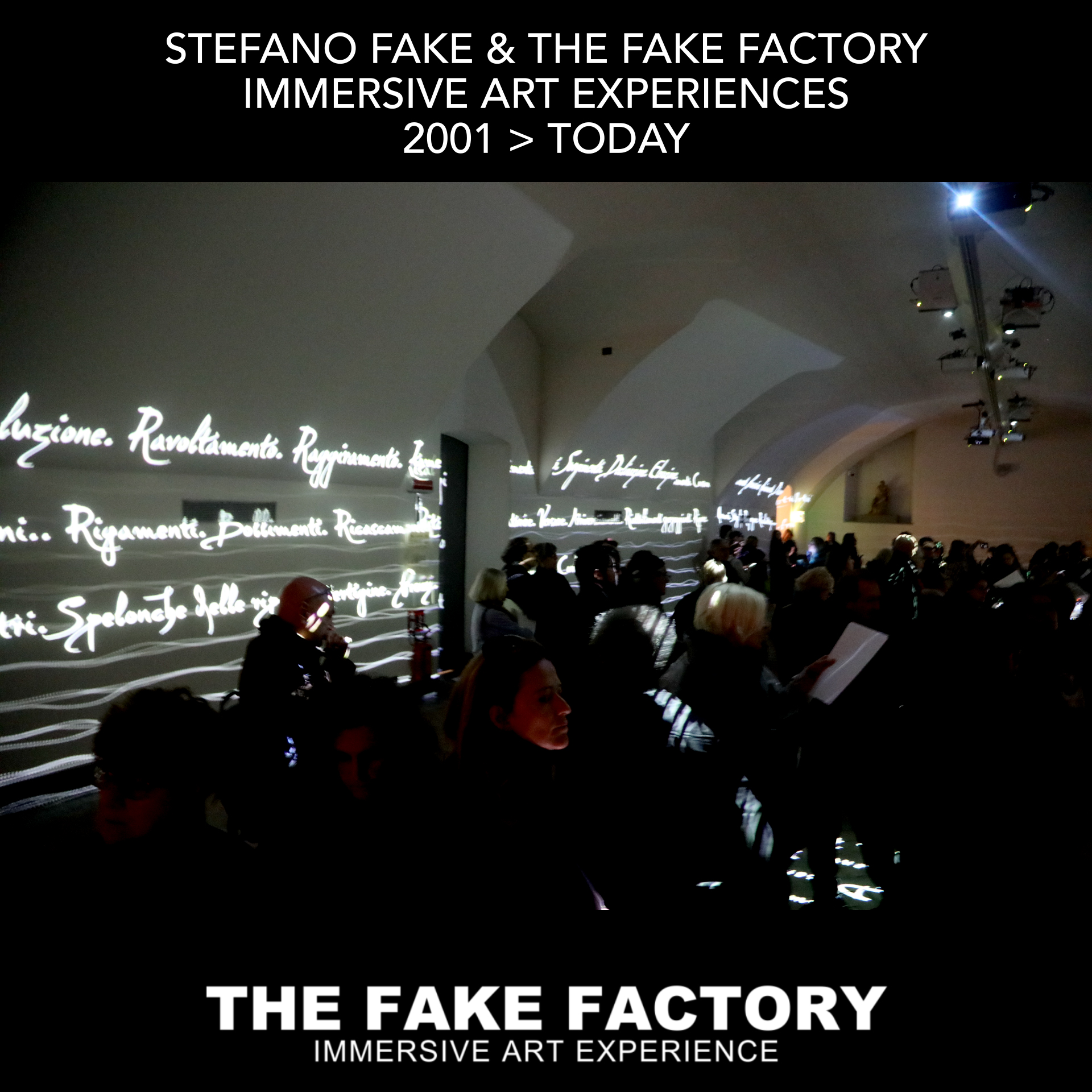
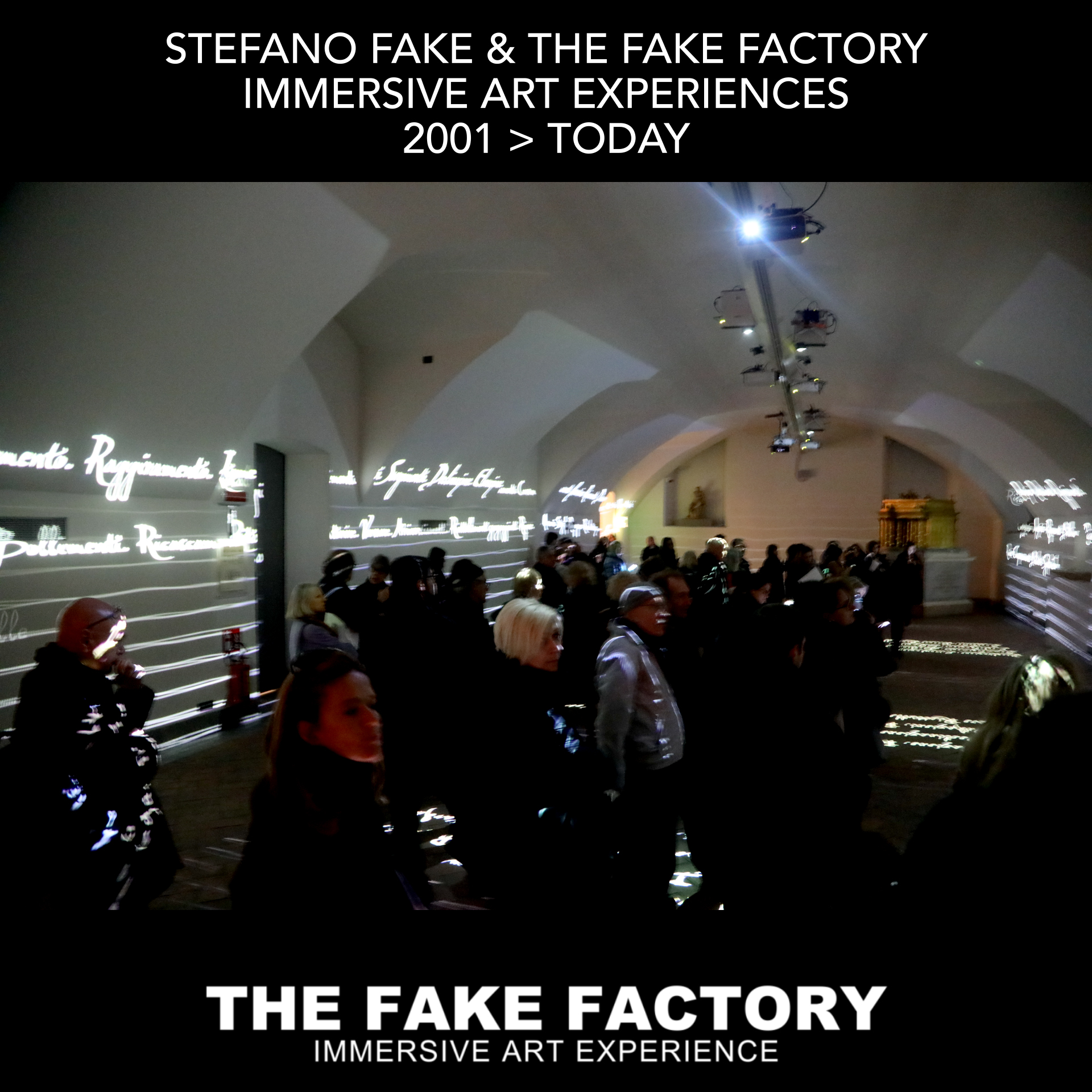
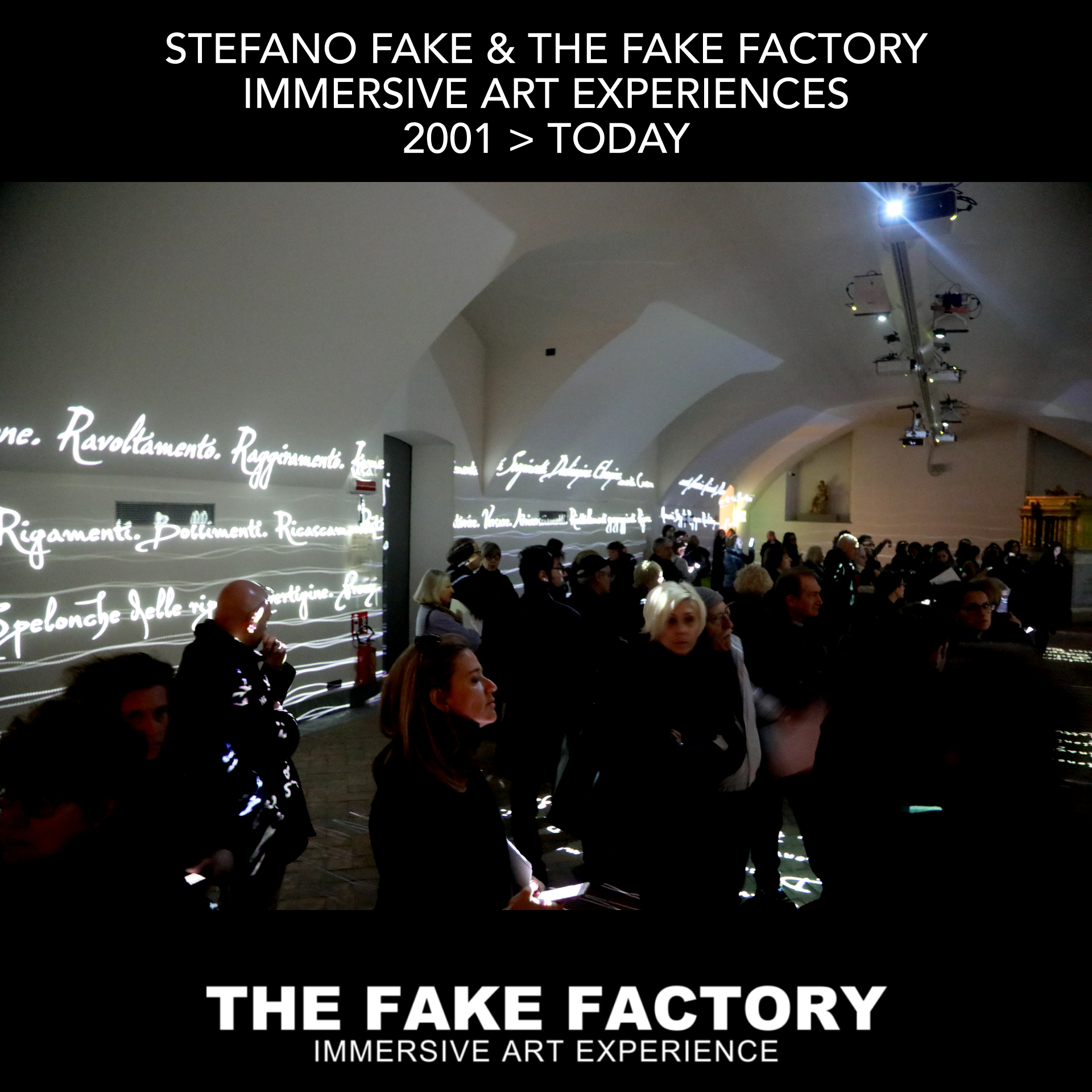
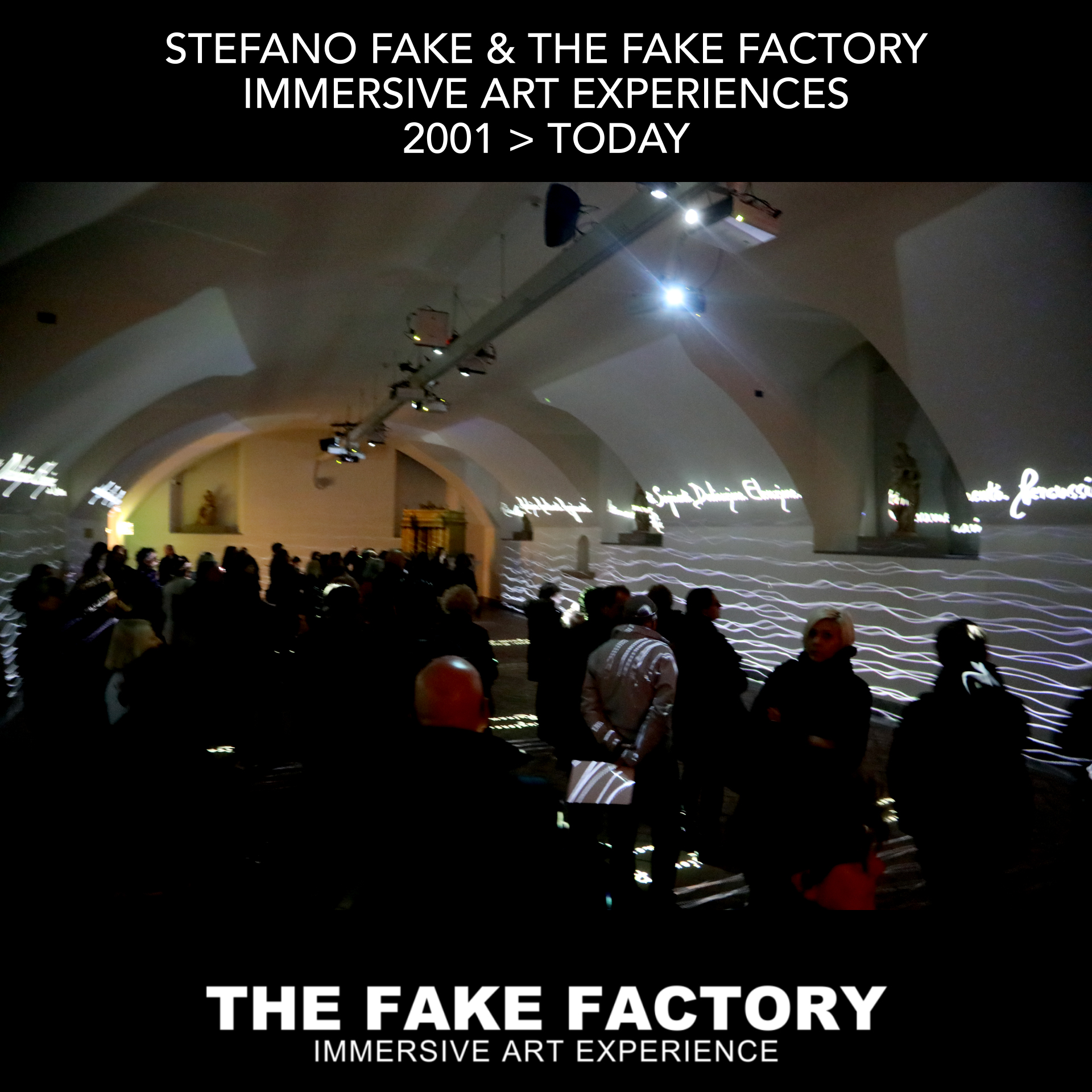
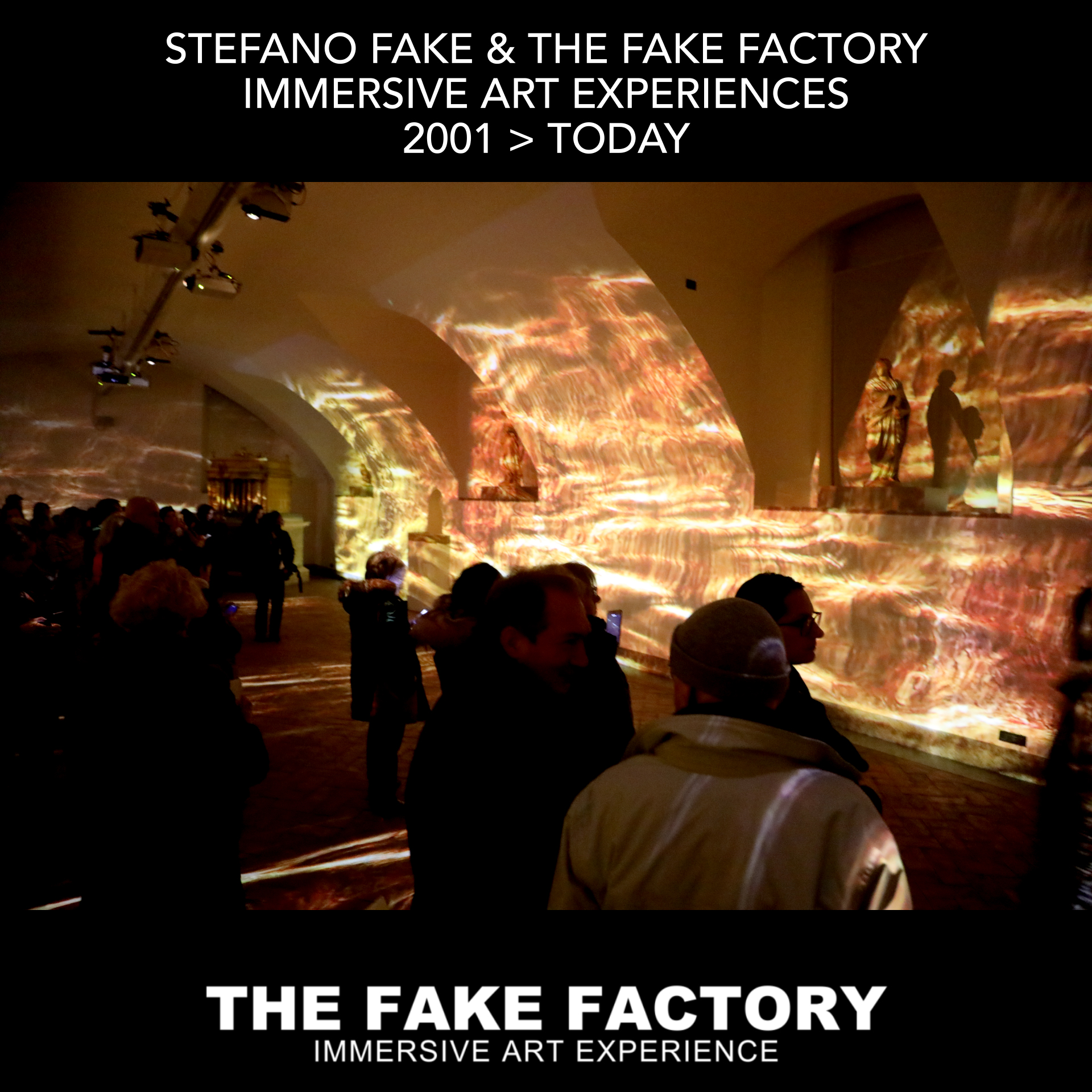
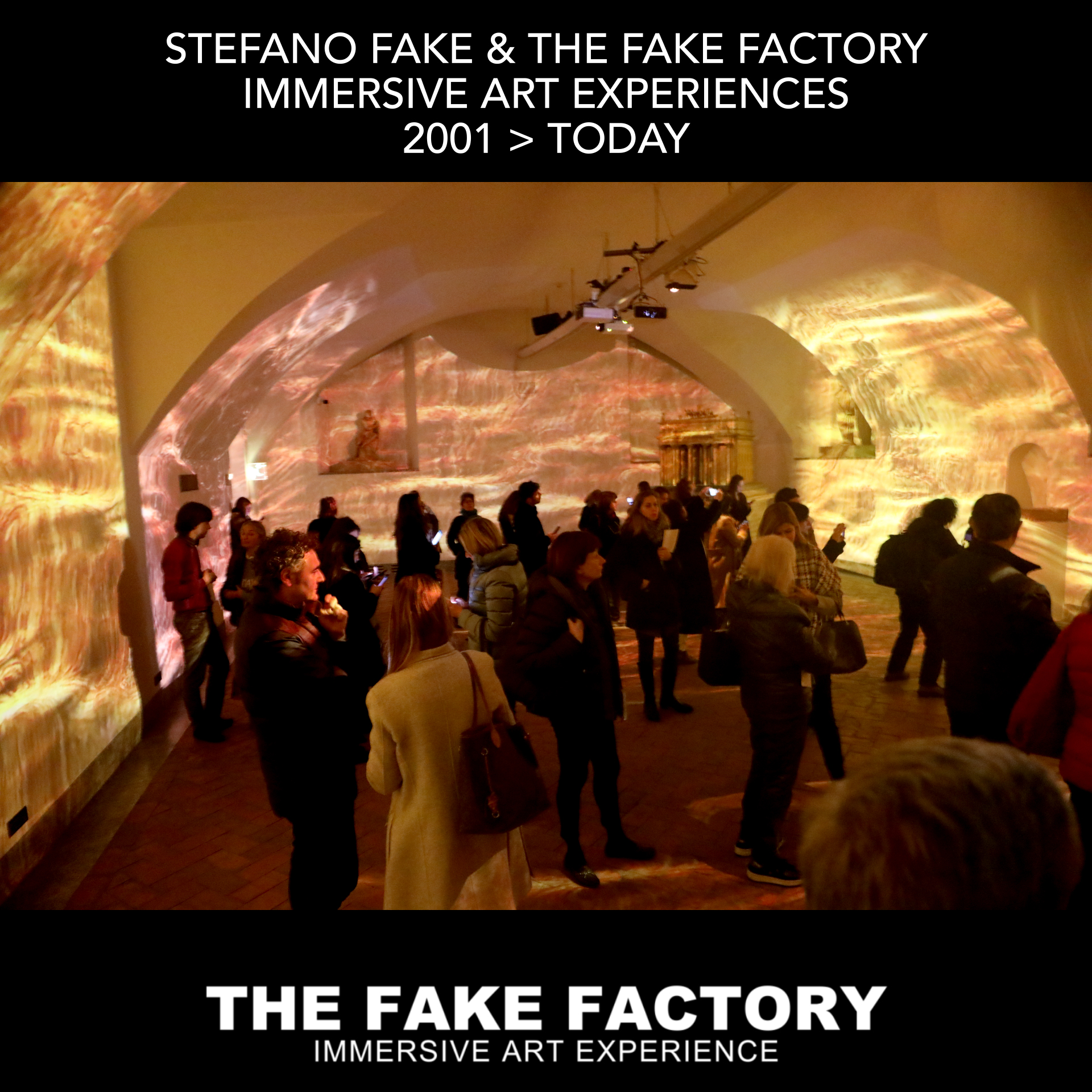
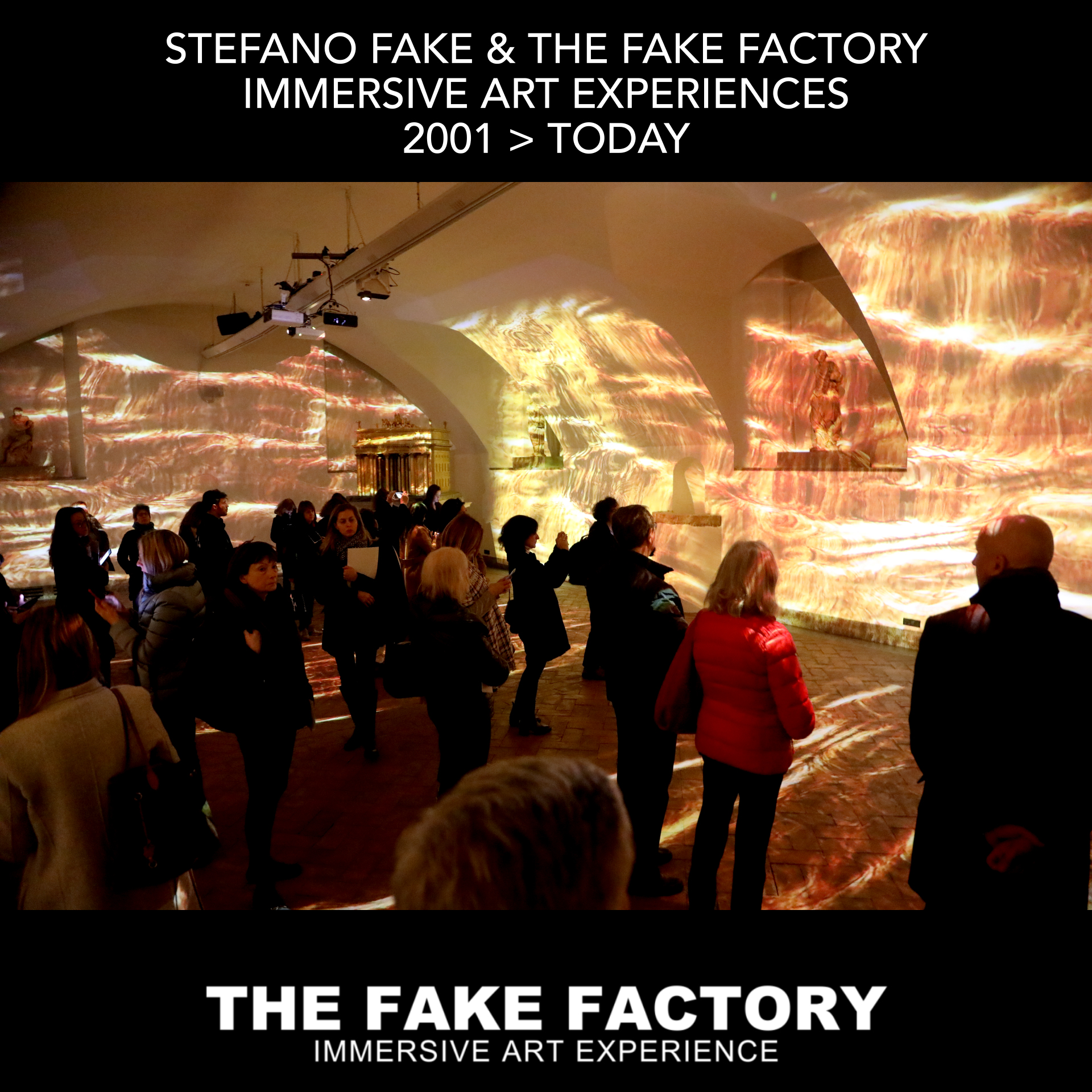
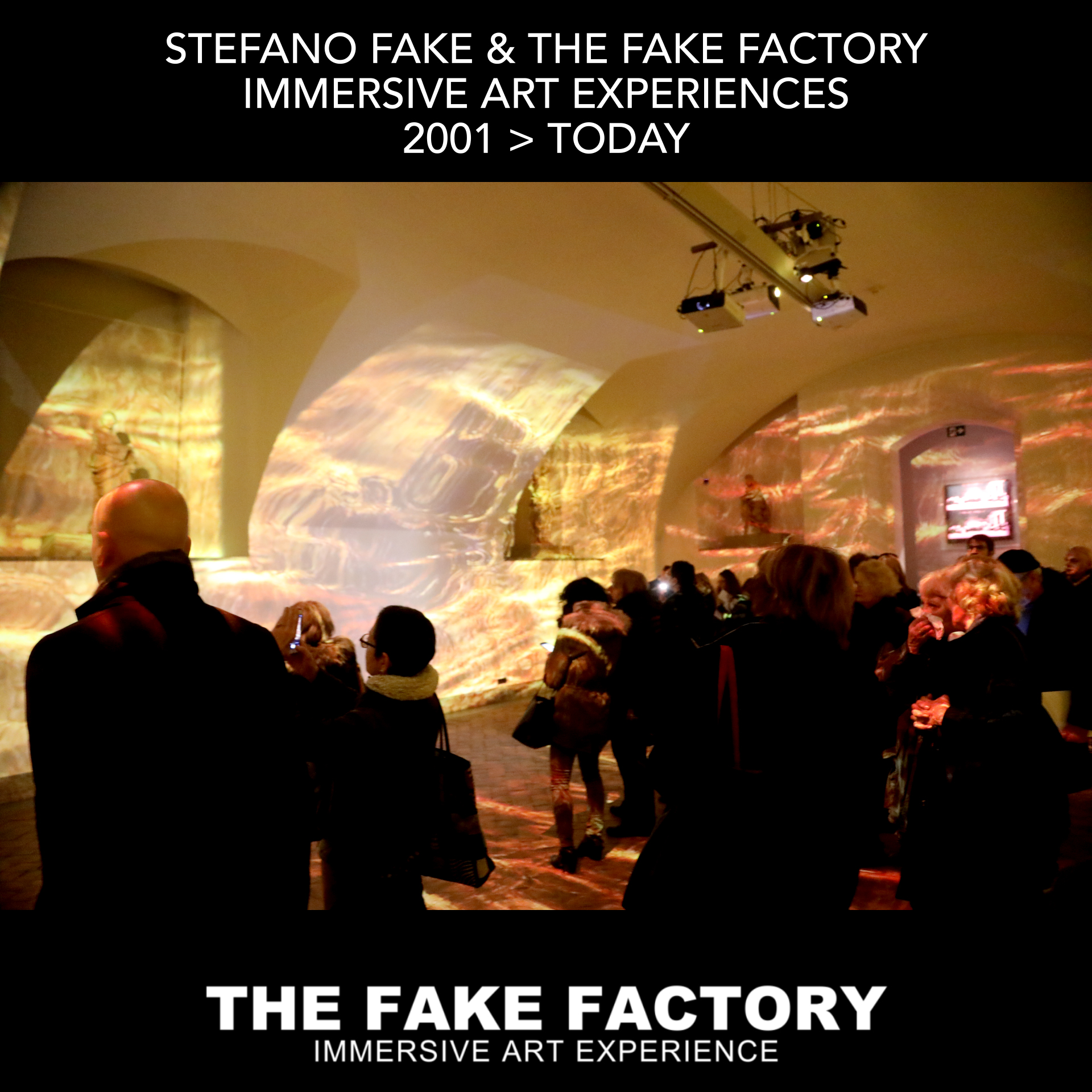
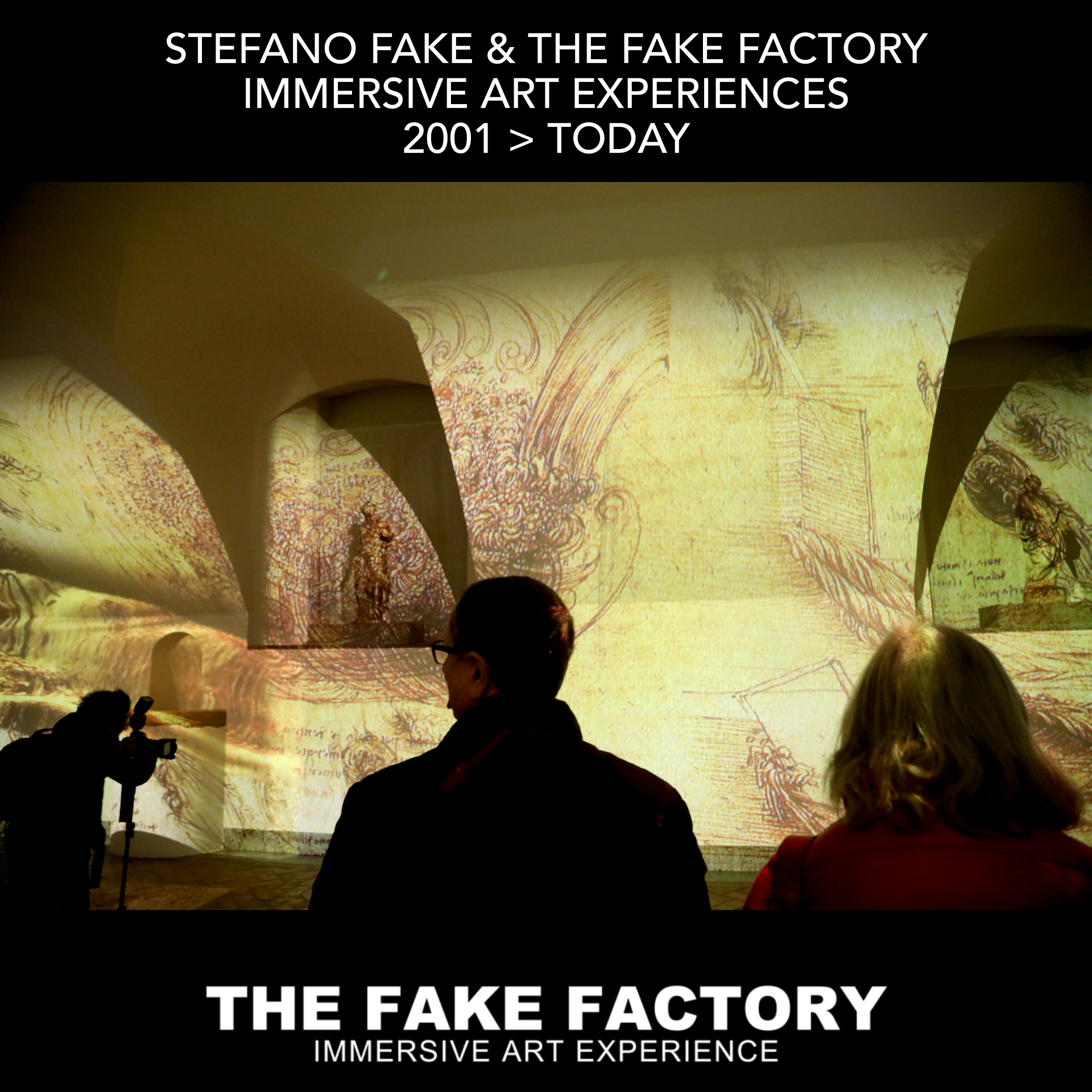
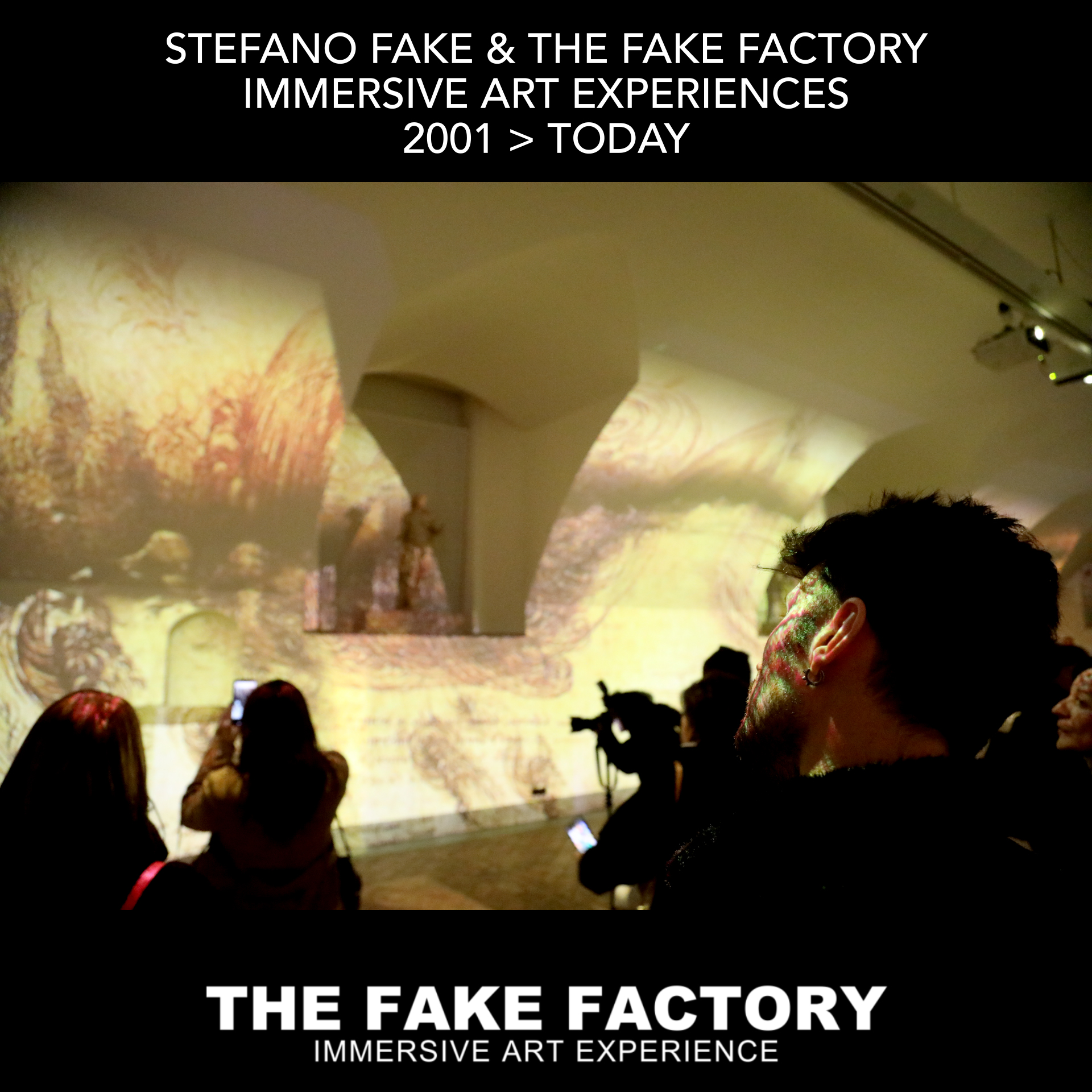
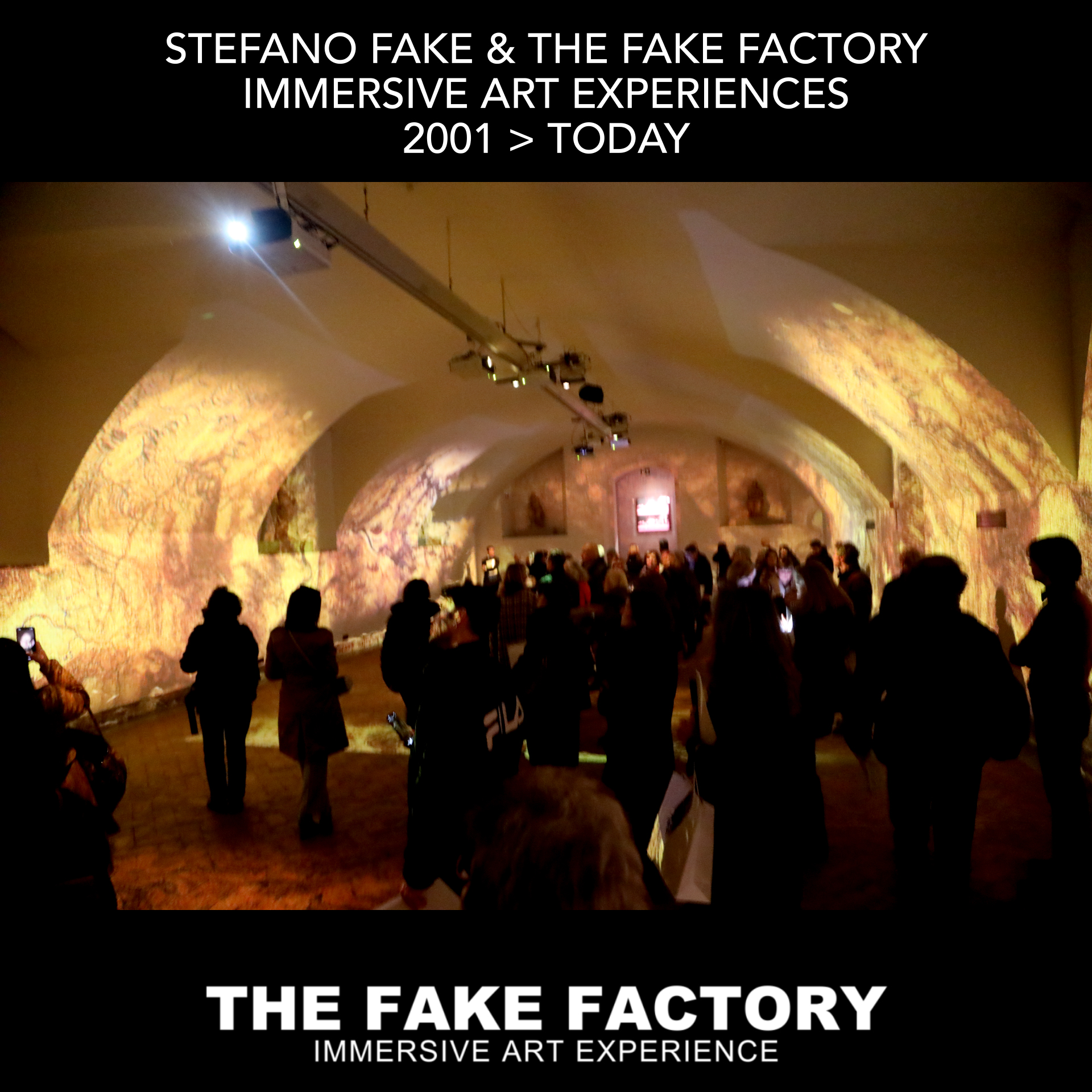
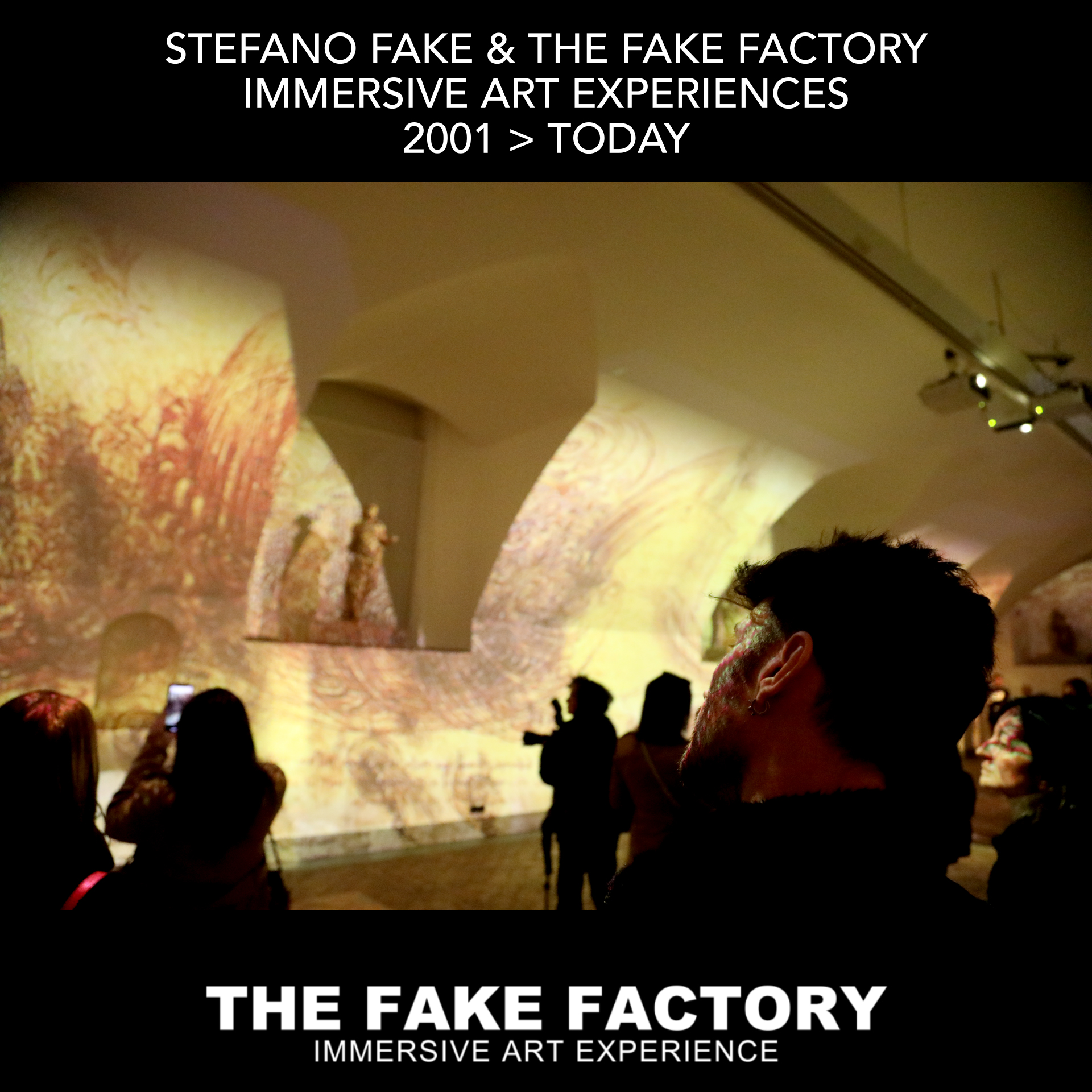
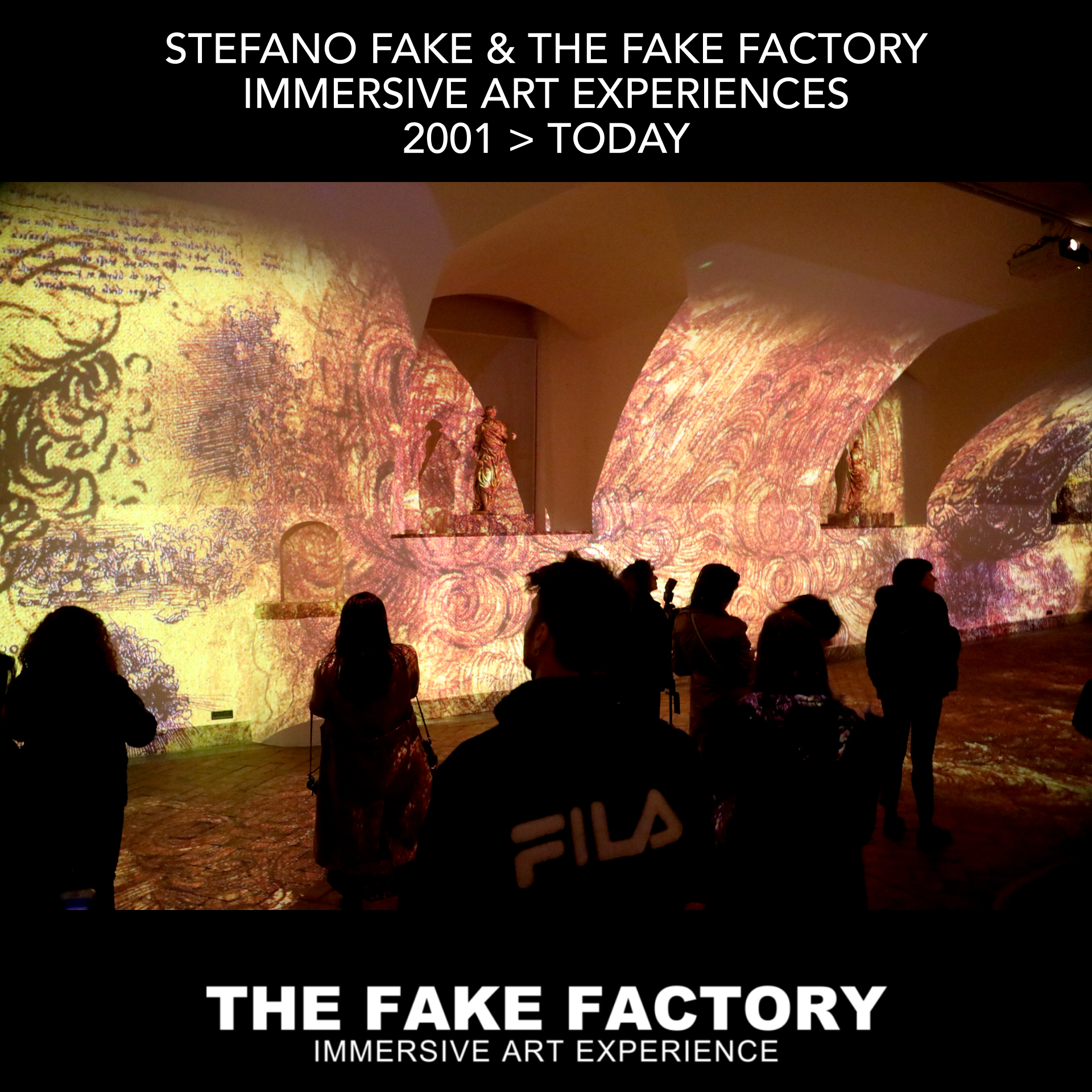
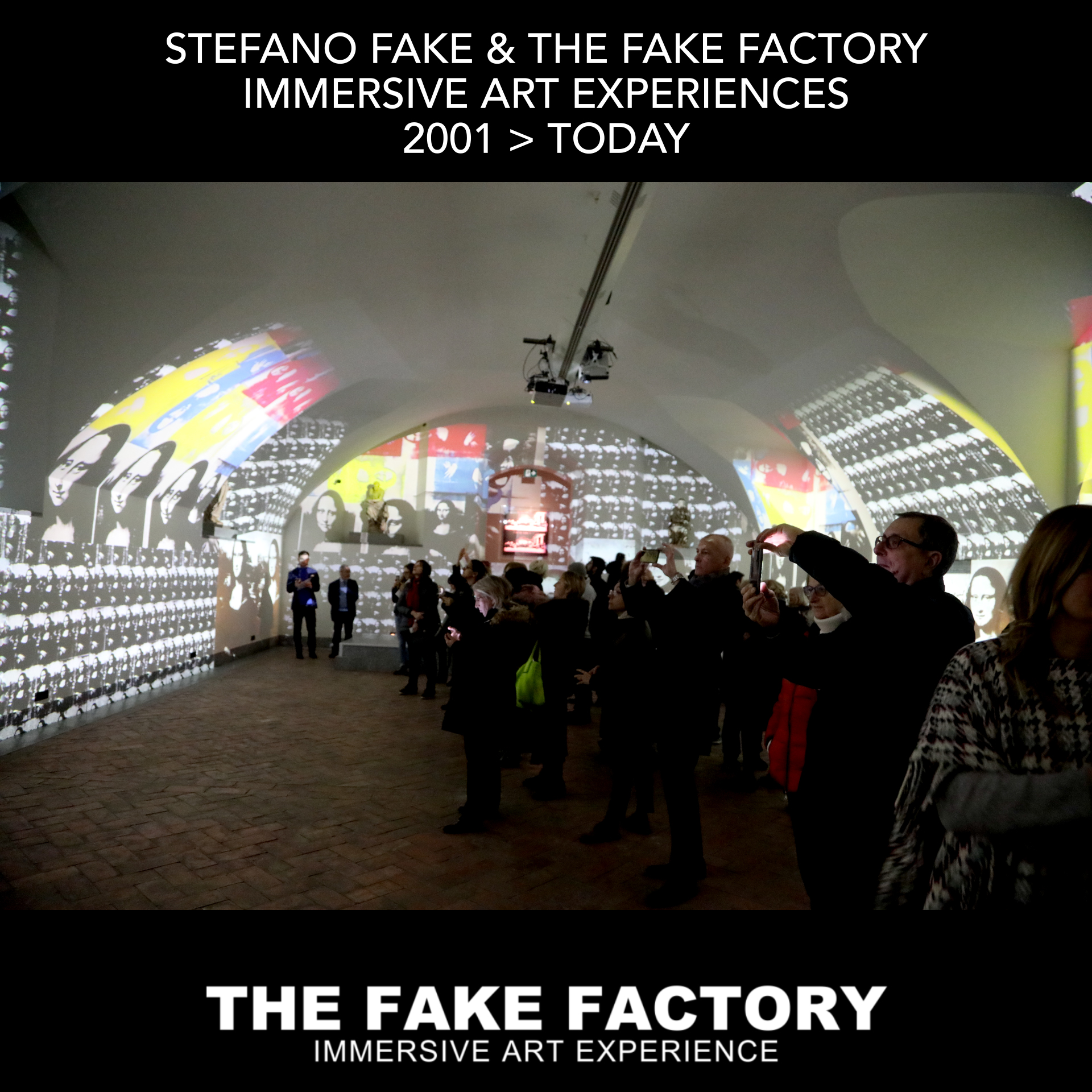
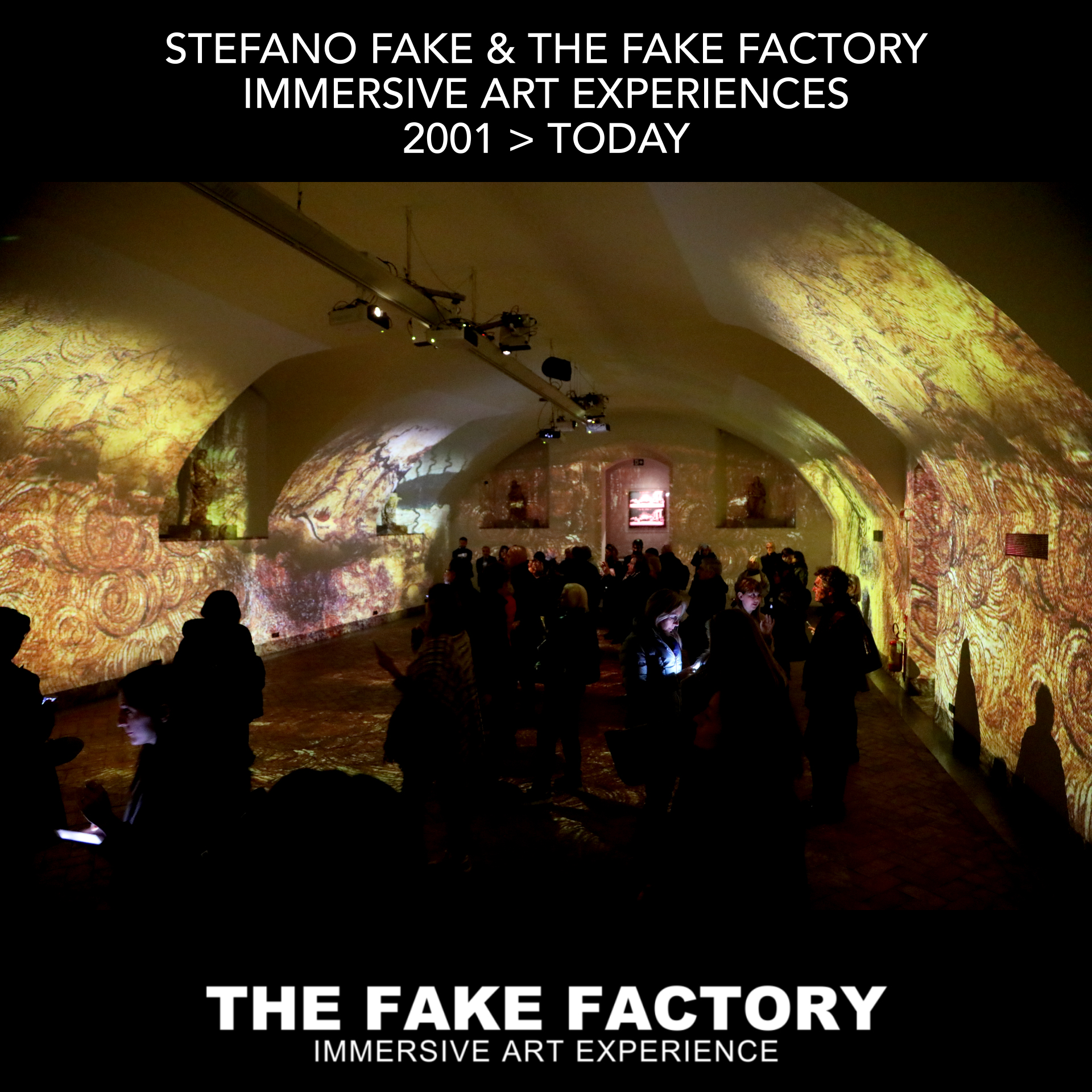
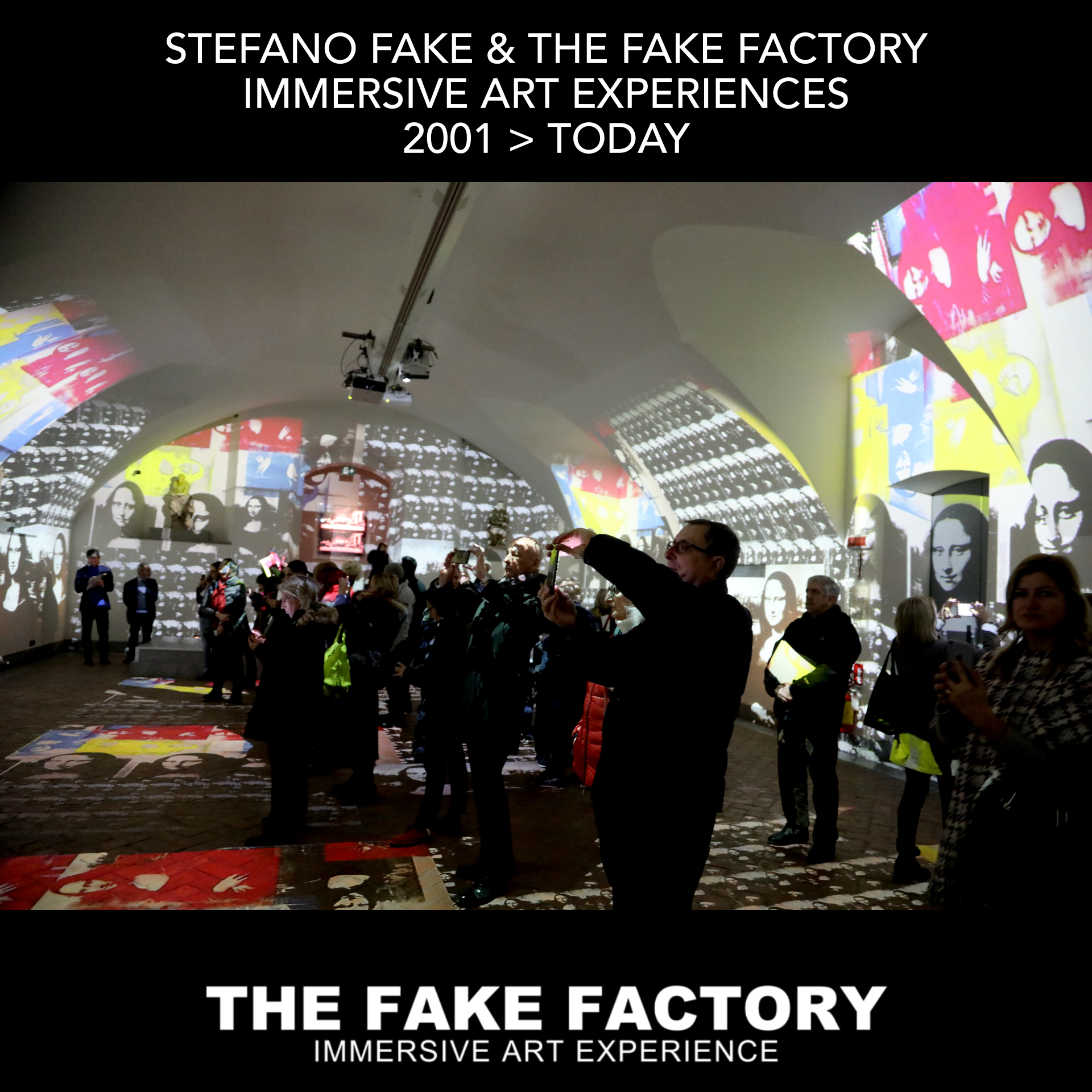
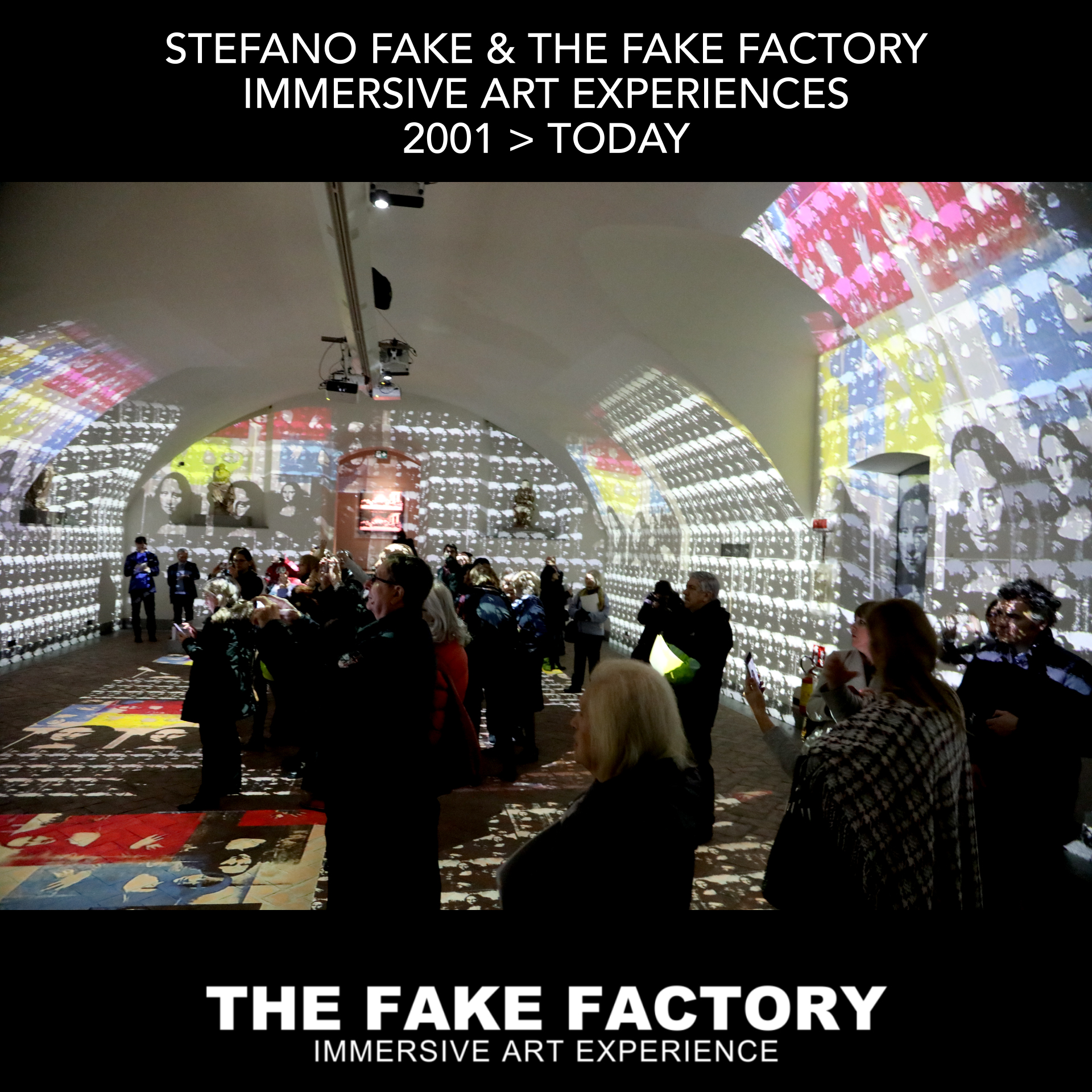
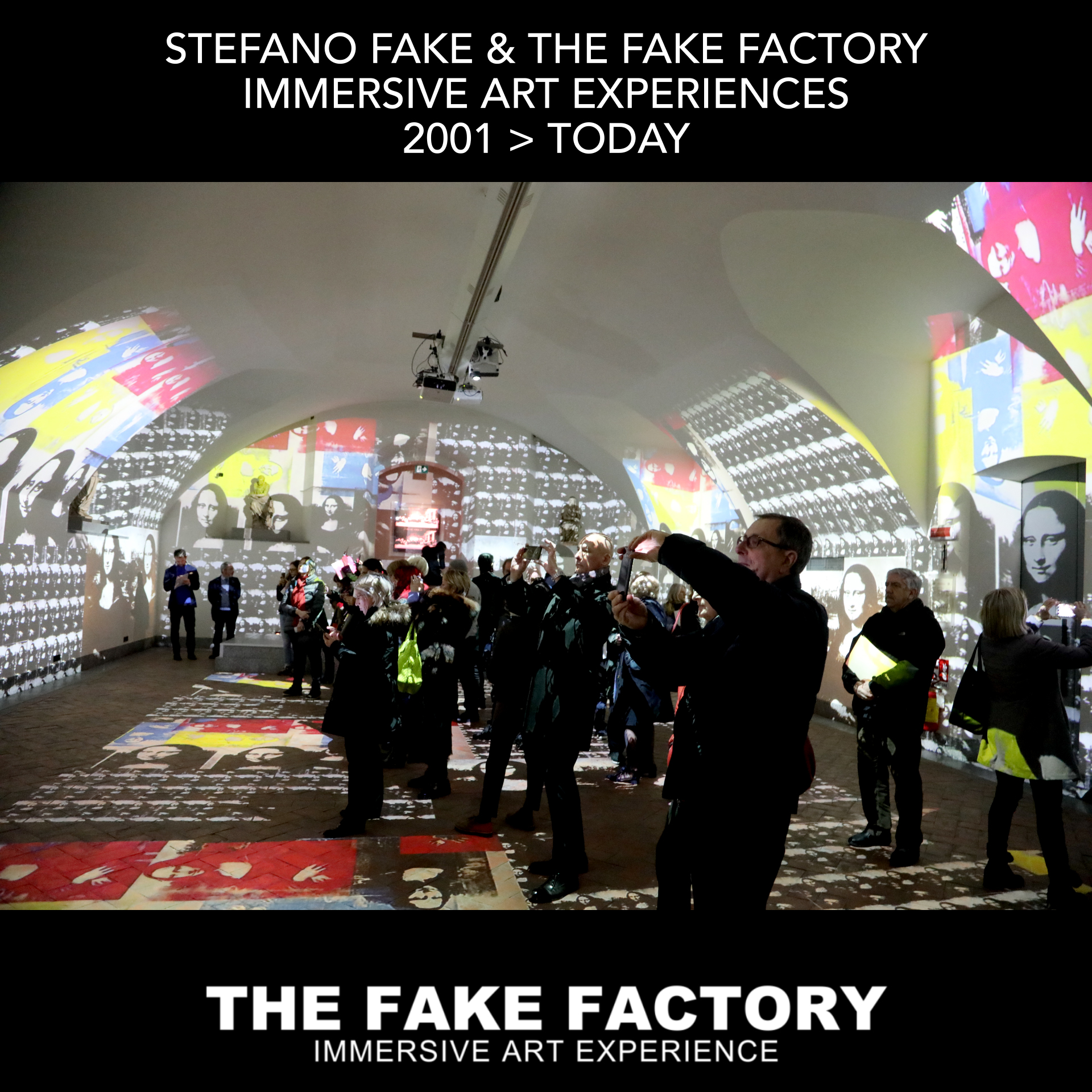
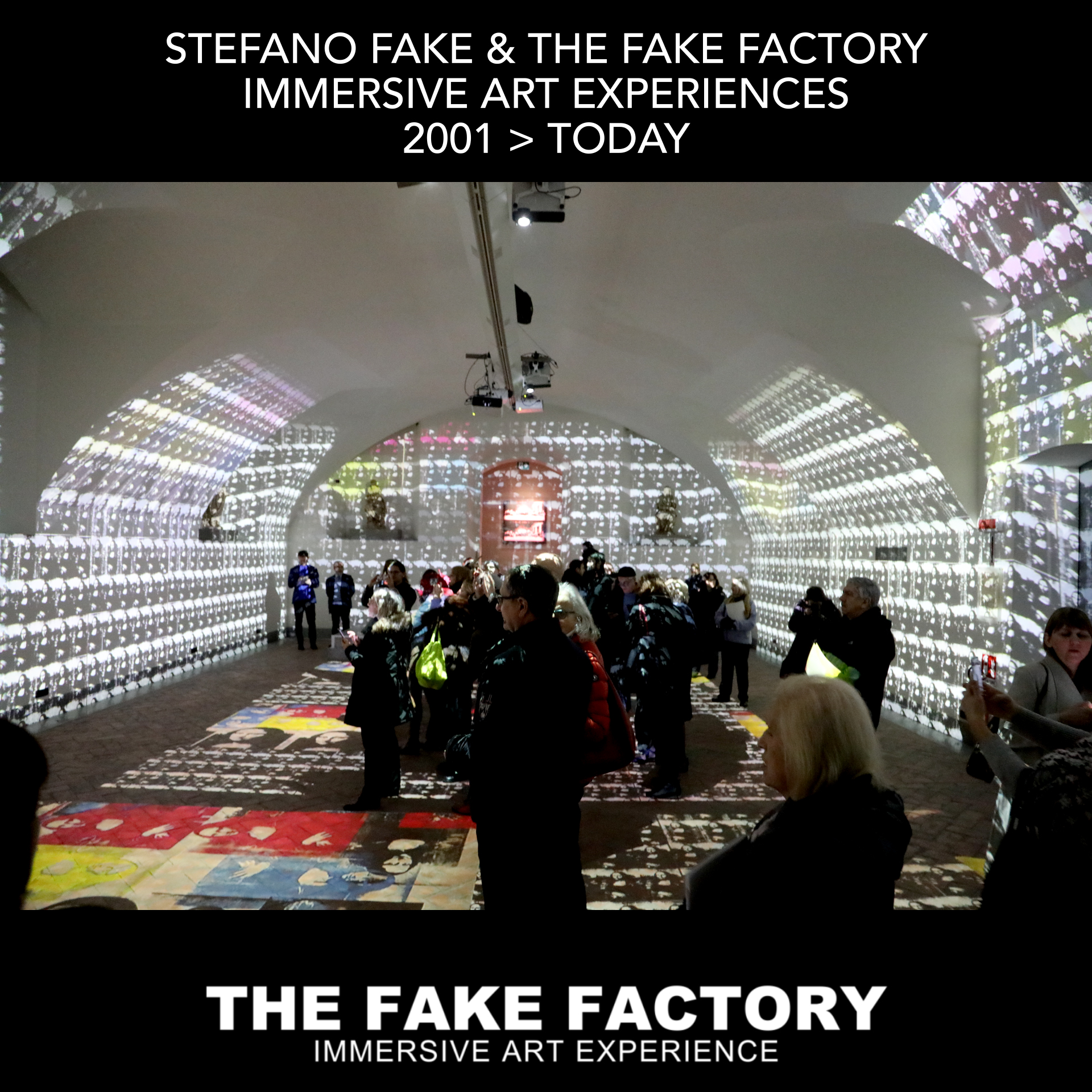
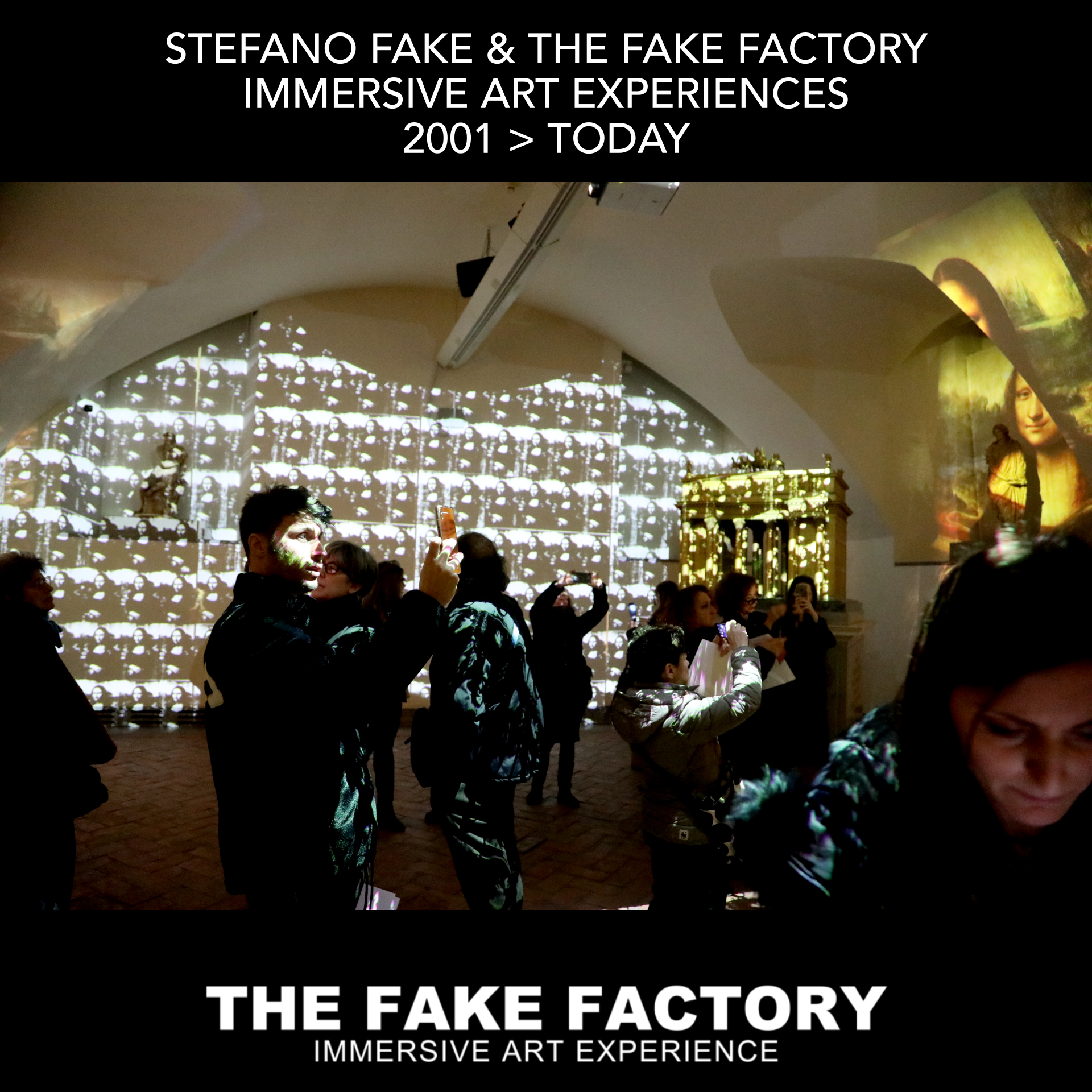
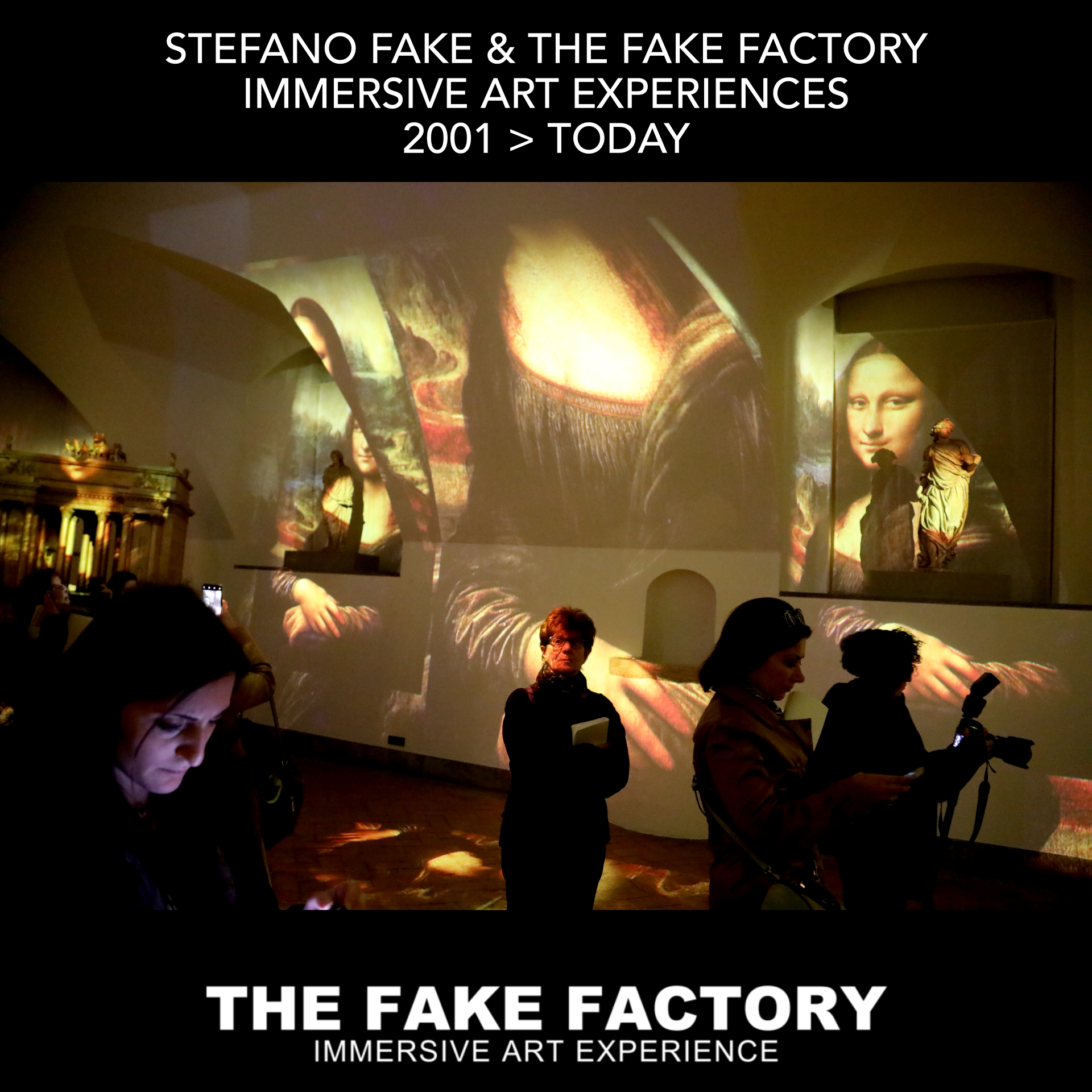
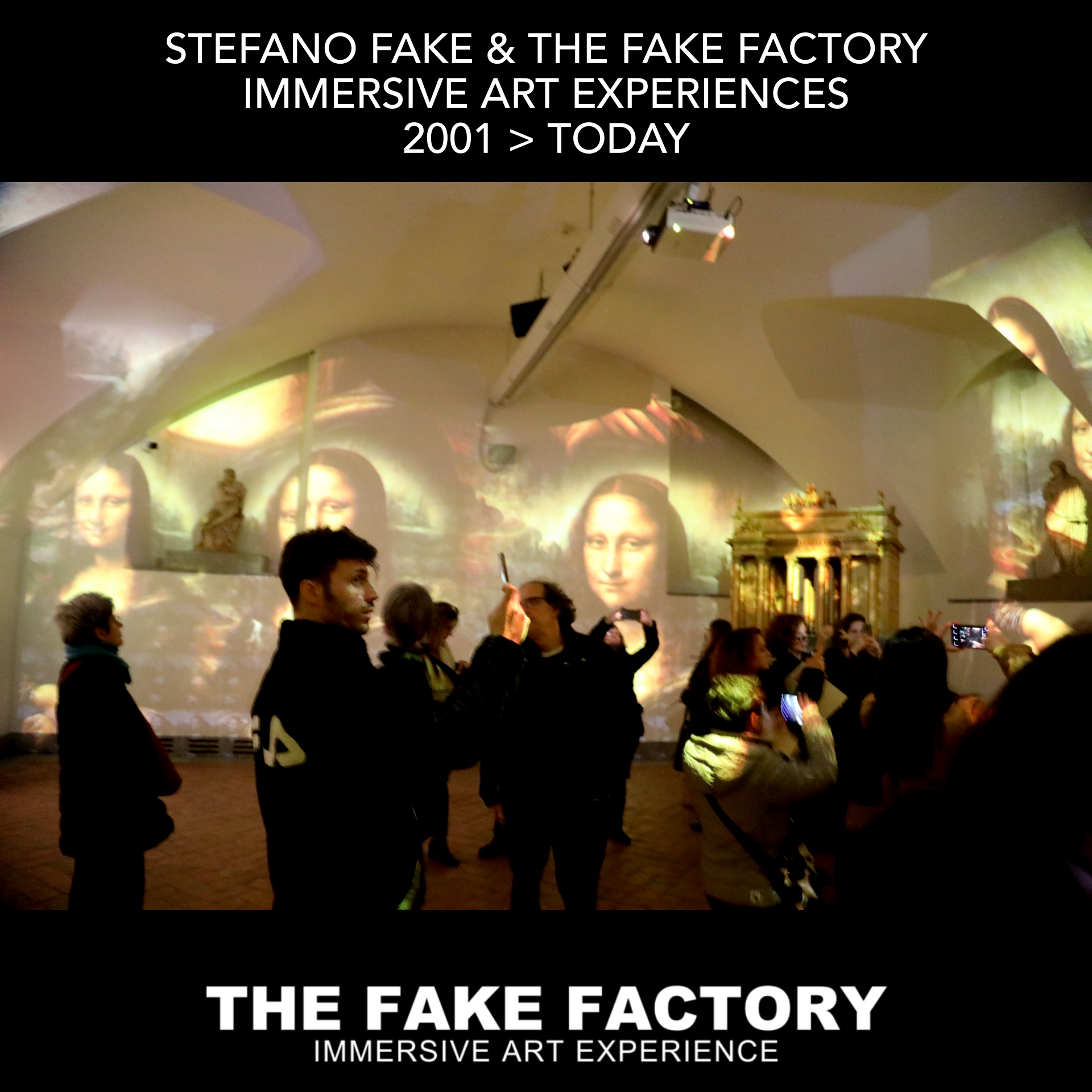
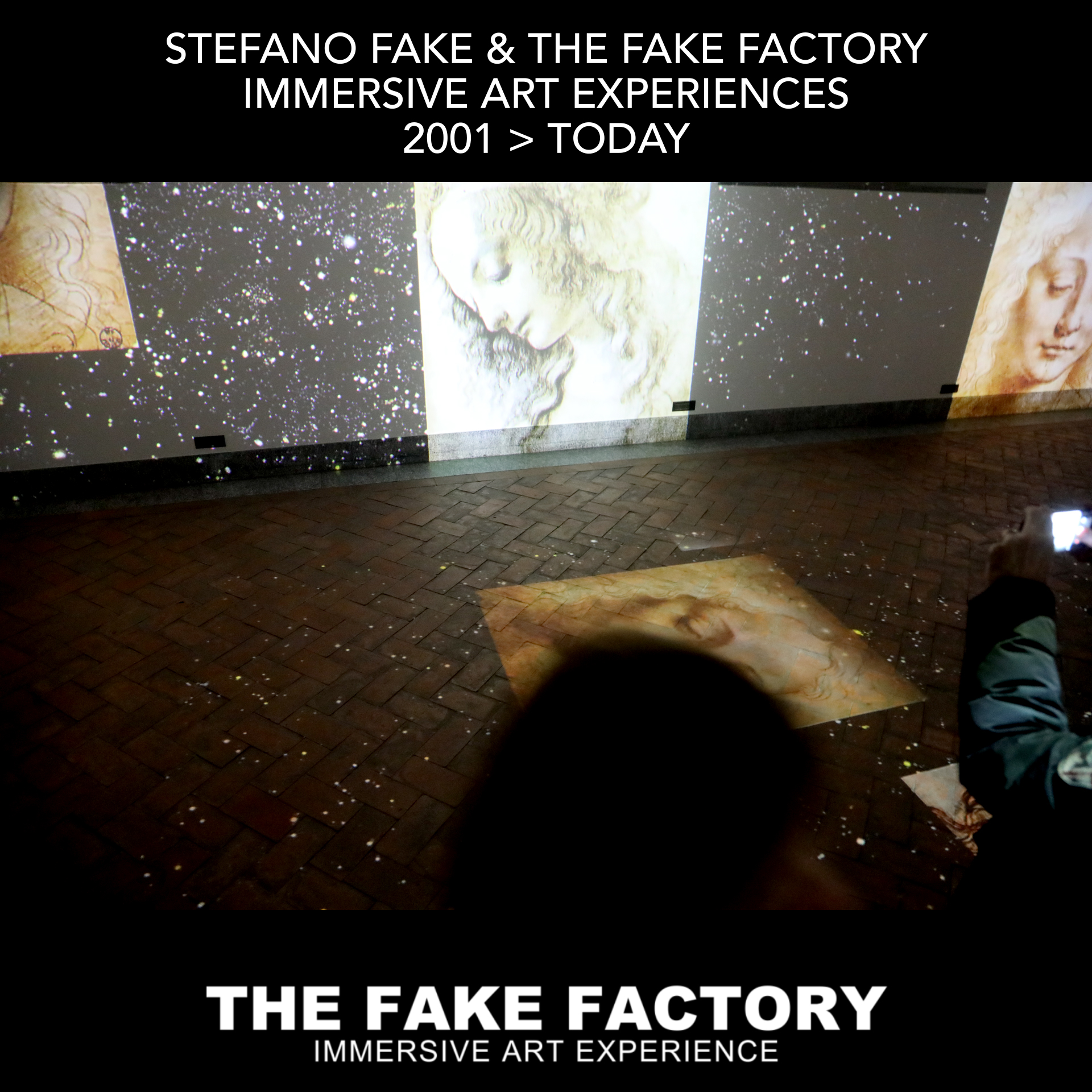
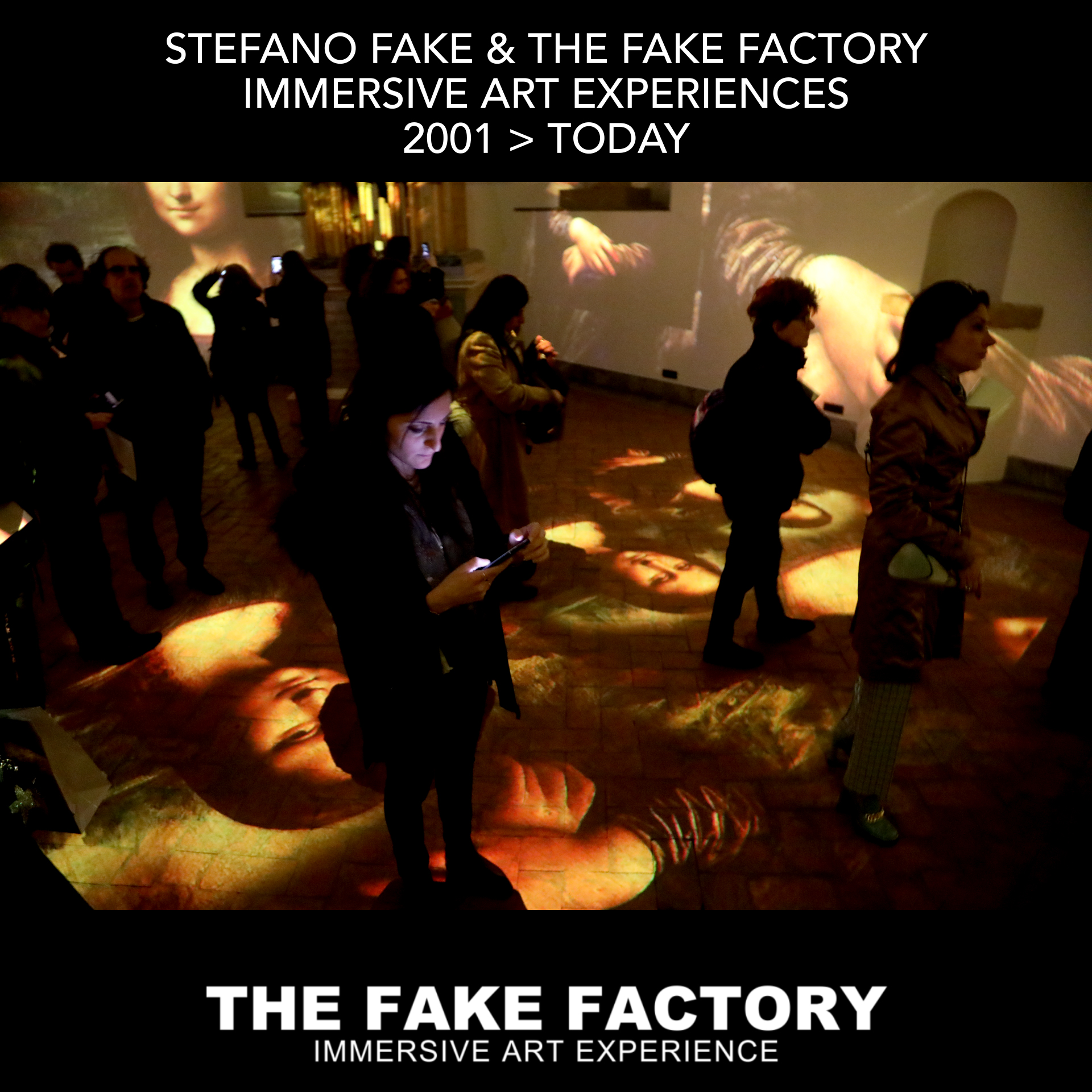
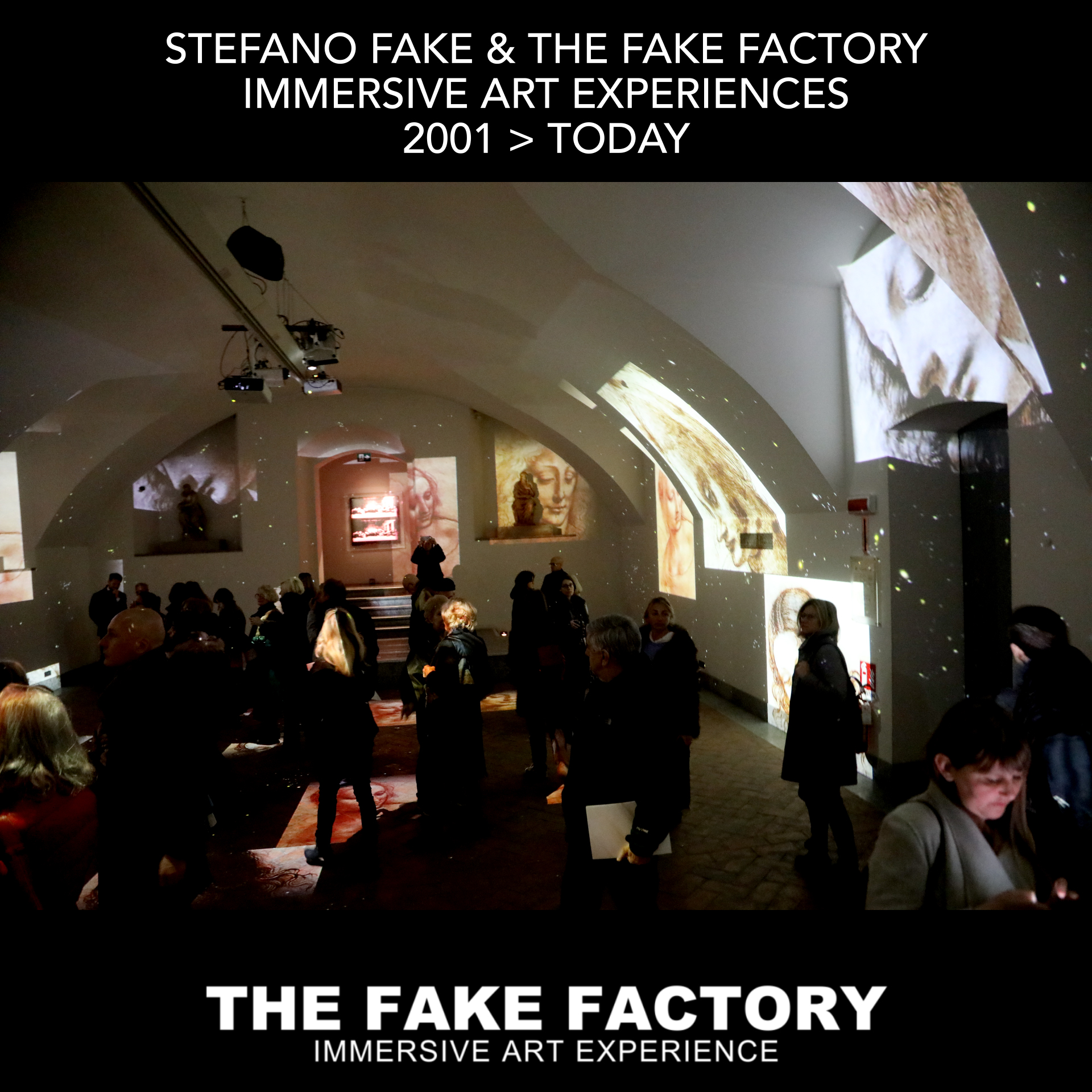
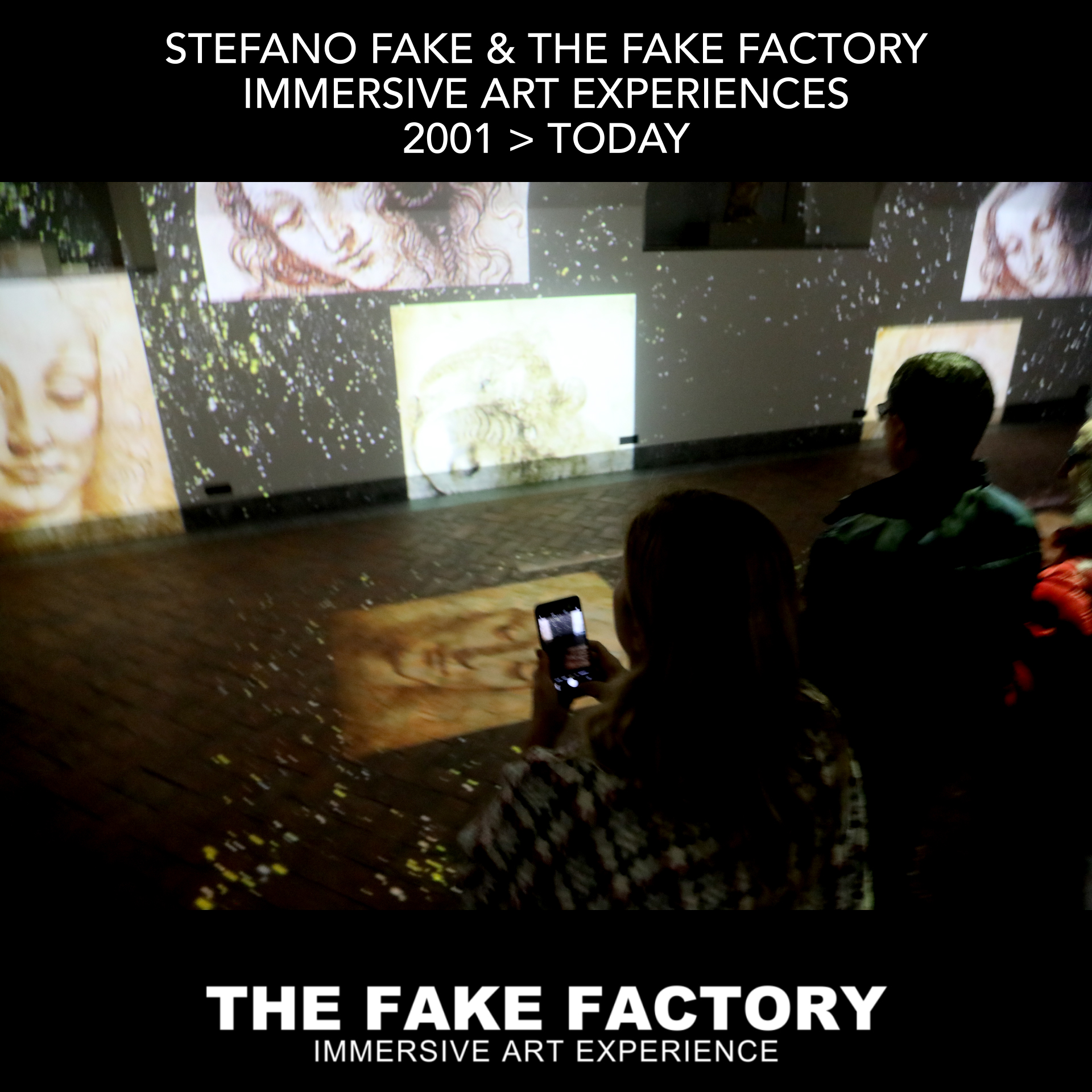
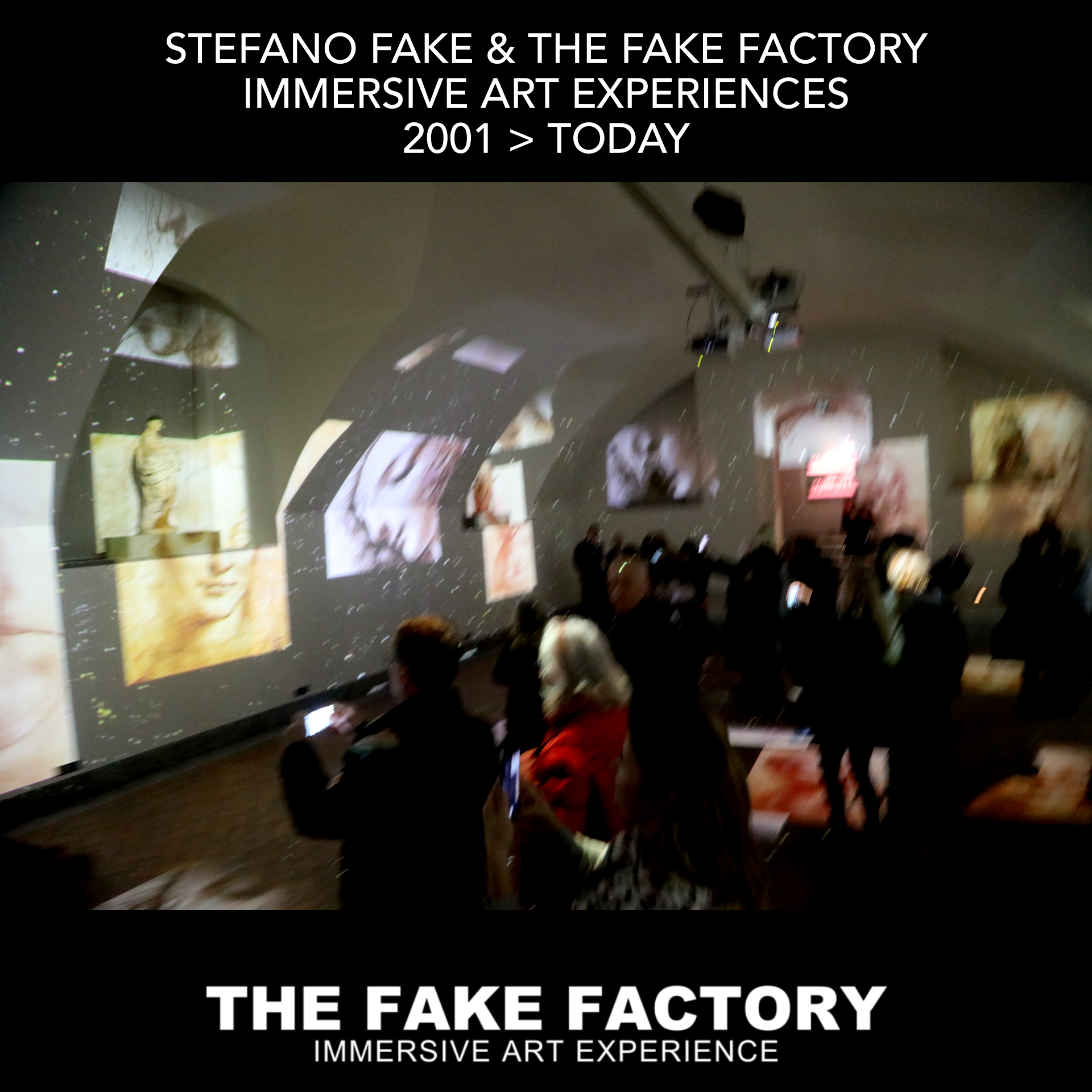
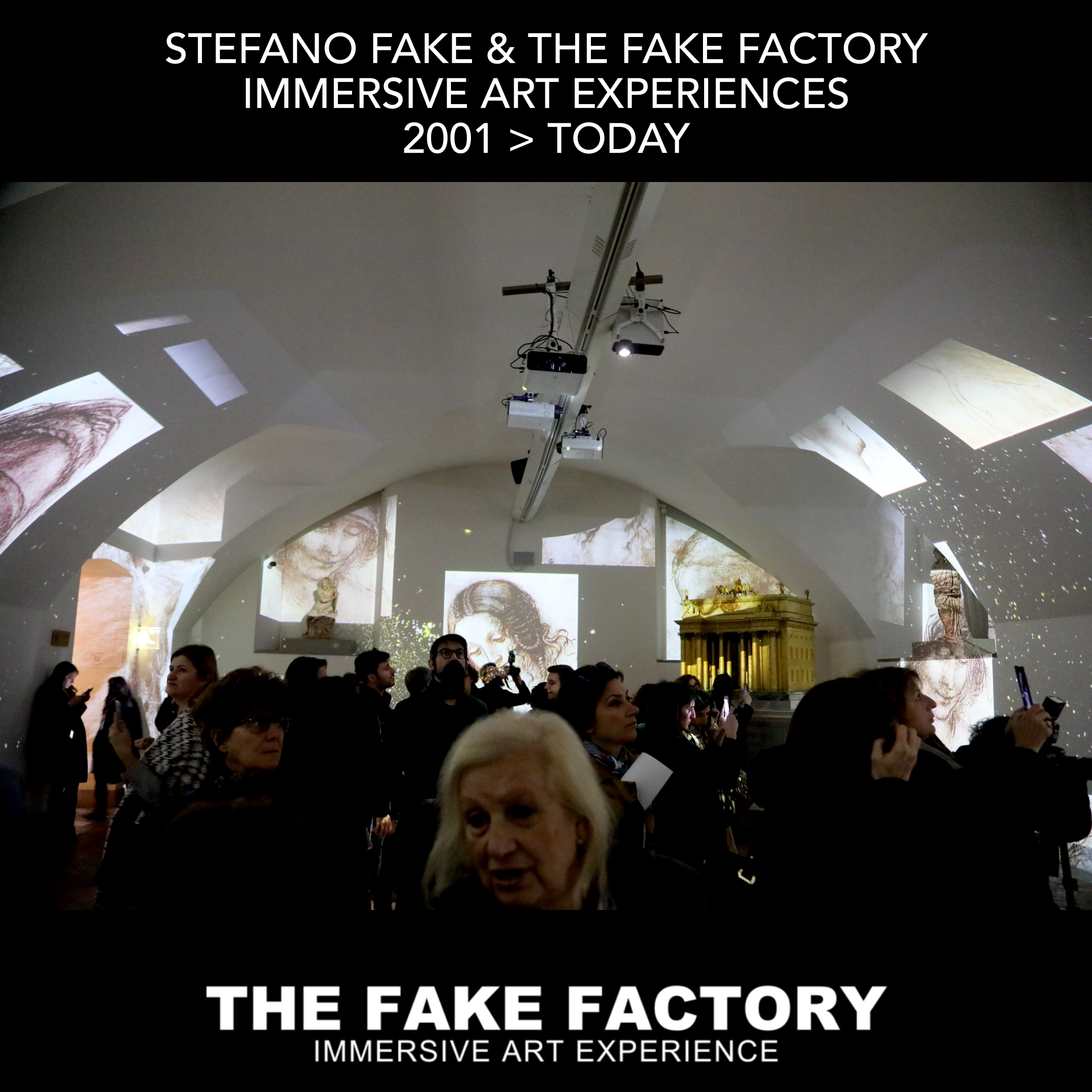
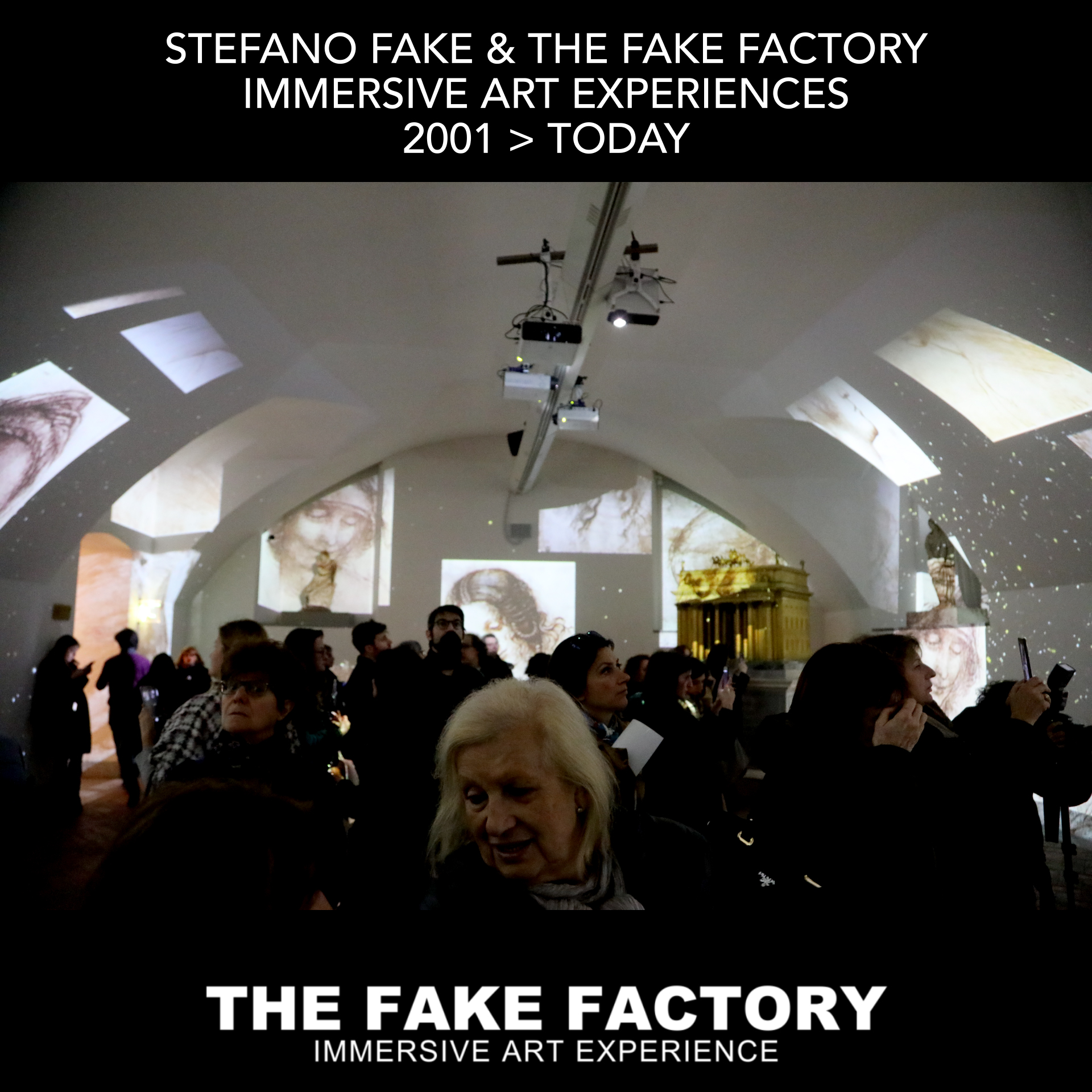
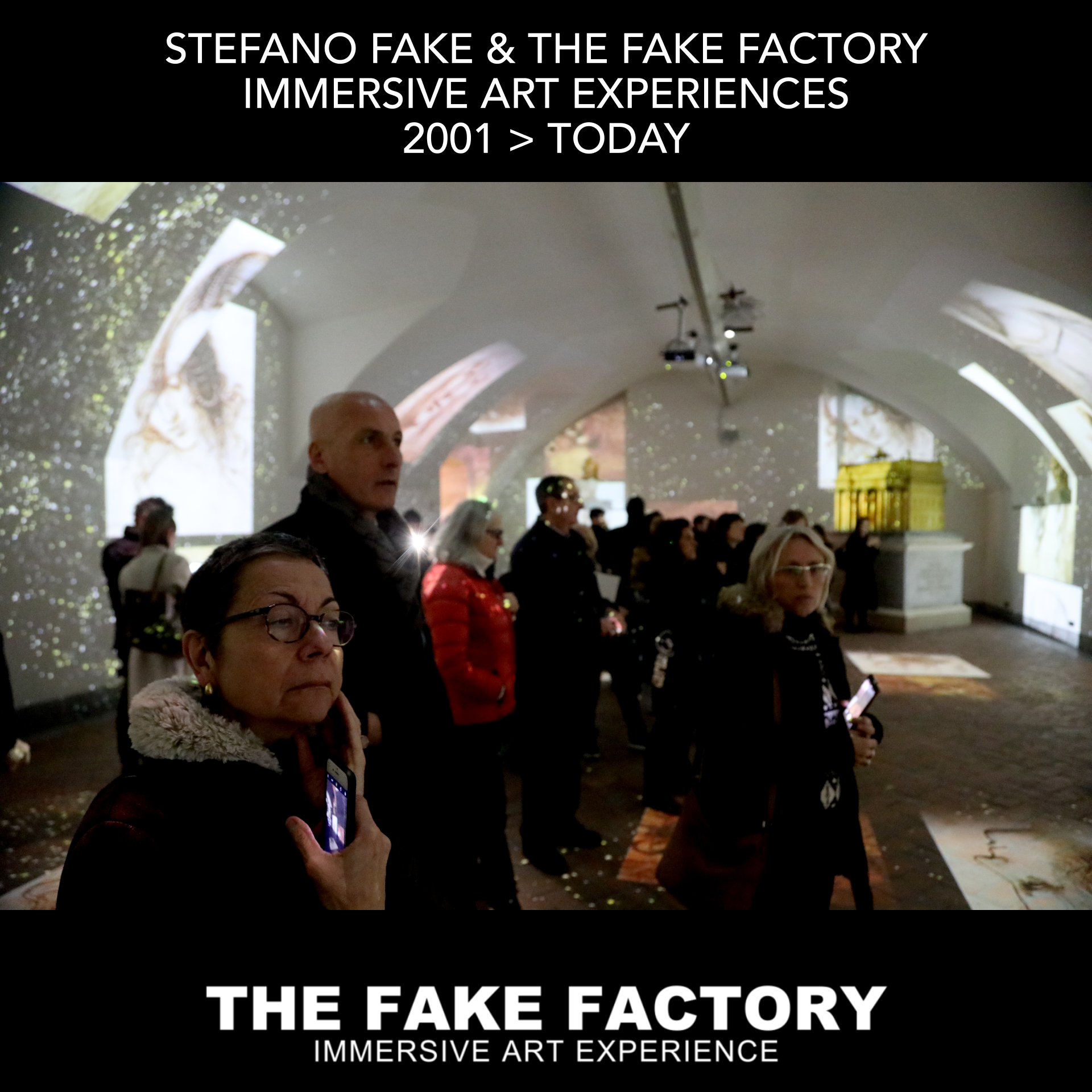
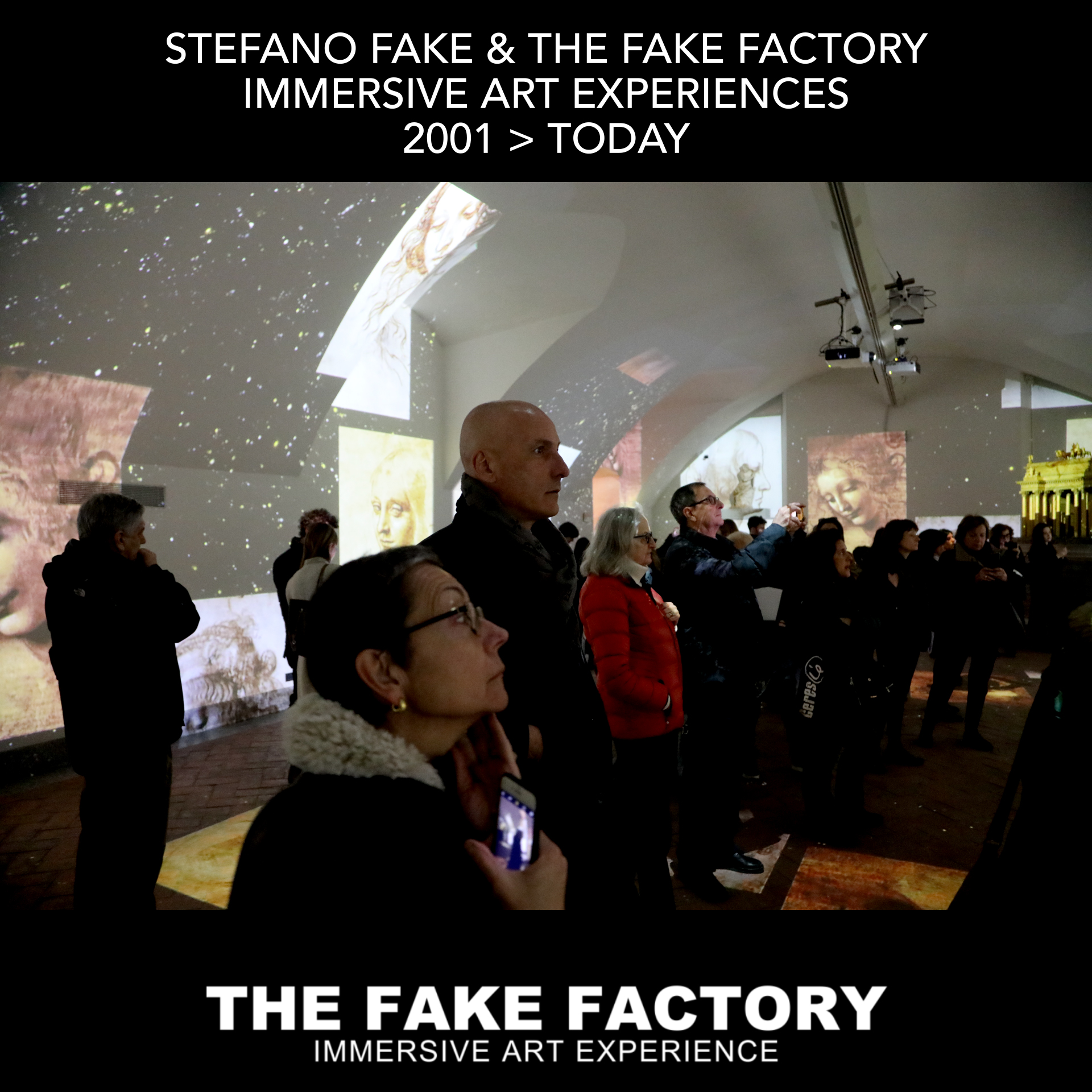
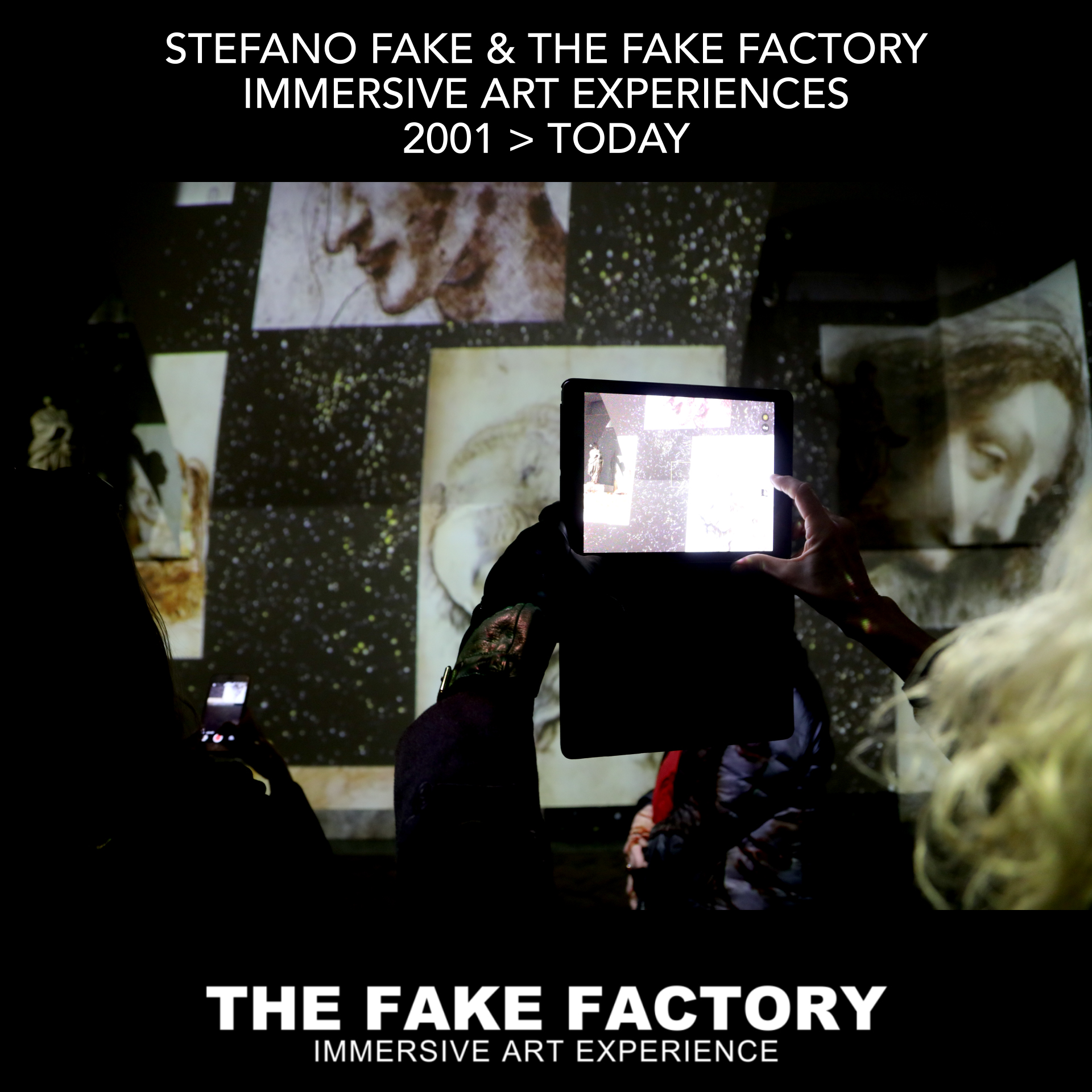
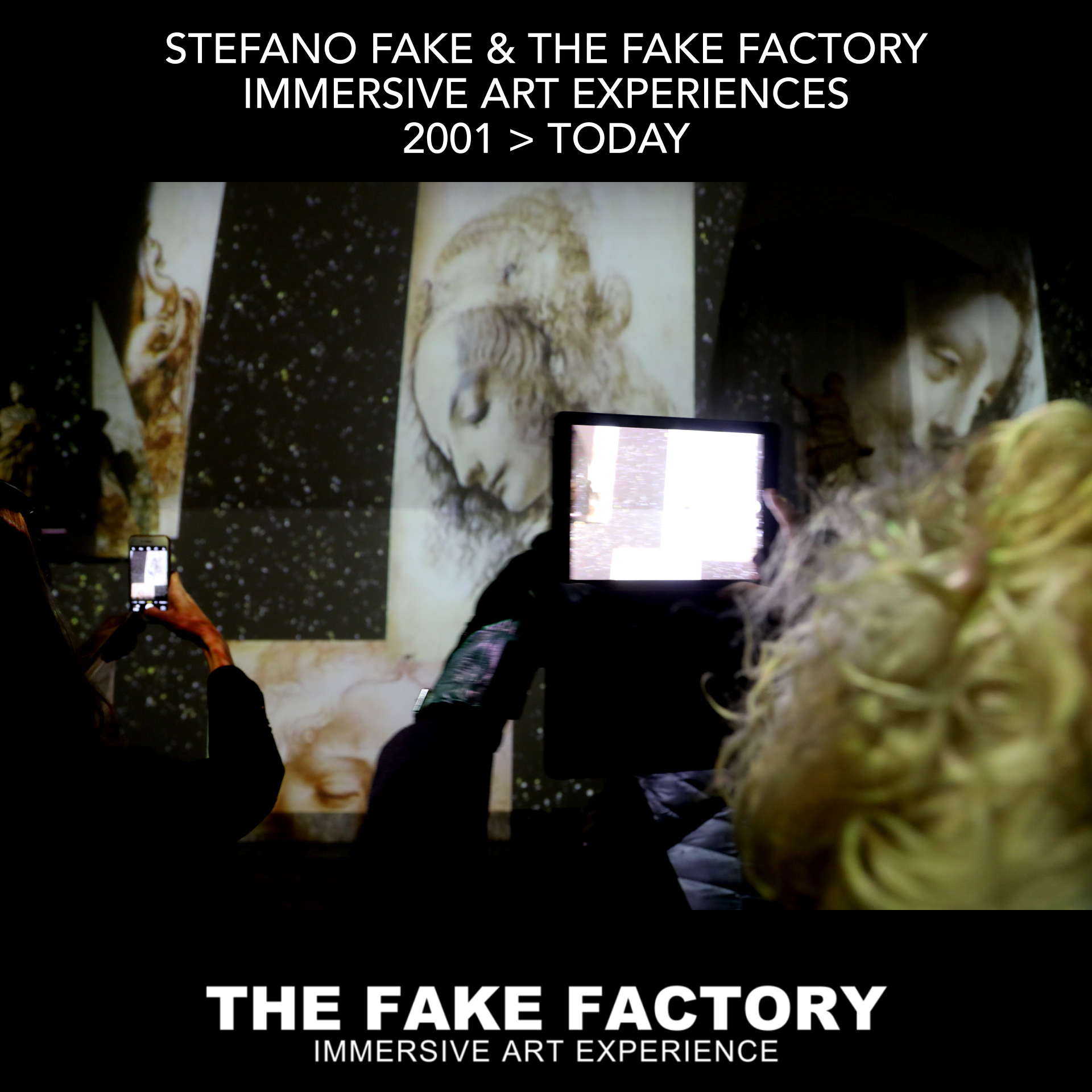
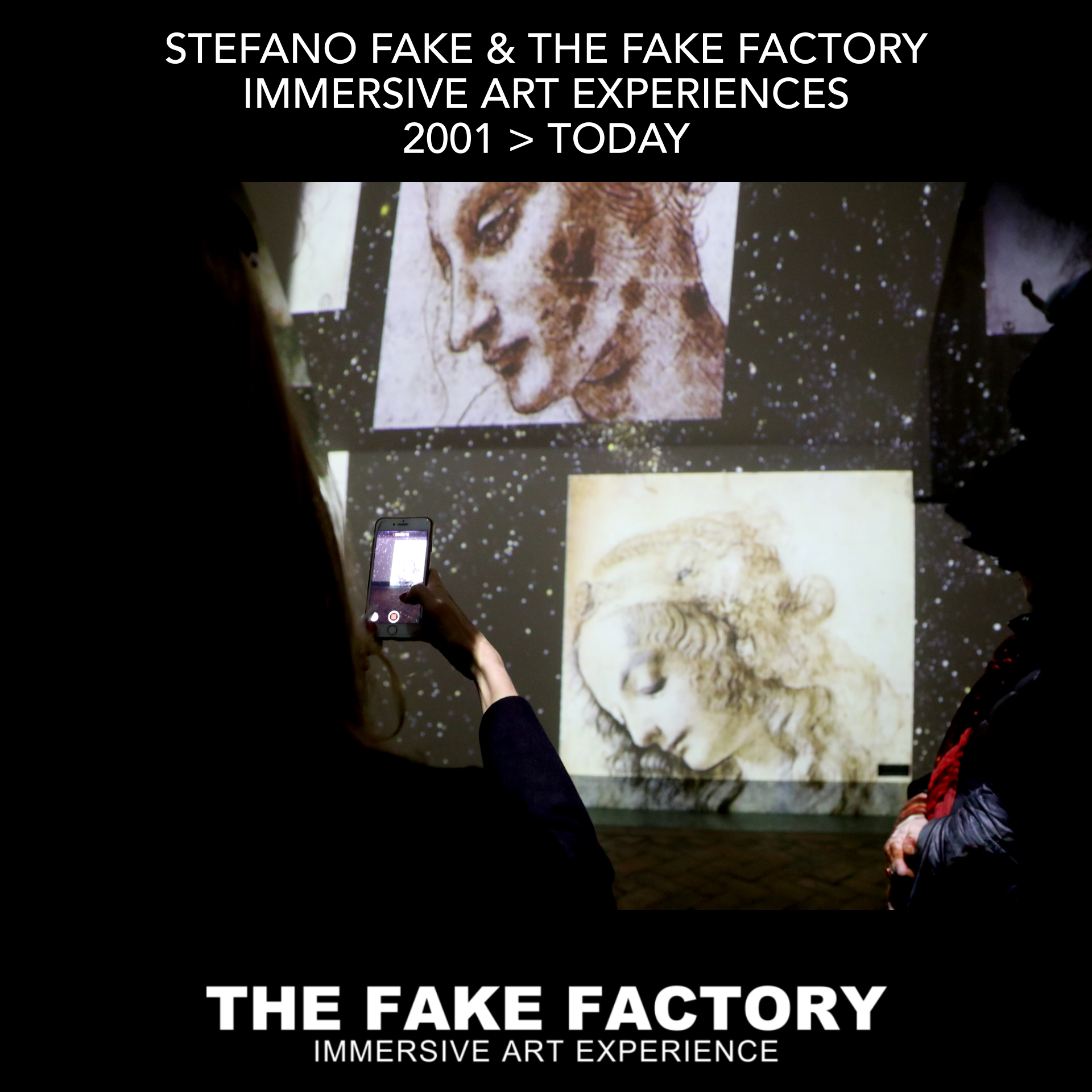
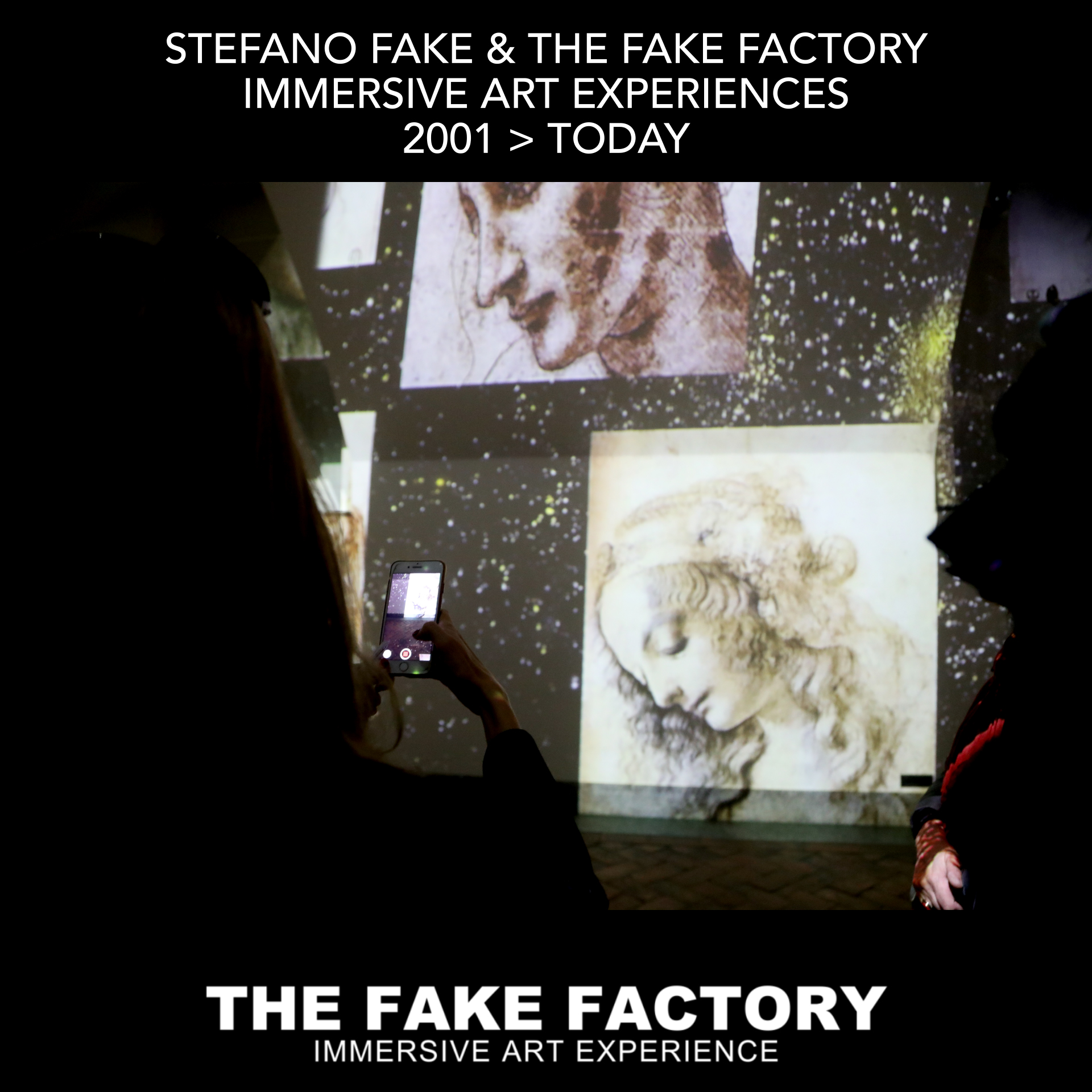
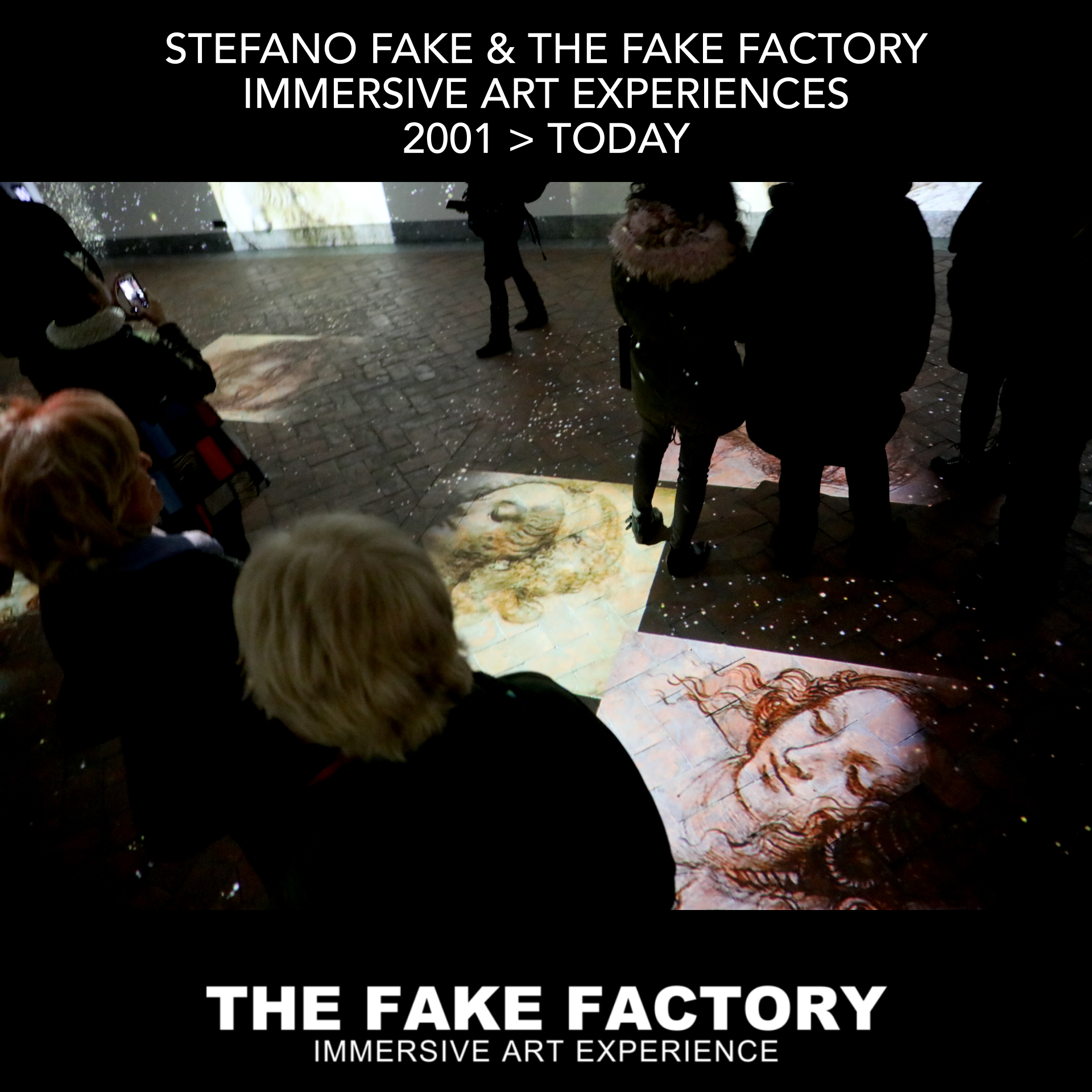
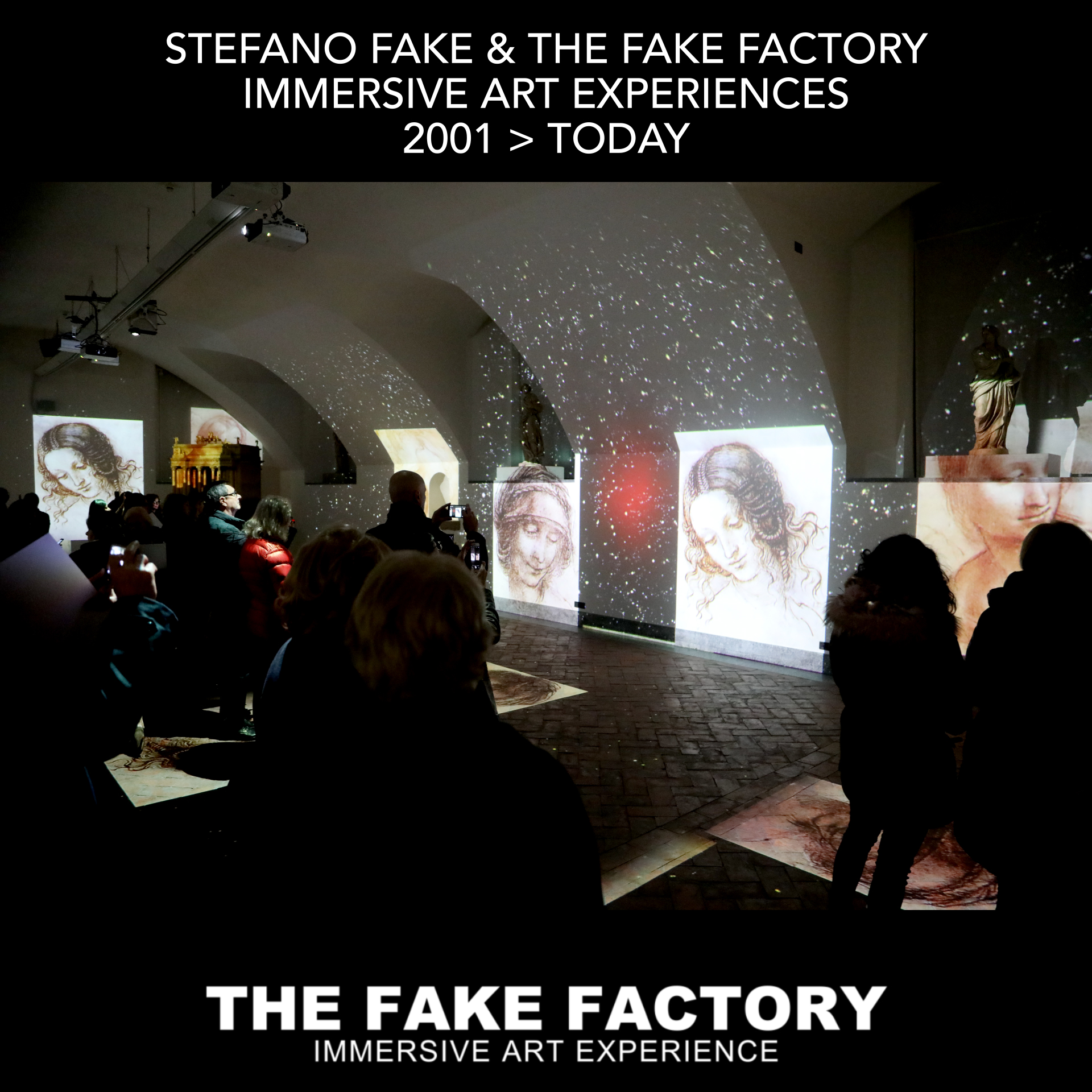
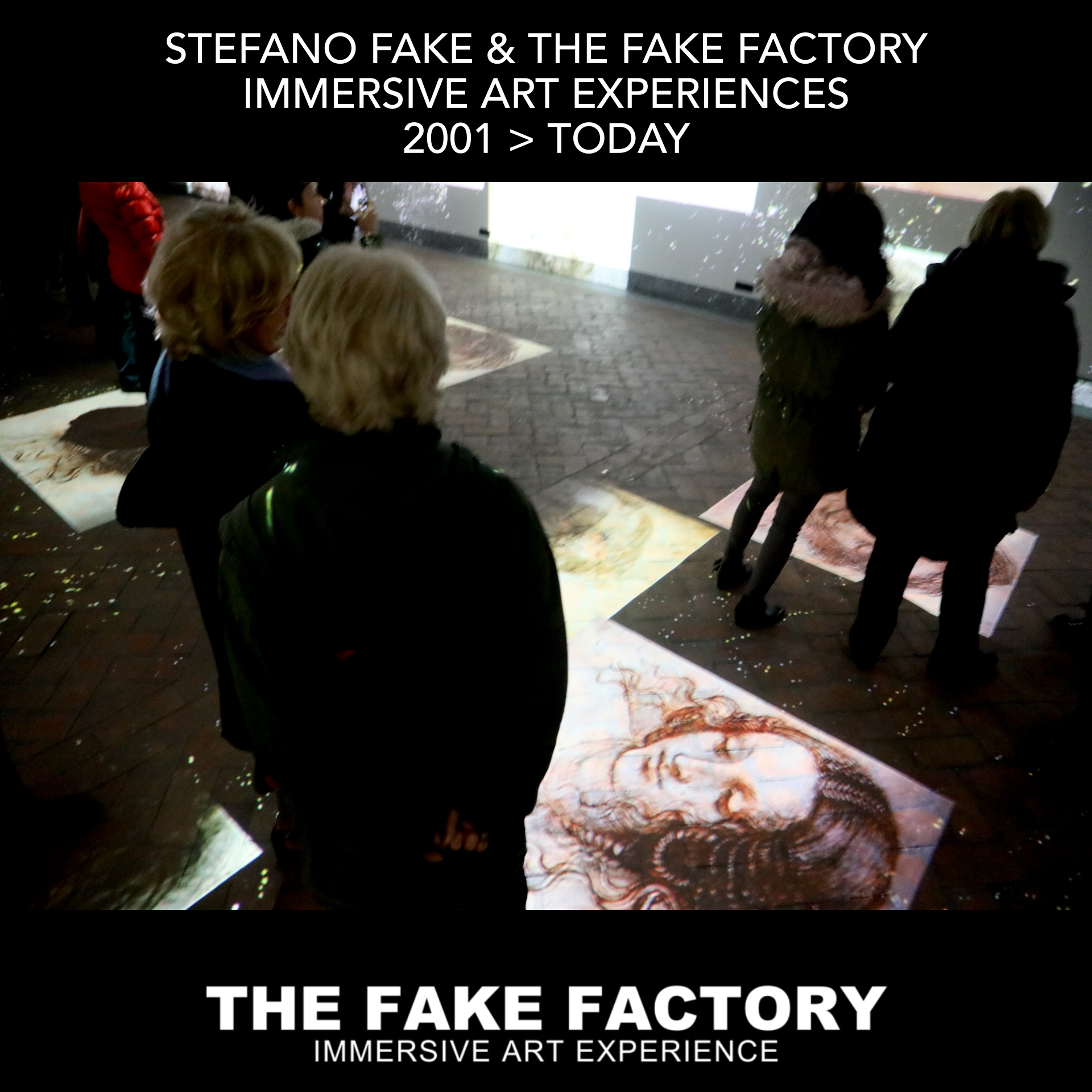
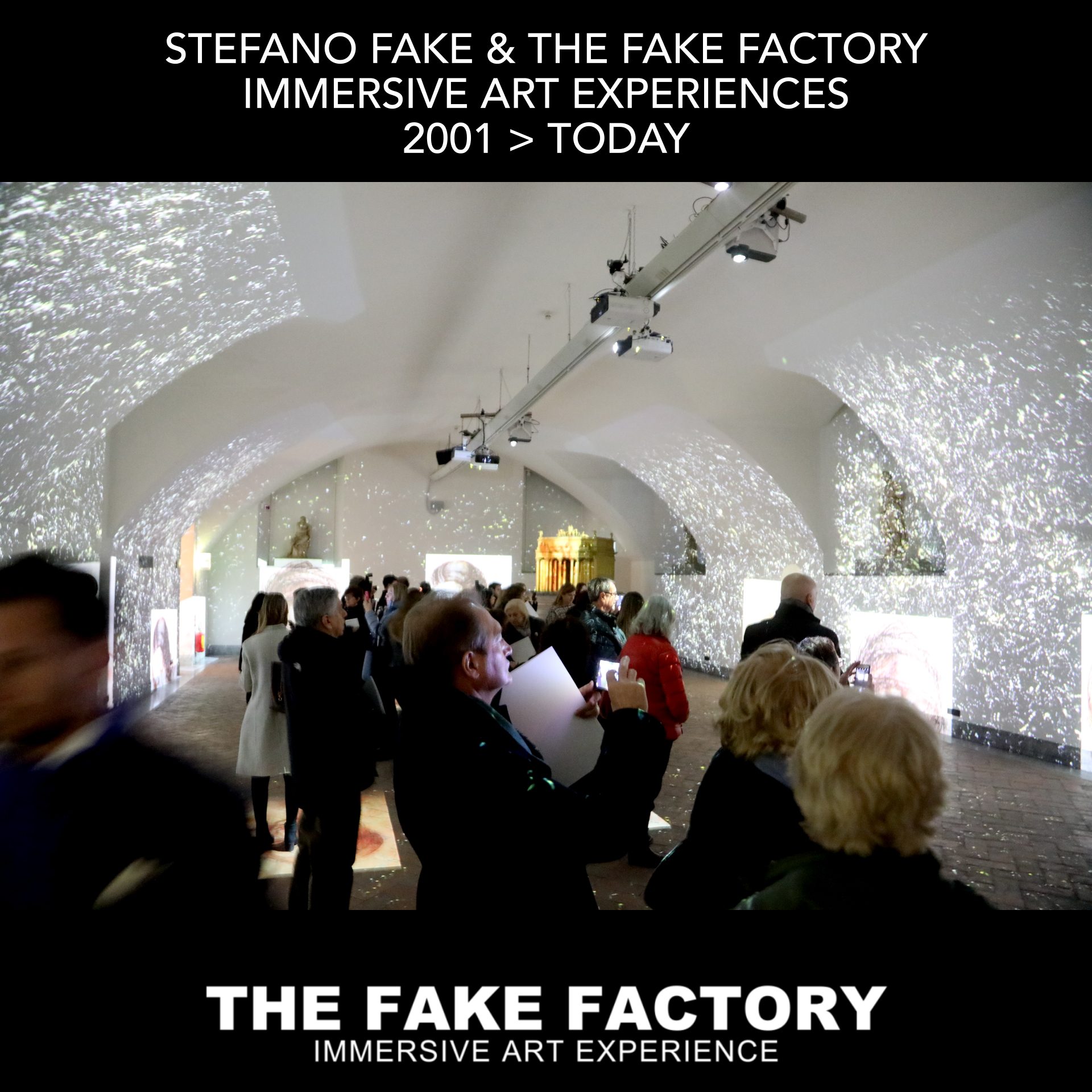
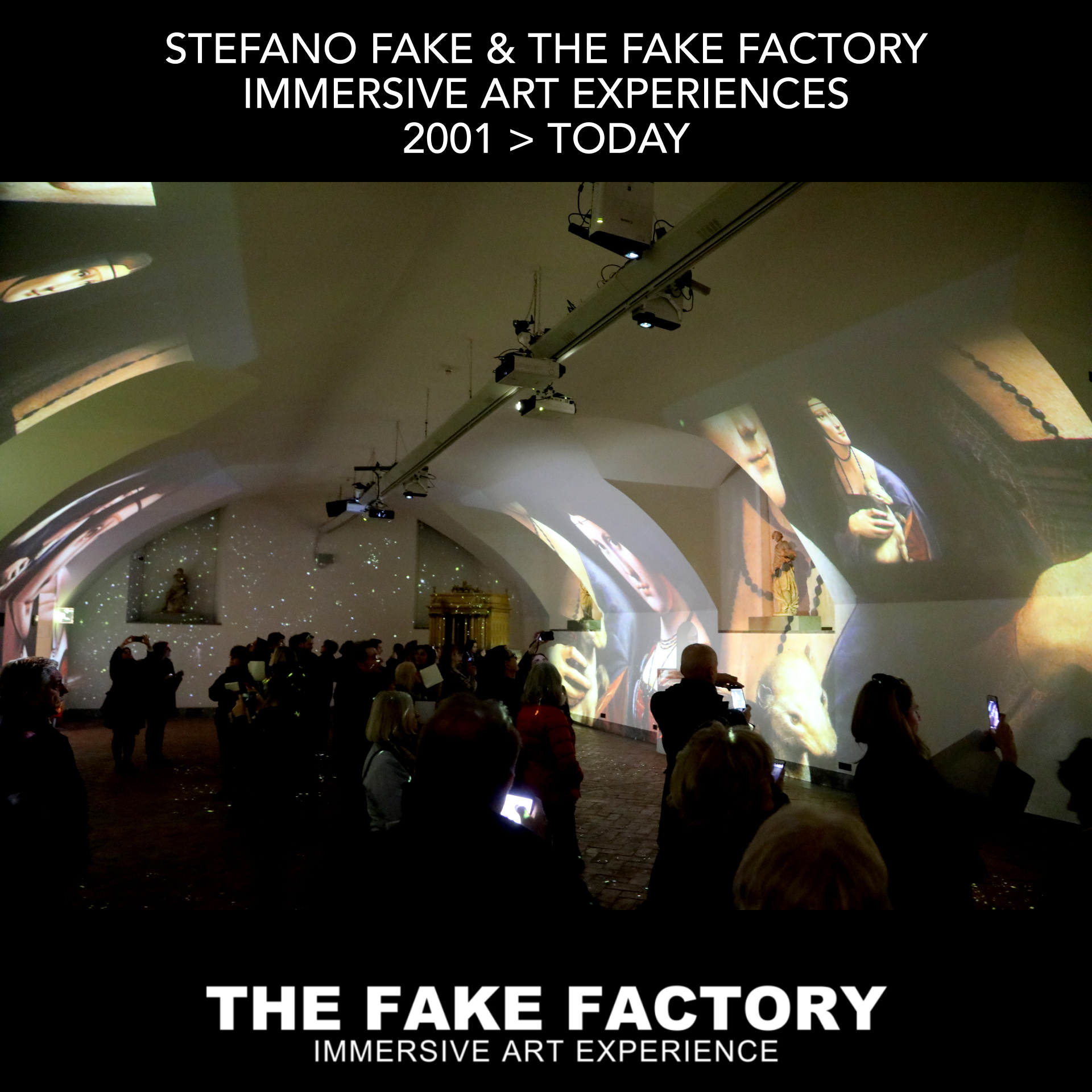
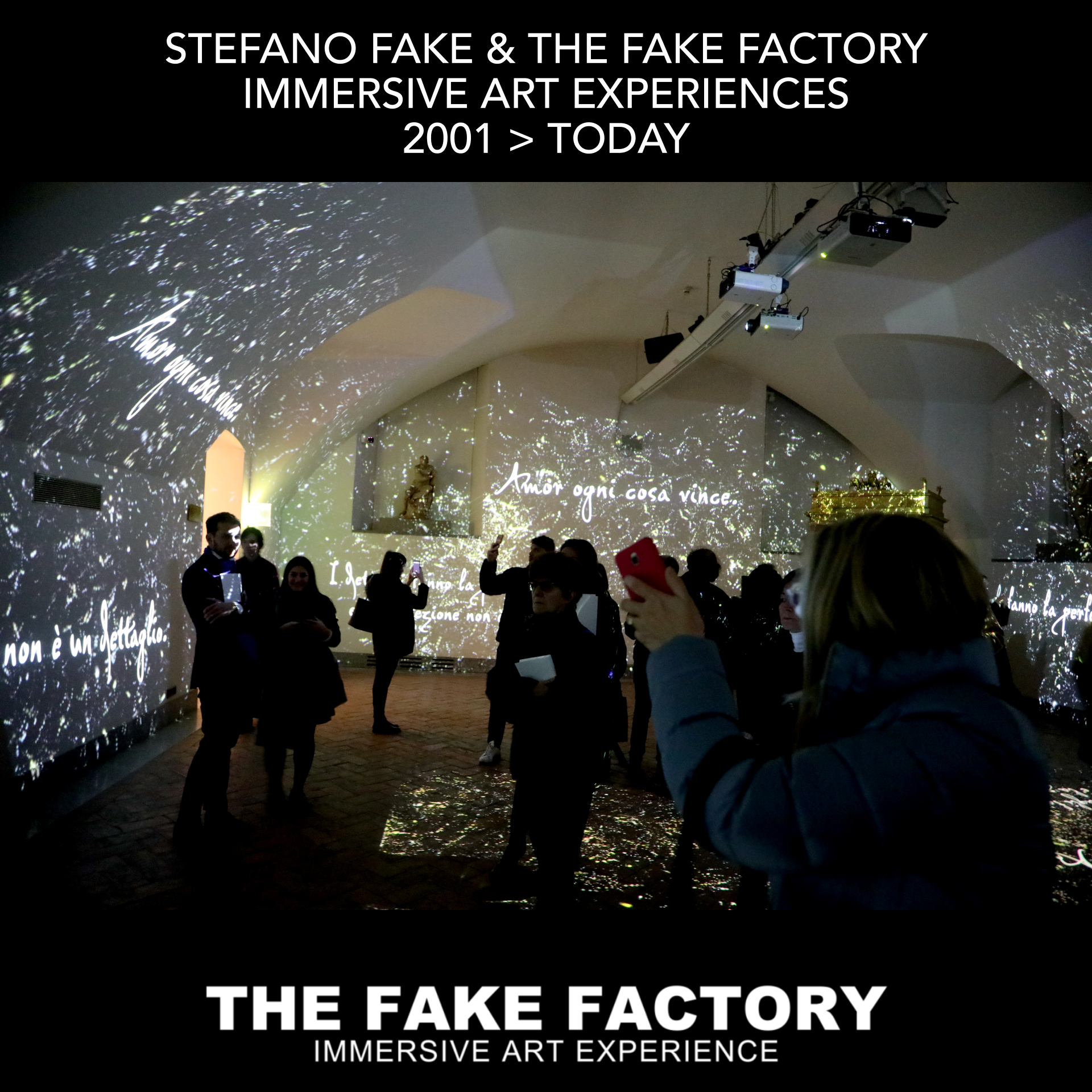
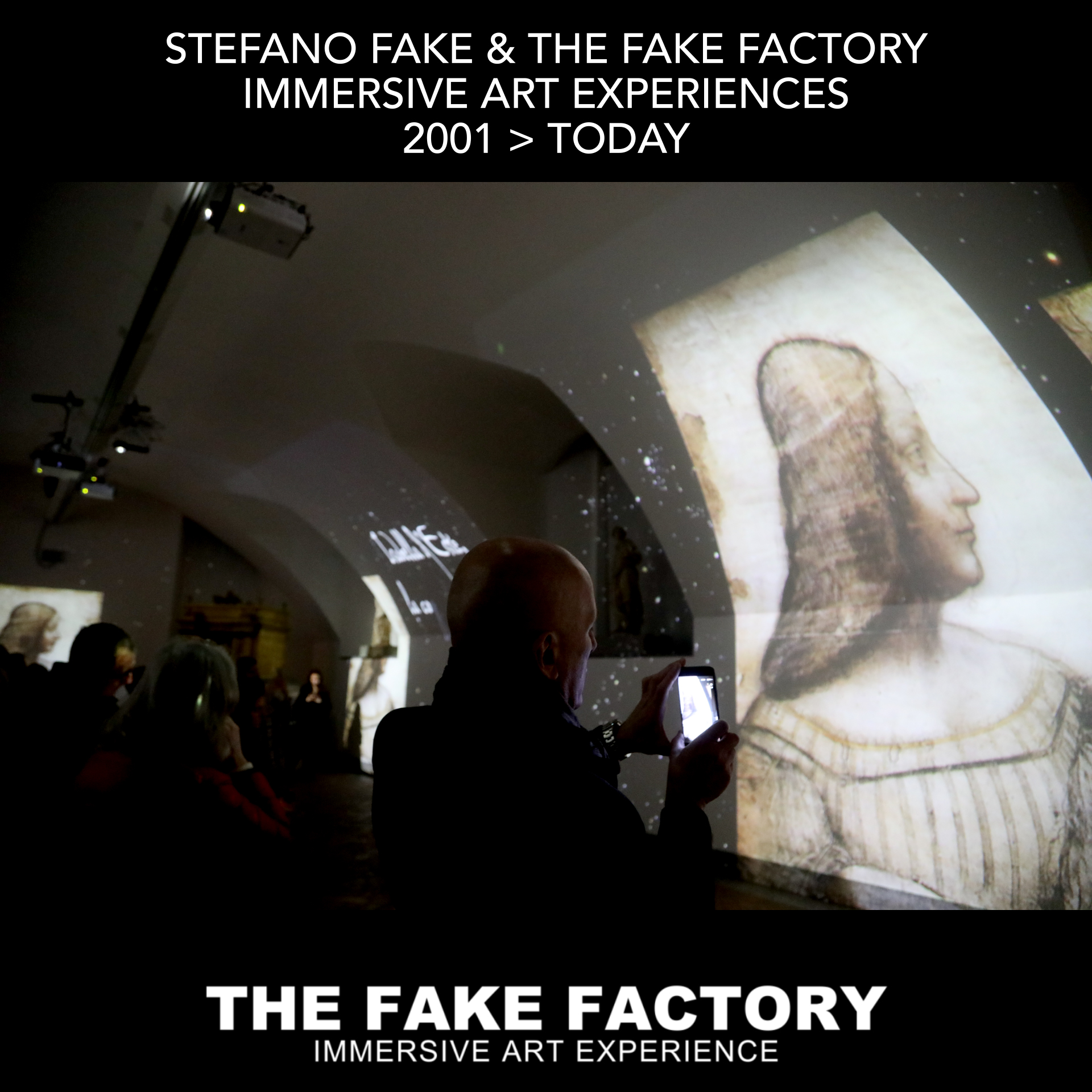
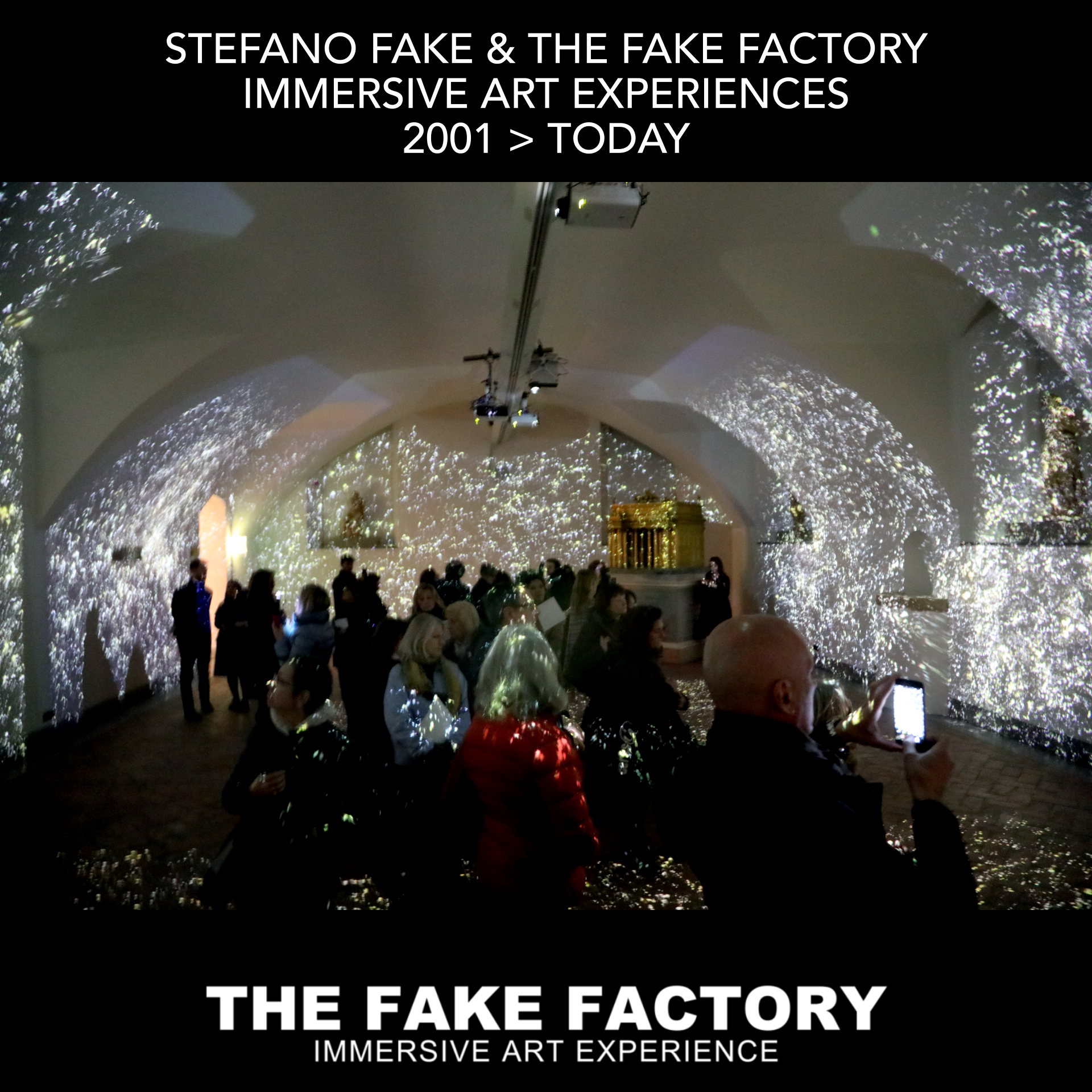
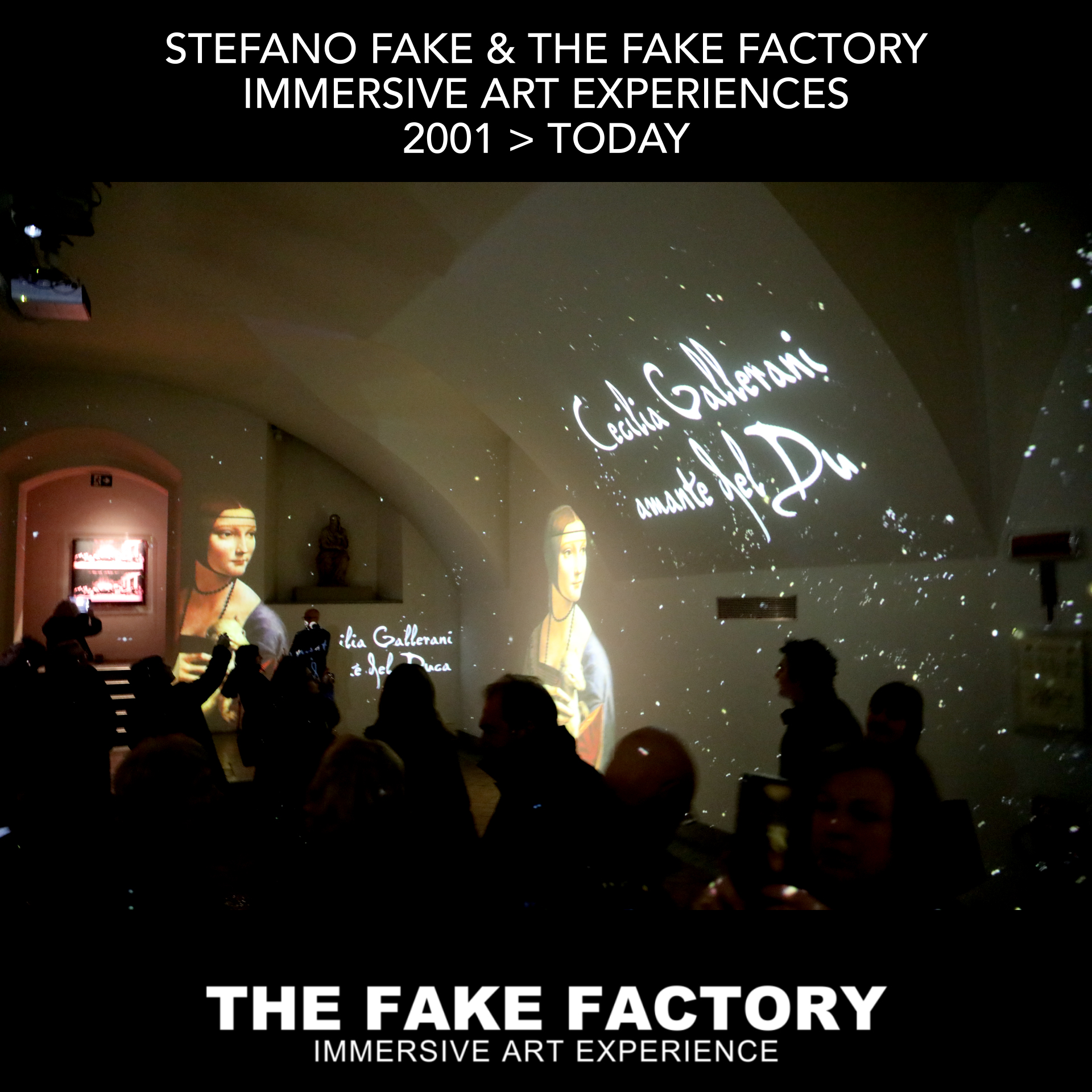
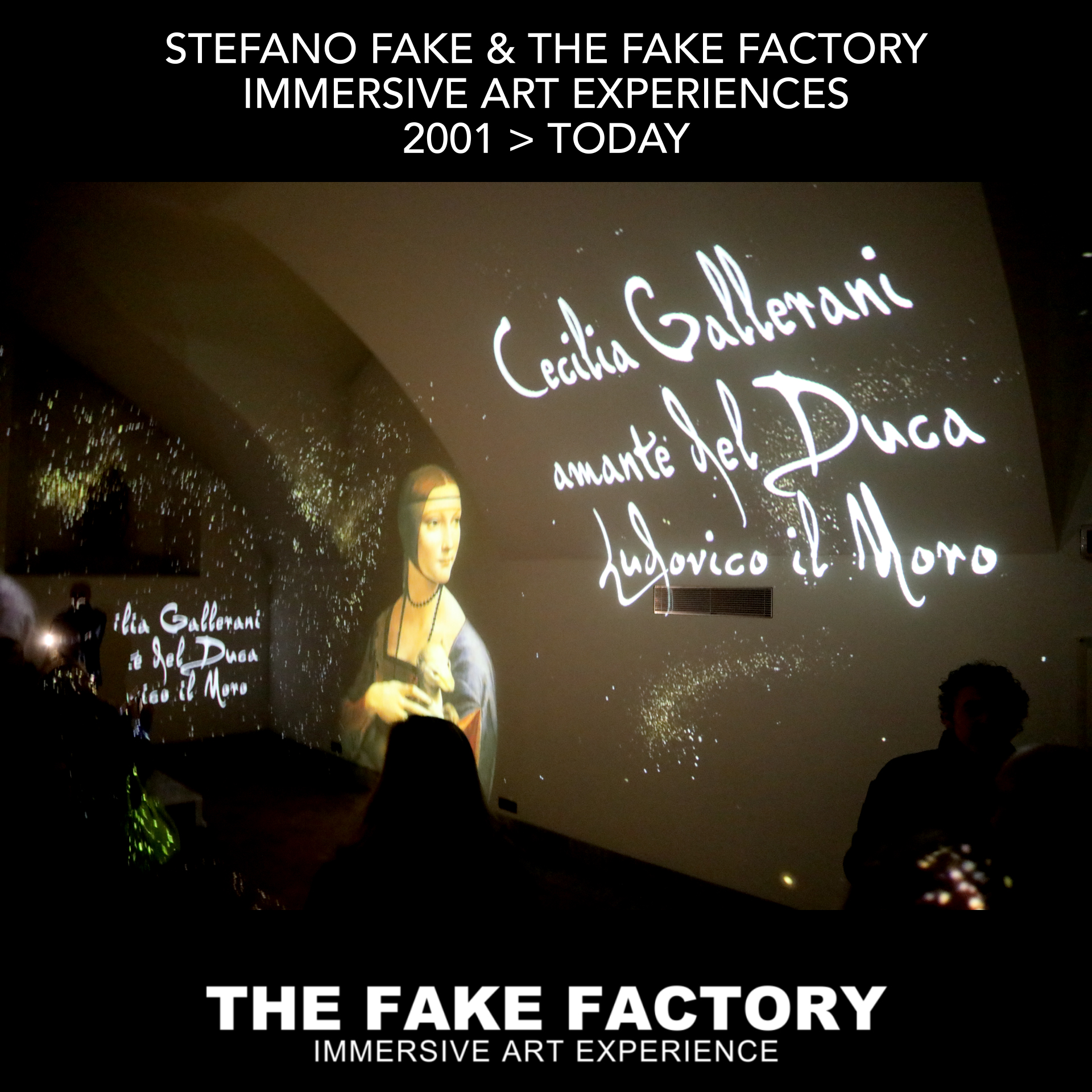
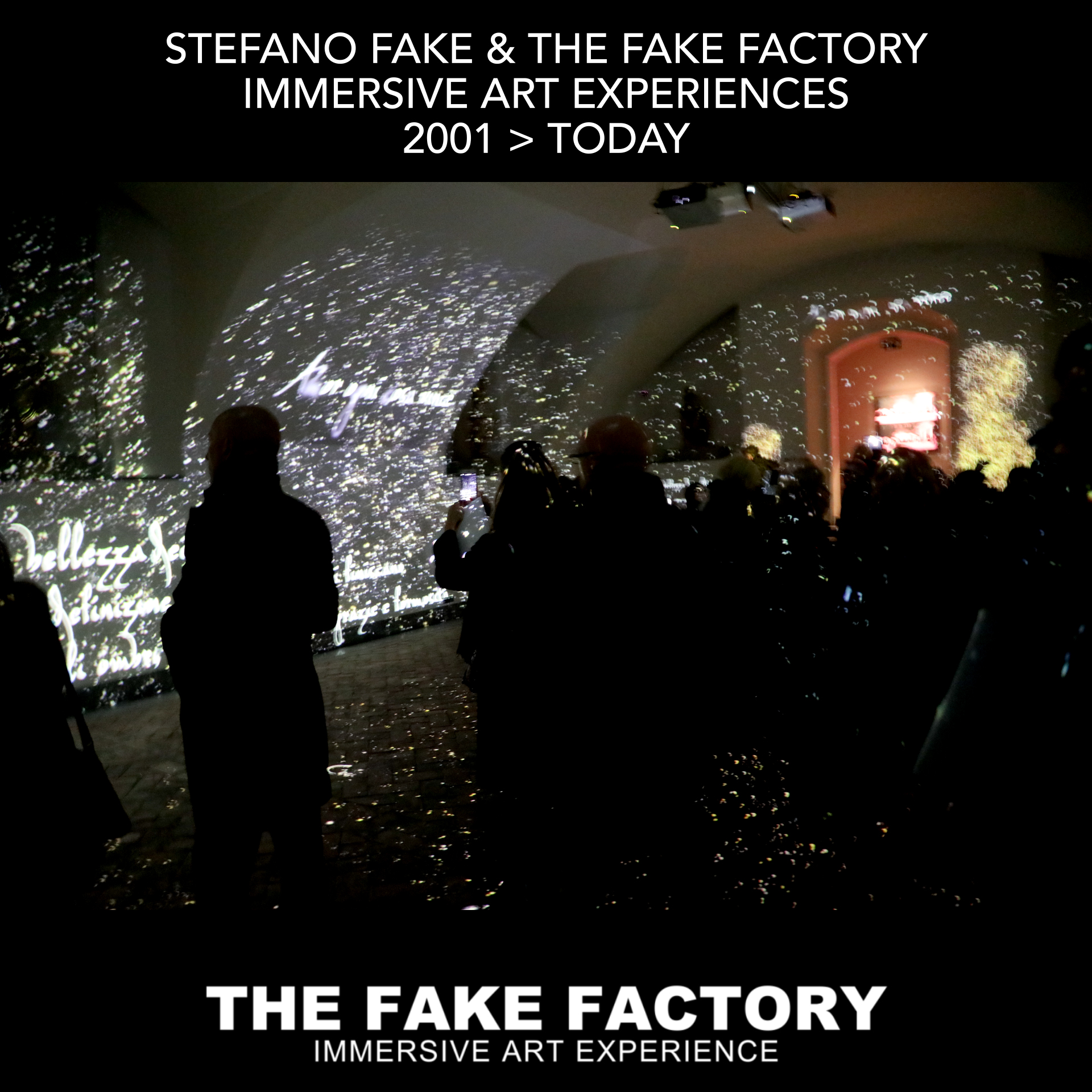
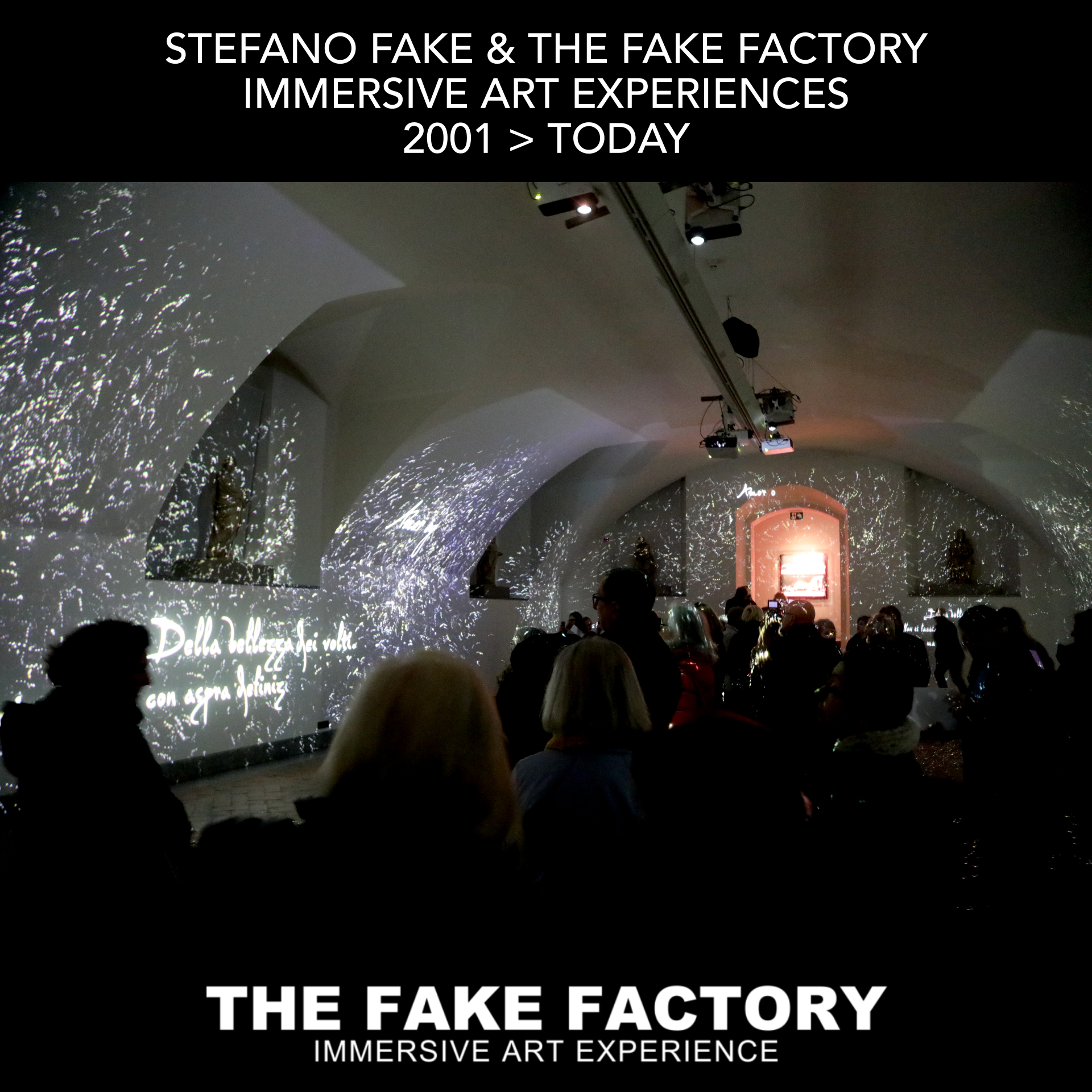
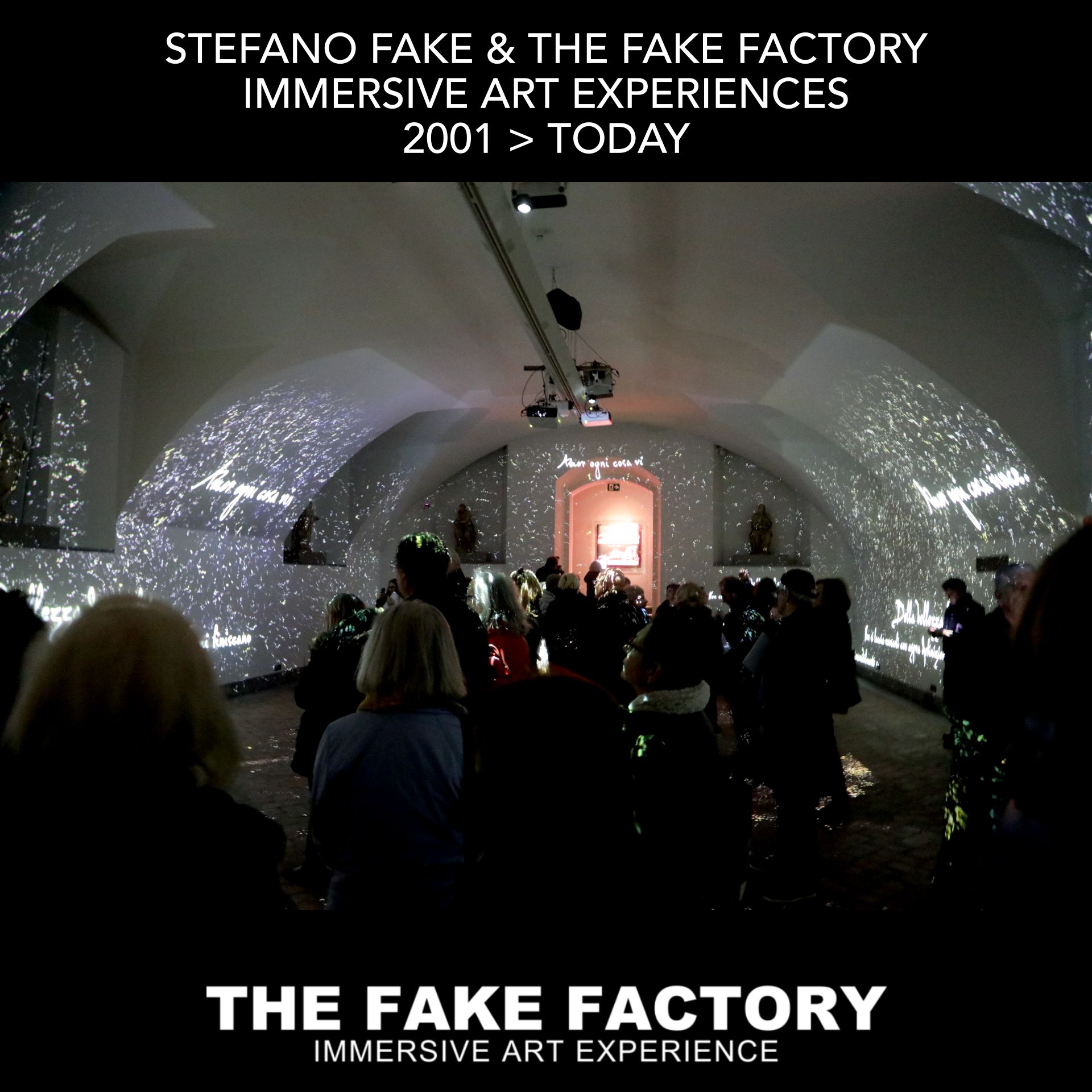
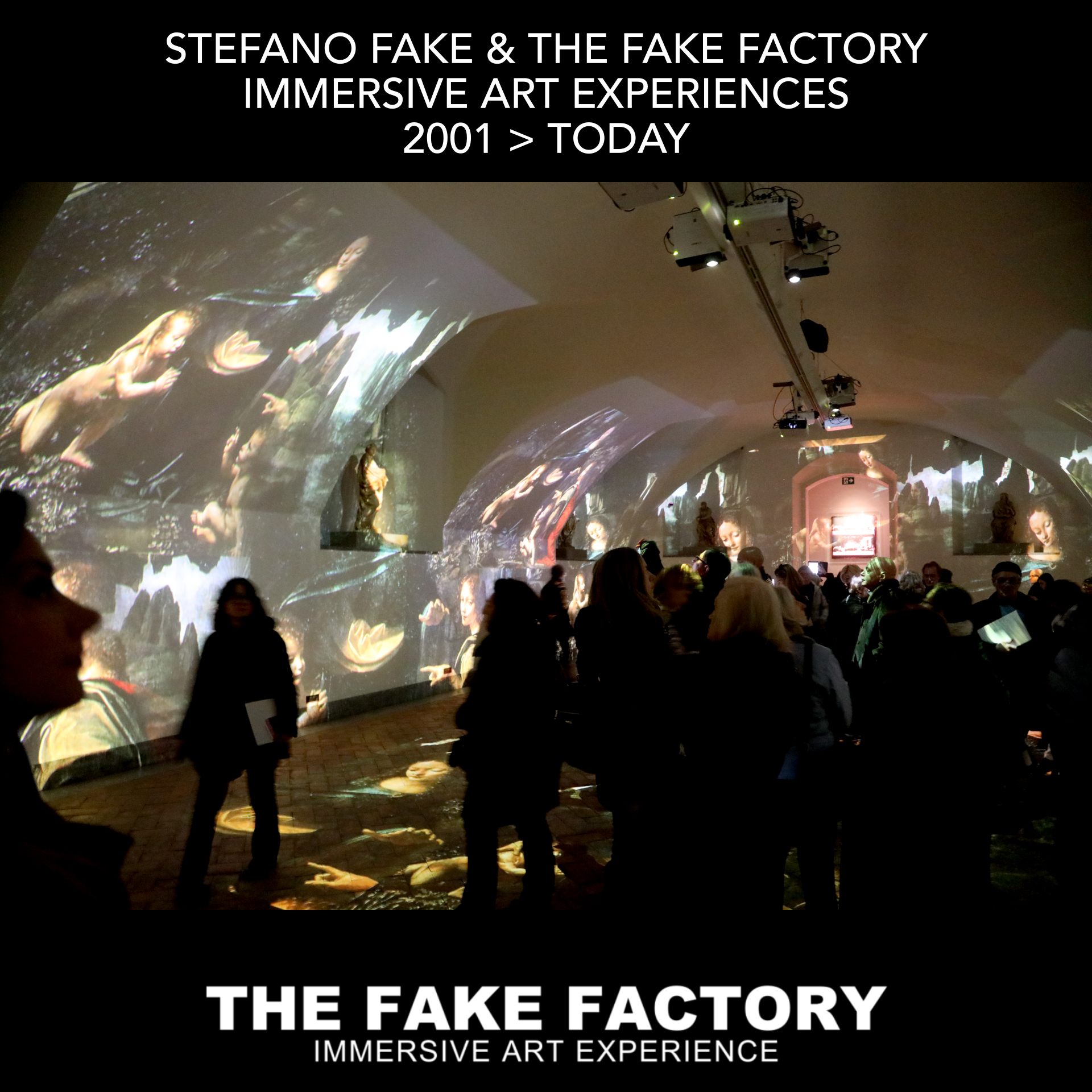
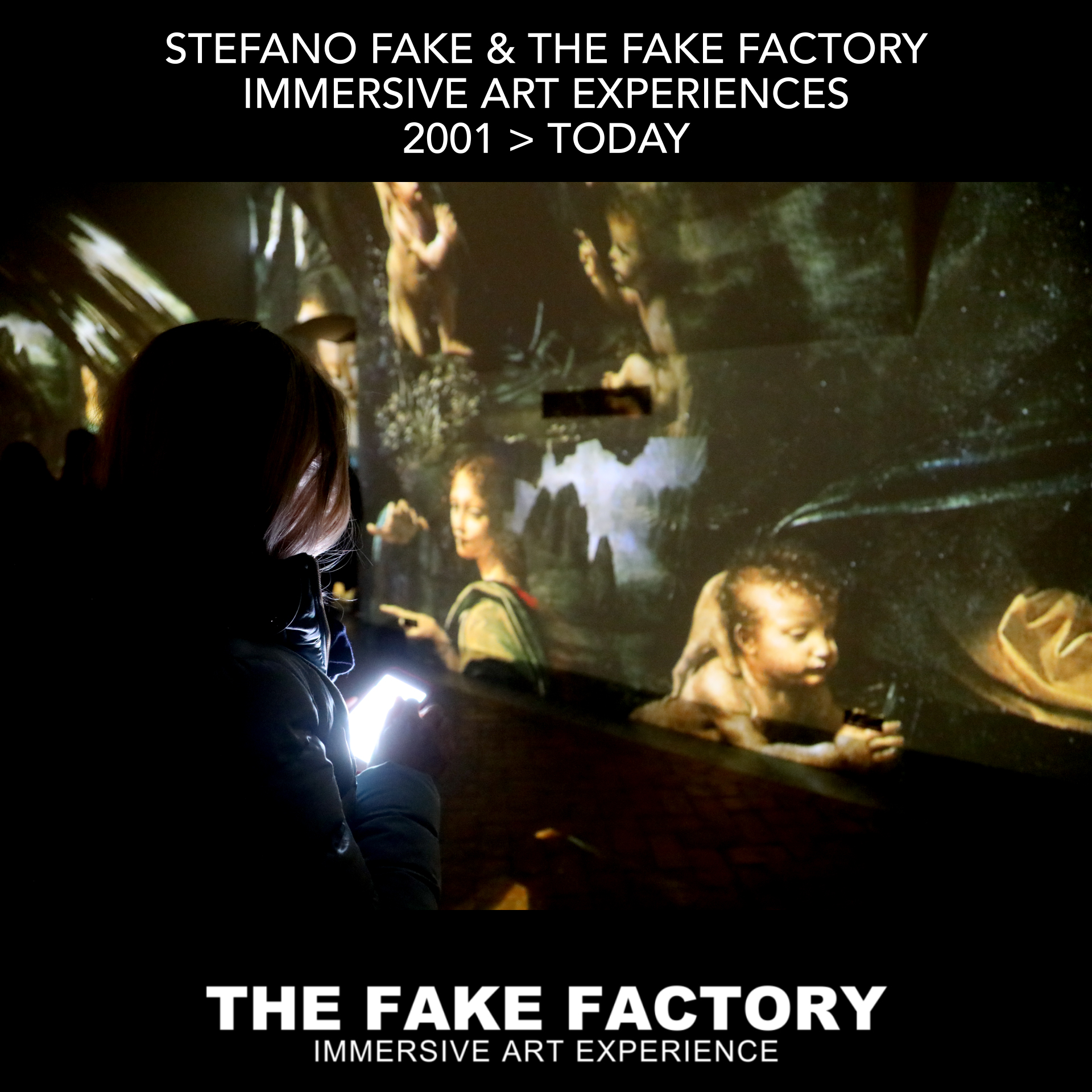
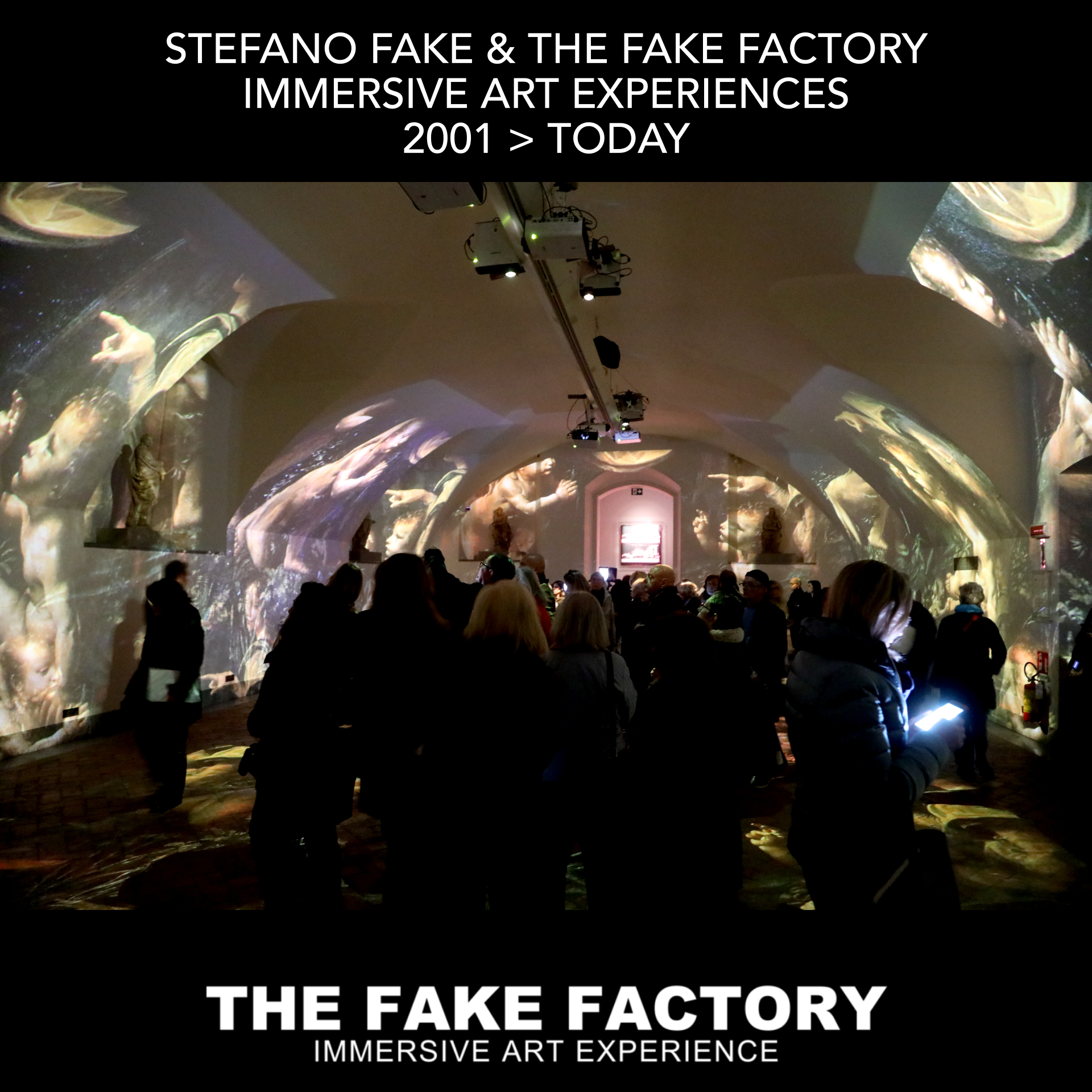
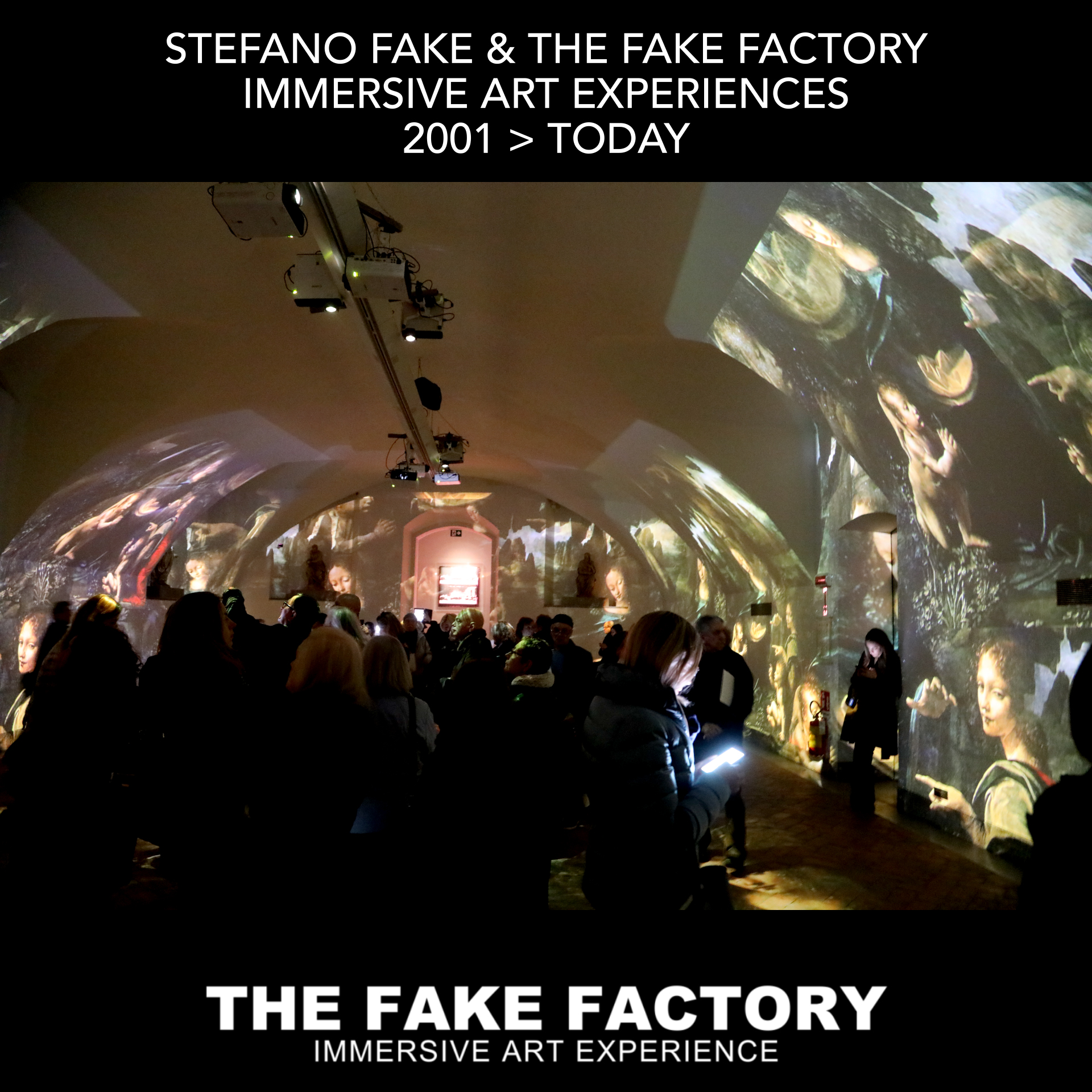
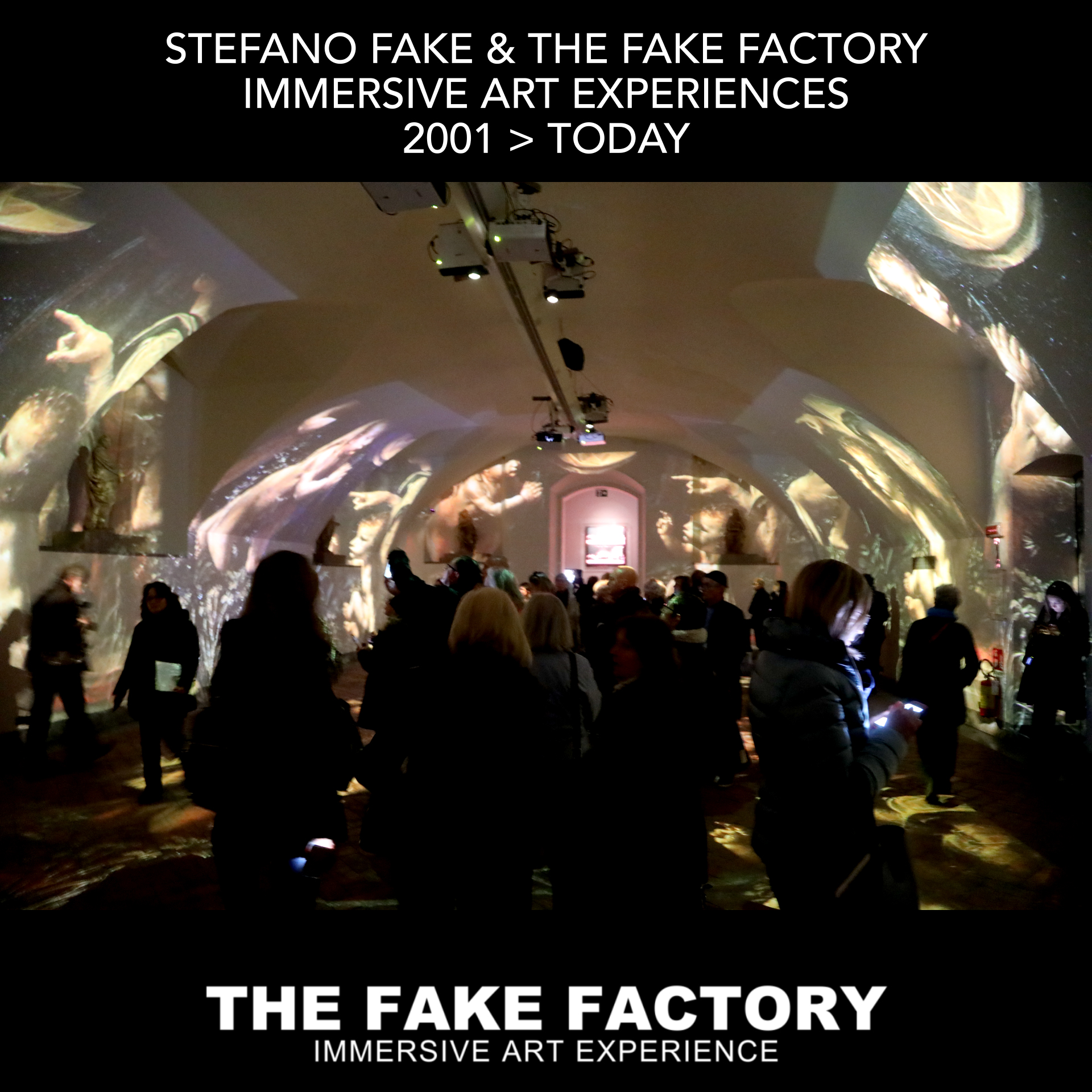
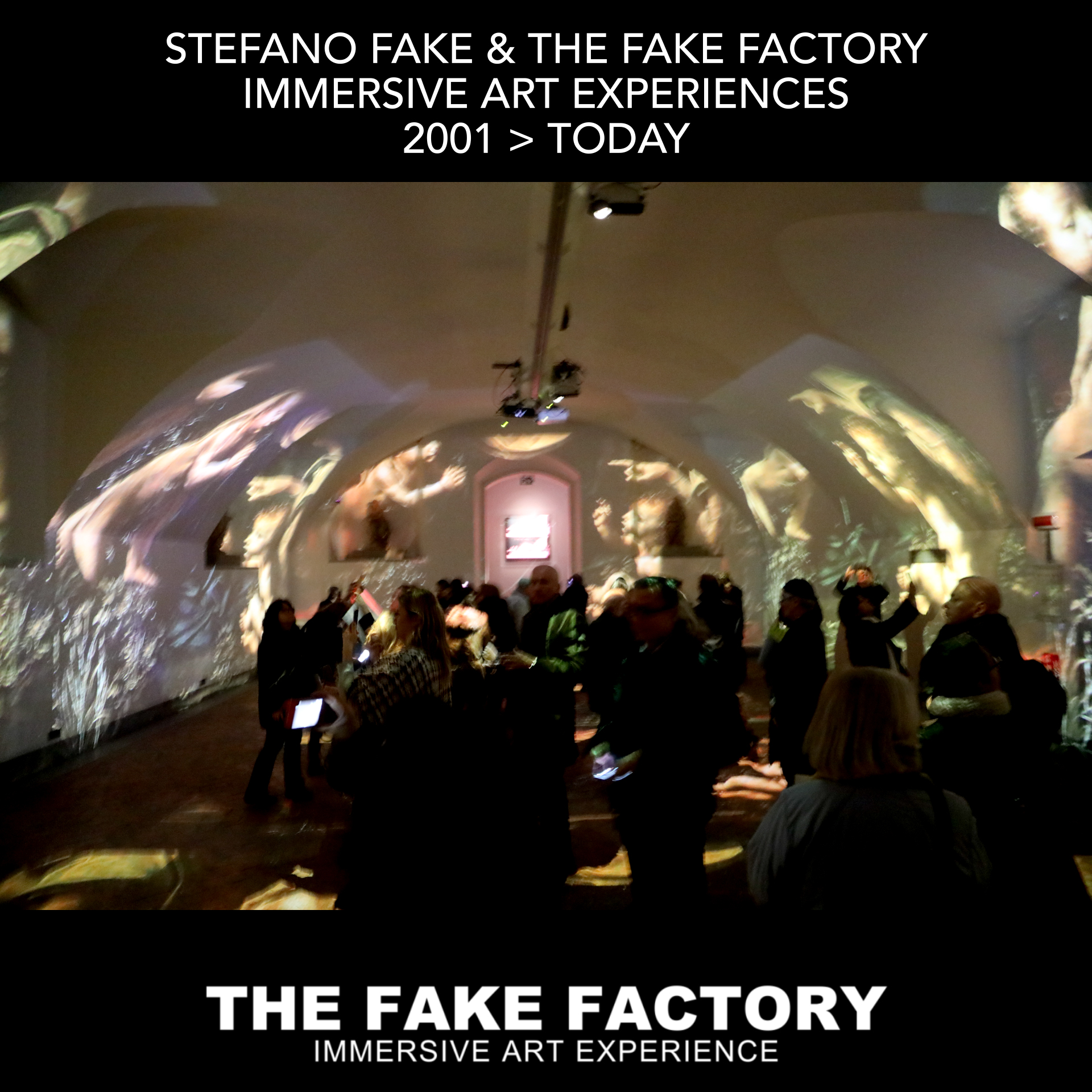
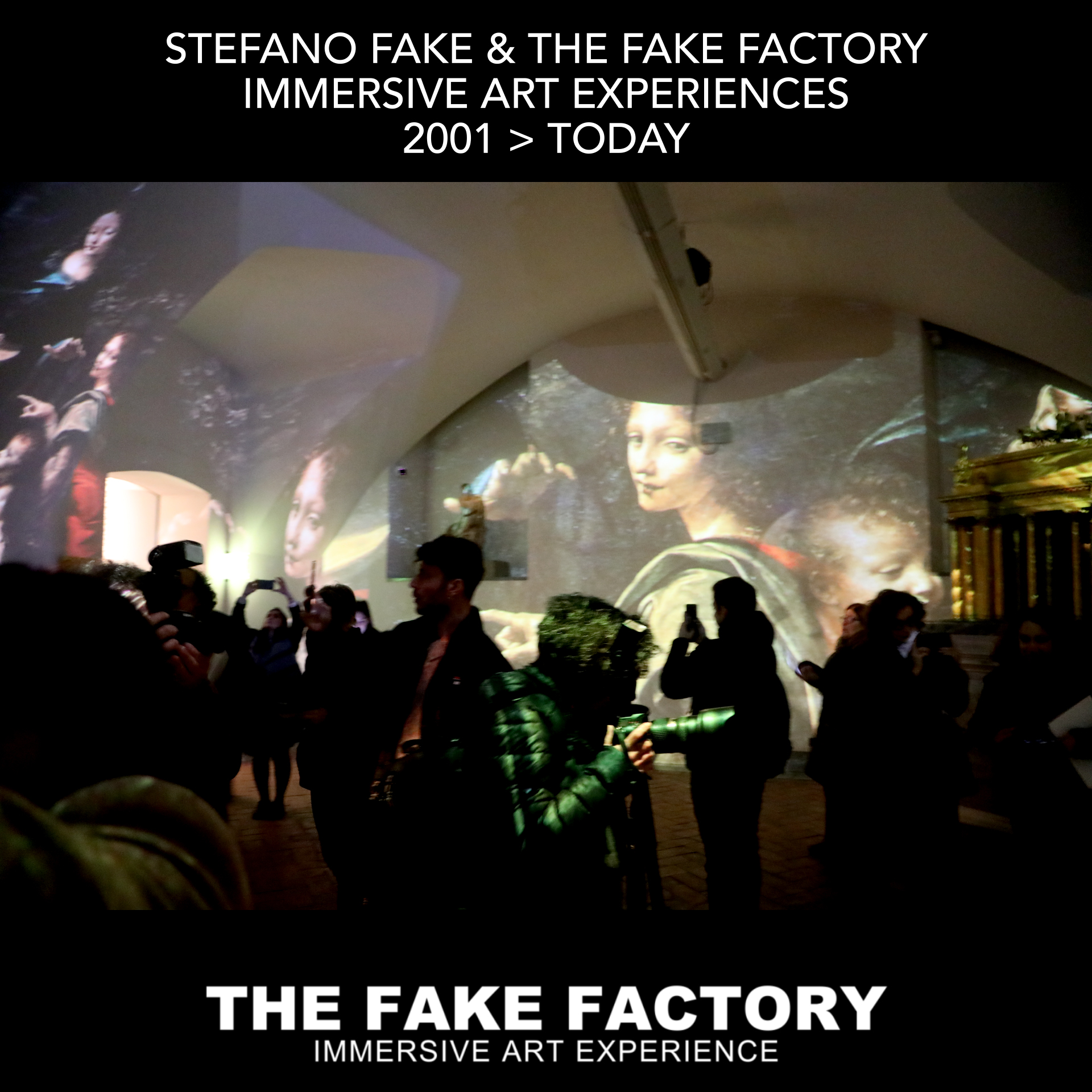
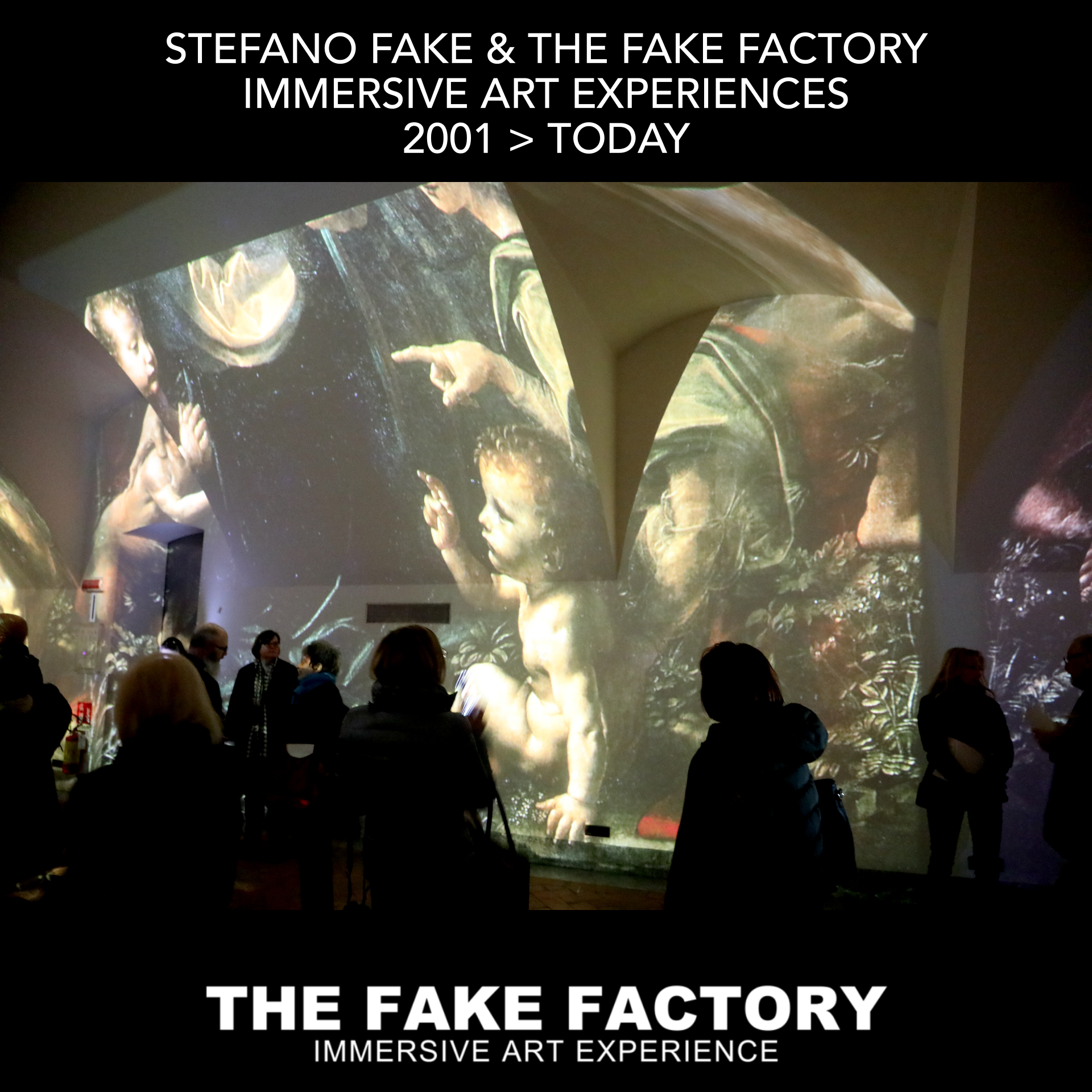
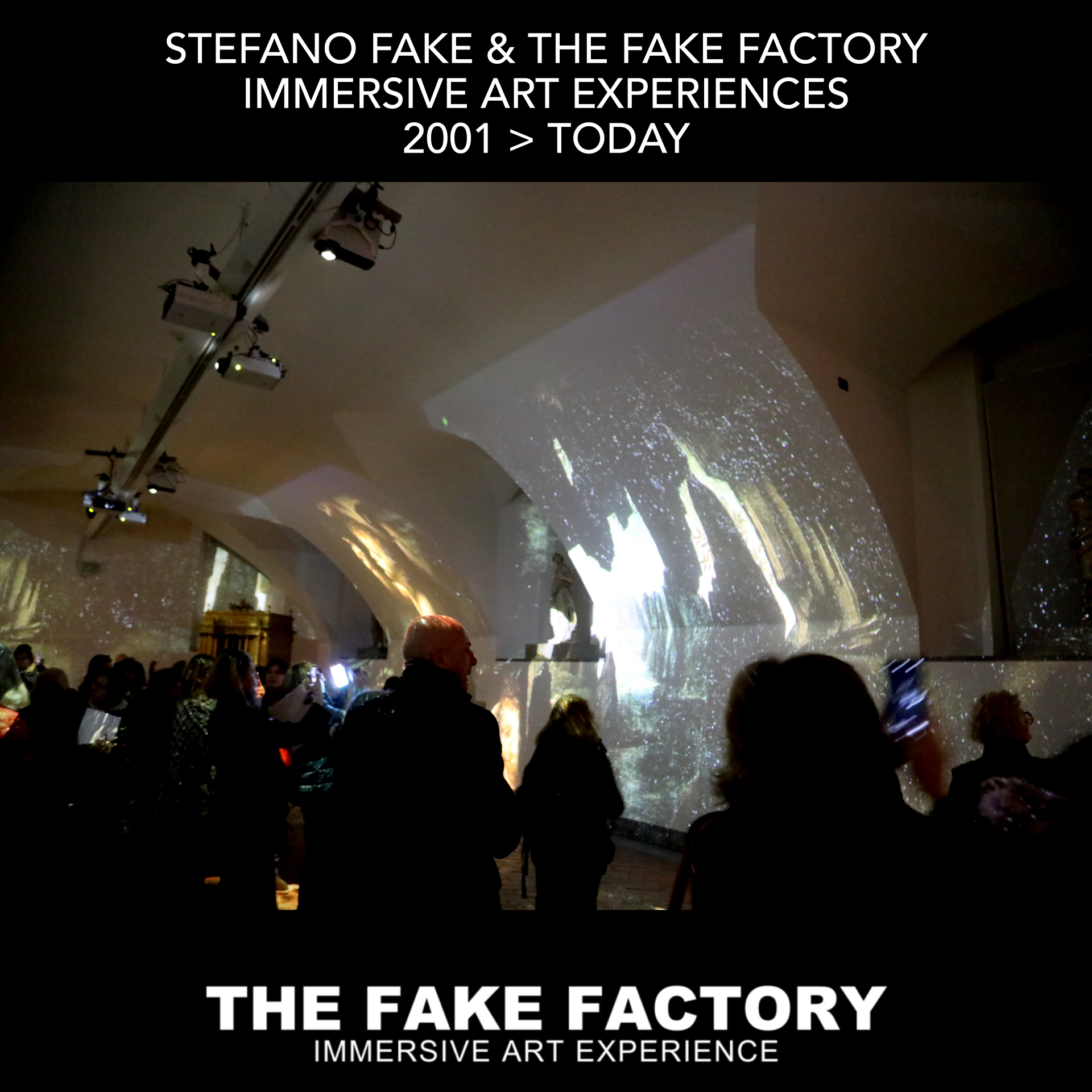
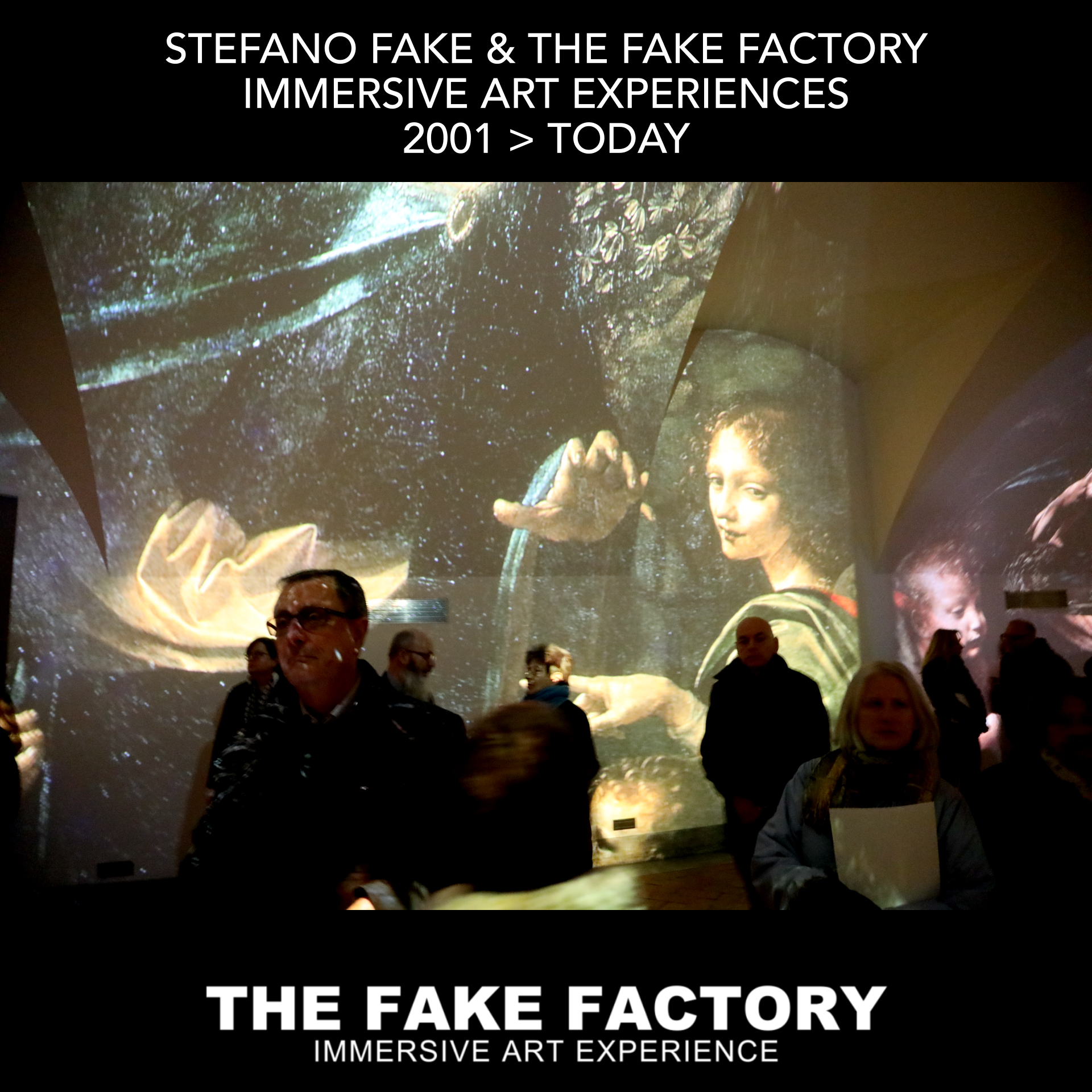
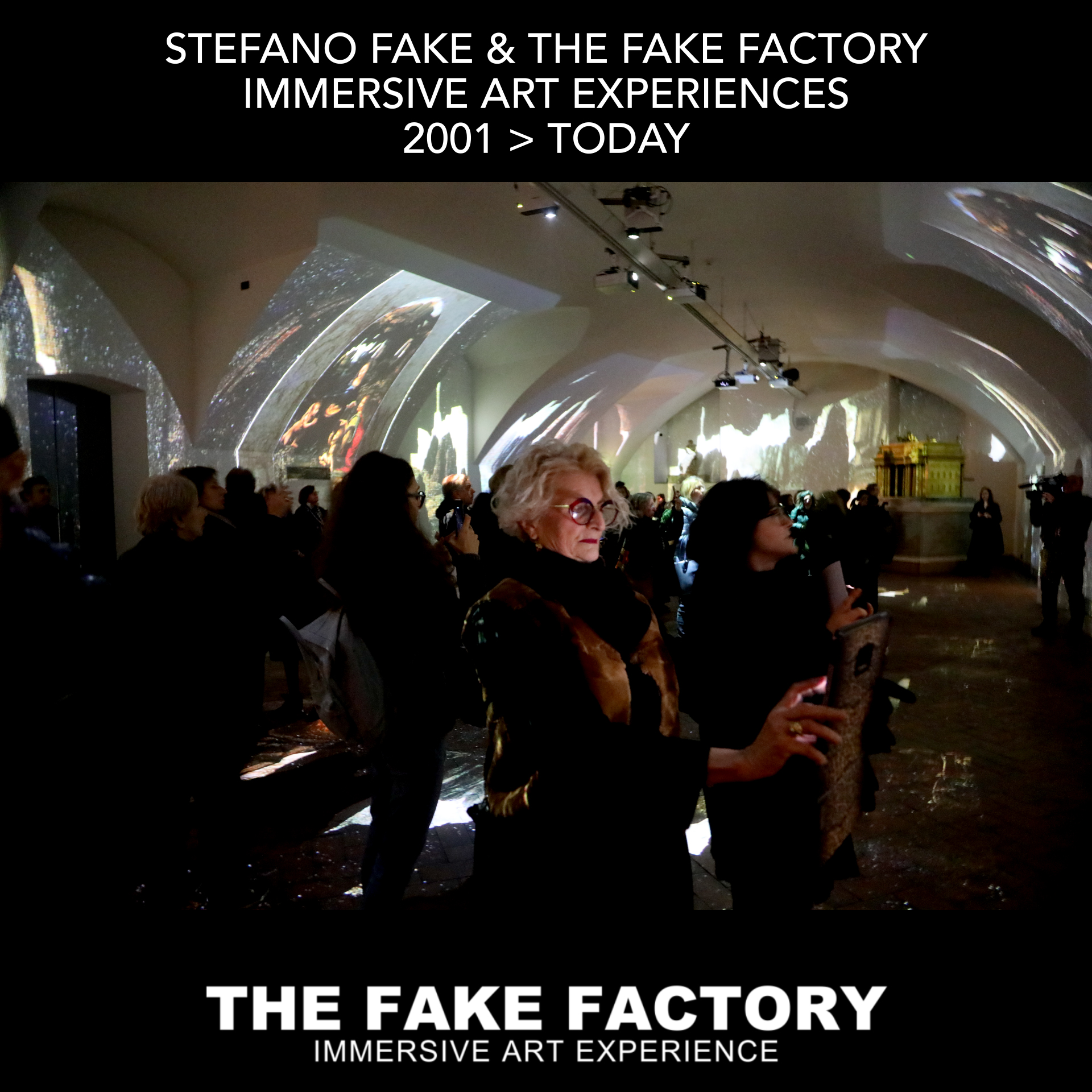
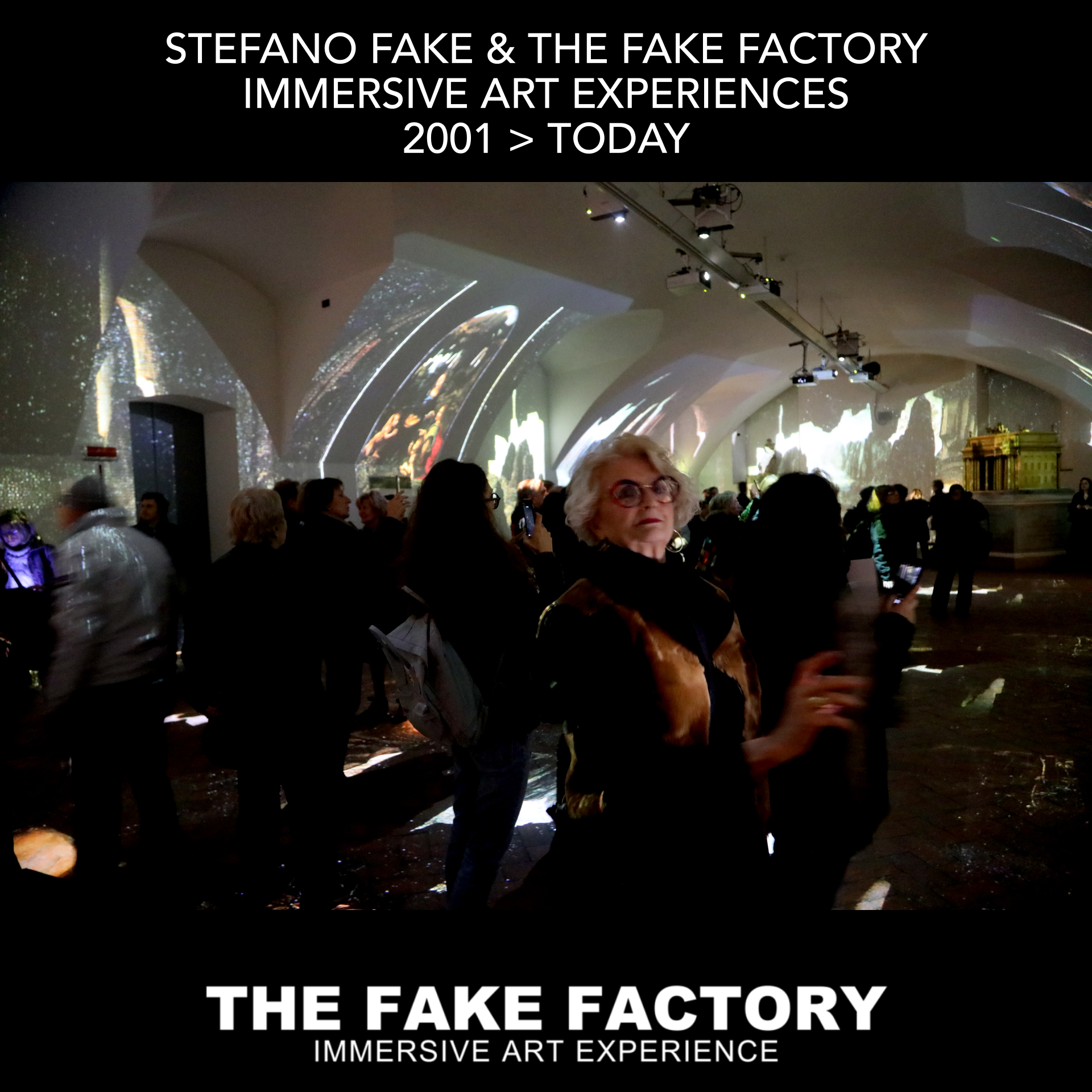
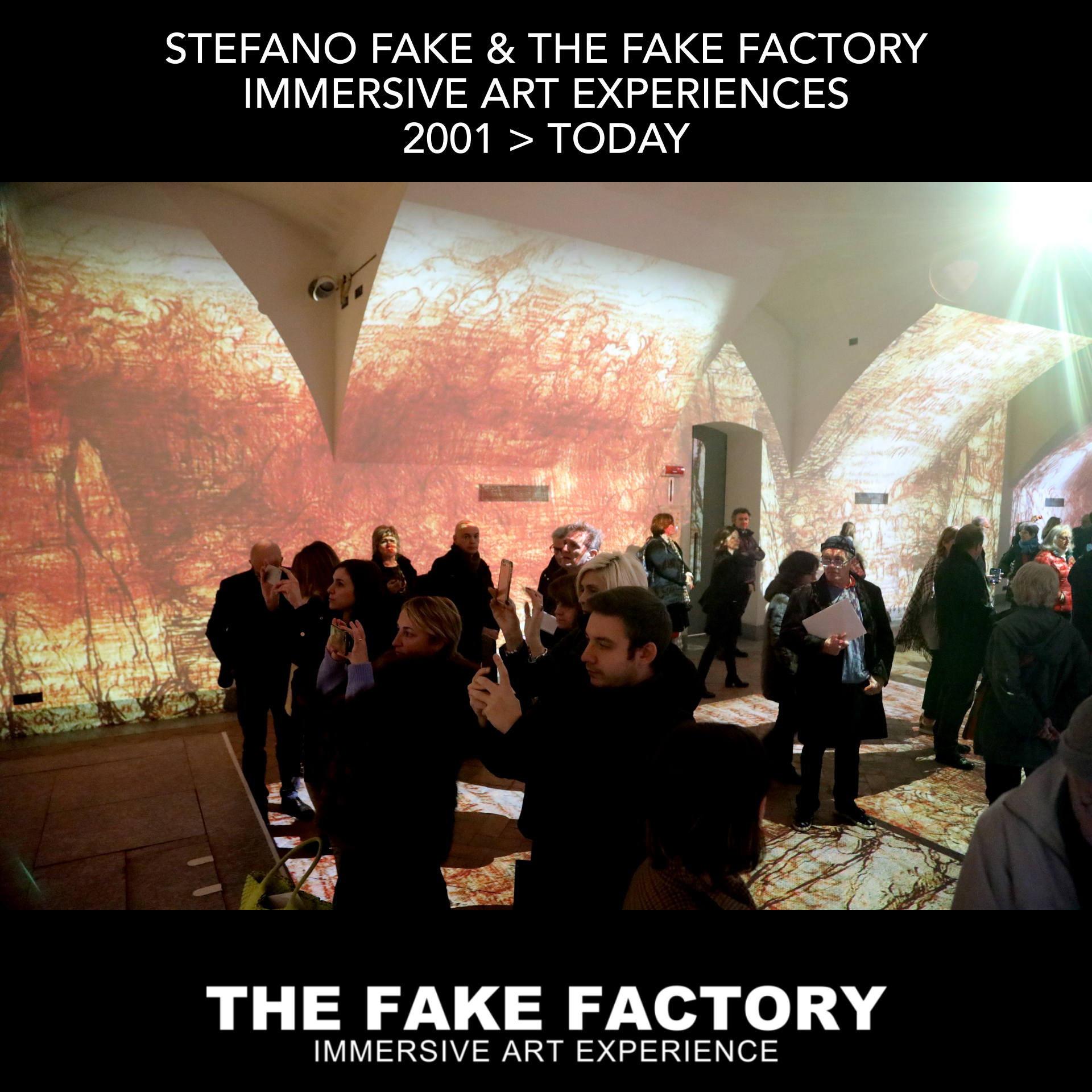
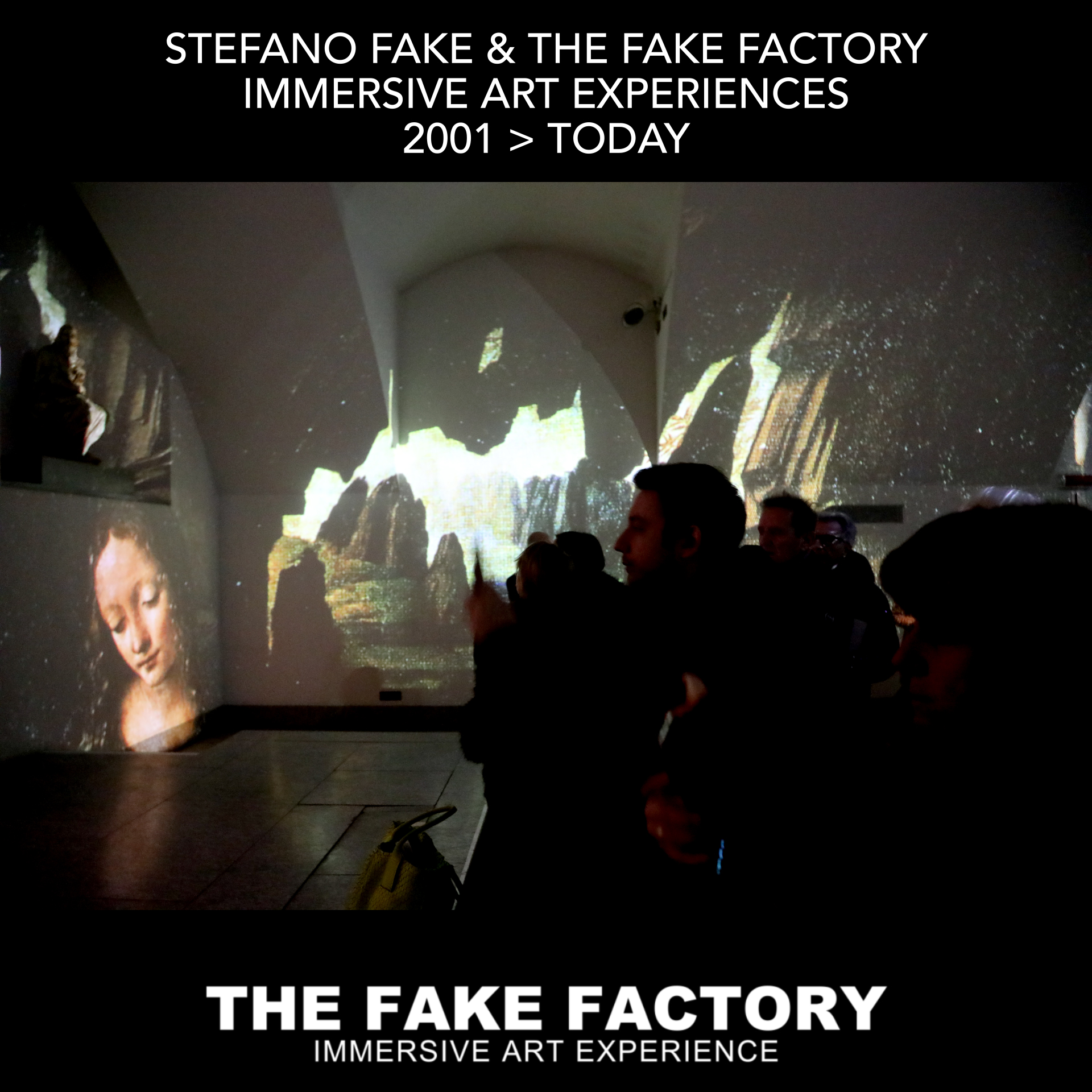
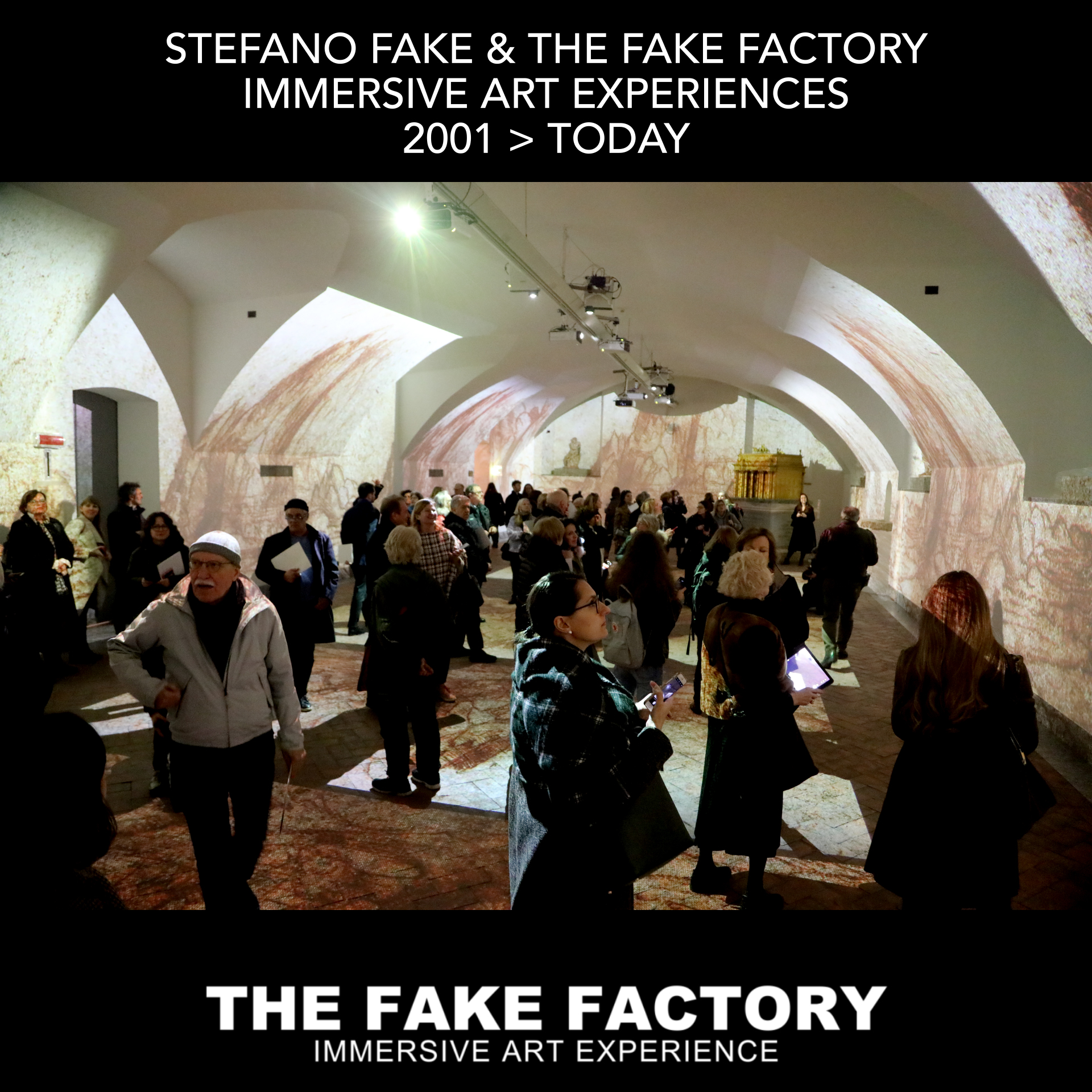
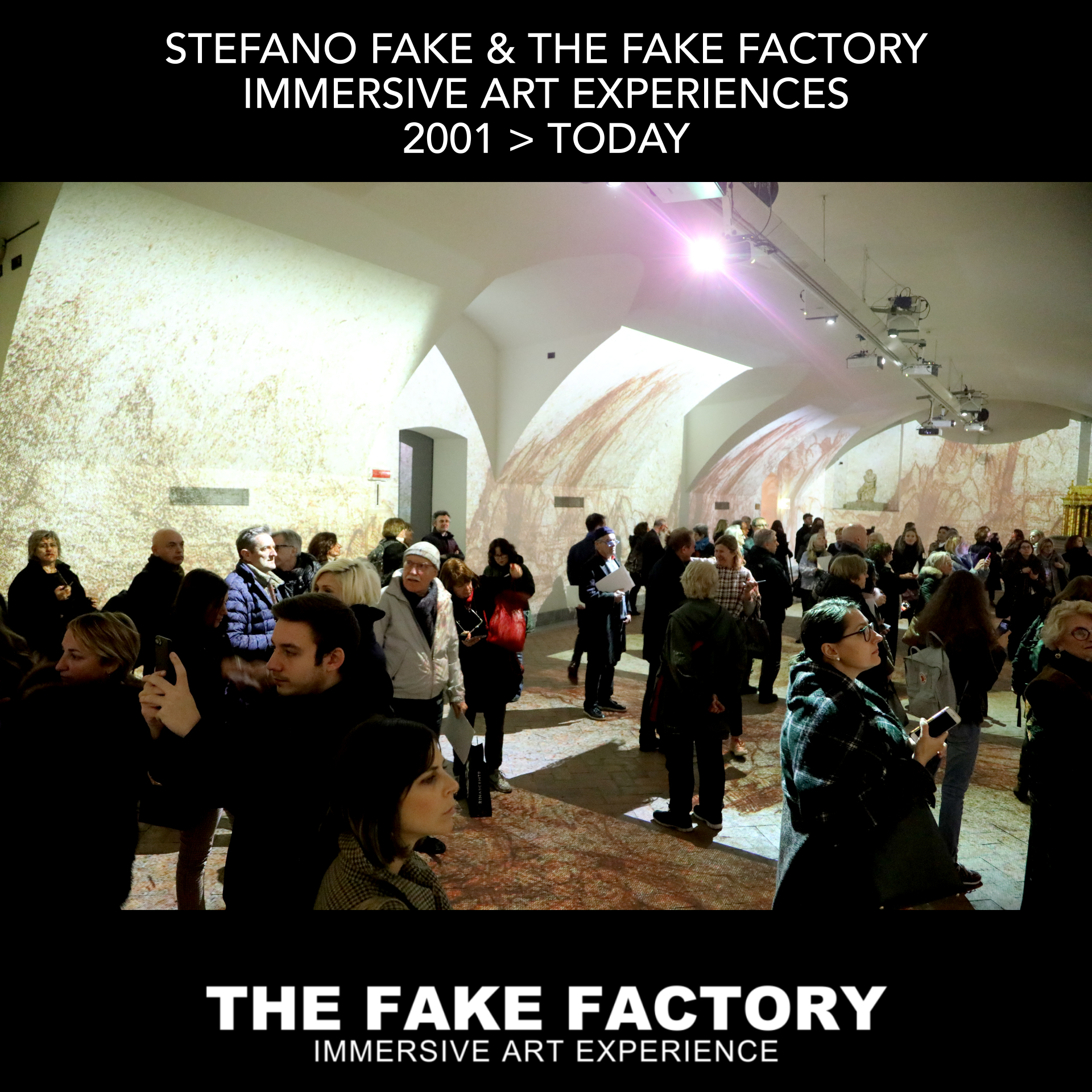
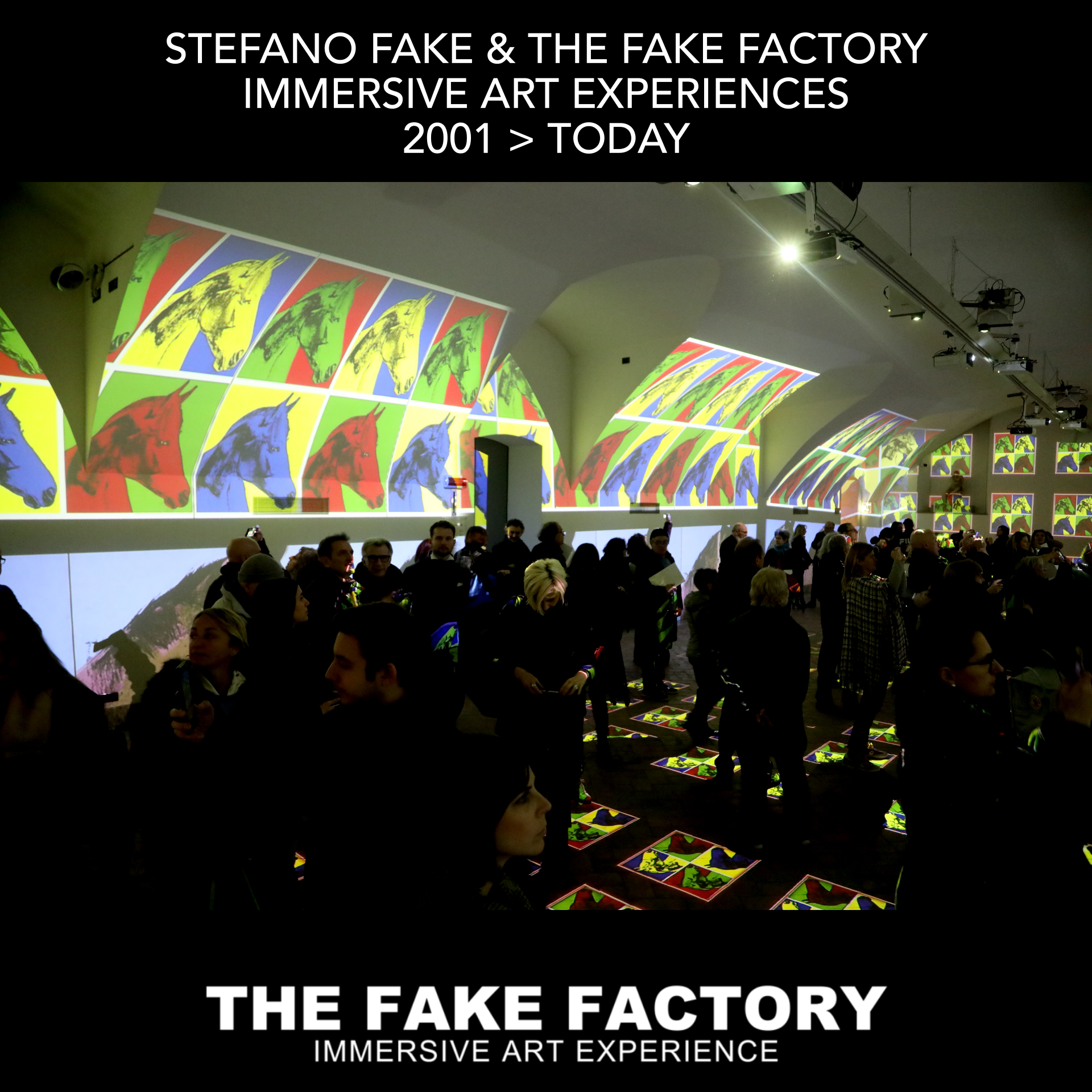
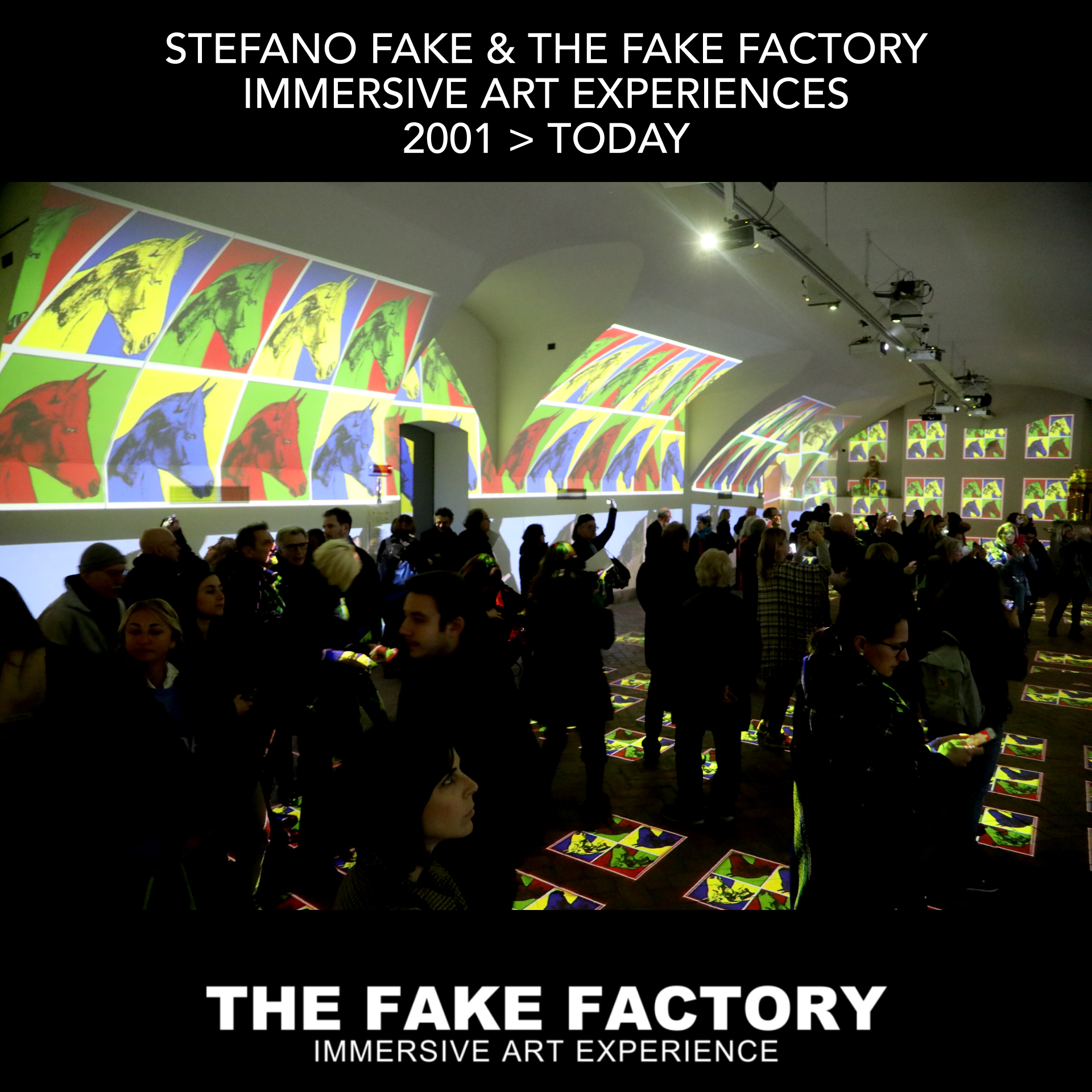
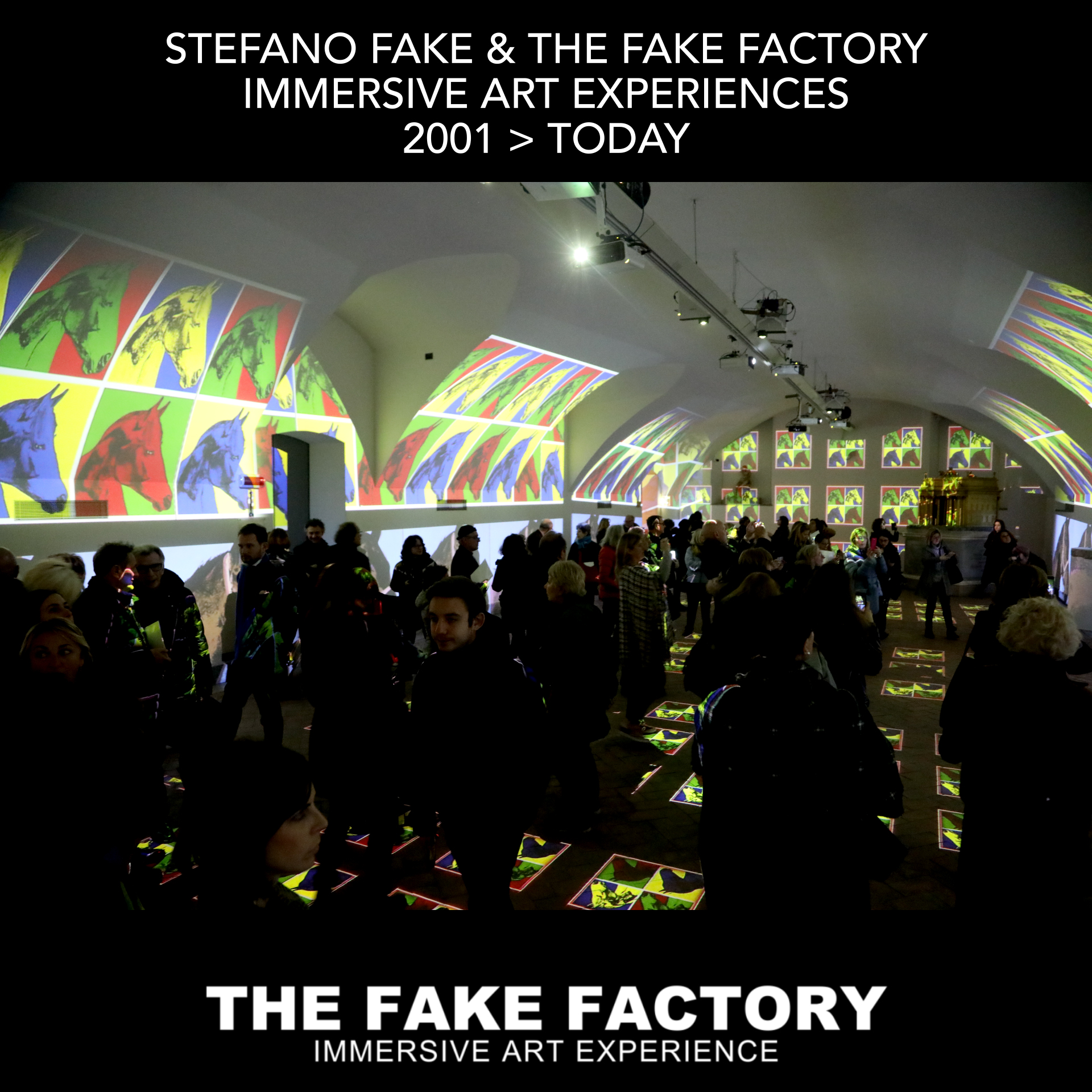
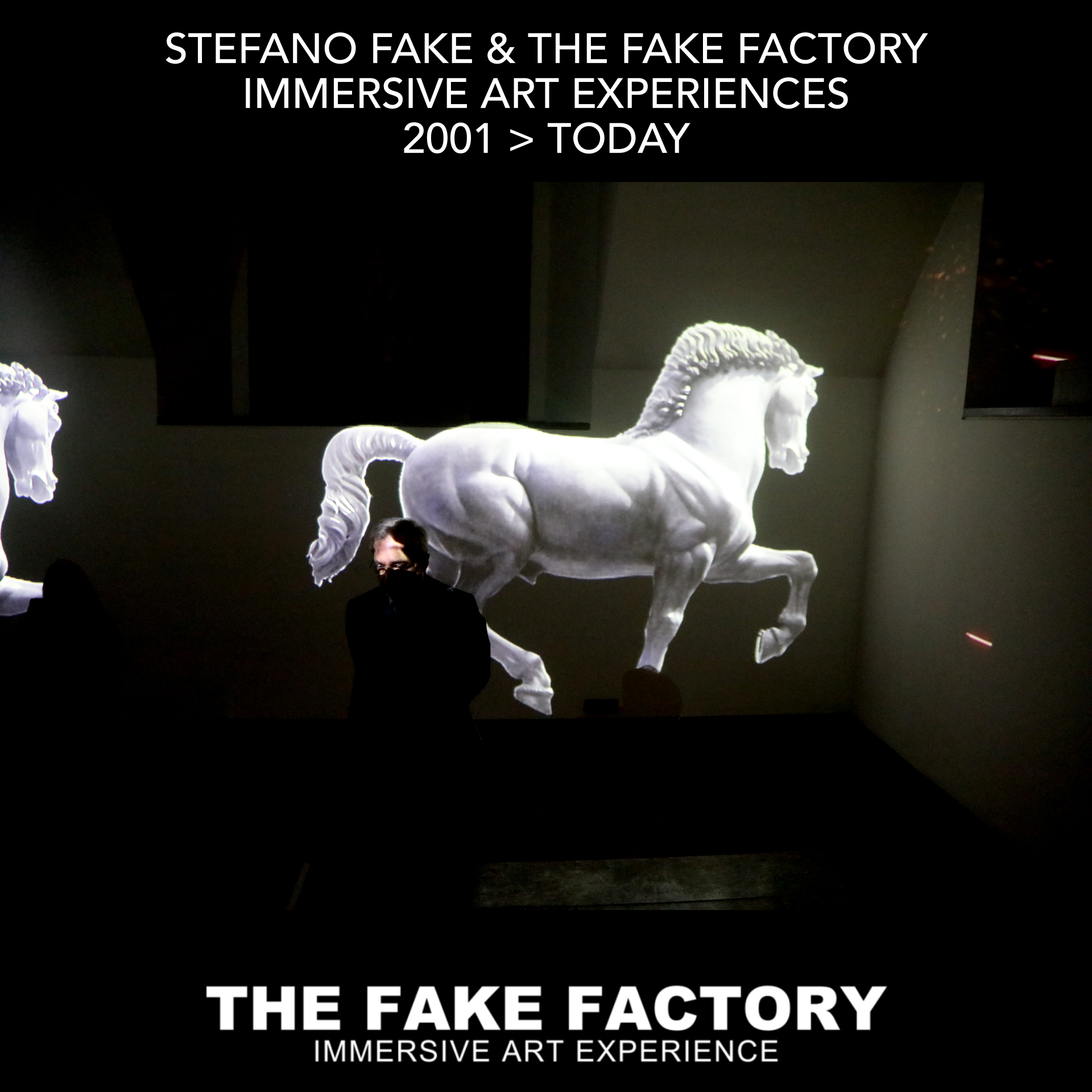
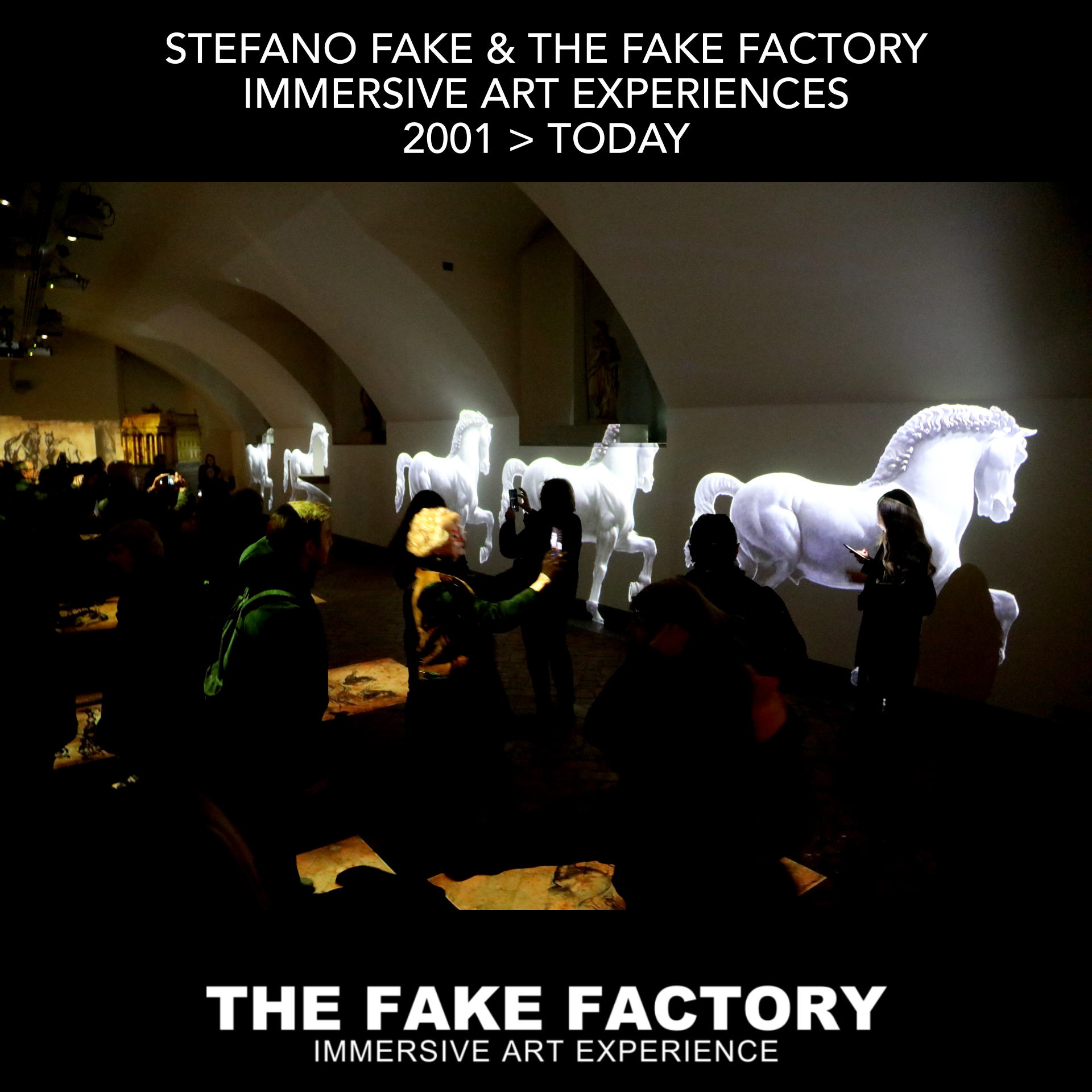
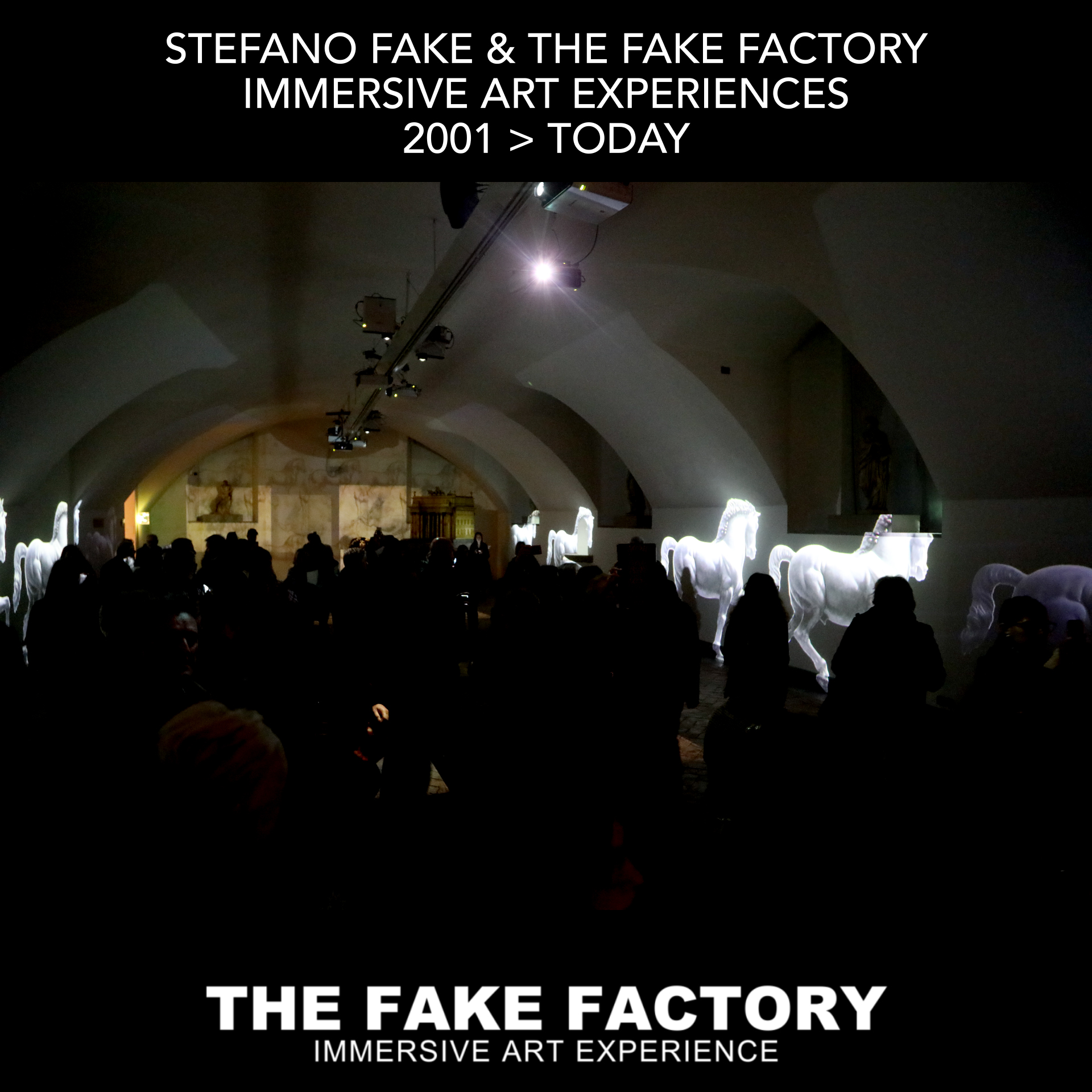
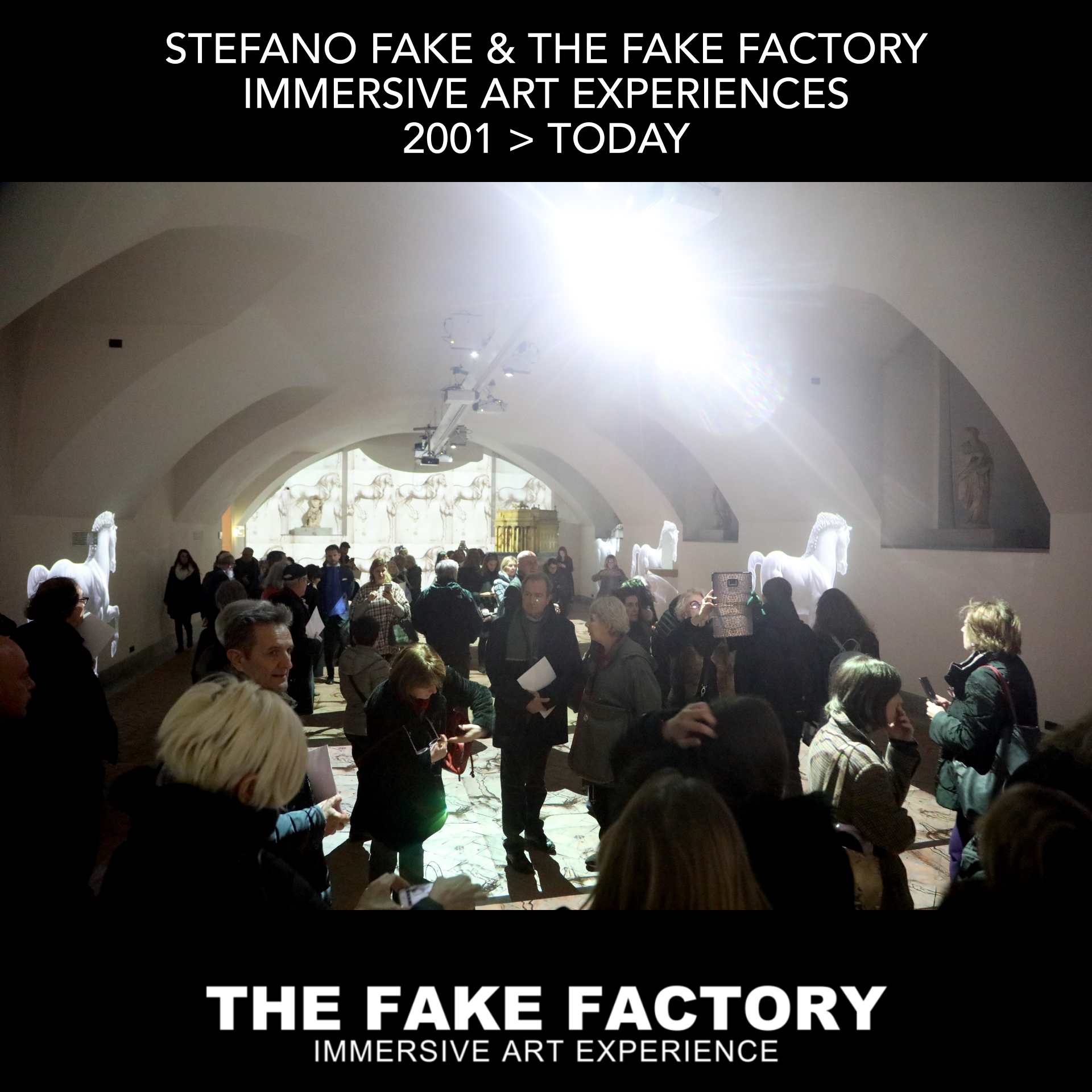
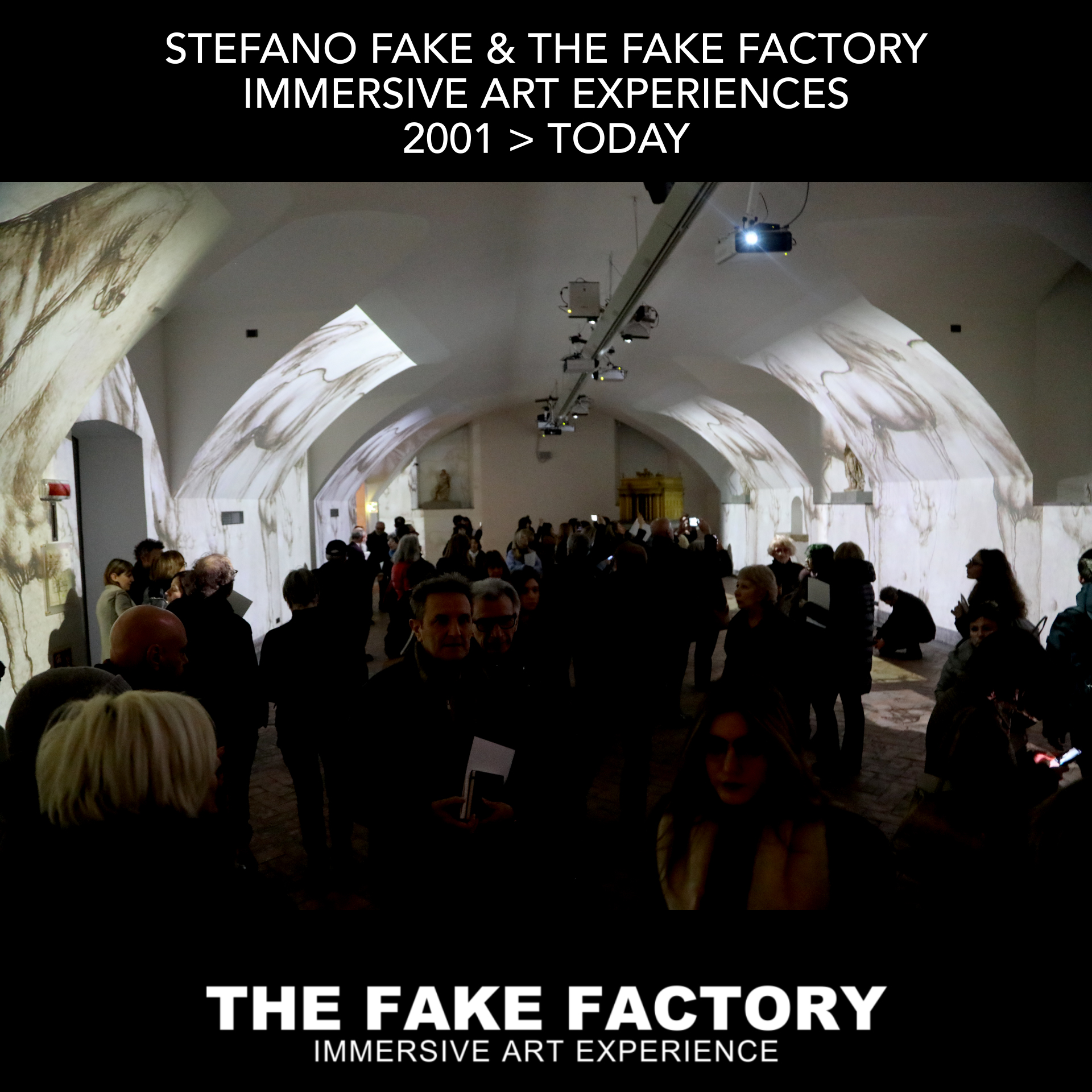
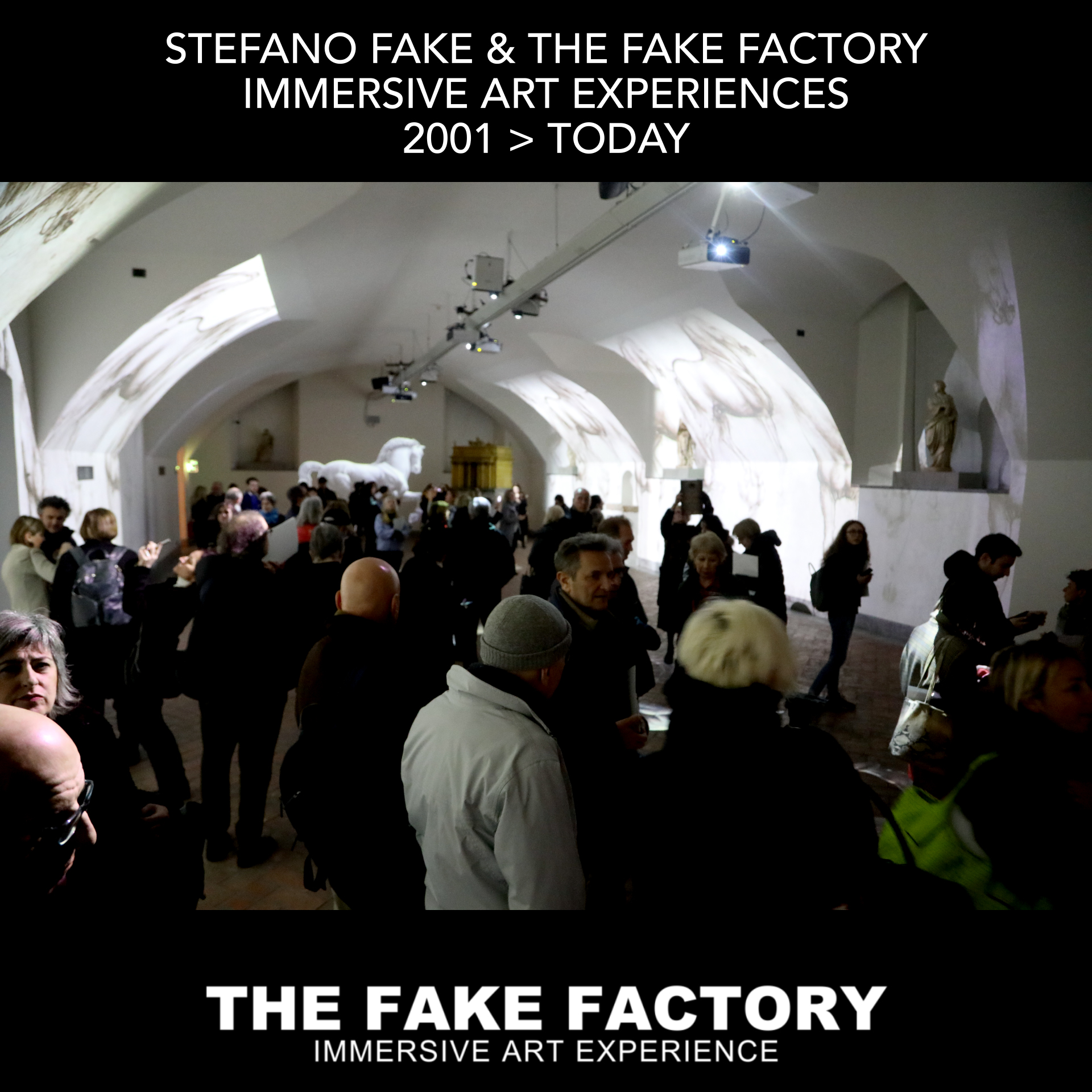
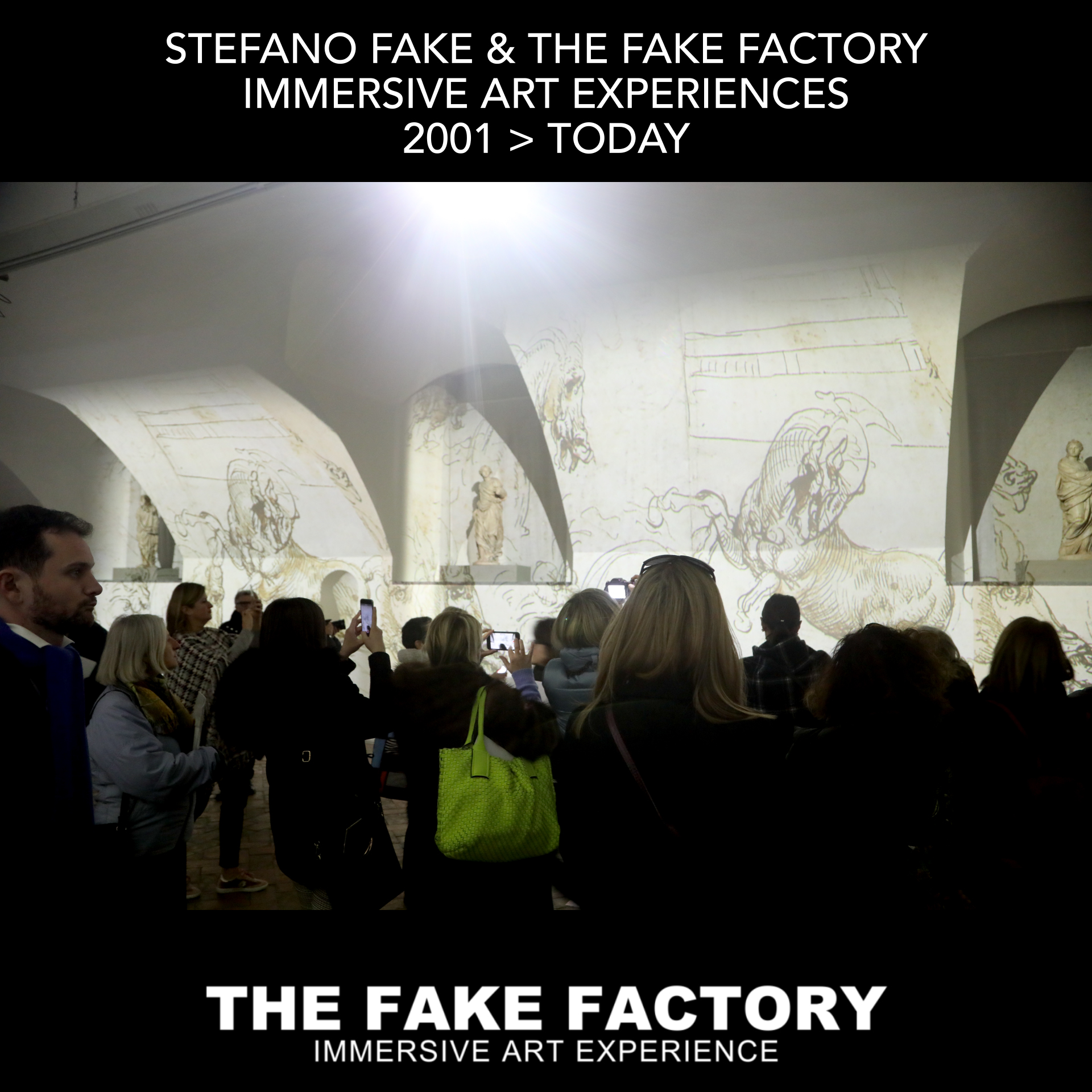
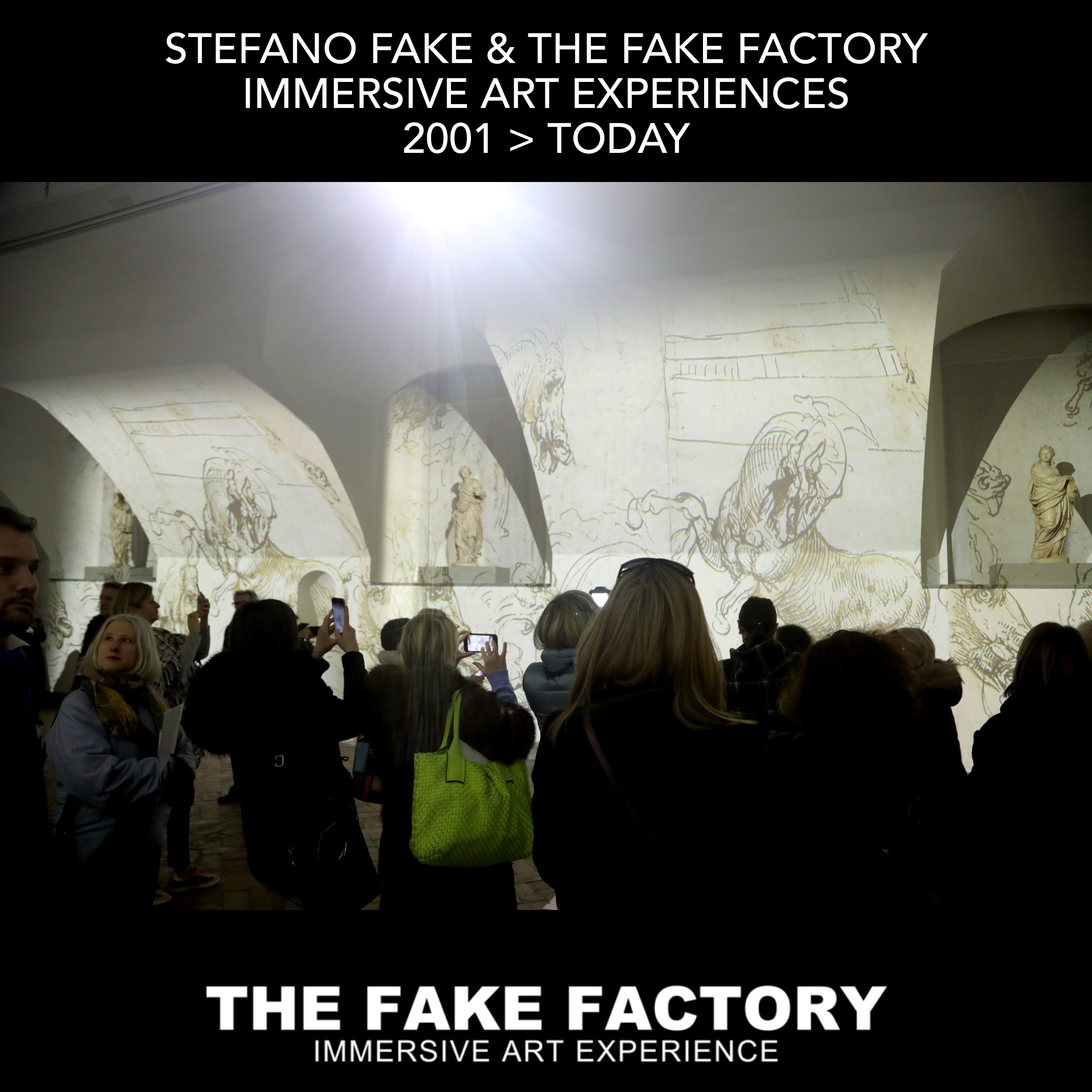
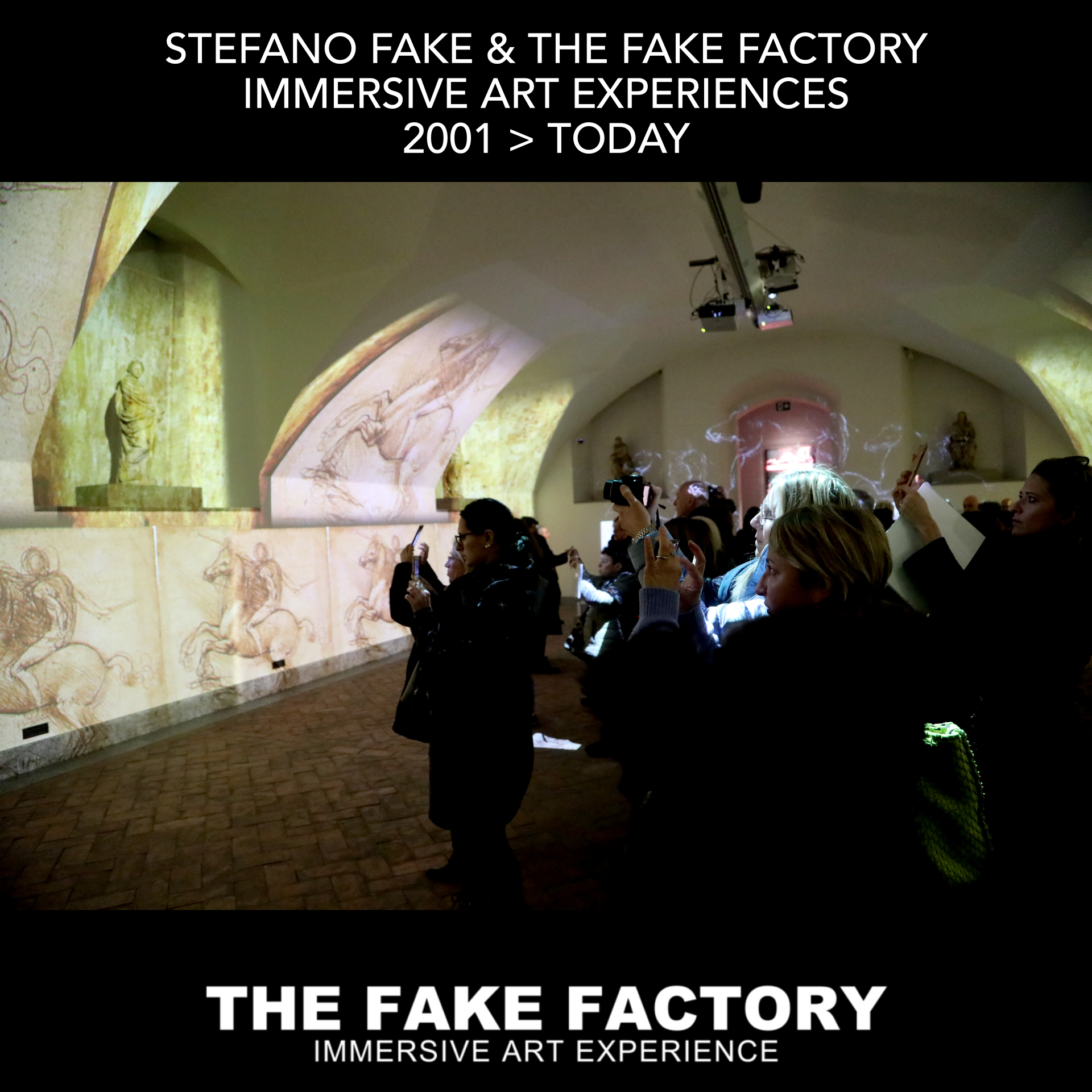
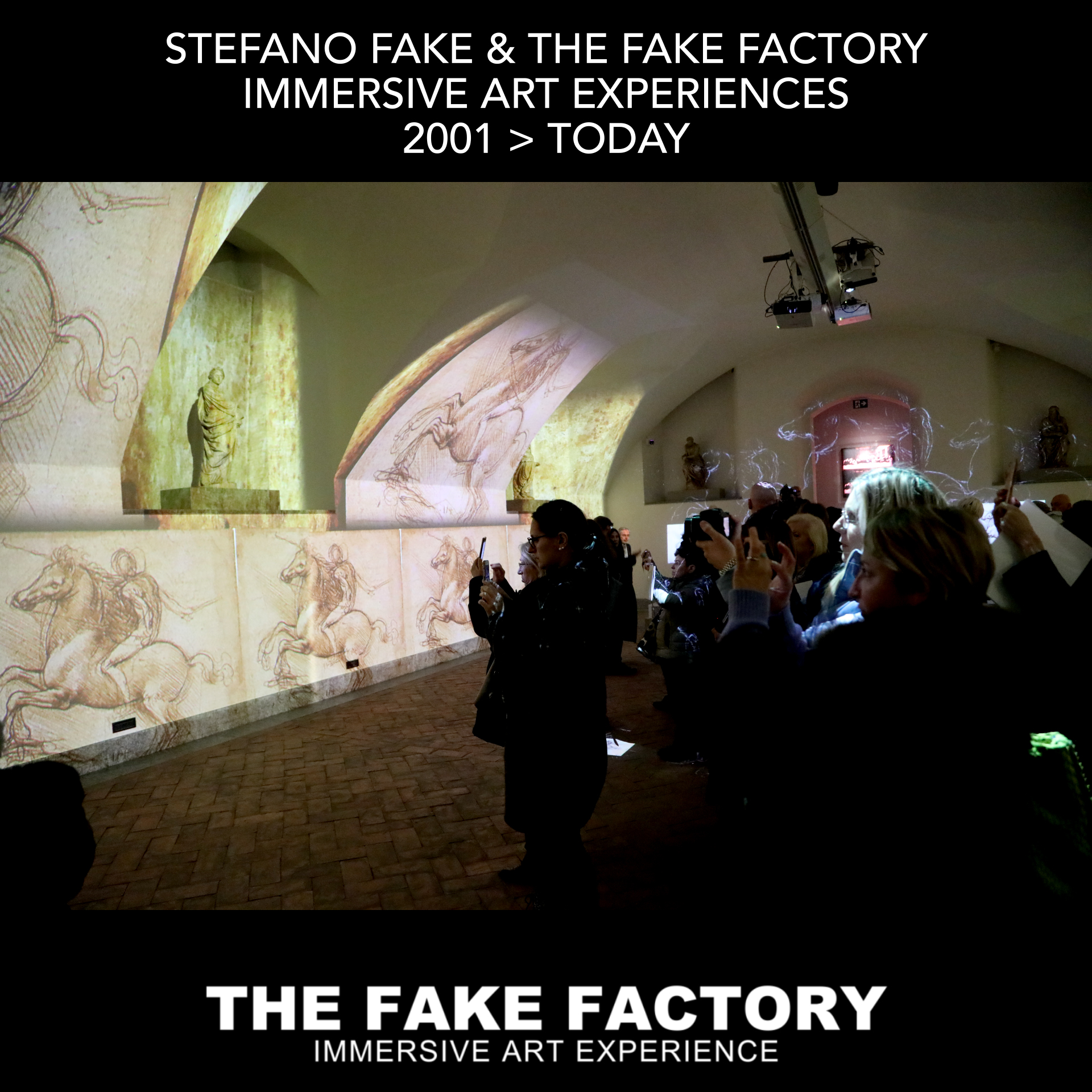
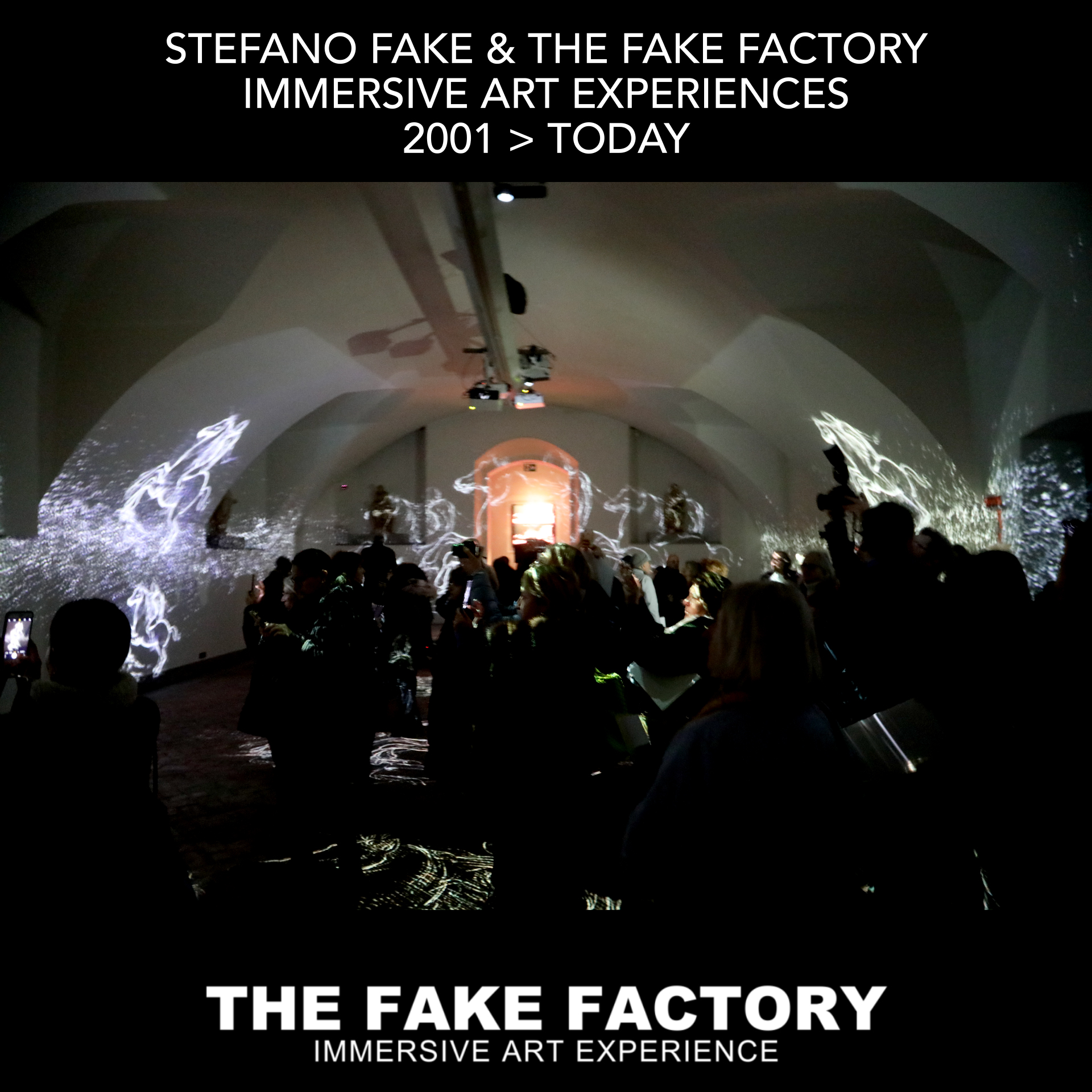
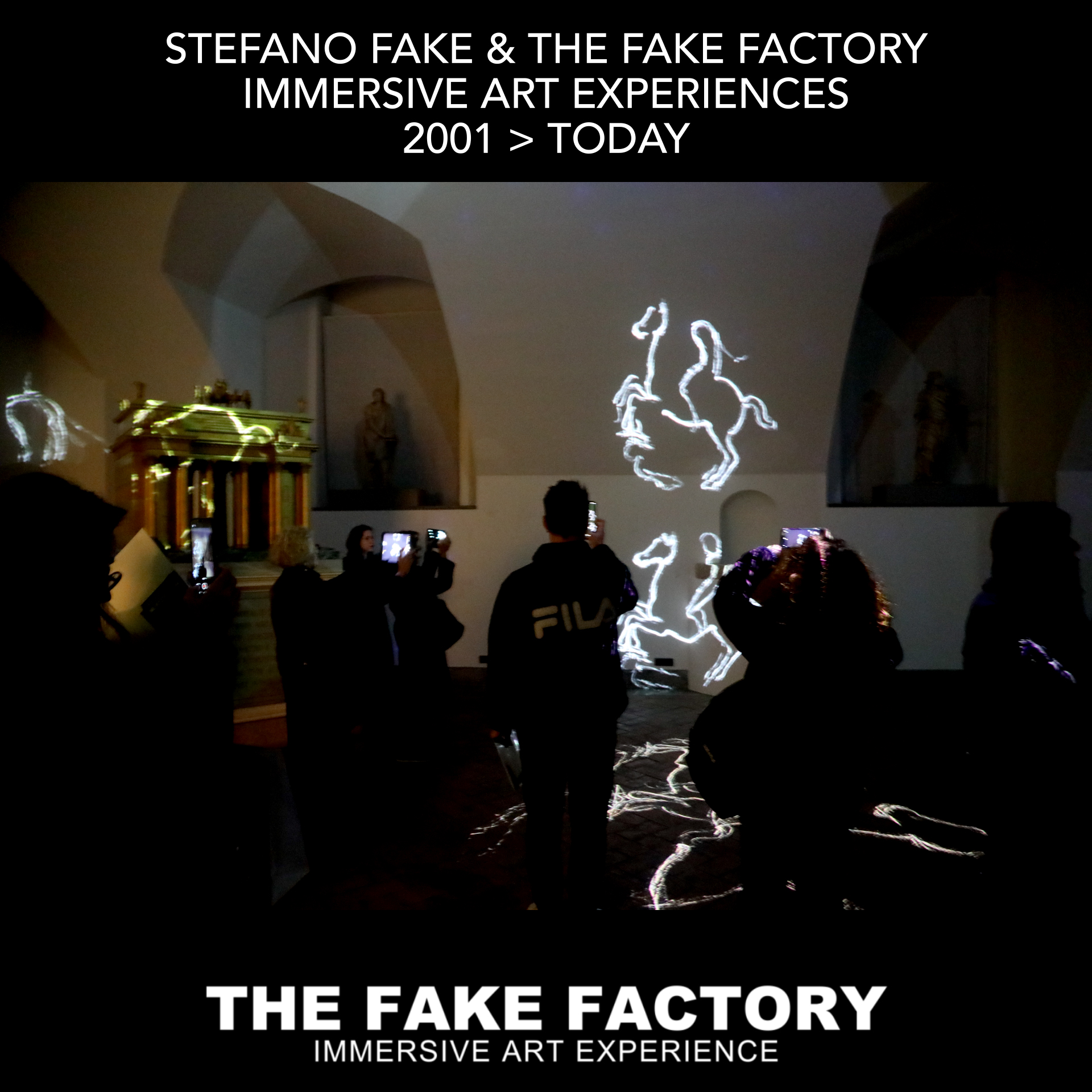
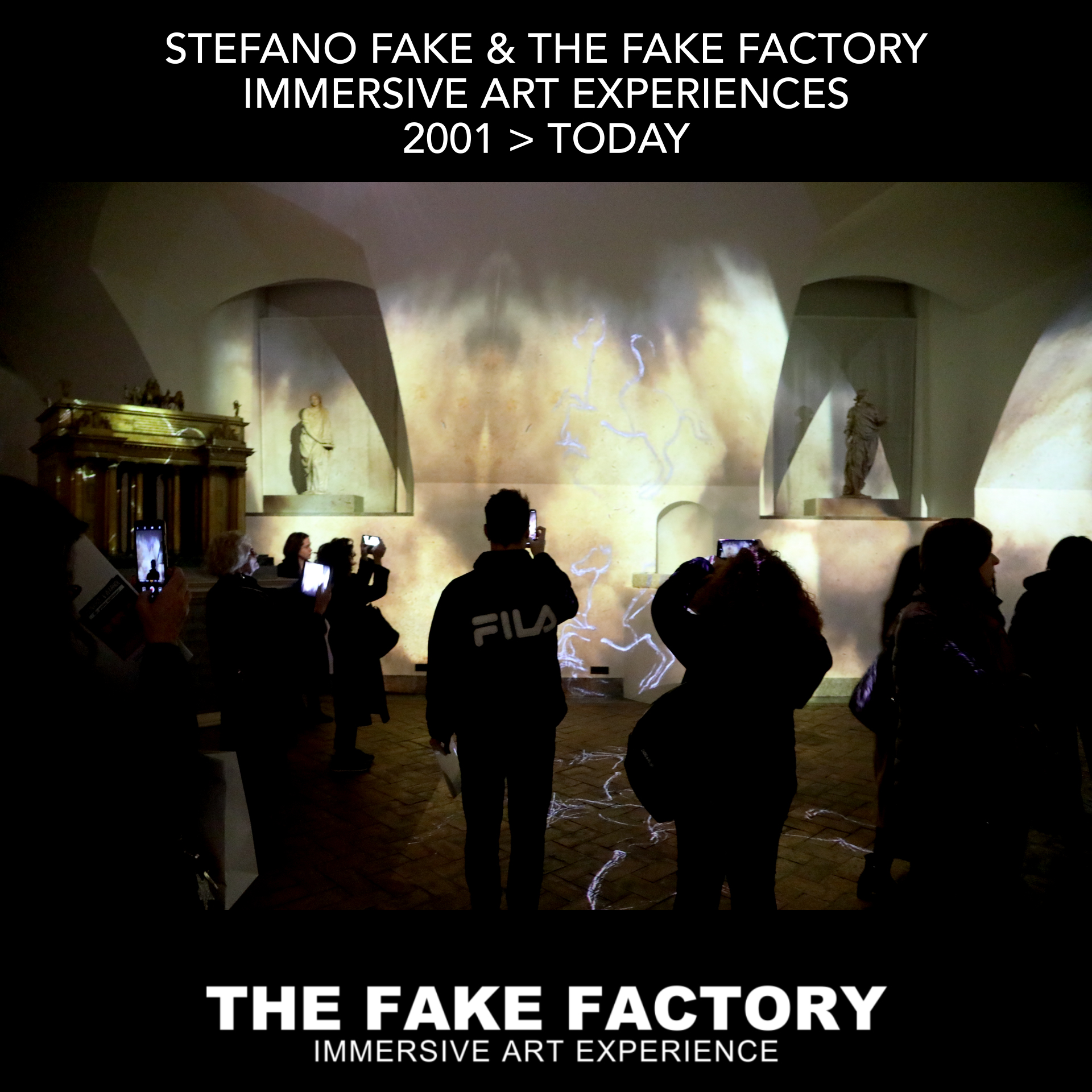
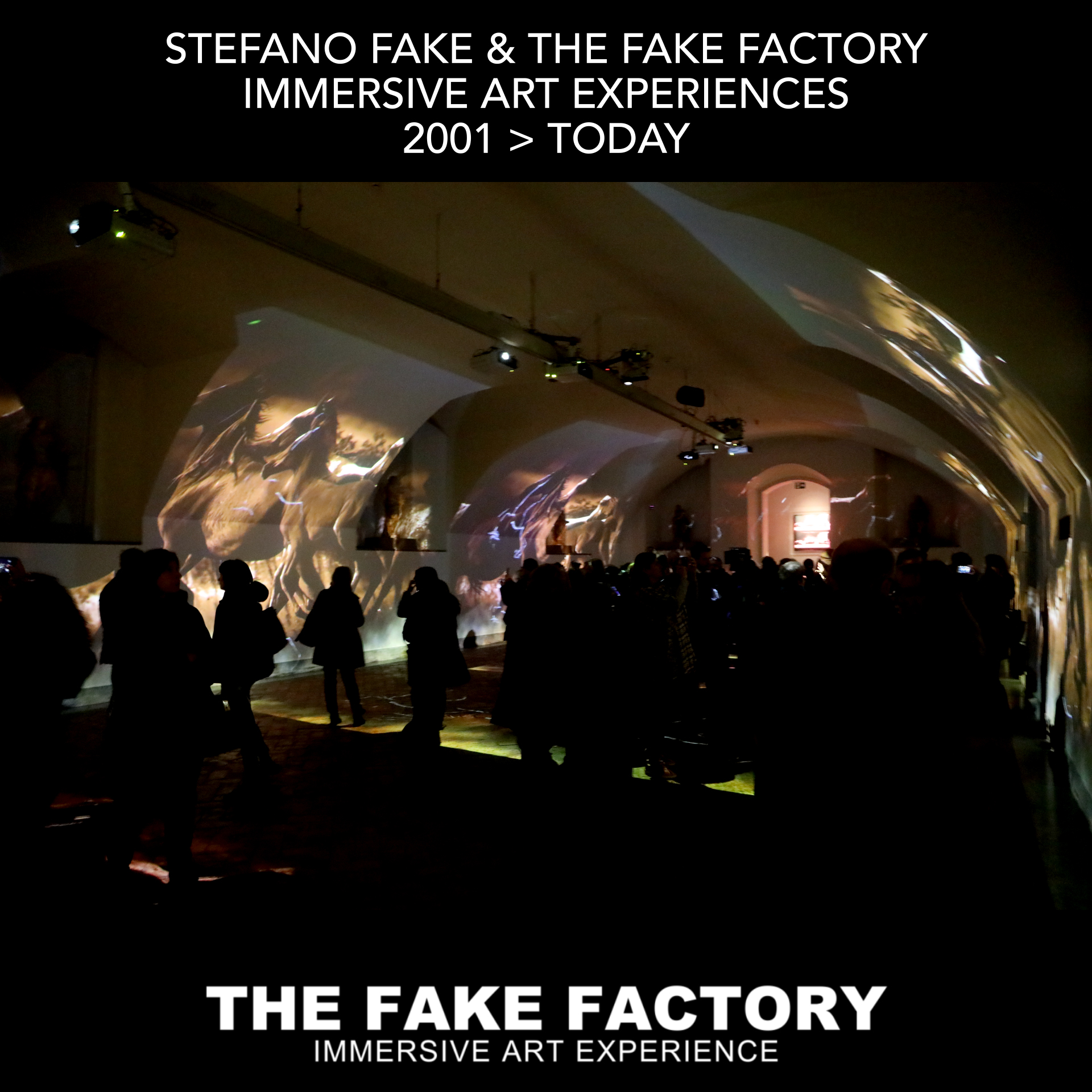
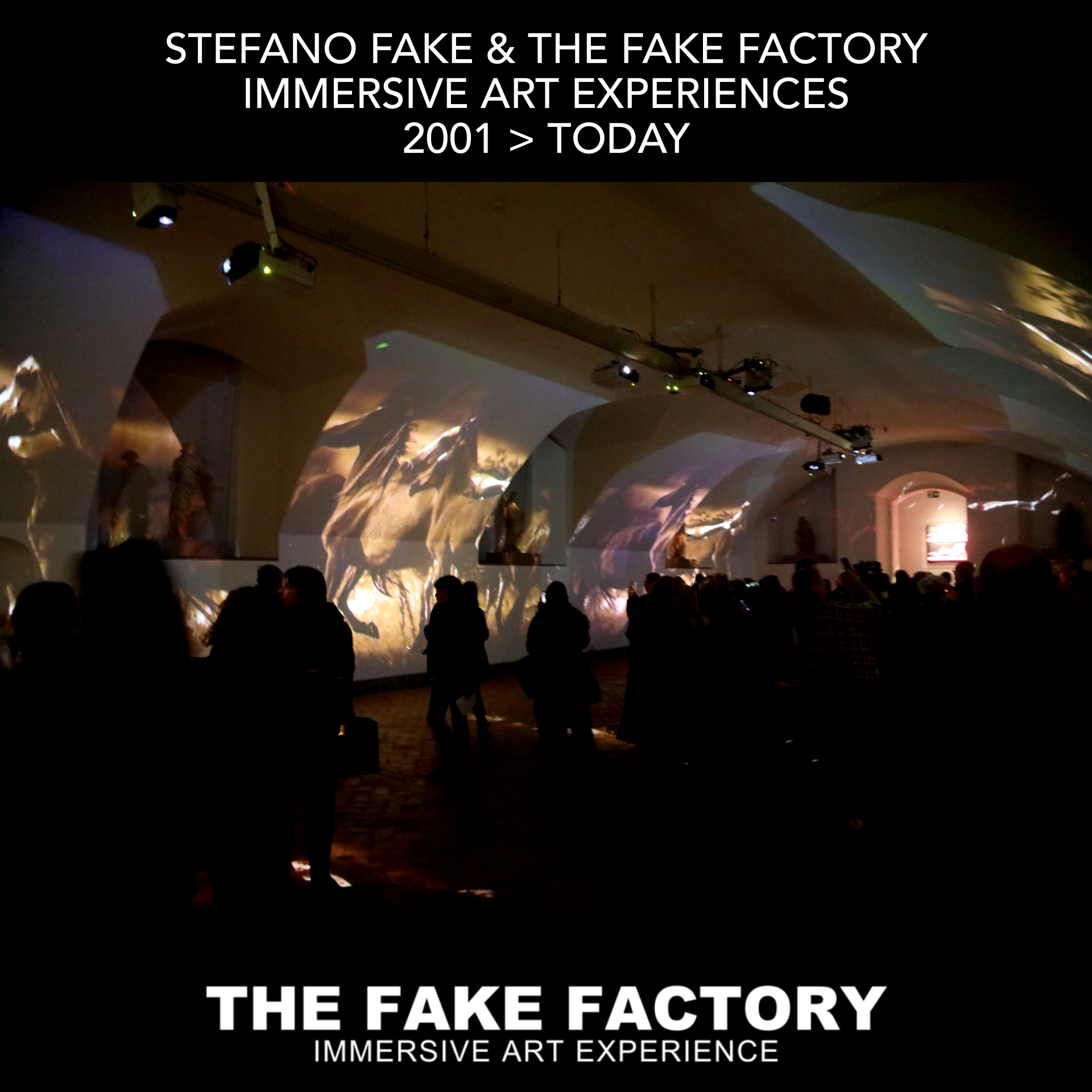
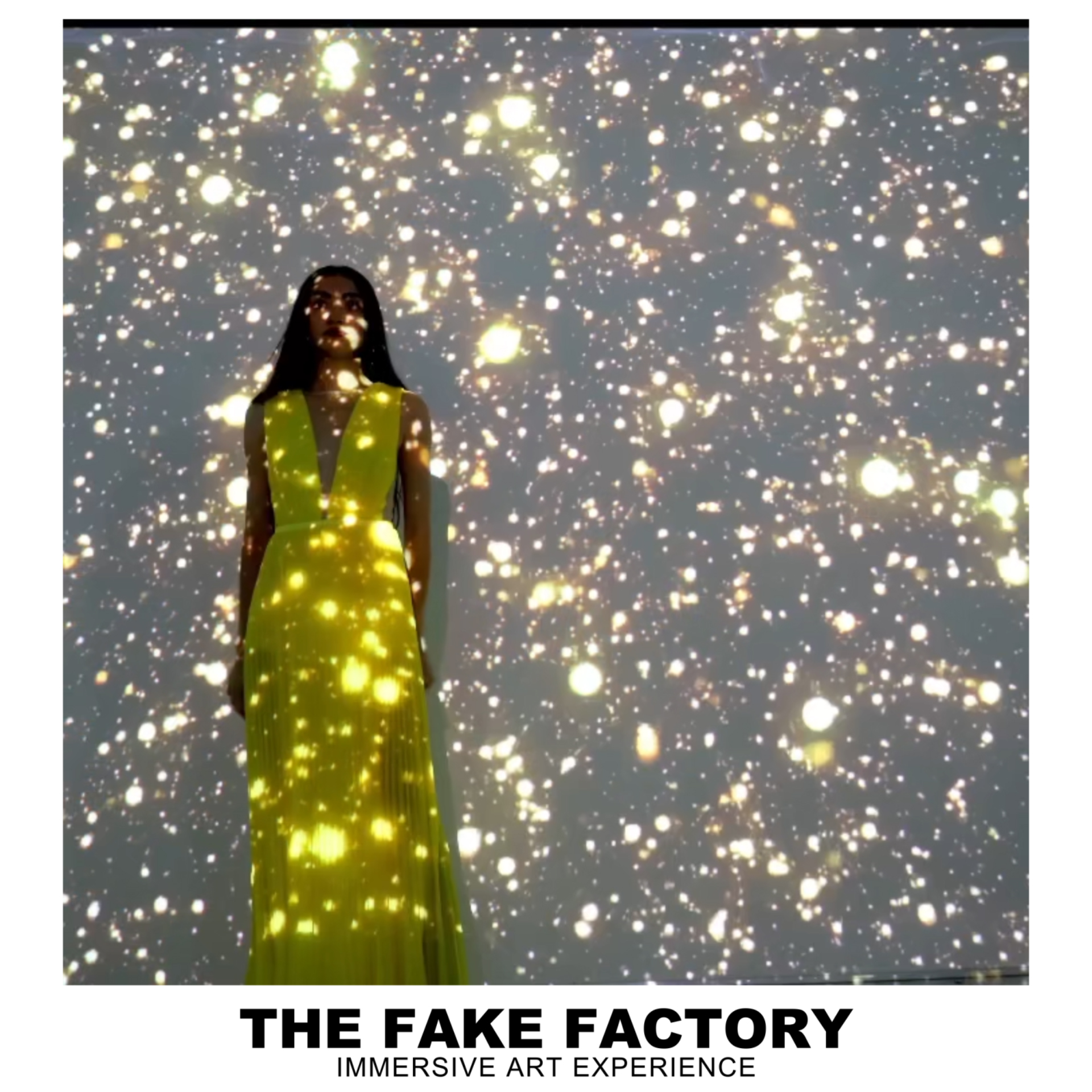
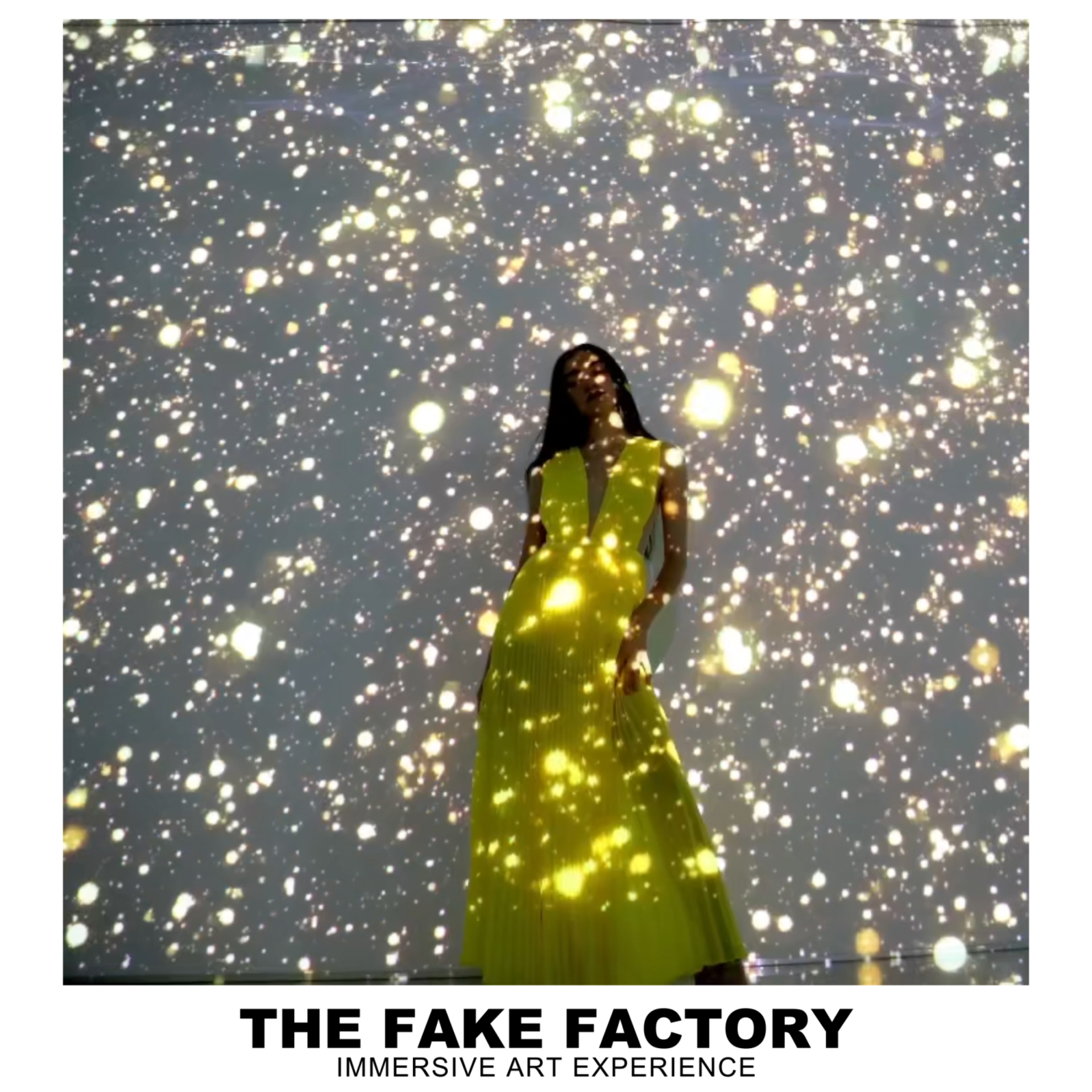
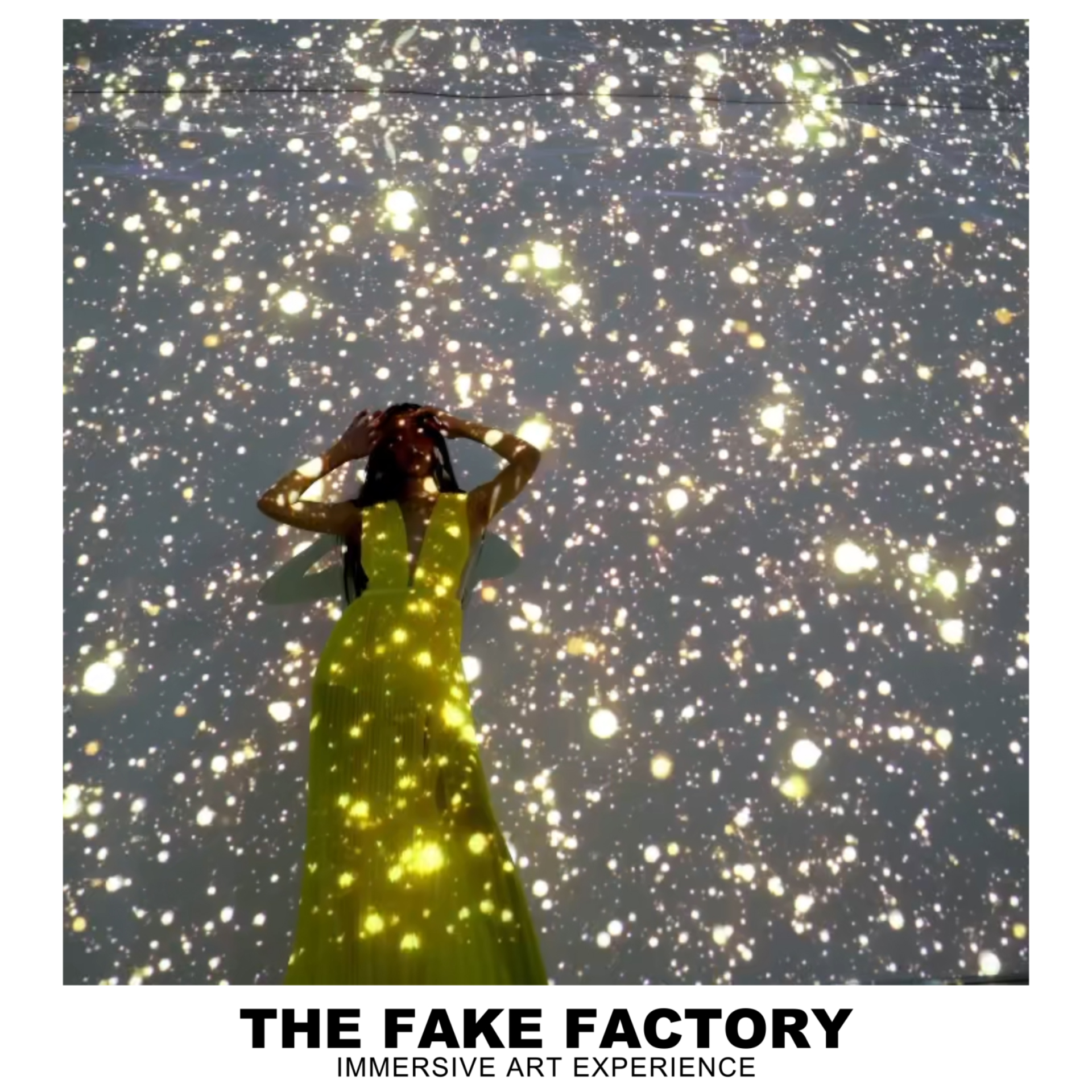
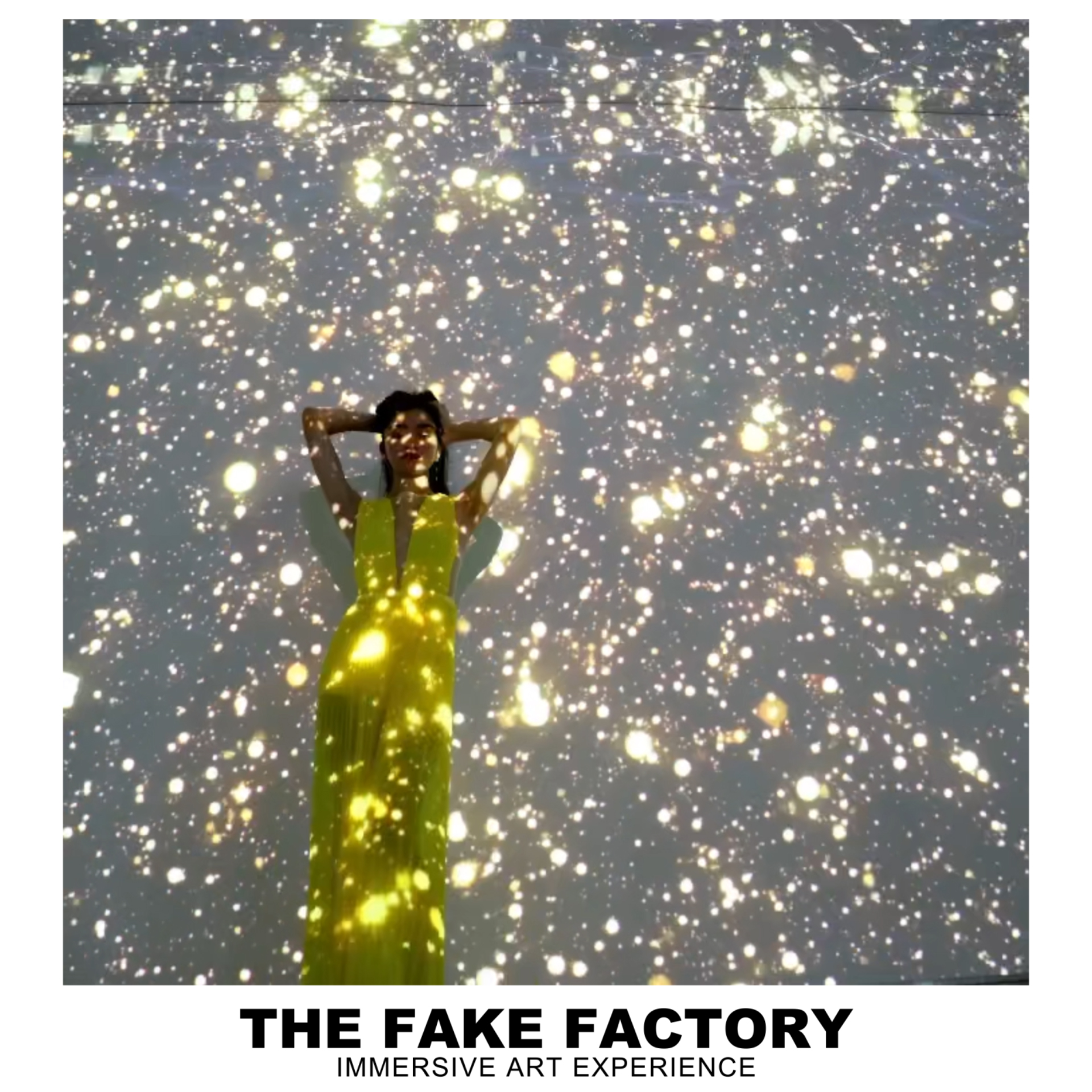
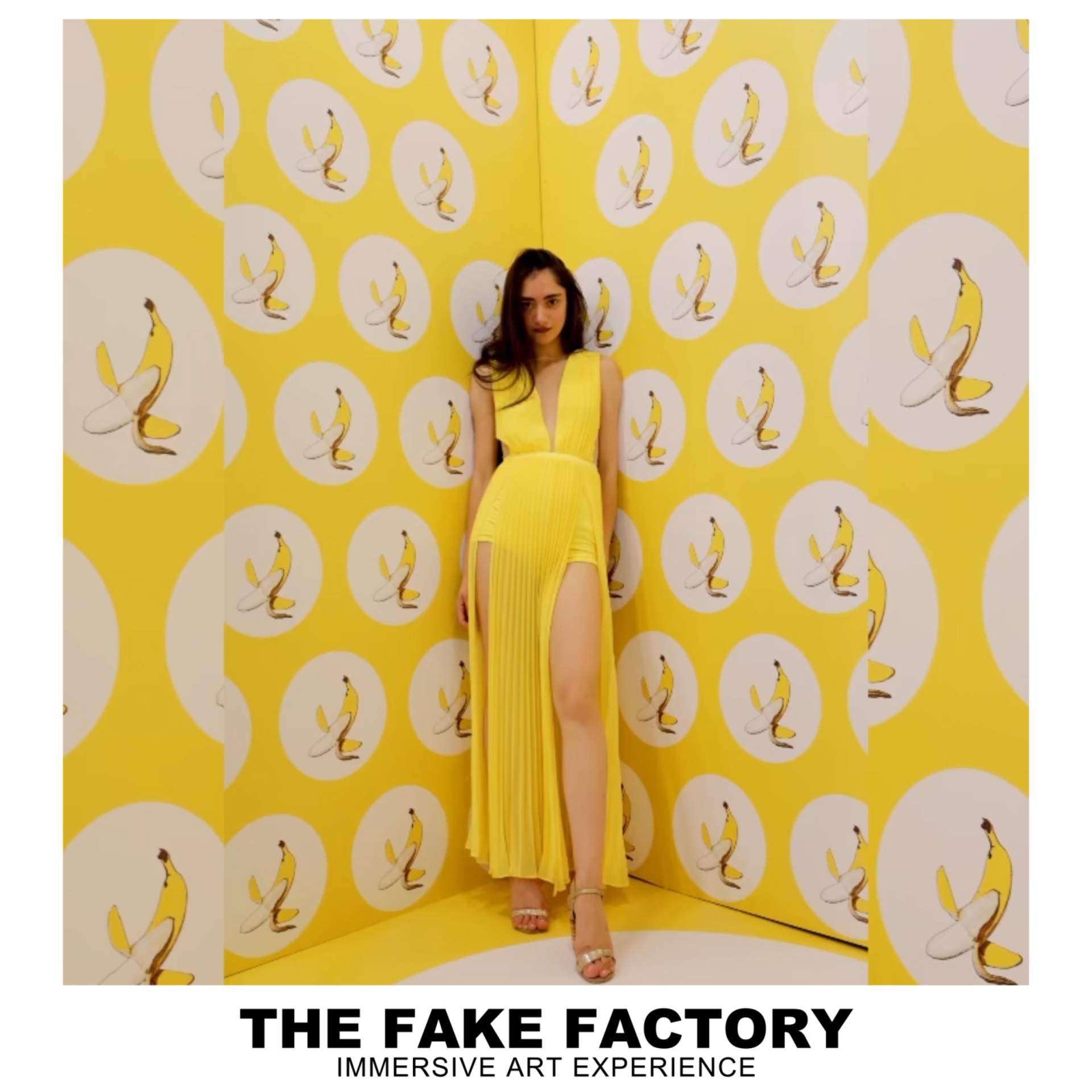
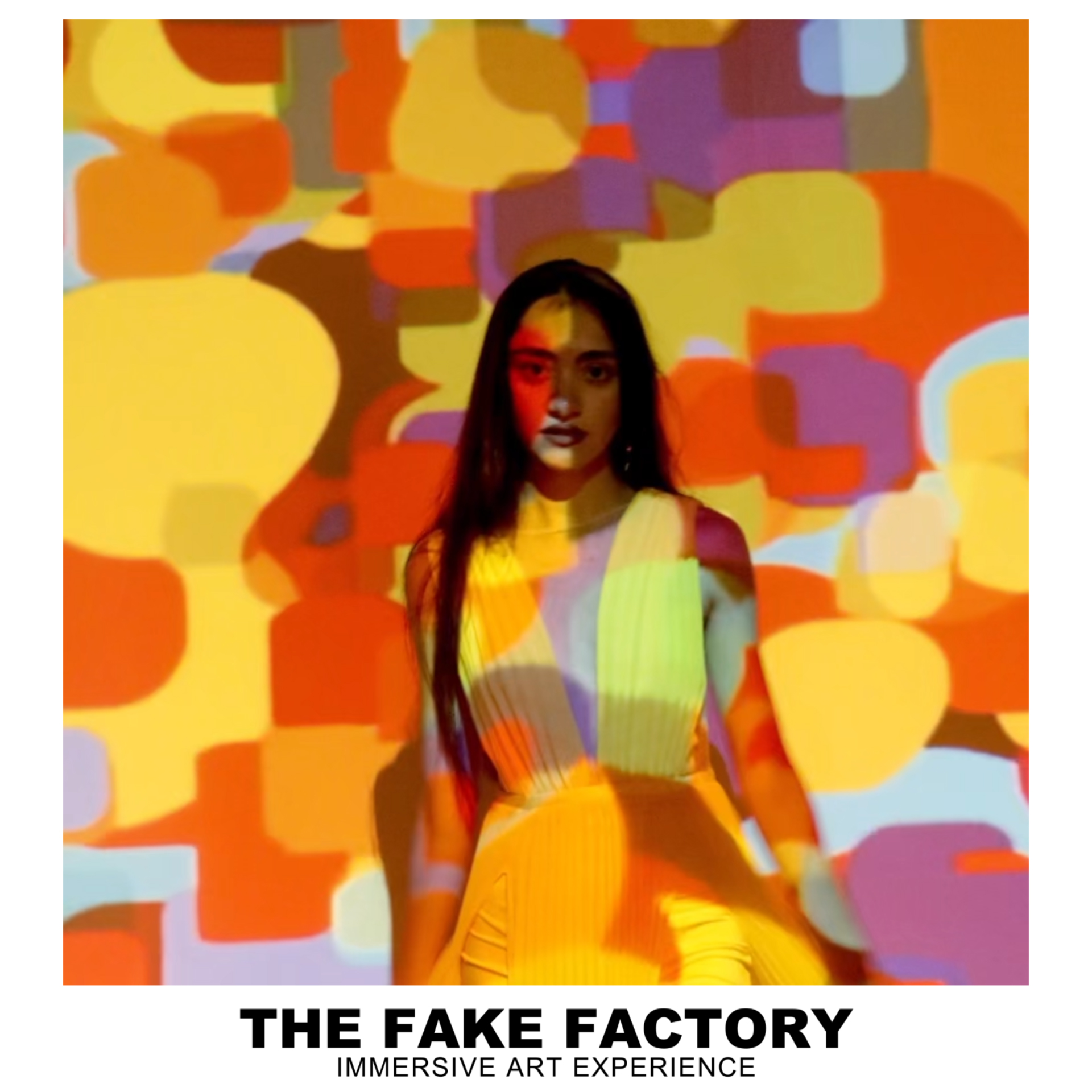
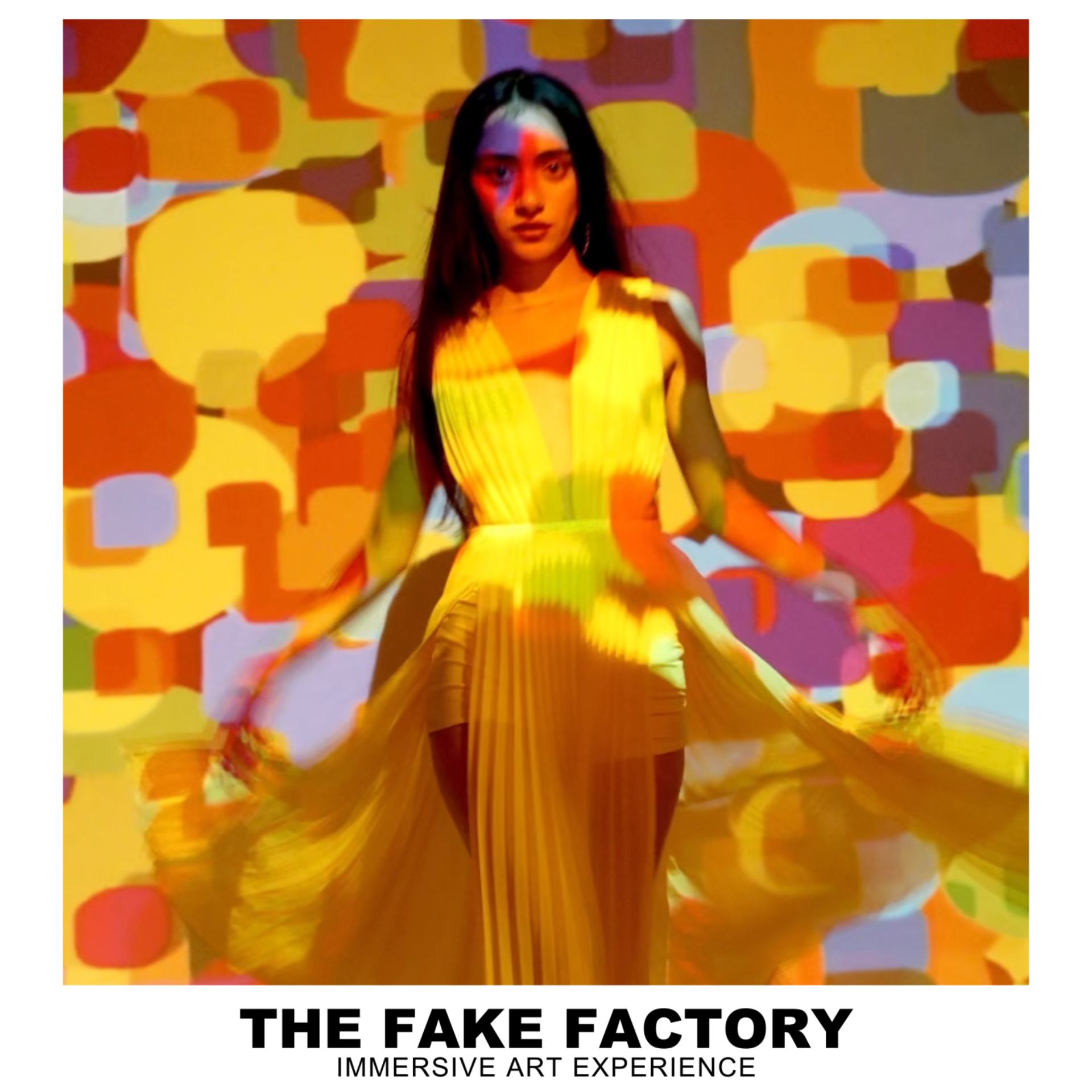
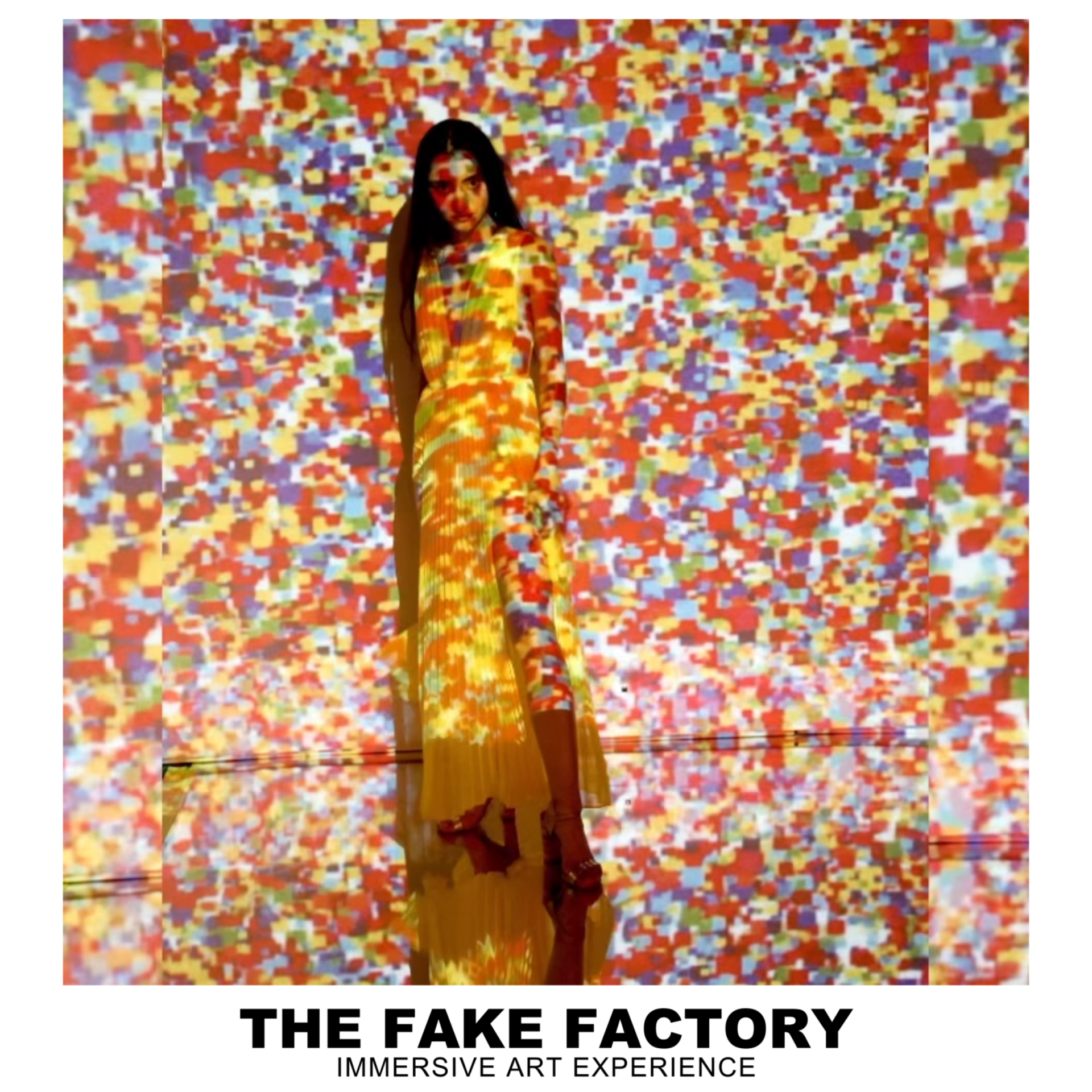
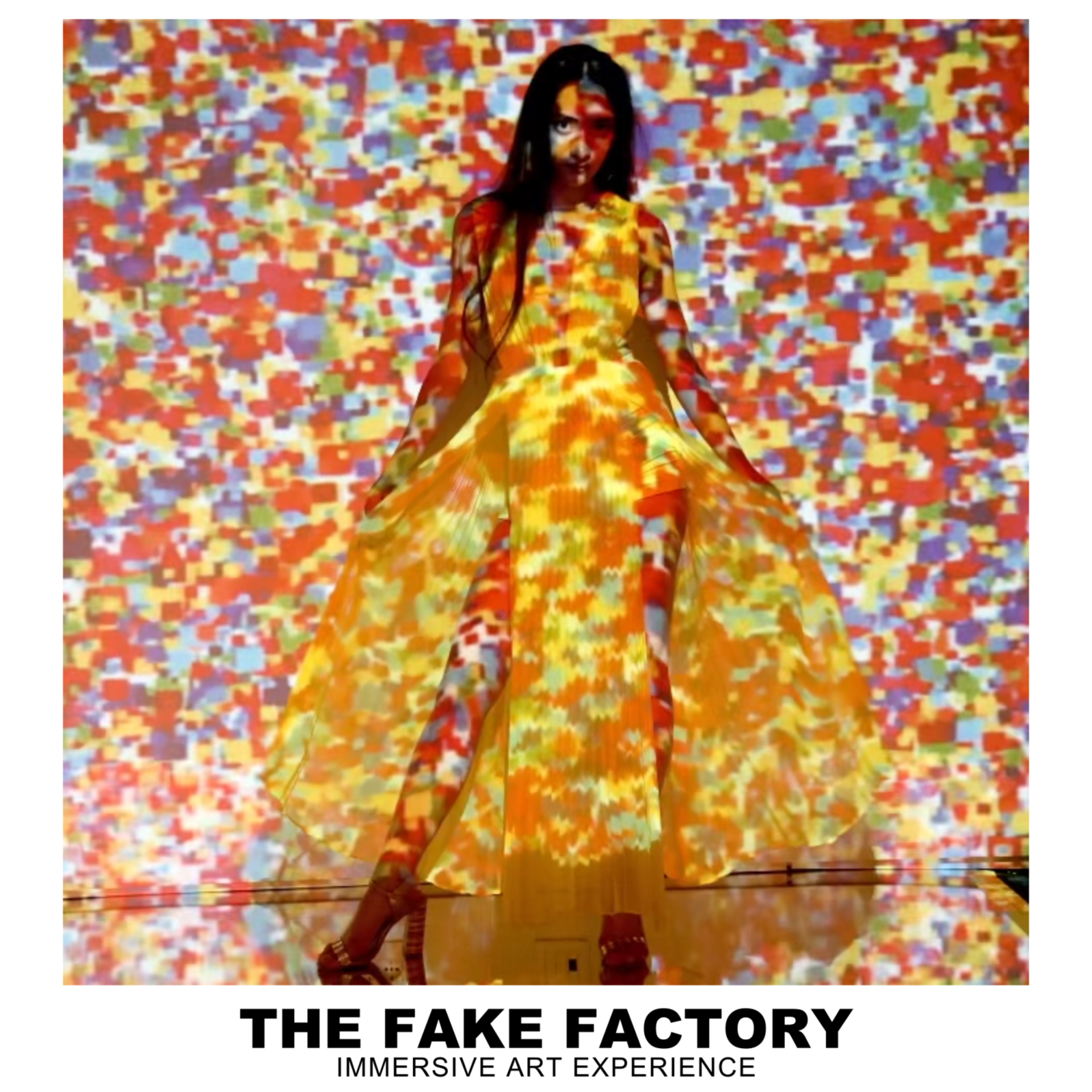
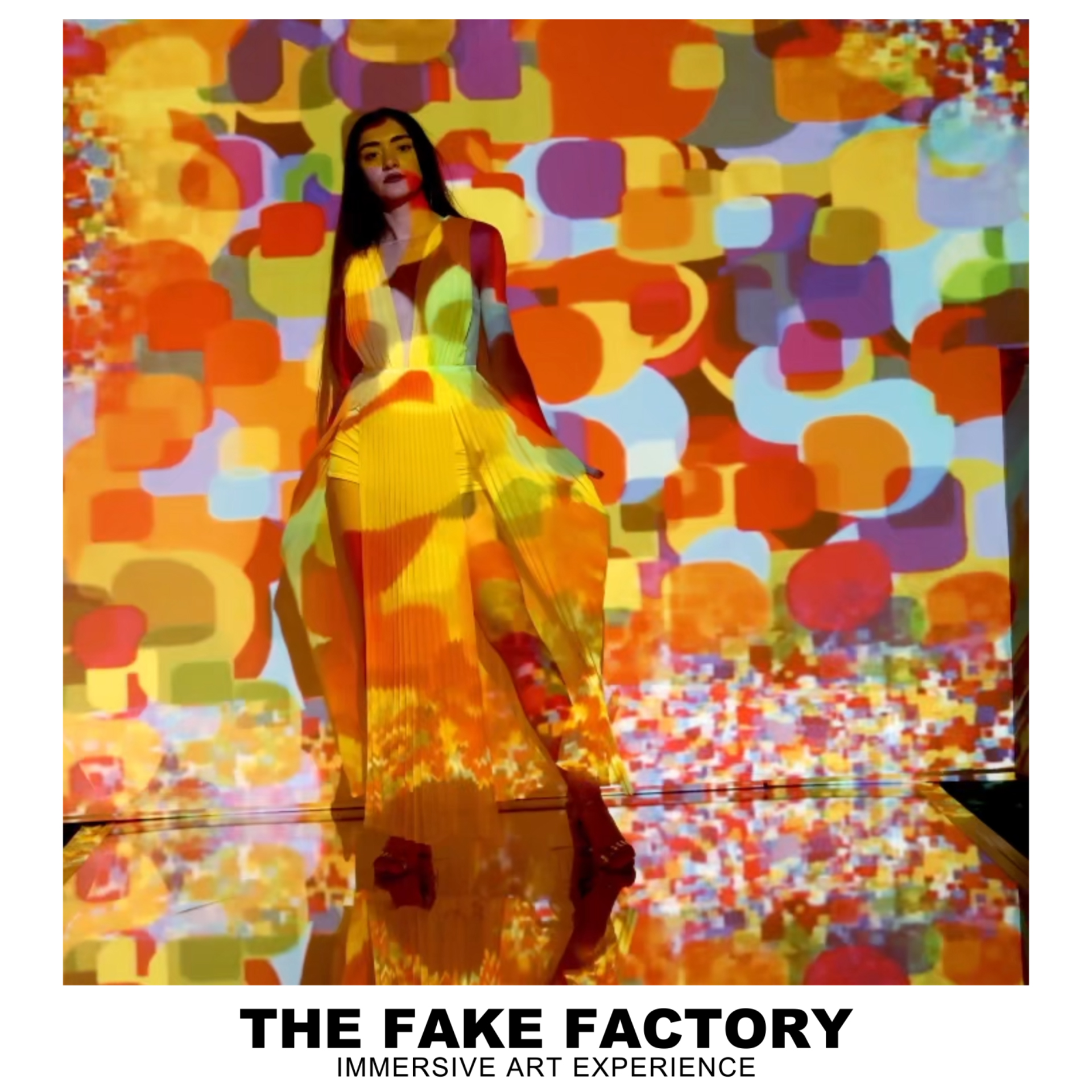
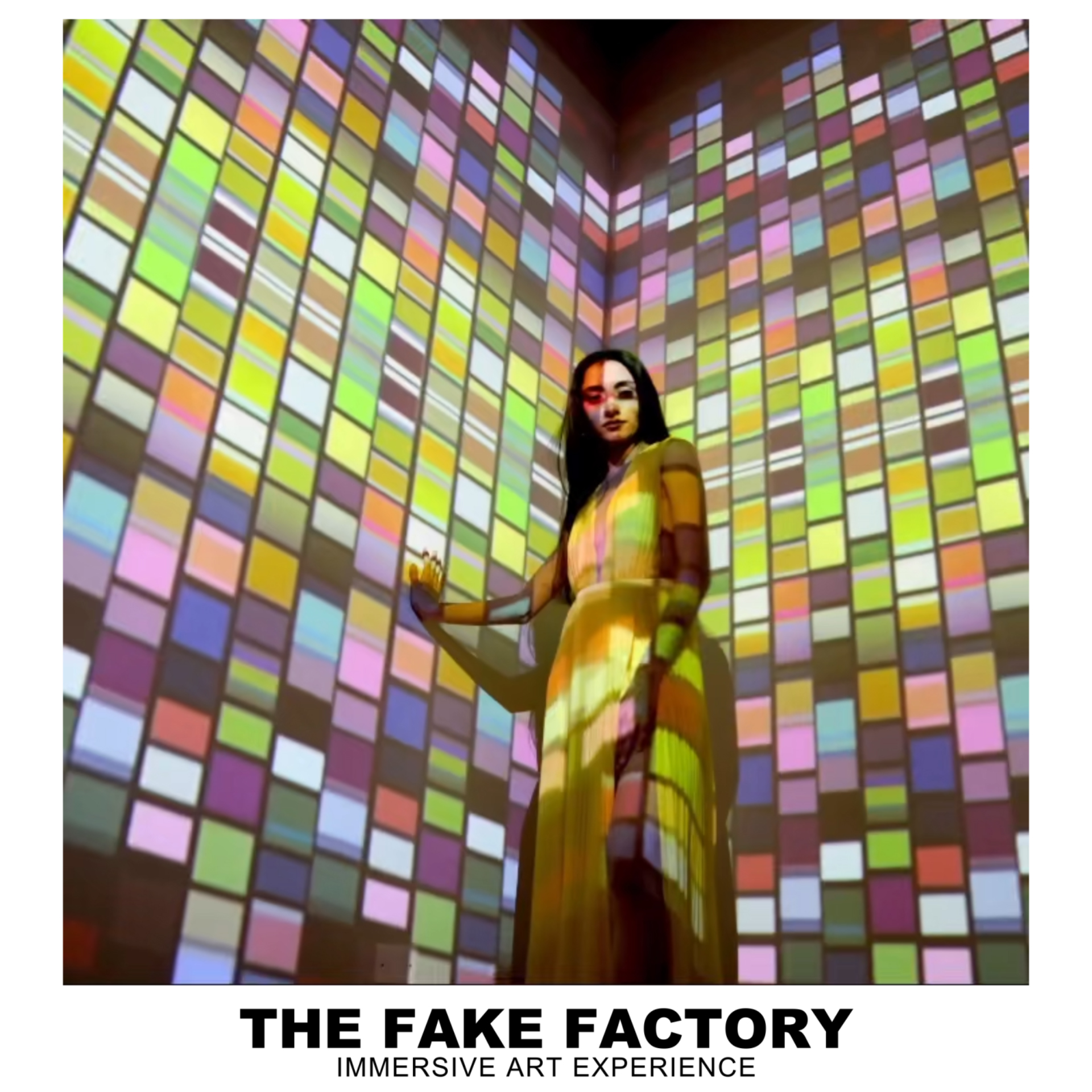
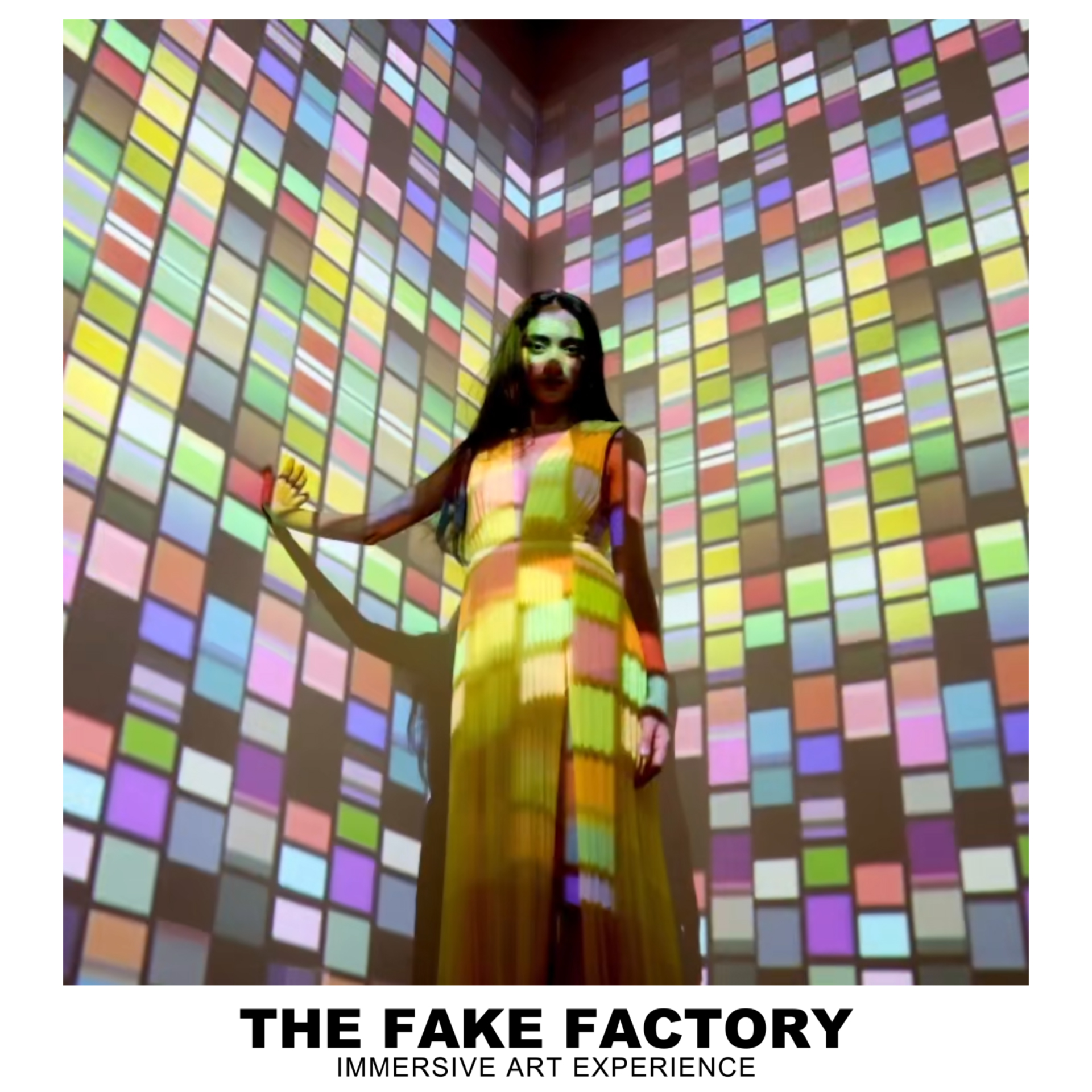
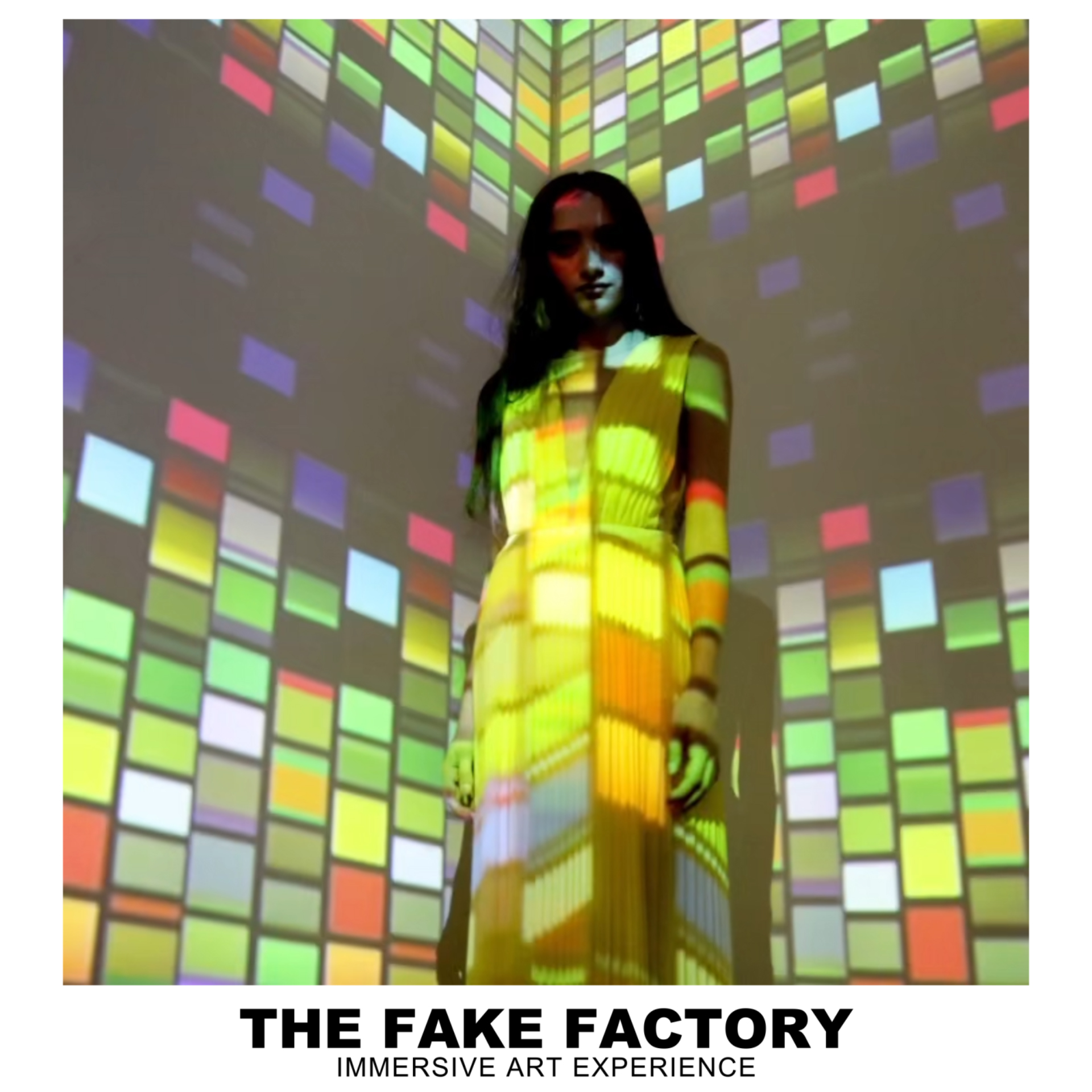
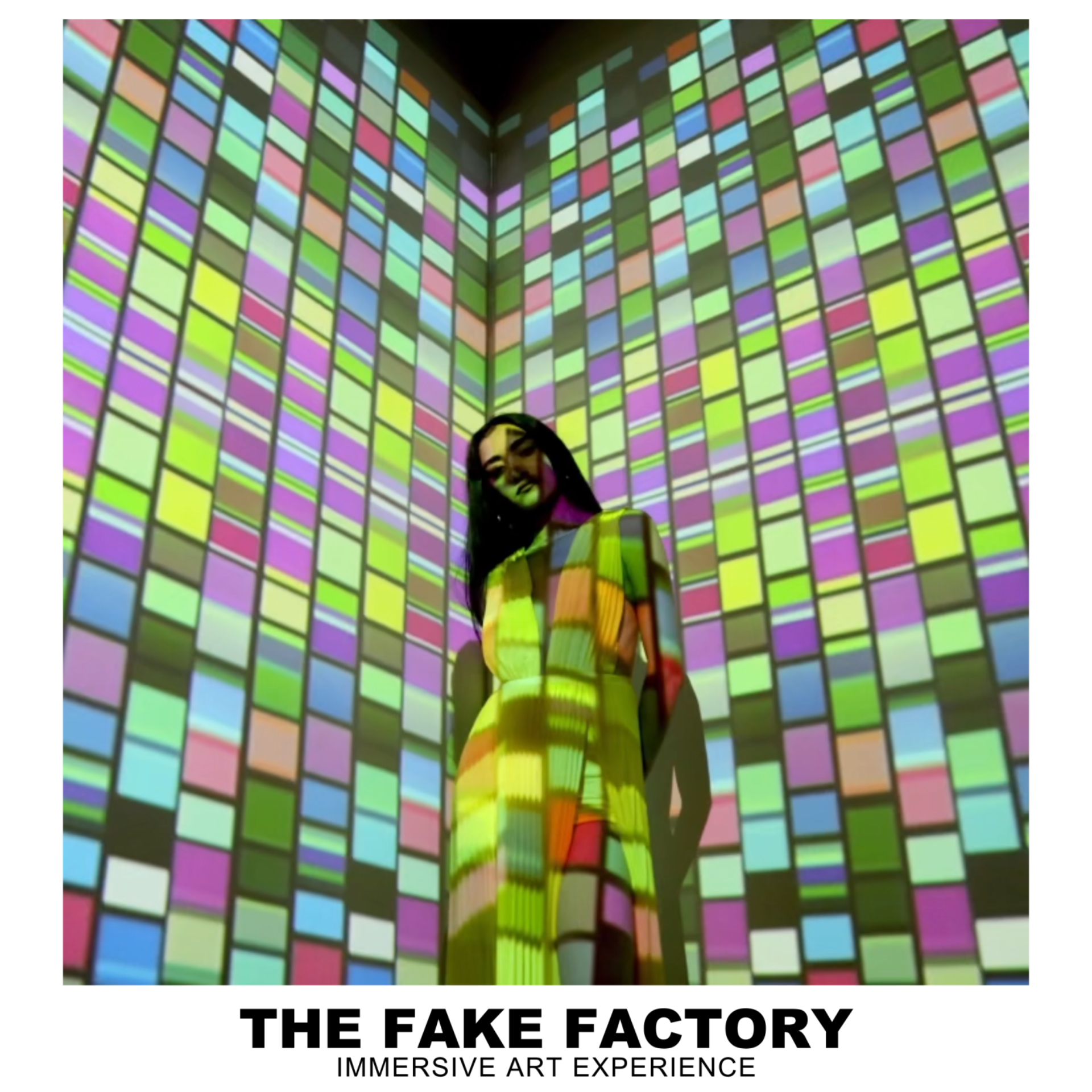
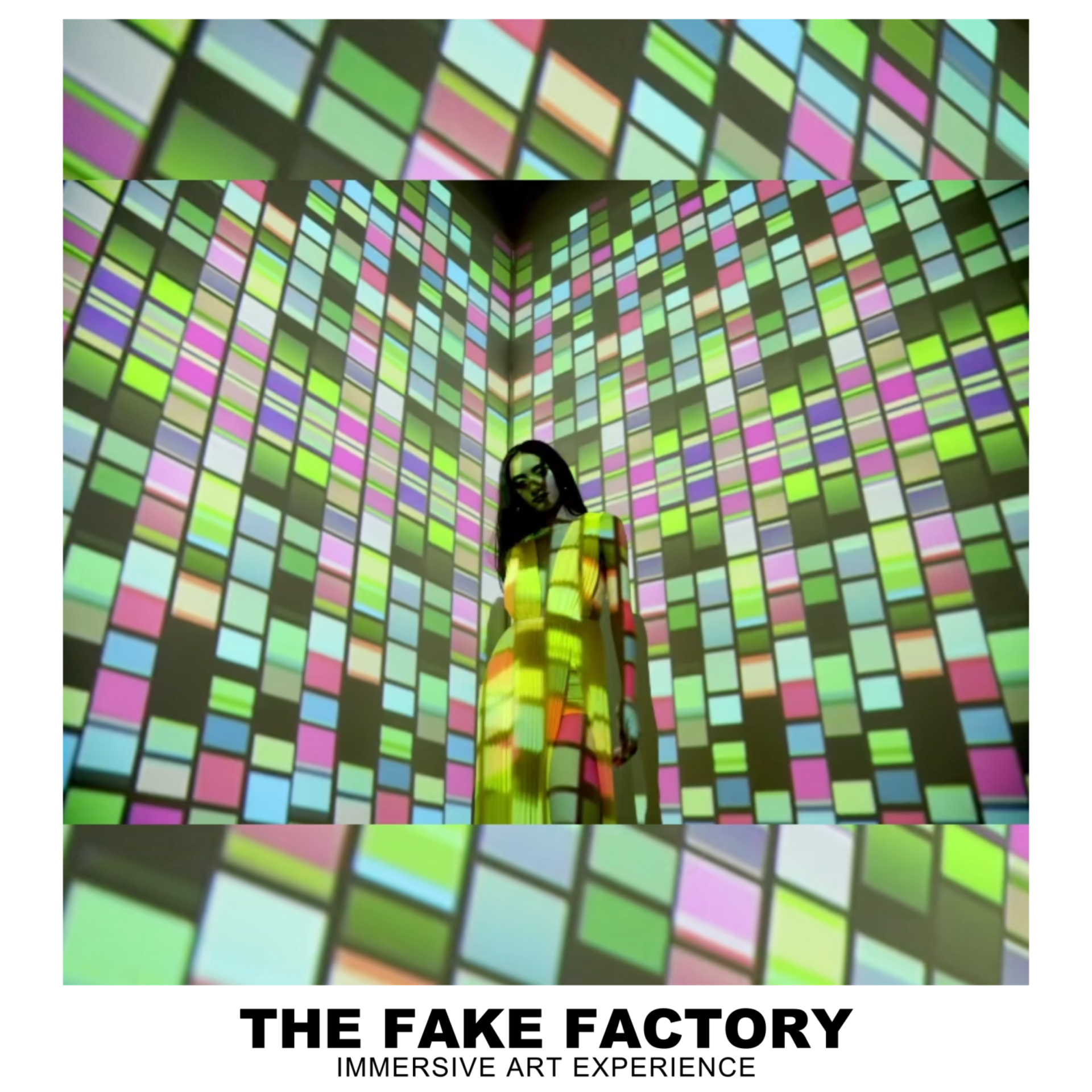
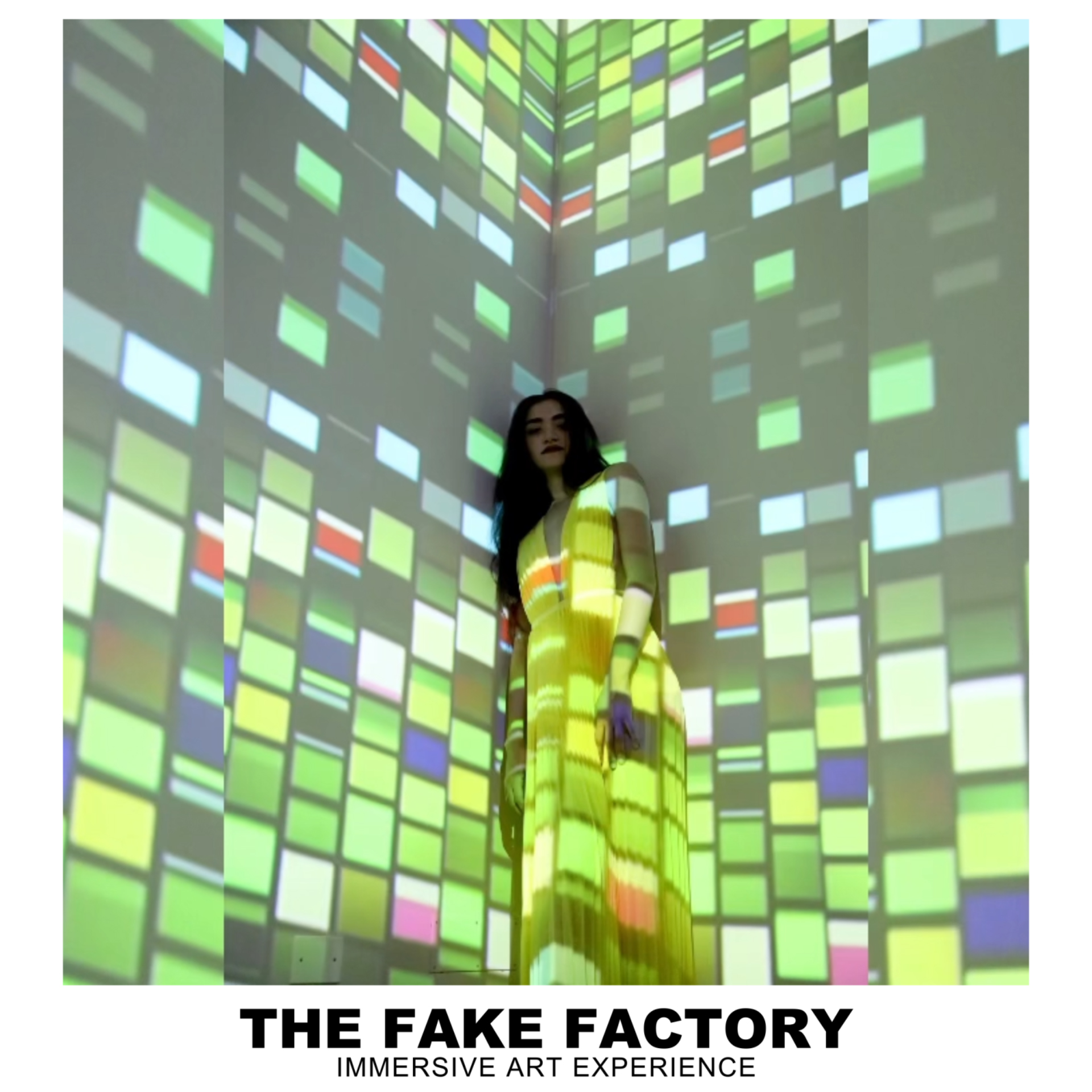
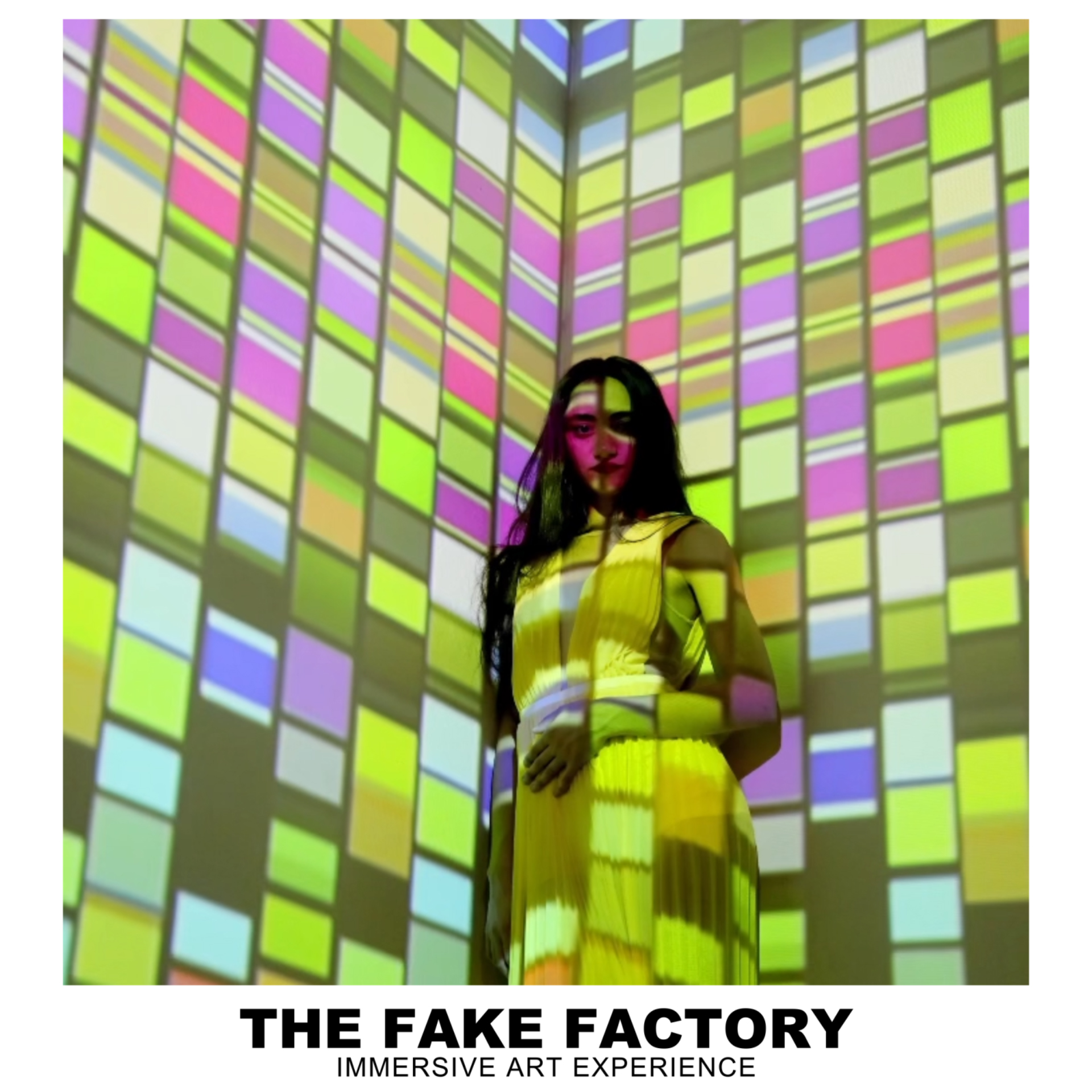
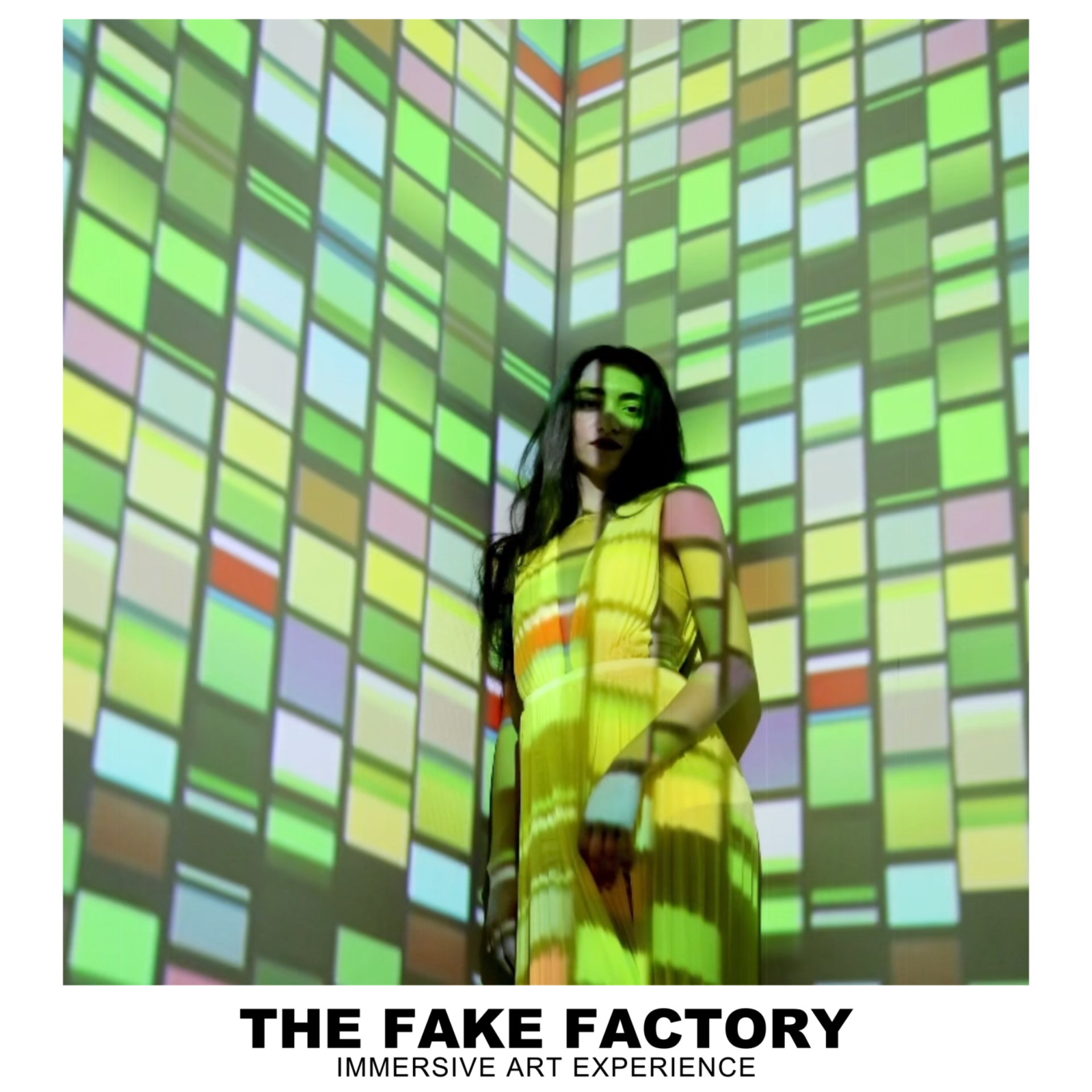
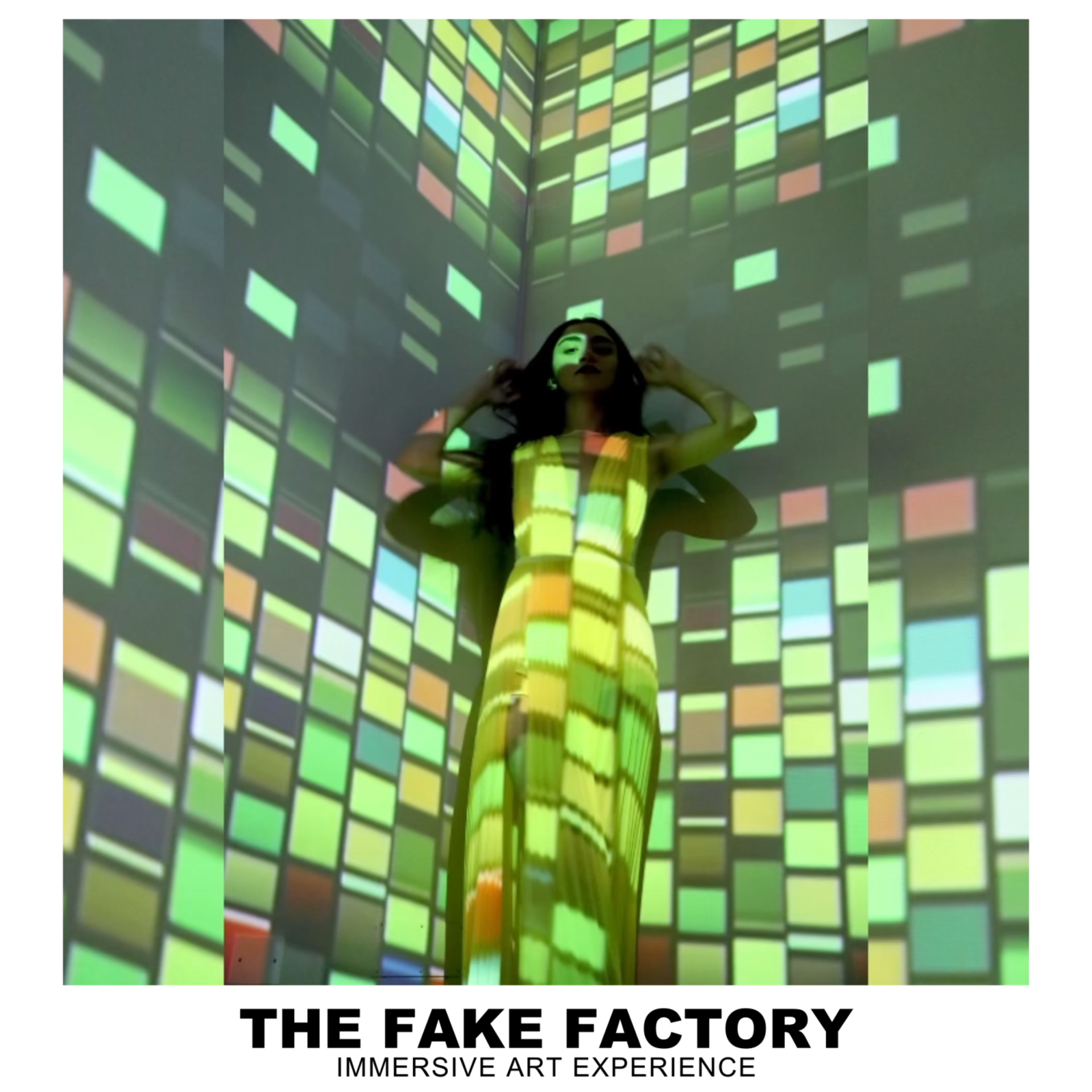
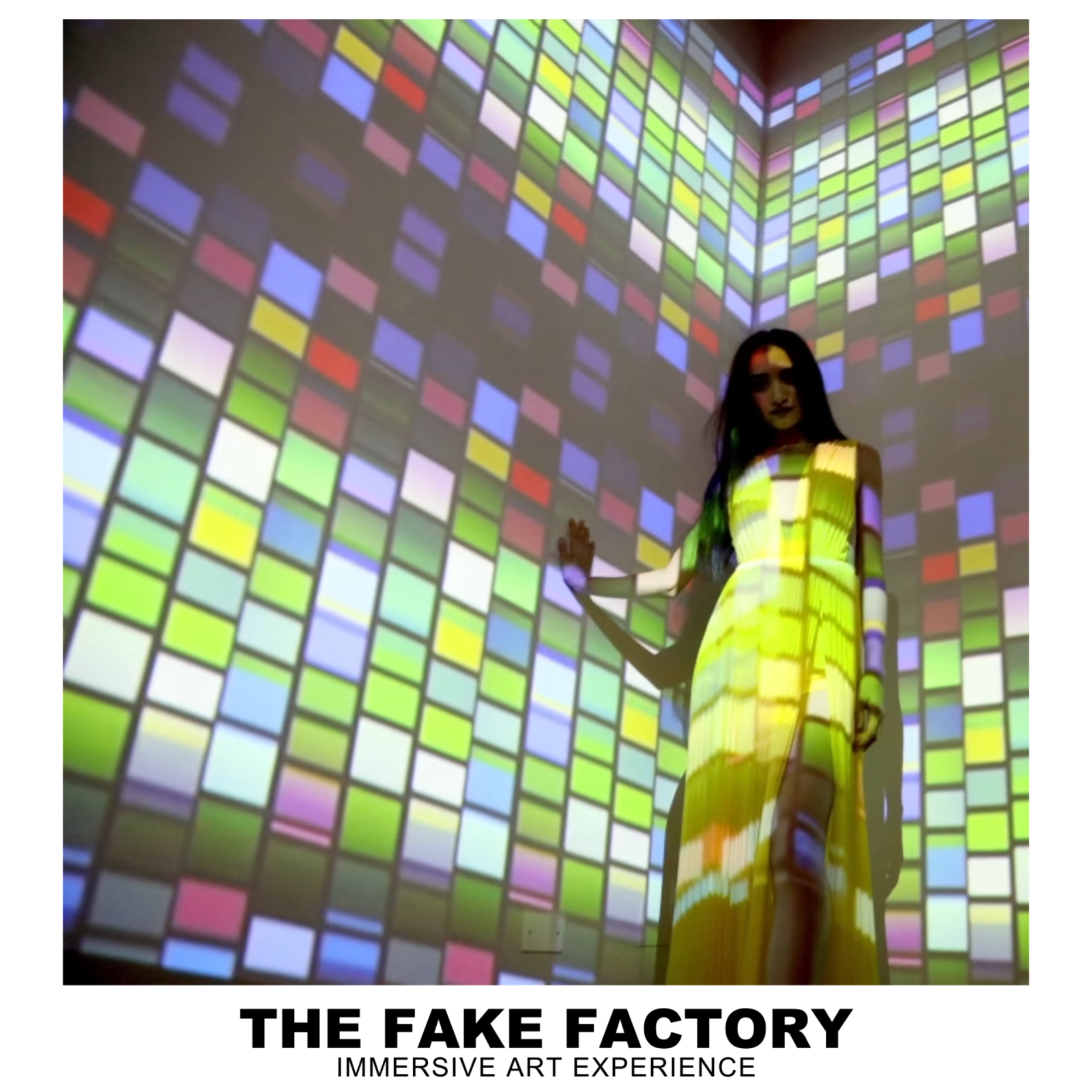
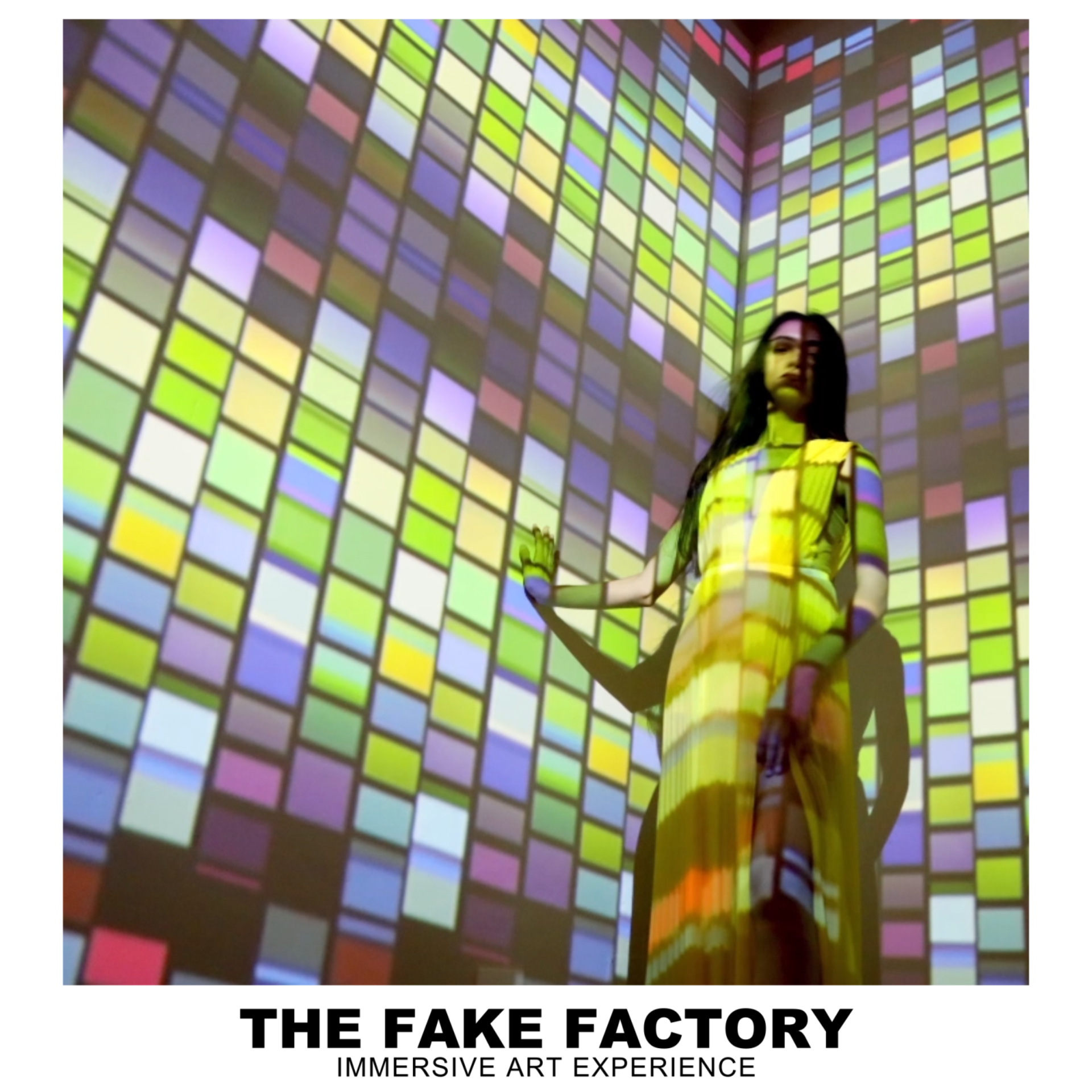
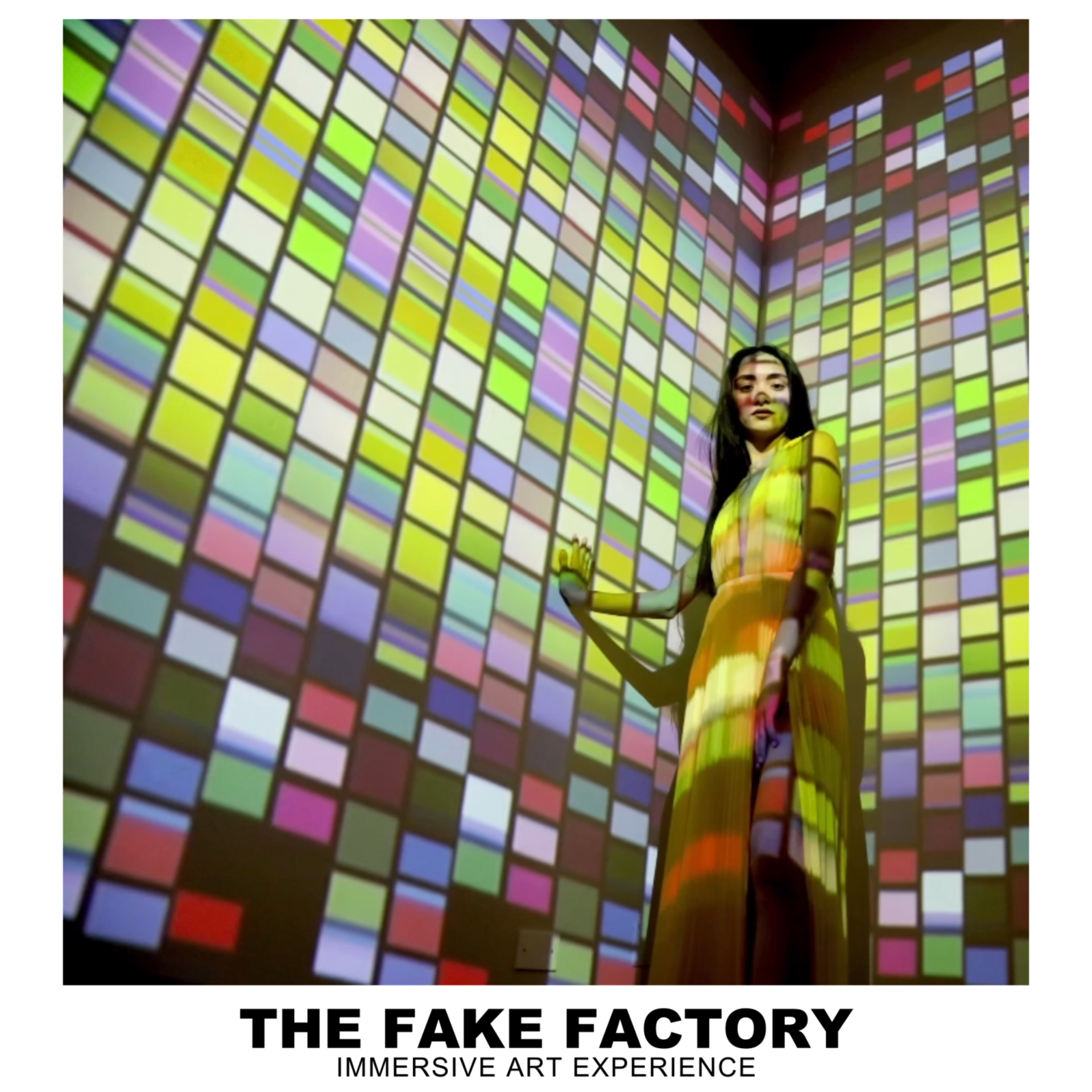
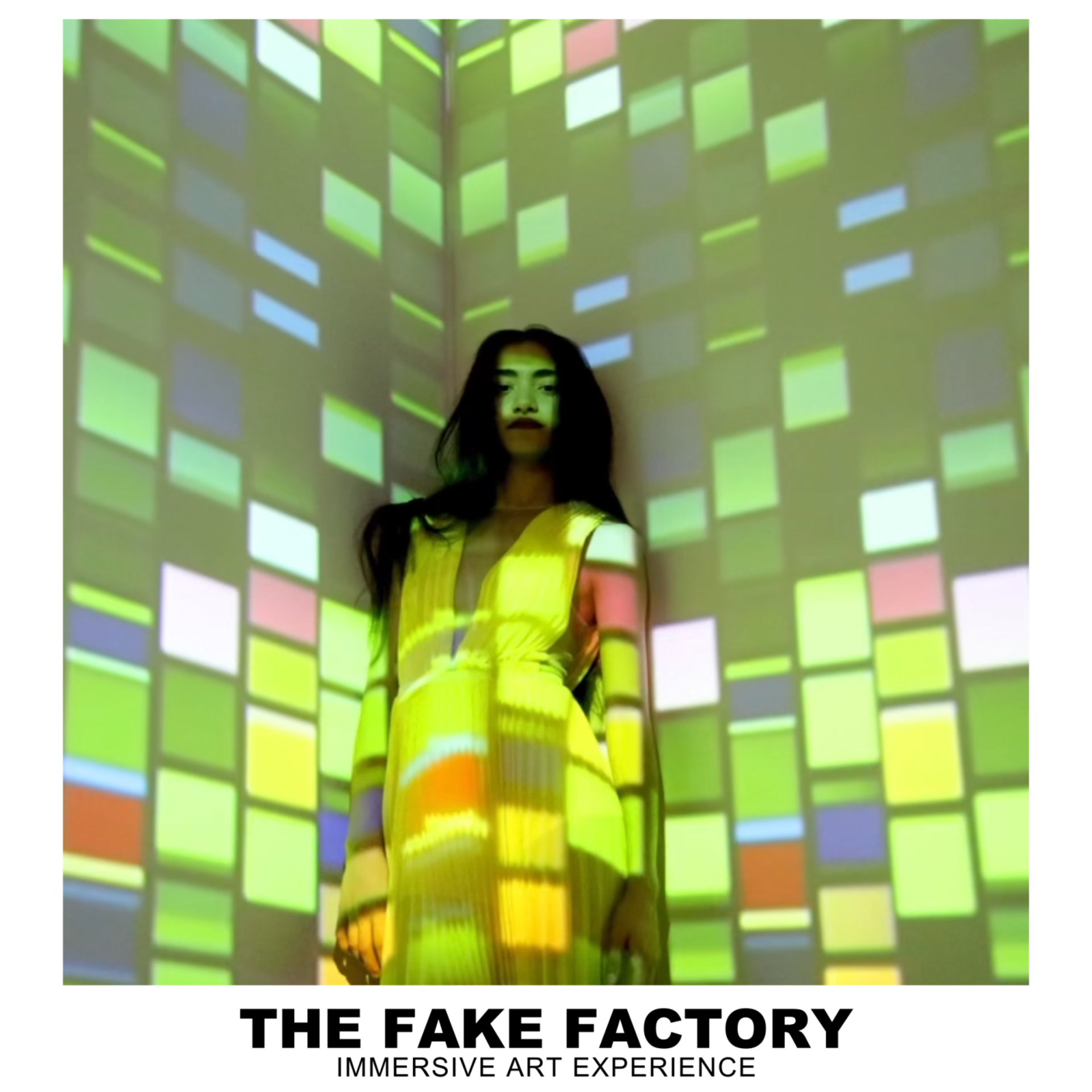
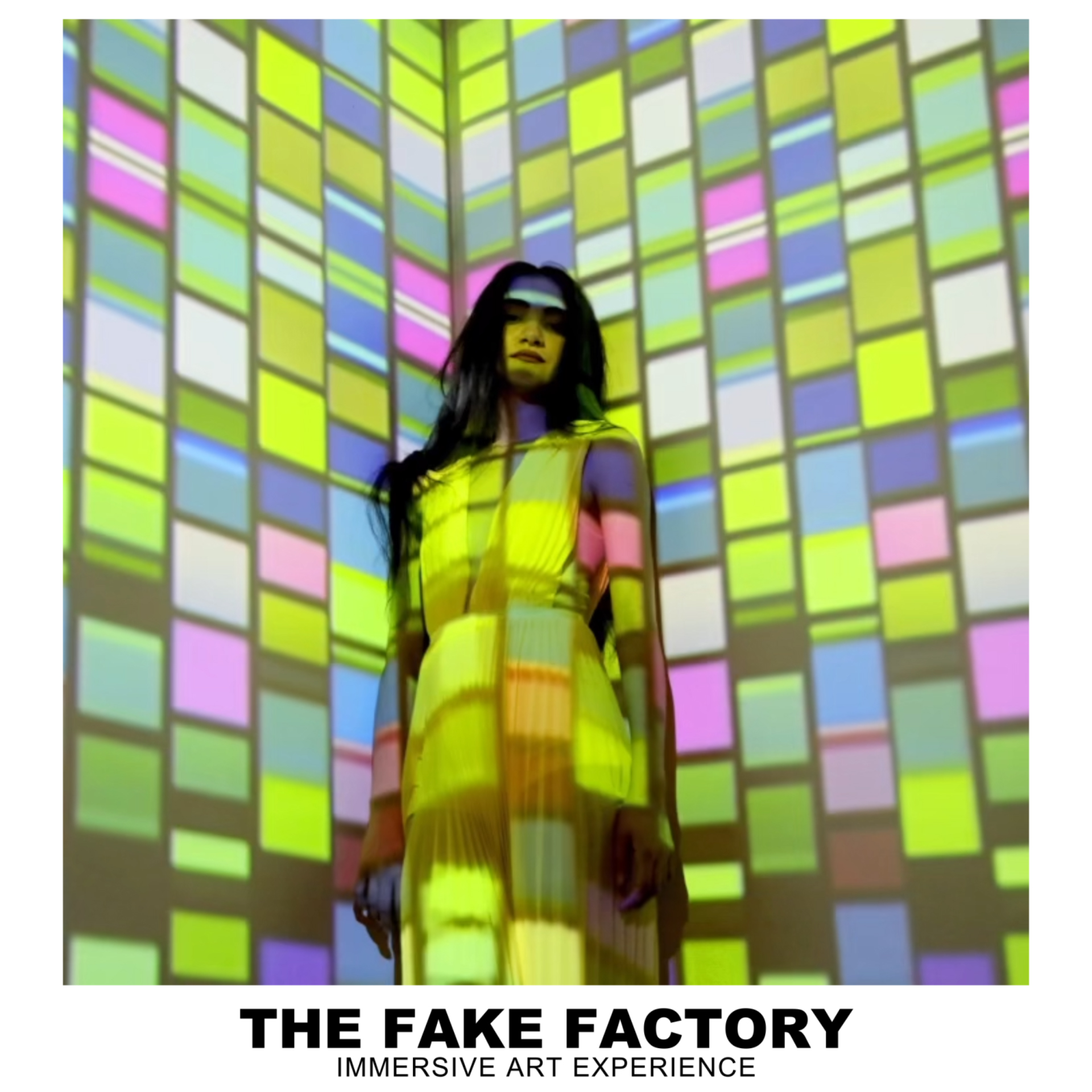
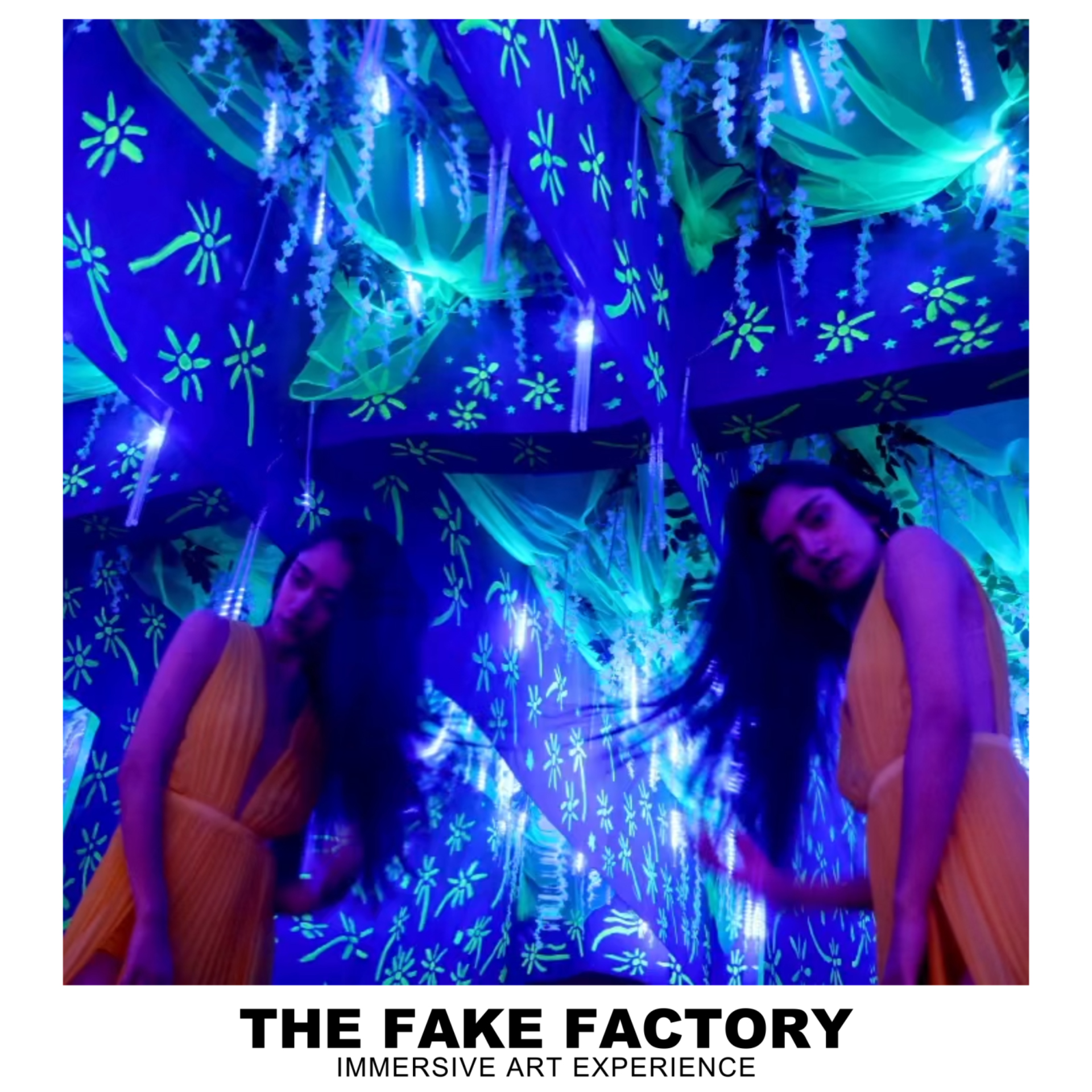
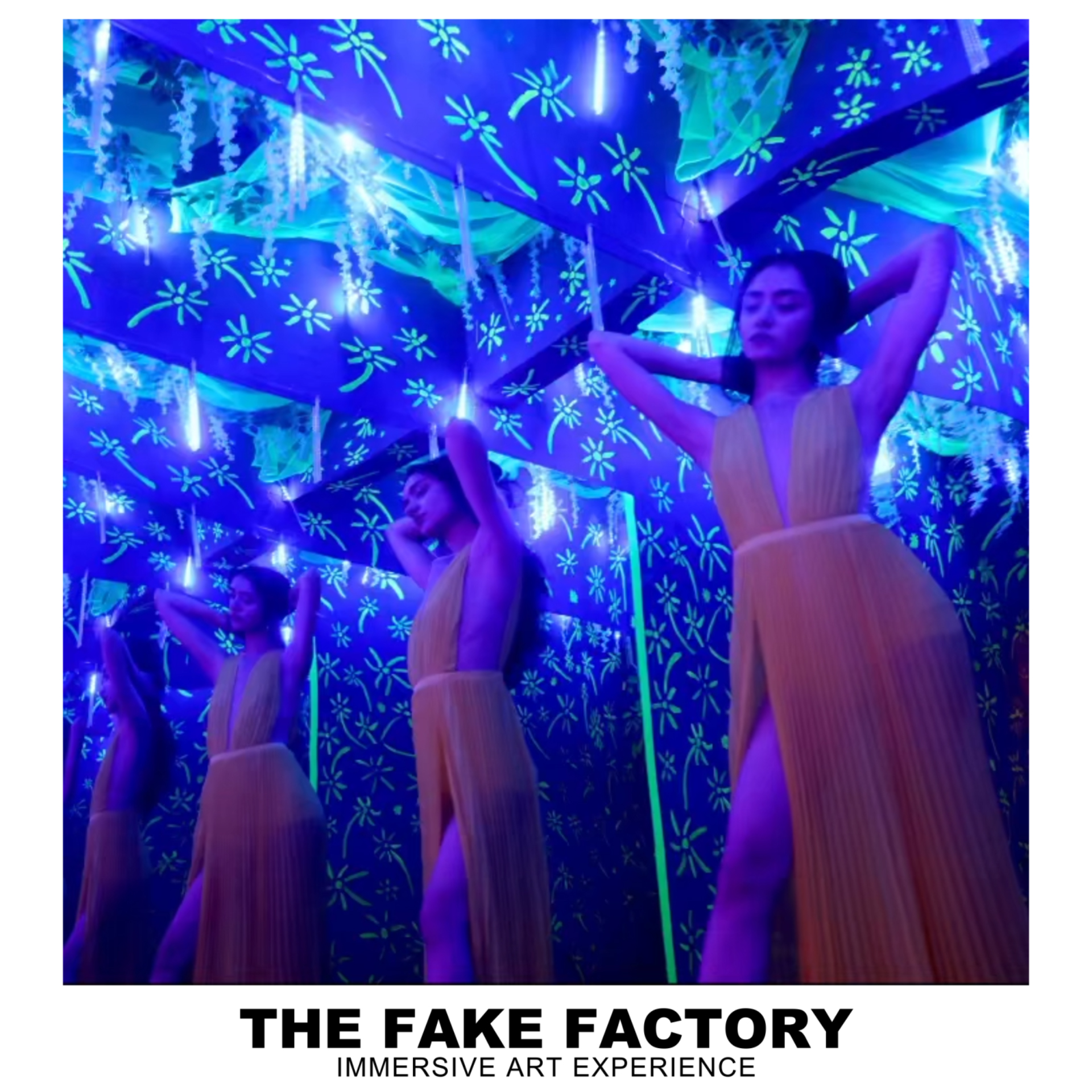
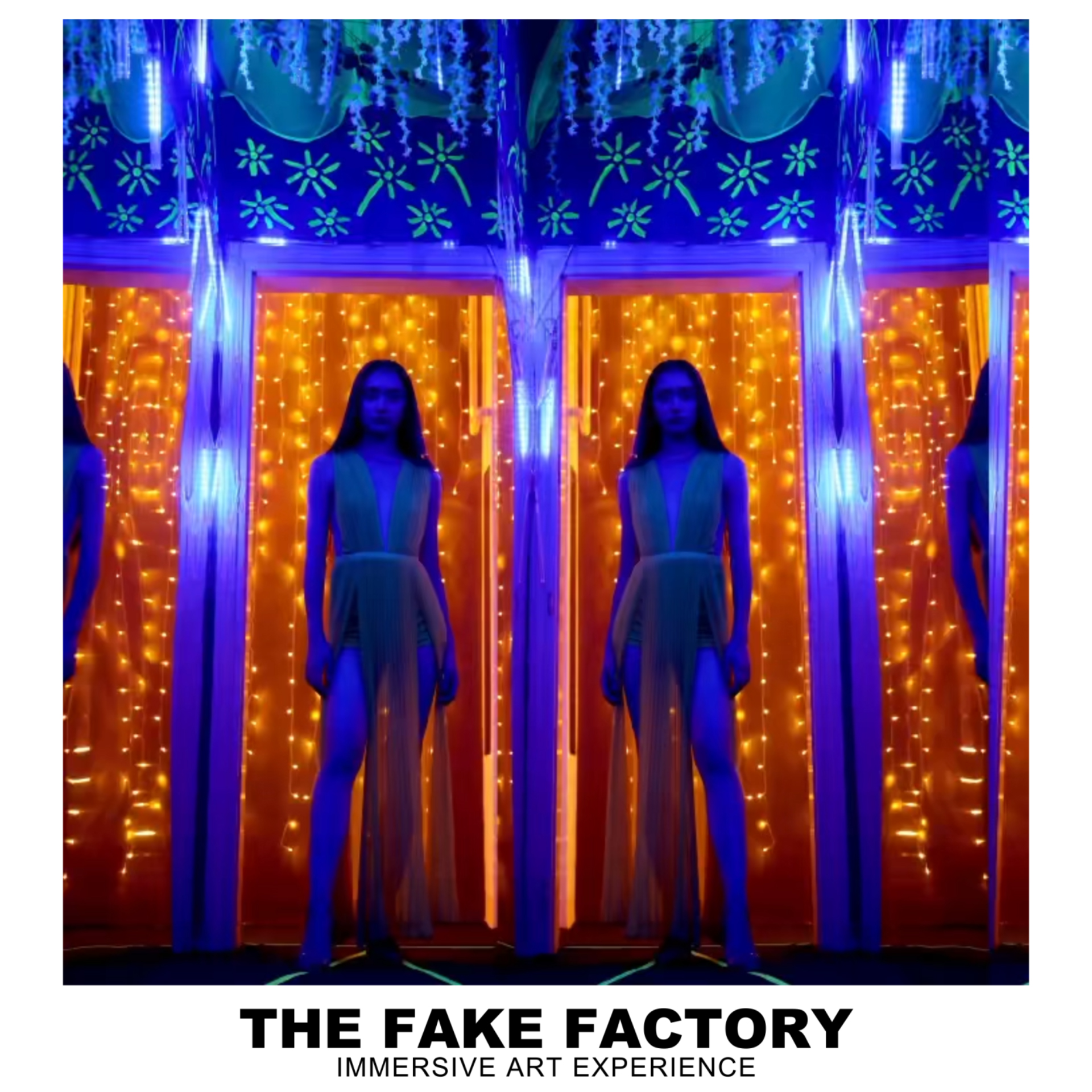
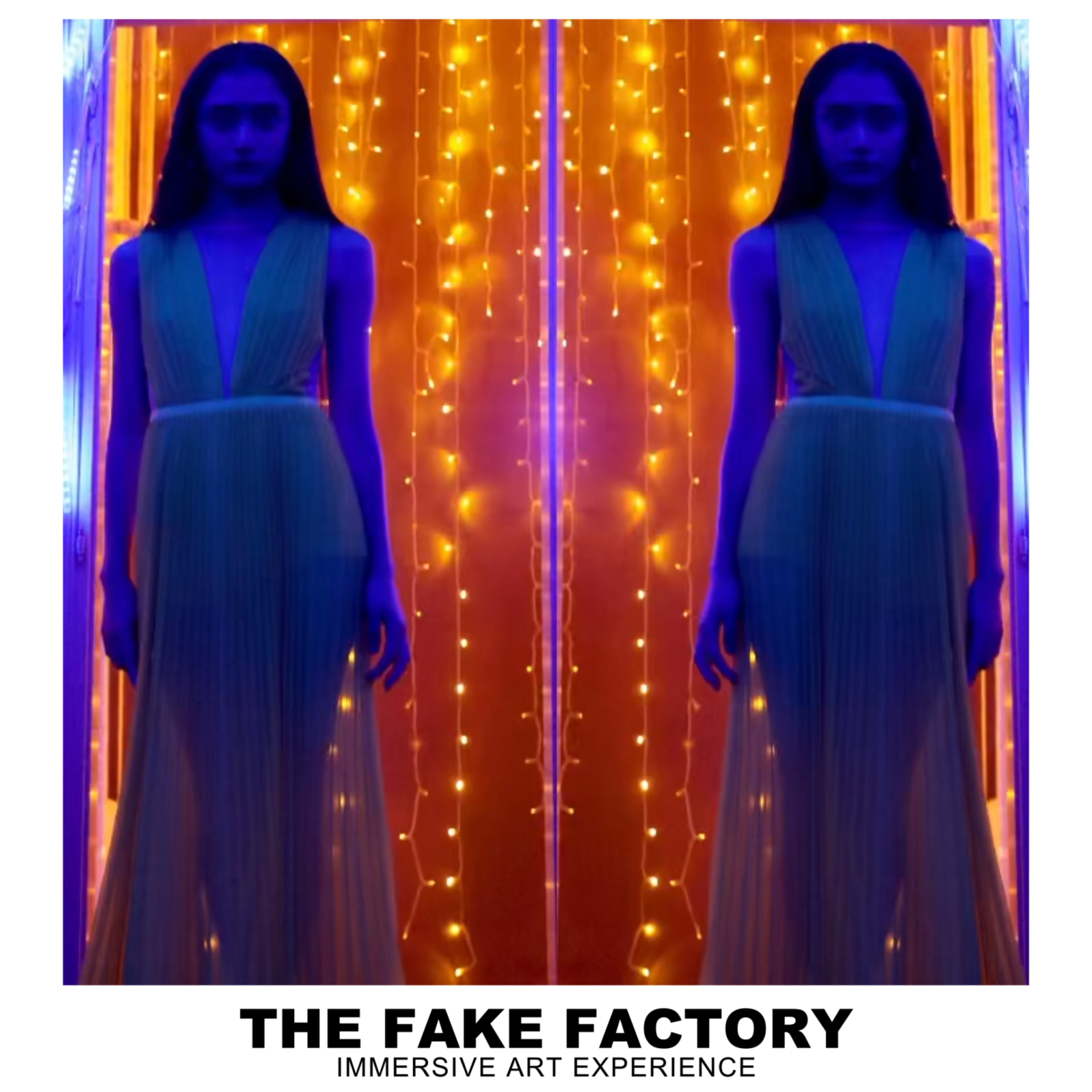
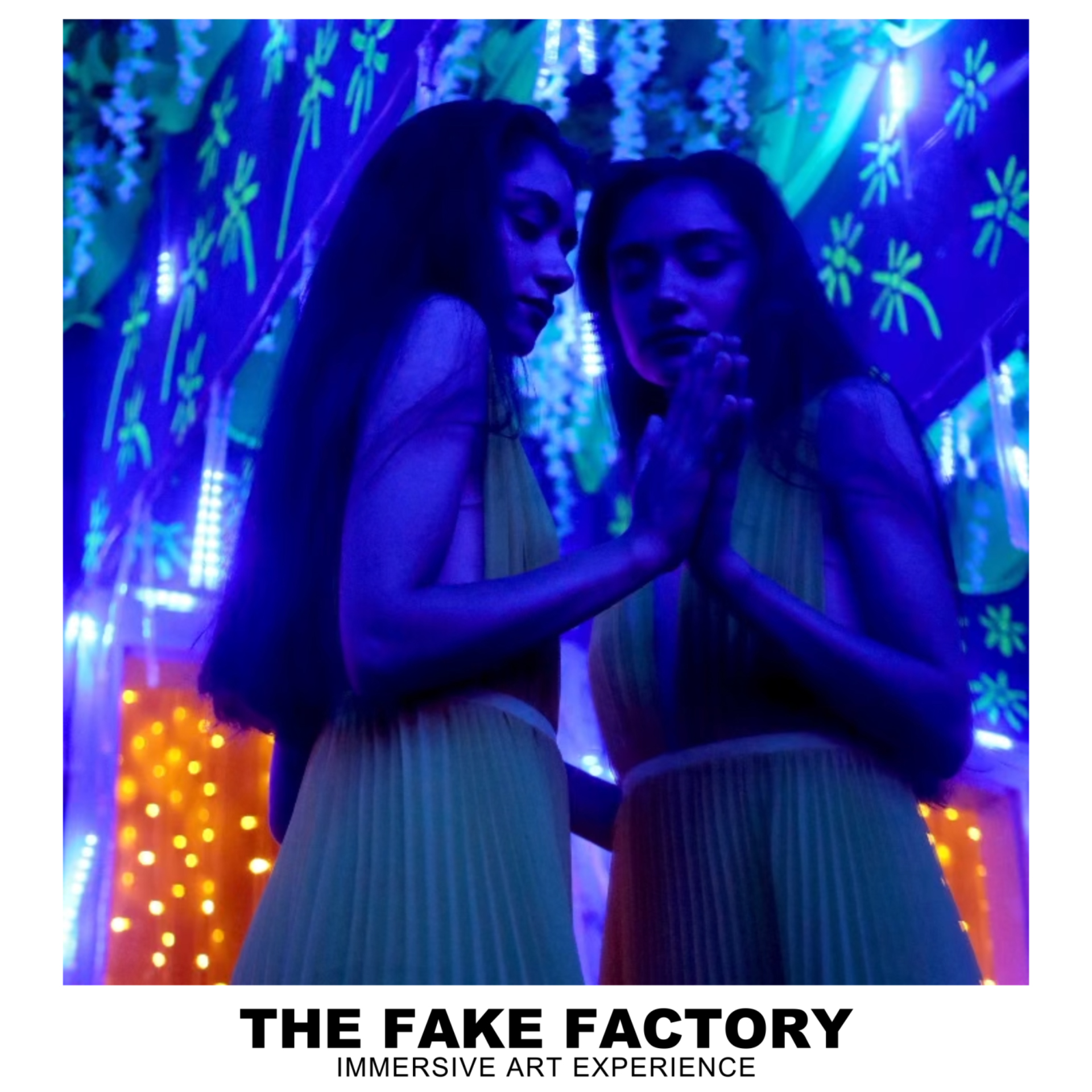
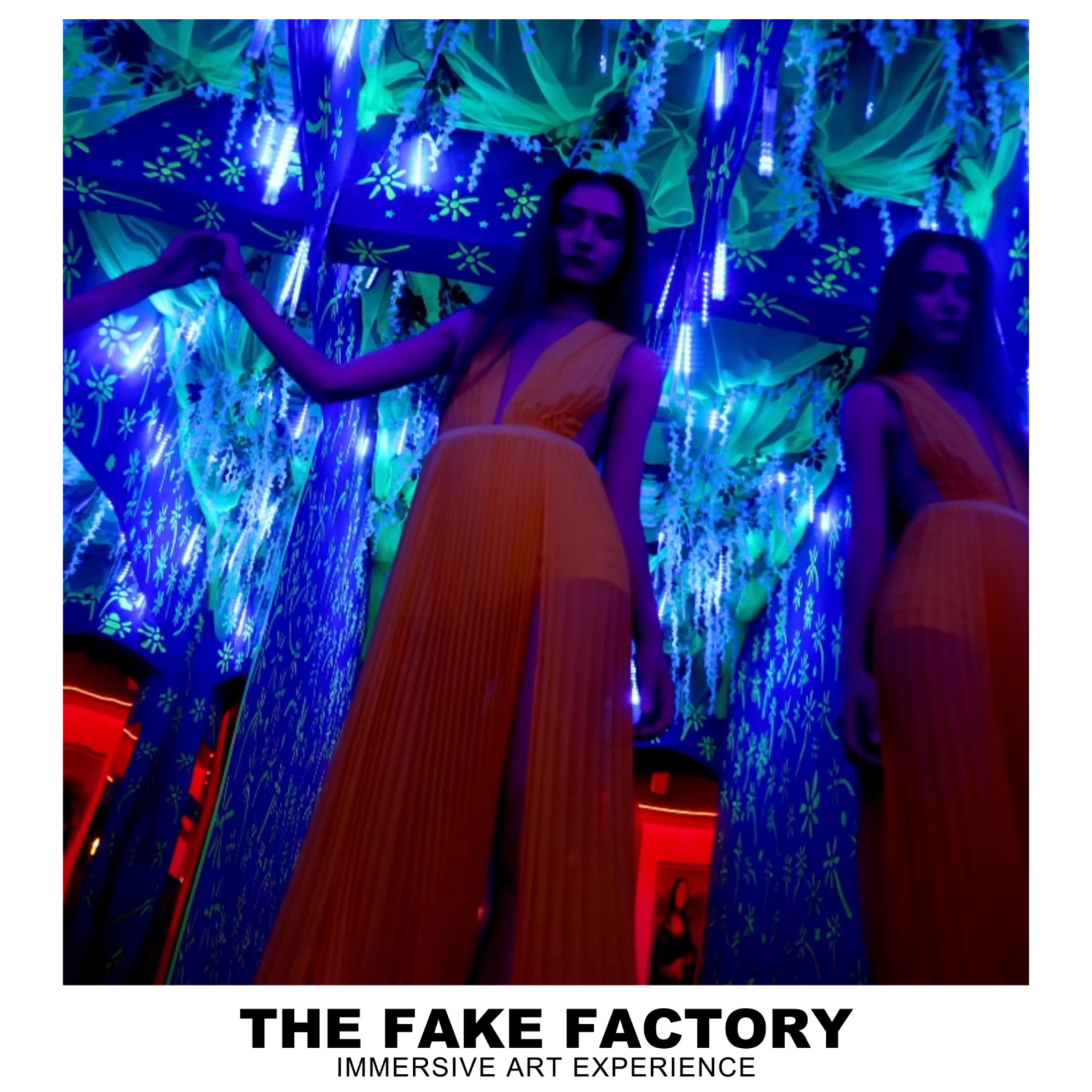
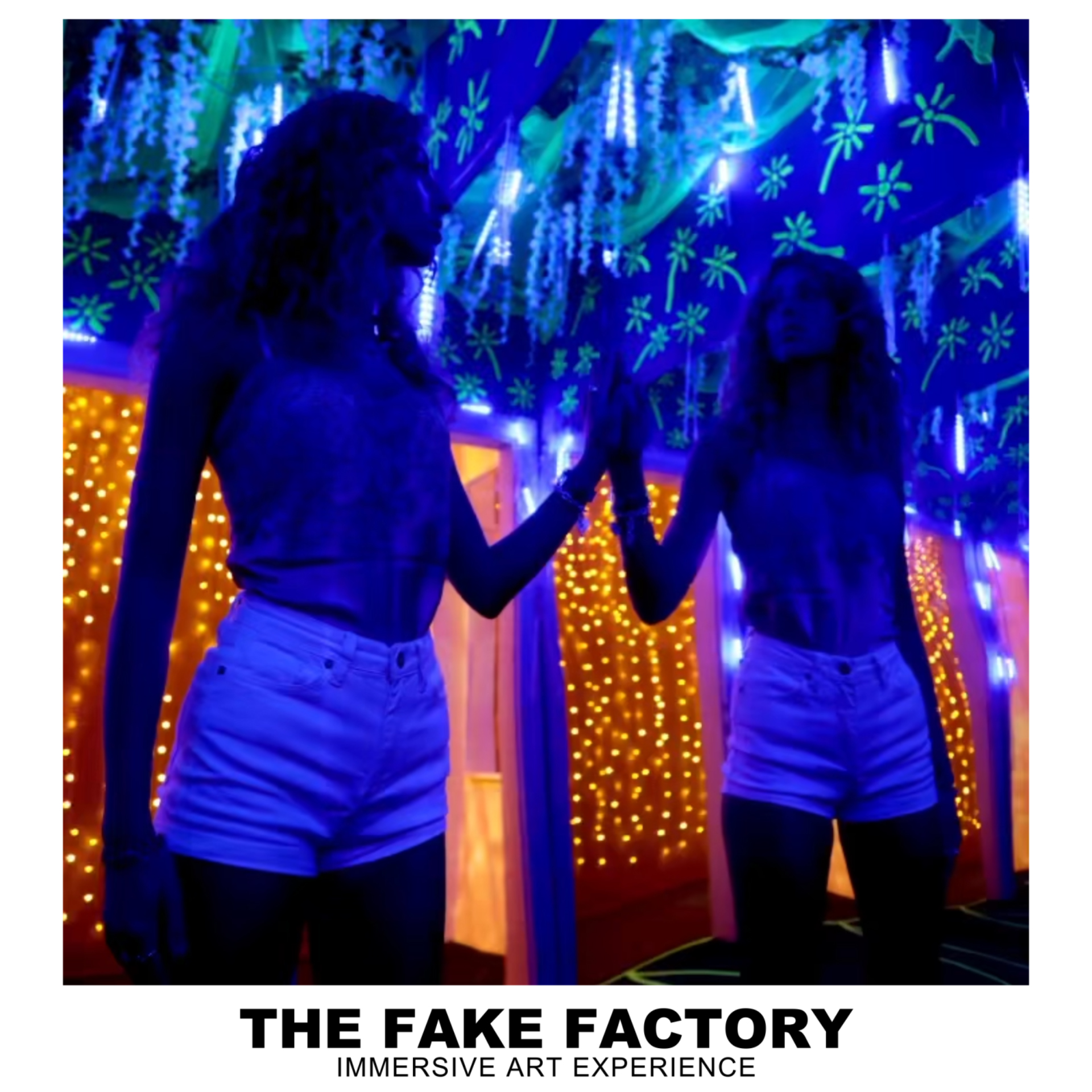
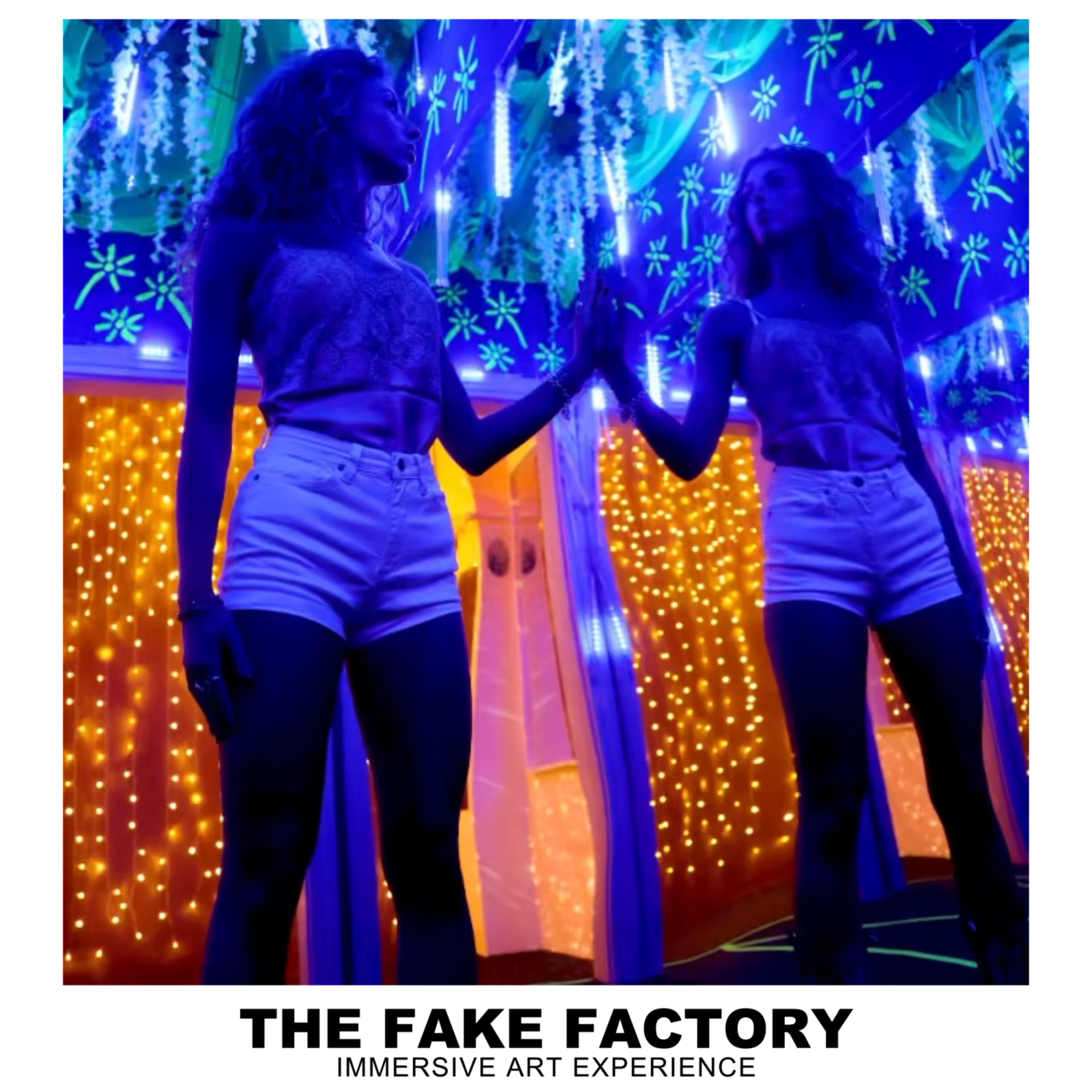
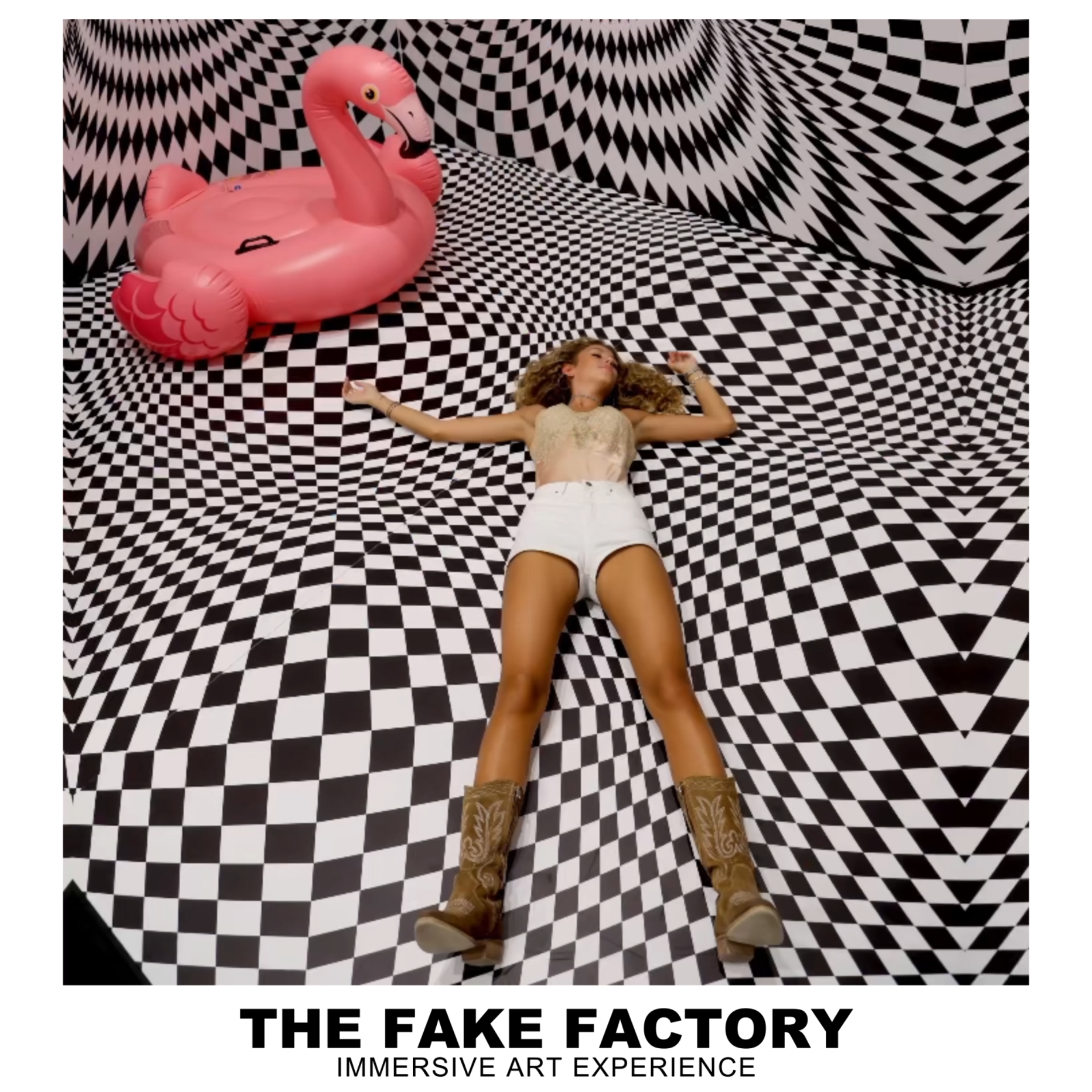
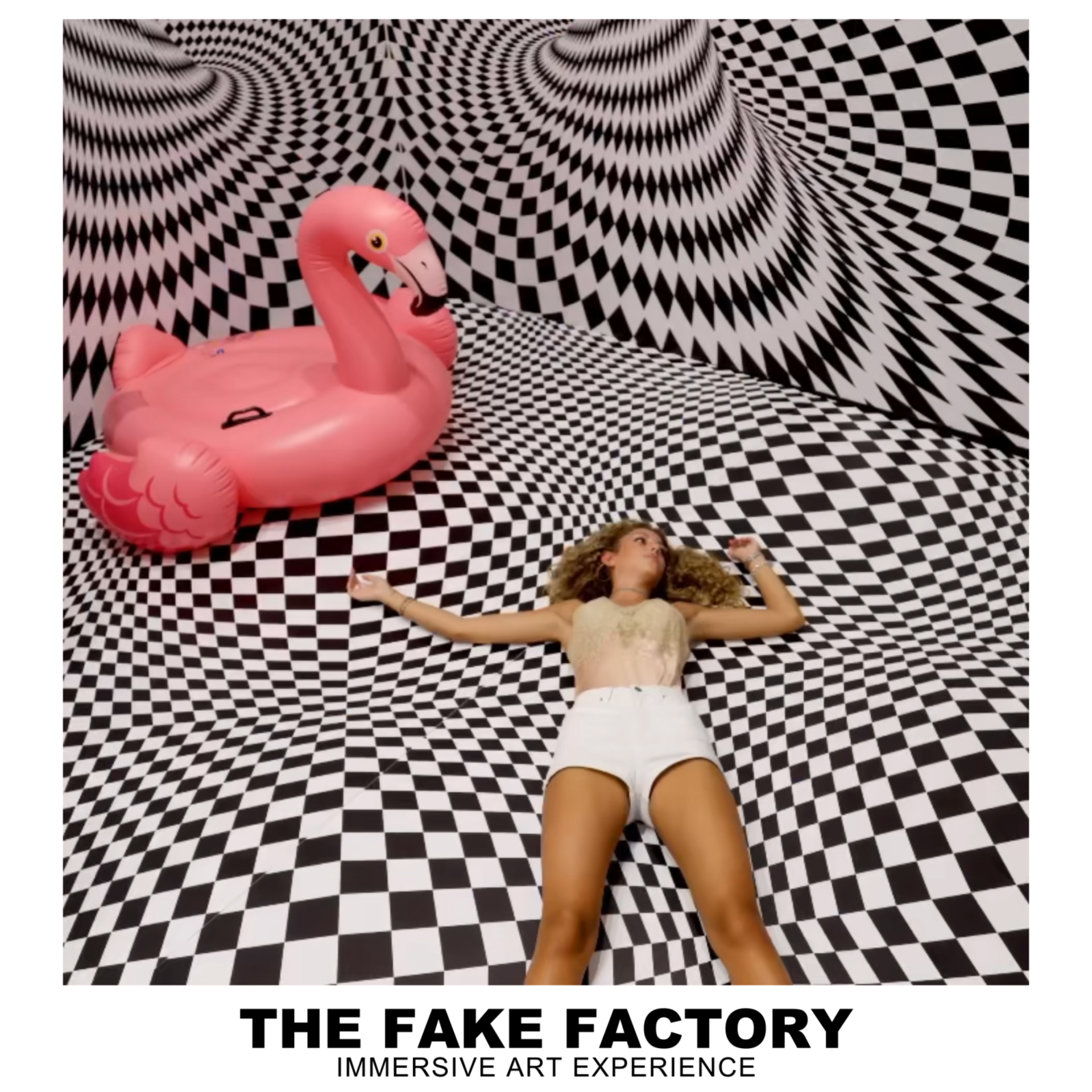
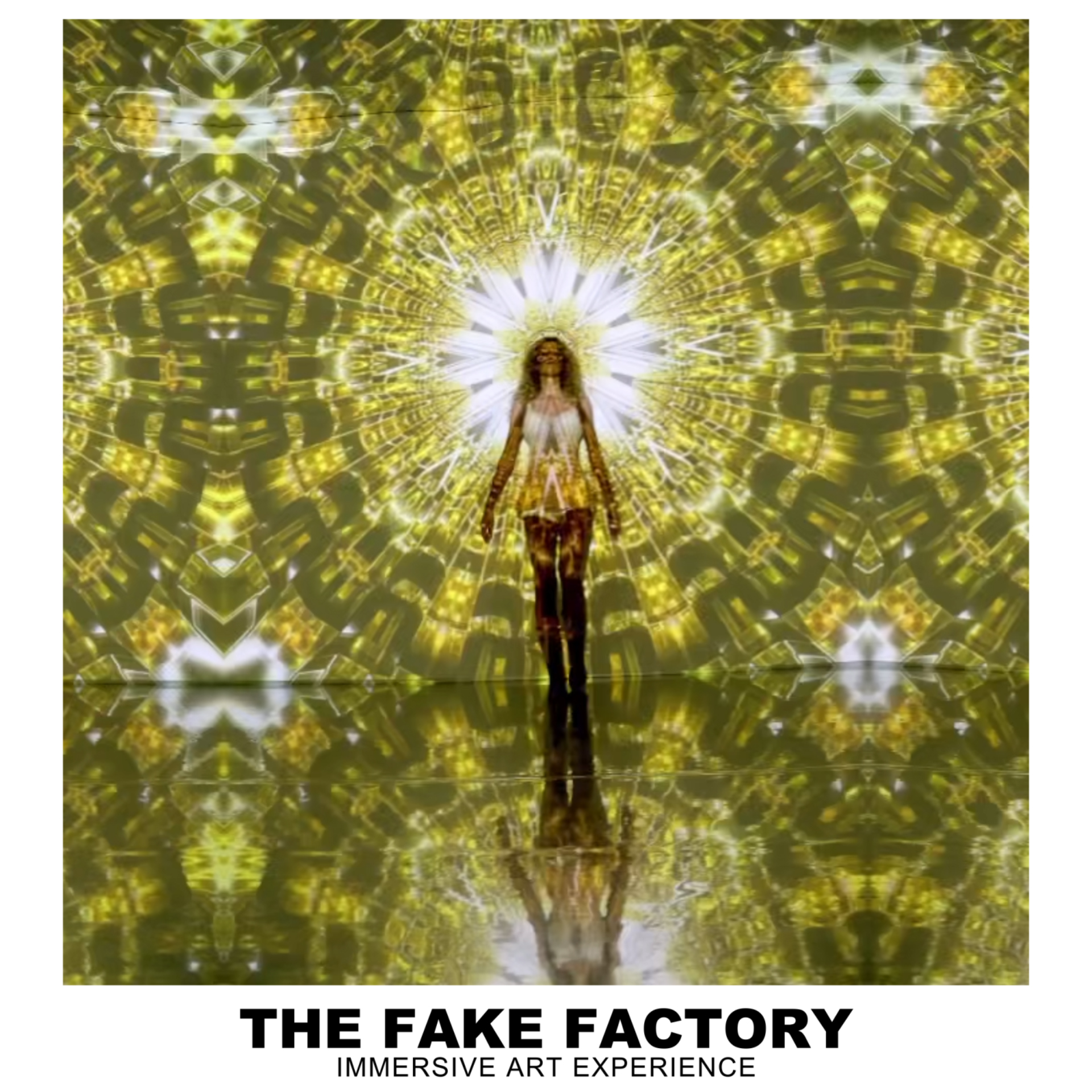
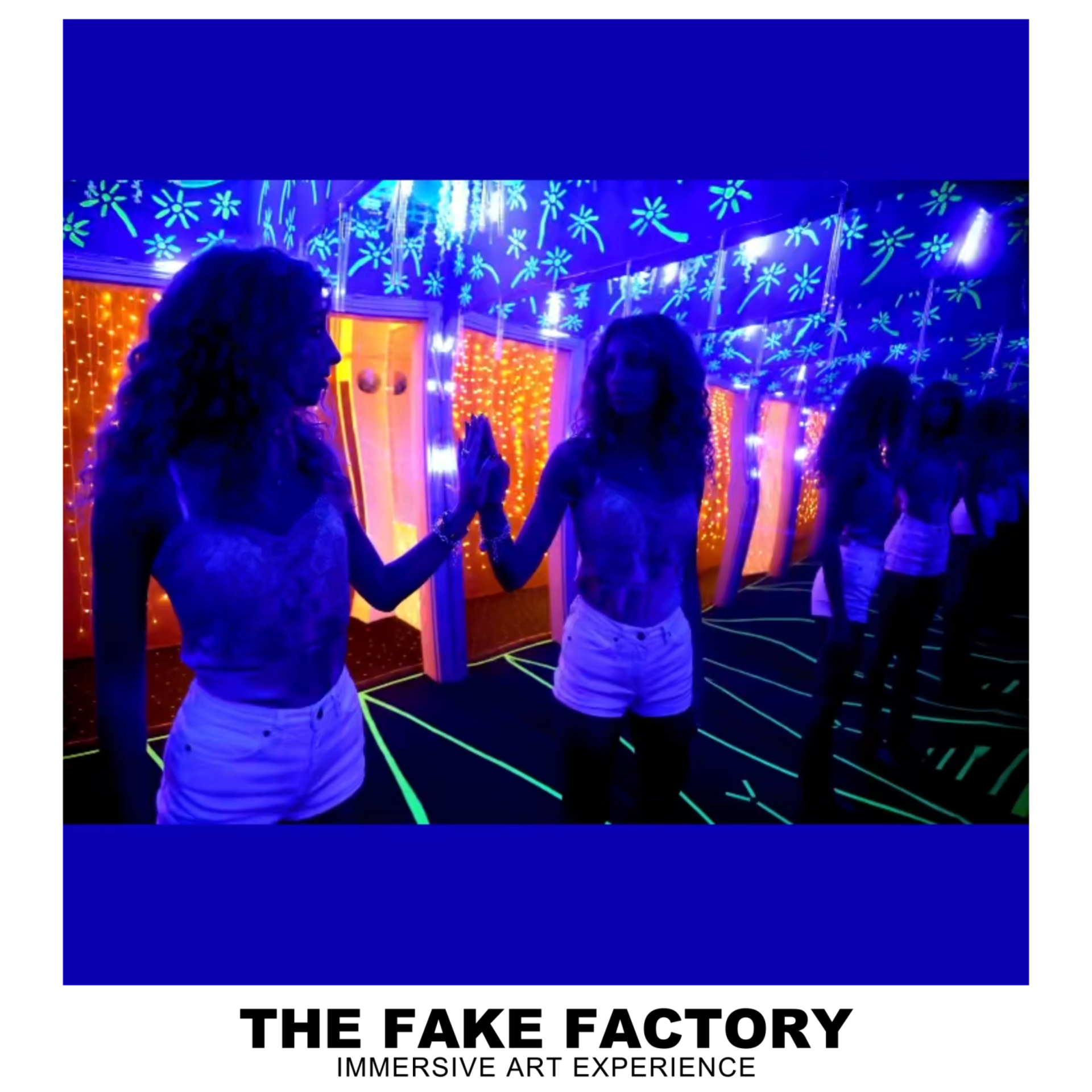
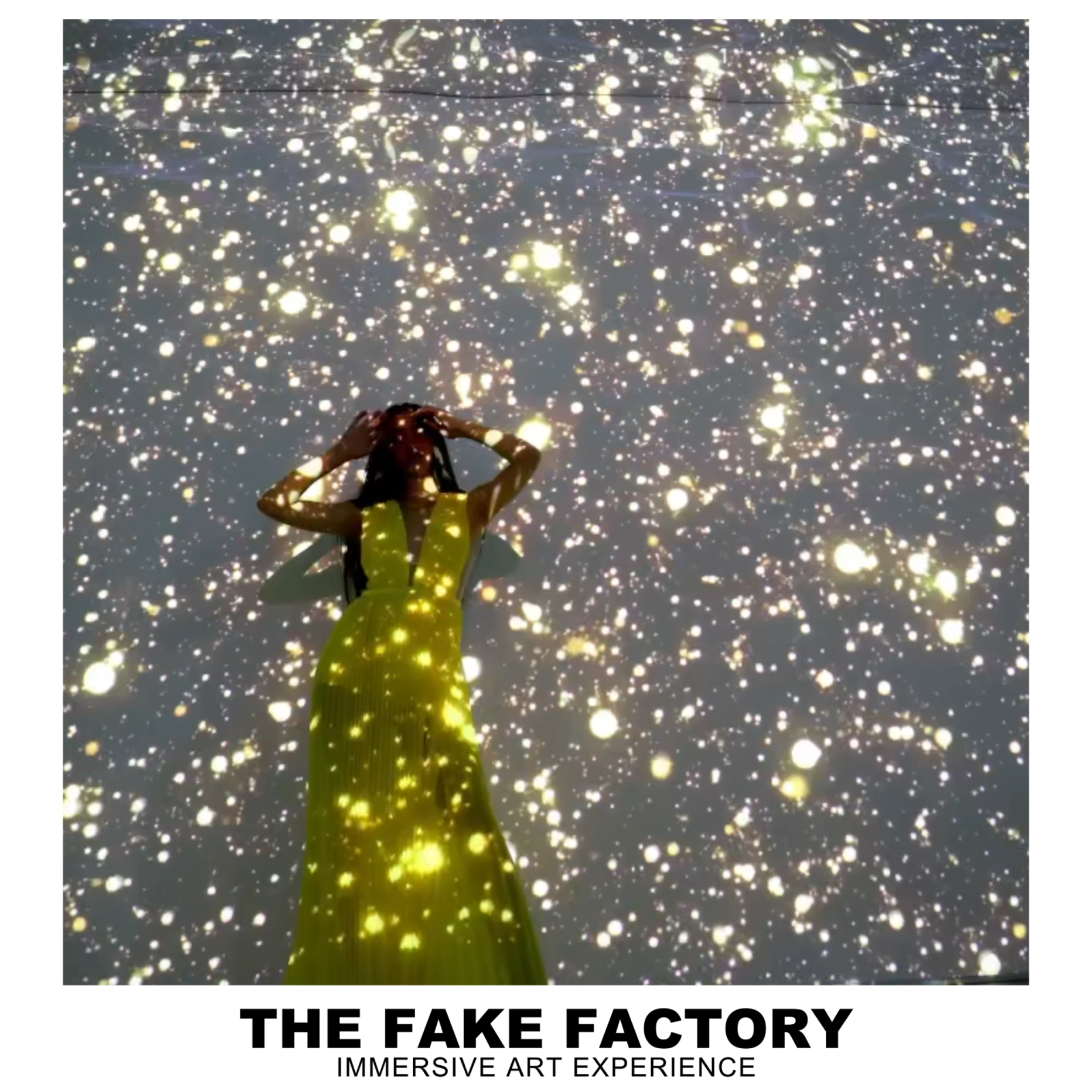
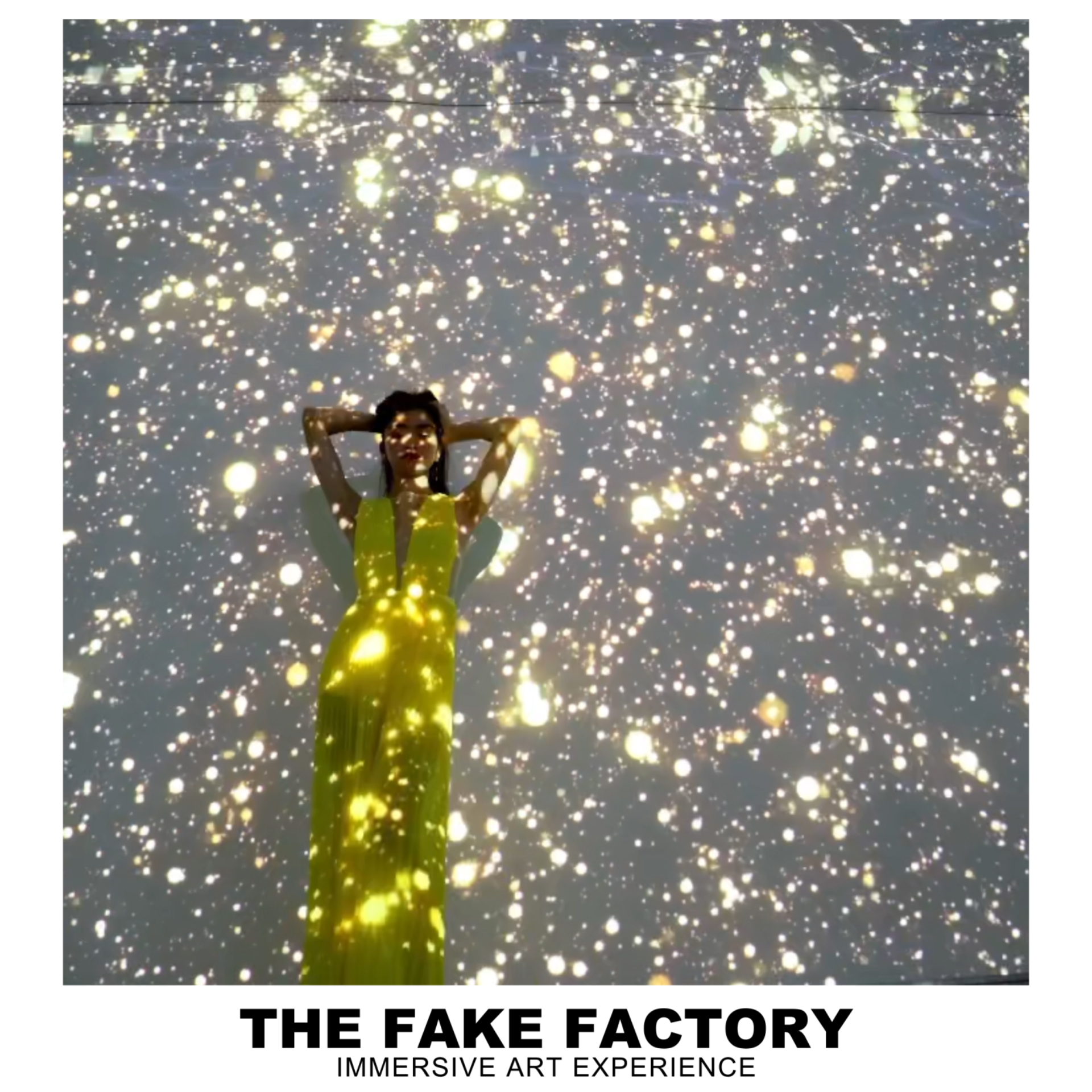
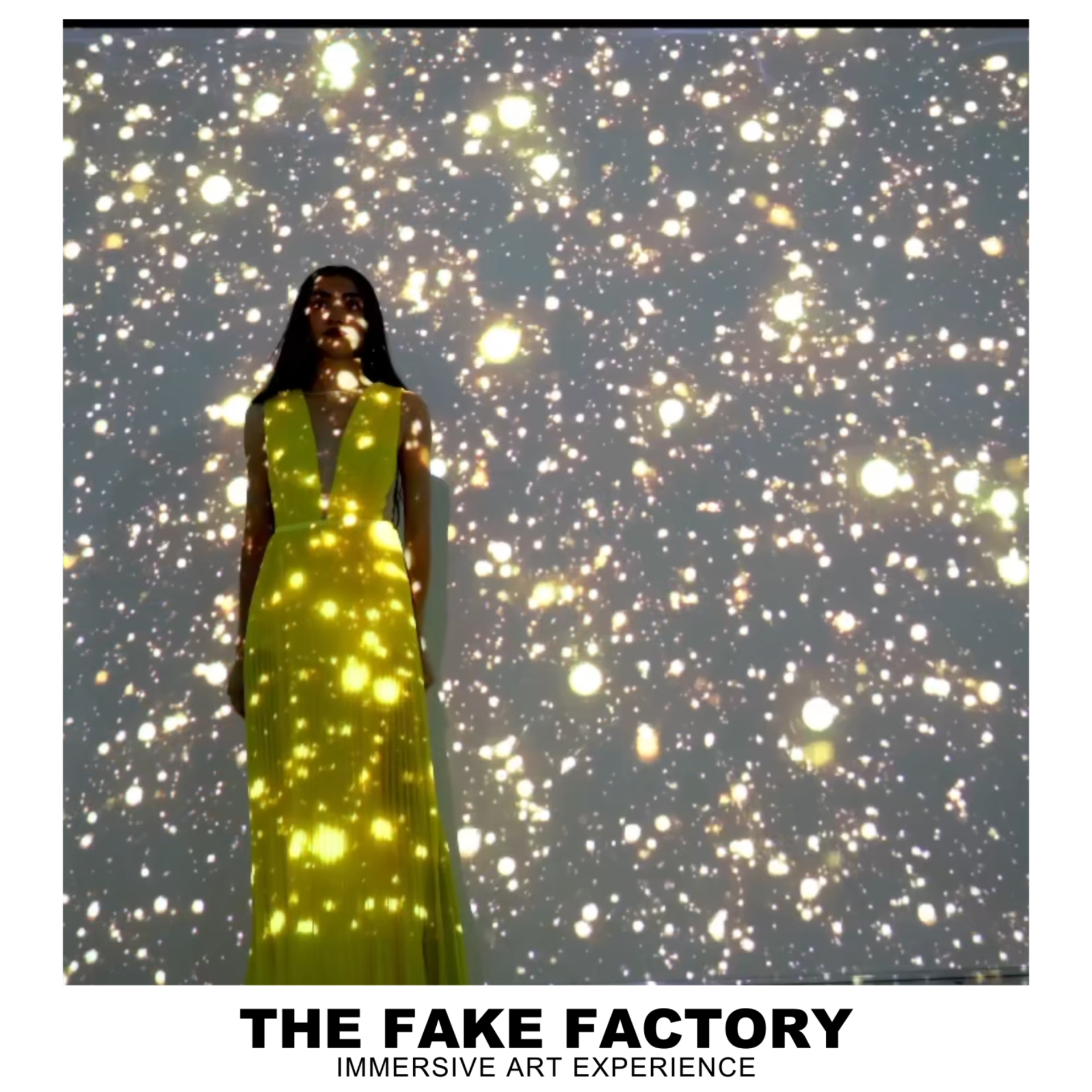
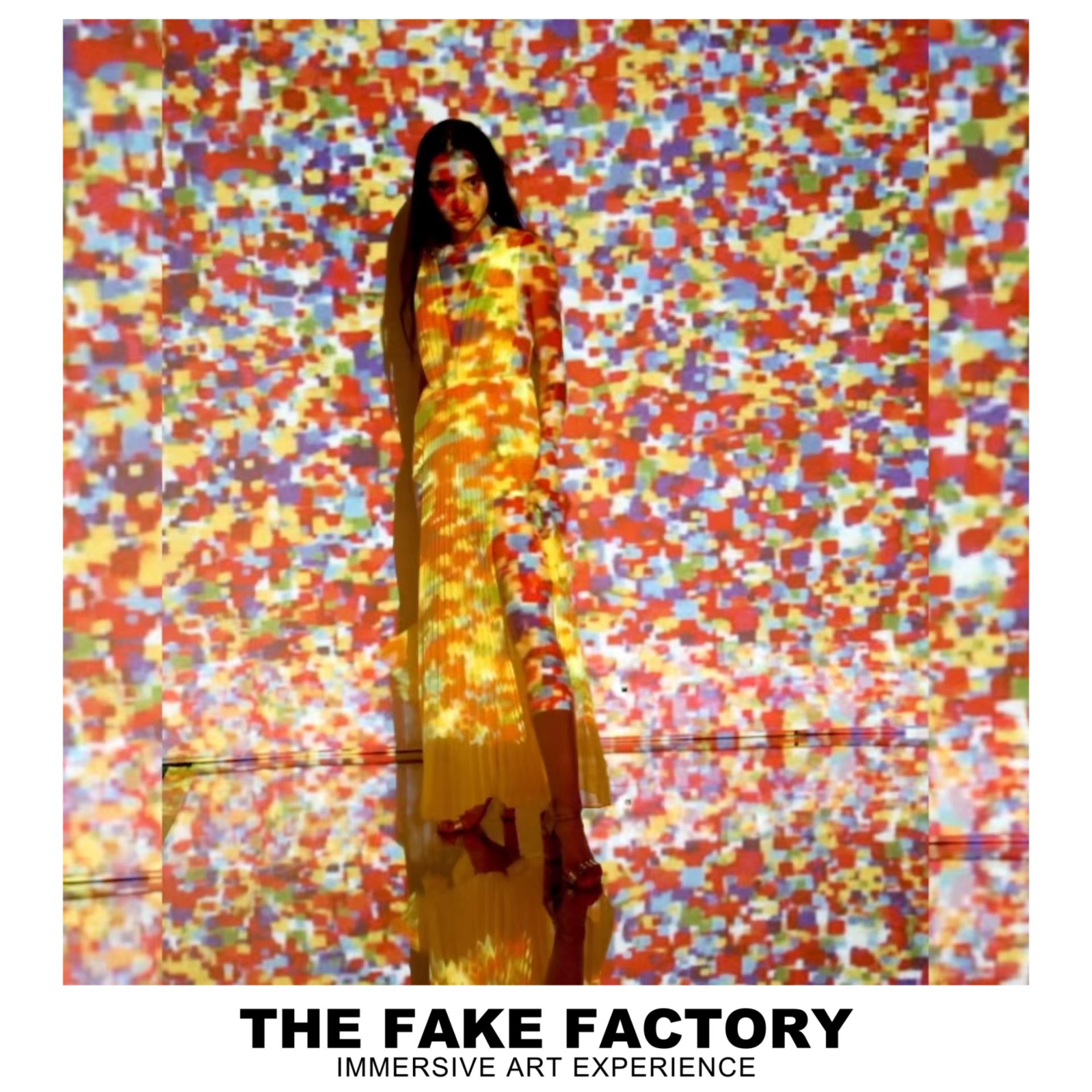
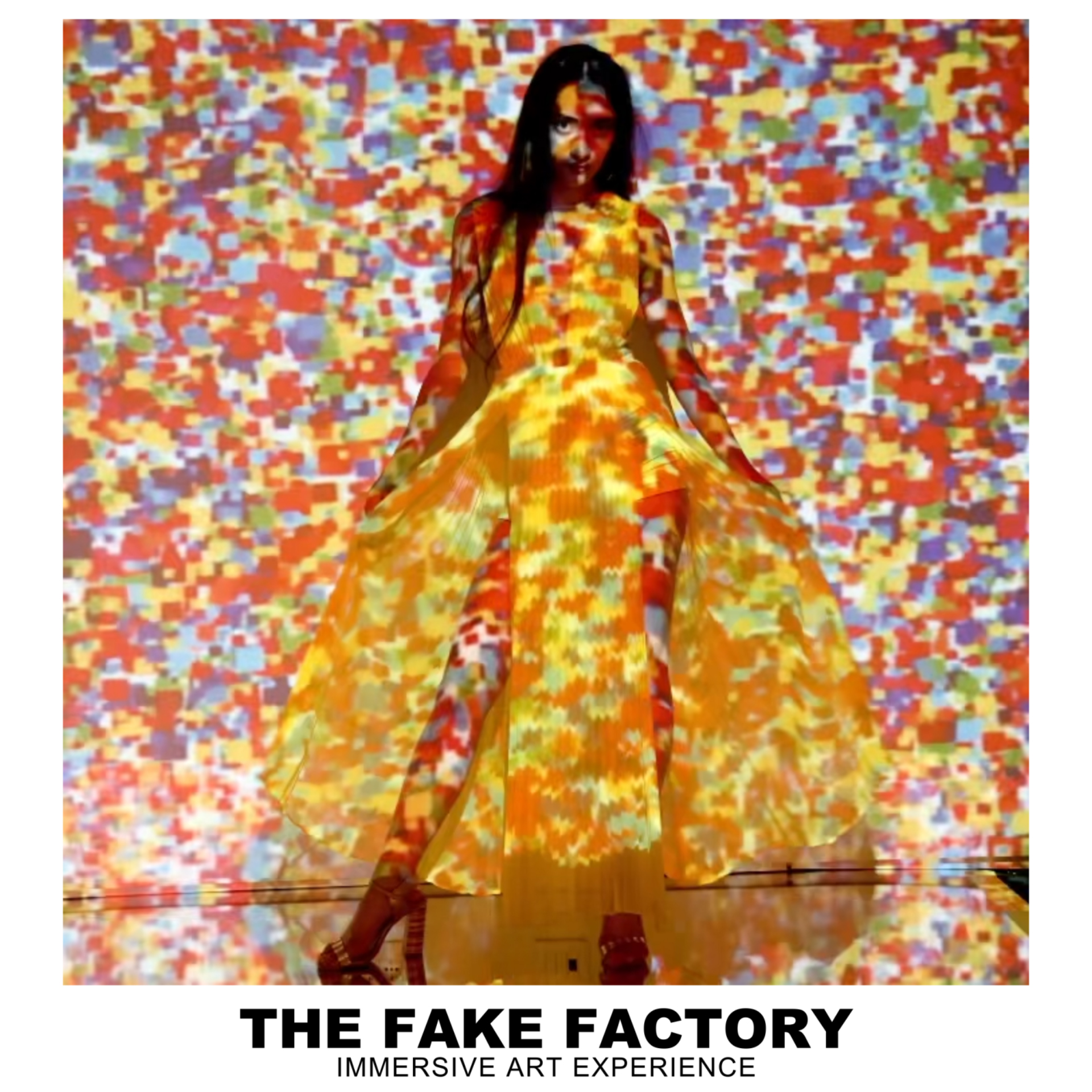
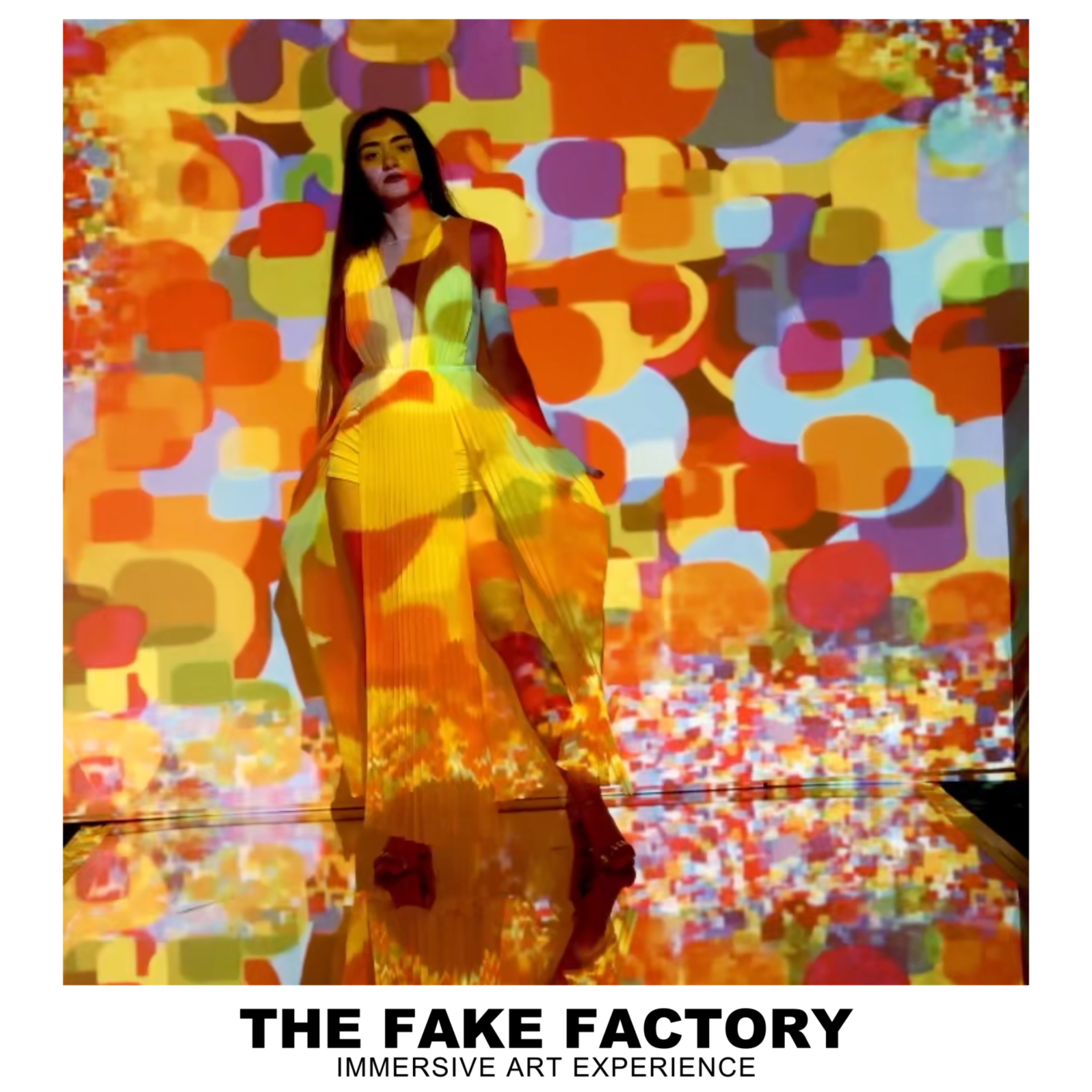
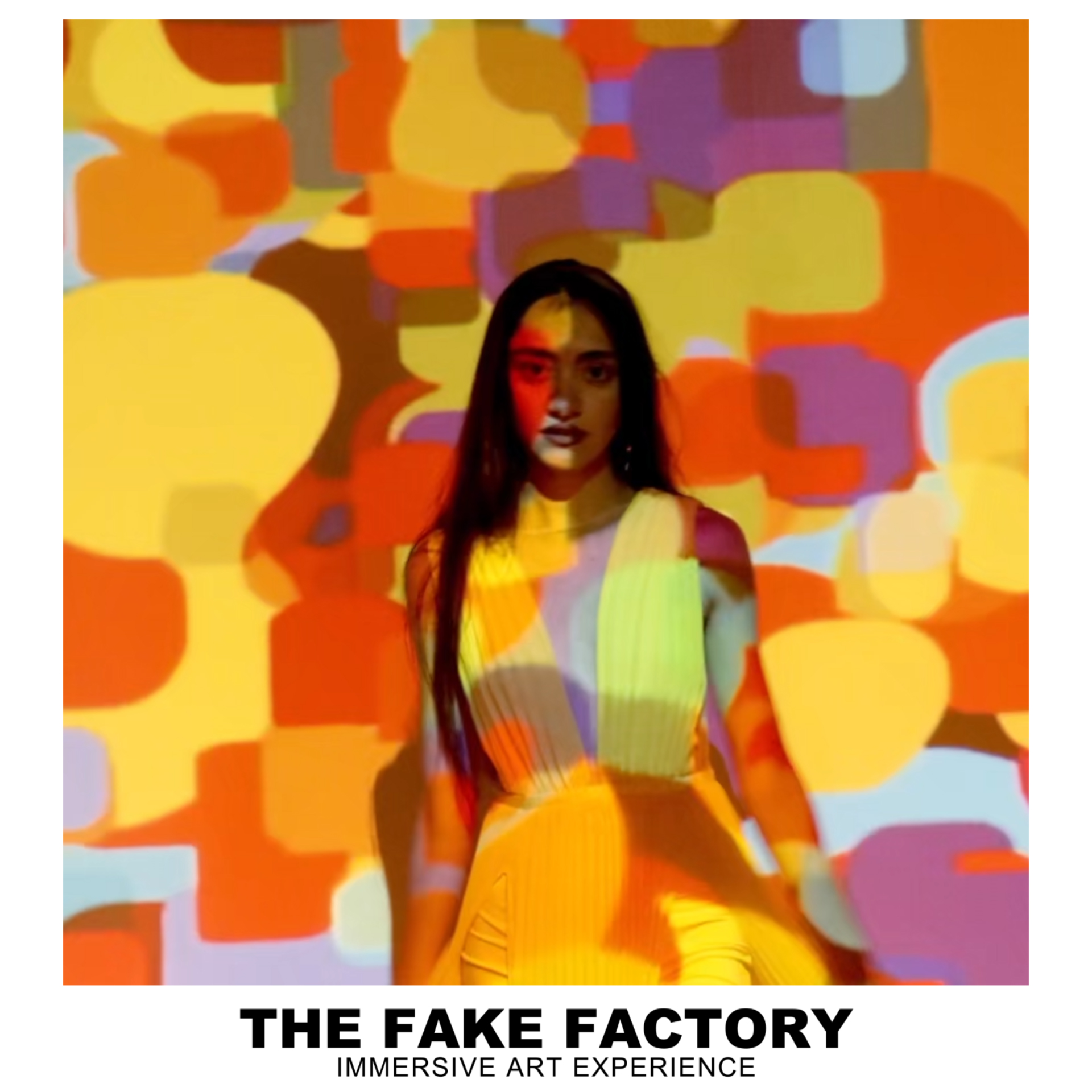
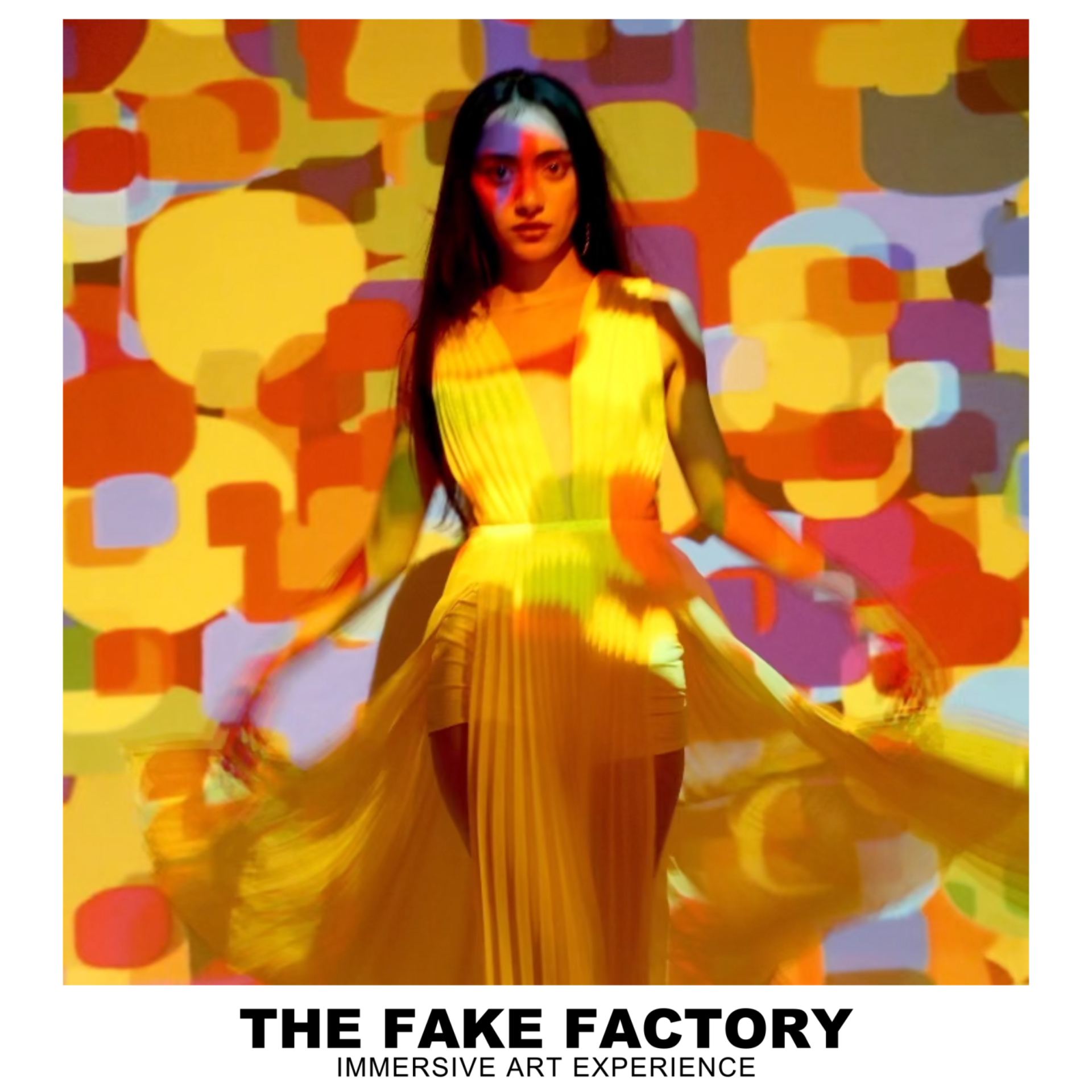
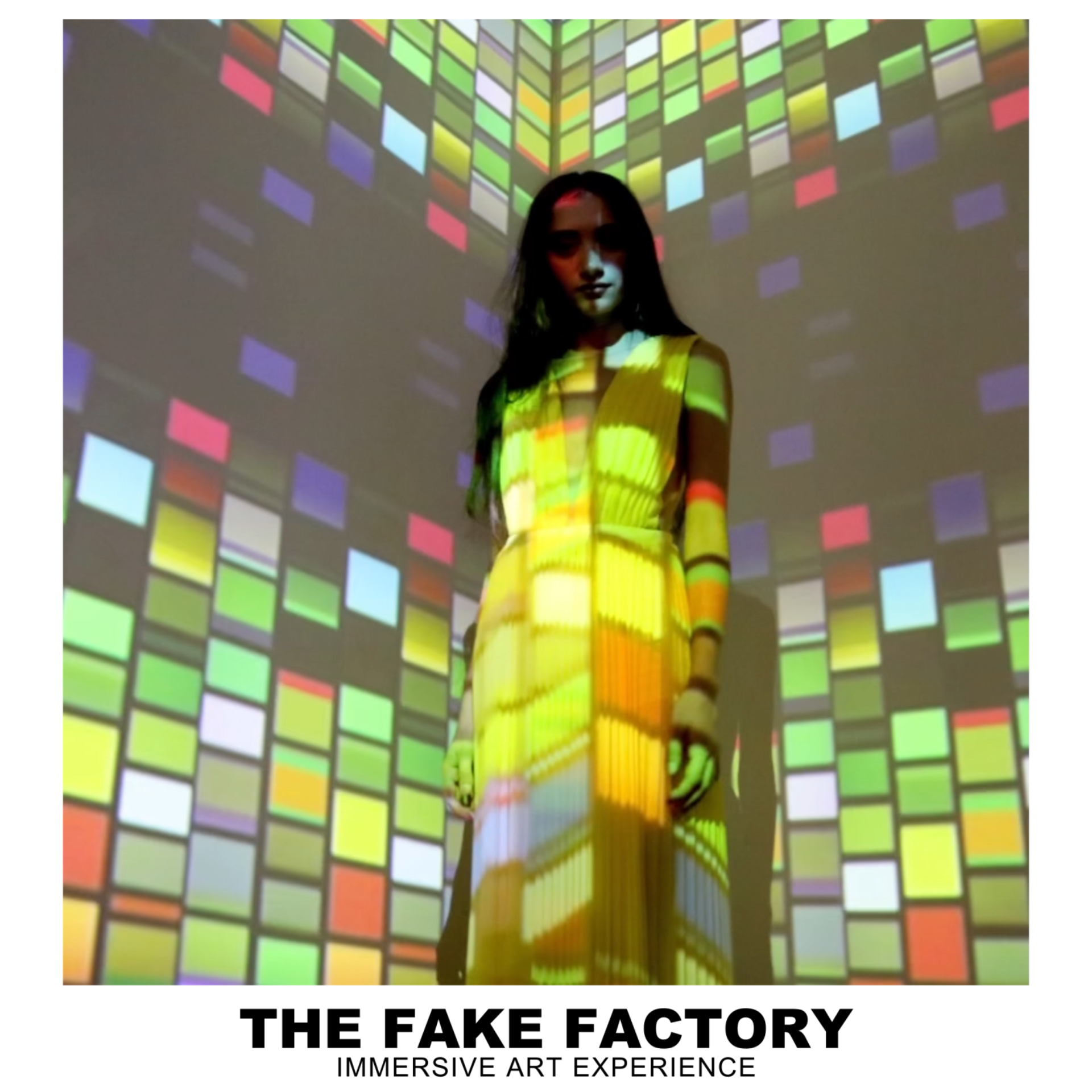
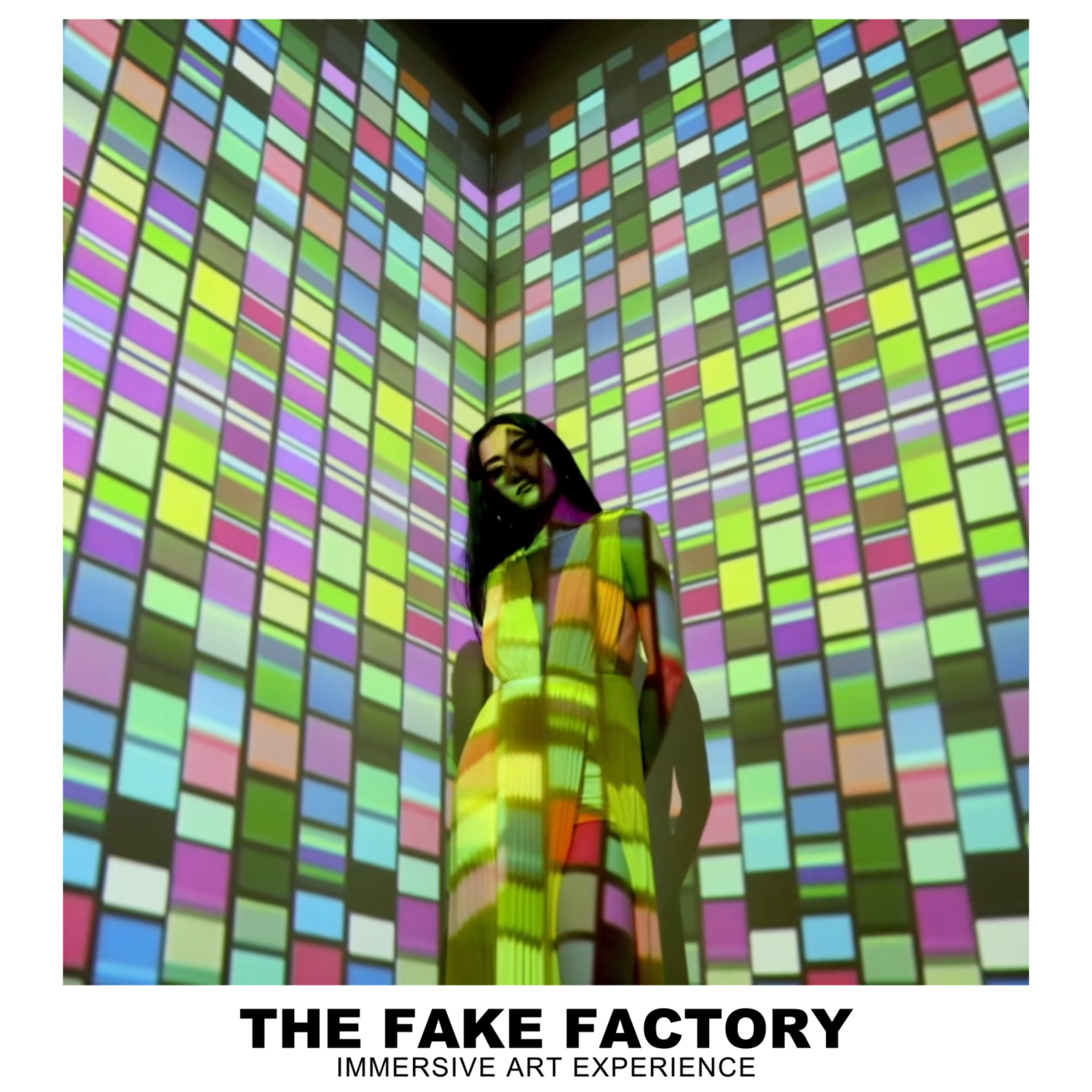
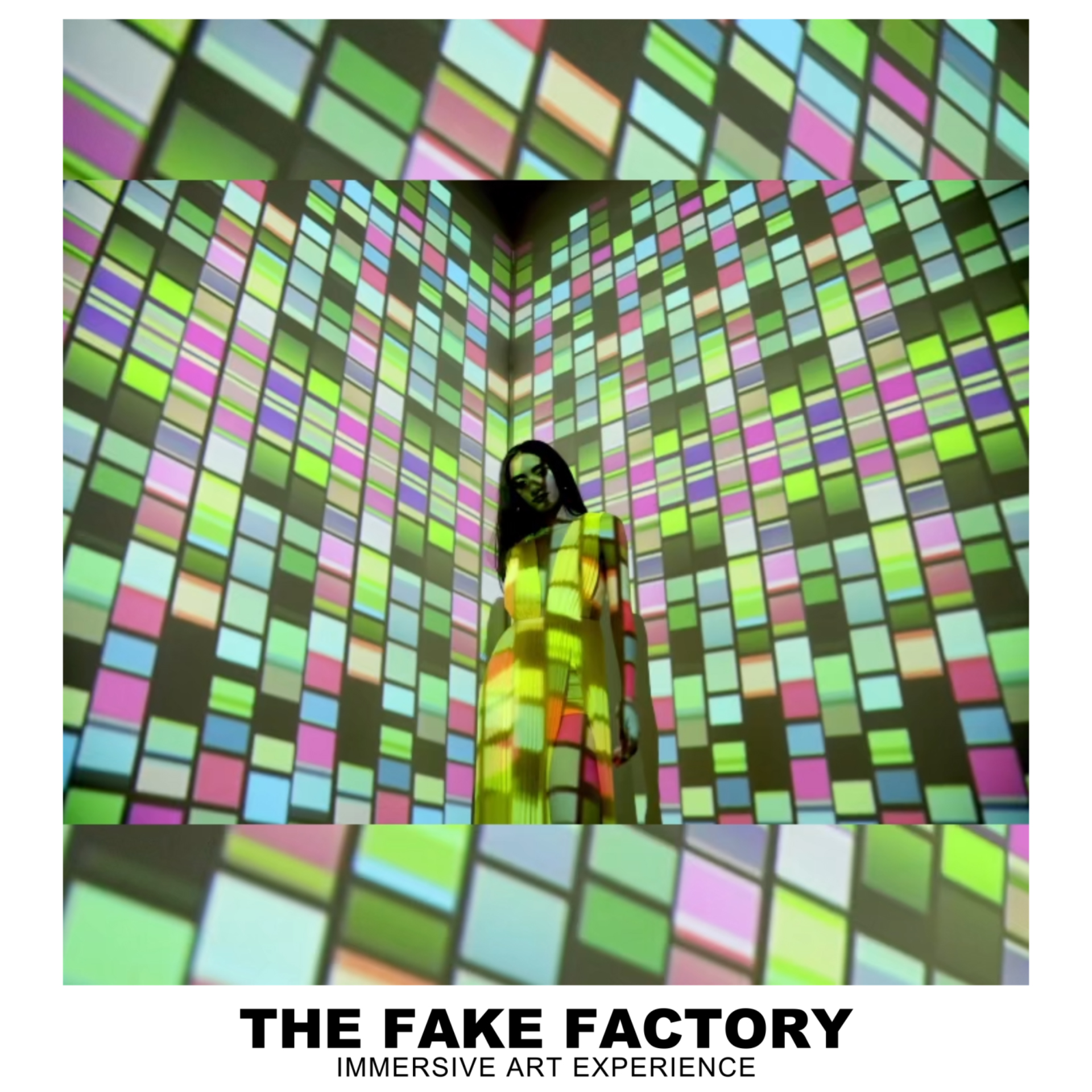
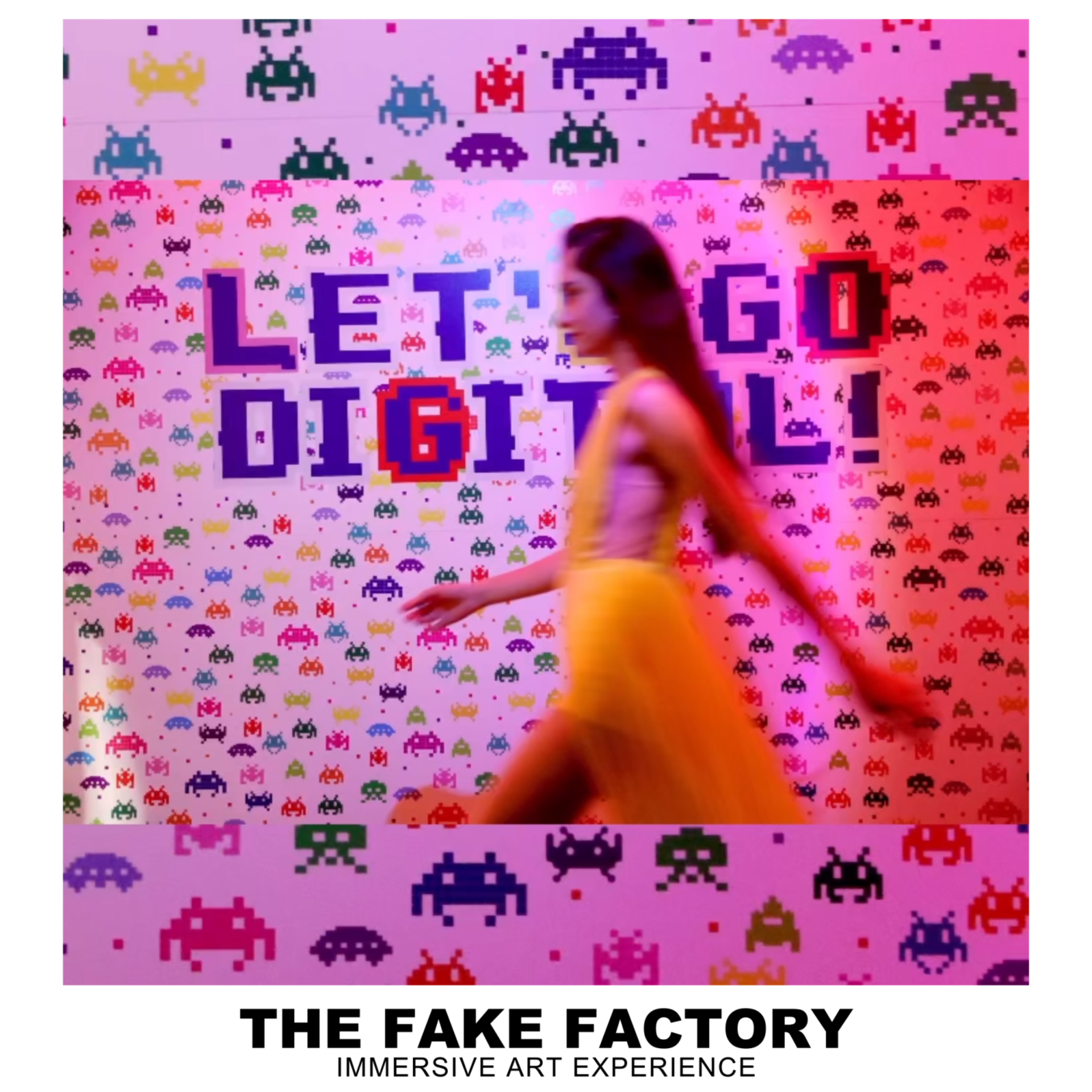
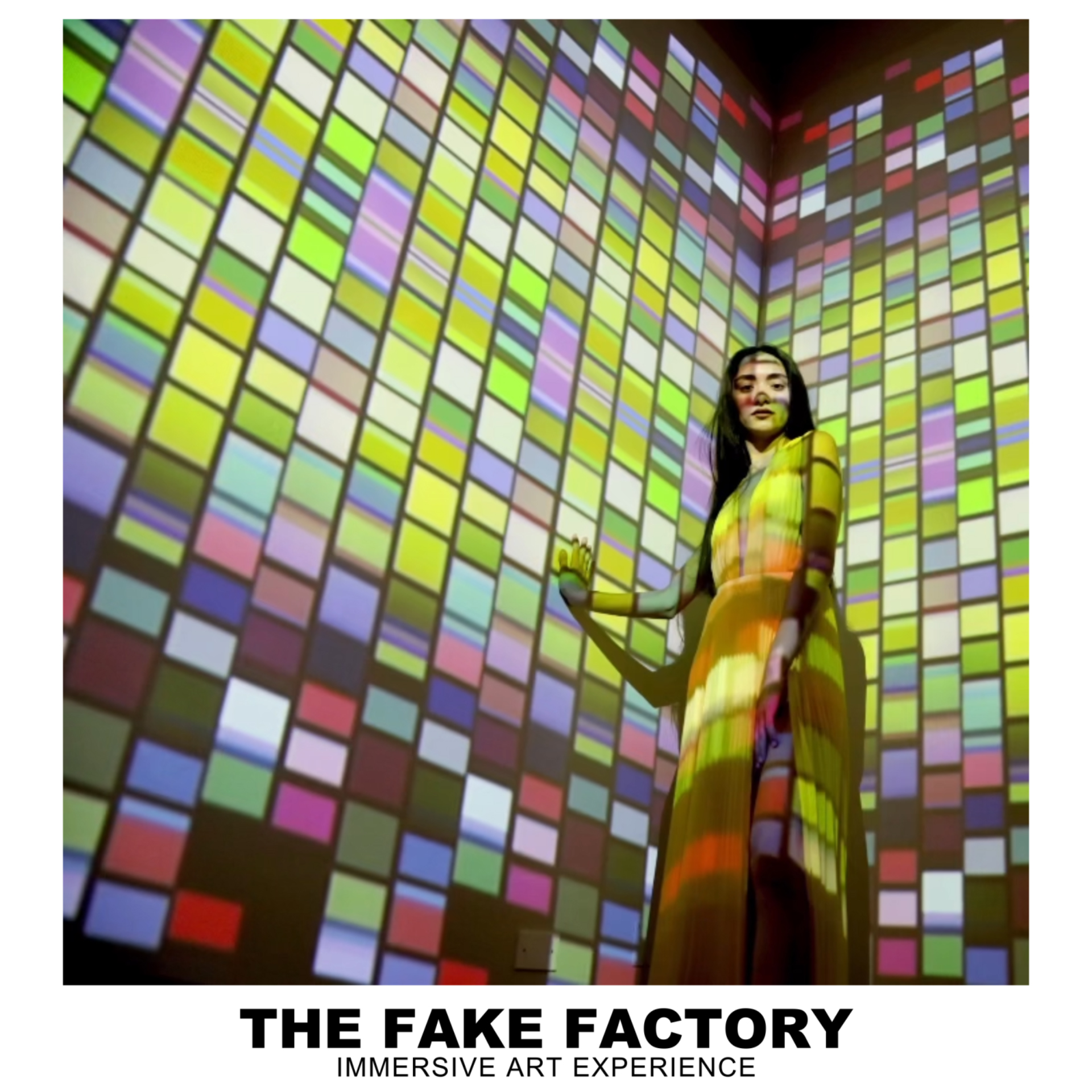
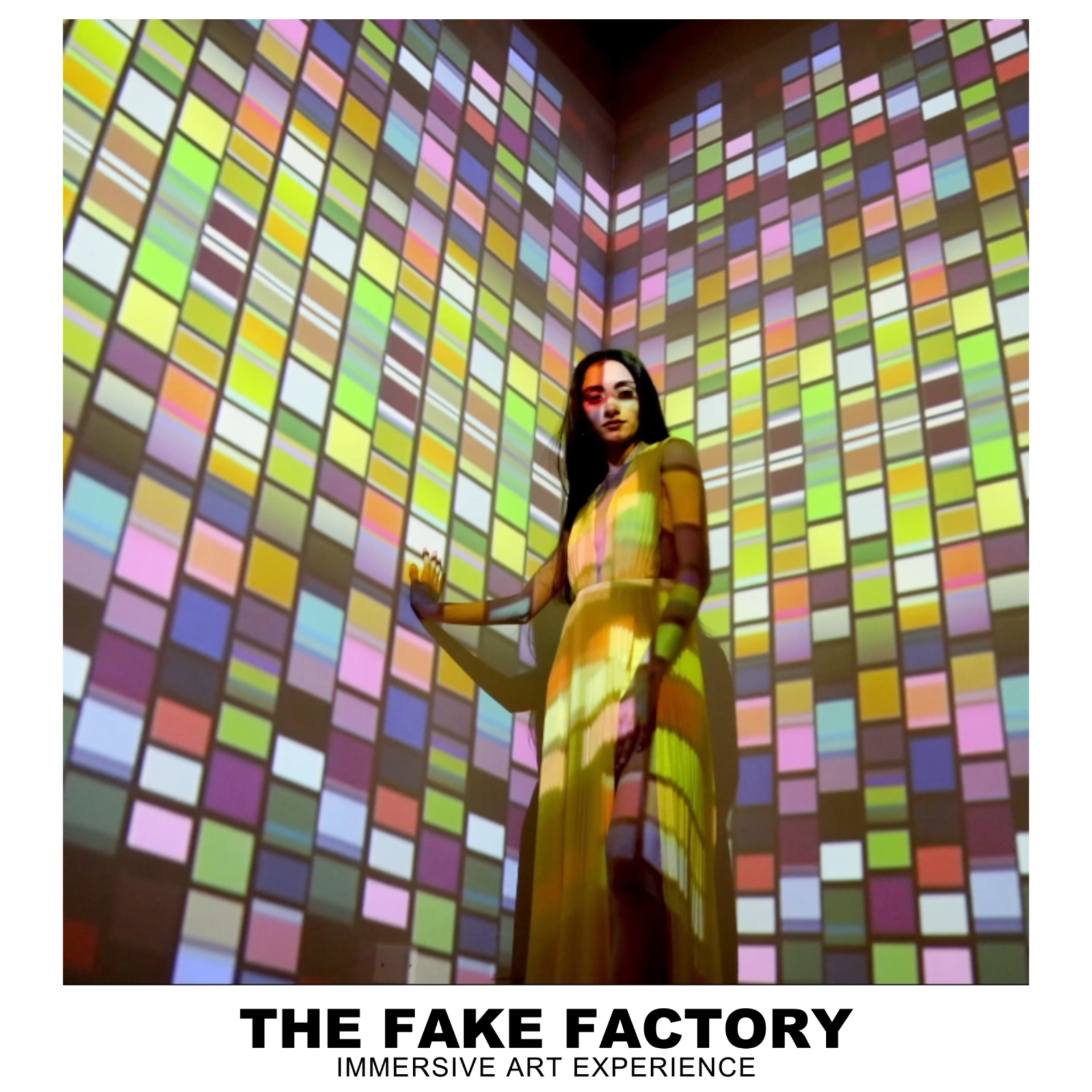
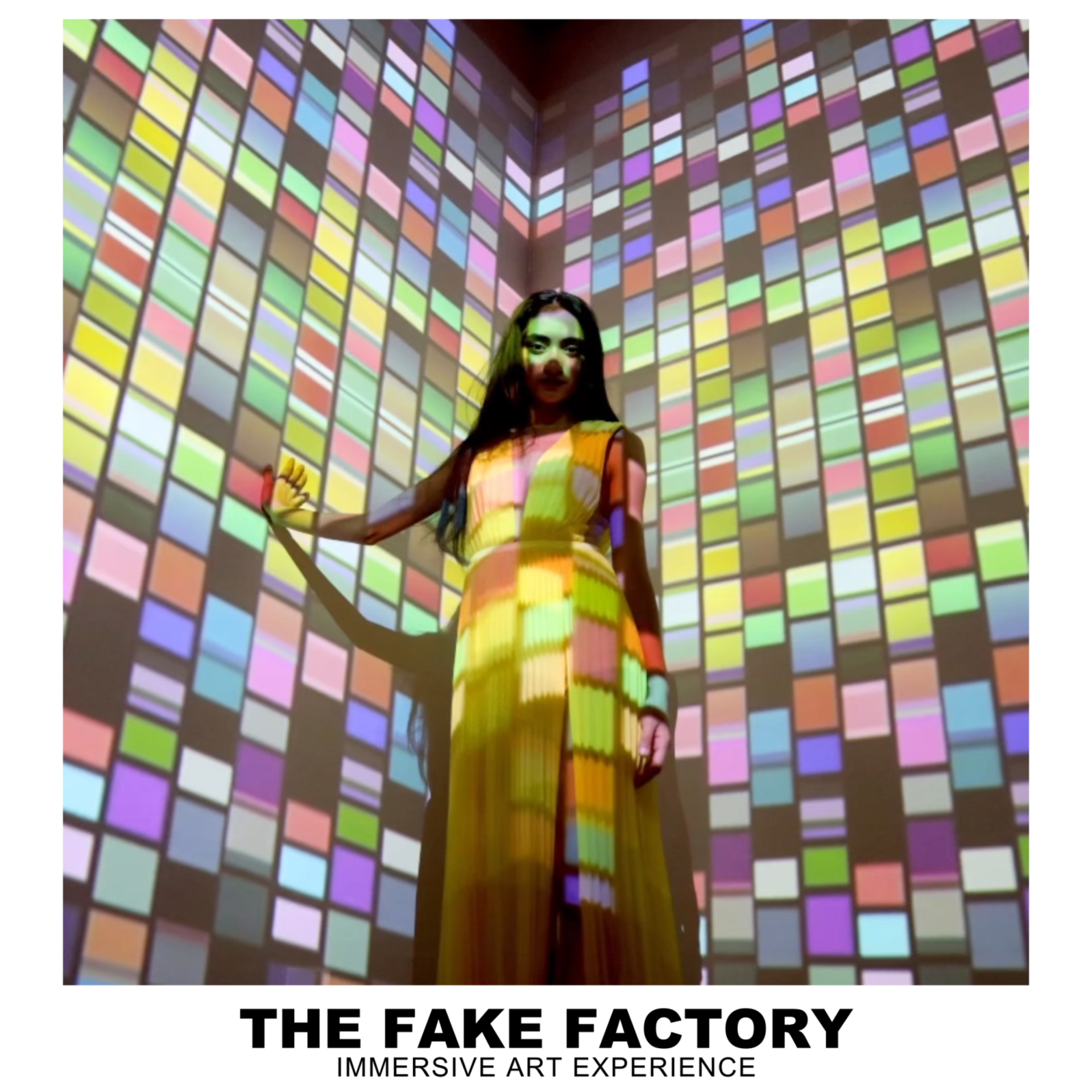
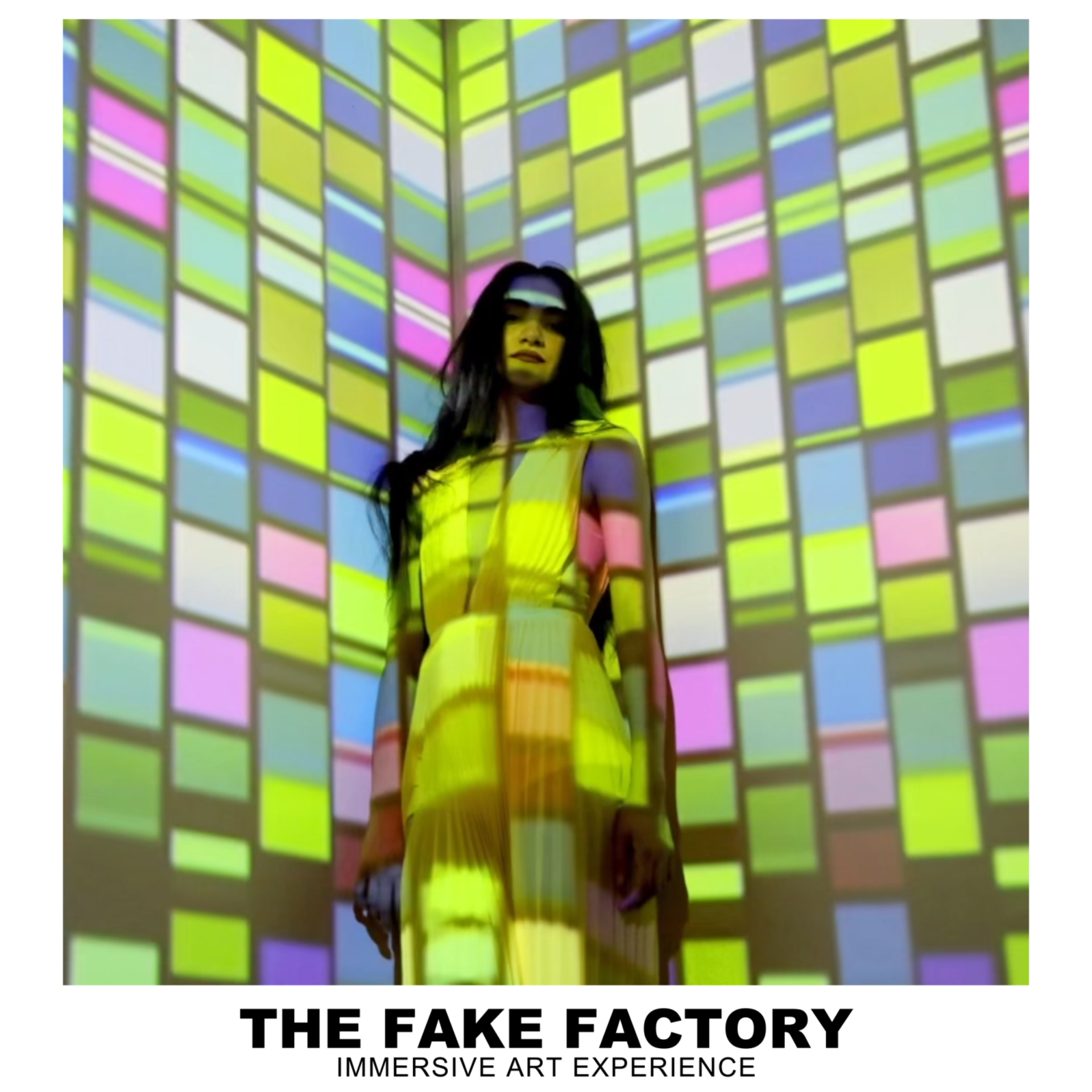
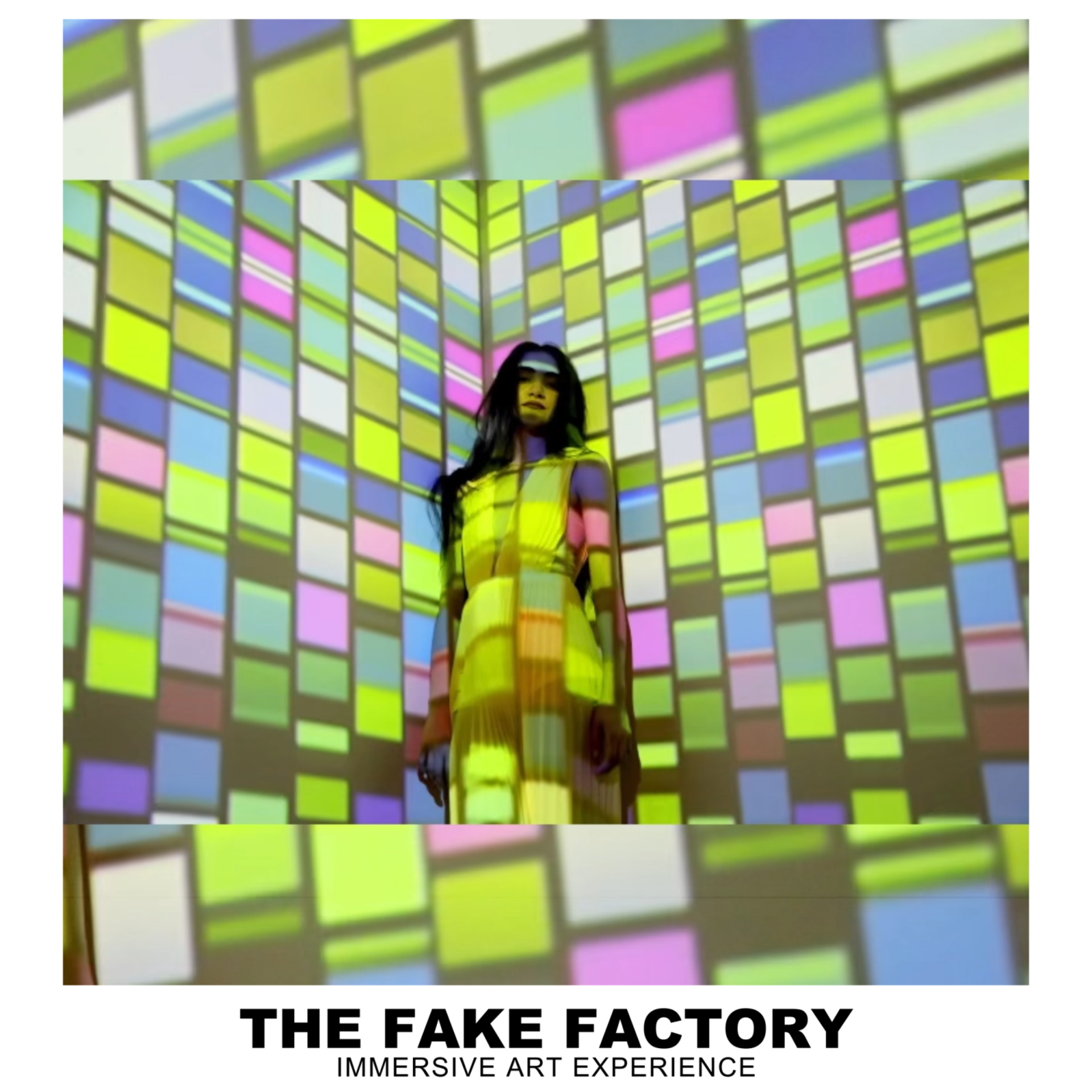
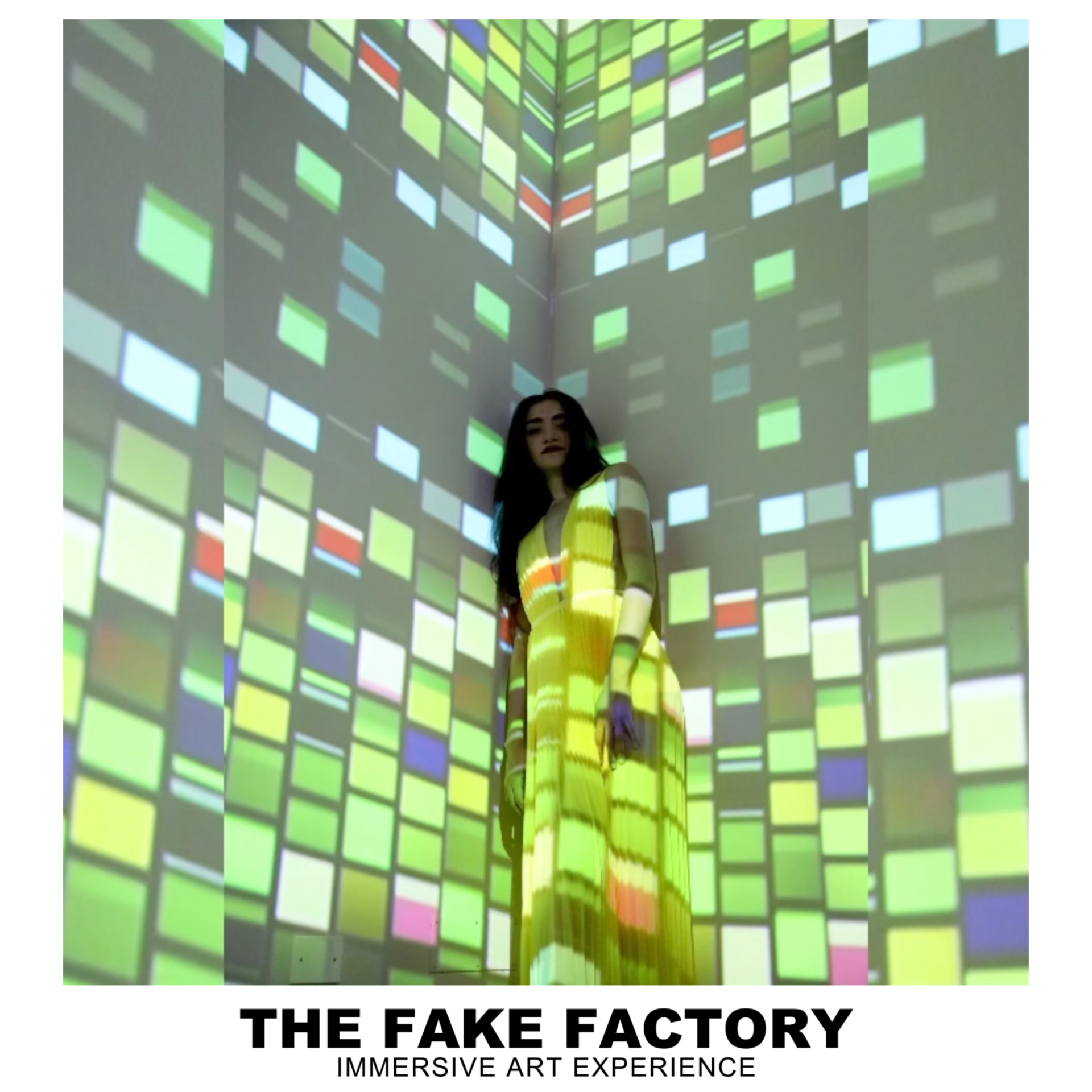
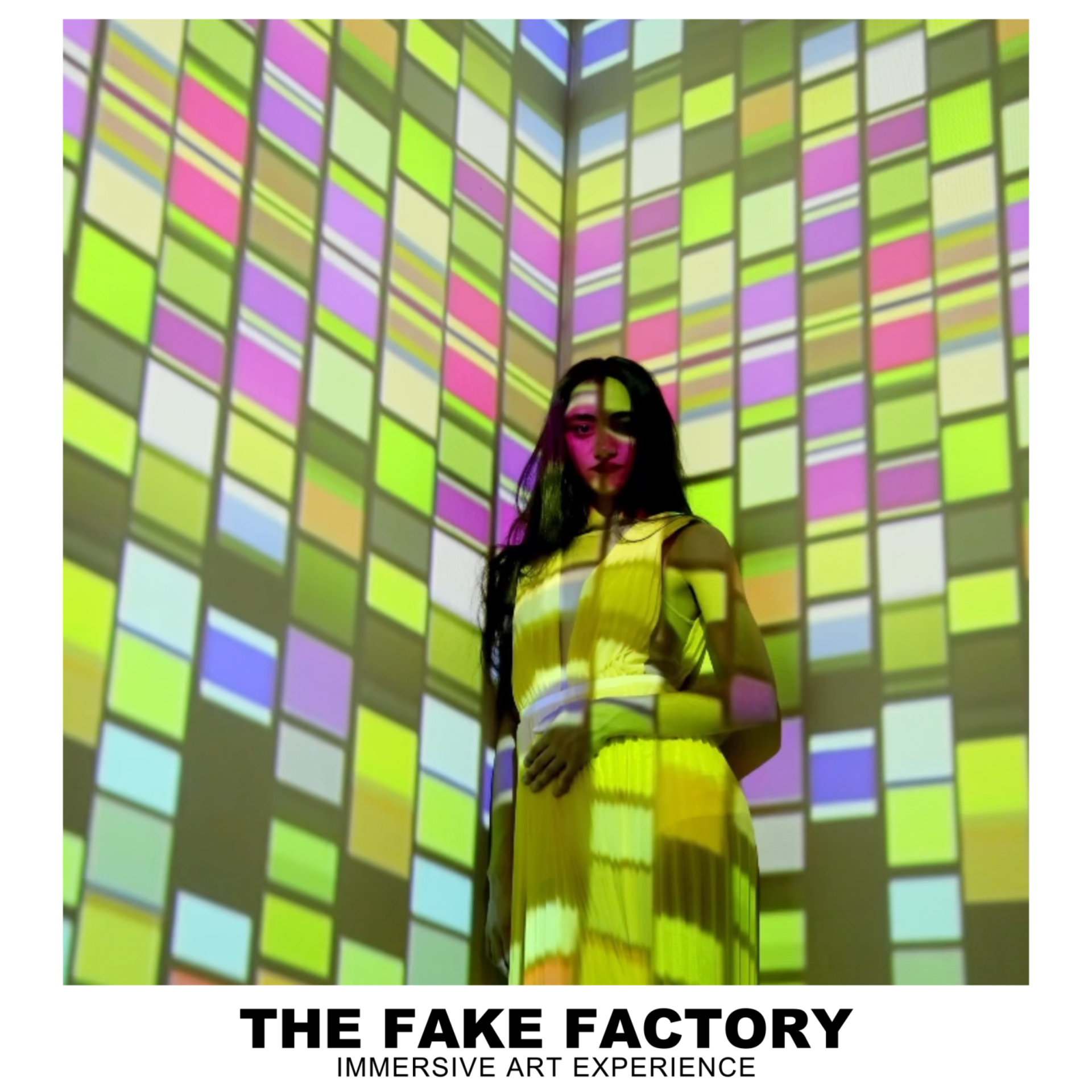
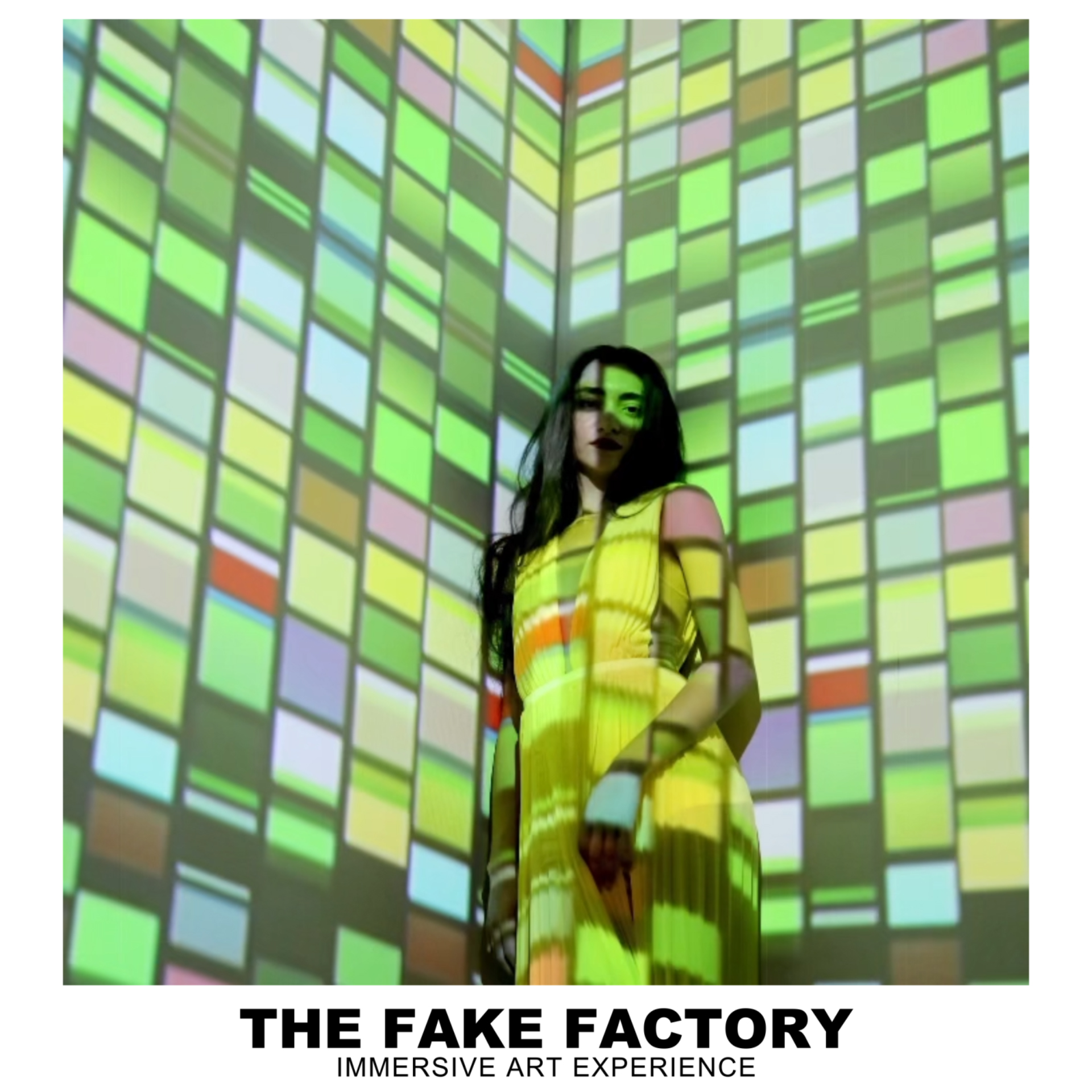
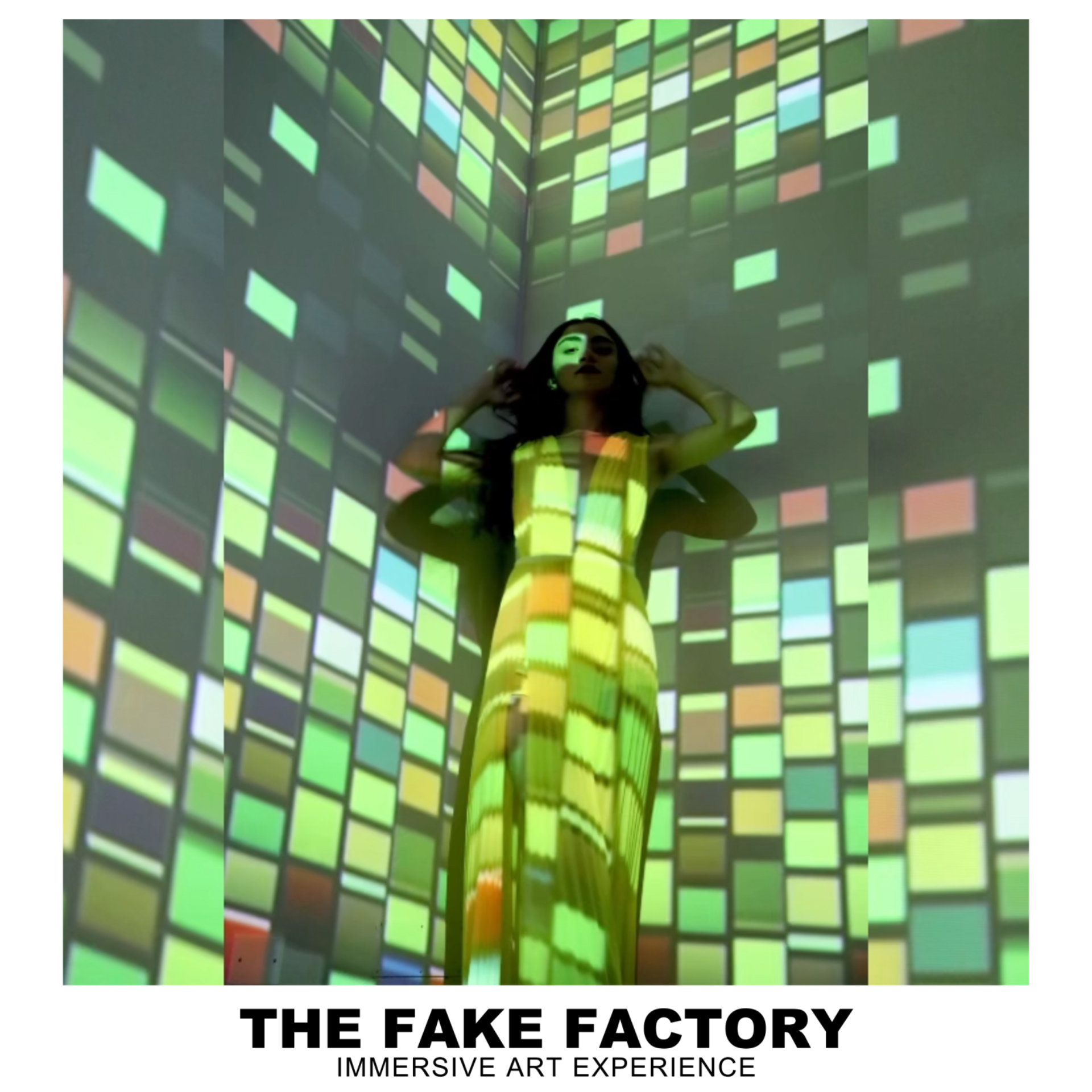
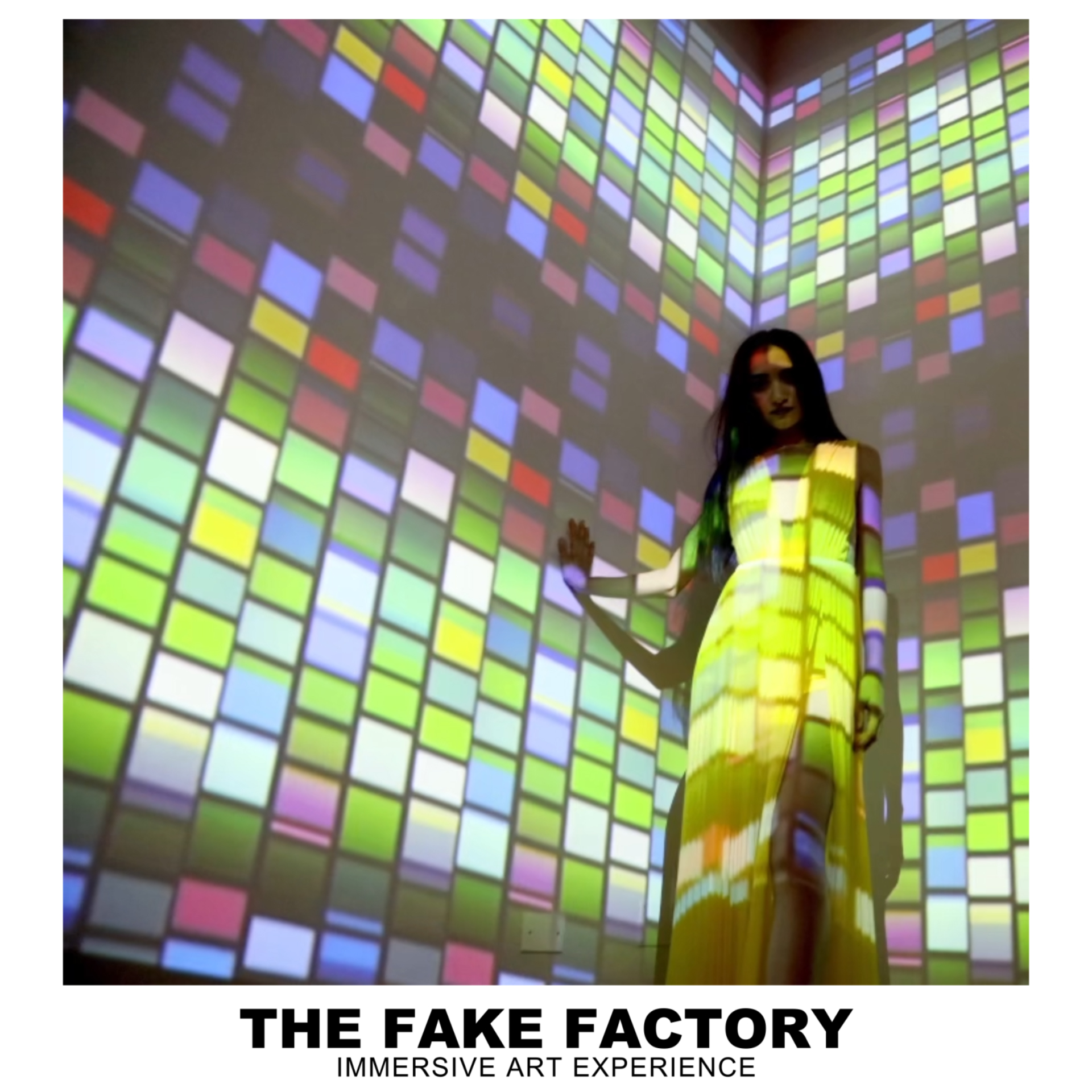
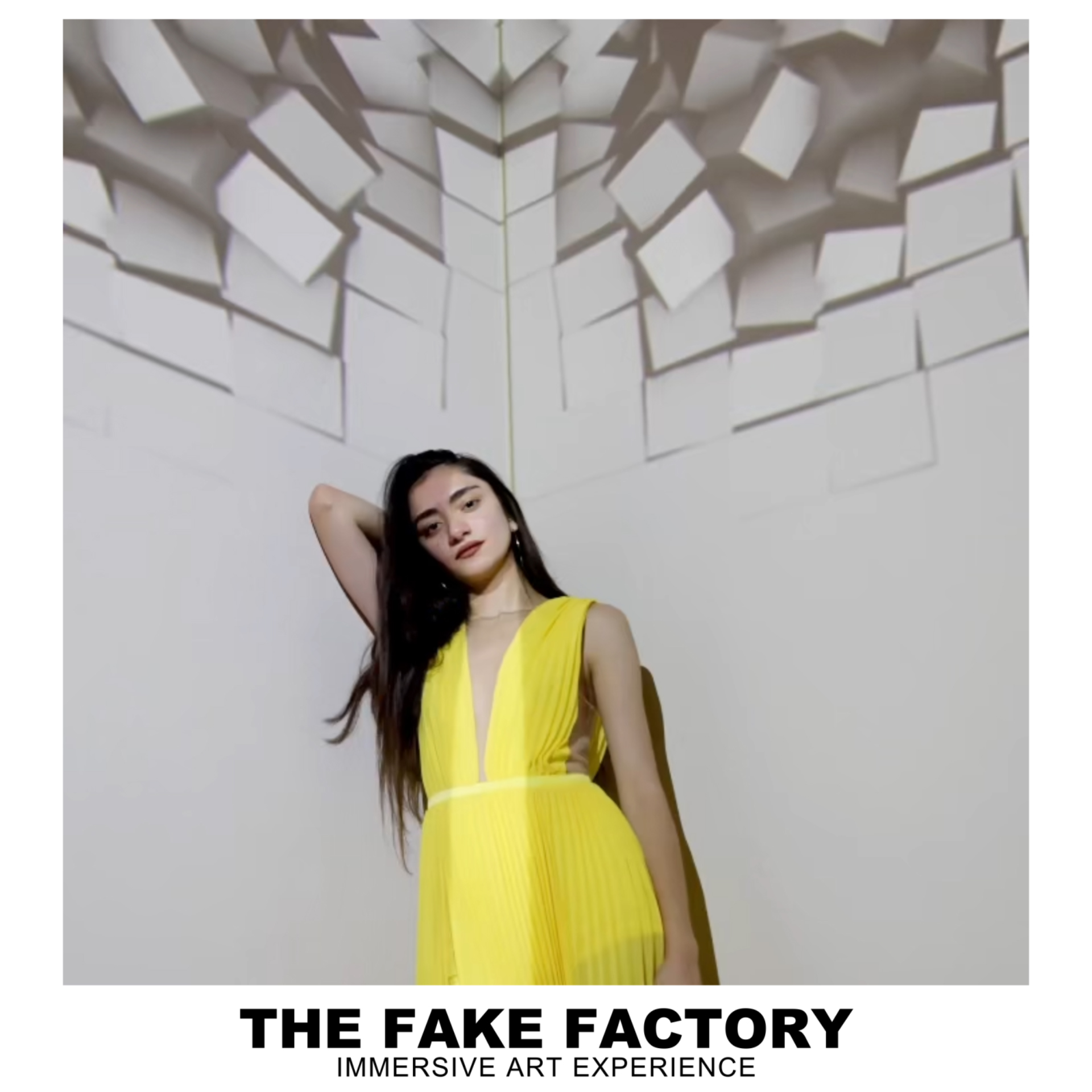
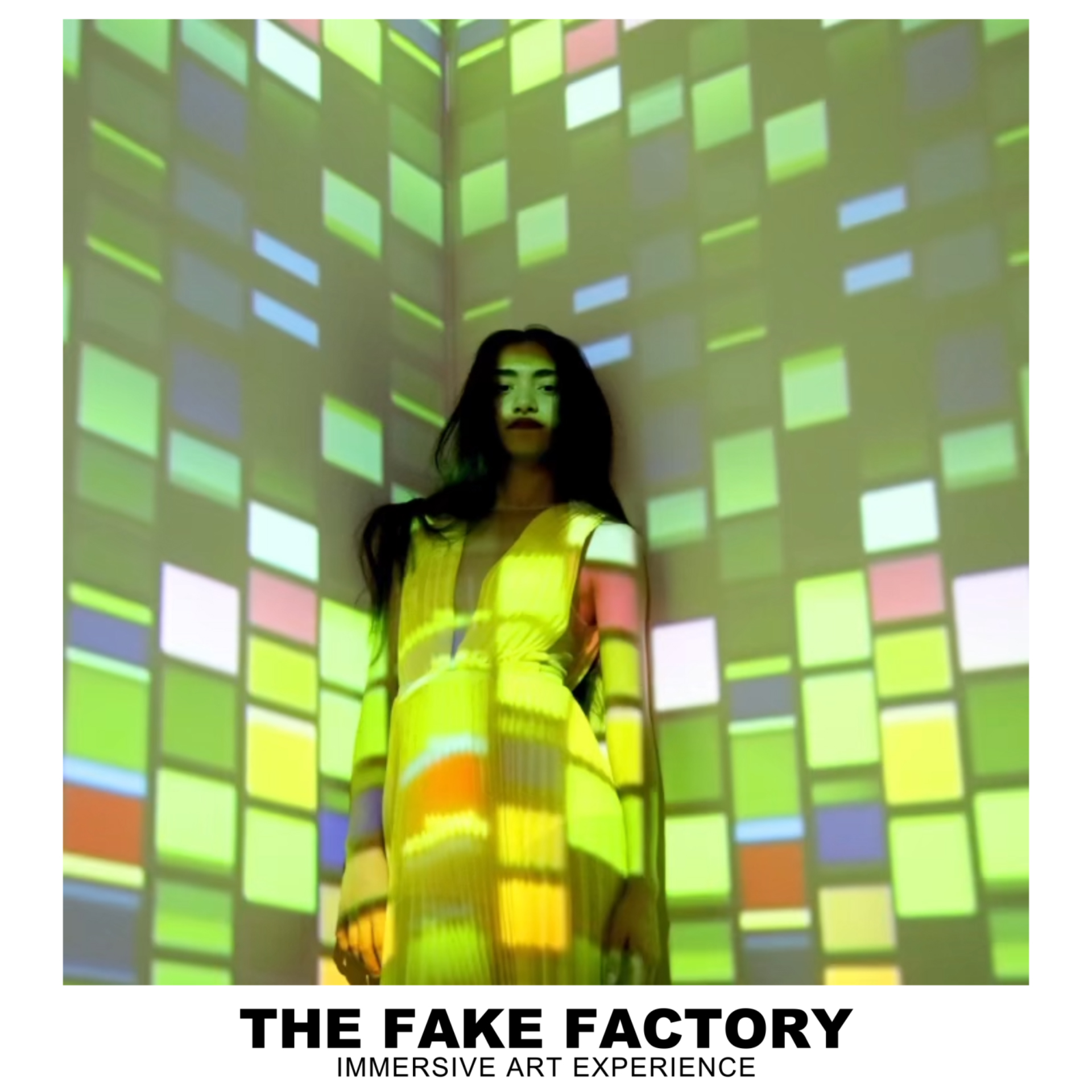
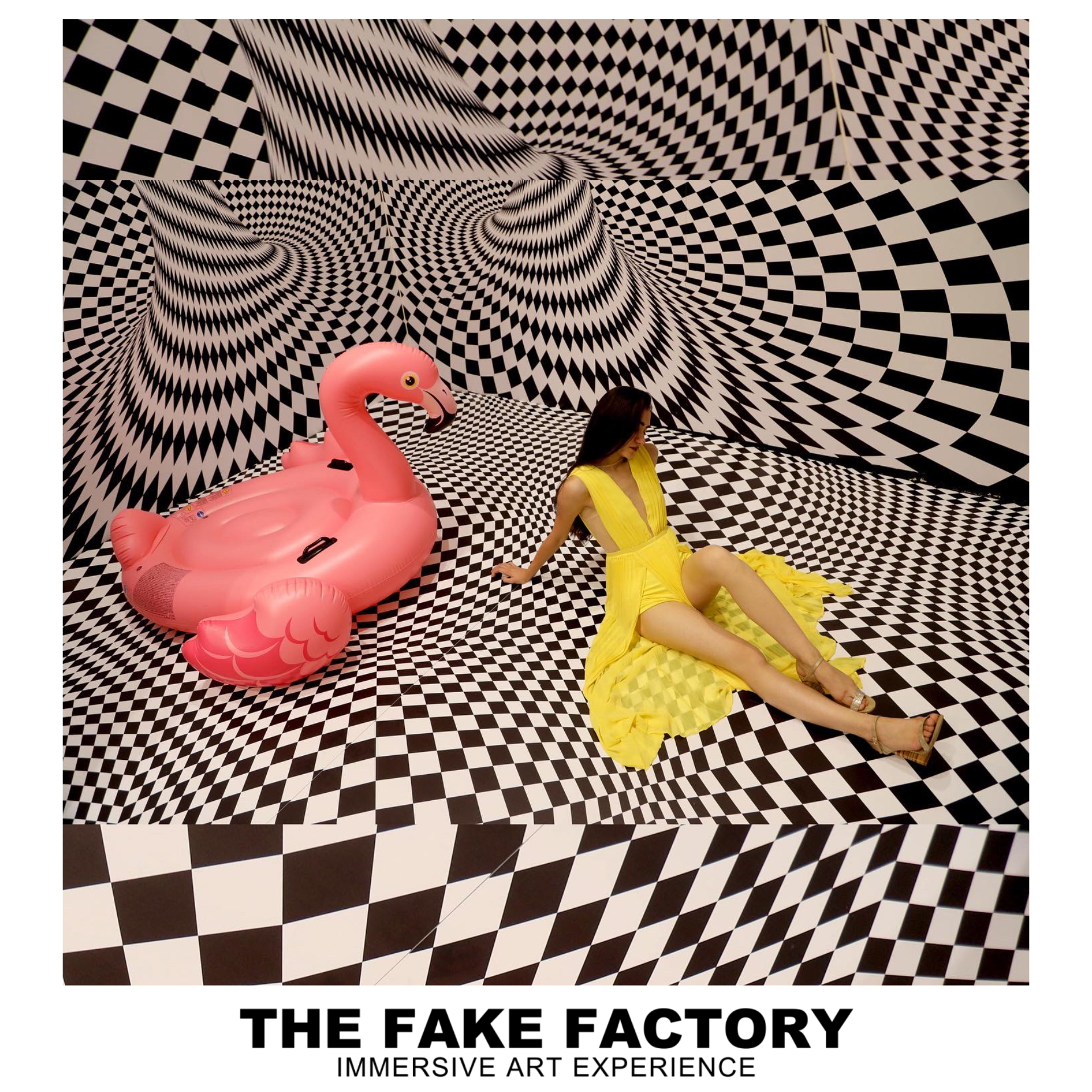
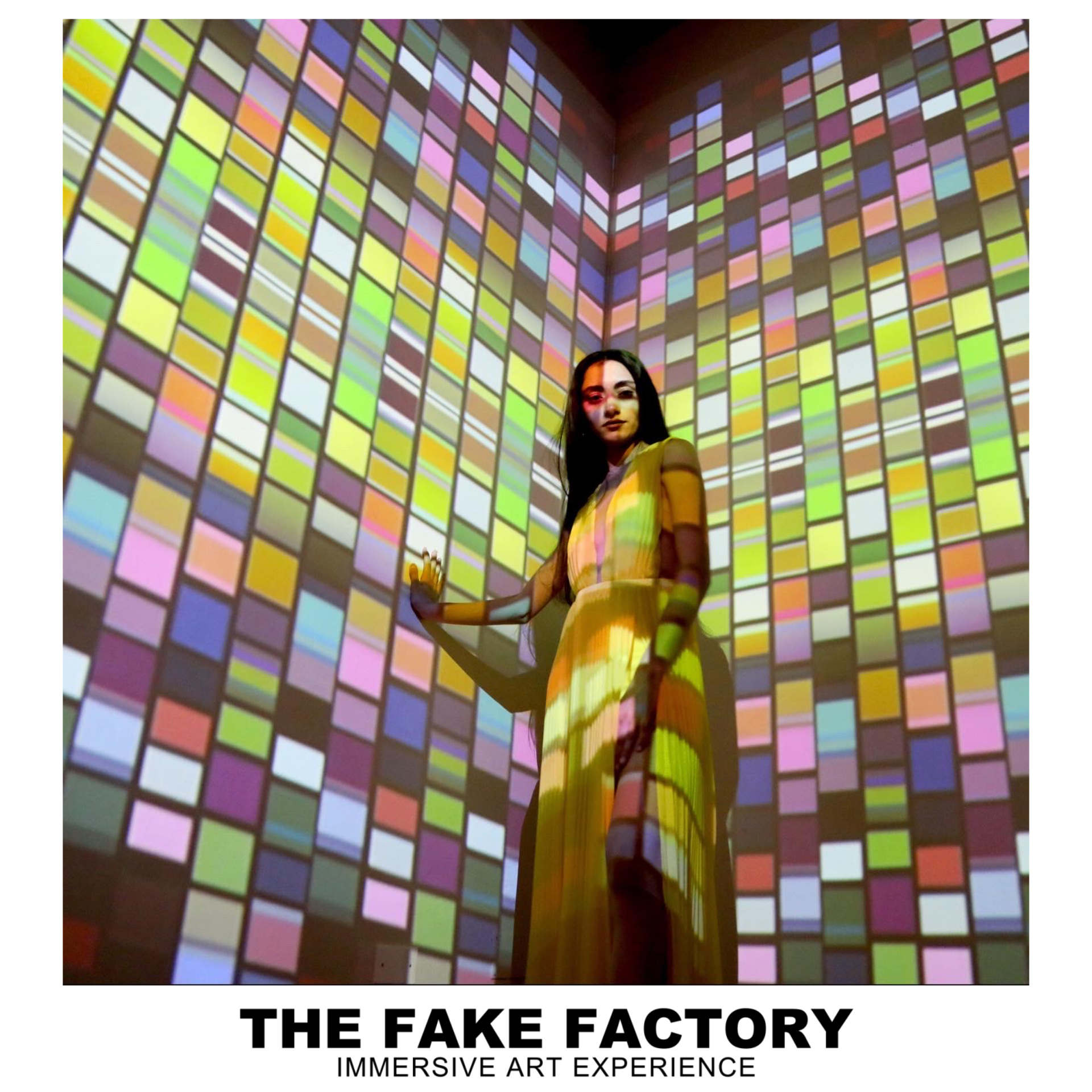
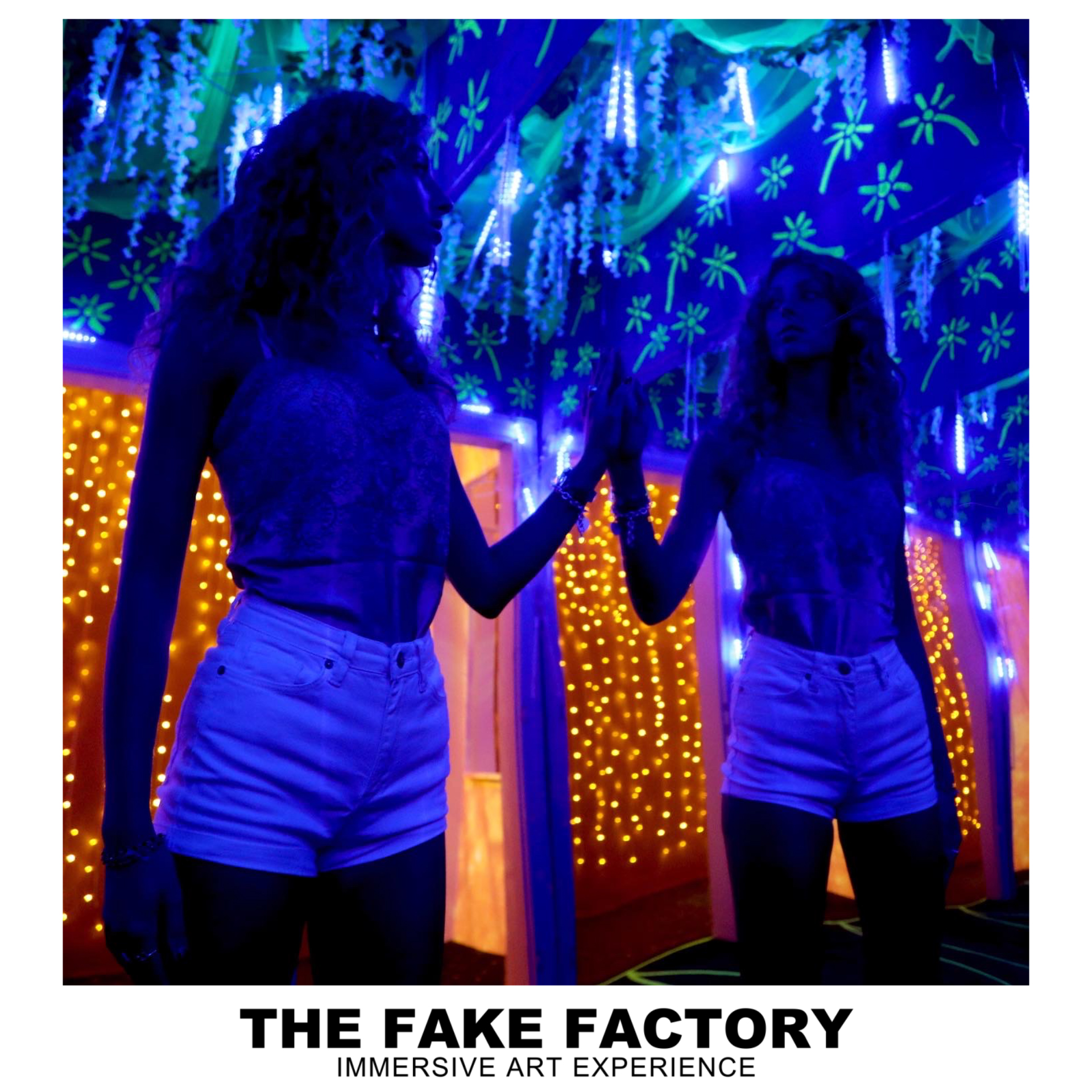
Le opere di Stefano Fake consistono principalmente in stanze immersive in cui l’artista interviene con videoproiezioni, effetti luminosi, segni grafici, forme, colori, pareti riflettenti, suoni, rumori e sensazioni olfattive e tattili. L’arte immersiva di FAKE fa appello ai sensi del visitatore e lo invita ad un dialogo umano prima che estetico. Ne ricerca la complicità. I suoi ambienti sono soprattutto contenitori di emozioni. La forma è costruita attorno alla presenza umana. La vera forza dell’artista sta nella sua abilità nel raggiungere il cuore dell’esperienza umana. Sicuramente FAKE è il primo artista italiano a porre in modo convincente le basi di un’estetica immersiva e relazionale nell’arte digitale, a partire dalla sua prima installazione “Room with colour Tv”, presentato a Weimar nel 2001 e poi con Ambienti (di nuova sensibilità) presentato a Firenze nel 2002. Queste opere prevedono progettualmente la partecipazione del pubblico alla costruzione o alla definizione dell’opera di cui è partecipe. Il lavoro di FAKE è appunto un continuo cercare di abbracciare, avvolgere, coinvolgere le persone sensorialmente, mentalmente, spiritualmente, emotivamente, ludicamente. Lo stesso FAKE ha indicato in questa frase l’essenza della propria arte : “L’arte è gioco, giochiamo insieme!”, rendendo tributo a Federico Fellini ( “é una festa la vita, viviamola insieme!” – Life is a celebration, Let’s live it together!”) e all’artista concettuale che ha segnato il cambio fra arte moderna e contemporanea, Marchel Duchamp (“L’arte è un gioco tra tutti gli uomini di tutte le epoche”). Andy Warhol amava spesso ripetere che, dal suo punto di vista, la pop art era soprattutto “un modo di amare le cose”. Parafrasando le sue parole possiamo oggi dire che l’Arte Immersiva realizzata da Fake è soprattutto “amare le persone” (“Immersive Art is a way of loving people” – Stefano Fake). Perché nelle installazioni immersive c’è un importante e fondamentale aspetto relazionale fra l’artista e il visitatore. Il fatto stesso di definirle “Esperienze di Arte Immersiva” (Immersive Art Experience) fa capire il cambio di paradigma messo in atto da FAKE. La qualità realizzativa dell’audiovisivo o gli aspetti puramente tecnologici, pur essendo determinanti nel risultato estetico finale, passano in secondo piano. Per FAKE prima di tutto viene l’esperienza del visitatore, il suo essere avvolto nella luce, nelle immagini, e nei suoni, dentro gli ambienti aumentati sensorialmente grazie all’uso poetico delle tecnologie. Non si tratta di circondare lo spettatore con delle grandi immagini o di stupirlo con facili effetti illuminotecnici, ma di portarlo dentro ad un flusso emozionale, modellando la forma delle percezioni sensoriali che lo spettatore vive dentro allo spazio. Forse è questo, in sintesi, l’aspetto distintivo dell’Arte Immersiva realizzata da FAKE che lo ha portato ad essere oggi uno degli artisti italiani più influenti del nuovo millennio, tanto da far nascere dopo di lui un’intera generazione di giovani artisti che si dedicano oggi a realizzare immersive art experiences.
STEFANO FAKE & THE FAKE FACTORY > ESPERIENZE DI ARTE IMMERSIVA
Le opere di Stefano Fake consistono principalmente in stanze immersive in cui l’artista interviene con videoproiezioni, effetti luminosi, segni grafici, forme, colori, pareti riflettenti, suoni, rumori e sensazioni olfattive e tattili. L’arte immersiva di FAKE fa appello ai sensi del visitatore e lo invita ad un dialogo umano prima che estetico. Ne ricerca la complicità. I suoi ambienti sono soprattutto contenitori di emozioni. La forma è costruita attorno alla presenza umana. La vera forza dell’artista sta nella sua abilità nel raggiungere il cuore dell’esperienza umana. Sicuramente FAKE è il primo artista italiano a porre in modo convincente le basi di un’estetica immersiva e relazionale nell’arte digitale, a partire dalla sua prima installazione “Room with colour Tv”, presentato a Weimar nel 2001 e poi con Ambienti (di nuova sensibilità) presentato a Firenze nel 2002. Queste opere prevedono progettualmente la partecipazione del pubblico alla costruzione o alla definizione dell’opera di cui è partecipe. Il lavoro di FAKE è appunto un continuo cercare di abbracciare, avvolgere, coinvolgere le persone sensorialmente, mentalmente, spiritualmente, emotivamente, ludicamente. Lo stesso FAKE ha indicato in questa frase l’essenza della propria arte : “L’arte è gioco, giochiamo insieme!”, rendendo tributo a Federico Fellini ( “é una festa la vita, viviamola insieme!” – Life is a celebration, Let’s live it together!”) e all’artista concettuale che ha segnato il cambio fra arte moderna e contemporanea, Marchel Duchamp (“L’arte è un gioco tra tutti gli uomini di tutte le epoche”). Andy Warhol amava spesso ripetere che, dal suo punto di vista, la pop art era soprattutto “un modo di amare le cose”. Parafrasando le sue parole possiamo oggi dire che l’Arte Immersiva realizzata da Fake è soprattutto “amare le persone” (“Immersive Art is a way of loving people” – Stefano Fake). Perché nelle installazioni immersive c’è un importante e fondamentale aspetto relazionale fra l’artista e il visitatore. Il fatto stesso di definirle “Esperienze di Arte Immersiva” (Immersive Art Experience) fa capire il cambio di paradigma messo in atto da FAKE. La qualità realizzativa dell’audiovisivo o gli aspetti puramente tecnologici, pur essendo determinanti nel risultato estetico finale, passano in secondo piano. Per FAKE prima di tutto viene l’esperienza del visitatore, il suo essere avvolto nella luce, nelle immagini, e nei suoni, dentro gli ambienti aumentati sensorialmente grazie all’uso poetico delle tecnologie. Non si tratta di circondare lo spettatore con delle grandi immagini o di stupirlo con facili effetti illuminotecnici, ma di portarlo dentro ad un flusso emozionale, modellando la forma delle percezioni sensoriali che lo spettatore vive dentro allo spazio. Forse è questo, in sintesi, l’aspetto distintivo dell’Arte Immersiva realizzata da FAKE che lo ha portato ad essere oggi uno degli artisti italiani più influenti del nuovo millennio, tanto da far nascere dopo di lui un’intera generazione di giovani artisti che si dedicano oggi a realizzare immersive art experiences.
STEFANO FAKE & THE FAKE FACTORY > ESPERIENZE DI ARTE IMMERSIVA
Le opere di Stefano Fake consistono principalmente in stanze immersive in cui l’artista interviene con videoproiezioni, effetti luminosi, segni grafici, forme, colori, pareti riflettenti, suoni, rumori e sensazioni olfattive e tattili. L’arte immersiva di FAKE fa appello ai sensi del visitatore e lo invita ad un dialogo umano prima che estetico. Ne ricerca la complicità. I suoi ambienti sono soprattutto contenitori di emozioni. La forma è costruita attorno alla presenza umana. La vera forza dell’artista sta nella sua abilità nel raggiungere il cuore dell’esperienza umana. Sicuramente FAKE è il primo artista italiano a porre in modo convincente le basi di un’estetica immersiva e relazionale nell’arte digitale, a partire dalla sua prima installazione “Room with colour Tv”, presentato a Weimar nel 2001 e poi con Ambienti (di nuova sensibilità) presentato a Firenze nel 2002. Queste opere prevedono progettualmente la partecipazione del pubblico alla costruzione o alla definizione dell’opera di cui è partecipe. Il lavoro di FAKE è appunto un continuo cercare di abbracciare, avvolgere, coinvolgere le persone sensorialmente, mentalmente, spiritualmente, emotivamente, ludicamente. Lo stesso FAKE ha indicato in questa frase l’essenza della propria arte : “L’arte è gioco, giochiamo insieme!”, rendendo tributo a Federico Fellini ( “é una festa la vita, viviamola insieme!” – Life is a celebration, Let’s live it together!”) e all’artista concettuale che ha segnato il cambio fra arte moderna e contemporanea, Marchel Duchamp (“L’arte è un gioco tra tutti gli uomini di tutte le epoche”). Andy Warhol amava spesso ripetere che, dal suo punto di vista, la pop art era soprattutto “un modo di amare le cose”. Parafrasando le sue parole possiamo oggi dire che l’Arte Immersiva realizzata da Fake è soprattutto “amare le persone” (“Immersive Art is a way of loving people” – Stefano Fake). Perché nelle installazioni immersive c’è un importante e fondamentale aspetto relazionale fra l’artista e il visitatore. Il fatto stesso di definirle “Esperienze di Arte Immersiva” (Immersive Art Experience) fa capire il cambio di paradigma messo in atto da FAKE. La qualità realizzativa dell’audiovisivo o gli aspetti puramente tecnologici, pur essendo determinanti nel risultato estetico finale, passano in secondo piano. Per FAKE prima di tutto viene l’esperienza del visitatore, il suo essere avvolto nella luce, nelle immagini, e nei suoni, dentro gli ambienti aumentati sensorialmente grazie all’uso poetico delle tecnologie. Non si tratta di circondare lo spettatore con delle grandi immagini o di stupirlo con facili effetti illuminotecnici, ma di portarlo dentro ad un flusso emozionale, modellando la forma delle percezioni sensoriali che lo spettatore vive dentro allo spazio. Forse è questo, in sintesi, l’aspetto distintivo dell’Arte Immersiva realizzata da FAKE che lo ha portato ad essere oggi uno degli artisti italiani più influenti del nuovo millennio, tanto da far nascere dopo di lui un’intera generazione di giovani artisti che si dedicano oggi a realizzare immersive art experiences.
STEFANO FAKE & THE FAKE FACTORY > ESPERIENZE DI ARTE IMMERSIVA
Le opere di Stefano Fake consistono principalmente in stanze immersive in cui l’artista interviene con videoproiezioni, effetti luminosi, segni grafici, forme, colori, pareti riflettenti, suoni, rumori e sensazioni olfattive e tattili. L’arte immersiva di FAKE fa appello ai sensi del visitatore e lo invita ad un dialogo umano prima che estetico. Ne ricerca la complicità. I suoi ambienti sono soprattutto contenitori di emozioni. La forma è costruita attorno alla presenza umana. La vera forza dell’artista sta nella sua abilità nel raggiungere il cuore dell’esperienza umana. Sicuramente FAKE è il primo artista italiano a porre in modo convincente le basi di un’estetica immersiva e relazionale nell’arte digitale, a partire dalla sua prima installazione “Room with colour Tv”, presentato a Weimar nel 2001 e poi con Ambienti (di nuova sensibilità) presentato a Firenze nel 2002. Queste opere prevedono progettualmente la partecipazione del pubblico alla costruzione o alla definizione dell’opera di cui è partecipe. Il lavoro di FAKE è appunto un continuo cercare di abbracciare, avvolgere, coinvolgere le persone sensorialmente, mentalmente, spiritualmente, emotivamente, ludicamente. Lo stesso FAKE ha indicato in questa frase l’essenza della propria arte : “L’arte è gioco, giochiamo insieme!”, rendendo tributo a Federico Fellini ( “é una festa la vita, viviamola insieme!” – Life is a celebration, Let’s live it together!”) e all’artista concettuale che ha segnato il cambio fra arte moderna e contemporanea, Marchel Duchamp (“L’arte è un gioco tra tutti gli uomini di tutte le epoche”). Andy Warhol amava spesso ripetere che, dal suo punto di vista, la pop art era soprattutto “un modo di amare le cose”. Parafrasando le sue parole possiamo oggi dire che l’Arte Immersiva realizzata da Fake è soprattutto “amare le persone” (“Immersive Art is a way of loving people” – Stefano Fake). Perché nelle installazioni immersive c’è un importante e fondamentale aspetto relazionale fra l’artista e il visitatore. Il fatto stesso di definirle “Esperienze di Arte Immersiva” (Immersive Art Experience) fa capire il cambio di paradigma messo in atto da FAKE. La qualità realizzativa dell’audiovisivo o gli aspetti puramente tecnologici, pur essendo determinanti nel risultato estetico finale, passano in secondo piano. Per FAKE prima di tutto viene l’esperienza del visitatore, il suo essere avvolto nella luce, nelle immagini, e nei suoni, dentro gli ambienti aumentati sensorialmente grazie all’uso poetico delle tecnologie. Non si tratta di circondare lo spettatore con delle grandi immagini o di stupirlo con facili effetti illuminotecnici, ma di portarlo dentro ad un flusso emozionale, modellando la forma delle percezioni sensoriali che lo spettatore vive dentro allo spazio. Forse è questo, in sintesi, l’aspetto distintivo dell’Arte Immersiva realizzata da FAKE che lo ha portato ad essere oggi uno degli artisti italiani più influenti del nuovo millennio, tanto da far nascere dopo di lui un’intera generazione di giovani artisti che si dedicano oggi a realizzare immersive art experiences.
Le opere di Stefano Fake consistono principalmente in stanze immersive in cui l’artista interviene con videoproiezioni, effetti luminosi, segni grafici, forme, colori, pareti riflettenti, suoni, rumori e sensazioni olfattive e tattili. L’arte immersiva di FAKE fa appello ai sensi del visitatore e lo invita ad un dialogo umano prima che estetico. Ne ricerca la complicità. I suoi ambienti sono soprattutto contenitori di emozioni. La forma è costruita attorno alla presenza umana. La vera forza dell’artista sta nella sua abilità nel raggiungere il cuore dell’esperienza umana. Sicuramente FAKE è il primo artista italiano a porre in modo convincente le basi di un’estetica immersiva e relazionale nell’arte digitale, a partire dalla sua prima installazione “Room with colour Tv”, presentato a Weimar nel 2001 e poi con Ambienti (di nuova sensibilità) presentato a Firenze nel 2002. Queste opere prevedono progettualmente la partecipazione del pubblico alla costruzione o alla definizione dell’opera di cui è partecipe. Il lavoro di FAKE è appunto un continuo cercare di abbracciare, avvolgere, coinvolgere le persone sensorialmente, mentalmente, spiritualmente, emotivamente, ludicamente. Lo stesso FAKE ha indicato in questa frase l’essenza della propria arte : “L’arte è gioco, giochiamo insieme!”, rendendo tributo a Federico Fellini ( “é una festa la vita, viviamola insieme!” – Life is a celebration, Let’s live it together!”) e all’artista concettuale che ha segnato il cambio fra arte moderna e contemporanea, Marchel Duchamp (“L’arte è un gioco tra tutti gli uomini di tutte le epoche”). Andy Warhol amava spesso ripetere che, dal suo punto di vista, la pop art era soprattutto “un modo di amare le cose”. Parafrasando le sue parole possiamo oggi dire che l’Arte Immersiva realizzata da Fake è soprattutto “amare le persone” (“Immersive Art is a way of loving people” – Stefano Fake). Perché nelle installazioni immersive c’è un importante e fondamentale aspetto relazionale fra l’artista e il visitatore. Il fatto stesso di definirle “Esperienze di Arte Immersiva” (Immersive Art Experience) fa capire il cambio di paradigma messo in atto da FAKE. La qualità realizzativa dell’audiovisivo o gli aspetti puramente tecnologici, pur essendo determinanti nel risultato estetico finale, passano in secondo piano. Per FAKE prima di tutto viene l’esperienza del visitatore, il suo essere avvolto nella luce, nelle immagini, e nei suoni, dentro gli ambienti aumentati sensorialmente grazie all’uso poetico delle tecnologie. Non si tratta di circondare lo spettatore con delle grandi immagini o di stupirlo con facili effetti illuminotecnici, ma di portarlo dentro ad un flusso emozionale, modellando la forma delle percezioni sensoriali che lo spettatore vive dentro allo spazio. Forse è questo, in sintesi, l’aspetto distintivo dell’Arte Immersiva realizzata da FAKE che lo ha portato ad essere oggi uno degli artisti italiani più influenti del nuovo millennio, tanto da far nascere dopo di lui un’intera generazione di giovani artisti che si dedicano oggi a realizzare immersive art experiences.
Artista multidisciplinare, autore di esperienze d’arte immersiva.
ImmersiveArtExperience.com
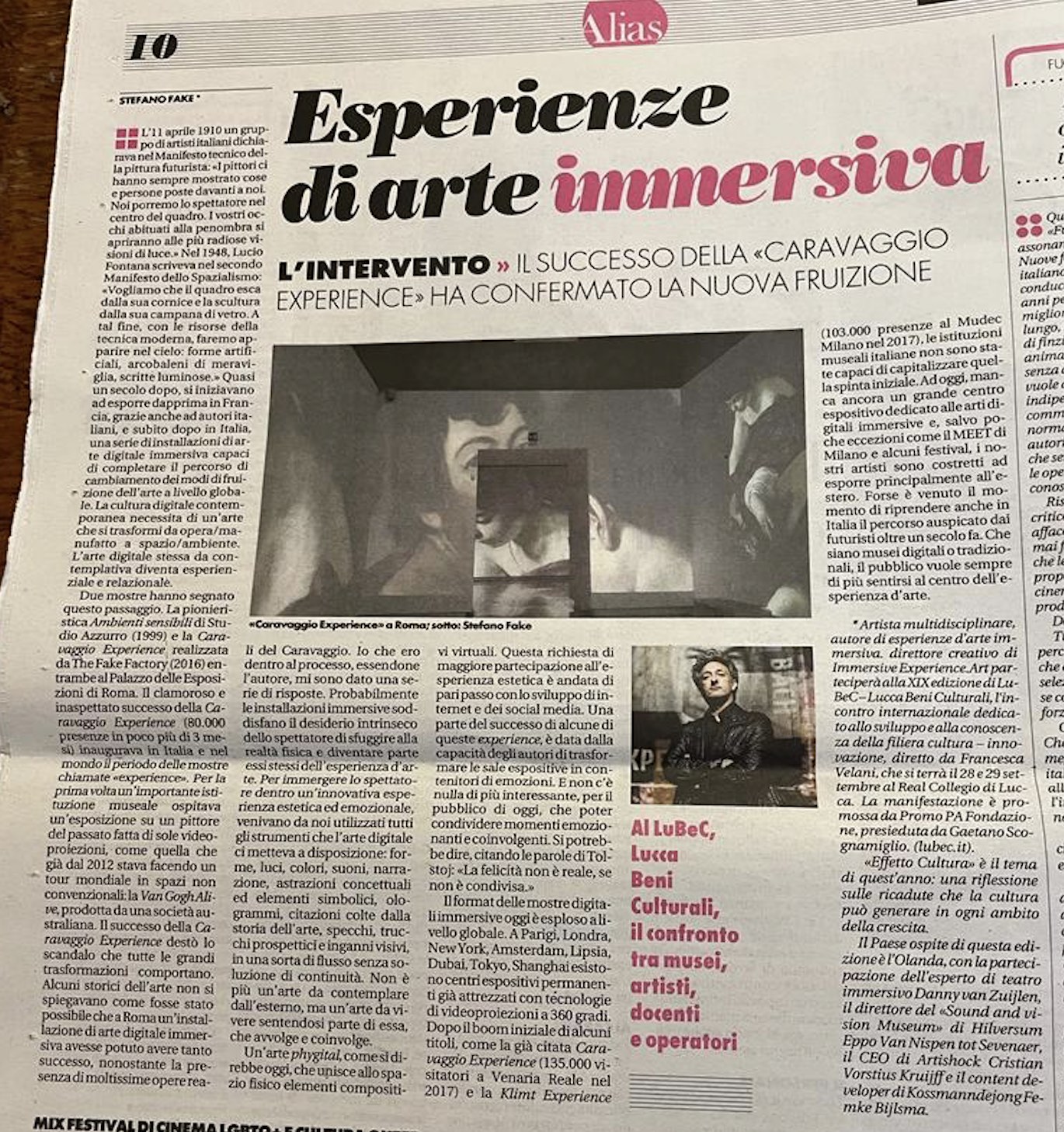
L’11 aprile 1910 un gruppo di artisti italiani dichiarava nel Manifesto tecnico della pittura futurista: “I pittori ci hanno sempre mostrato cose e persone poste davanti a noi. Noi porremo lo spettatore nel centro del quadro. I vostri occhi abituati alla penombra si apriranno alle più radiose visioni di luce.” Nel 1948, Lucio Fontana scriveva nel secondo Manifesto dello Spazialismo: “Vogliamo che il quadro esca dalla sua cornice e la scultura dalla sua campana di vetro. A tal fine, con le risorse della tecnica moderna, faremo apparire nel cielo: forme artificiali, arcobaleni di meraviglia, scritte luminose.” Quasi un secolo dopo, si iniziavano ad esporre dapprima in Francia, grazie anche ad autori italiani, e subito dopo in Italia, una serie di installazioni di arte digitale immersiva capaci di completare il percorso di cambiamento dei modi di fruizione dell’arte a livello globale. La cultura digitale contemporanea necessita di un’arte che si trasformi da opera/manufatto a spazio/ambiente. L’arte digitale stessa da contemplativa diventa principalmente esperenziale e relazionale.
Ci sono due mostre che hanno segnato questo passaggio. La pionieristica “Ambienti sensibili” di Studio Azzurro (1999) e la Caravaggio Experience realizzata da The Fake Factory (2016) entrambe al Palazzo delle Esposizioni di Roma. Il clamoroso e inaspettato successo della Caravaggio Experience (80.000 presenze in poco più di 3 mesi) inaugurava in Italia e nel mondo il periodo delle mostre chiamate “experience”. Per la prima volta un’importante istituzione museale ospitava un’esposizione su un pittore del passato fatta di sole videoproiezioni, come quella che già dal 2012 stava facendo un tour mondiale in spazi non convenzionali: la Van Gogh Alive prodotta da una società australiana. Il successo della Caravaggio Experience destò lo scandalo che tutte le grandi trasformazioni comportano. Alcuni storici dell’arte non si spiegavano come fosse stato possibile che a Roma, nonostante la presenza di moltissime opere reali del Caravaggio, avesse potuto avere tanto successo un’installazione di arte digitale immersiva. Io che ero dentro al processo, essendone l’autore, mi sono dato una serie di risposte. Probabilmente le installazioni immersive soddisfano il desiderio intrinseco dello spettatore di sfuggire alla realtà fisica e diventare parte essi stessi dell’esperienza d’arte. Per immergere lo spettatore dentro un’innovativa esperienza estetica ed emozionale, venivano da noi utilizzati tutti gli strumenti che l’arte digitale ci metteva a disposizione: forme, luci, colori, suoni, narrazione, astrazioni concettuali ed elementi simbolici, ologrammi, citazioni colte dalla storia dell’arte, specchi, trucchi prospettici e inganni visivi, in una sorta di flusso senza soluzione di continuità. Non è più un’arte da guardare e contemplare dall’esterno, ma un’arte da vivere sentendosi parte di essa, che avvolge e coinvolge.
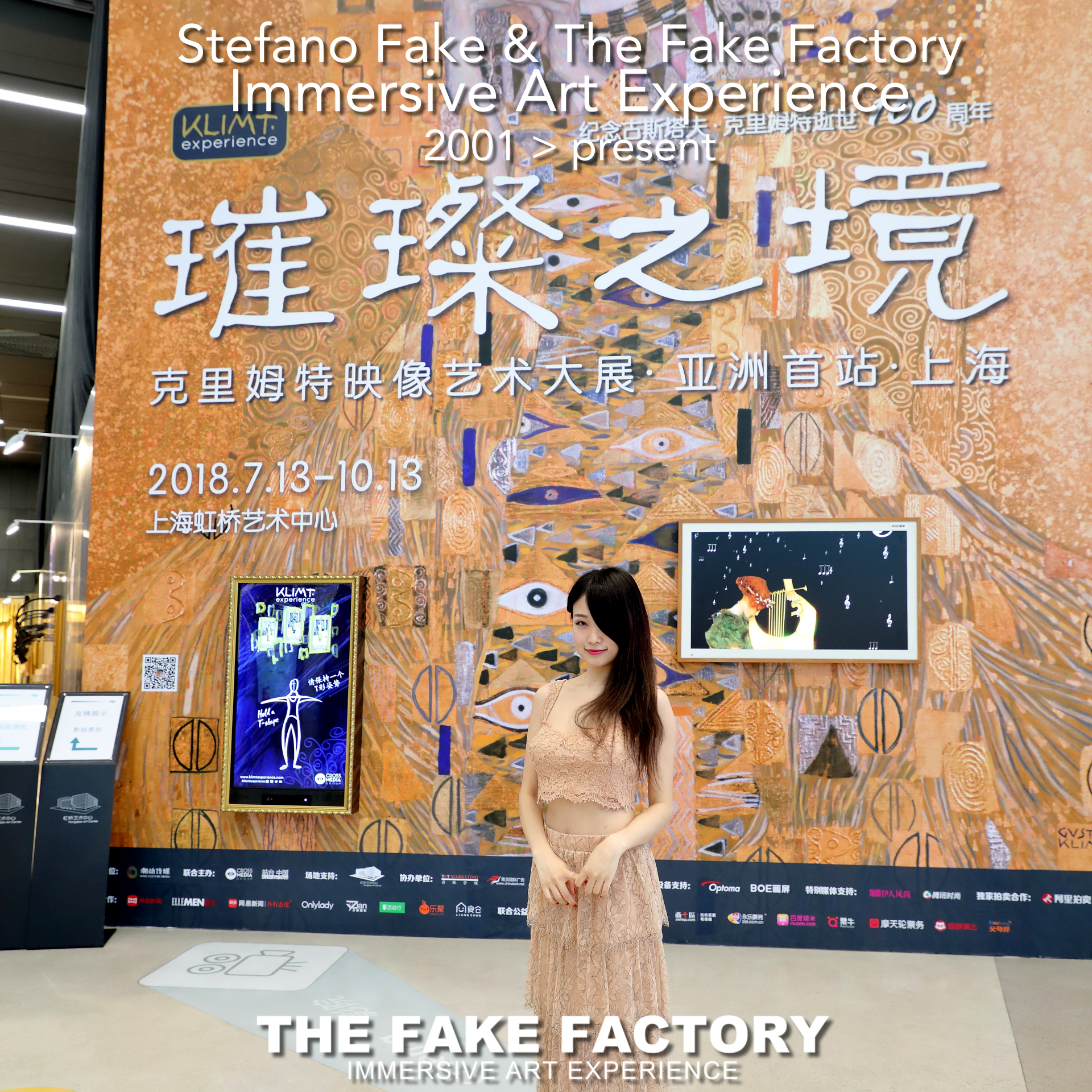
Un’arte phygital, come si direbbe oggi, che unisce allo spazio fisico elementi compositivi virtuali. Questa richiesta di maggiore partecipazione all’esperienza estetica è andata di pari passo con lo sviluppo di internet e dei social media. Una parte del successo di alcune di queste experience, è data dalla capacità degli autori di trasformare le sale espositive in contenitori di emozioni. E non c’è nulla di più interessante, per il pubblico di oggi, che poter condividere momenti emozionanti e coinvolgenti. Si potrebbe dire, citando le parole di Tolstoj: “La felicità non è reale, se non è condivisa.” Nate principalmente in Francia, Italia e Giappone, il format delle mostre digitali immersive è oggi esploso a livello globale. A Parigi, Londra, New York, Amsterdam, Lipsia, Dubai, Tokyo, Shanghai esistono centri espositivi permanenti già attrezzati con tecnologie di videoproiezioni a 360 gradi. Dopo il boom iniziale di alcuni titoli di incredibile richiamo come la già citata Caravaggio Experience (135.000 visitatori a Venaria Reale nel 2017) e la Klimt Experience (103.000 presenze al Mudec Milano nel 2017), le istituzioni museali italiane non sono state capaci di capitalizzare quella spinta iniziale. Ad oggi, manca ancora un grande centro espositivo dedicato alle arti digitali immersive e, salvo poche eccezioni come il MEET di Milano e alcuni festival, i nostri artisti pur rappresentando l’avanguardia a livello mondiale, sono costretti ad esporre principalmente all’estero. Forse è venuto il momento di riprendere anche in Italia il percorso auspicato dai futuristi oltre un secolo fa. Che siano musei digitali o tradizionali, il pubblico vuole sempre di più sentirsi al centro dell’esperienza d’arte.
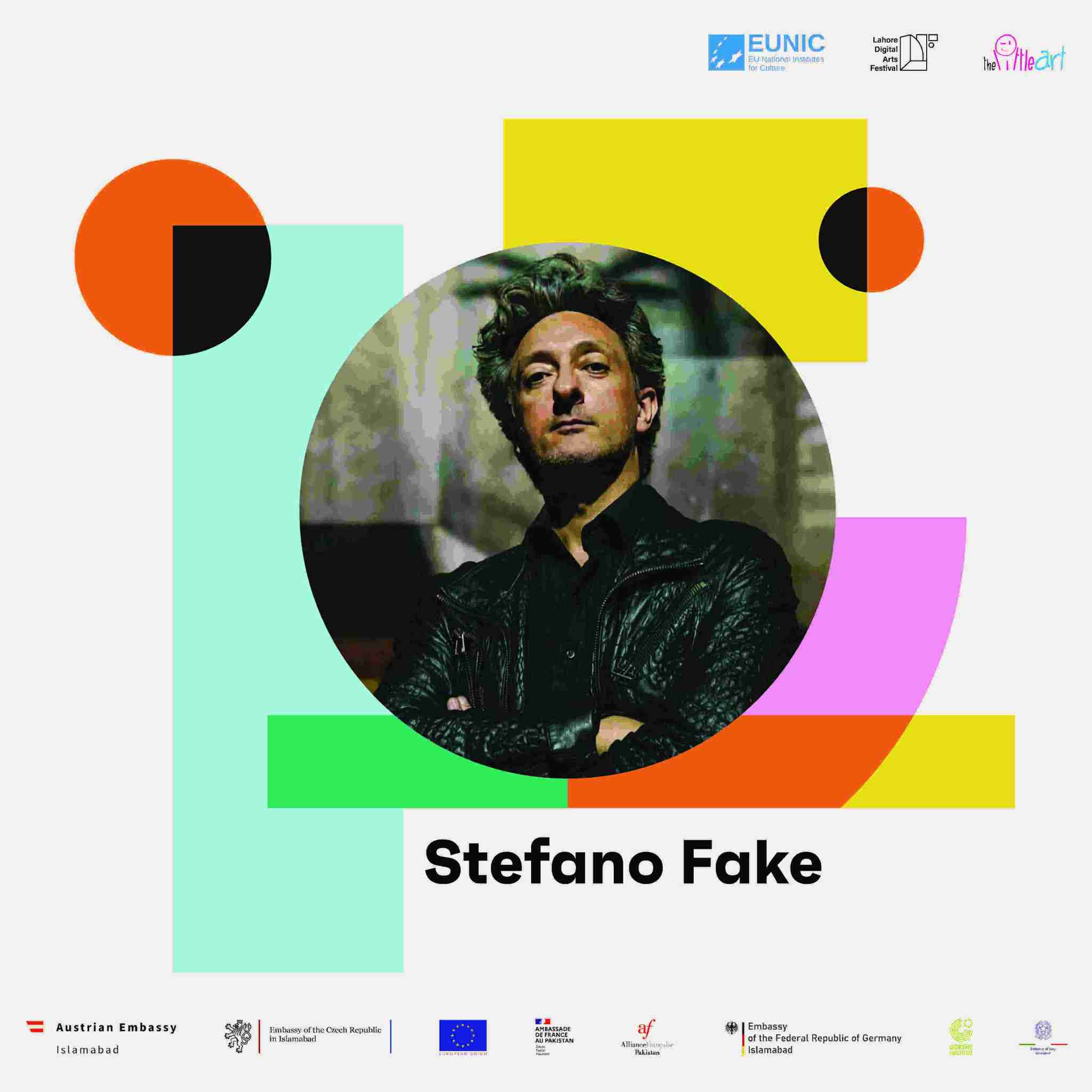
4days festival is a curated space designed to spotlight exceptional digital artworks and foster collaborations that transcend geographical limits. Get ready for thought-provoking inquiries, stimulating dialogues, and a collective contemplation of the collaborative journey within this realm. This festival is organized by Lahore Digital Arts Festival and Implemented by The Little Art.
The path of Four days will take you on a journey around Lahore’s diverse art scene. Witness the skill and magic of the digital arts in a variety of venues from historical venues to up and coming art galleries, from educational institutes to multi-use spaces.
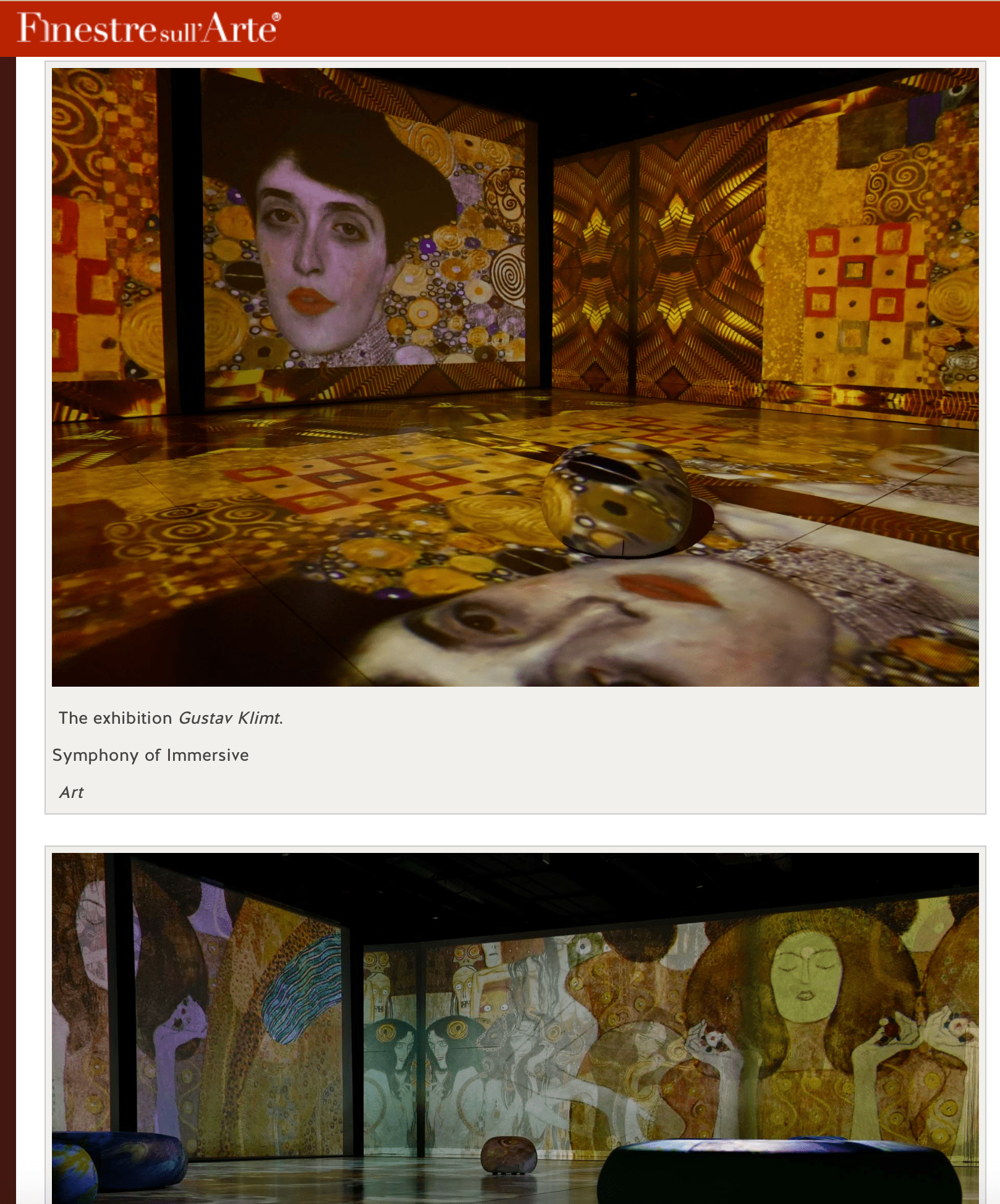
Interview with Stefano Fomasi, aka Stefano Fake, who has created over 70 immersive exhibitions in the past 15 years (the most recent, “Gustav Klimt. Symphony of Immersive Art,” opening in Gorizia on Nov. 26, 2022) who explains what immersive exhibitions are and what differentiates them from traditional ones.
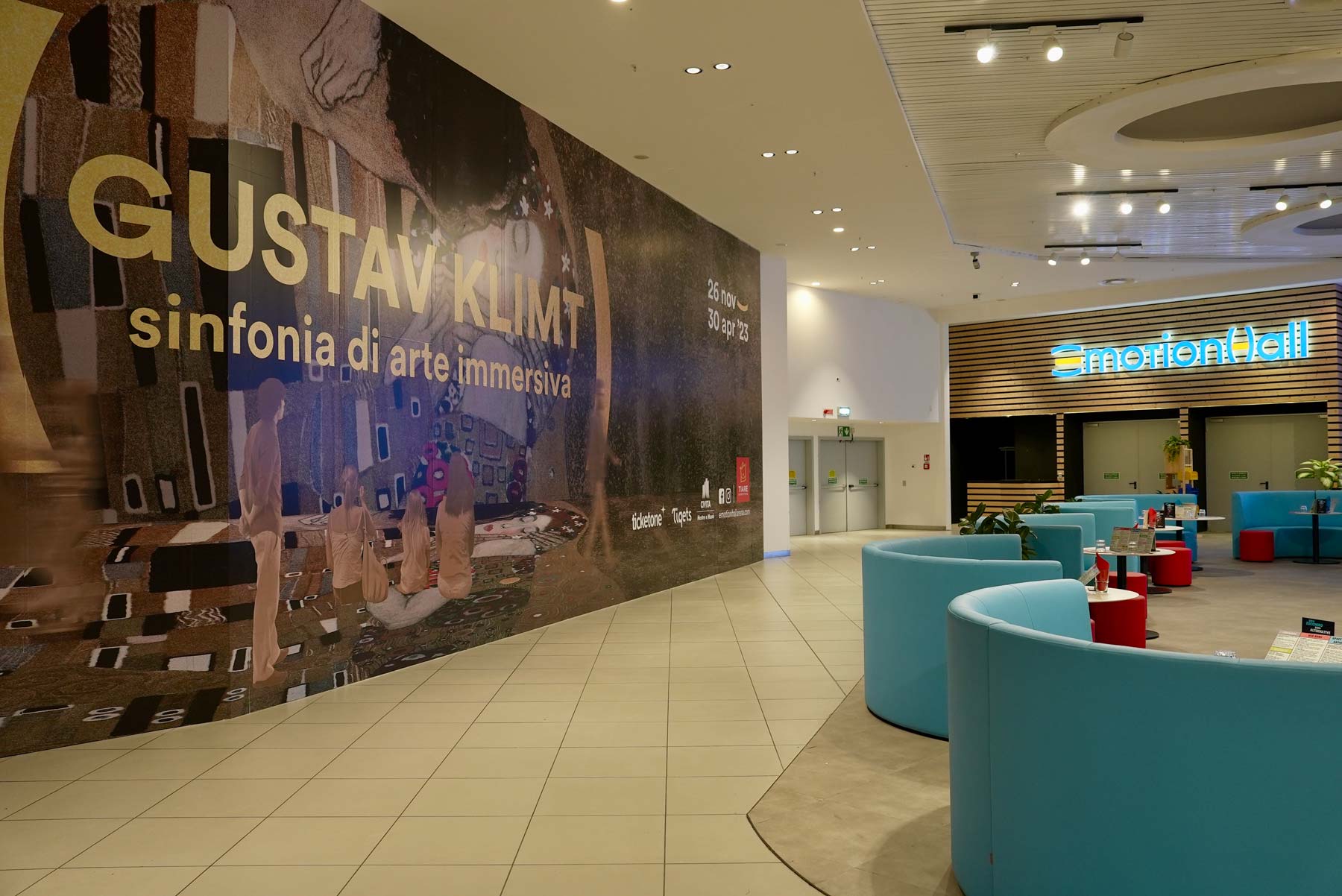
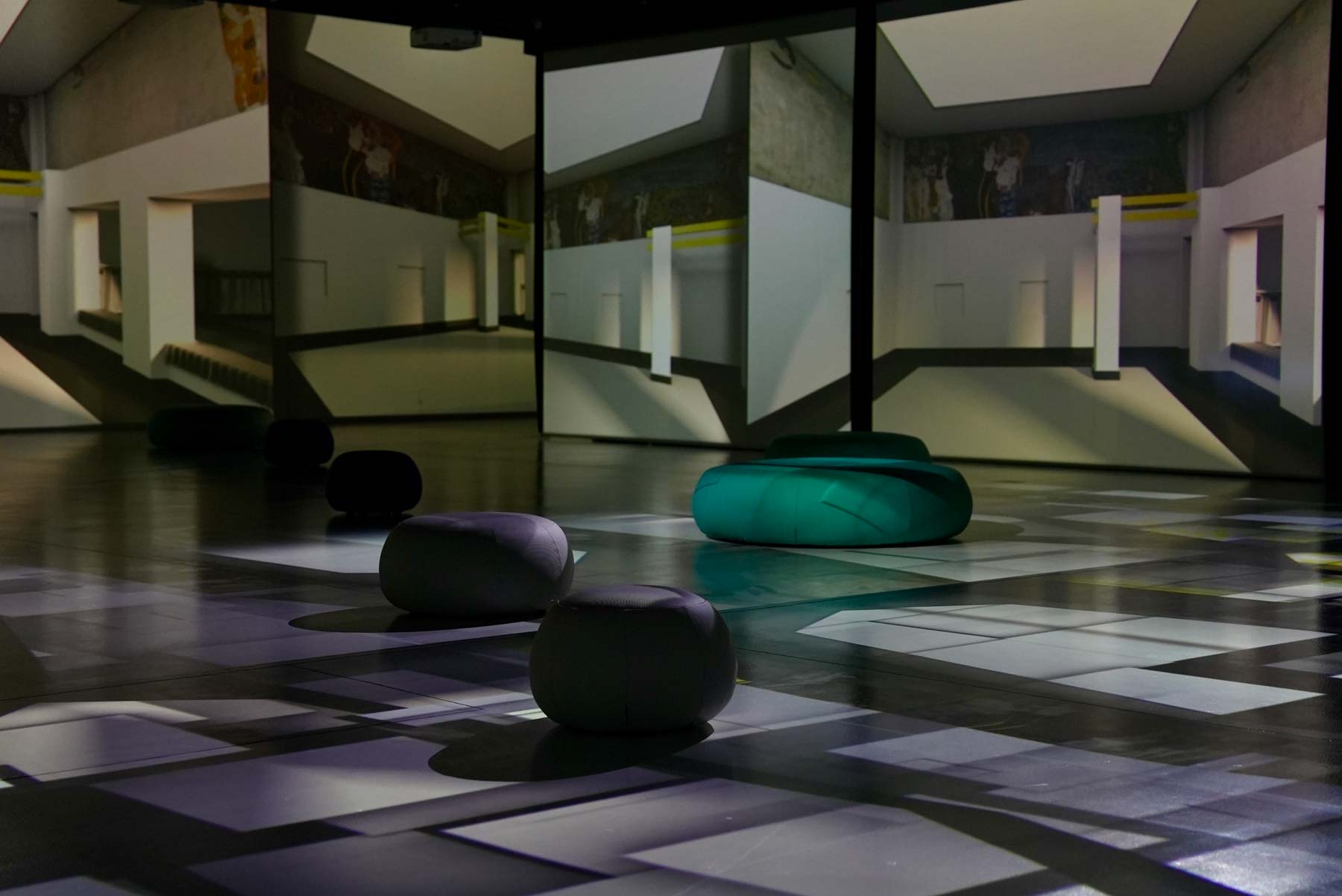
It opened on Nov. 26, 2022 at the EmotionHall in Gorizia, Italy’s first permanent immersive arena, part of a shopping mall, the immersive, multisensory exhibition Gustav Klimt. Symphony of Immersive Art dedicated to the master of the Viennese Secession. We asked a few questions to Stefano Fomasi, aka Stefano Fake, who was in charge of directing the project, about how an immersive exhibition is made and what elements most excite the audience, the role of sound to accompany the images, and what the innovative element of this multisensory show dedicated to Klimt consists of. It will be on view until April 30, 2023. The interview is by Ilaria Baratta.
IB. EmotionHall is Italy’s first permanent immersive arena about 2,000 square meters large modular and interactive. Gustav Klimt. Symphony of Immersive Art is therefore set in a place created specifically to host immersive exhibitions. How important do you think, then, is the space in which an immersive exhibition is held?
SF. Immersive art experiences are characterized by being built with five elements that must have the same balance in the final result: space, light, audiovisual dramaturgy, music and, last but not least, the presence of the viewers. We call them “containers of emotions.” So the arrangement of the environment is crucial to create a path for the audience to enter and experience art firsthand. When we designed EmotionHall in 2019, opening with my Van Gogh Immersive Art Experience, we started precisely from the study of the space, with different areas dedicated to different and modular installations. The public has always wanted to be surprised and amazed, not just educated. The museums of the future will necessarily have to be more engaging and tell stories with different languages, to stimulate the public intellectually but also sensory.
In Gustav Klimt. Symphony of Immersive Art ,will the visitor find himself immersed only in Klimt’s so-called iconic works or also in lesser-known ones or in images not so closely related to the artist?
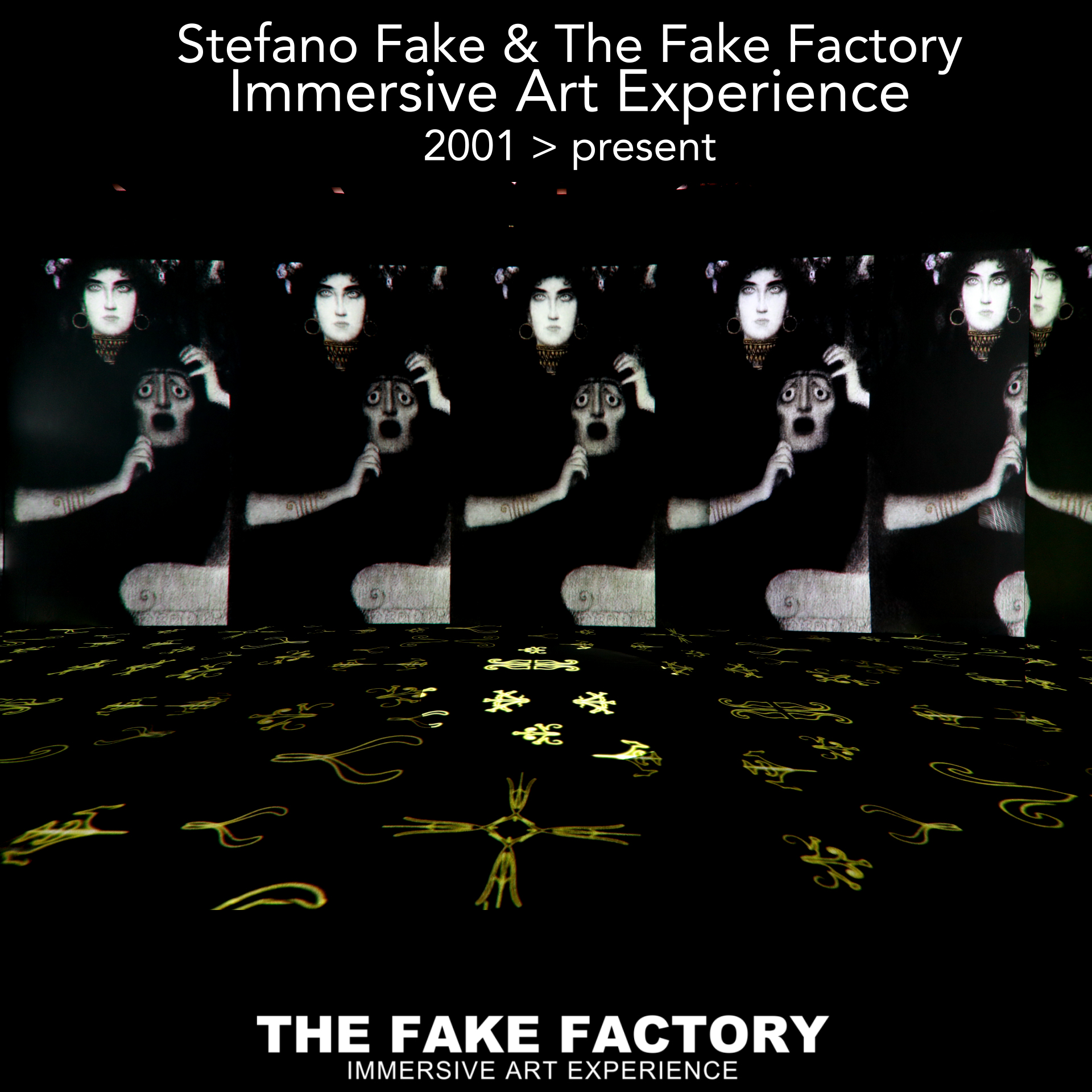
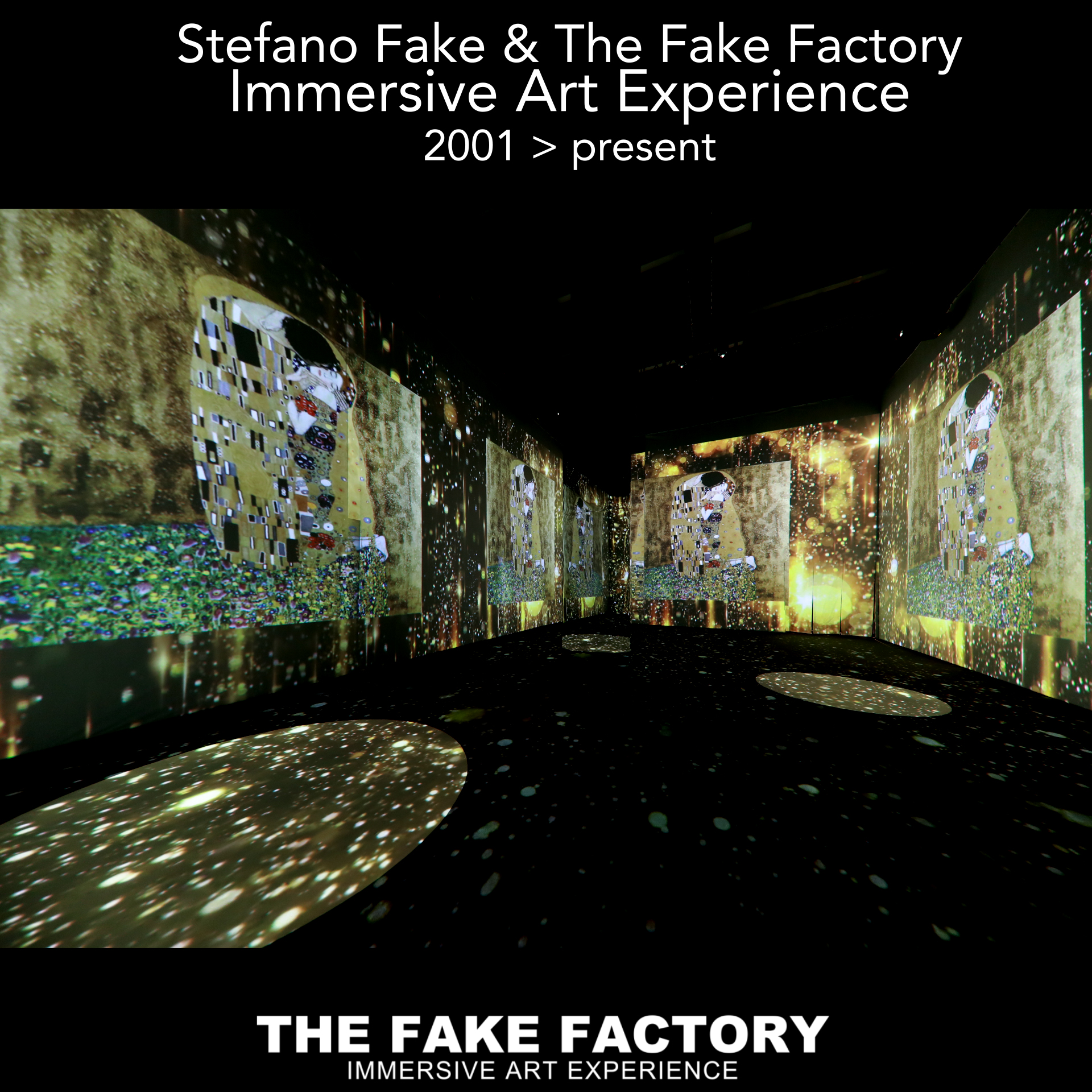
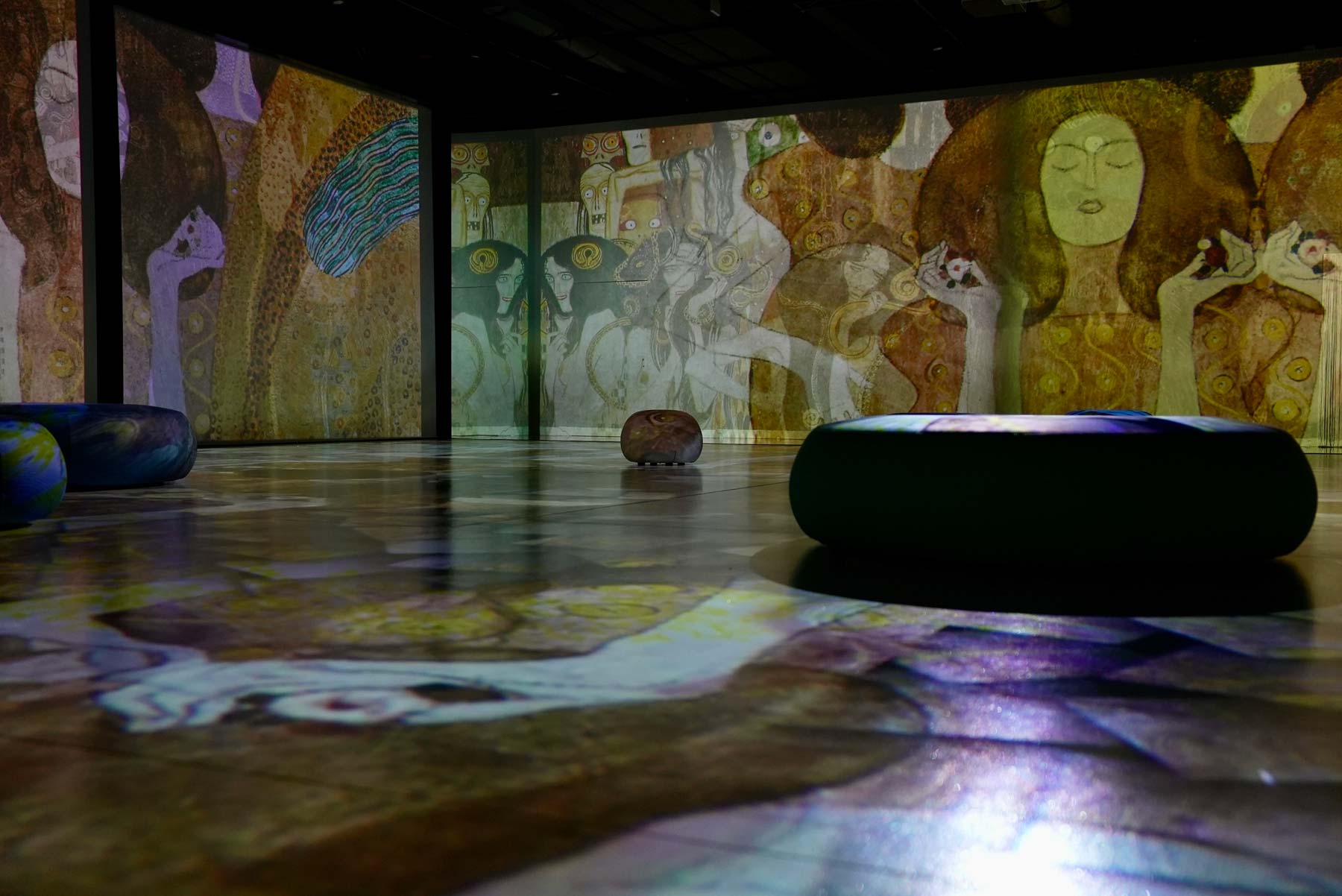
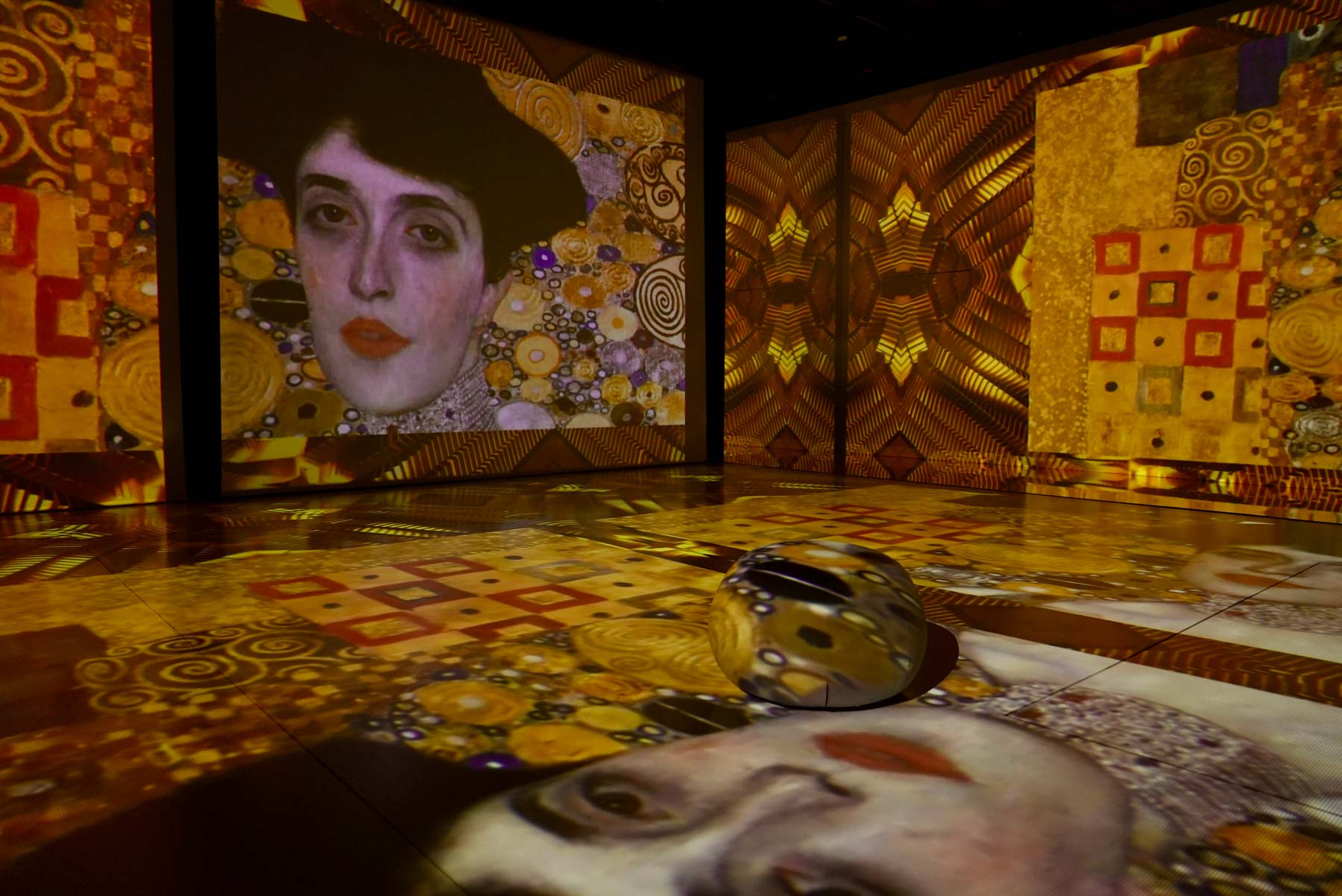
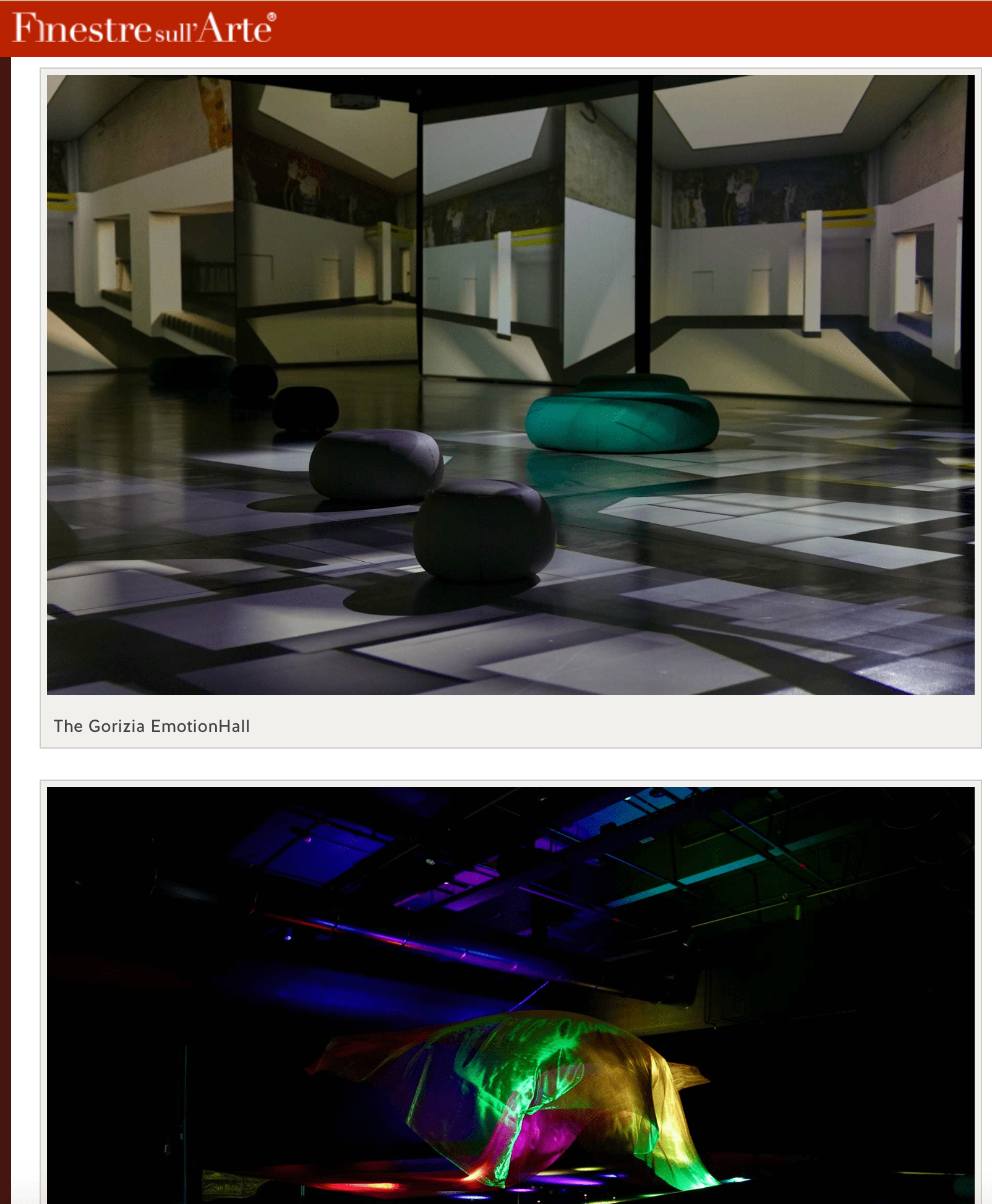
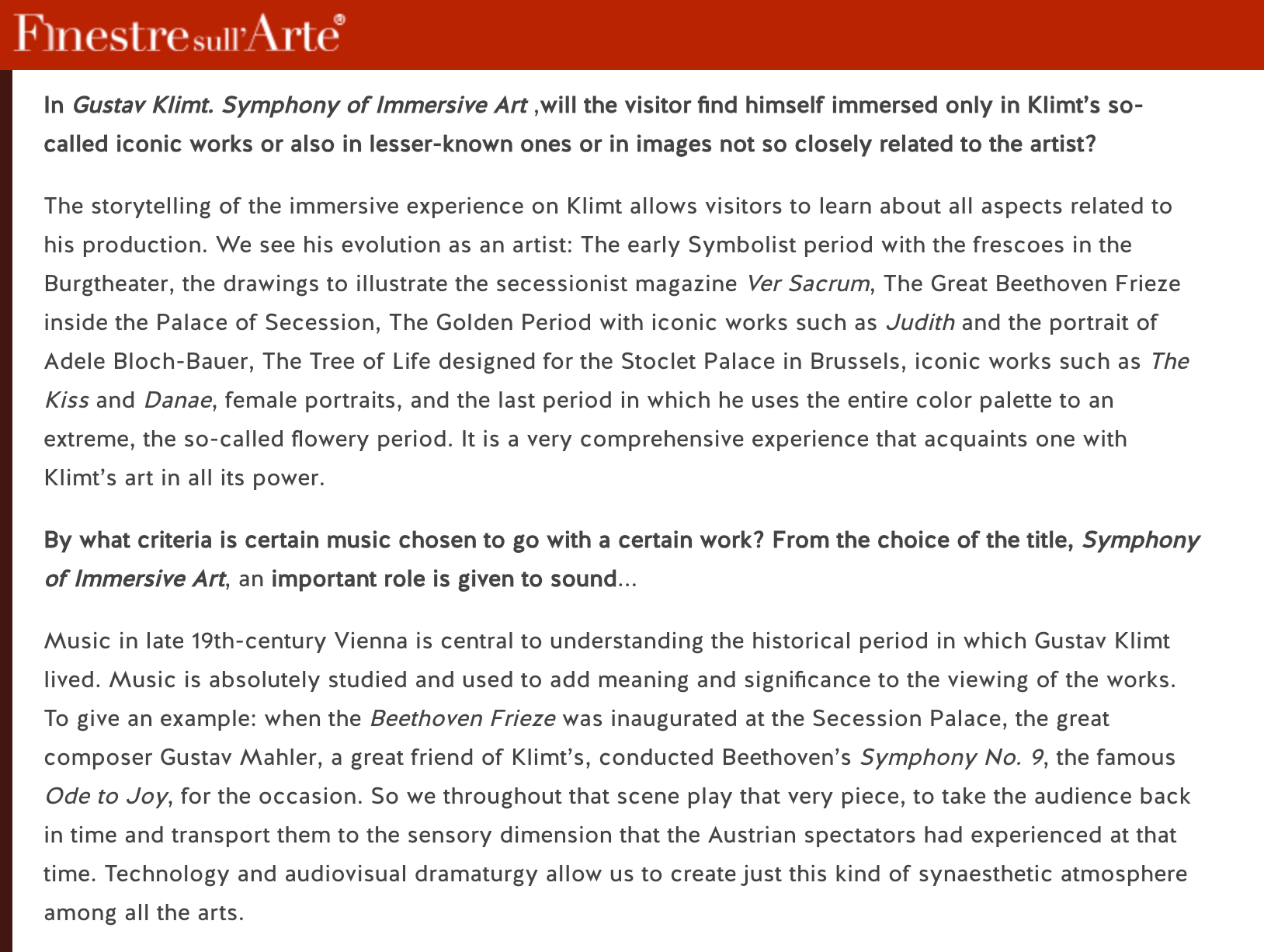
The storytelling of the immersive experience on Klimt allows visitors to learn about all aspects related to his production. We see his evolution as an artist: The early Symbolist period with the frescoes in the Burgtheater, the drawings to illustrate the secessionist magazine Ver Sacrum, The Great Beethoven Frieze inside the Palace of Secession, The Golden Period with iconic works such as Judith and the portrait of Adele Bloch-Bauer, The Tree of Life designed for the Stoclet Palace in Brussels, iconic works such as The Kiss and Danae, female portraits, and the last period in which he uses the entire color palette to an extreme, the so-called flowery period. It is a very comprehensive experience that acquaints one with Klimt’s art in all its power.
By what criteria is certain music chosen to go with a certain work? From the choice of the title, Symphony of Immersive Art, an important role is given to sound…
Music in late 19th-century Vienna is central to understanding the historical period in which Gustav Klimt lived. Music is absolutely studied and used to add meaning and significance to the viewing of the works. To give an example: when the Beethoven Frieze was inaugurated at the Secession Palace, the great composer Gustav Mahler, a great friend of Klimt’s, conducted Beethoven’s Symphony No. 9, the famous Ode to Joy, for the occasion. So we throughout that scene play that very piece, to take the audience back in time and transport them to the sensory dimension that the Austrian spectators had experienced at that time. Technology and audiovisual dramaturgy allow us to create just this kind of synaesthetic atmosphere among all the arts.
What do you think is the goal of an immersive exhibition and what are the elements that most capture and excite the audience in this context?
As with all exhibitions, the fact of being able to create interest, knowledge, emotion and wonder applies. The goals are no different from traditional exhibitions, but we now-with the great global success of immersive art experiences-have helped shift the exhibition paradigm by putting the viewer’s experience at the center, to try to actively engage them in the discovery of art. It applies to both educated audiences and those approaching art for the first time.
EmotionHall is inserted in a shopping mall, a place frequented by all kinds of audiences and especially unconventional for an exhibition: so do you think an immersive exhibition is potentially more attended than an exhibition set up in a museum venue?
In the last fifteen years I have done more than seventy immersive exhibitions, all over the world and in different contexts. I must say that I have not noticed much difference in audience attendance. The important thing is to keep the quality level of the exhibitions high. This one of Klimt at EmotionHall could easily be hosted at the Palazzo delle Esposizioni in Rome, where I did Caravaggio Experience in 2016 with more than 75,000 viewers. The trend of placing art in “unusual” contexts is driven by the need for people and families to experience and share meaningful moments, and there is nothing more meaningful than the discovery of culture and art. It is an unstoppable global trend. Think of Las Vegas or Dubai, which 20 years ago were just entertainment centers. Today they offer concerts, exhibitions and art installations of the highest caliber. Offering only shopping and entertainment is no longer enough, because people are also looking for more. Seeing people of all ages get excited inside our installations is the best way to understand that we are on the right track in engaging unconventional audiences who are approaching art for the first time.
How long does the immersive experience last and what does the interactivity consist of?
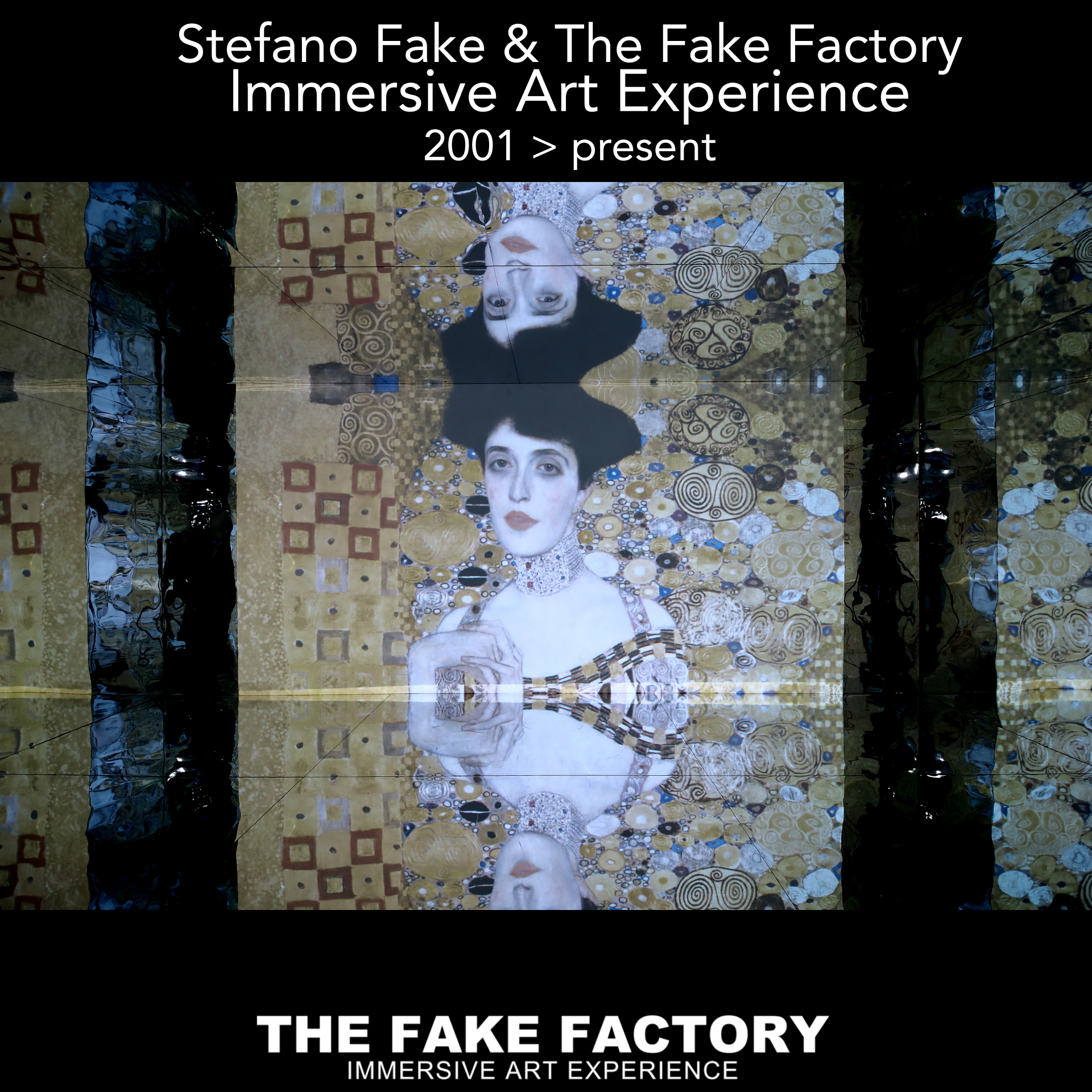
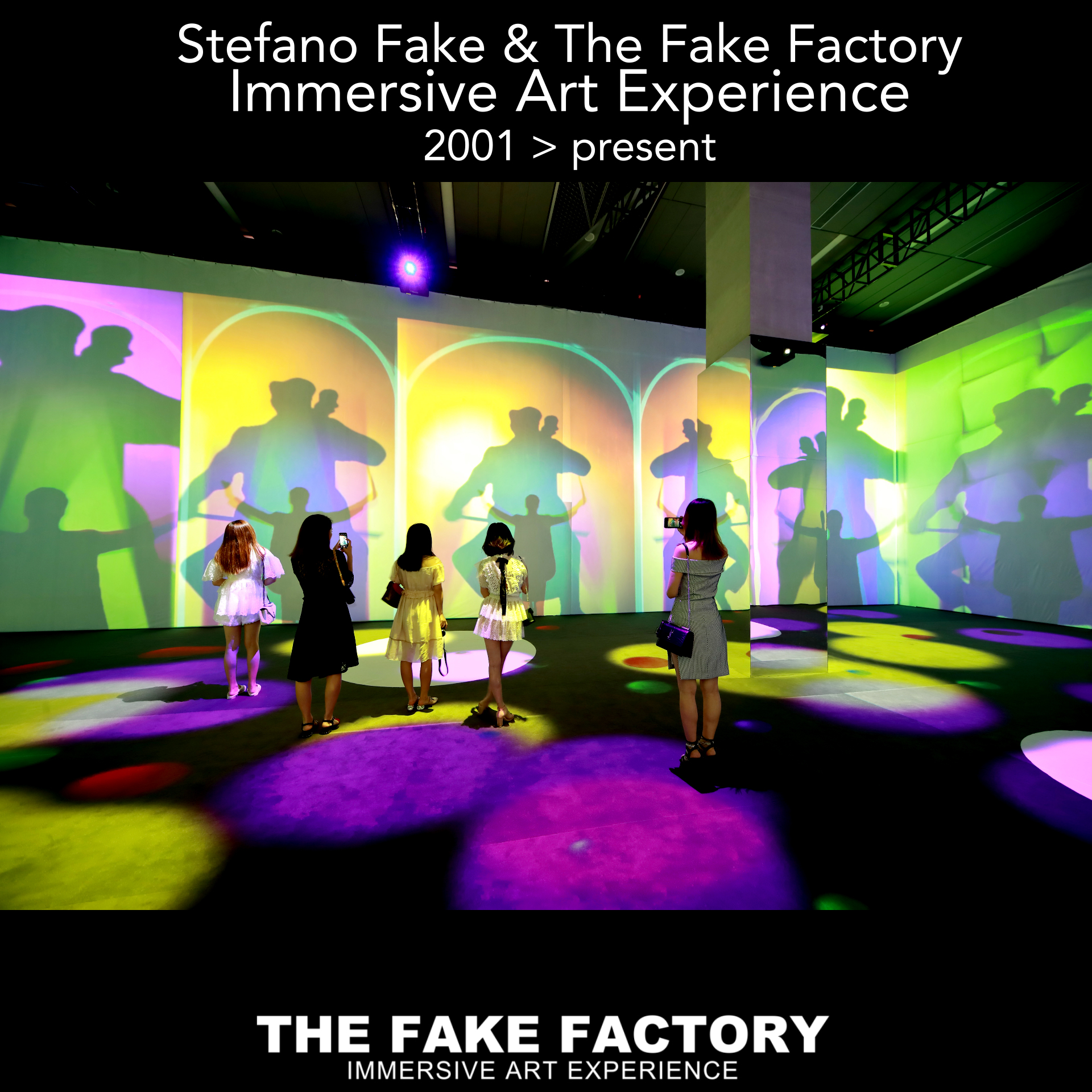
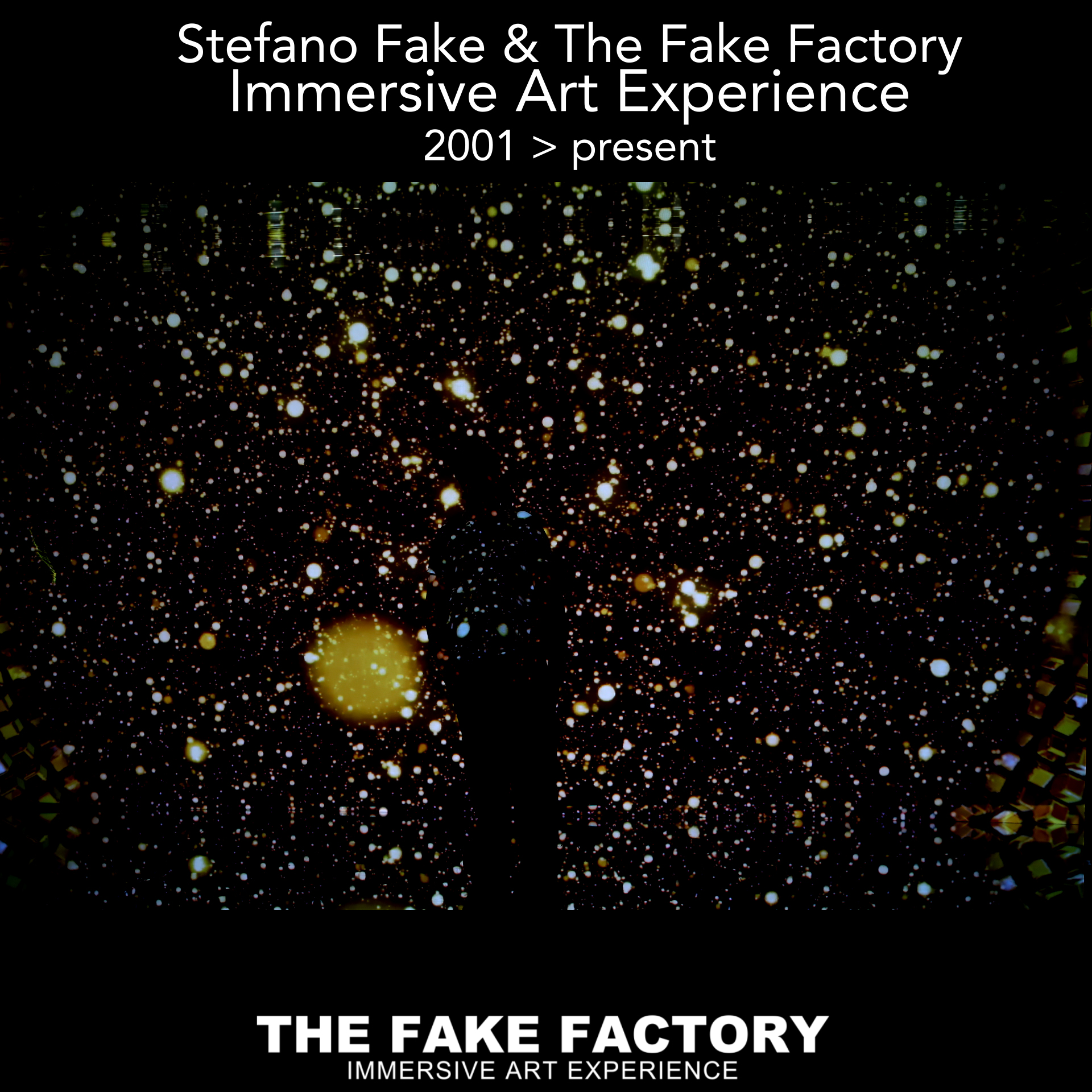
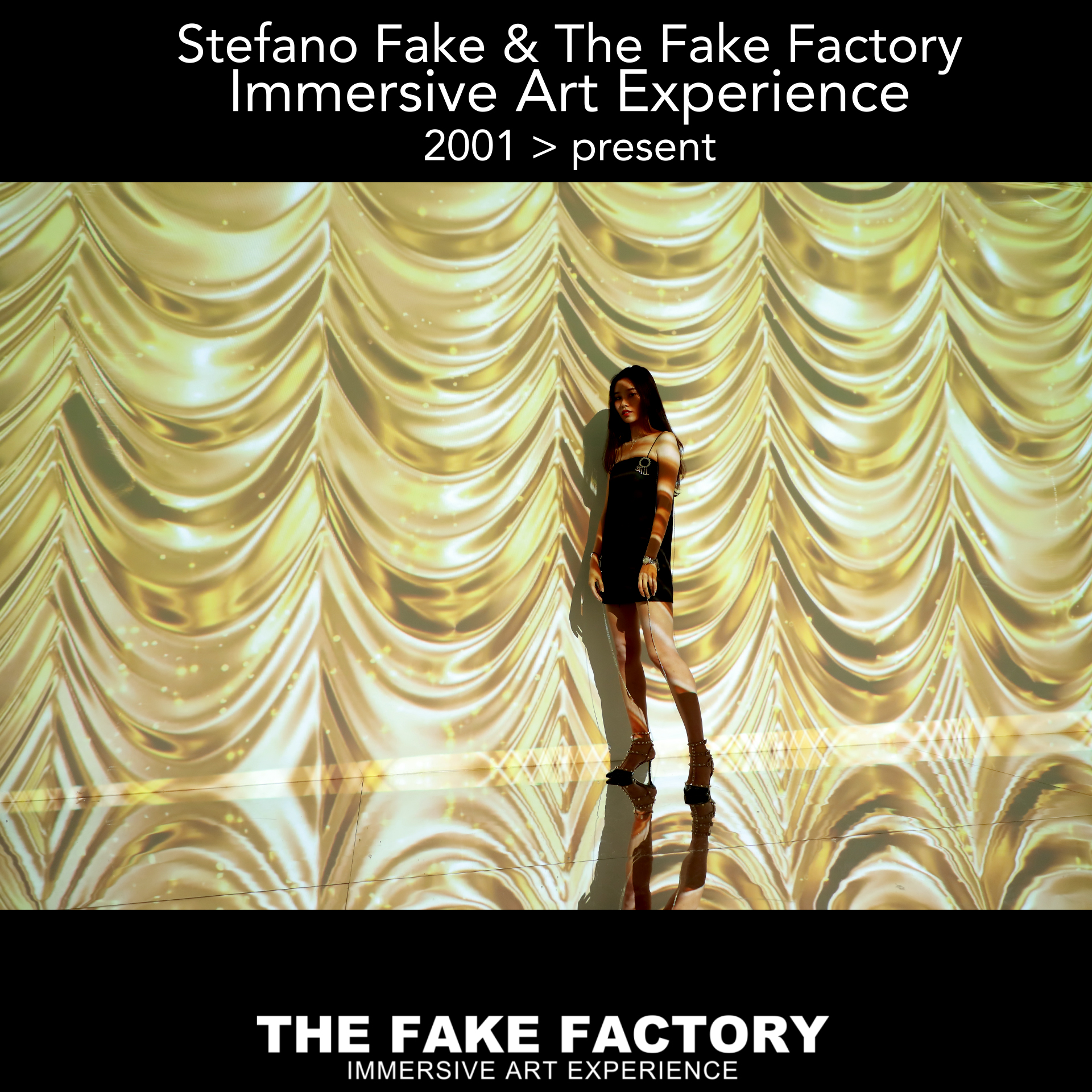
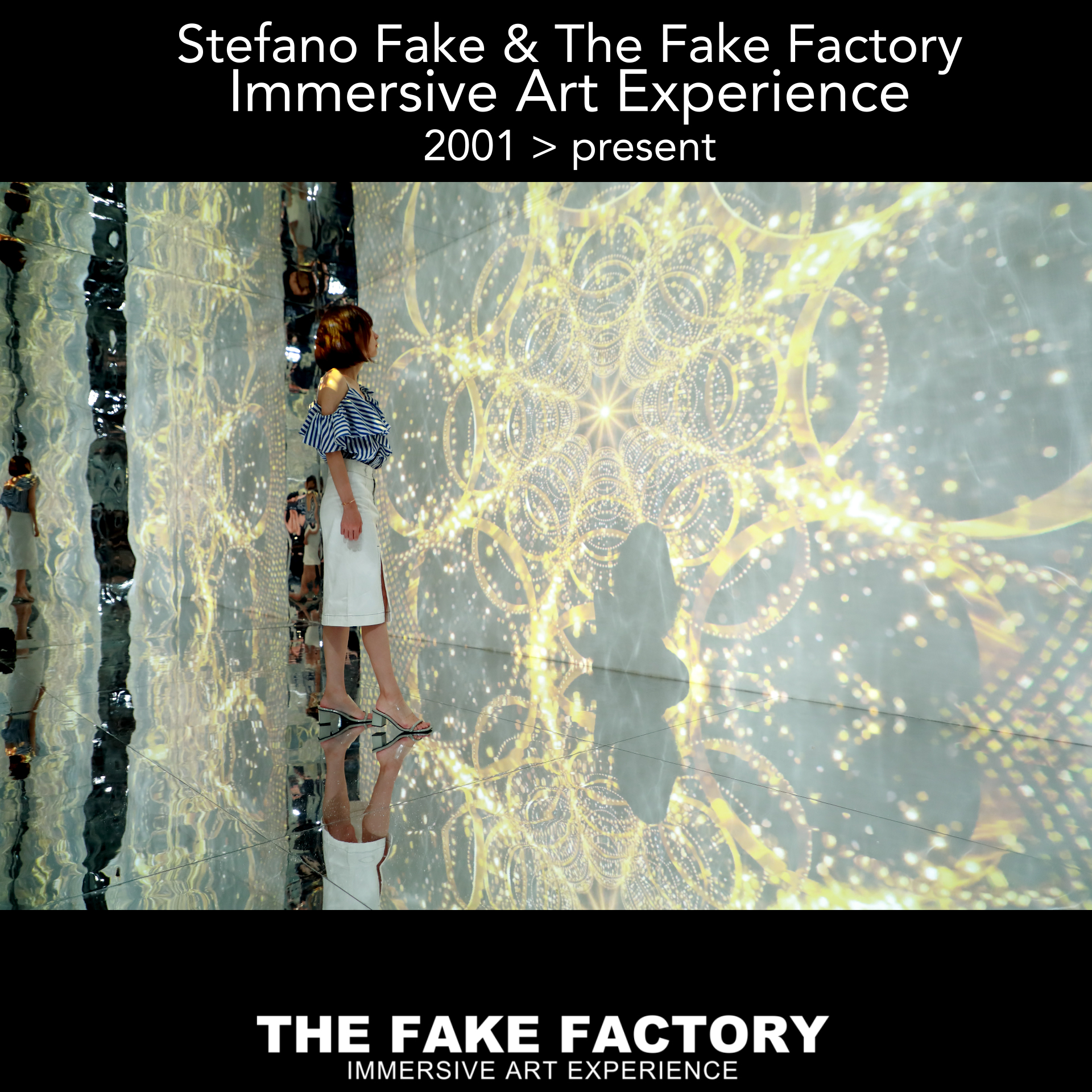
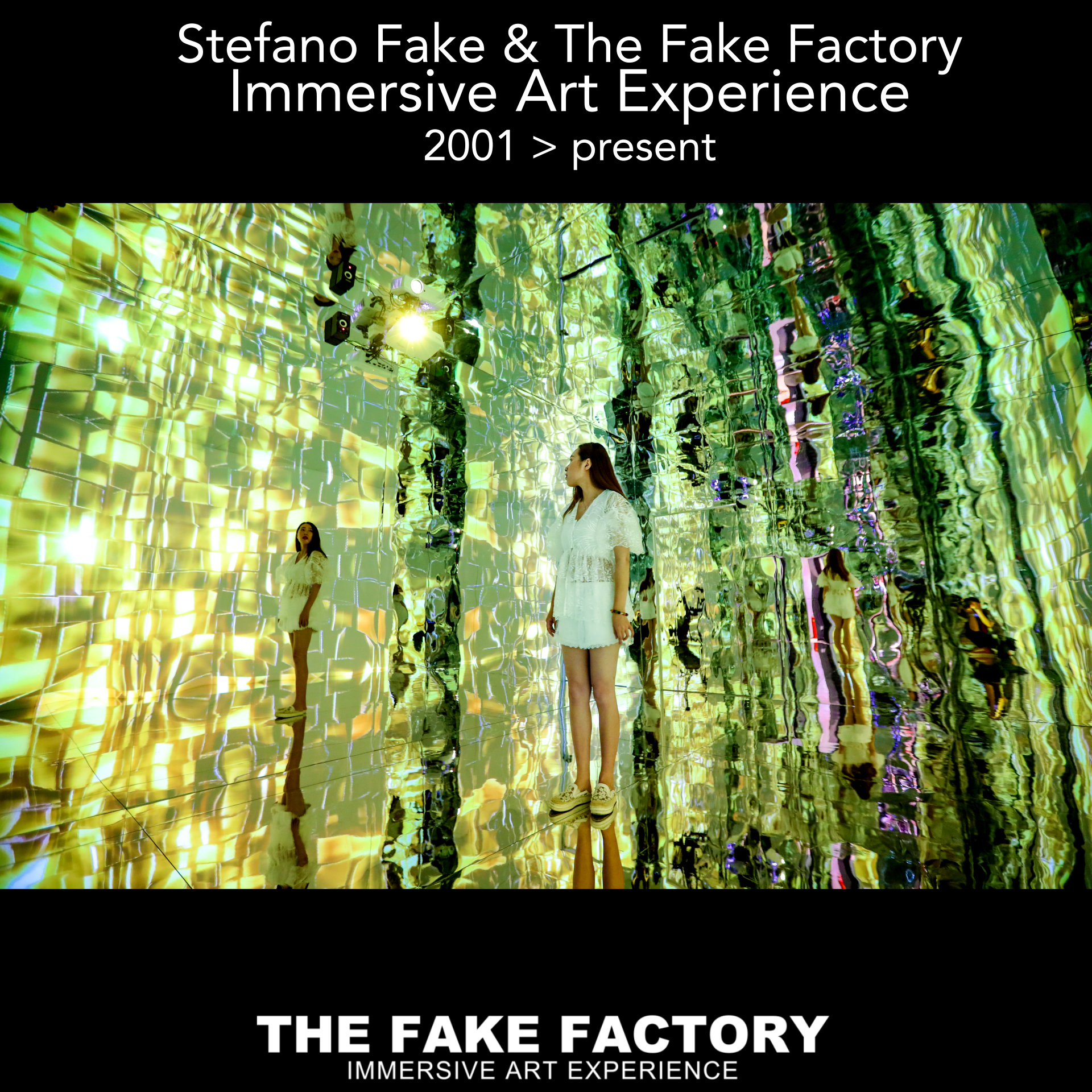
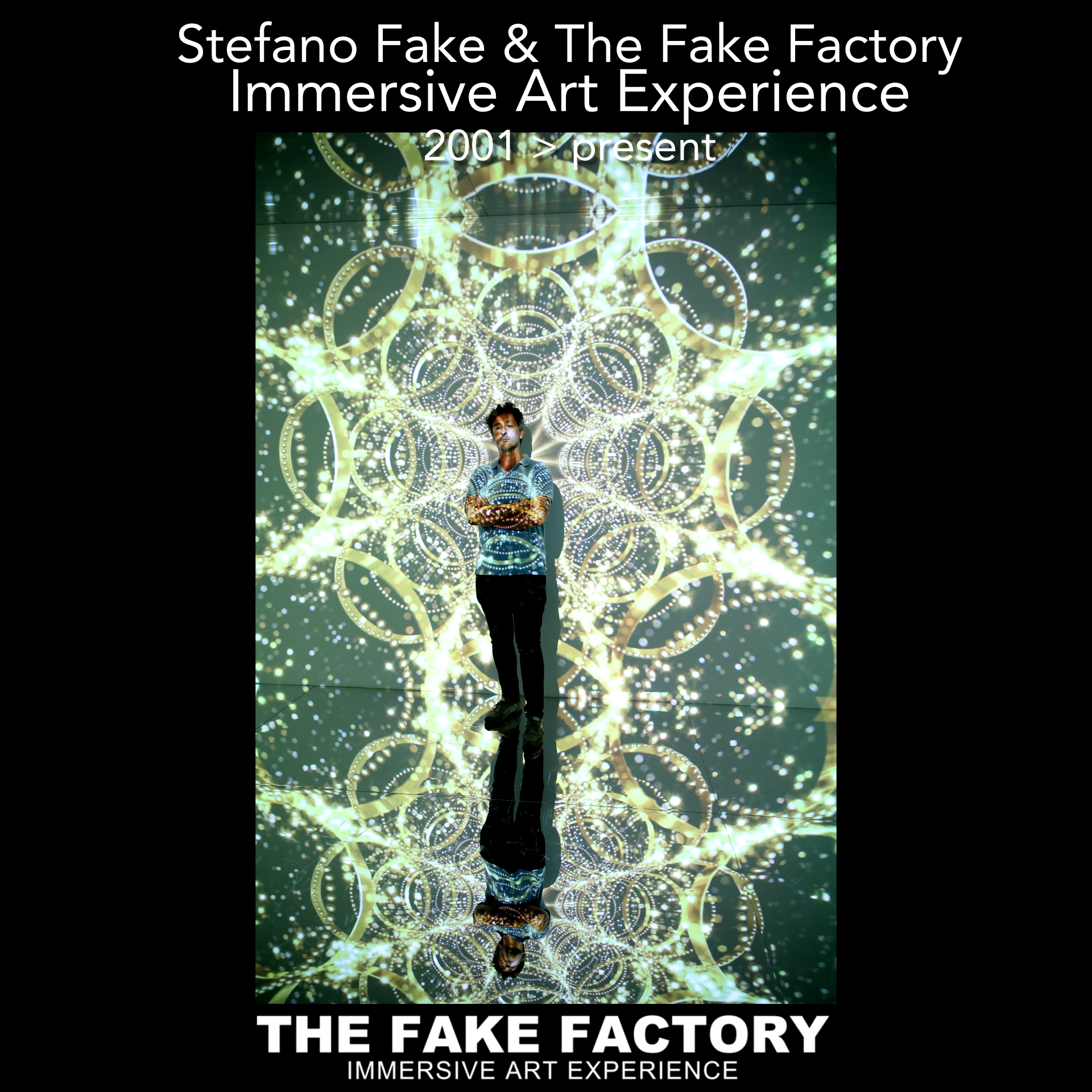
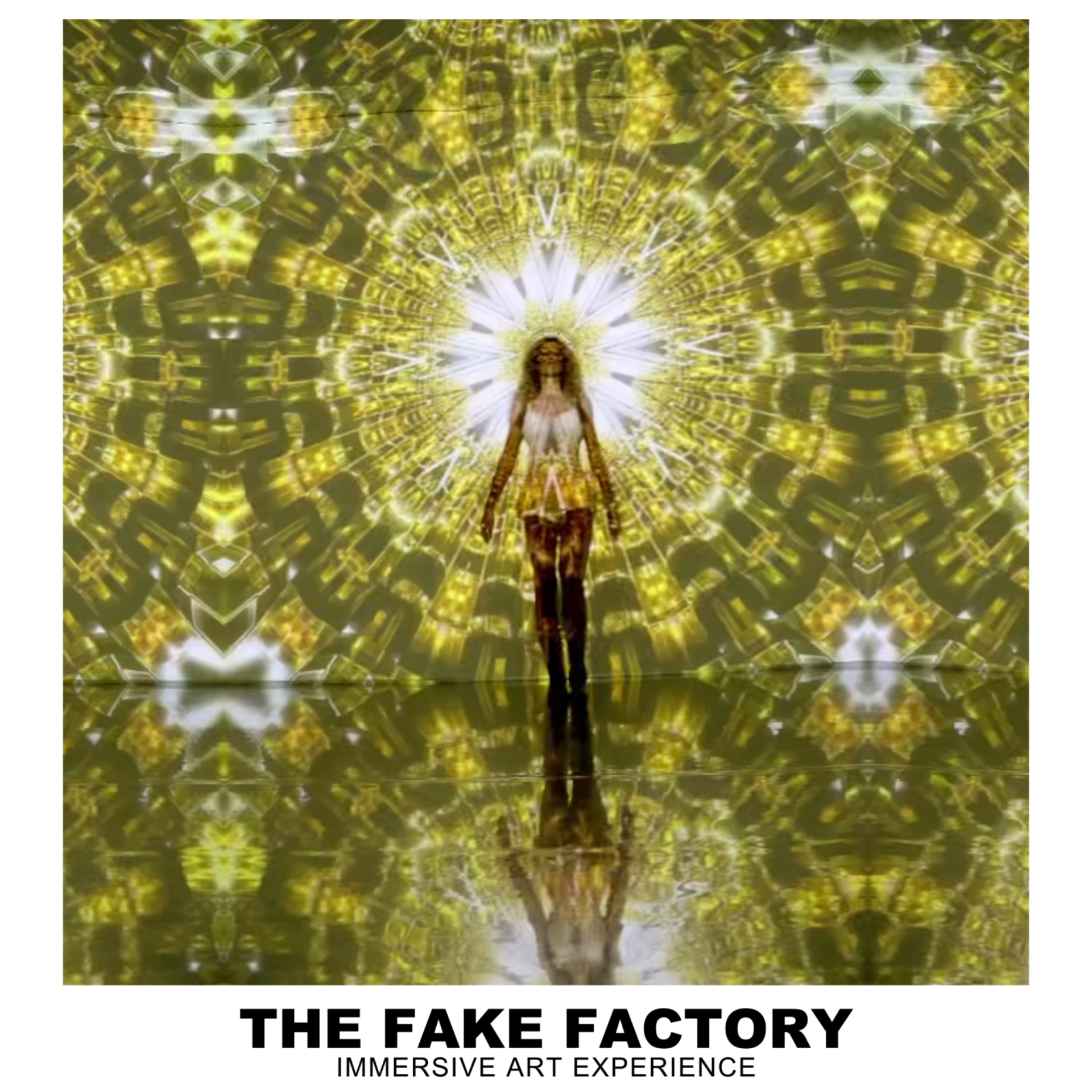
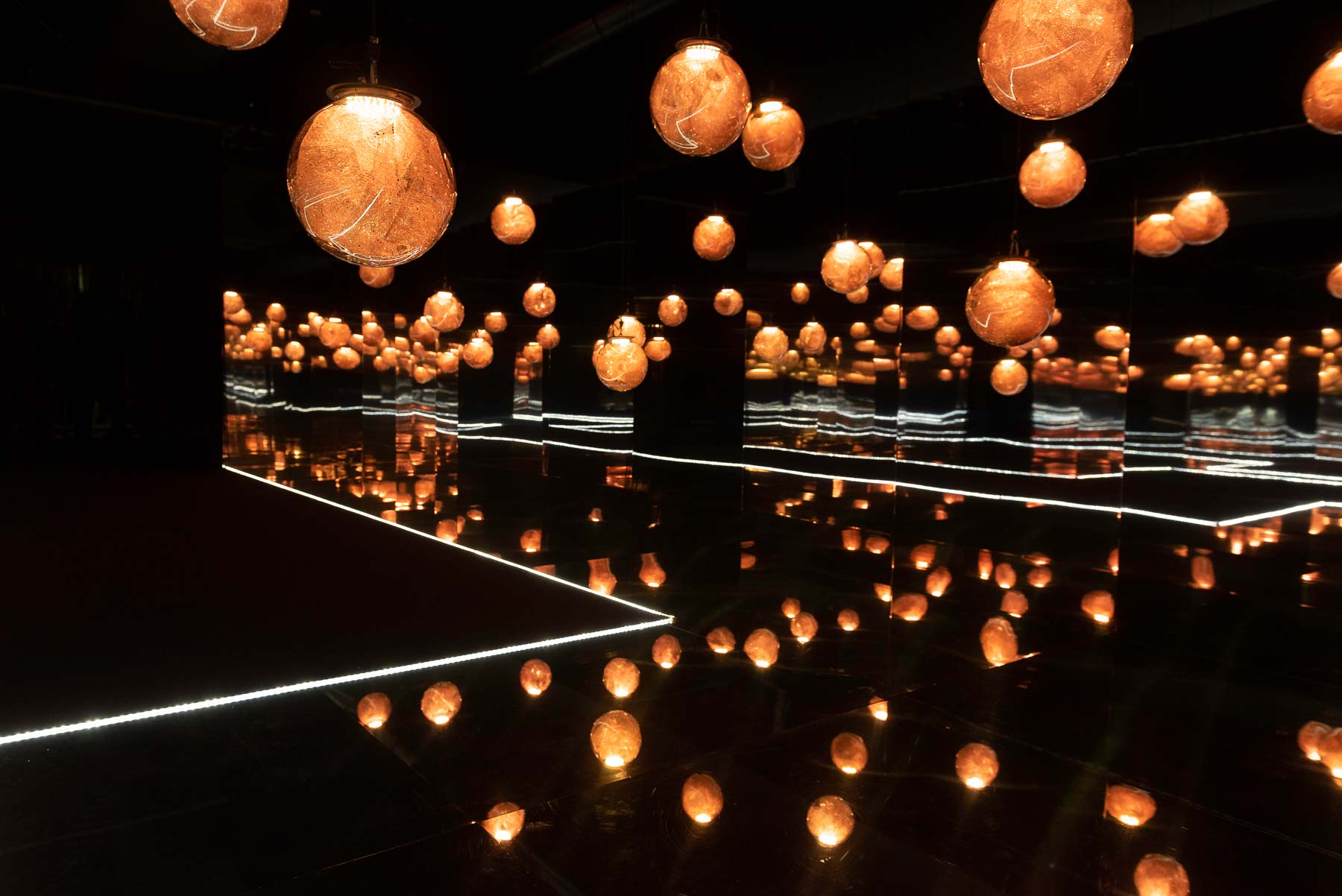
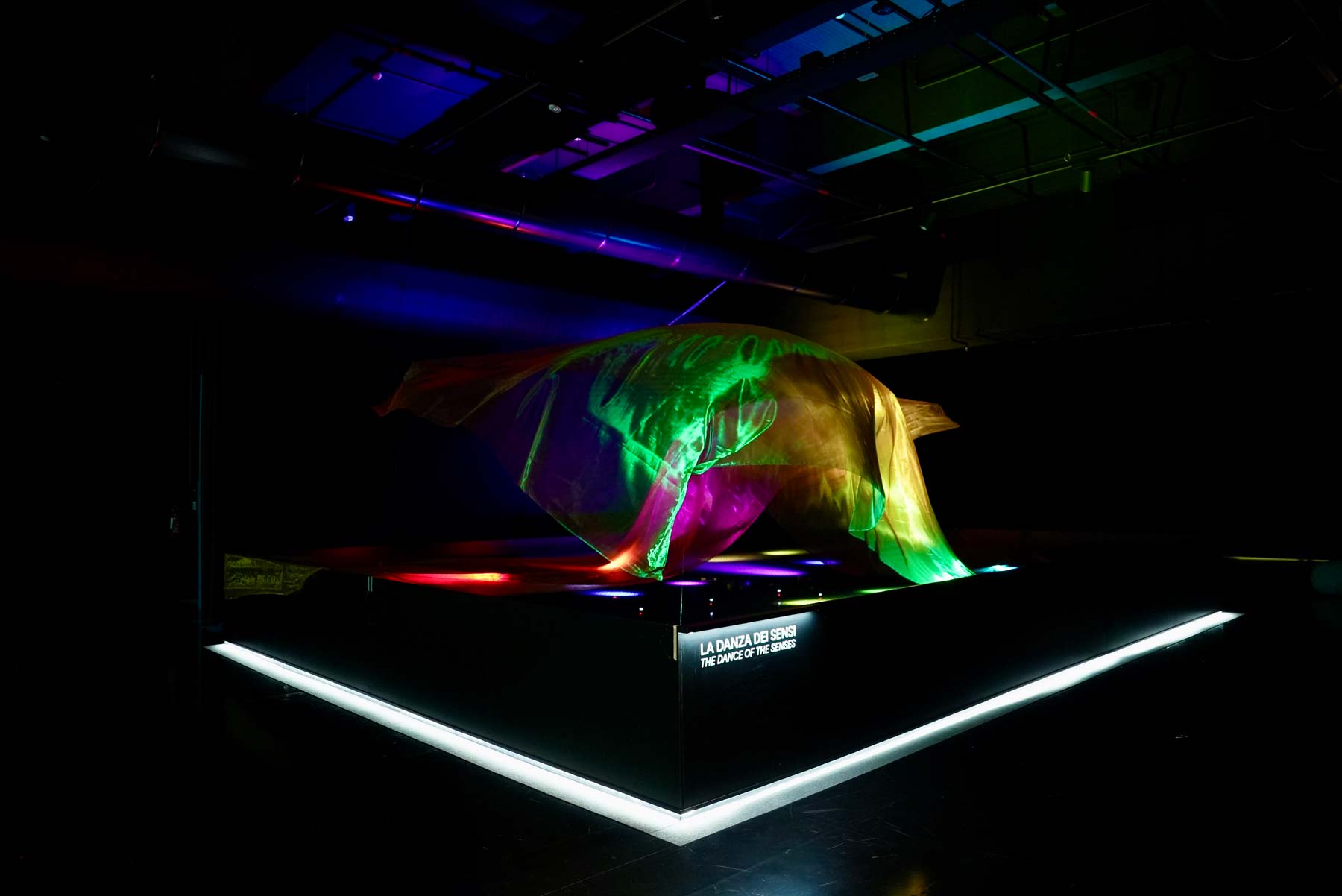
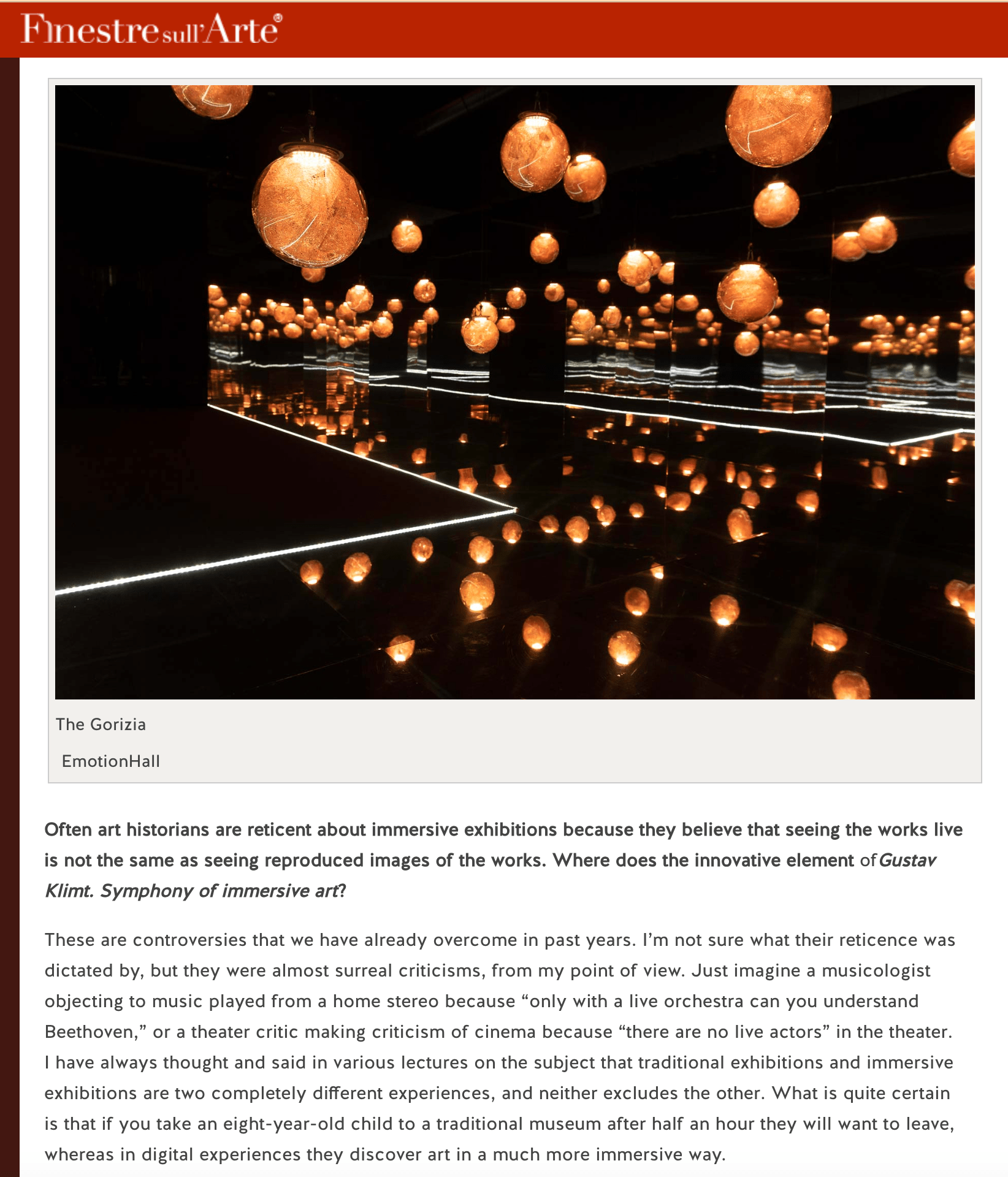
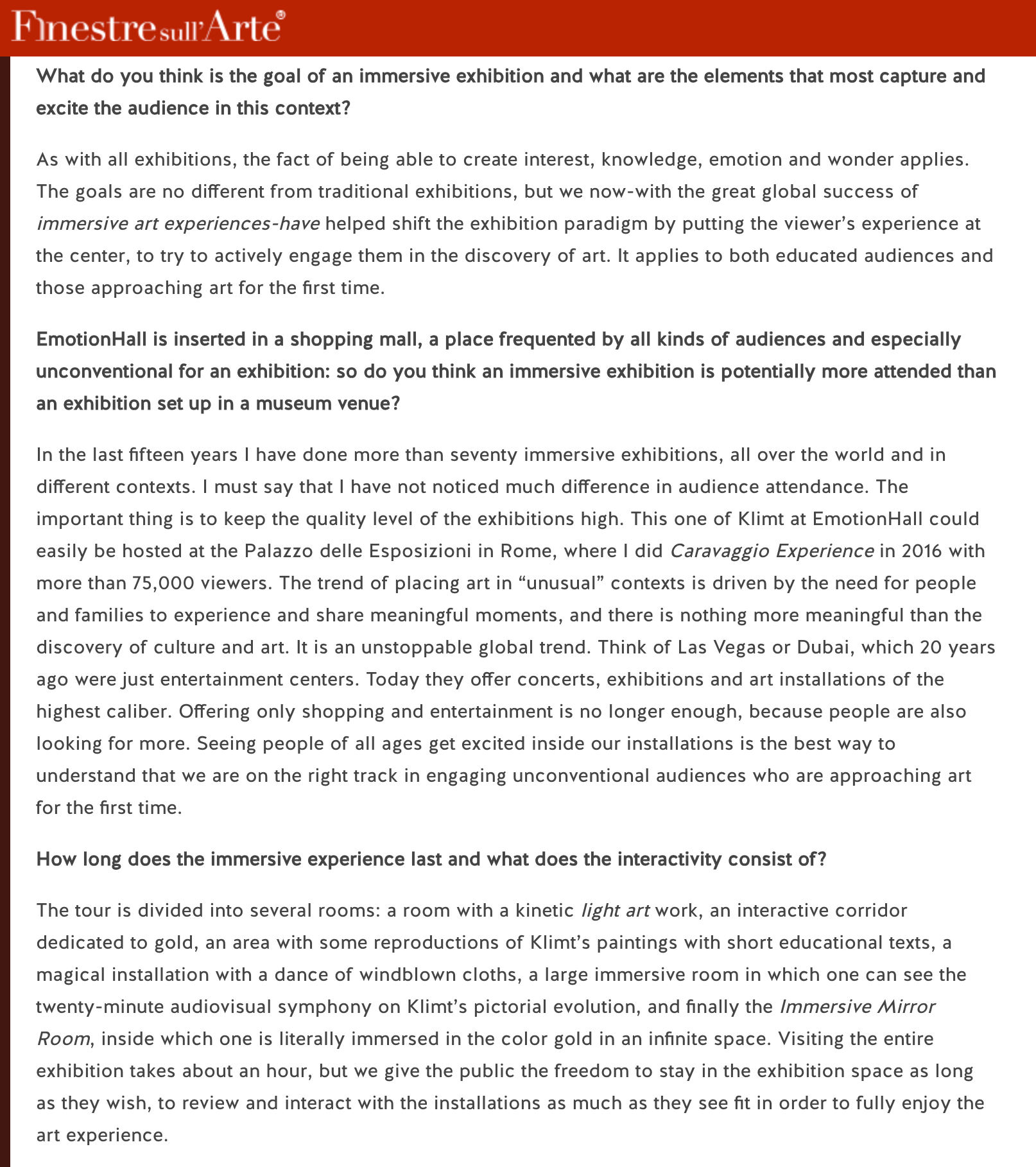
The tour is divided into several rooms: a room with a kinetic light art work, an interactive corridor dedicated to gold, an area with some reproductions of Klimt’s paintings with short educational texts, a magical installation with a dance of windblown cloths, a large immersive room in which one can see the twenty-minute audiovisual symphony on Klimt’s pictorial evolution, and finally the Immersive Mirror Room, inside which one is literally immersed in the color gold in an infinite space. Visiting the entire exhibition takes about an hour, but we give the public the freedom to stay in the exhibition space as long as they wish, to review and interact with the installations as much as they see fit in order to fully enjoy the art experience.
Often art historians are reticent about immersive exhibitions because they believe that seeing the works live is not the same as seeing reproduced images of the works. Where does the innovative element ofGustav Klimt. Symphony of immersive art?
These are controversies that we have already overcome in past years. I’m not sure what their reticence was dictated by, but they were almost surreal criticisms, from my point of view. Just imagine a musicologist objecting to music played from a home stereo because “only with a live orchestra can you understand Beethoven,” or a theater critic making criticism of cinema because “there are no live actors” in the theater. I have always thought and said in various lectures on the subject that traditional exhibitions and immersive exhibitions are two completely different experiences, and neither excludes the other. What is quite certain is that if you take an eight-year-old child to a traditional museum after half an hour they will want to leave, whereas in digital experiences they discover art in a much more immersive way.
How is an immersive exhibition created and implemented?
It is a very long process that takes months of study and planning. You have to come to tell the art of the past with the eyes and technological tools of the contemporary world and take into account the compositional elements of an immersive art experience: space, light, audiovisual dramaturgy, music and, last but not least, the way the audience will experience it. It is an alchemy of all these elements.
In your experience, is there a good understanding between pictorial art and new technologies? Will the future in your opinion go more and more in this direction?
The future I really cannot predict. But it will certainly be made by the things that we authors and producers know how to bring, with the perseverance, seriousness, creativity and passion that every successful thing requires.
In occasione del lancio mondiale del Calendario Pirelli 2023, STEFANO FAKE & THE FAKE FACTORY realizza una monumentale installazione digitale immersiva di oltre 5.000 mq. Il leggendario artista multimediale STEFANO FAKE, uno dei principali esponenti dell’arte immersiva a livello mondiale, mette in scena il realismo magico attraverso una video scenografia monumentale che dialoga con l’architettura dell’Hangar Bicocca e le torri celesti di Anselm Kiefer. Arte e tecnologia si fondono per celebrare il realismo magico, avvolgendo il pubblico in un’ambiente senza confini, dinamico e multisensoriale.
On the occasion of the worldwide launch of the 2023 Pirelli Calendar, STEFANO FAKE & THE FAKE FACTORY creates a monumental immersive digital installation of over 5,000 m2. The legendary multimedia artist STEFANO FAKE, one of the leading exponents of immersive art worldwide, stages magical realism through a monumental video scenography that dialogues with the architecture of Hangar Bicocca and the “celestial towers” of Anselm Kiefer. Art and technology come together to celebrate magical realism, enveloping the public in a boundless, dynamic and multisensory environment.
Place: HANGAR BICOCCA MILANO
Artist: STEFANO FAKE & THE FAKE FACTORY
Sistem Integrator: SERVICE2SERVICE
Video Projectors: BARCO
Video Server: DATATON WATCH OUT
Sistem Integrator: SERVICE2SERVICE
Production: URBAN PRODUCTION
Creative Direction: SERGIO SALERNI
———
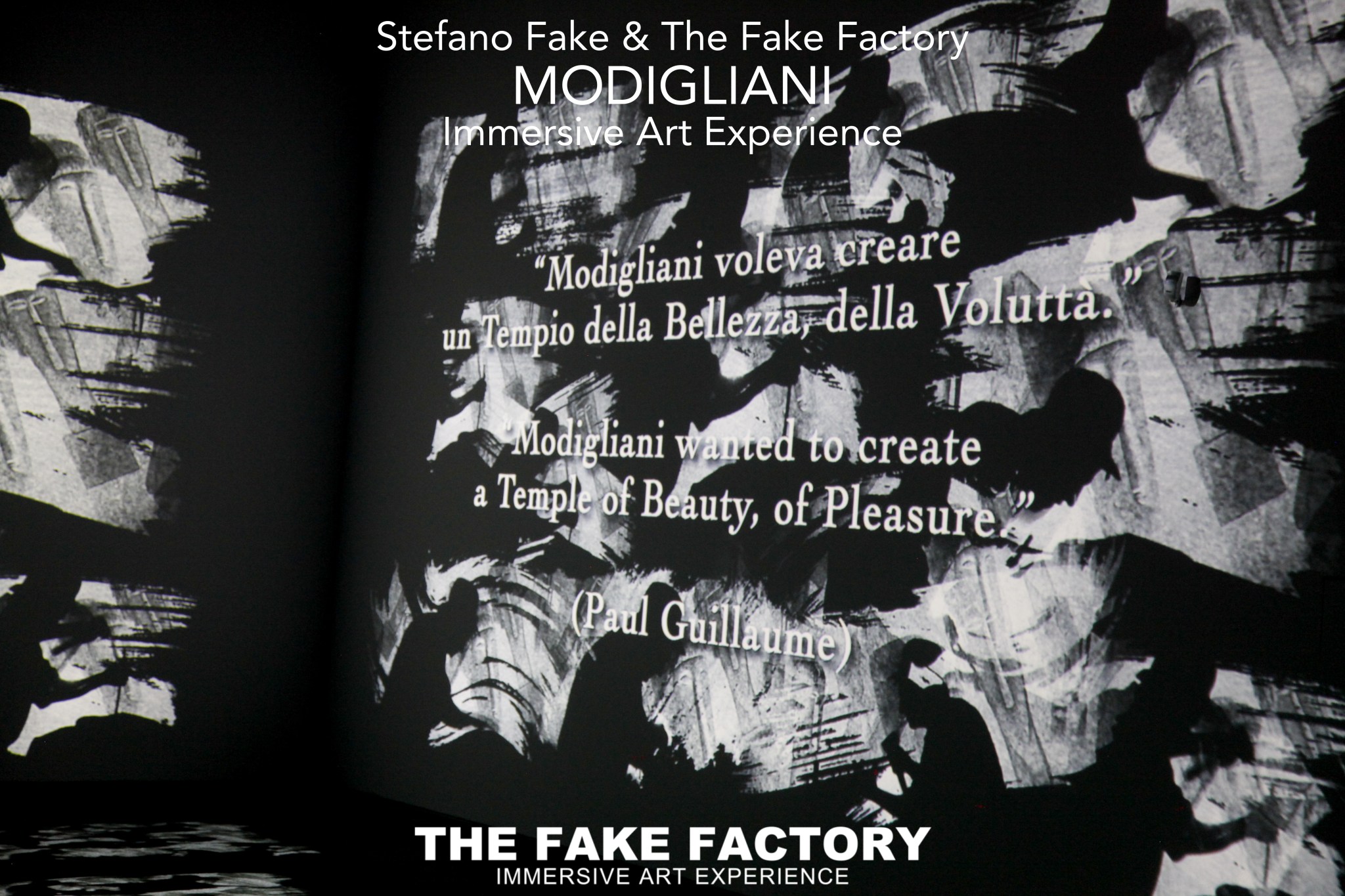
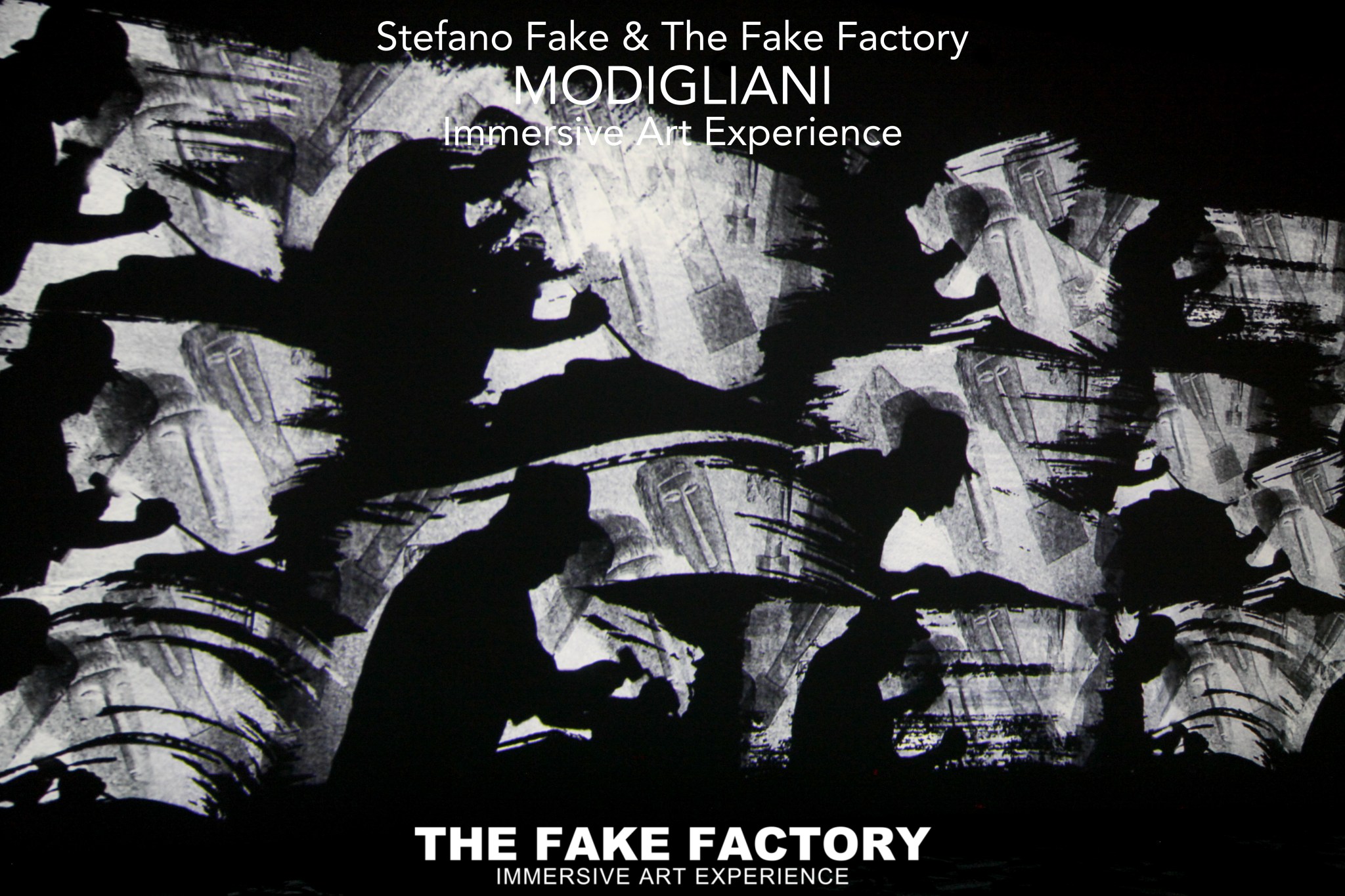
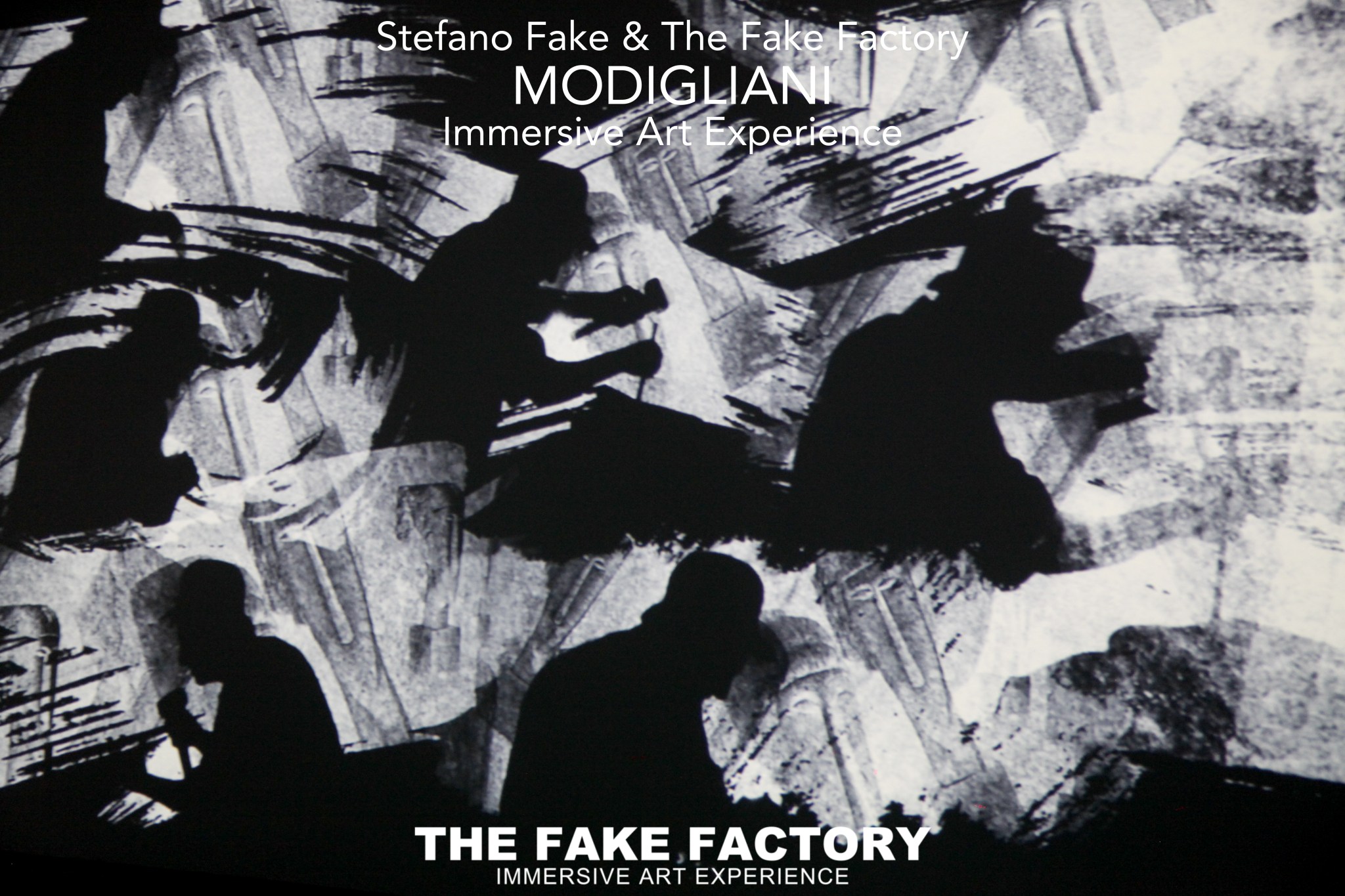
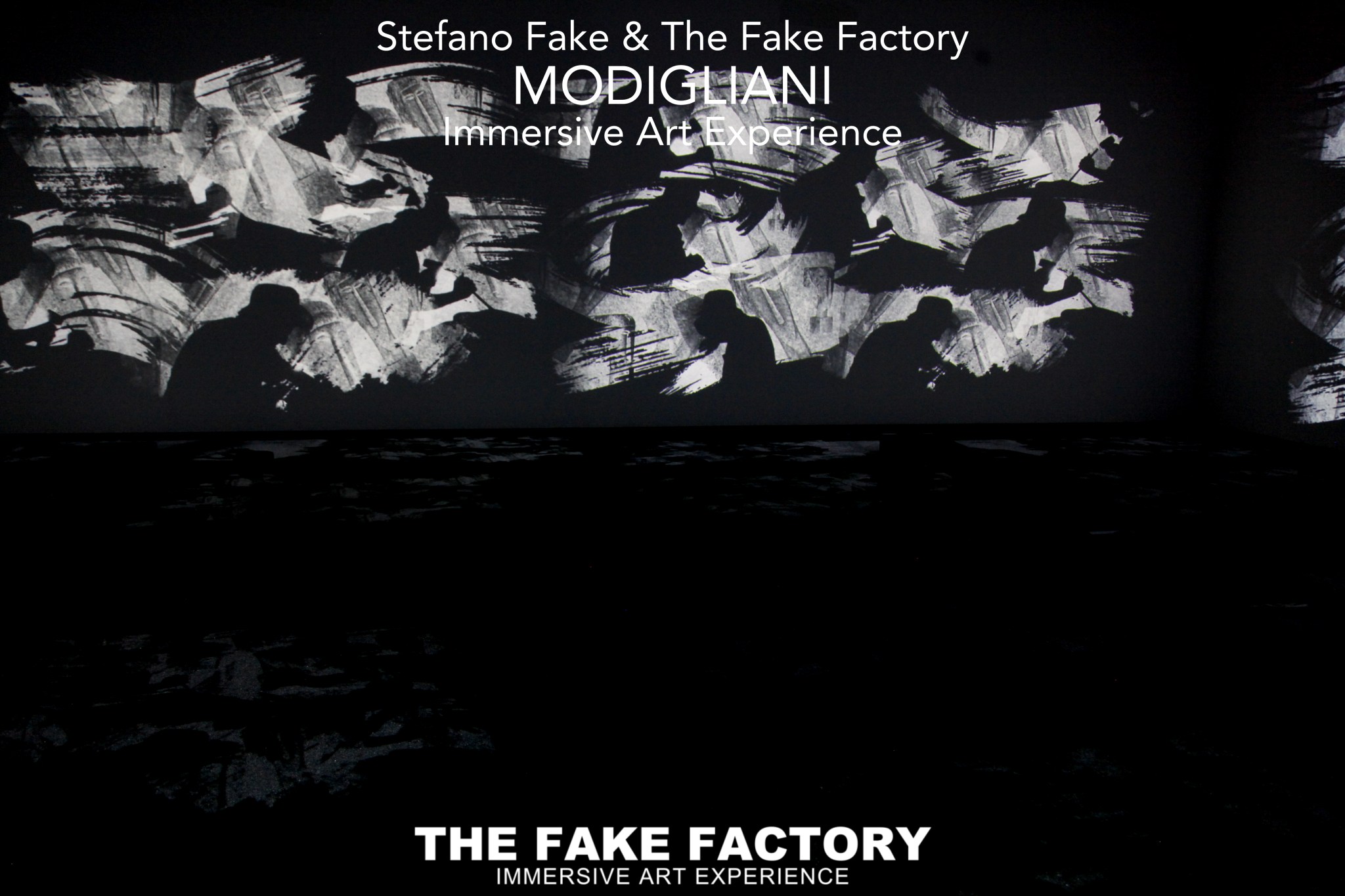
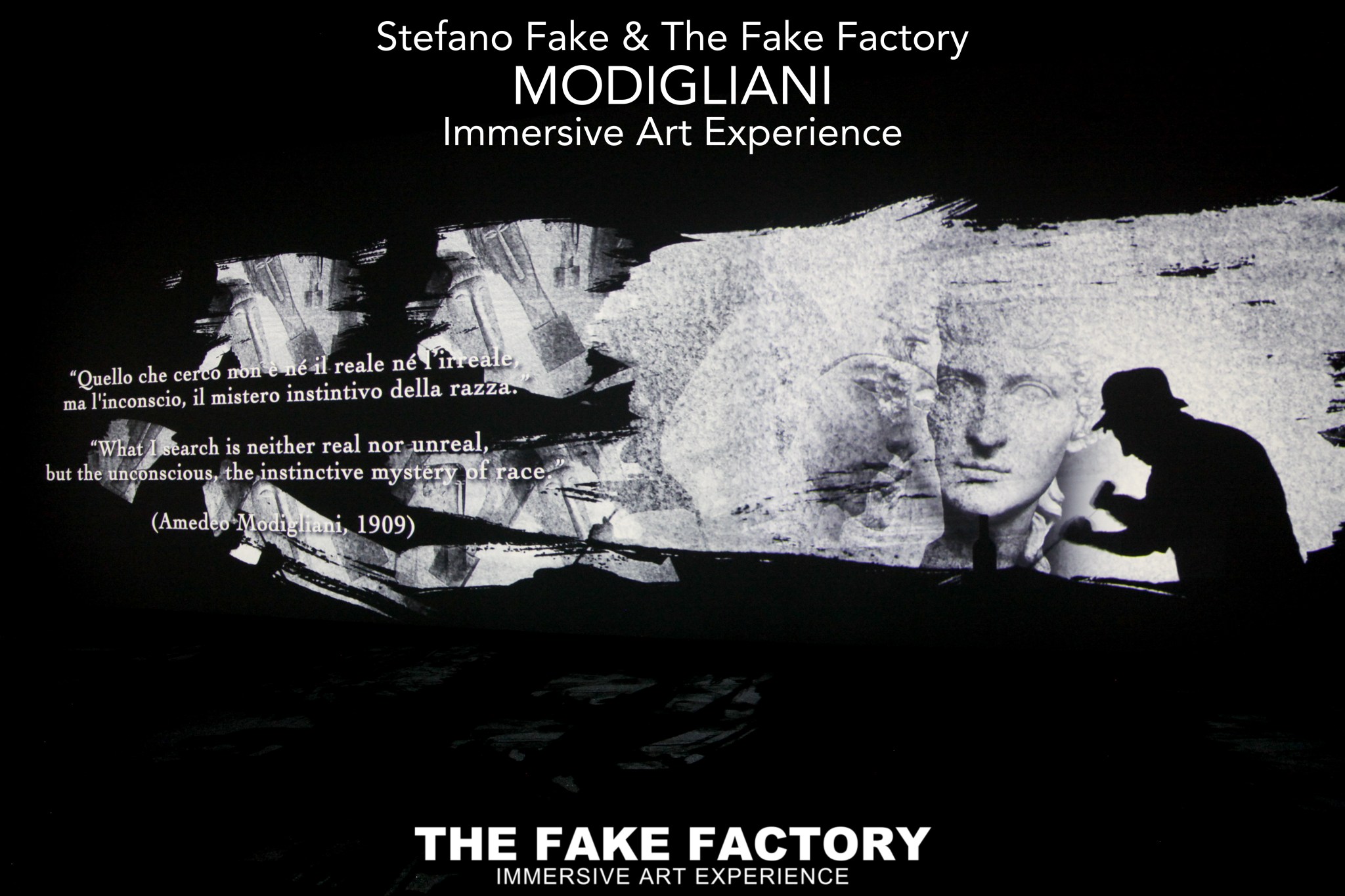
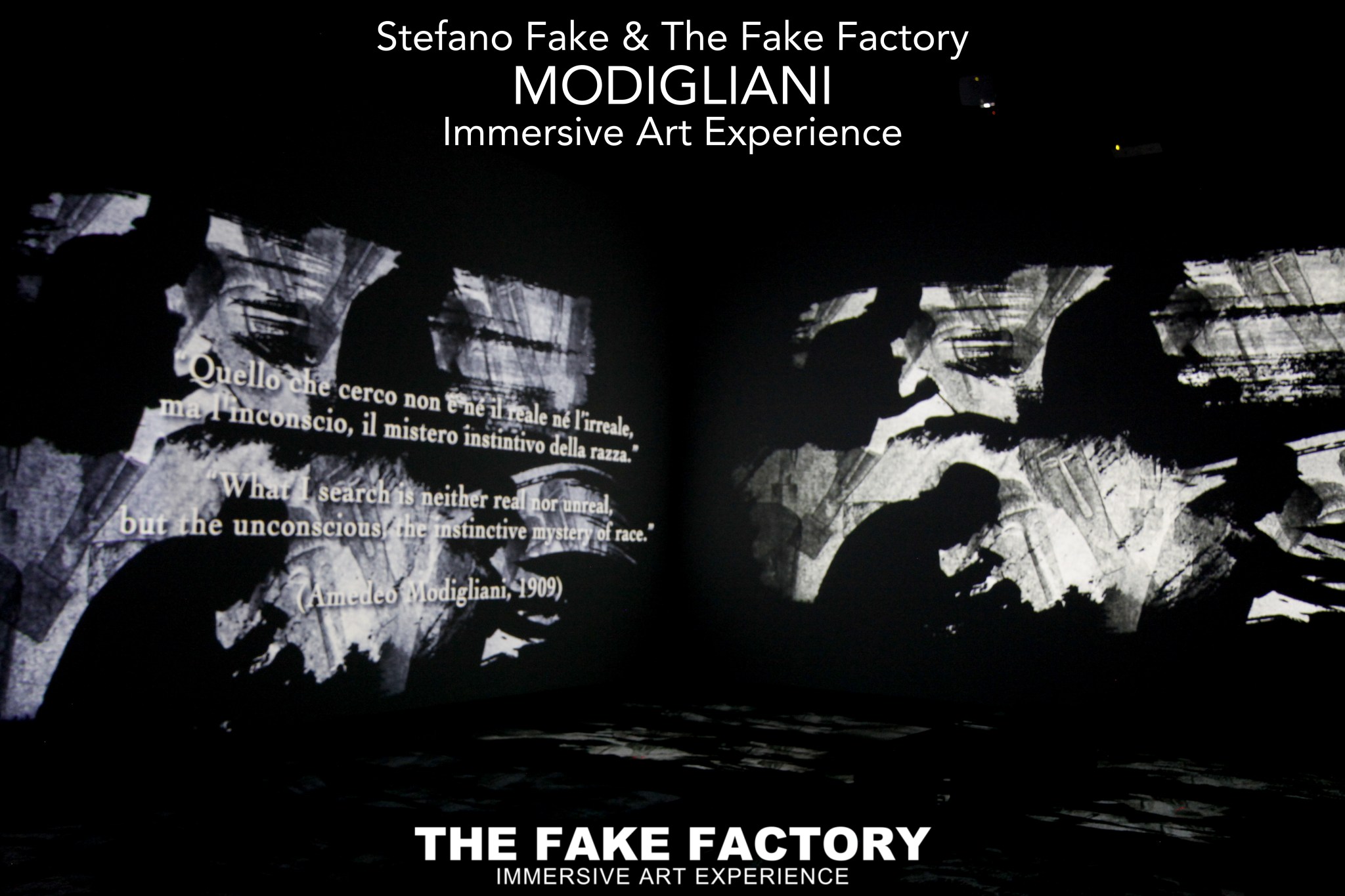
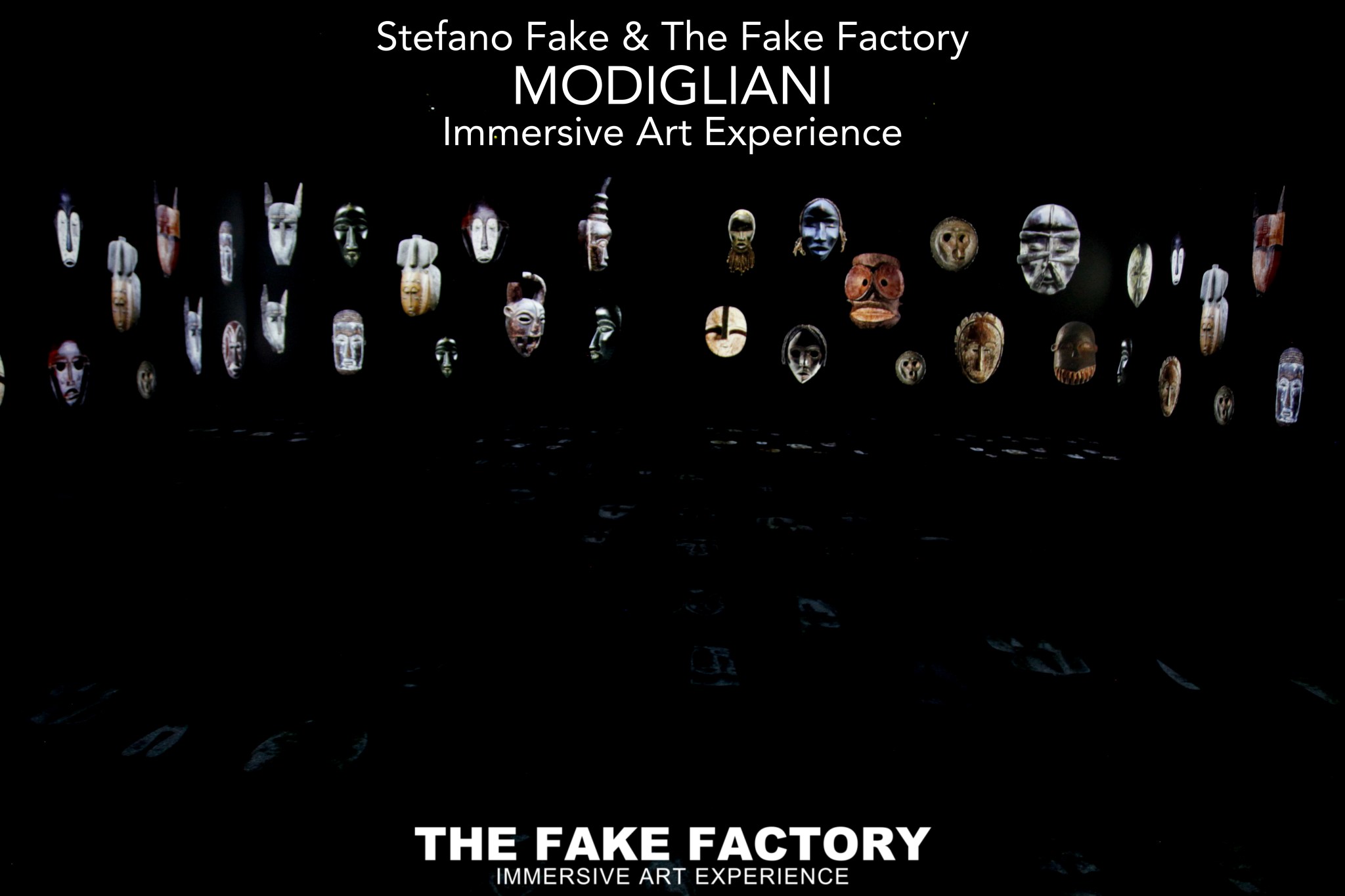
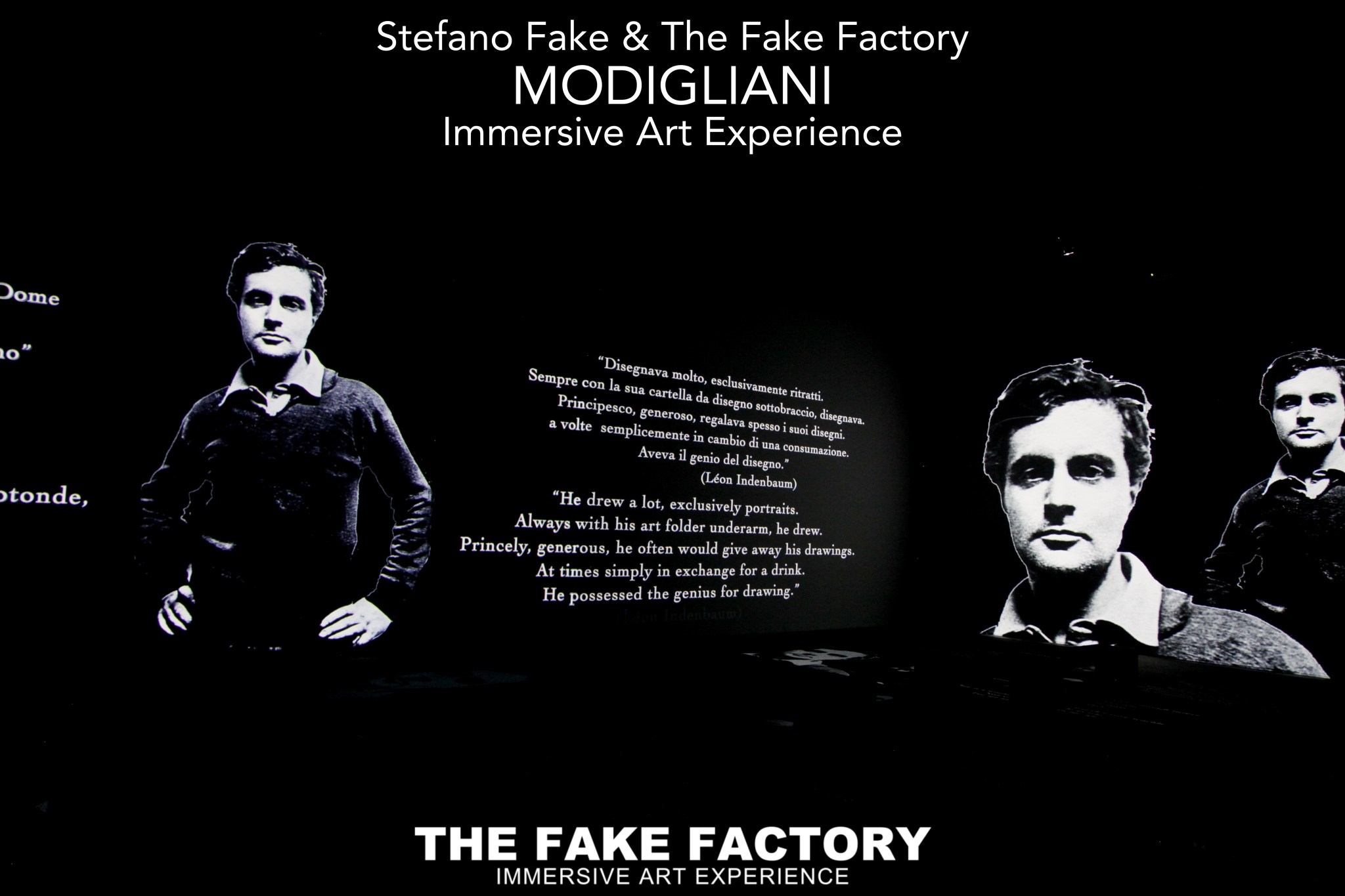
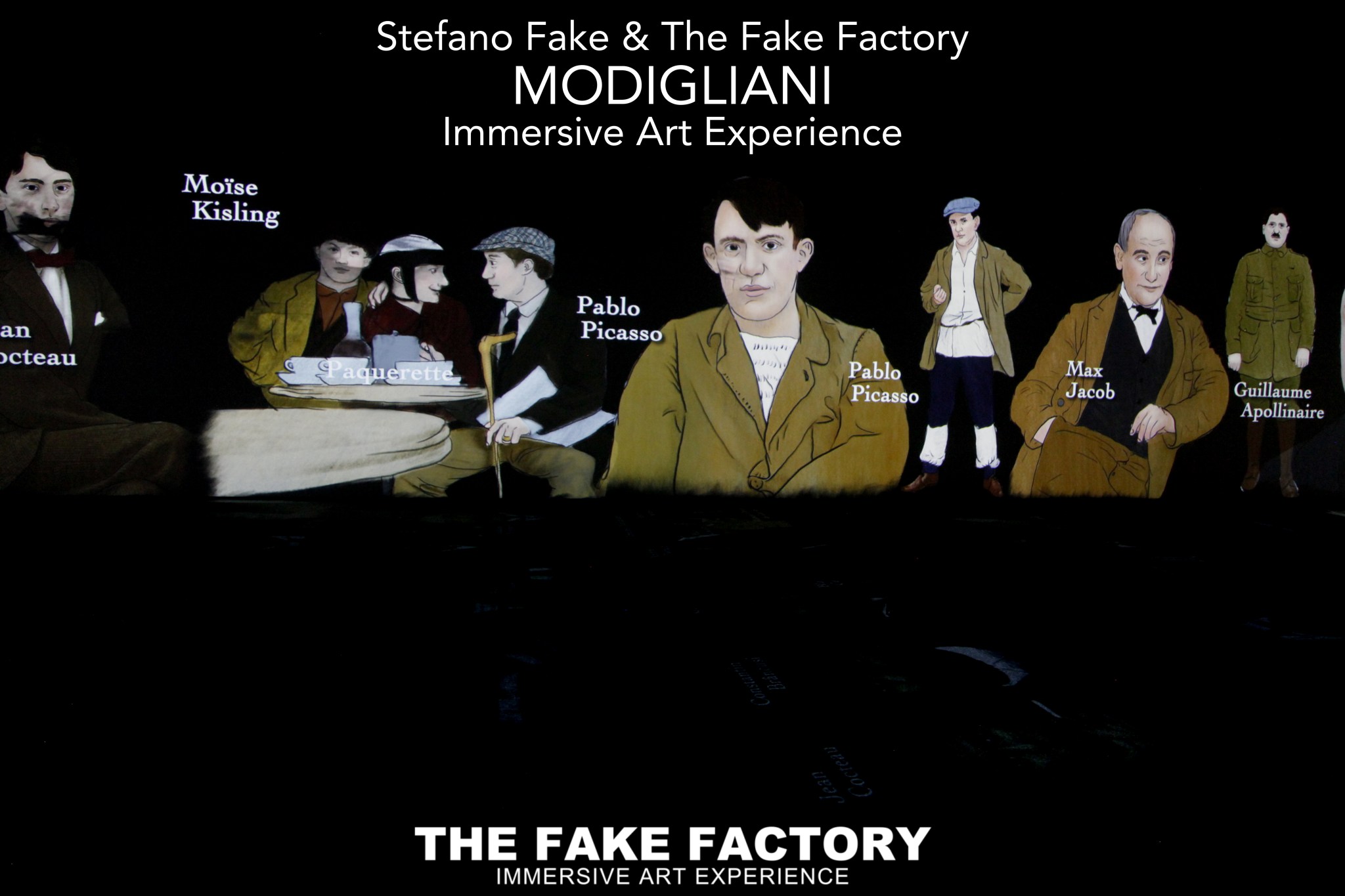
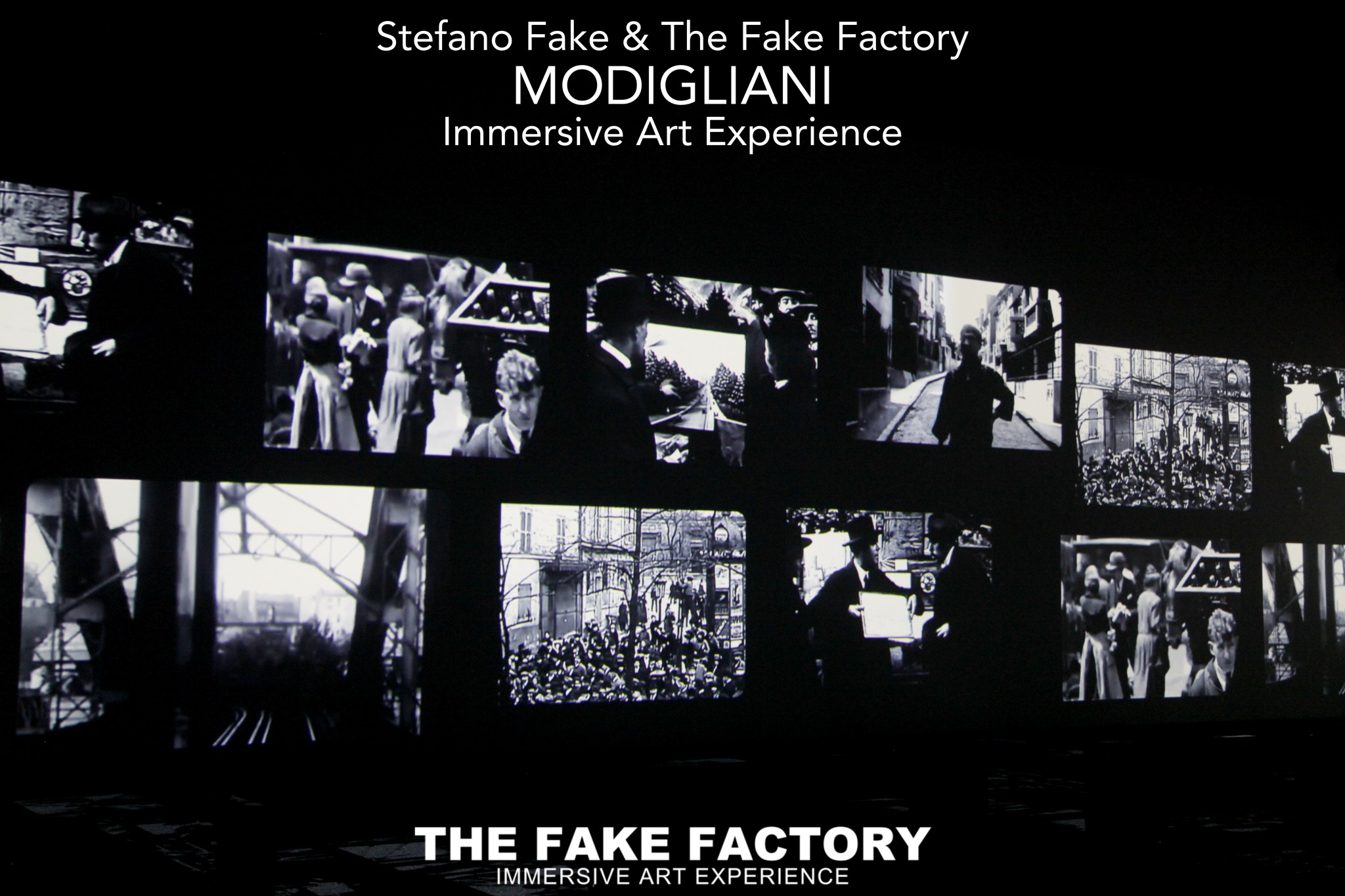
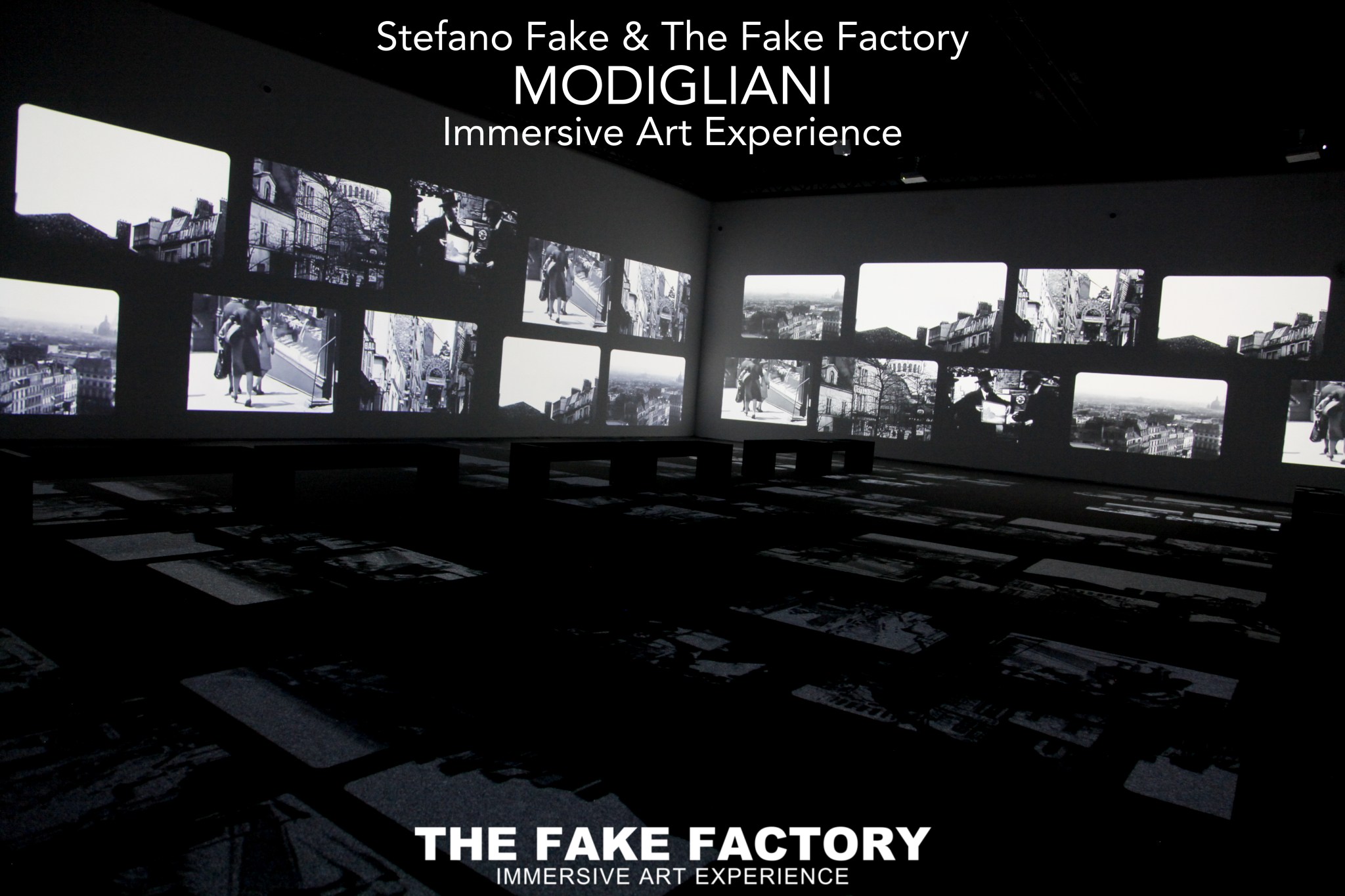
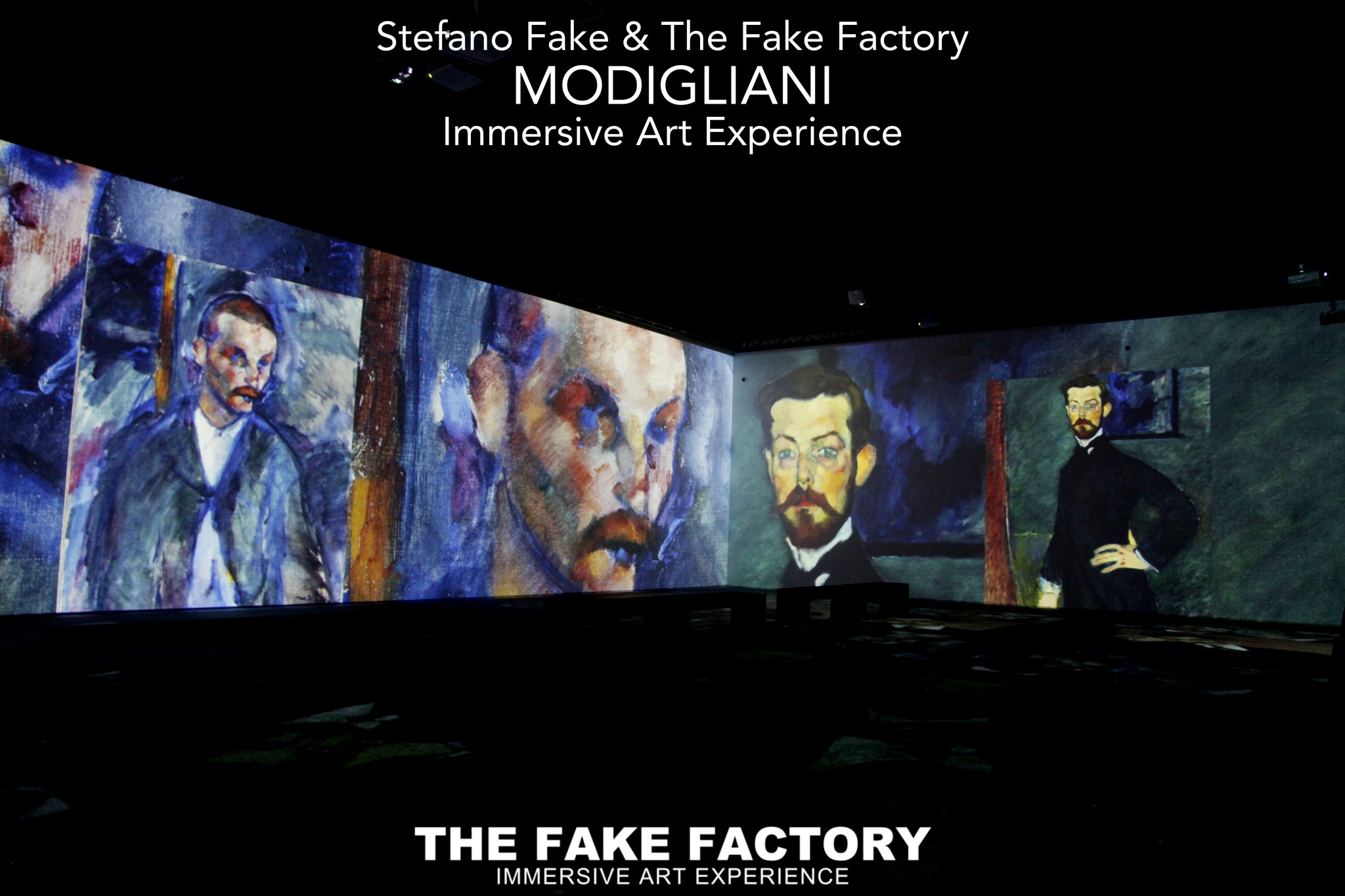
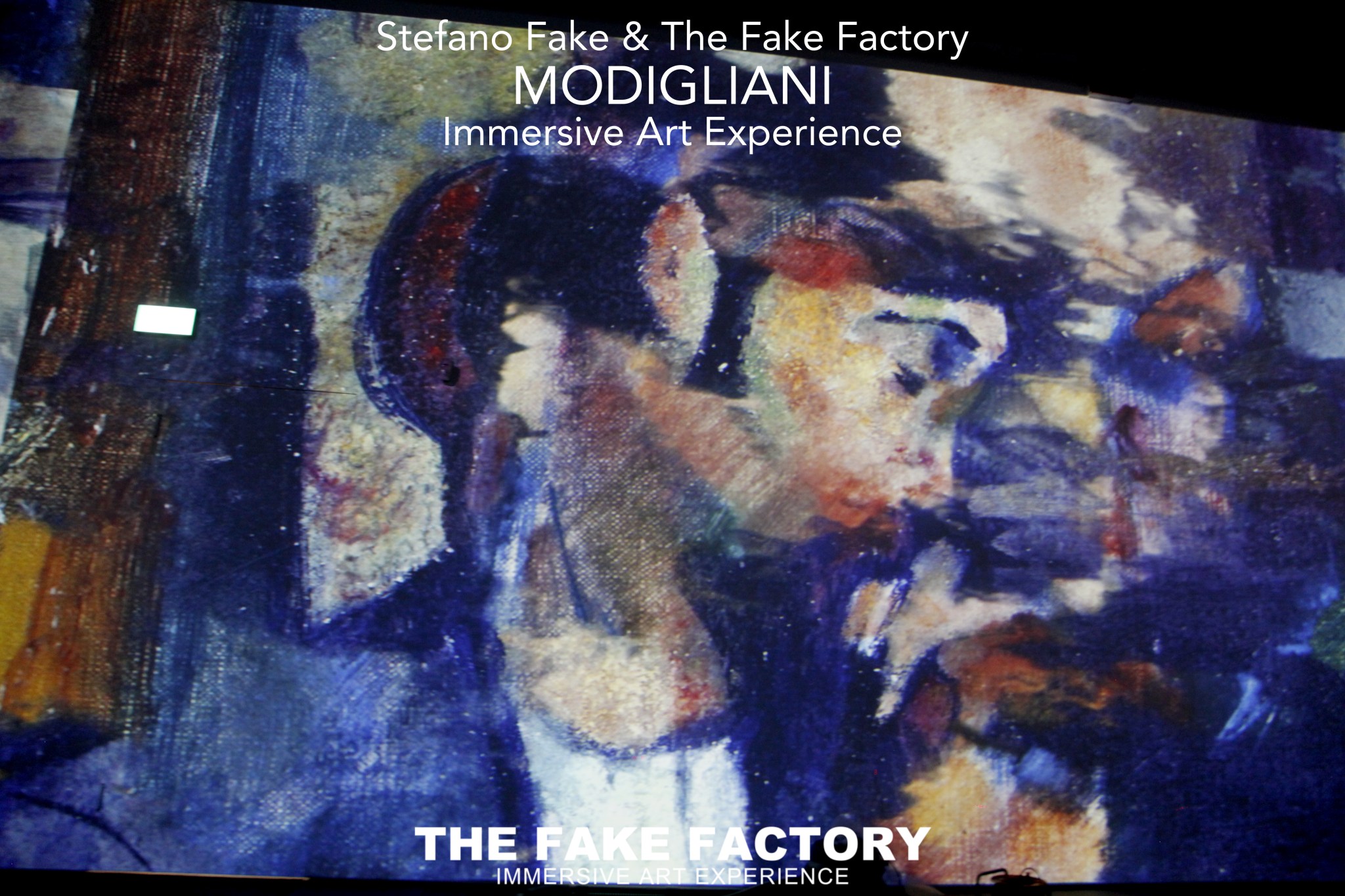
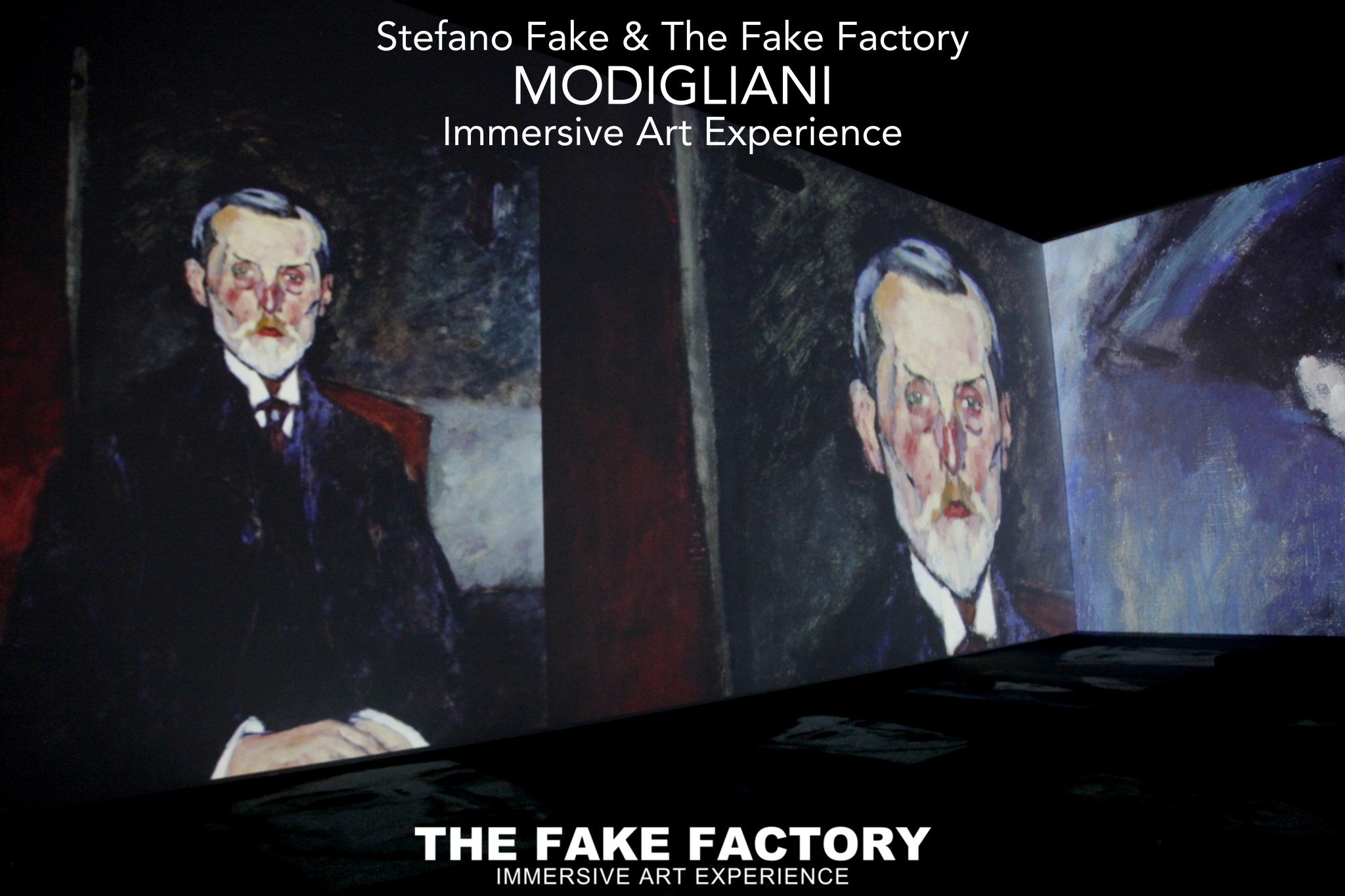
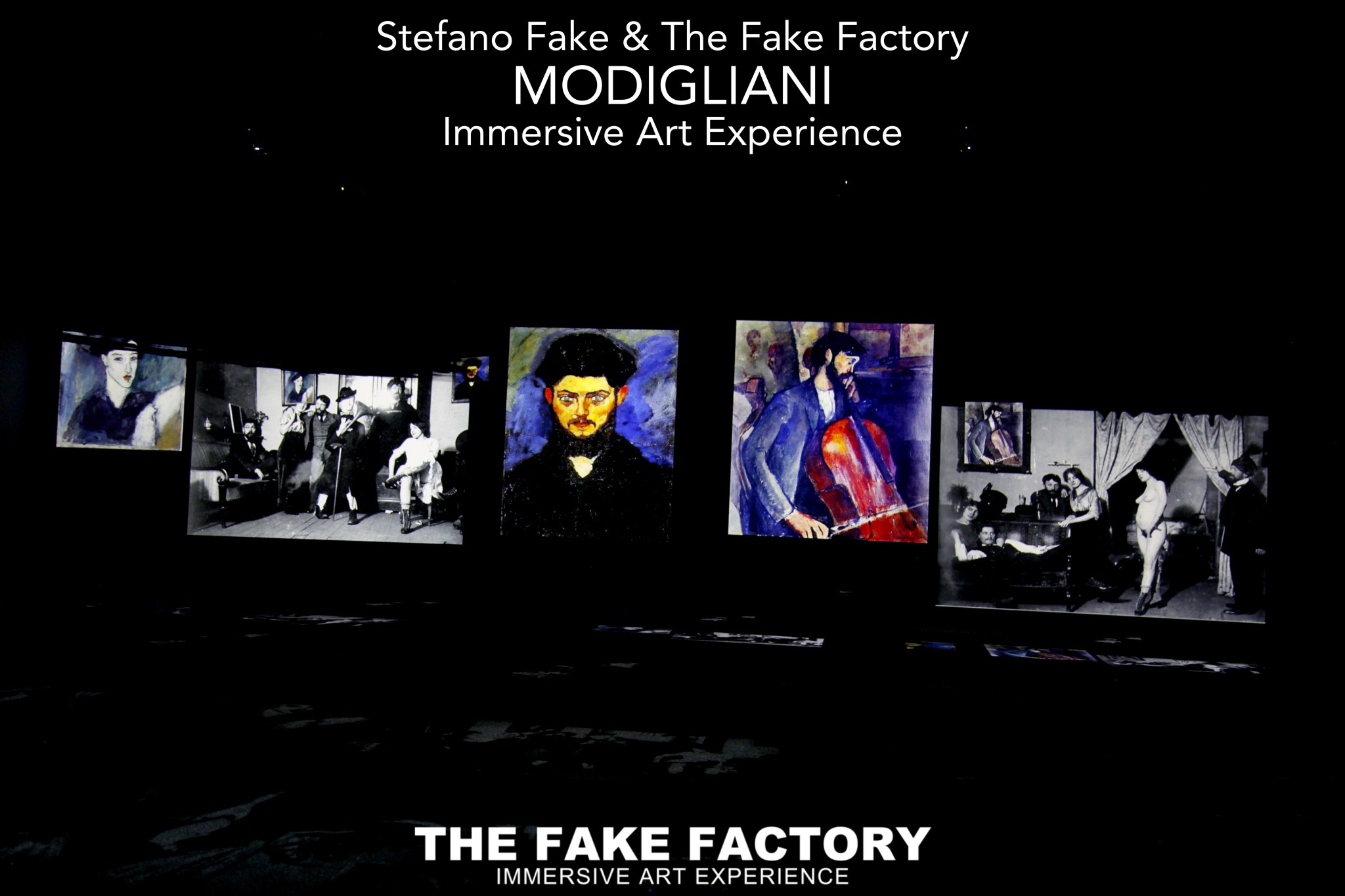
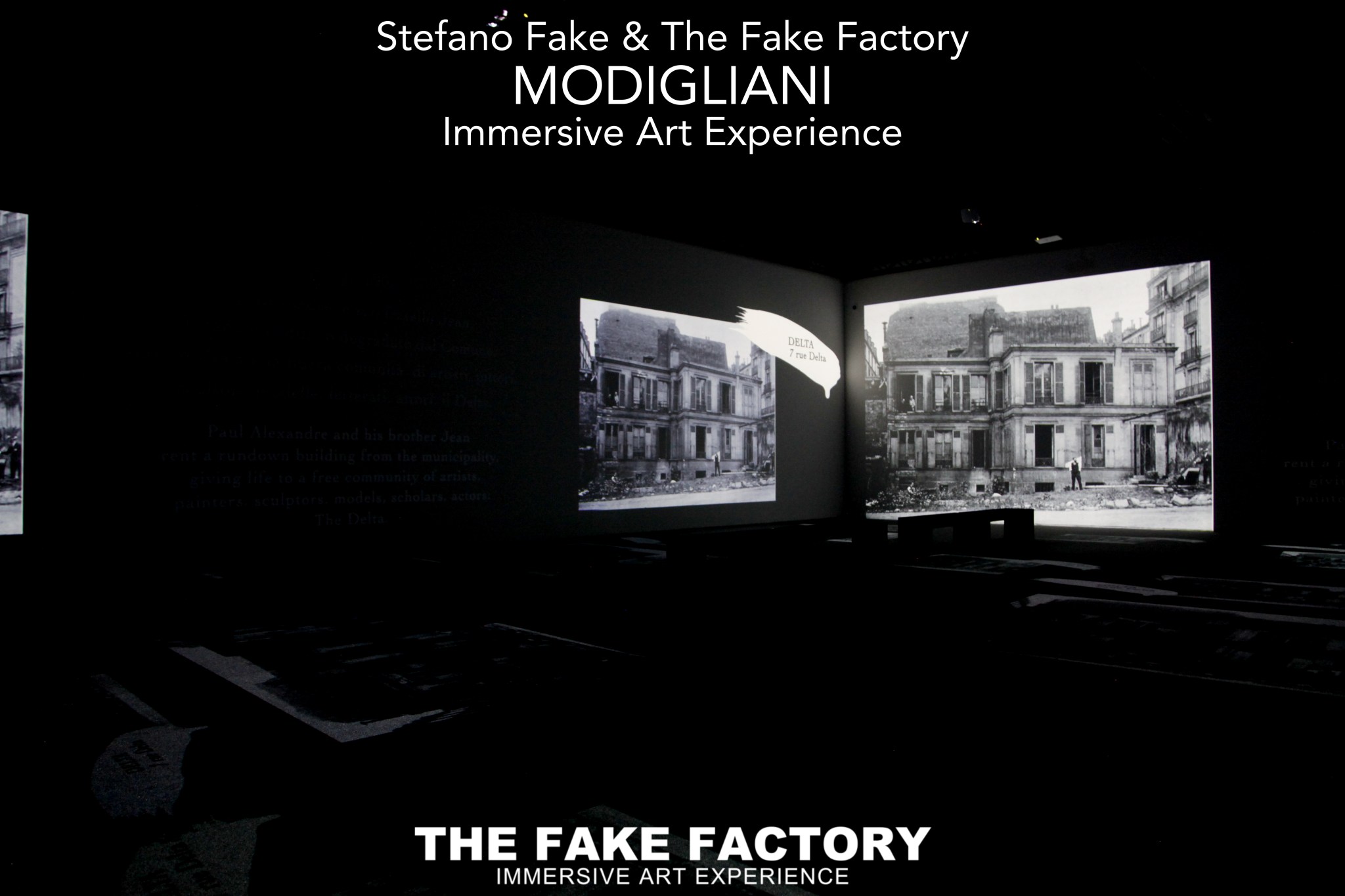
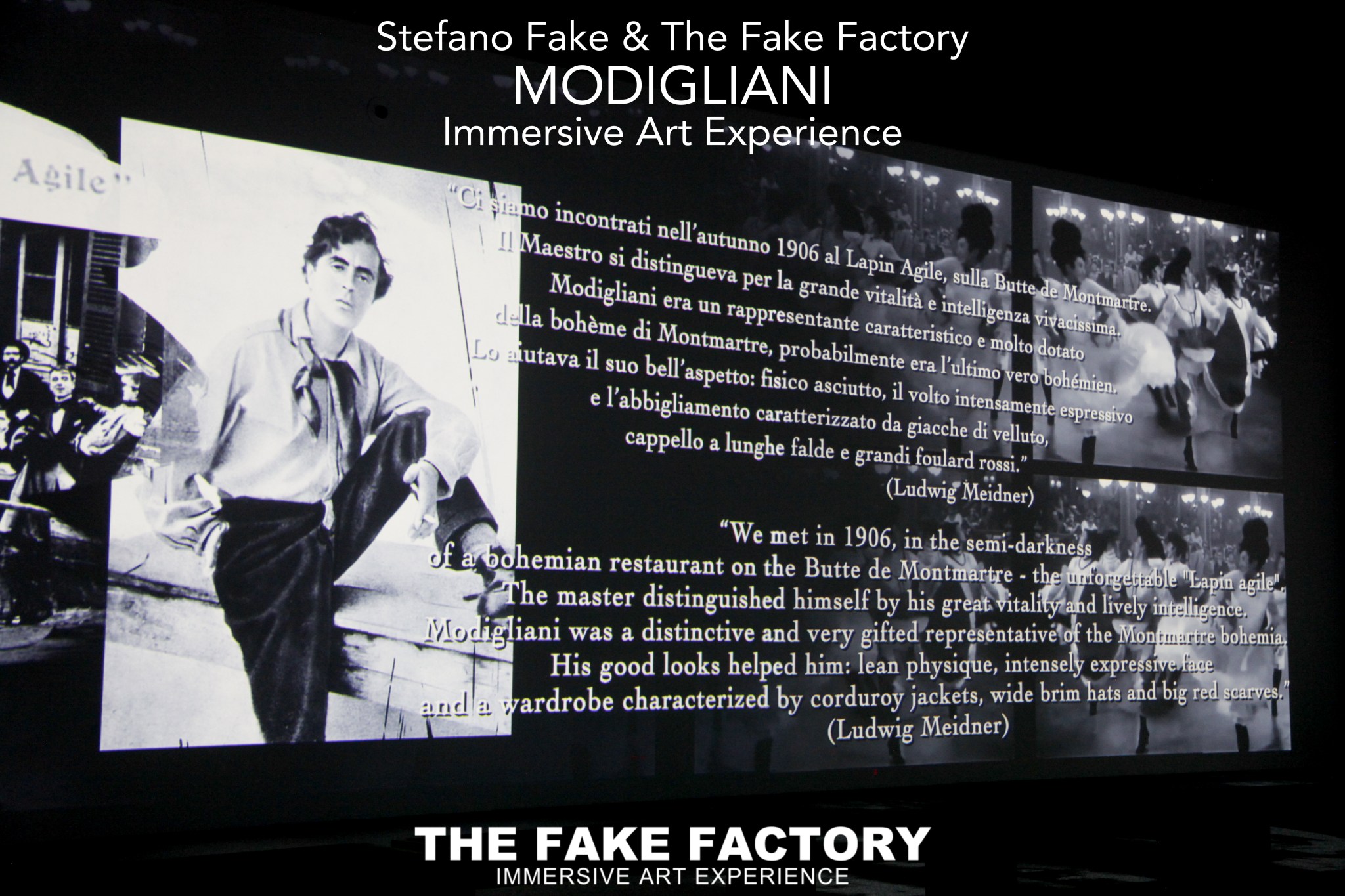
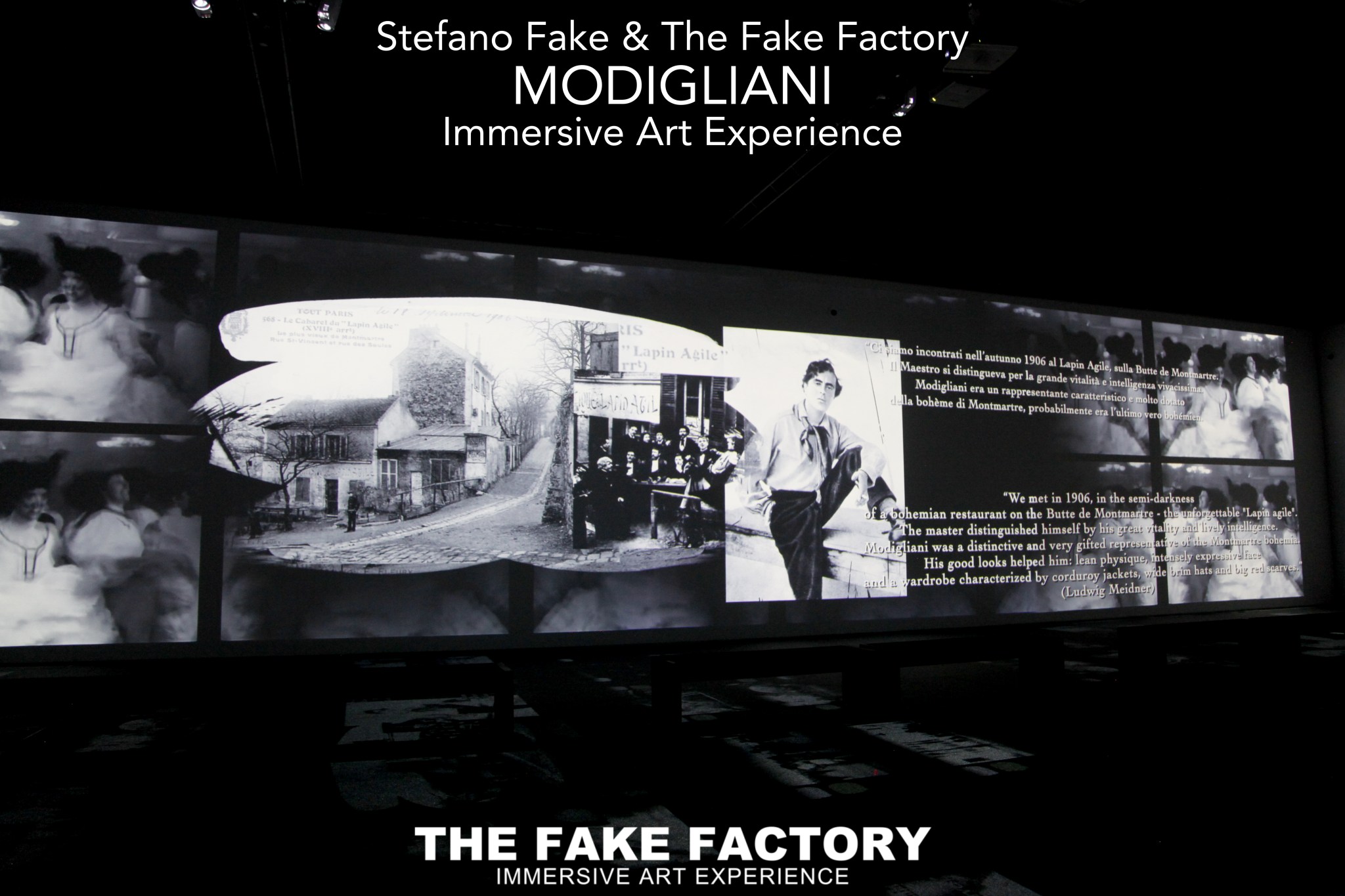
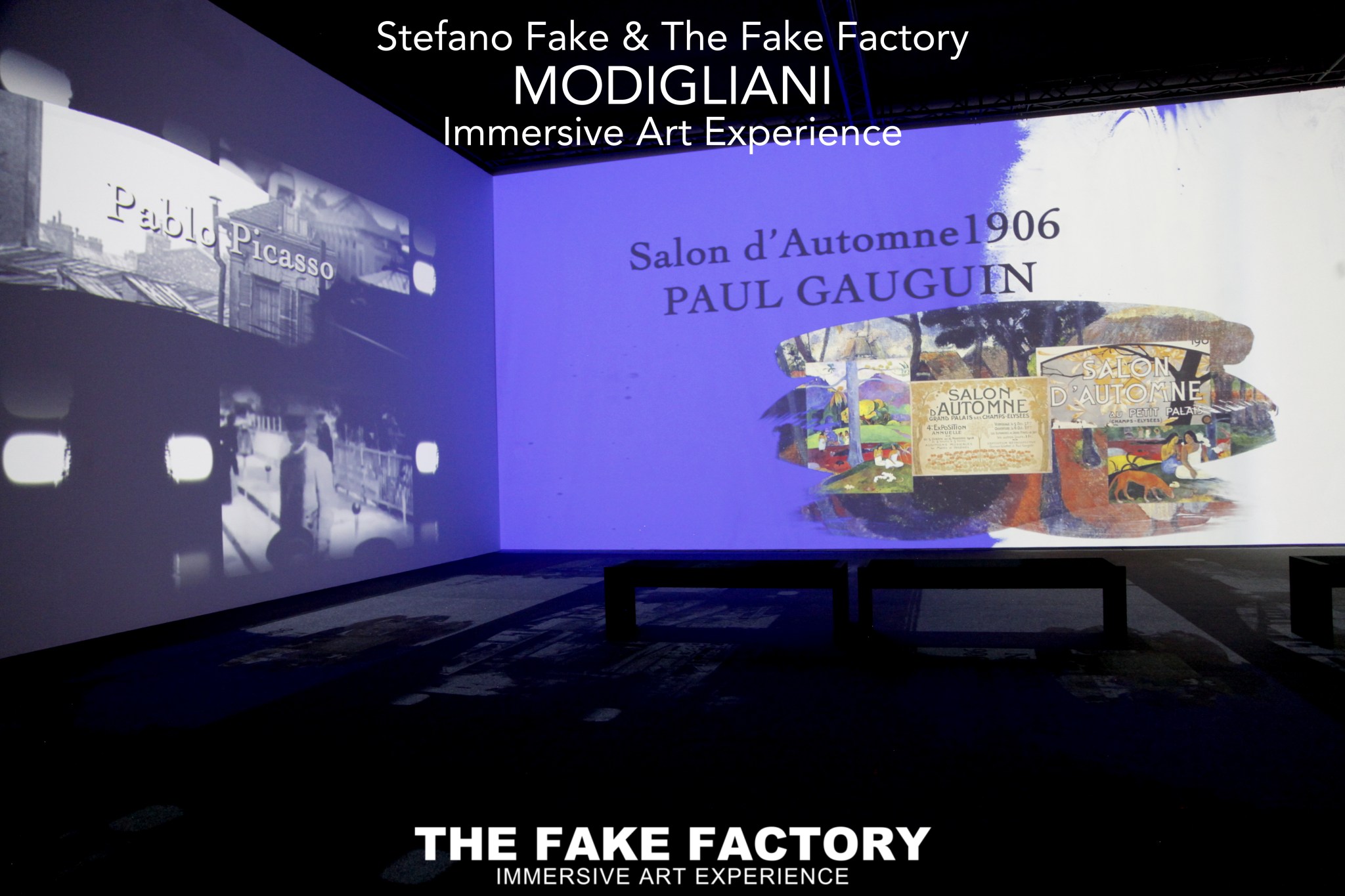
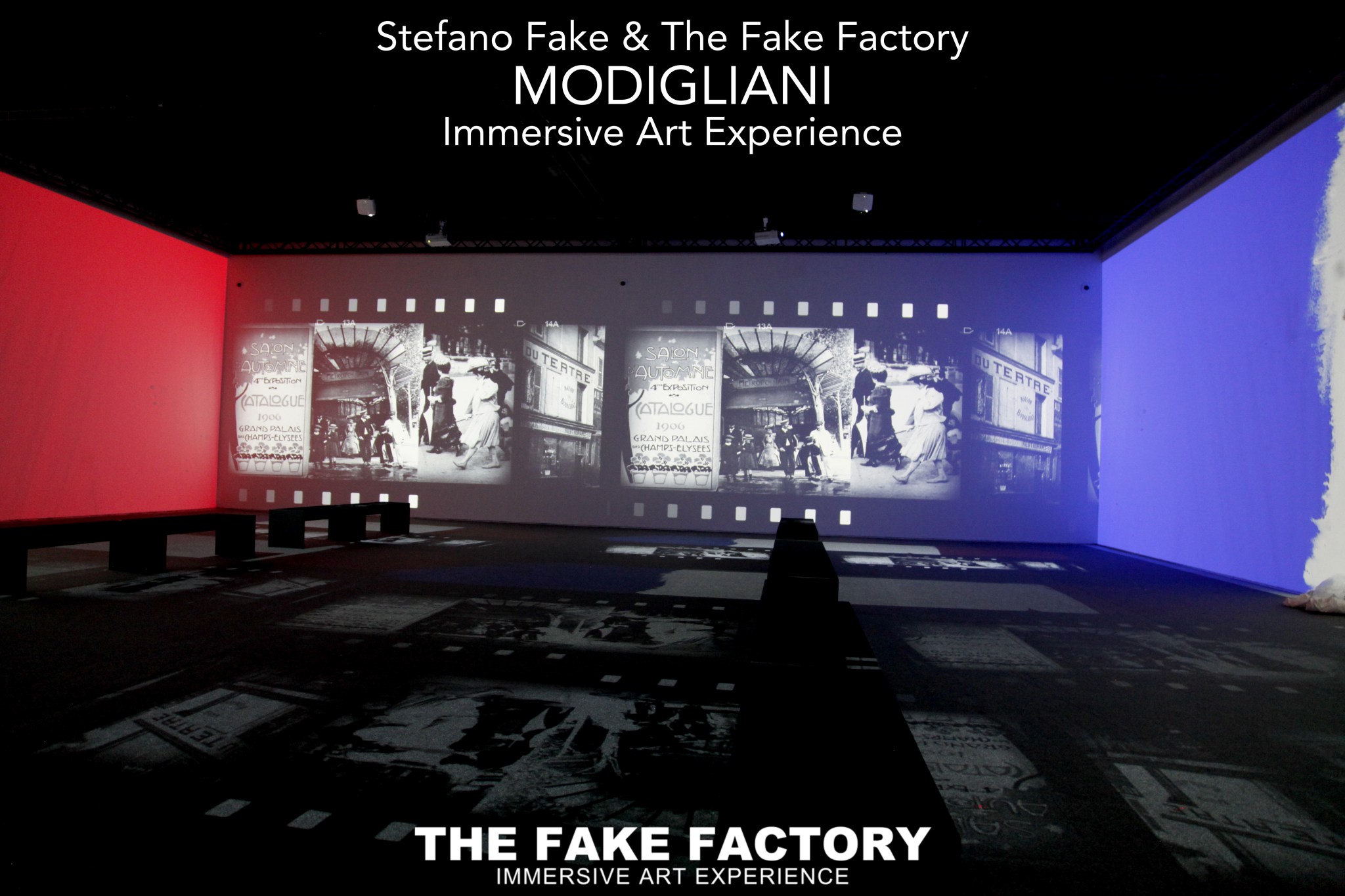
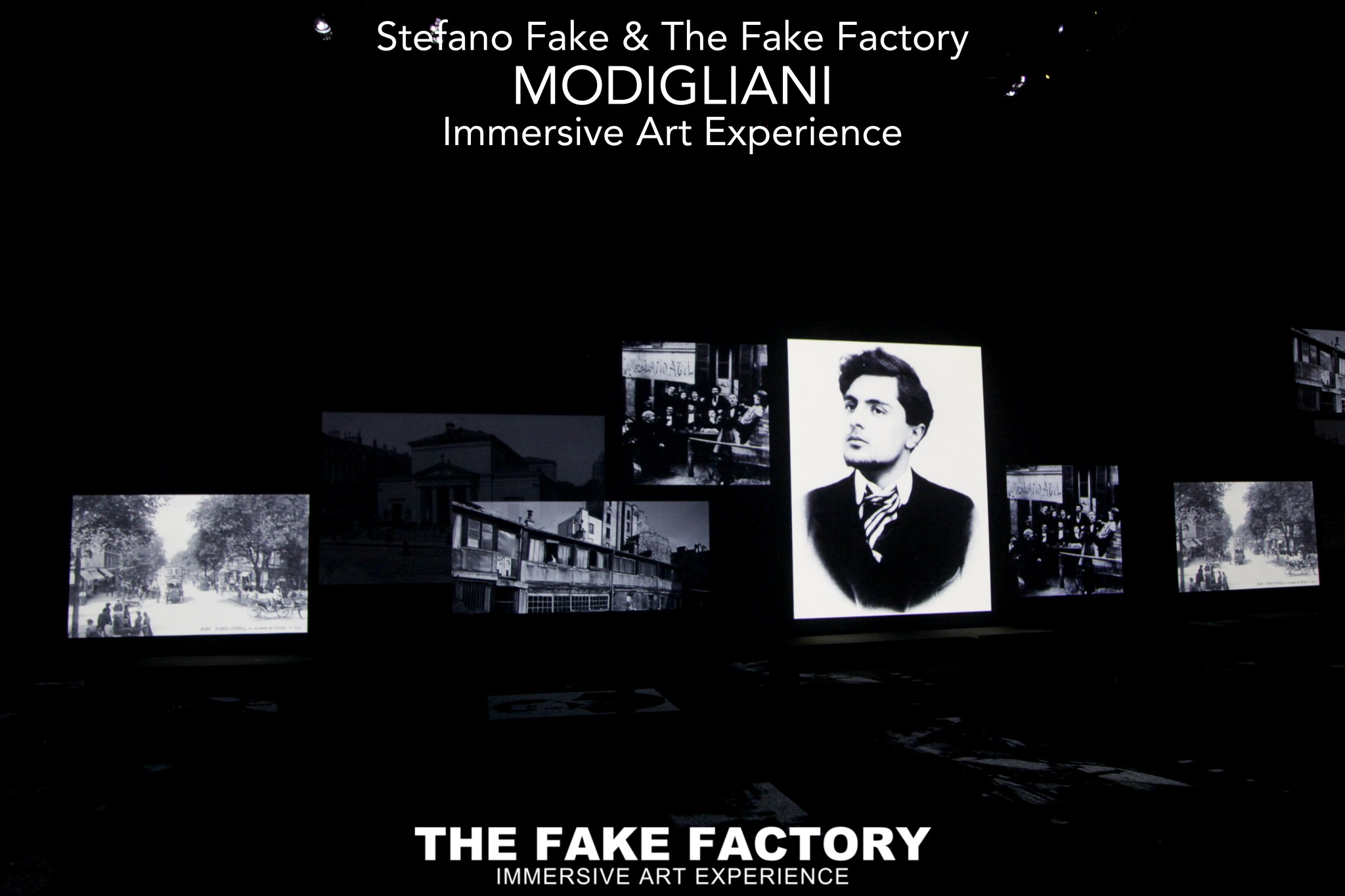
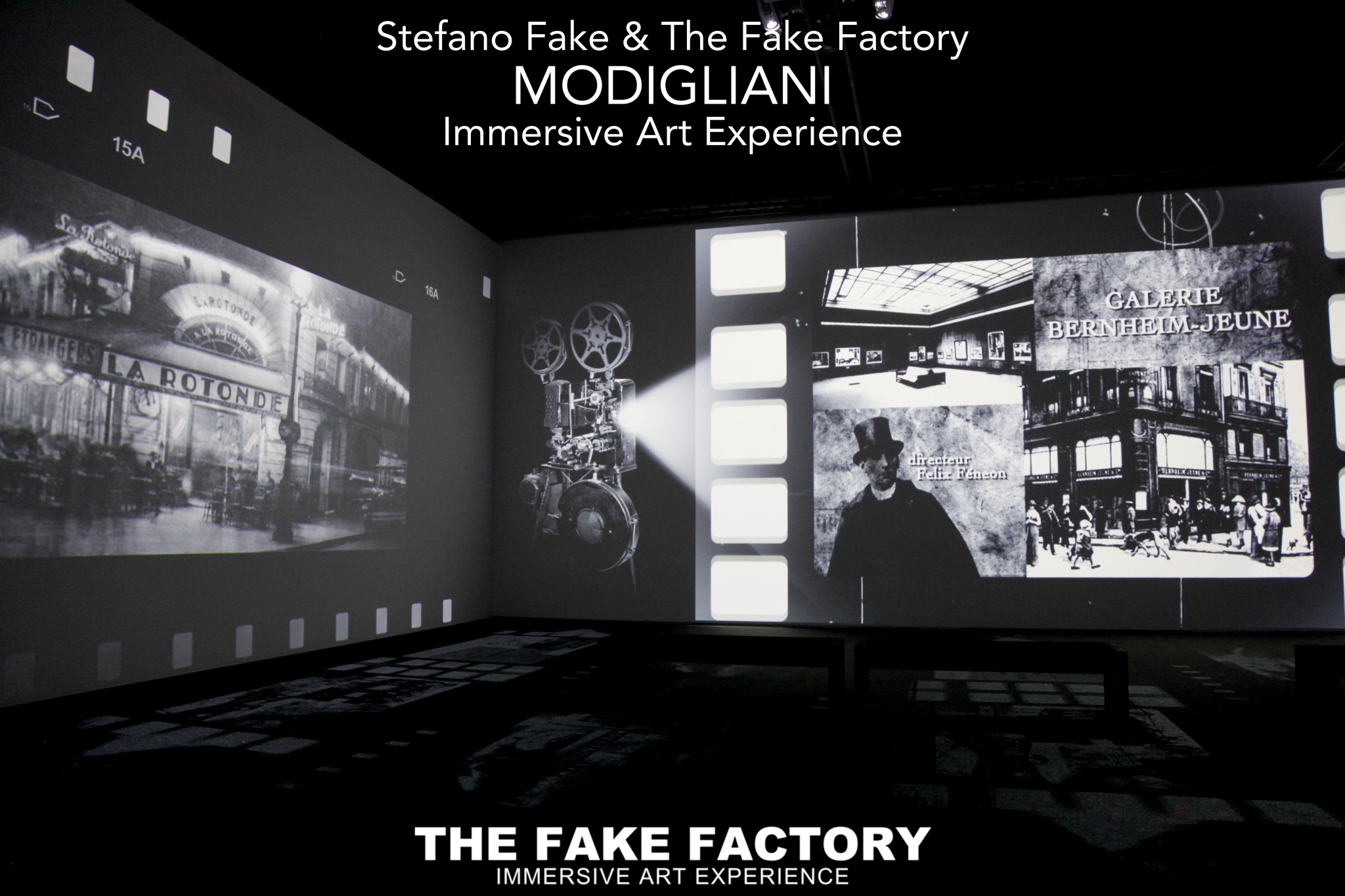
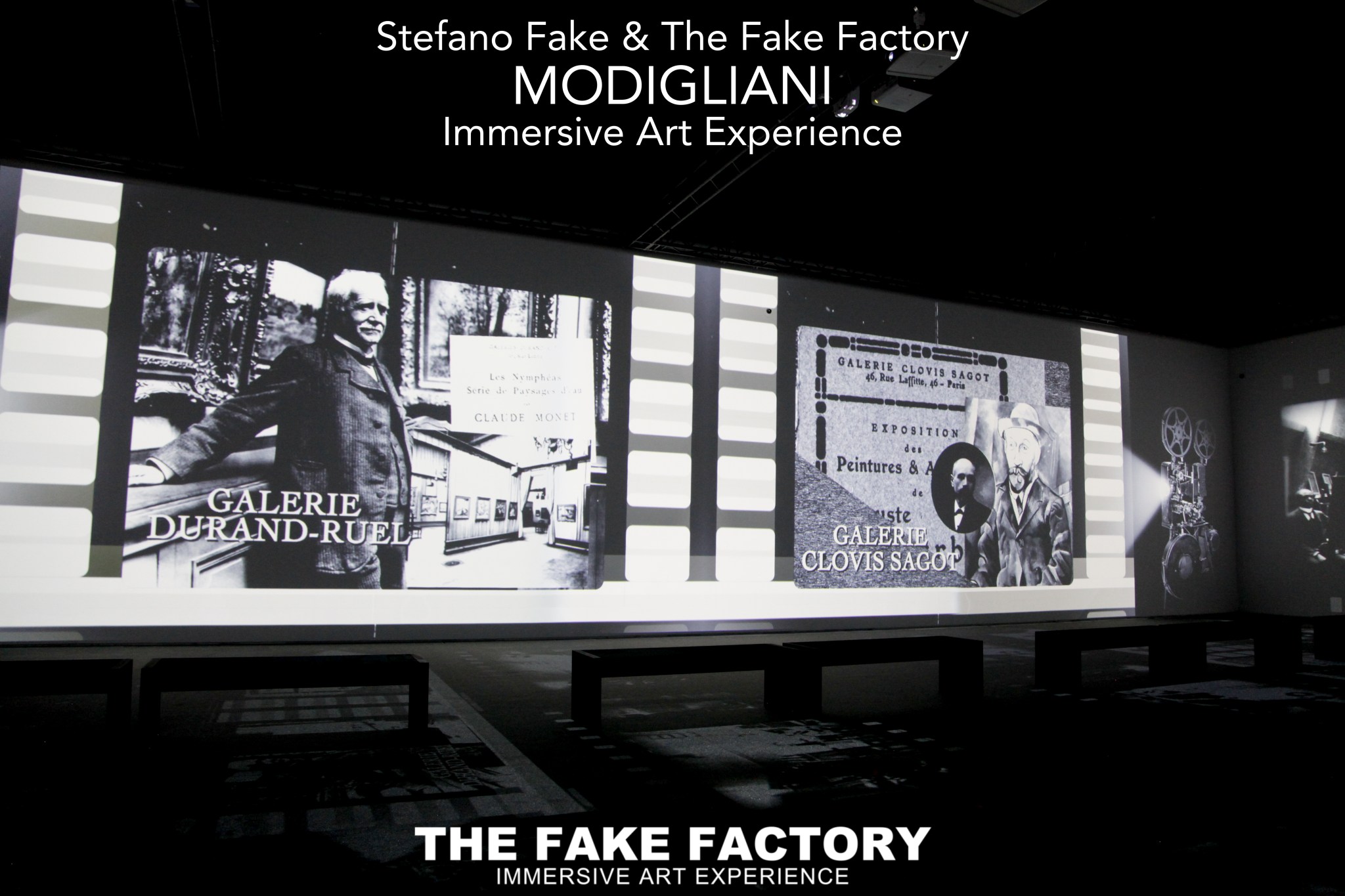
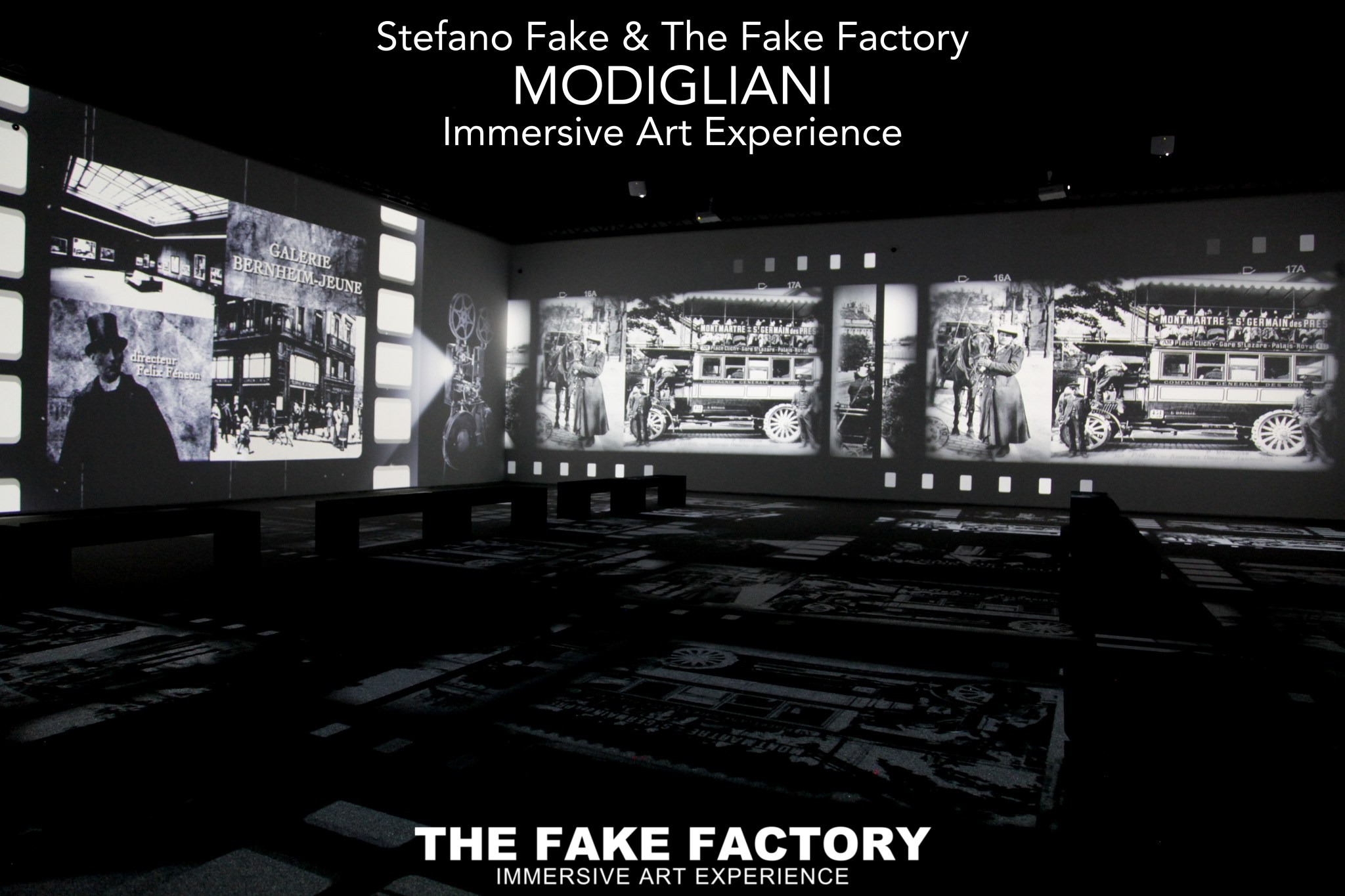
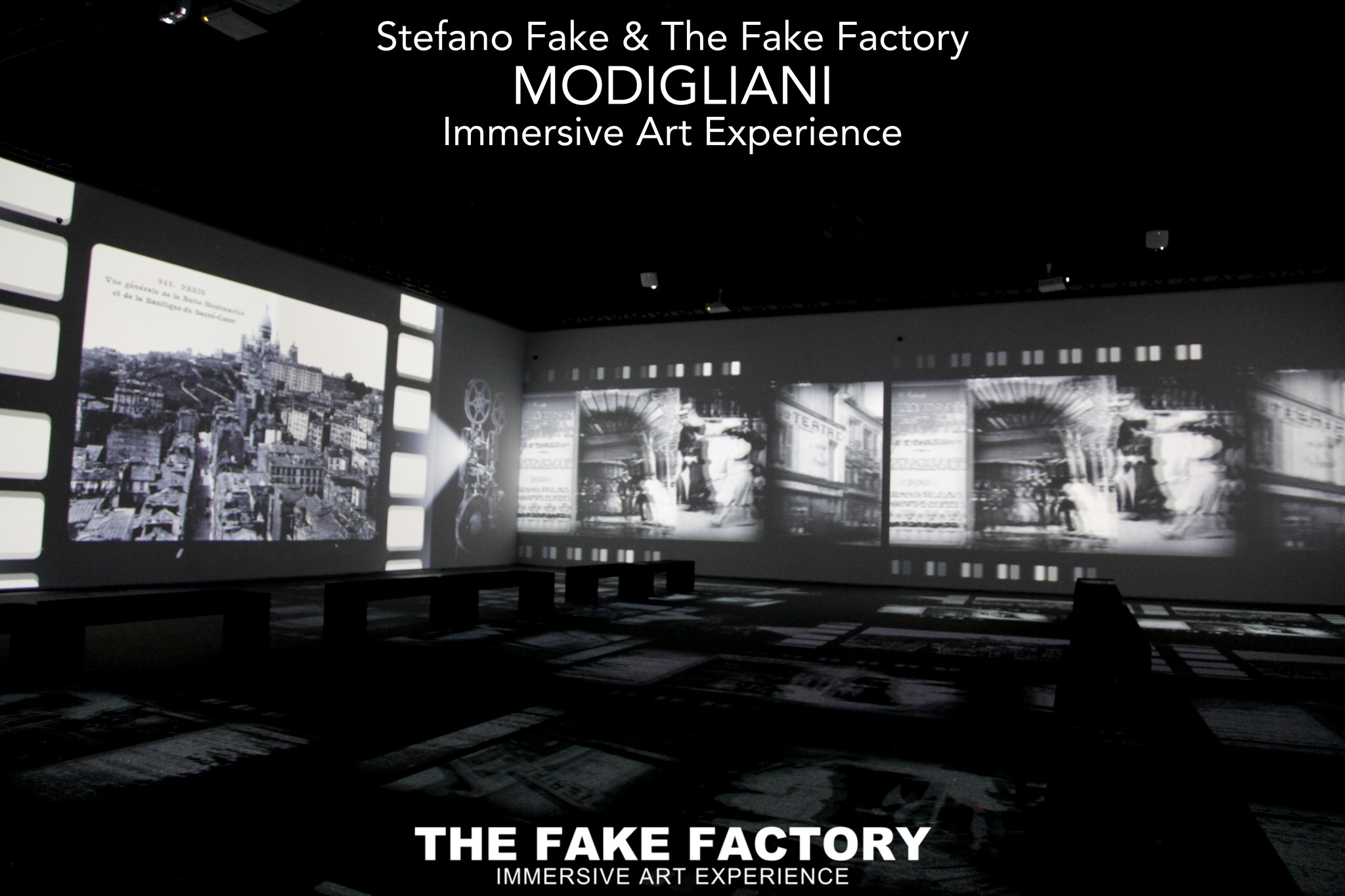
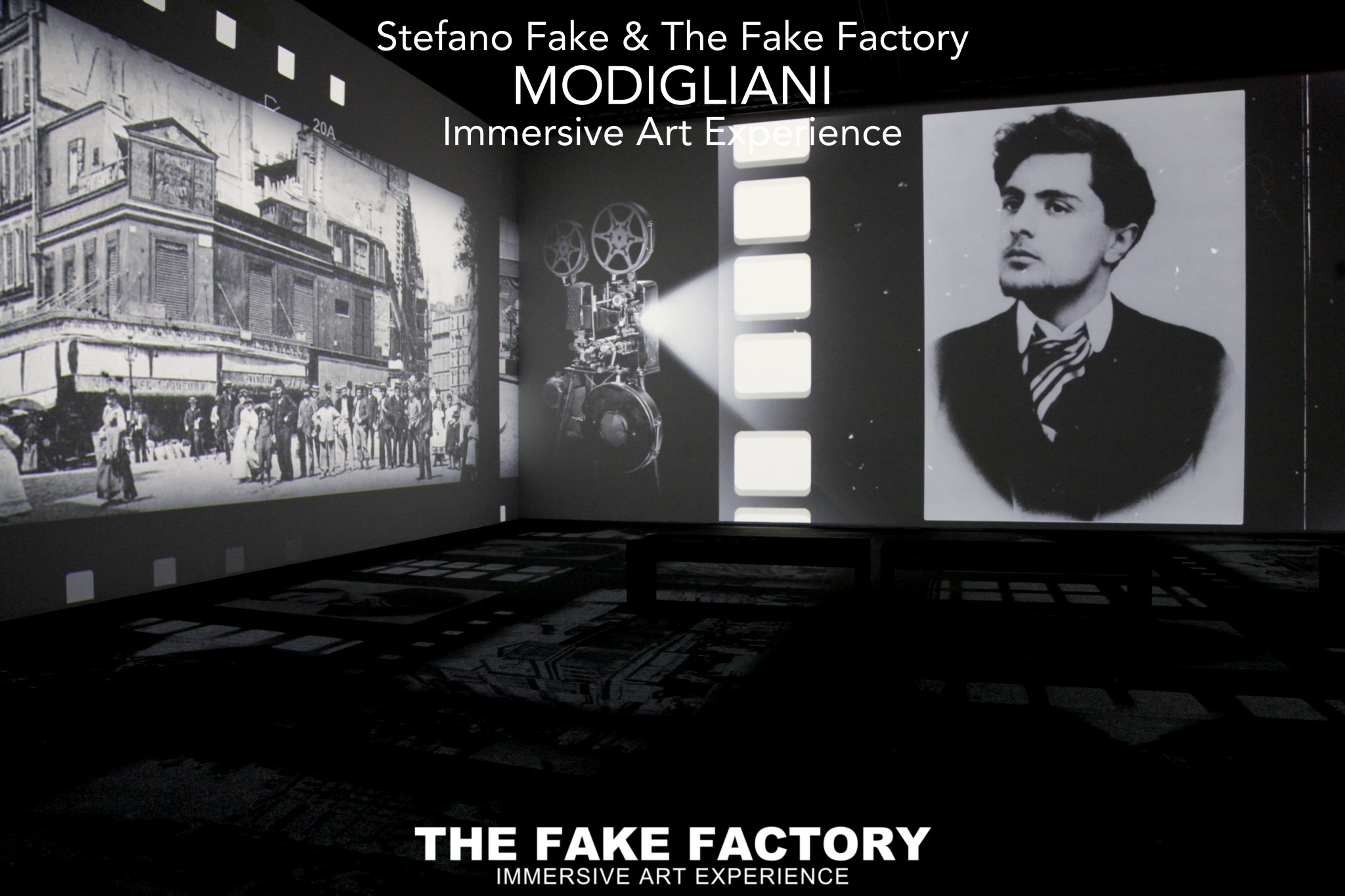
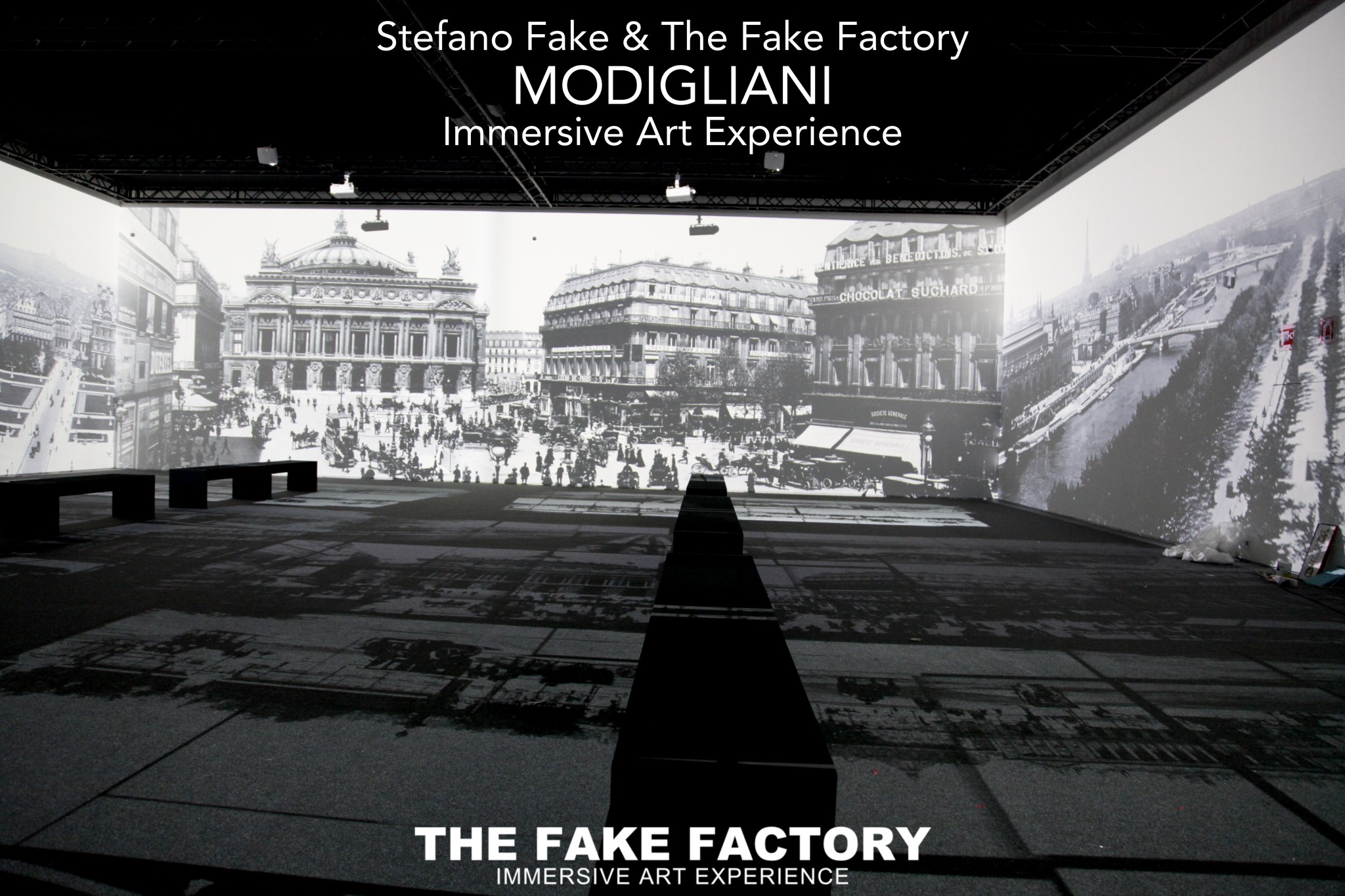
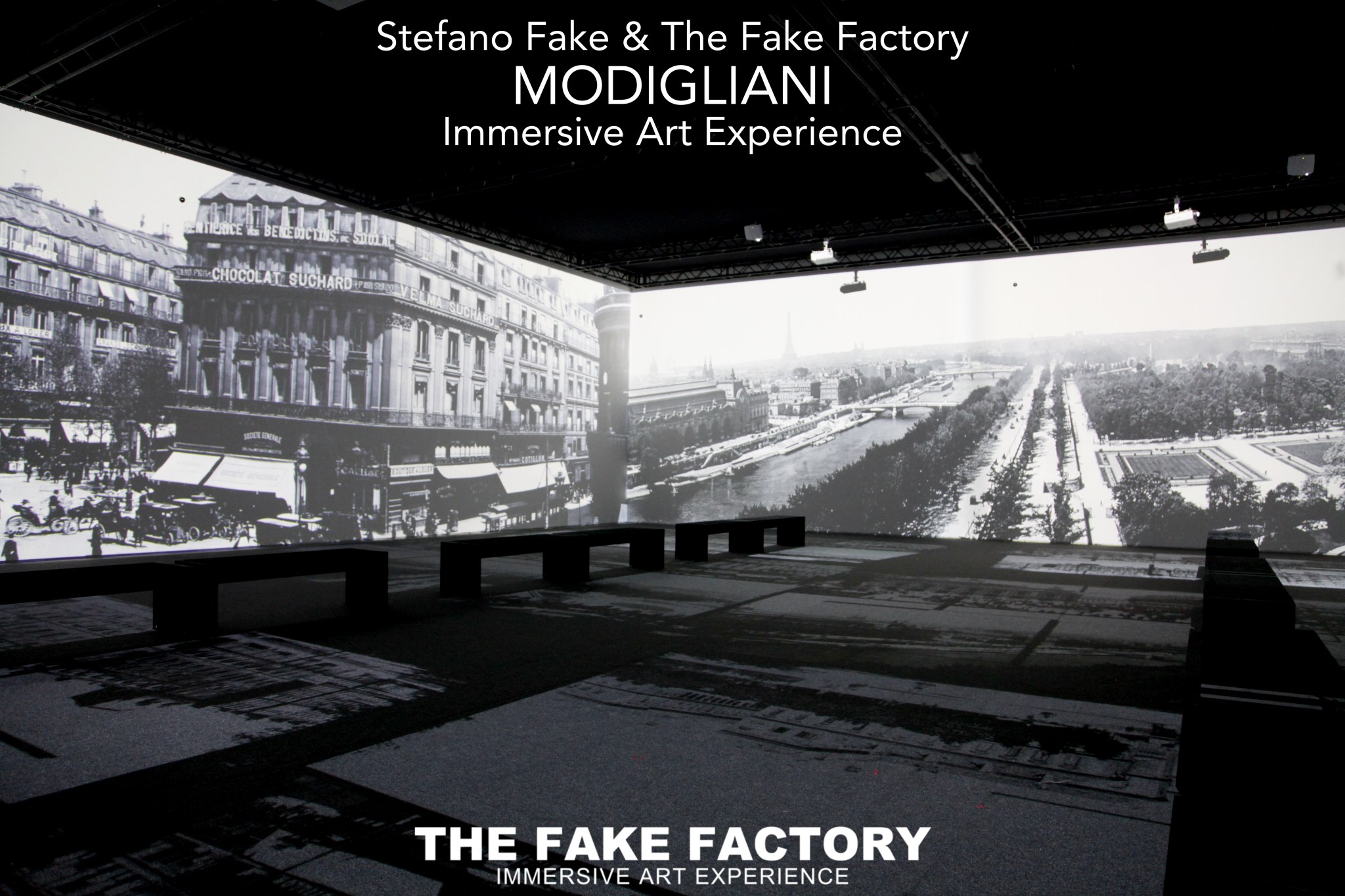
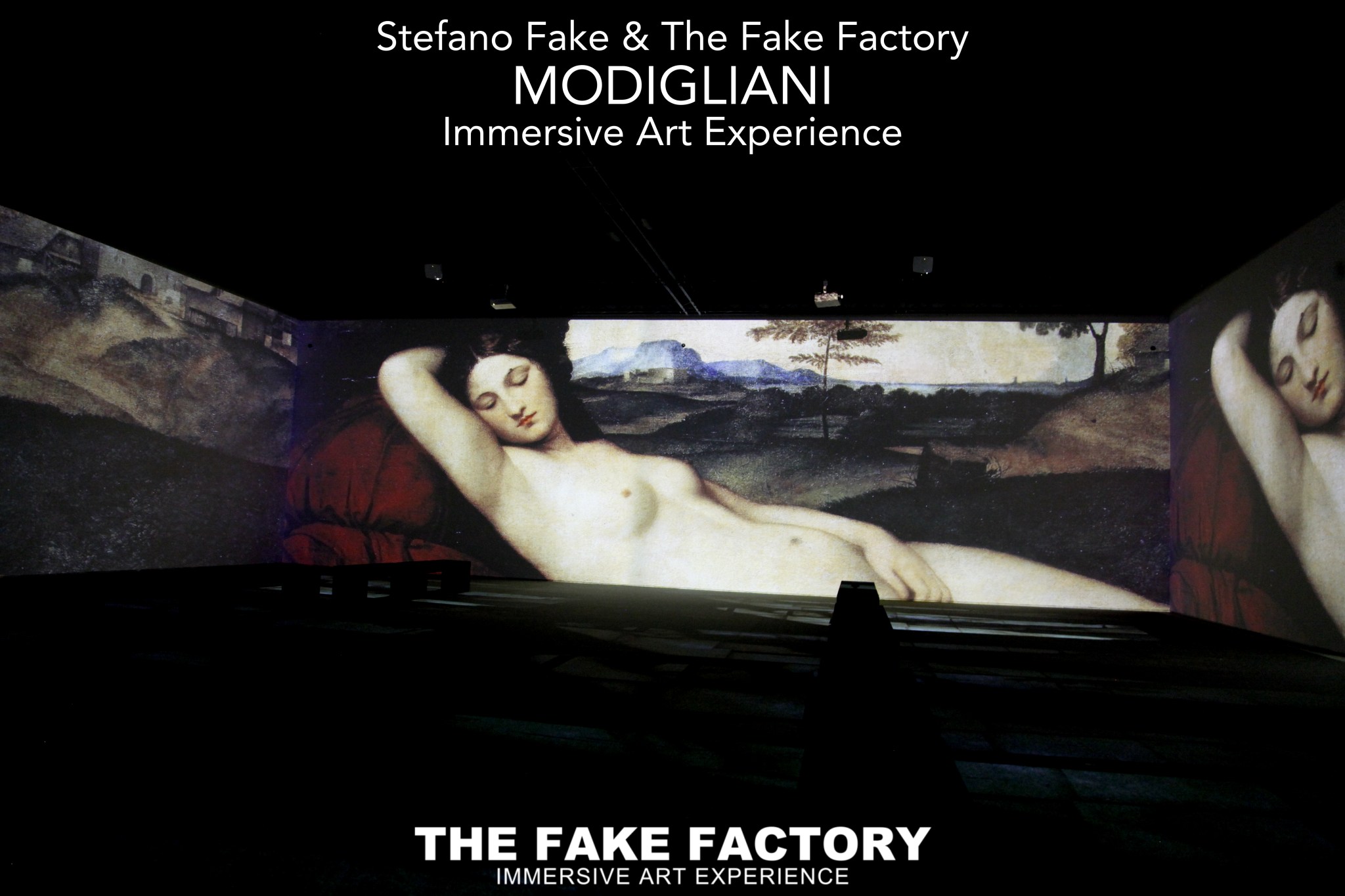
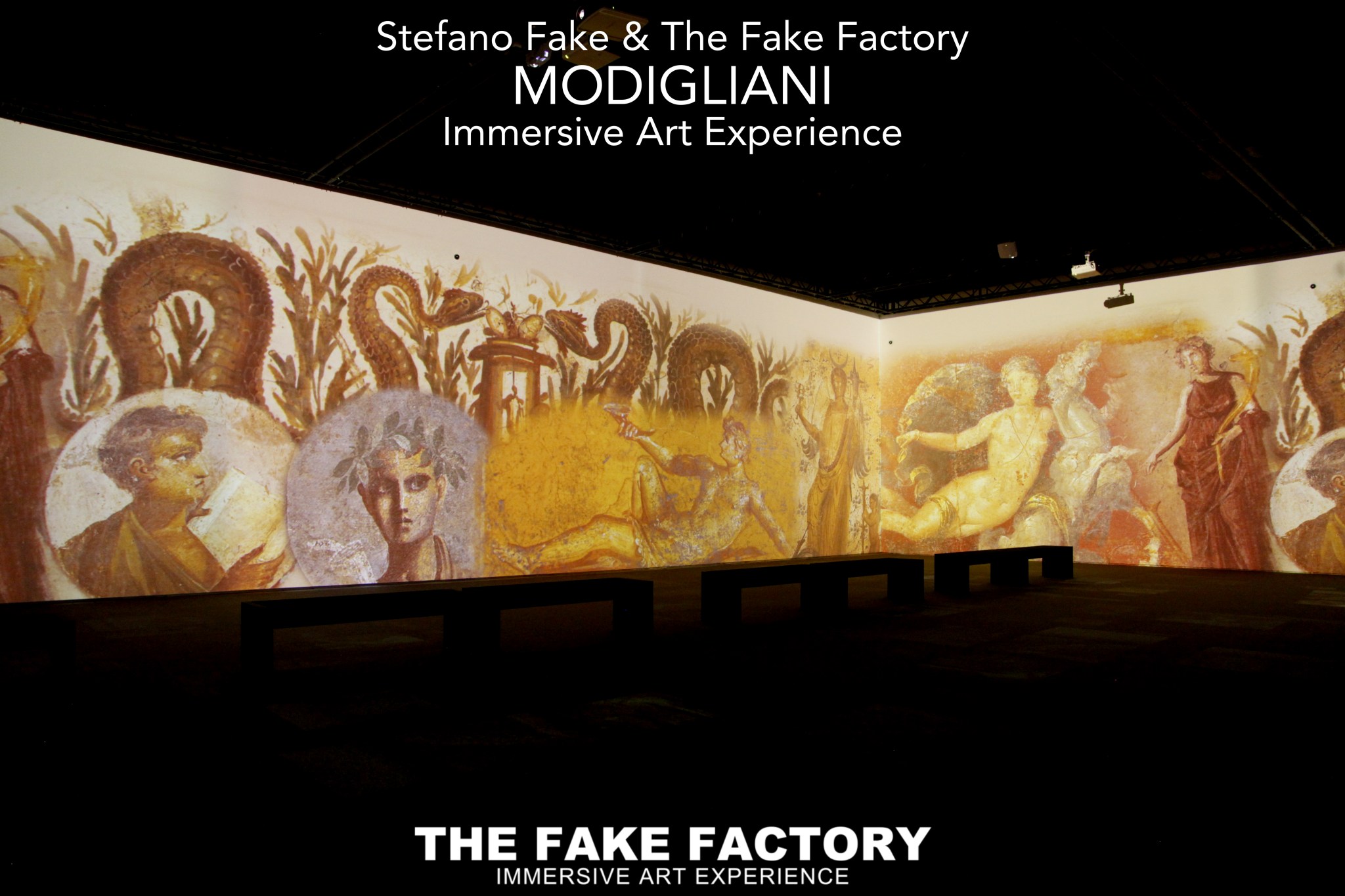
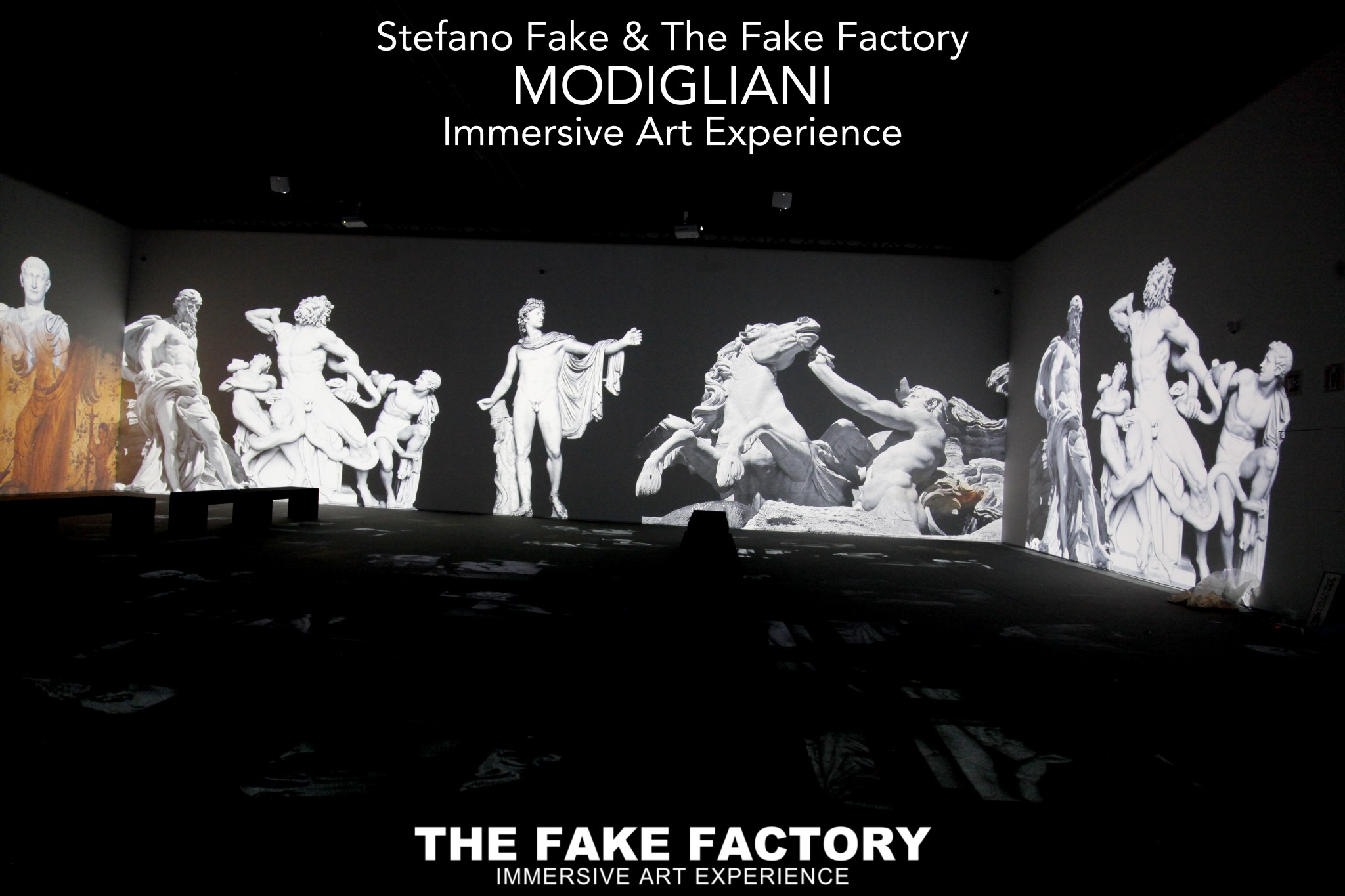
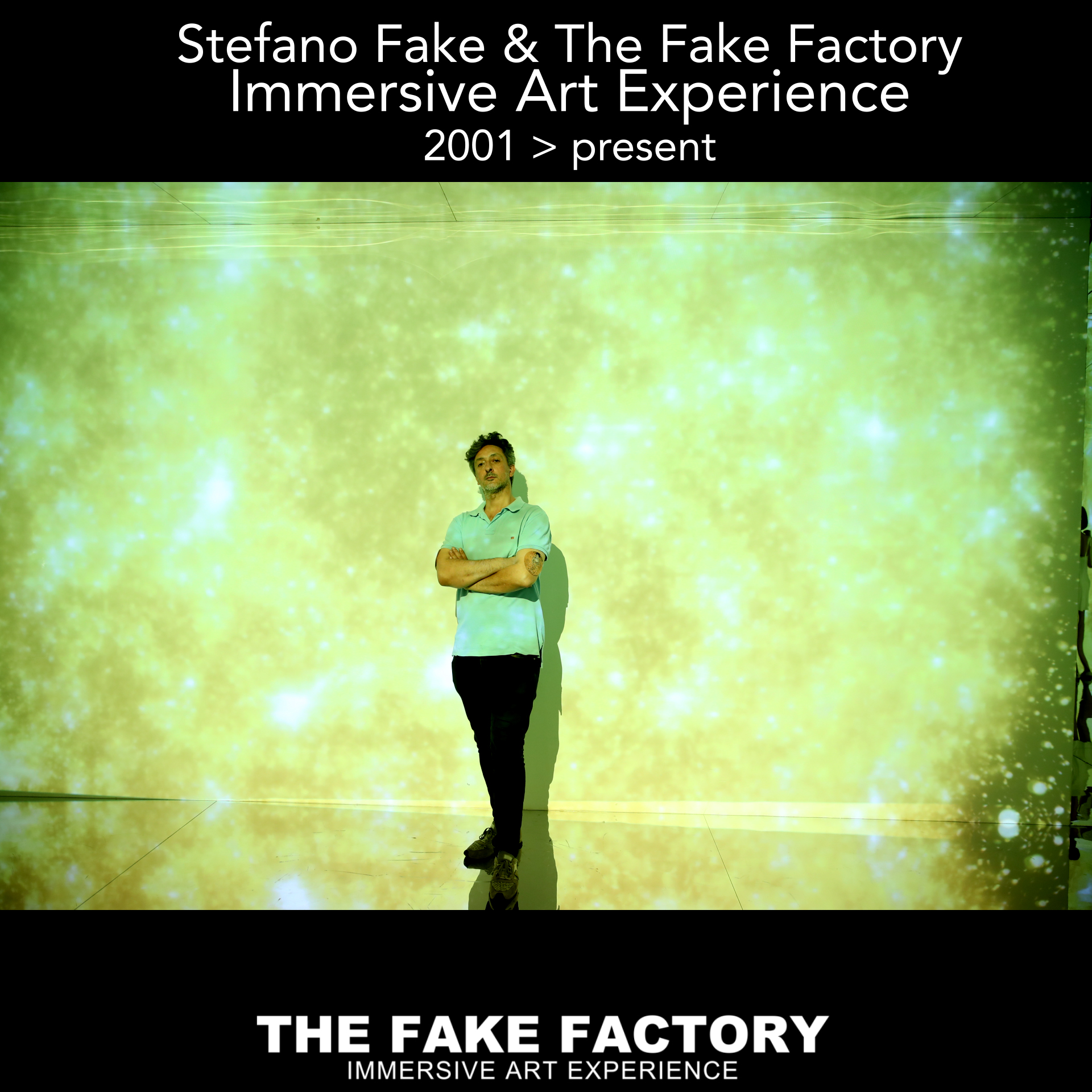
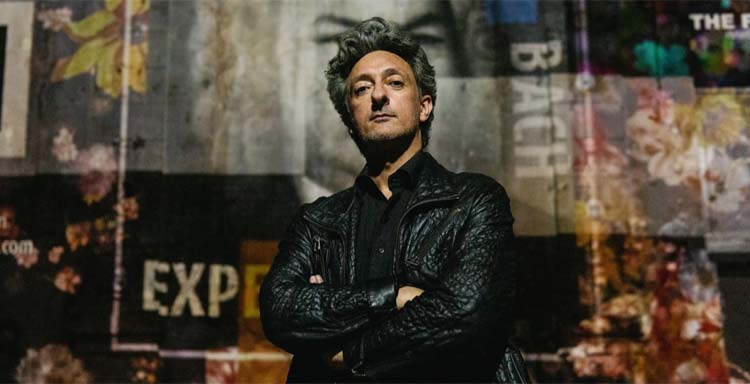
Stefano Fake è un artista e video designer italiano, che realizza installazioni utilizzando videoproiezioni, film, fotografie, sculture, computer grafica e tecnologie interattive. È pioniere e fra i principali esponenti contemporanei della Immersive Art, che si propone di immergere sensorialmente lo spettatore all’interno dell’opera d’arte stessa. Laureato in Scienze Politiche a Milano, segue Master di regia a Madrid, Los Angeles e New York. Dal 1997 al 2007 si trasferisce a Firenze e realizza le scenografie virtuali per la Compagnia Teatrale Krypton. Nel 2001 fonda The Fake Factory, uno studio specializzato in Arte Immersiva, Projection Art e Videomapping. Questo laboratorio in pochi anni diventa un punto di riferimento nel contesto dell’arte digitale e immersiva a livello nazionale e internazionale, partecipando alla realizzazione di numerosi progetti: esposizioni immersive, videomapping, installazioni luminose architetturali, produzione video, scenografie video per teatro, sfilate di moda, ambienti visivi per musei, gallerie ed eventi culturali, produzione di opere multisensoriali, videoinstallazioni, opere di video arte. Nel 2005 realizza uno dei suoi primi 3D videomapping (videoproiezioni architetturali che ridisegnano con illusioni ottiche le facciate dei palazzi), questa tecnica verrà riutilizzata più volte da The Fake Factory: Bastioni di Porta Venezia, Piazza Campidoglio Roma, Castello Sforzesco Milano, Ponte Vecchio, Cave di Marmo di Carrara, Palazzo del Senato Milano, Basilica di Santo Spirito Firenze, Villa Ephrussi de Rotschild, Teatro della Pegola Firenze, Stazione Leopolda, Palazzo Marino, Palazzo Corsini, Opera di Firenze, Palazzo della Farnesina, Condeduque Madrid. Nel 2006 inizia ad esporre le Immersive Mirror Rooms, ambienti immersivi realizzati con videoproiezioni e superfici riflettenti. Dal 2010 collabora con L’Orchestra Italiana del Cinema per portare attraverso concerti multimediali le colonne sonore dei film nel mondo. Dal 2015 realizza Mostre Immersive in Italia e nel Mondo, reinterpretando con linguaggi e tecnologie digitali le opere di artisti del passato. I suoi lavori (The Italian Beauty, Caravaggio Experience, Klimt Experience, Colors Art Experience, Monet Experience e gli Impressionisti francesi, Modigliani Art Experience, Leonardo da Vinci Body Immersion, Leonardo & Warhol The Genius Experience, Inside Magritte, Bach Experience) definiscono in pochi anni il format a livello internazionale, grazie a un successo di pubblico e critica senza precedenti (+ 5 milioni di visitatori complessivi nel periodo 2015-2022). Dal 2019 è ideatore e direttore artistico del progetto FARNESINA DIGITAL ART EXPERIENCE, in collaborazione con il Ministero degli Affari Esteri Italiano, con il fine di produrre, esporre e comunicare l’arte digitale italiana nel mondo. Siti web: stefanofake.art / thefakefactory.art / immersiveexperience.art / immersivemirrorroom.art / fakeartist.art
——
Stefano Fake is an Italian artist and video designer who creates installations using video projections, films, photographs, sculptures, computer graphics and interactive technologies. He is a pioneer and one of the main contemporary exponents of Immersive Art, which aims to sensorially immerse the viewer within the work of art itself. Graduated in Political Science in Milan, followed Masters in directing in Madrid, Los Angeles and New York. From 1997 to 2007 he moved to Florence and created the virtual sets for the Krypton Theater Company. In 2001 he founded The Fake Factory, a studio specialized in Immersive Art, Projection Art and Videomapping. In just a few years, this laboratory becomes a point of reference in the context of digital and immersive art at a national and international level, participating in the creation of numerous projects: immersive exhibitions, video mapping, architectural light installations, video production, video scenography for theatres, fashion, visual environments for museums, galleries and cultural events, production of multi-sensory works, video installations, video art works. In 2005 he made one of his first 3D videomappings (architectural video projections that redesign the facades of buildings with optical illusions), this technique will be reused several times by The Fake Factory: Bastioni di Porta Venezia, Piazza Campidoglio Rome, Castello Sforzesco Milan, Ponte Vecchio, Carrara marble quarries, Palazzo del Senato Milan, Basilica of Santo Spirito Florence, Villa Ephrussi de Rothschild, Teatro della Pegola Florence, Stazione Leopolda, Palazzo Marino, Palazzo Corsini, Opera di Firenze, Palazzo della Farnesina, Condeduque Madrid. In 2006 he began exhibiting the Immersive Mirror Rooms, immersive environments created with video projections and reflective surfaces. Since 2010 he has been collaborating with the Italian Cinema Orchestra to bring film soundtracks to the world through multimedia concerts. Since 2015 he has been creating Immersive Exhibitions in Italy and in the world, reinterpreting the works of artists of the past with digital languages and technologies. His works (The Italian Beauty, Caravaggio Experience, Klimt Experience, Colors Art Experience, Monet Experience and the French Impressionists, Modigliani Art Experience, Leonardo da Vinci Body Immersion, Leonardo & Warhol The Genius Experience, Inside Magritte, Bach Experience) define the format internationally, thanks to an unprecedented success with audiences and critics (+ 5 million visitors overall in the period 2015-2022). Since 2019 he has been the creator and artistic director of the FARNESINA DIGITAL ART EXPERIENCE project, in collaboration with the Italian Ministry of Foreign Affairs, with the aim of producing, exhibiting and communicating Italian digital art in the world. Websites: stefanofake.art / thefakefactory.art / immersiveexperience.art / immersivemirrorroom.art / fakeartist.art
Stefano Fake è un artista e video designer italiano, che realizza installazioni utilizzando videoproiezioni, film, fotografie, sculture, computer grafica e tecnologie interattive. È pioniere e fra i principali esponenti contemporanei della Immersive Art, che si propone di immergere sensorialmente lo spettatore all’interno dell’opera d’arte stessa. Laureato in Scienze Politiche a Milano, segue Master di regia a Madrid, Los Angeles e New York. Dal 1997 al 2007 si trasferisce a Firenze e realizza le scenografie virtuali per la Compagnia Teatrale Krypton. Nel 2001 fonda The Fake Factory, uno studio specializzato in Arte Immersiva, Projection Art e Videomapping. Questo laboratorio in pochi anni diventa un punto di riferimento nel contesto dell’arte digitale e immersiva a livello nazionale e internazionale, partecipando alla realizzazione di numerosi progetti: esposizioni immersive, videomapping, installazioni luminose architetturali, produzione video, scenografie video per teatro, sfilate di moda, ambienti visivi per musei, gallerie ed eventi culturali, produzione di opere multisensoriali, videoinstallazioni, opere di video arte. Nel 2005 realizza uno dei suoi primi 3D videomapping (videoproiezioni architetturali che ridisegnano con illusioni ottiche le facciate dei palazzi), questa tecnica verrà riutilizzata più volte da The Fake Factory: Bastioni di Porta Venezia, Piazza Campidoglio Roma, Castello Sforzesco Milano, Ponte Vecchio, Cave di Marmo di Carrara, Palazzo del Senato Milano, Basilica di Santo Spirito Firenze, Villa Ephrussi de Rotschild, Teatro della Pegola Firenze, Stazione Leopolda, Palazzo Marino, Palazzo Corsini, Opera di Firenze, Palazzo della Farnesina, Condeduque Madrid. Nel 2006 inizia ad esporre le Immersive Mirror Rooms, ambienti immersivi realizzati con videoproiezioni e superfici riflettenti. Dal 2010 collabora con L’Orchestra Italiana del Cinema per portare attraverso concerti multimediali le colonne sonore dei film nel mondo. Dal 2015 realizza Mostre Immersive in Italia e nel Mondo, reinterpretando con linguaggi e tecnologie digitali le opere di artisti del passato. I suoi lavori (The Italian Beauty, Caravaggio Experience, Klimt Experience, Colors Art Experience, Monet Experience e gli Impressionisti francesi, Modigliani Art Experience, Leonardo da Vinci Body Immersion, Leonardo & Warhol The Genius Experience, Inside Magritte, Bach Experience) definiscono in pochi anni il format a livello internazionale, grazie a un successo di pubblico e critica senza precedenti (+ 5 milioni di visitatori complessivi nel periodo 2015-2022). Dal 2019 è ideatore e direttore artistico del progetto FARNESINA DIGITAL ART EXPERIENCE, in collaborazione con il Ministero degli Affari Esteri Italiano, con il fine di produrre, esporre e comunicare l’arte digitale italiana nel mondo. Siti web: stefanofake.art / thefakefactory.art / immersiveexperience.art / immersivemirrorroom.art / fakeartist.art
——
Stefano Fake is an Italian artist and video designer who creates installations using video projections, films, photographs, sculptures, computer graphics and interactive technologies. He is a pioneer and one of the main contemporary exponents of Immersive Art, which aims to sensorially immerse the viewer within the work of art itself. Graduated in Political Science in Milan, followed Masters in directing in Madrid, Los Angeles and New York. From 1997 to 2007 he moved to Florence and created the virtual sets for the Krypton Theater Company. In 2001 he founded The Fake Factory, a studio specialized in Immersive Art, Projection Art and Videomapping. In just a few years, this laboratory becomes a point of reference in the context of digital and immersive art at a national and international level, participating in the creation of numerous projects: immersive exhibitions, video mapping, architectural light installations, video production, video scenography for theatres, fashion, visual environments for museums, galleries and cultural events, production of multi-sensory works, video installations, video art works. In 2005 he made one of his first 3D videomappings (architectural video projections that redesign the facades of buildings with optical illusions), this technique will be reused several times by The Fake Factory: Bastioni di Porta Venezia, Piazza Campidoglio Rome, Castello Sforzesco Milan, Ponte Vecchio, Carrara marble quarries, Palazzo del Senato Milan, Basilica of Santo Spirito Florence, Villa Ephrussi de Rothschild, Teatro della Pegola Florence, Stazione Leopolda, Palazzo Marino, Palazzo Corsini, Opera di Firenze, Palazzo della Farnesina, Condeduque Madrid. In 2006 he began exhibiting the Immersive Mirror Rooms, immersive environments created with video projections and reflective surfaces. Since 2010 he has been collaborating with the Italian Cinema Orchestra to bring film soundtracks to the world through multimedia concerts. Since 2015 he has been creating Immersive Exhibitions in Italy and in the world, reinterpreting the works of artists of the past with digital languages and technologies. His works (The Italian Beauty, Caravaggio Experience, Klimt Experience, Colors Art Experience, Monet Experience and the French Impressionists, Modigliani Art Experience, Leonardo da Vinci Body Immersion, Leonardo & Warhol The Genius Experience, Inside Magritte, Bach Experience) define the format internationally, thanks to an unprecedented success with audiences and critics (+ 5 million visitors overall in the period 2015-2022). Since 2019 he has been the creator and artistic director of the FARNESINA DIGITAL ART EXPERIENCE project, in collaboration with the Italian Ministry of Foreign Affairs, with the aim of producing, exhibiting and communicating Italian digital art in the world. Websites: stefanofake.art / thefakefactory.art / immersiveexperience.art / immersivemirrorroom.art / fakeartist.art







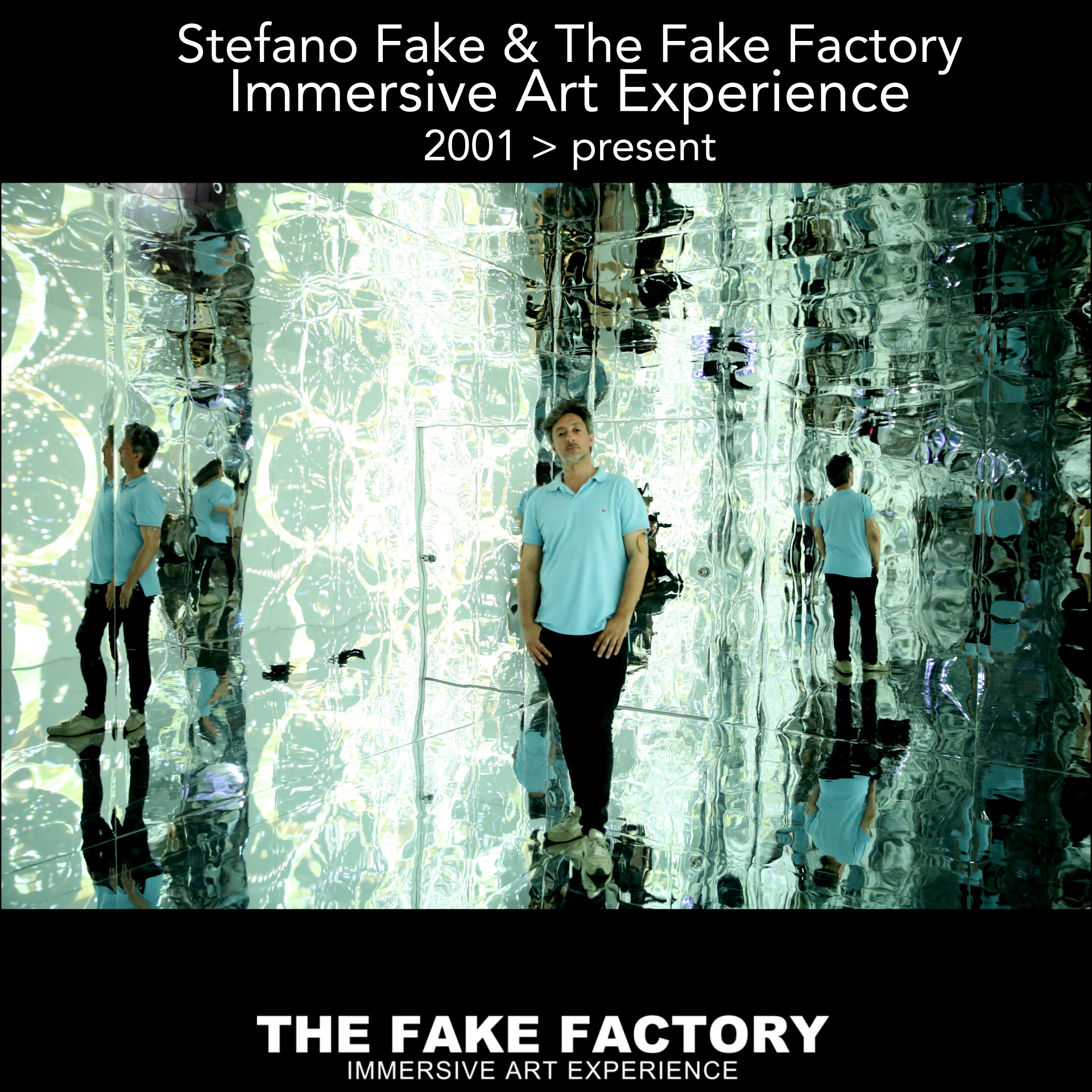














































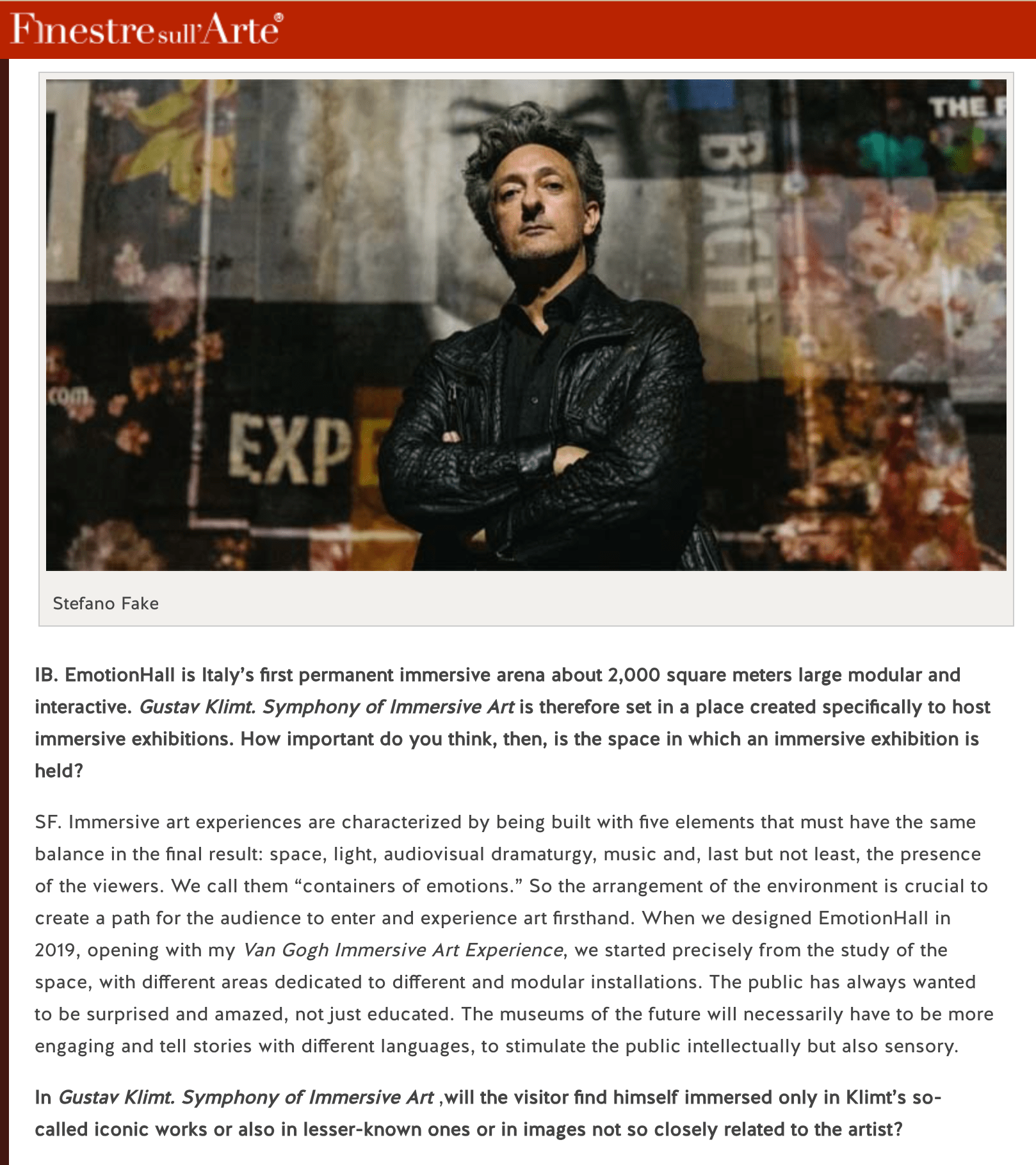
 Stefano Fake