IMMERSIVE ART AND RELATIONAL AESTHETICS
Art is a game between all men of all ages.
(Marcel Duchamp)
It takes two to make an image.
(Jean-Luc Godard)
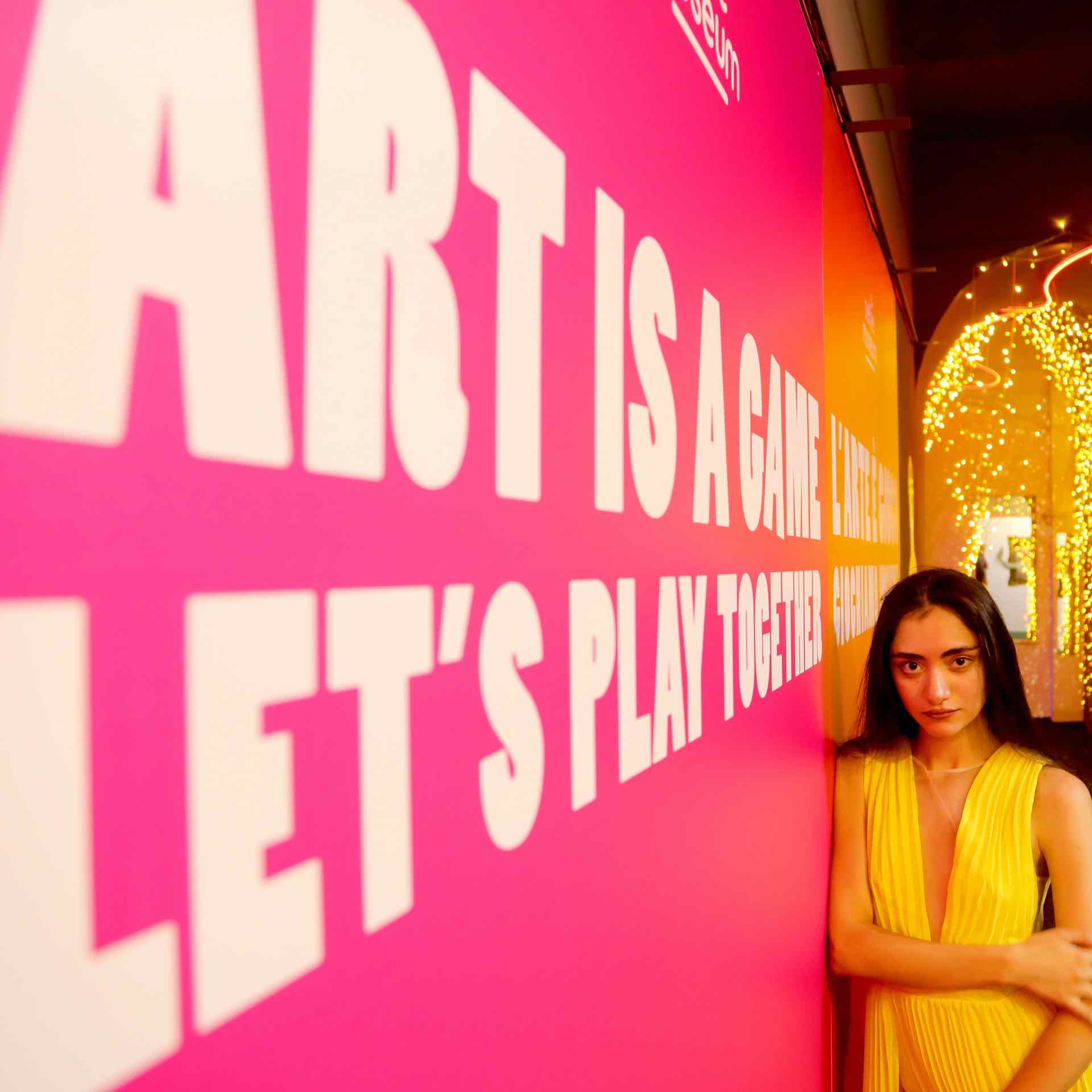
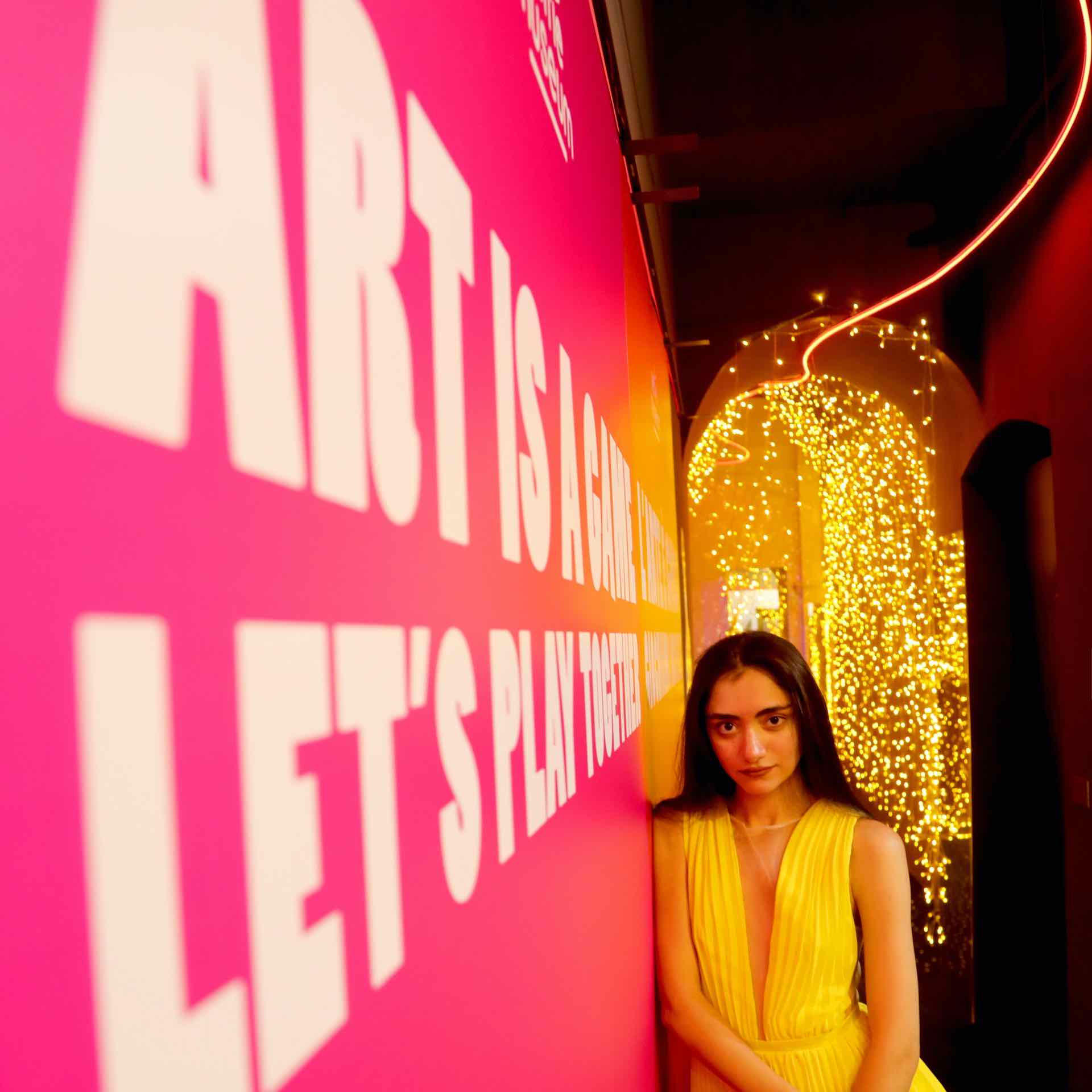
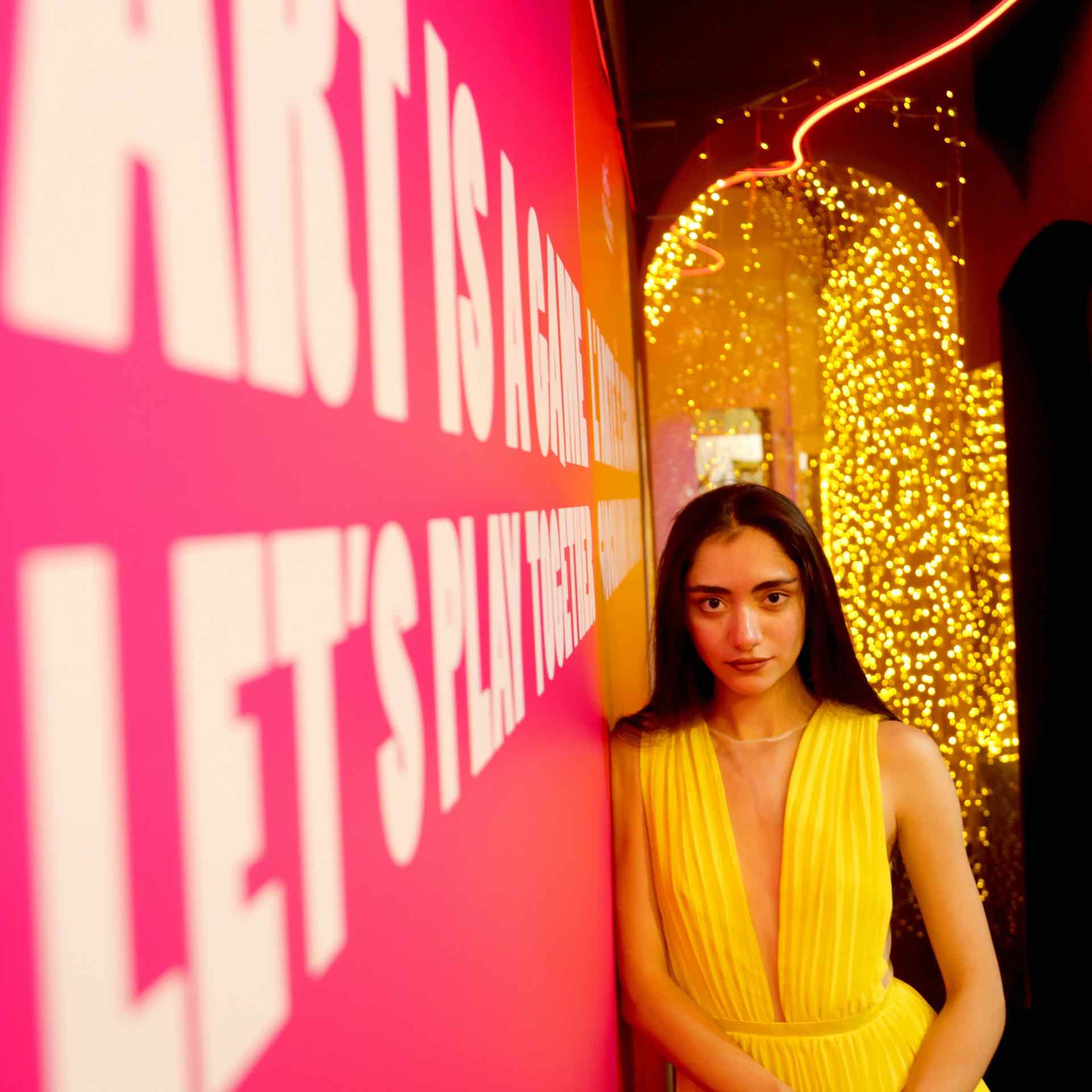
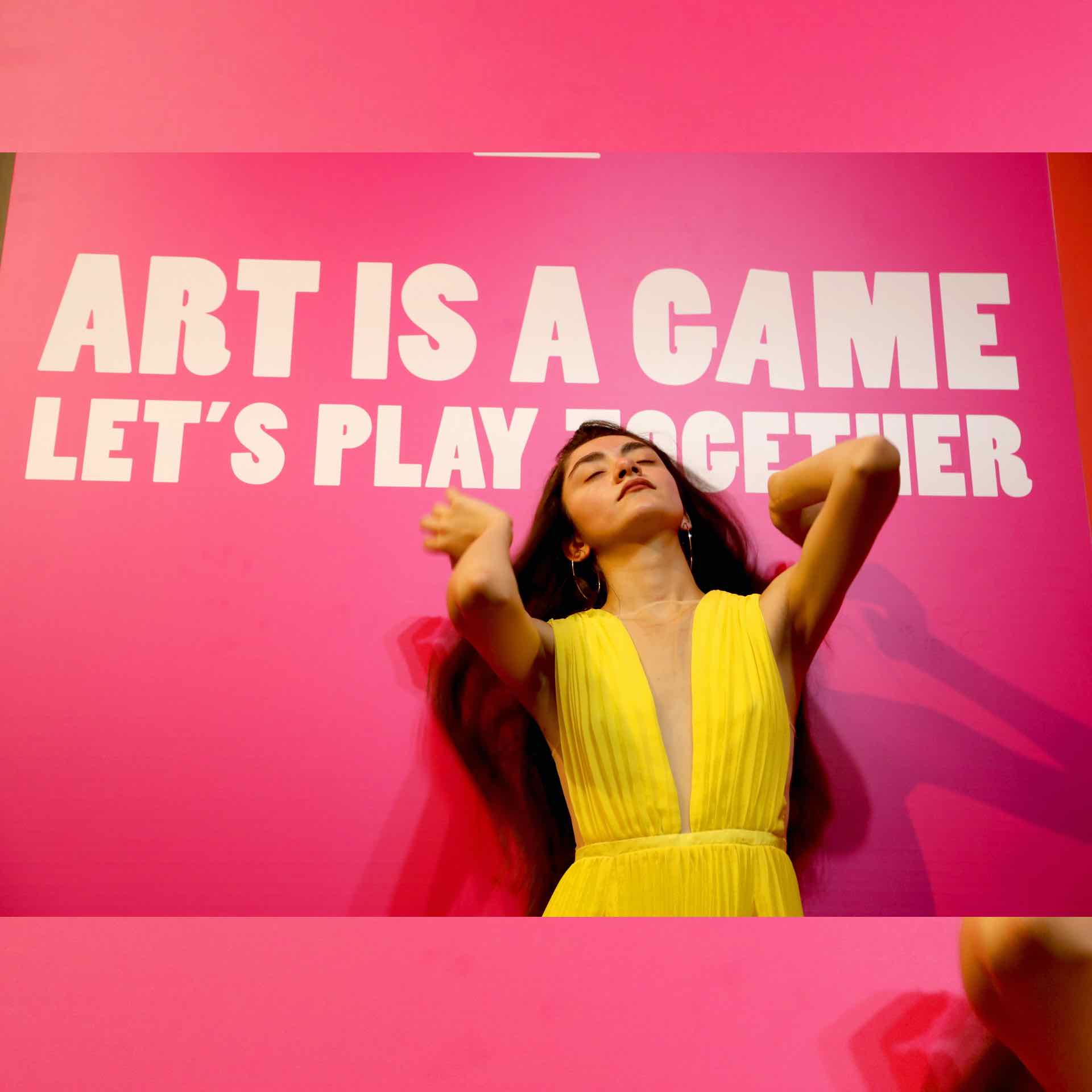
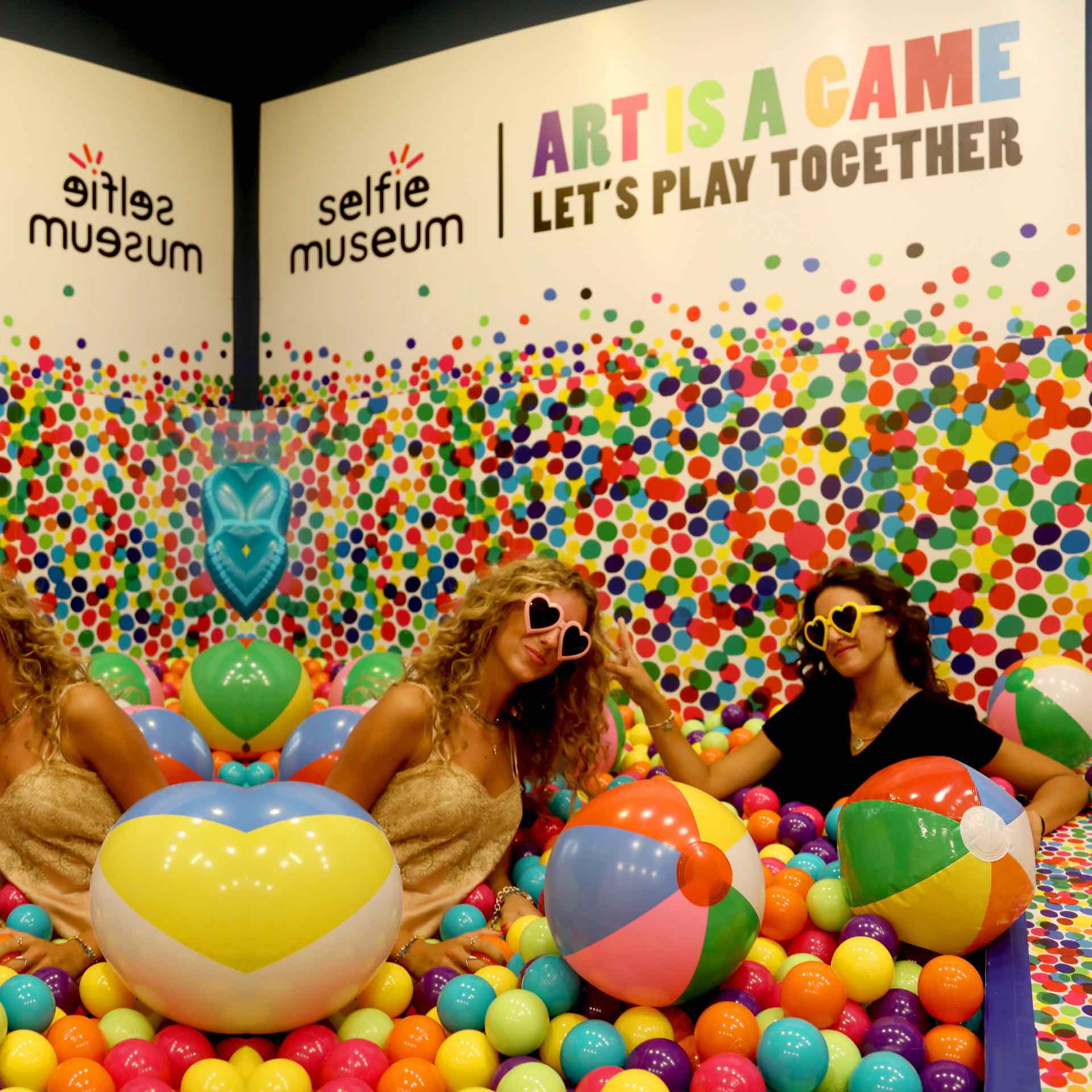
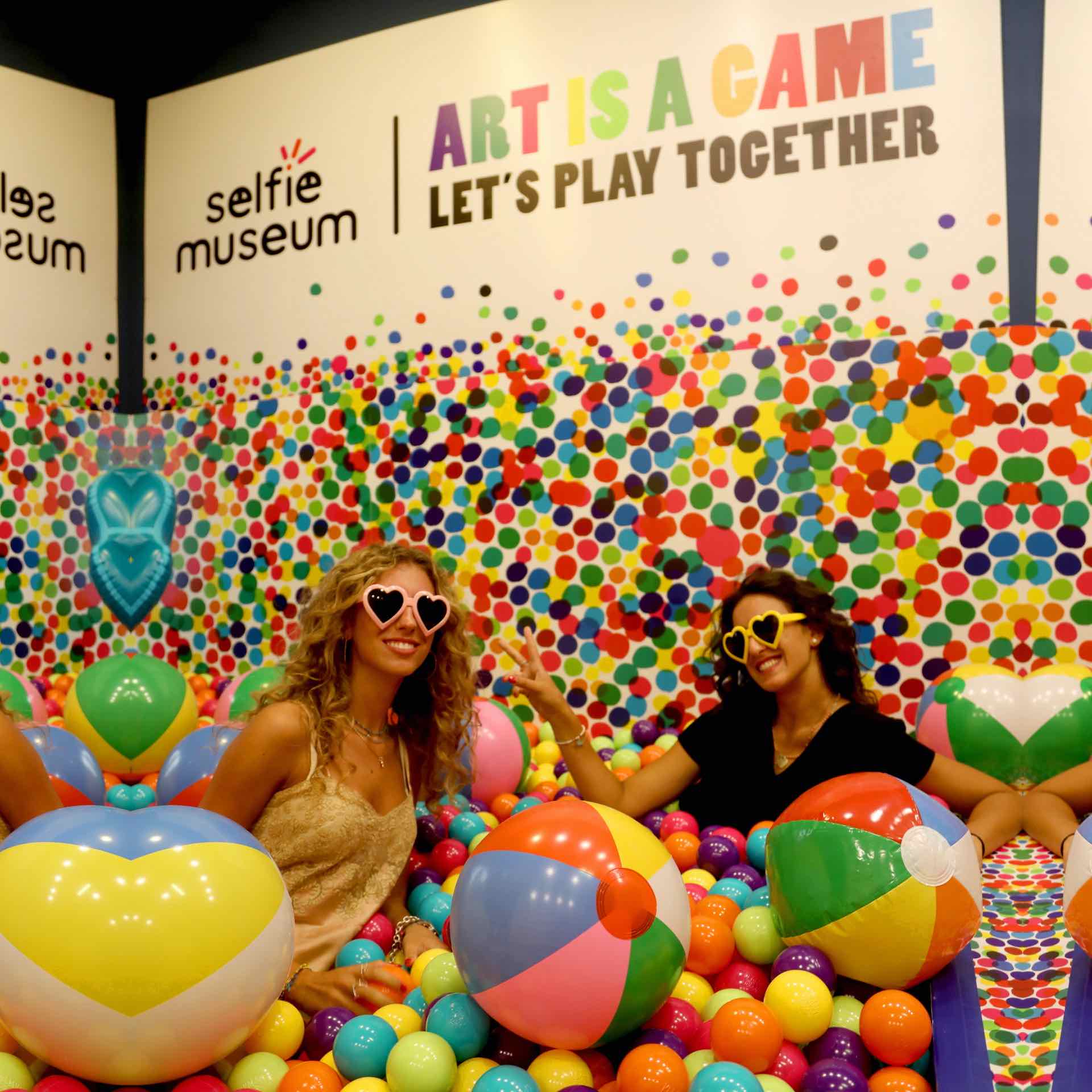
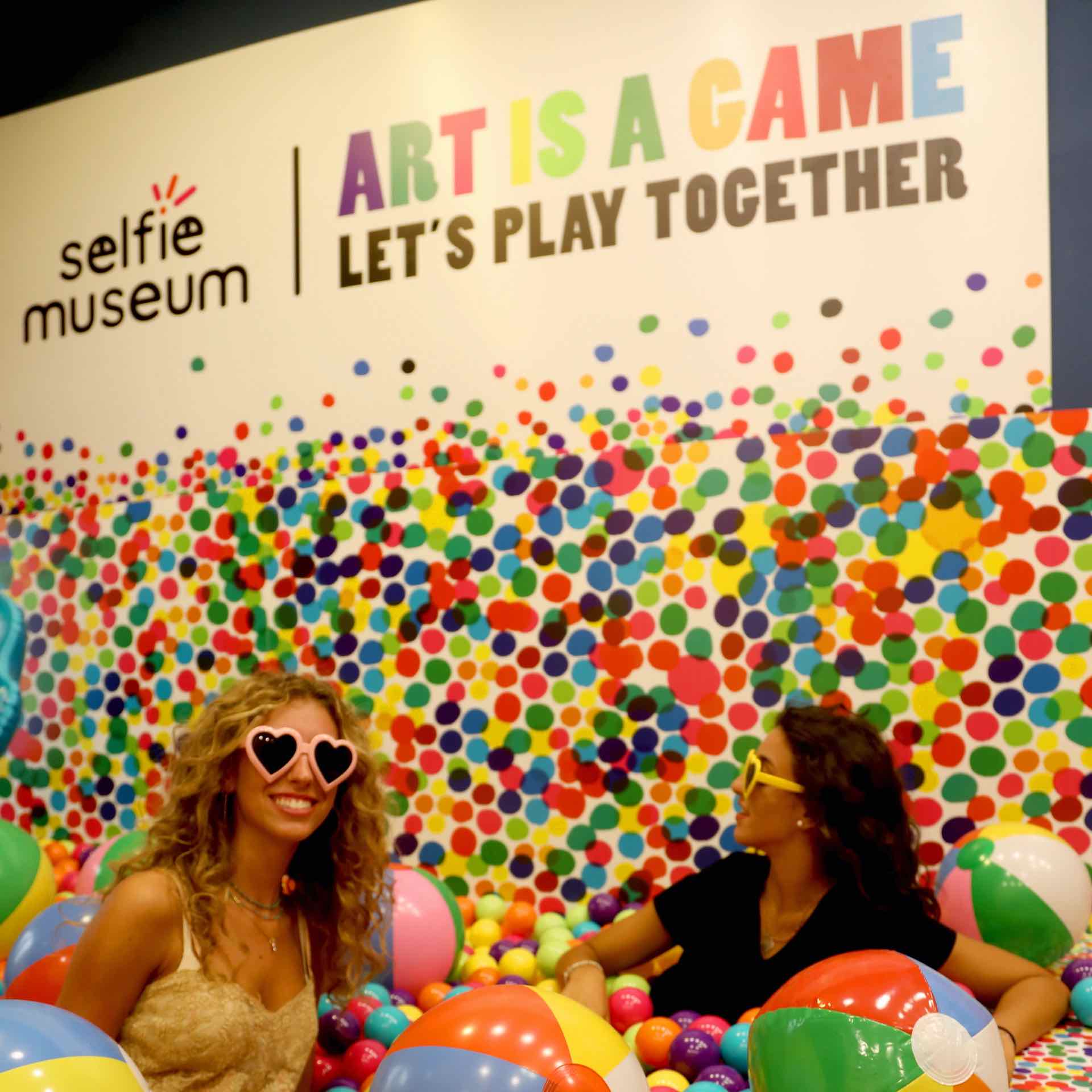
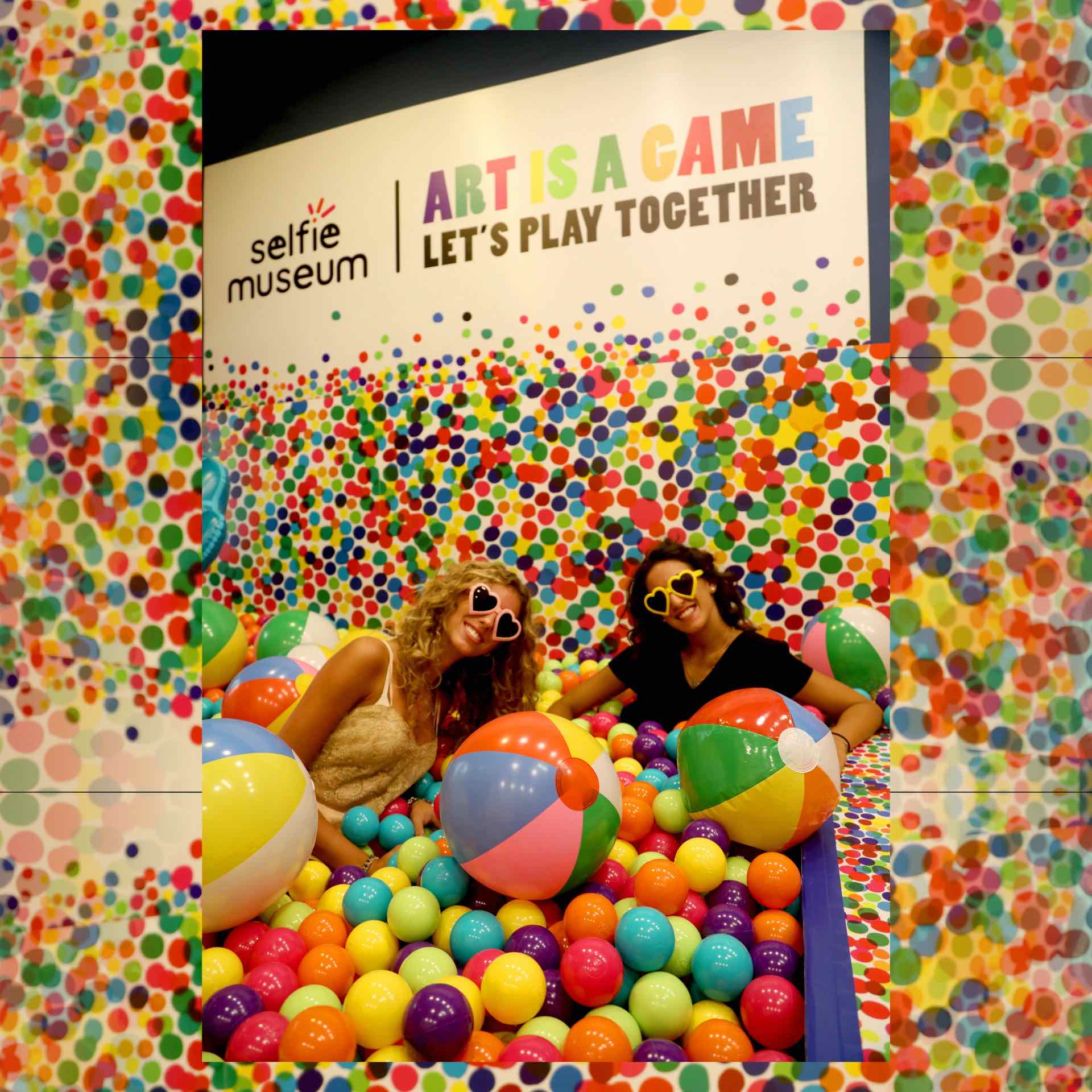
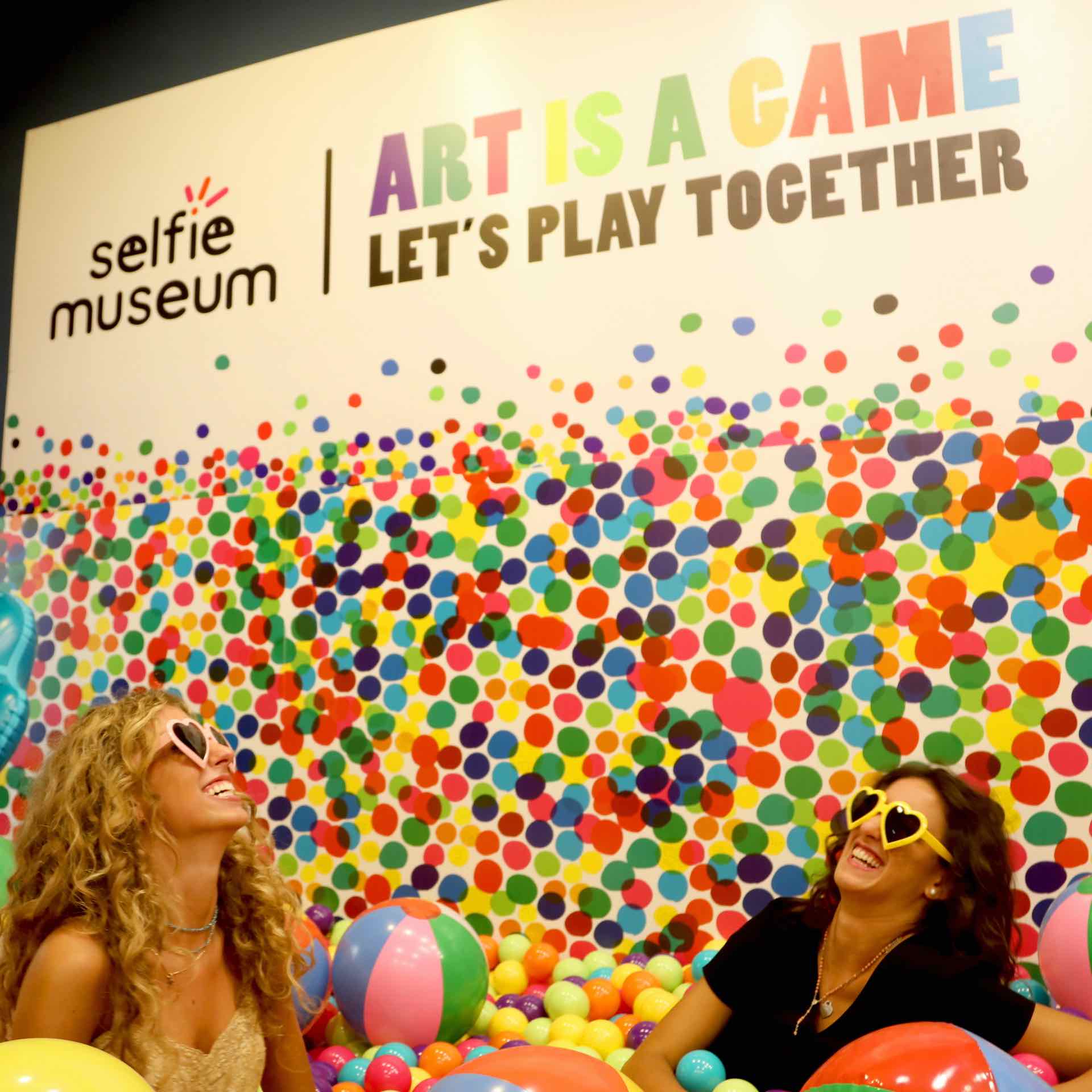
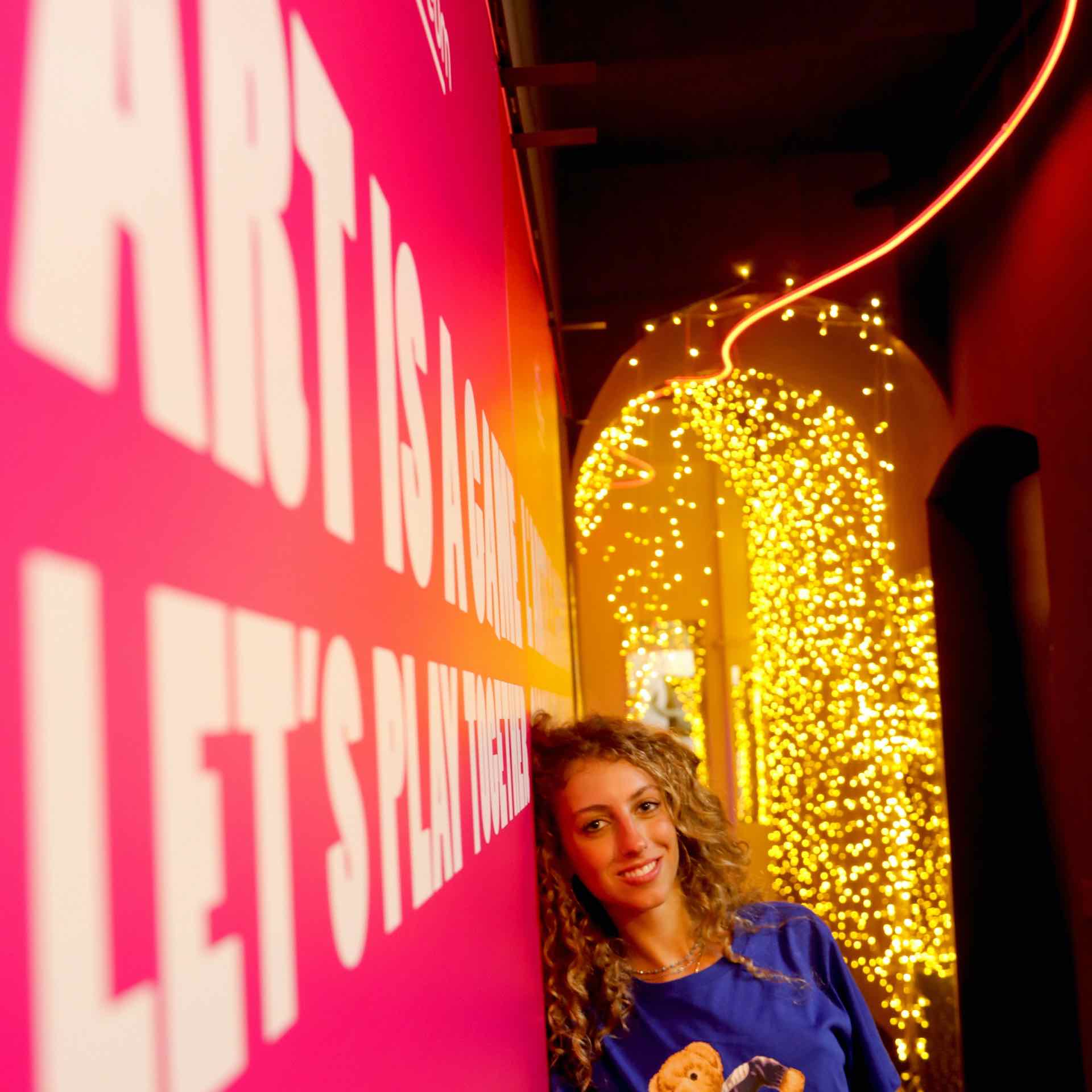
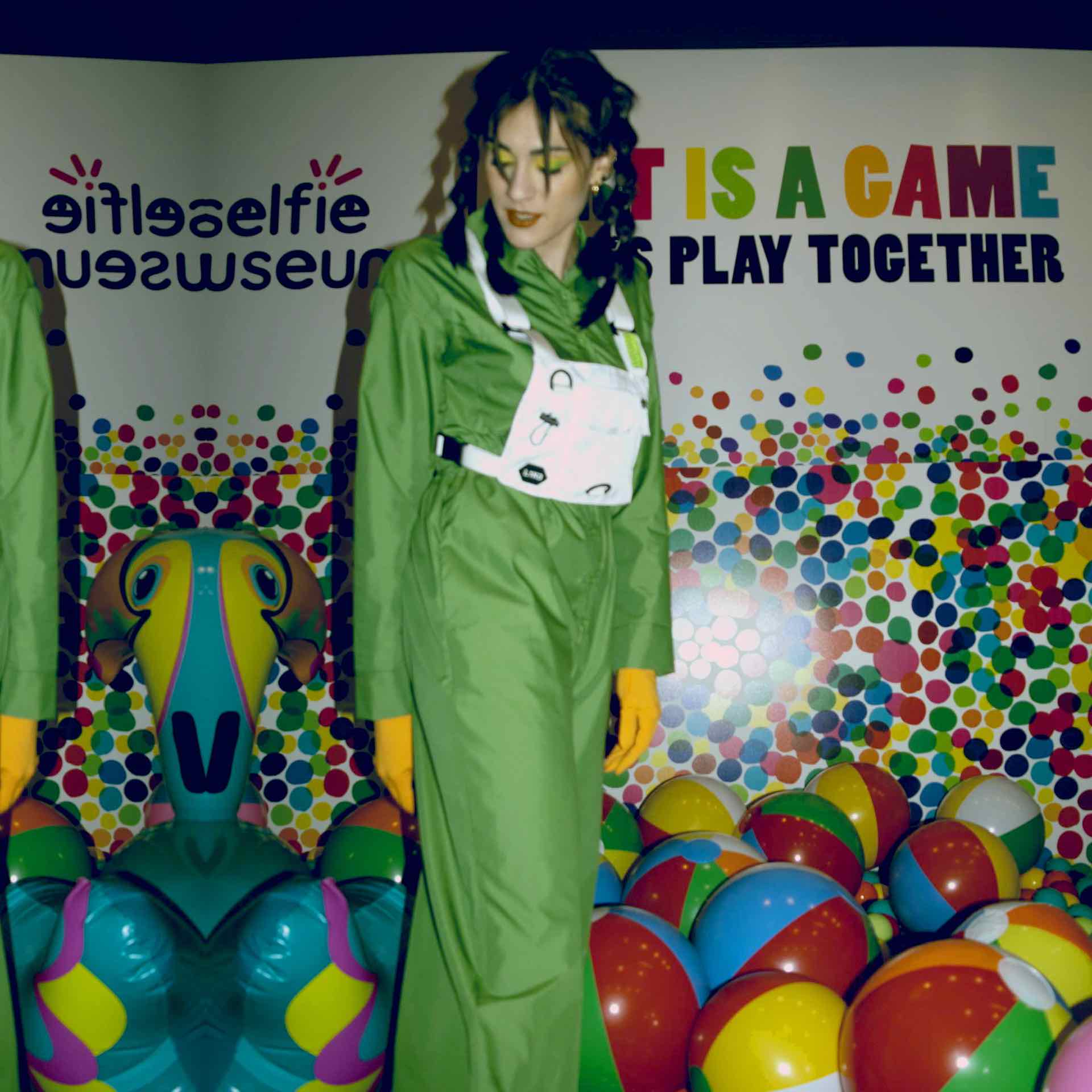
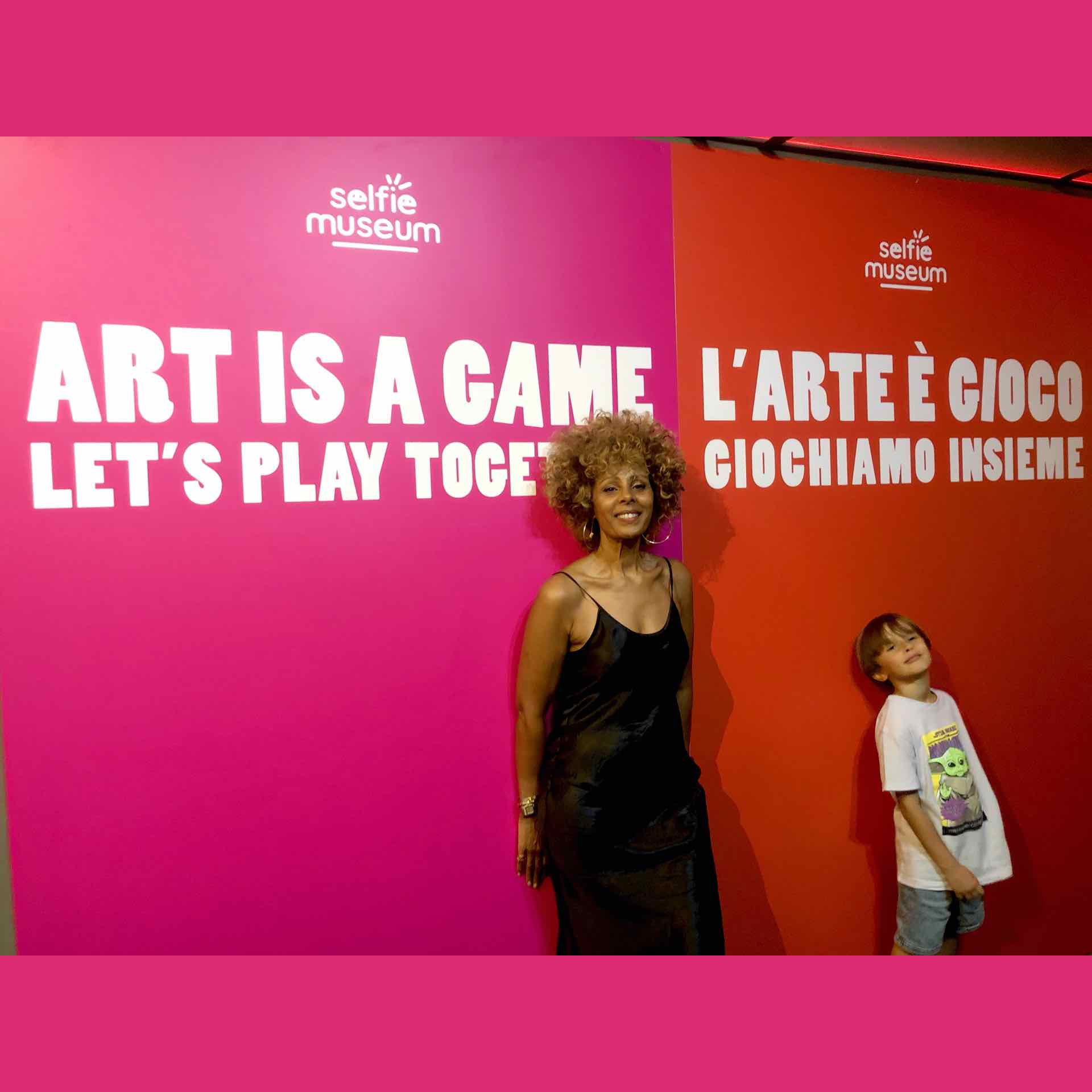
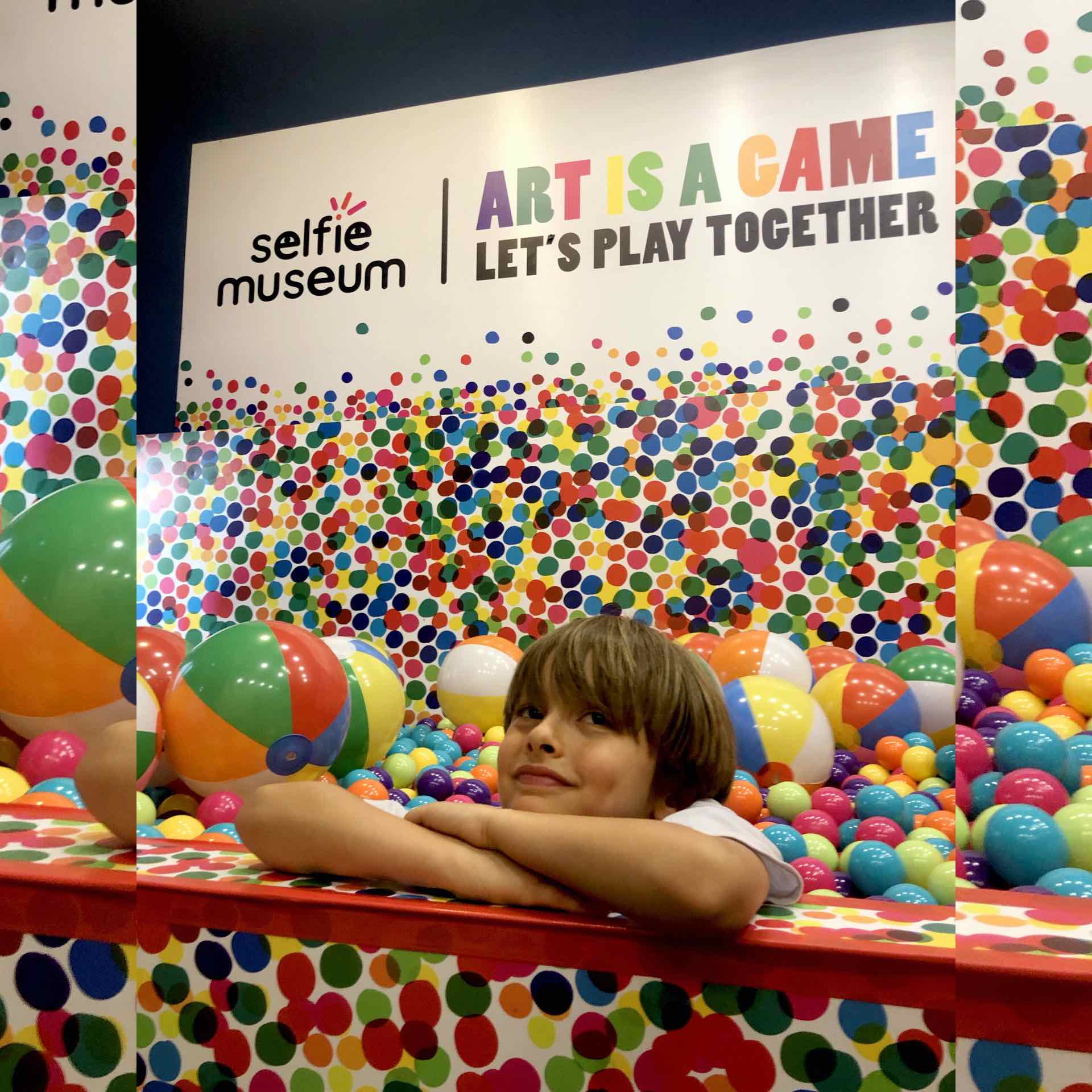
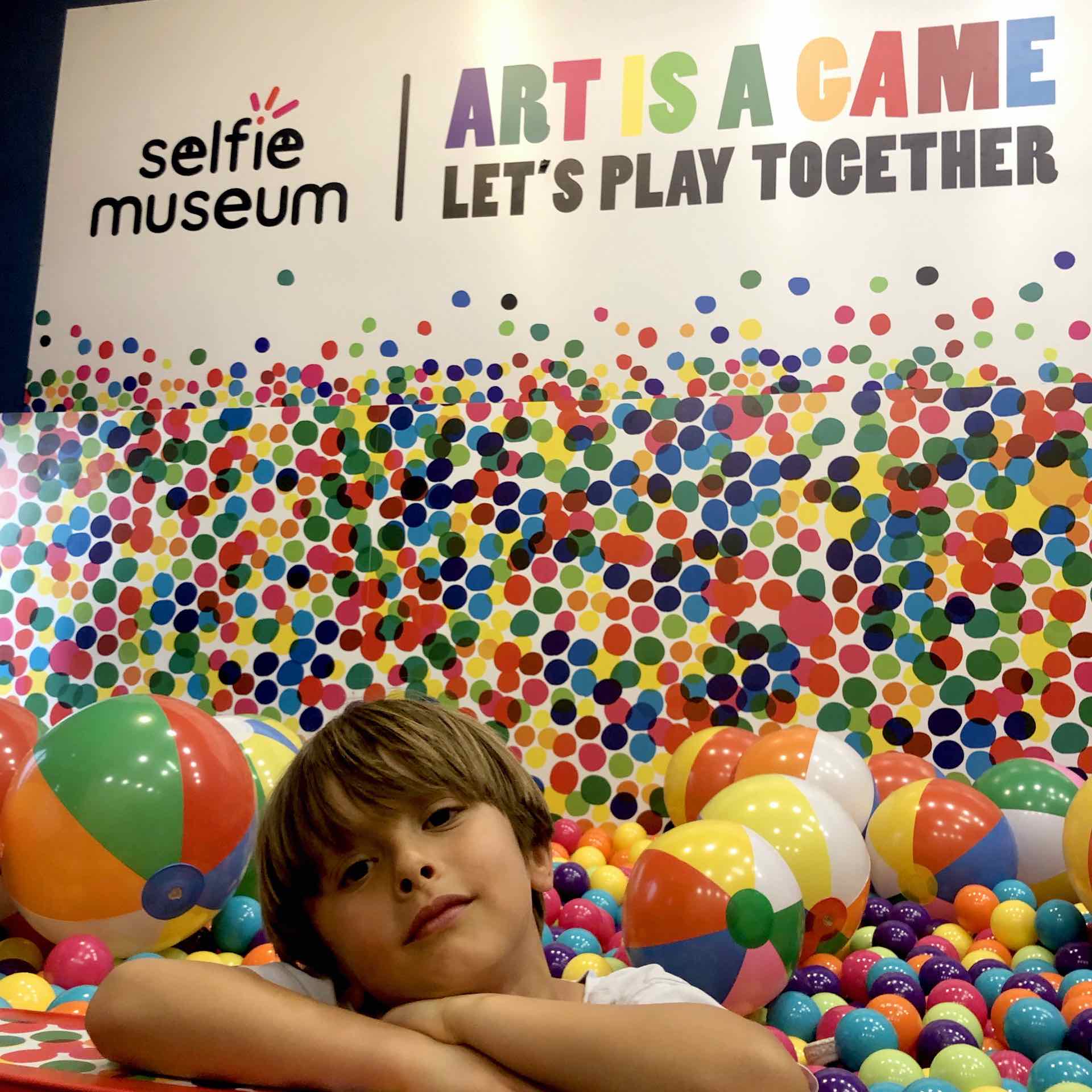
Art is Game, Let’s play Together
(Stefano Fake)
There is an interesting aspect regarding the involvement and relationship established between the artist and the public within an immersive work of art.
Recent developments in contemporary art have opened the discussion on the emergence of exhibition forms
that arise, from the designing stage, as a relationship between a work of art and the public.
Starting from the programmatic text Relational Aesthetics by Nicolas Bourriaud (Esthetique relationelle, 1998), artistic value is now conferred
to those art installations whose material form is no longer, or not only, a physical object or the creation of an aesthetic environment,
but the social relationship and the actions that exist between the work and the public.
Art is a state of encounter.
Relational aesthetics try to decode or understand what kind of relationship and reaction the work produces on the viewer.
Experiential exhibitions are the privileged place where instant collectivities are established,
differentiated according to the degree of spectator participation requested by the artist,
the nature of the works, the participation models proposed or represented.
The relationship is not the simple secondary effect of a formal composition,
but the principle of a trajectory that unfolds through signs, objects, shapes, gestures.
The form of the contemporary work extends beyond its material form:
it is a binding element, a principle of dynamic relationship.
A work of art is a point on a line.
The form of the work is given by the encounter, by the dynamic relationship between artist and visitor.
The form of the work, in our case the creation not only of an aesthetic environment
but also of an experiential path, is given by the dialogue that the artist seeks with the public:
the form takes on consistency only when it involves human relations.
The emergence of new multi-media and multi-modal techniques,
indicates a collective desire to create new spaces of conviviality,
new transactions with the cultural object.
The multimedia artist who creates immersive art experiences will therefore have to concentrate on the relationships that his work will create in the public.
Since the 1990s, a number of artists have made this artist-work-public relationship the specific object of their research. The examples brought by Bourriaud to support his theory are many and extremely different in their realizations:
Félix González-Torres, Maurizio Cattelan, Carsten Höller, Noritoshi Hirasawa, Daniel Buren, Rirkrit Tiravanija.
What unites them is the research in their works of interactivity, conviviality and relationship with the visitor.
All this in order for us to face the evidence that the “society of spectacle”,
initially theorized by Guy Debord (La Société du Spectacle, 1967),
has been achieved today like never before.
Contemporary society would seem to be characterized by an ever greater separation that conditions relational channels,
where human relations are no longer lived directly, but begin to be confused due to their spectacular representation.
The result, decades after Debord’s critical text,
has transported artistic practice to a rich territory of social experimentation of all kinds.
Today’s art elaborates models of possible universes and works of art
the aim is to establish action models within the existing reality.
In my artistic practice I must say that I found myself in Bourriaud’s phrase:
The artist lives in the circumstances that the present offers him, in order to transform the context of his life (his relationship with the sensitive or conceptual world)
into a lasting universe. He takes the world in movement. Modernity continues today in the practices of bricolage and recycling of cultural data,
in the invention of everyday life and in the planning of lived time, which are objects no less worthy of attention and study
with respect to the messianic utopias or the formal innovations that characterized yesterday.
Art has always been relational to different degrees, that is, a factor of social participation and a founder of dialogue, but never like today,
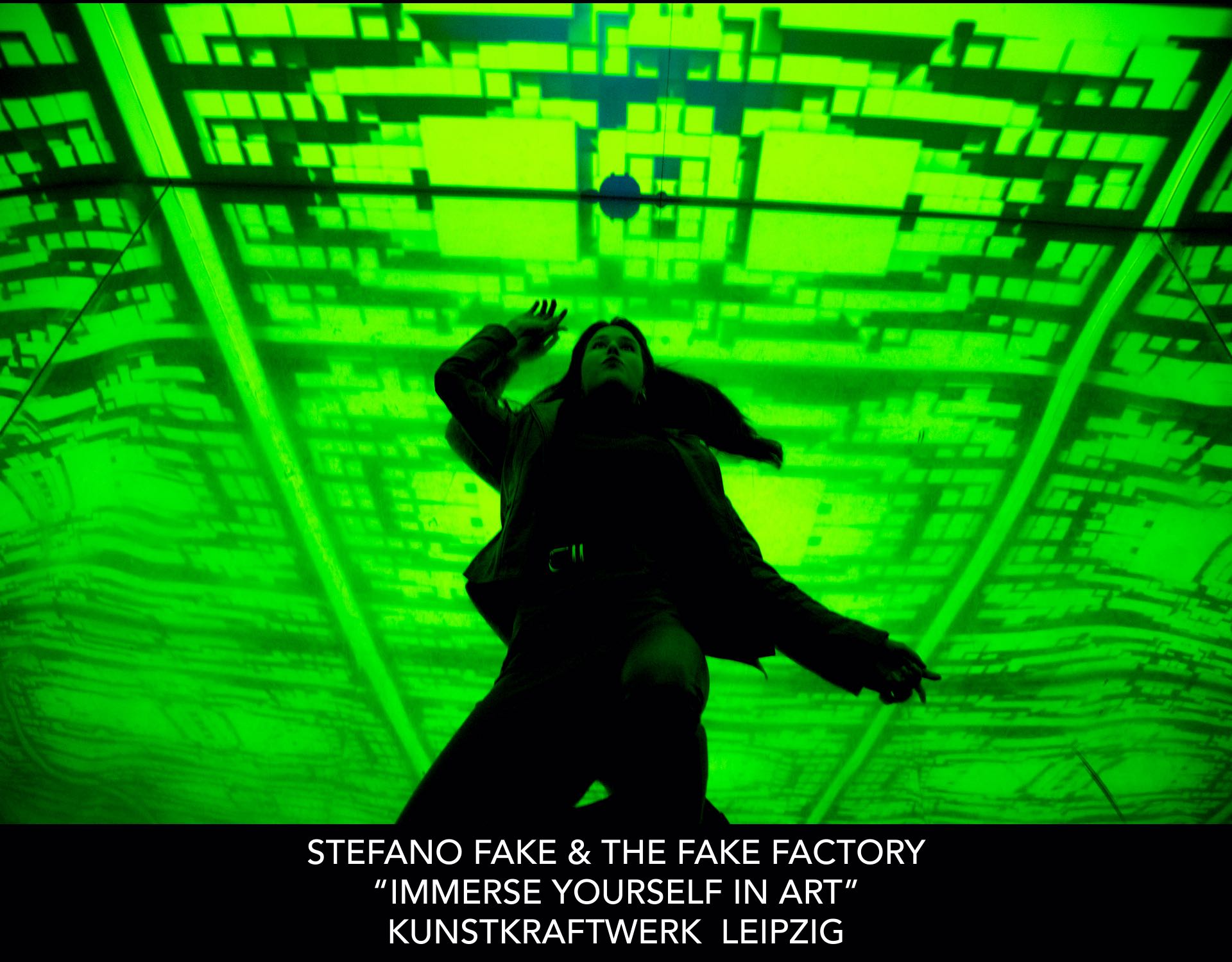
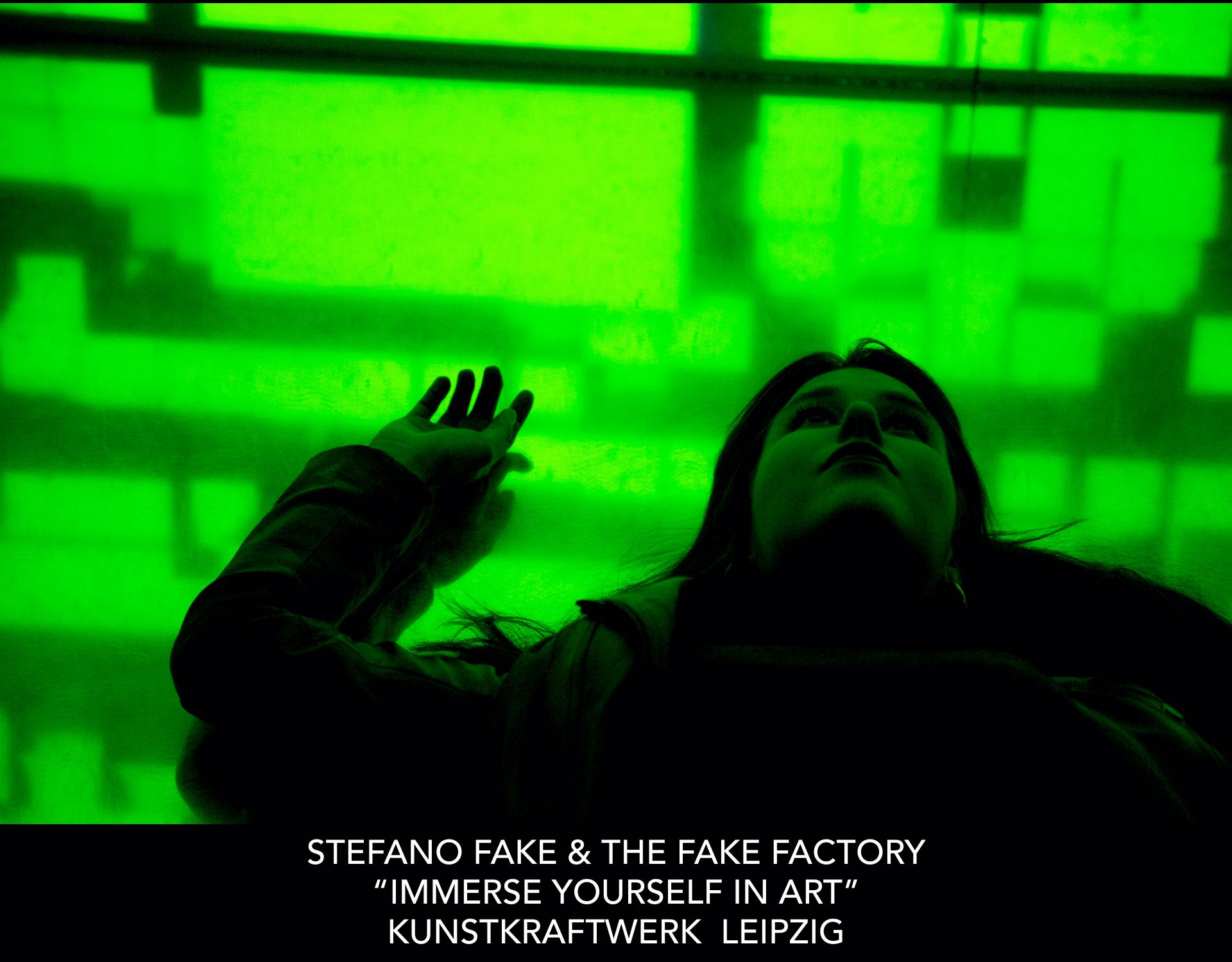
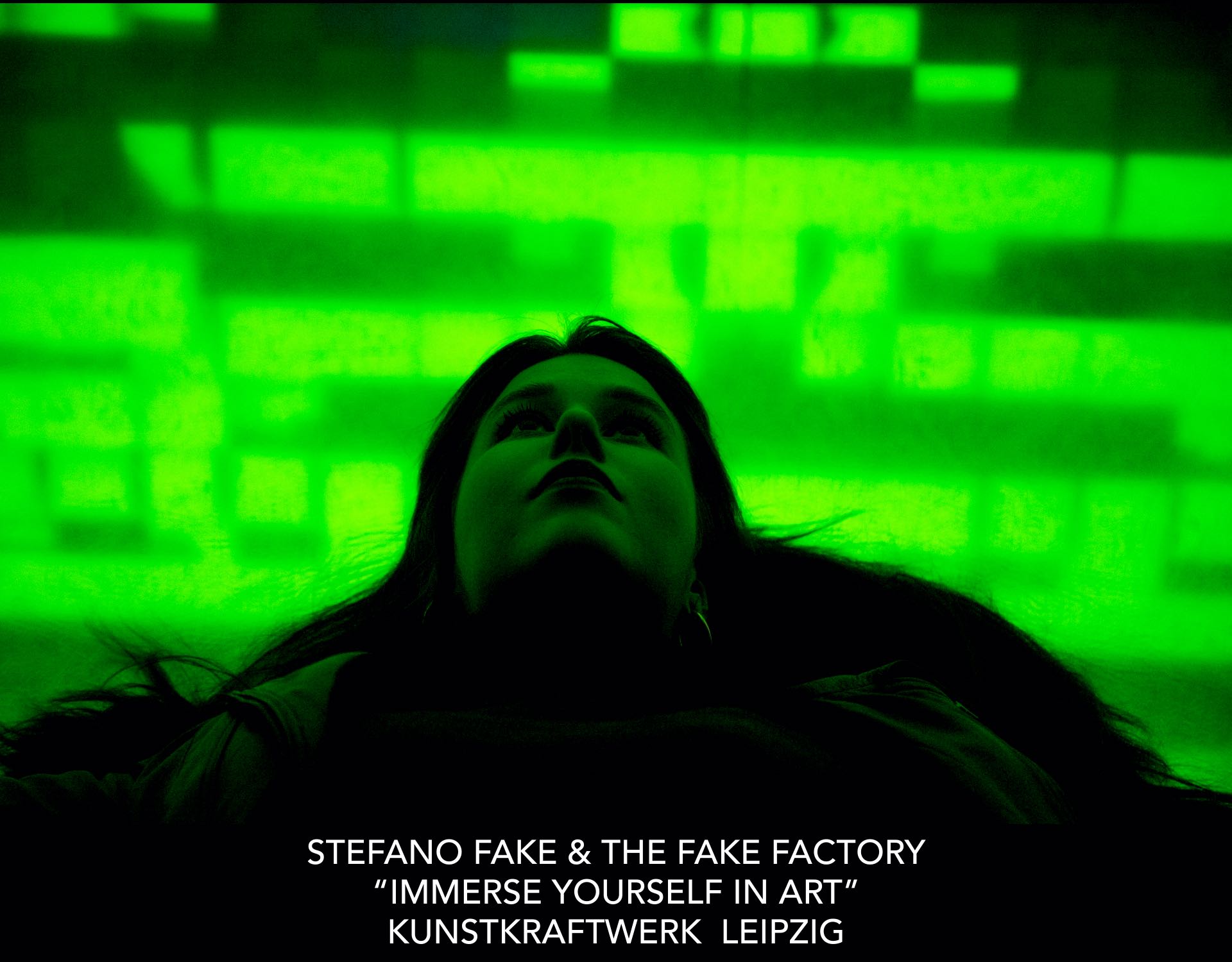
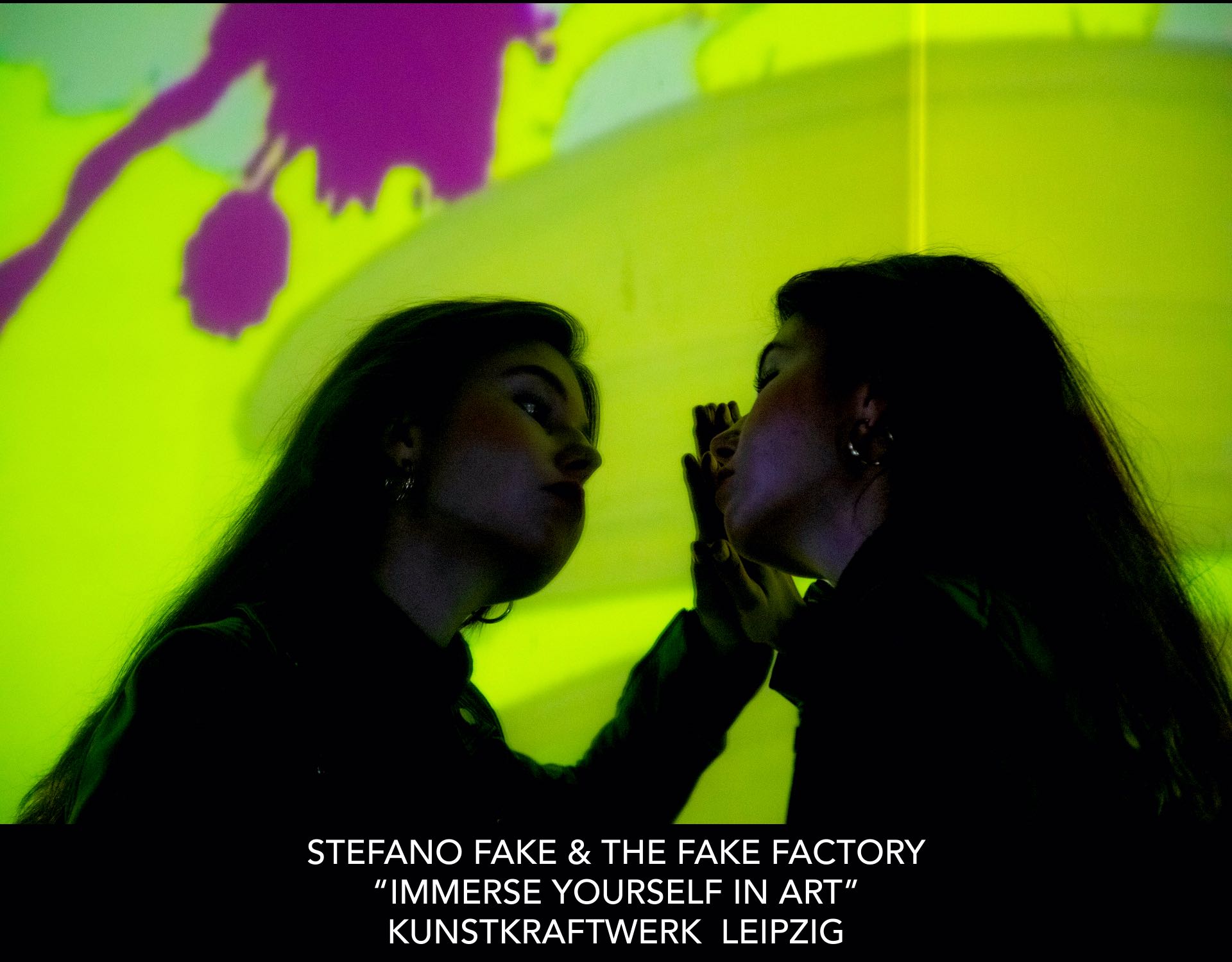
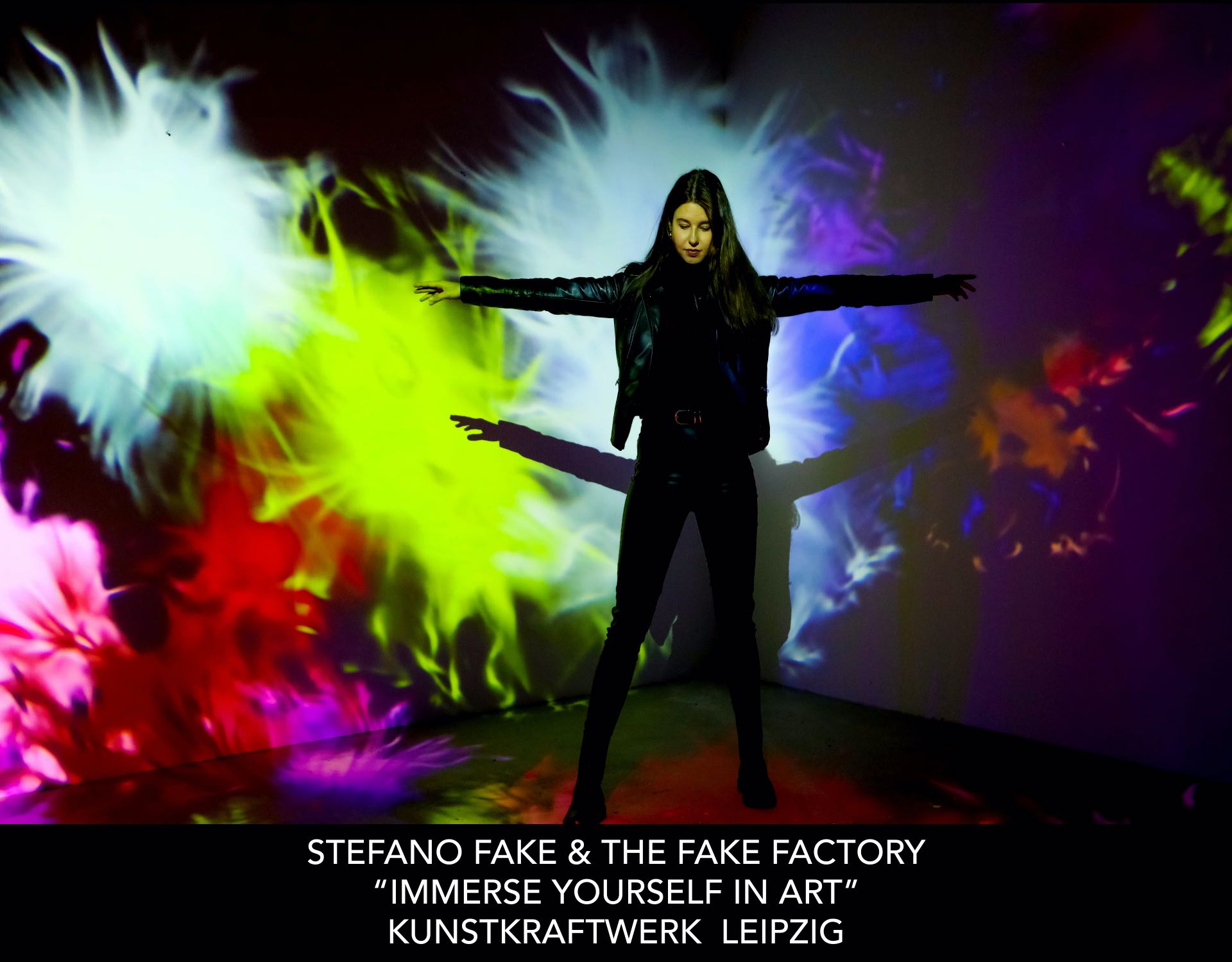
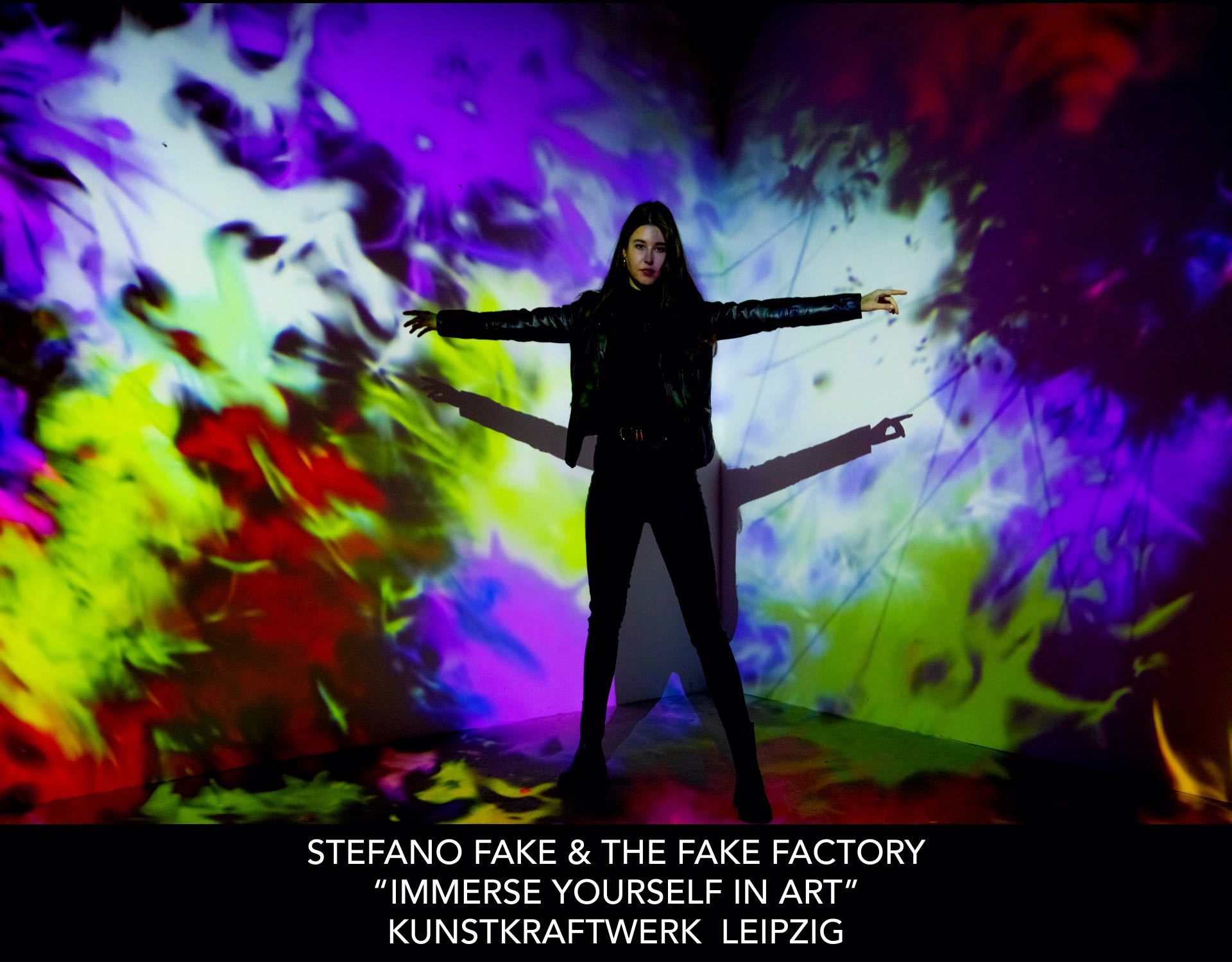
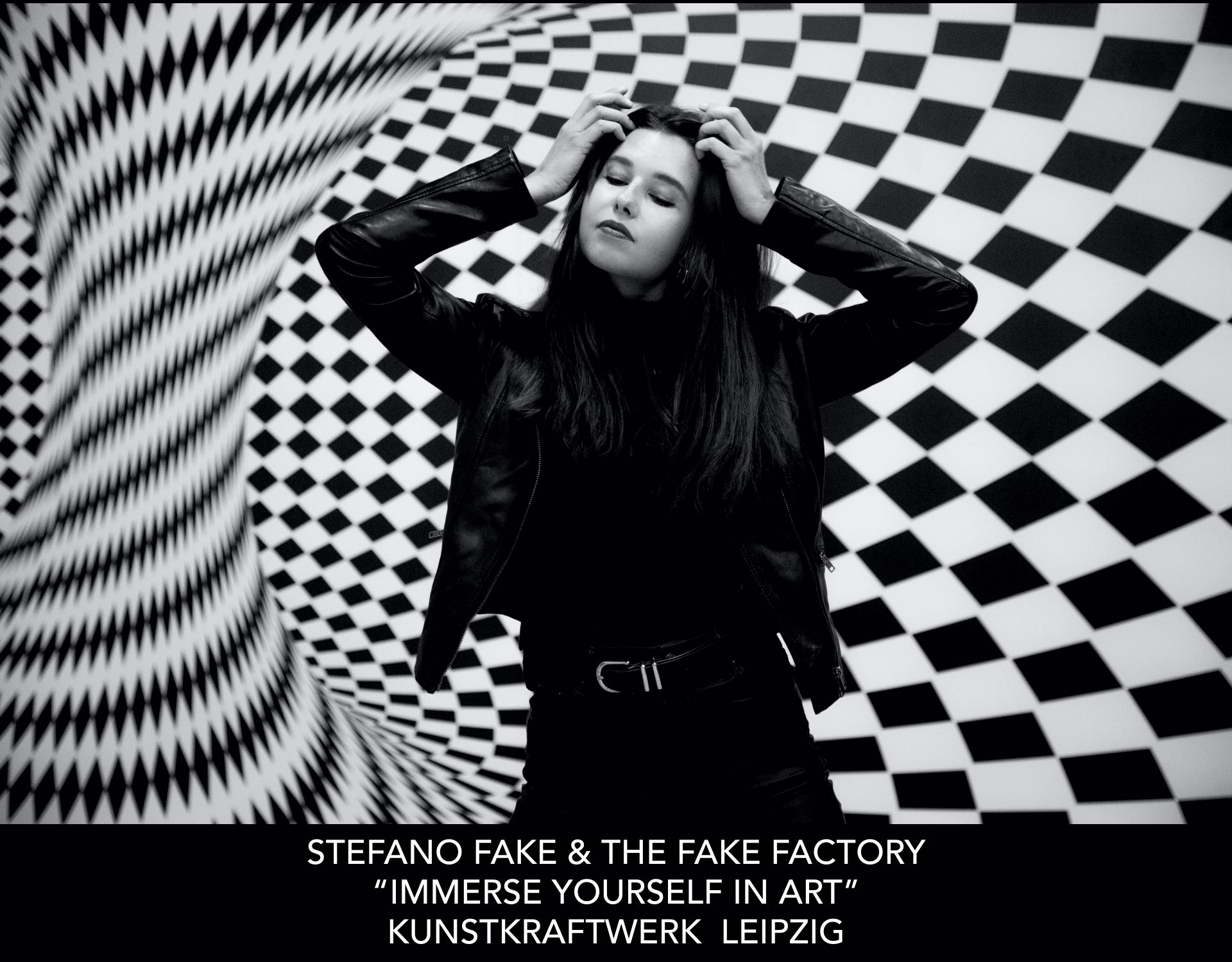
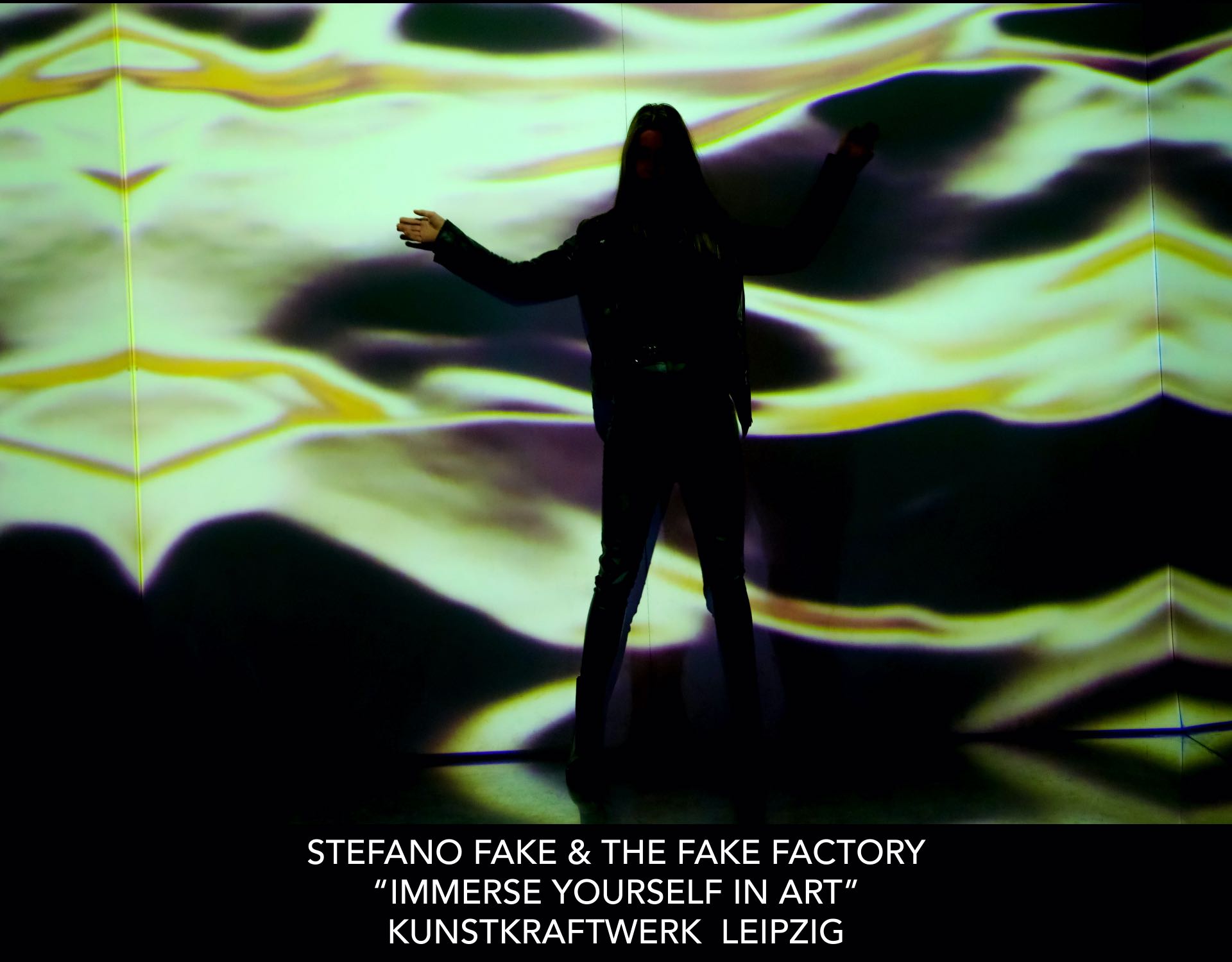
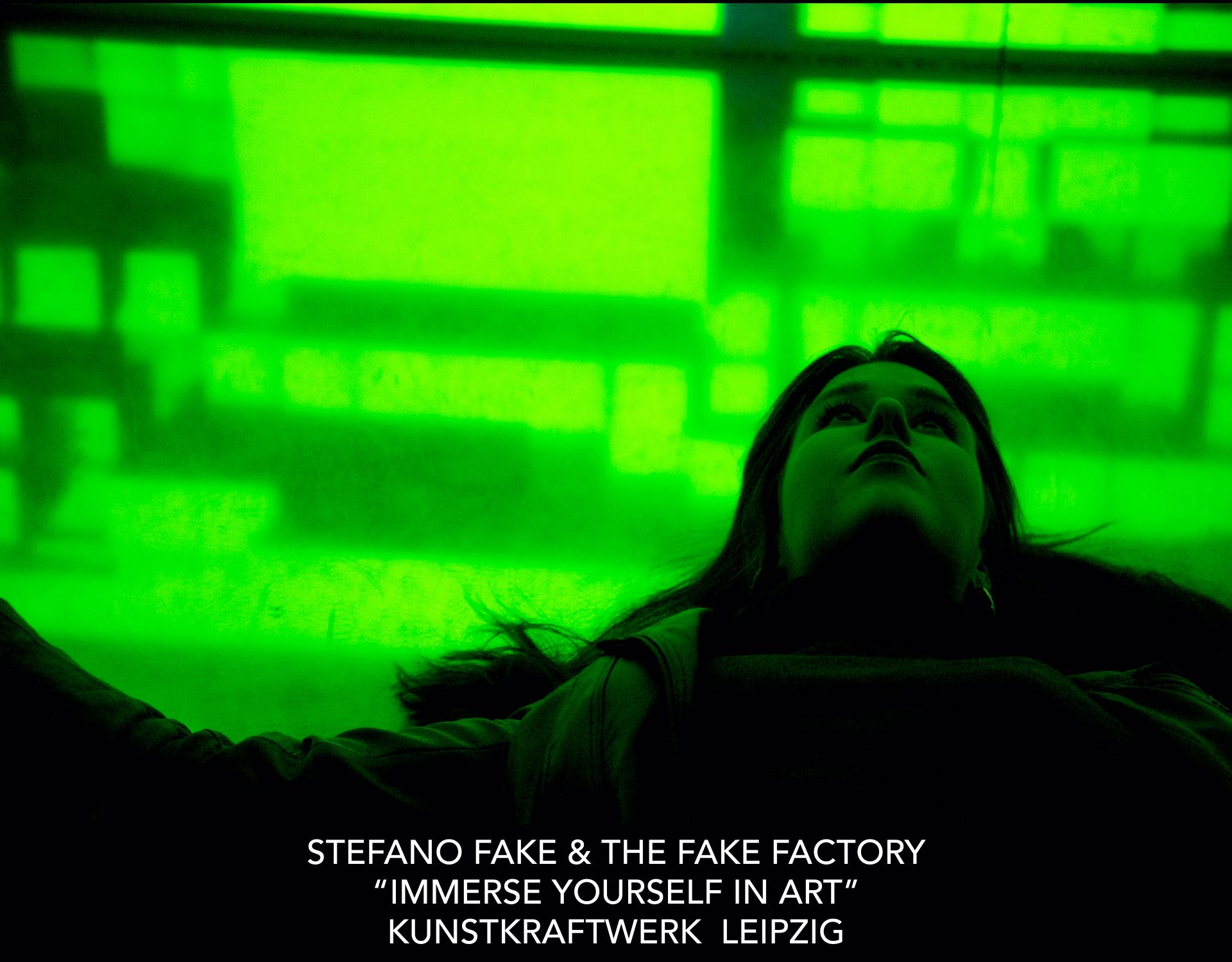
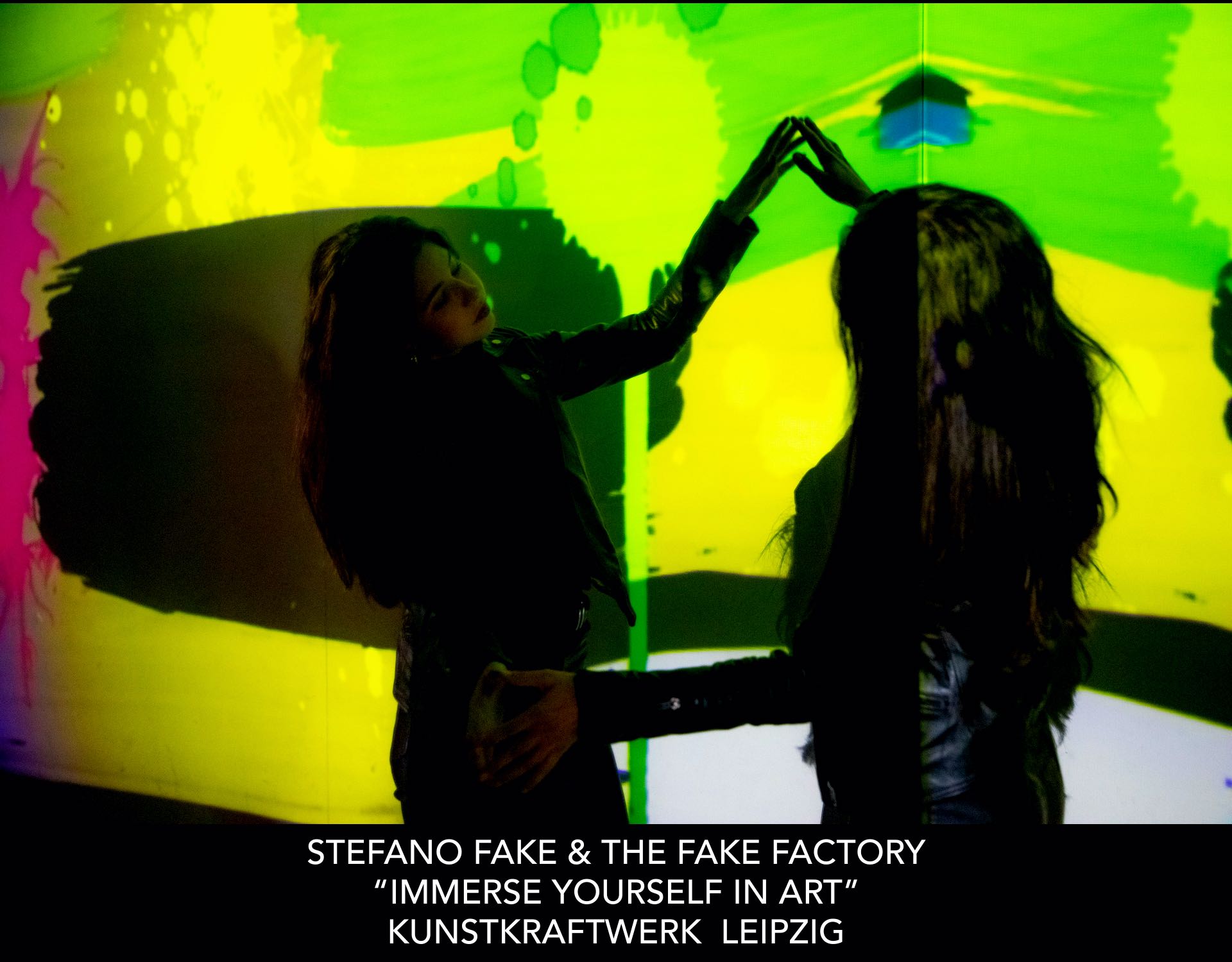
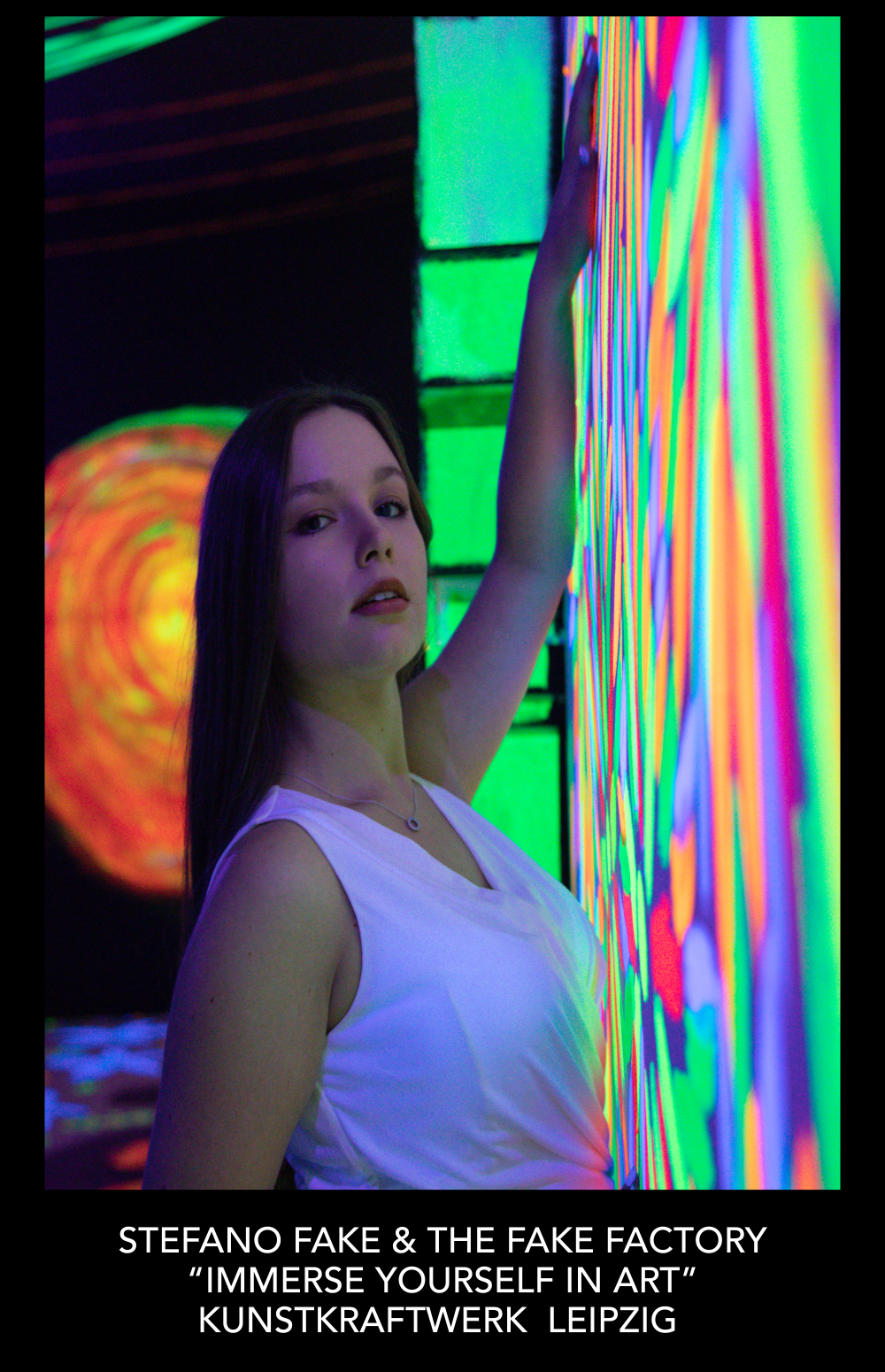
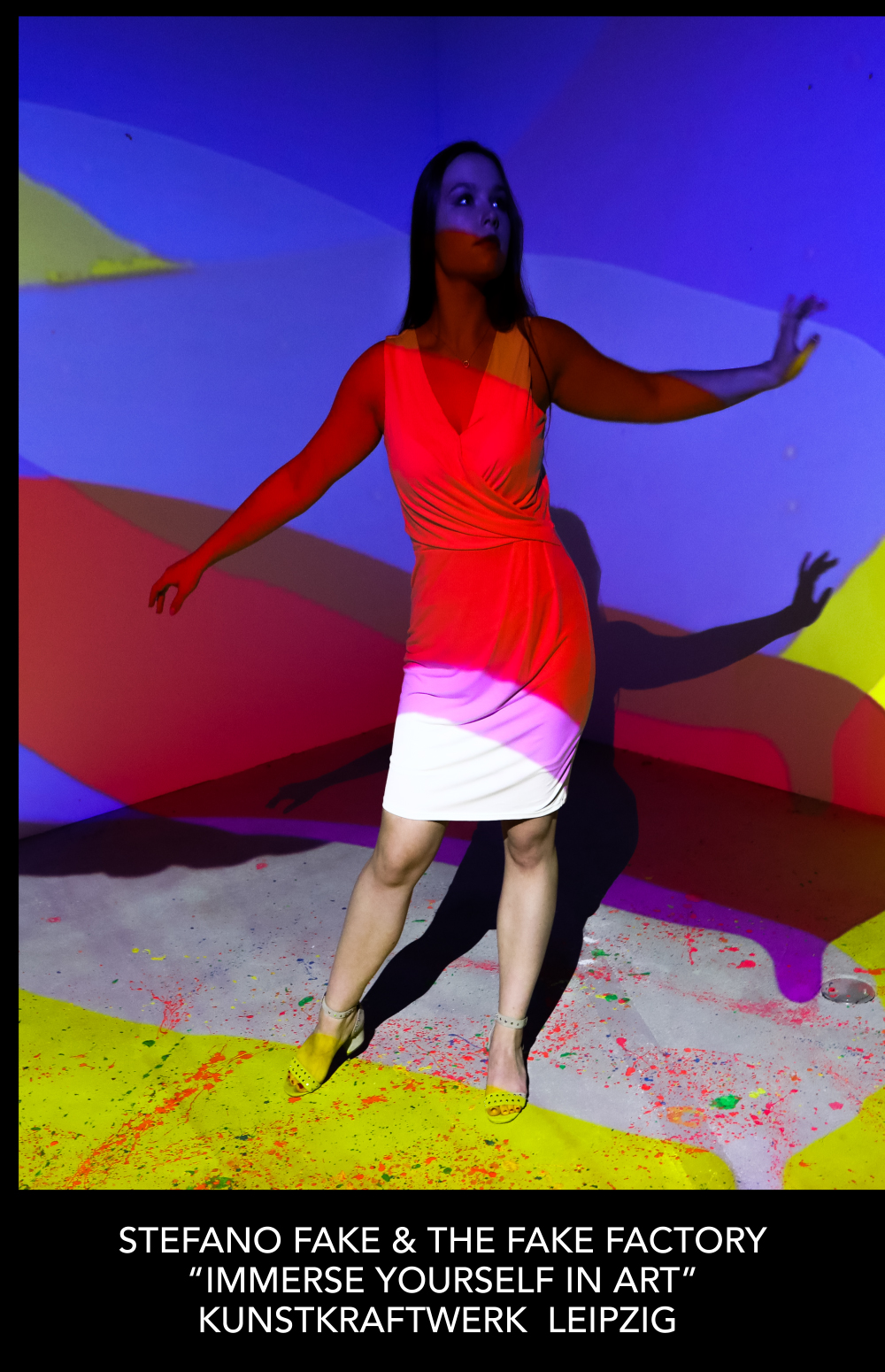
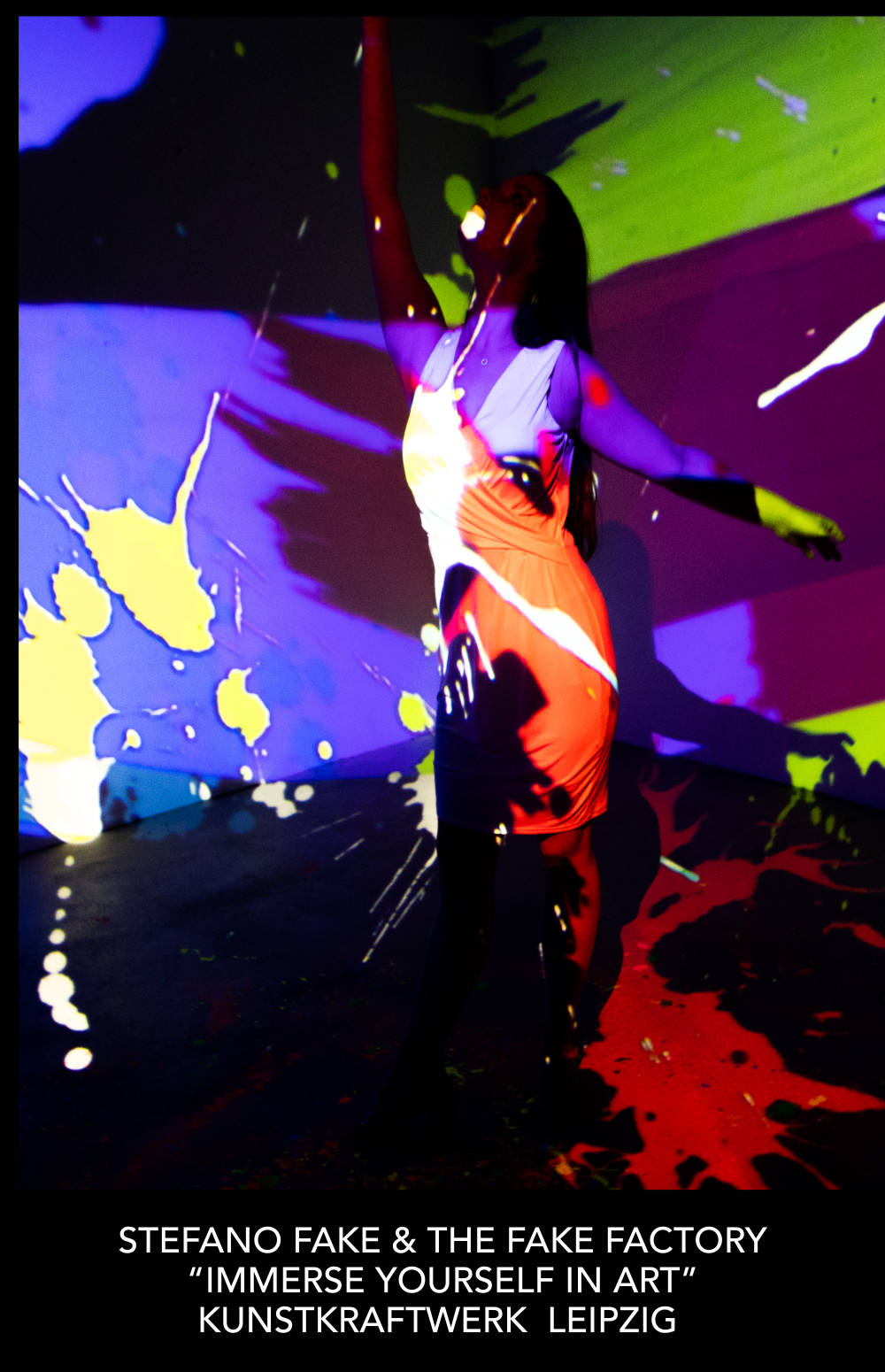
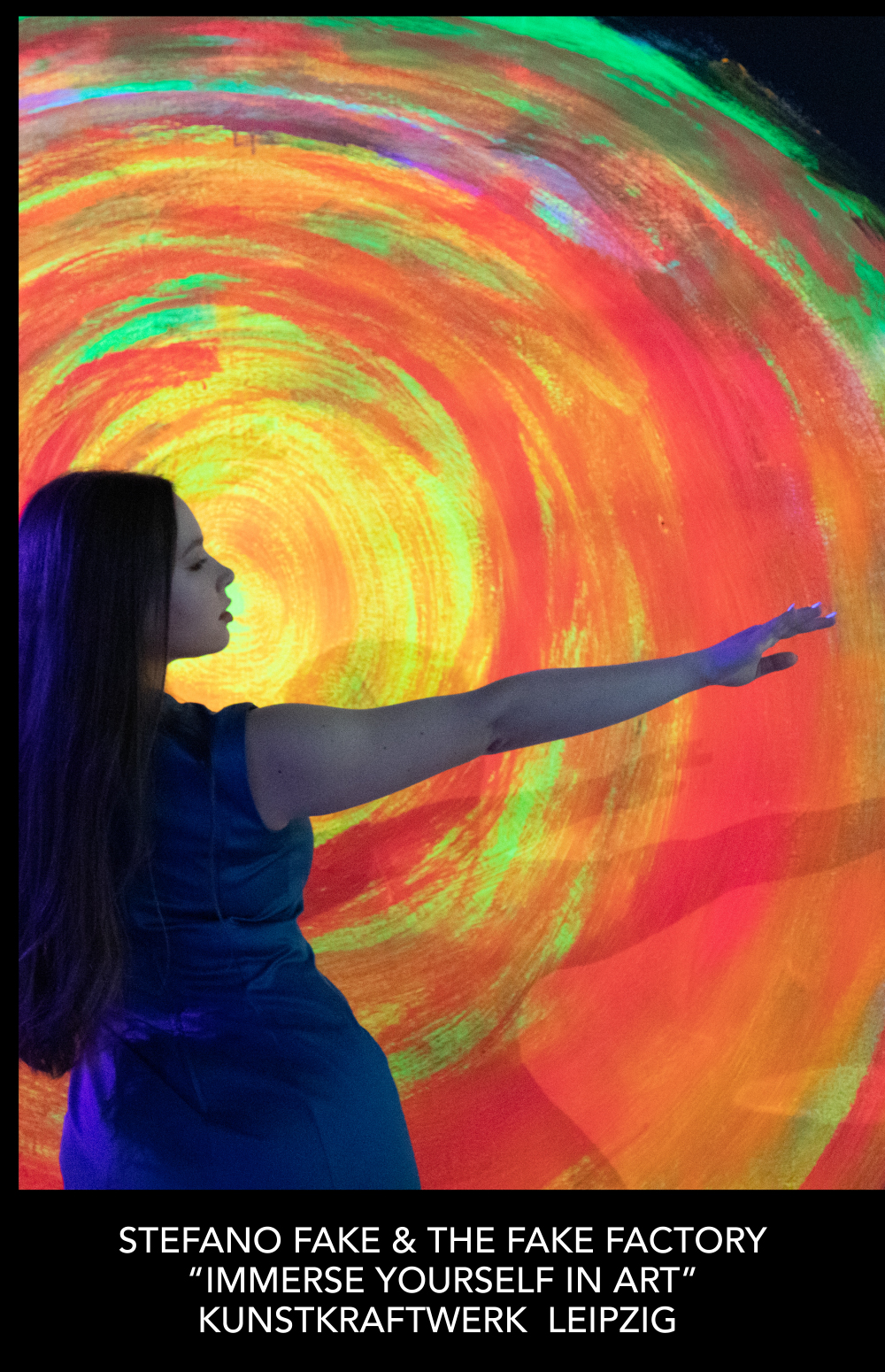
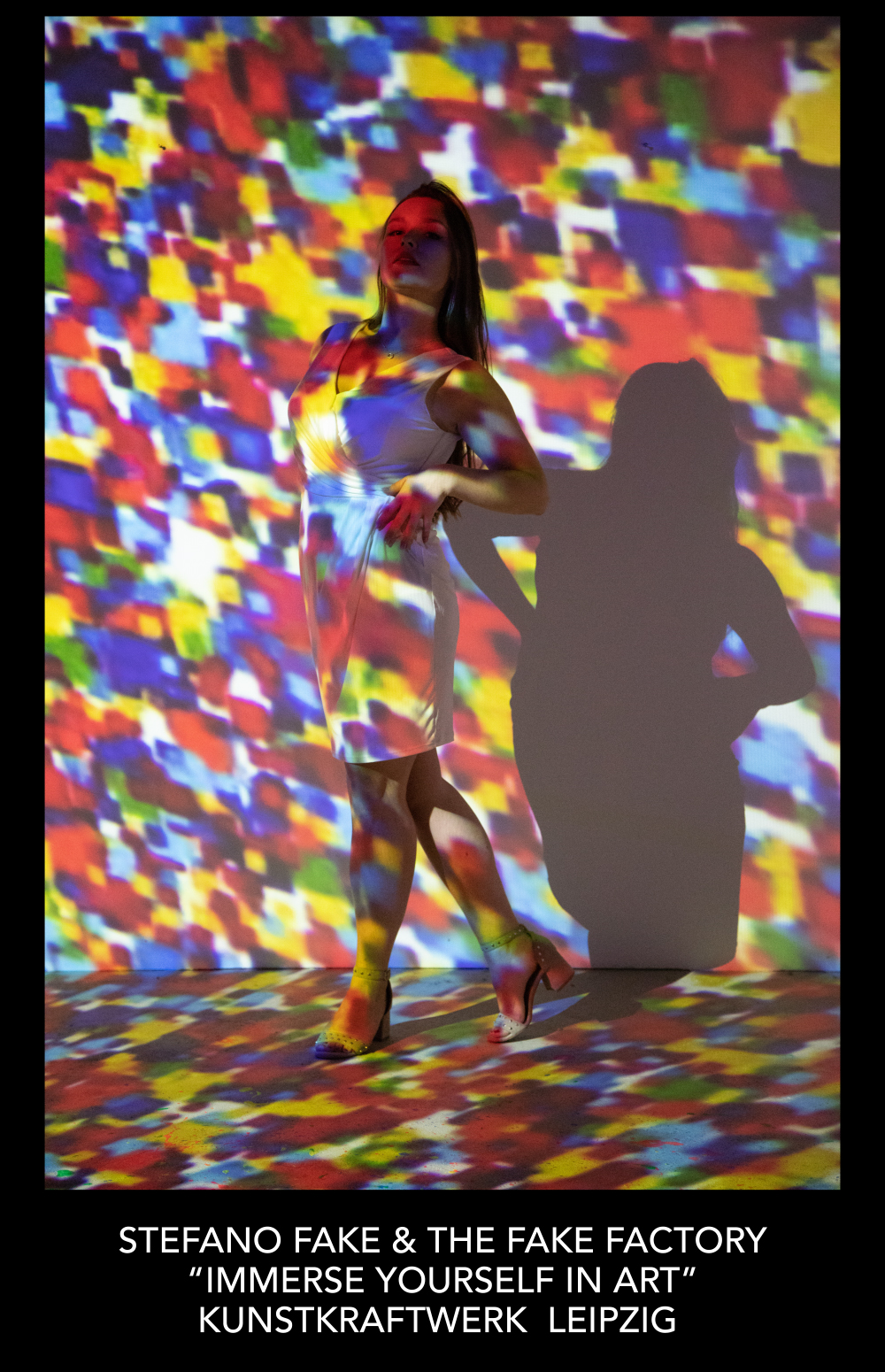
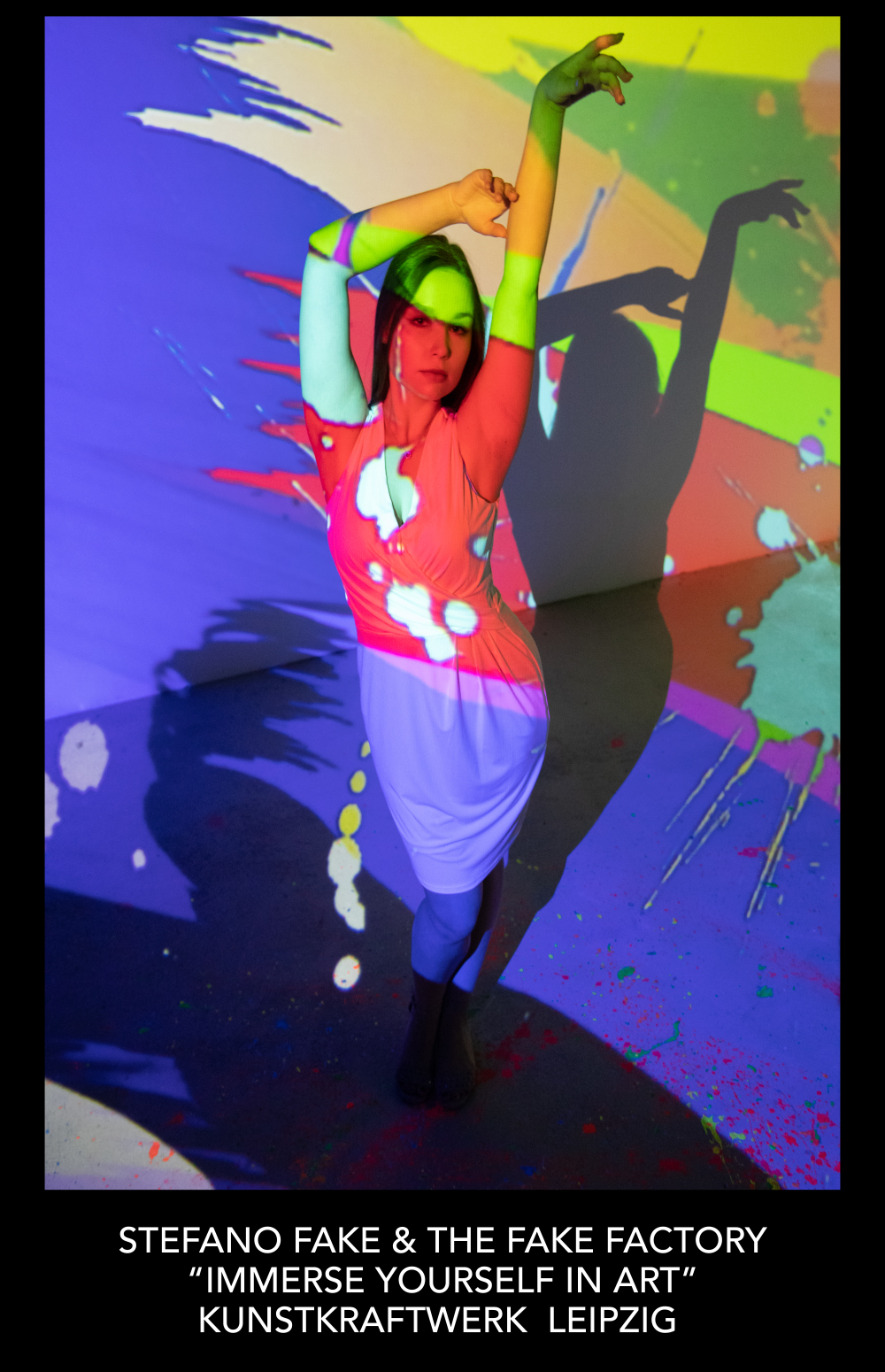
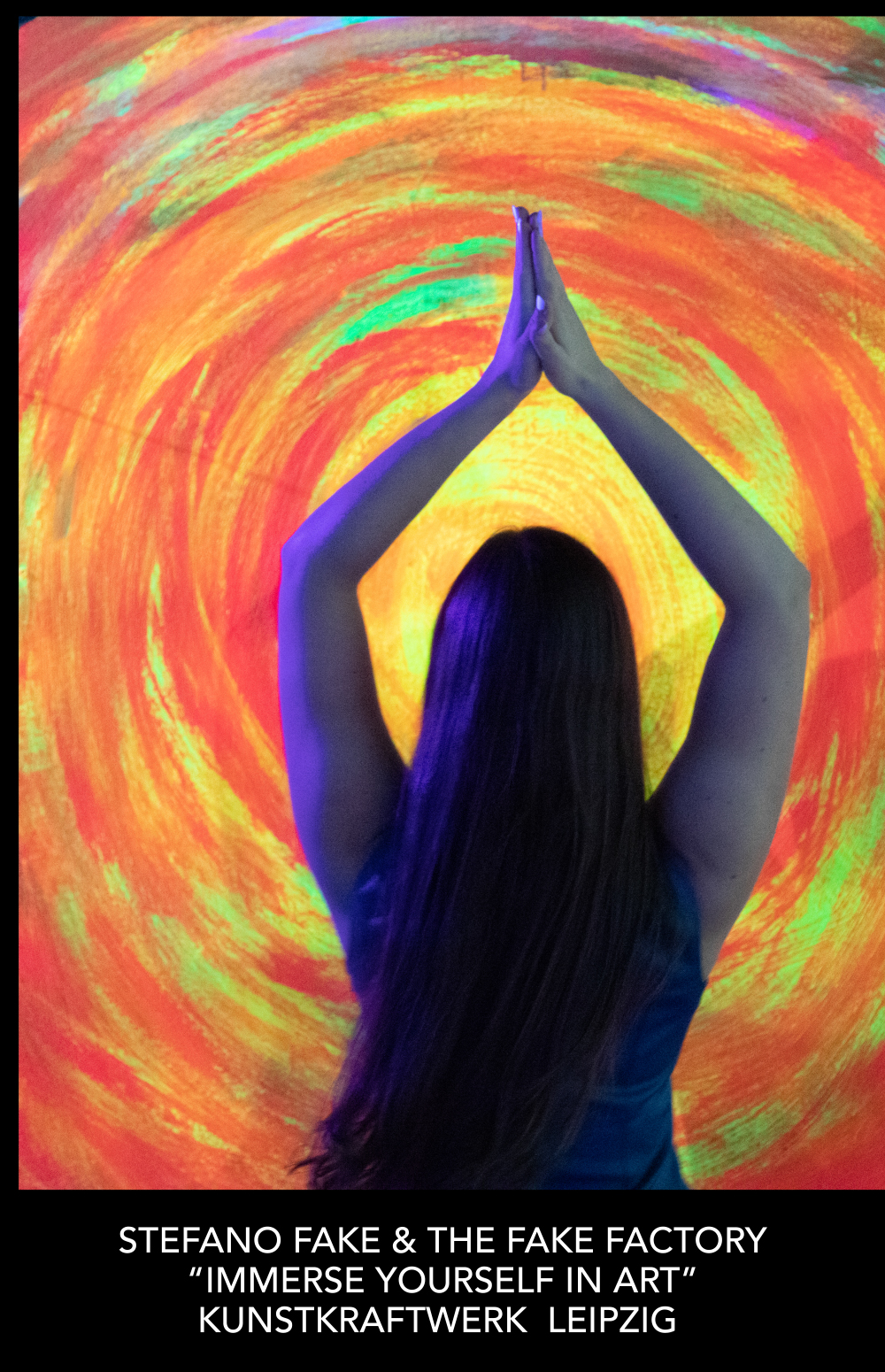
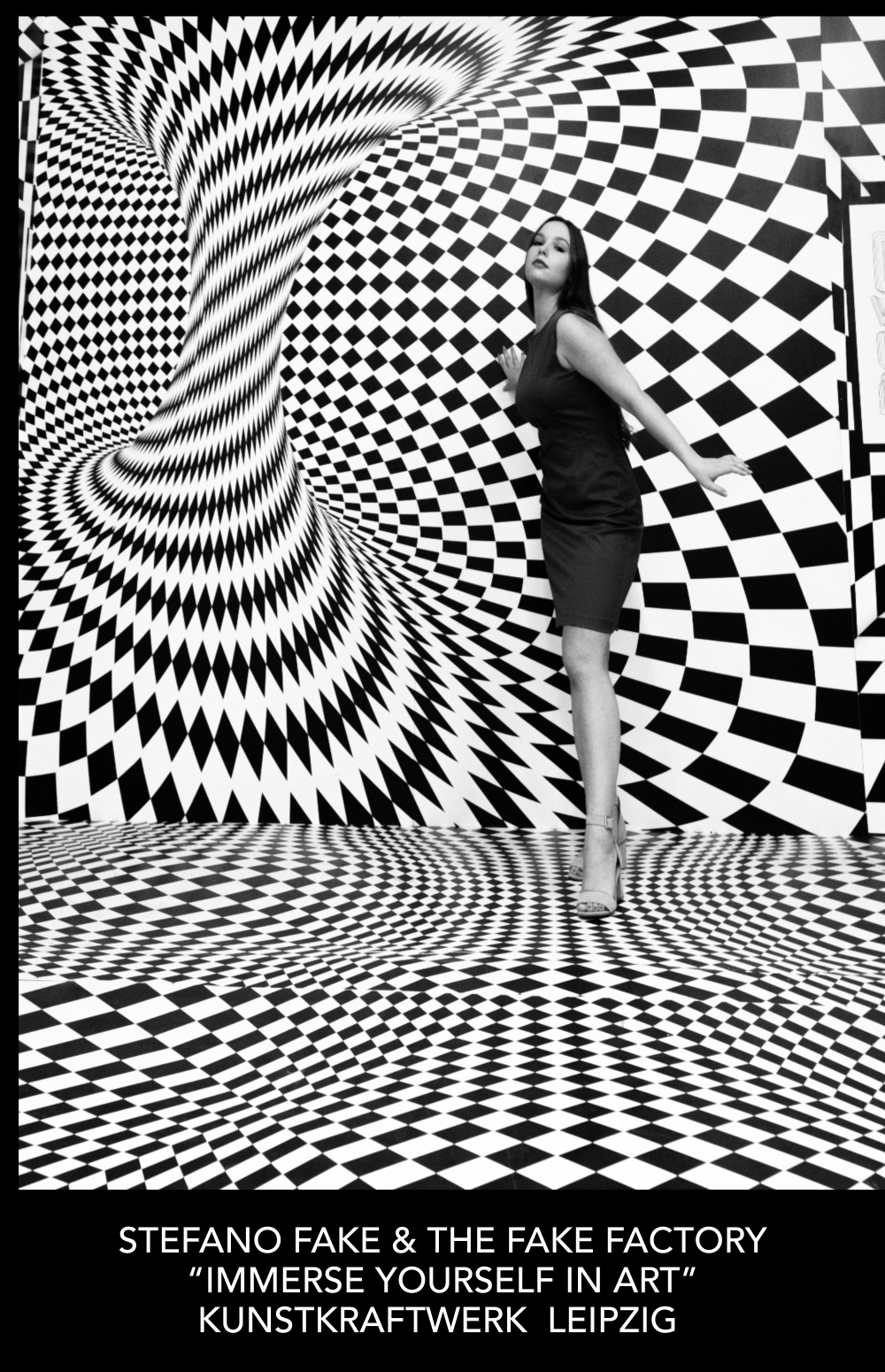
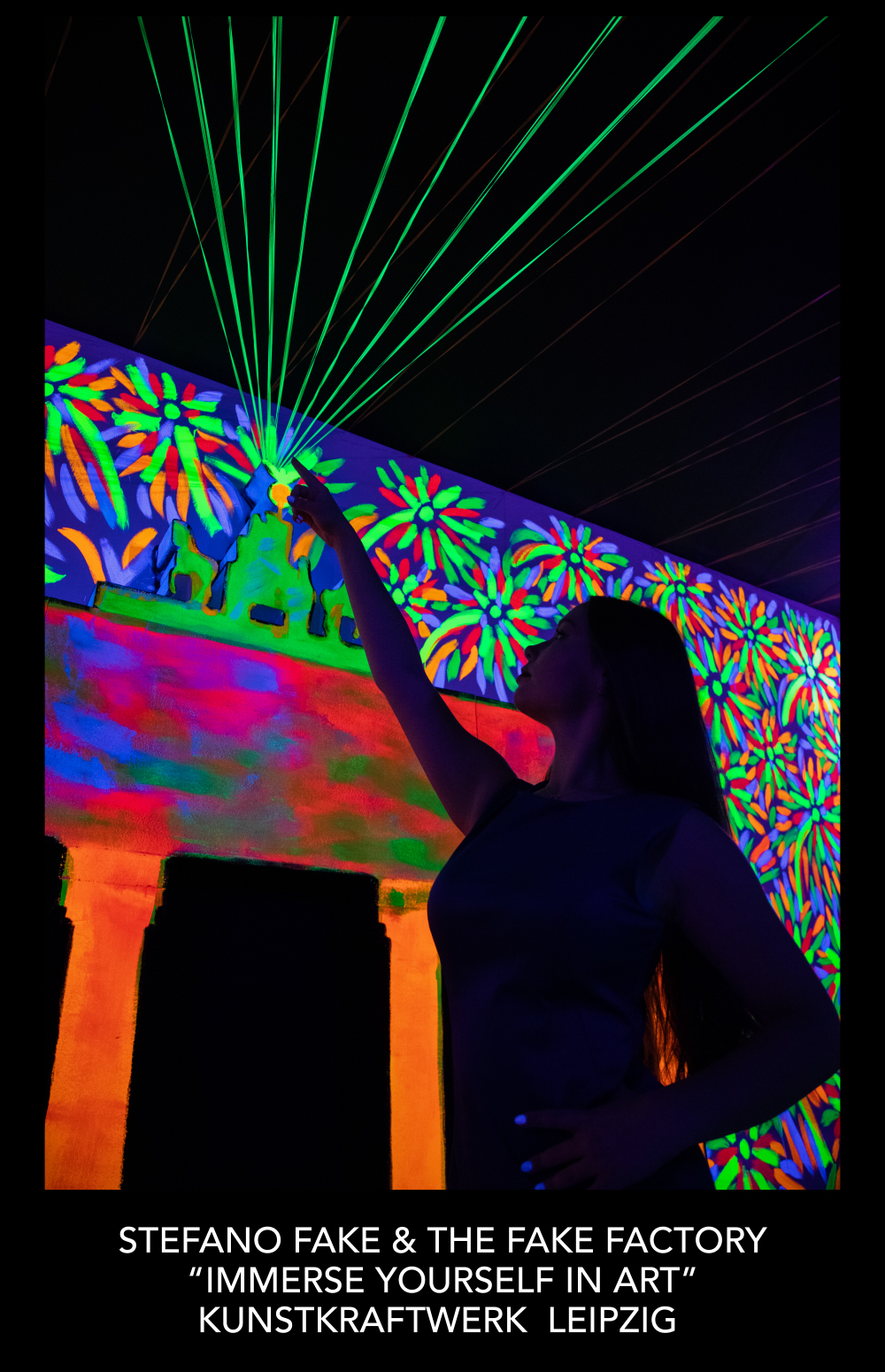
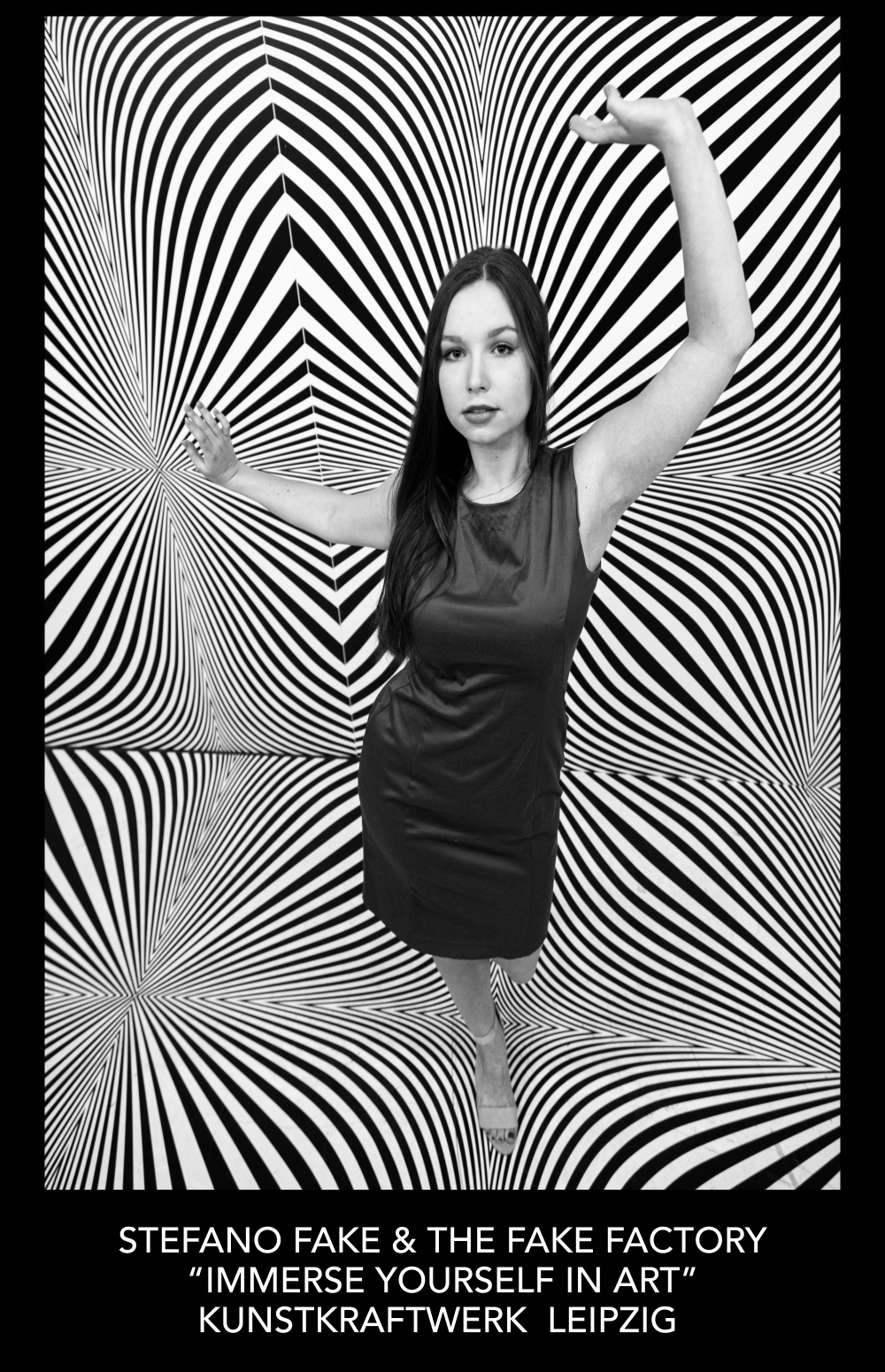
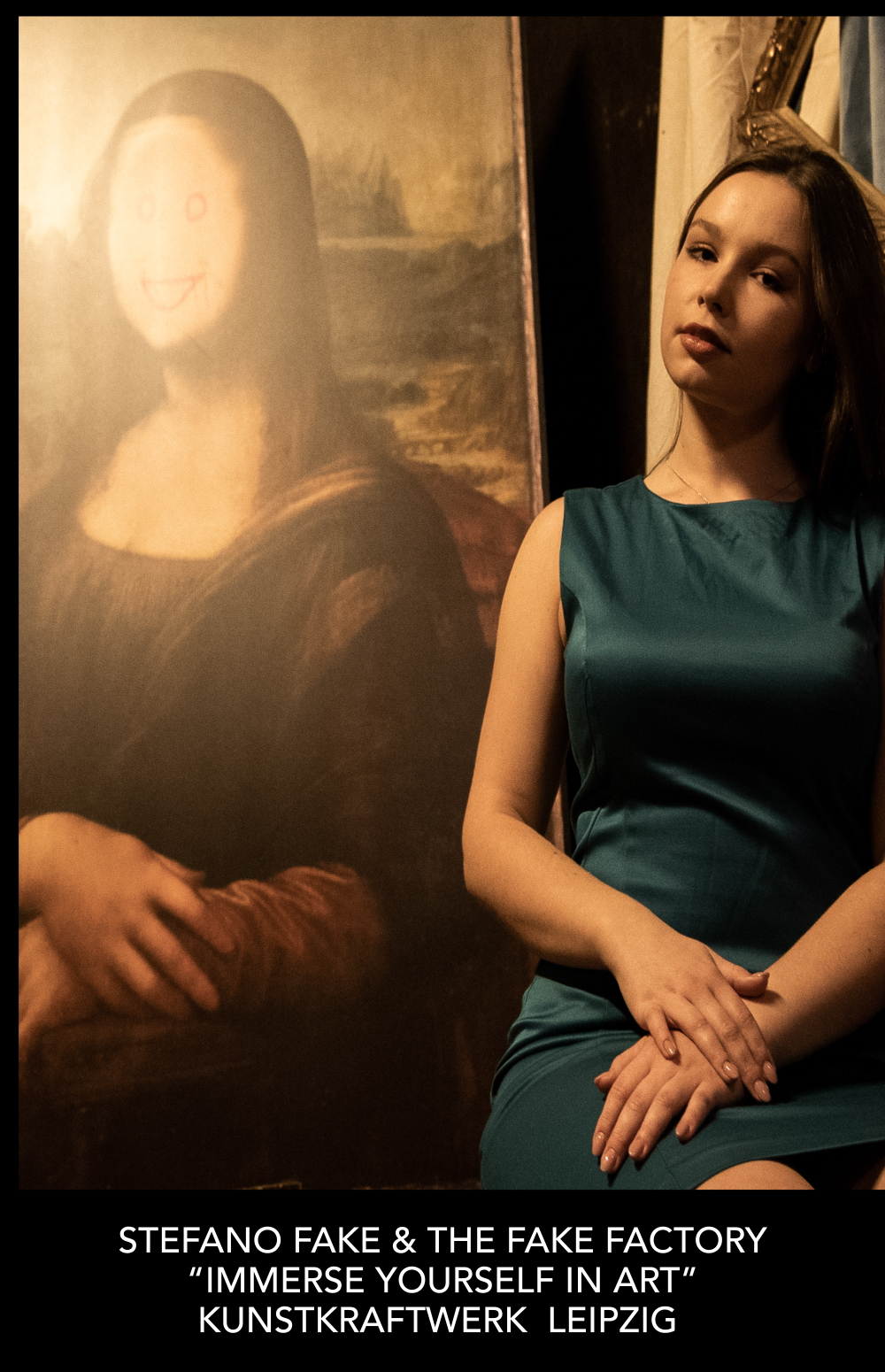
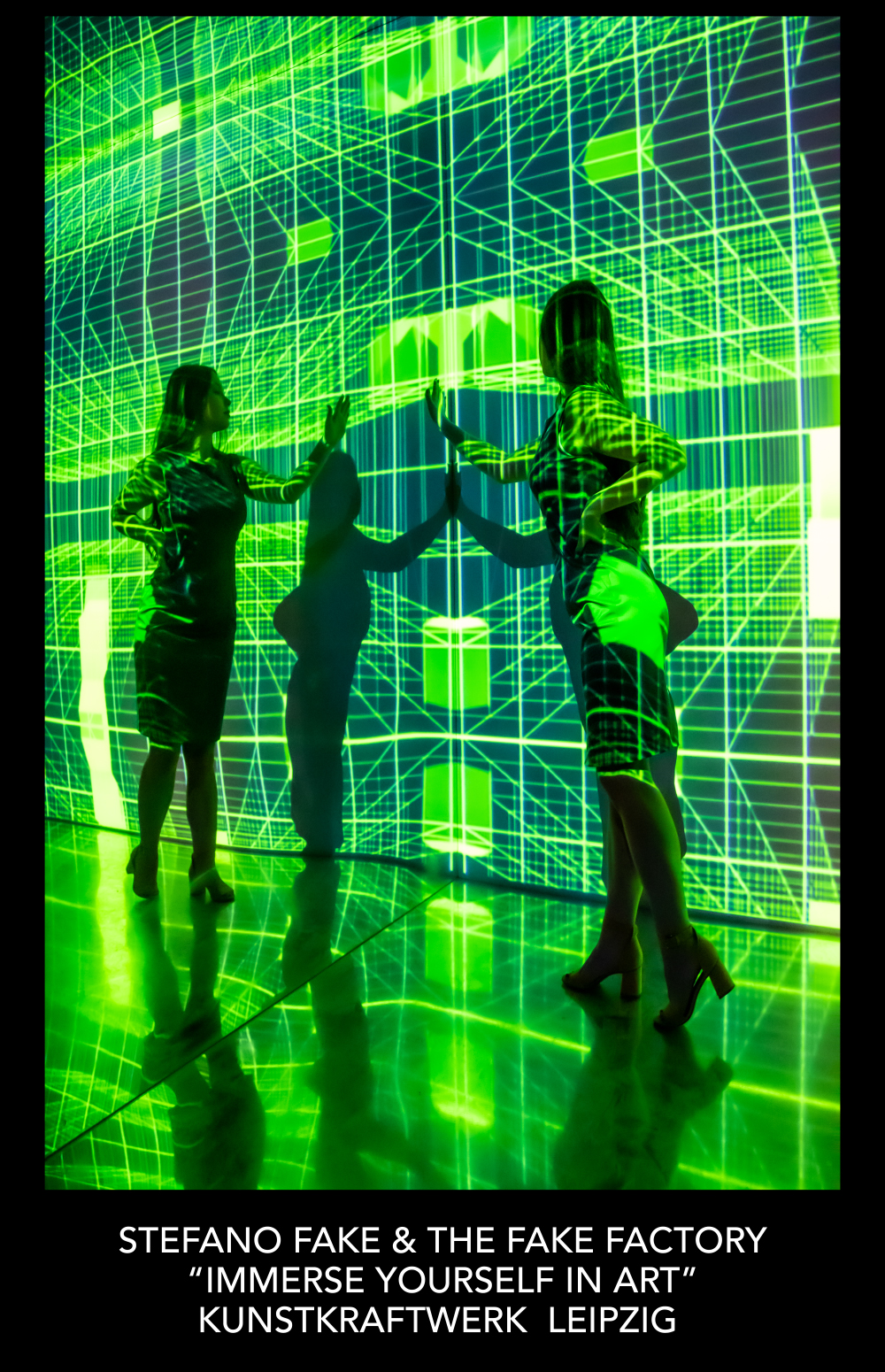
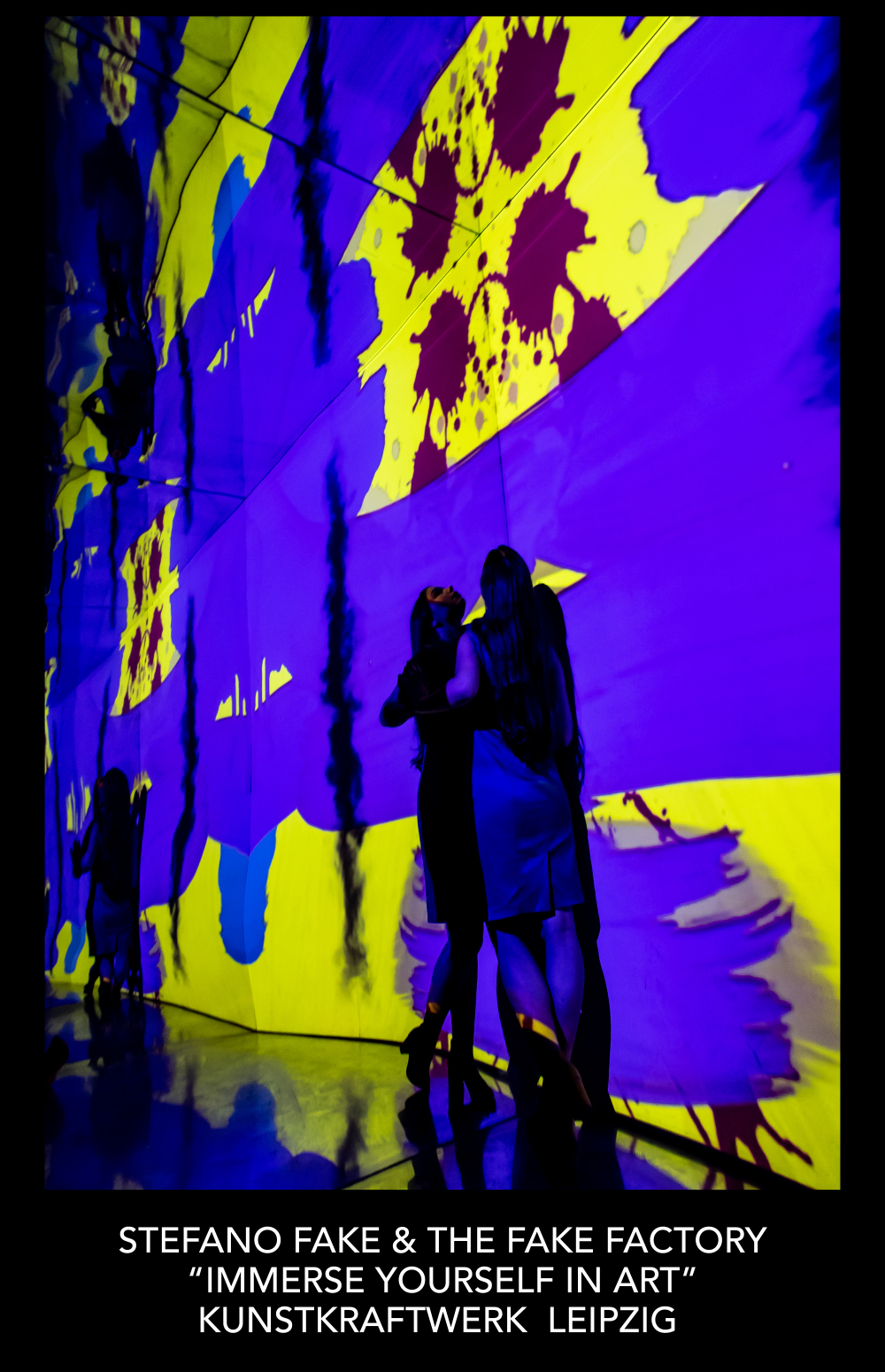
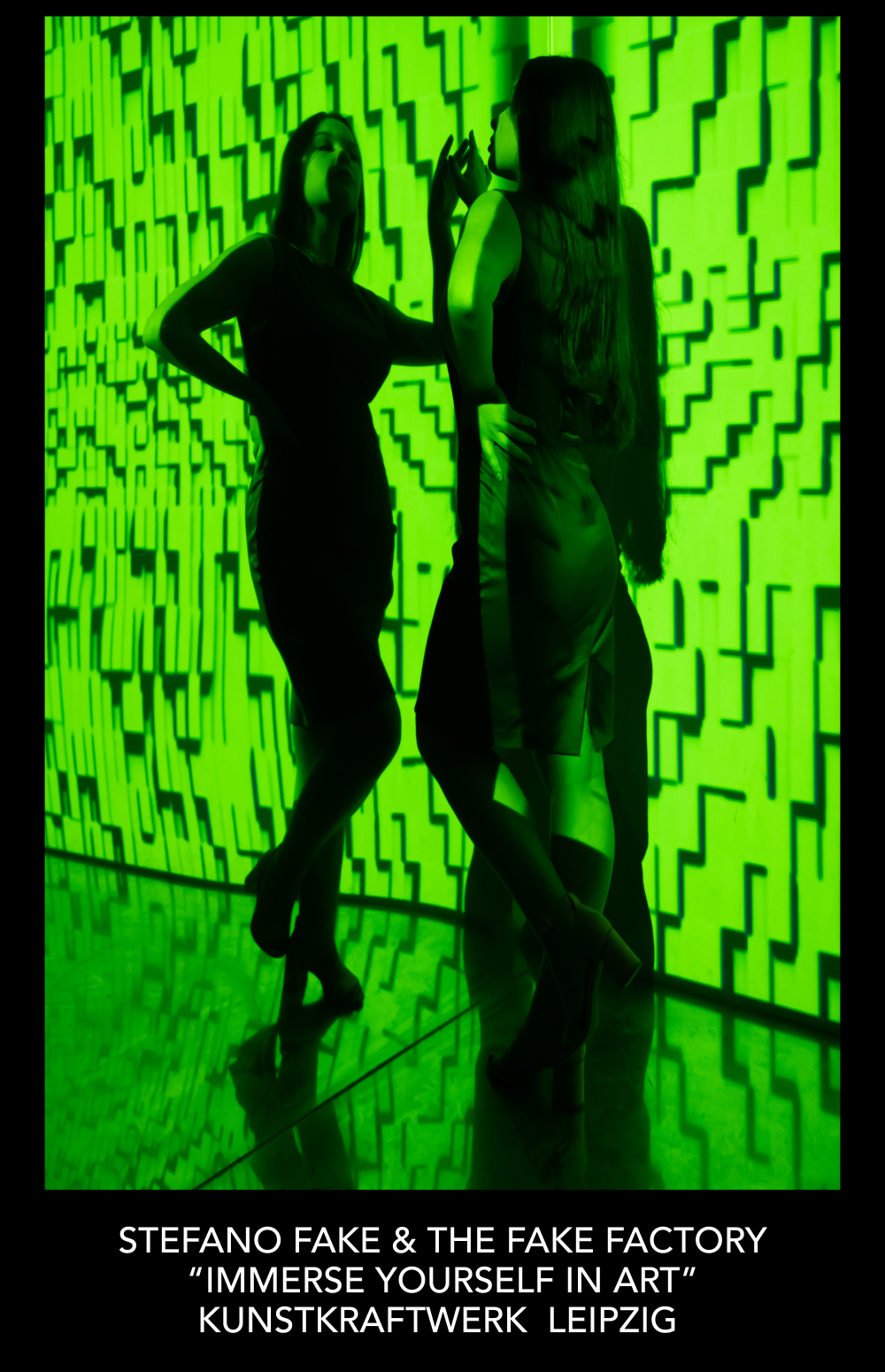
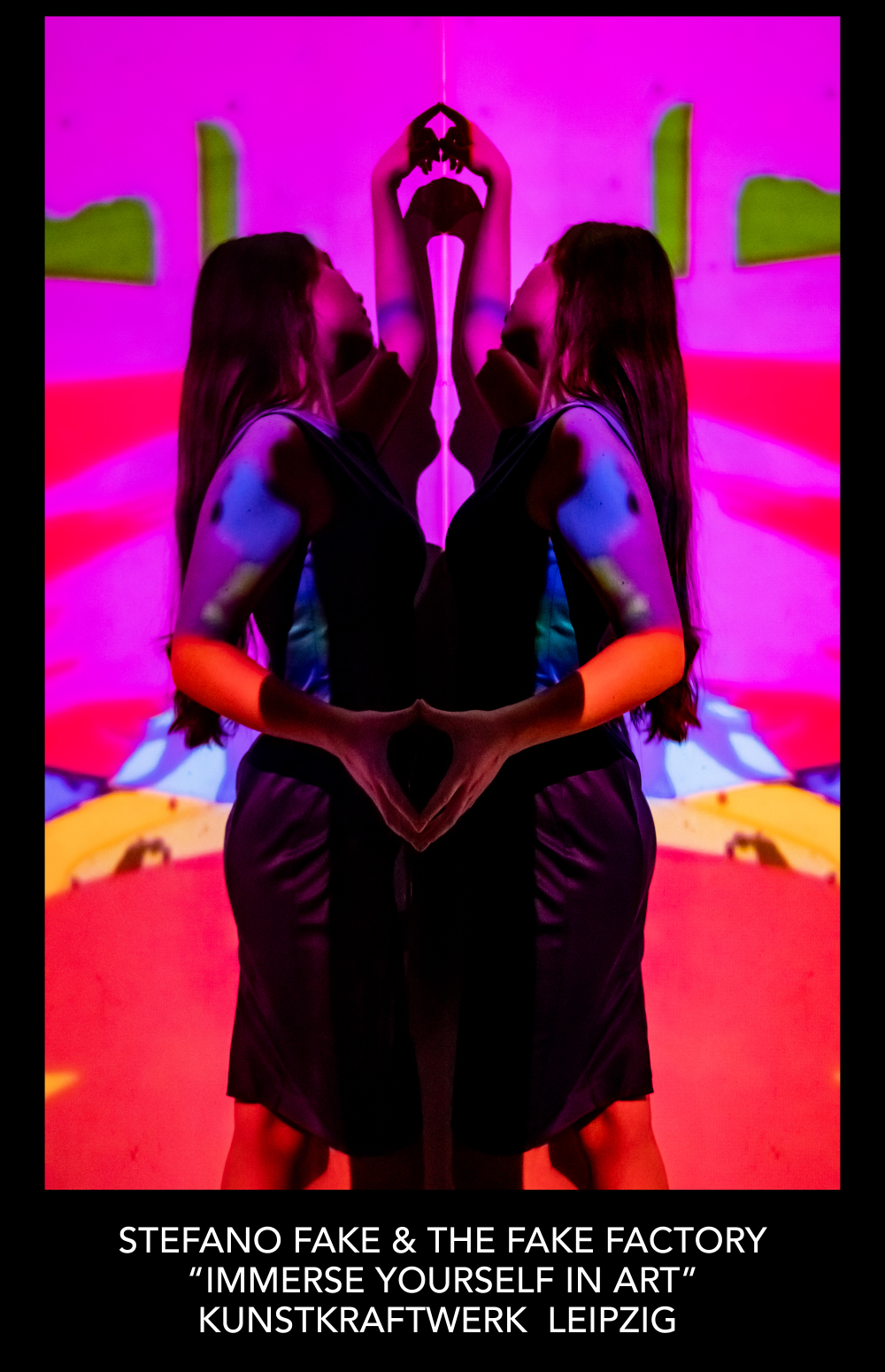
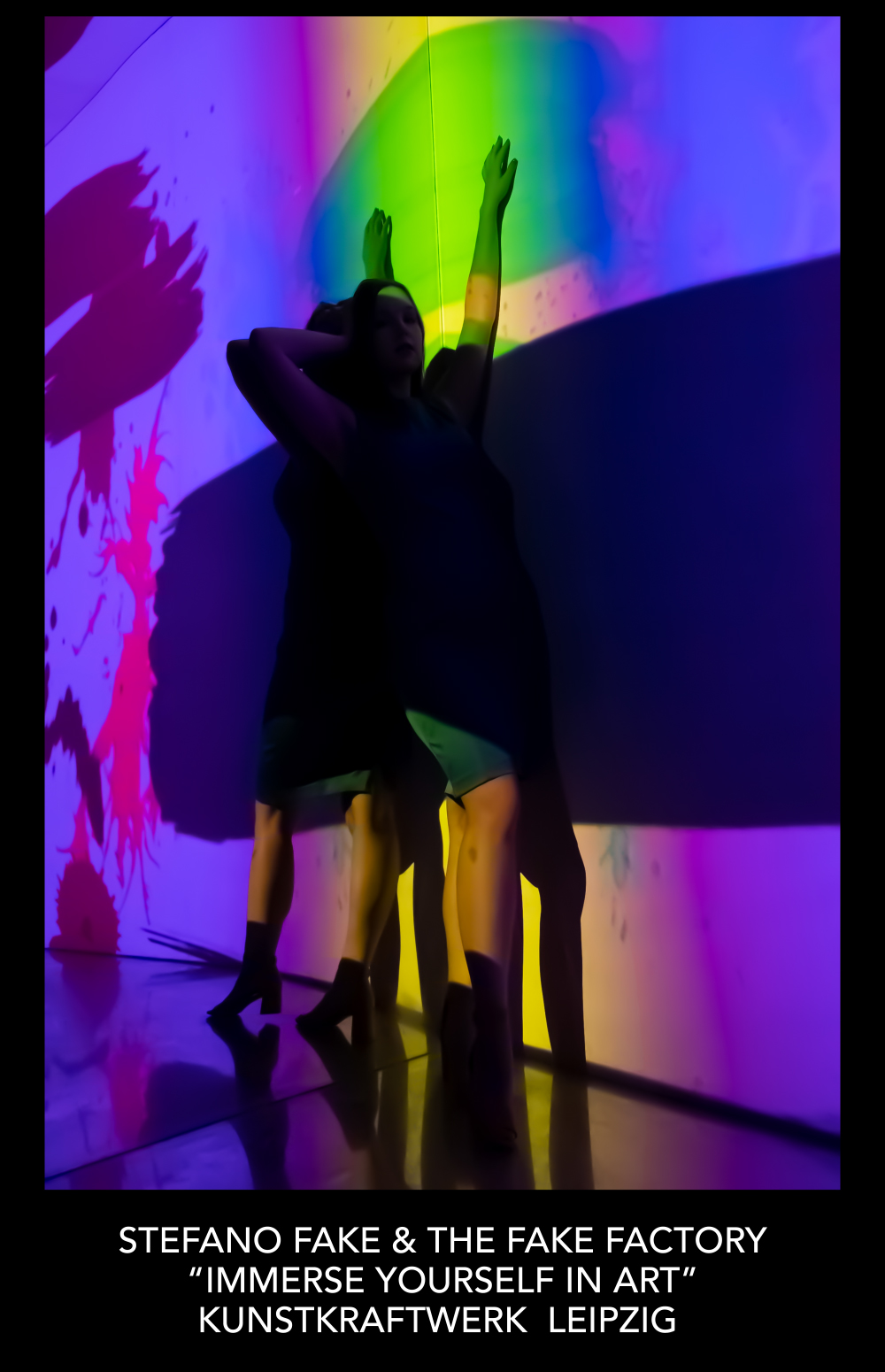
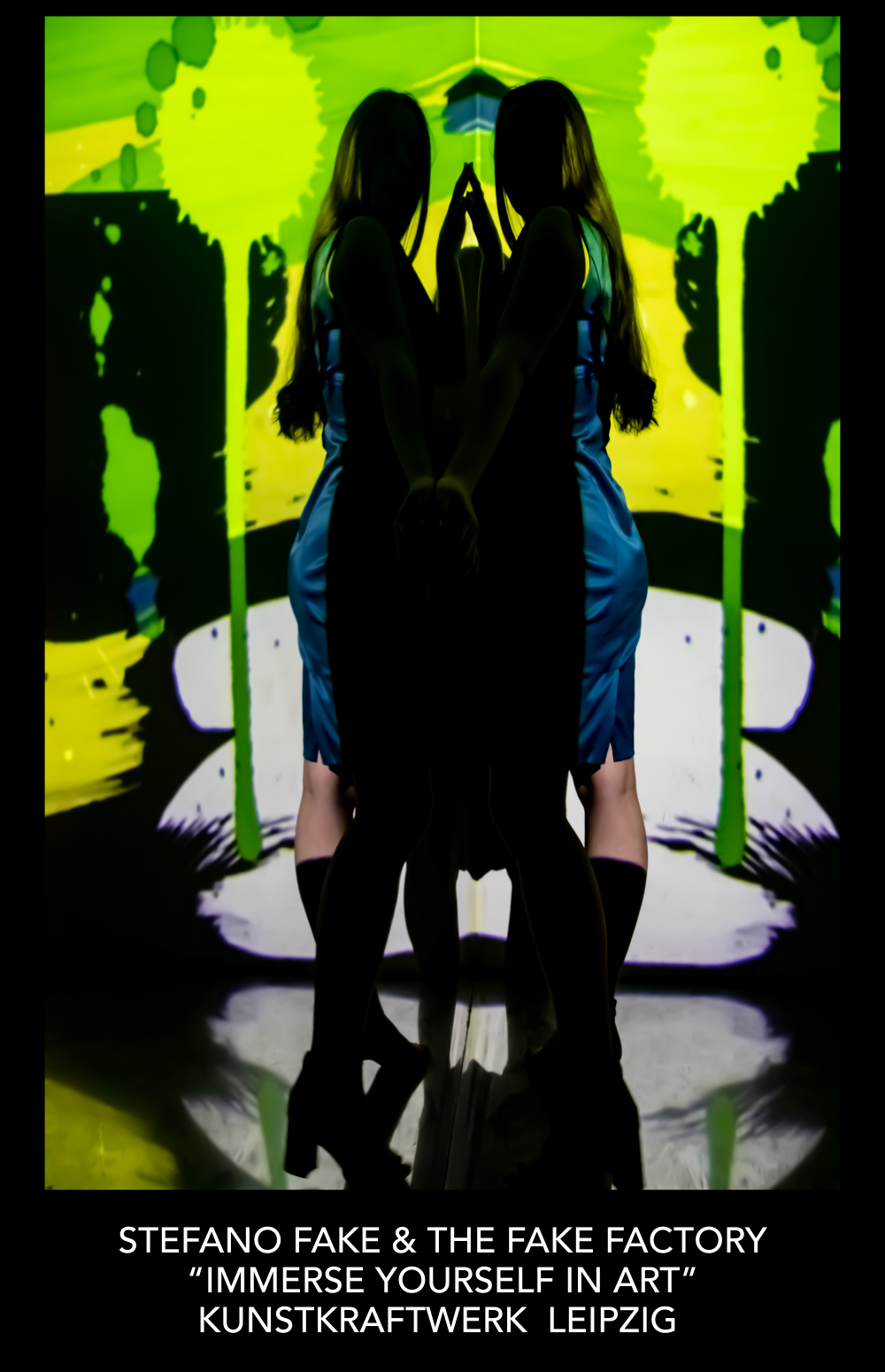
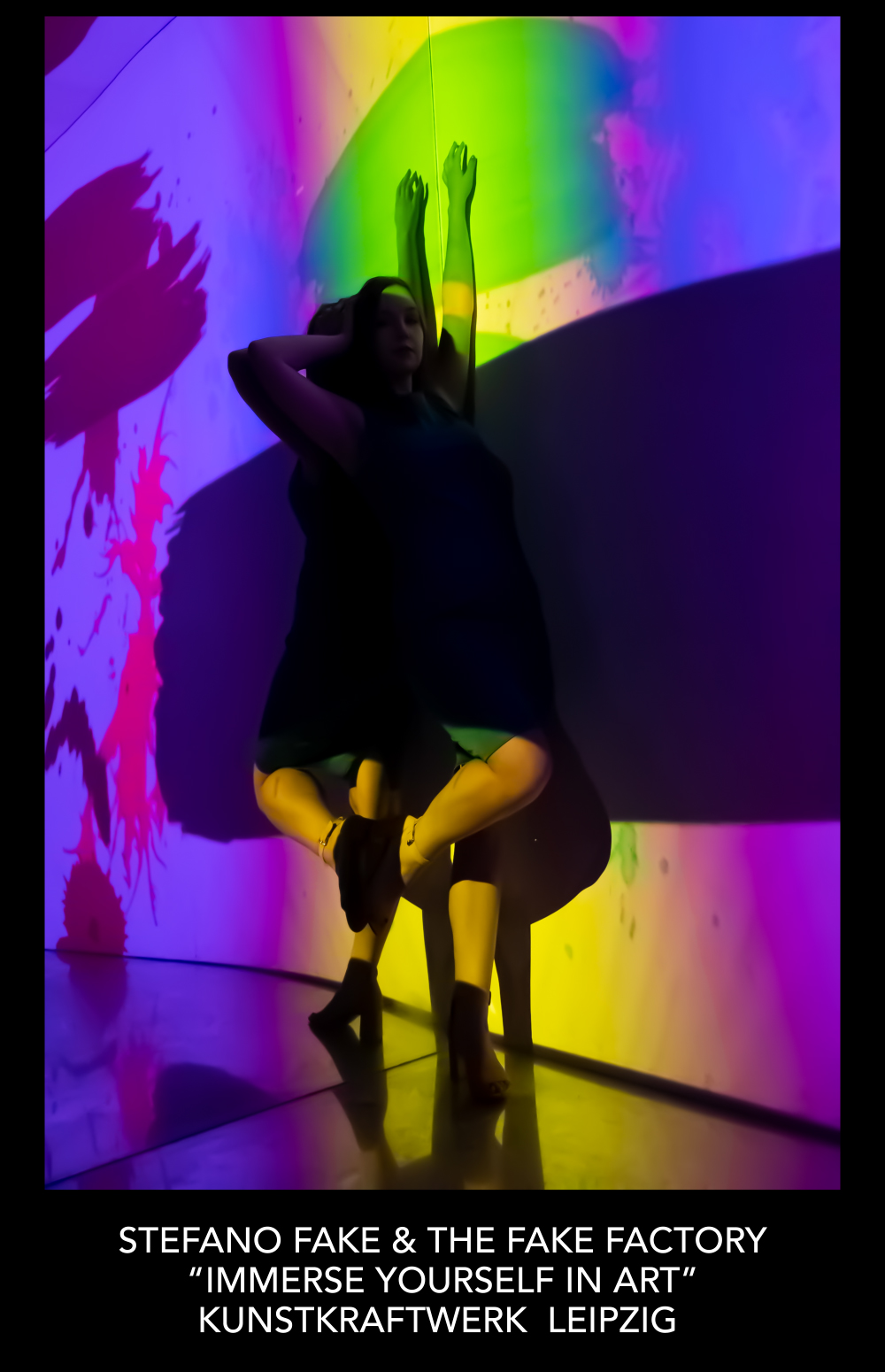
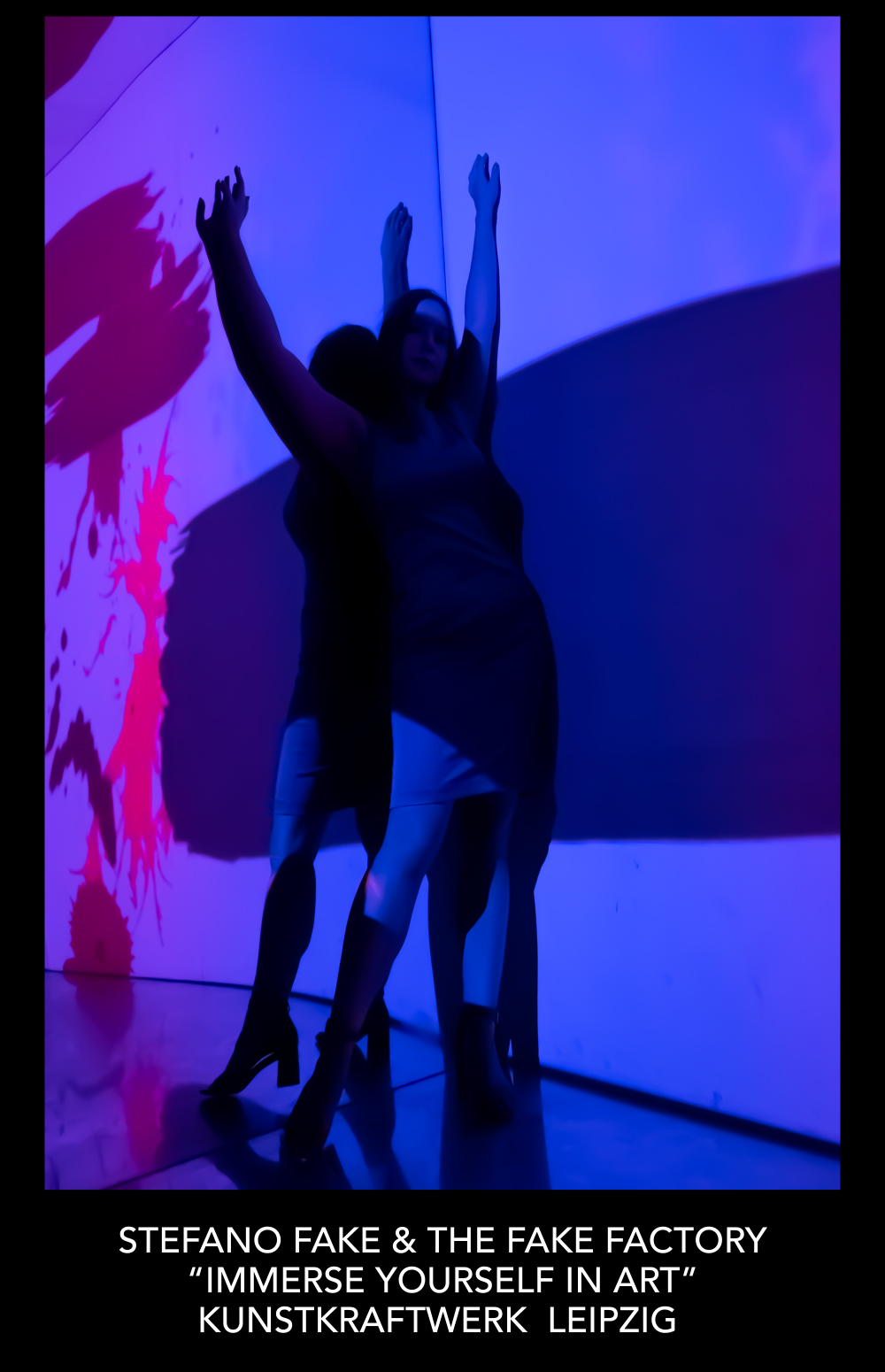
especially in immersive art experiences, the public is called to perceive, comment, act in various forms and ways within the same space-time.
Art is a state of encounter.
Relational aesthetics try to decode or understand what kind of relationship and reaction the work produces on the viewer.
Experiential exhibitions are the privileged place where instant collectivities are established,
differentiated according to the degree of spectator participation requested by the artist,
the nature of the works, the participation models proposed or represented.
The relationship is not the simple secondary effect of a formal composition,
but the principle of a trajectory that unfolds through signs, objects, shapes, gestures.
The form of the contemporary work extends beyond its material form:
it is a binding element, a principle of dynamic relationship.
A work of art is a point on a line.
The form of the work is given by the encounter, by the dynamic relationship between artist and visitor.
The form of the work, in our case the creation not only of an aesthetic environment
but also of an experiential path, is given by the dialogue that the artist seeks with the public:
the form takes on consistency only when it involves human relations.
The emergence of new multi-media and multi-modal techniques,
indicates a collective desire to create new spaces of conviviality,
new transactions with the cultural object.
The multimedia artist who creates immersive art experiences will therefore have to concentrate on the relationships that his work will create in the public.
Each work of art could be defined as a relational object,
the geometric place of a negotiation, with countless interlocutors and recipients.
(Nicolas Bourriaud)
The fundamental intuition of our age is to consider
life itself is an aesthetic form, reused, put into shape.
(Nicolas Bourriaud)
The set of ways of meeting and inventing relationships today represent aesthetic objects.
Another absolutely relevant aspect of immersive art experiences is their ability to arouse, through social media,
immediate feedback on the momentum of the relationship that took place.
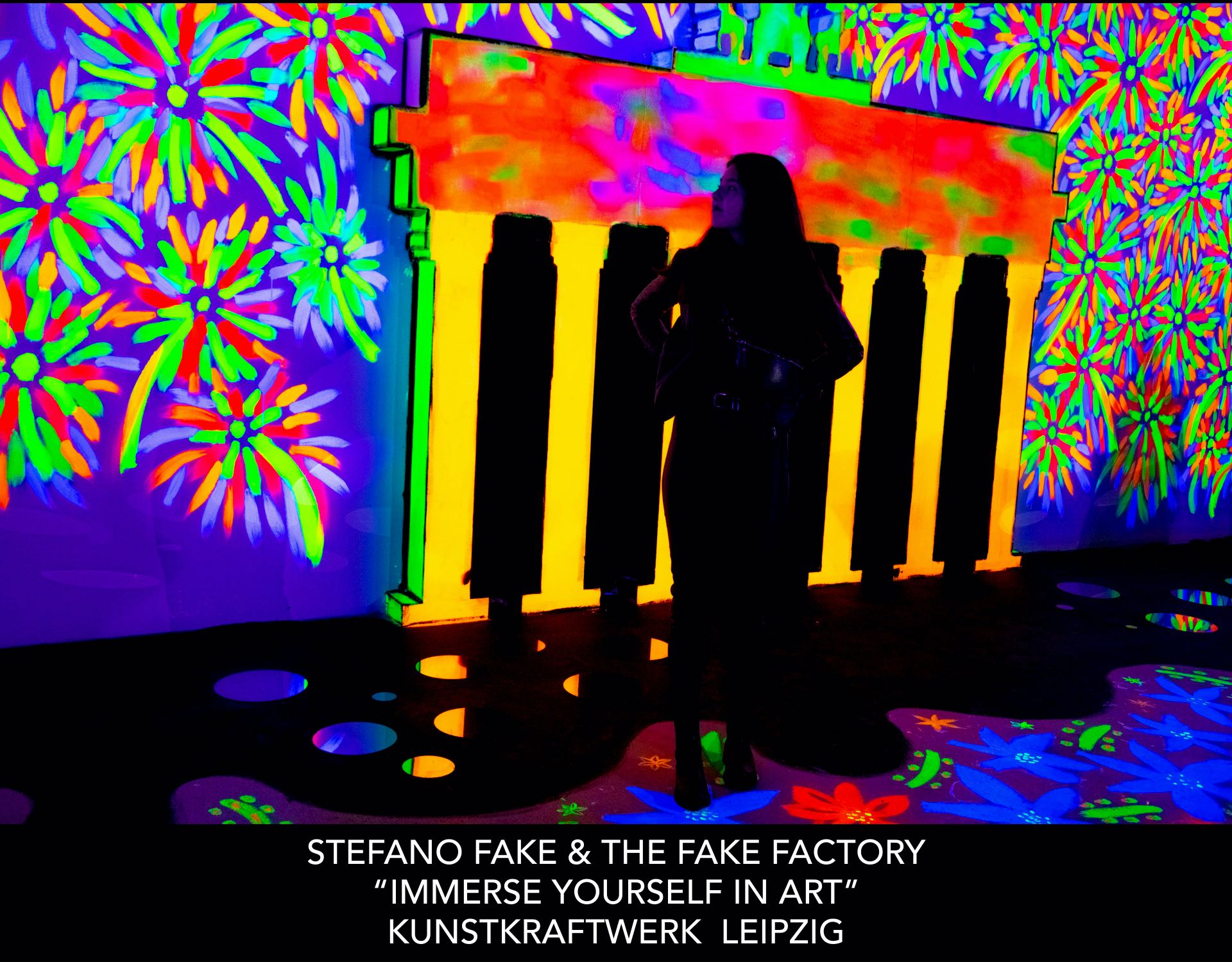
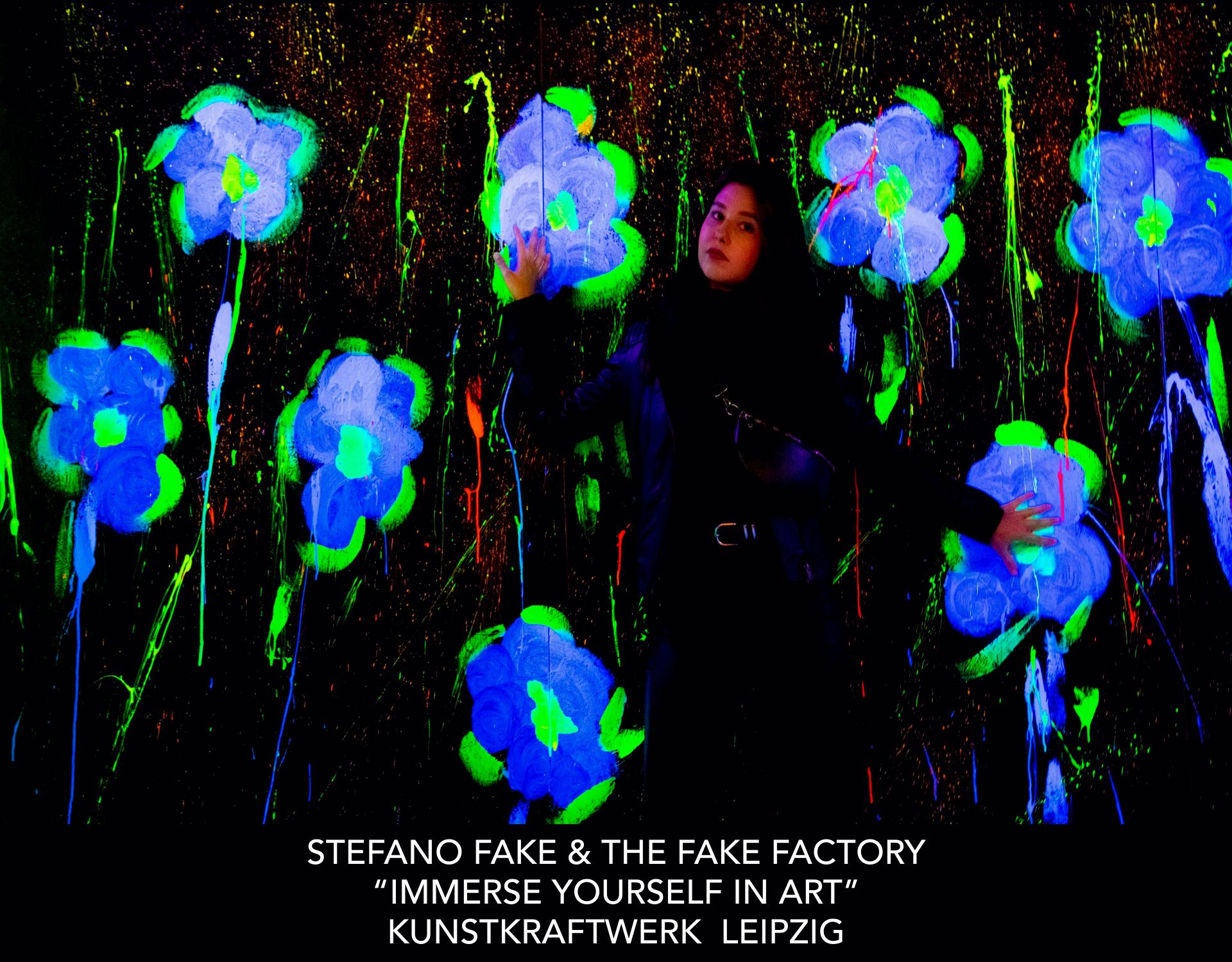
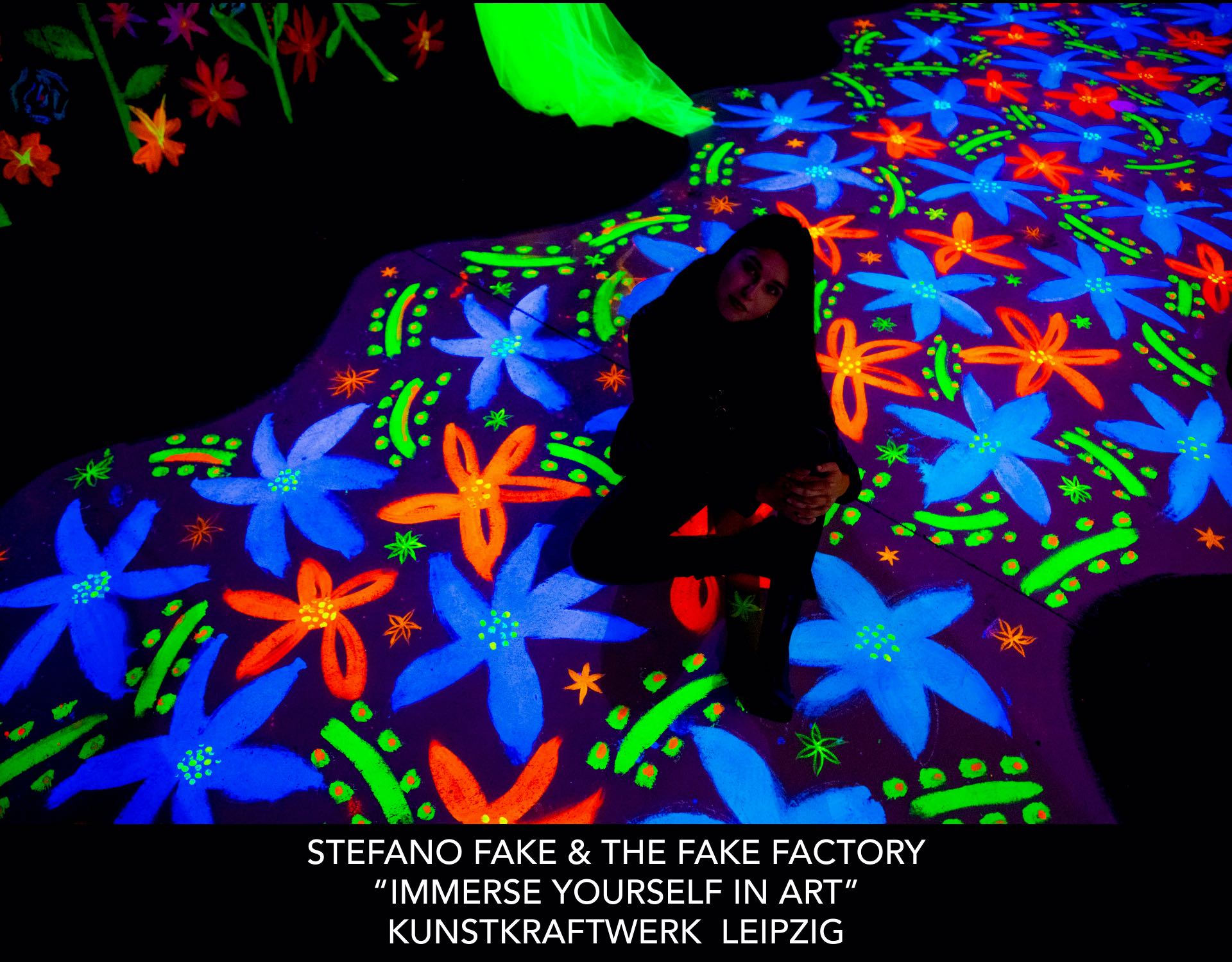
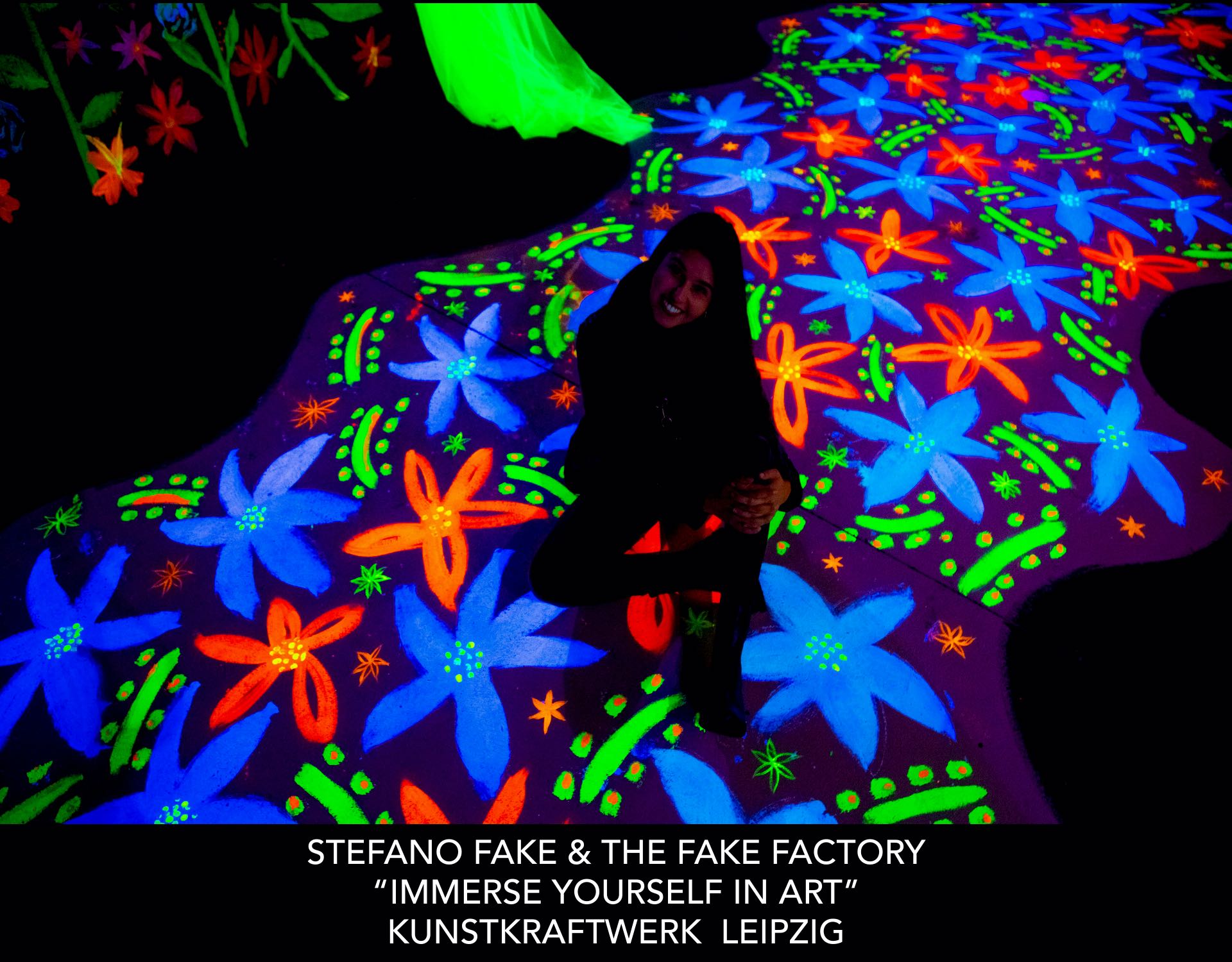
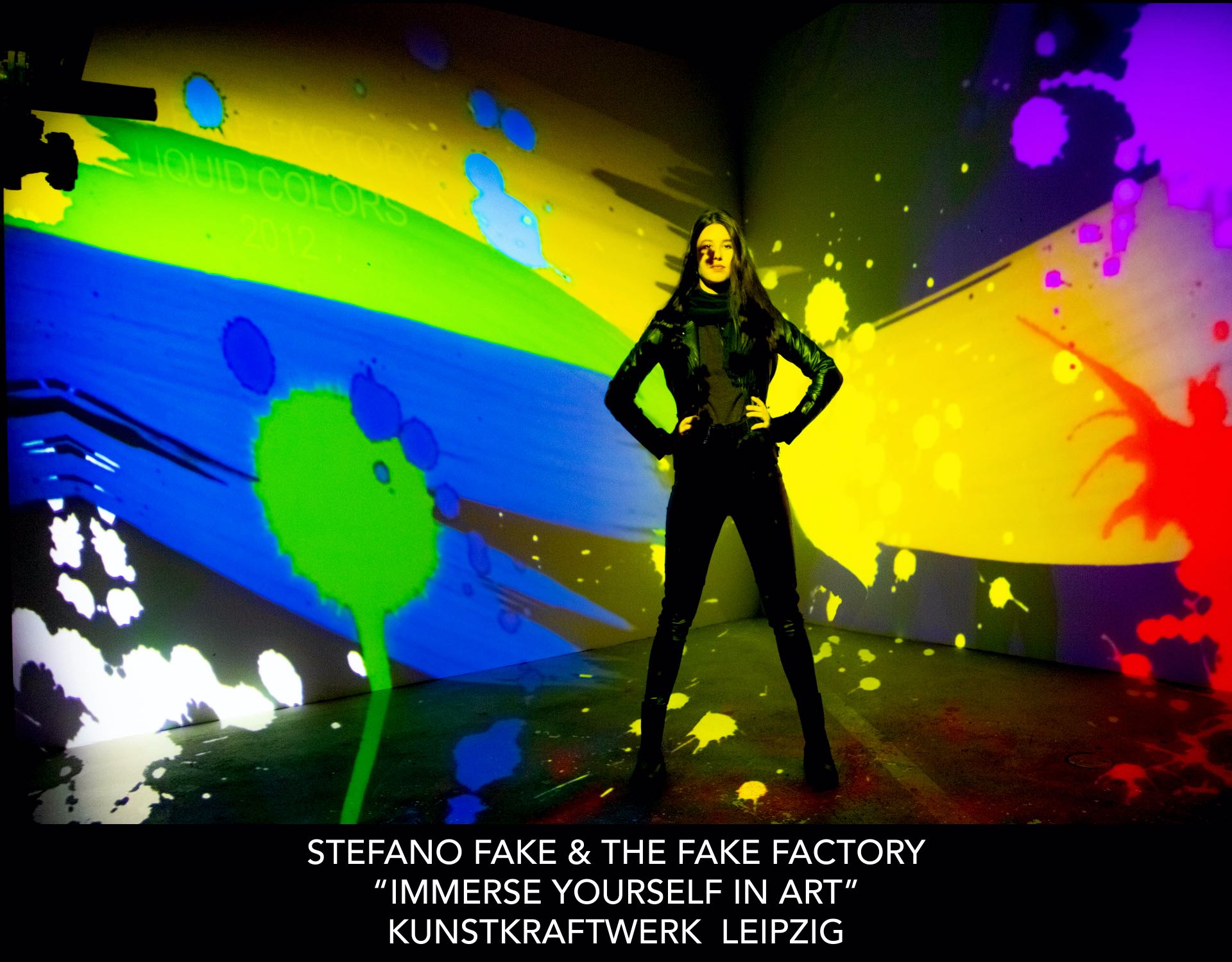
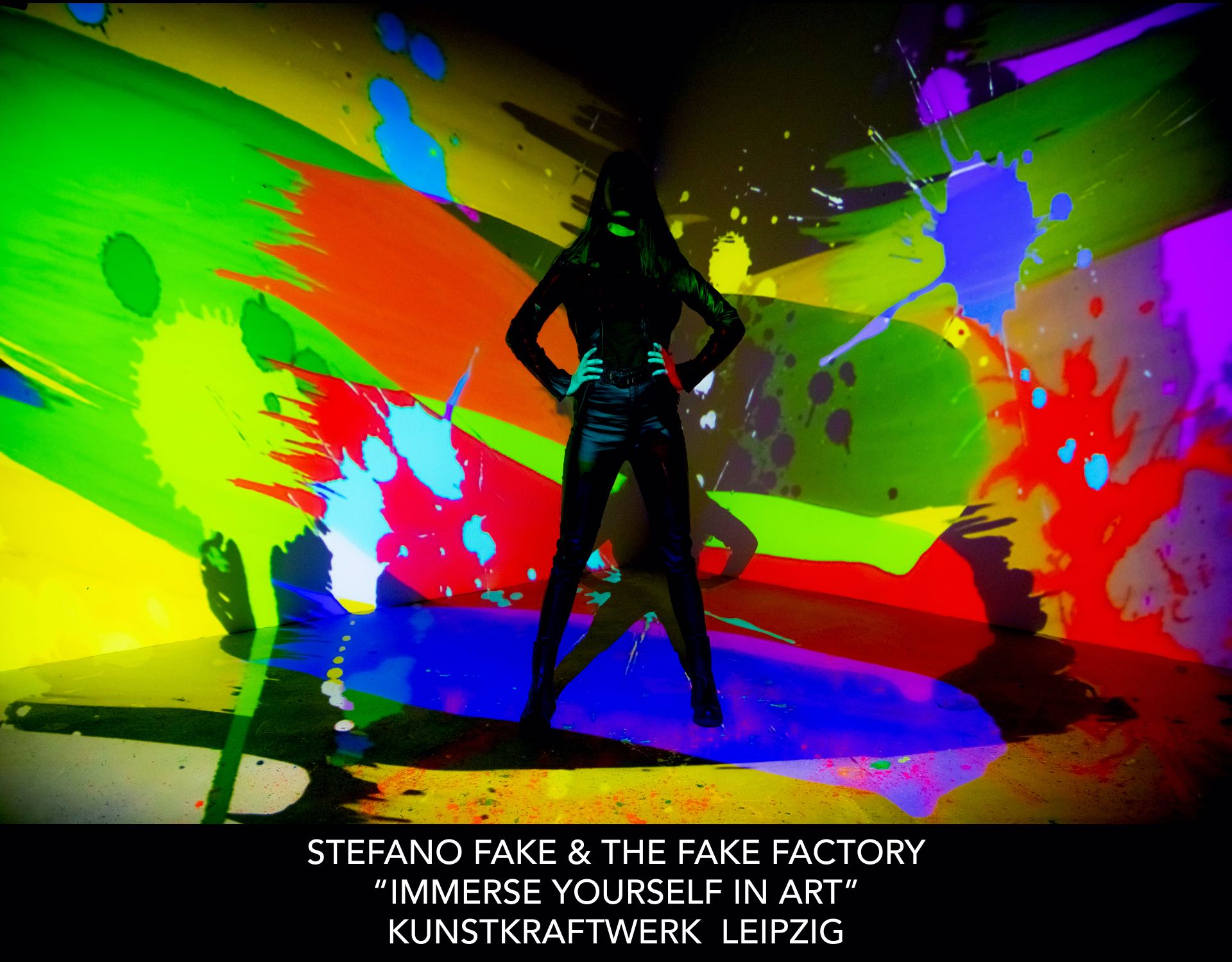
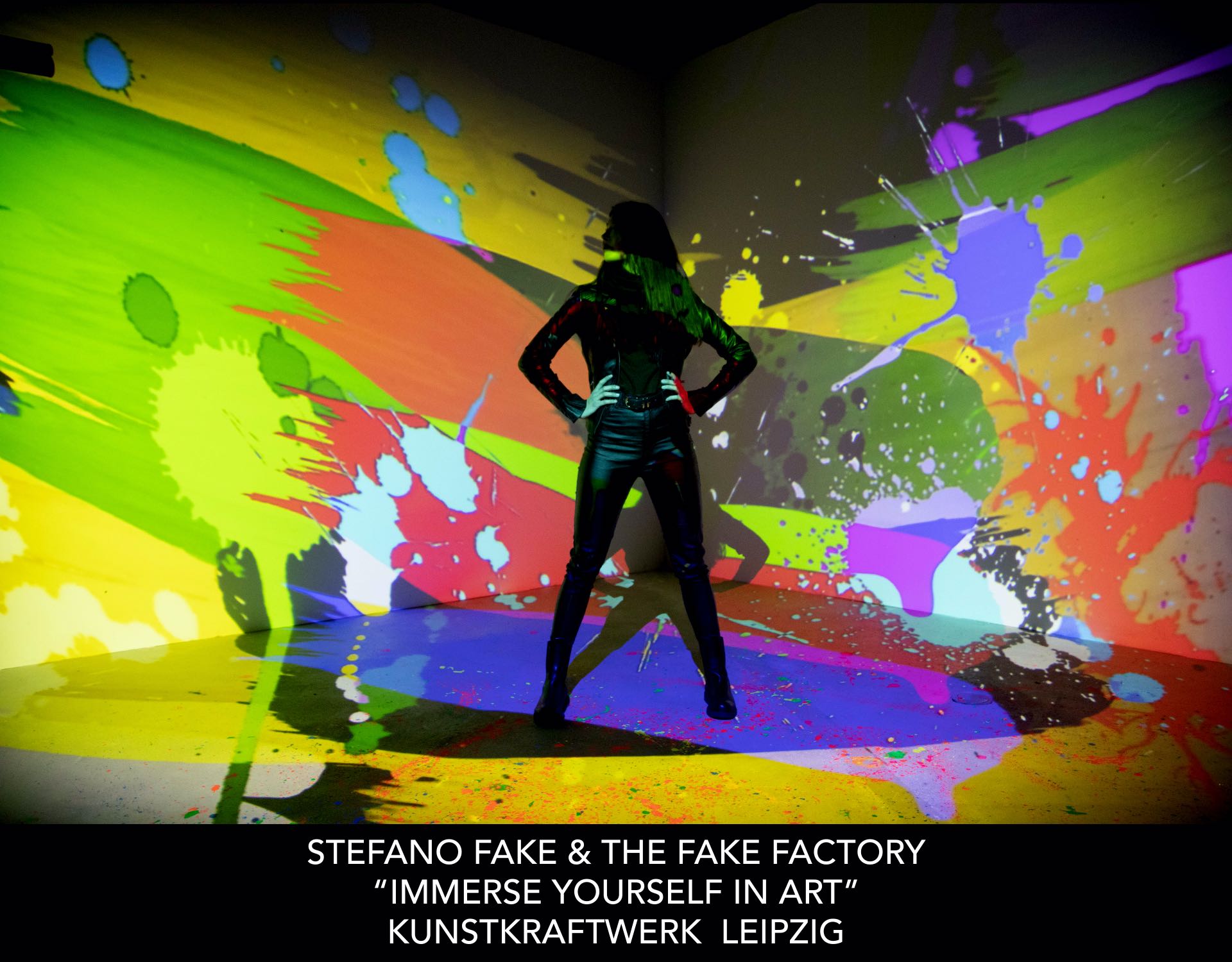
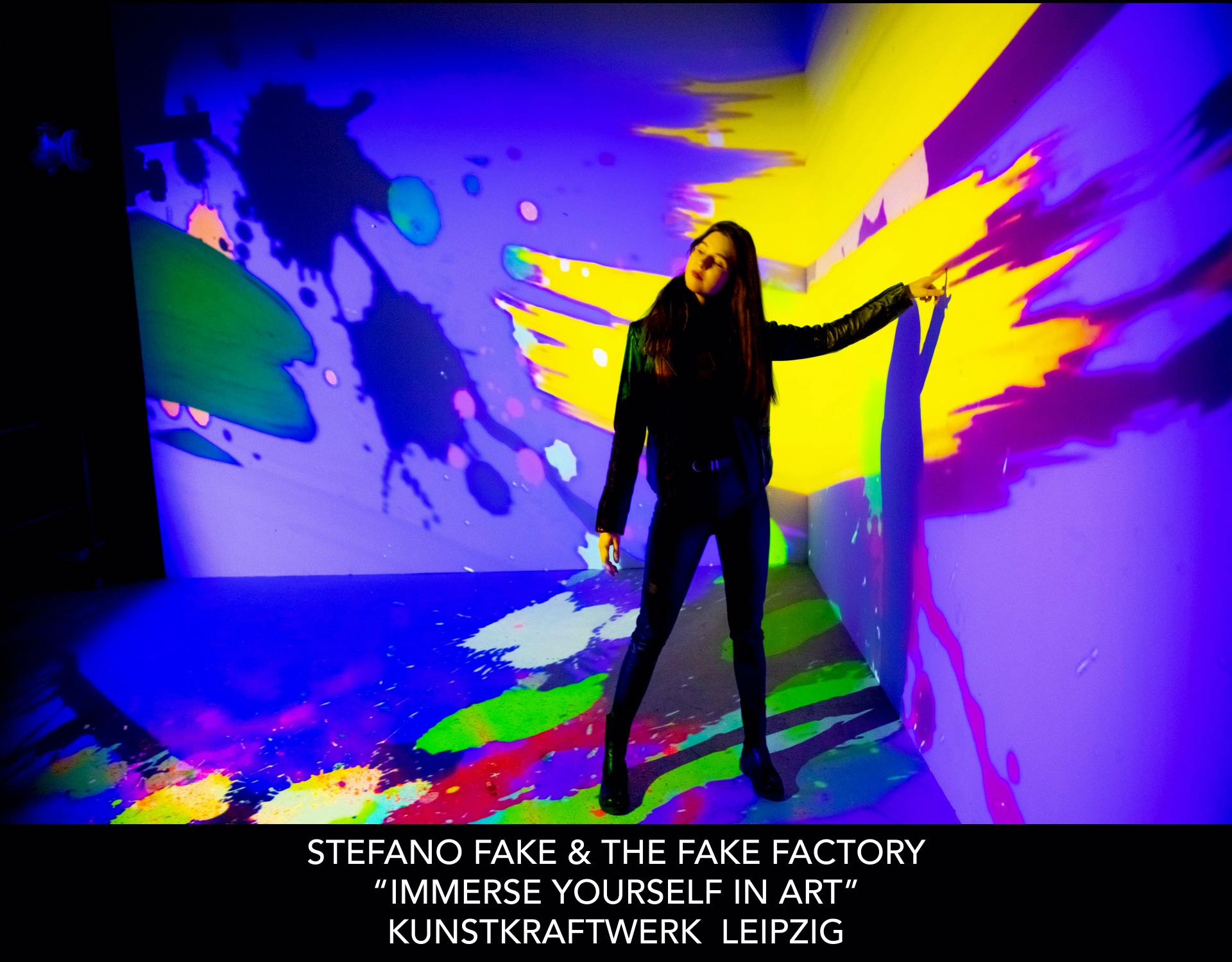
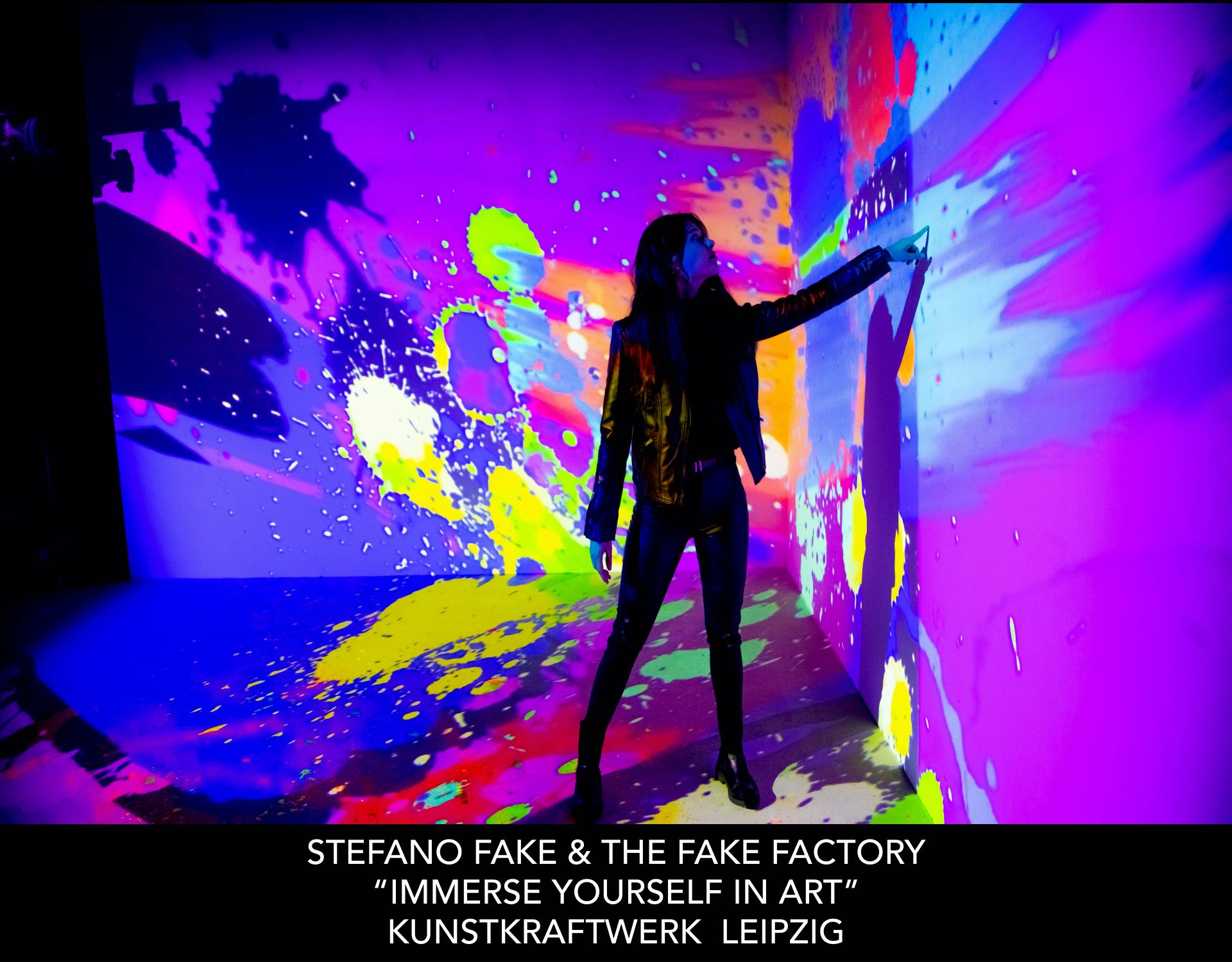
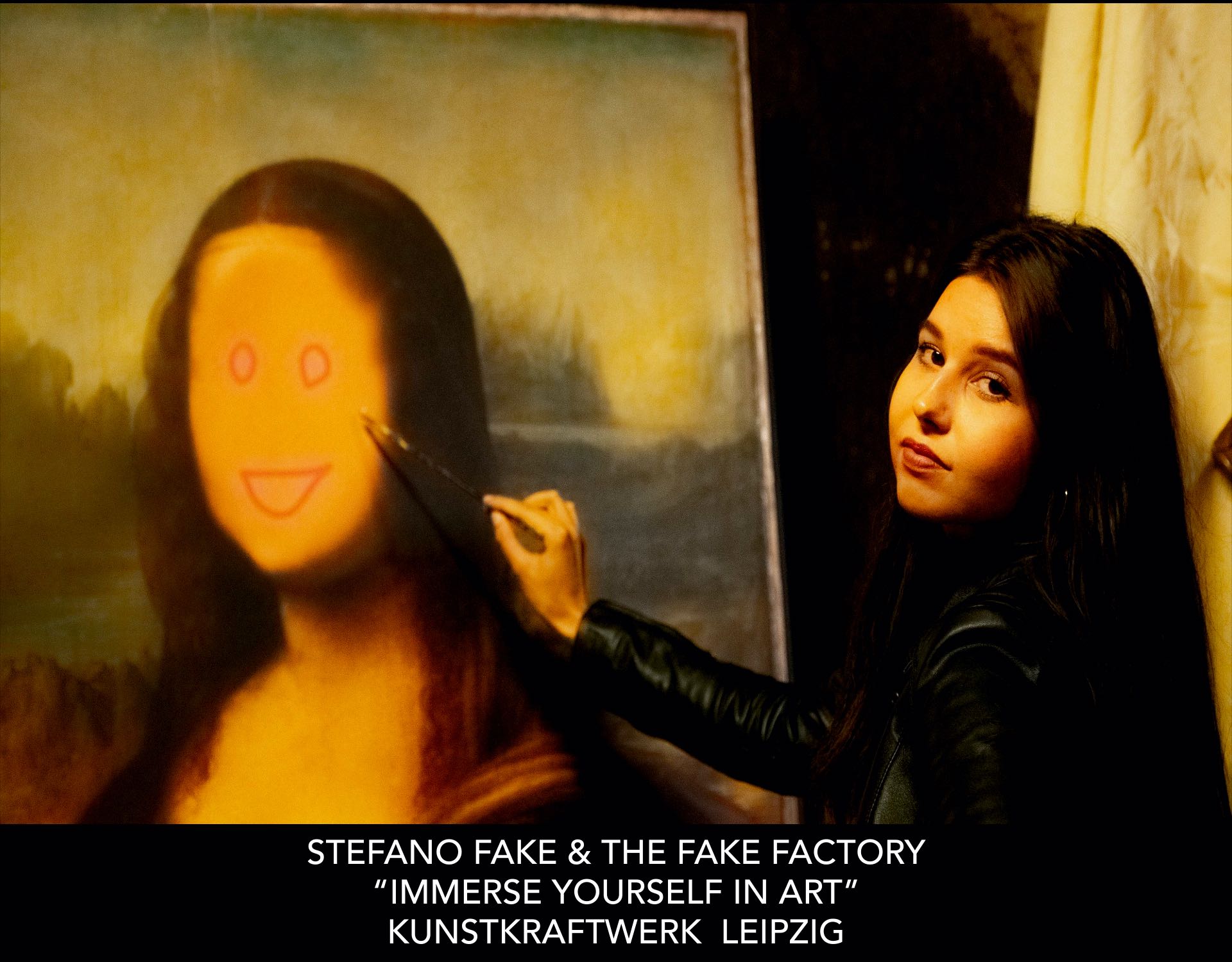
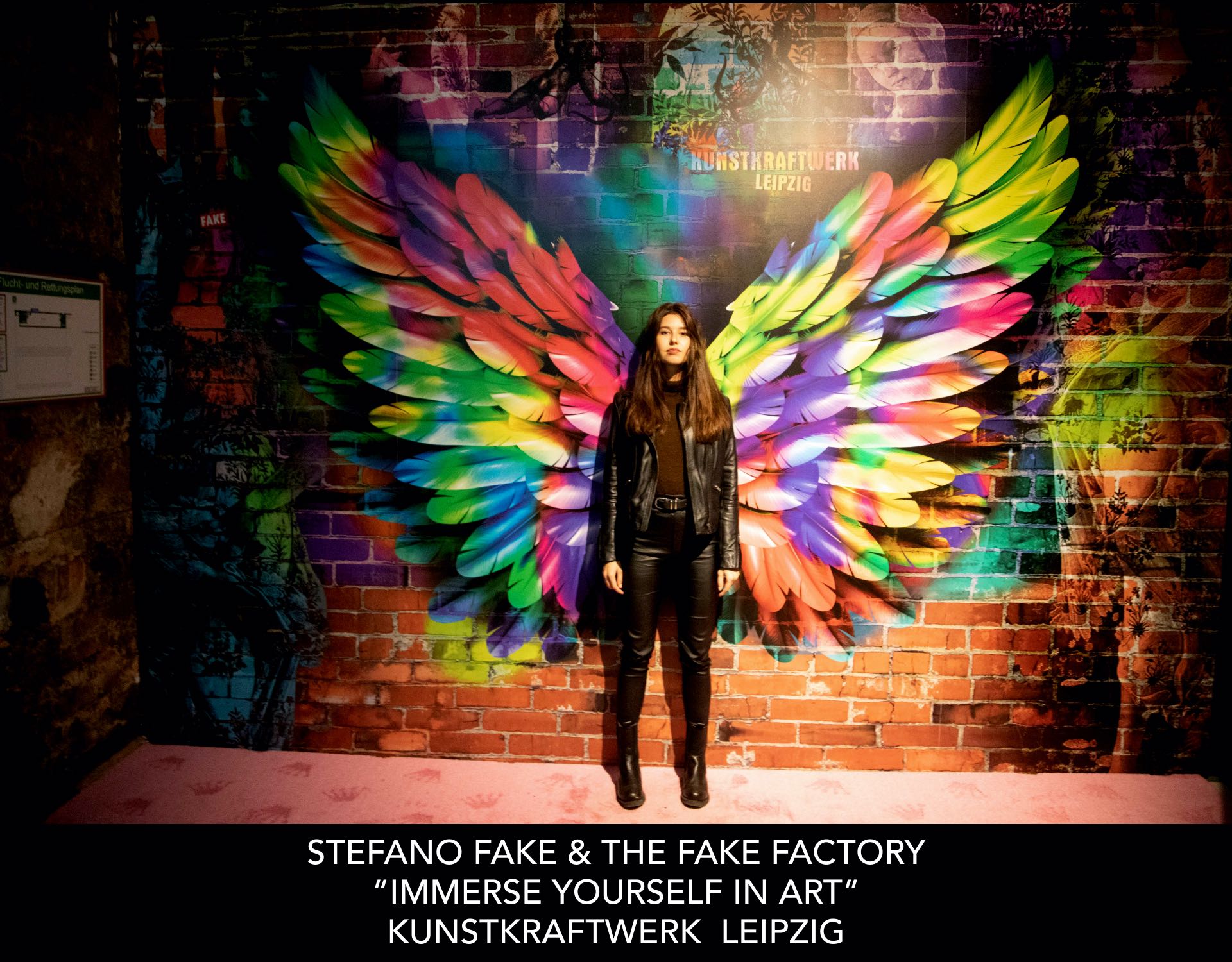
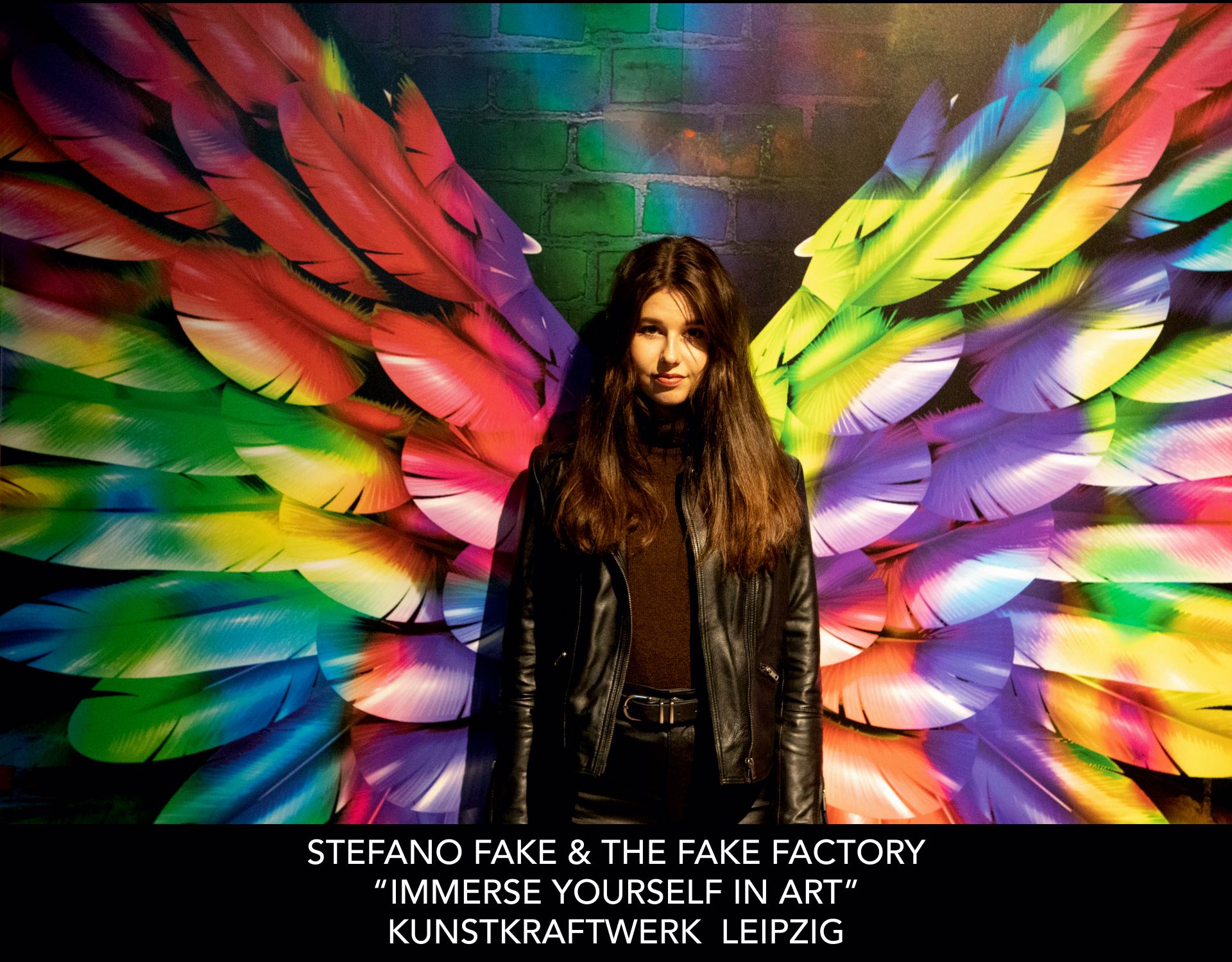
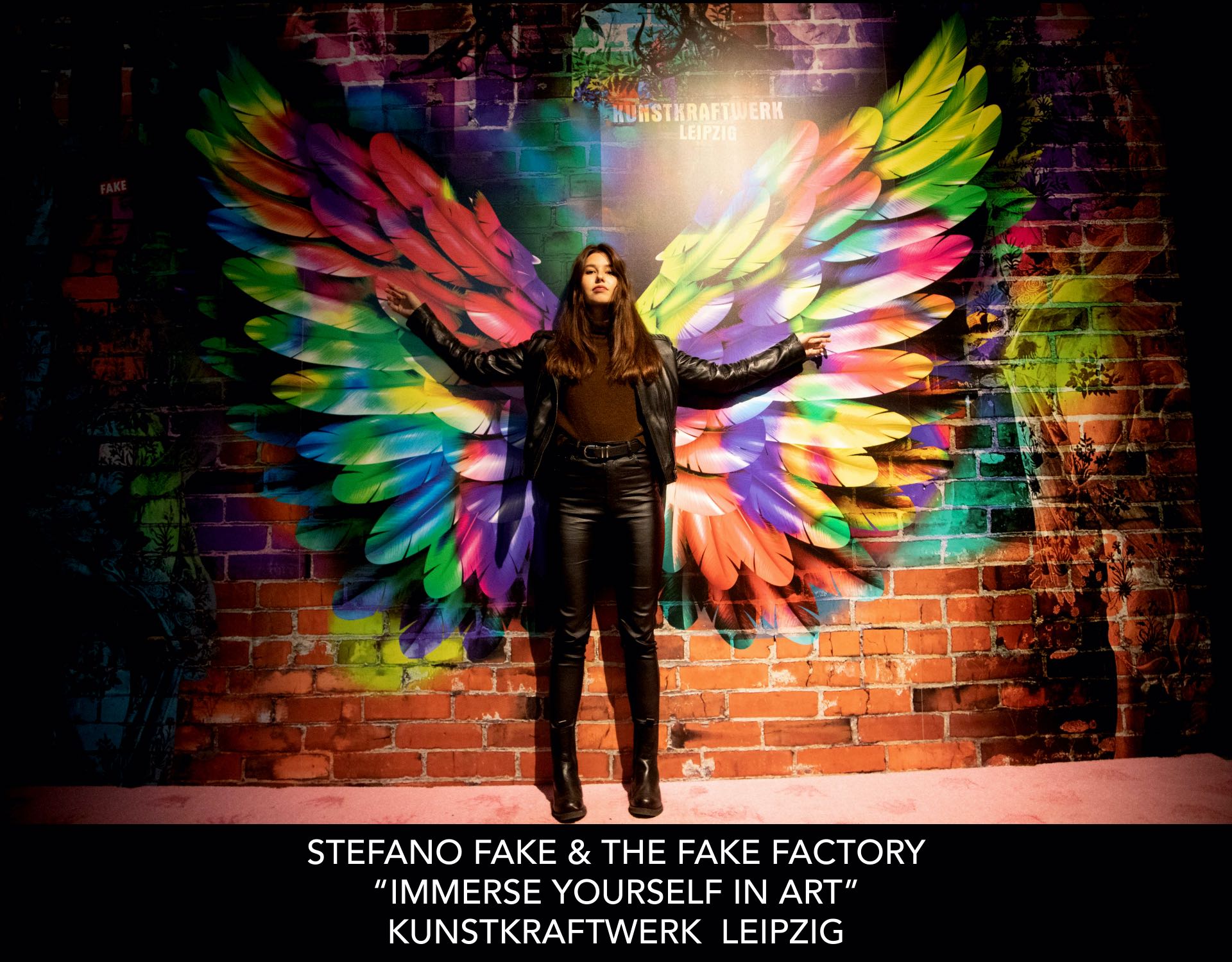
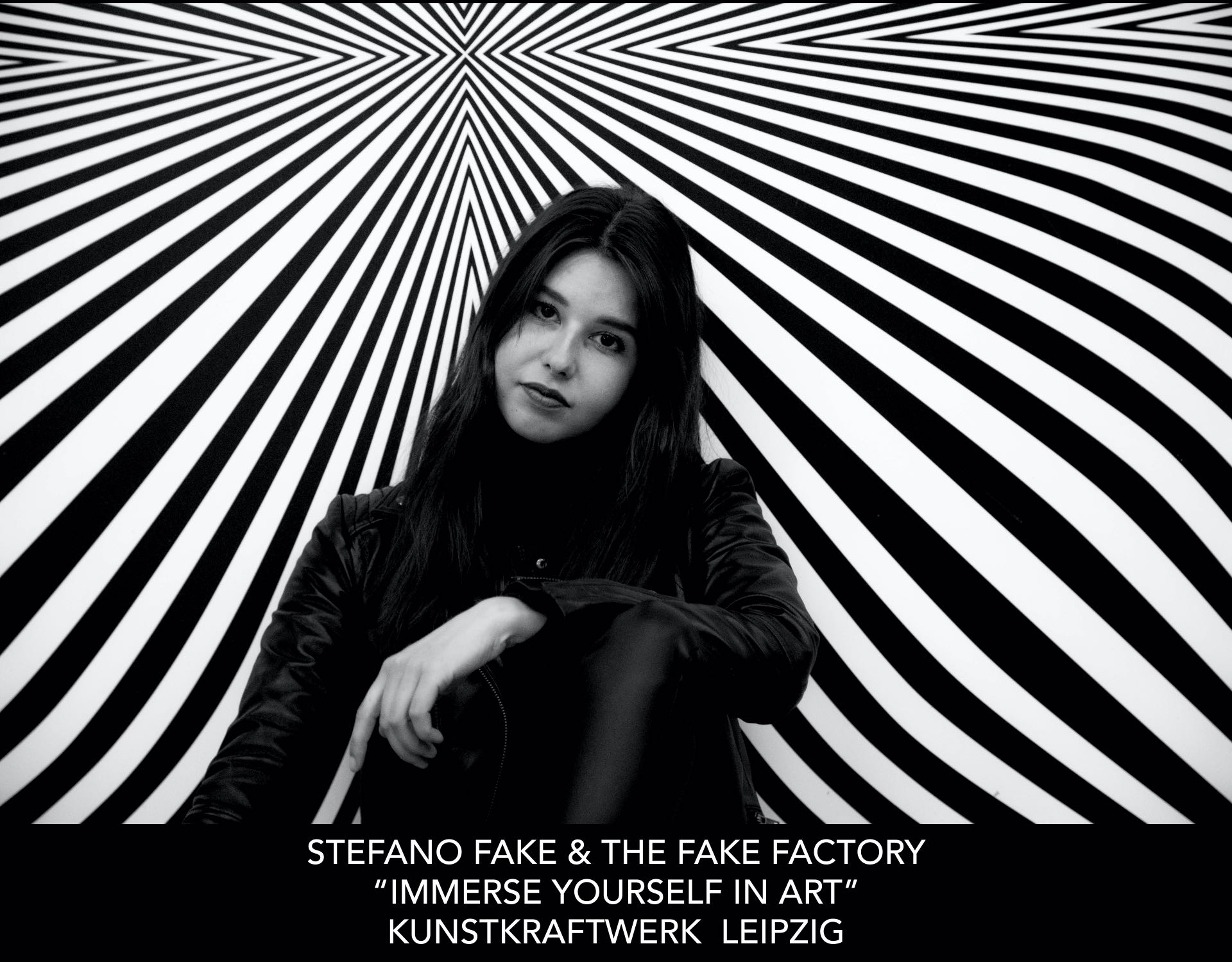
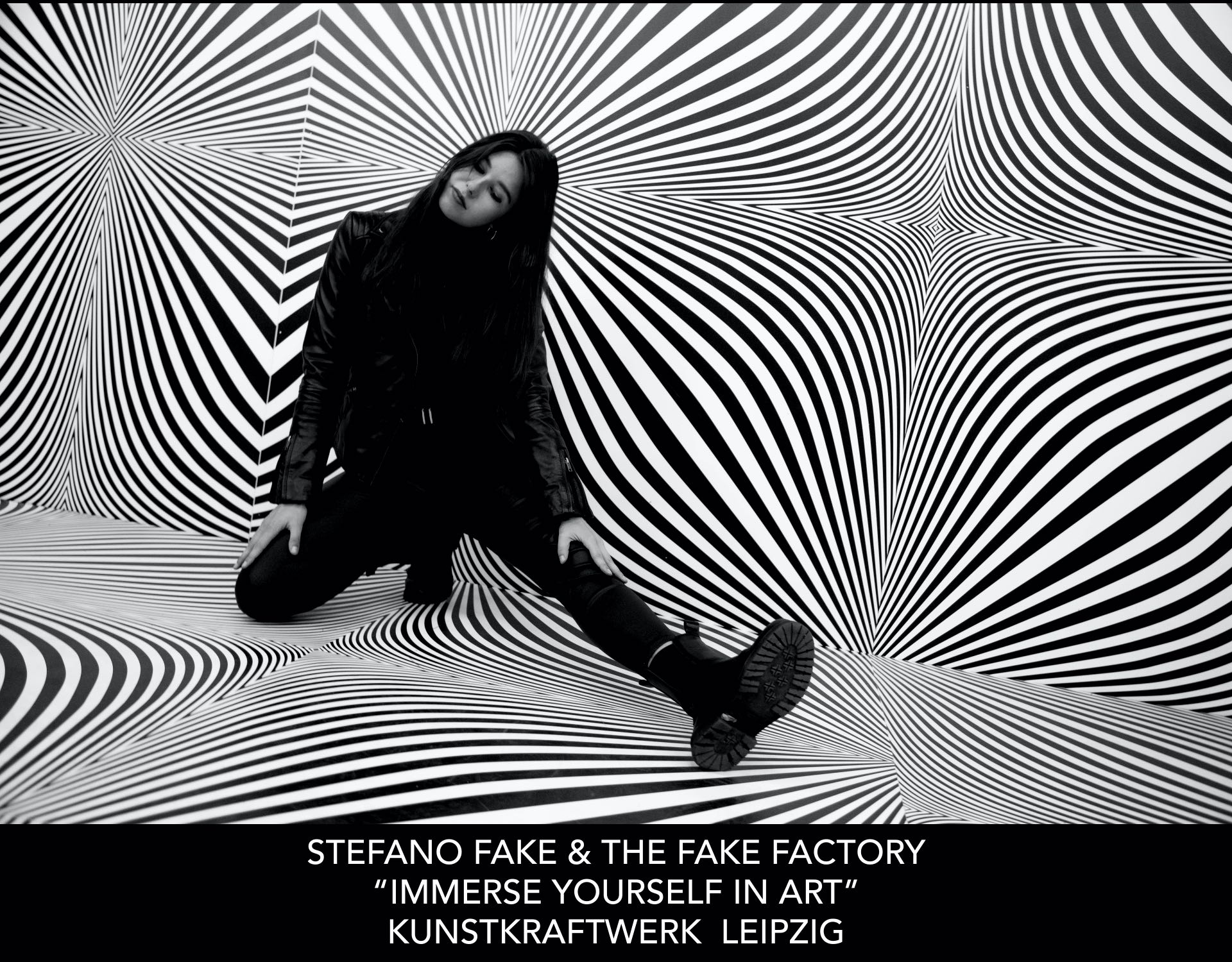
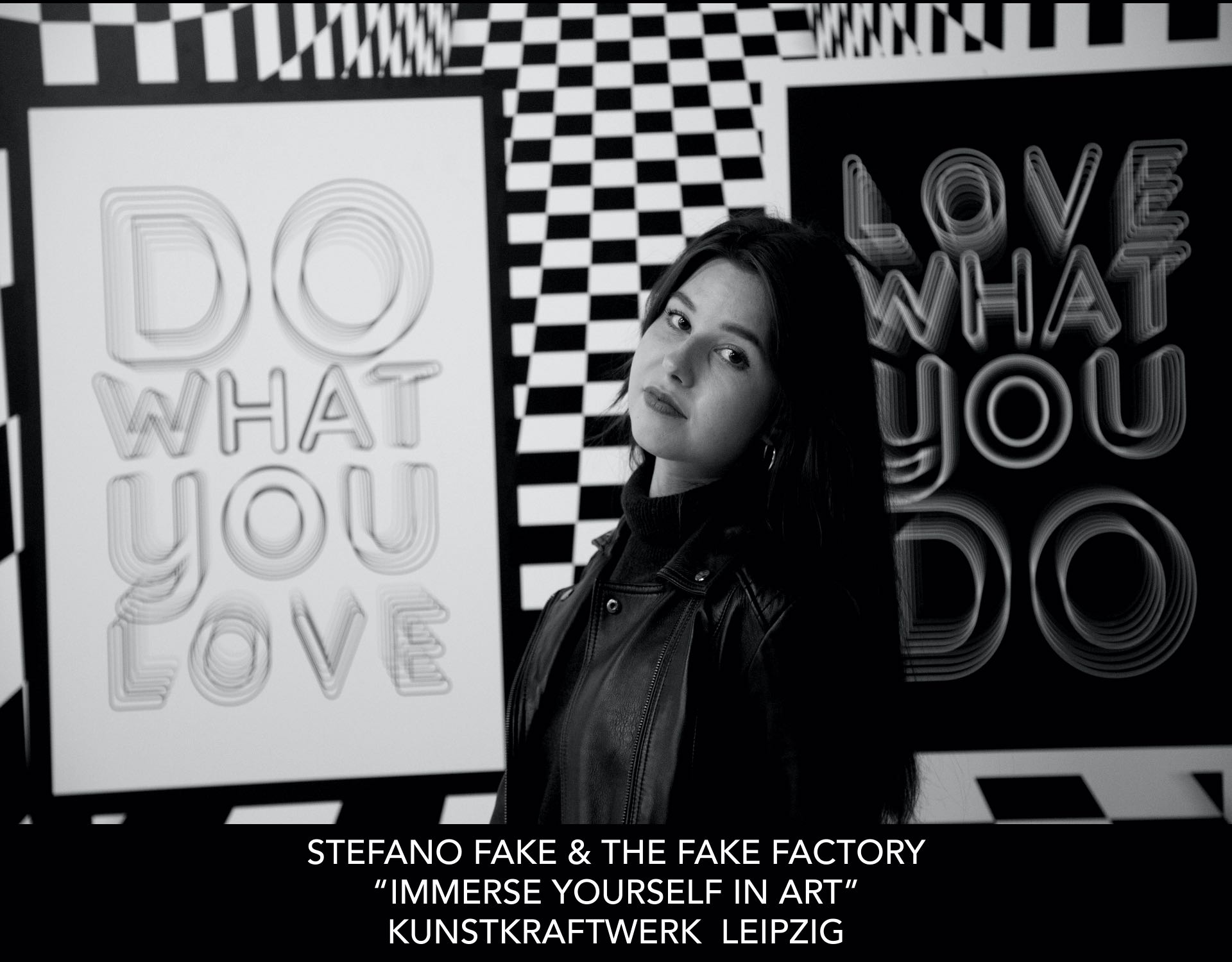
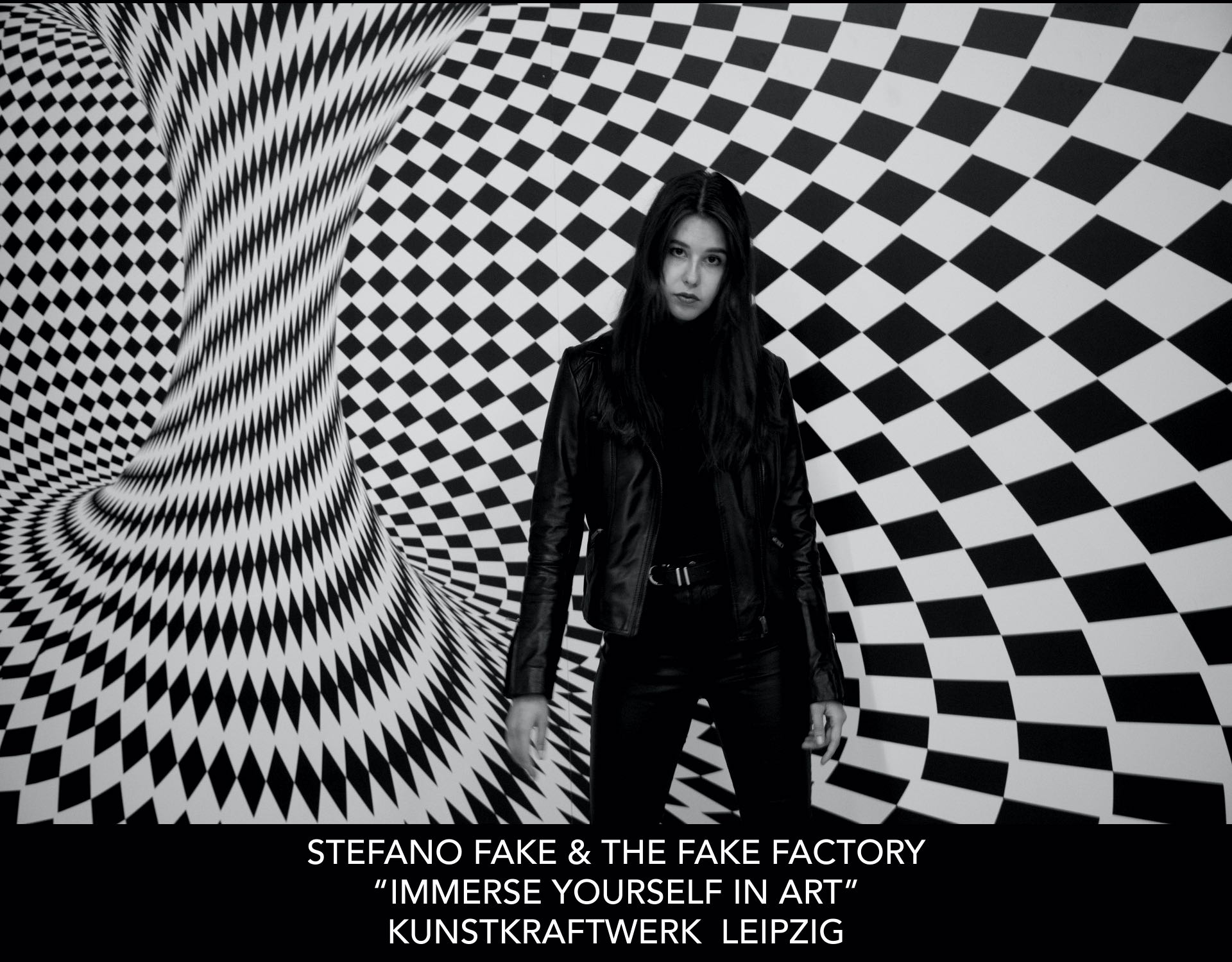
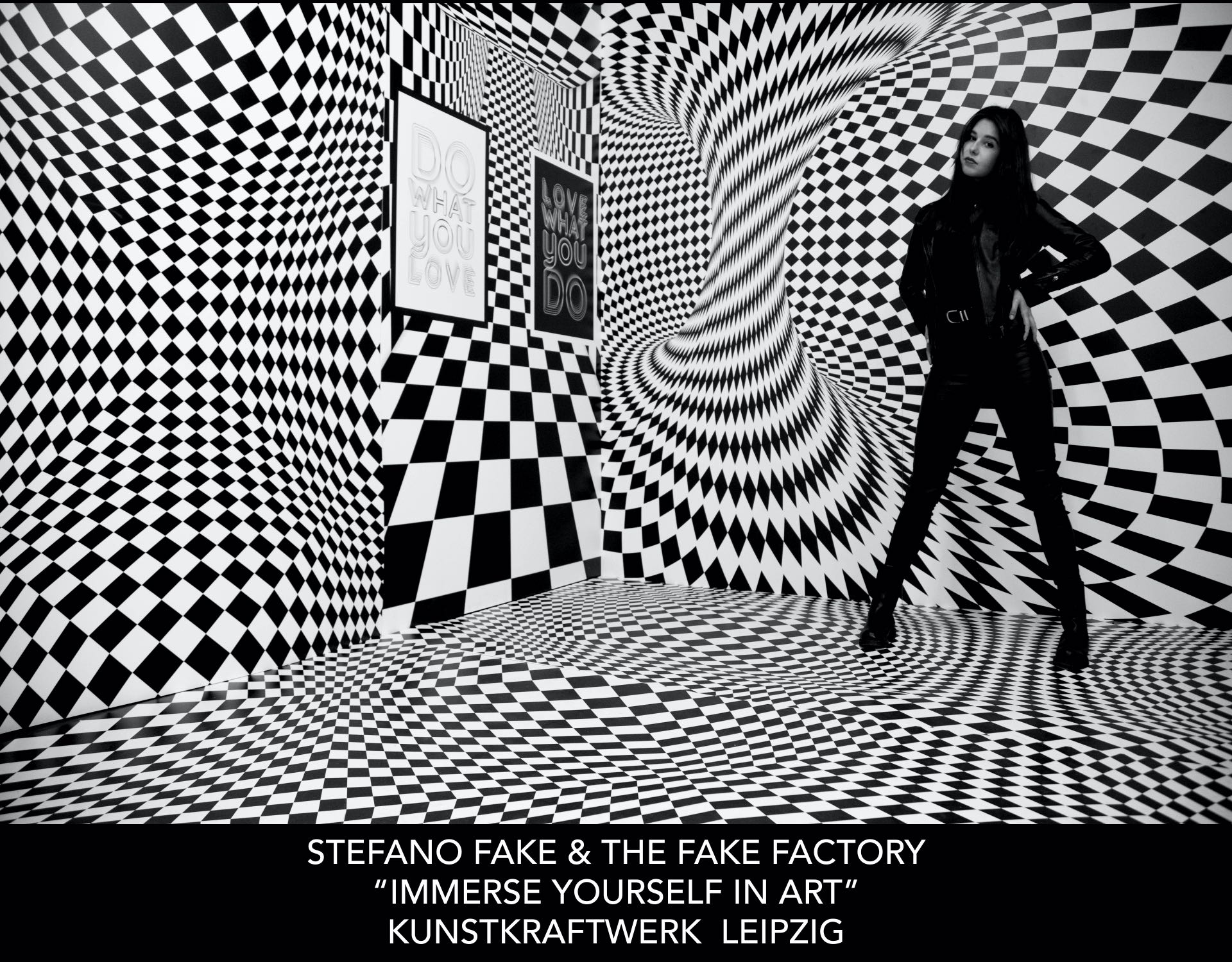
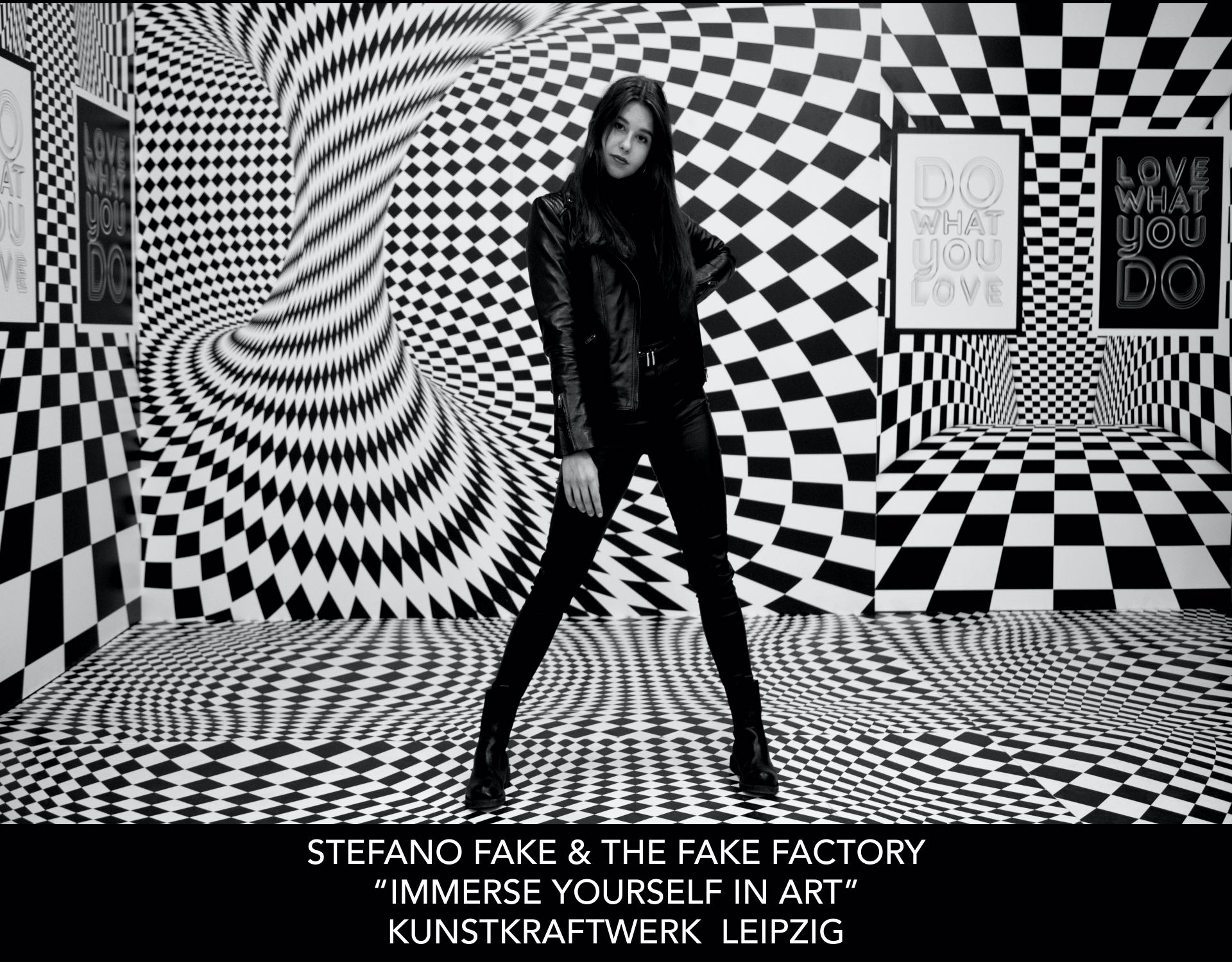
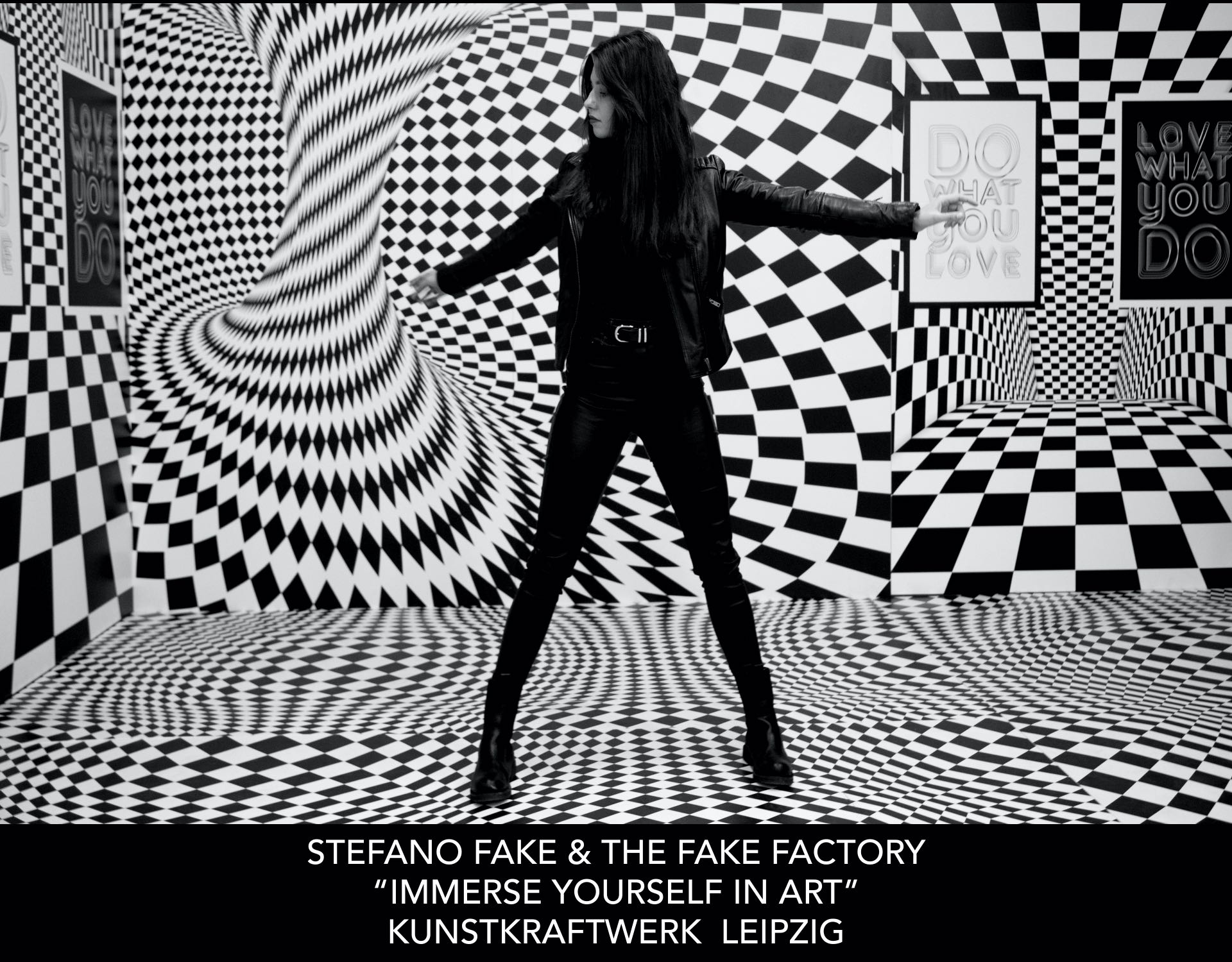
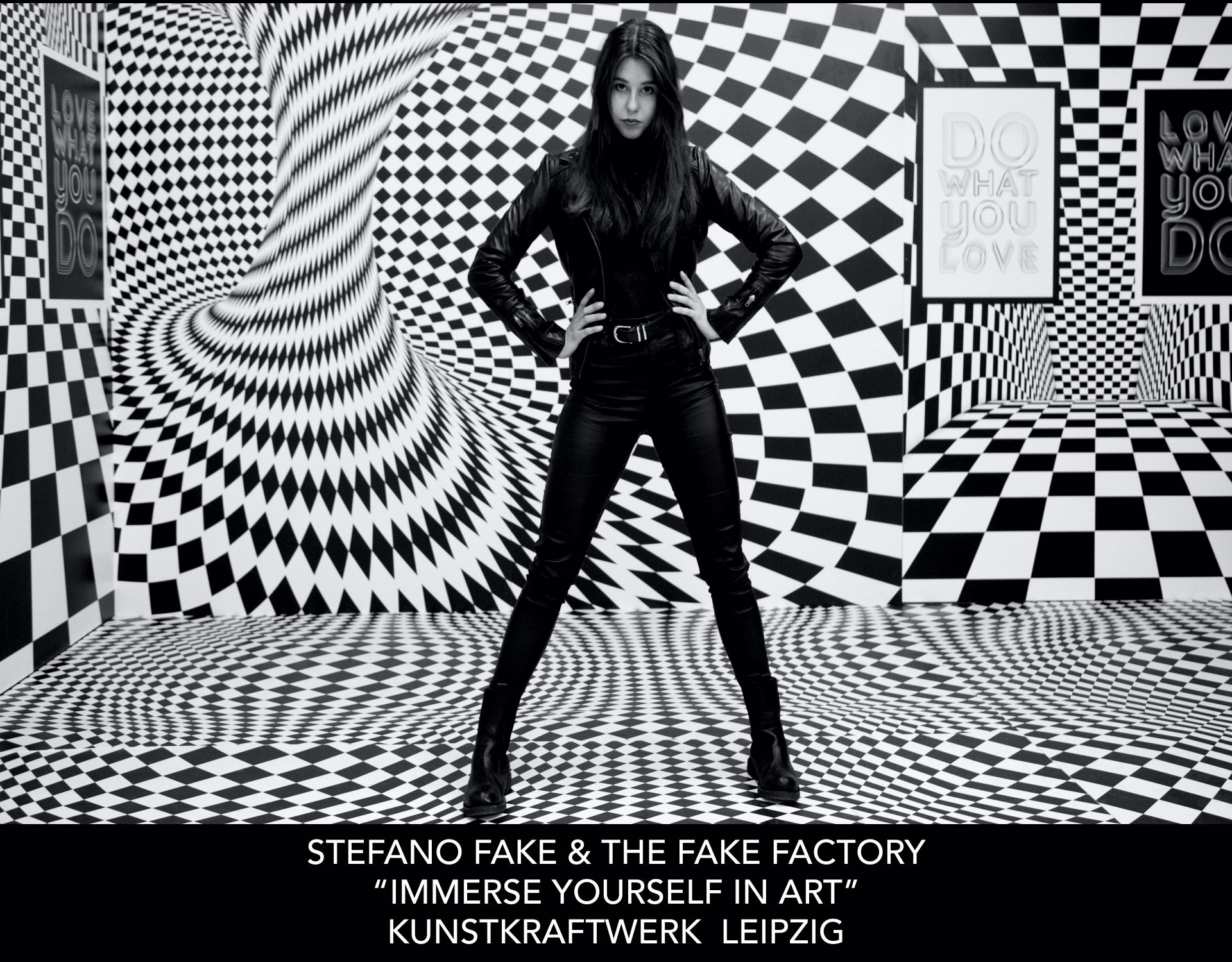
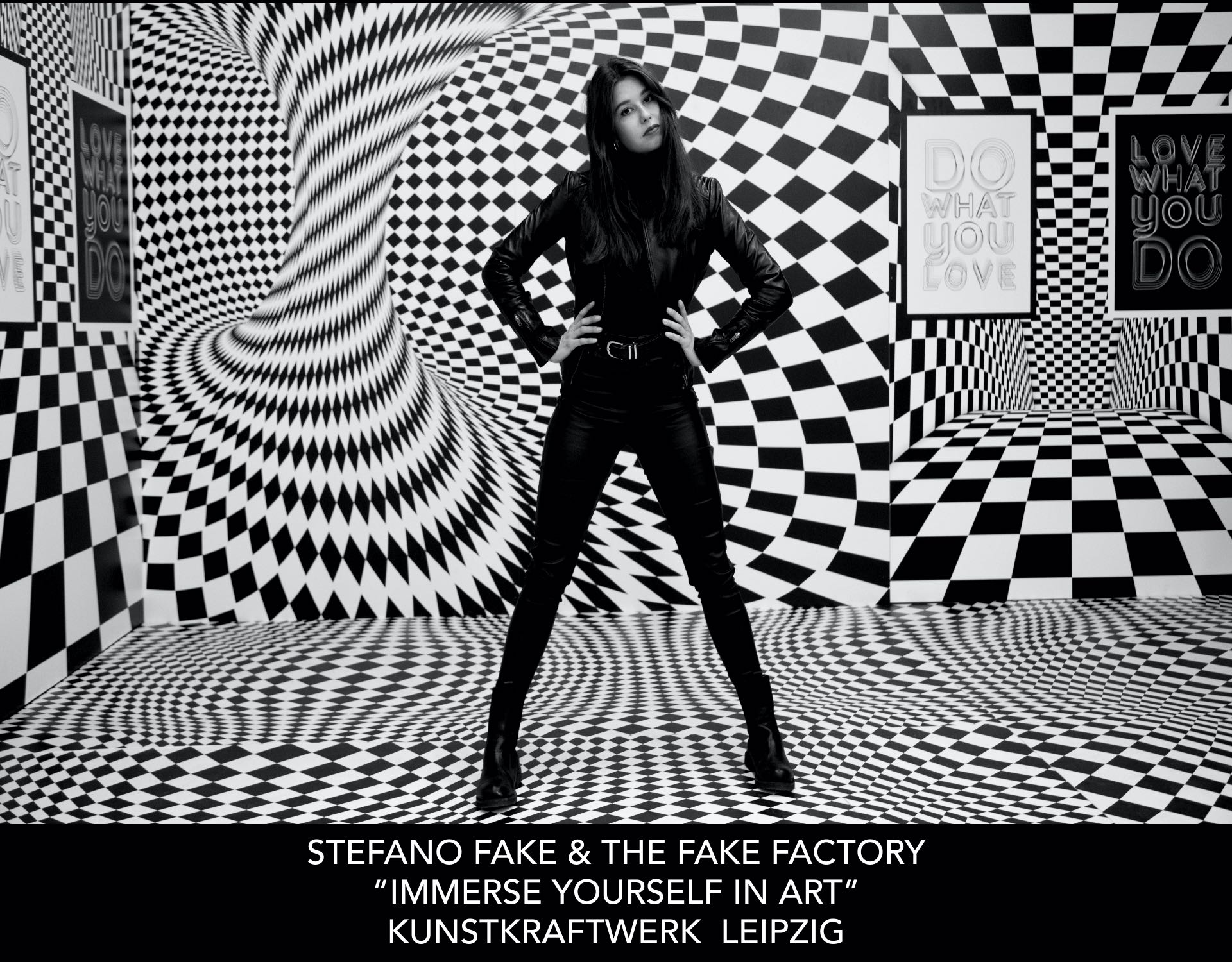
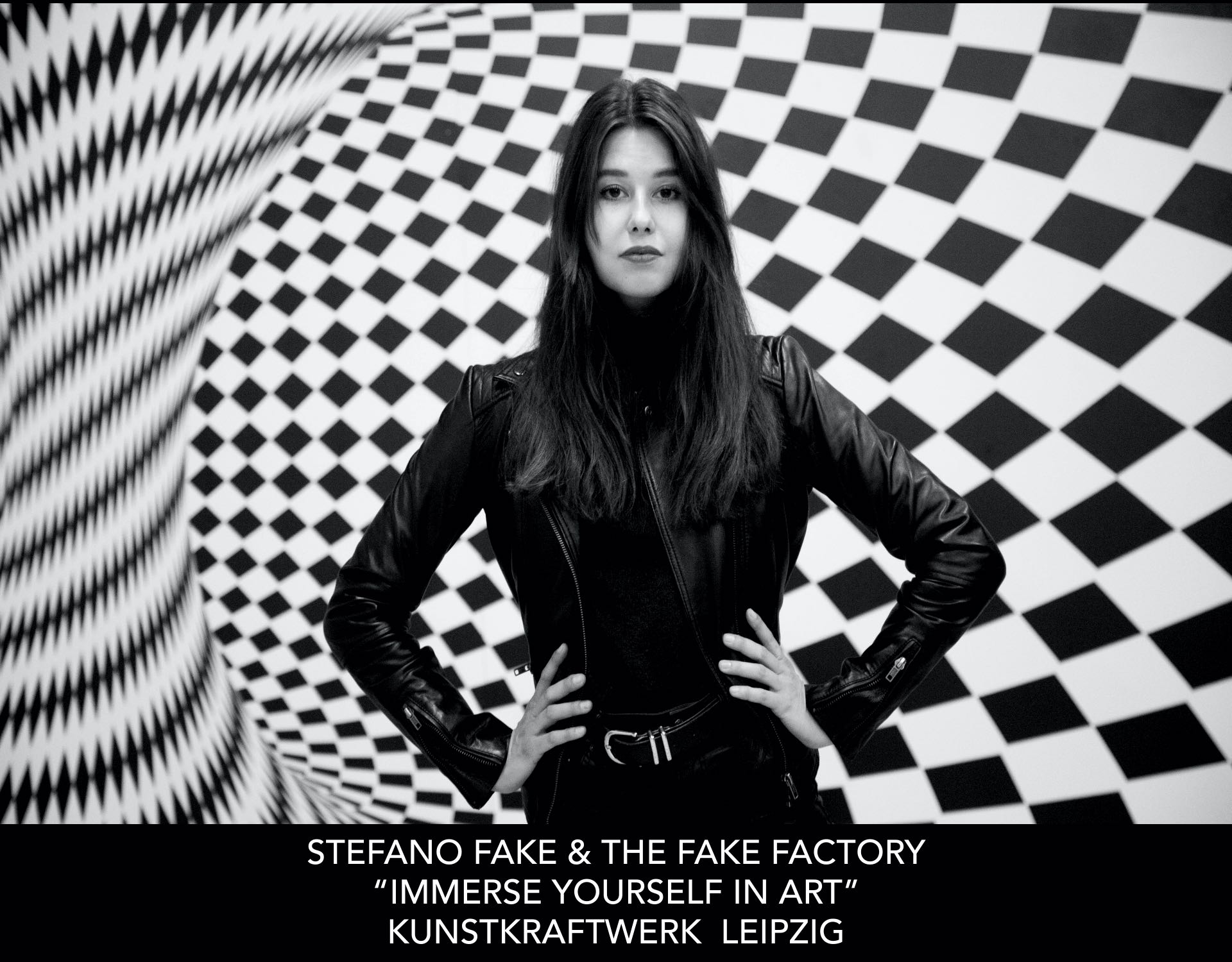
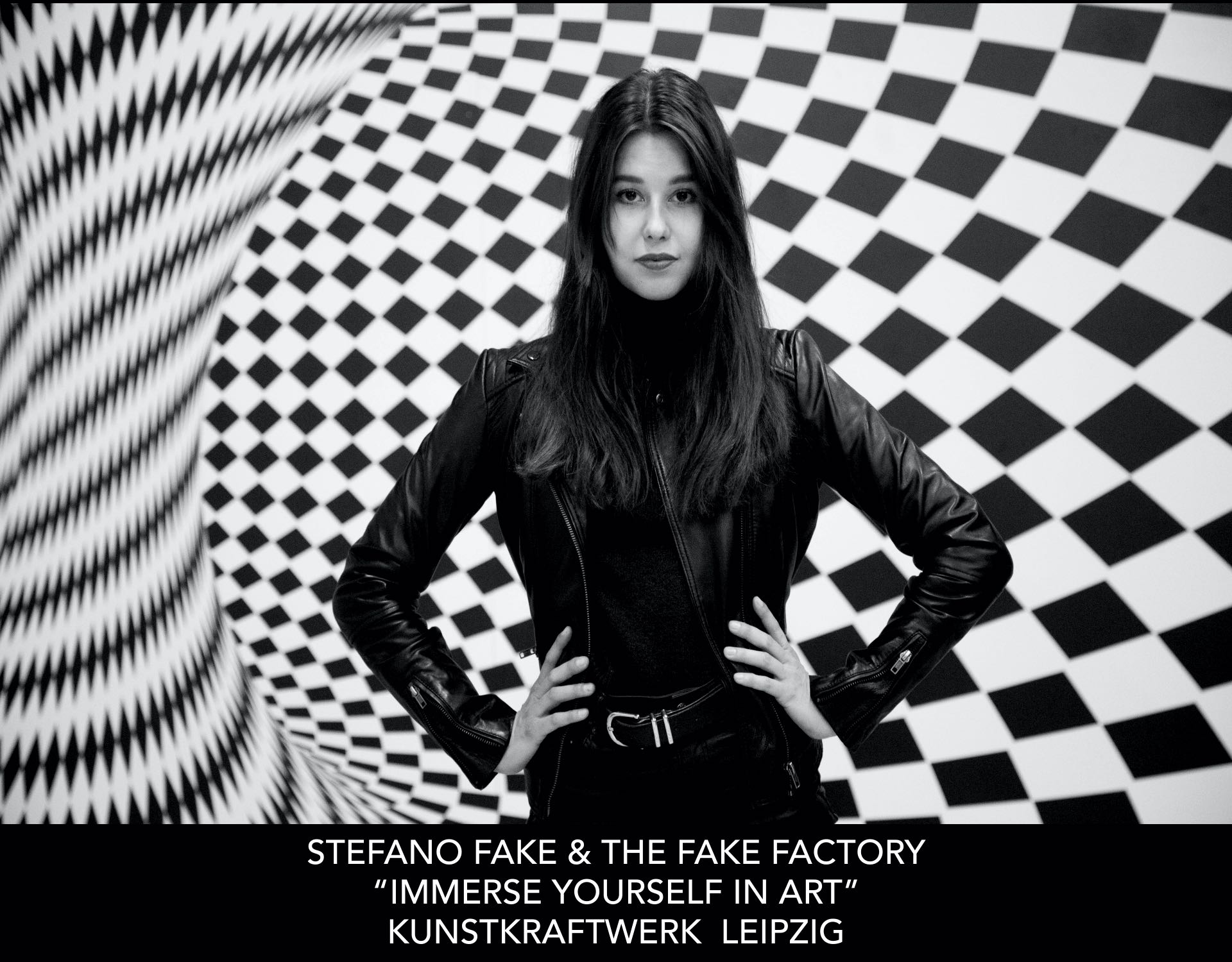
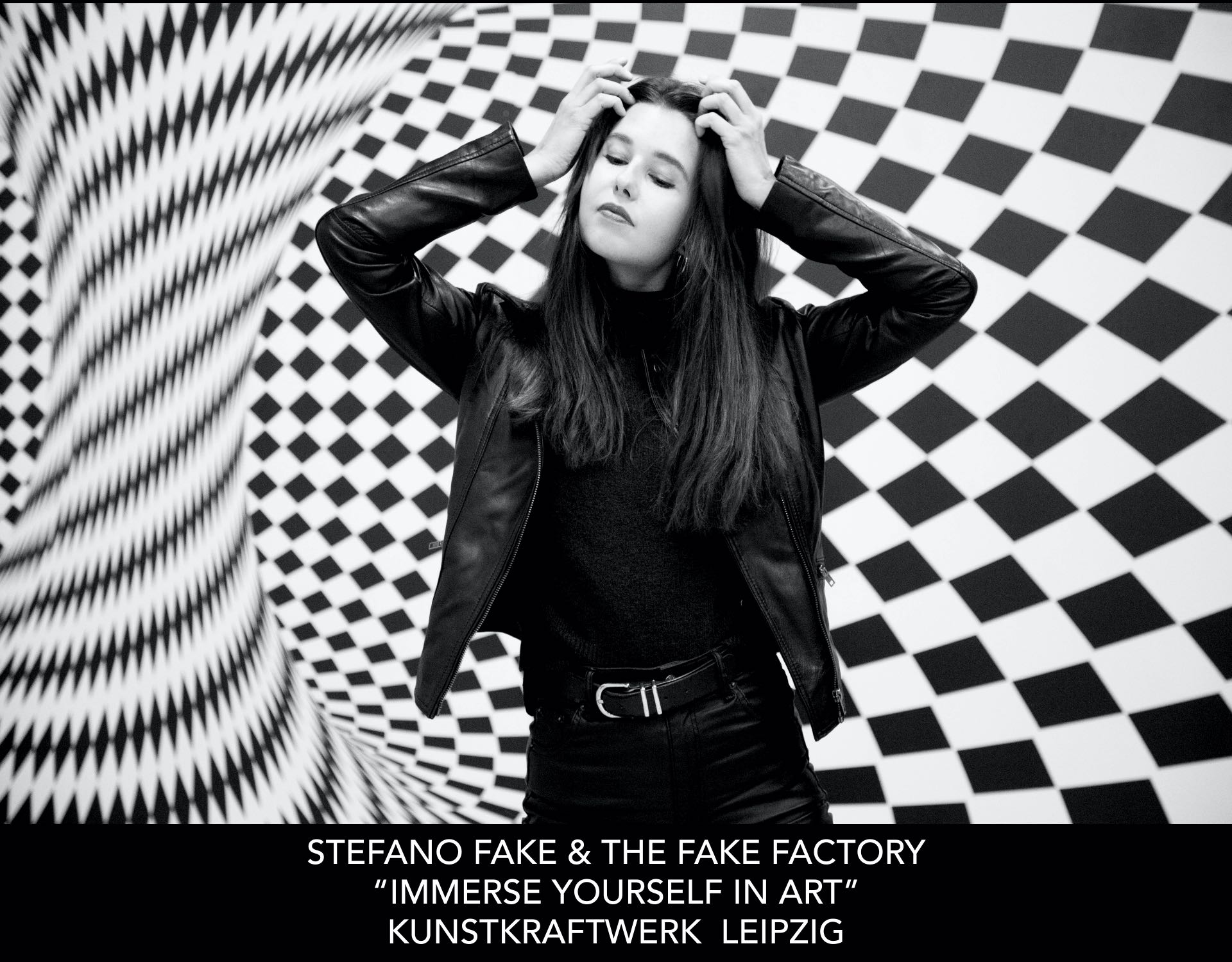
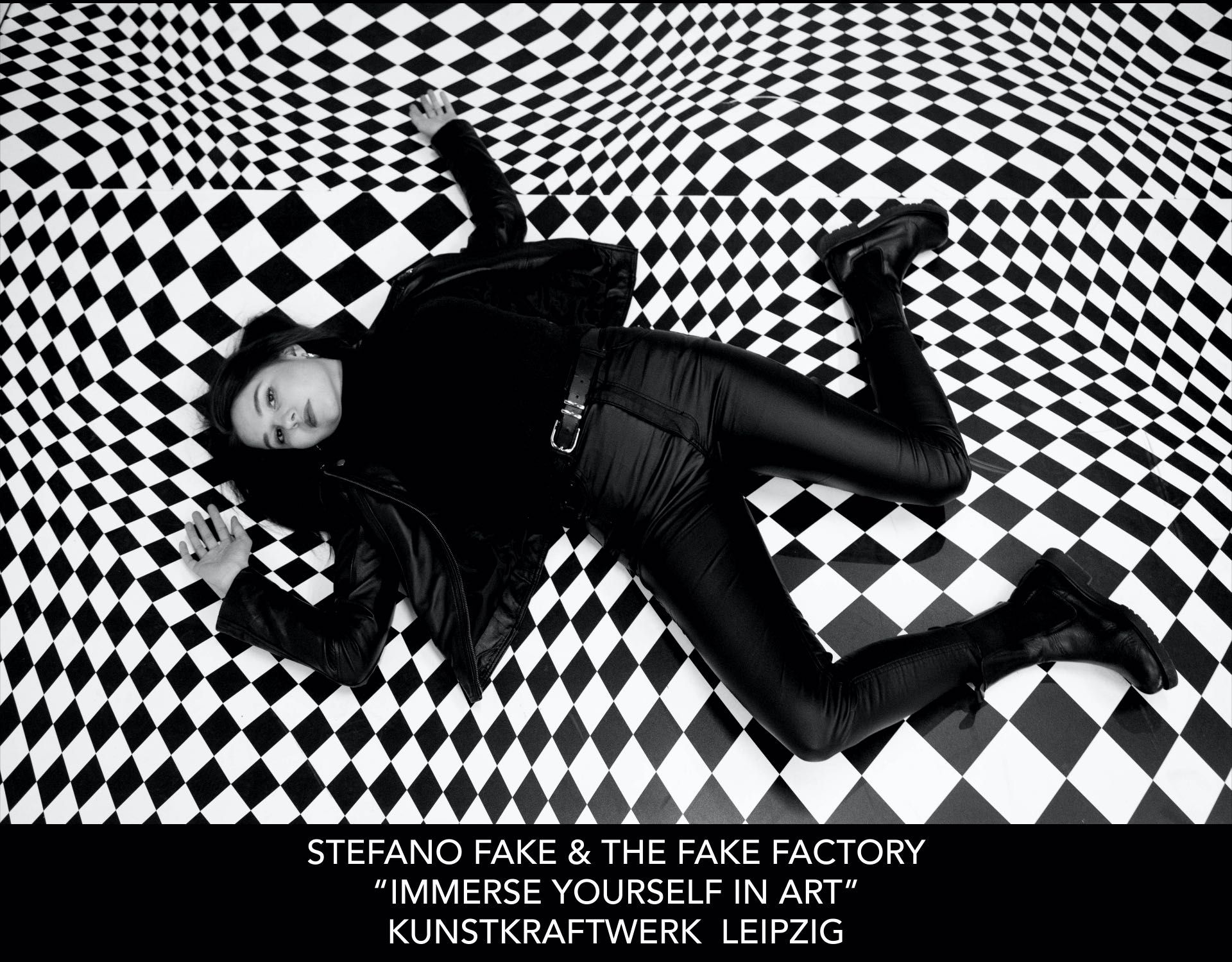
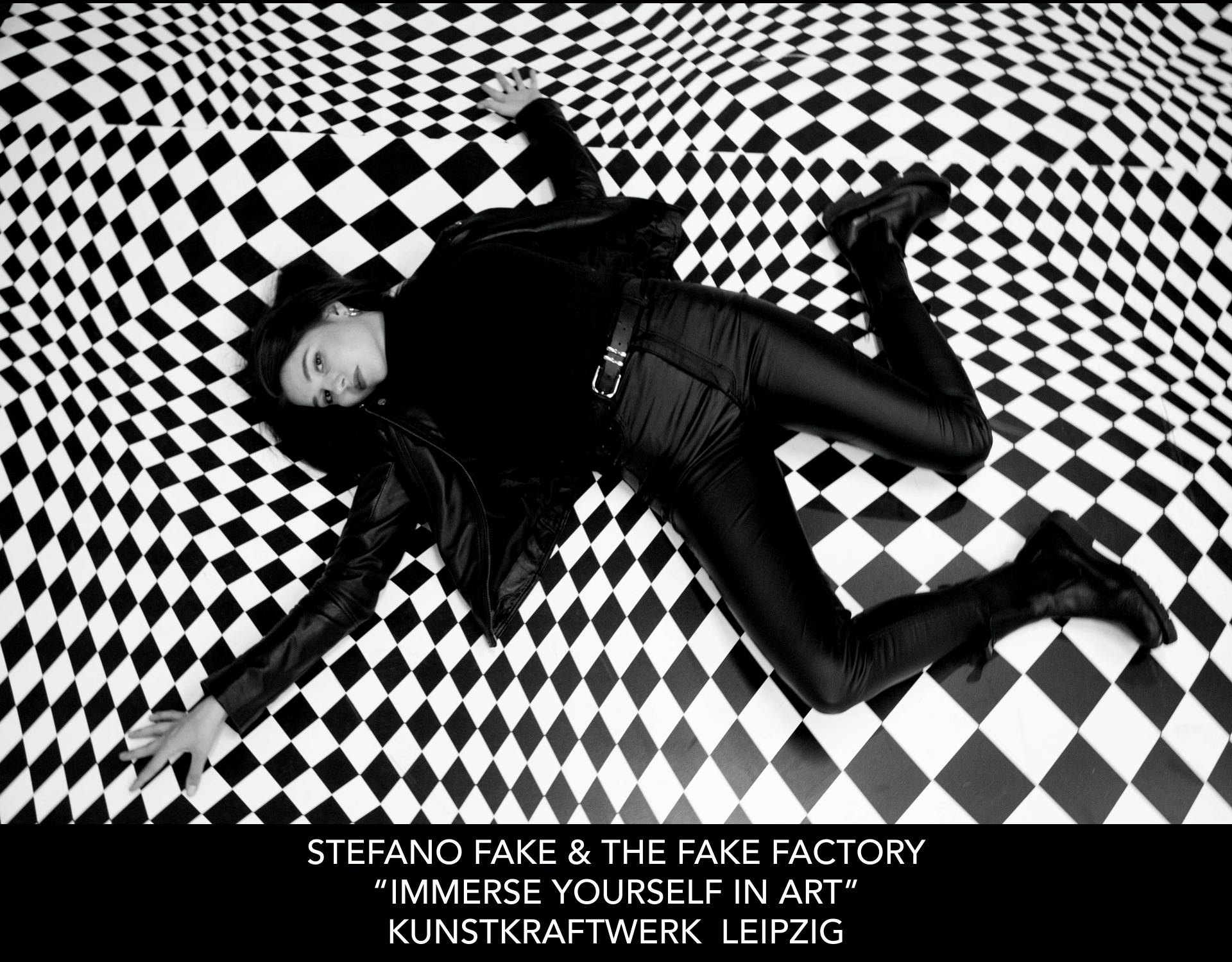
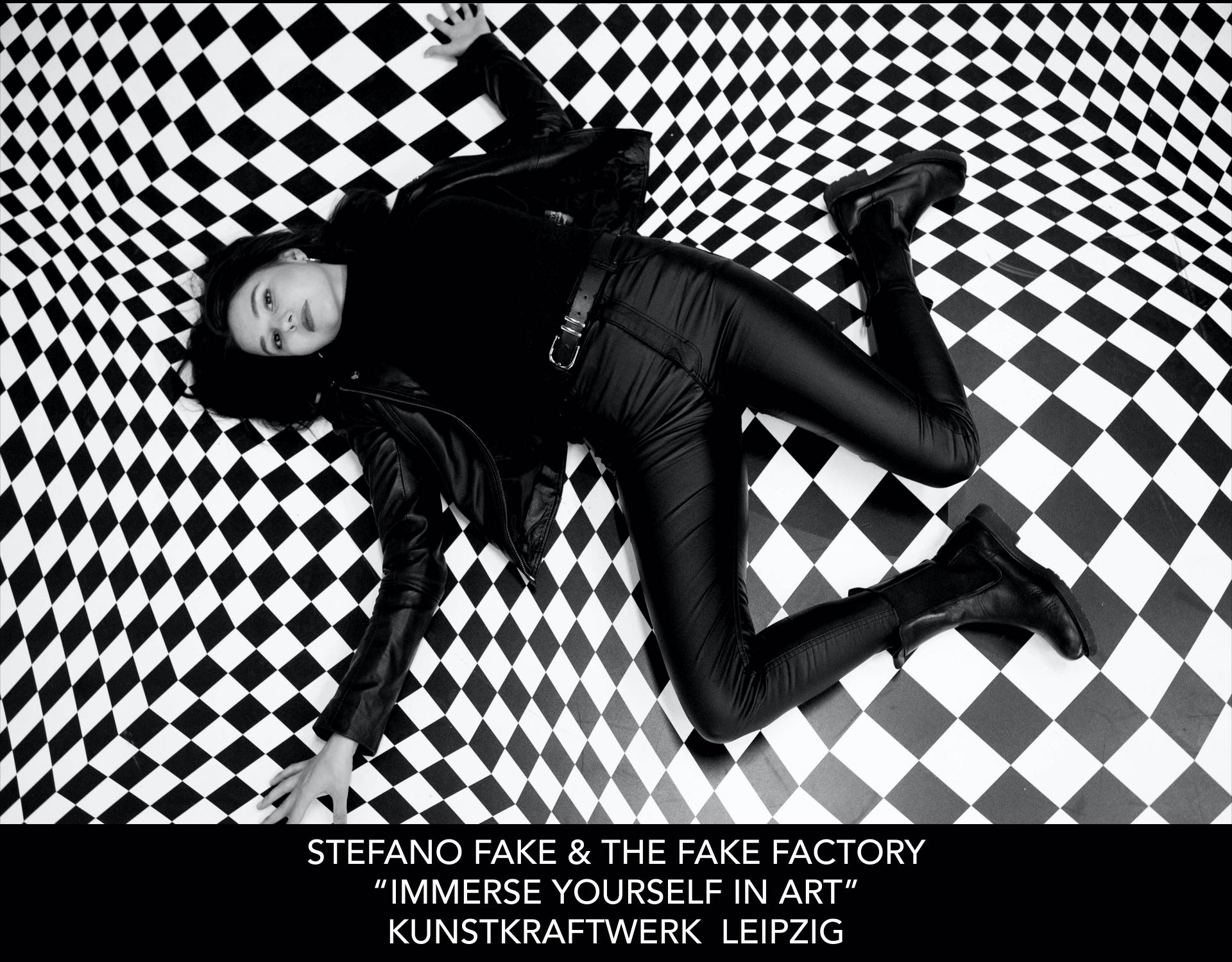
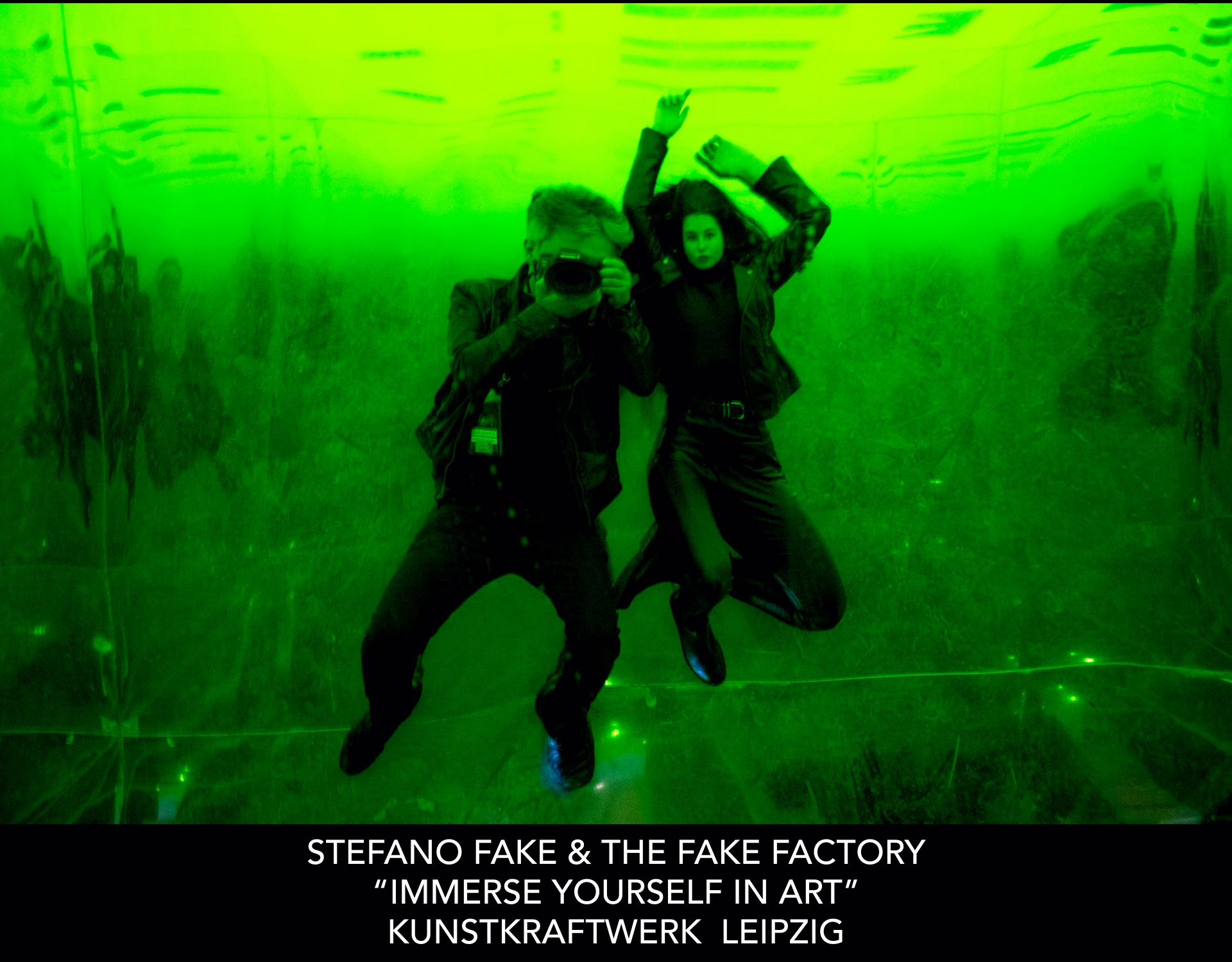
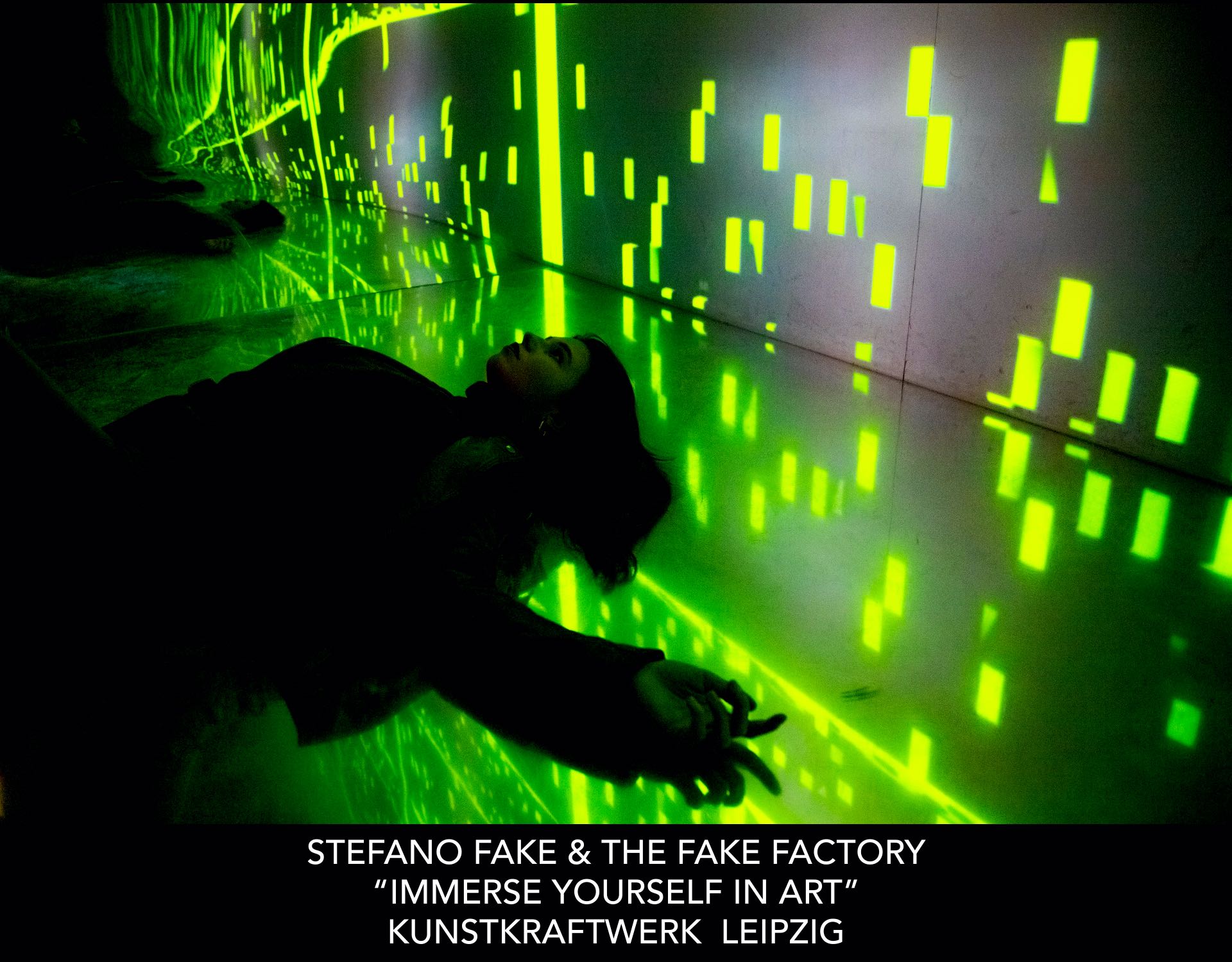
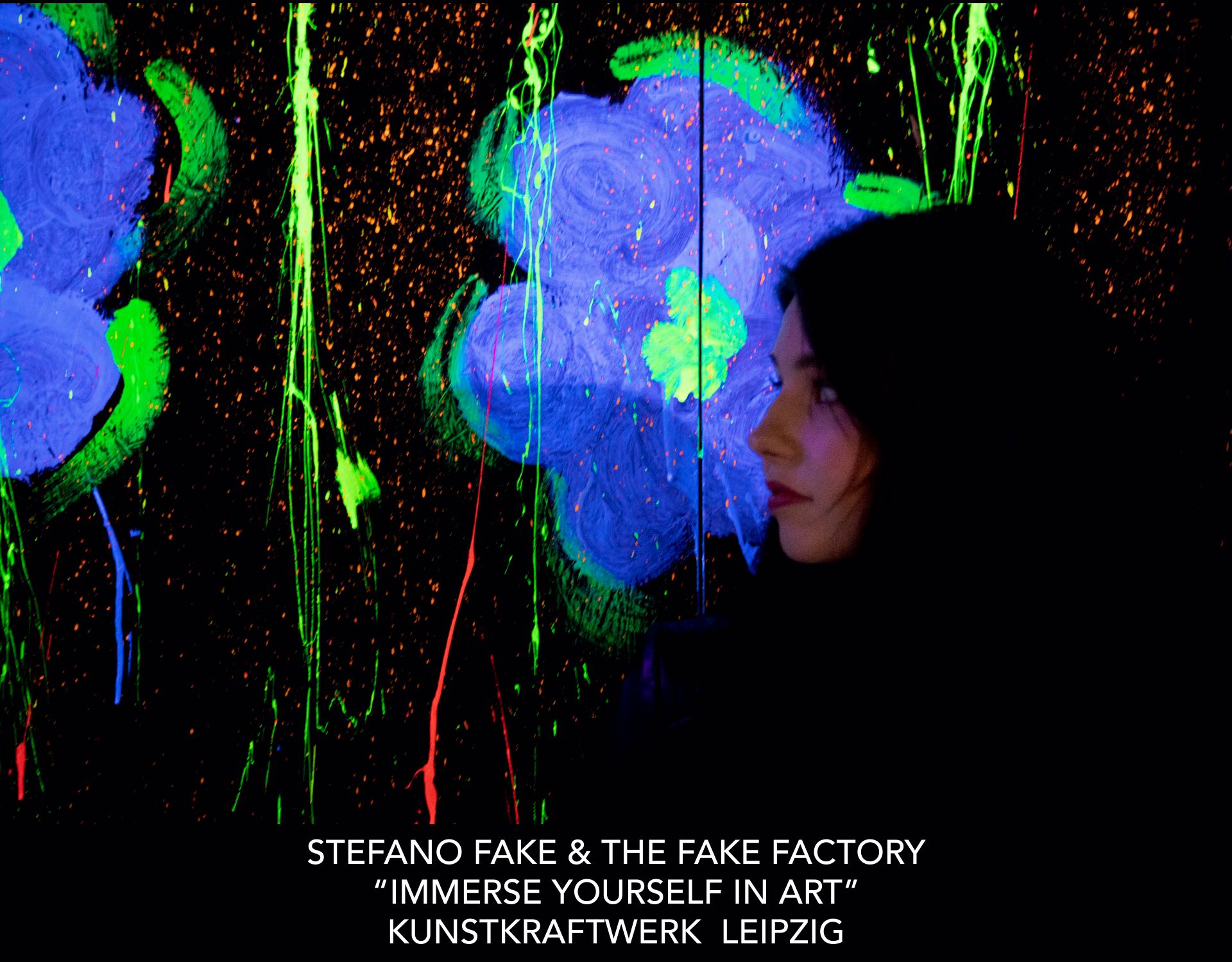
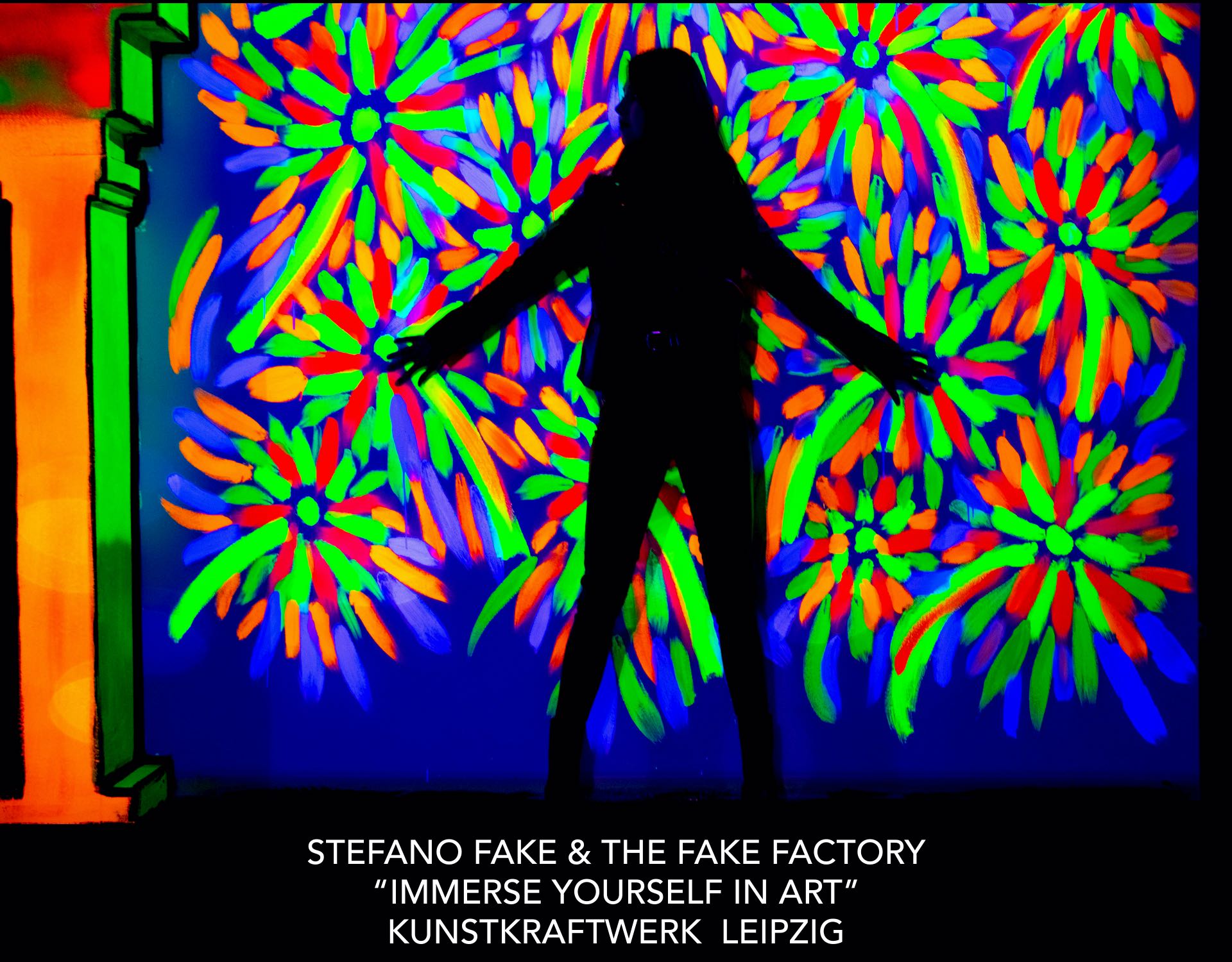
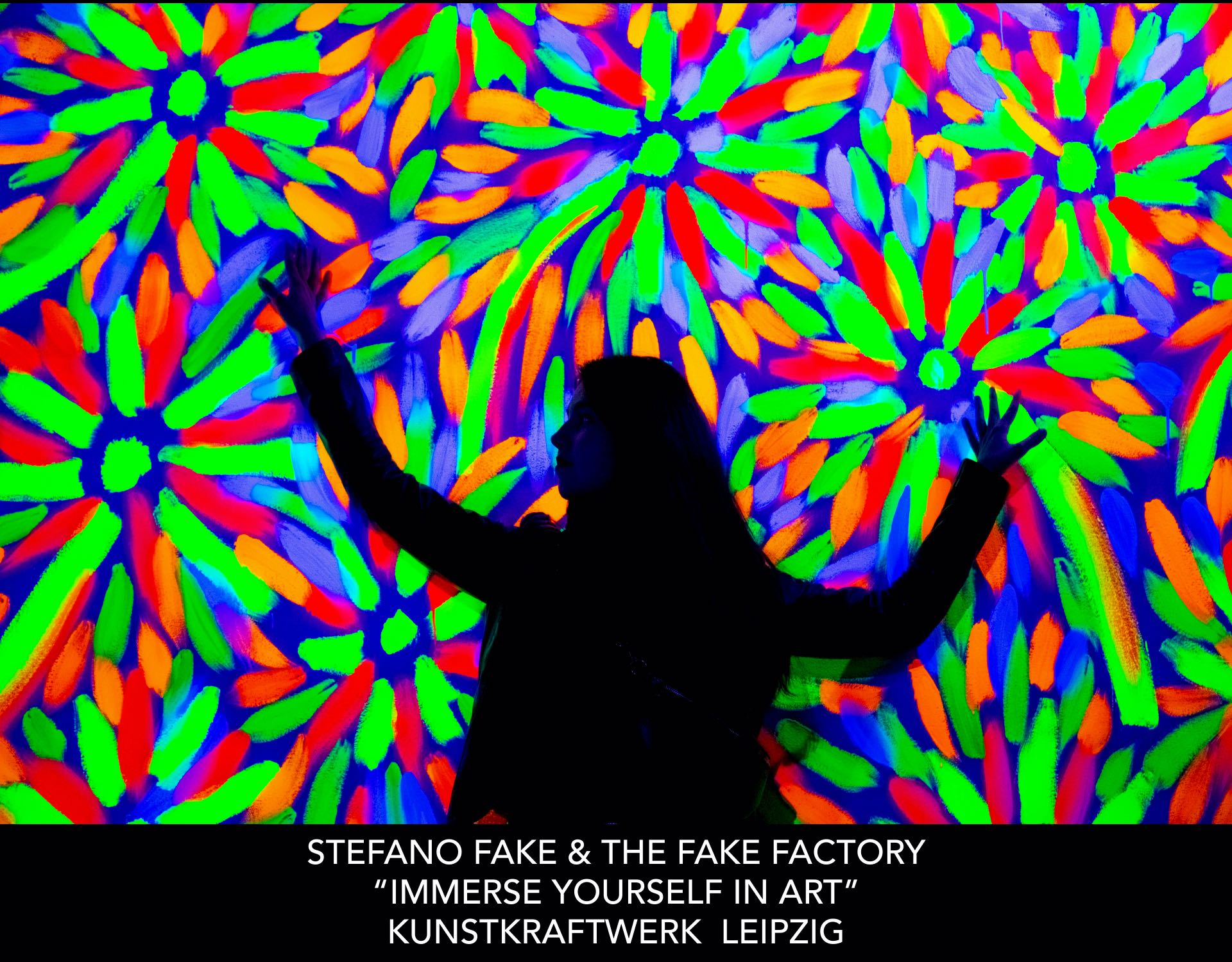
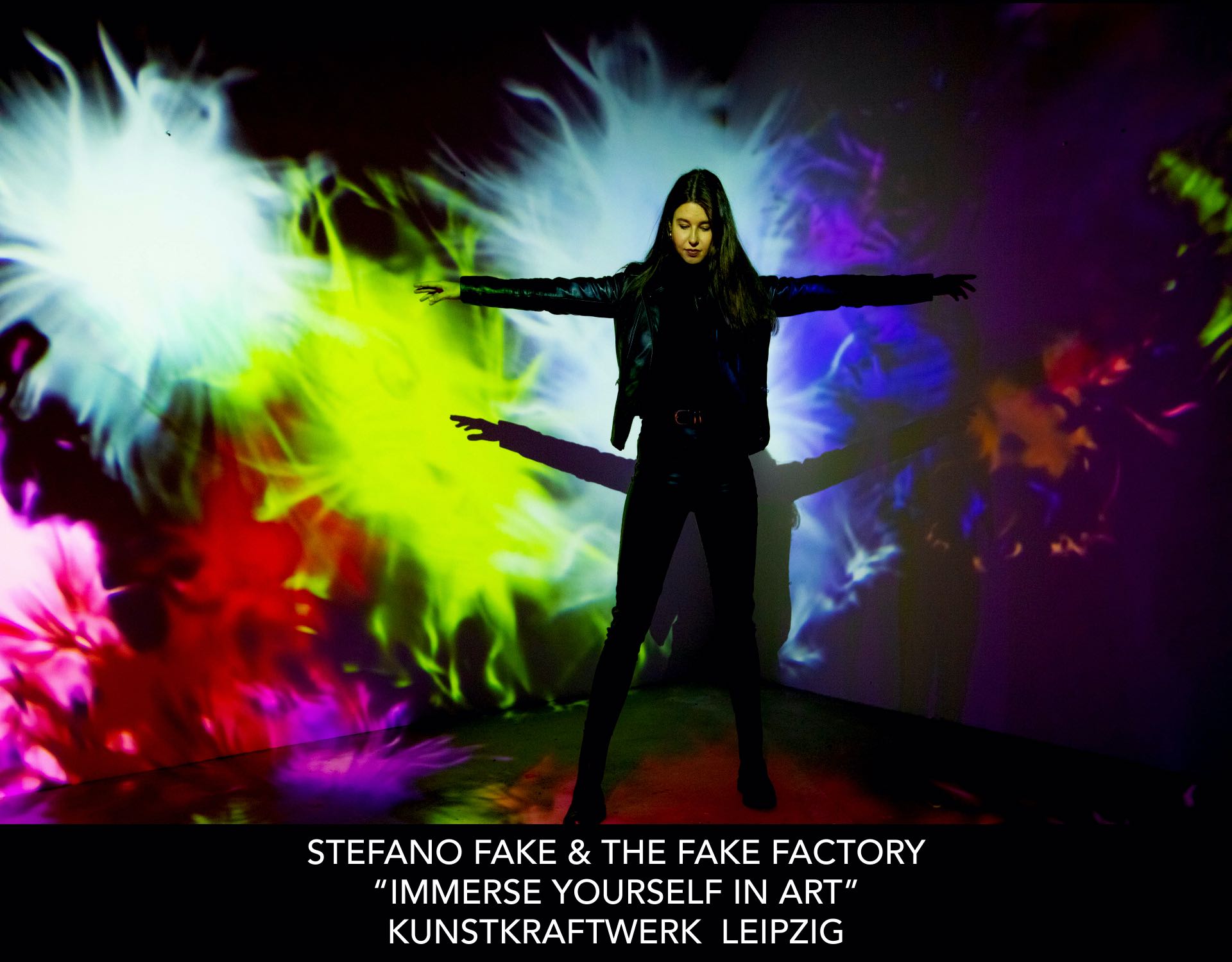
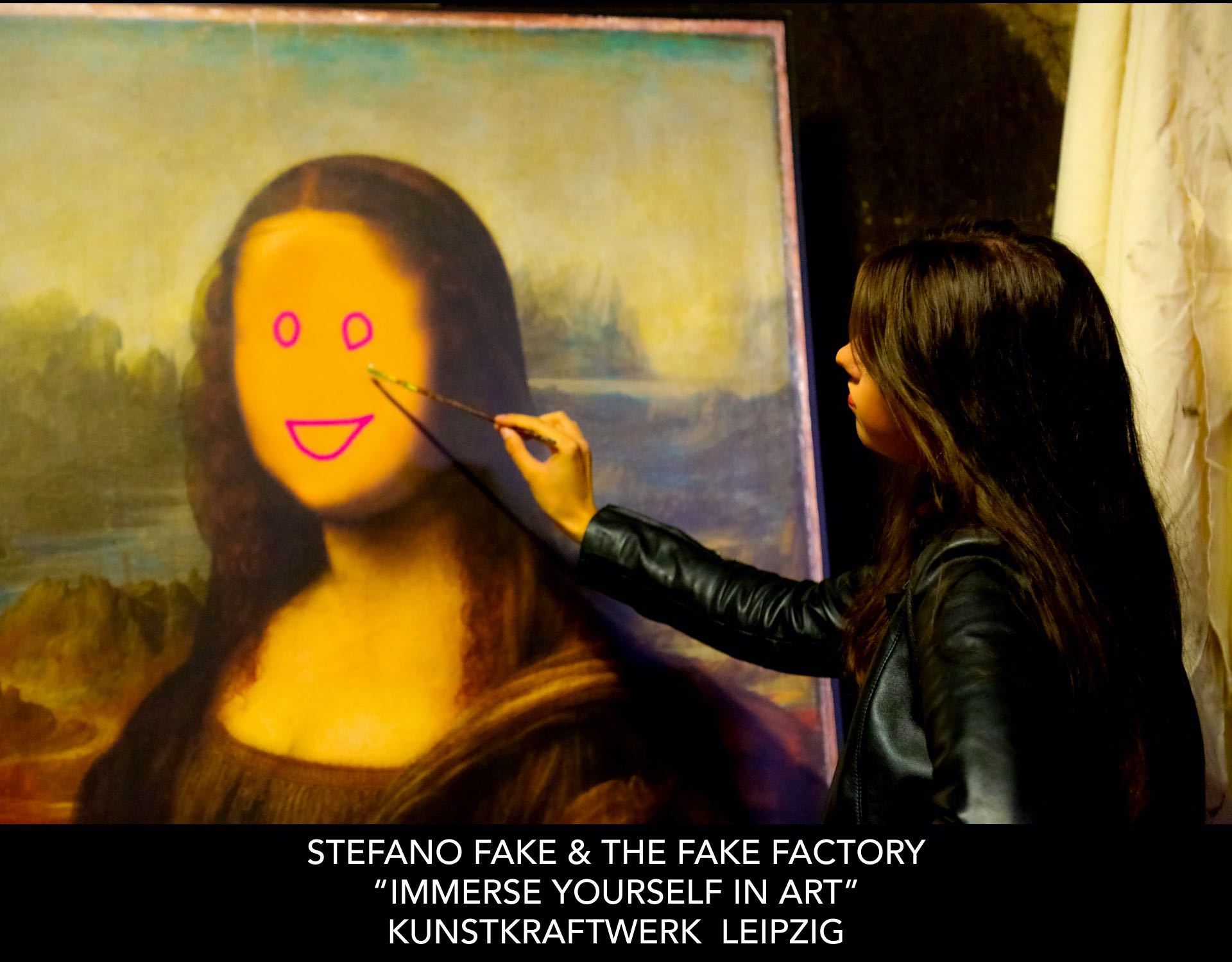
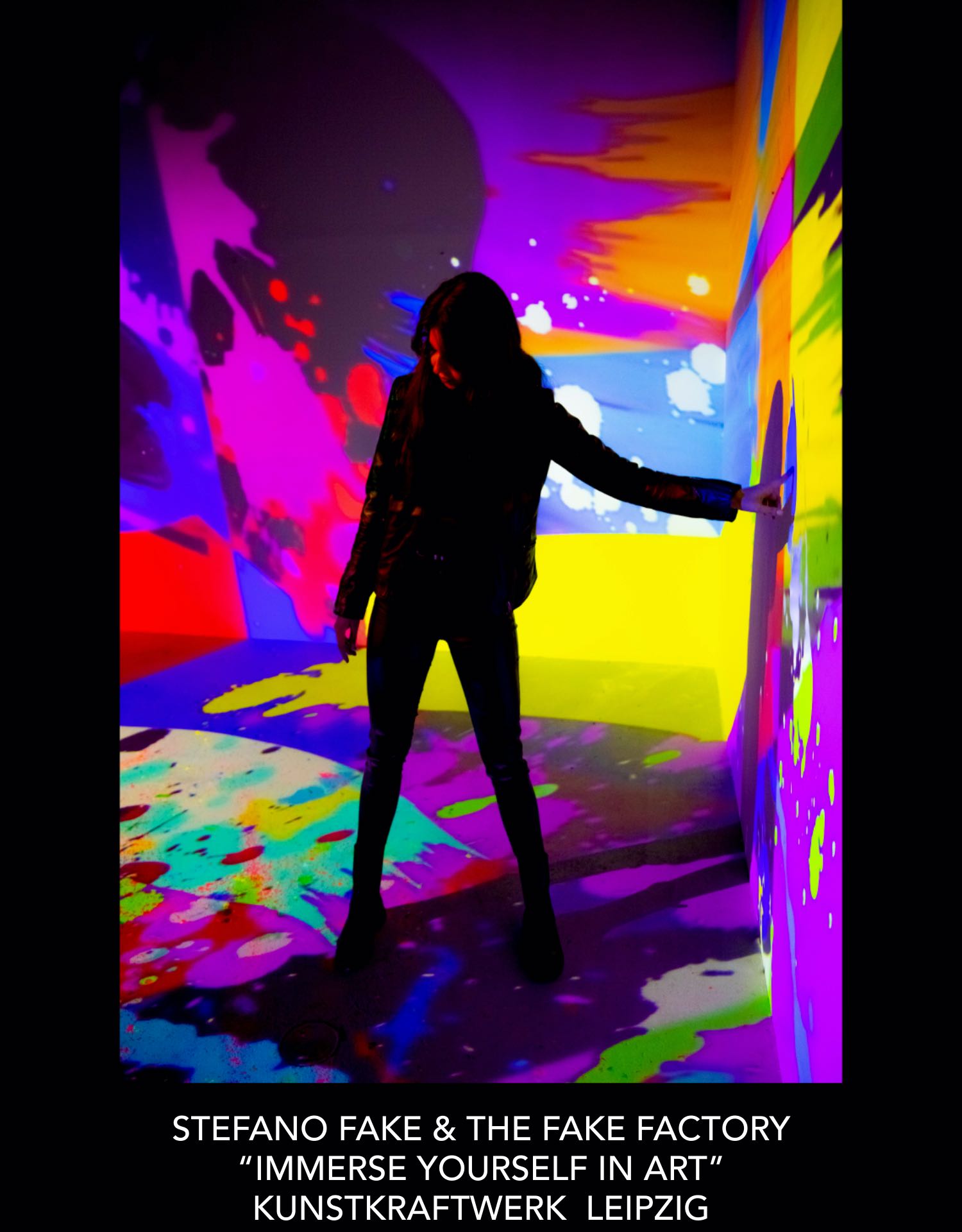
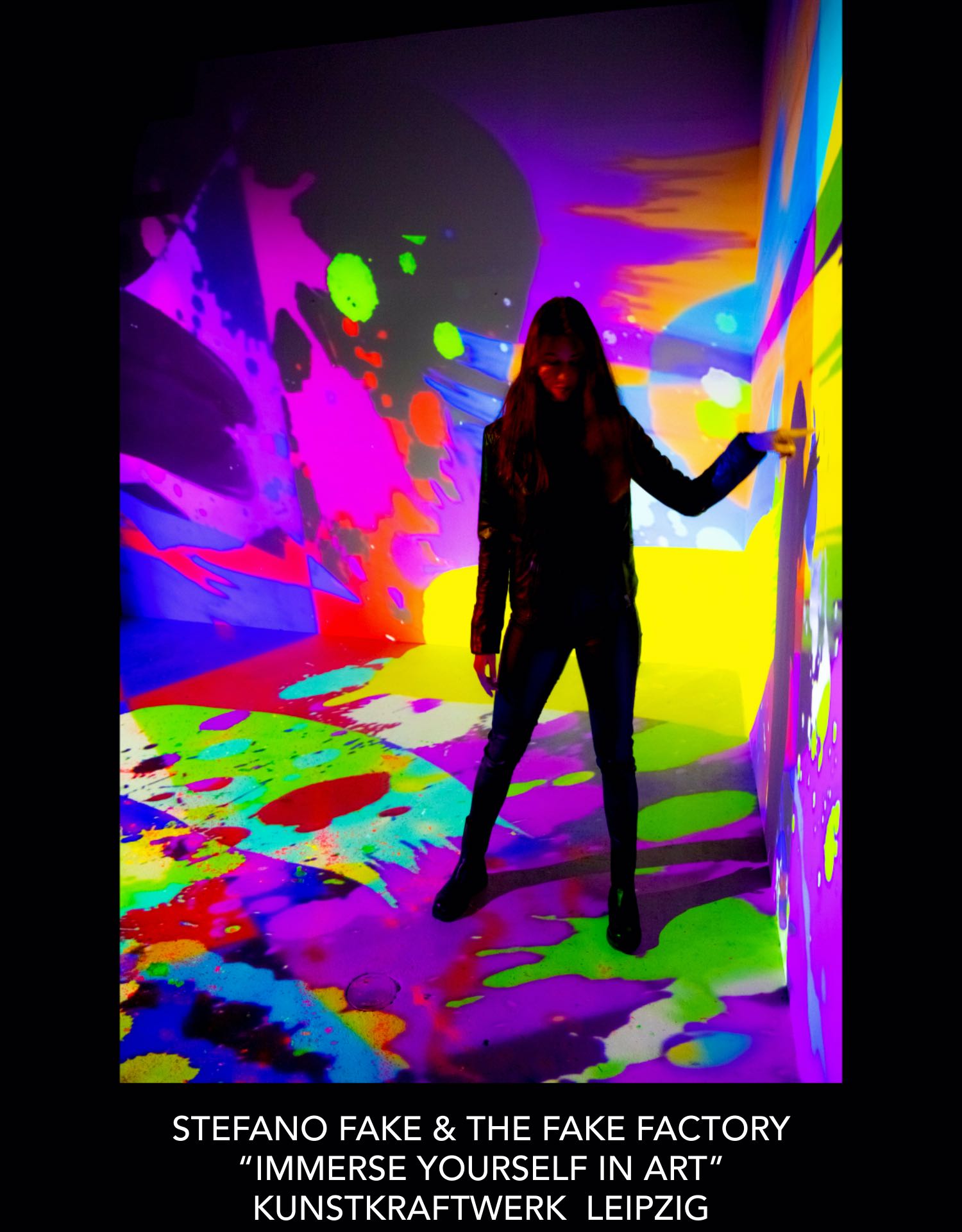
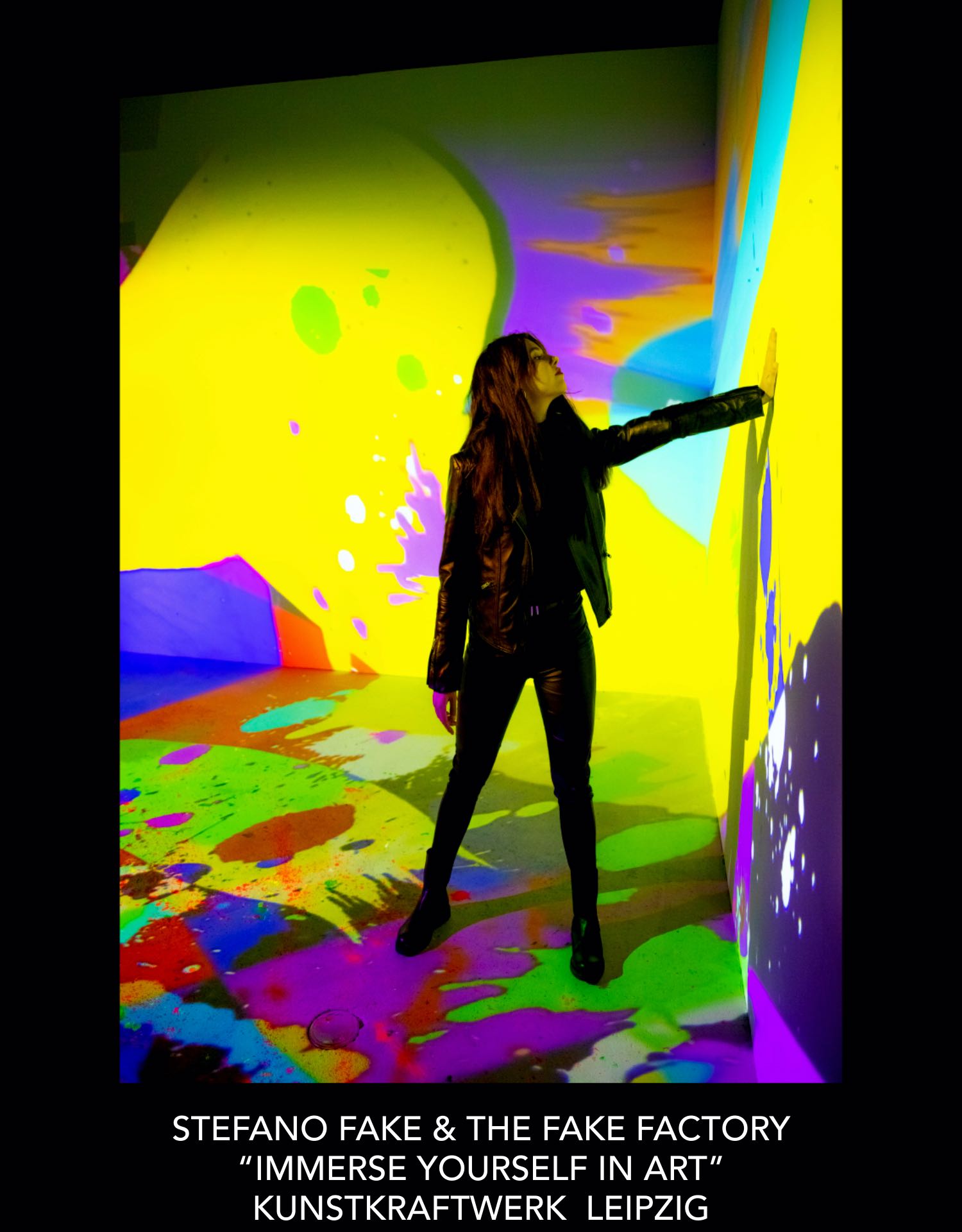
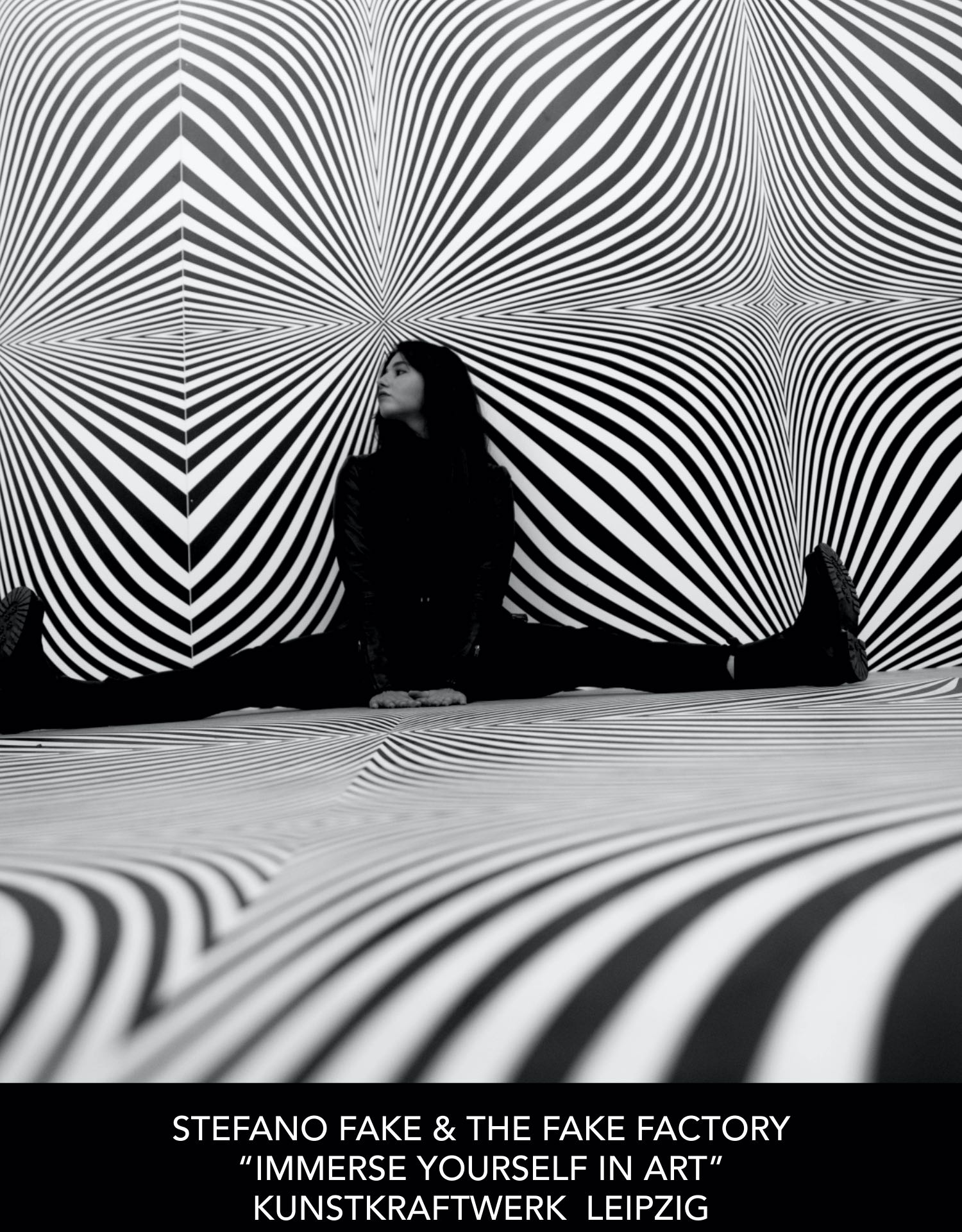
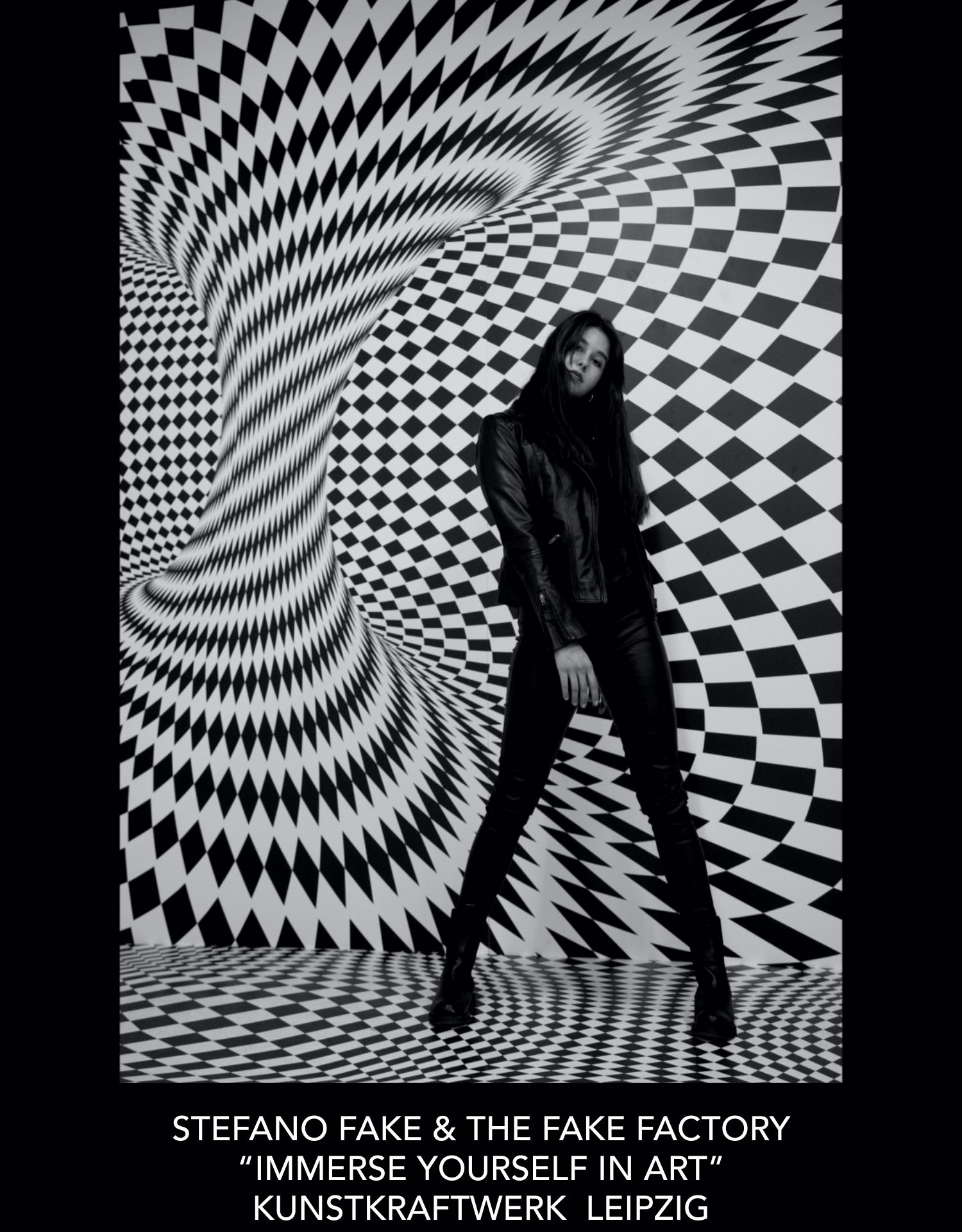
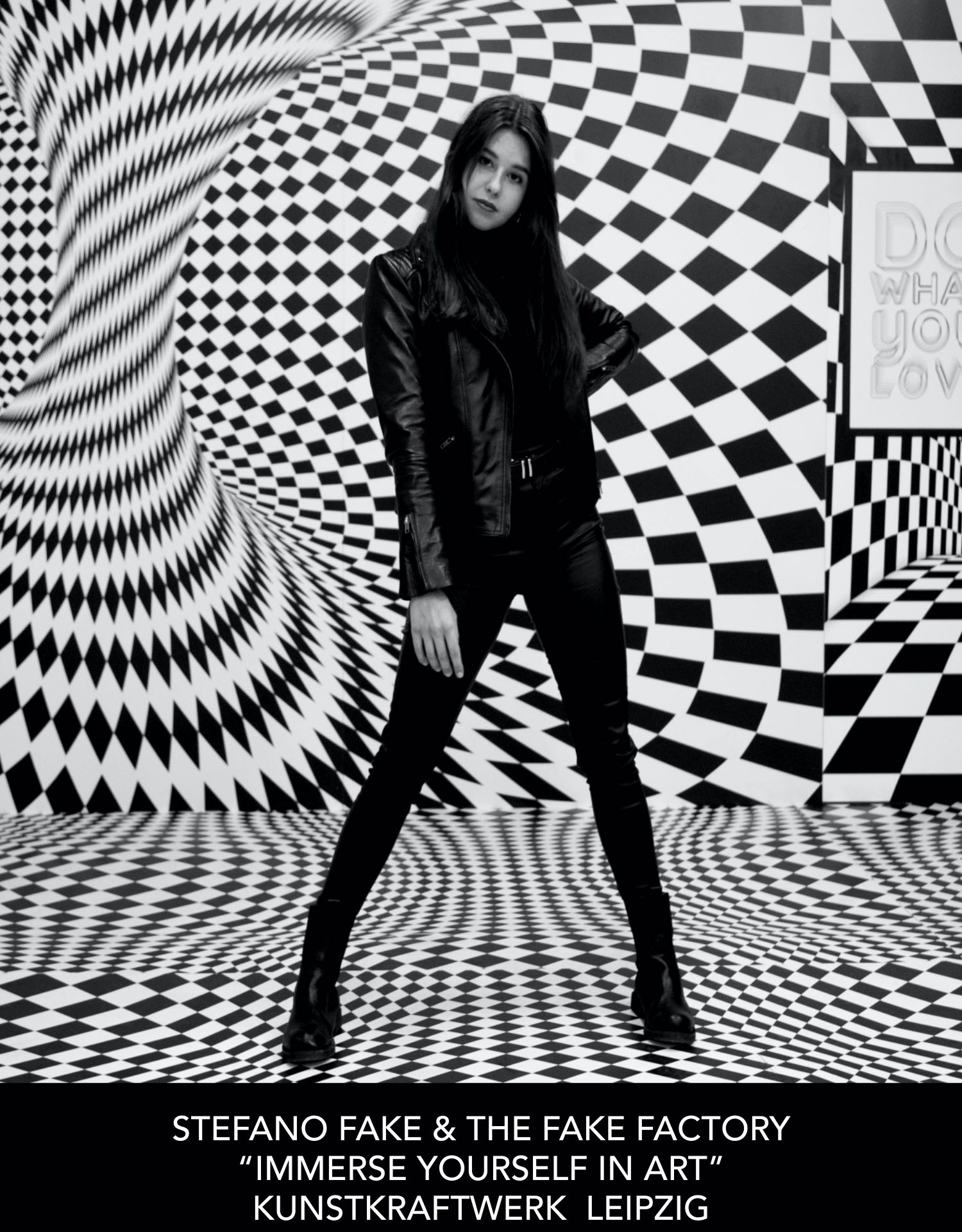
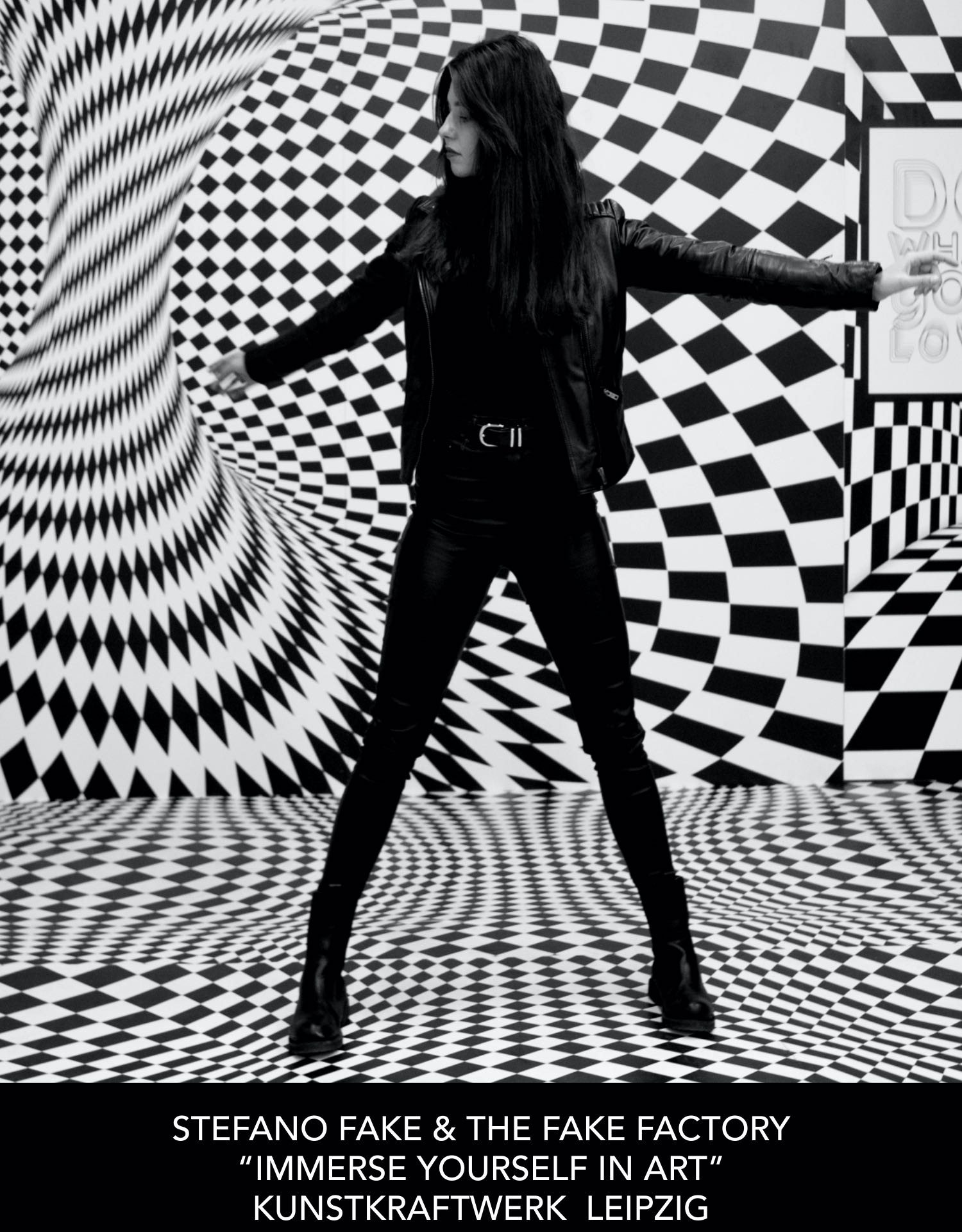
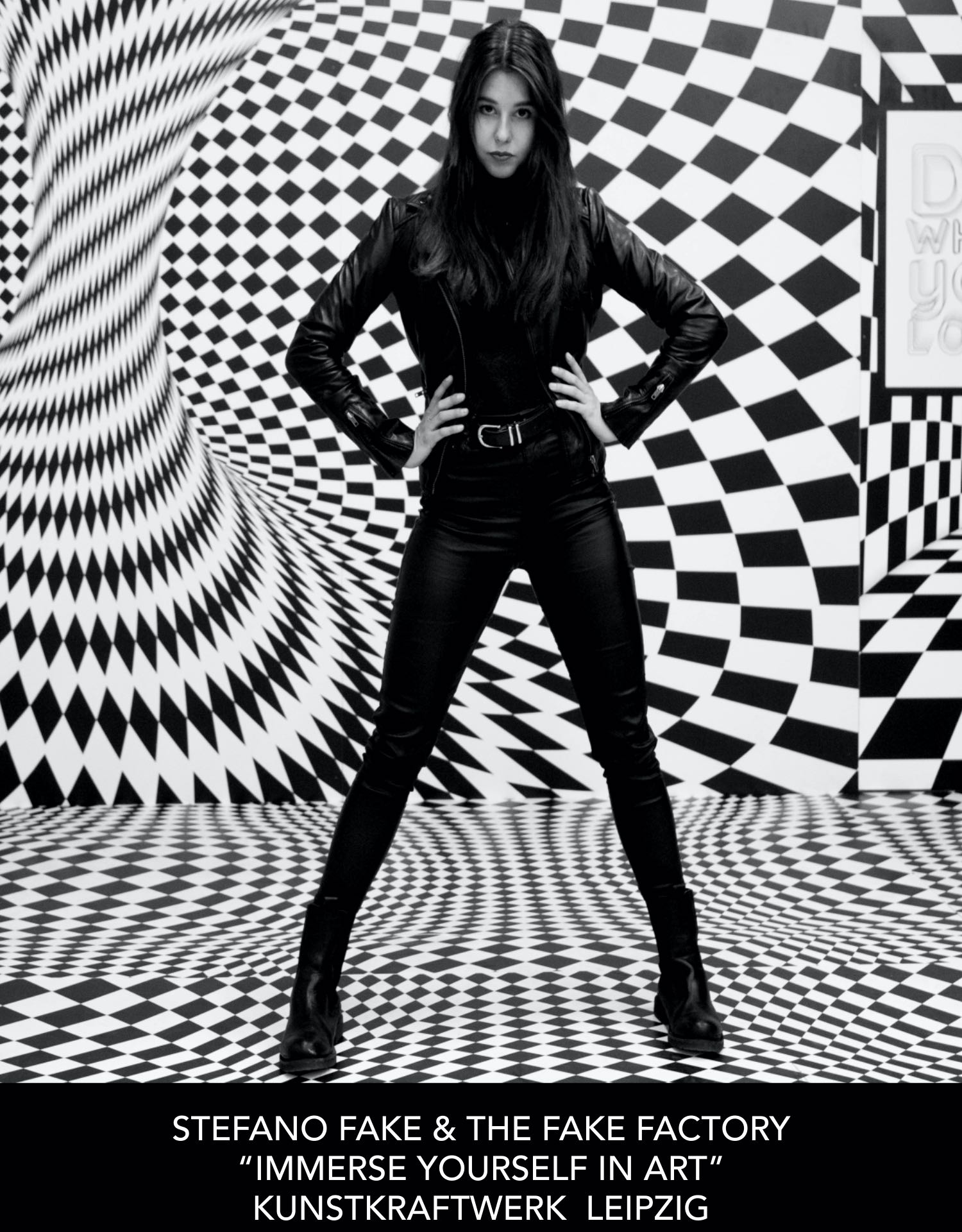
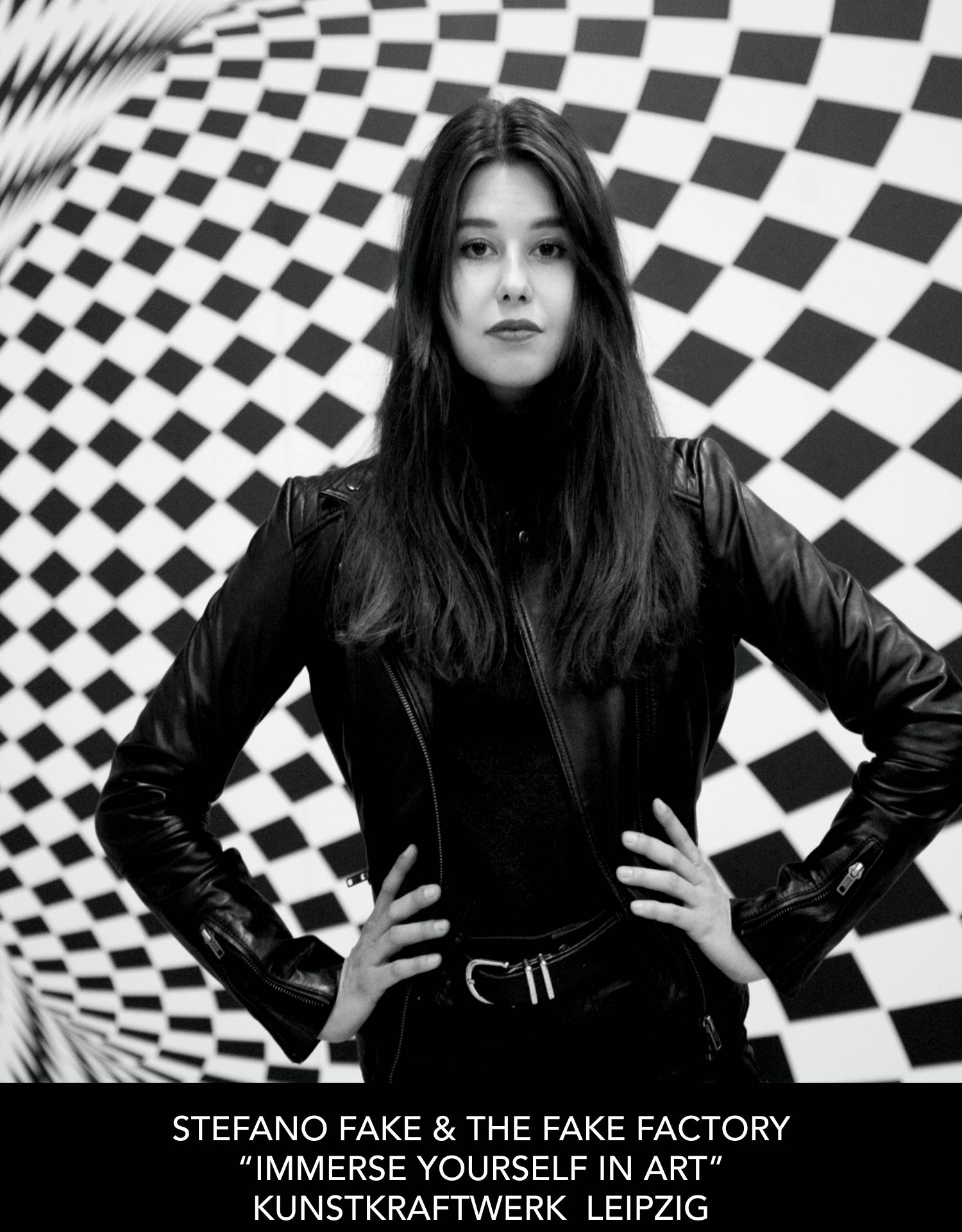
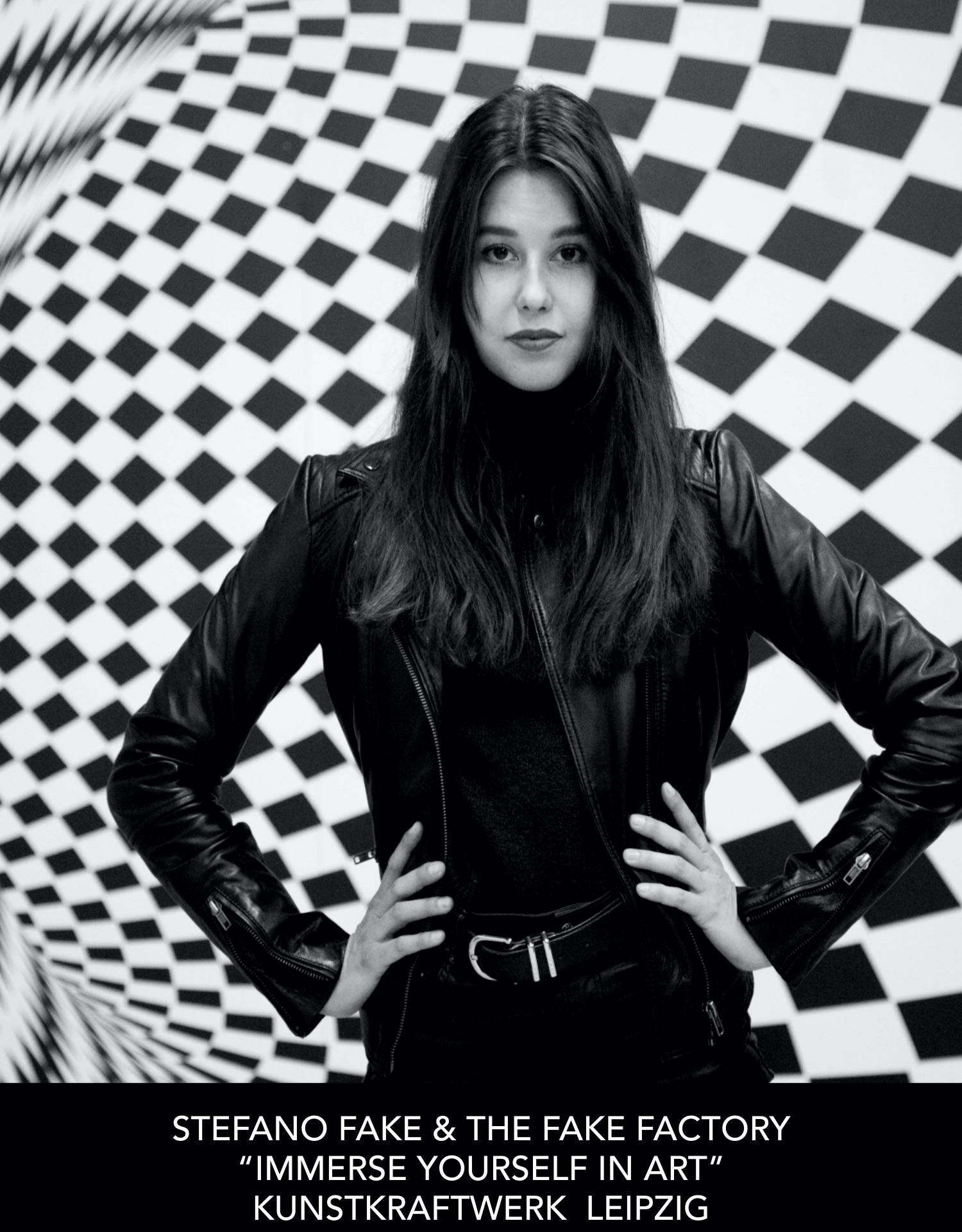
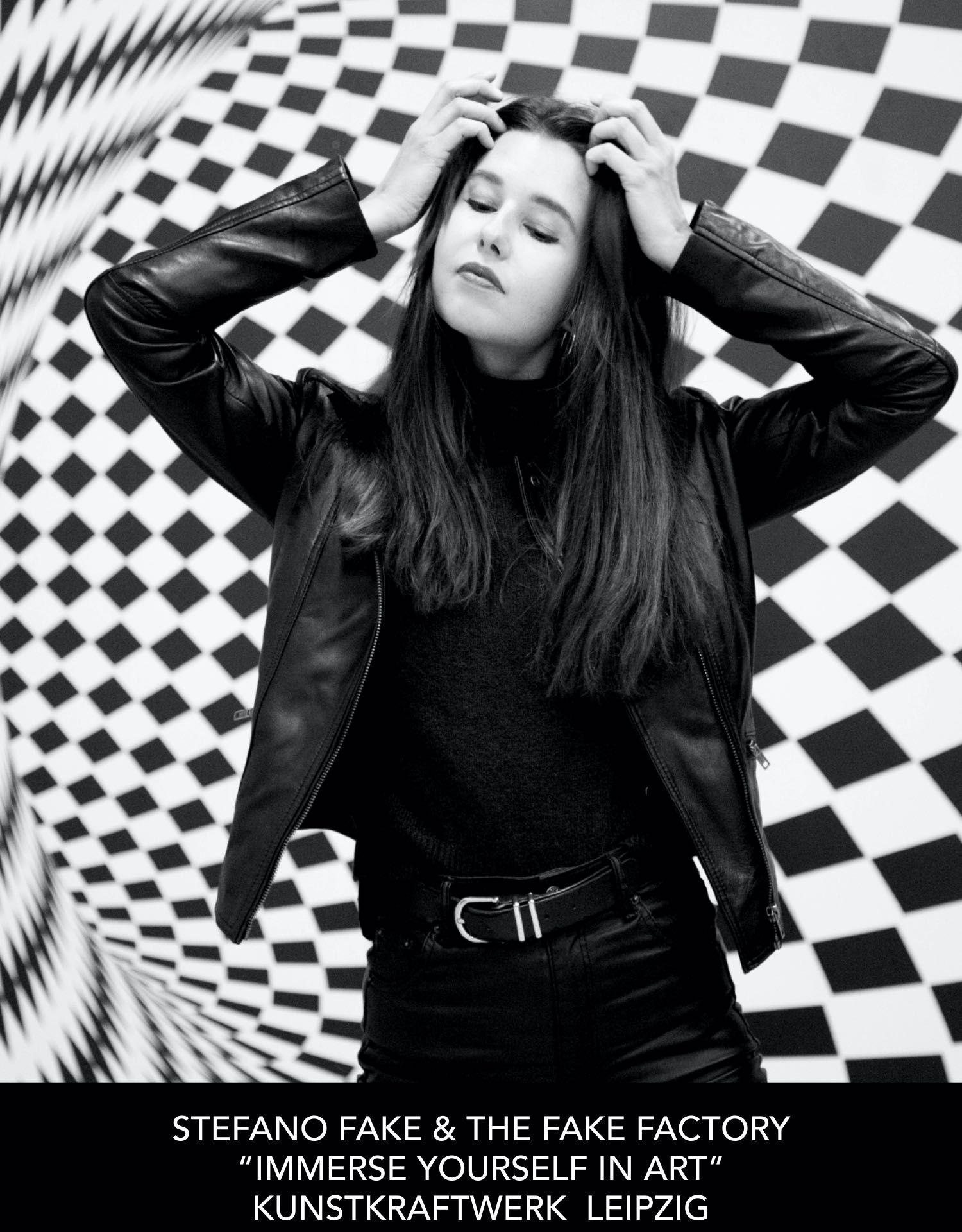
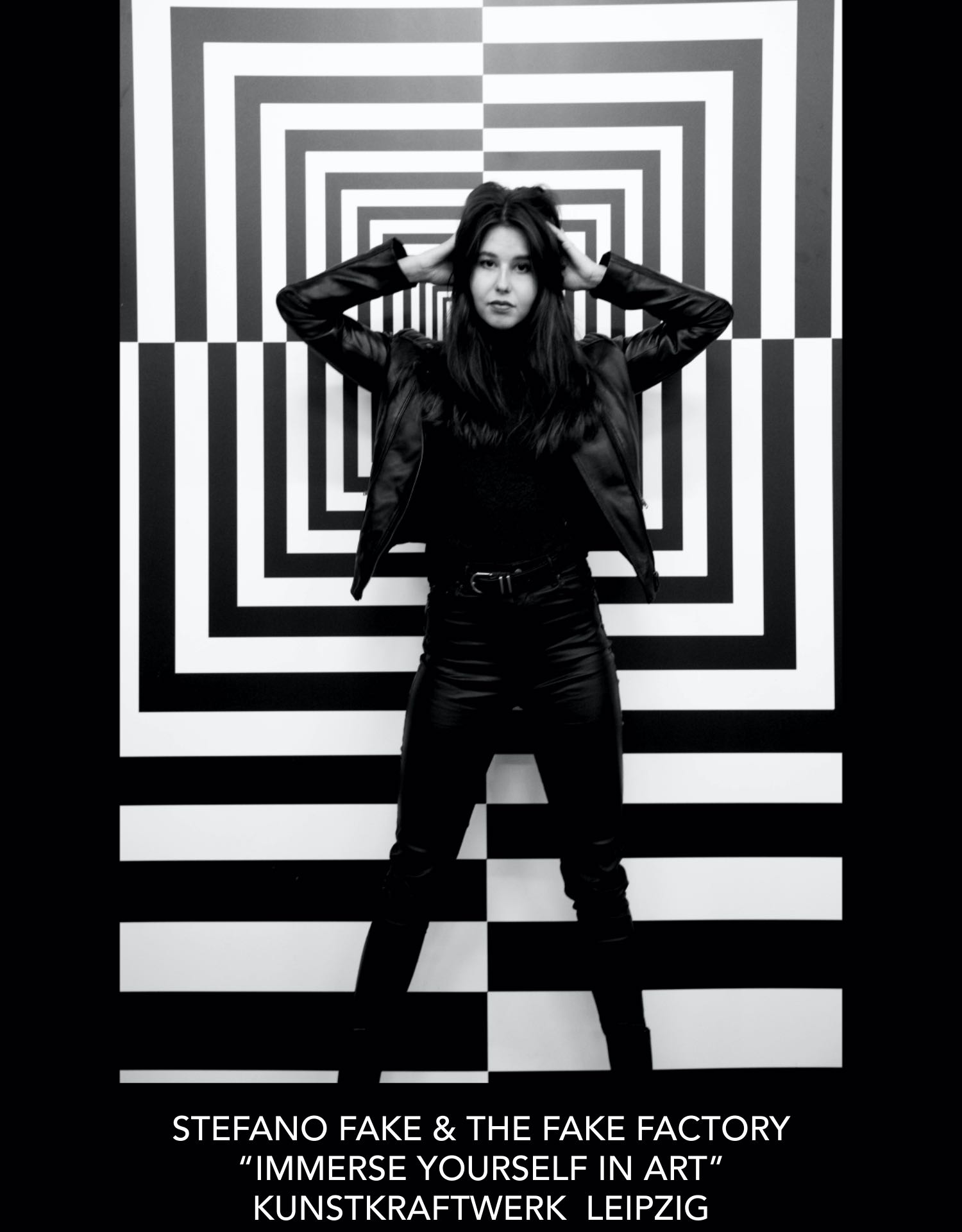
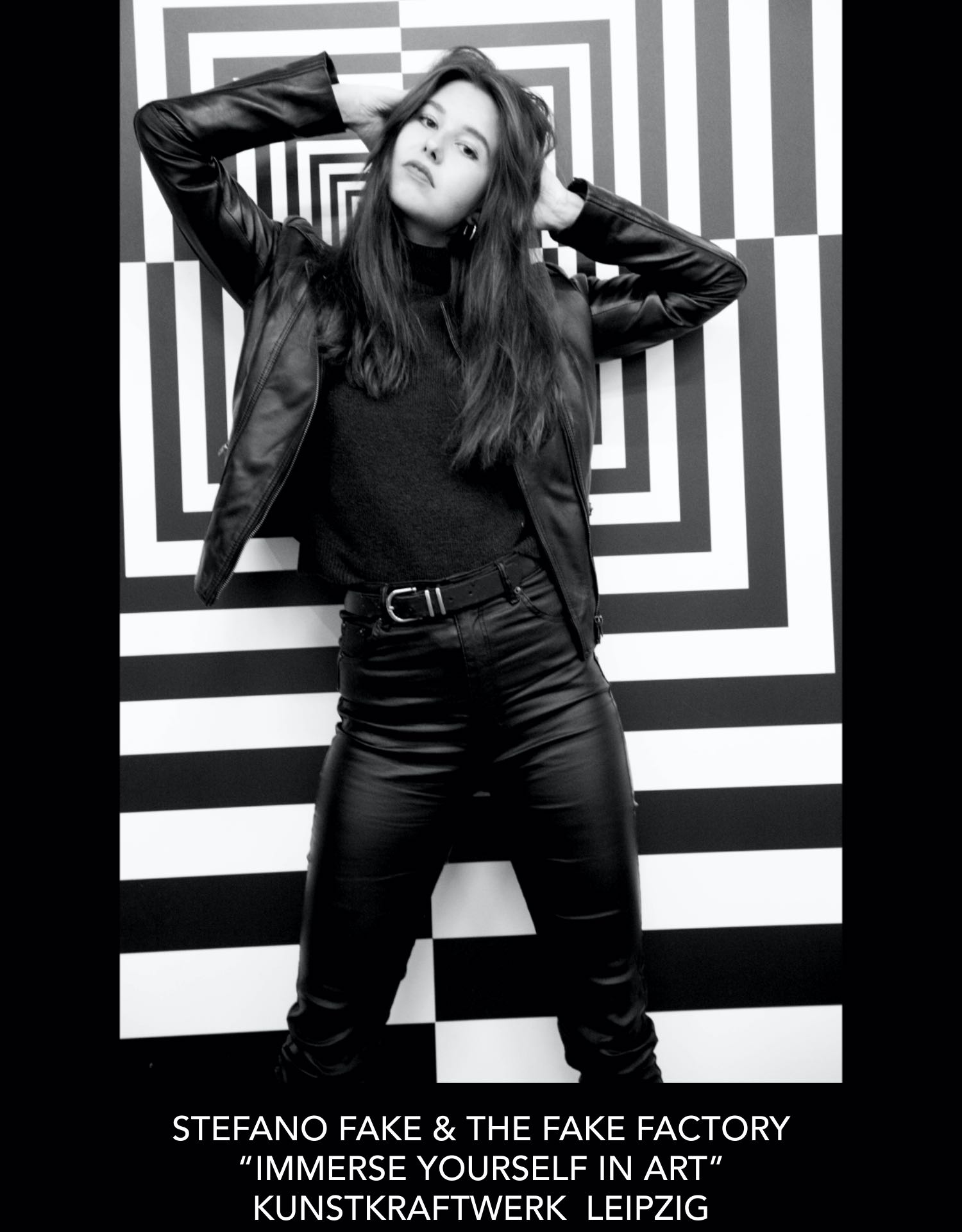
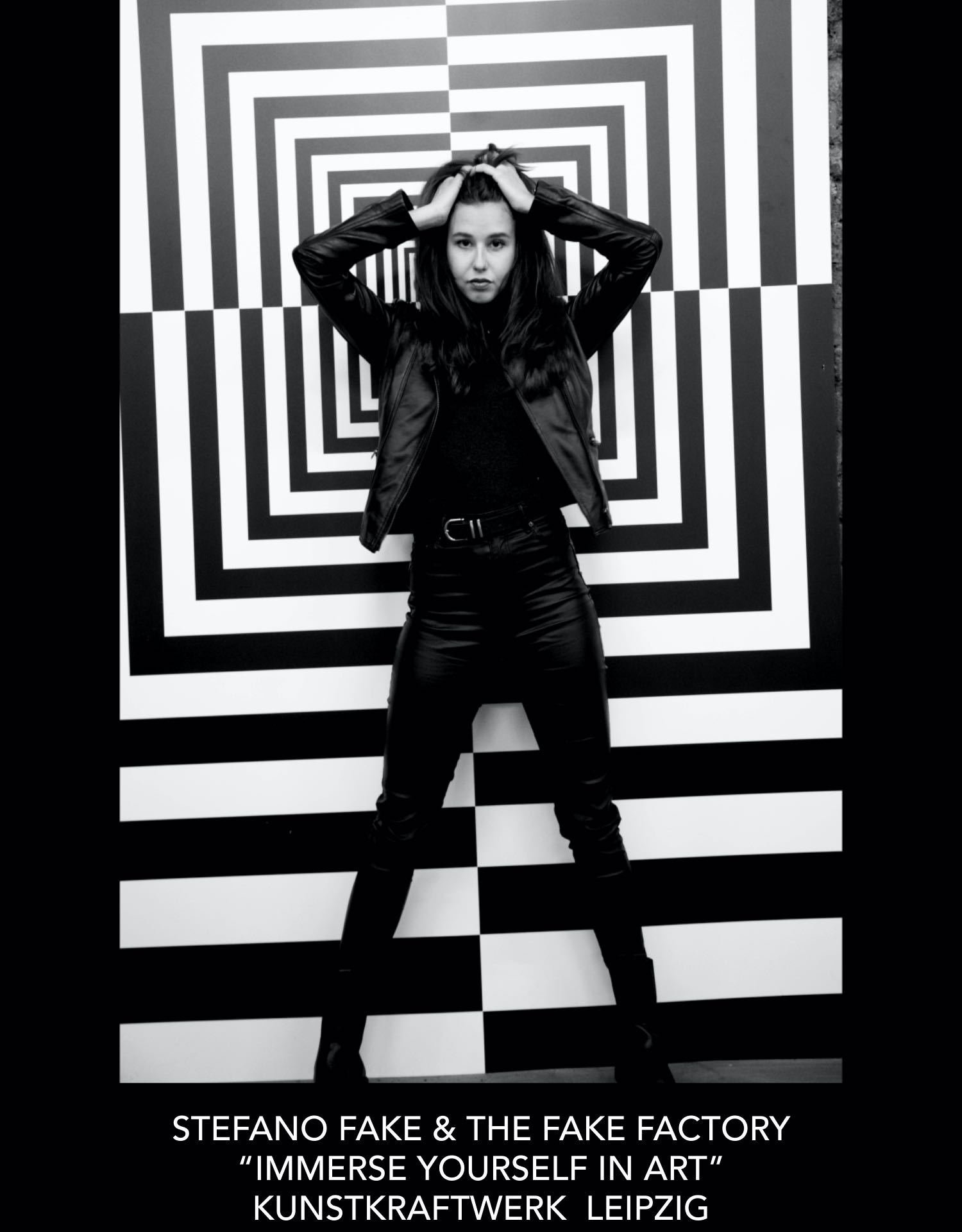
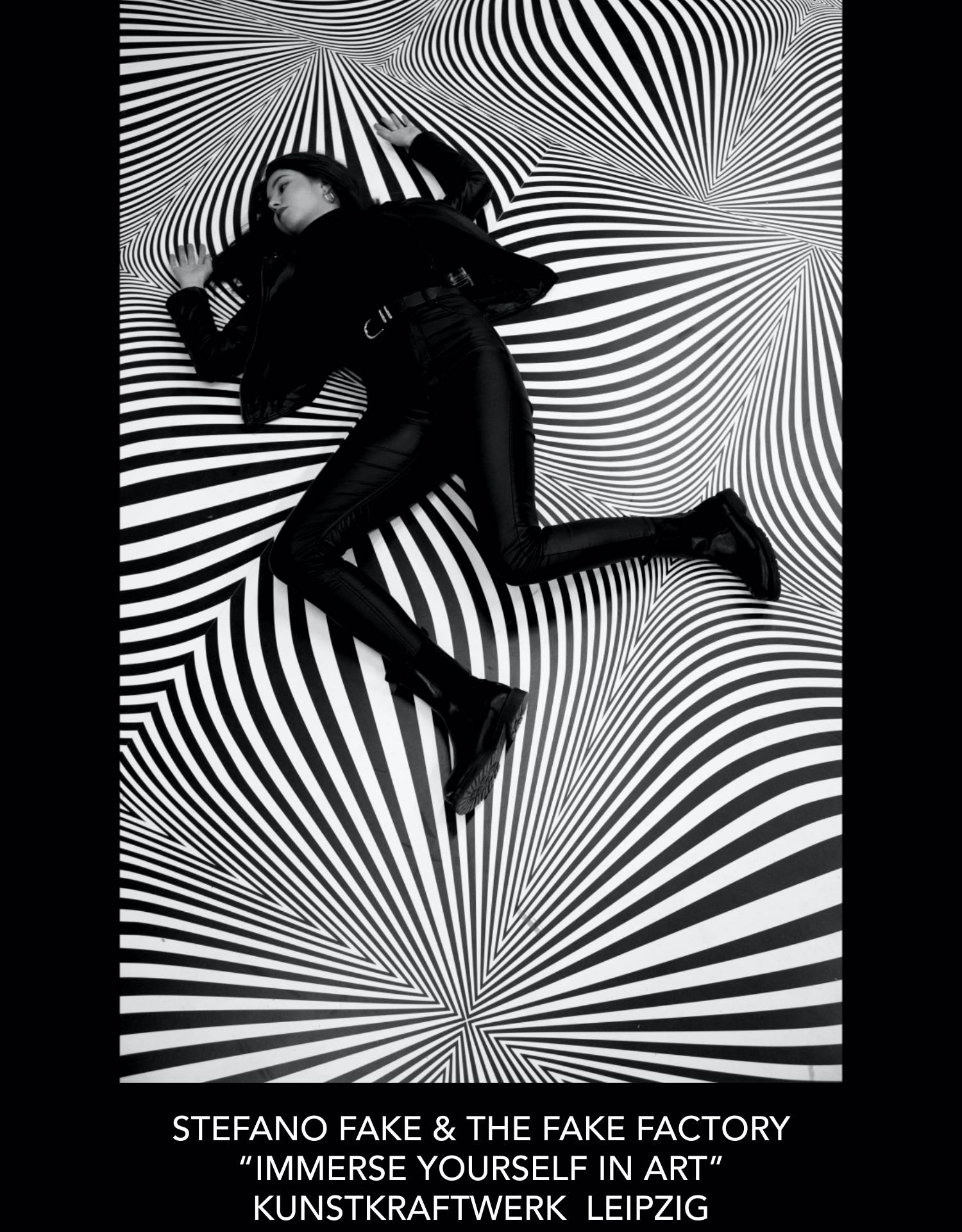
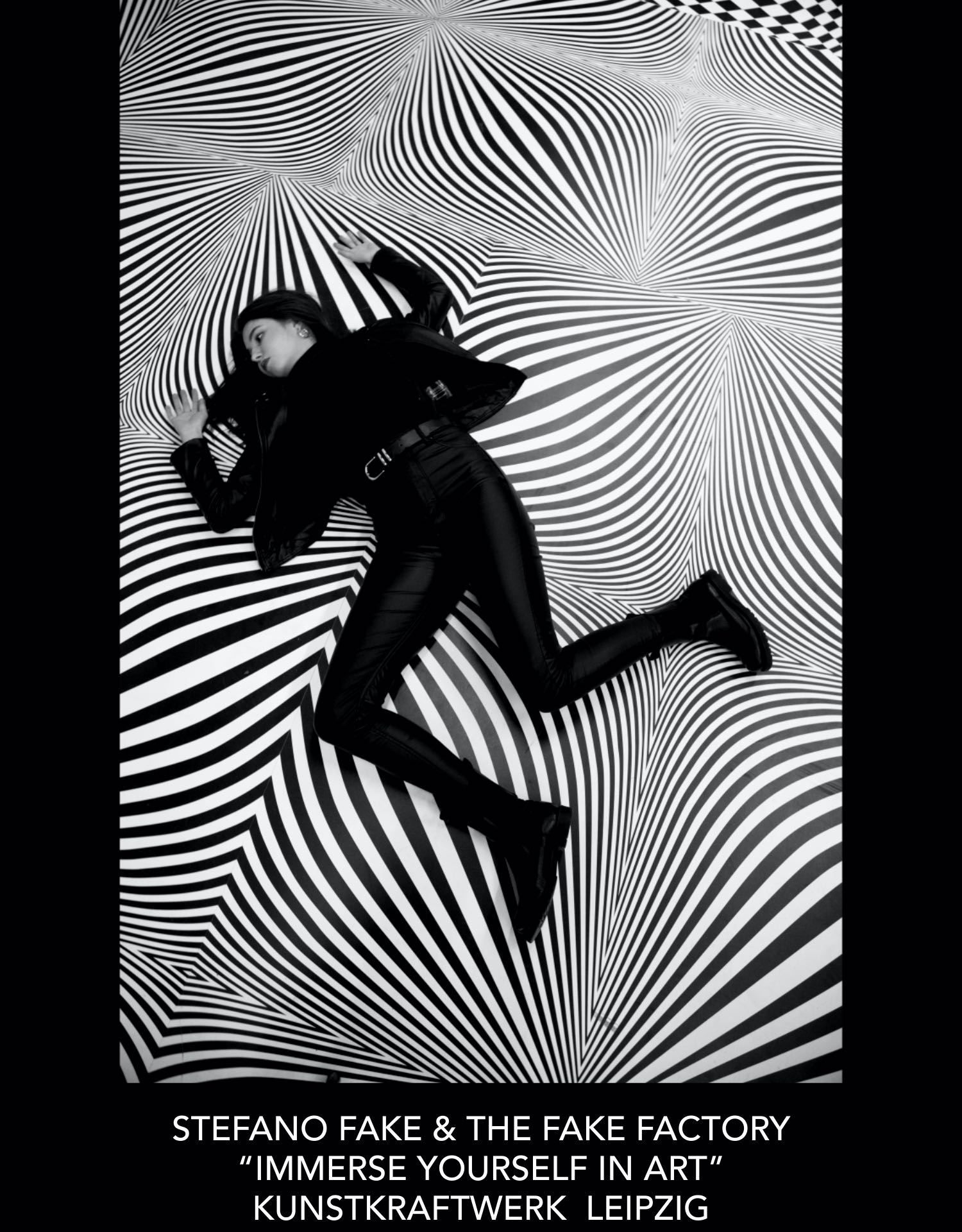
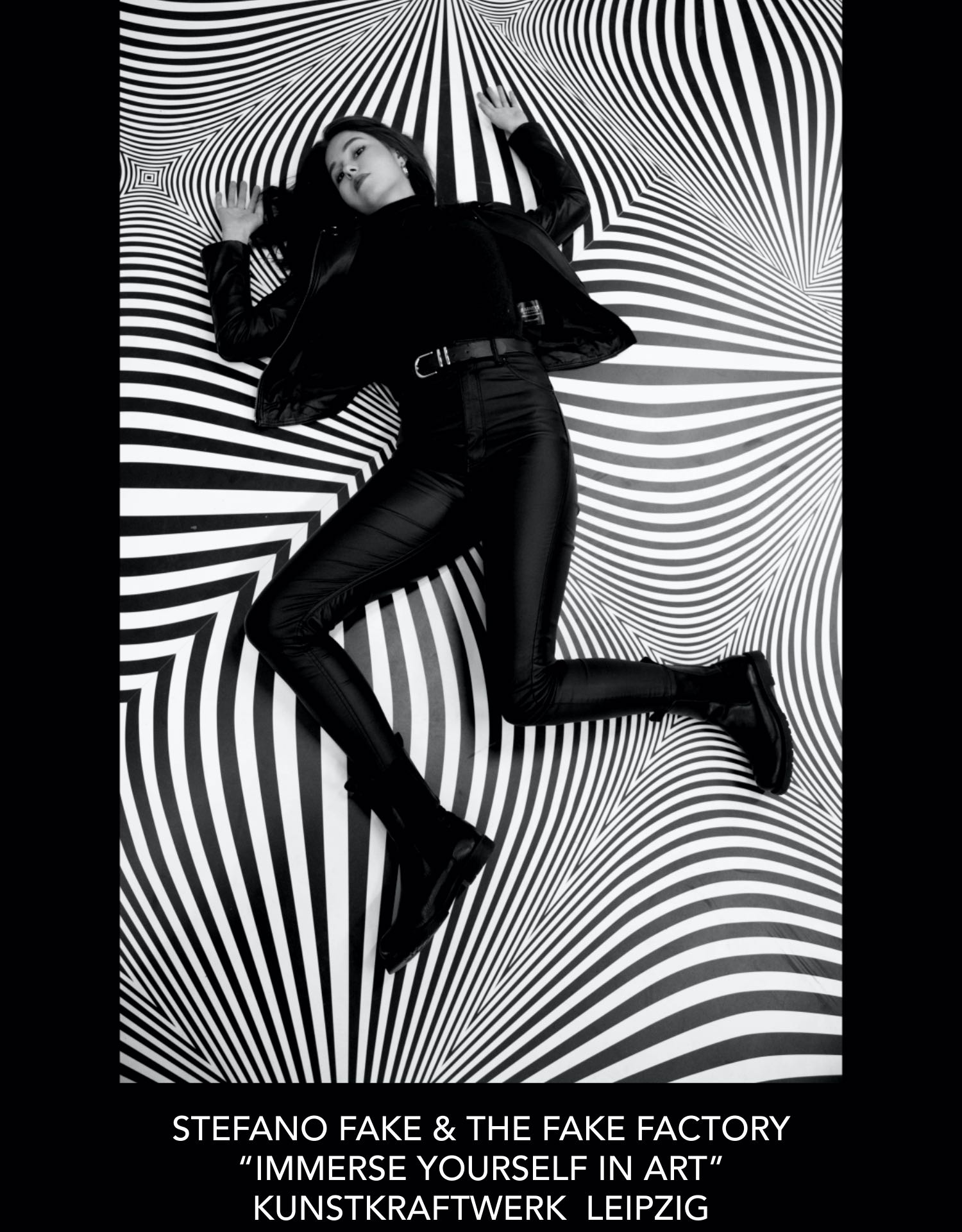
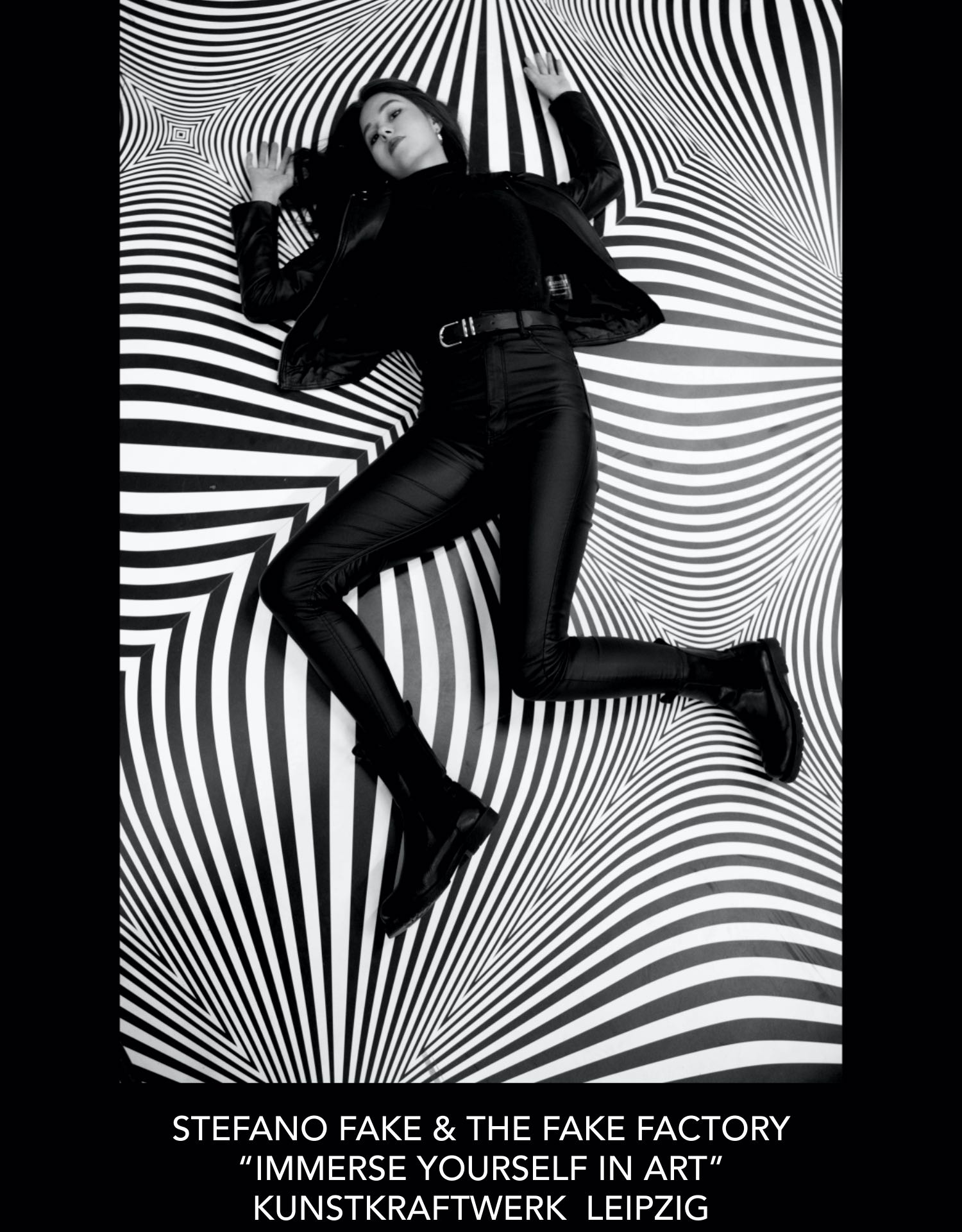
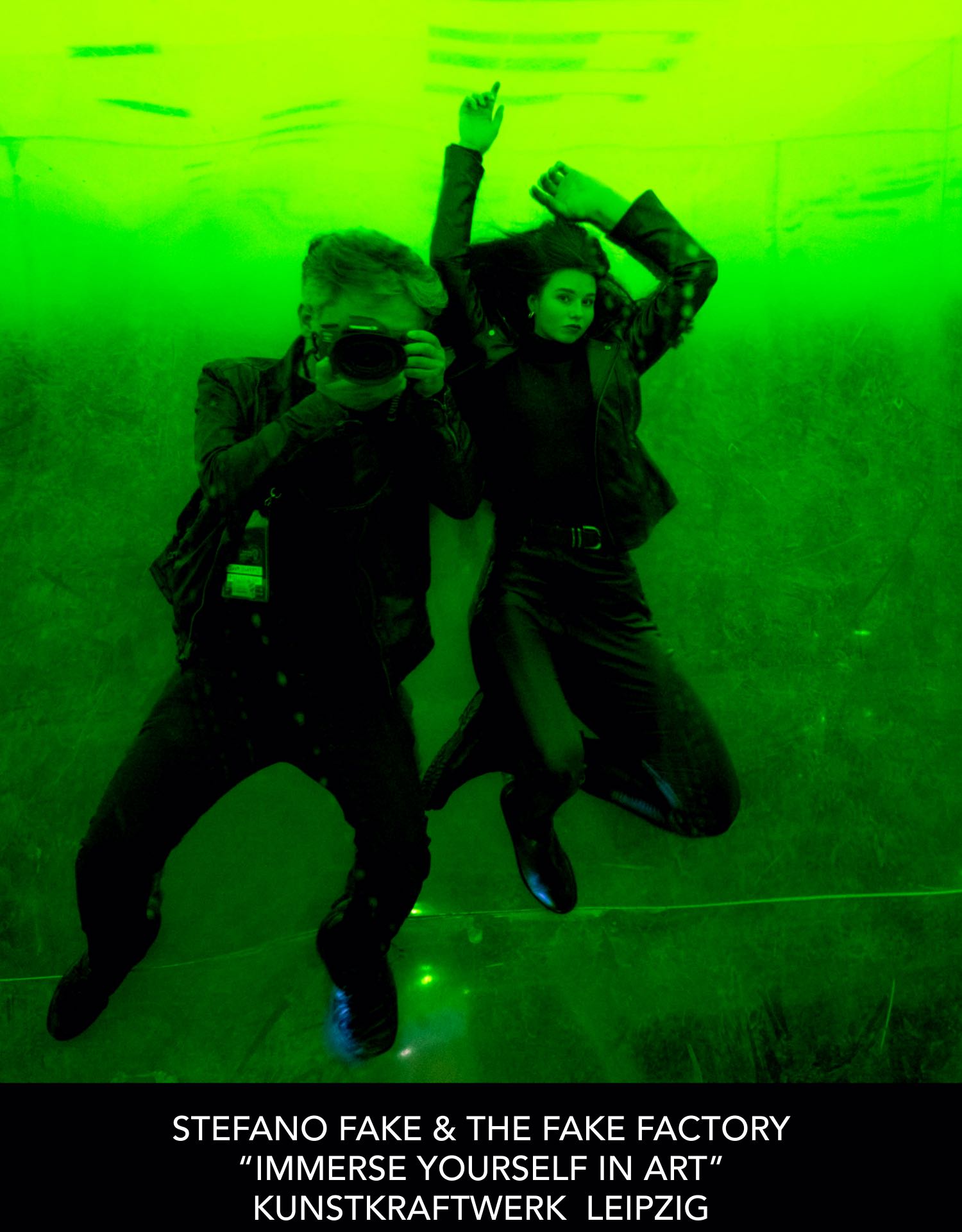
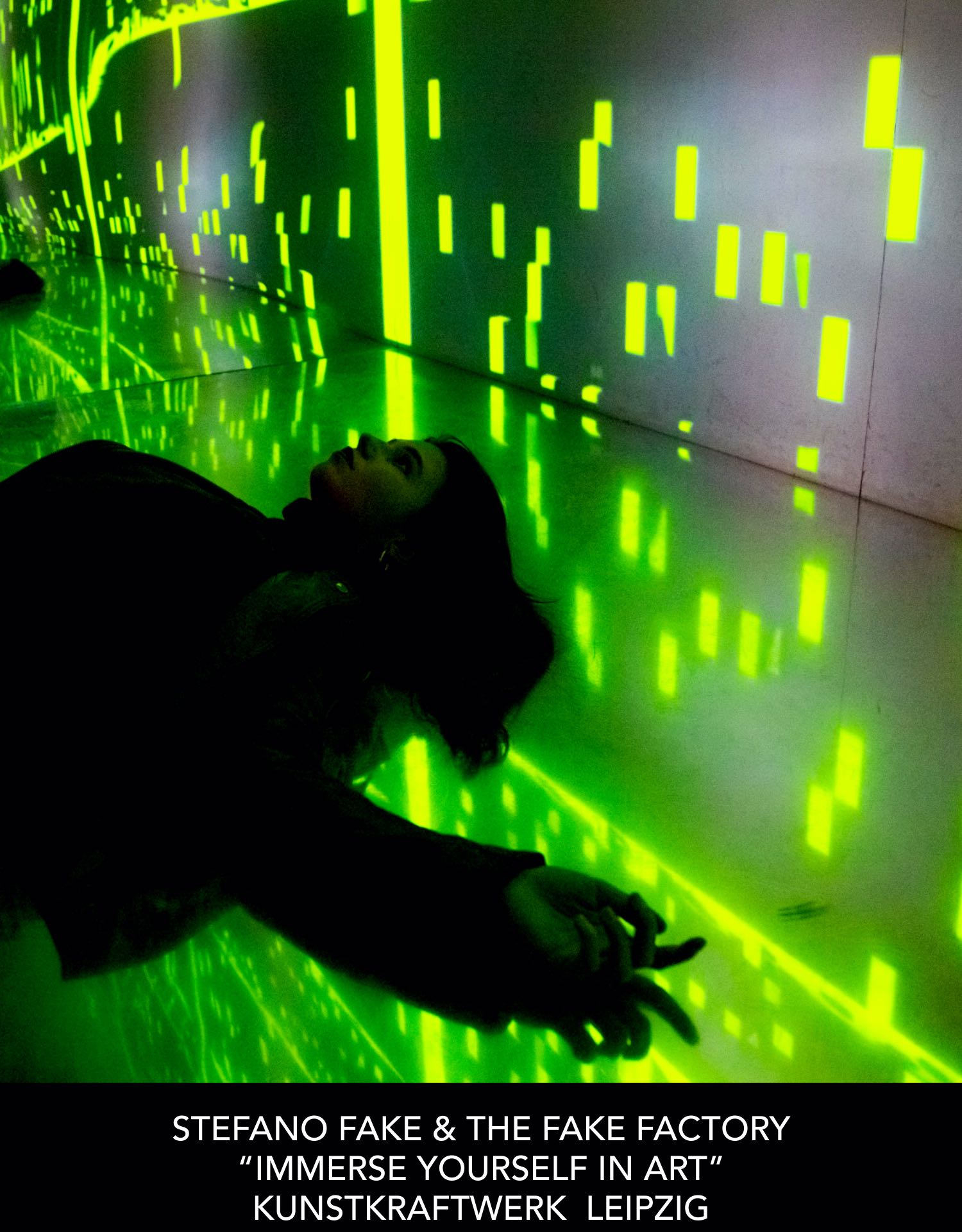
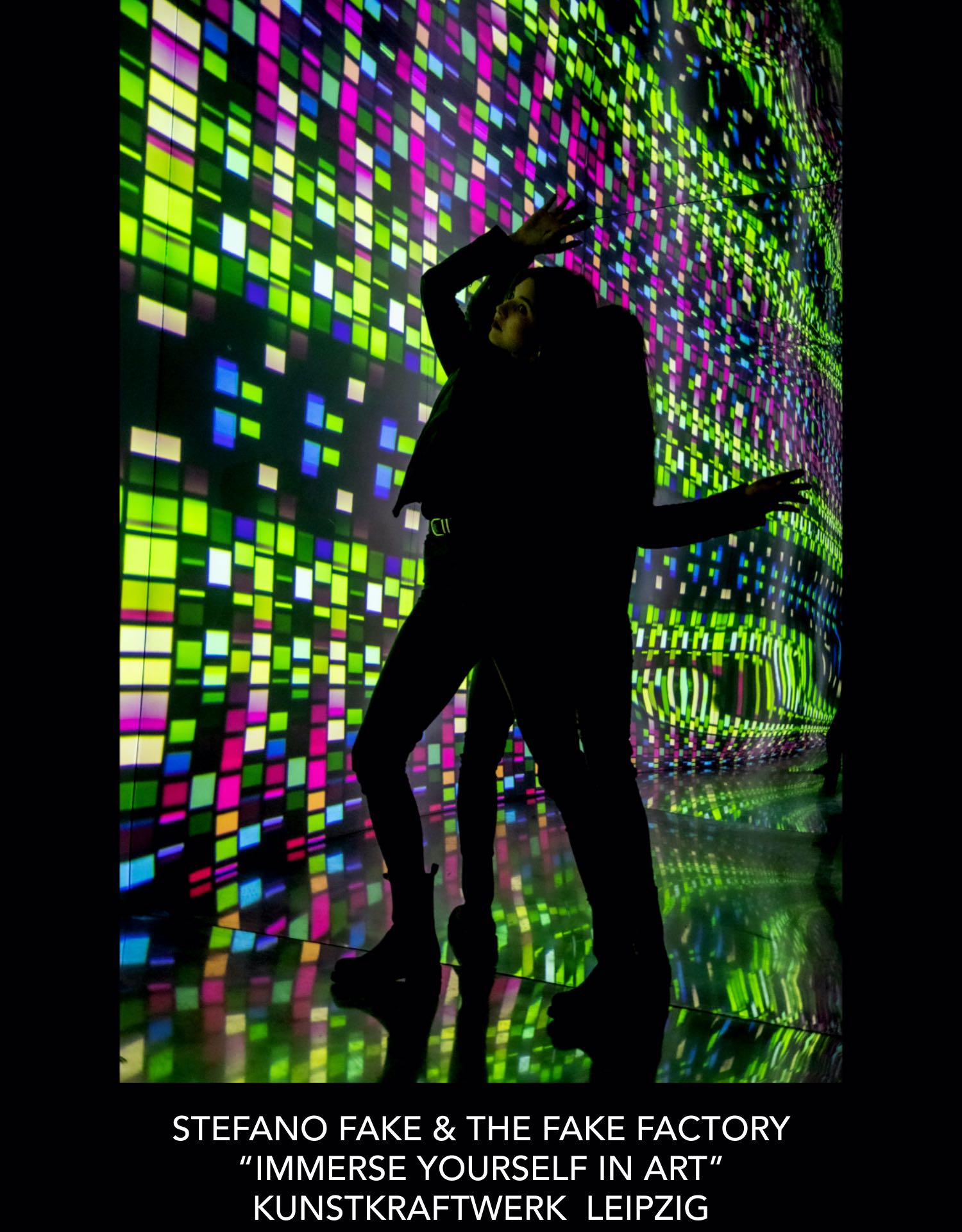
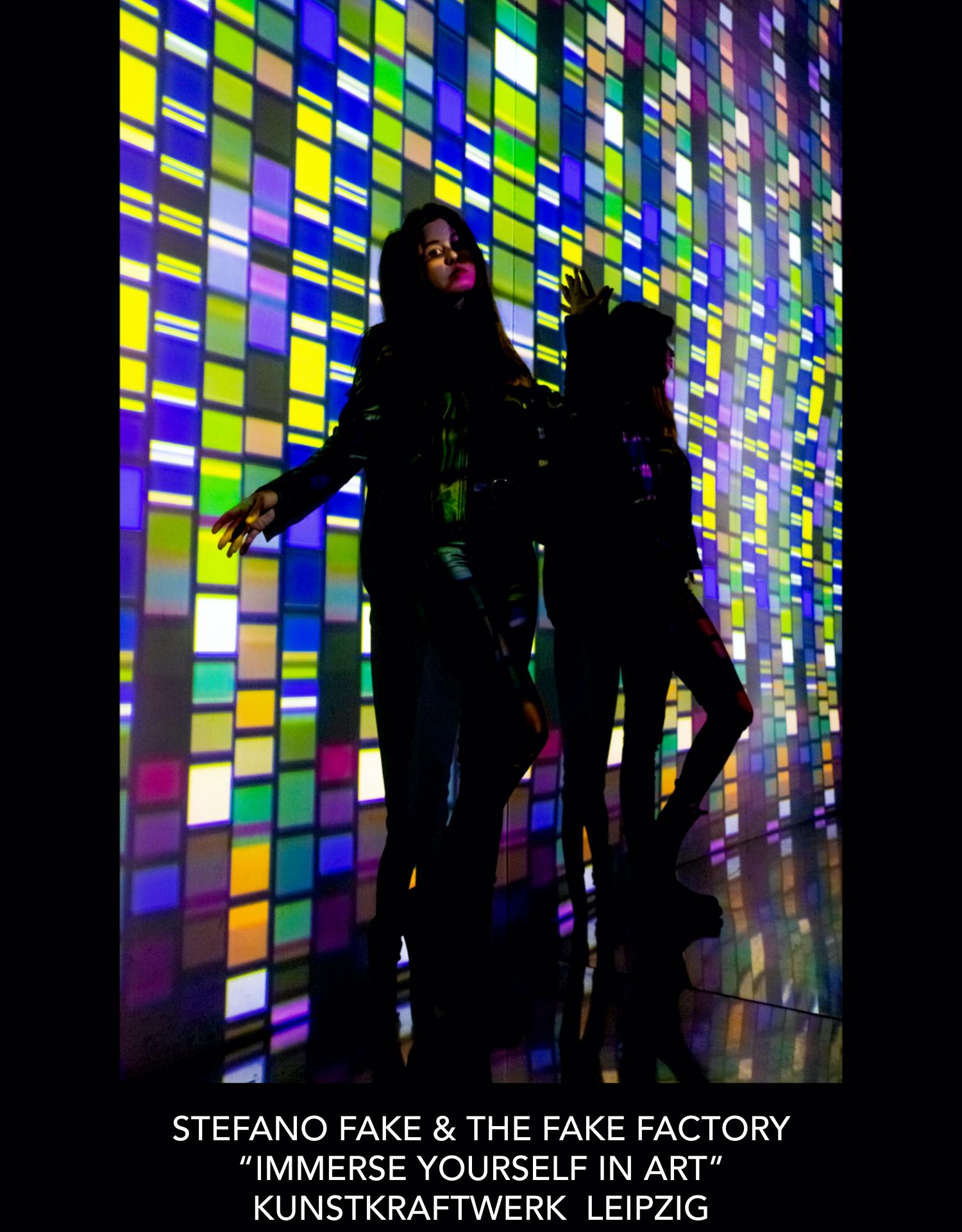
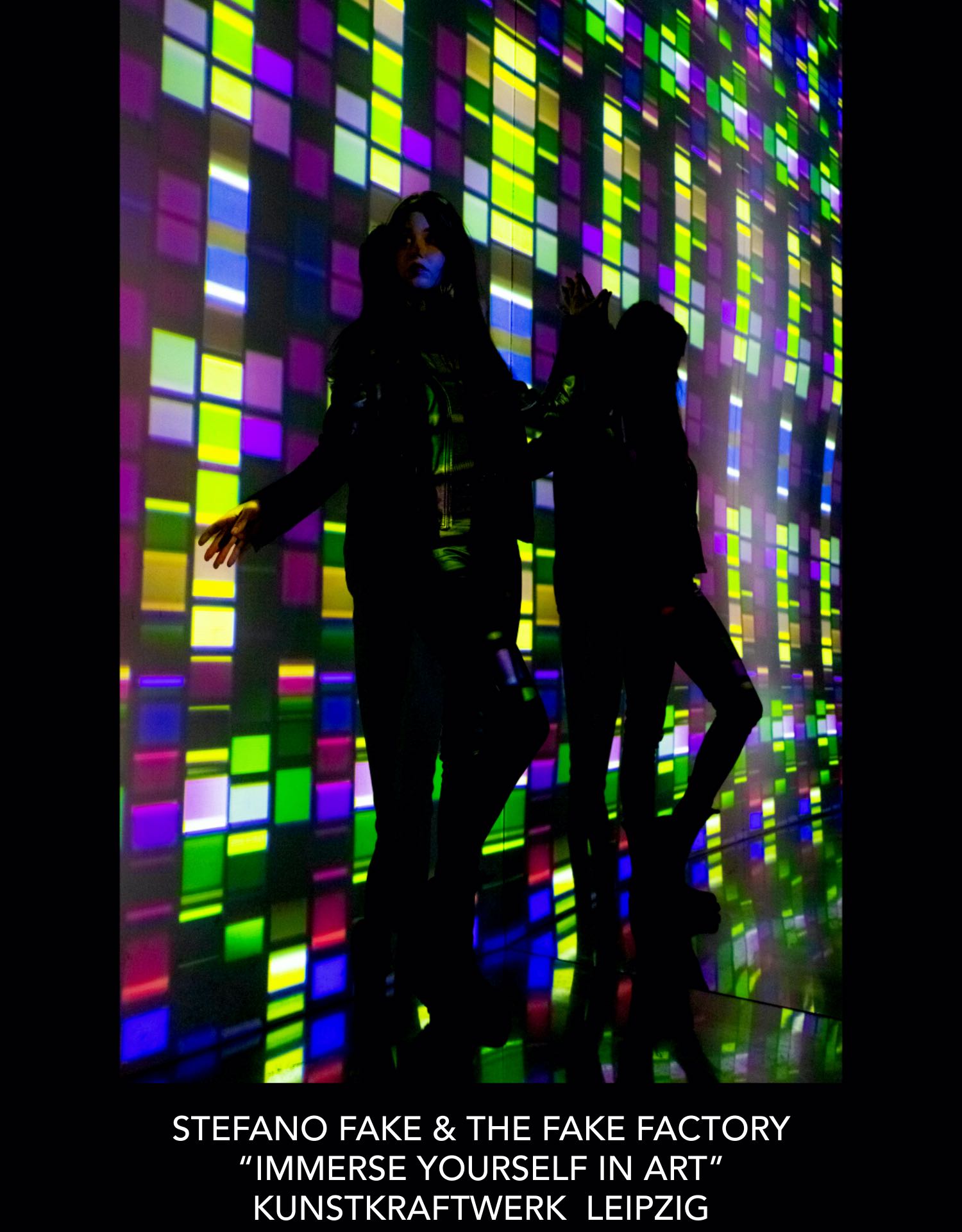
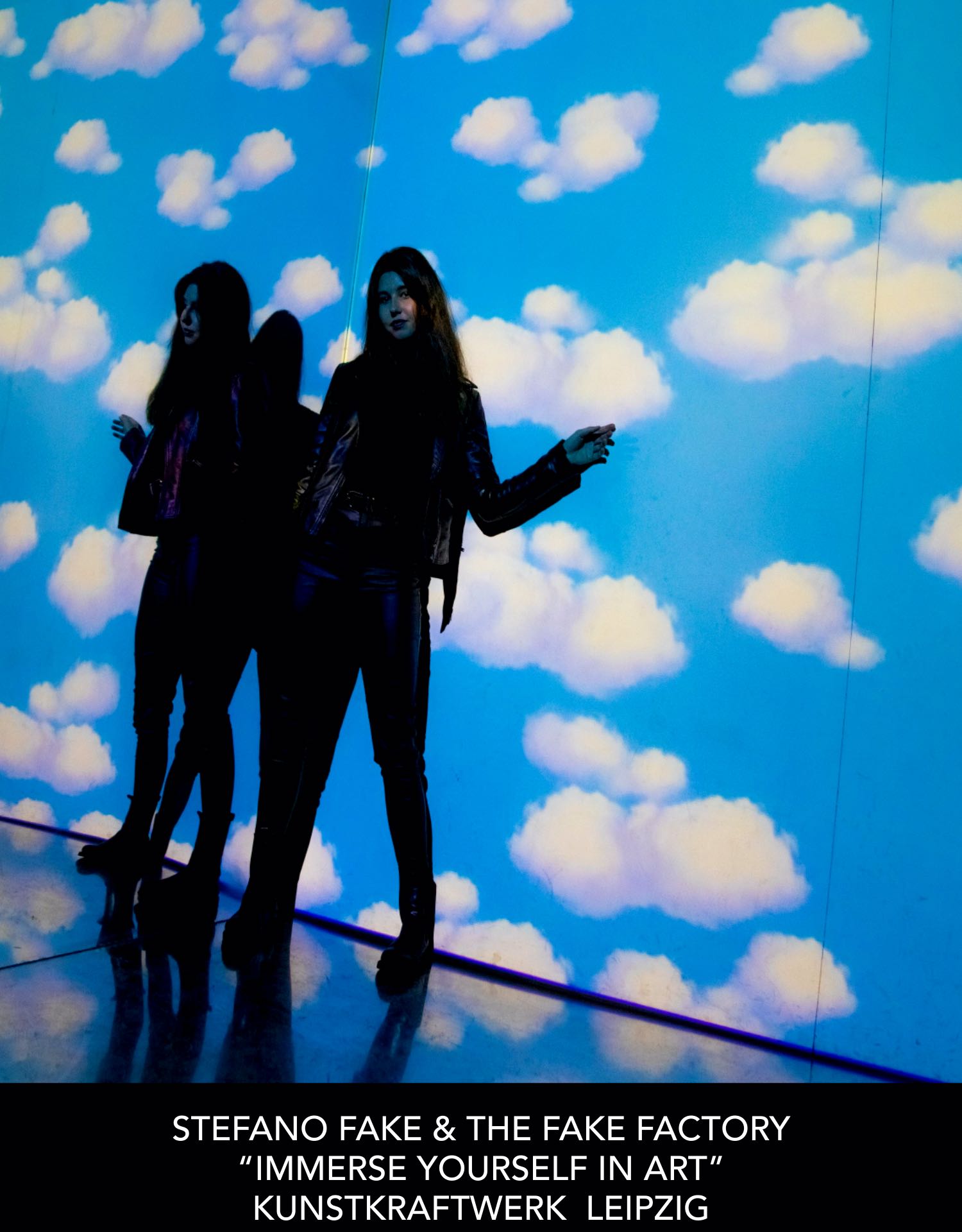
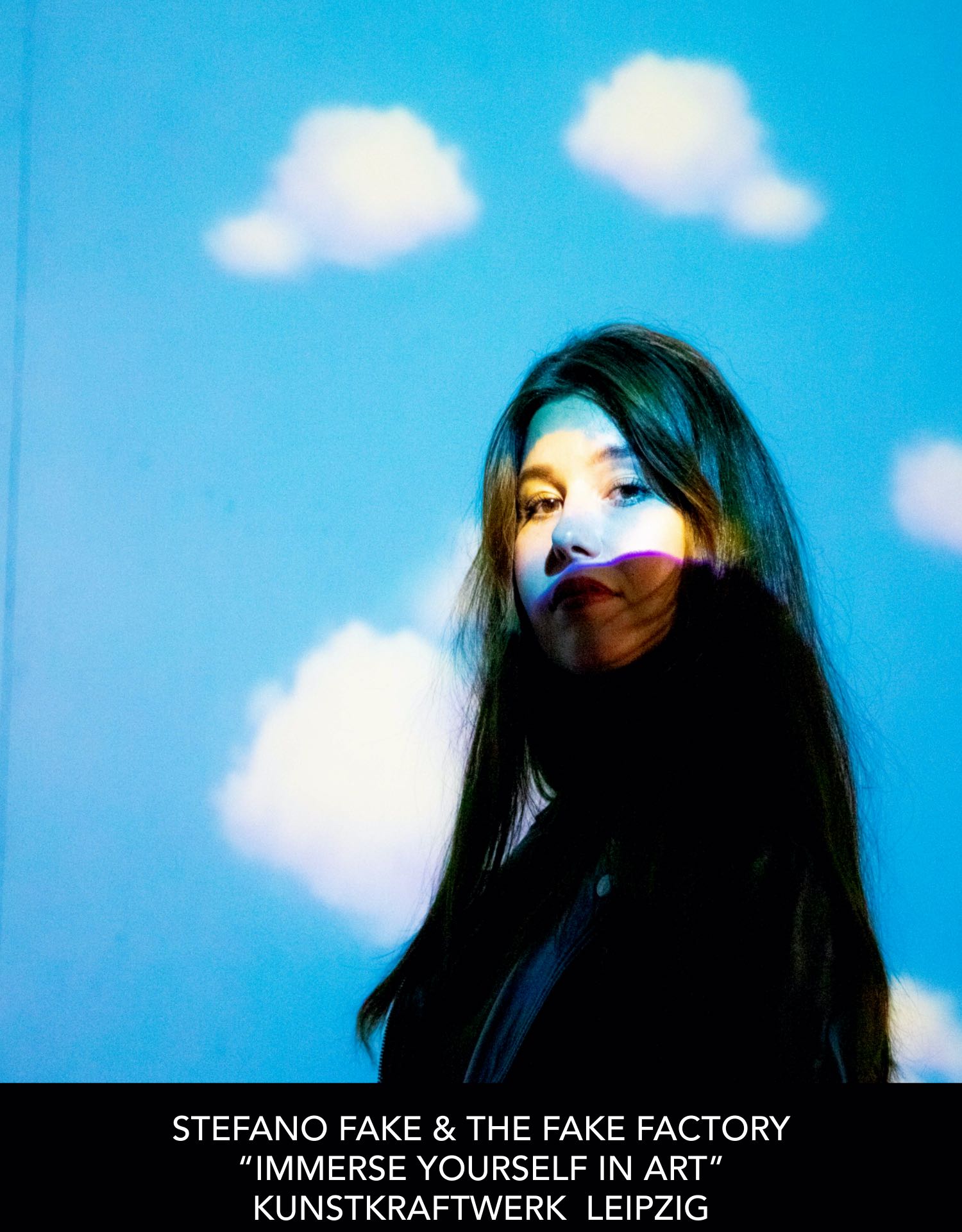
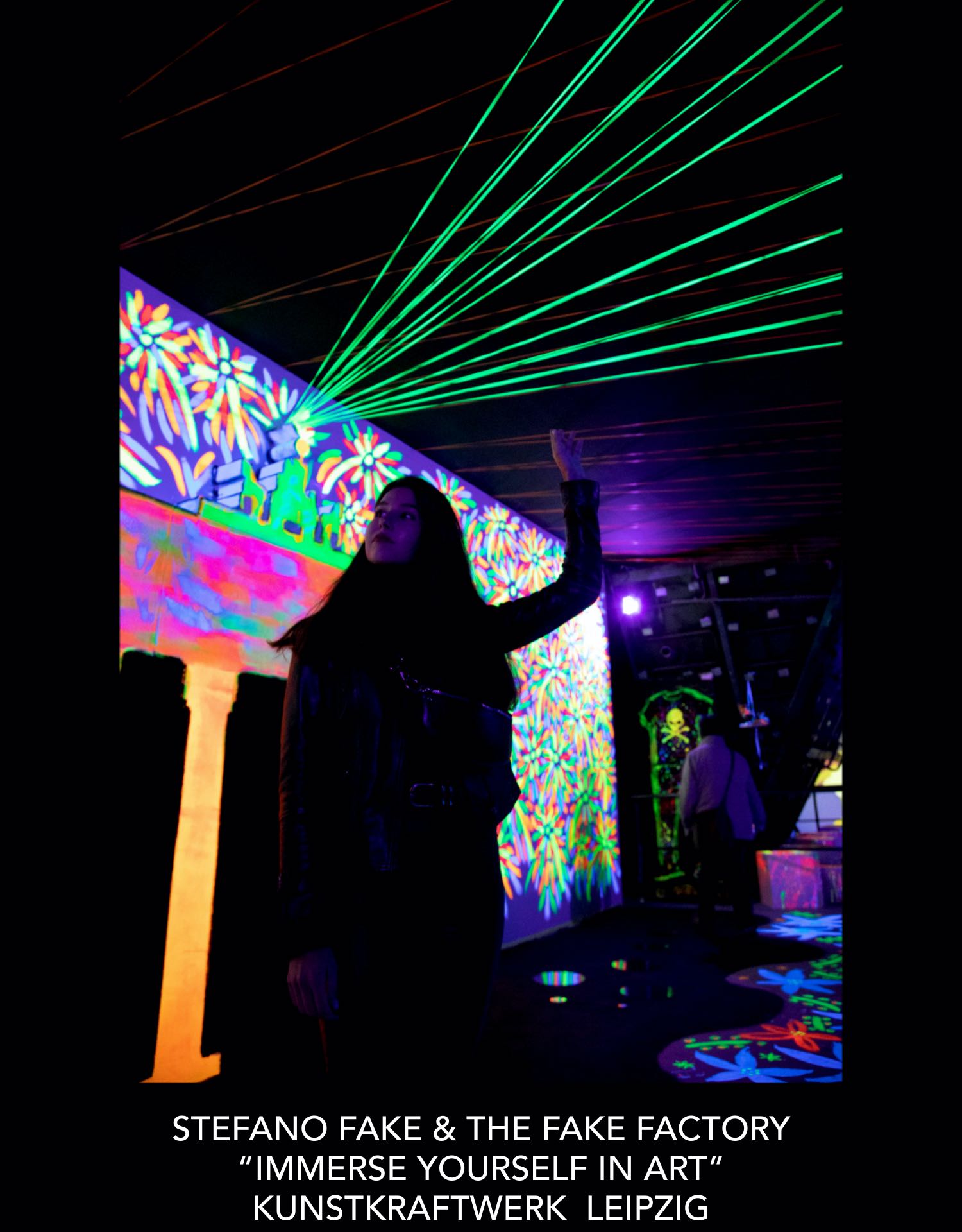
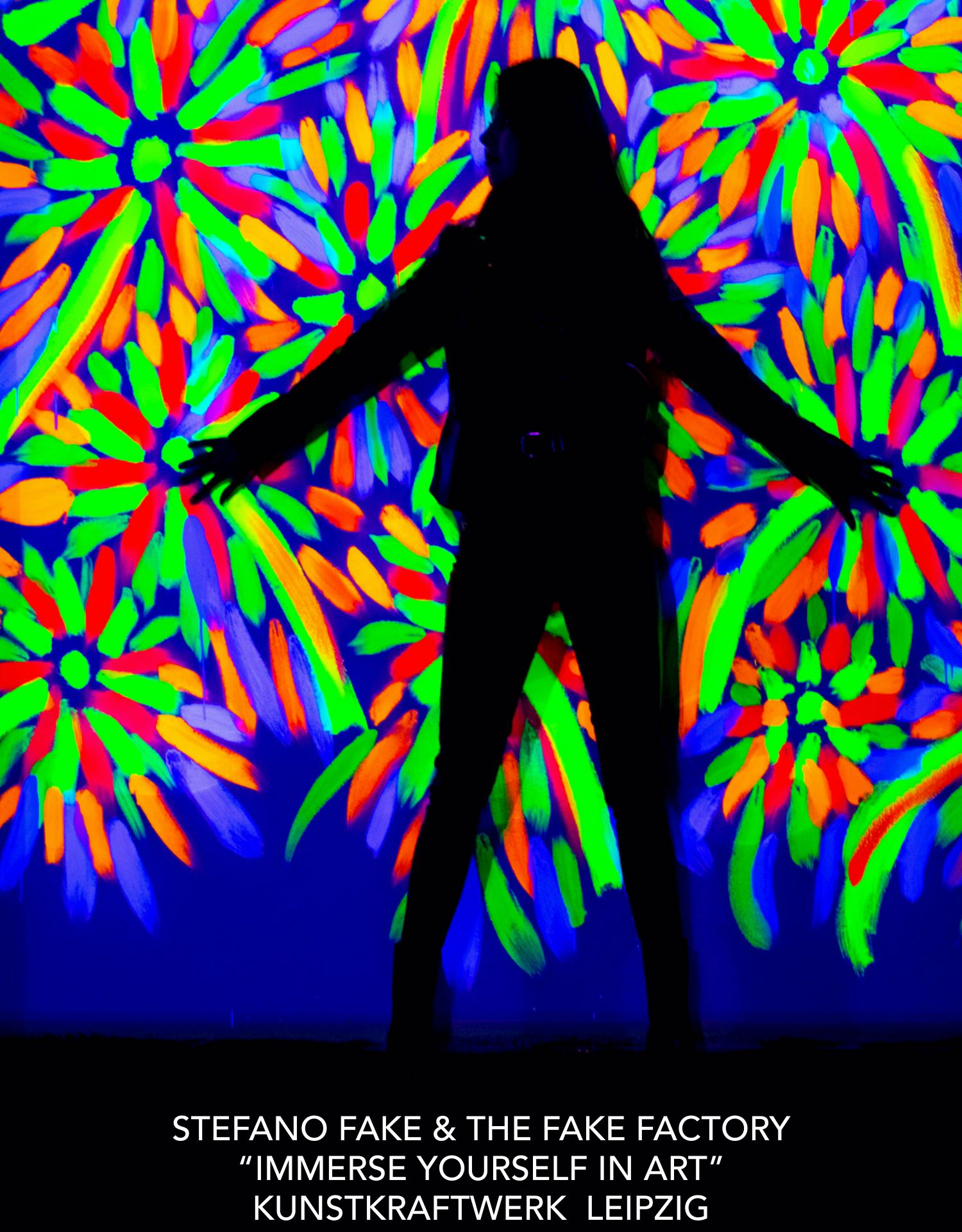
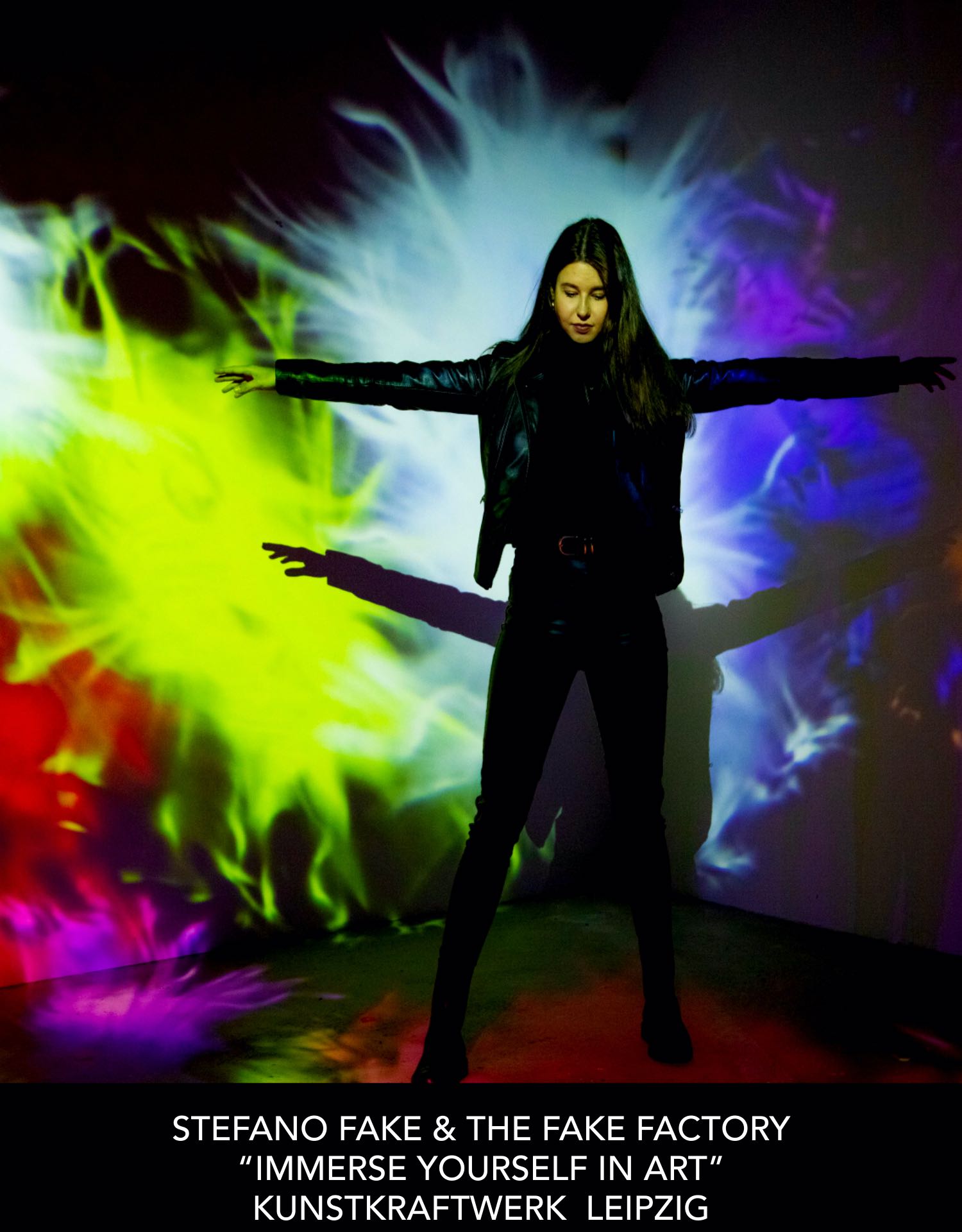
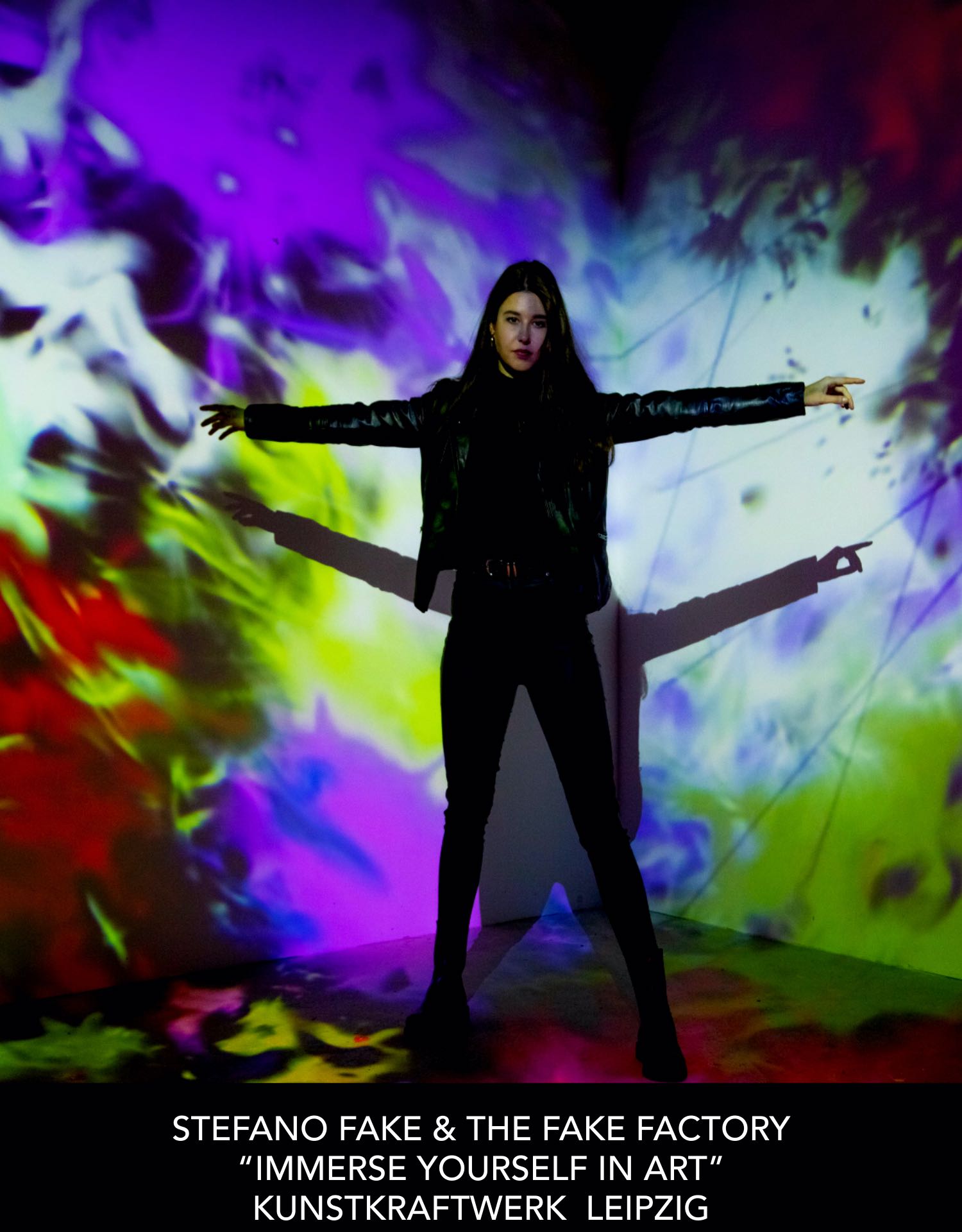
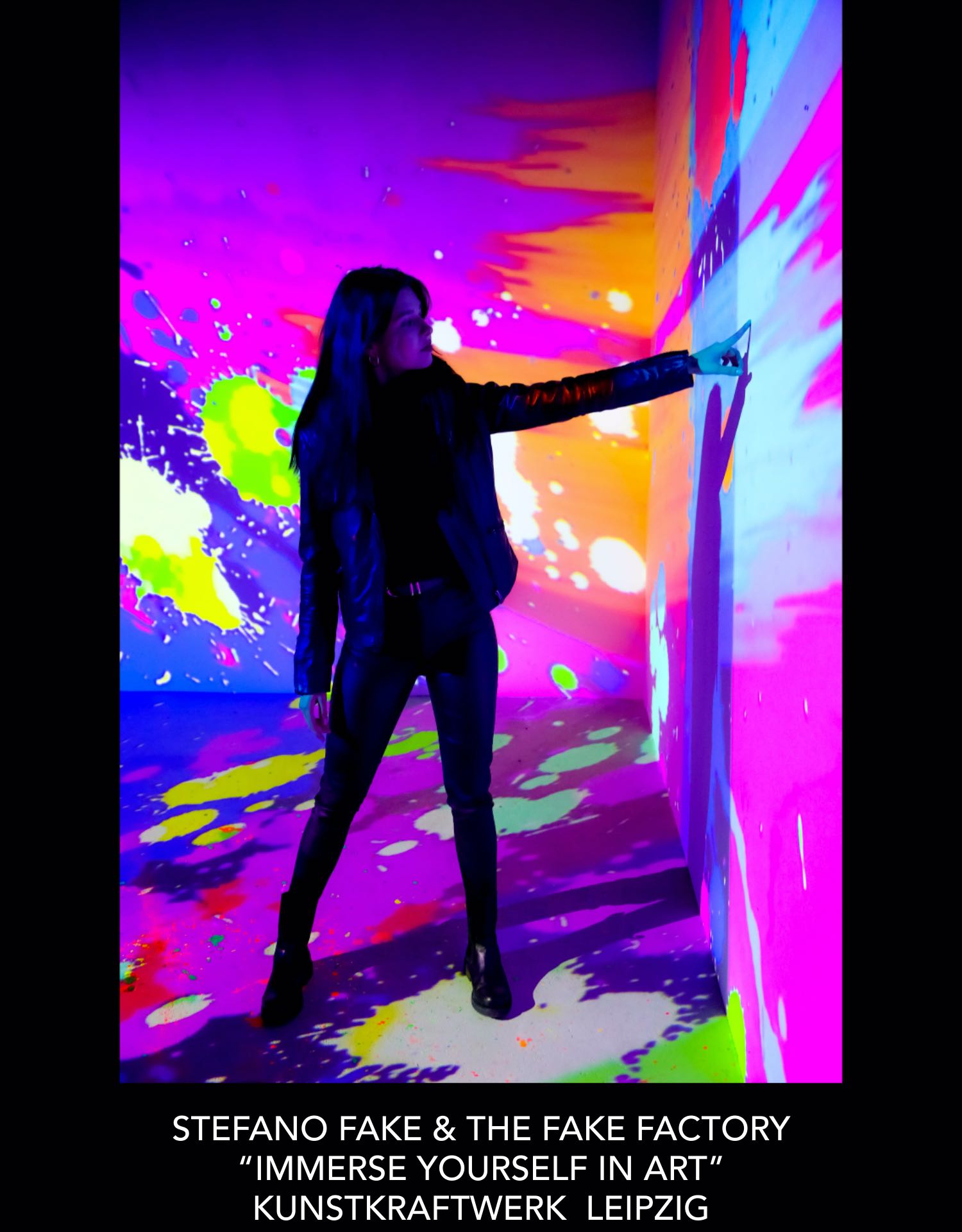
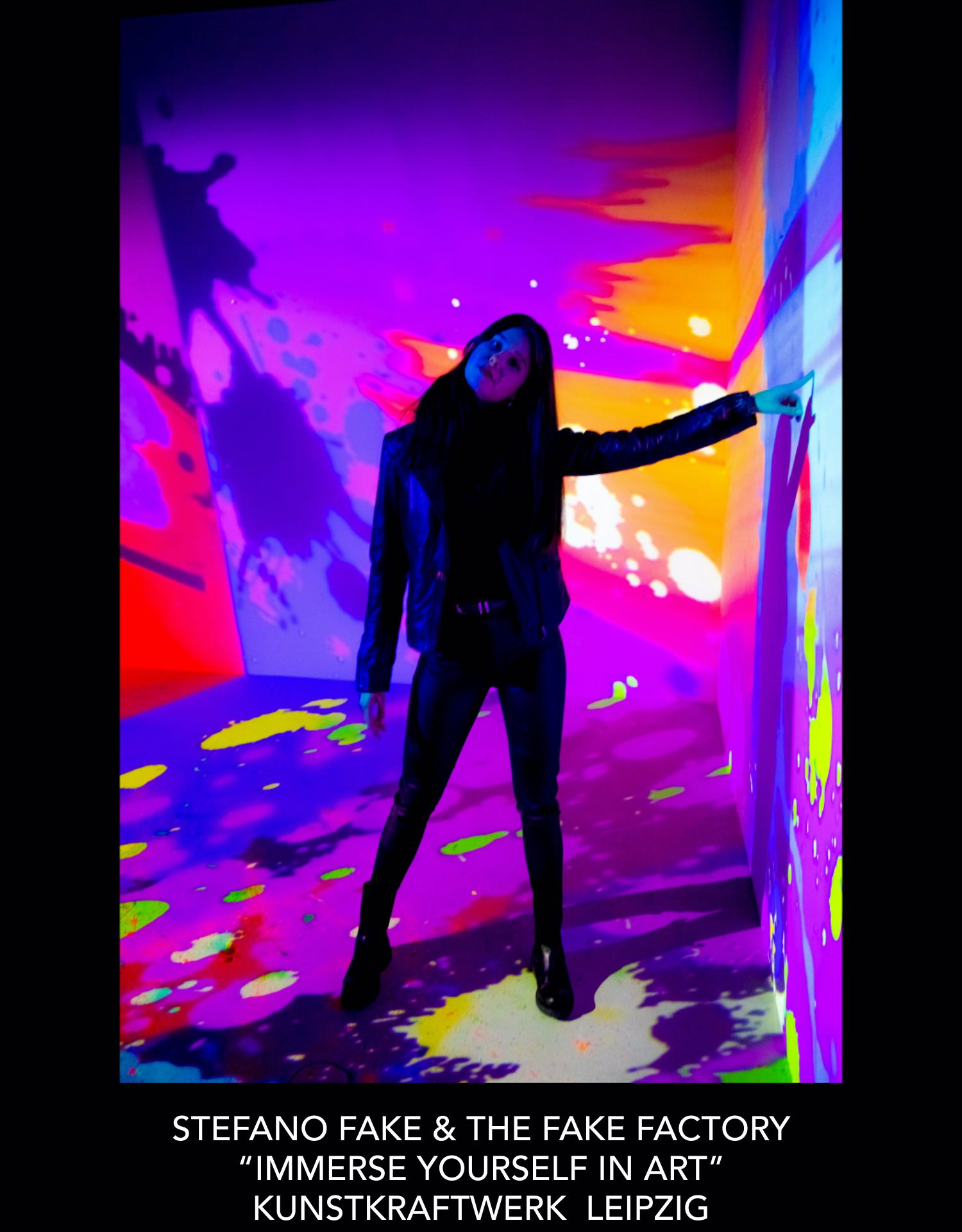
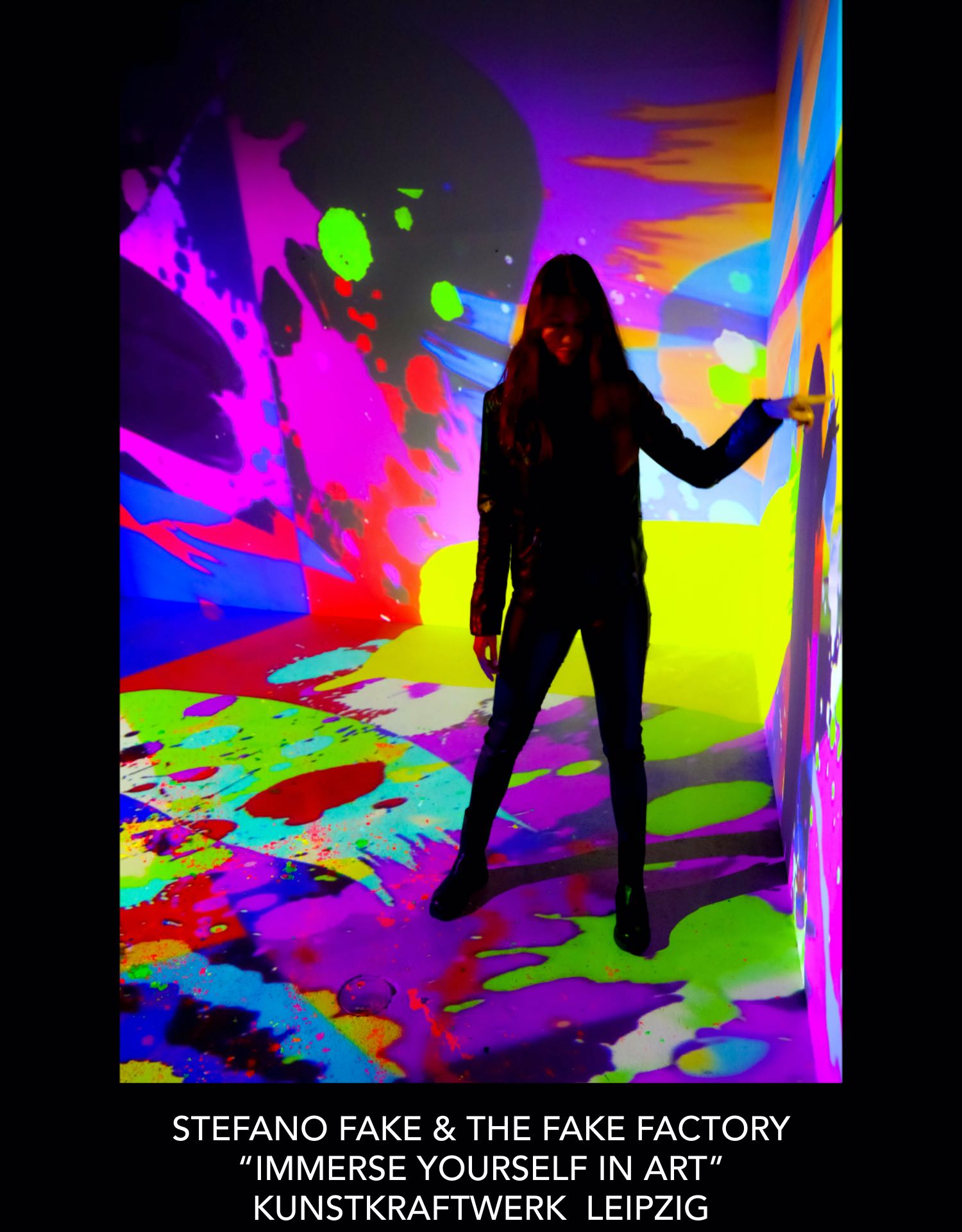
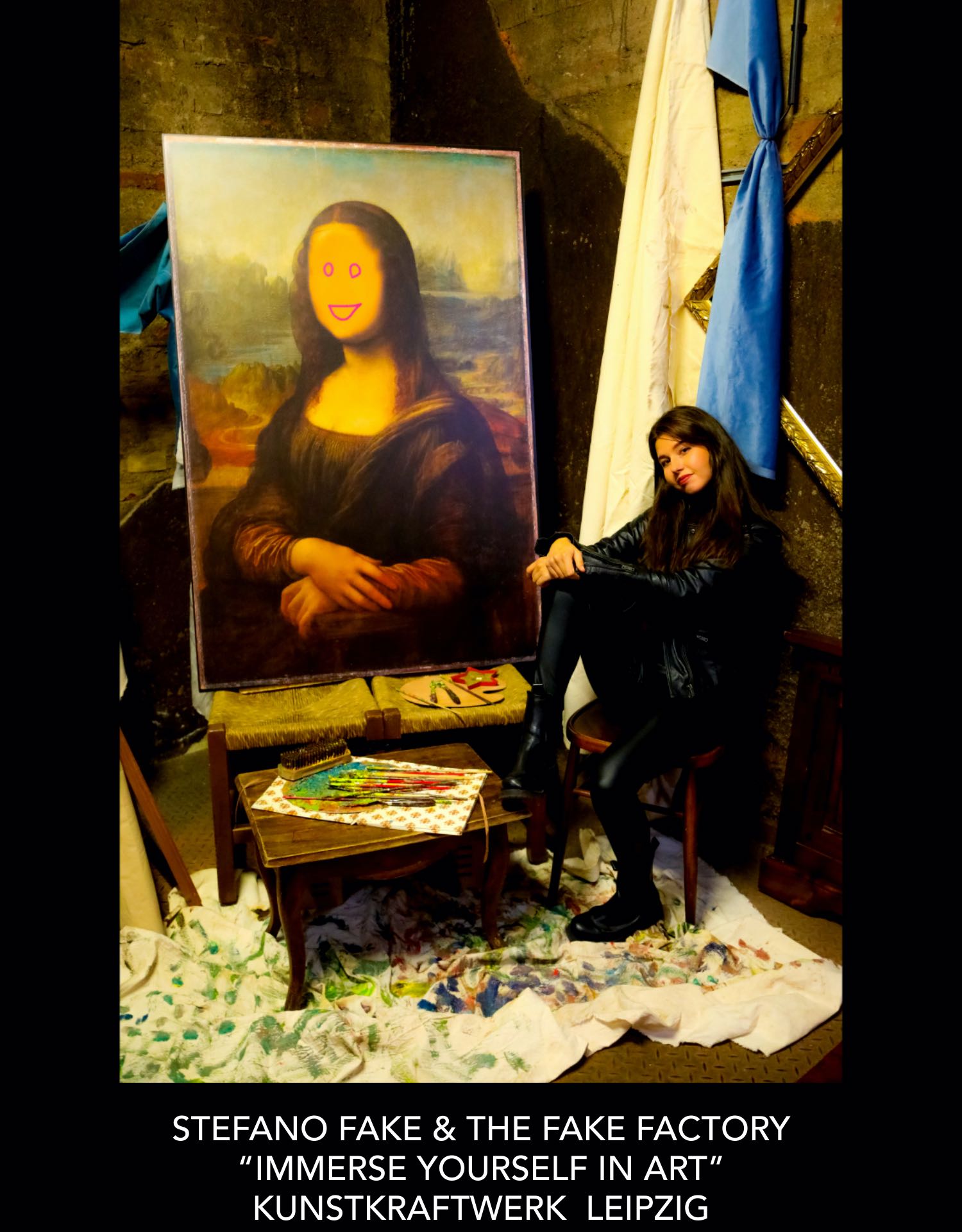
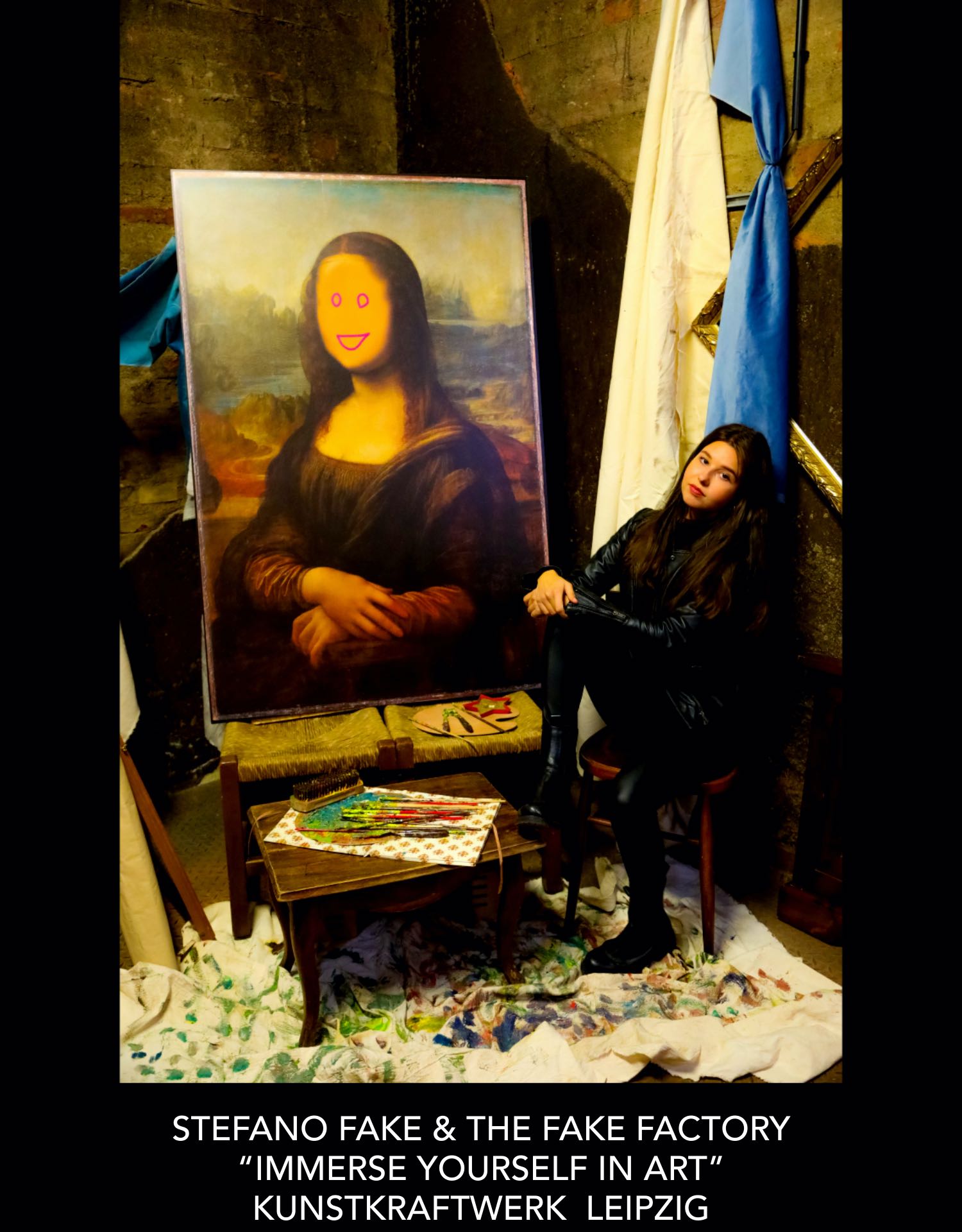
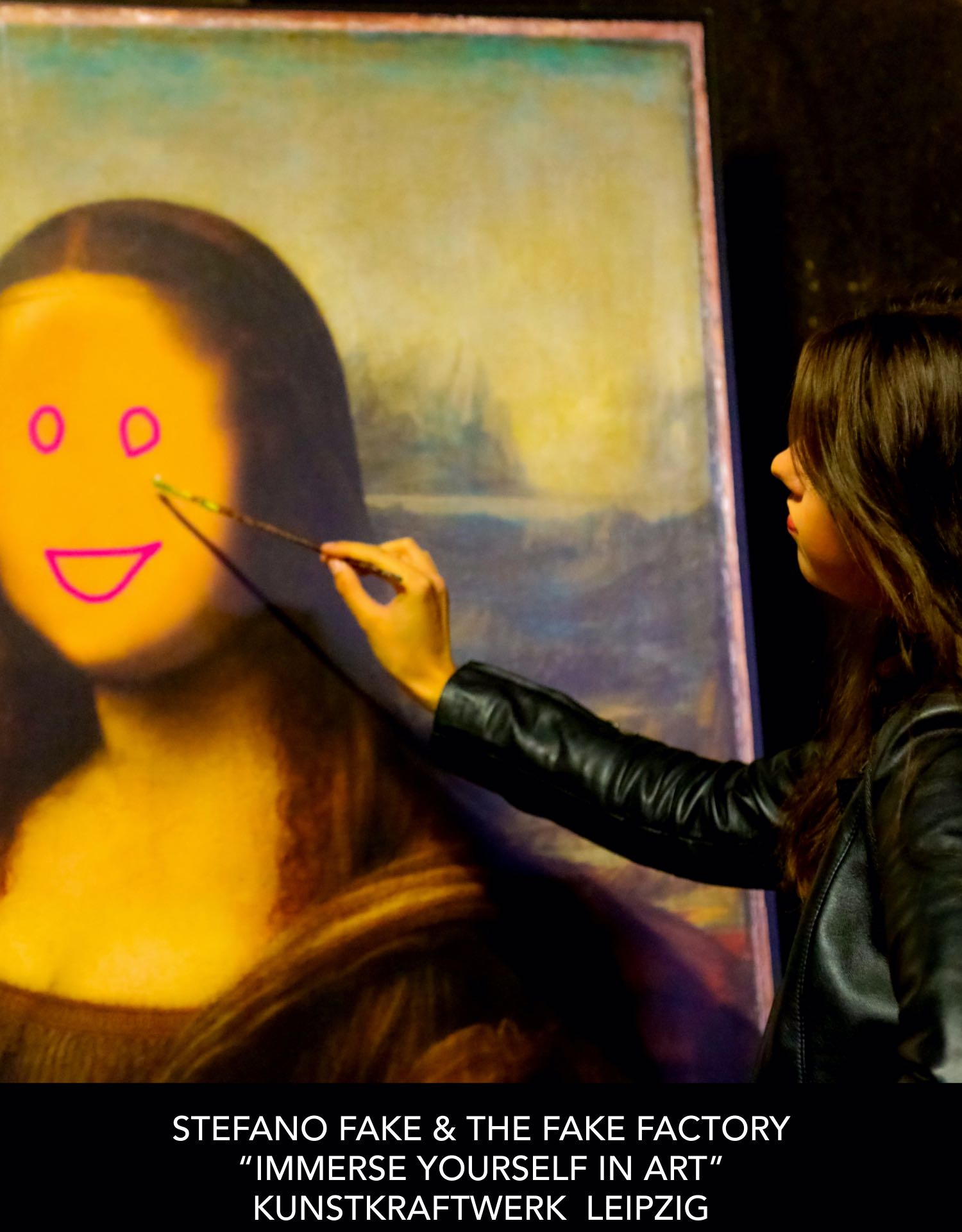
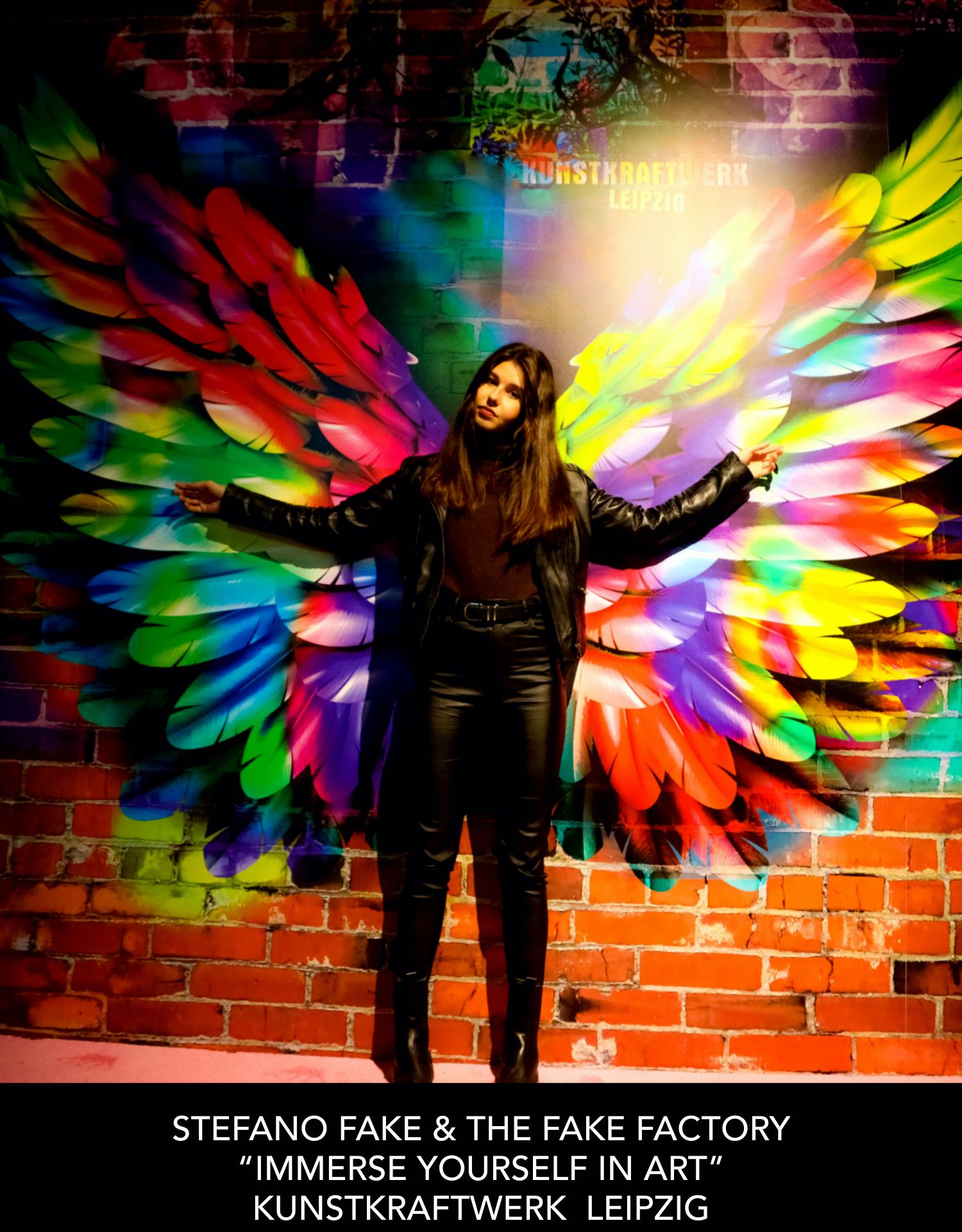
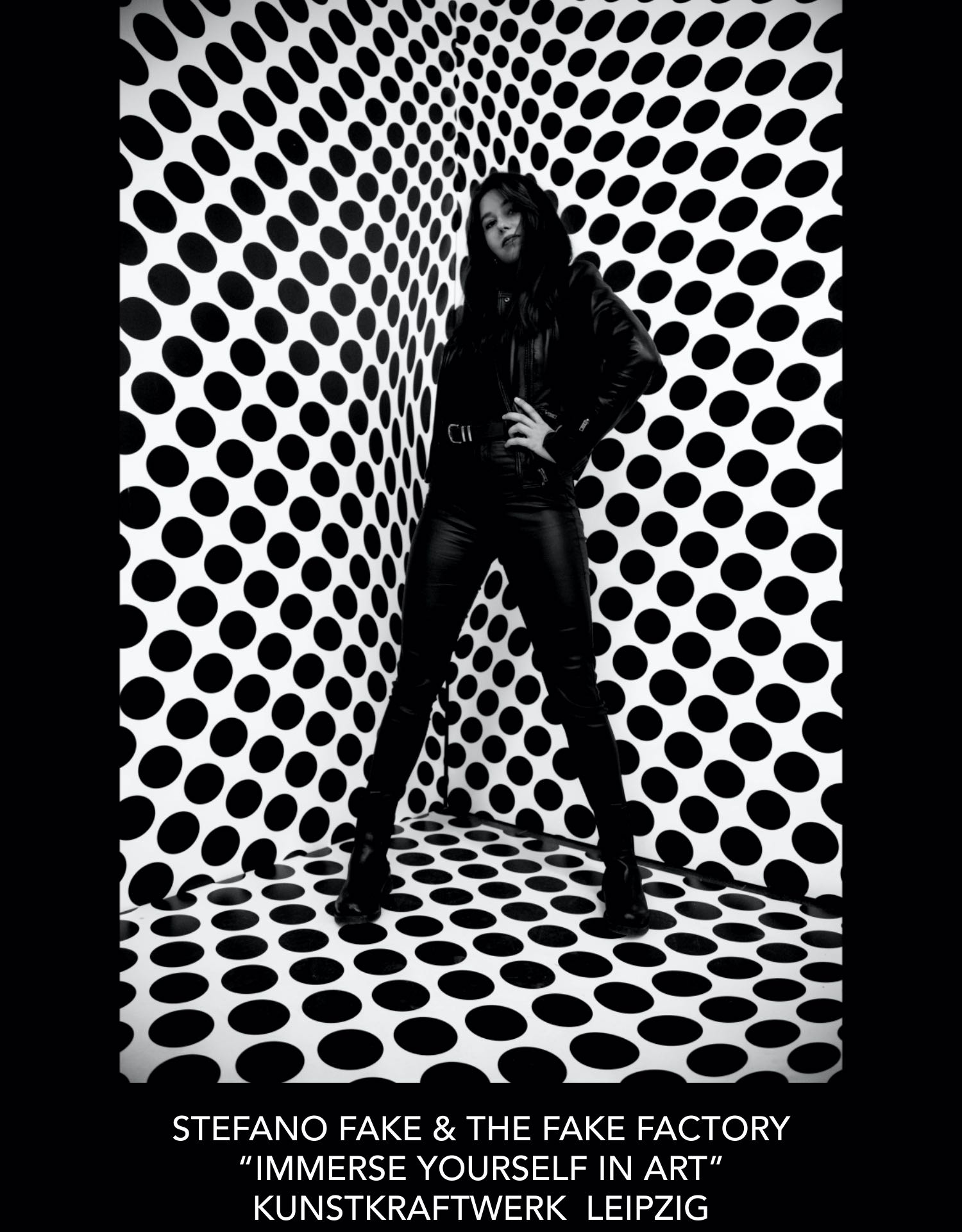
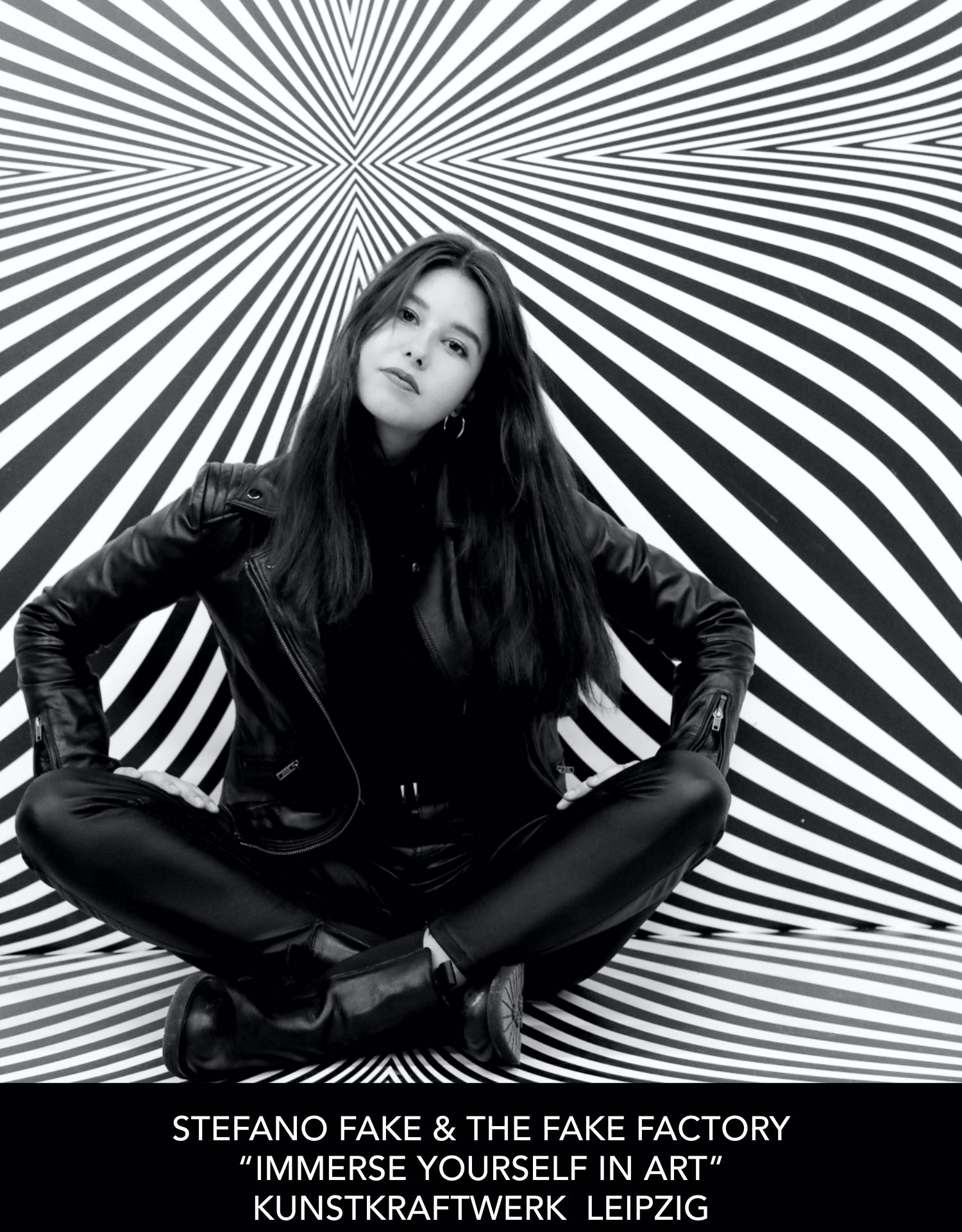
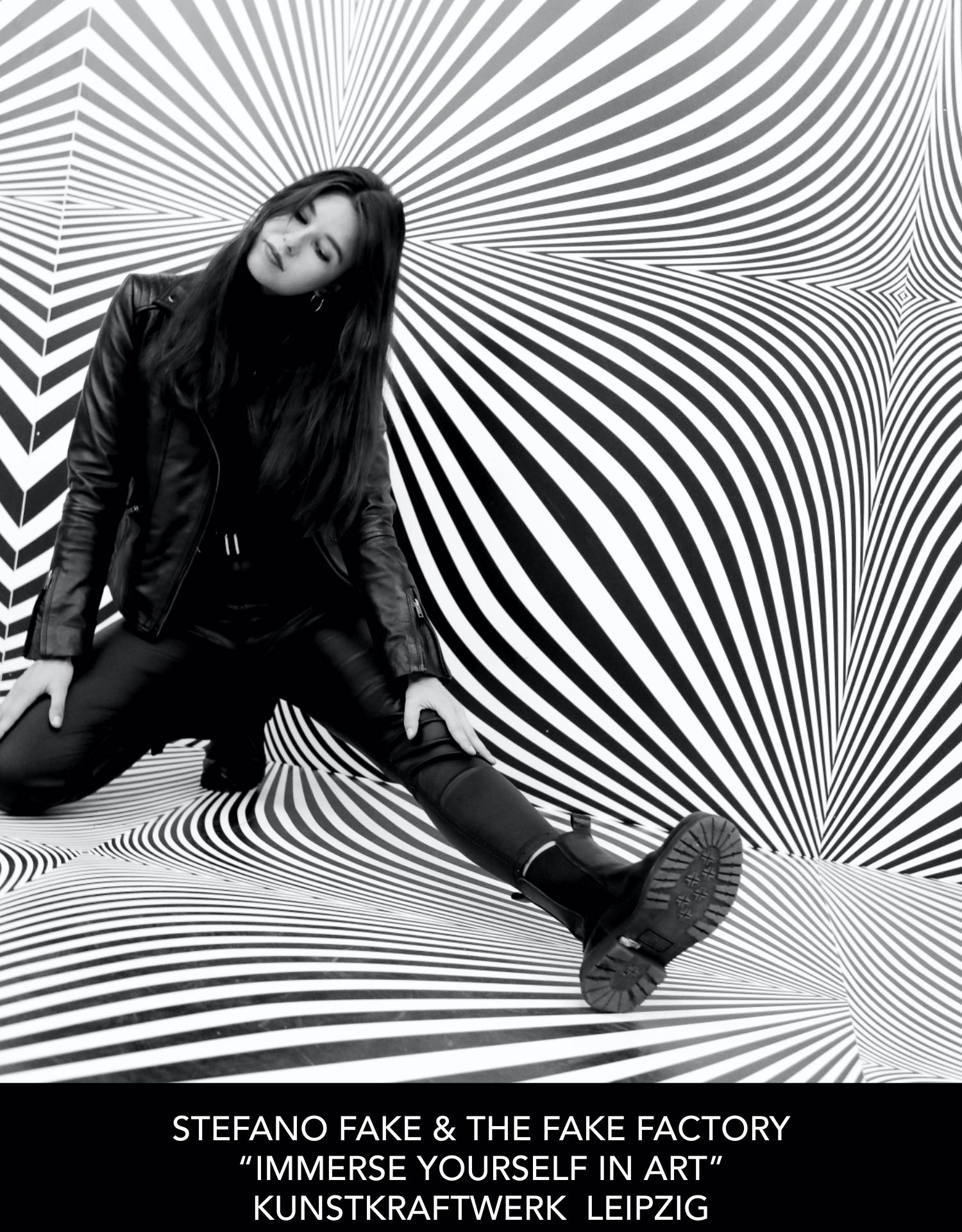
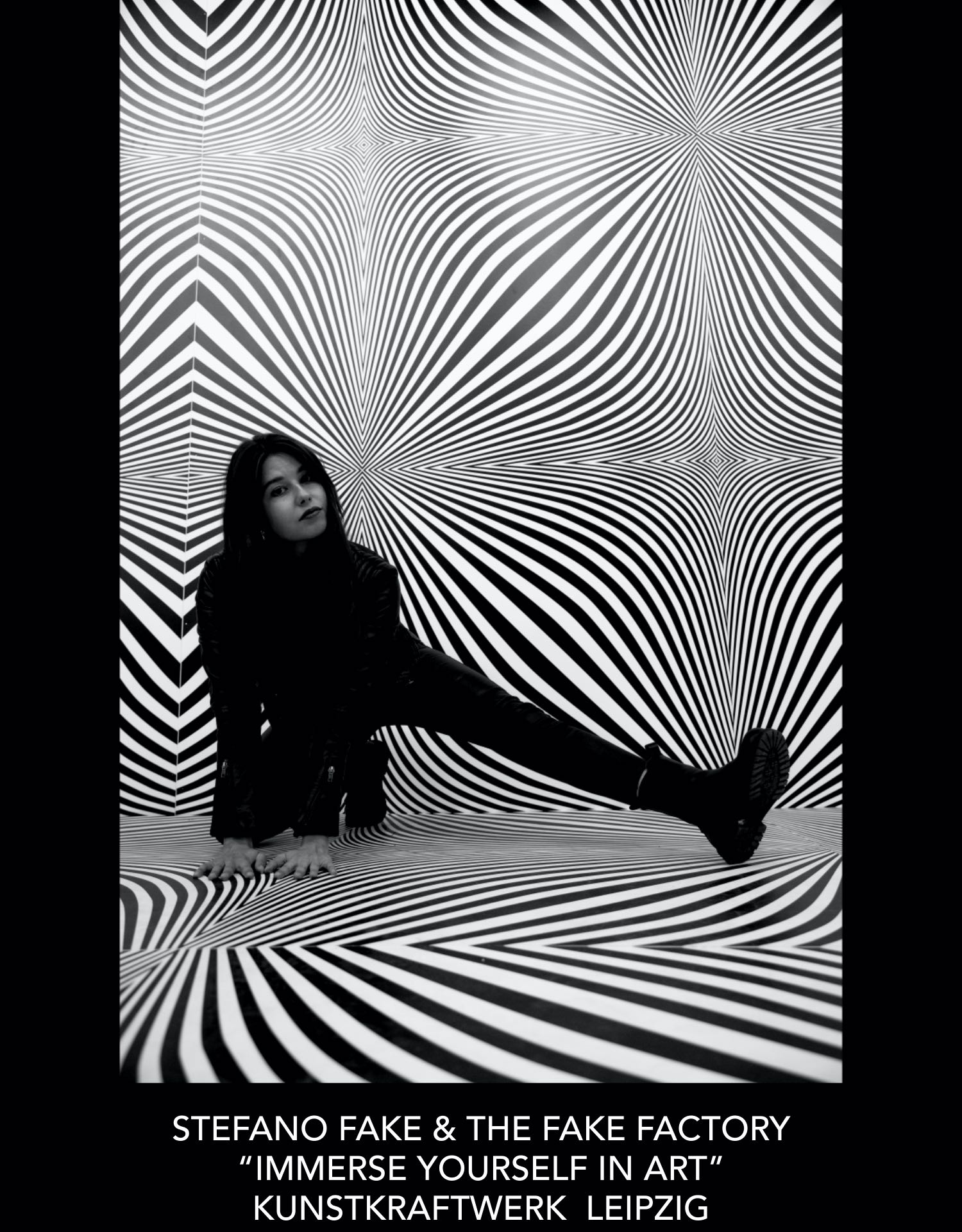
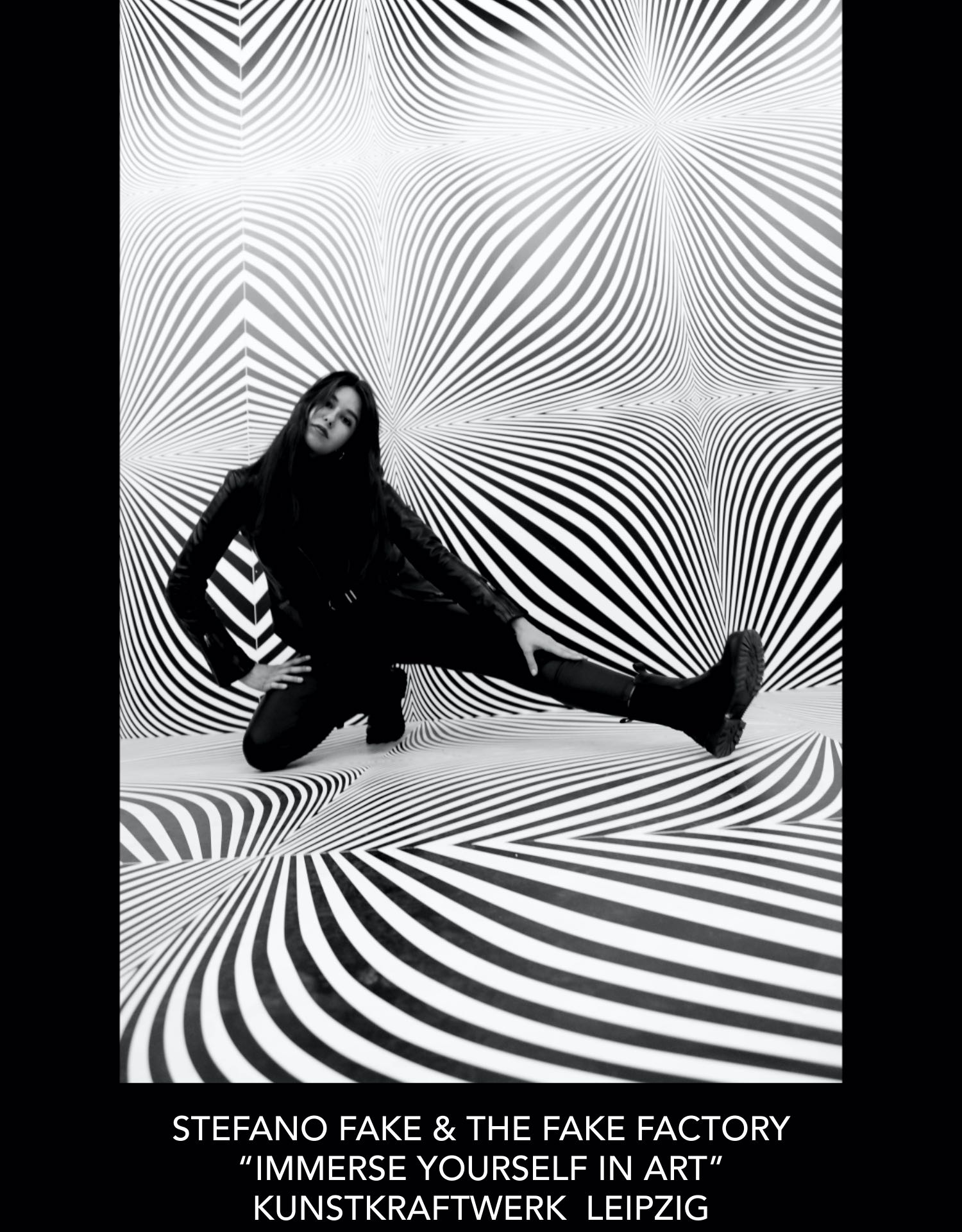
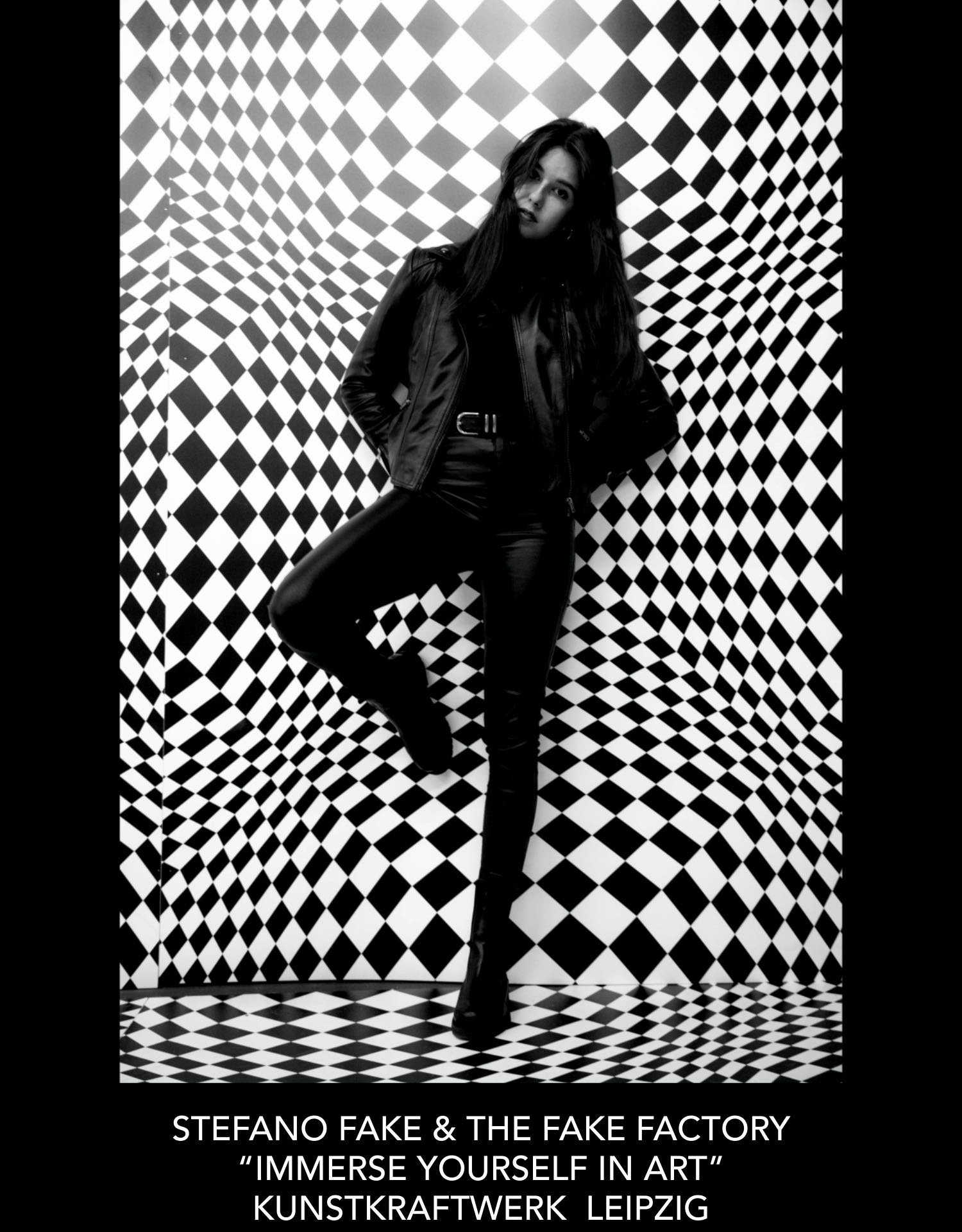
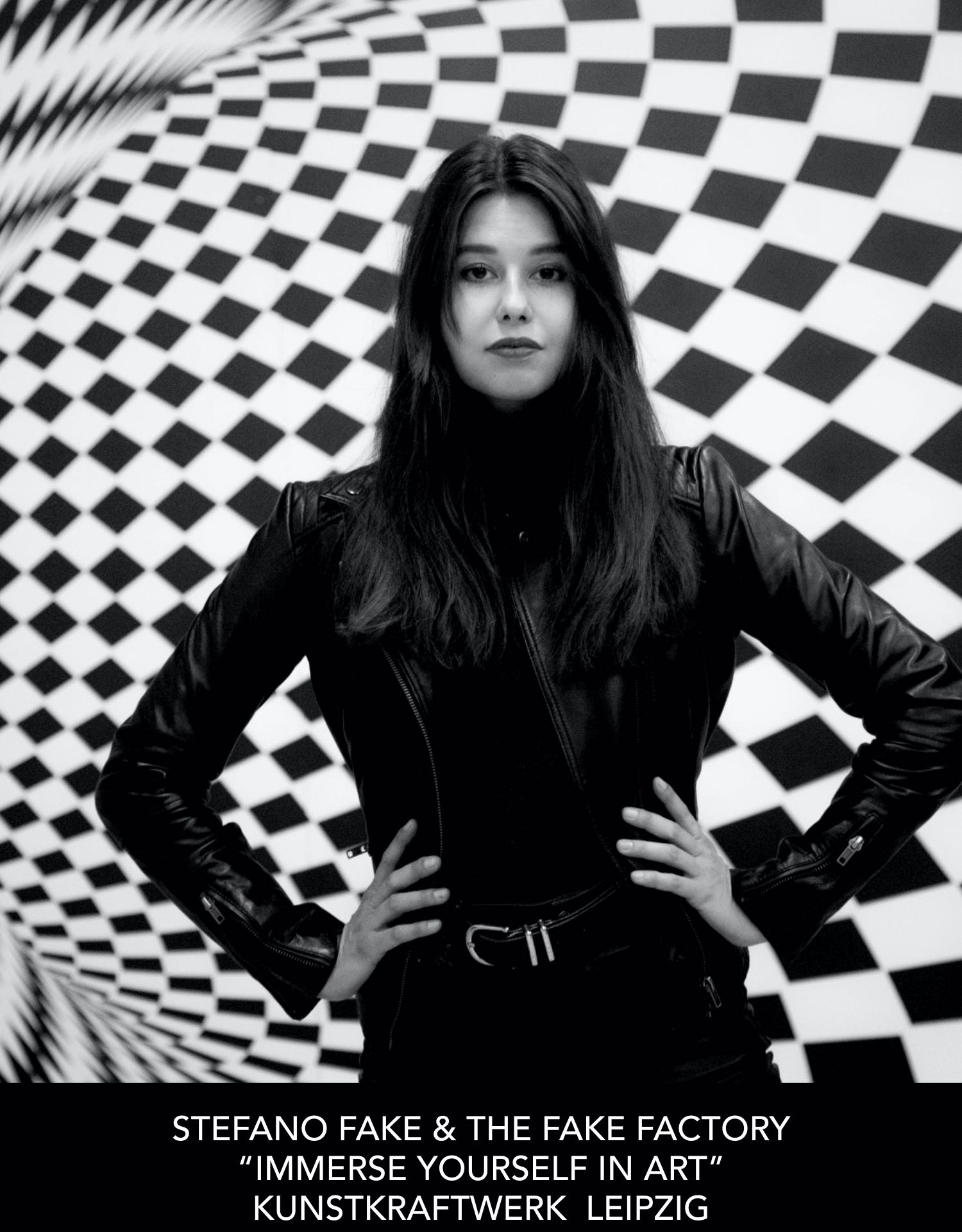
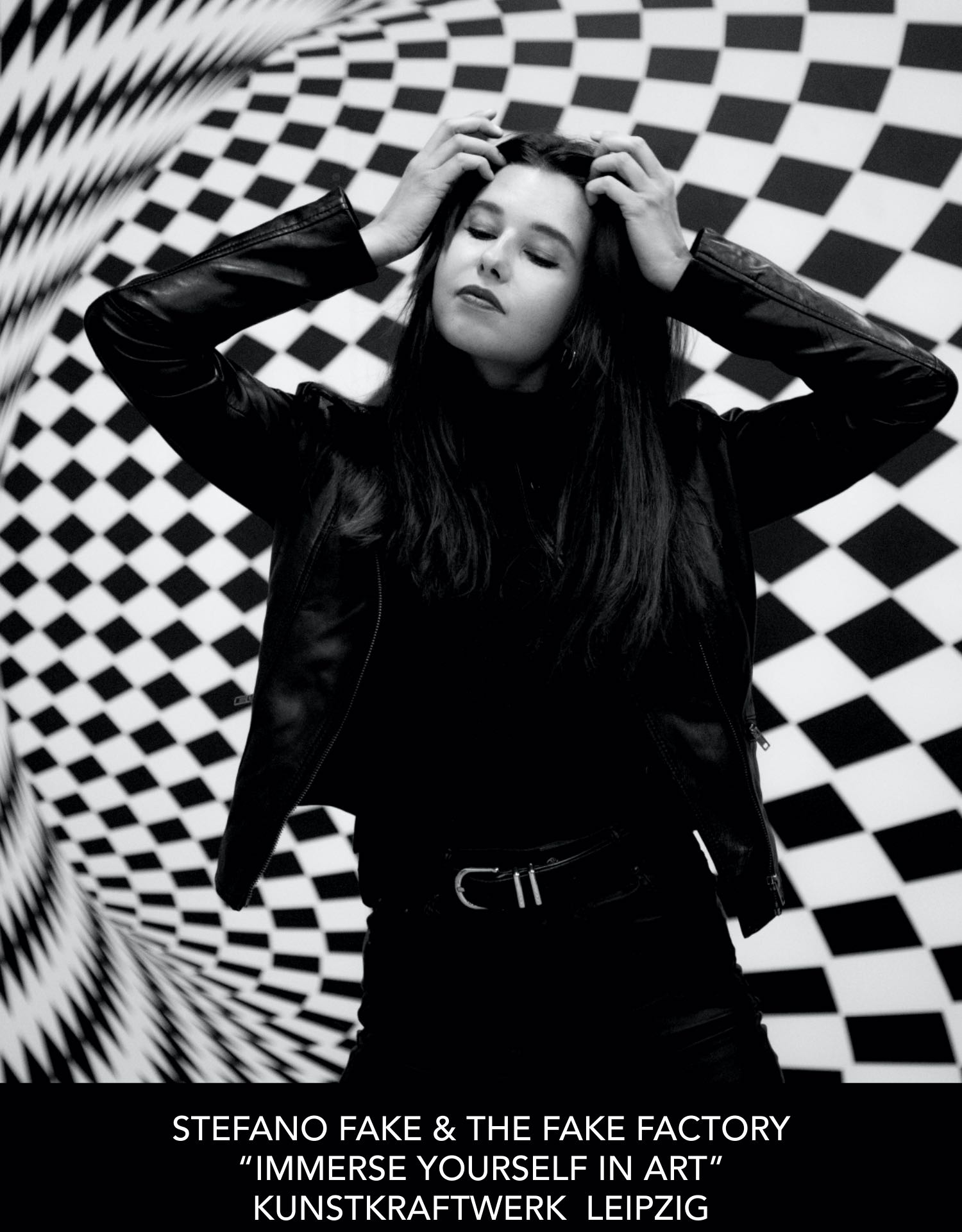
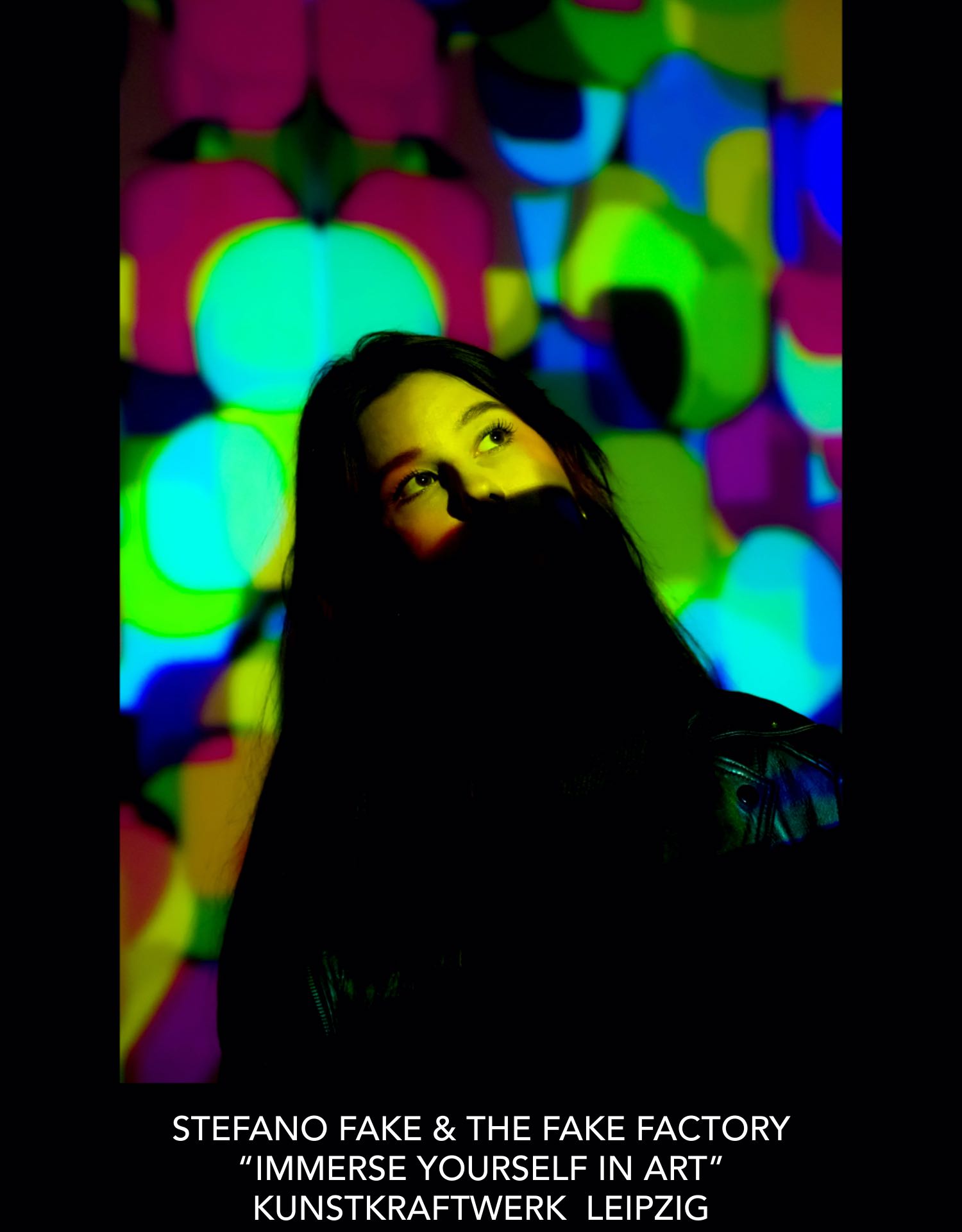
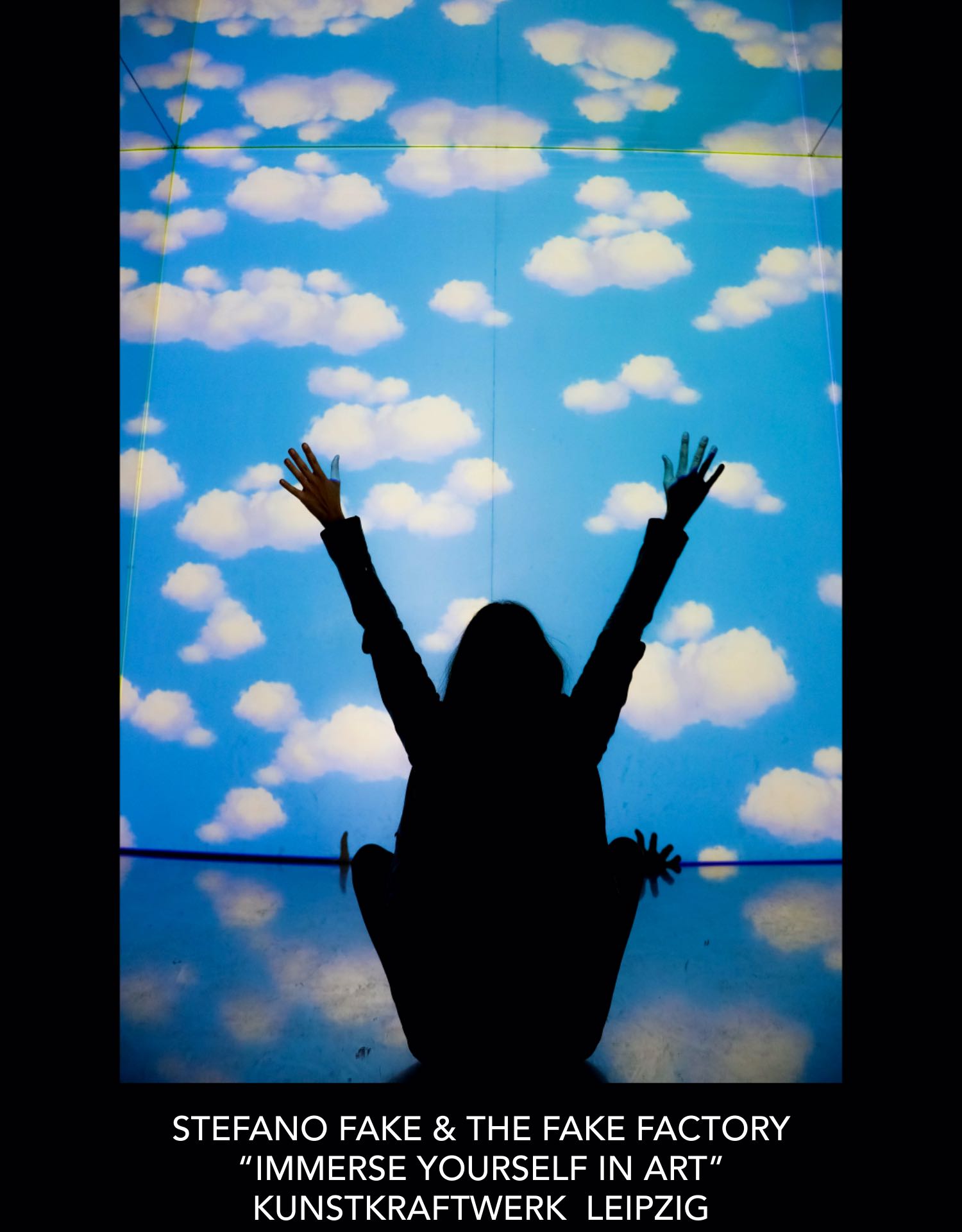
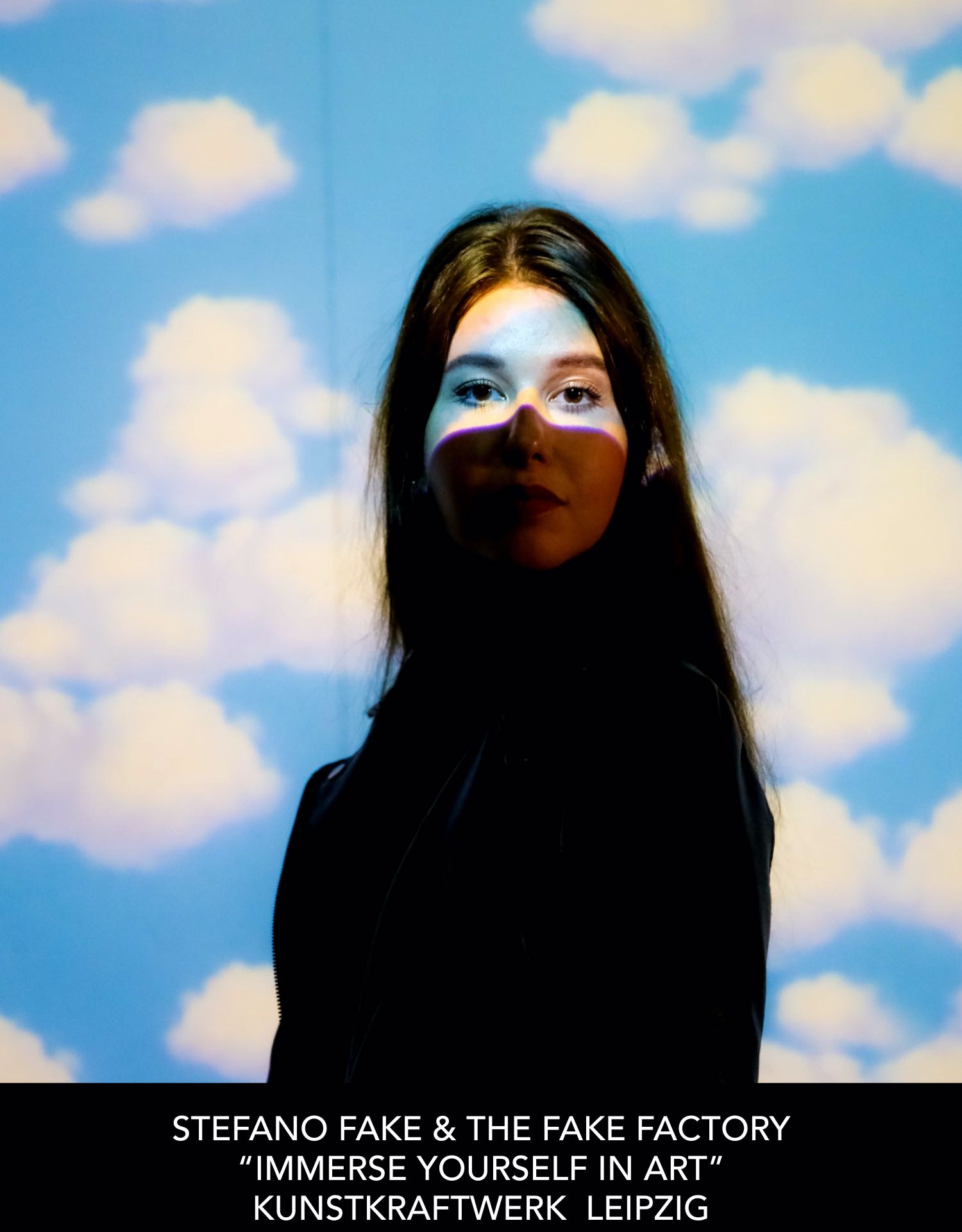
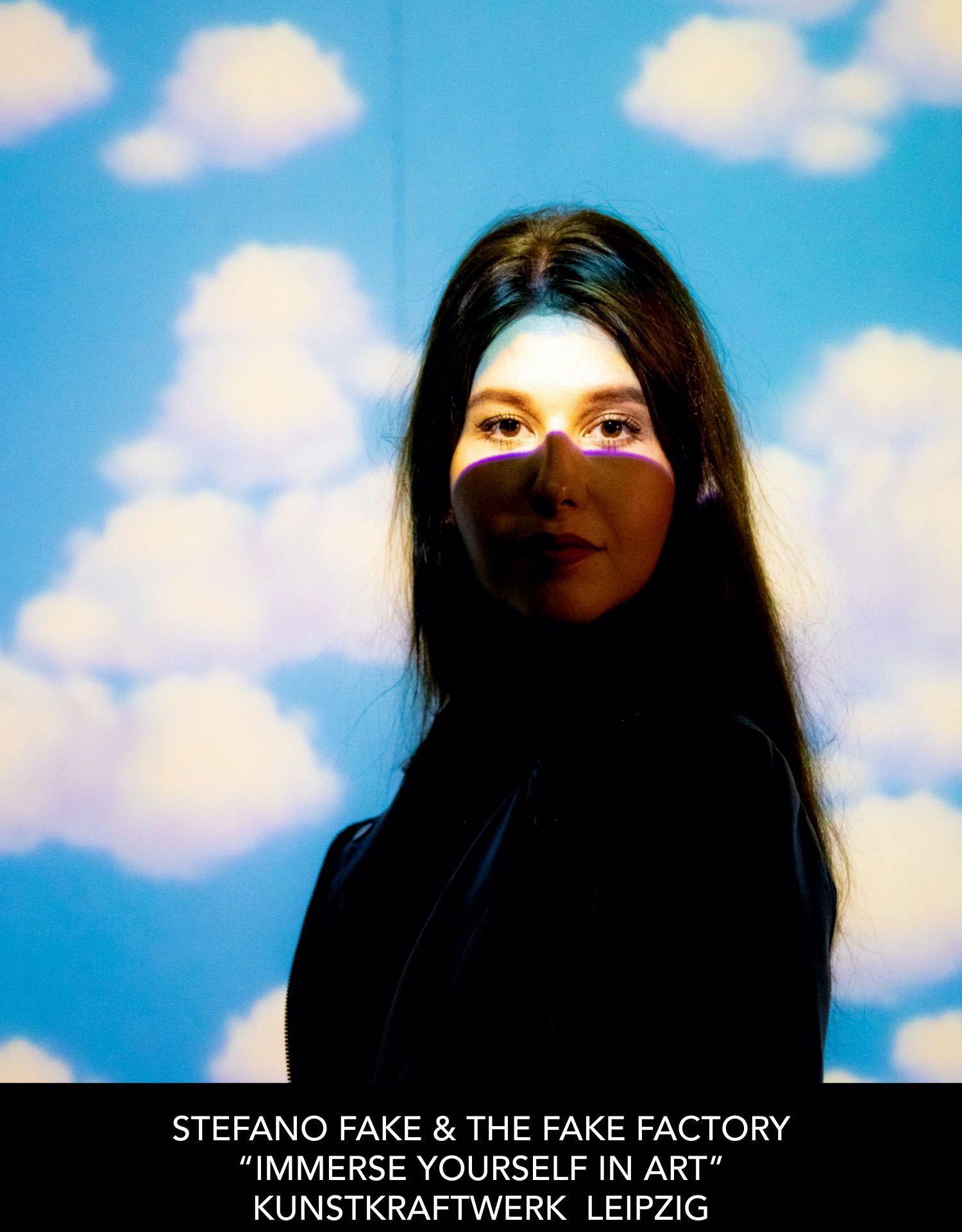
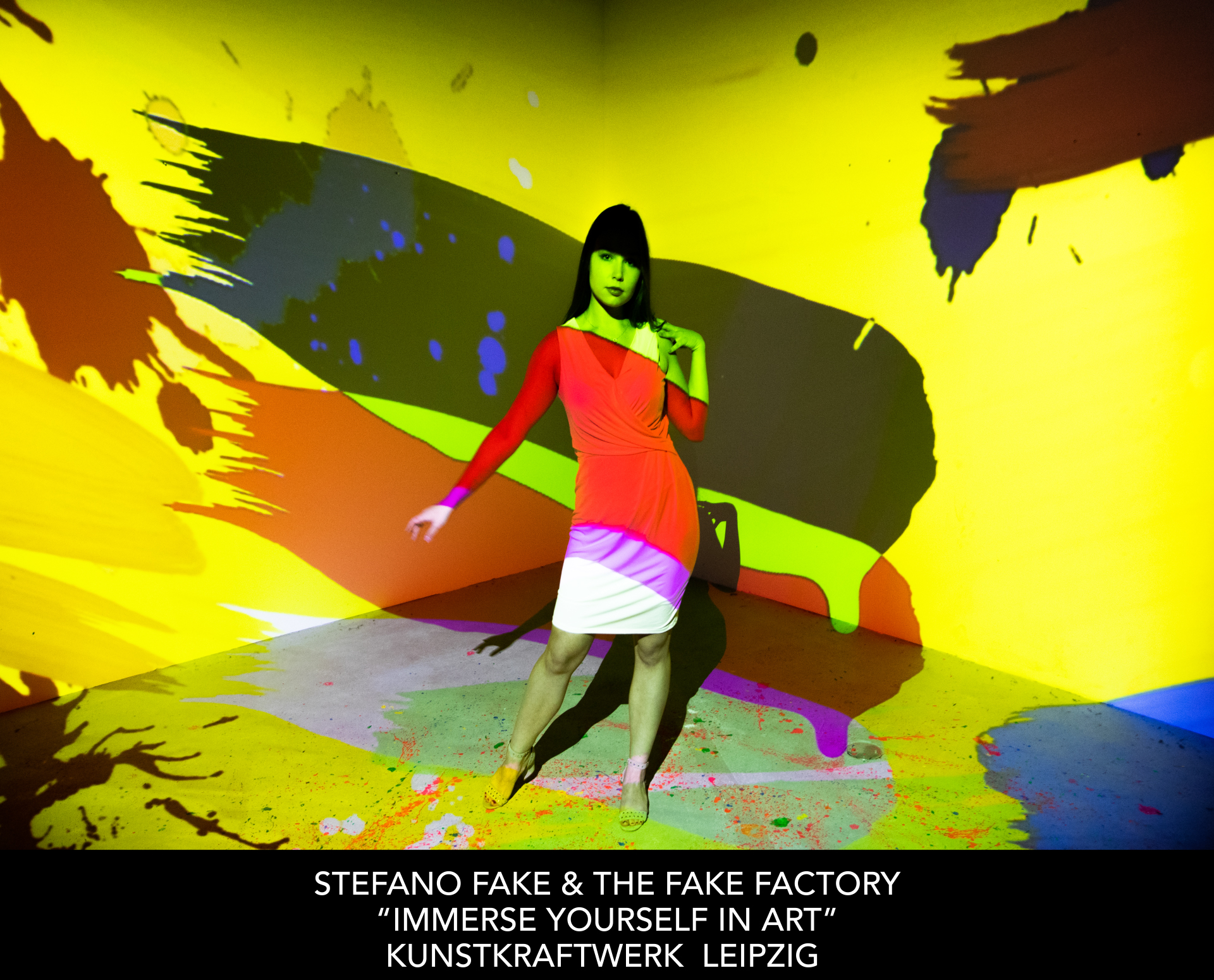
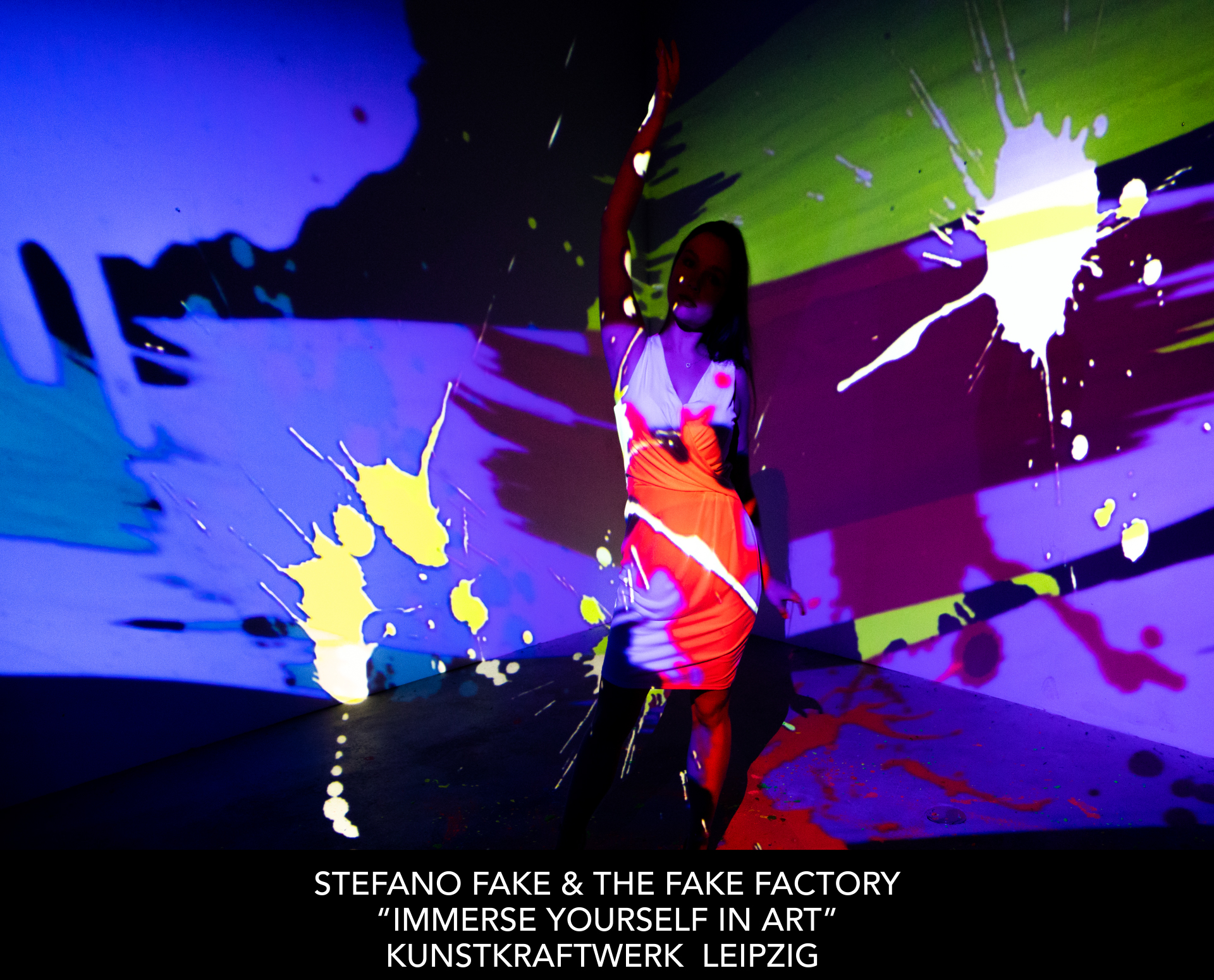
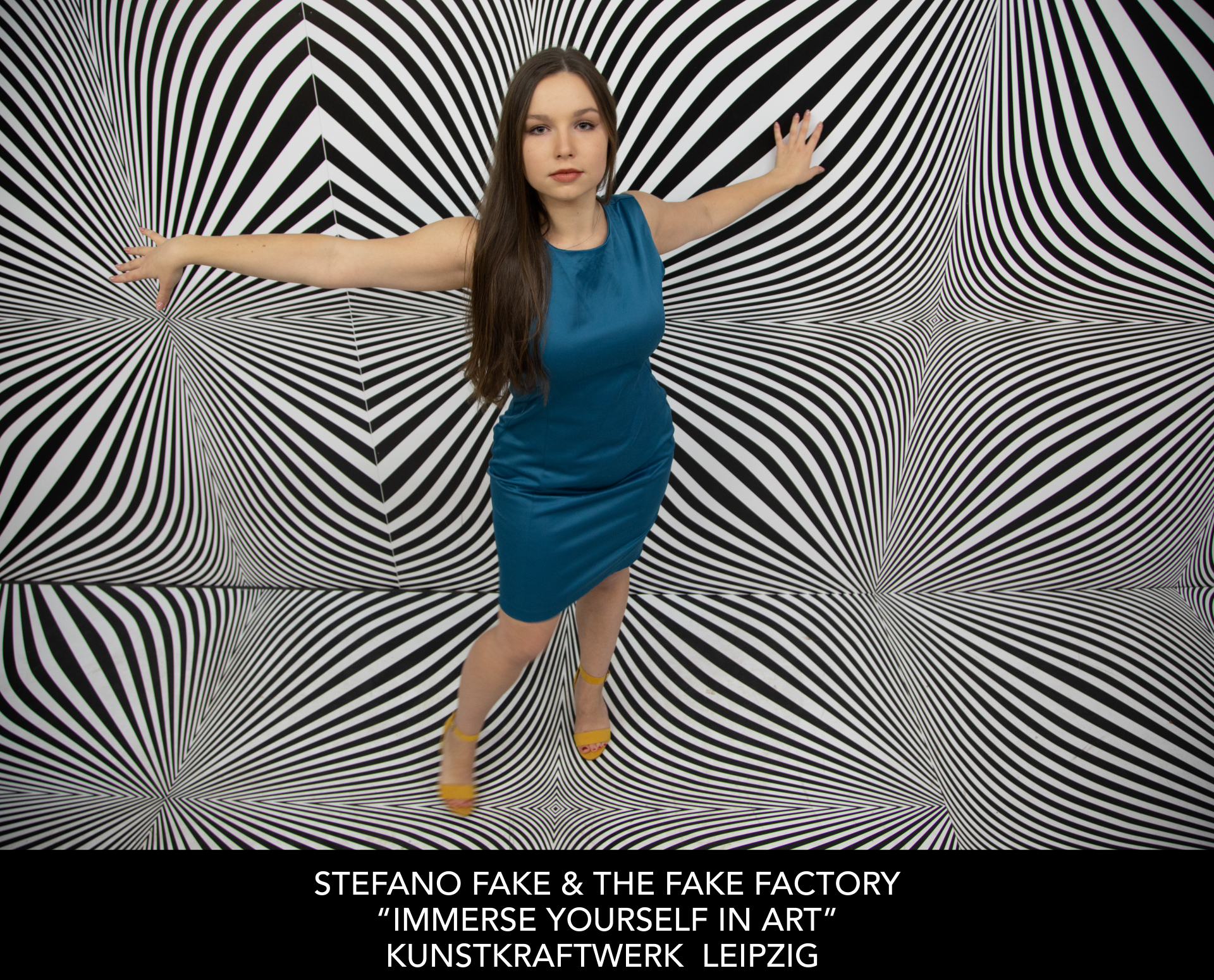
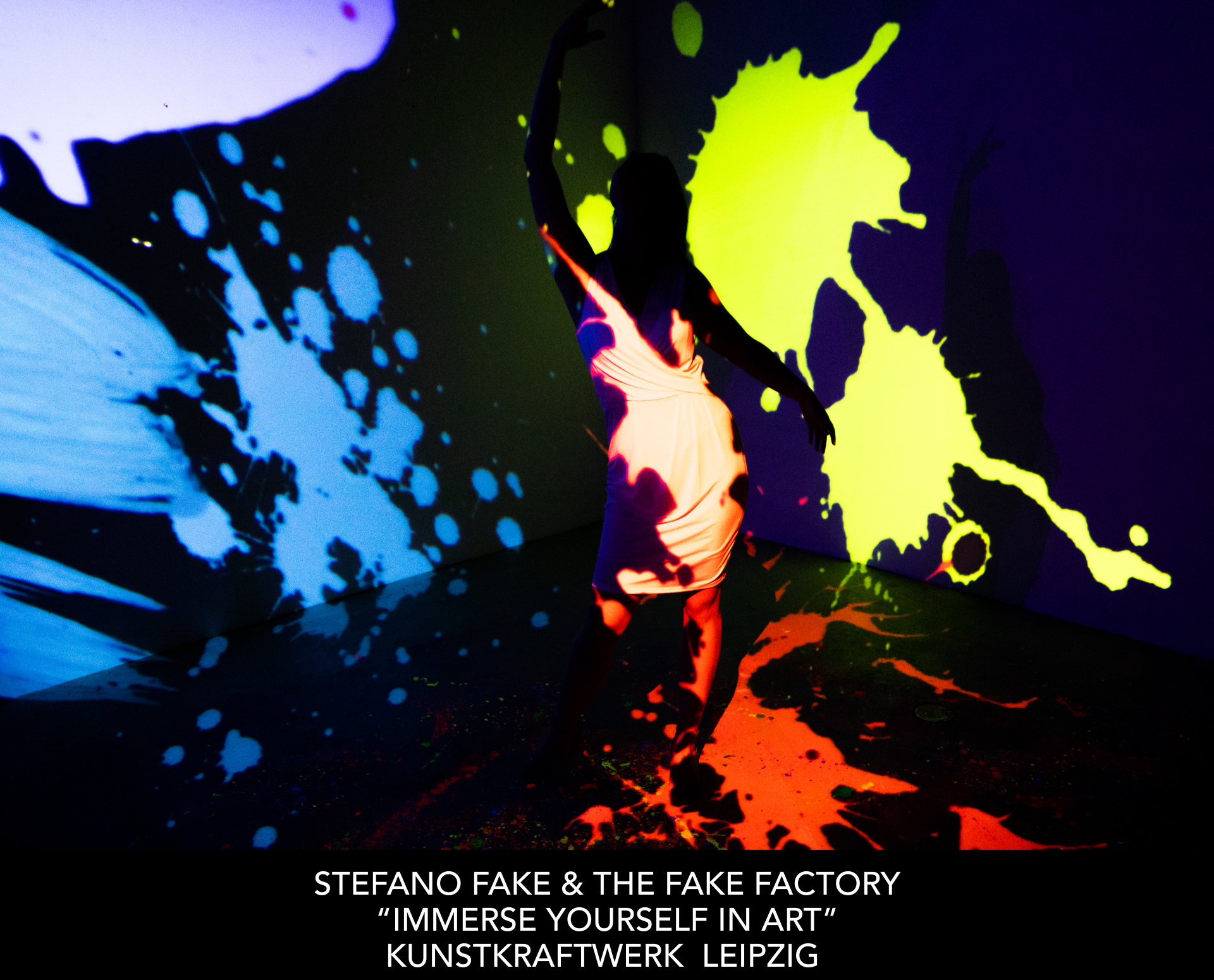
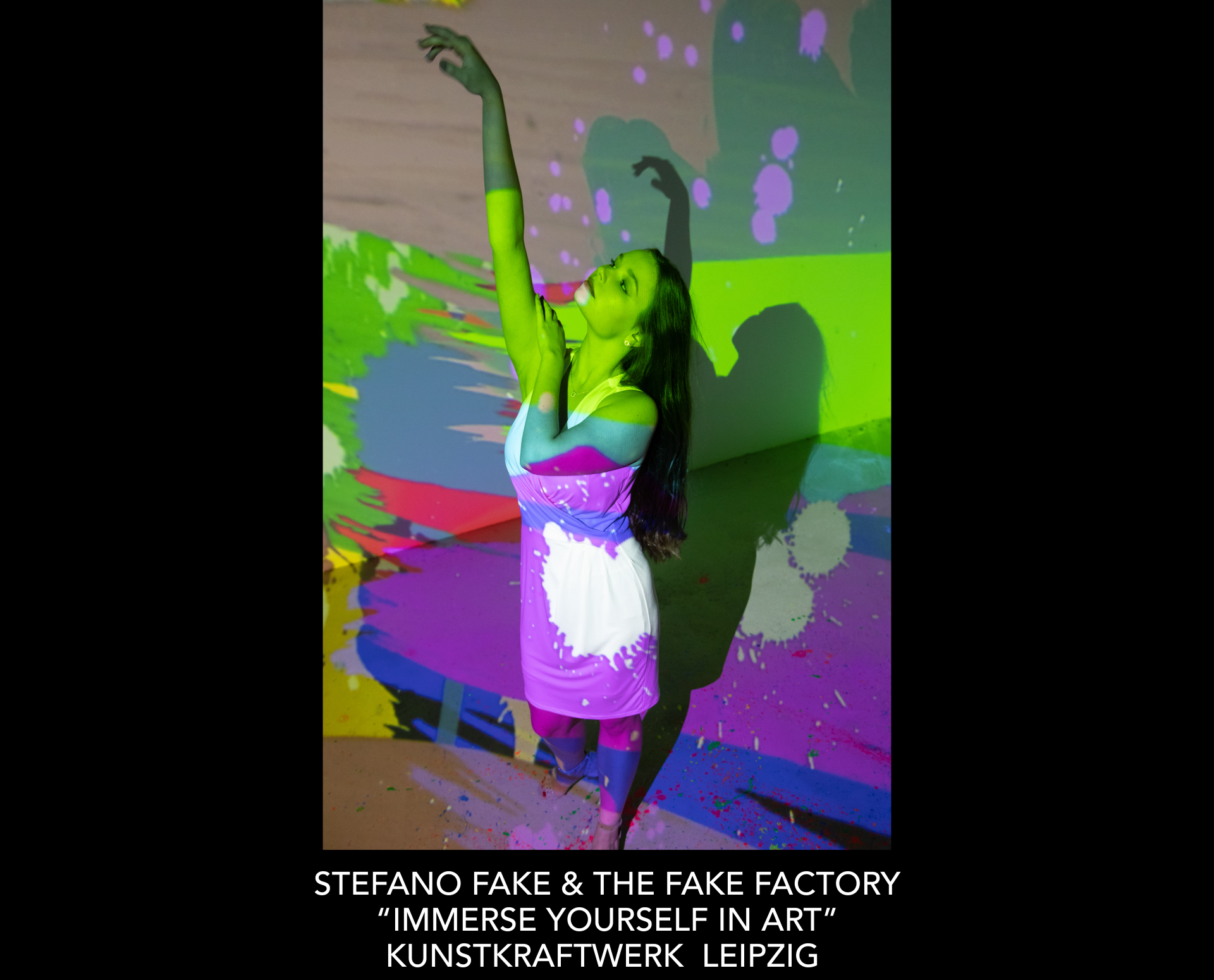
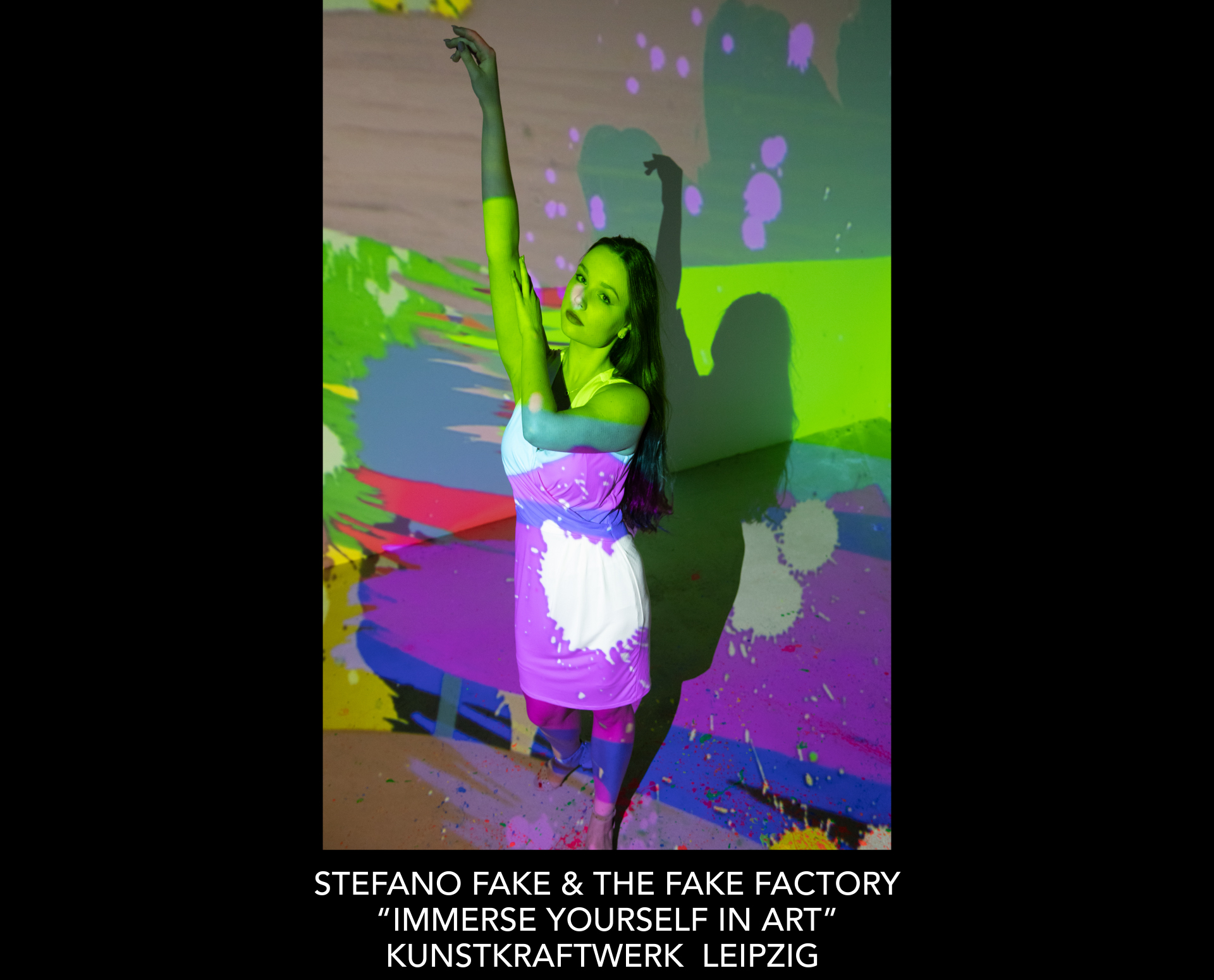
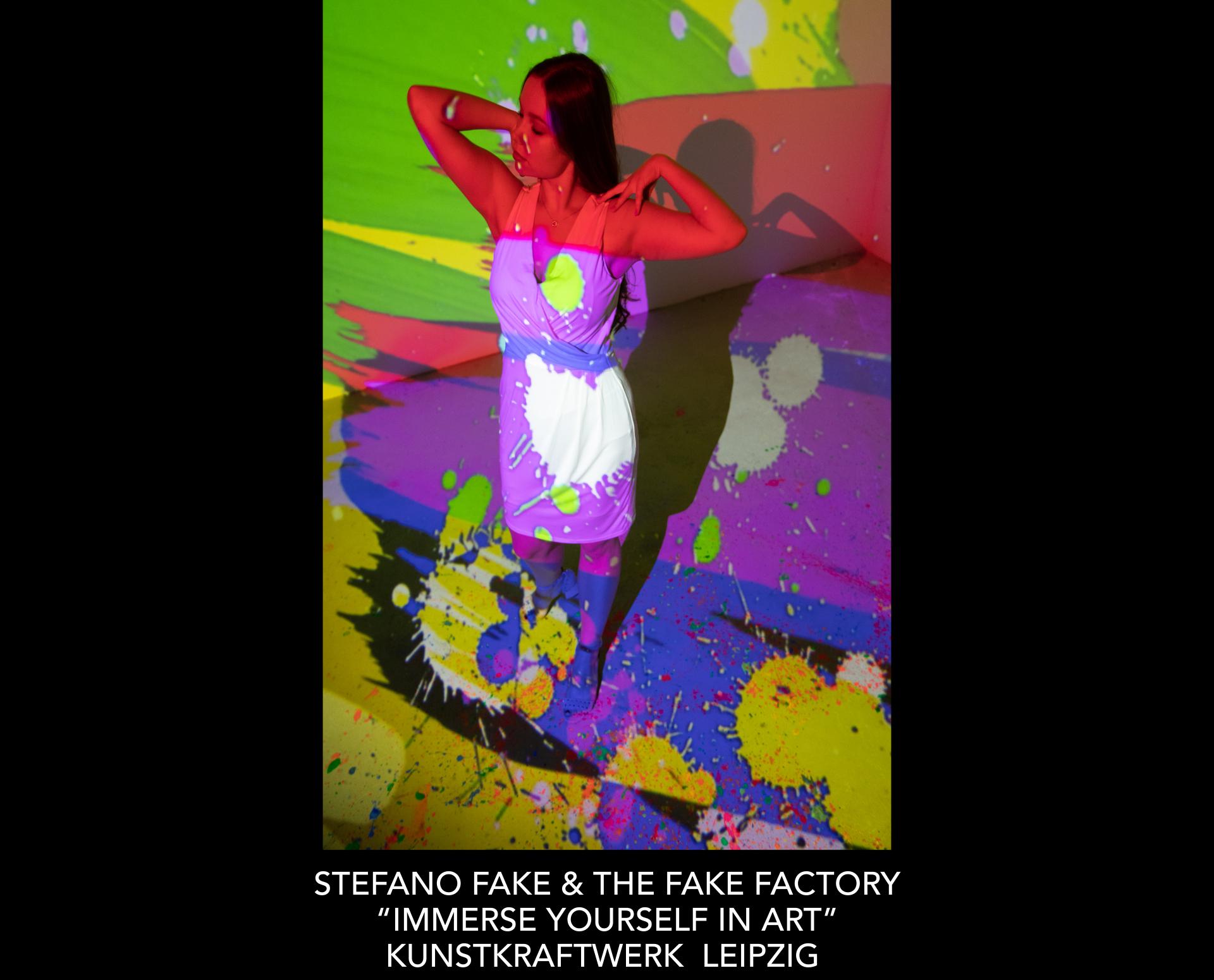
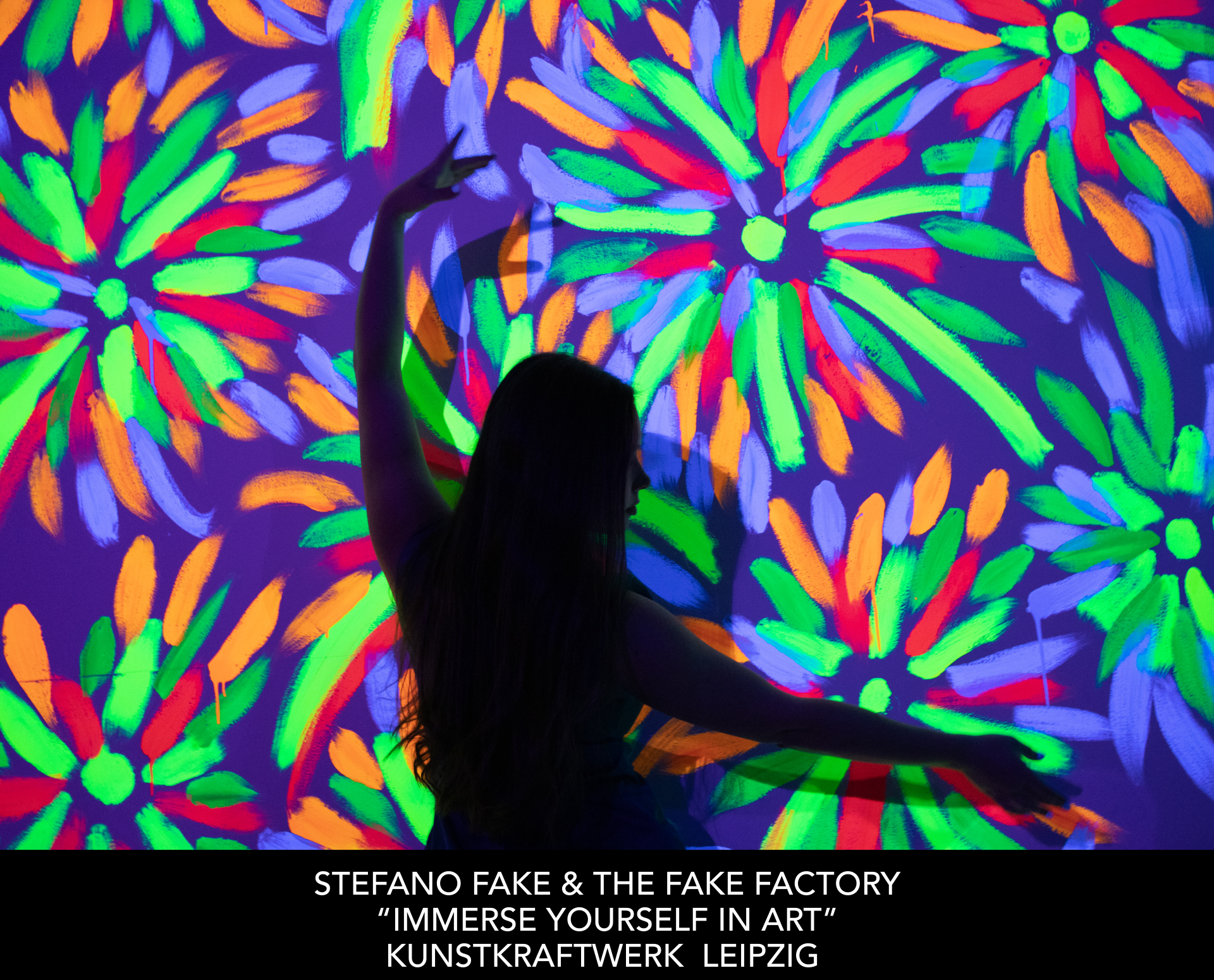
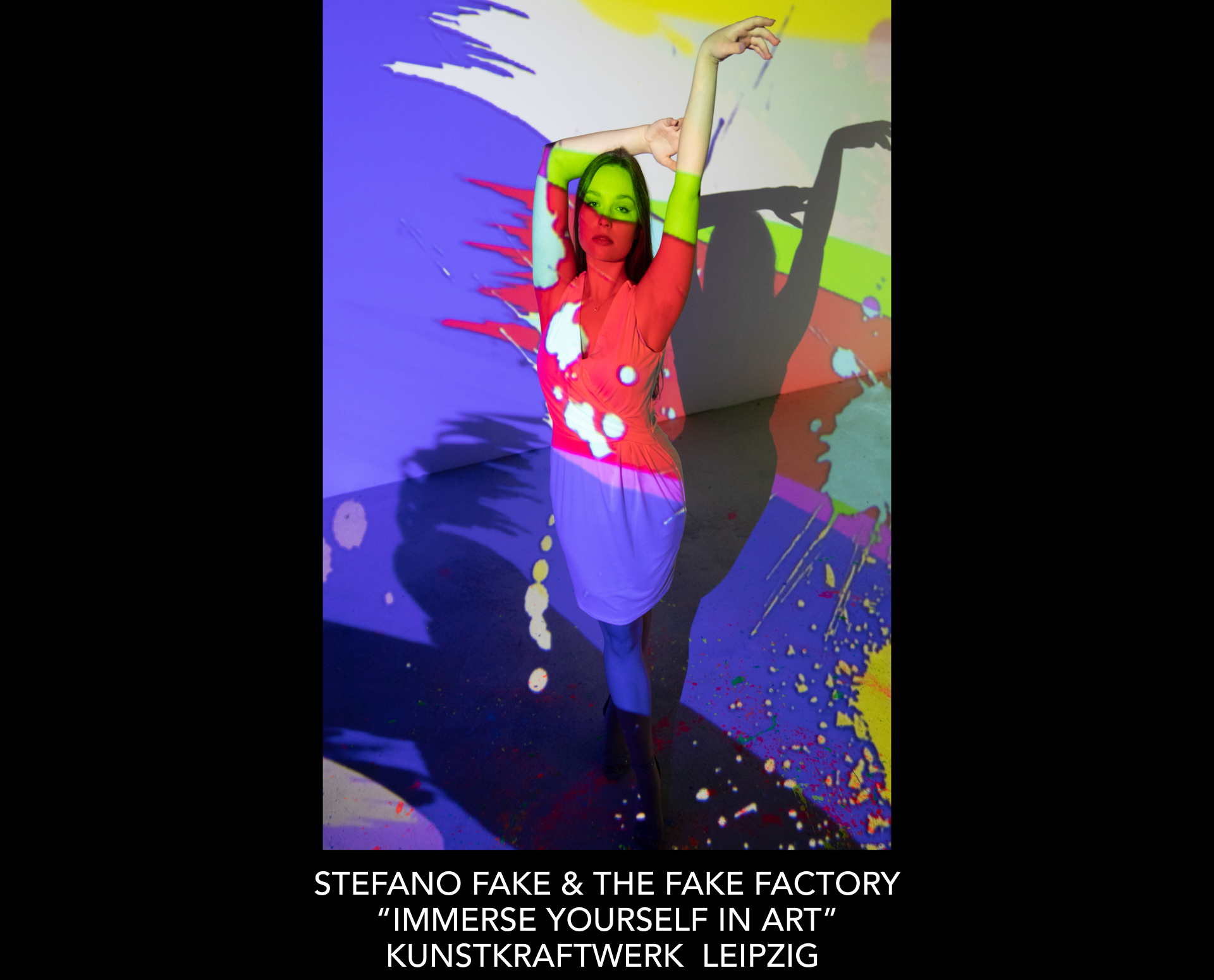
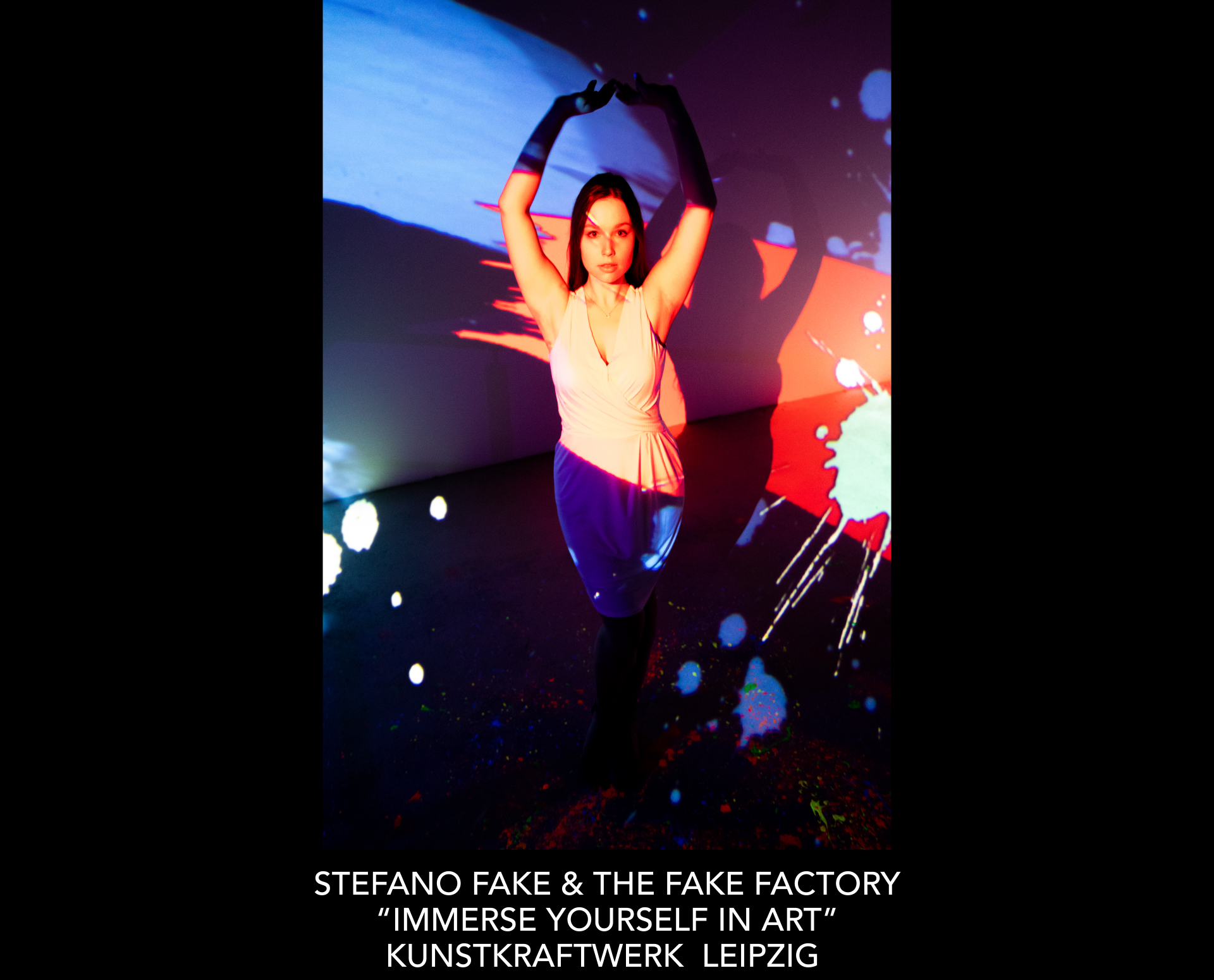
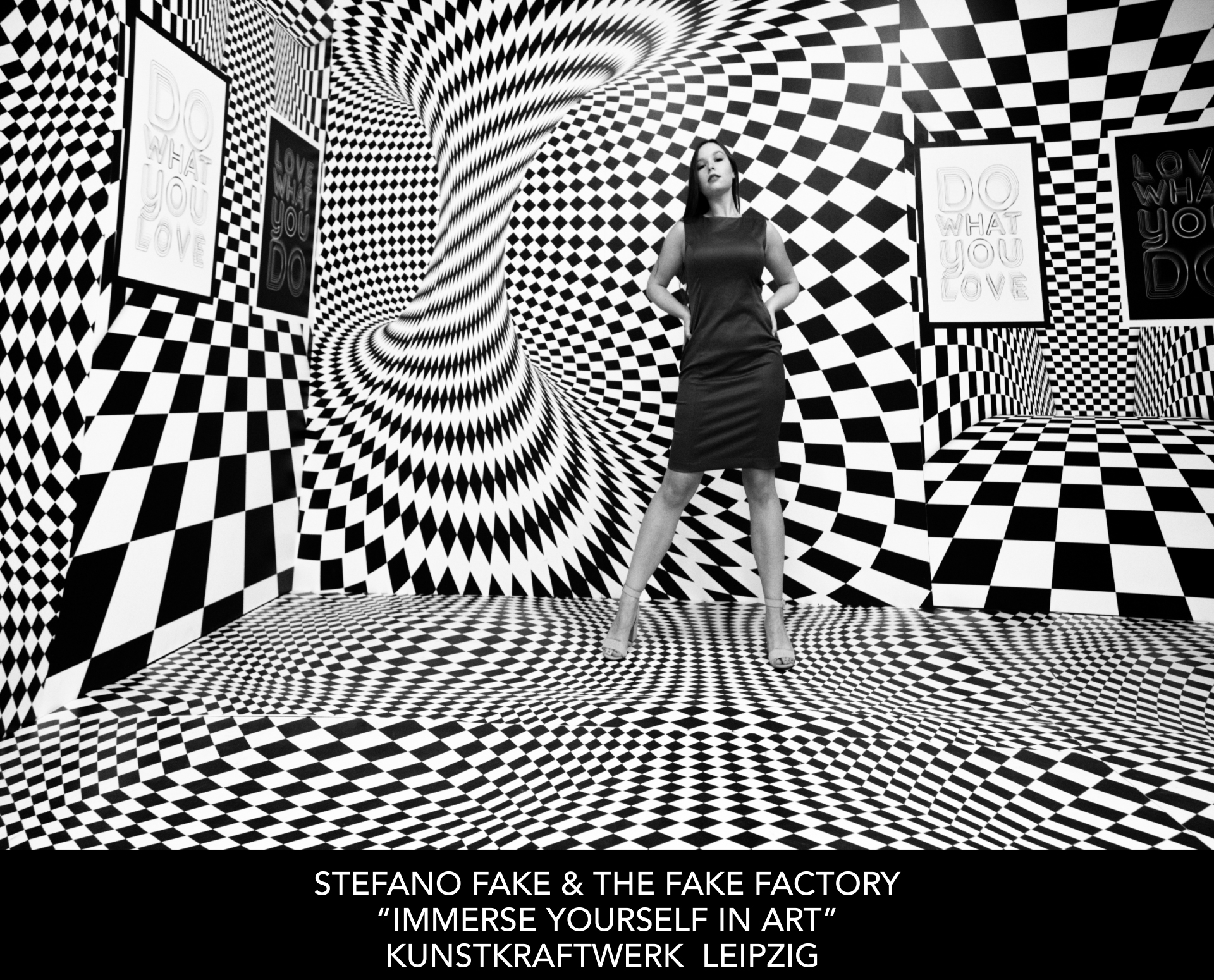
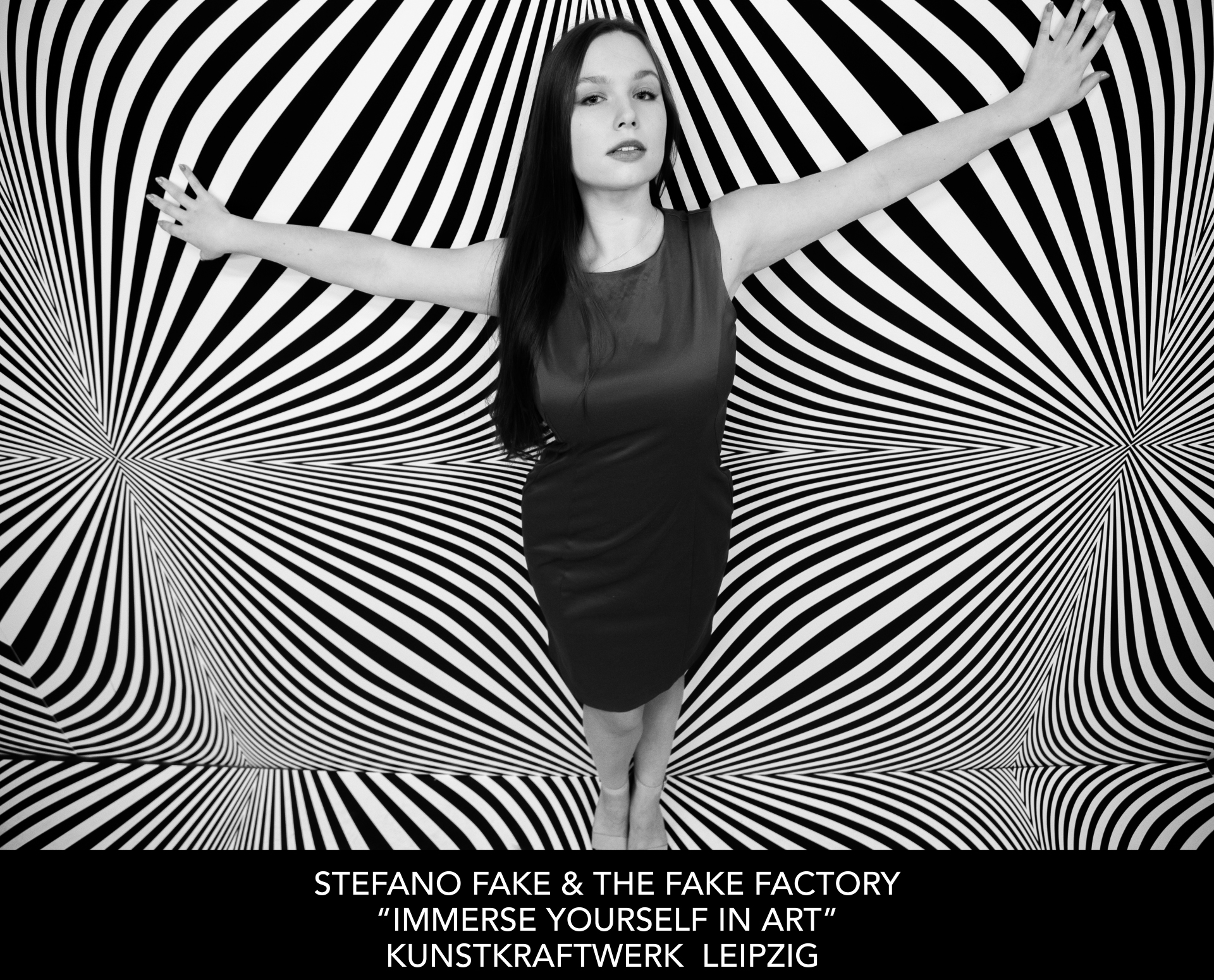
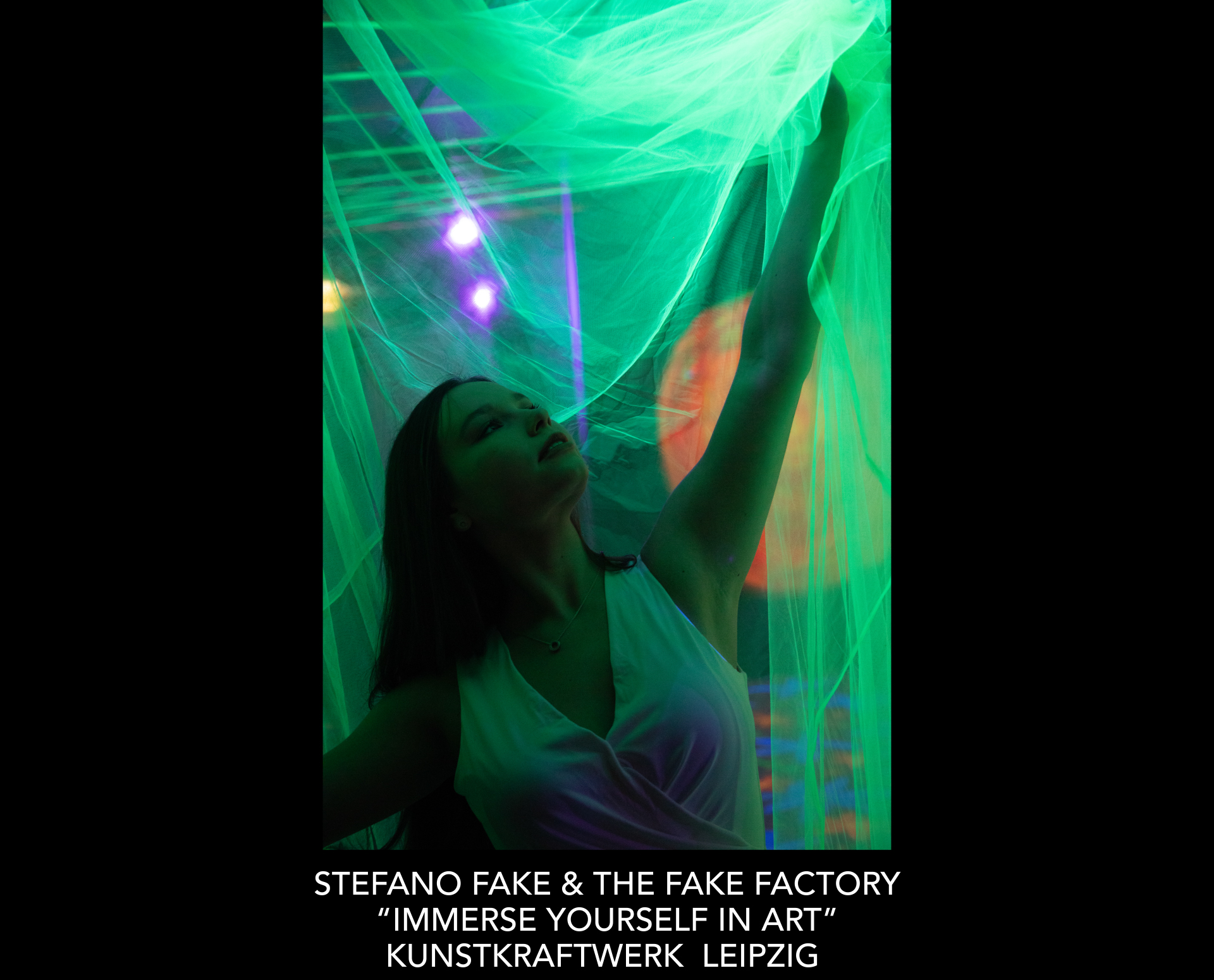
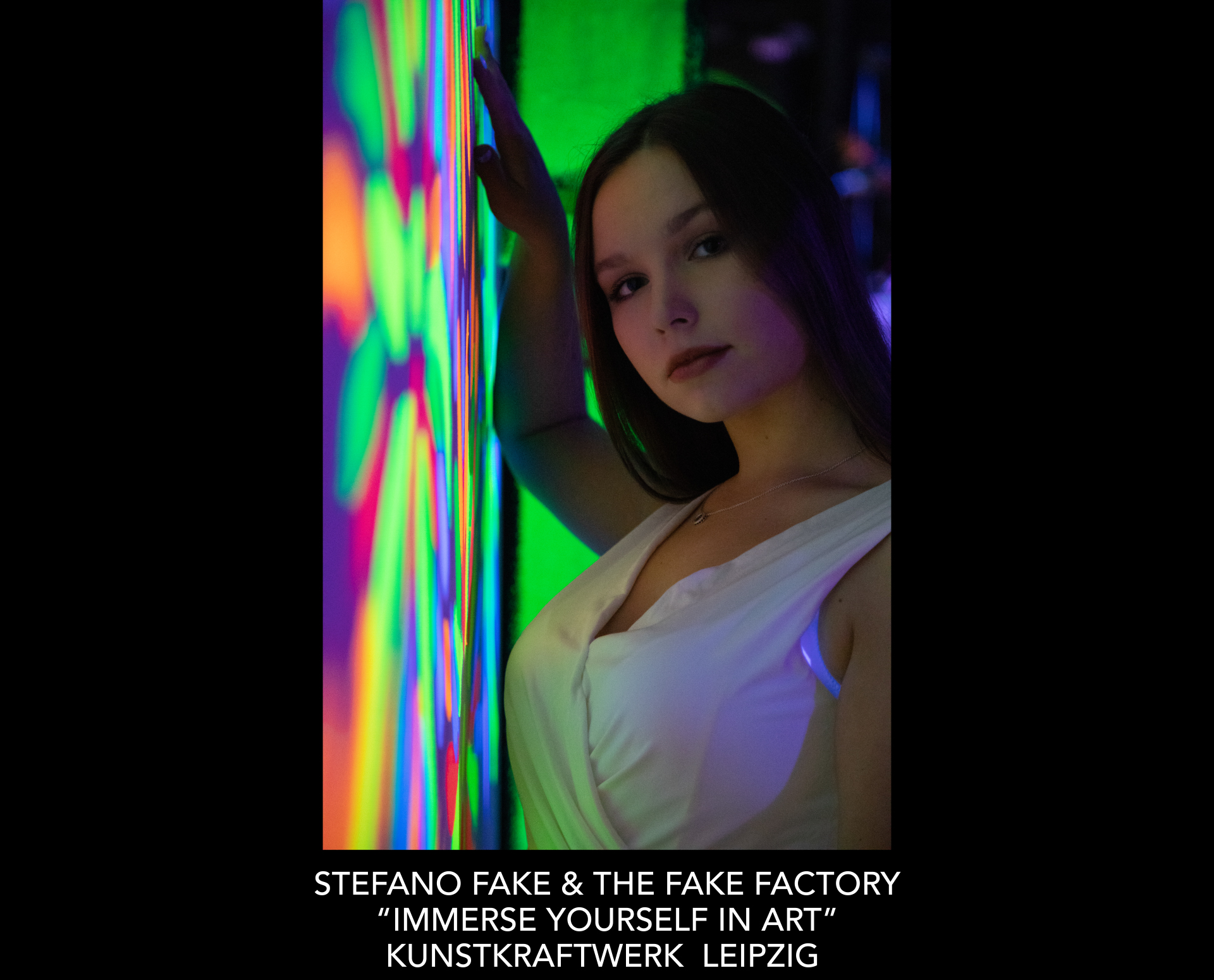
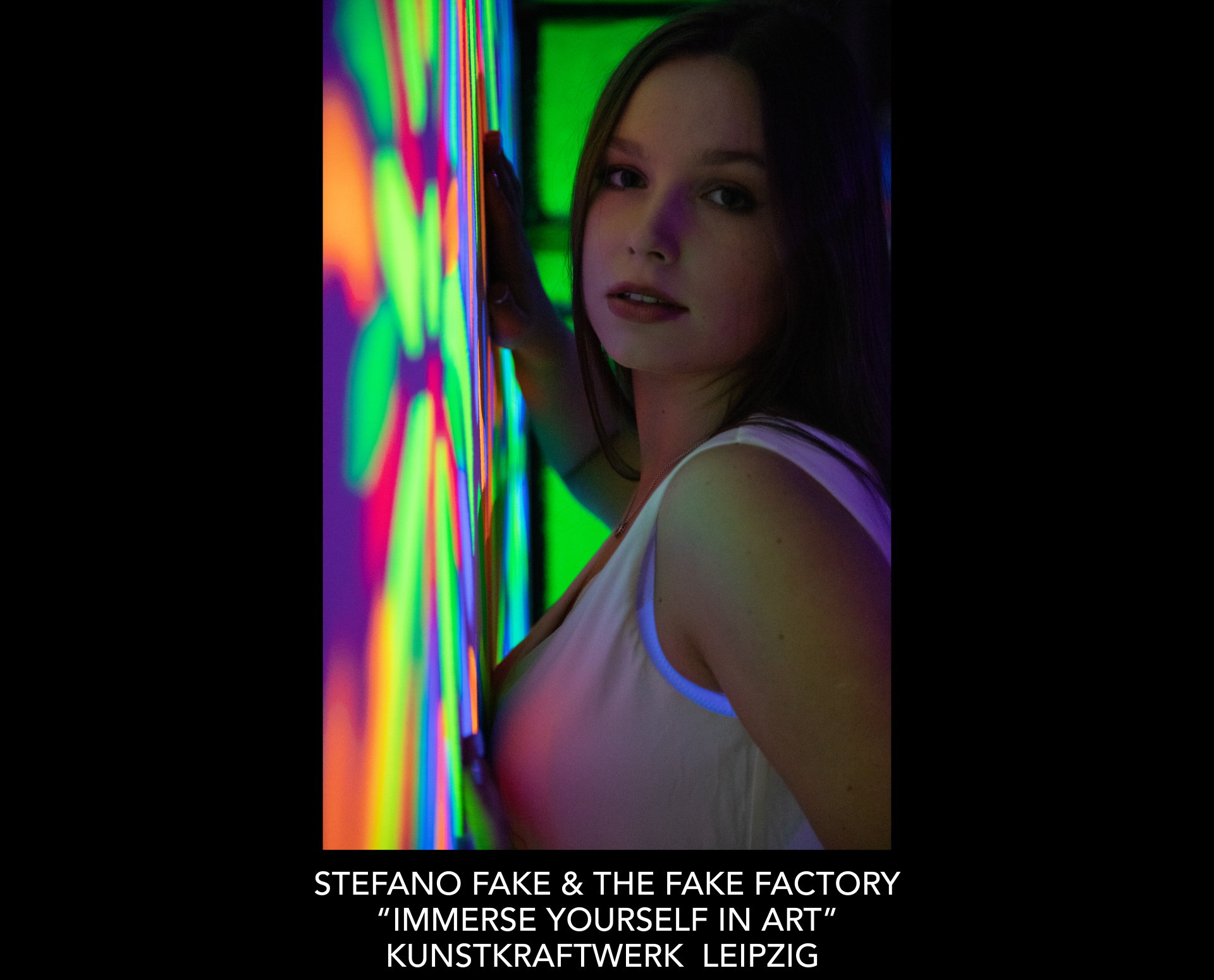
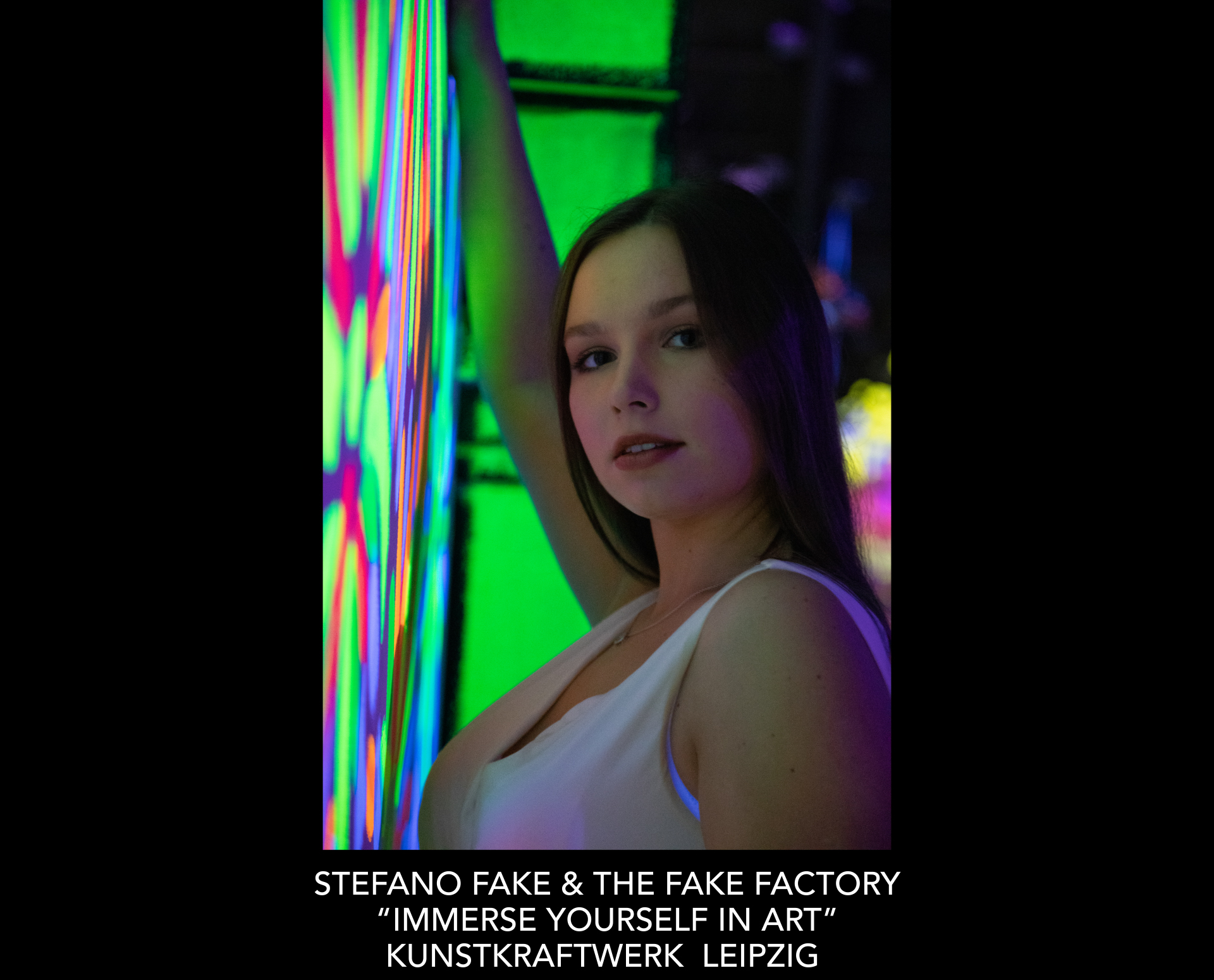
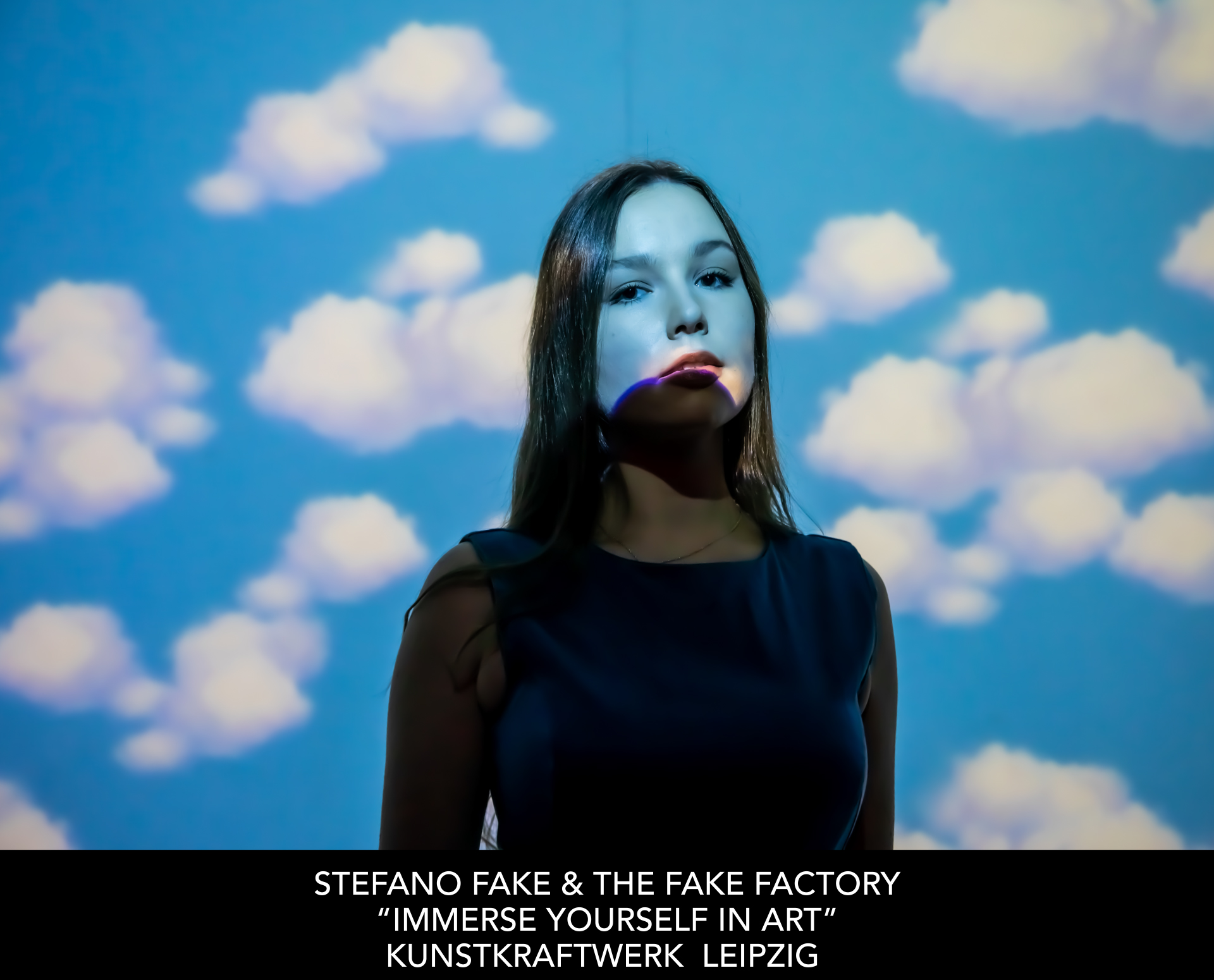
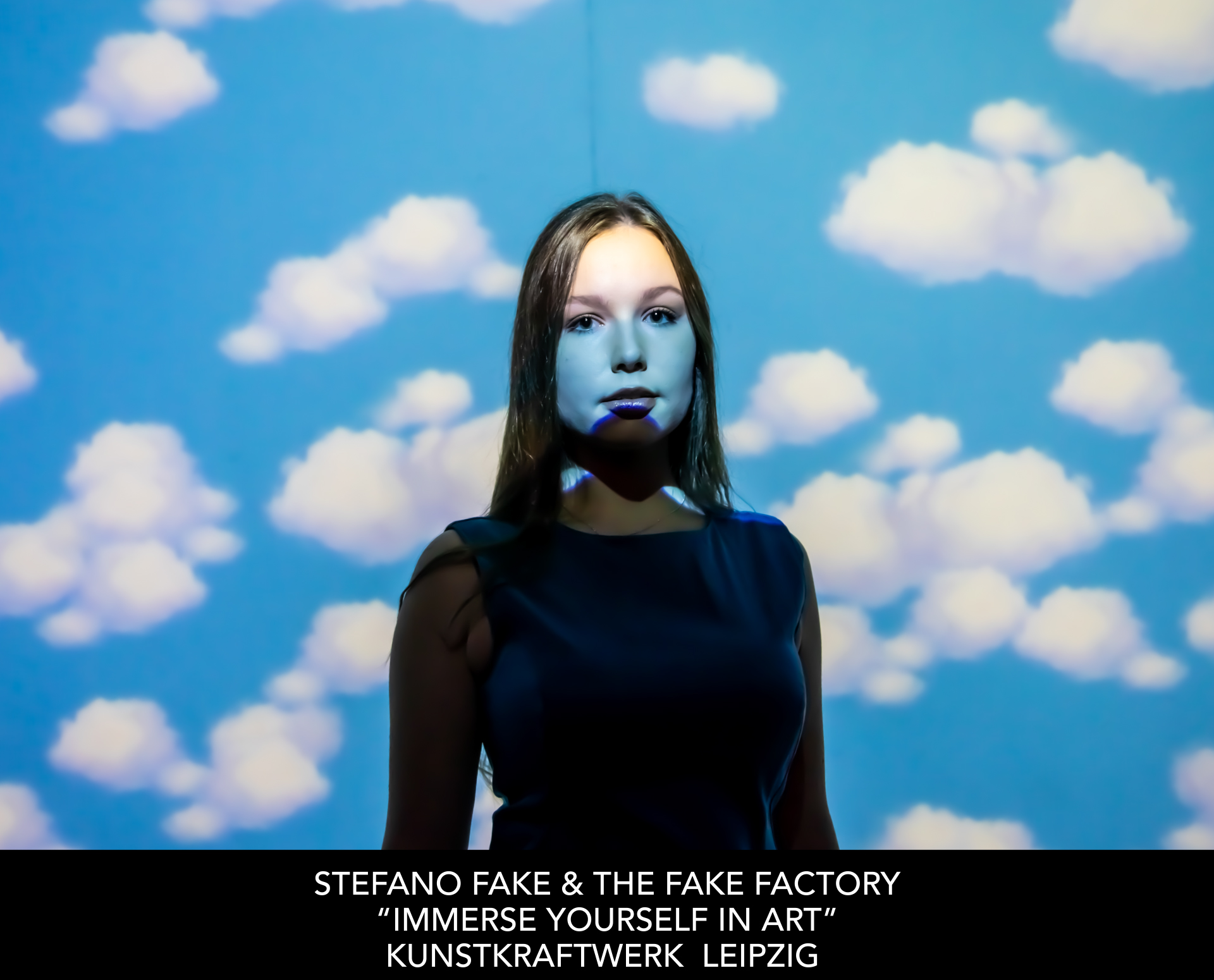
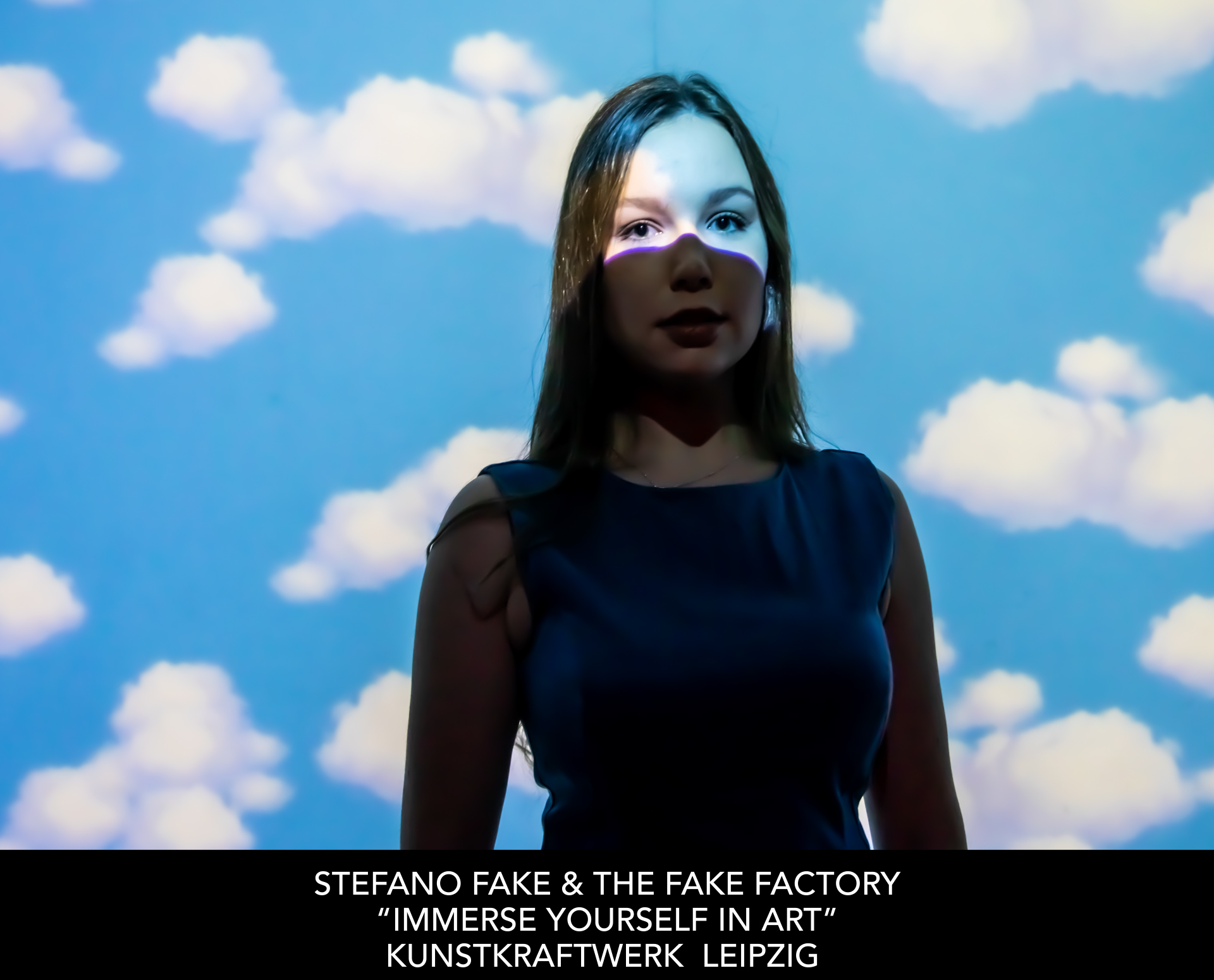
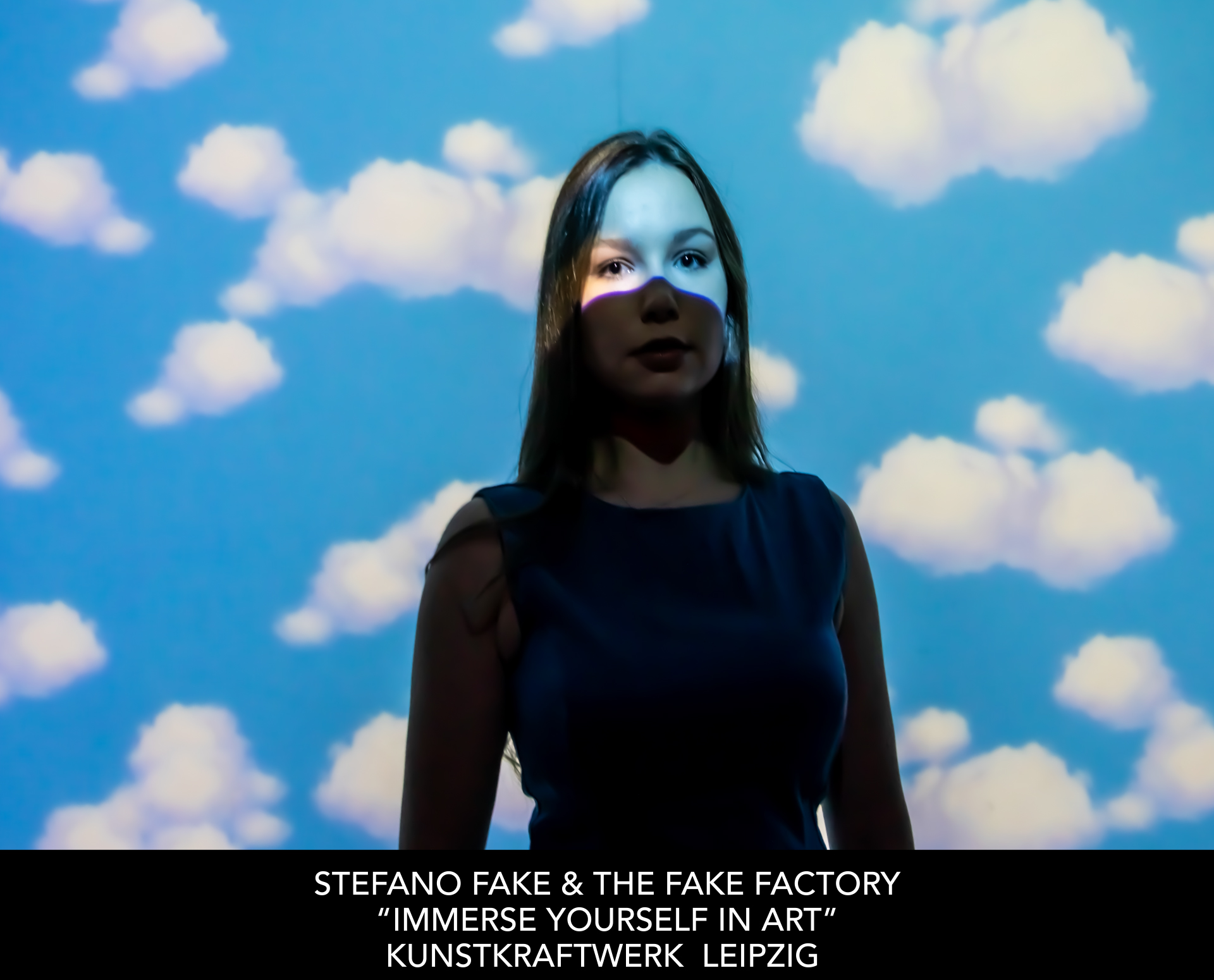
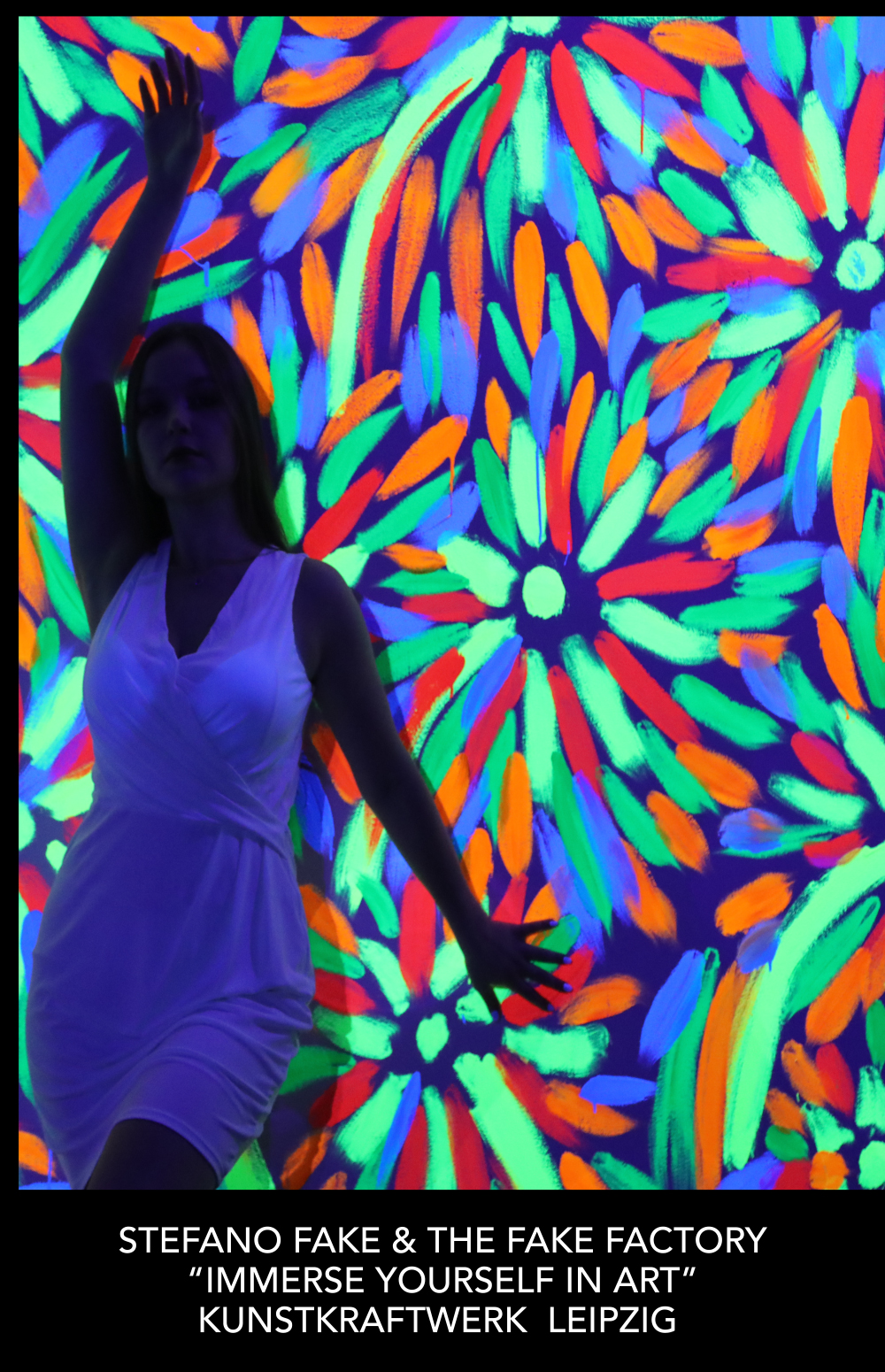
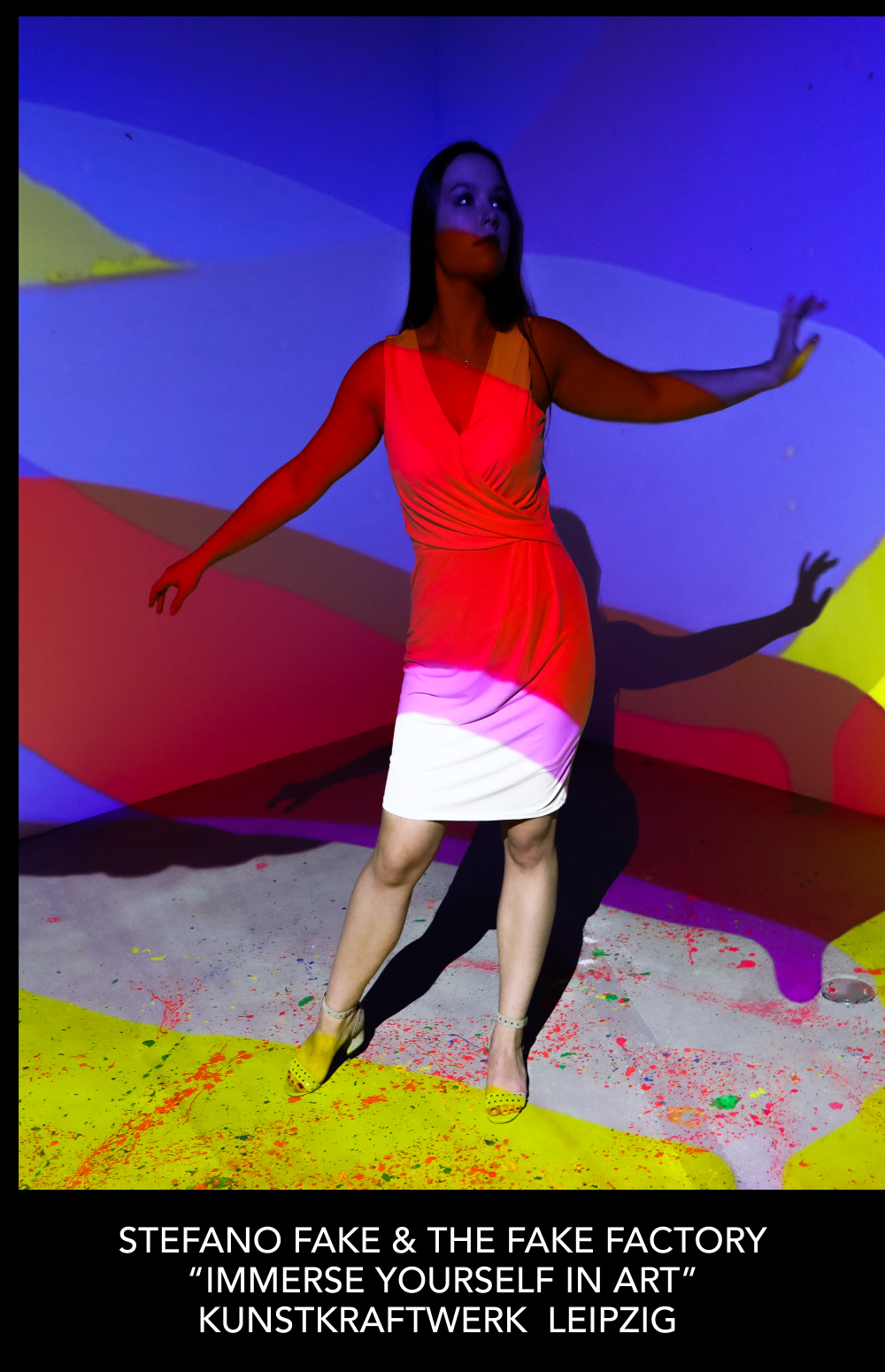
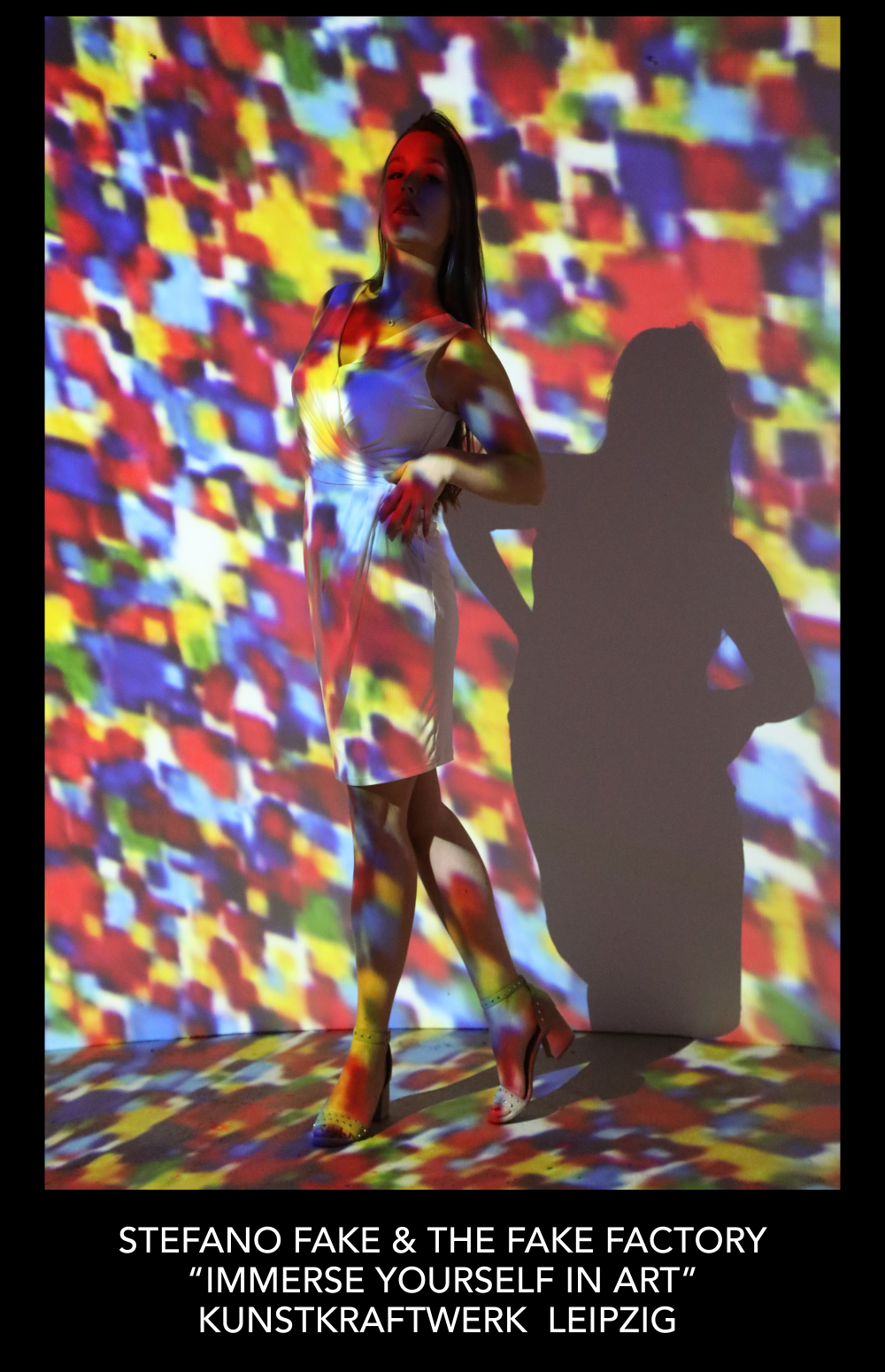
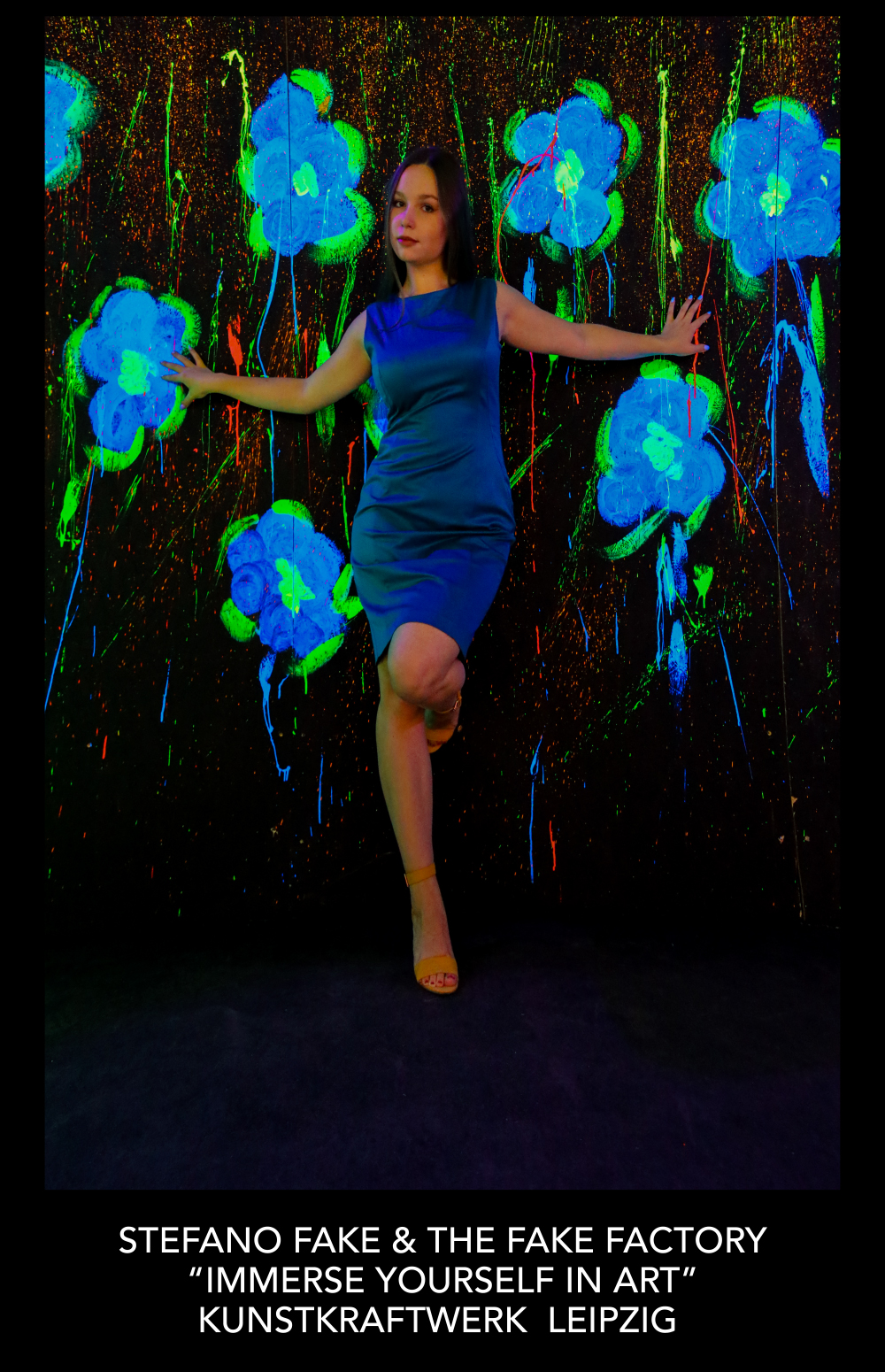
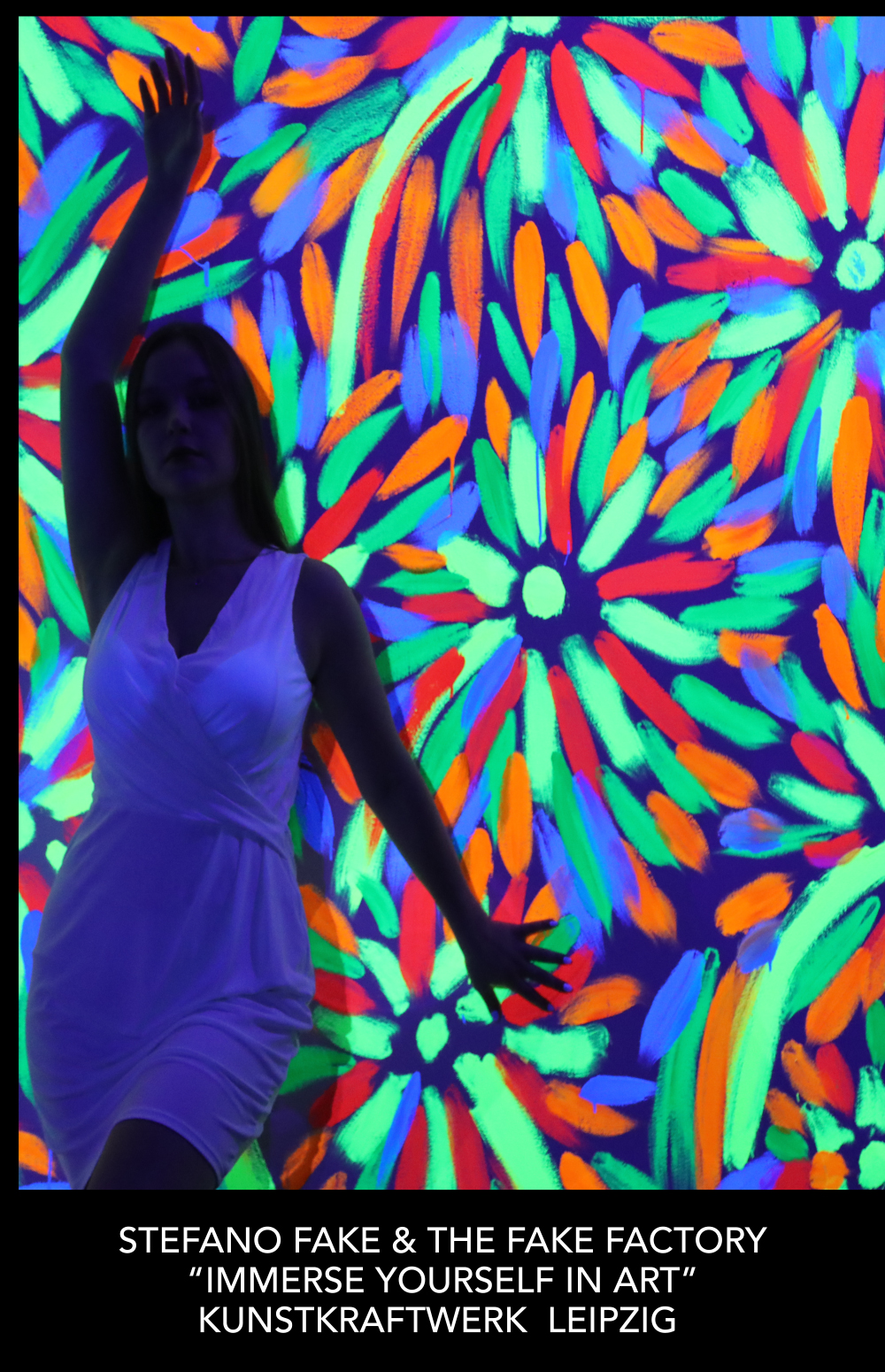
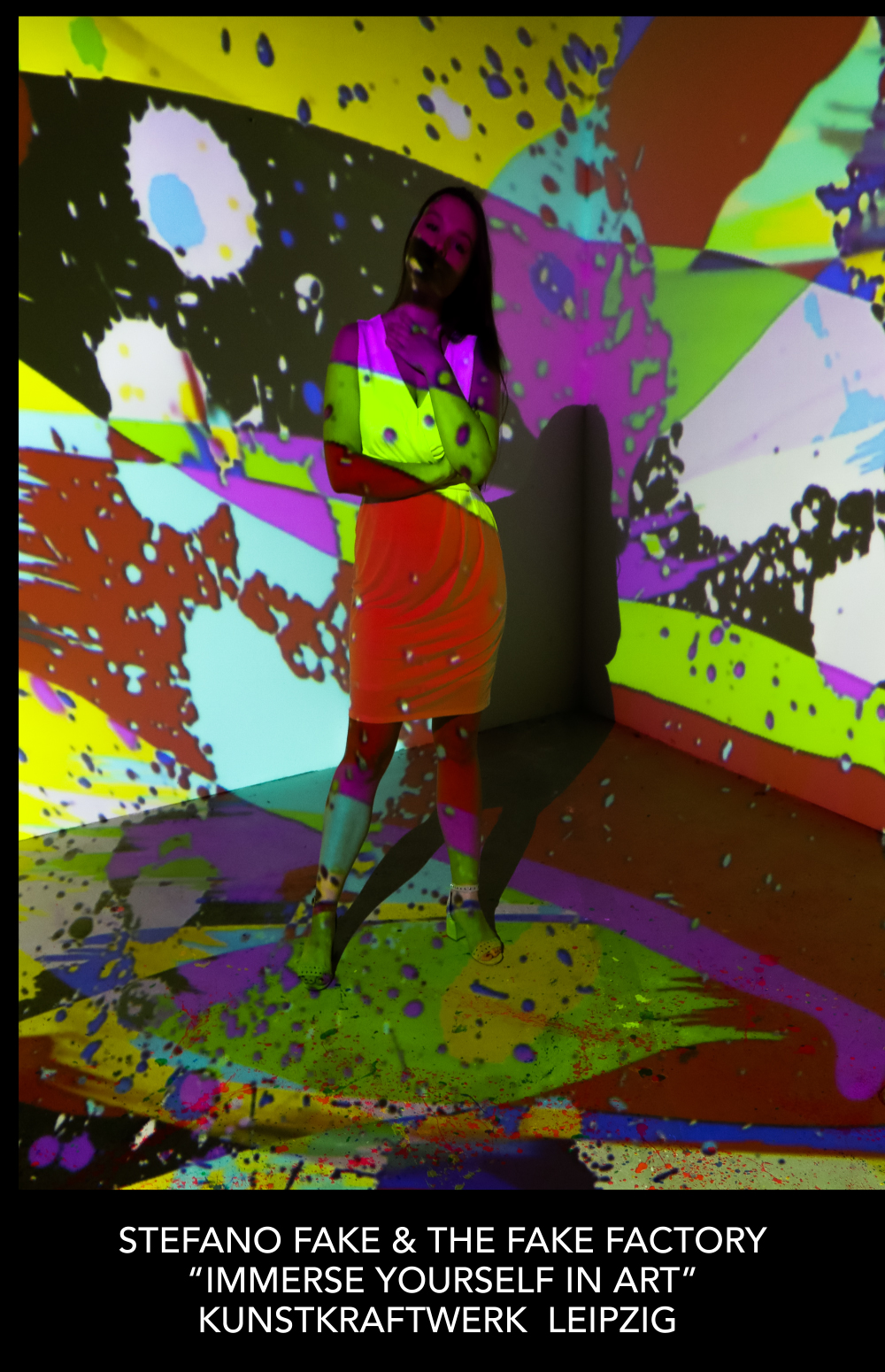
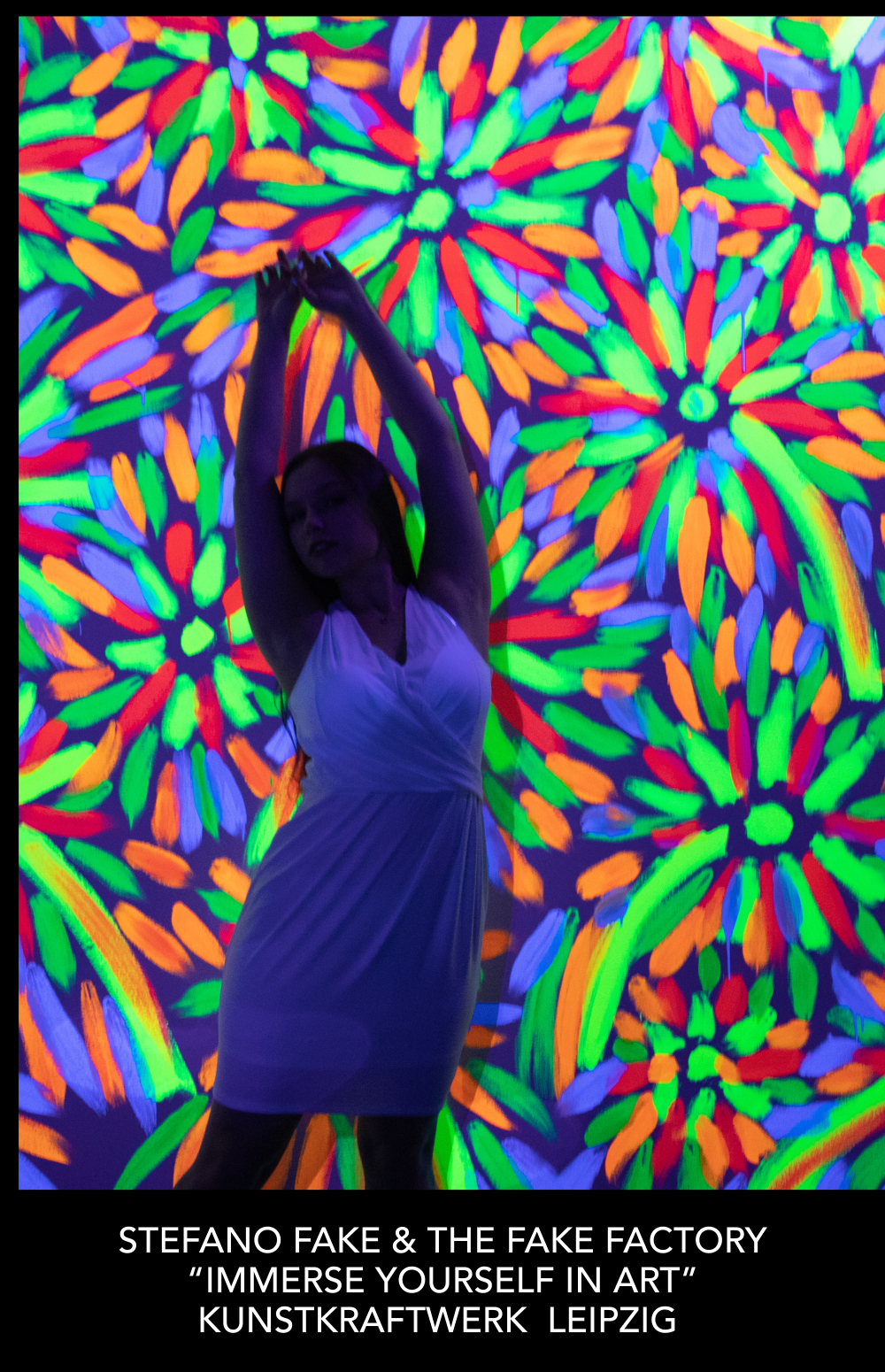
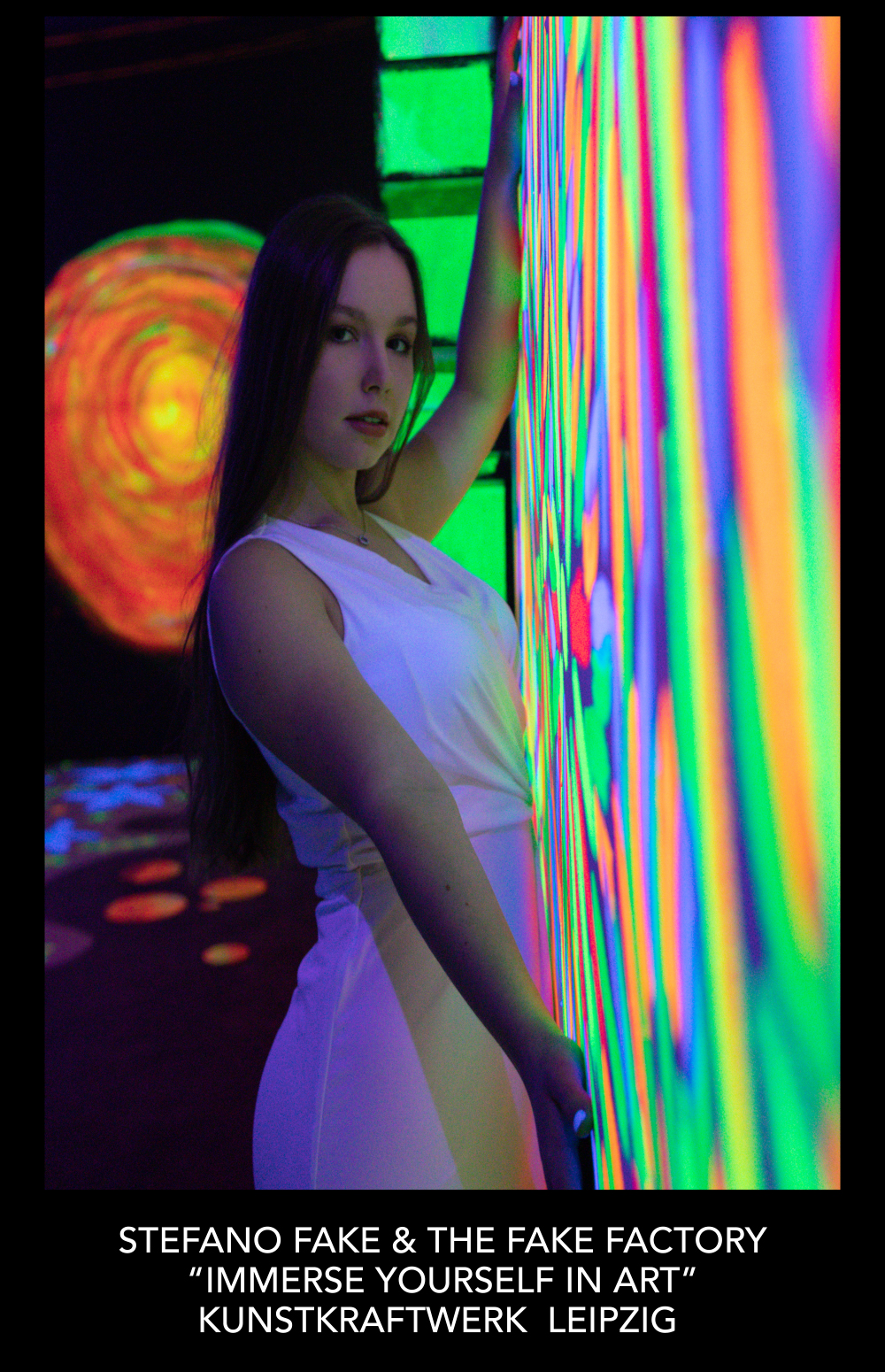
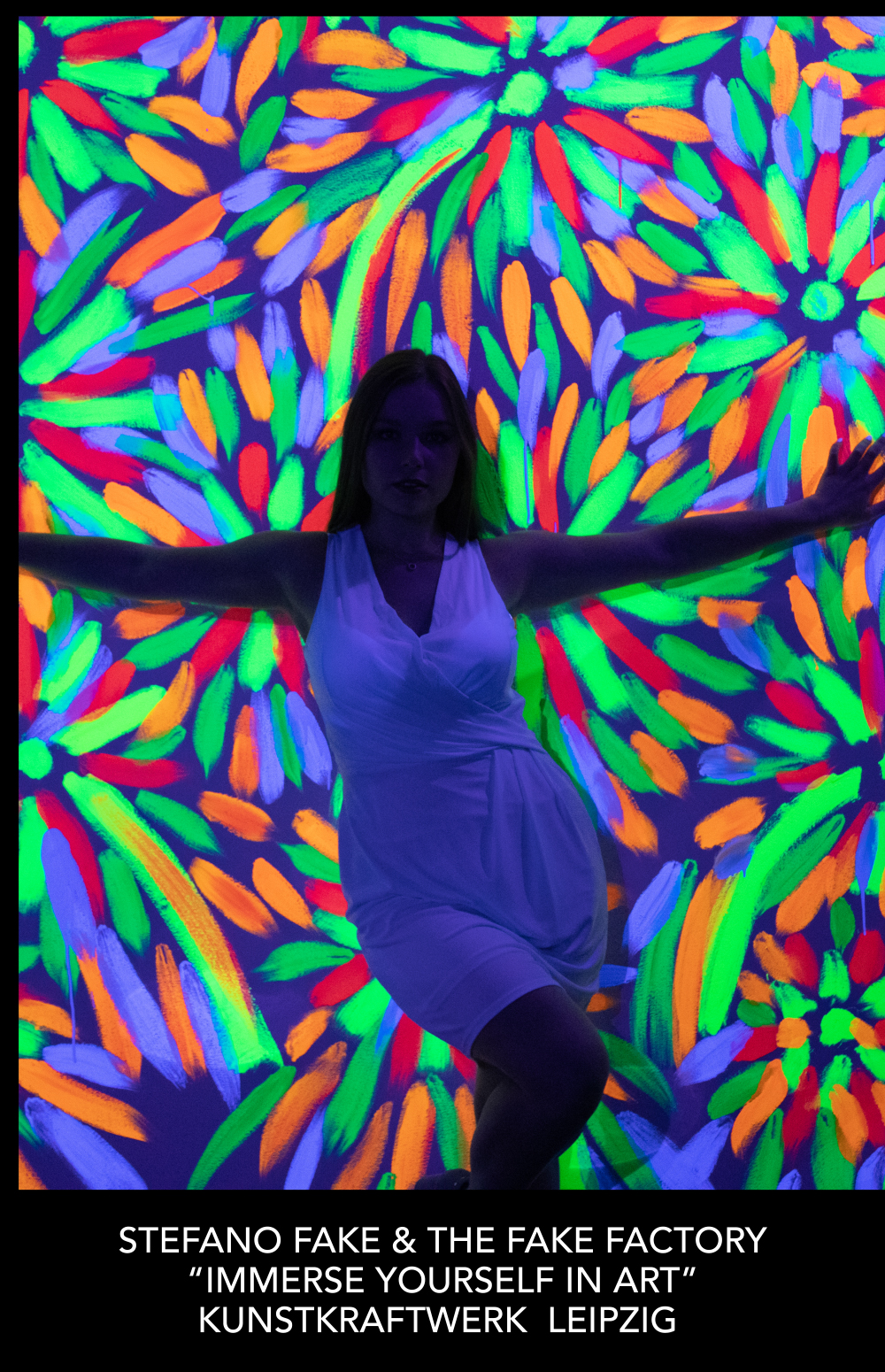
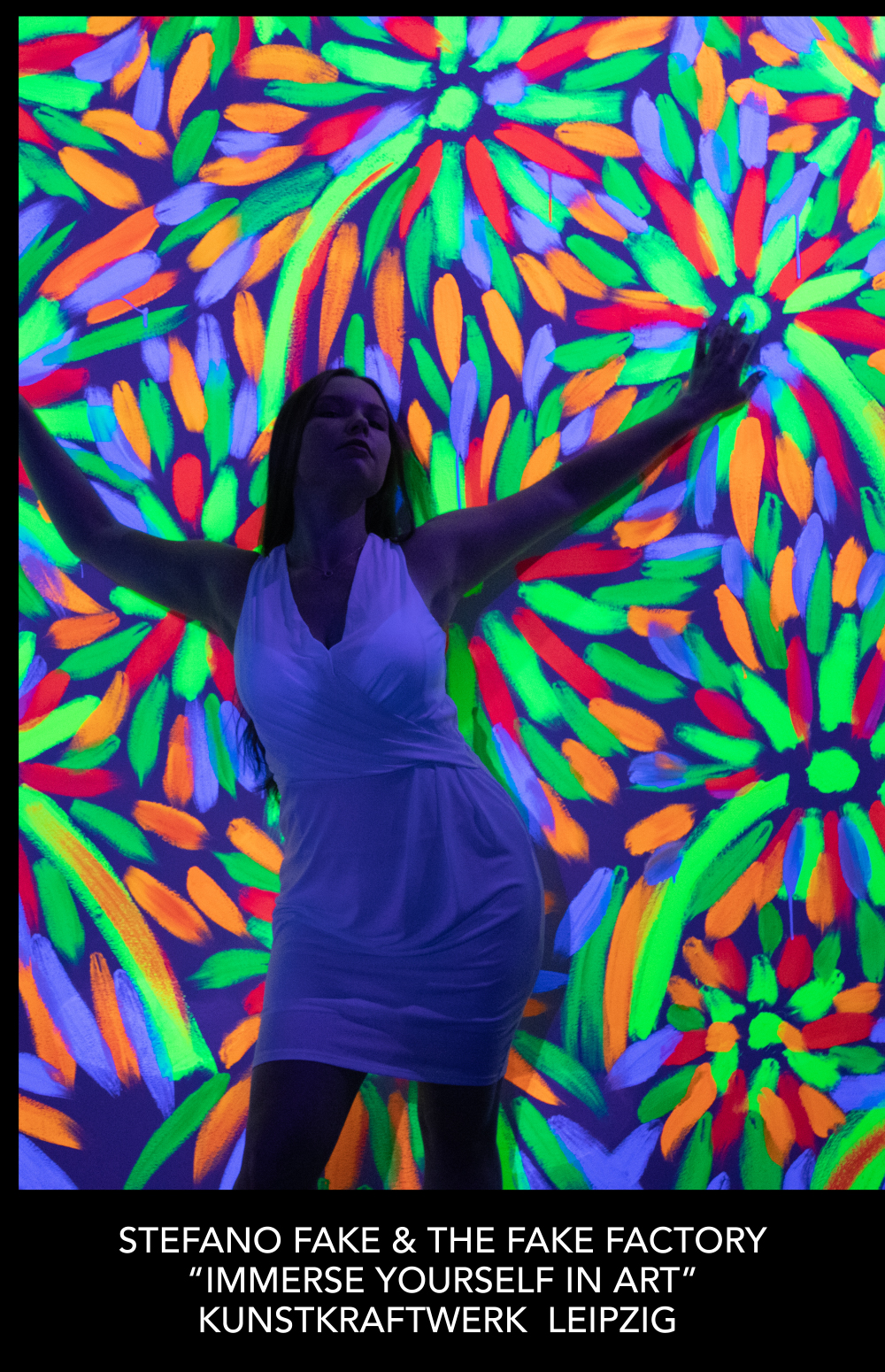
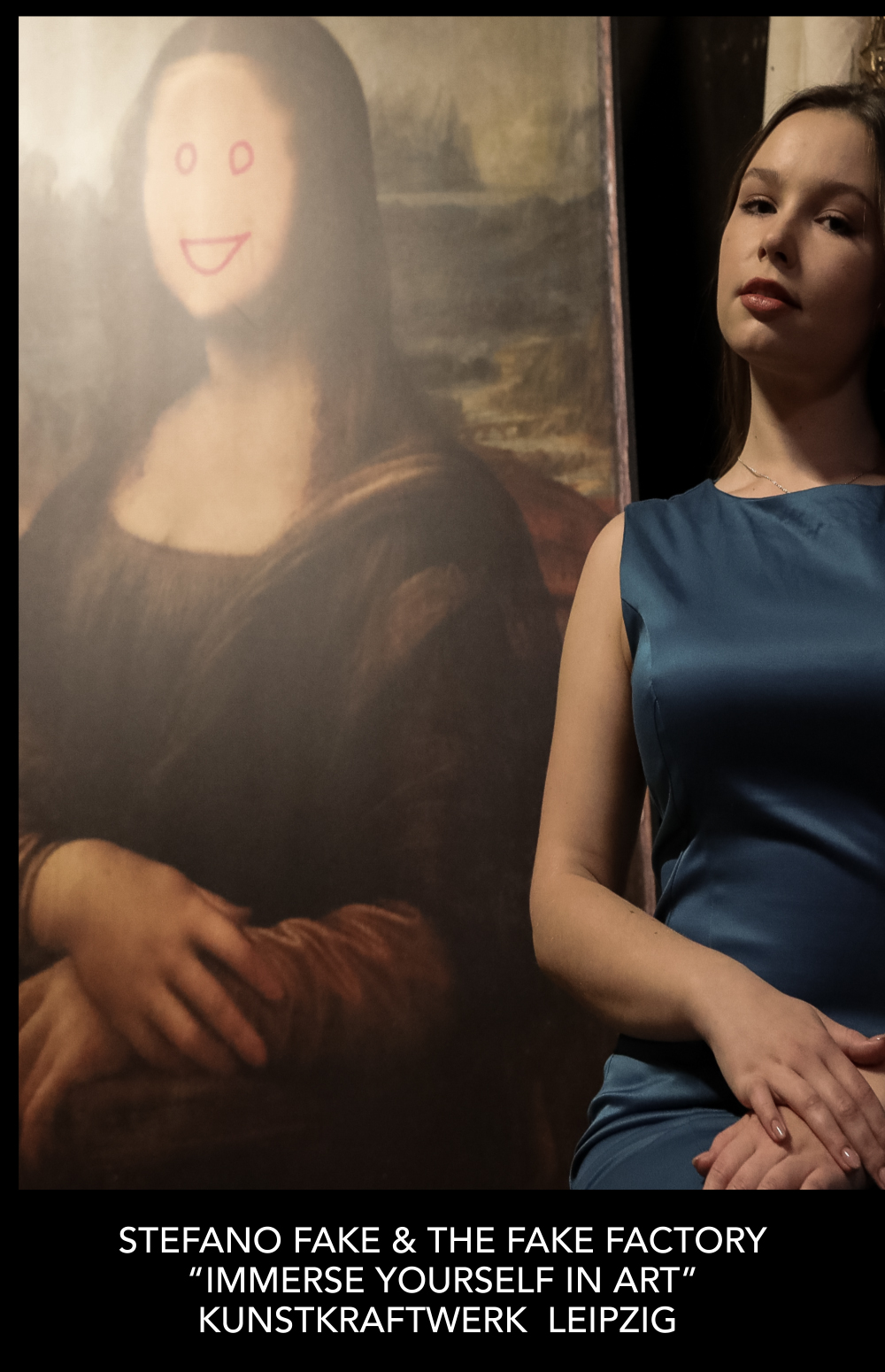
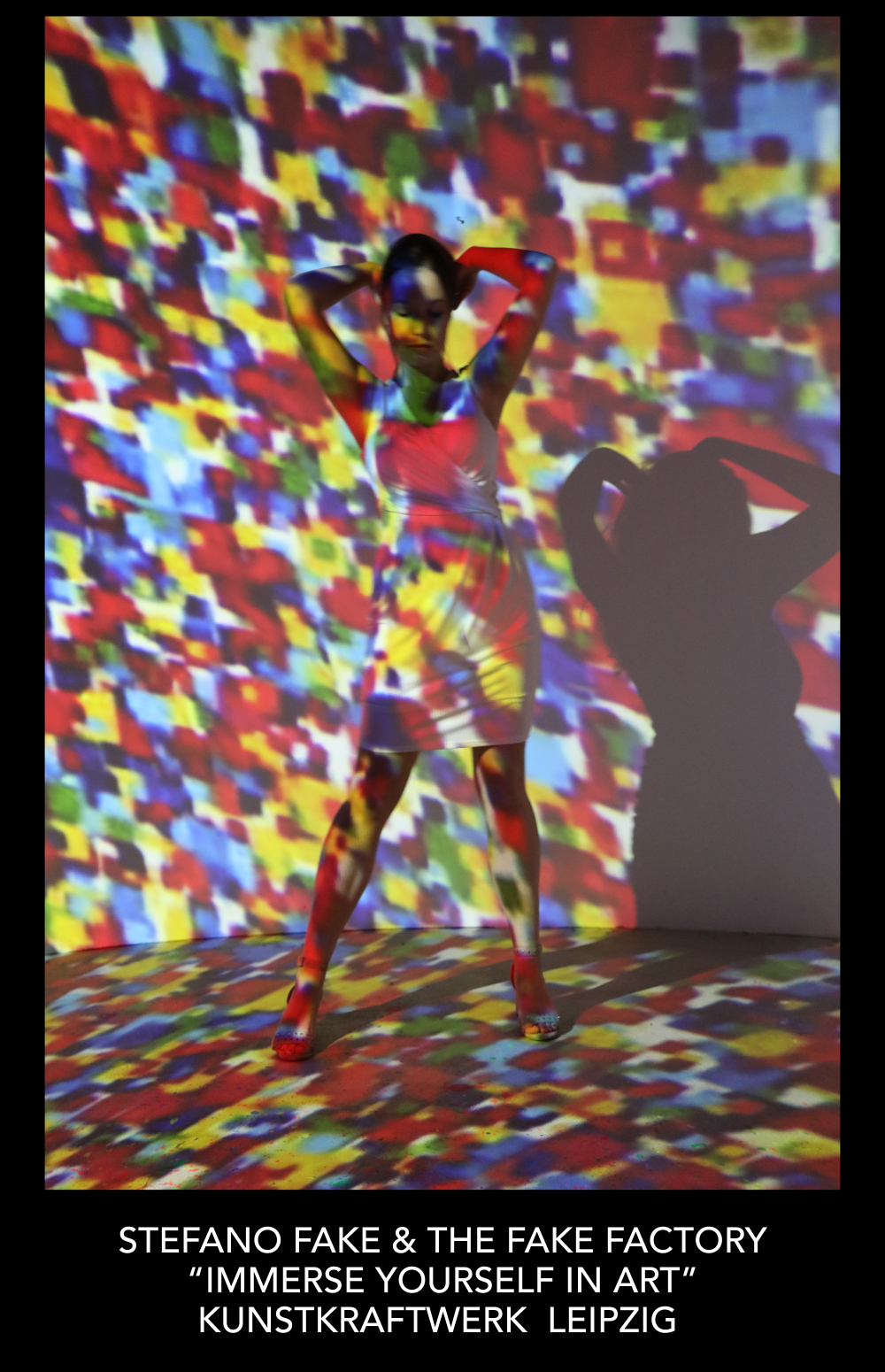
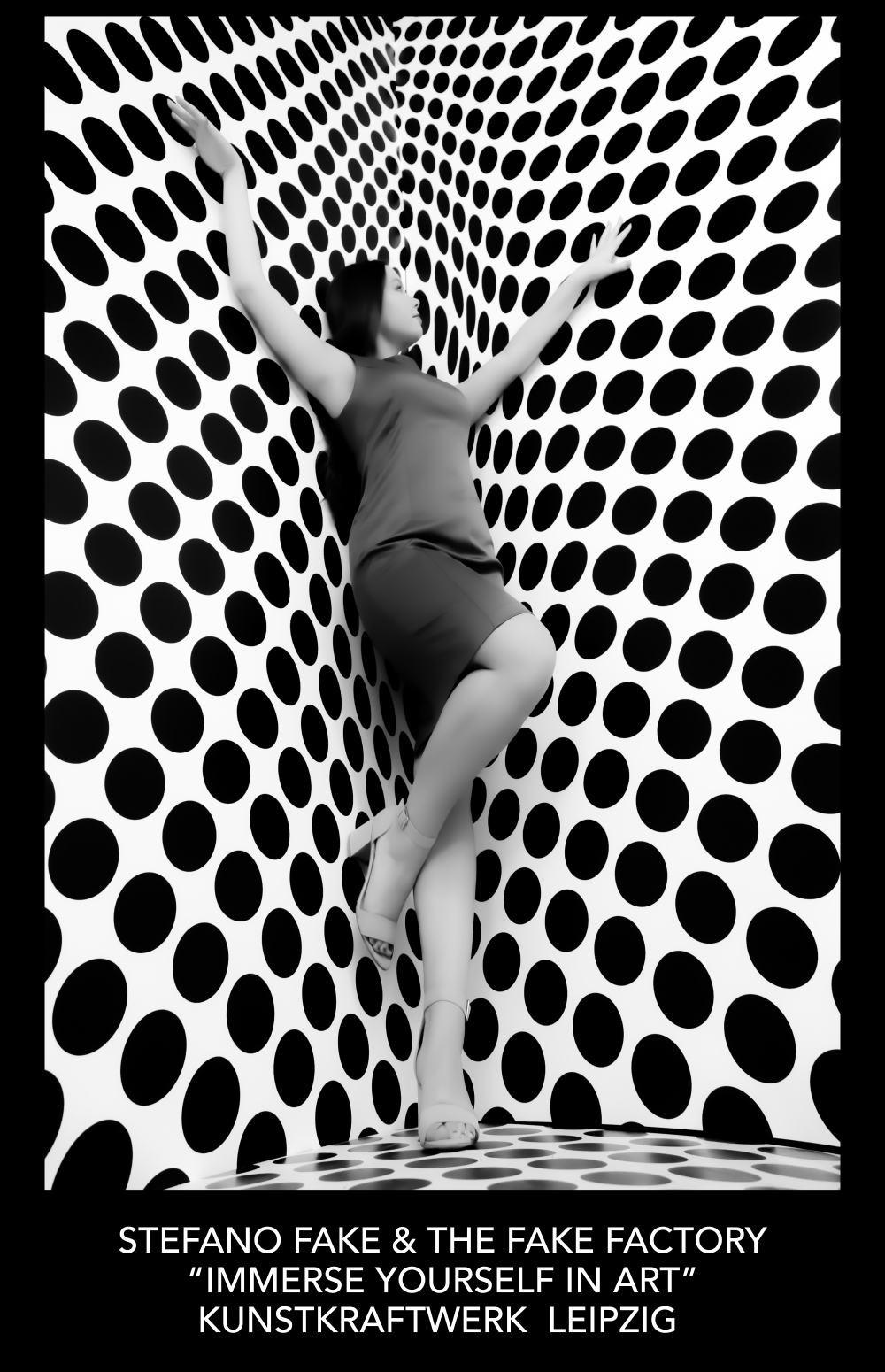
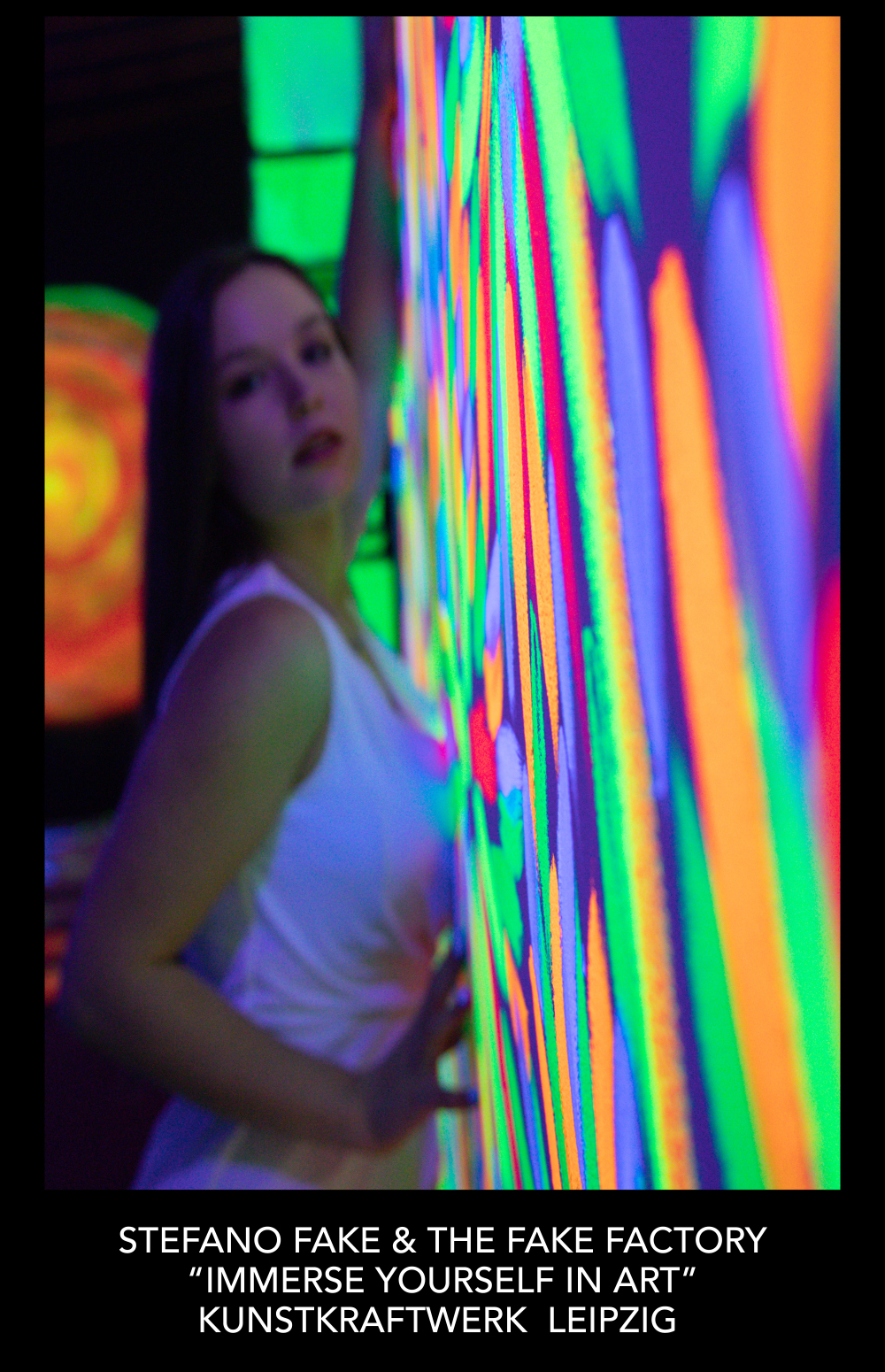
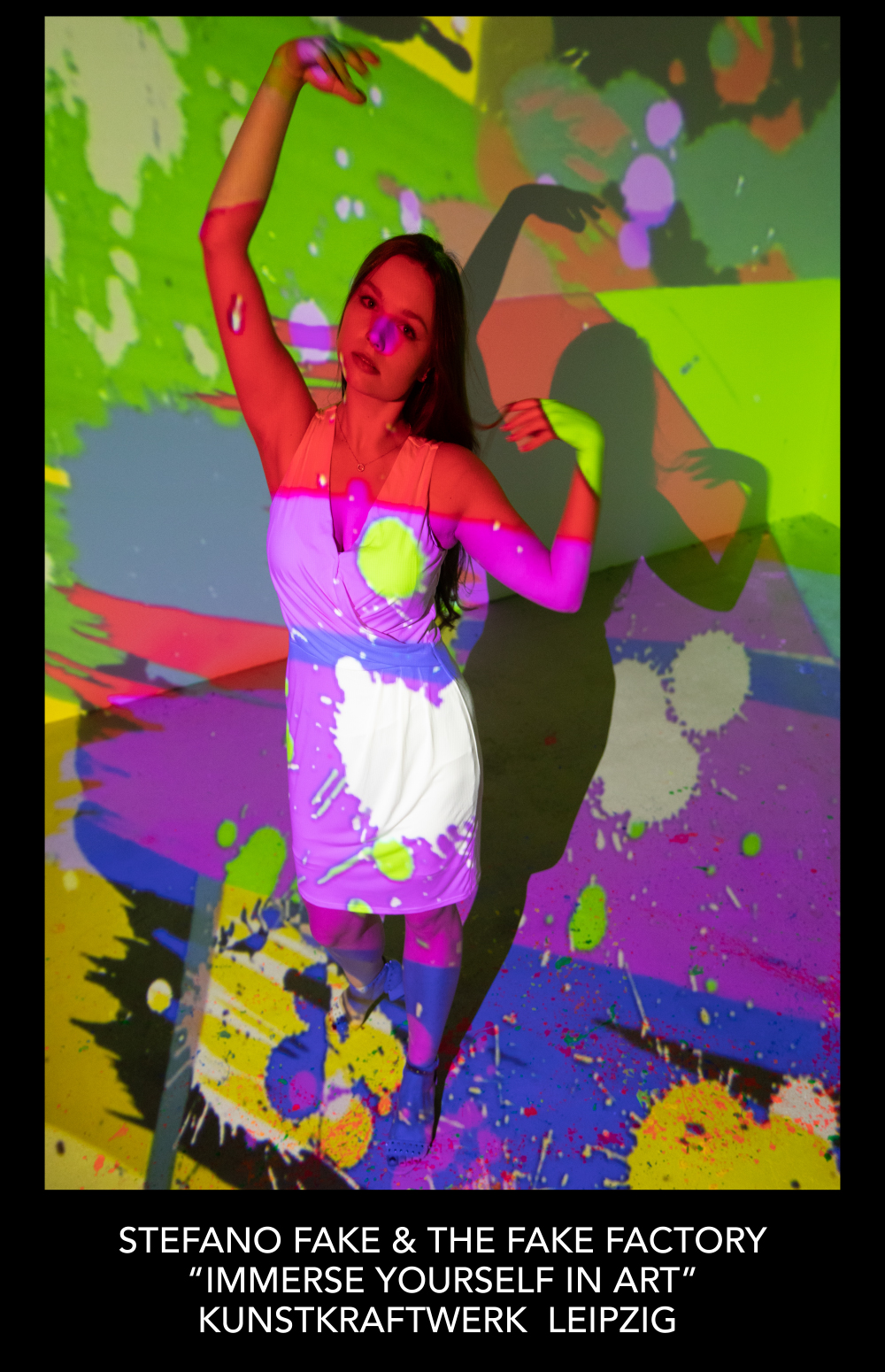
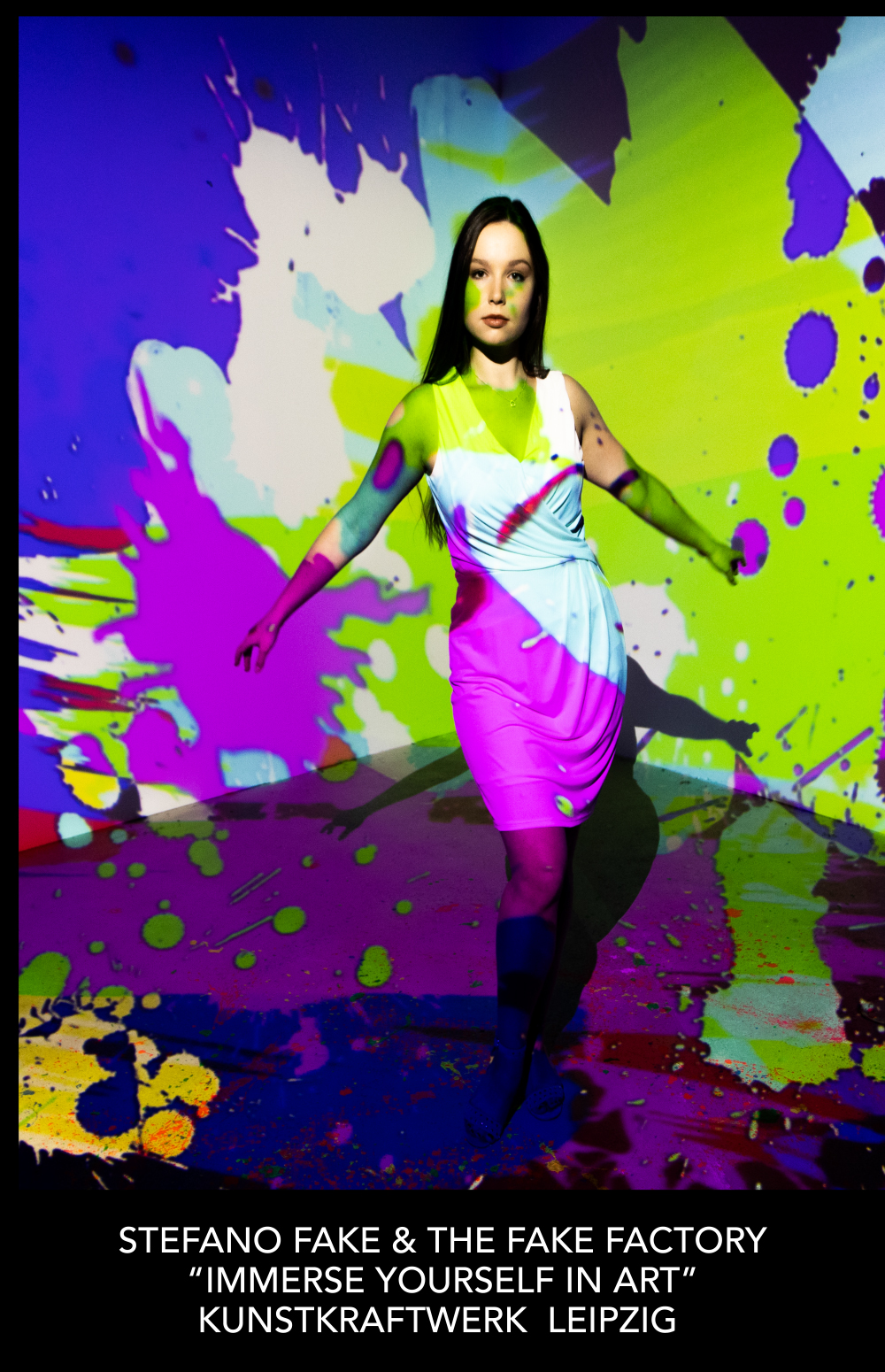
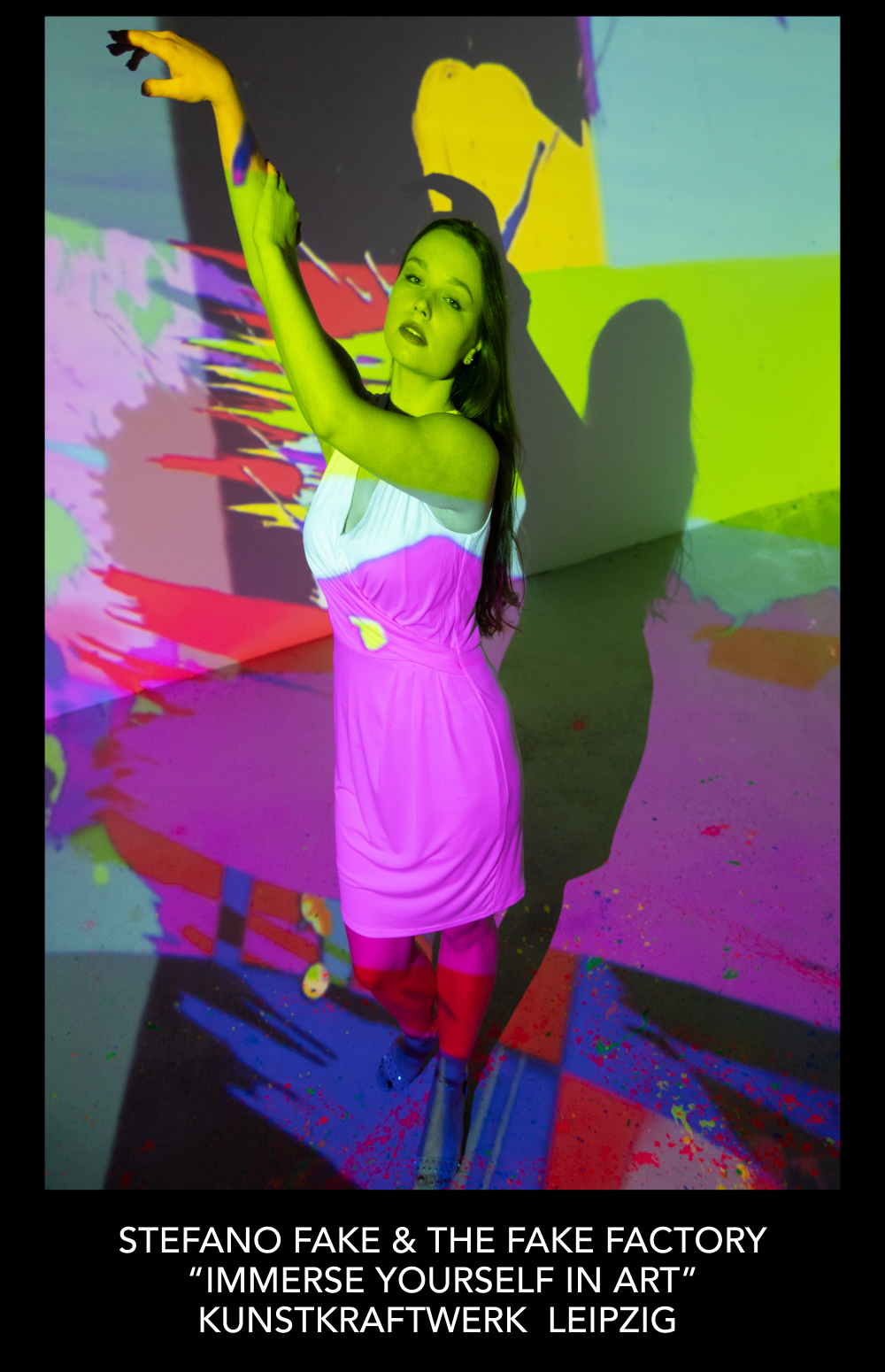
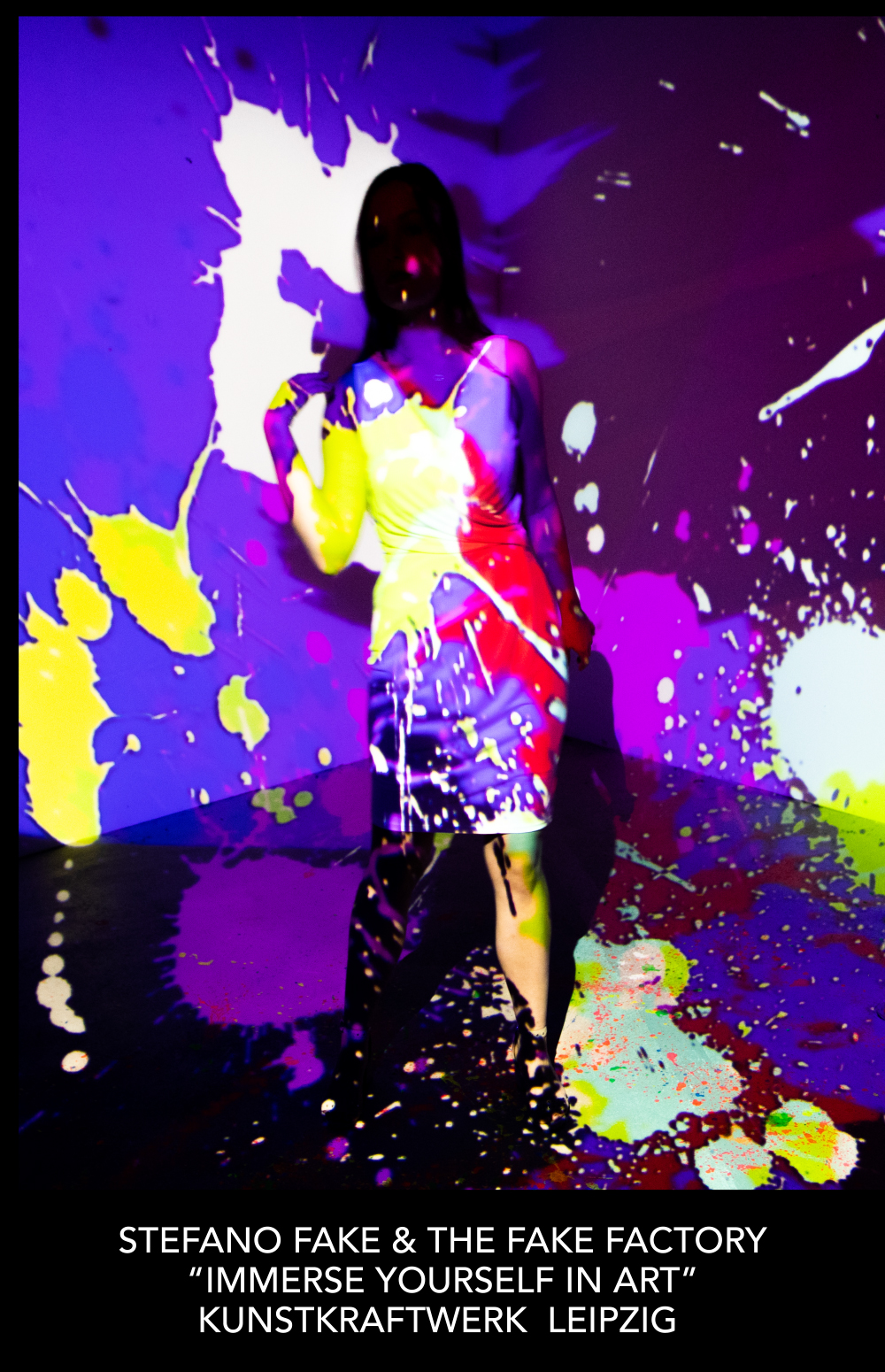
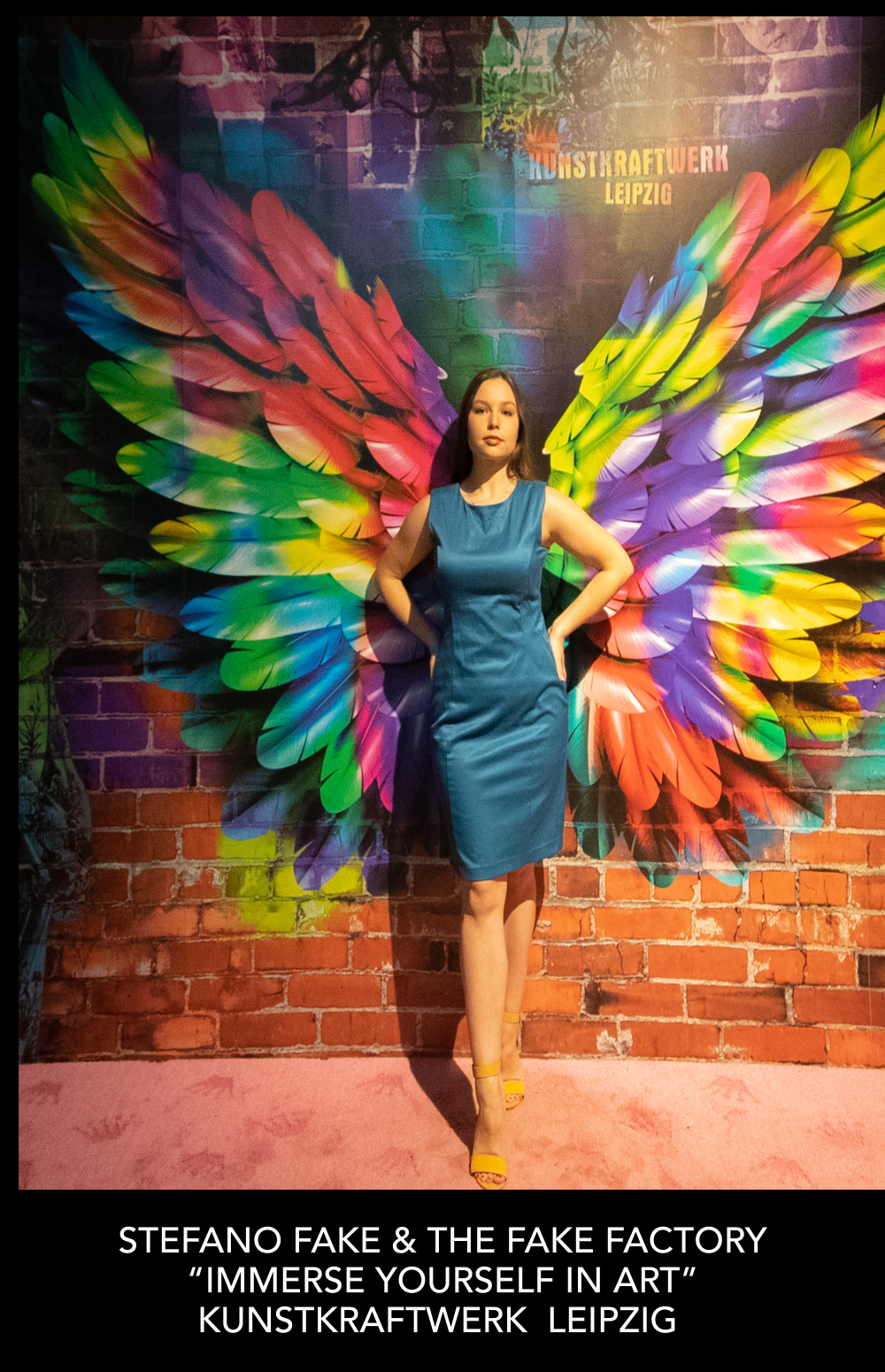
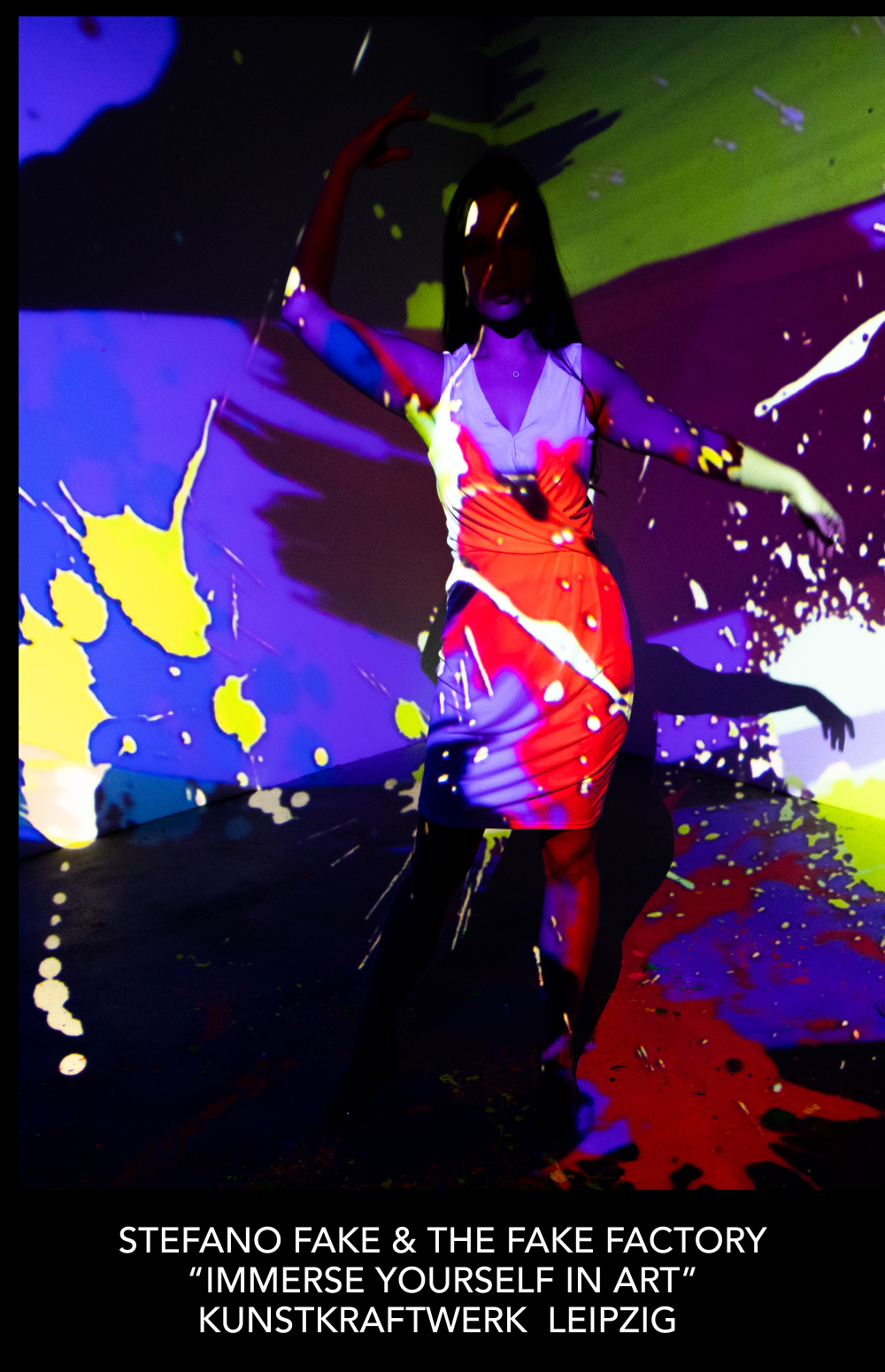
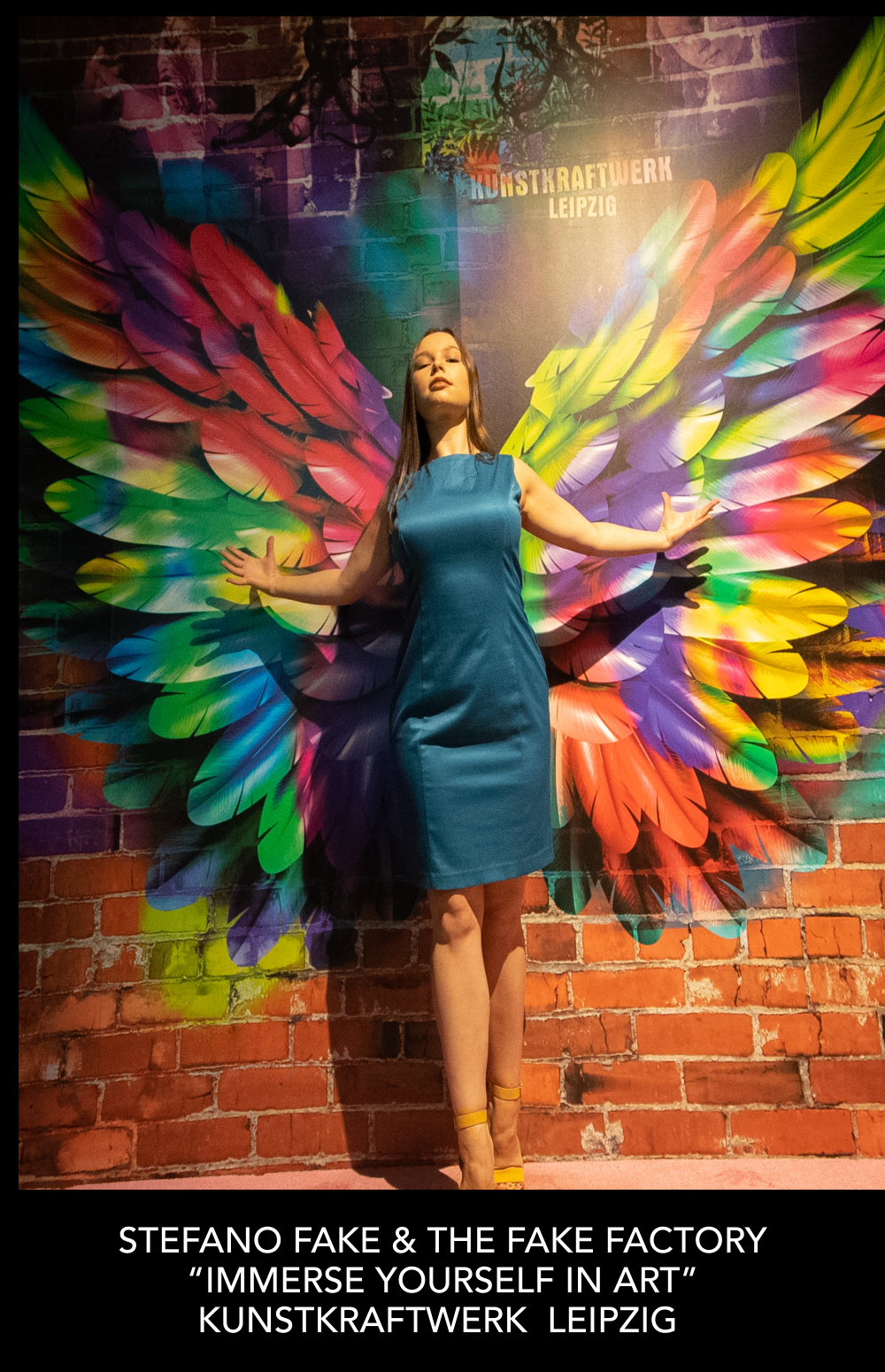
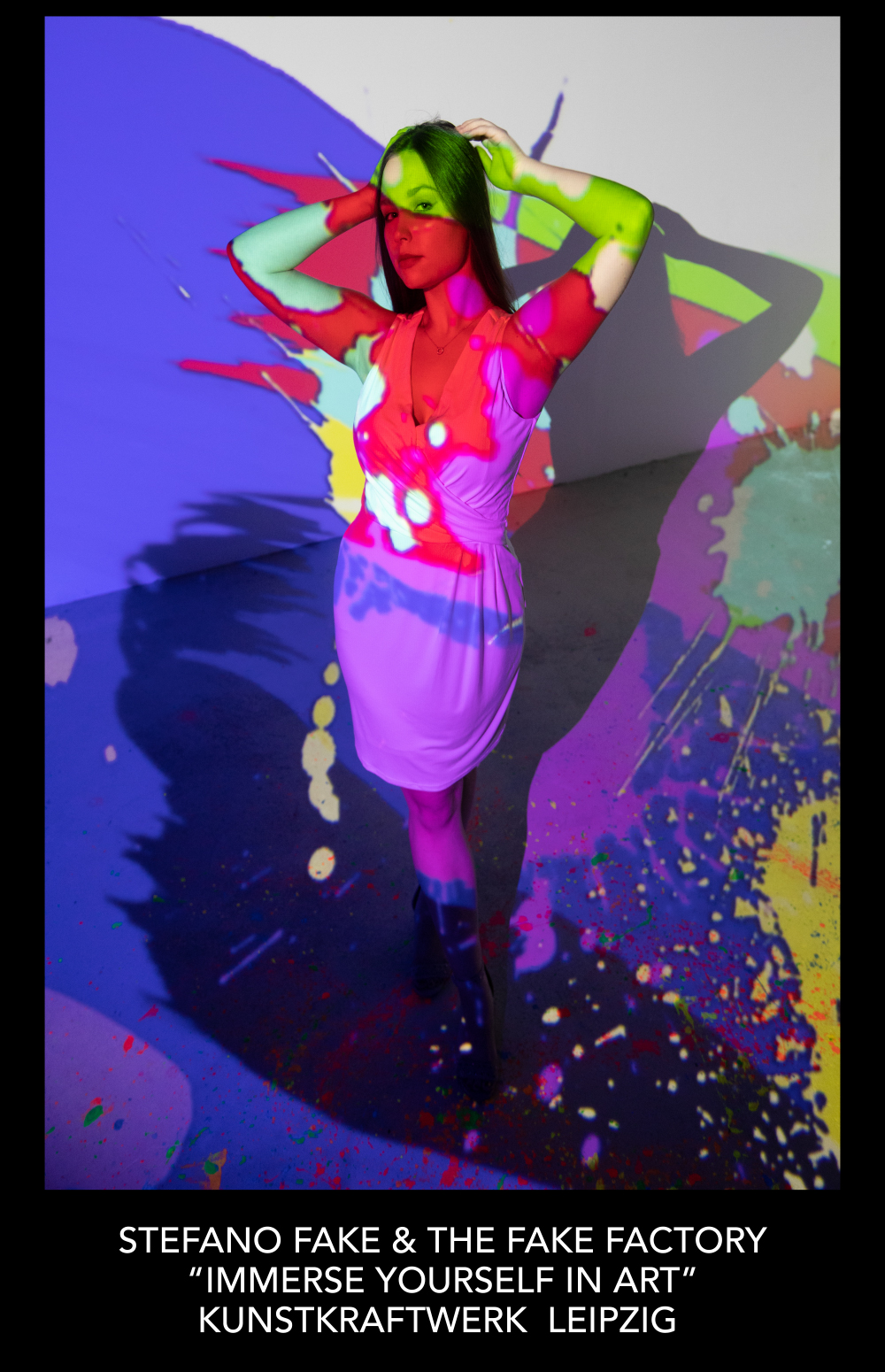
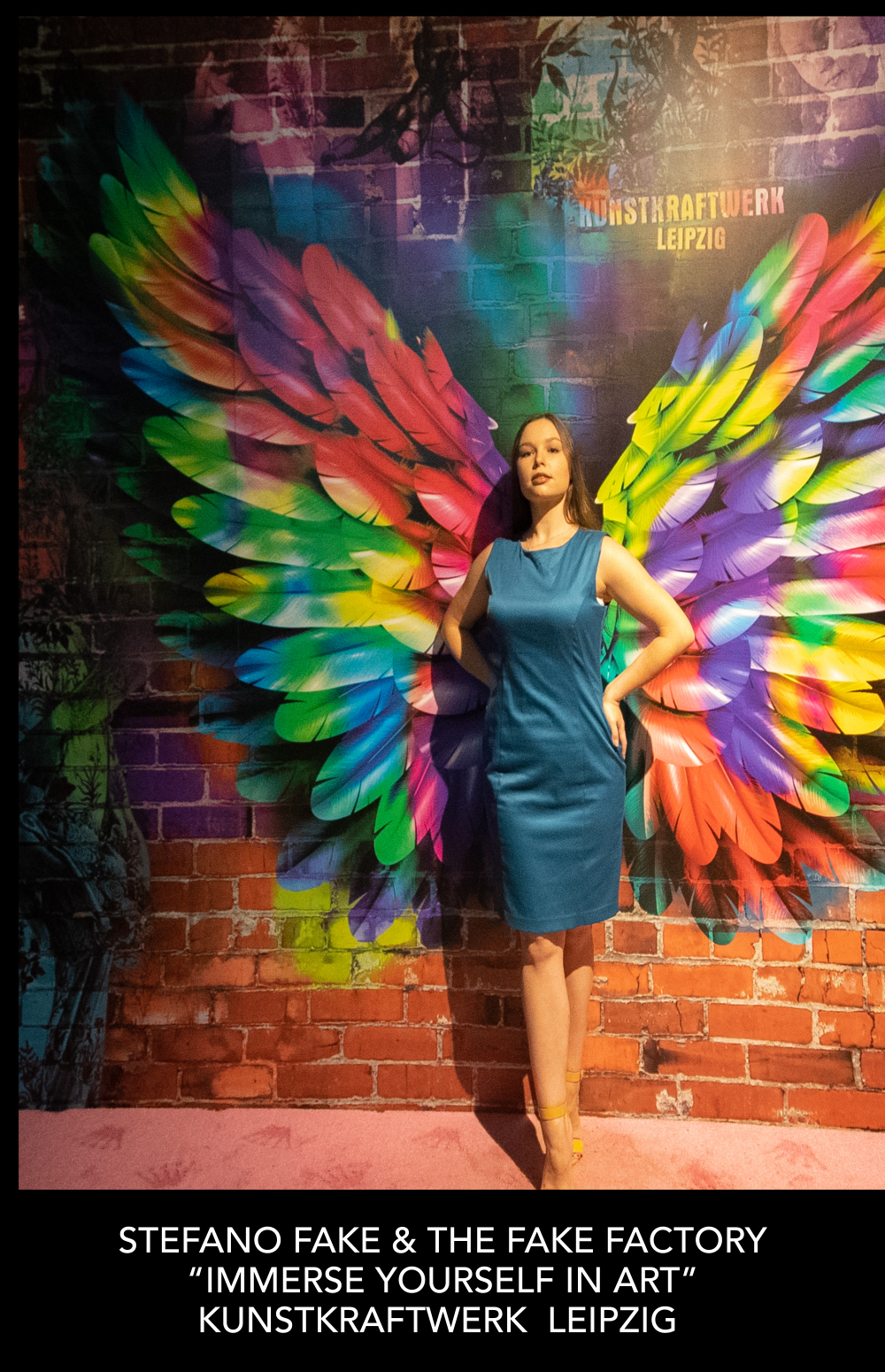
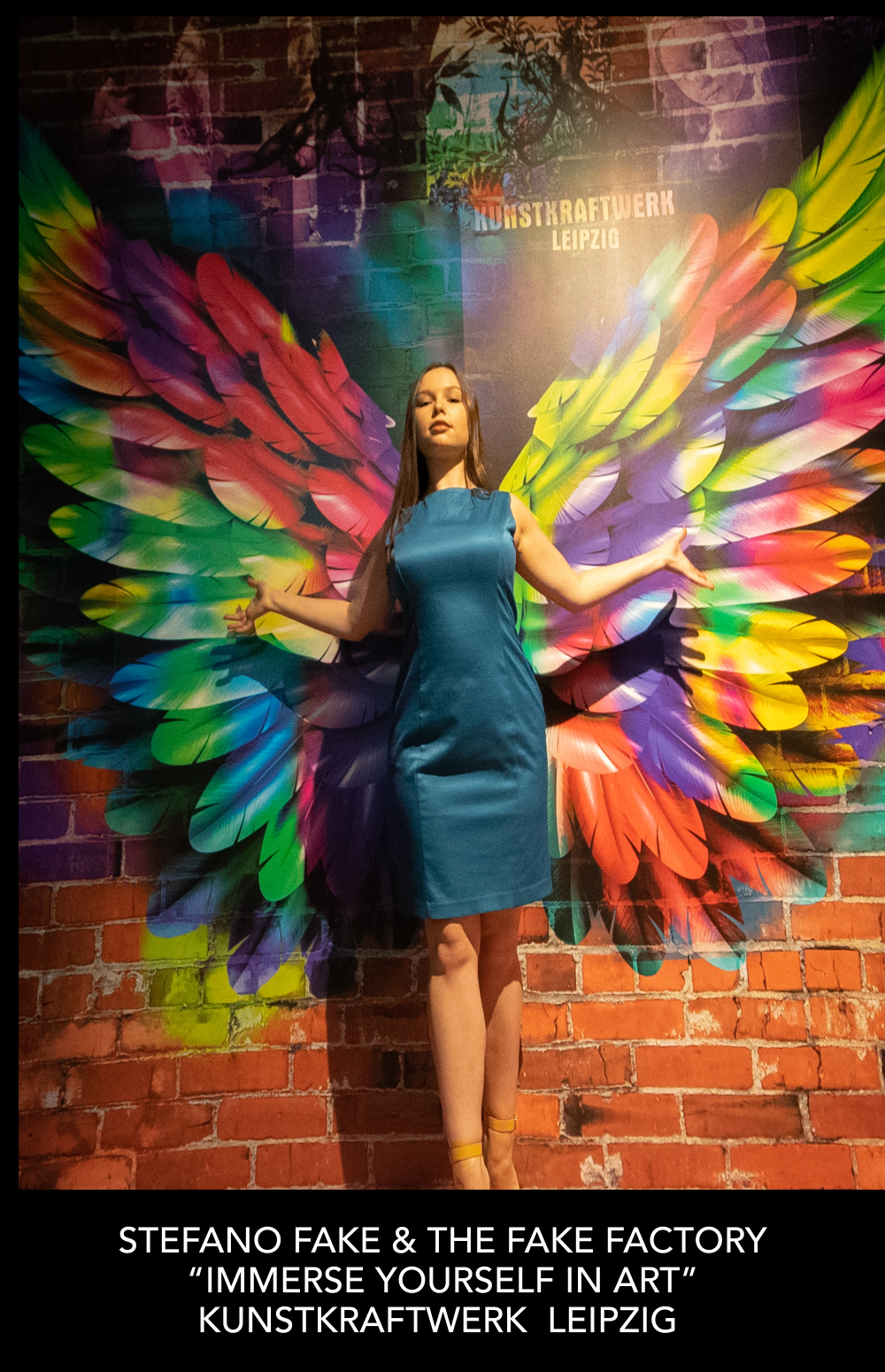
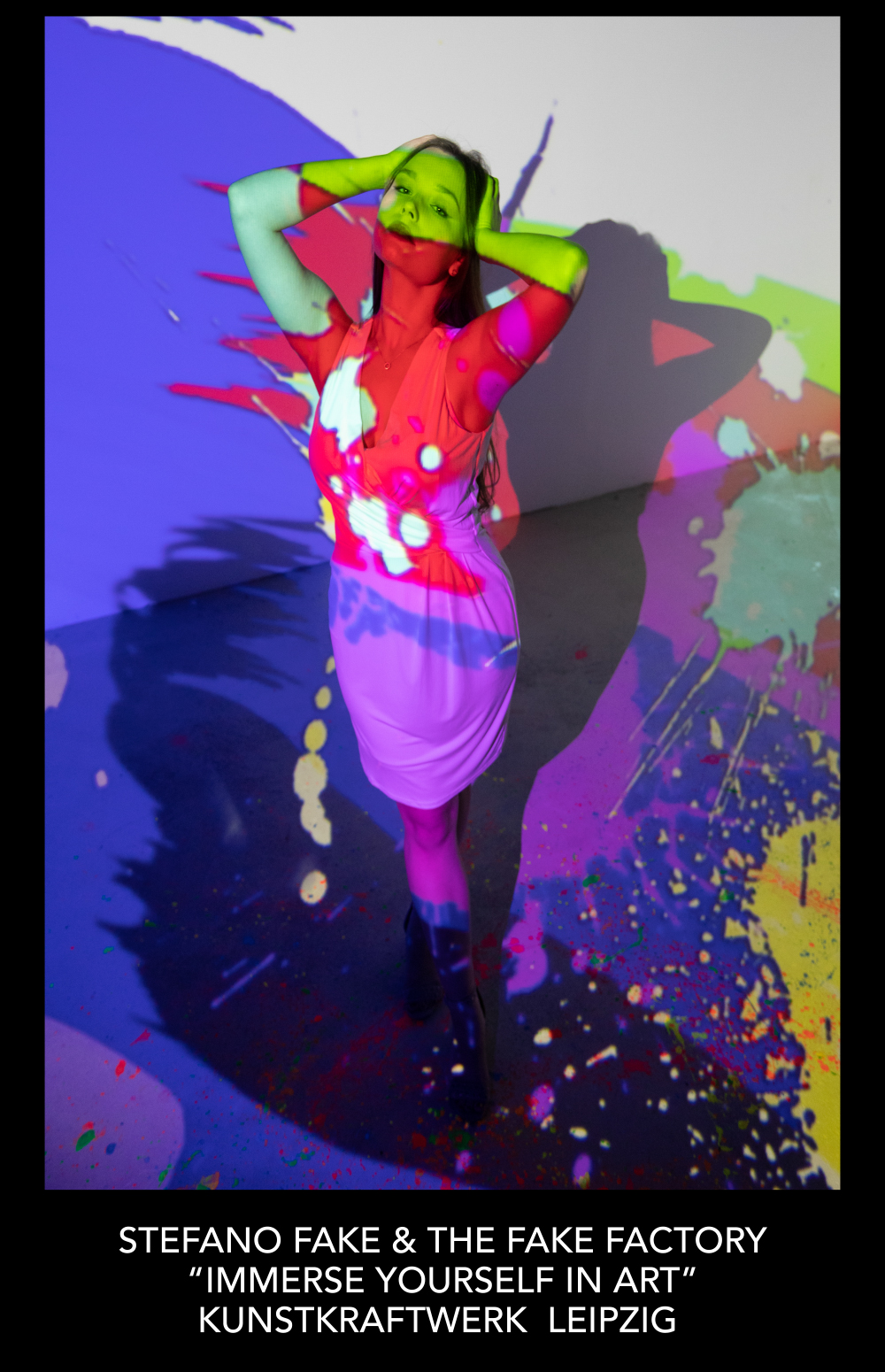
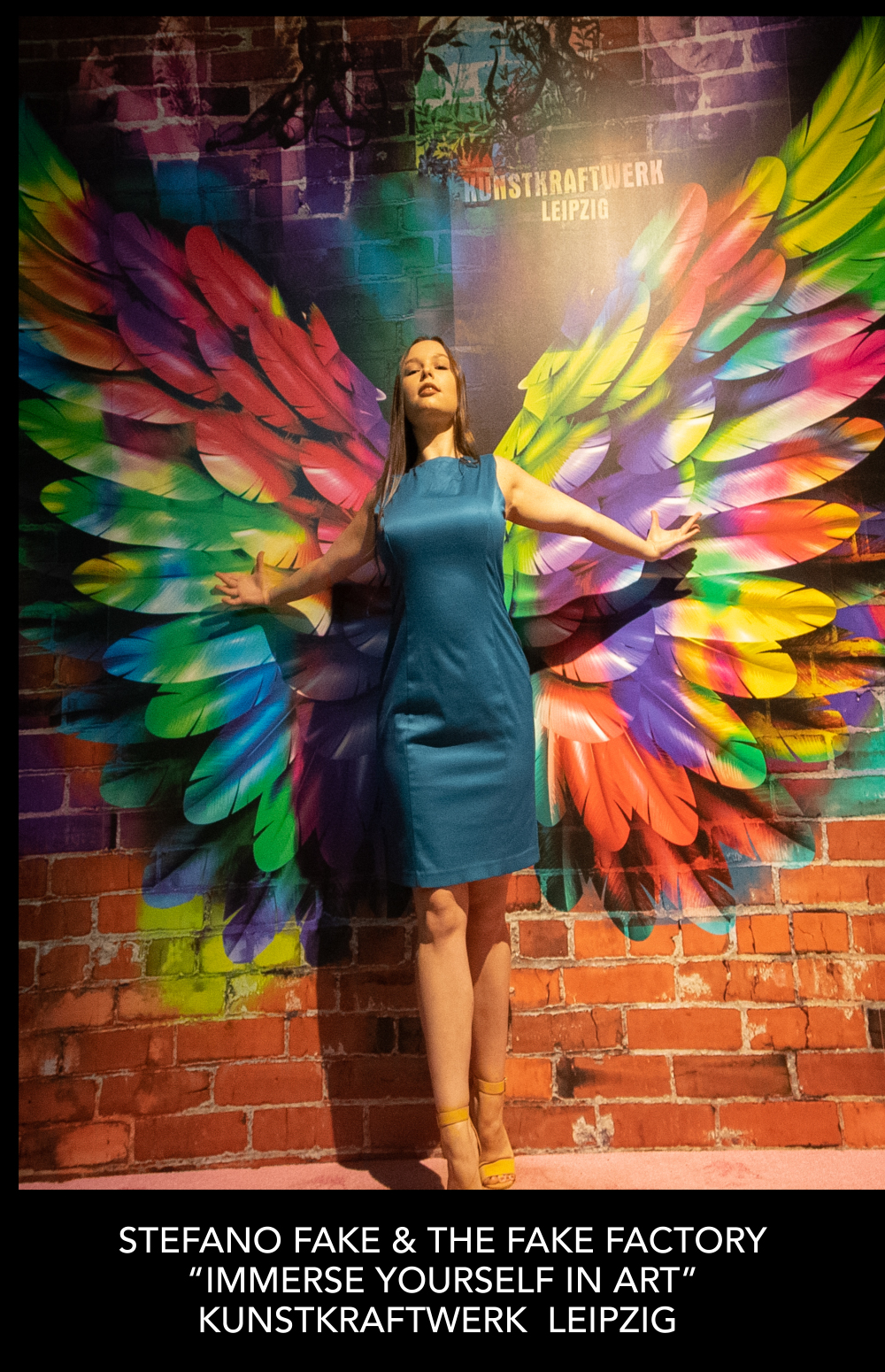
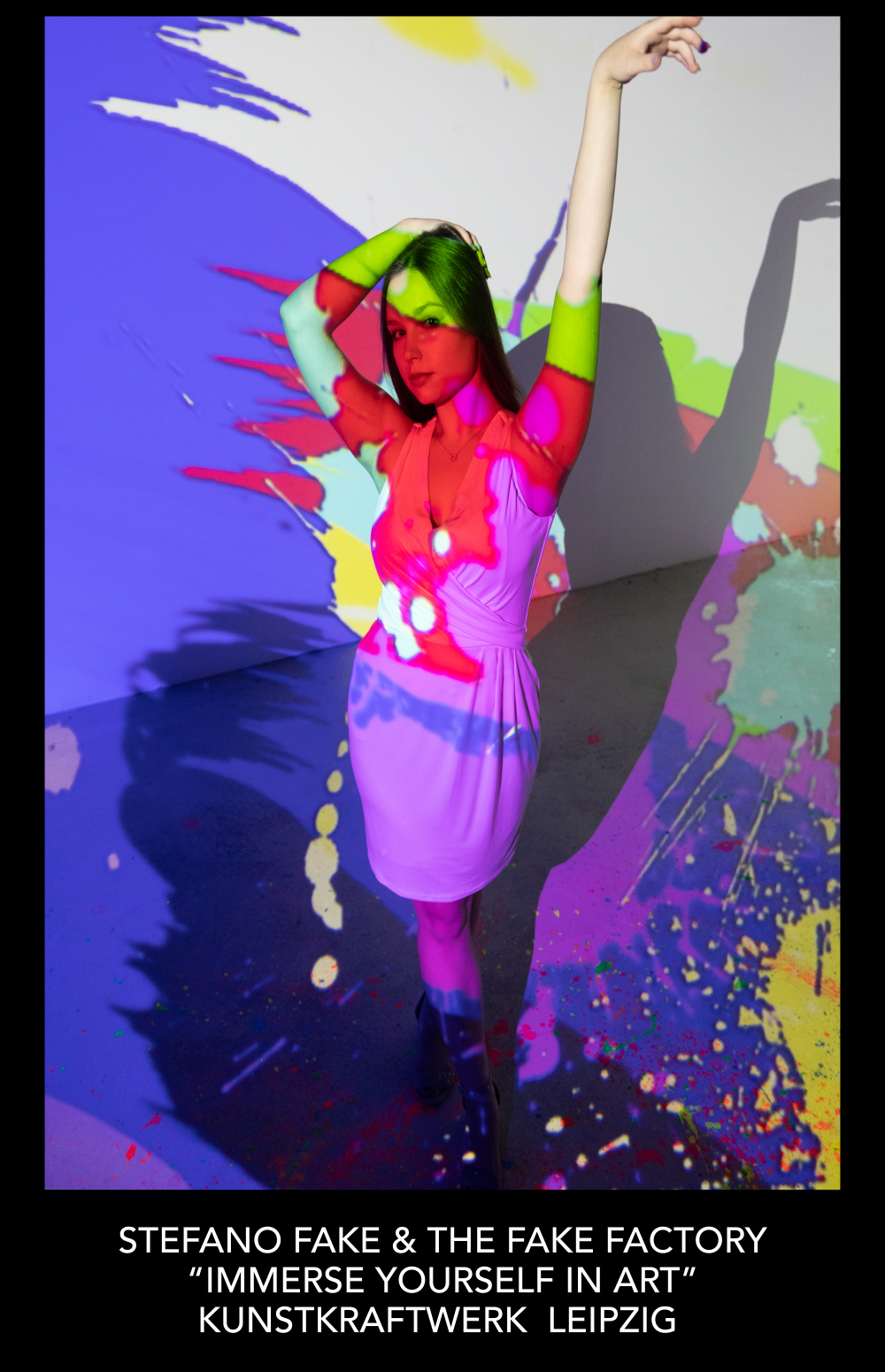
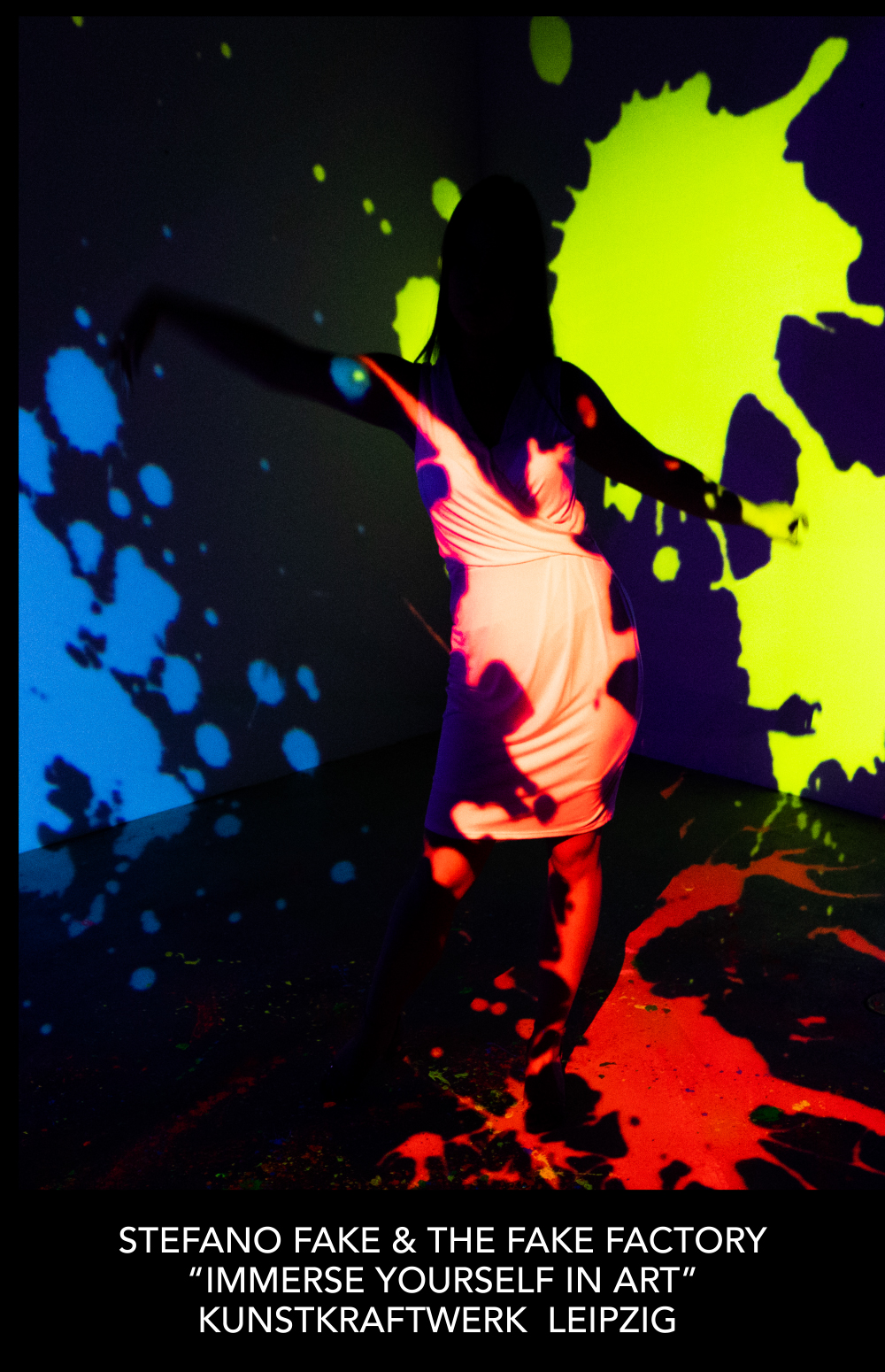
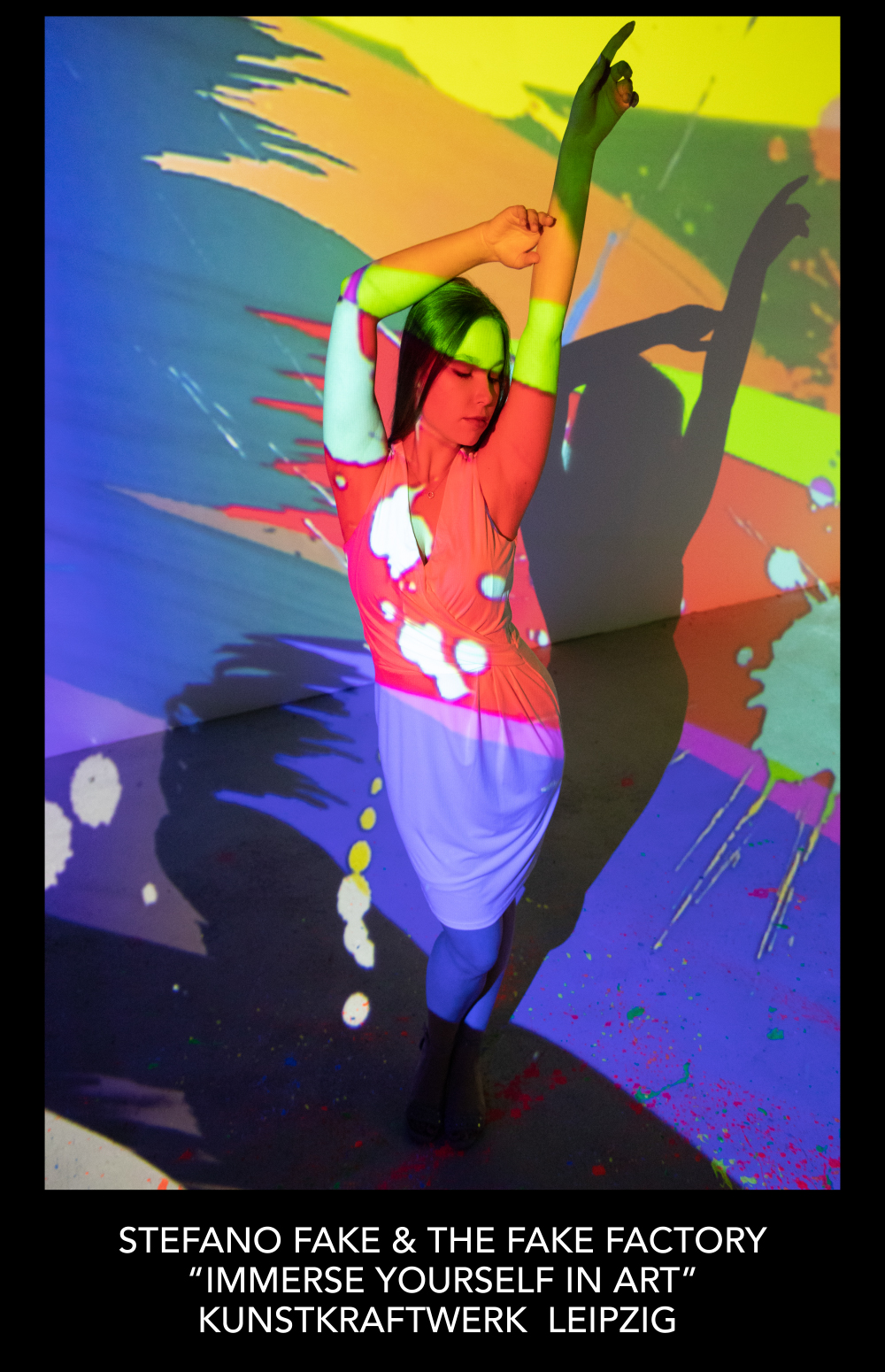
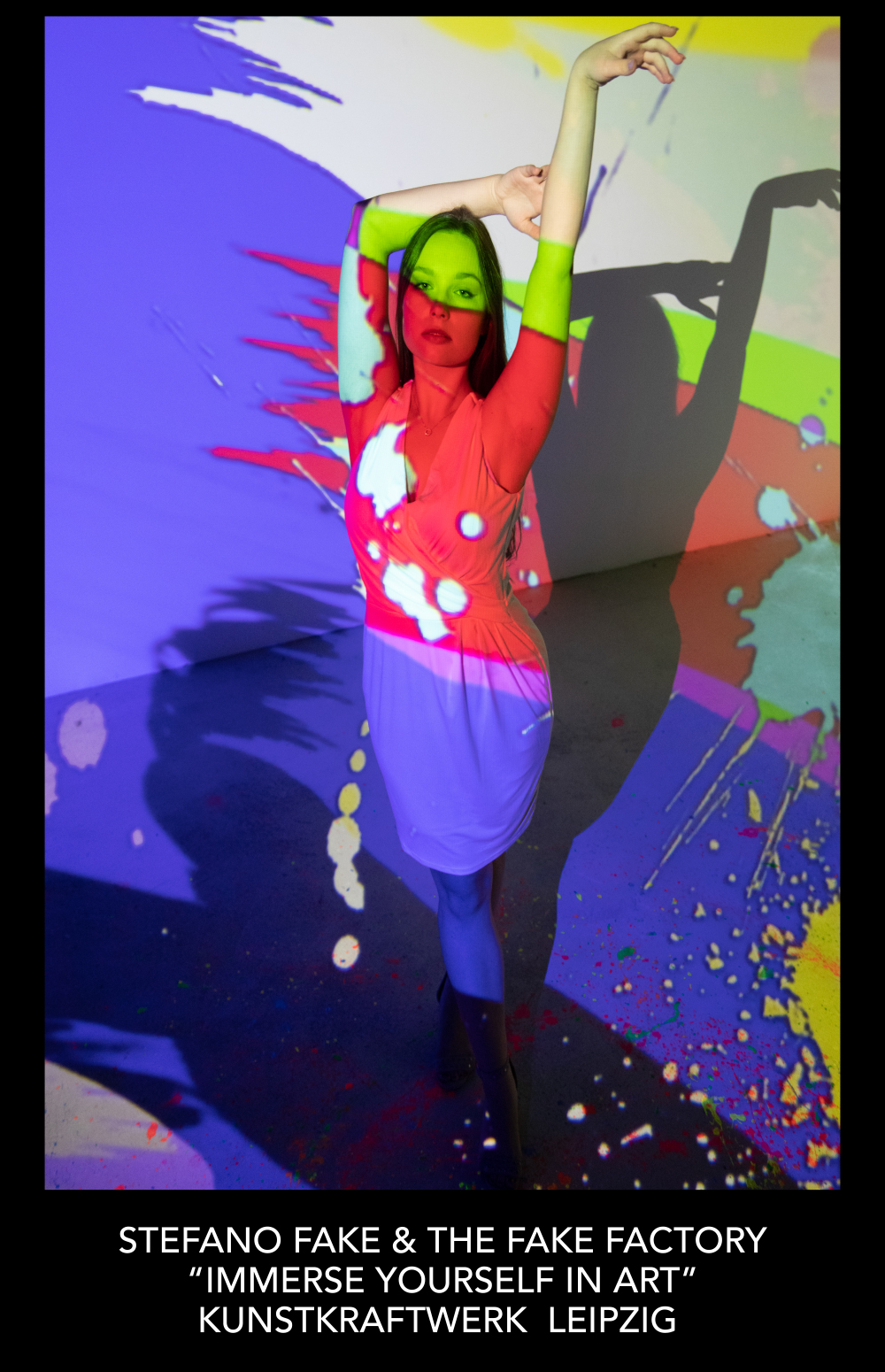
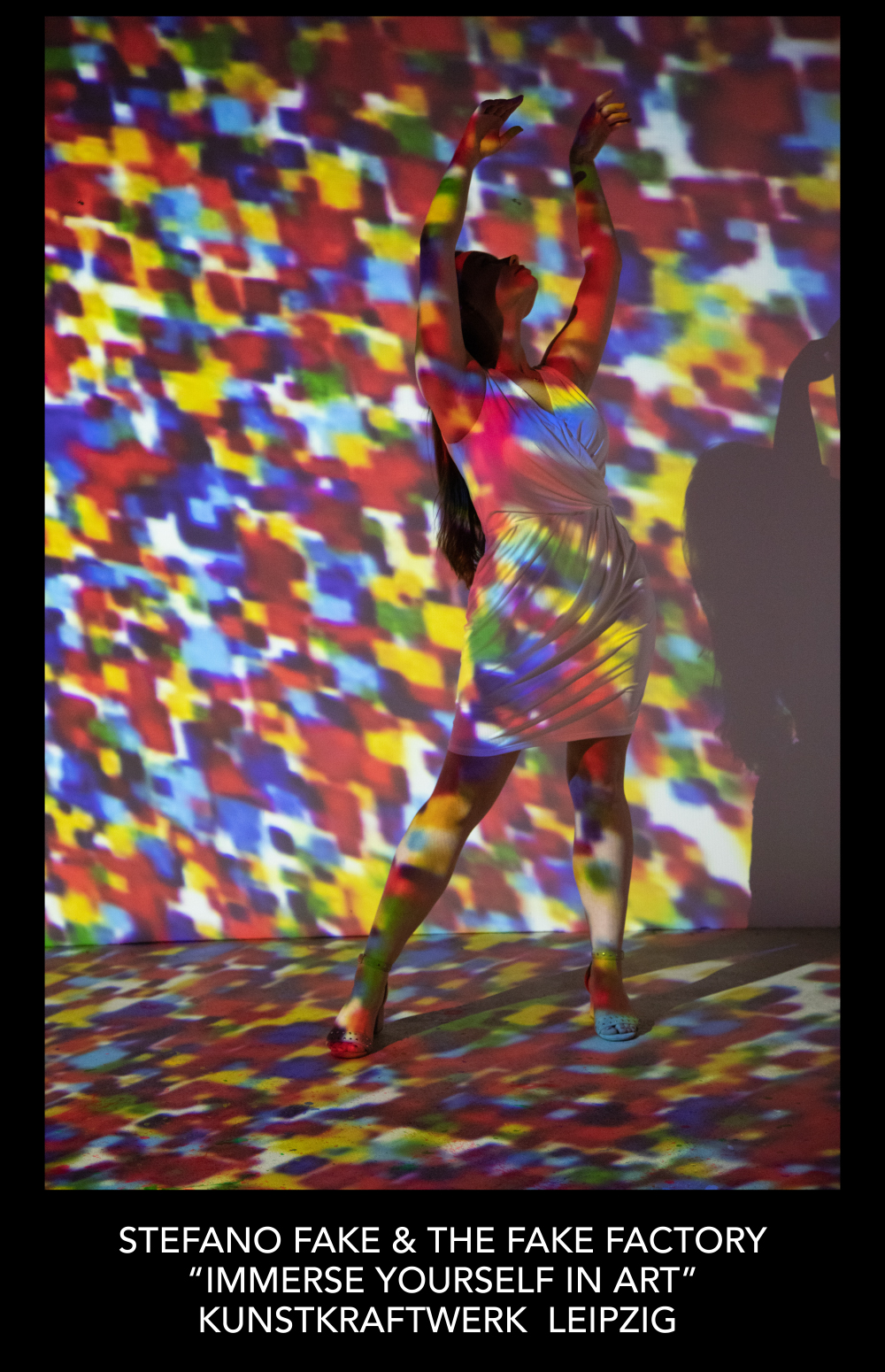
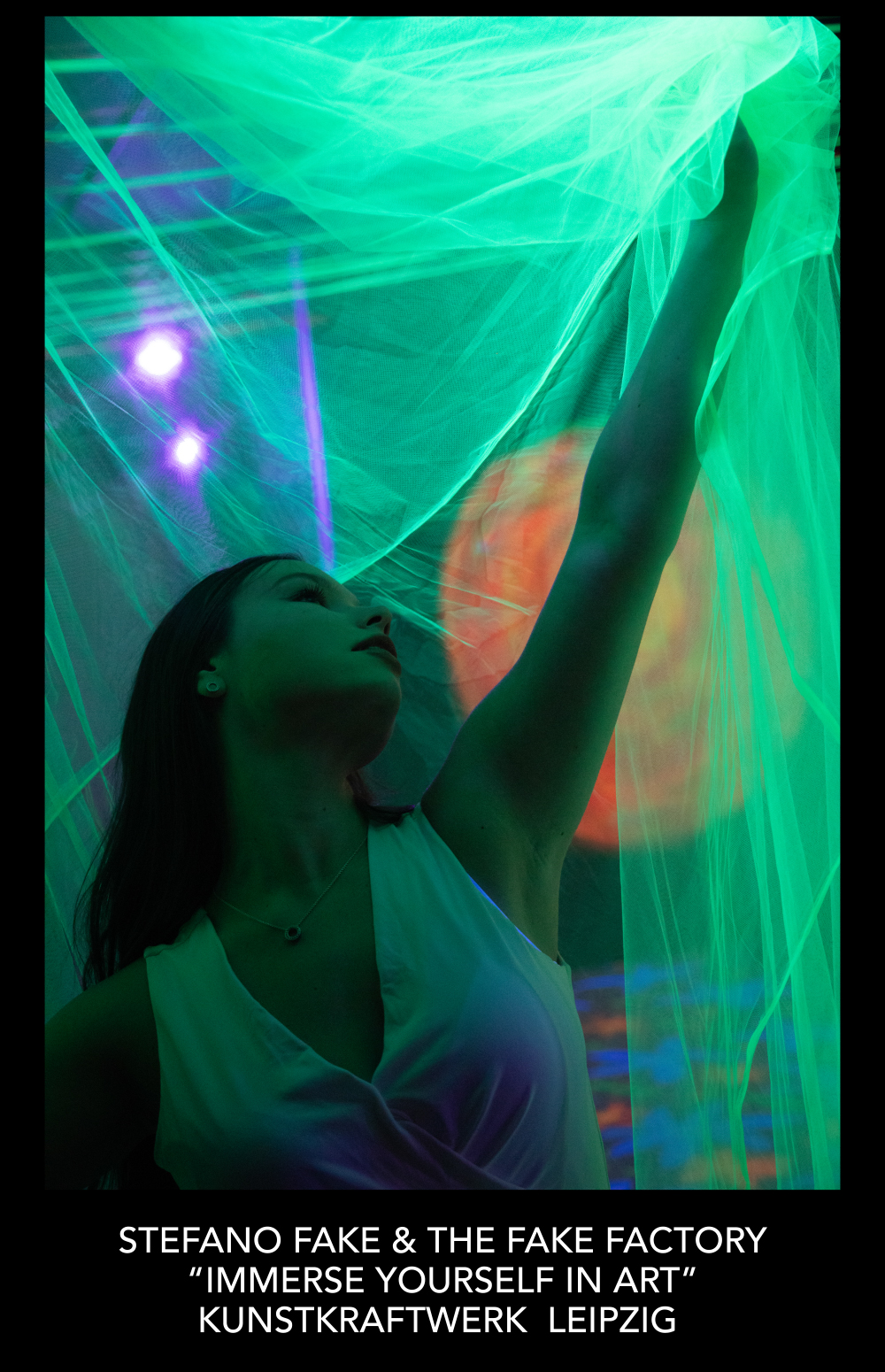
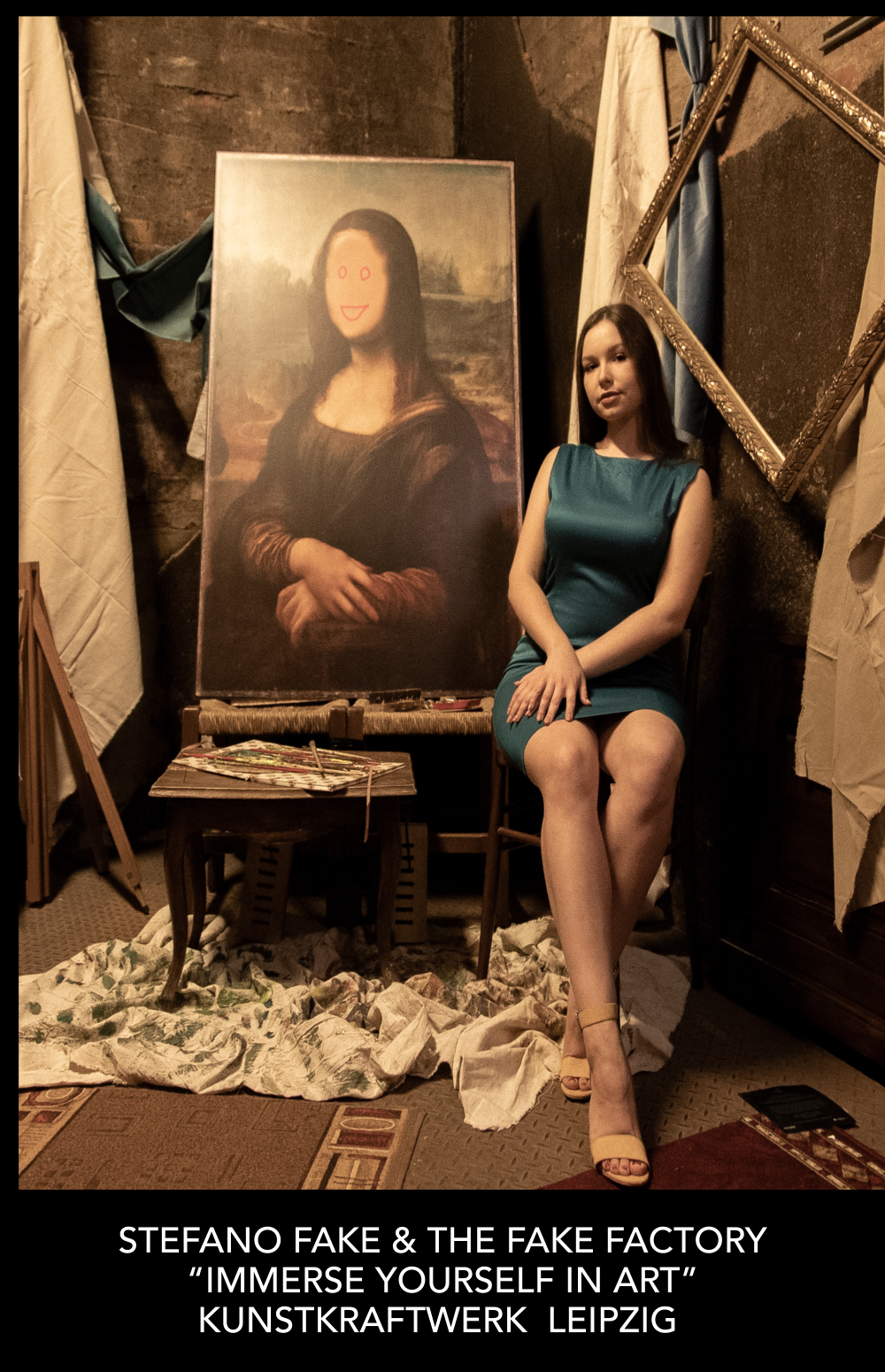
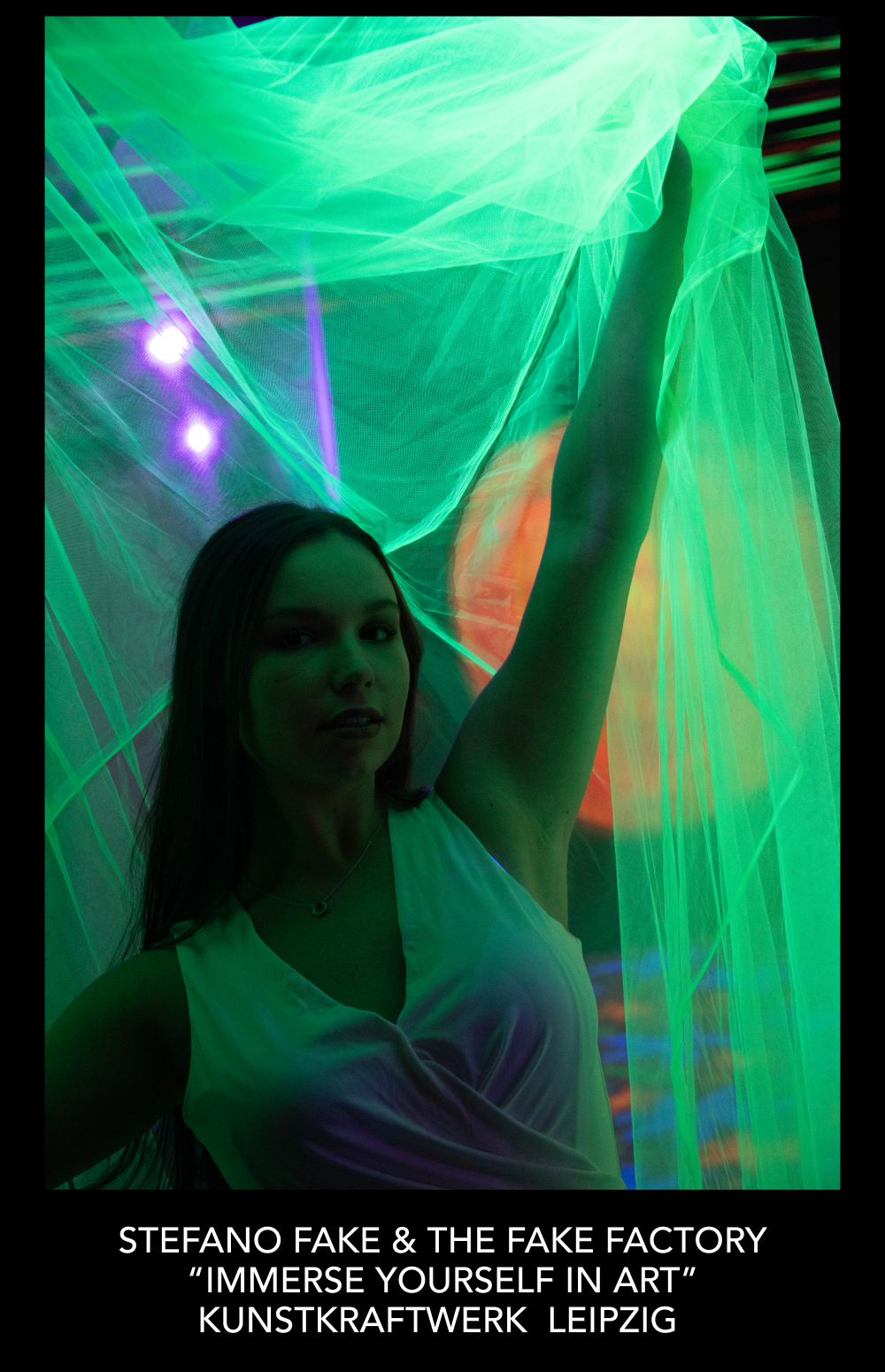
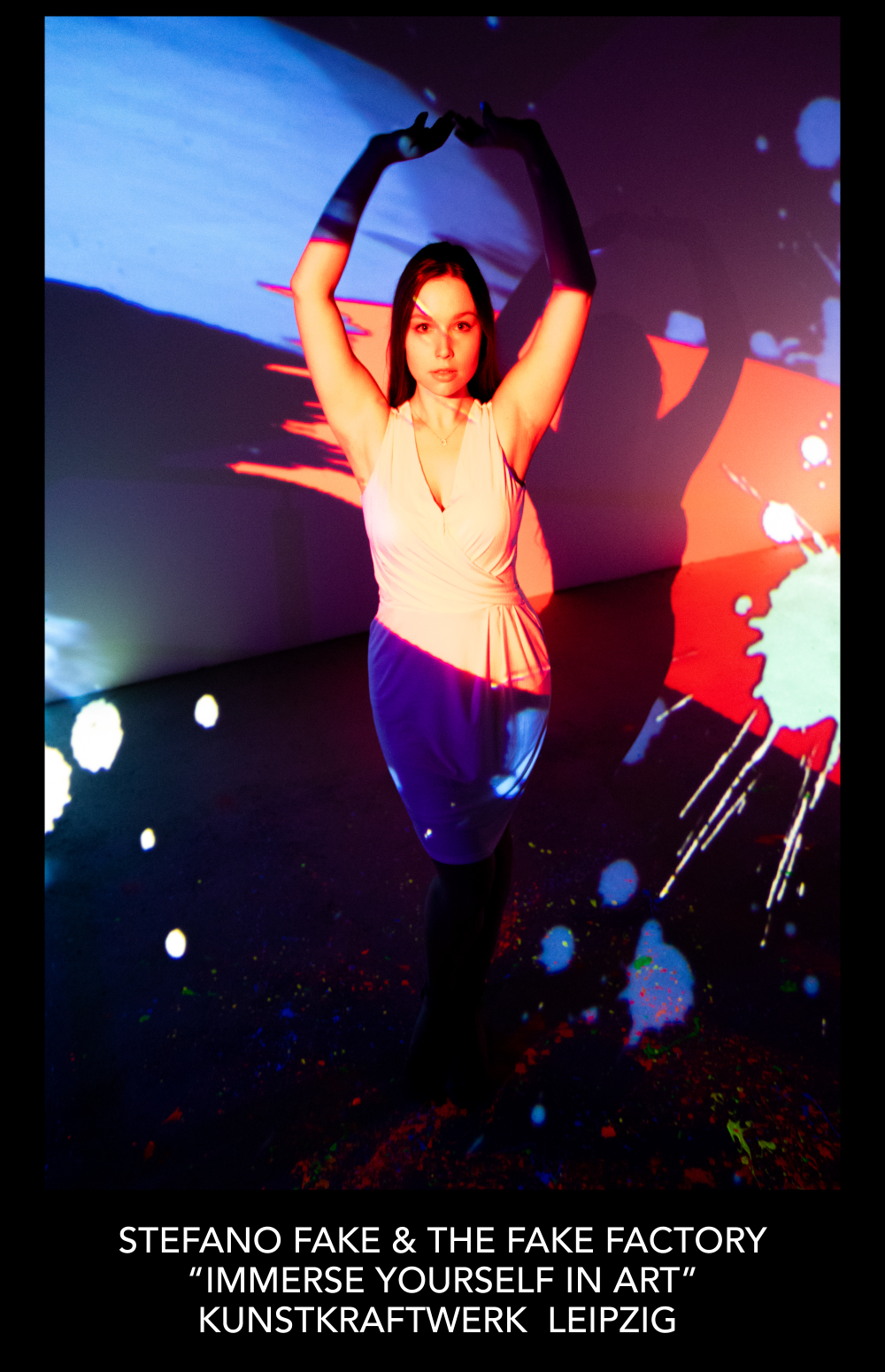
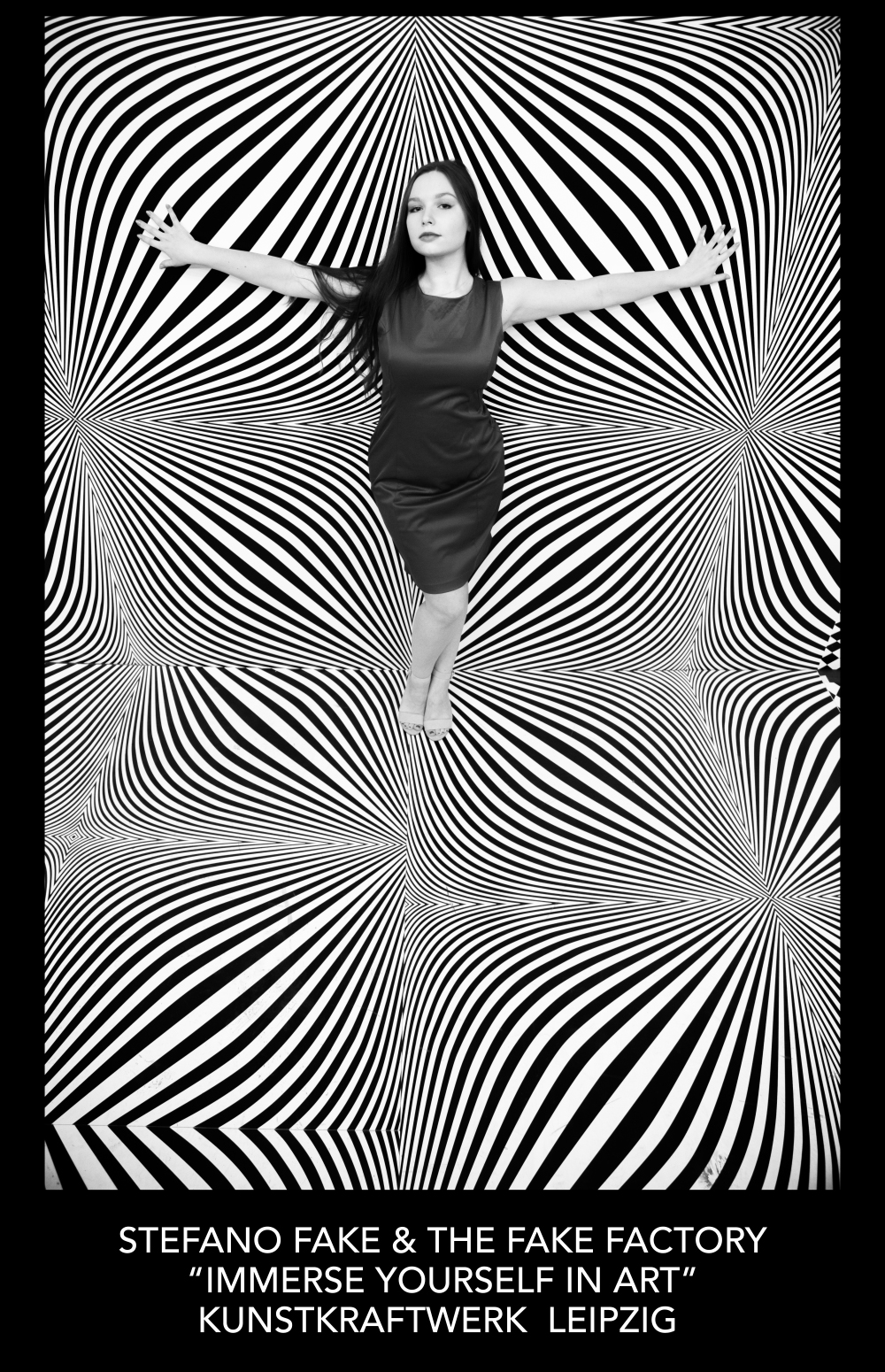
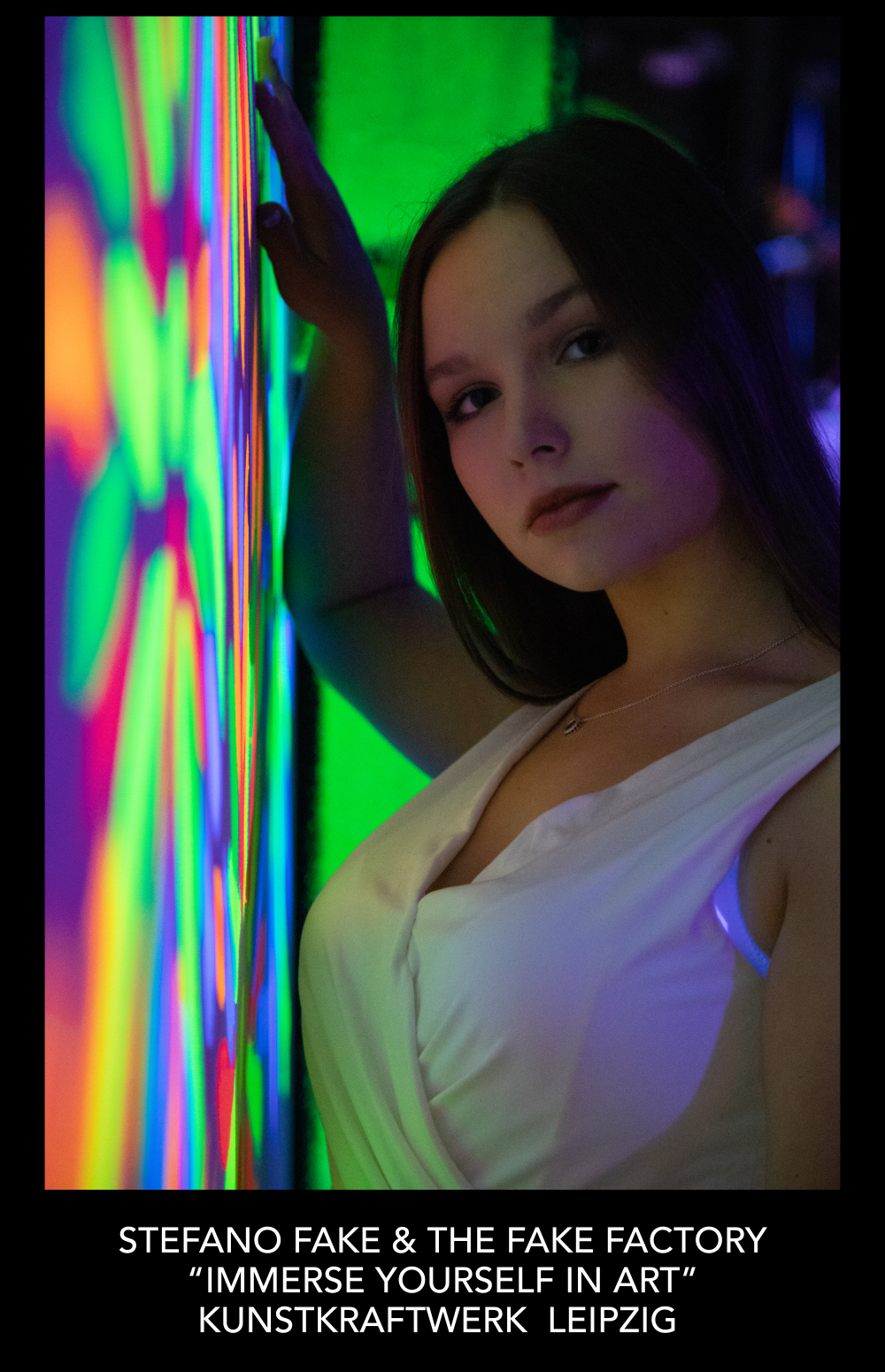
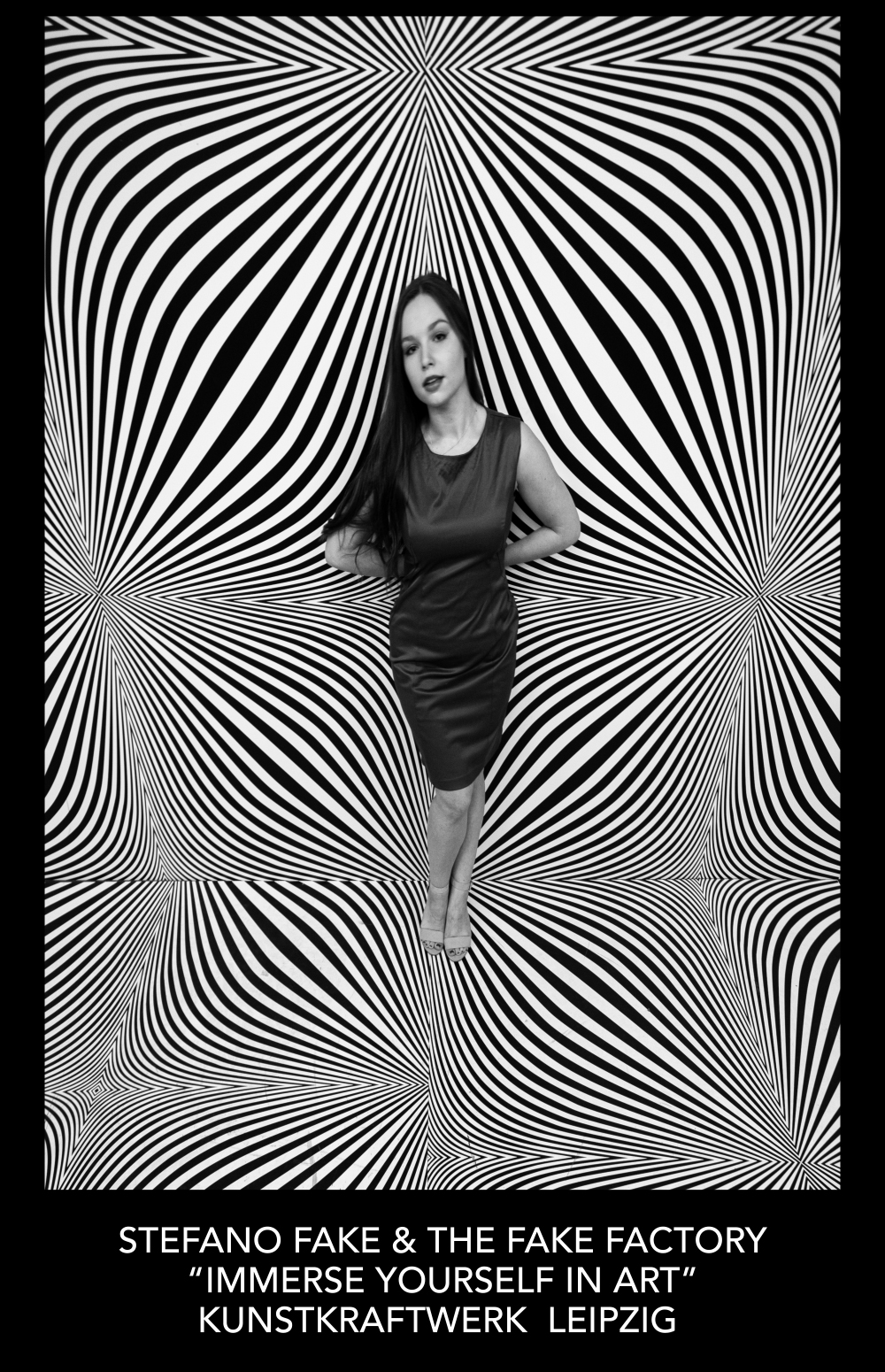
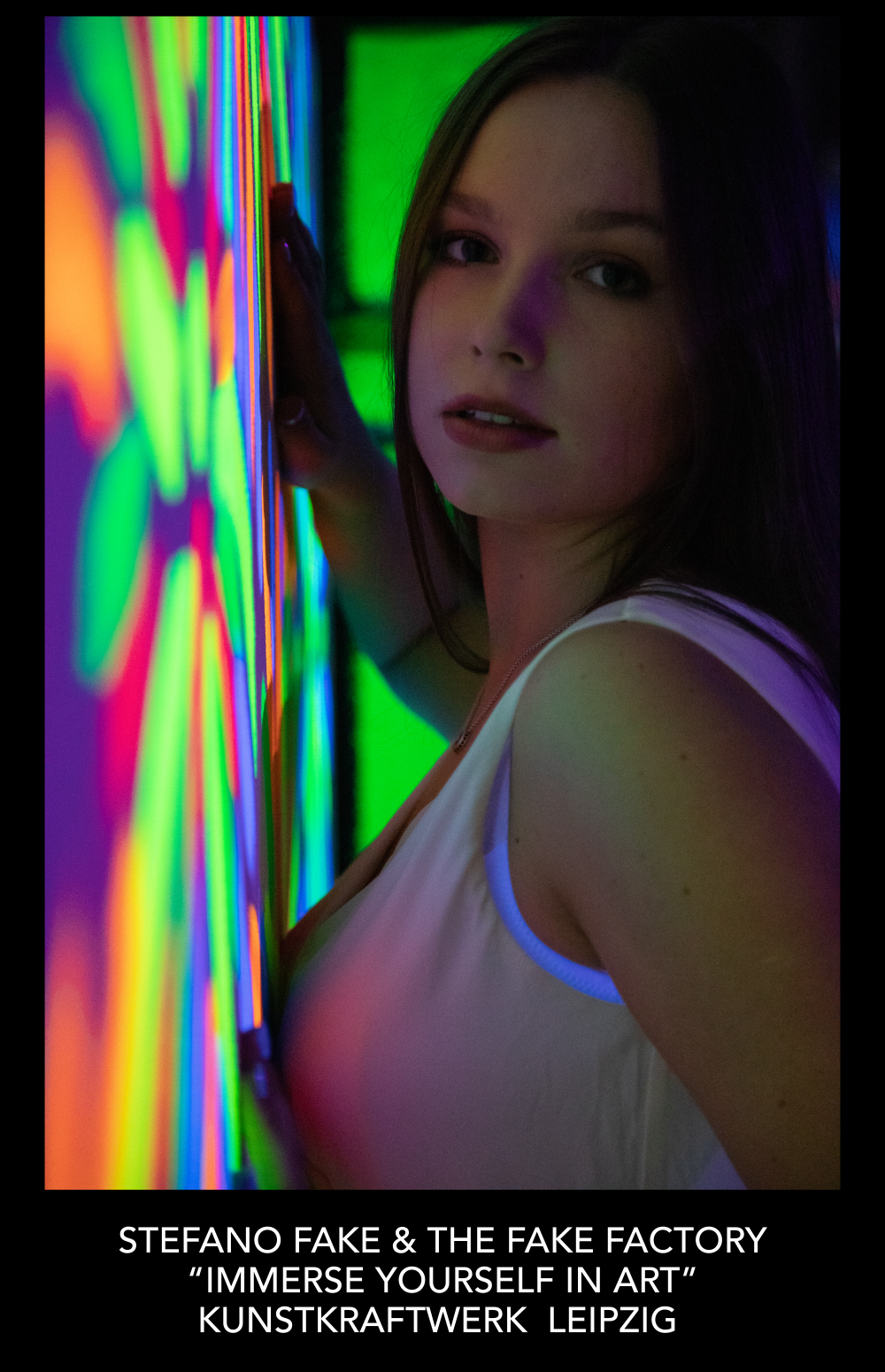
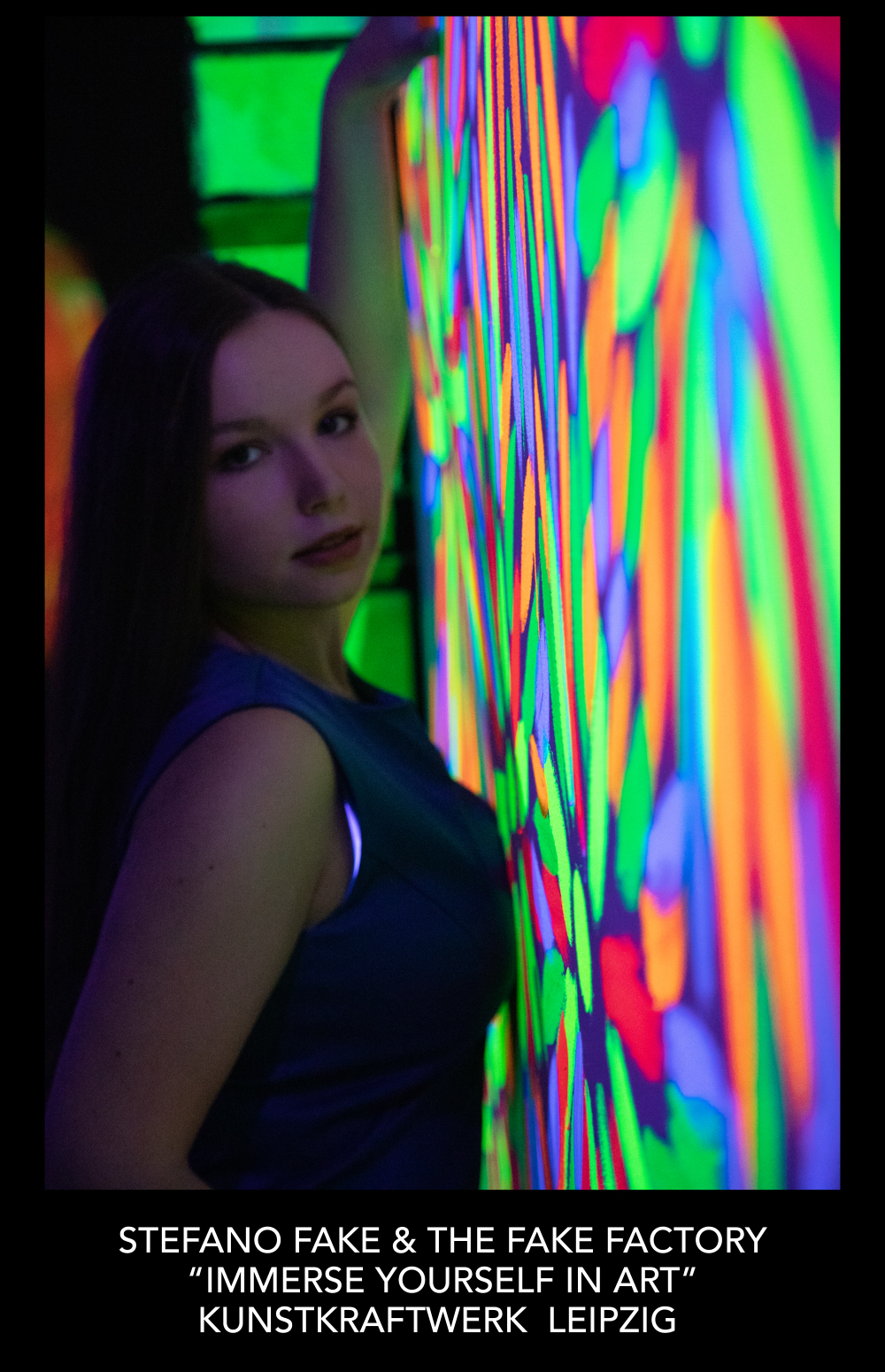
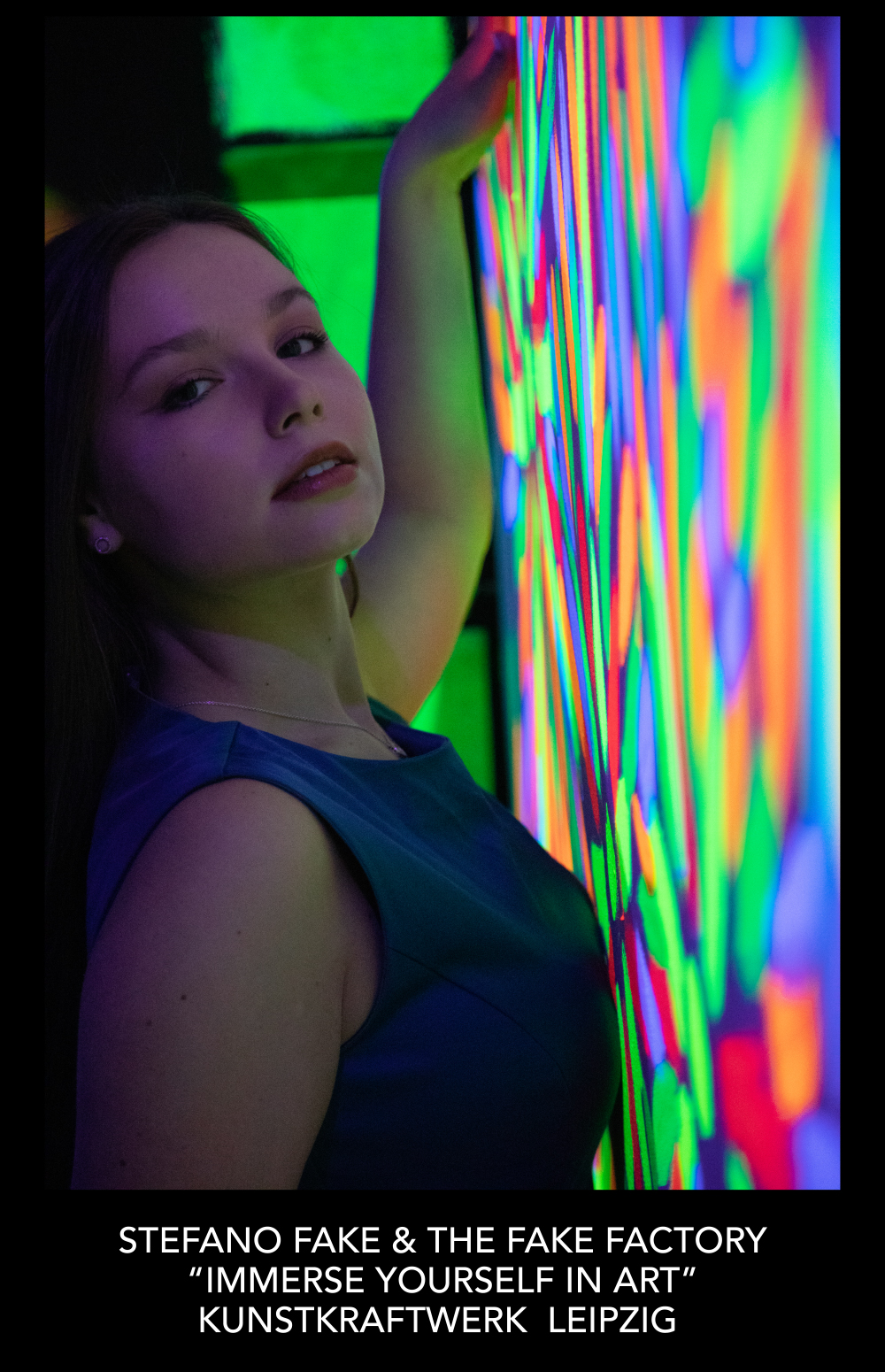
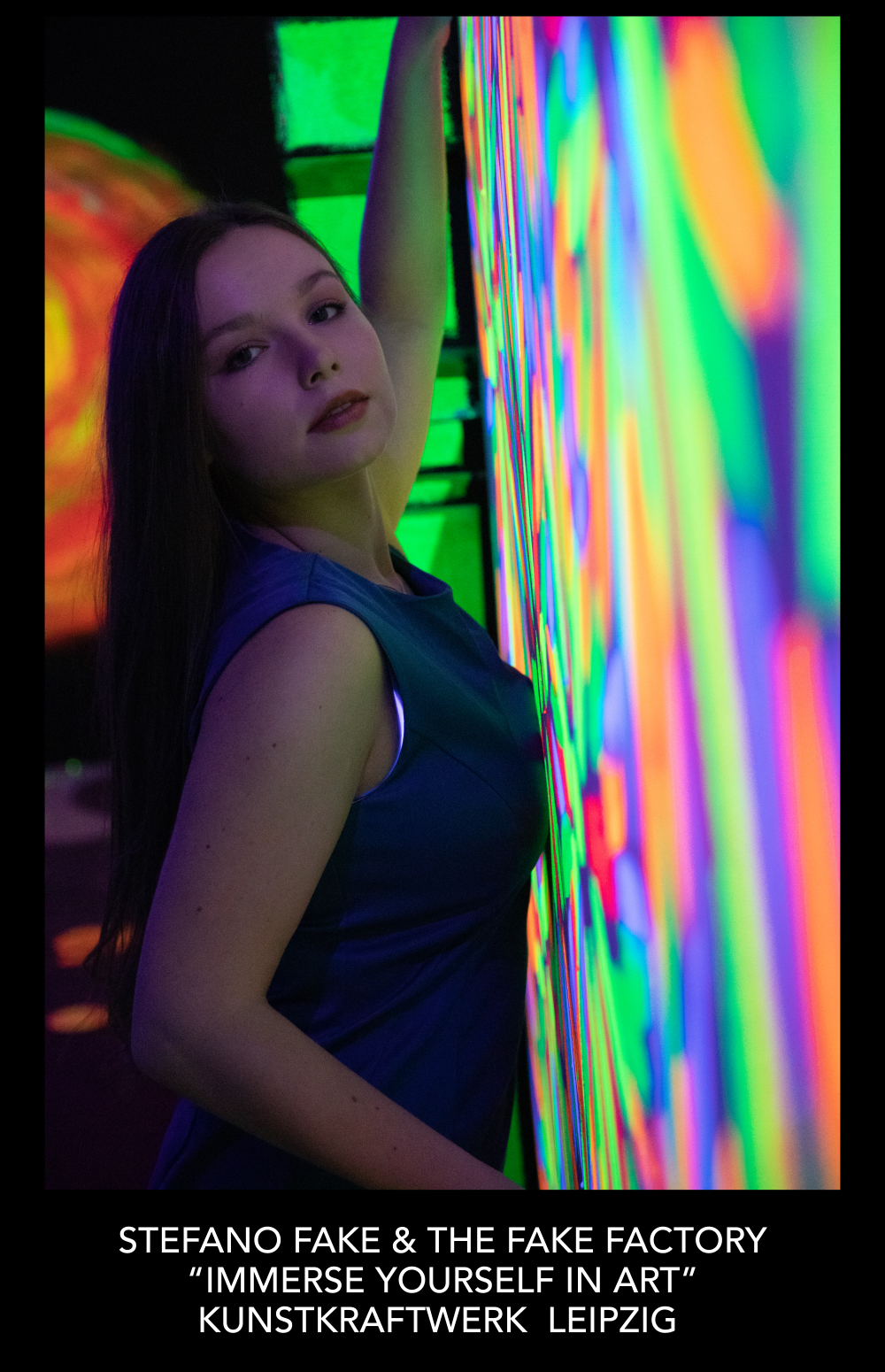
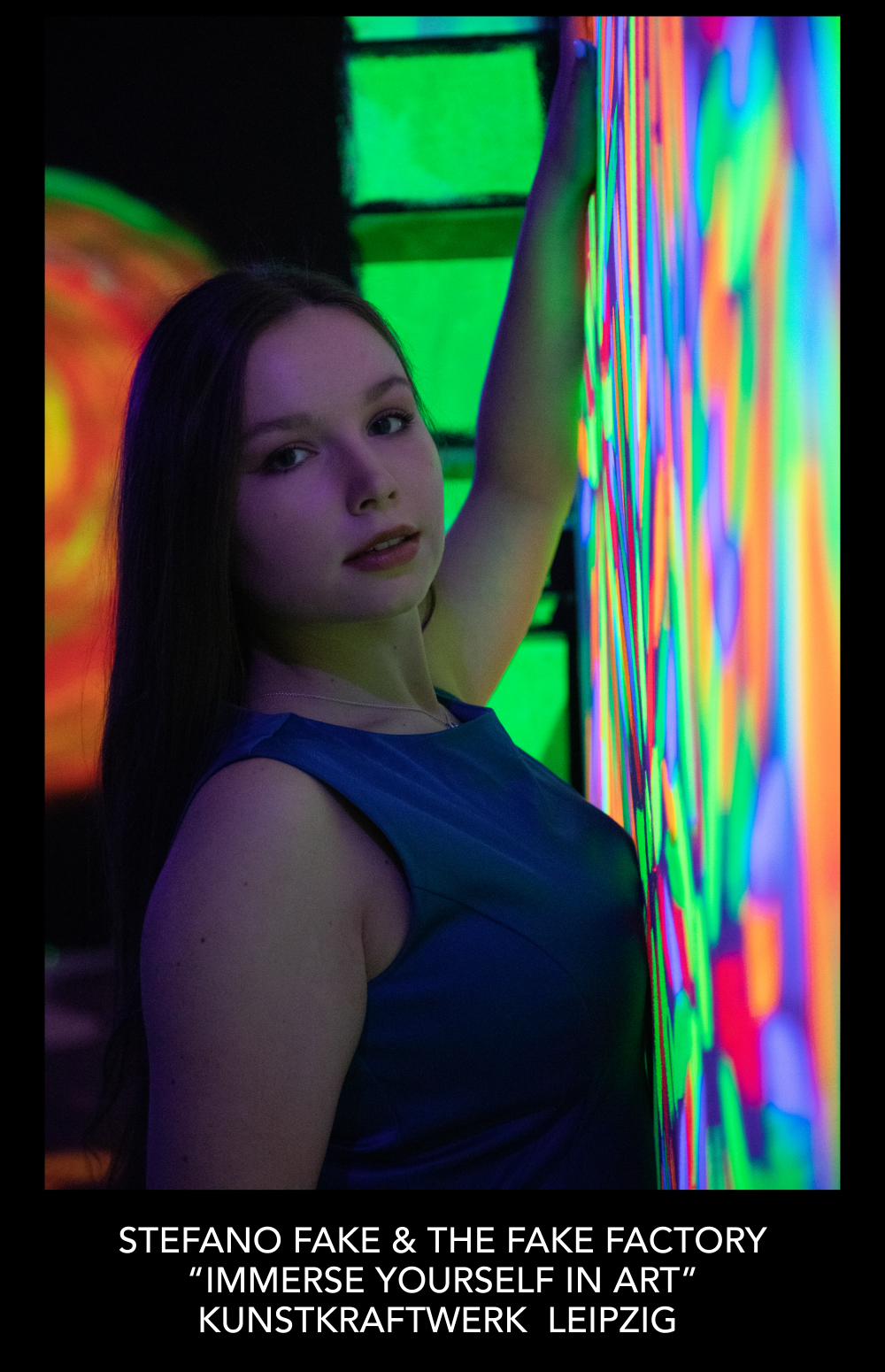
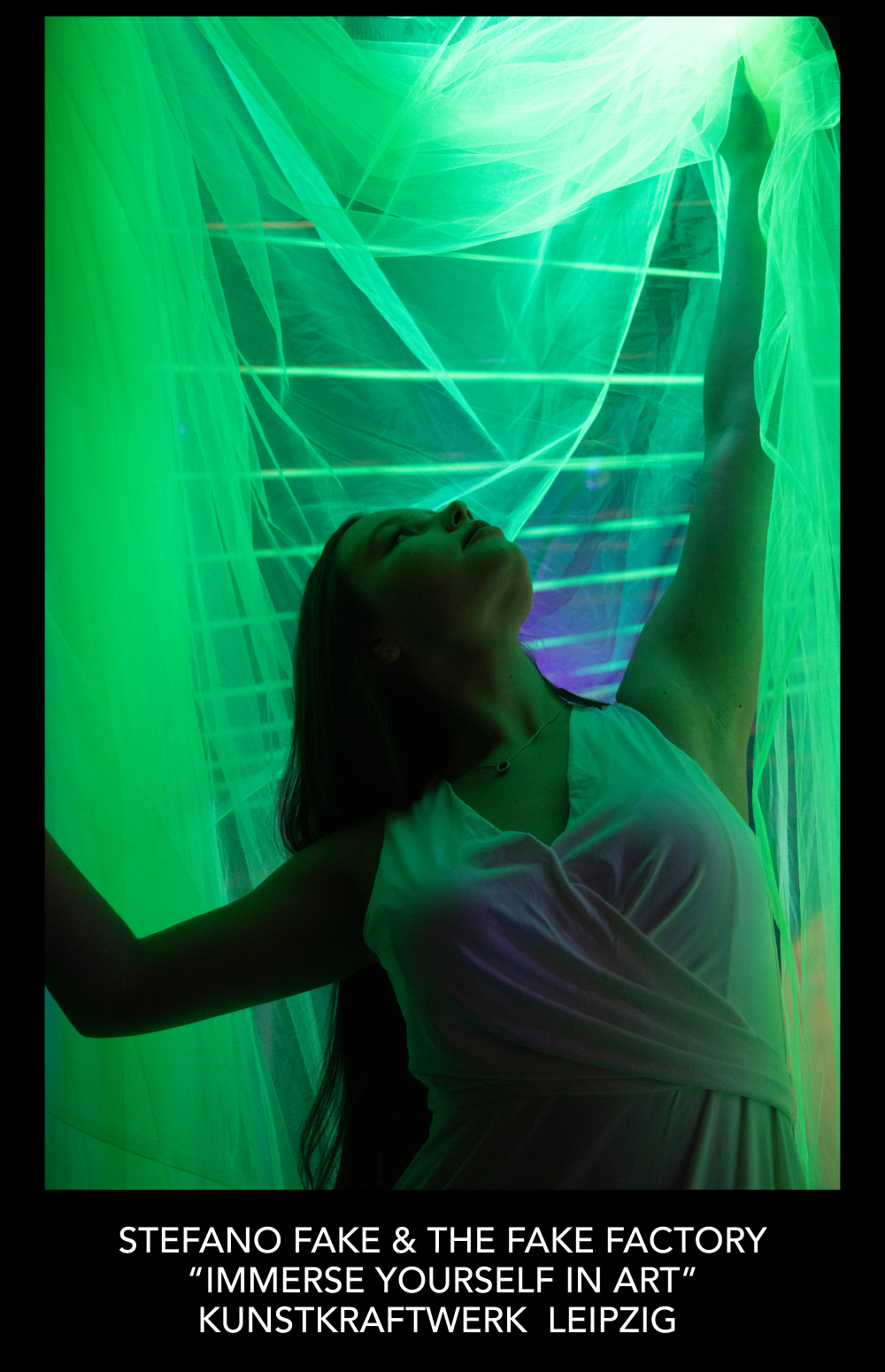
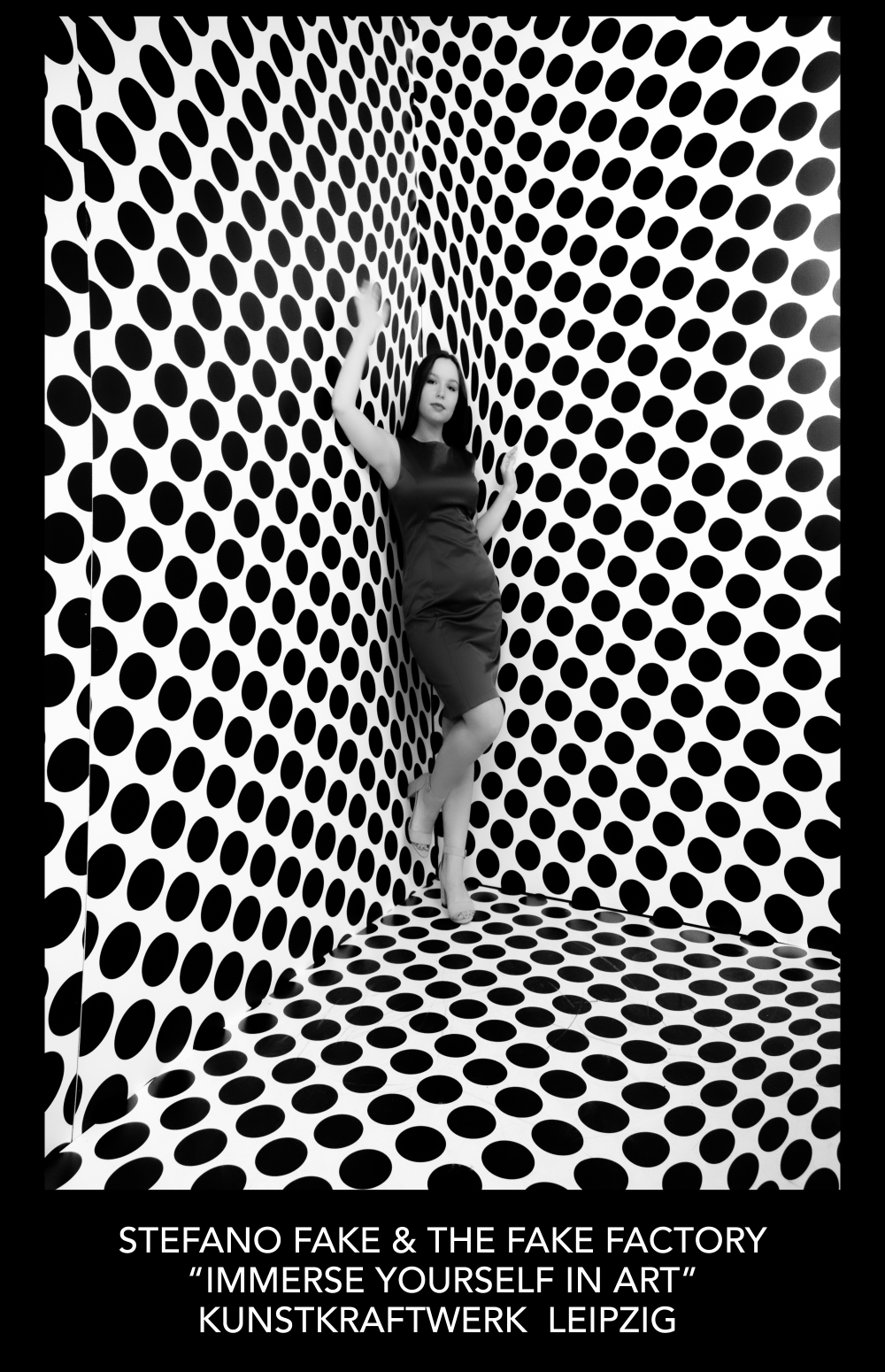
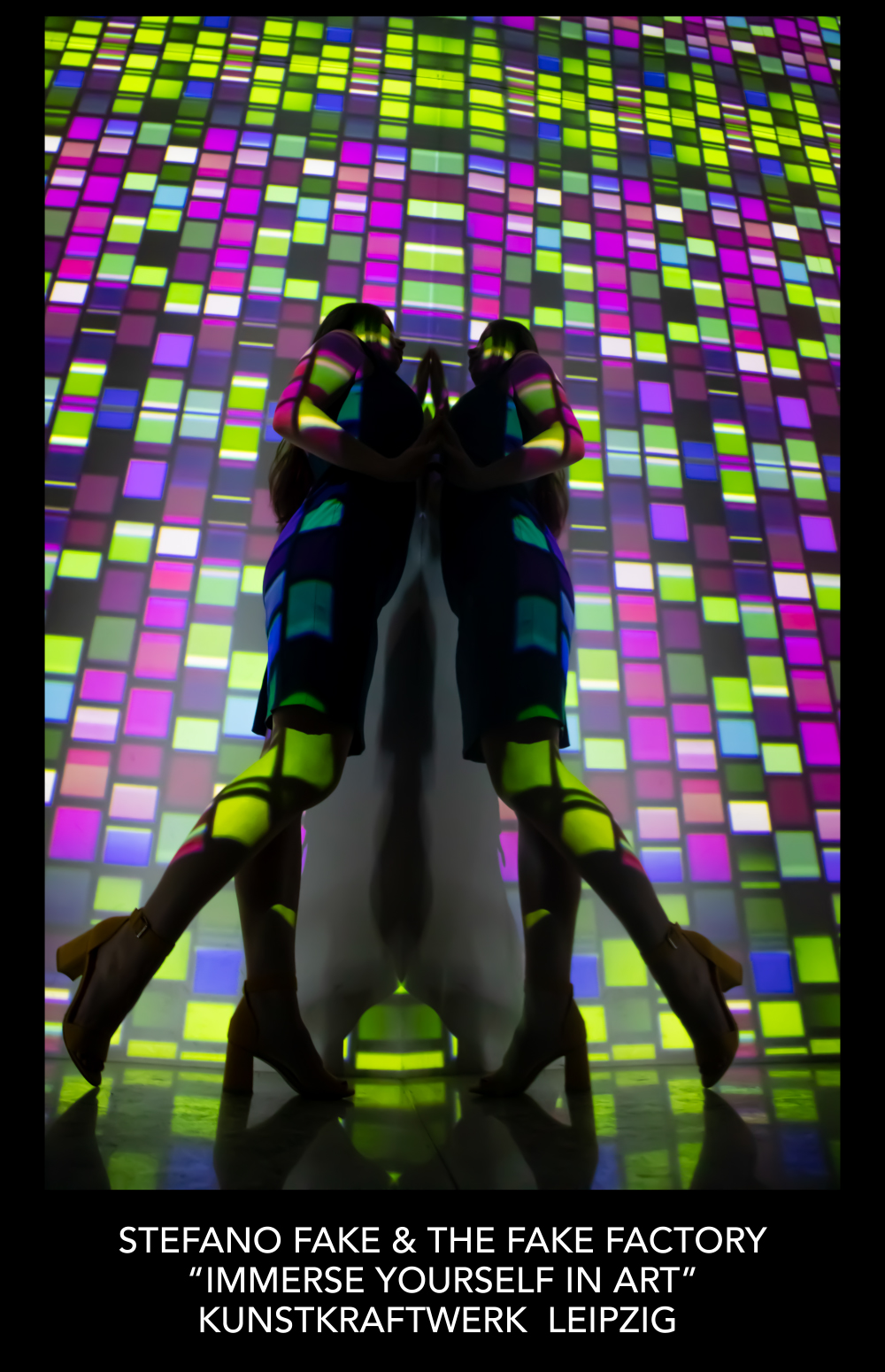
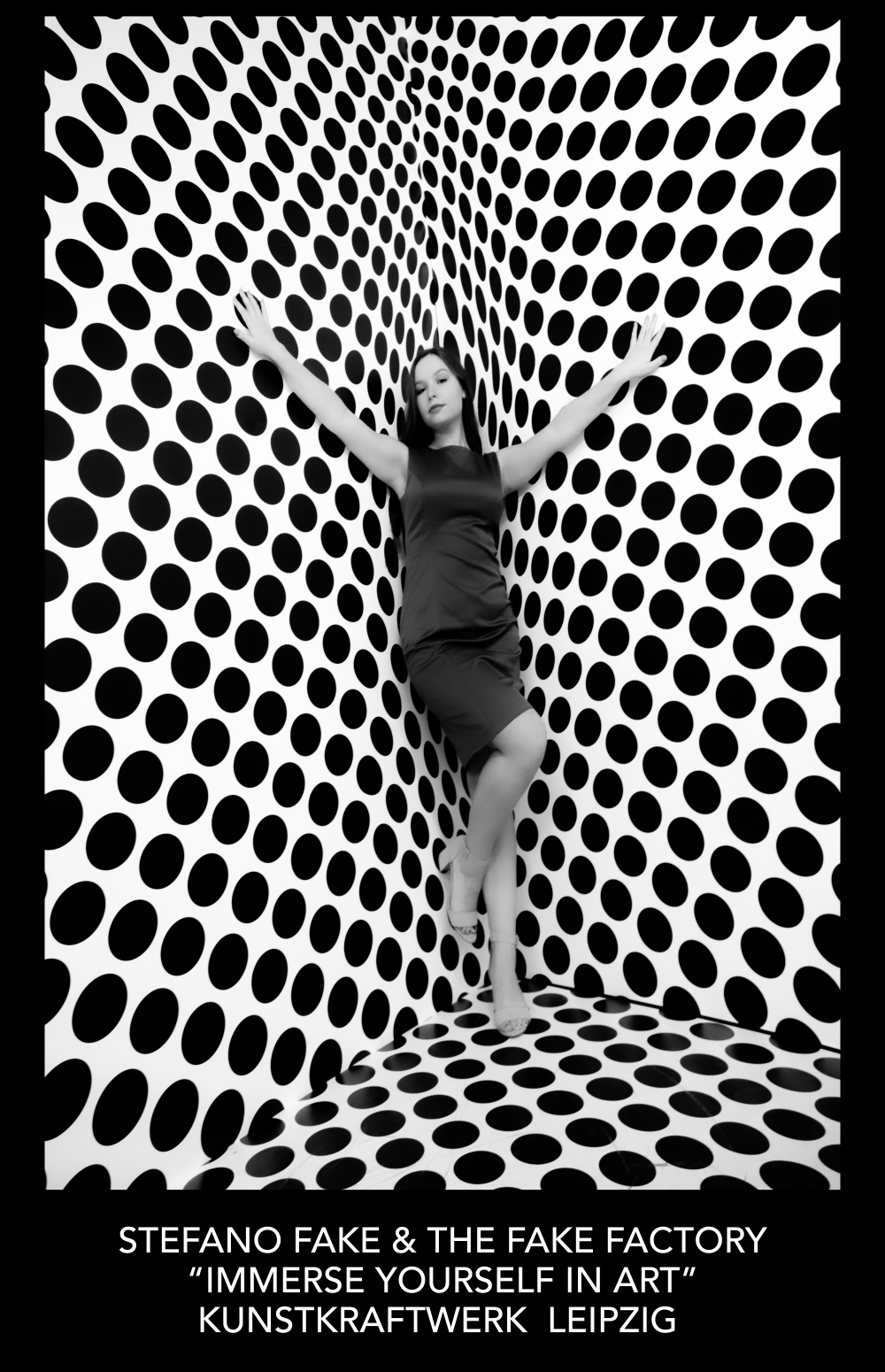
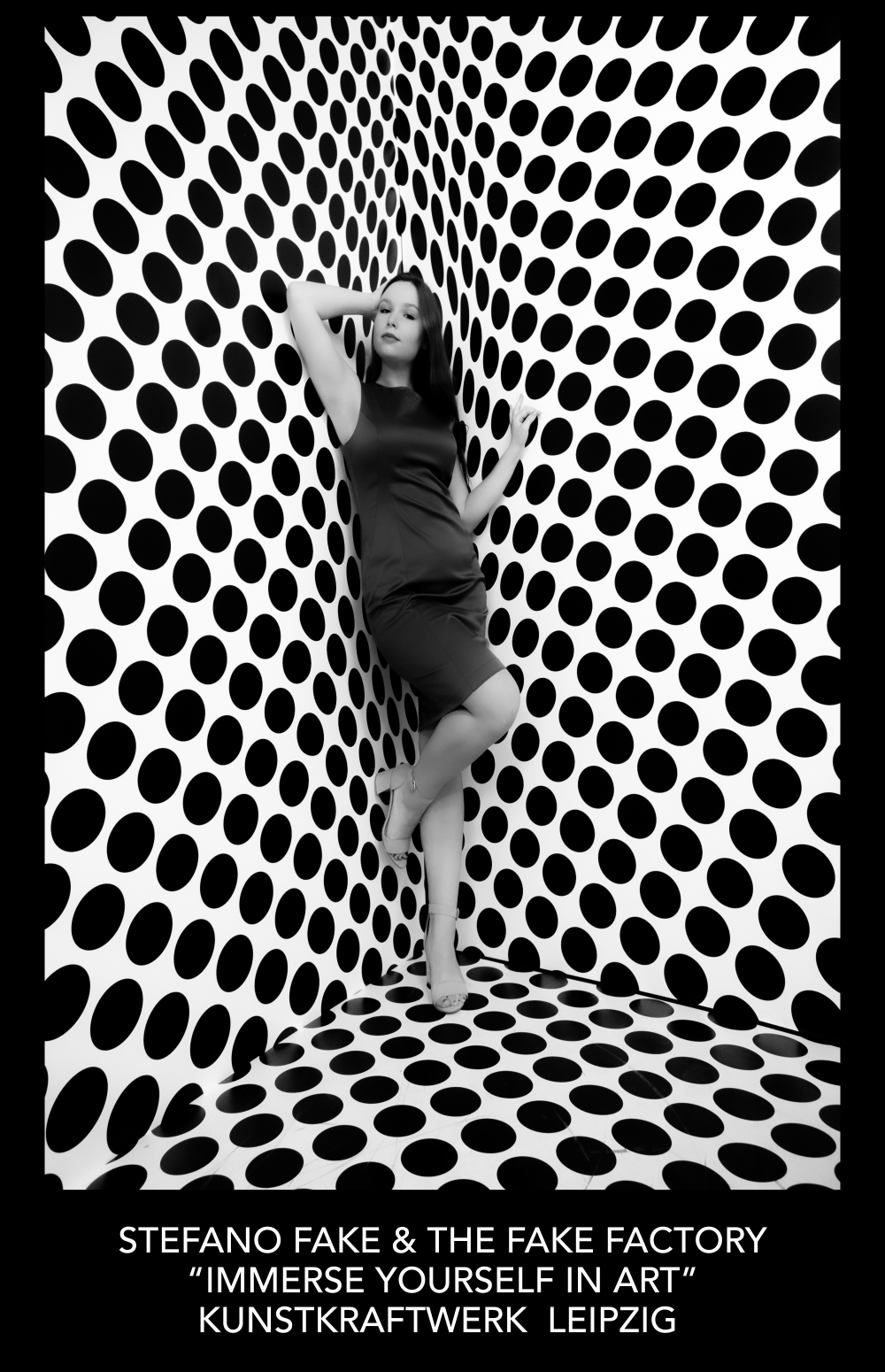
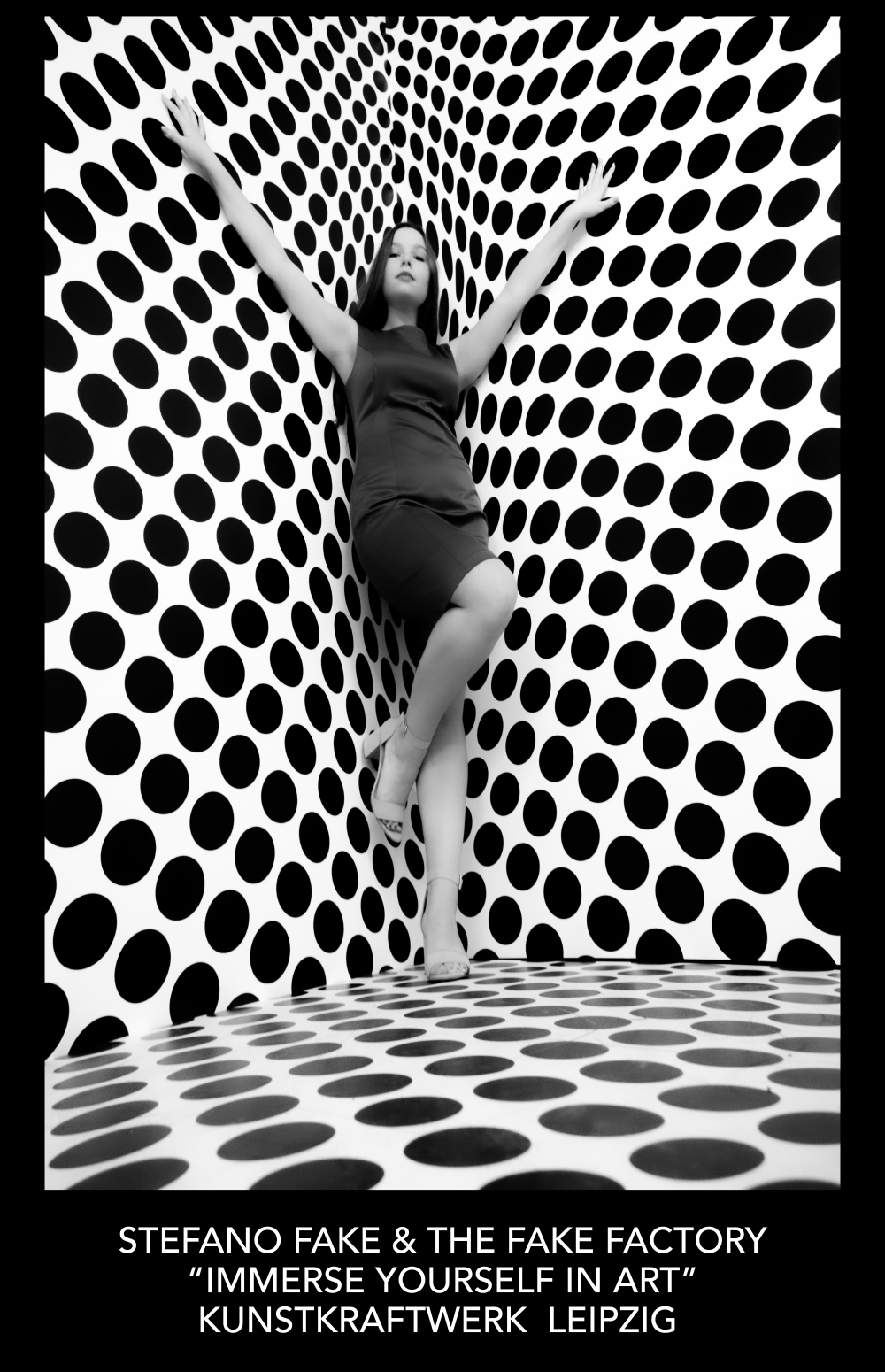
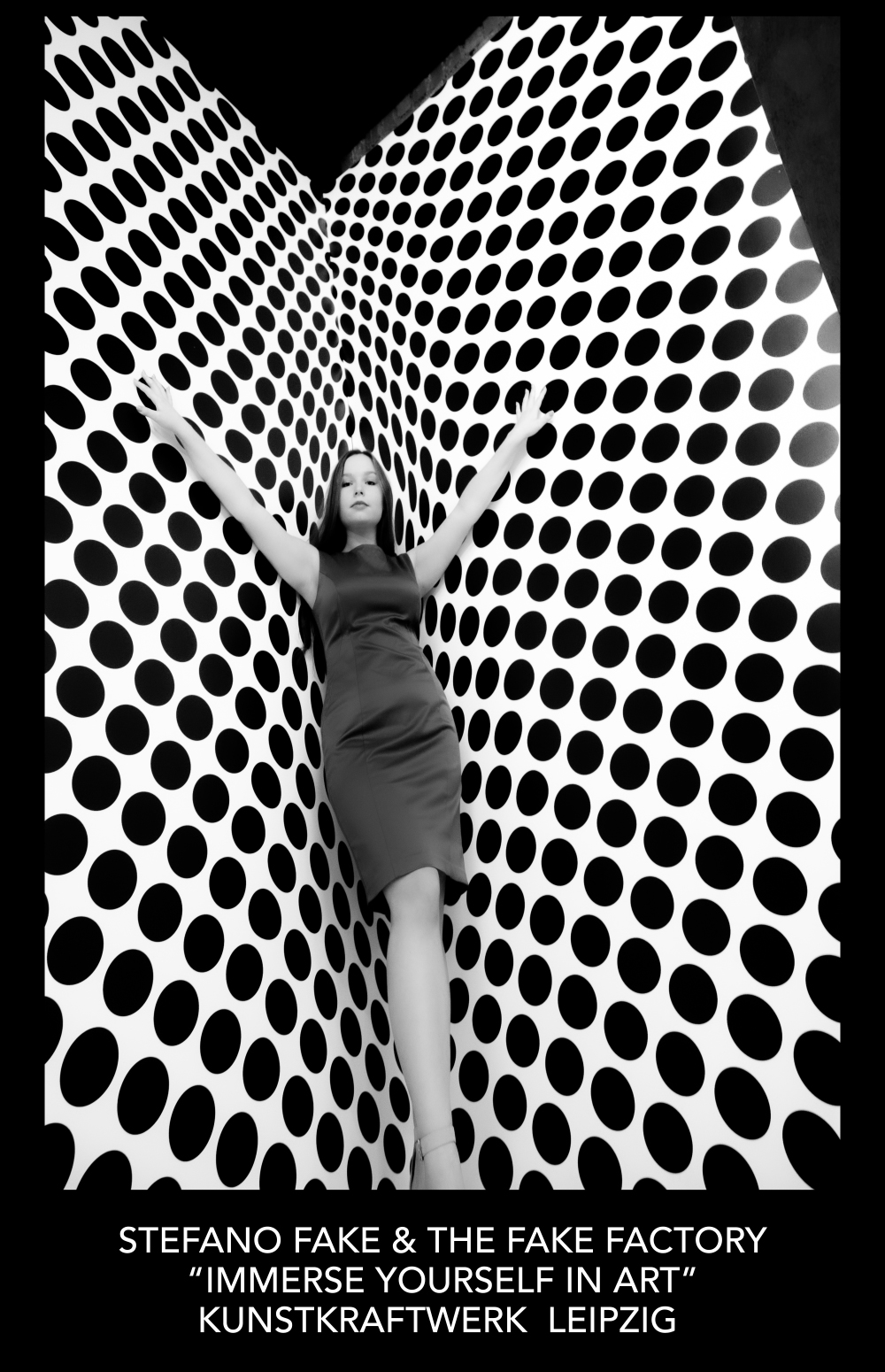
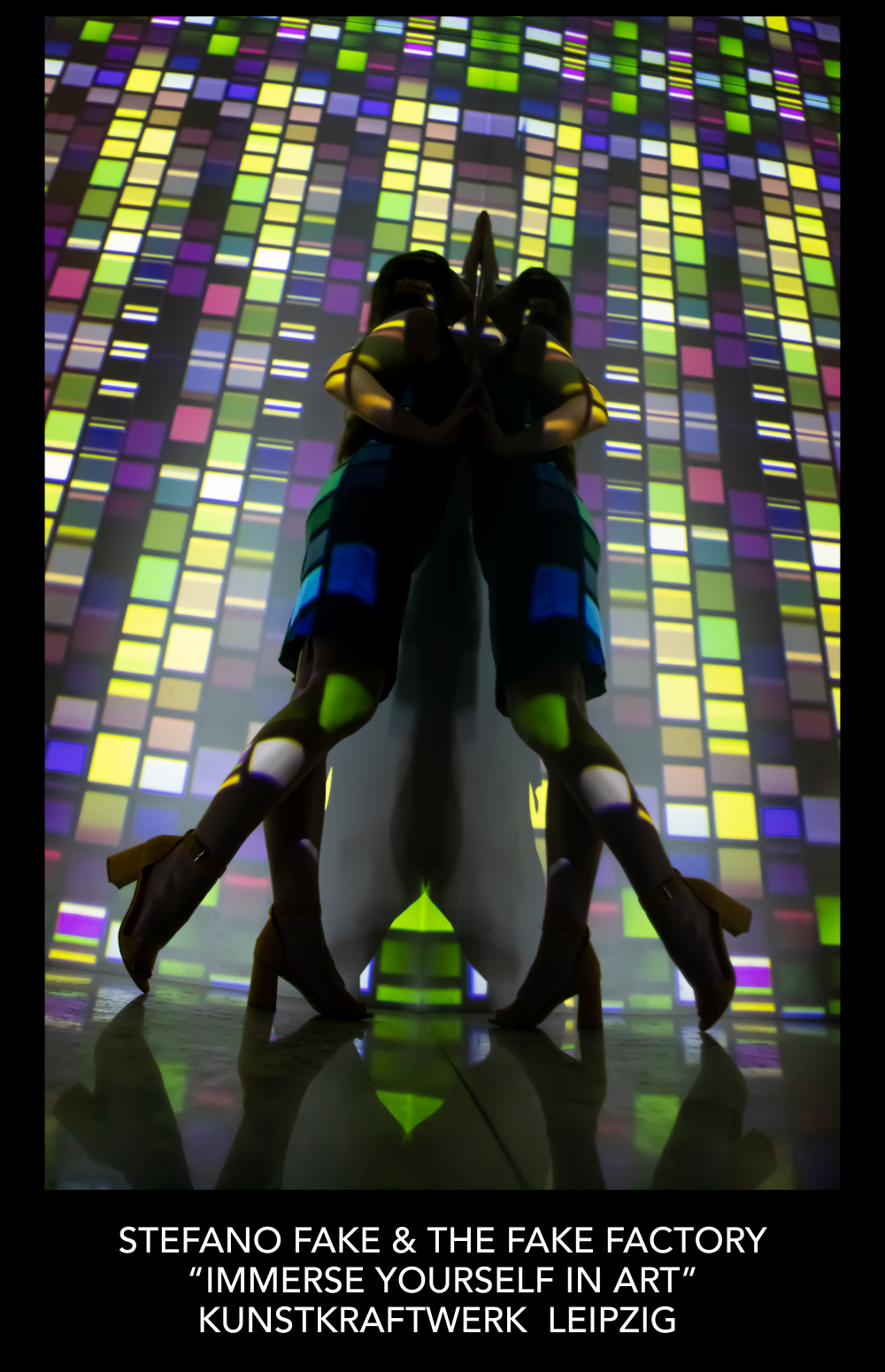
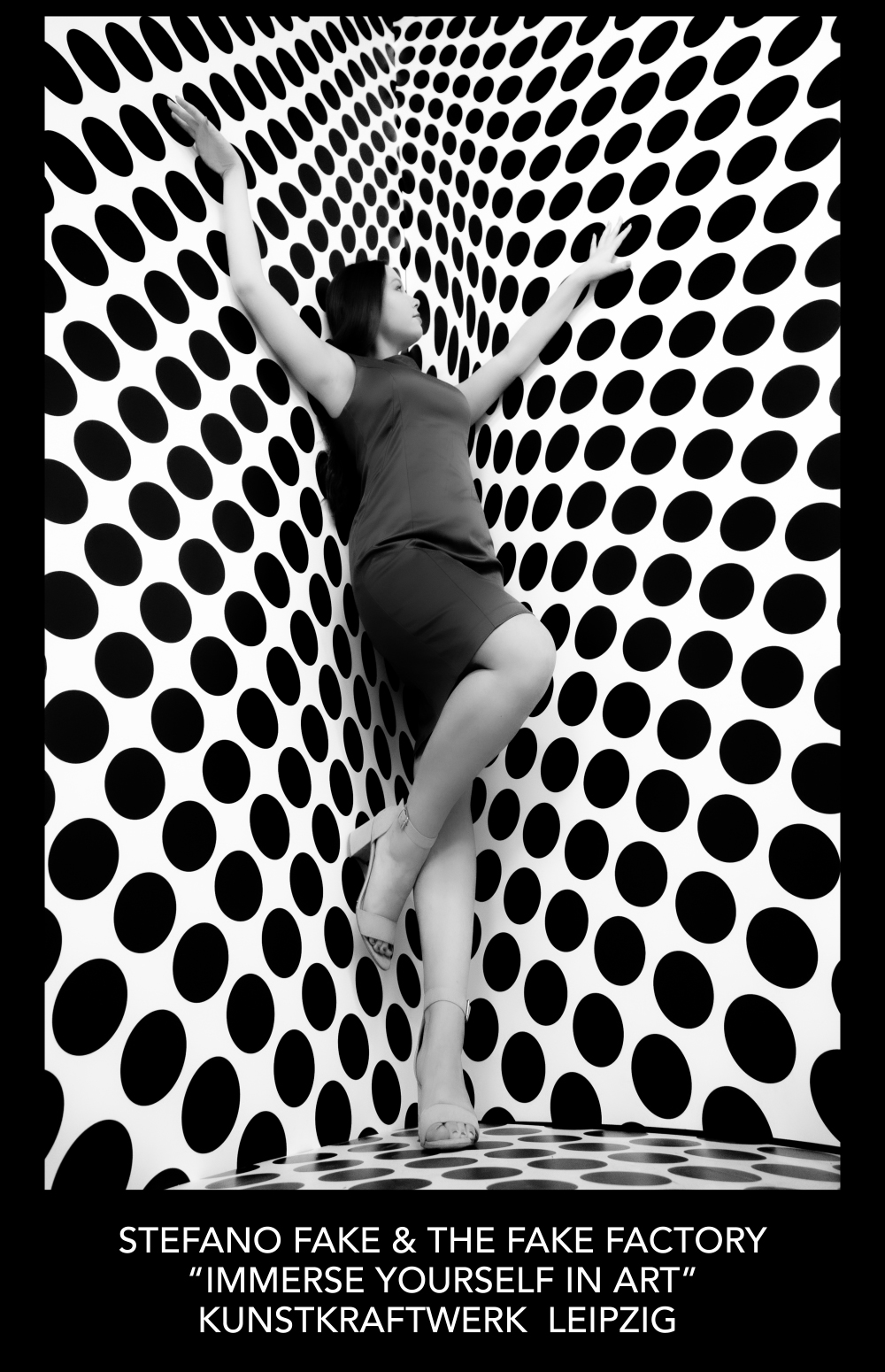
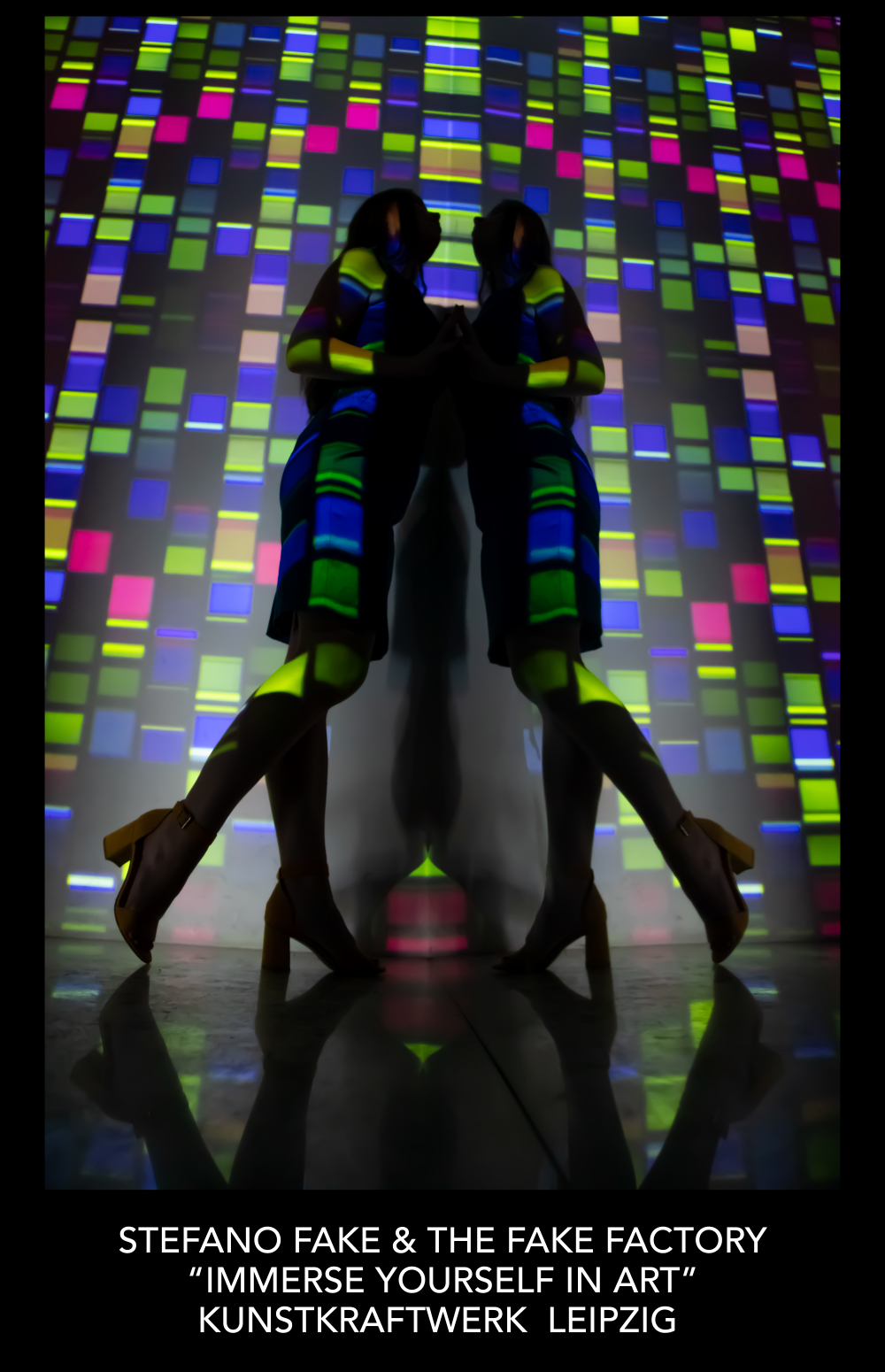
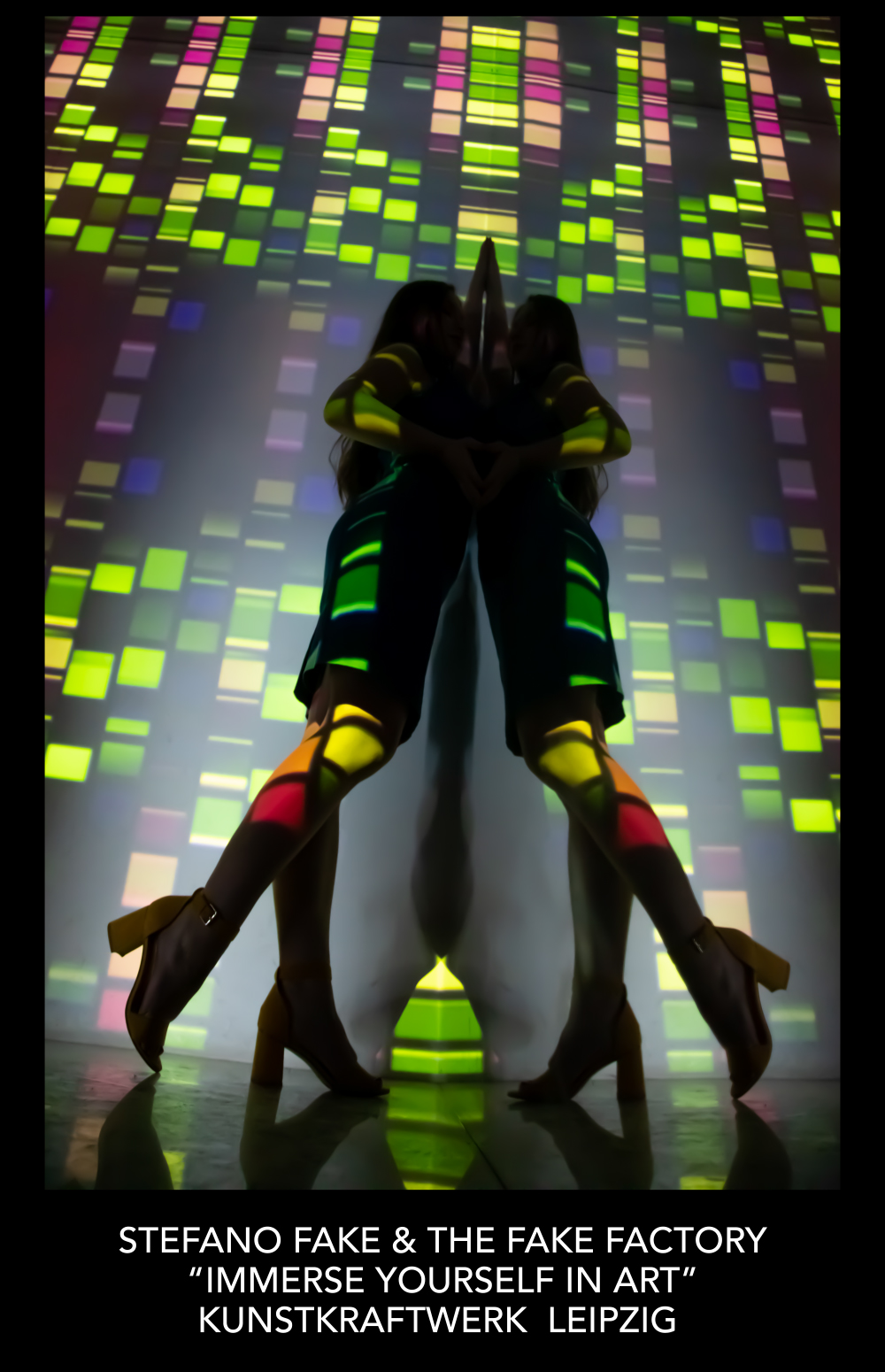
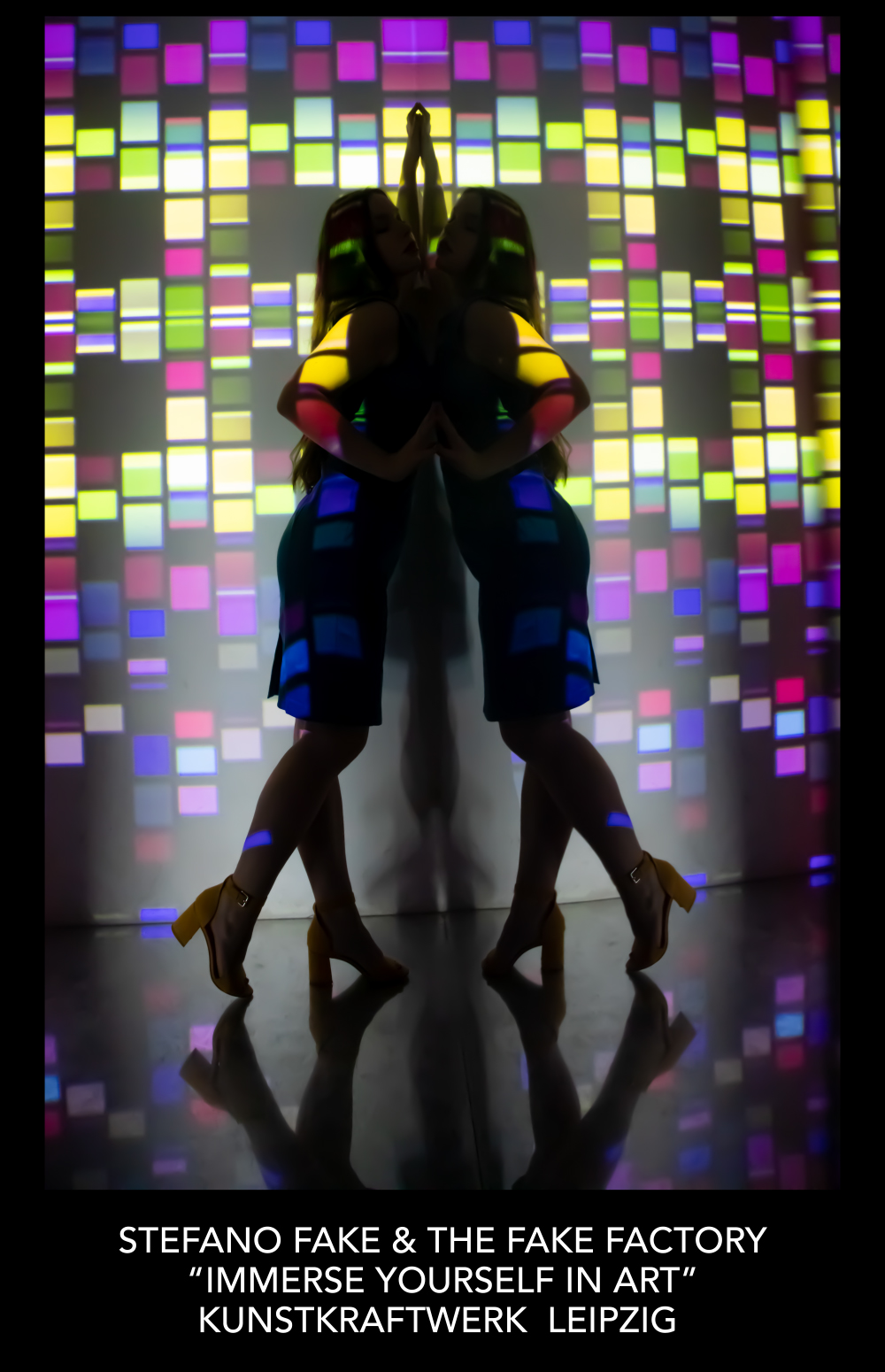
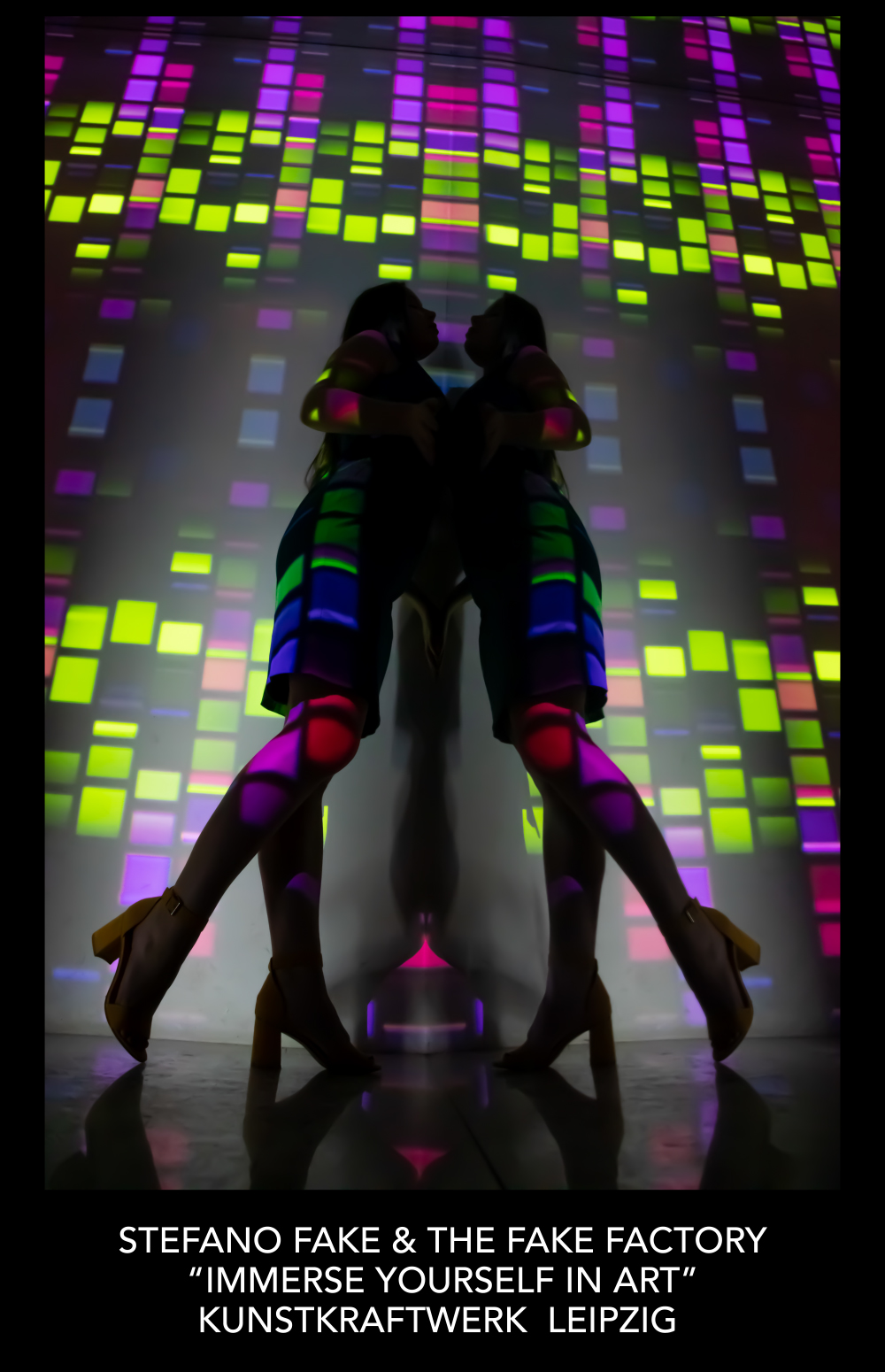
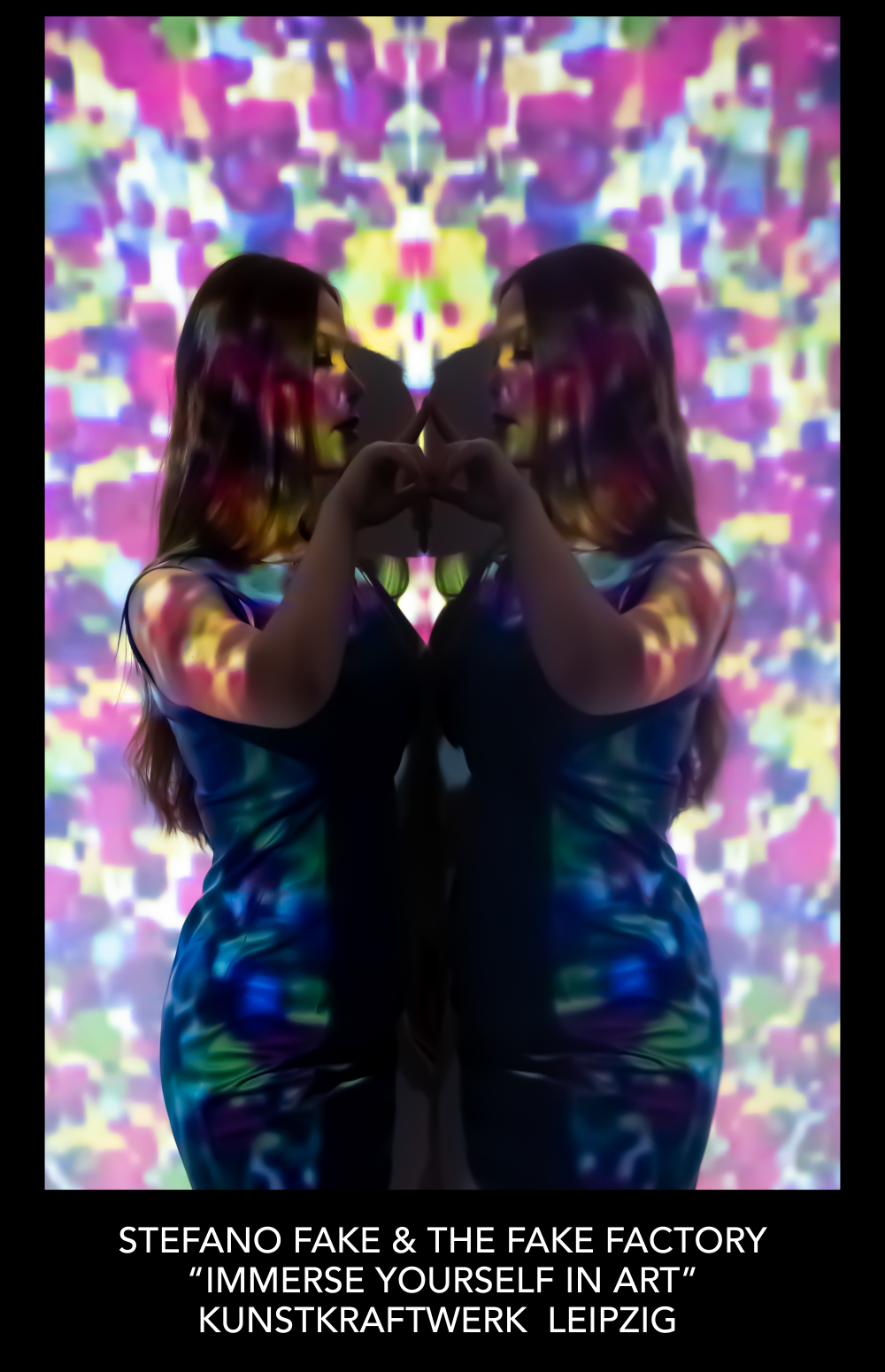
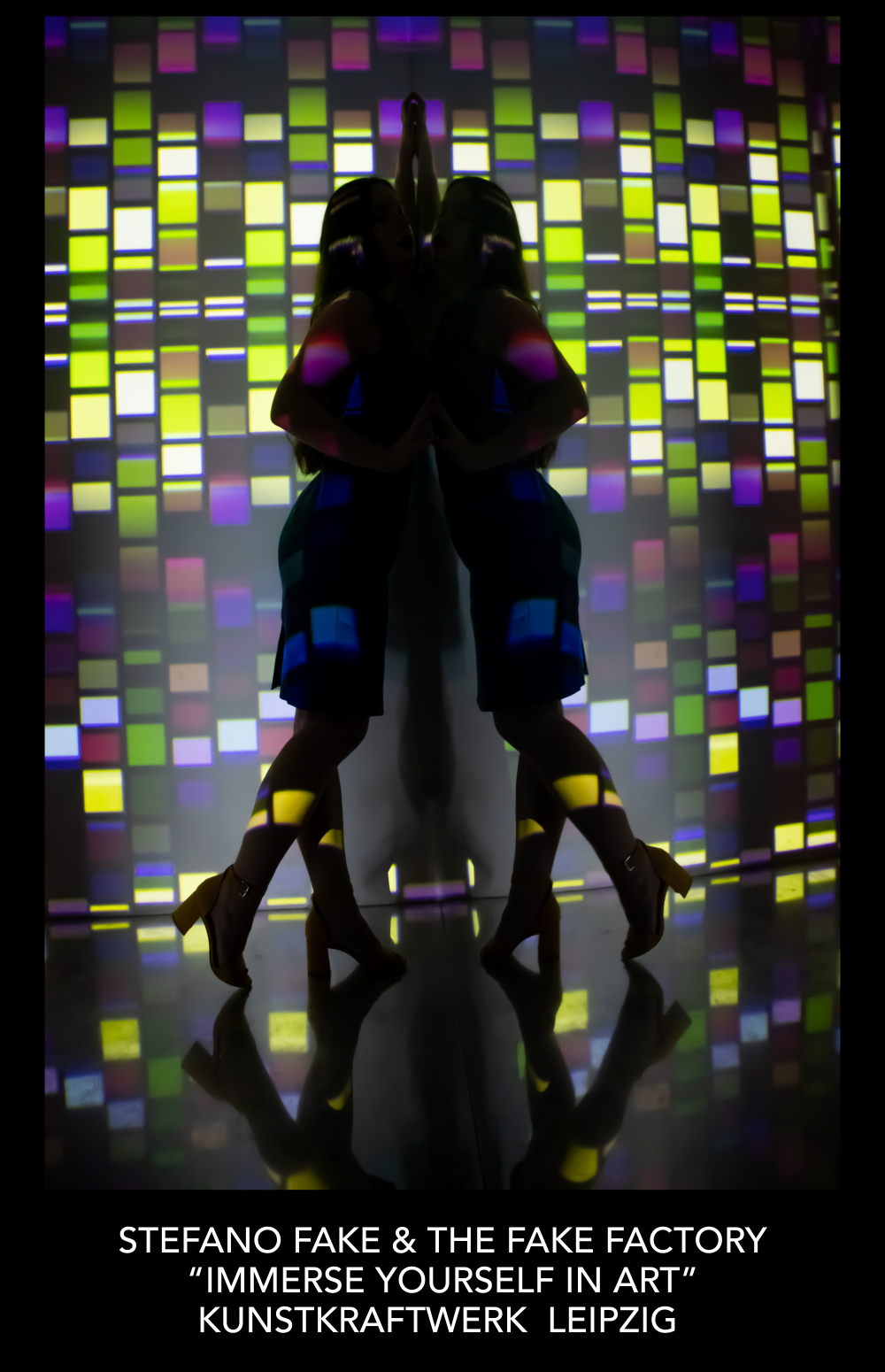
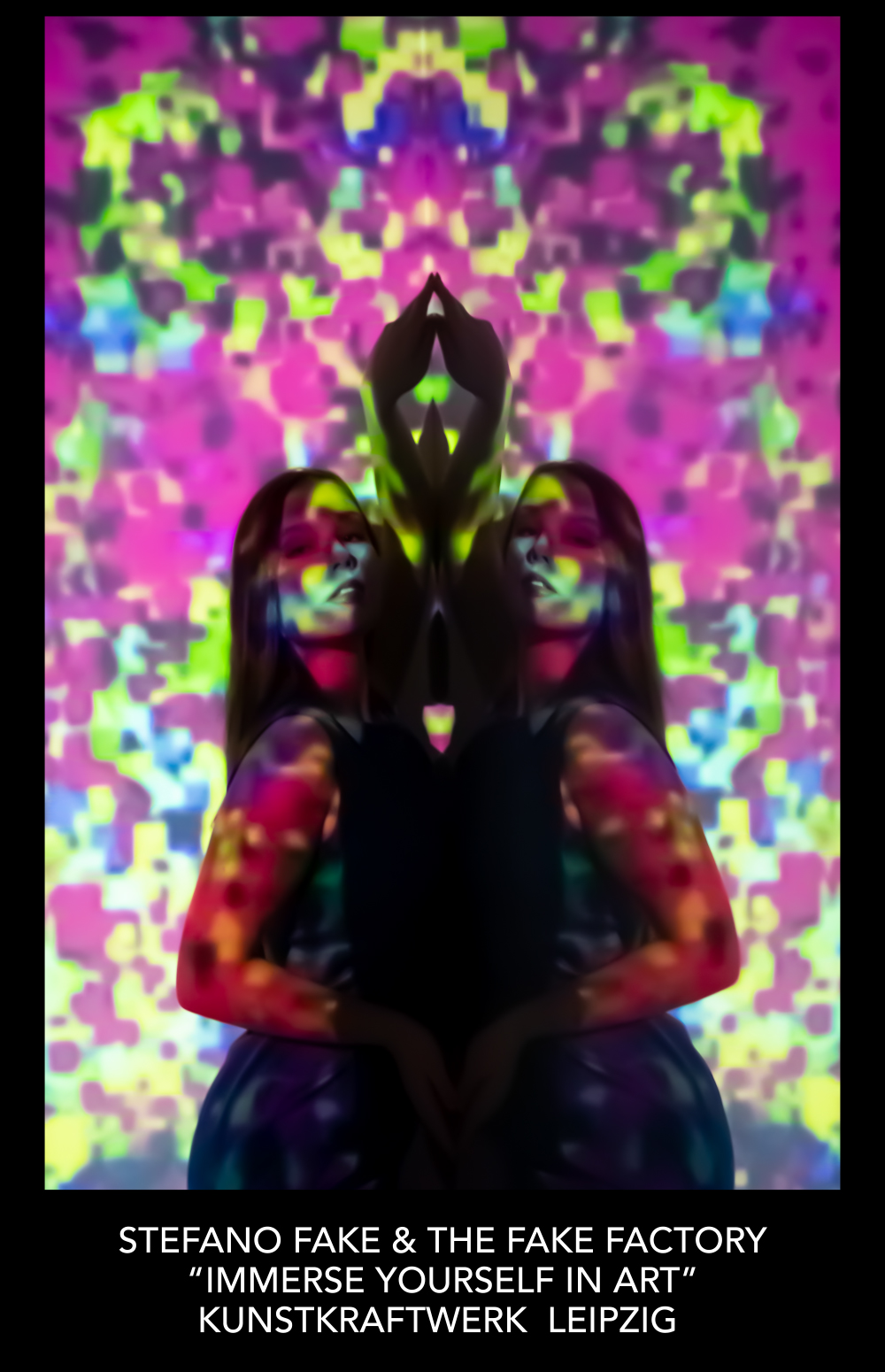
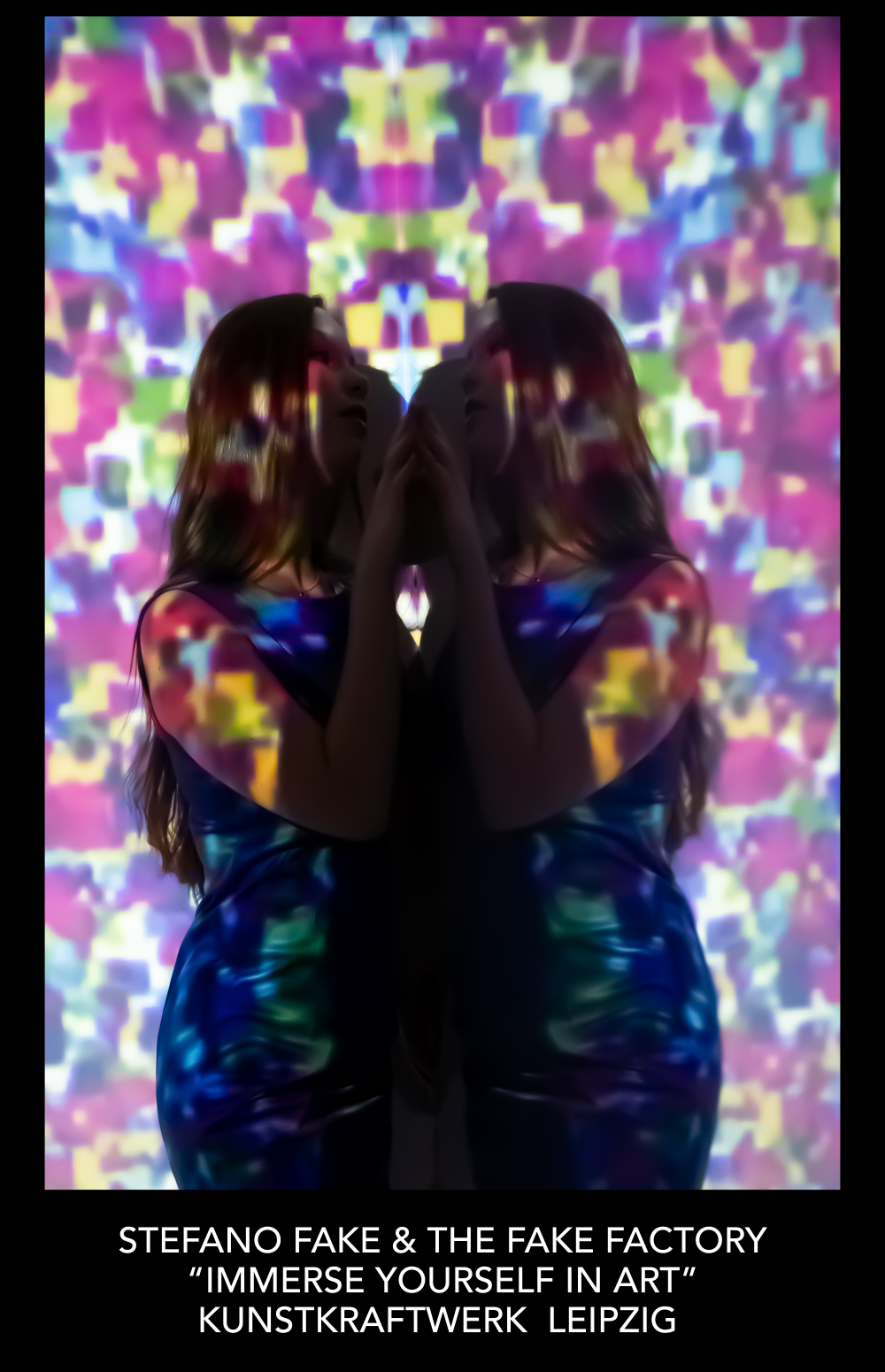
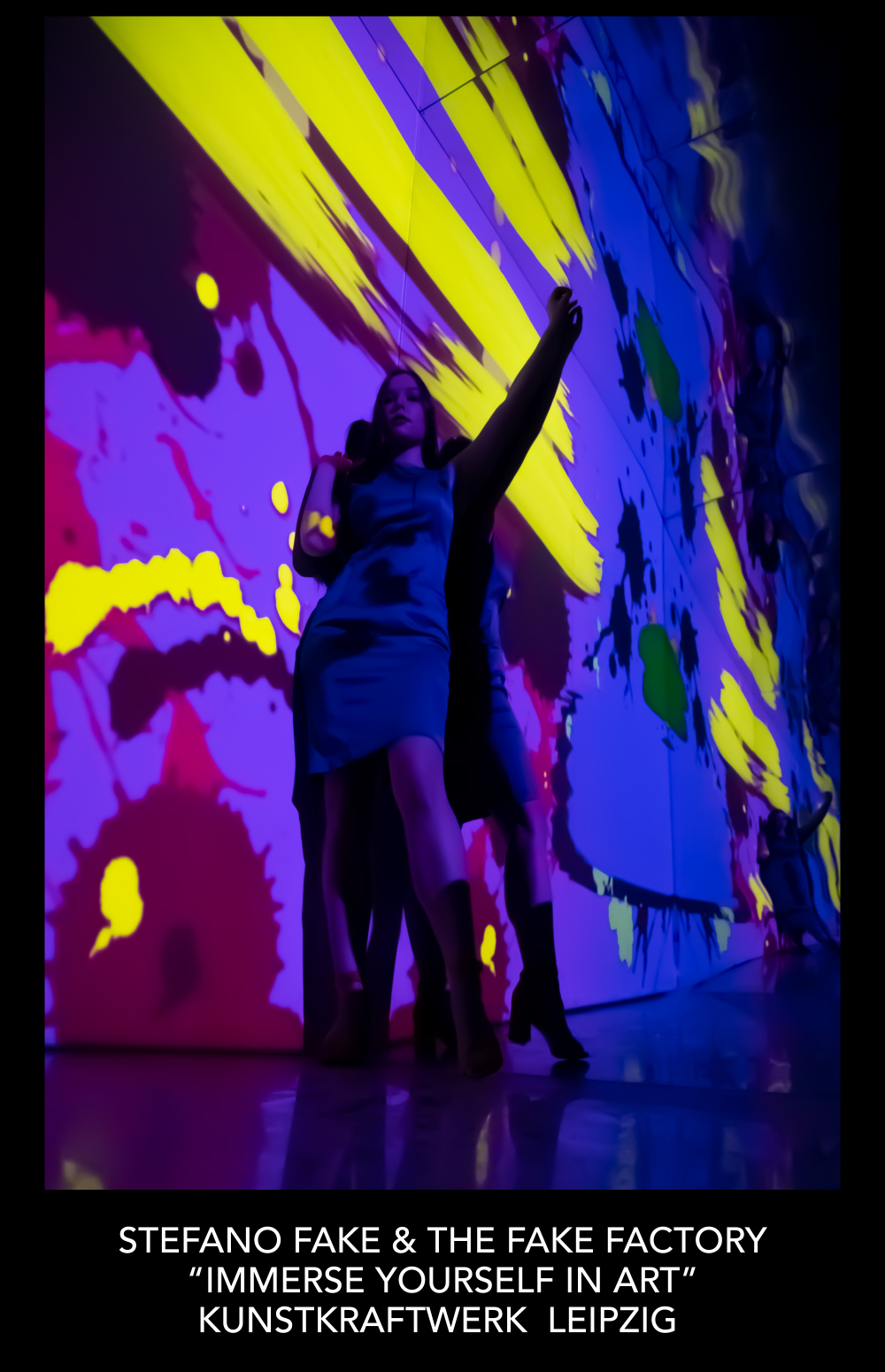
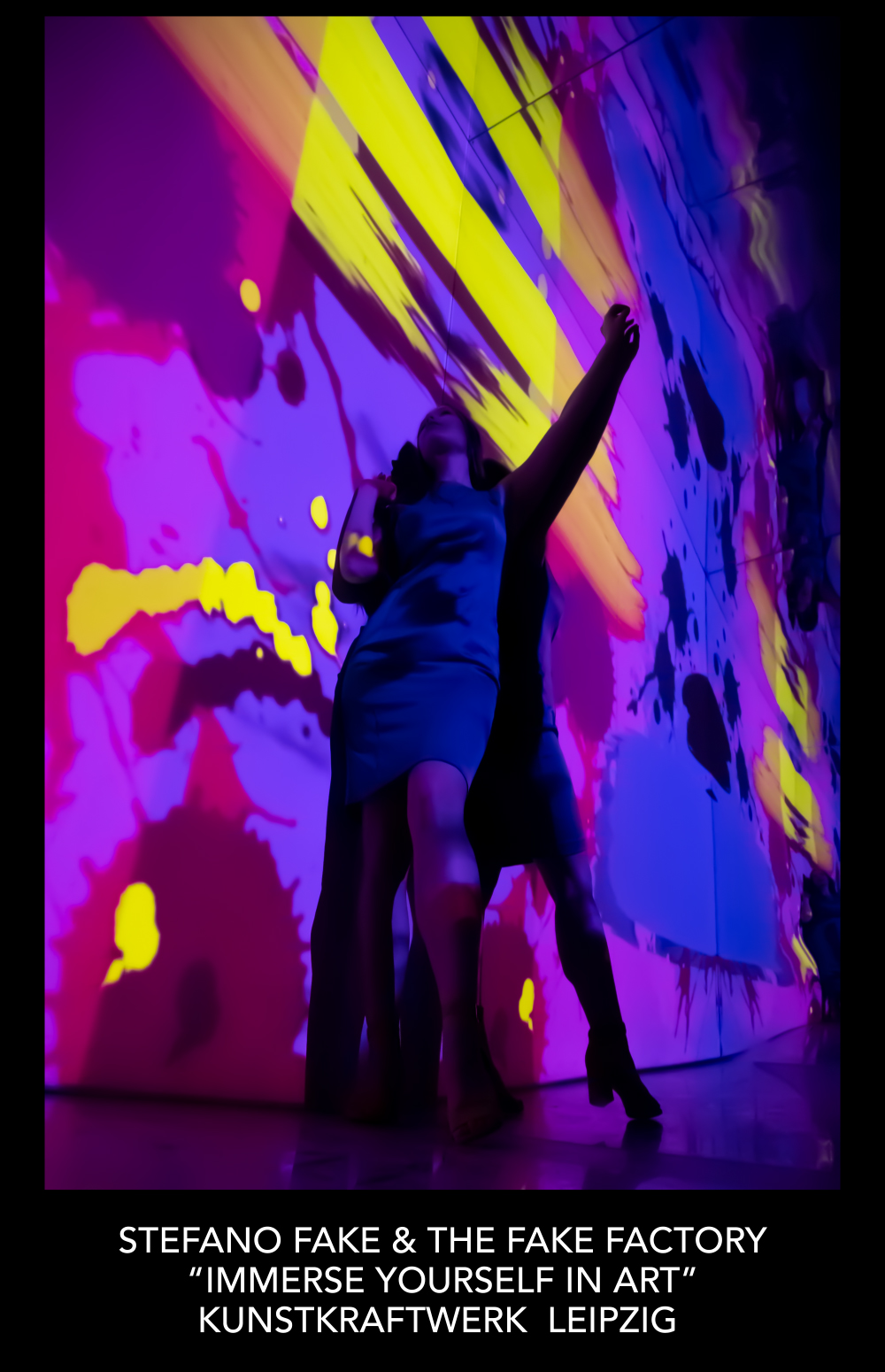
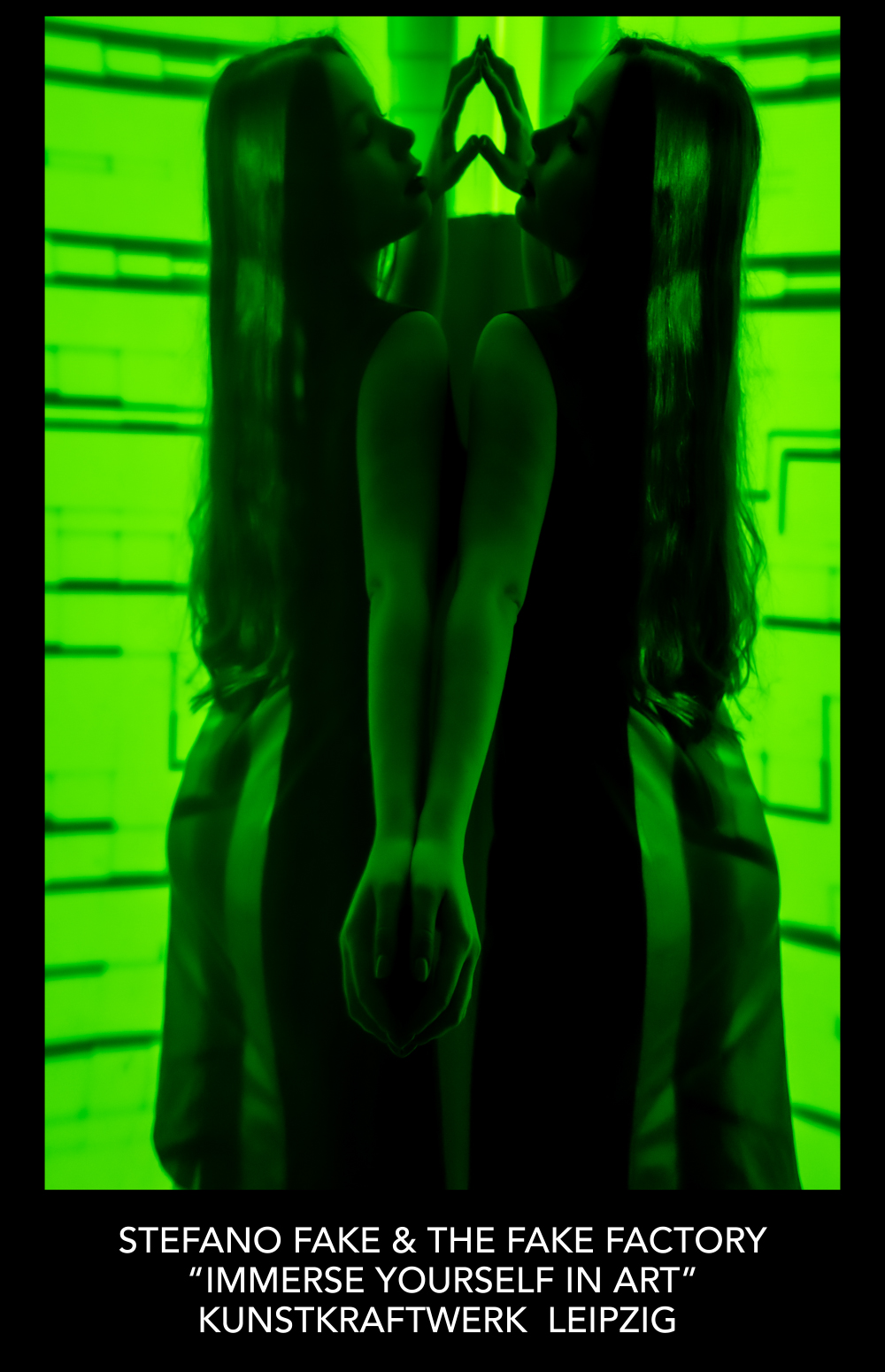
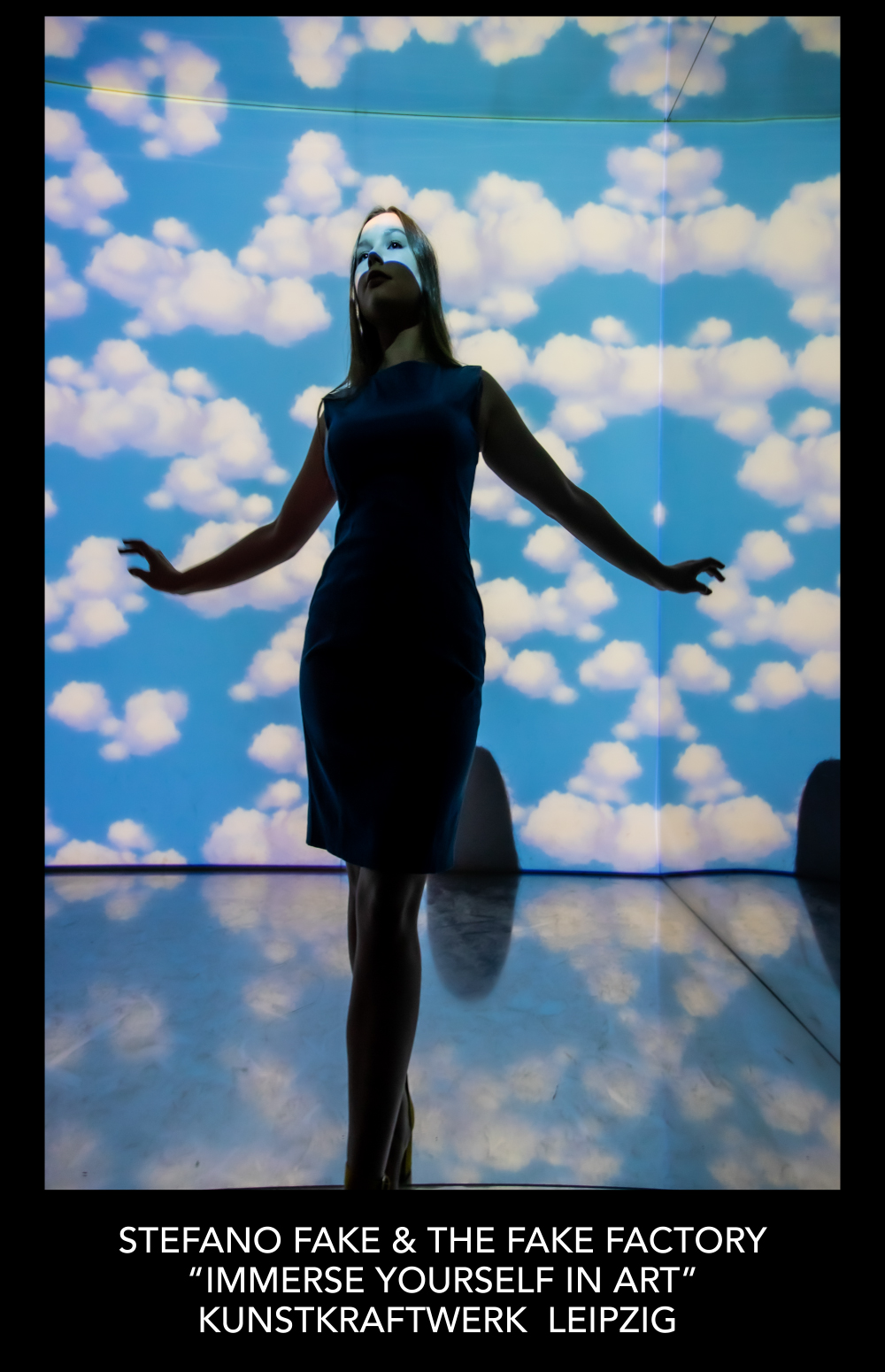
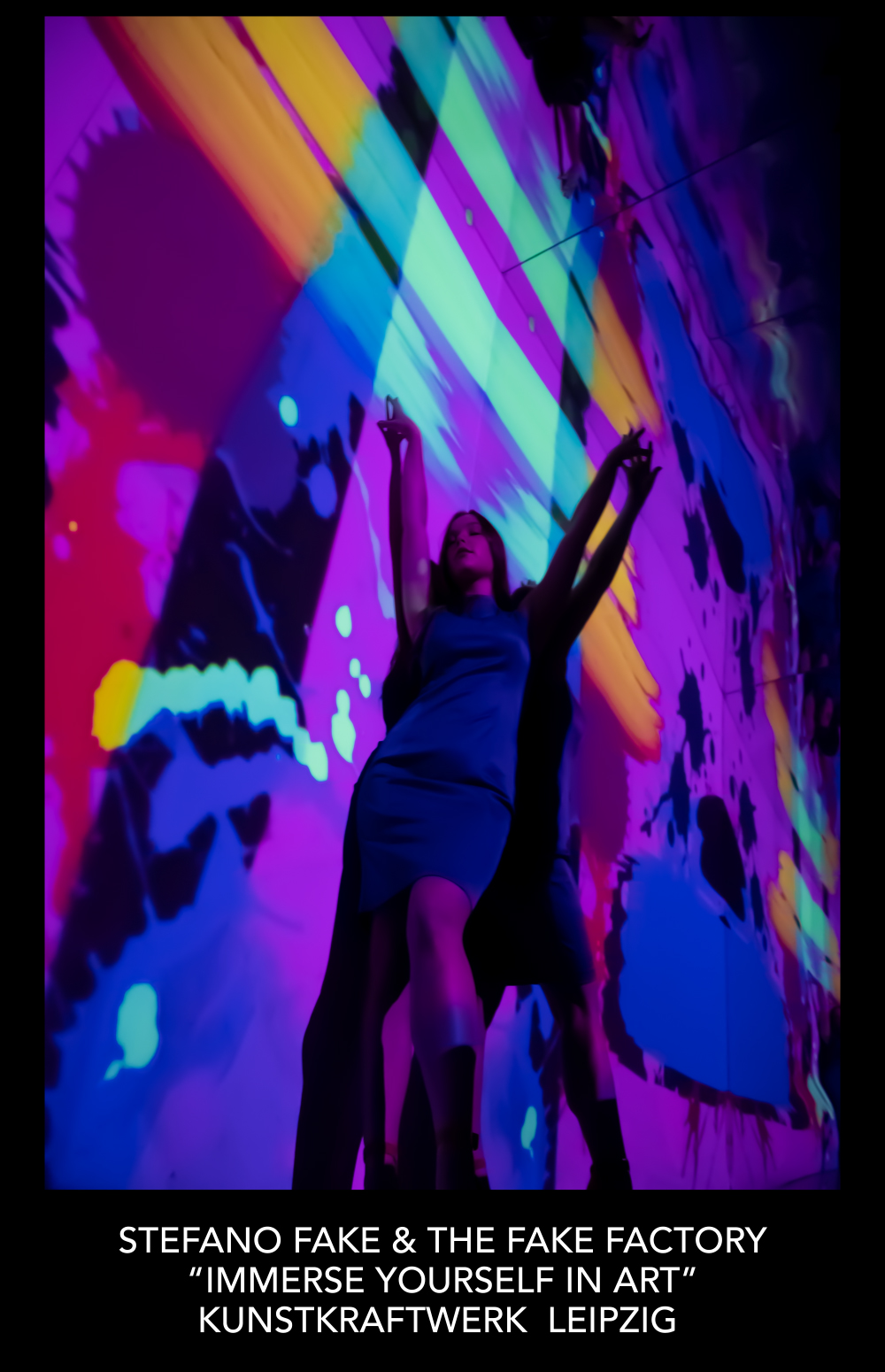
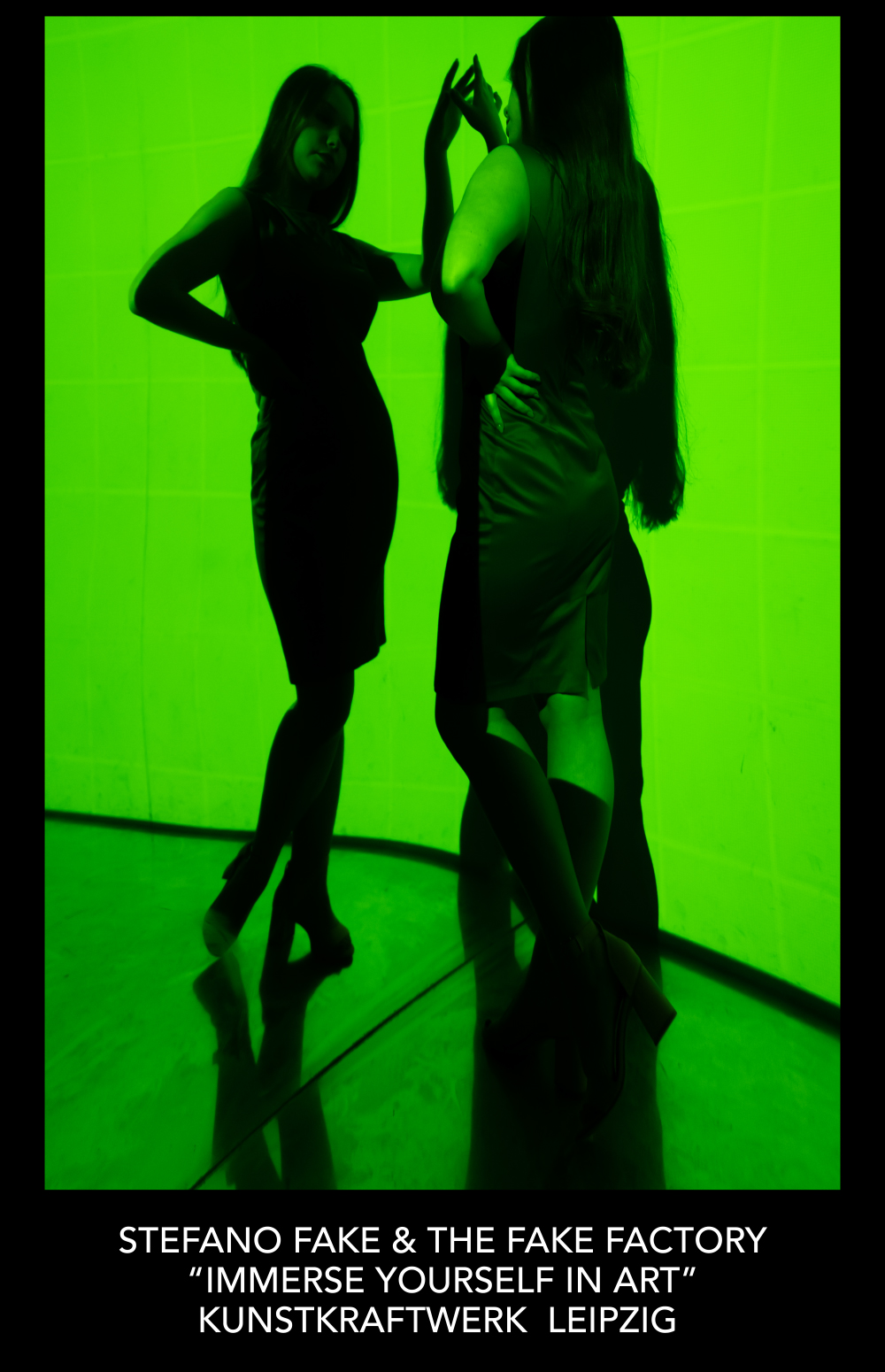
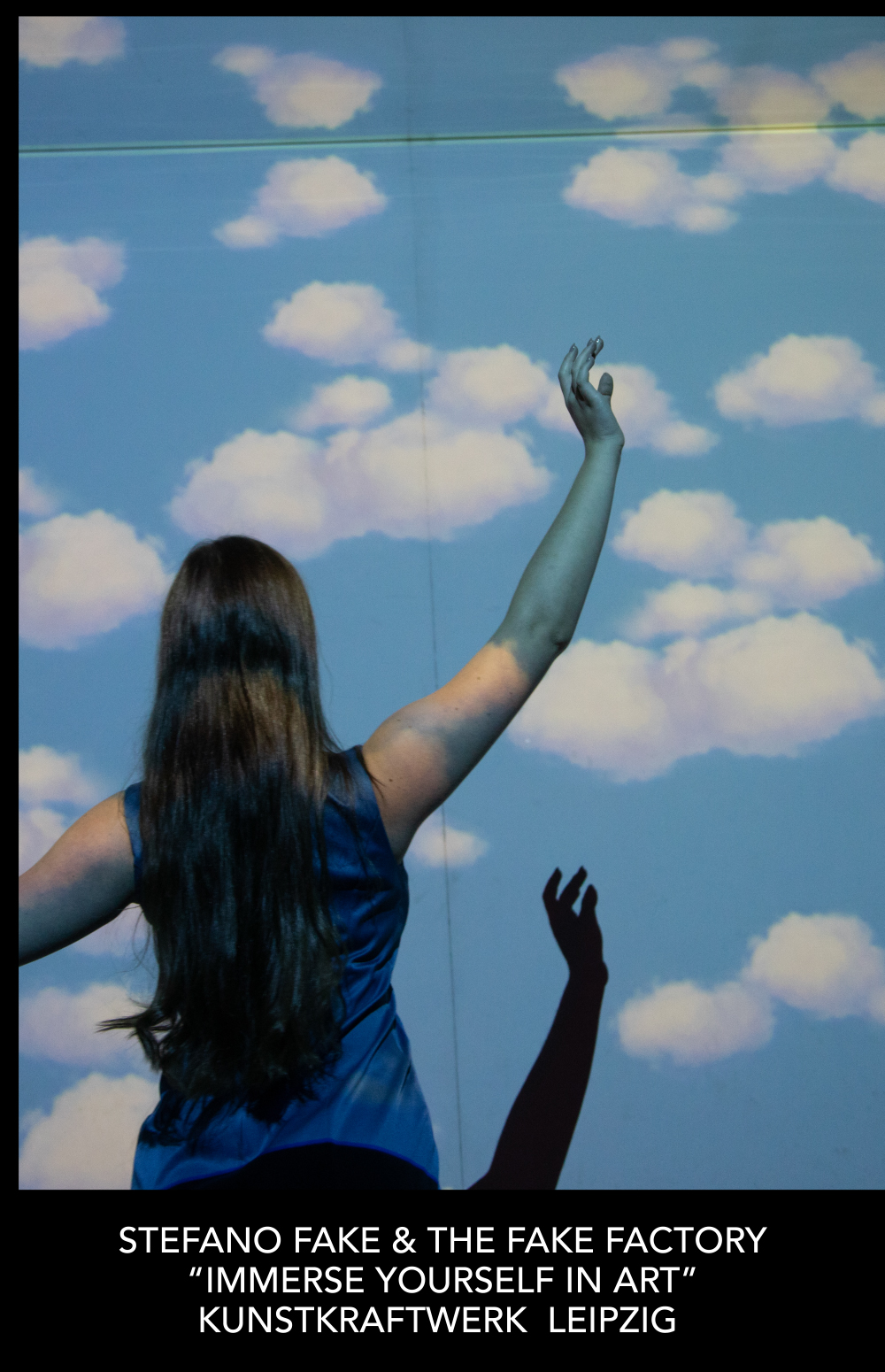
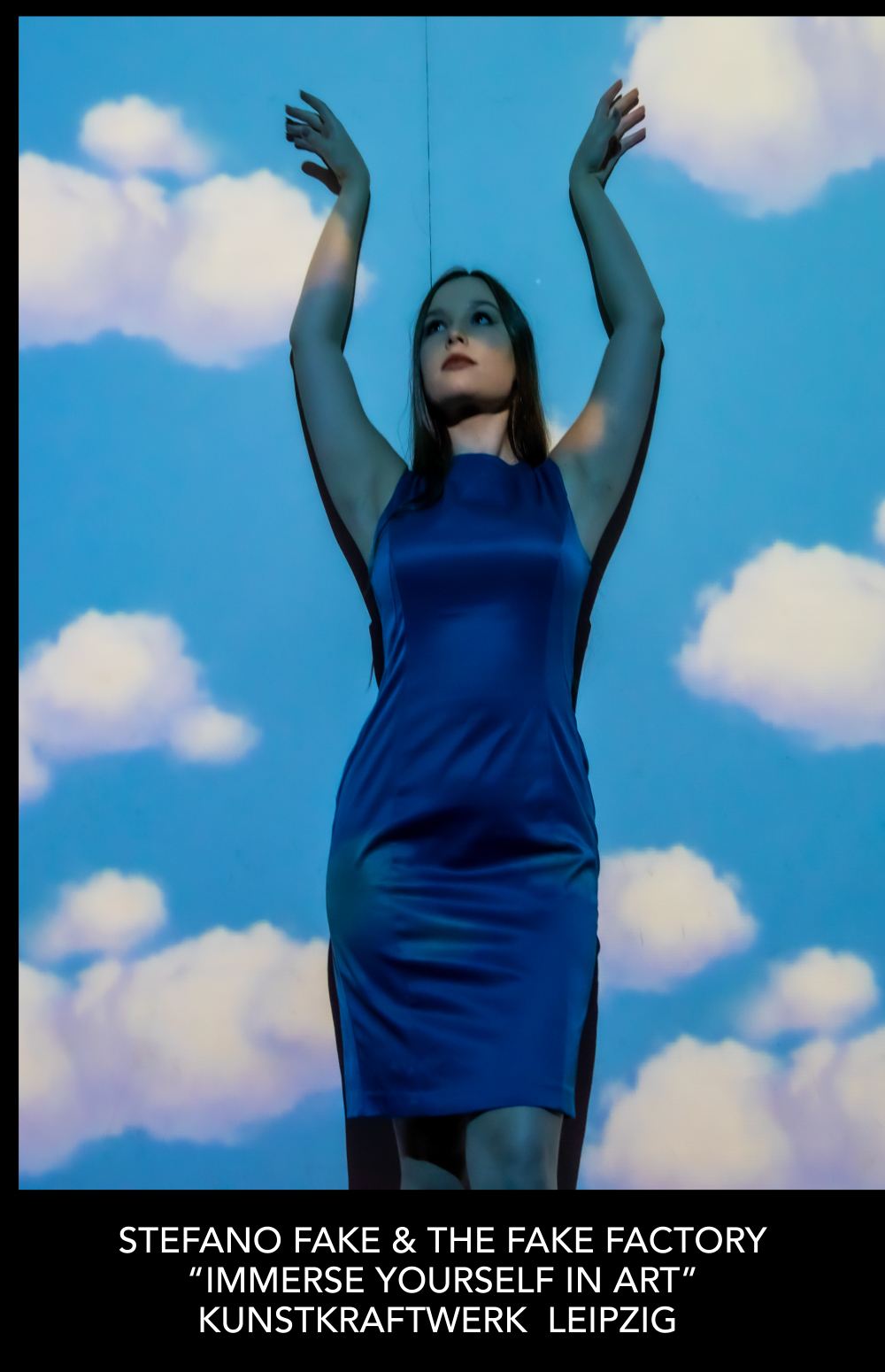
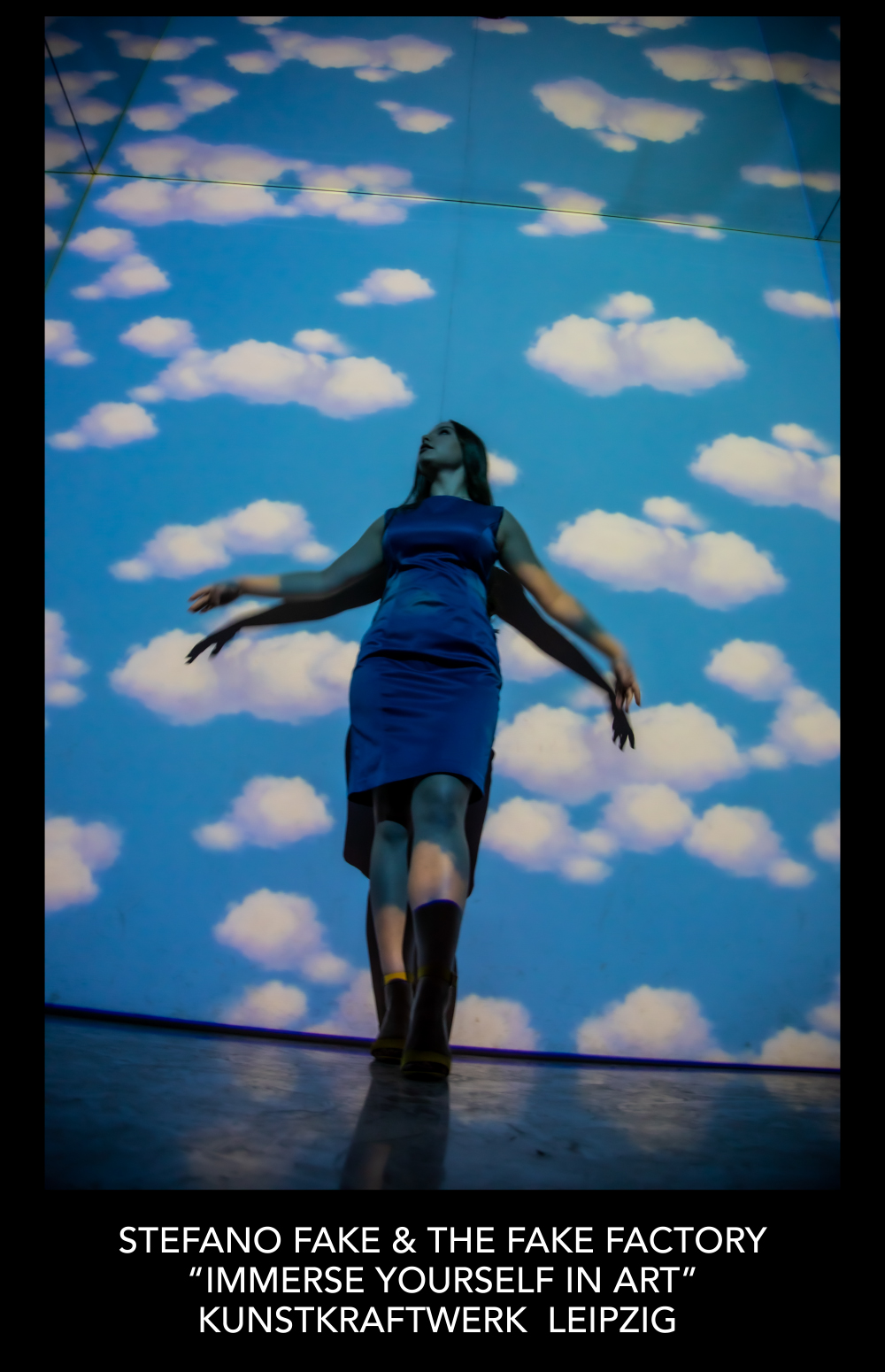
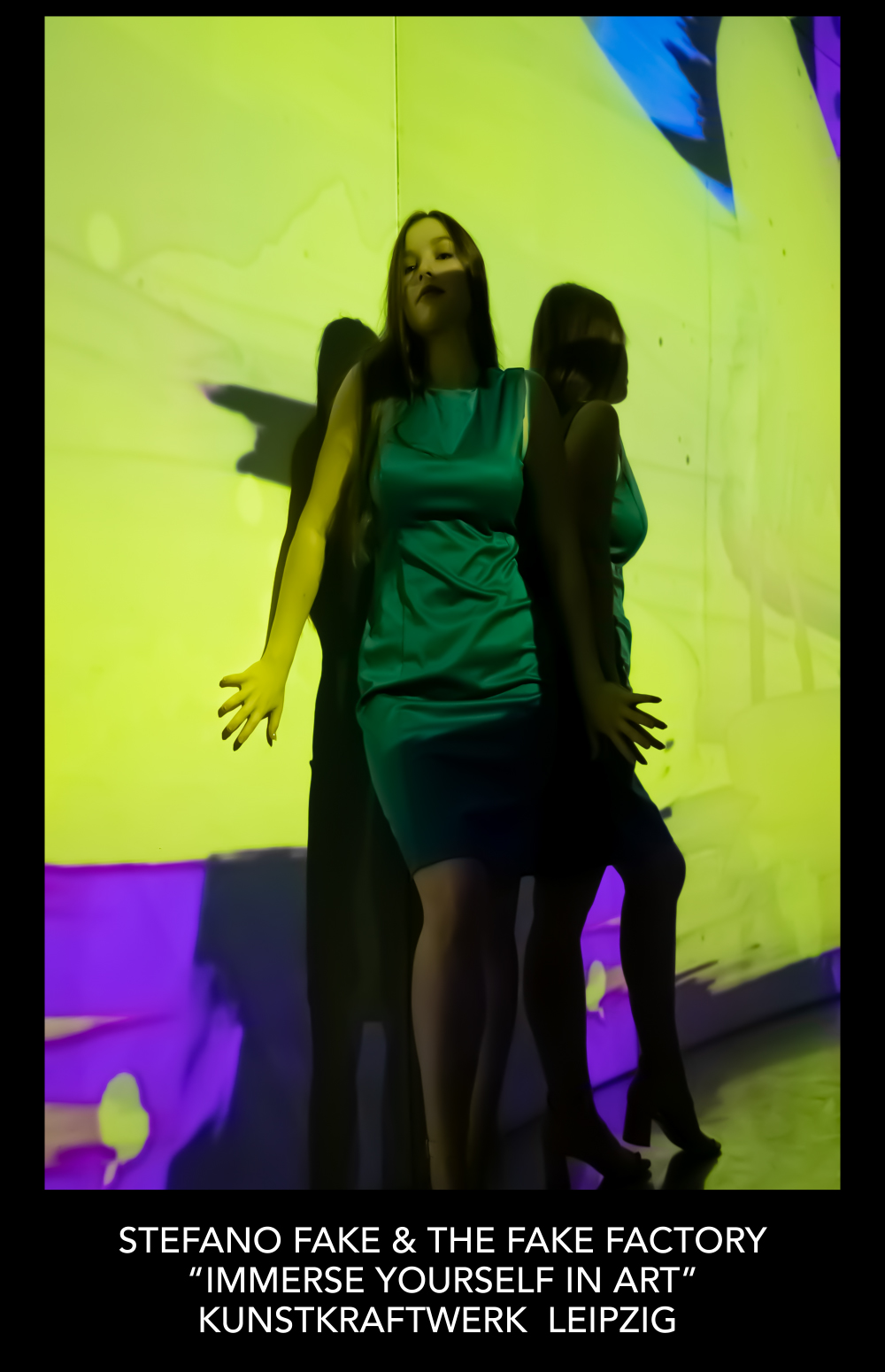
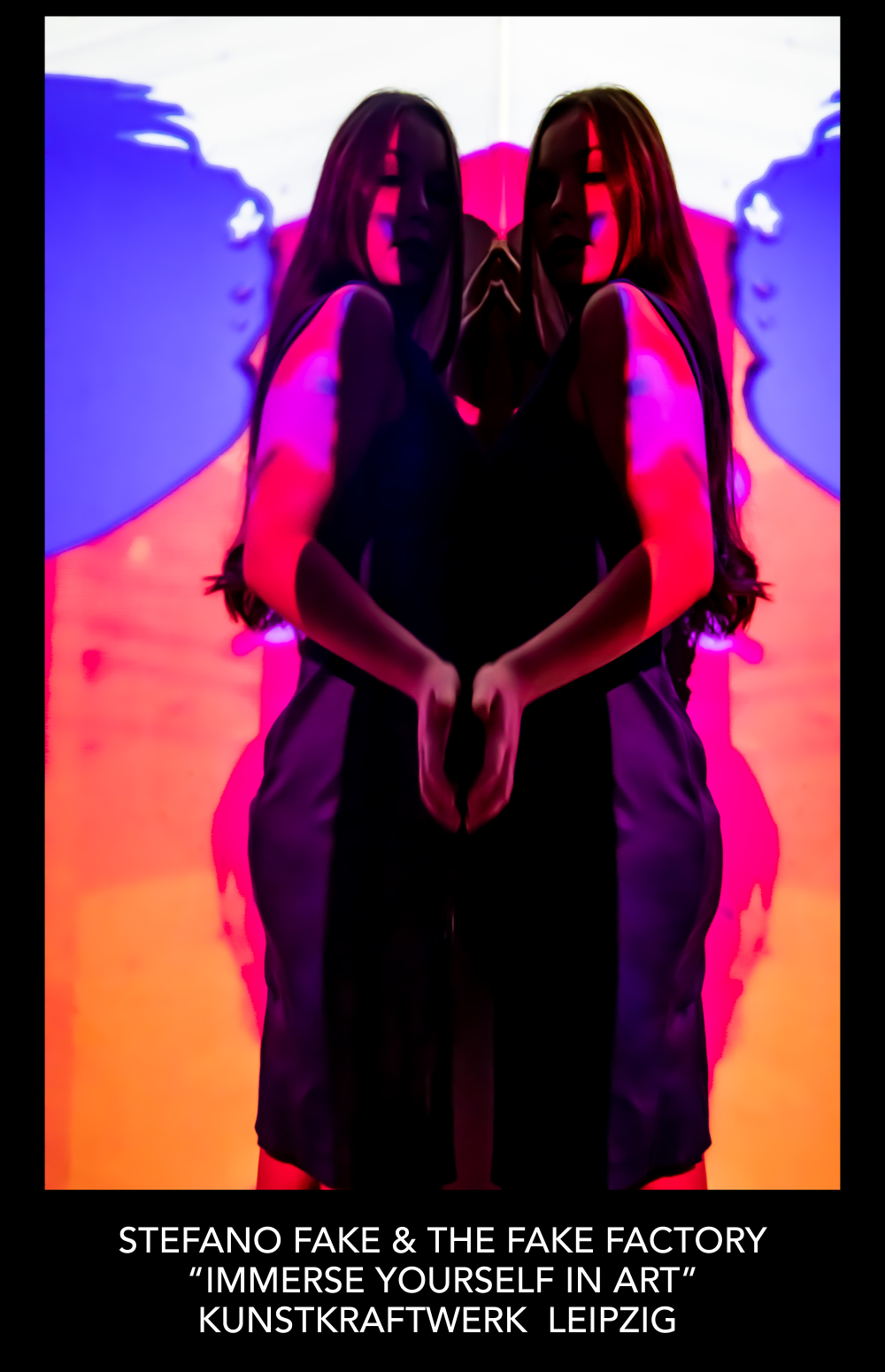
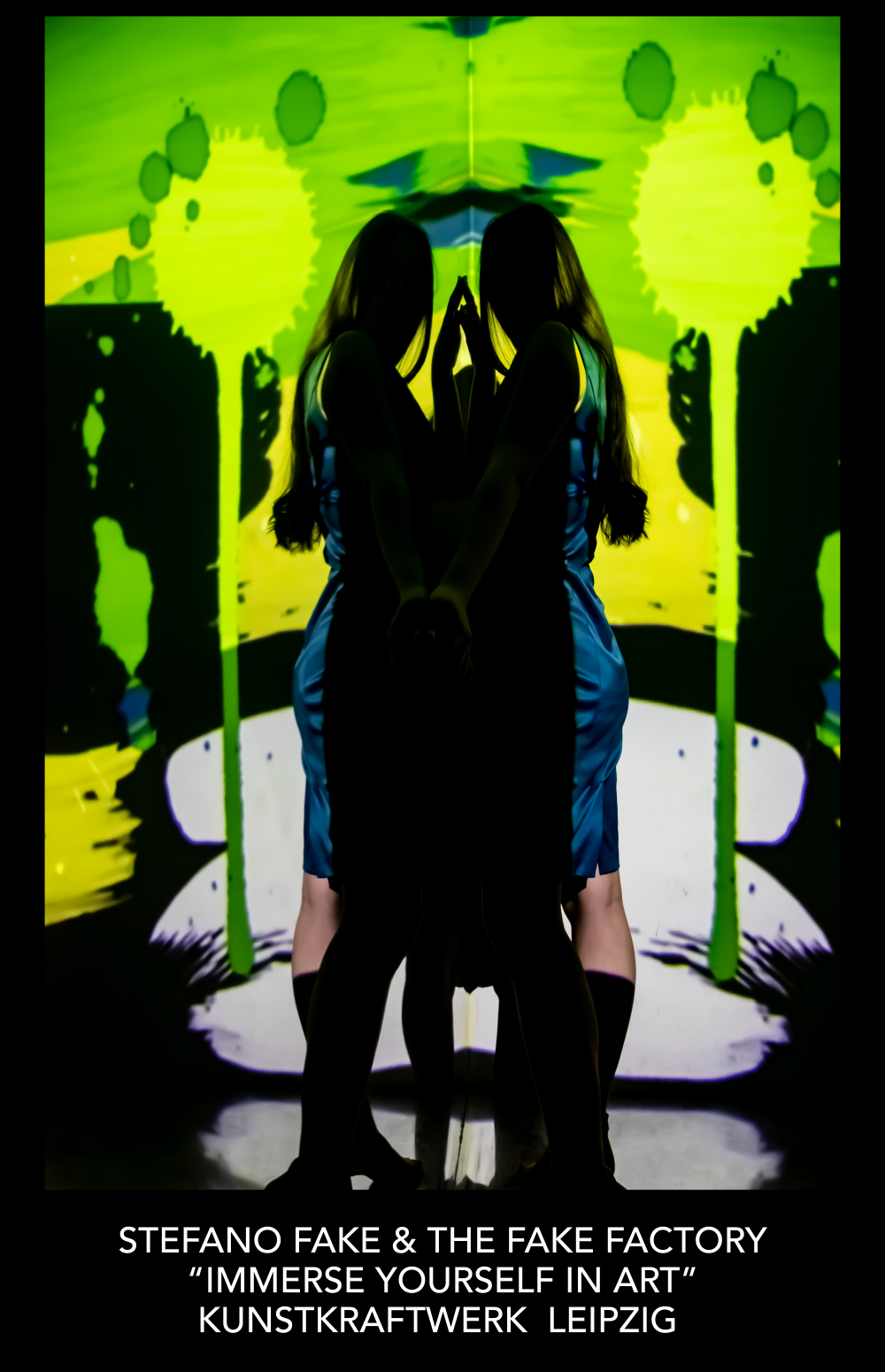
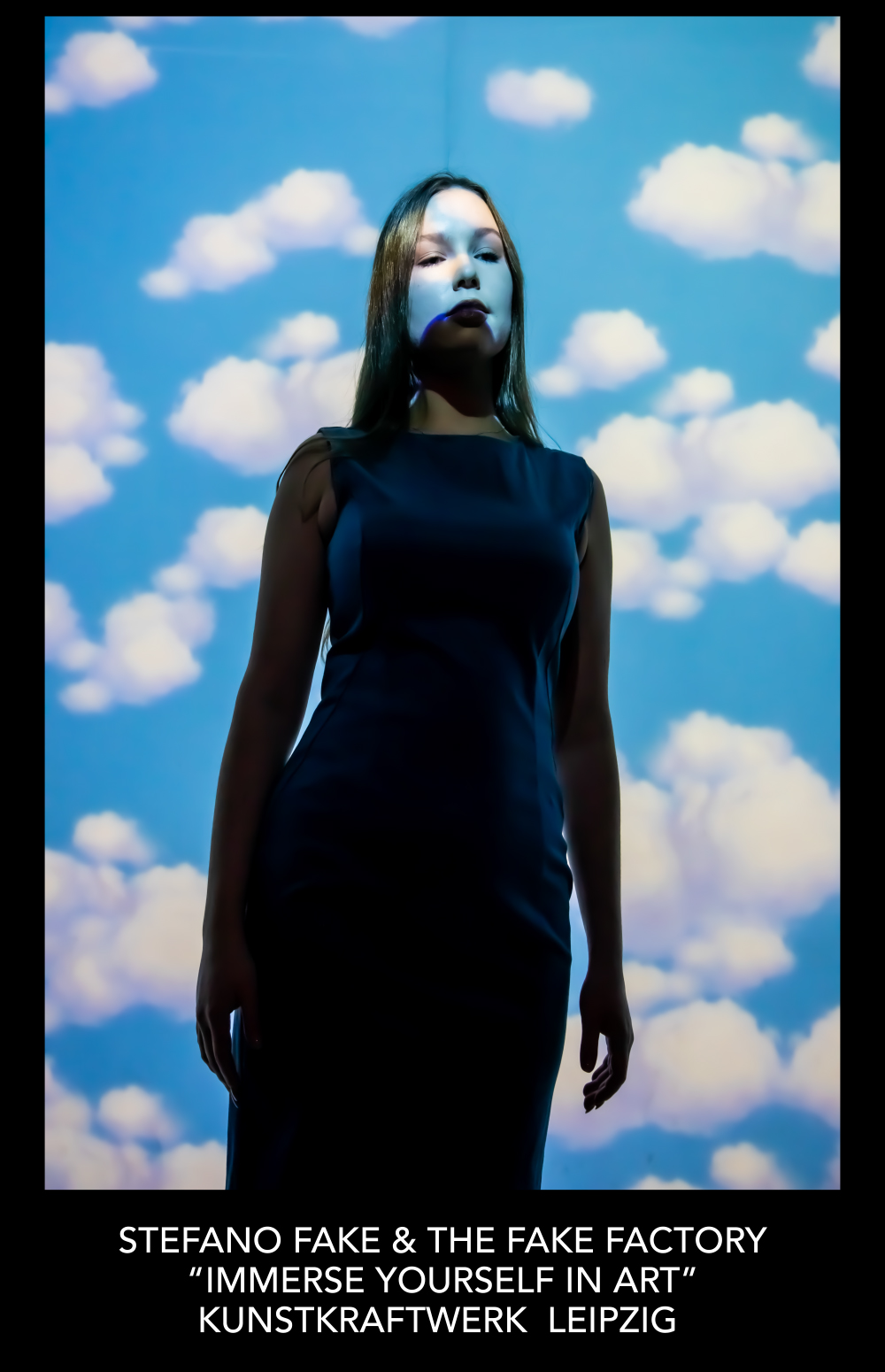
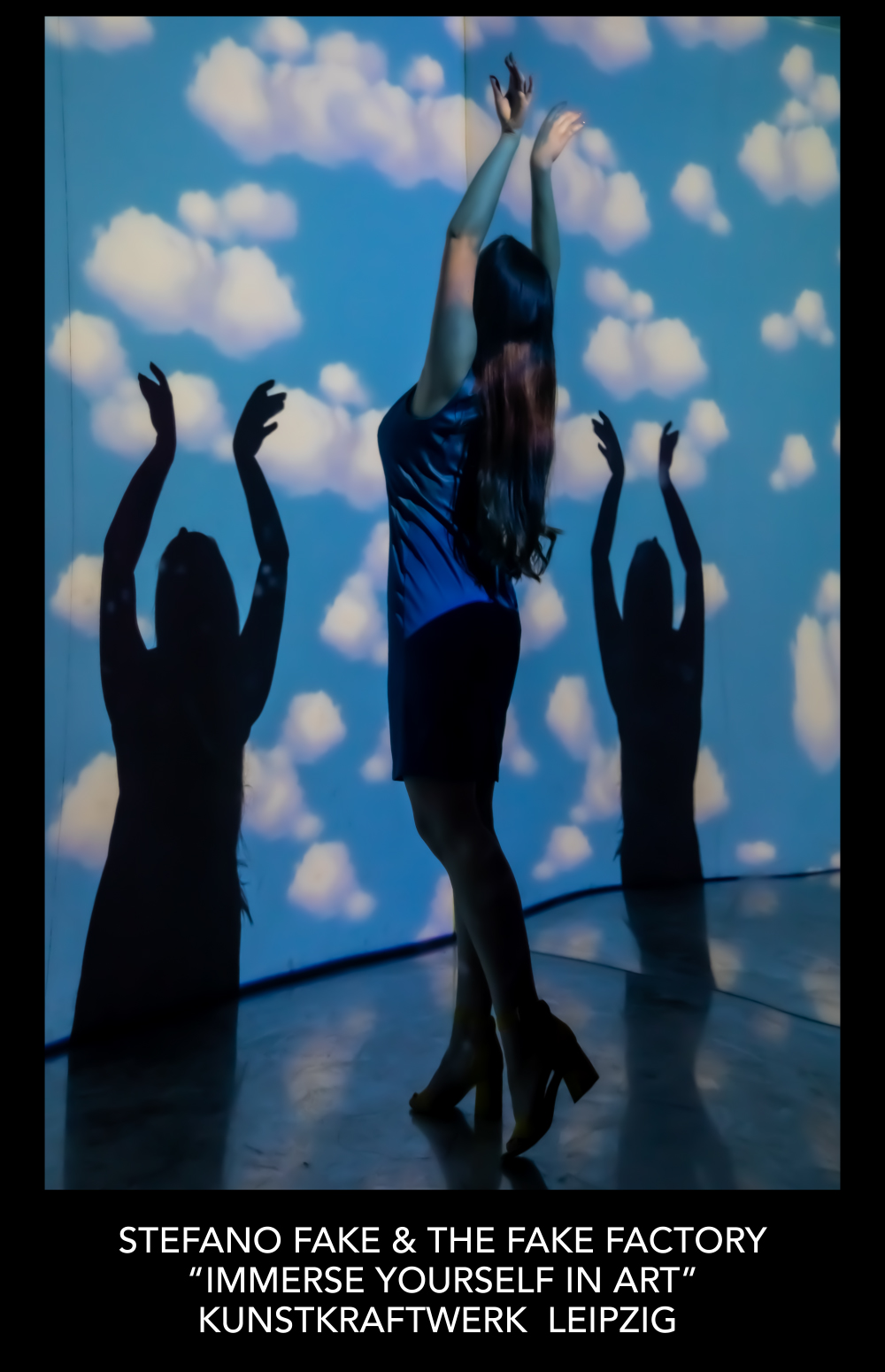
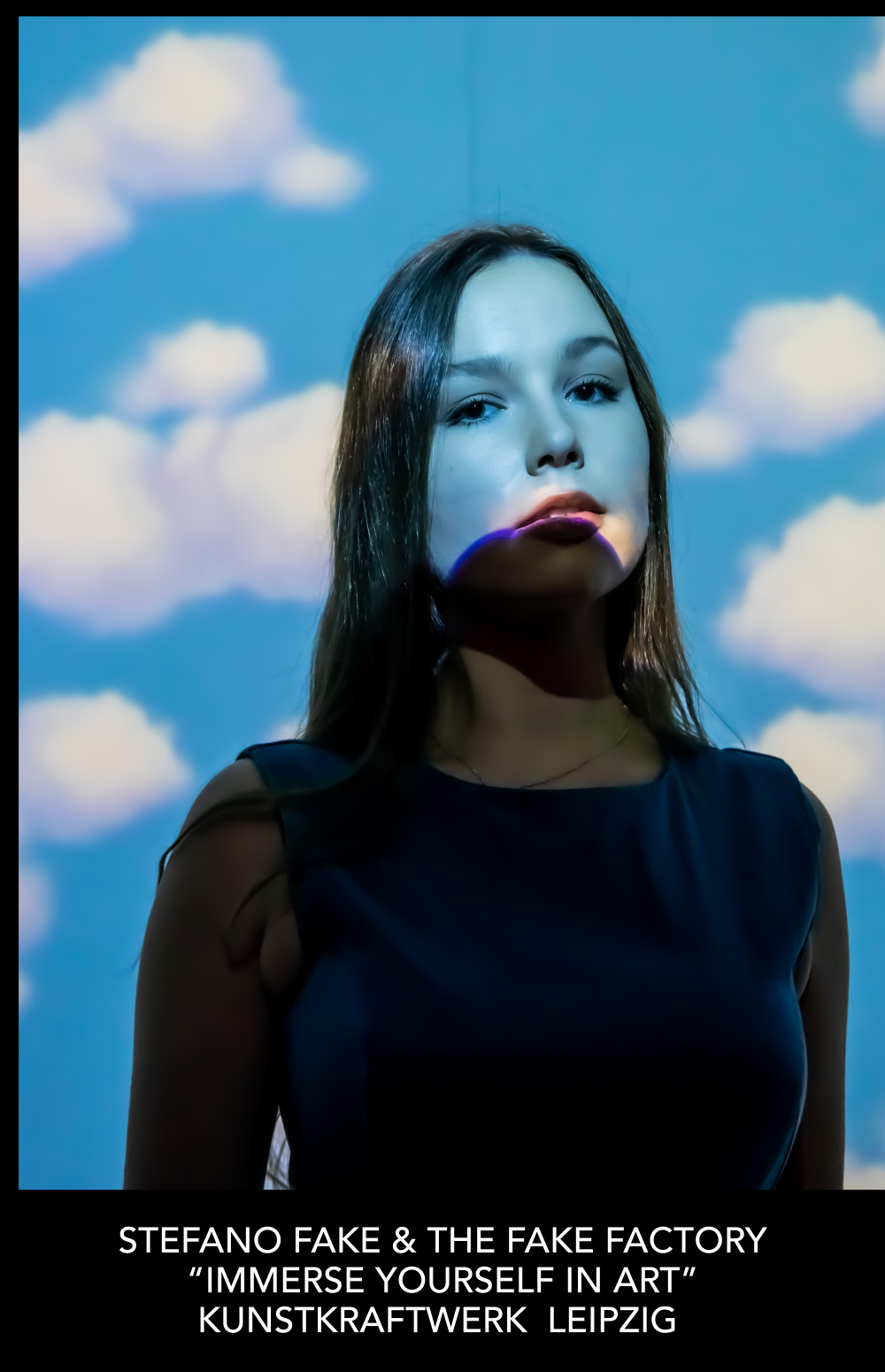
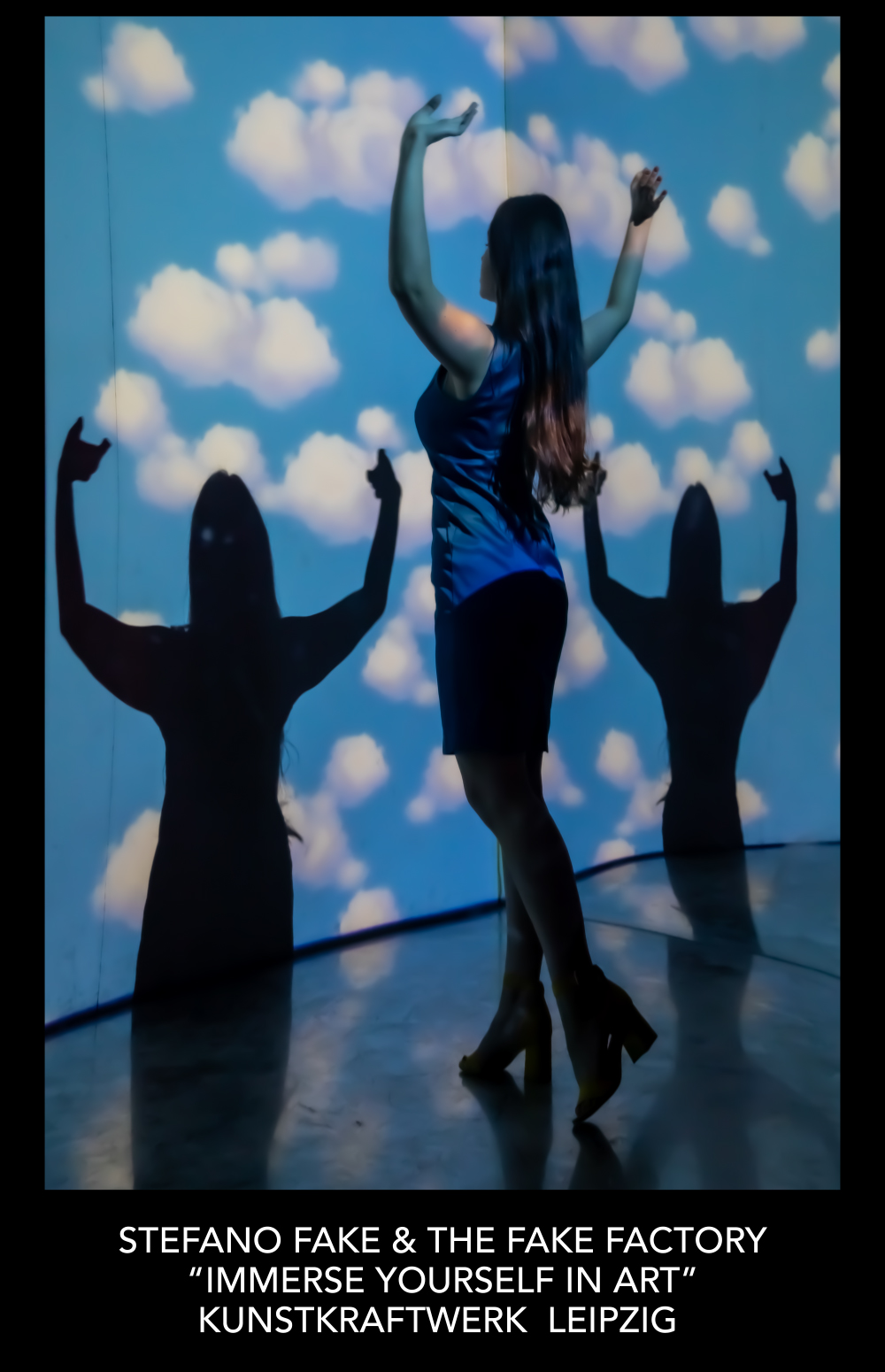
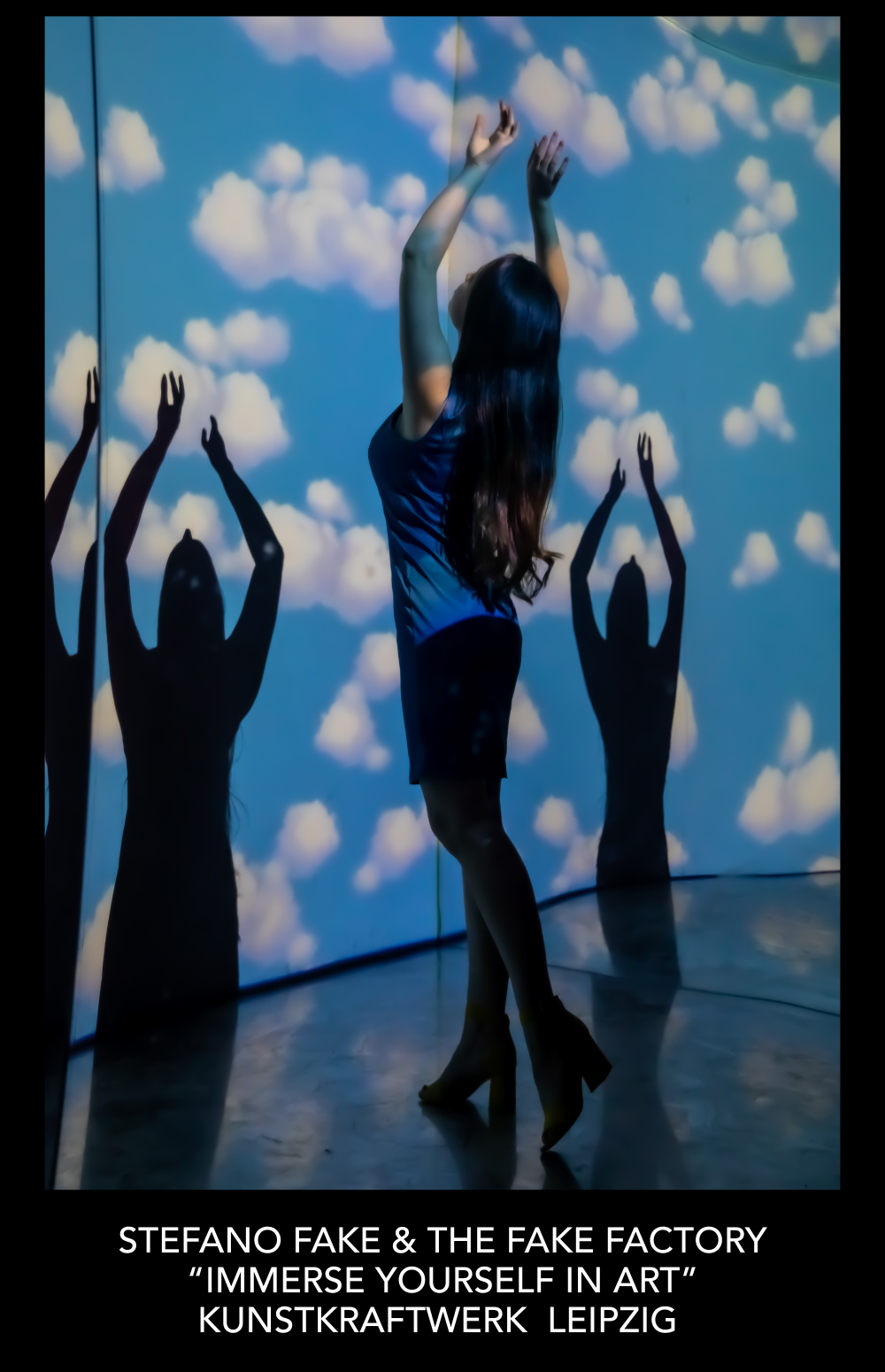
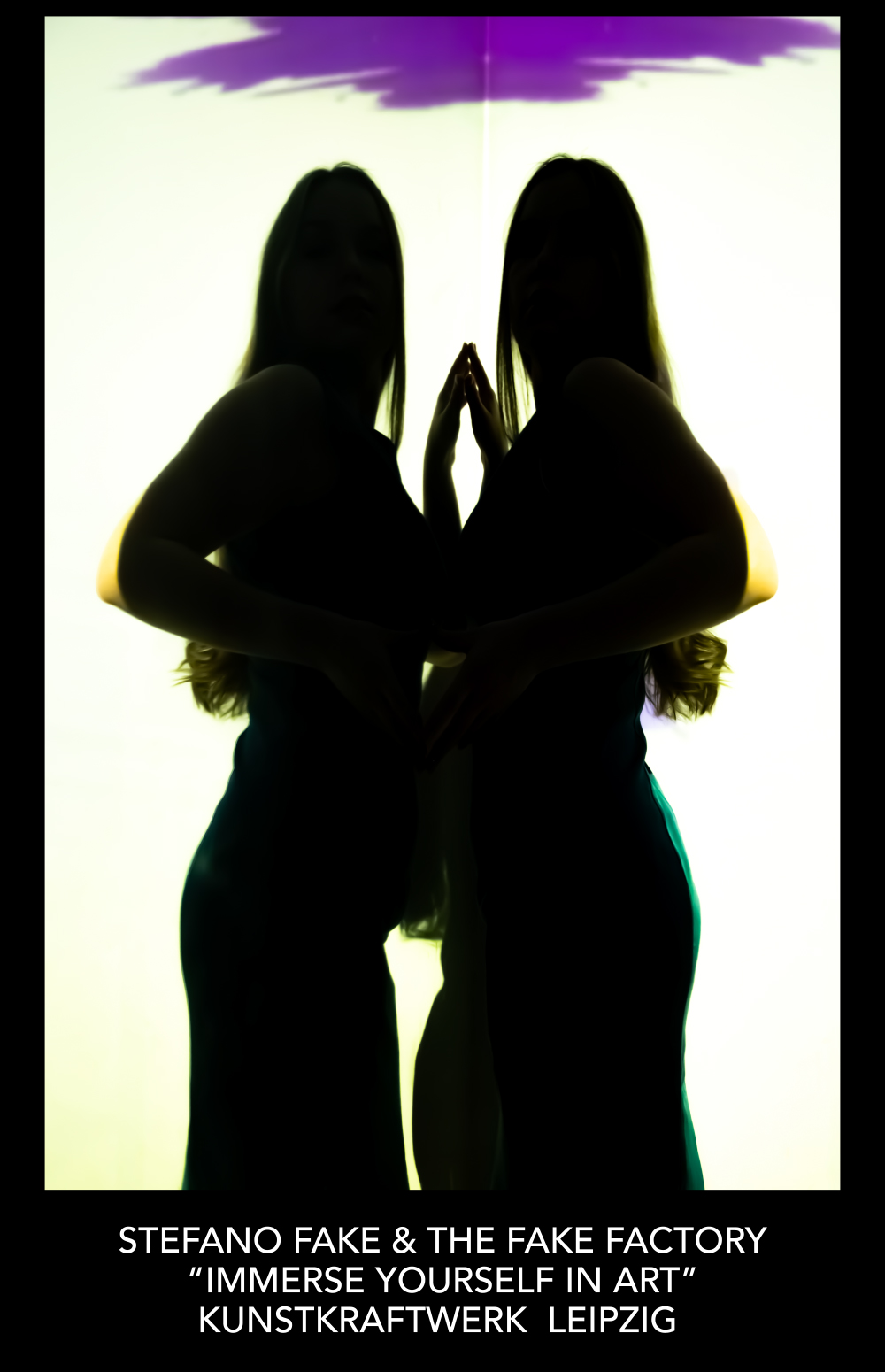
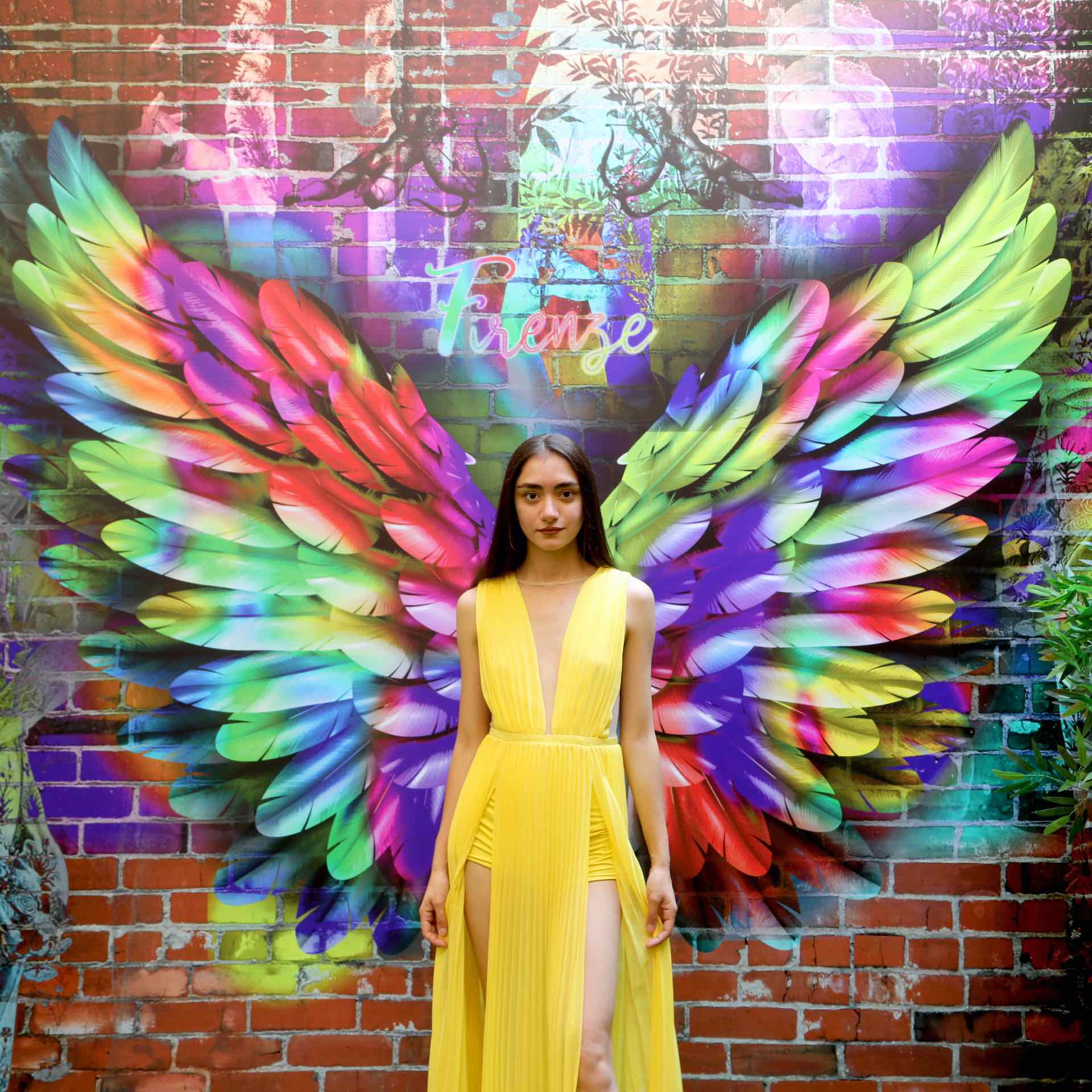
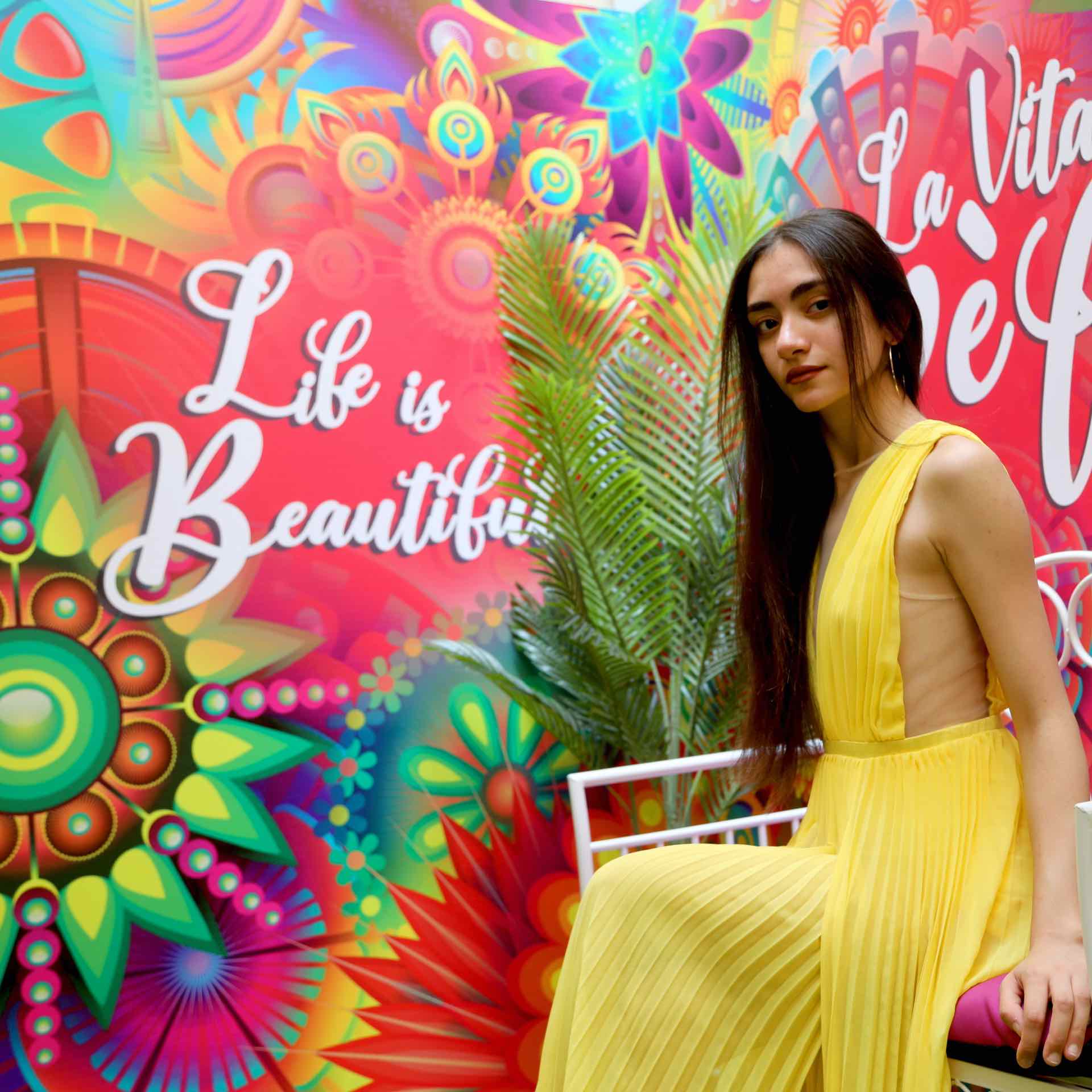
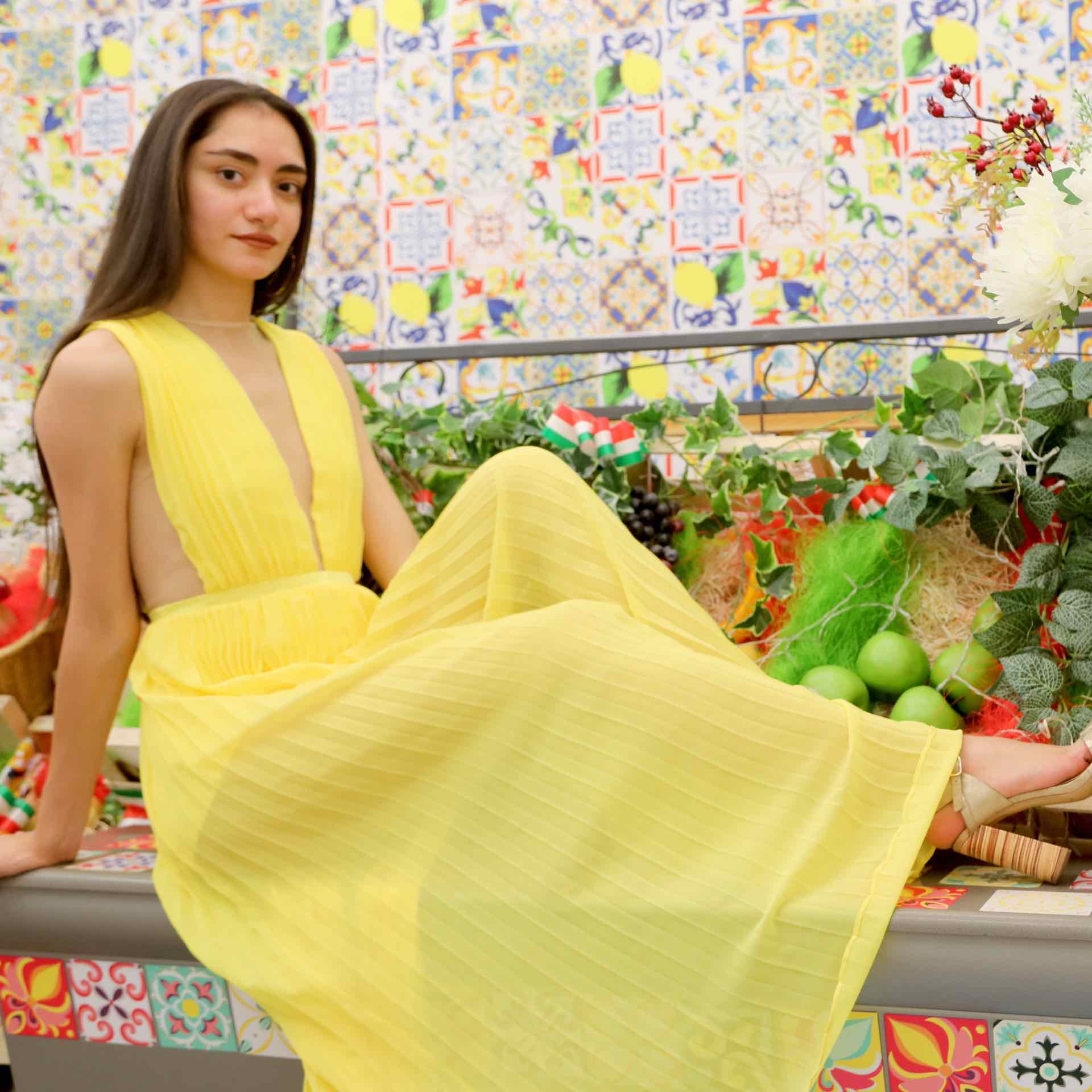
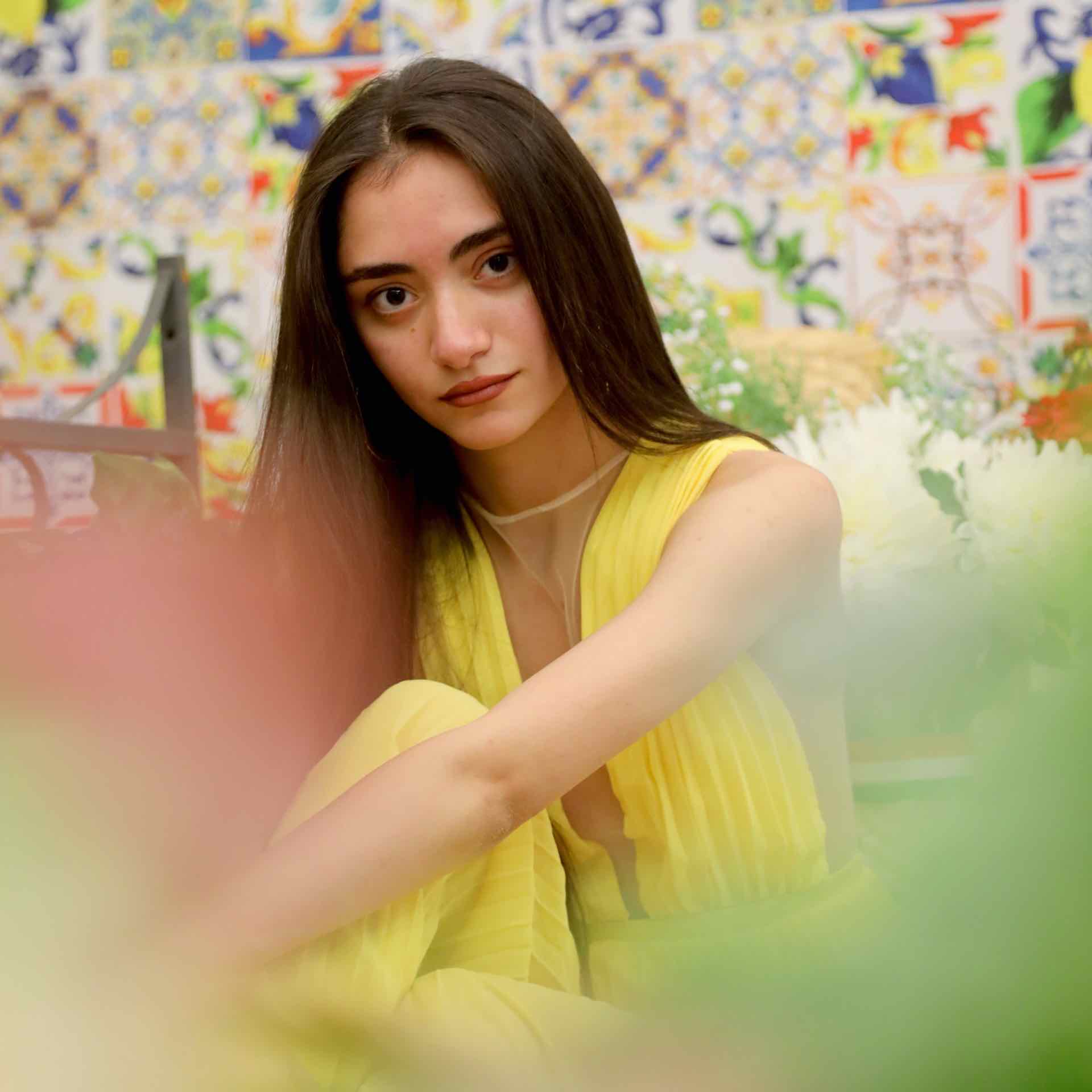
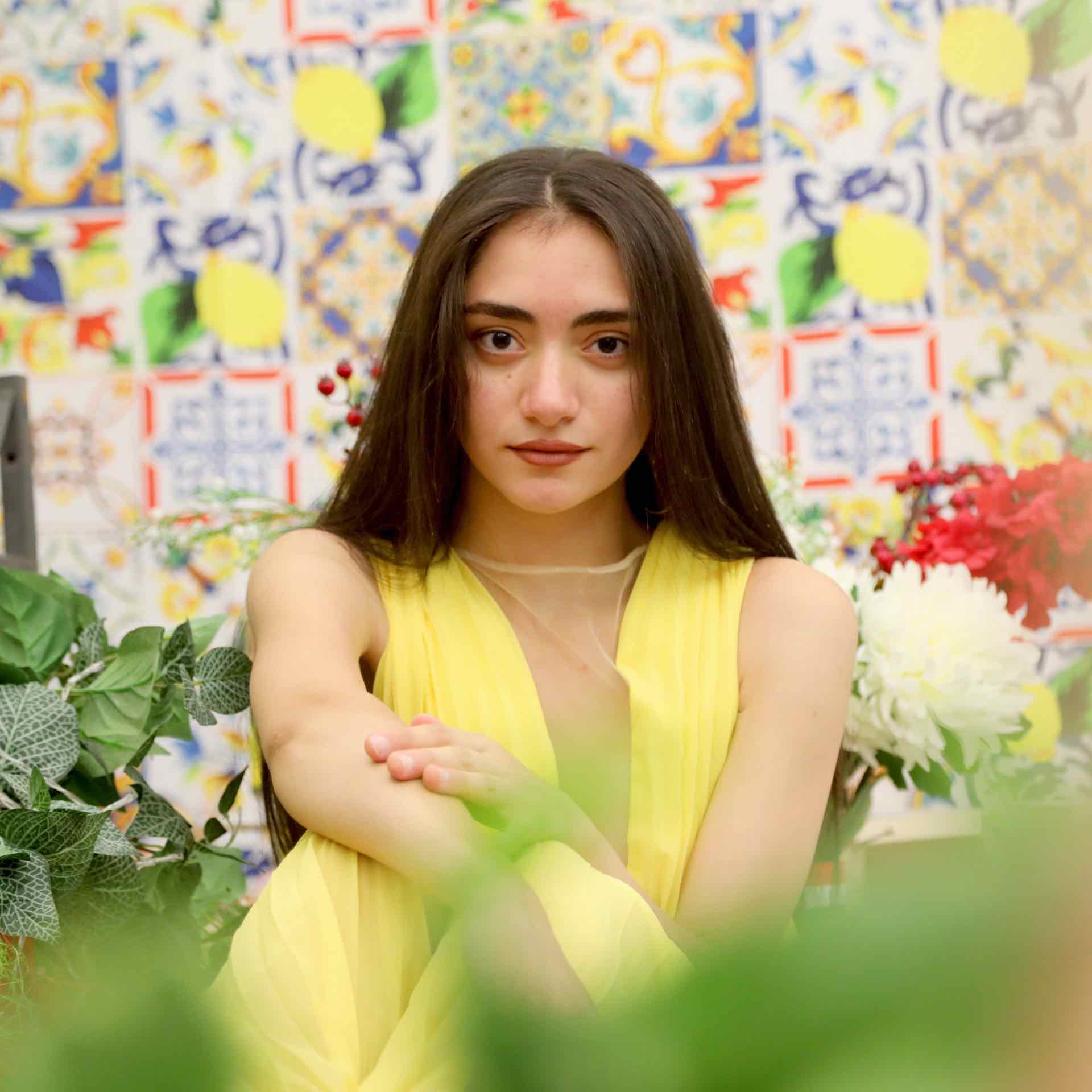
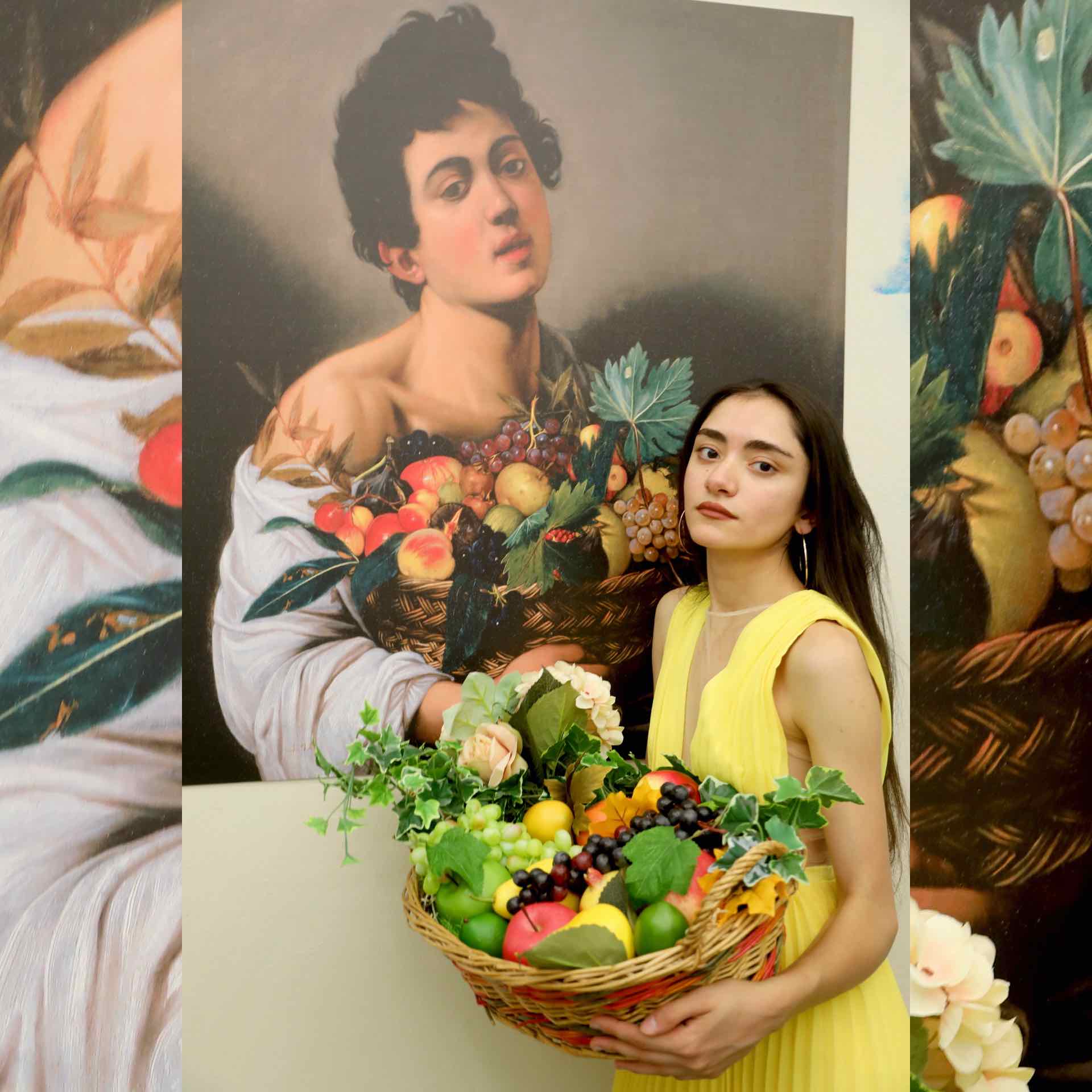
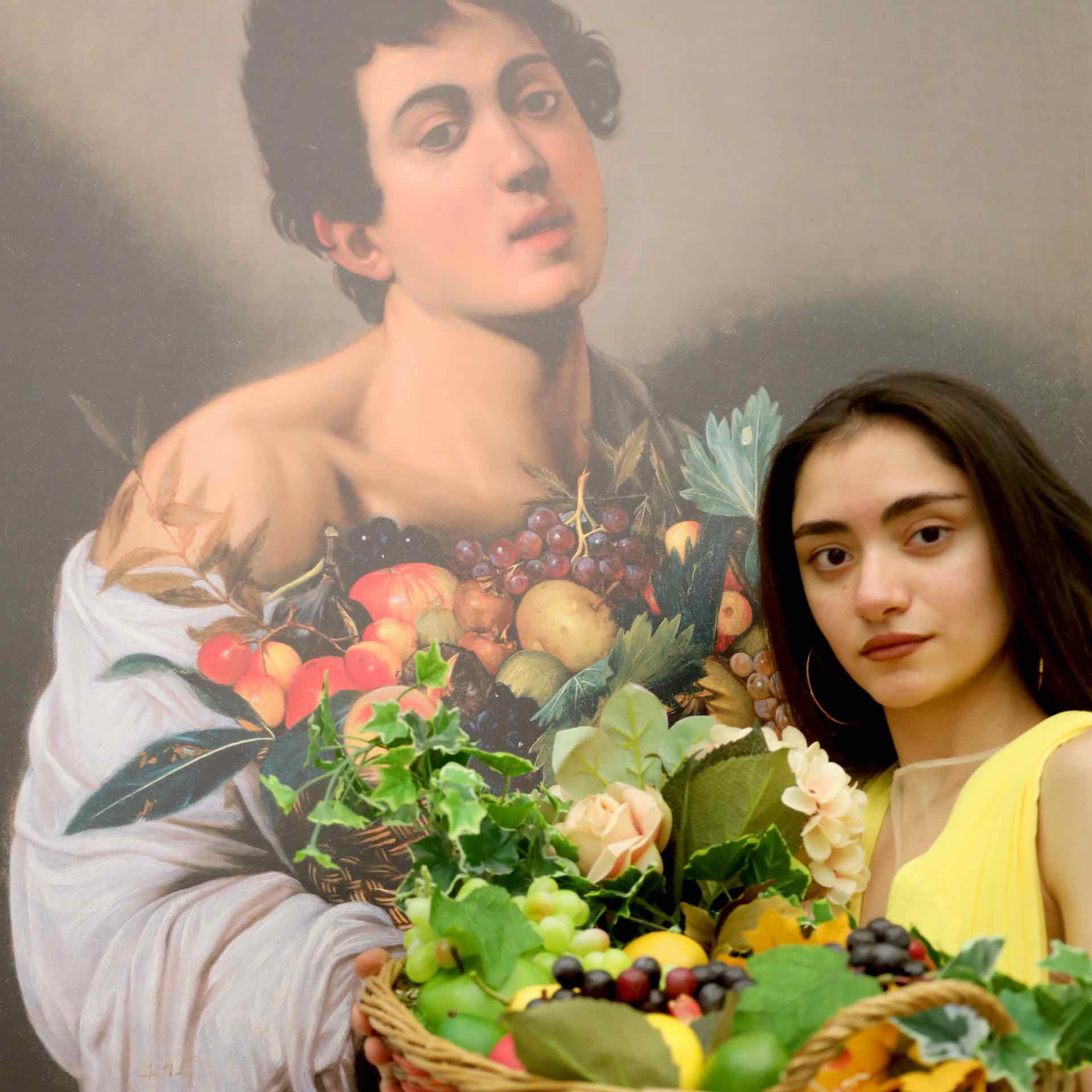
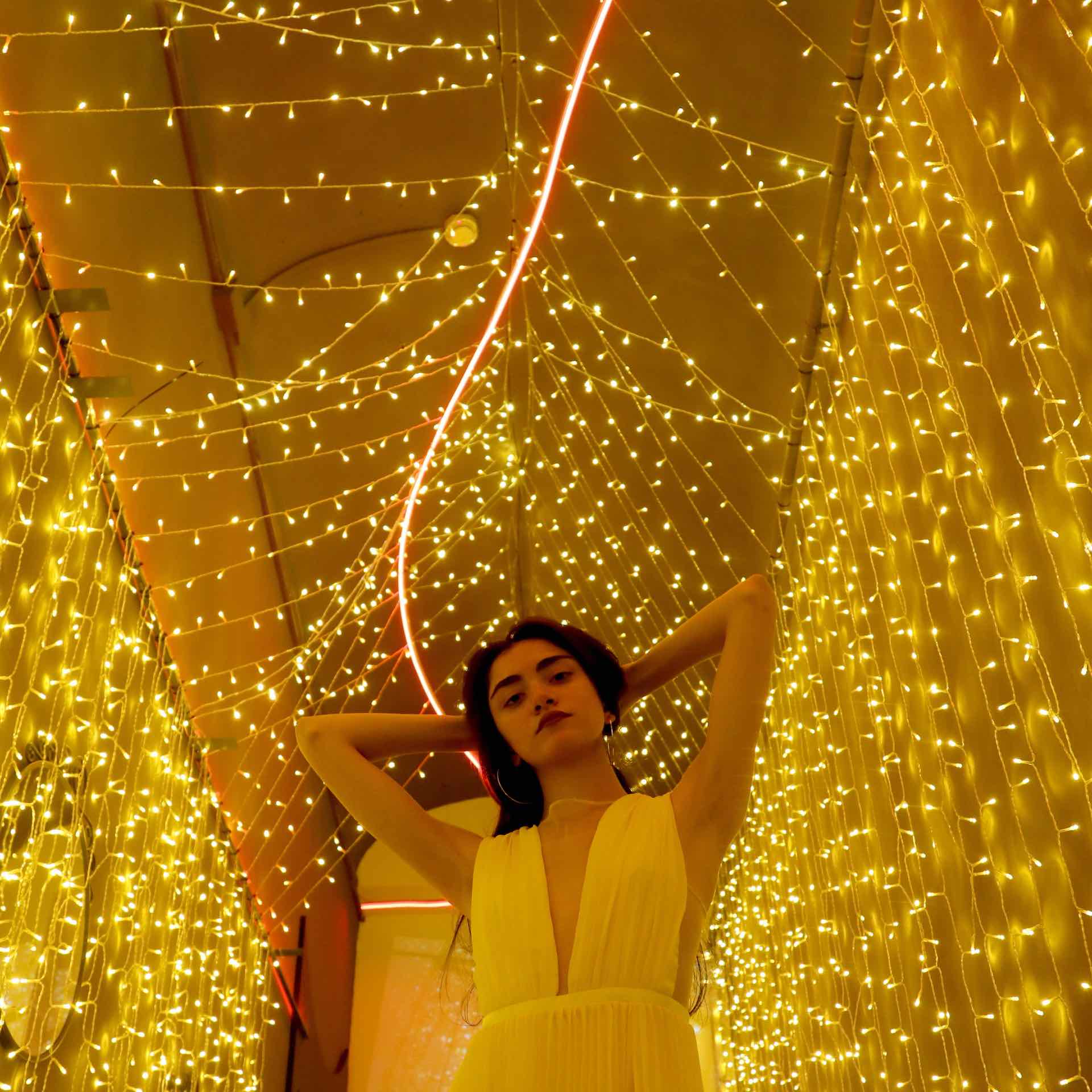
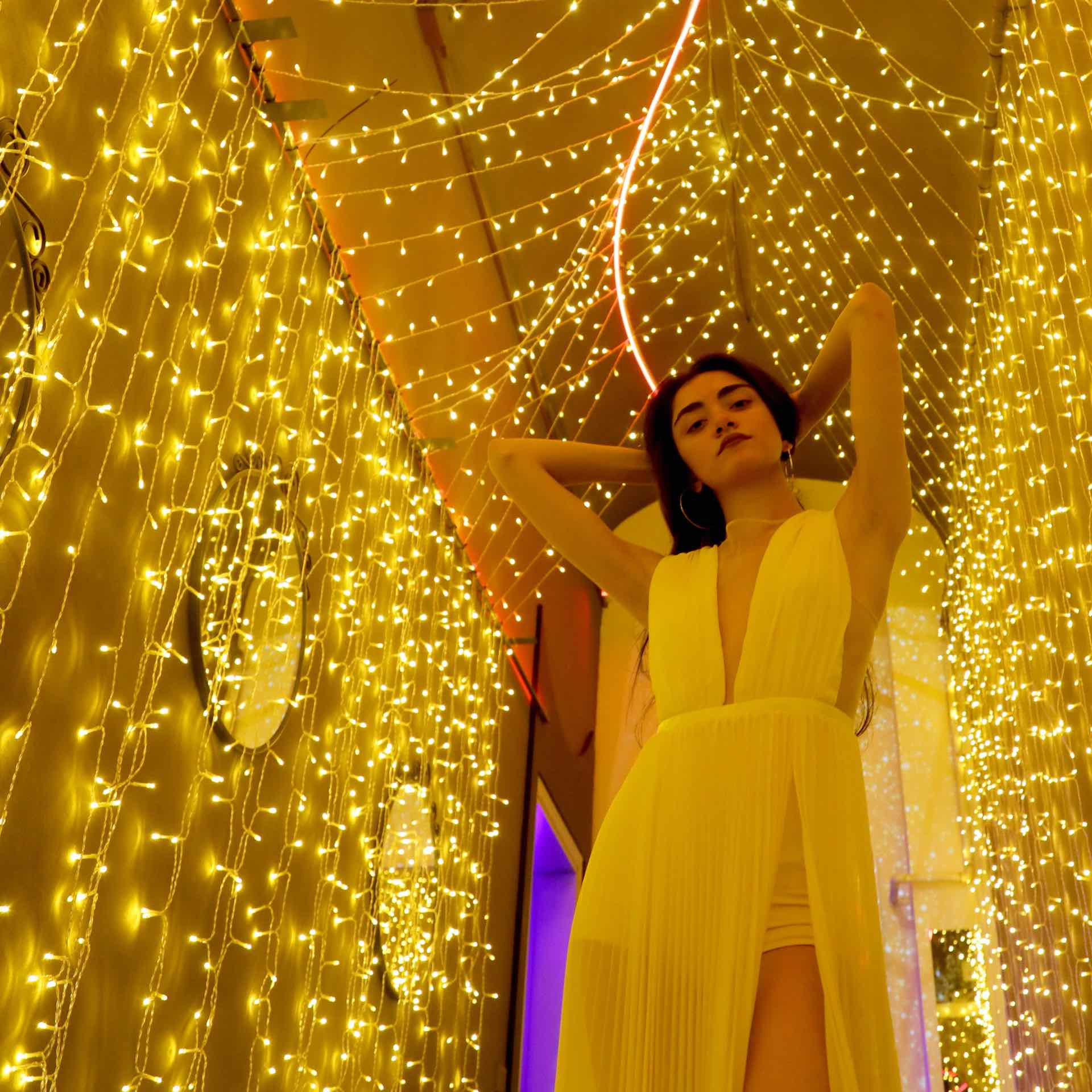
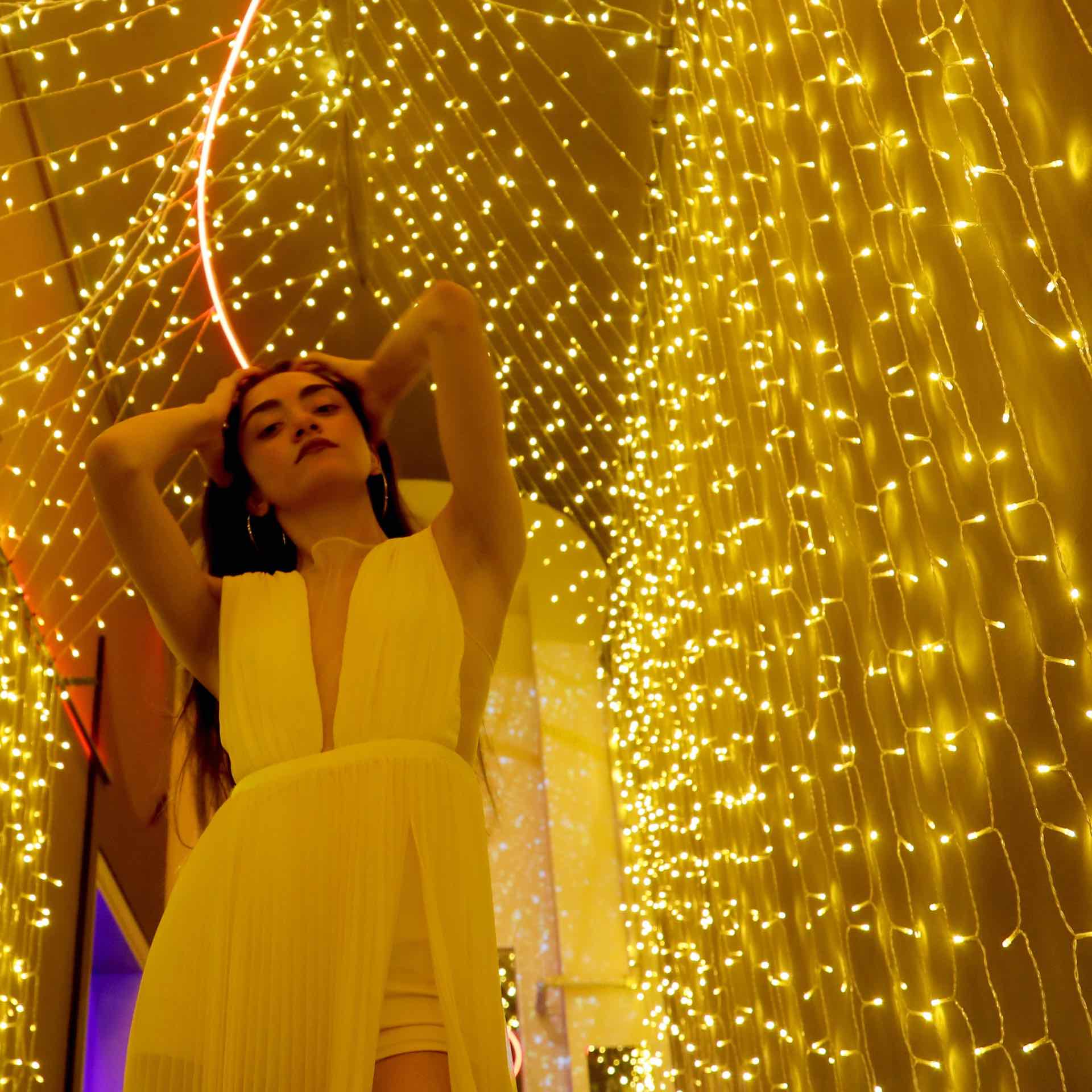
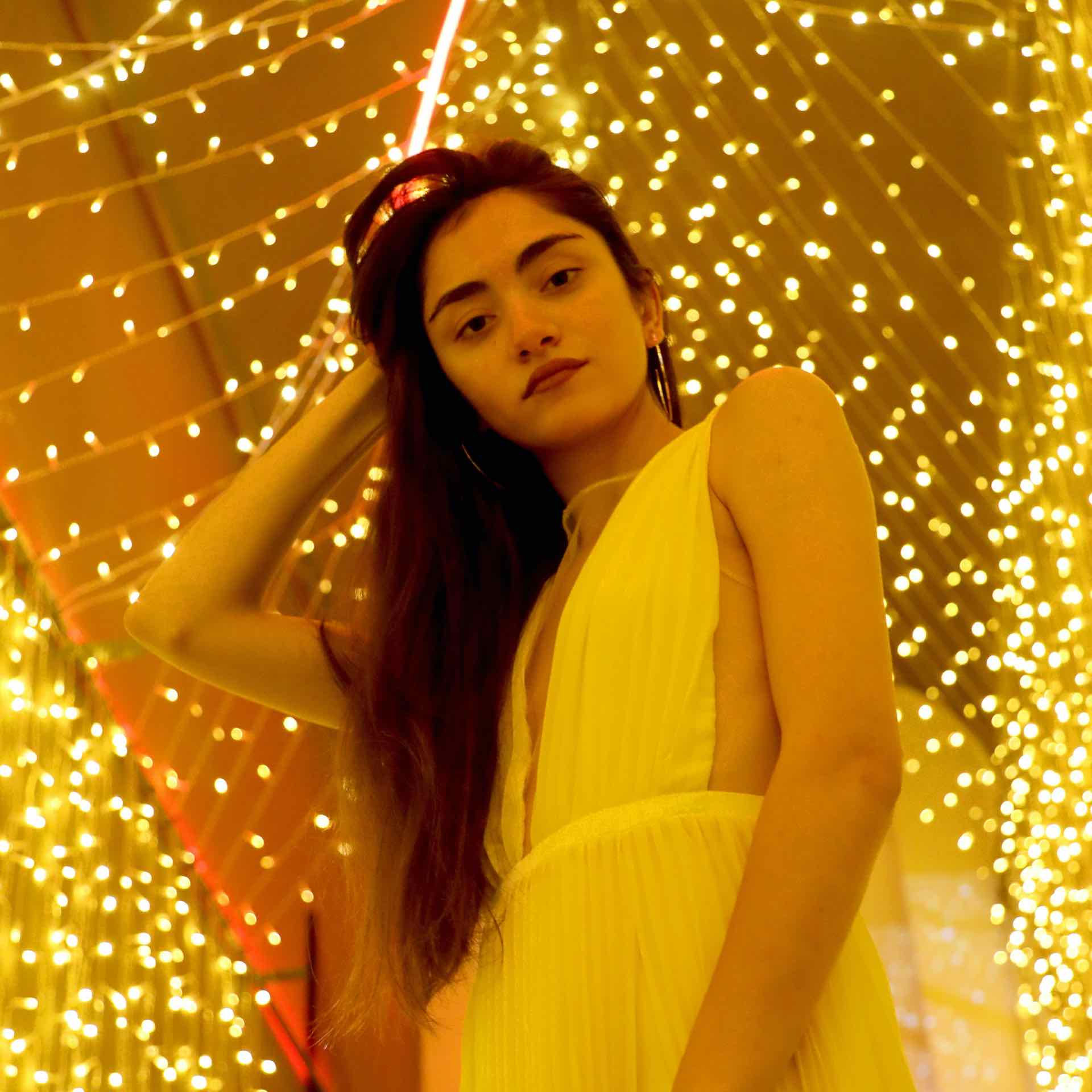
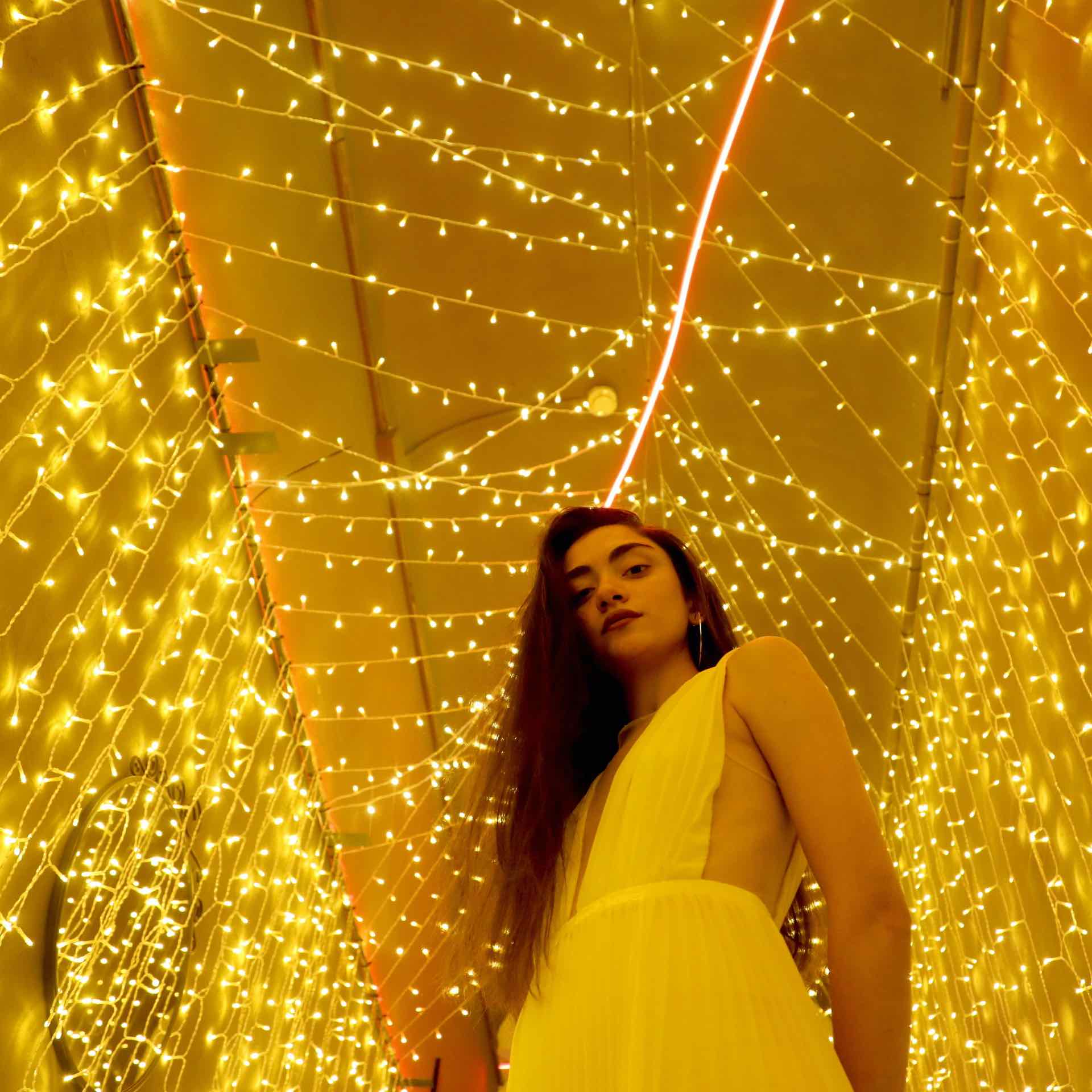
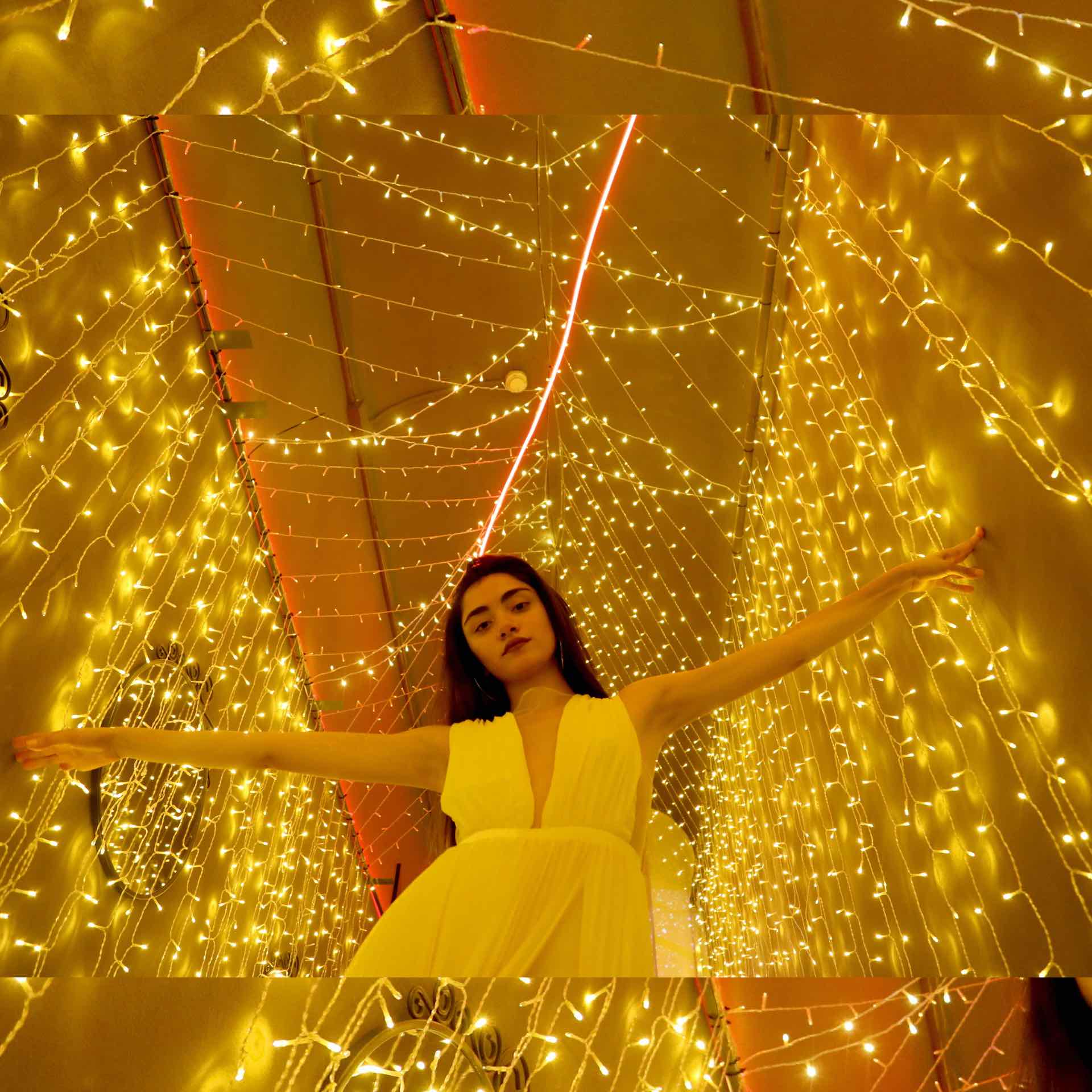
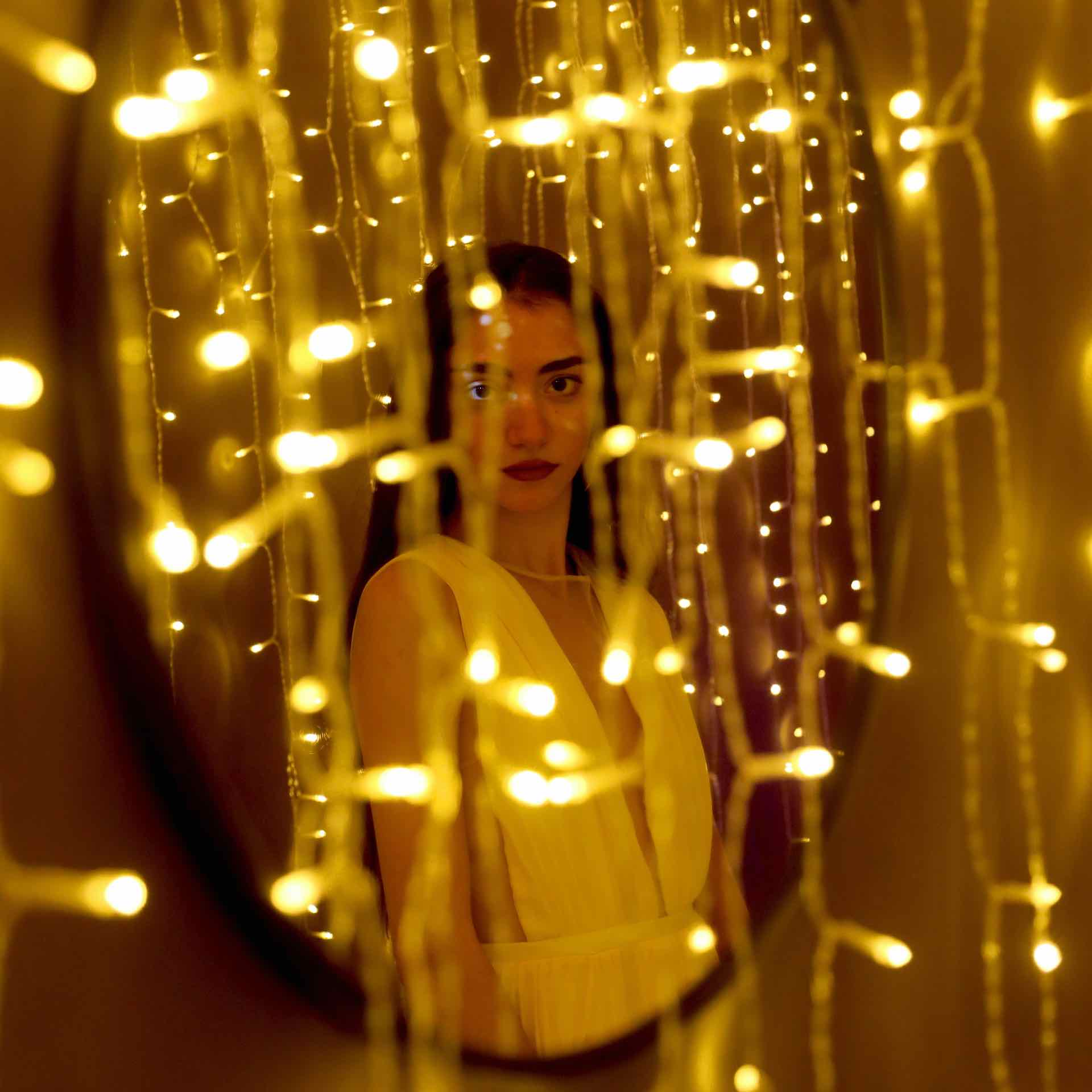
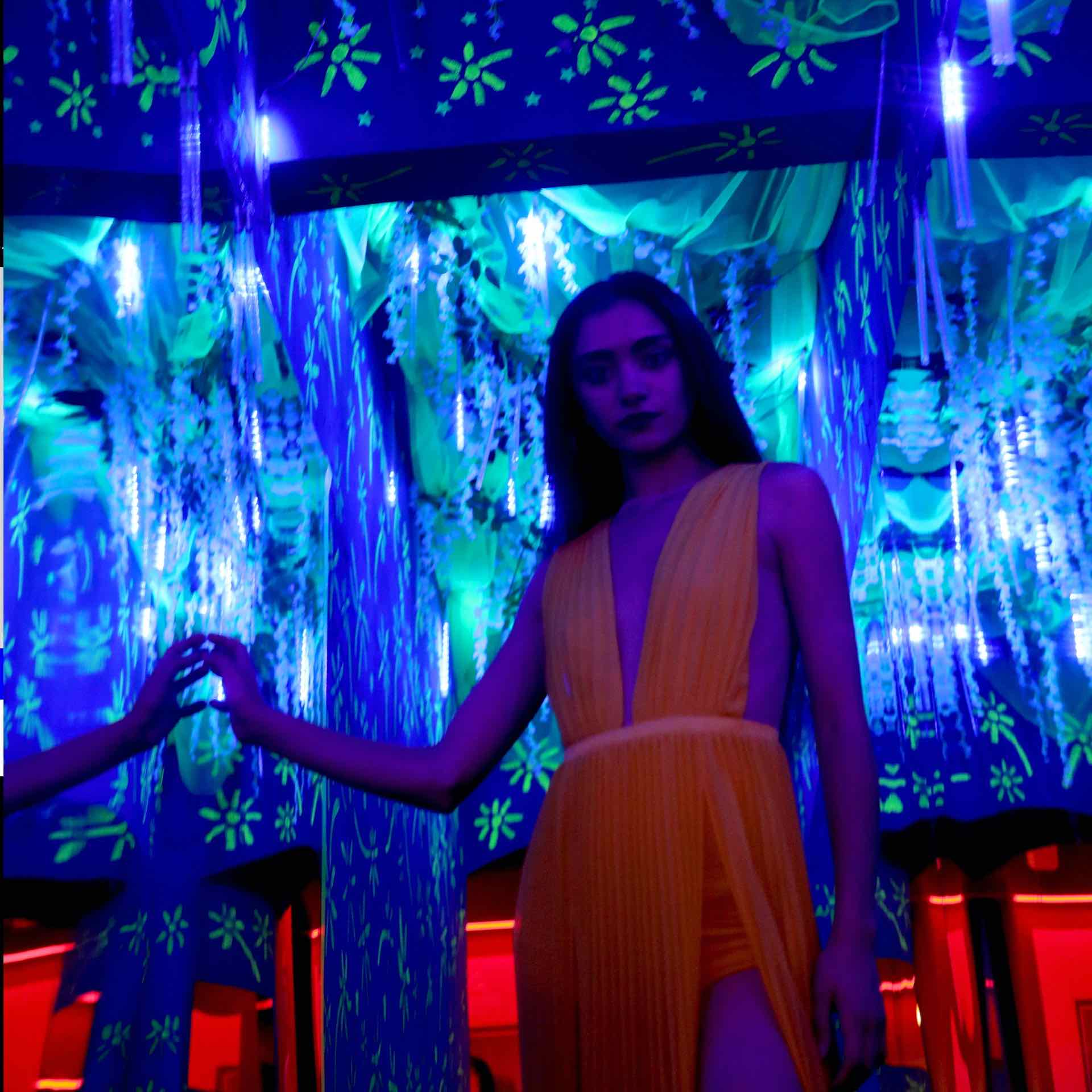
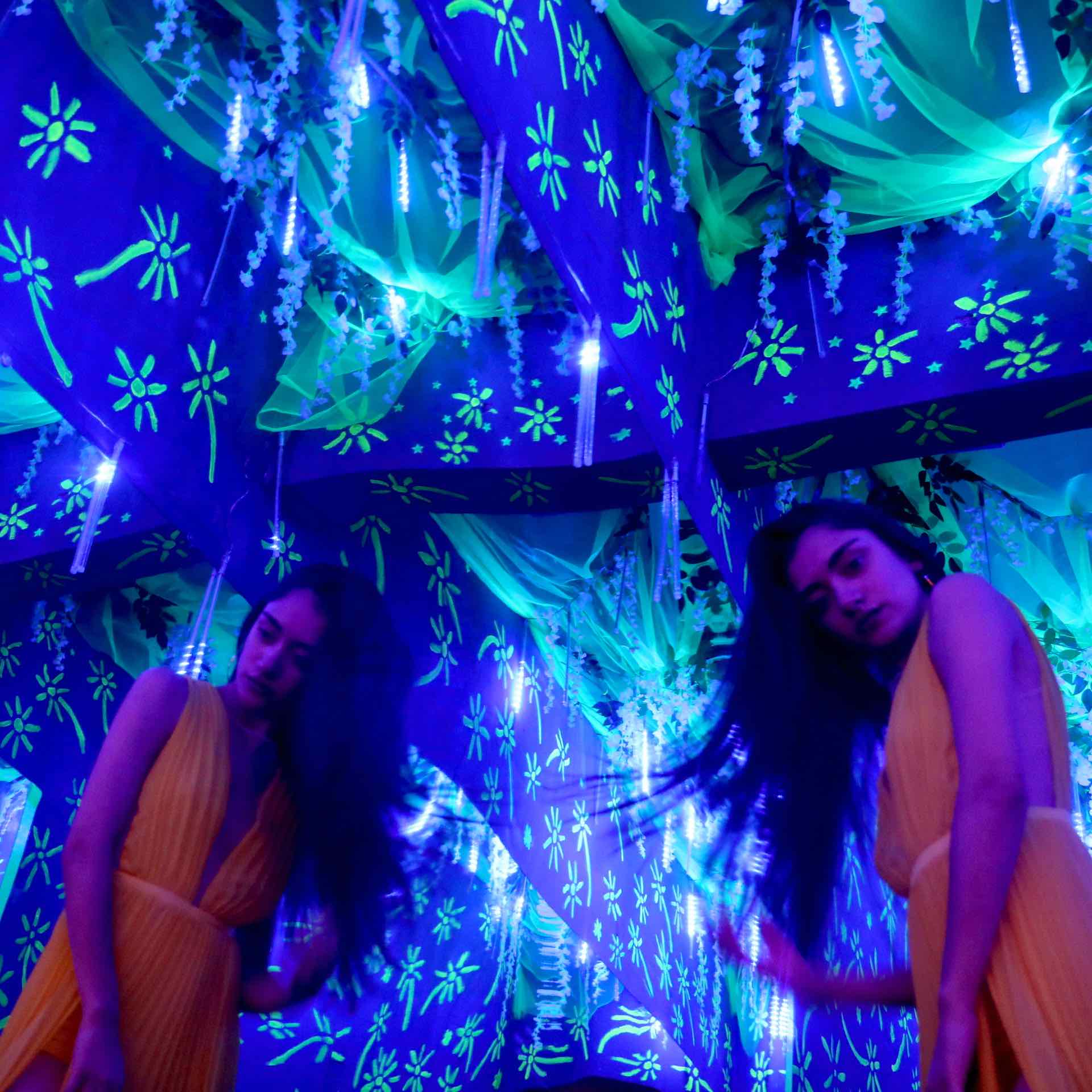
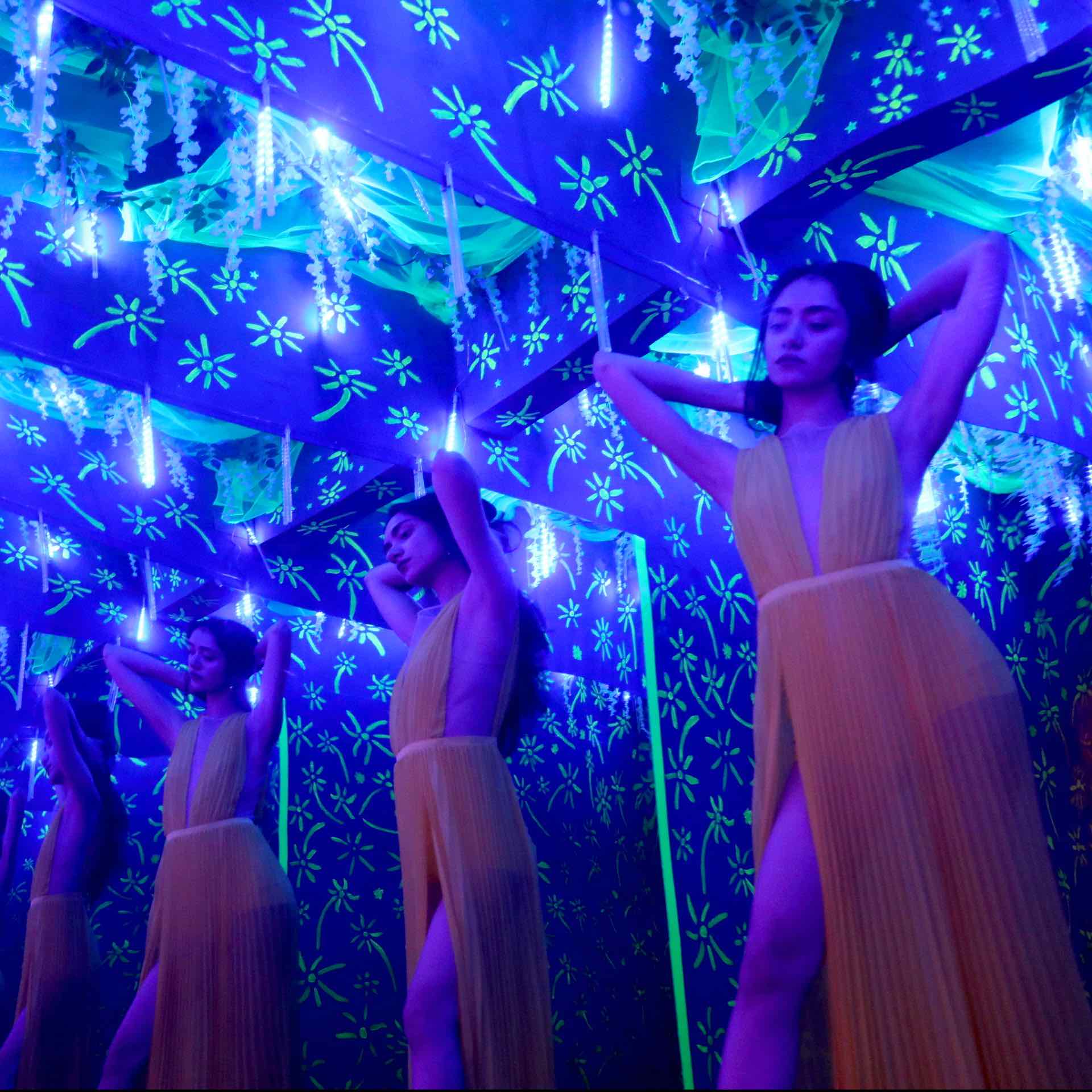
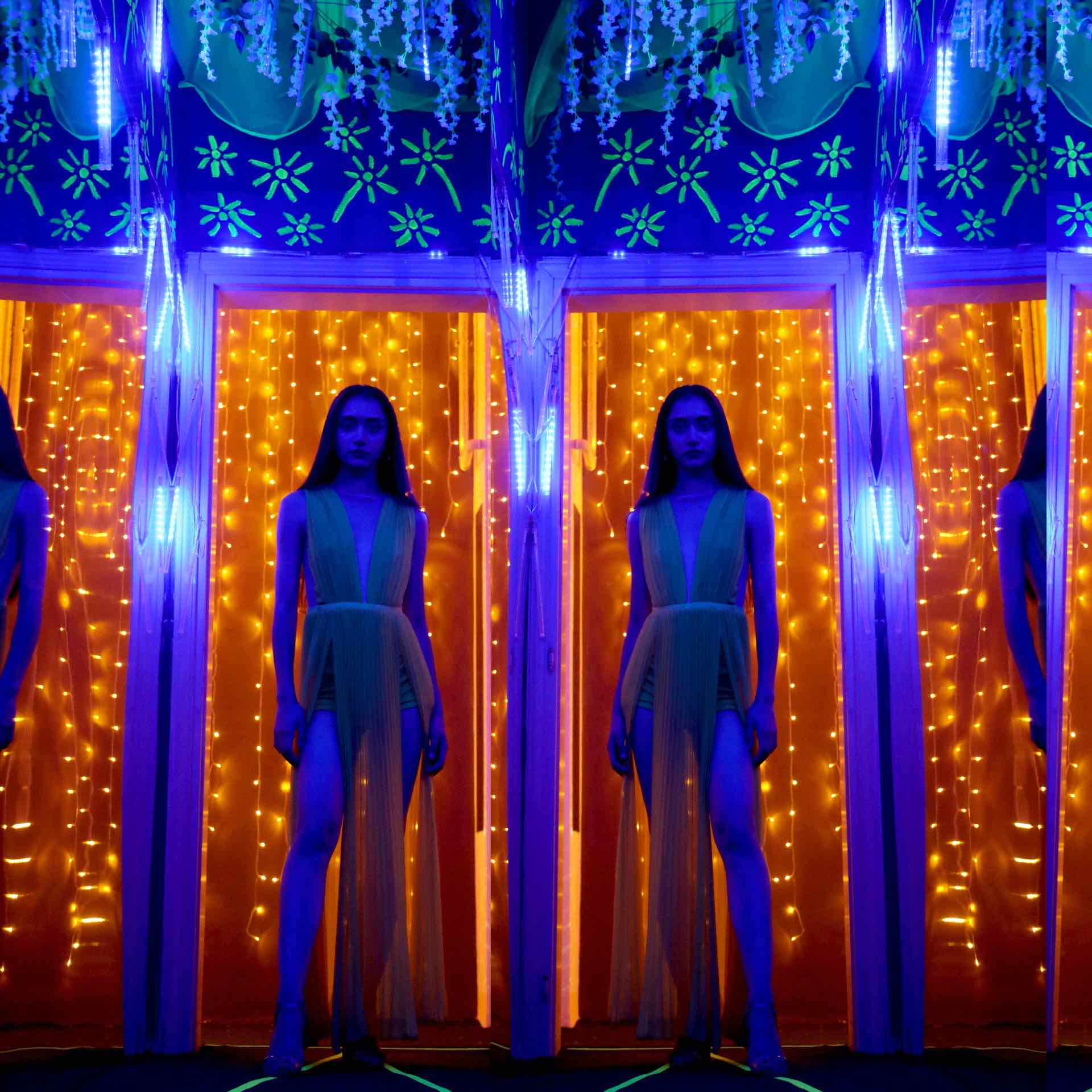
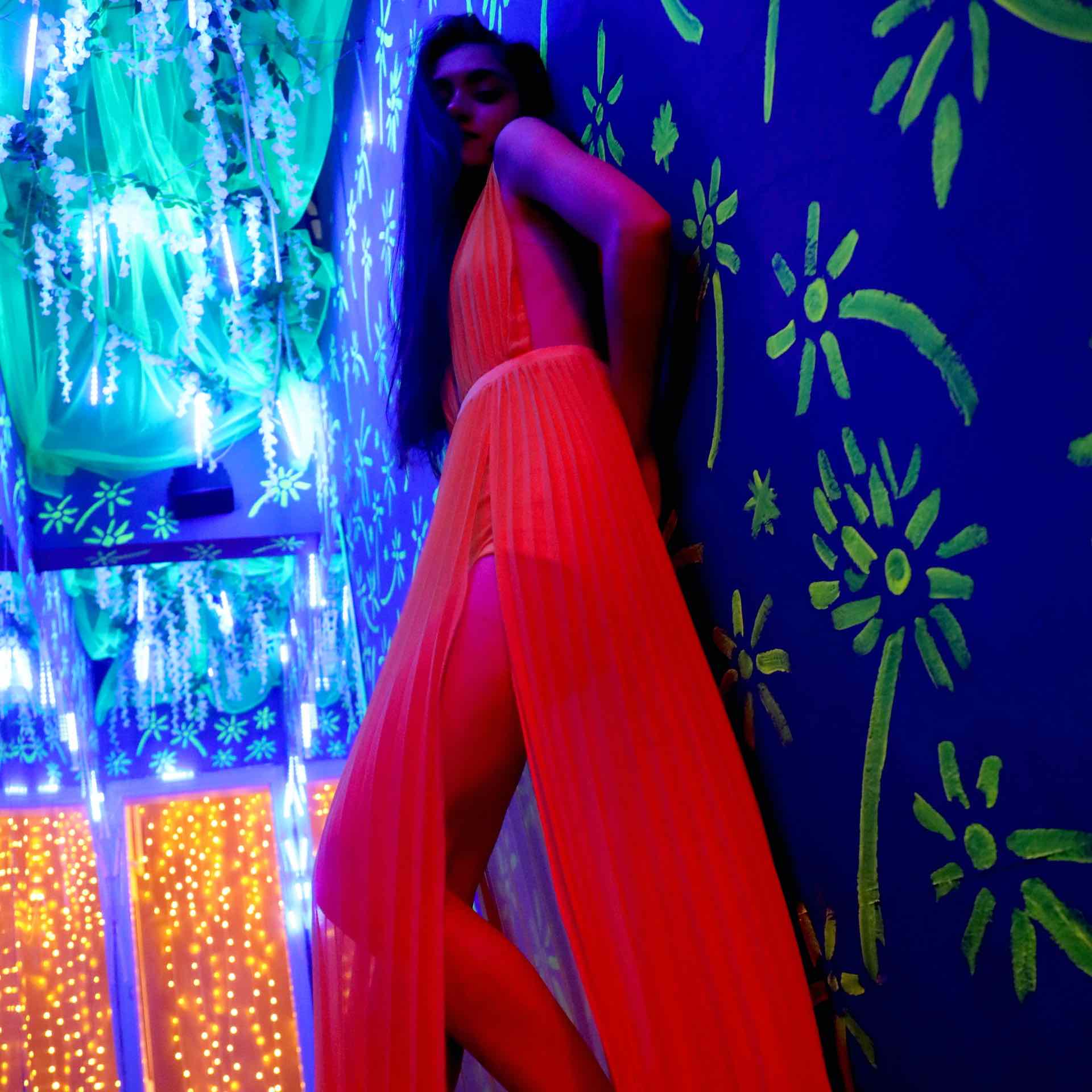
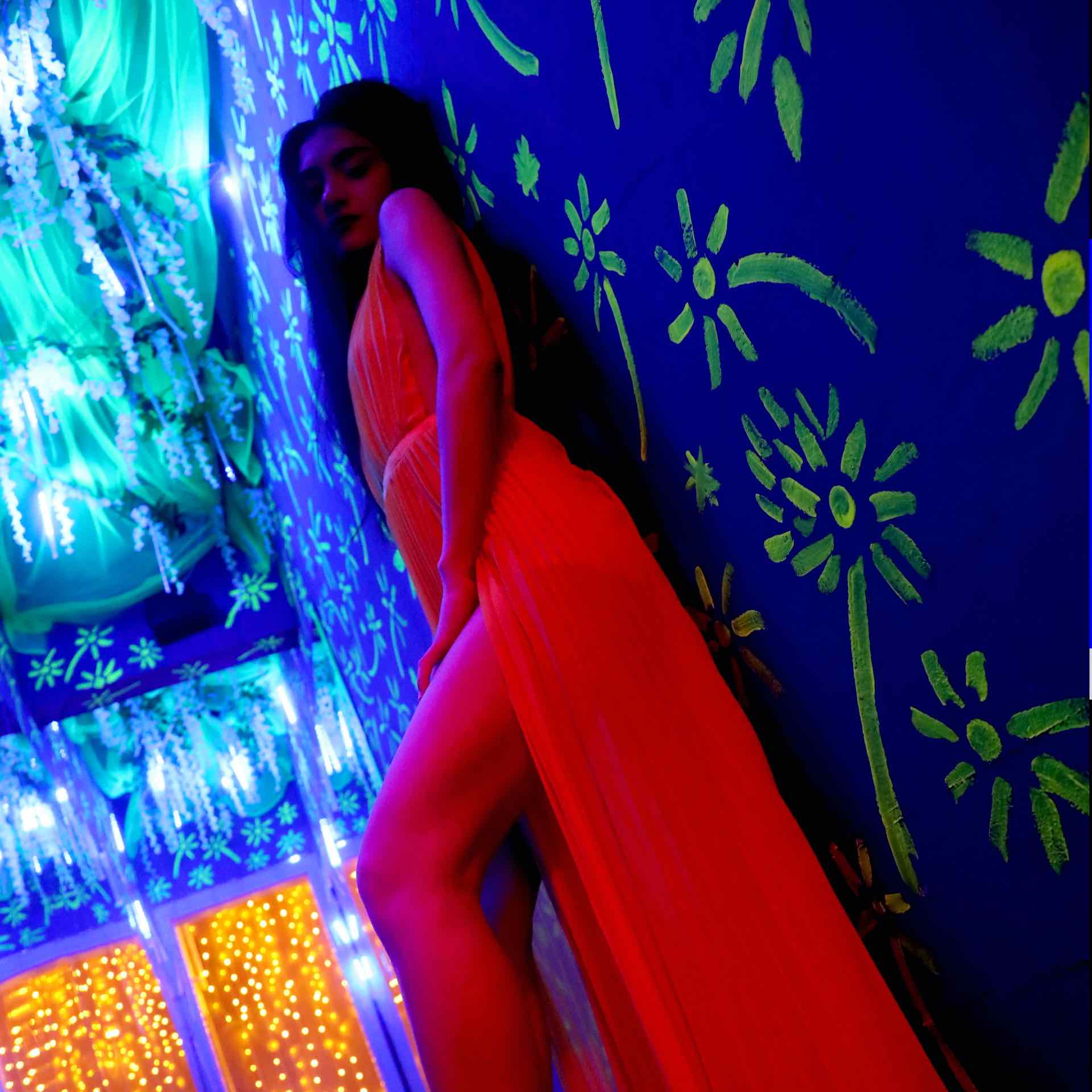
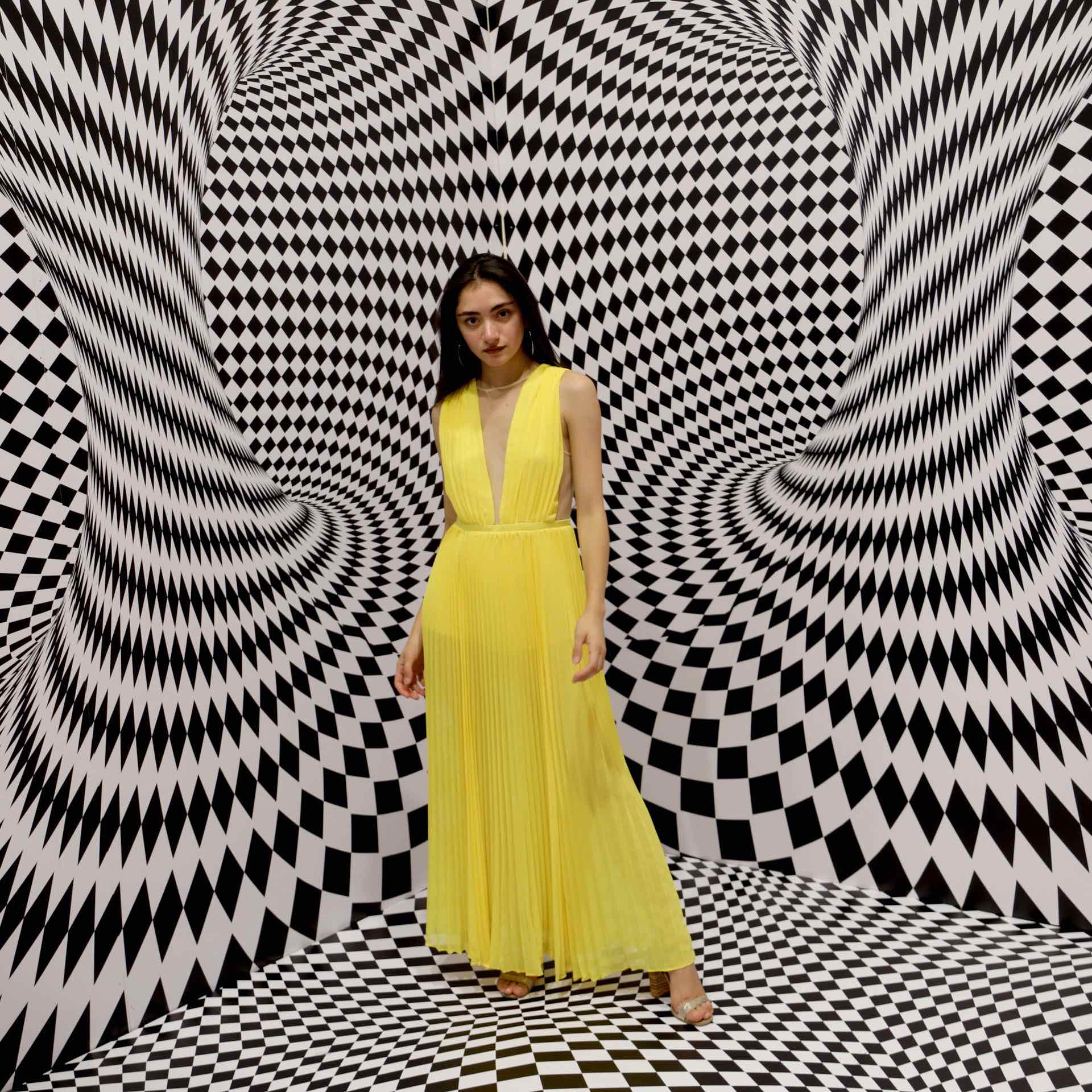
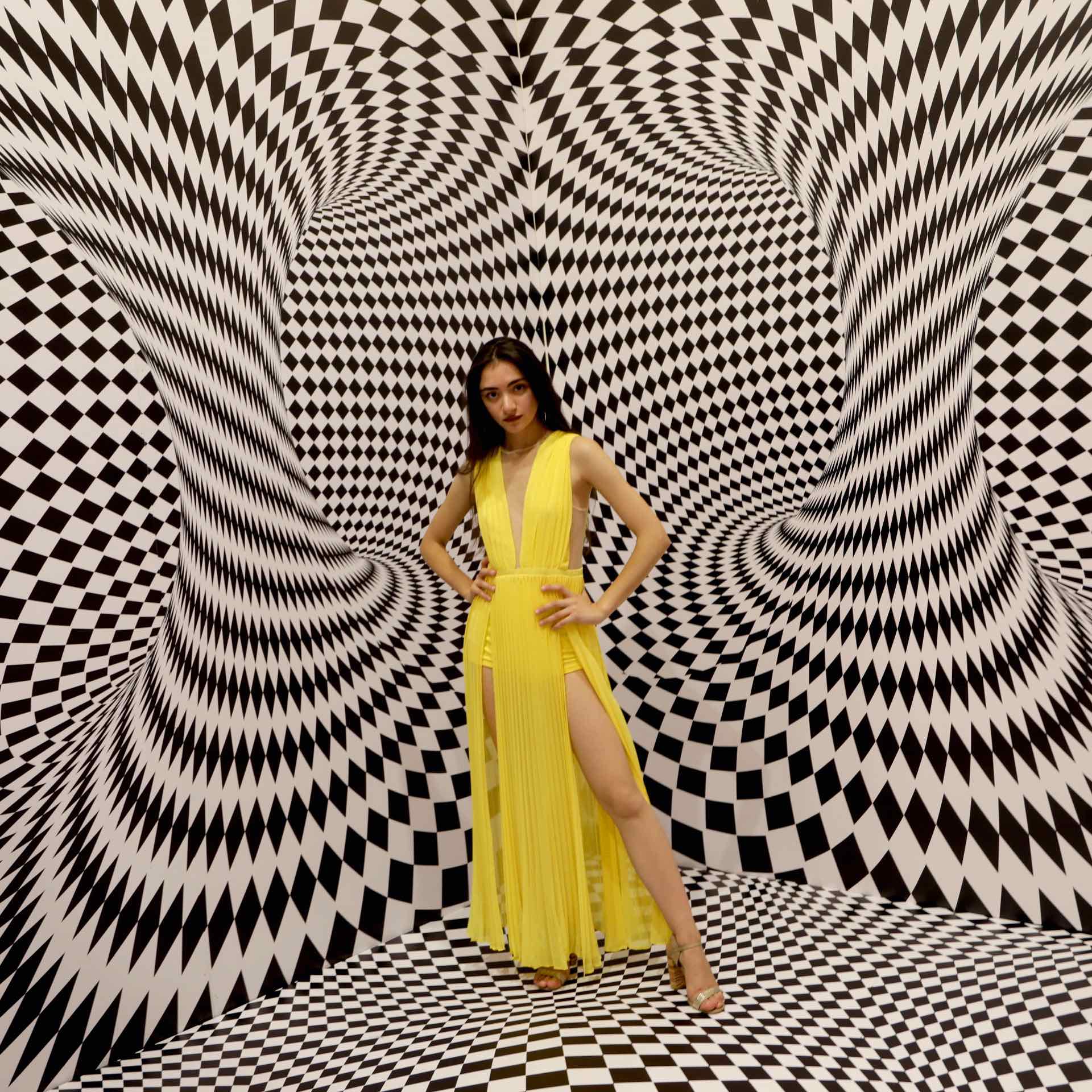
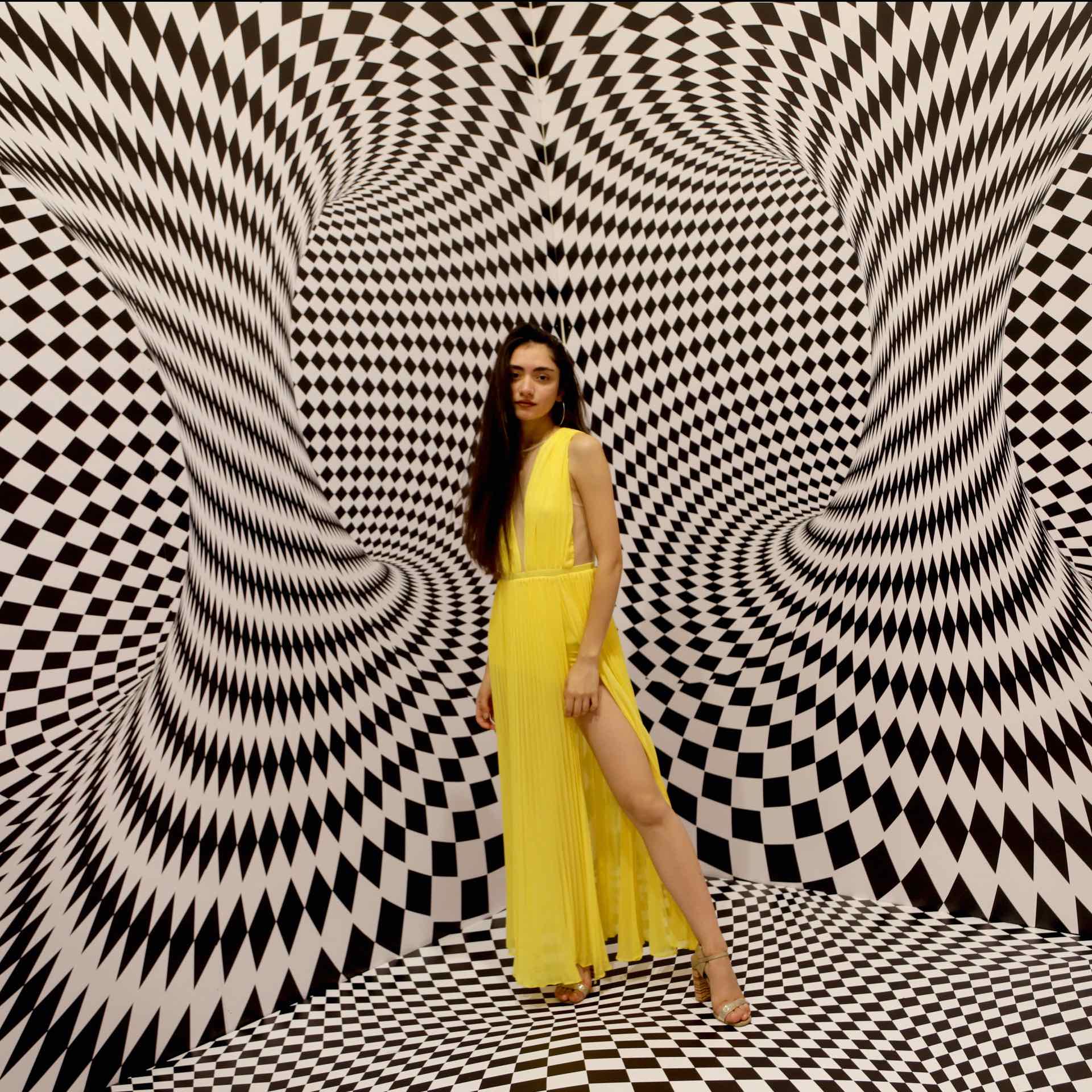
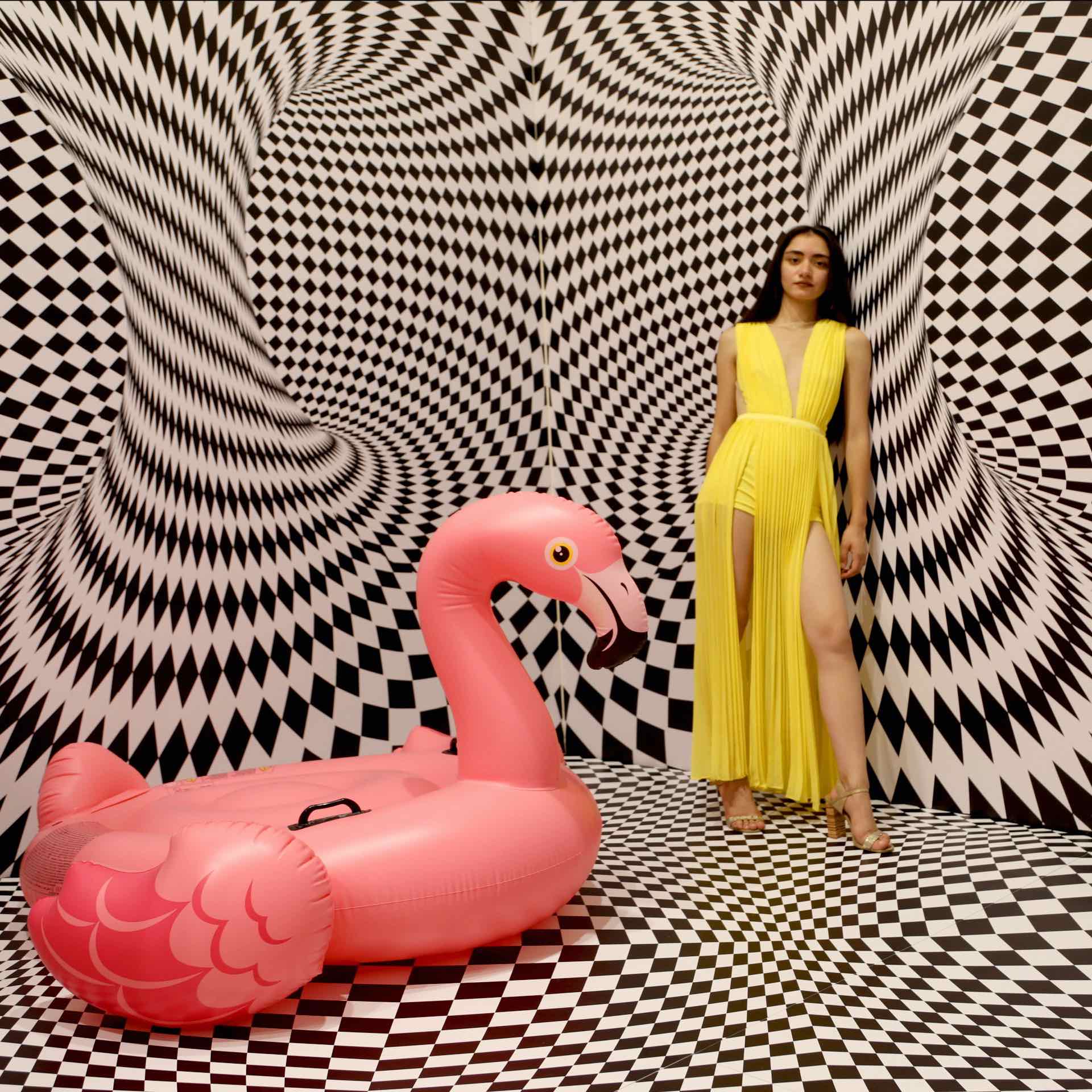
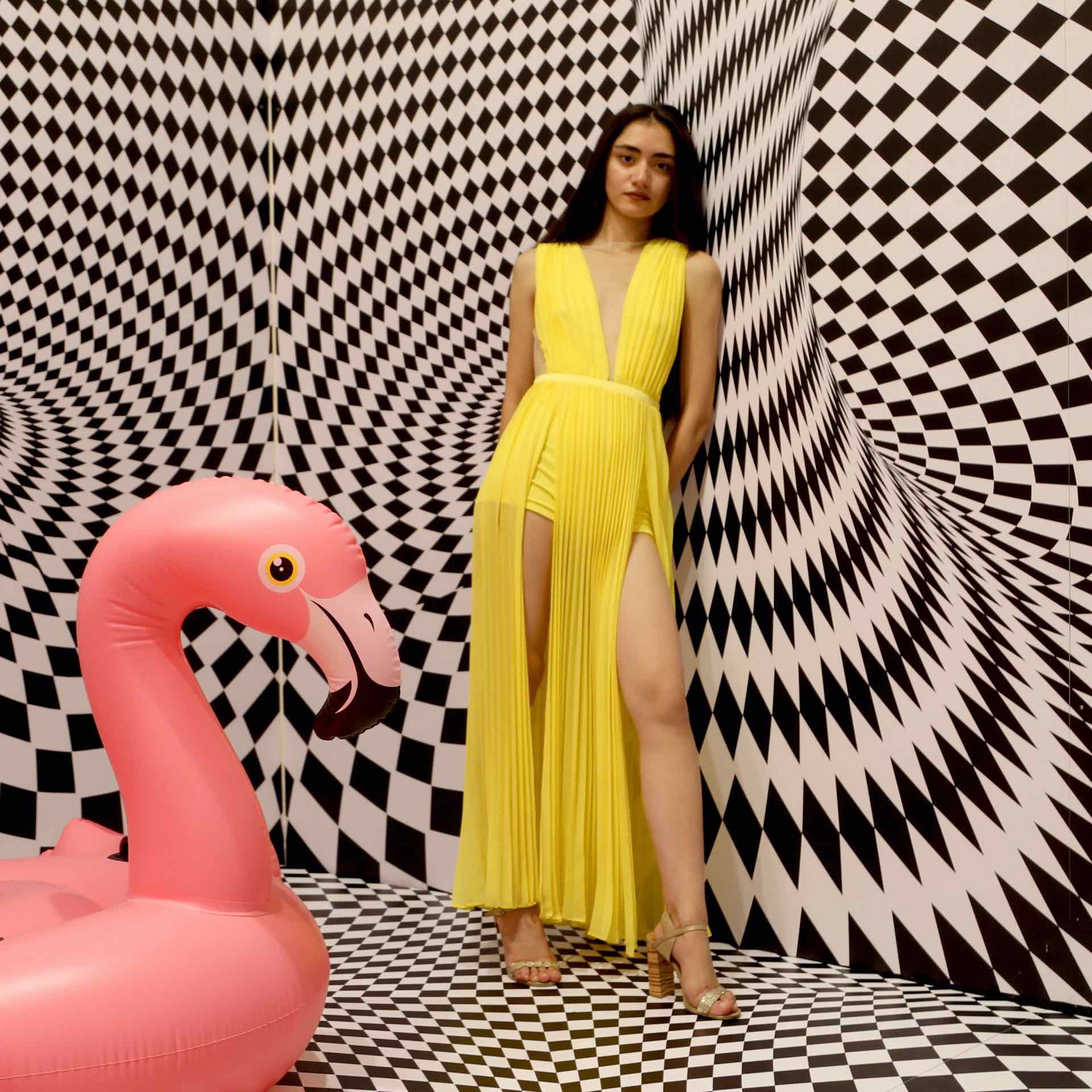
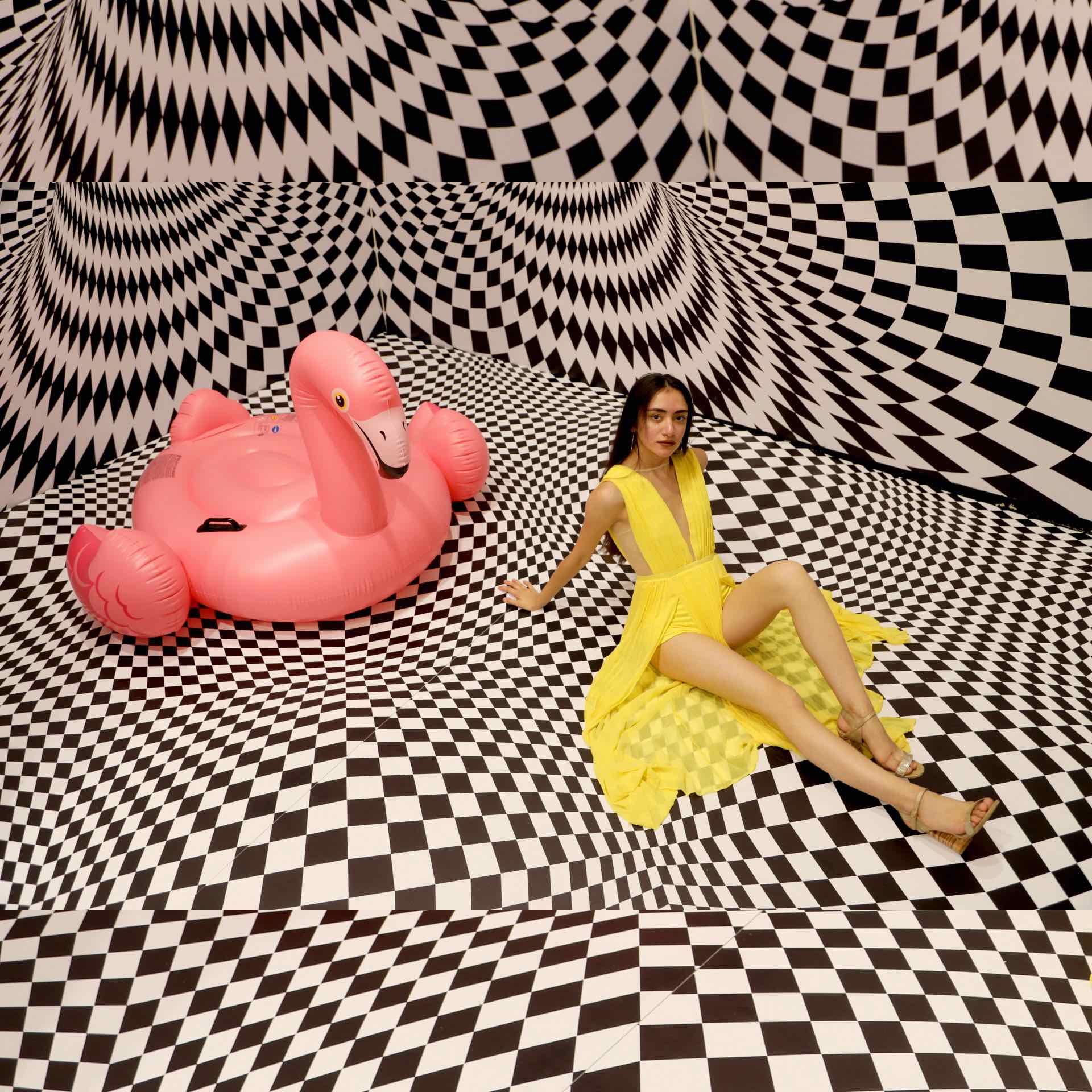
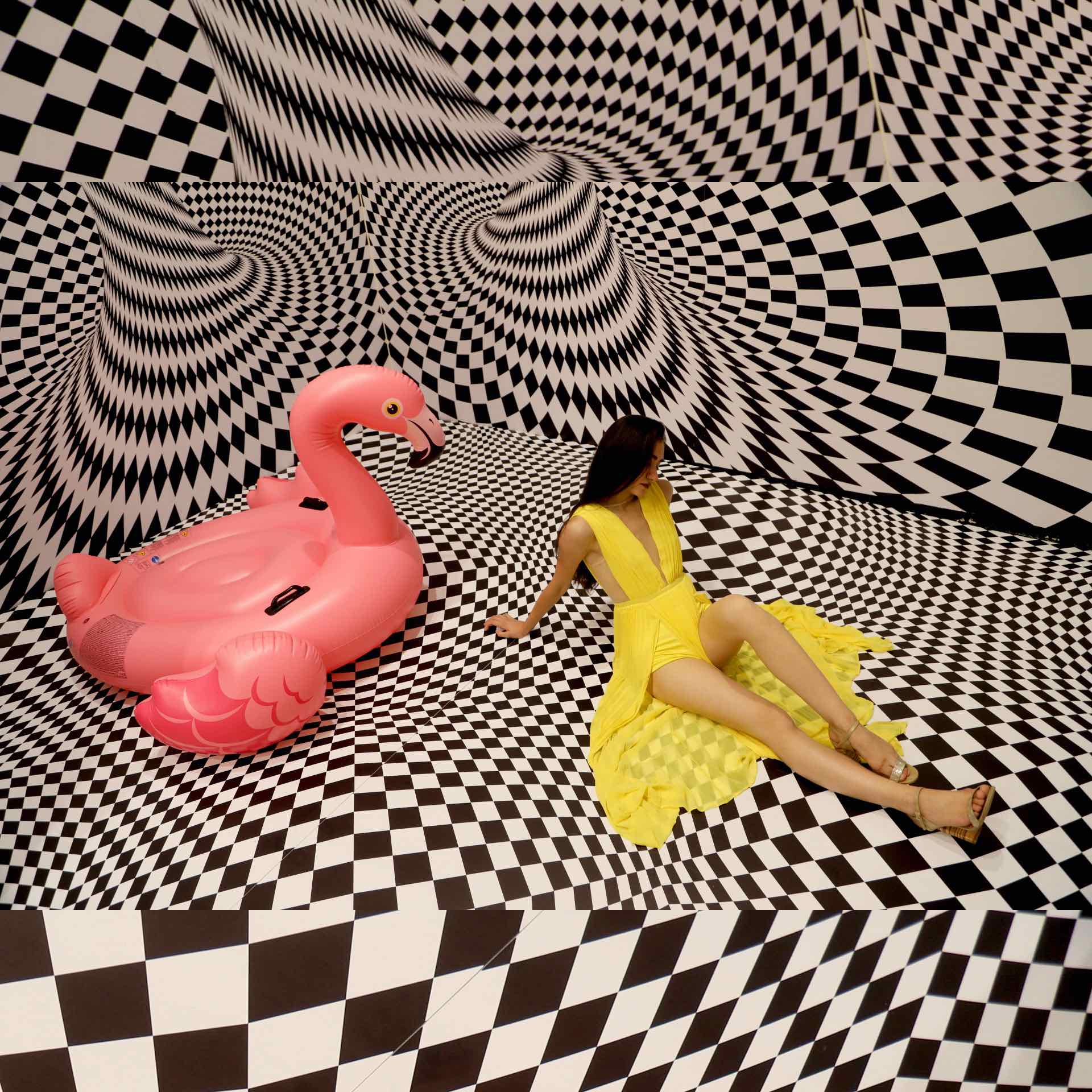
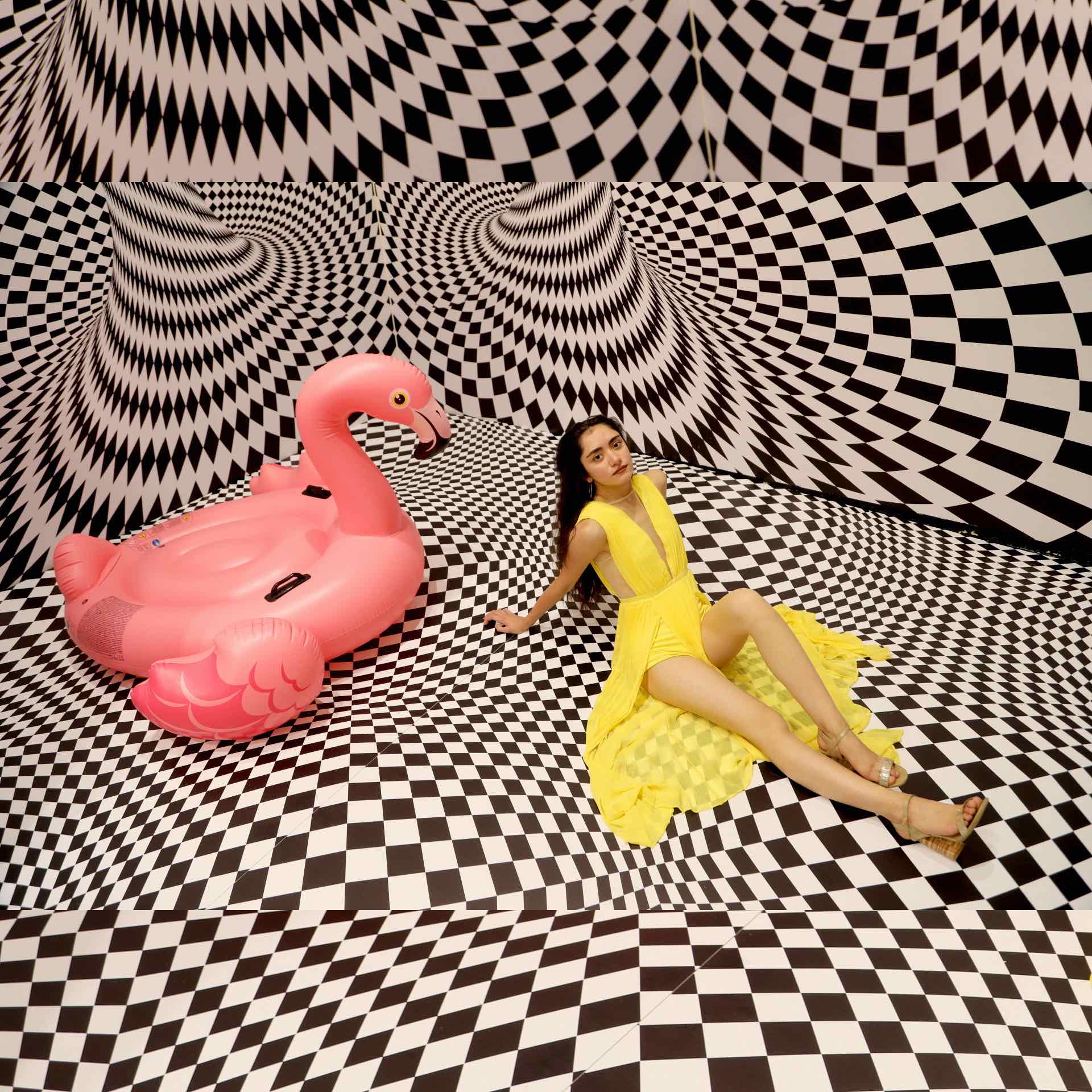
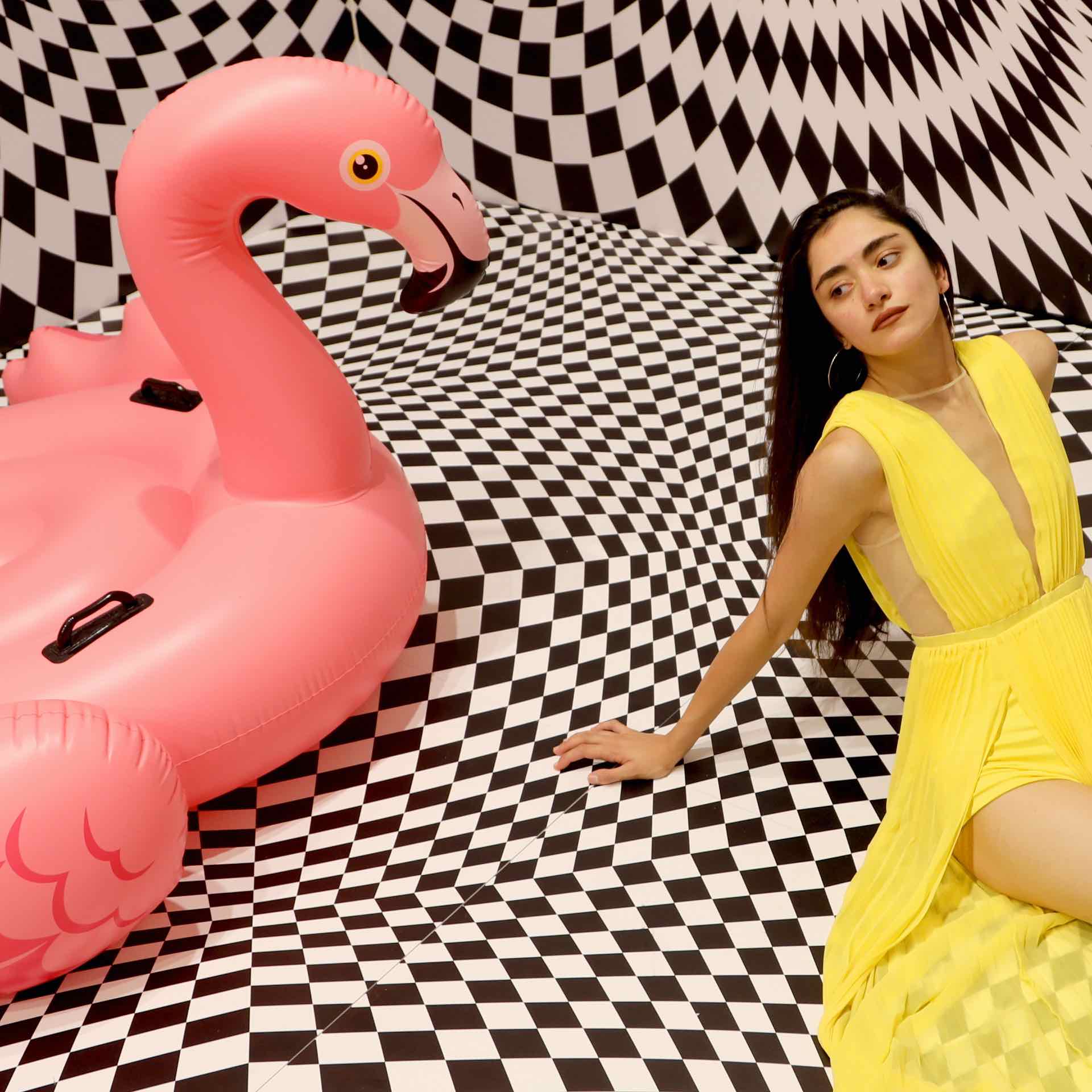
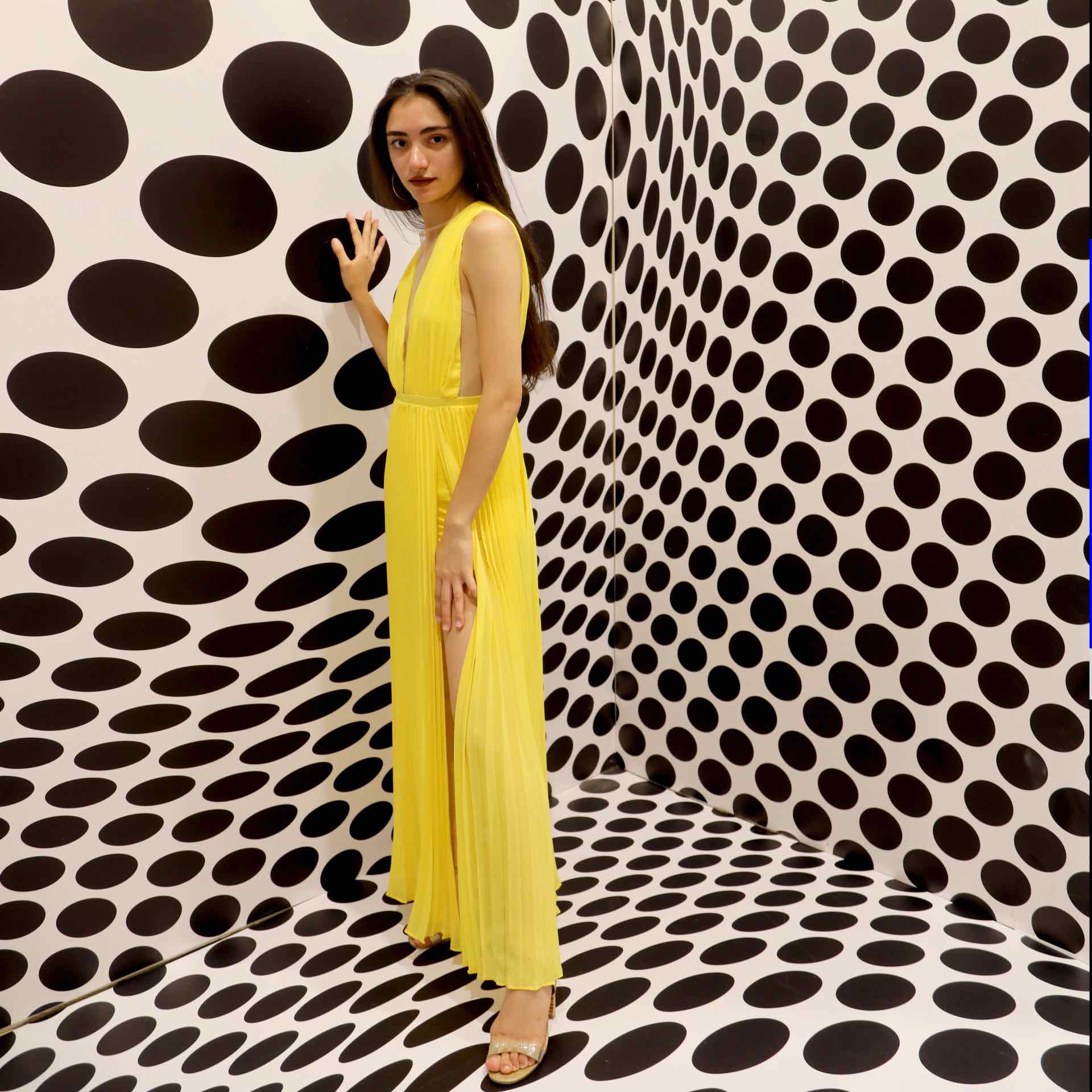
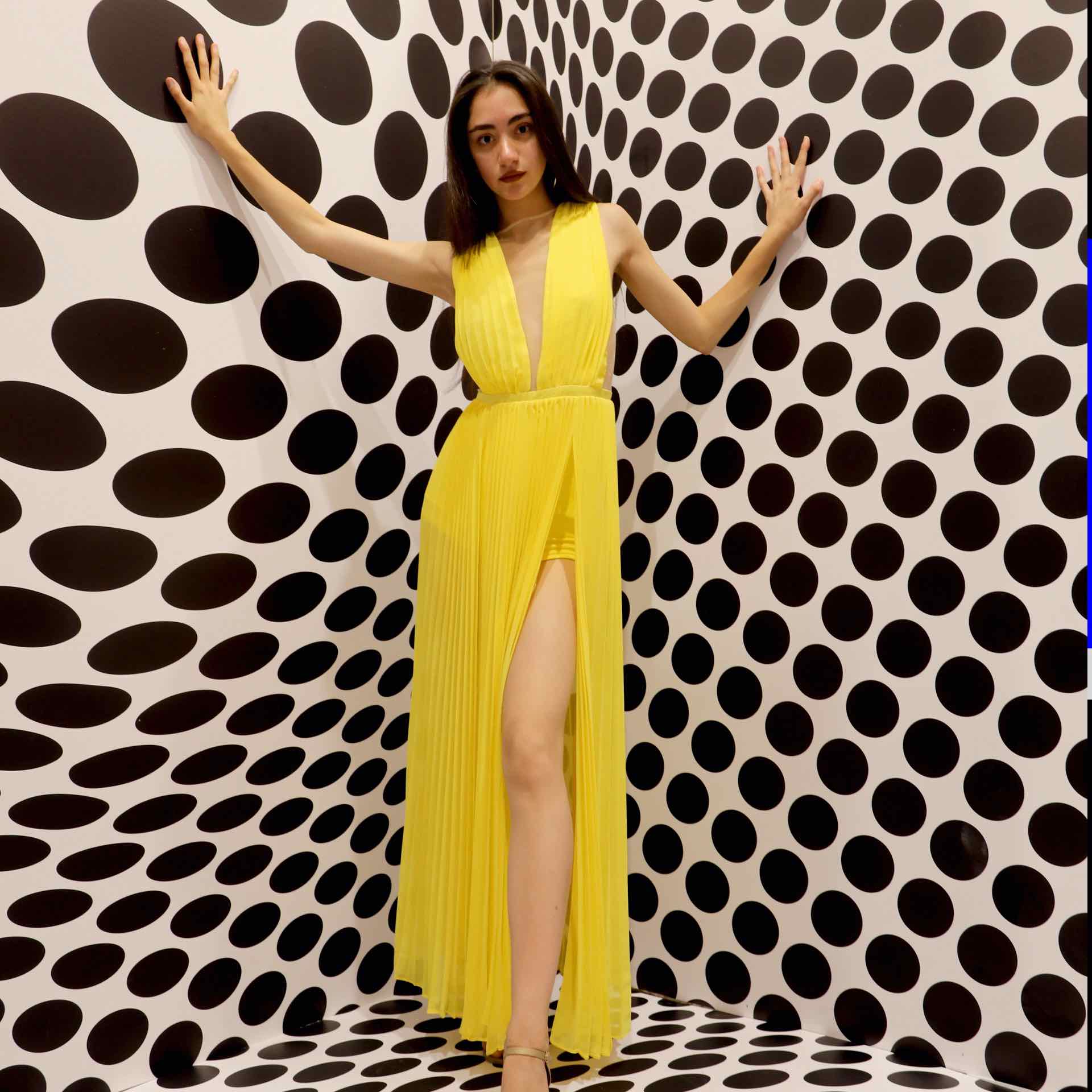
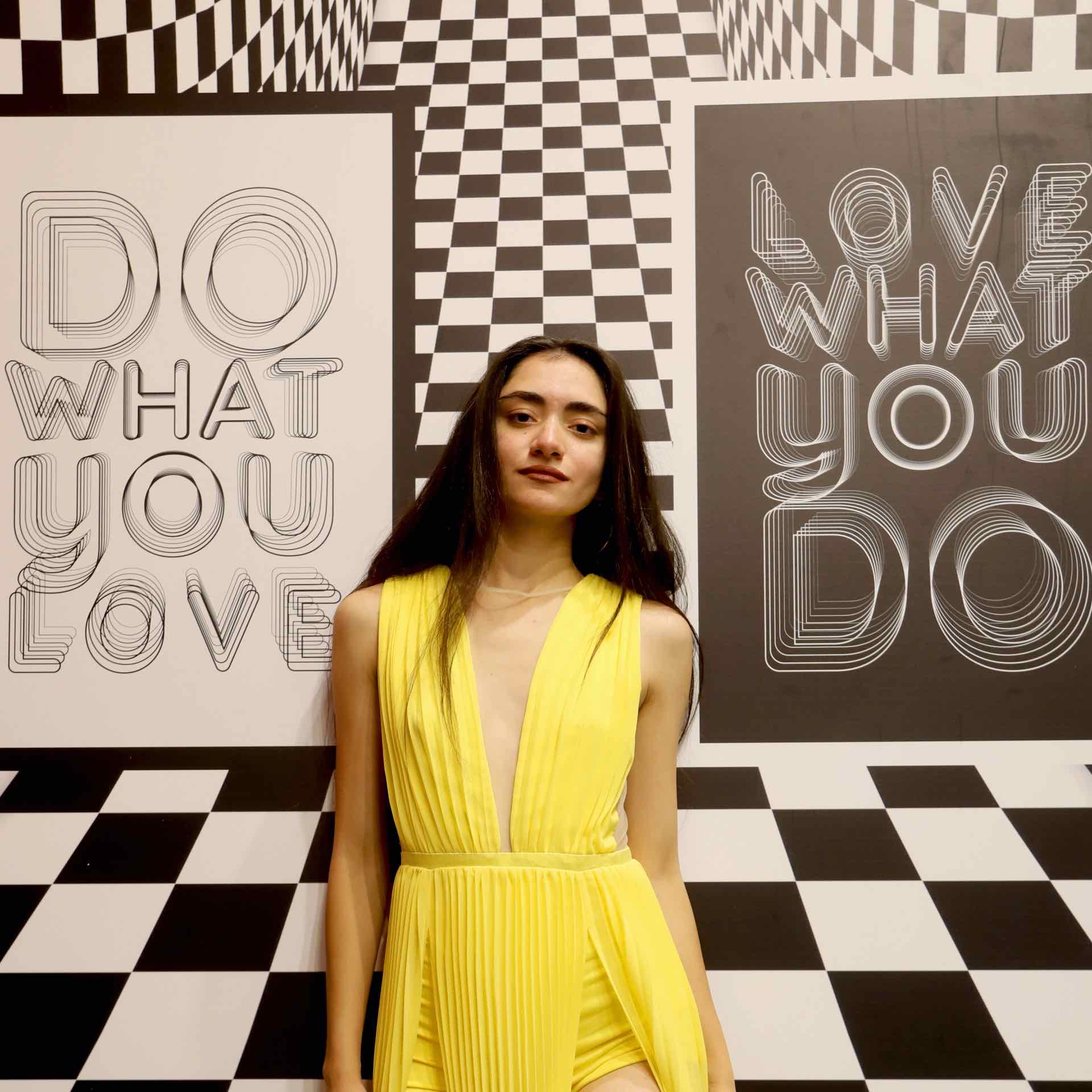
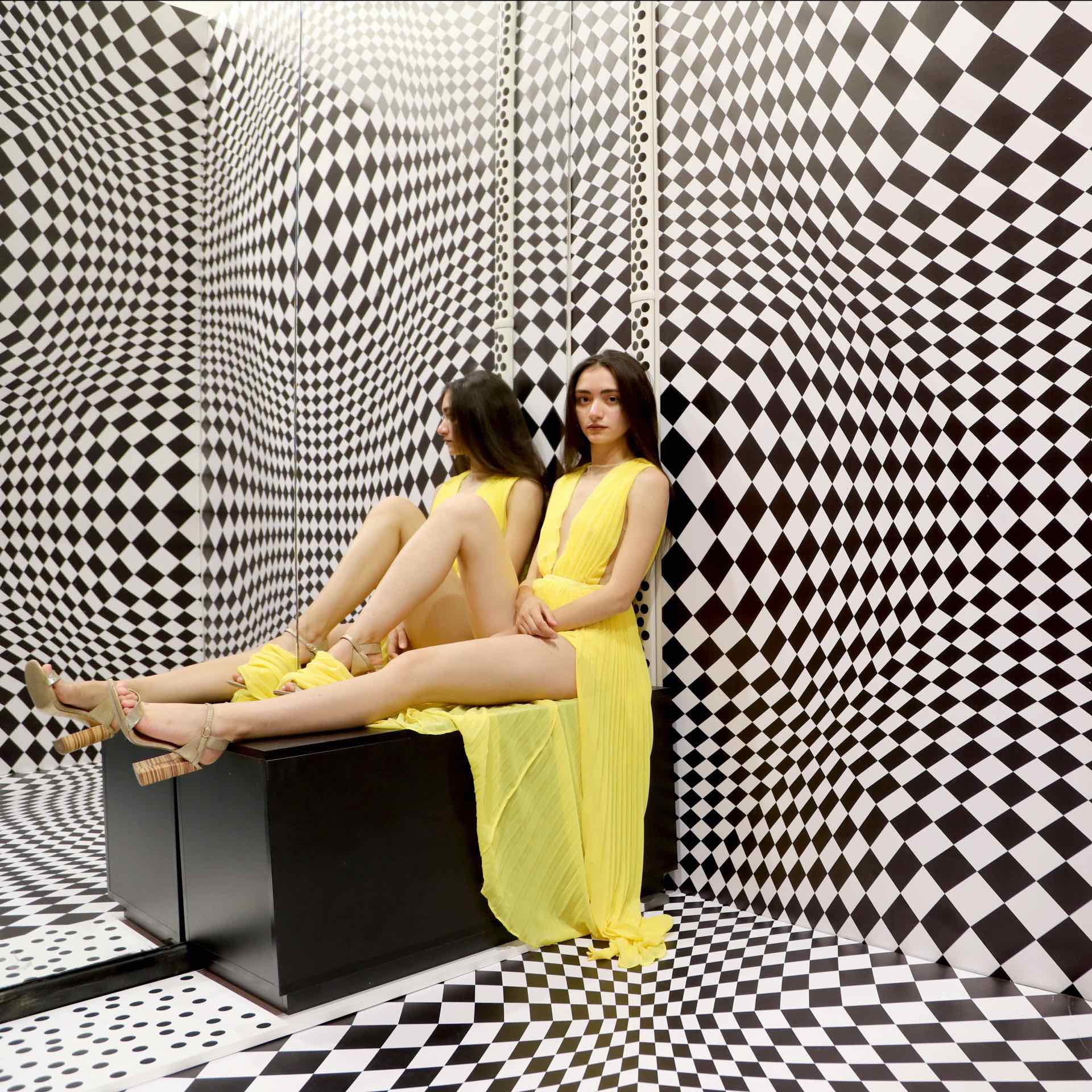
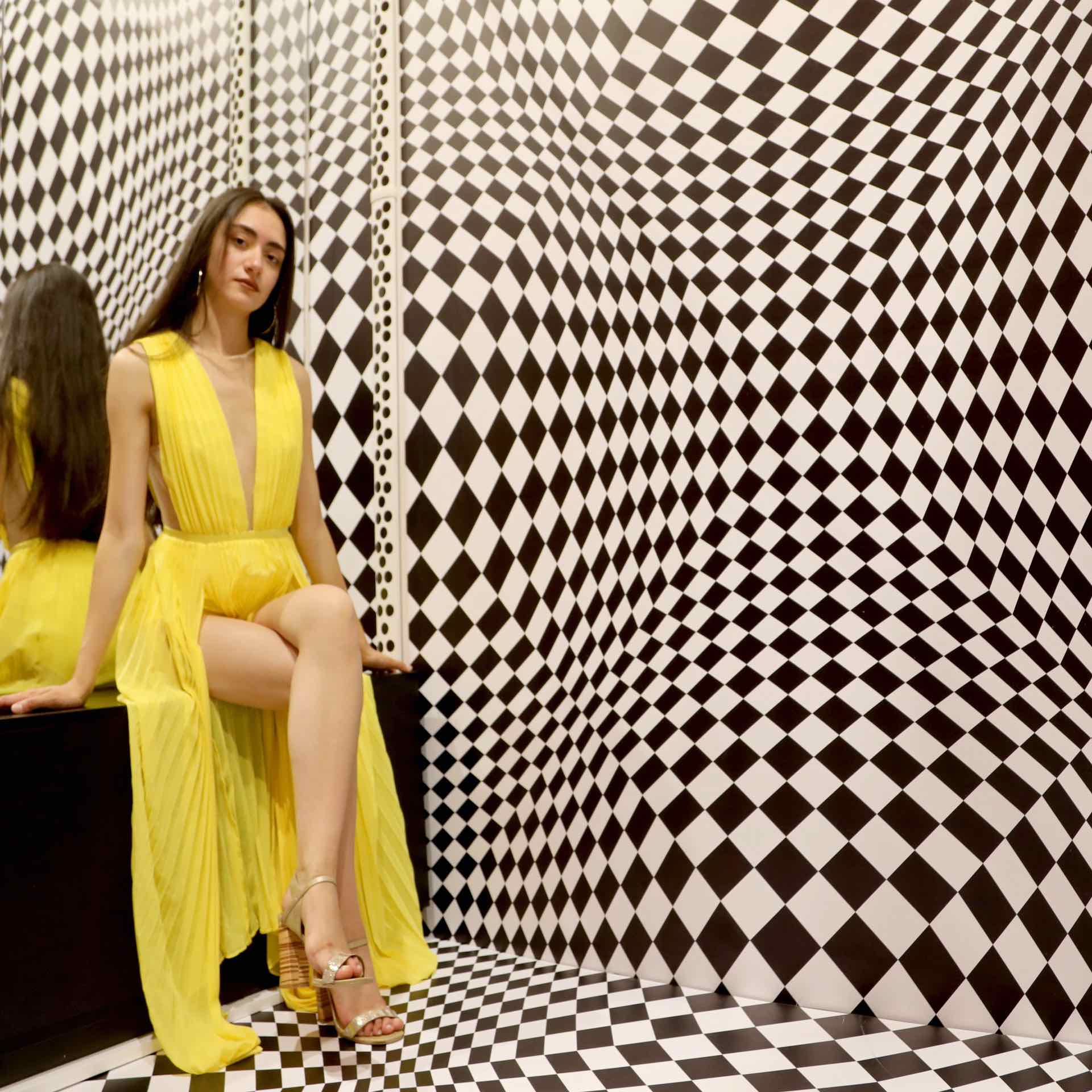
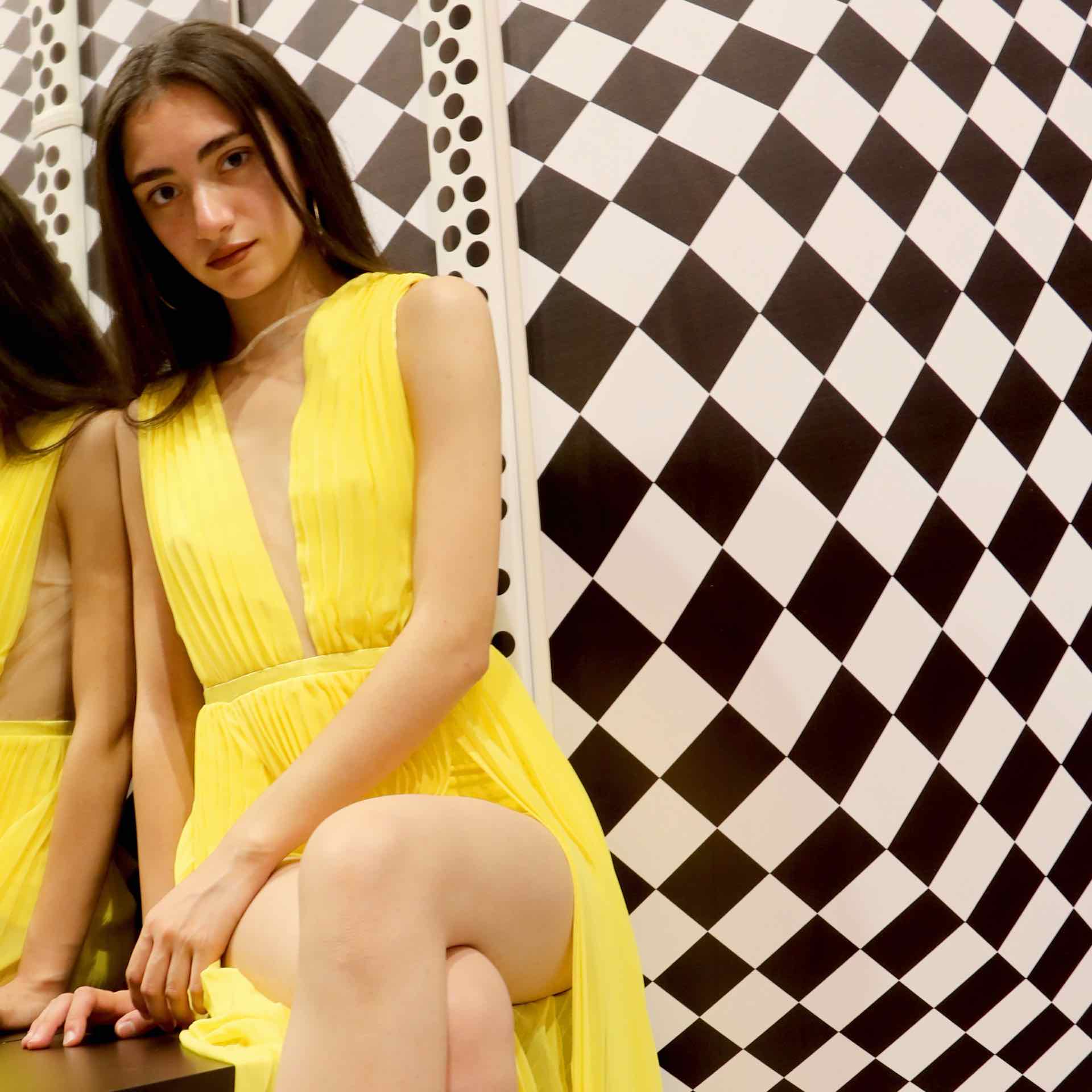
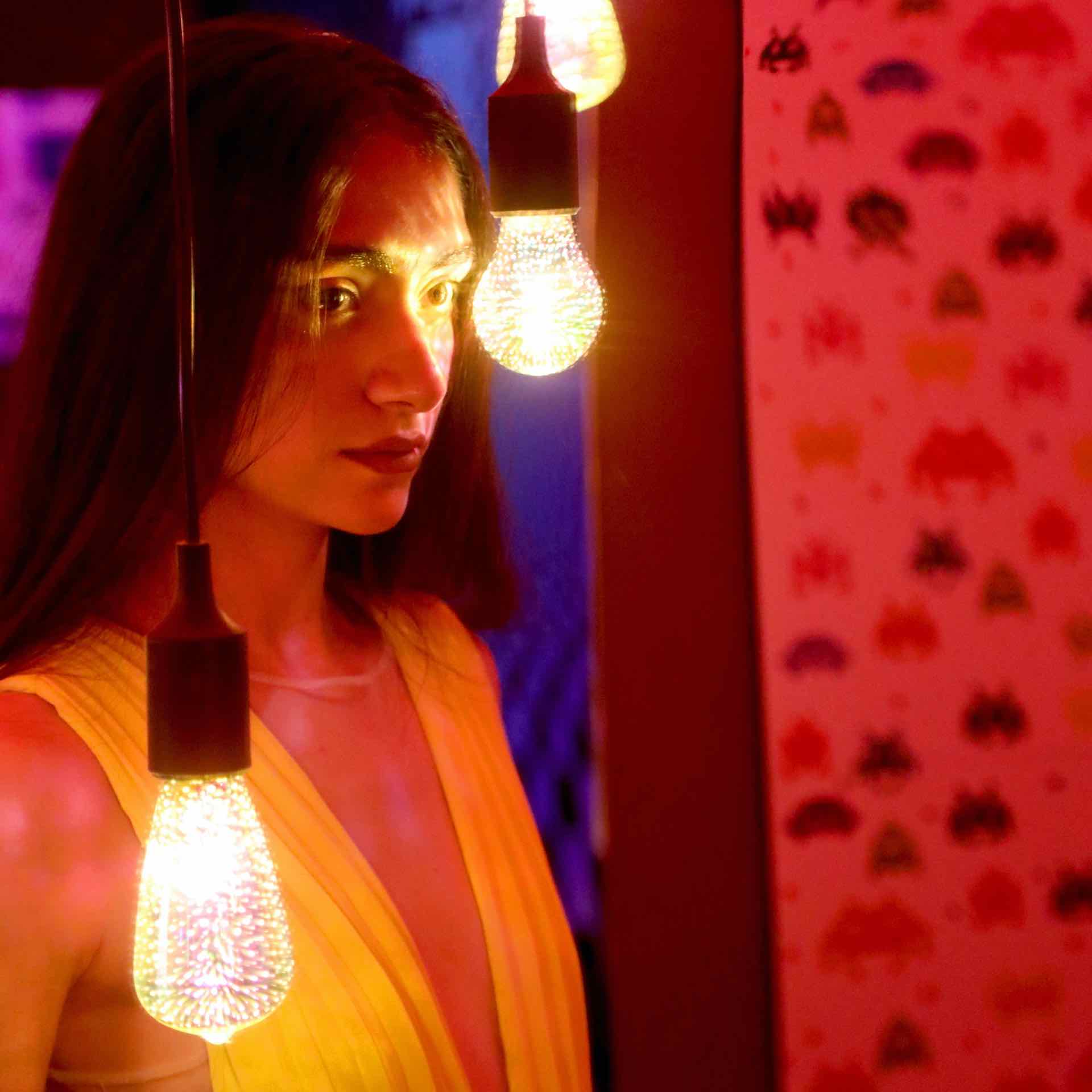
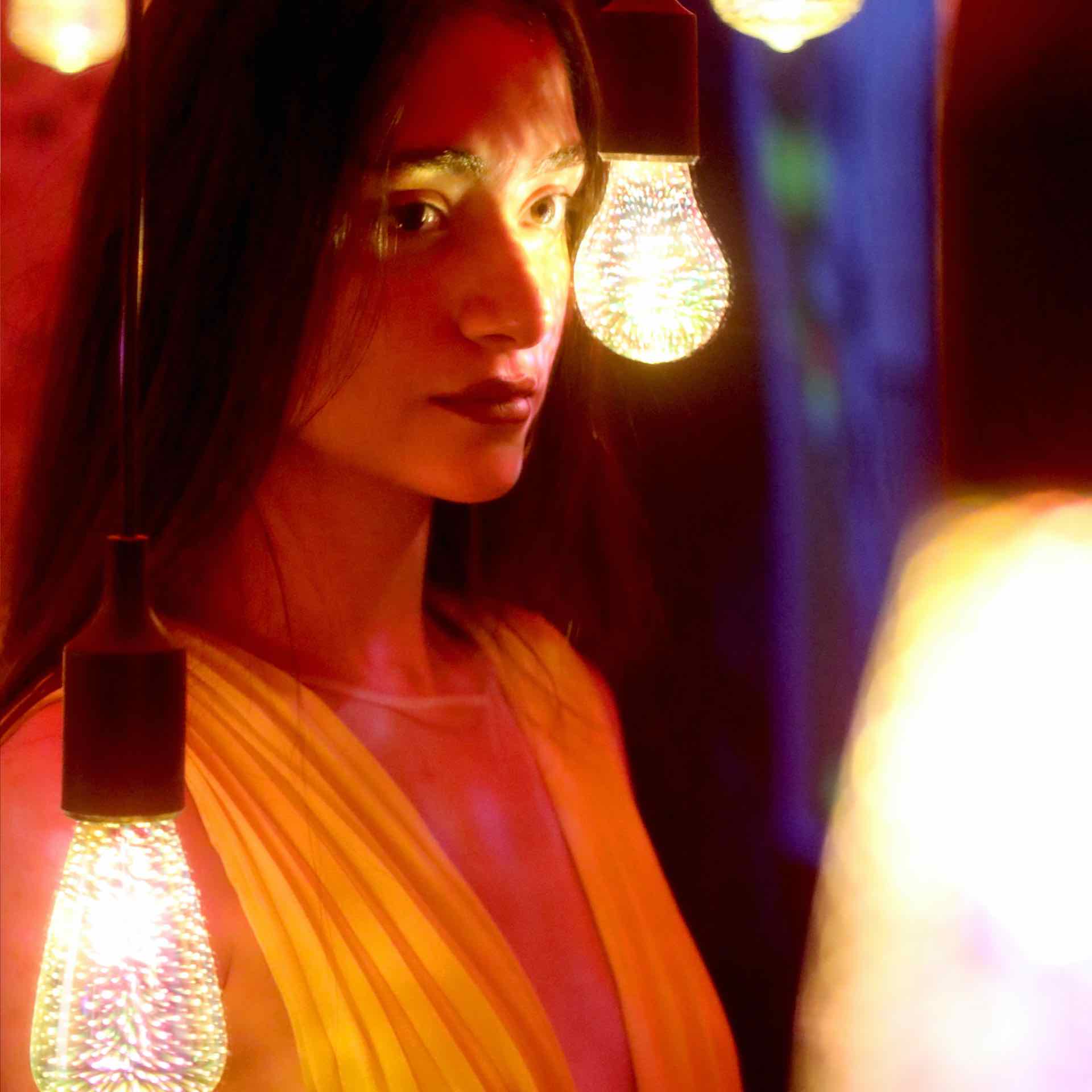
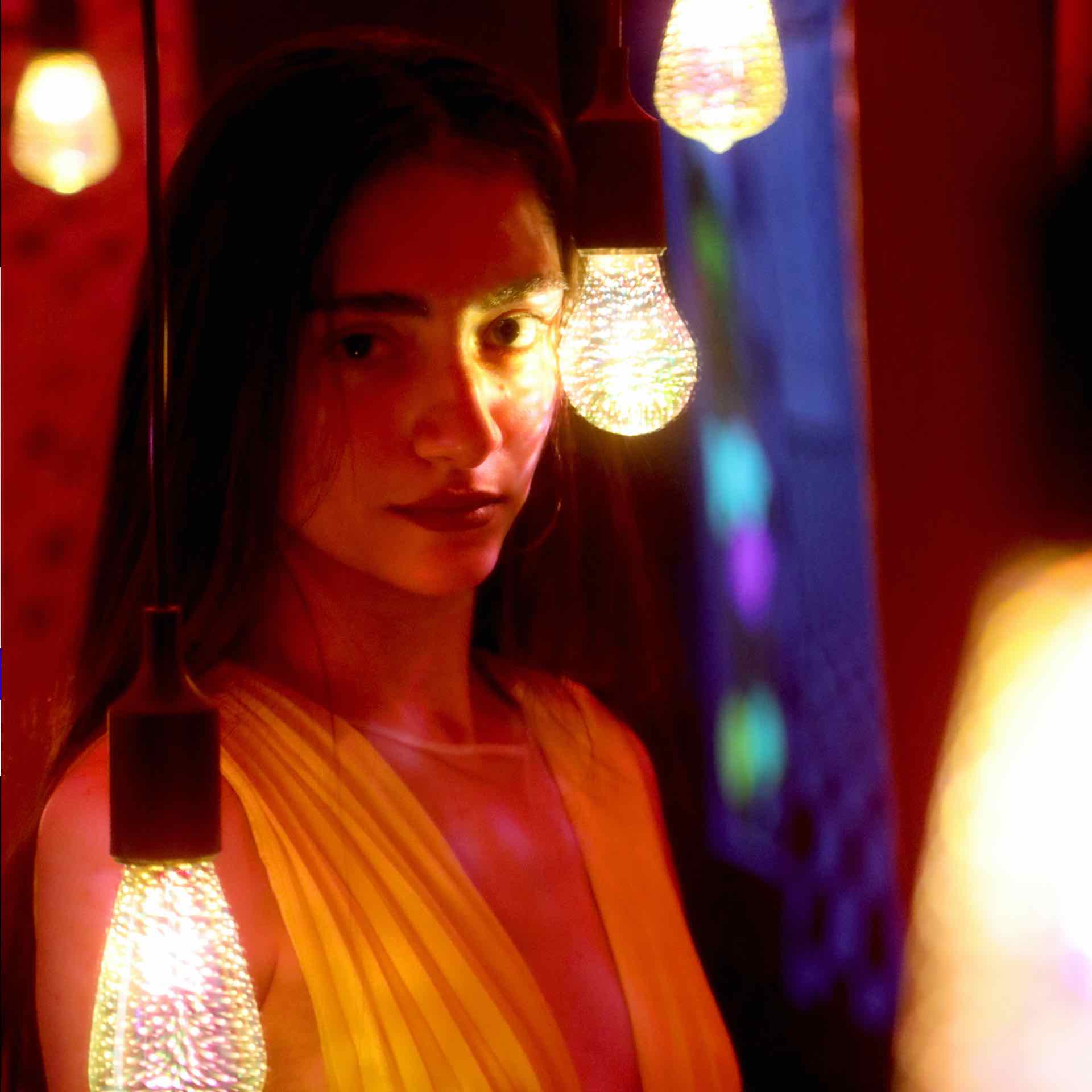
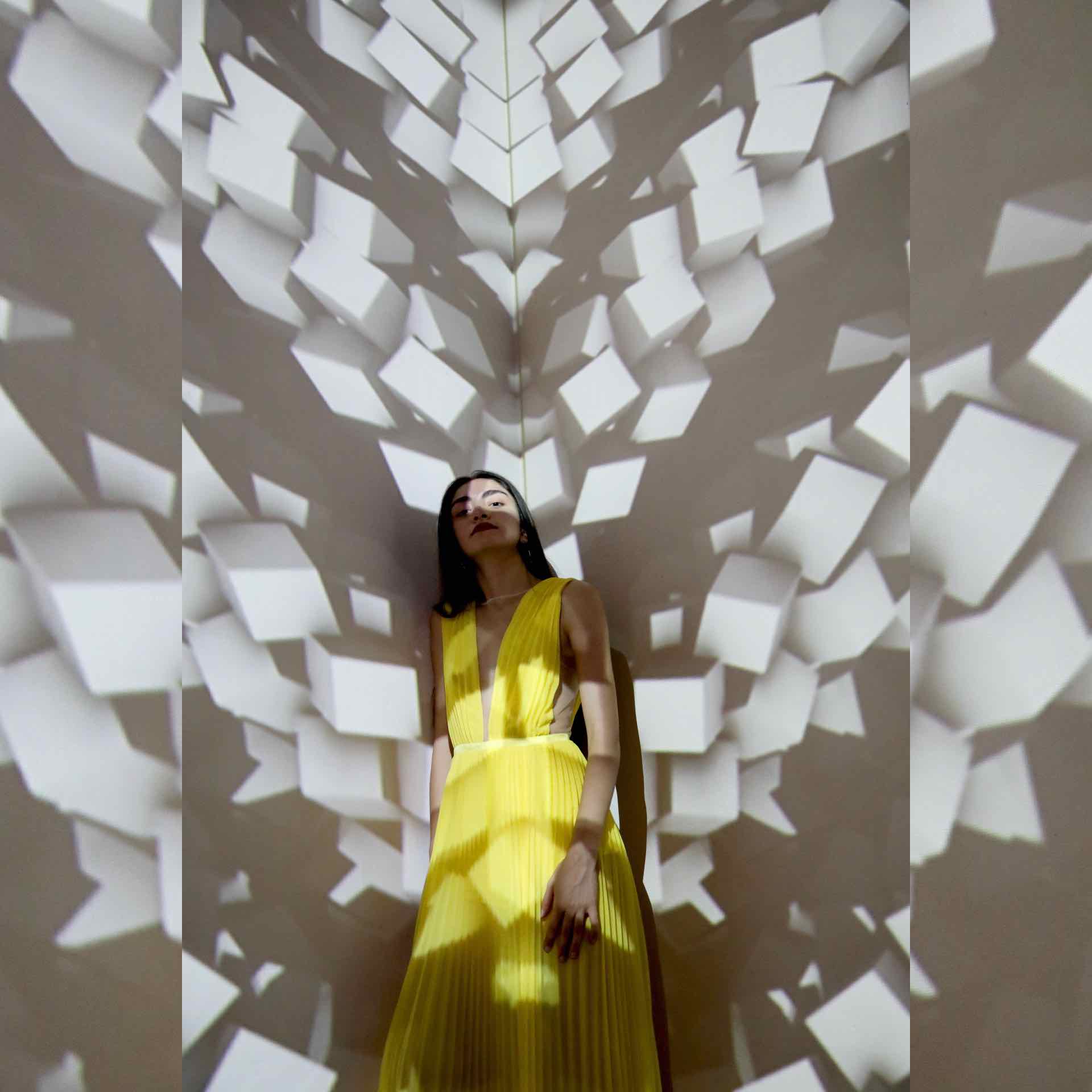
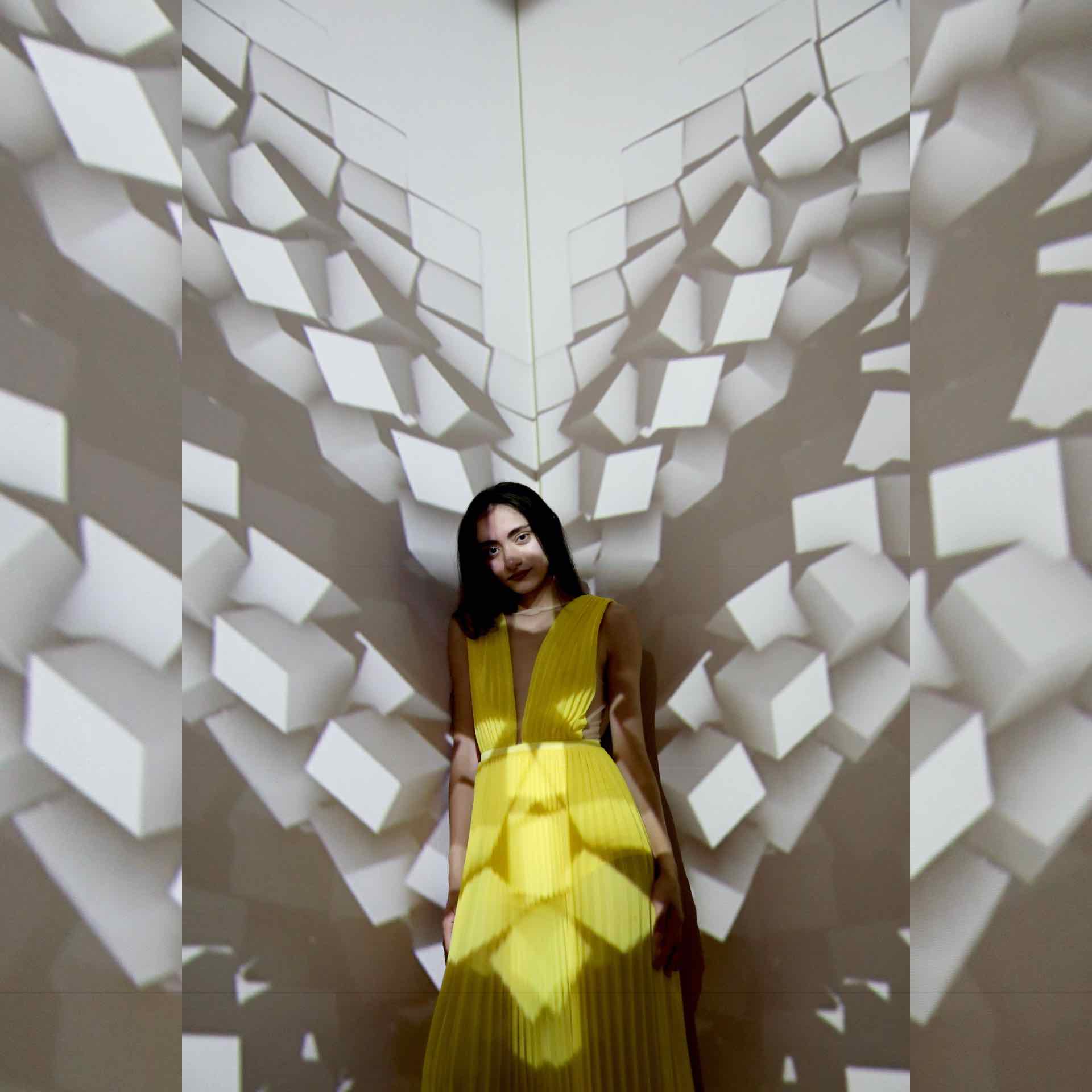
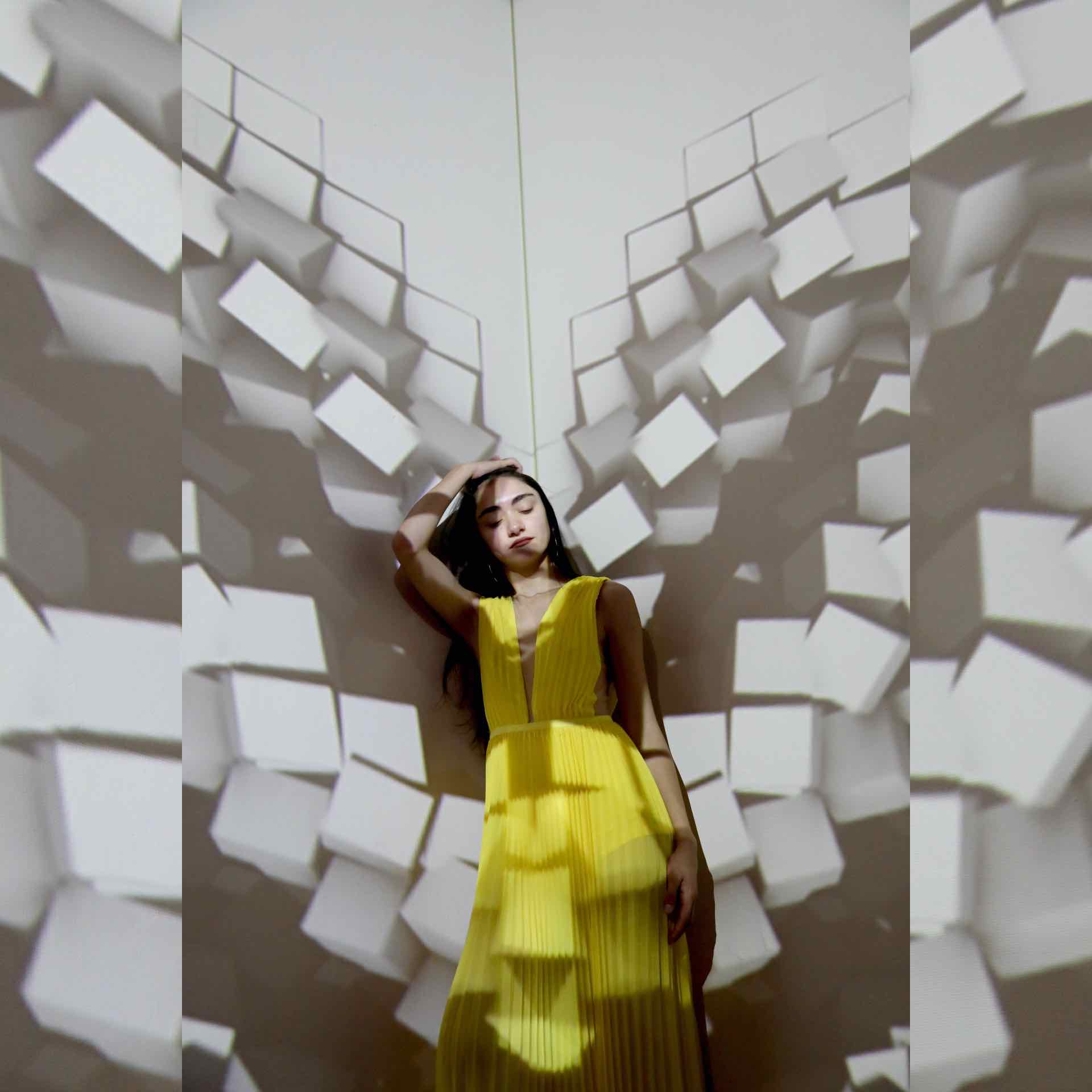
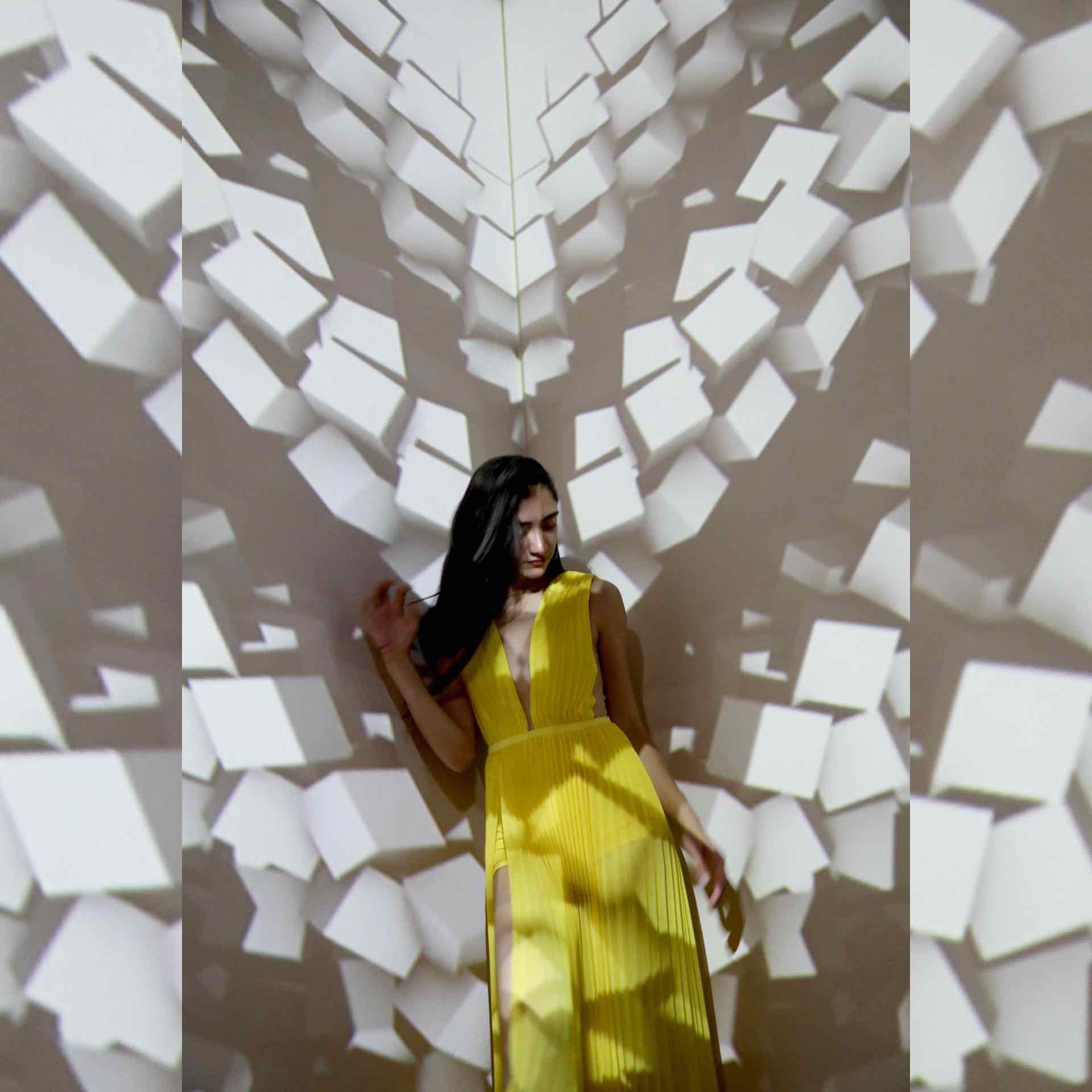
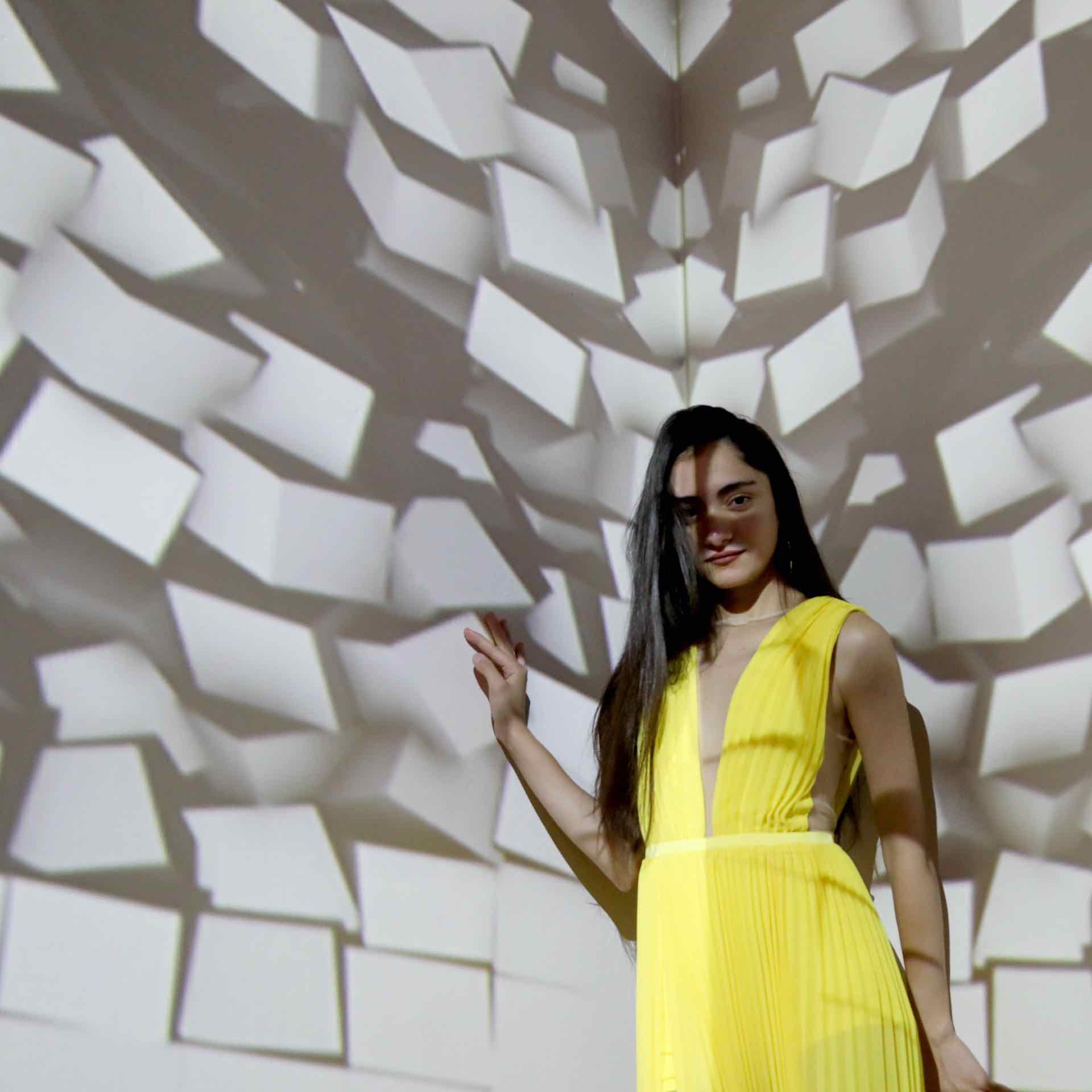
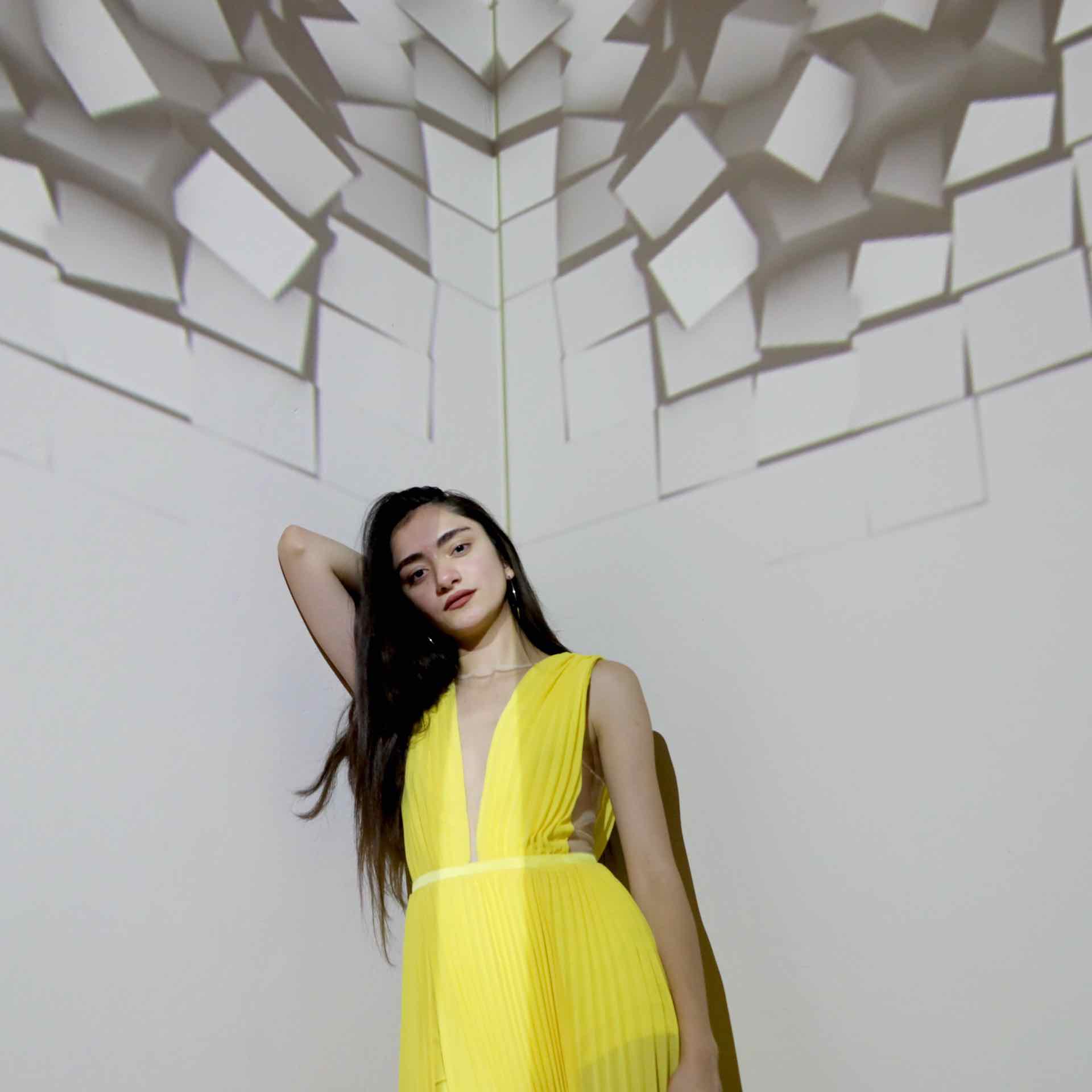
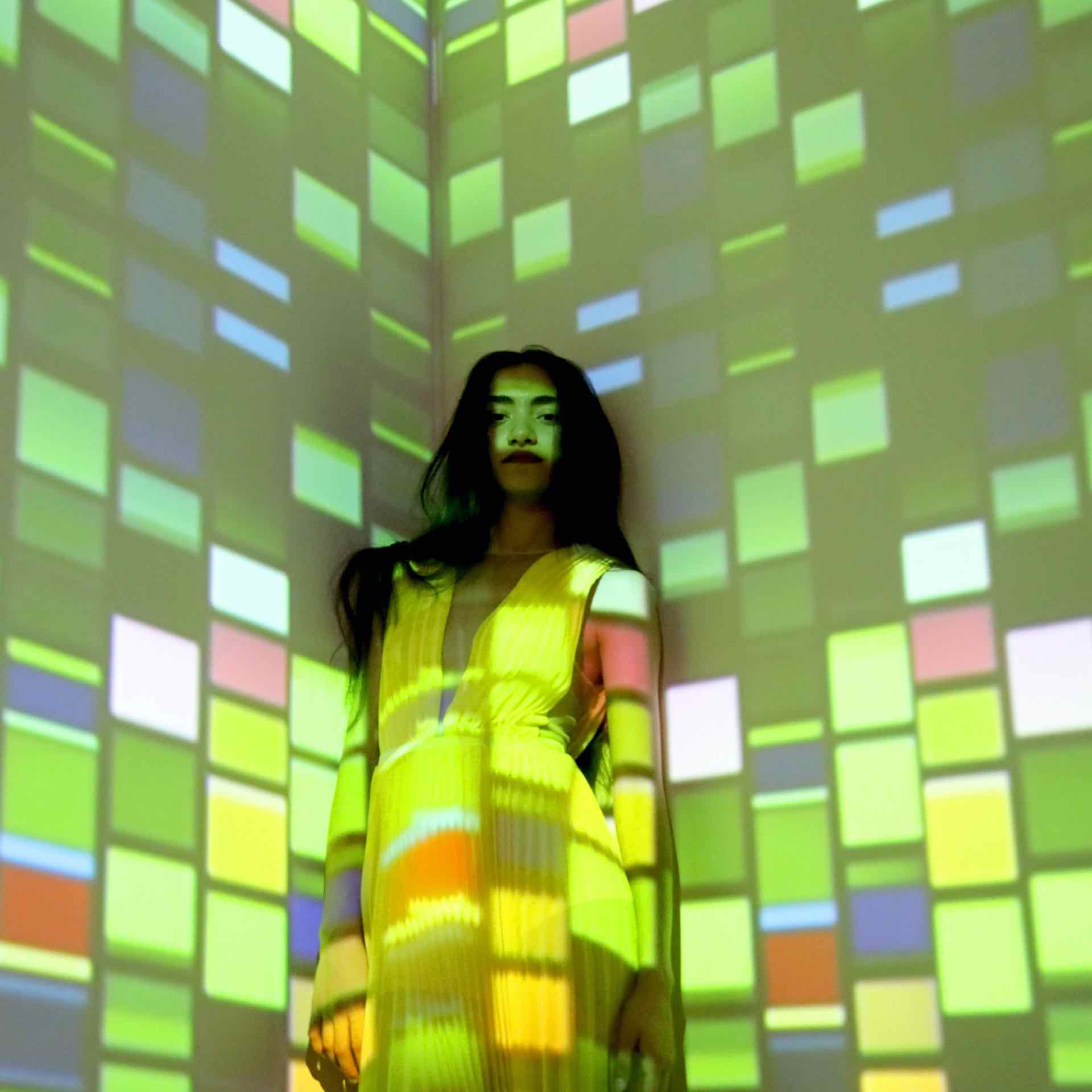
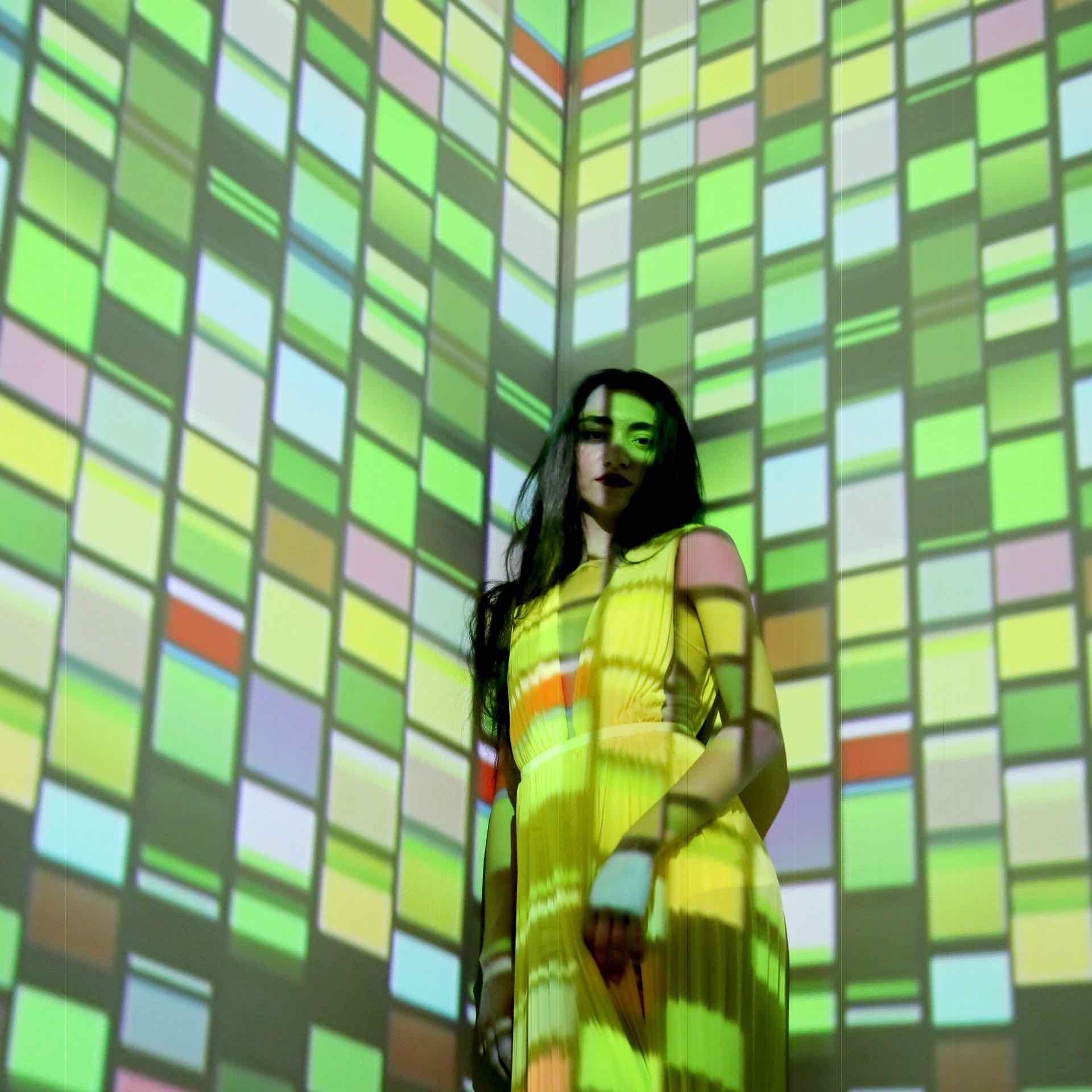
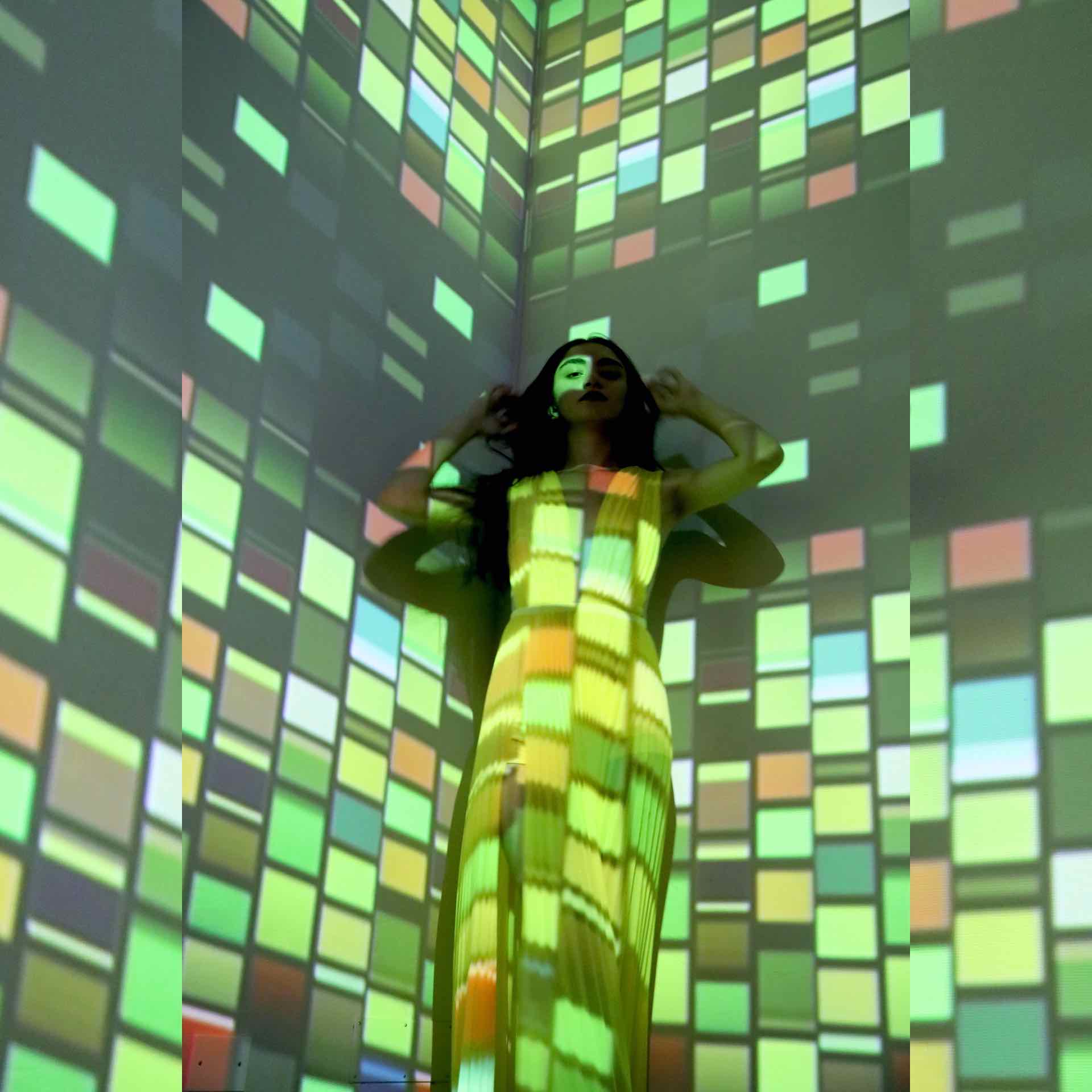
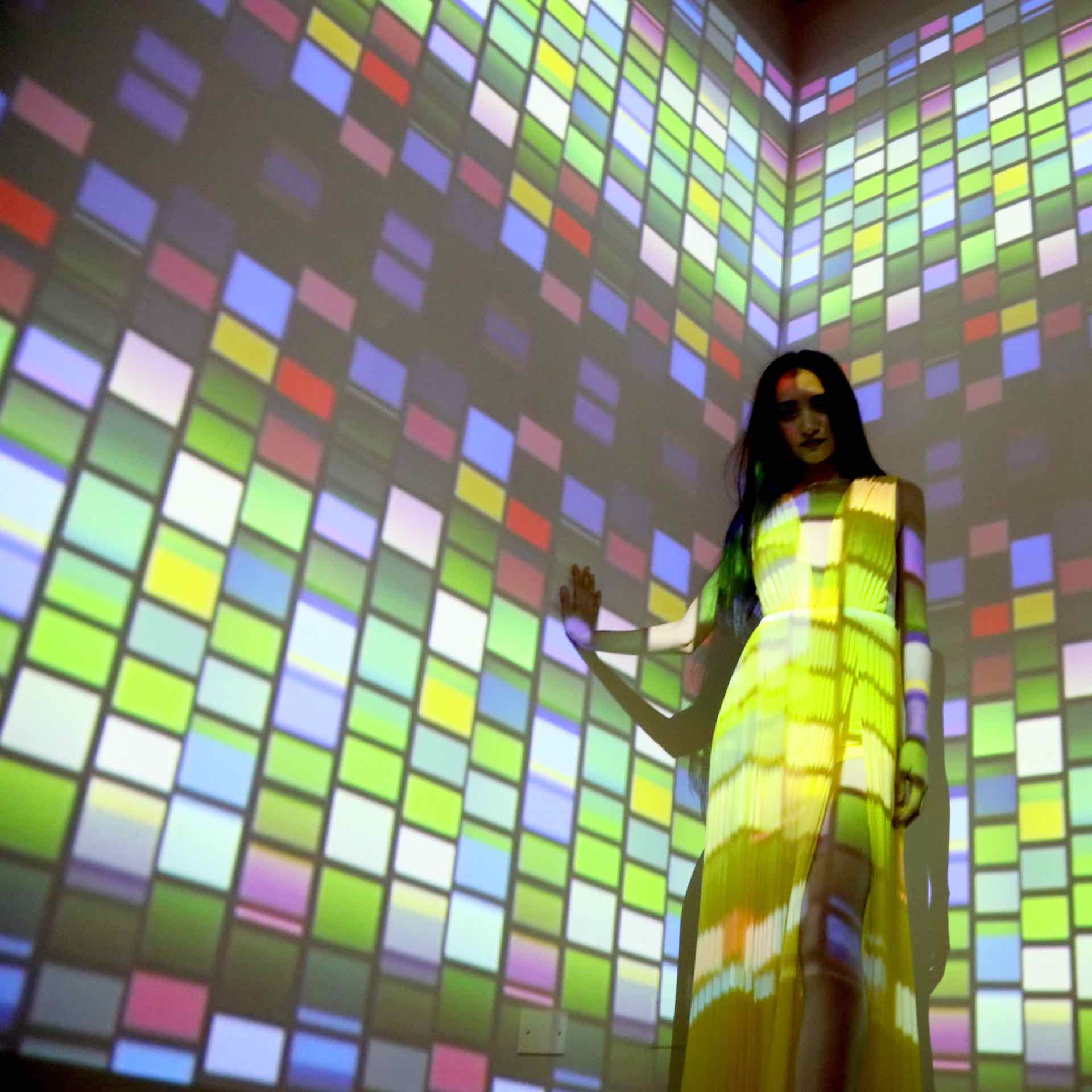
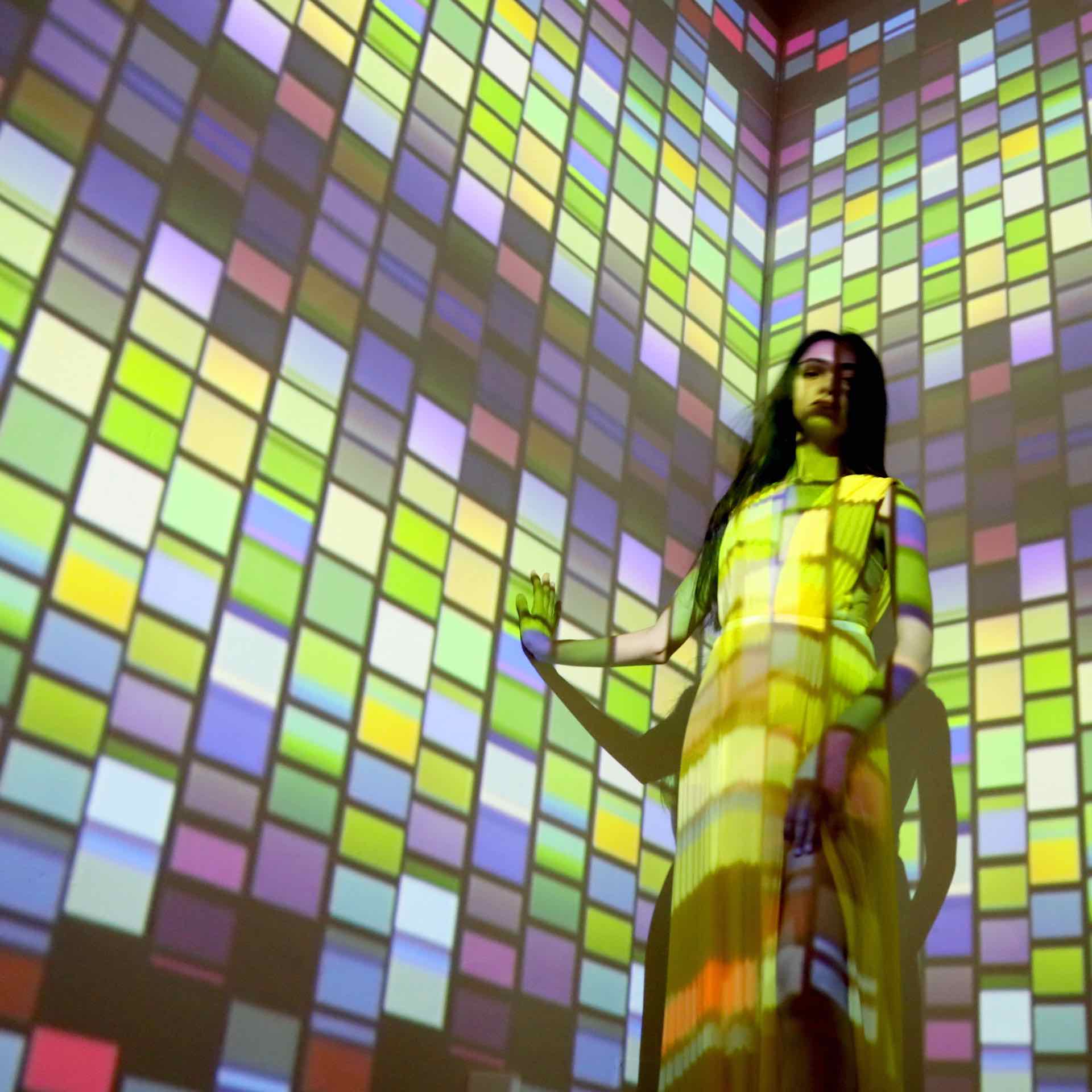
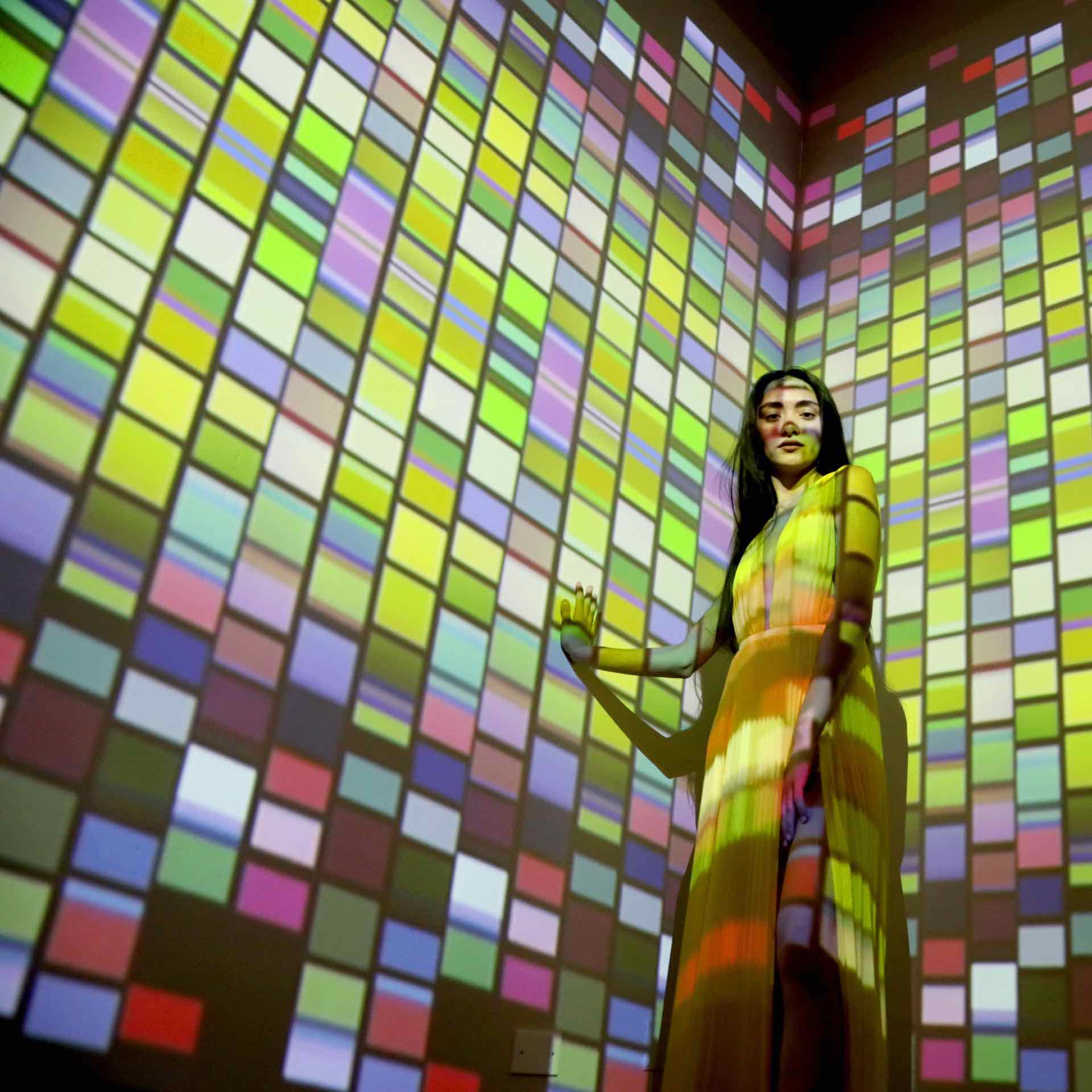
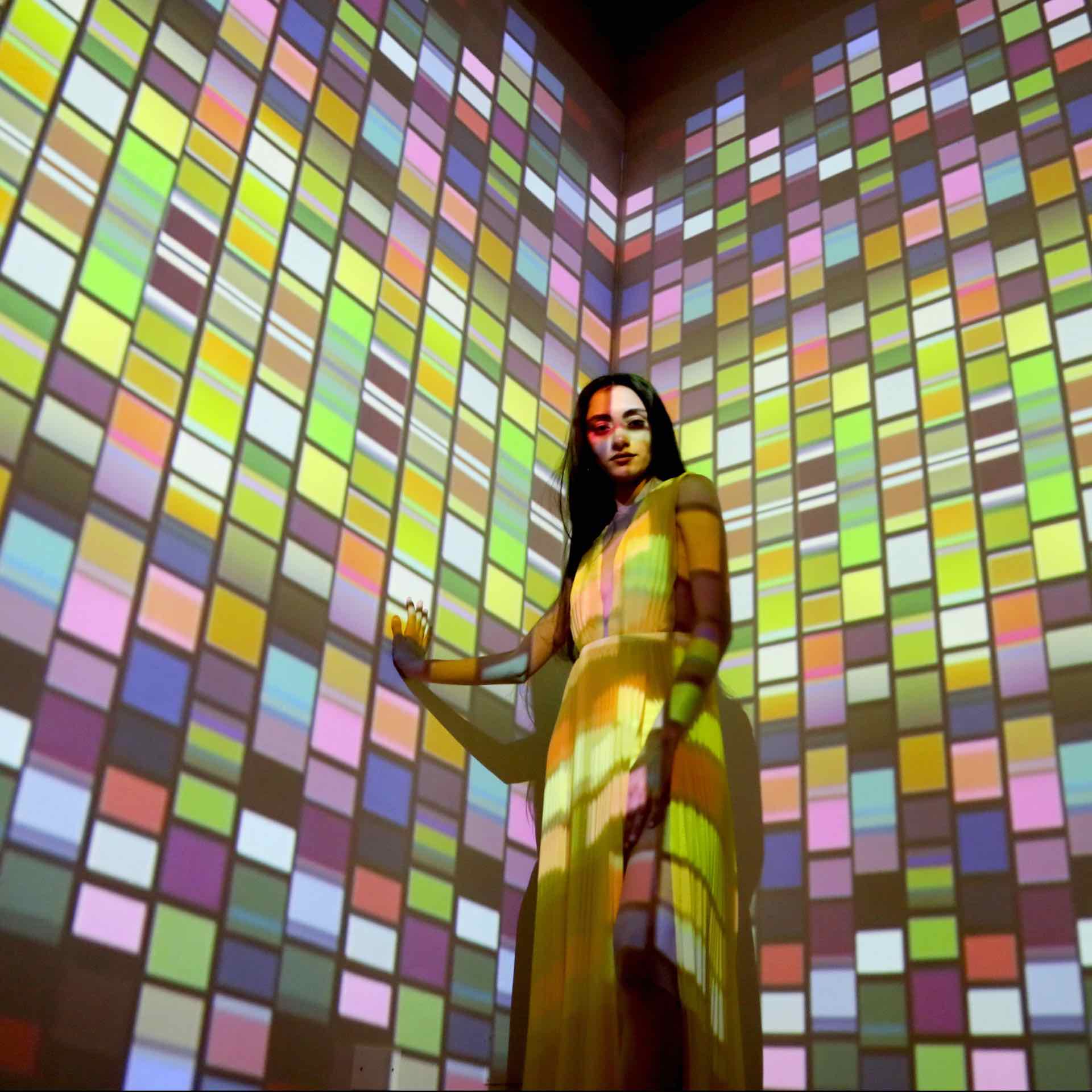
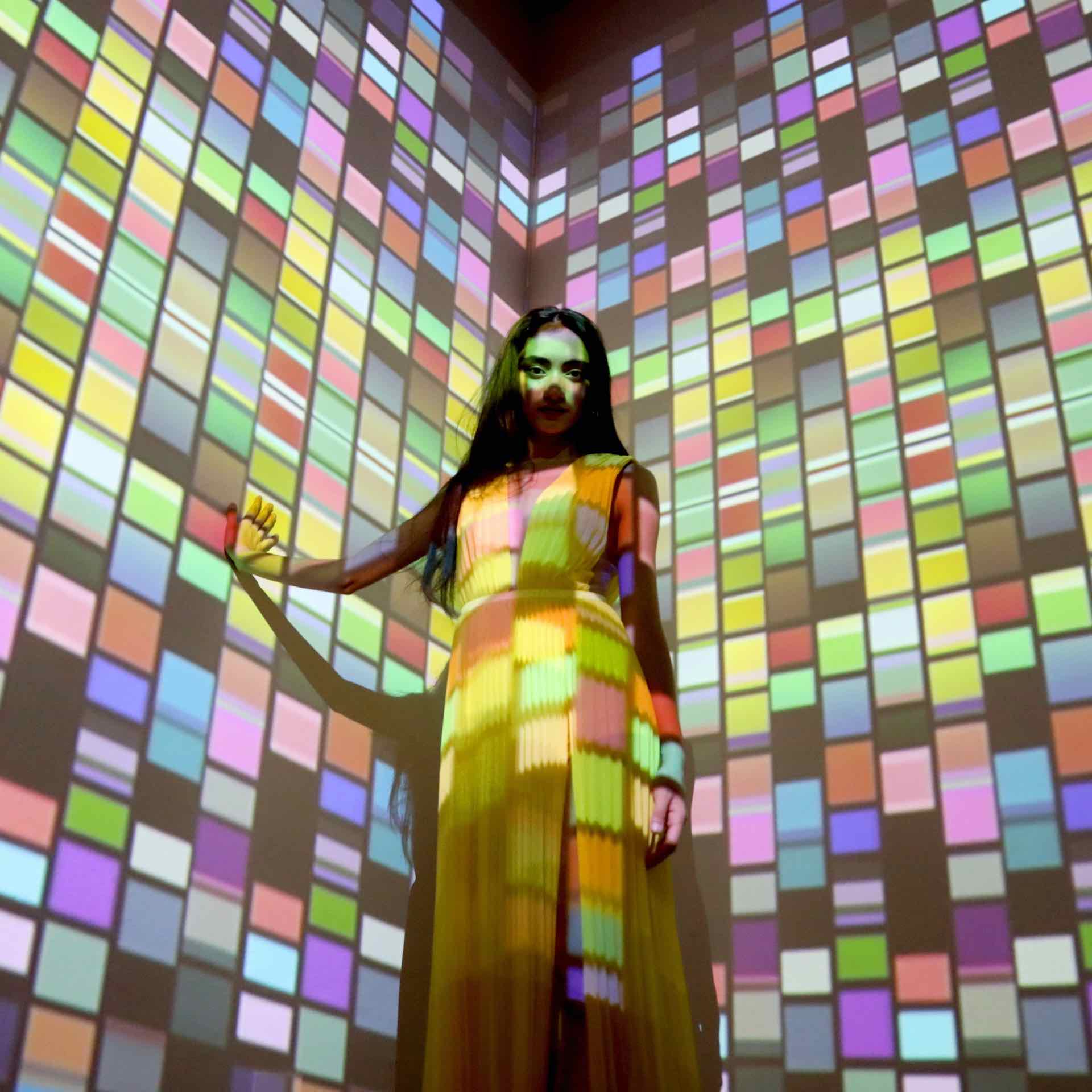
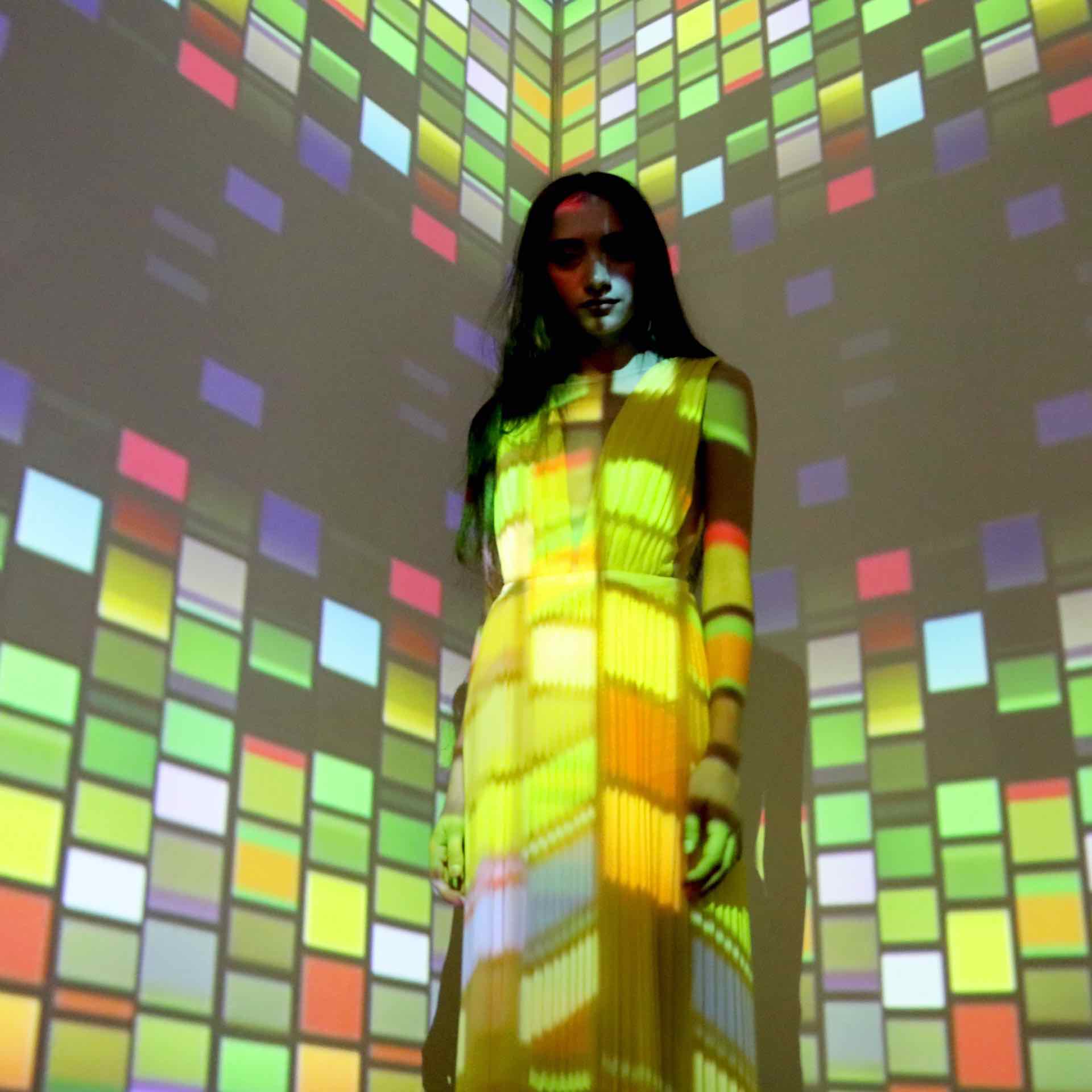
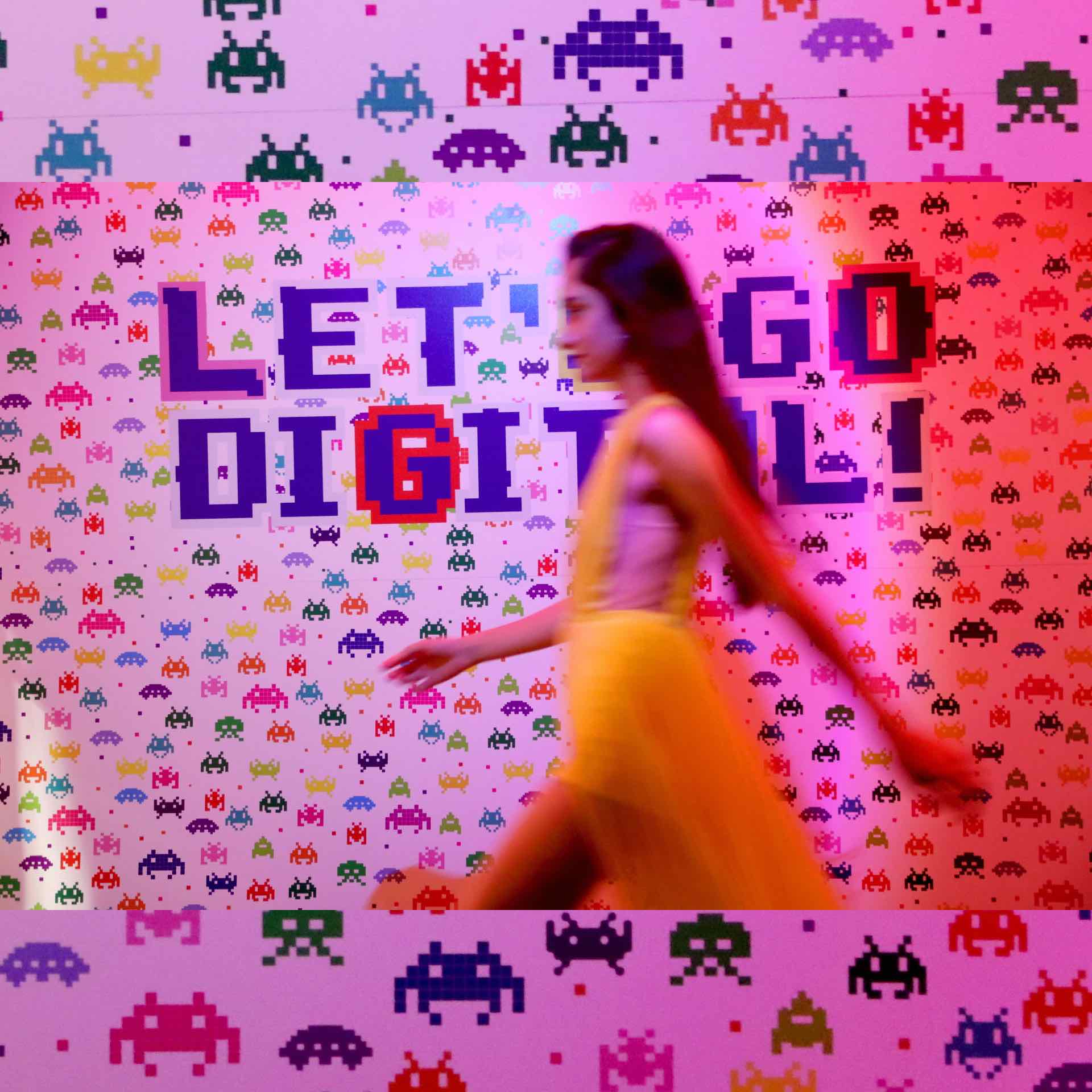
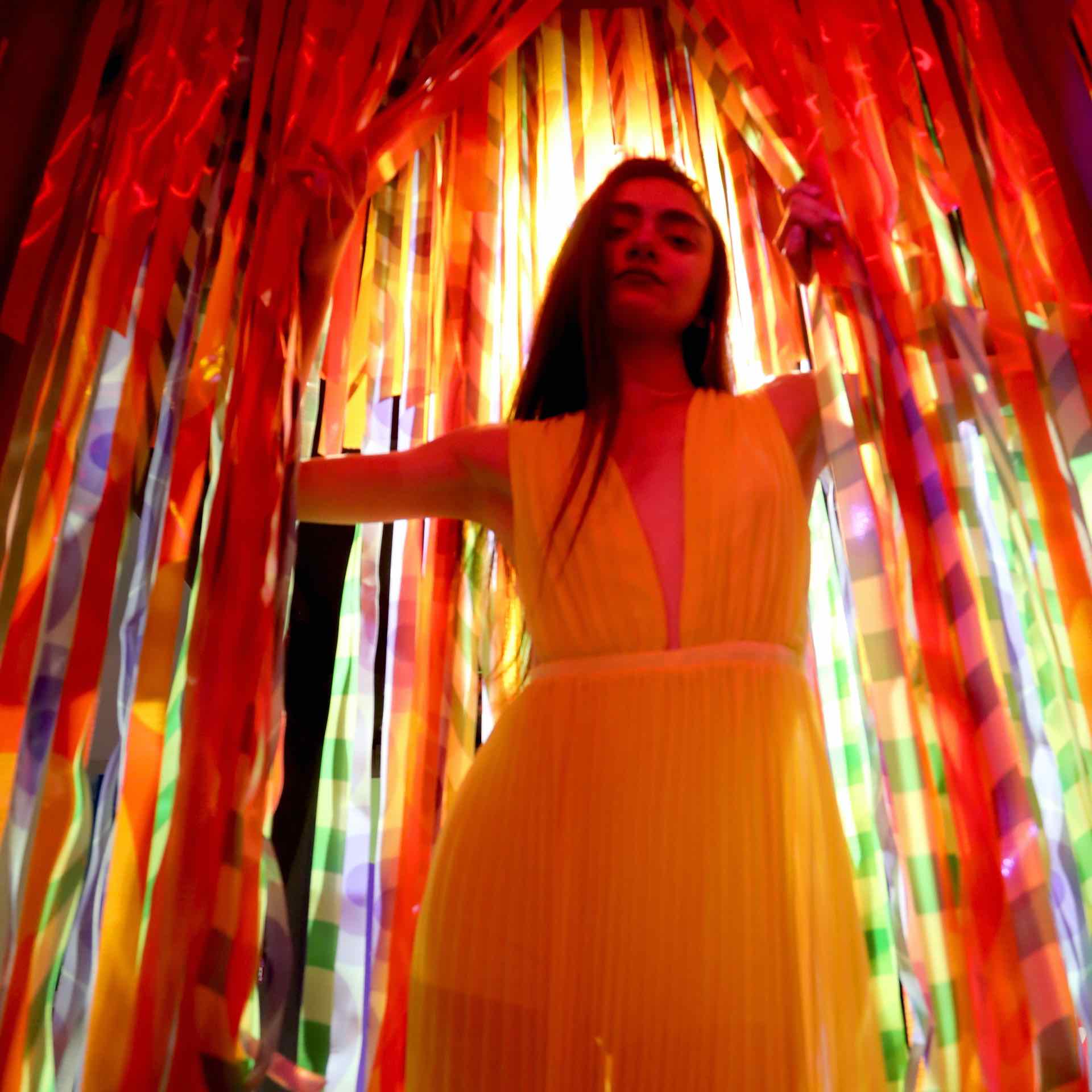
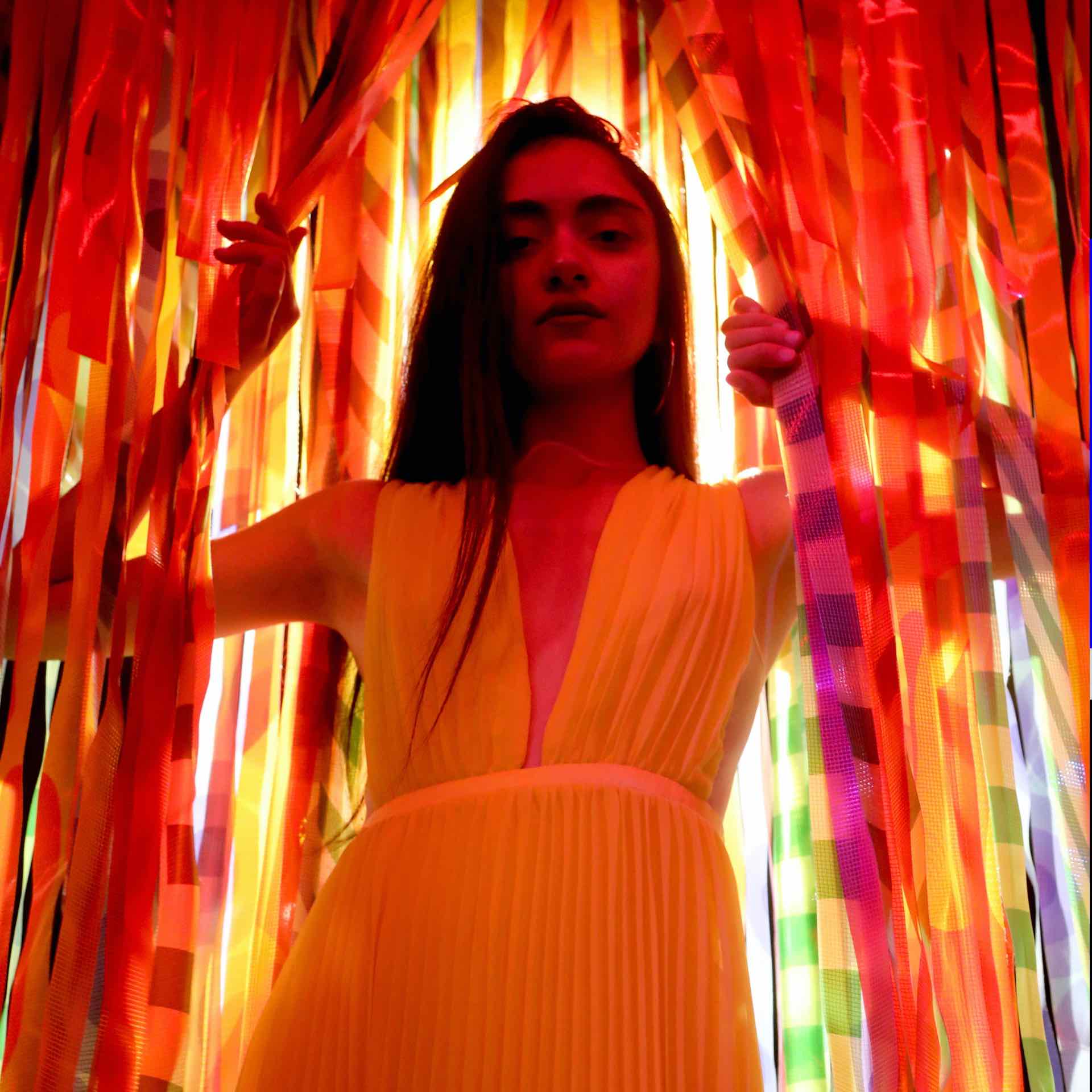
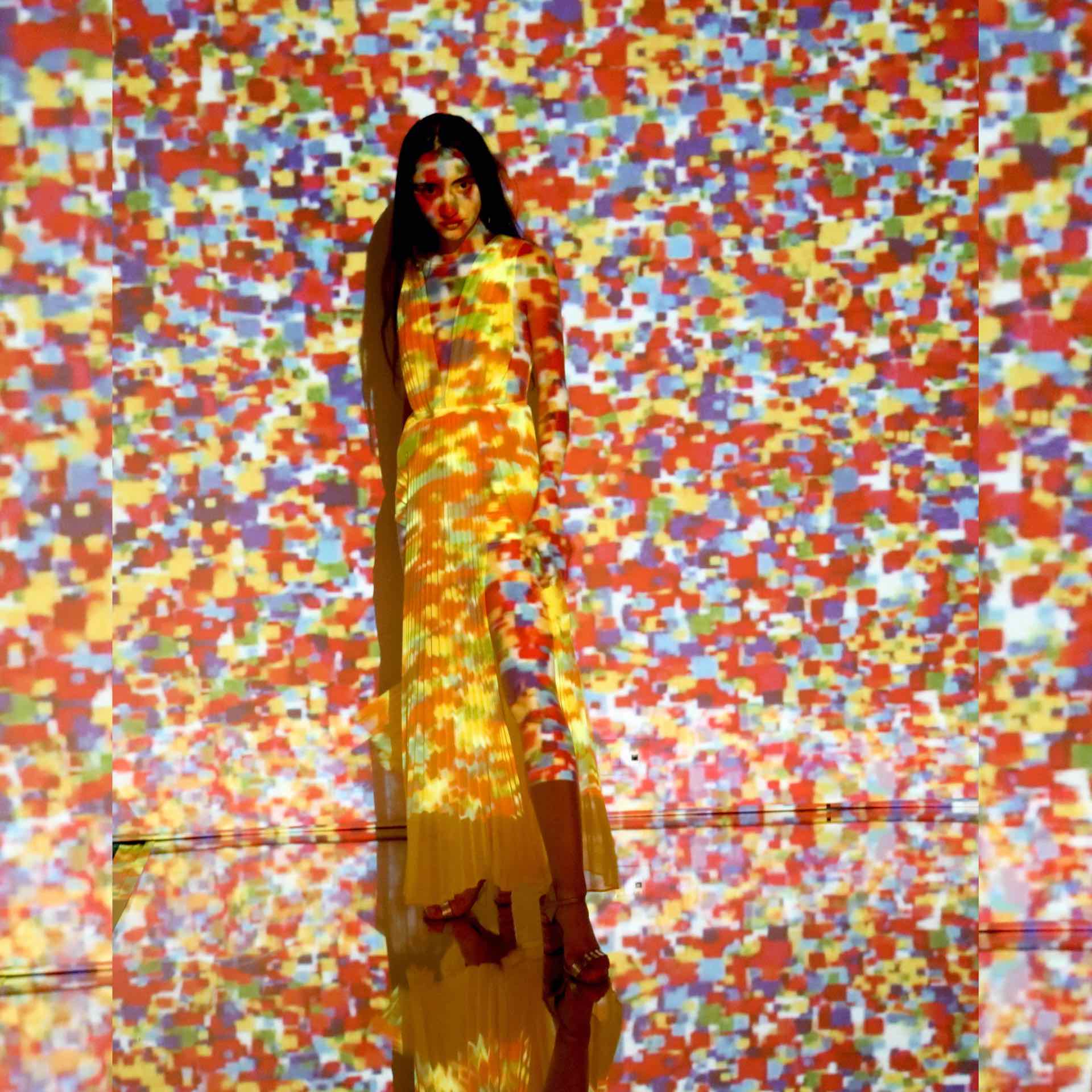
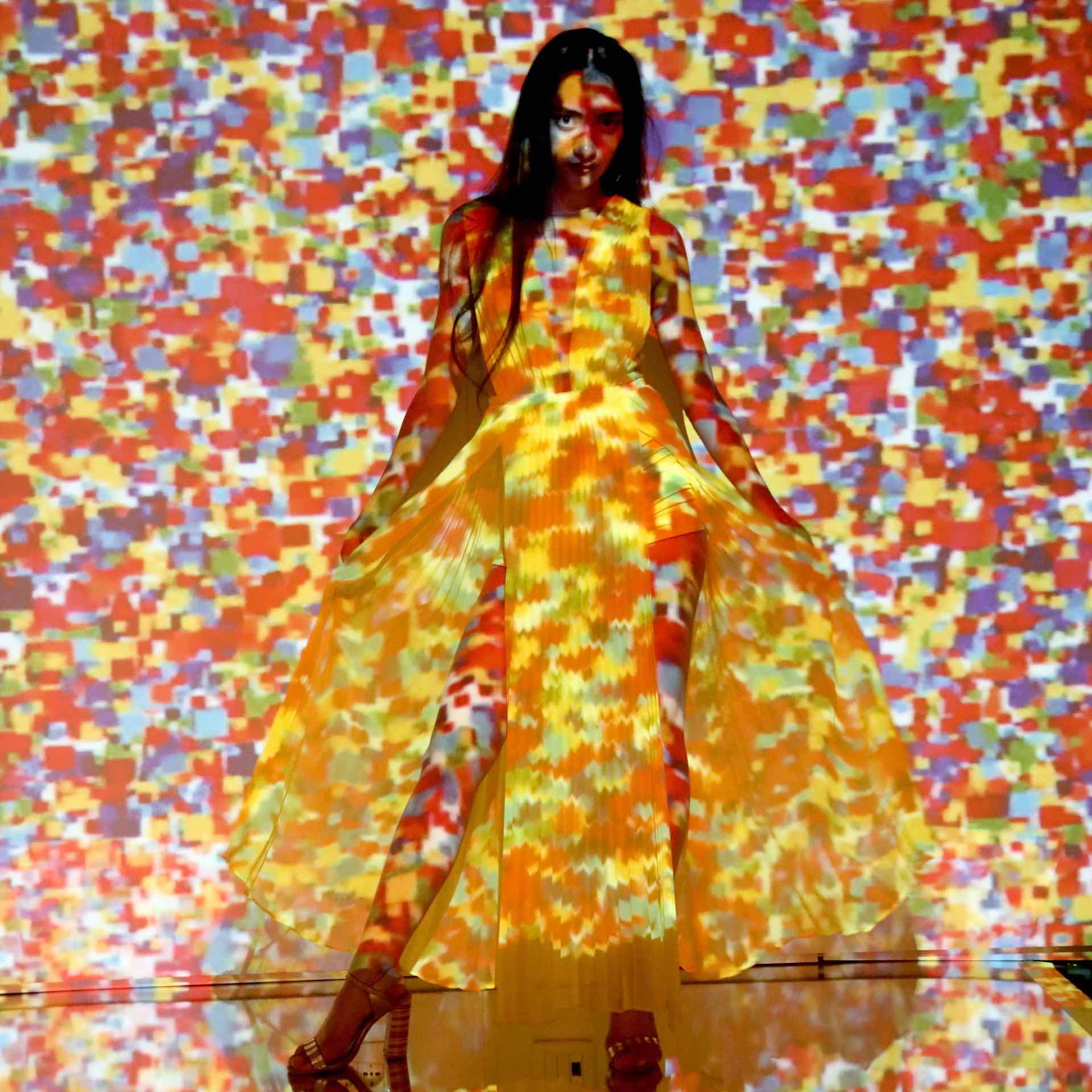
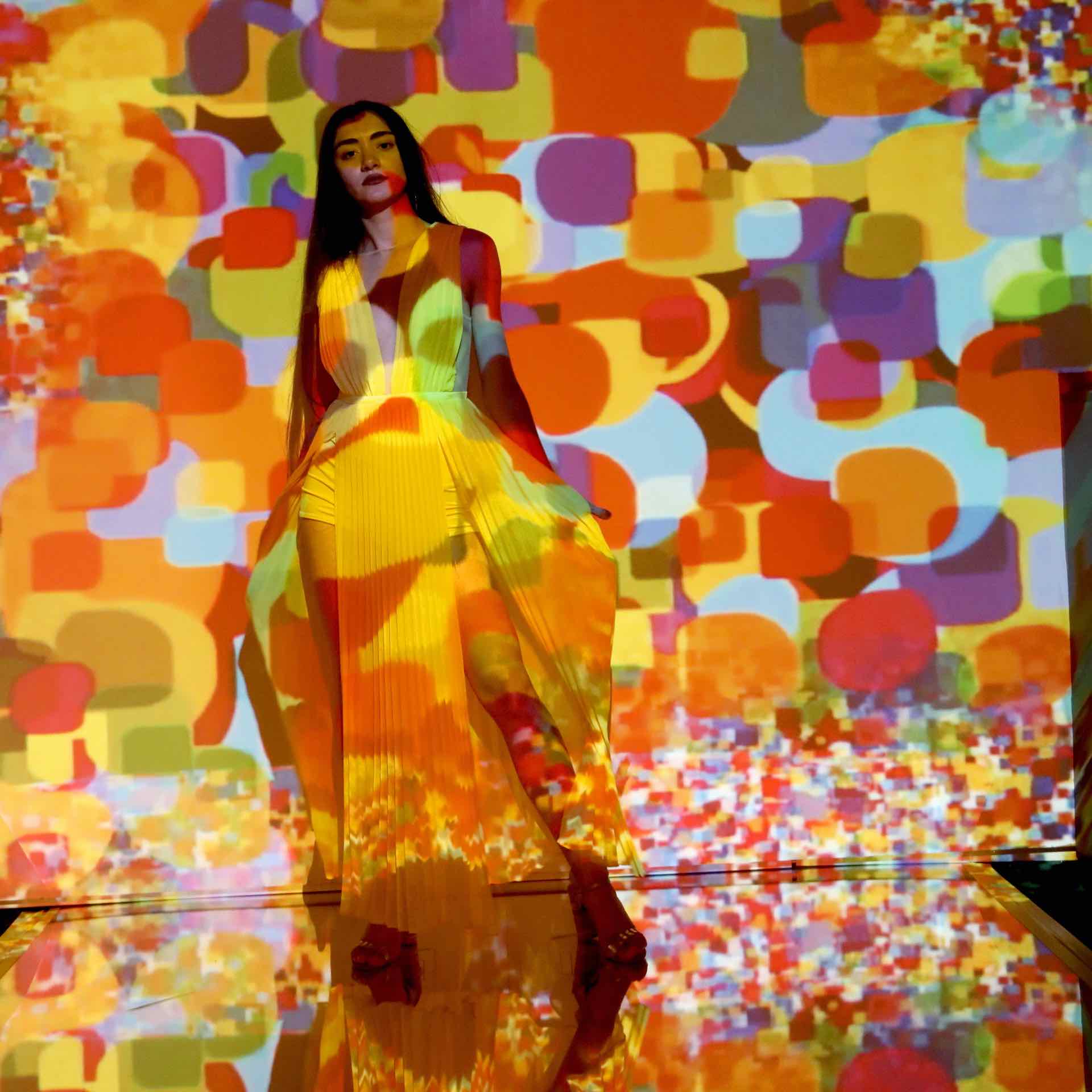
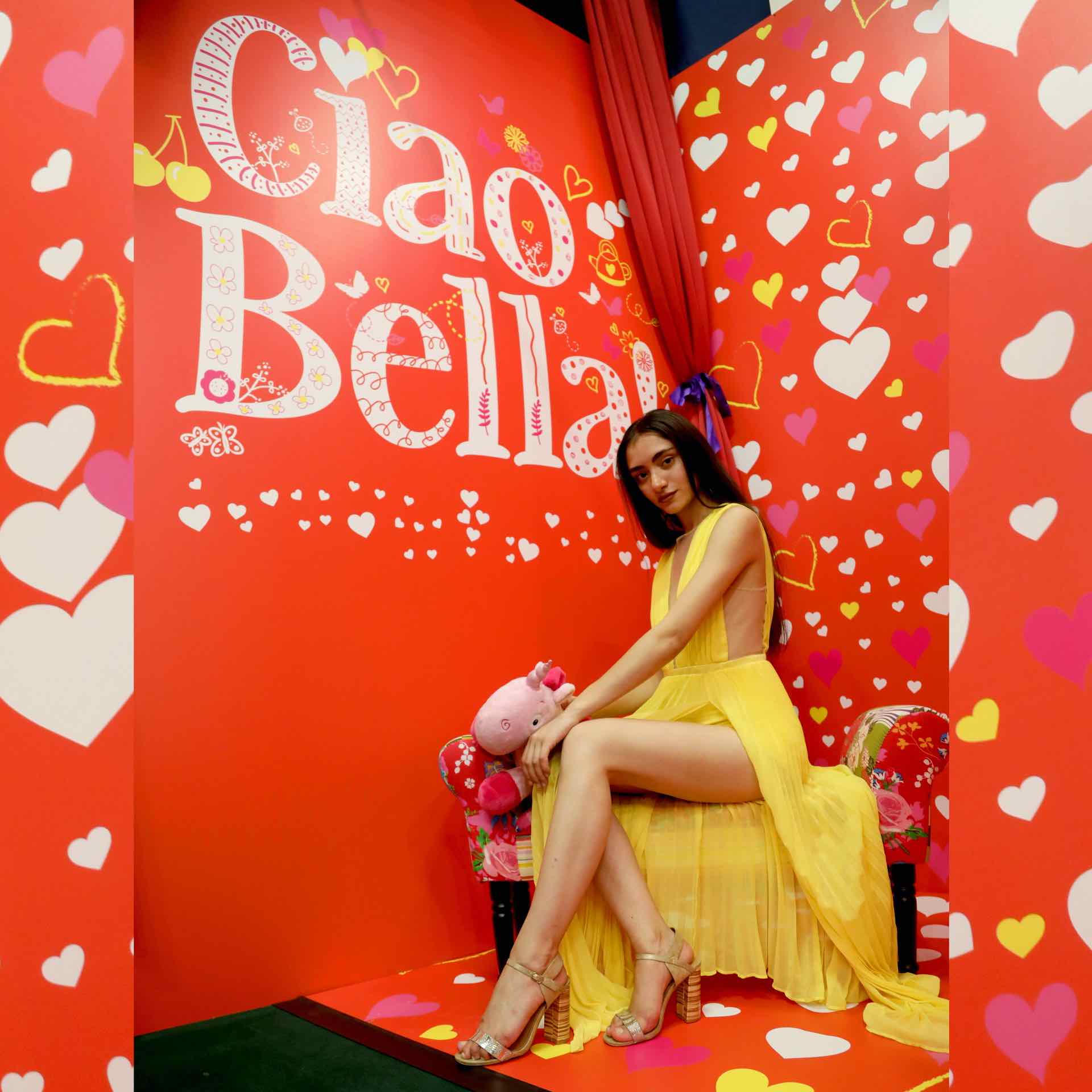
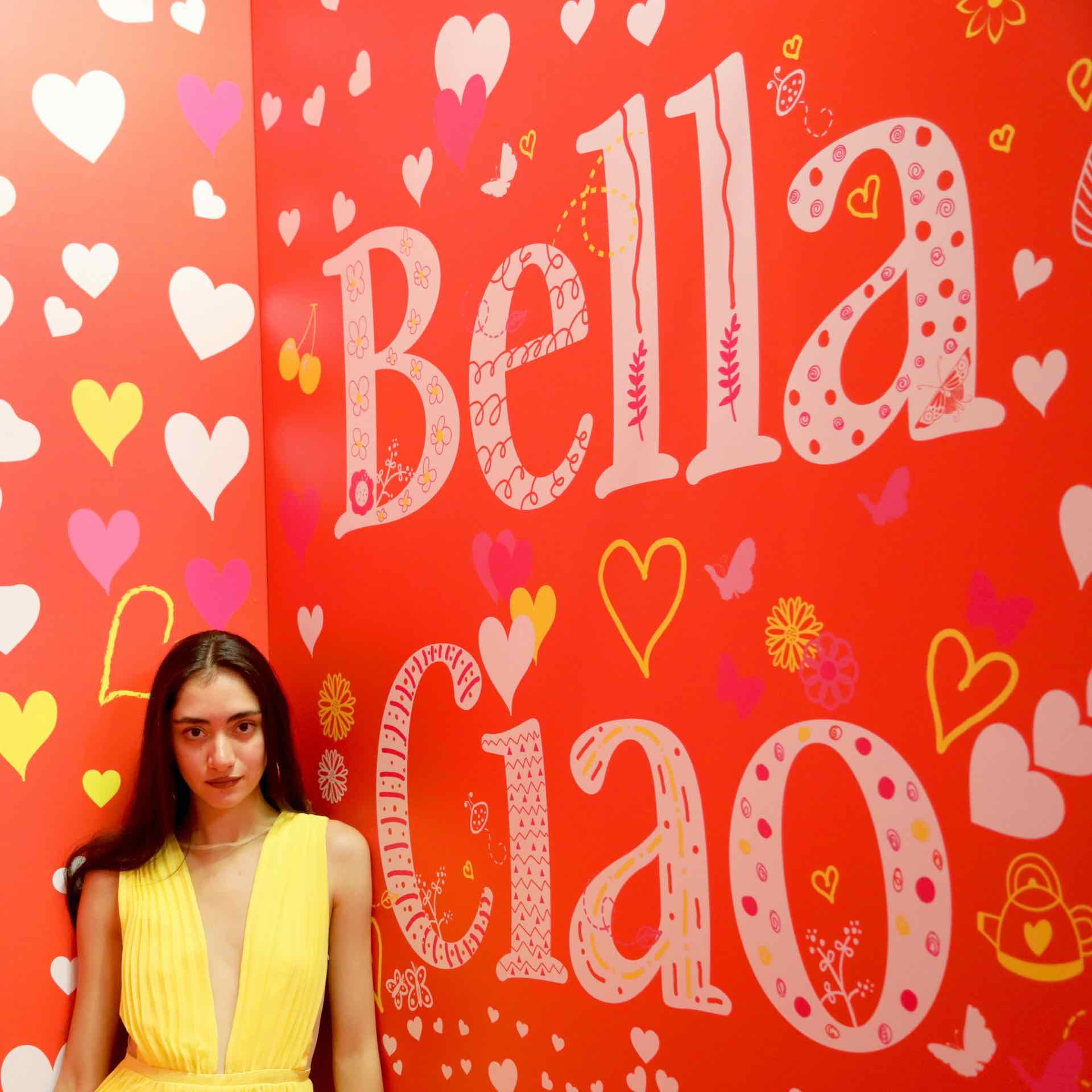
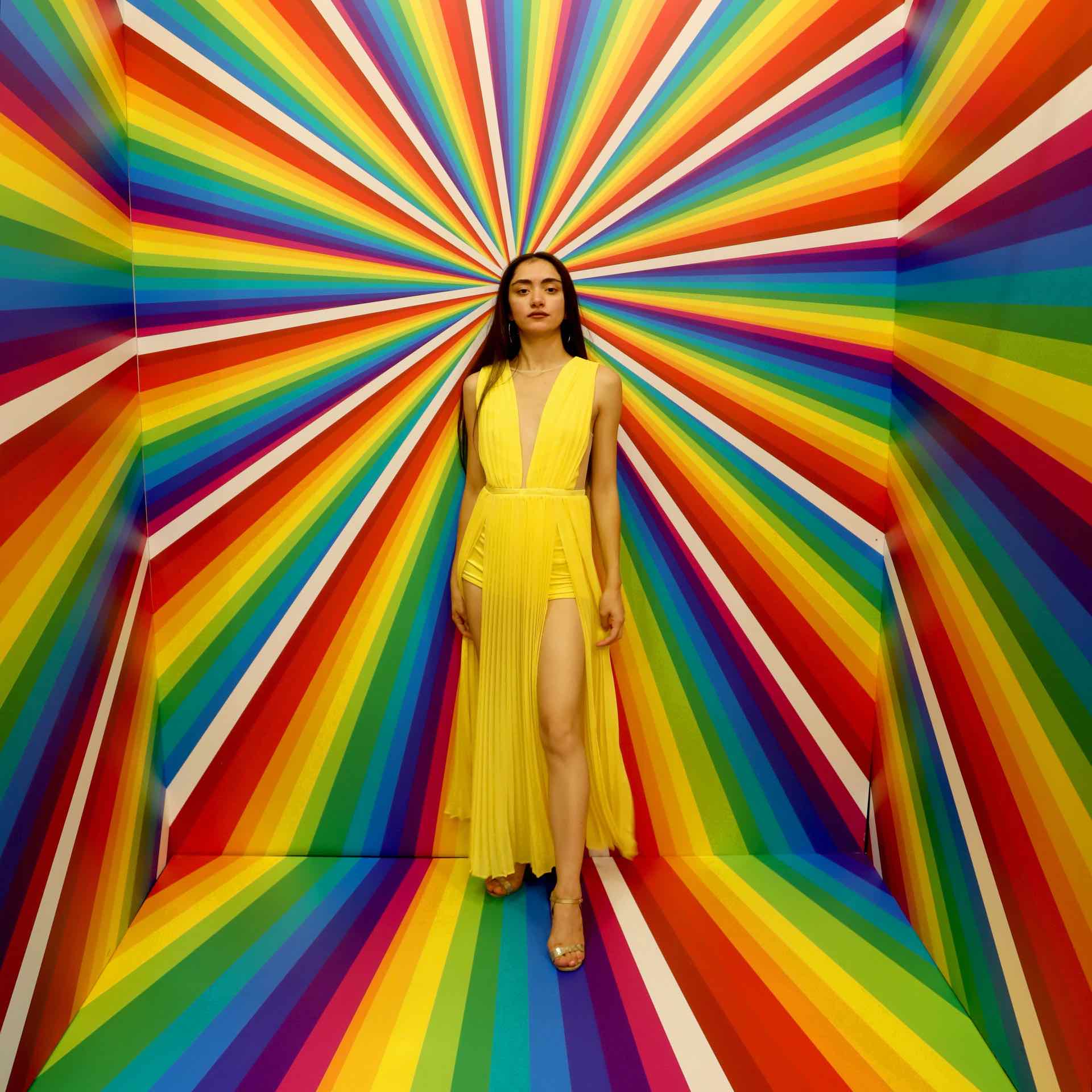
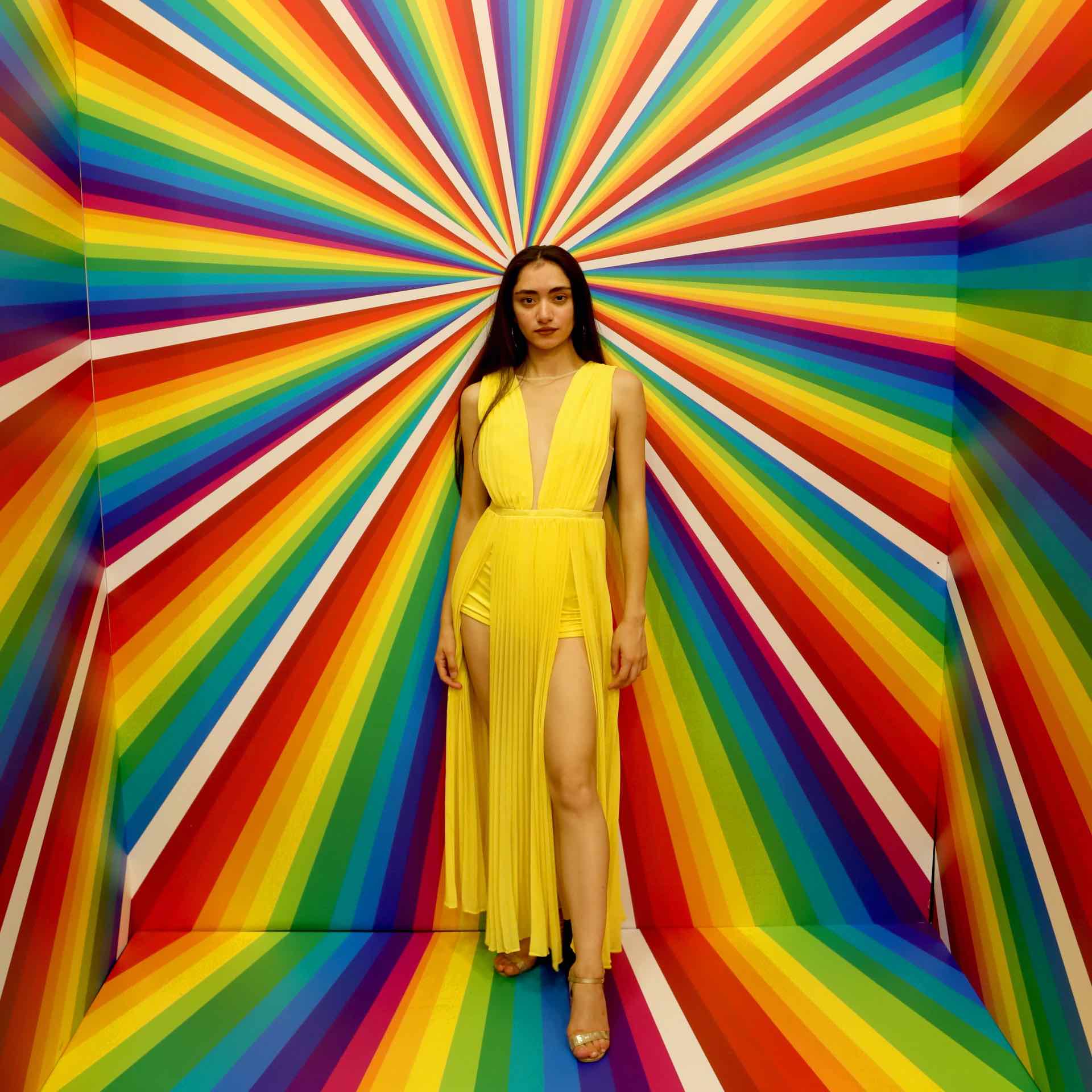
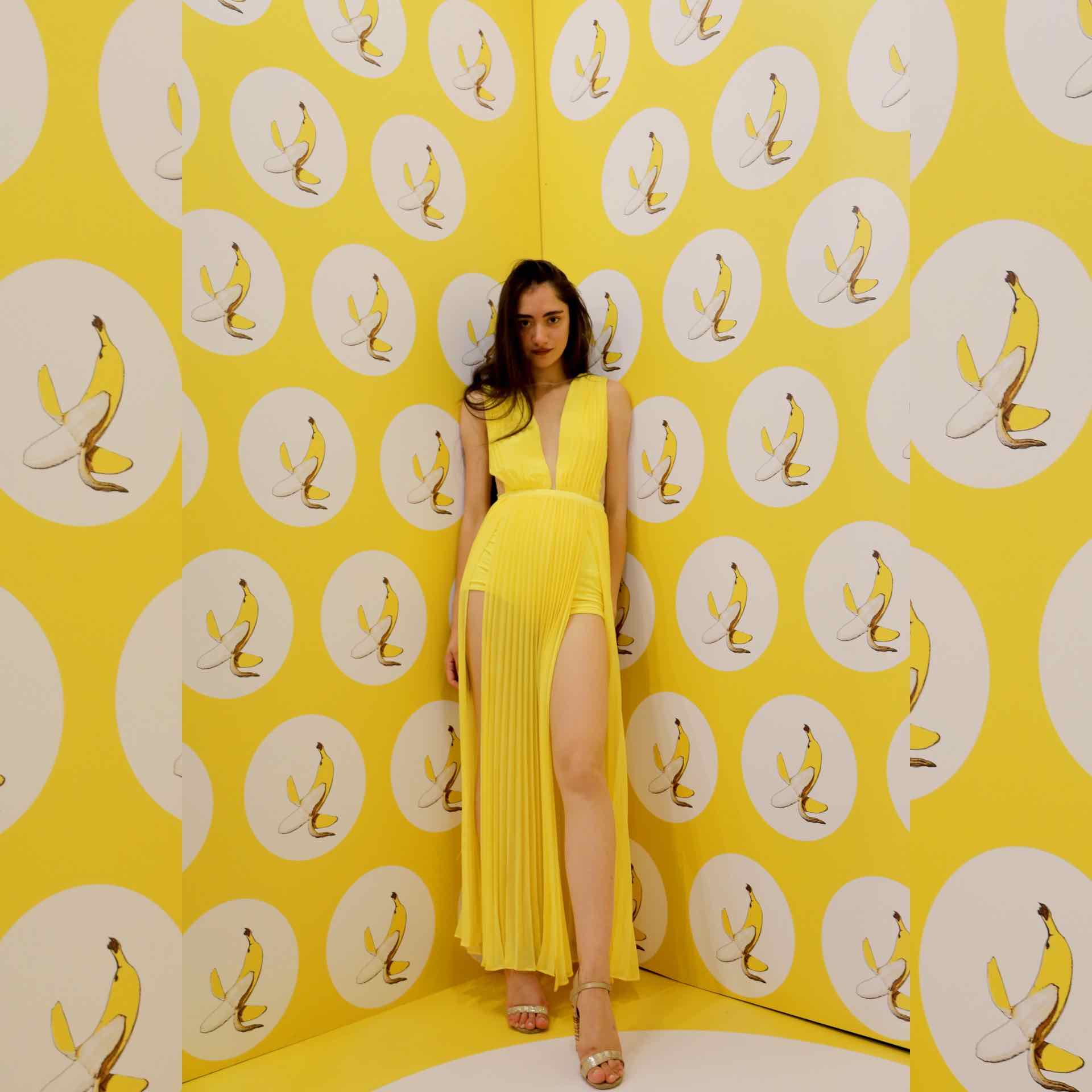
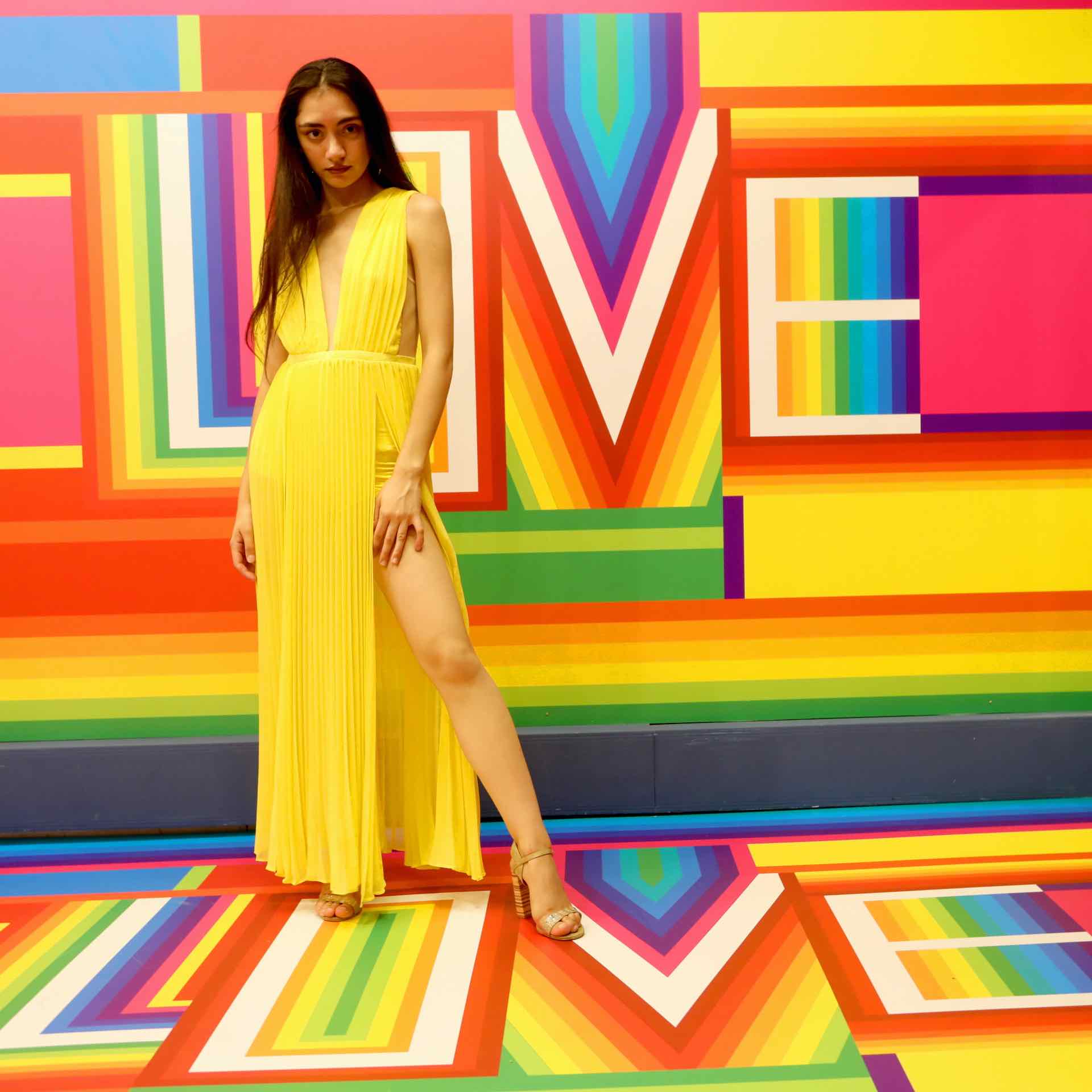
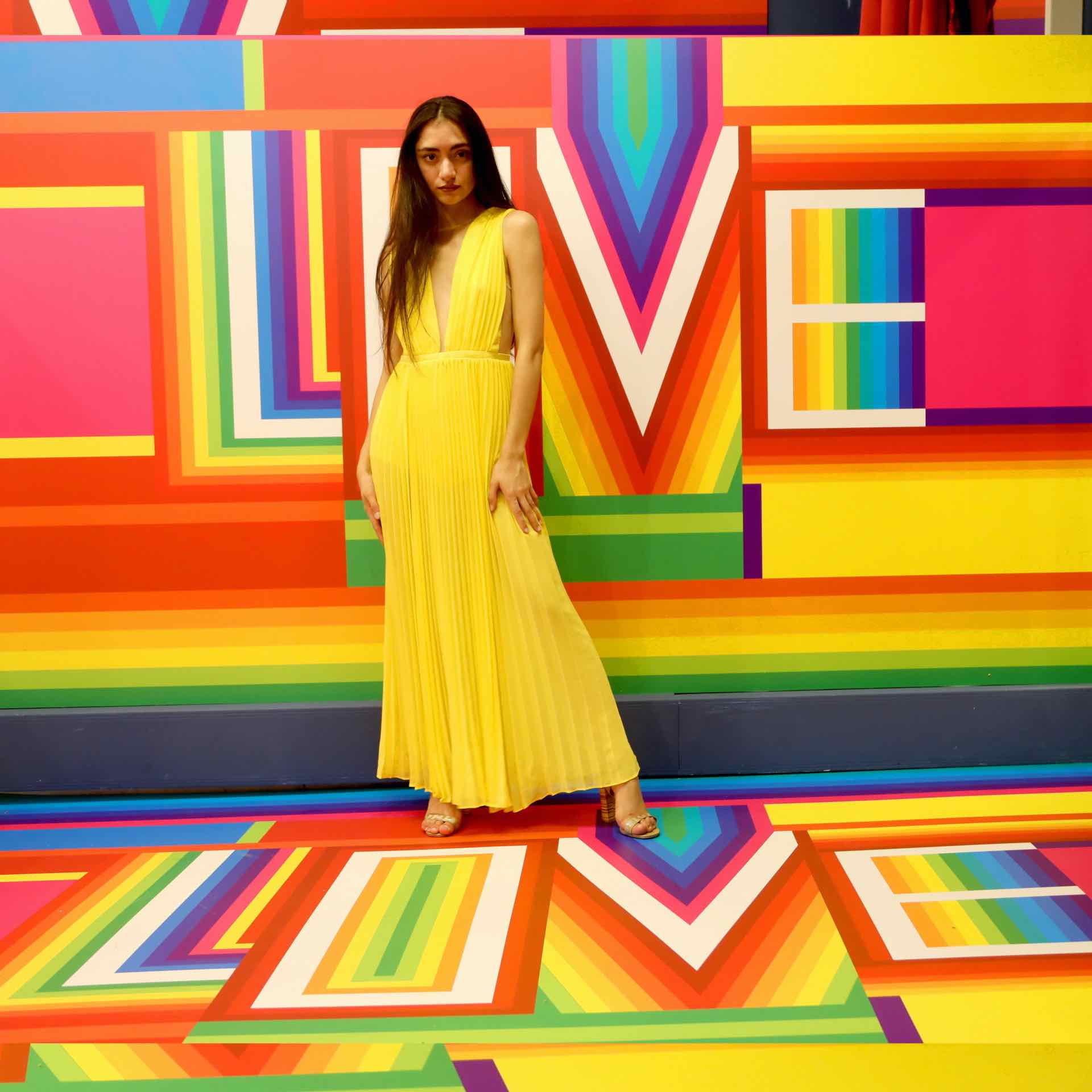
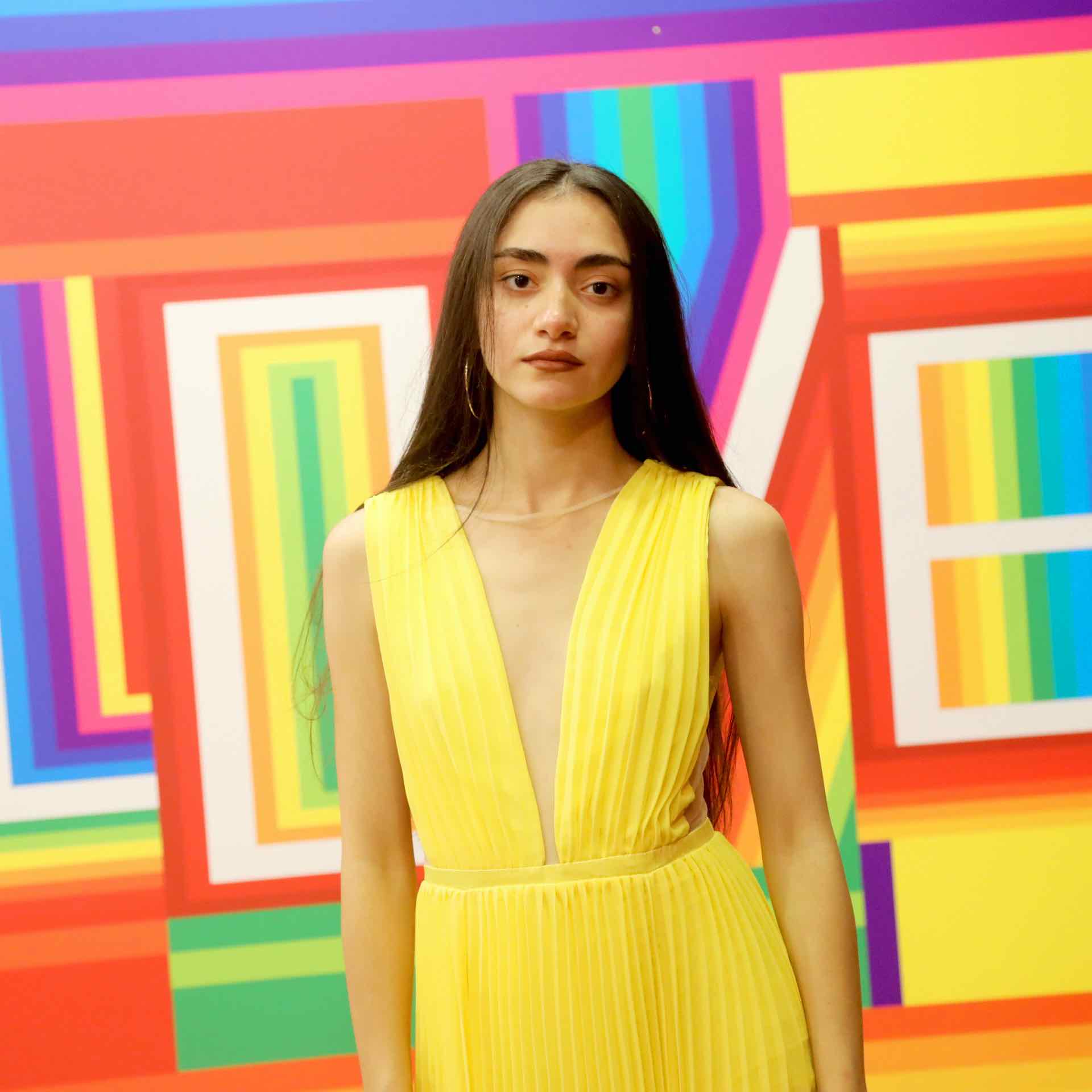
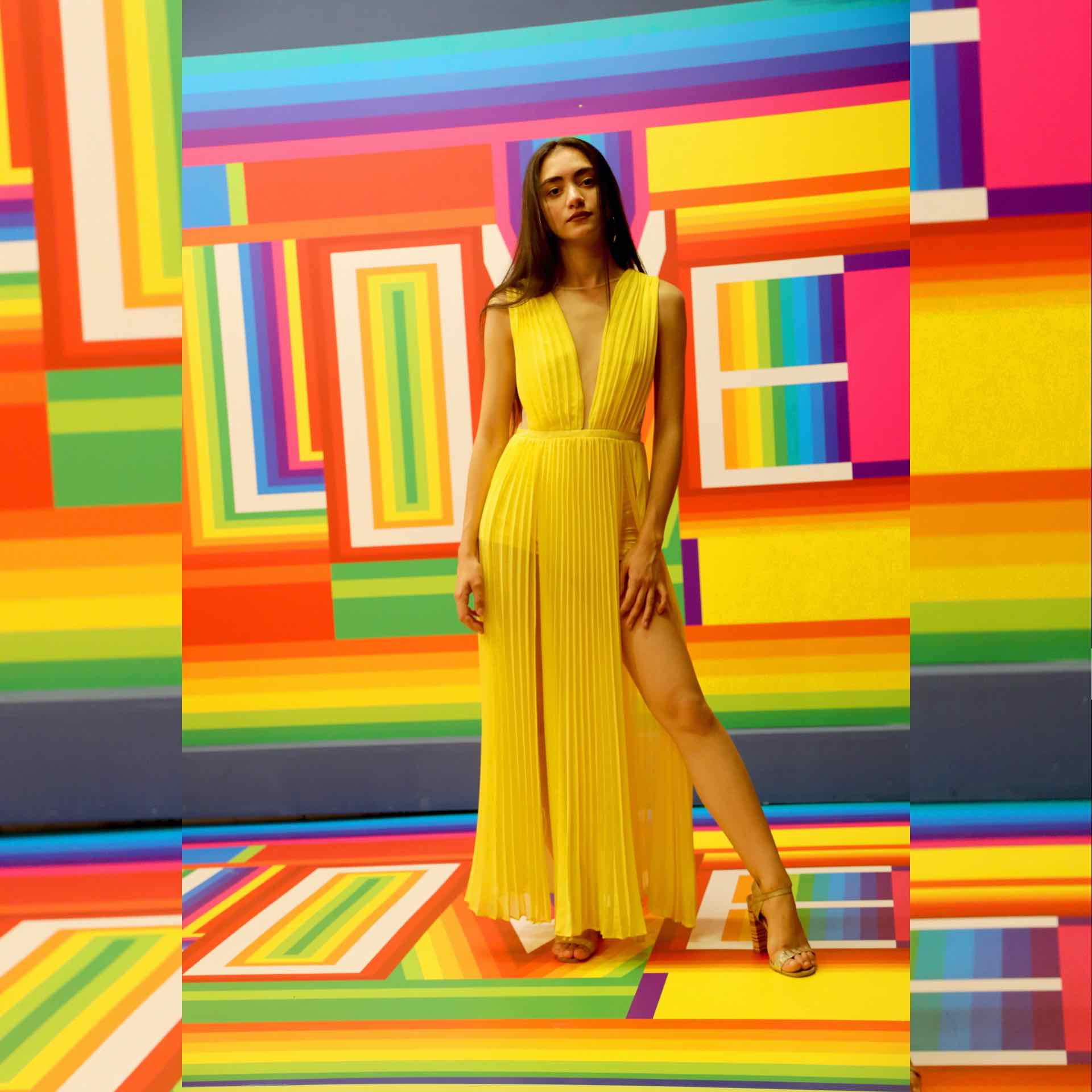
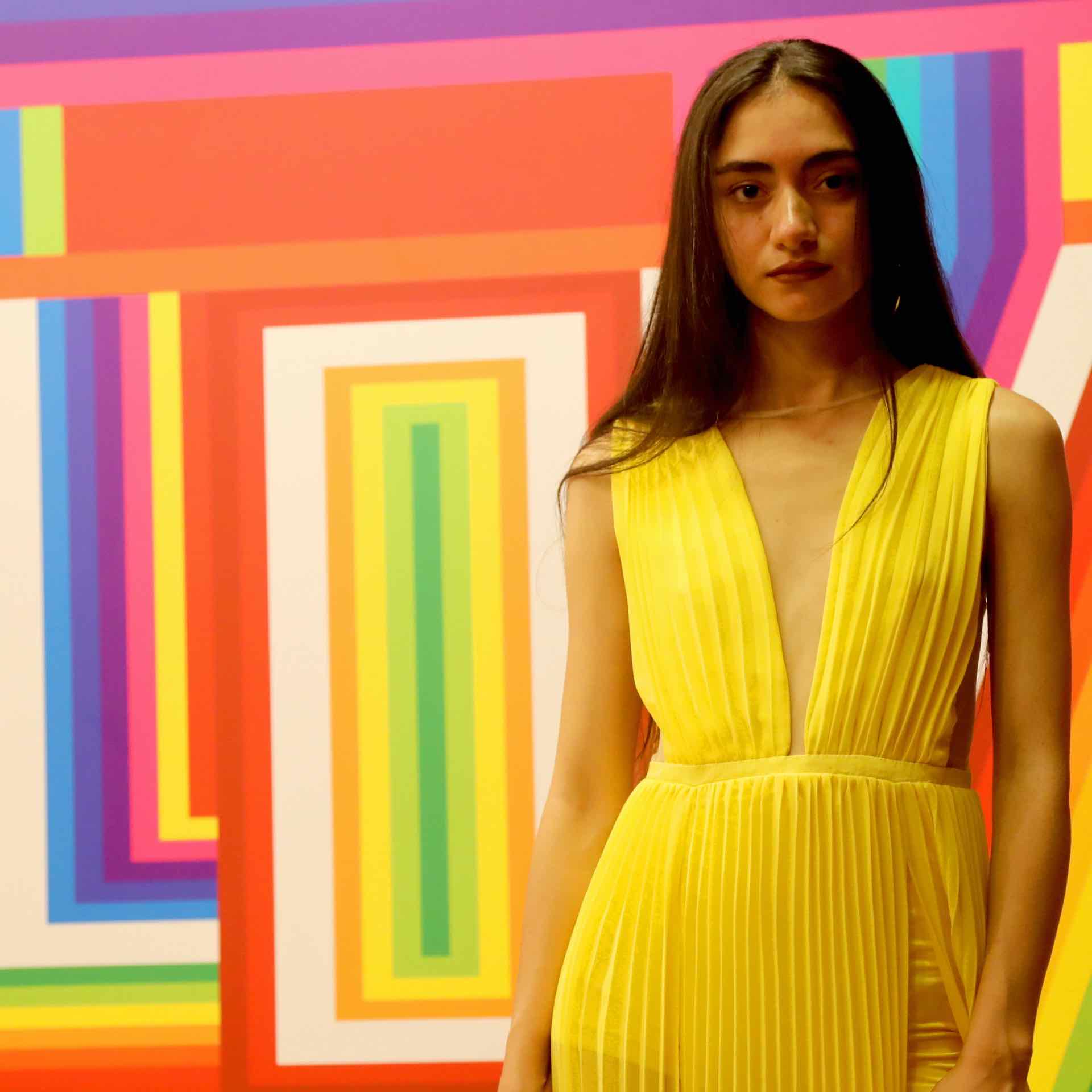
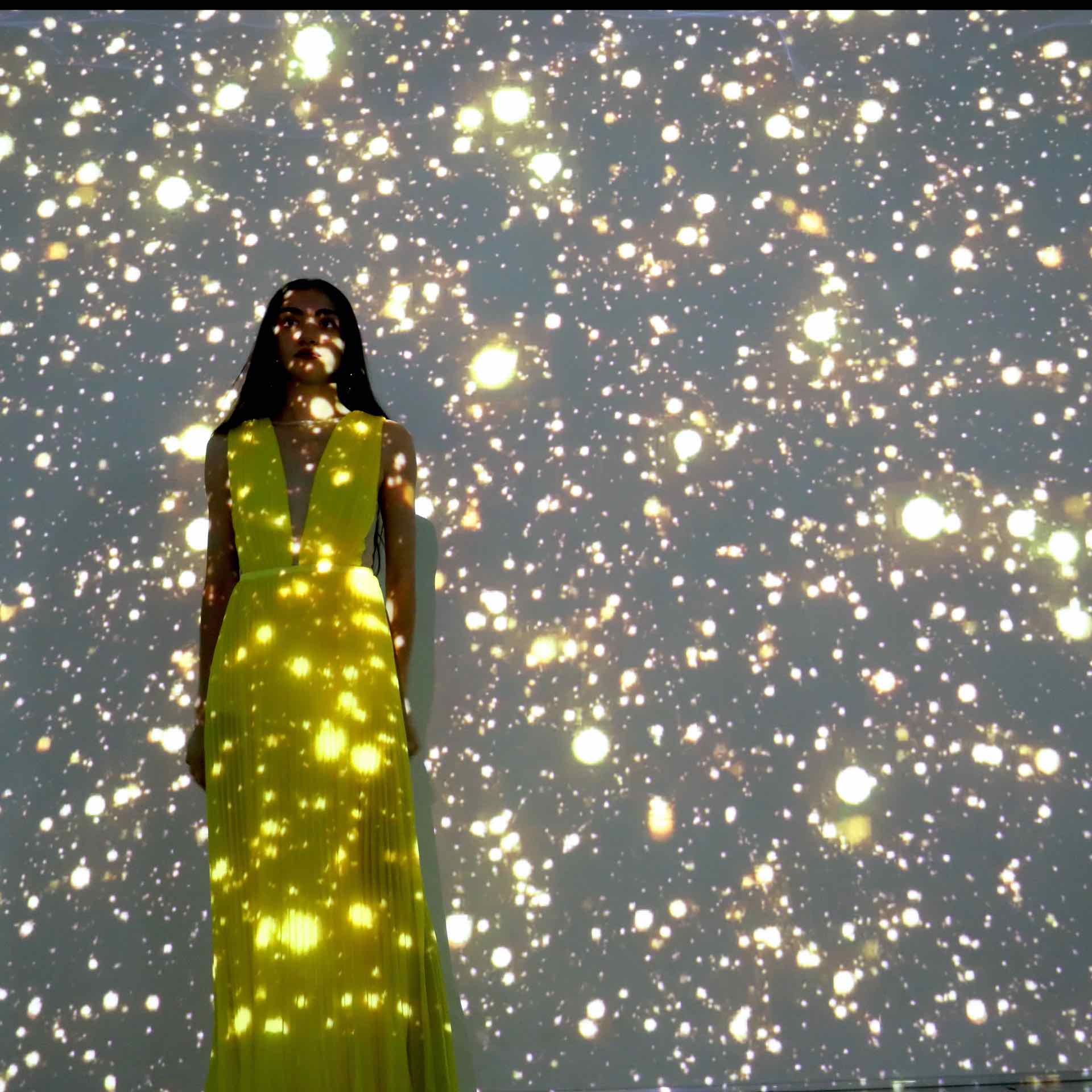
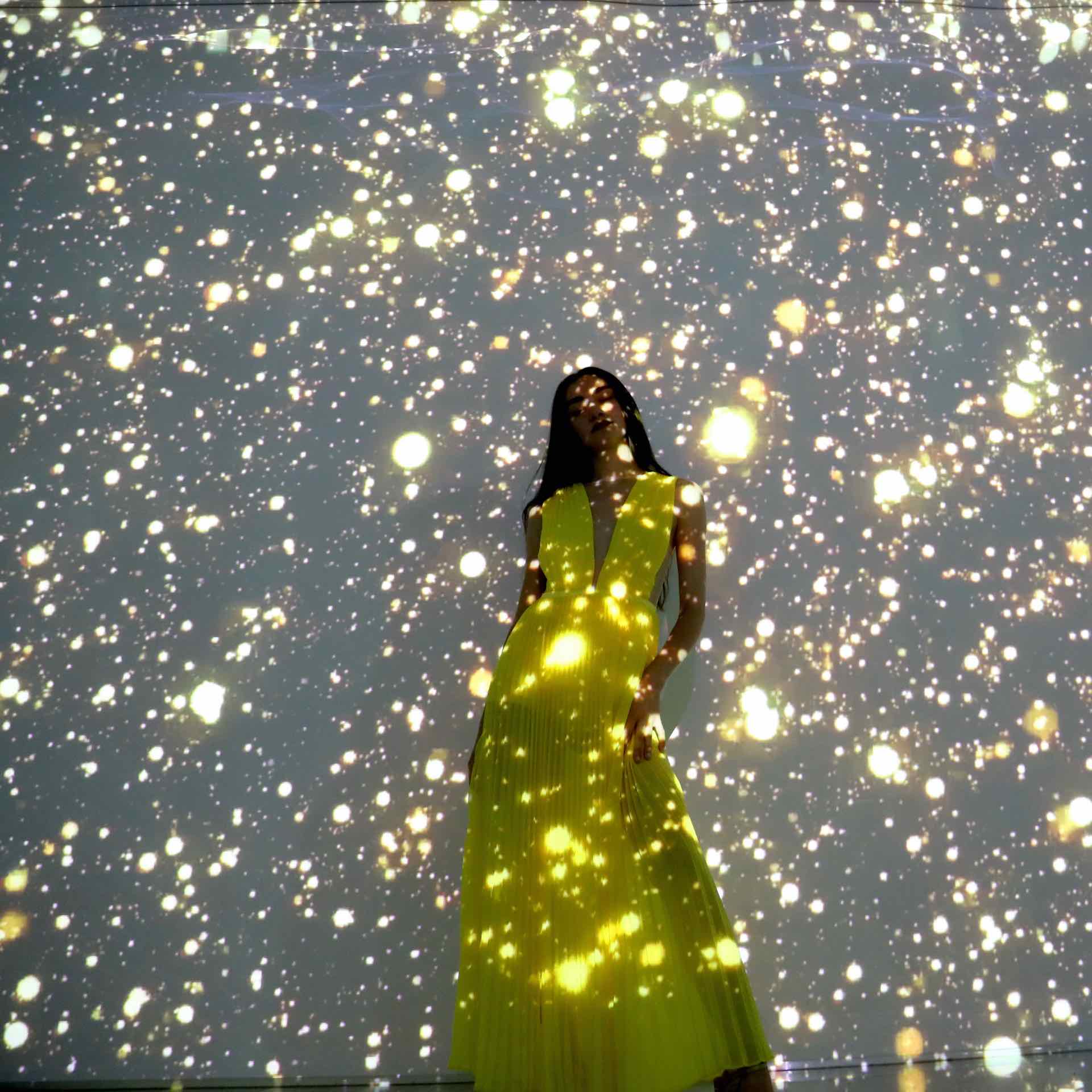
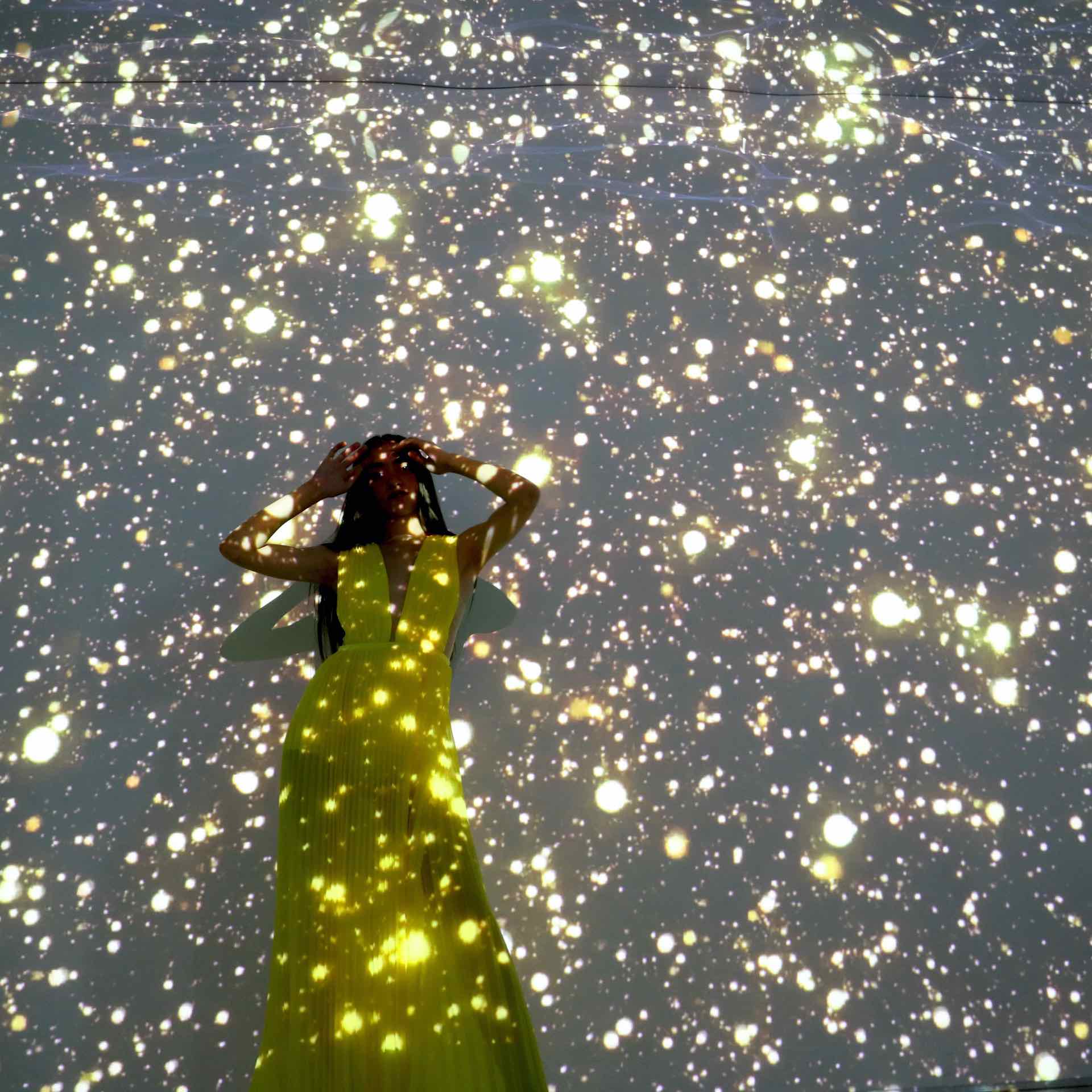
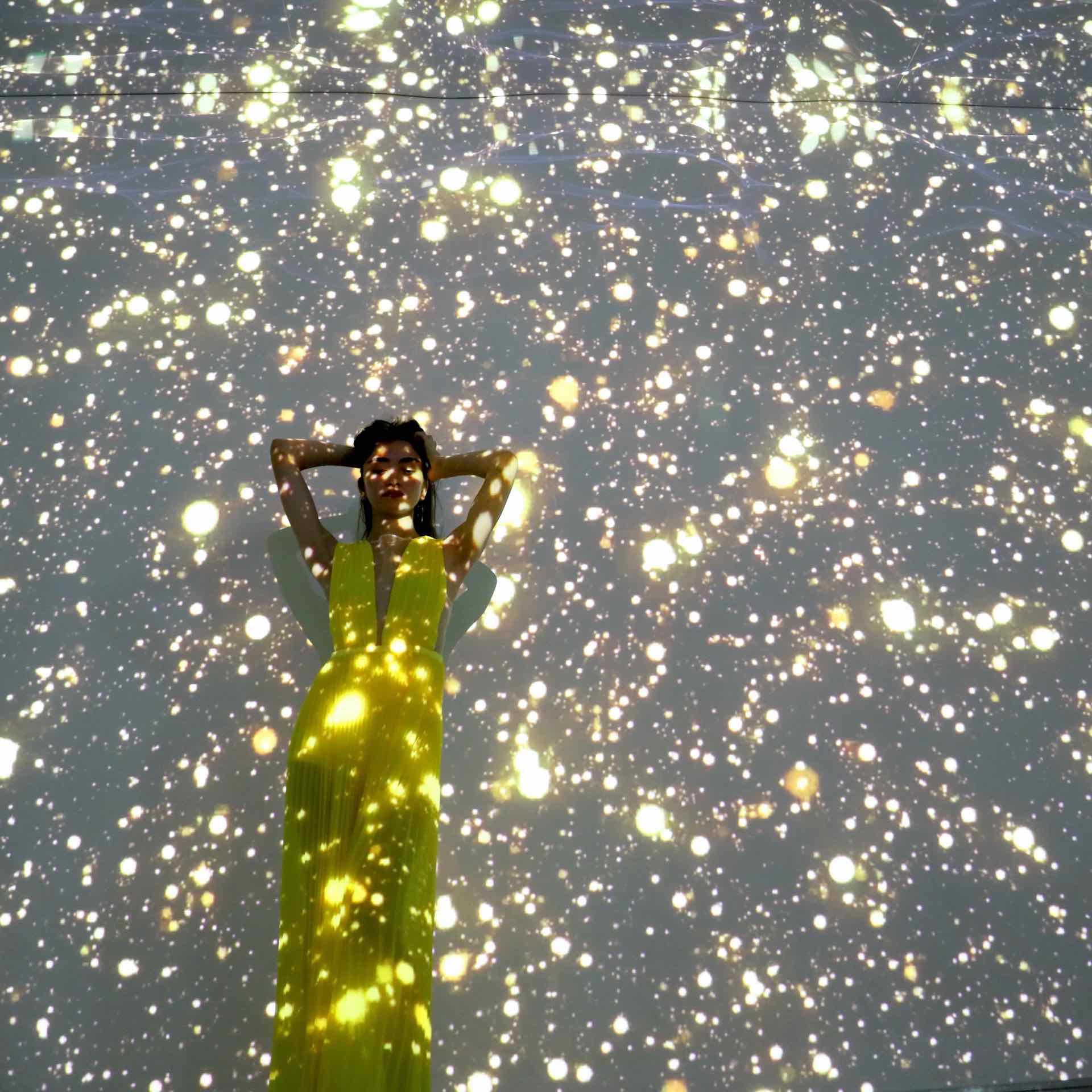
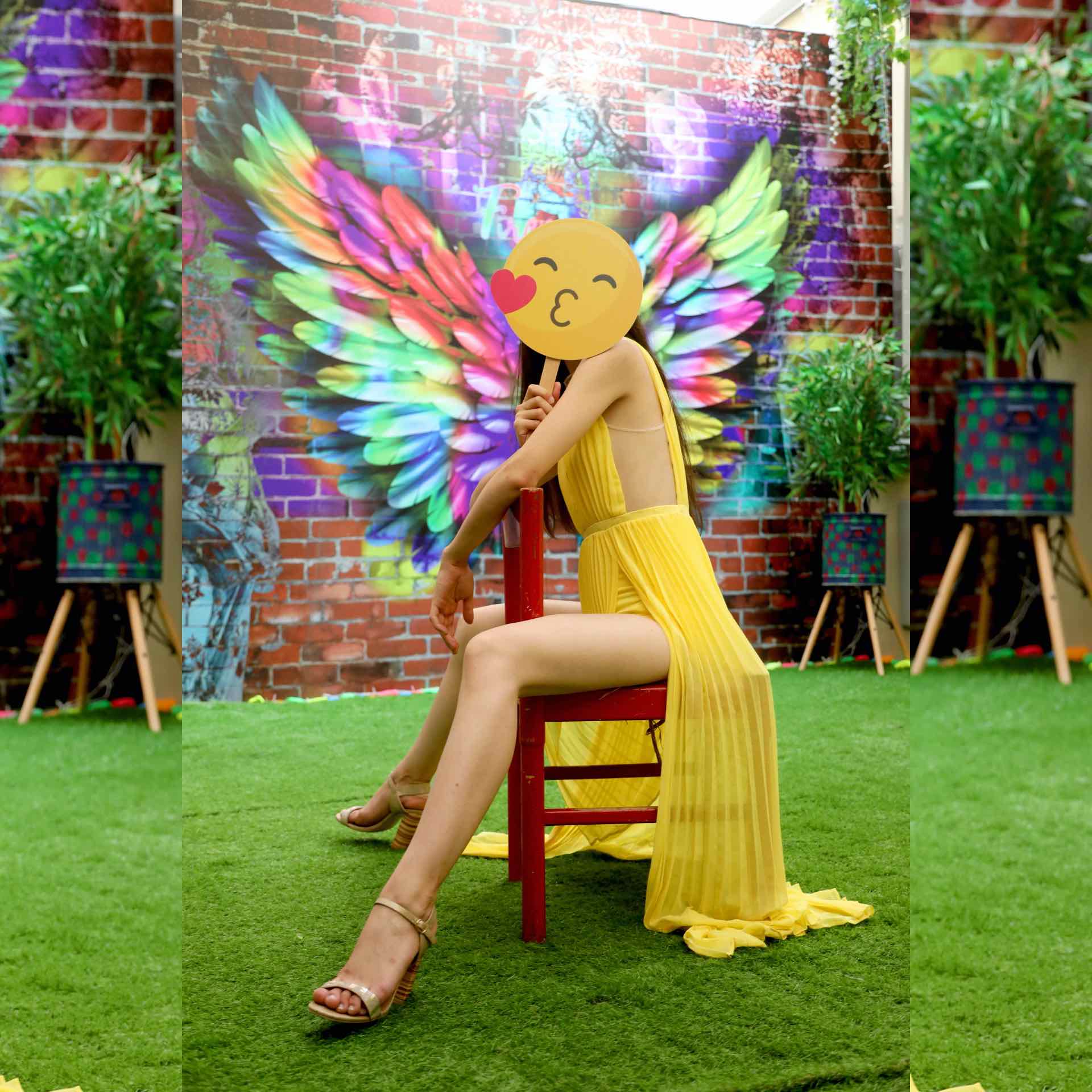
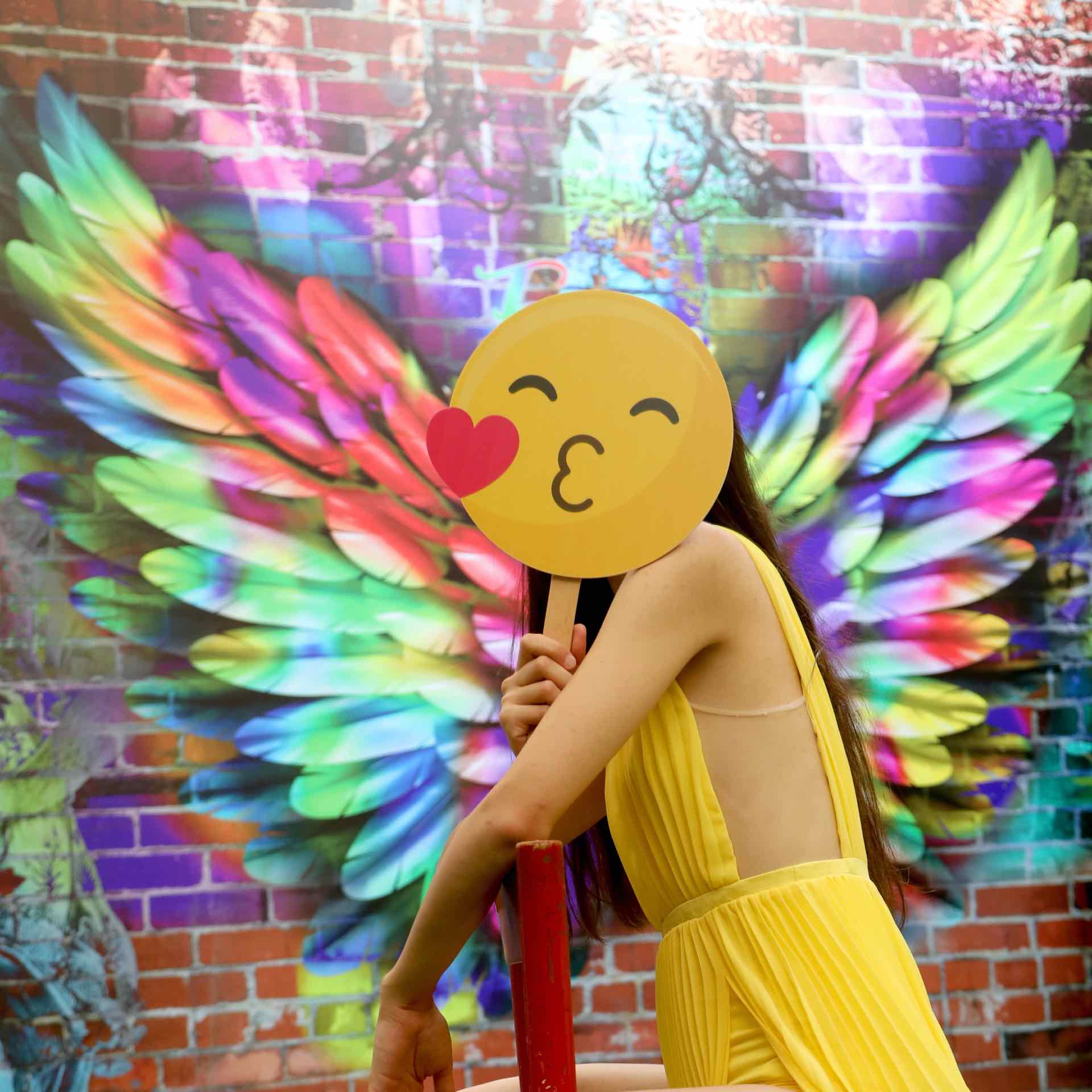
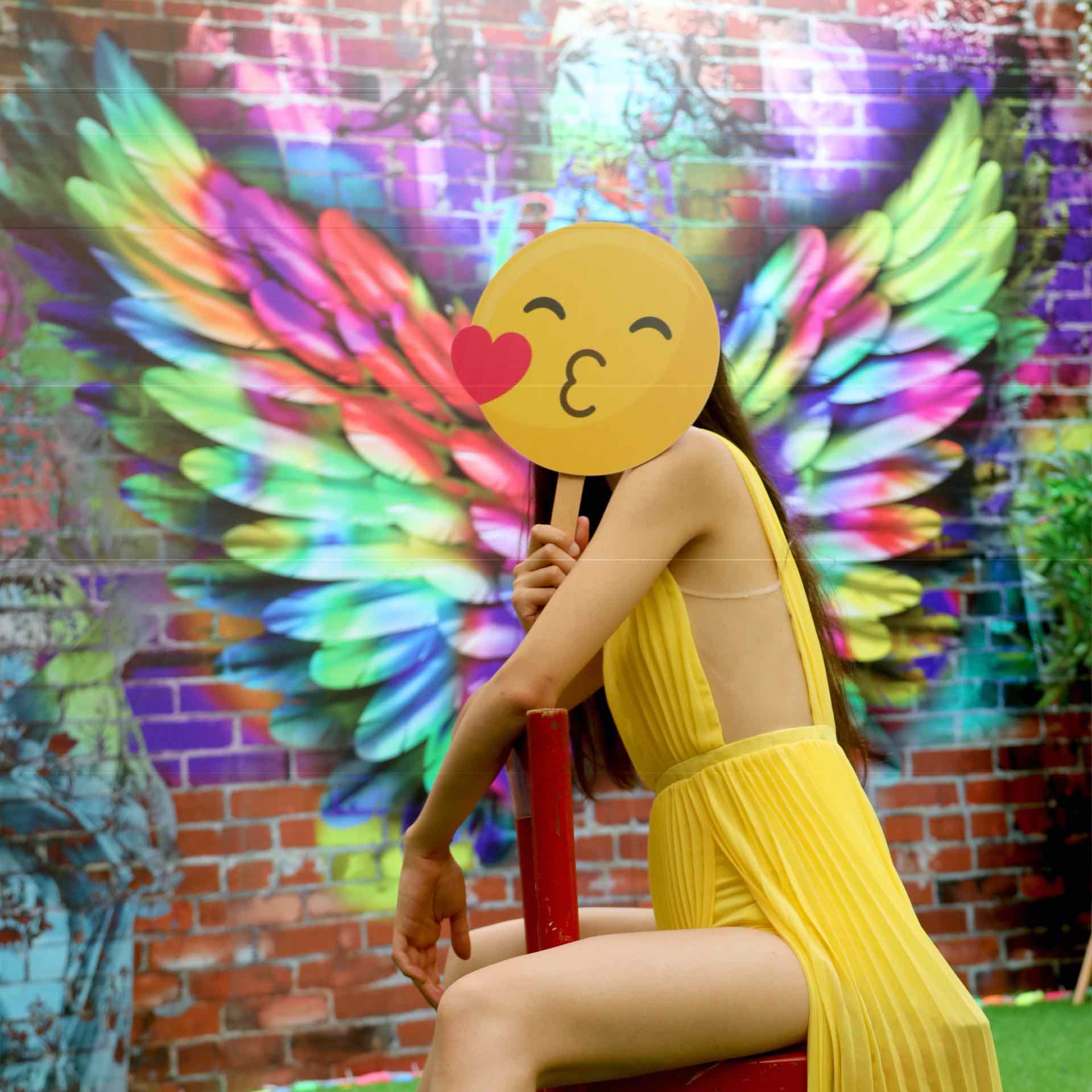
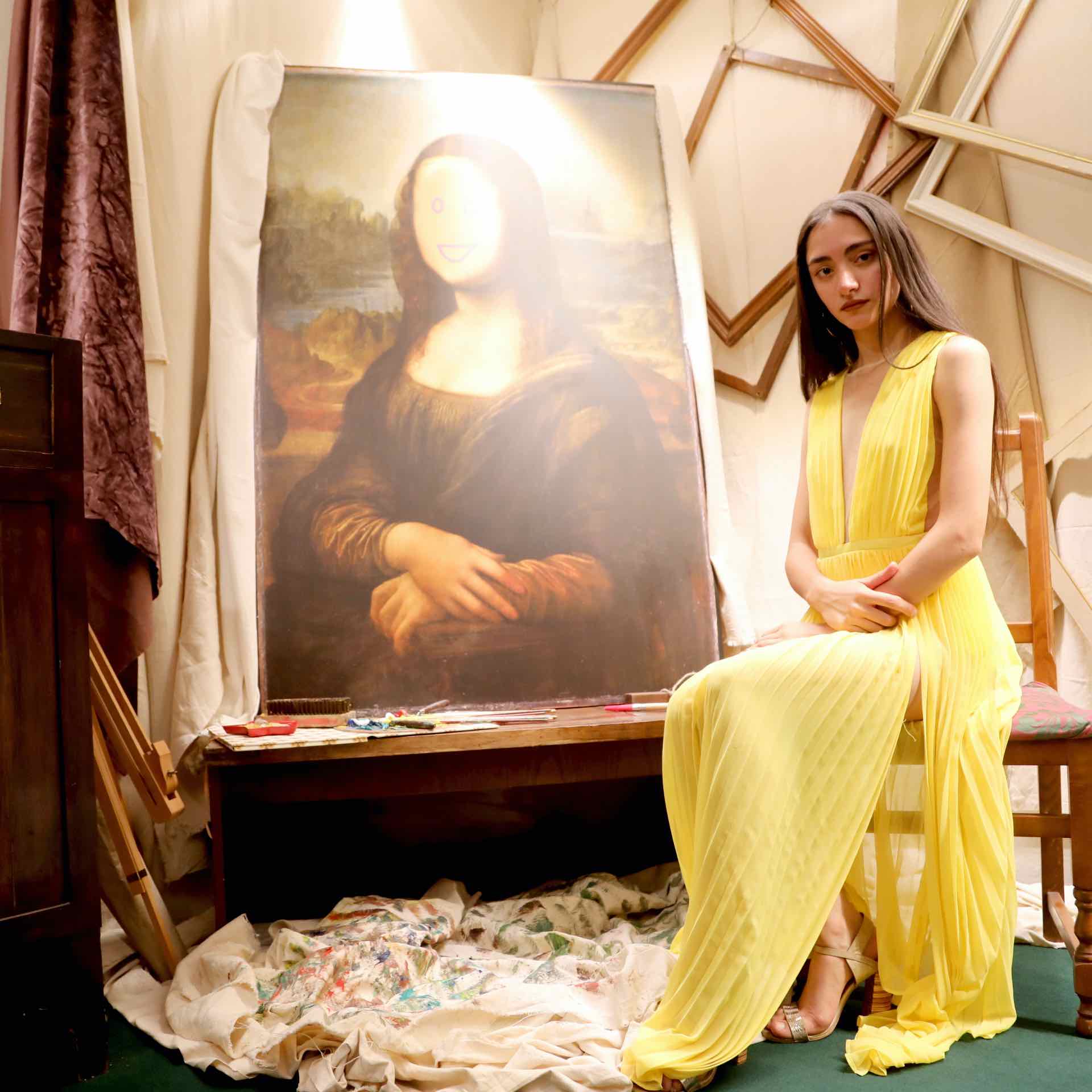
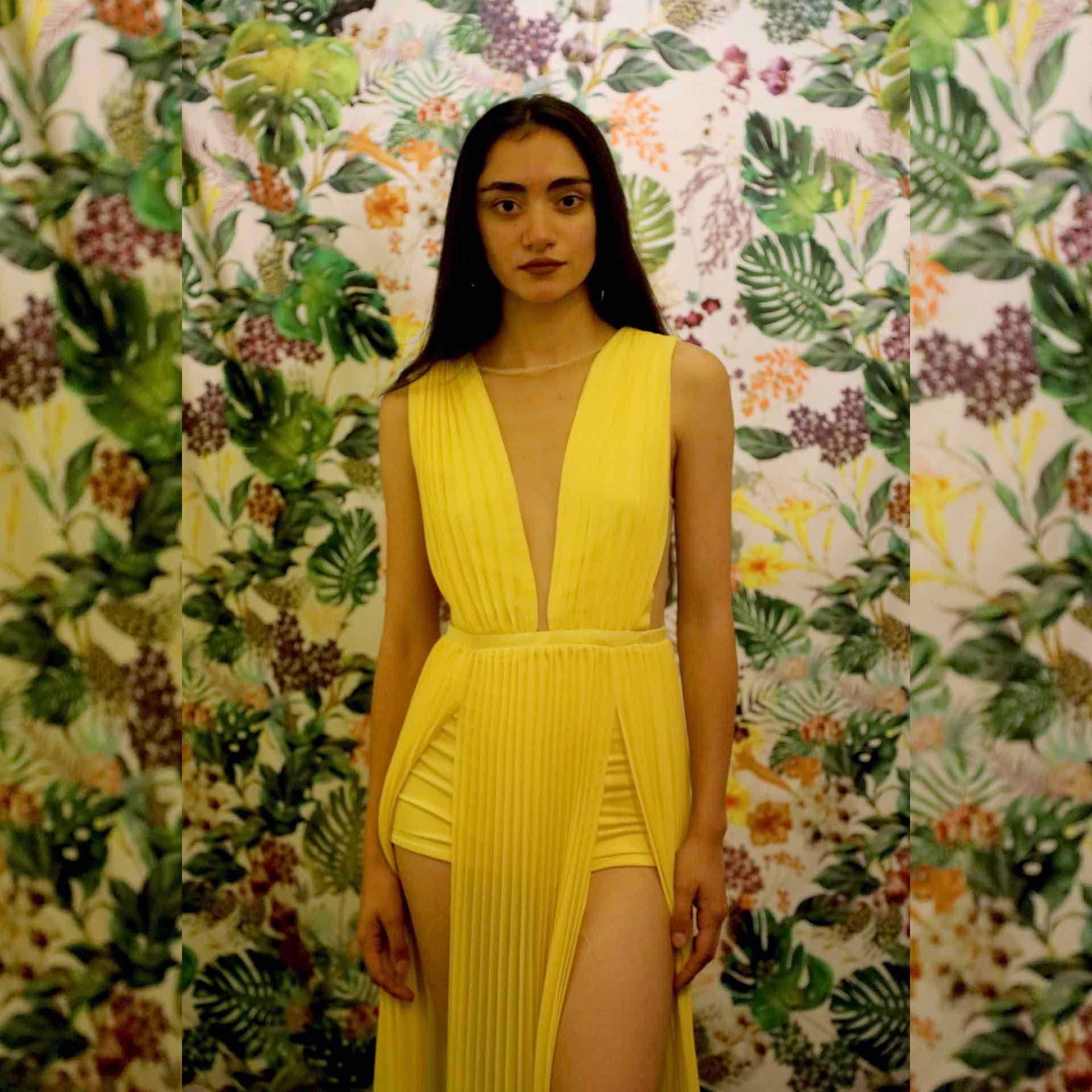
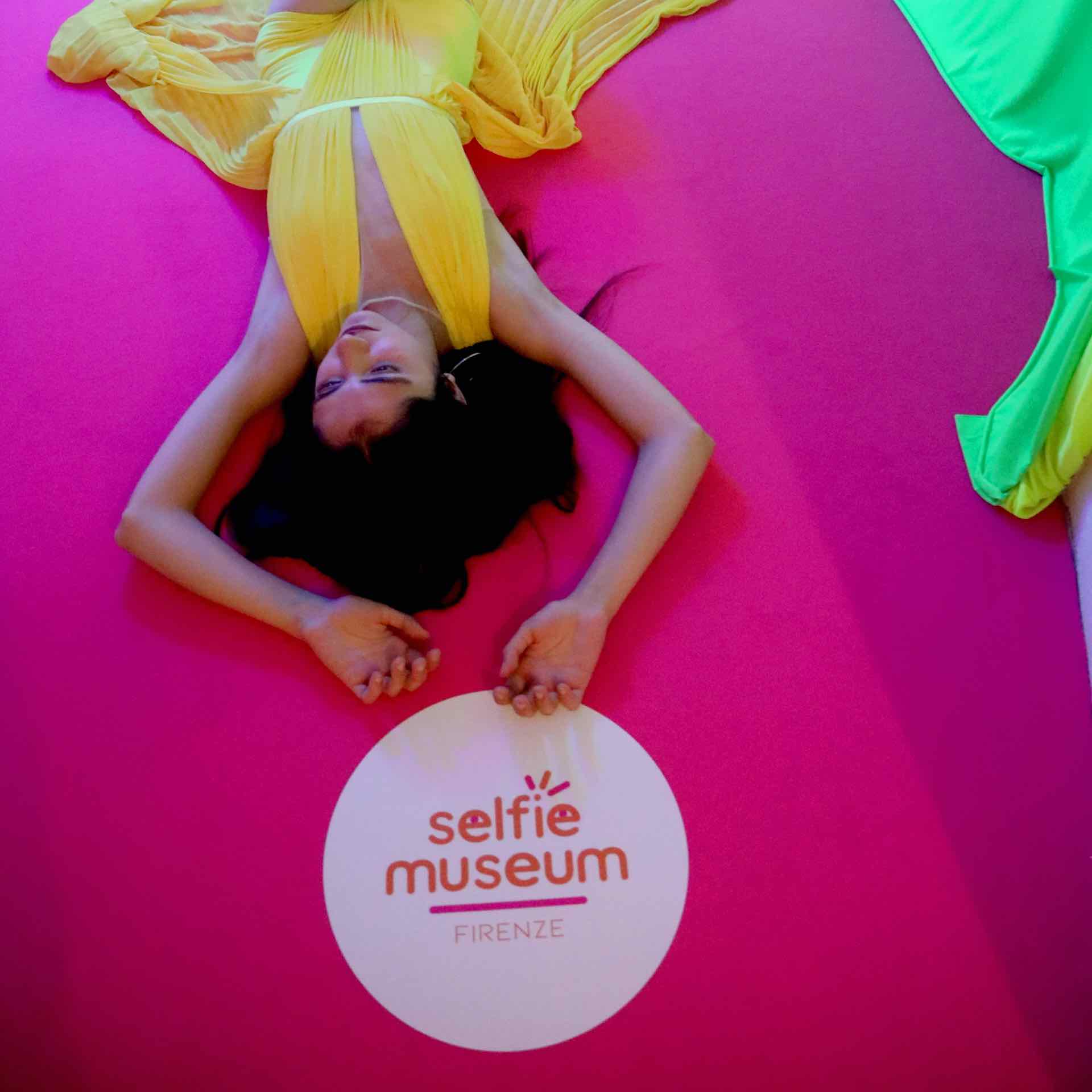
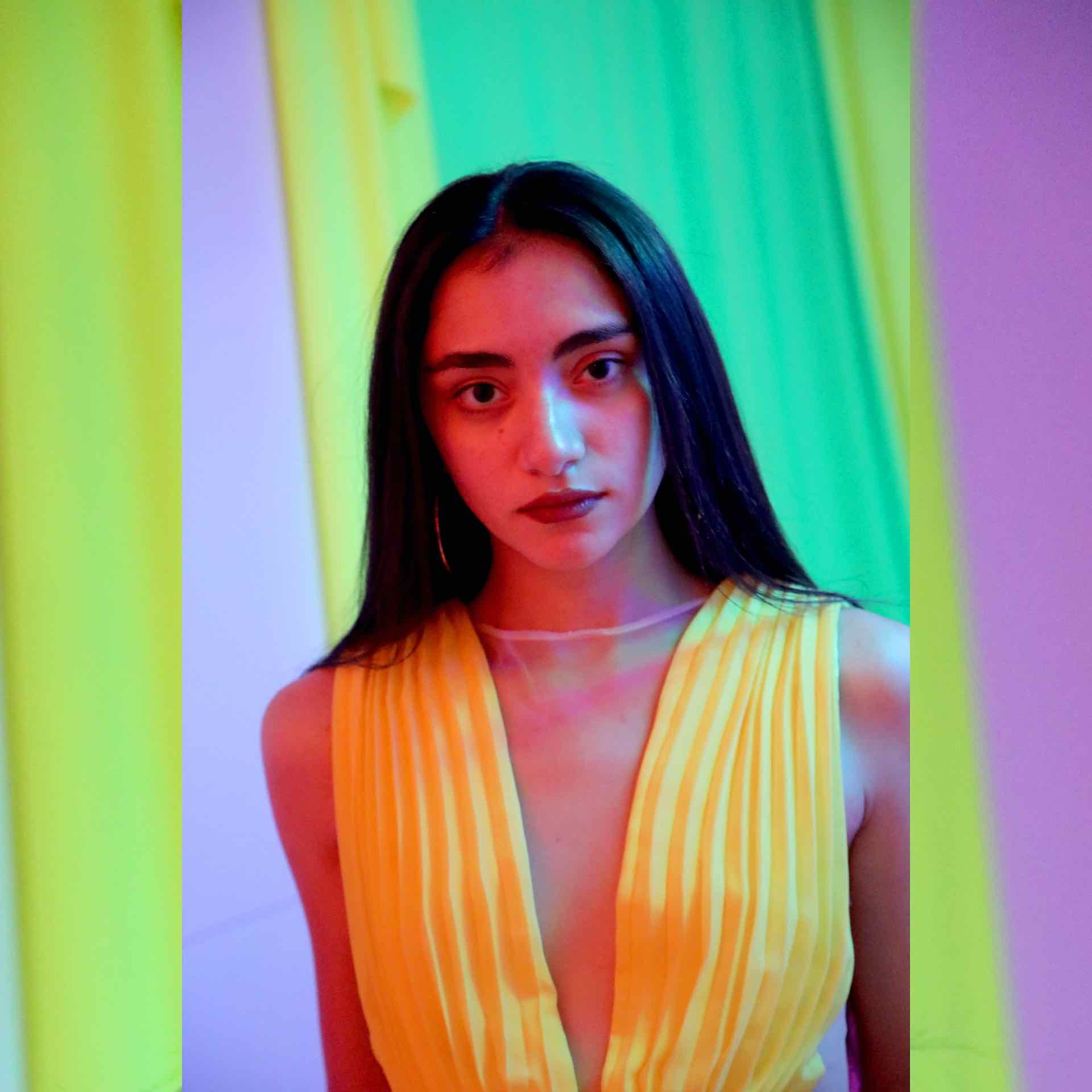
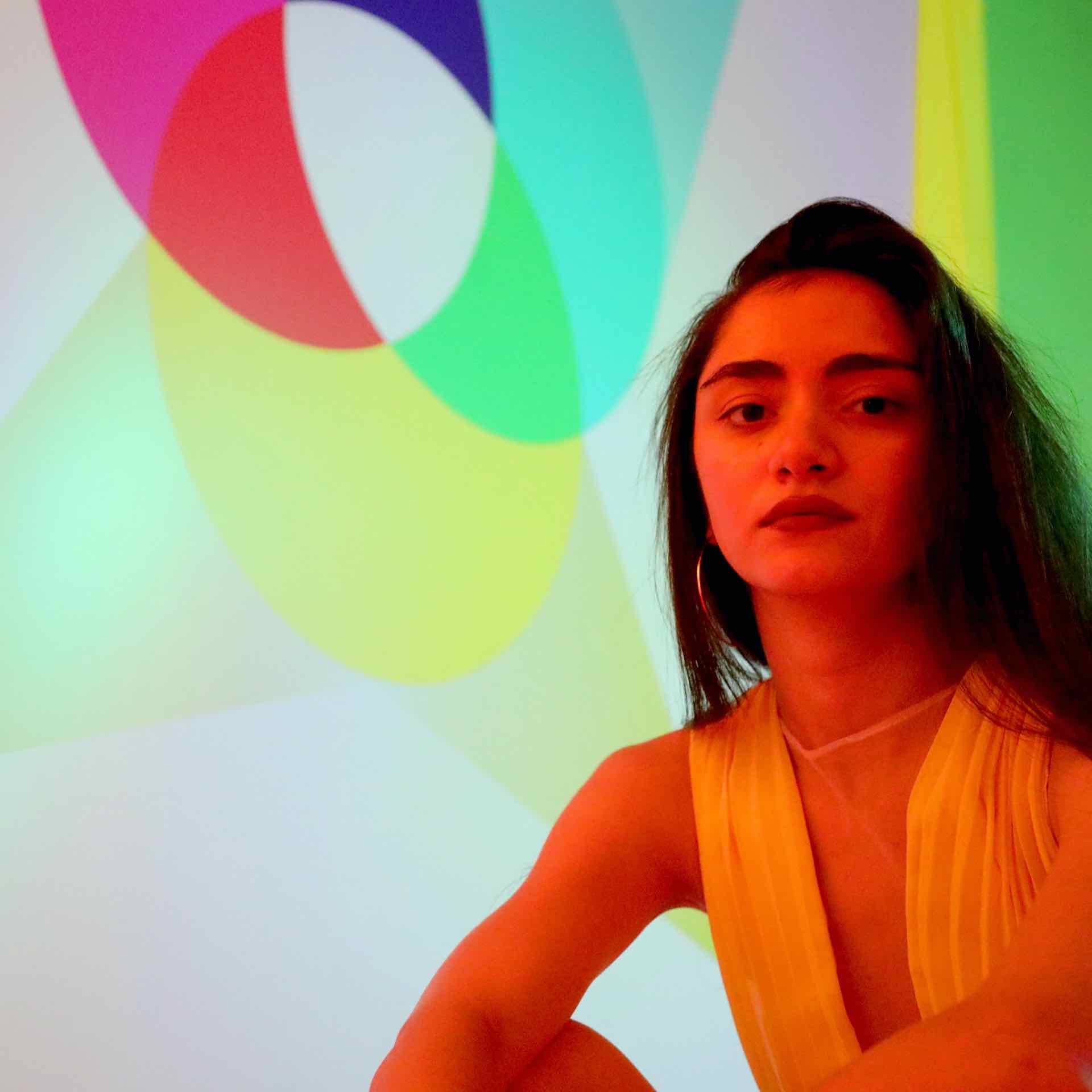
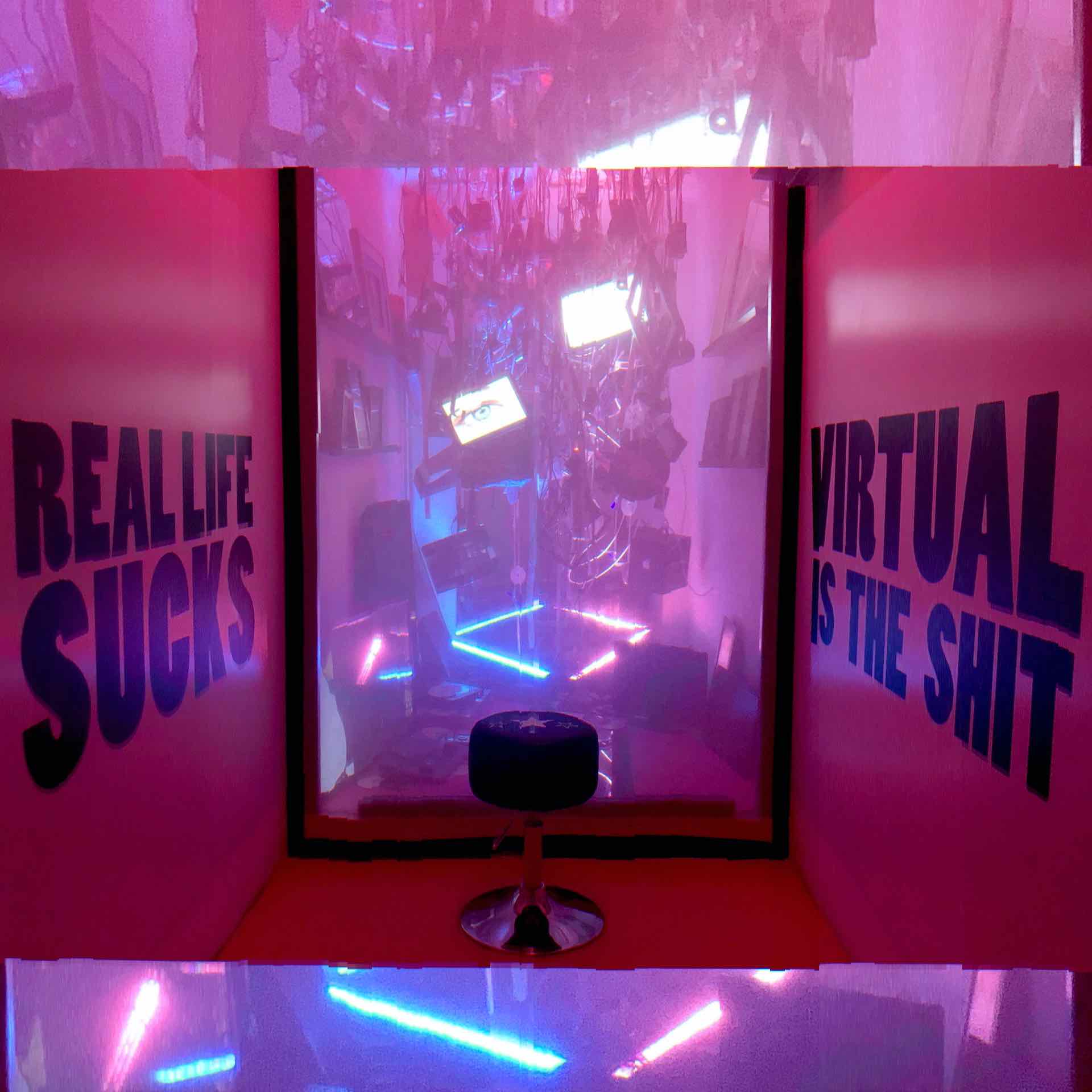
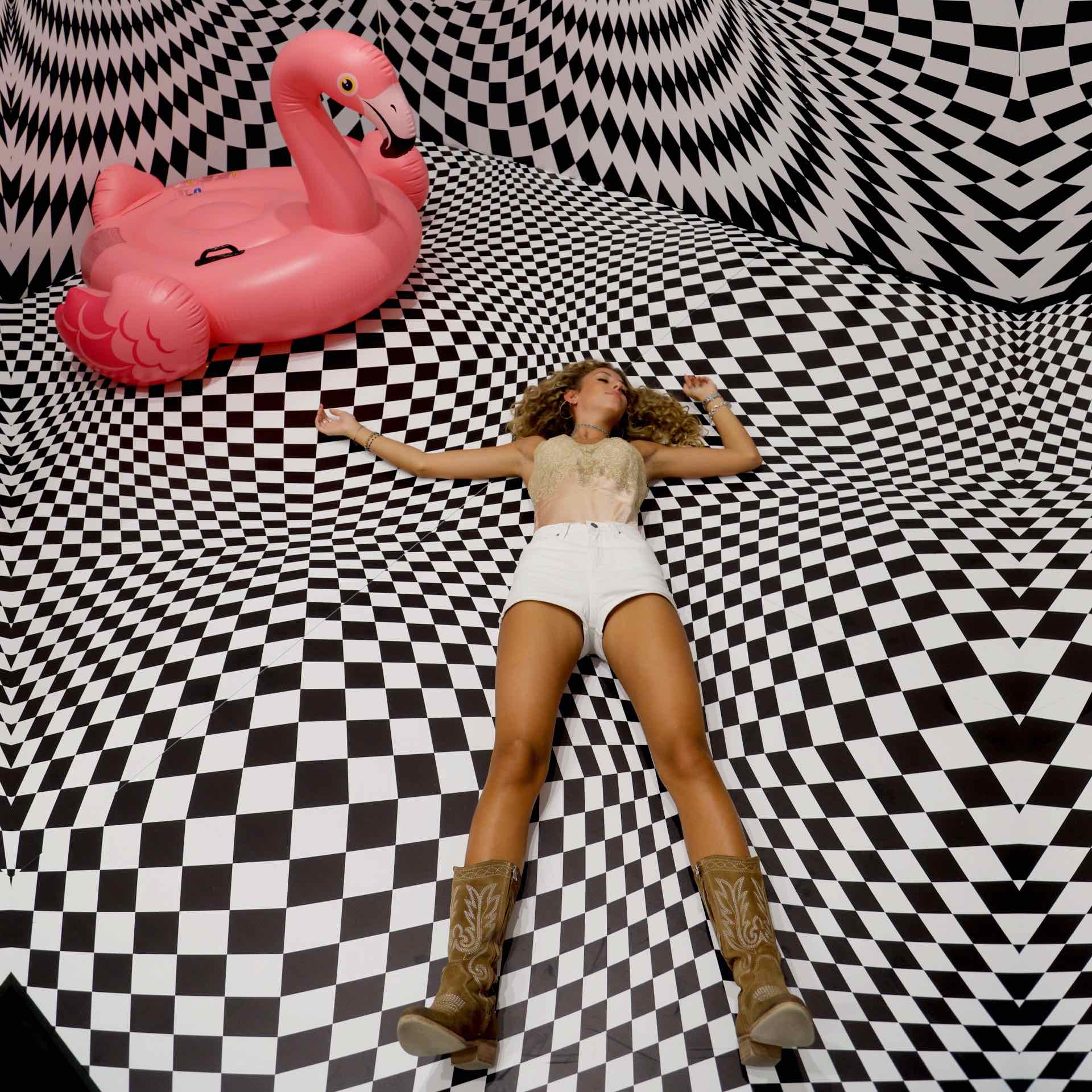
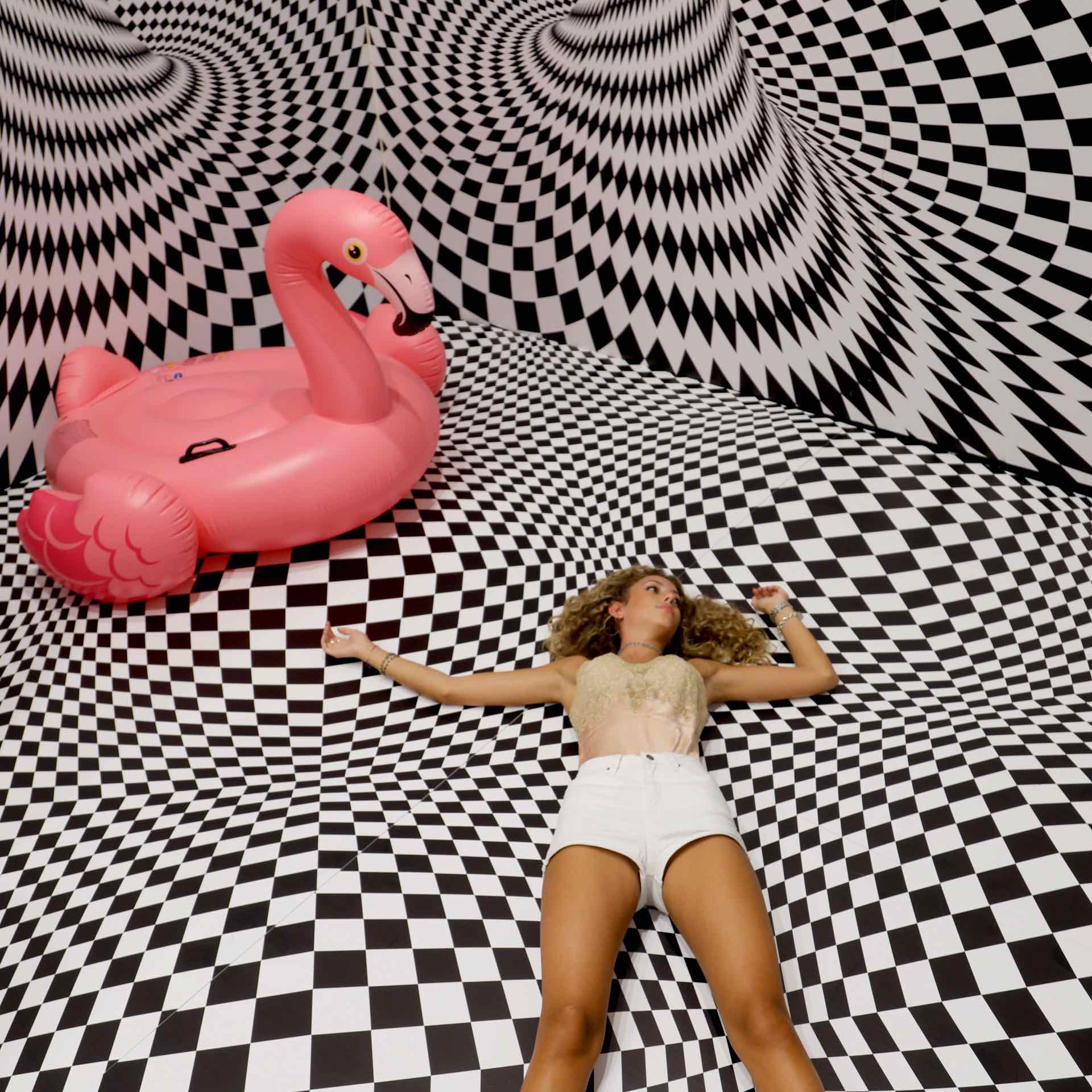
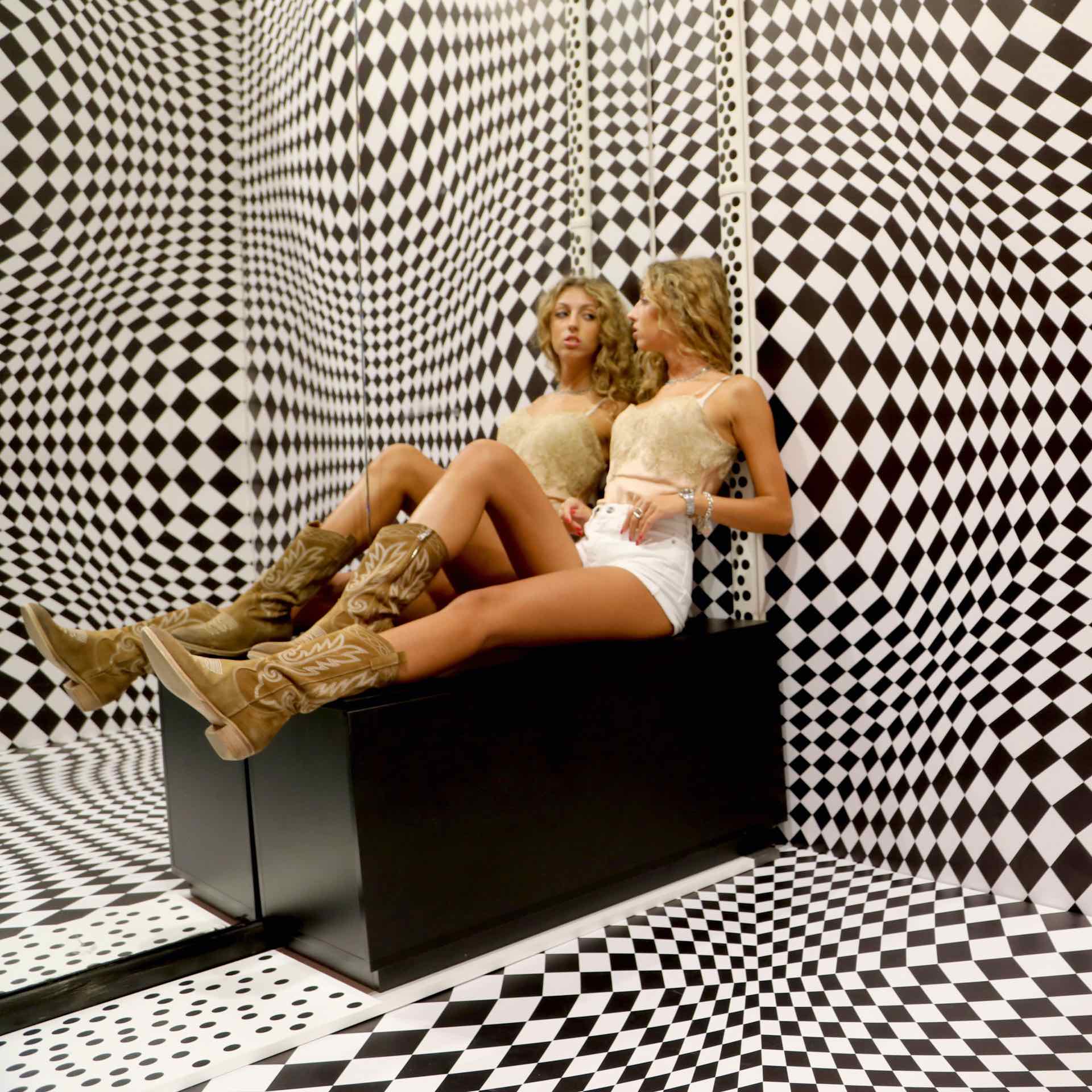
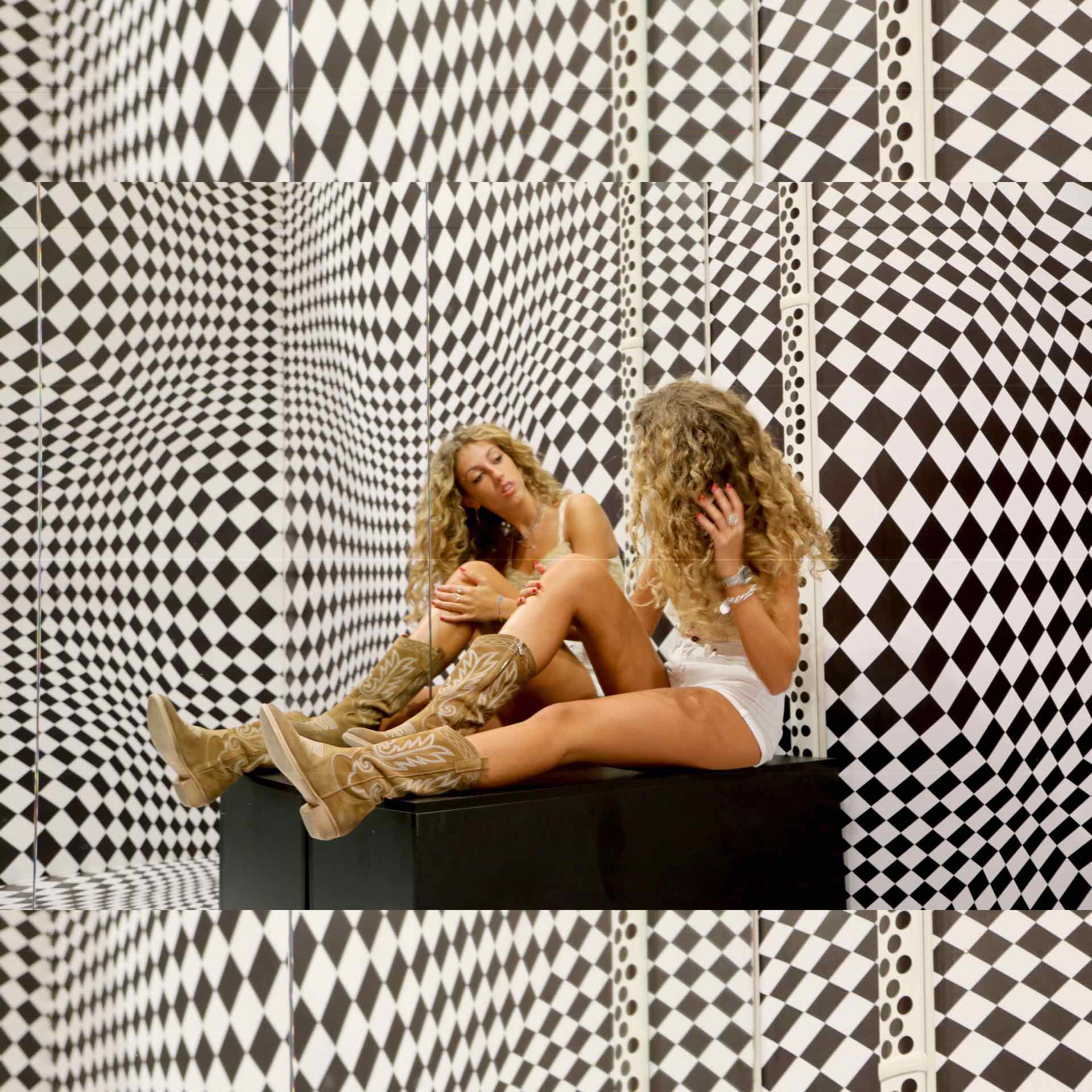
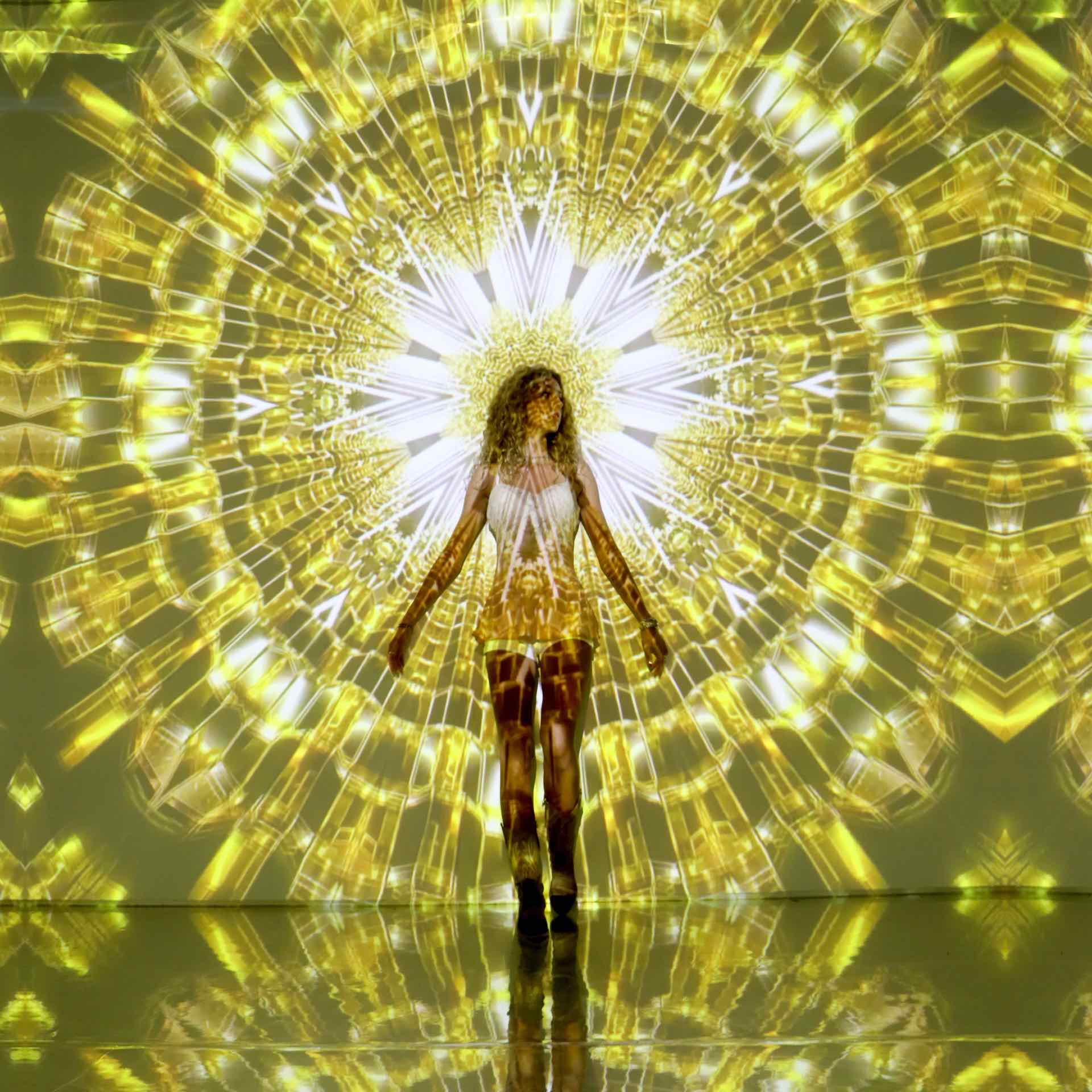
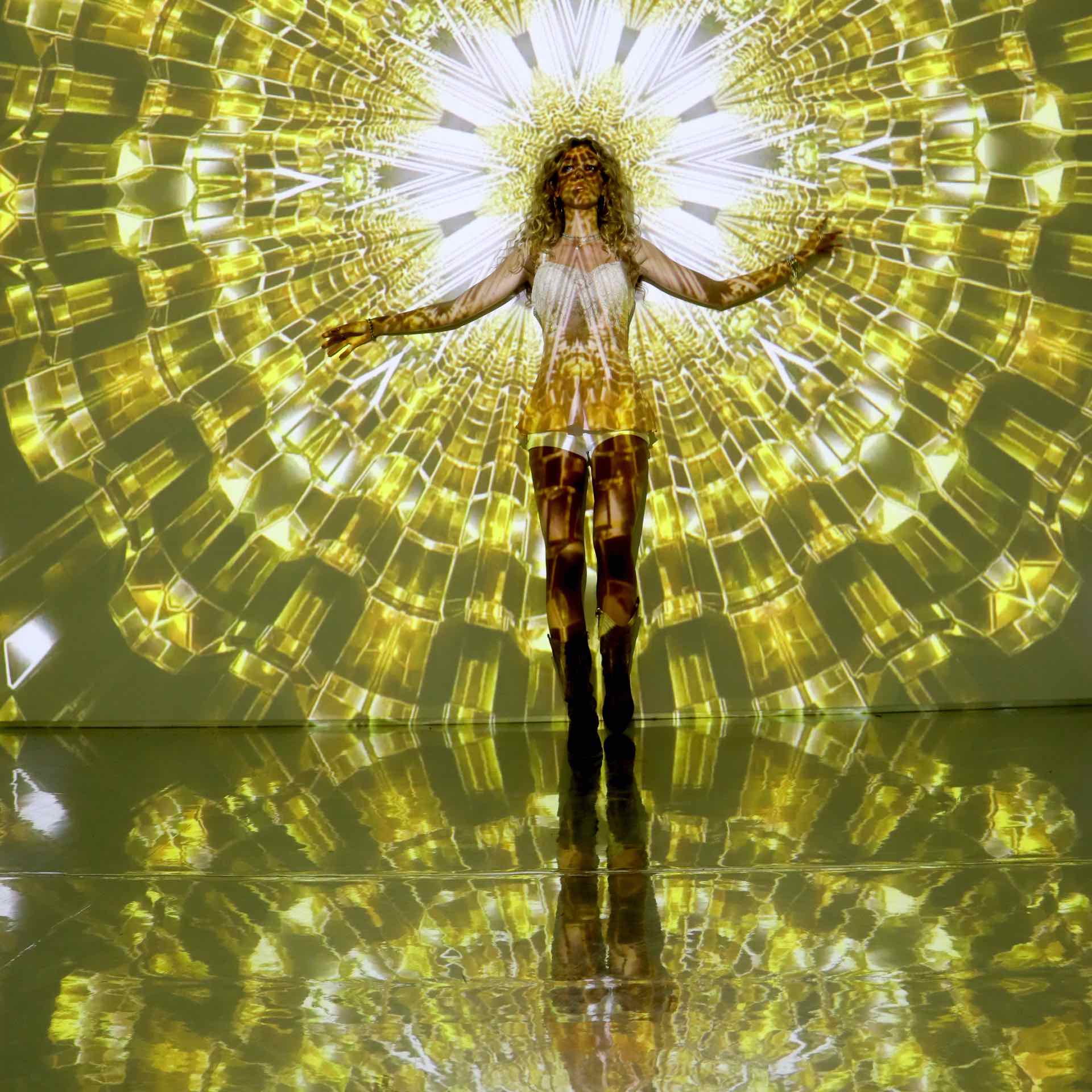
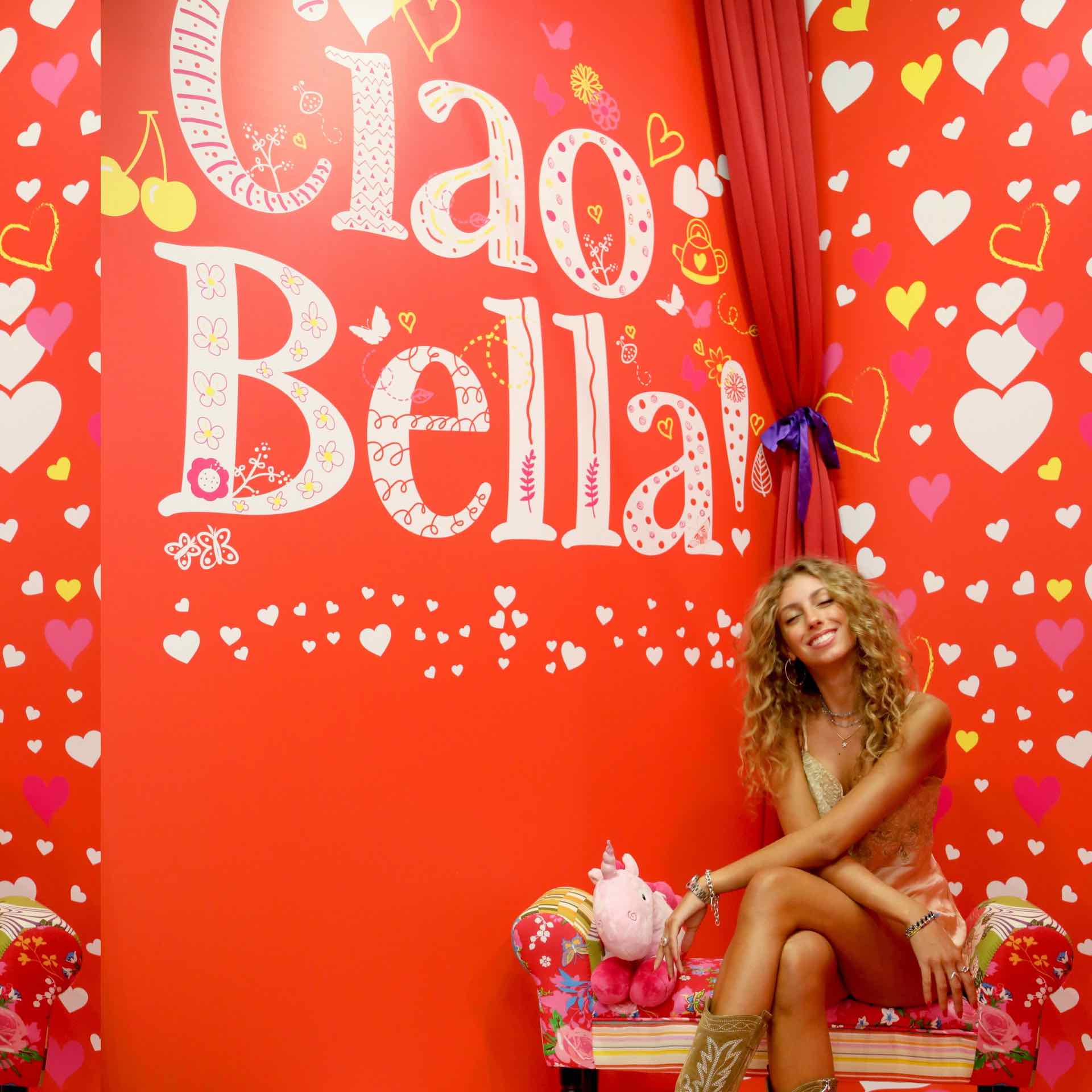
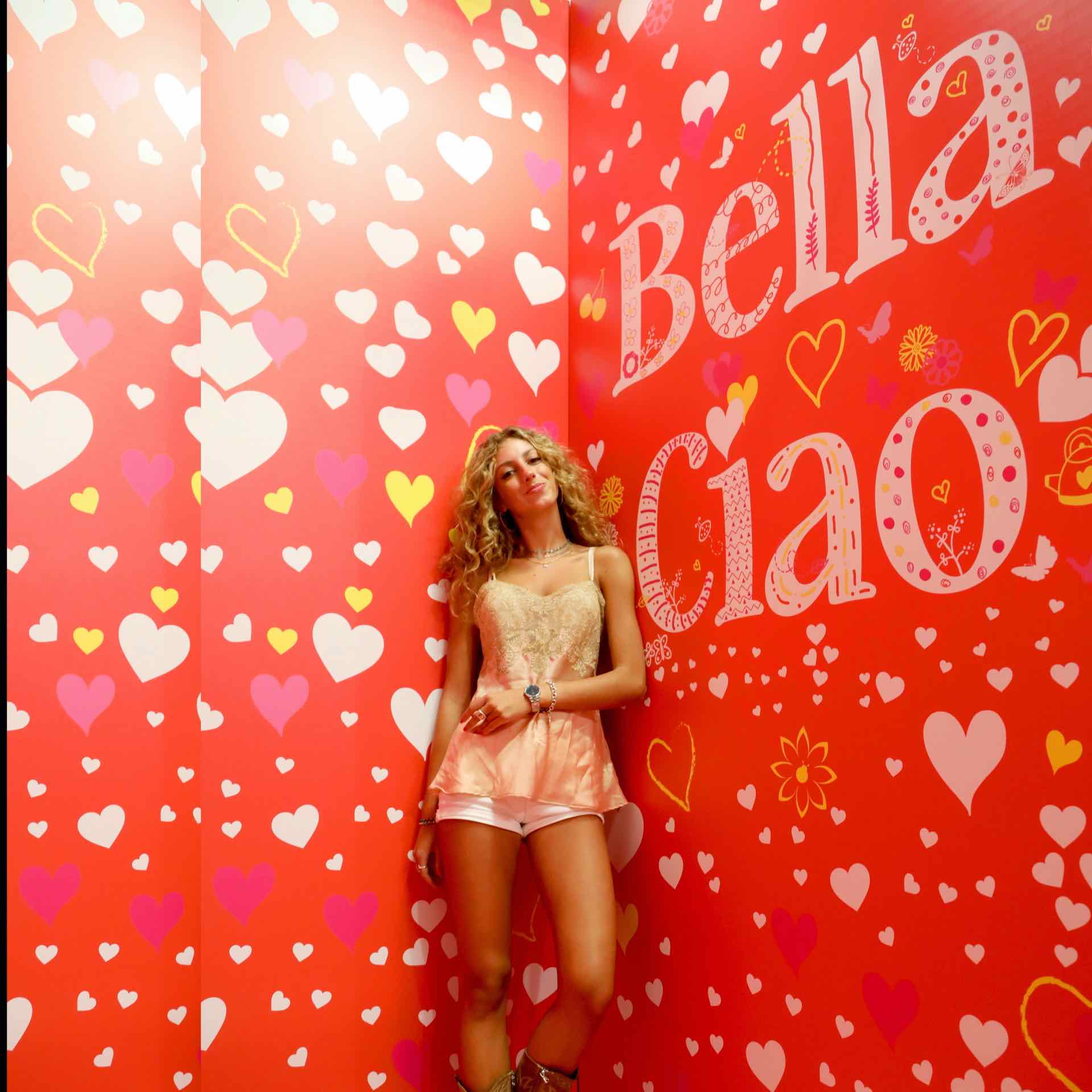
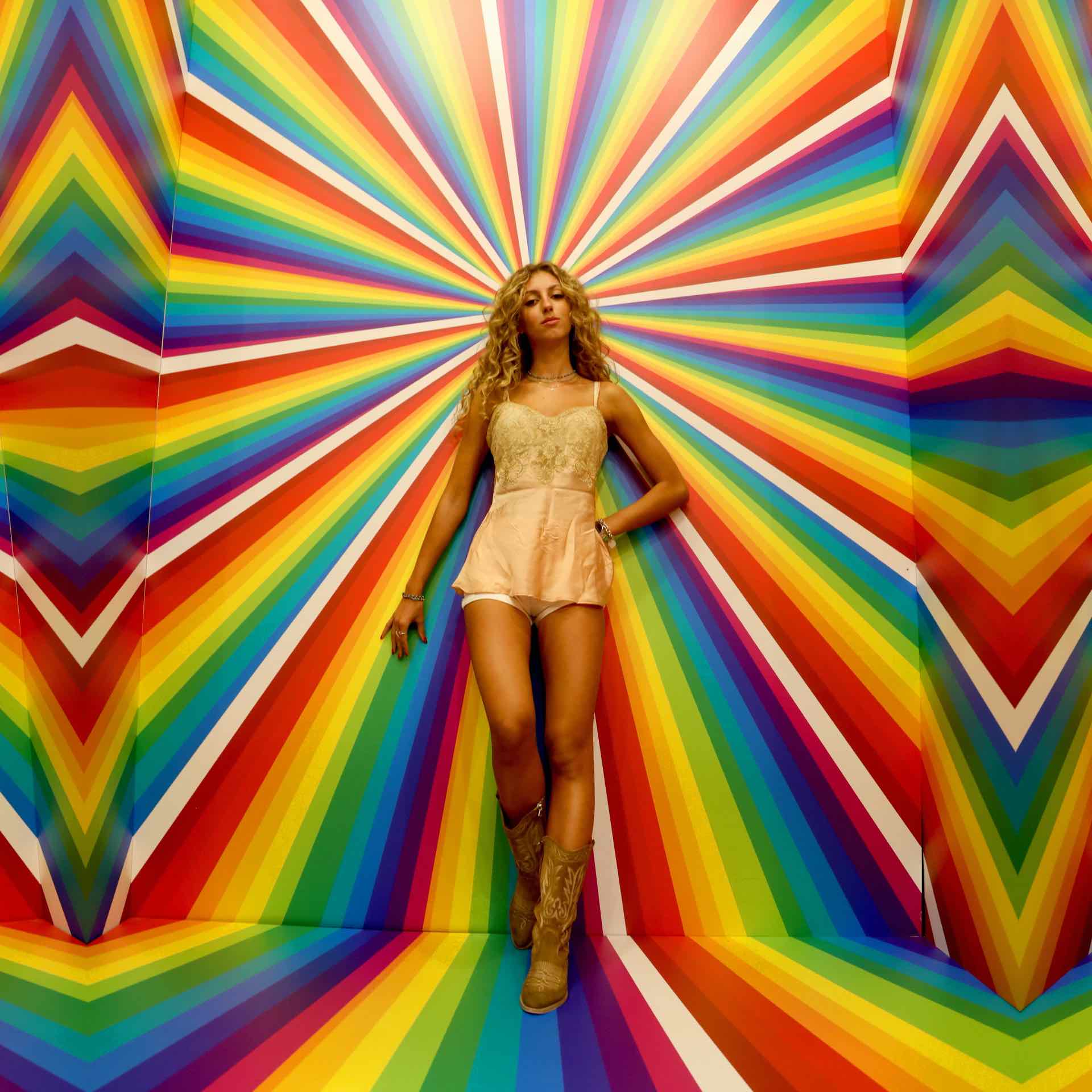
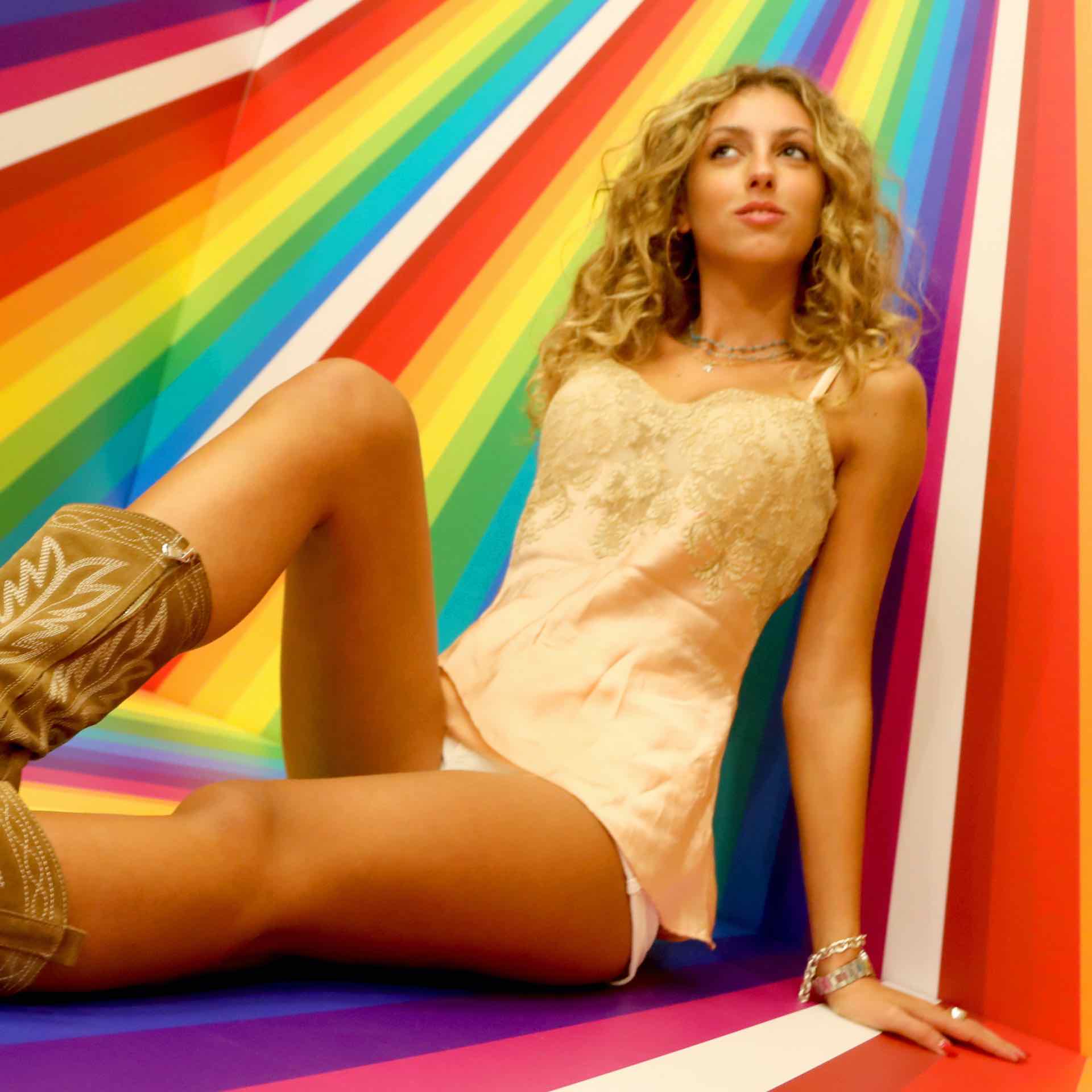
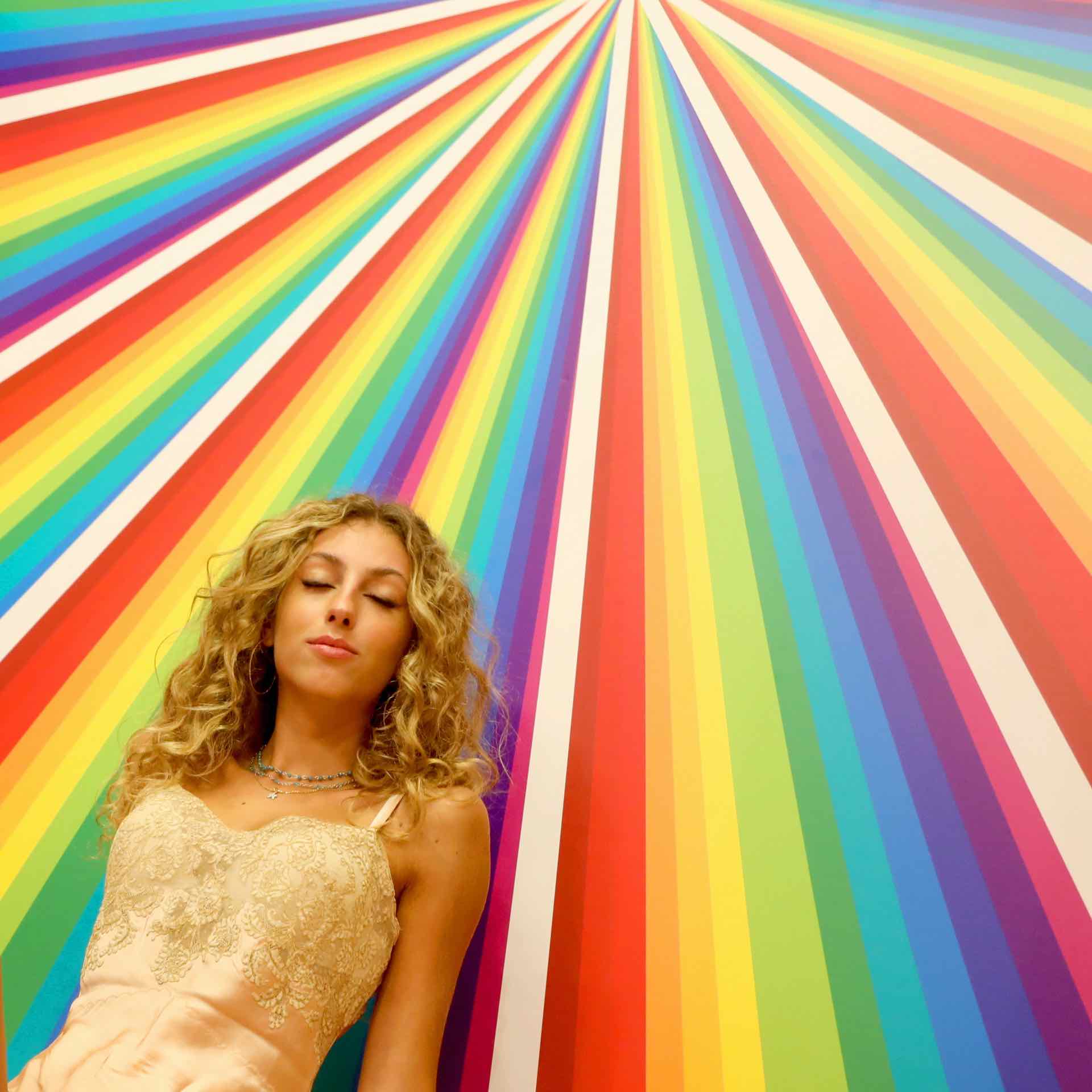
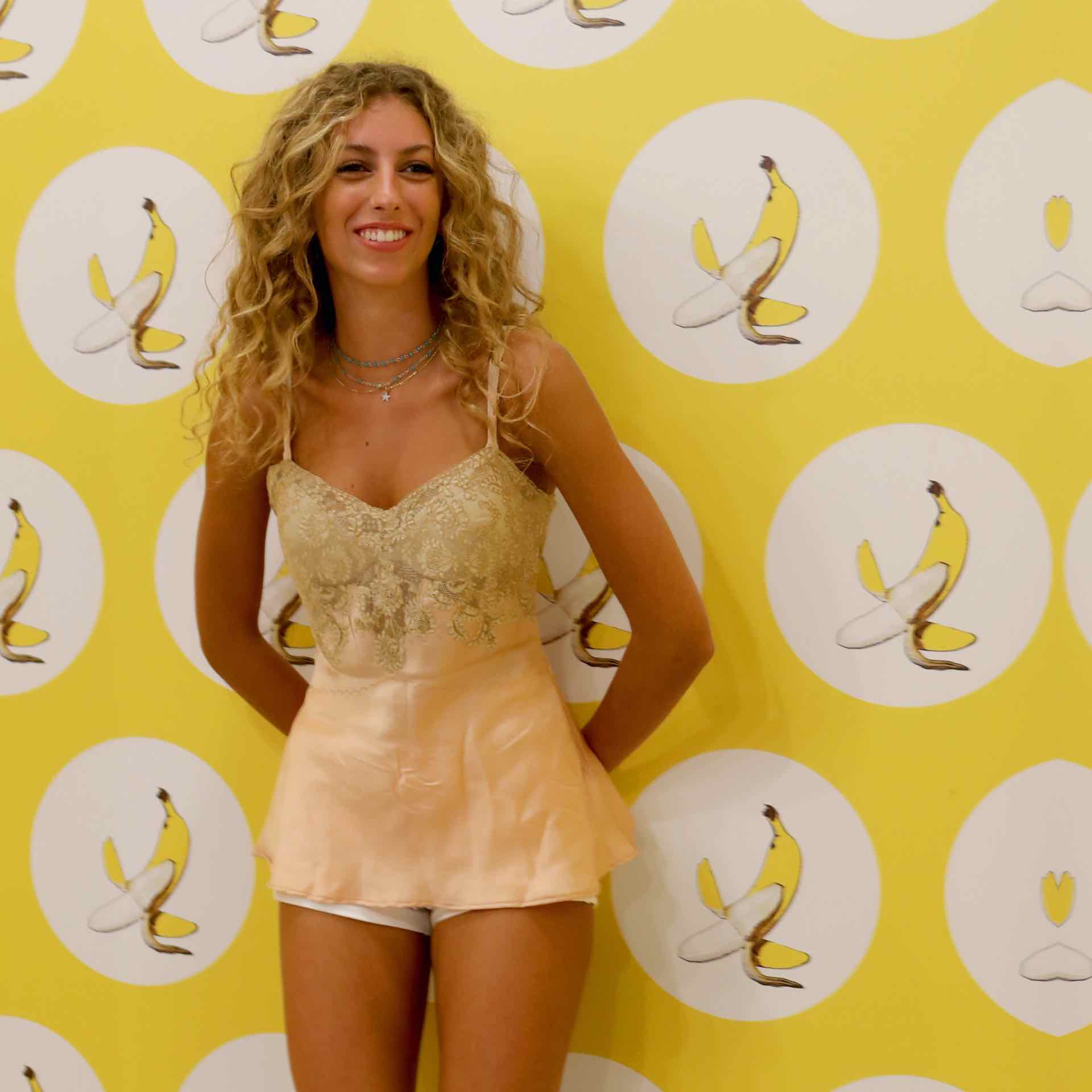
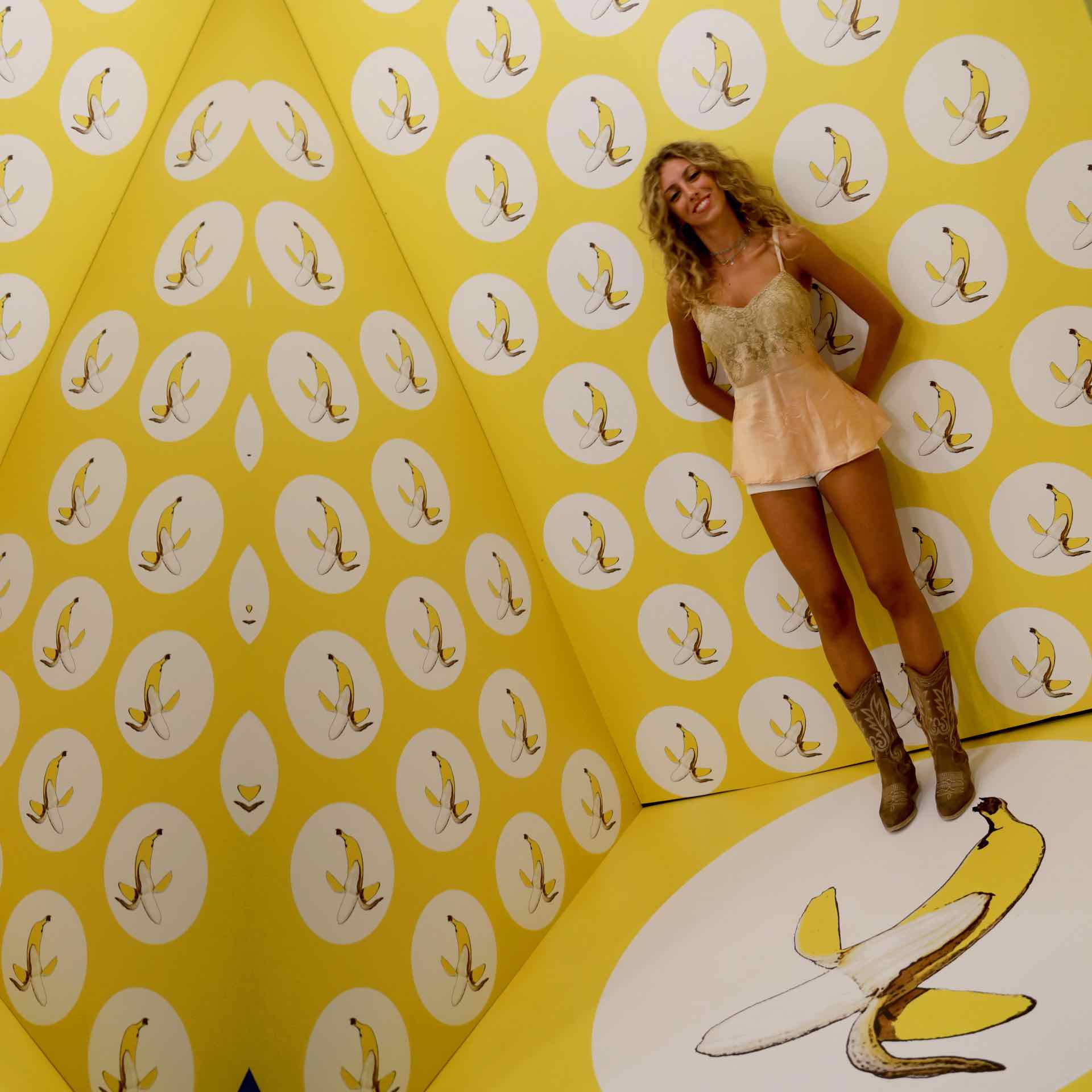
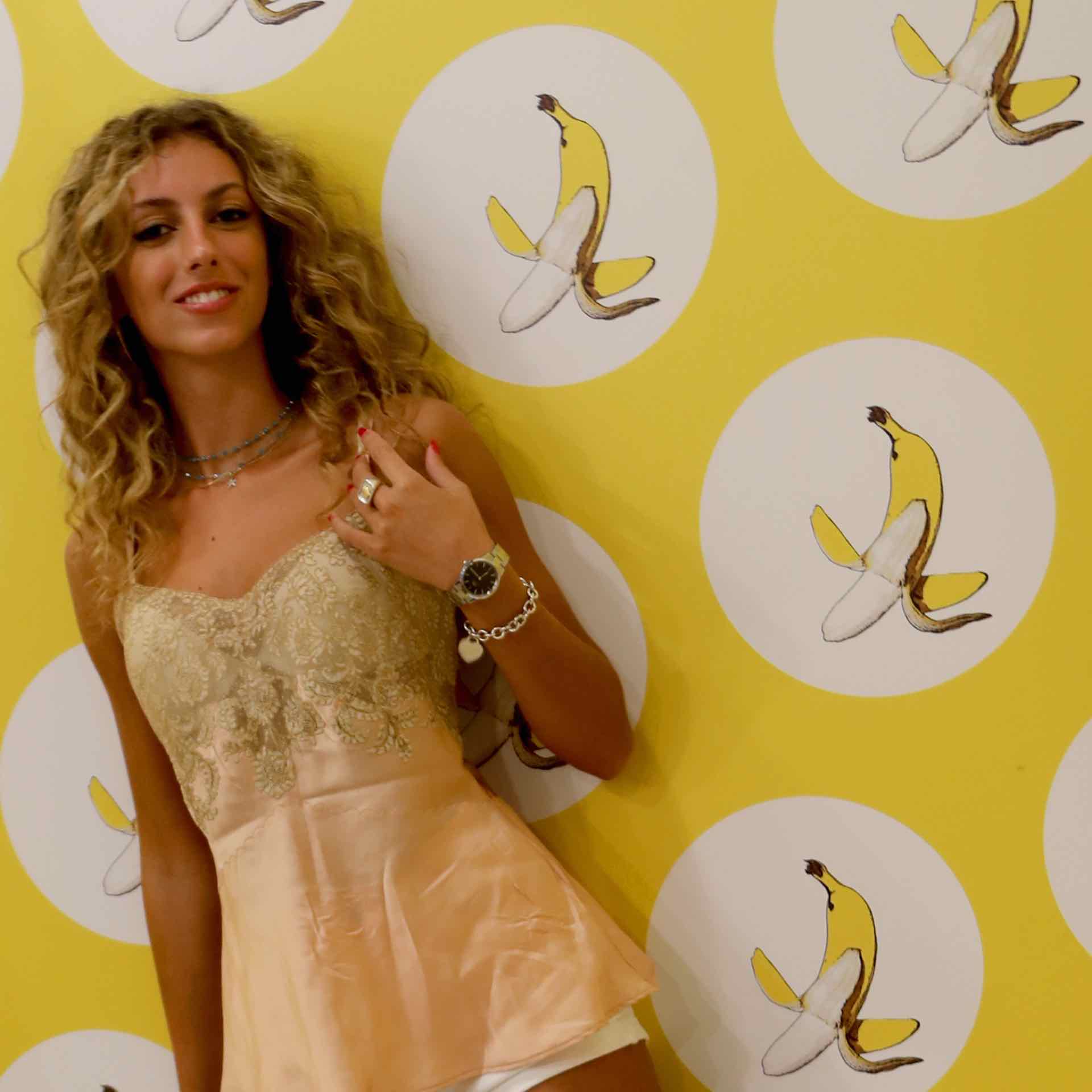
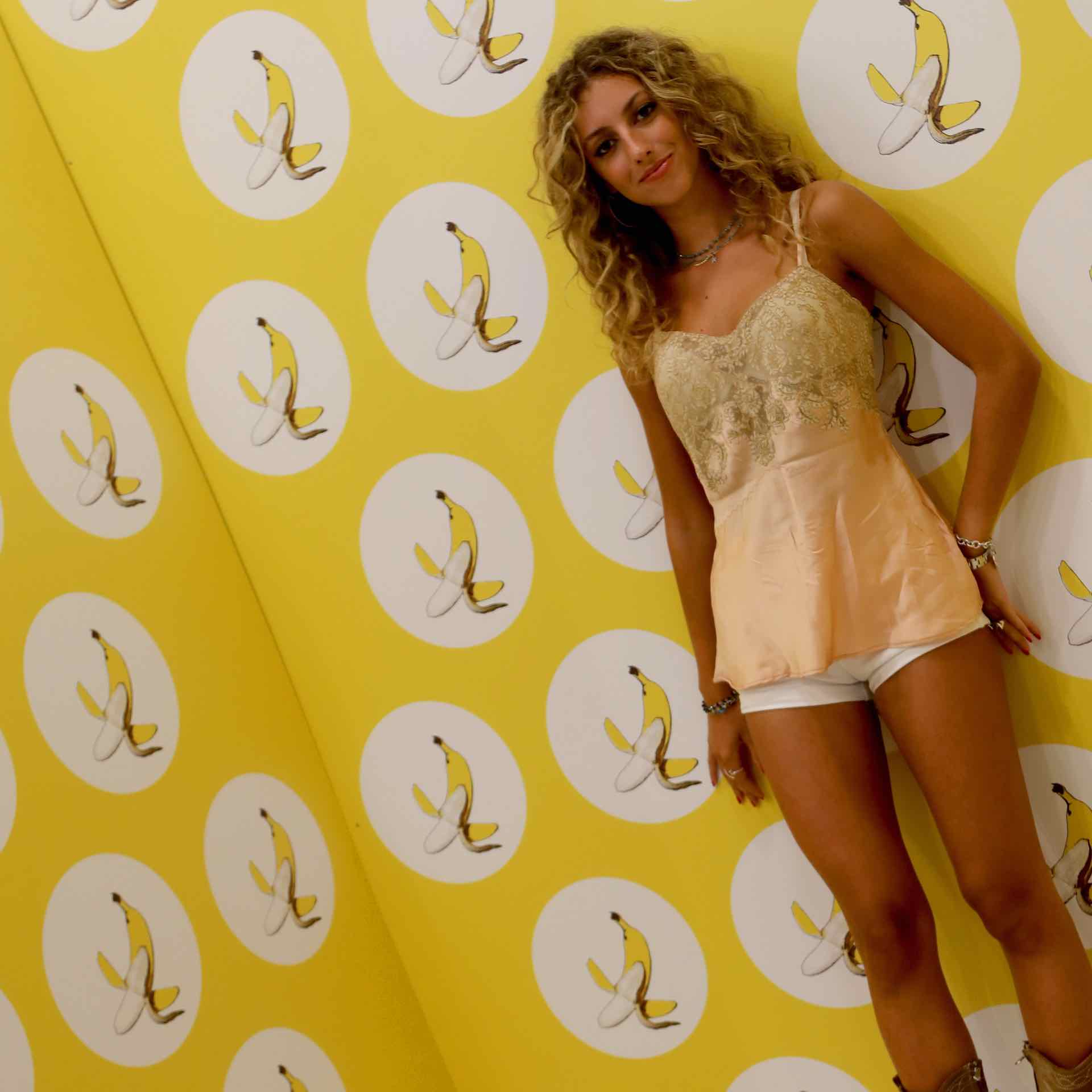
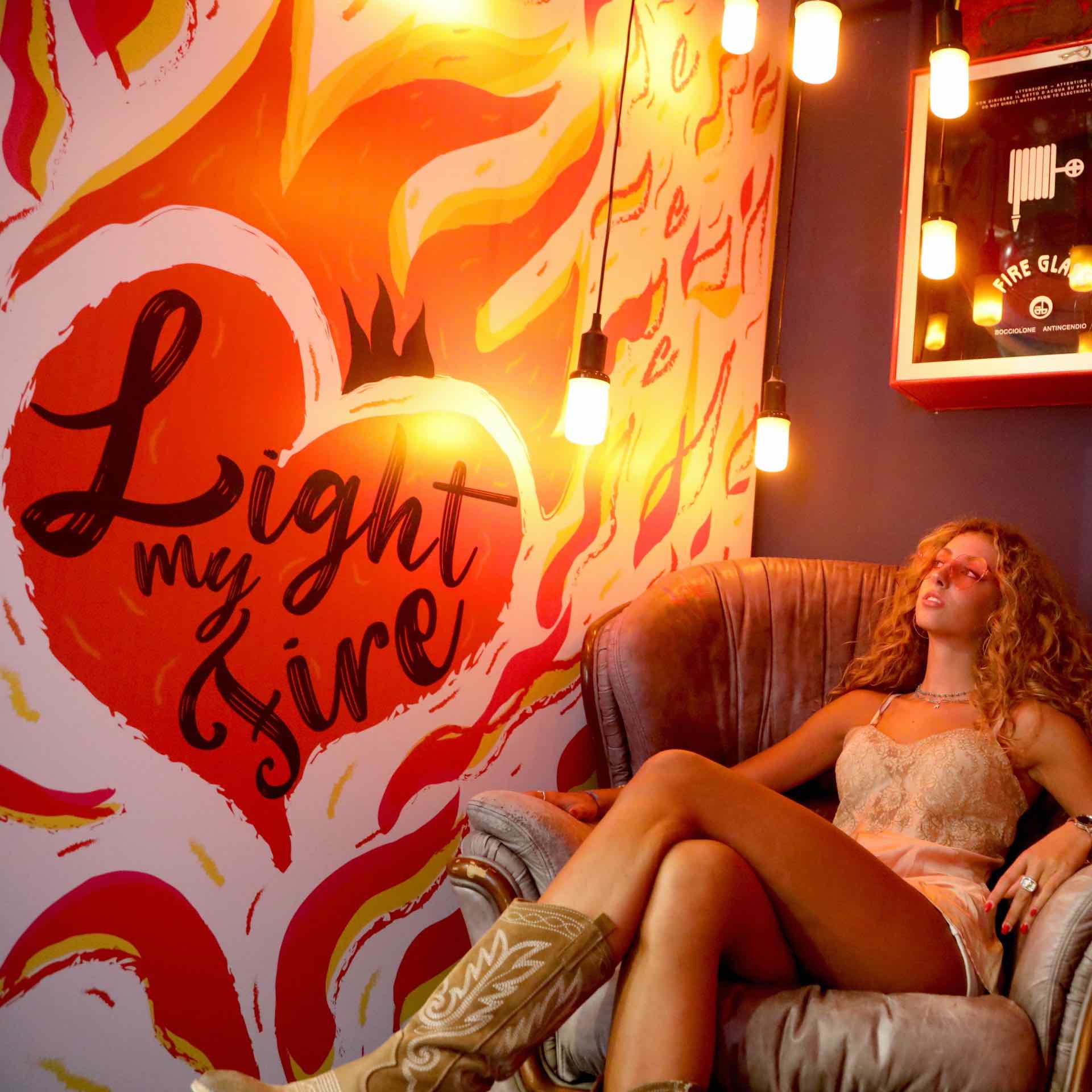
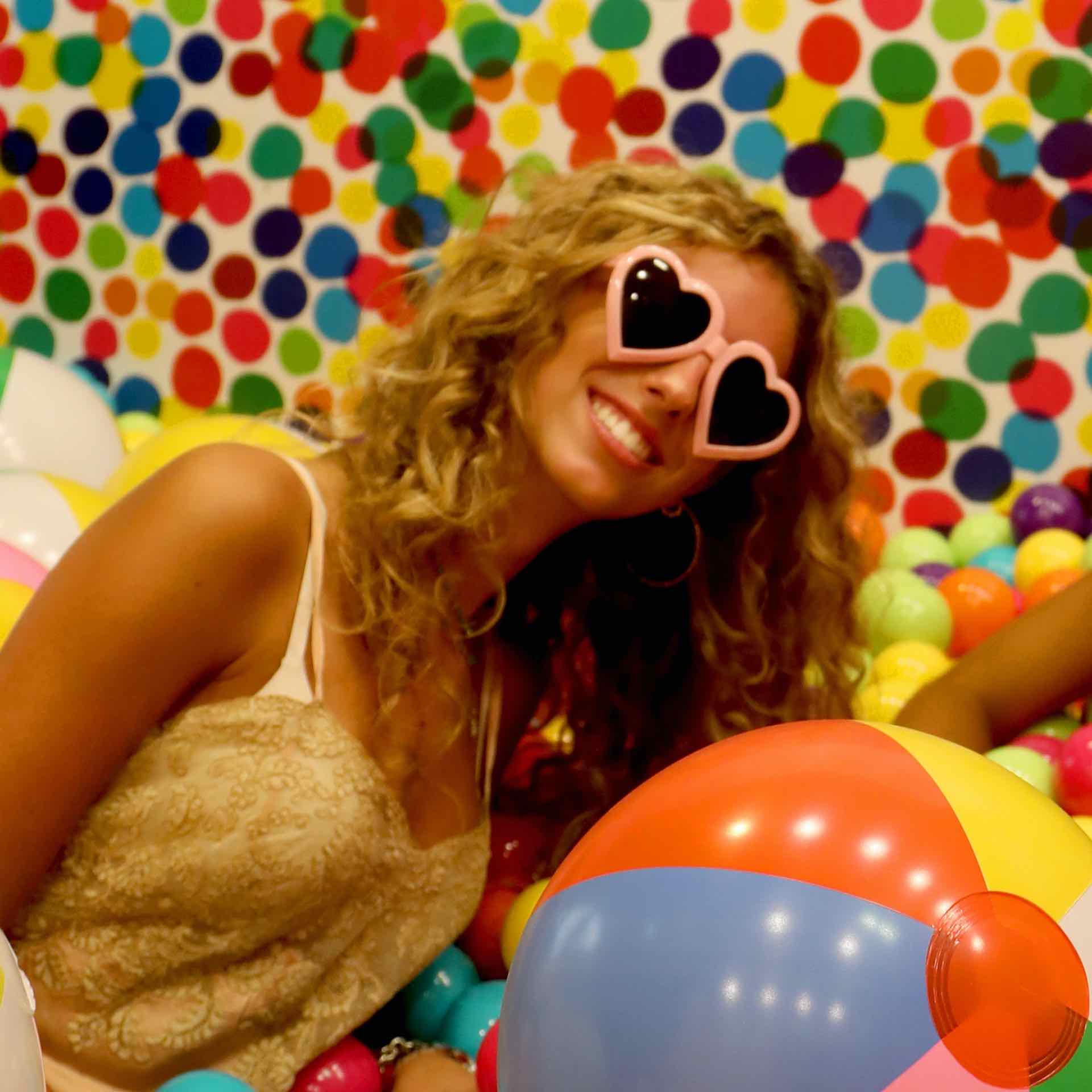
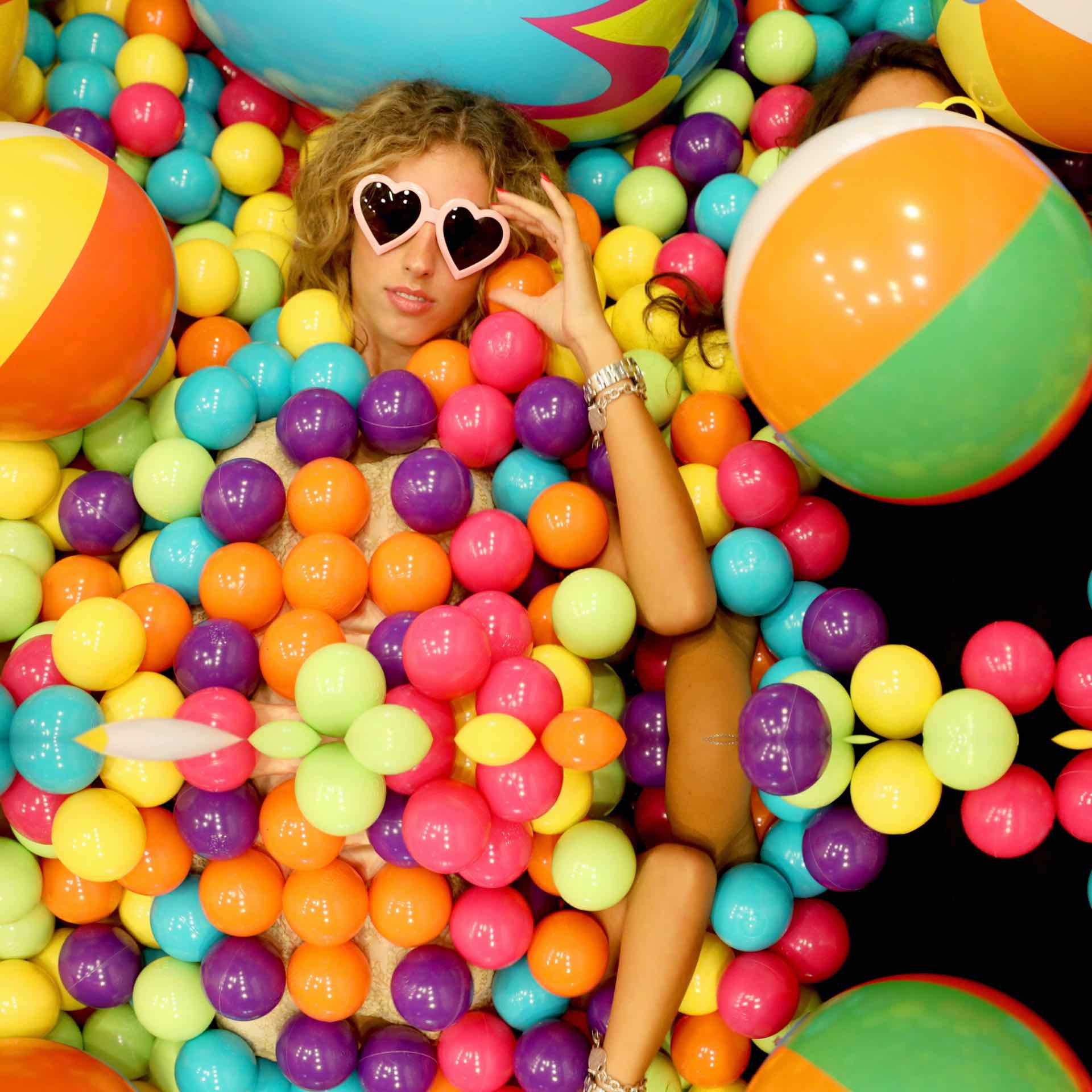
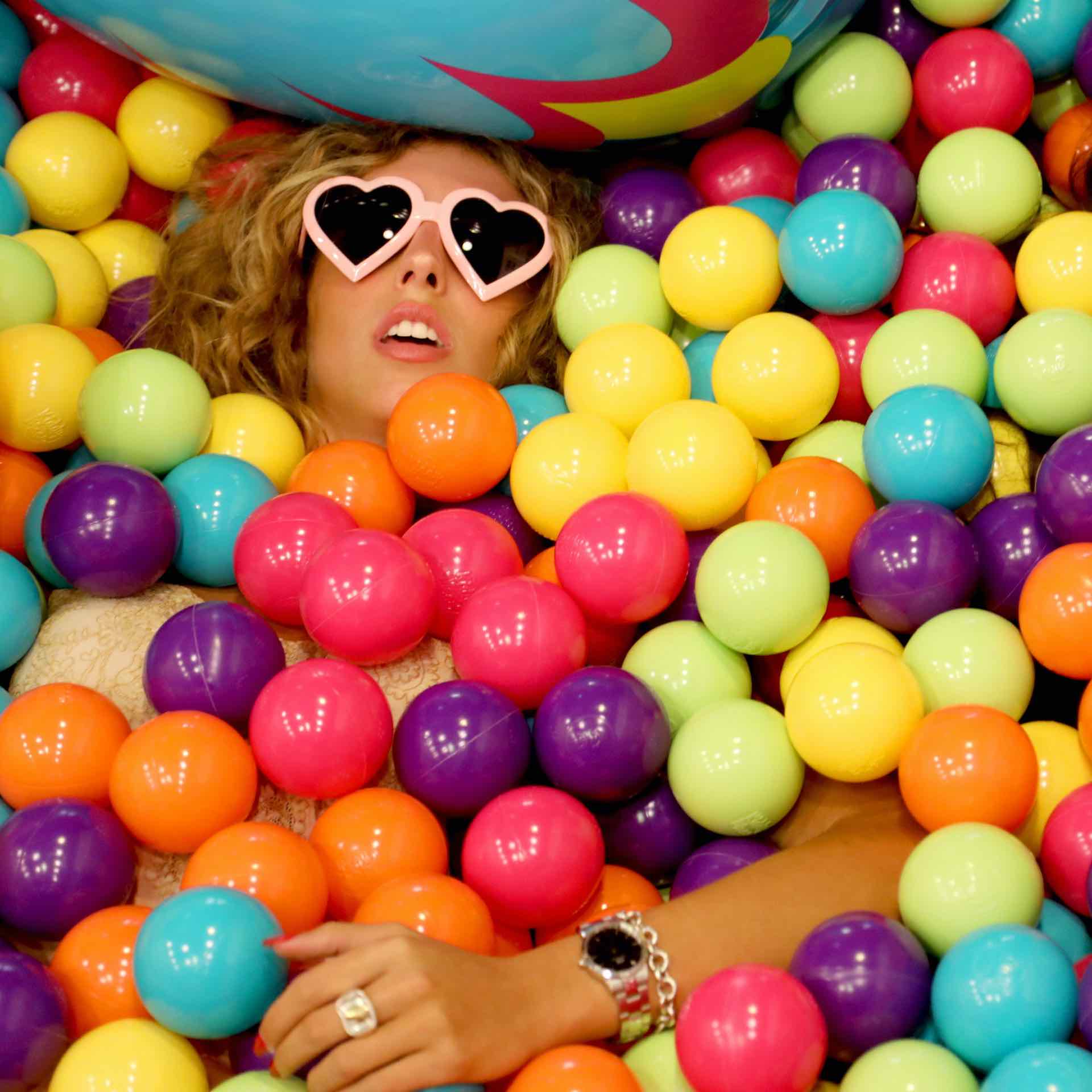
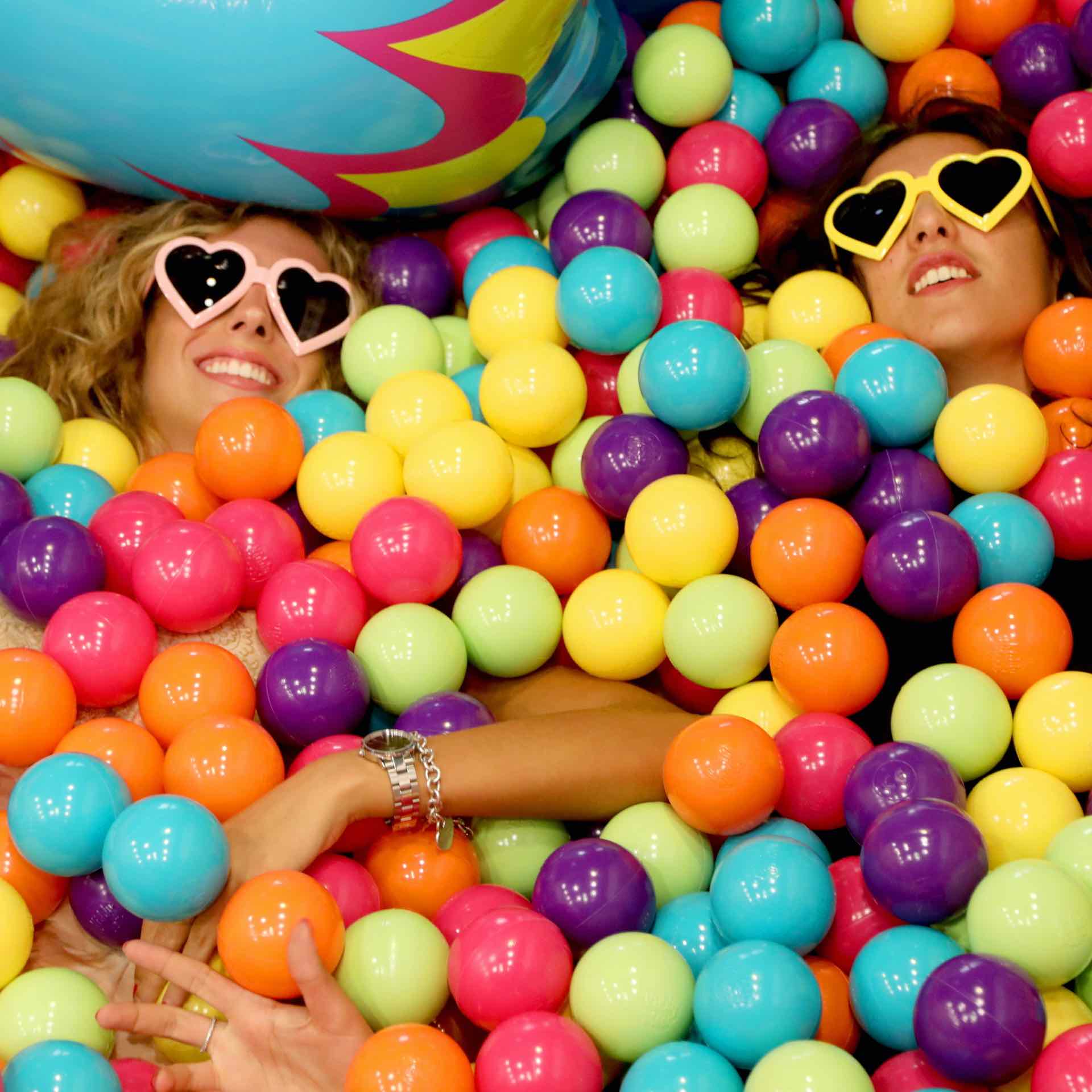
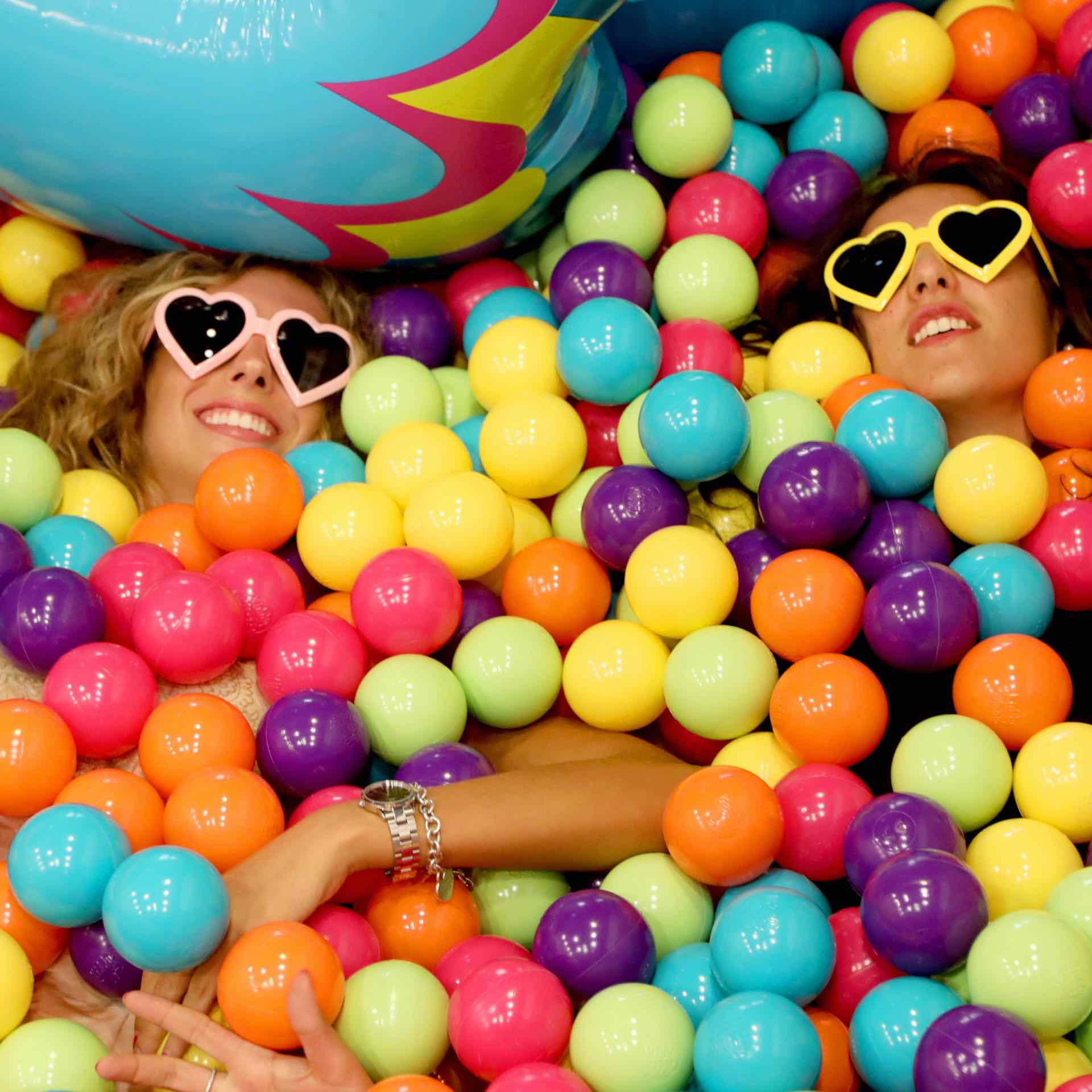
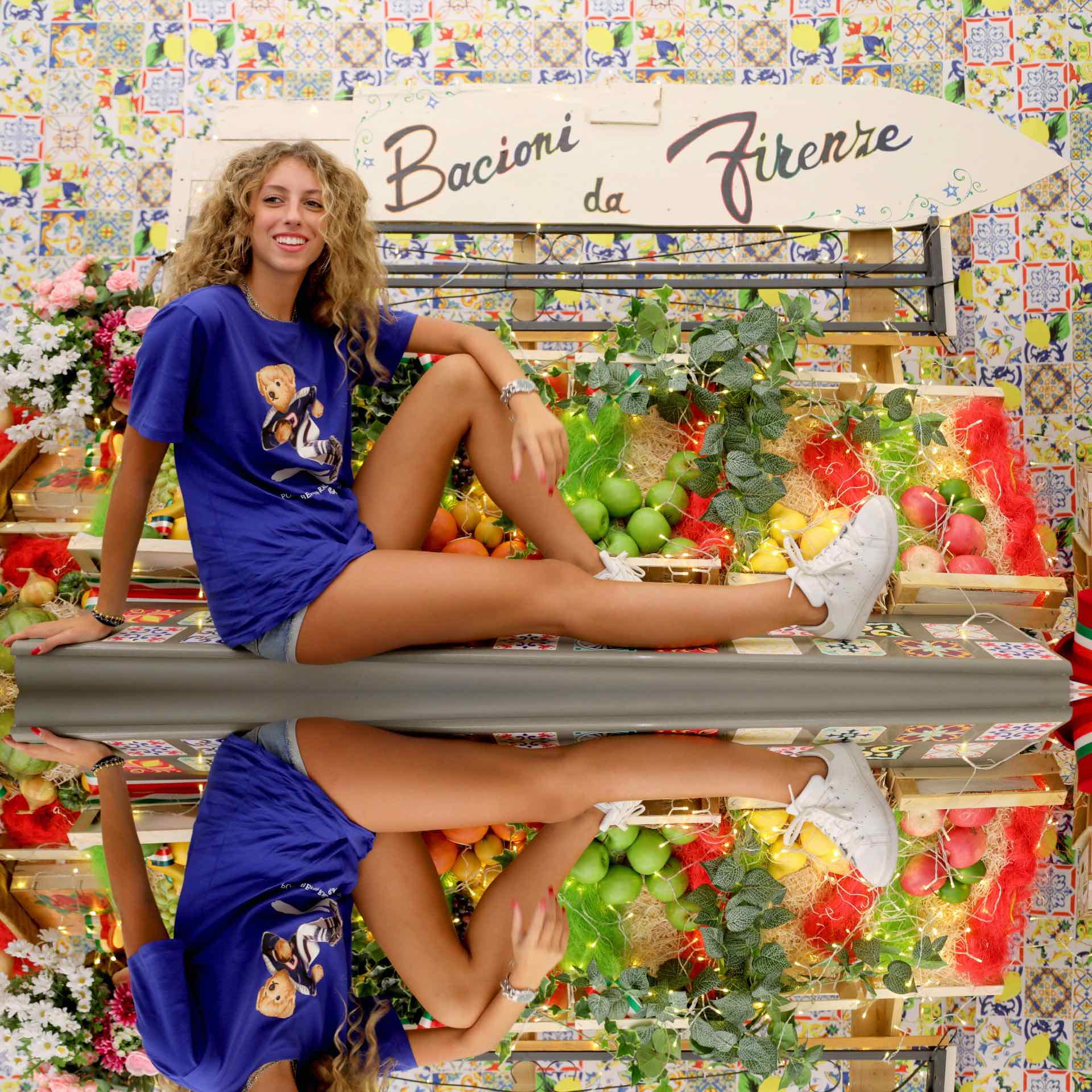
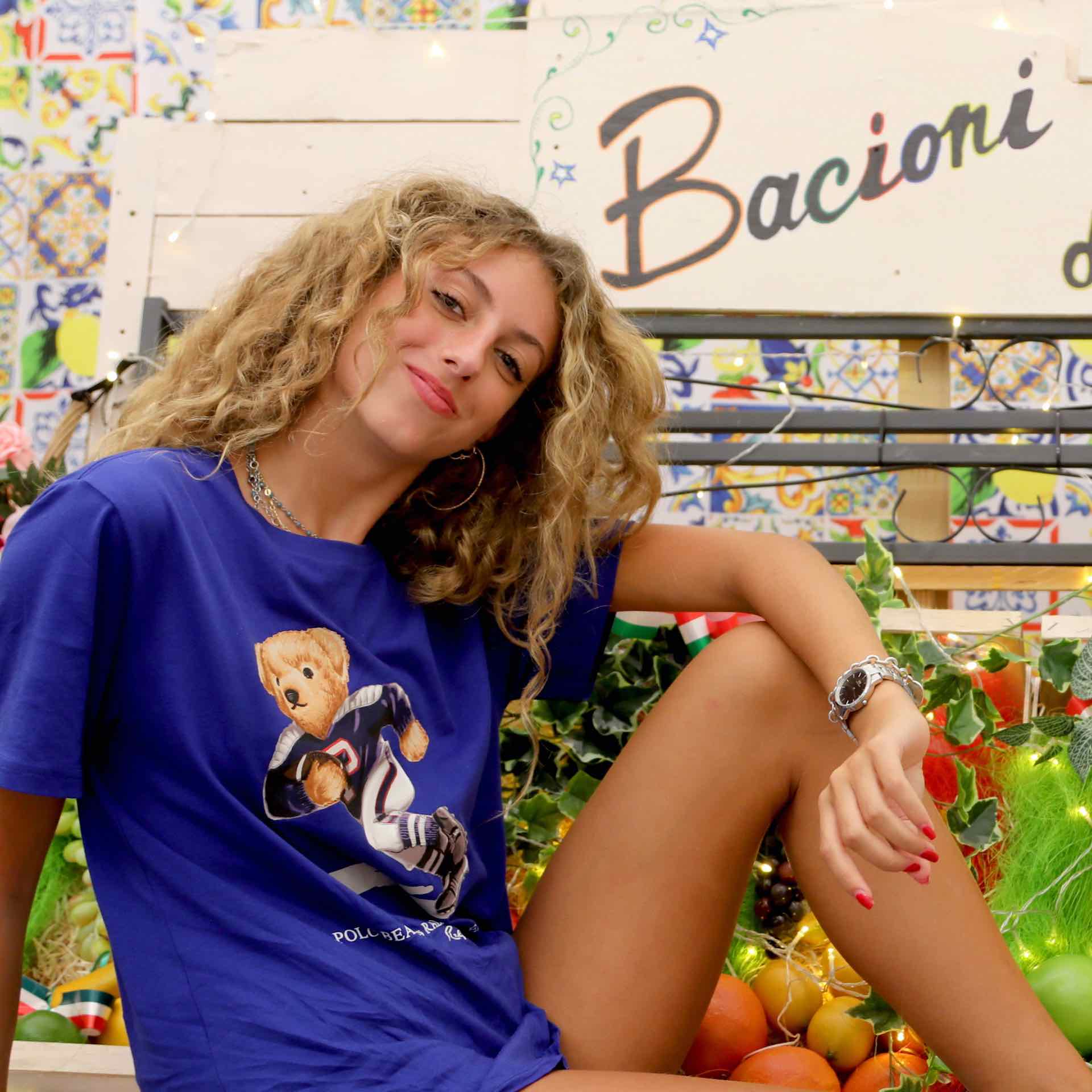
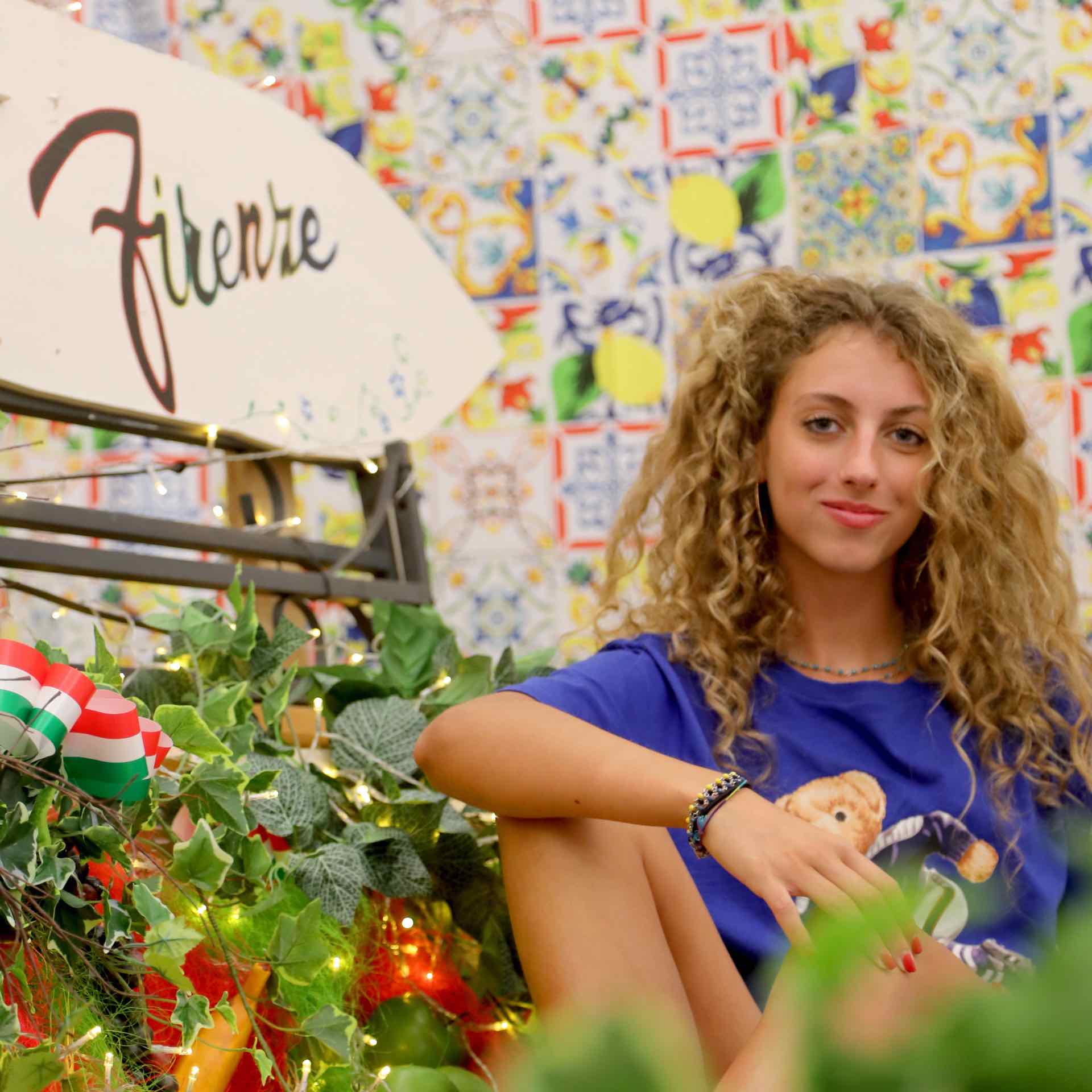
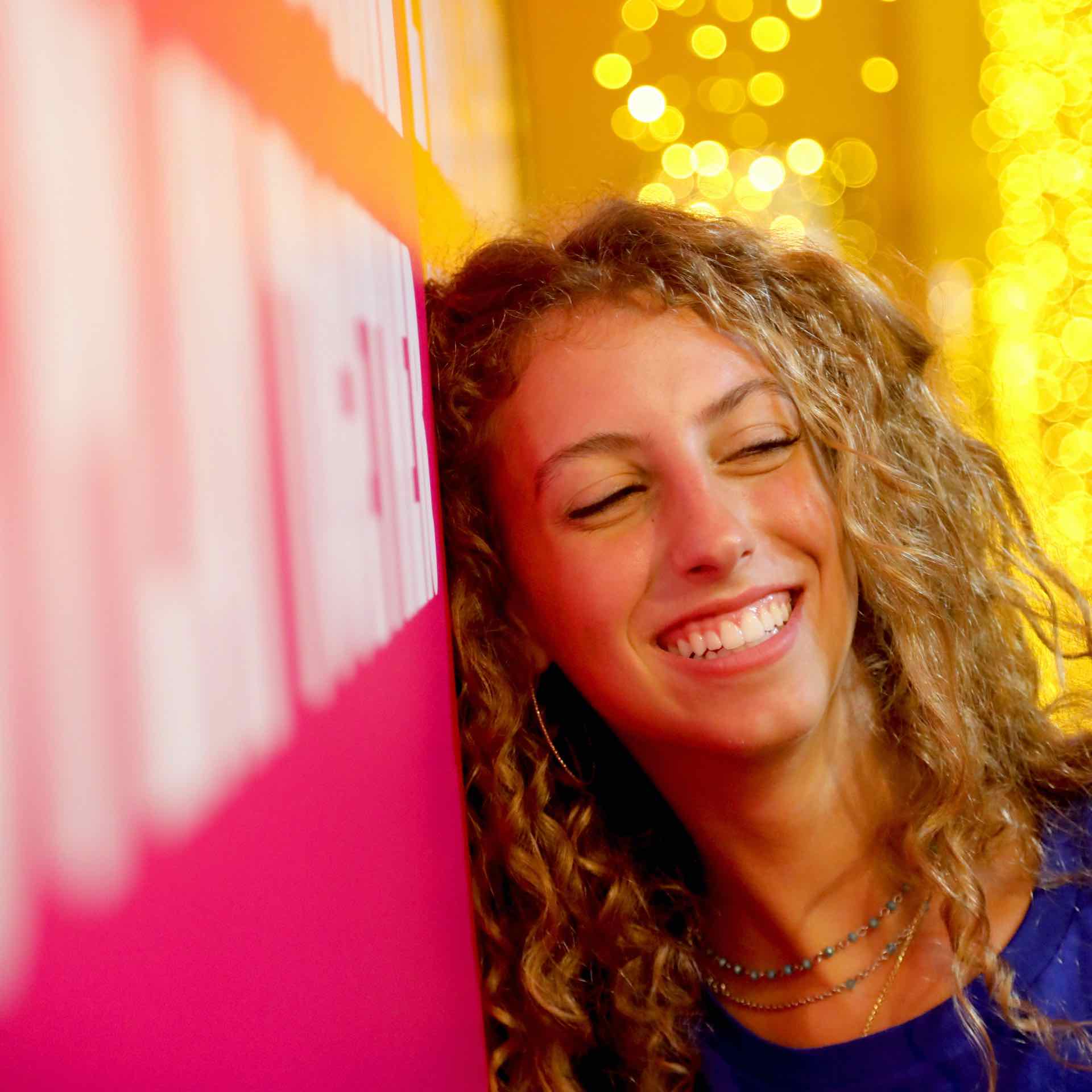
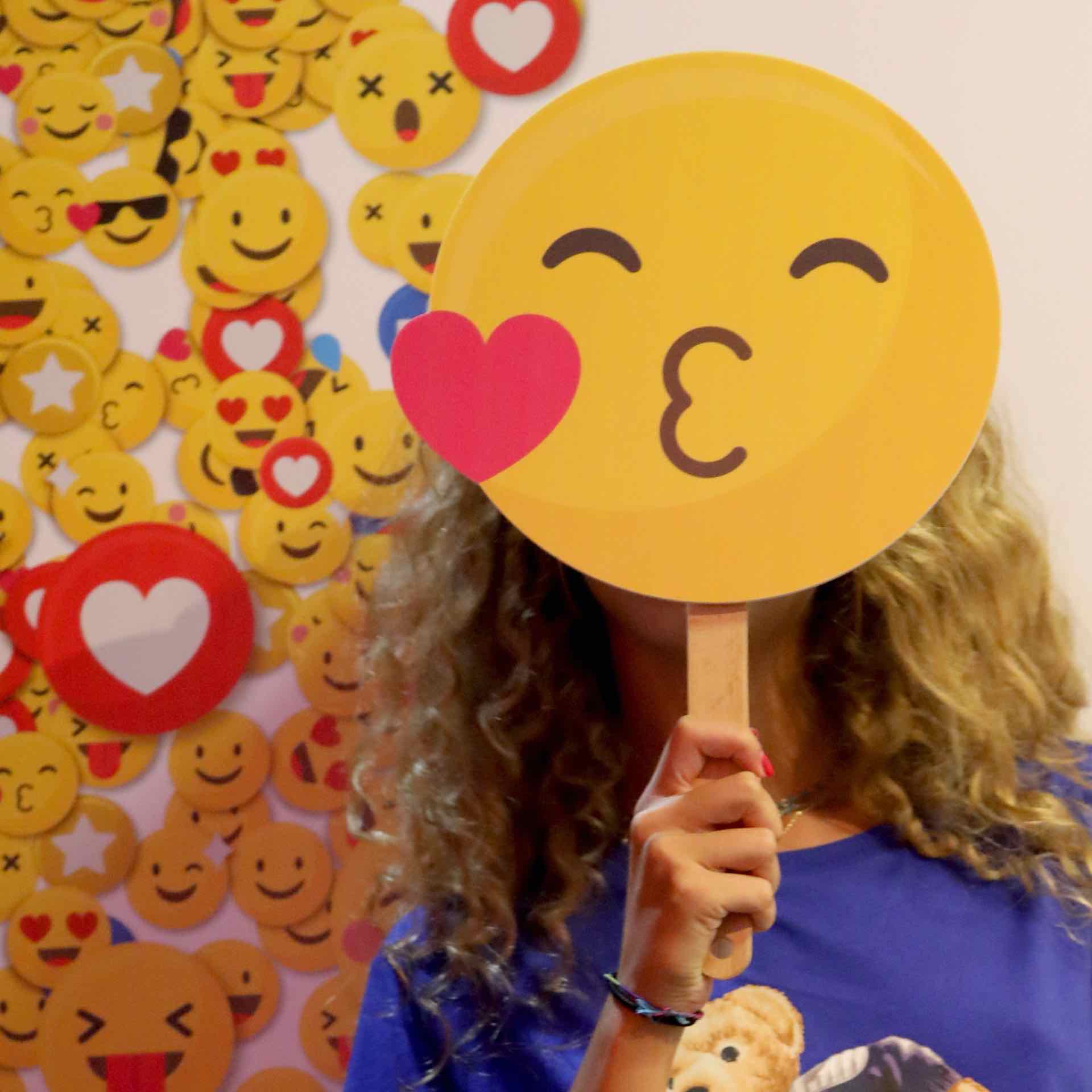
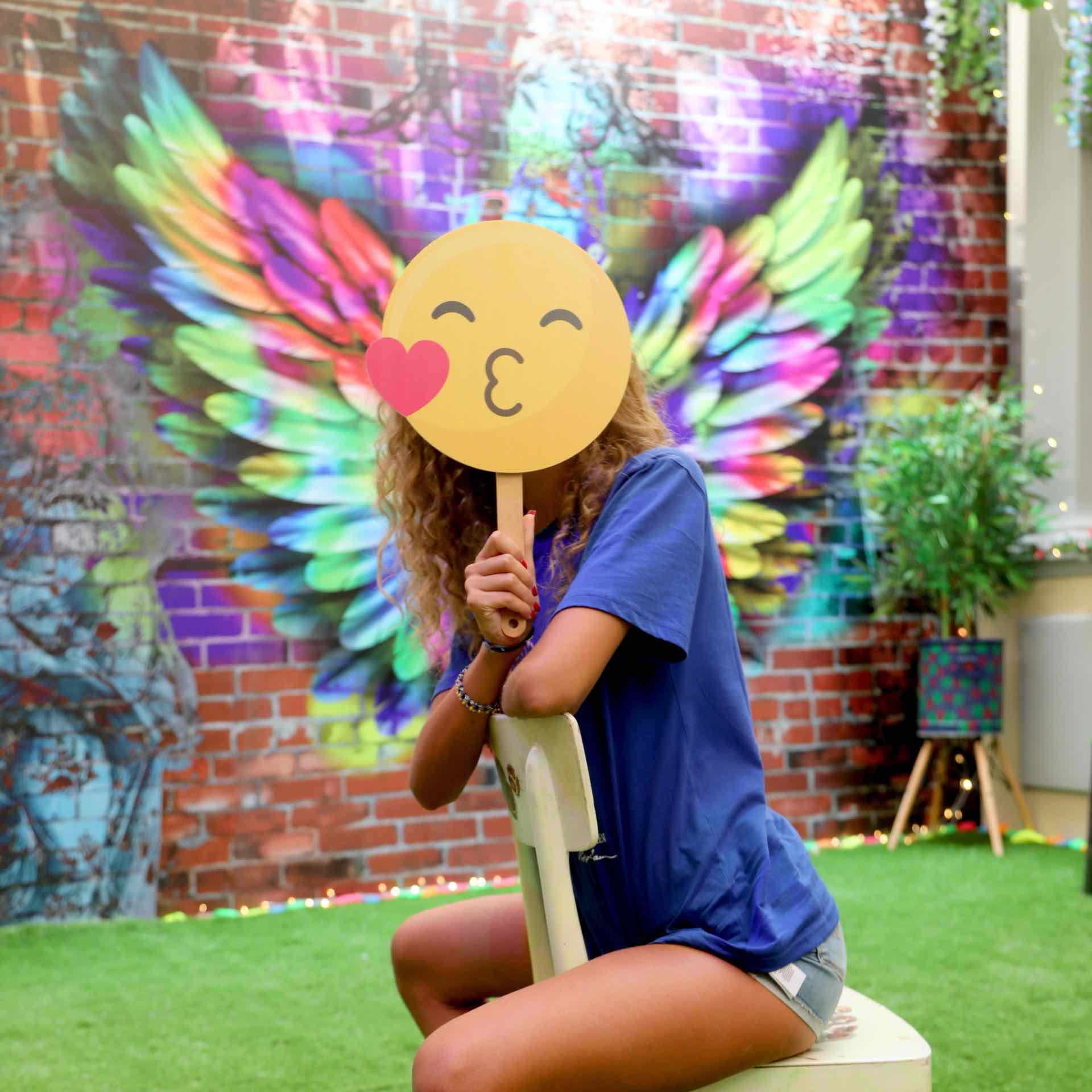
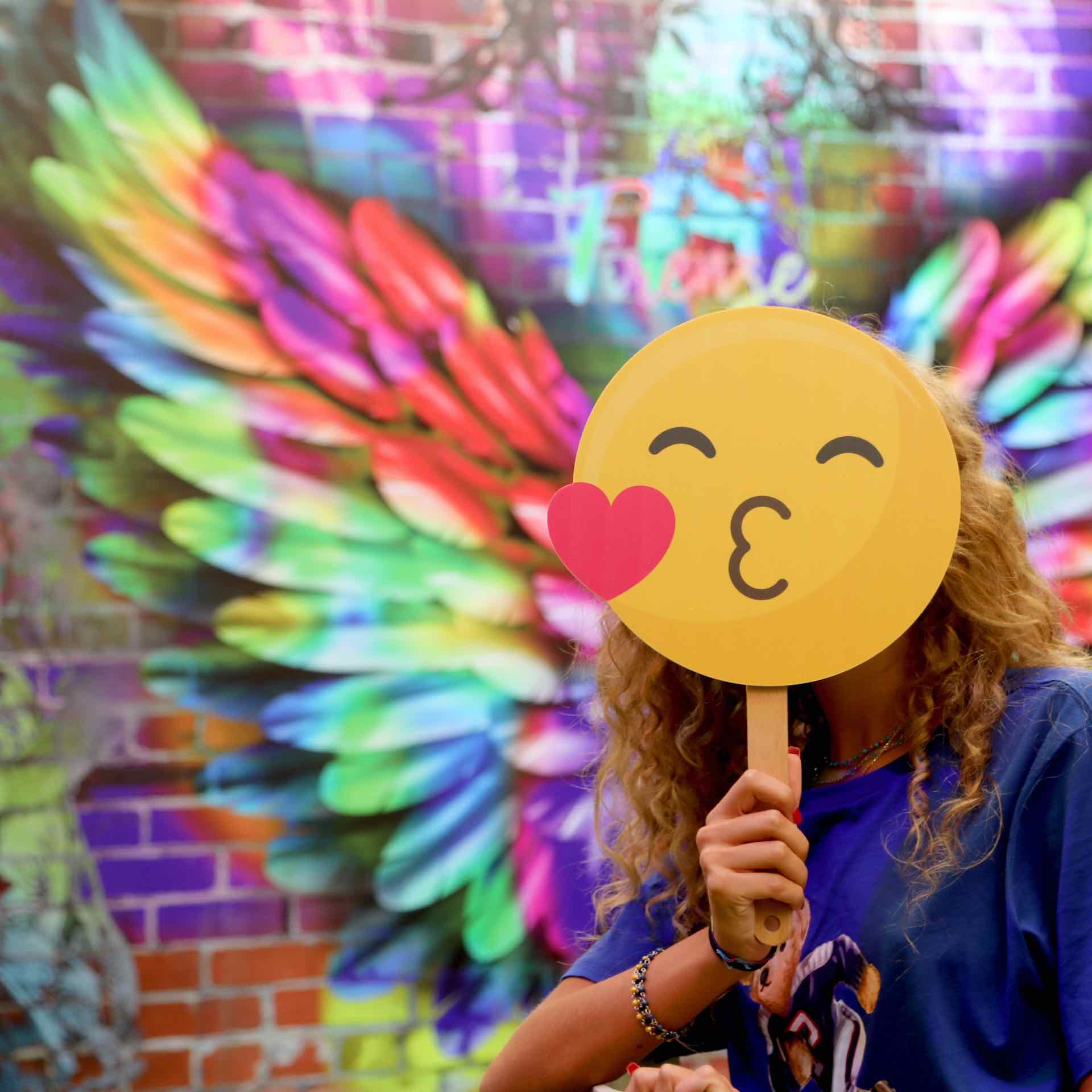
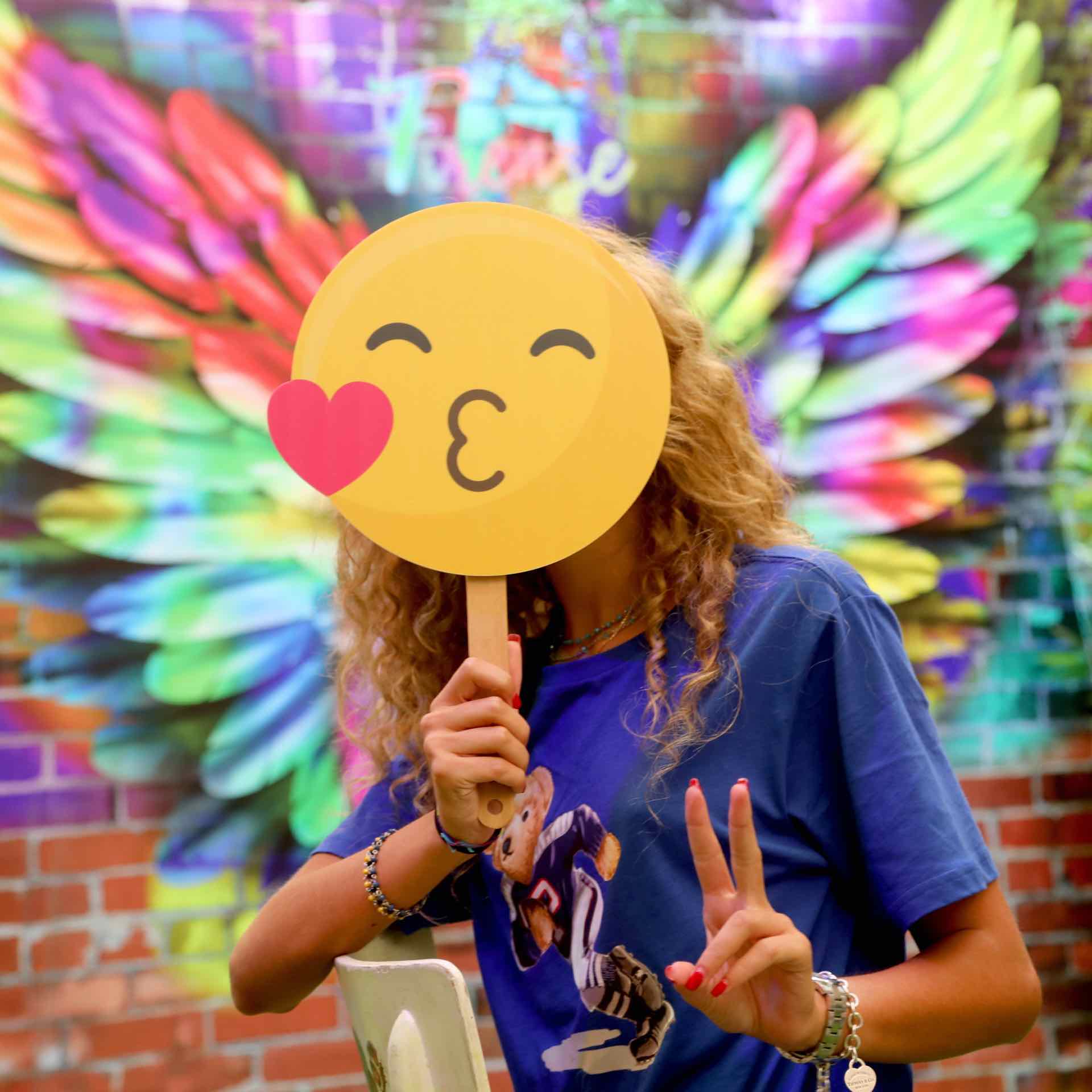
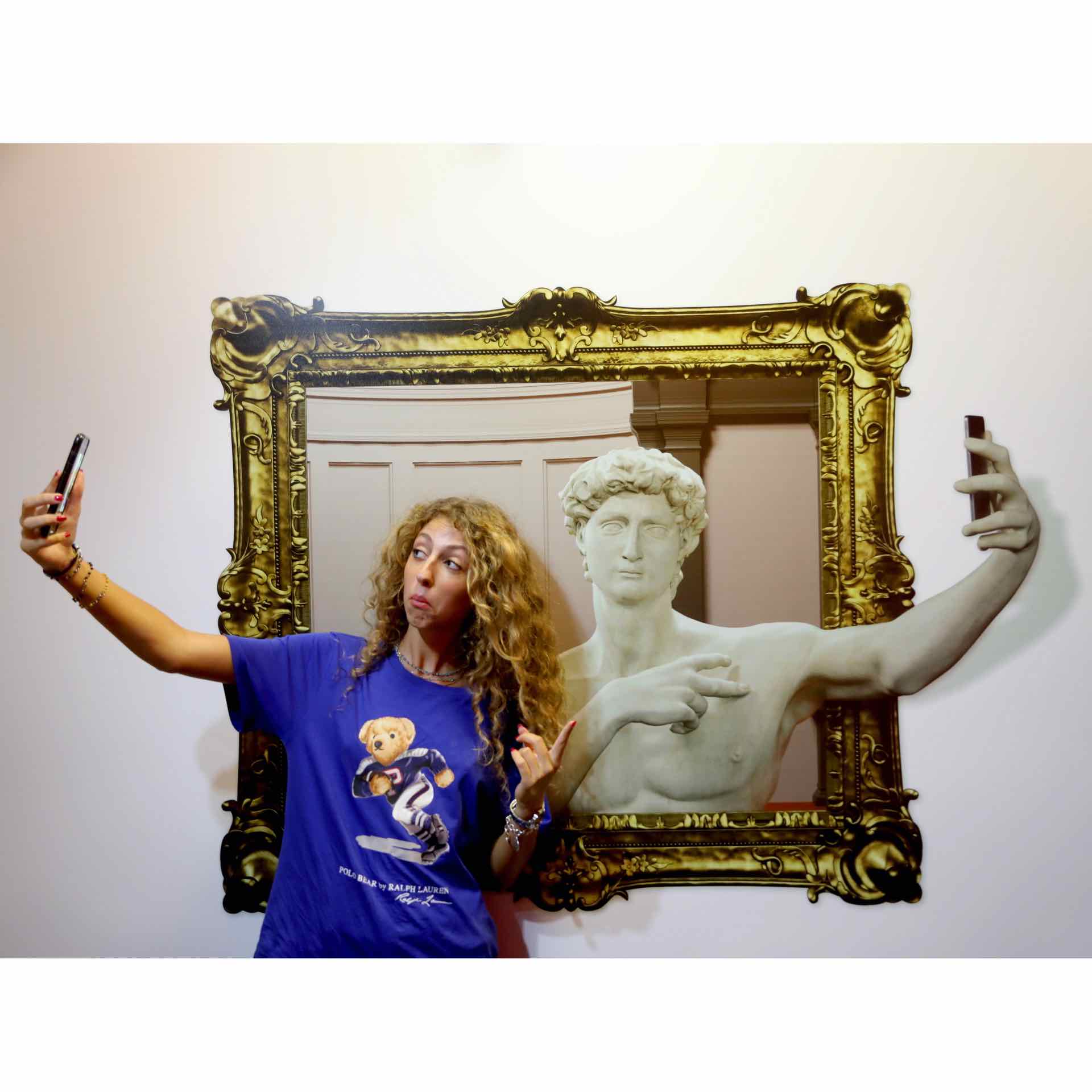
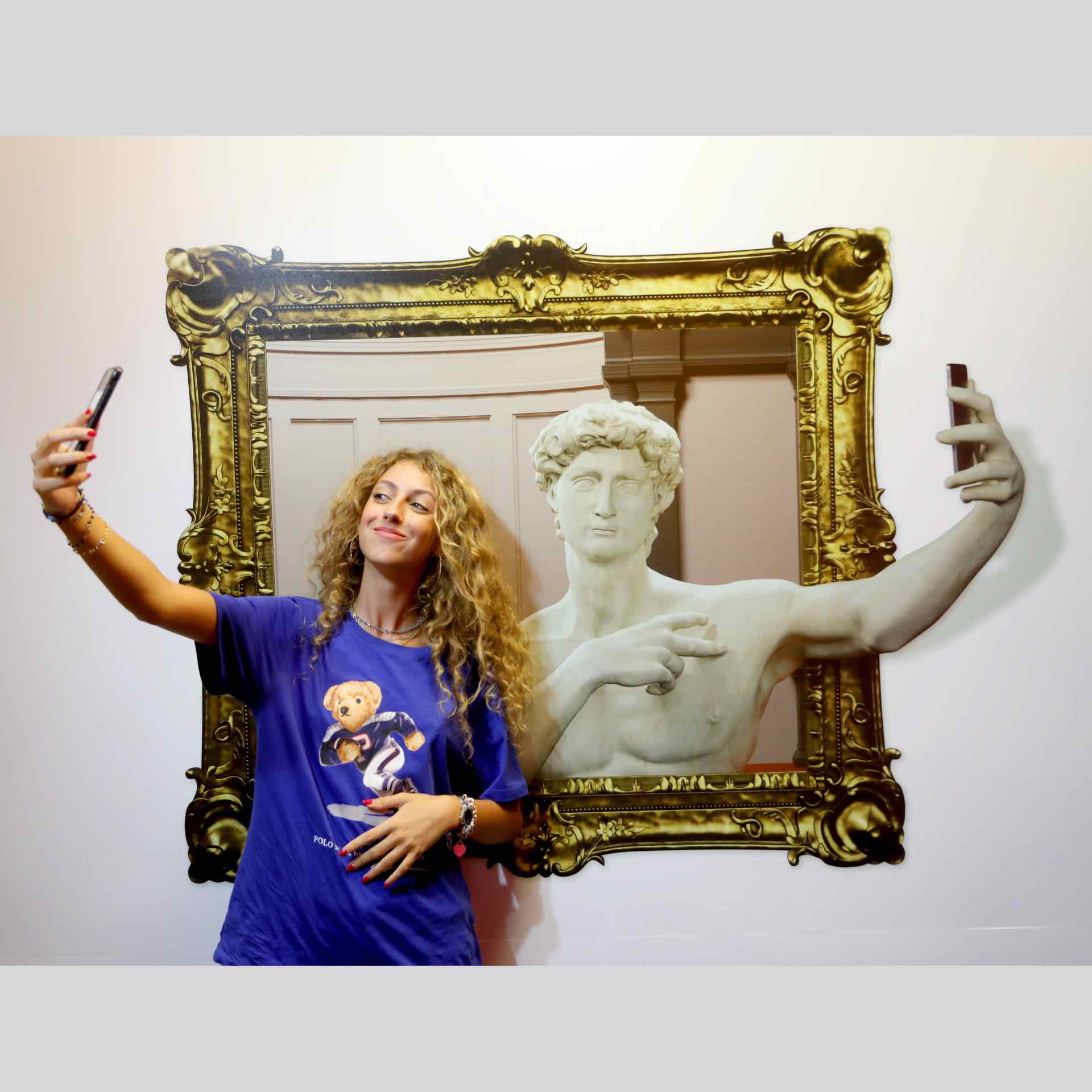
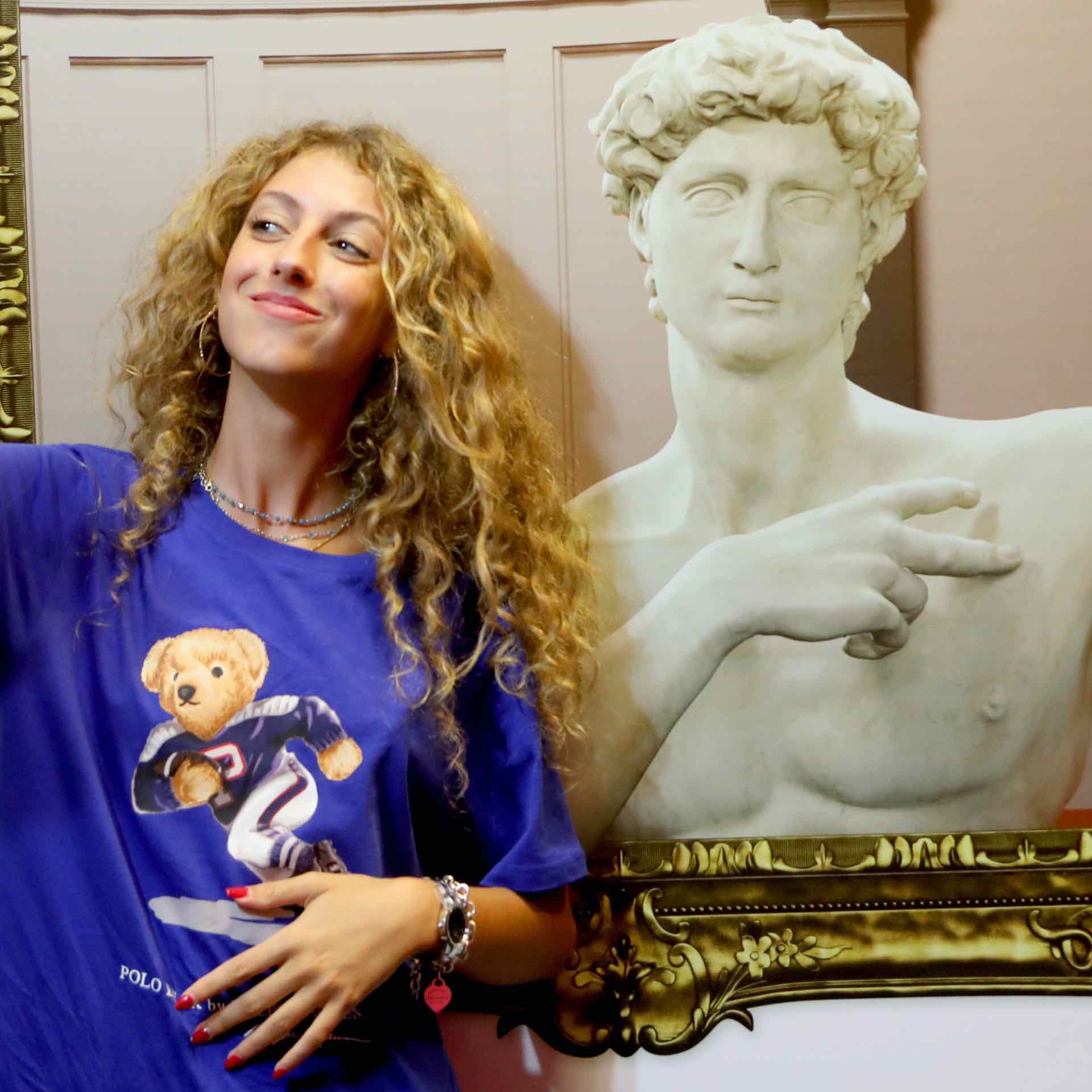
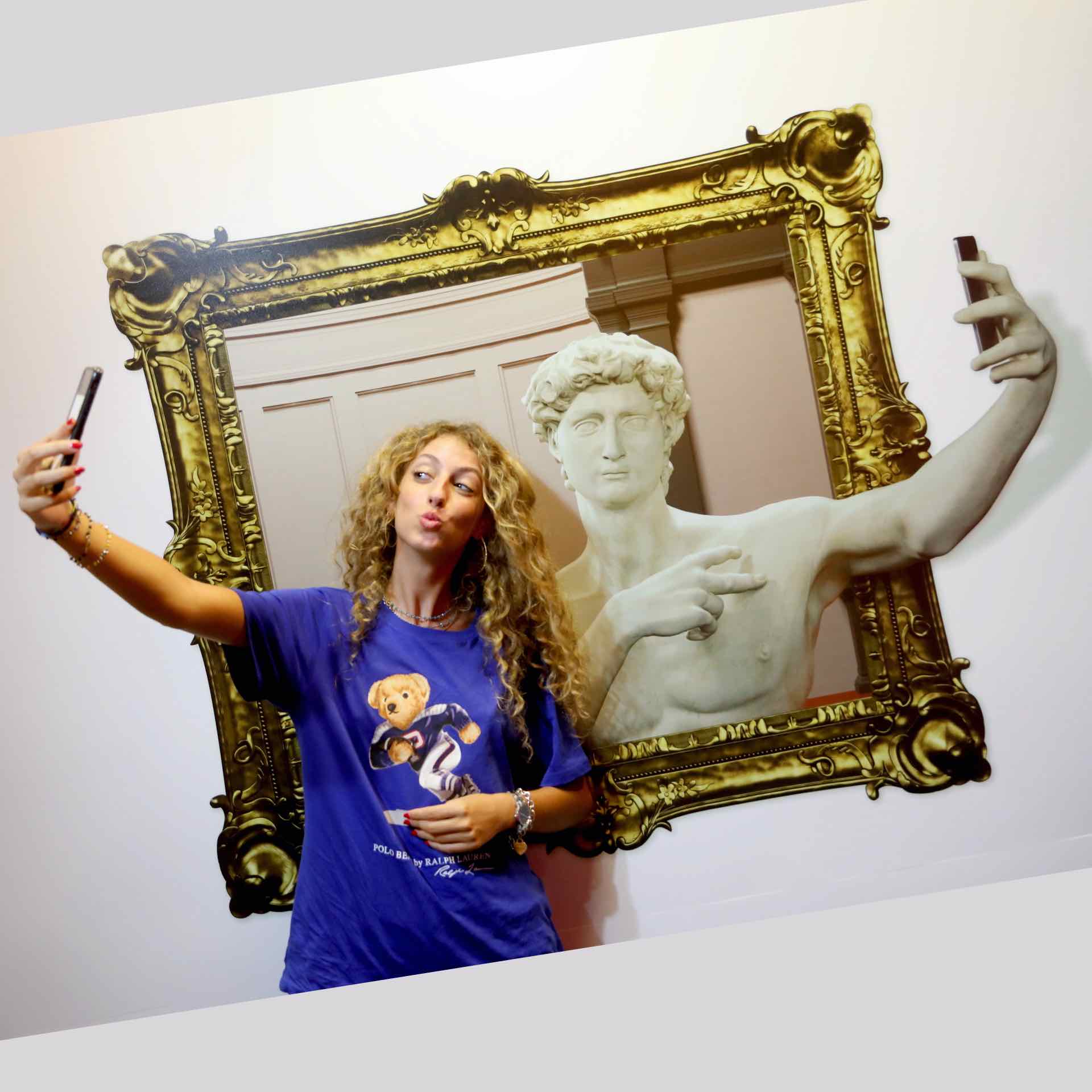
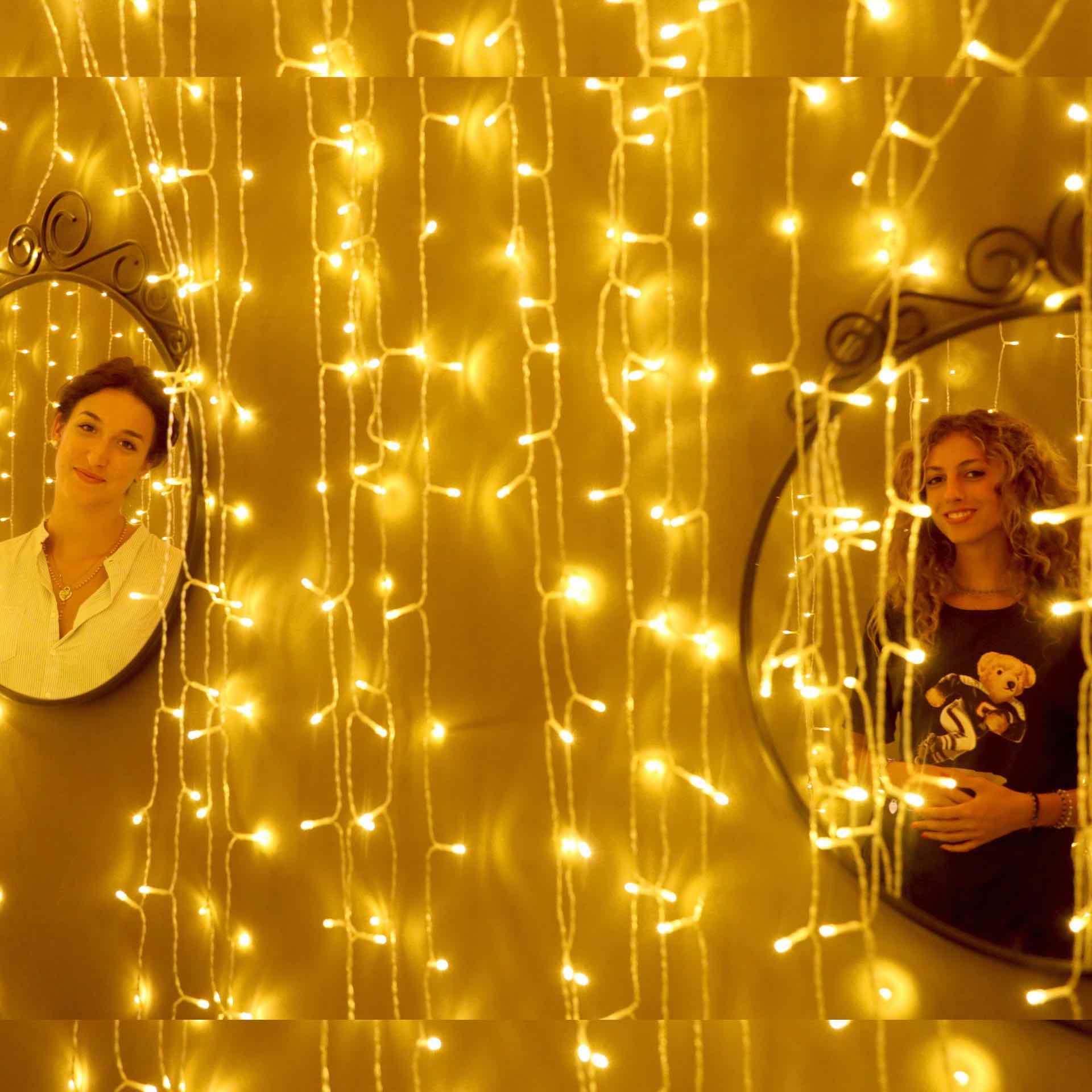
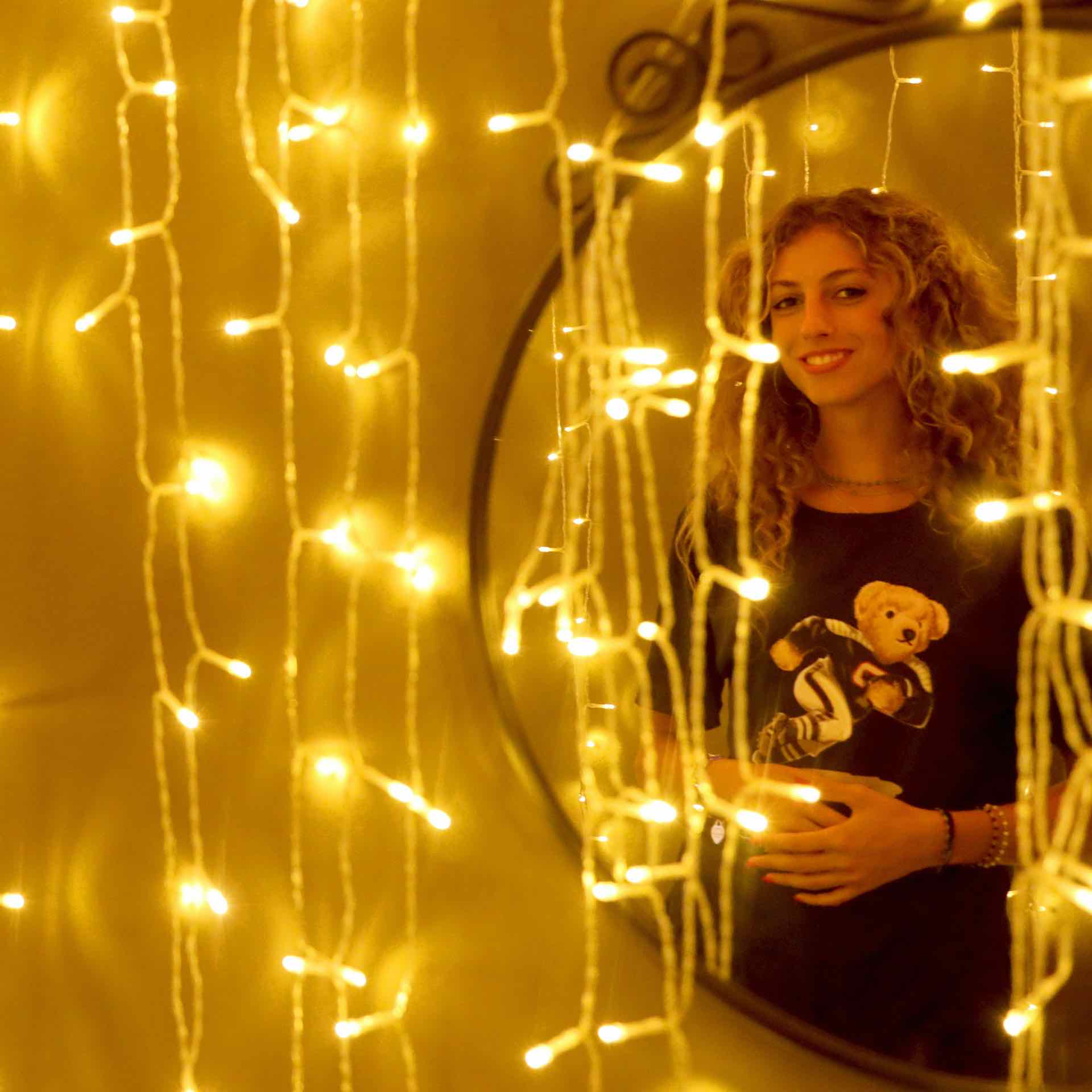
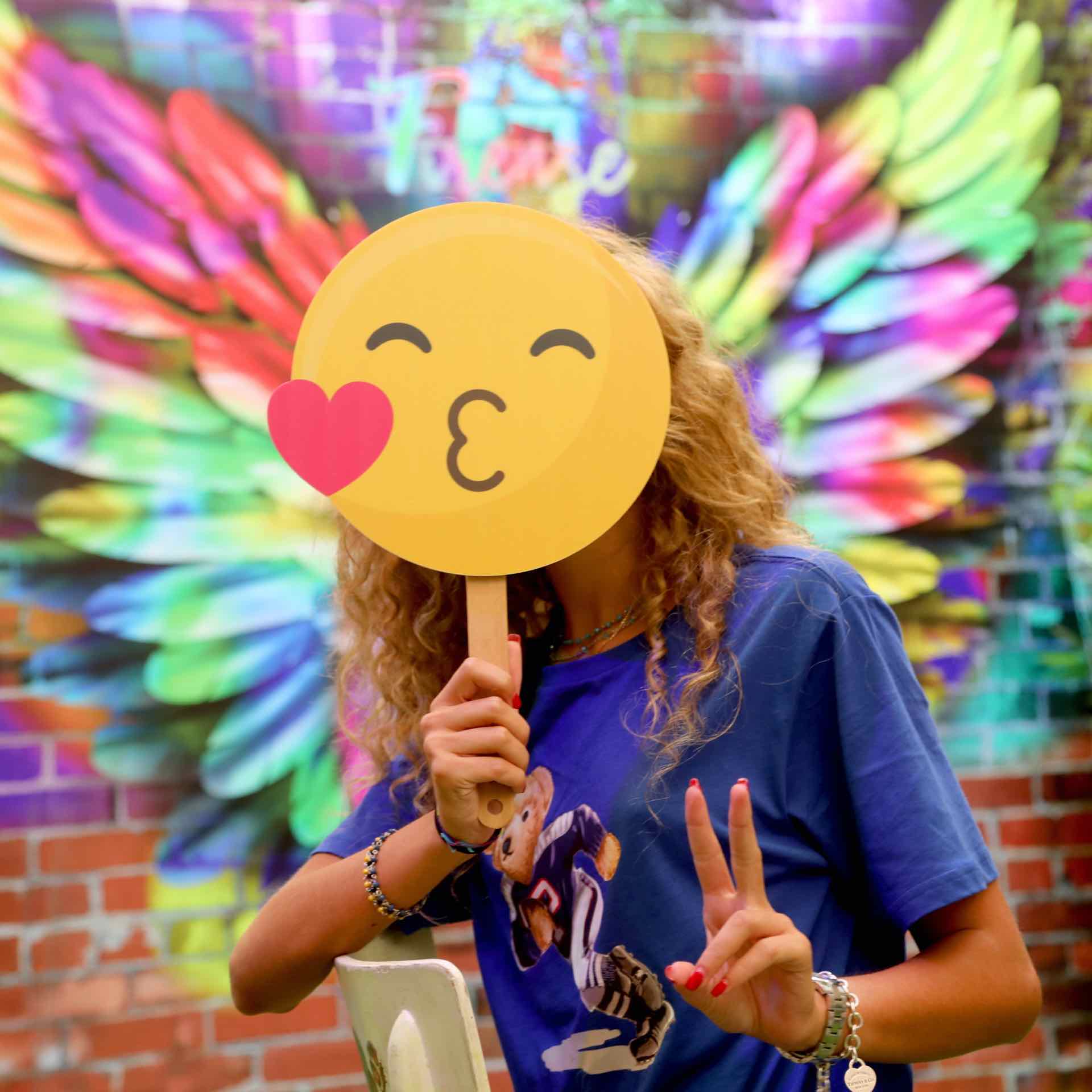
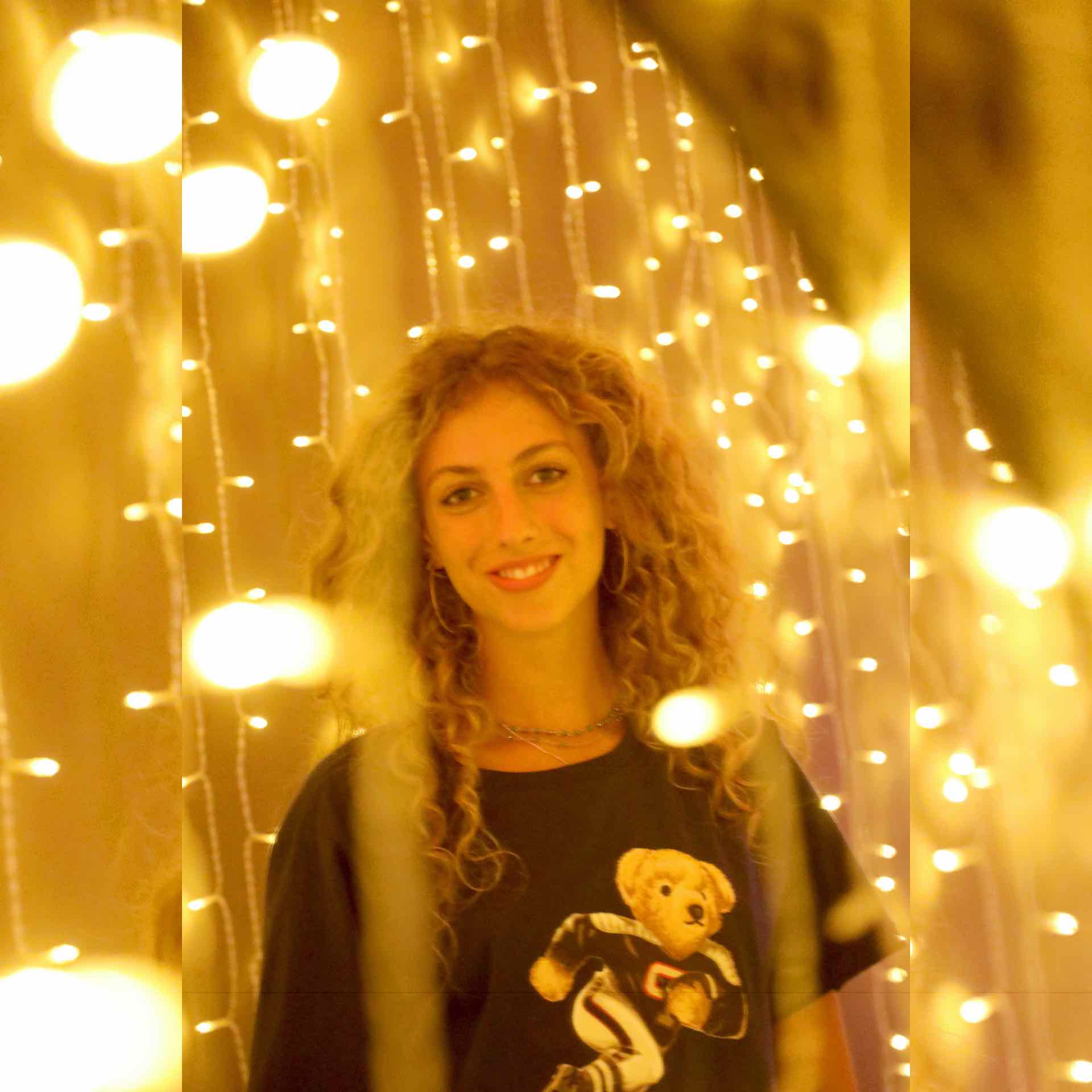
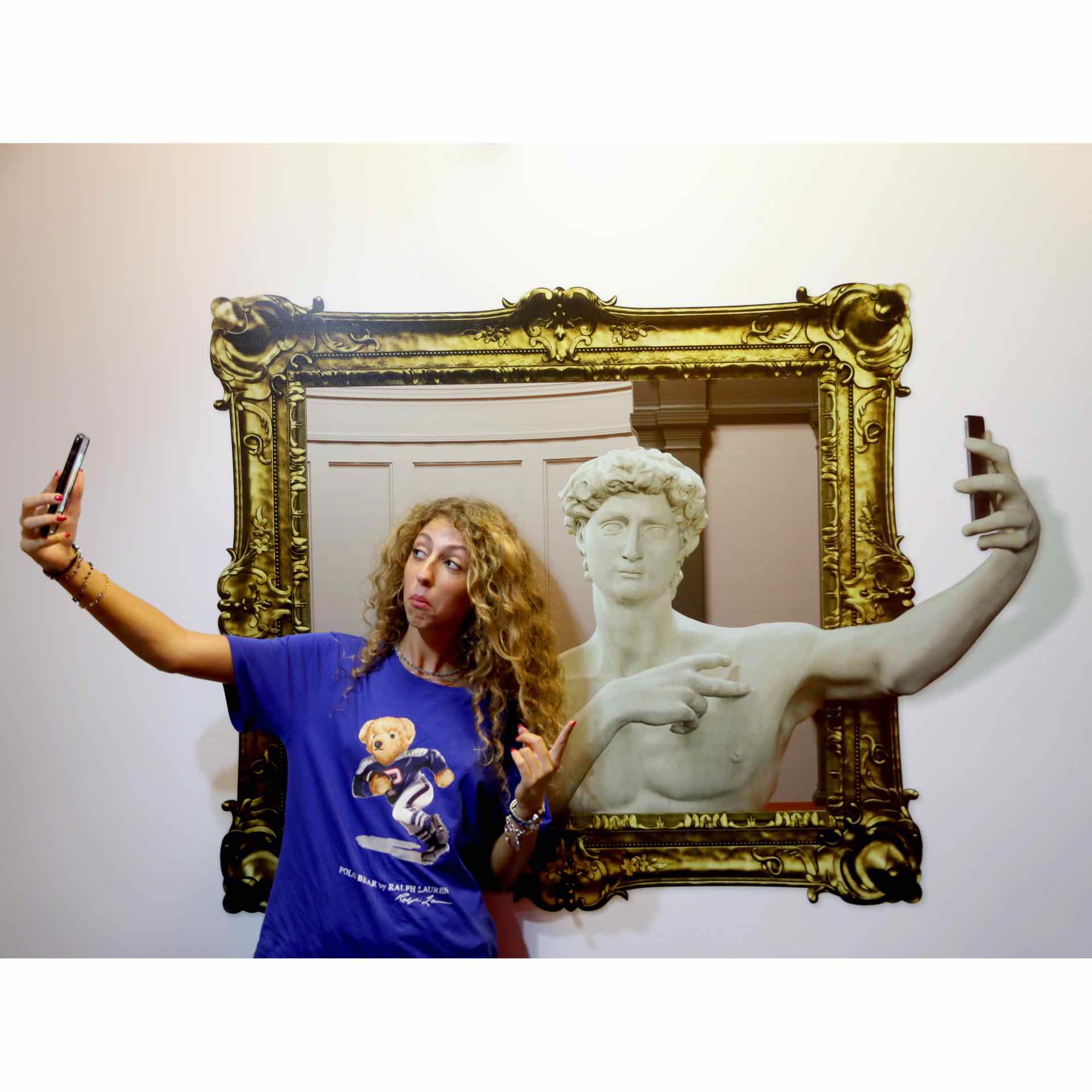
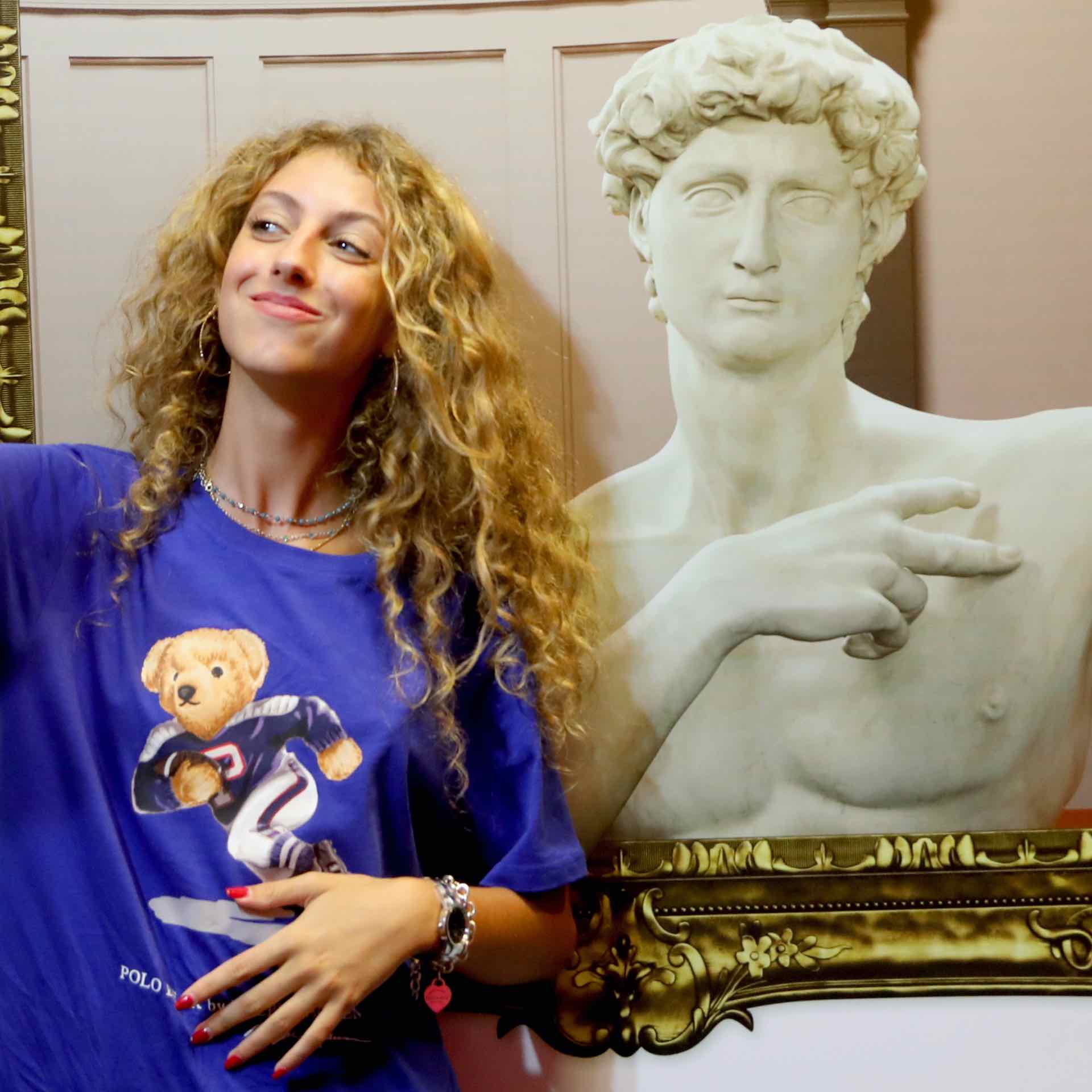
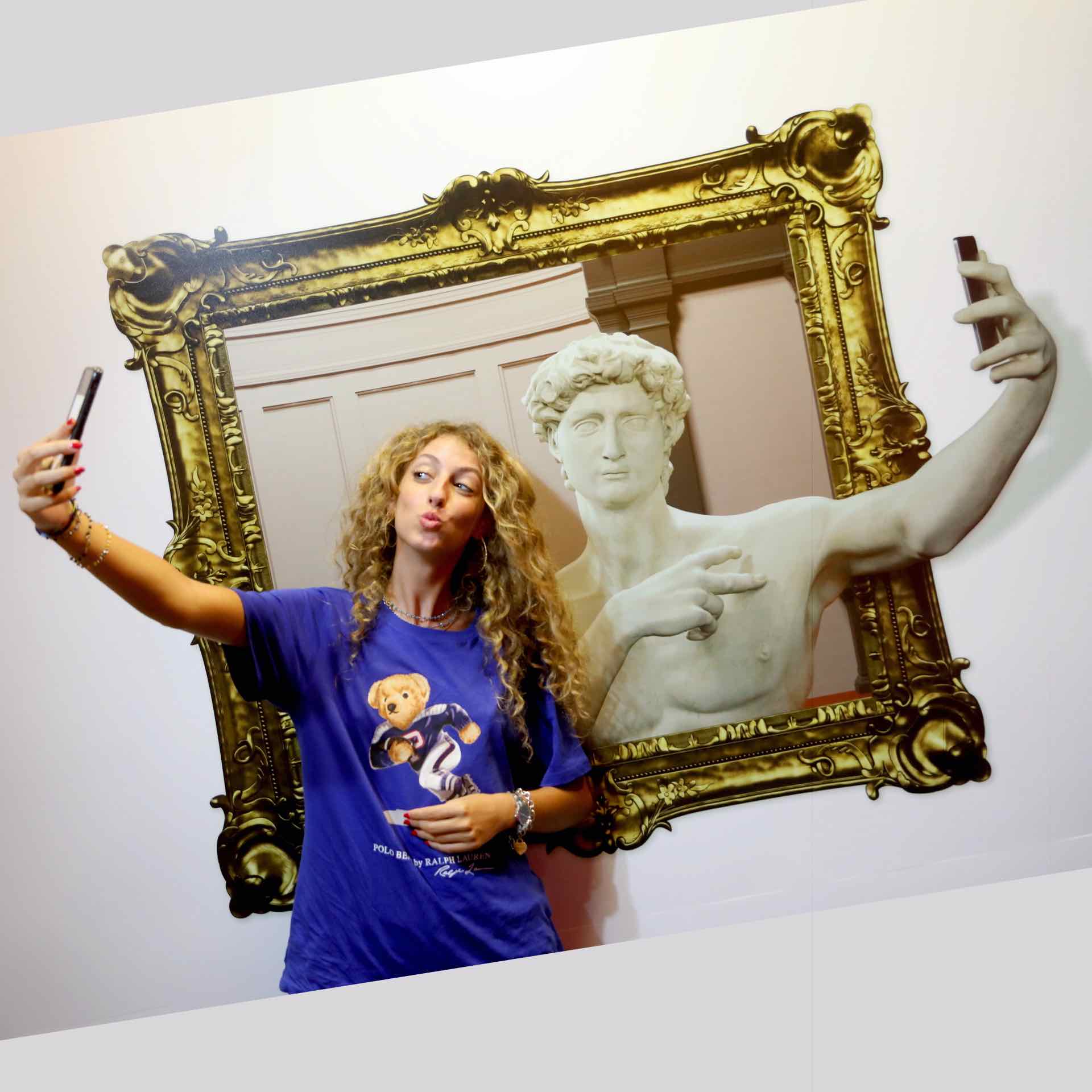
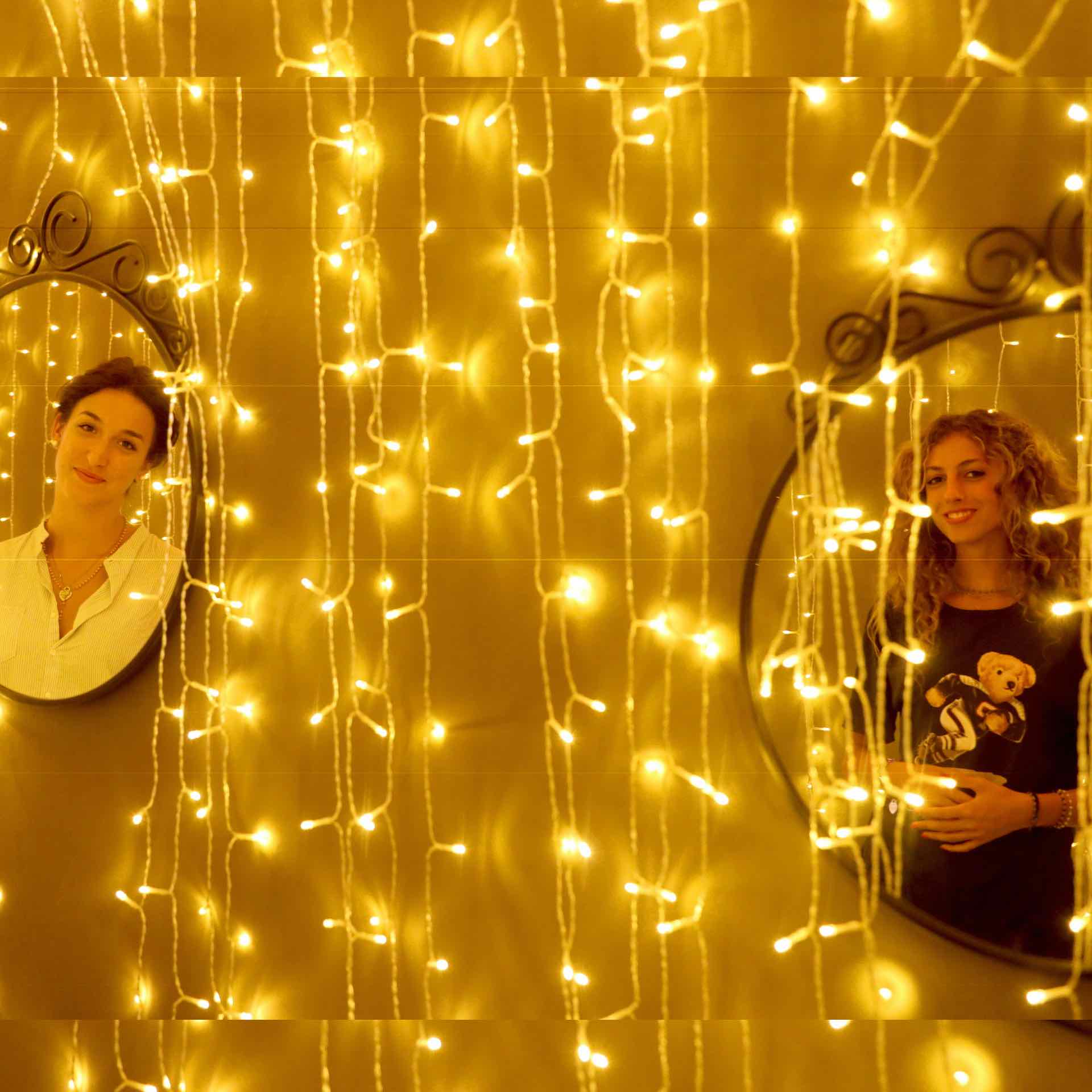
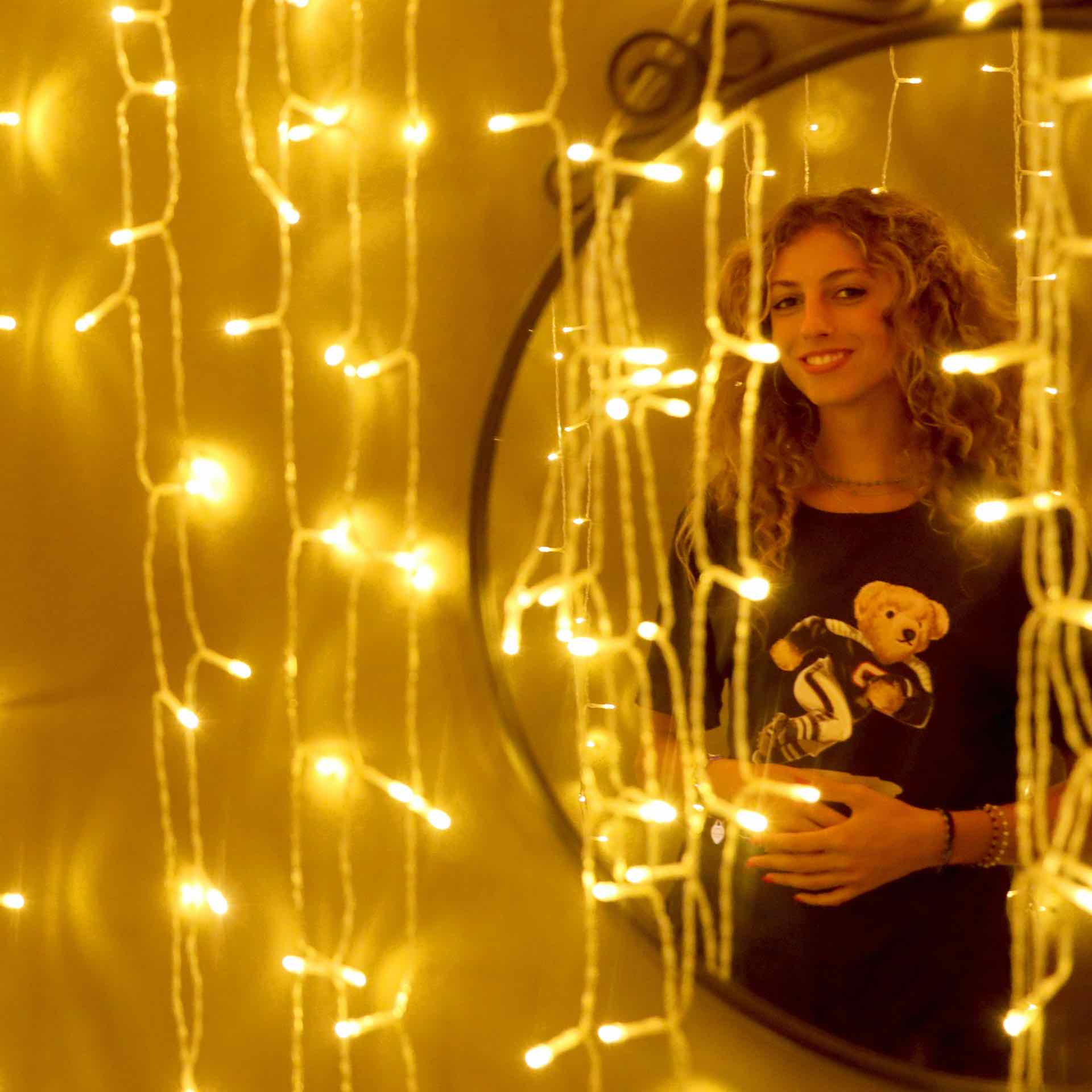
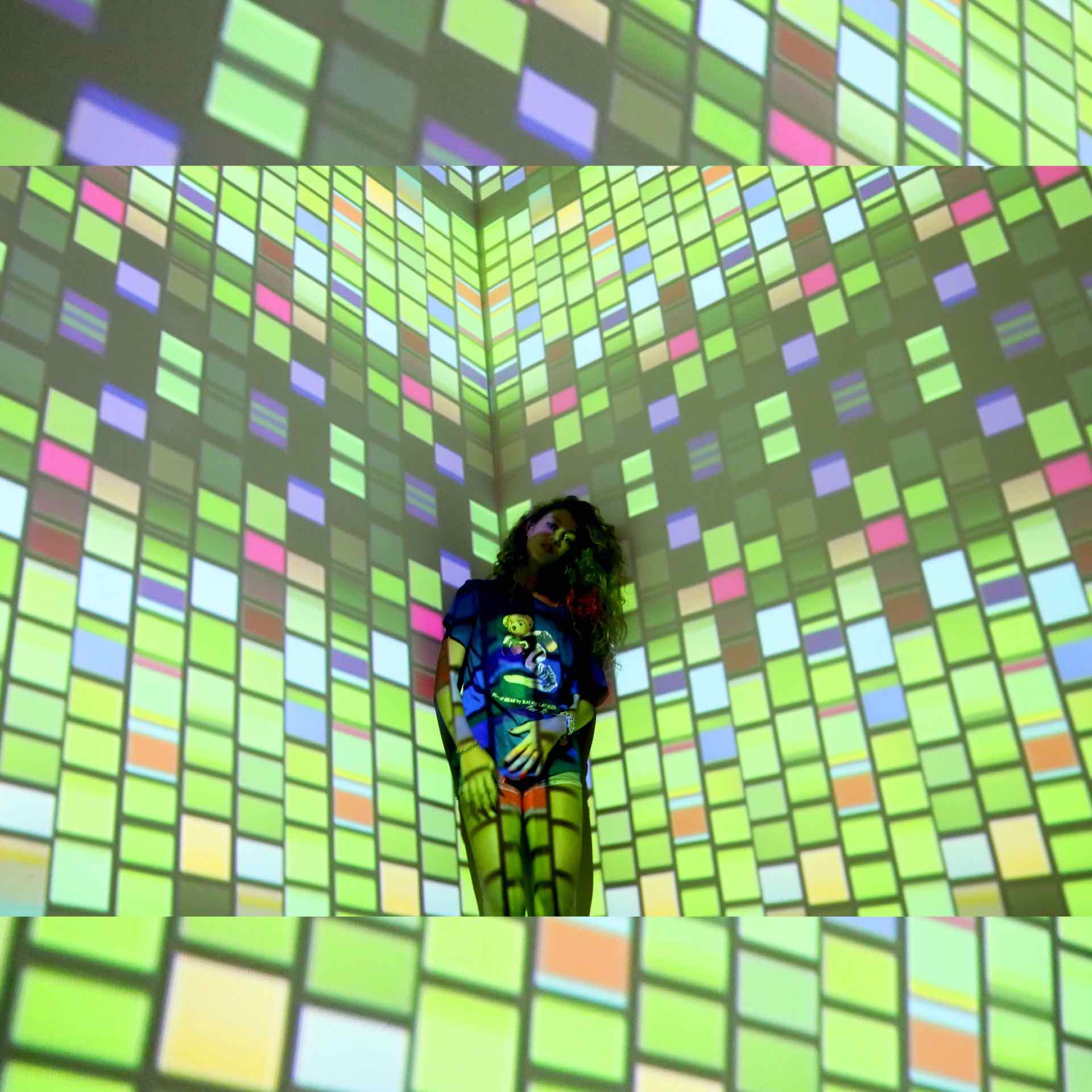
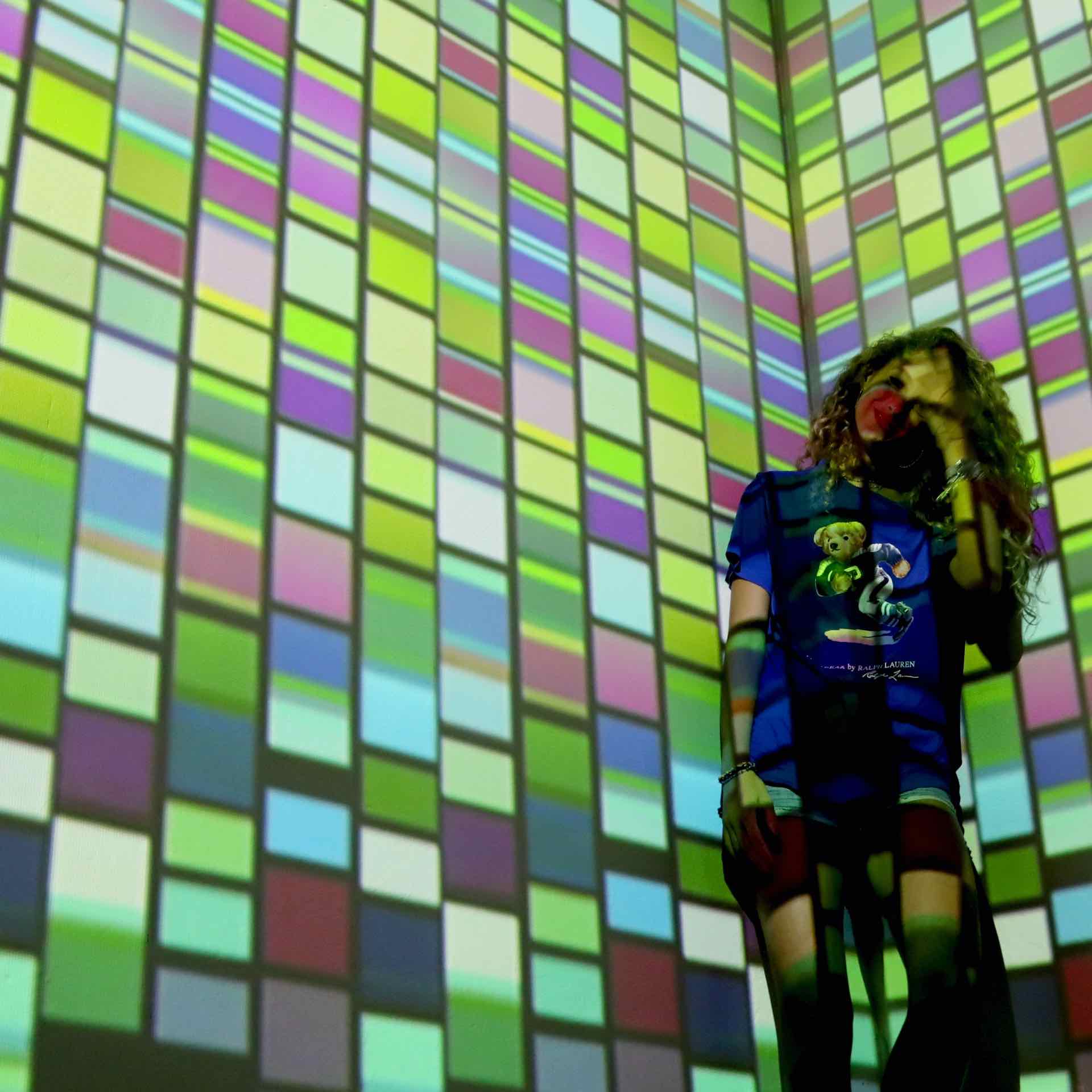
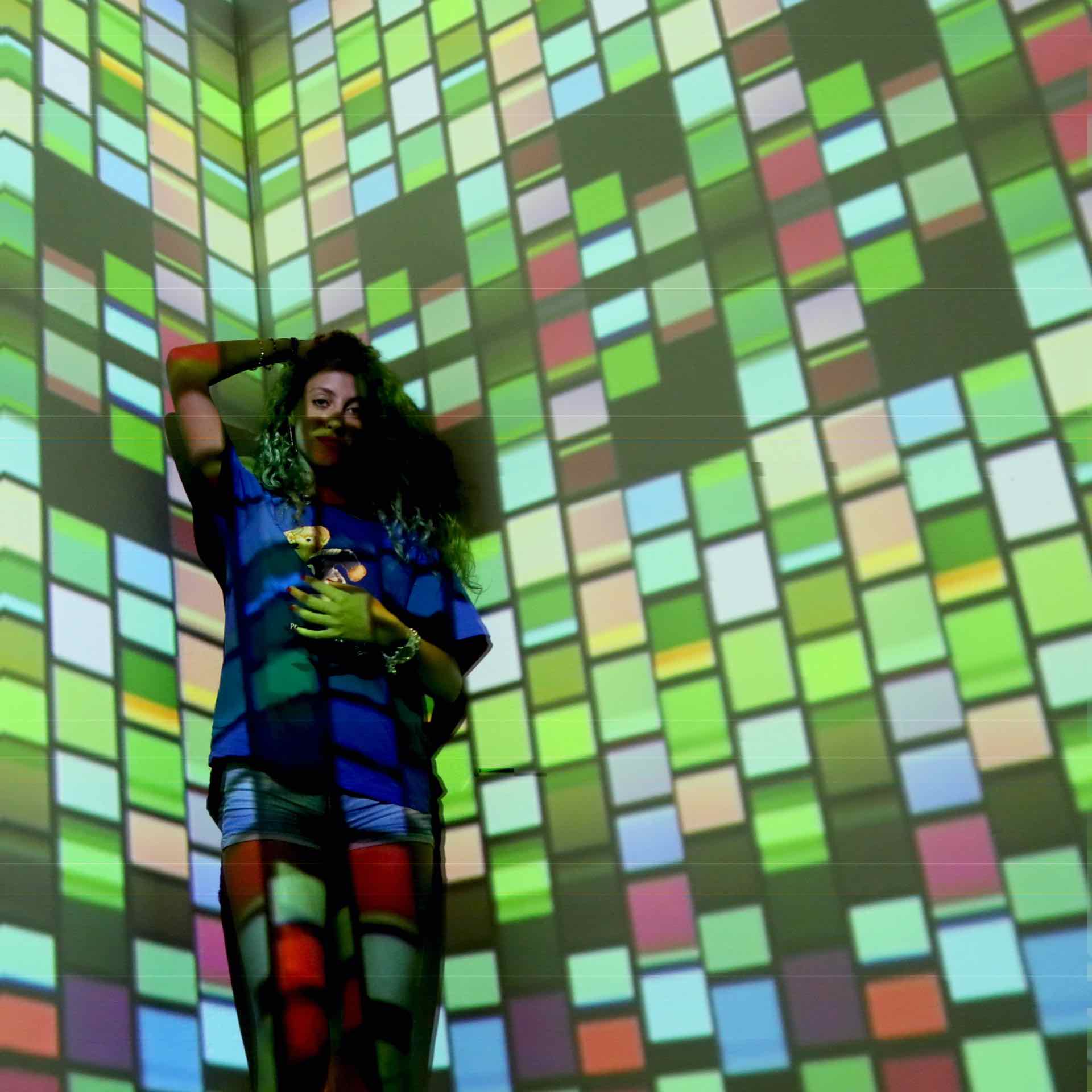
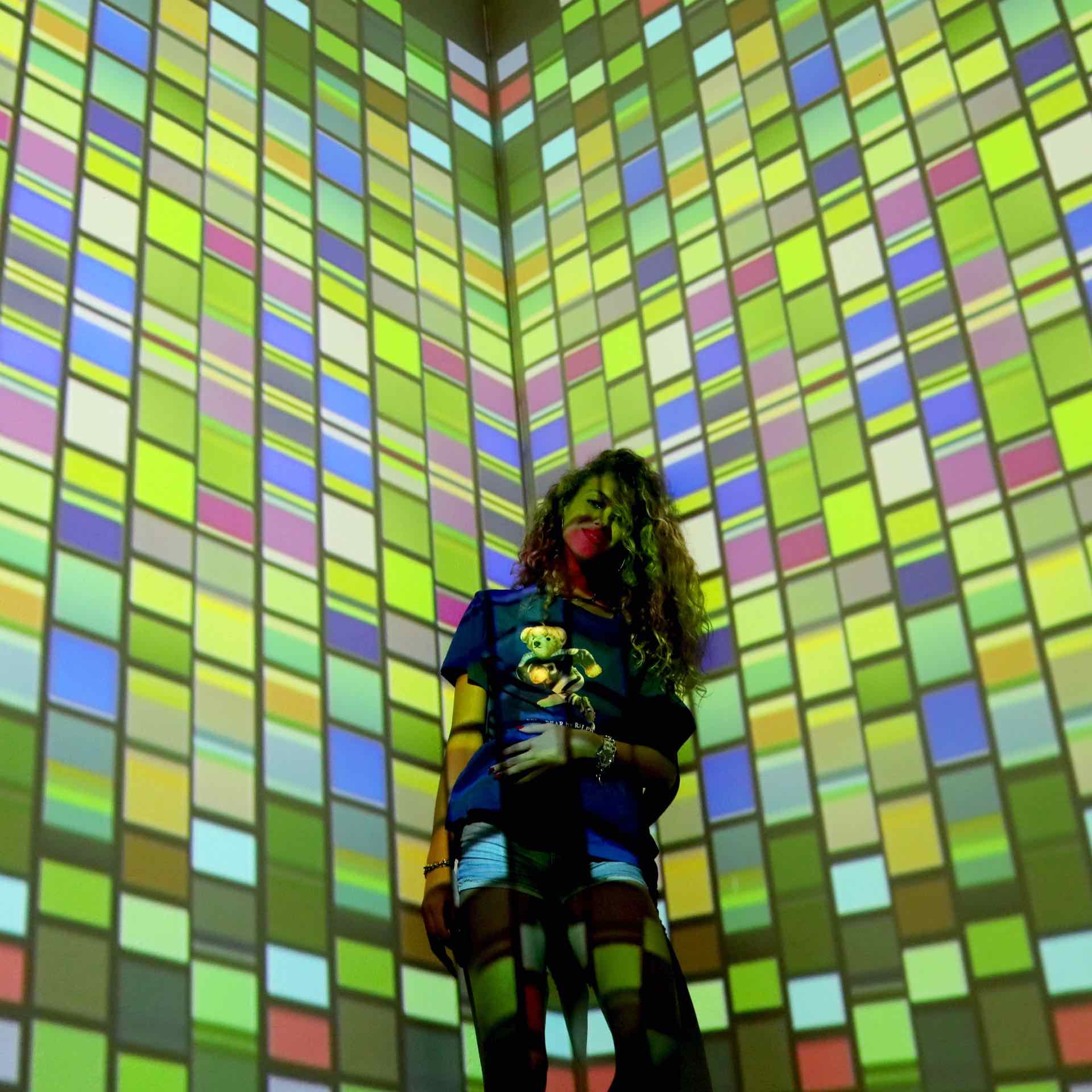
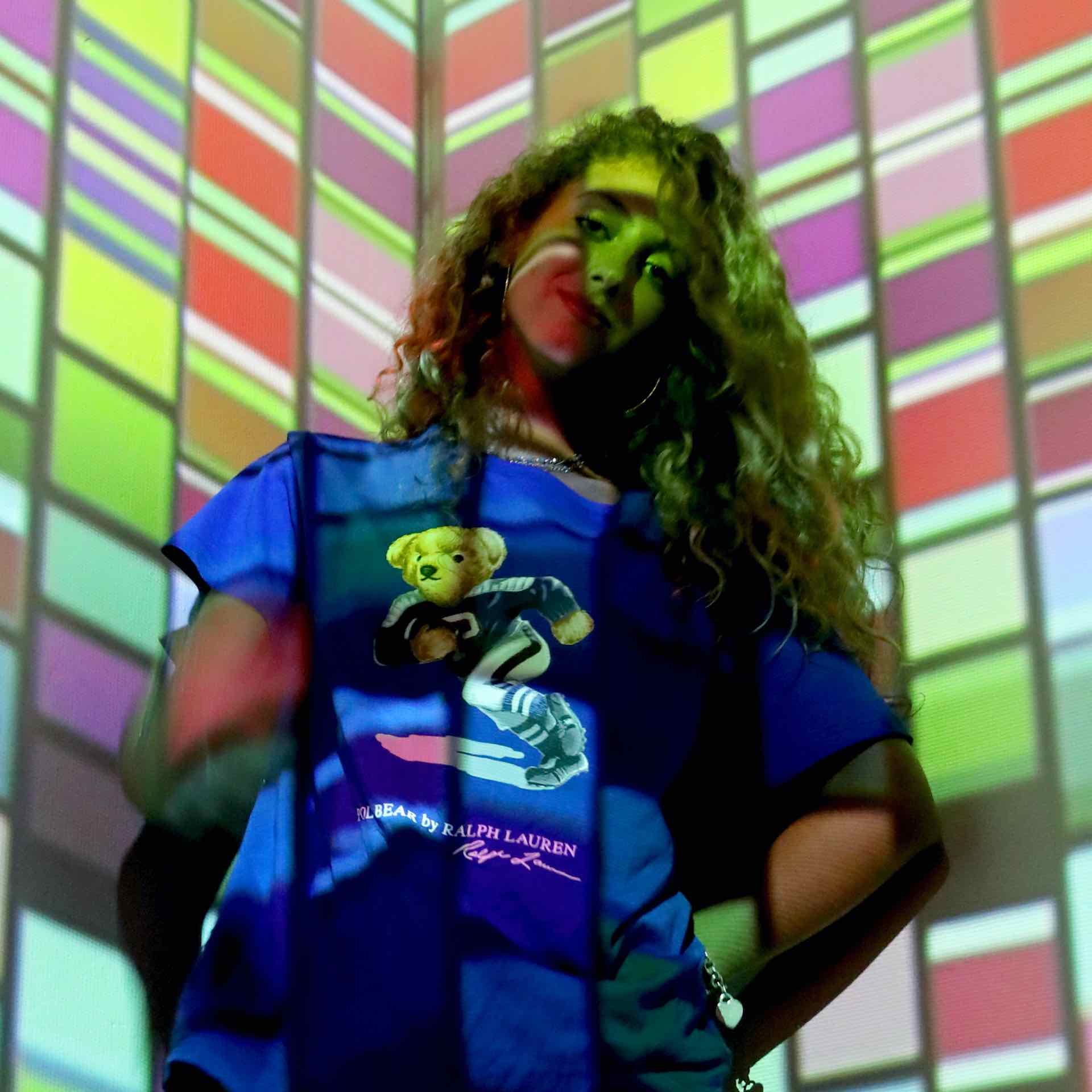
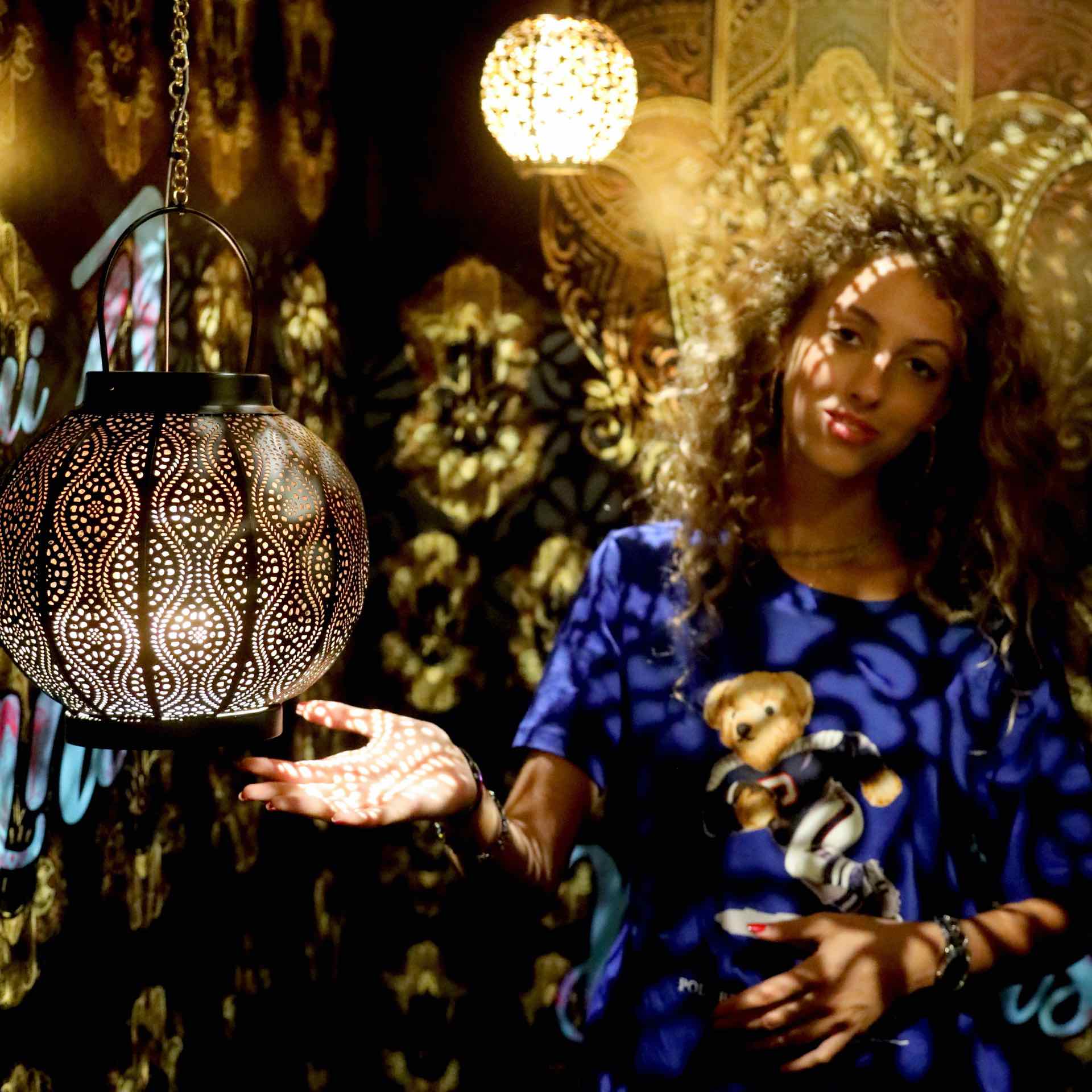
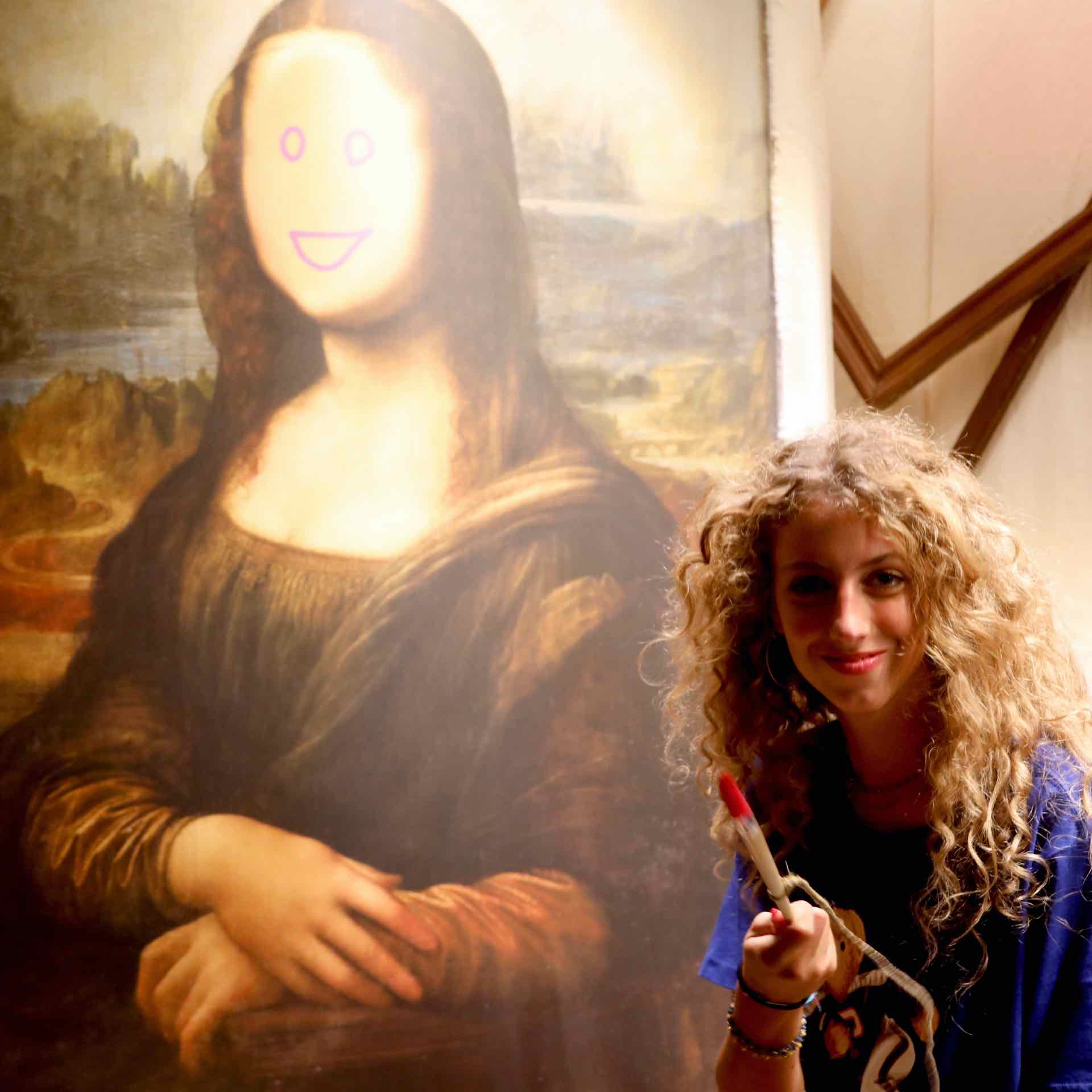
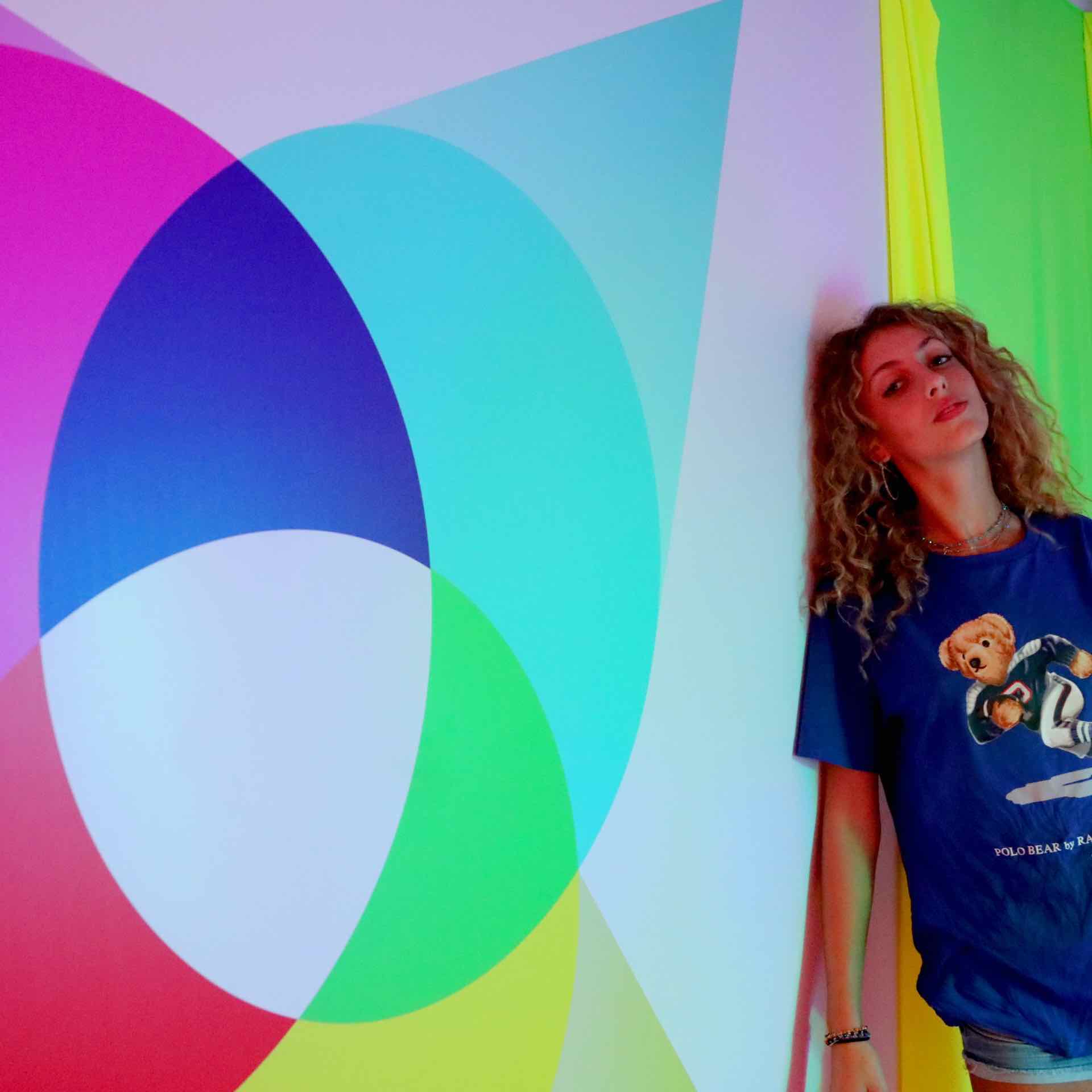
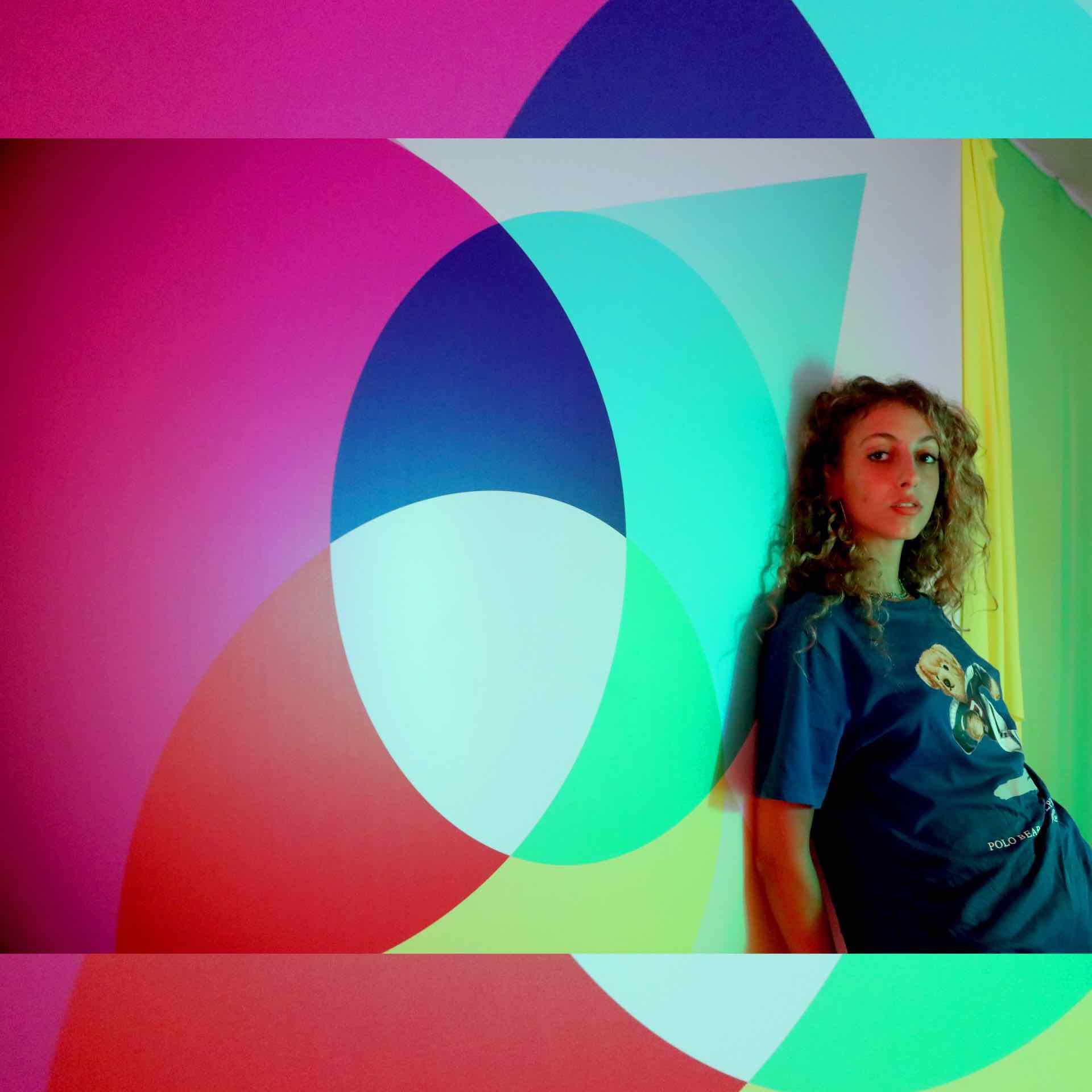
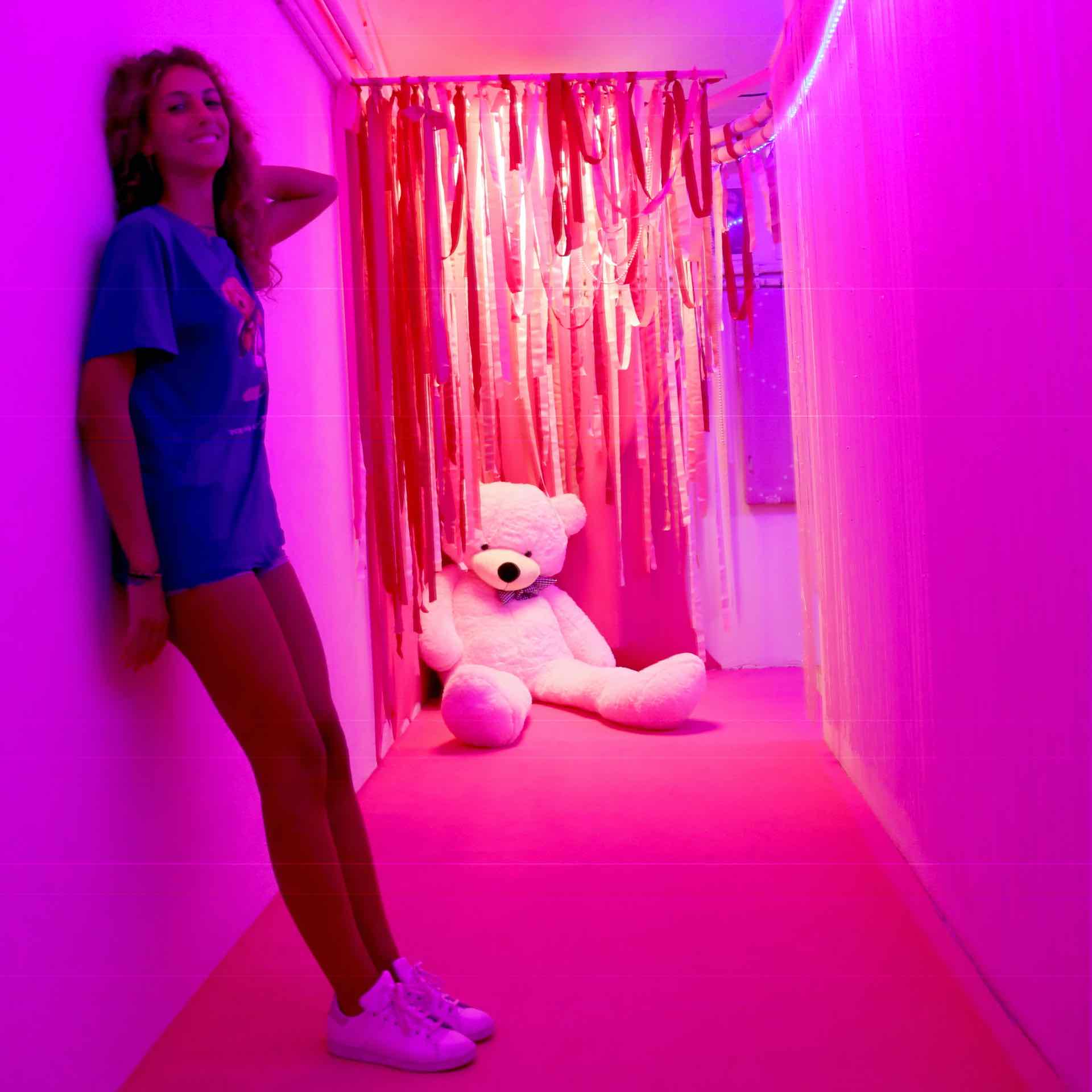
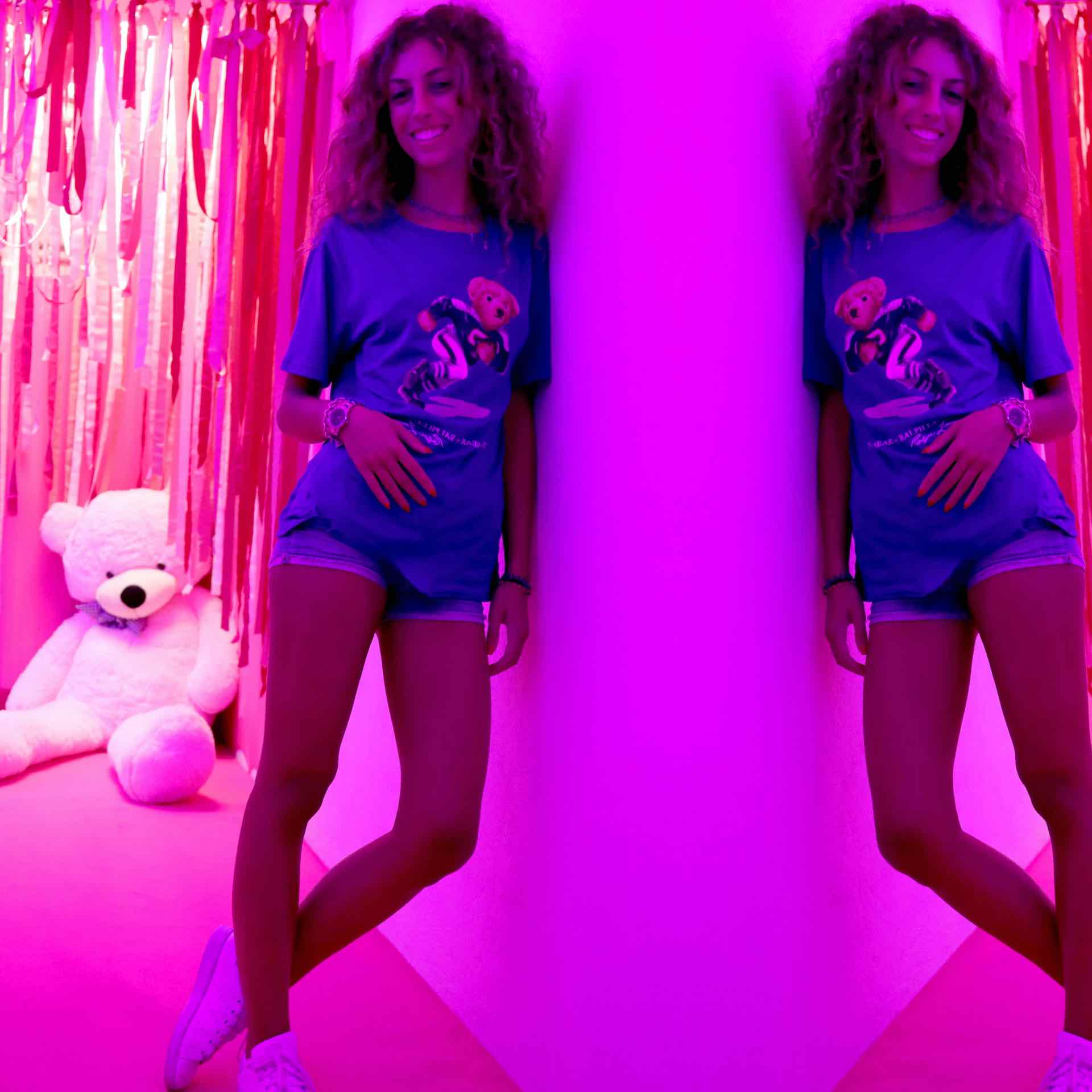
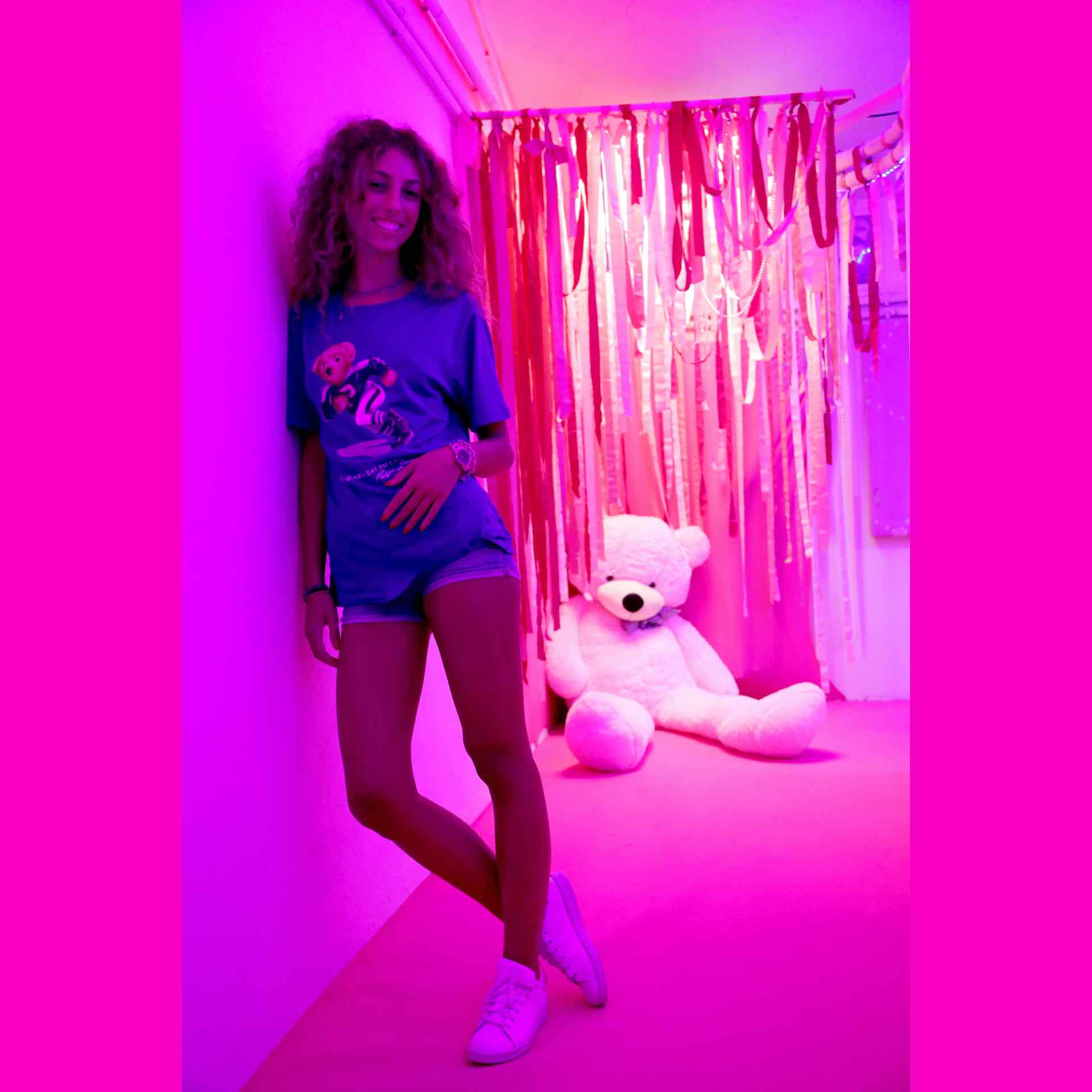
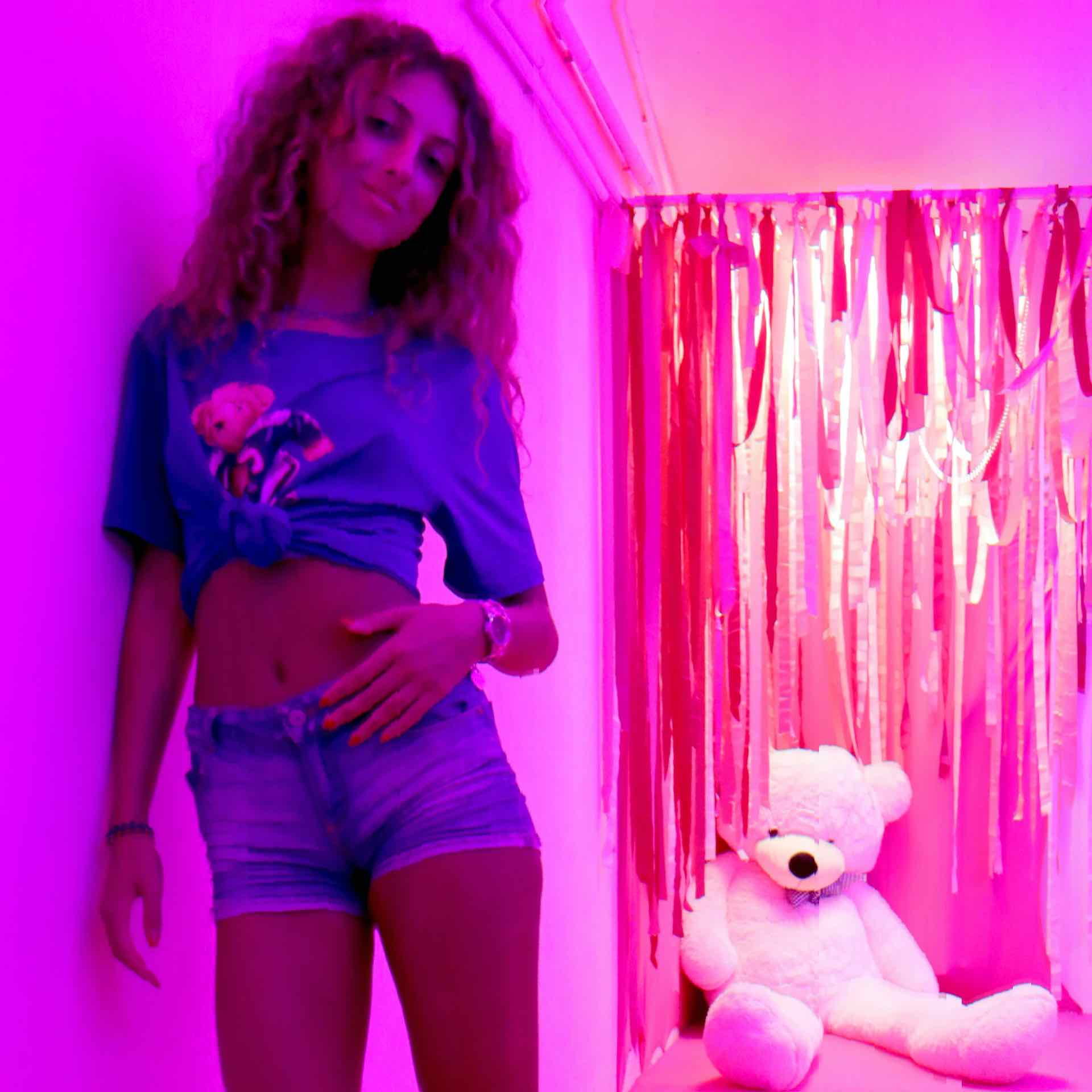
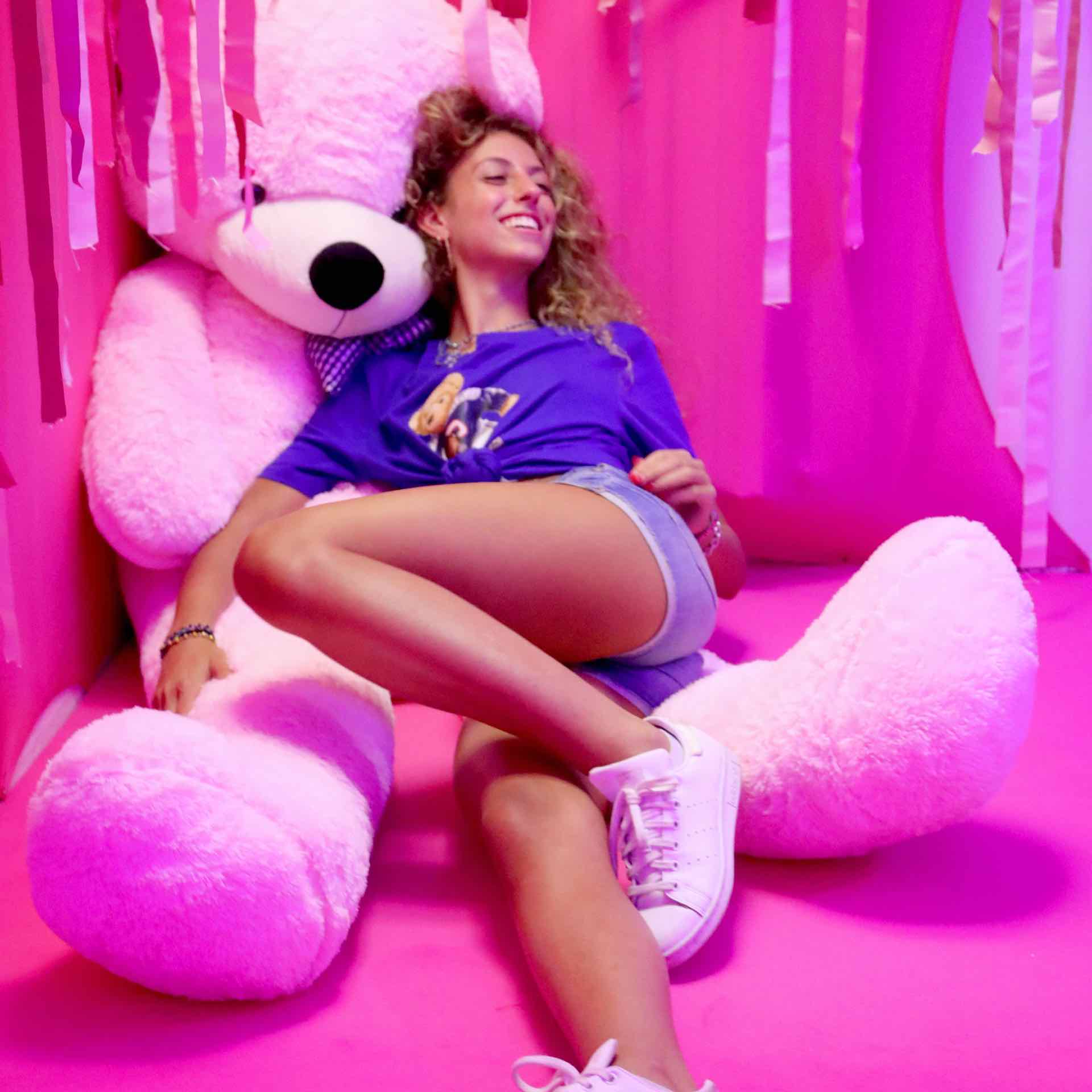
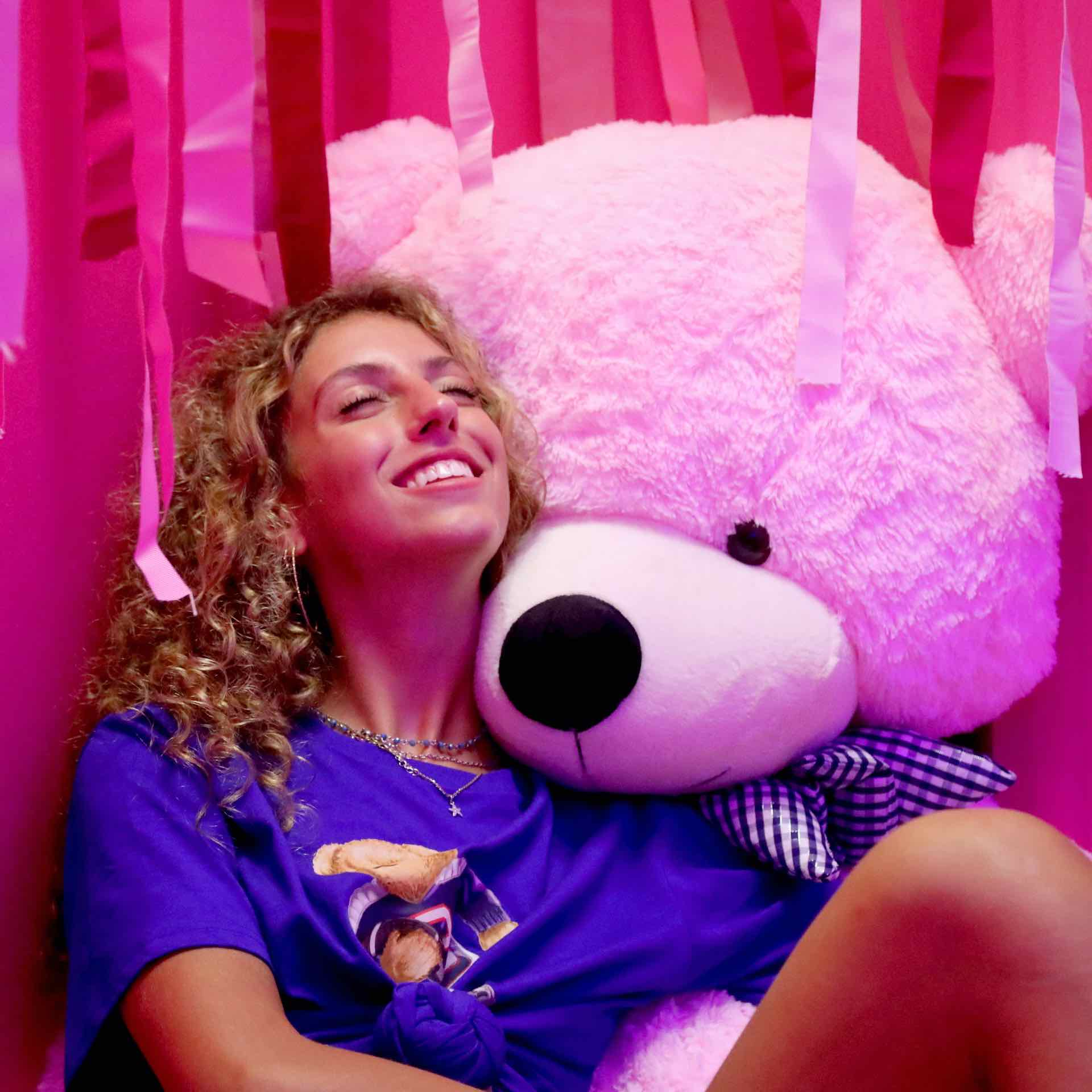
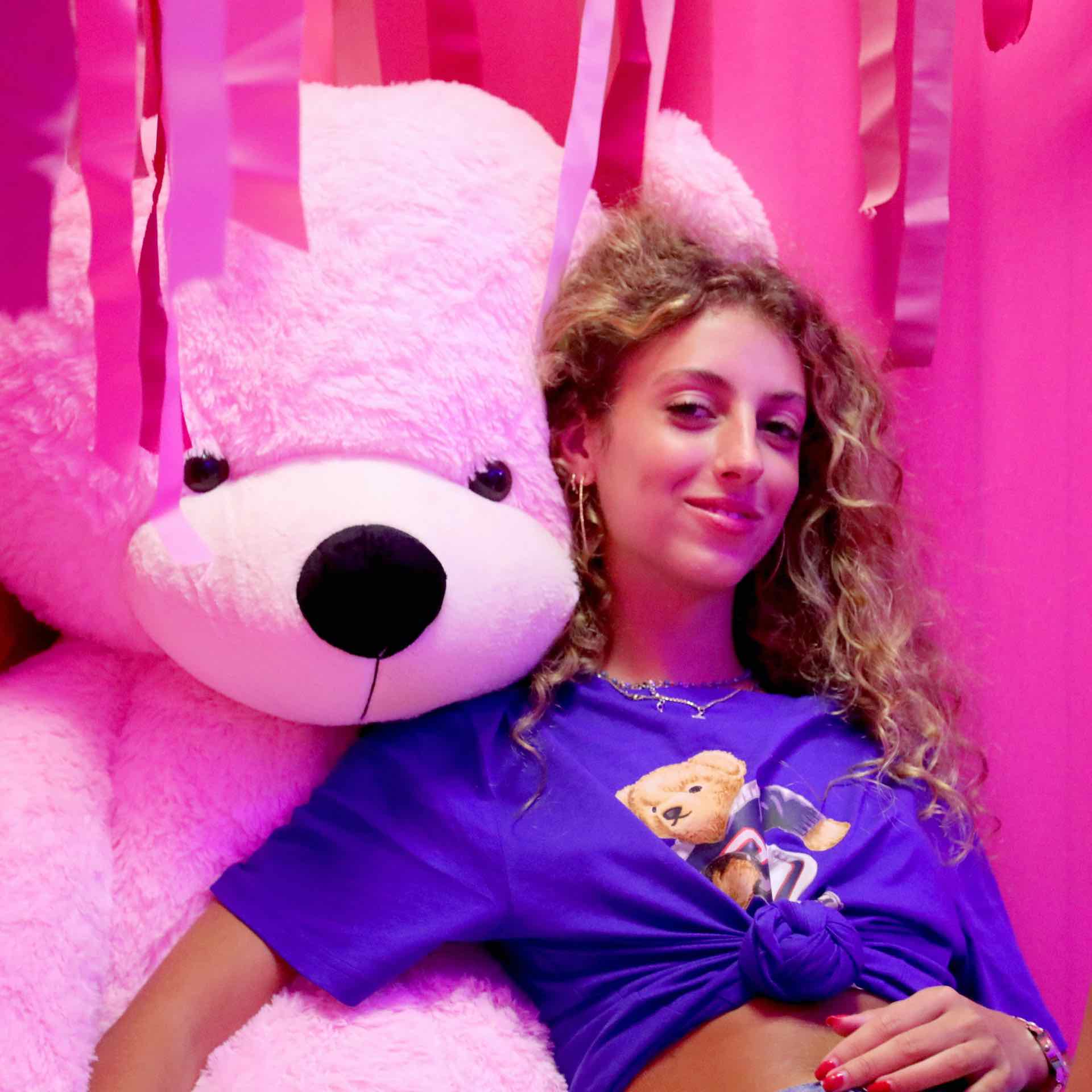
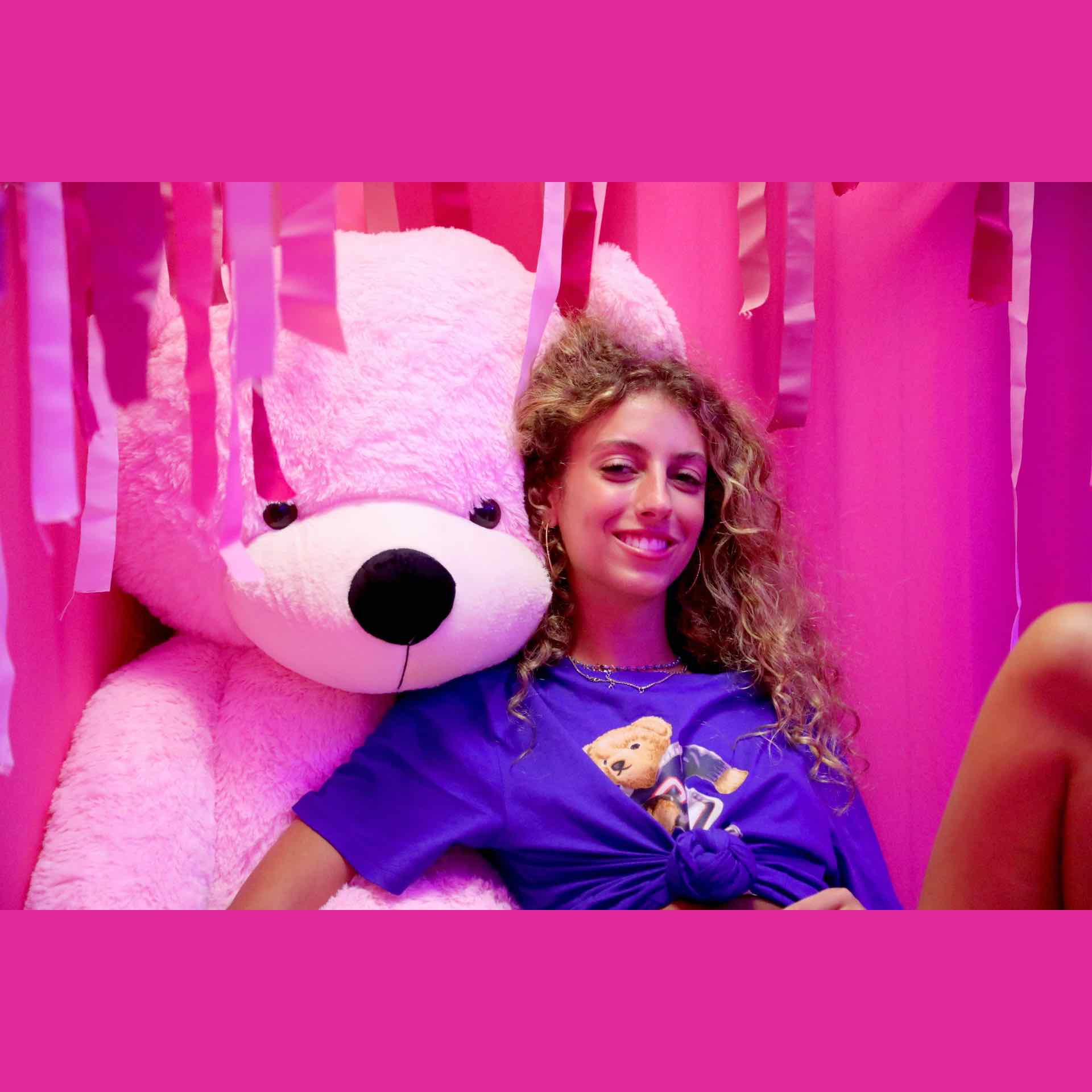
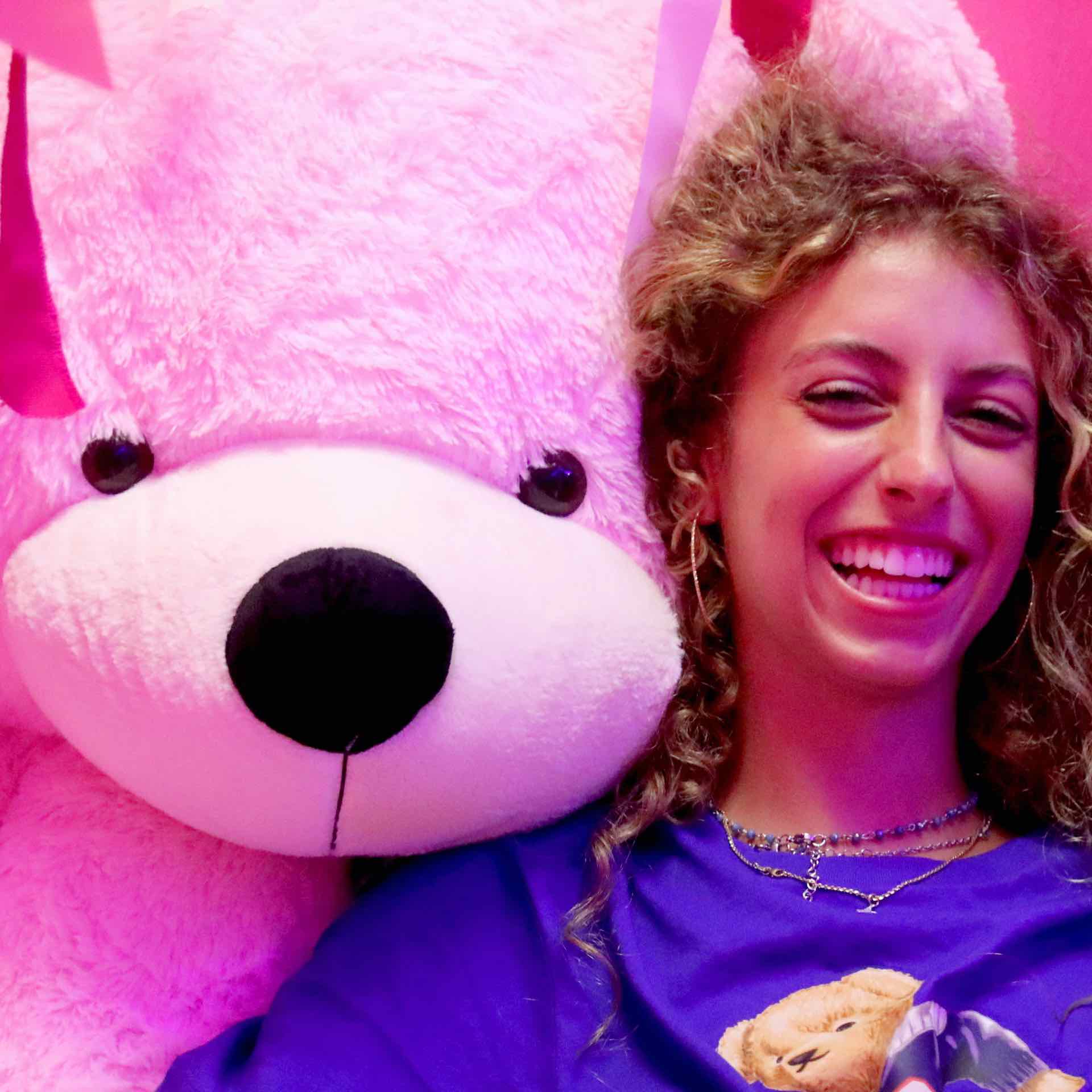
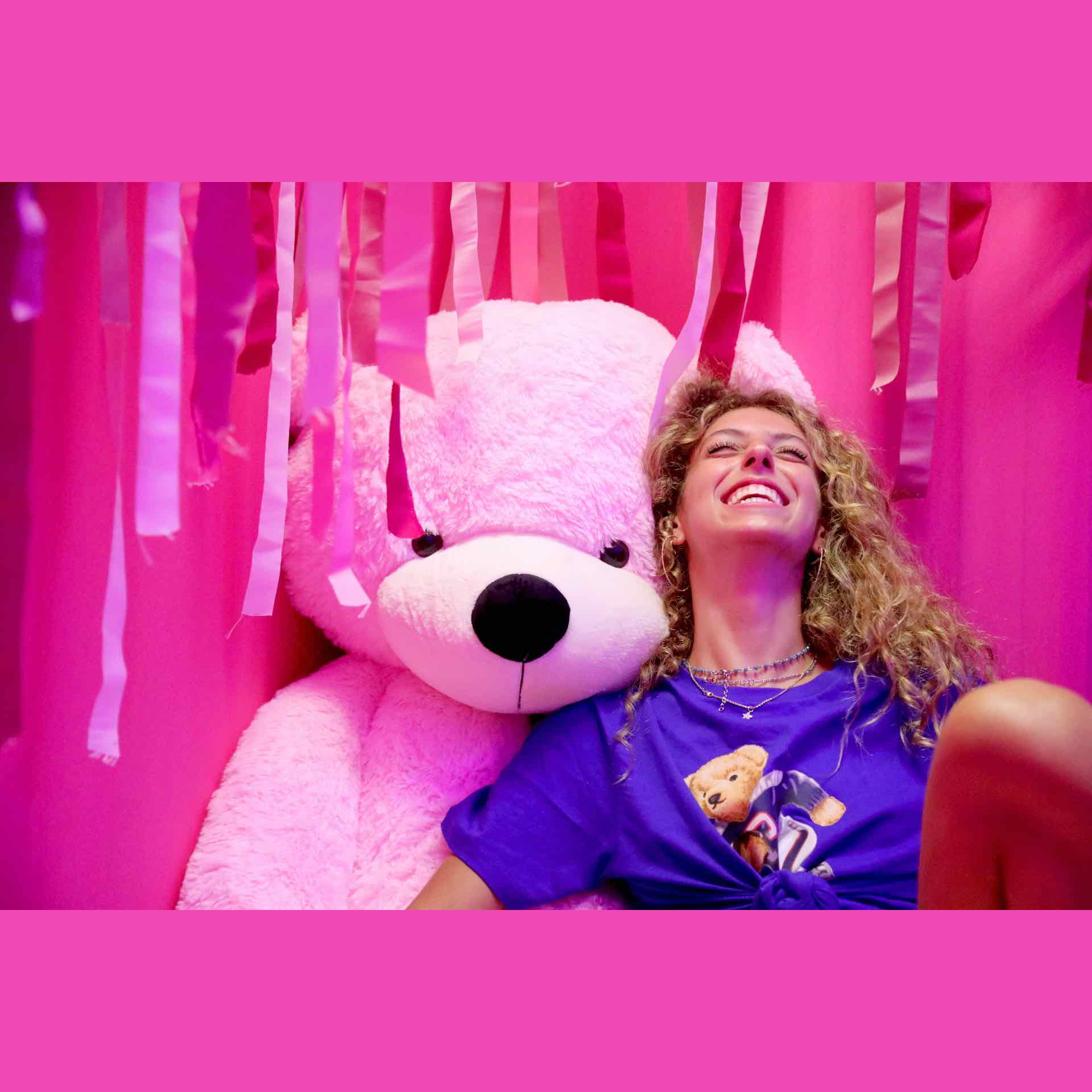
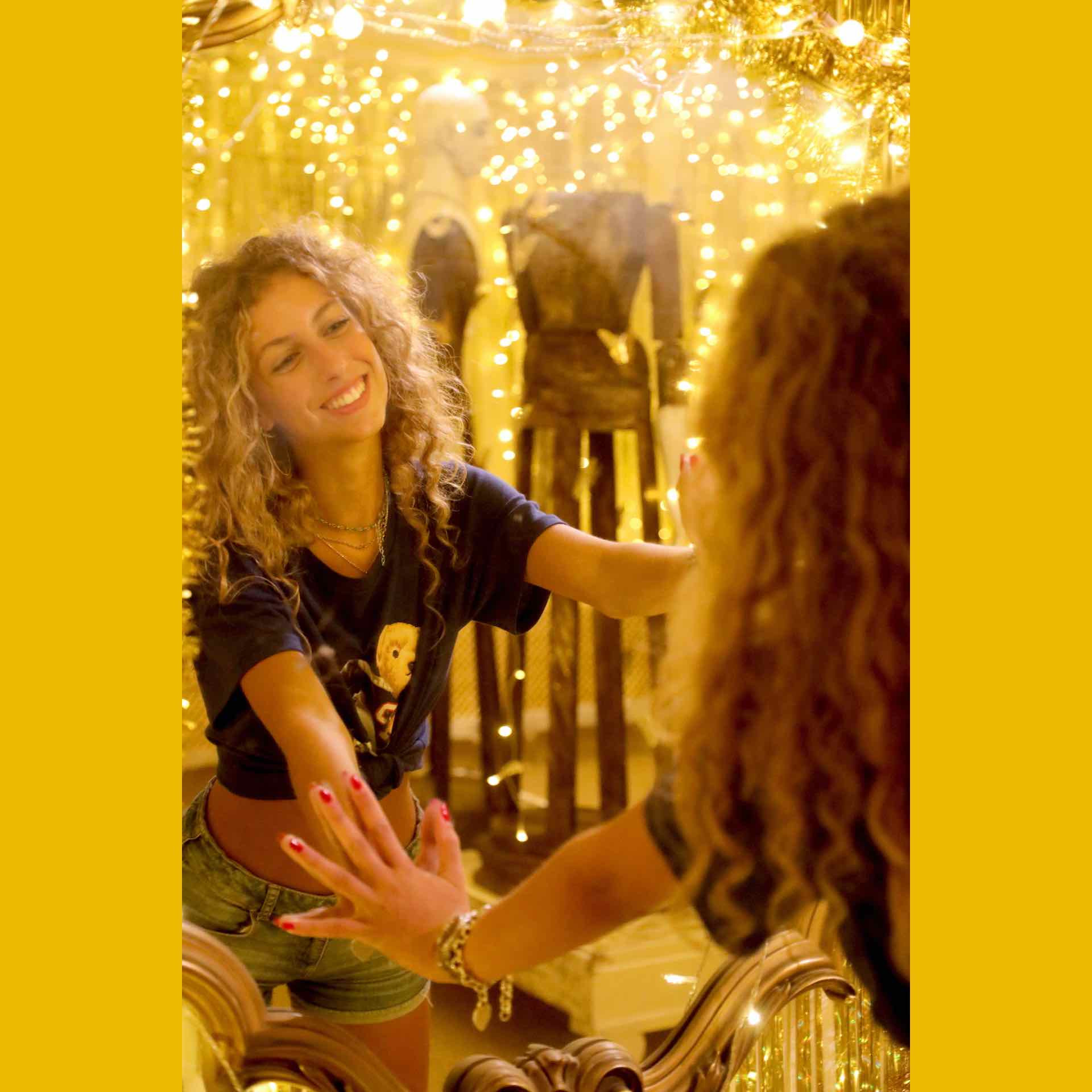
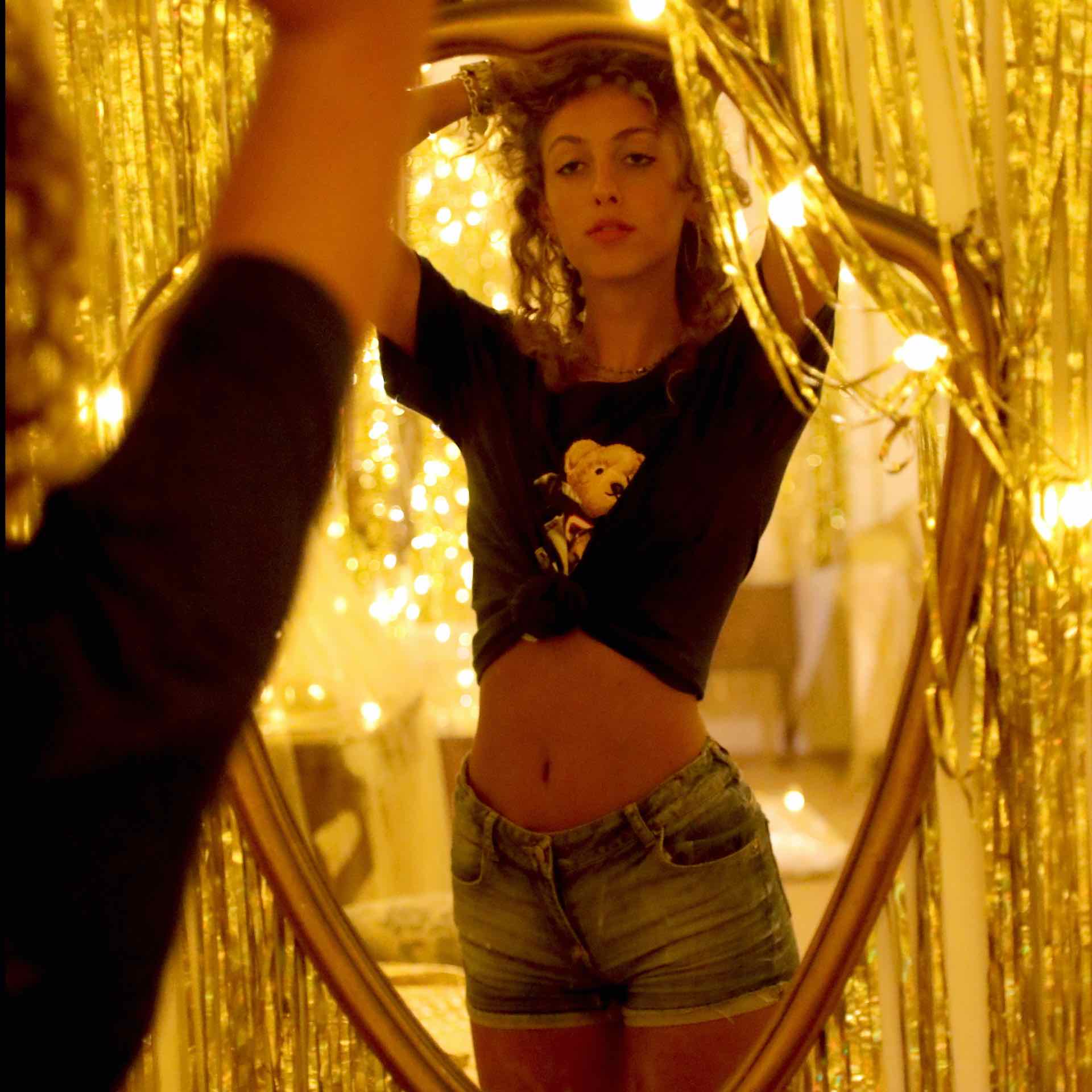
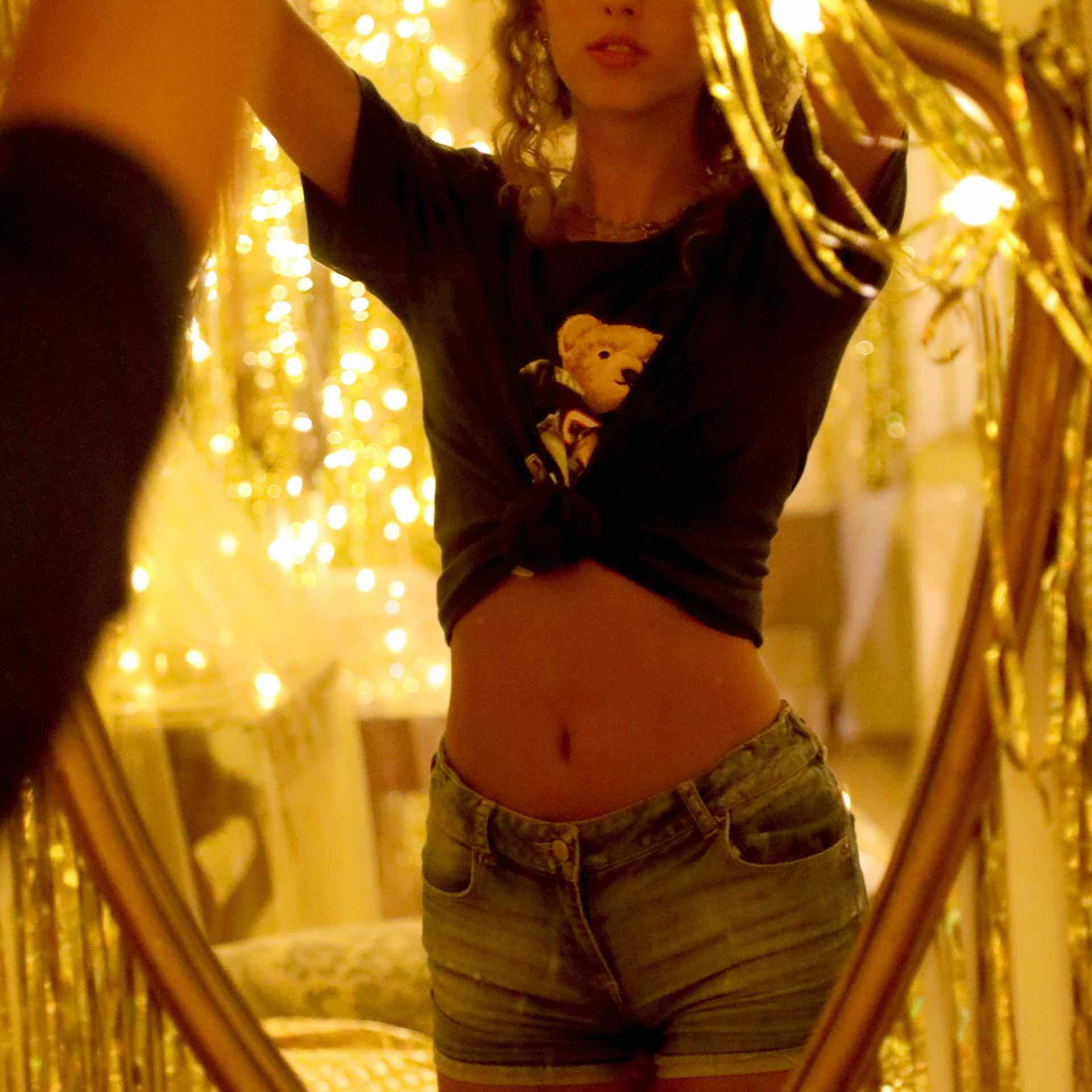
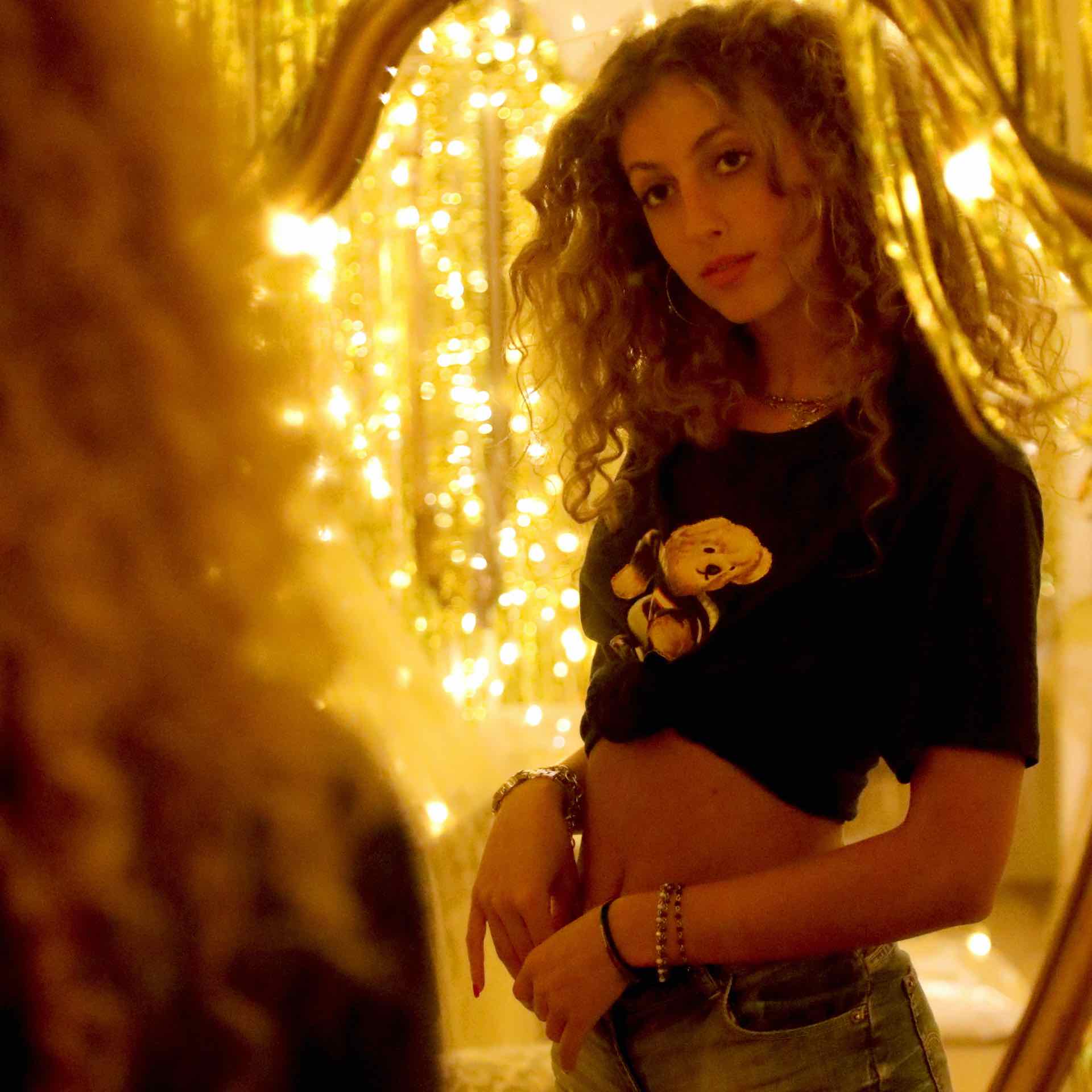
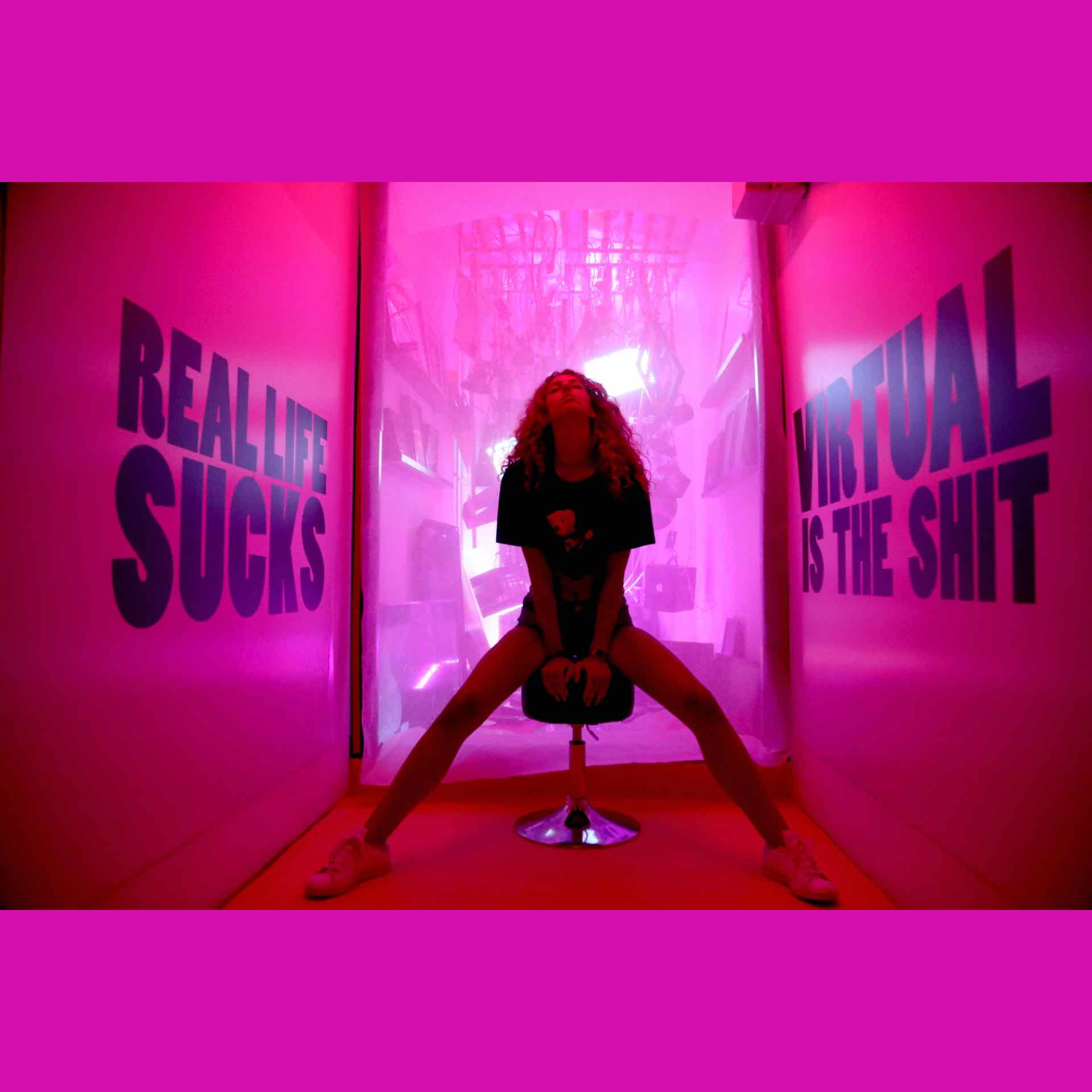
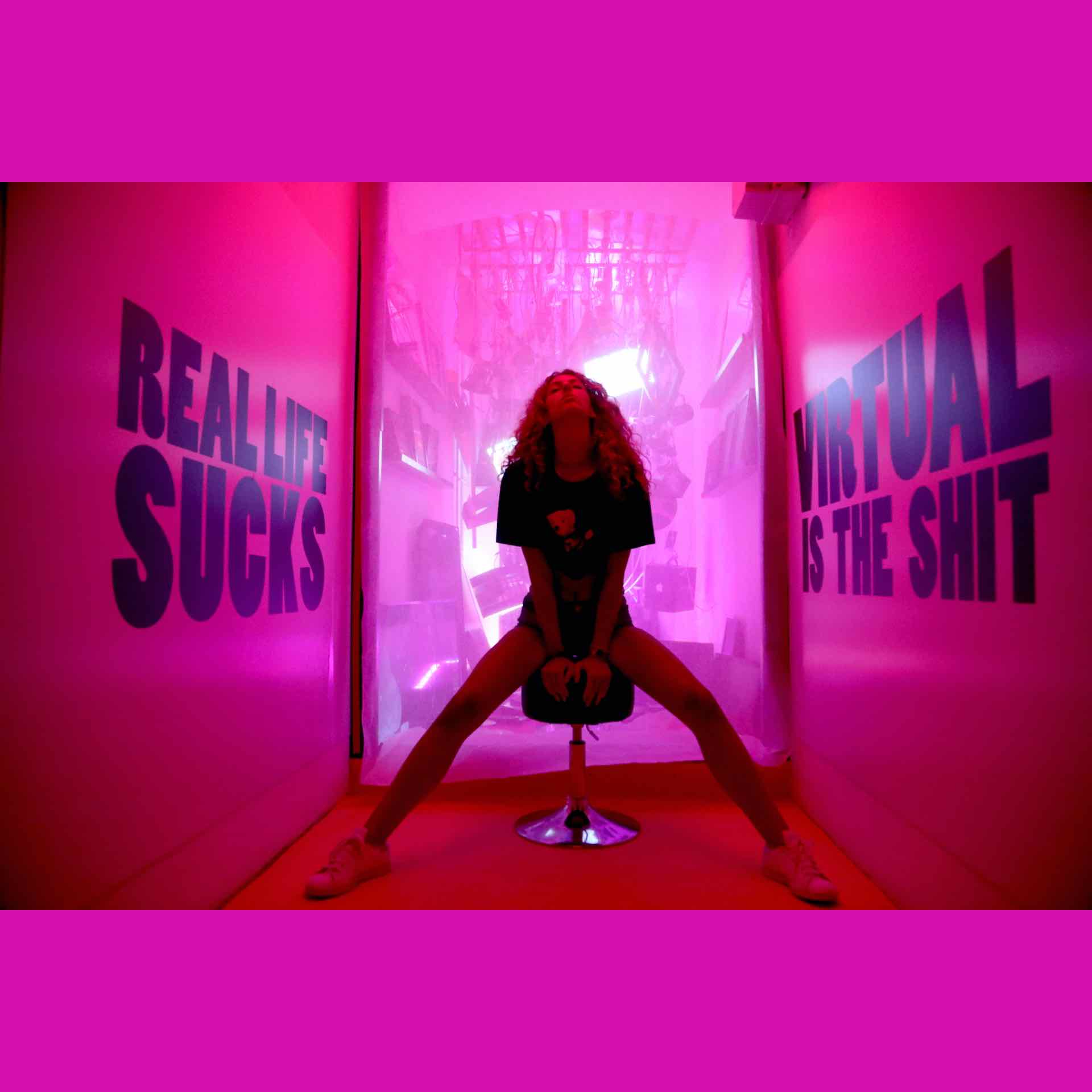
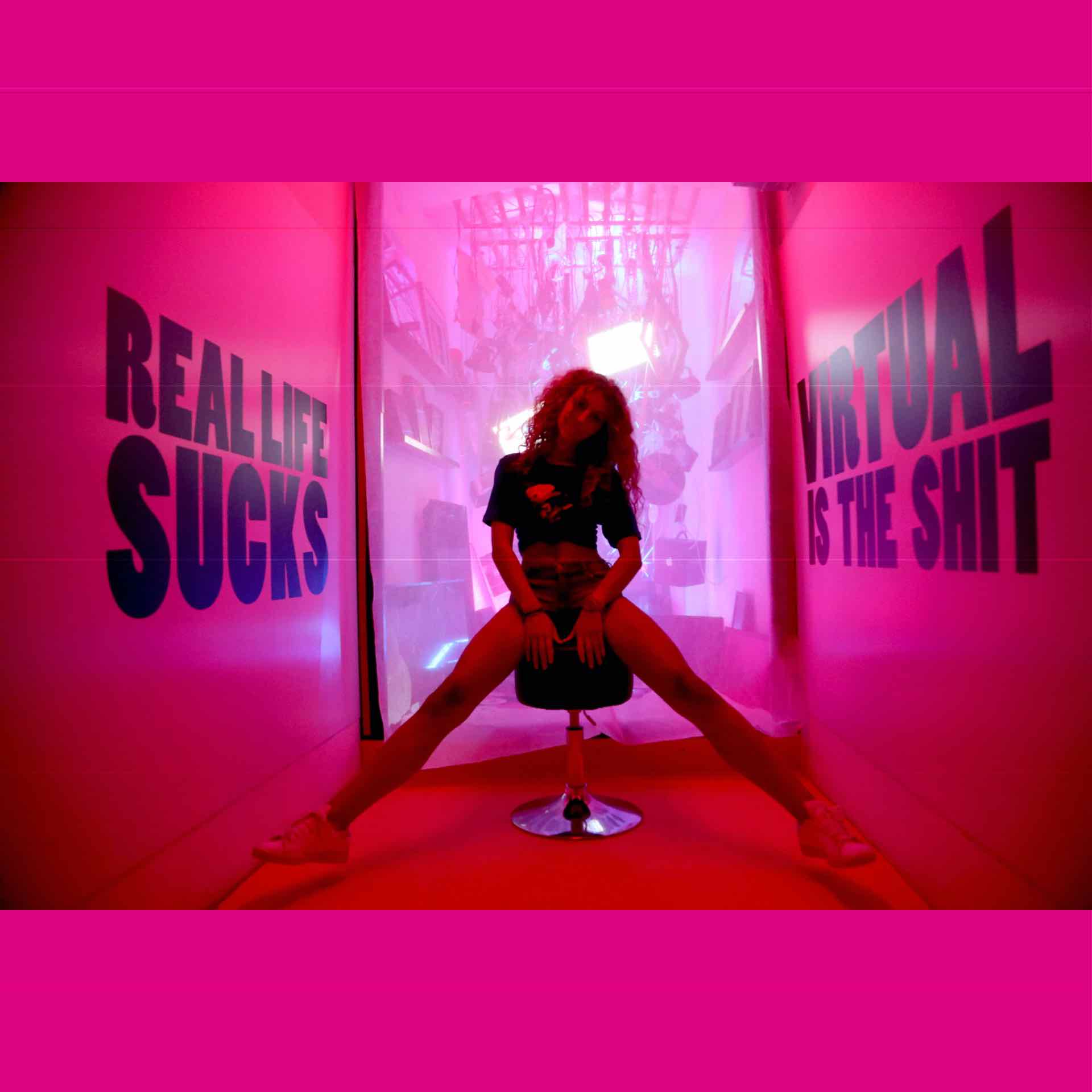
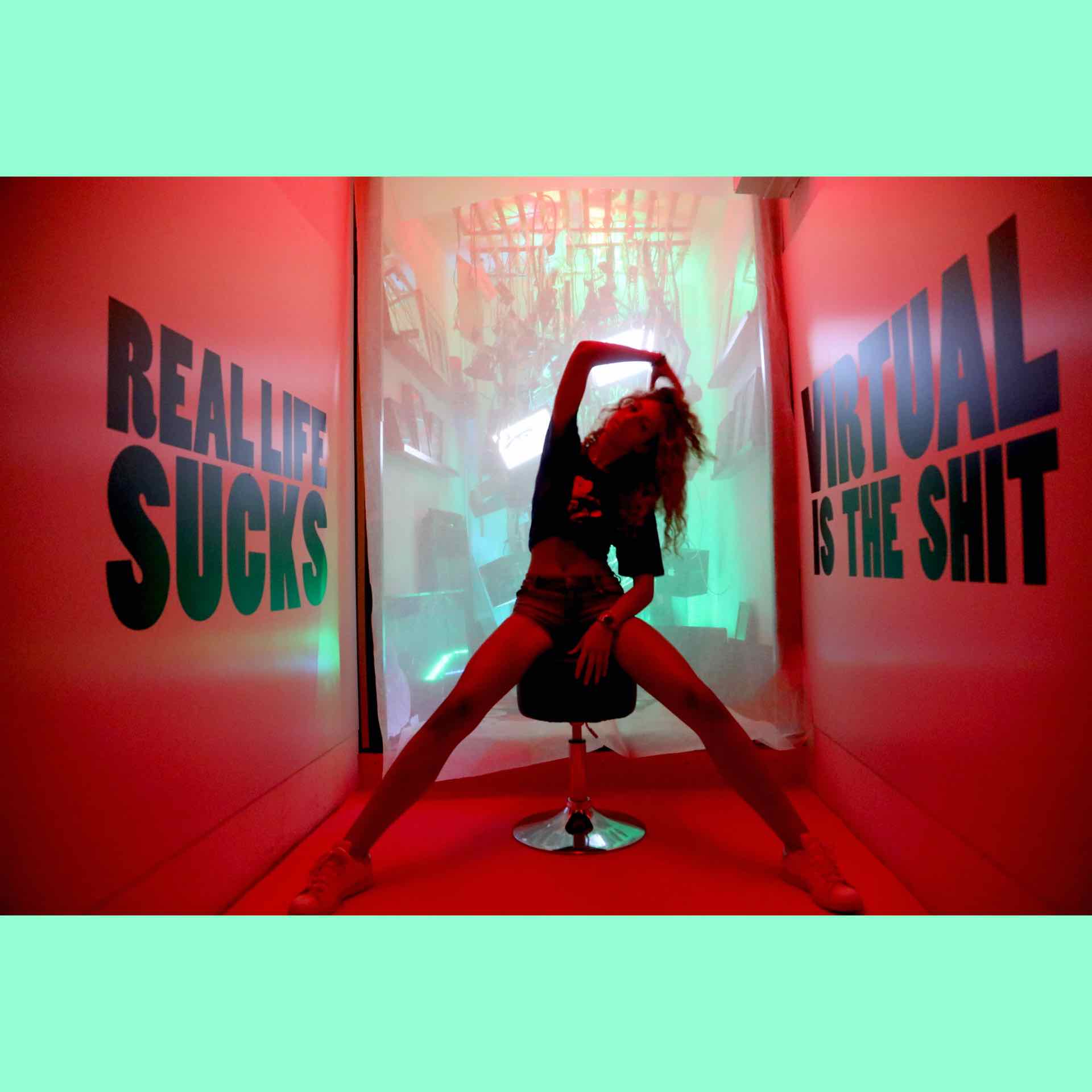
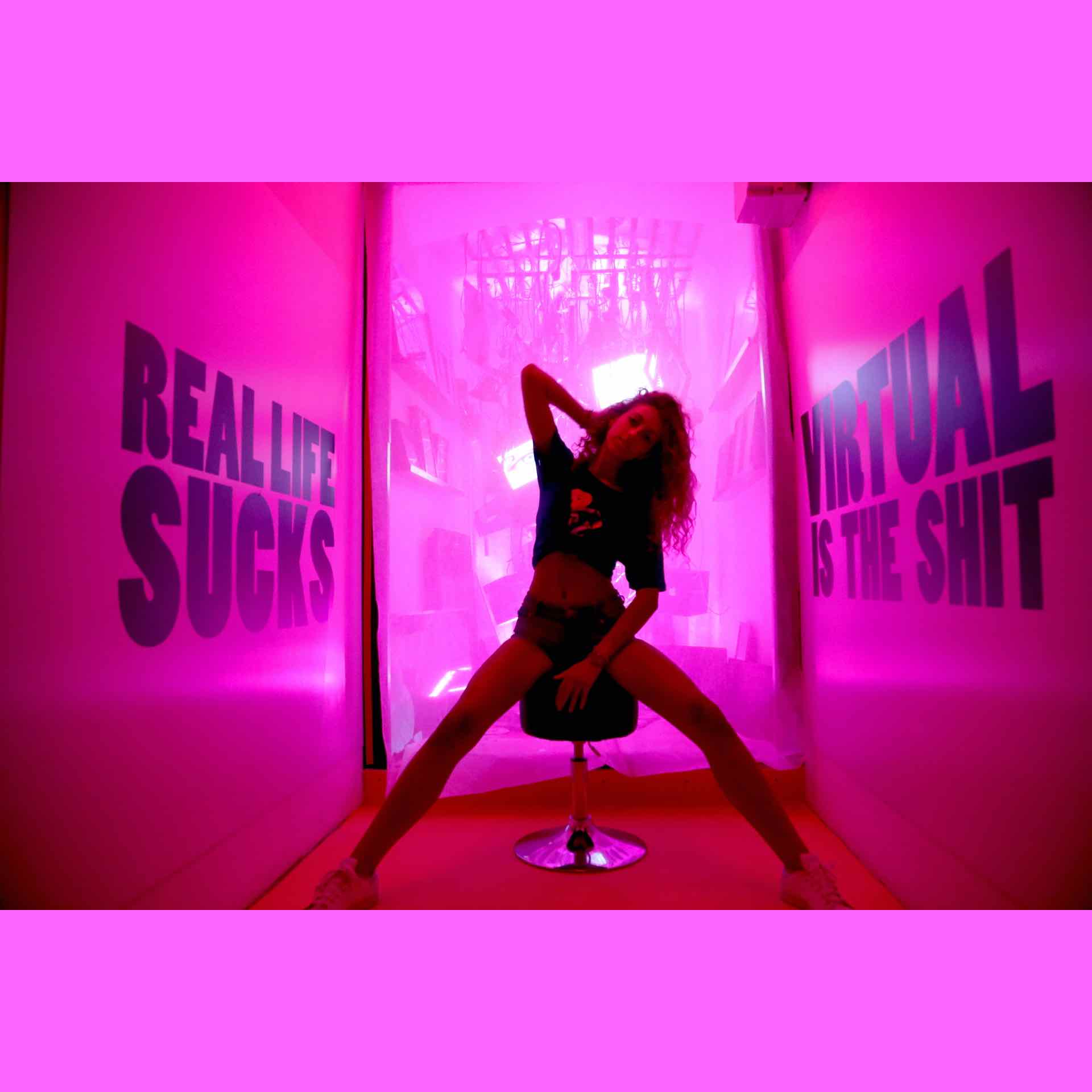
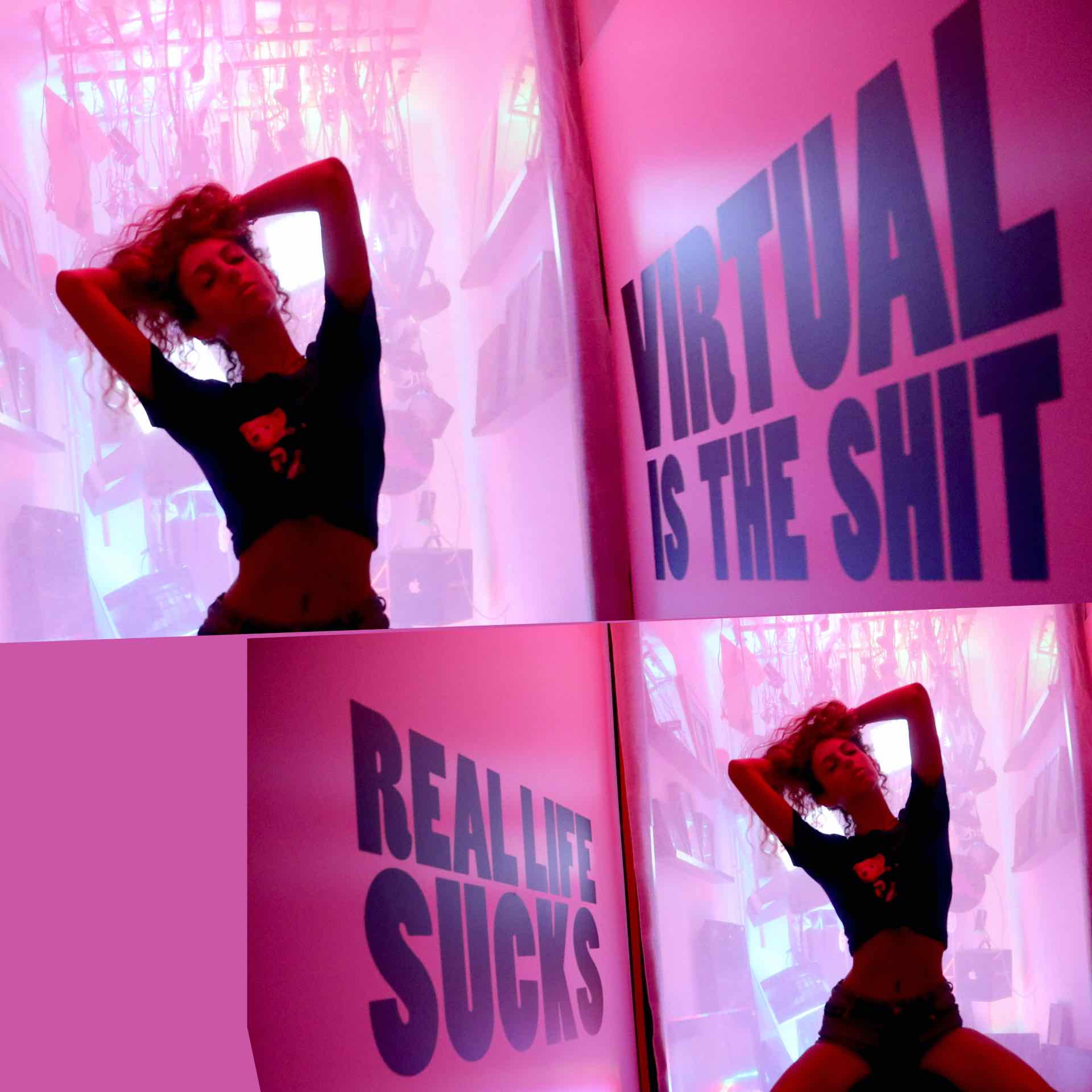
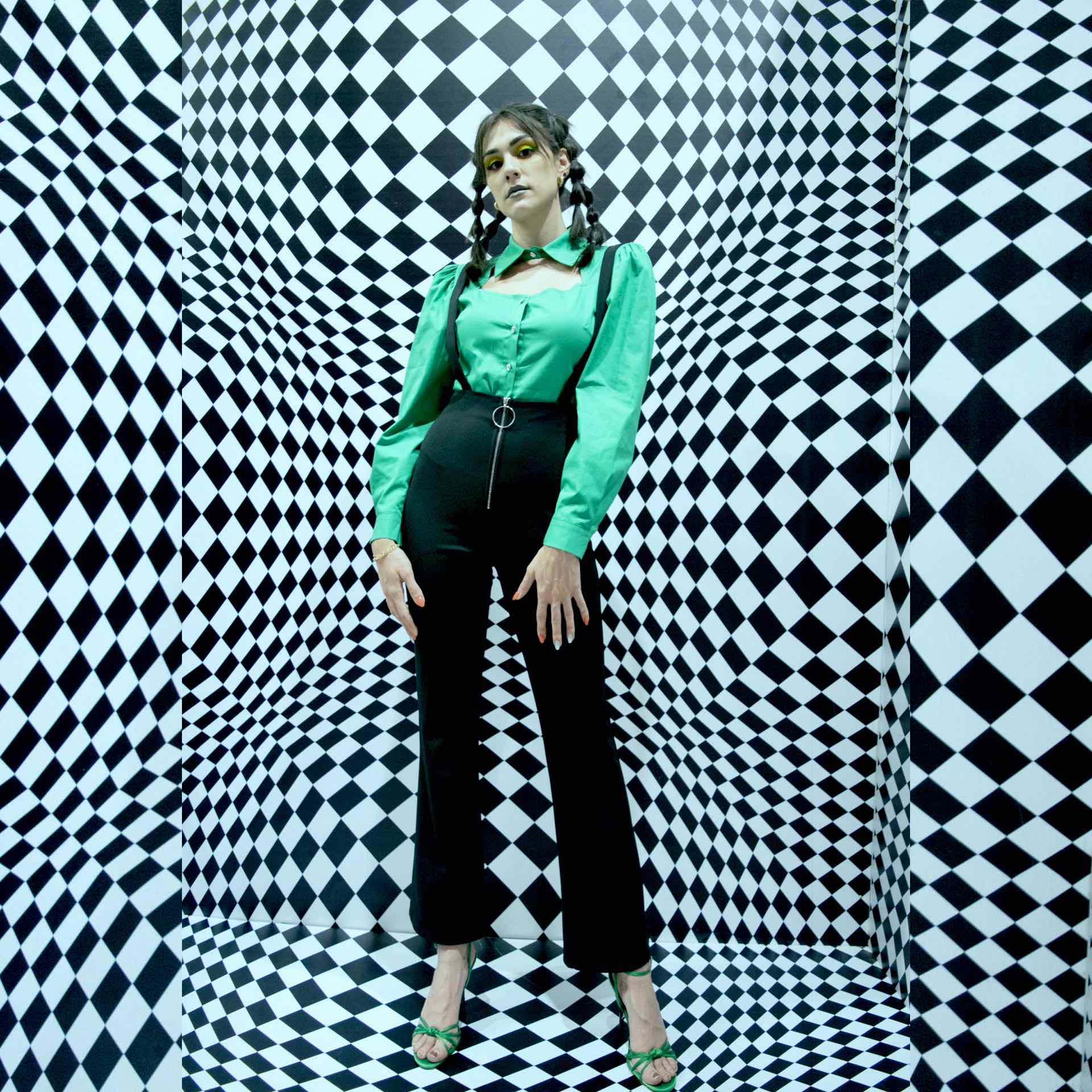
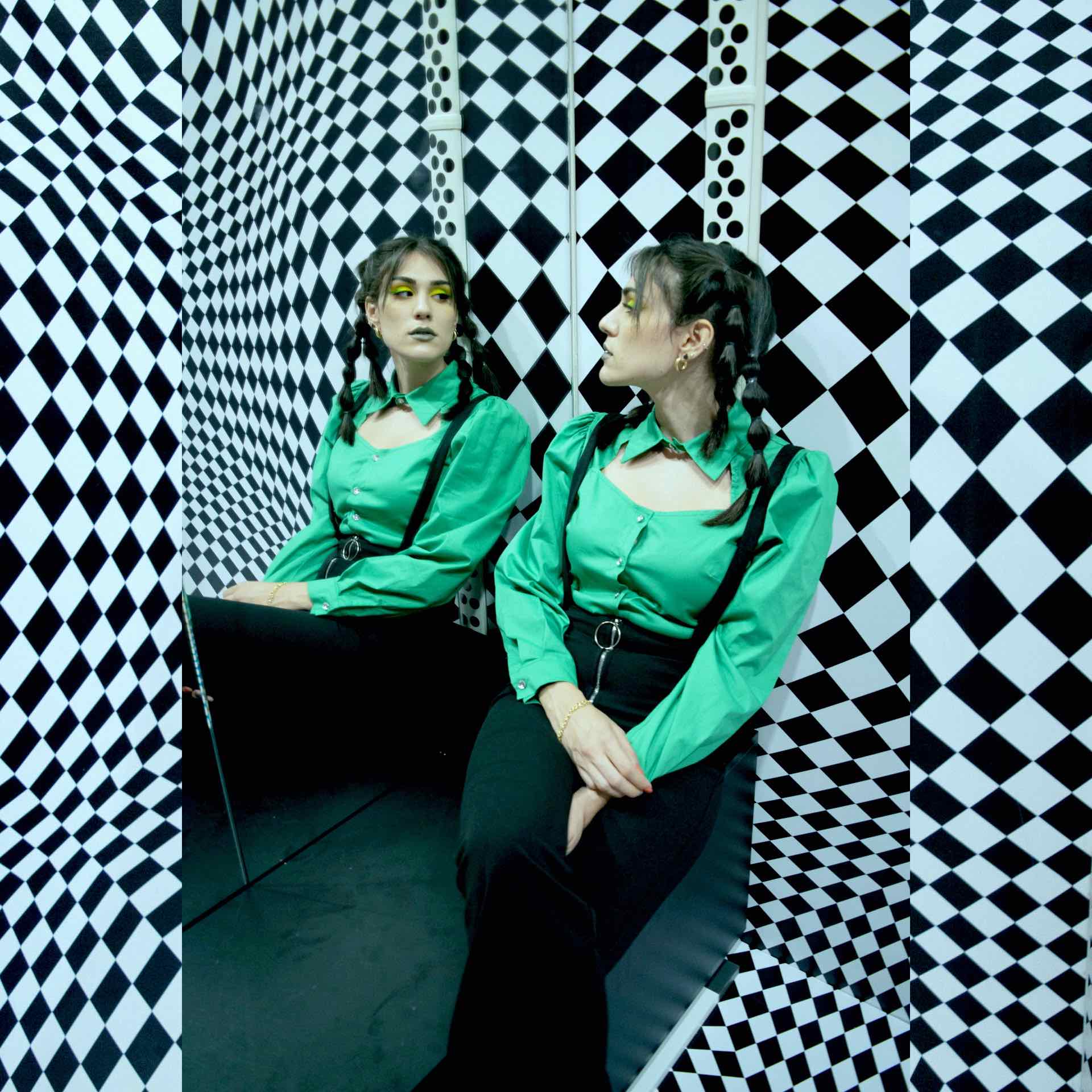
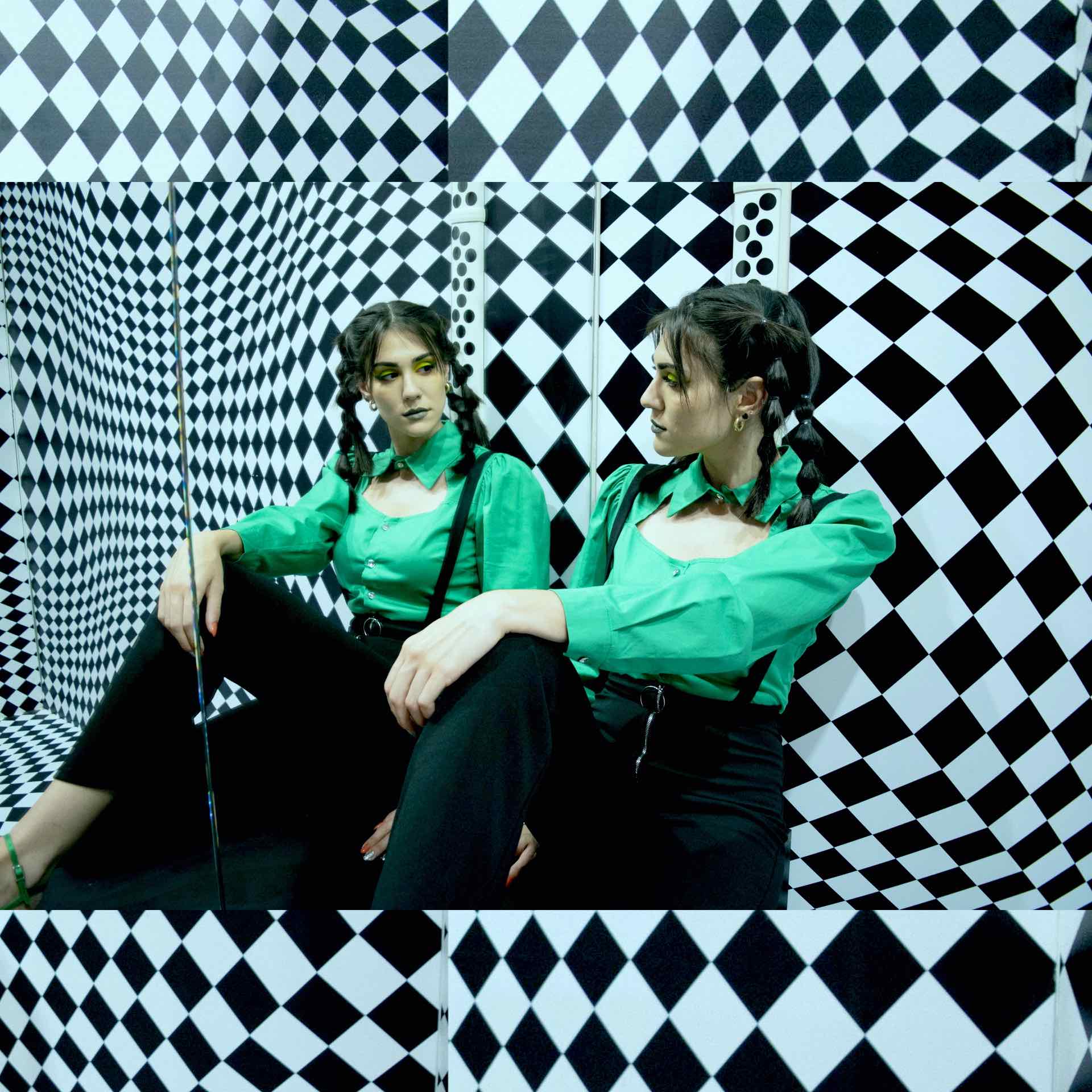
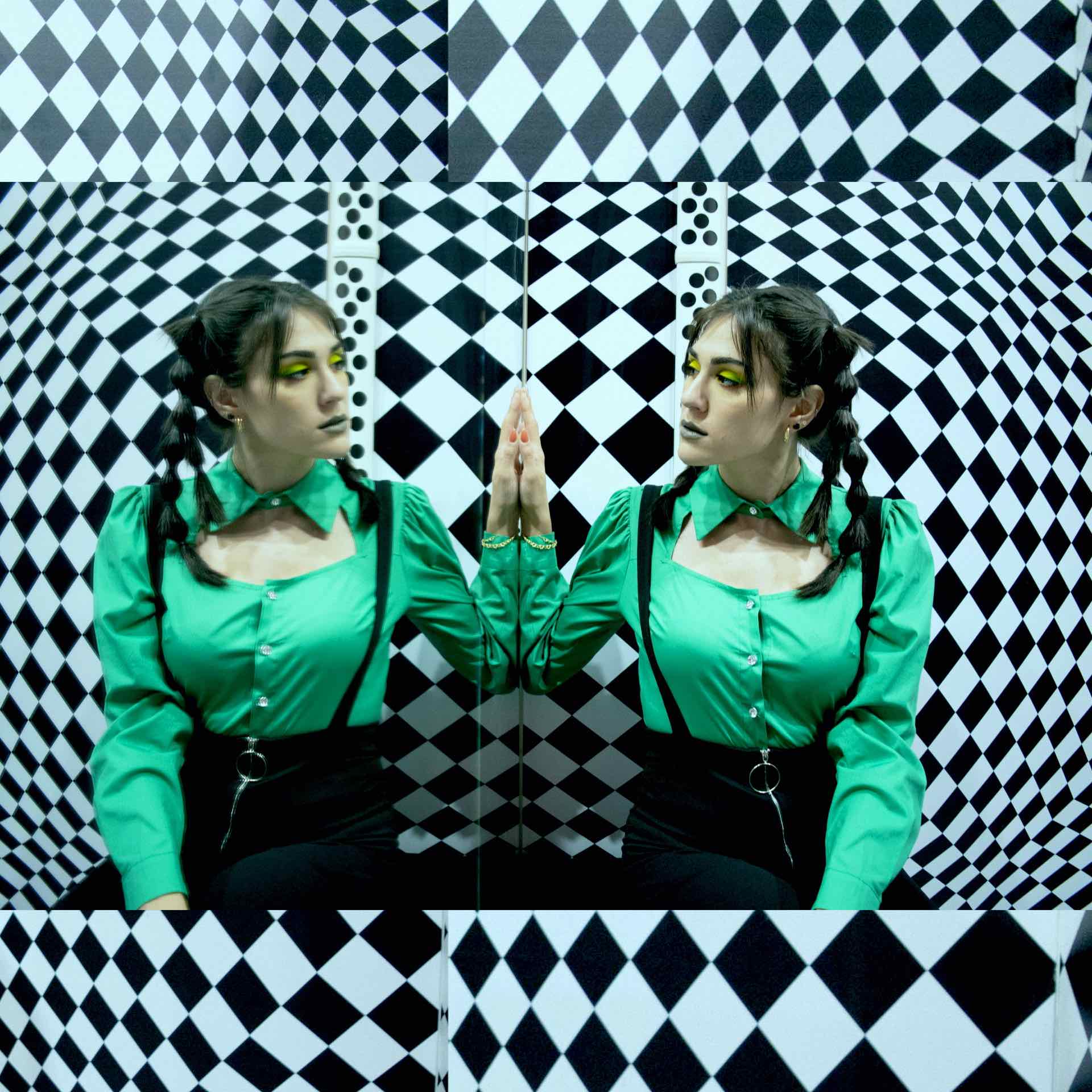
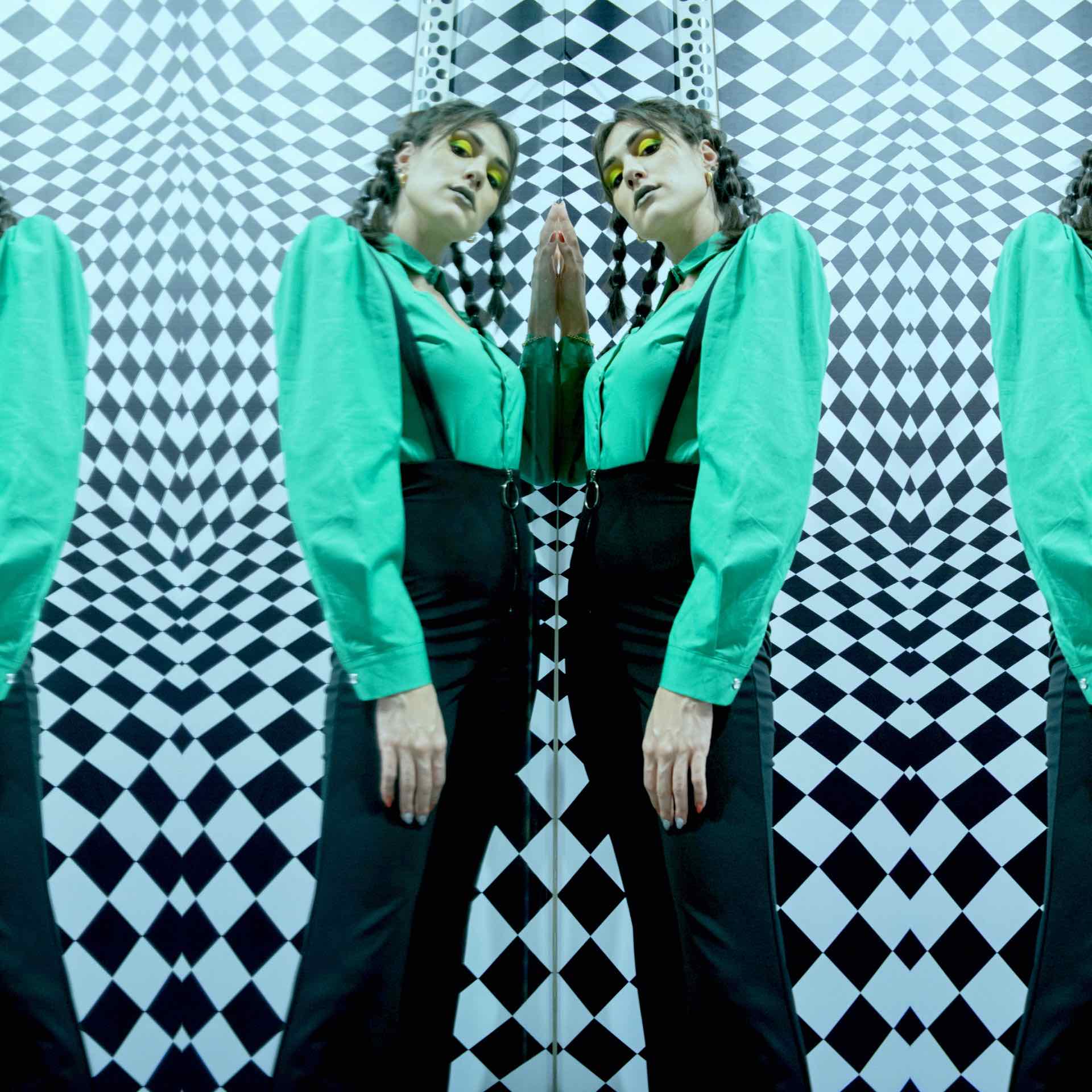
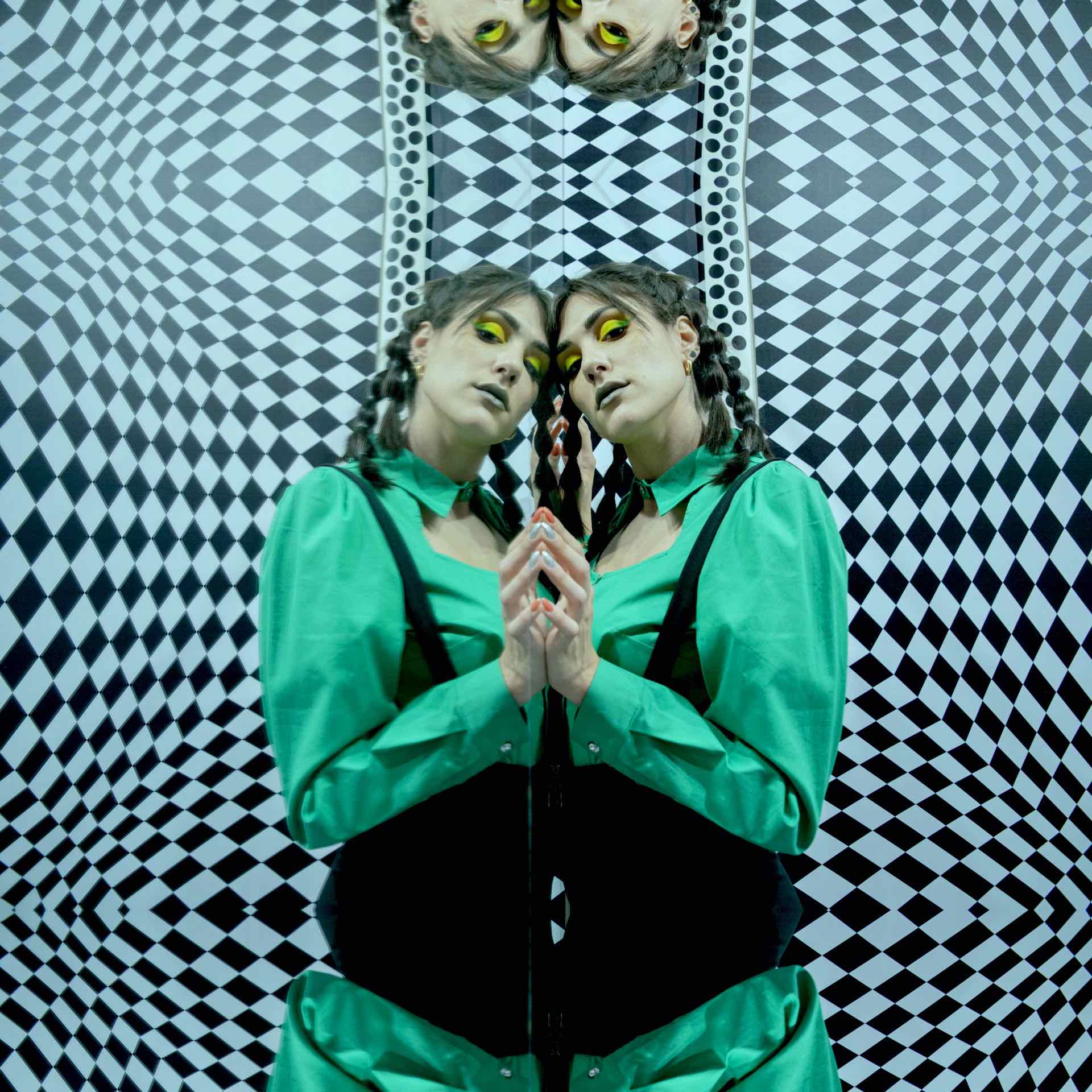
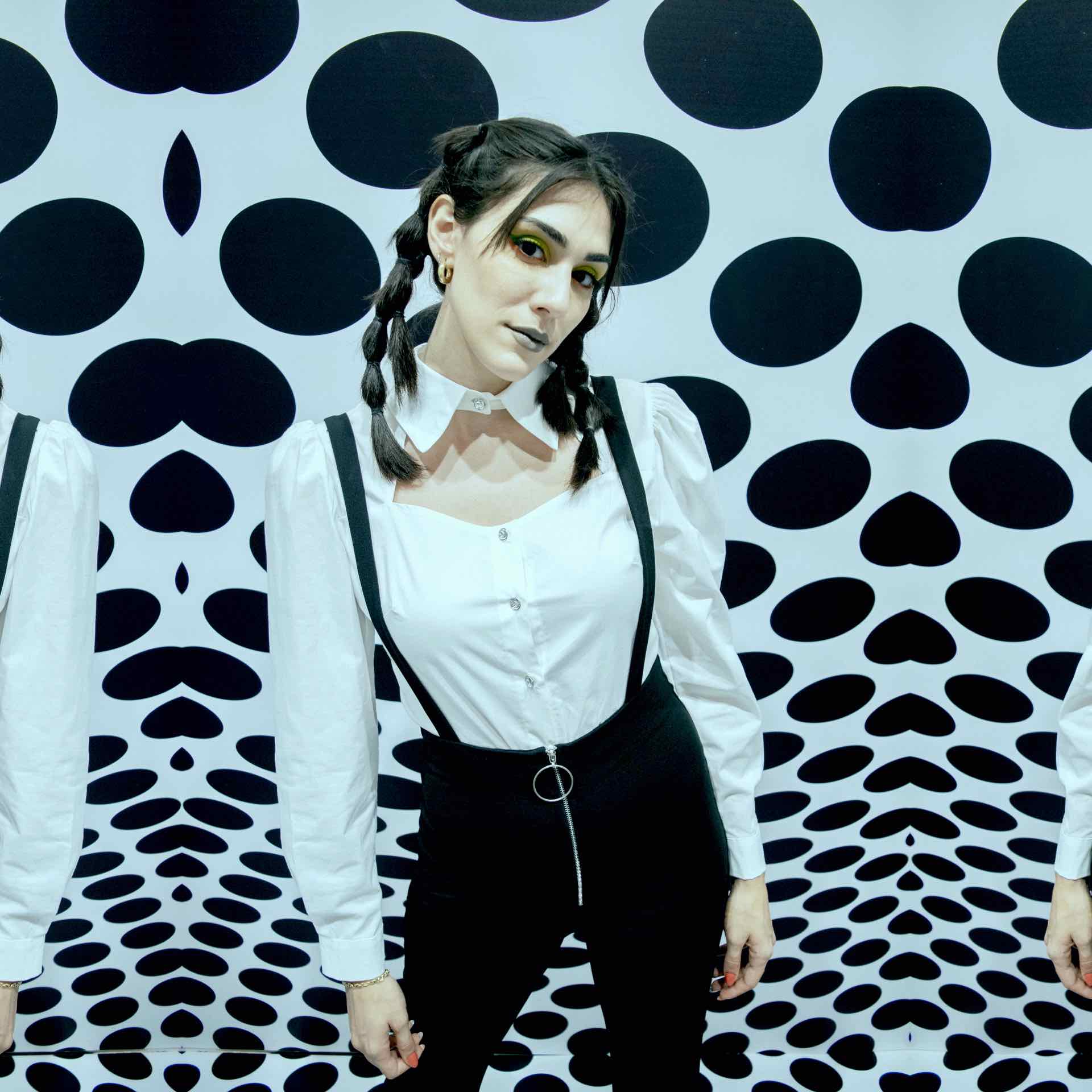
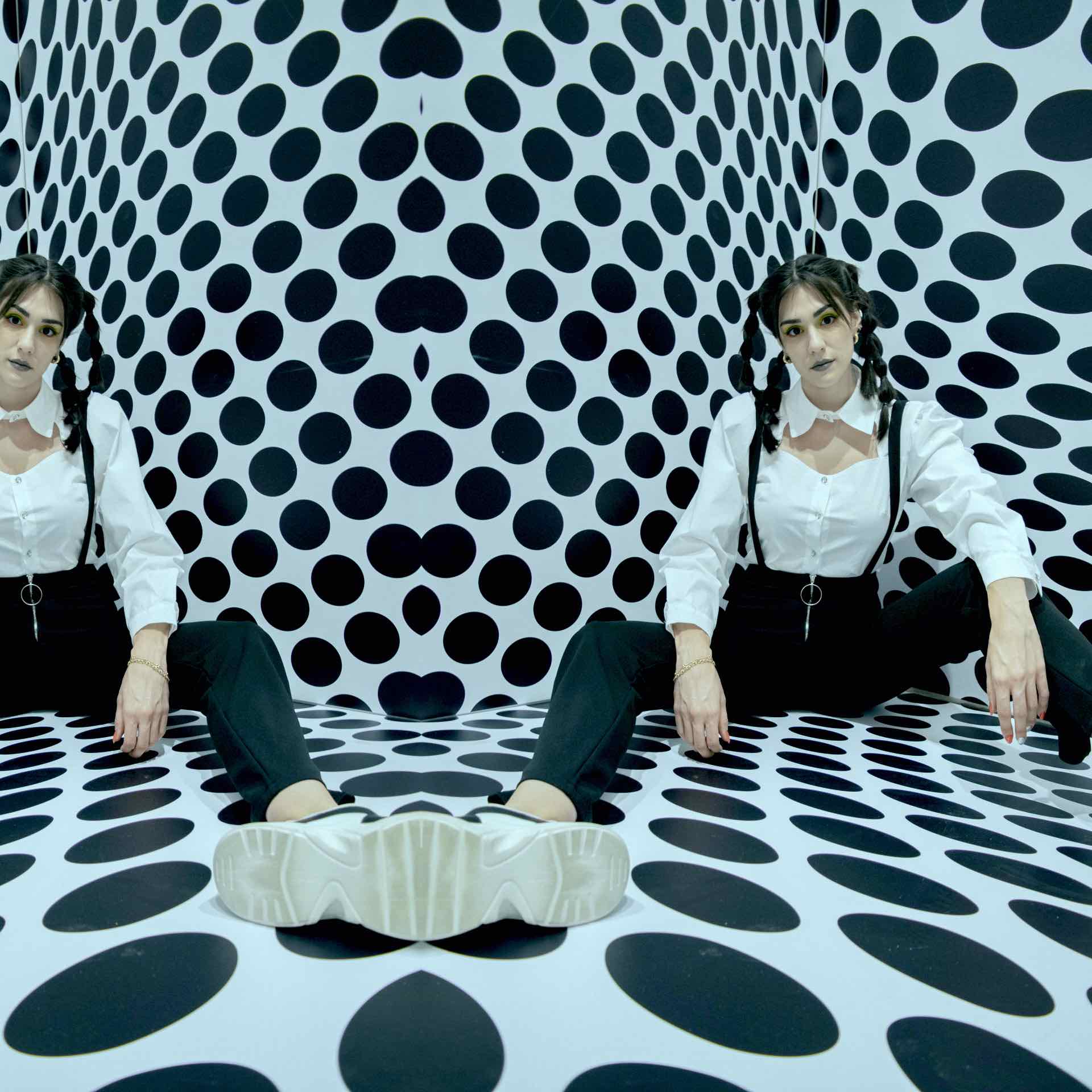
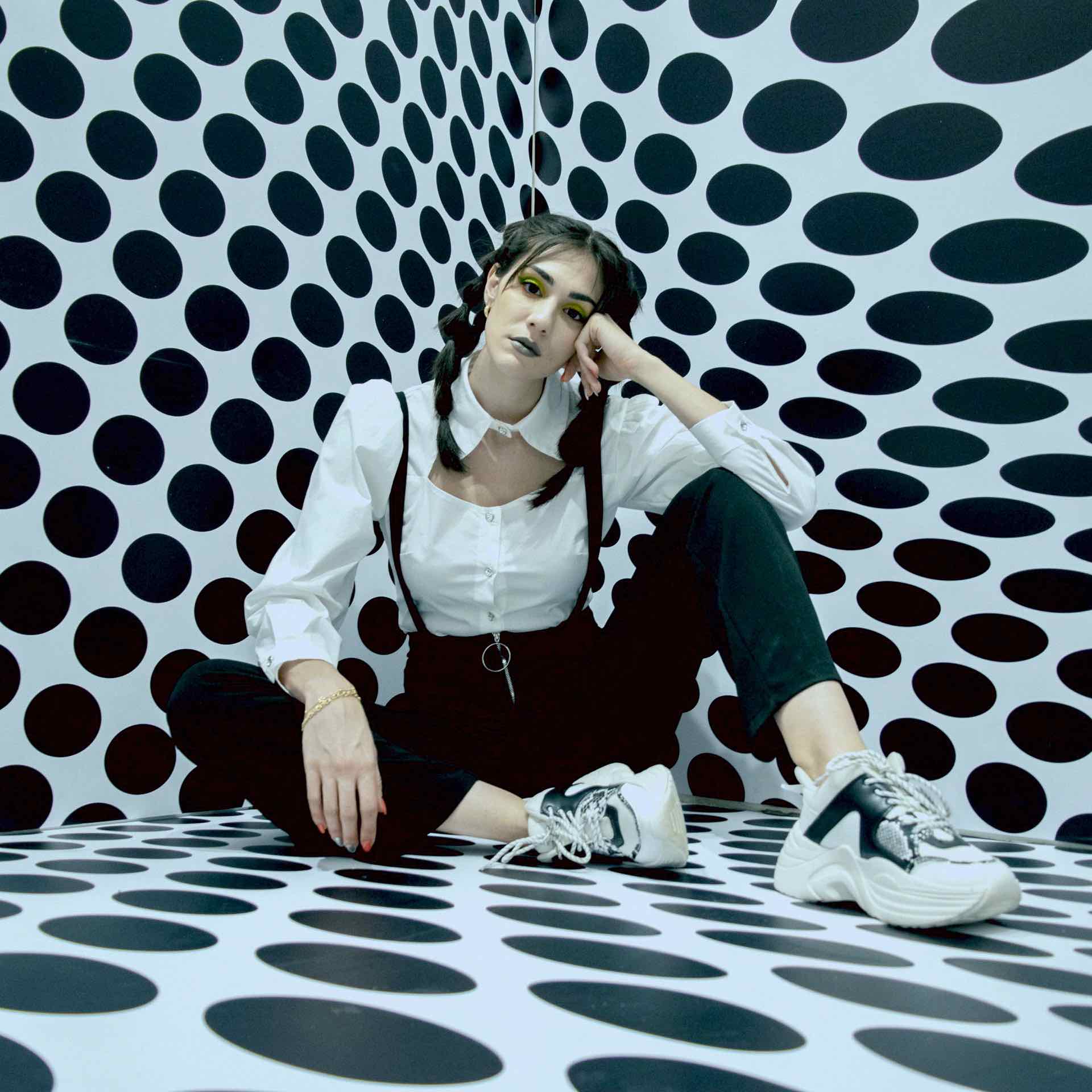
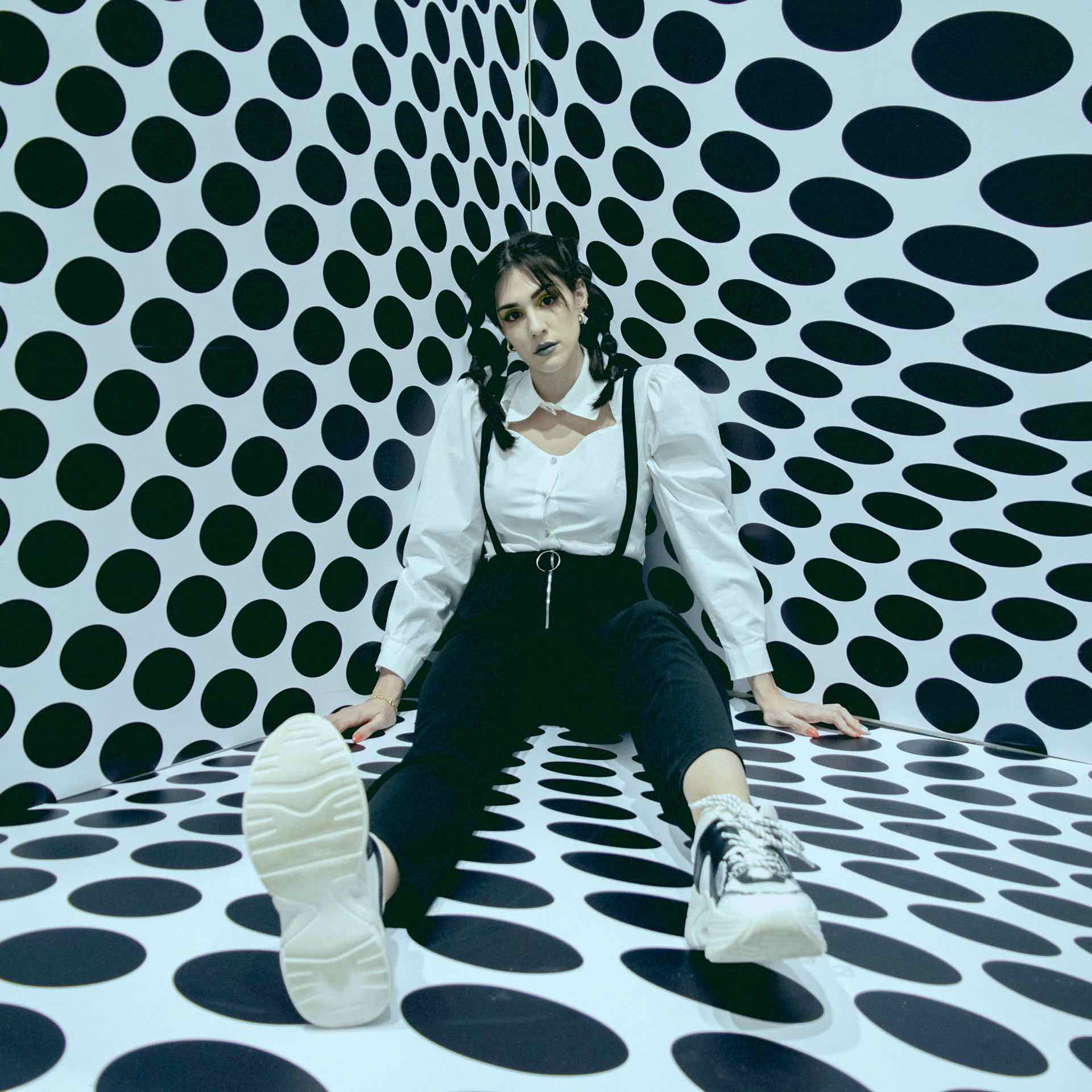
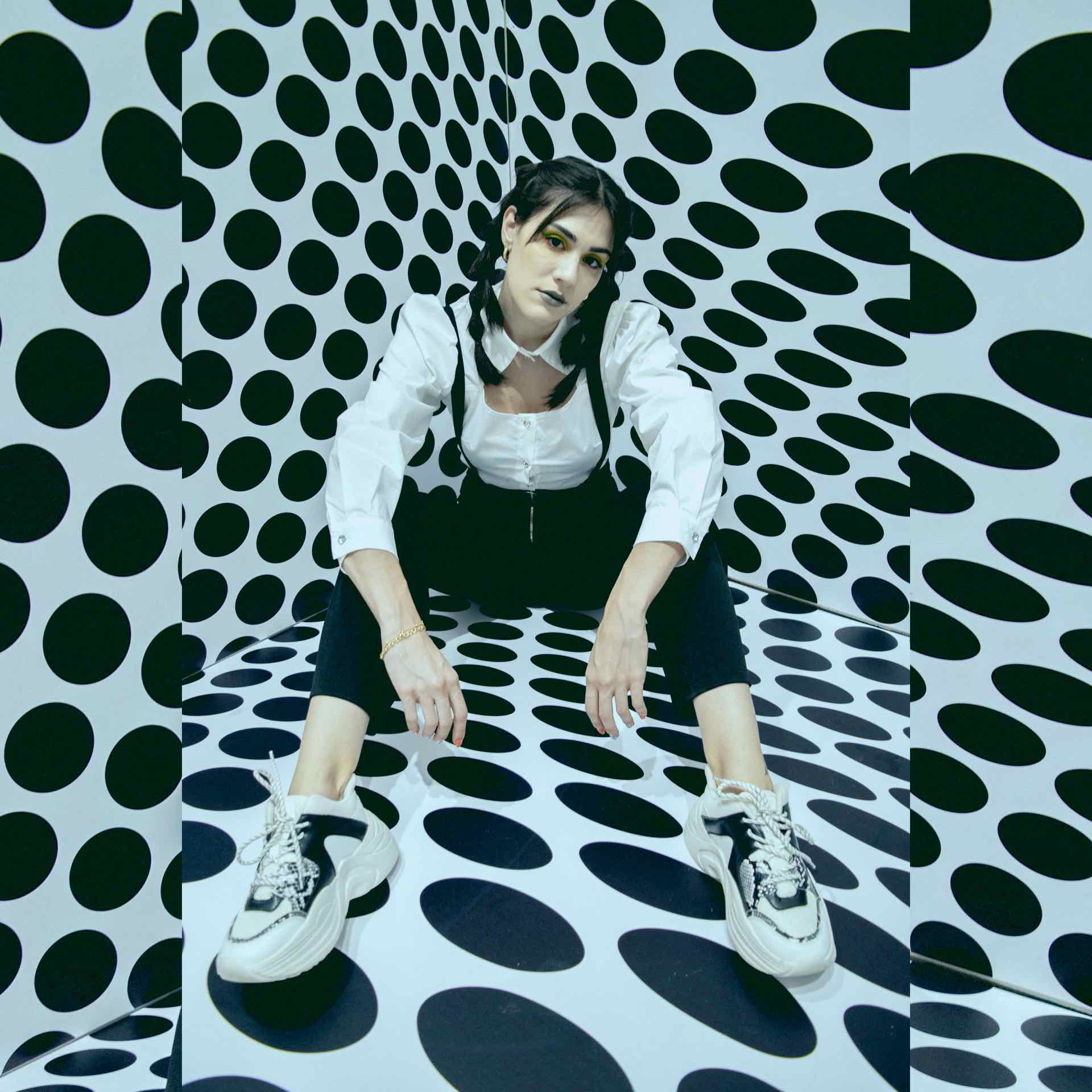
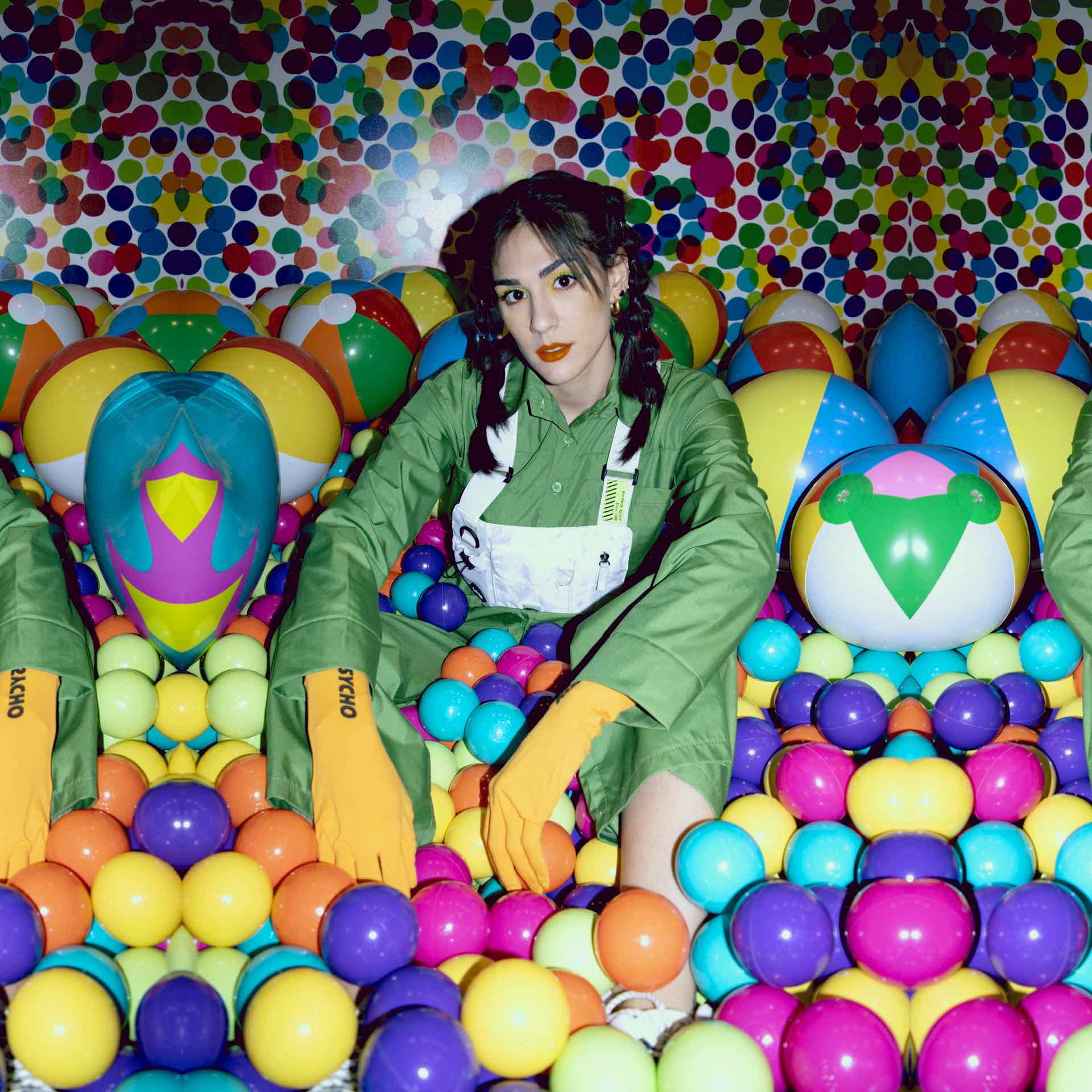
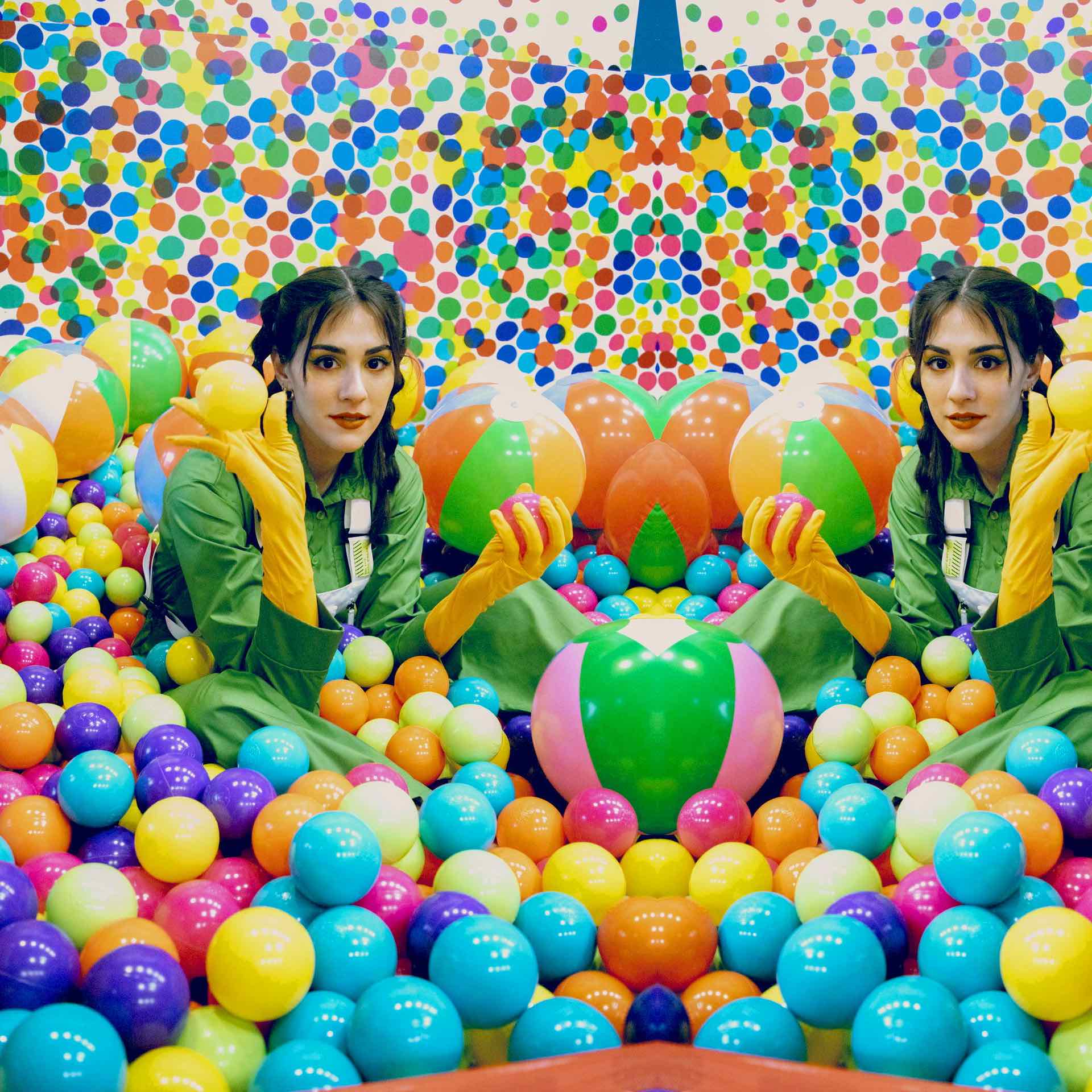
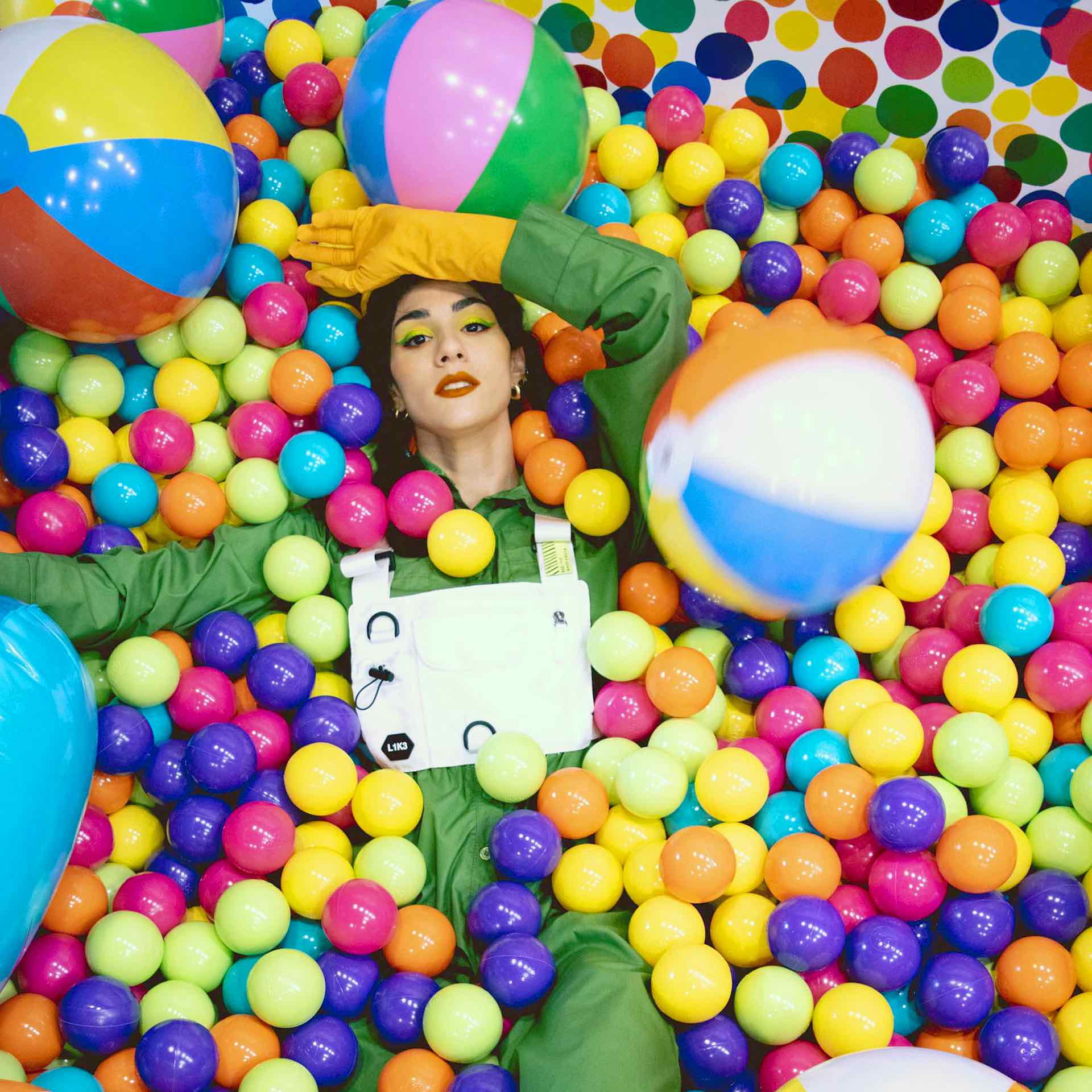
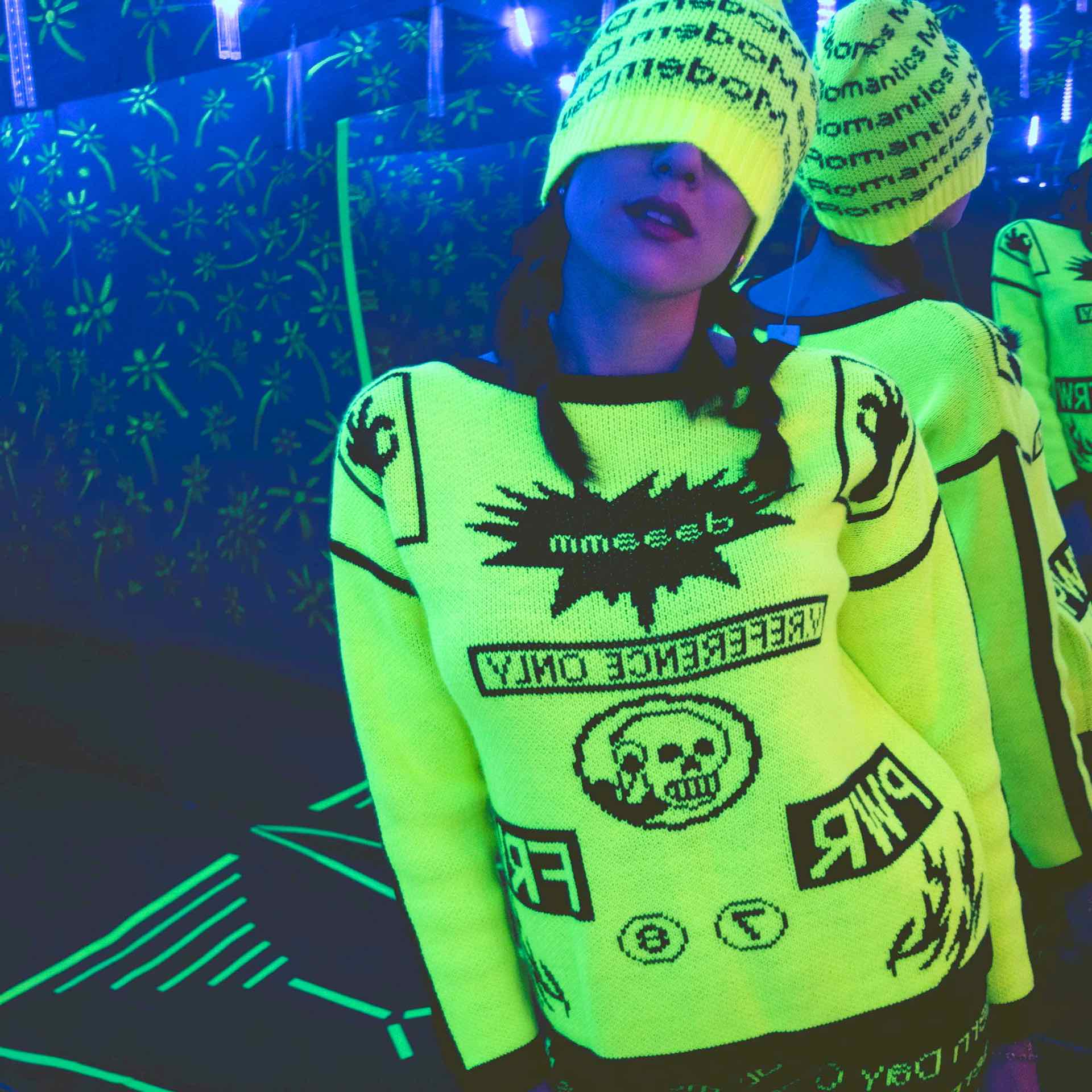
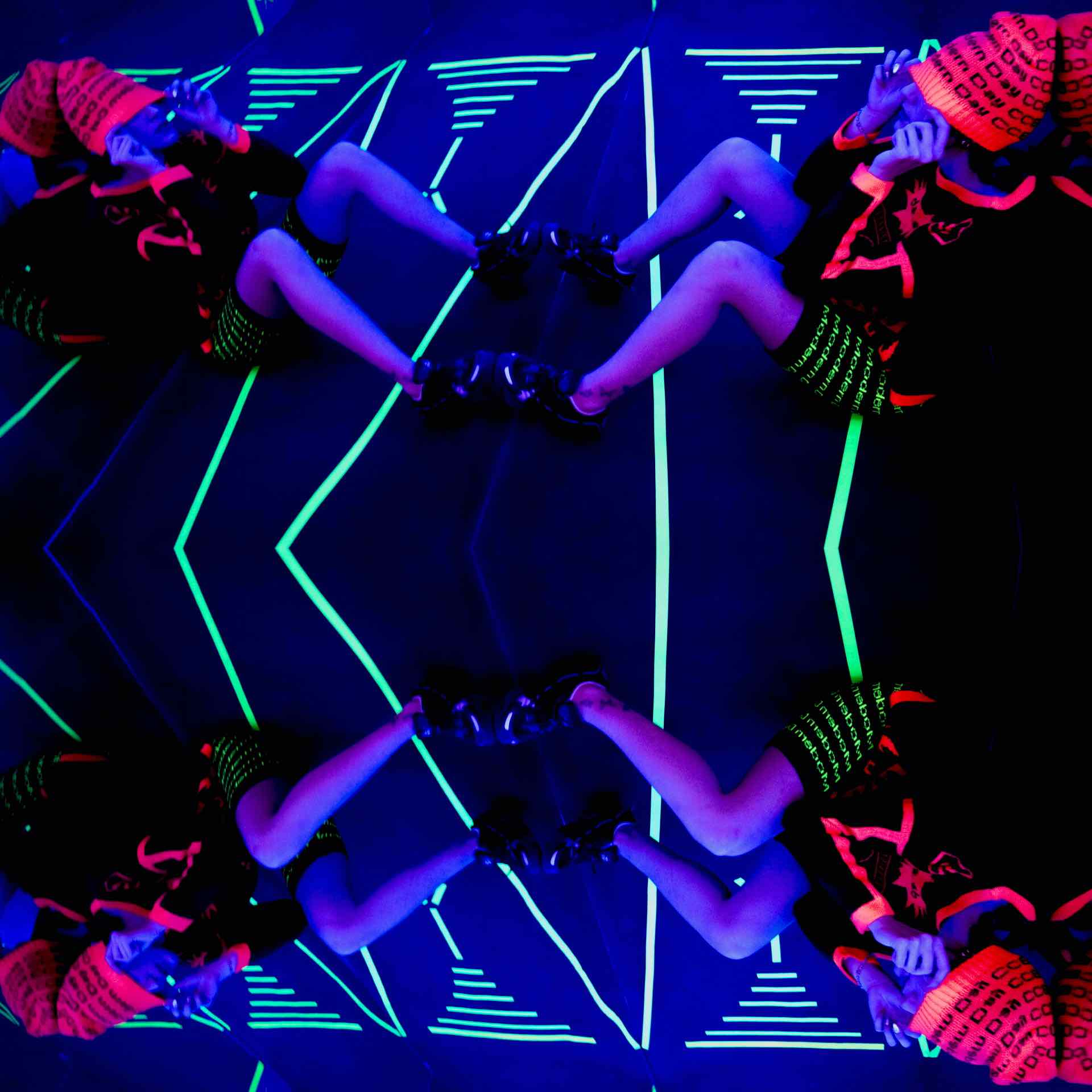
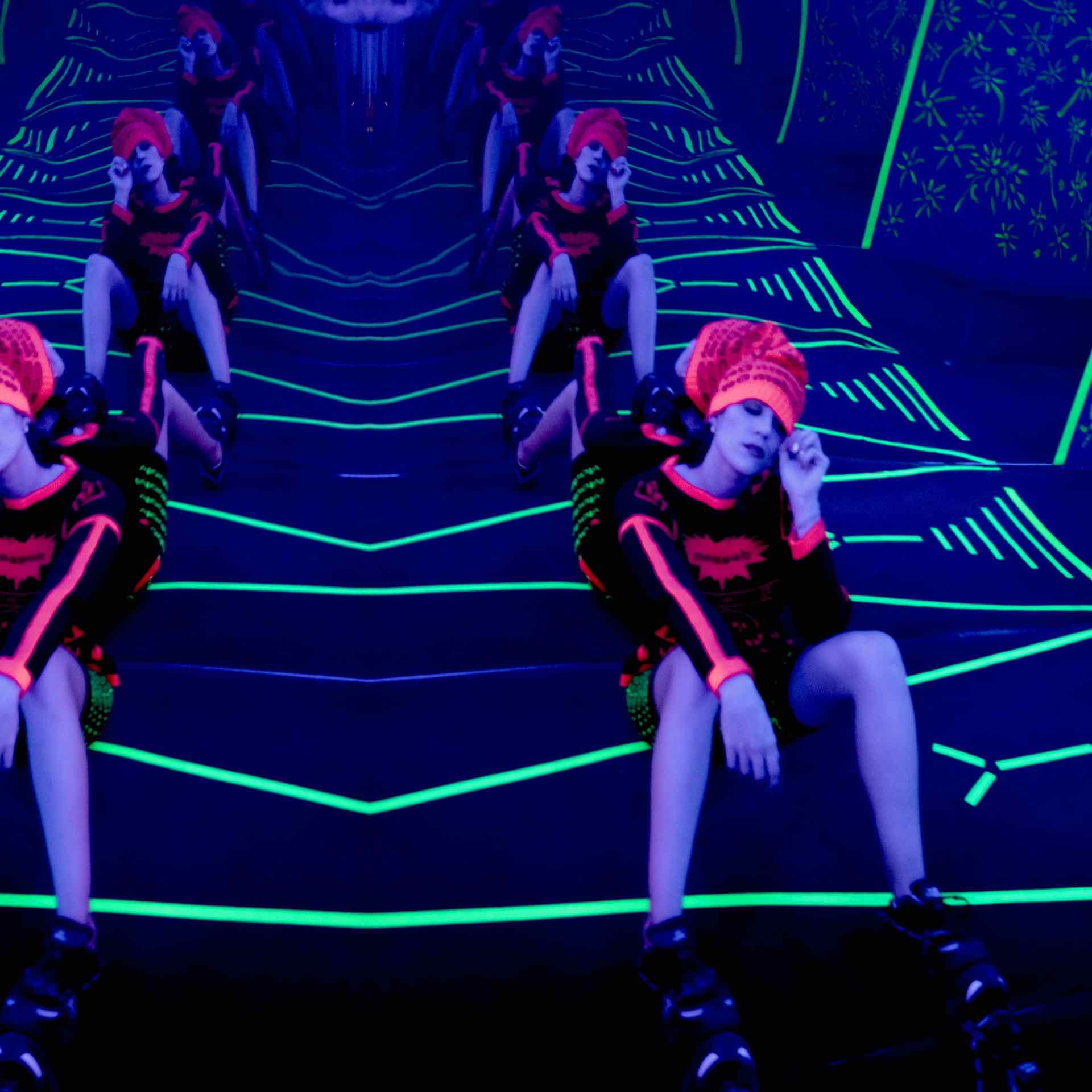
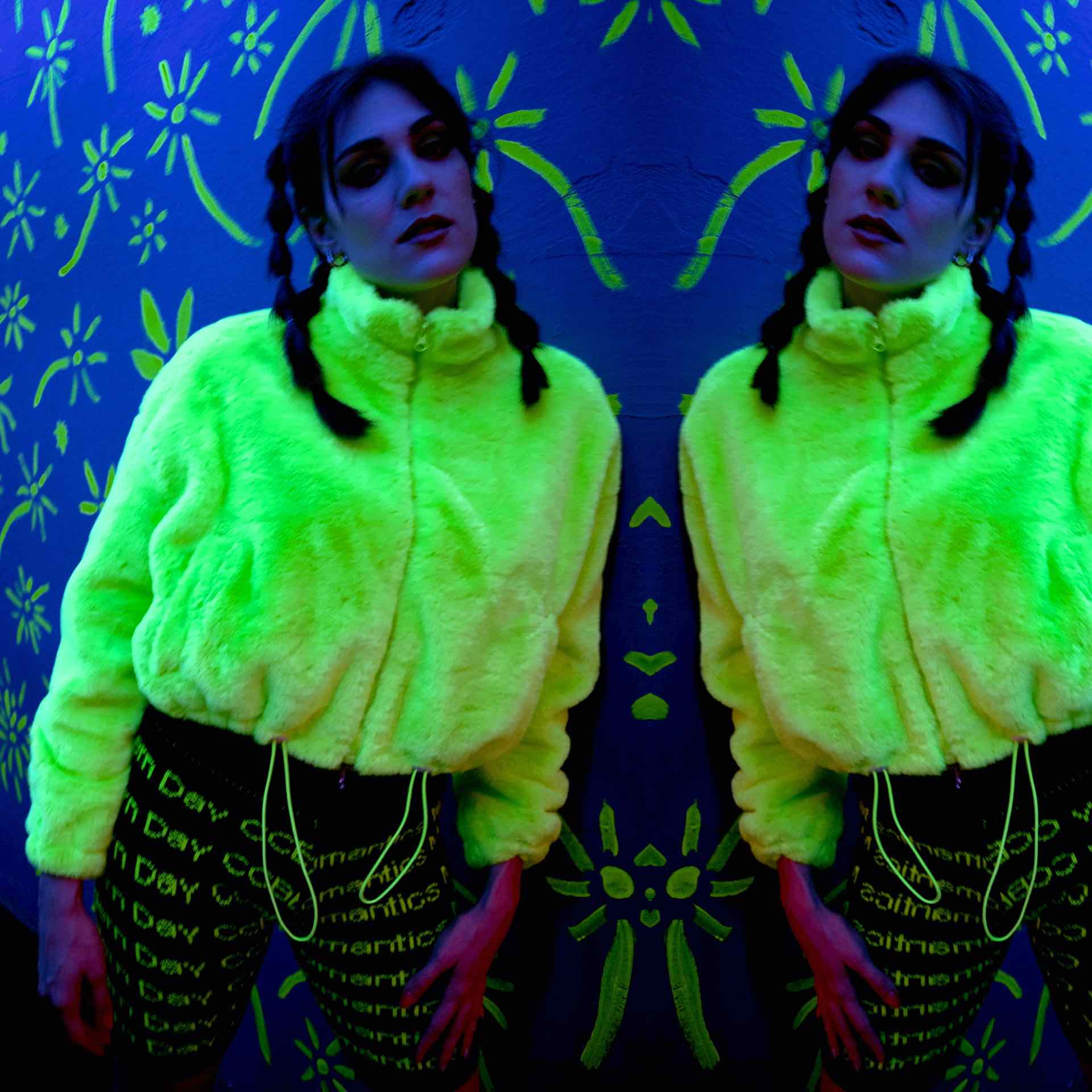
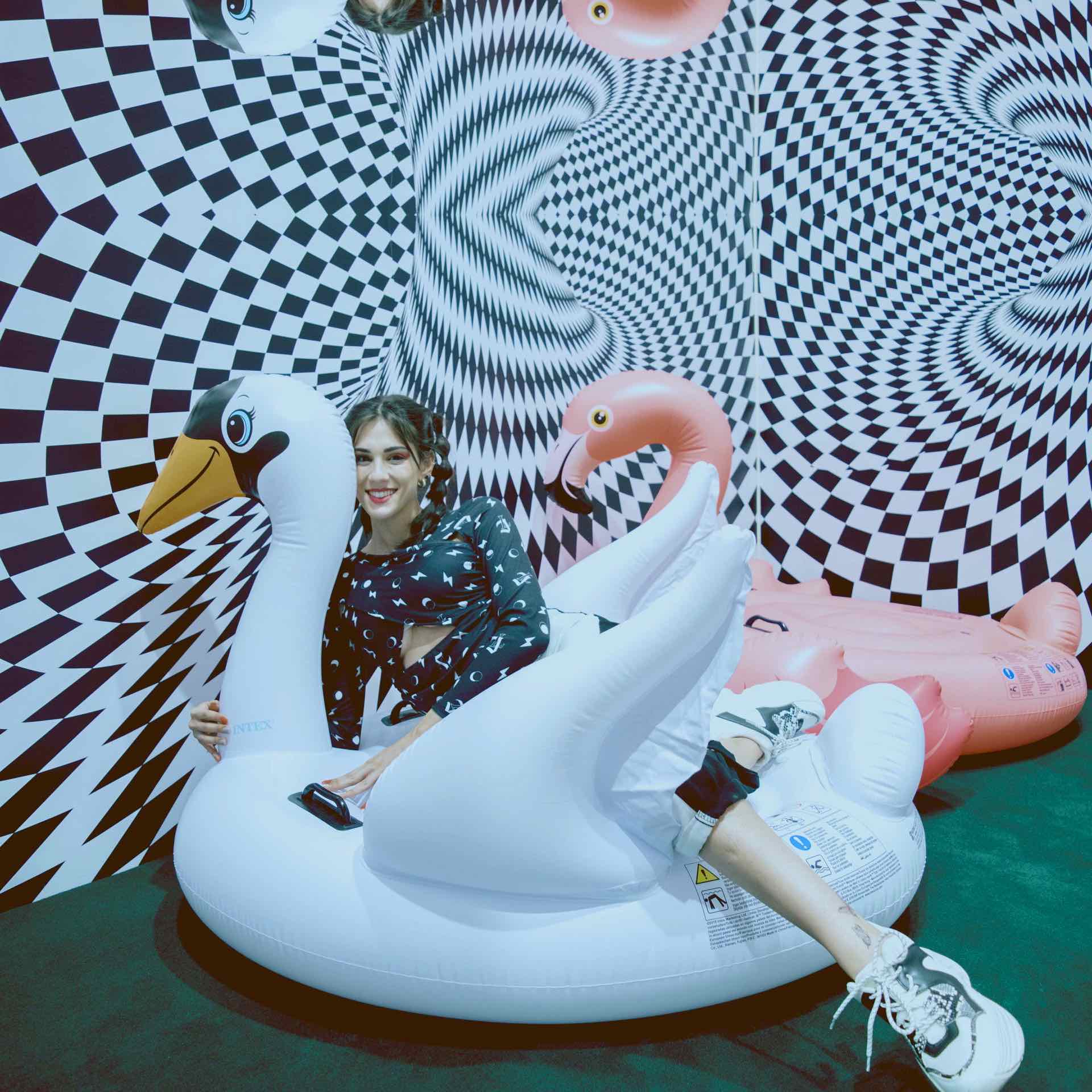
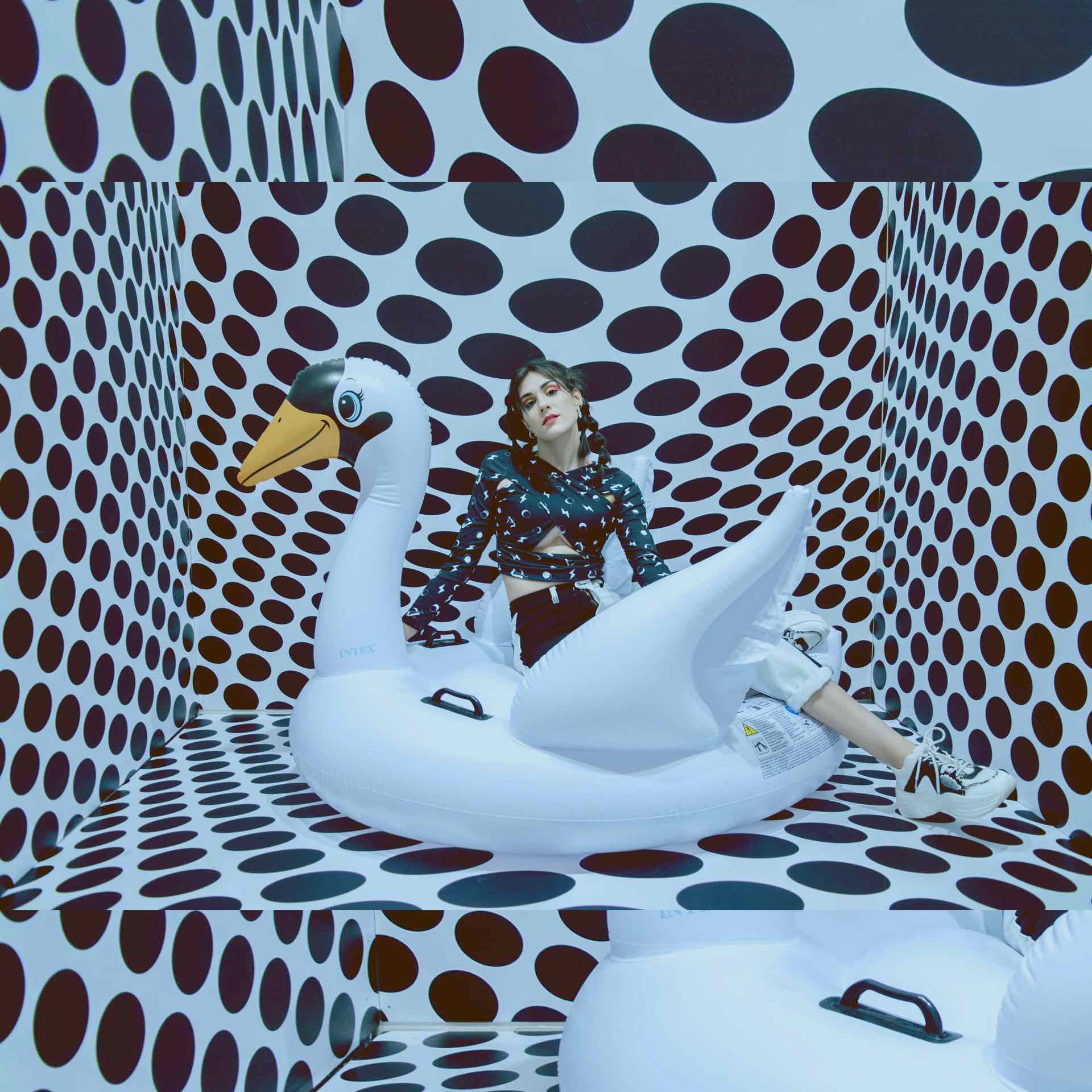
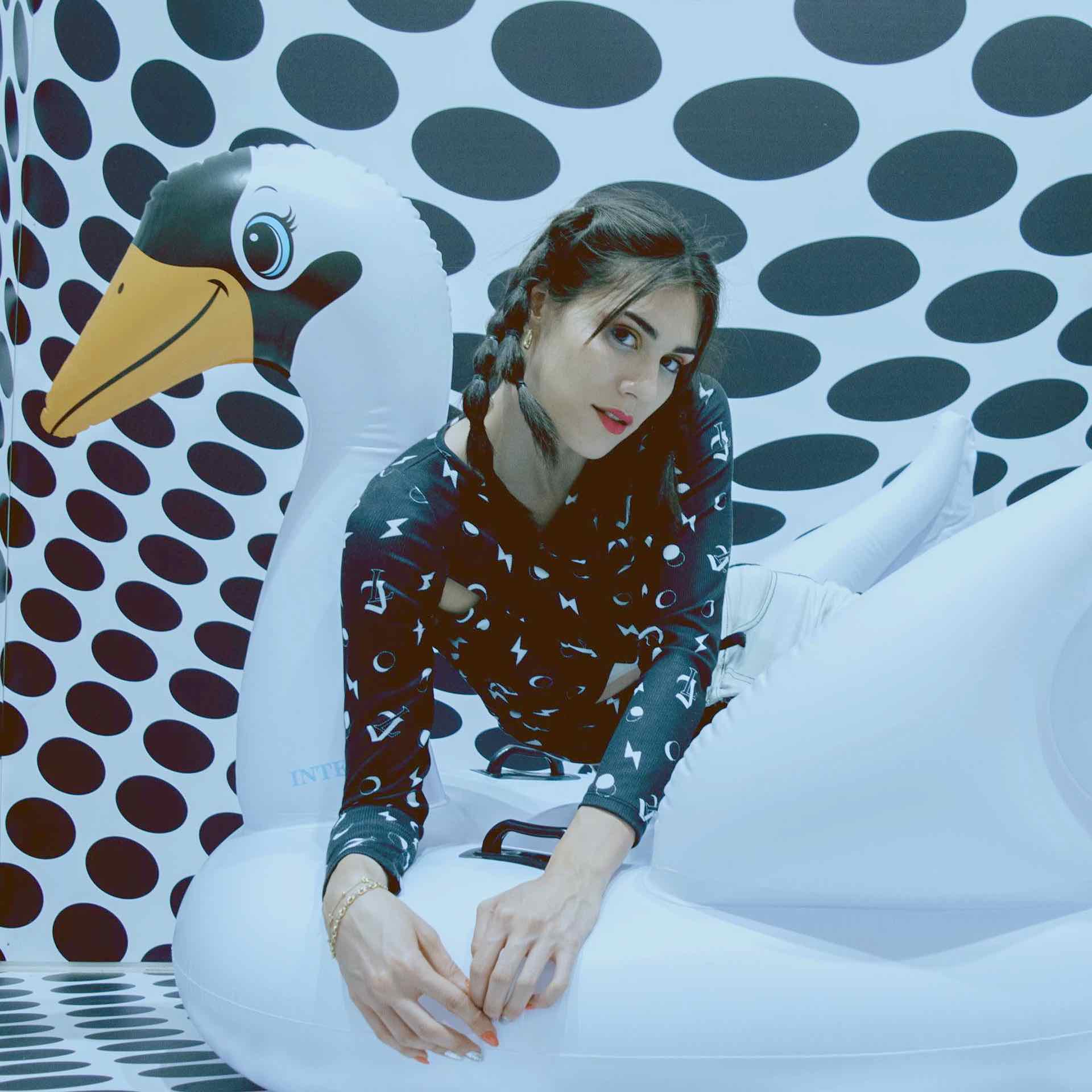
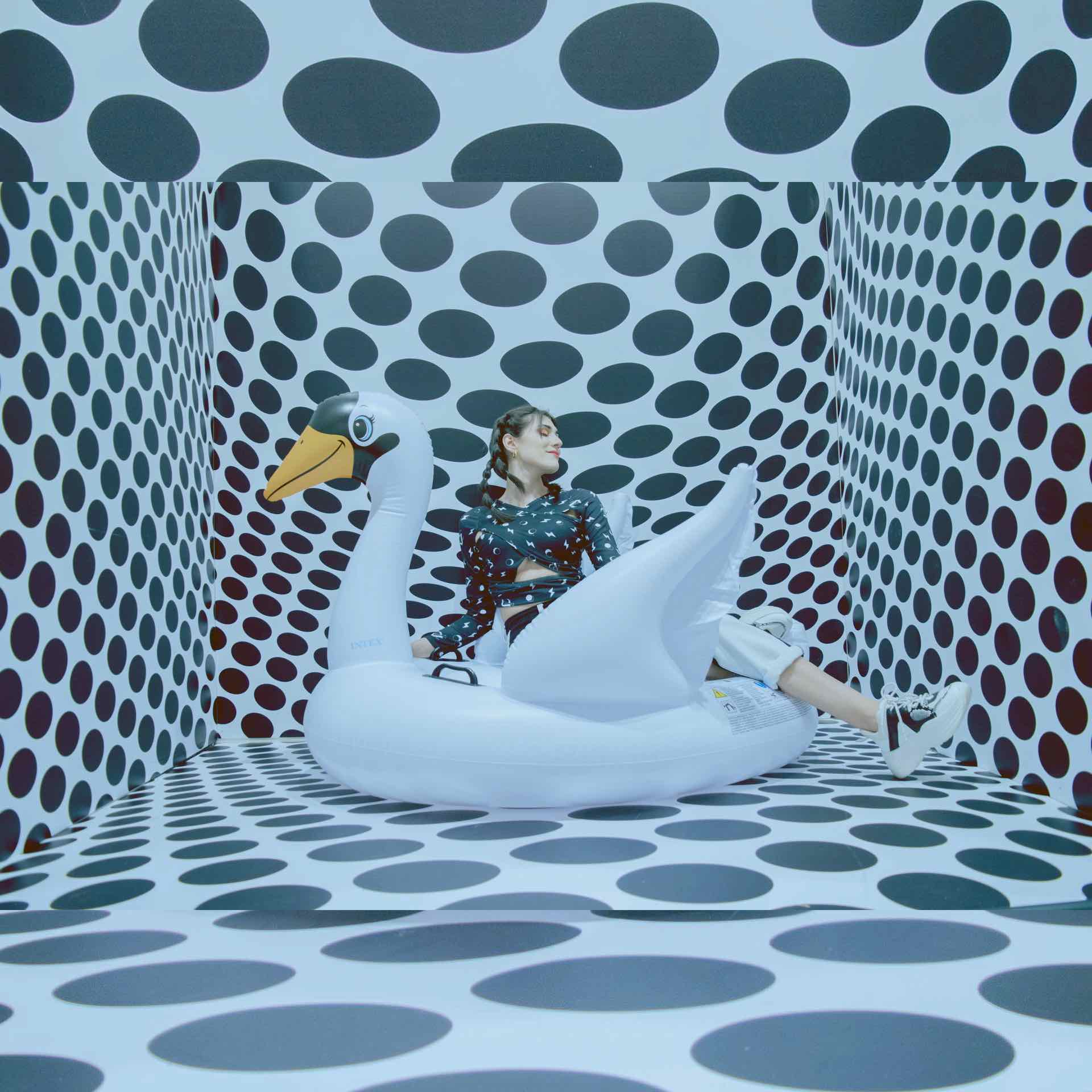
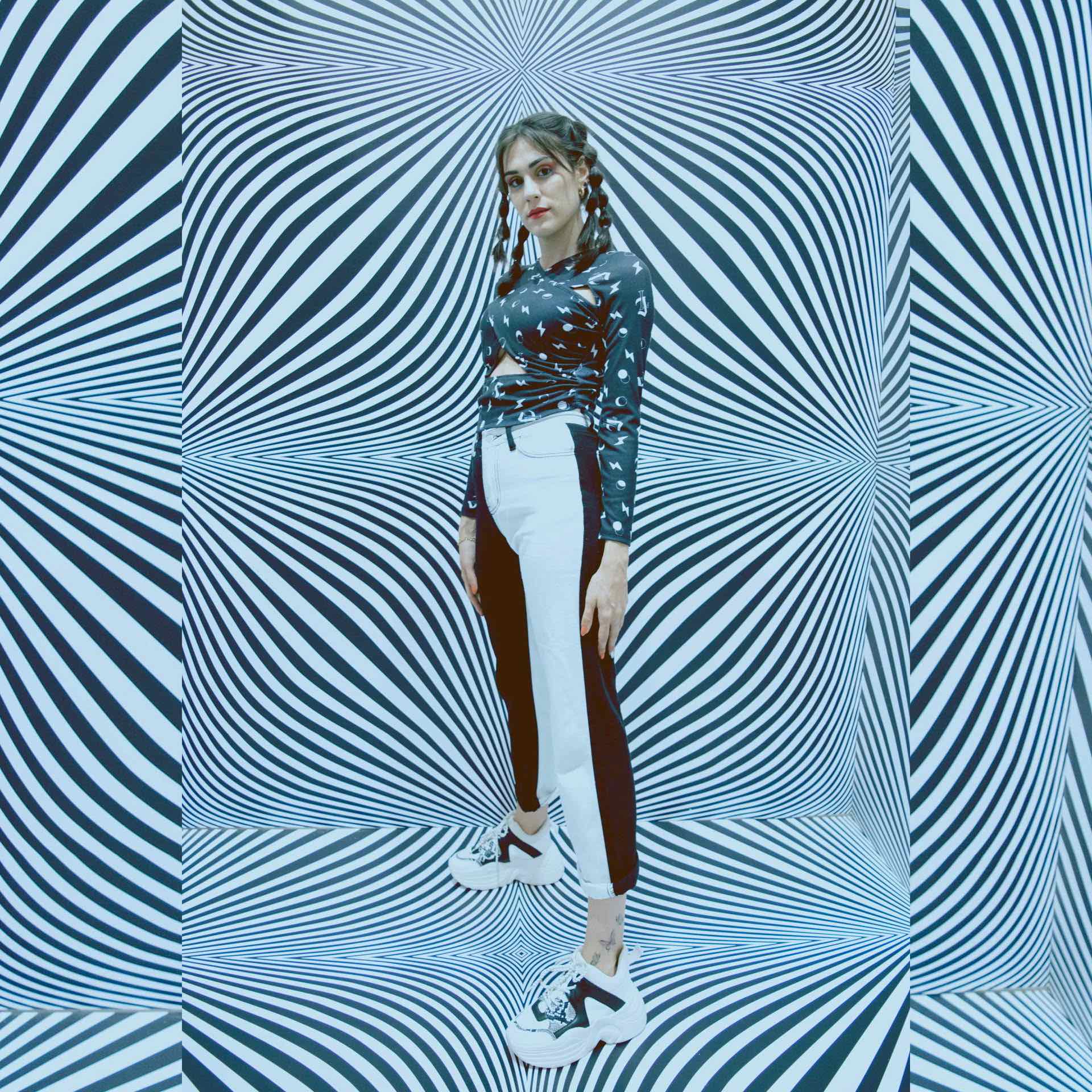
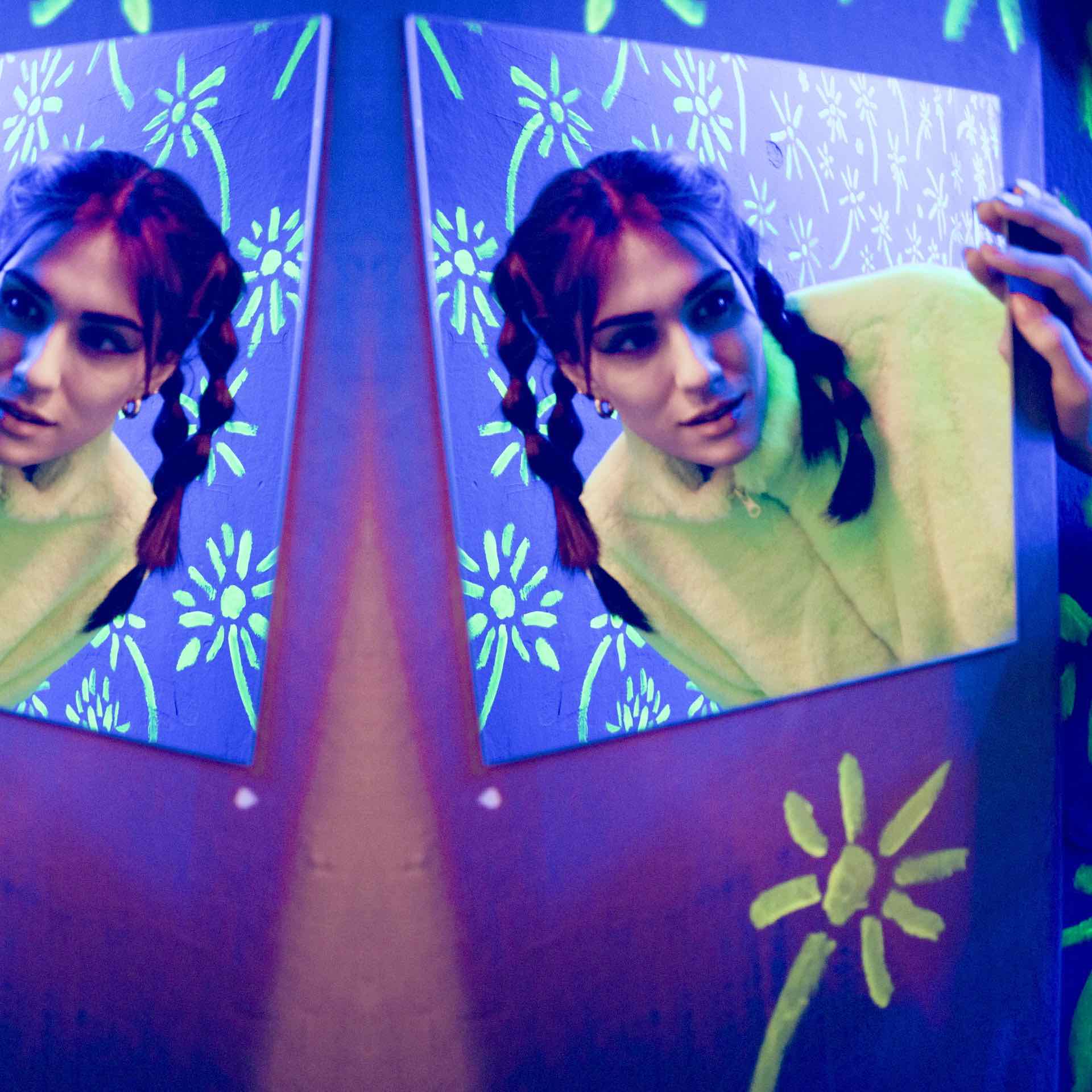
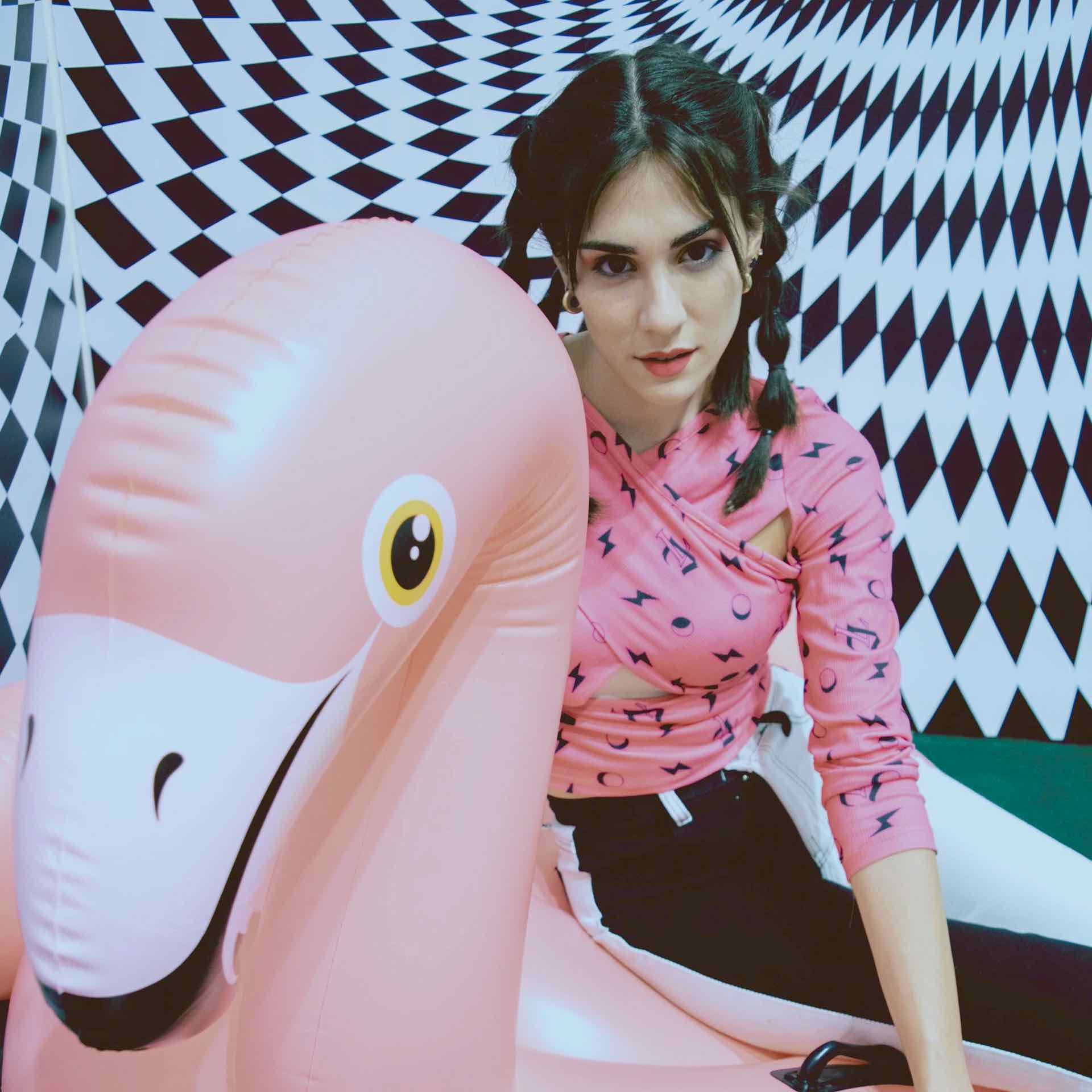
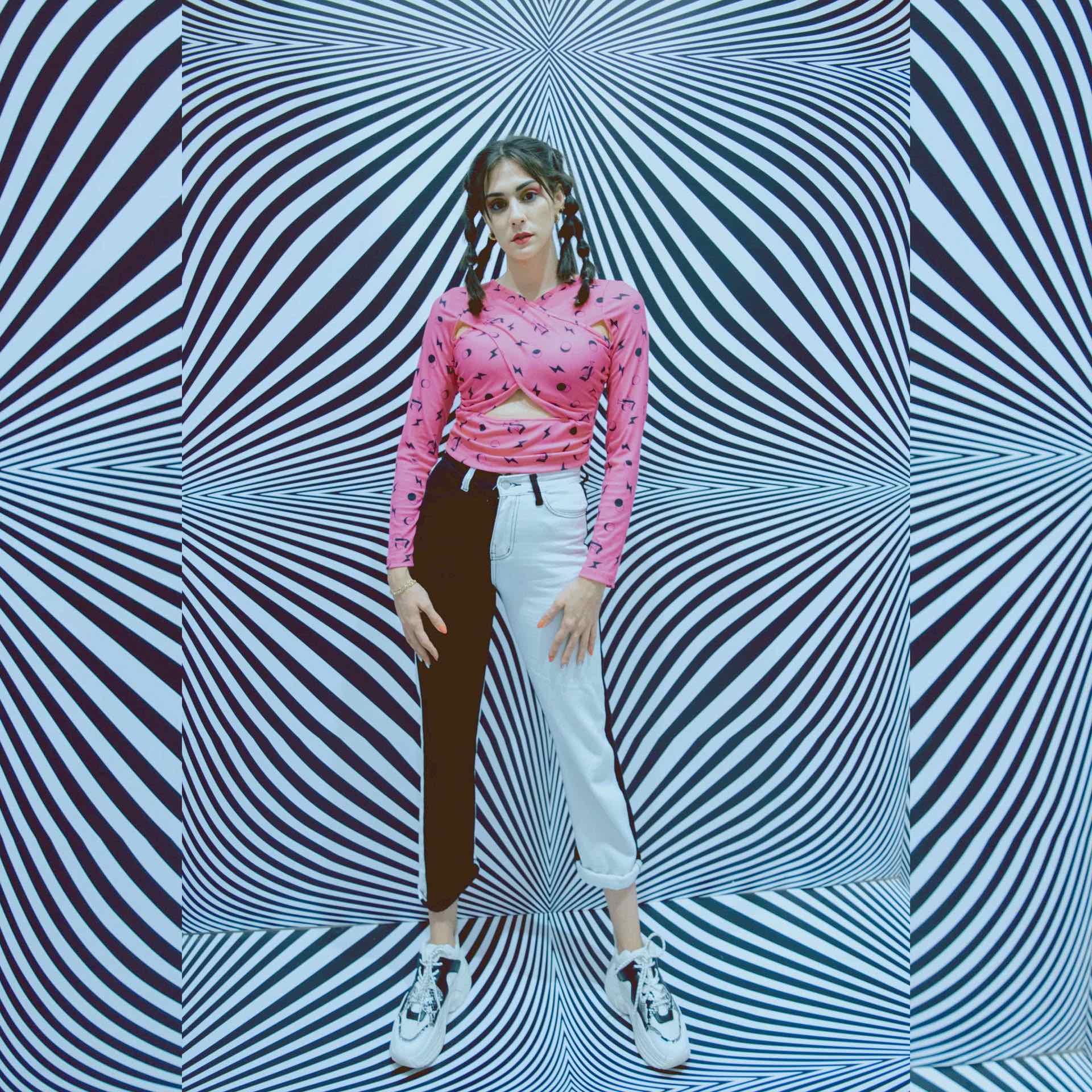
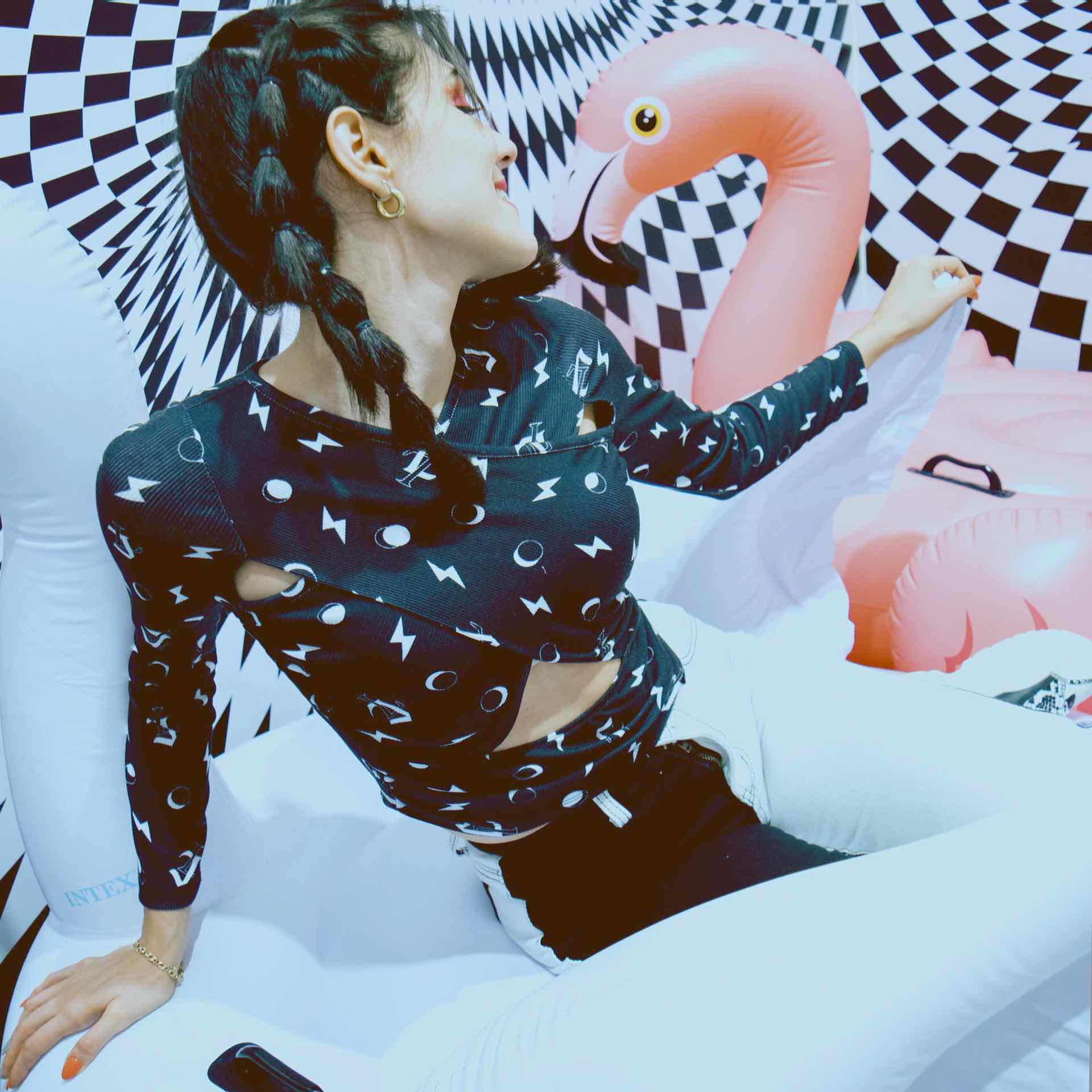
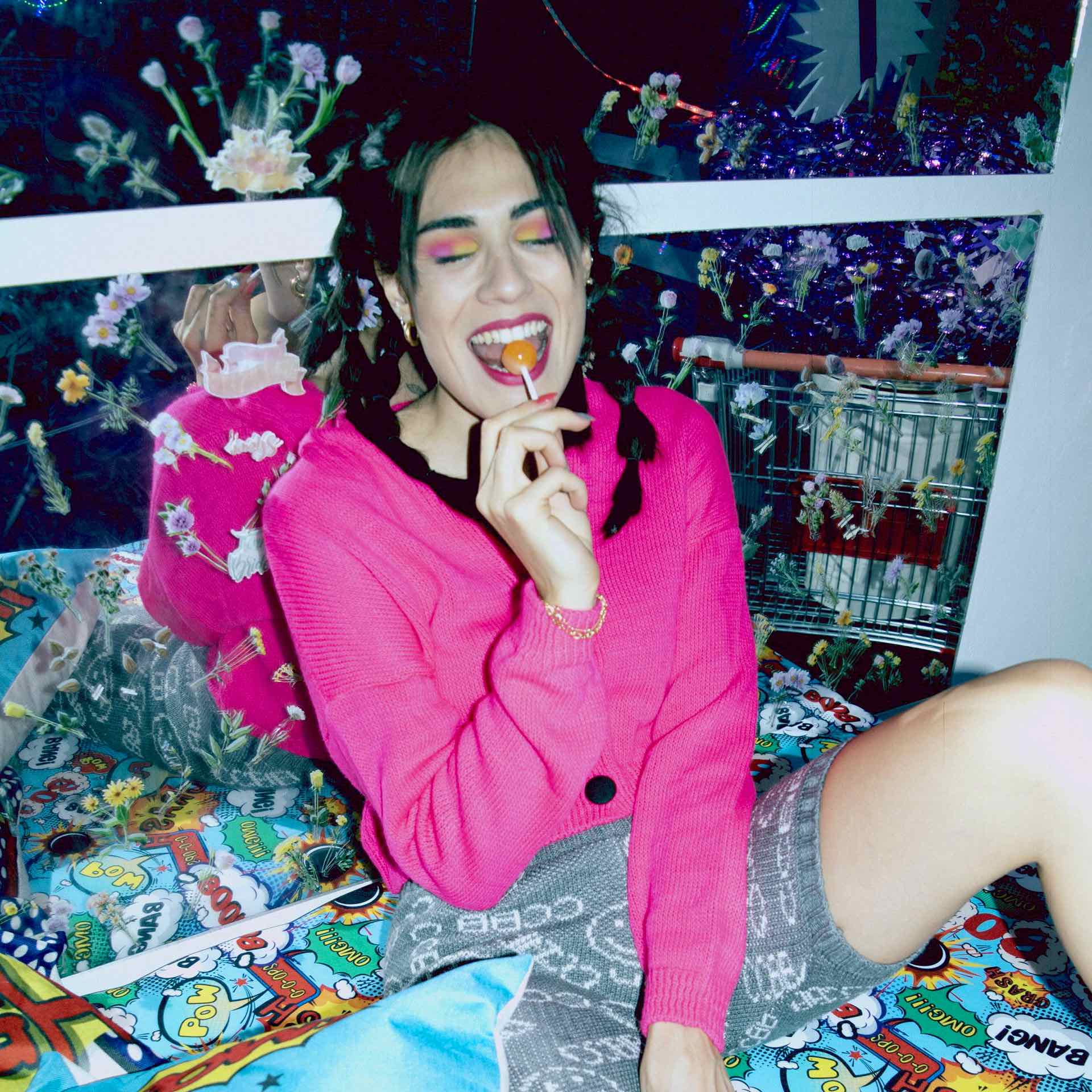
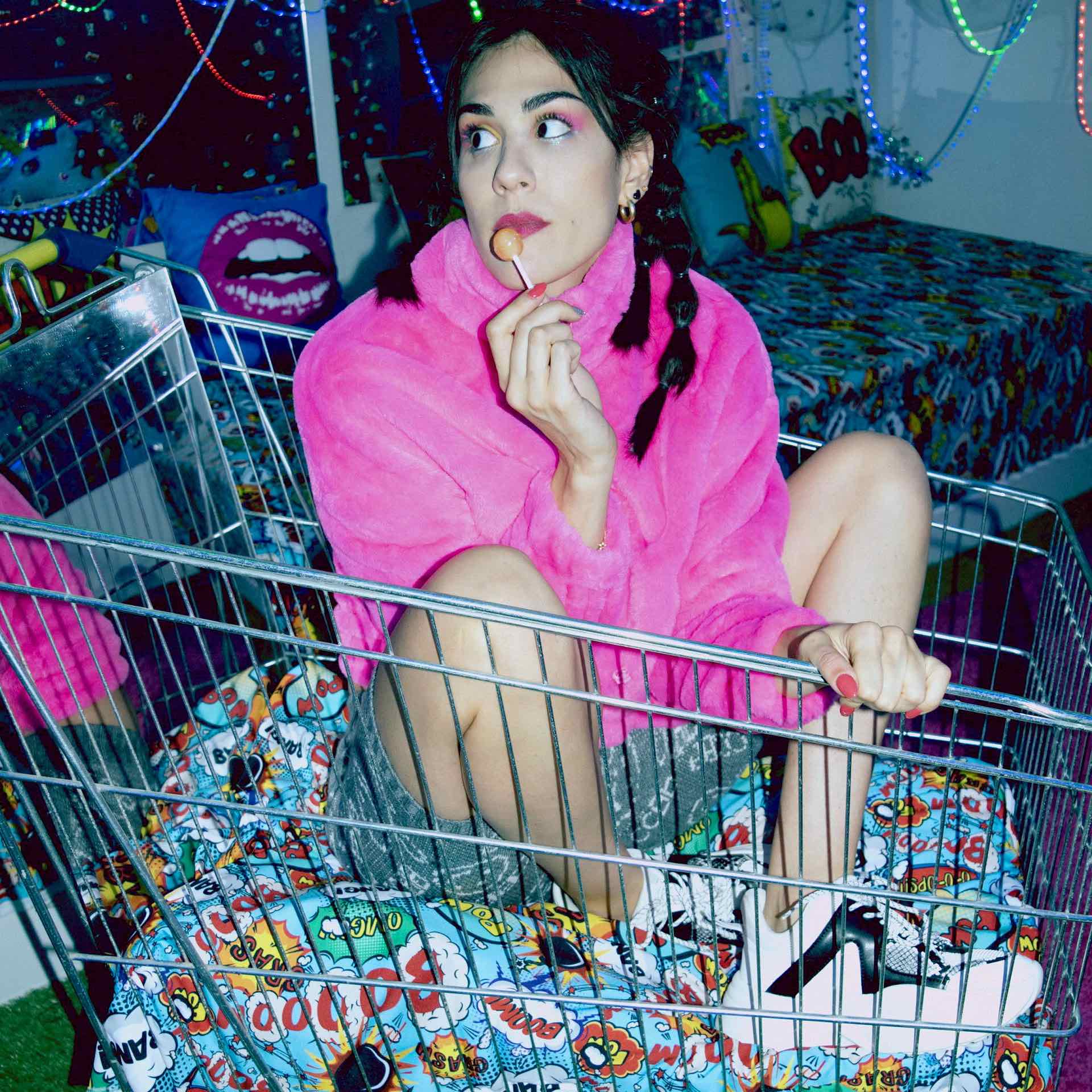
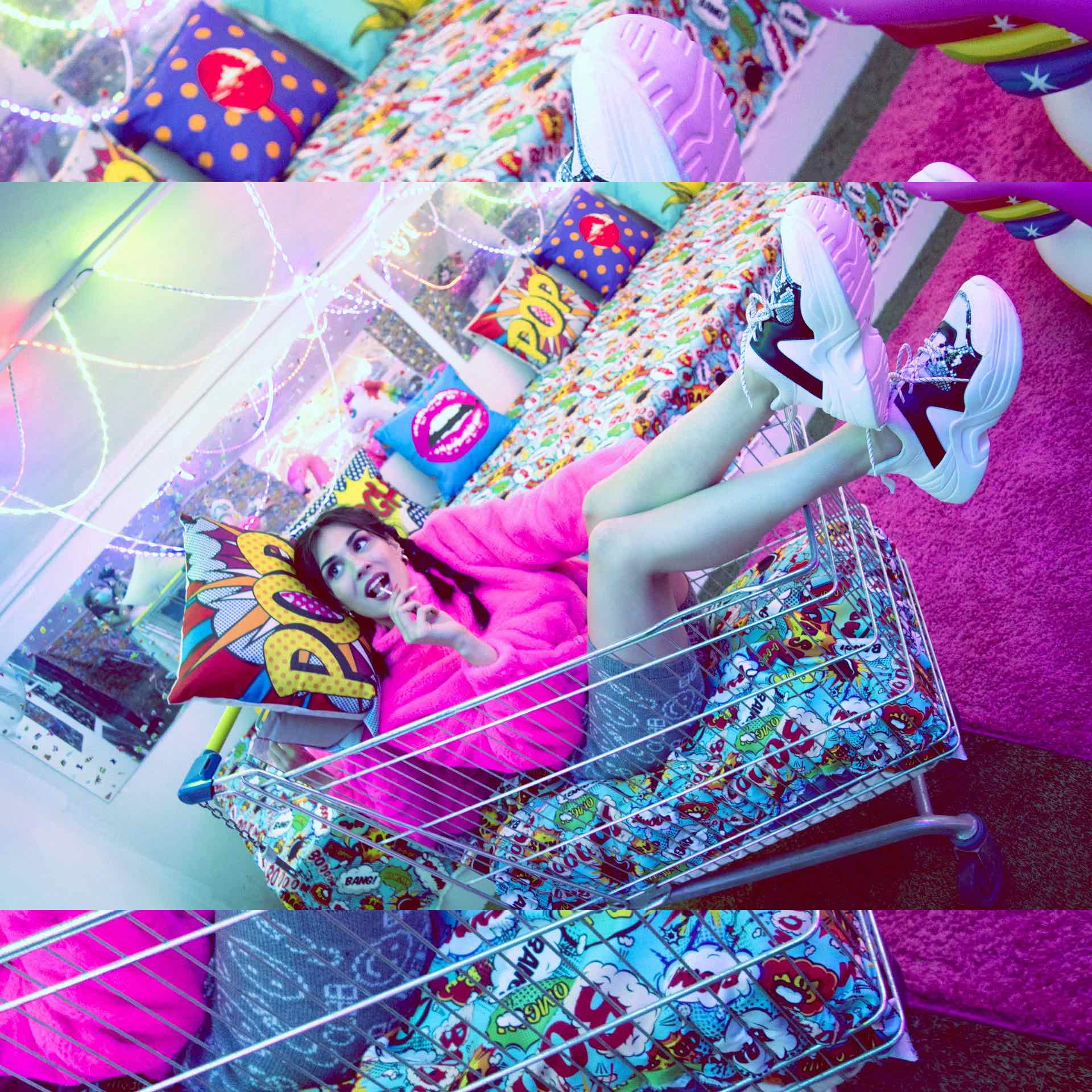
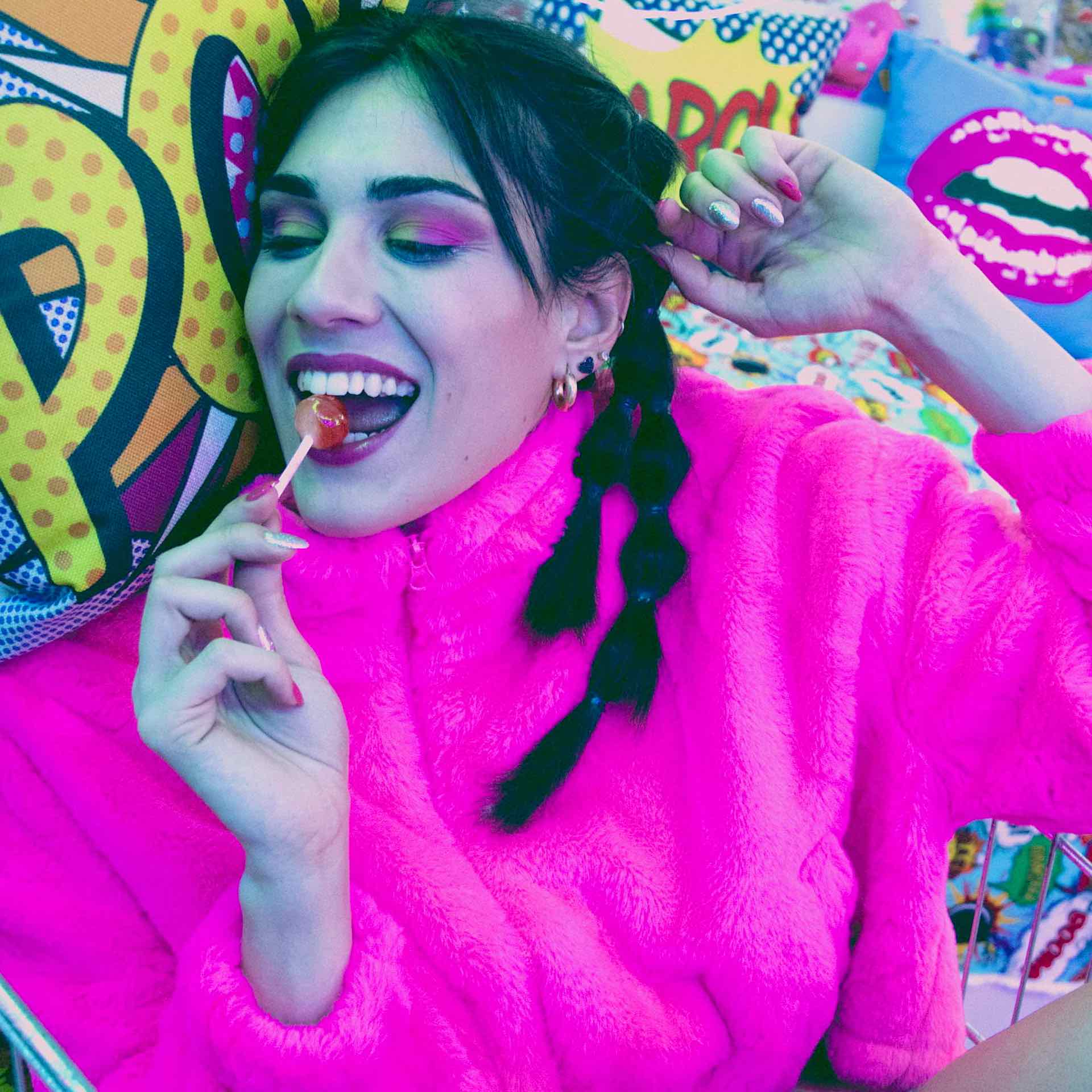
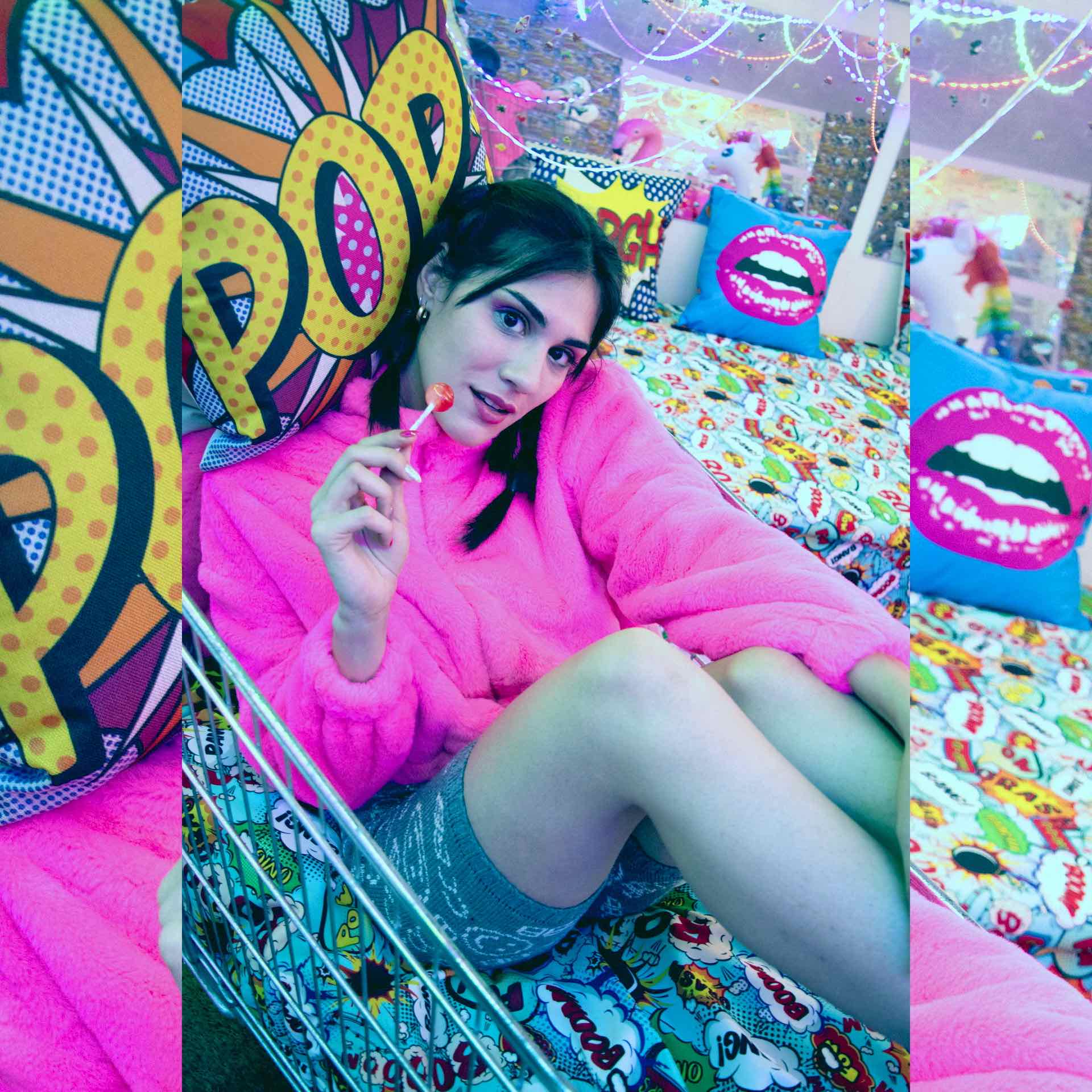
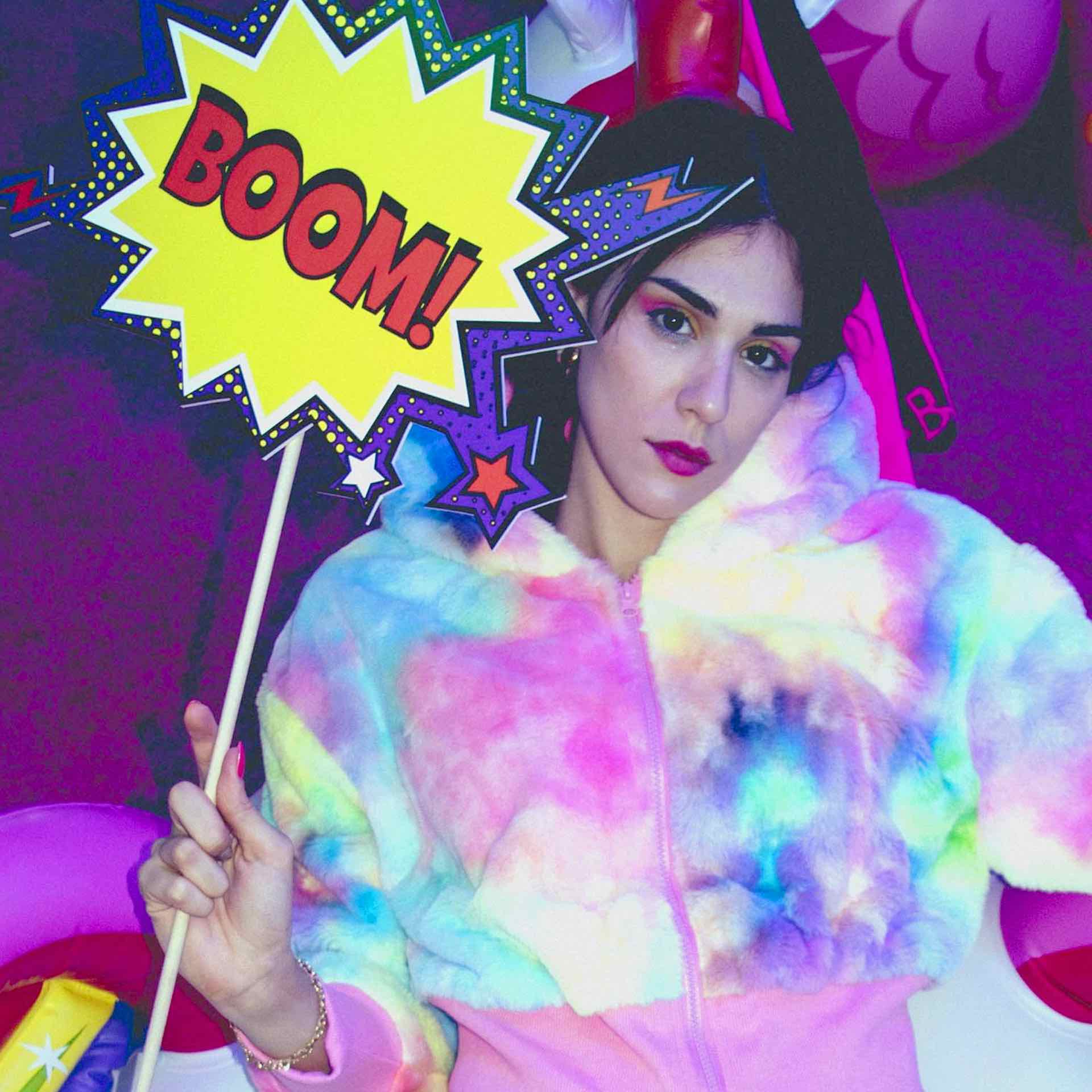
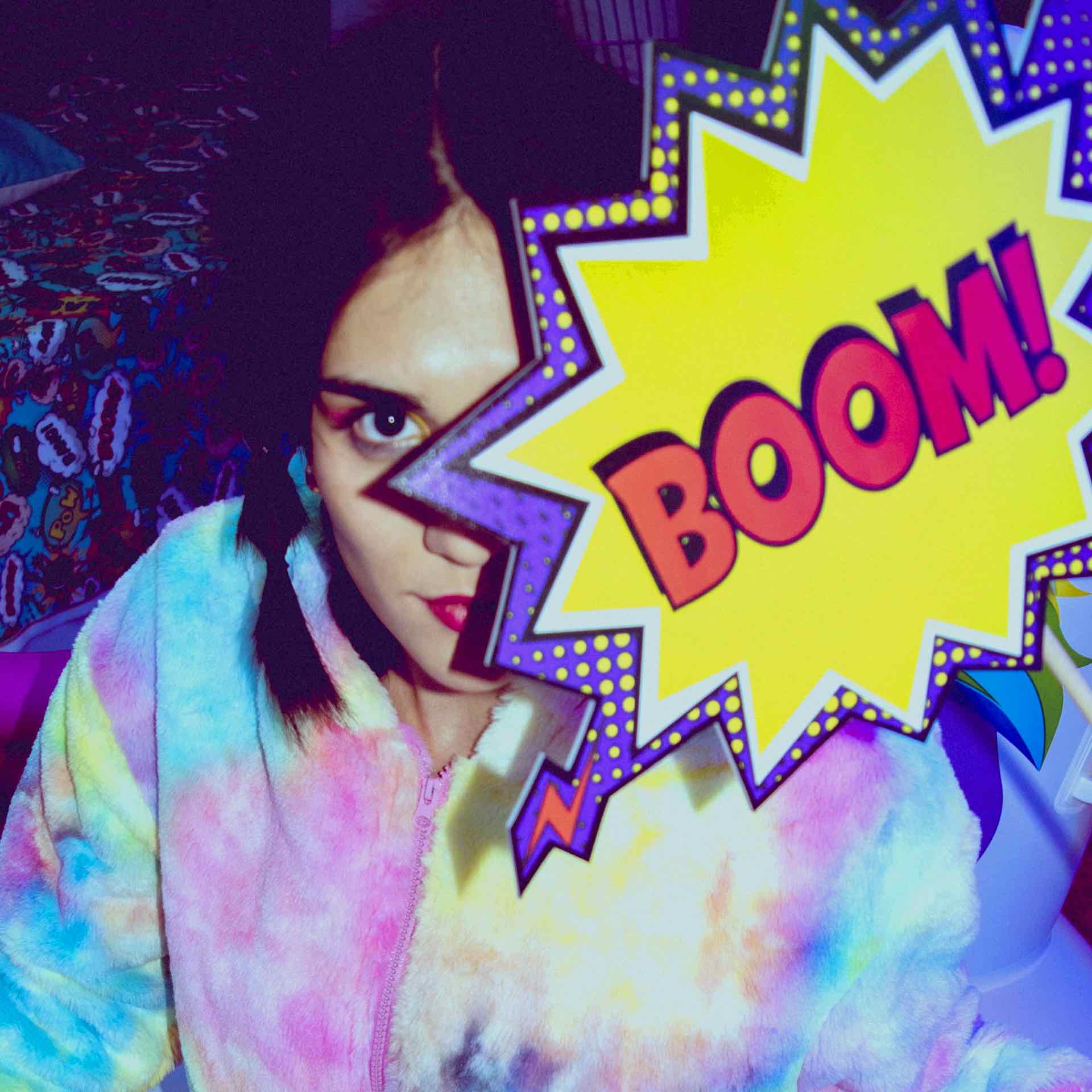
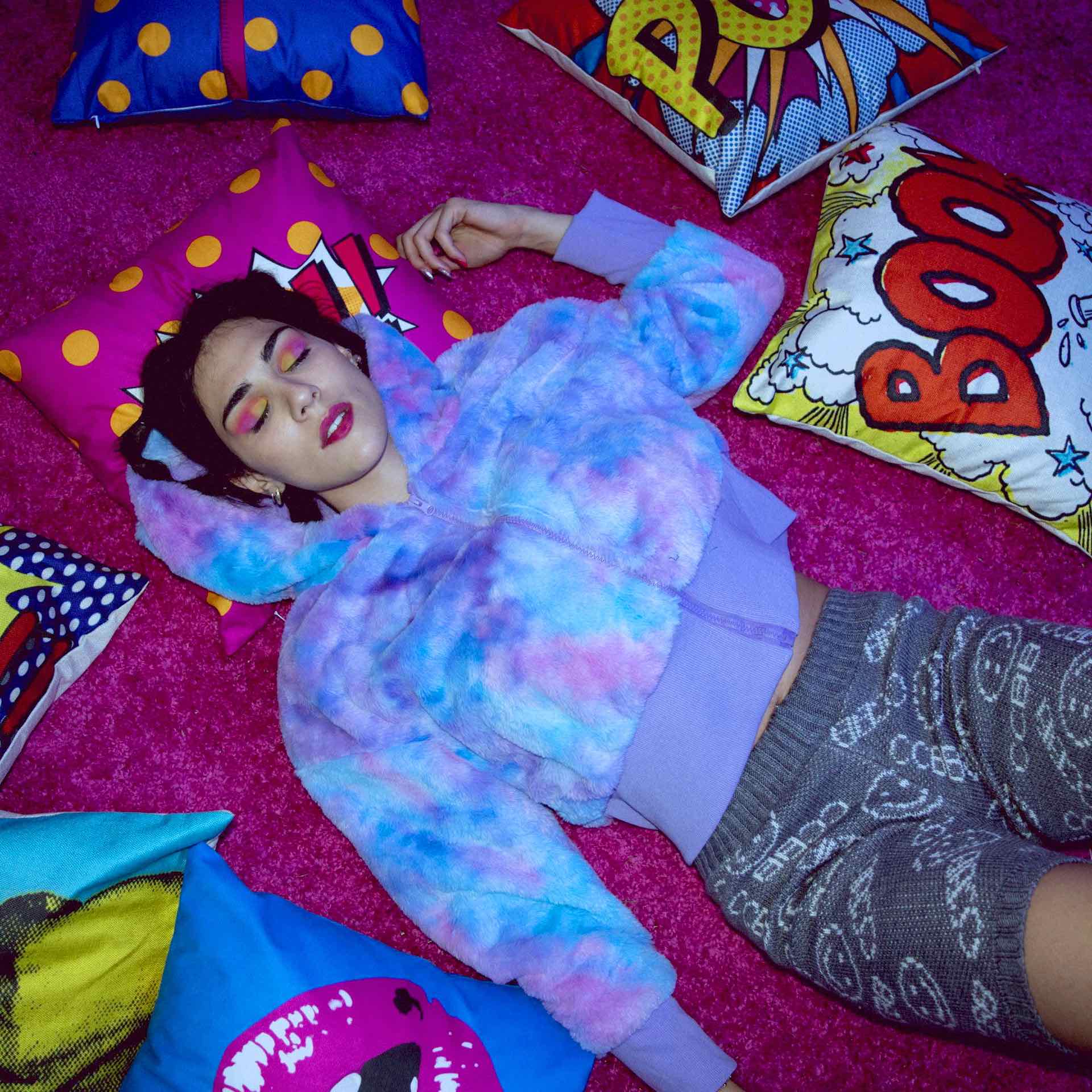
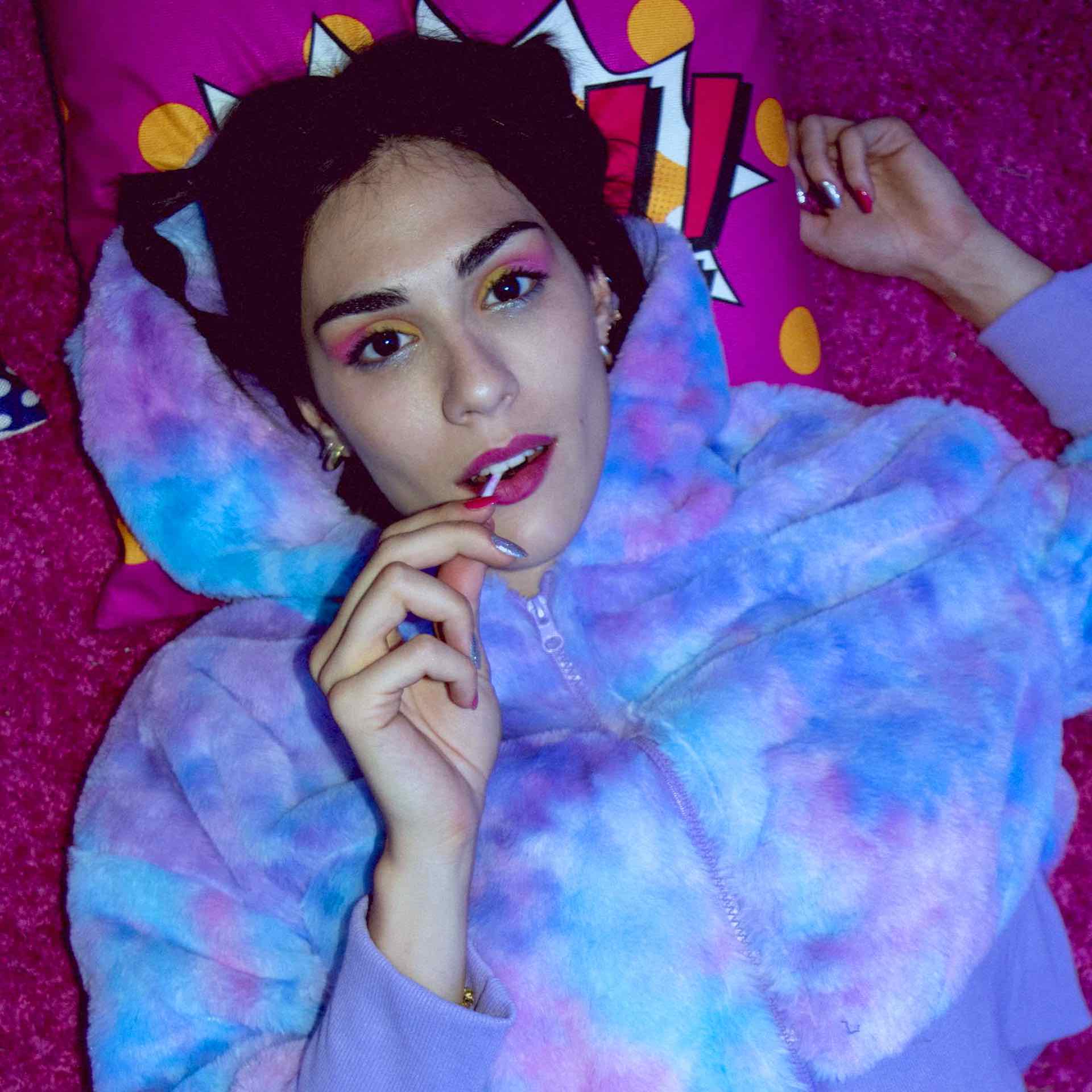
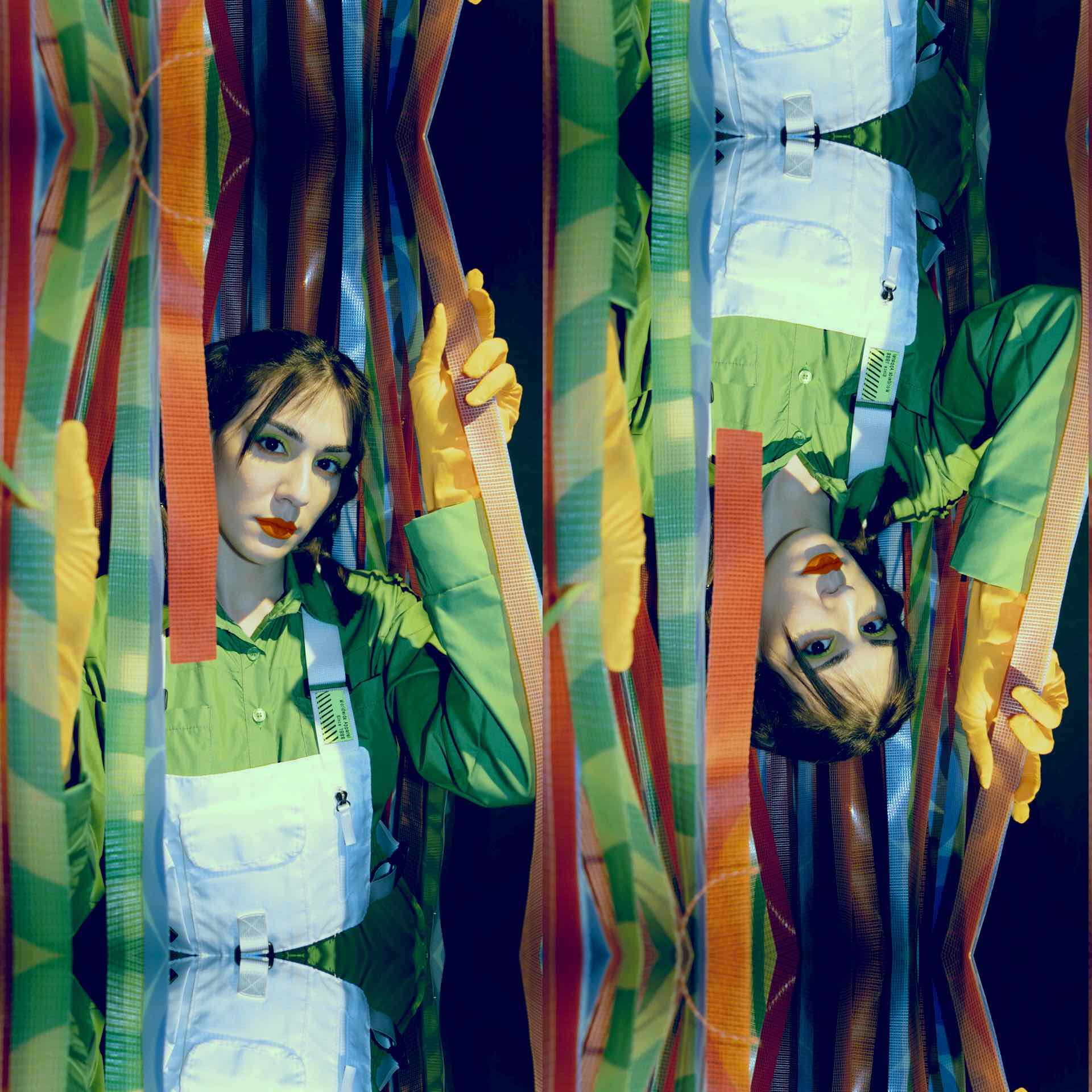
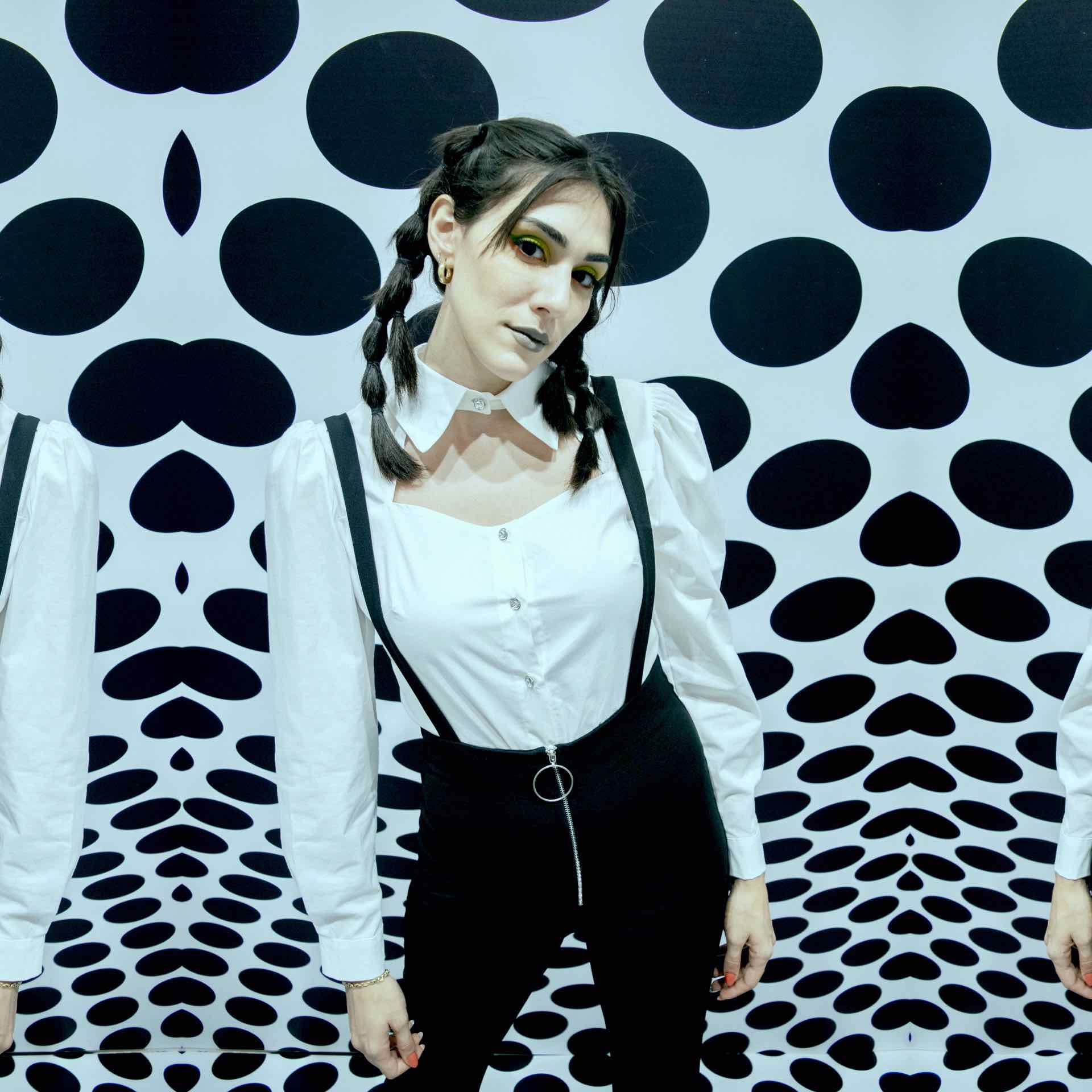
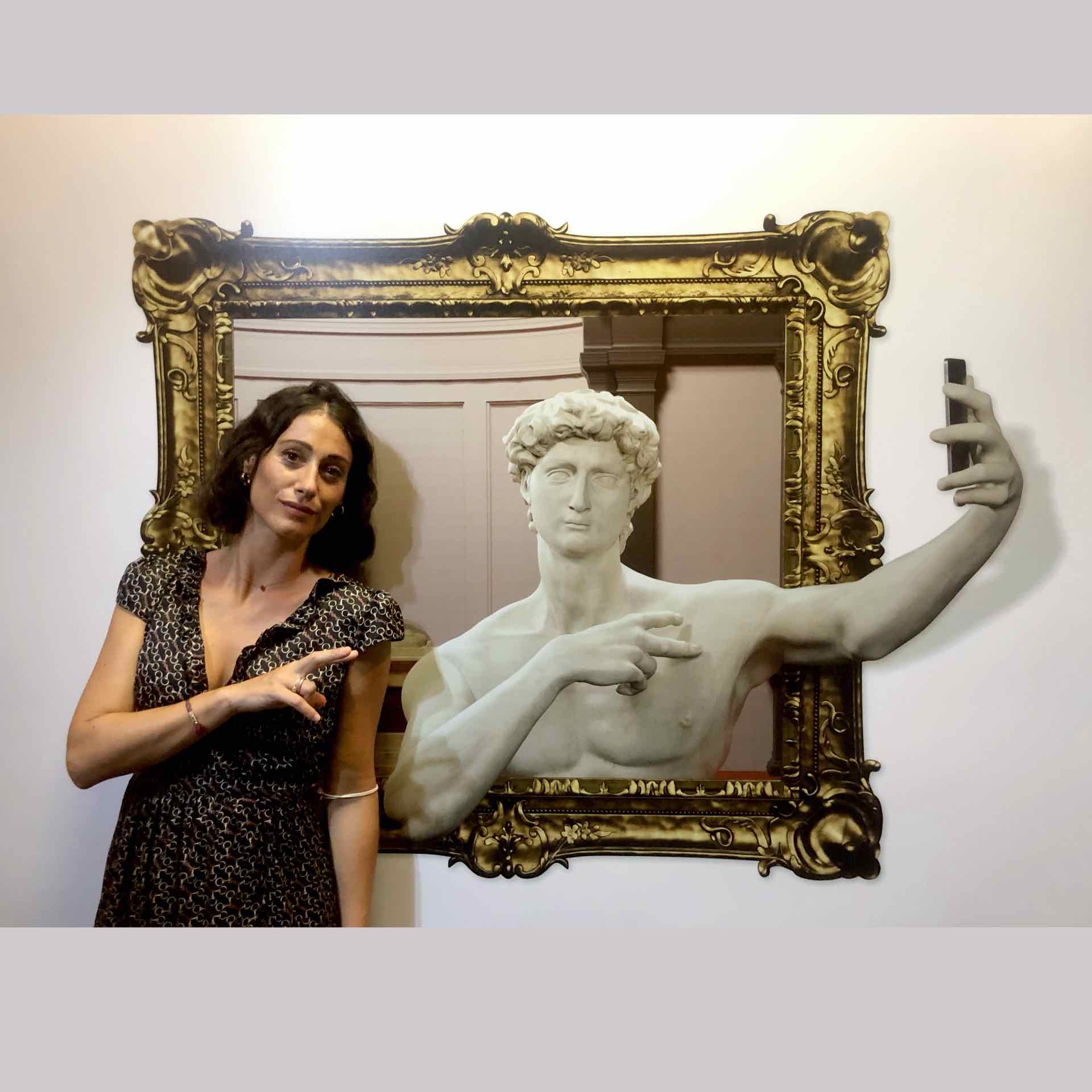
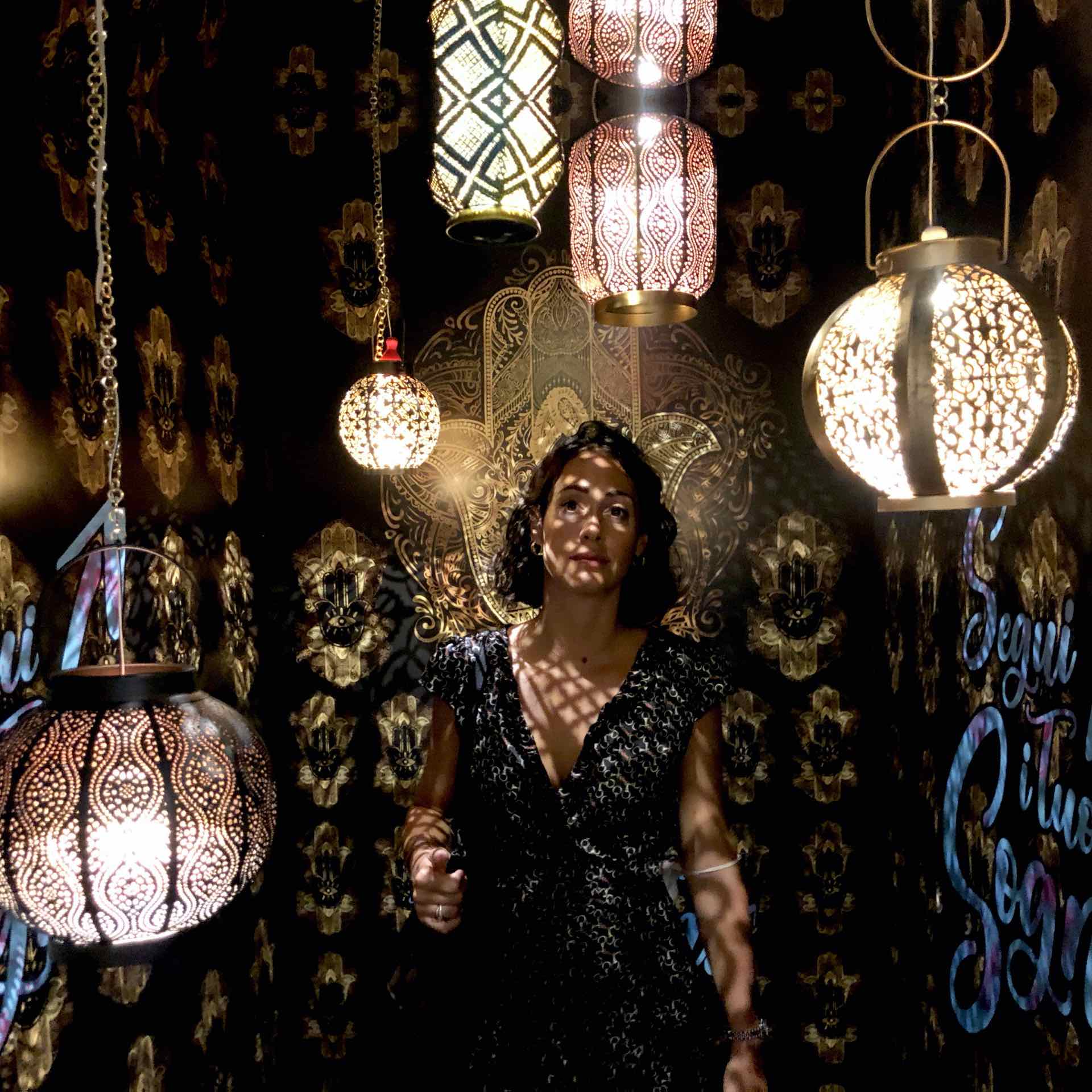
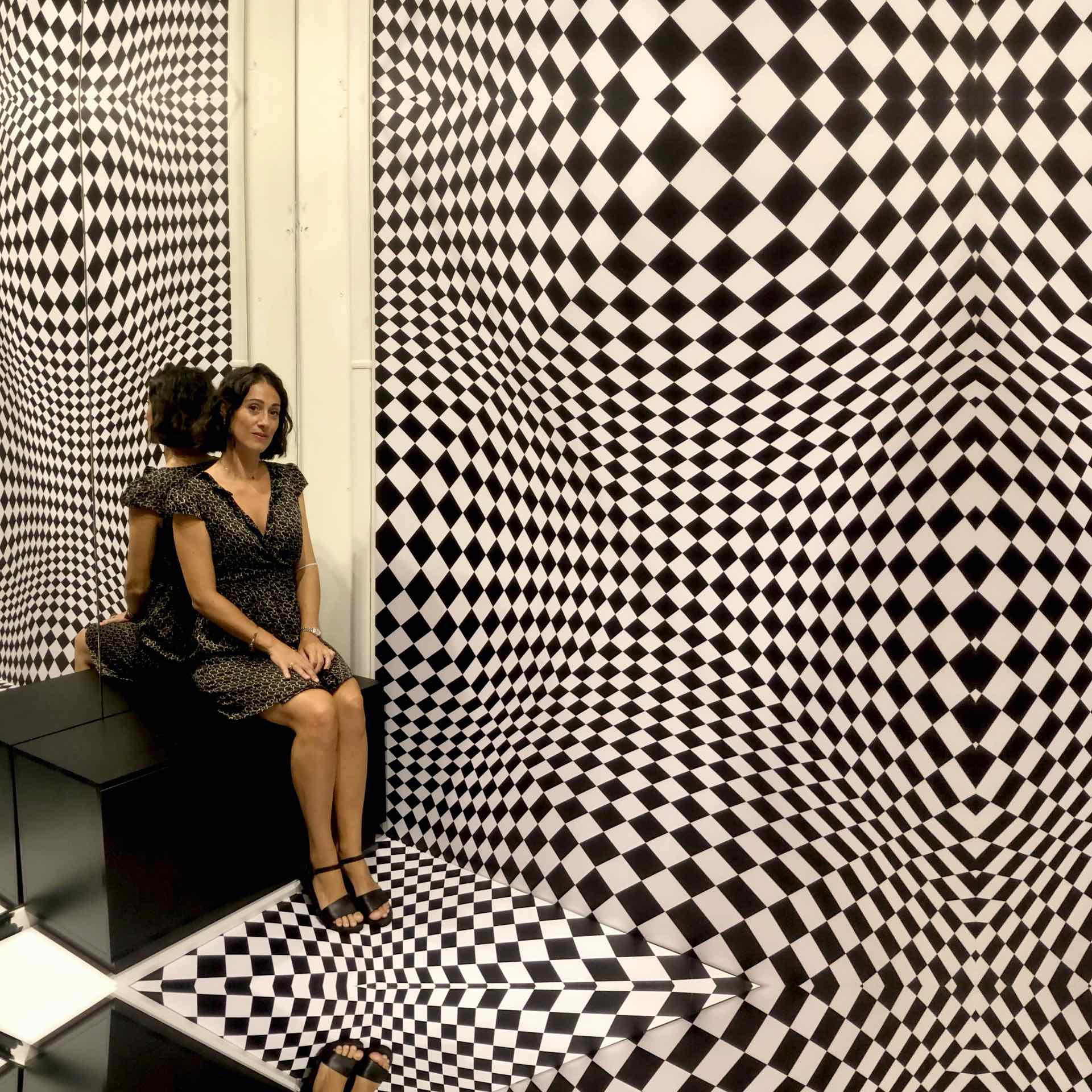
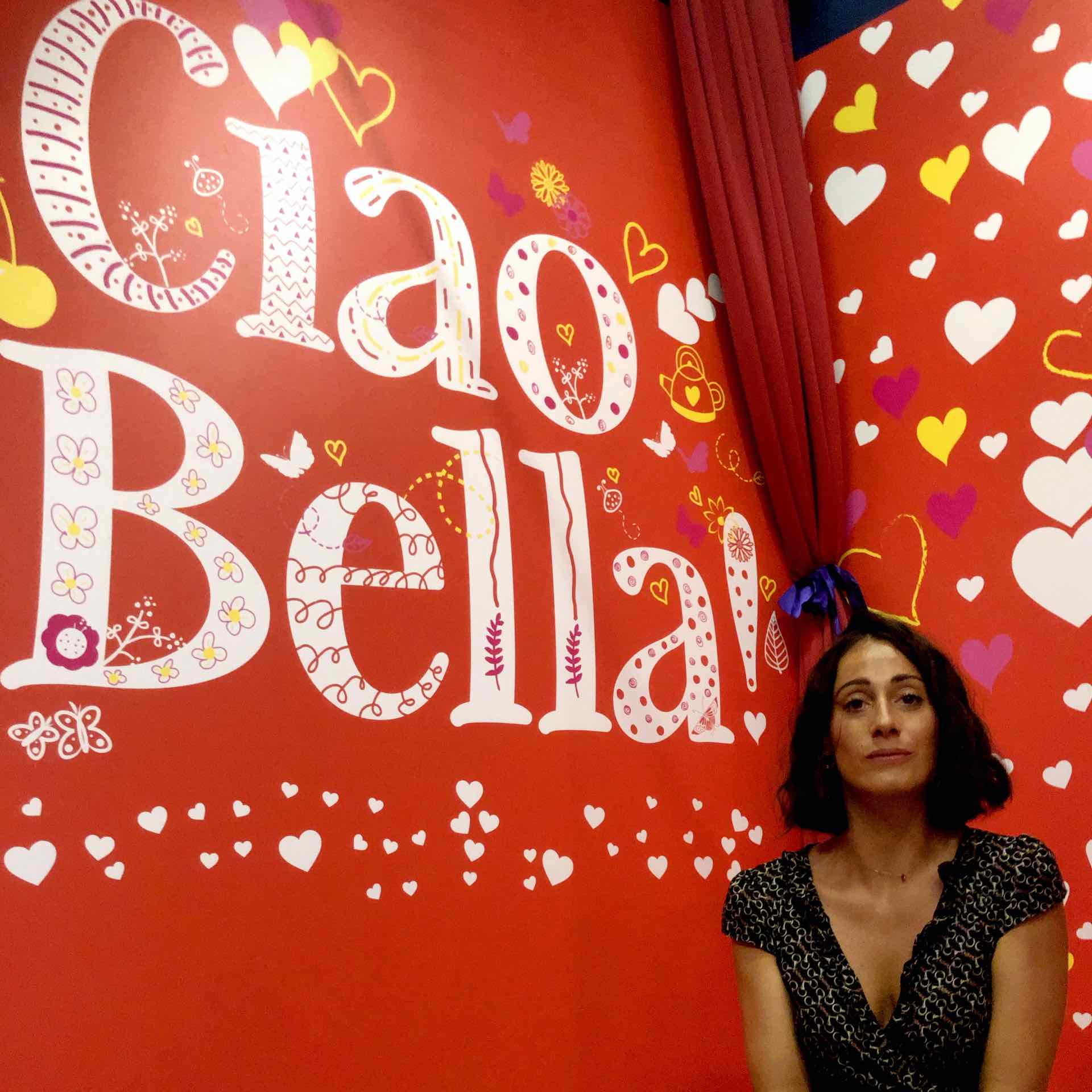
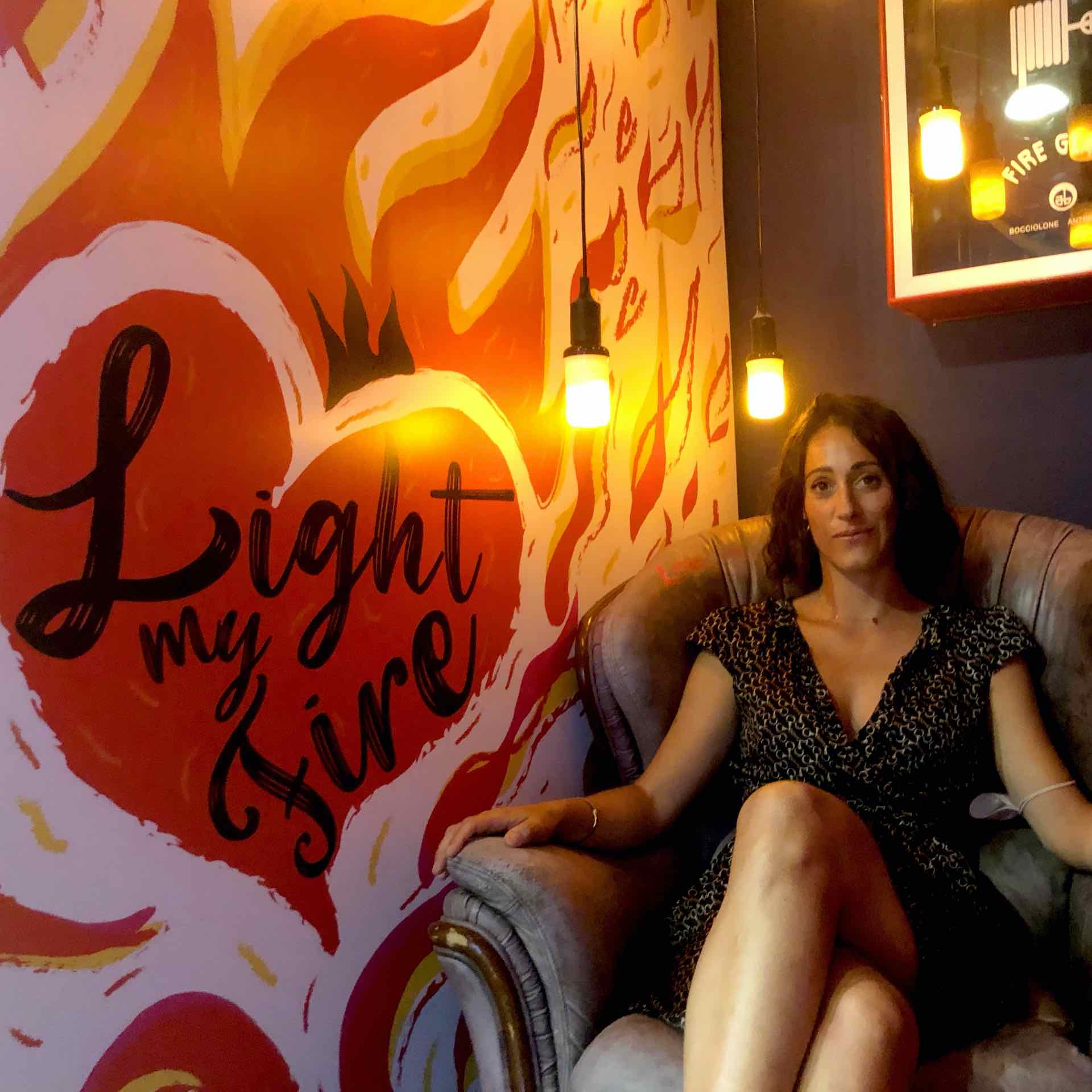
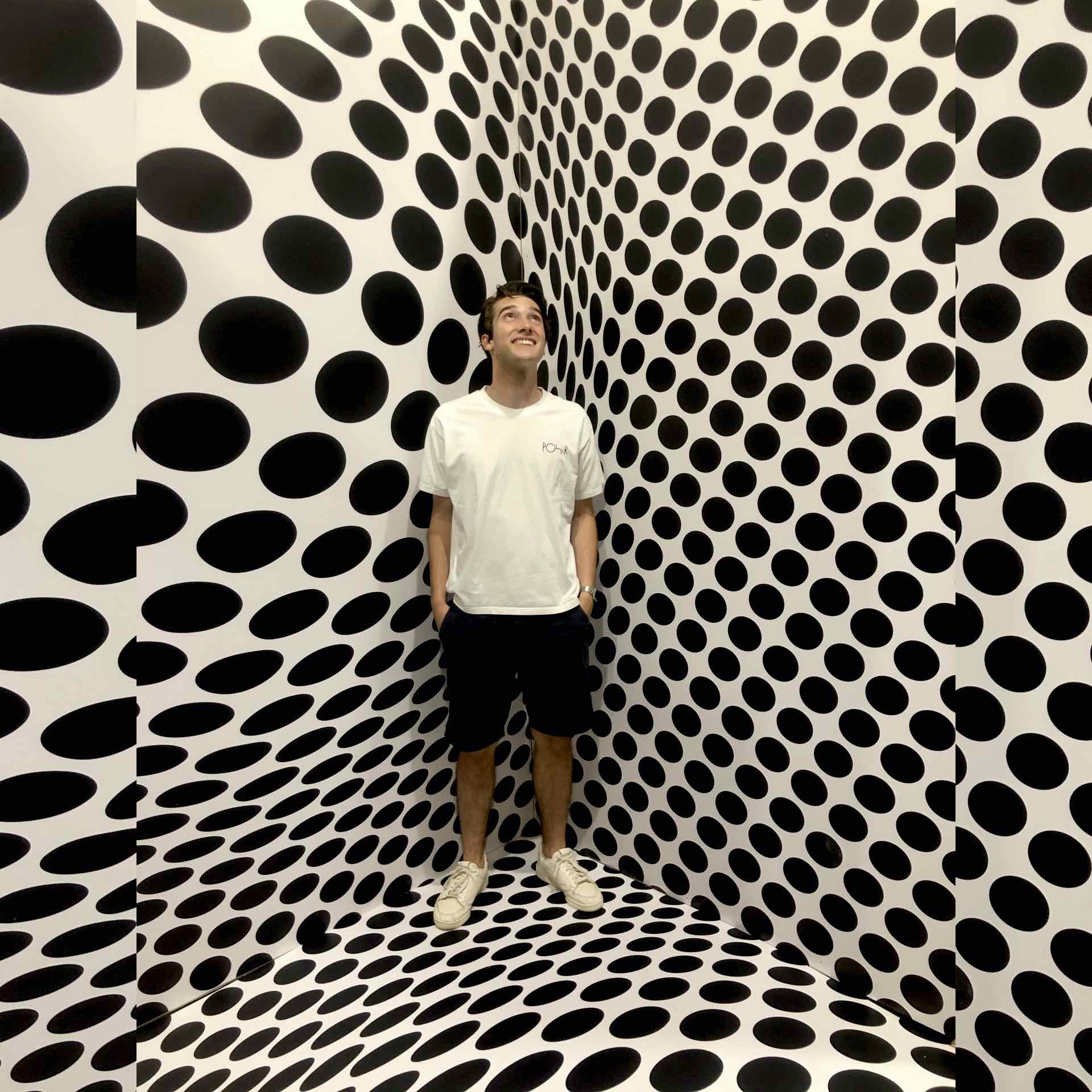
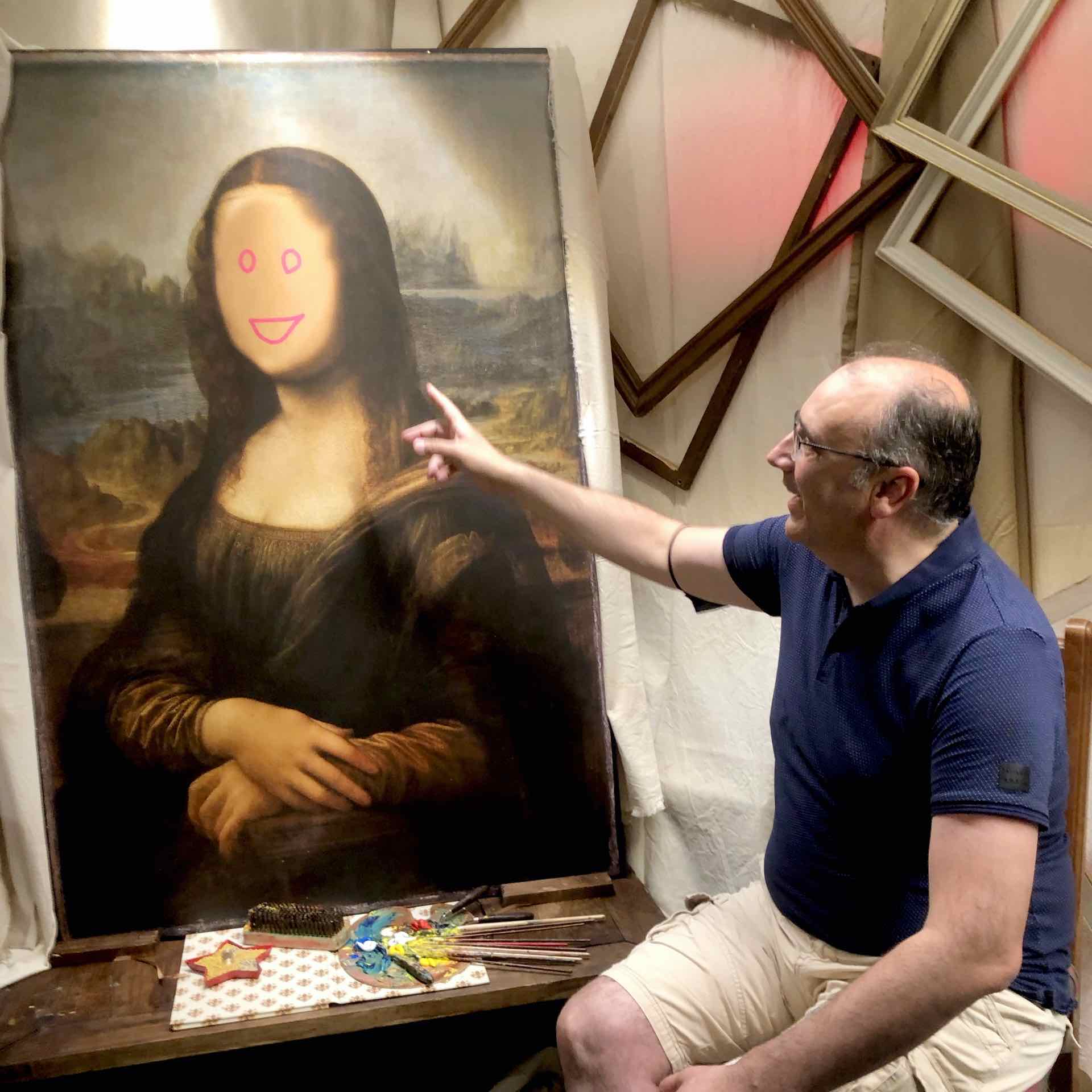
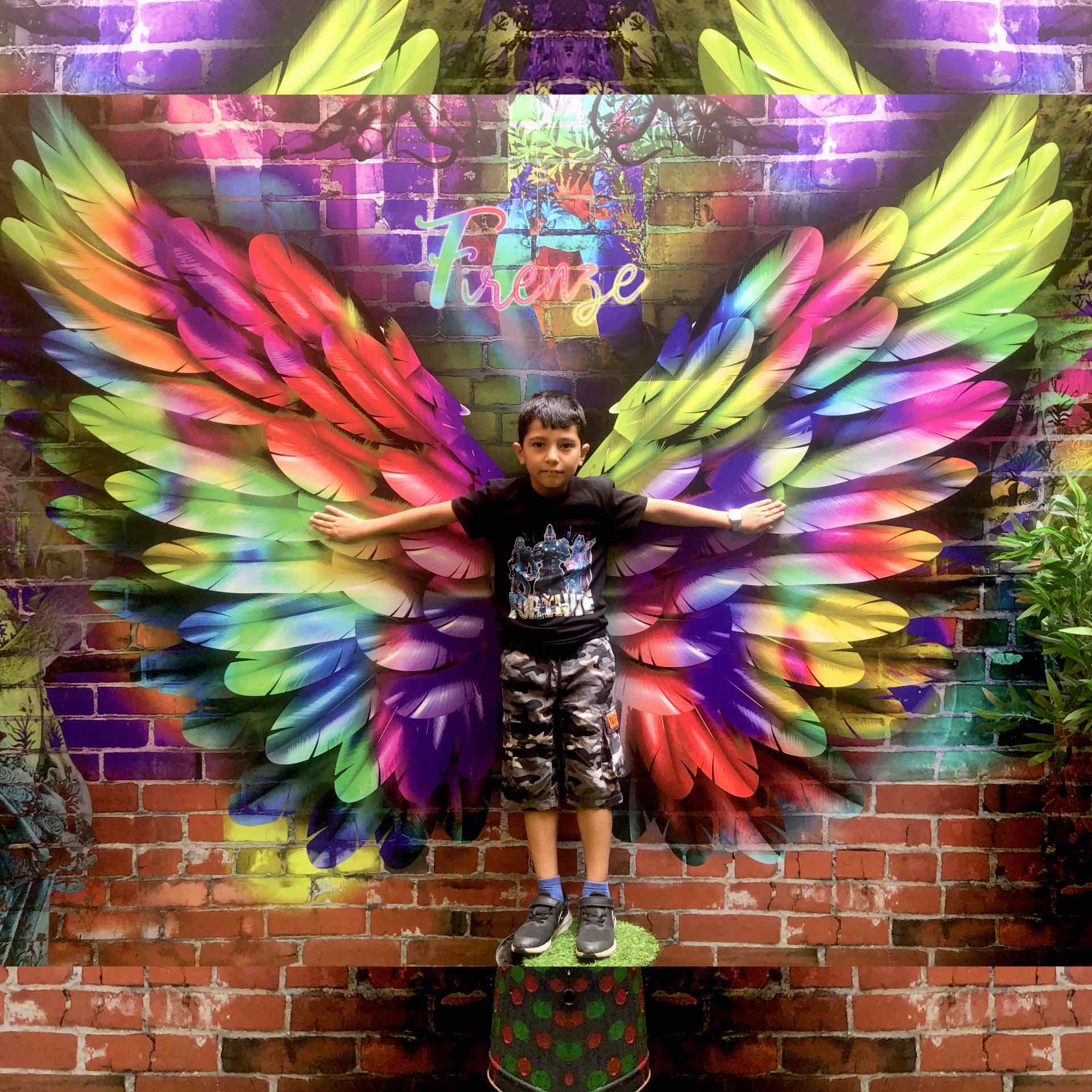
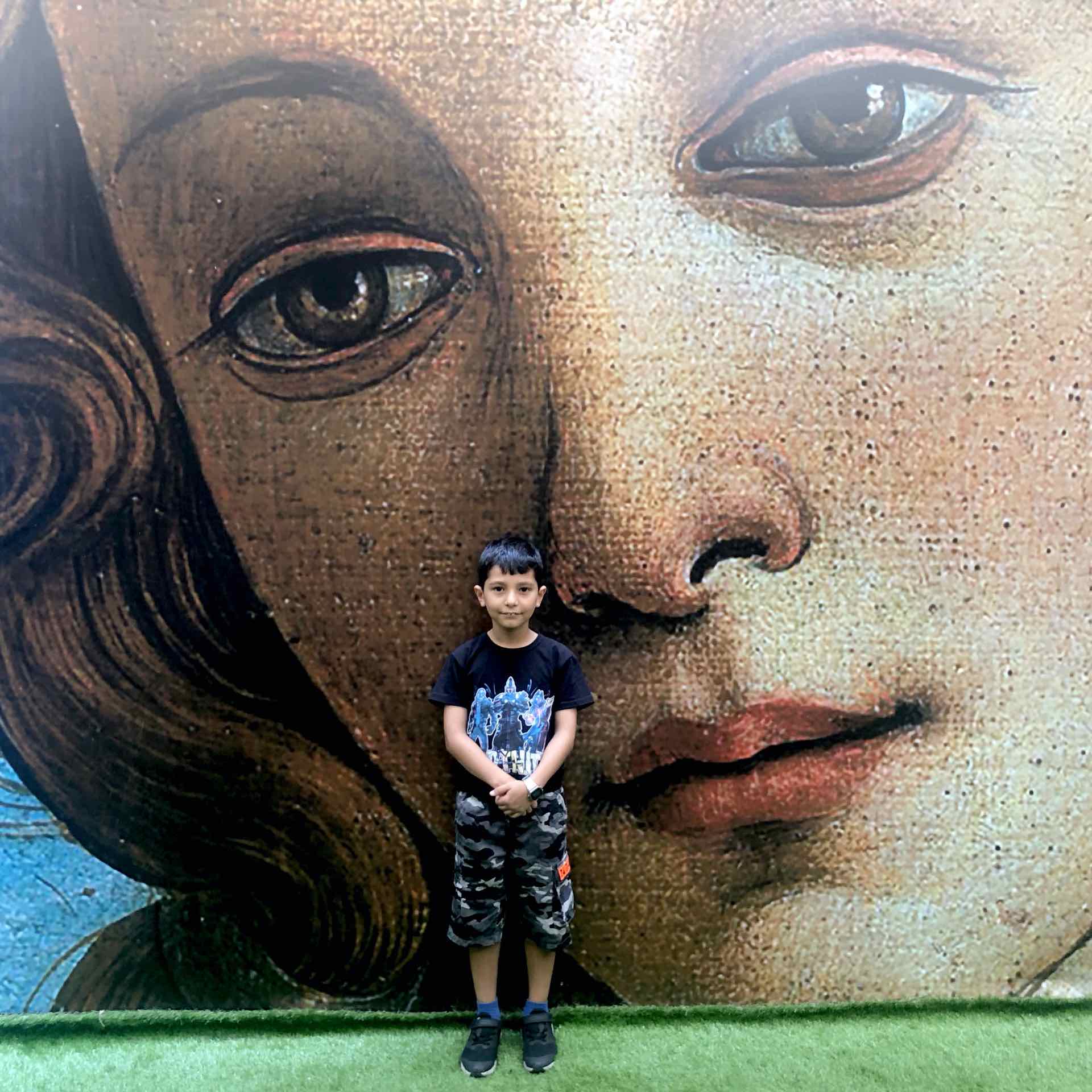
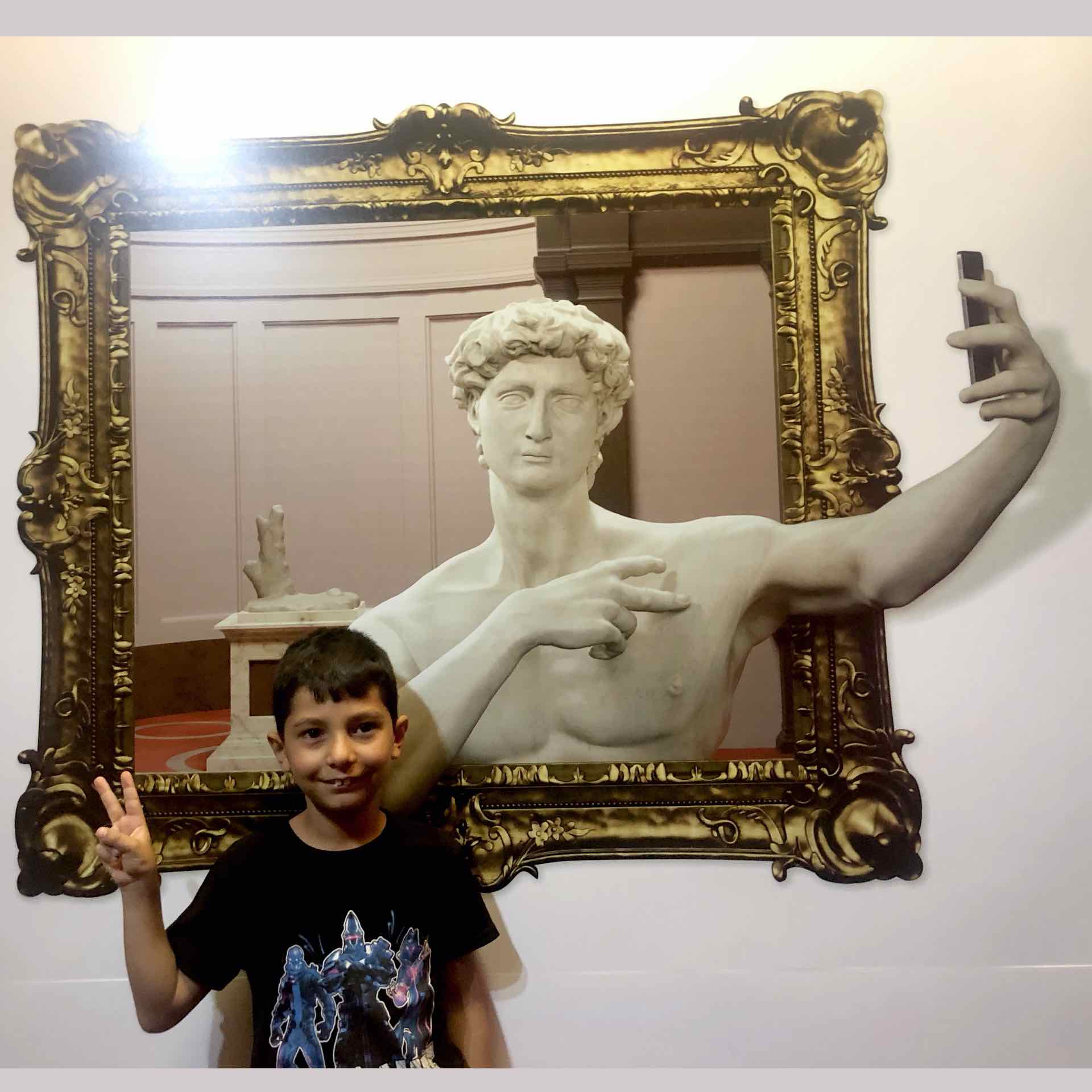
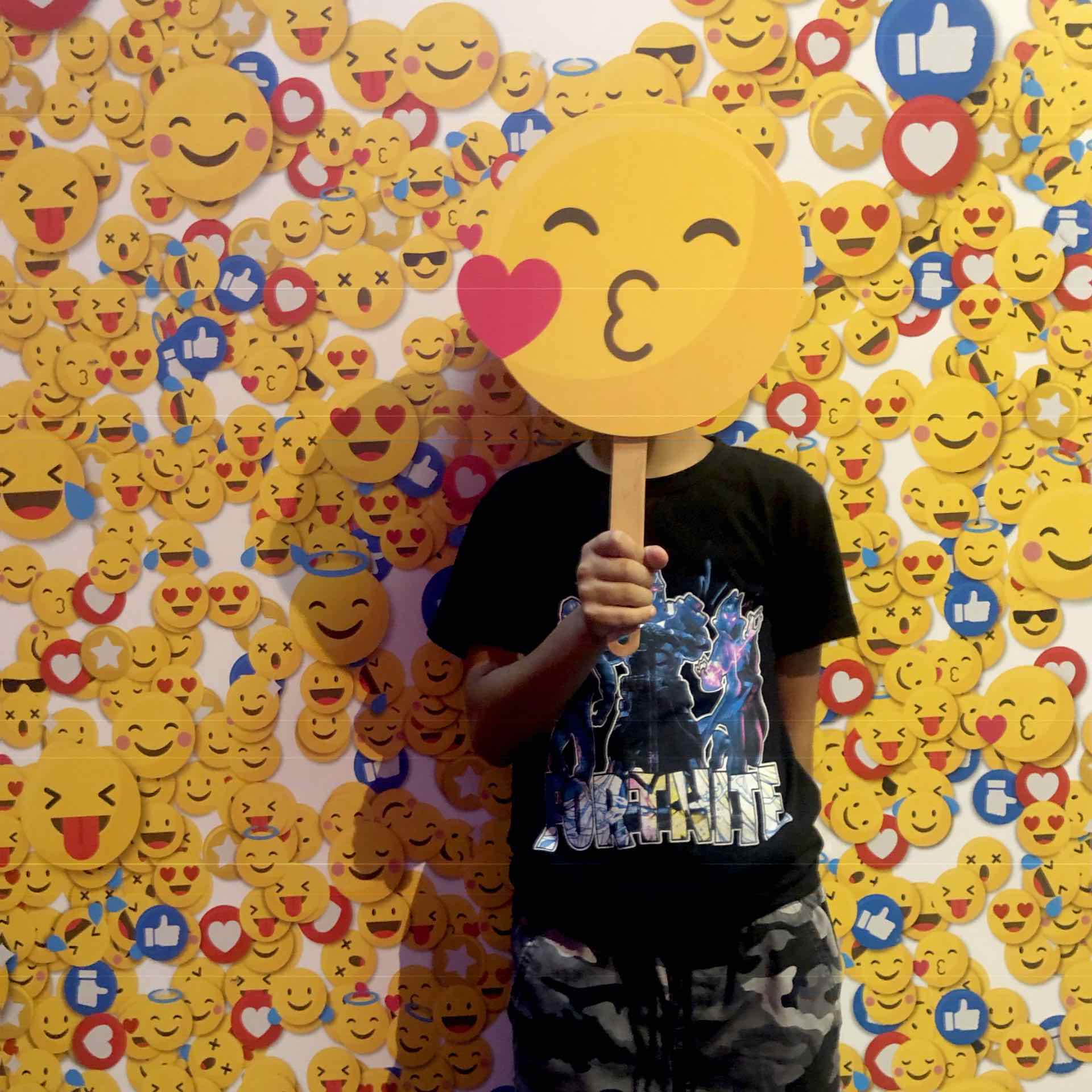
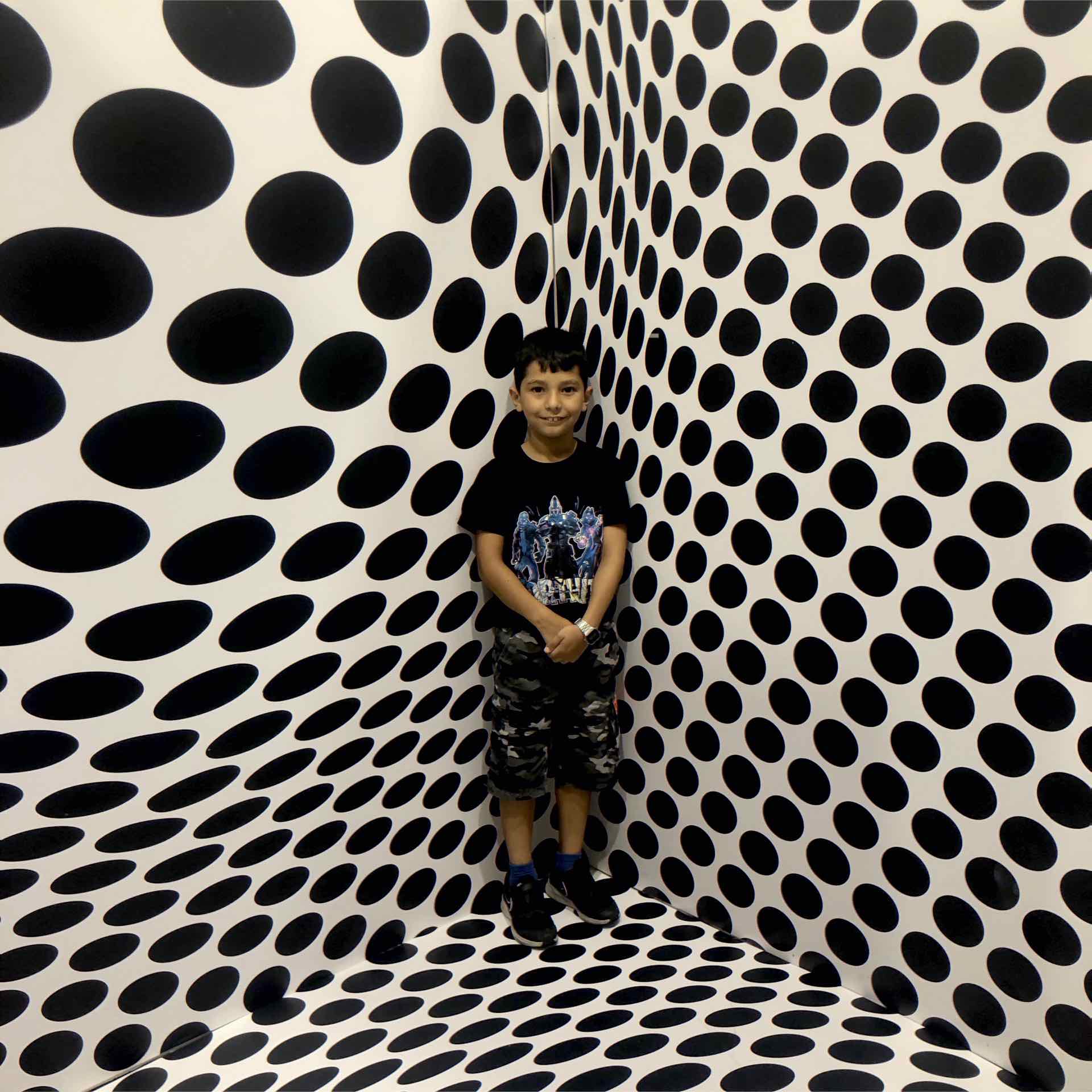
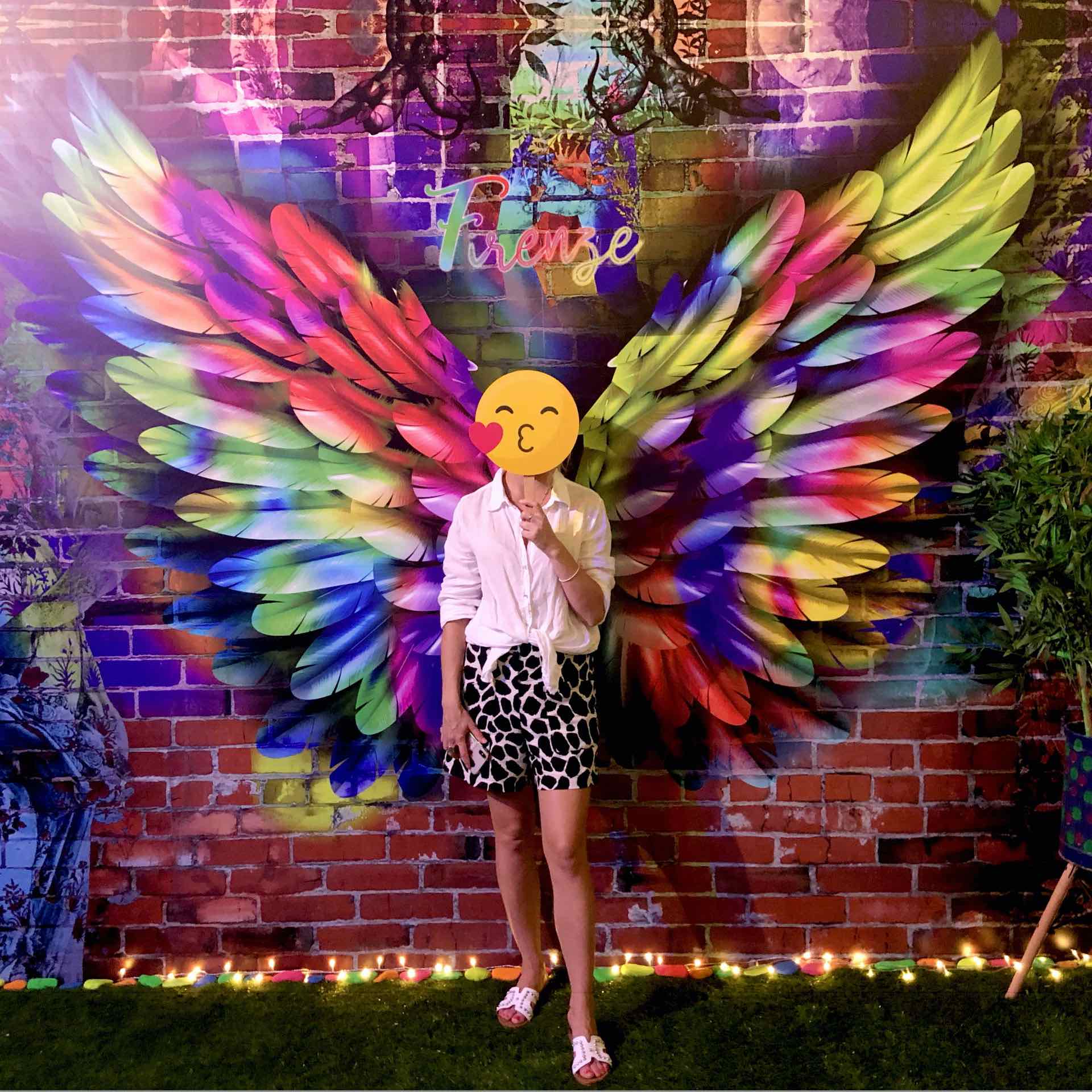
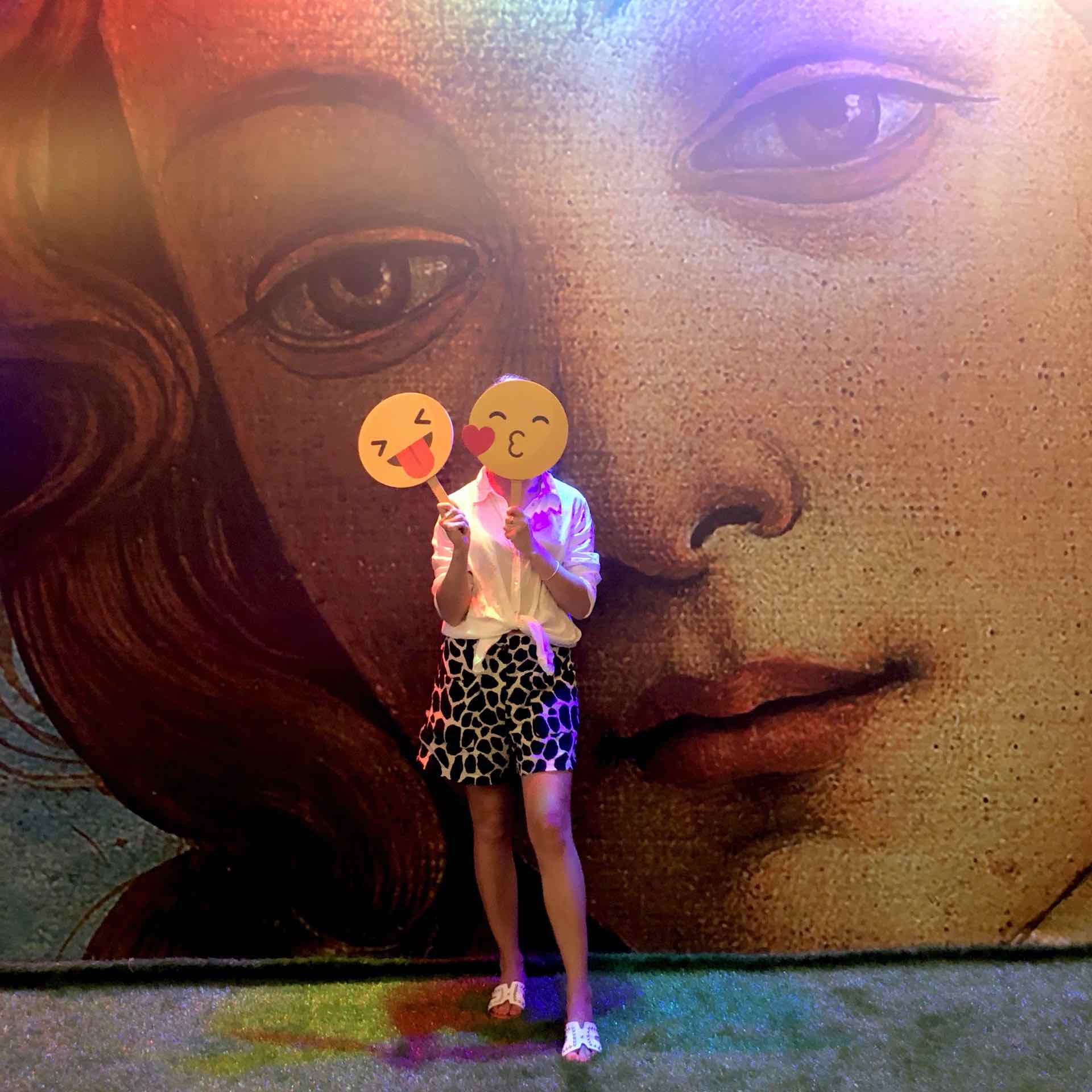
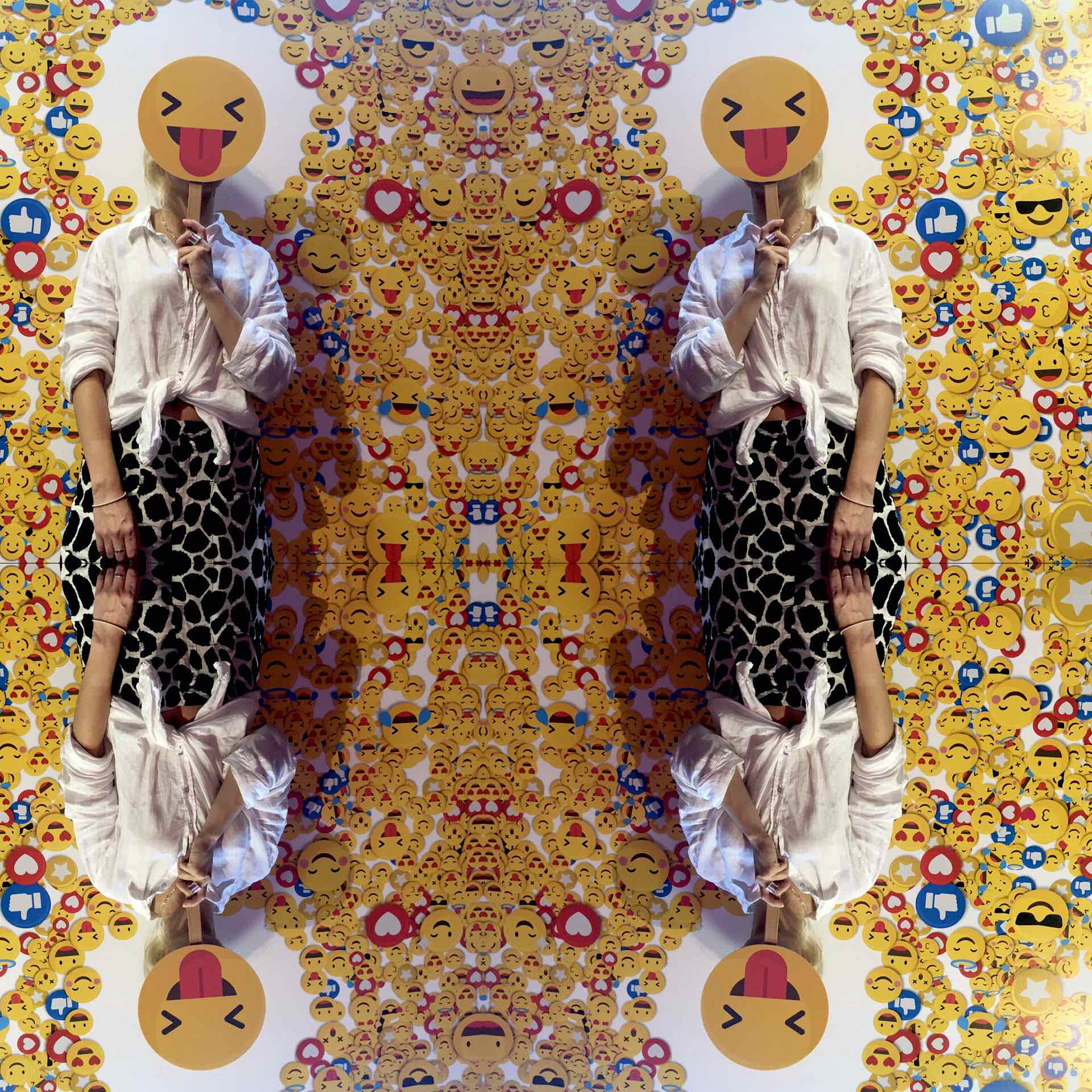
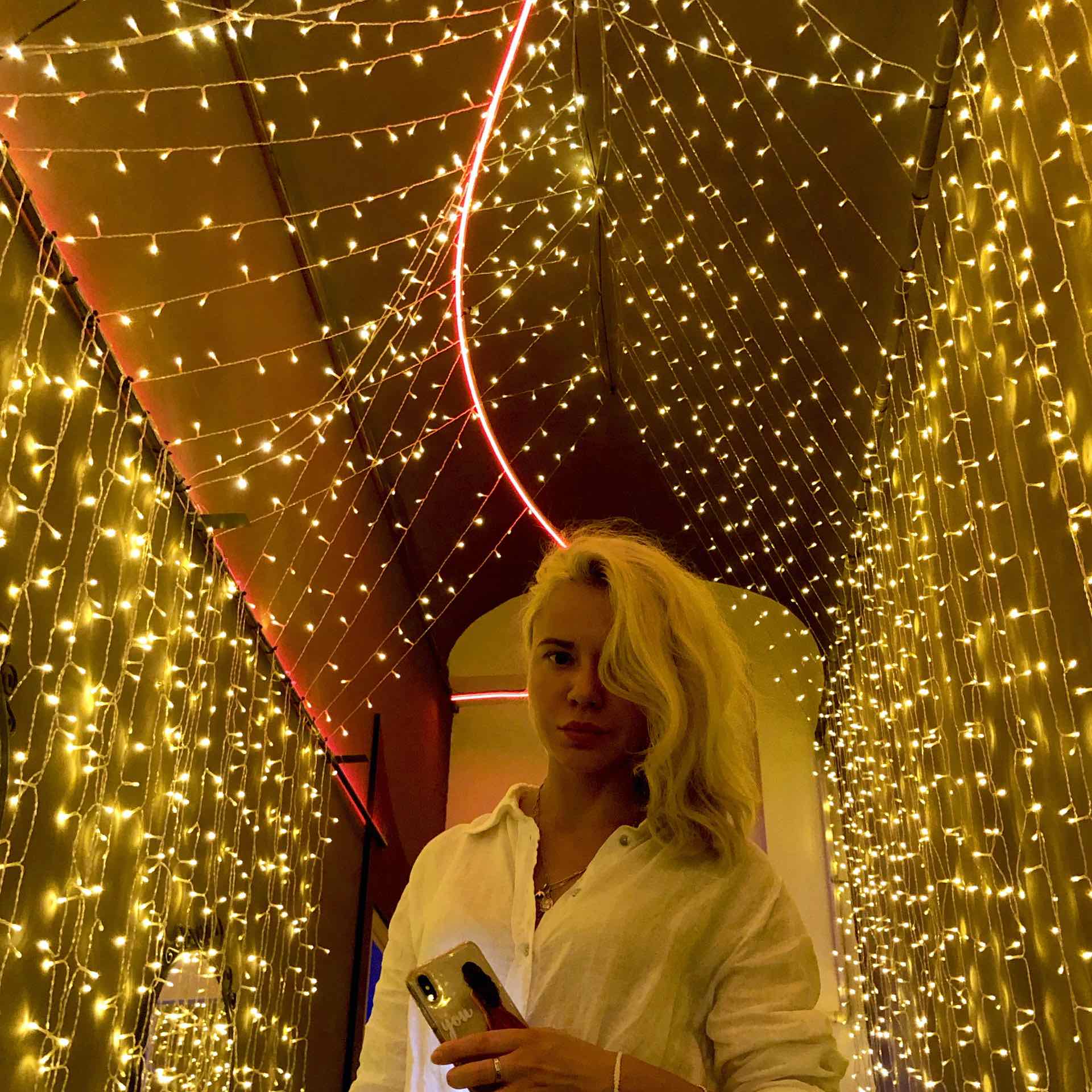
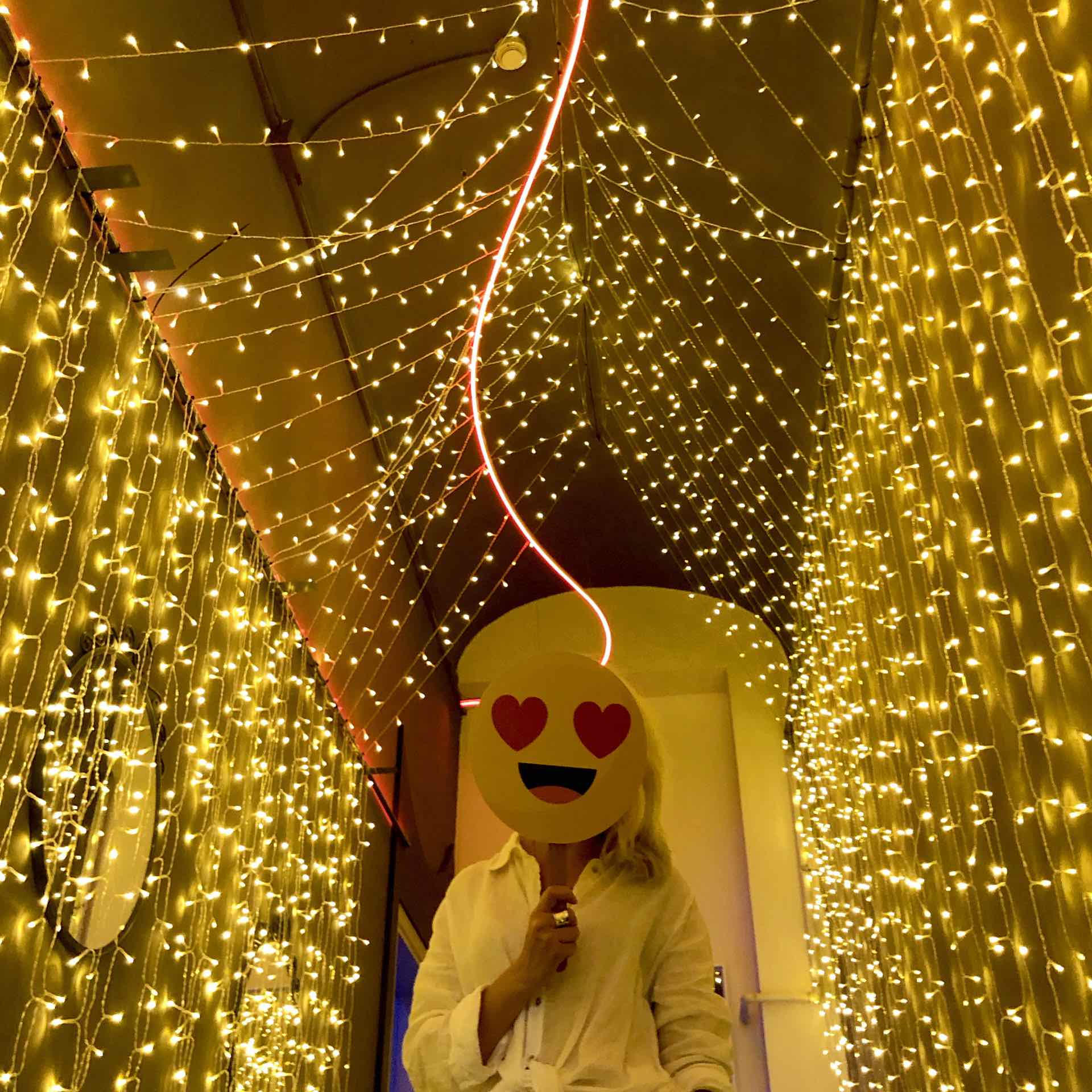
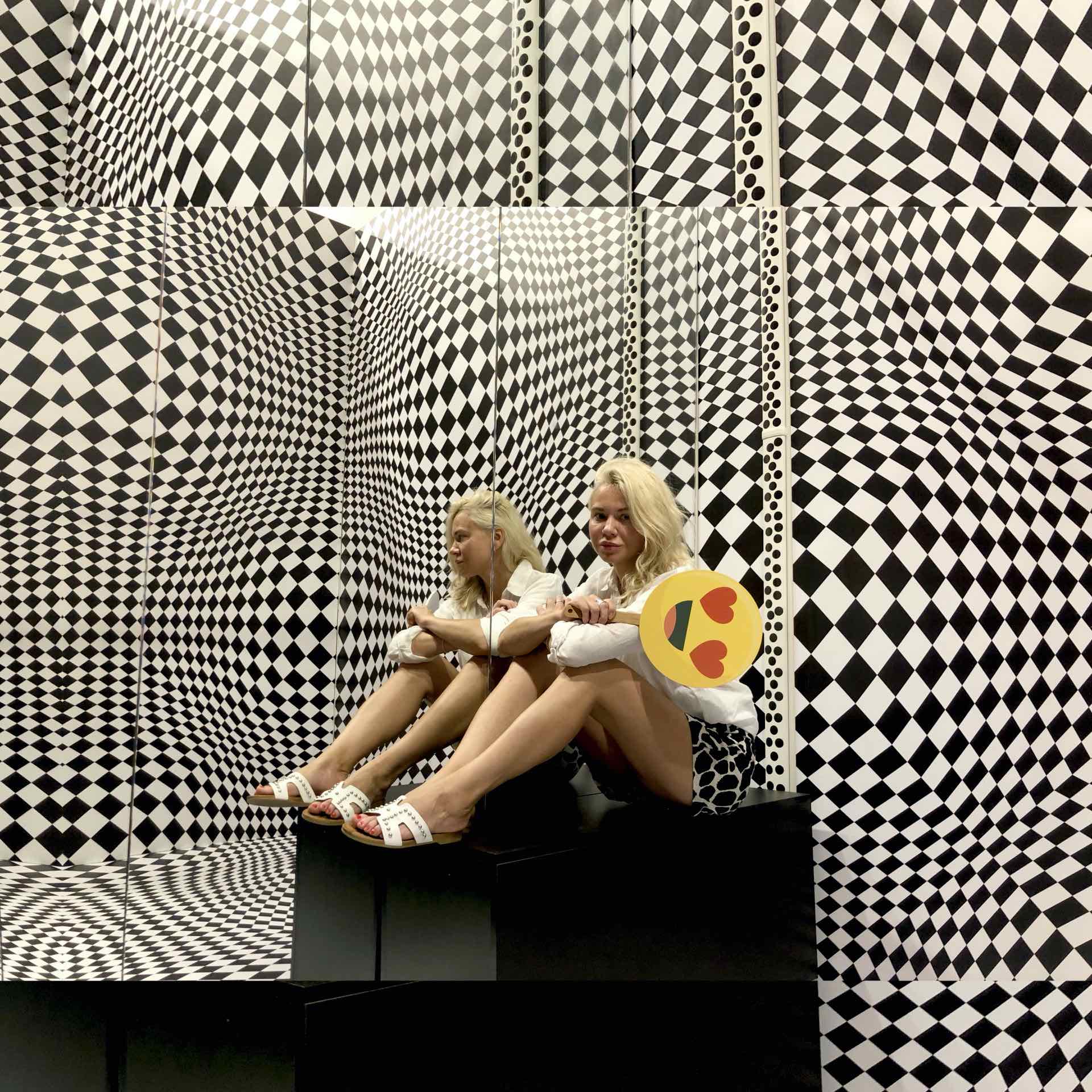
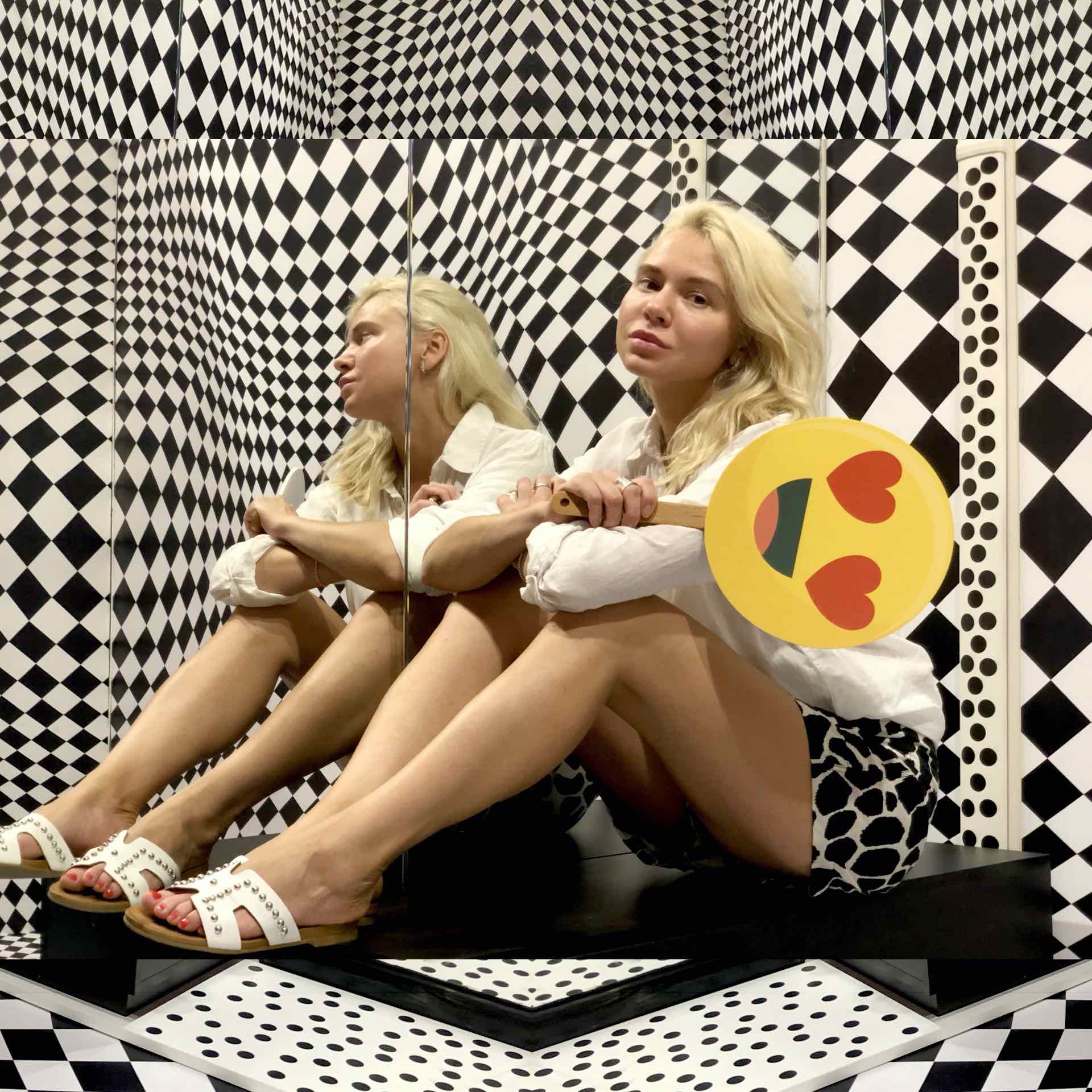
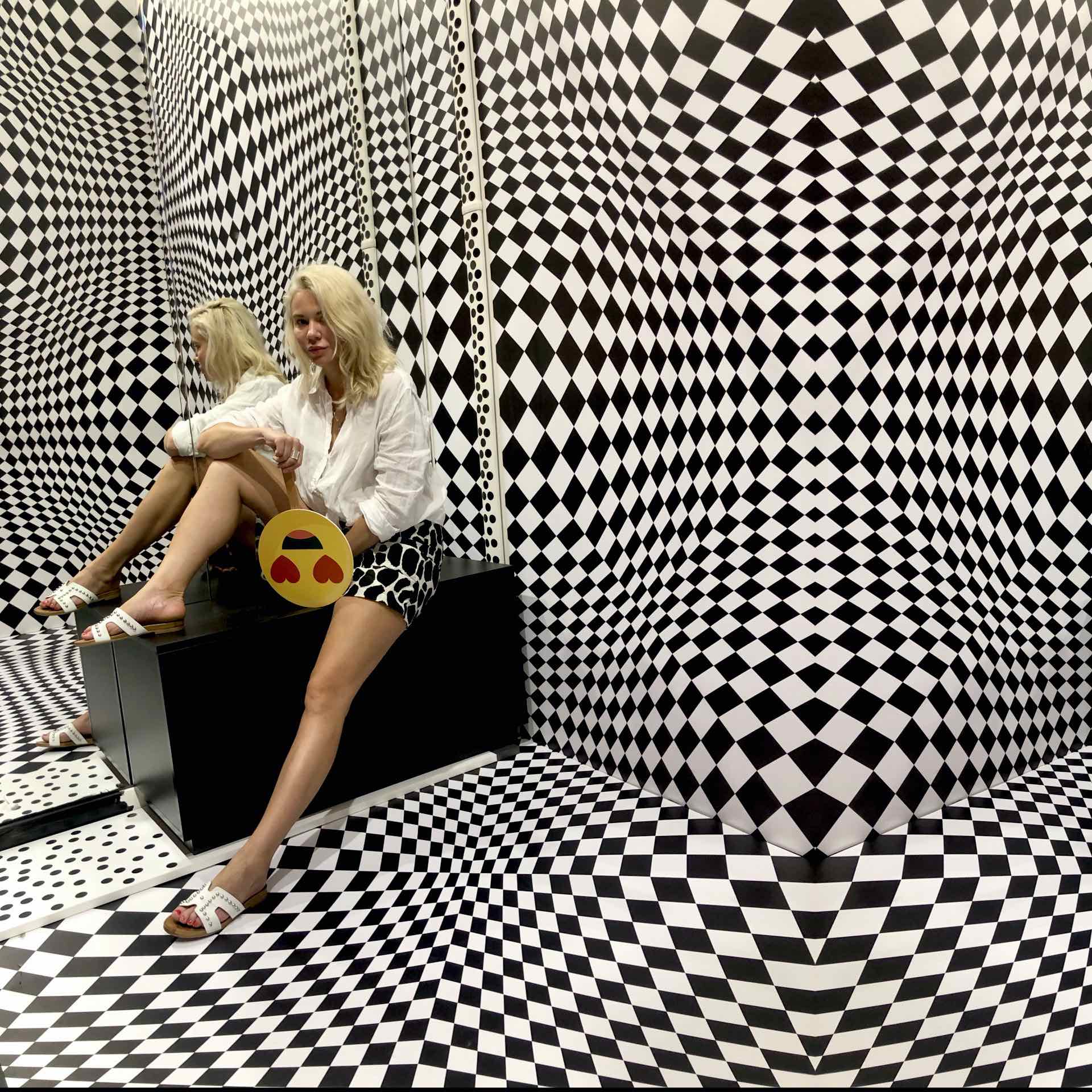
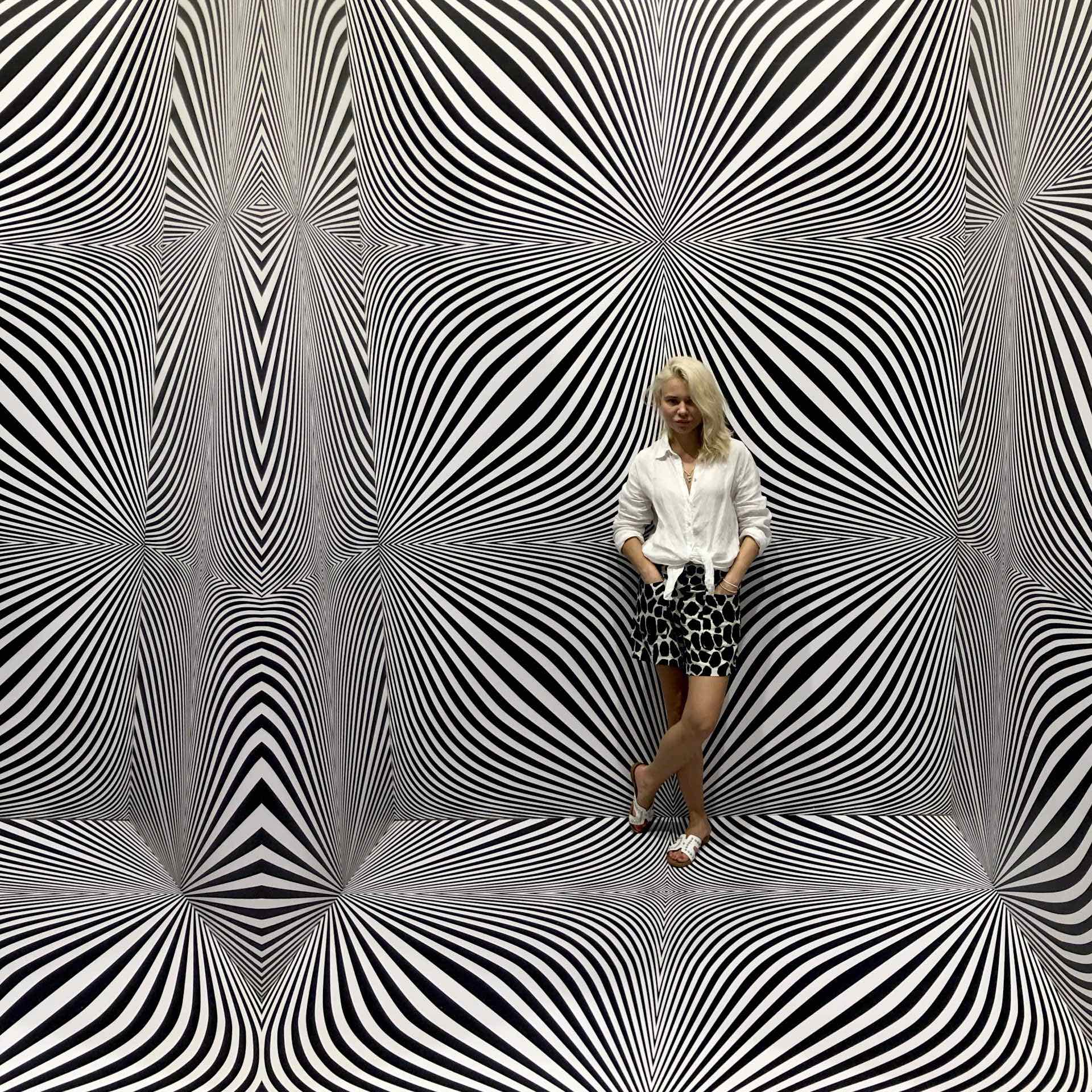
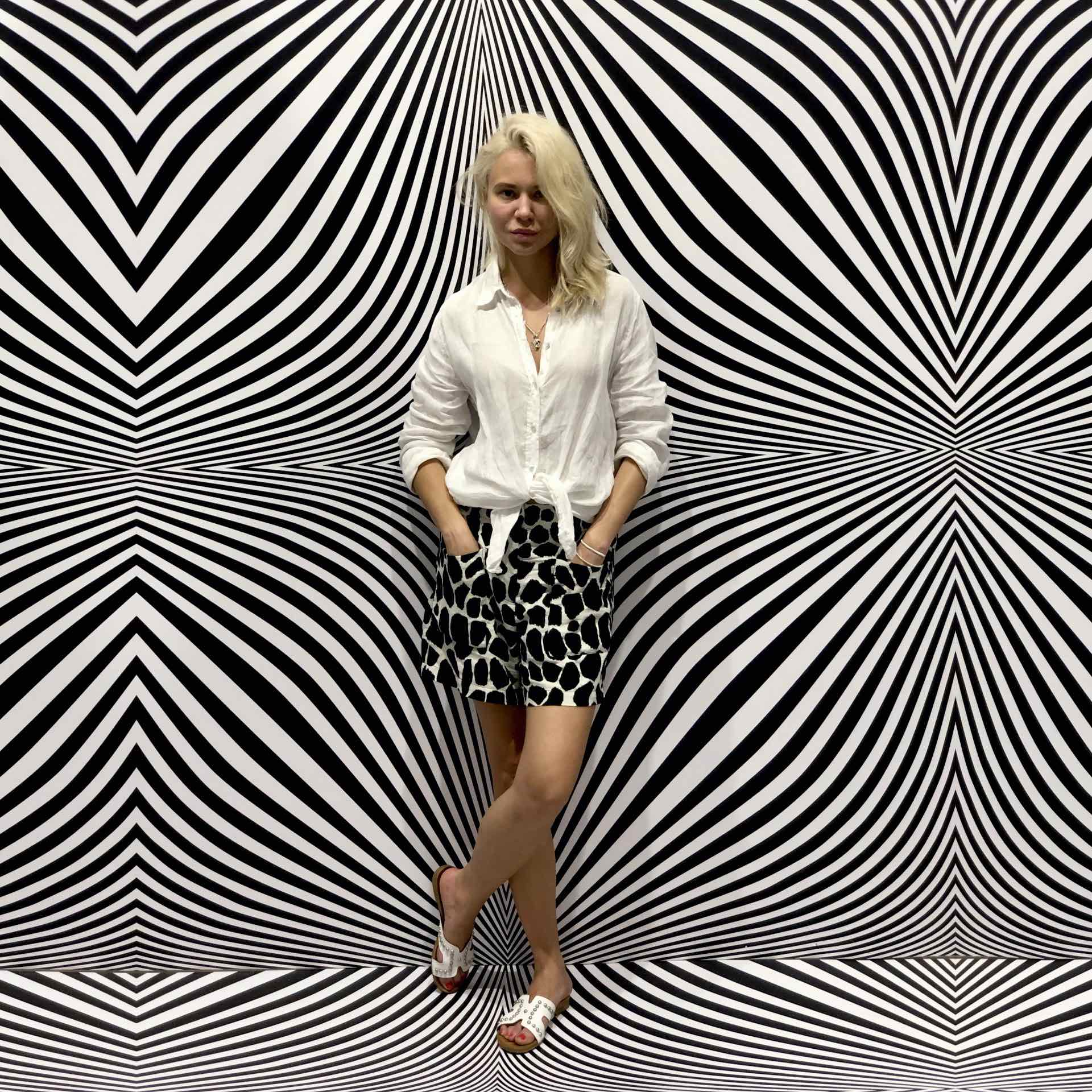
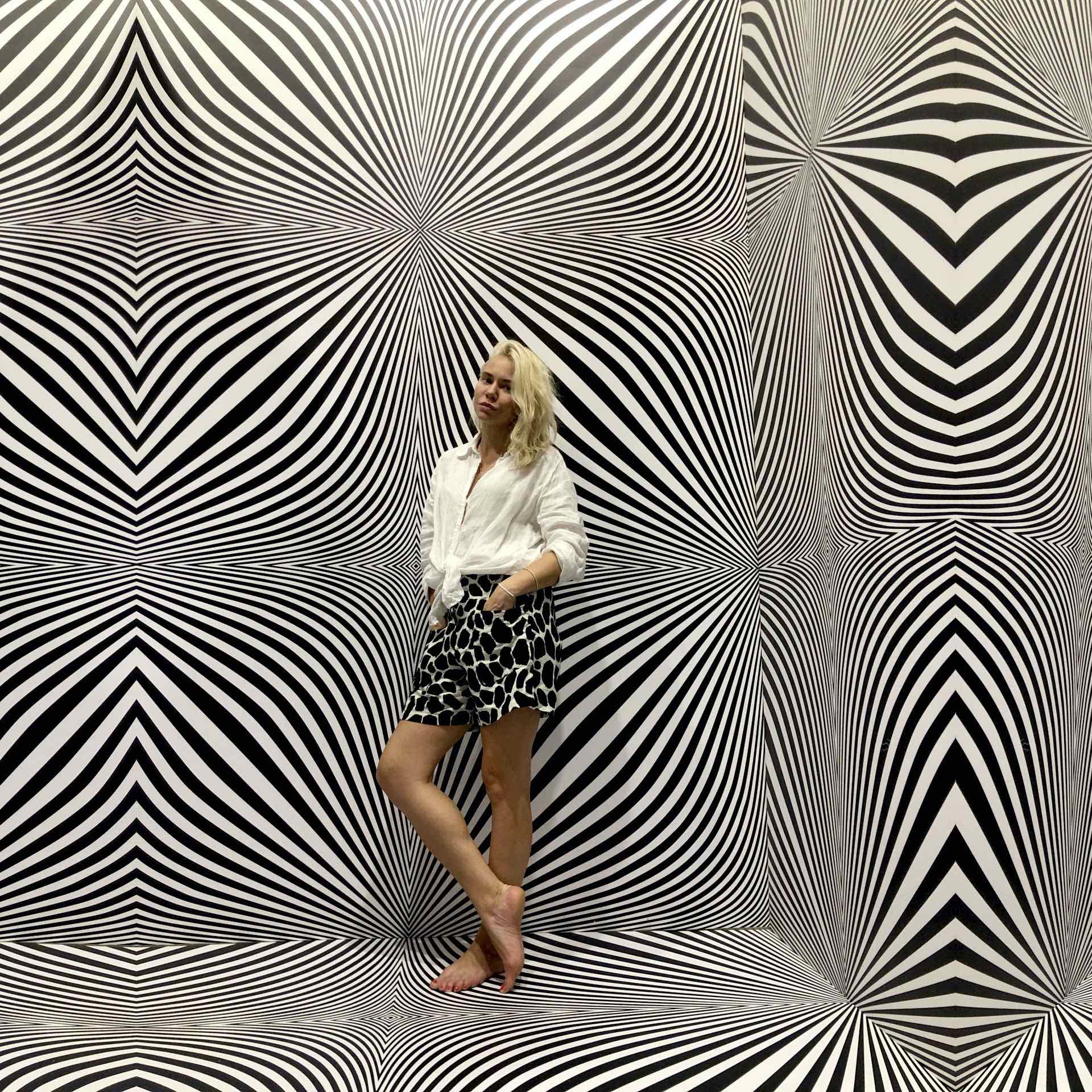
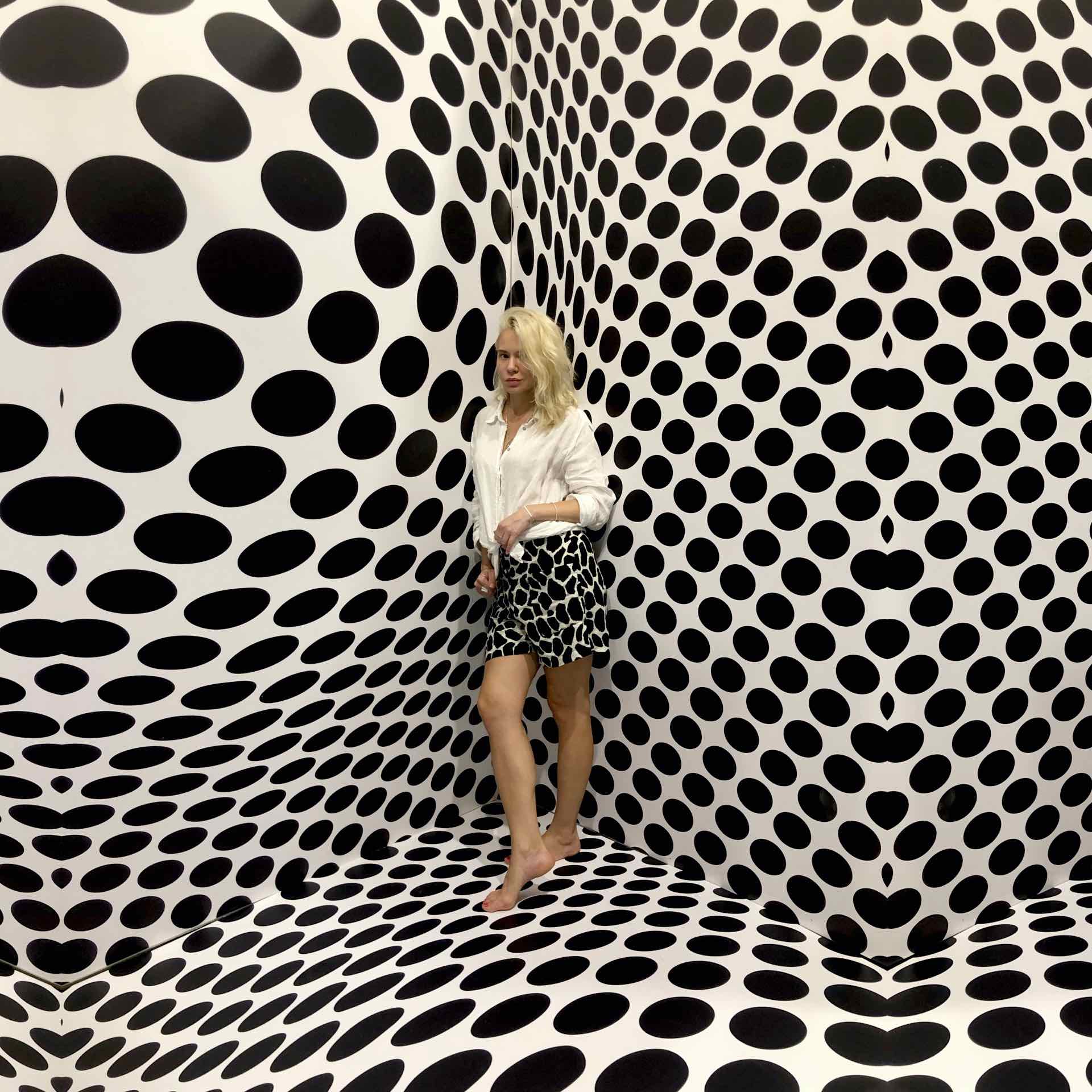
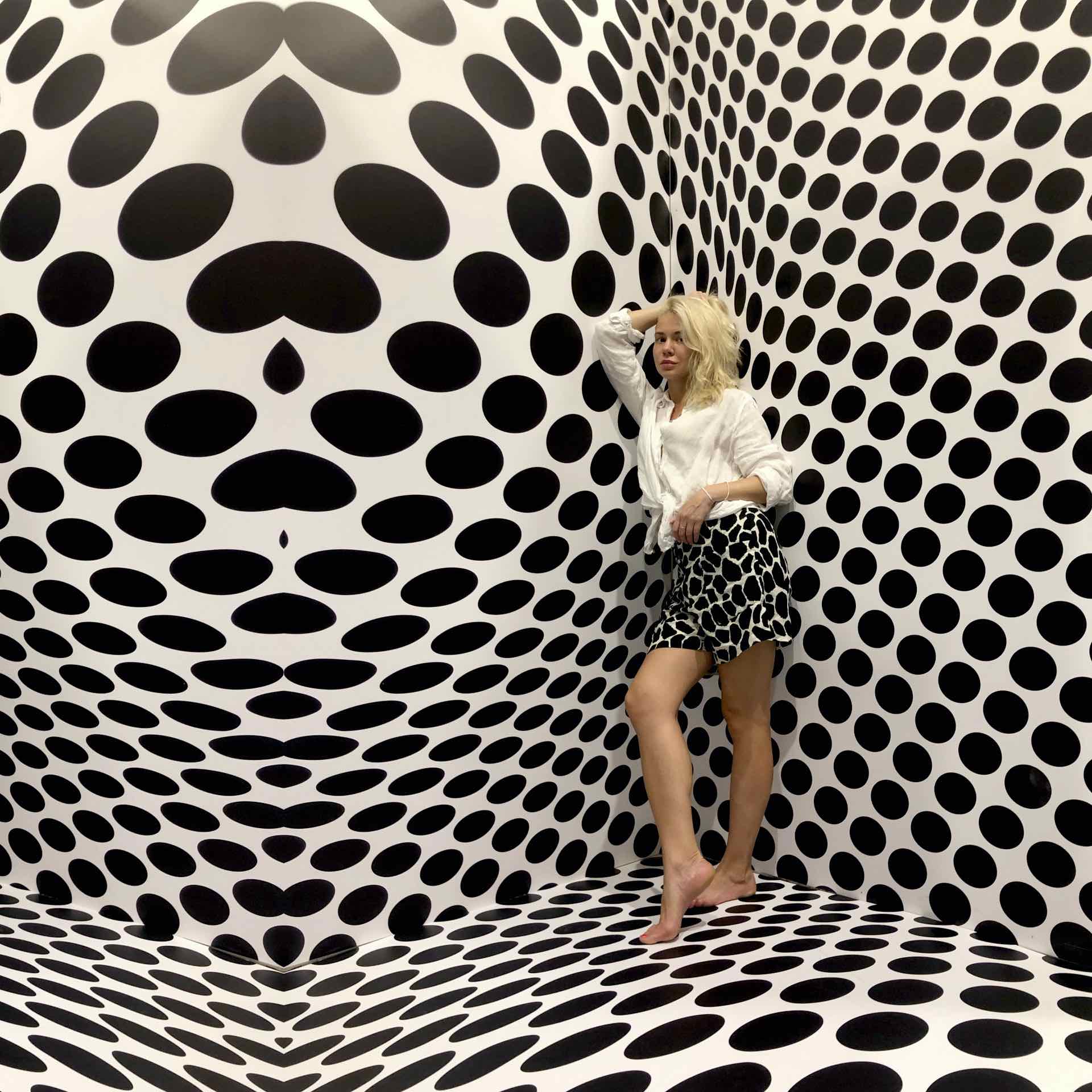
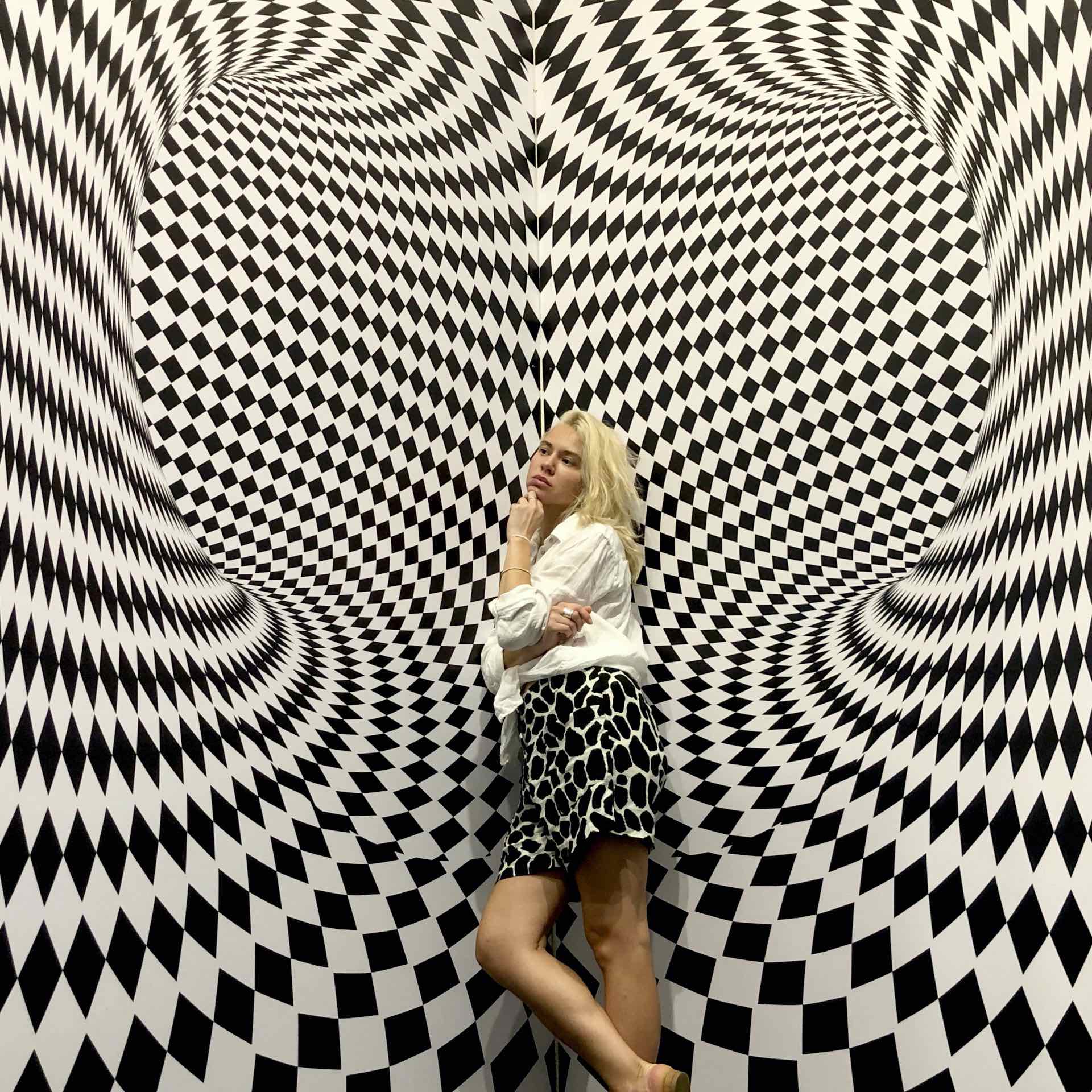
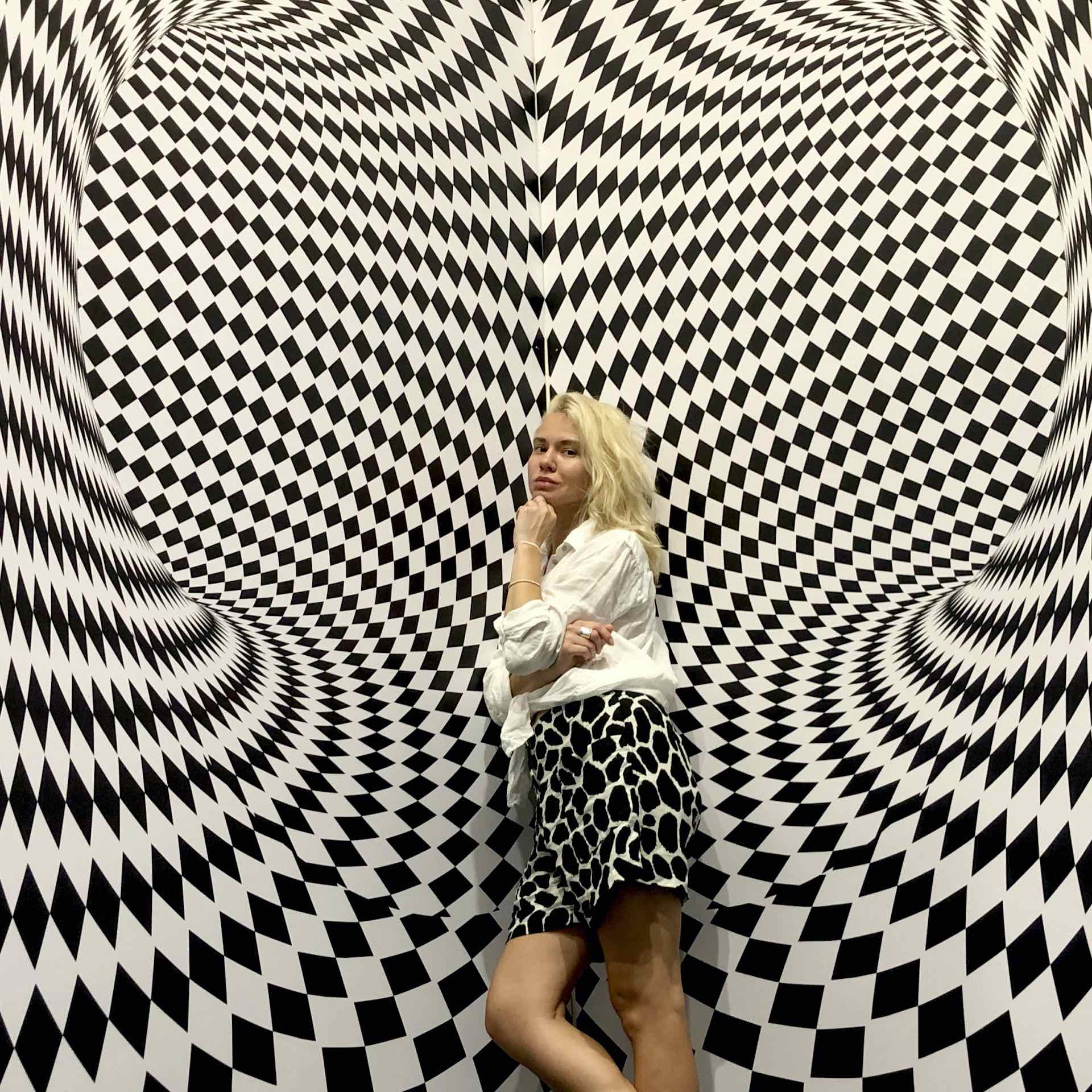
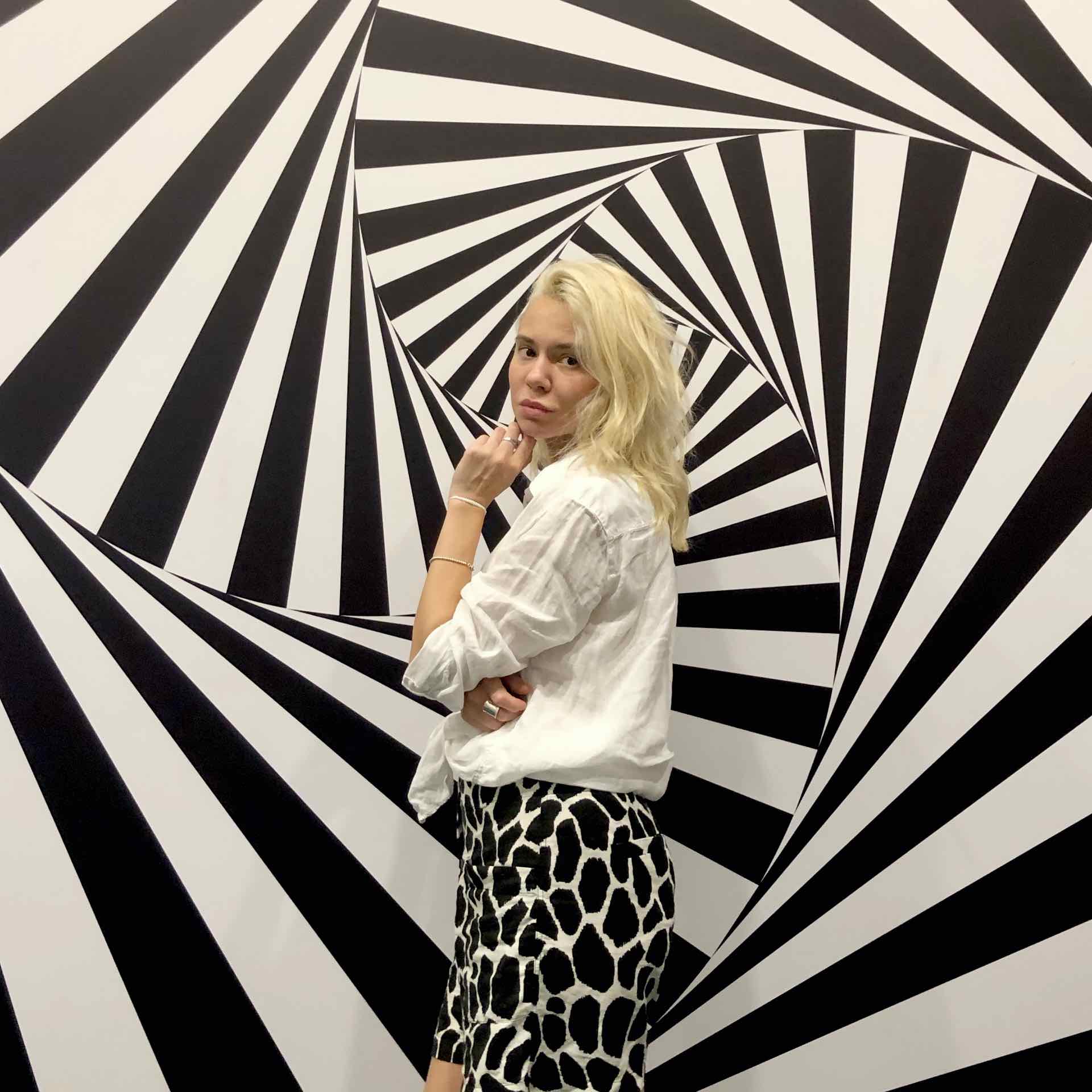
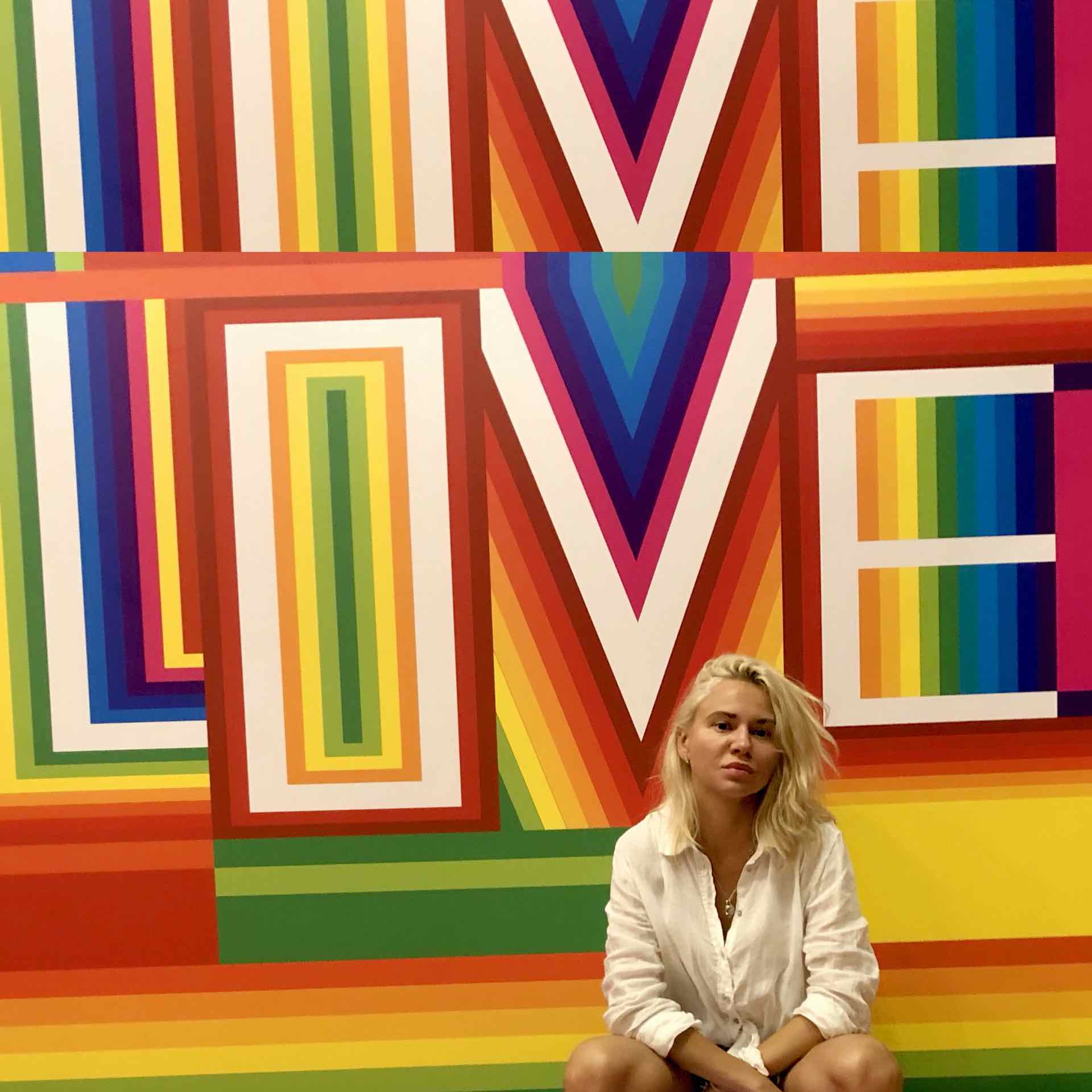
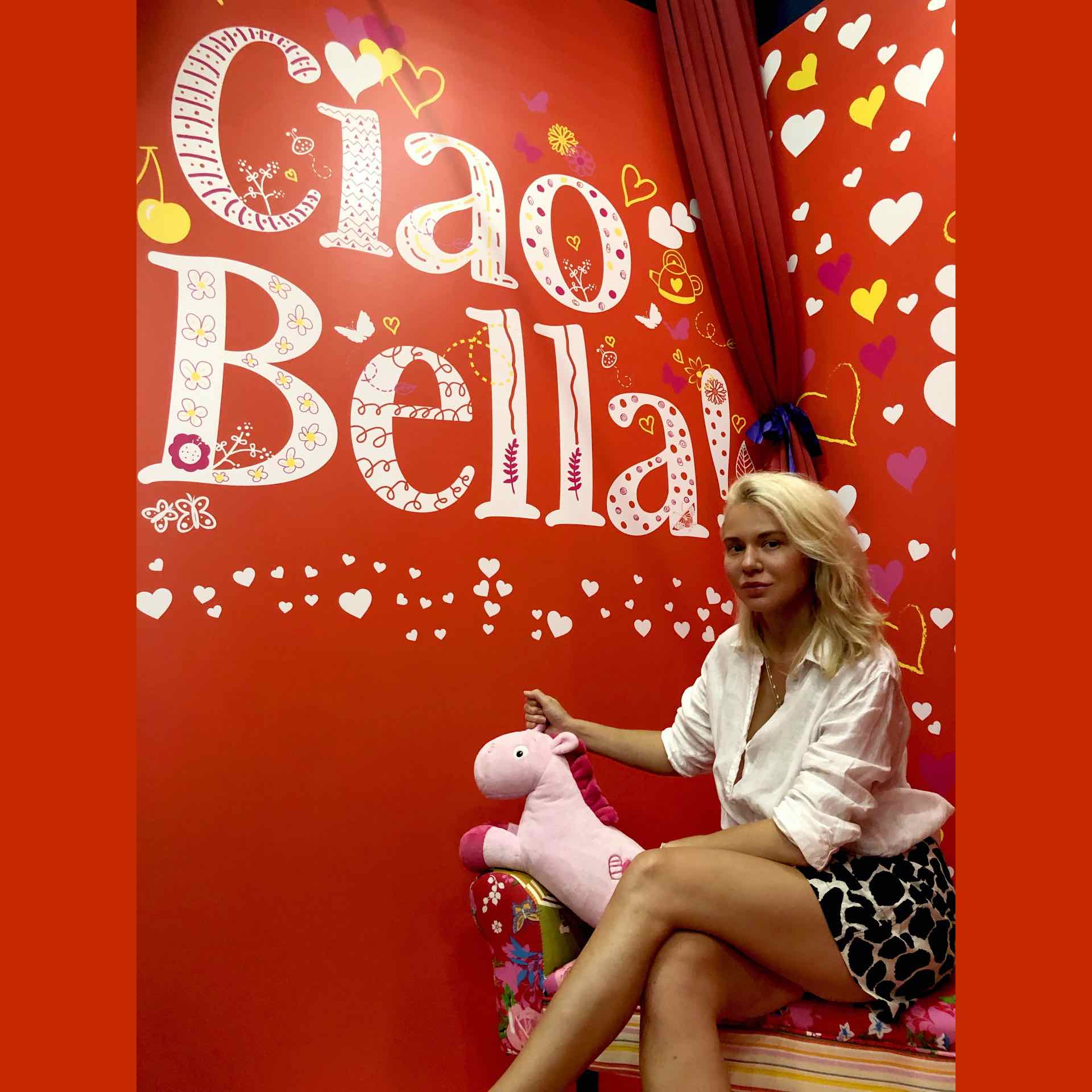
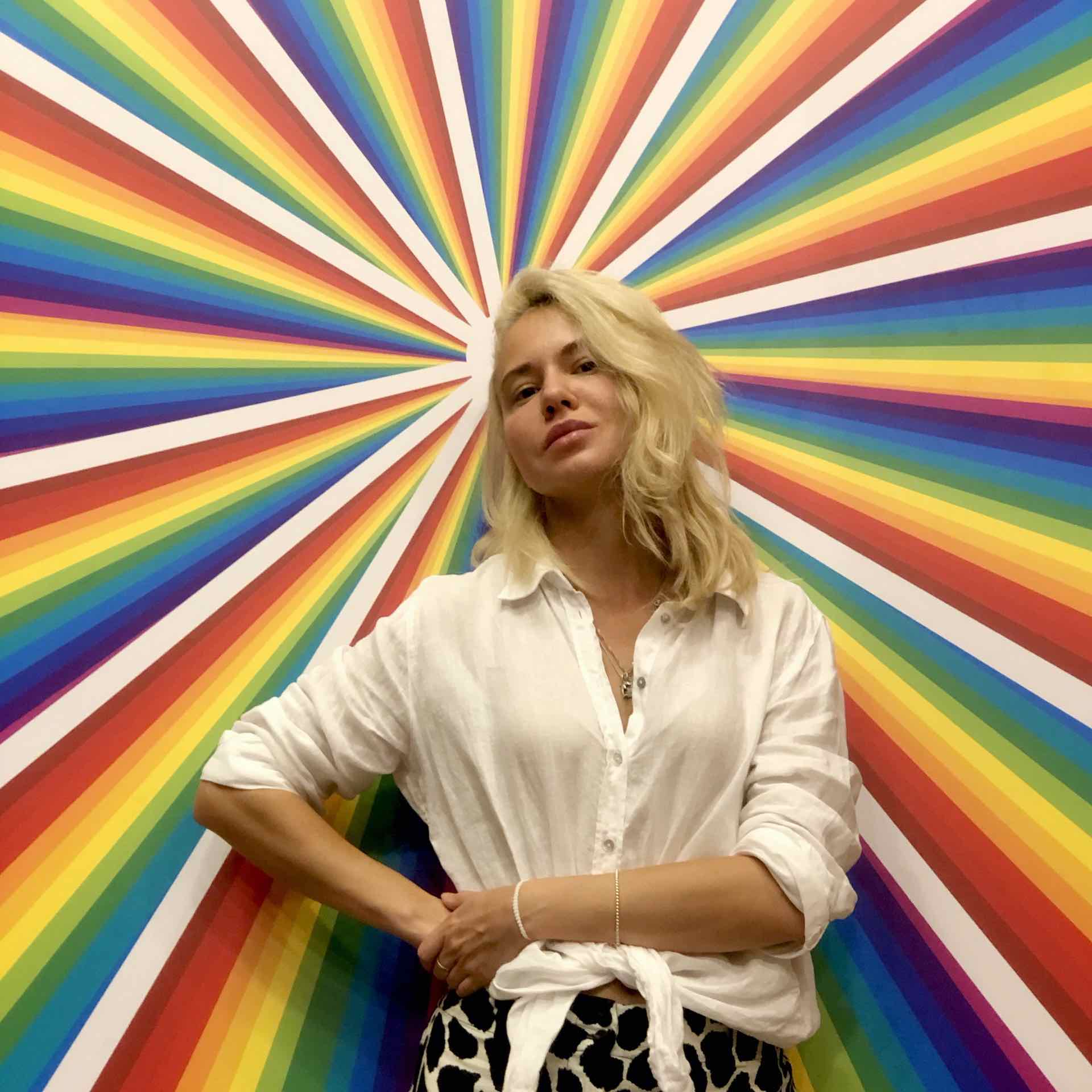
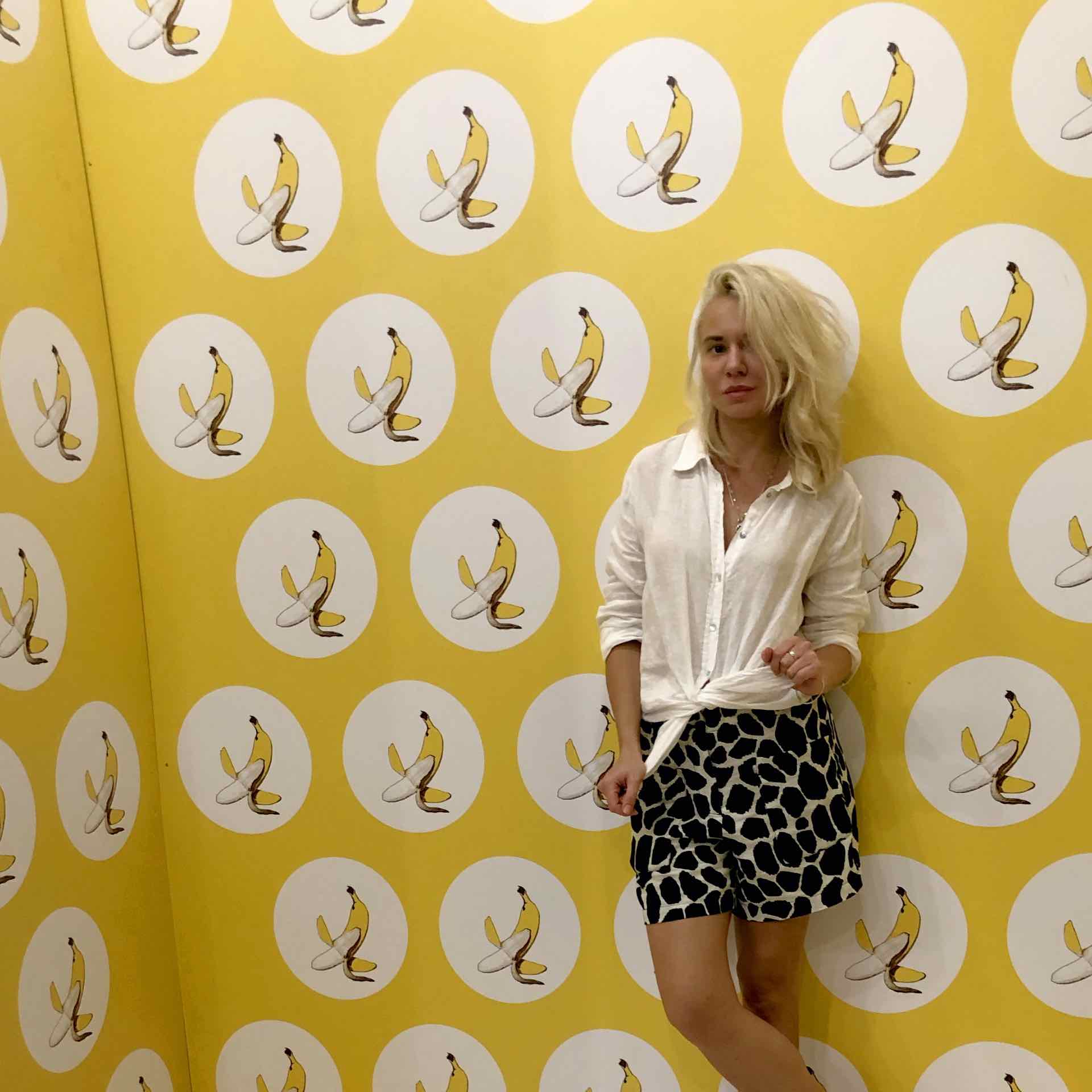
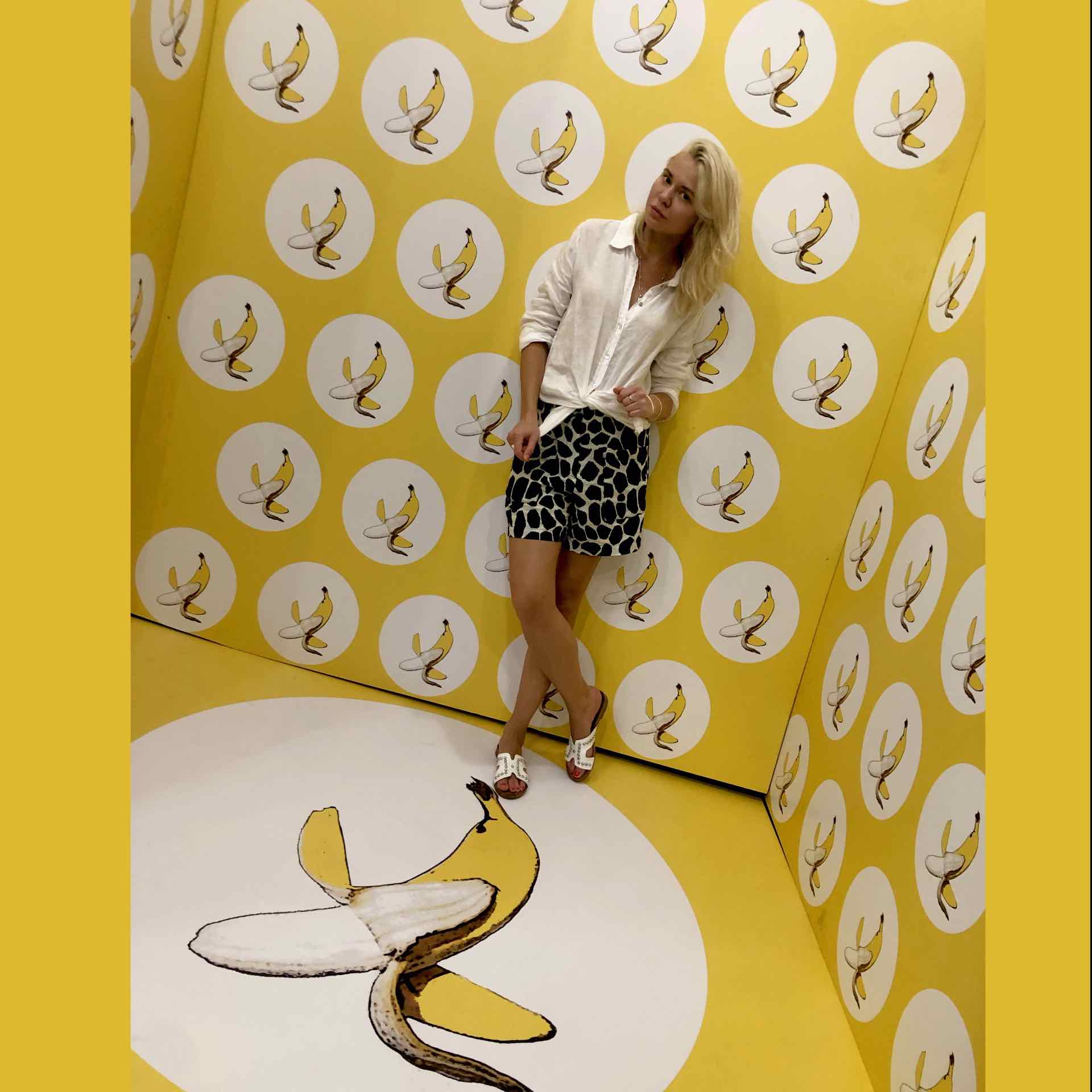
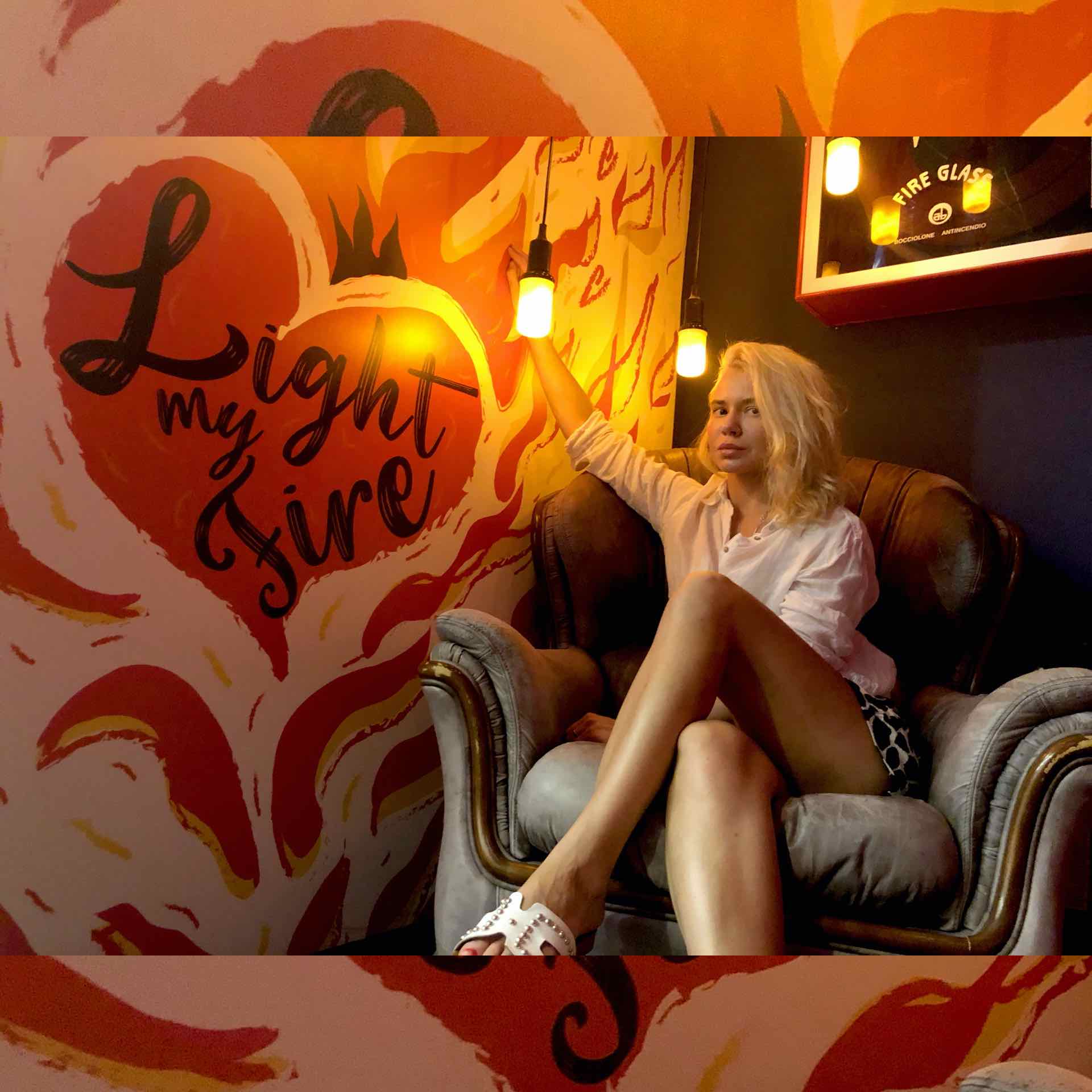
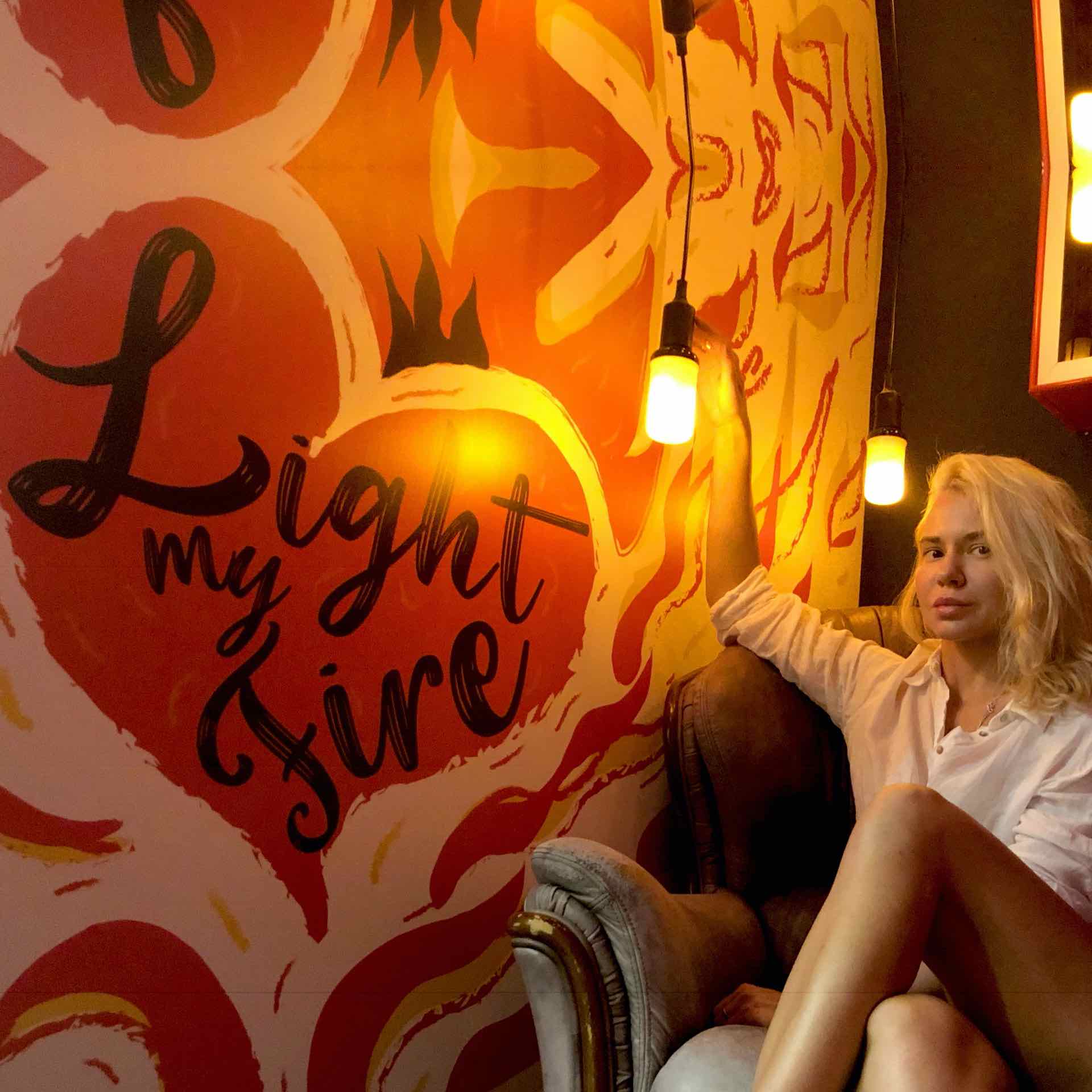
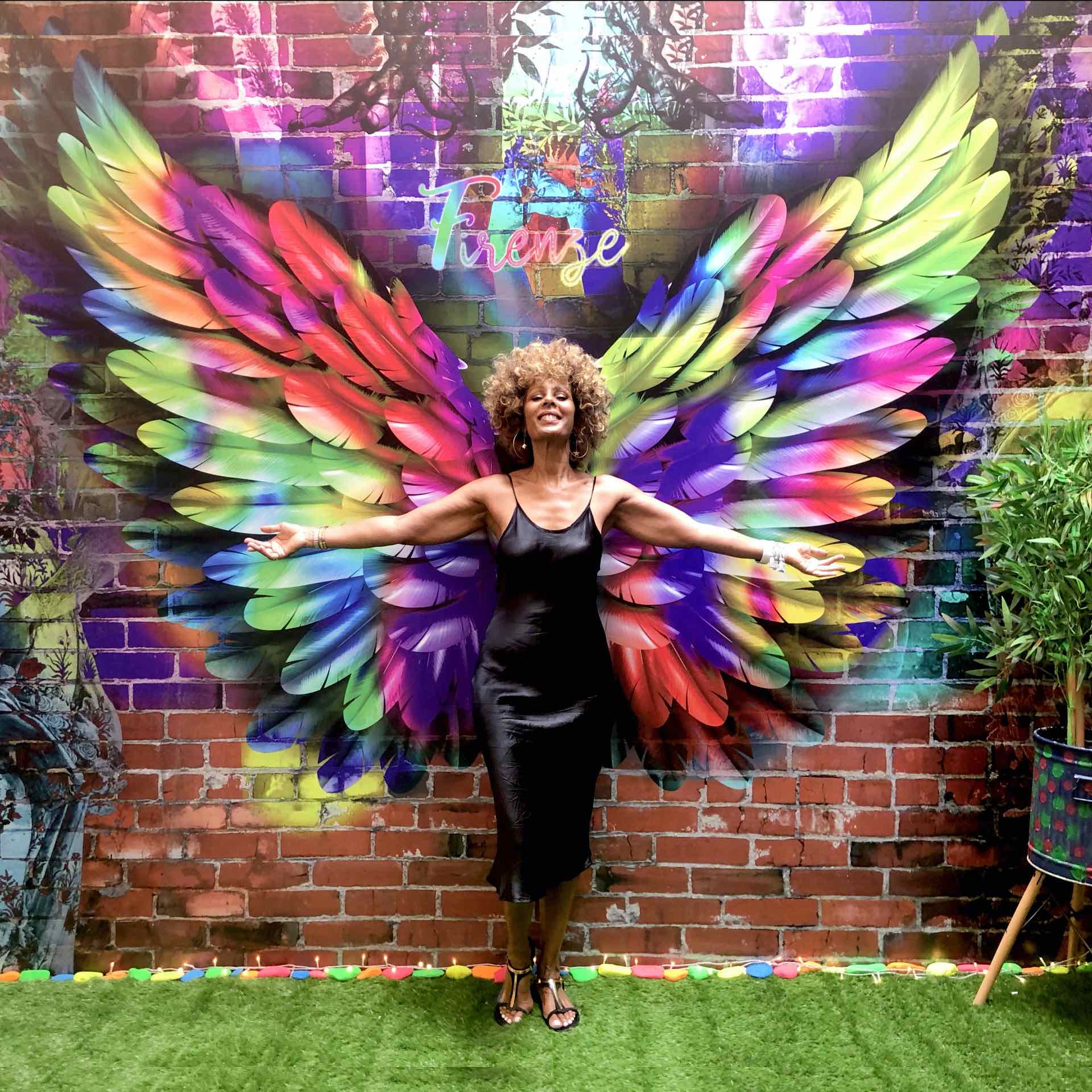
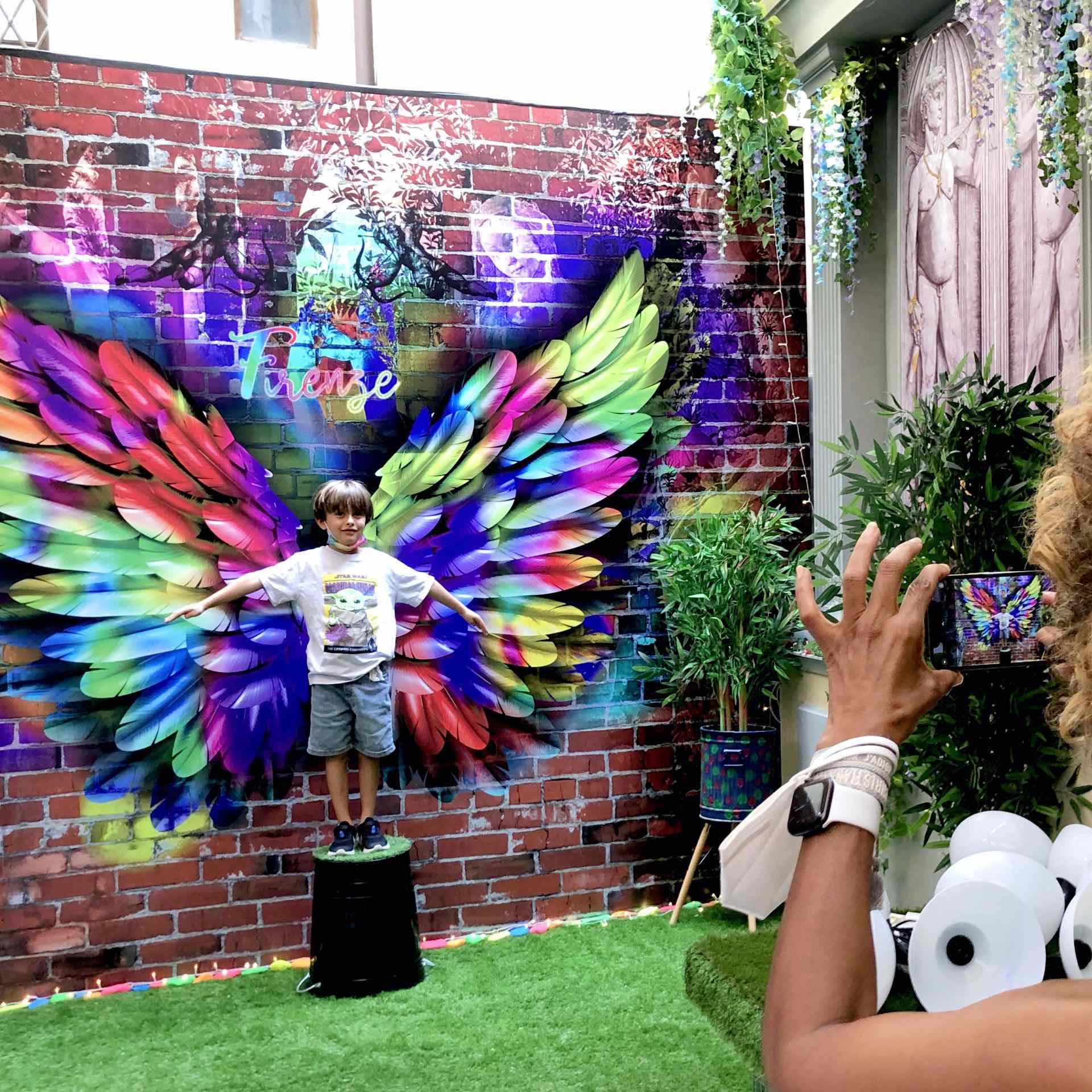
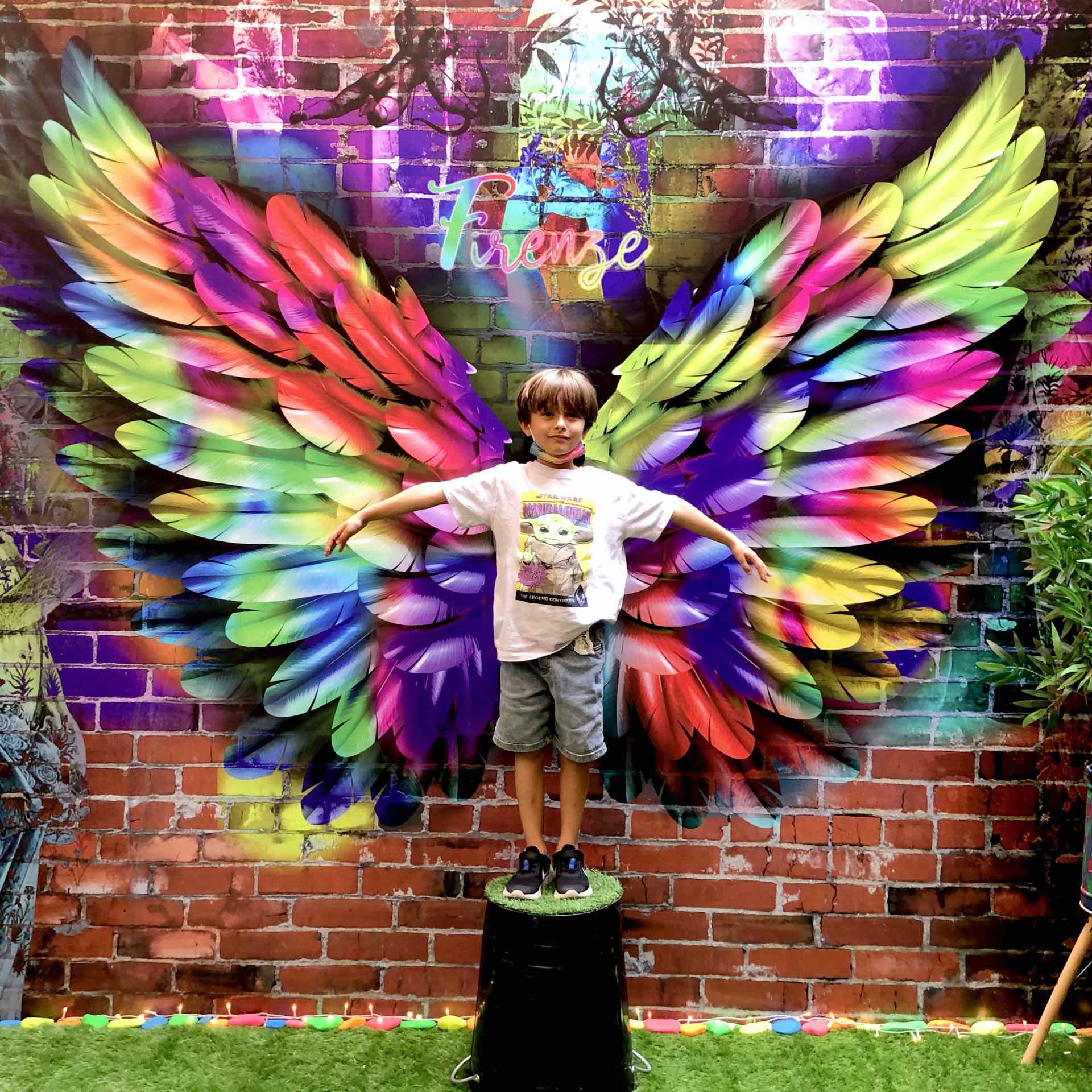
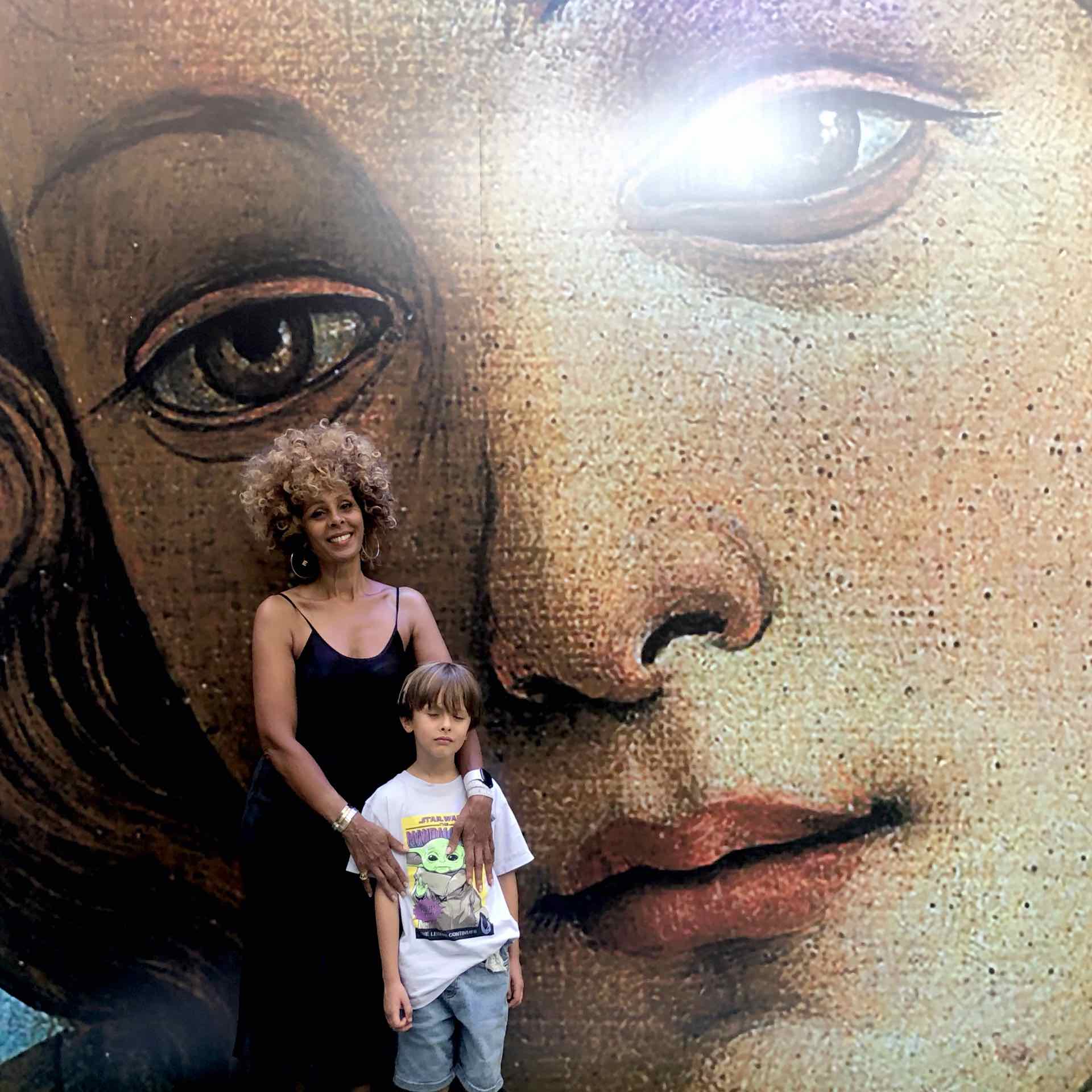
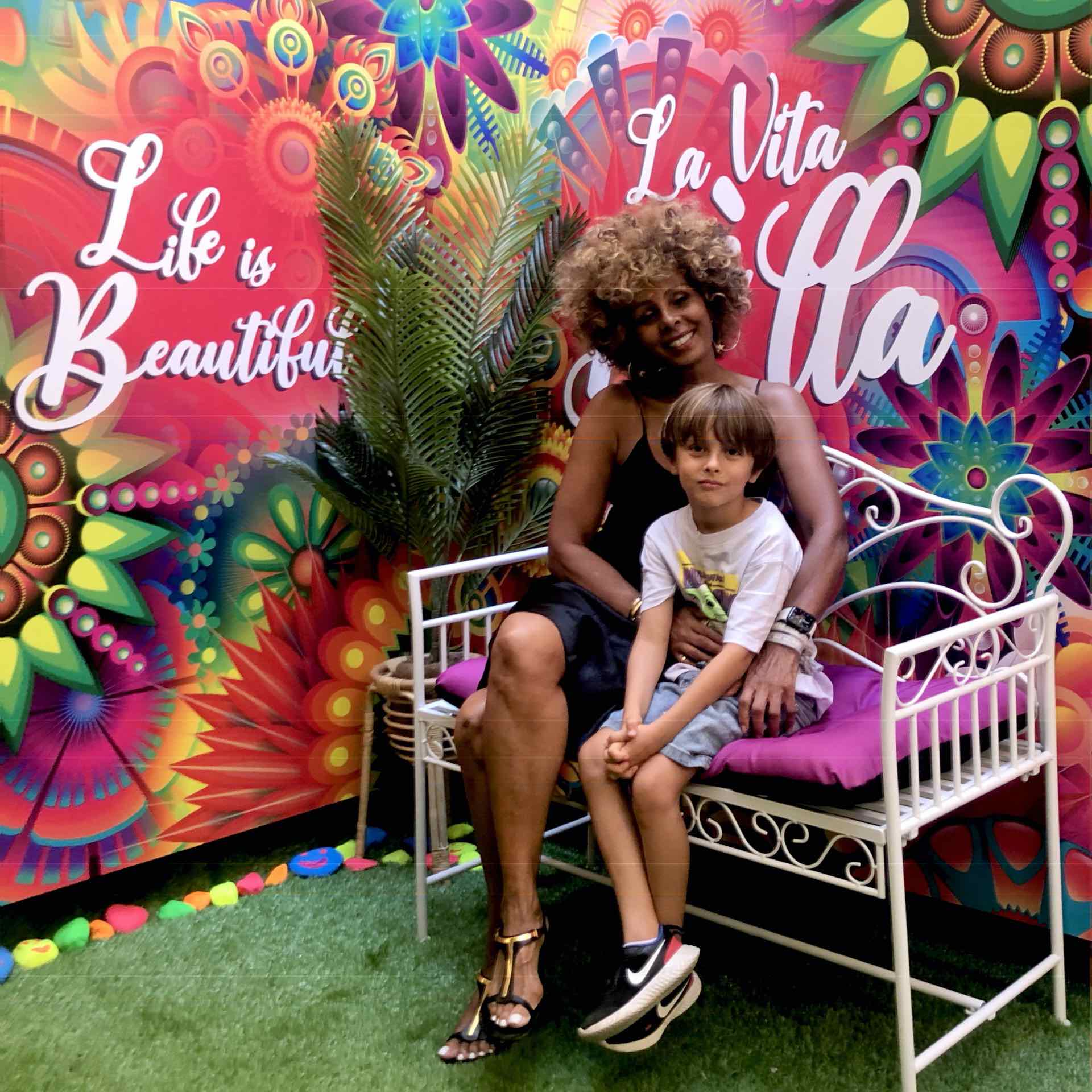
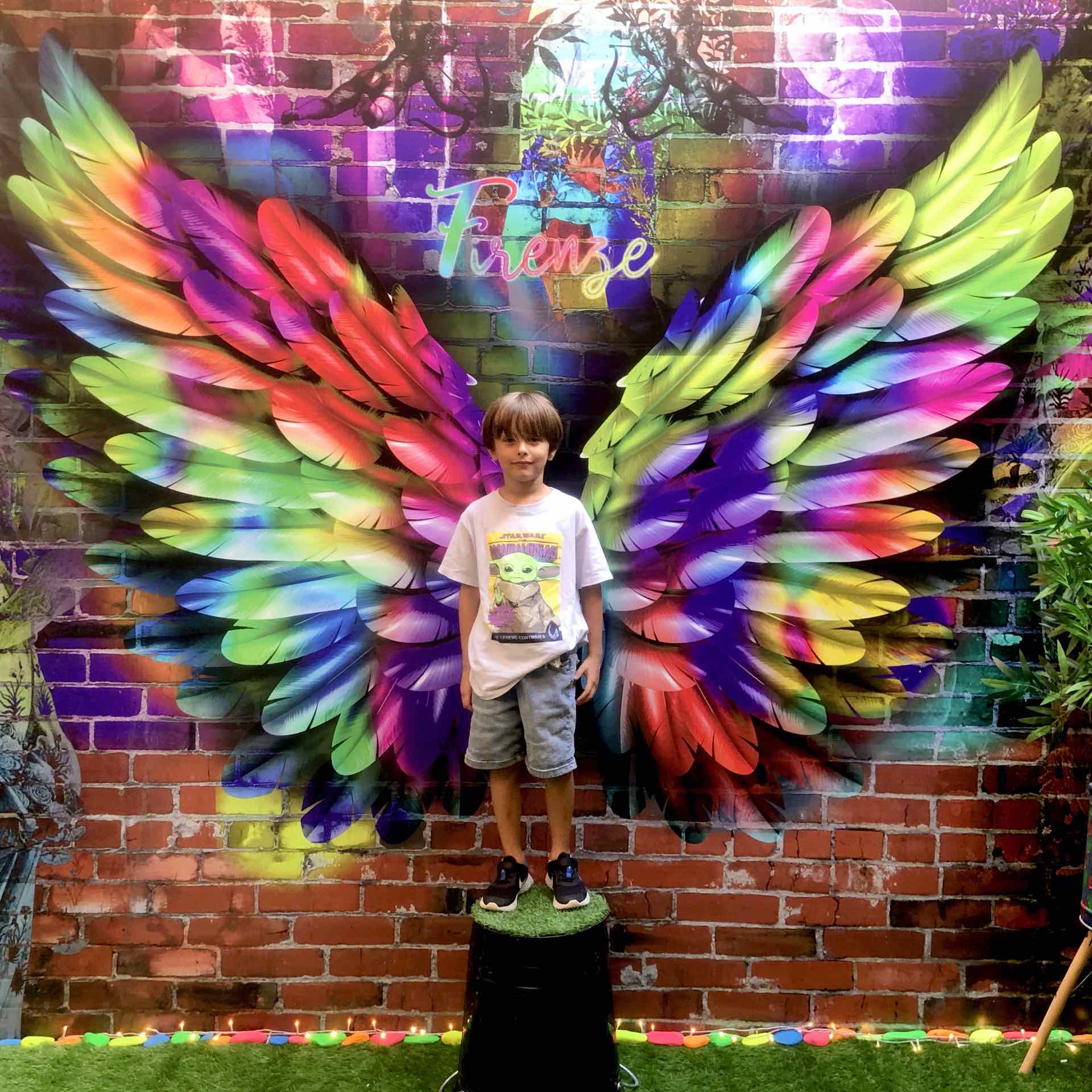
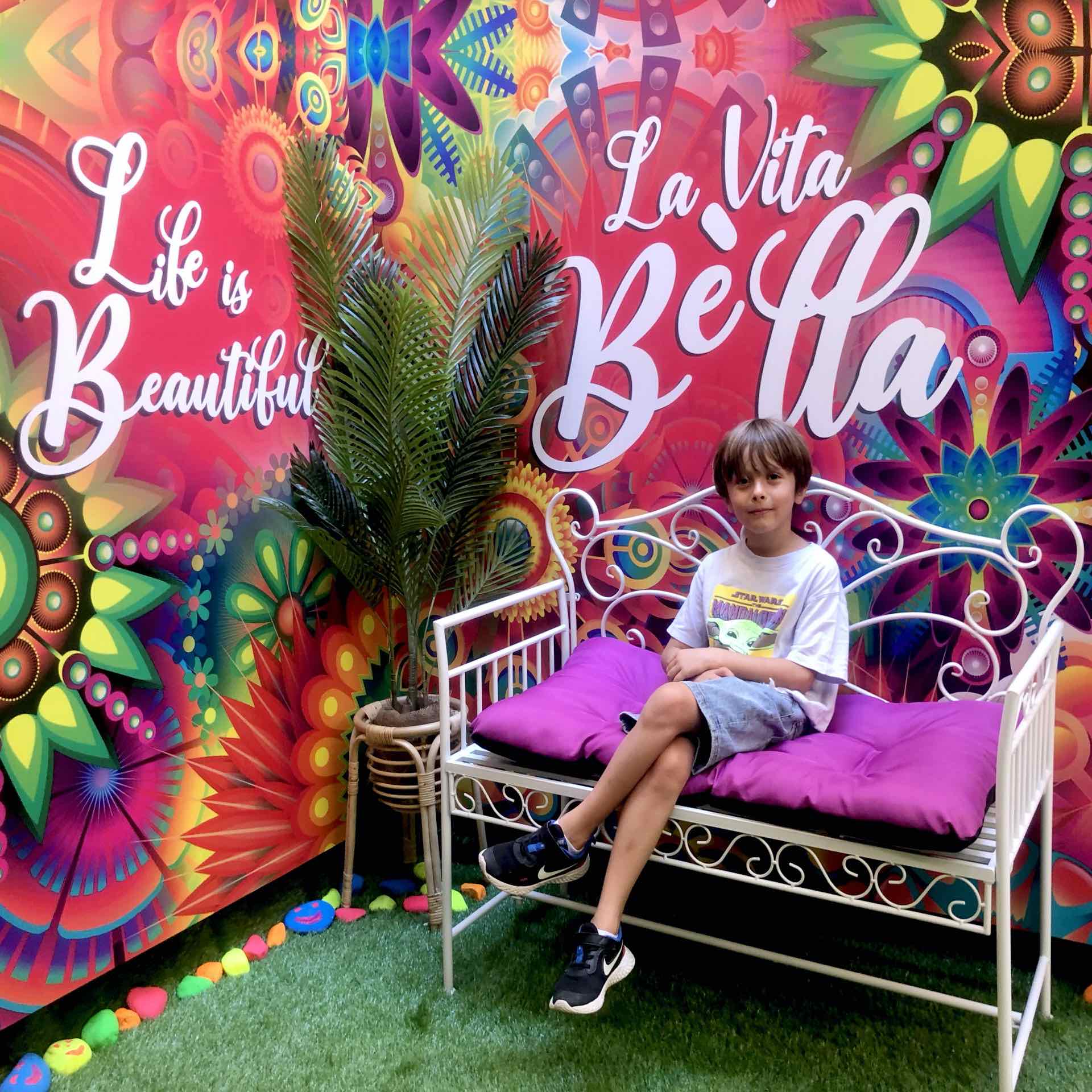
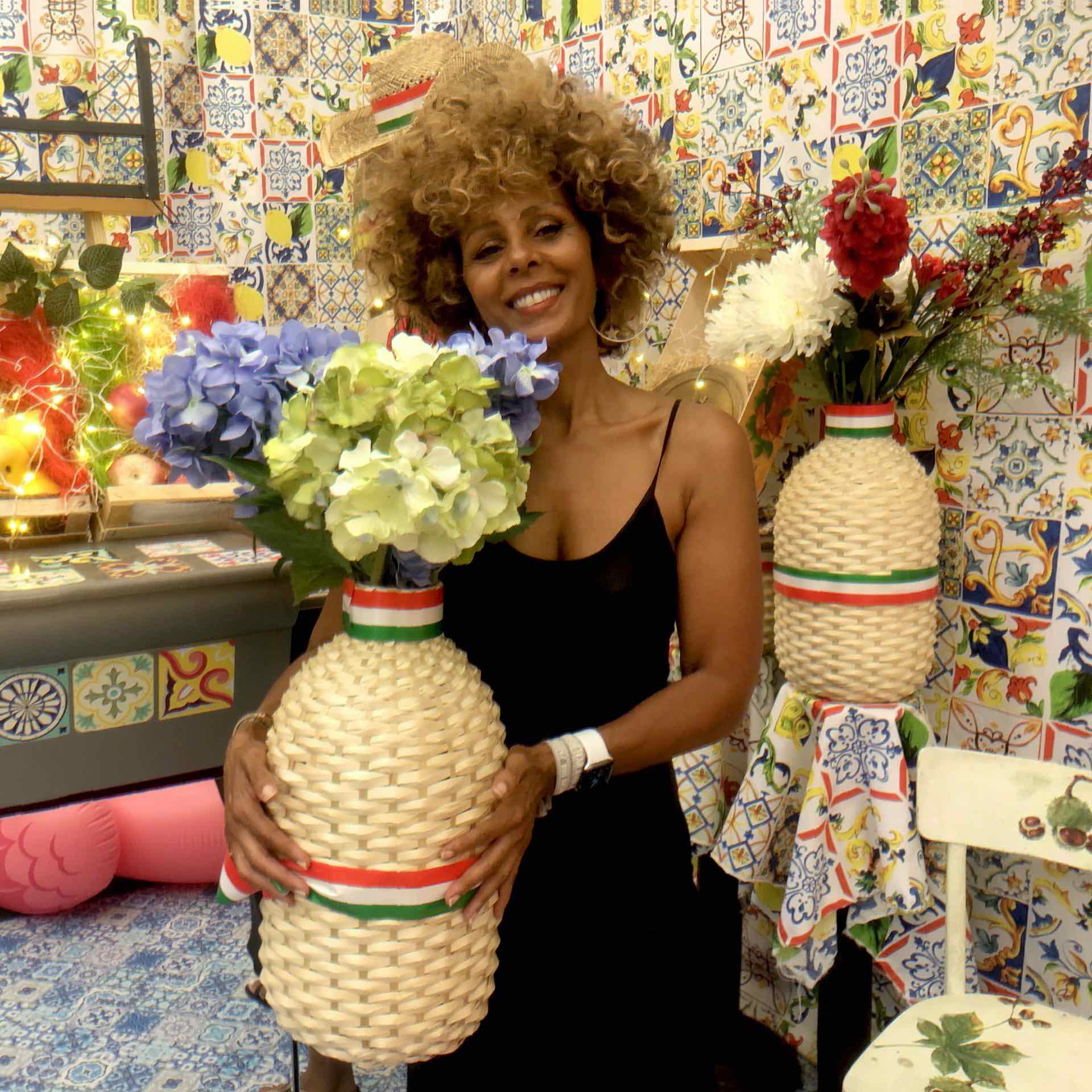
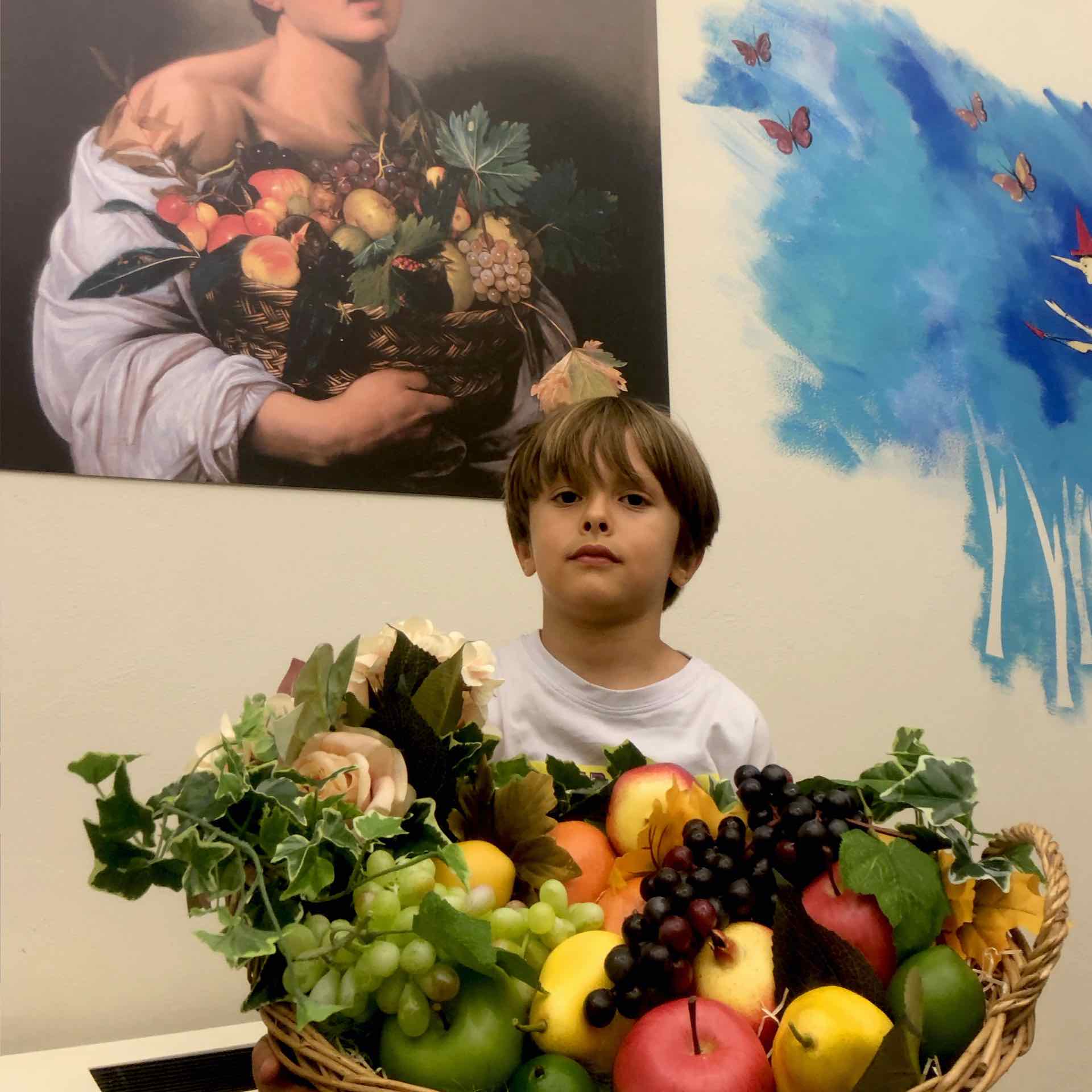
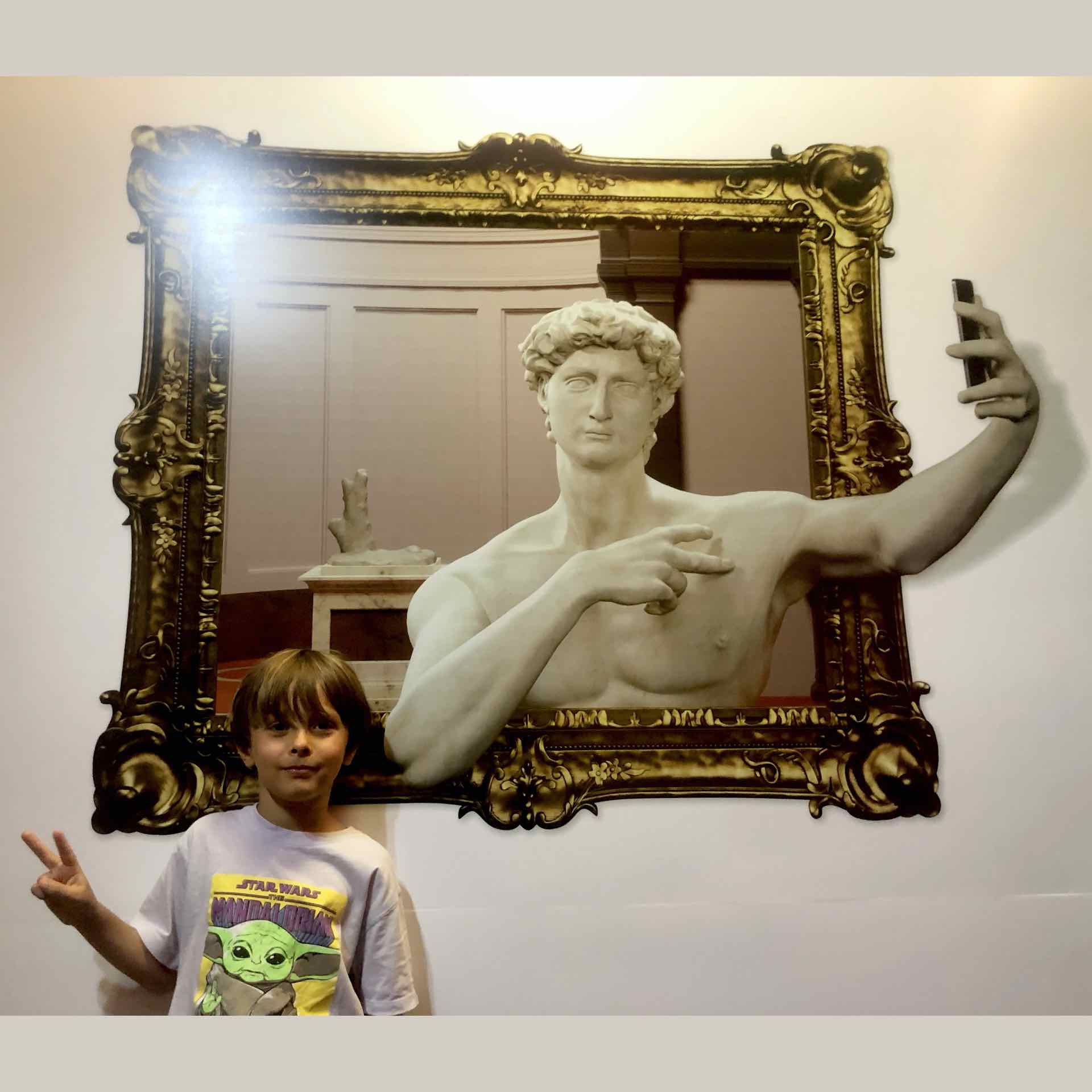
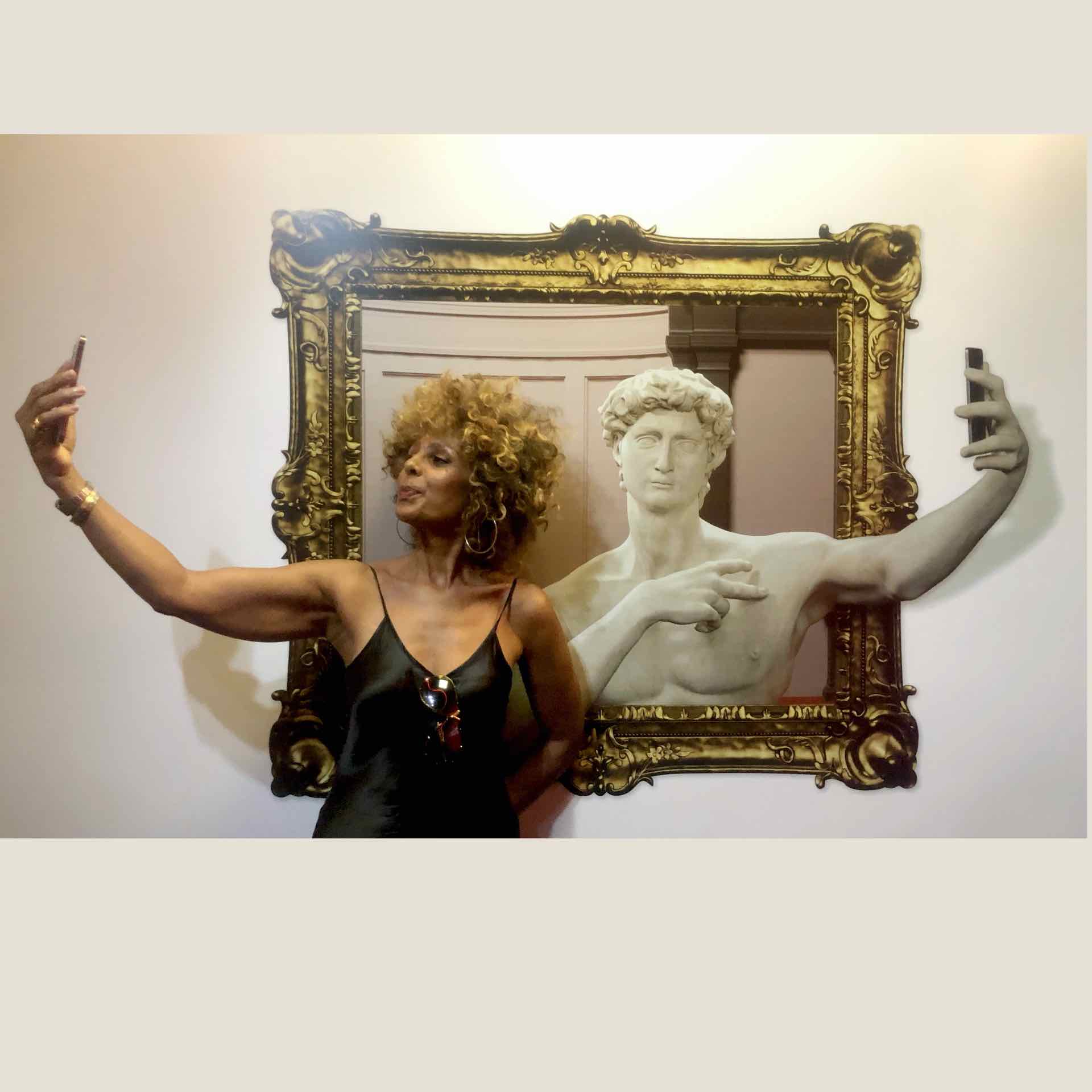
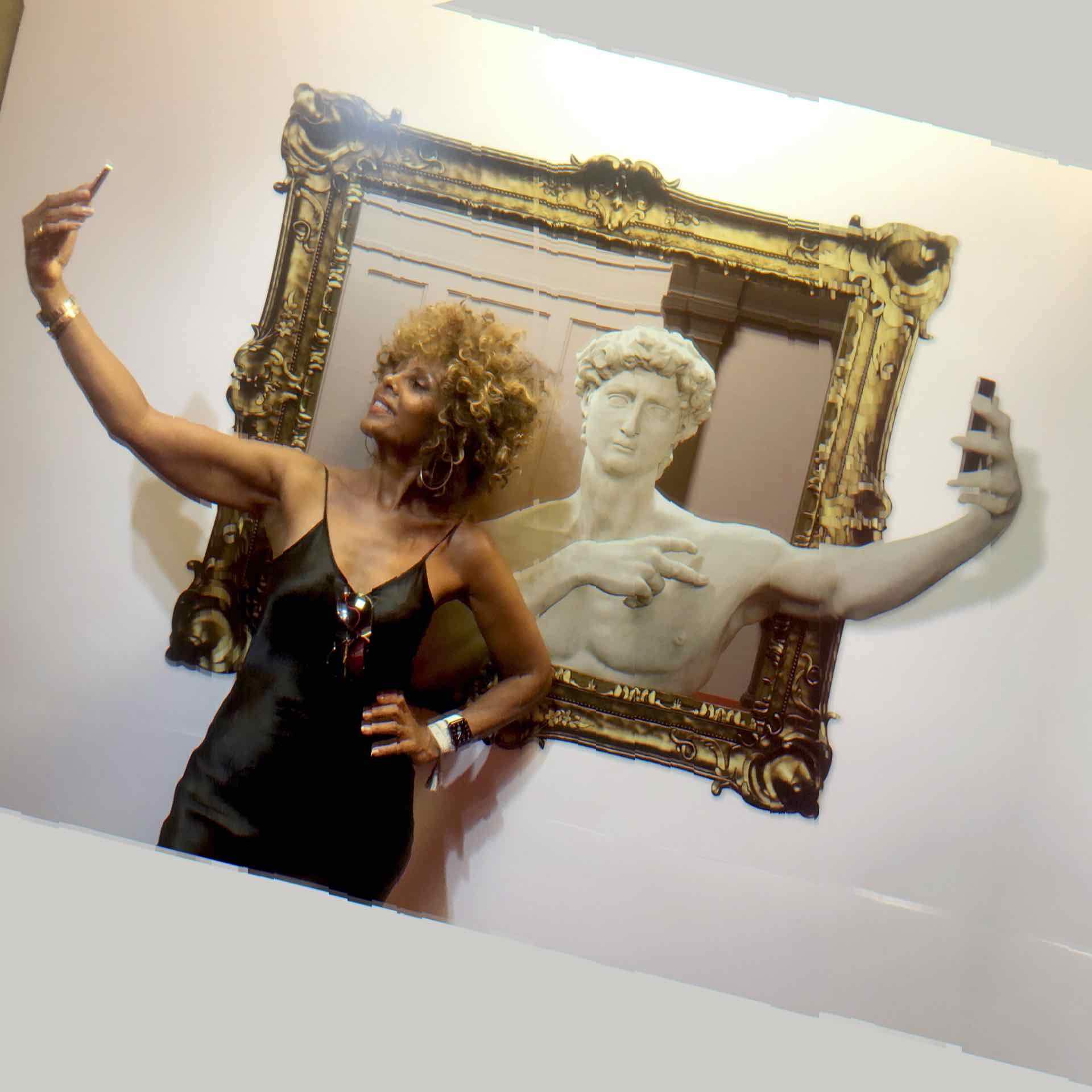
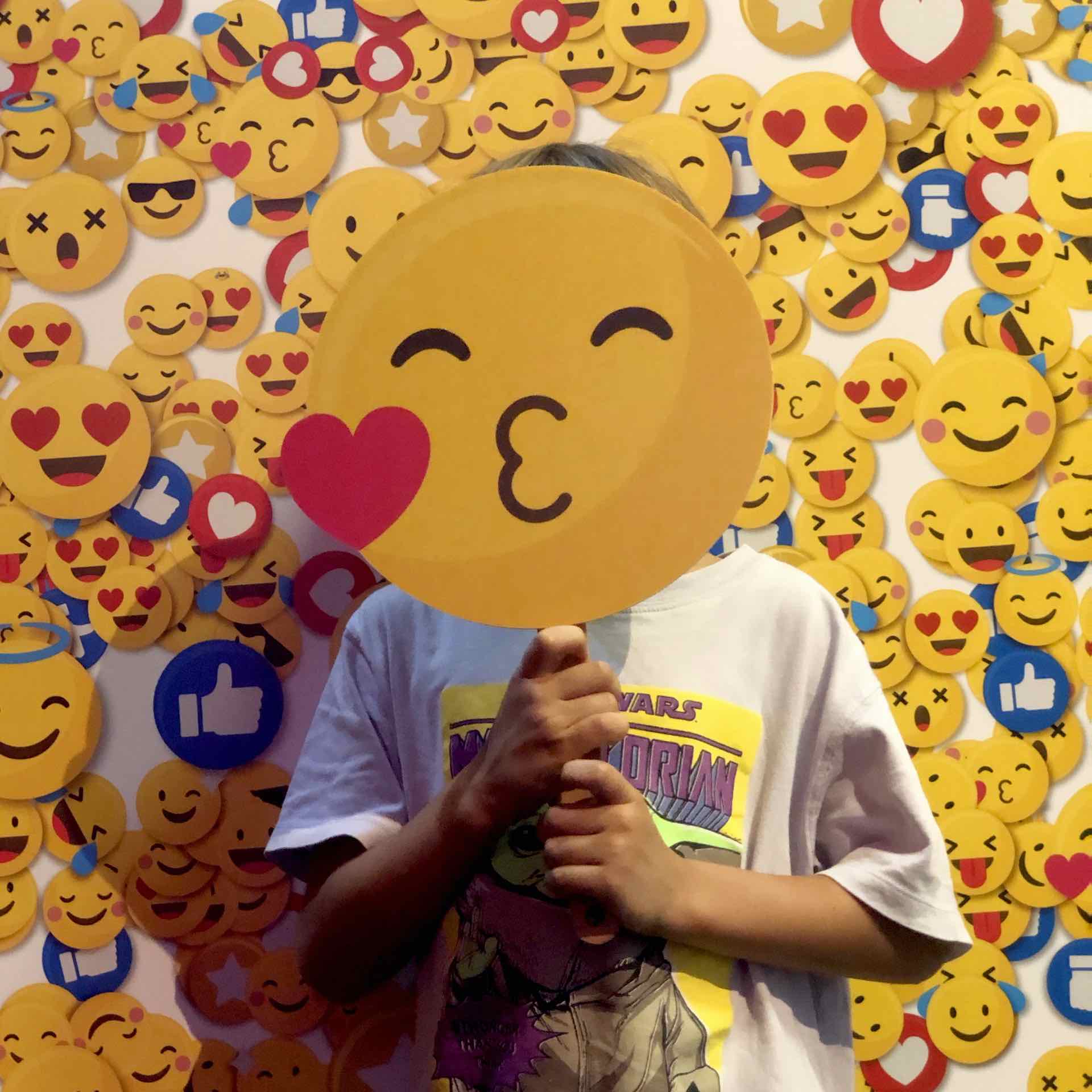
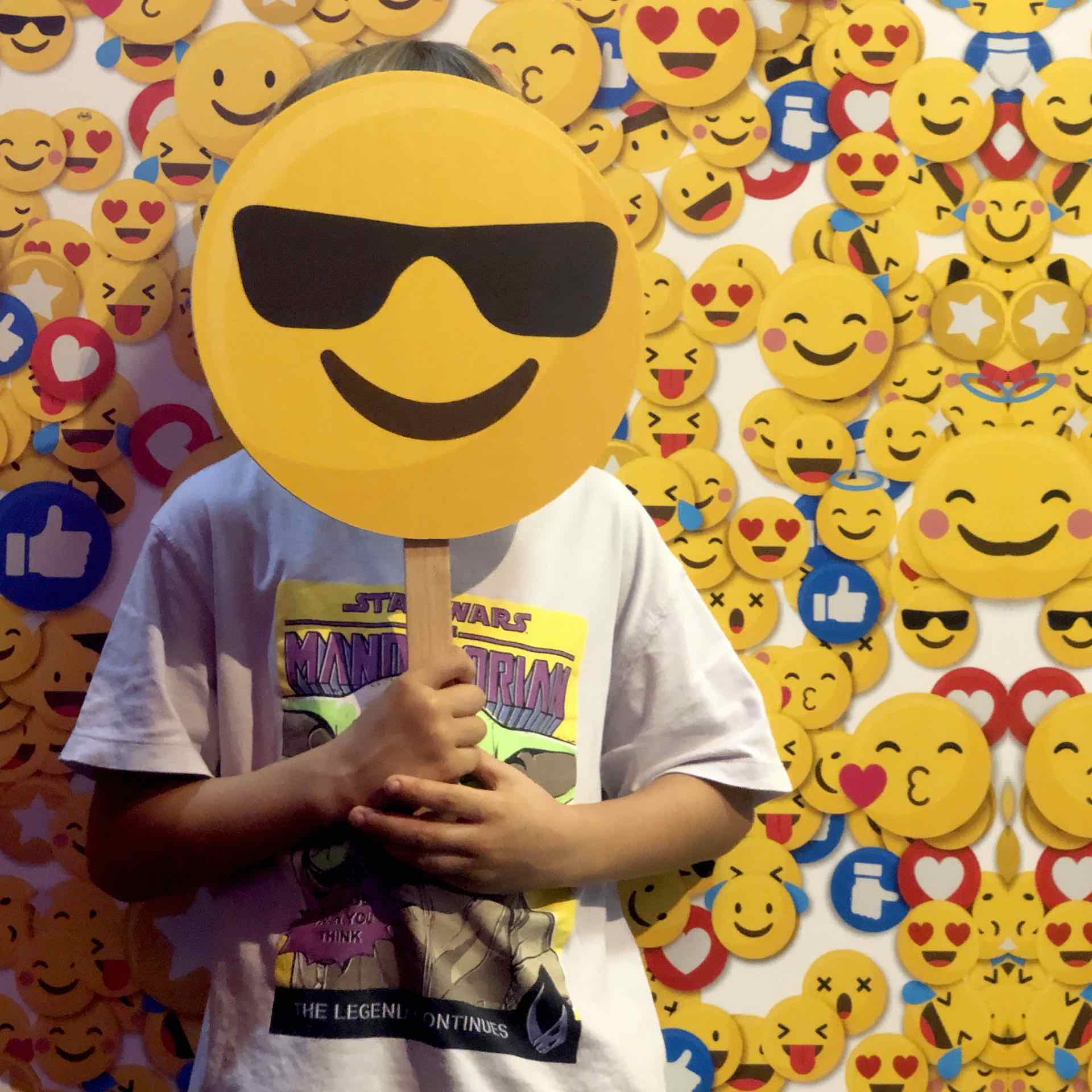
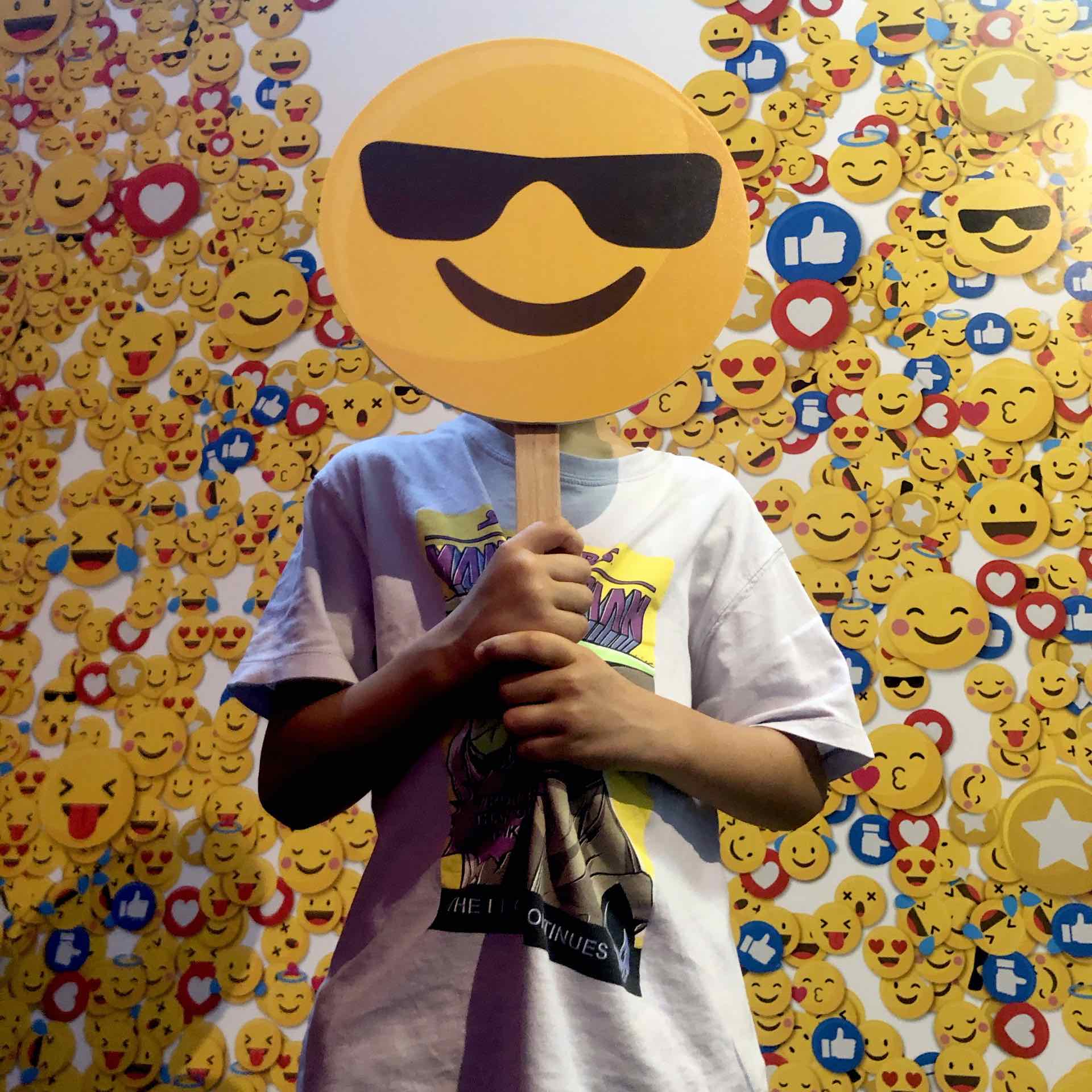
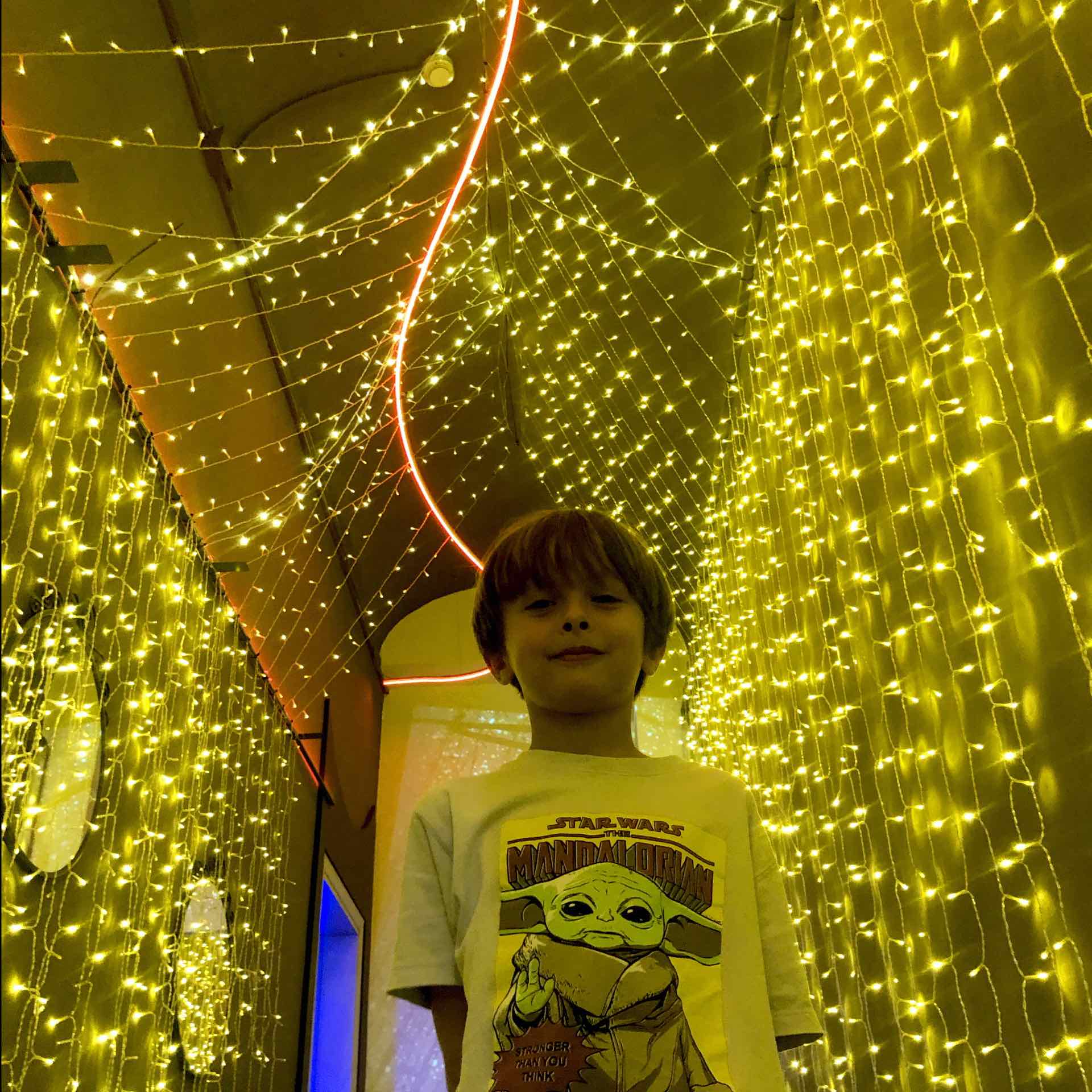
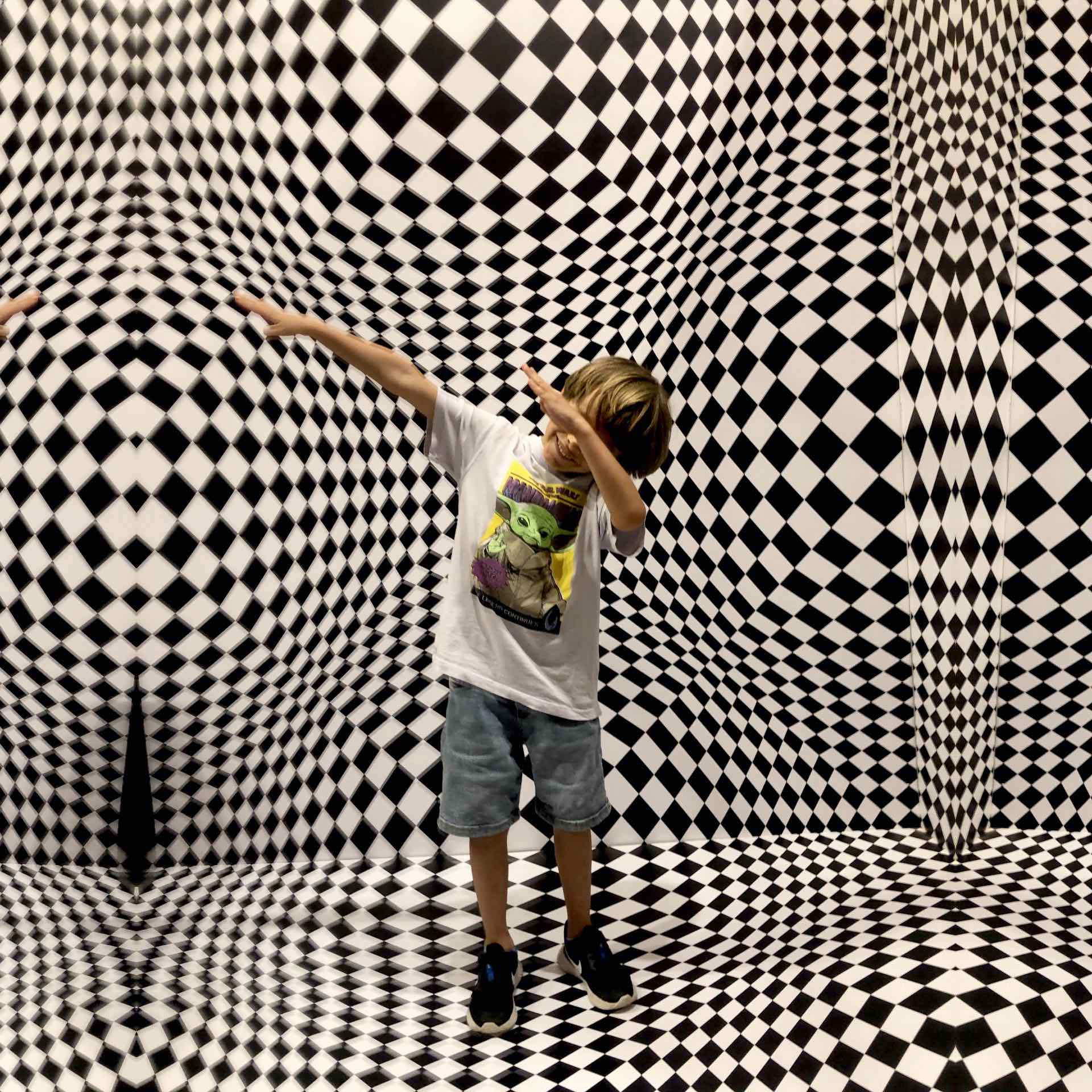
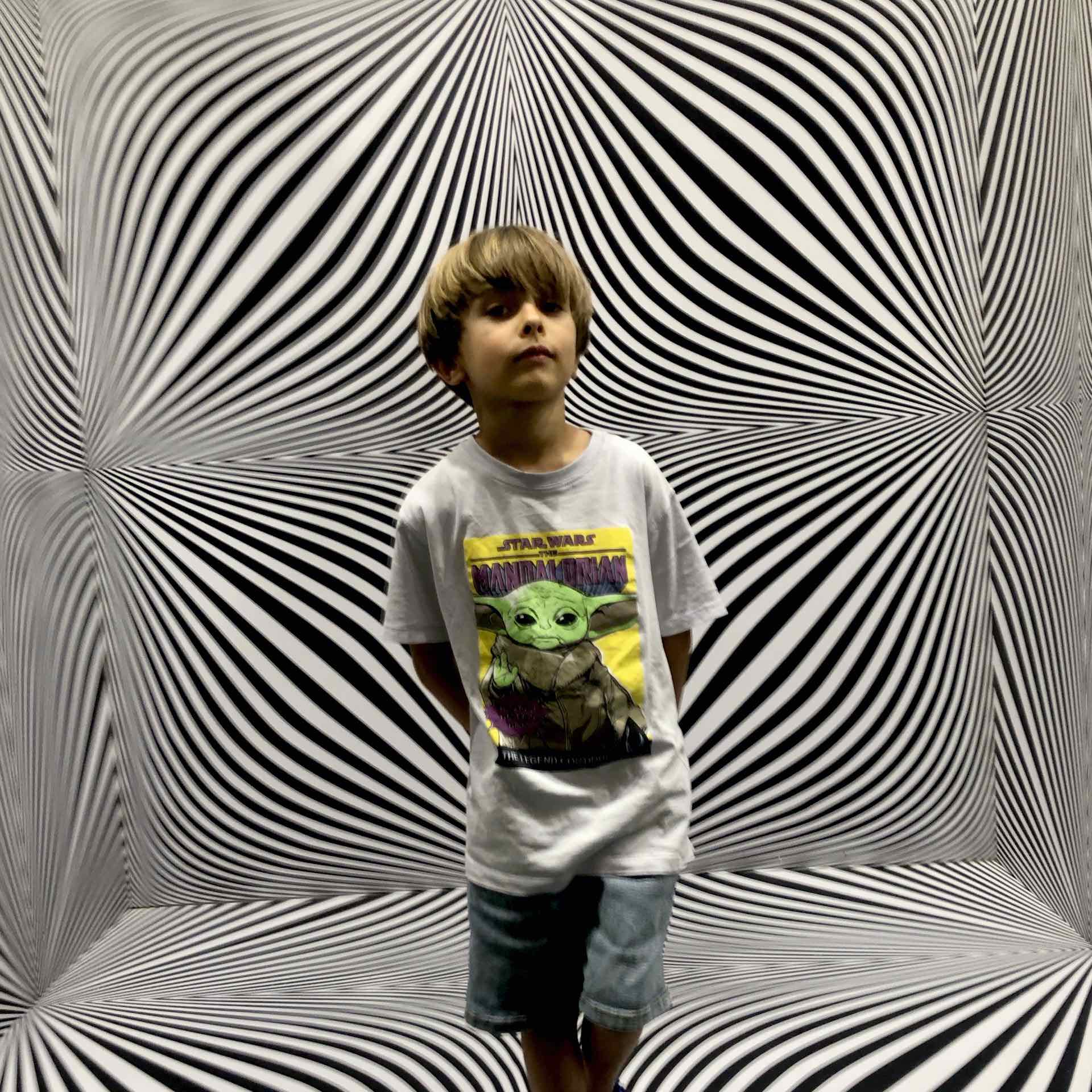
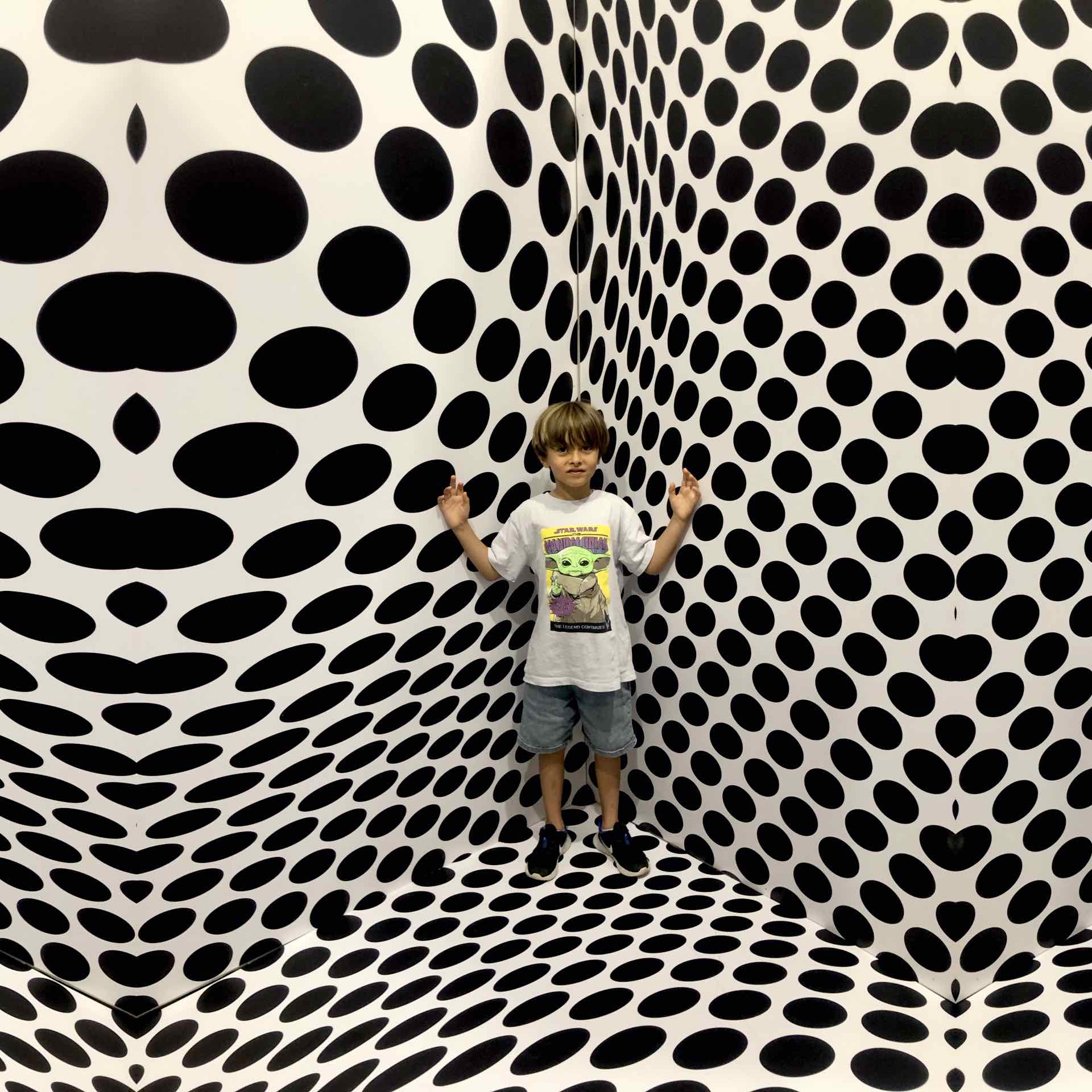
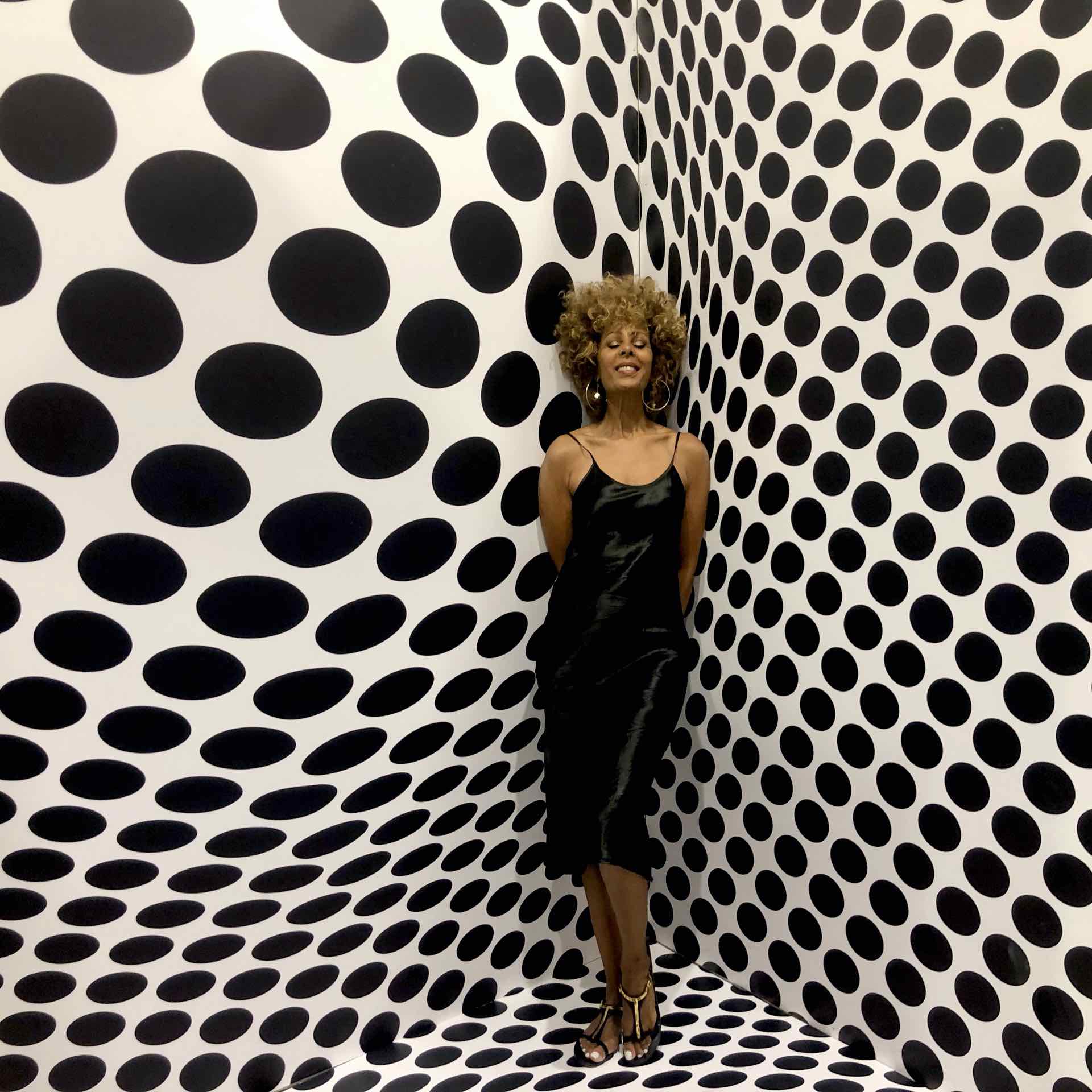
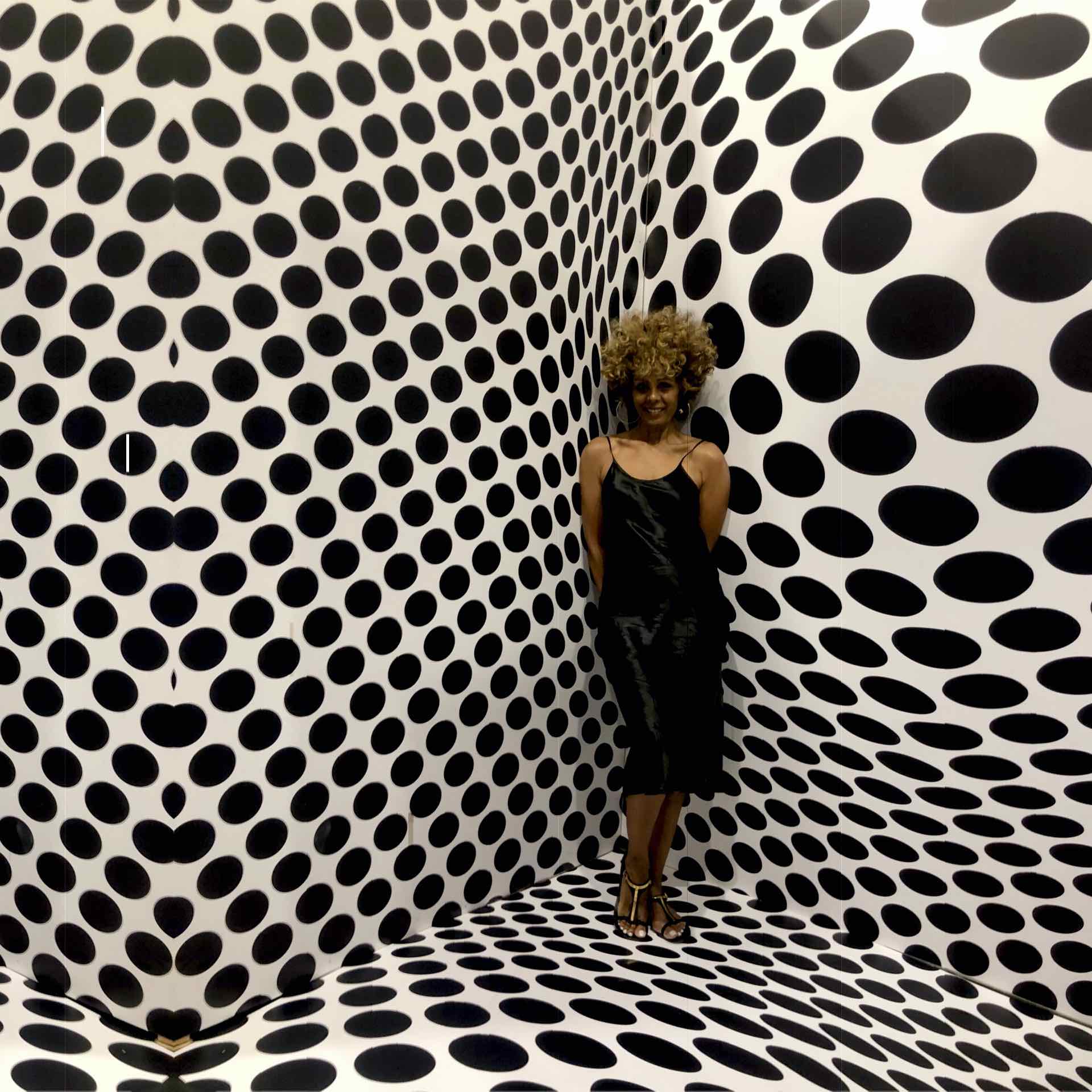
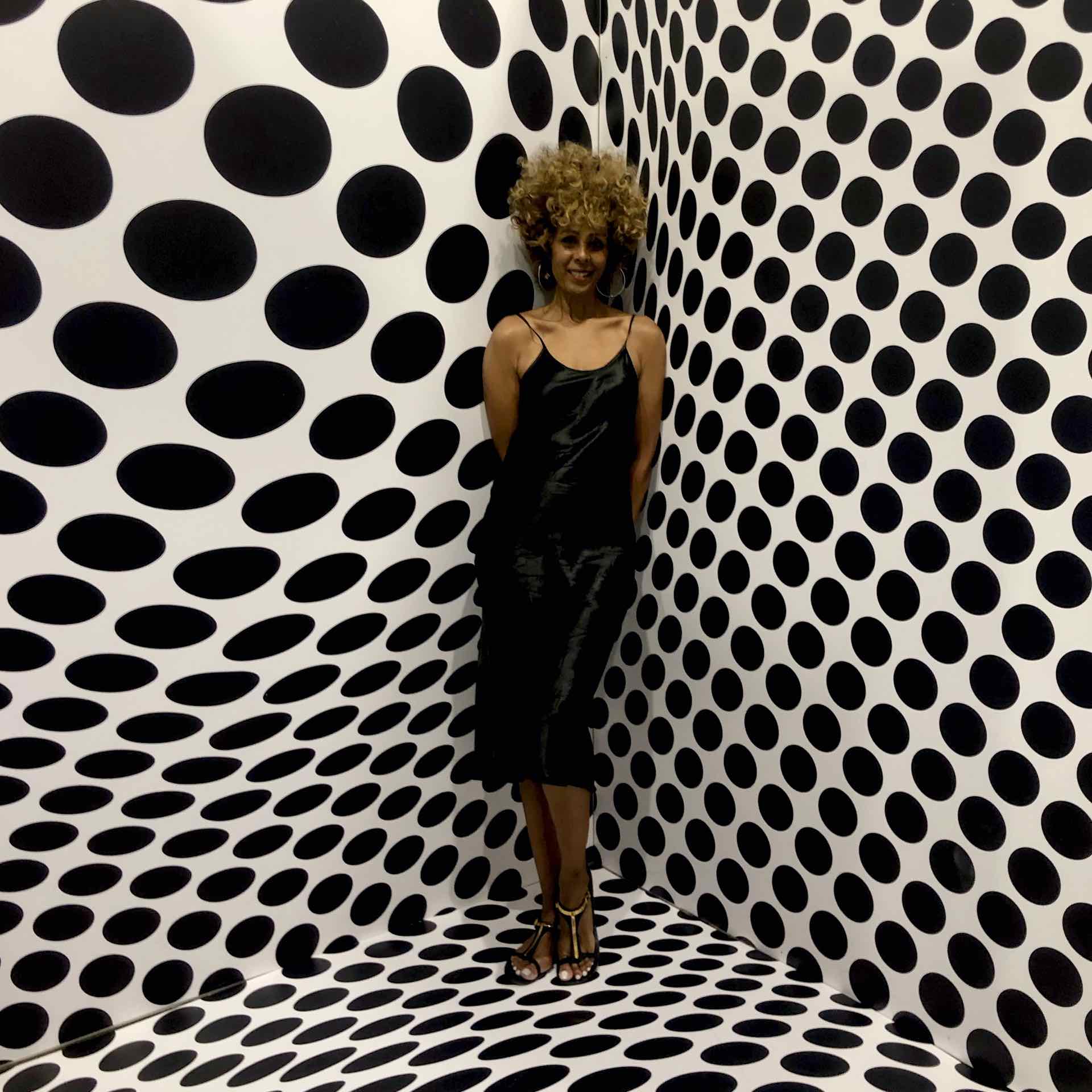
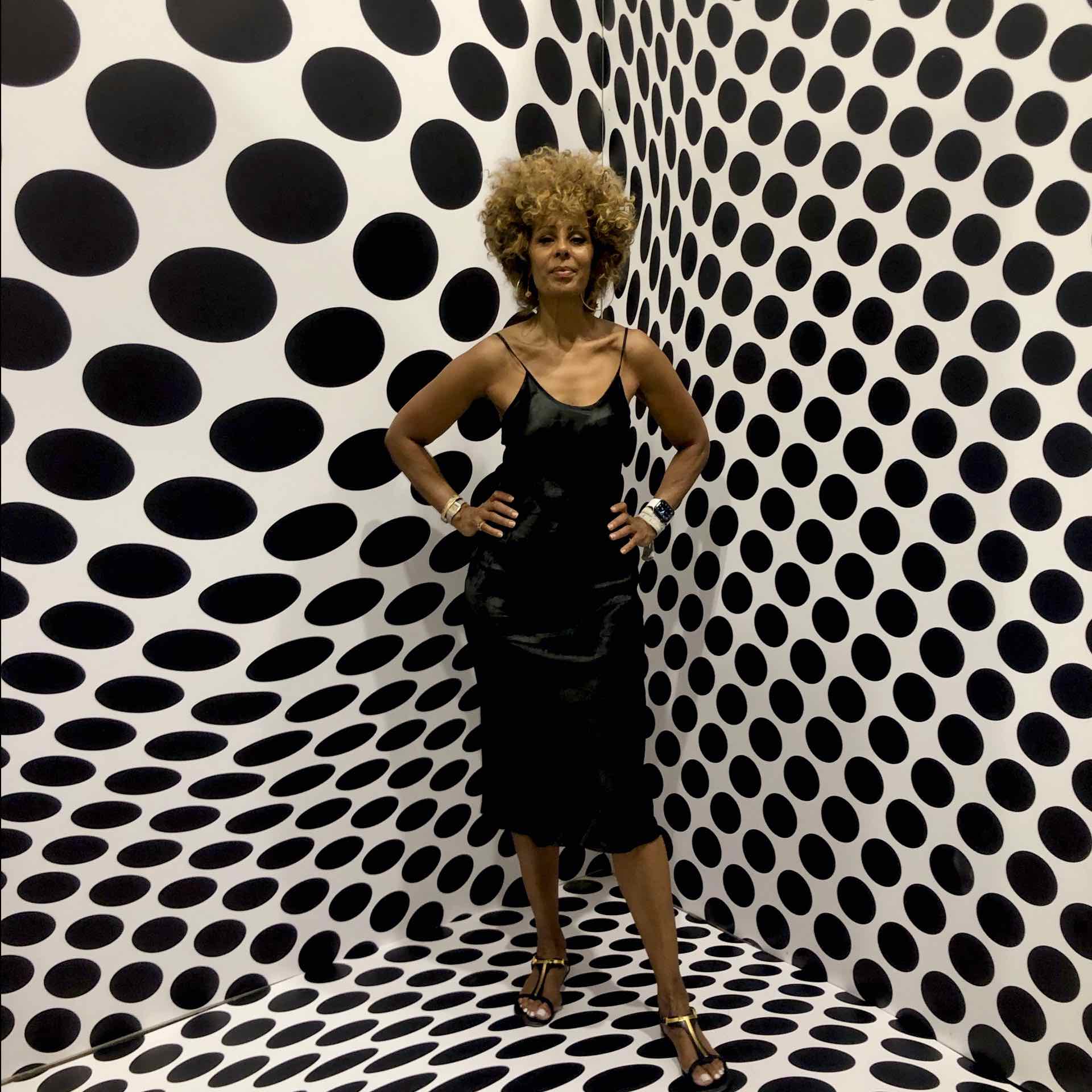
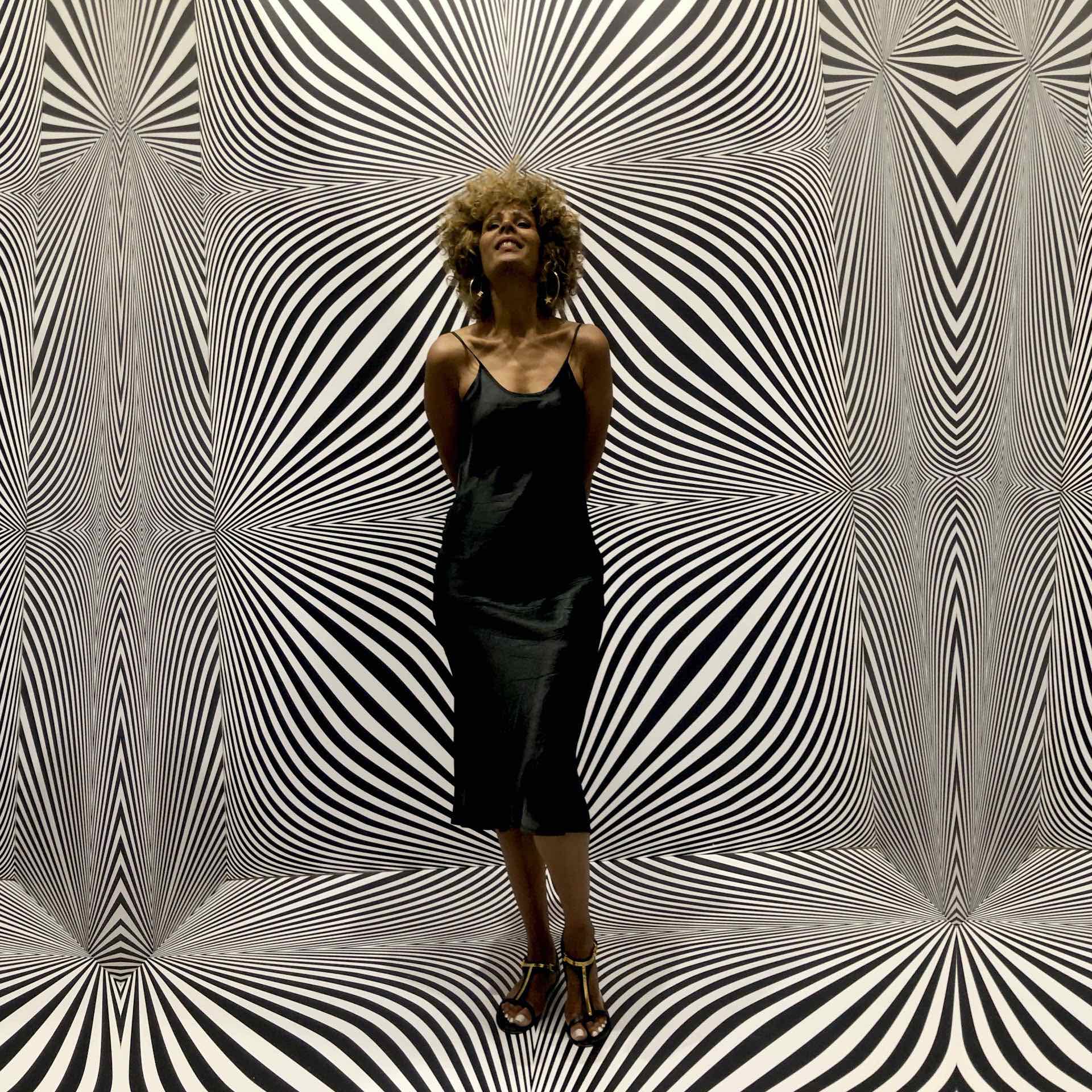
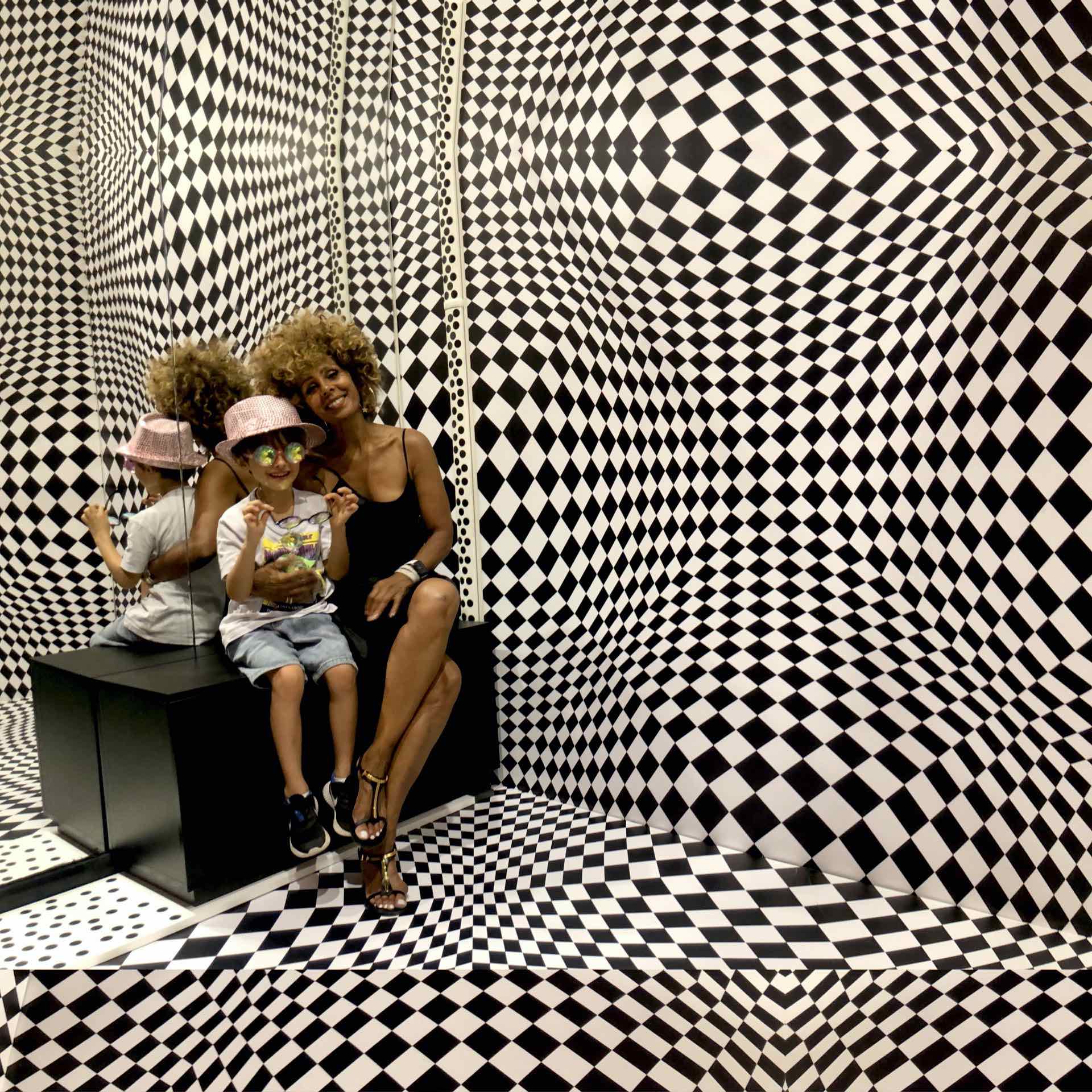
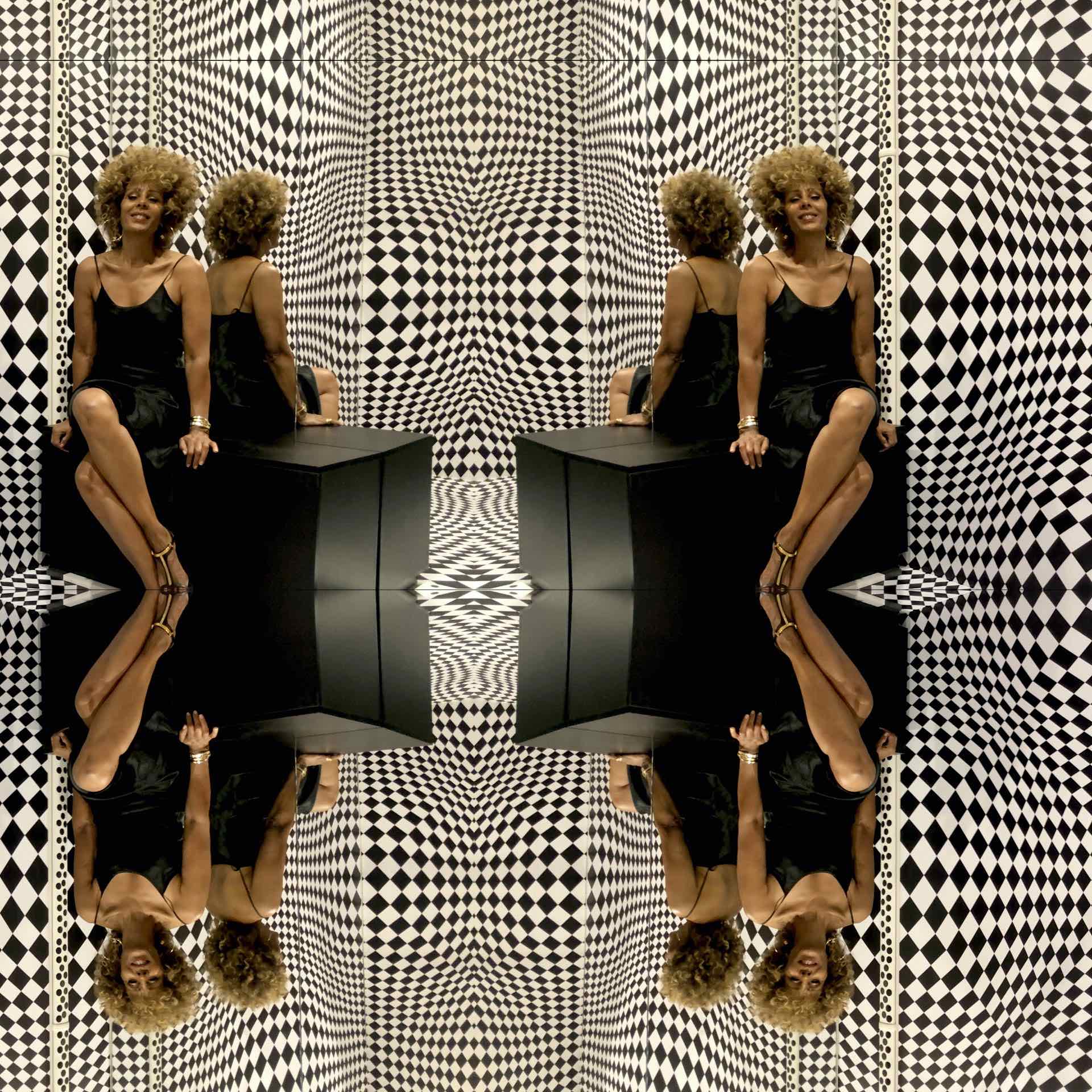
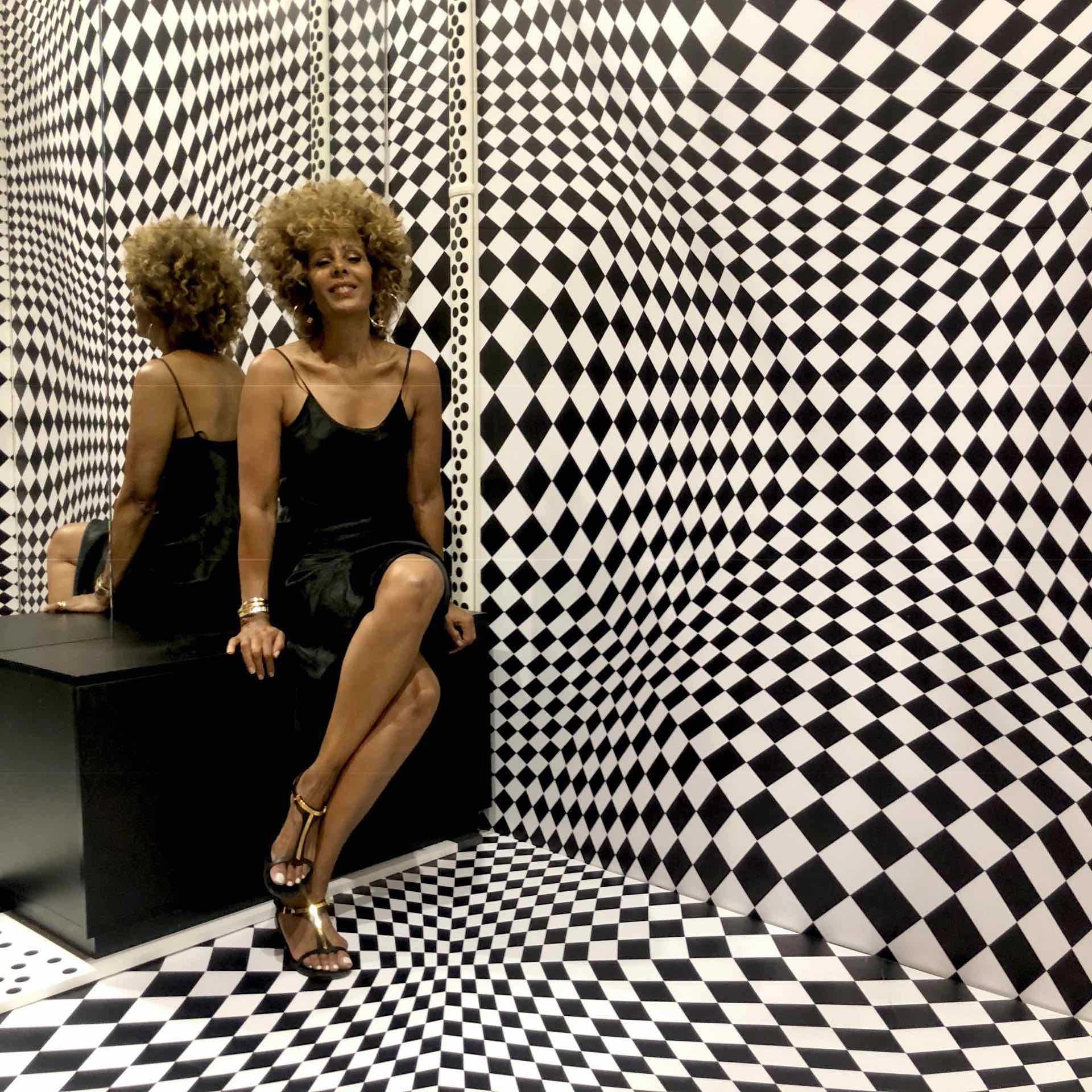
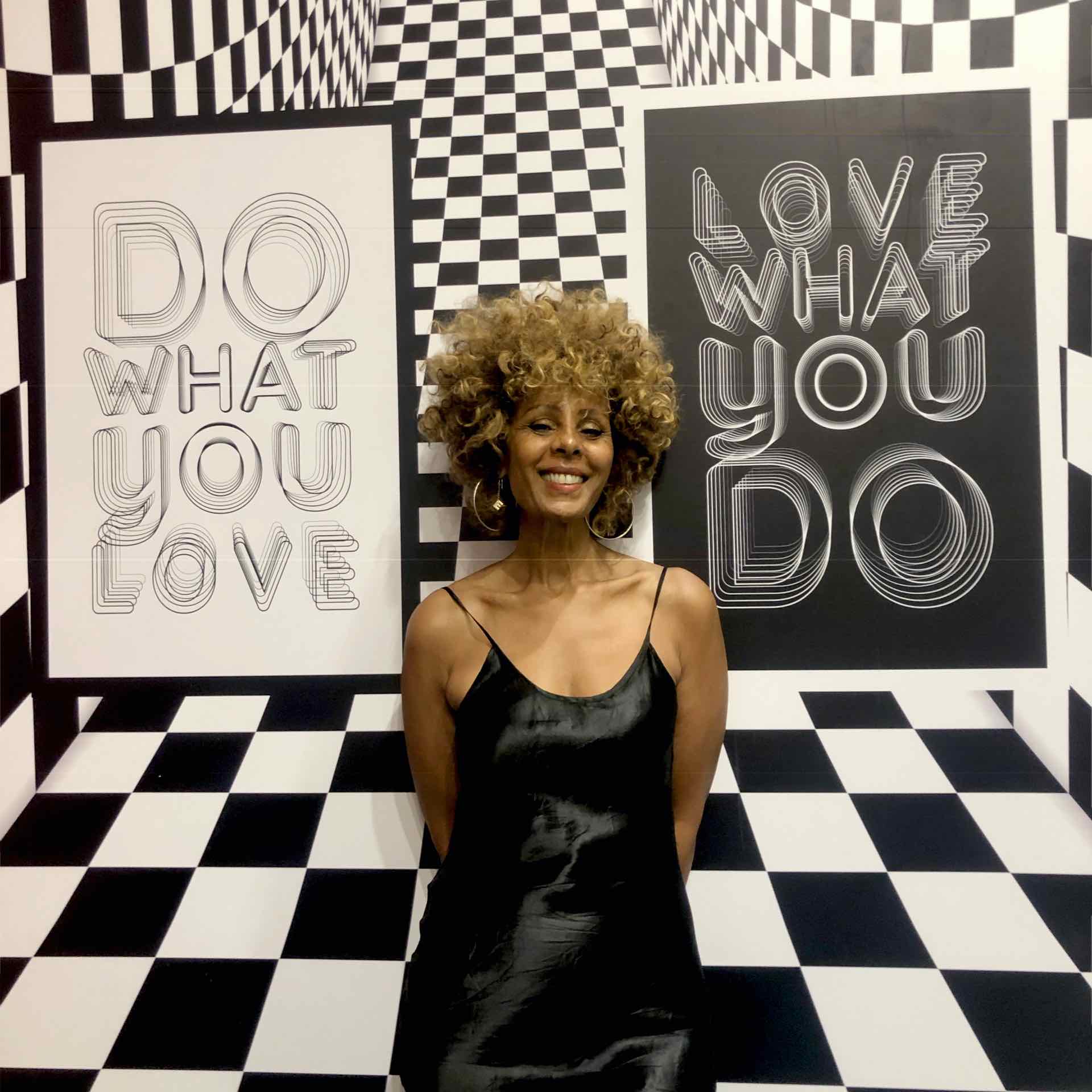
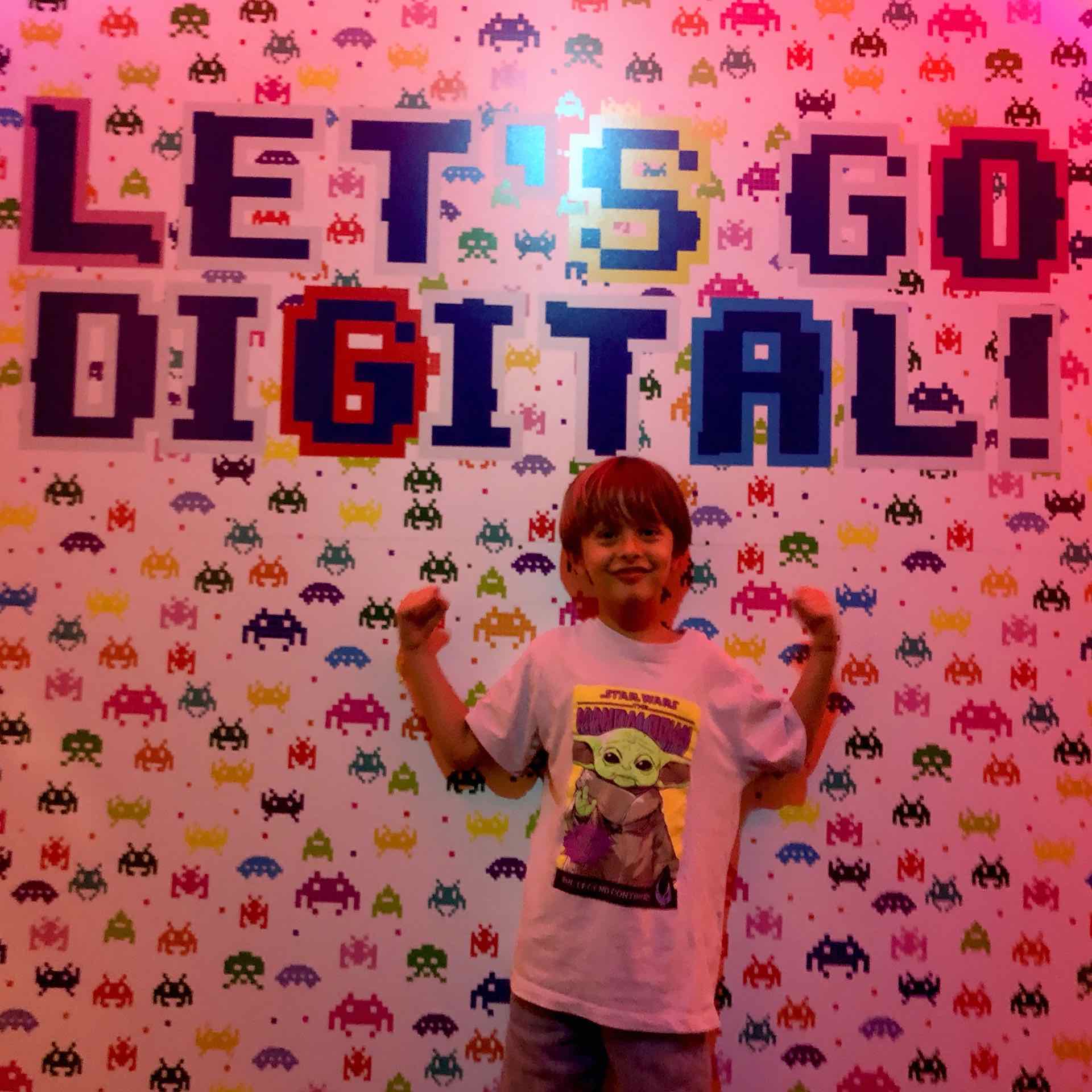
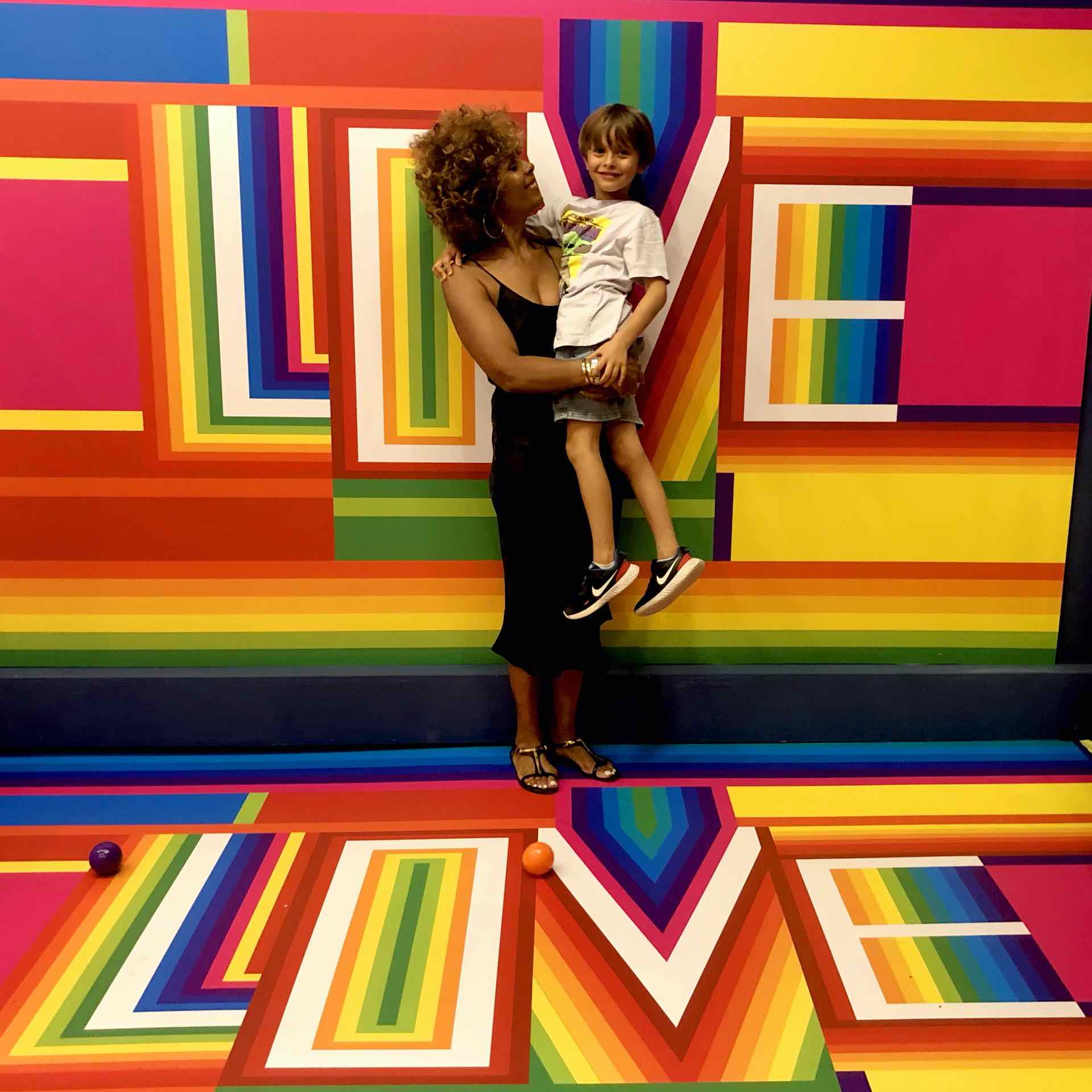
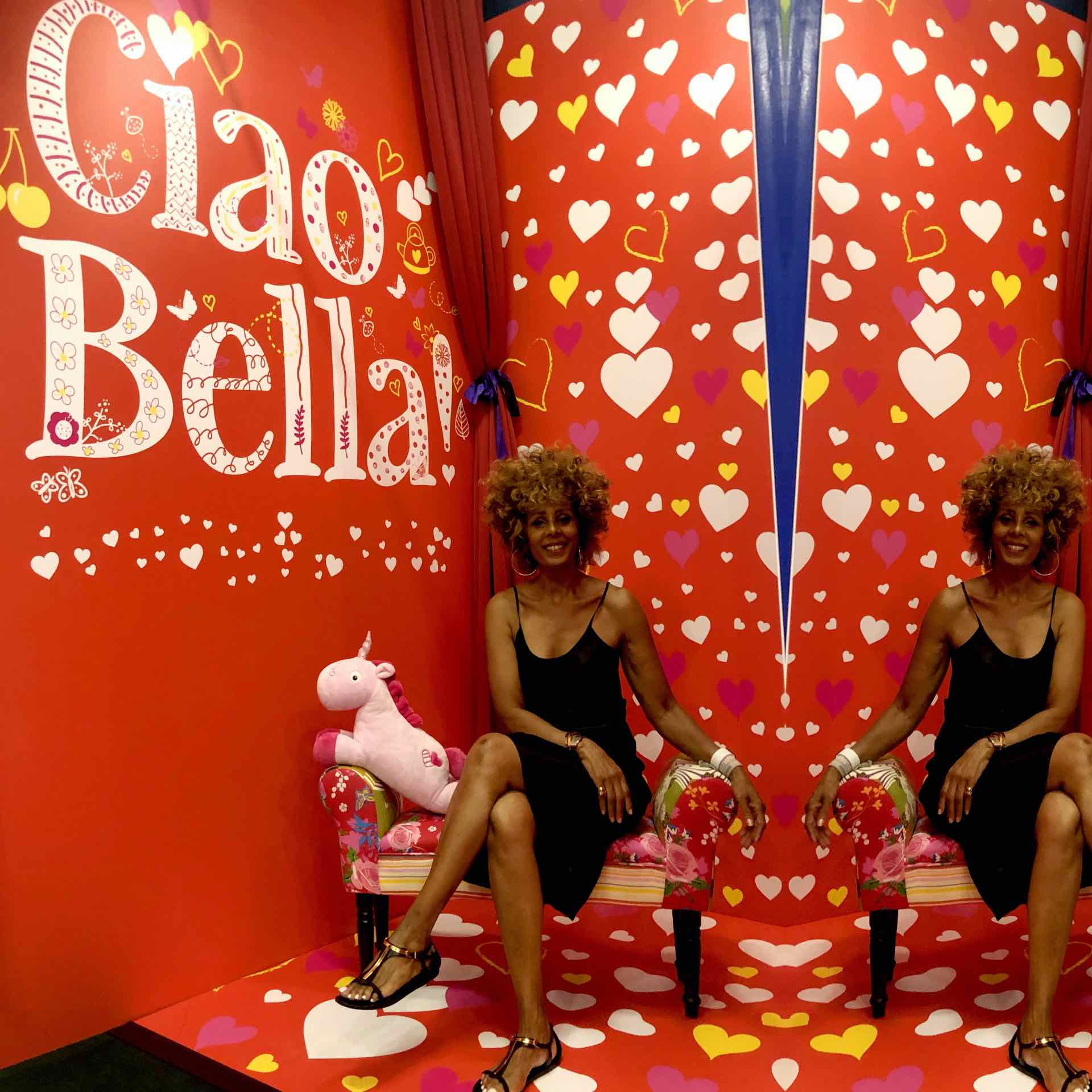
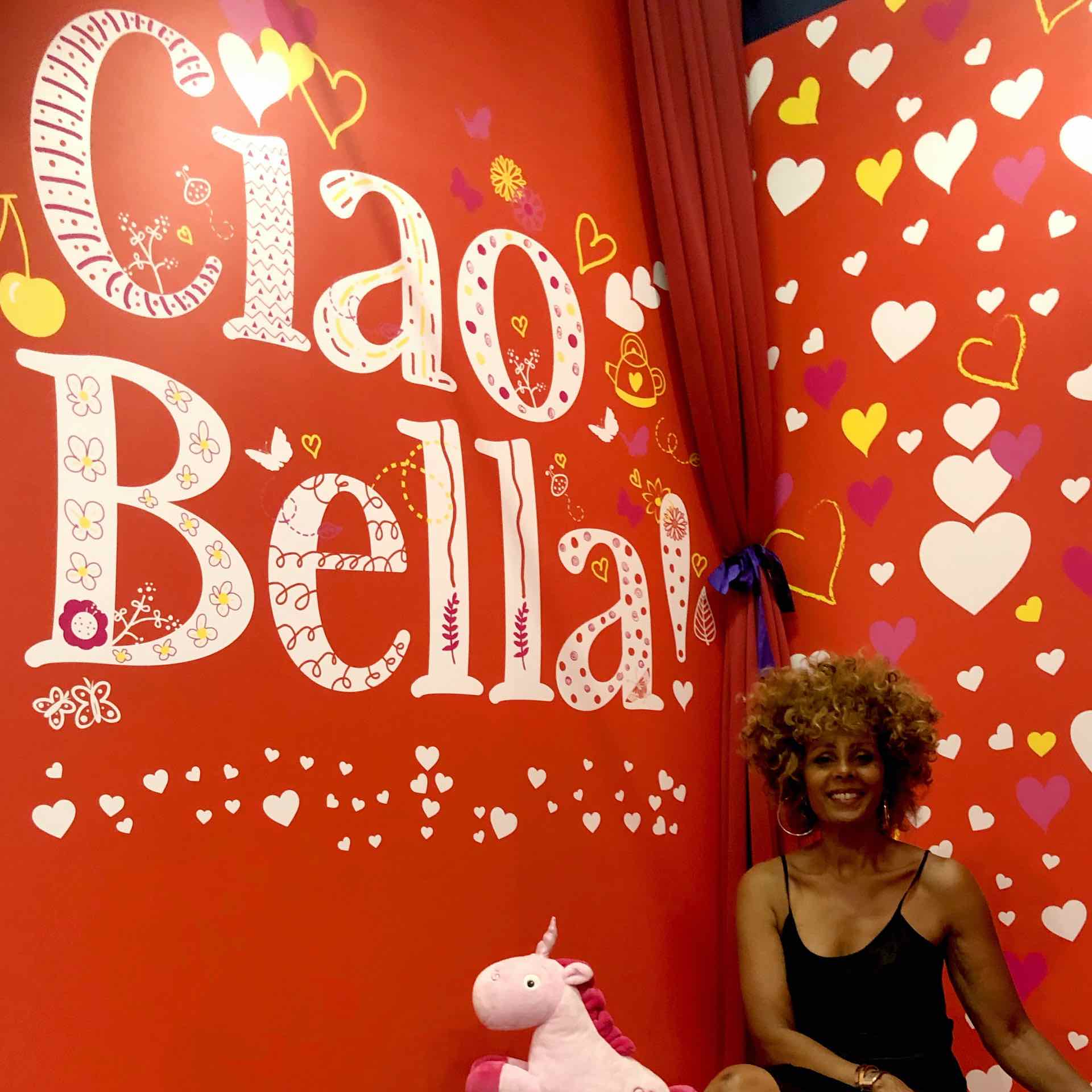
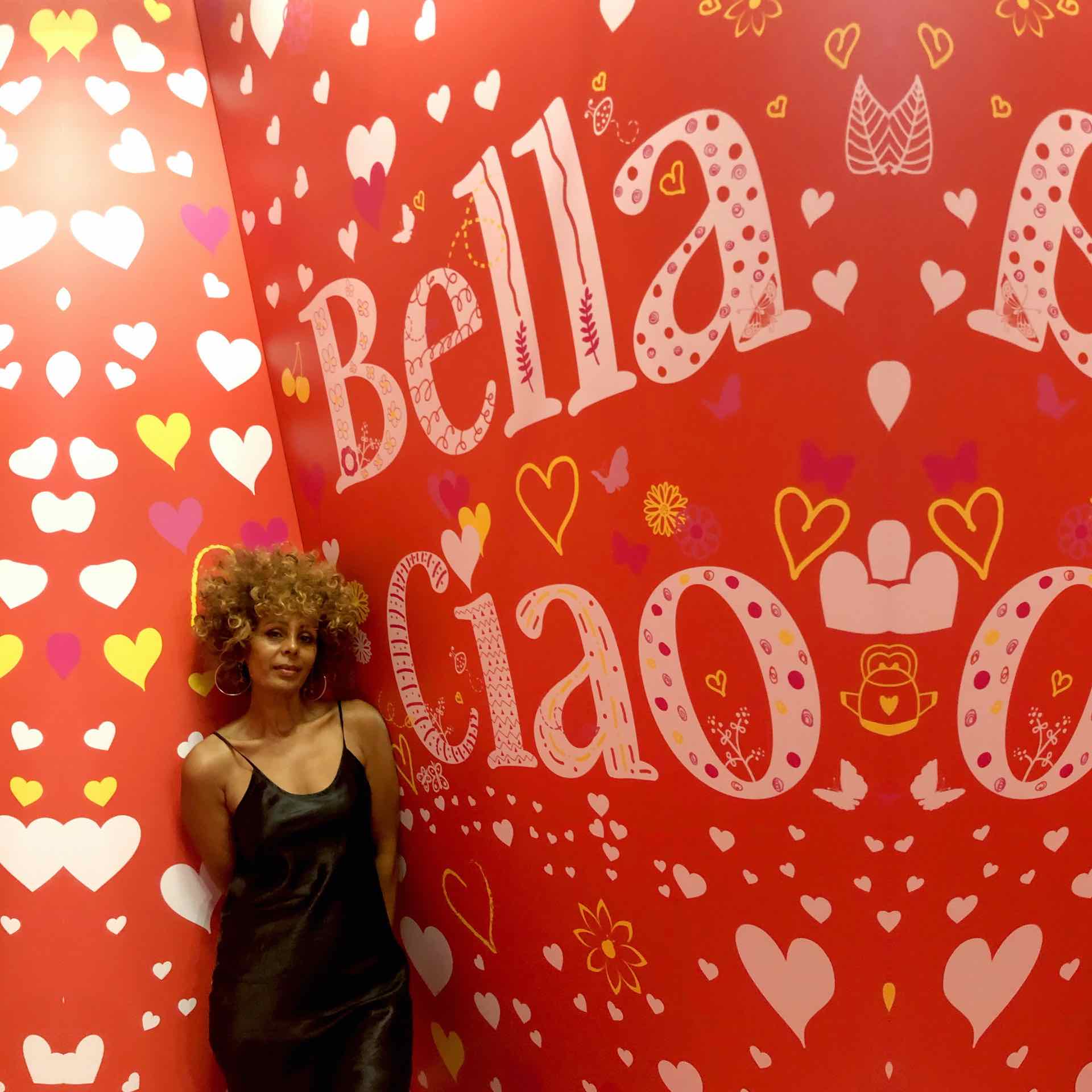
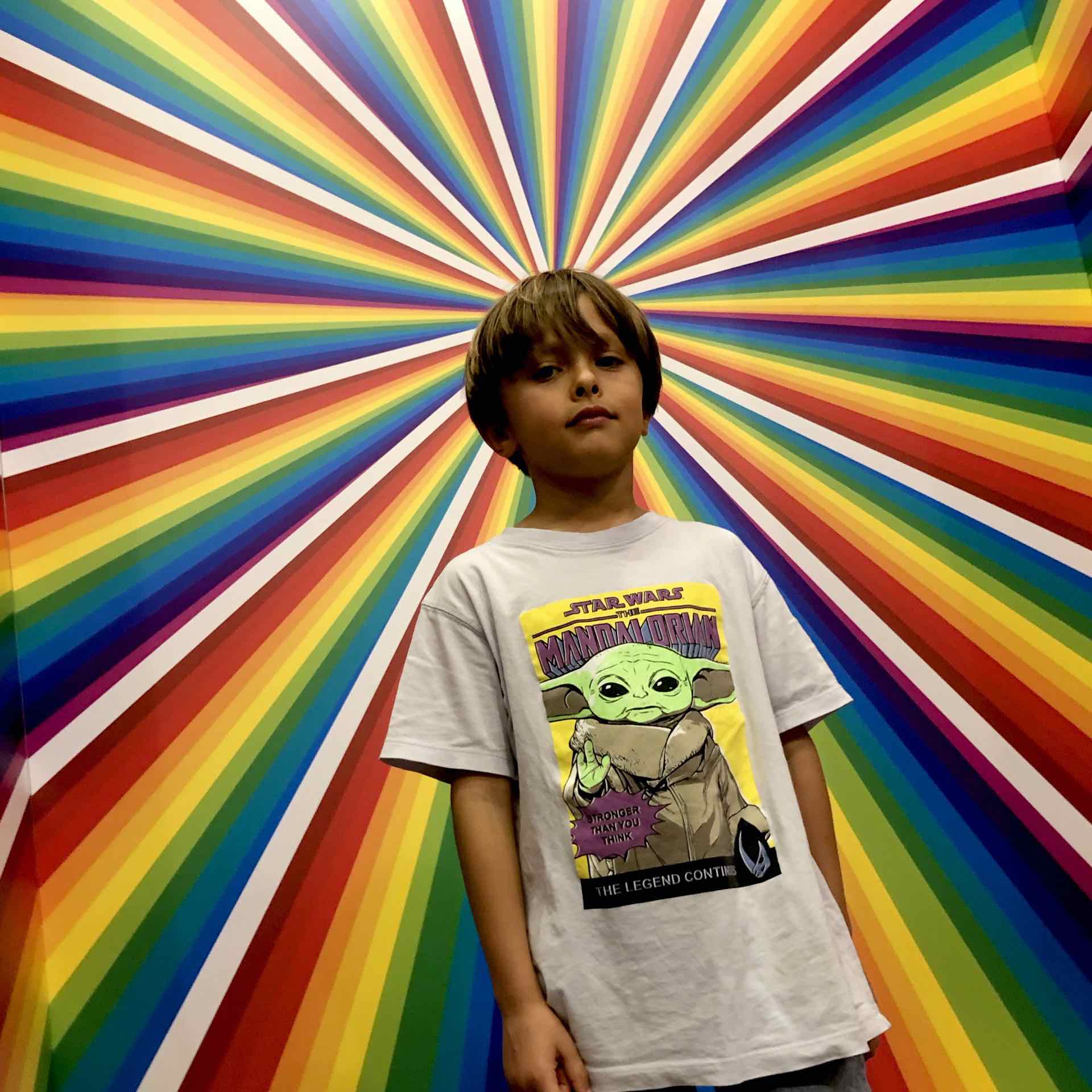
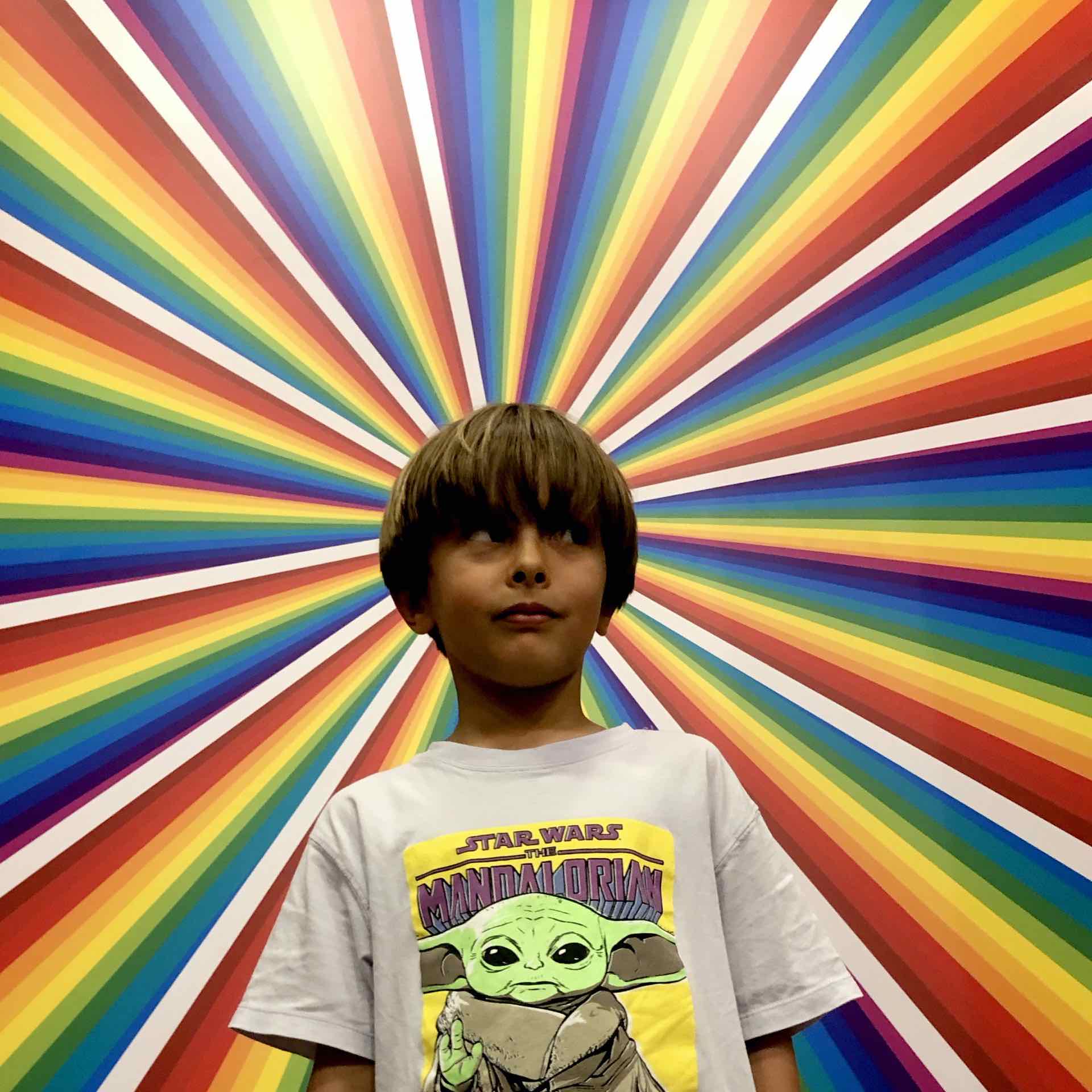
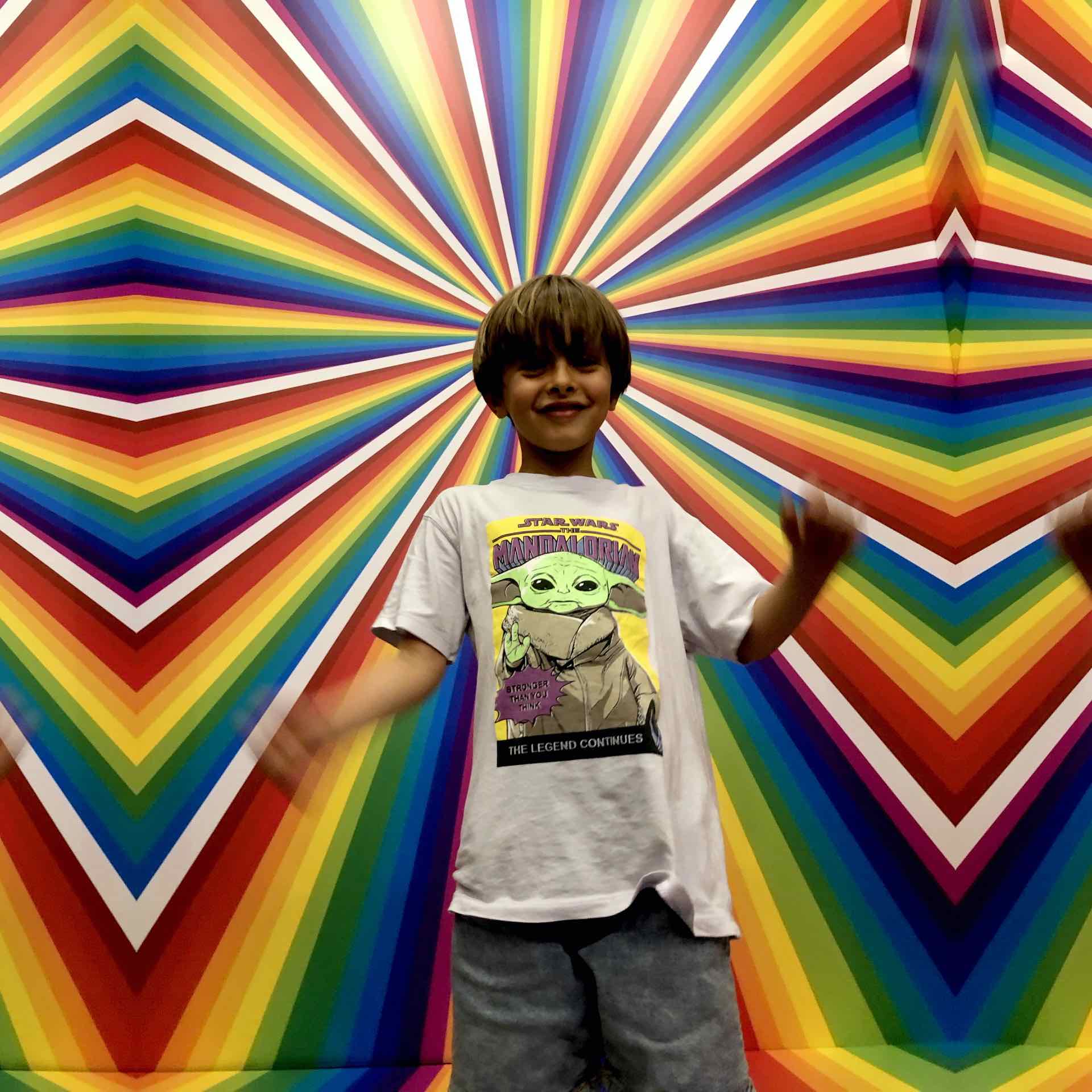
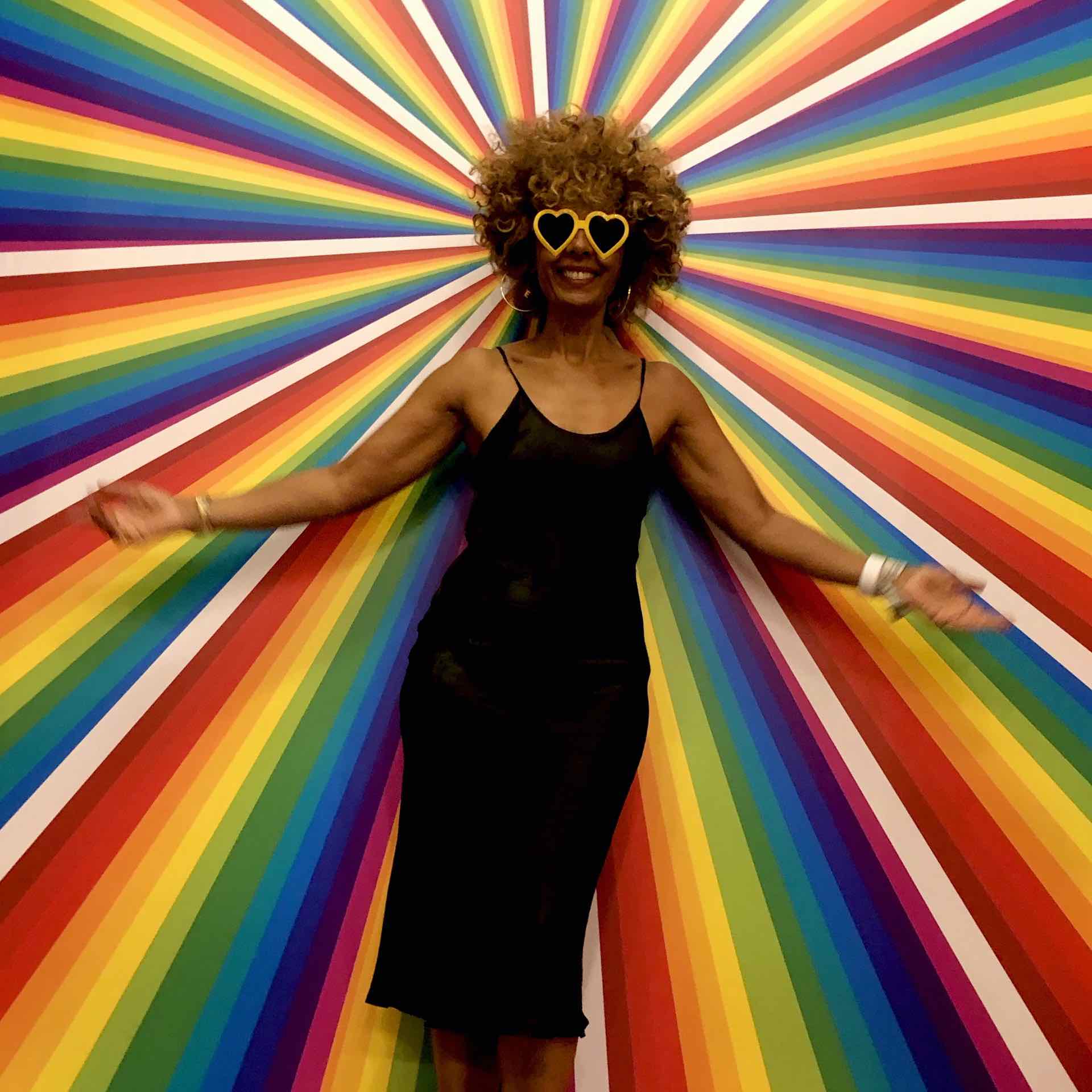
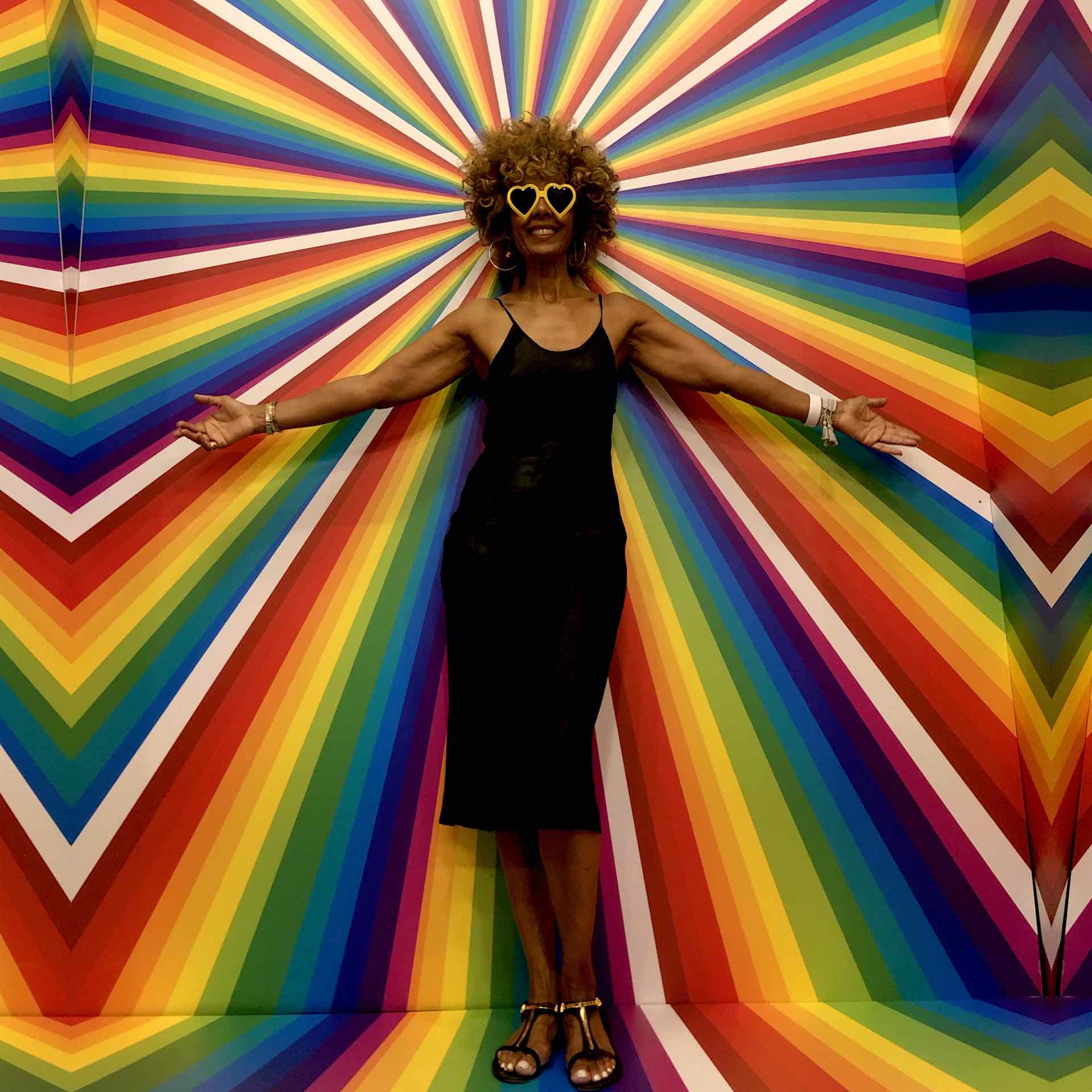
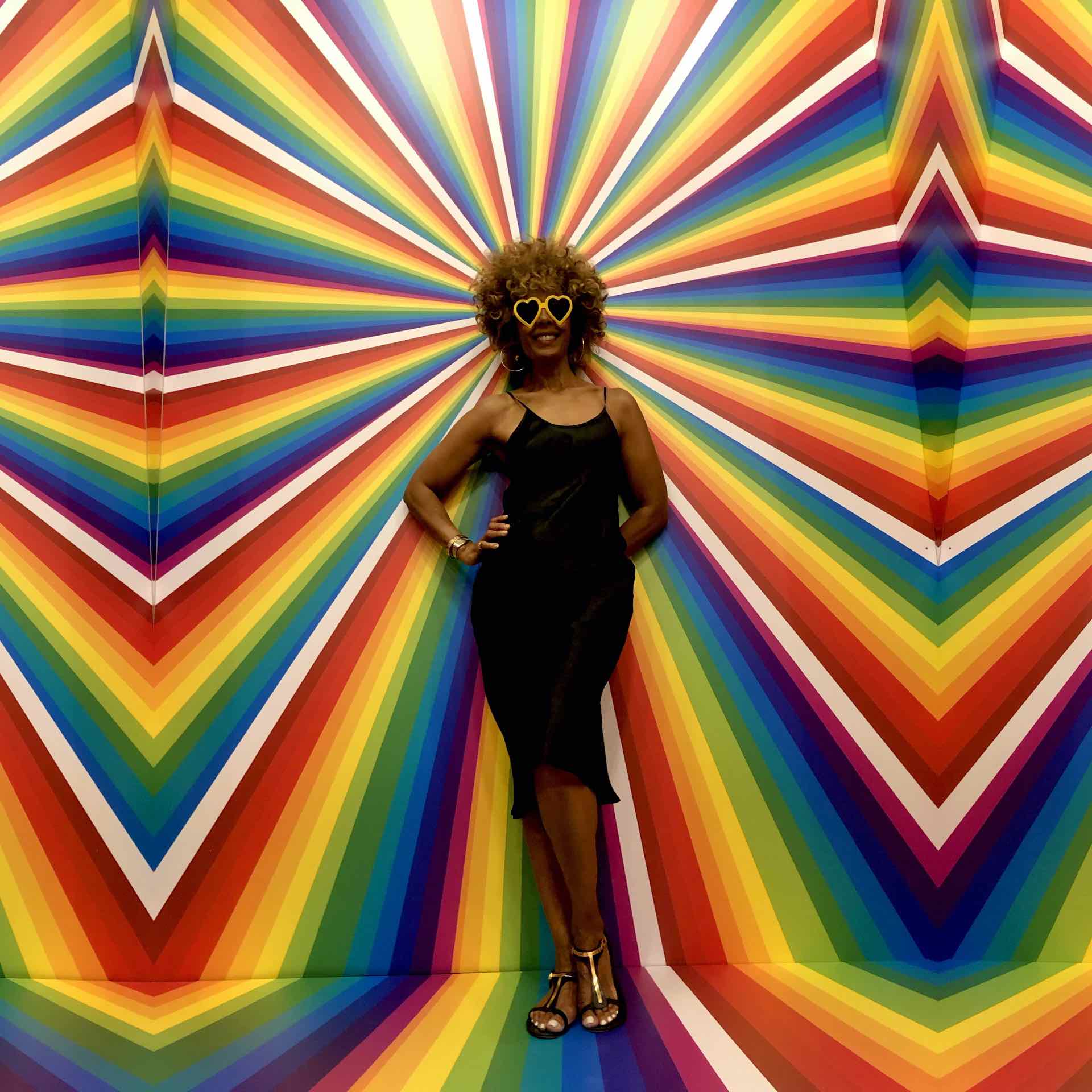
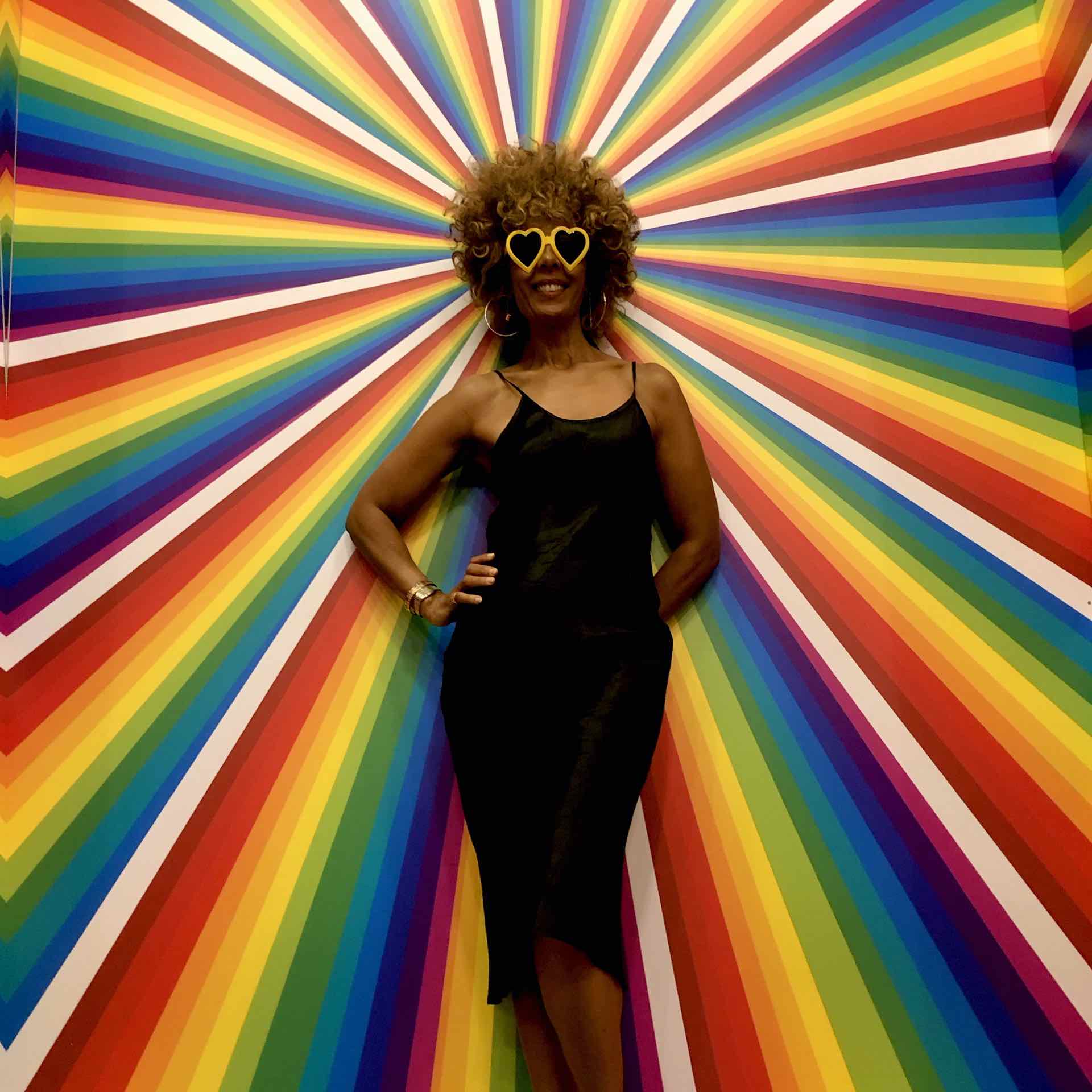
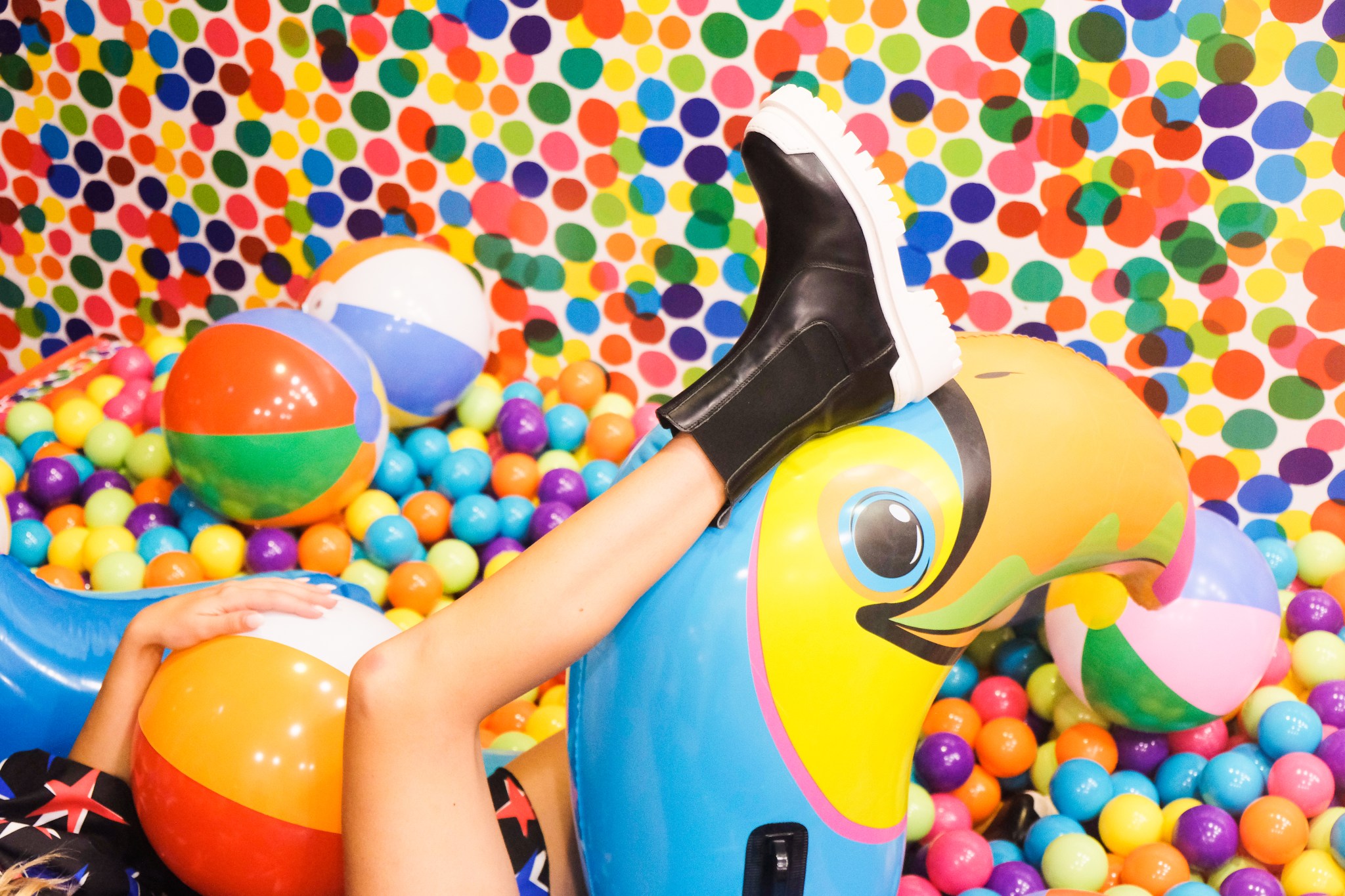
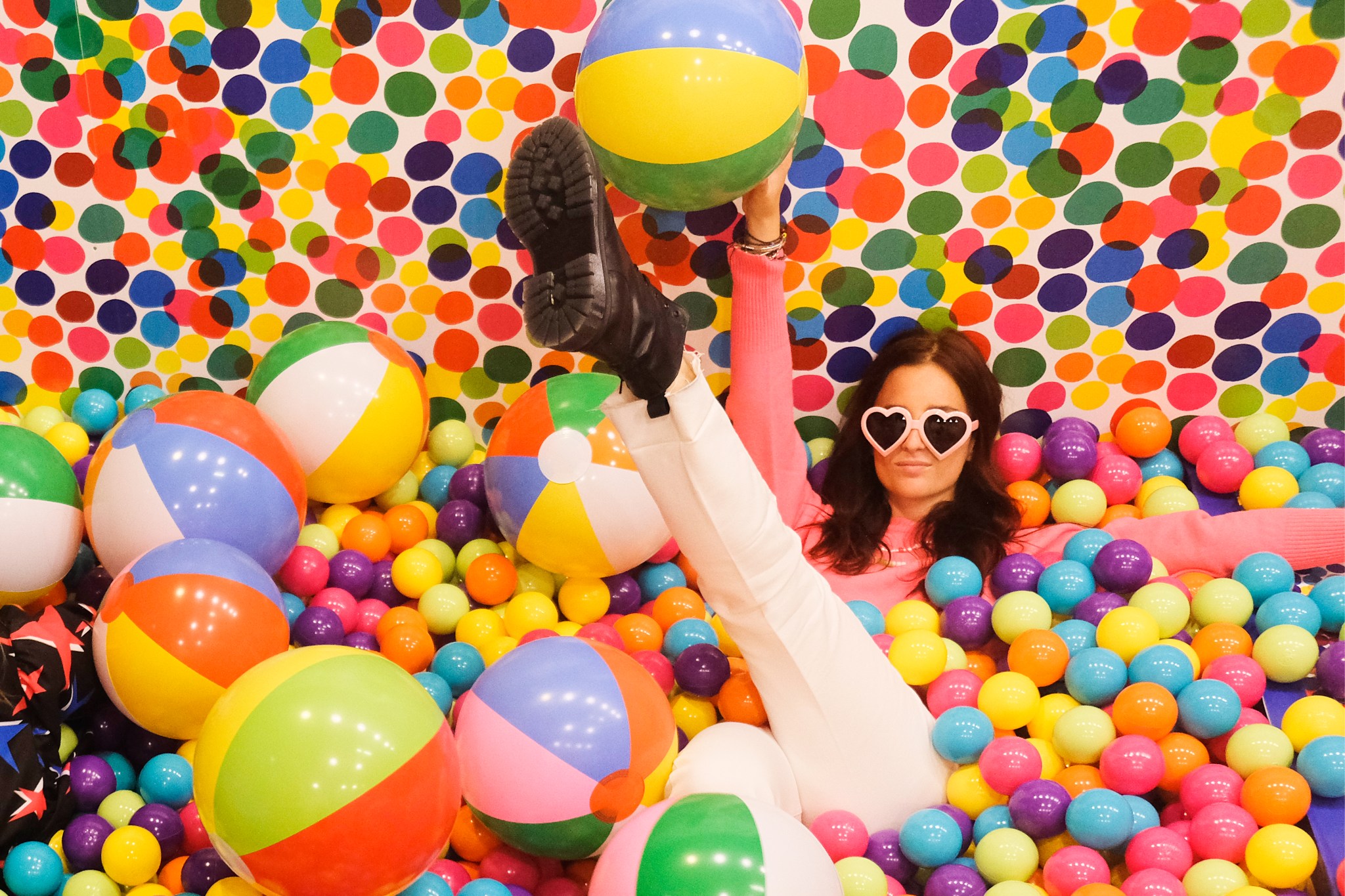
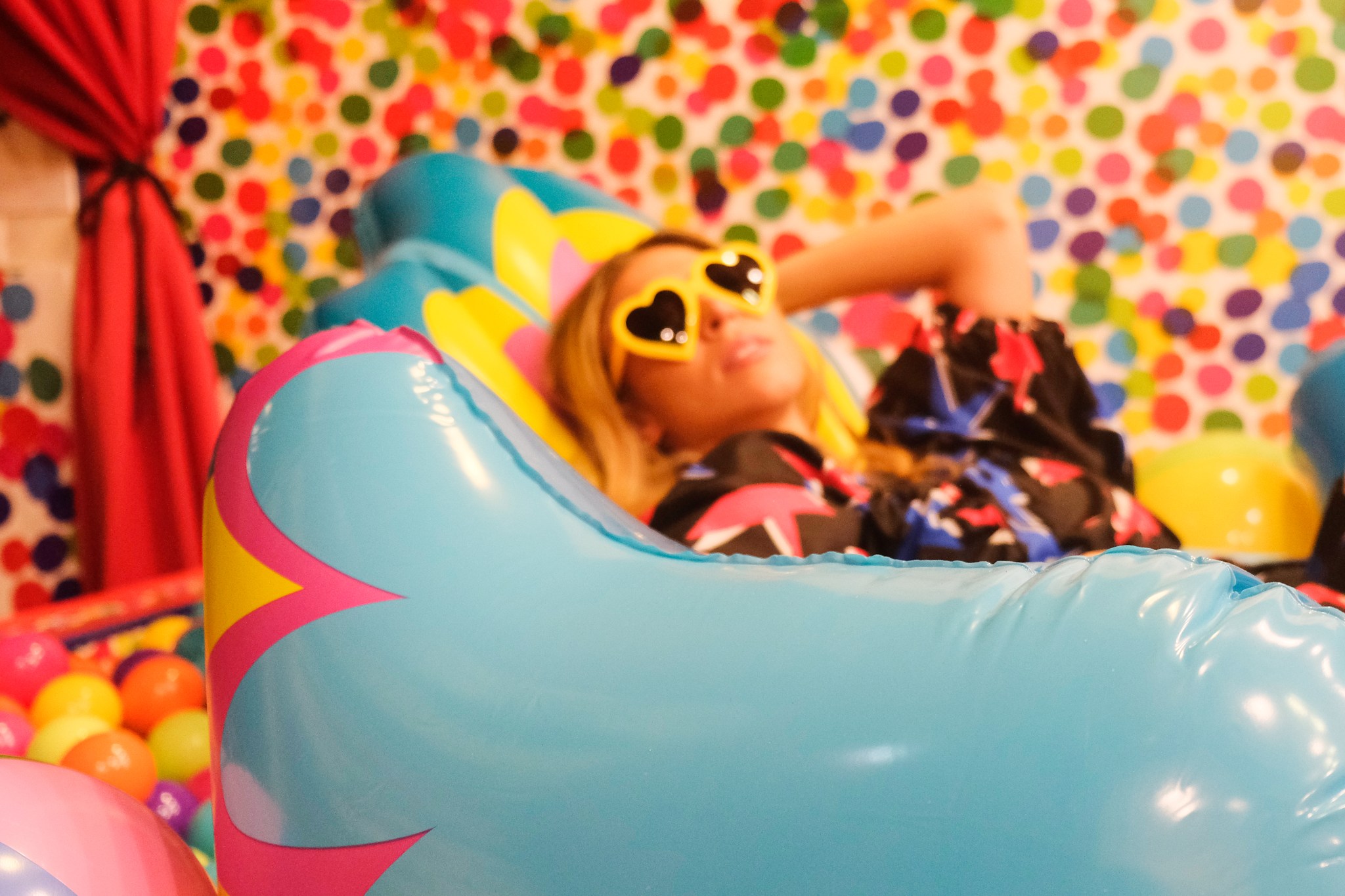
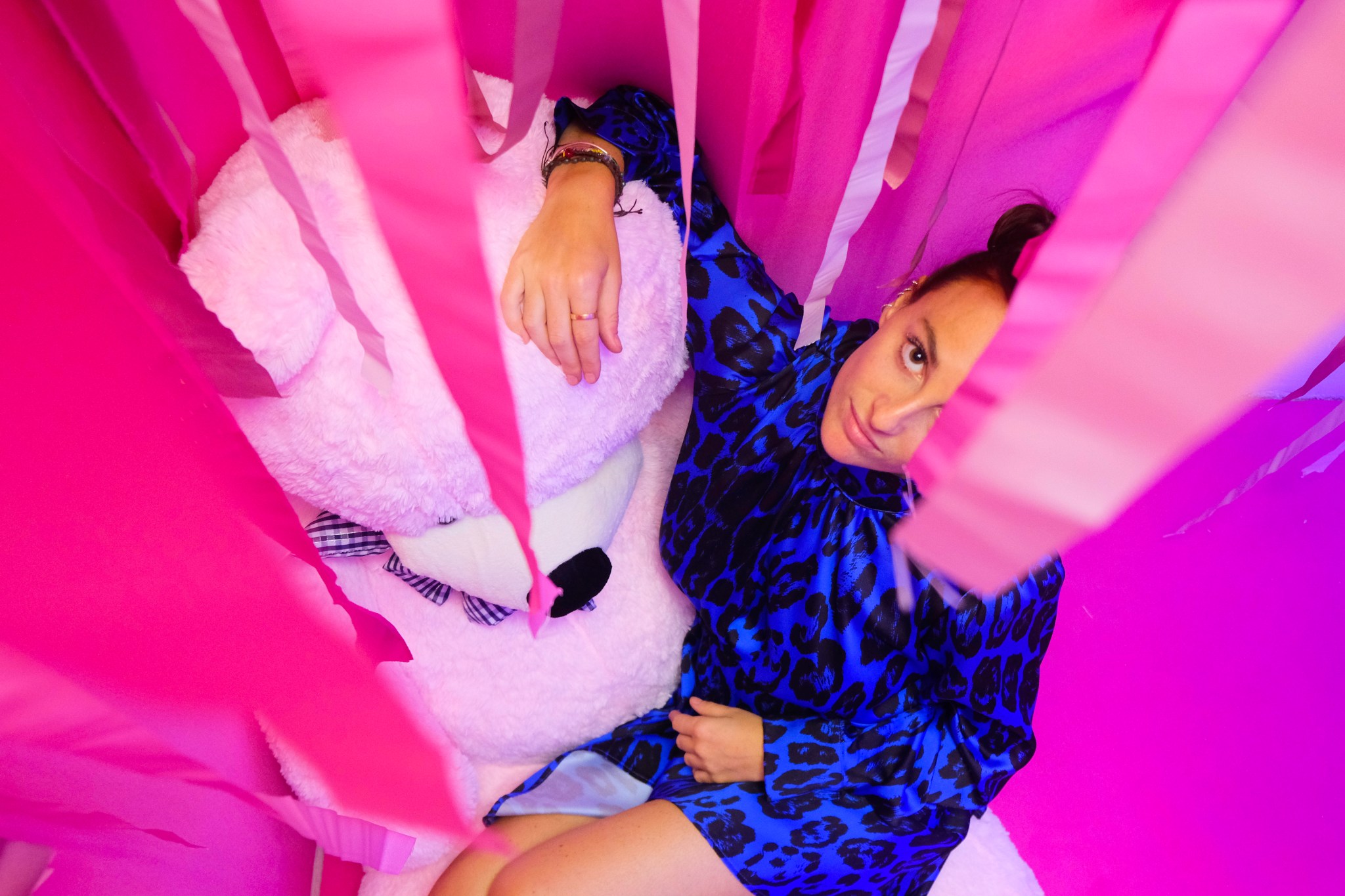
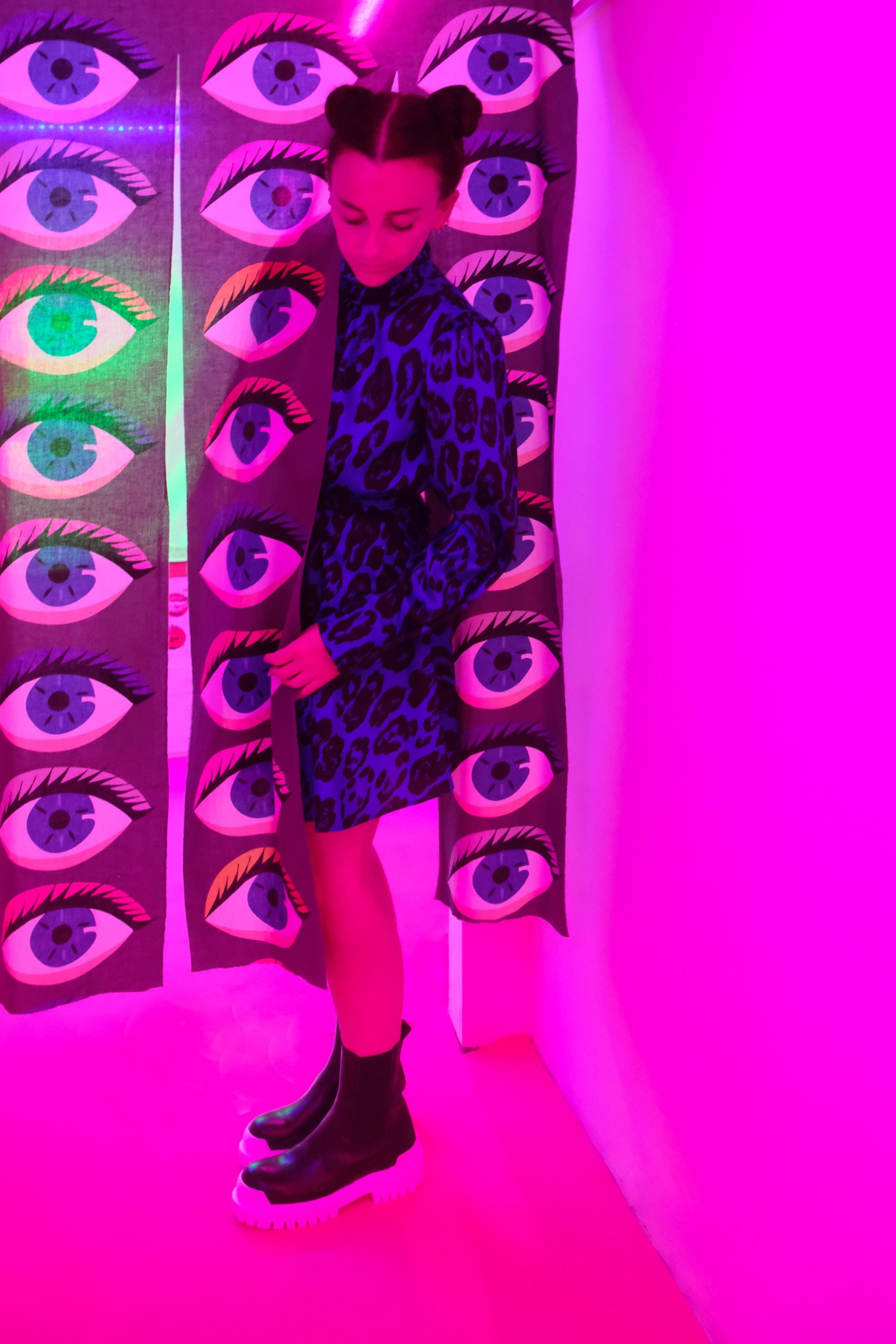
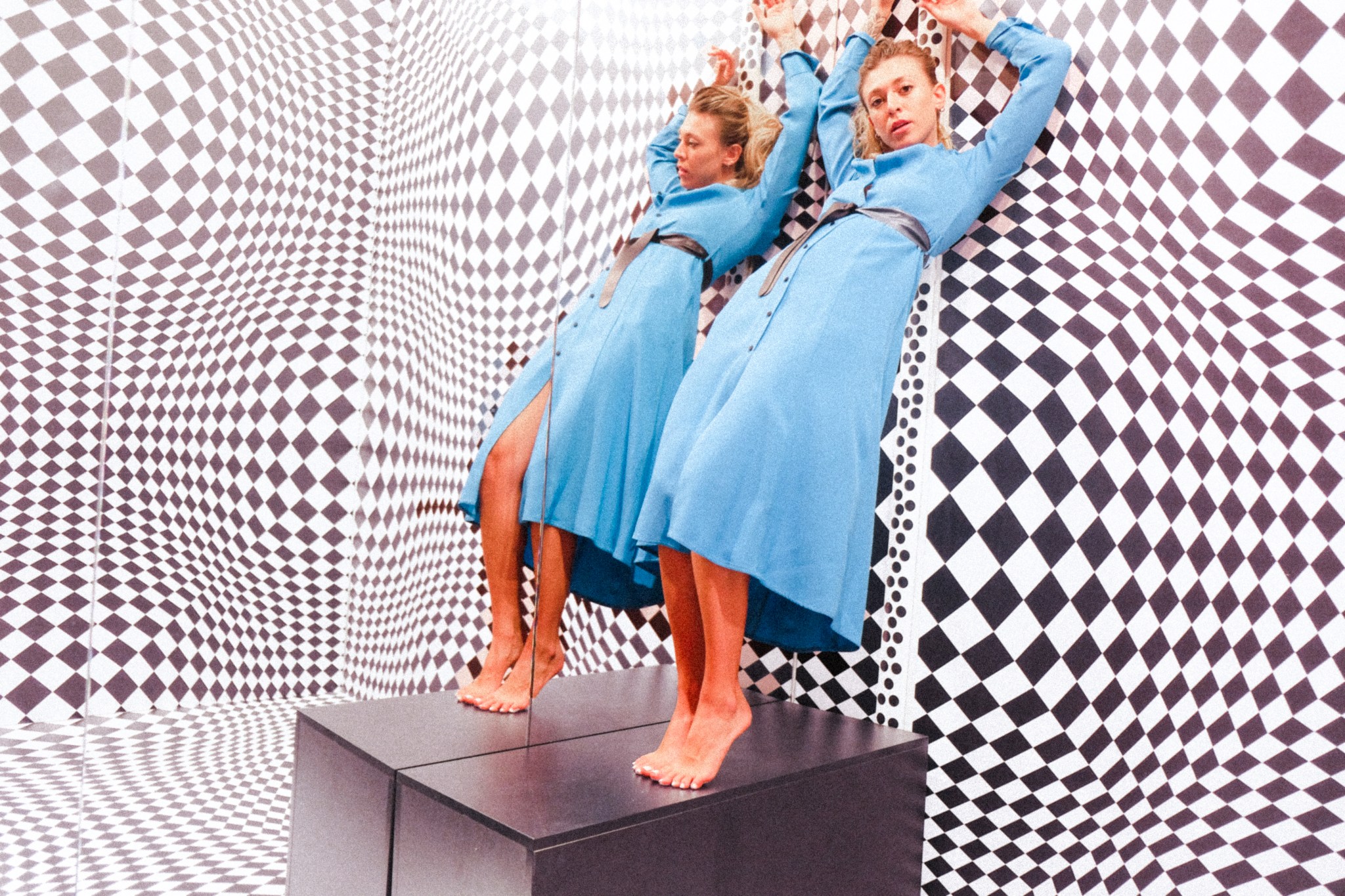
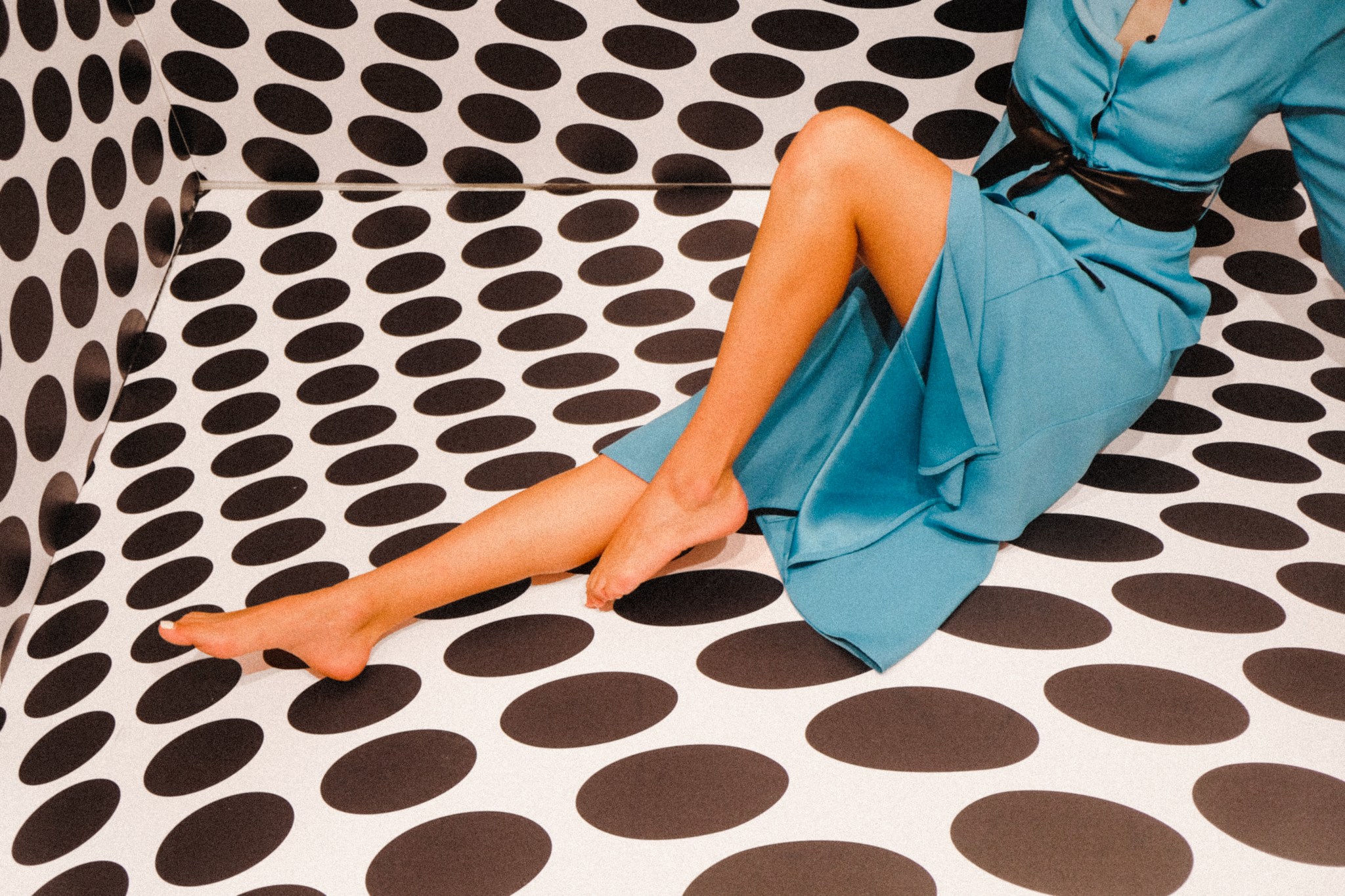
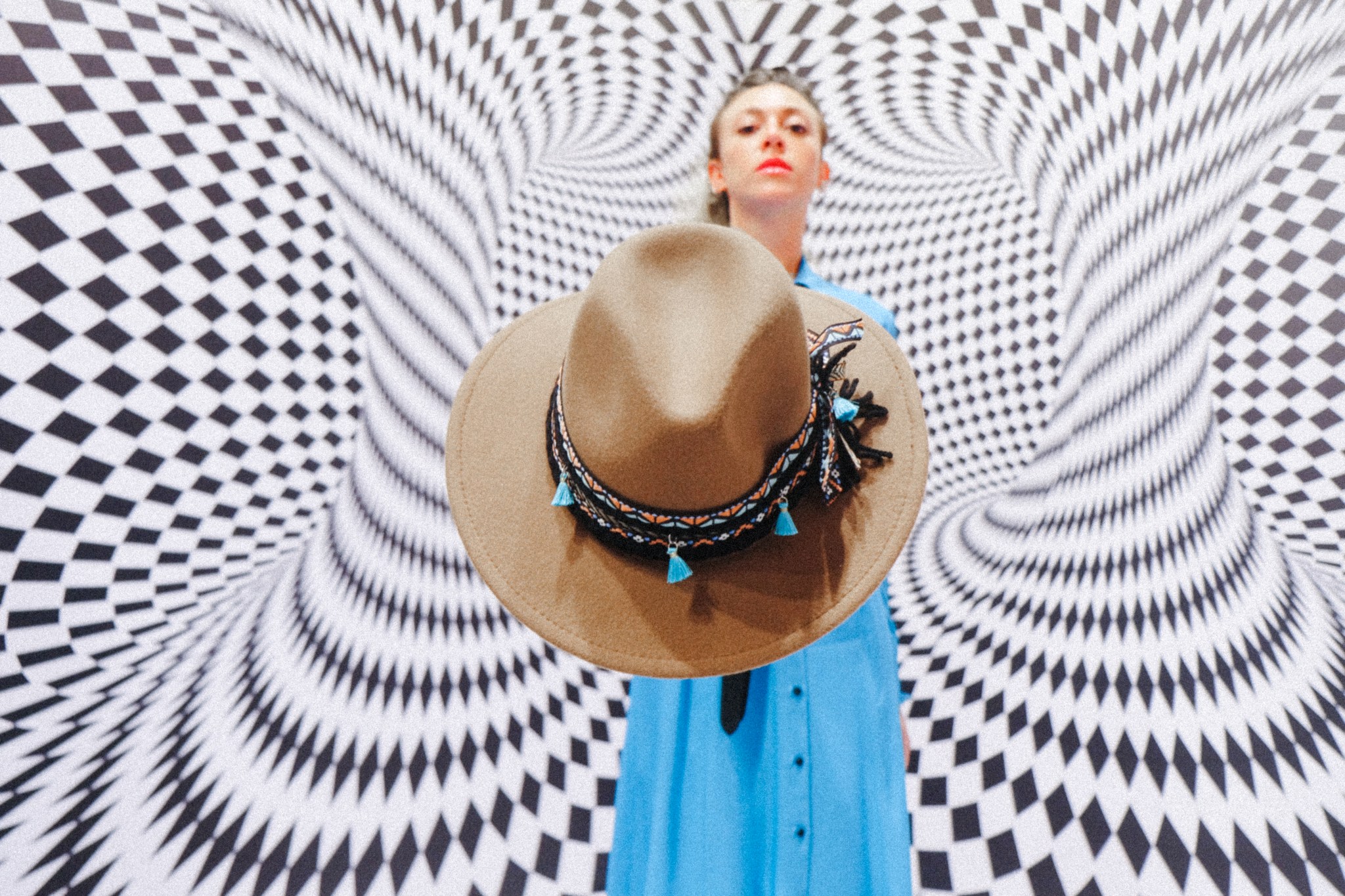
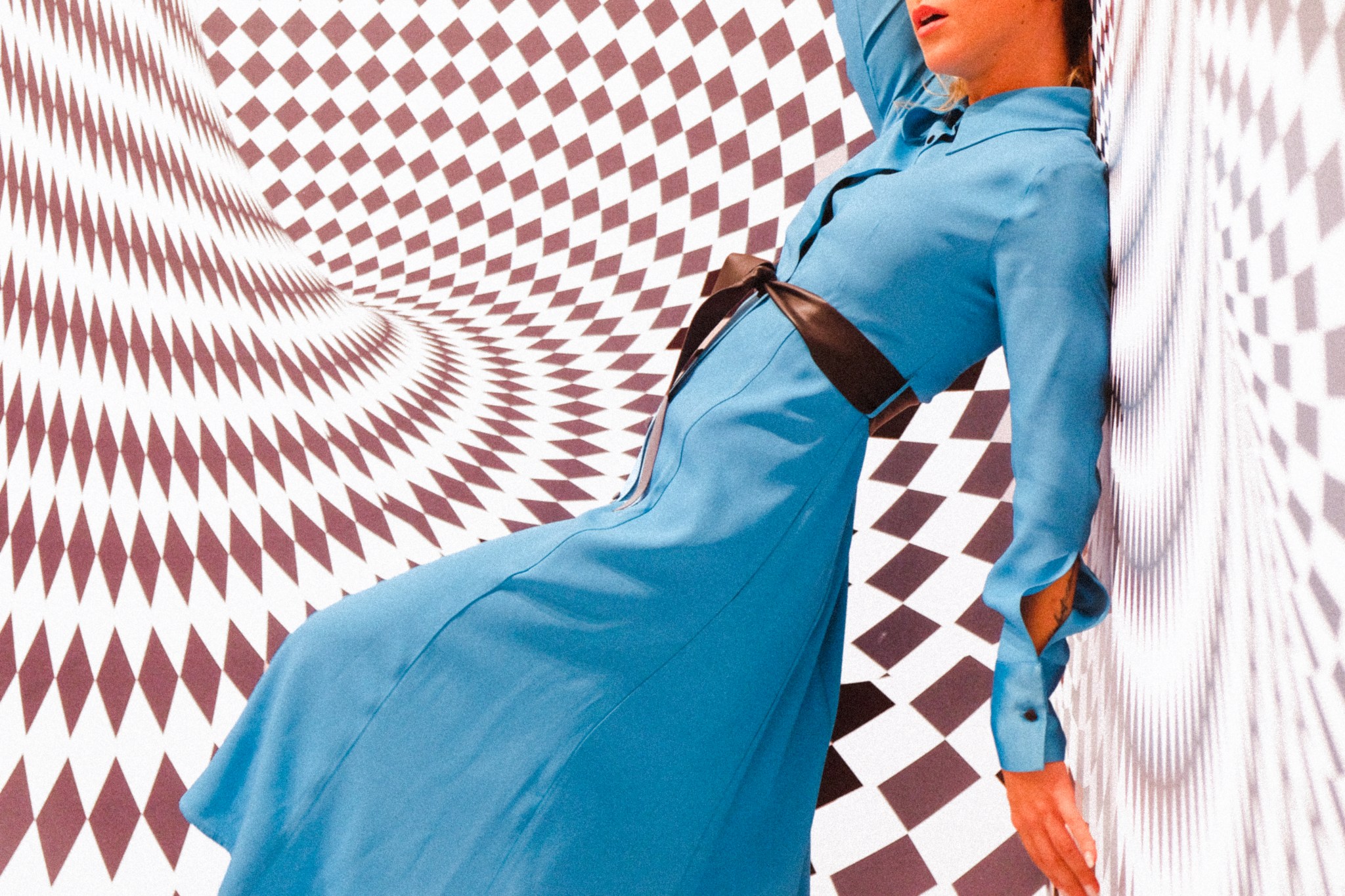
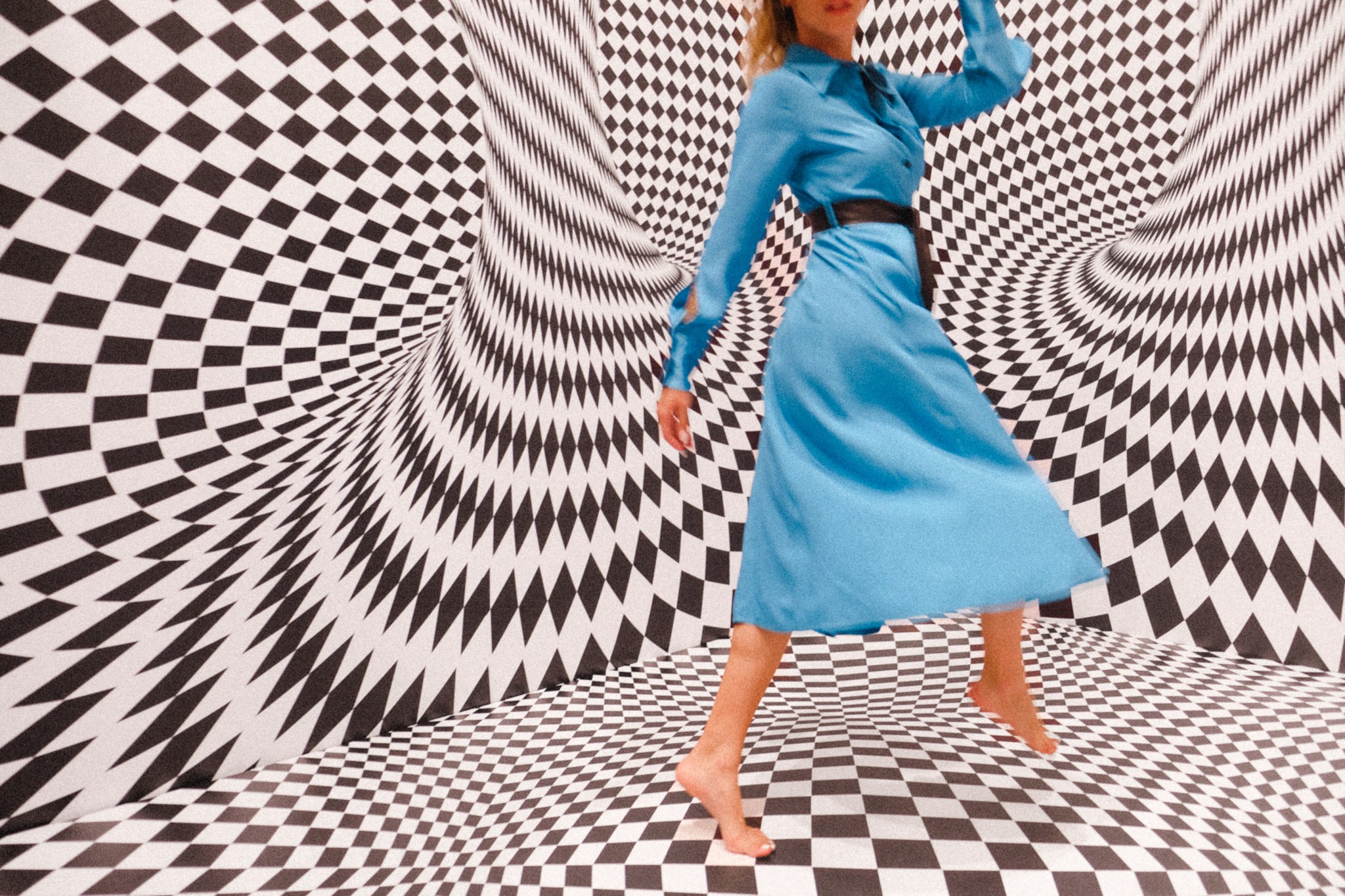
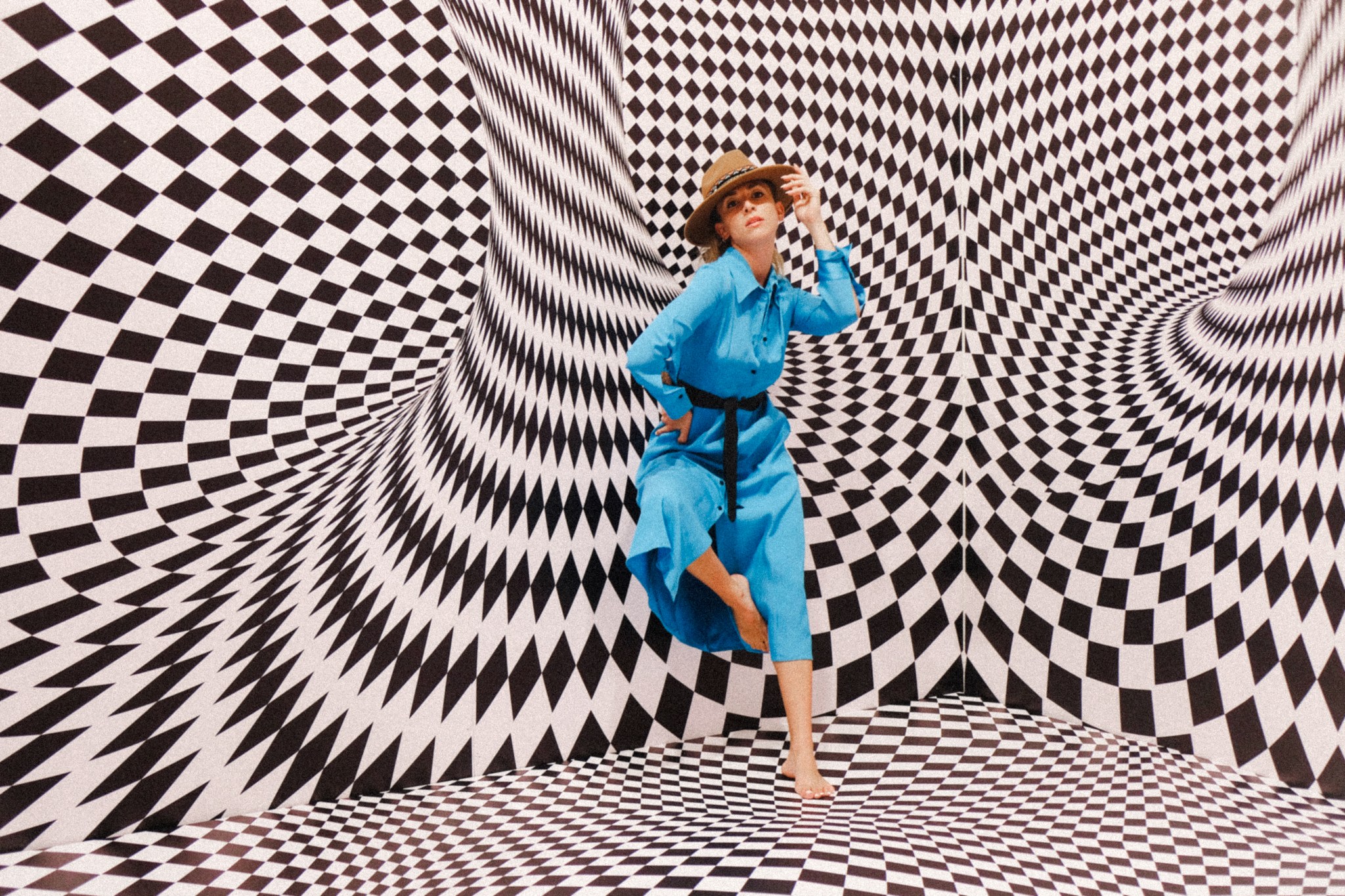
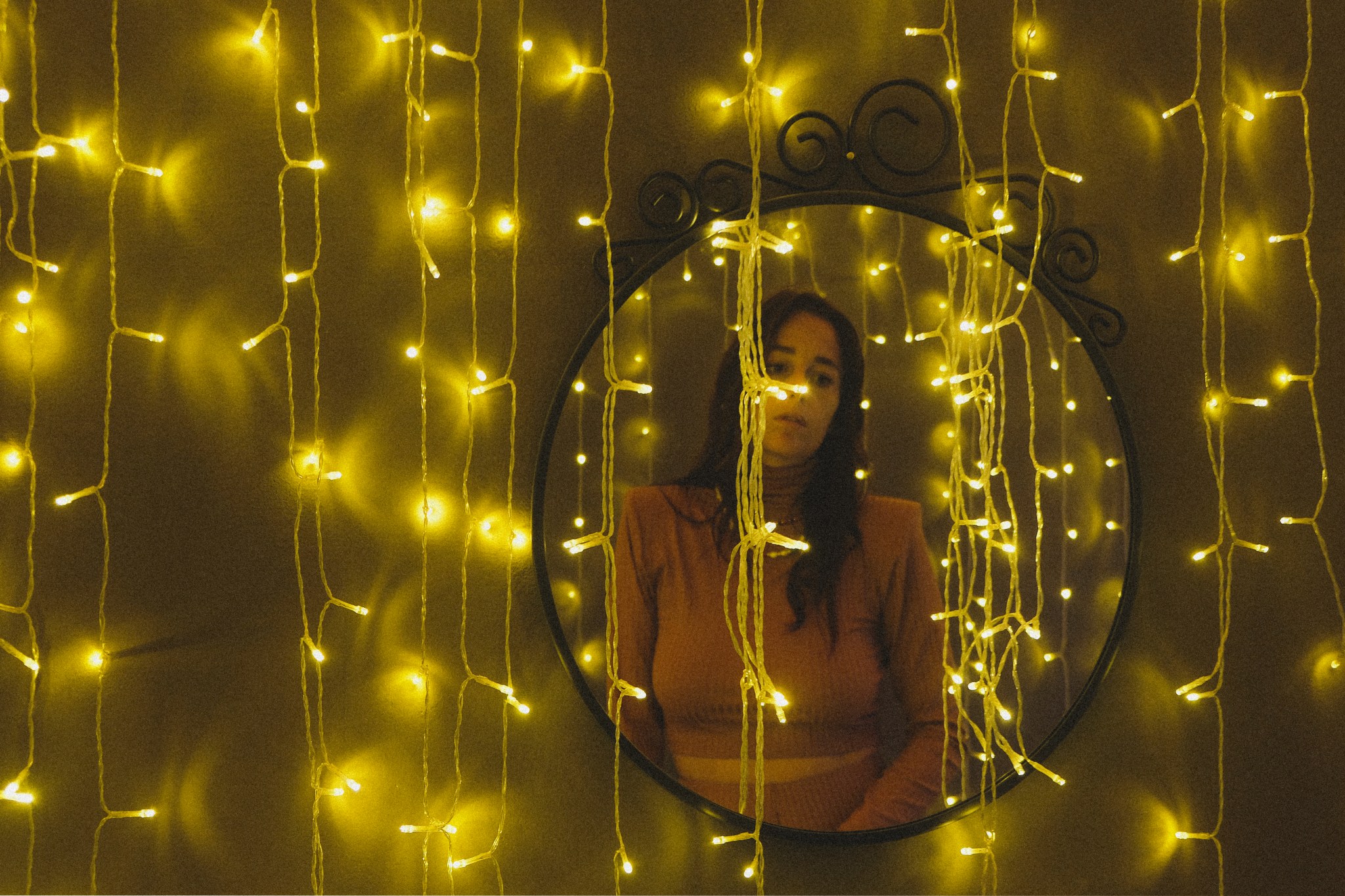
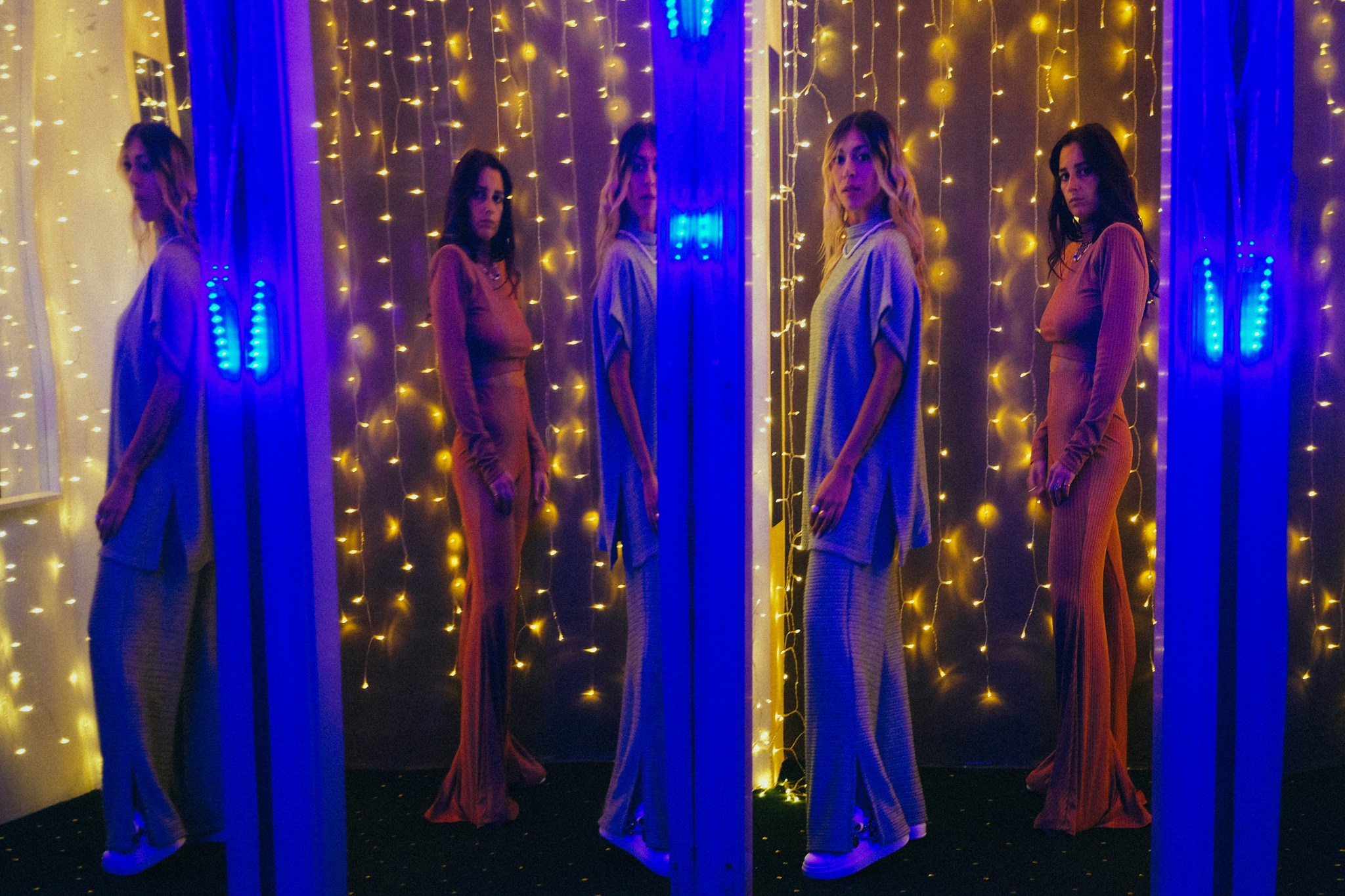
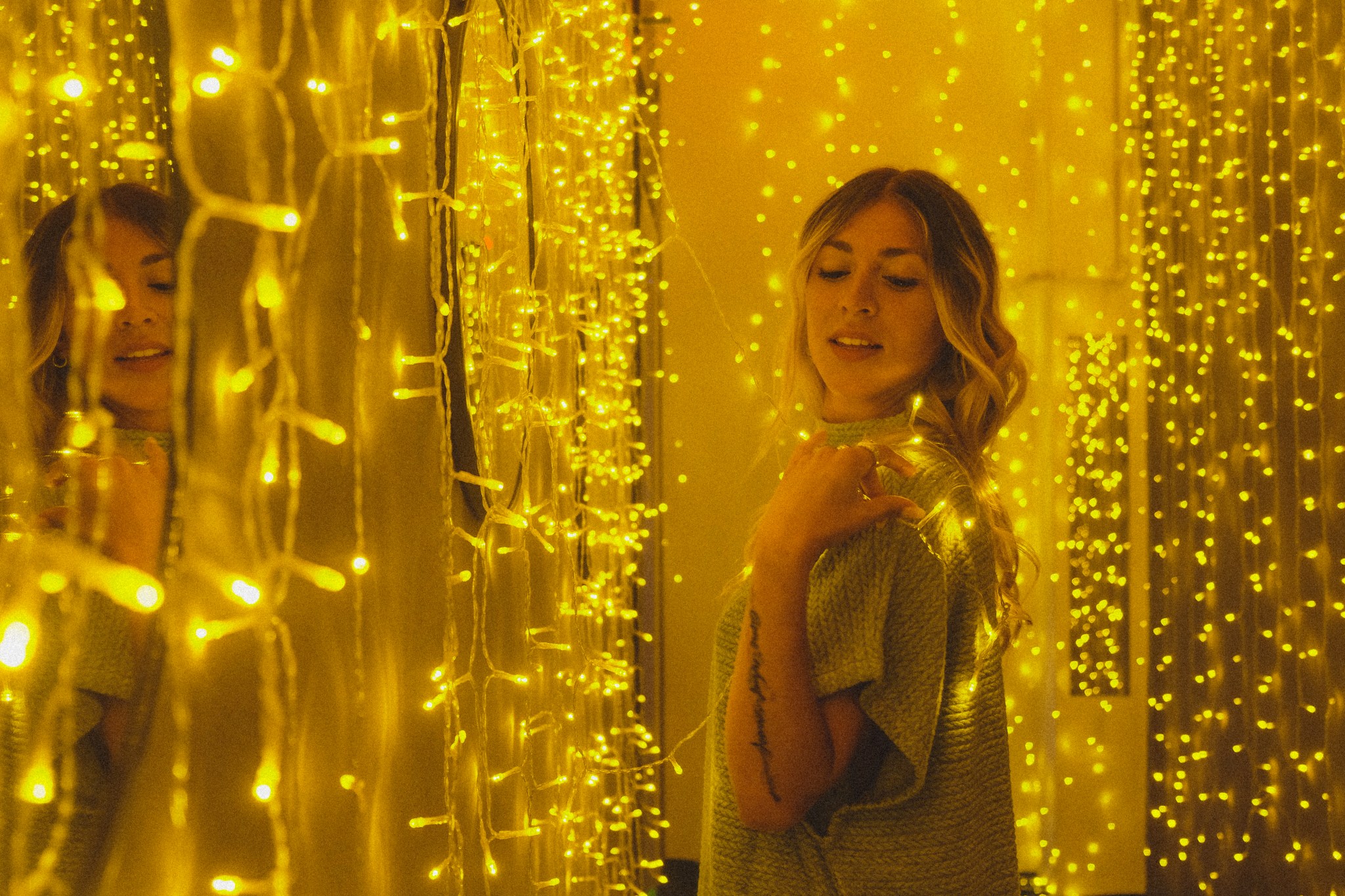
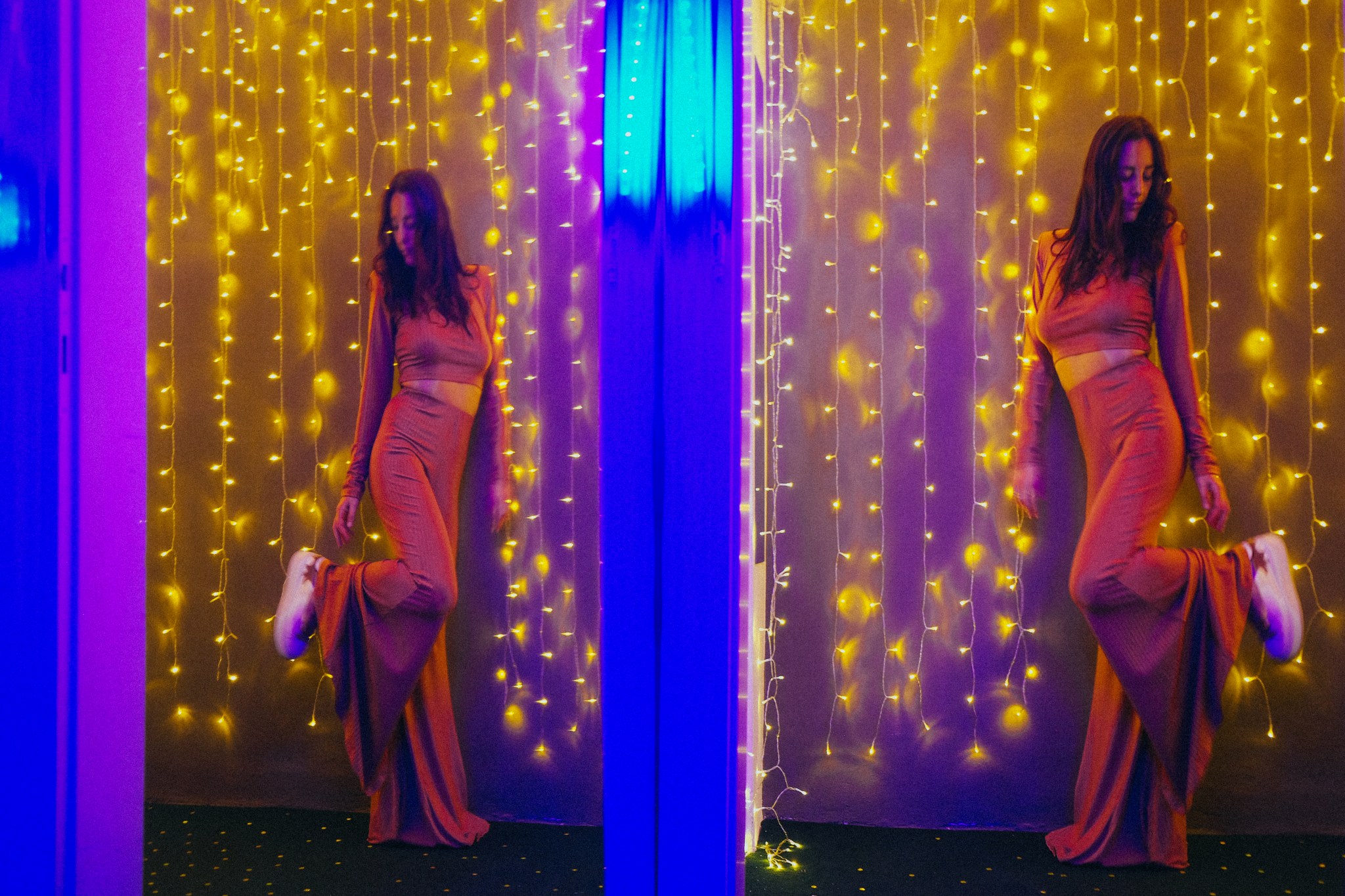
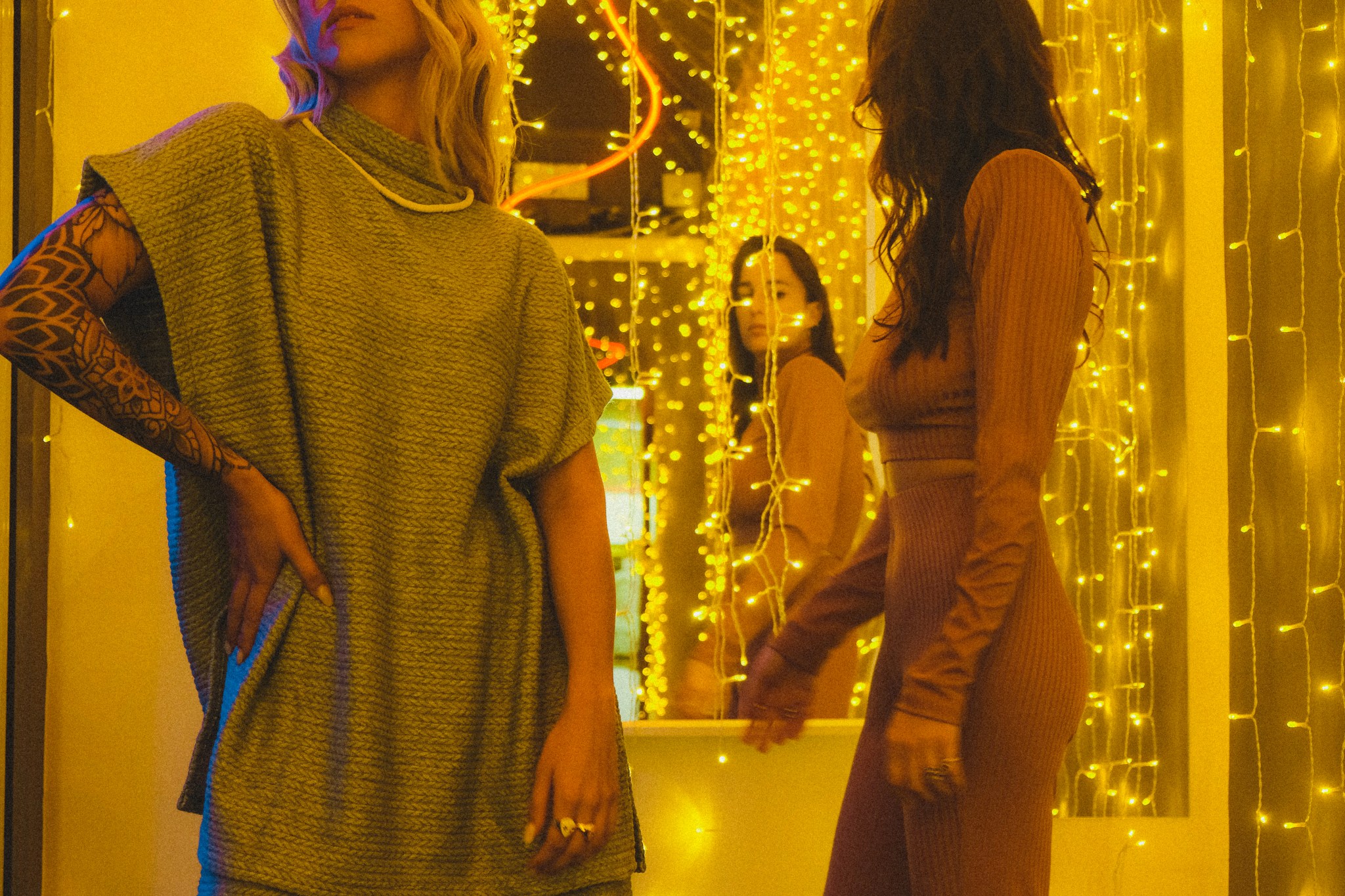
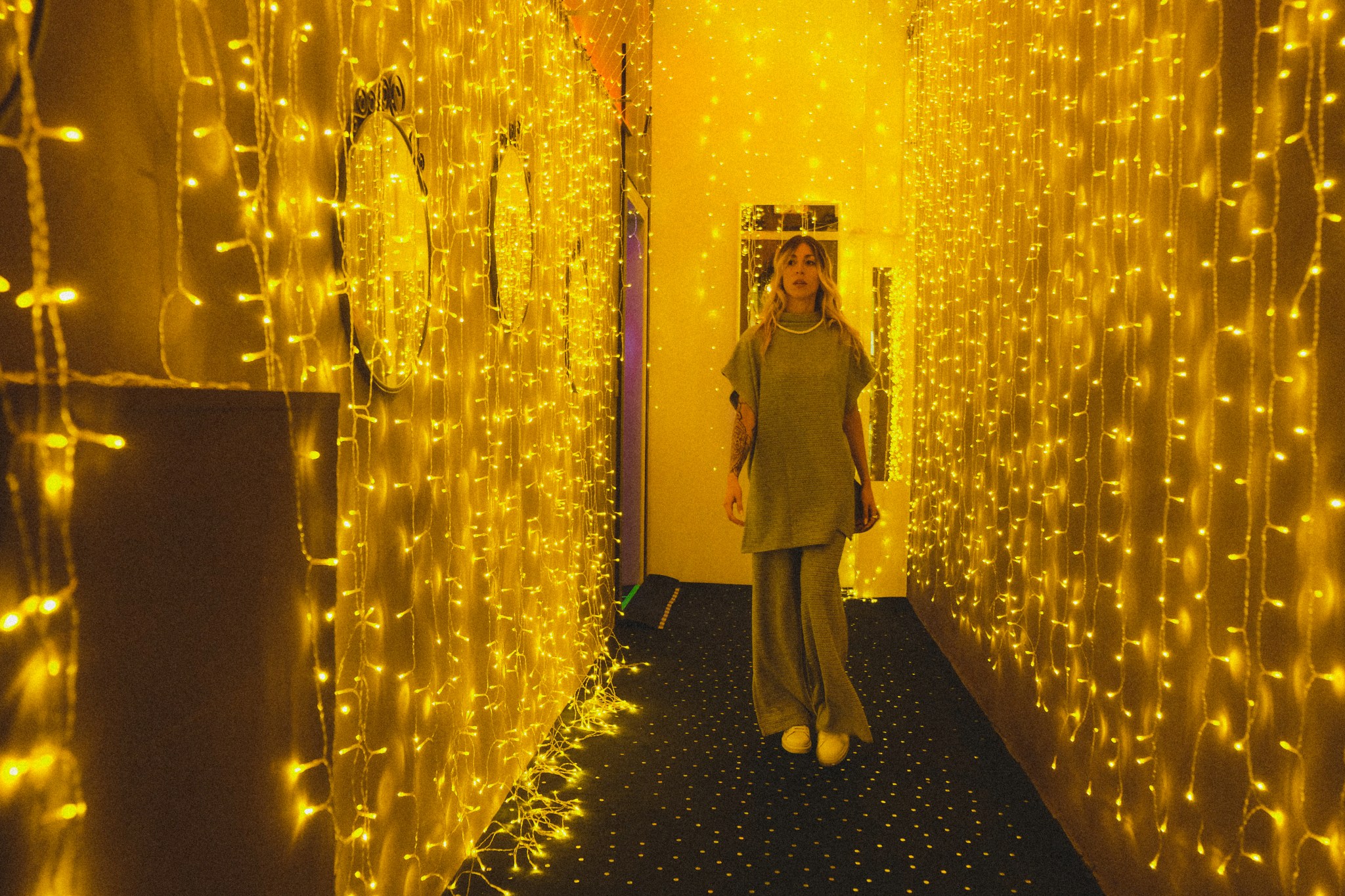
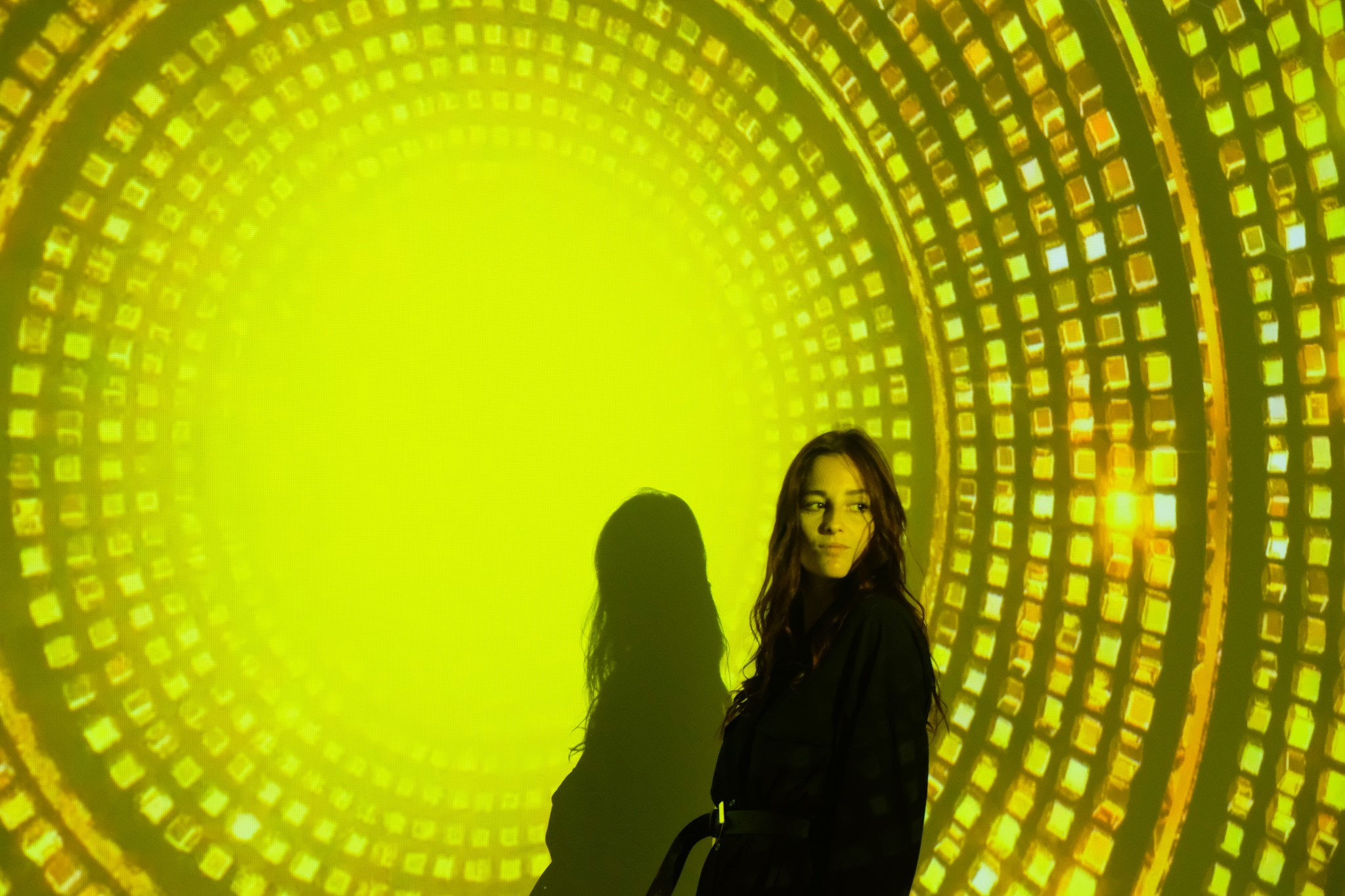
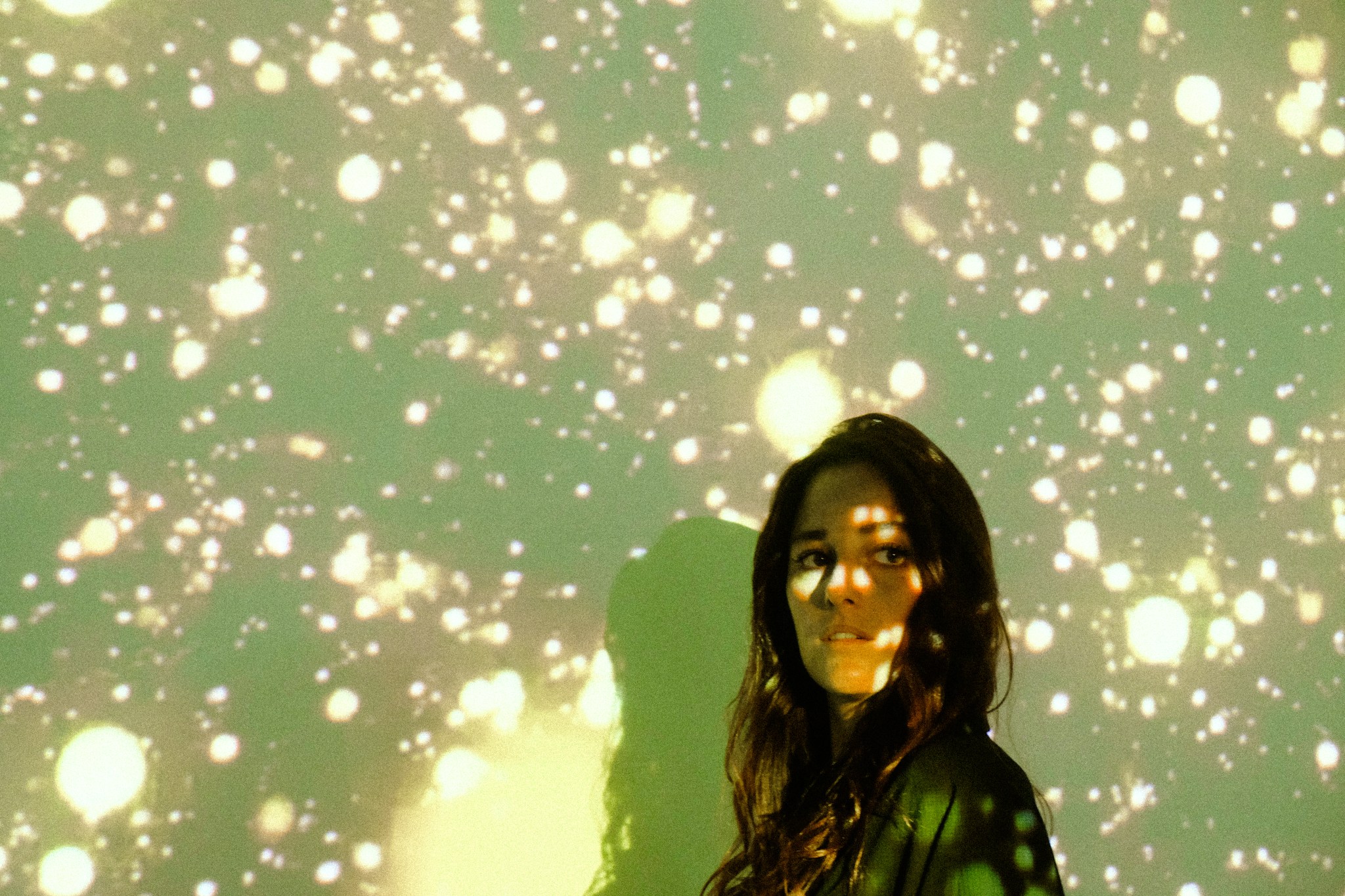
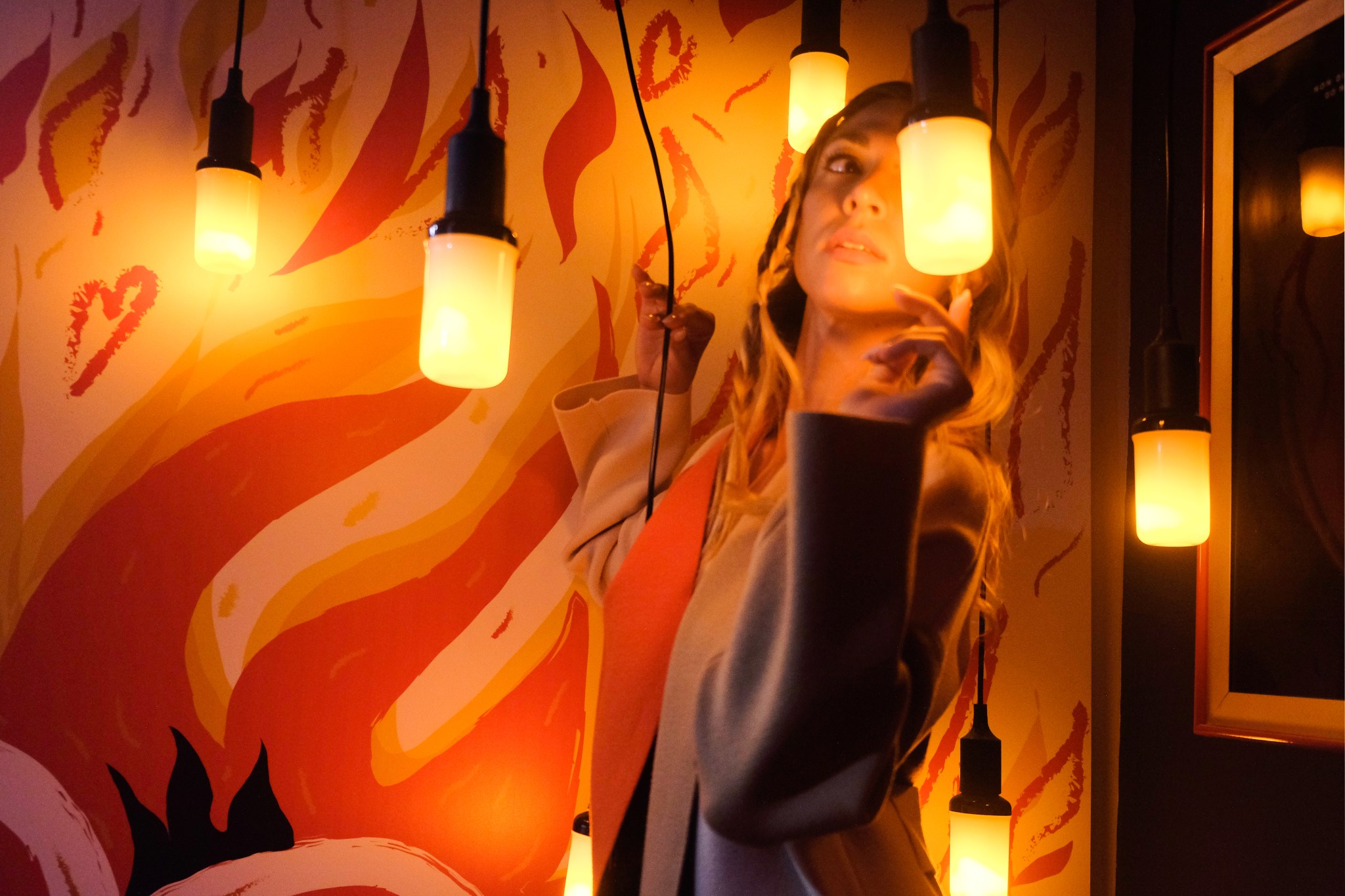
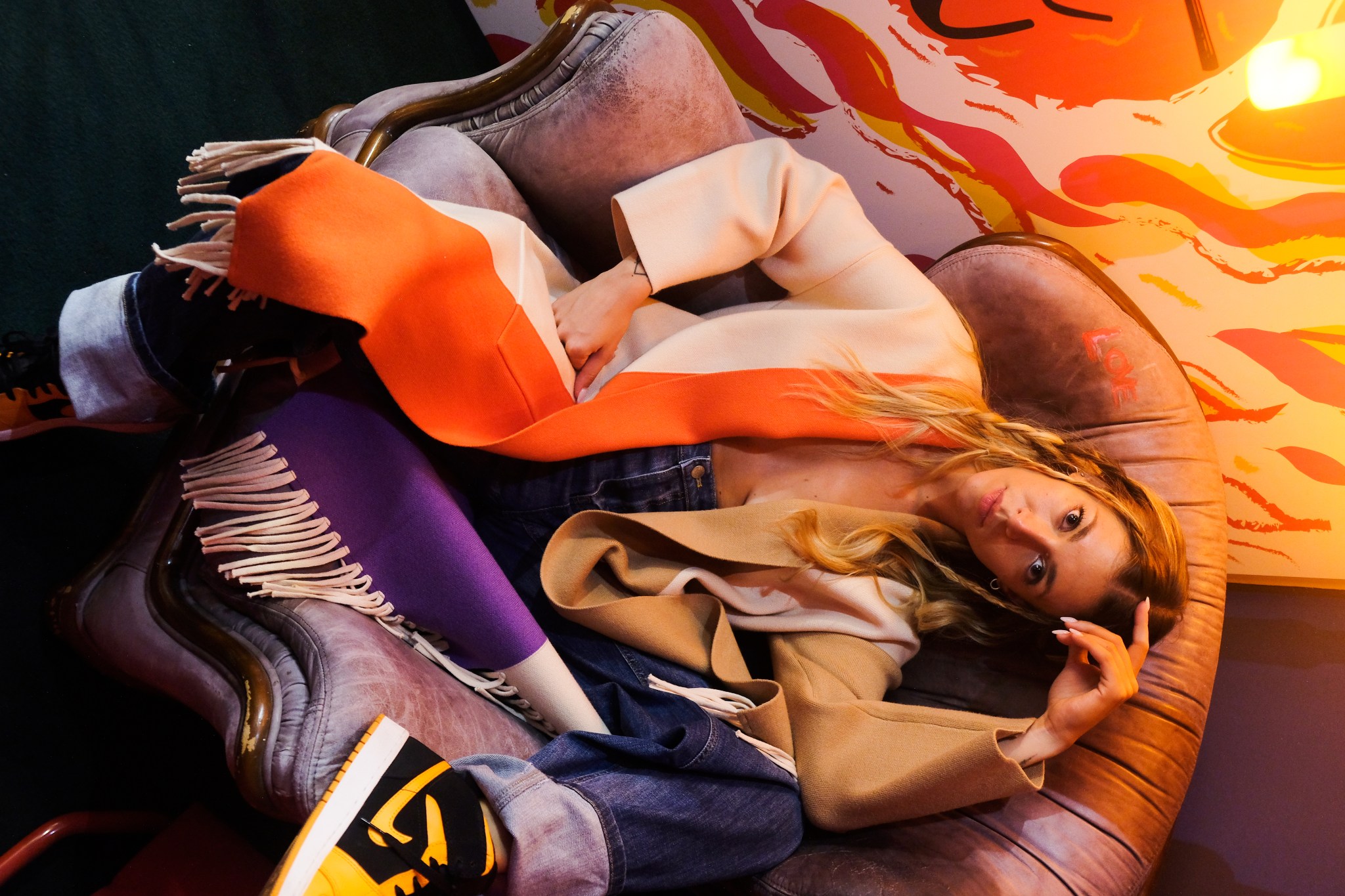
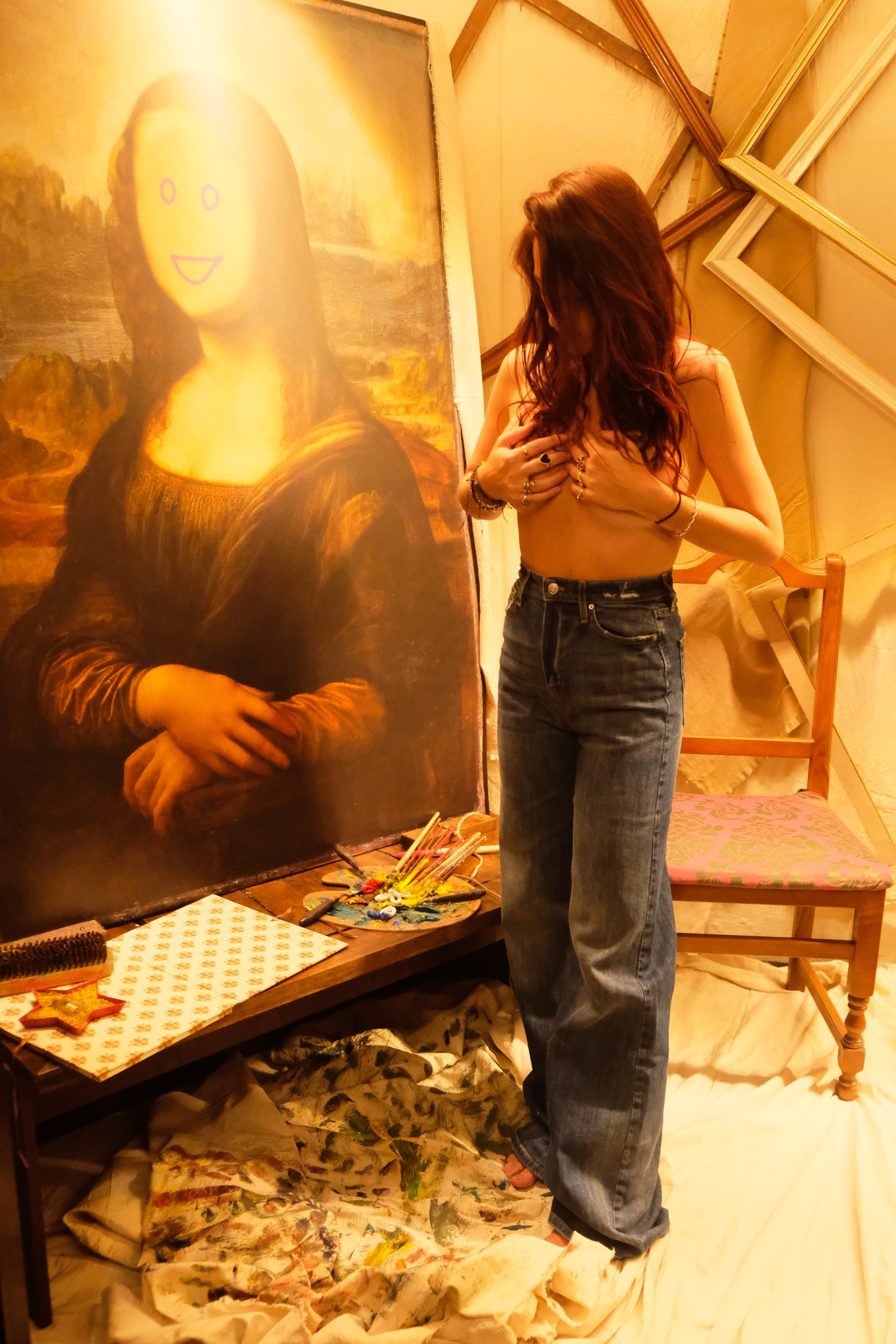
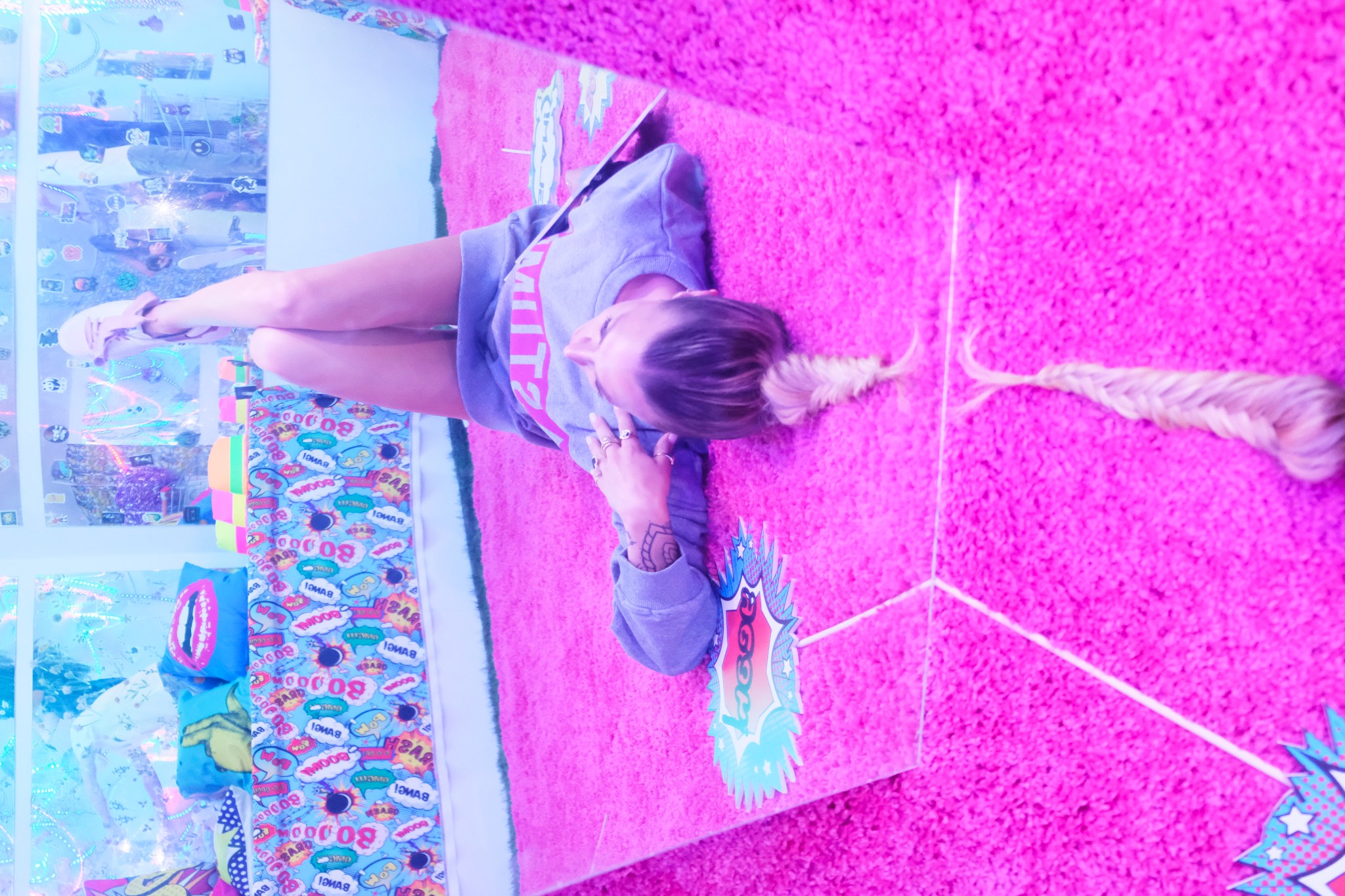
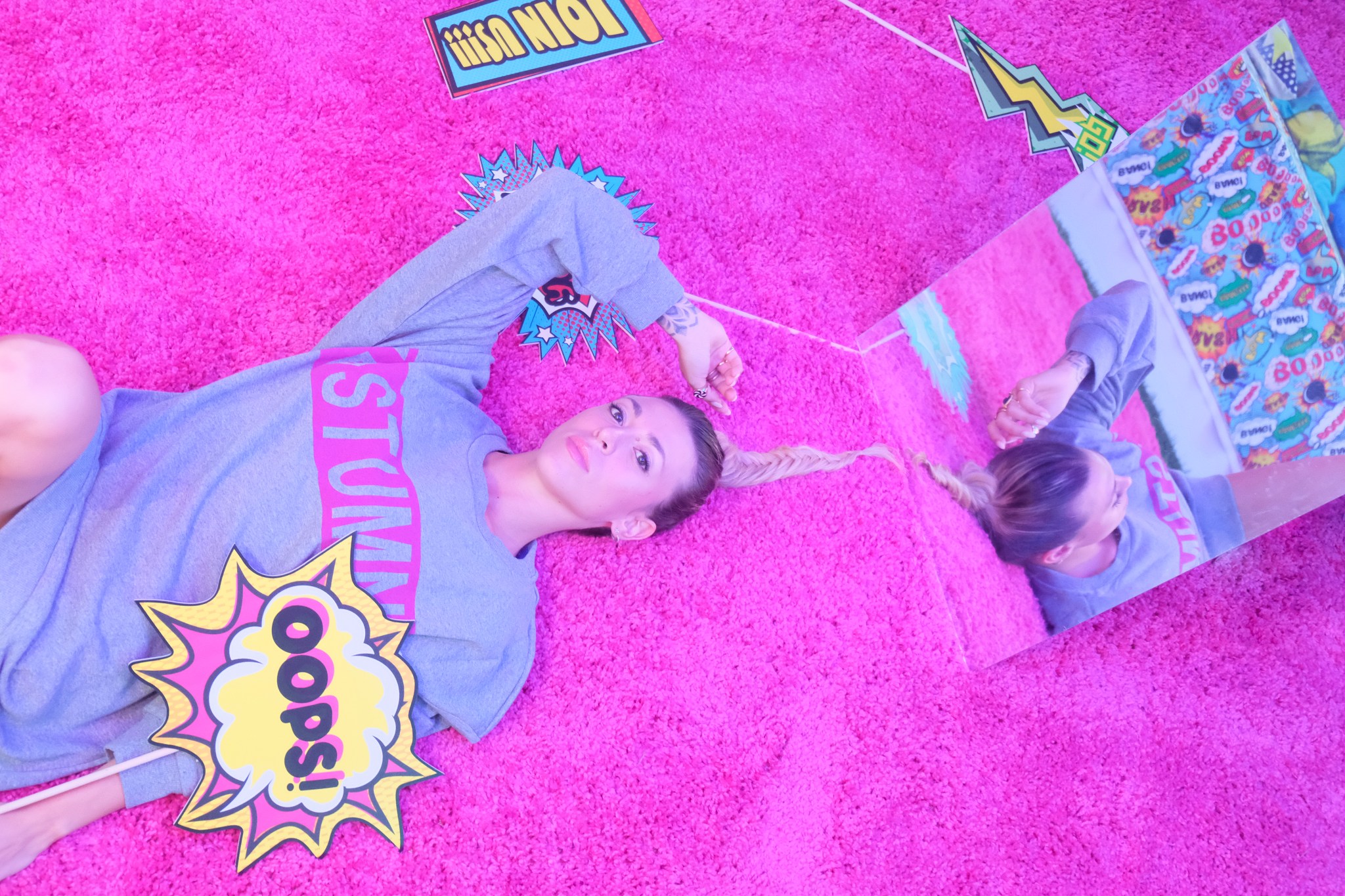
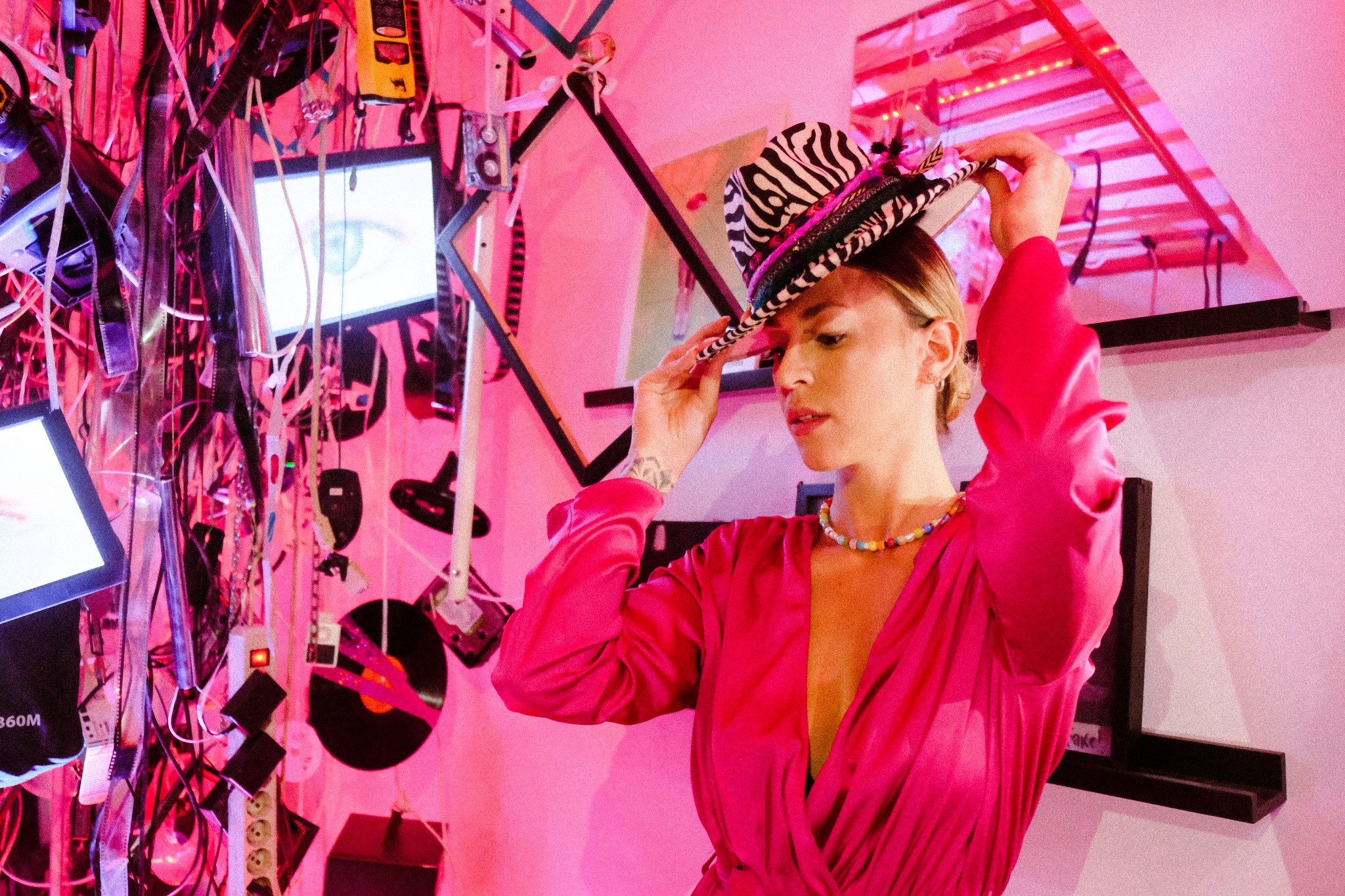
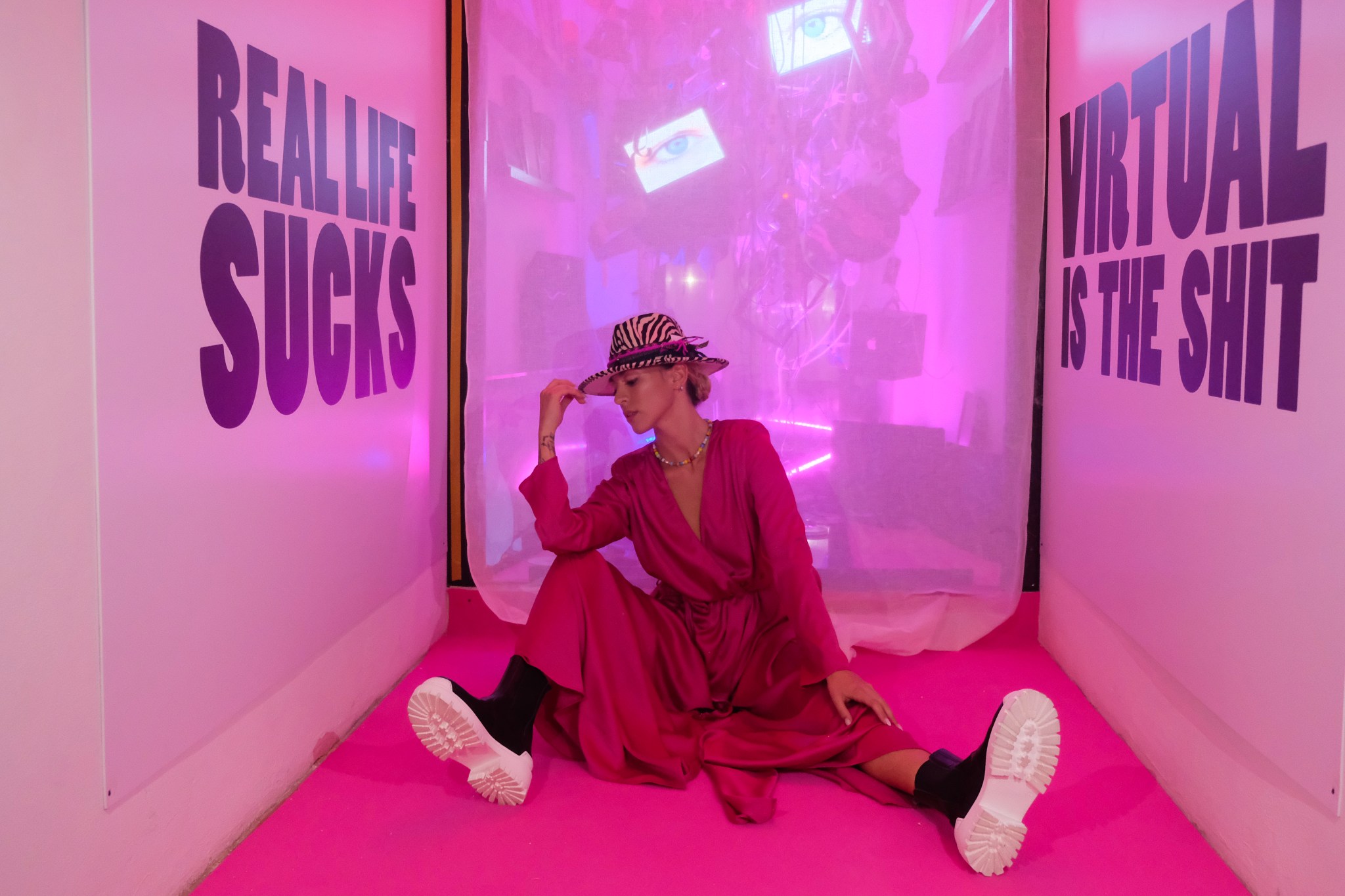
The audience of immersive art experiences strives to enter the scene and occupy the stage space, giving testimony through a photo shared socially.
All photos shared on instagram, Facebook, Pinterest or any other digital social platform,
are a real documentation of the art experience.
These are the moments that take place in real time for an audience convened by the artist
through the form of immersive art exhibition.
In a certain sense, immersed art experiences could be defined as
works of art producing social participation.
ART IS MADE IN THE GALLERY.
Nicolas Bourriaud goes so far as to hypothesize that “it will soon be the entirety of the exhibition process to be occupied by the artist. “
The examples he reports
(work? work in progress? – This is the show and the show is many things – Traffic)
are exhibitions where the artists were invited to intervene throughout the exhibition path.
In this case the visitor played a predominant role,
as his interaction with the works helps to define the structure of the exhibition.
The artist does not always have a pre-established idea of what will happen:
art is created in the gallery.
A work of art always aims beyond its simple presence in space;
It opens up to dialogue, to discussion, to that form of negotiation that Duchamp defined
the “coefficient of art”, a temporal process that is played out here and now.
This relative transparency, an a priori form of artistic exchange,
seems unbearable to the bigot.
The Artworks of the nineties transforms the observer into a neighbor, into a direct interlocutor.
It is precisely this generation’s attitude to communication
which allows to redefine it with respect to the previous ones.
Relational art is born from the observation of the present
and a reflection on the destiny of artistic activity.
Already in the 1954 conference “The creative process”, Duchamp
emphasized the interactive nature of the work of art.
A new generation of artists uses interaction with the public as
starting point and conclusion of the creative process.
Current art takes on and takes up the legacy of the 20th century avant-gardes.
In the worlds that these artists build, technologies, objects and the environment itself
are an integral part of language, and one and the other are considered
vectors of relationship with the Other.
While traditional relational artists, who appeared on the scene in the nineties,
gave priority to time over space,
artists who create immersive multimedia experiences try to merge both
the variables, modeling the audiovisual dynamics in a path defined by a closed space.
Space, understood as an environment, and time, understood as a progressive audio-visual experience, are identity components of this immersive art form.
The long-lasting effects are the survival of the most intangible emotions,
exchange and sharing, the creation of new processes of materialization in art.
The artist negotiates open relationships with the viewer, not decided in advance.
The observer then oscillates between the status of passive consumer
and that of witness, associate, customer, envoy, co-producer, protagonist.
A work creates, within its method/system/ mode of production and then at the time of its exhibition, an instantaneous community/ collective of observer-participants.
This art experience has to do with the concept of theatricality, where simple eye perception is not exceeded, but the viewer brings his own body, his own history and his own behavior.
No longer just an abstract physical presence.
The encounter with the work generates a temporal experience.
Time for manipulation, understanding, decision making that goes beyond the simple
act of completing with ones eyes.
In an immersive art experience, the emancipation process of the relational dimension of existence takes place.
The relationships between the artist and his production move to the feed-back area, the convivial artistic projects multiply, holidays, collective and participatory, which explore multiple potentialities of relationships with each other.
The public is increasingly being taken into consideration. It is an integral part of the work itself.
The aura of art is no longer found in the retro-world represented by the work,
neither in the form itself, but before it, within the temporary collective form that it produces by exposing itself.
The aura of contemporary art is free association.
It could be objected that the artist plays on easy emotions, but what matters is what one does with this type of emotion;
towards what they are directed, how the artist organizes them among themselves, and with what intentions.
Living in the age of the screen,
it seems natural for an artist to deal with productive practices that involve
the creation of dynamic audio-visual exhibits.
However, technology is not interesting for the artist,
if not to the extent that he puts its effects into perspective,
instead of undergoing it as an ideological tool.
Art adopts the perceptual and behavioral habits of the era of portable media:
reverses the authority of technique, in order to make the ways of thinking, living and seeing creative. The possibilities of convivial technologies expand.
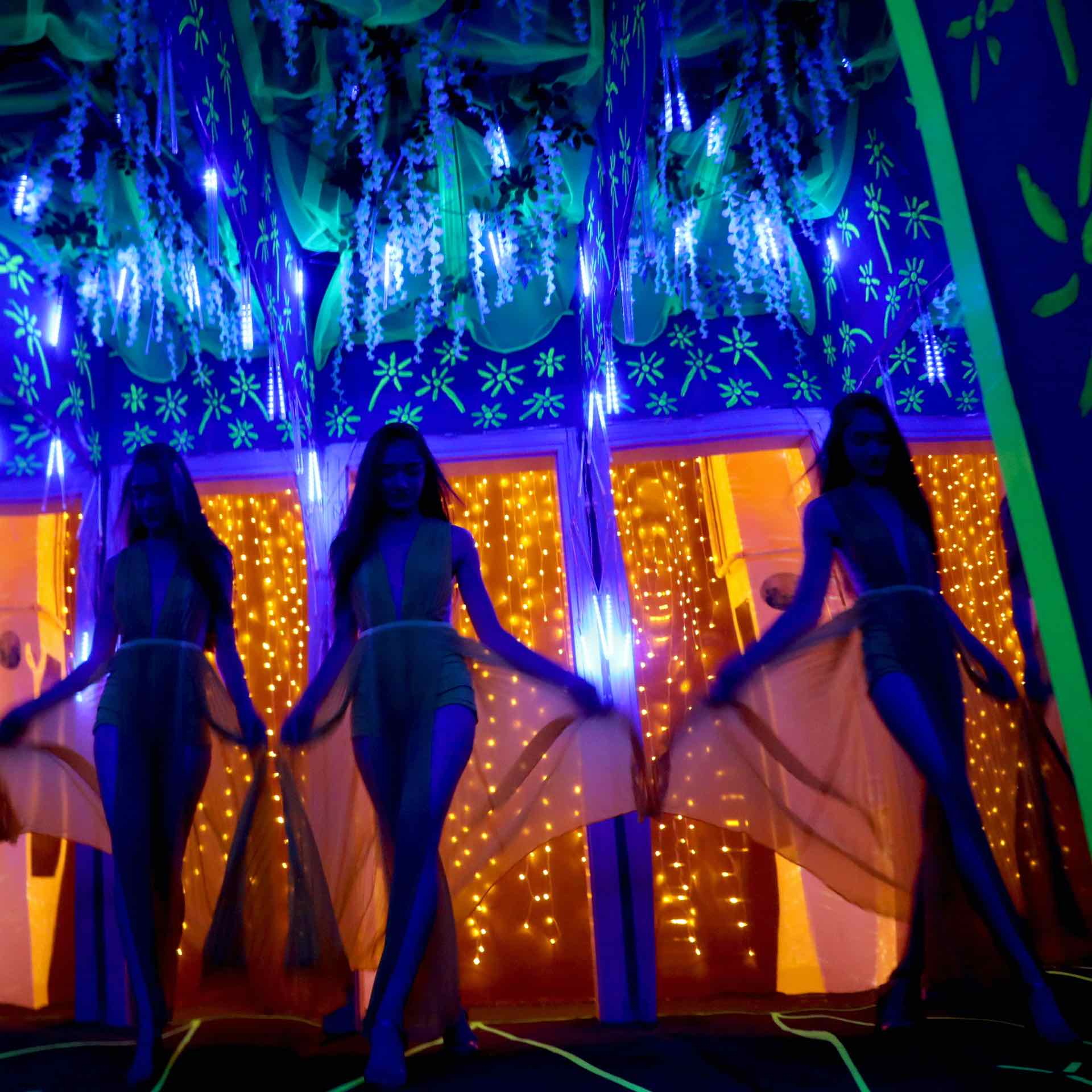
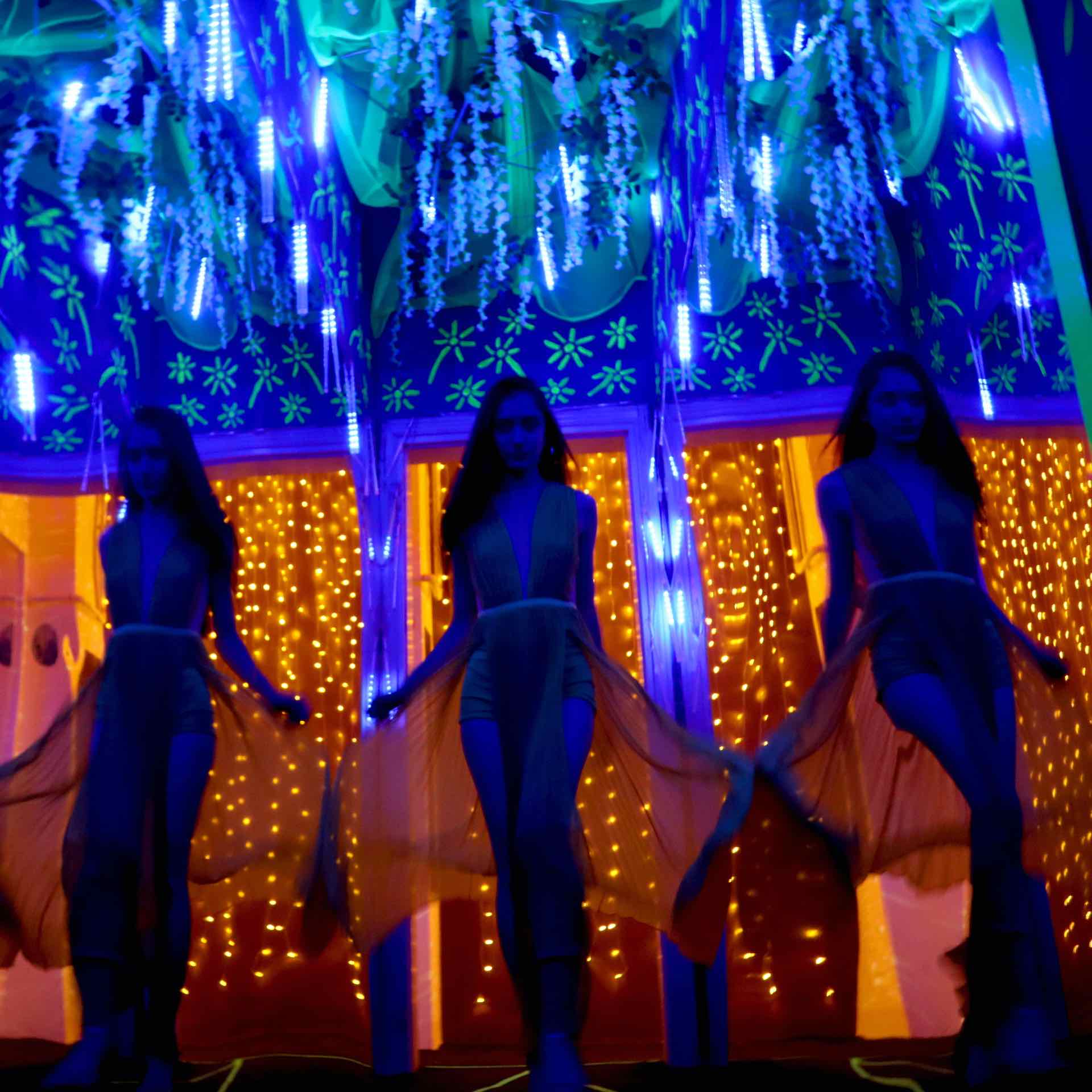
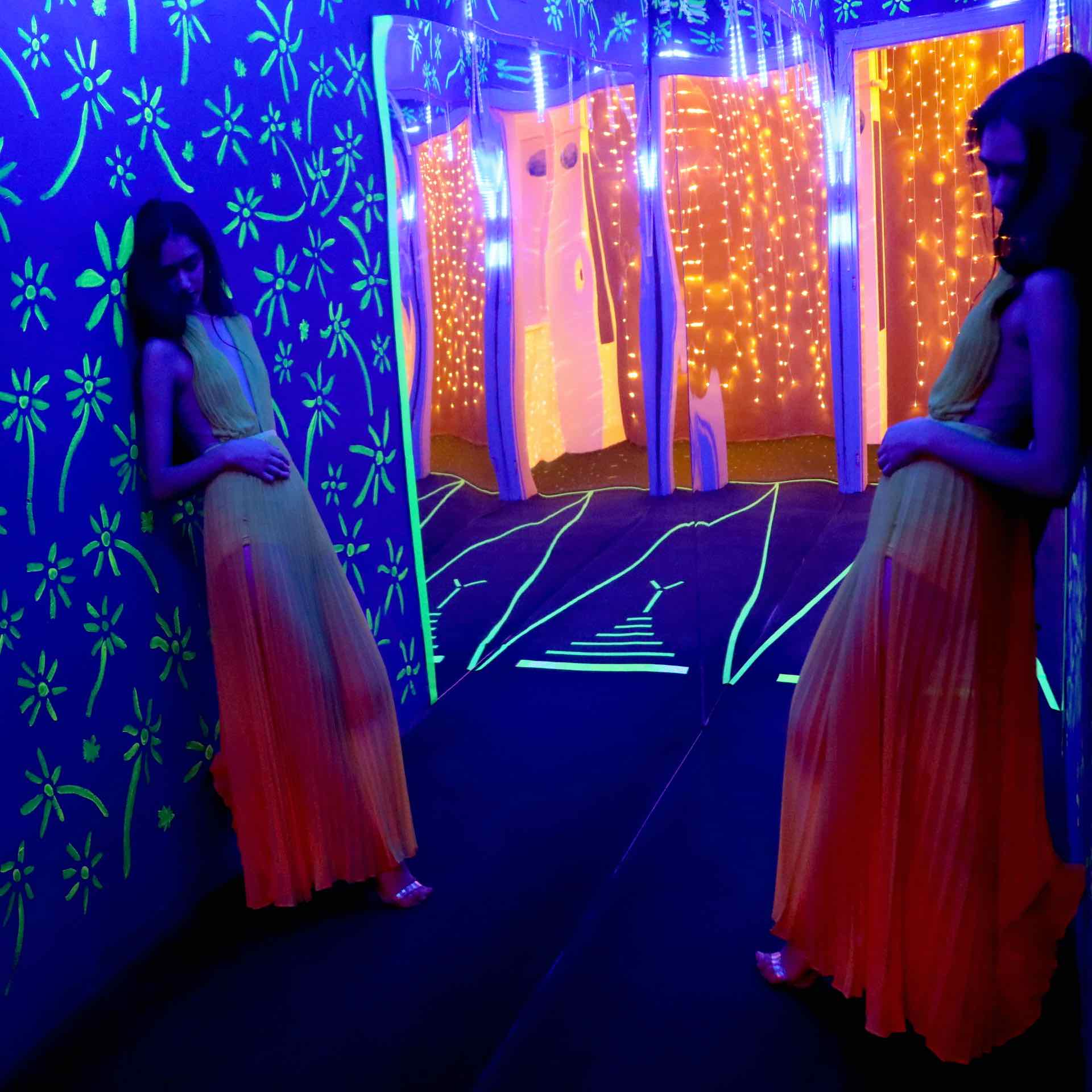
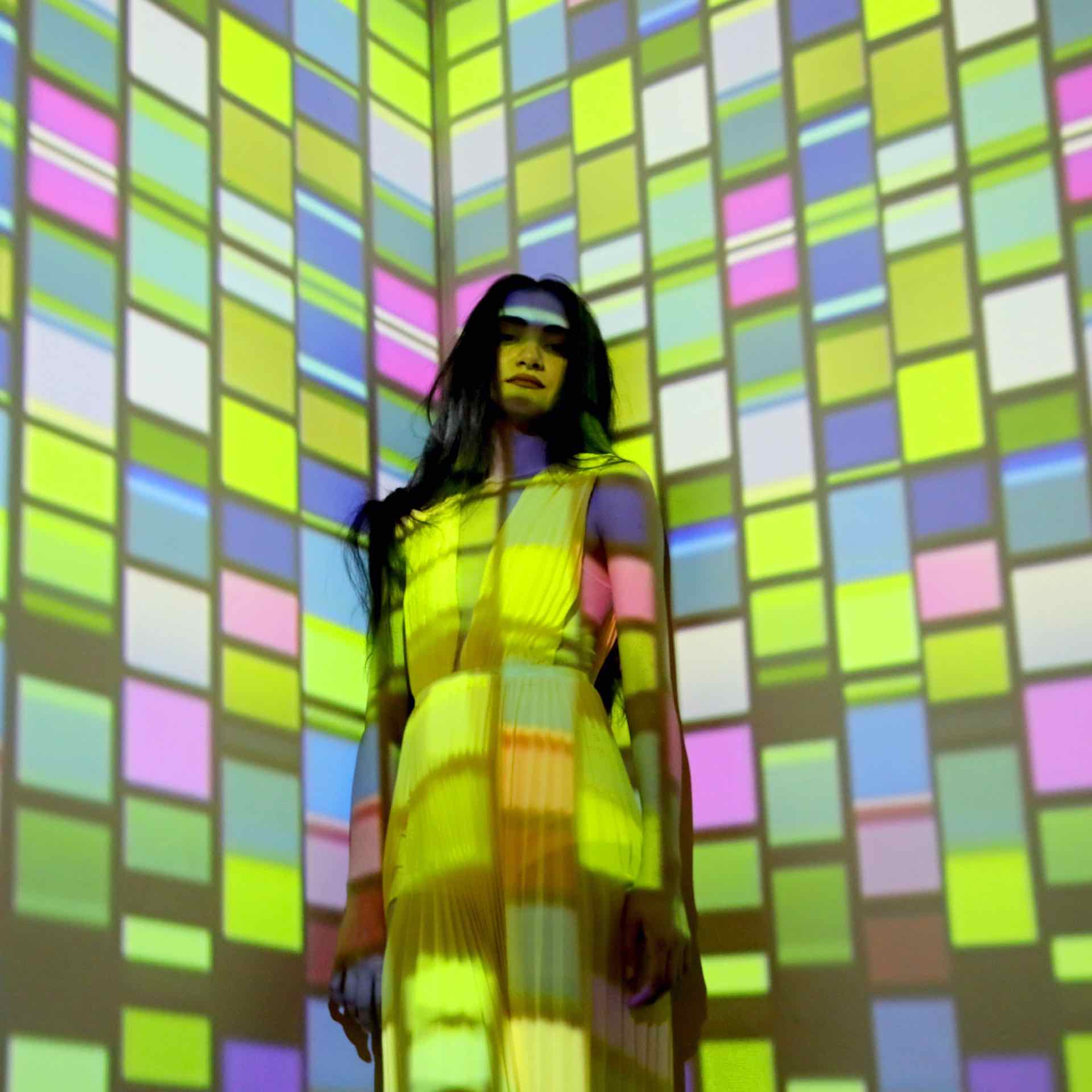
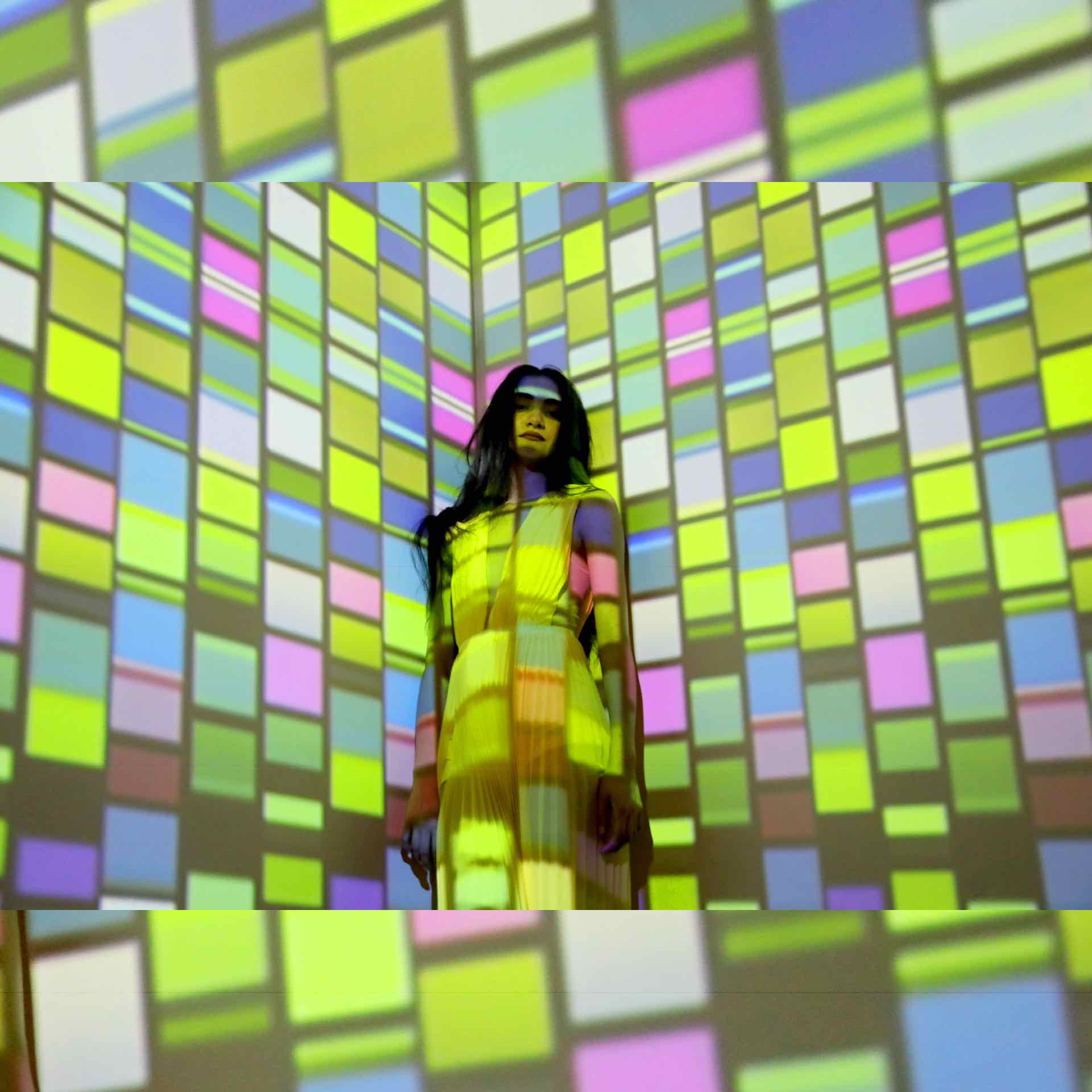
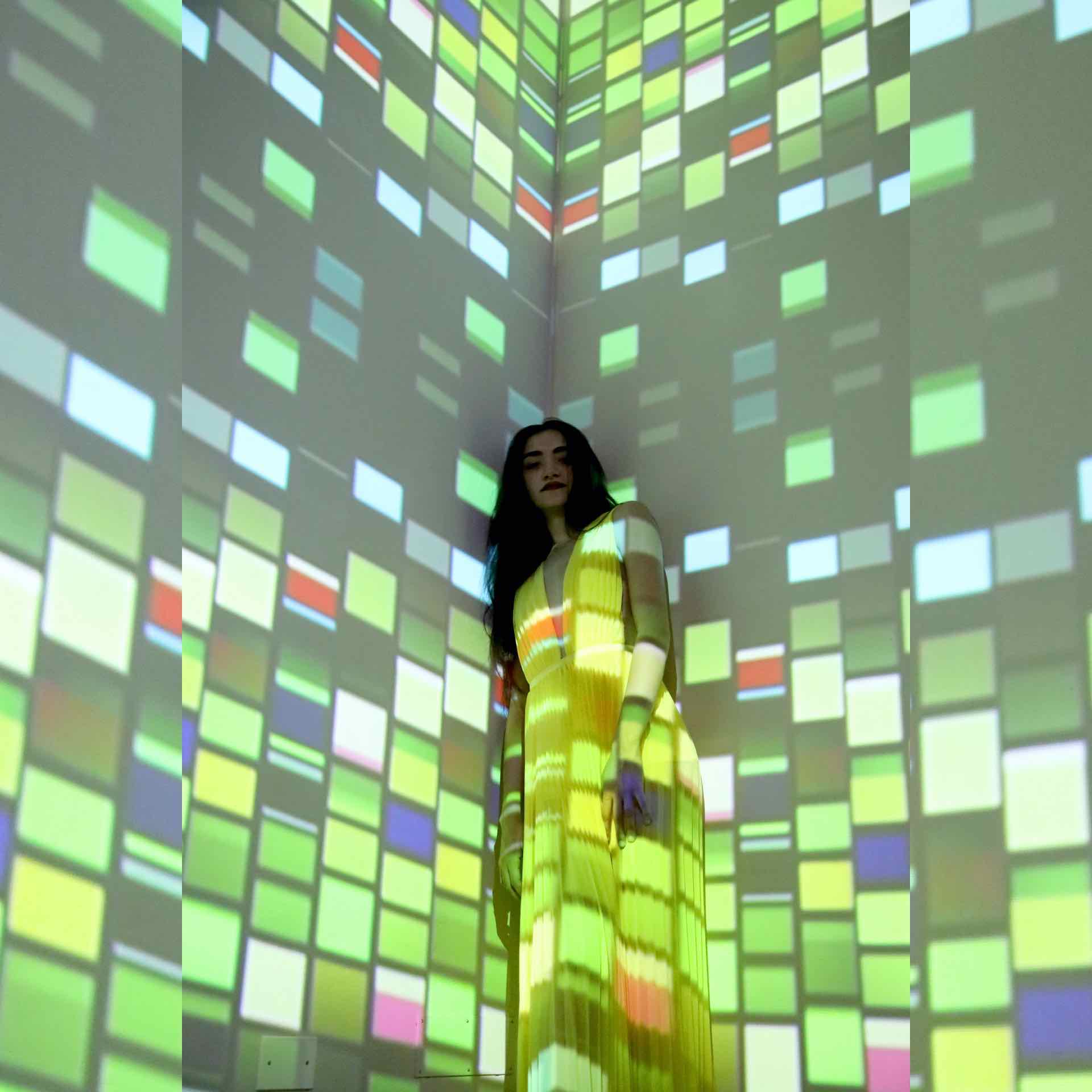
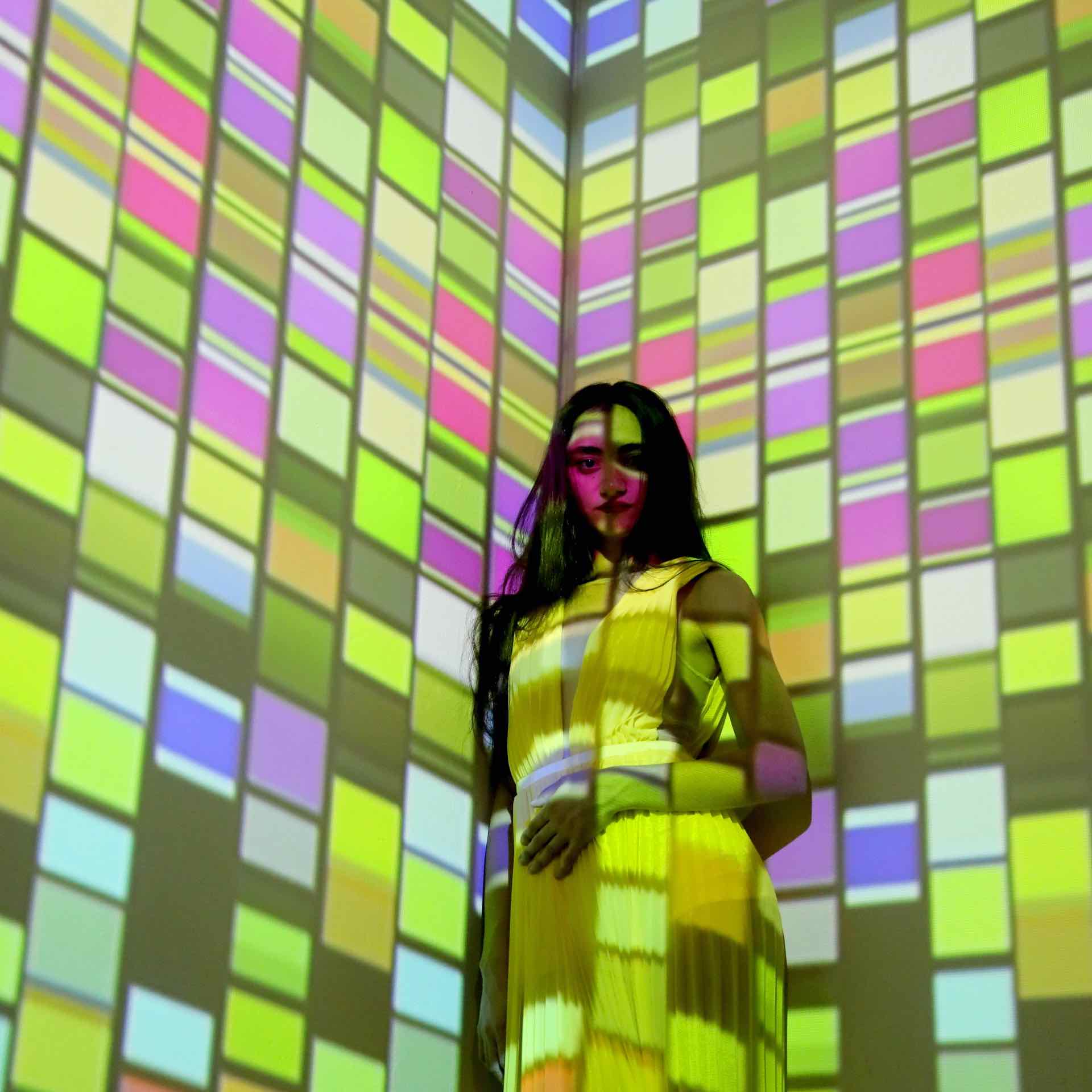
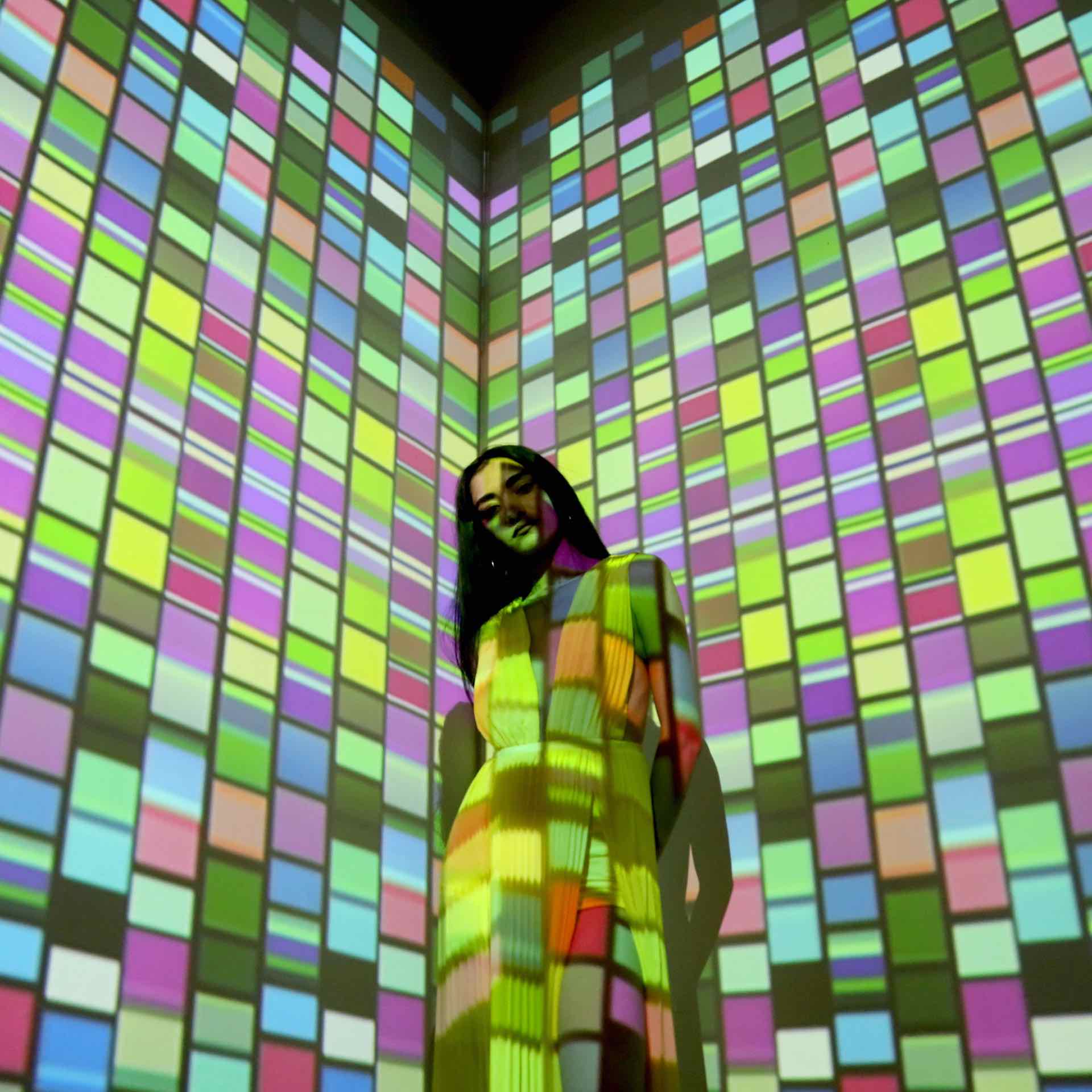
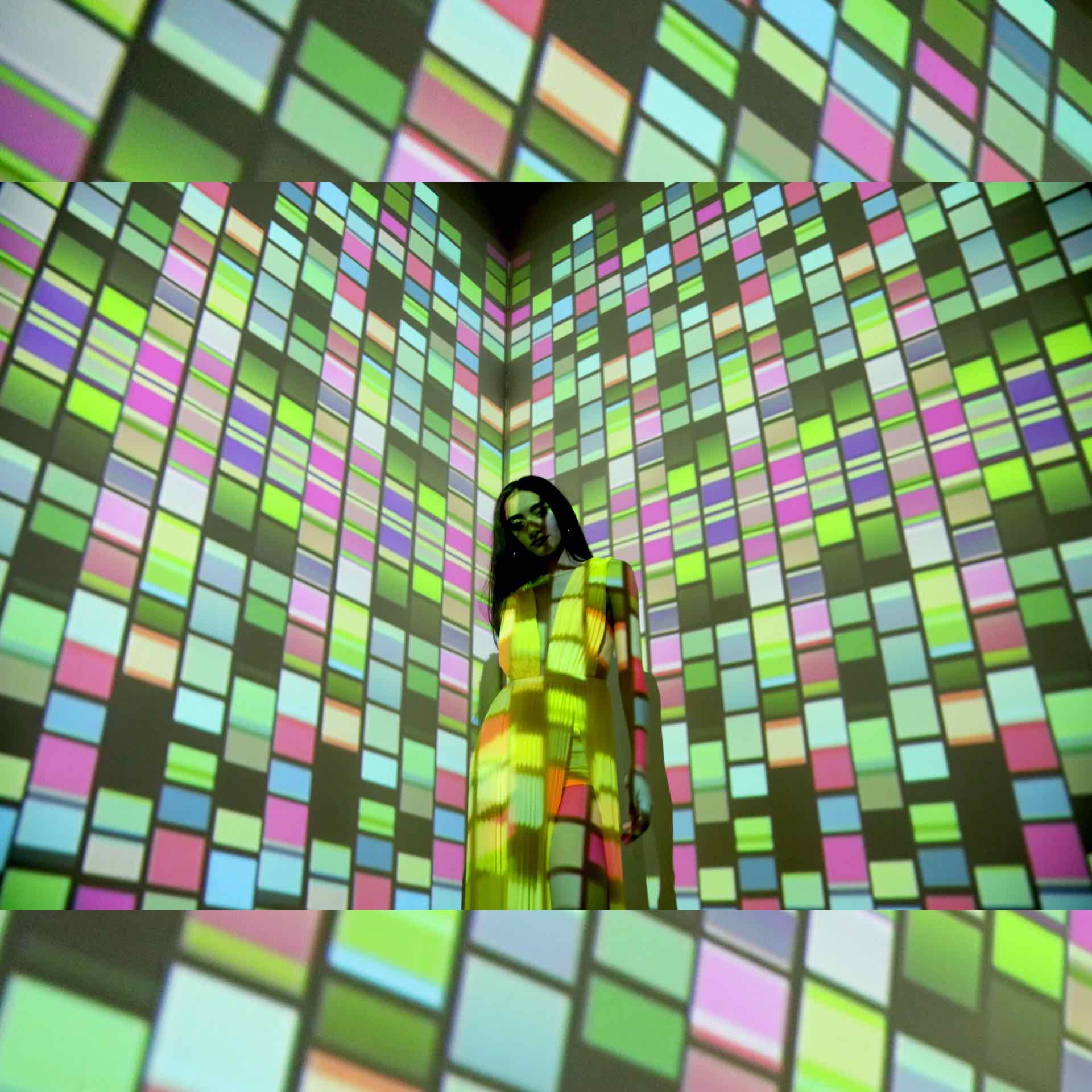
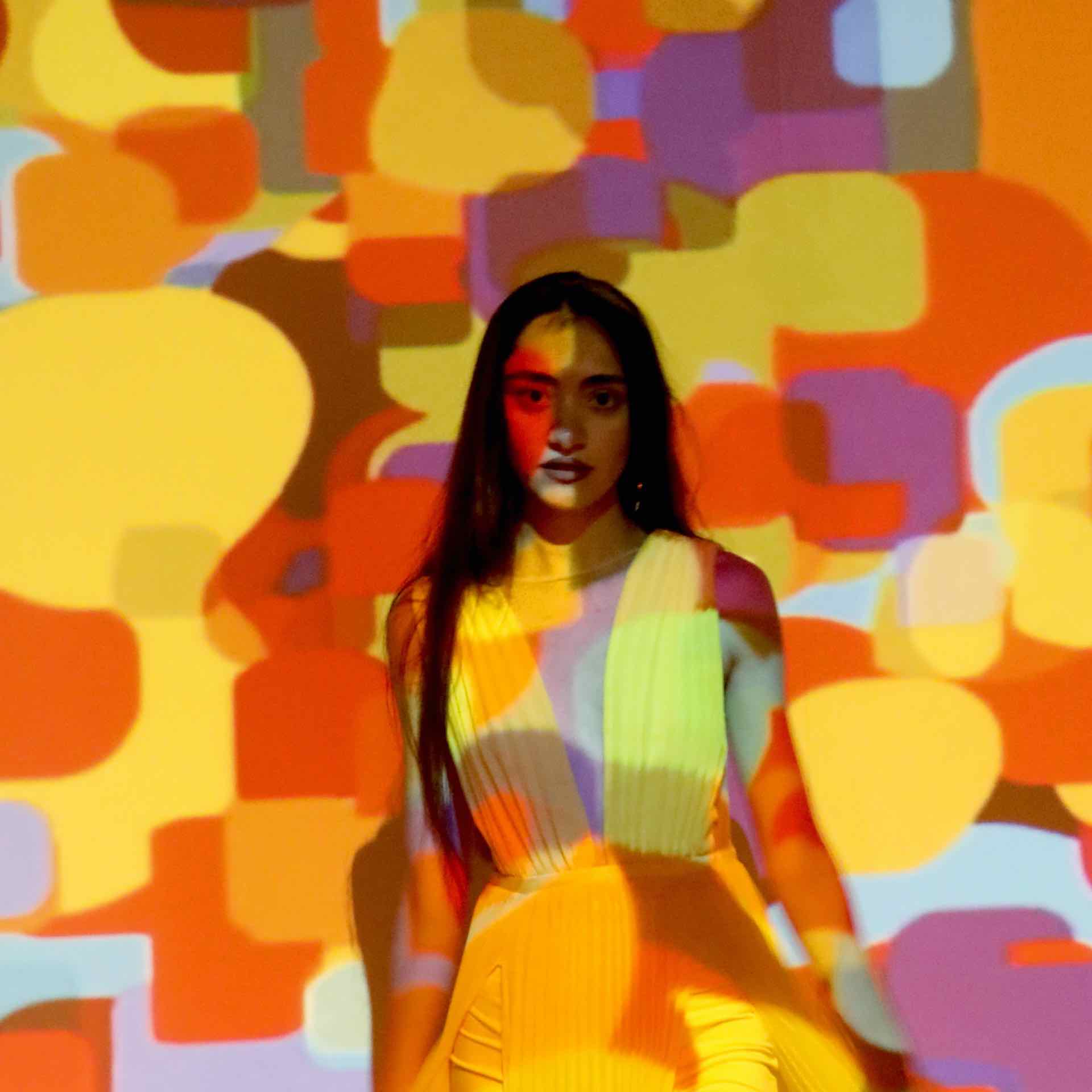
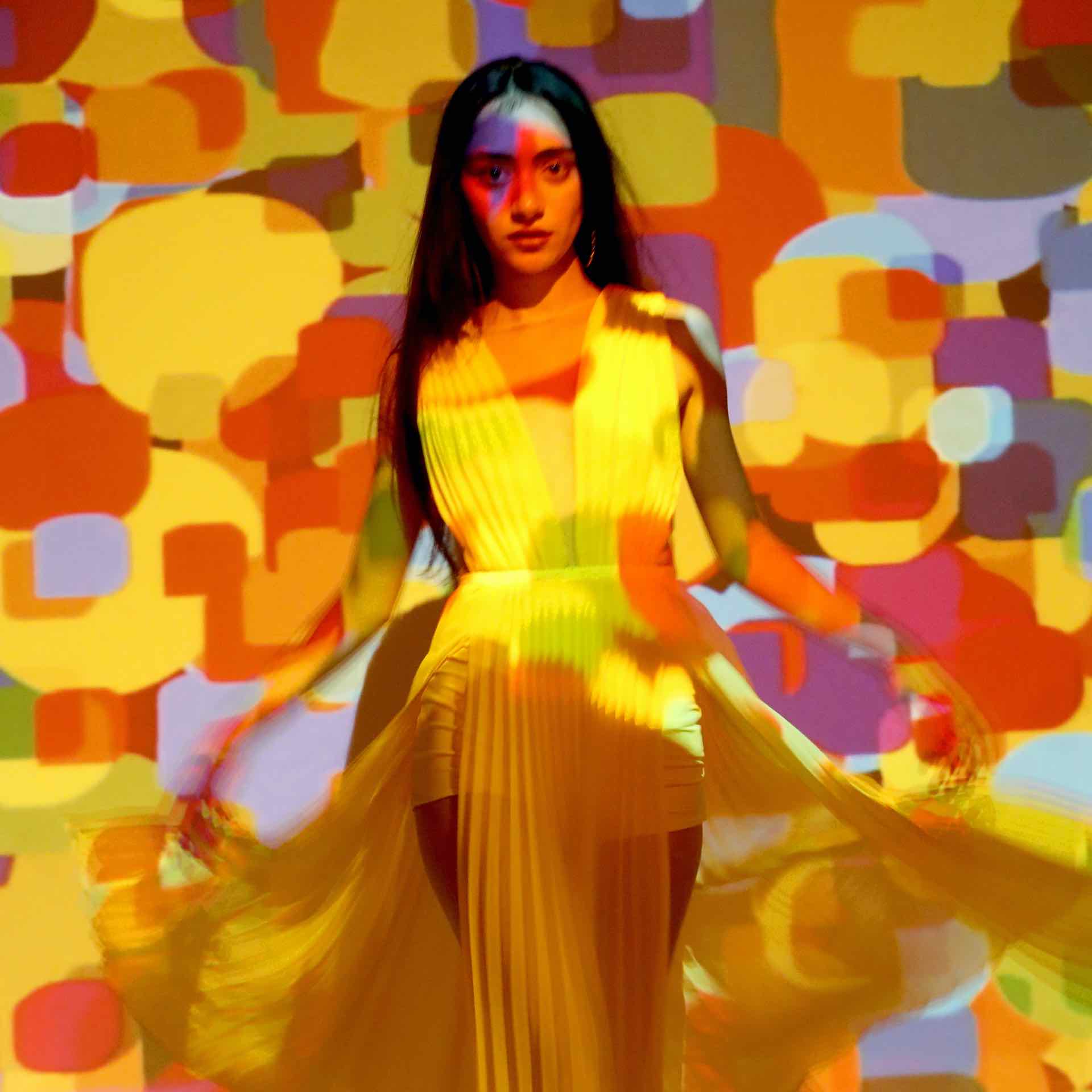
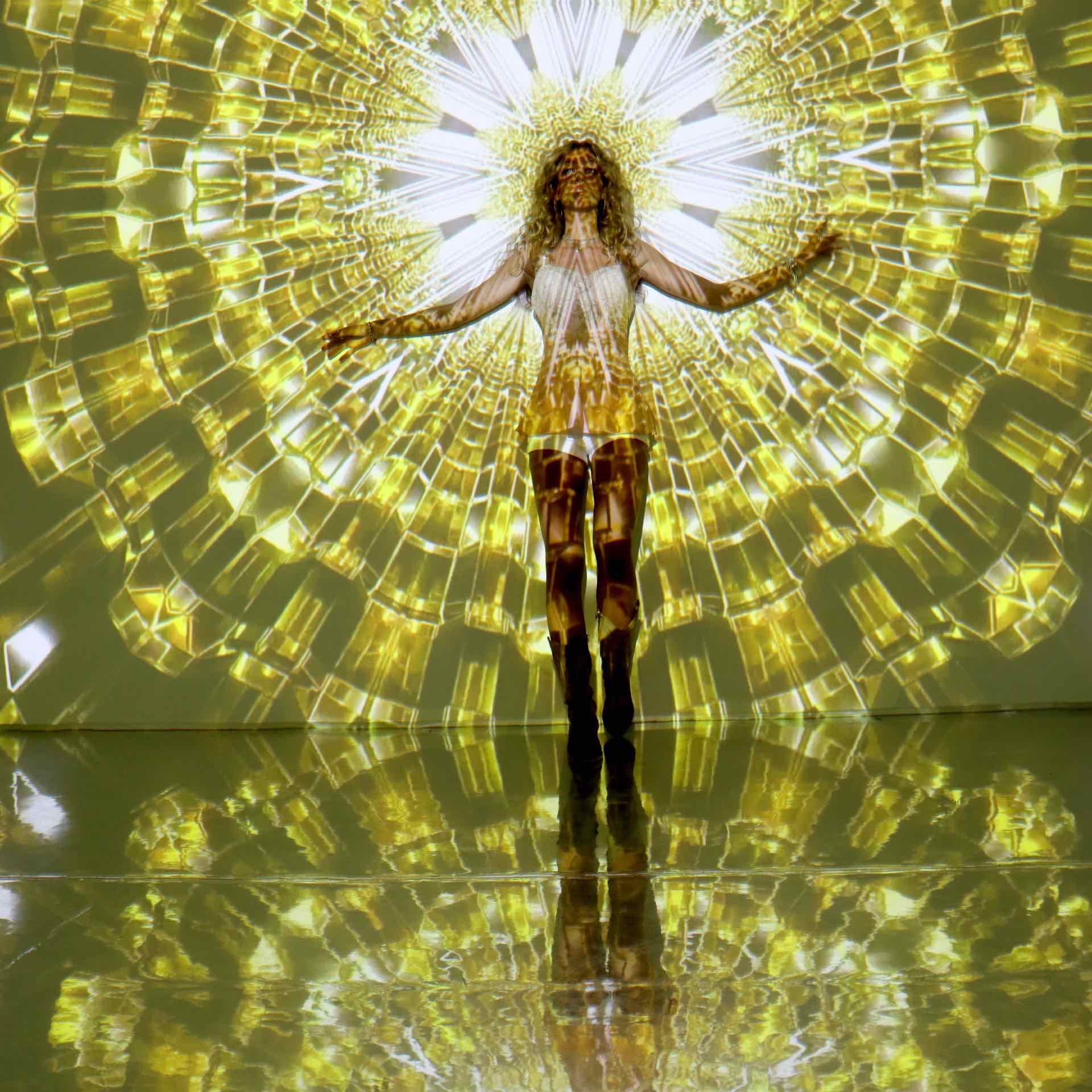
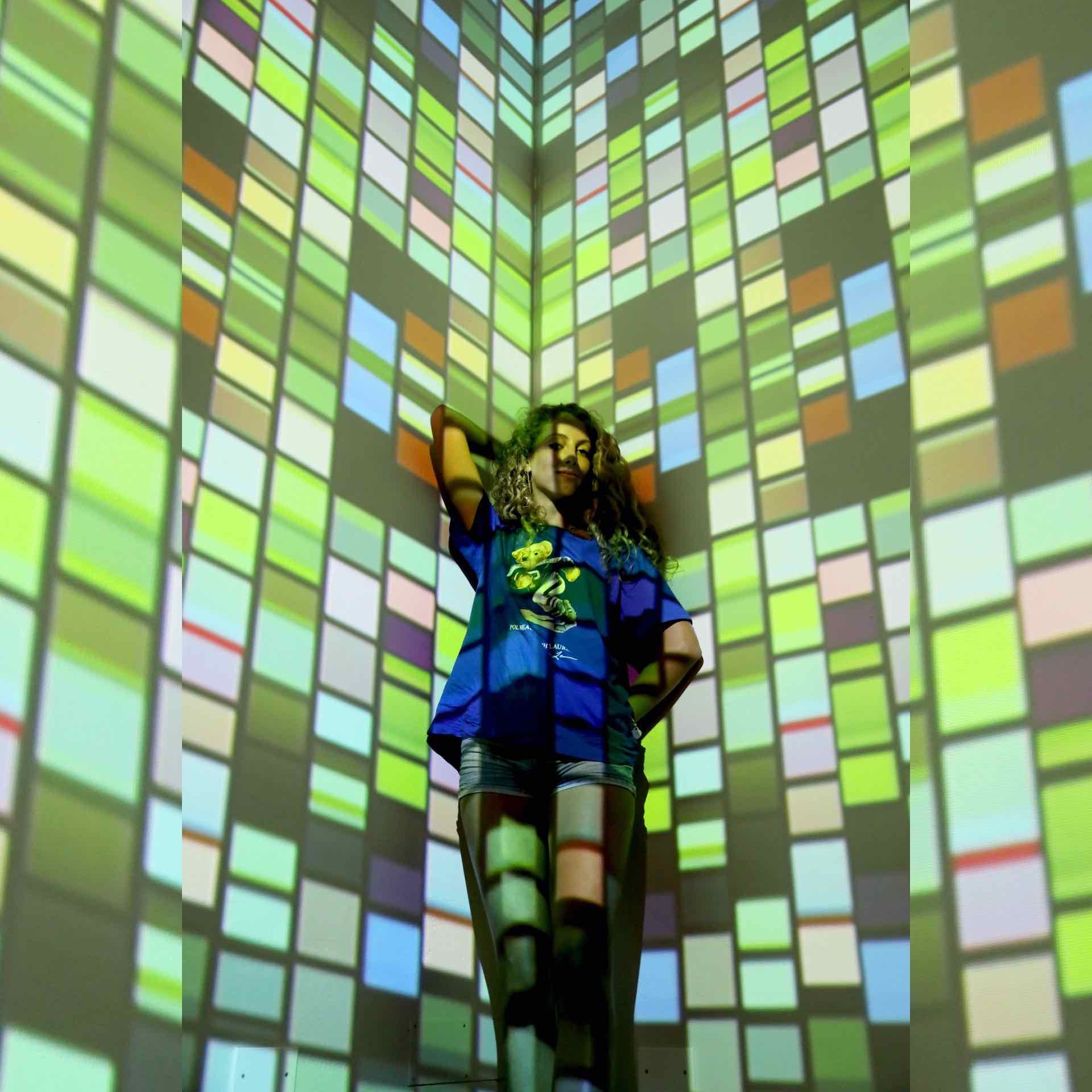
Media artists explore the processes of social participation and interaction by creating photogenic spaces, within which visitors frame points of view with their eyes,
angles of vision, segments of meaning.
These practices could be defined as “directors’ art”,
art that presents the exhibition space as a film without a camera.
In 1991 Joisten, Joseph and Parreno staged a collective exhibition in the Max Hetzler gallery in Cologne (How We Gonna Behave, 1991) in which a disposable camera was given to each visitor at the entrance, to document and act by documenting the exhibition.
Today it is no longer necessary to distribute reproductive technology, because it is already in the hands of every single visitor.
The public acts freely in the space choosing, observing, cataloging,
using space and time to create this relationship with the work.
According to Philippe Parreno, art forms a space in which objects,
images and exhibitions are moments, scenarios to be reinterpreted.
If the exhibition turns into a film or theater set,
the public itself become the actors.
Documentation of the participants’ actions through photos and videos shared on social media,
becomes part of the creative process, expanding the boundaries of the exhibition itself.
Cultural productions are subjected to a re-reading-relocation by visitors,
which certify the ubiquity of optical instruments and their current prevalence
on any other means of production and social sharing.
Immersive art allows multiple and simultaneous views on the work.
The artist must take this process into account but avoid making the technique the subject of the art:
the technology must be placed in its productive context,
to be used in function of the relationships and exchanges it generates between artist and visitor.
However, we must avoid transforming art into a high-tech decorative element.
Today artists are beginning to create spaces within which the exchange can take place.
Becoming “Semionauts”: inventing trajectories among the signs.
Abstract expressionism carried with it the idea of enveloping the observer.
Rothko and Pollock include in their work the need for a visual unification,
since it was supposed that the painting could incorporate, if not submerge,
the observer in a chromatic atmosphere.
With regard to this enveloping space, to the observer in an atmosphere or in a built environment,
Eric Troncy talks about the “all around” effect (all-encompassing),
as opposed to “all over” (everywhere) which applies to flat surfaces.
Meaning is the product of the interaction between artist and observer, not an authoritarian fact.
Artists look for interlocutors: the meaning of the work comes from the movement that connects the signs
issued by the artist, but also by the collaboration of individuals in the exhibition space.
Those who do not participate in the game are excluded.
Those who feel nothing may not try hard enough to accept the game.
Artistic practice is always in relationship with the other,
at the same time that a relationship with the world is established.
Reality is nothing but the transitory result of what we do together.
Art is a living matter, more than a category of thought.
The romantic opposition between the individual and society, which defined the role of an artist in the 19th century,
has become obsolete. Duchamp, Beuys and Warhol built their work
on a system of exchanges with social flows.
No certainty is irrevocable, the work in progress above all counts.
Art is an activity that consists in producing relationships with the world
through signs, shapes, gestures and objects.
Today’s artist appears as an operator of signs, who models the structures of production
in order to provide double signifiers. He is an entrepreneur / politician / director.
The lowest common denominator of all artists is that they are showing something.
At the same time they ask the viewers a question
(does this work authorize me to dialogue?
could I exist and how in the space it defines?)
leaving them the opportunity to complete the answer and accept the dialogue.
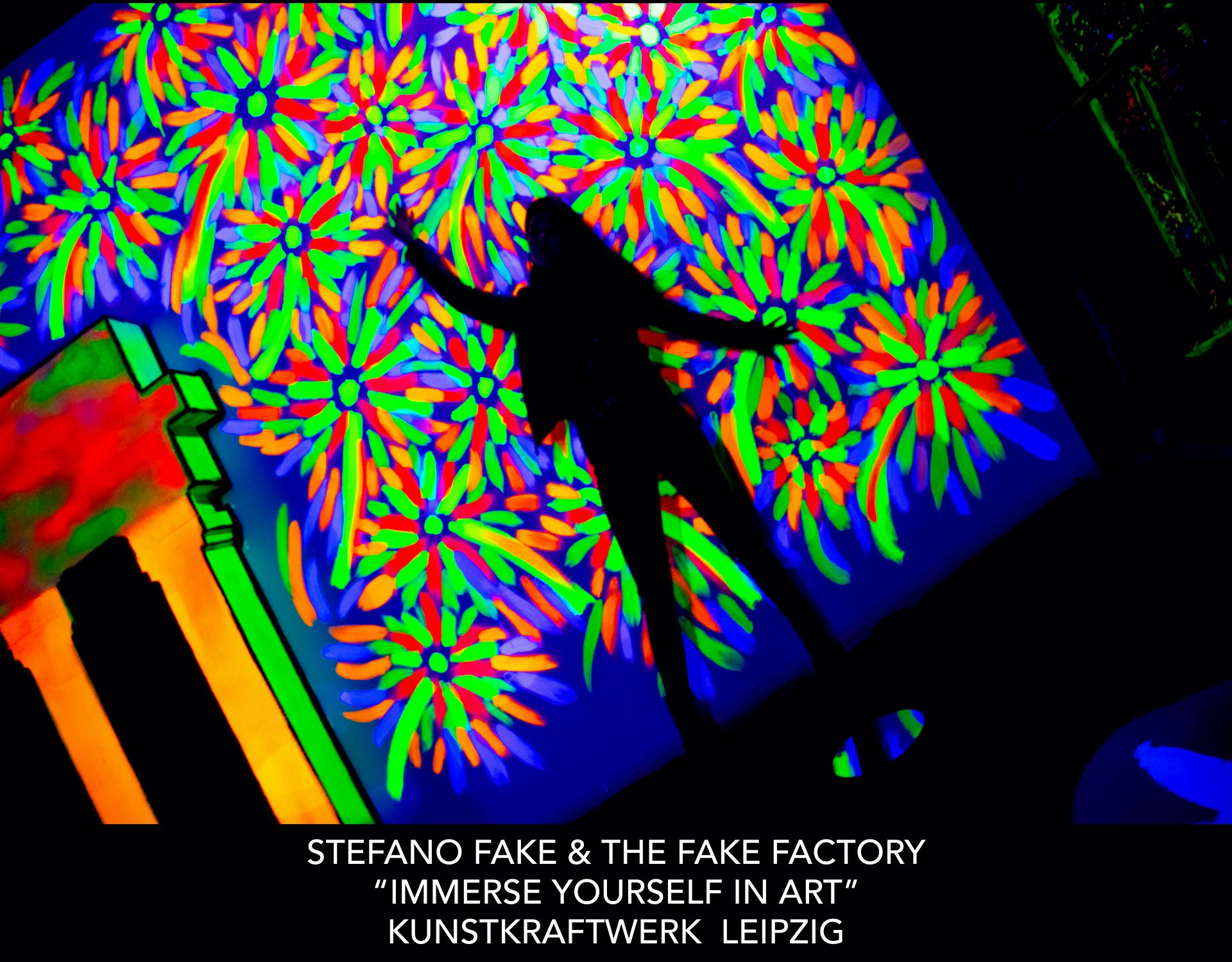
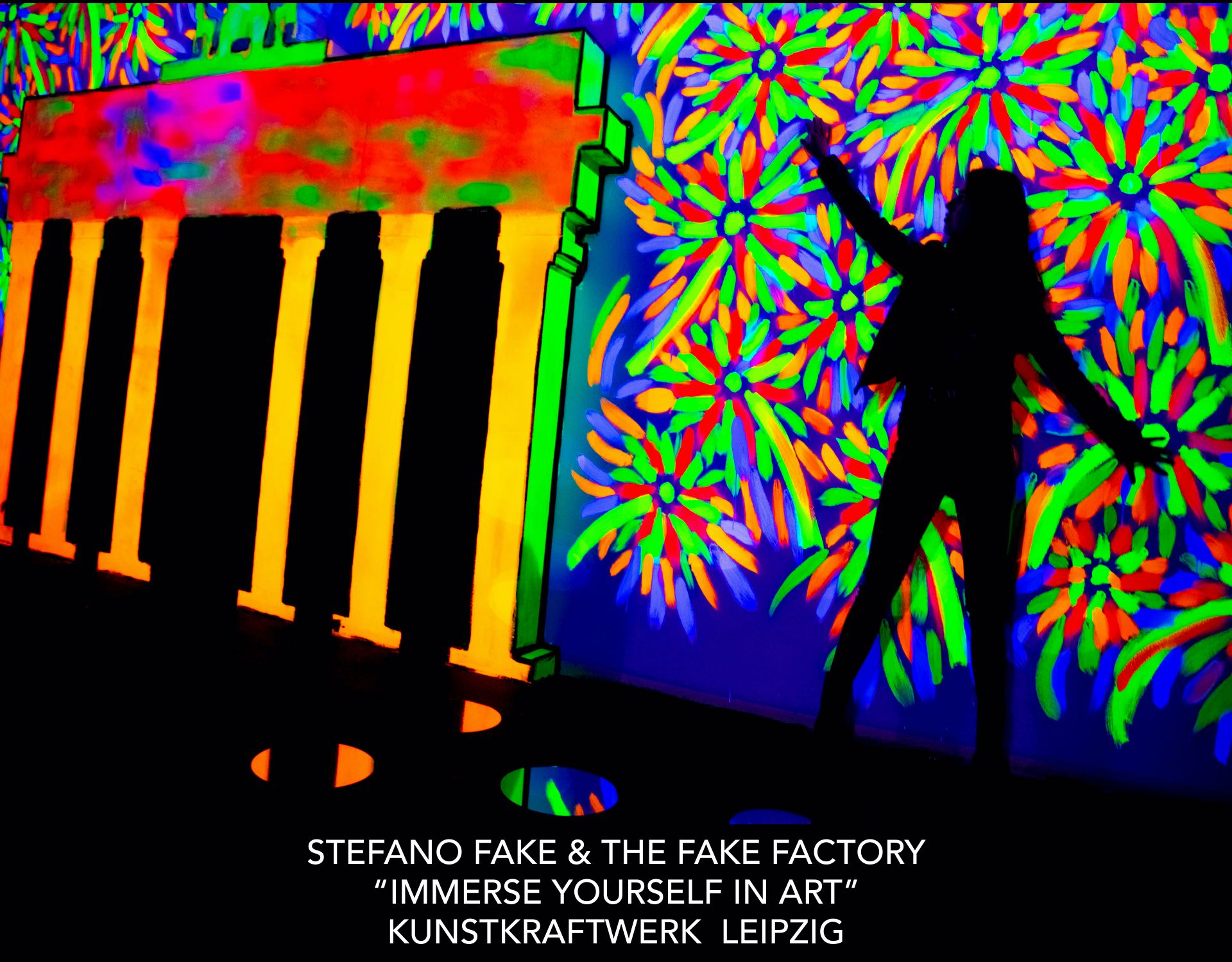
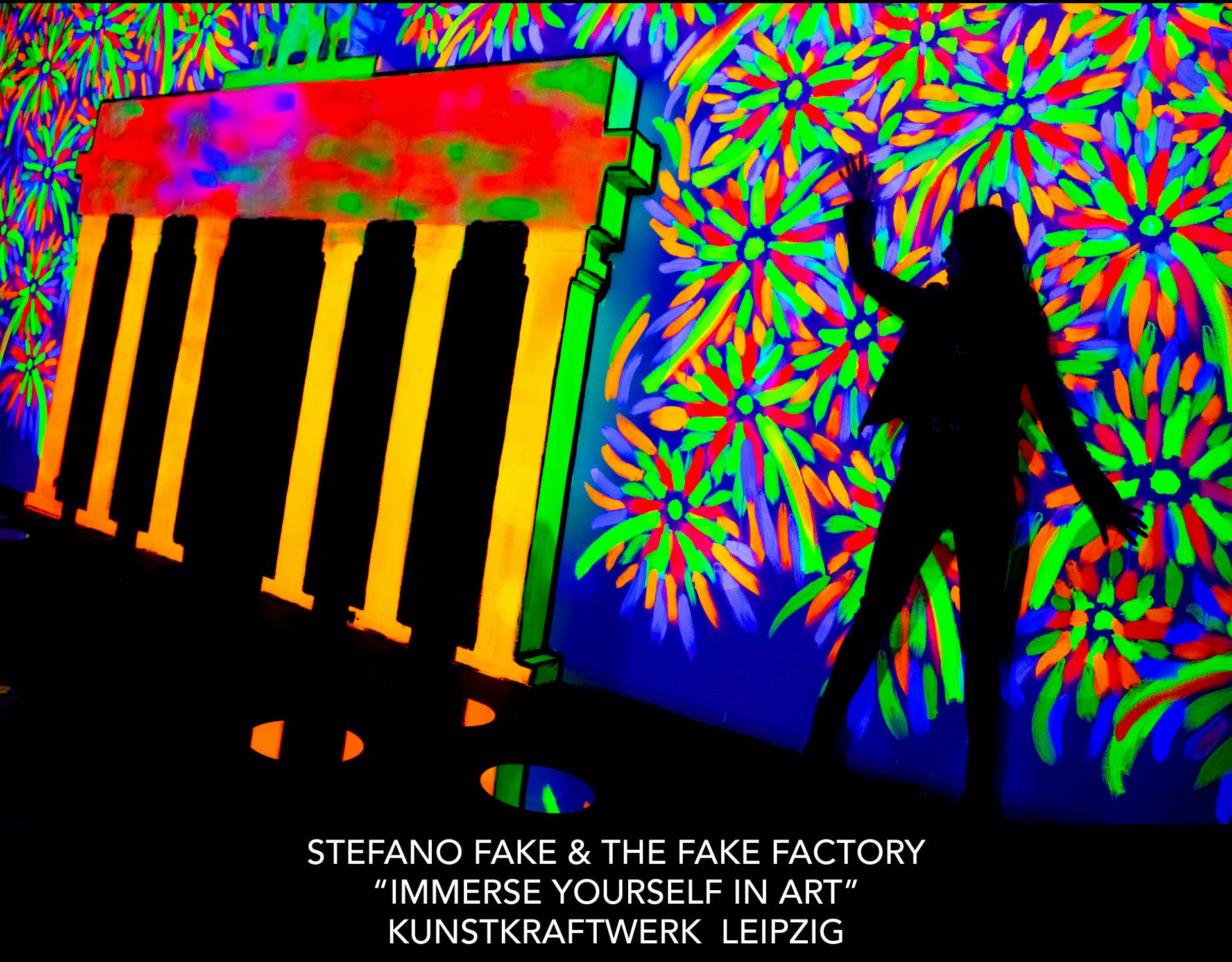
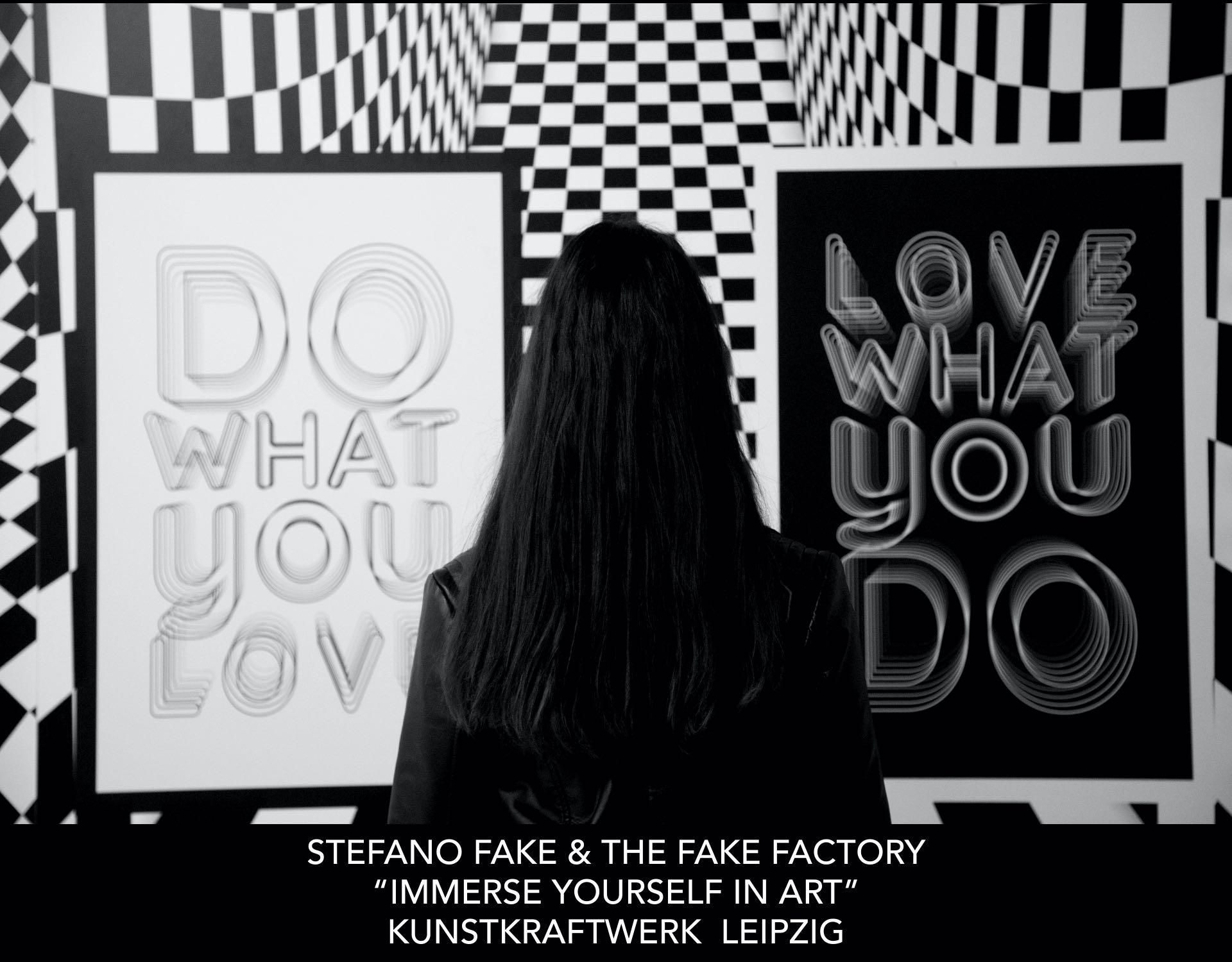
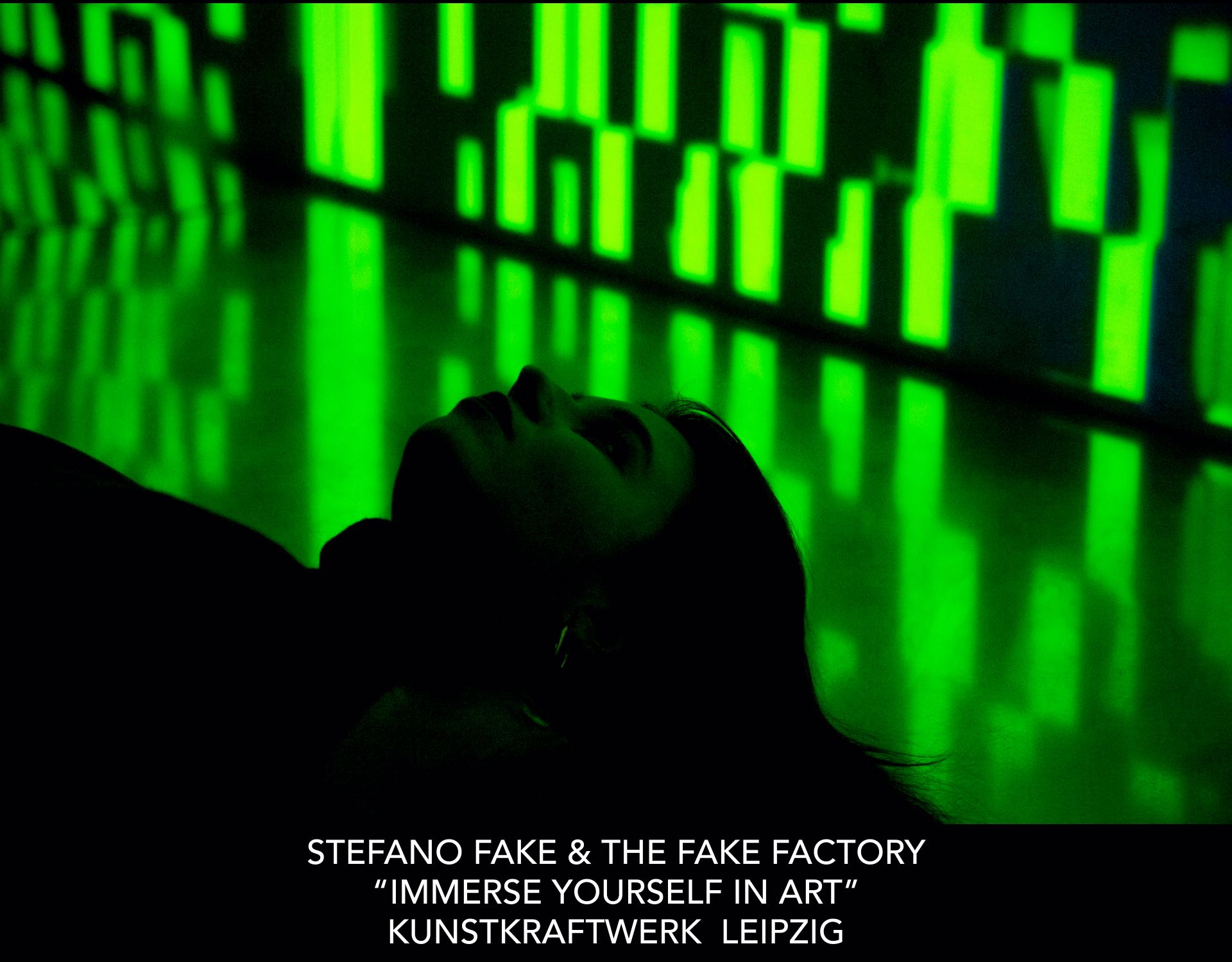
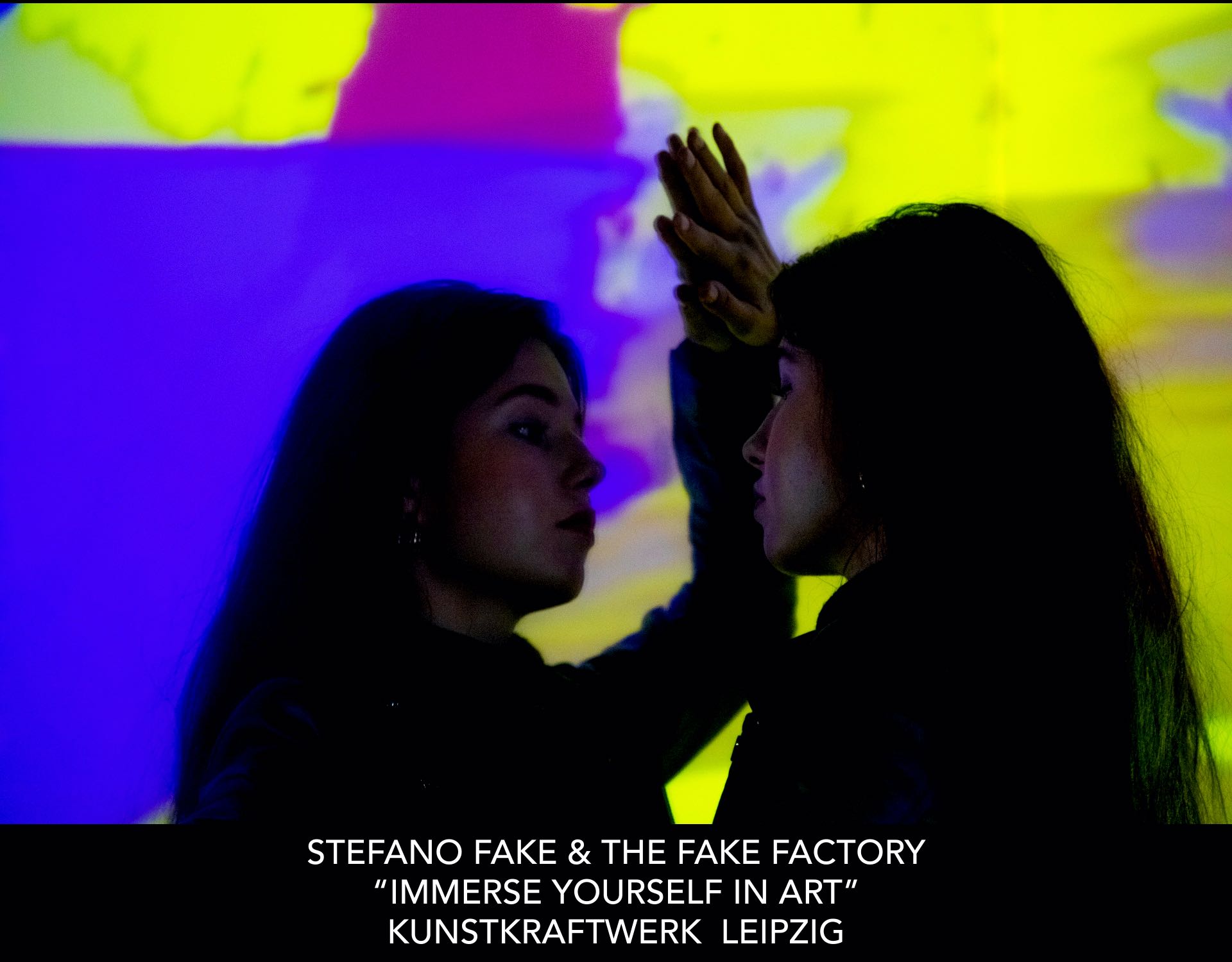
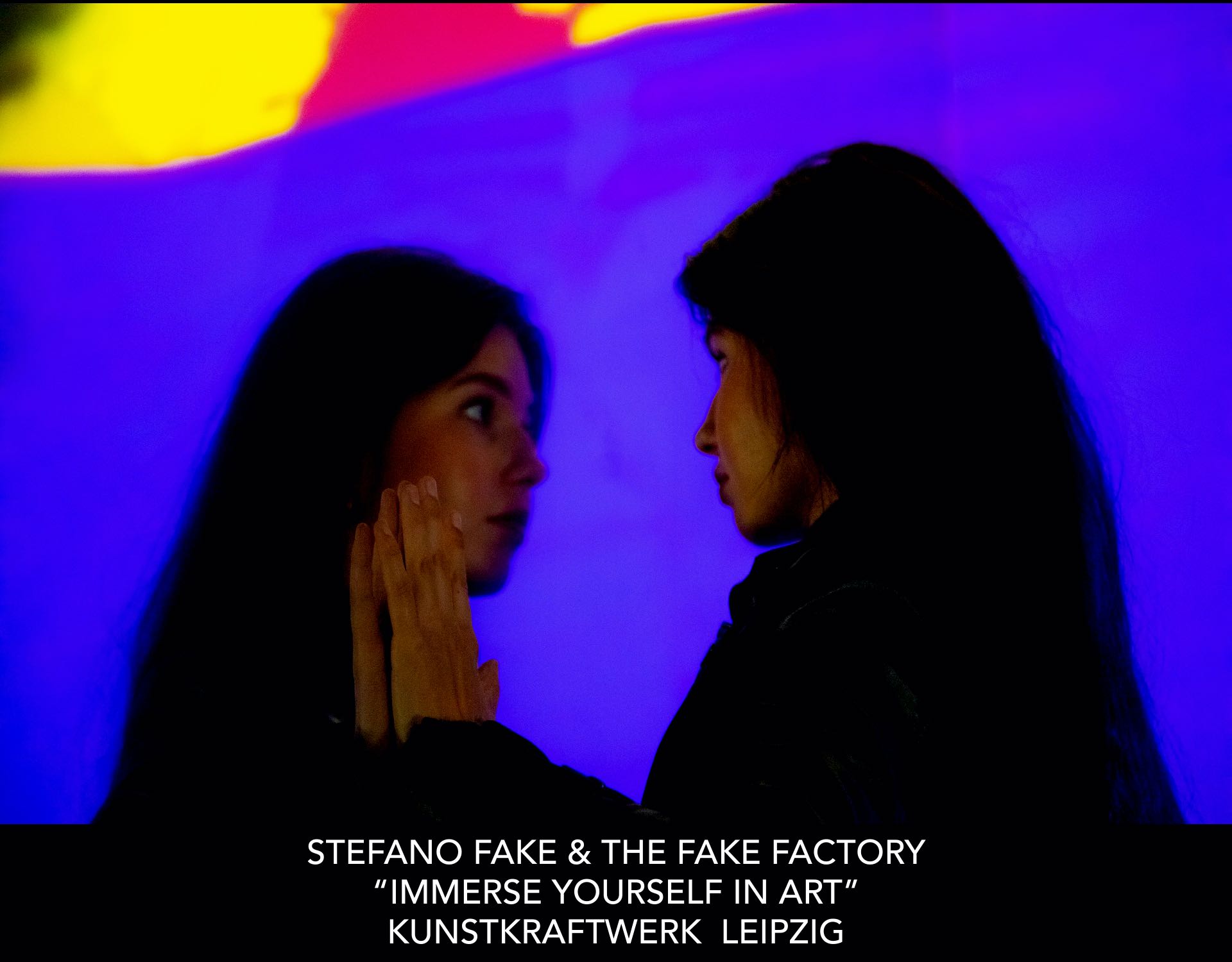
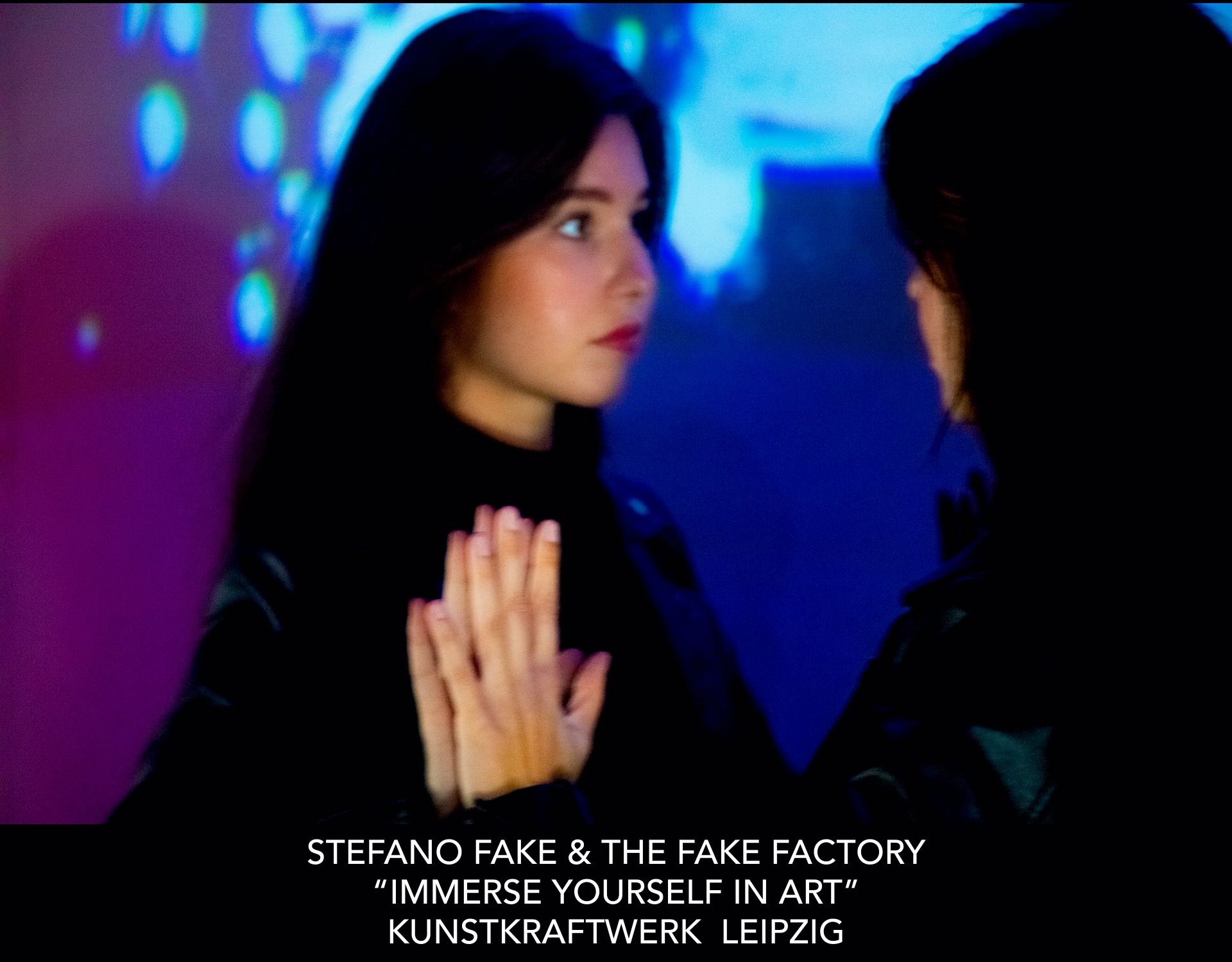
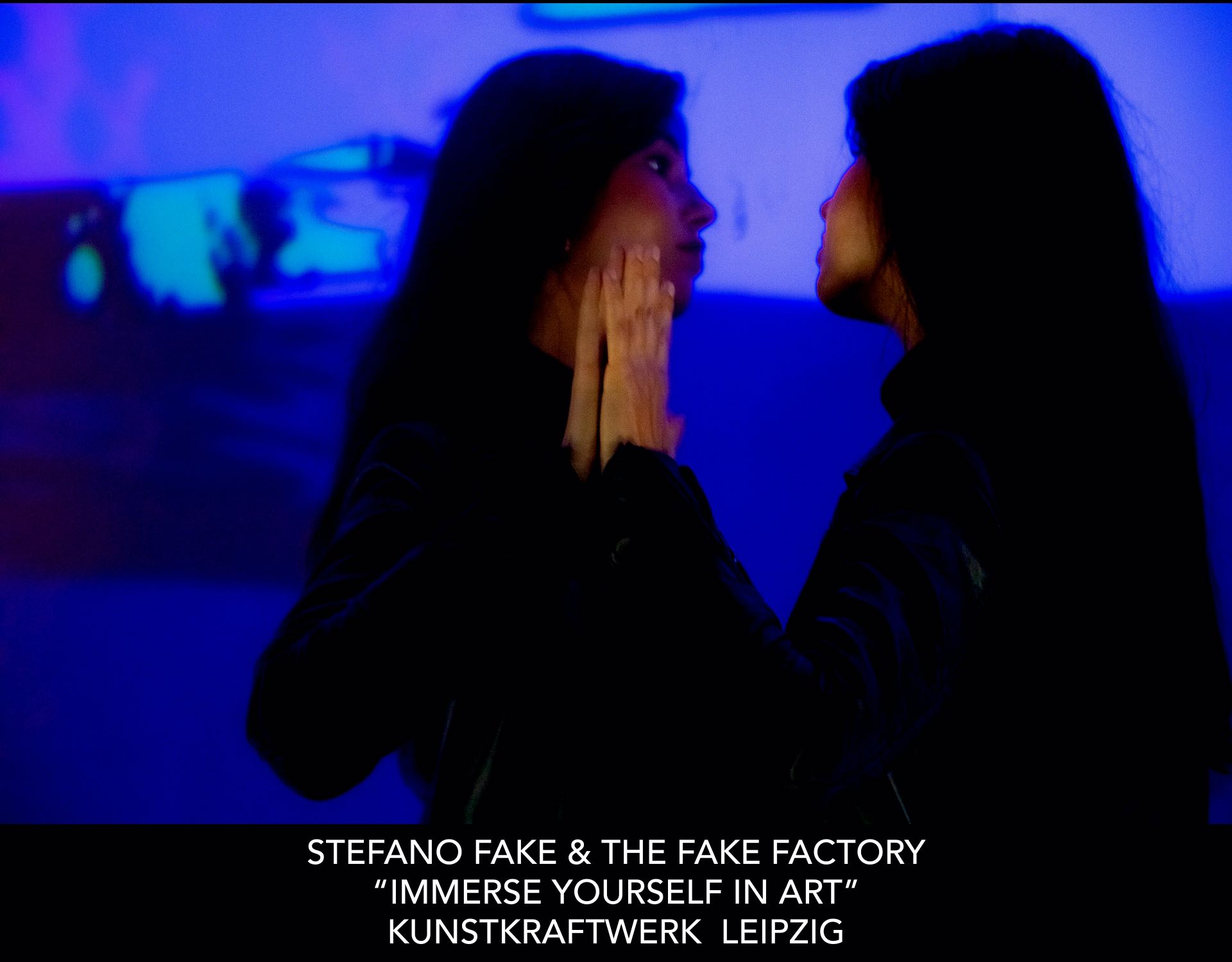
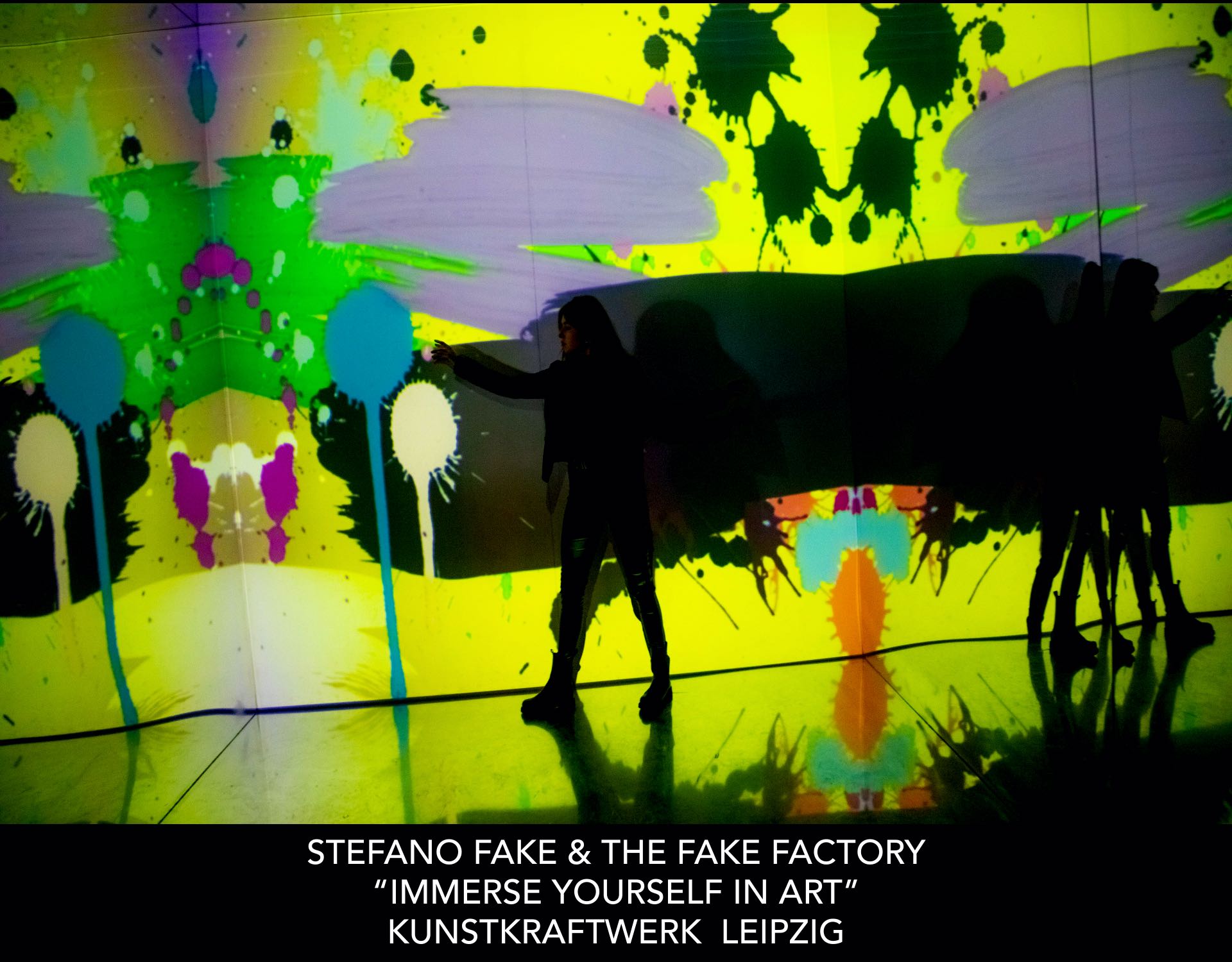
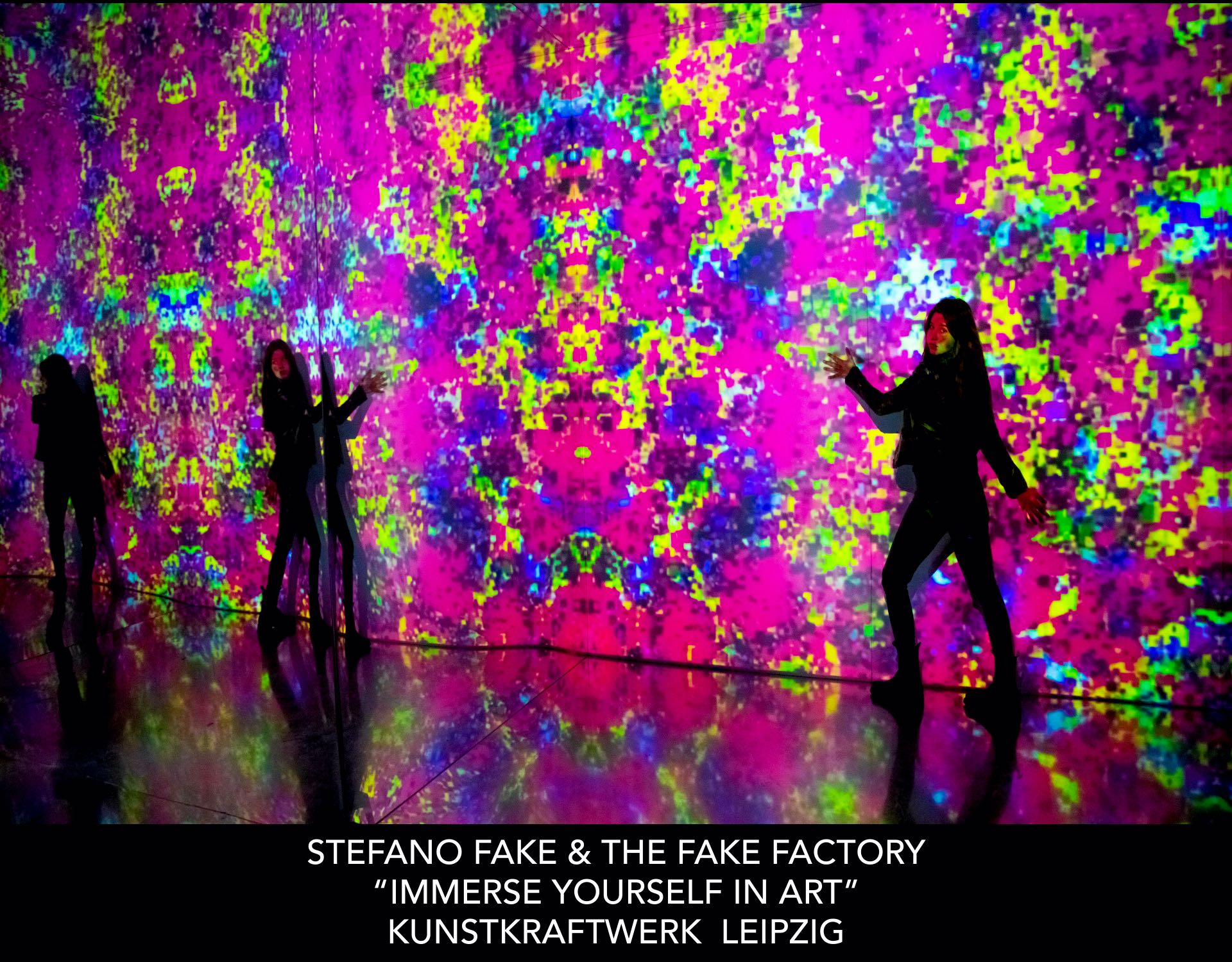
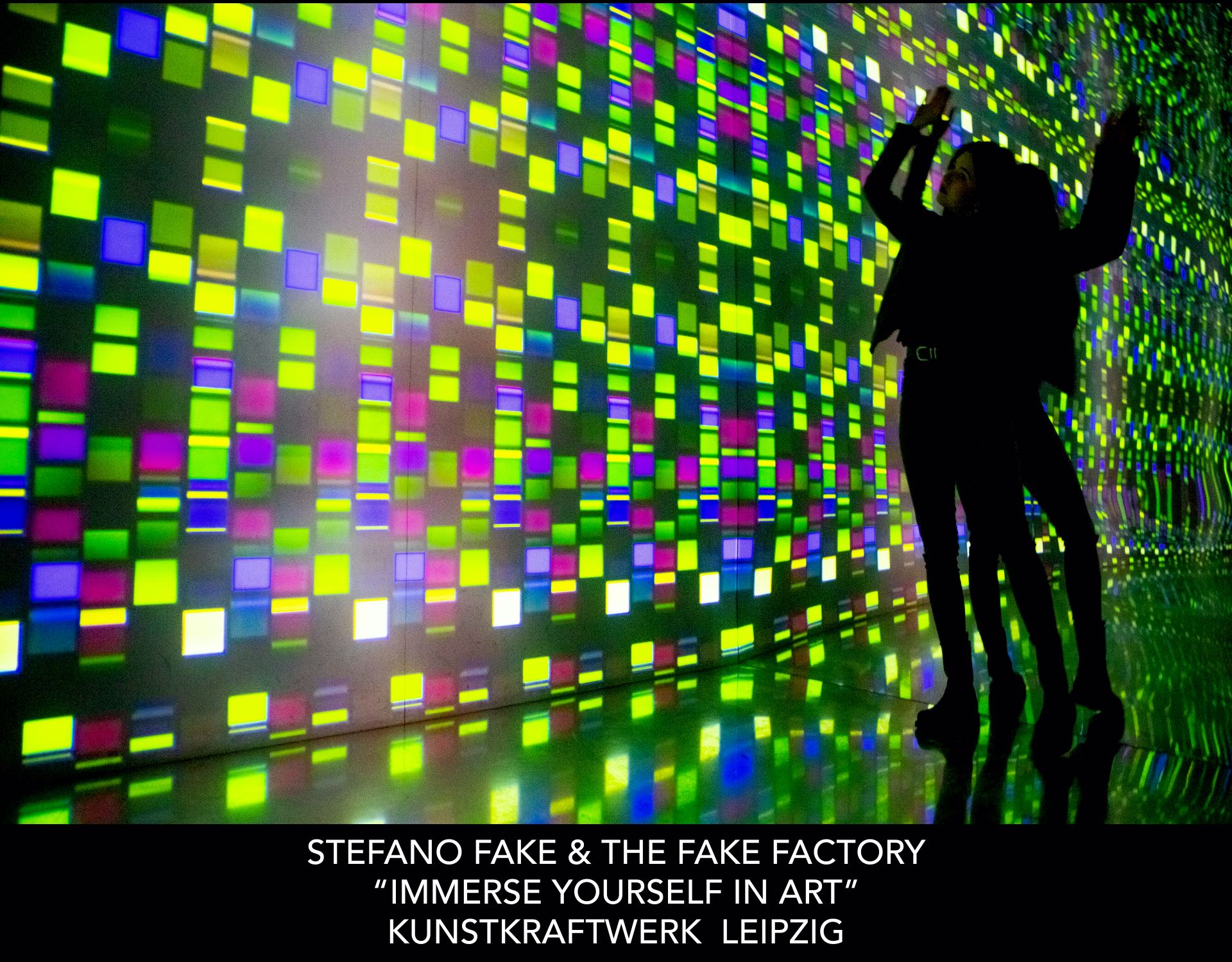
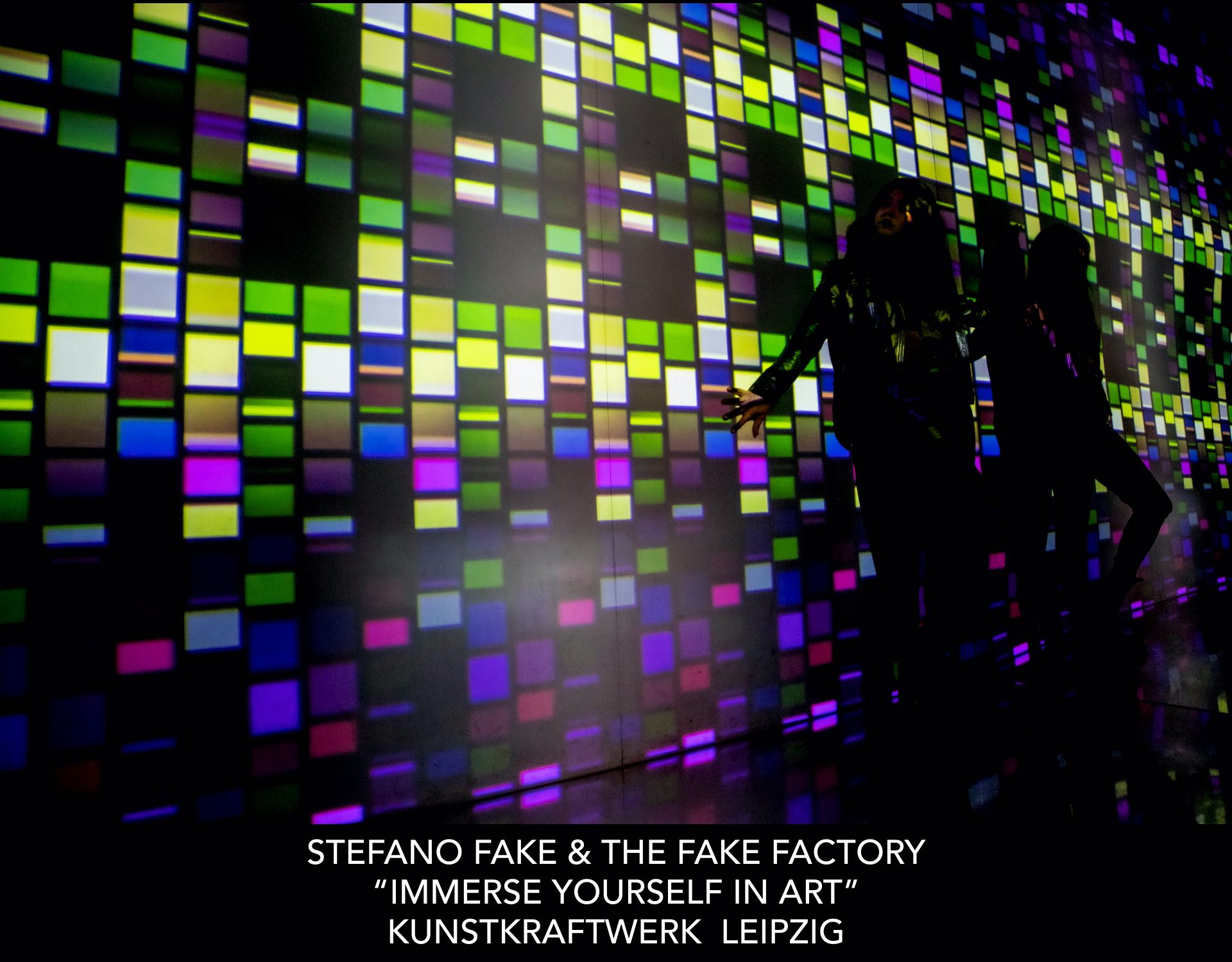
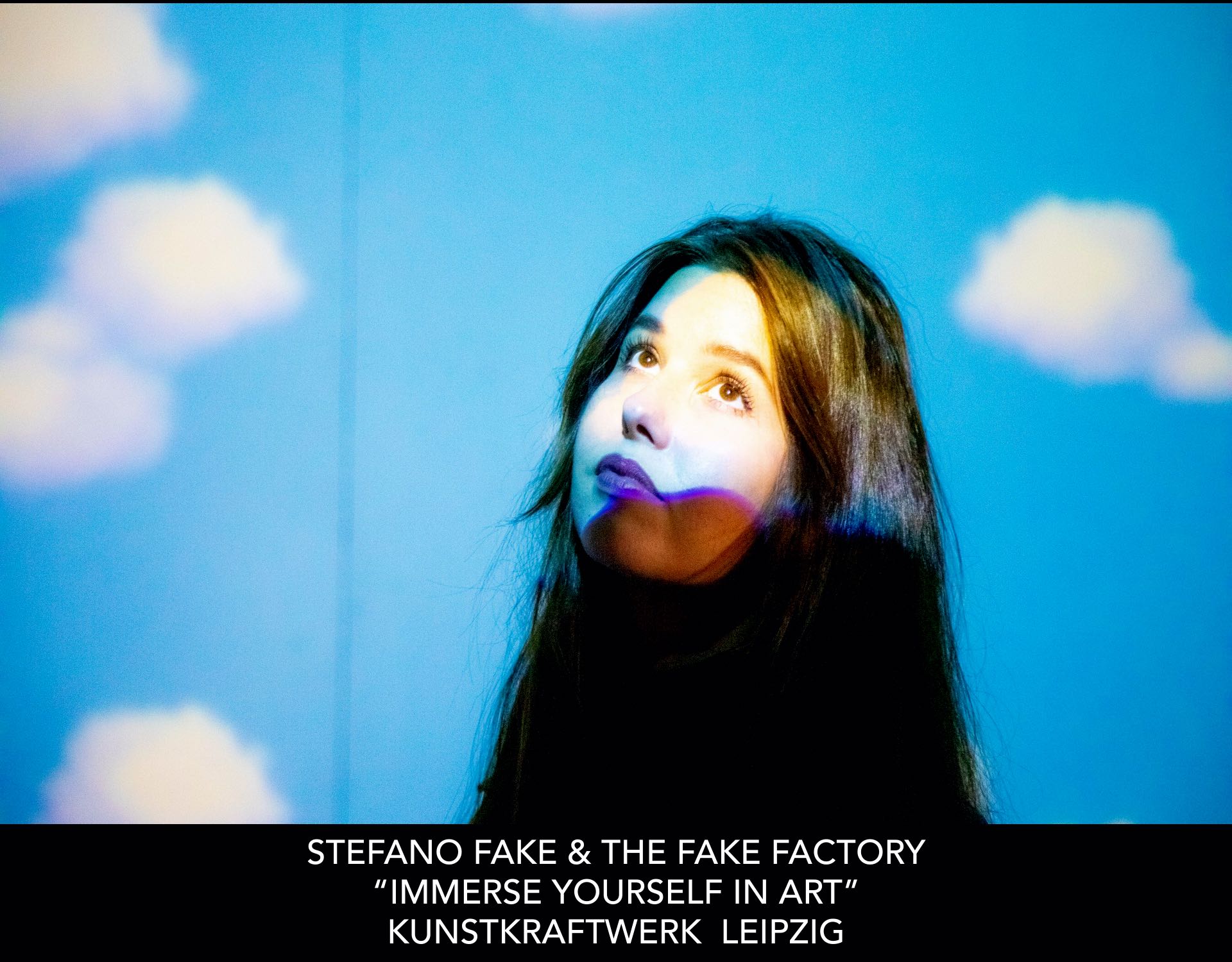
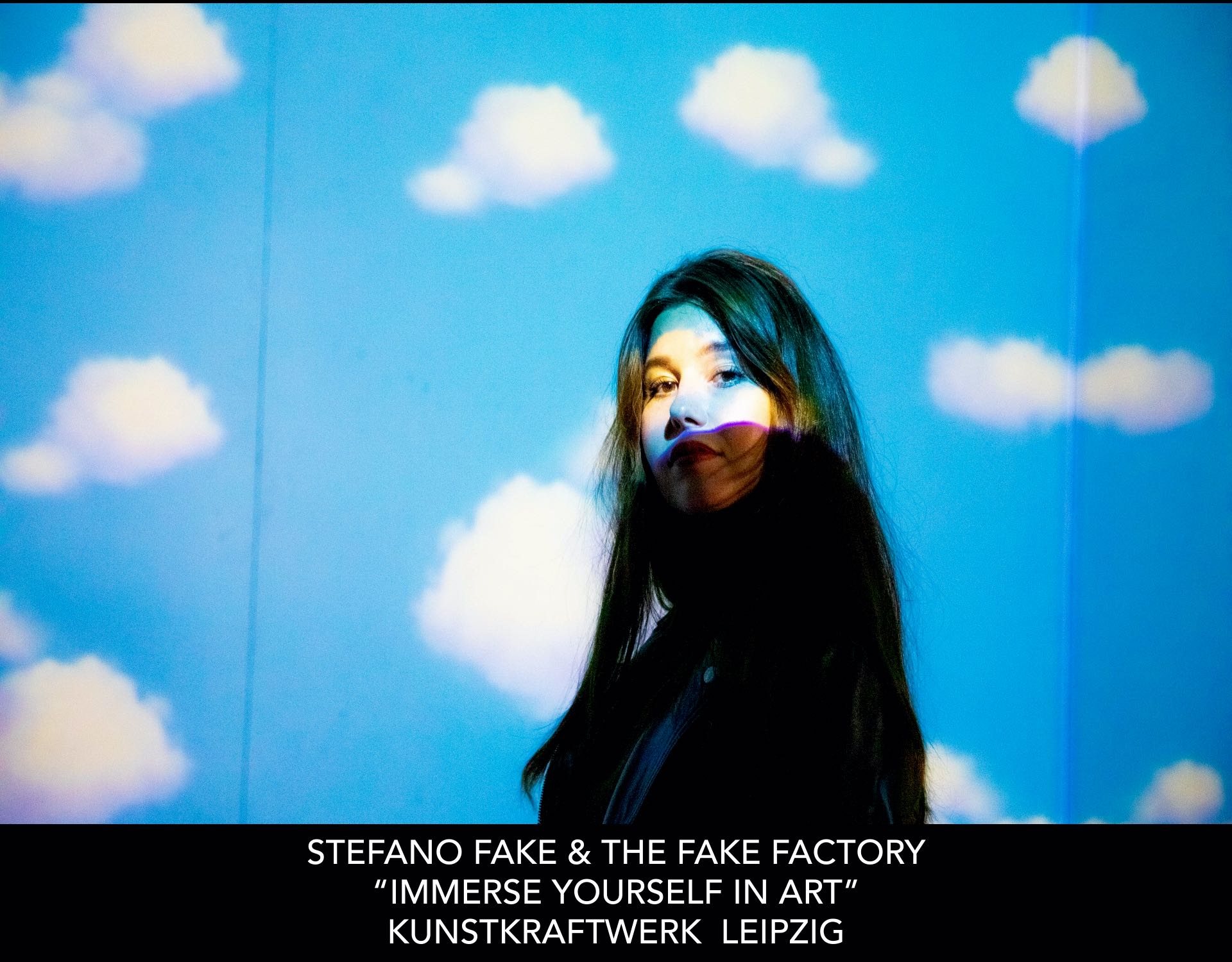
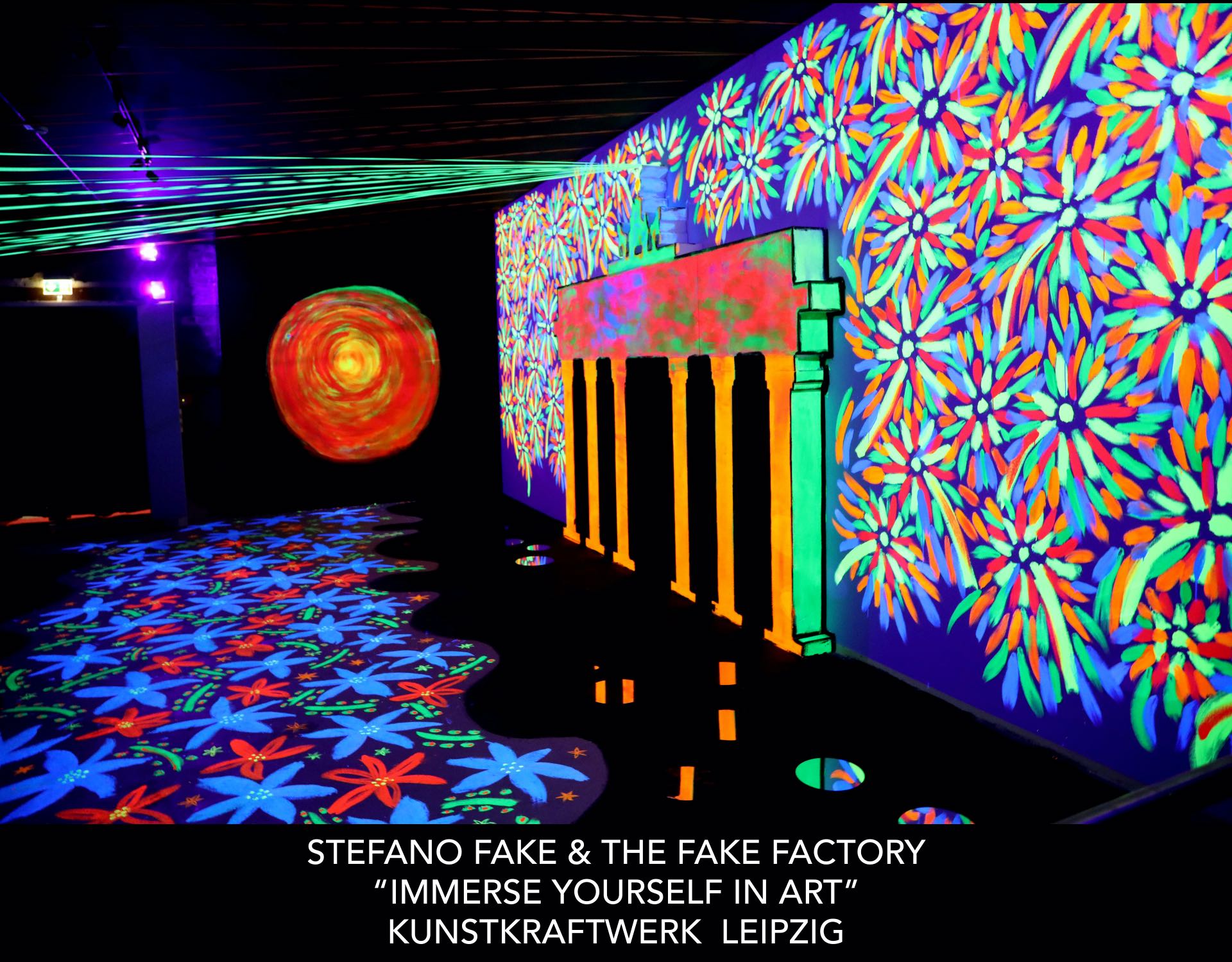
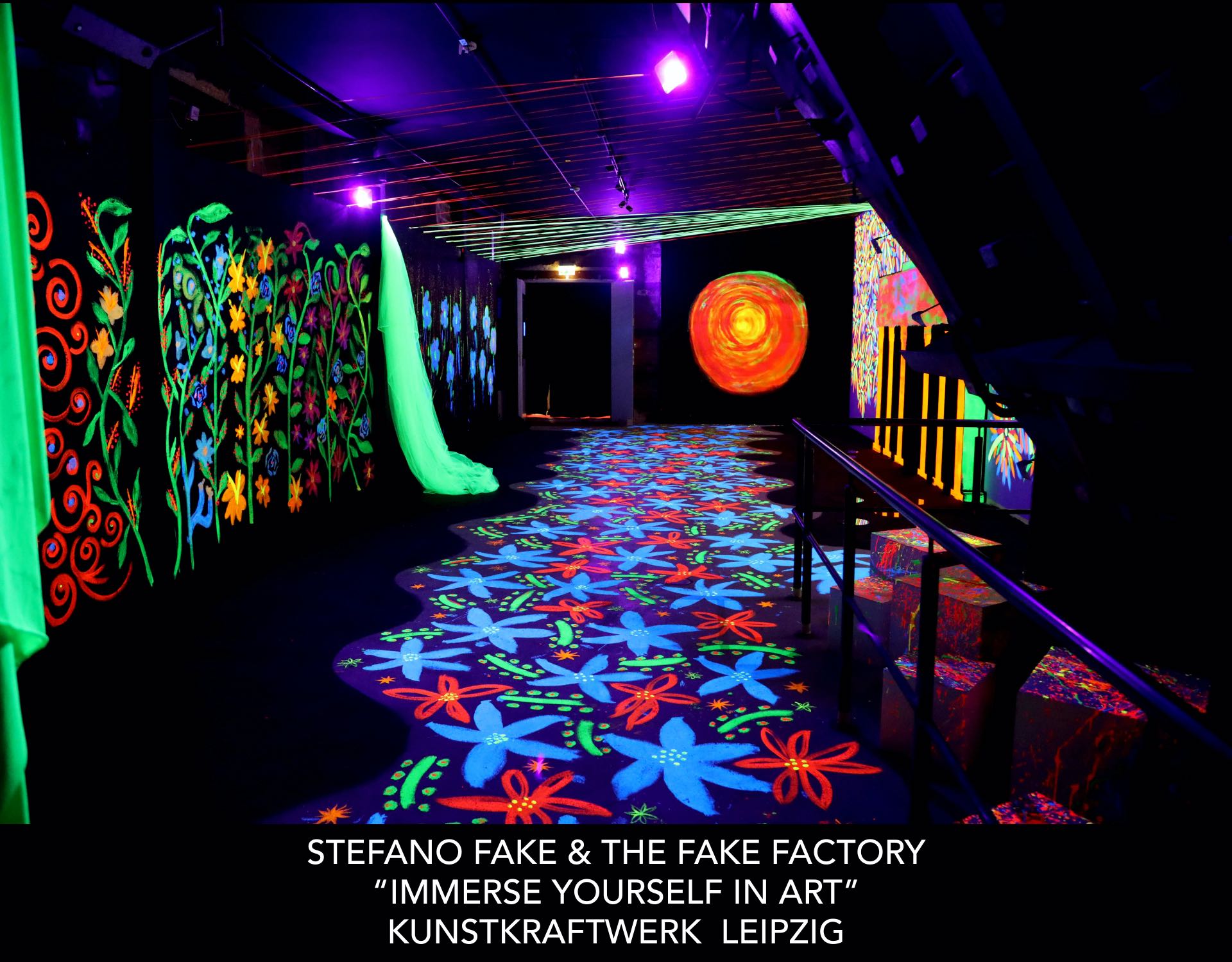
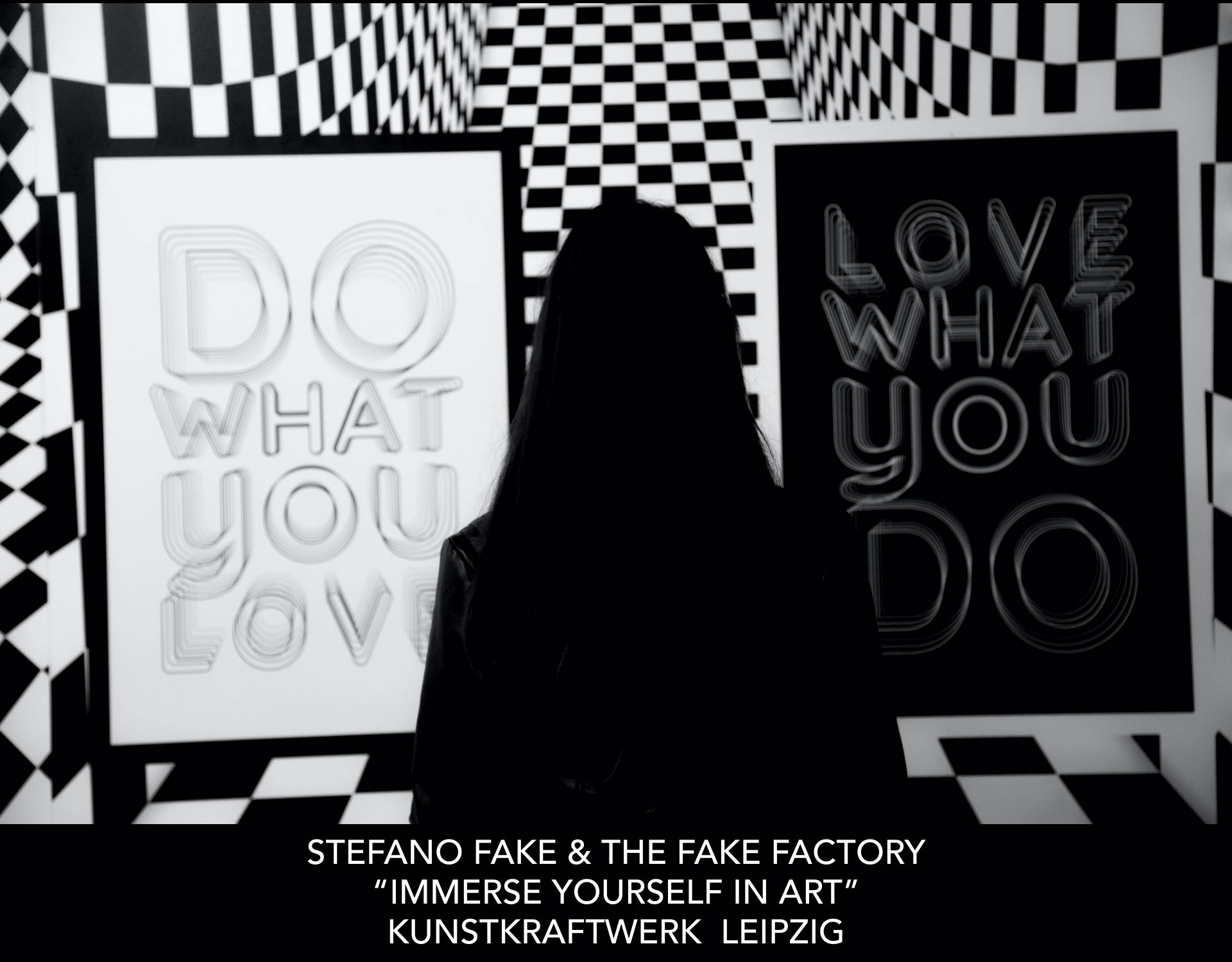
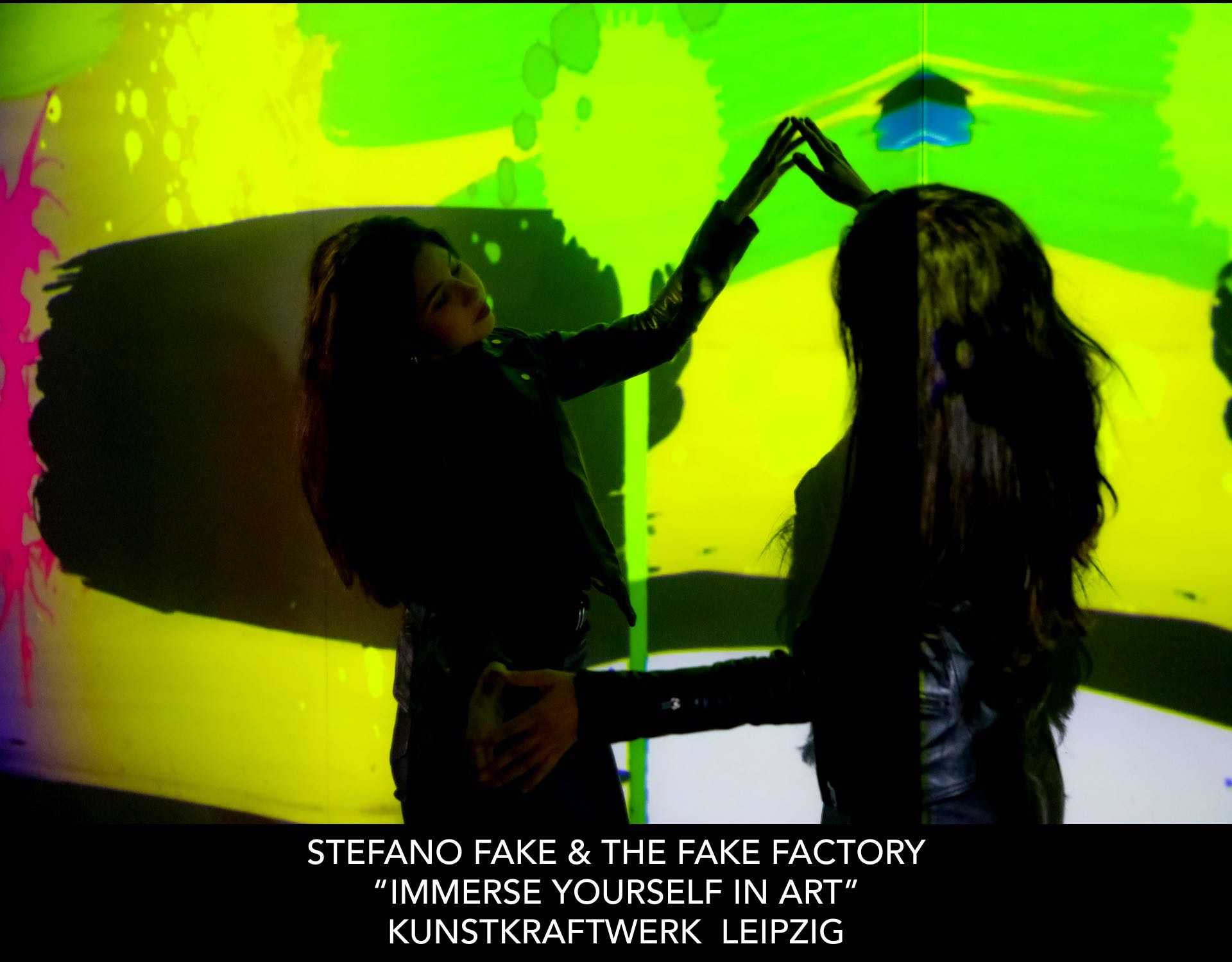
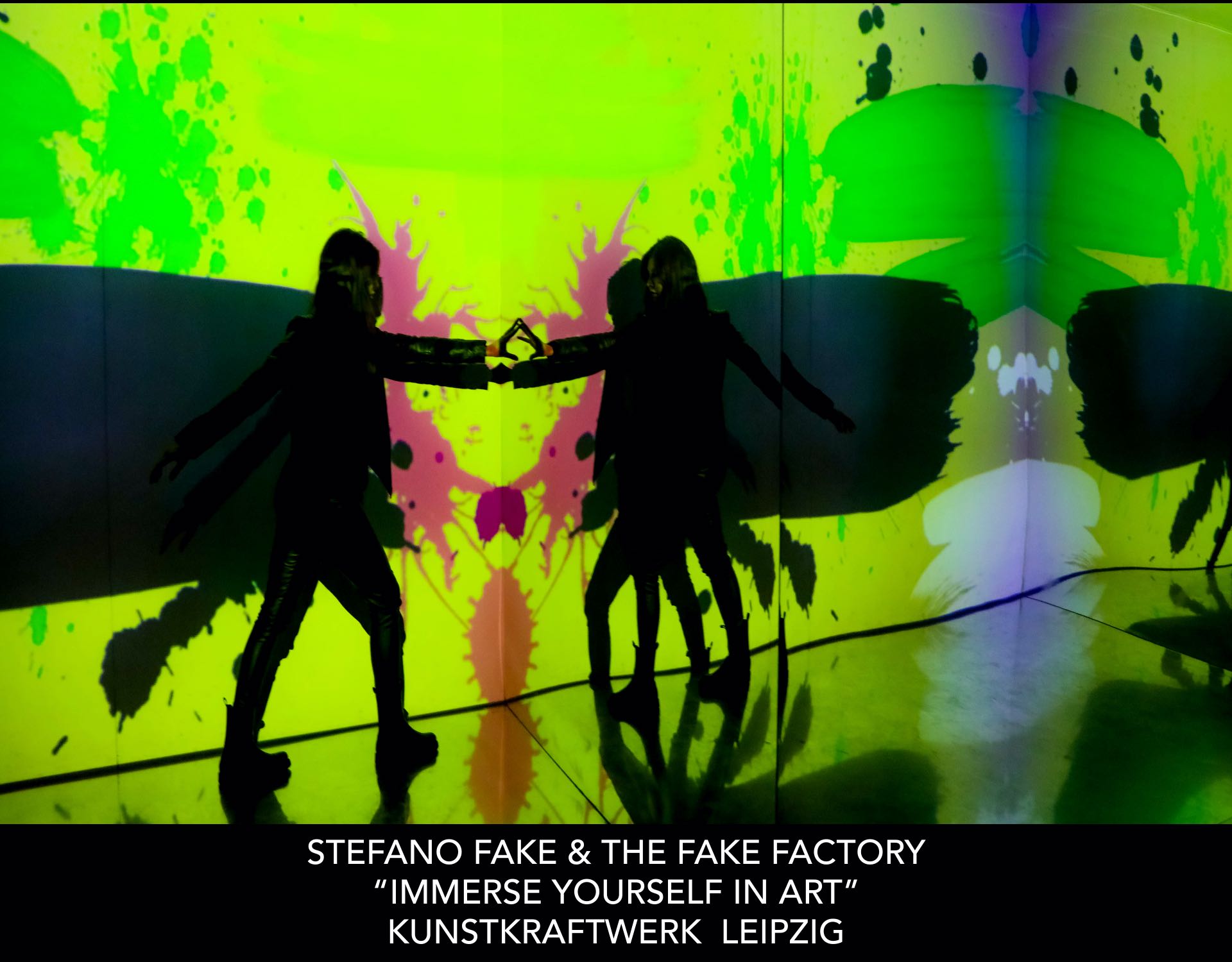
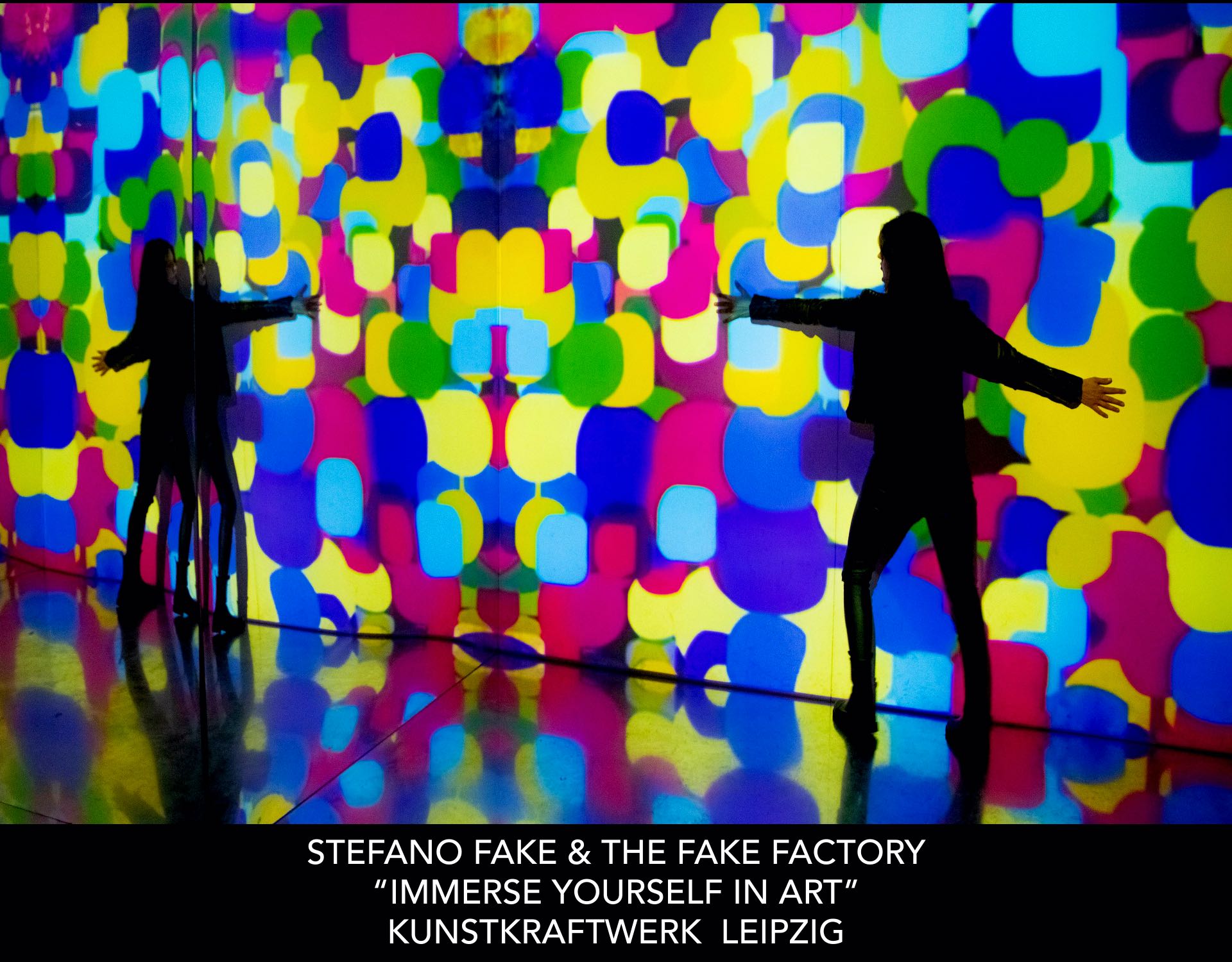
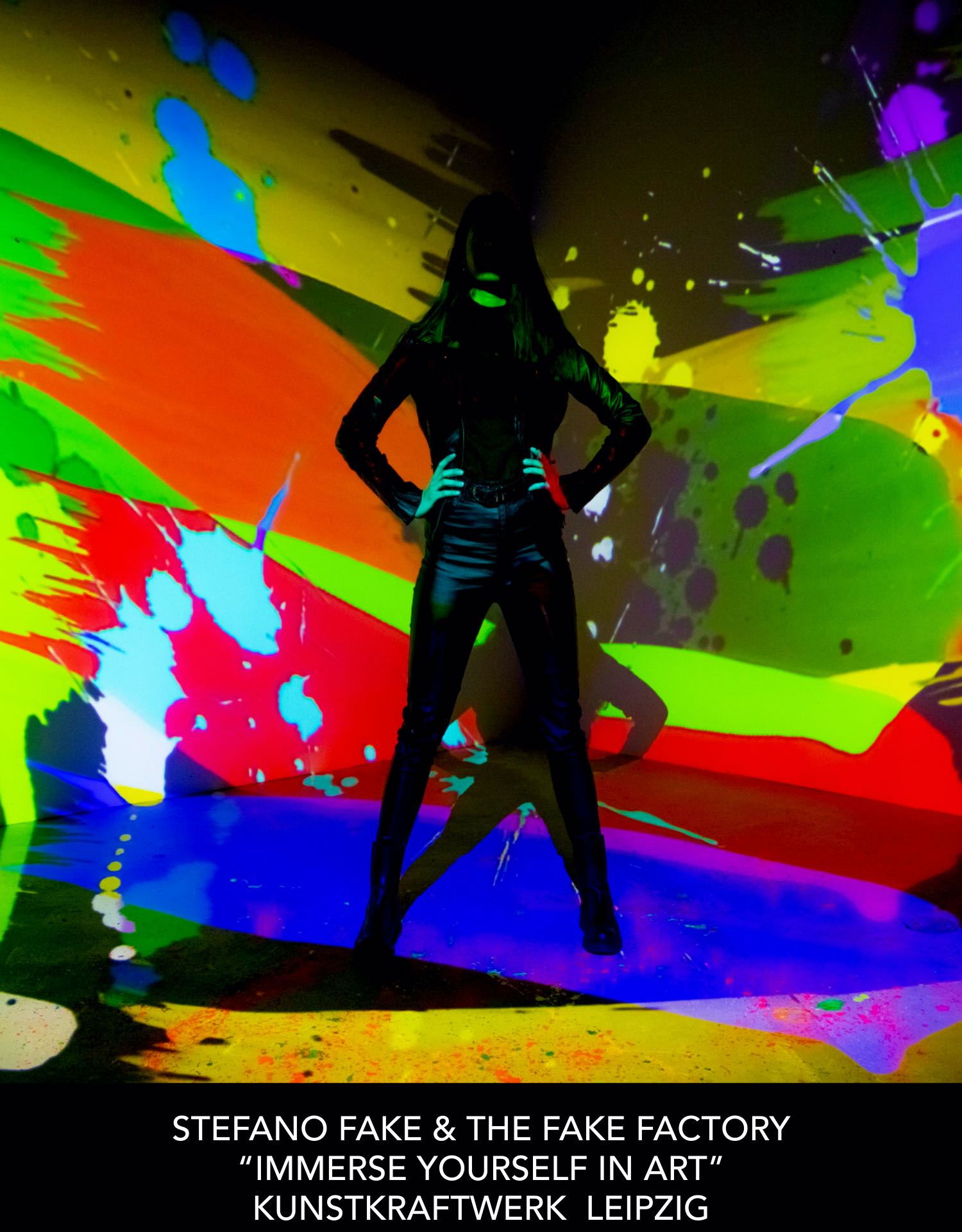
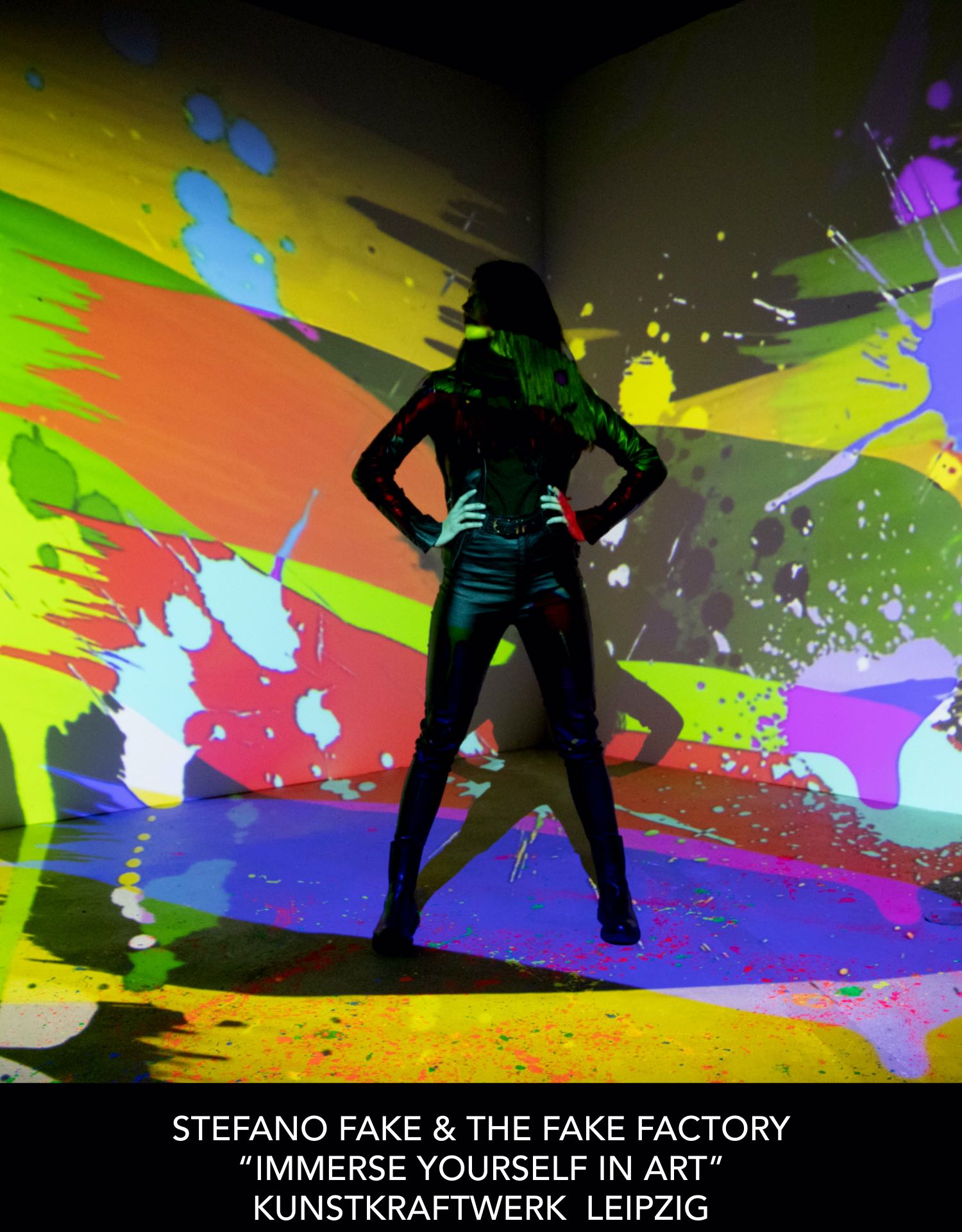
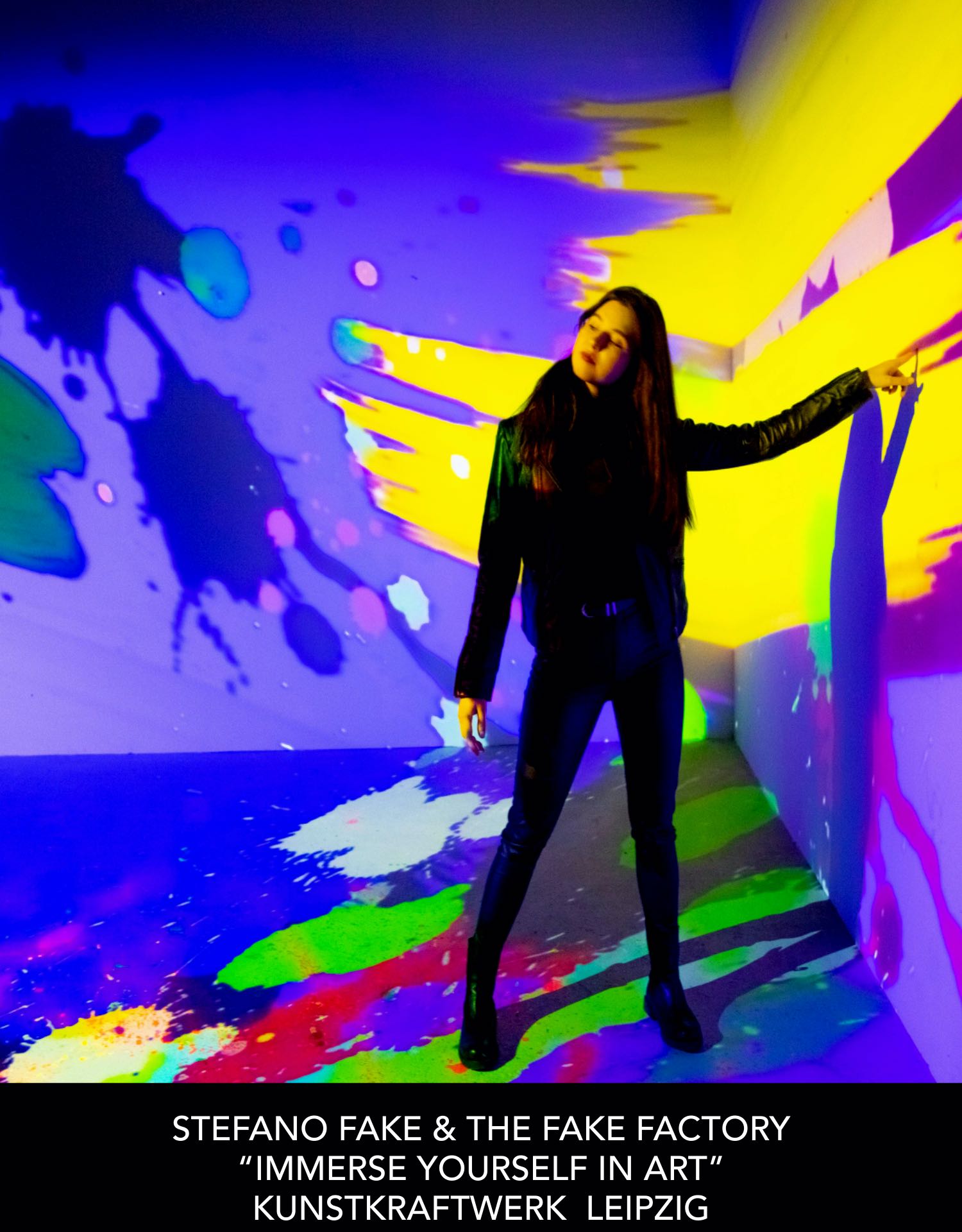
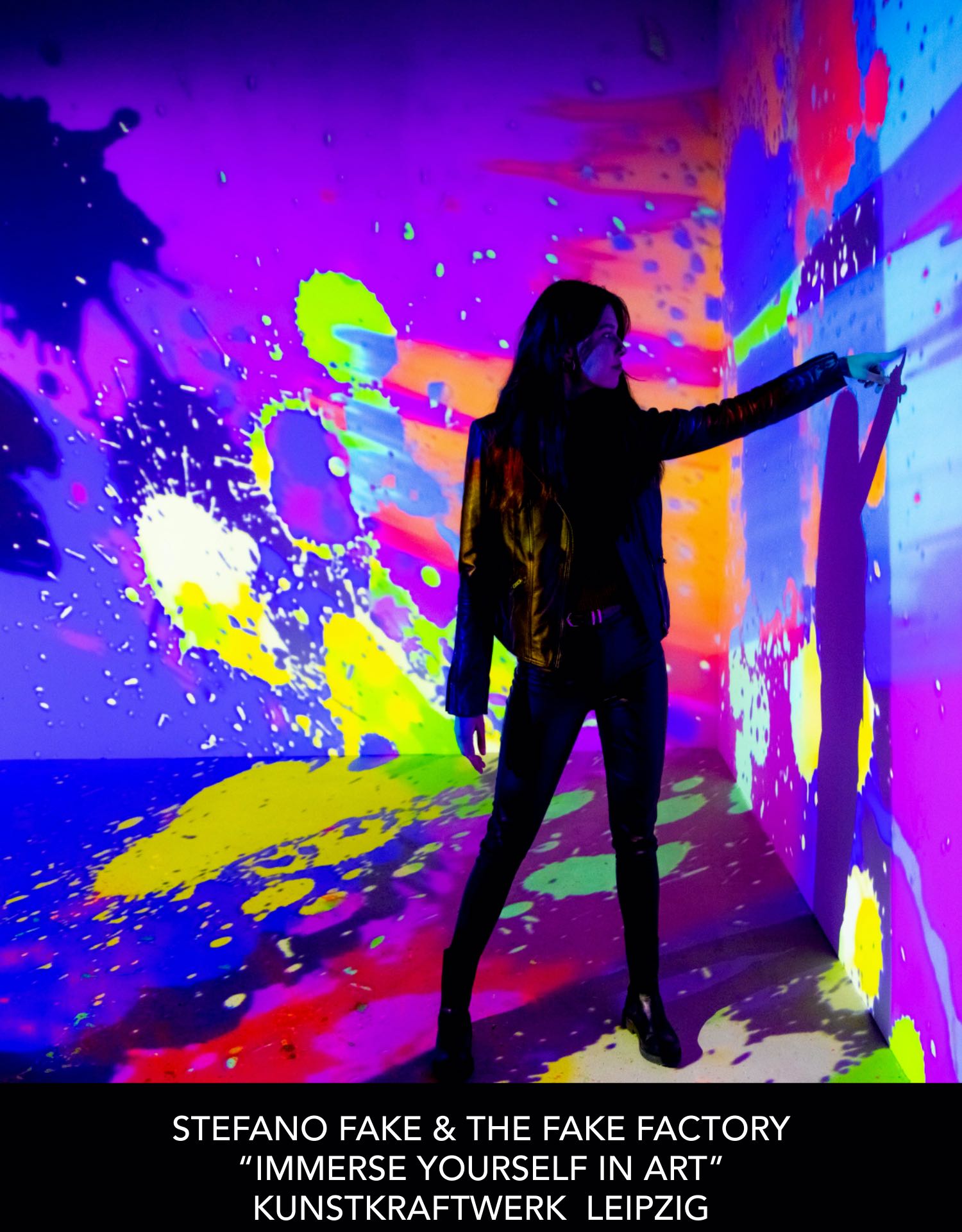
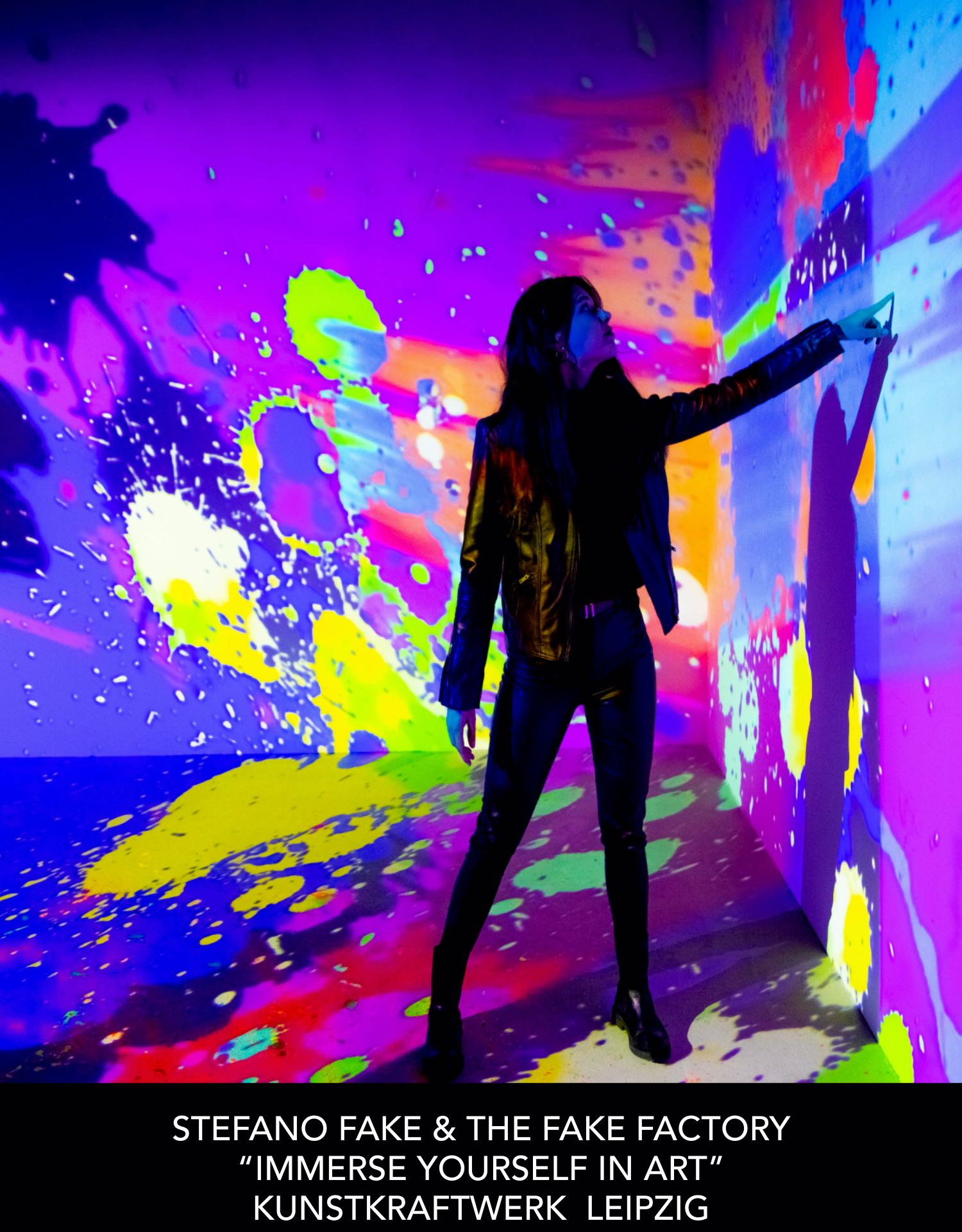
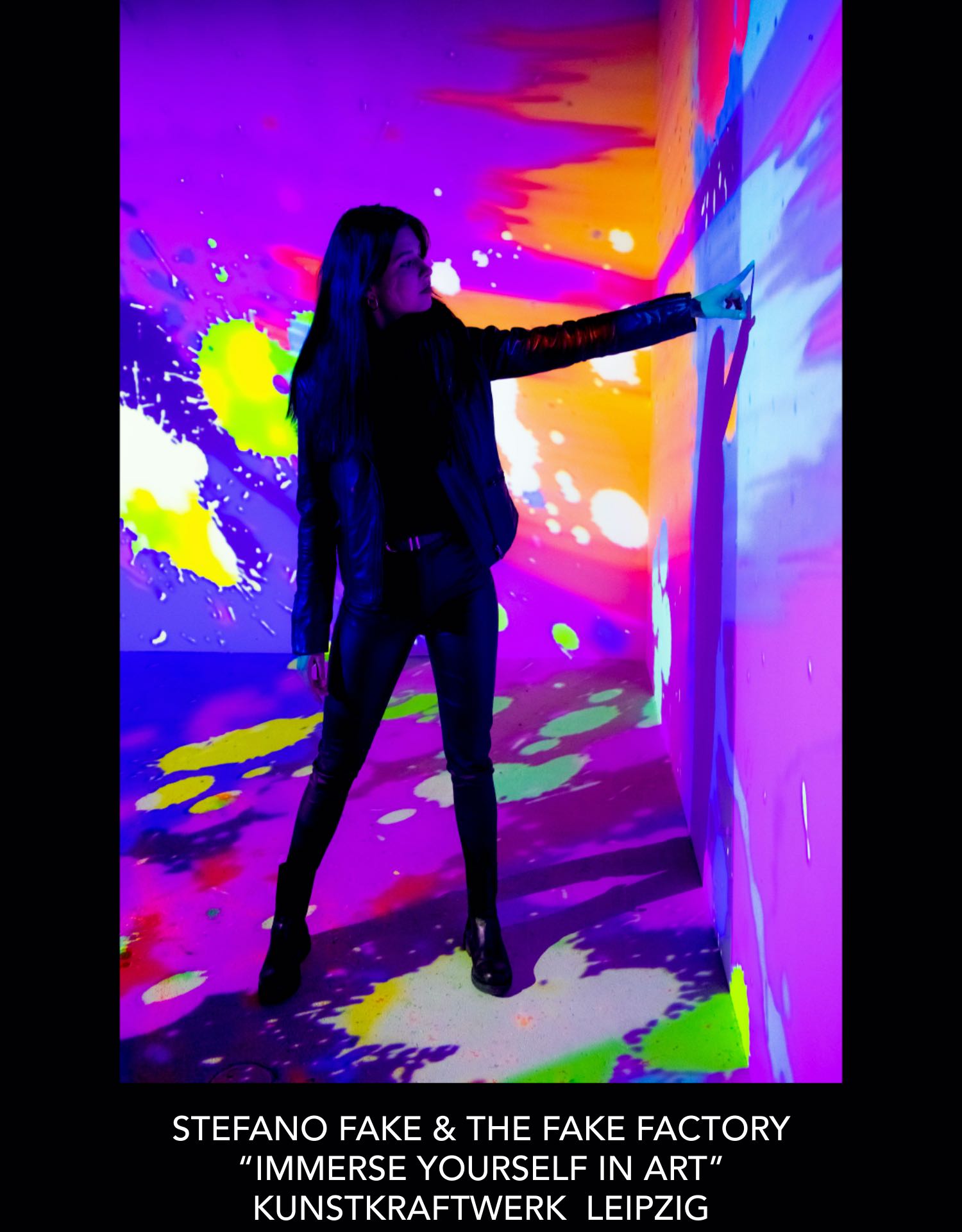
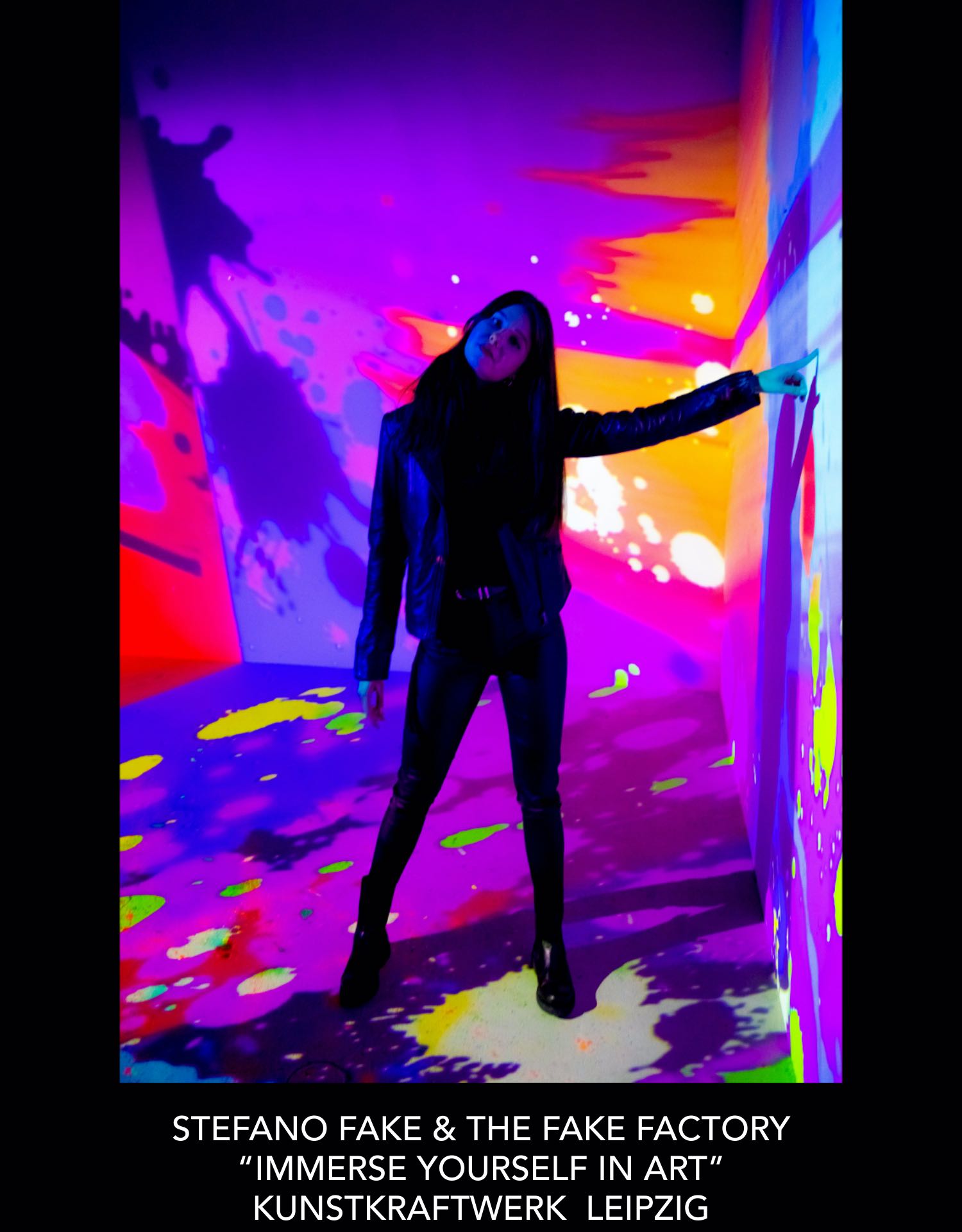
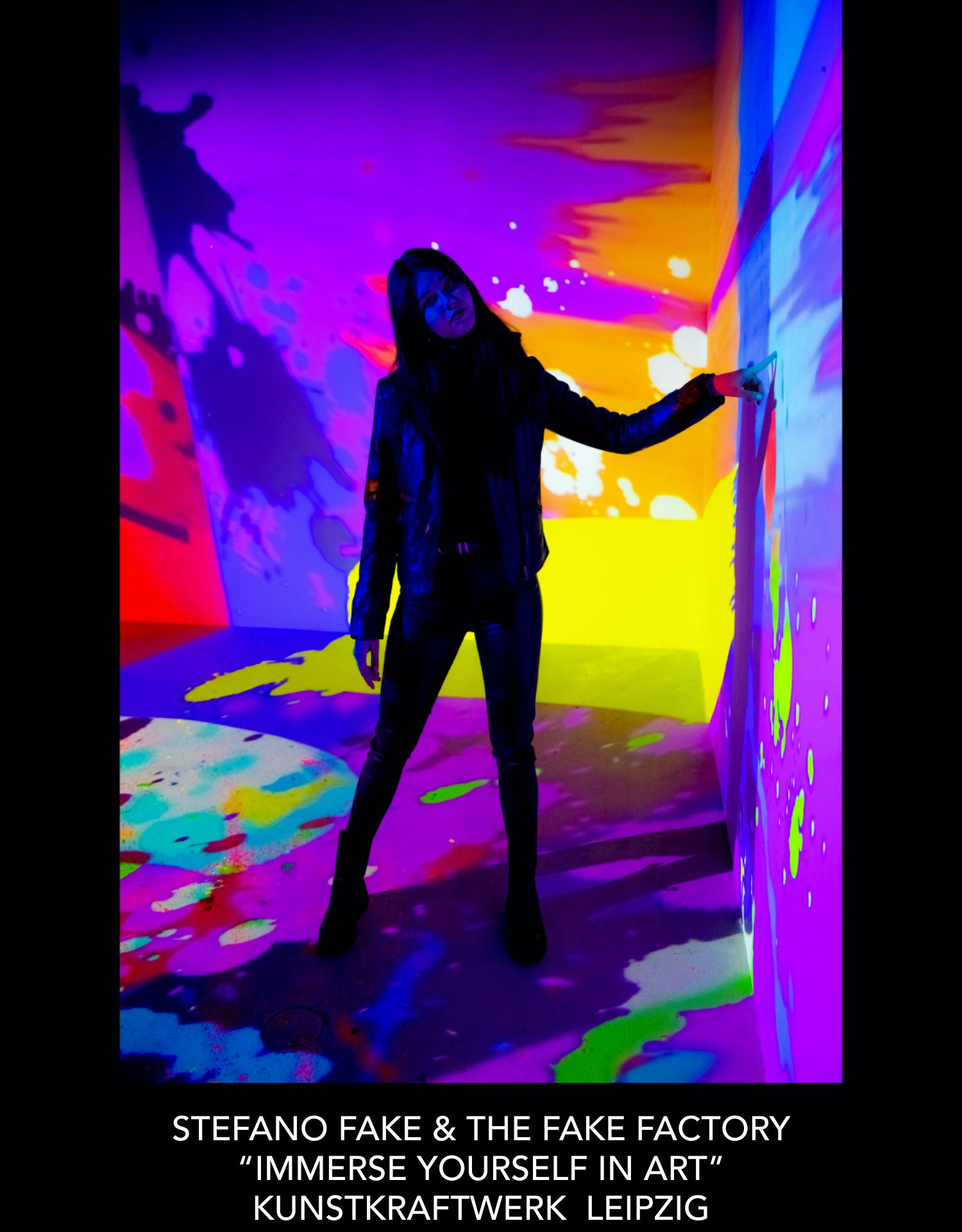
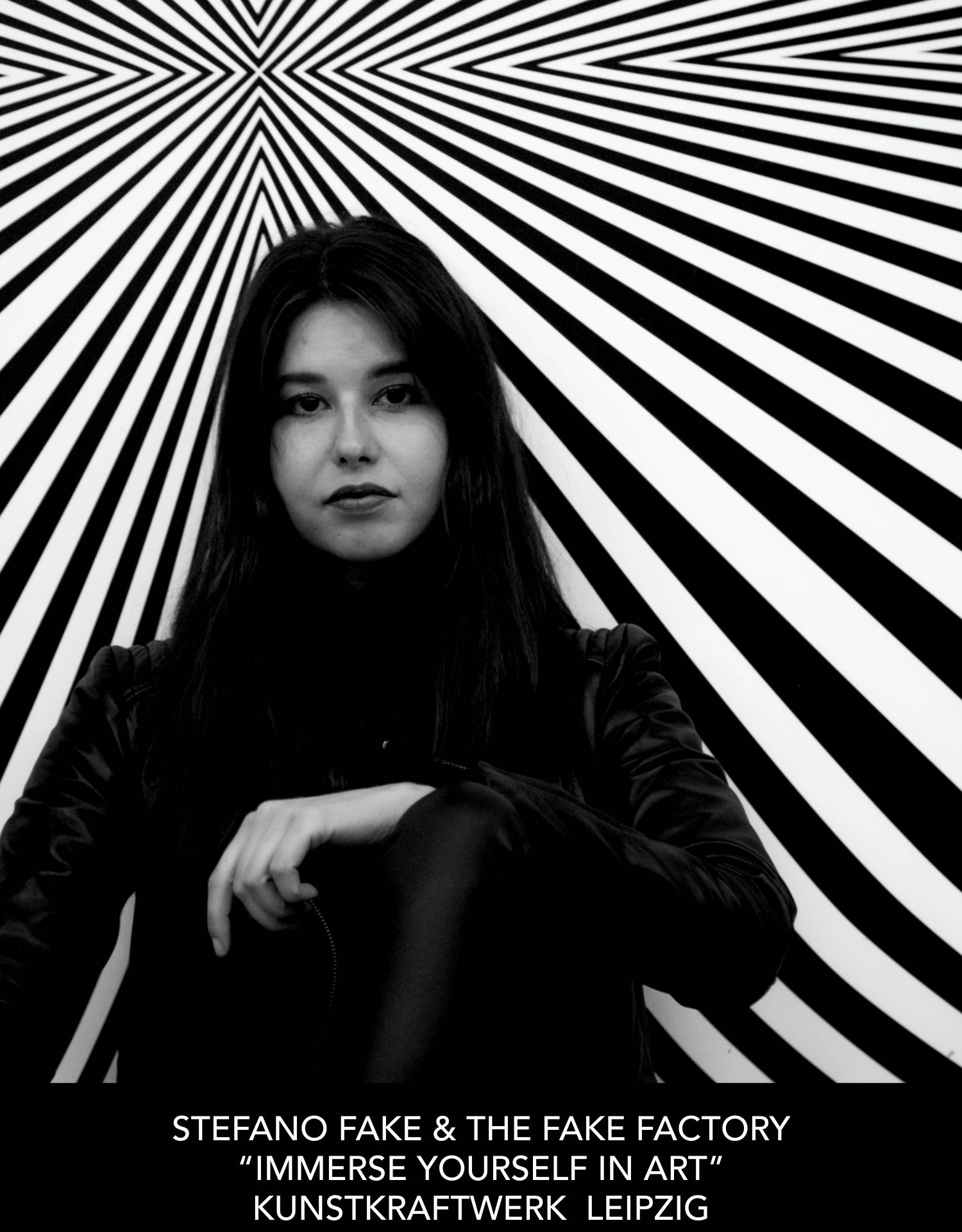
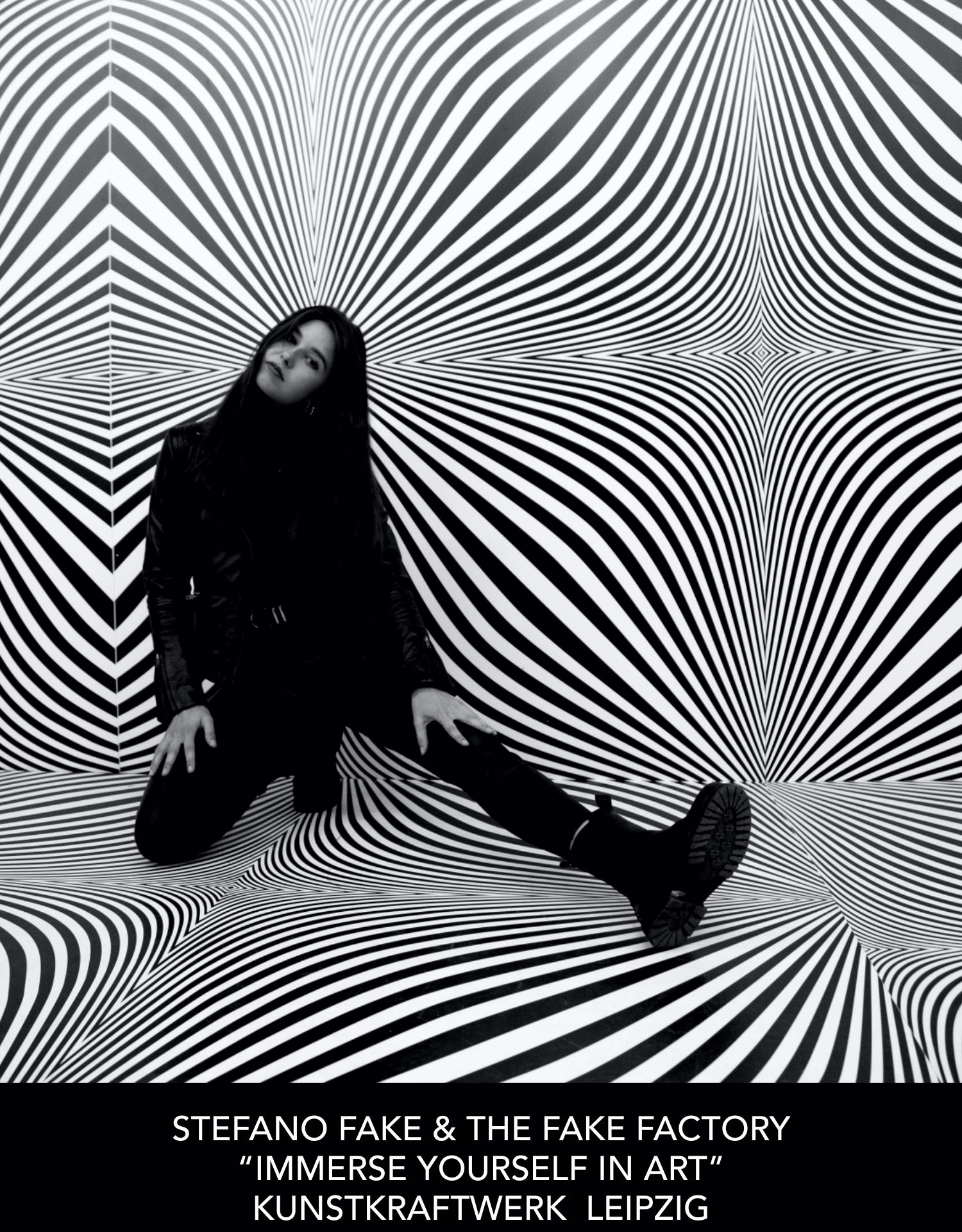
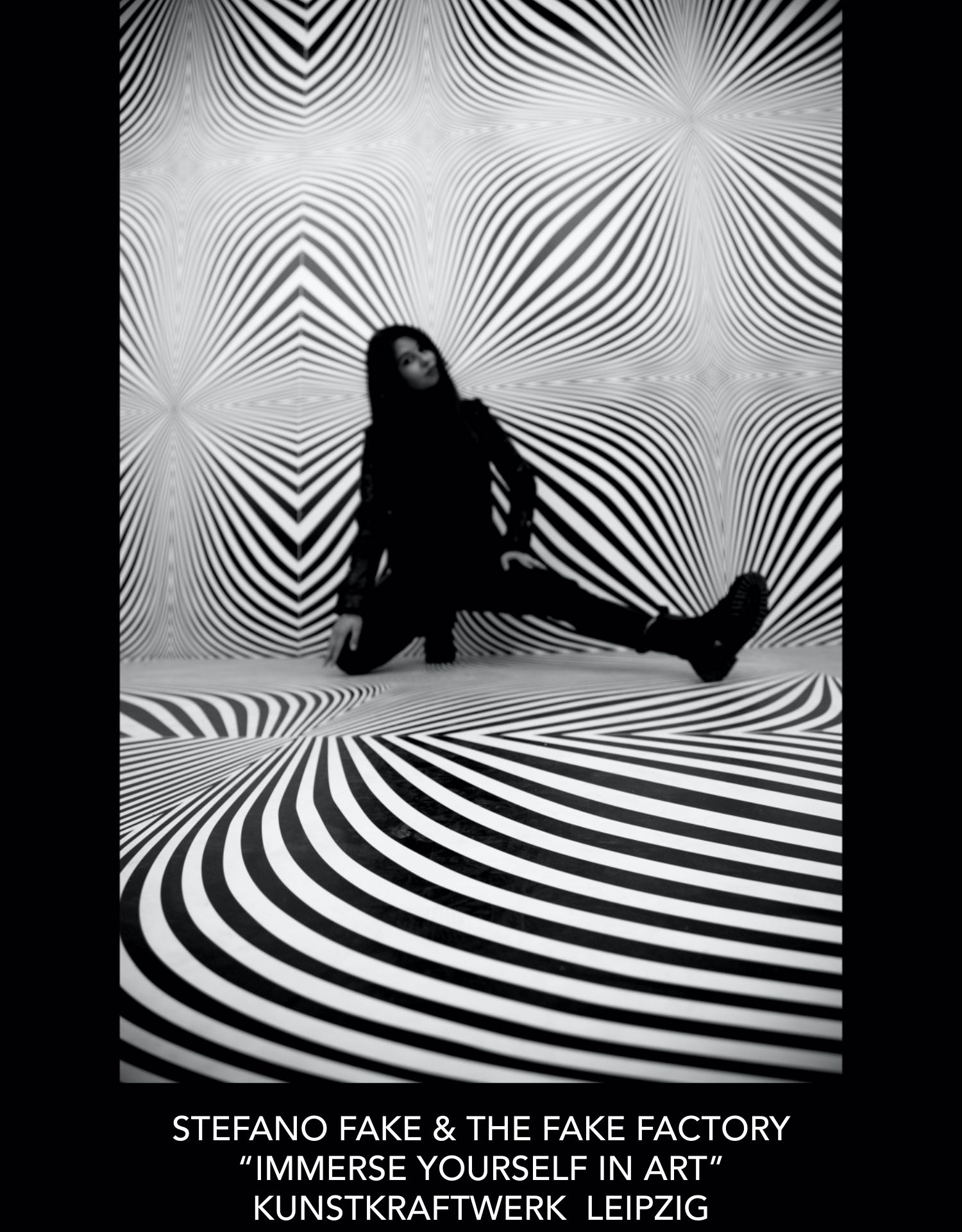
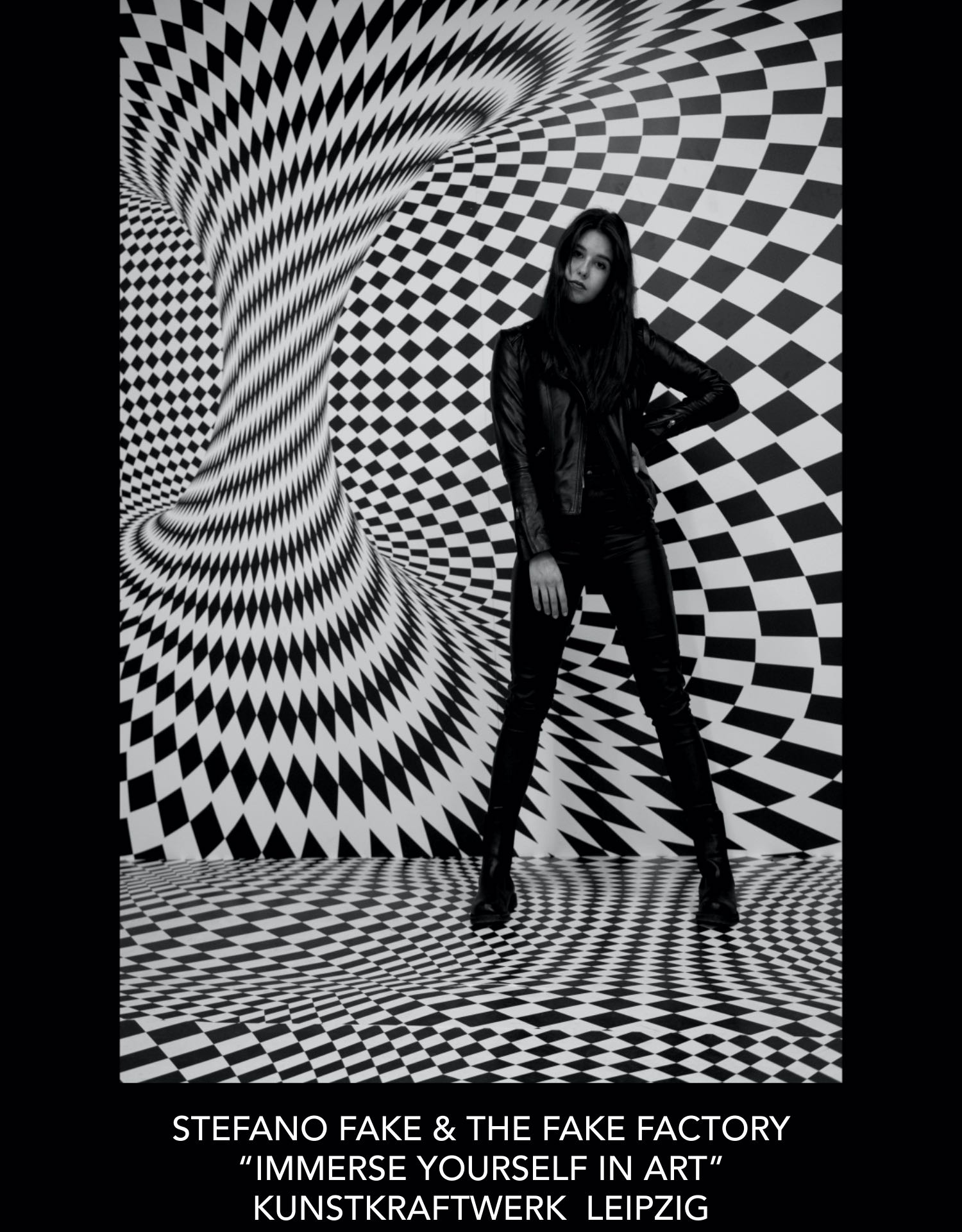
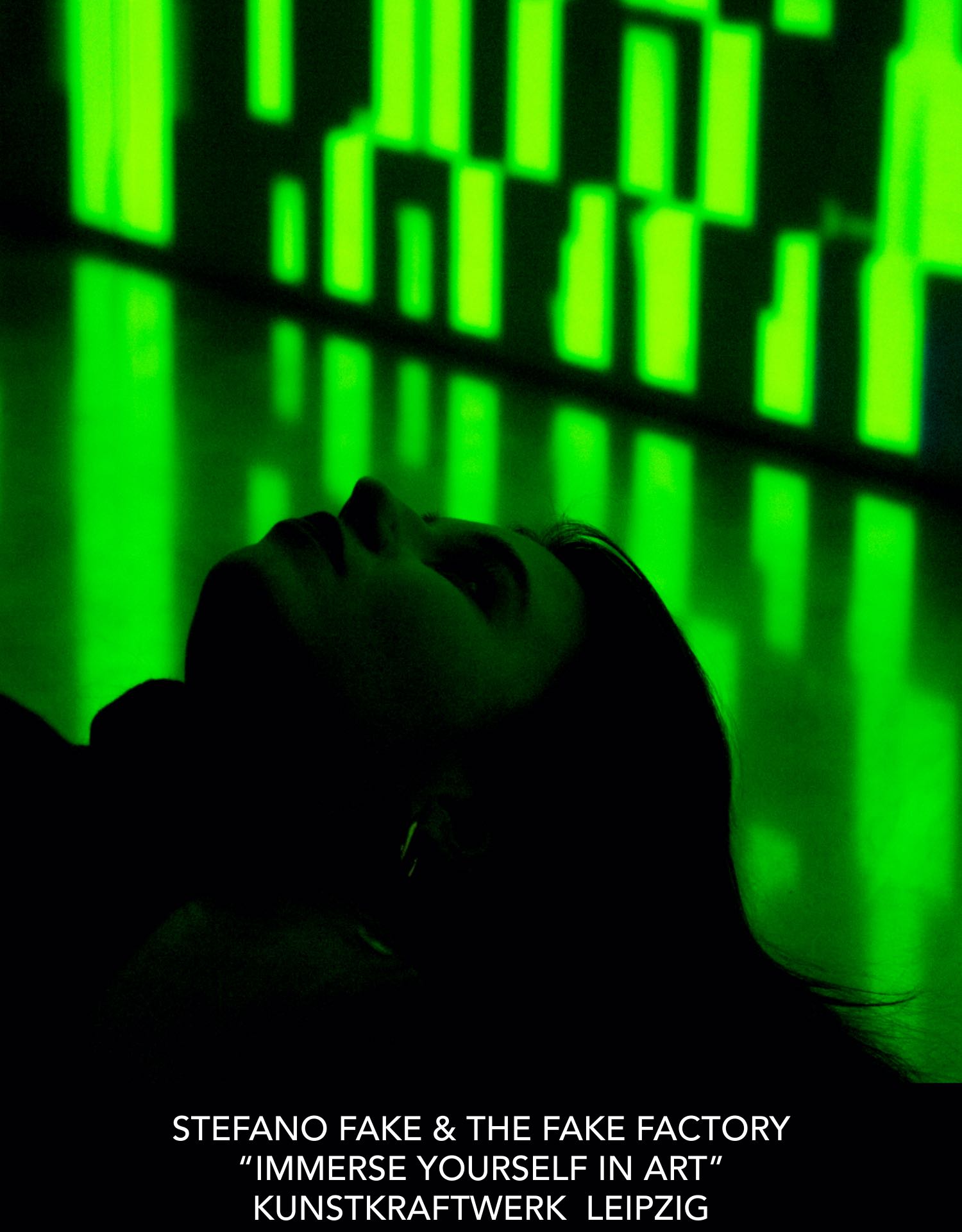
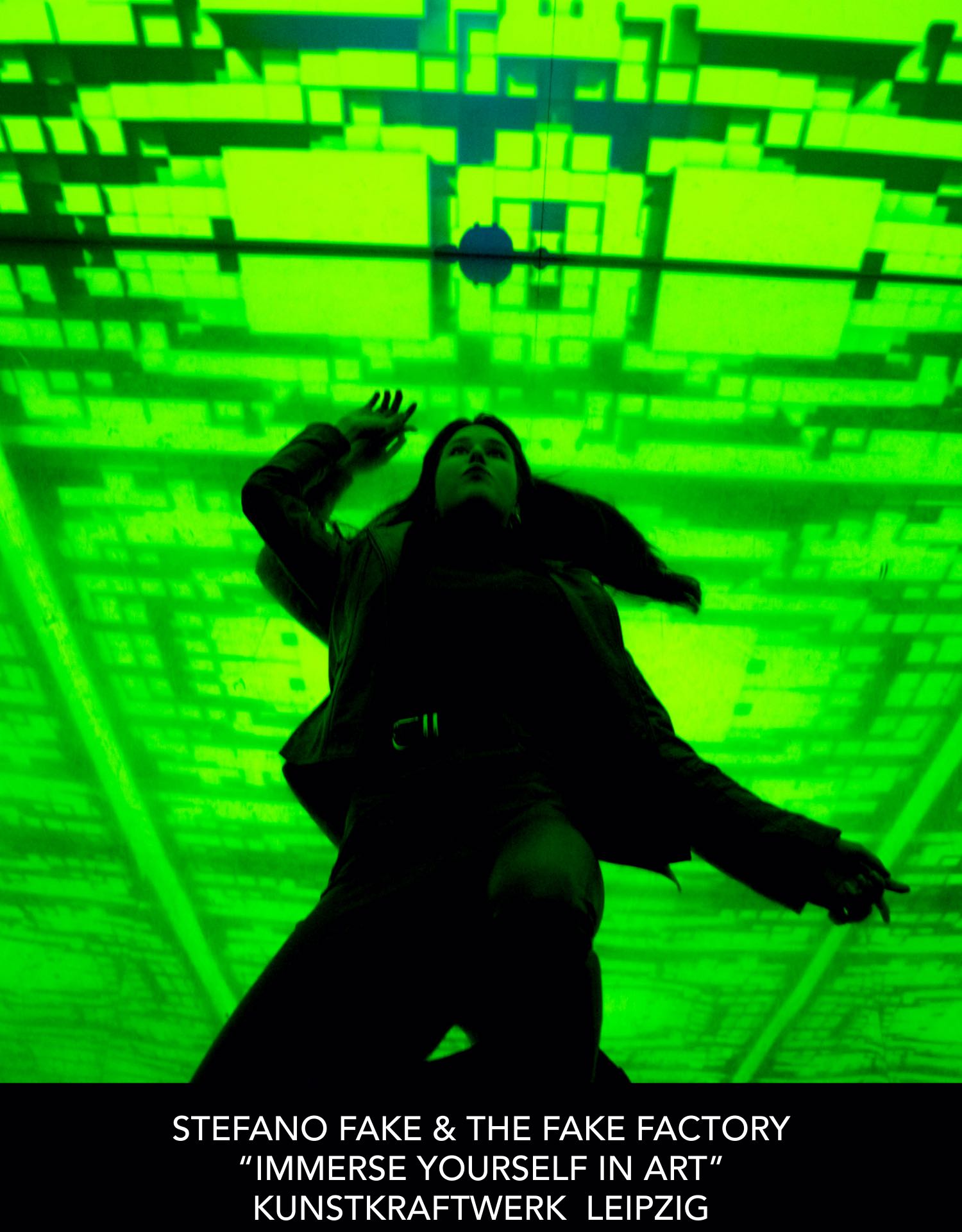
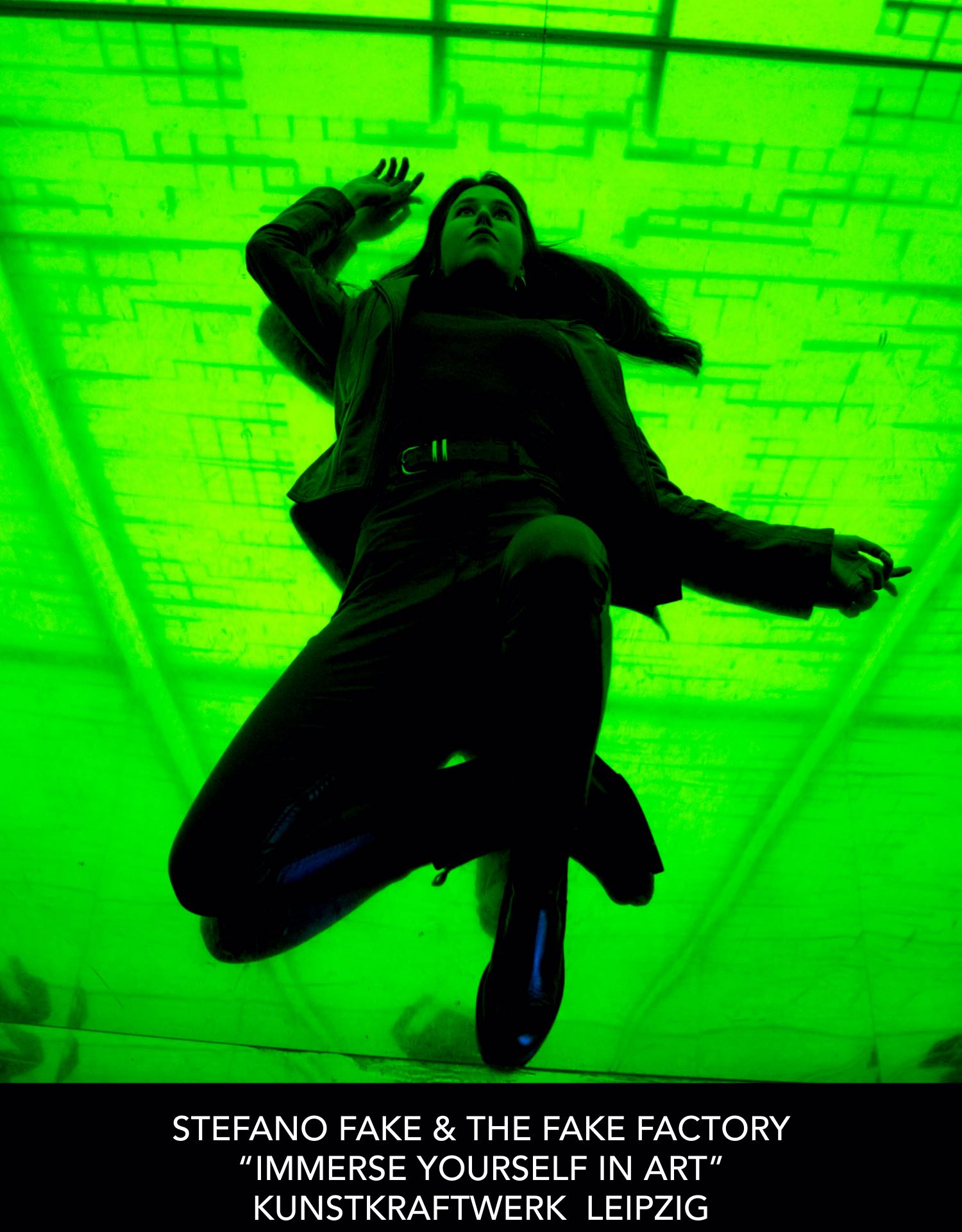
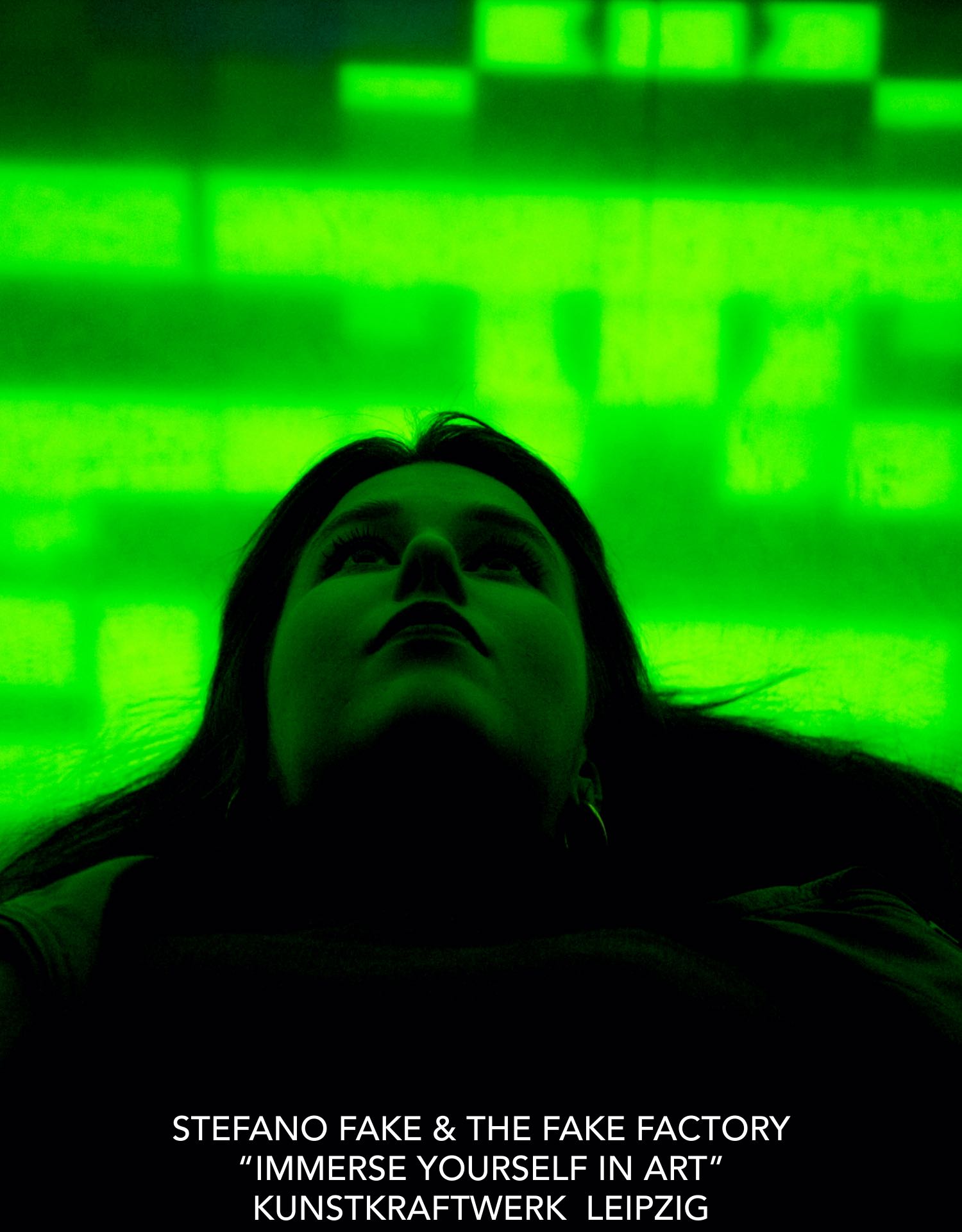
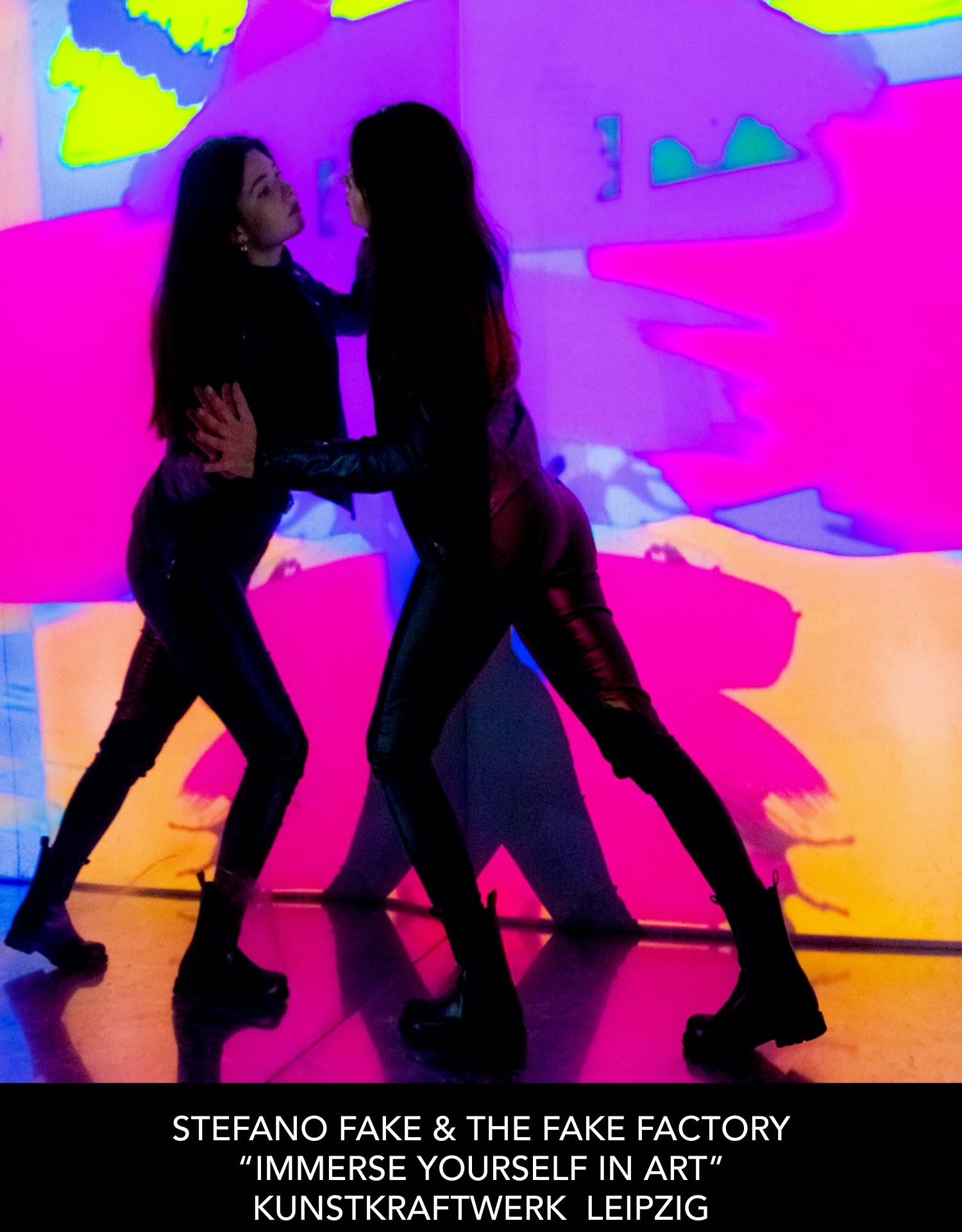
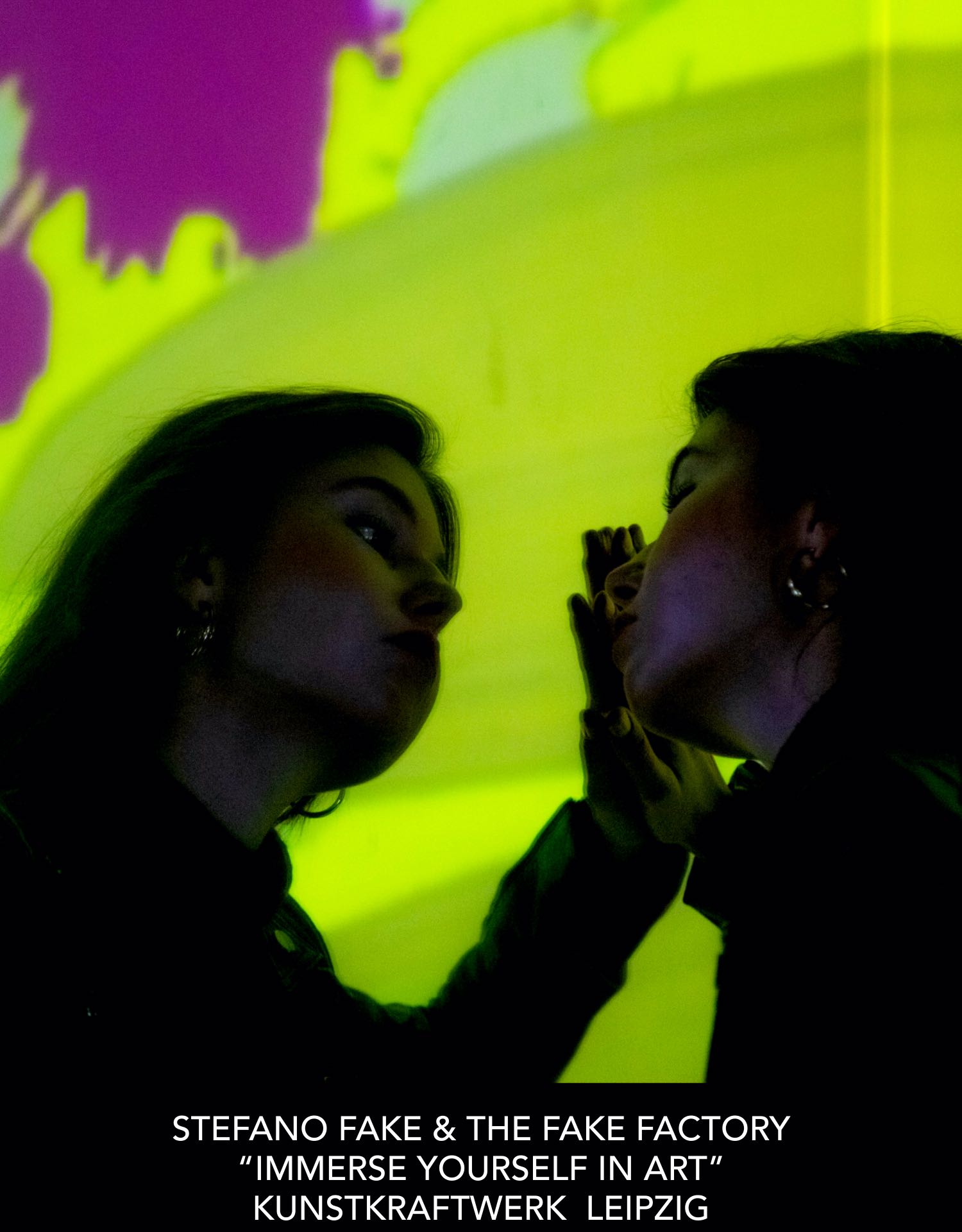
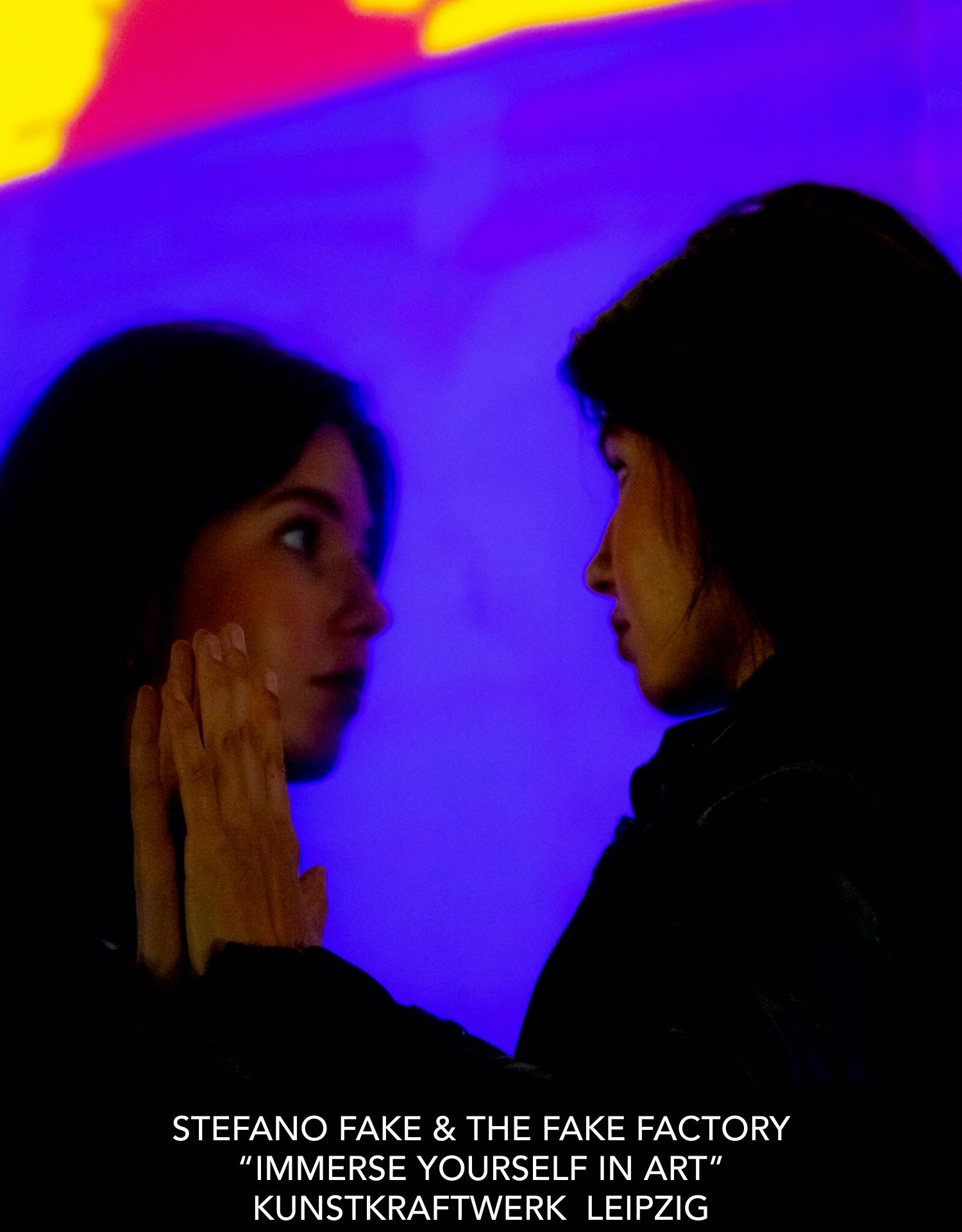
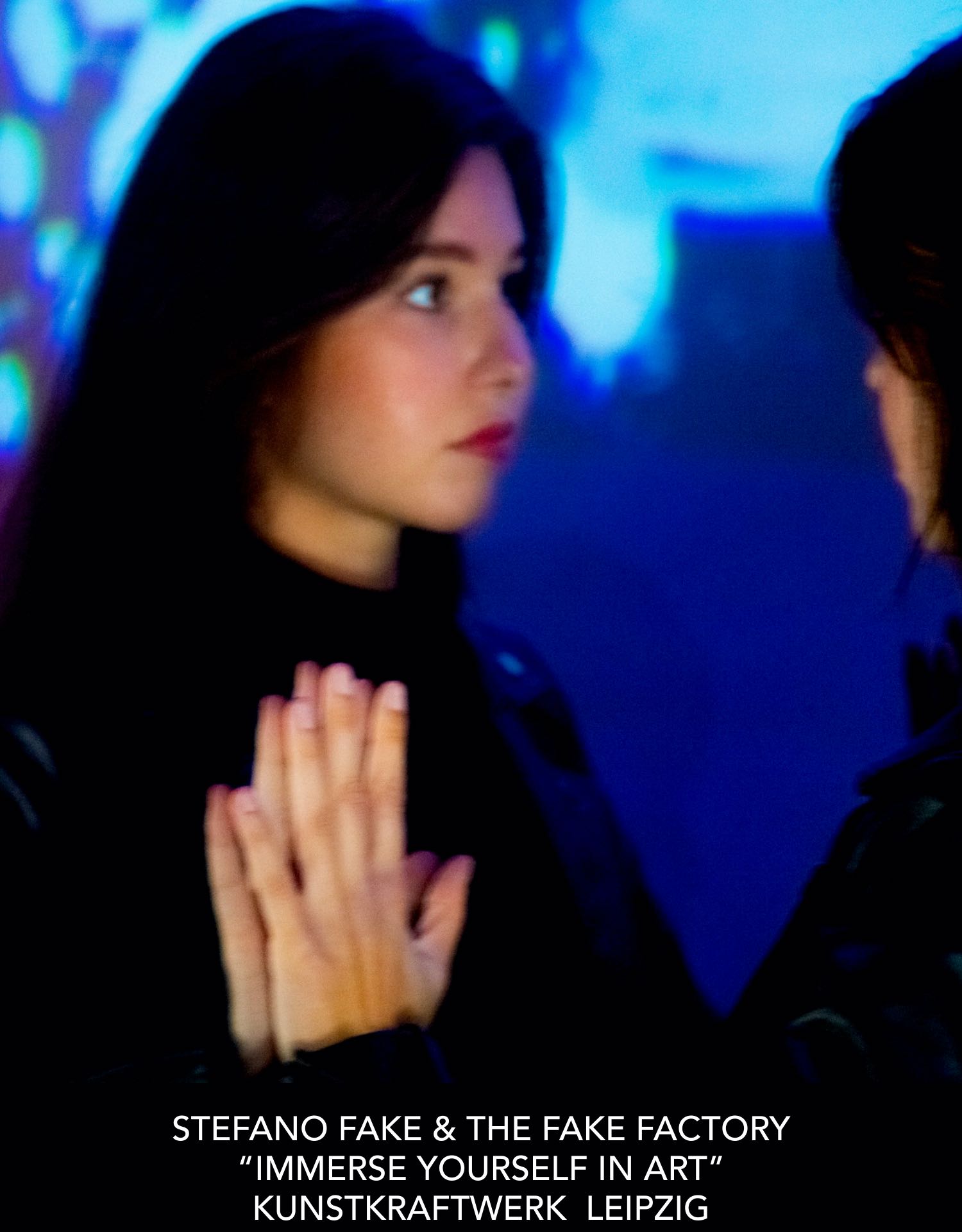
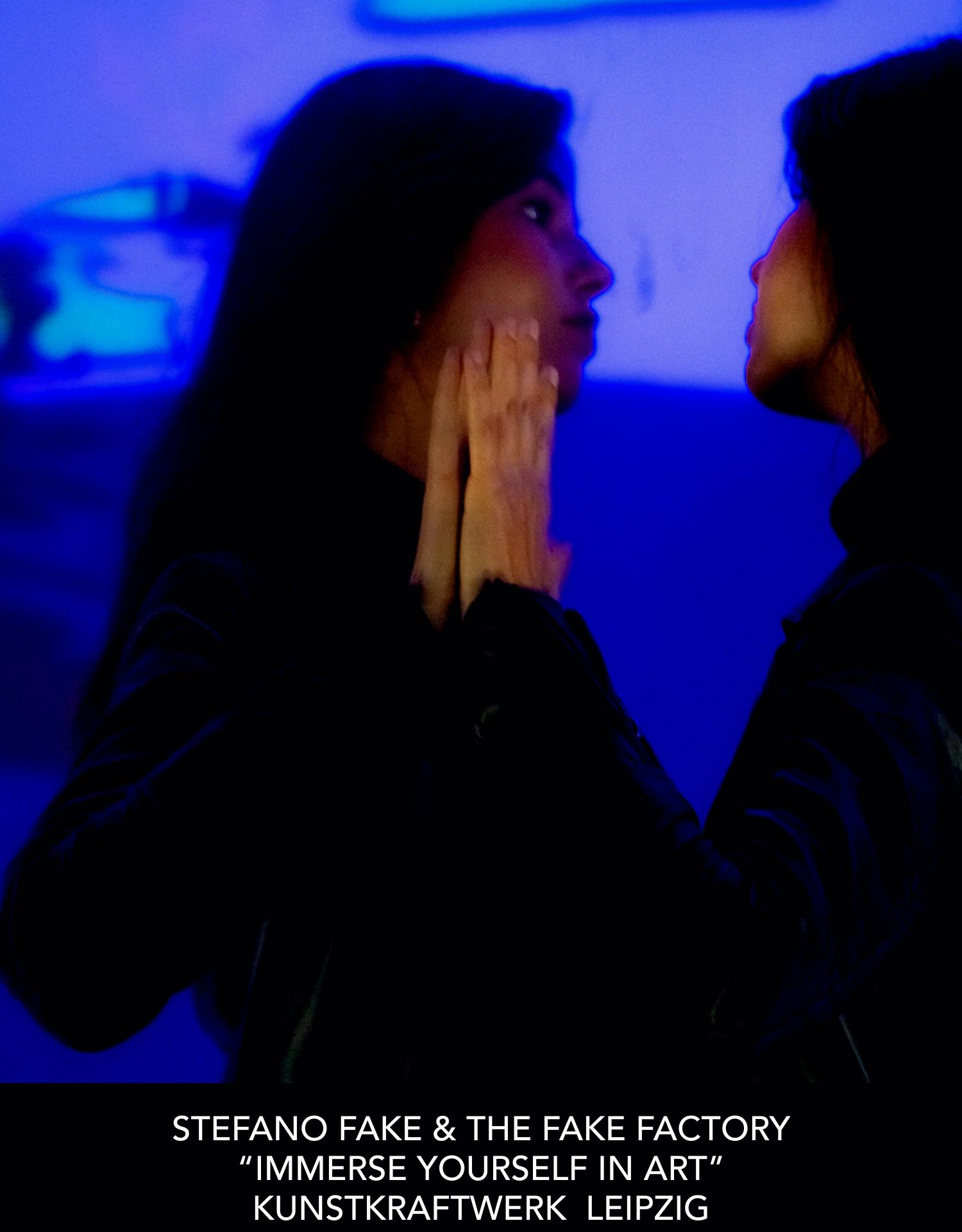
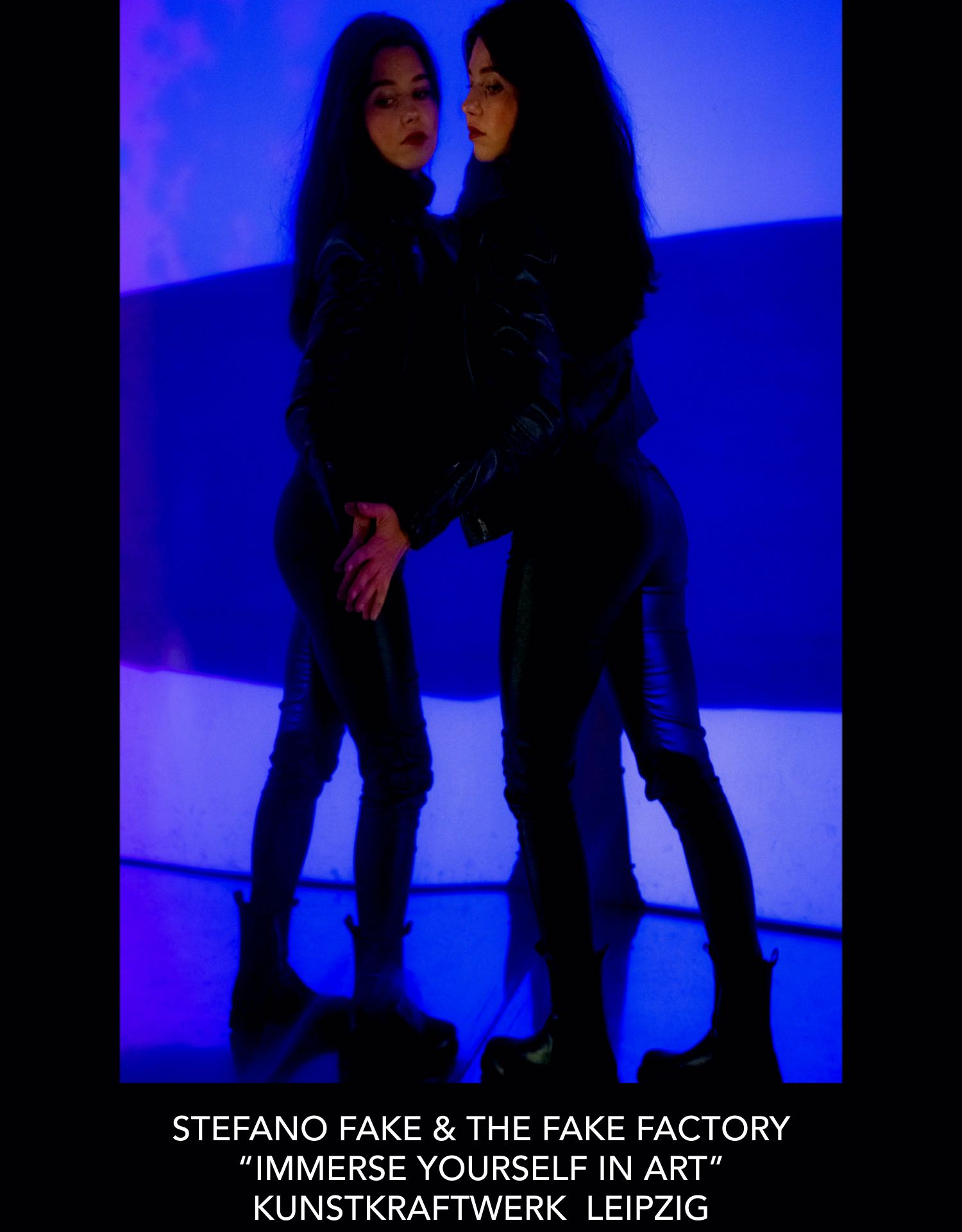
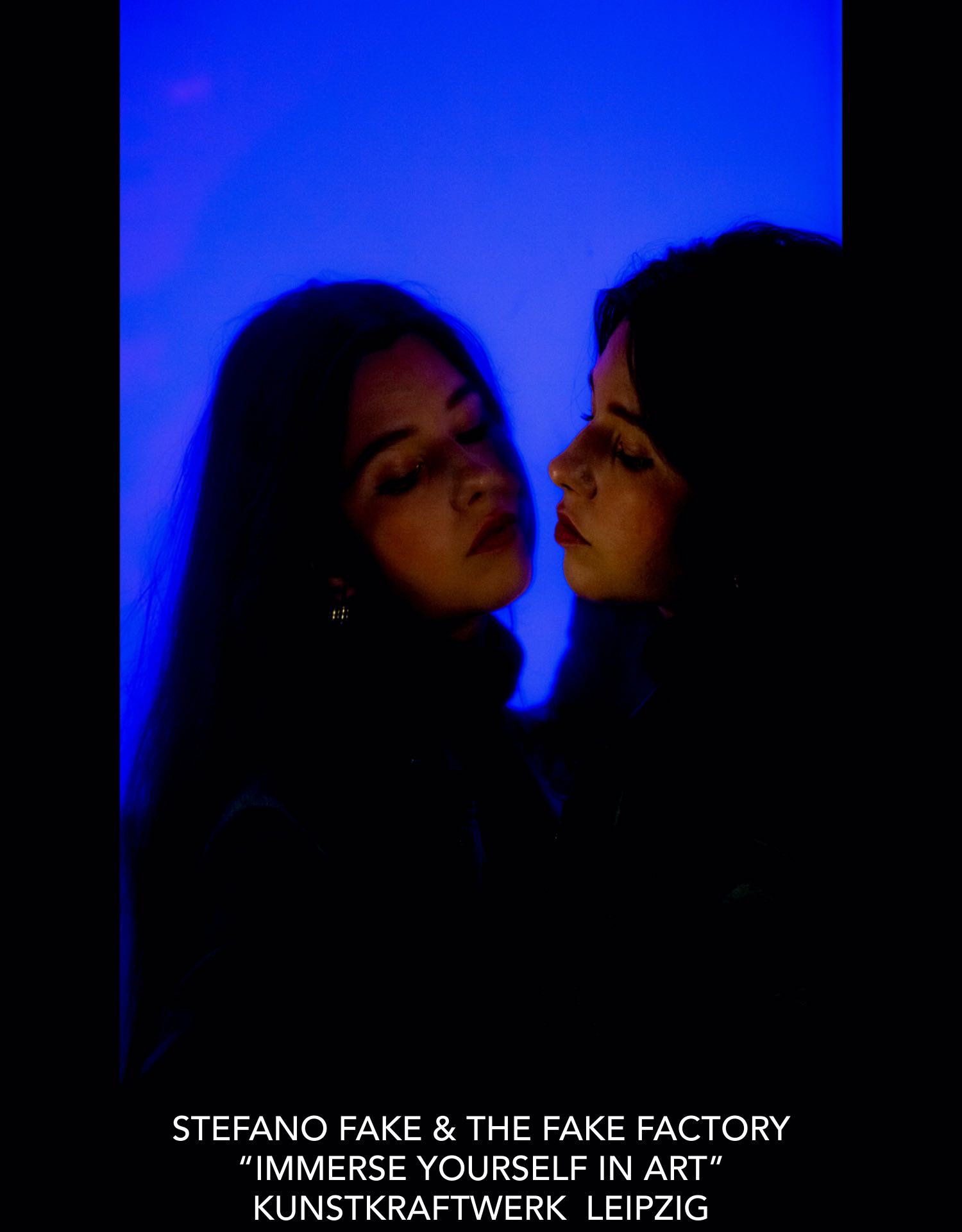
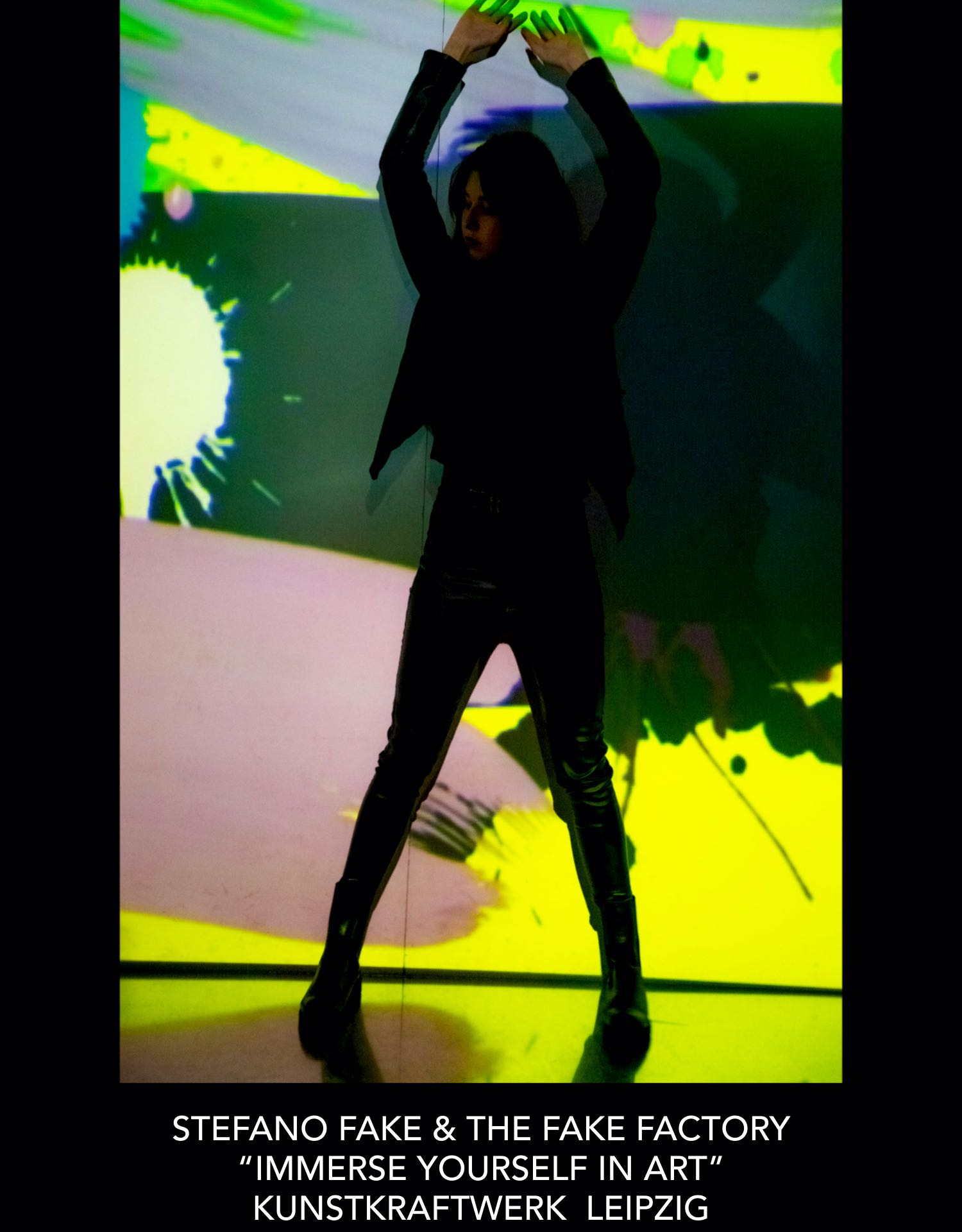
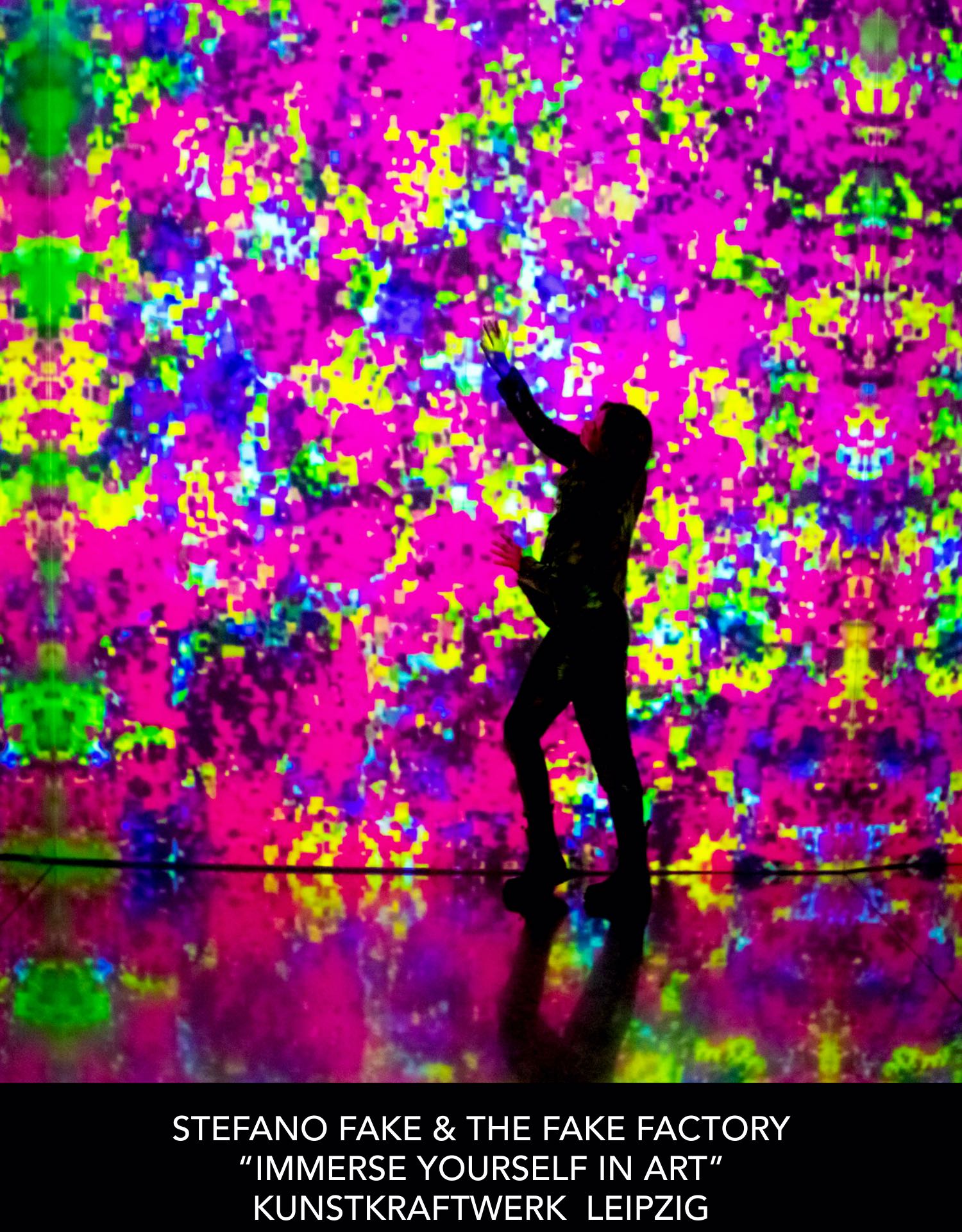
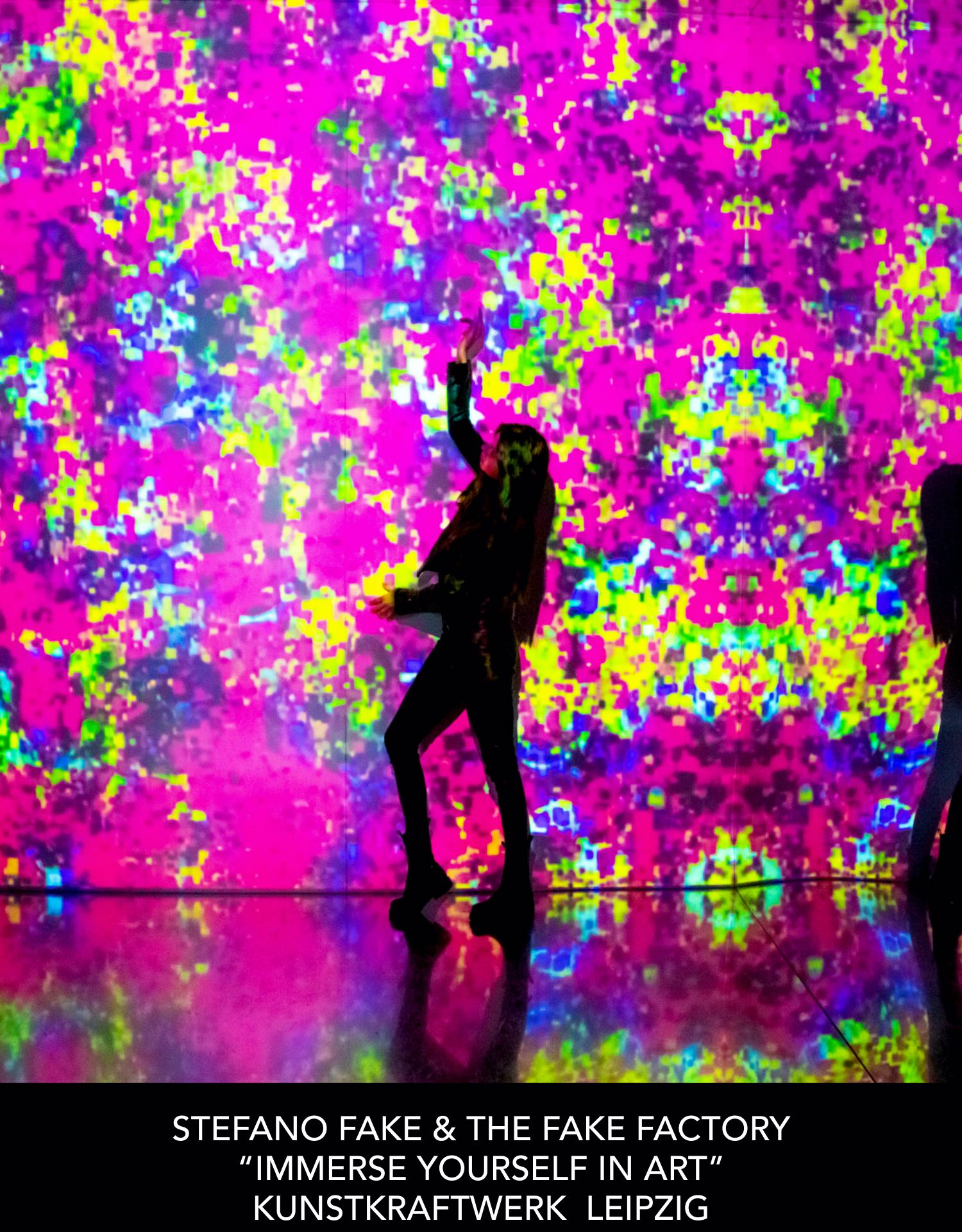
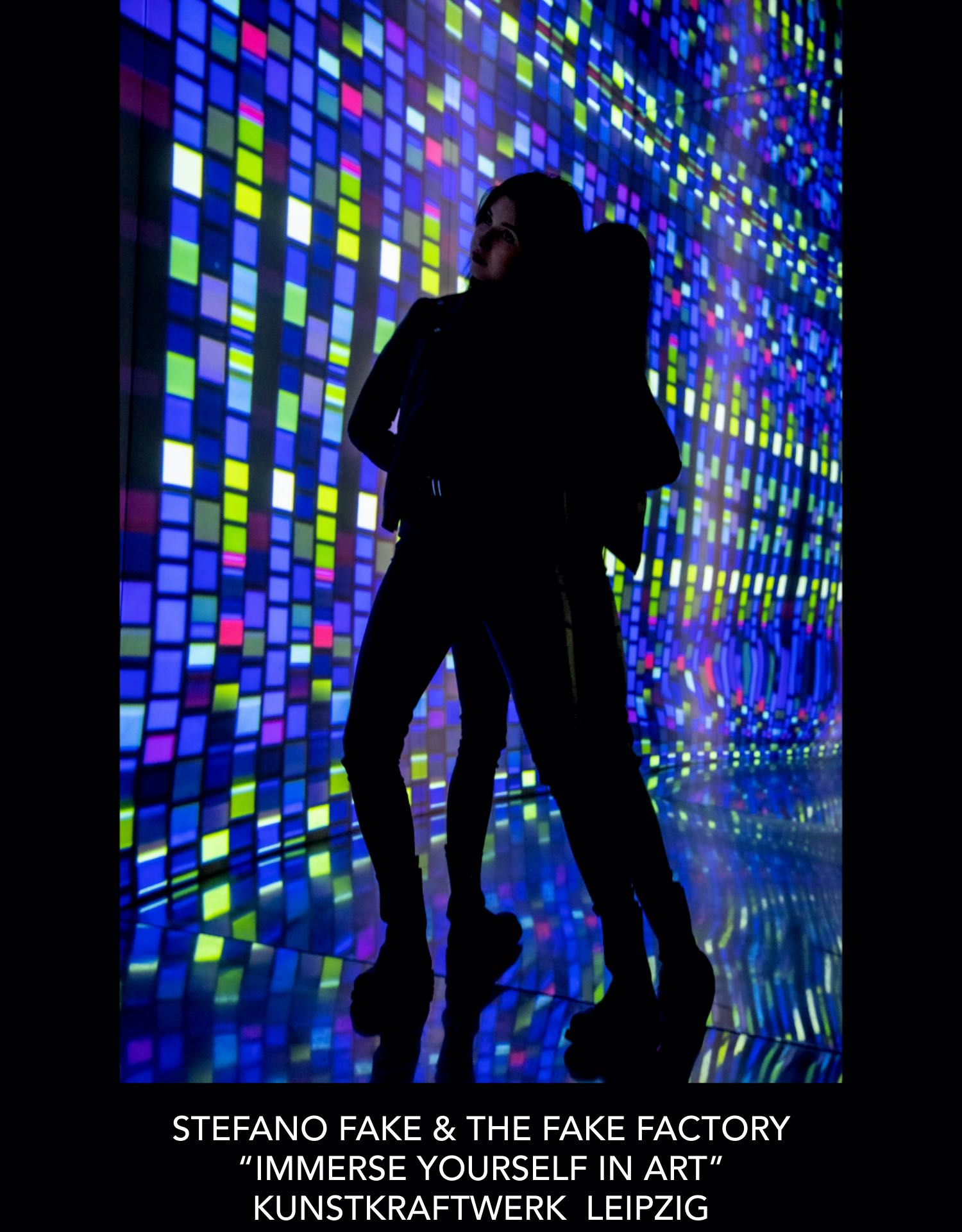
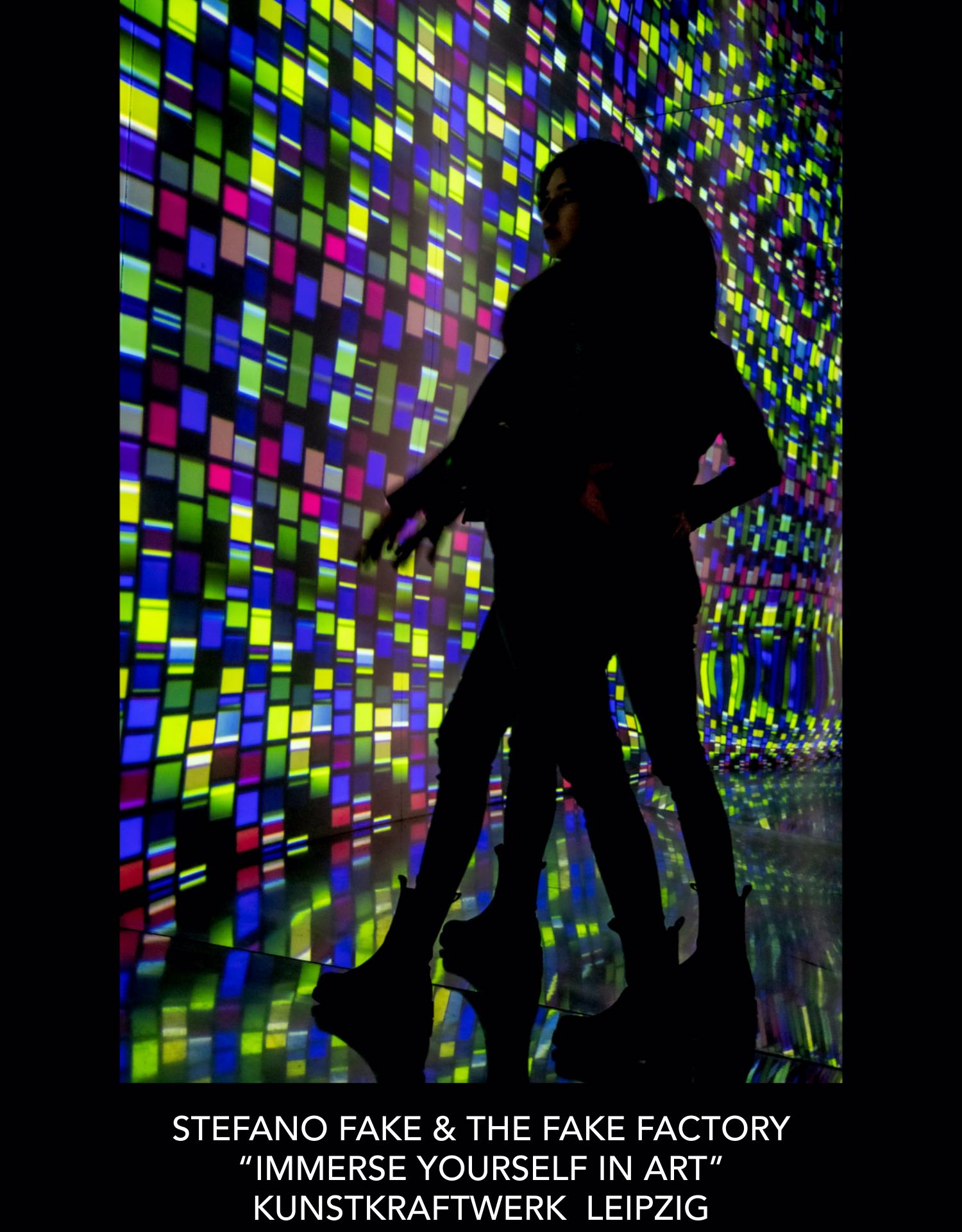
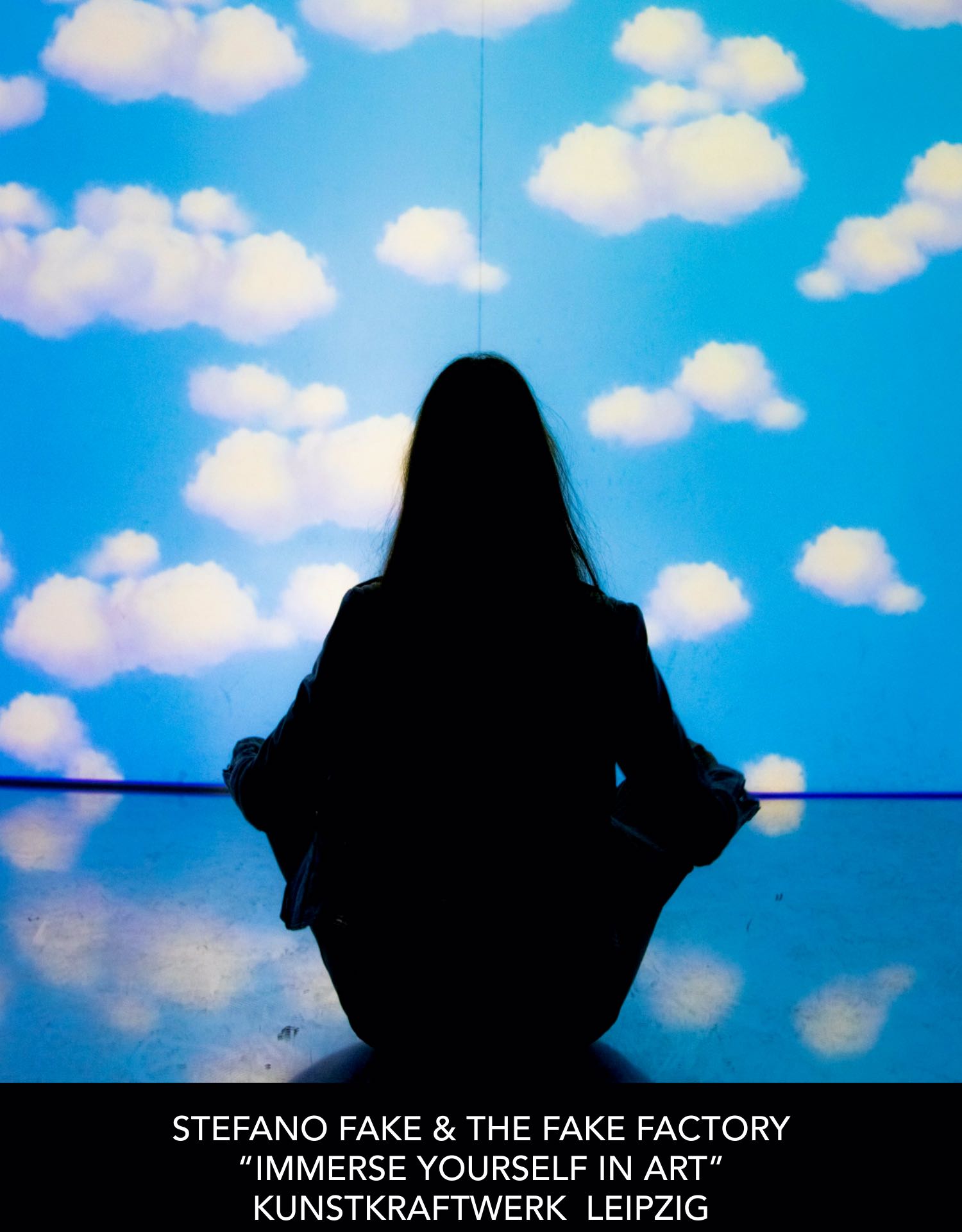
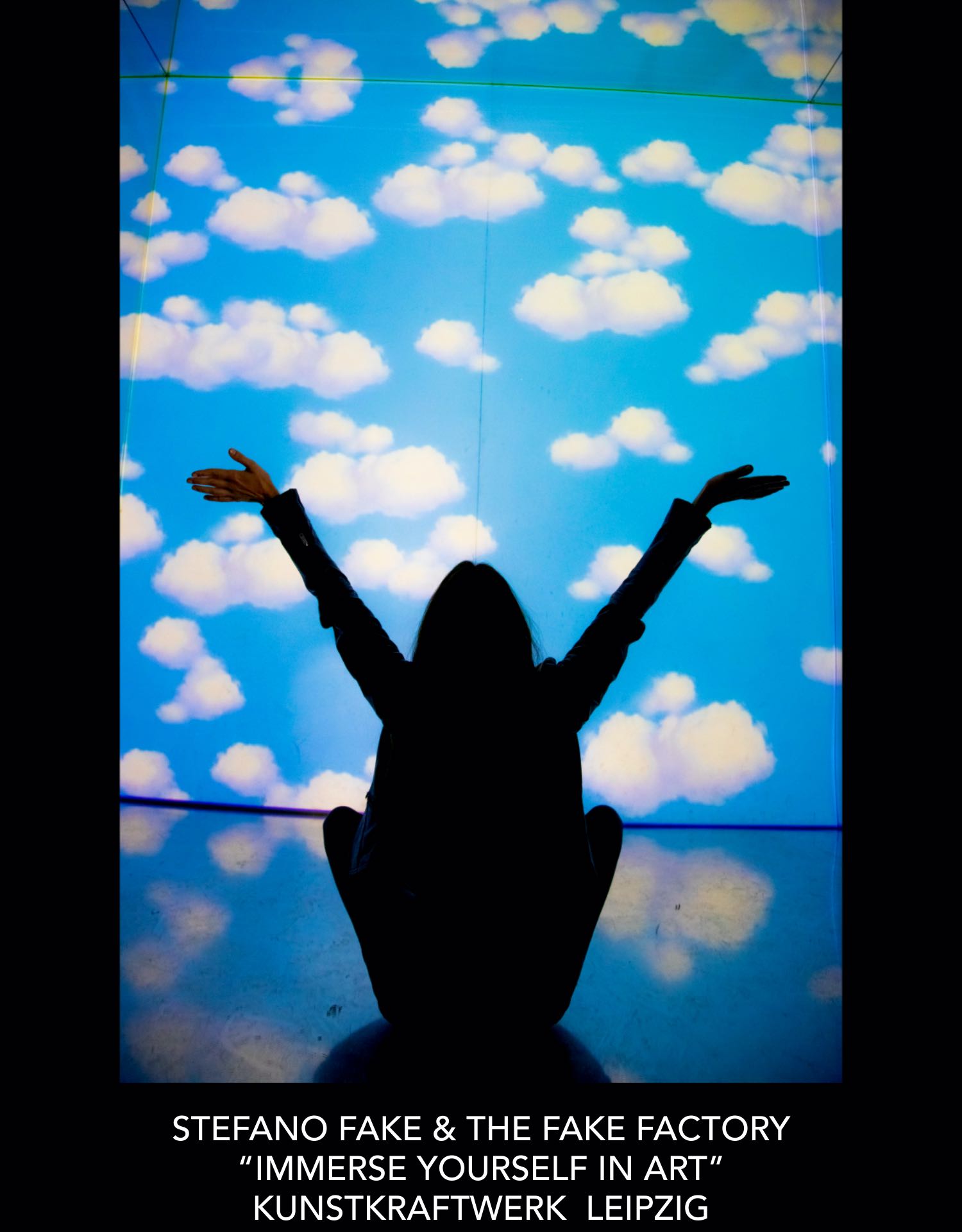
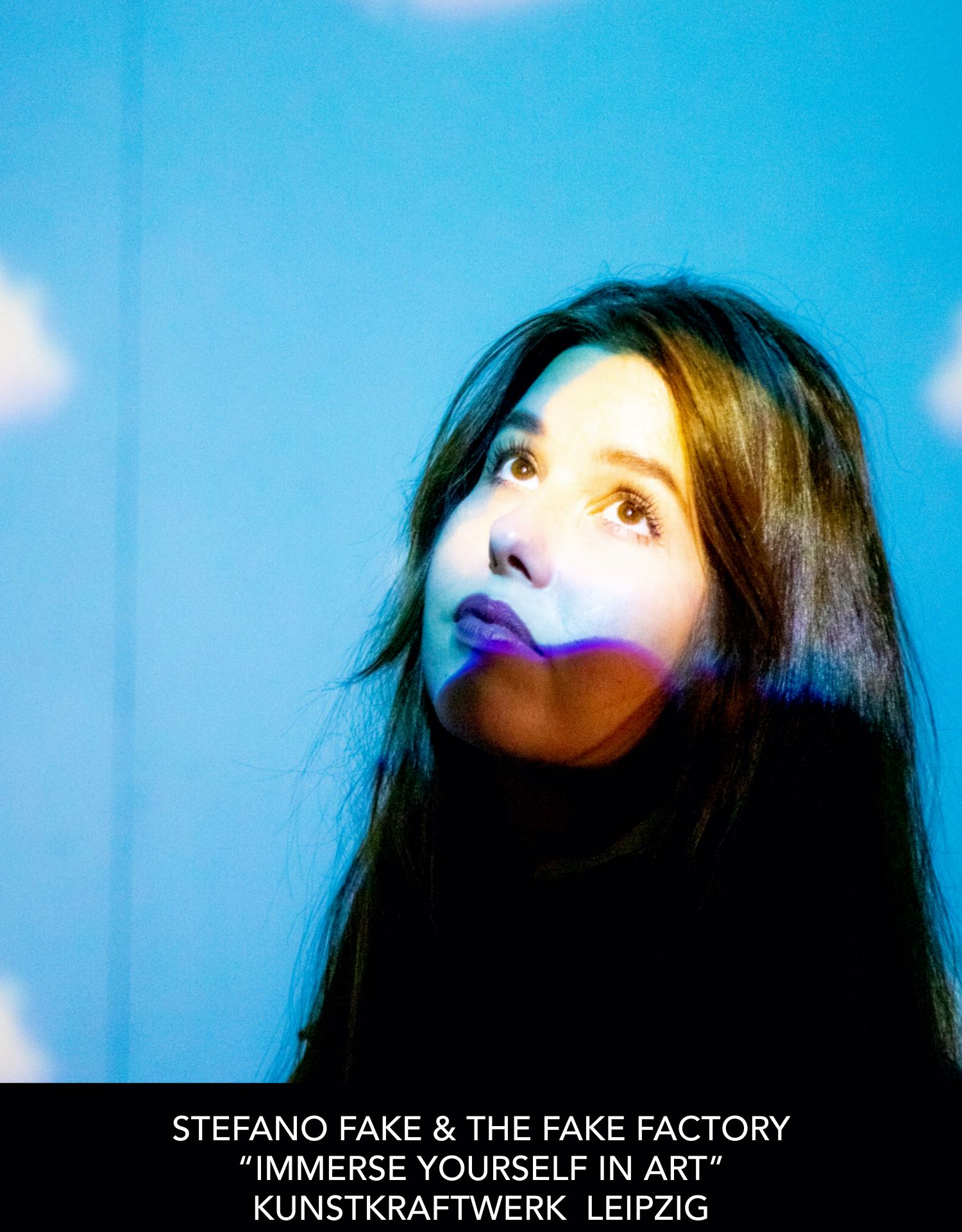
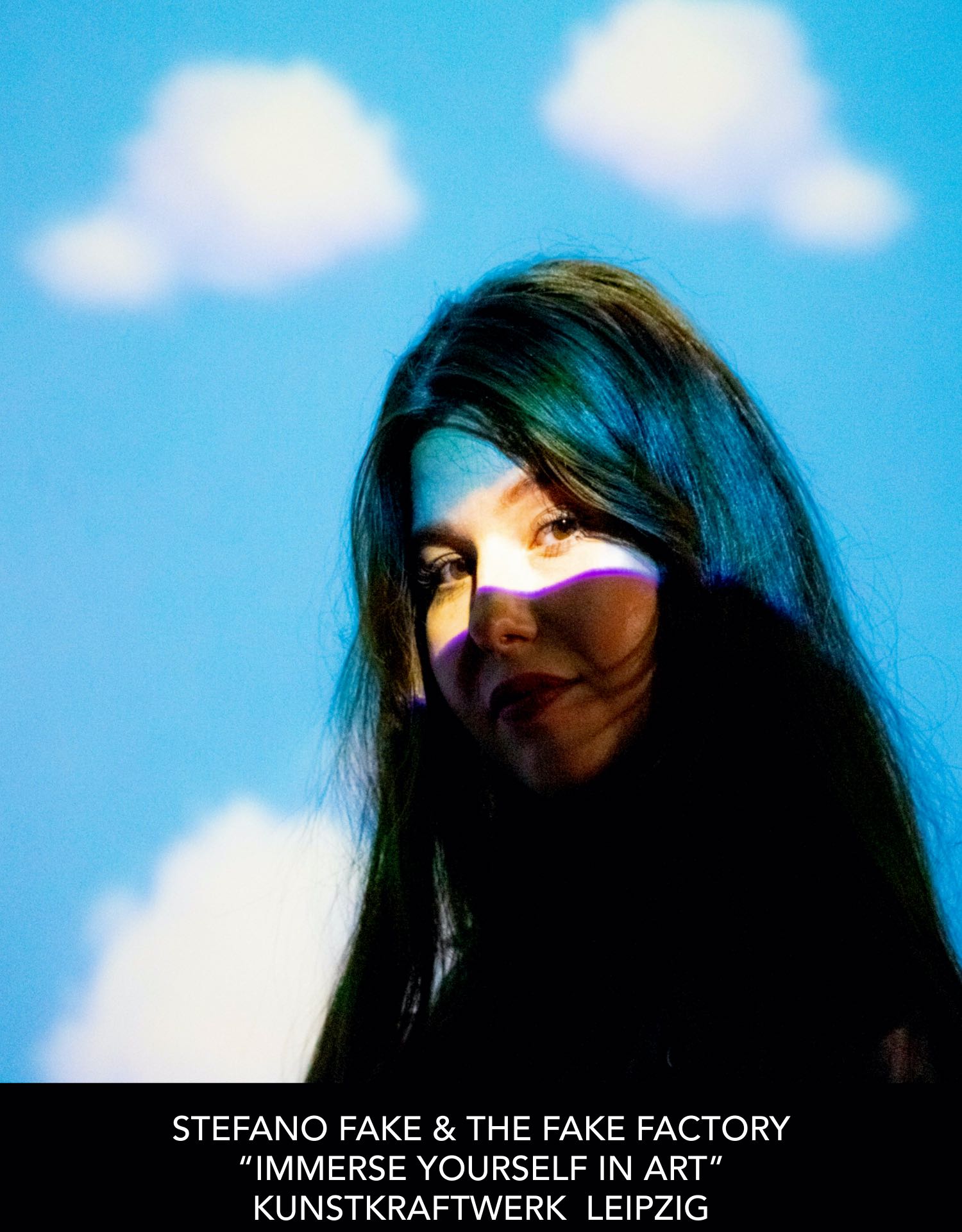
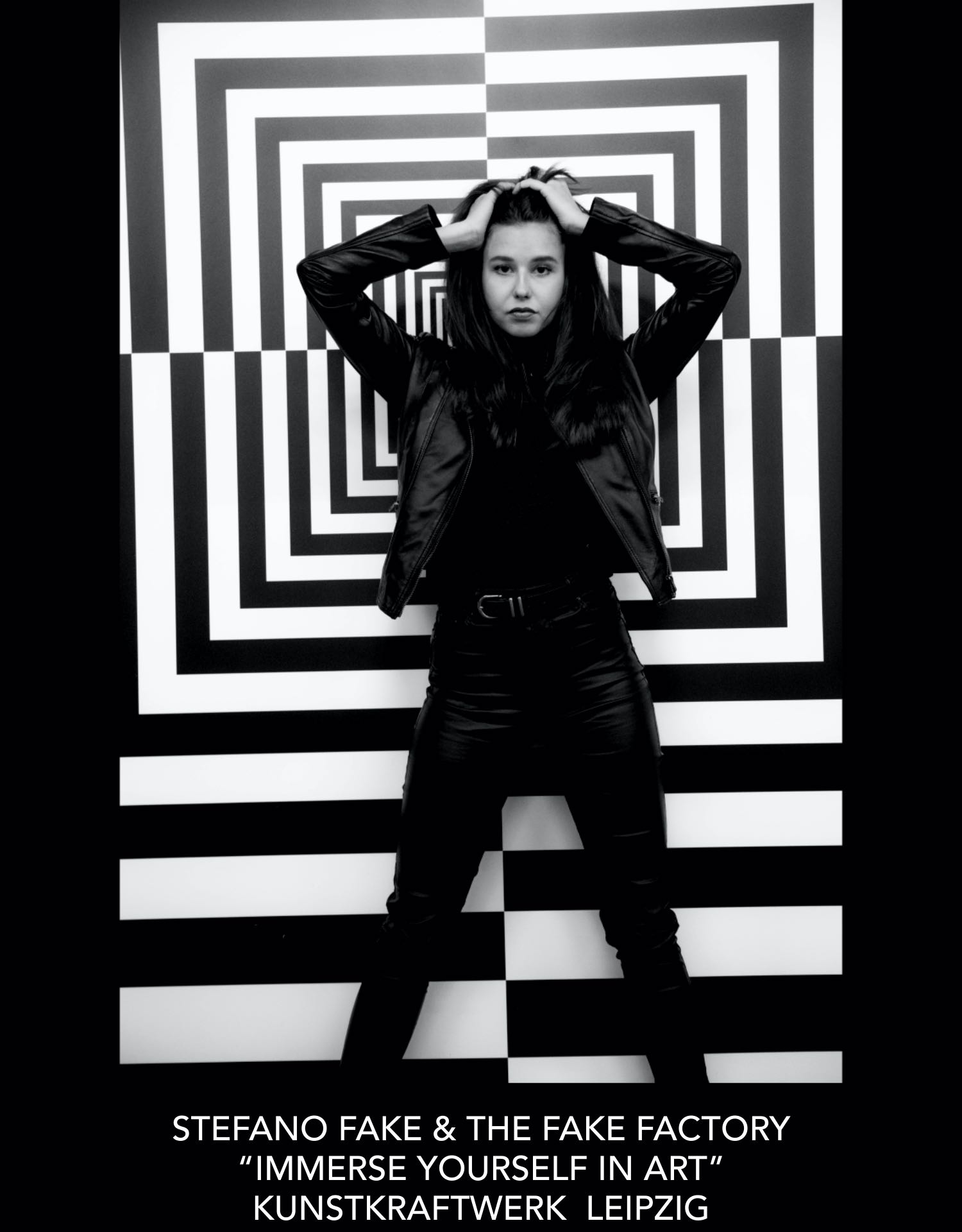
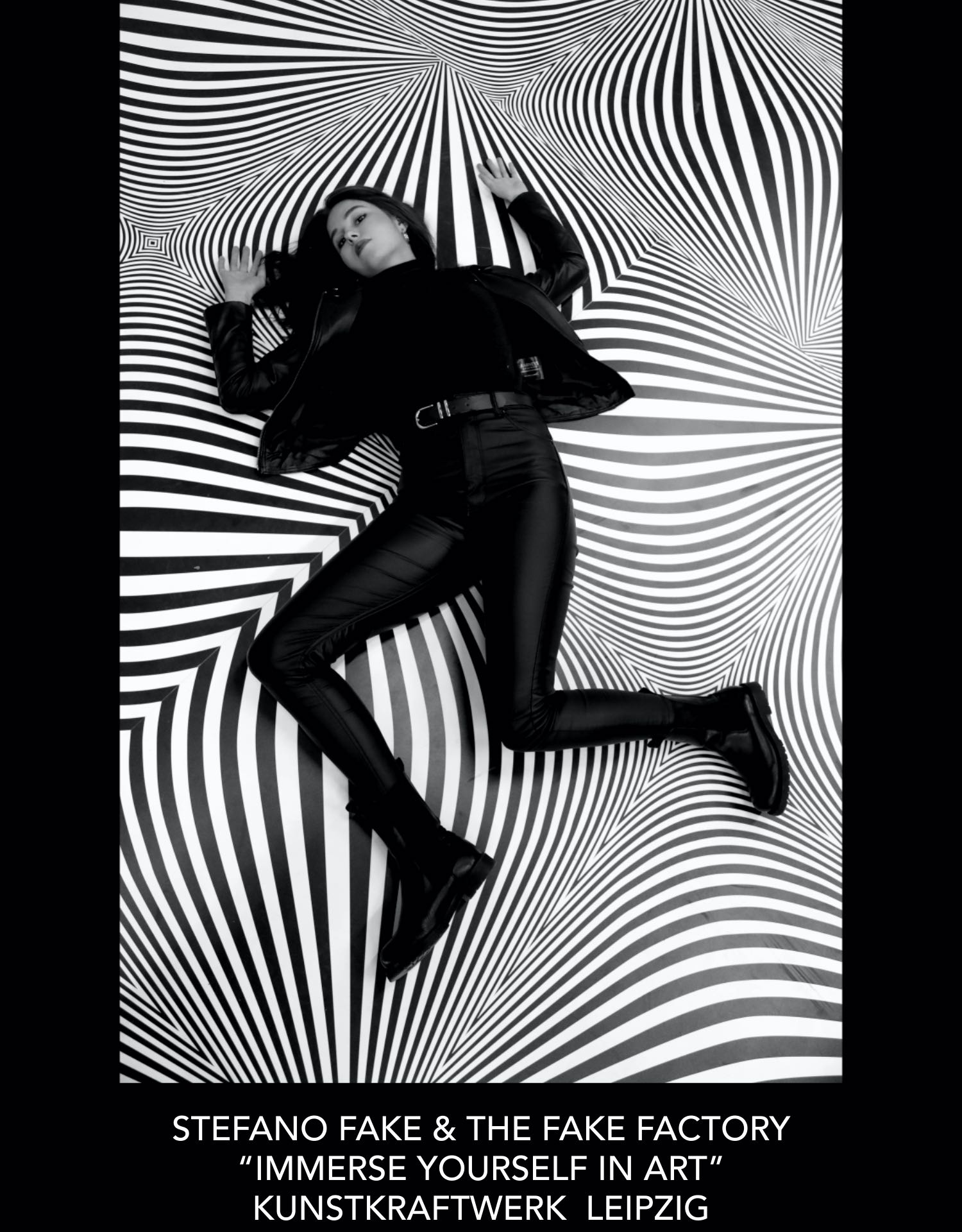
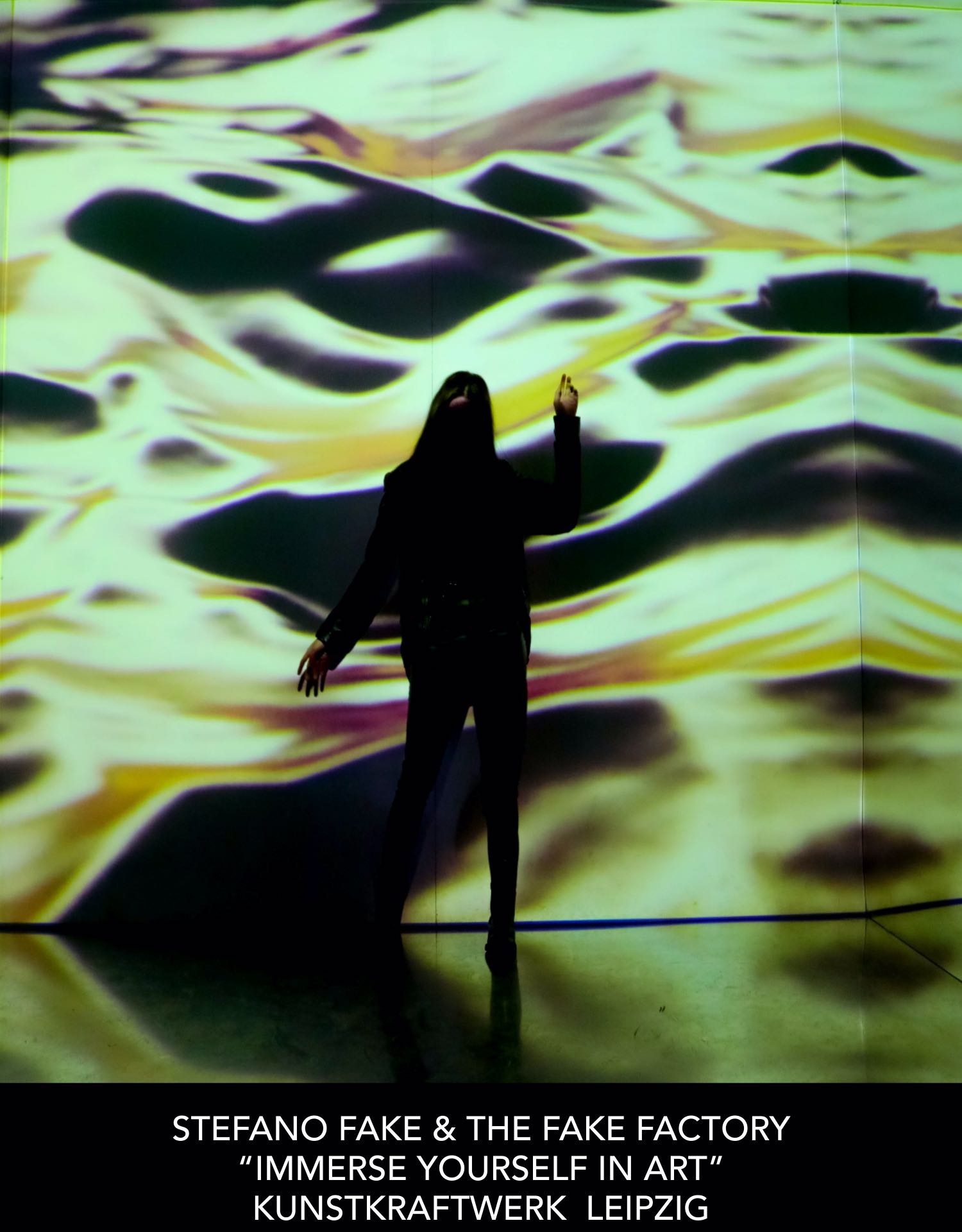
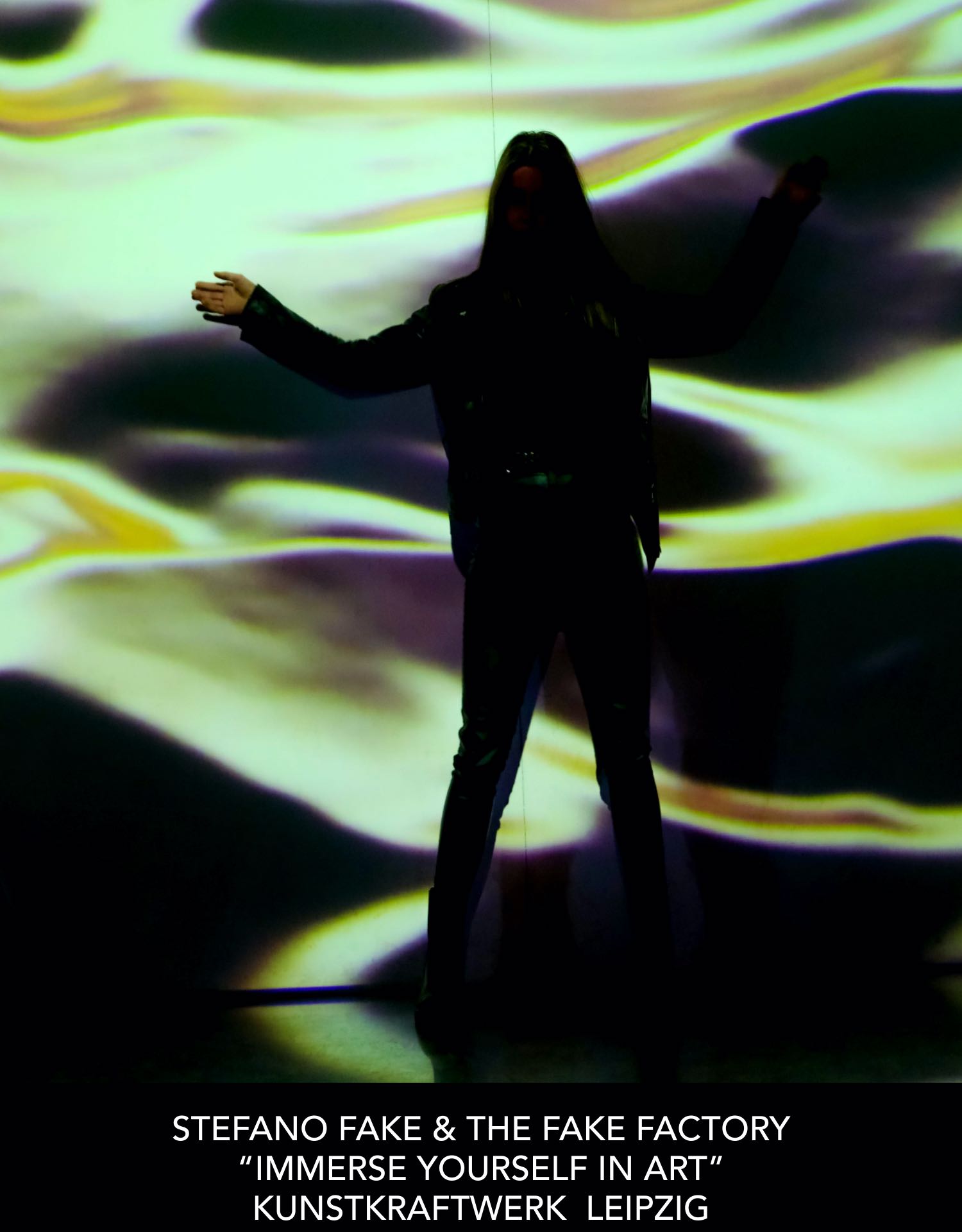
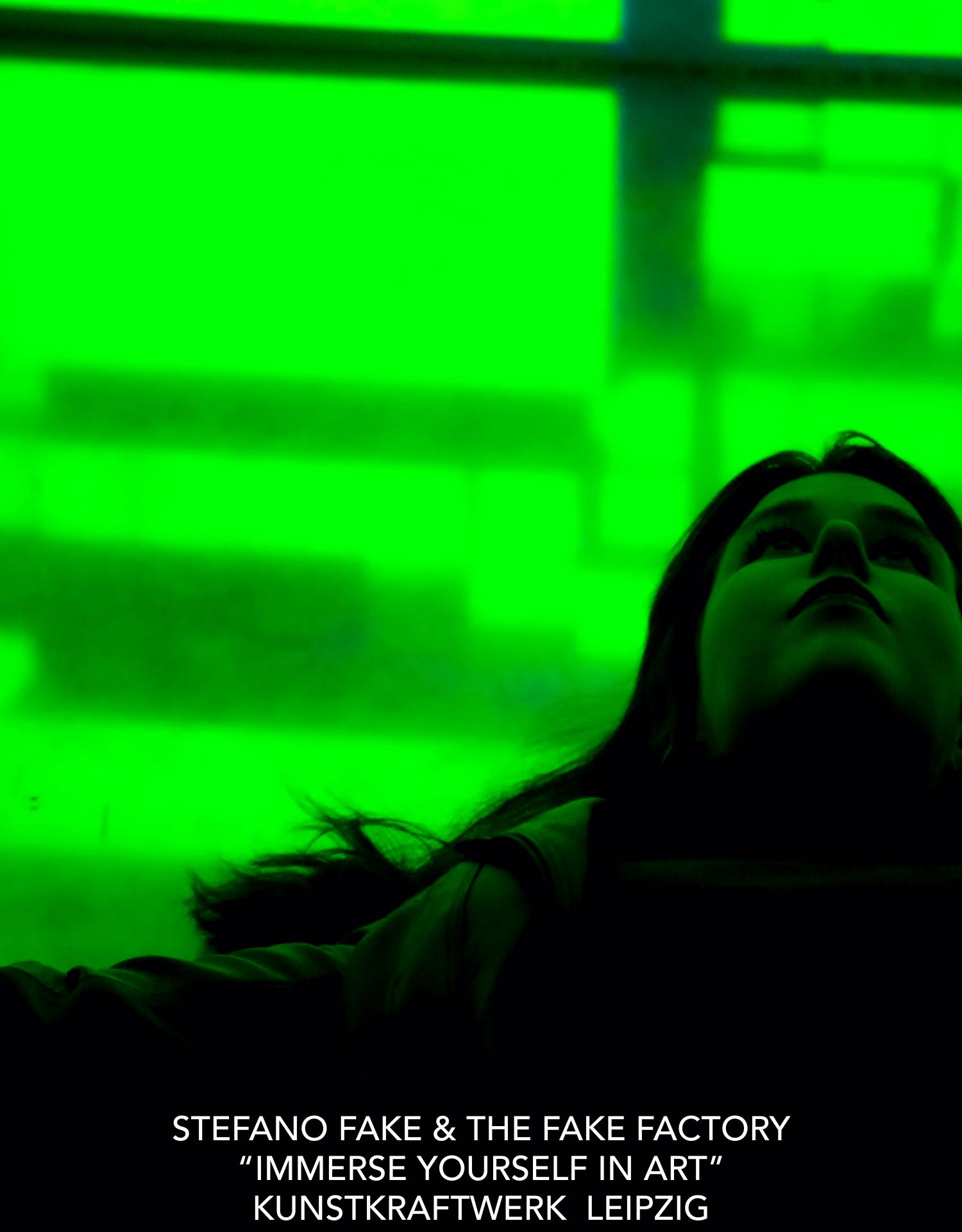
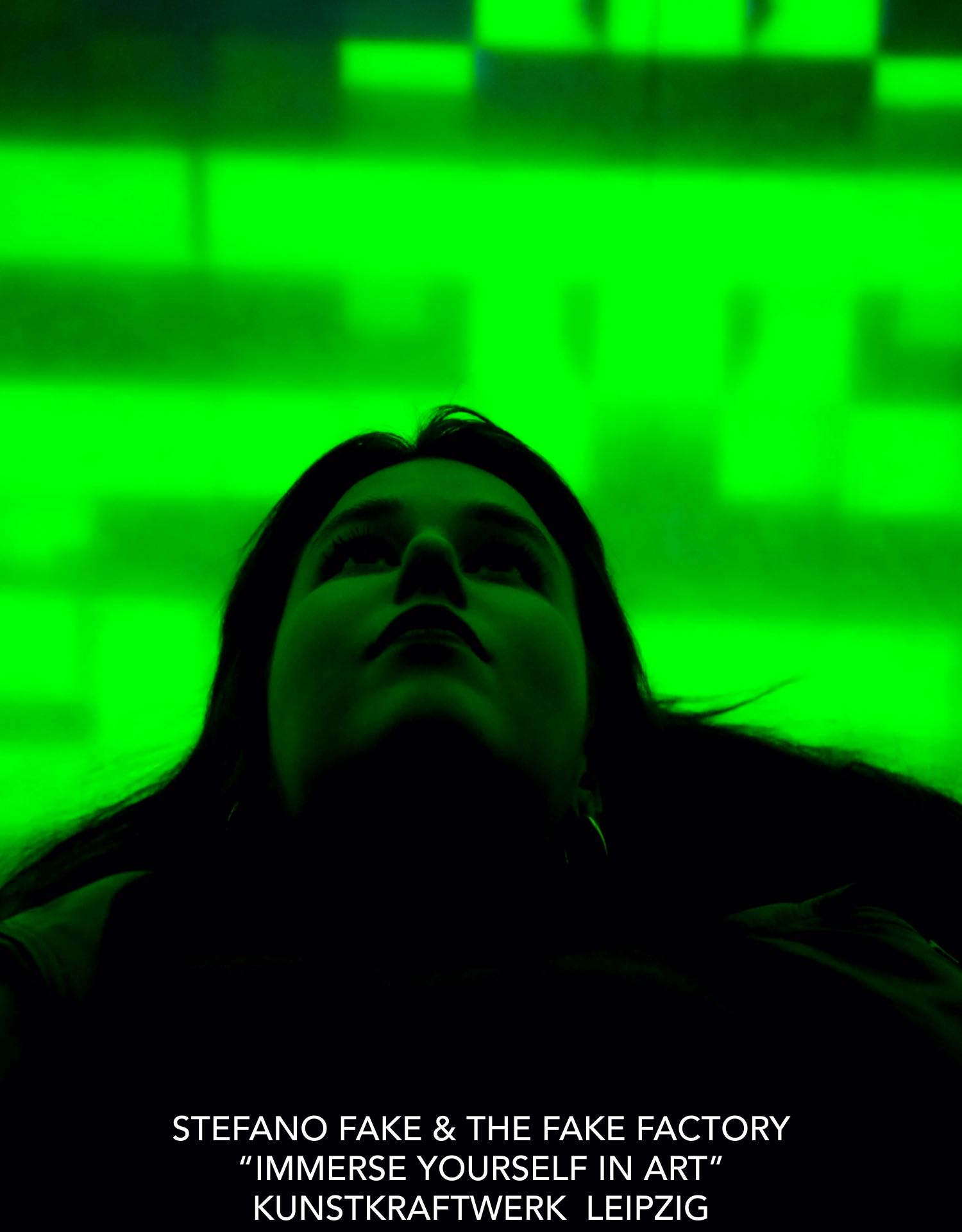
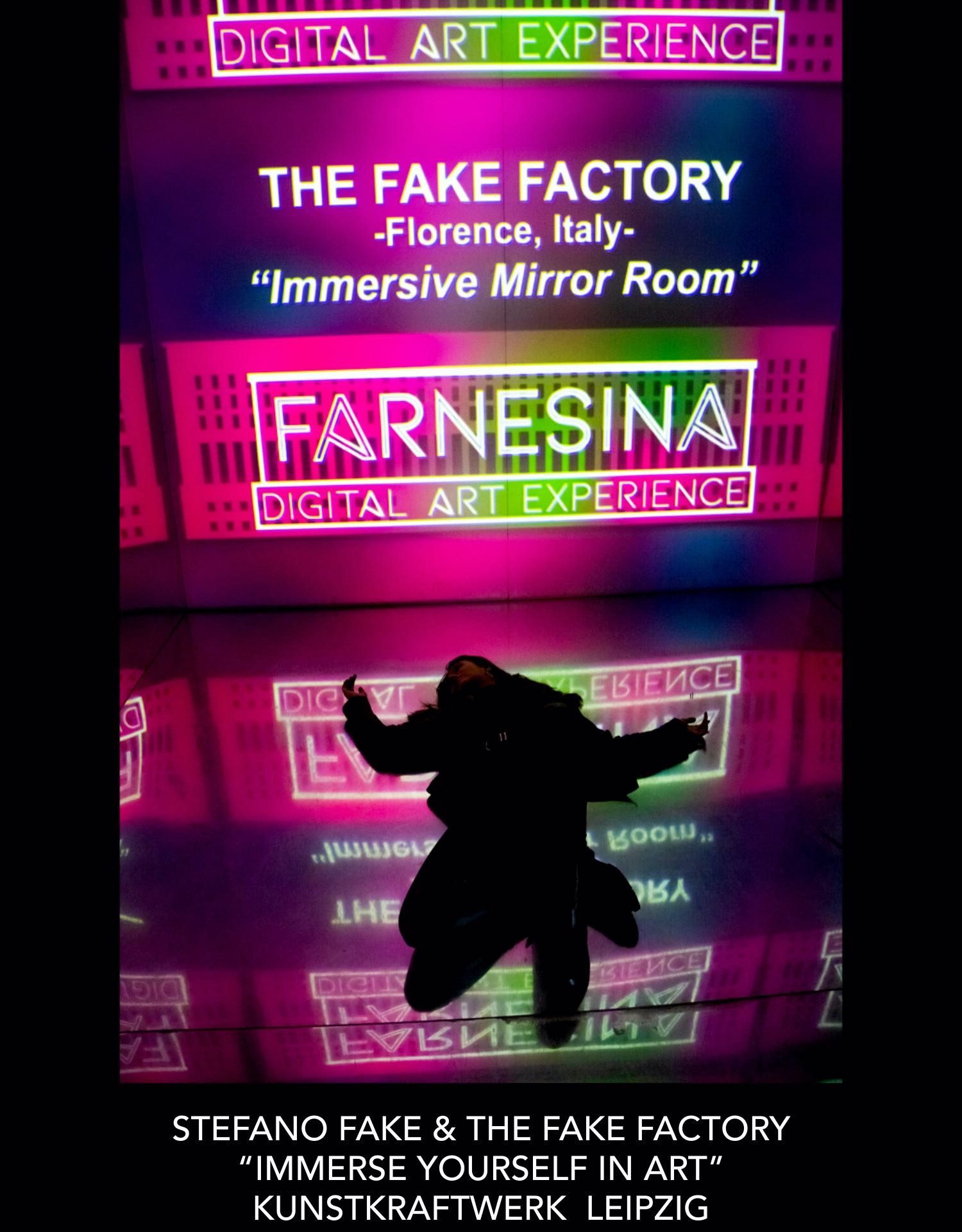
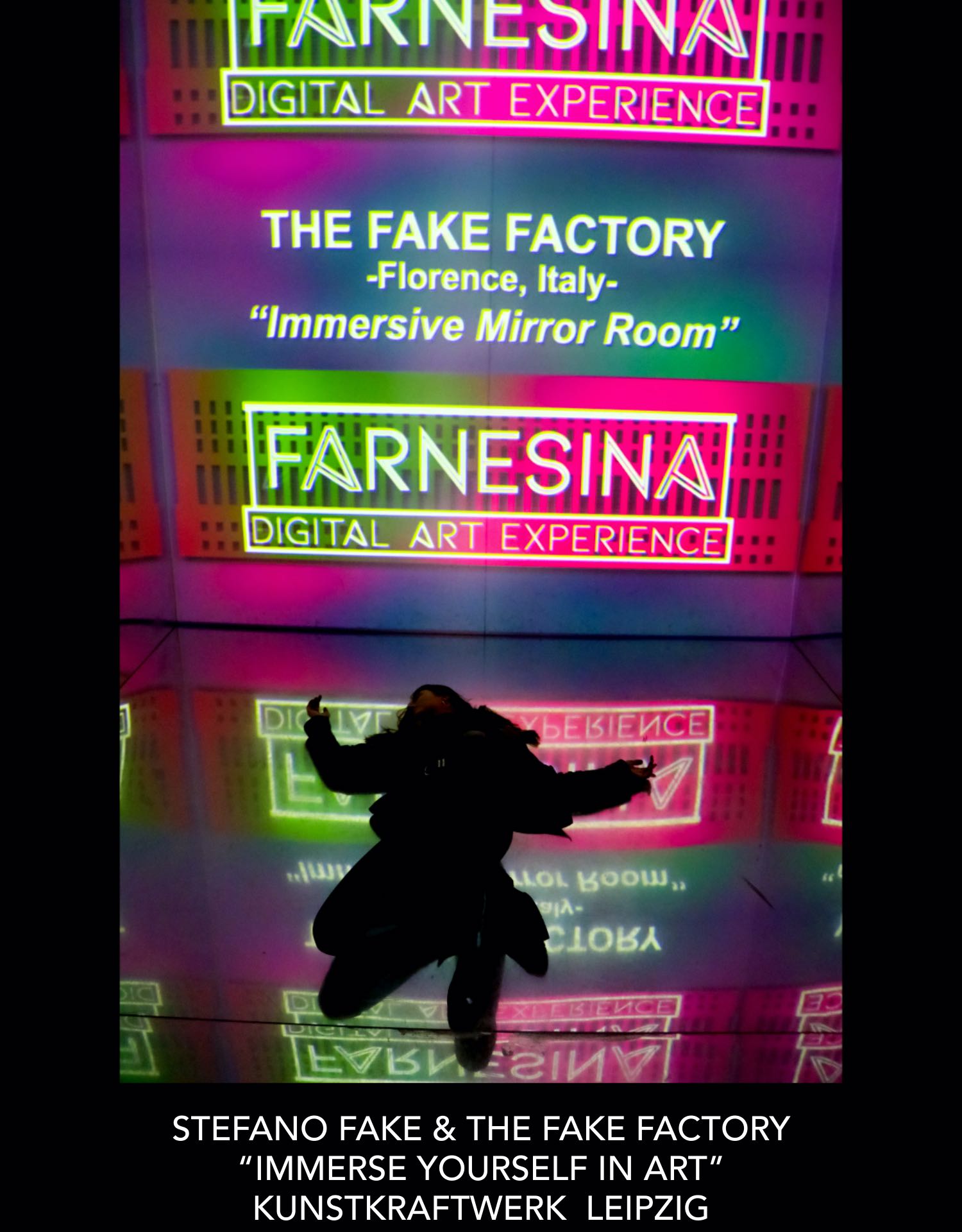
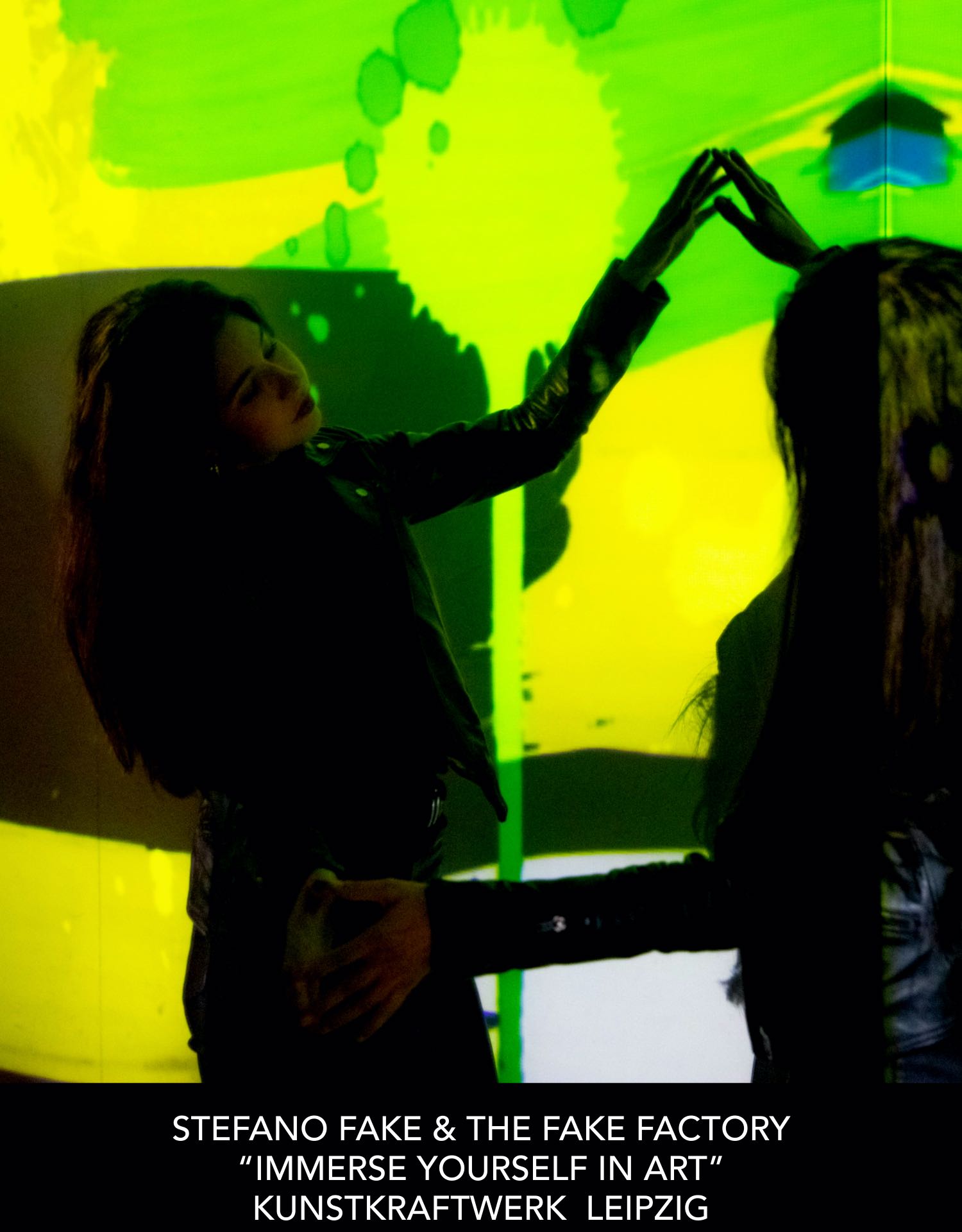
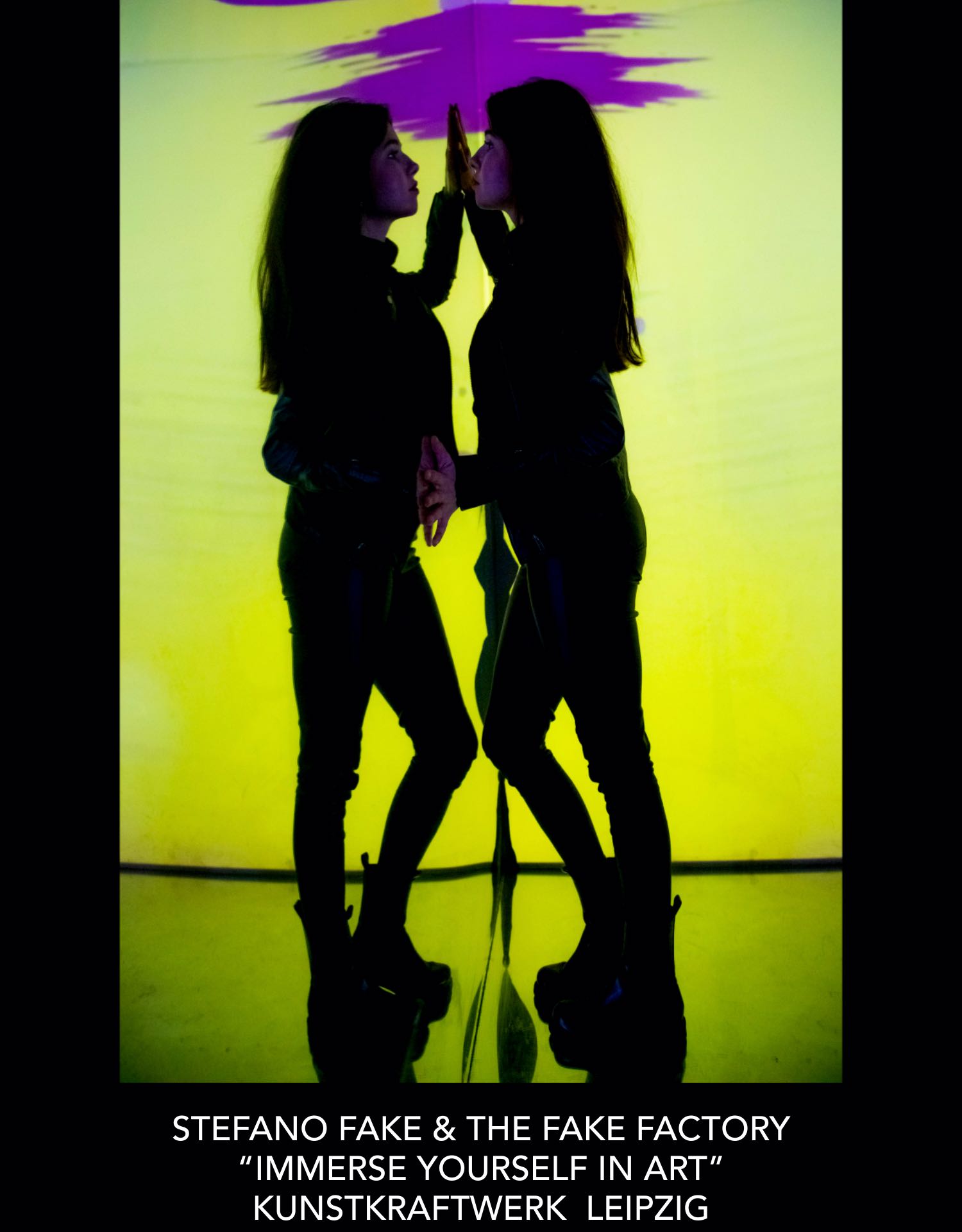
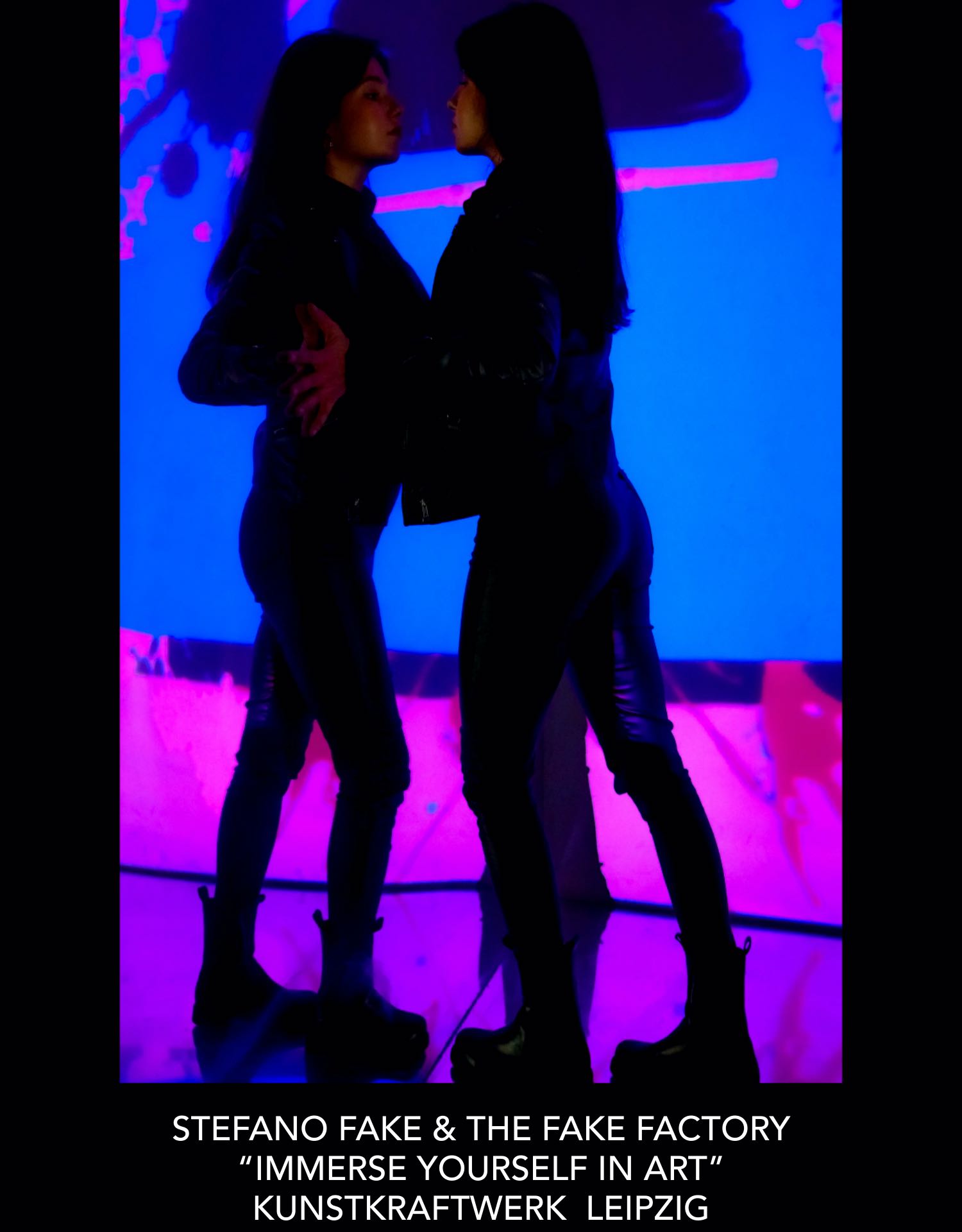
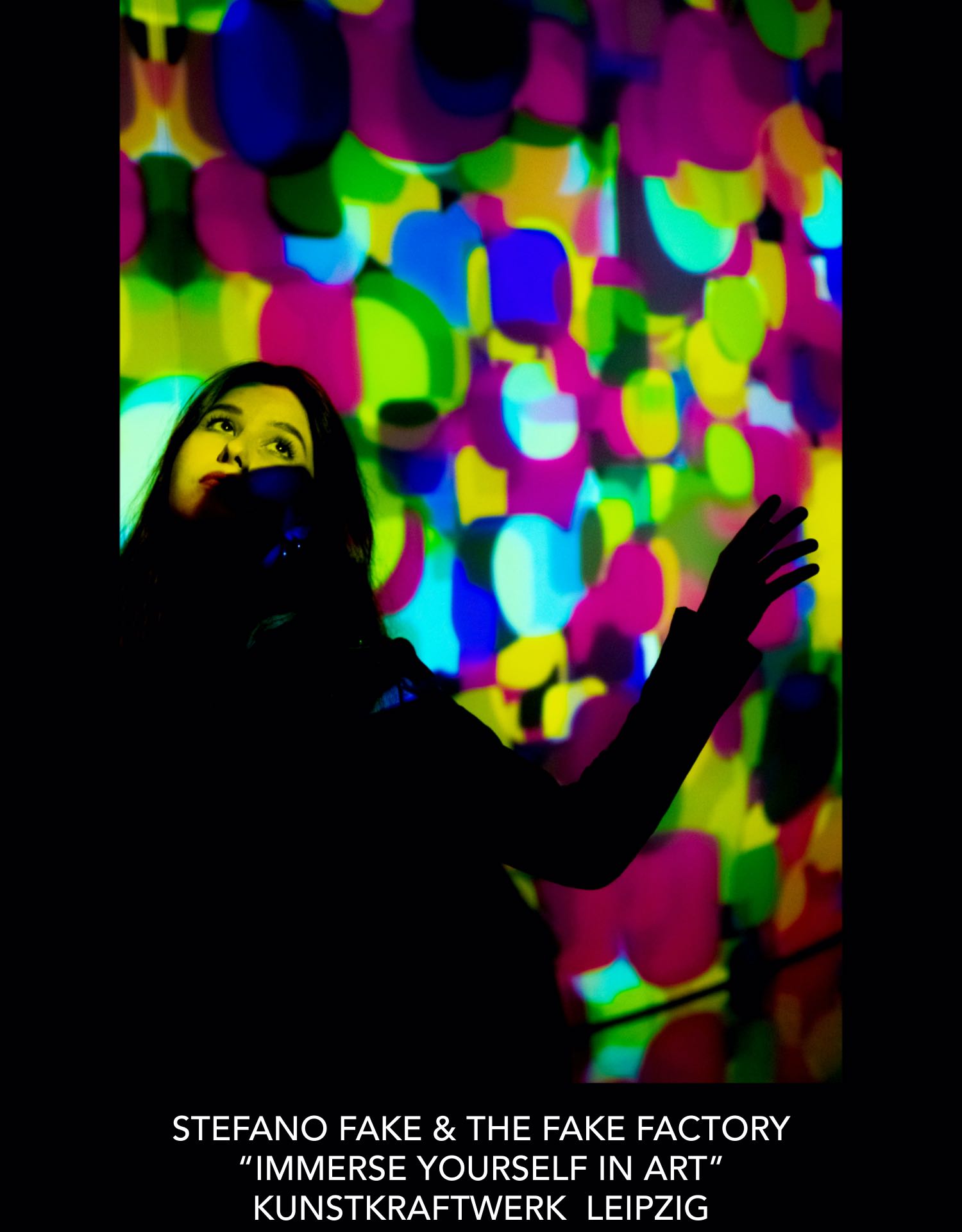
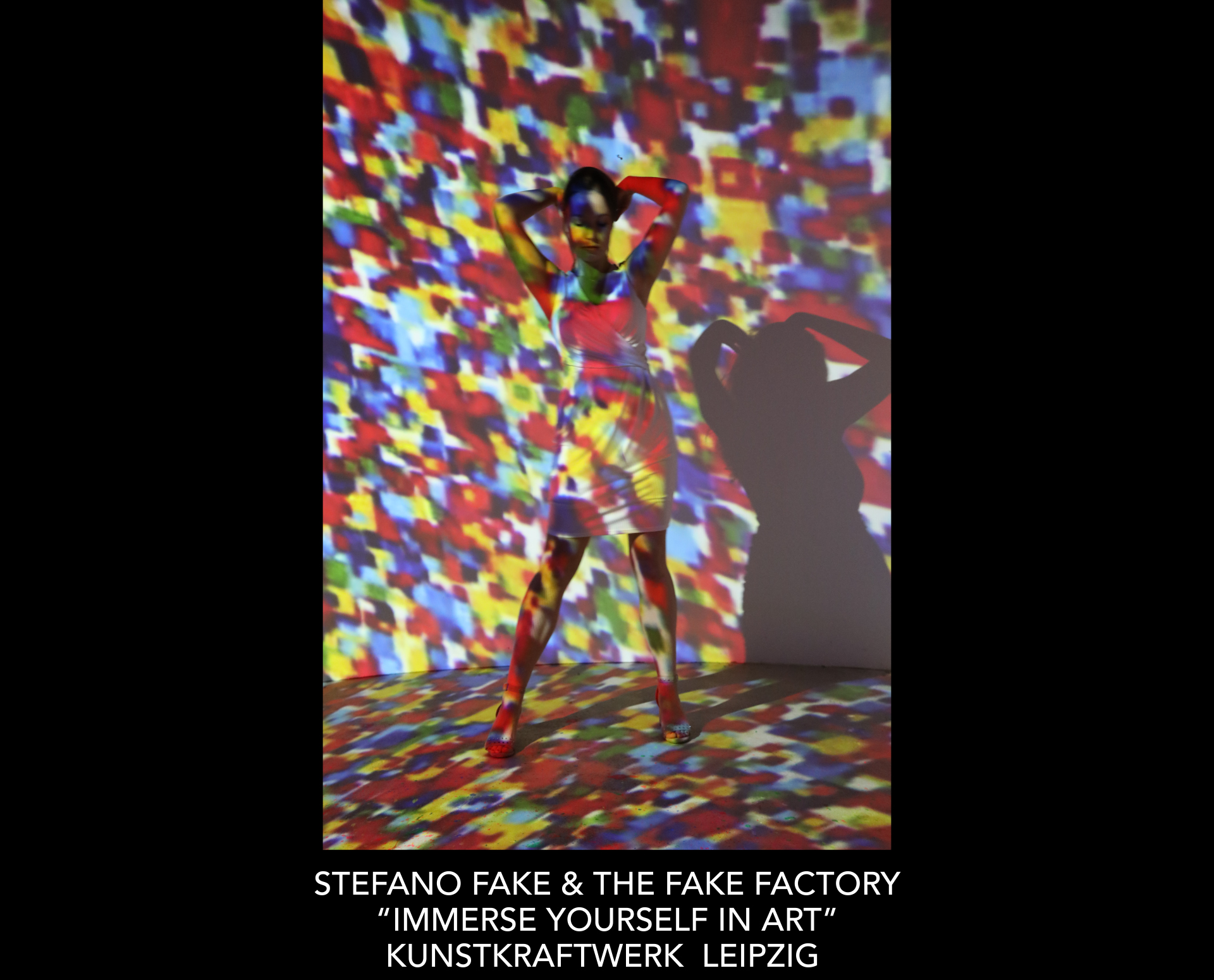
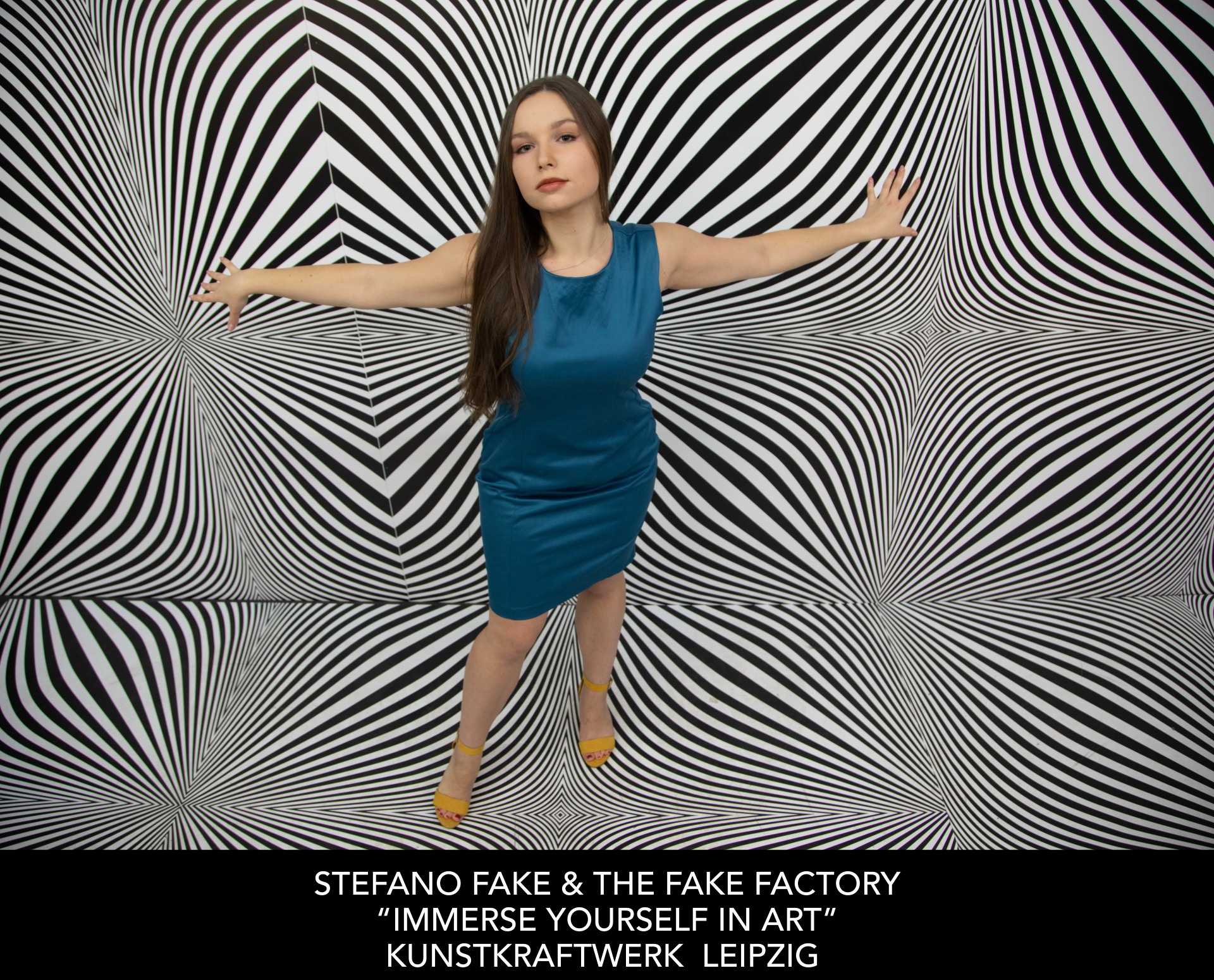
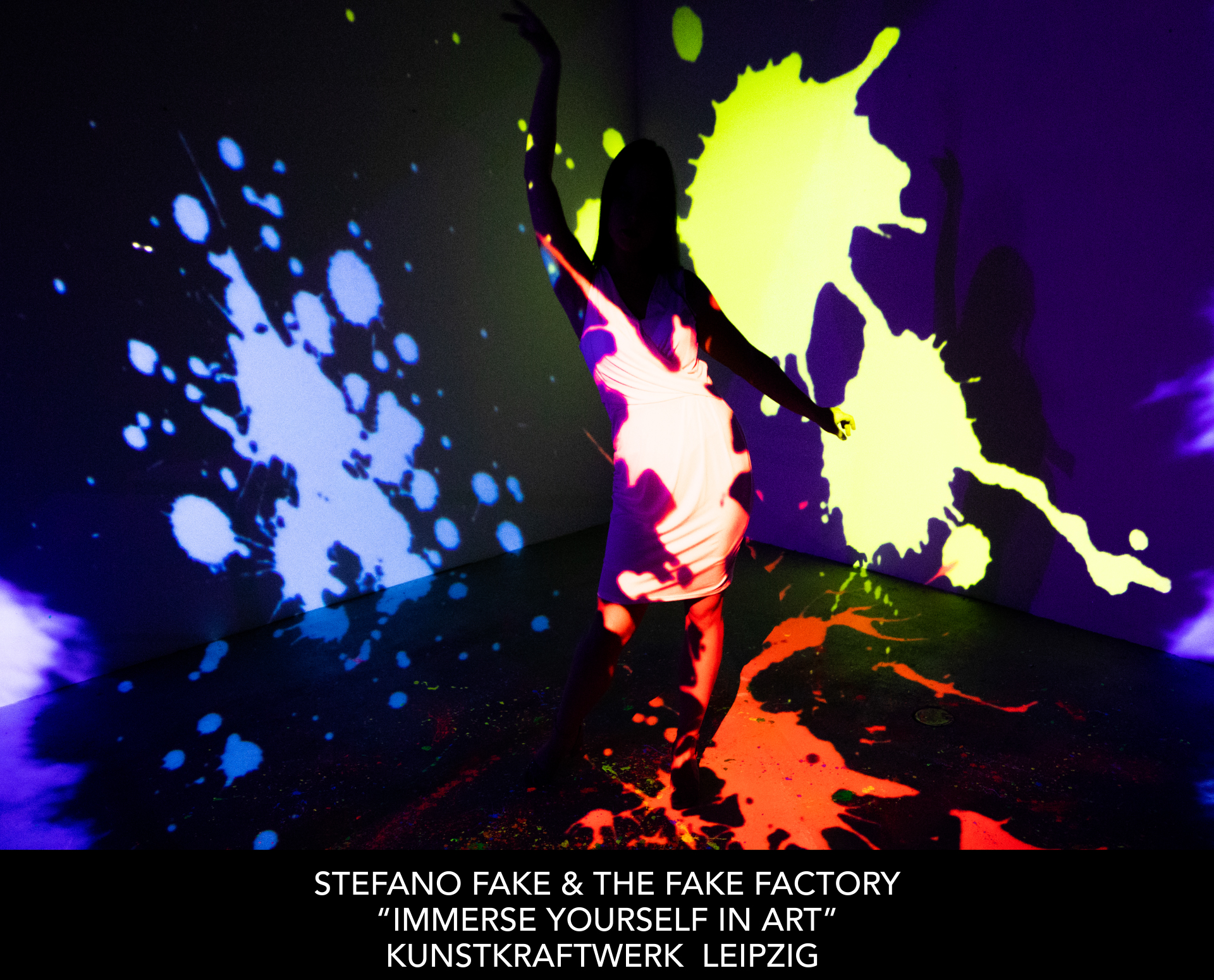
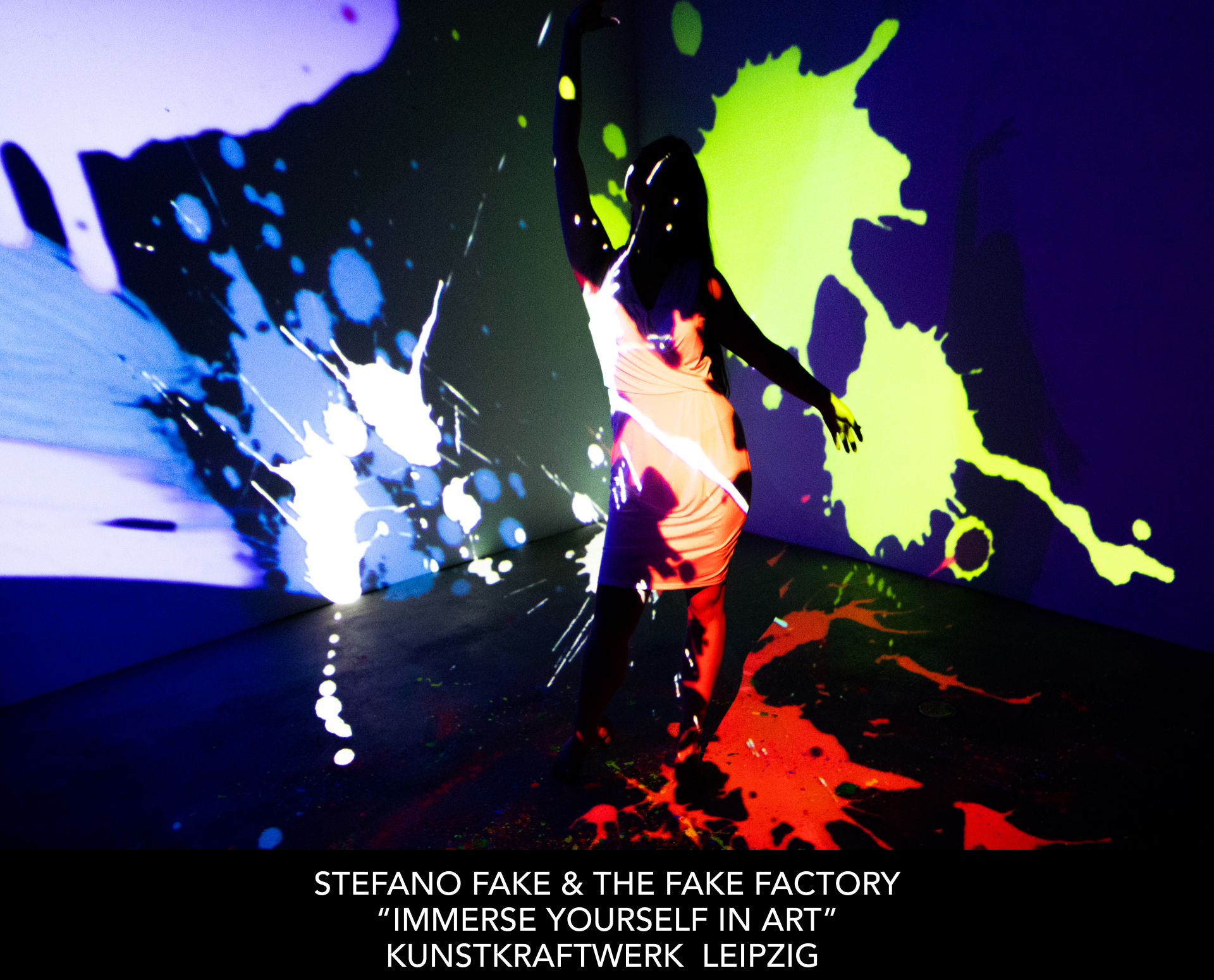
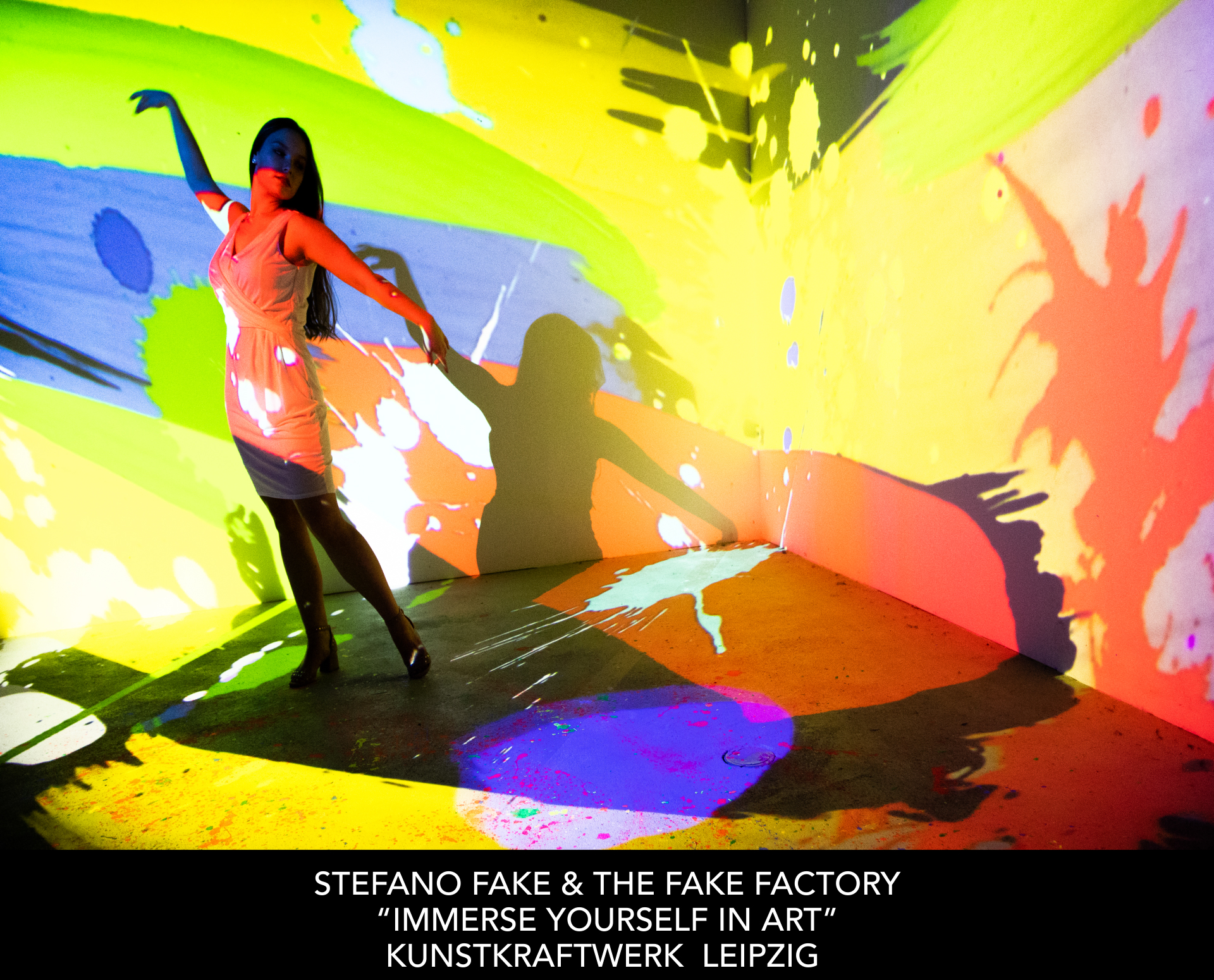
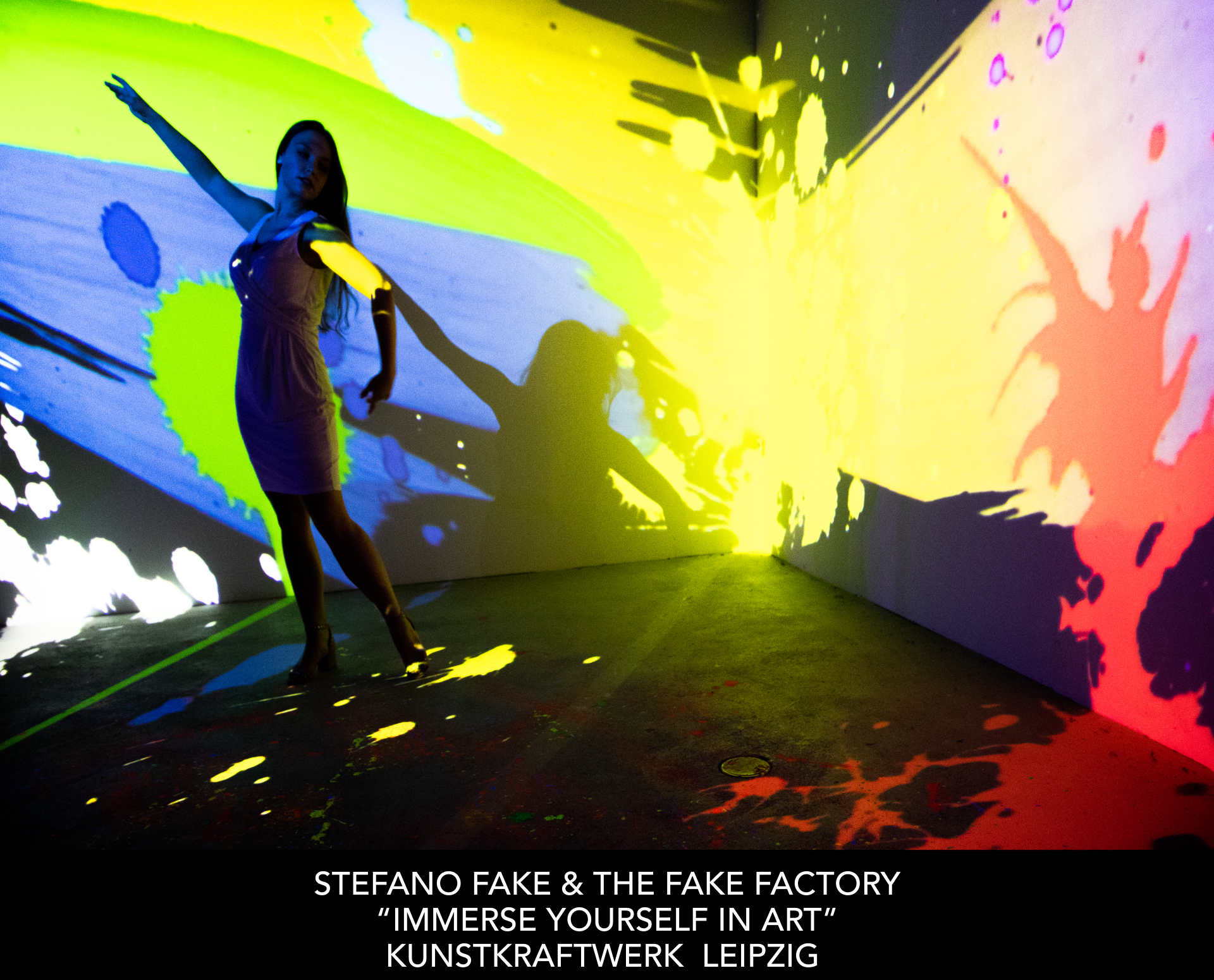
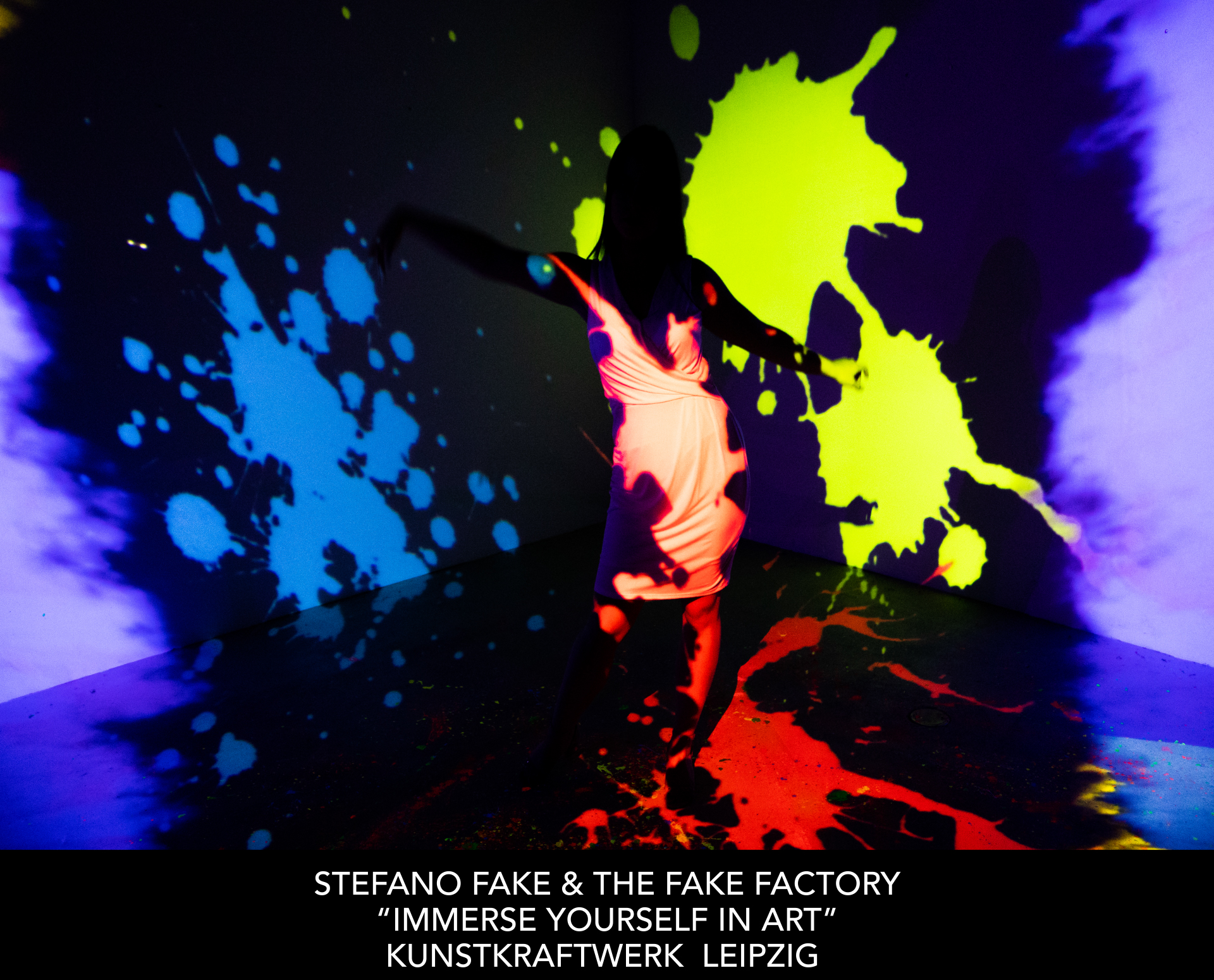
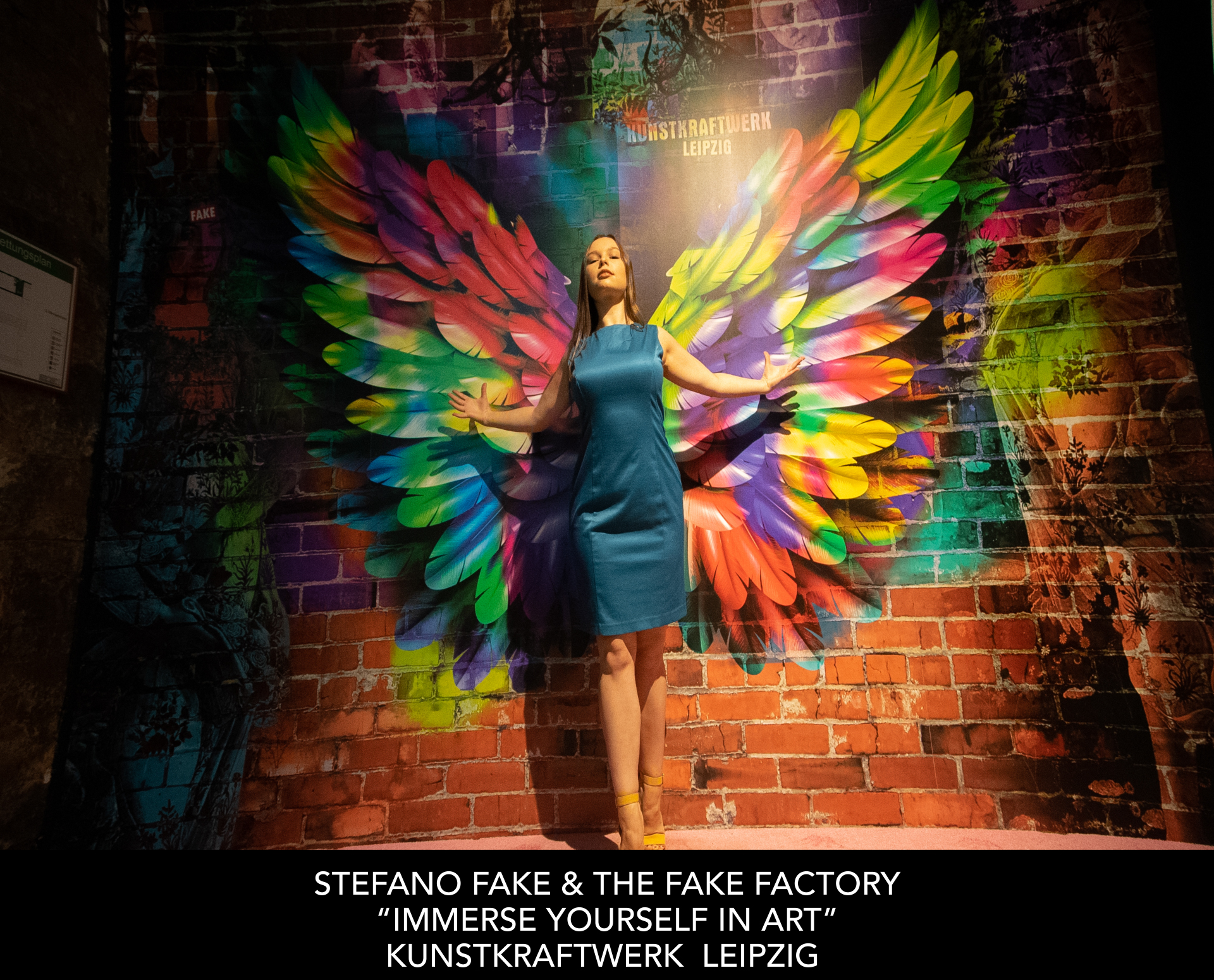
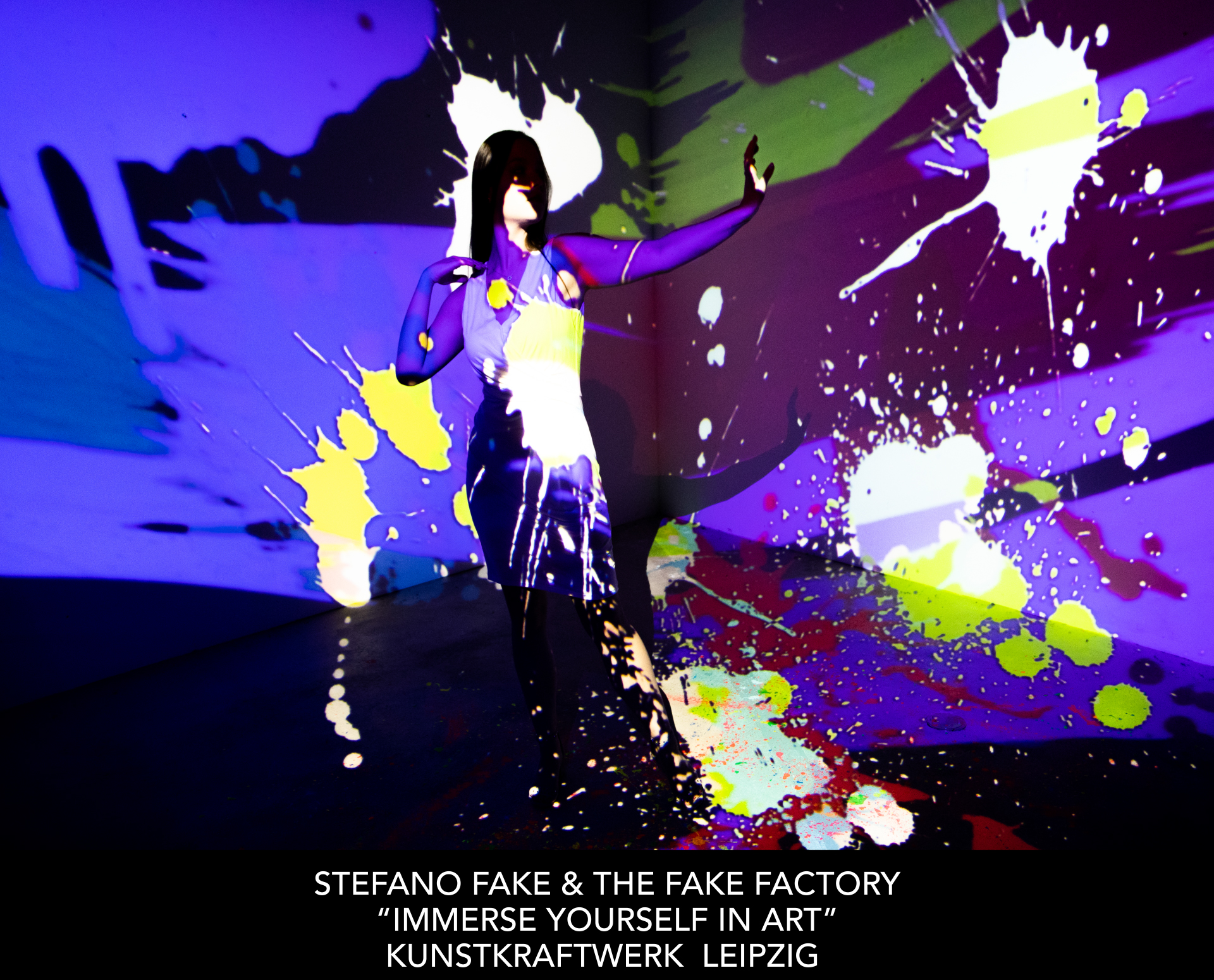
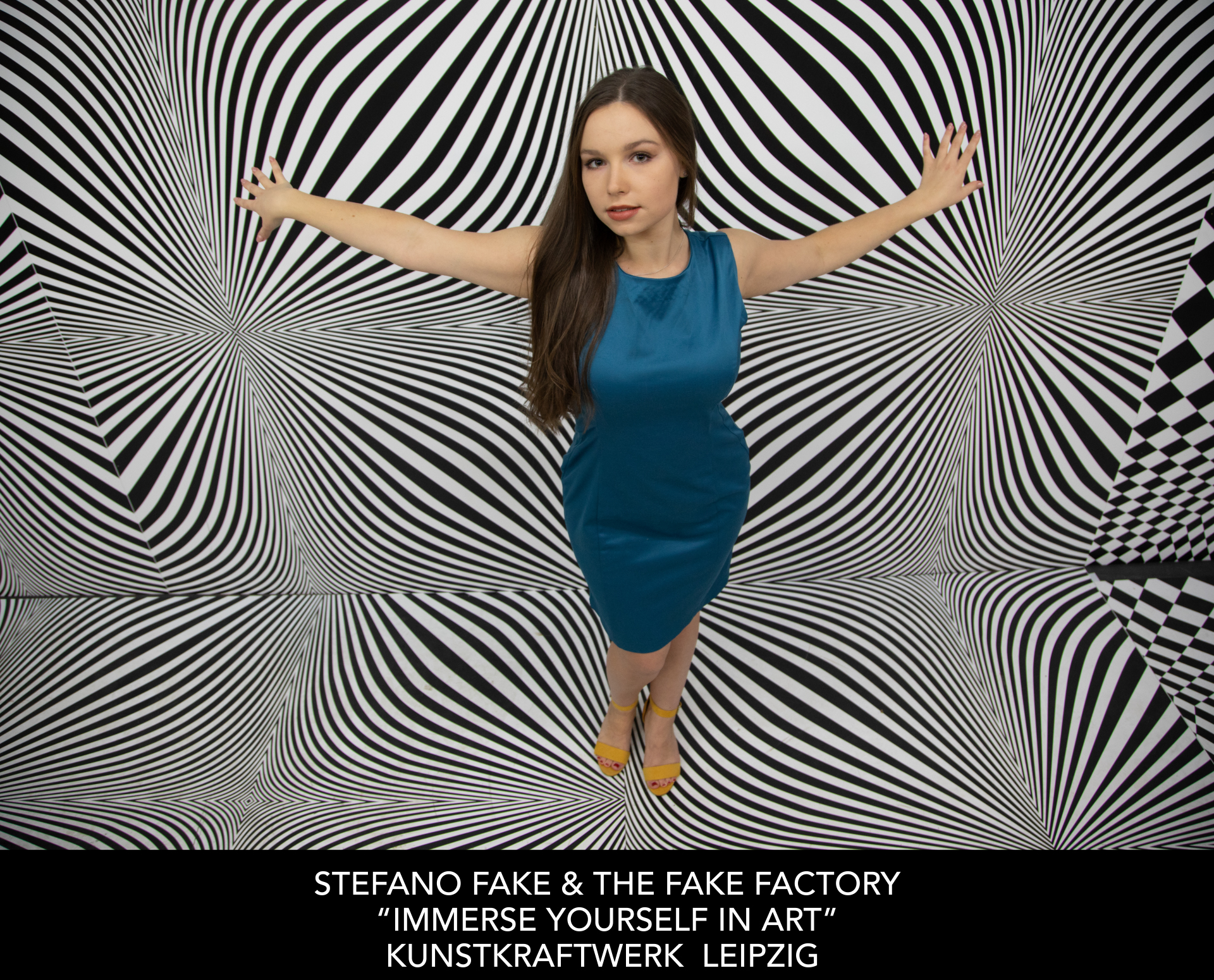
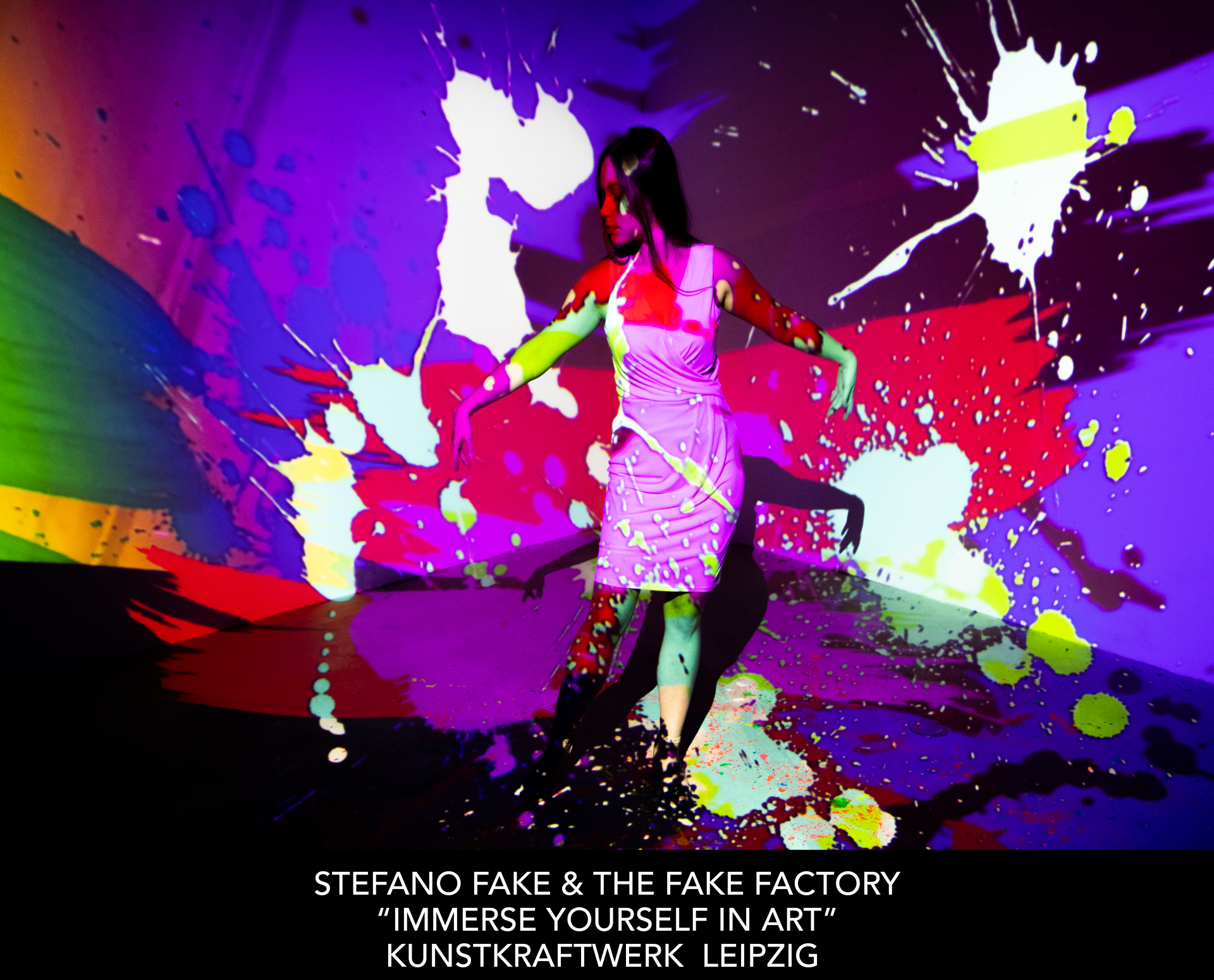
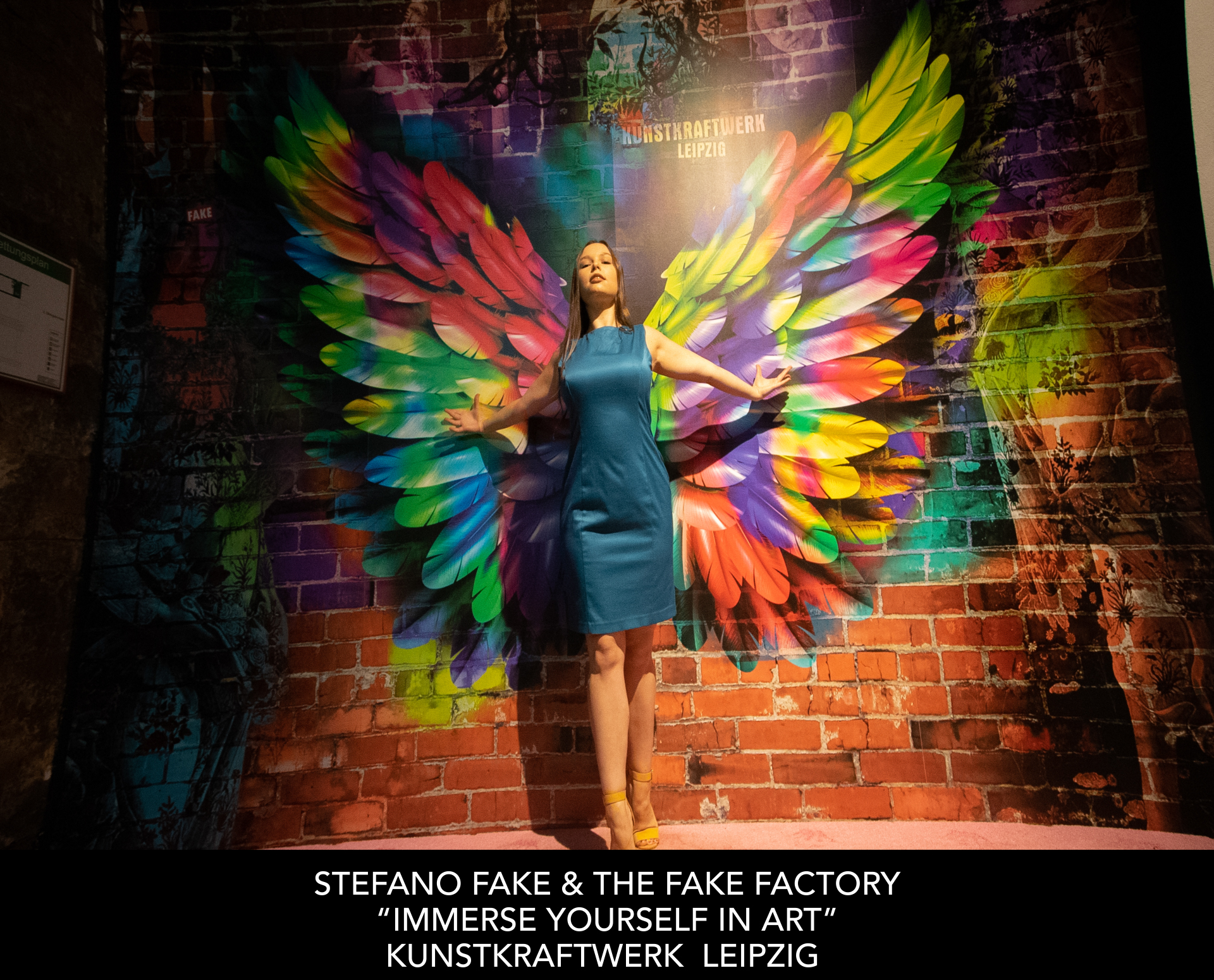
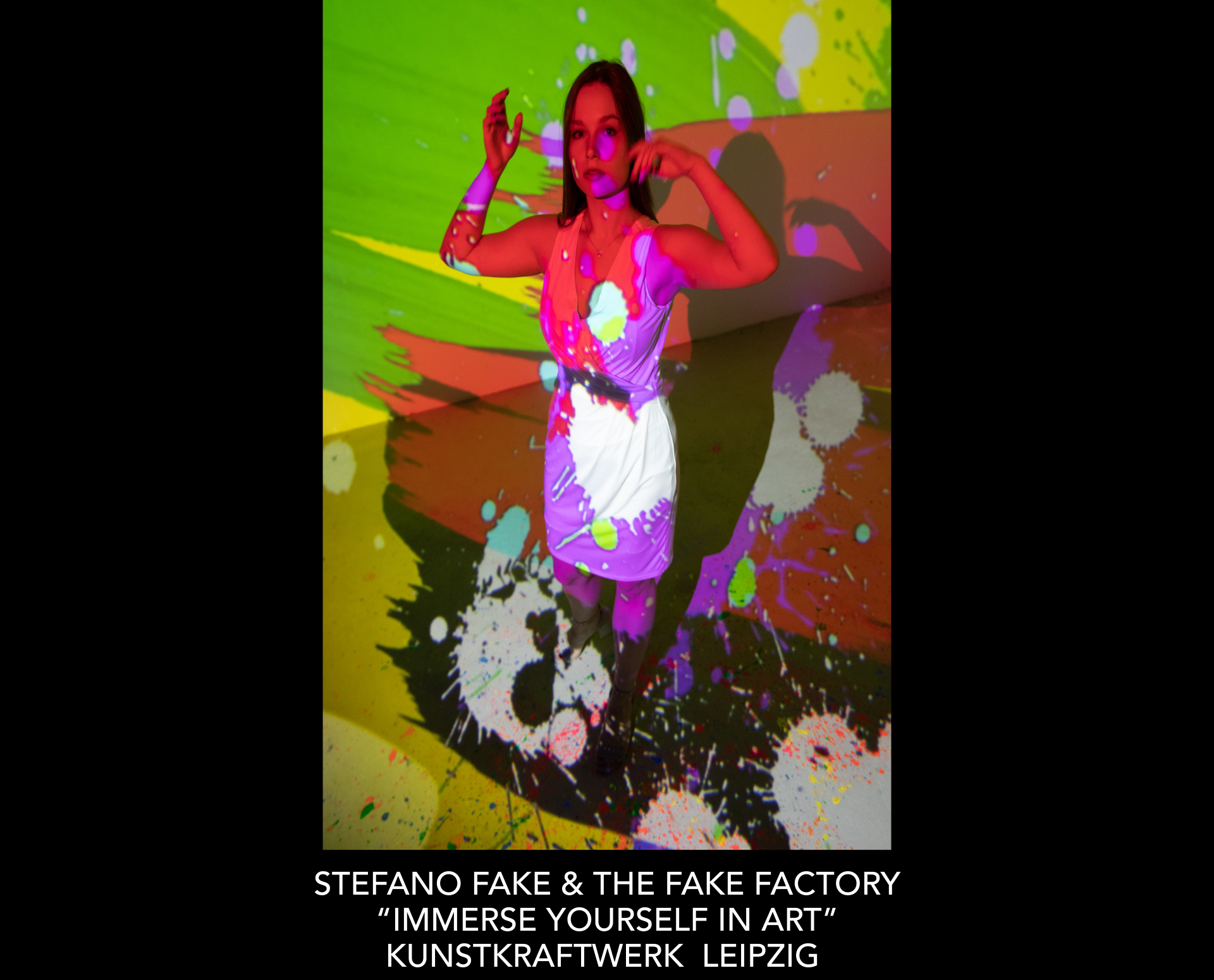
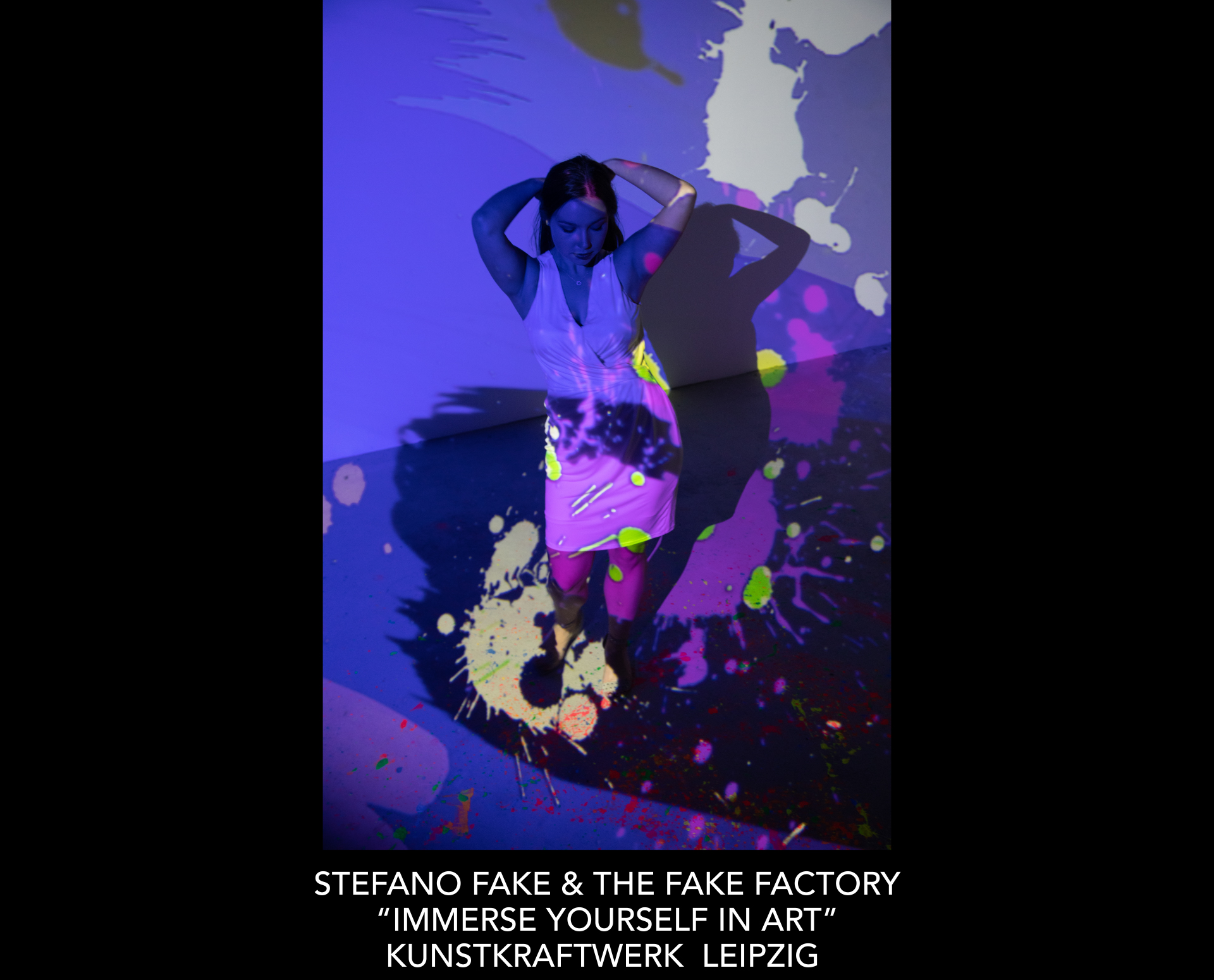
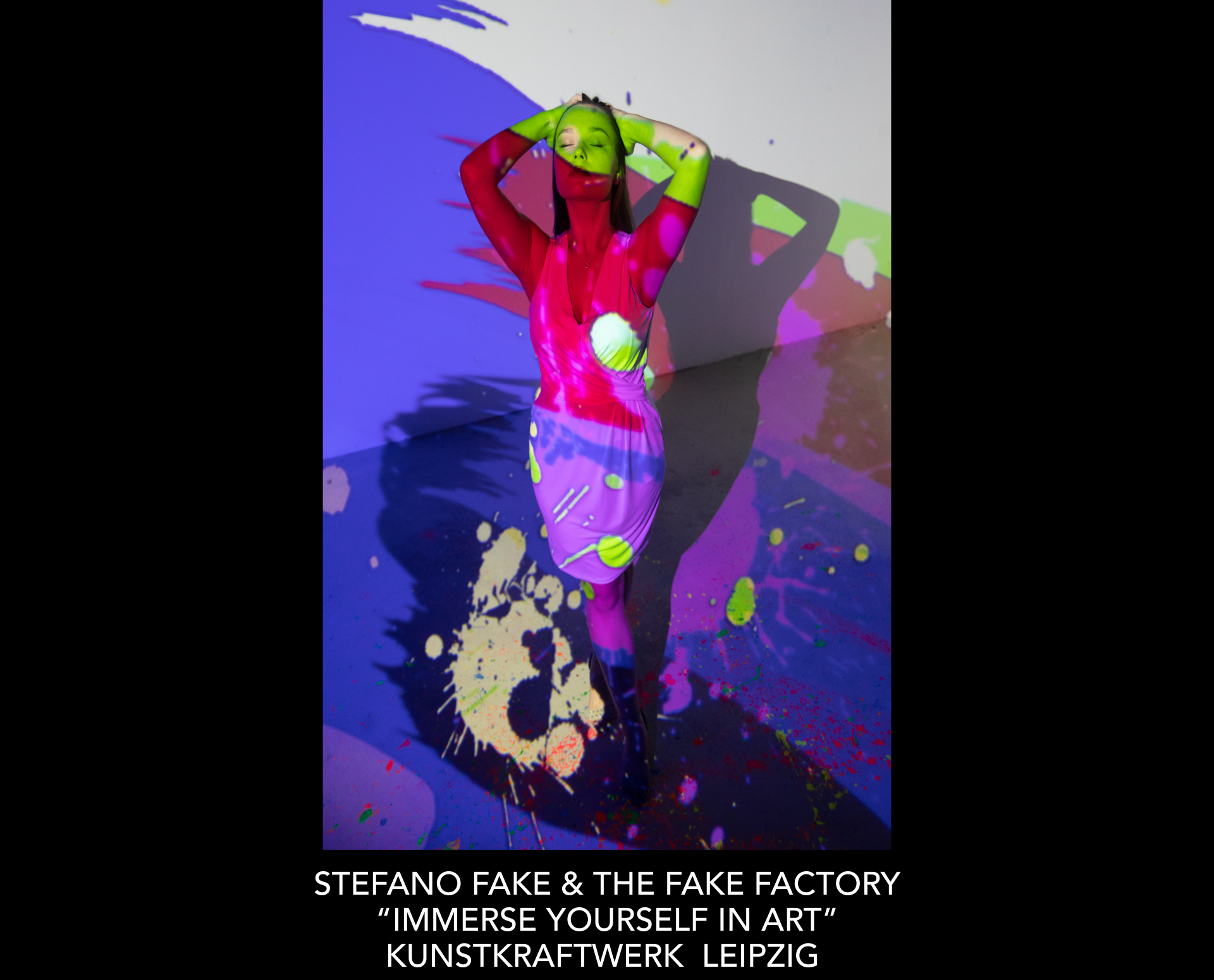
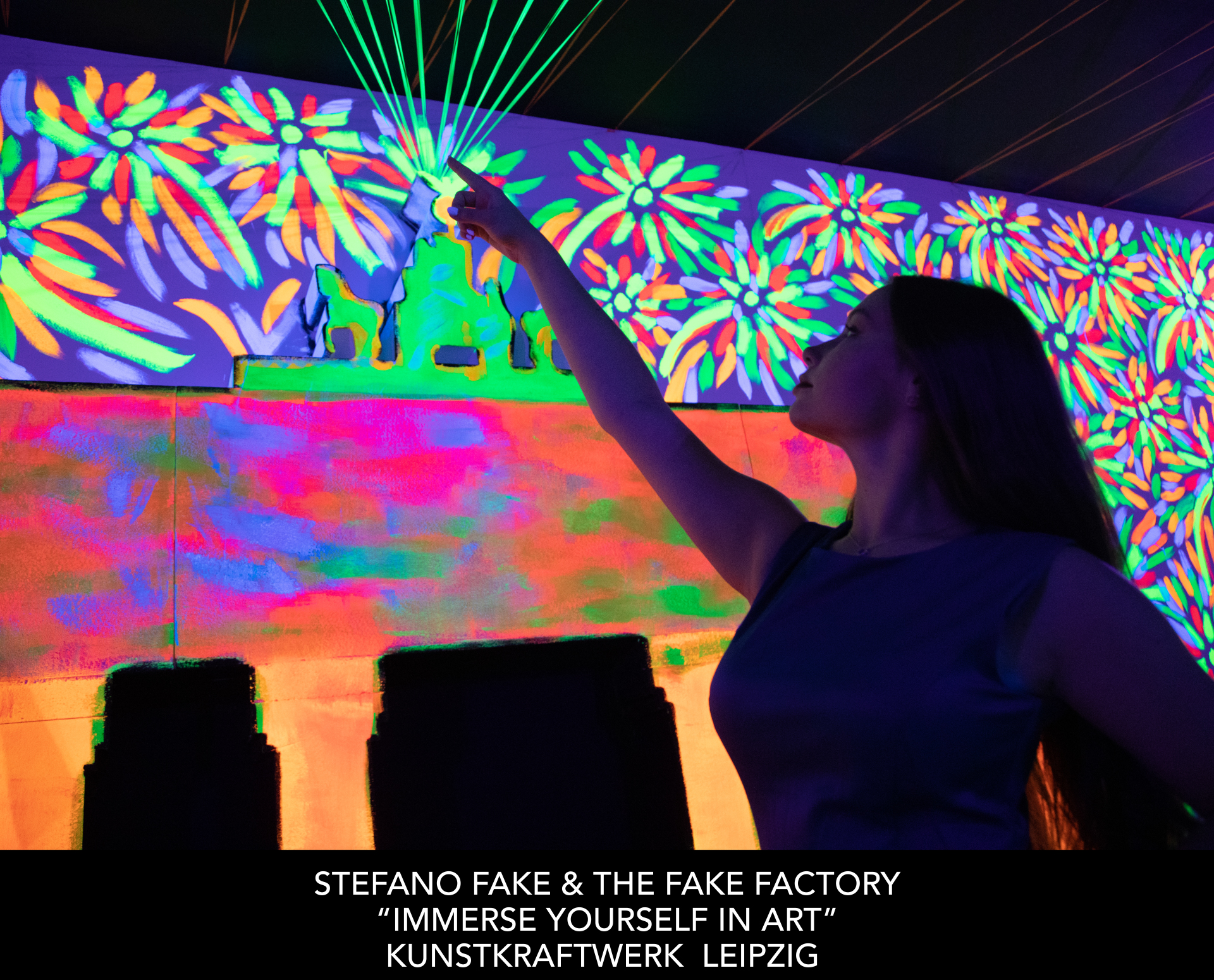
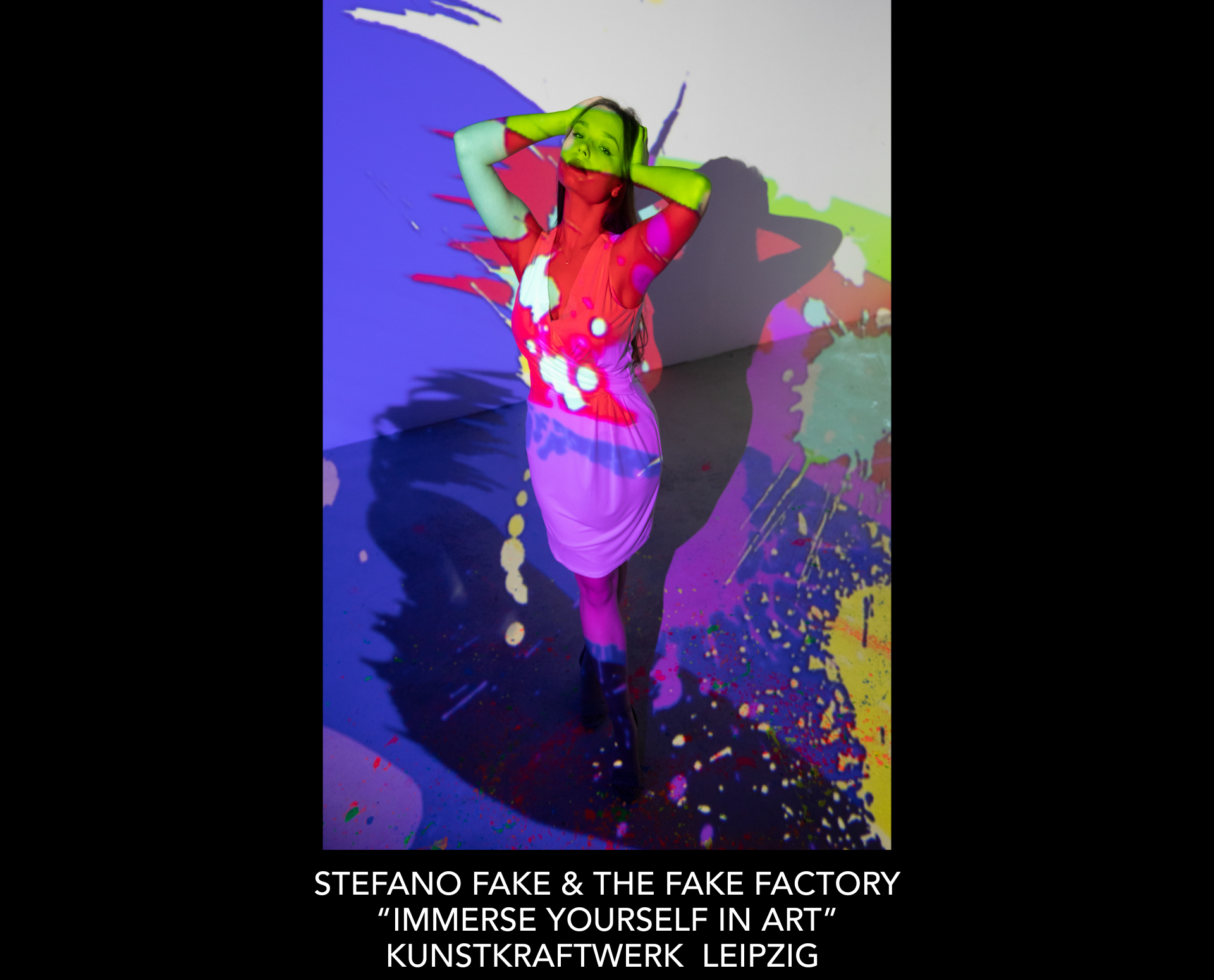
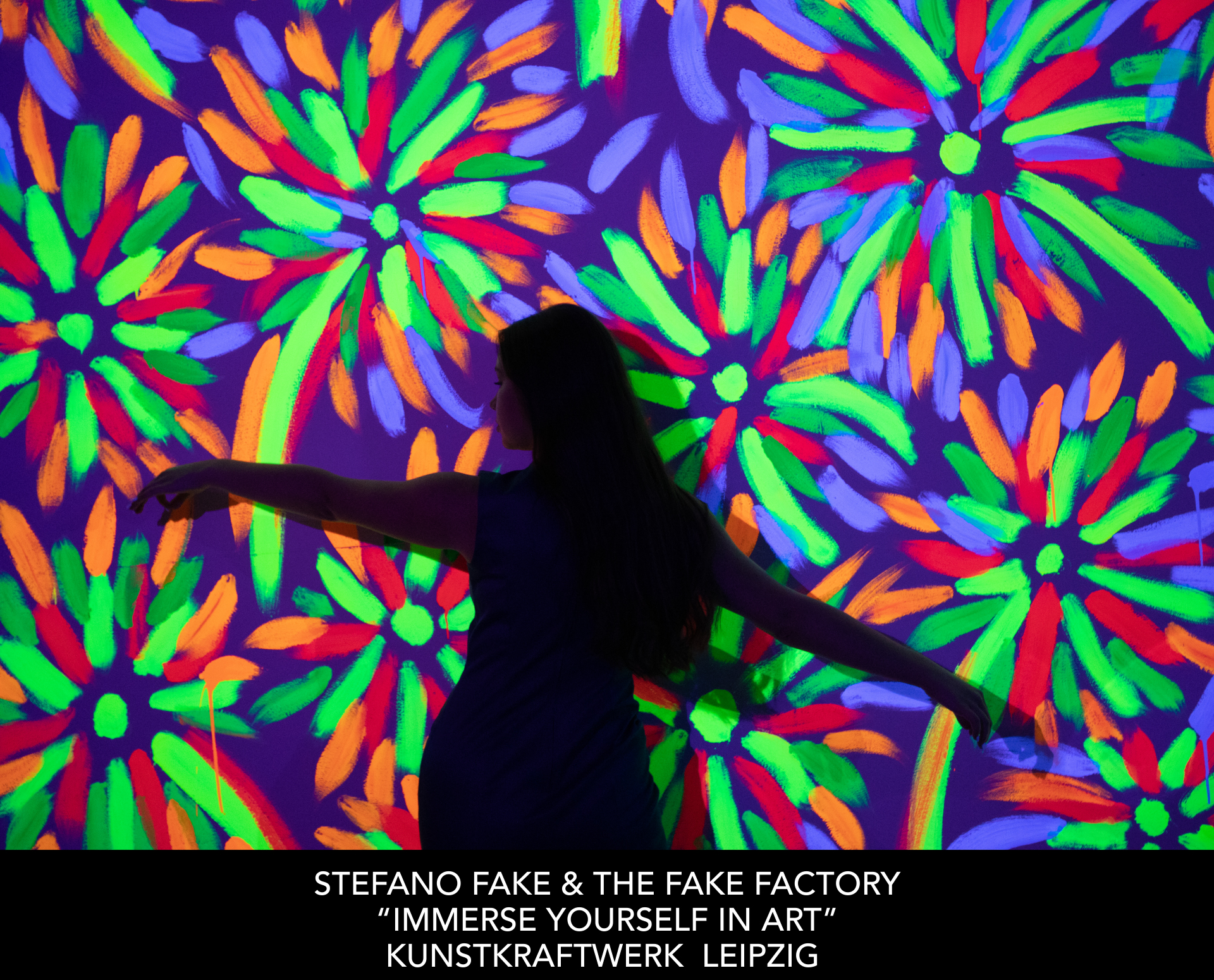
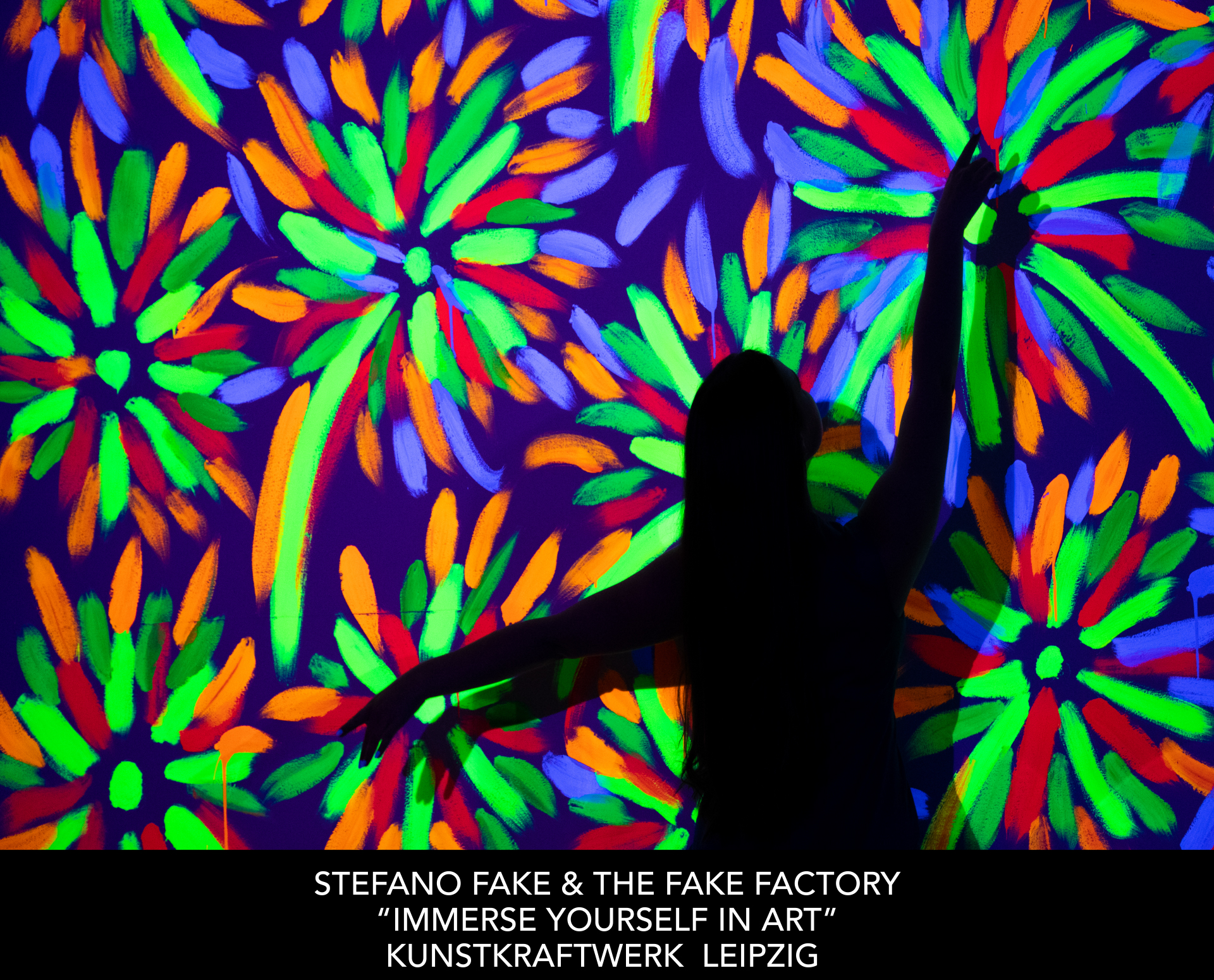
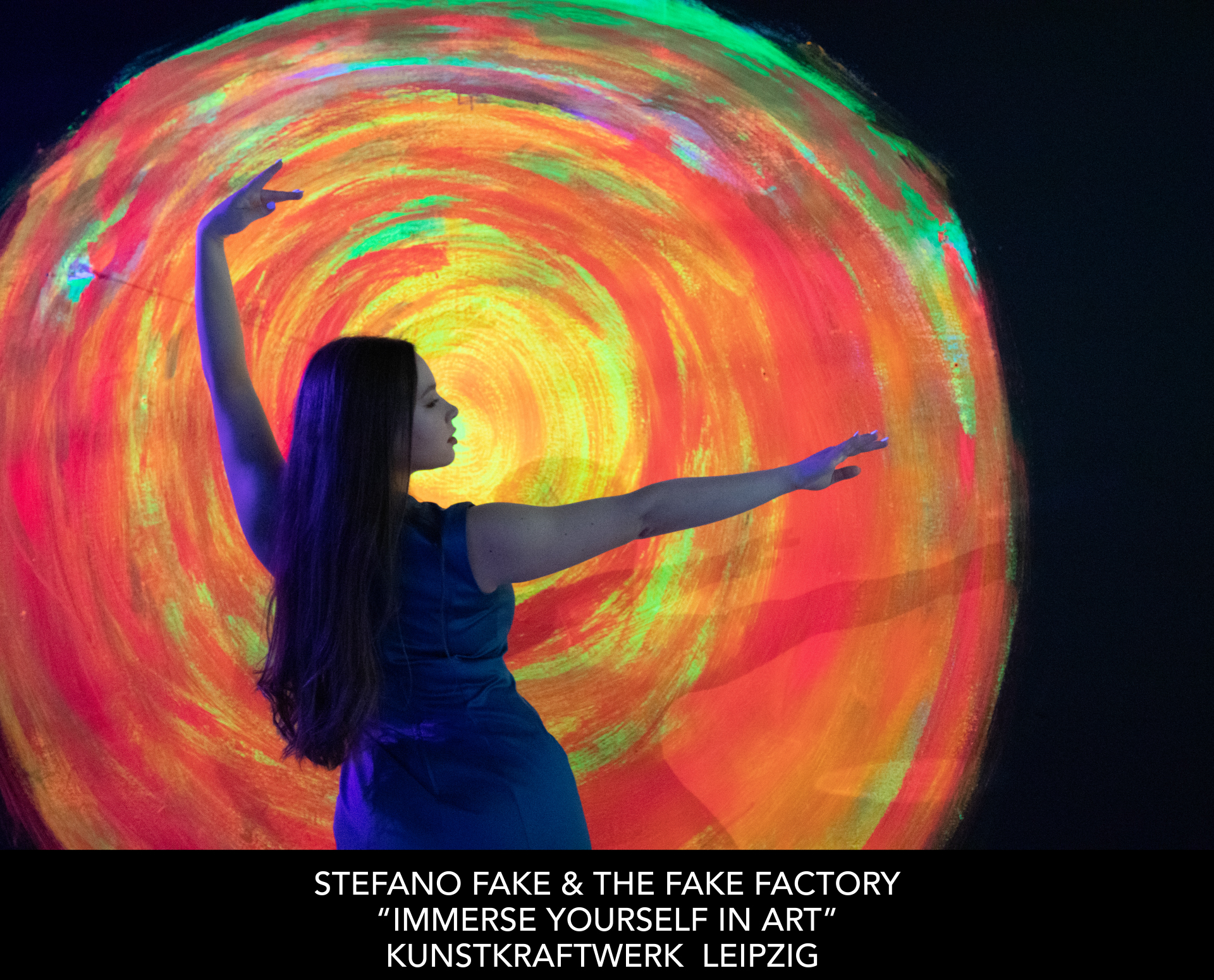
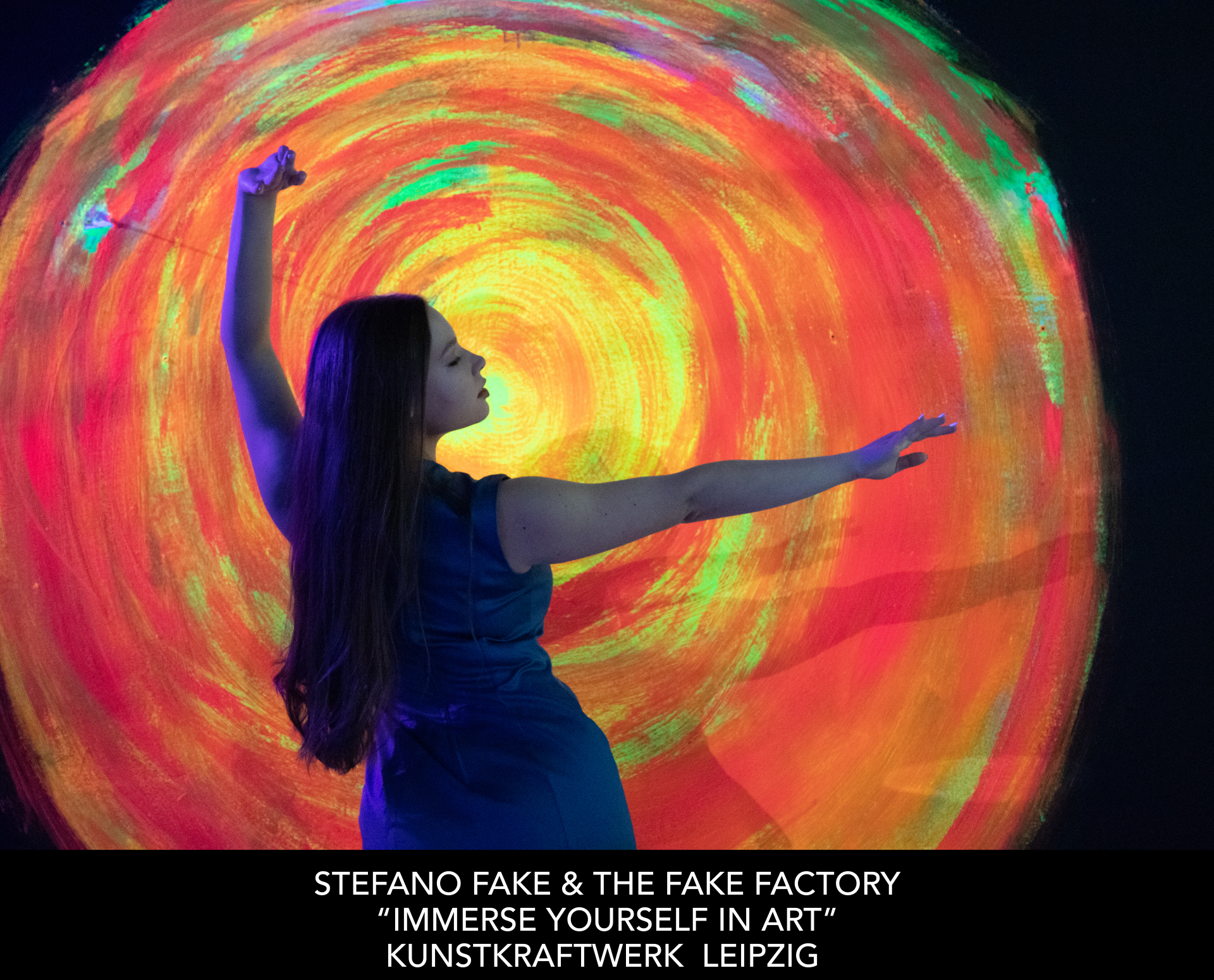
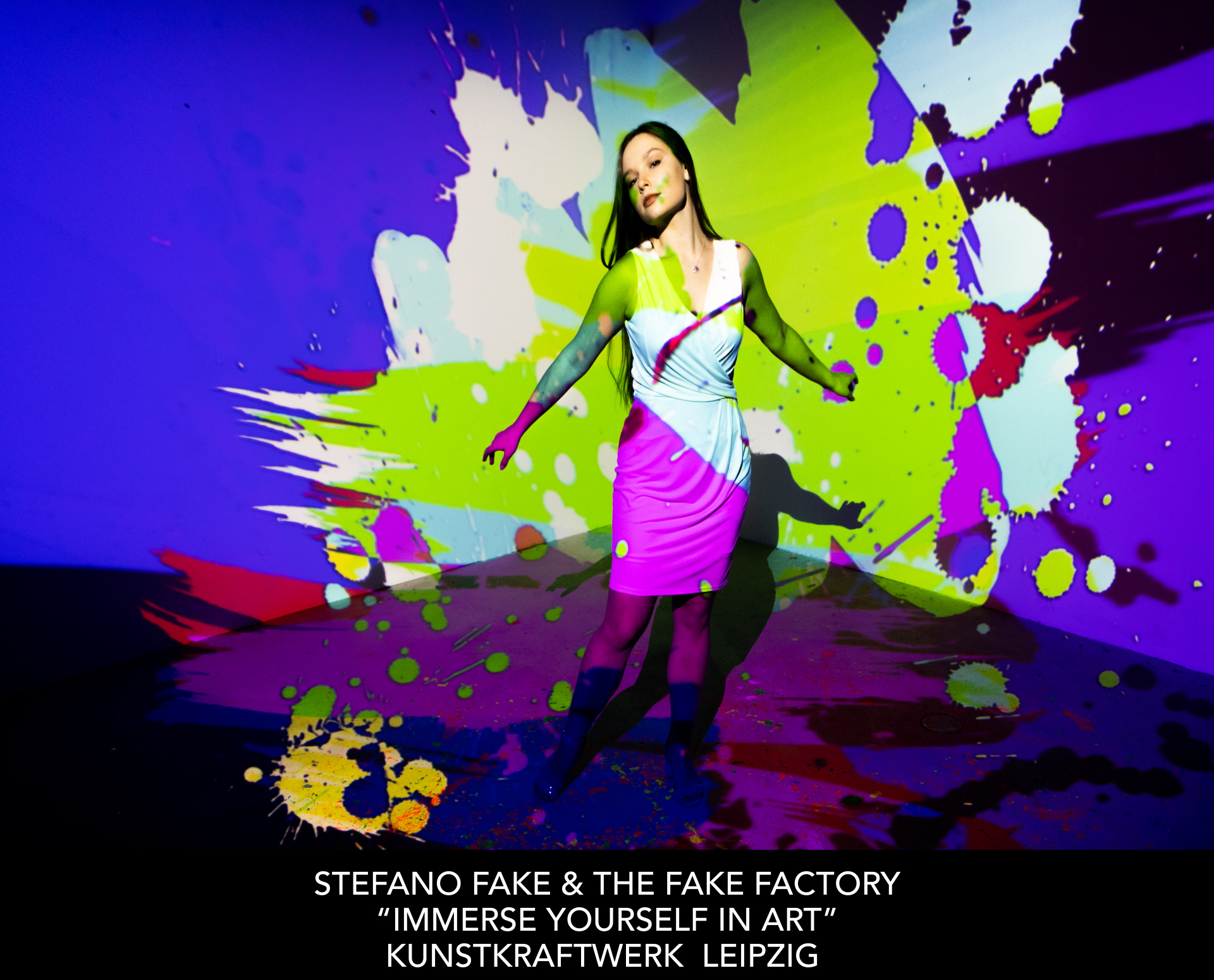
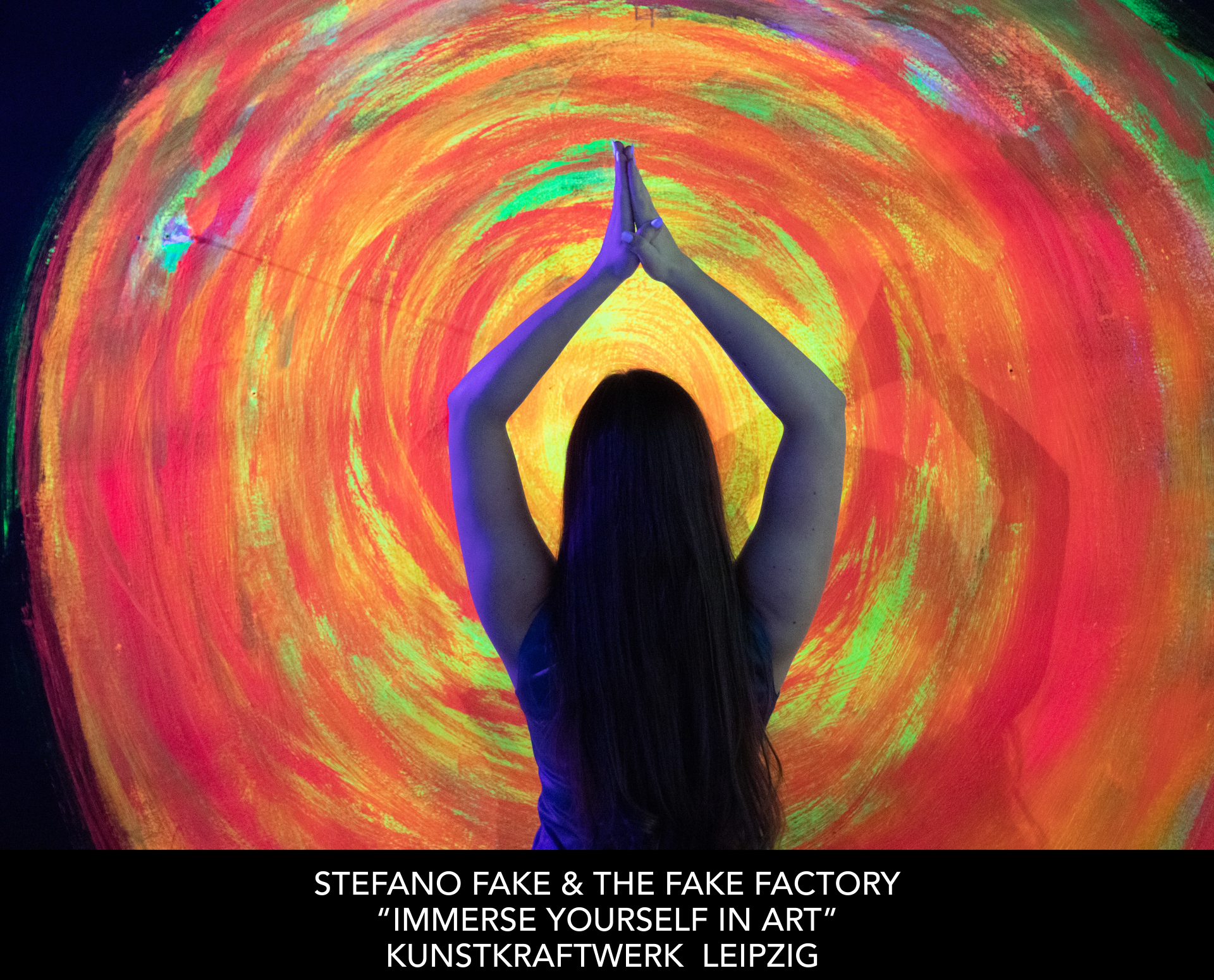
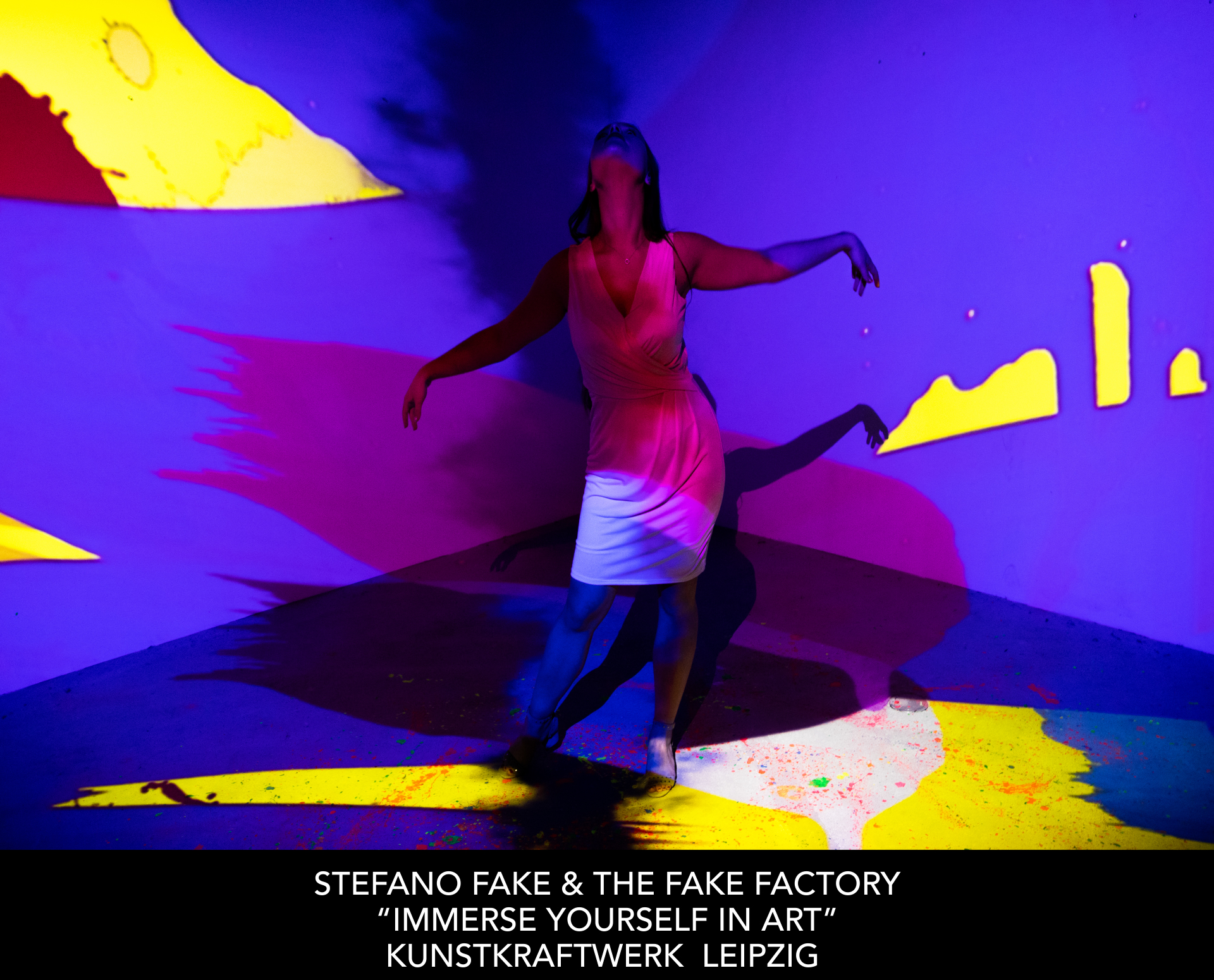
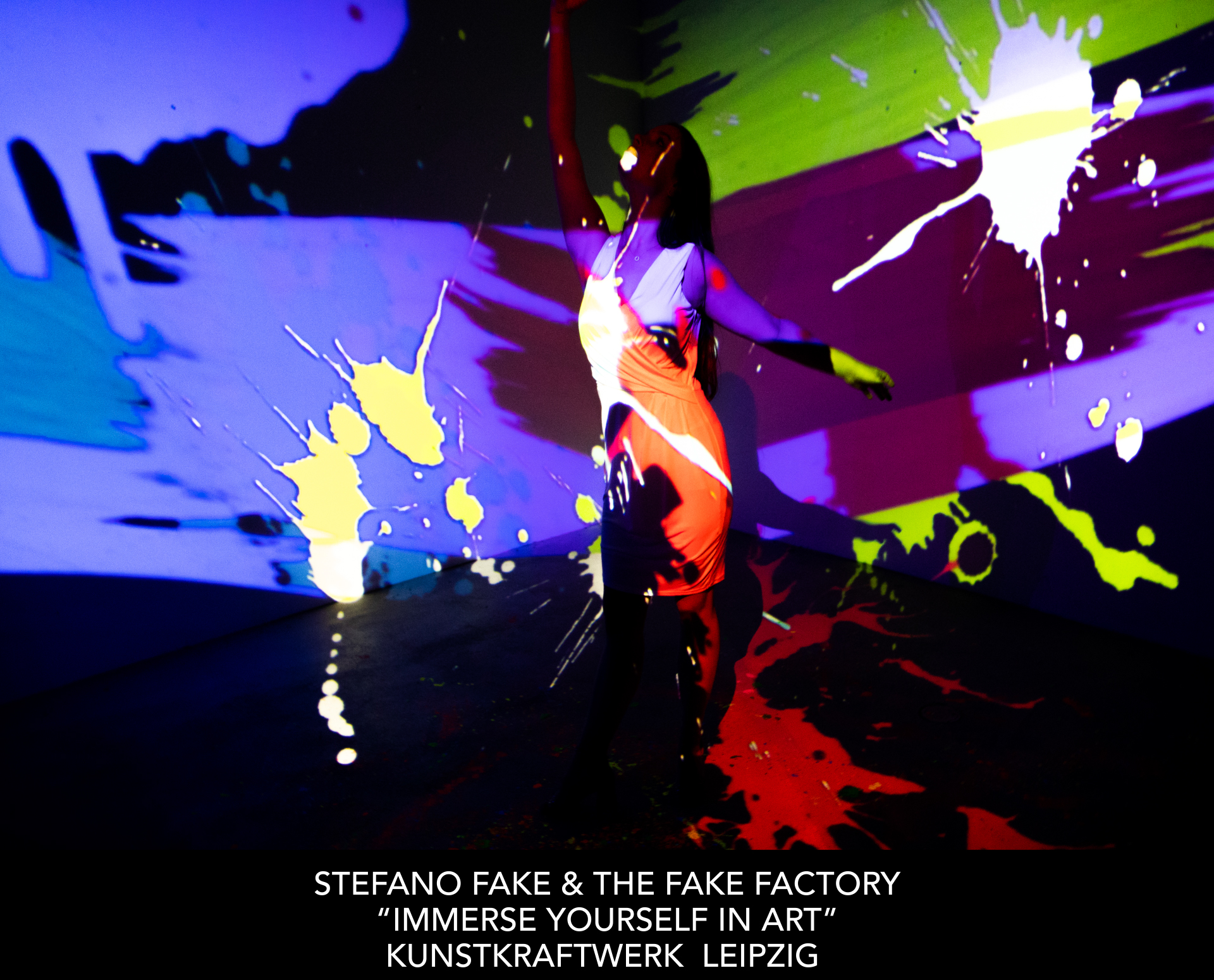
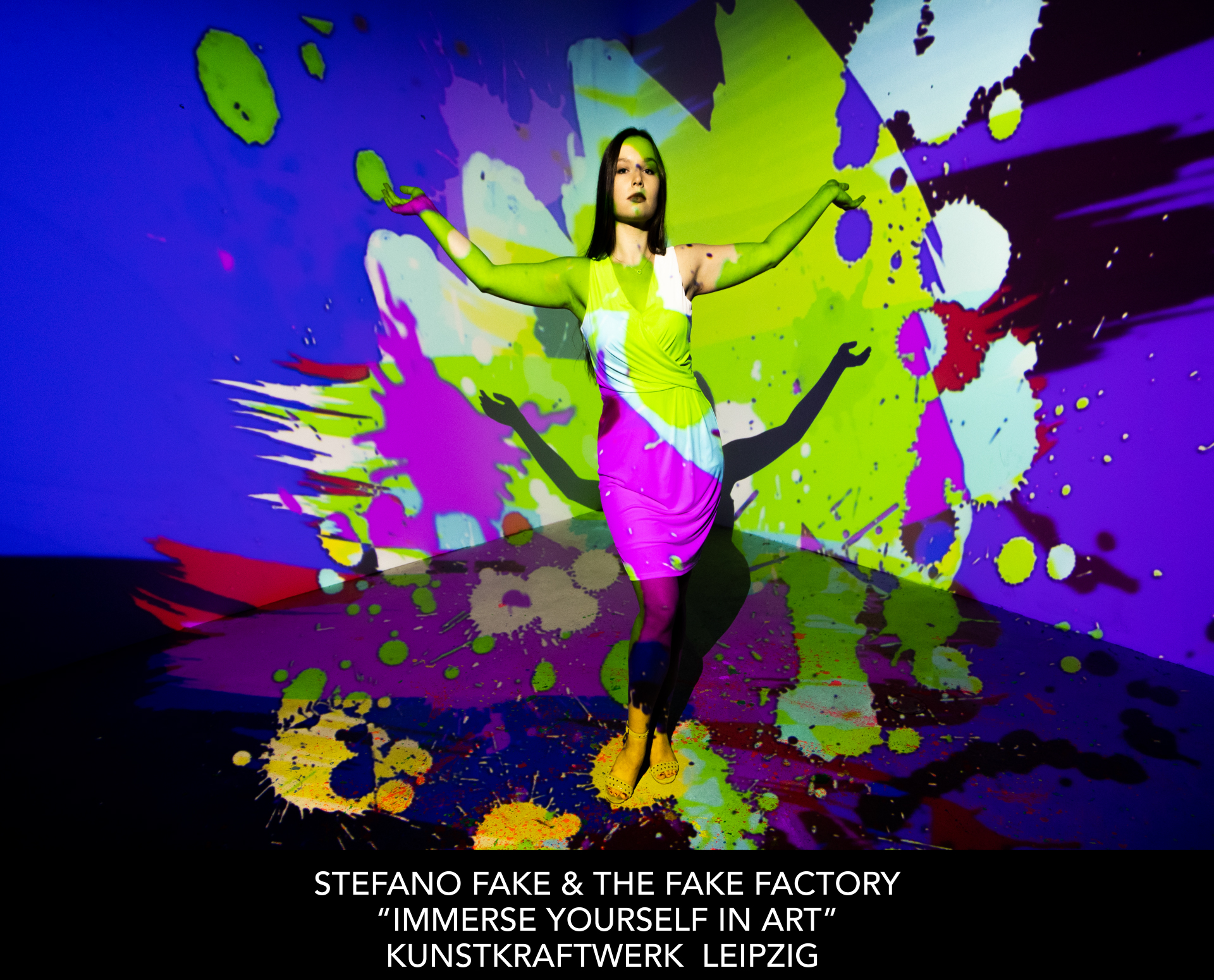
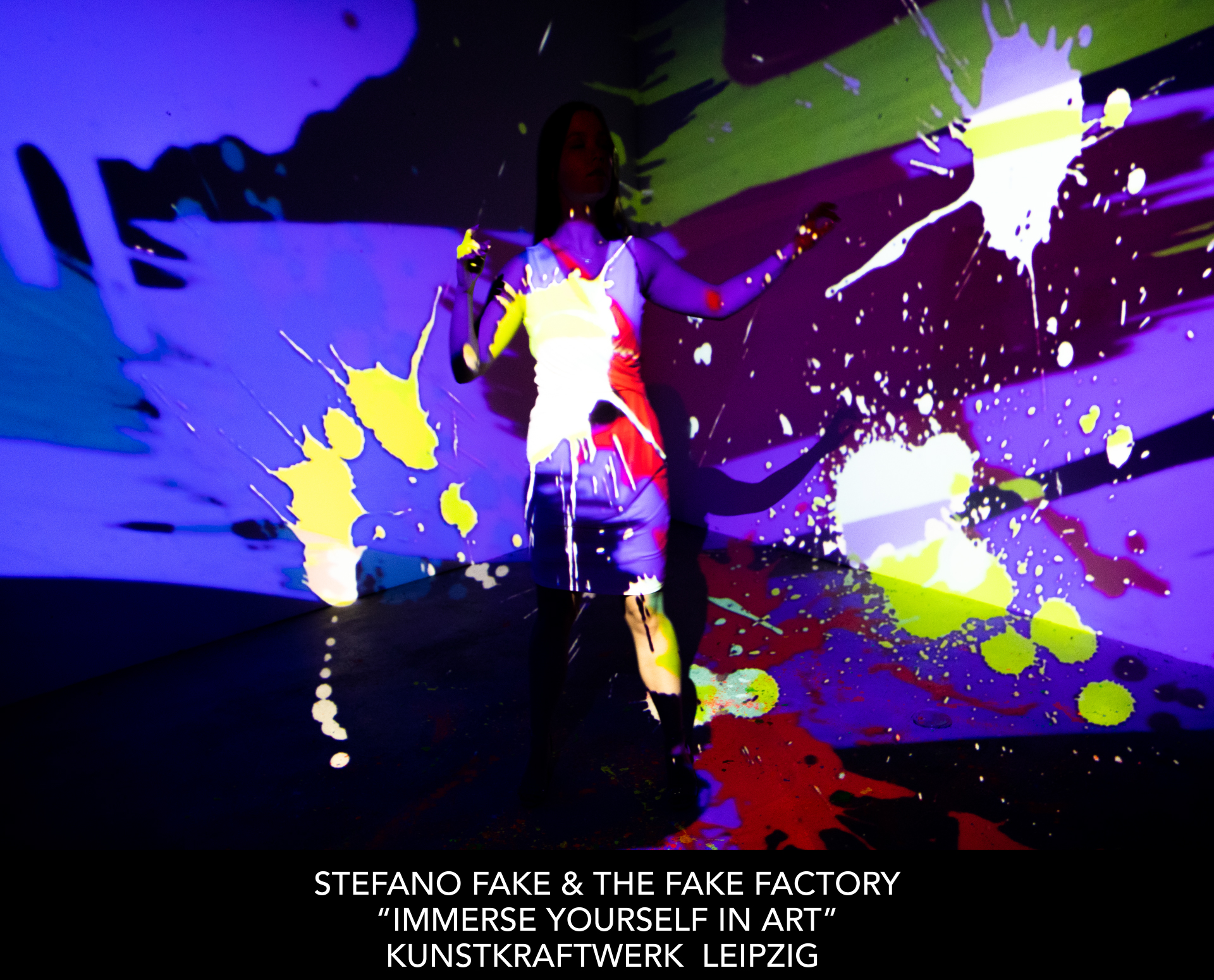
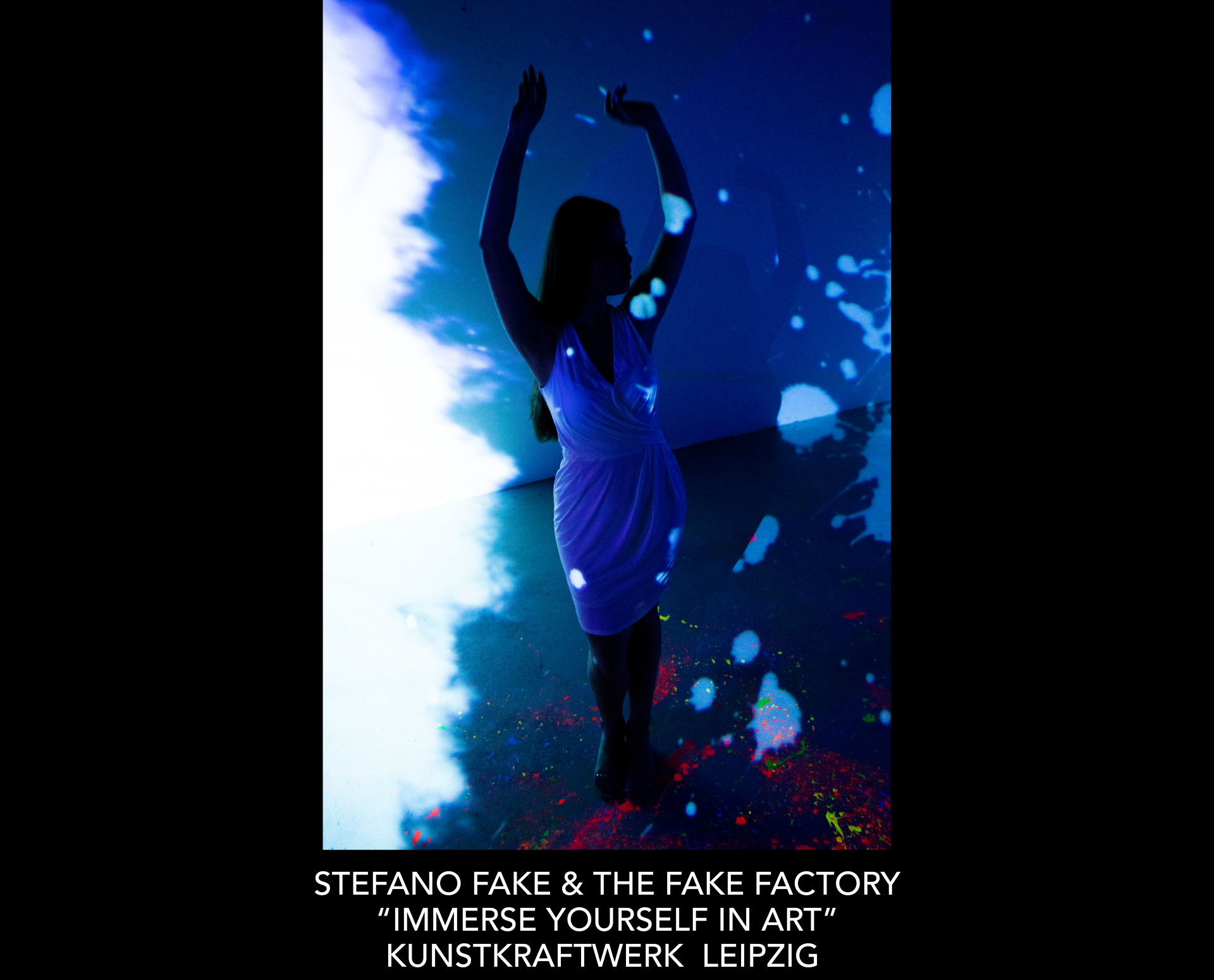
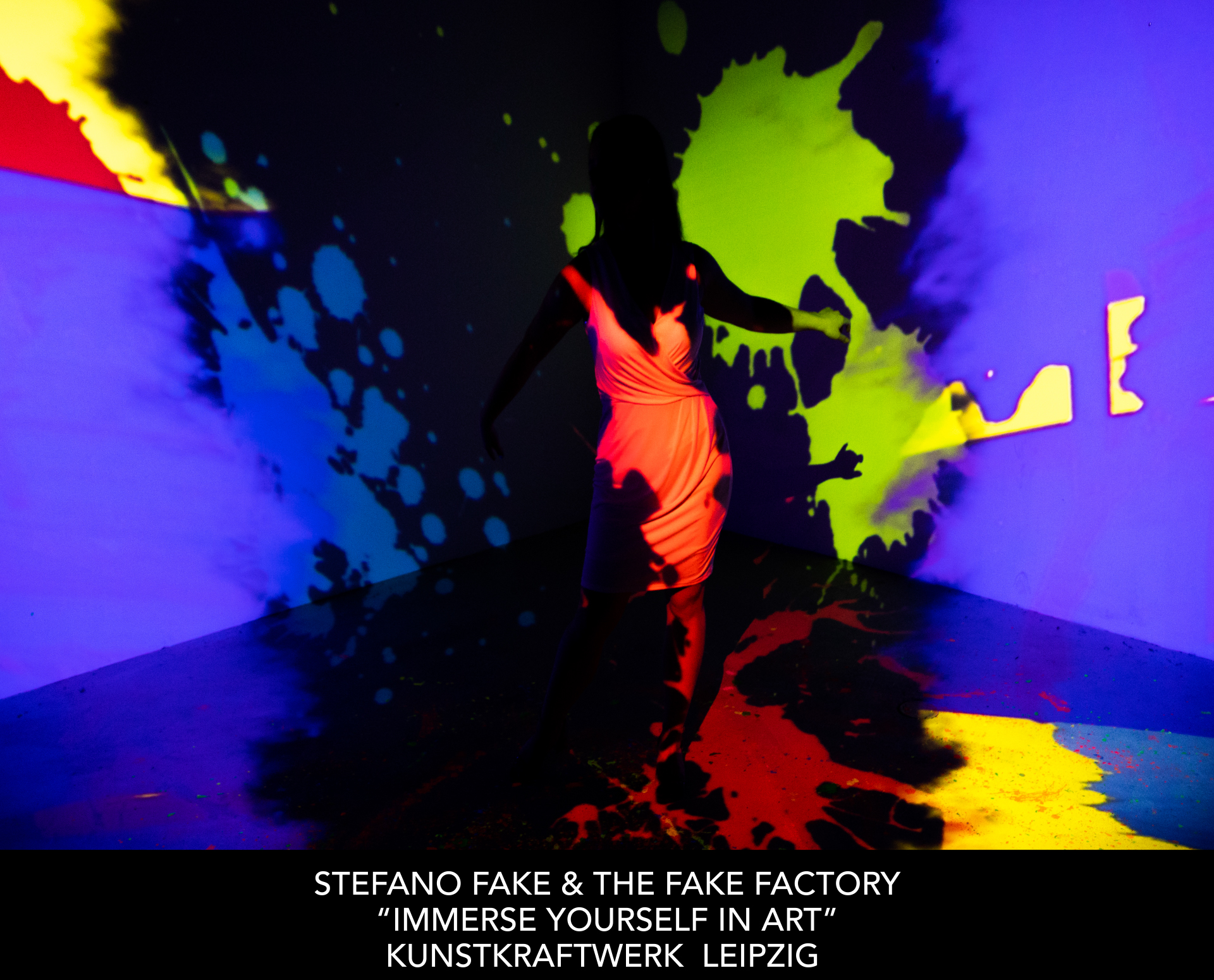
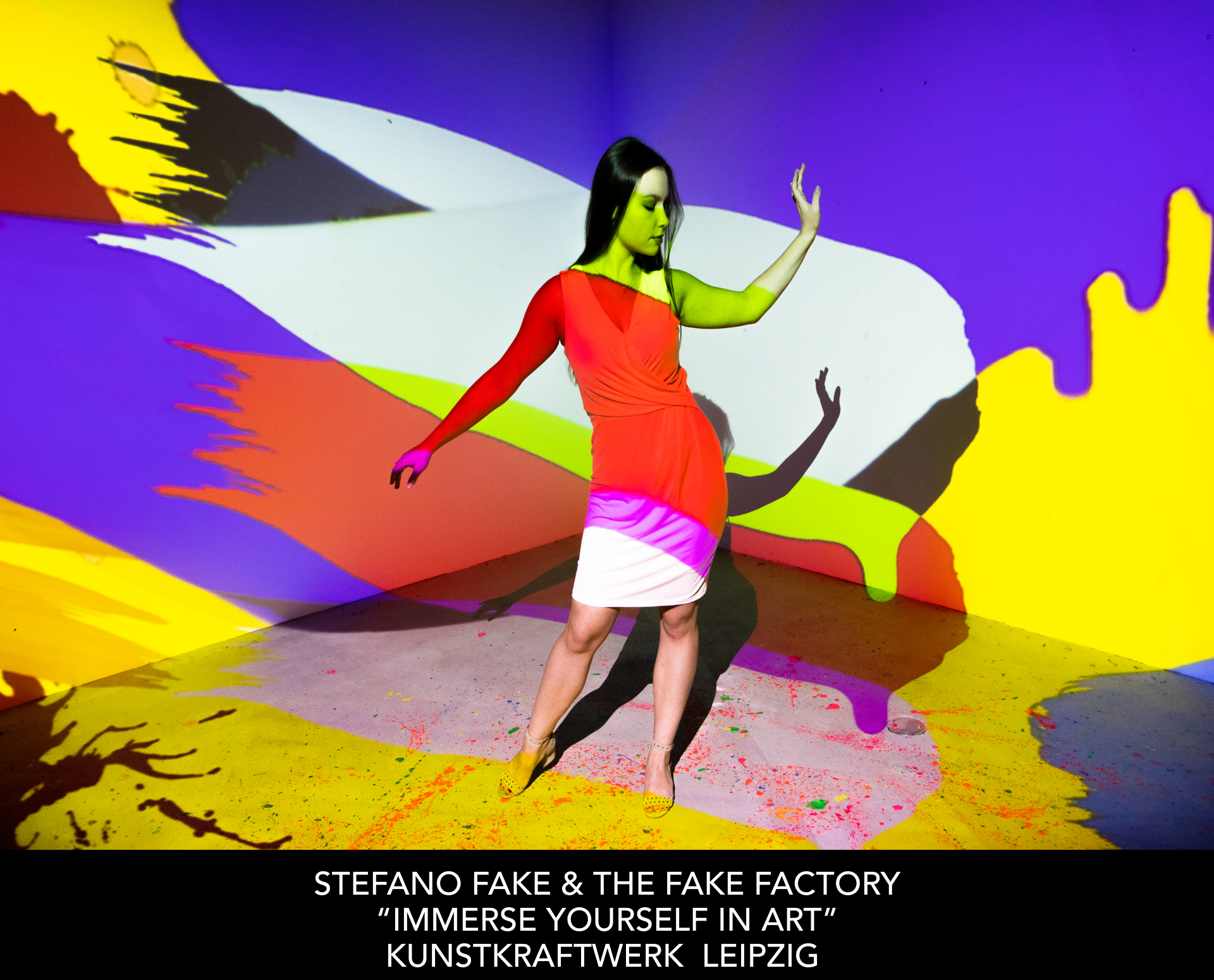
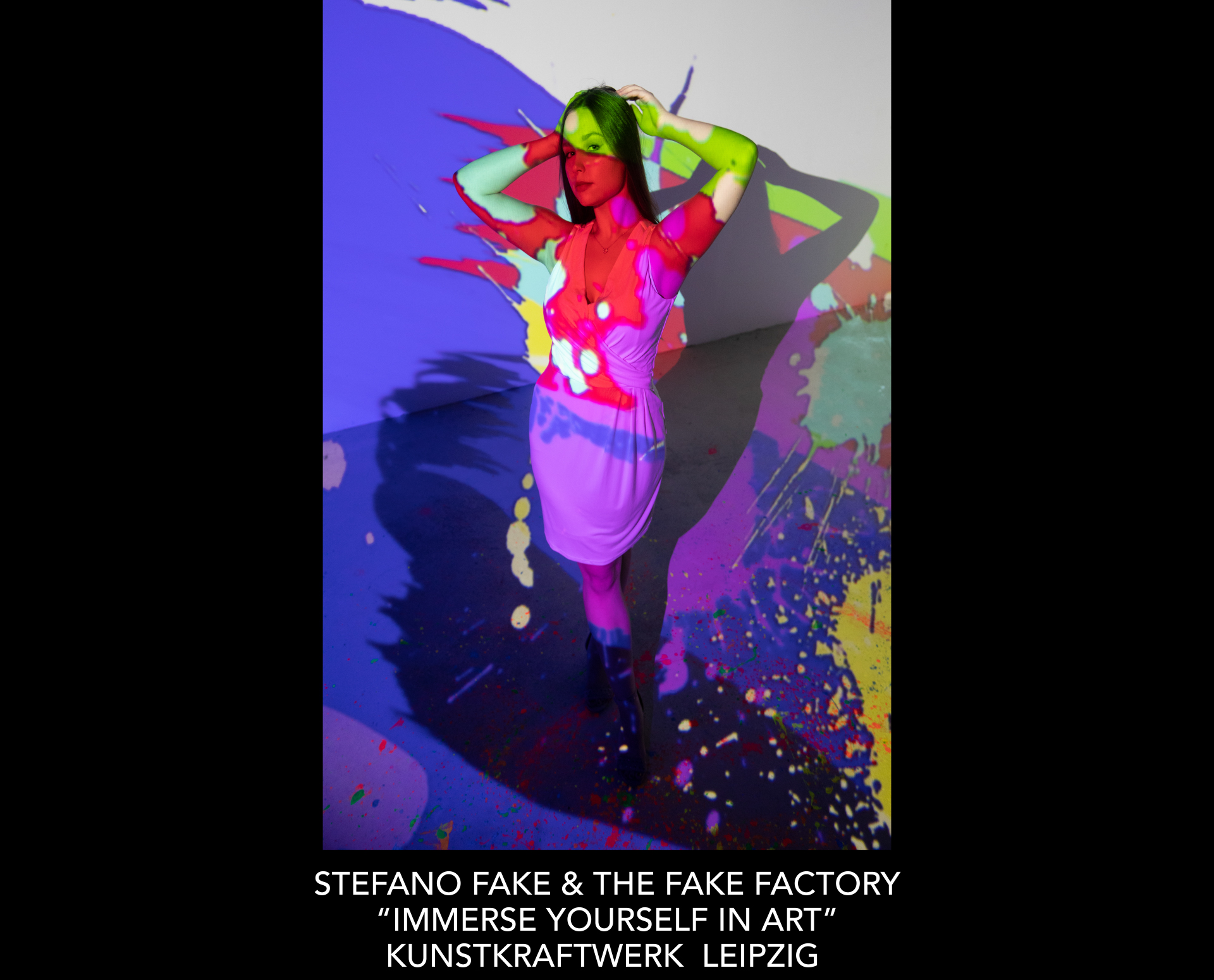
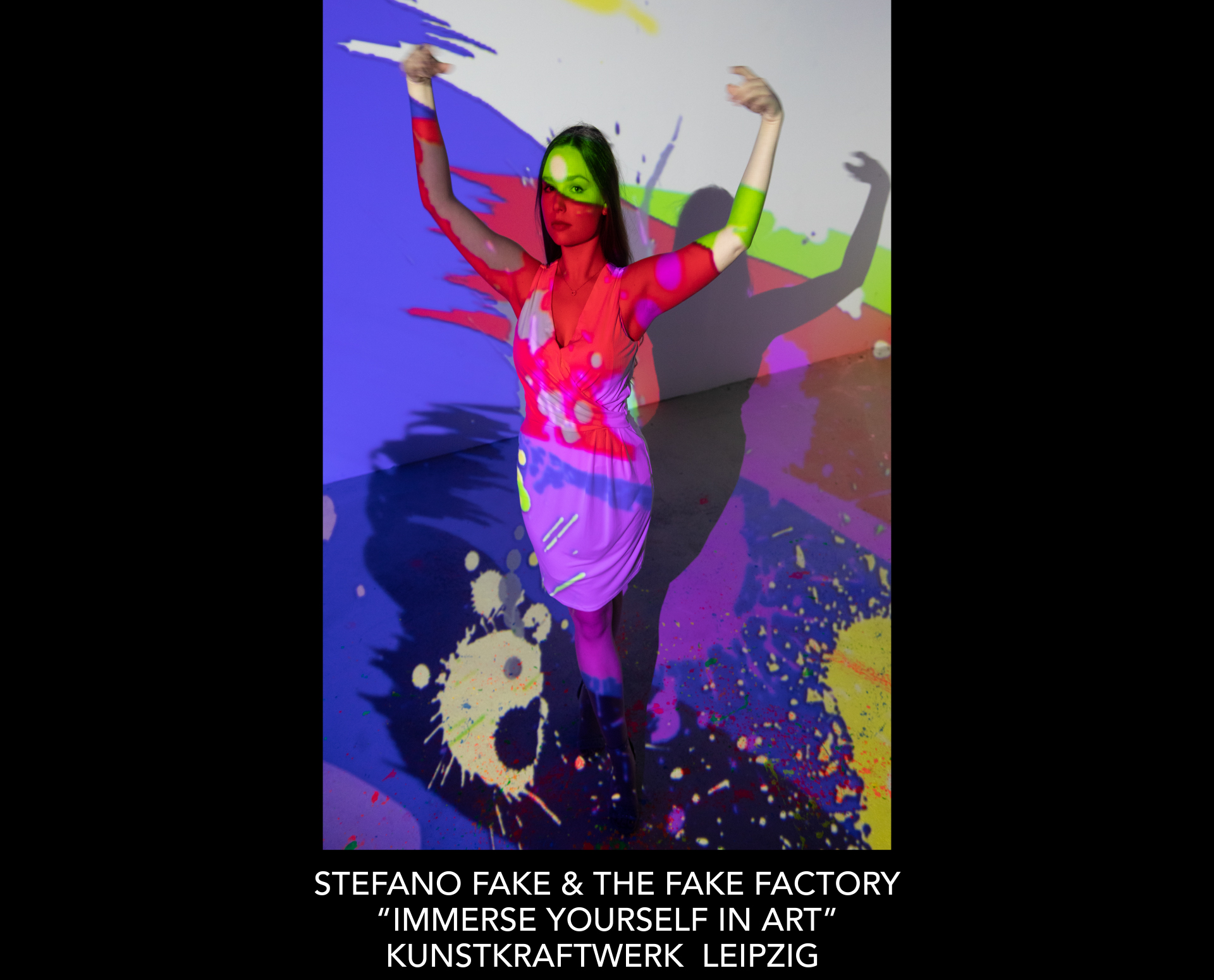
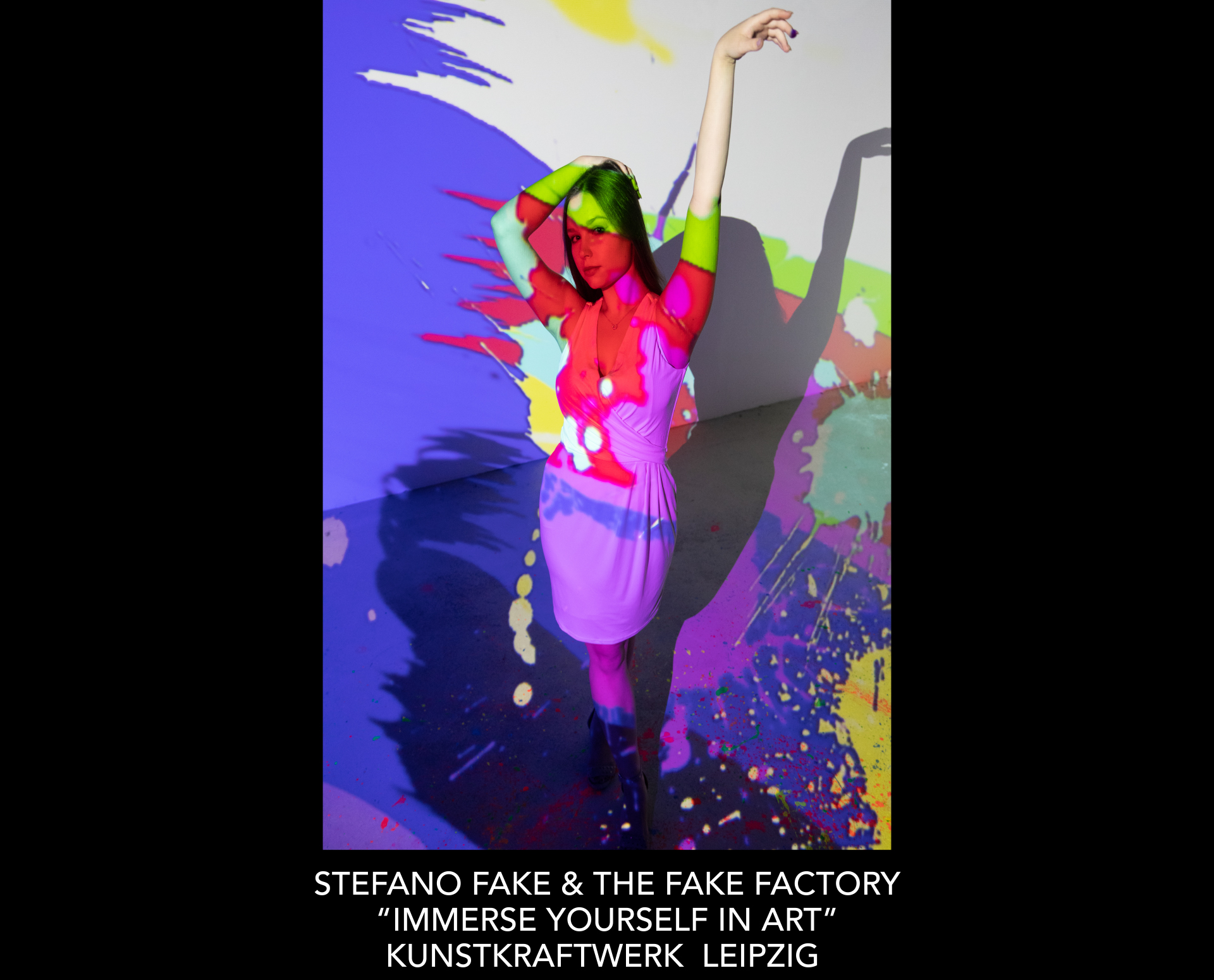
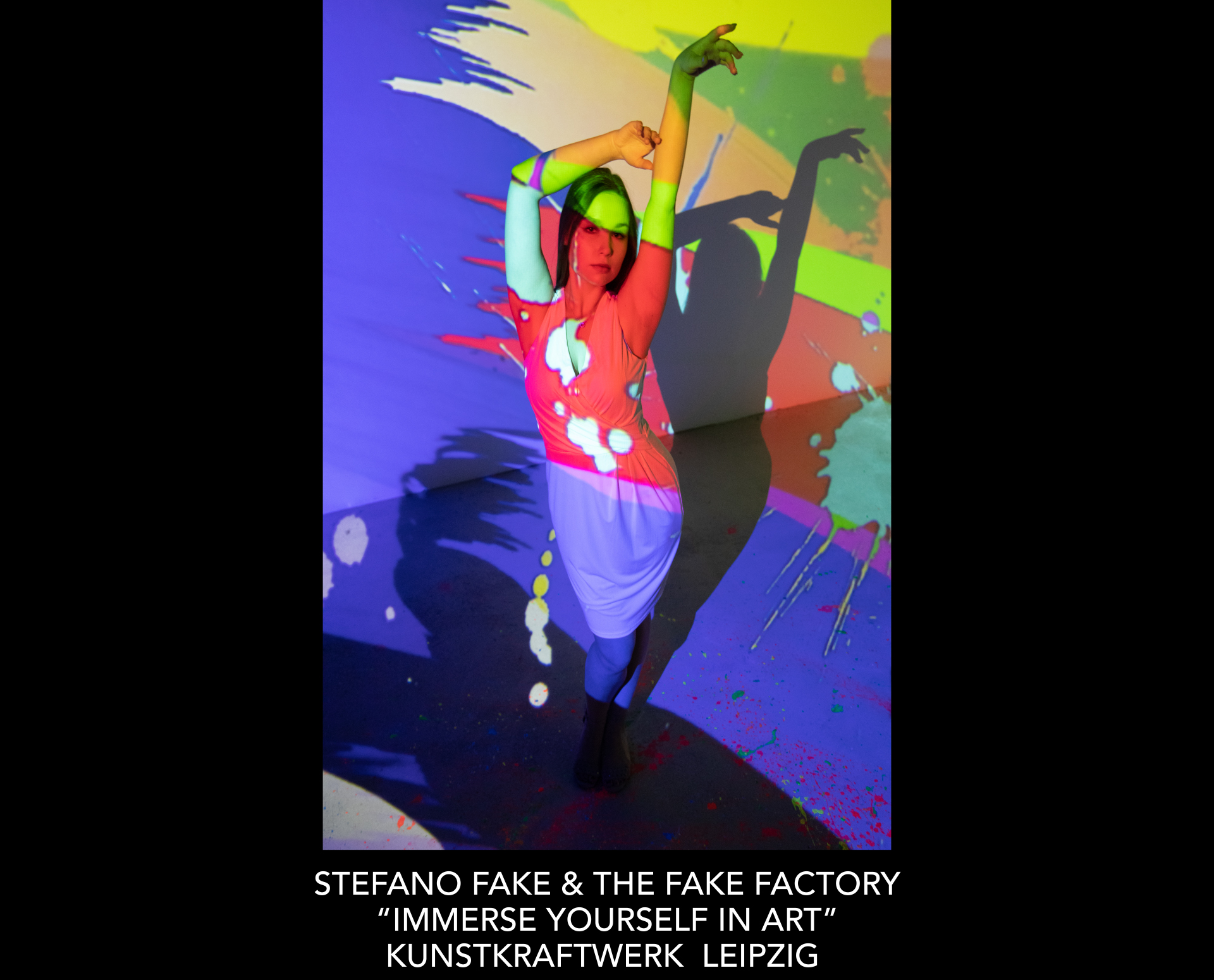
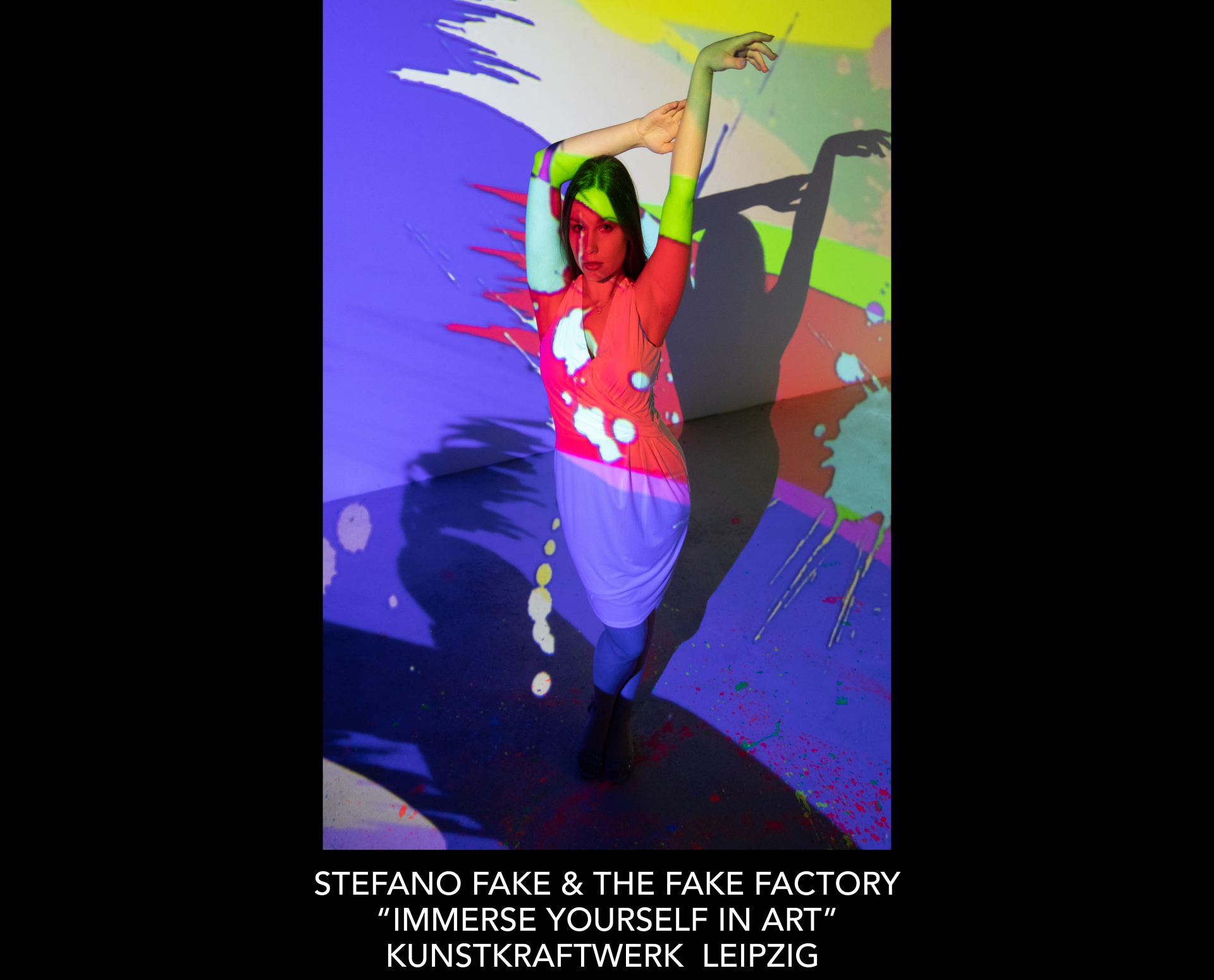
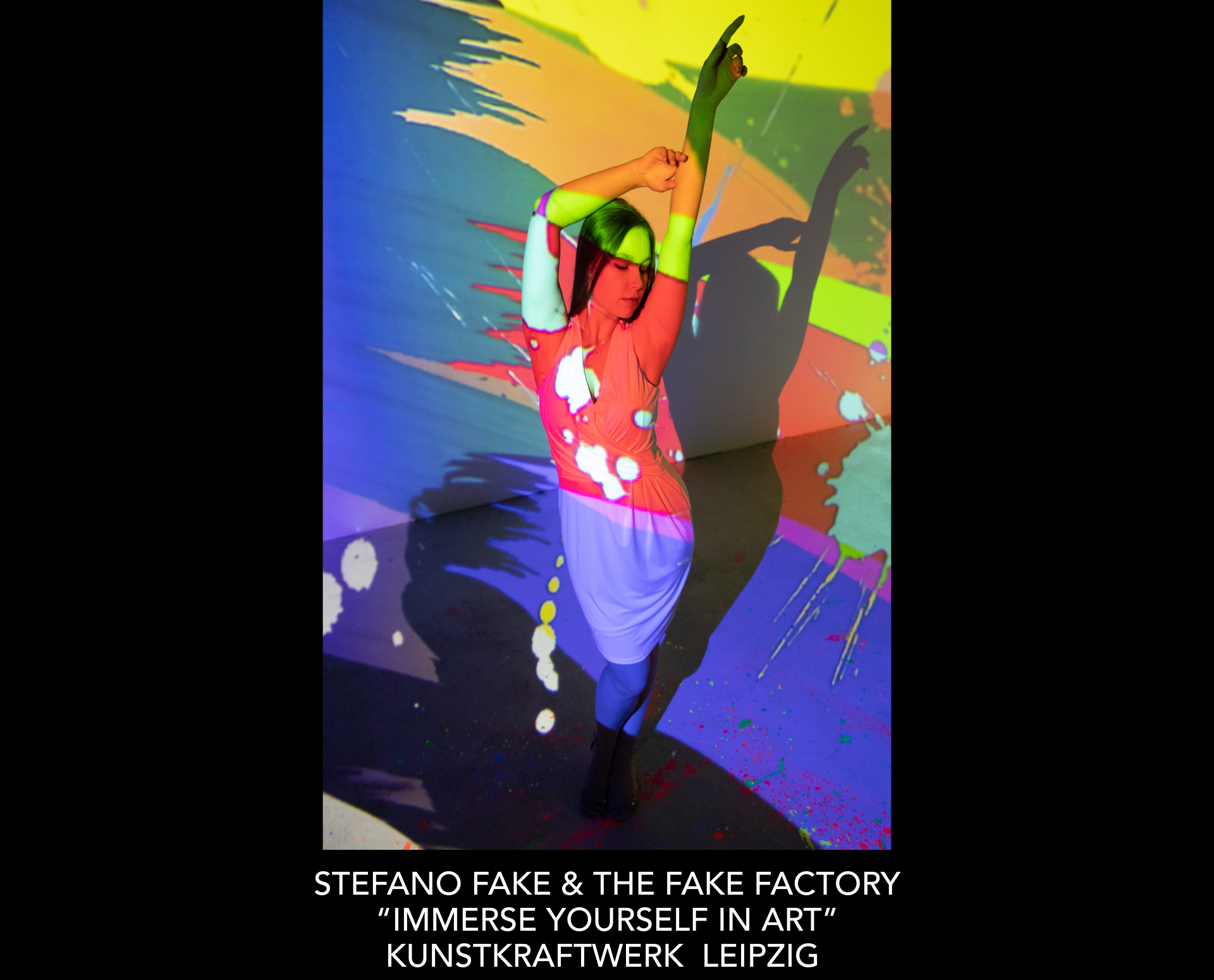
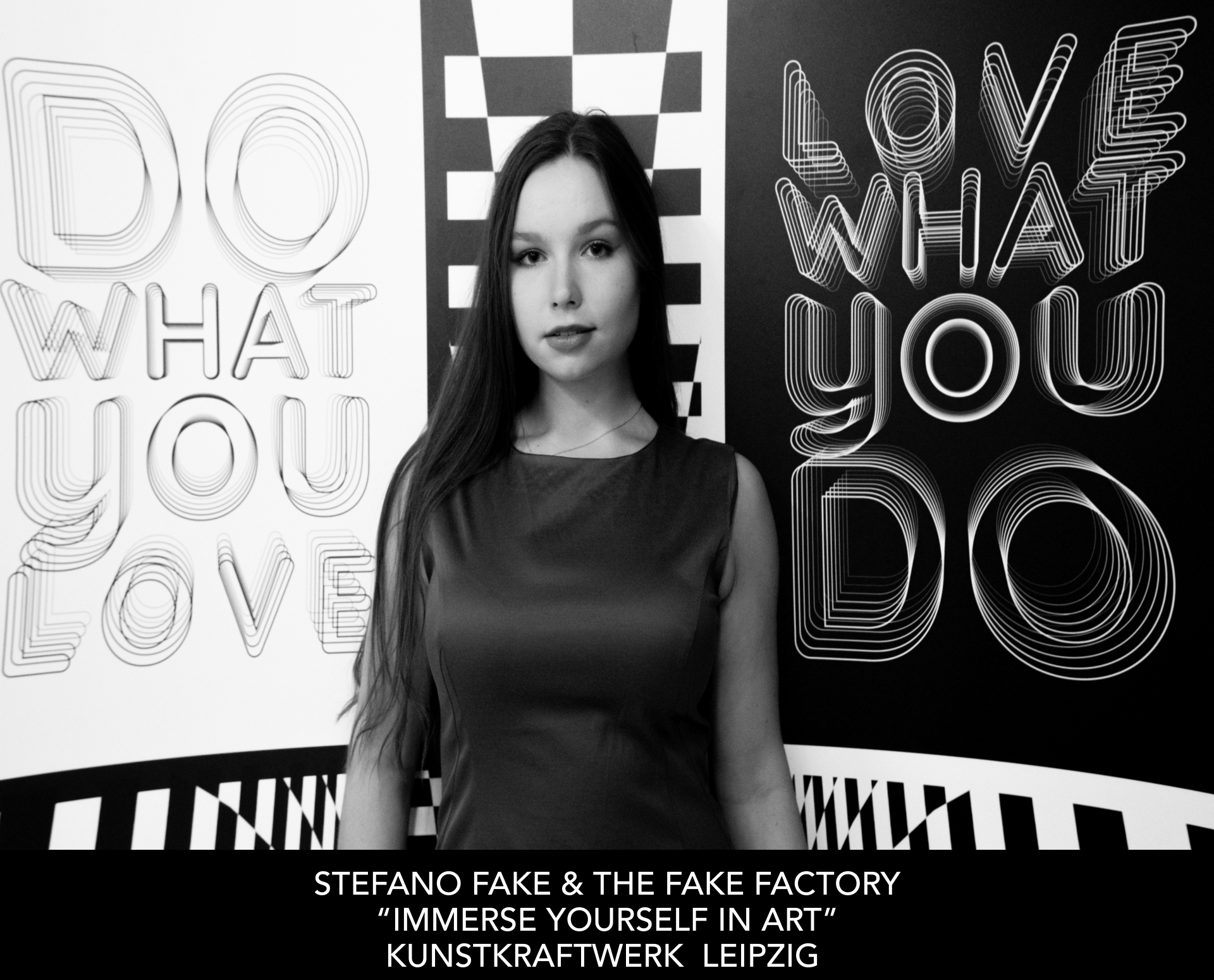
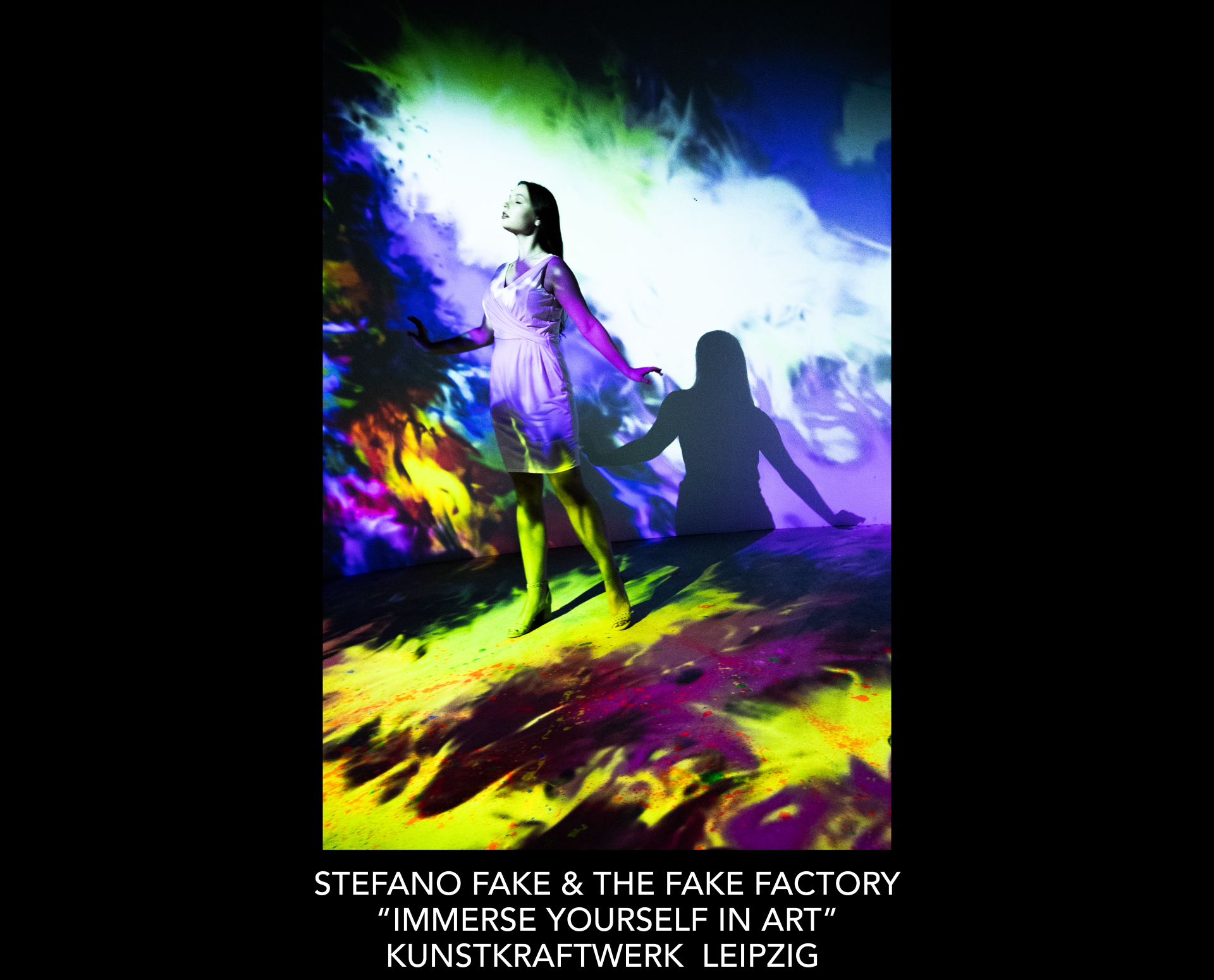
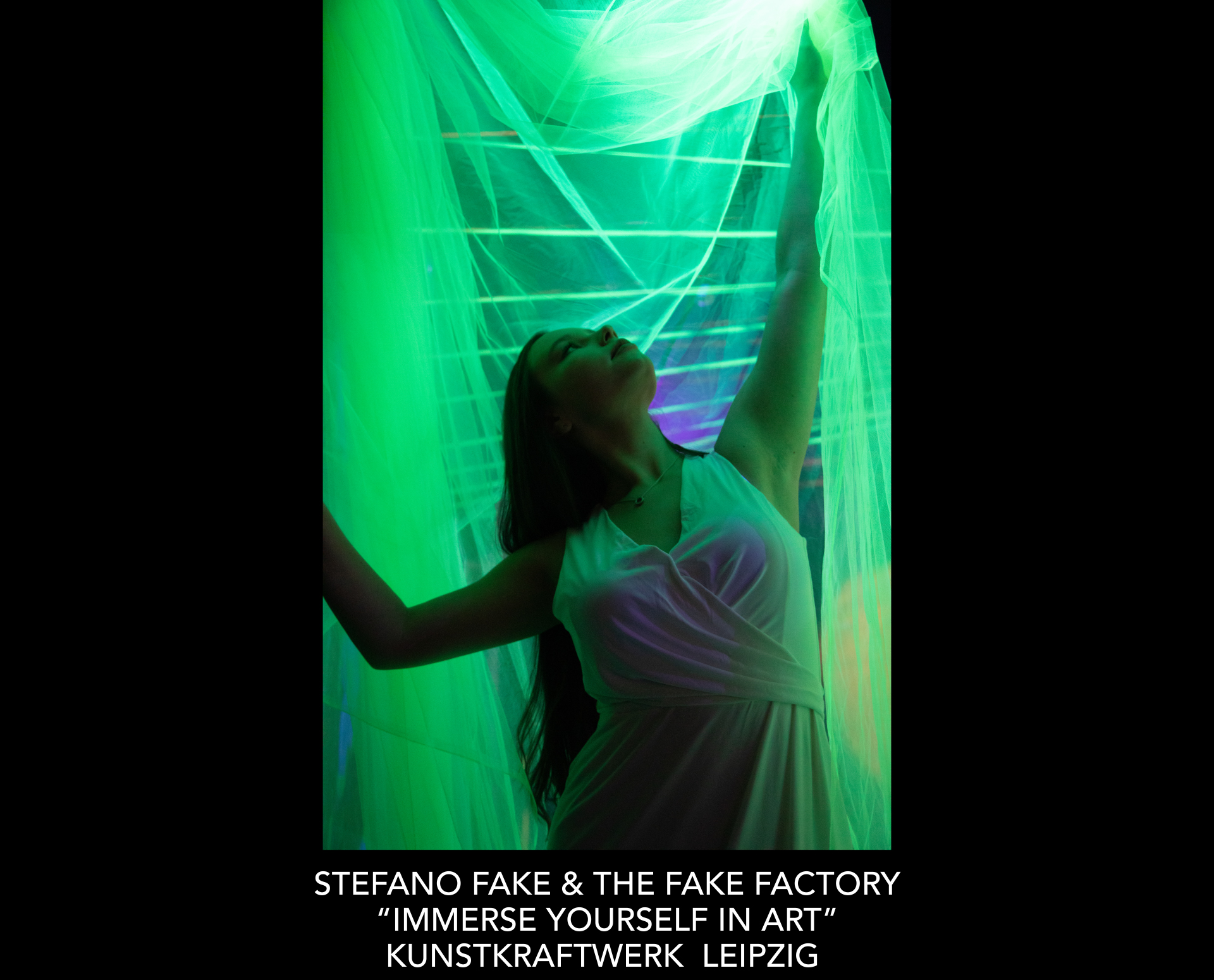
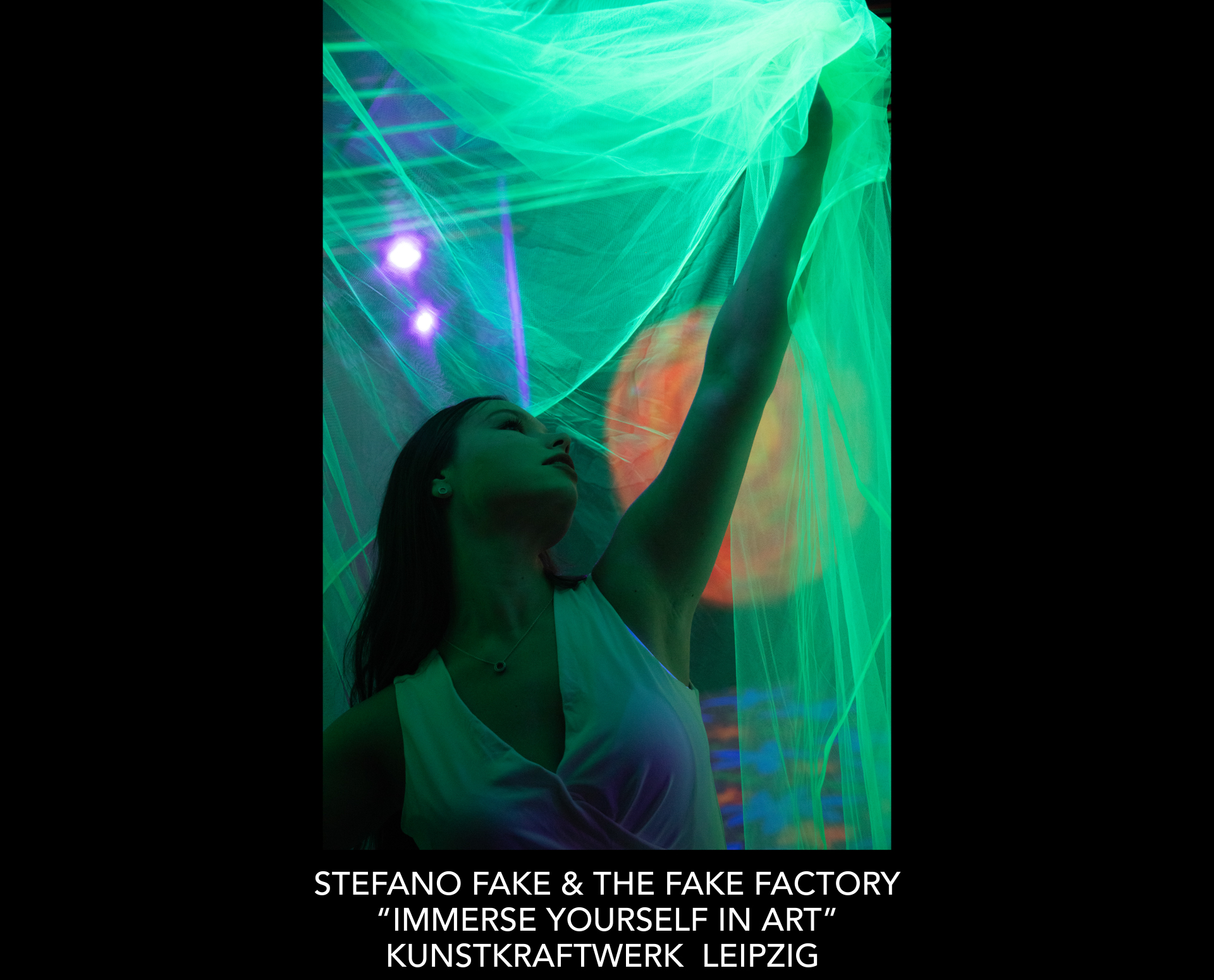
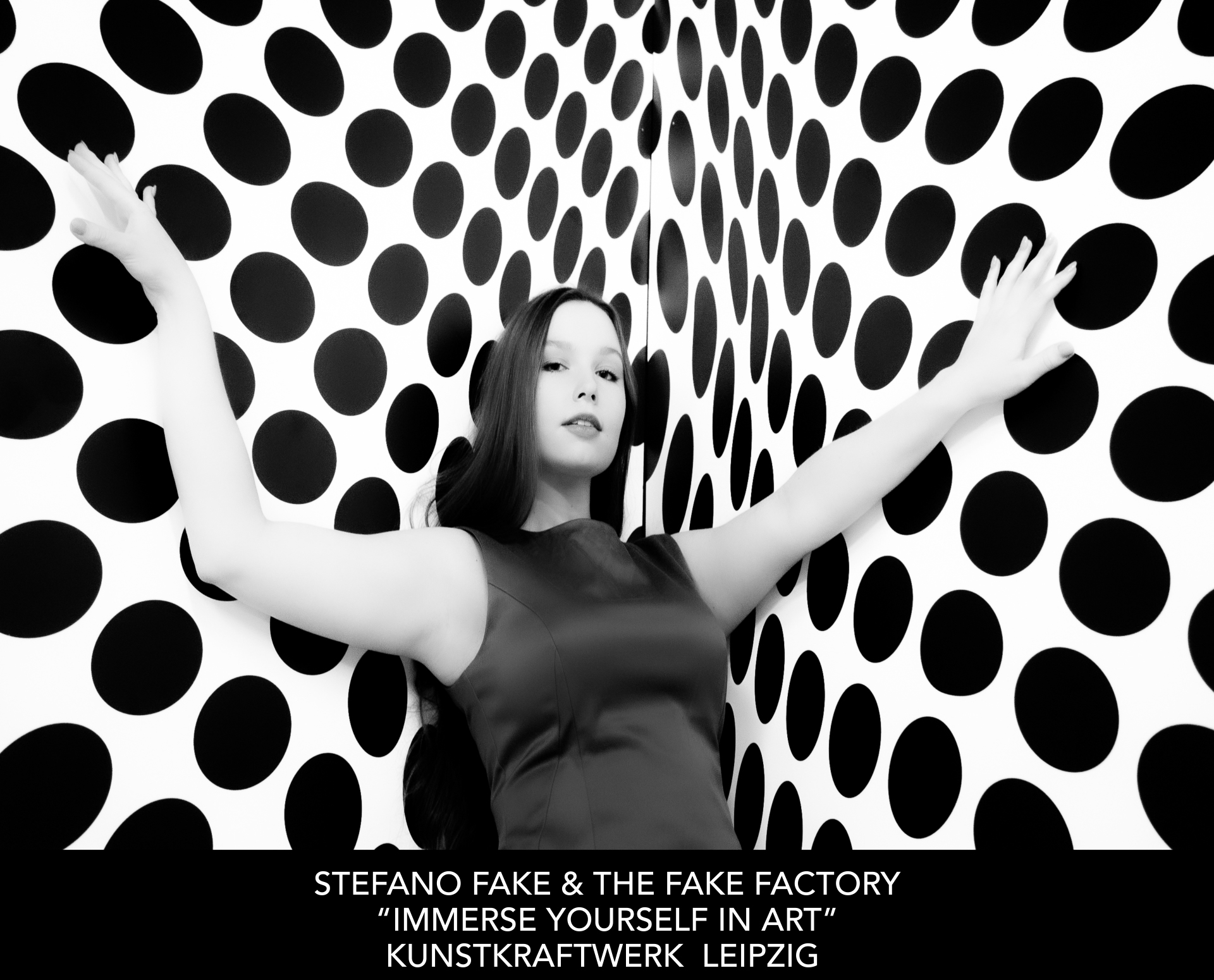
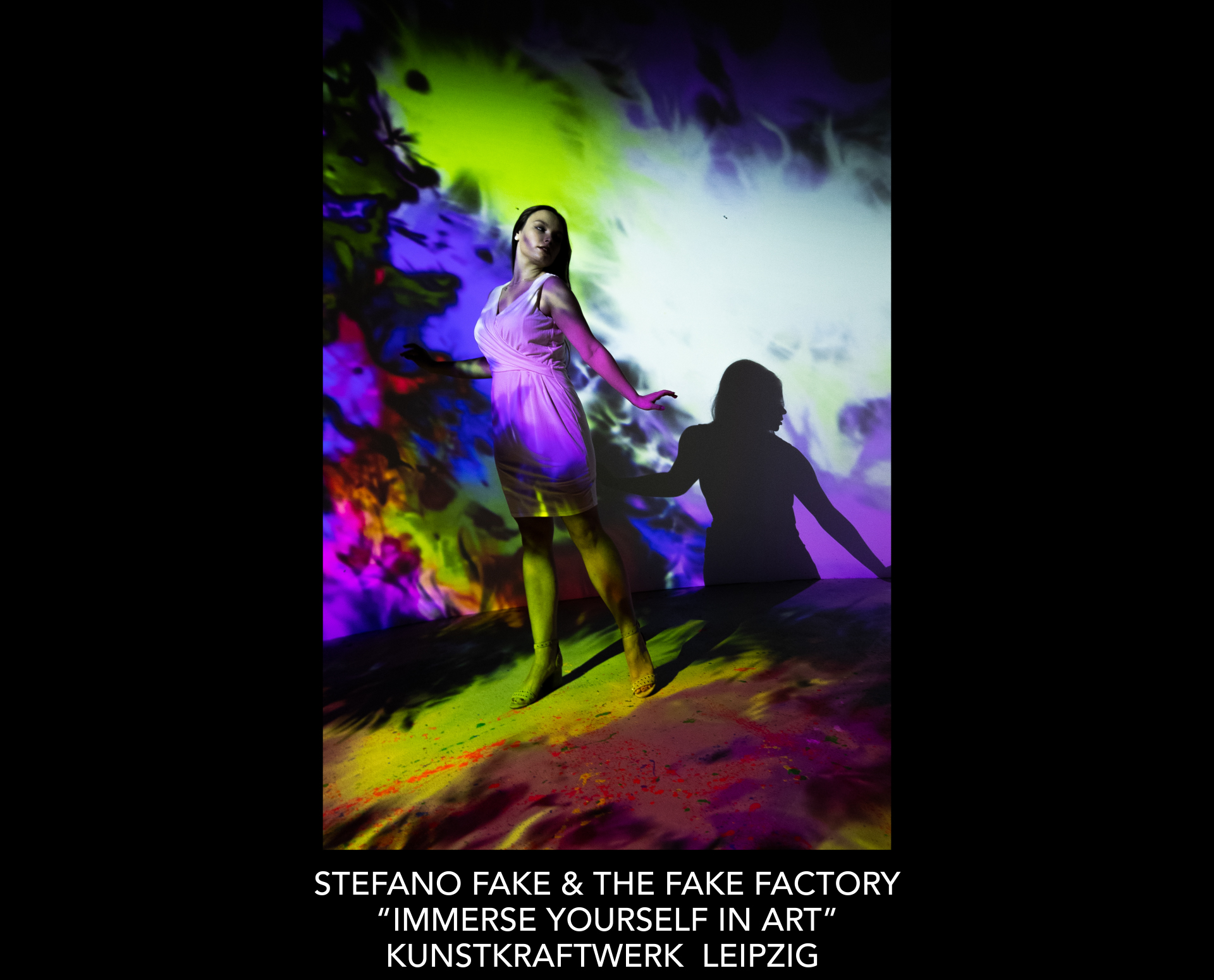
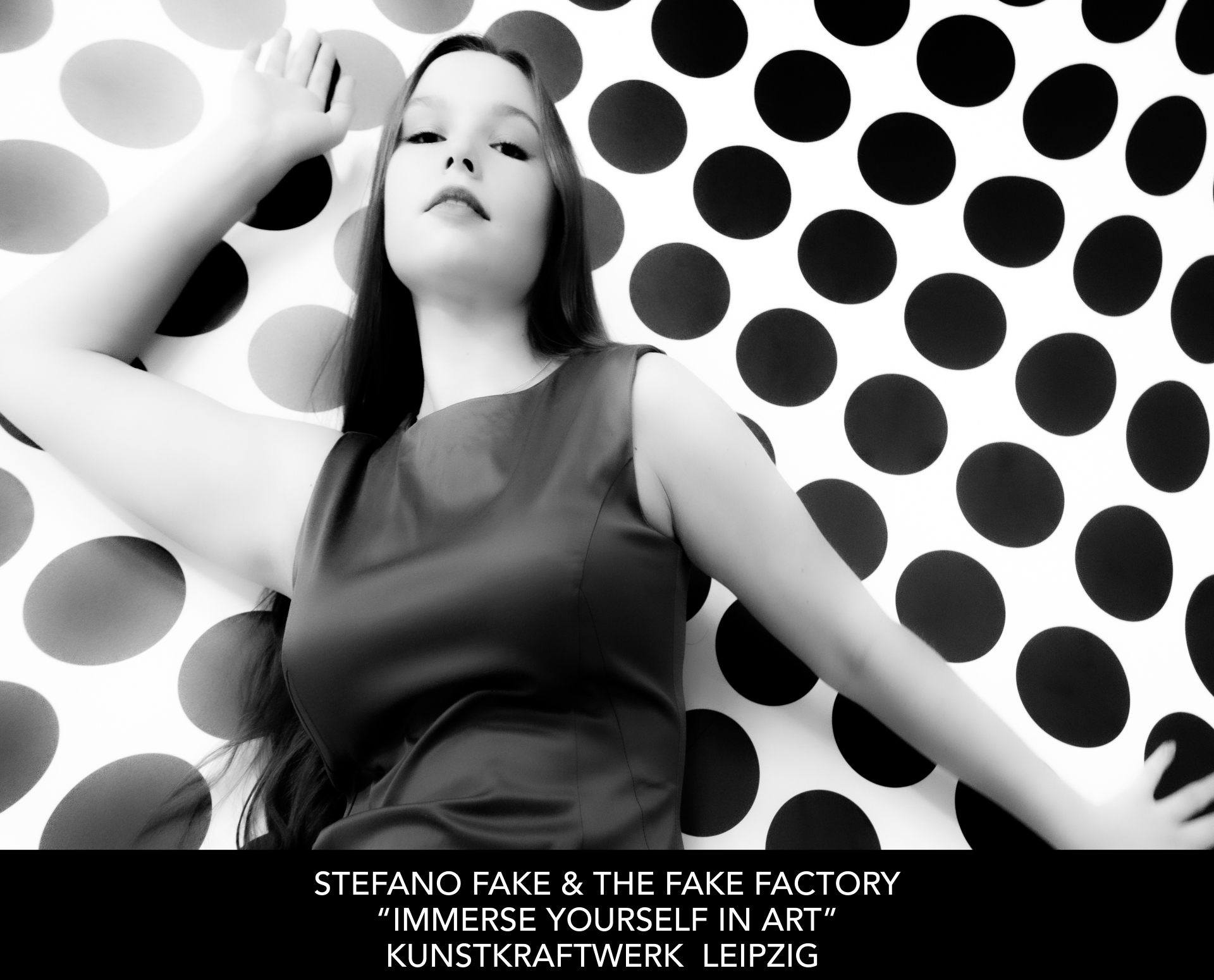
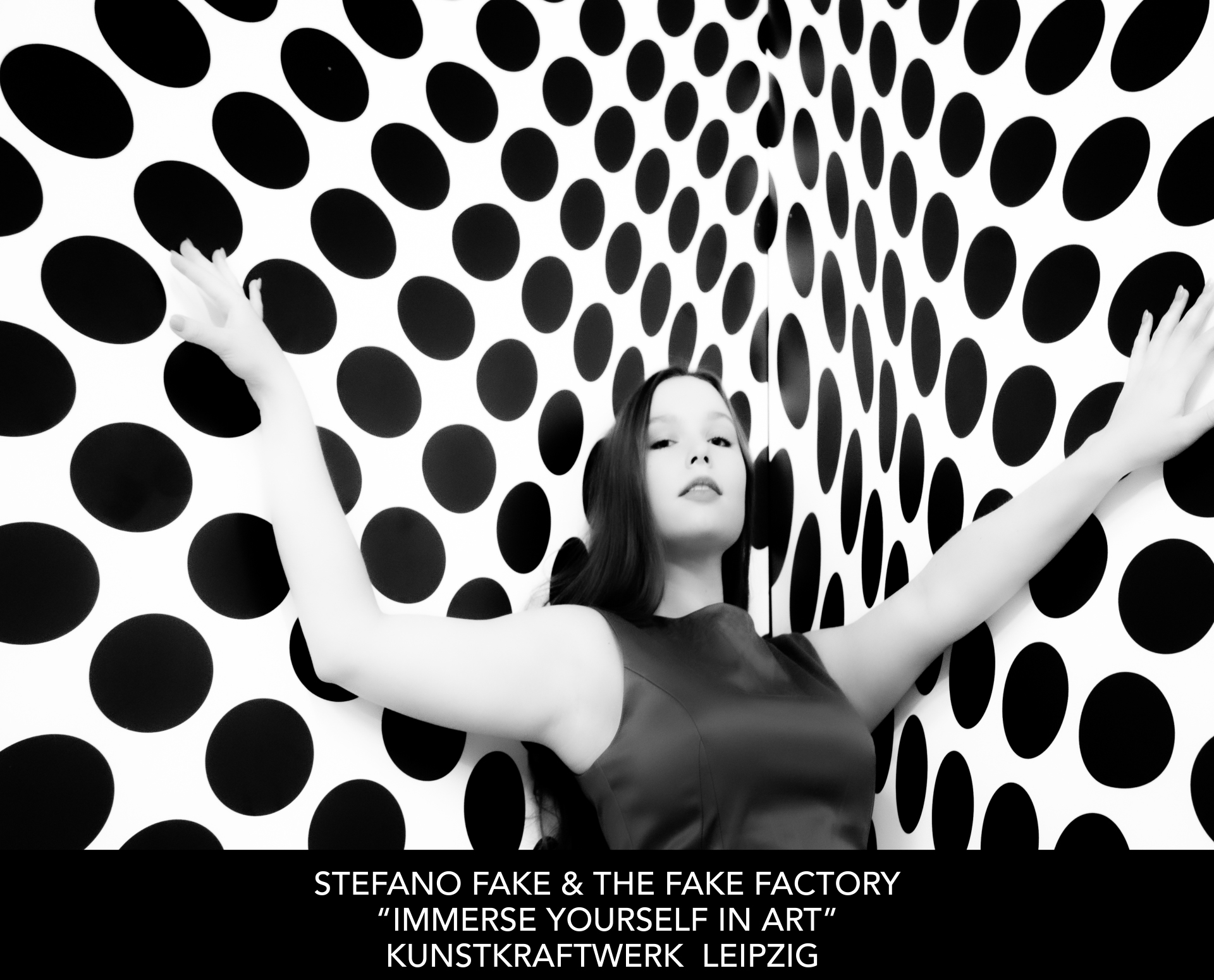
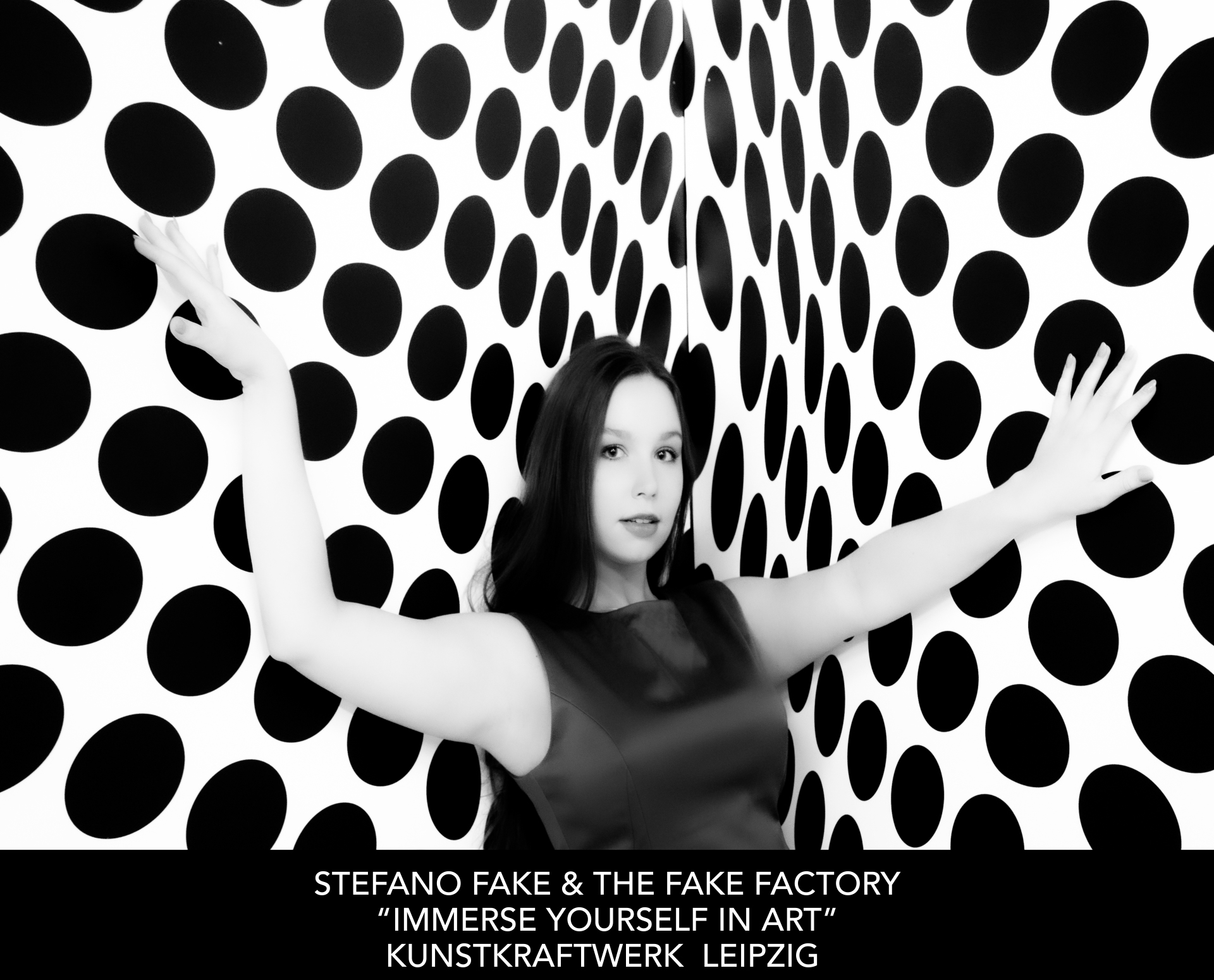
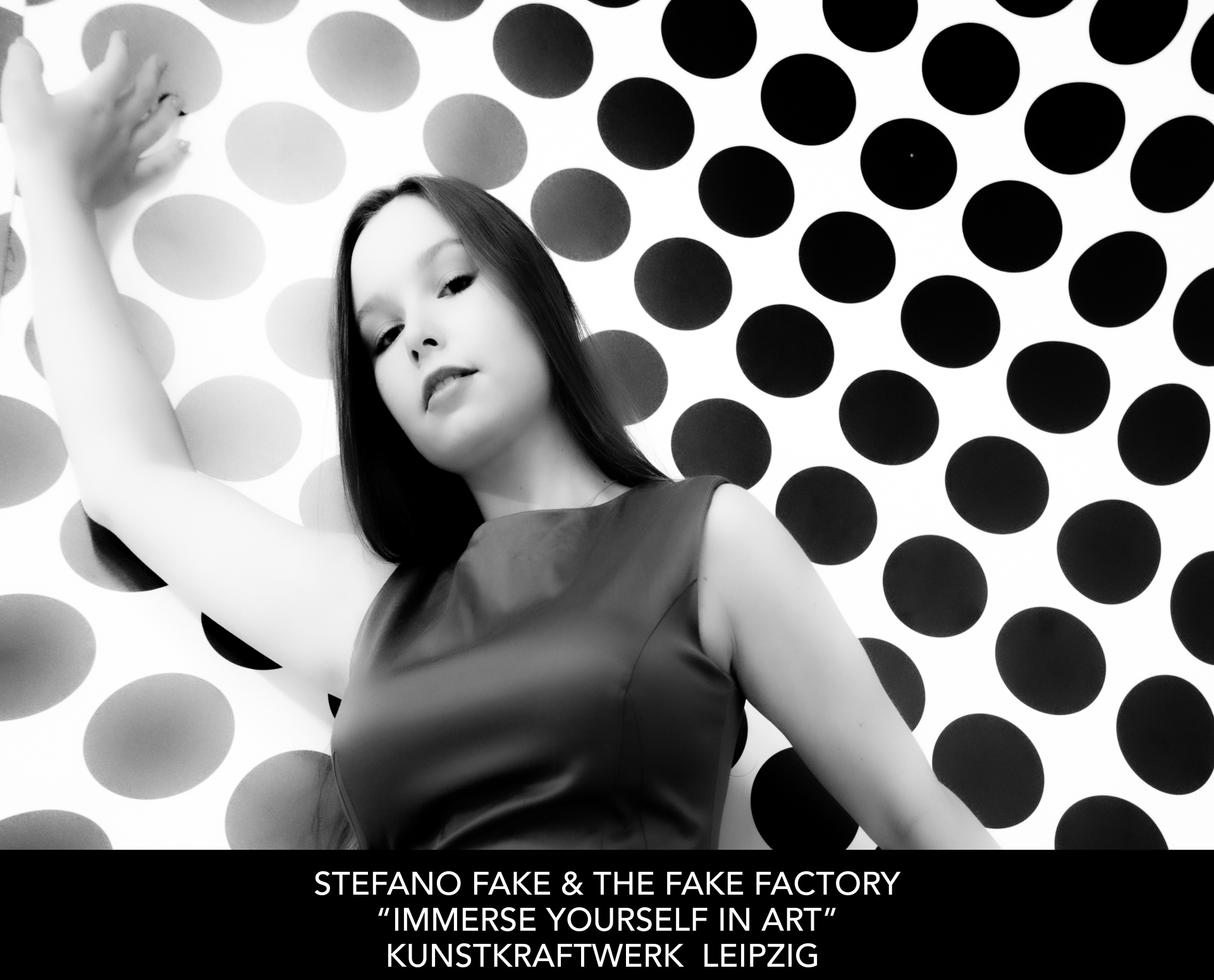
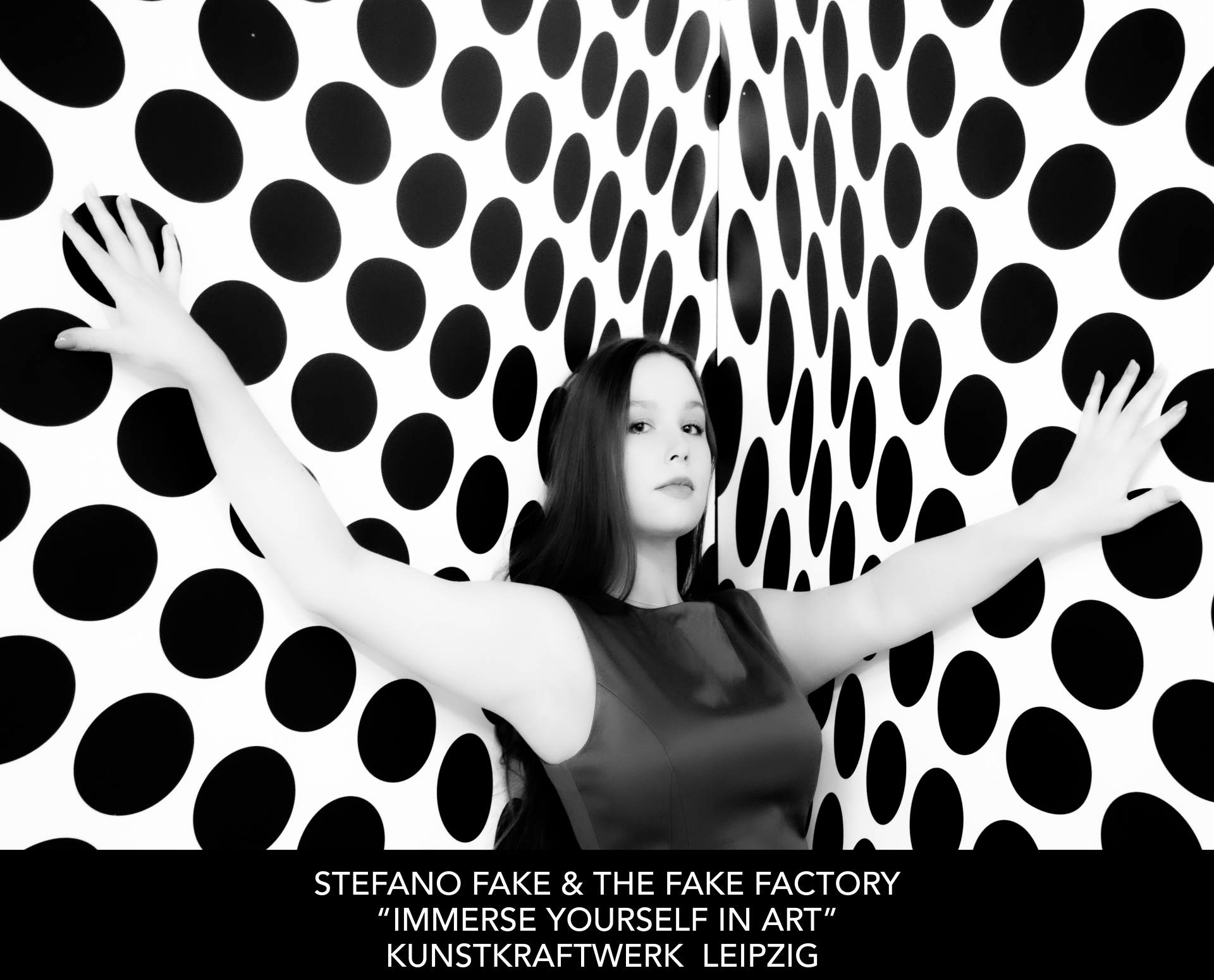
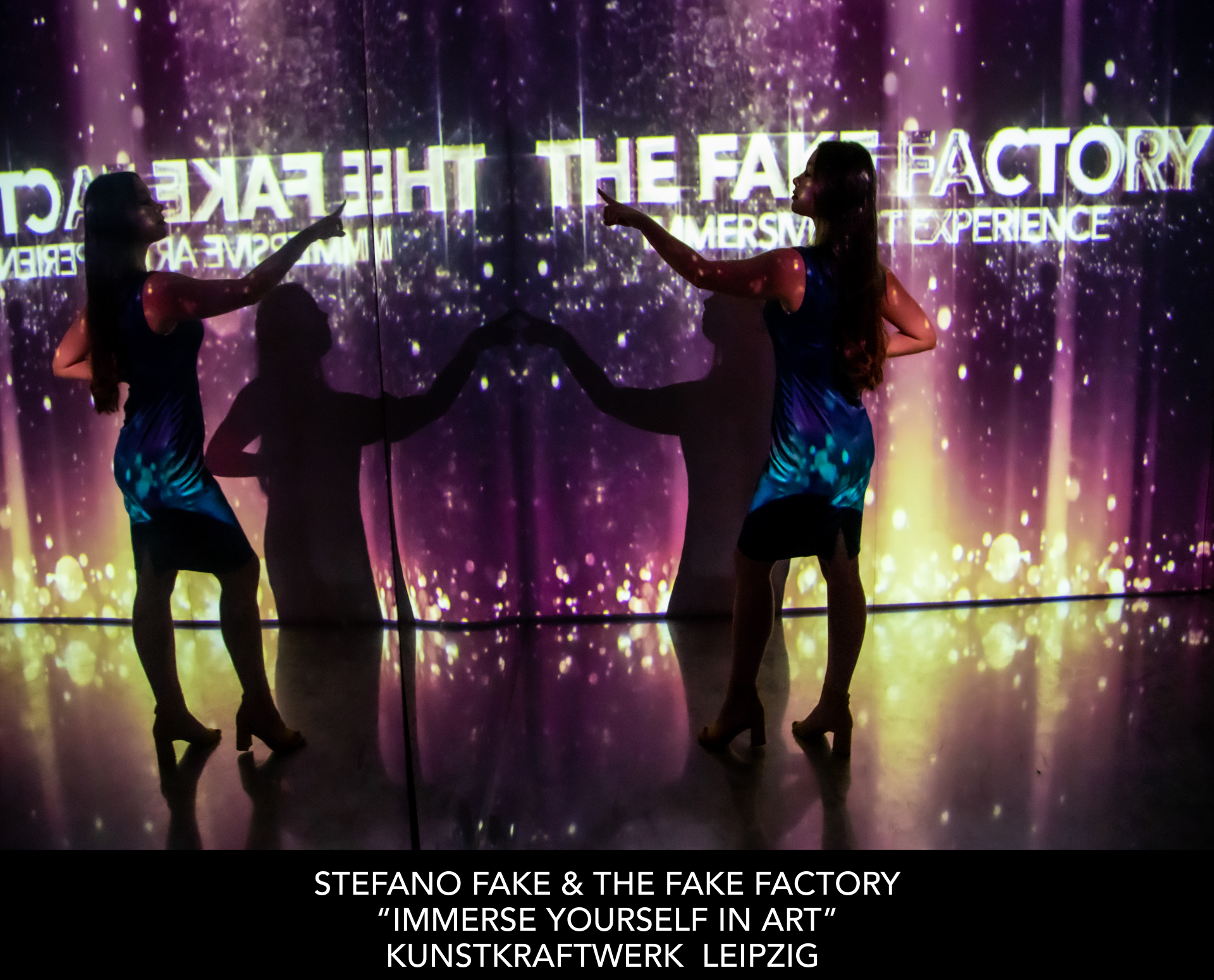
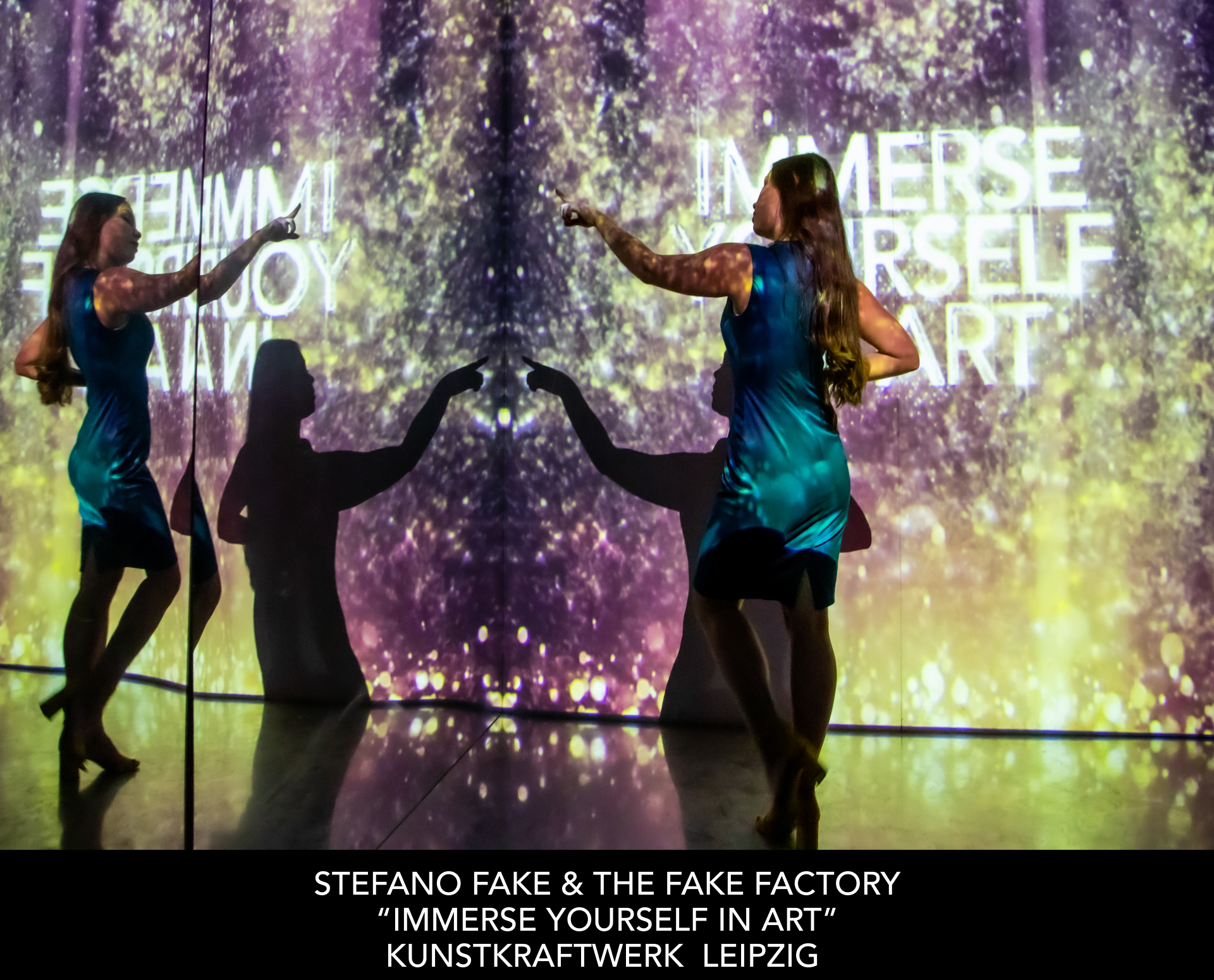
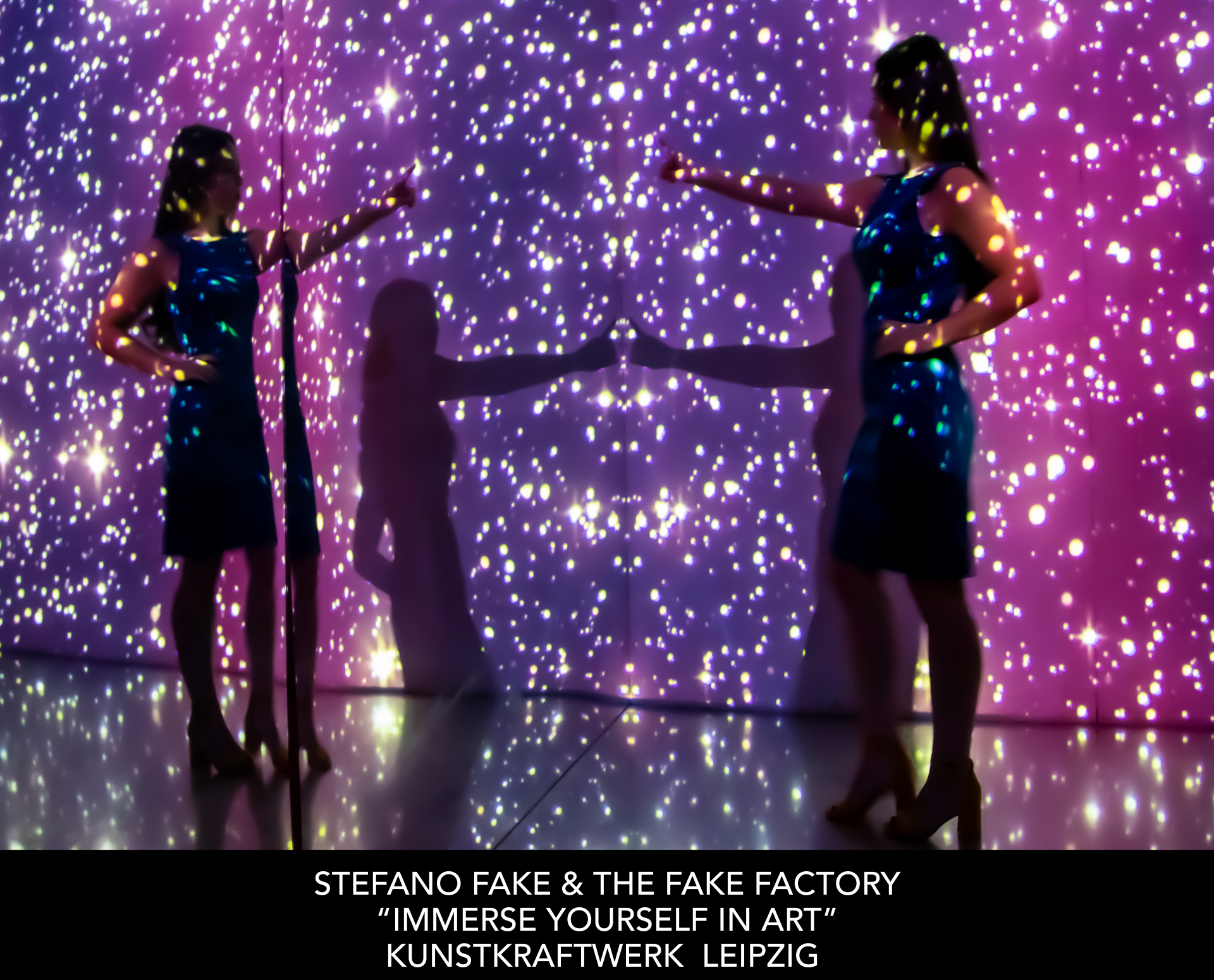
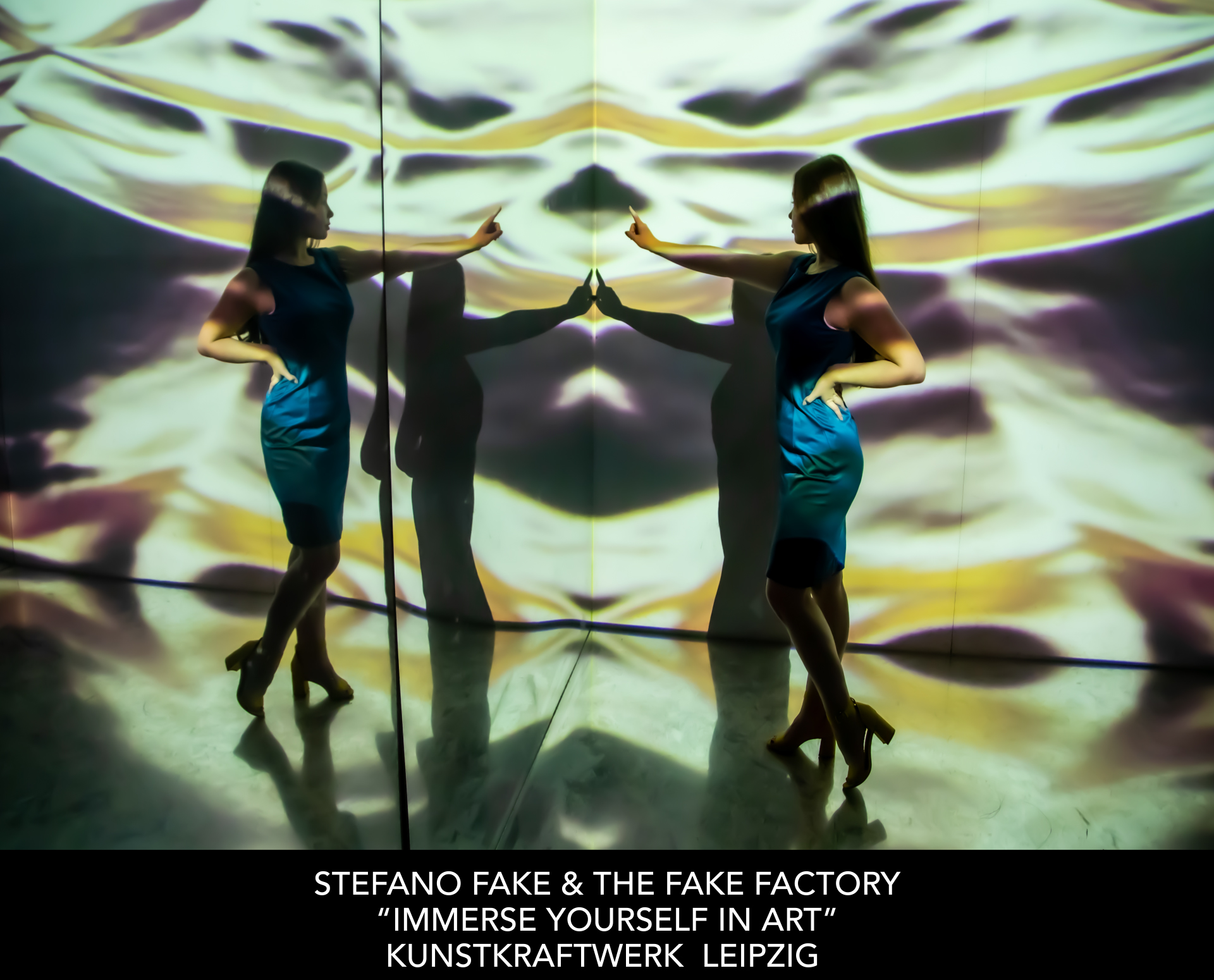
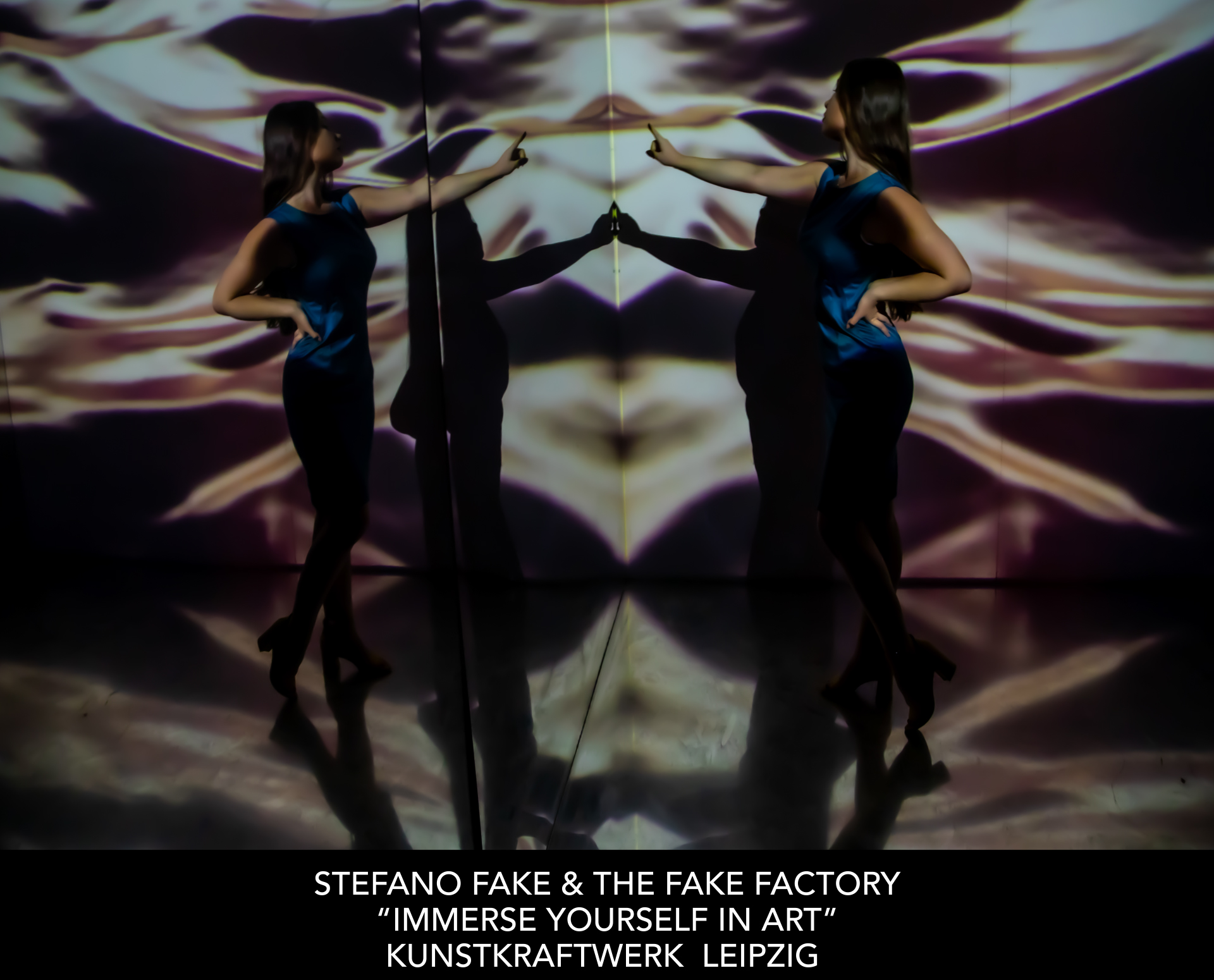
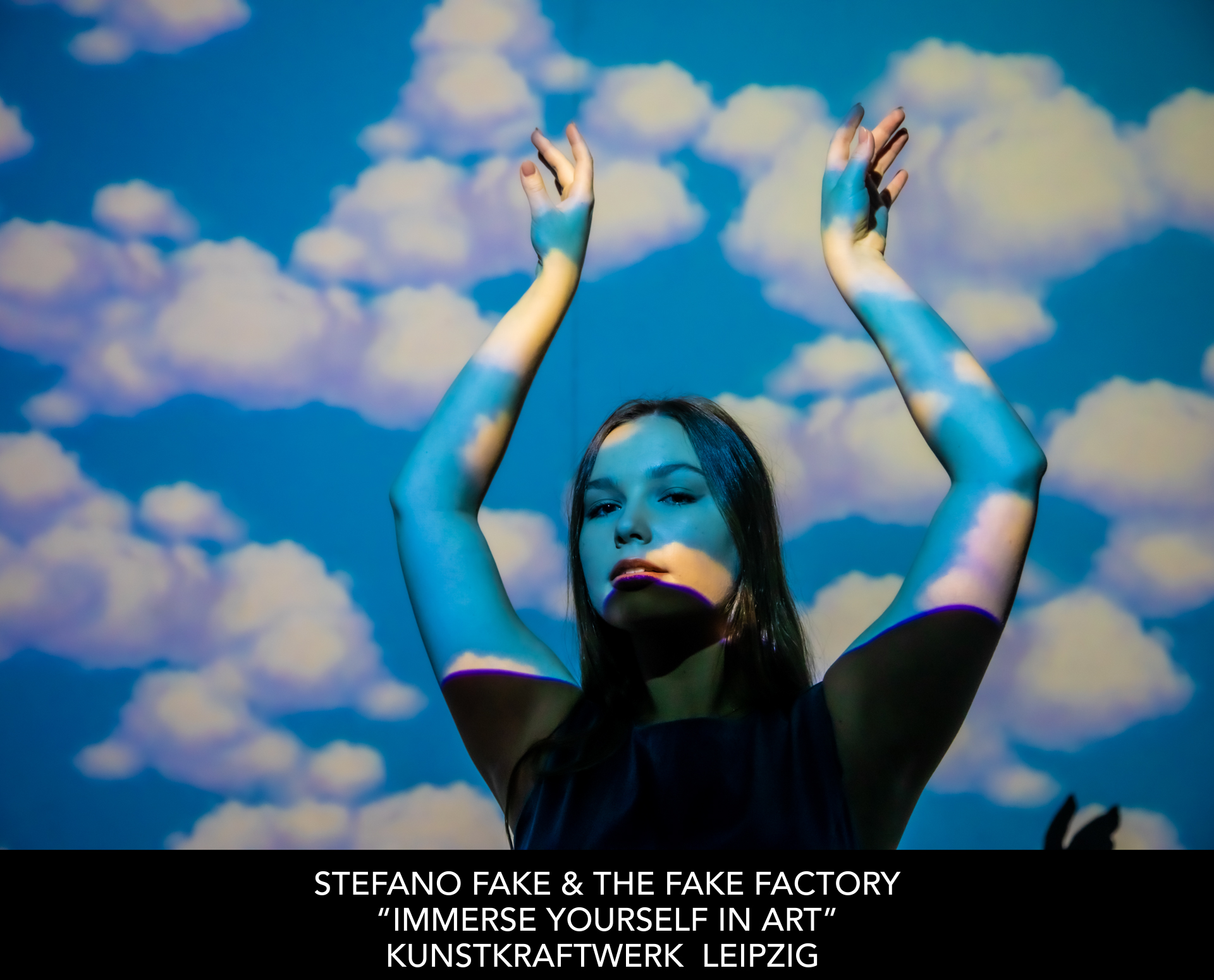
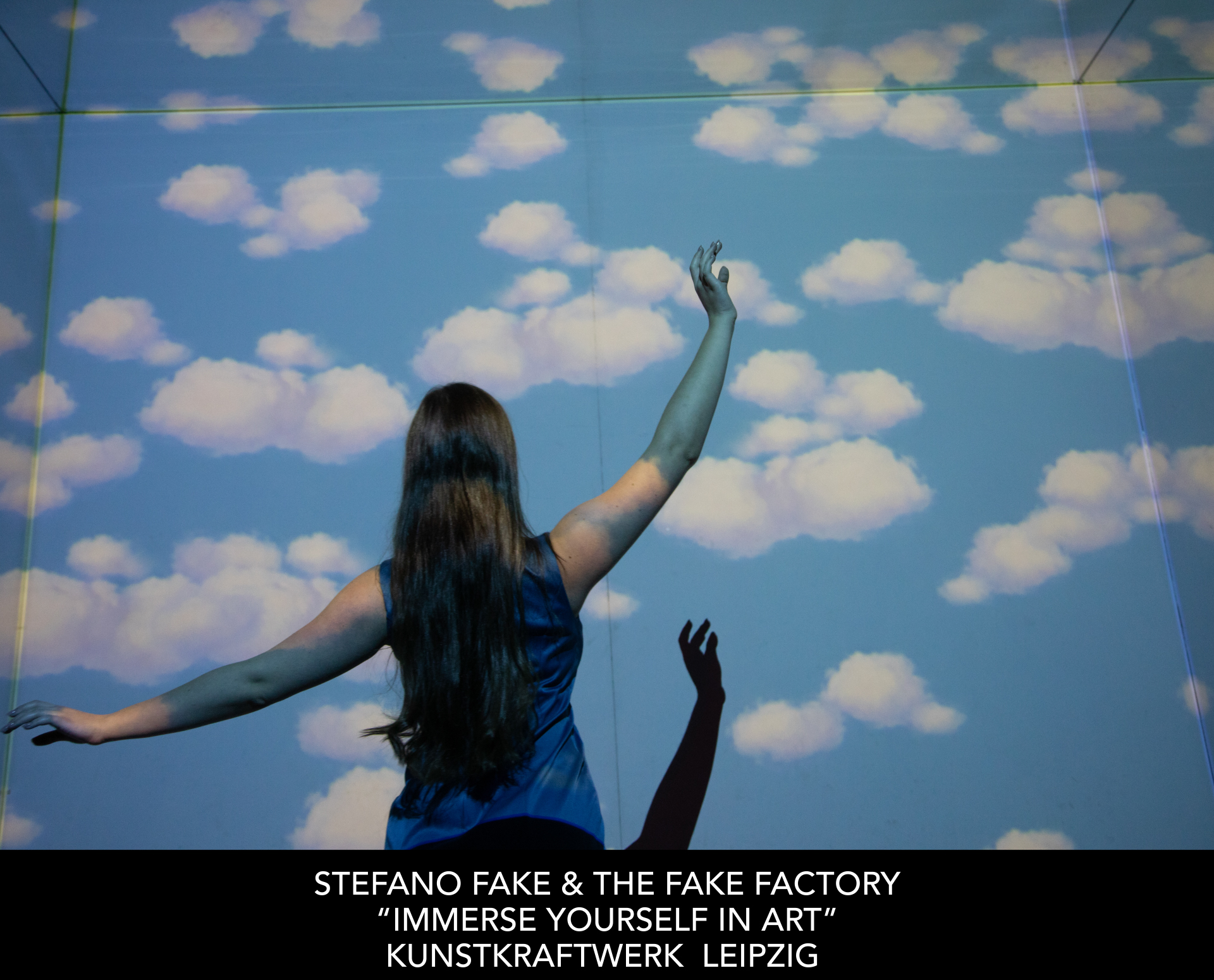
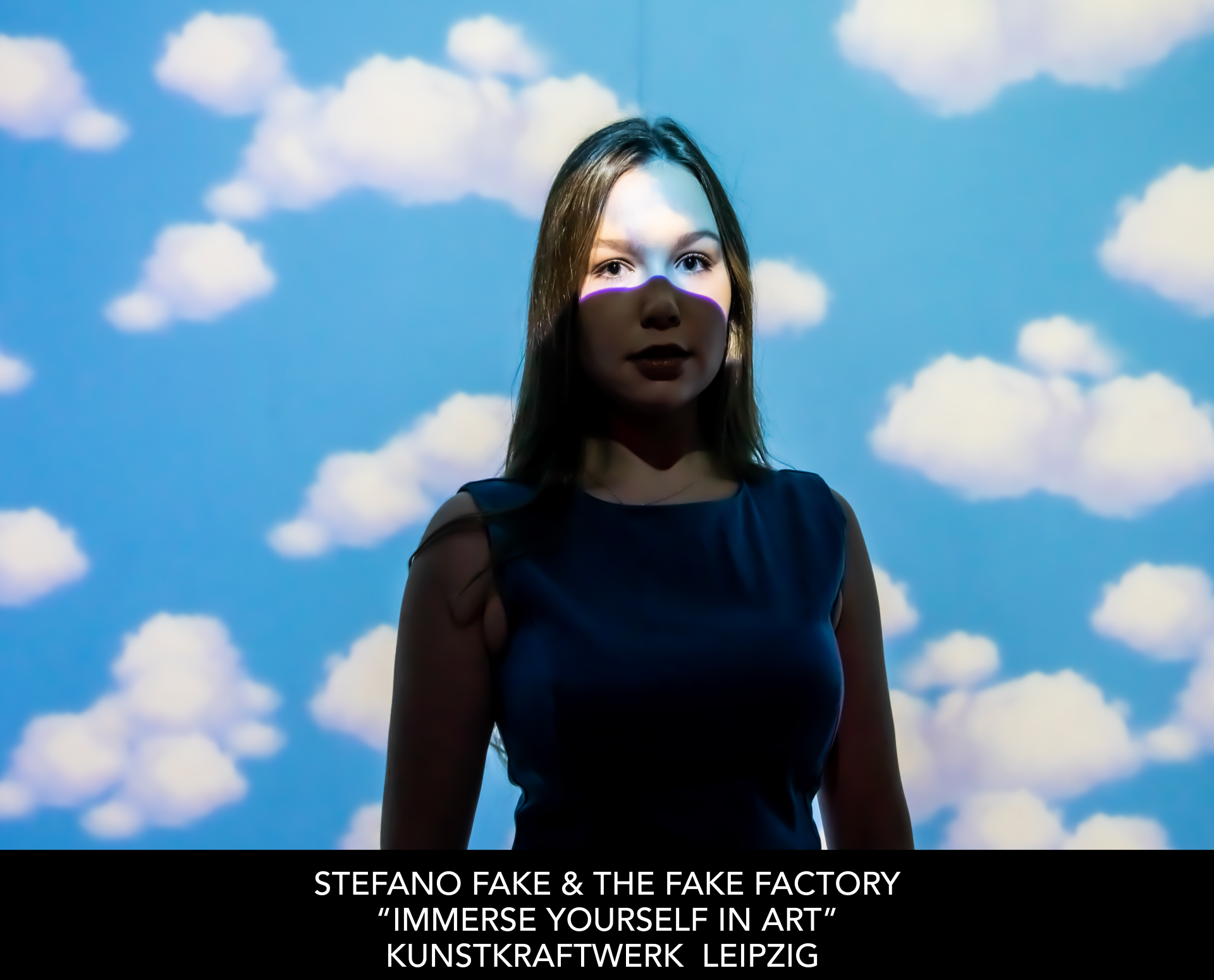
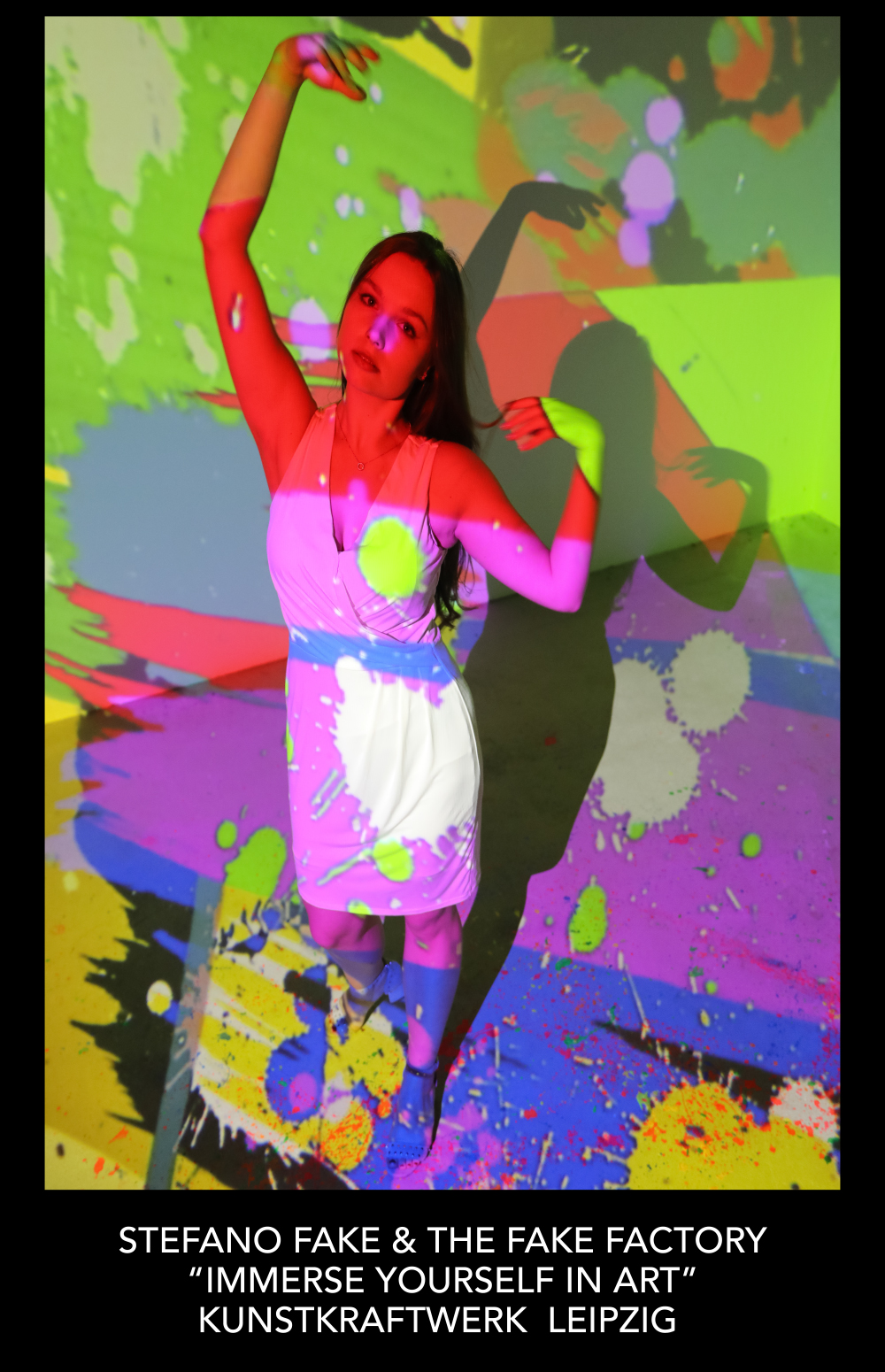
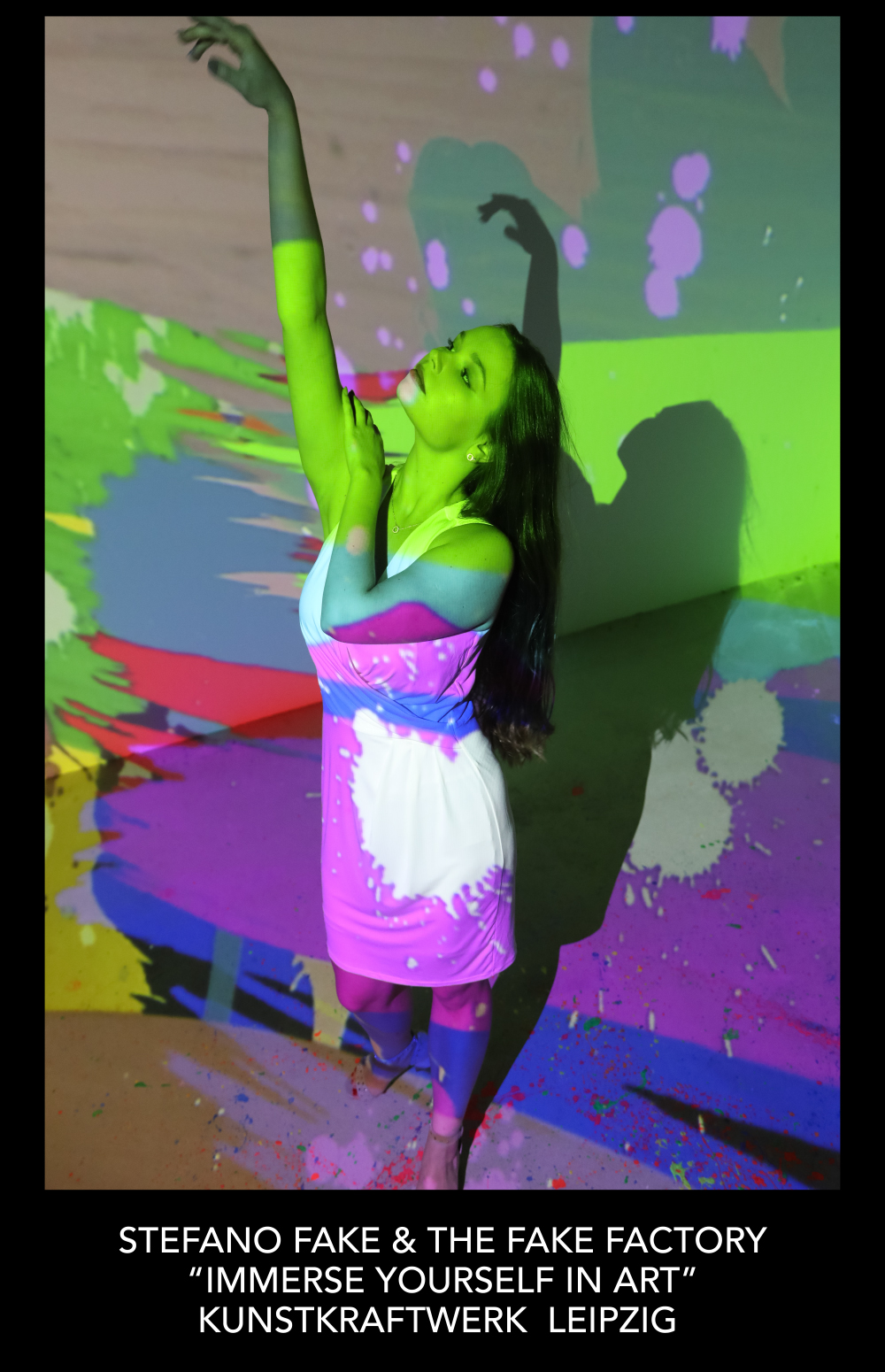
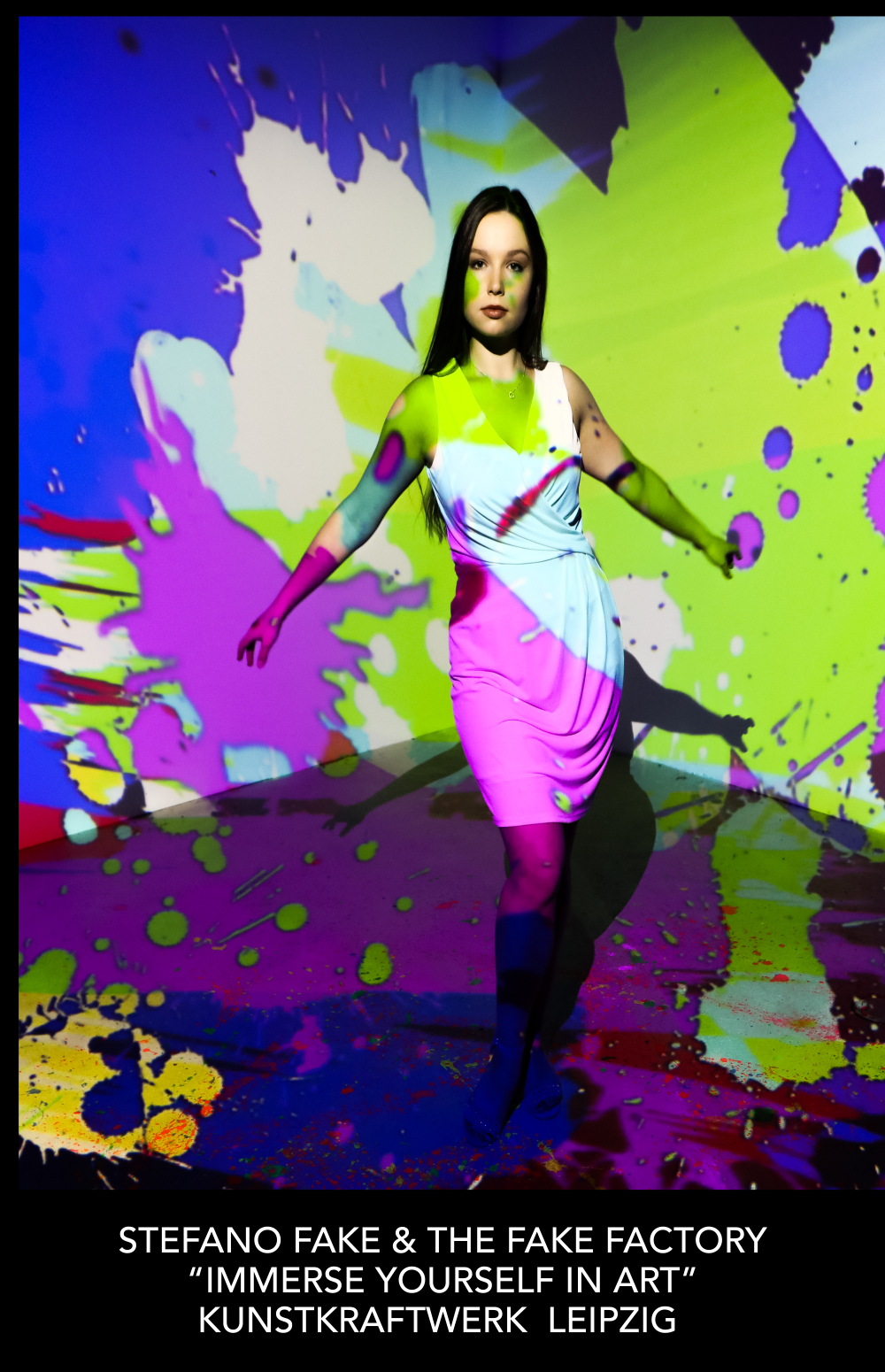
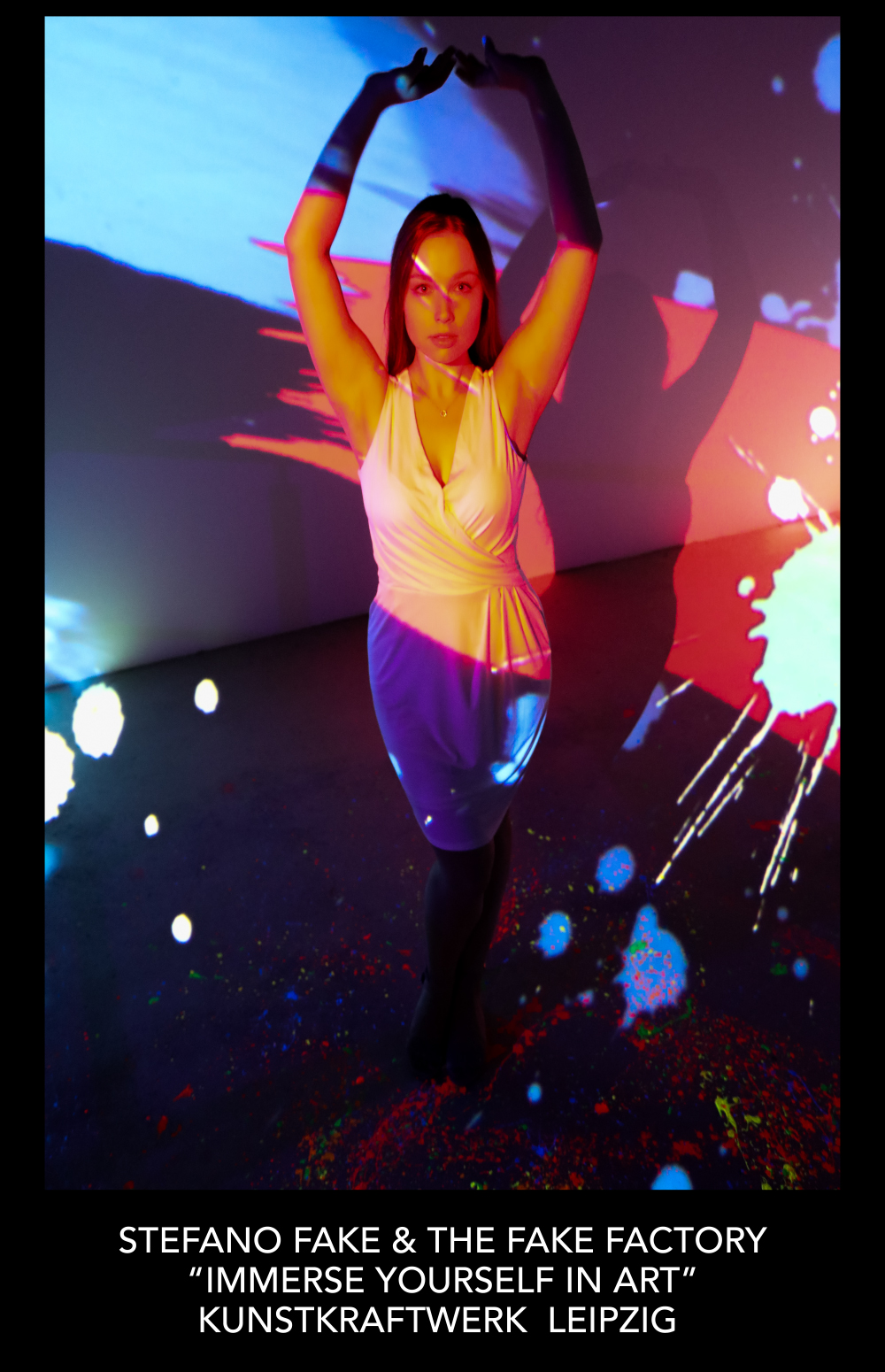
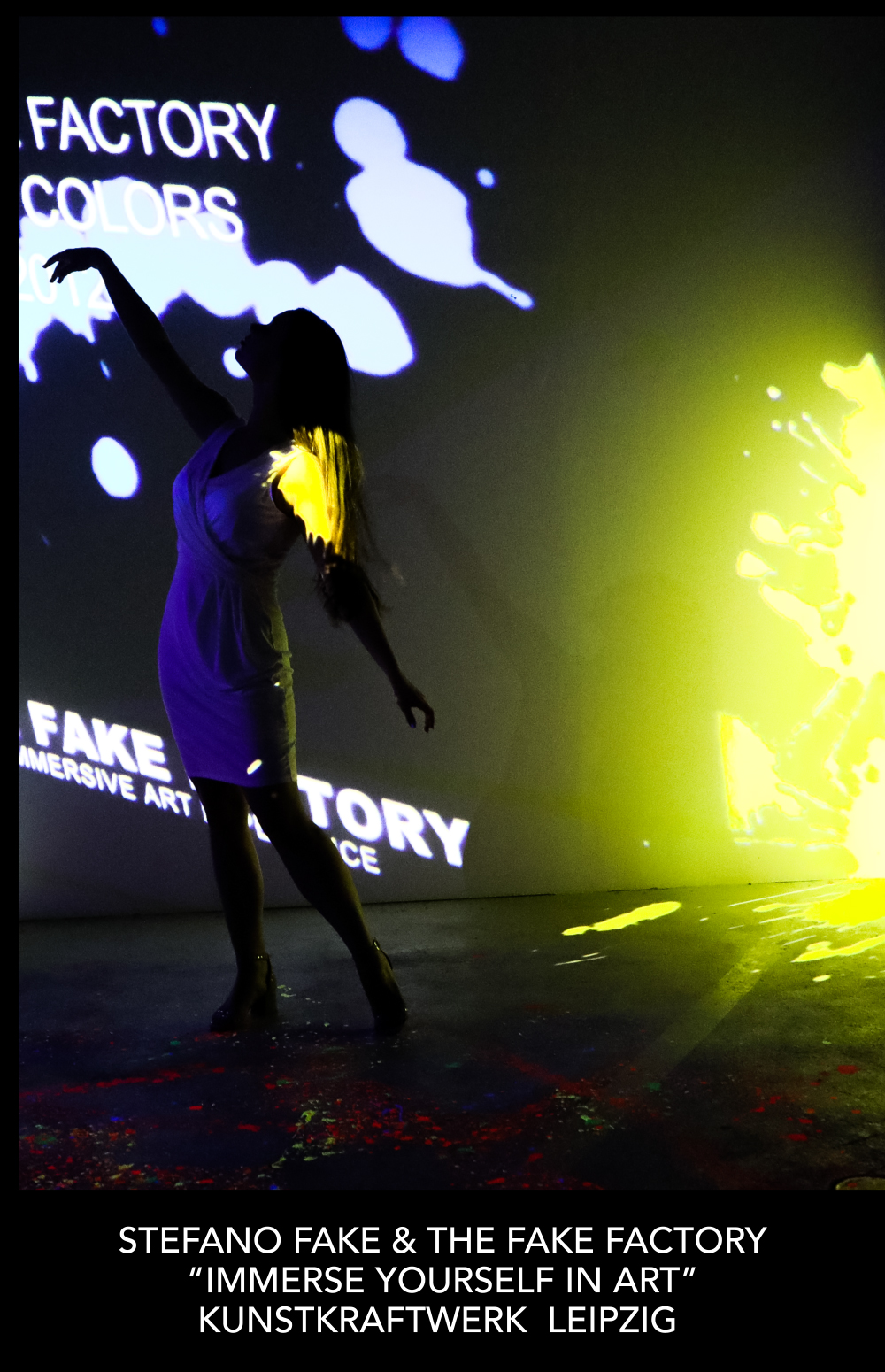
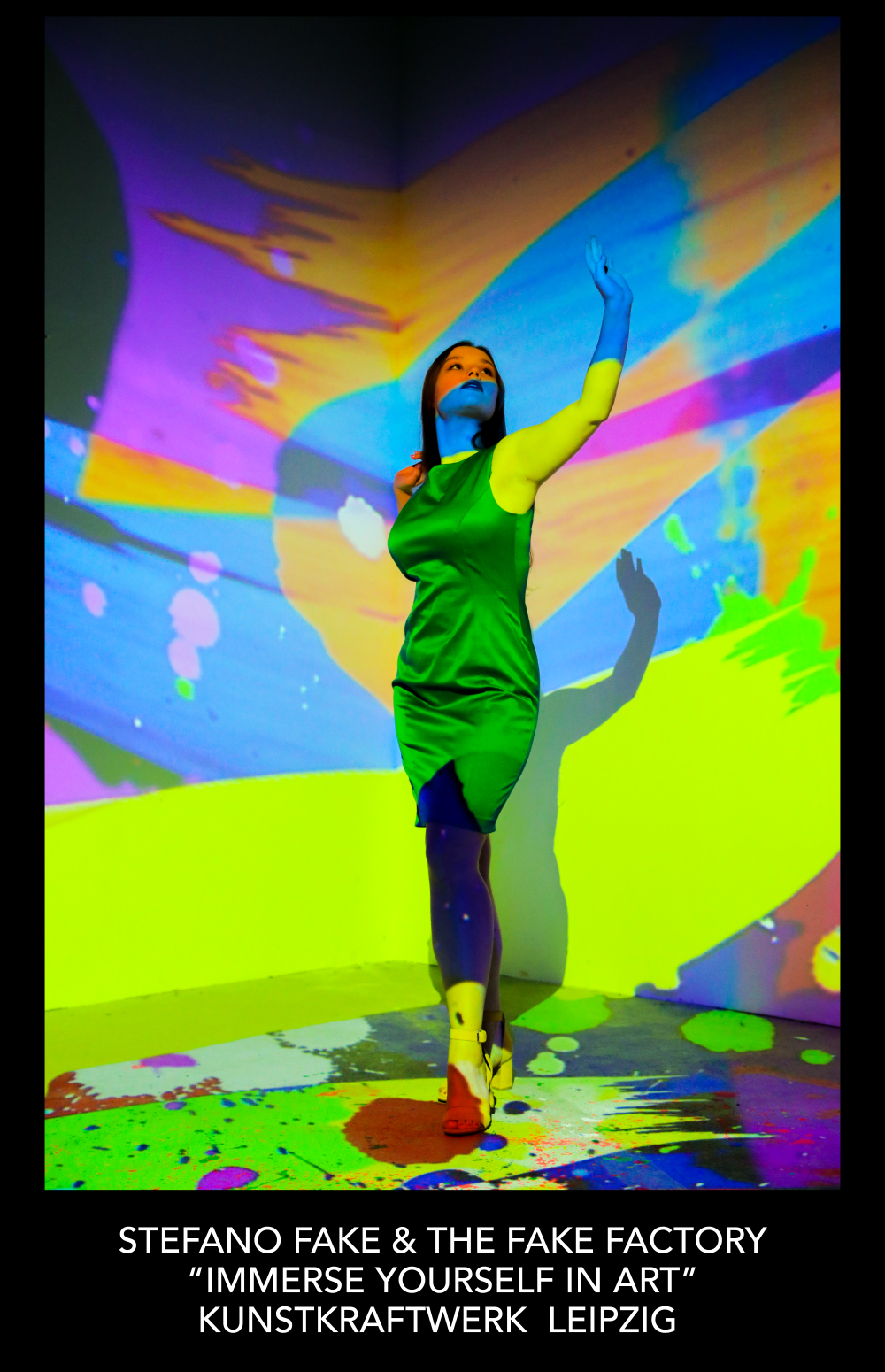
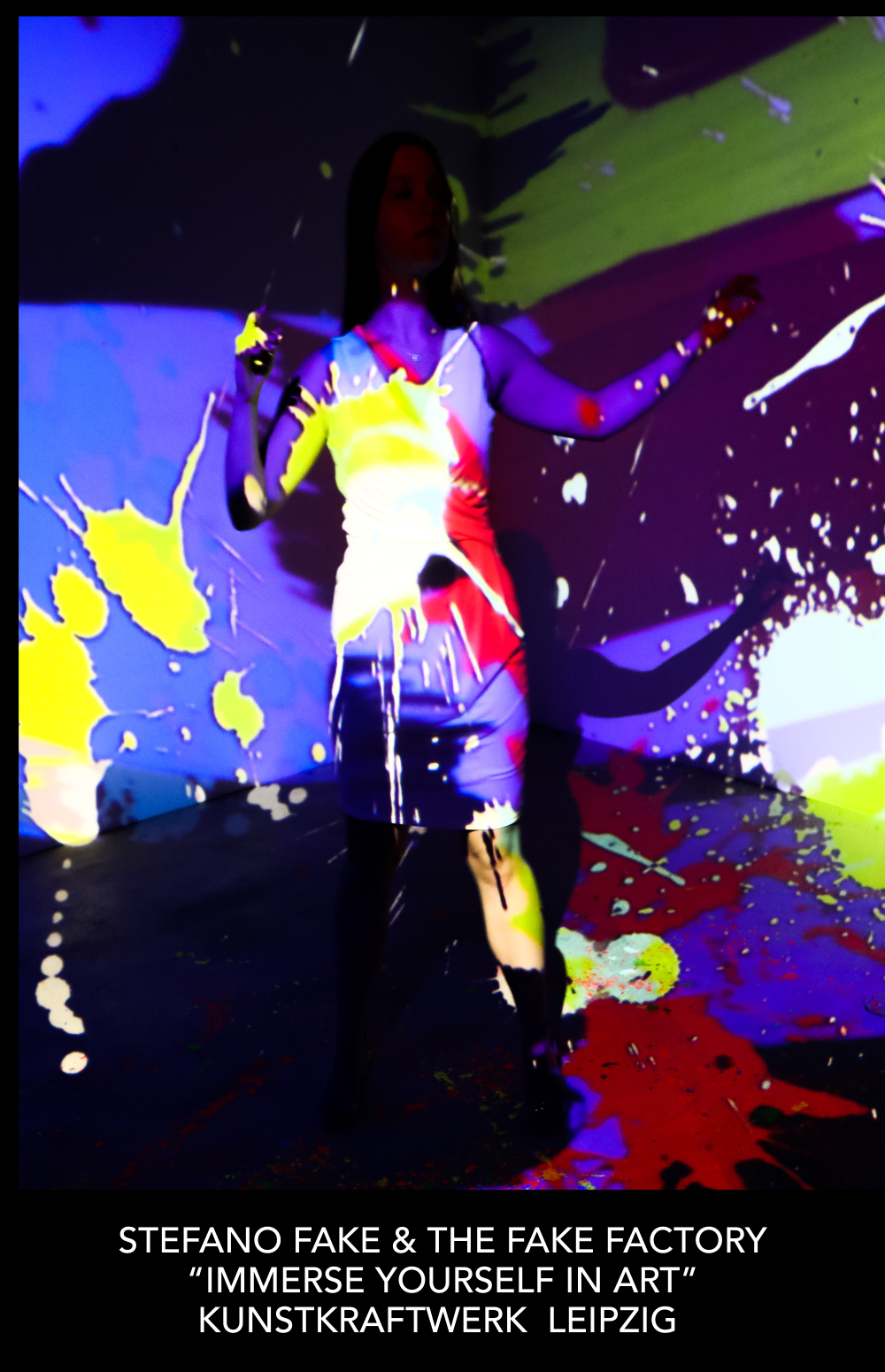
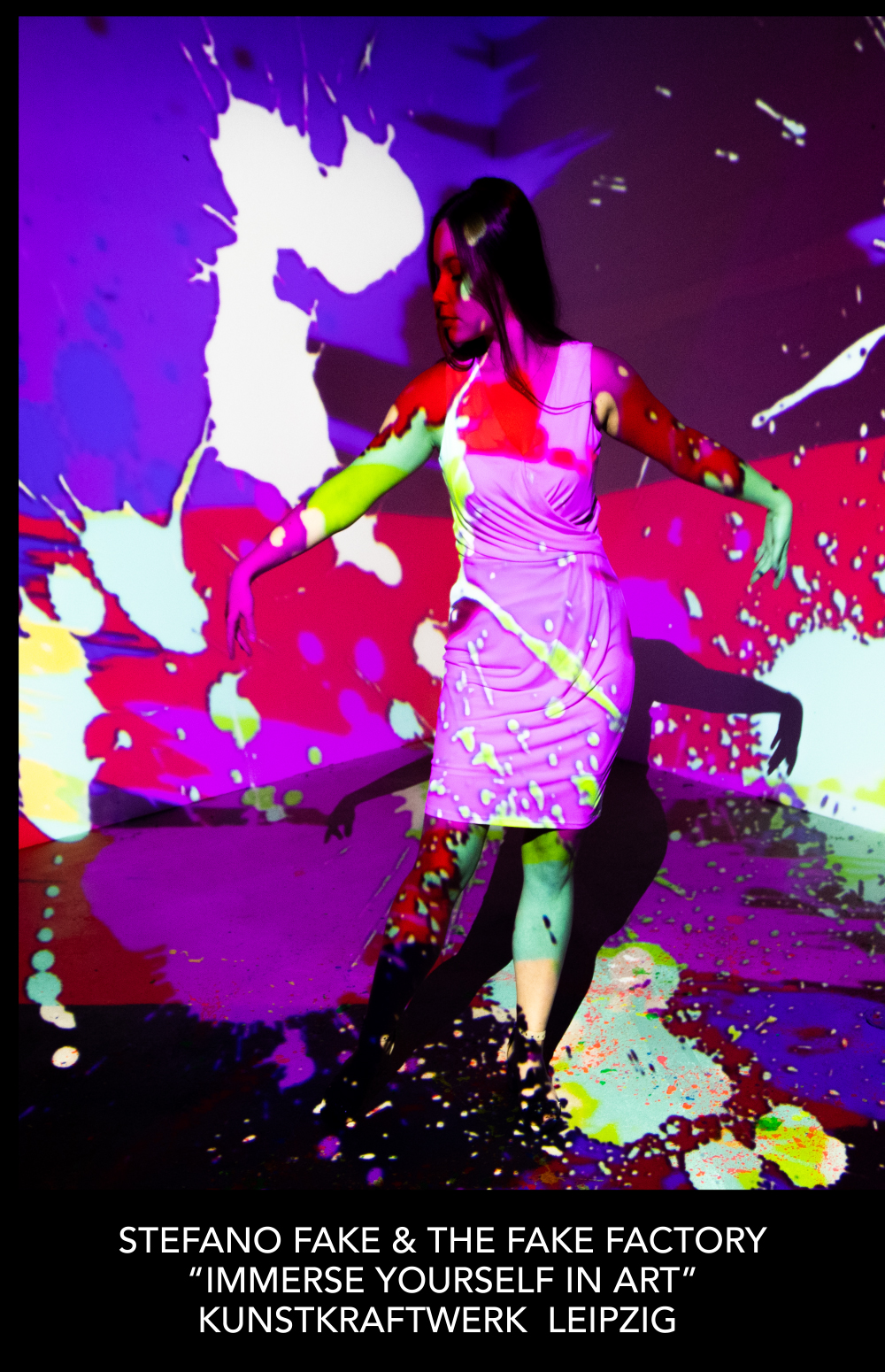
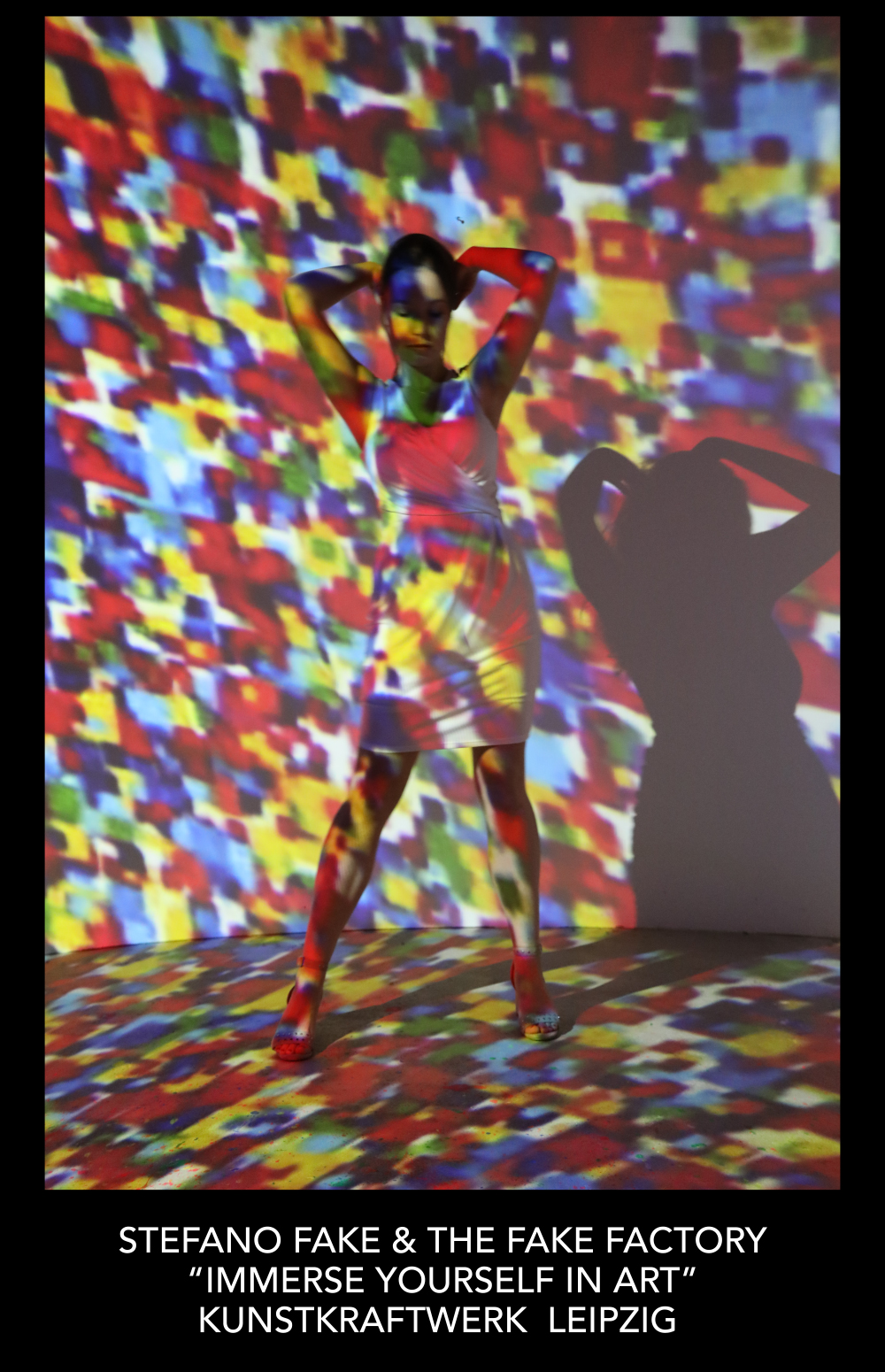
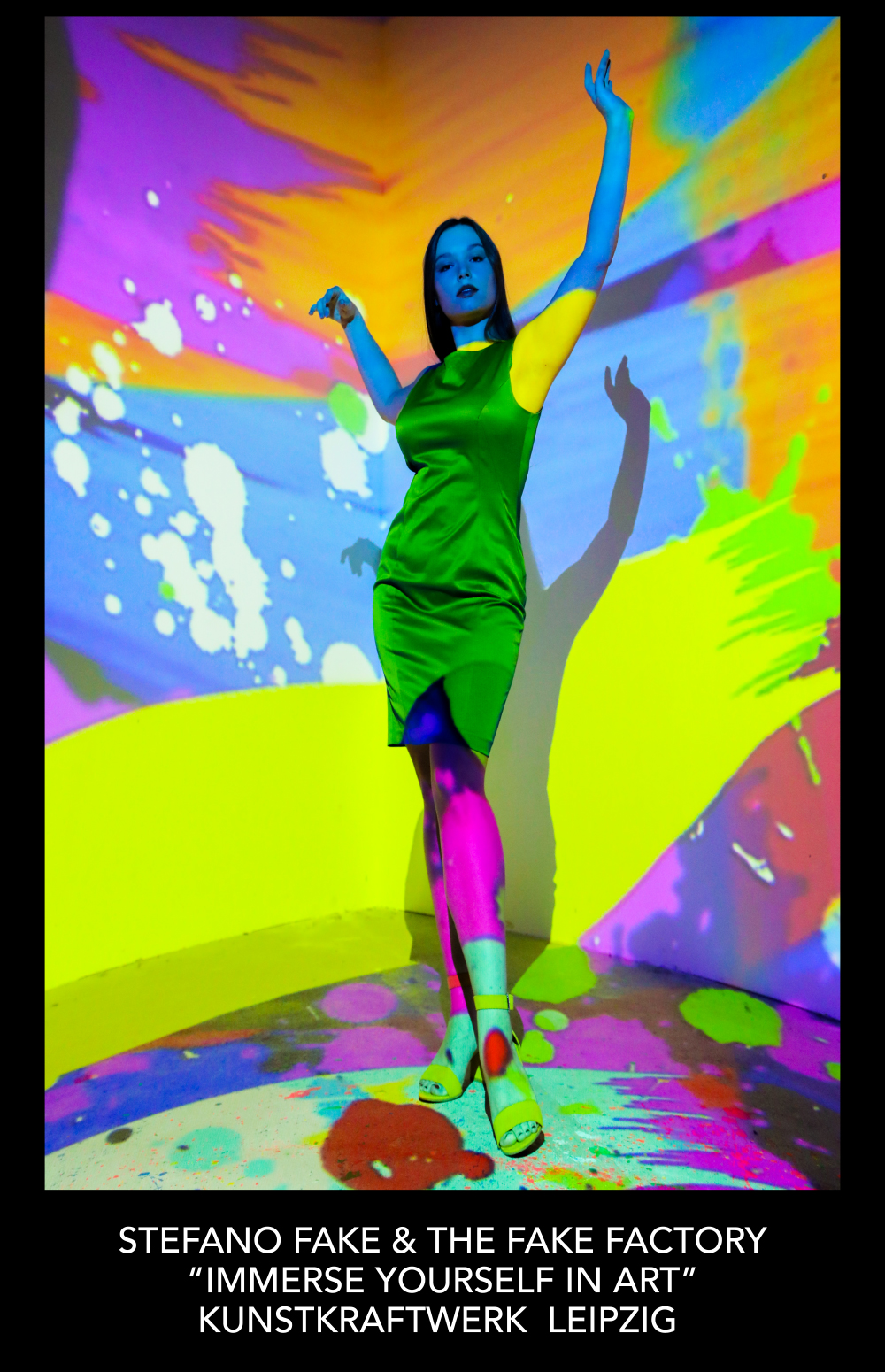
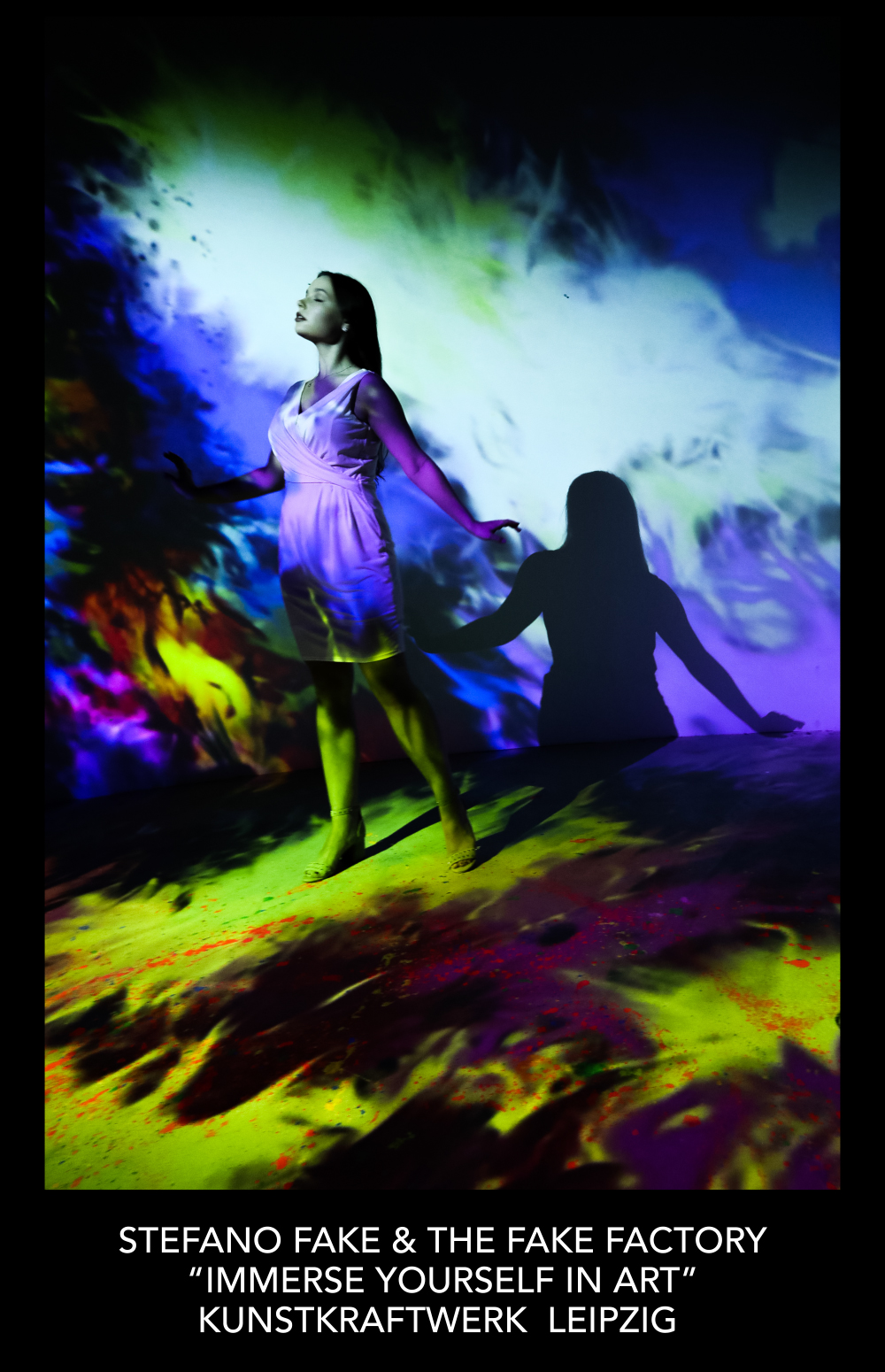
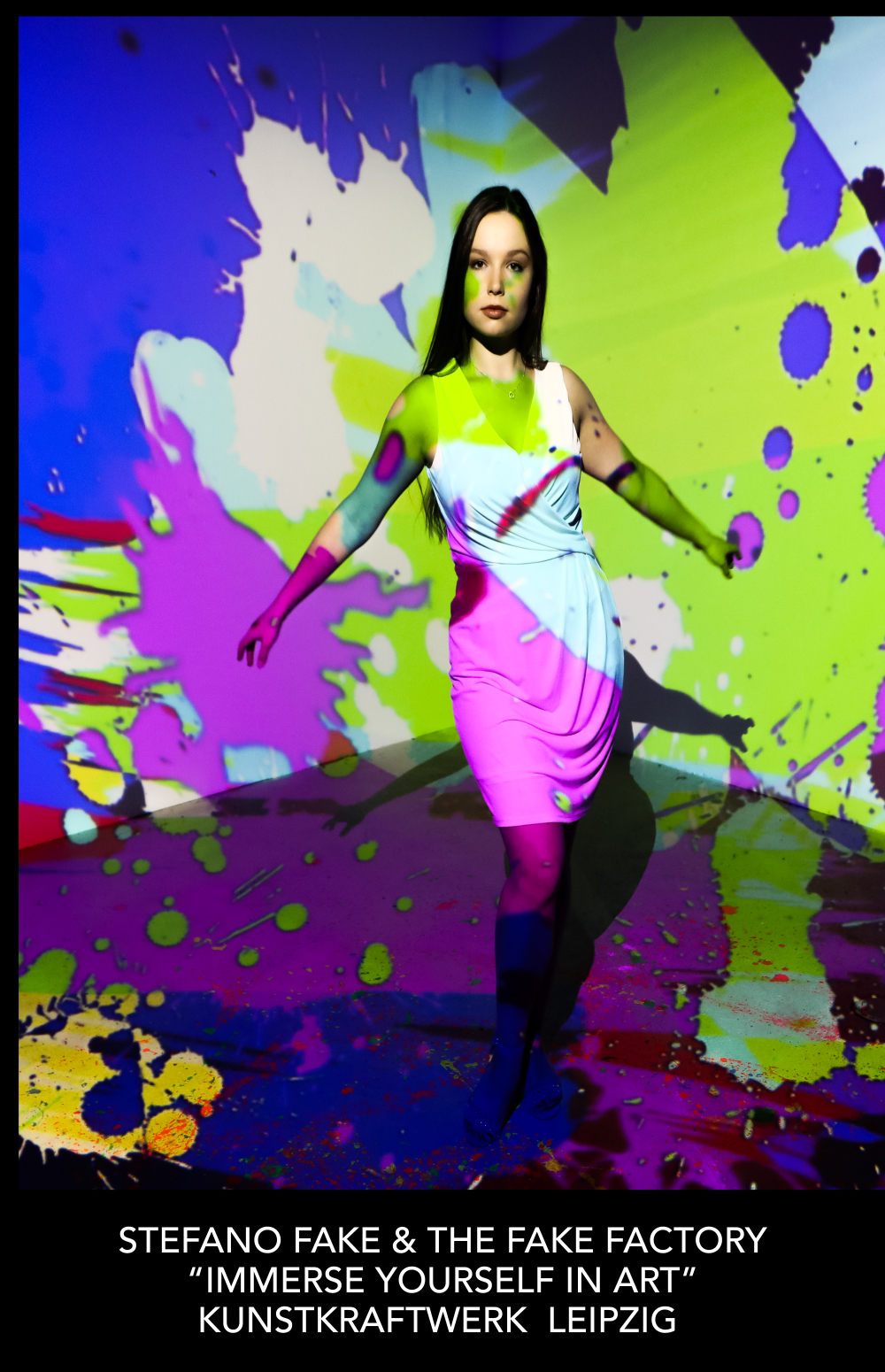
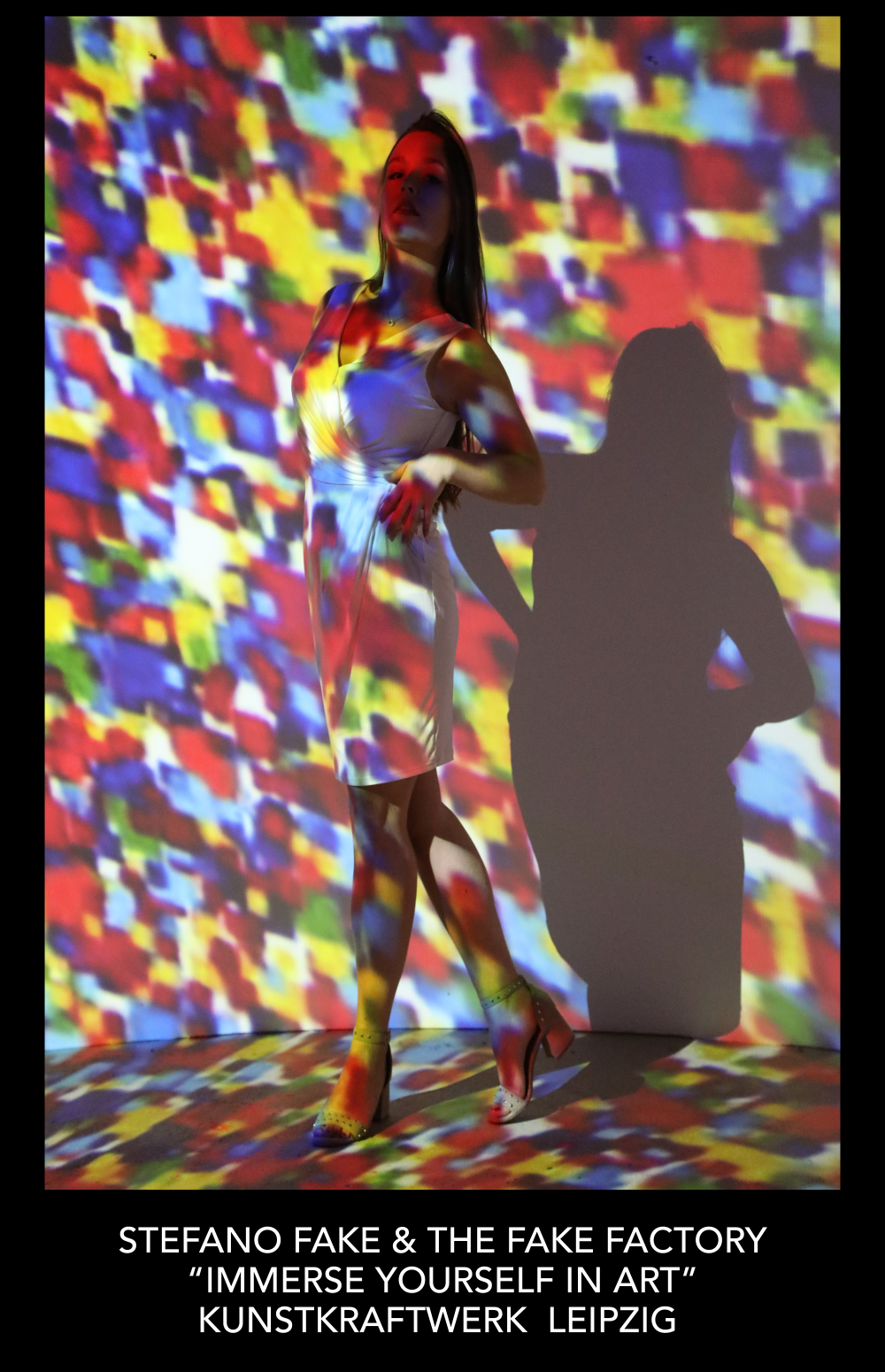
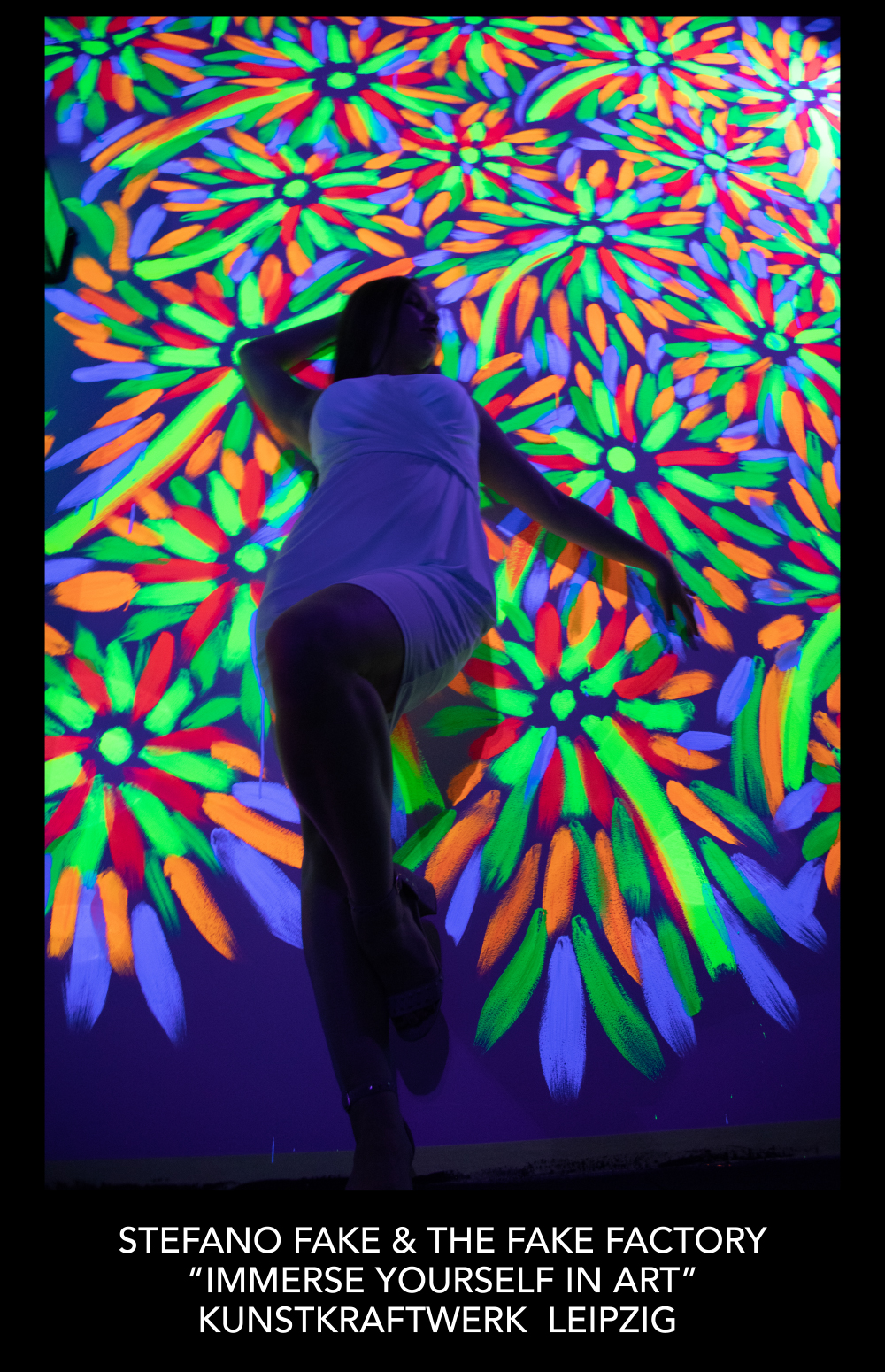
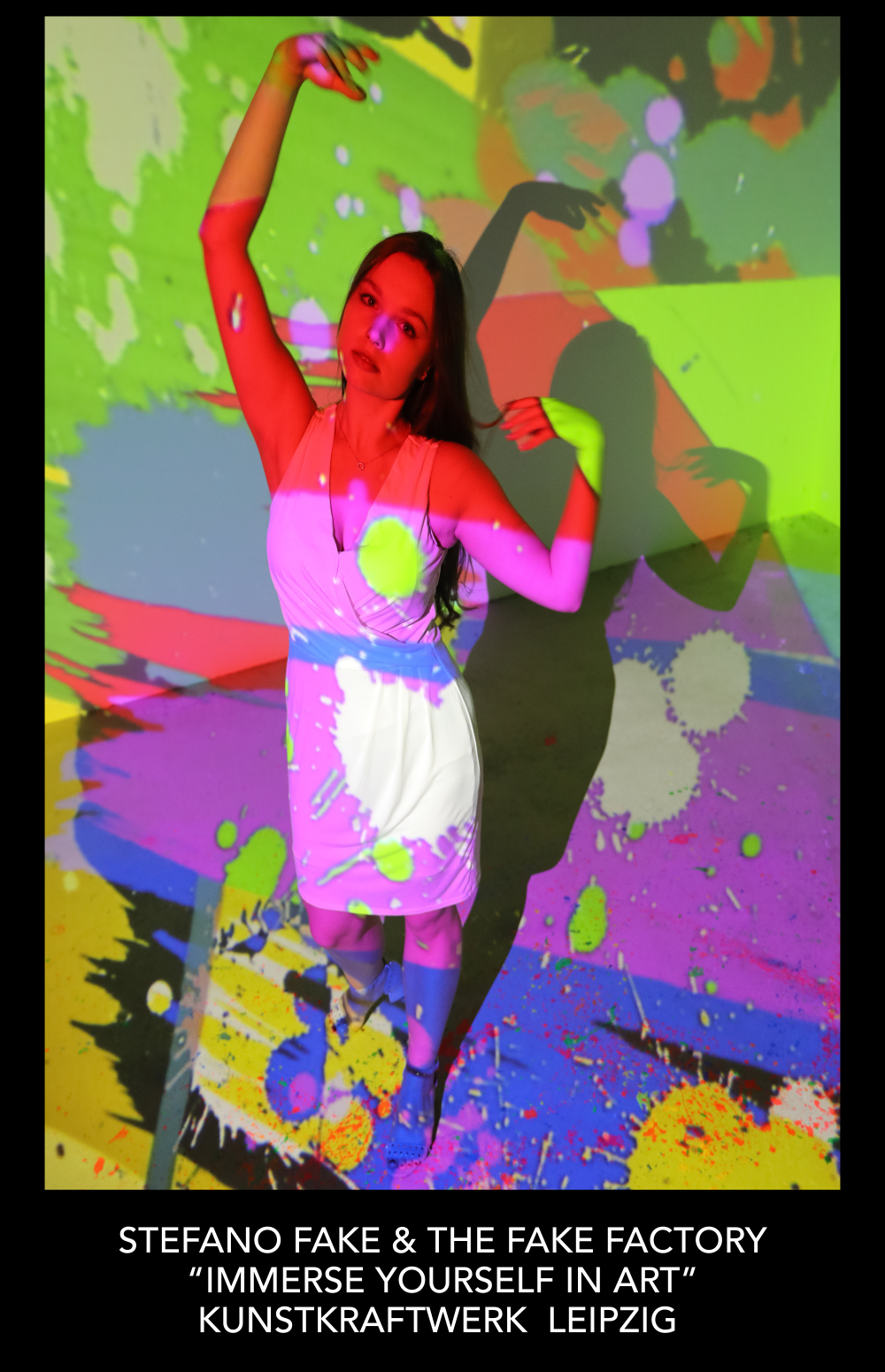
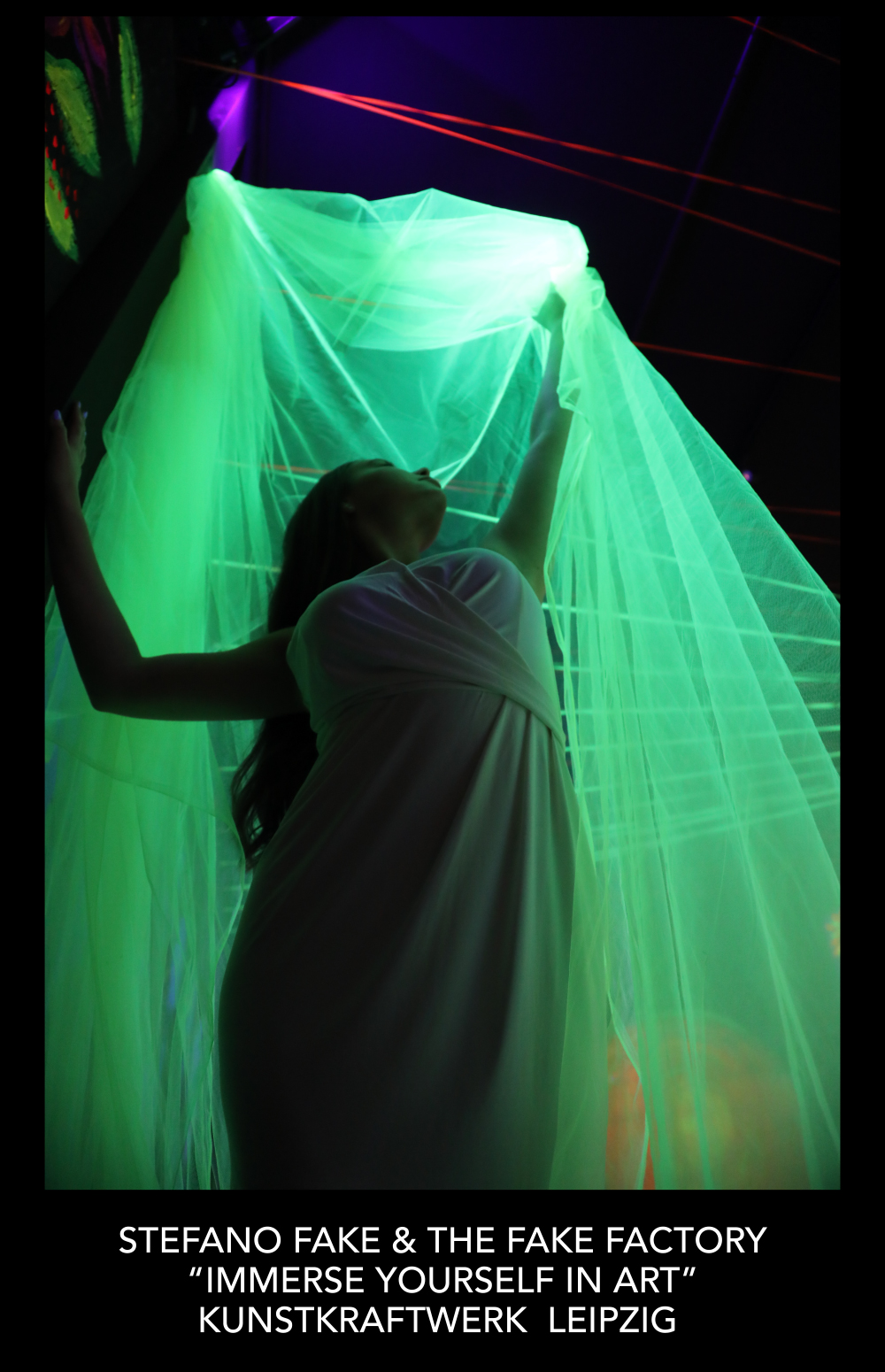
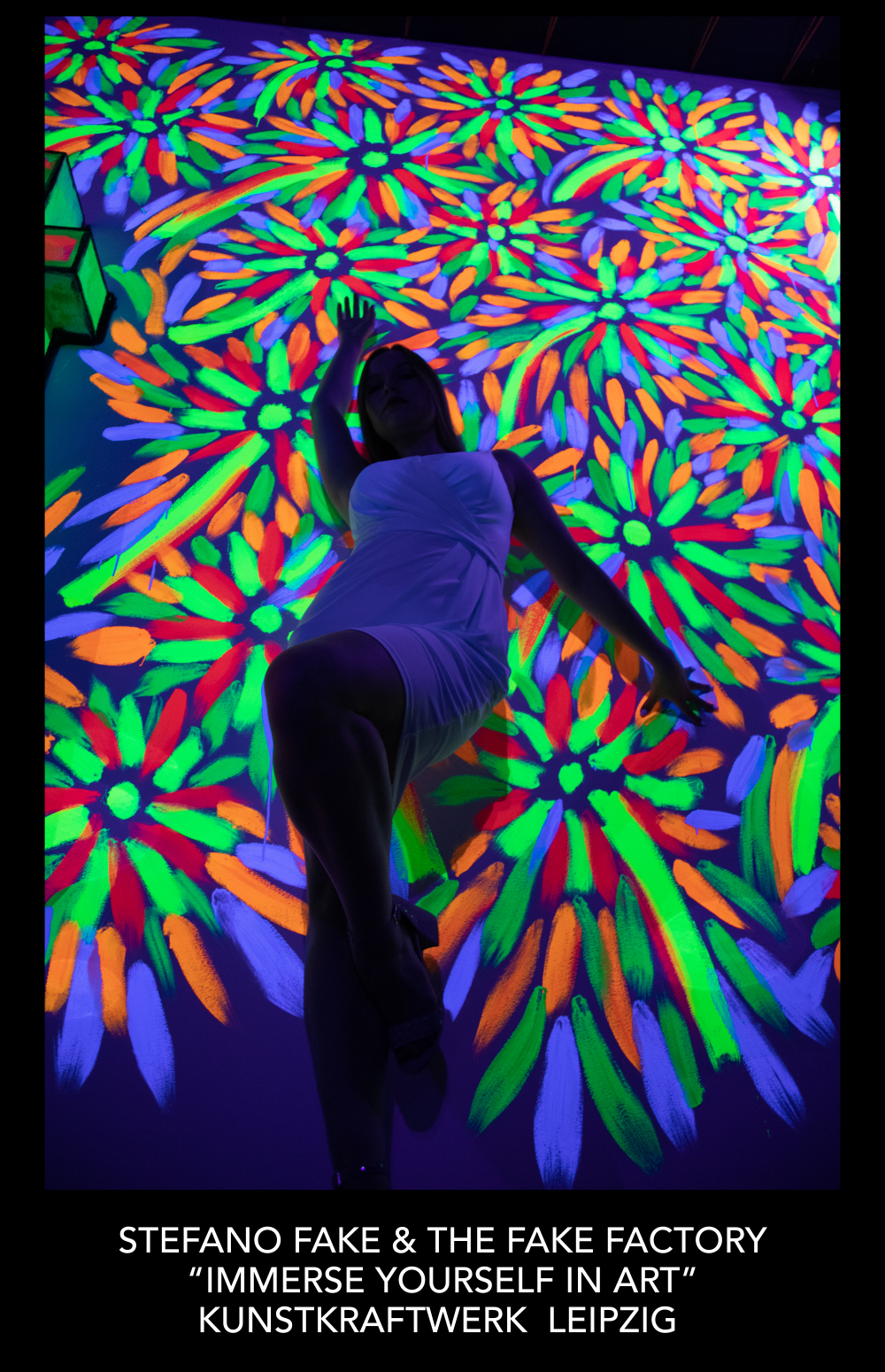
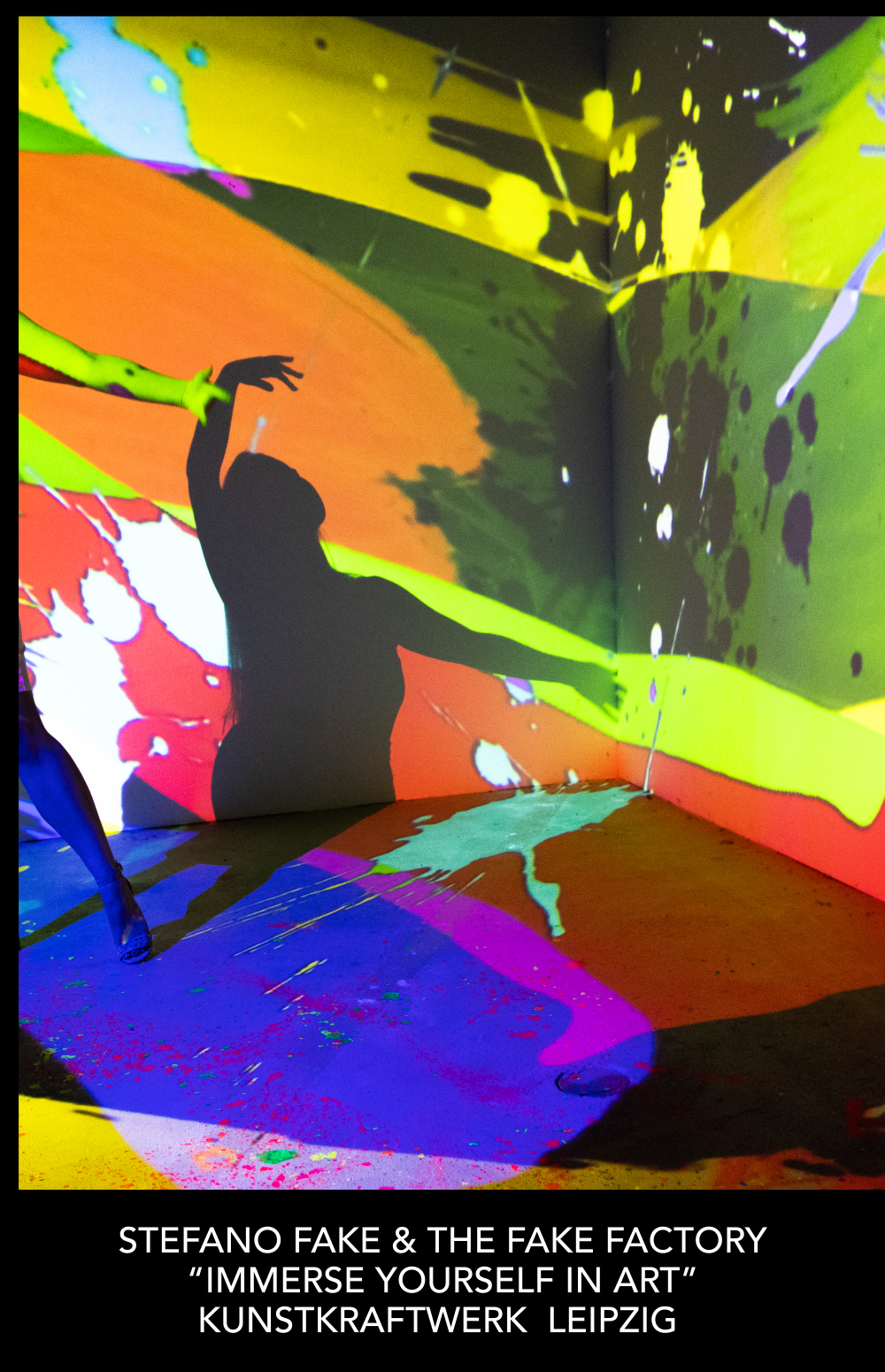
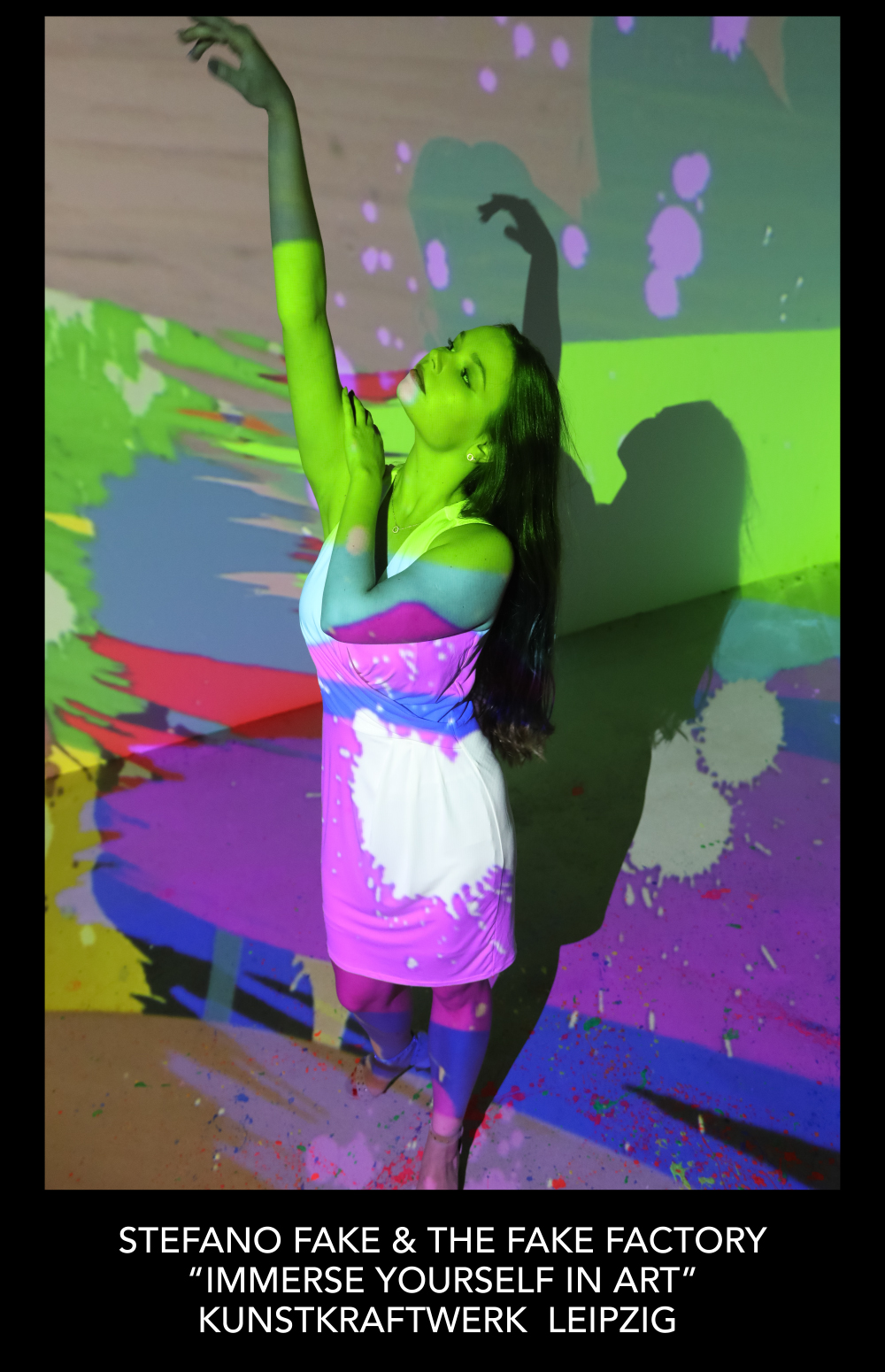
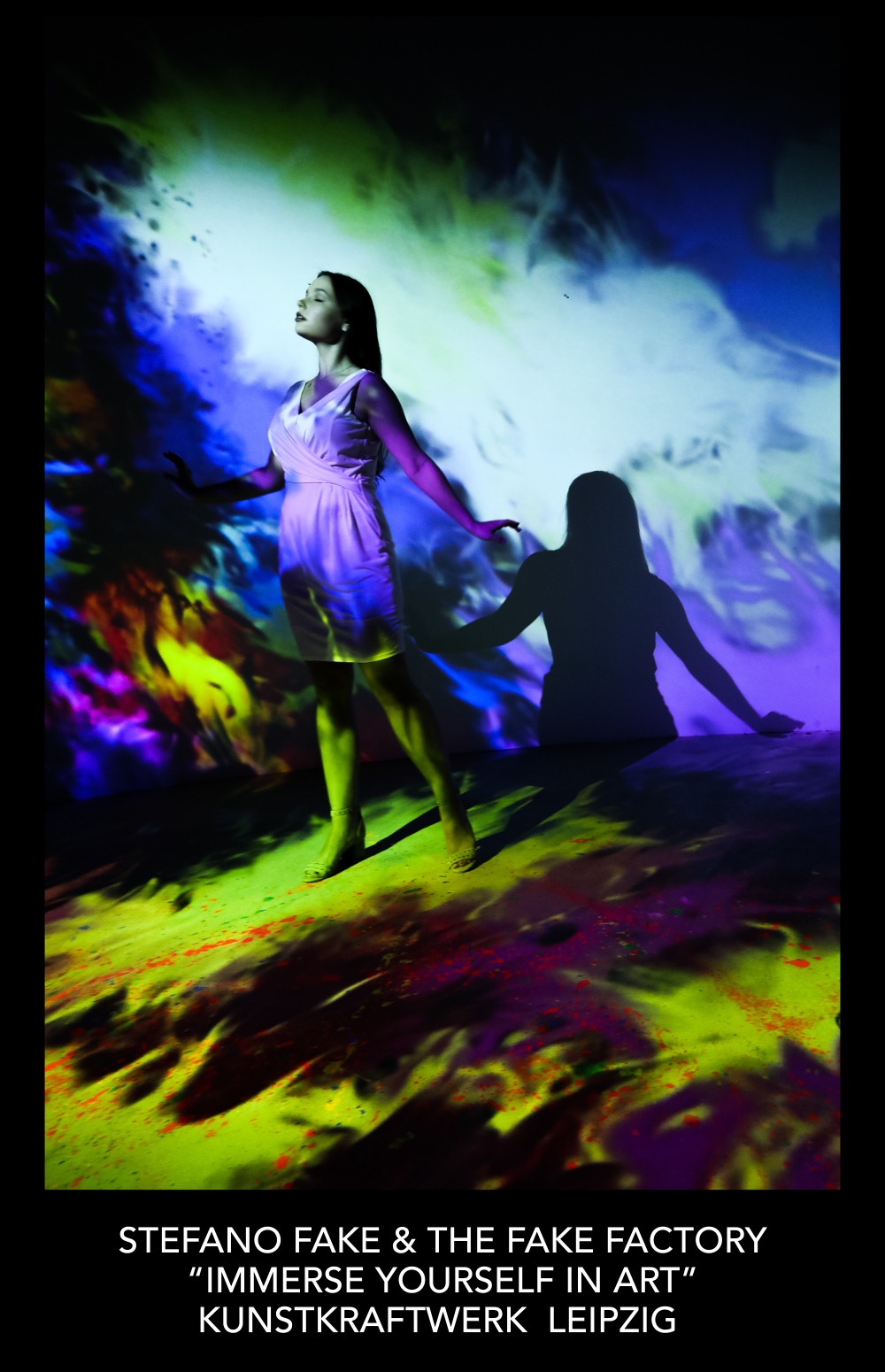
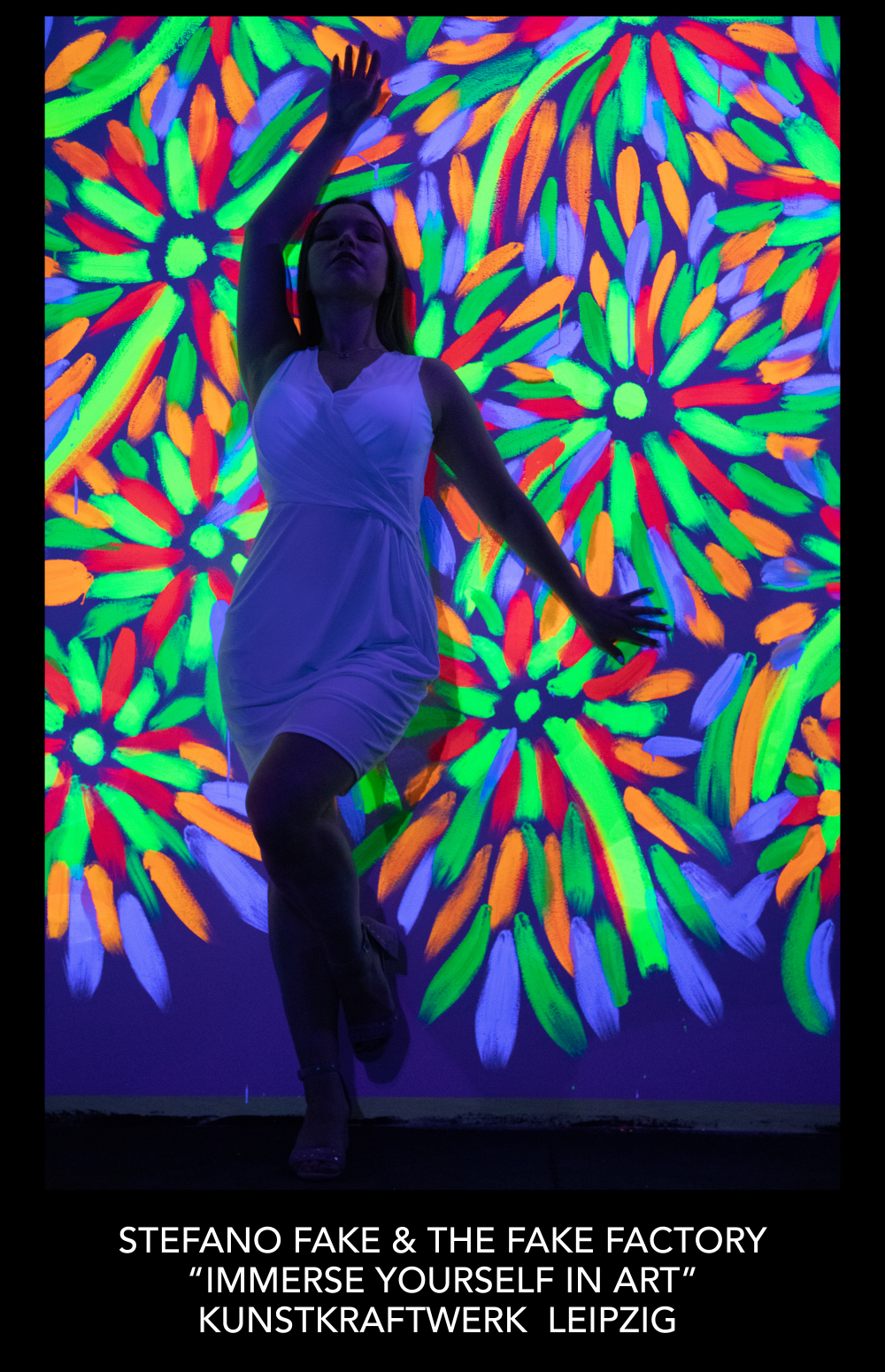
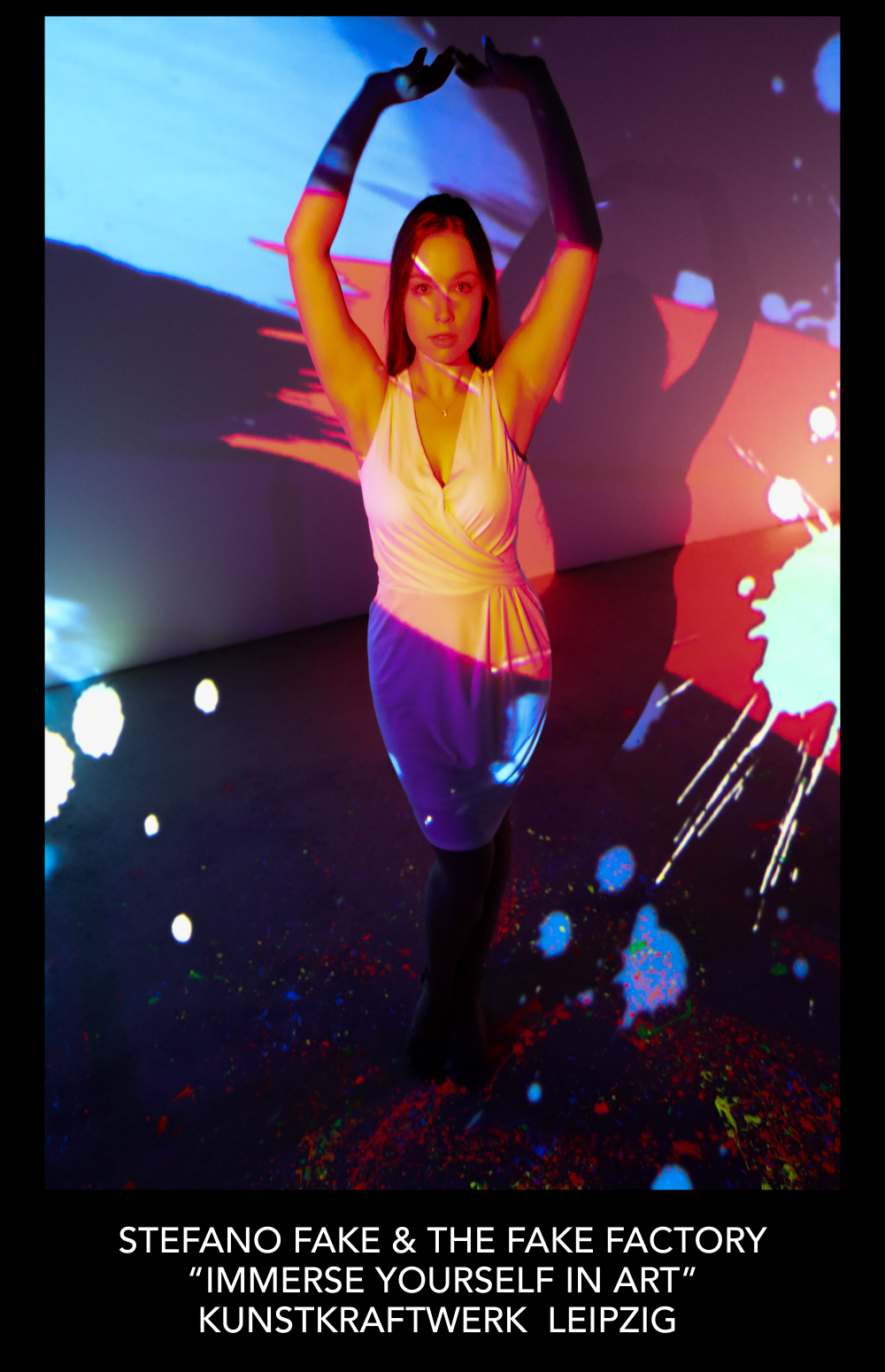
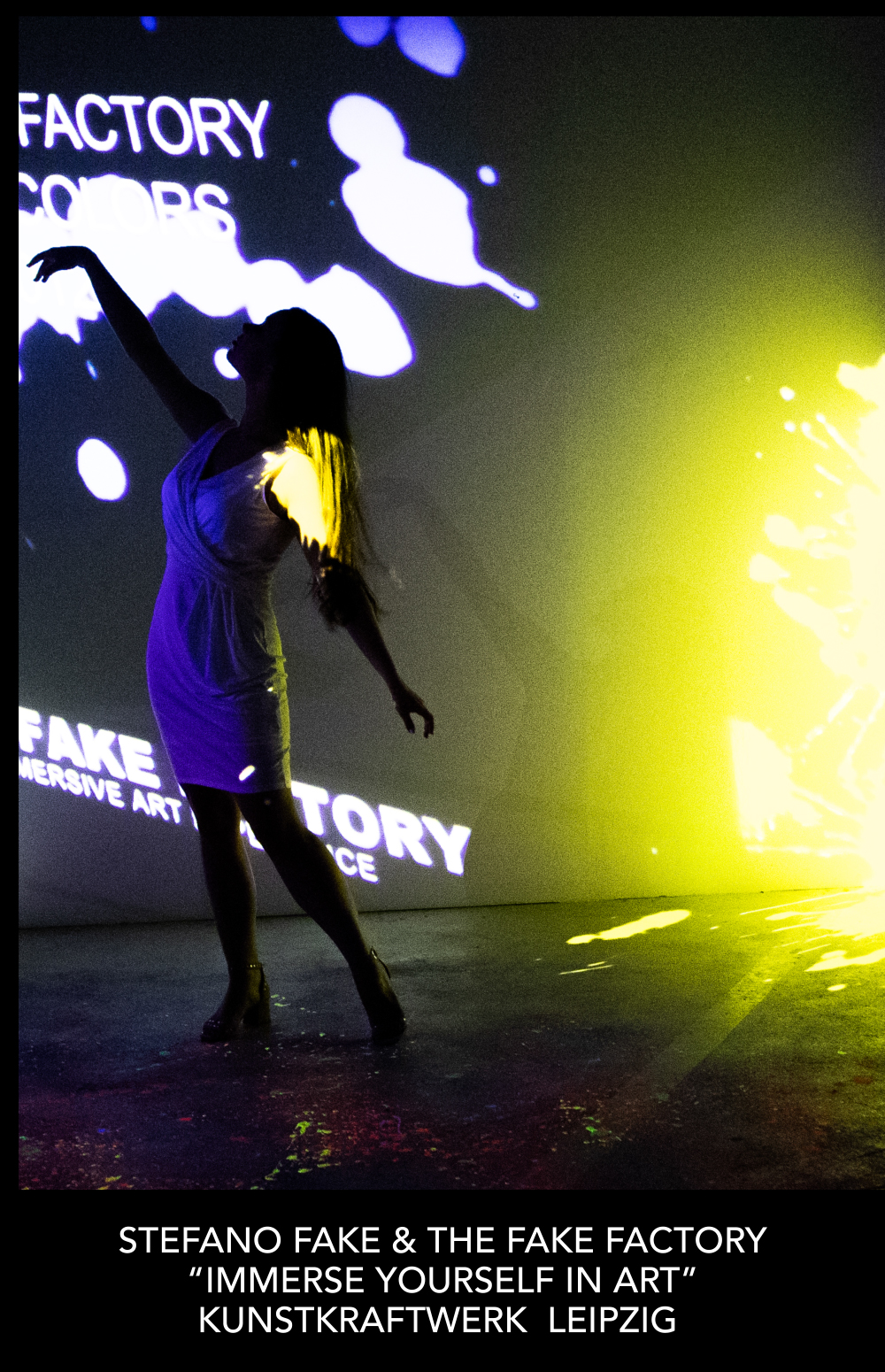
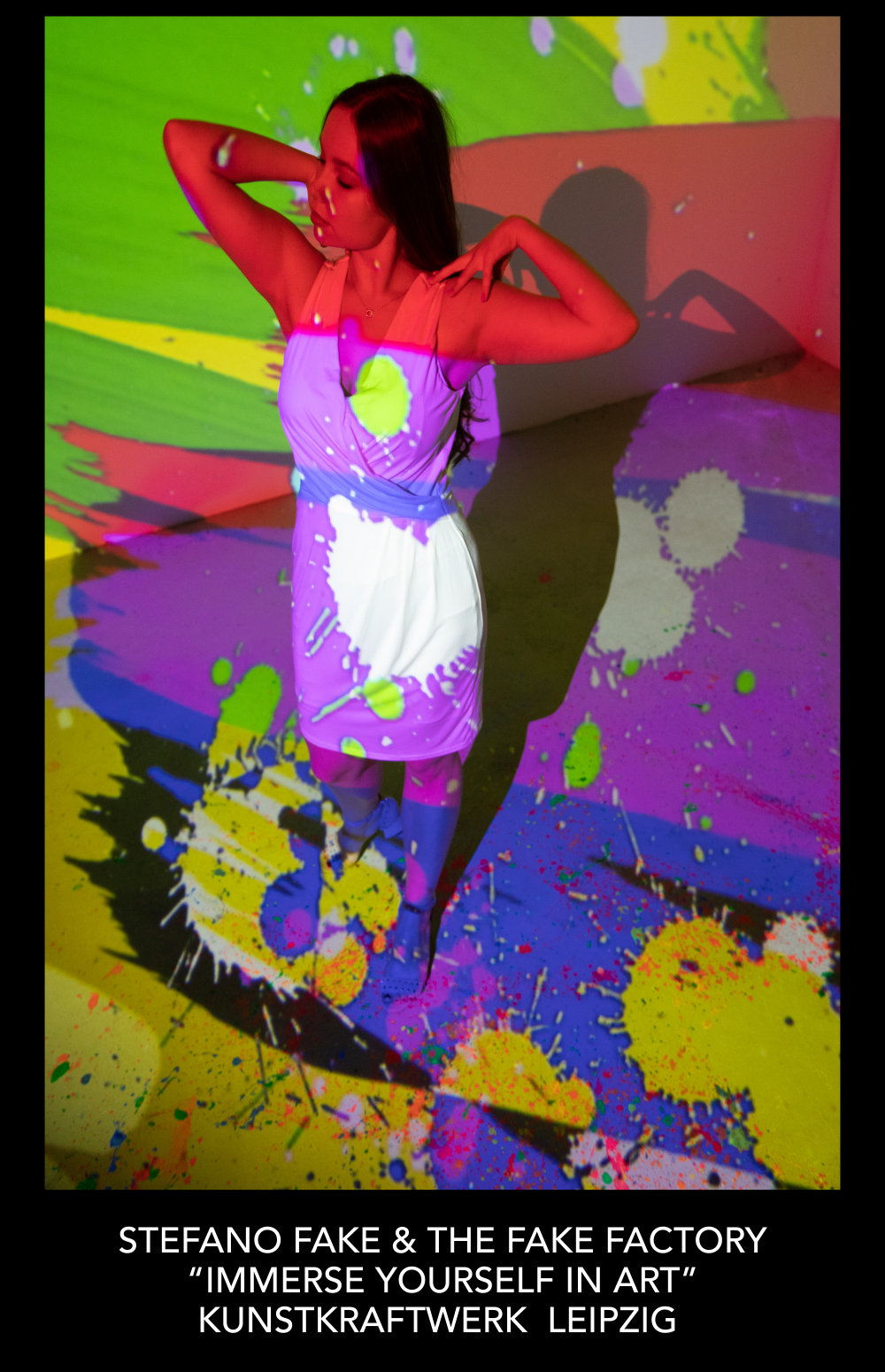
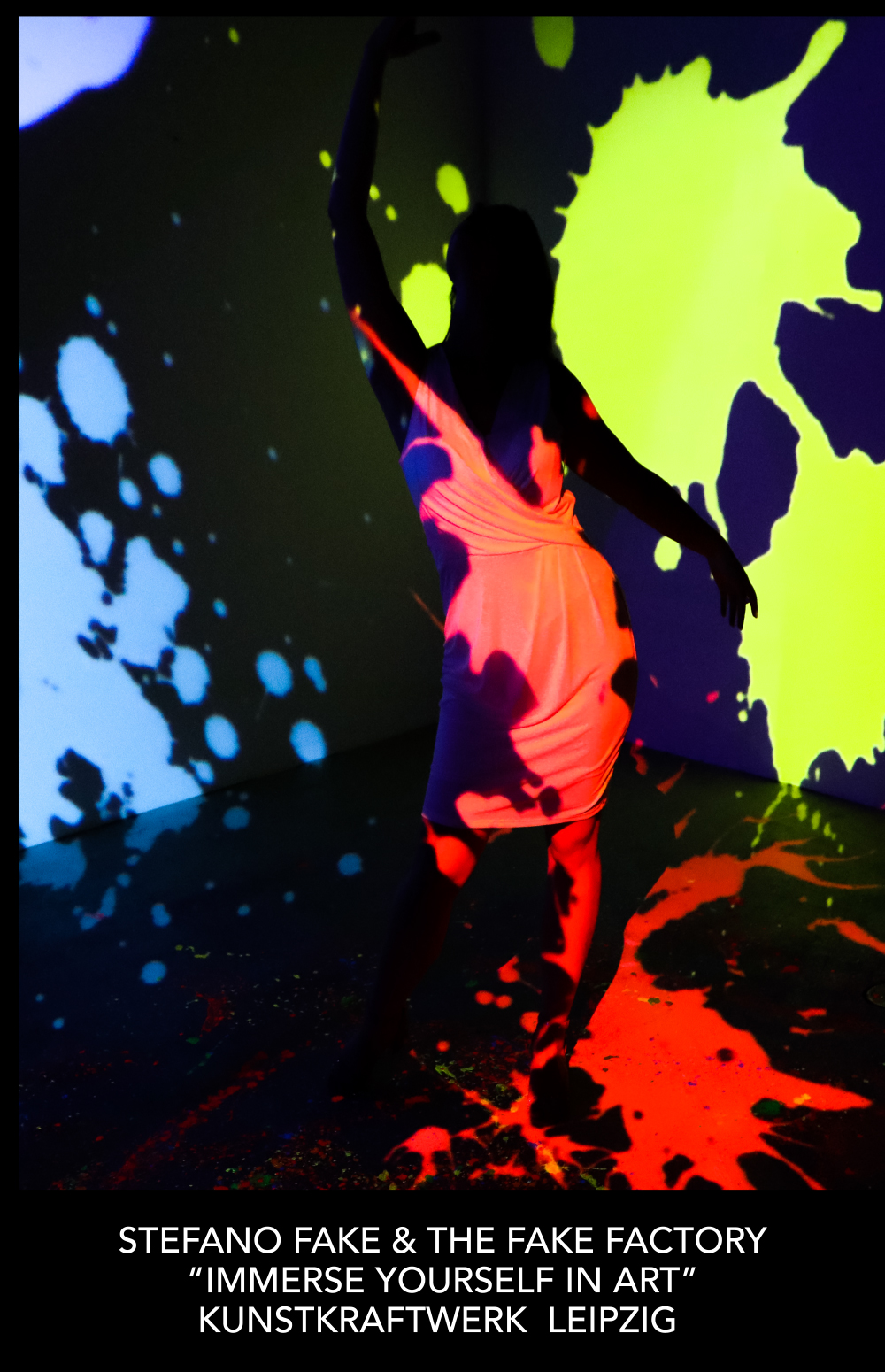
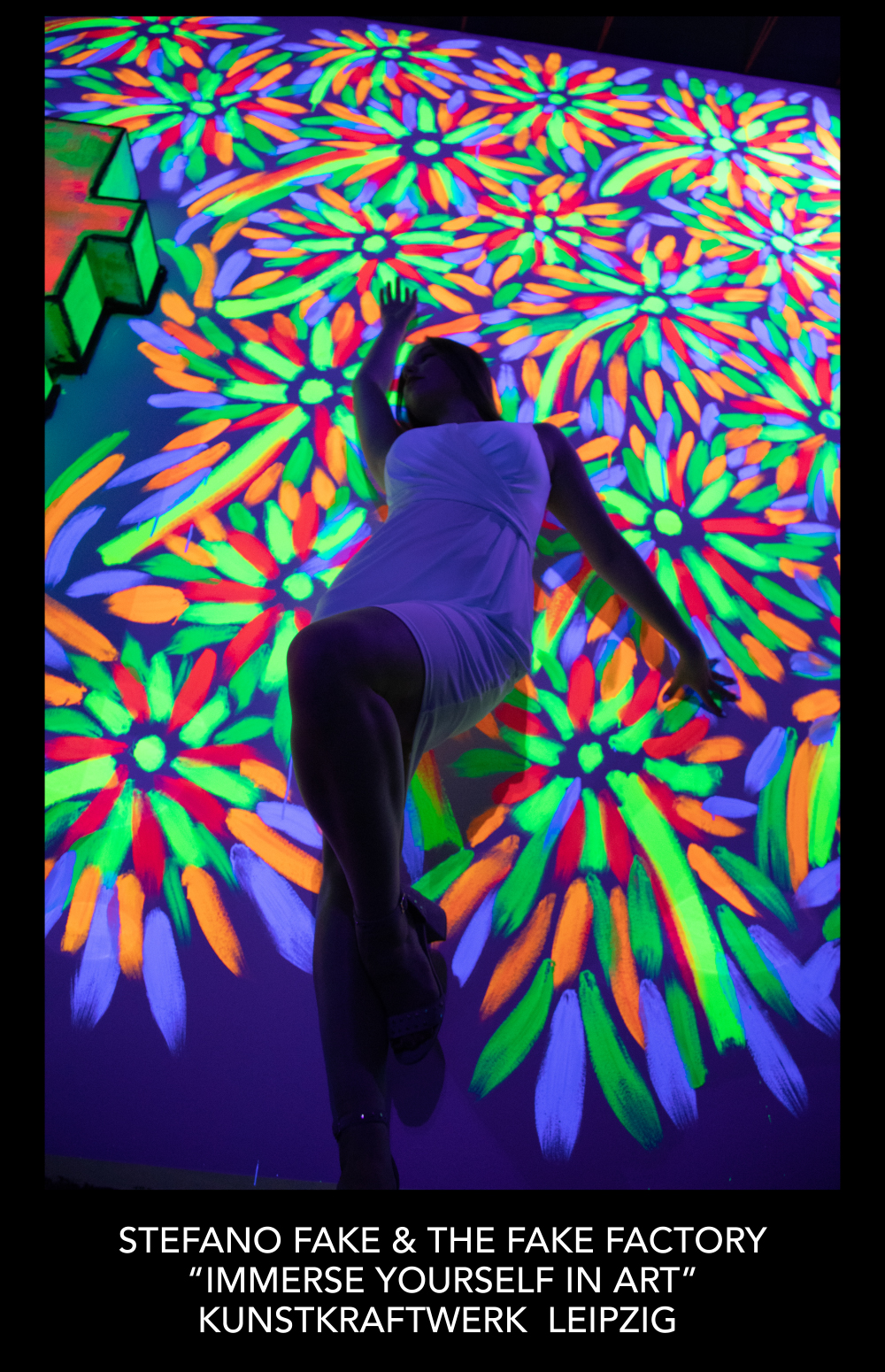
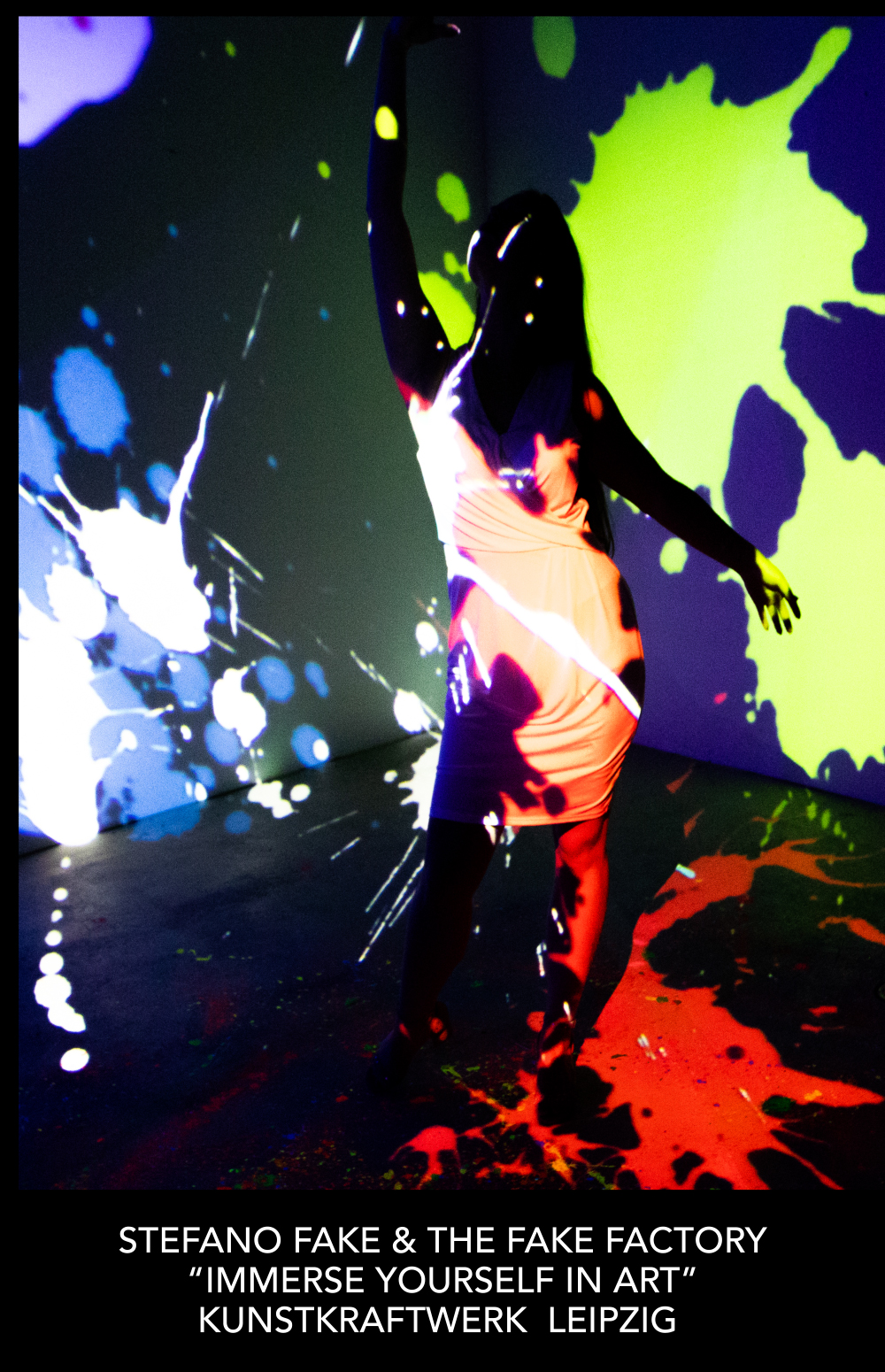
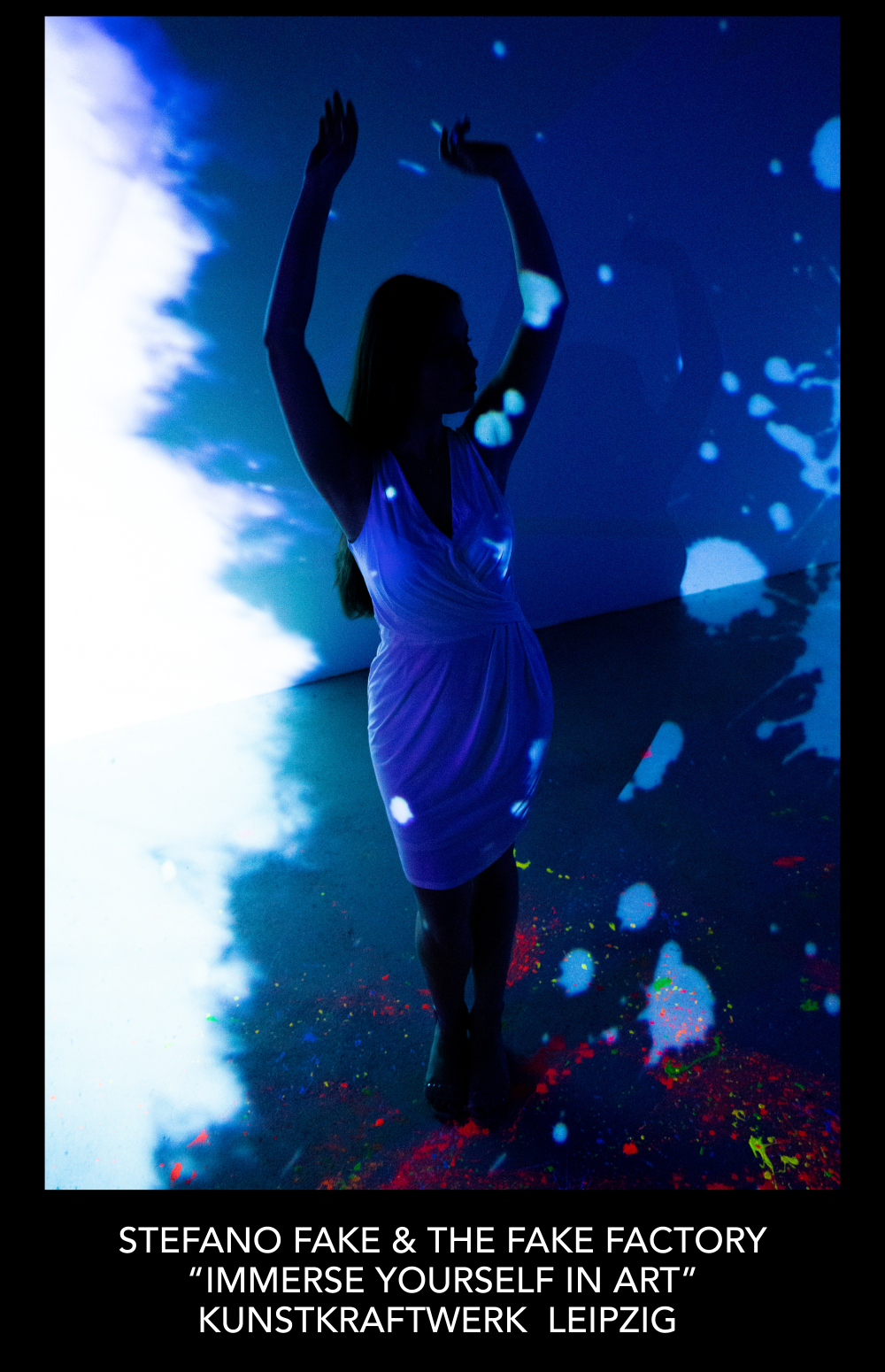
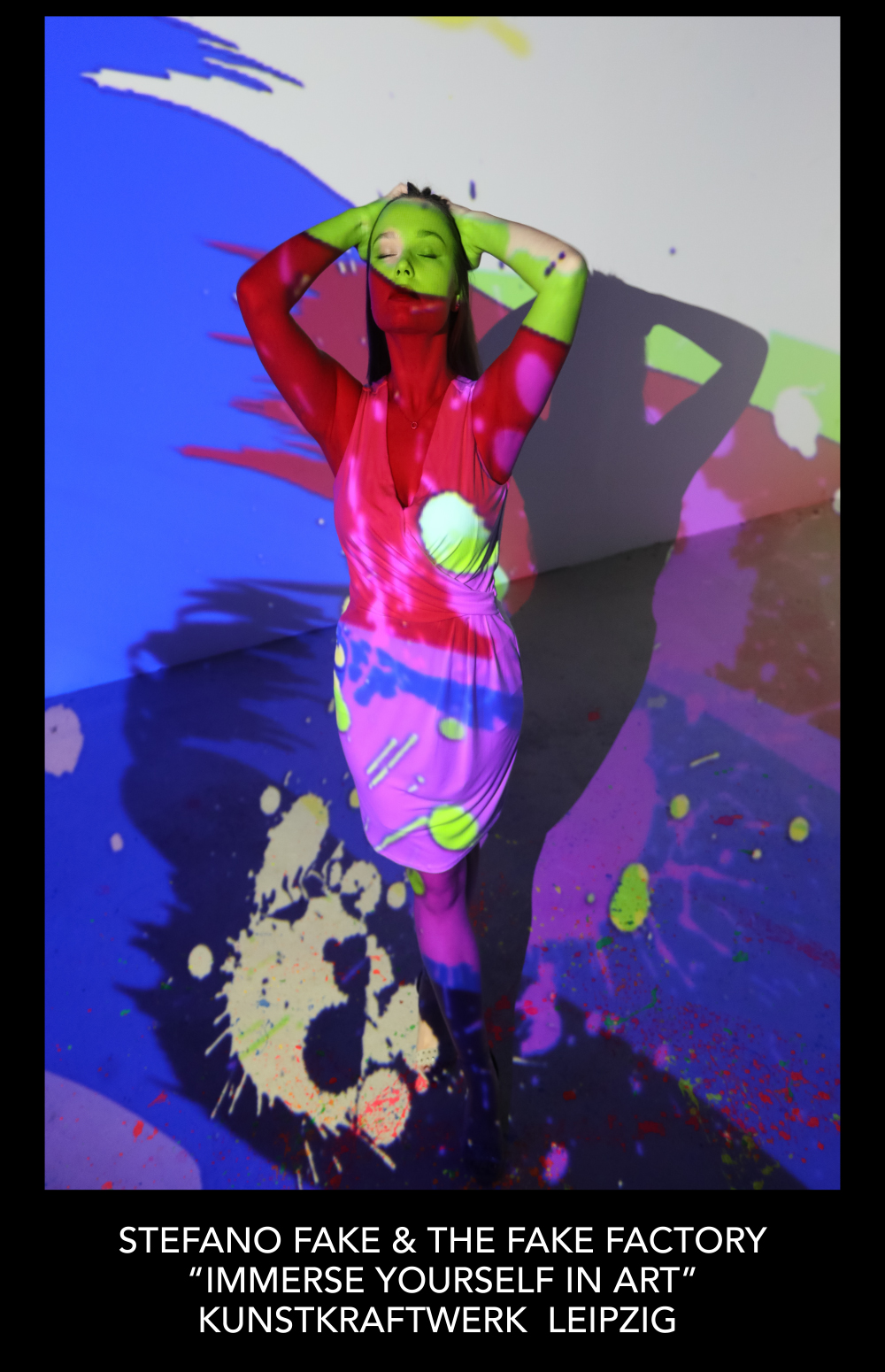
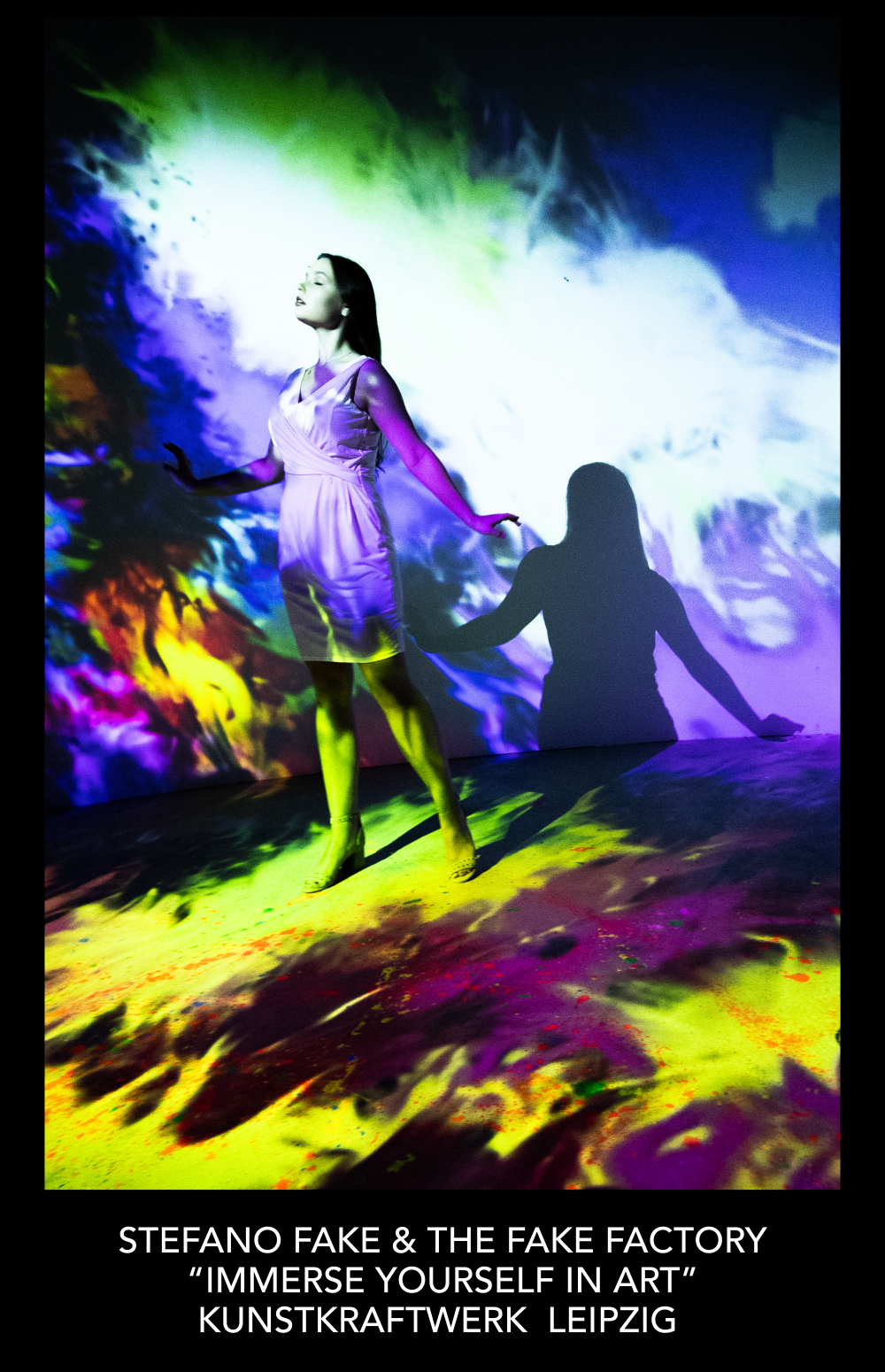
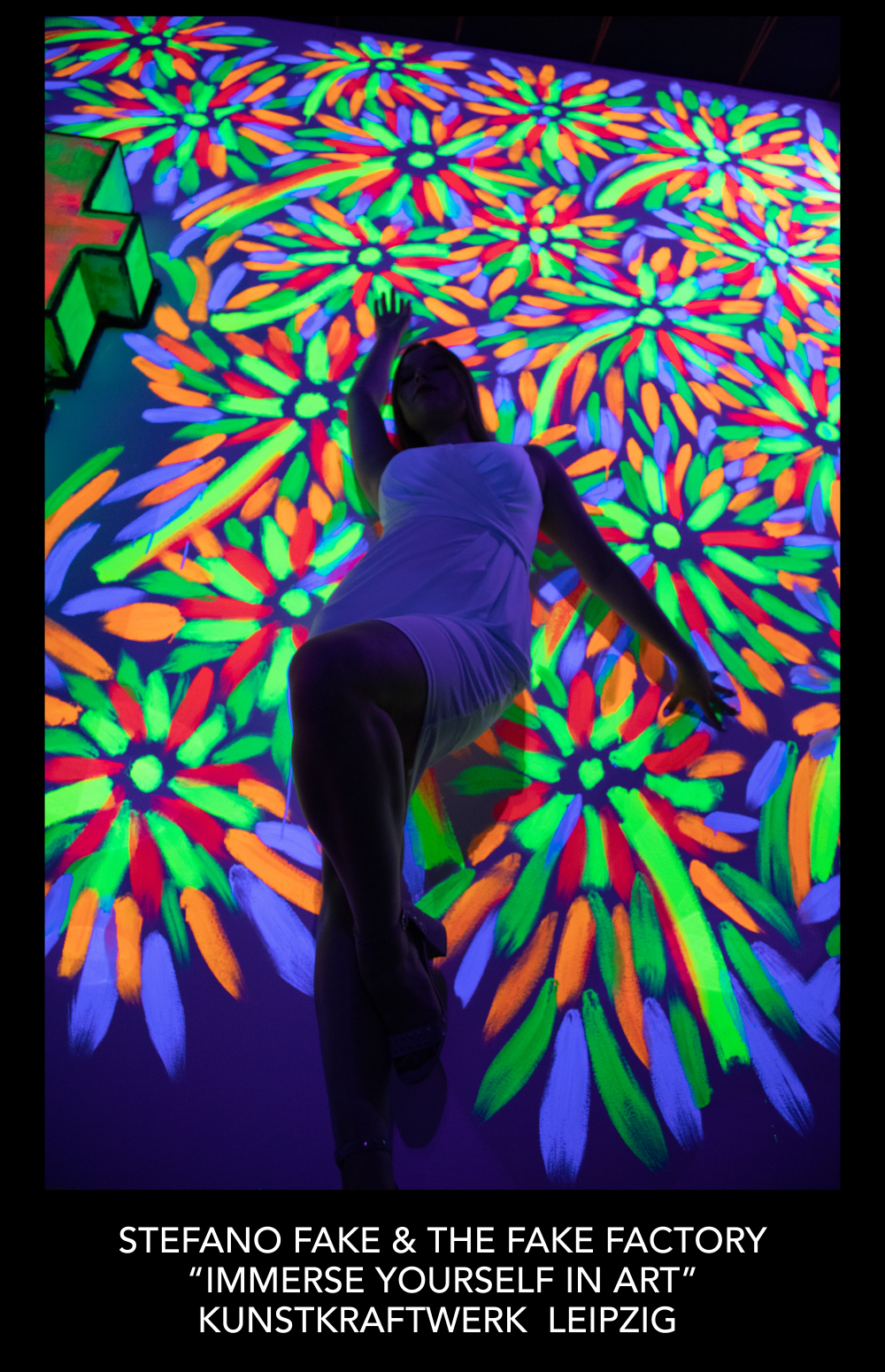
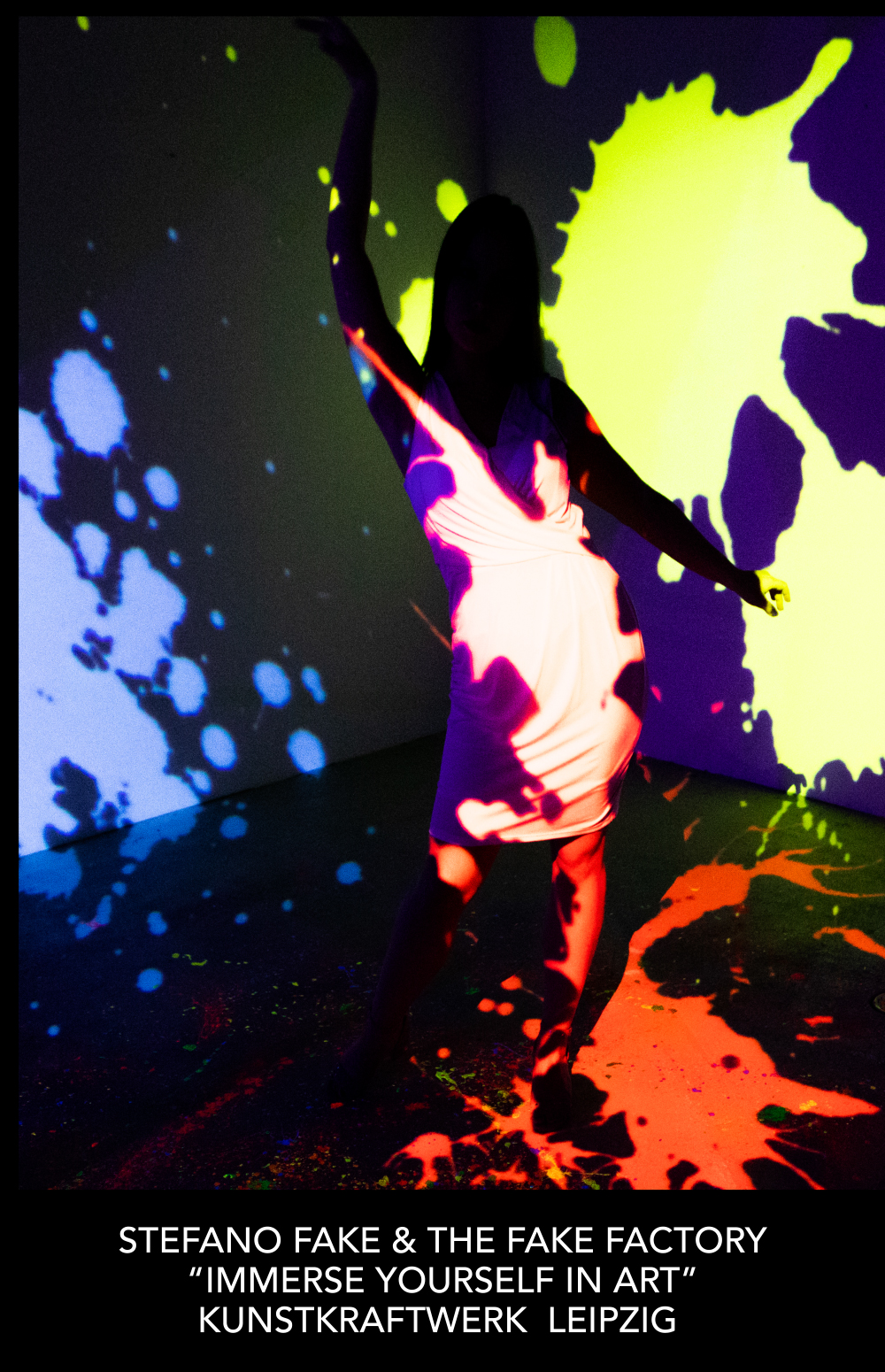
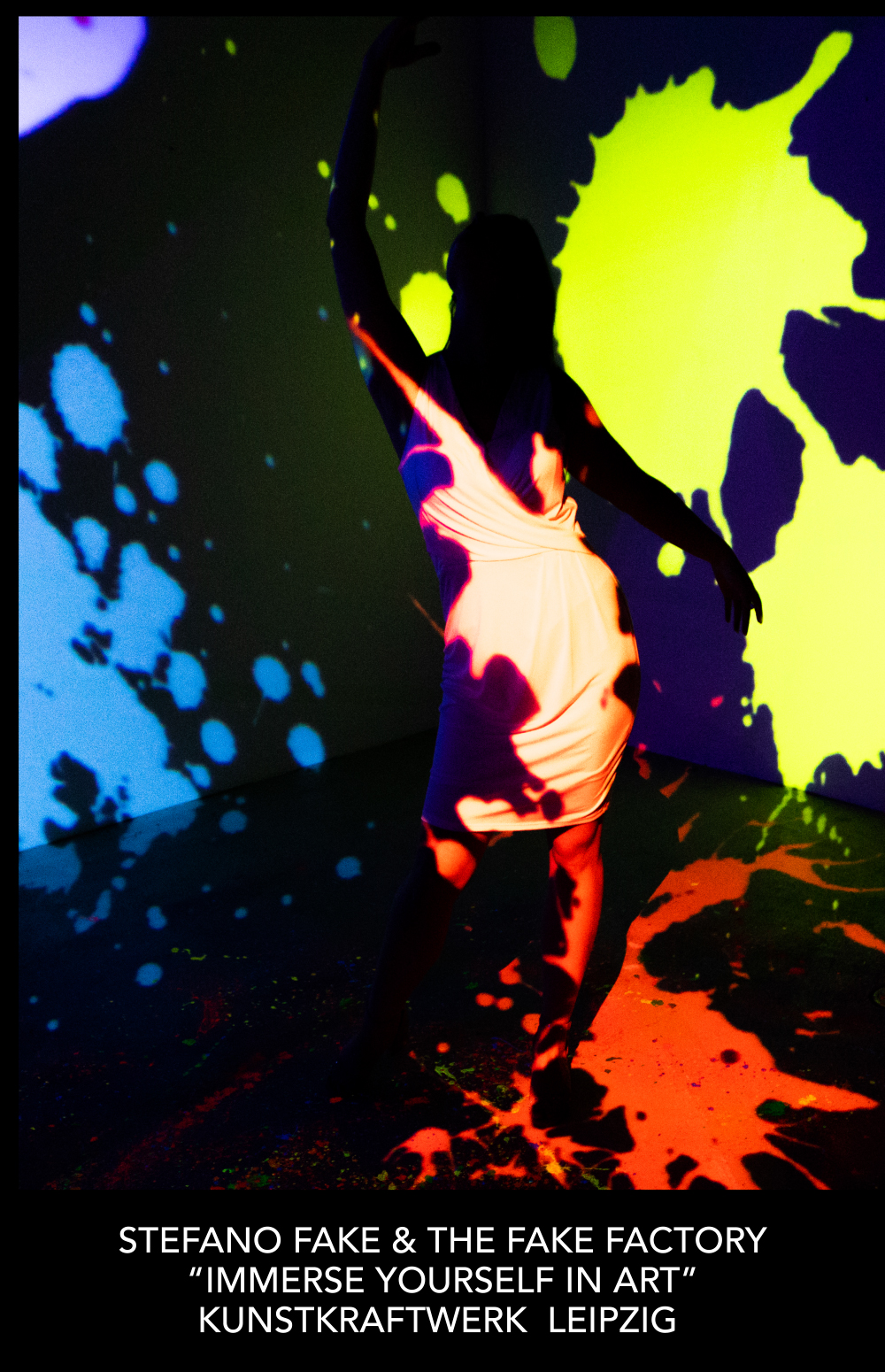
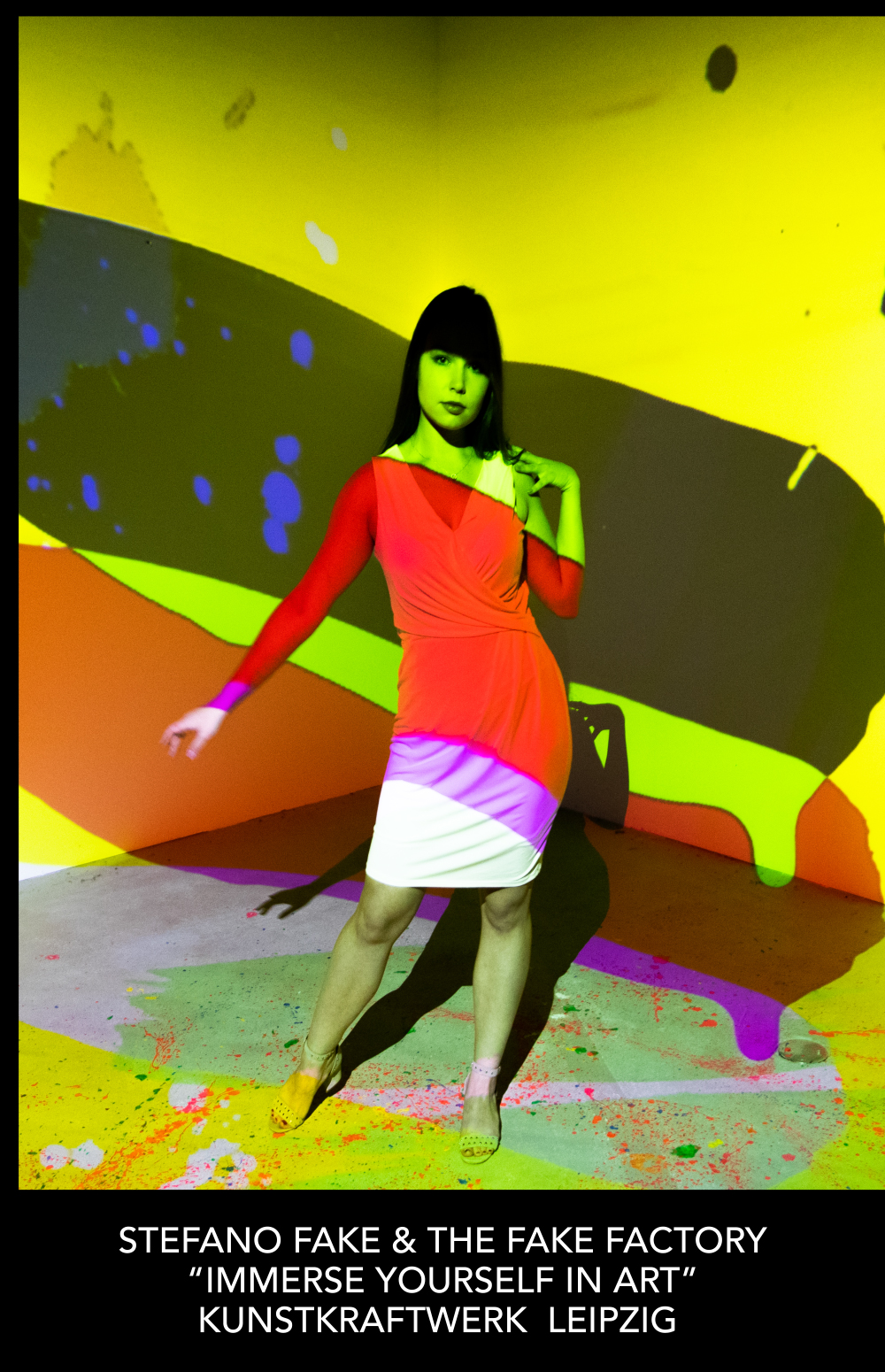
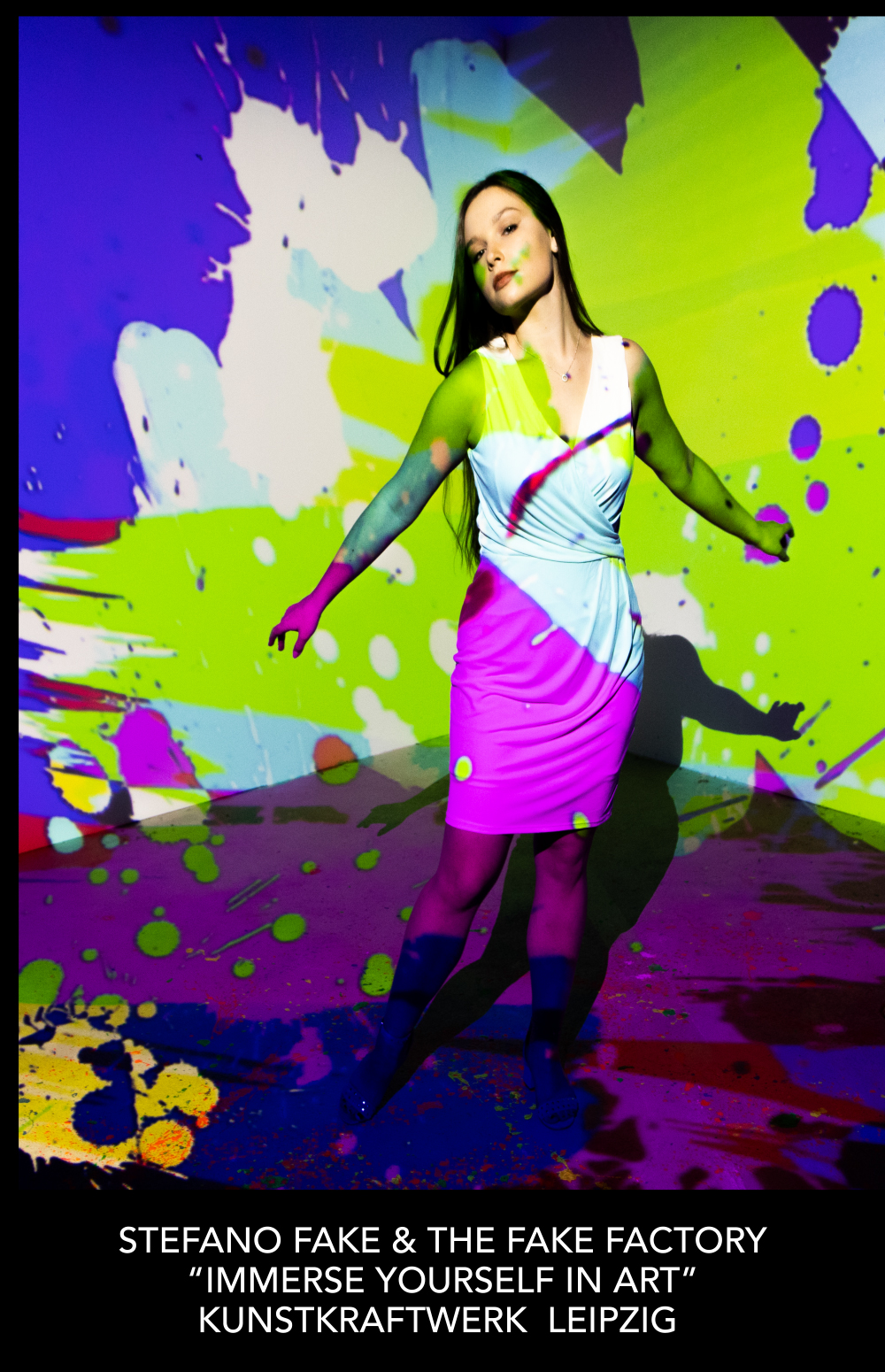
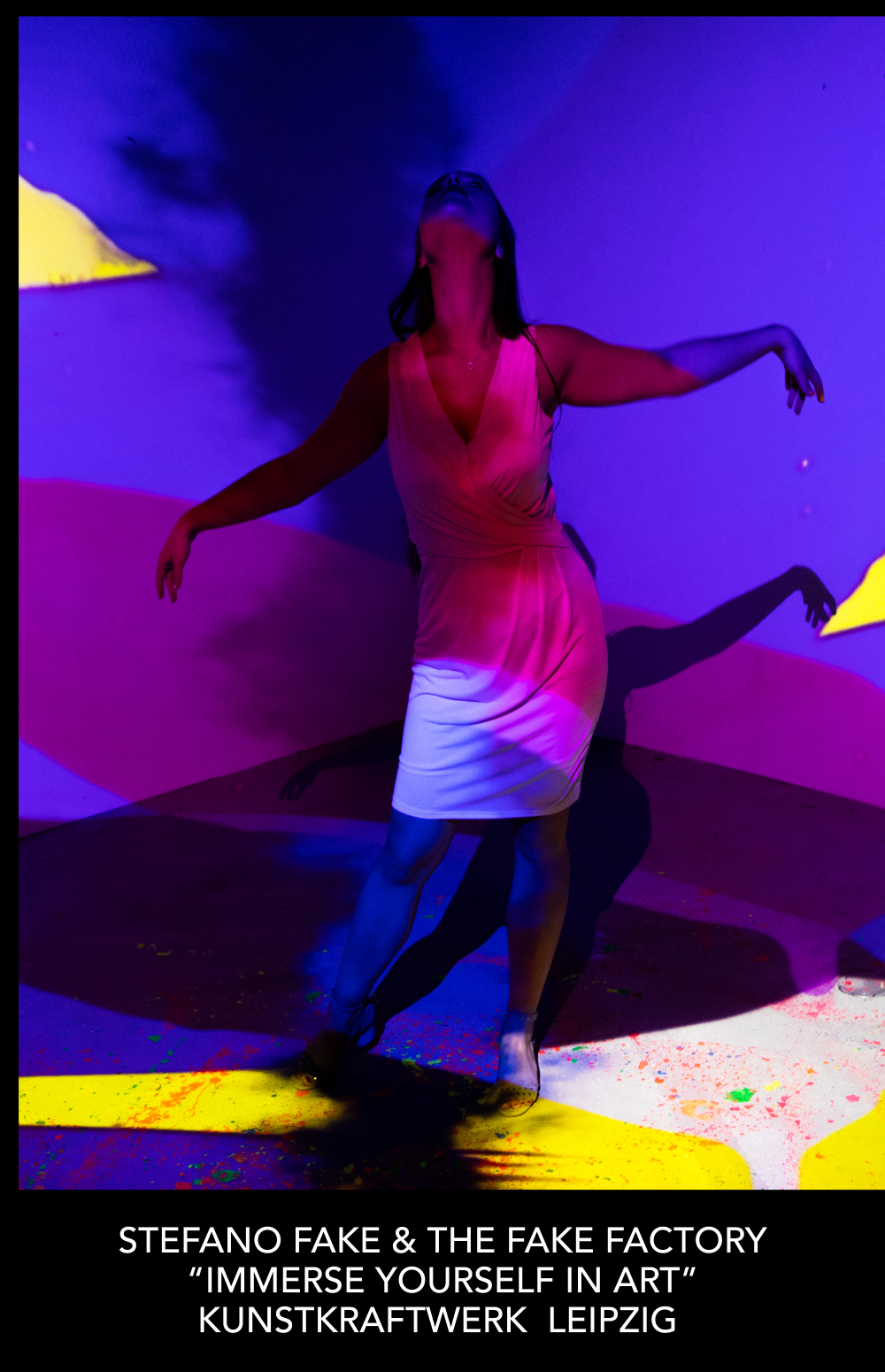
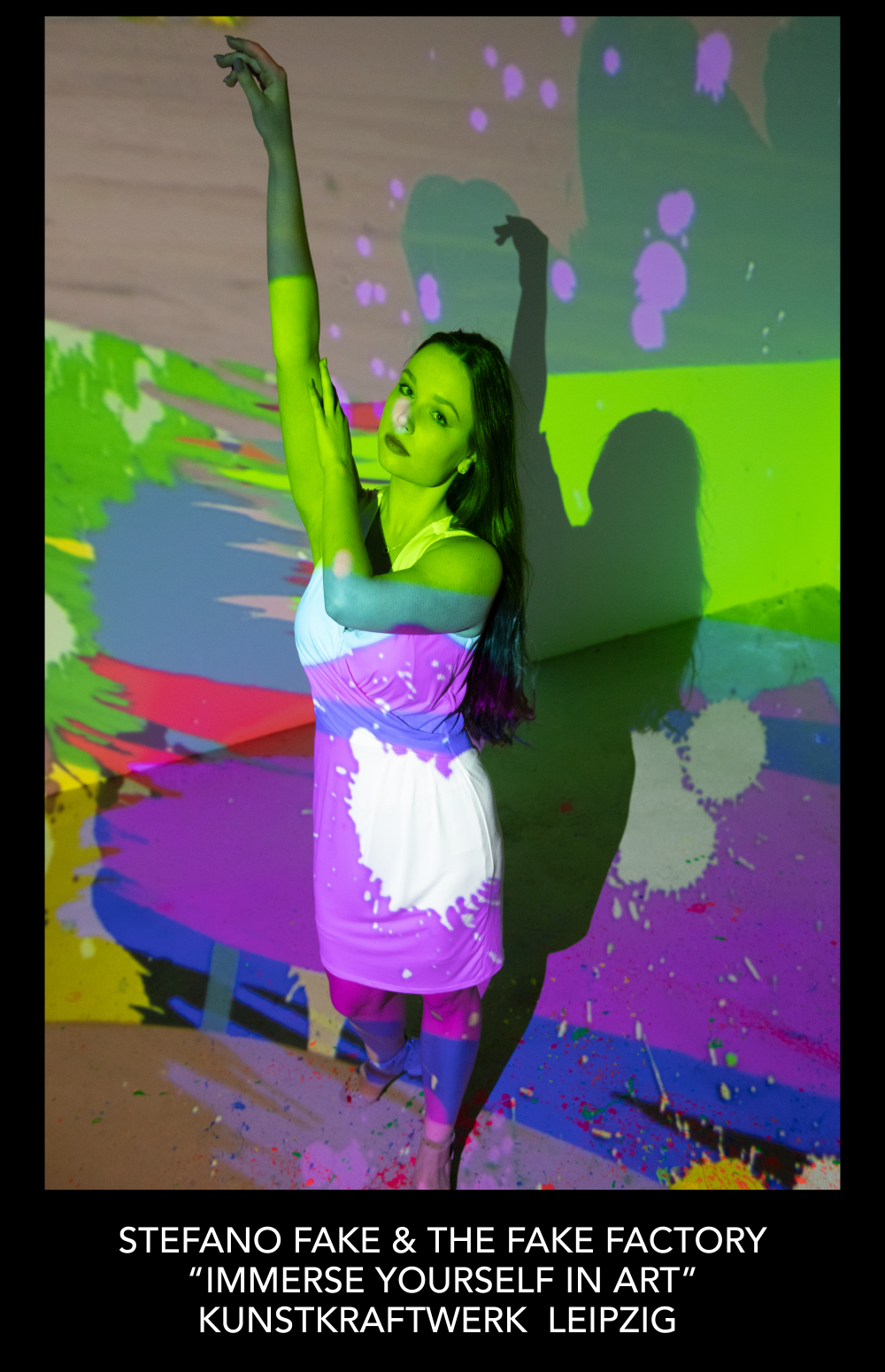
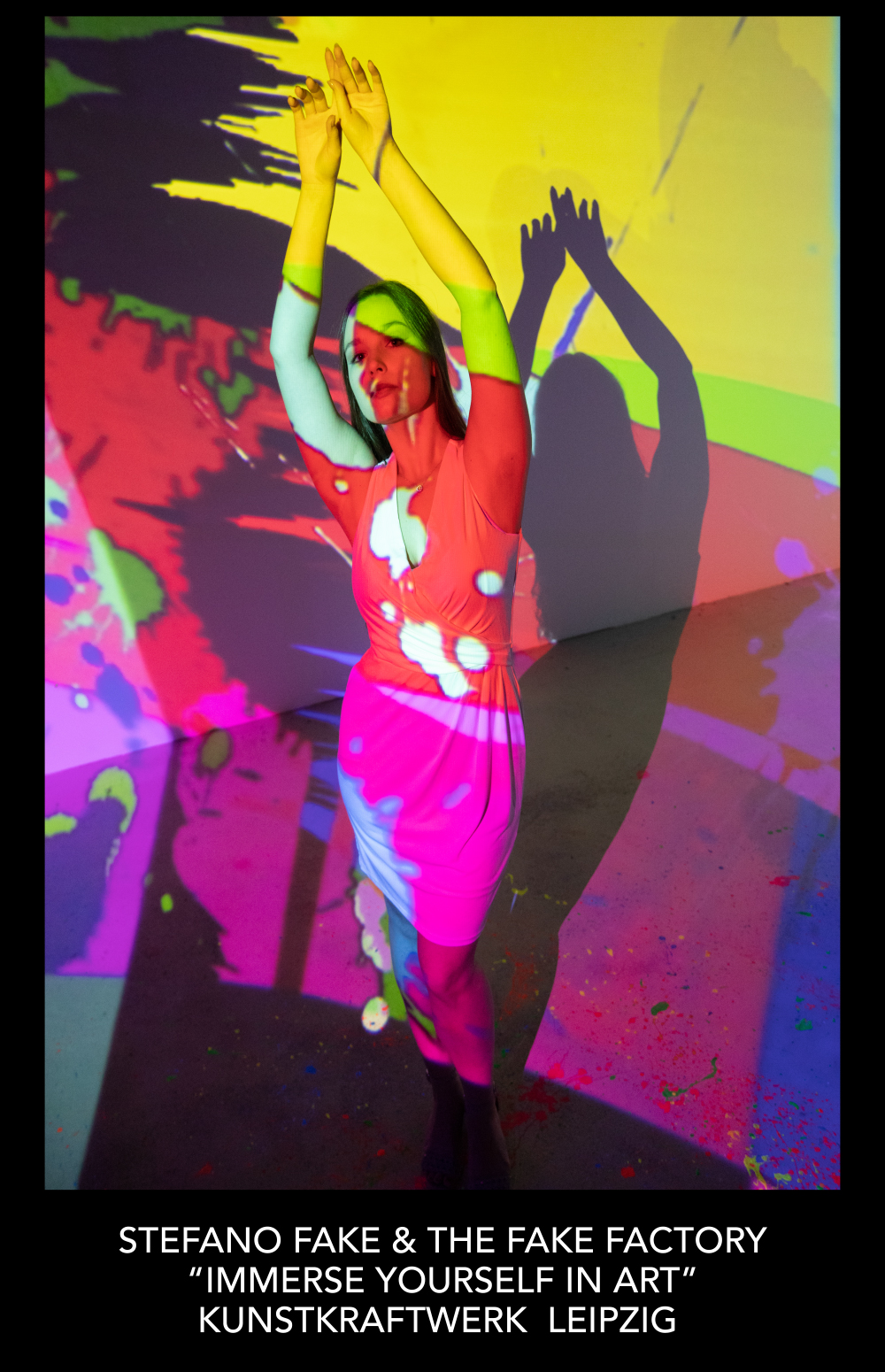
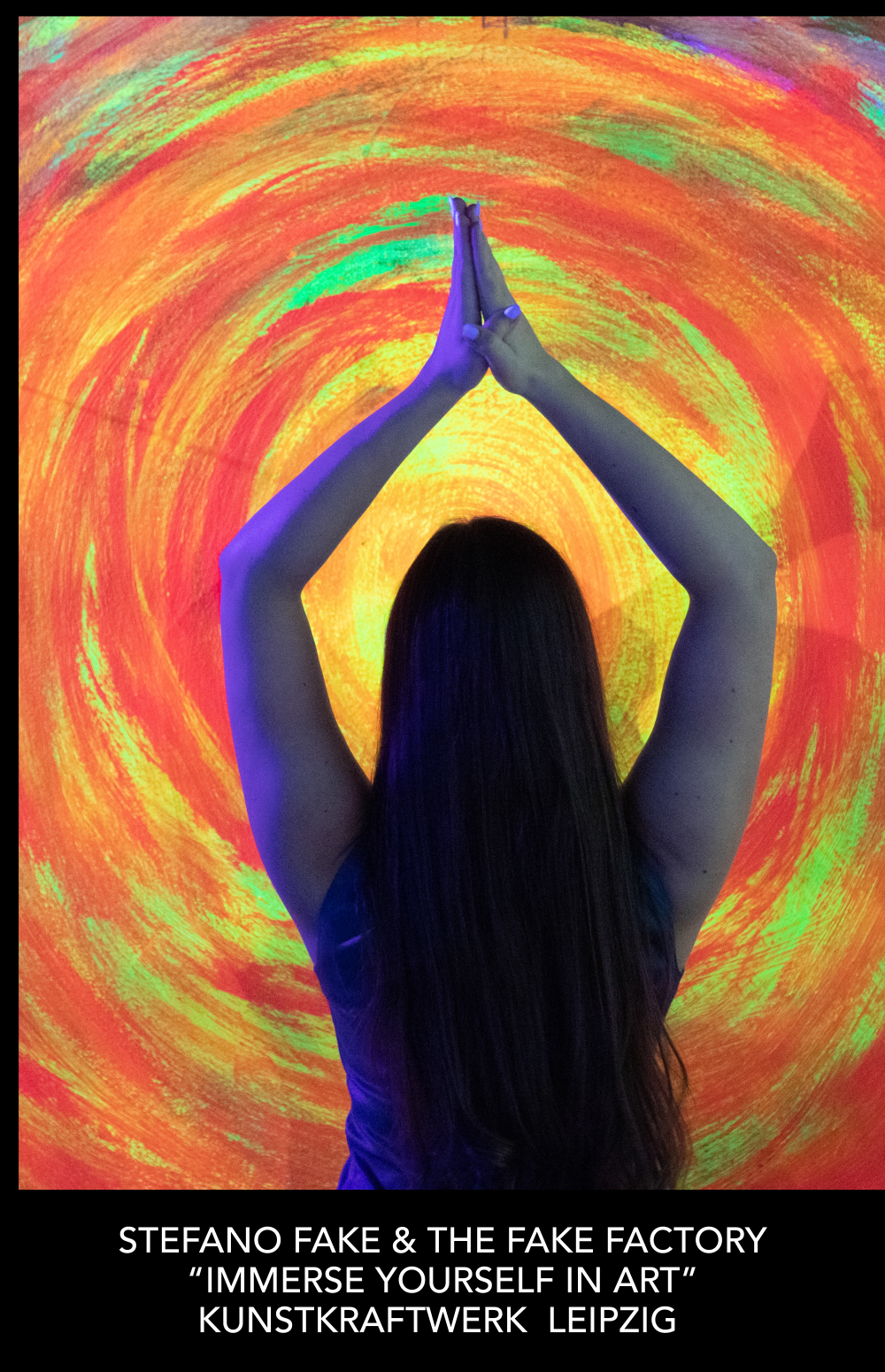
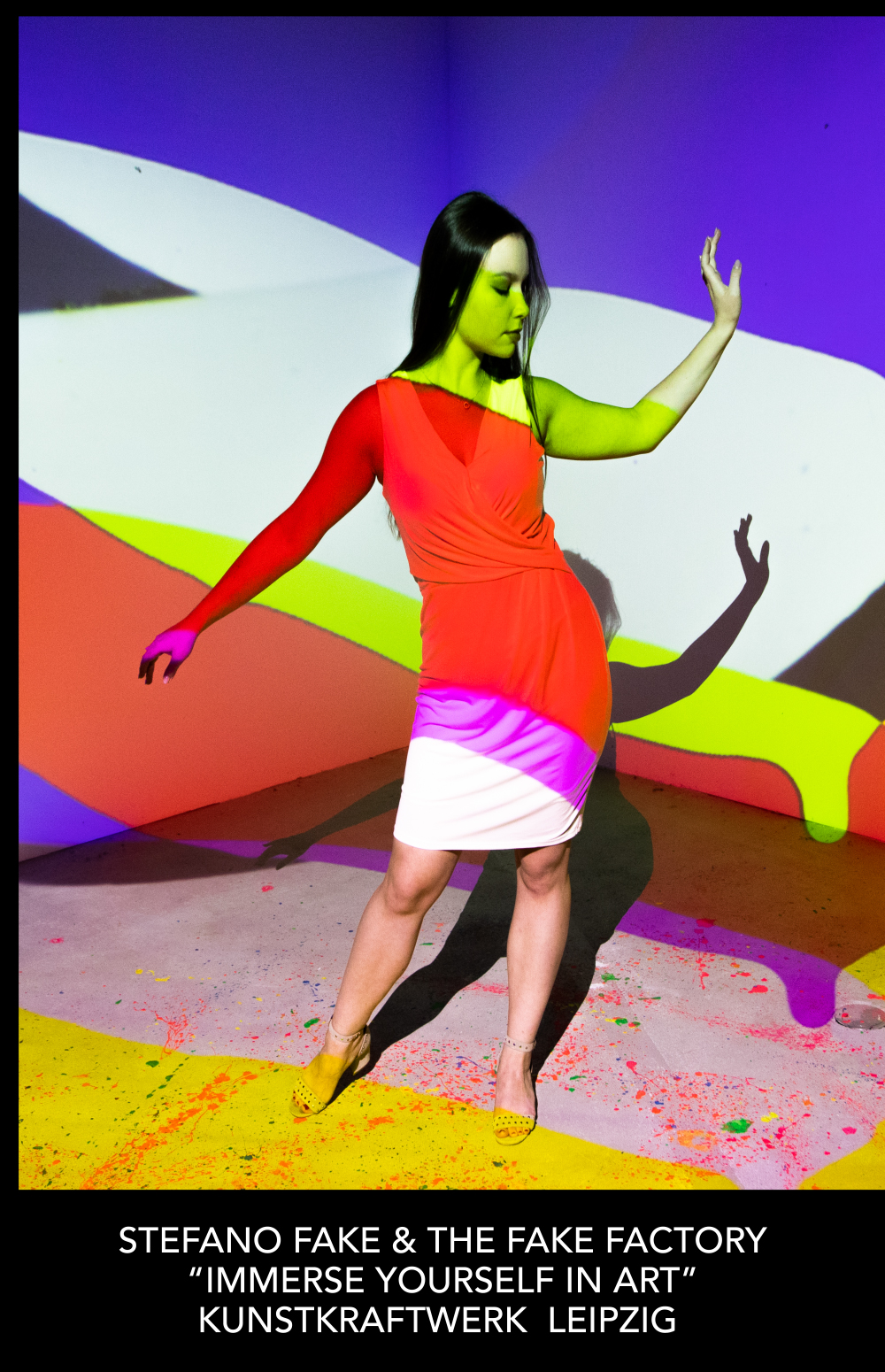
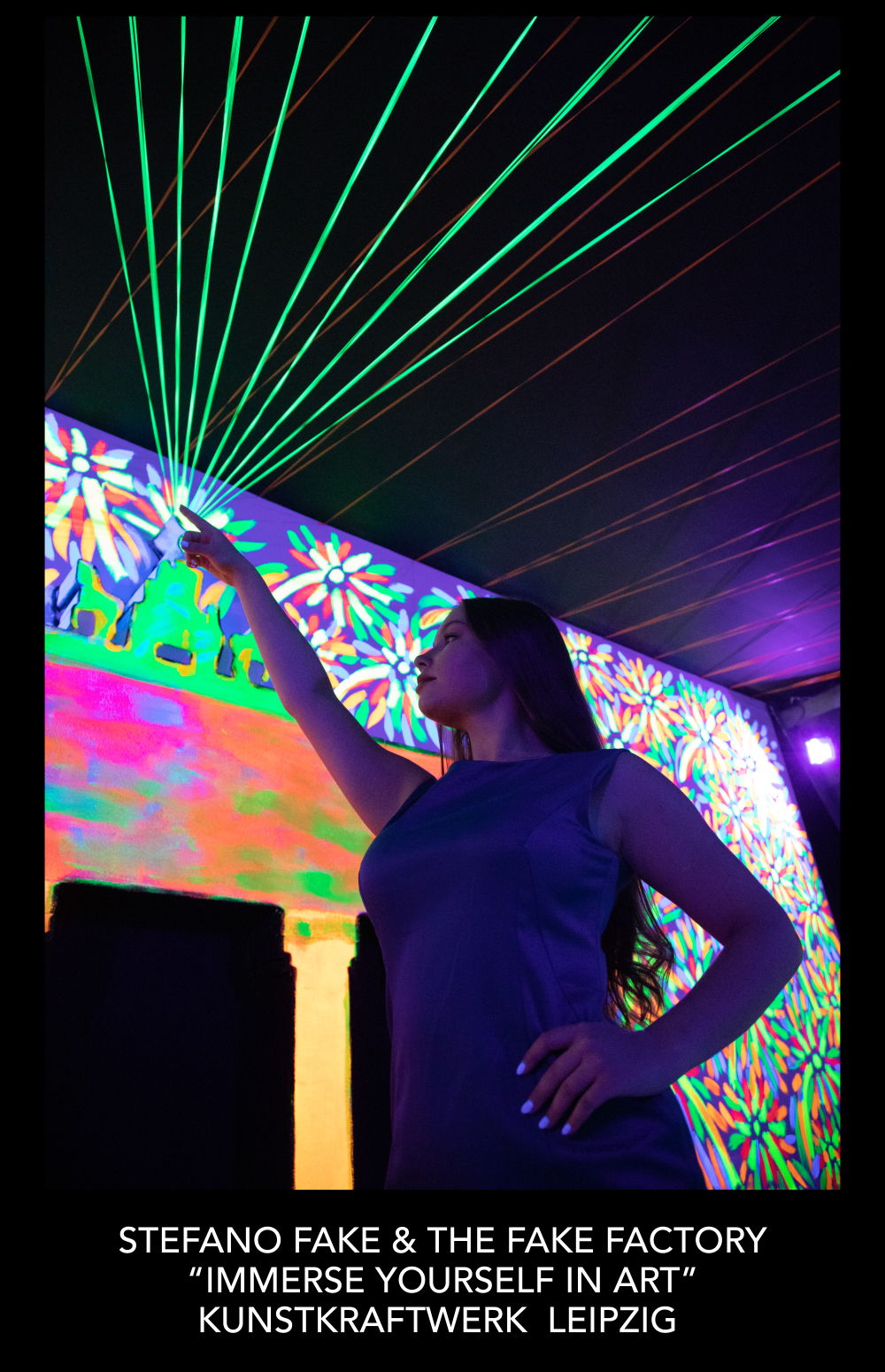
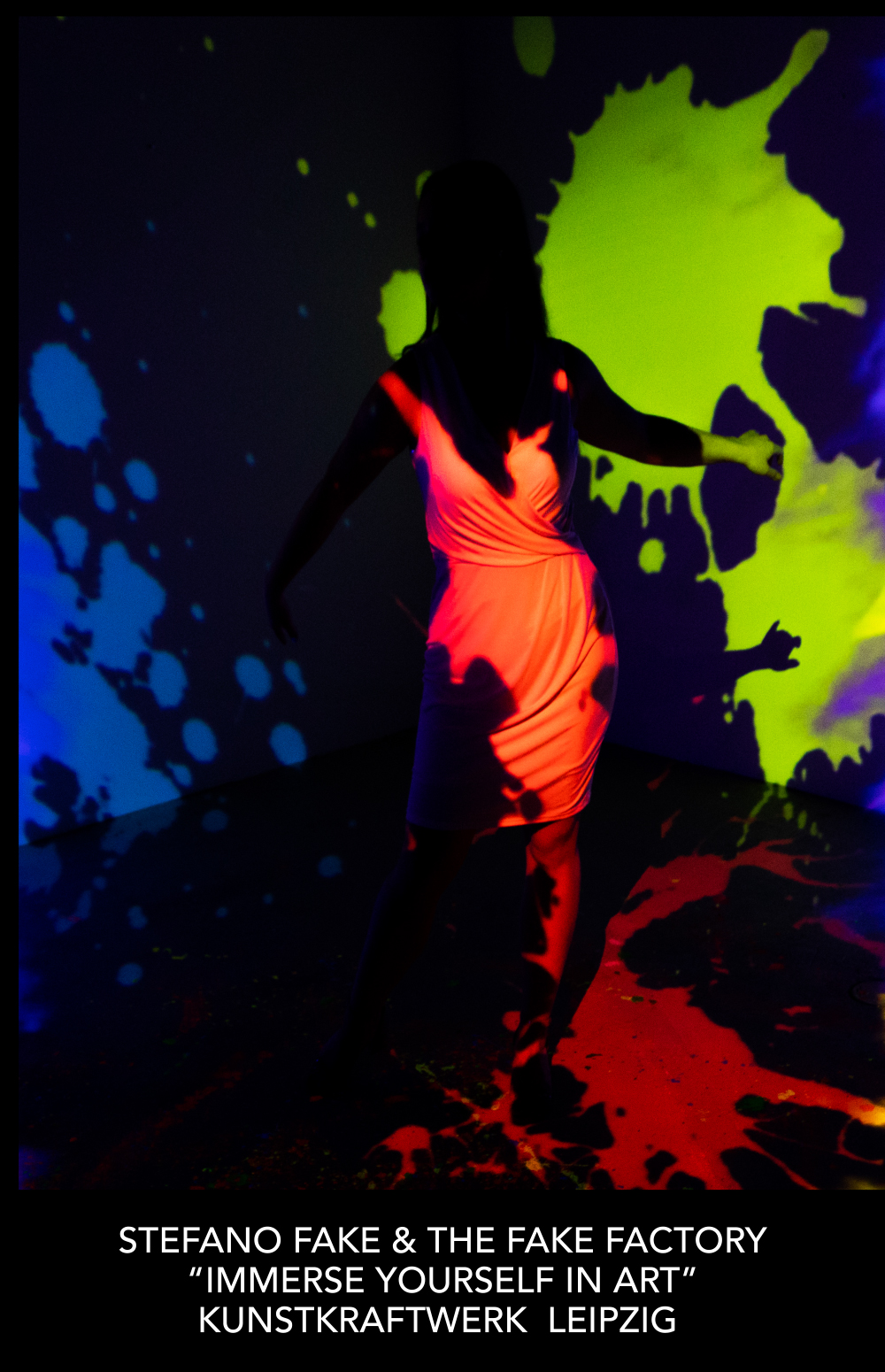
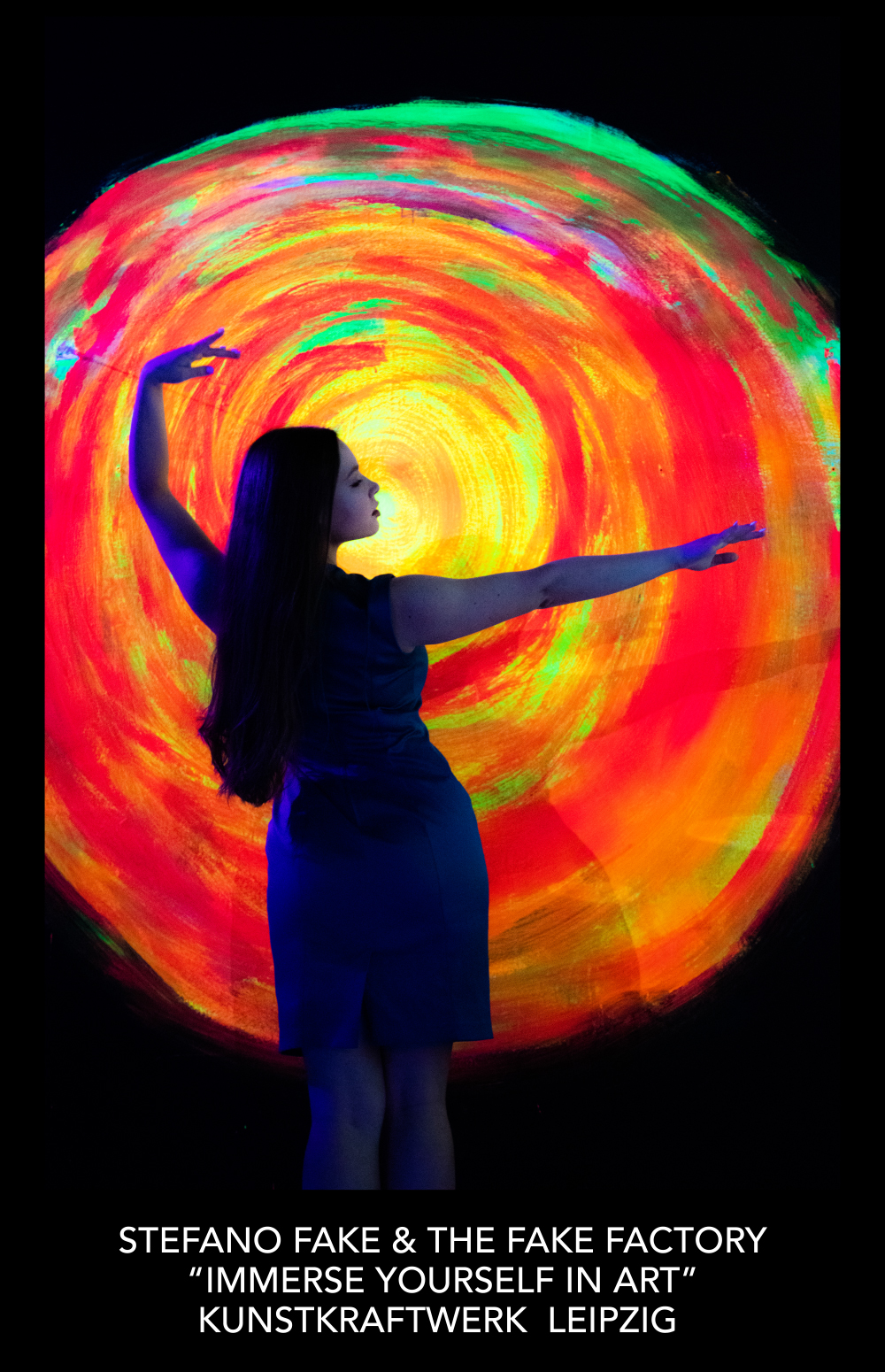
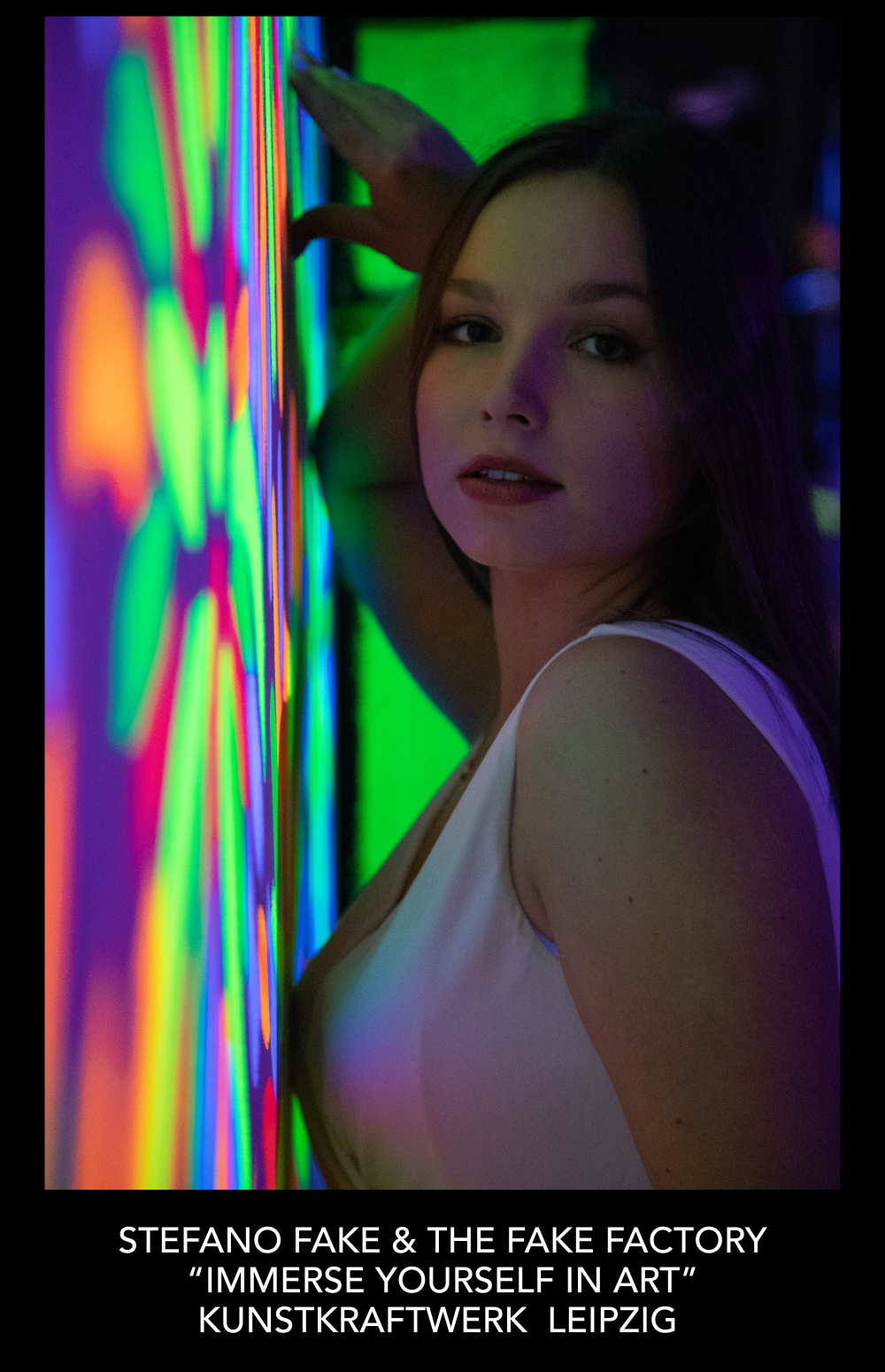
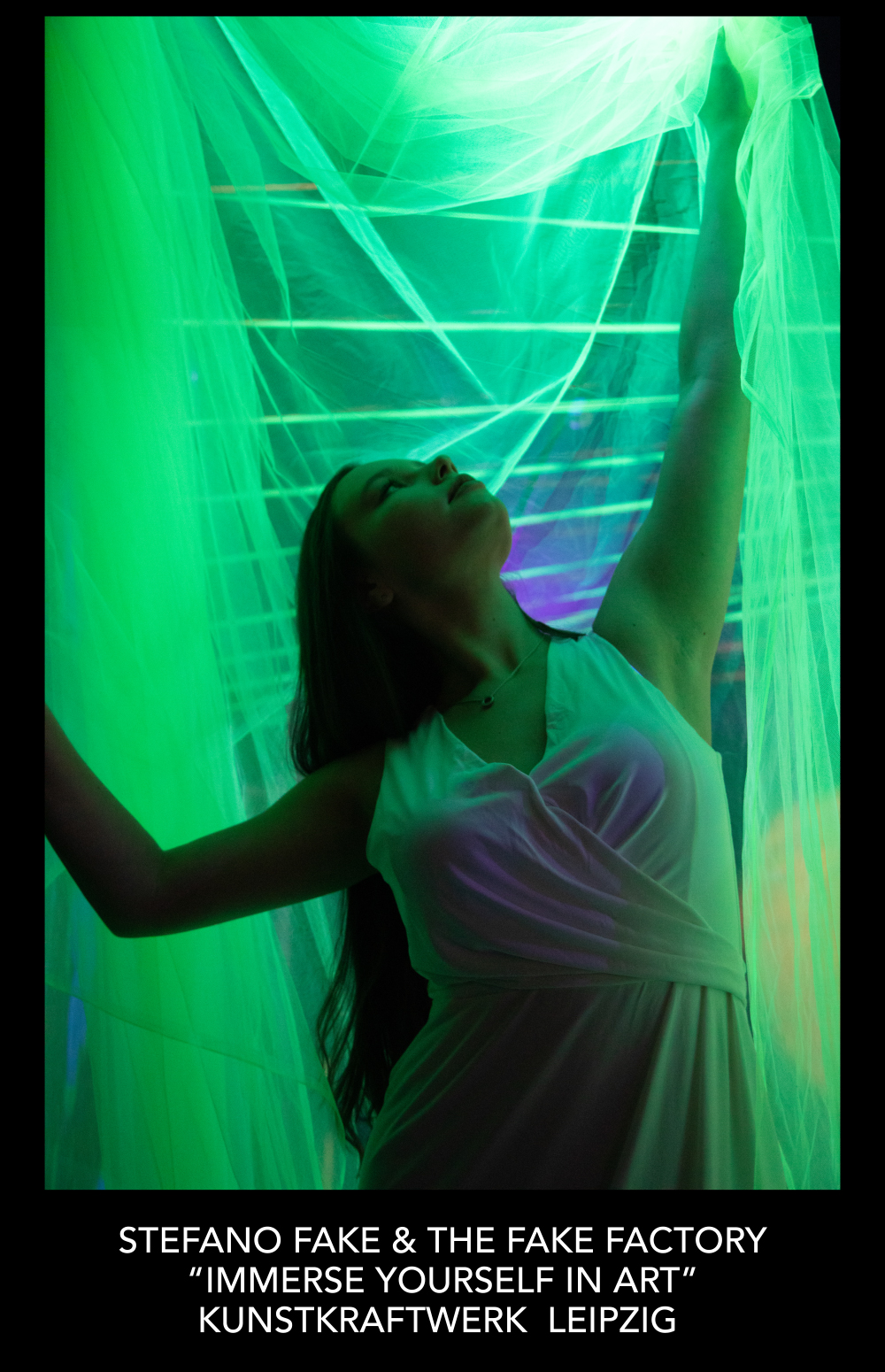
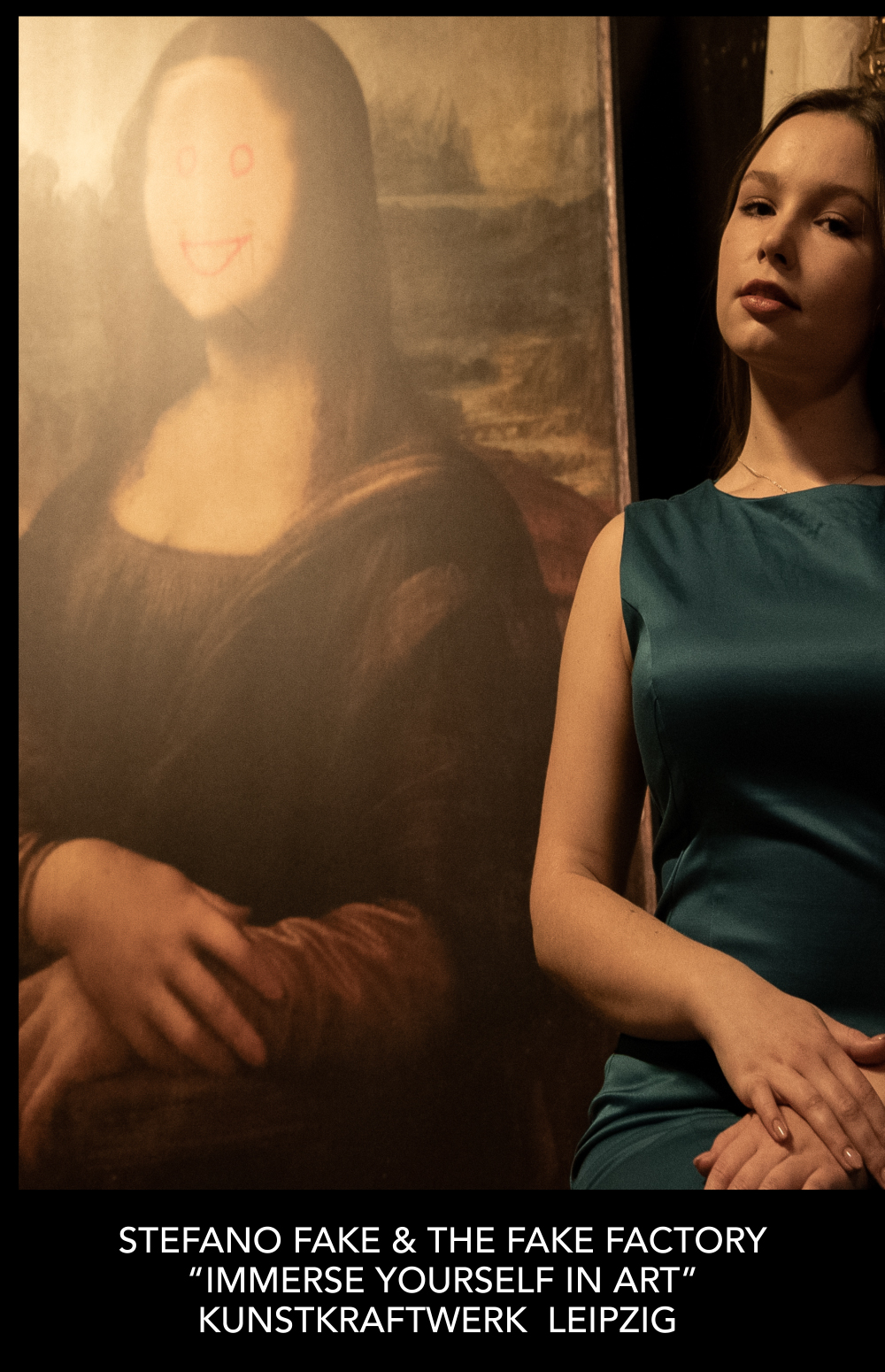
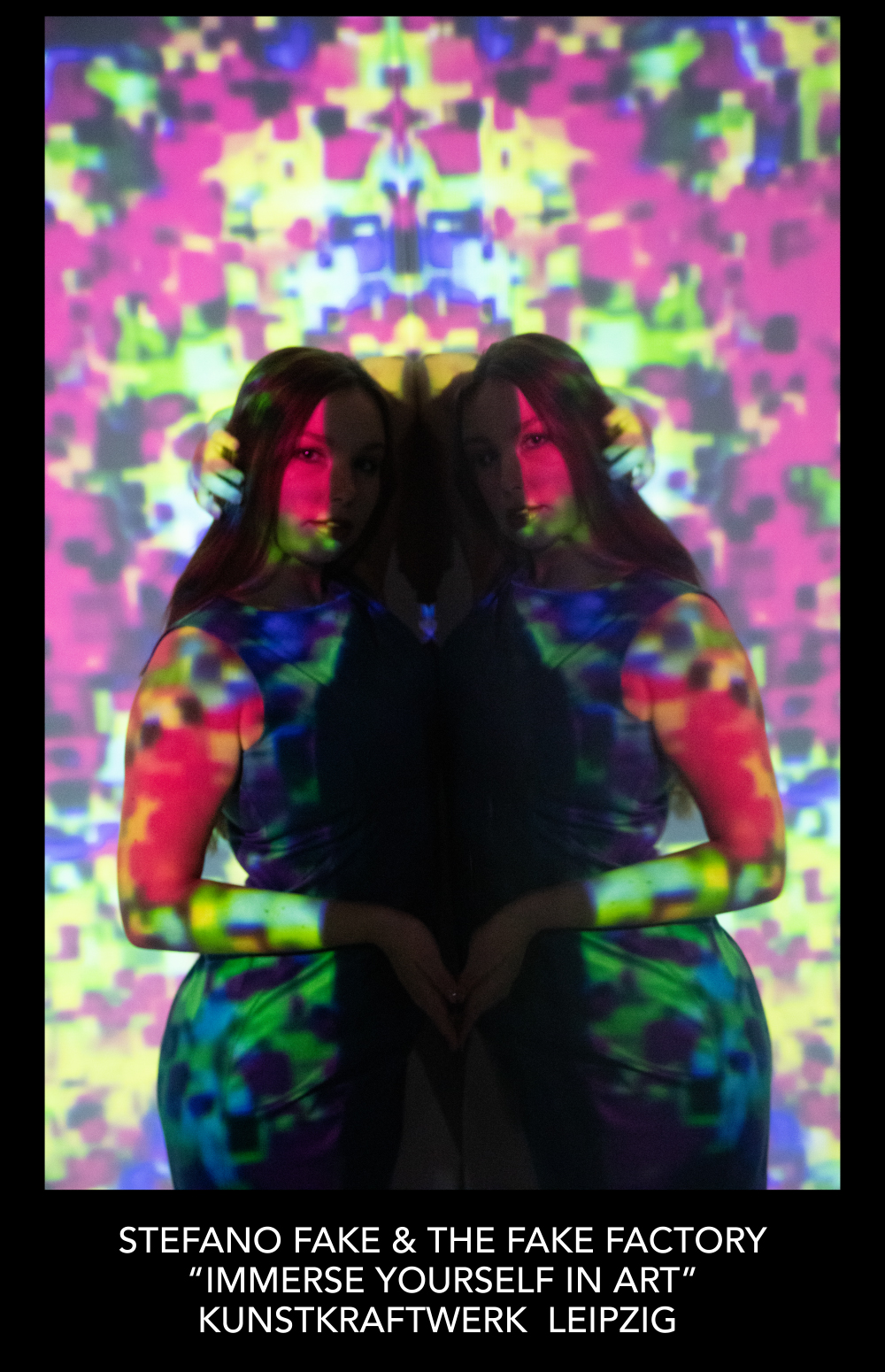
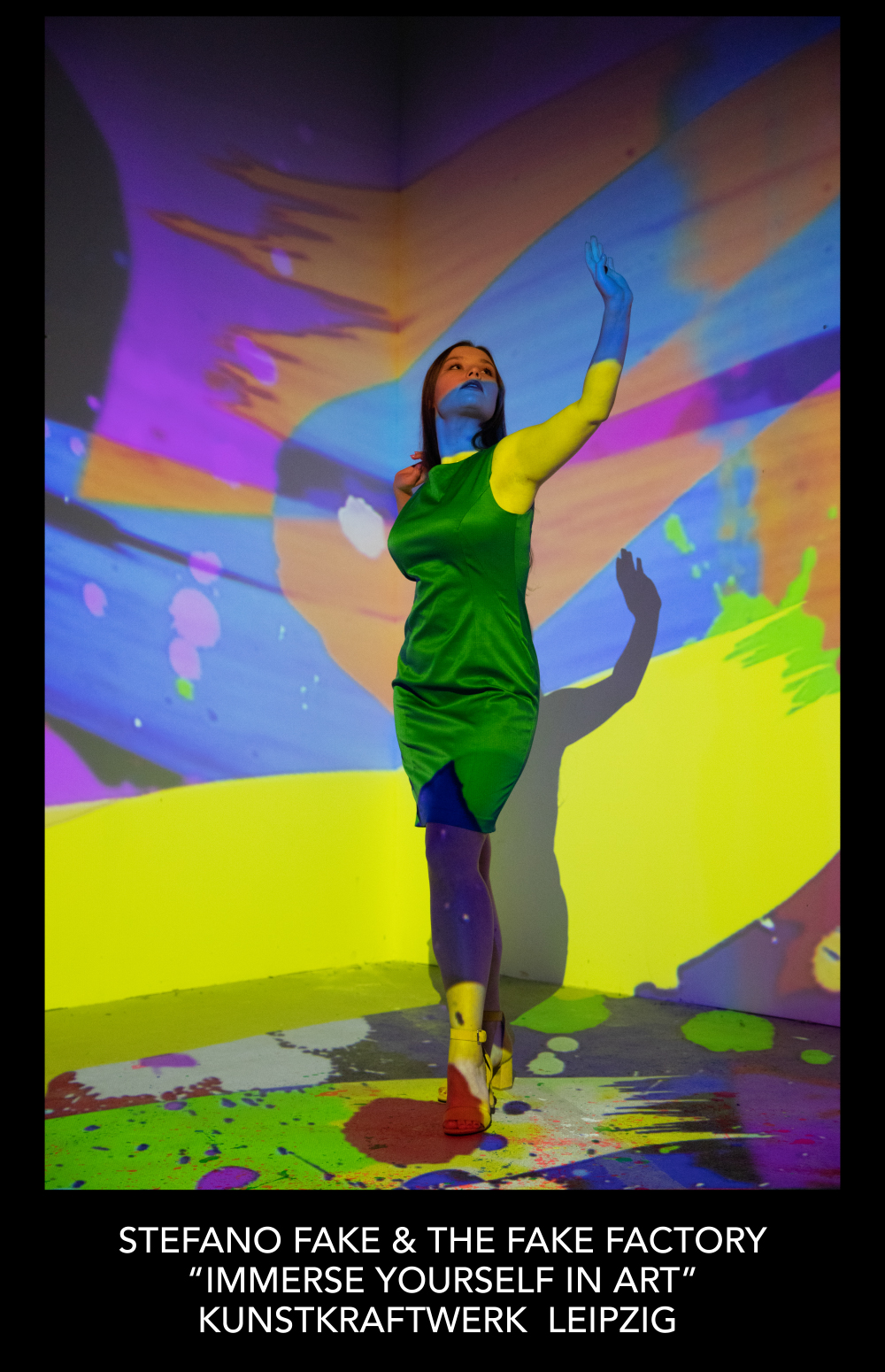
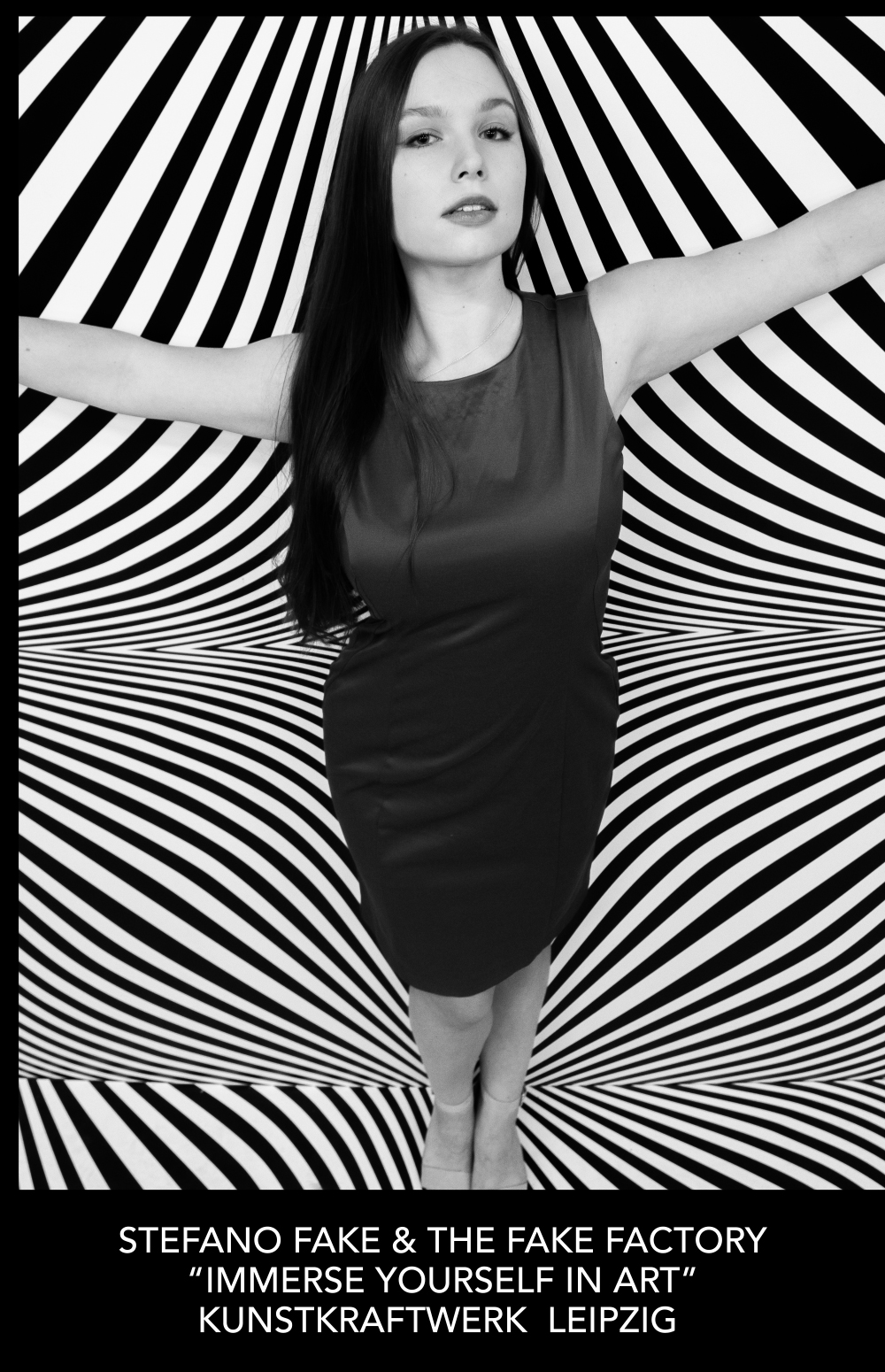
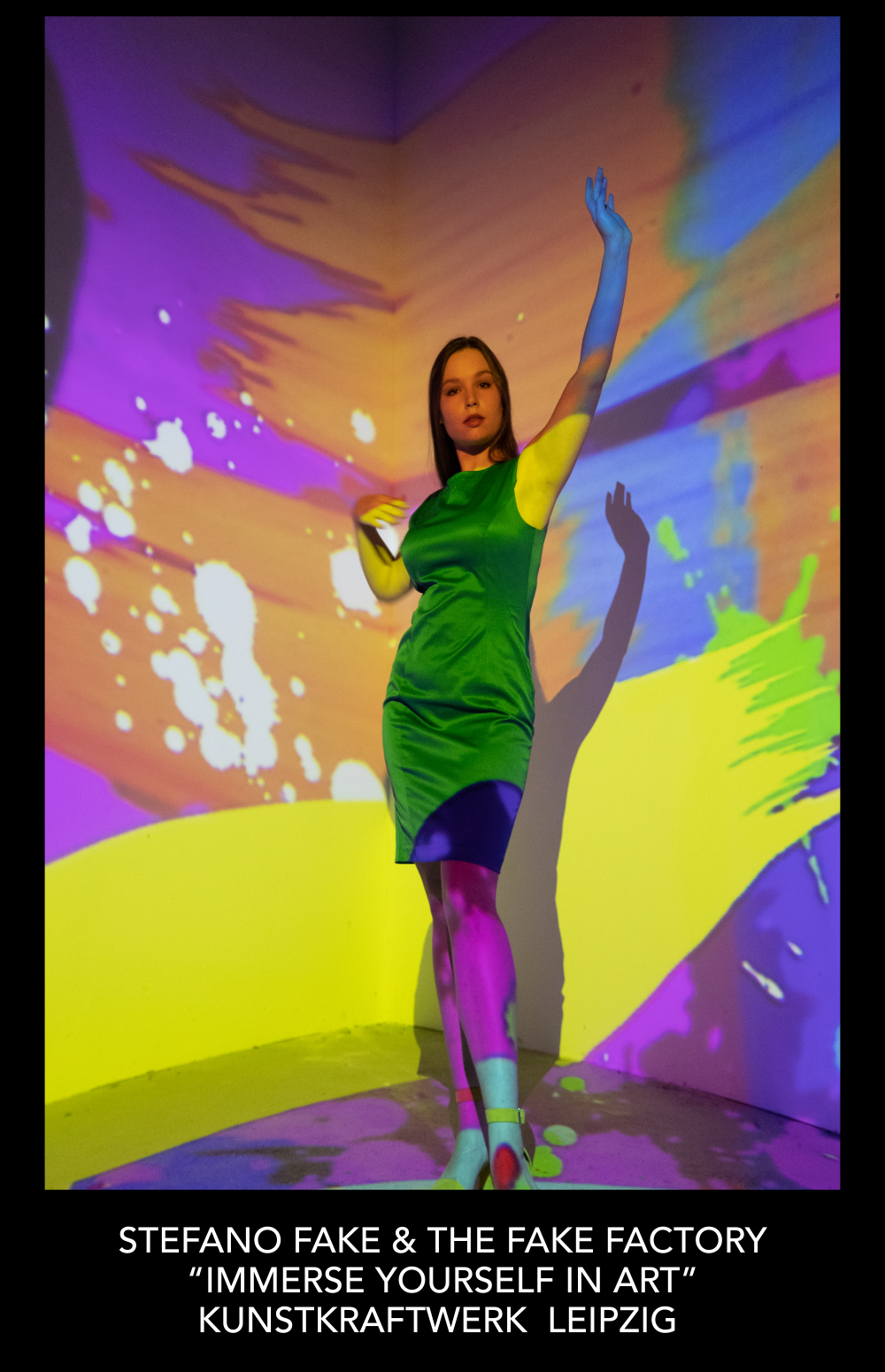
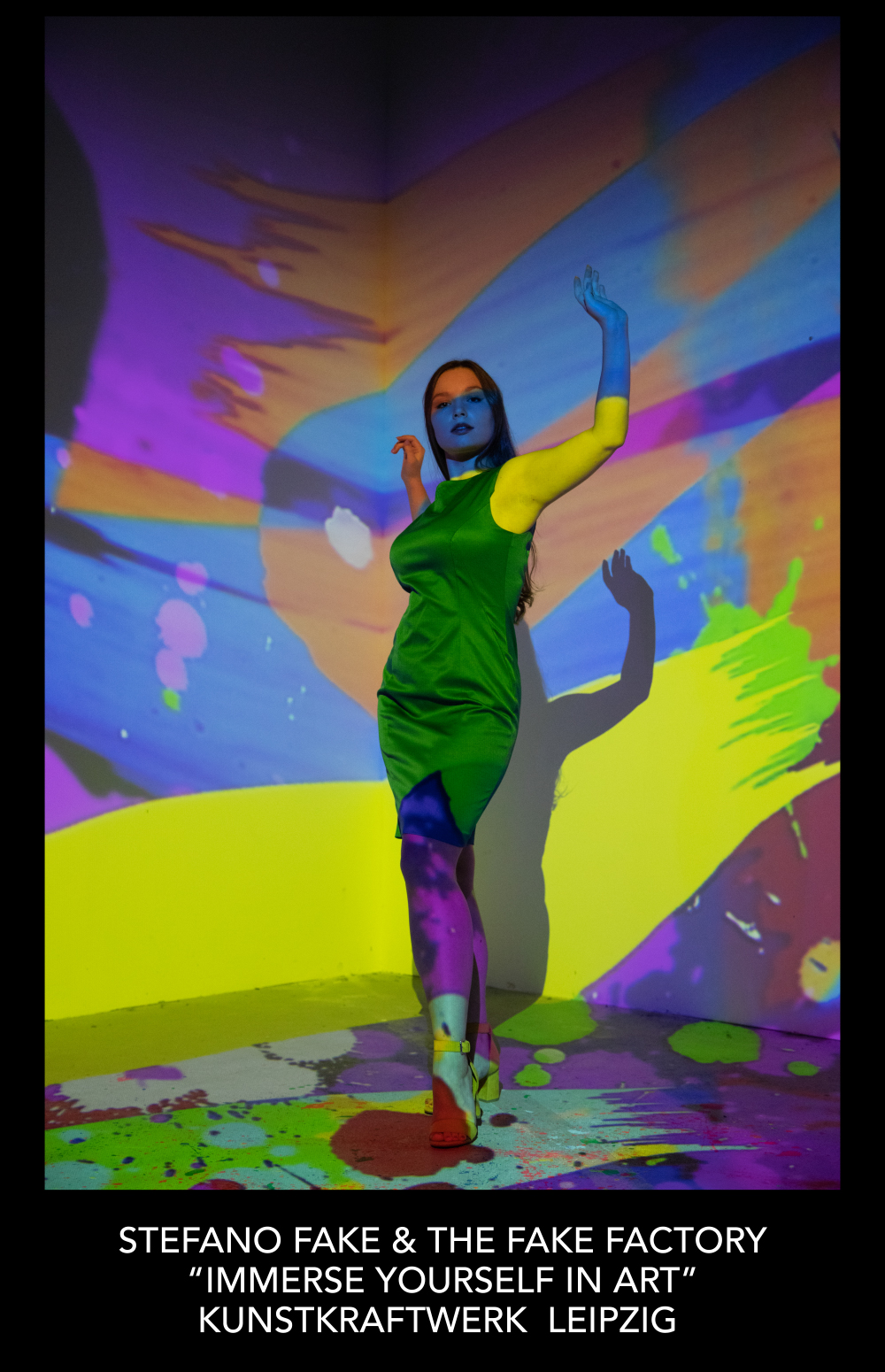
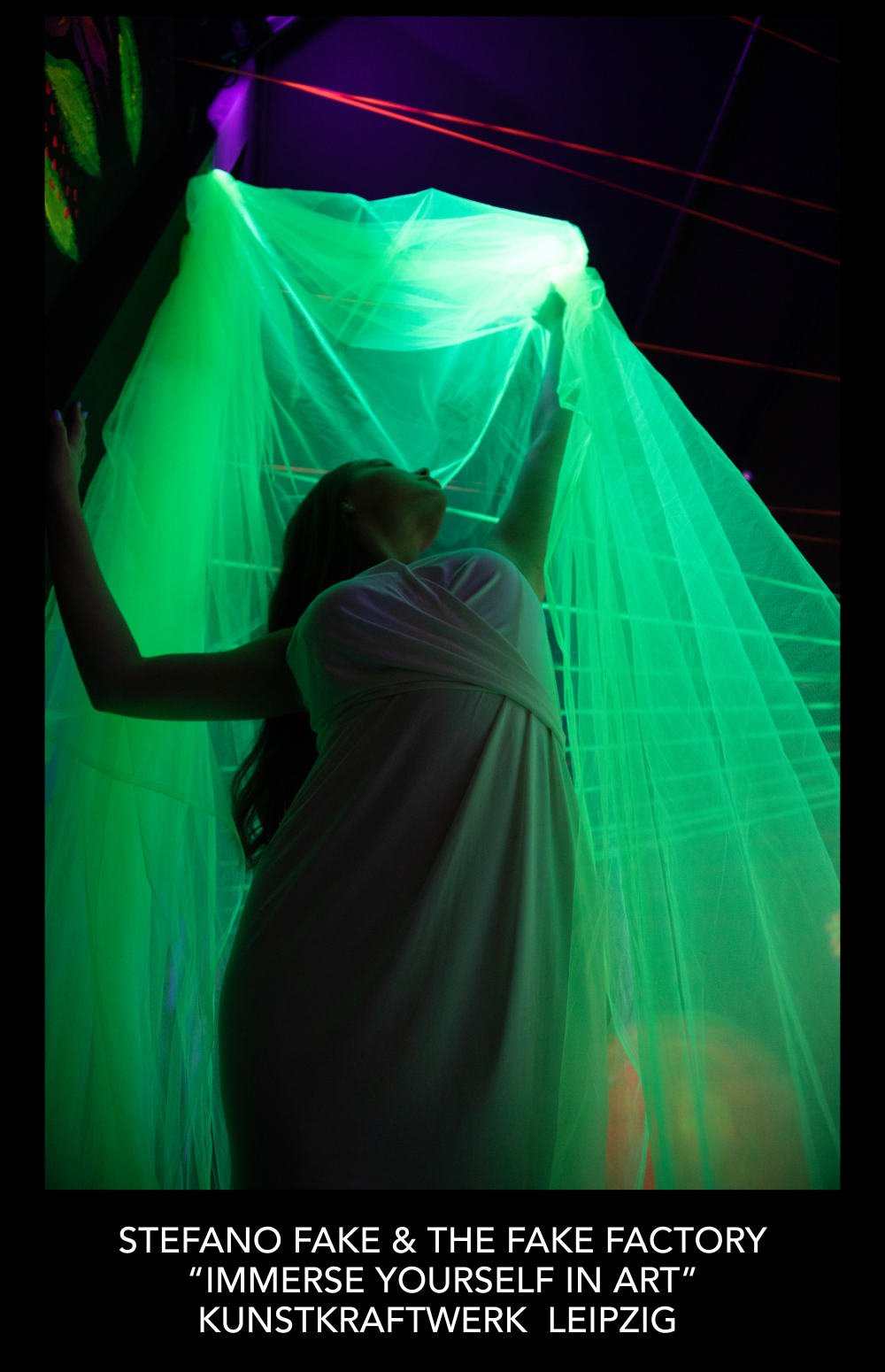
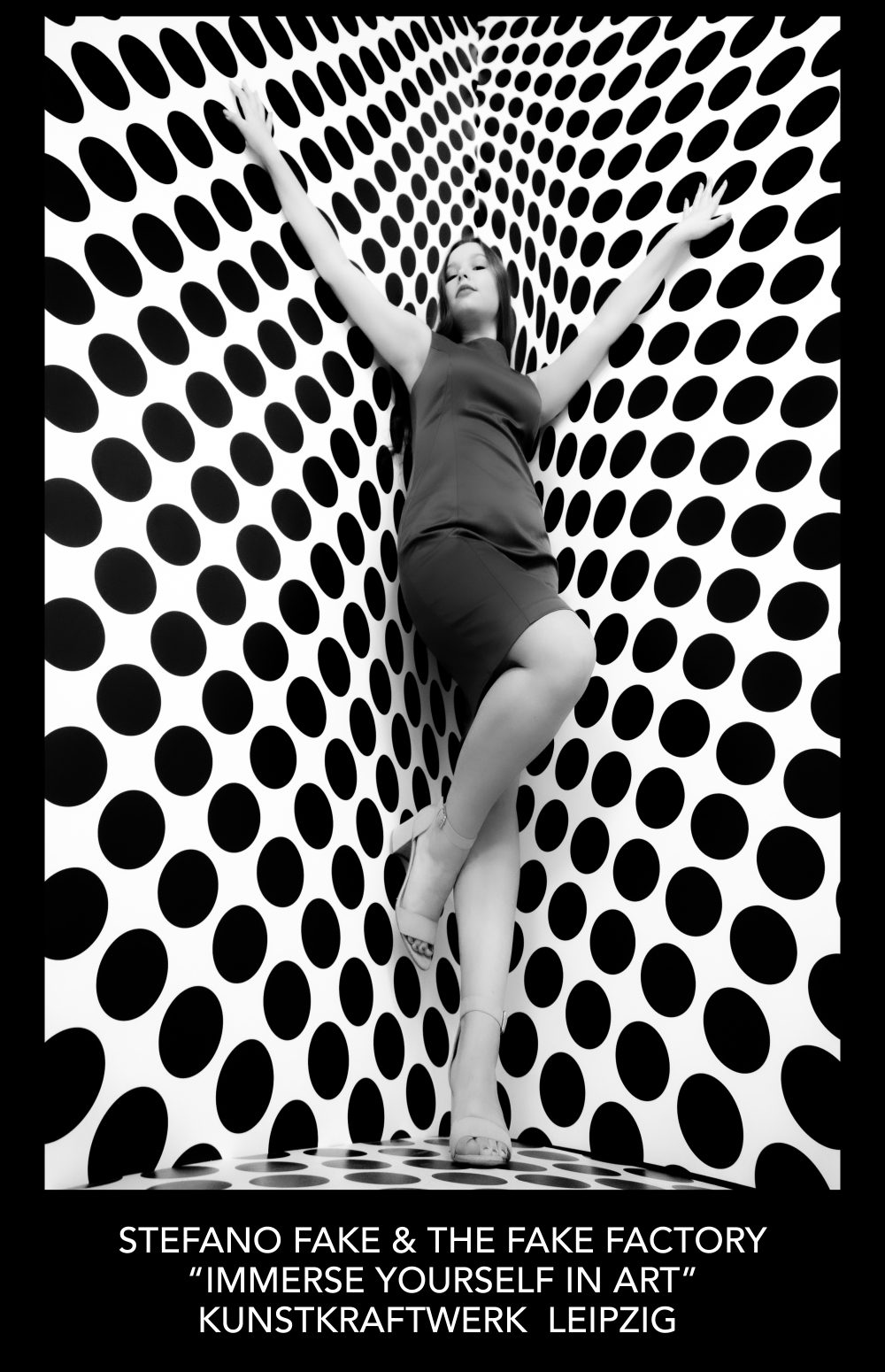
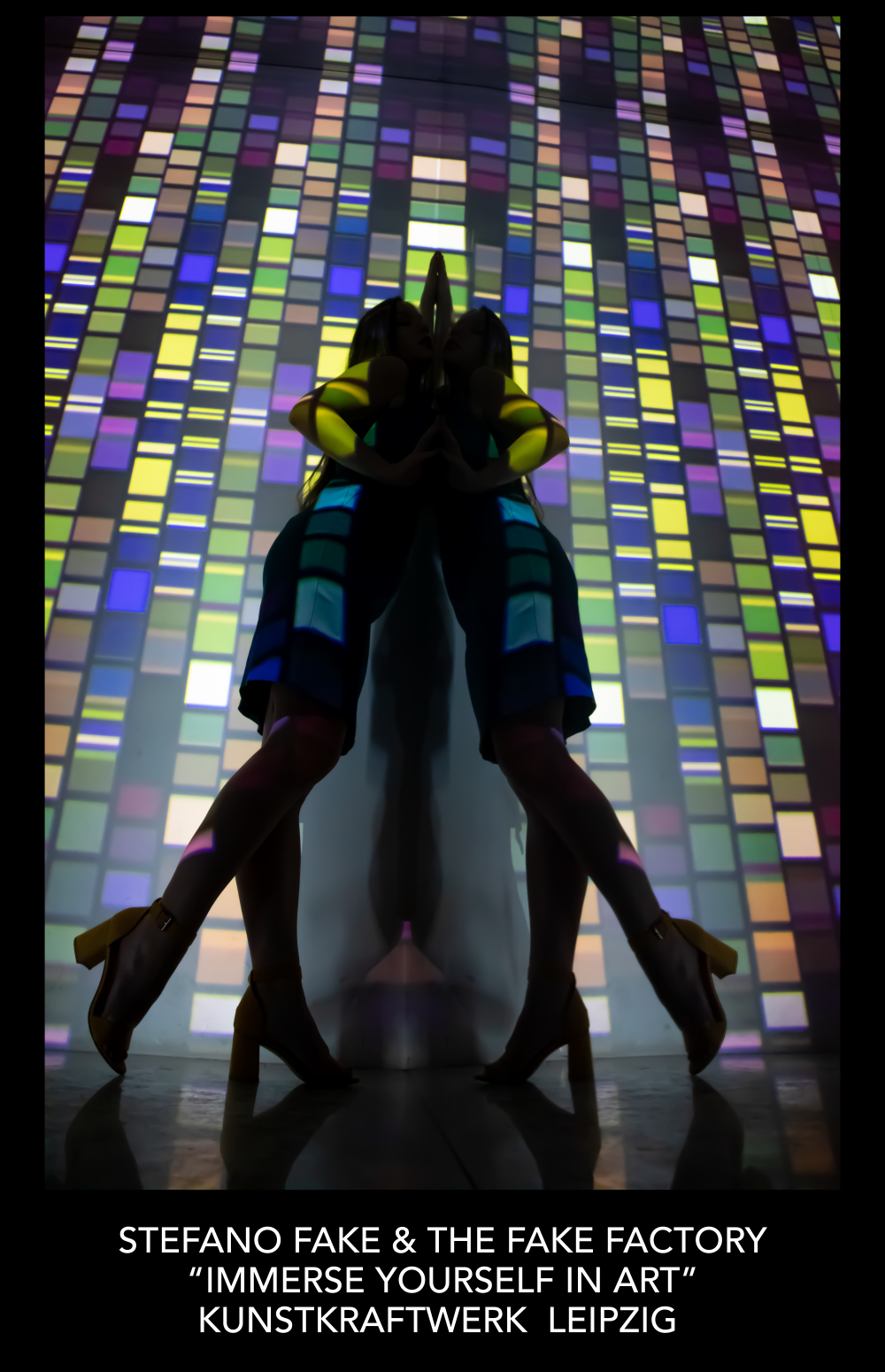
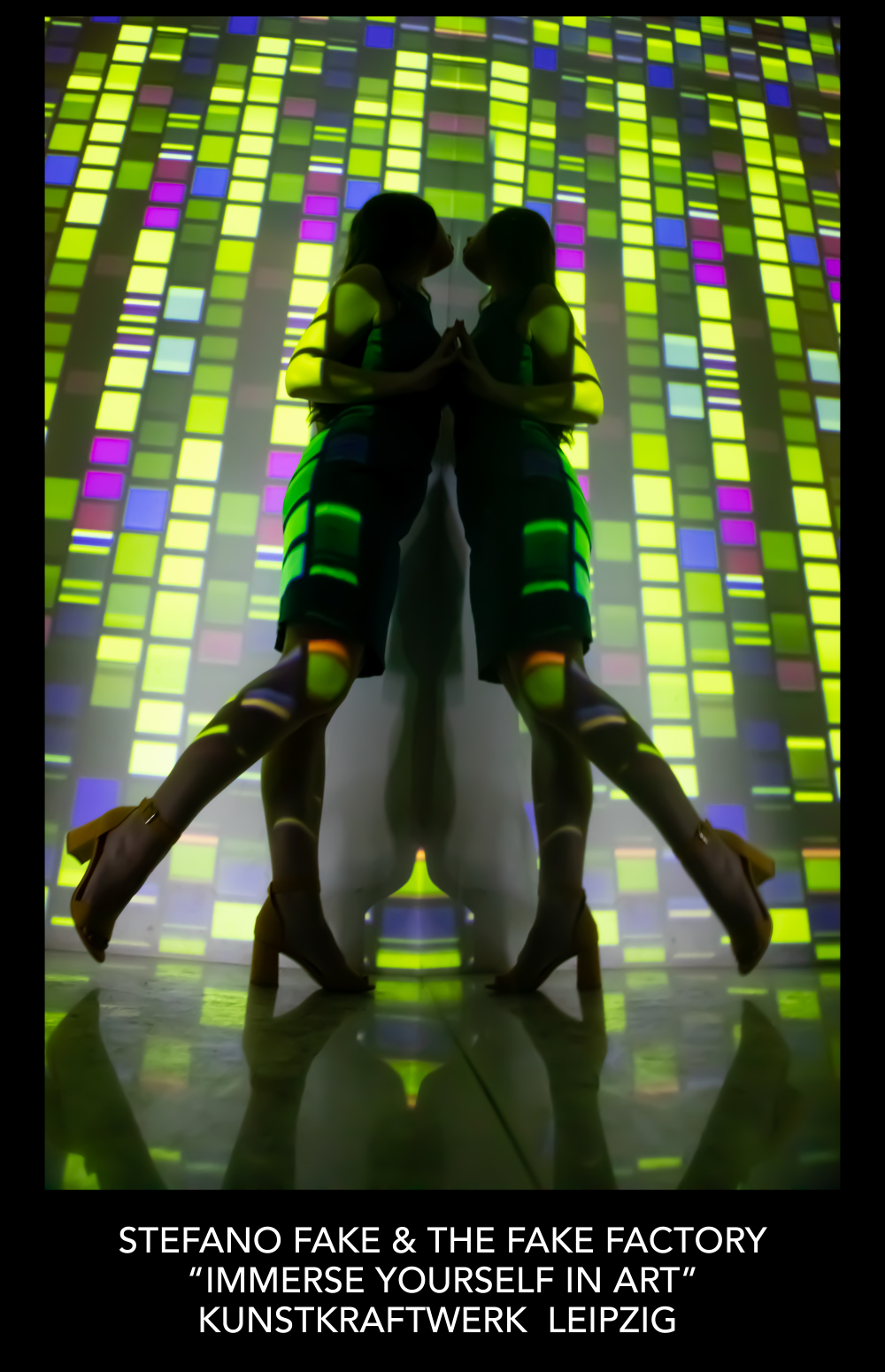
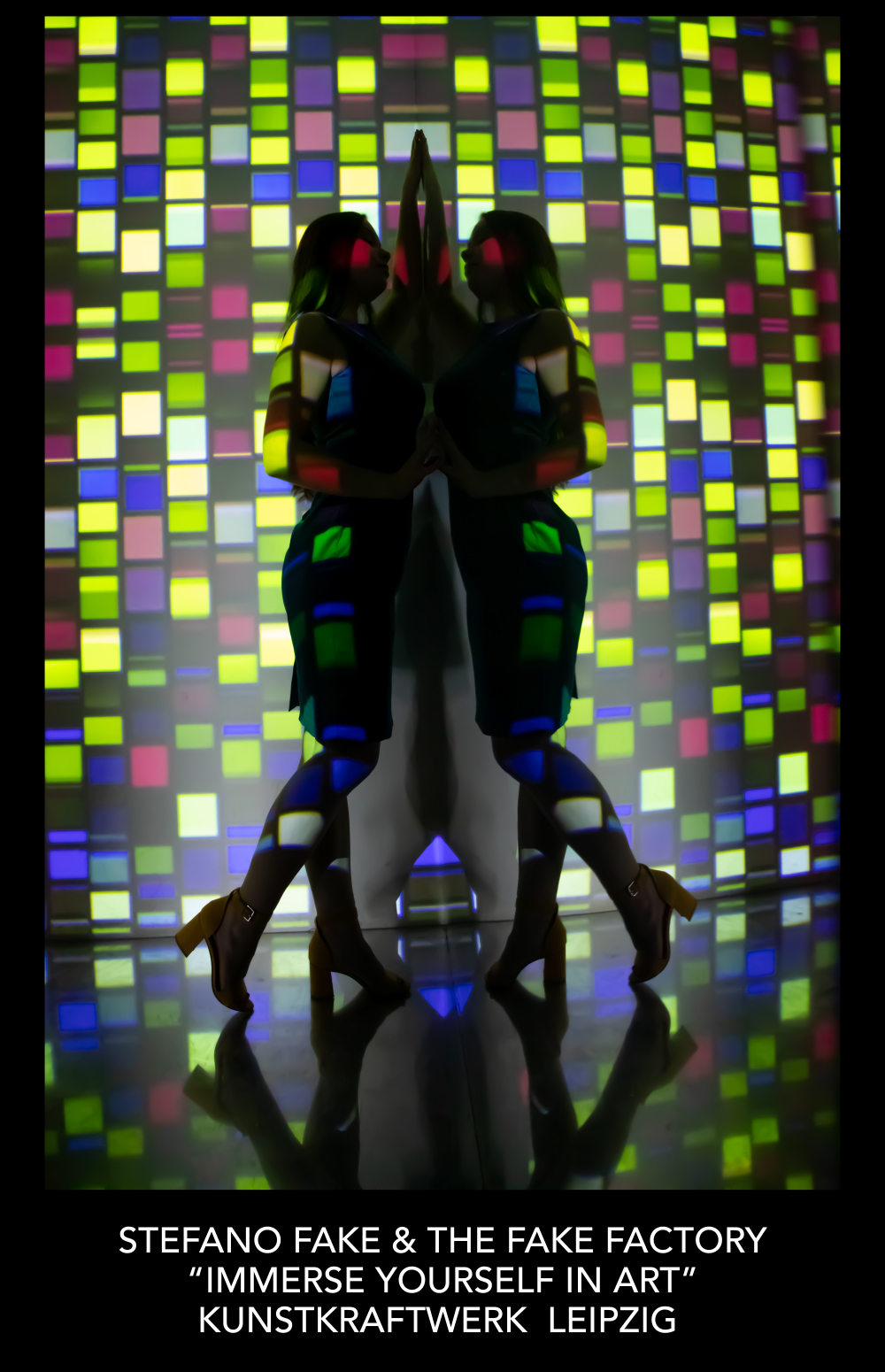
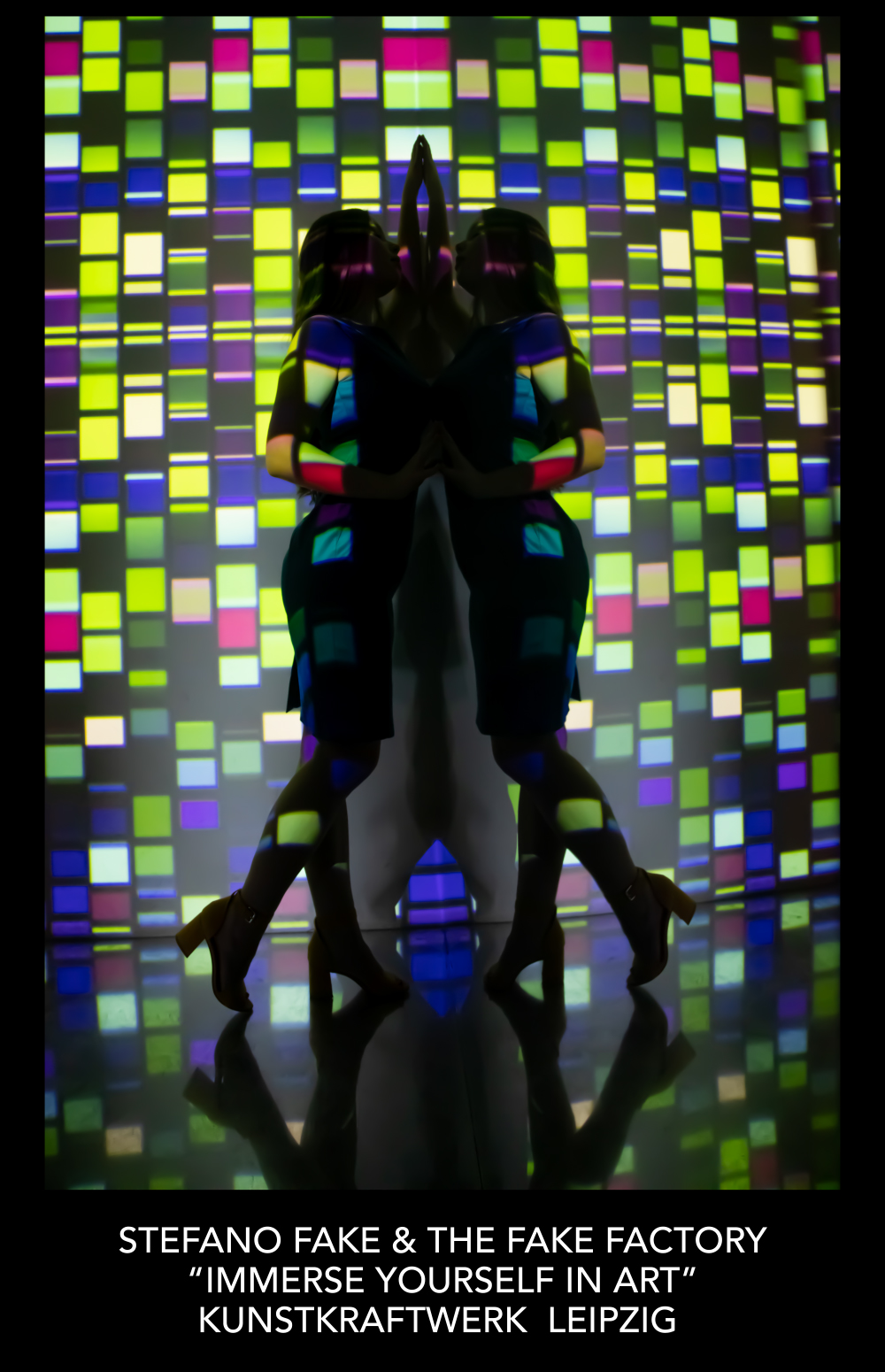
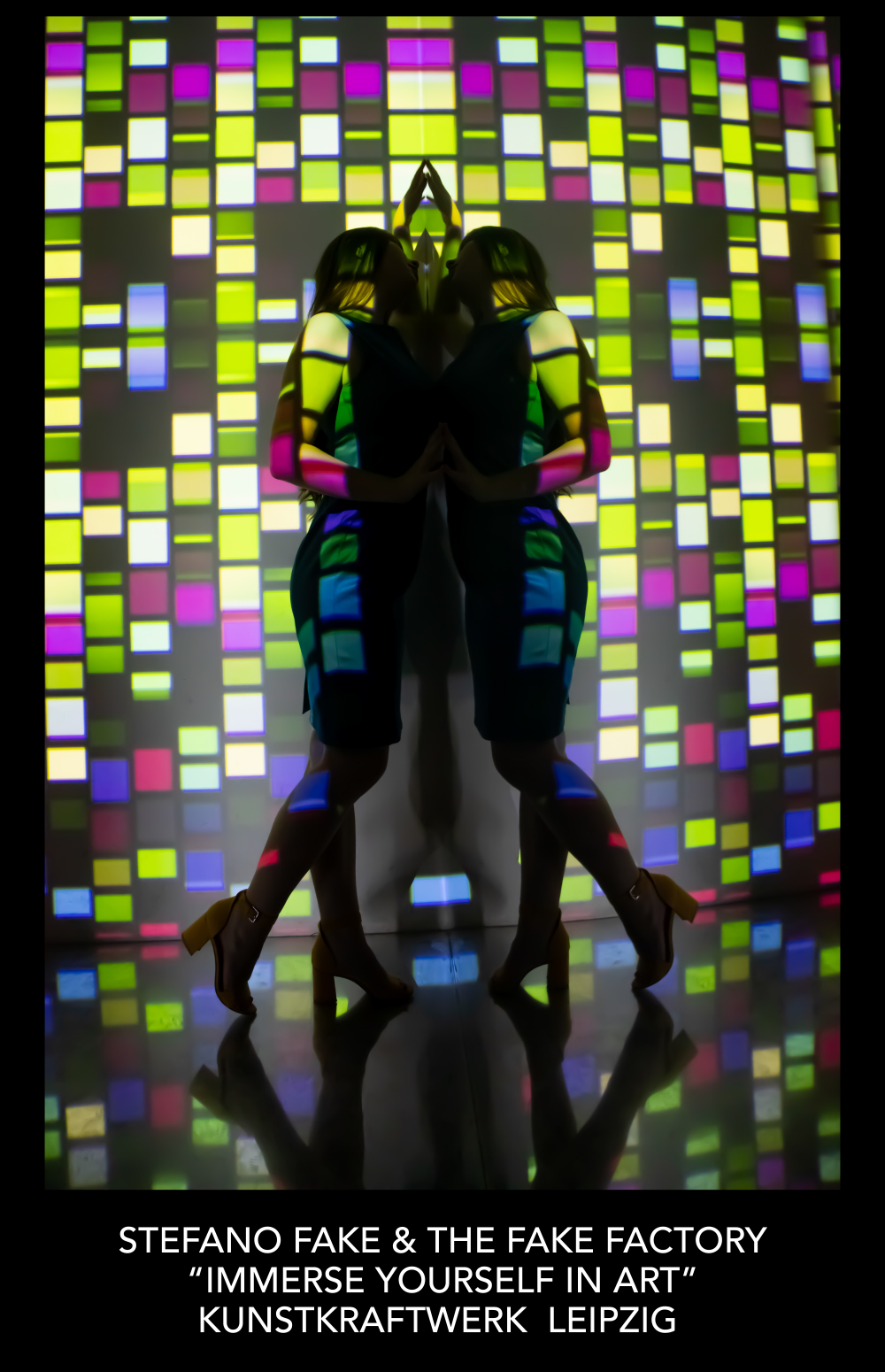
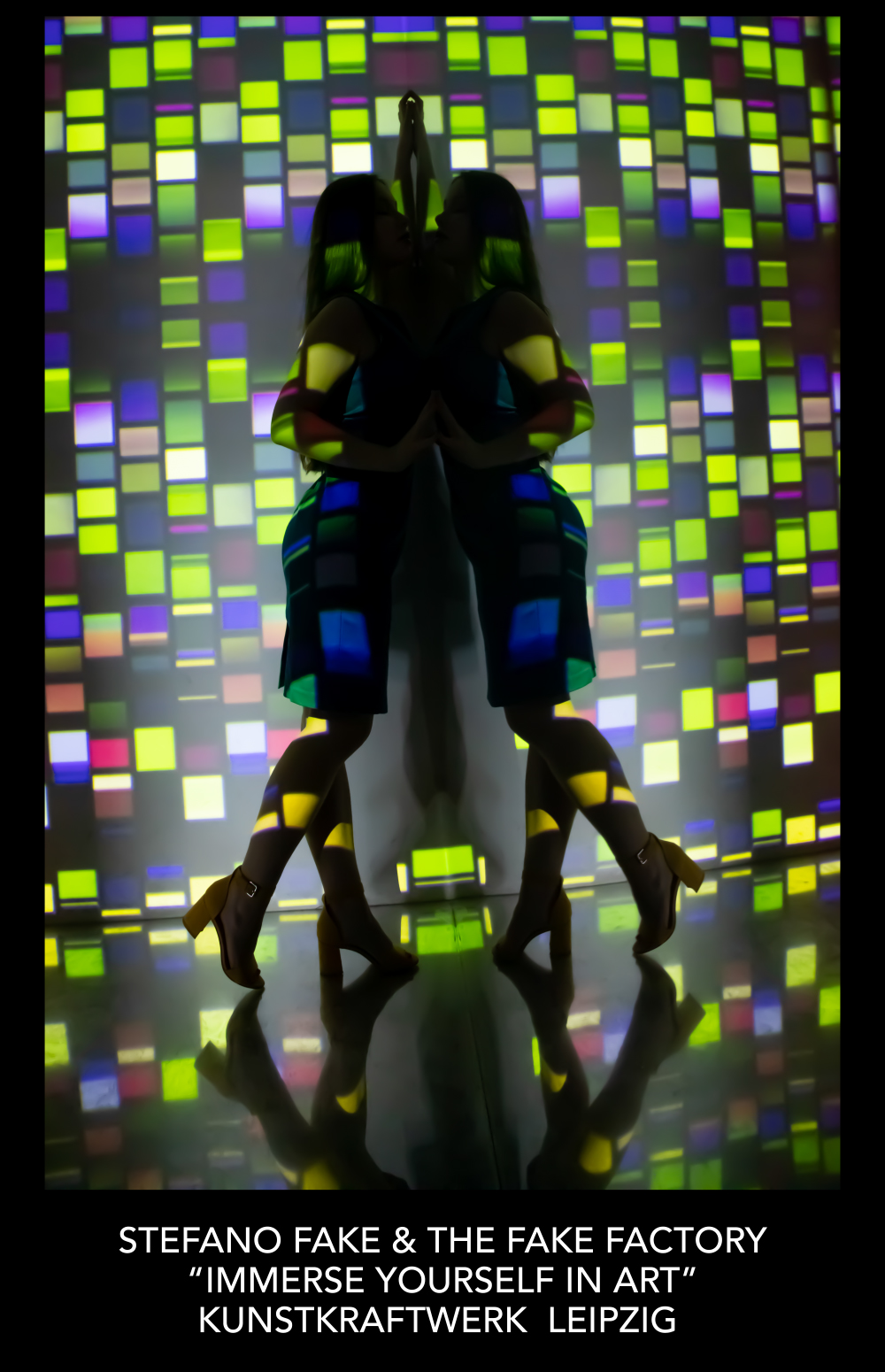
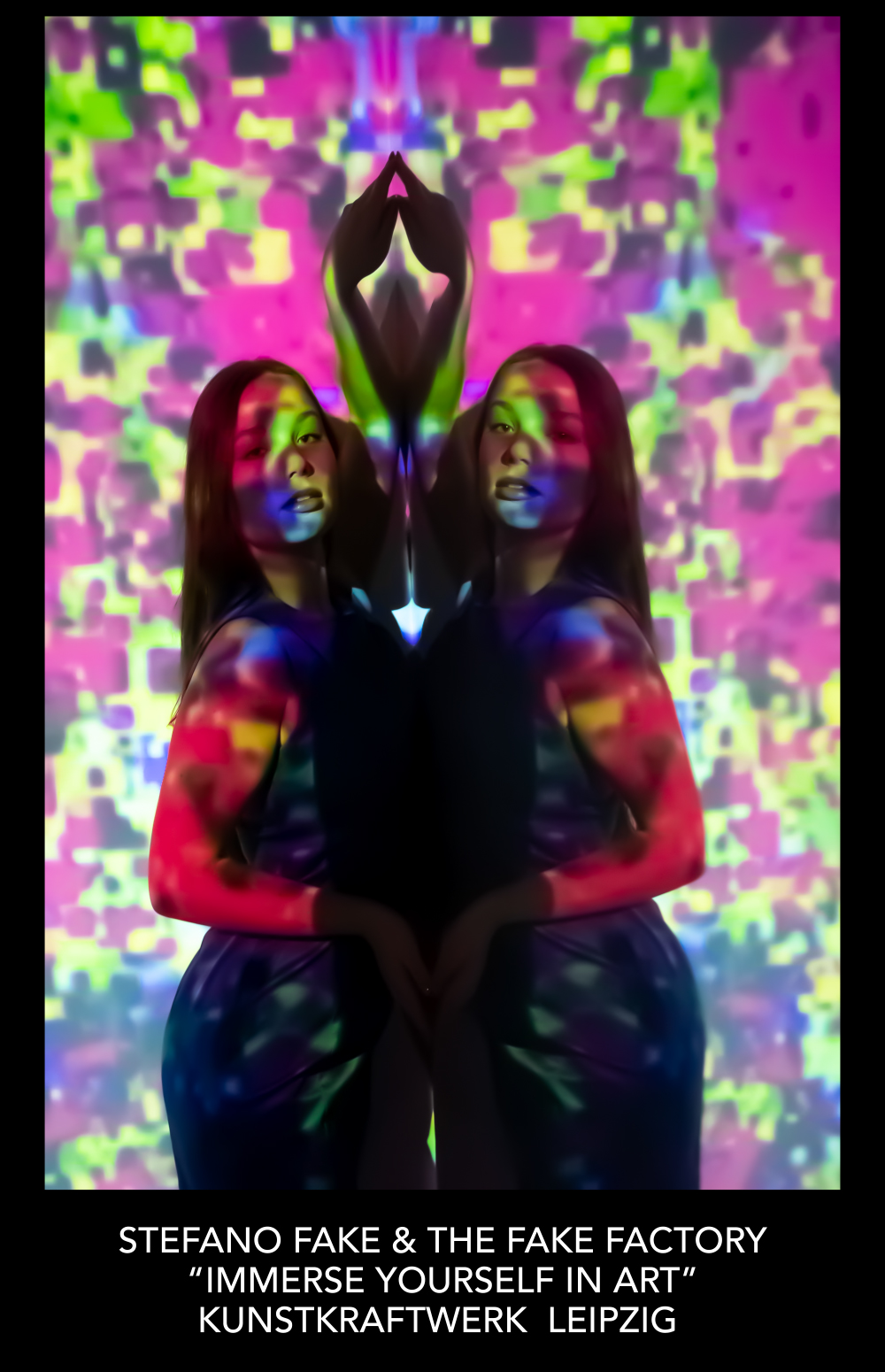
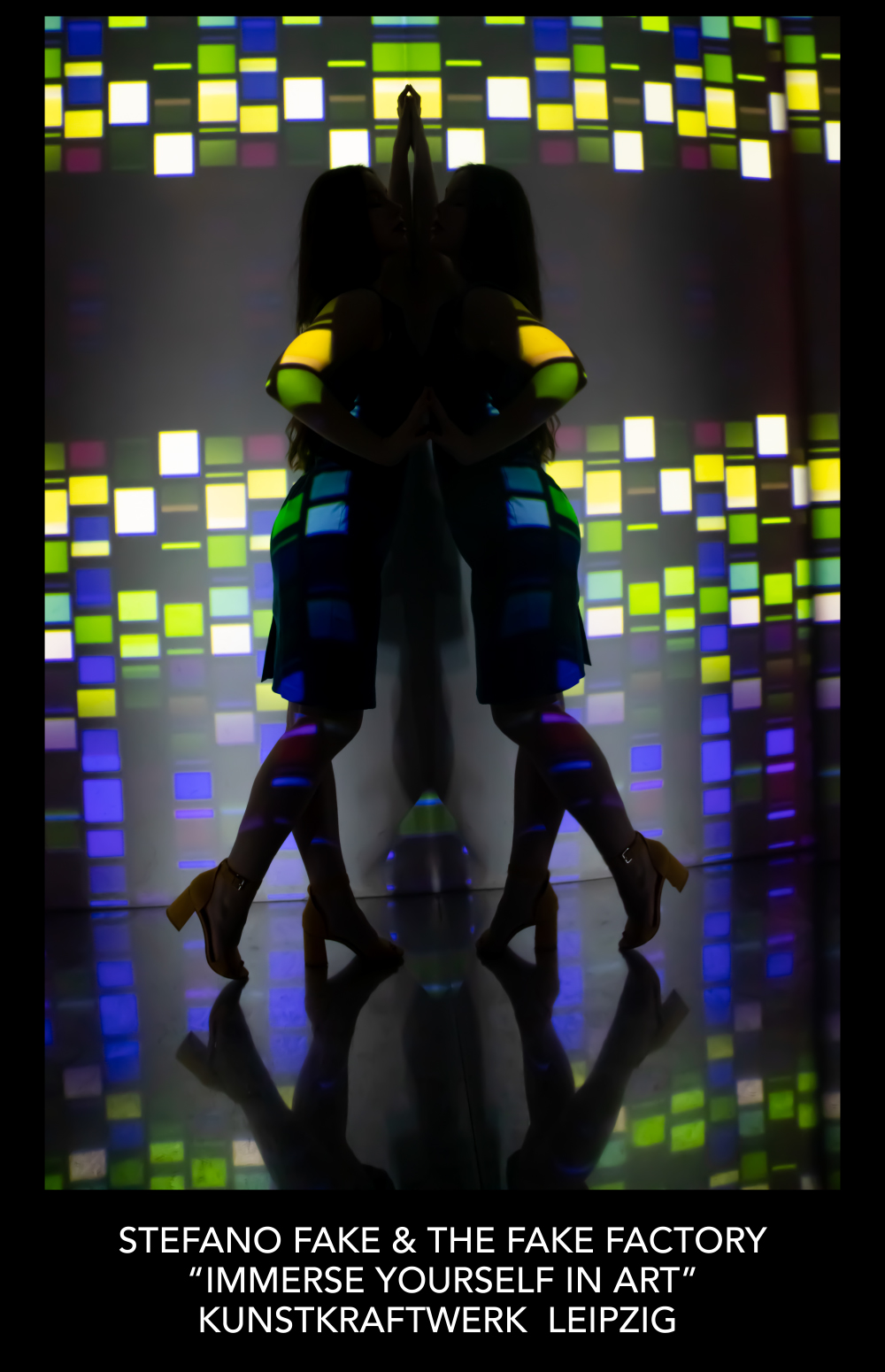
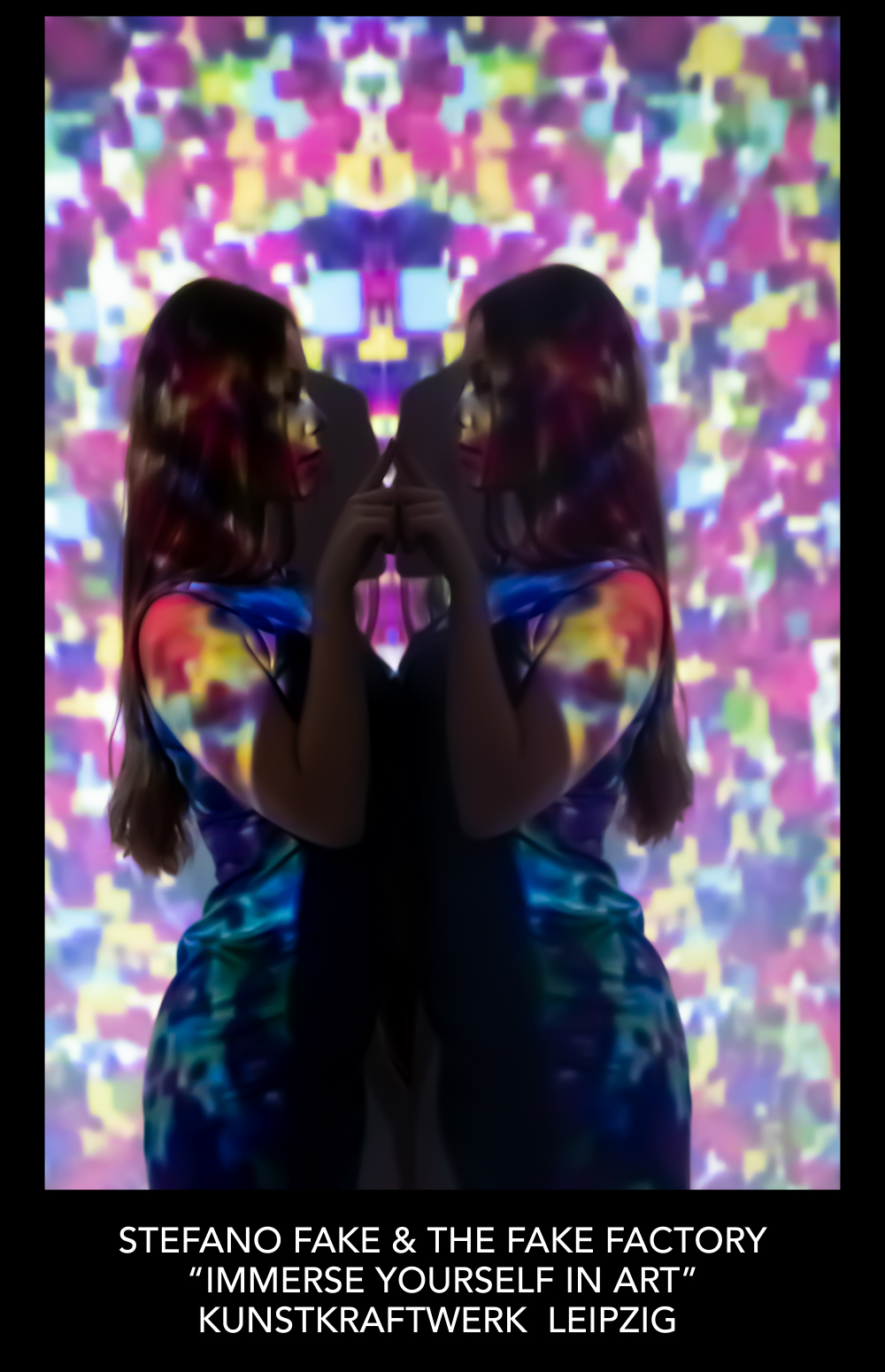
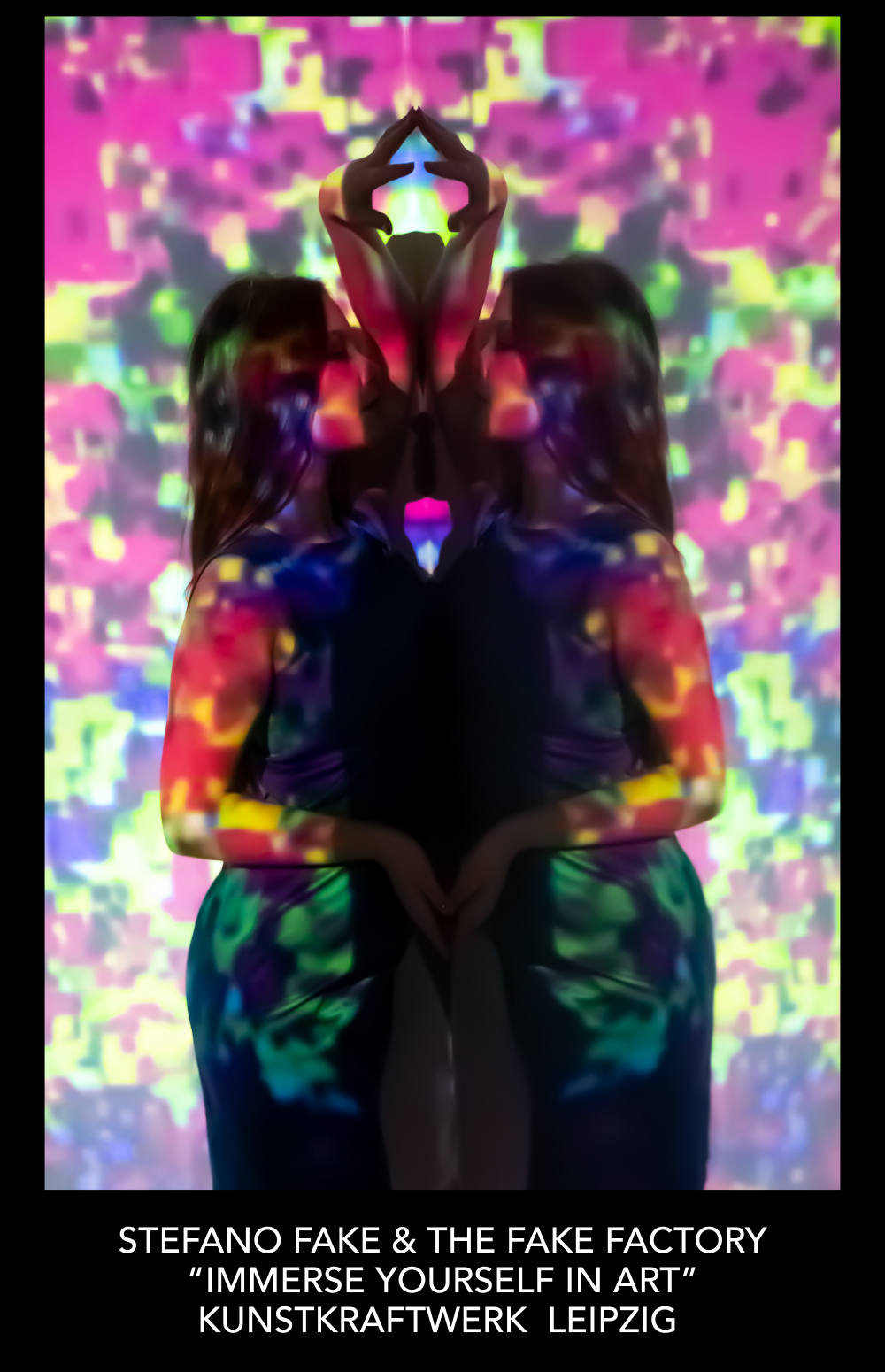
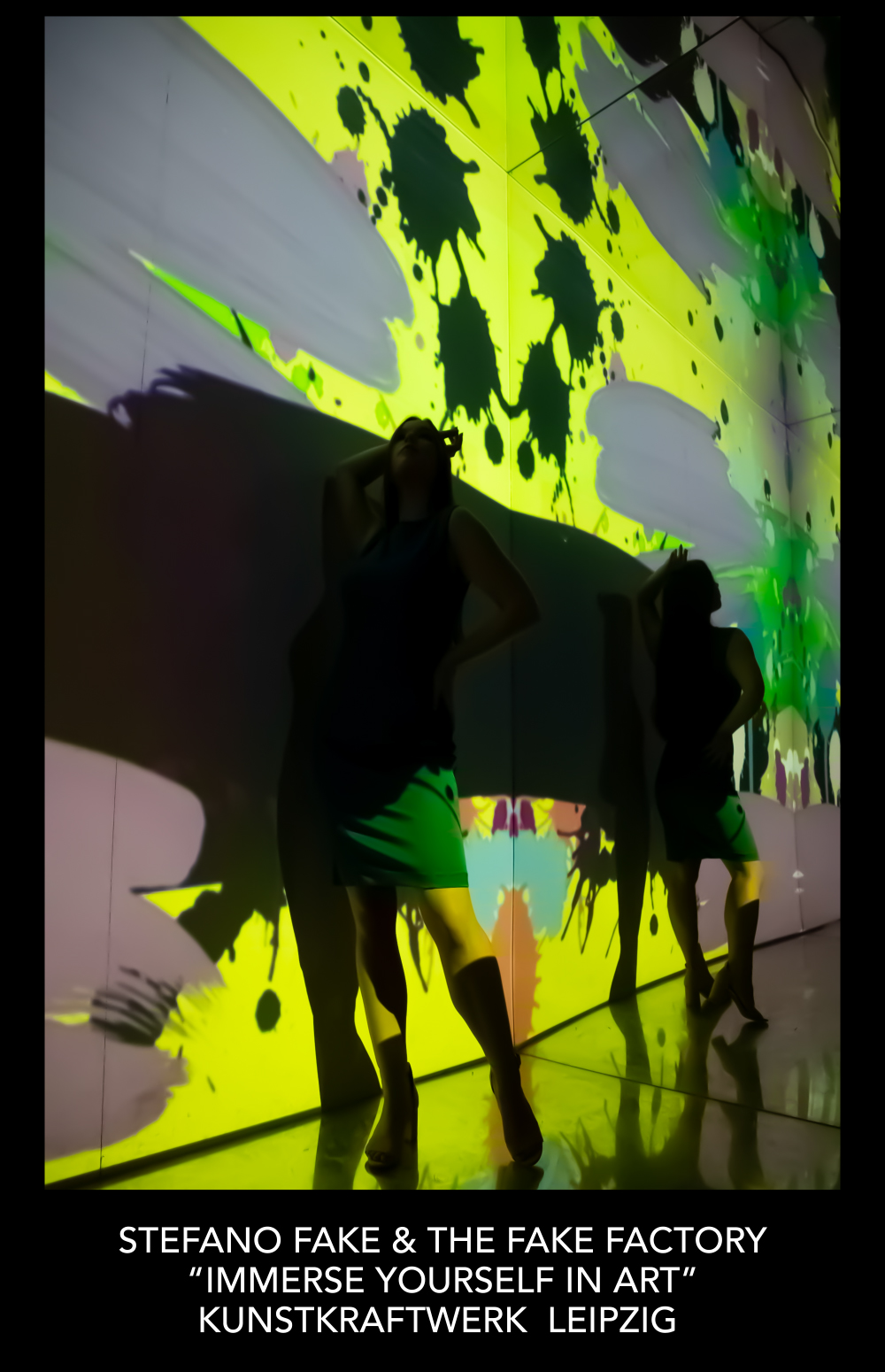
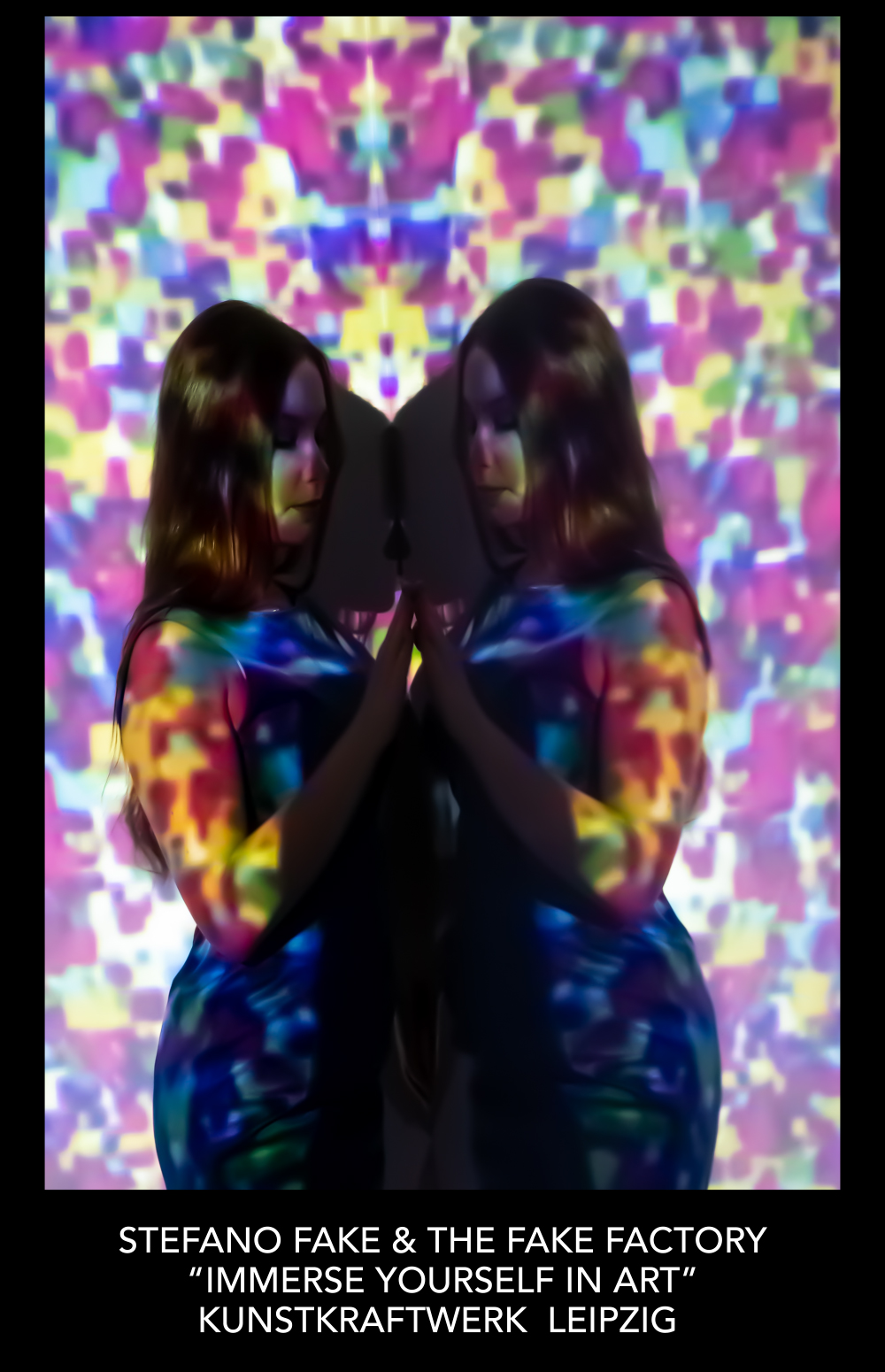
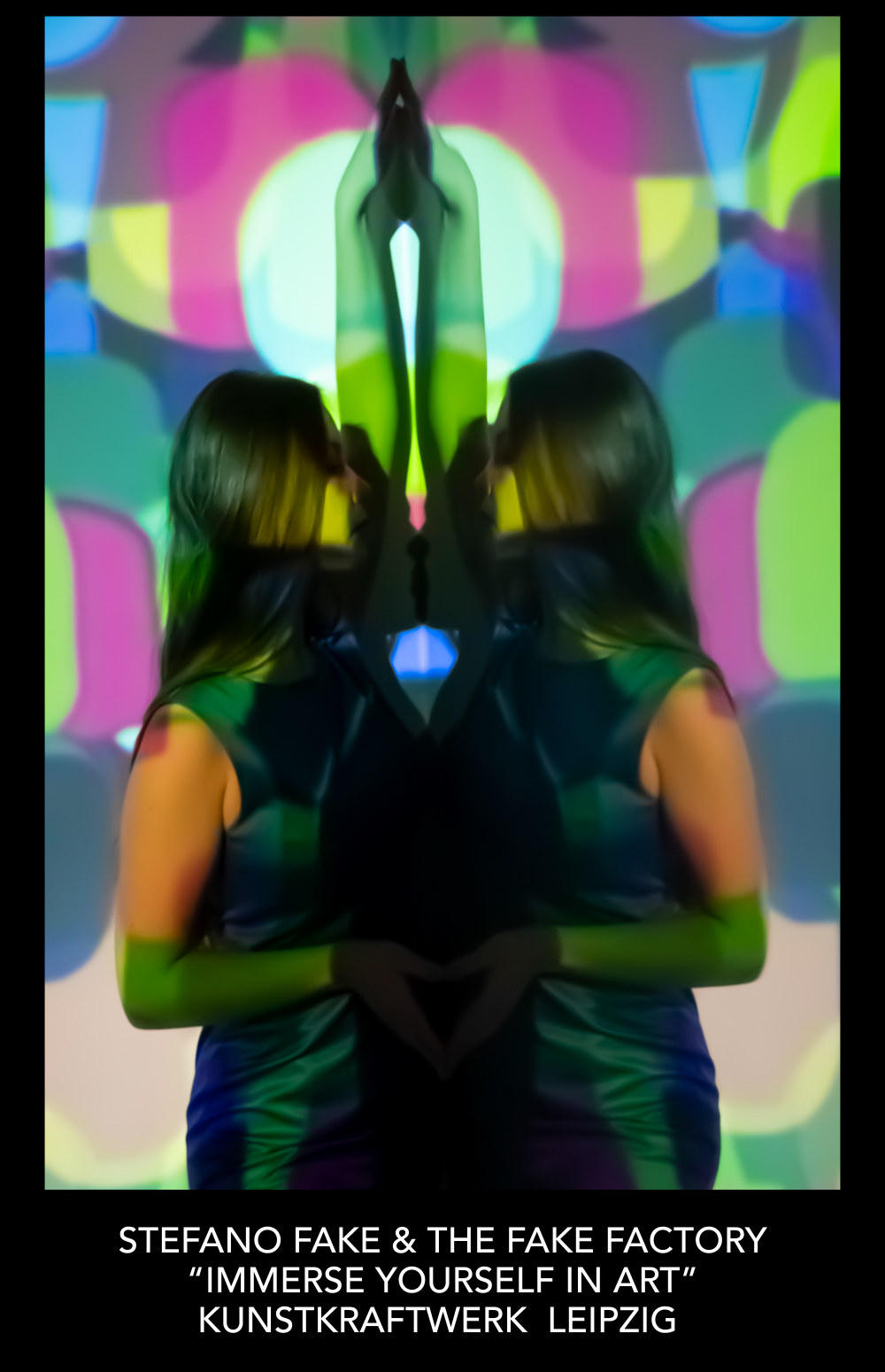
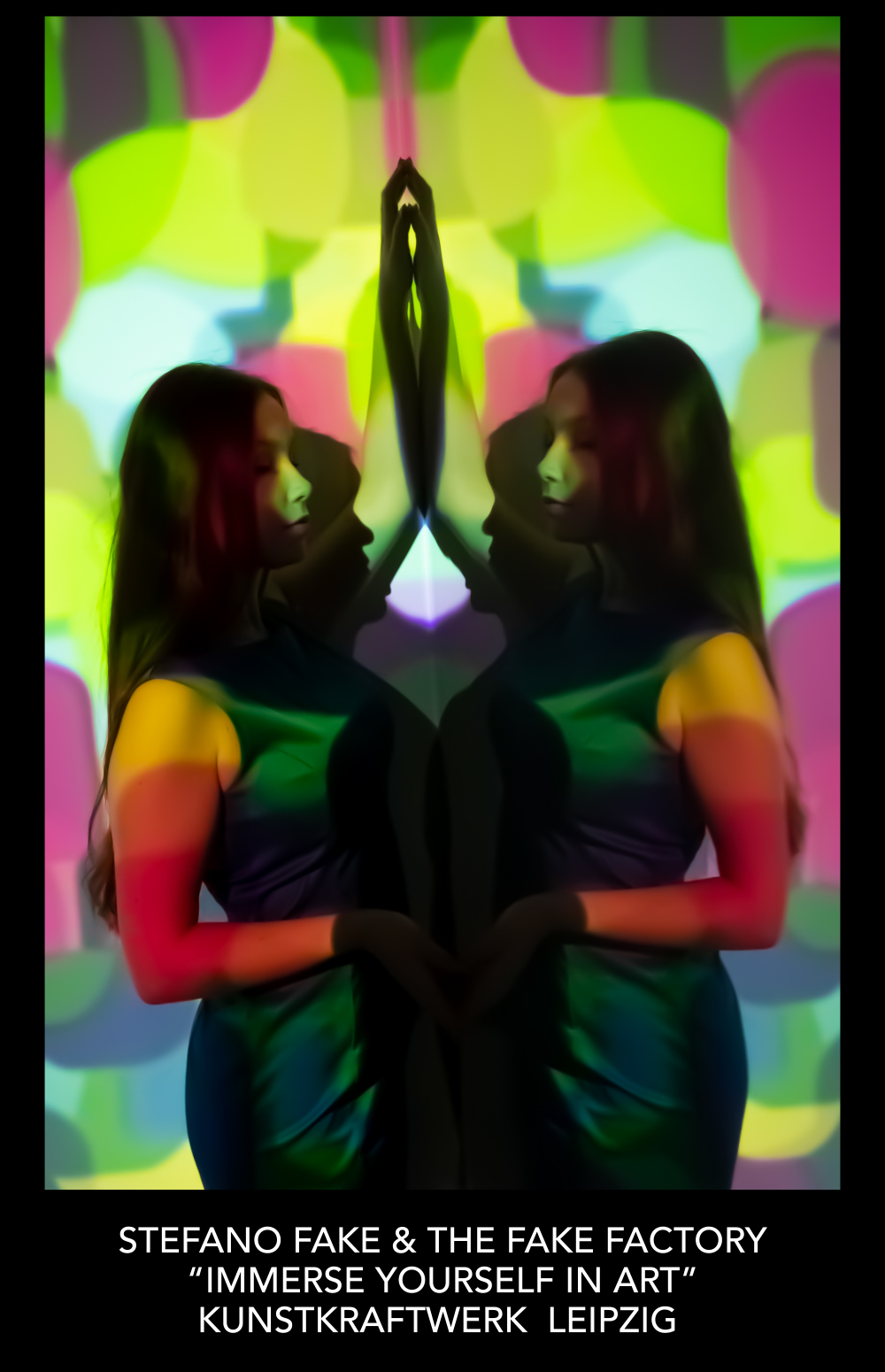
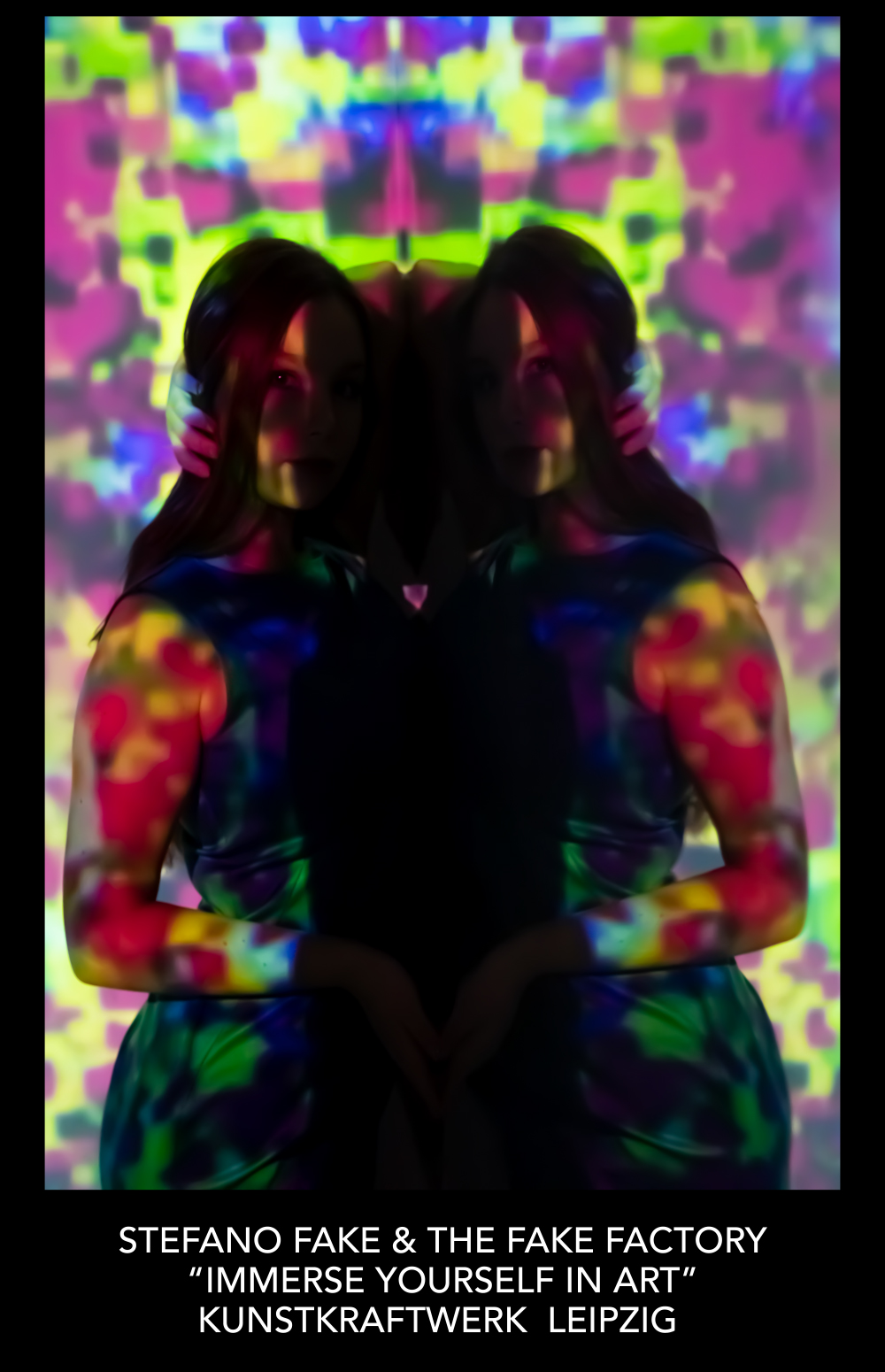
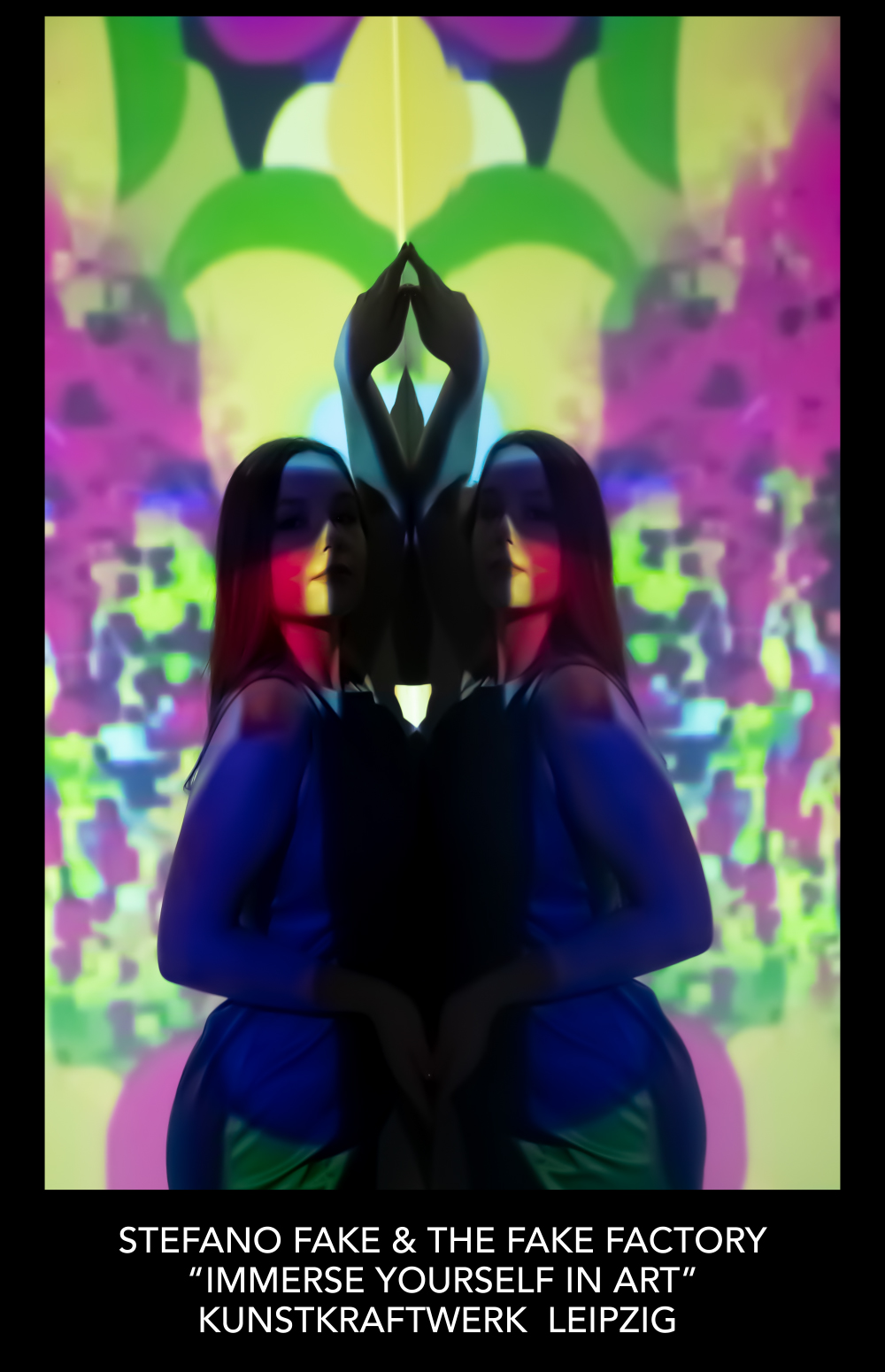
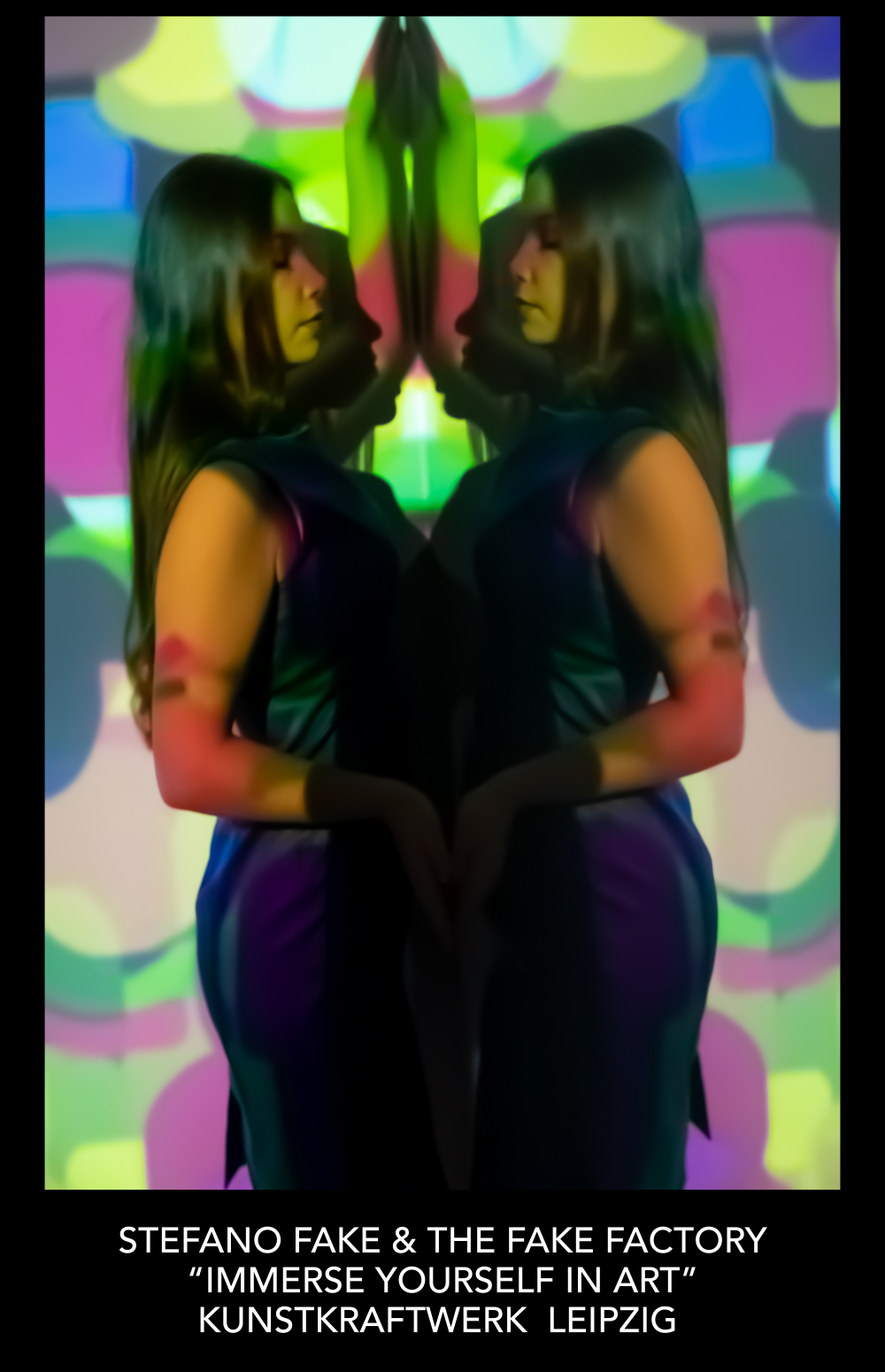
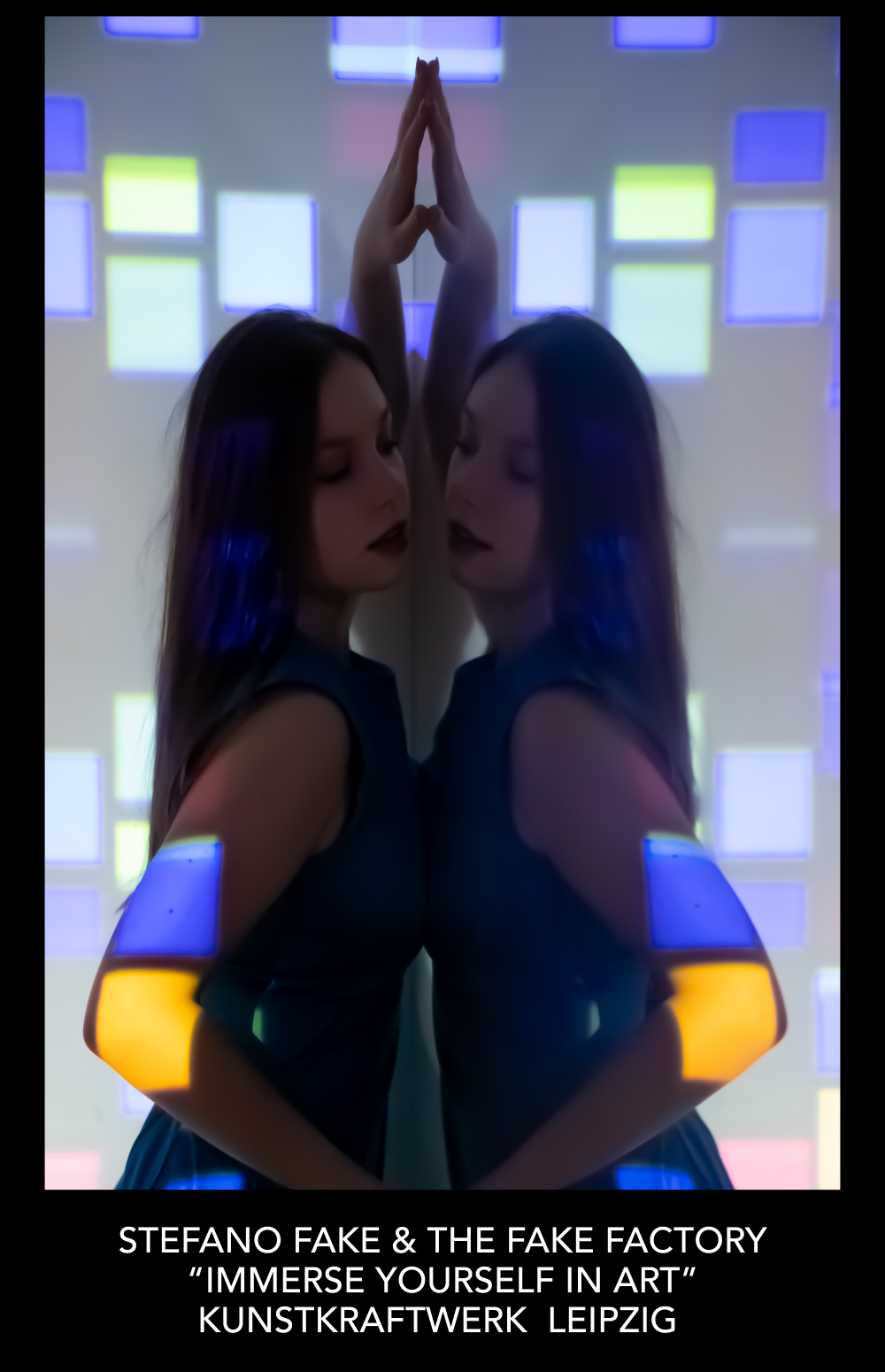
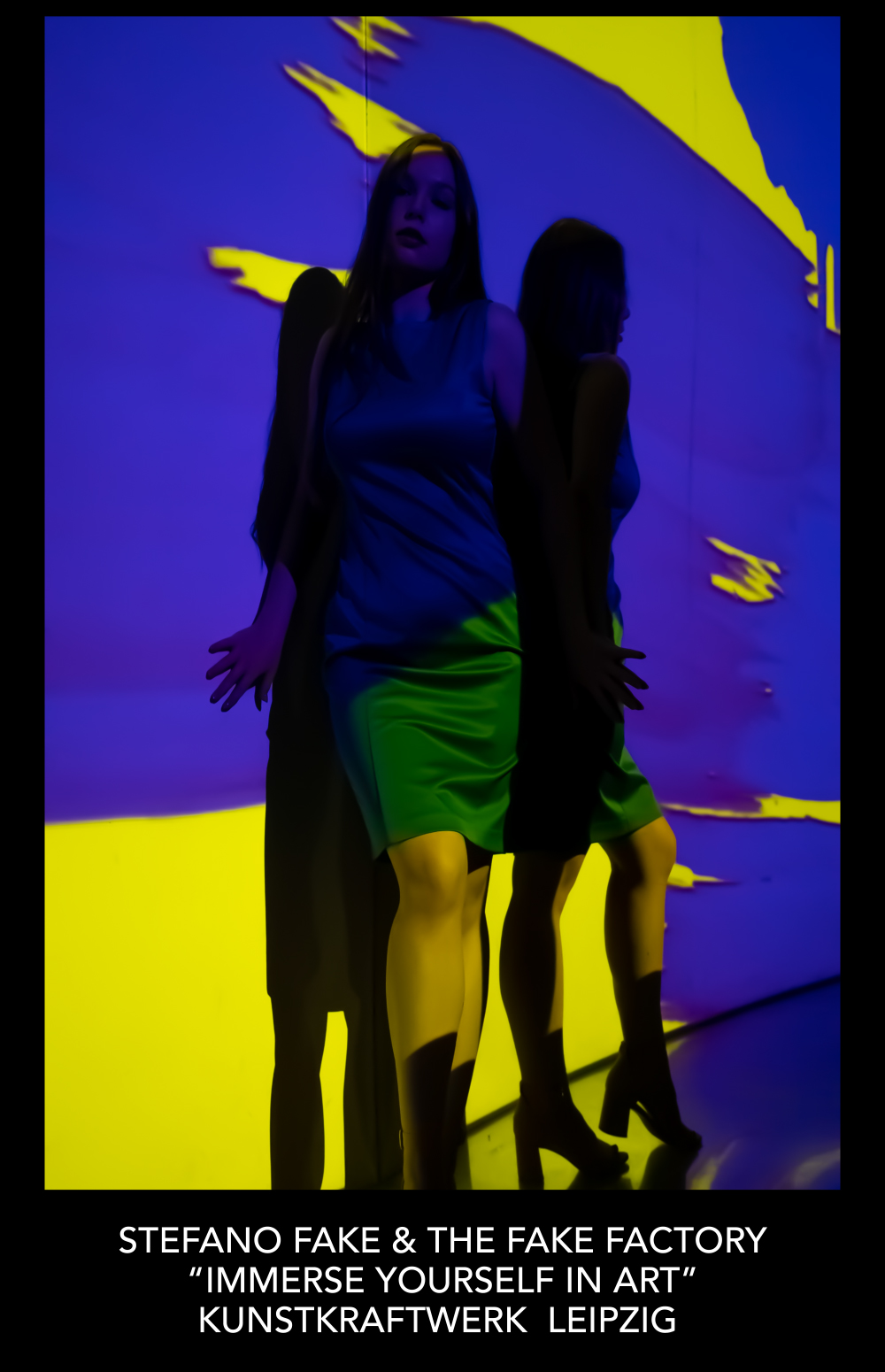
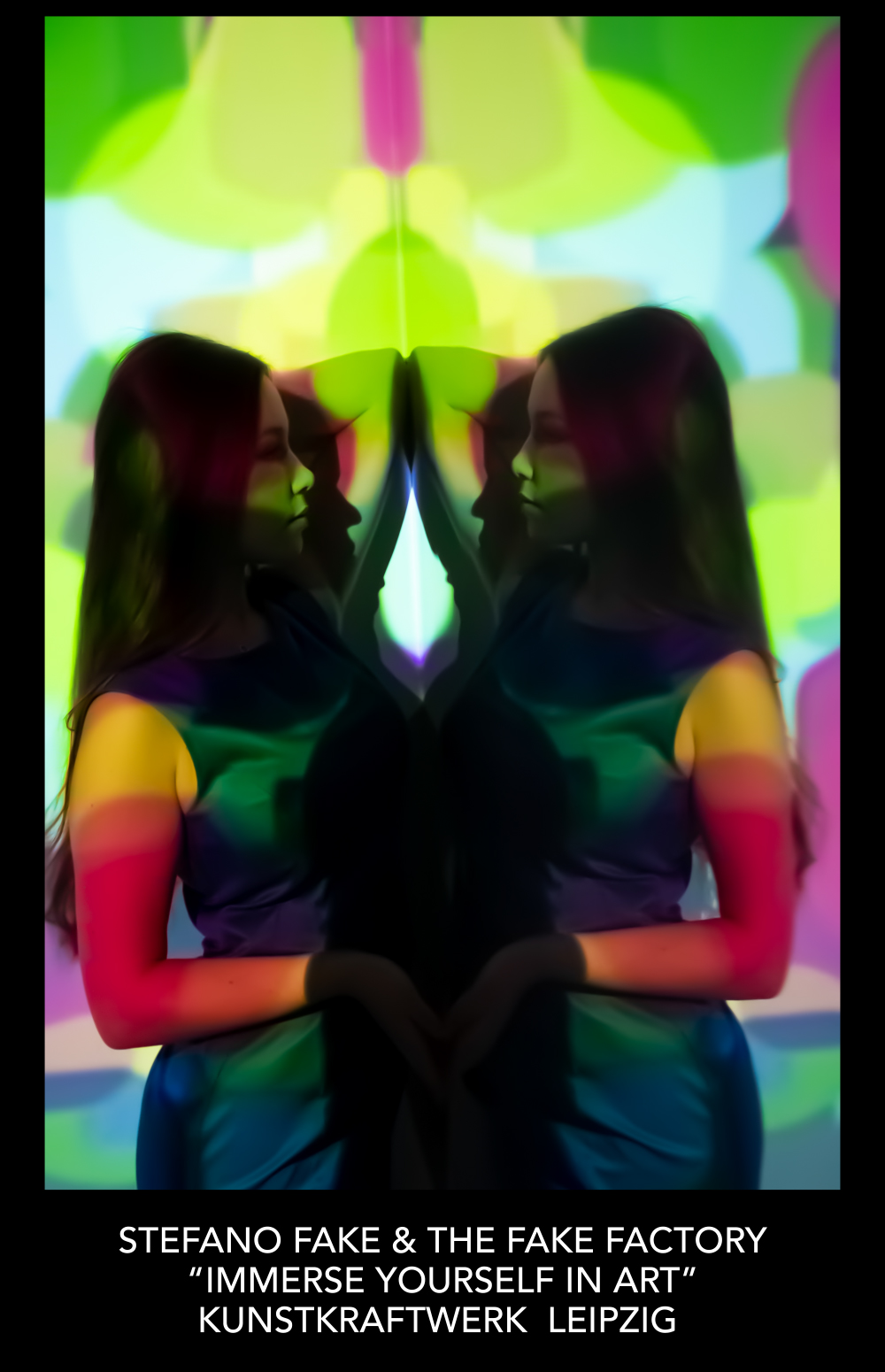
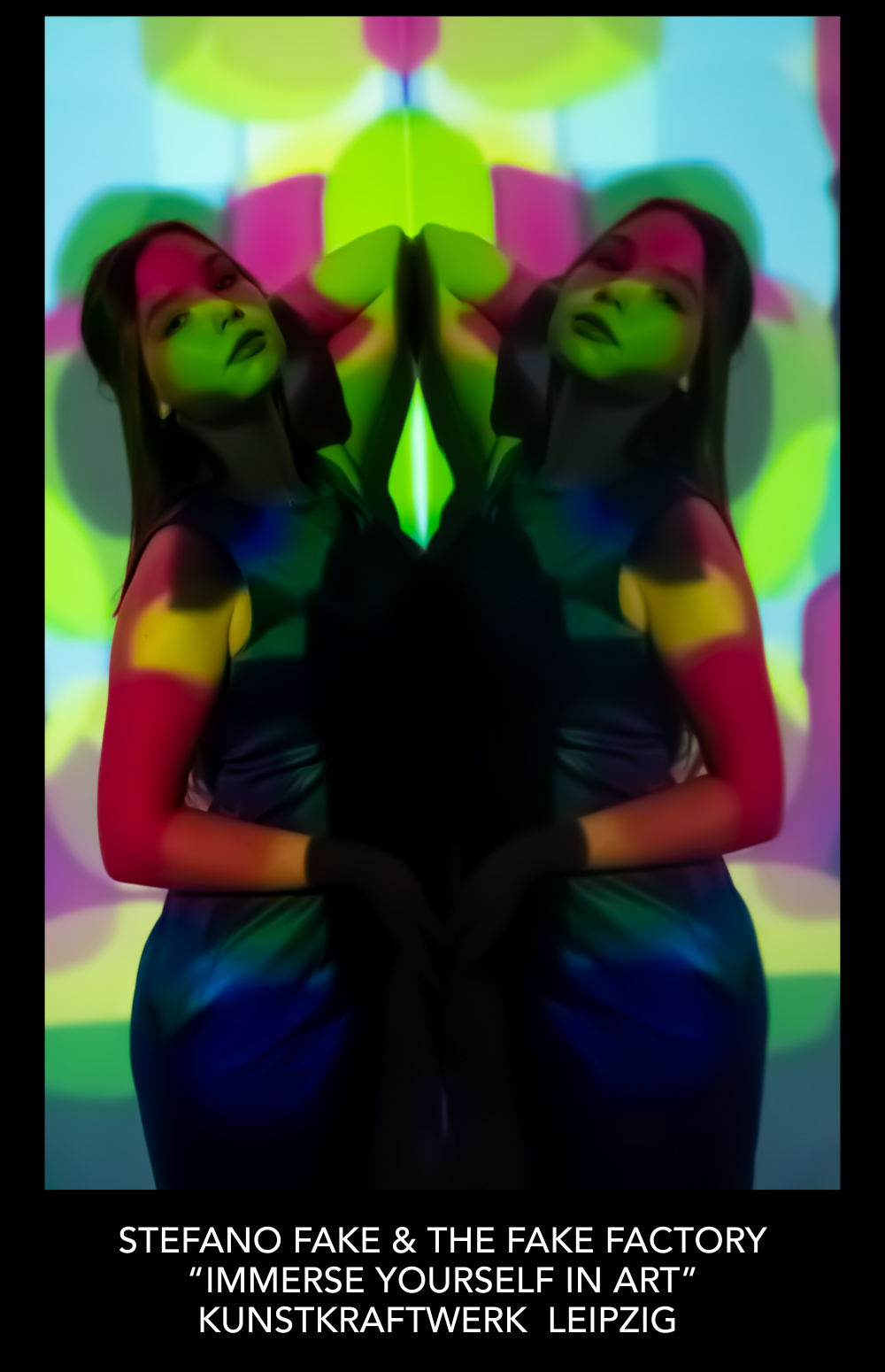
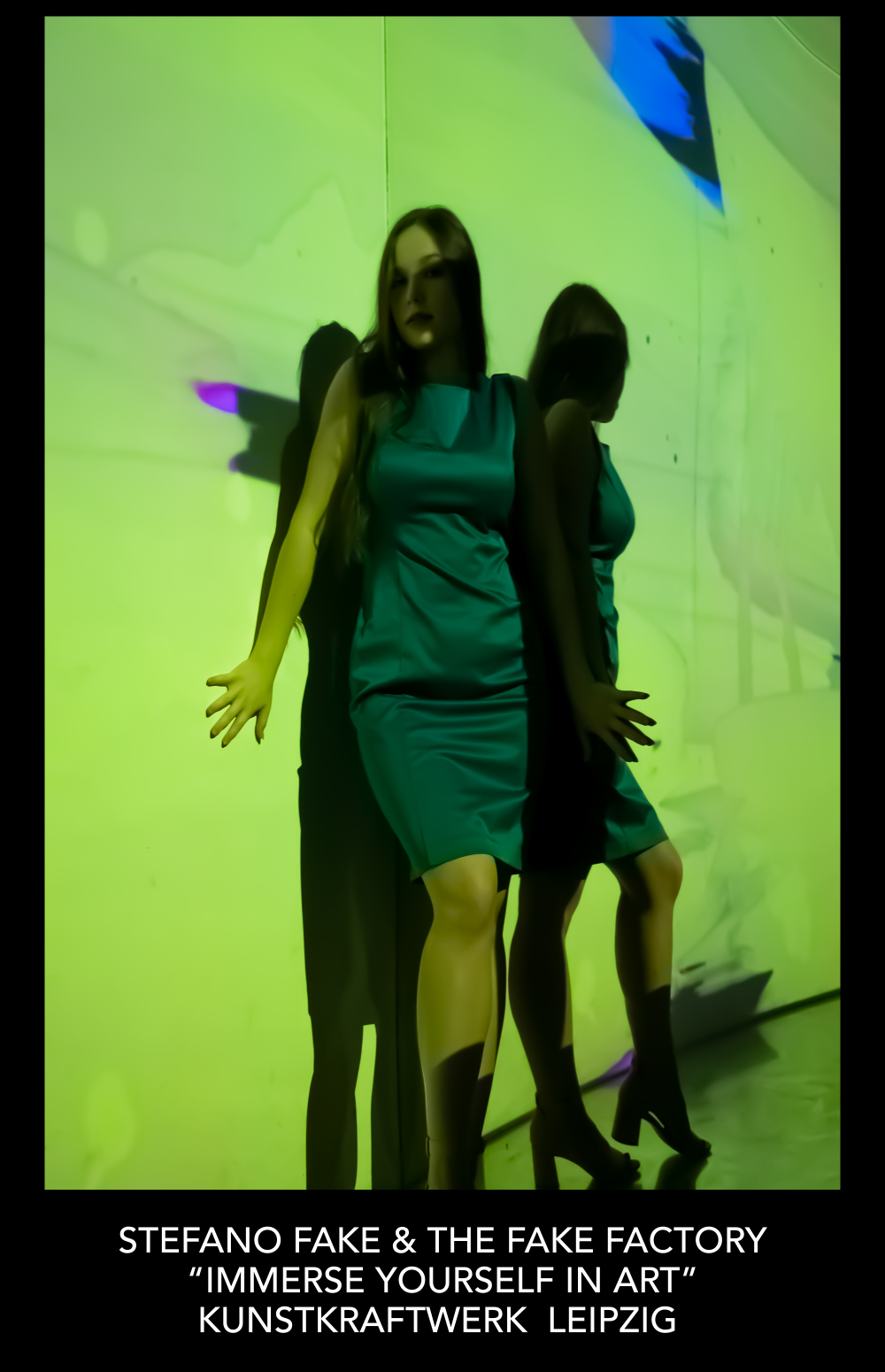
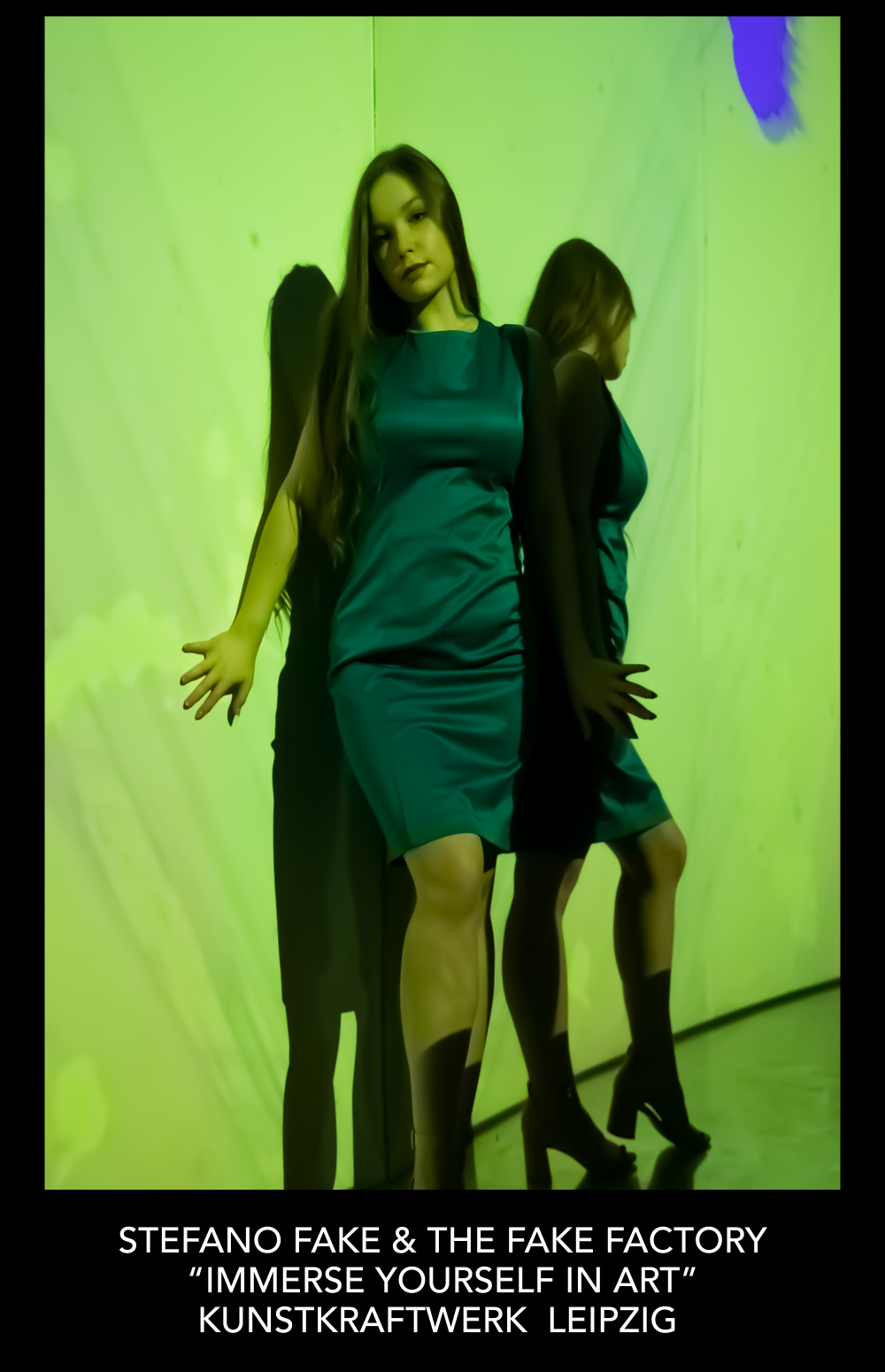
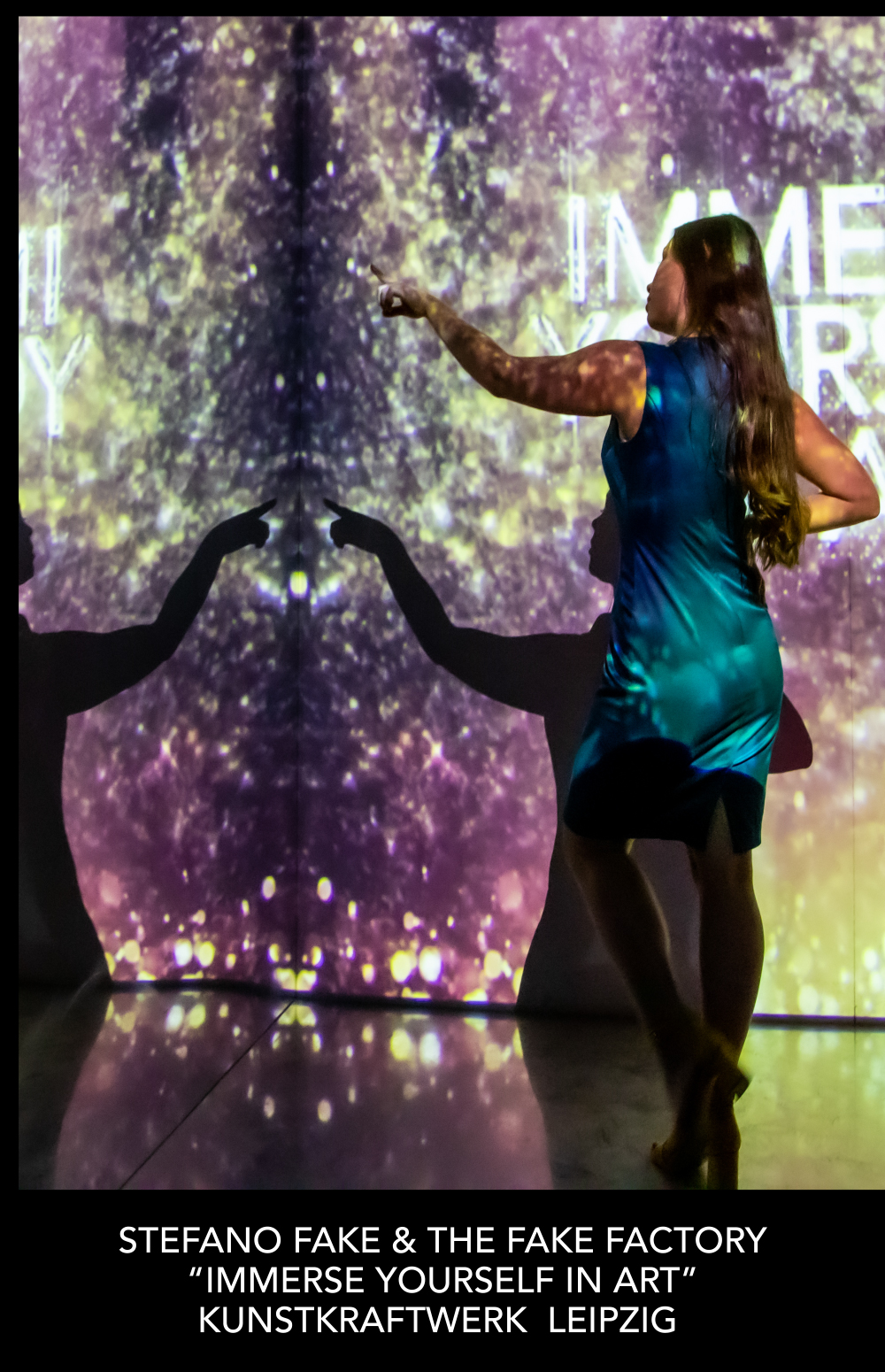
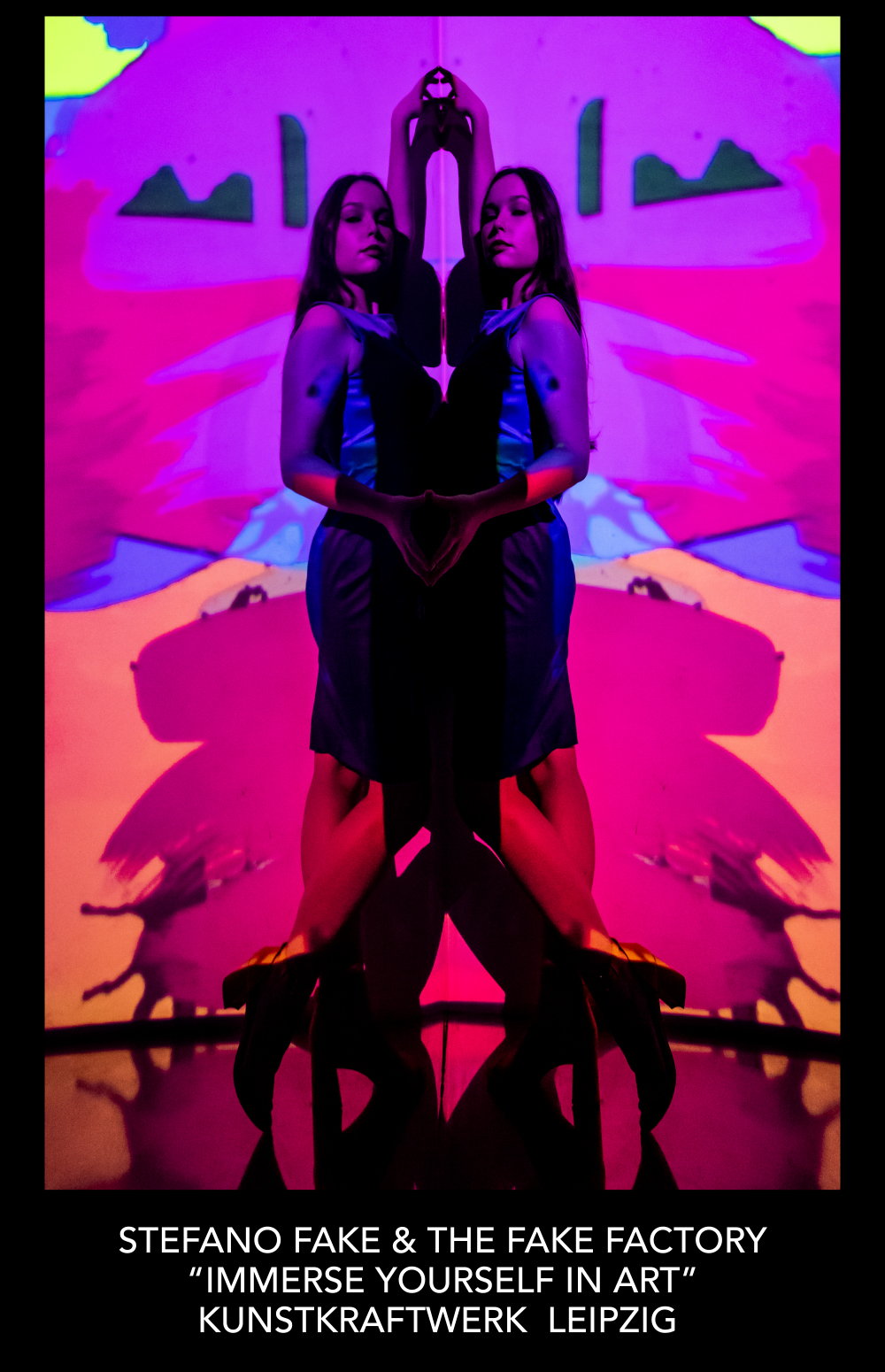
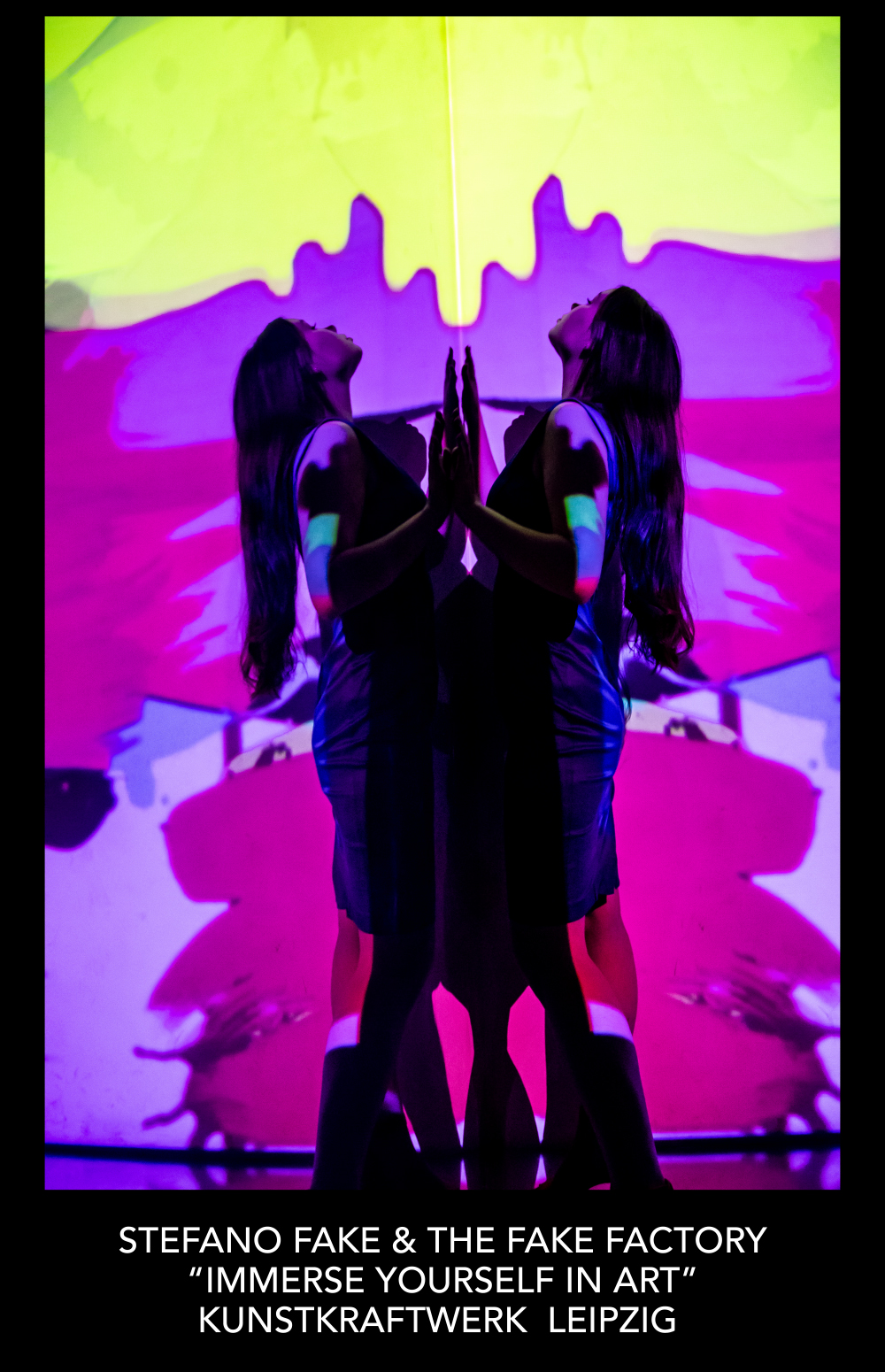
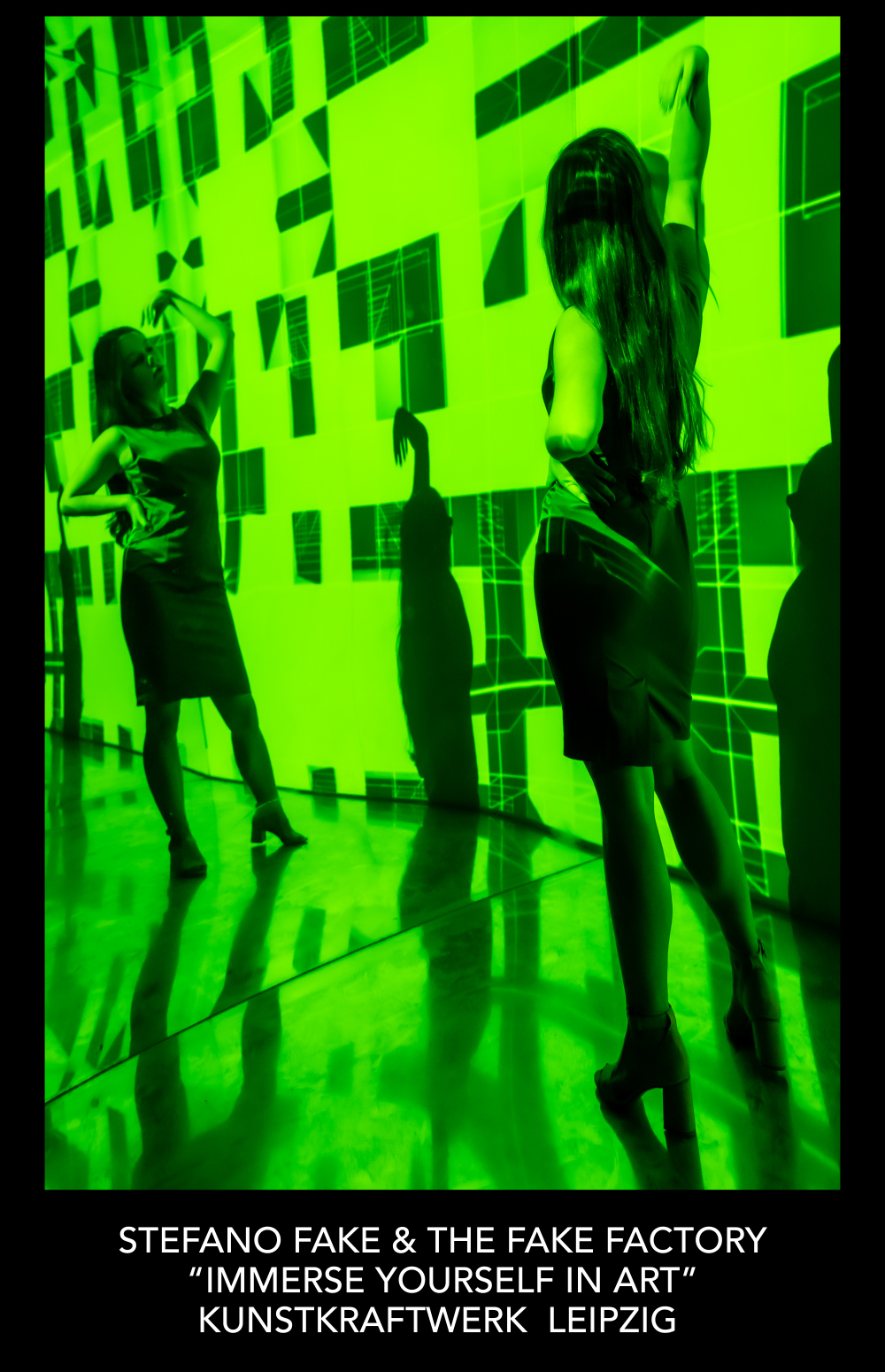
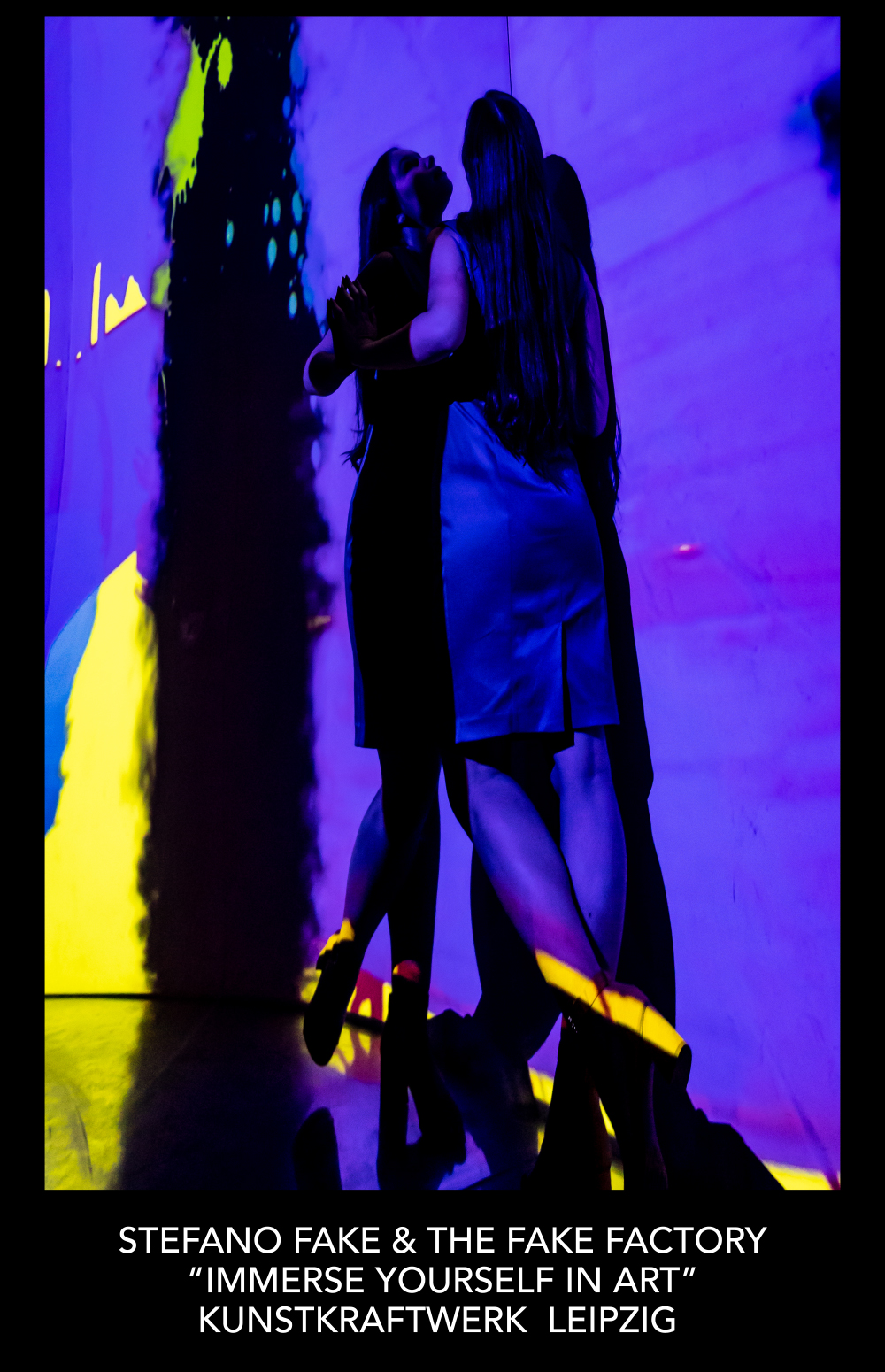
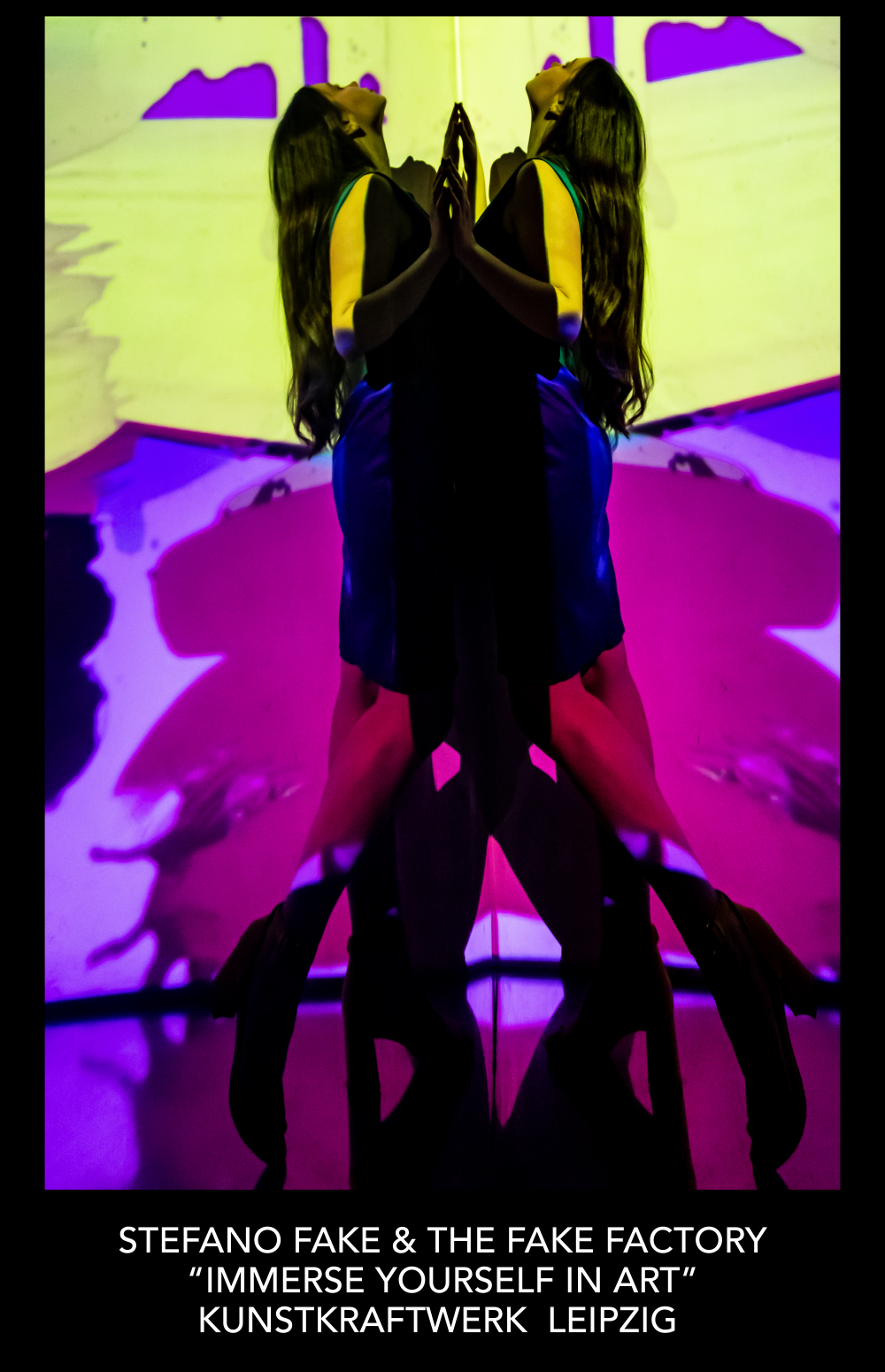
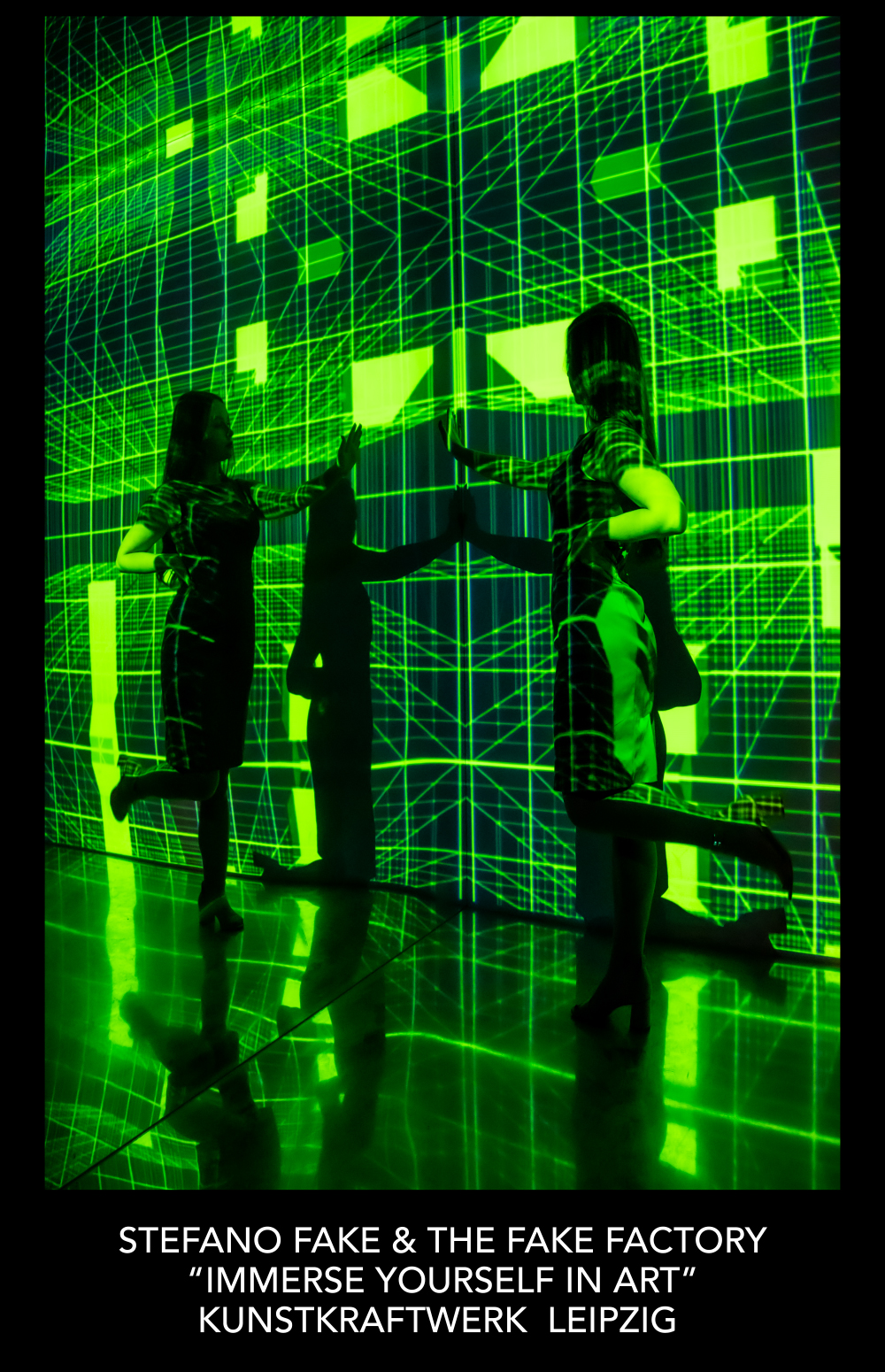
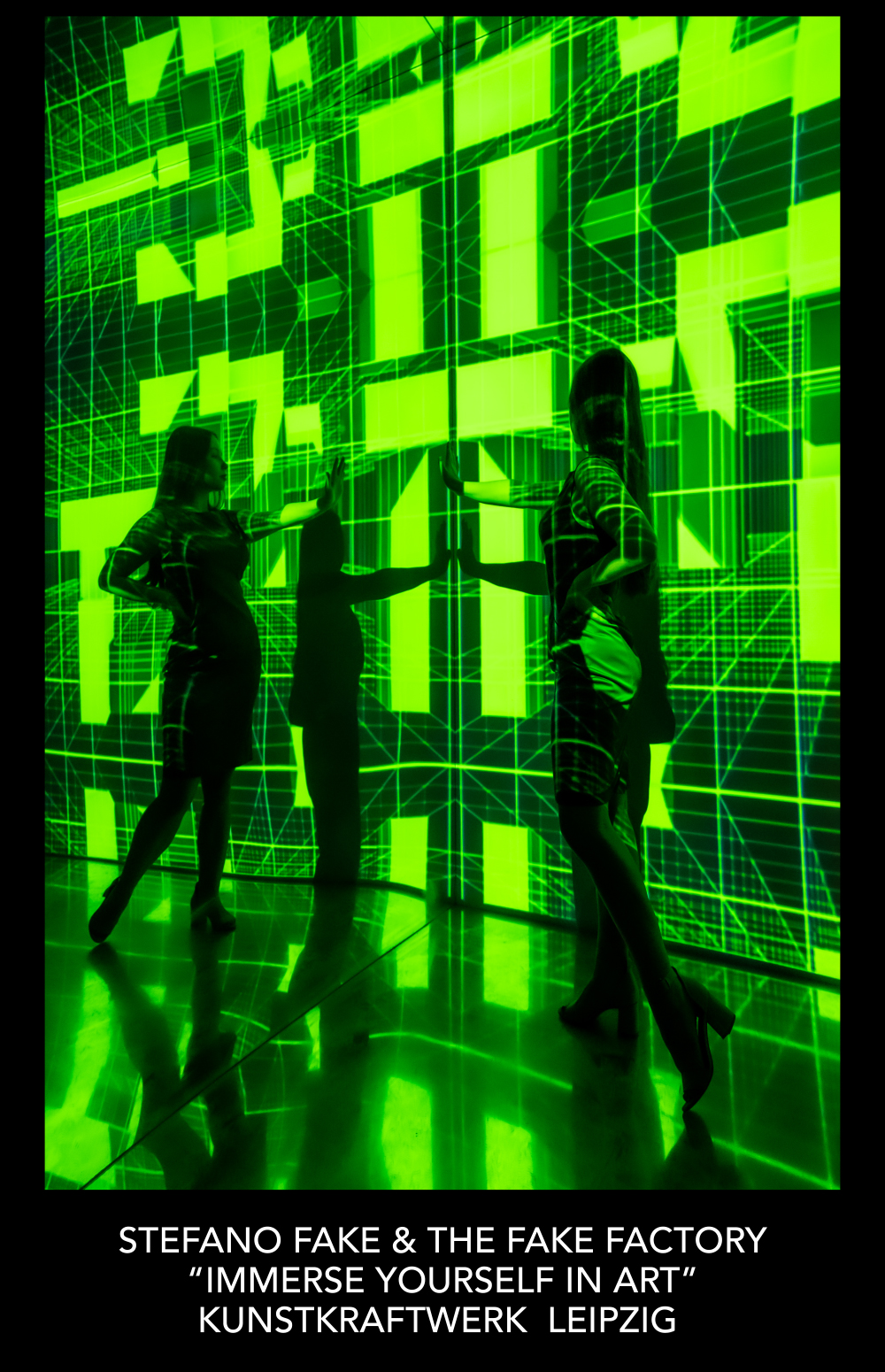
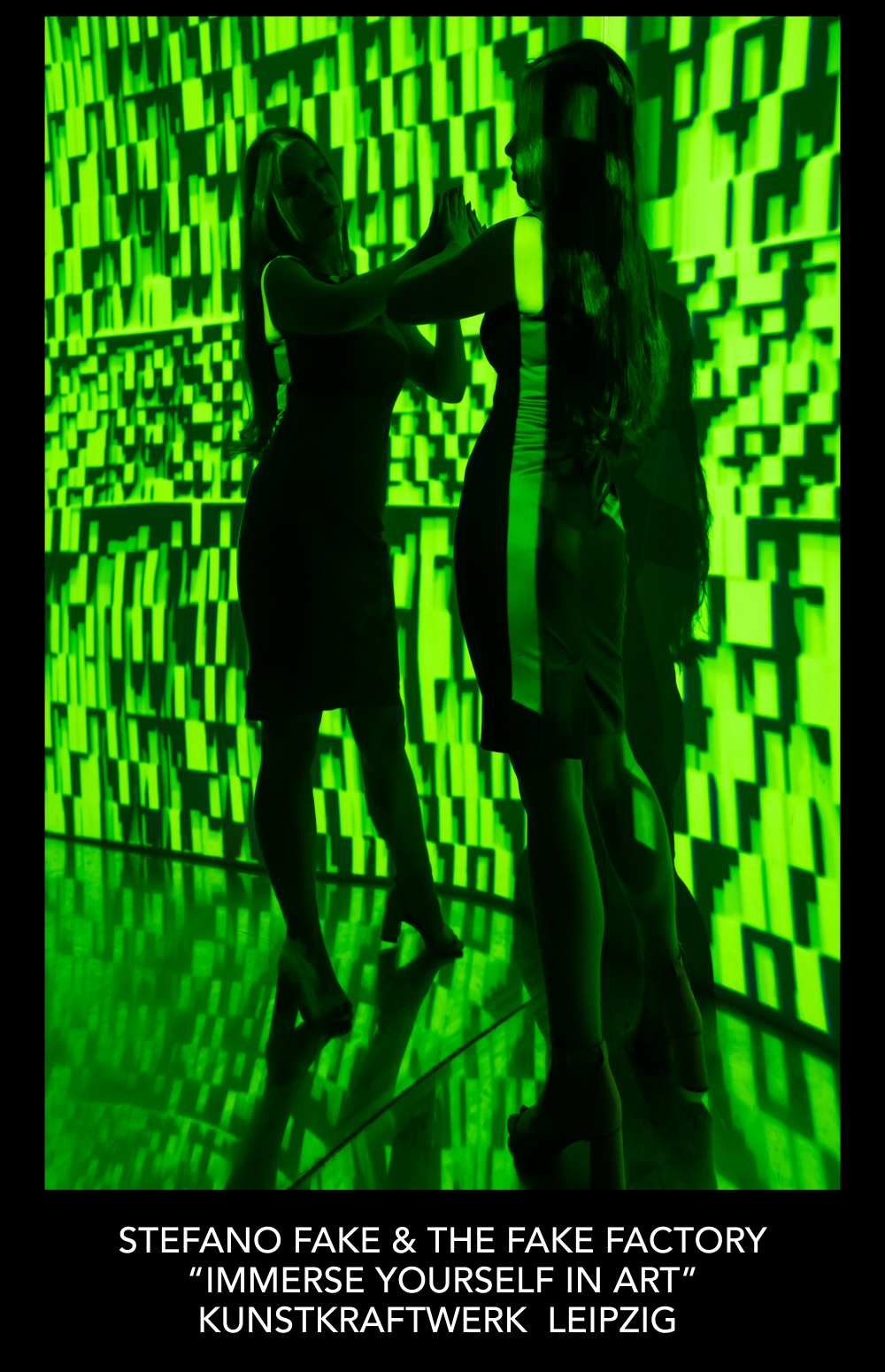
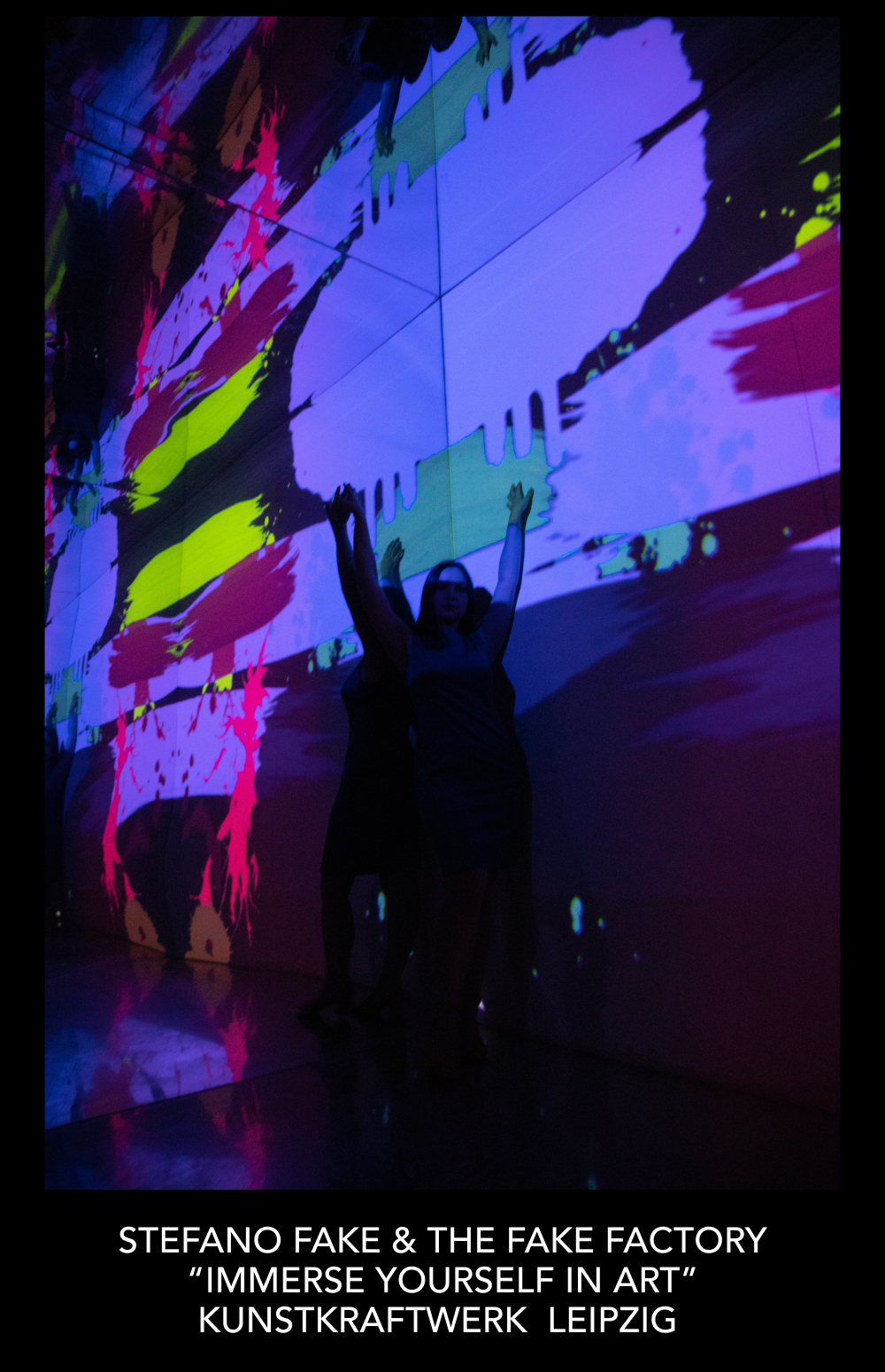
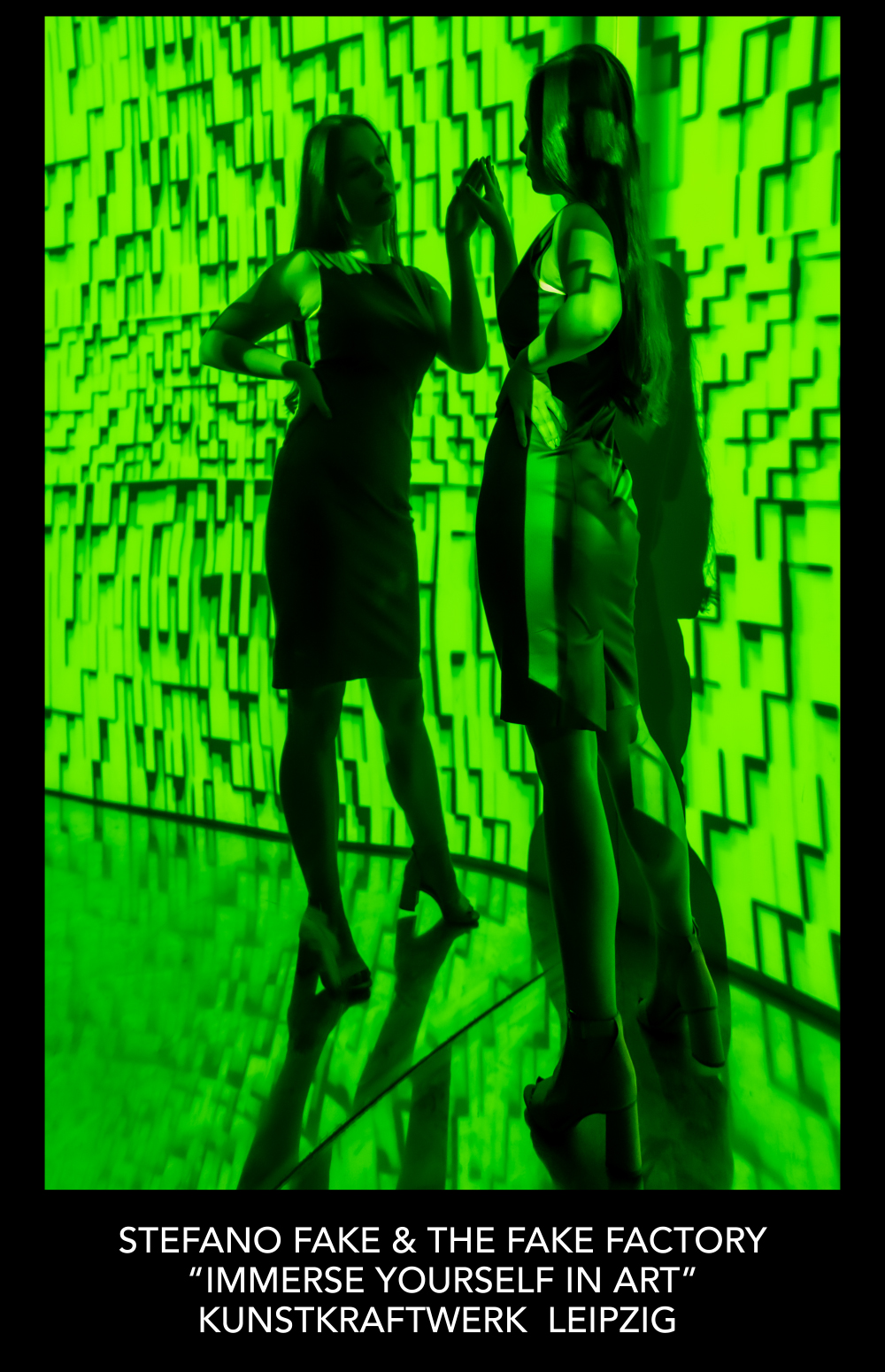
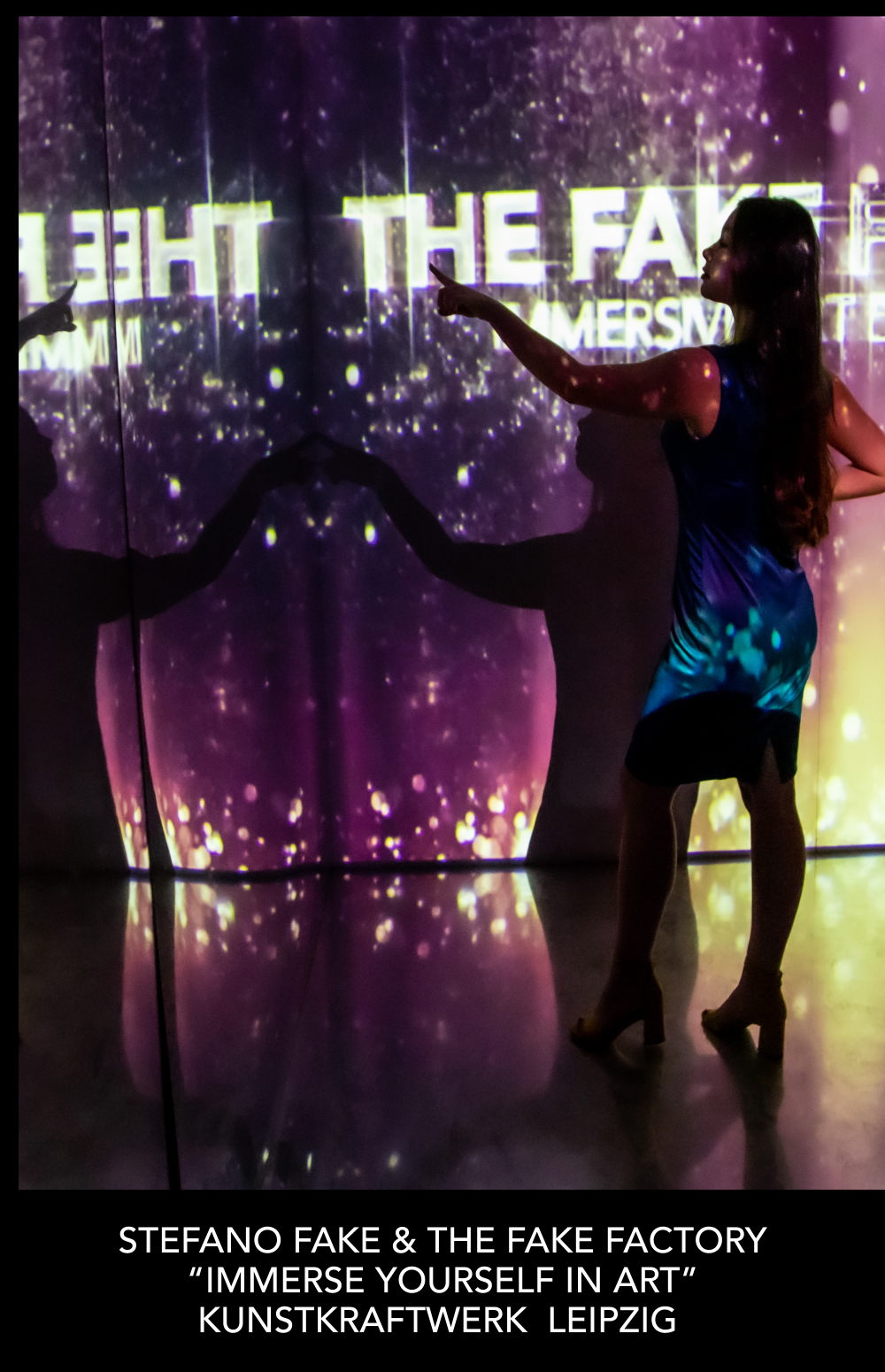
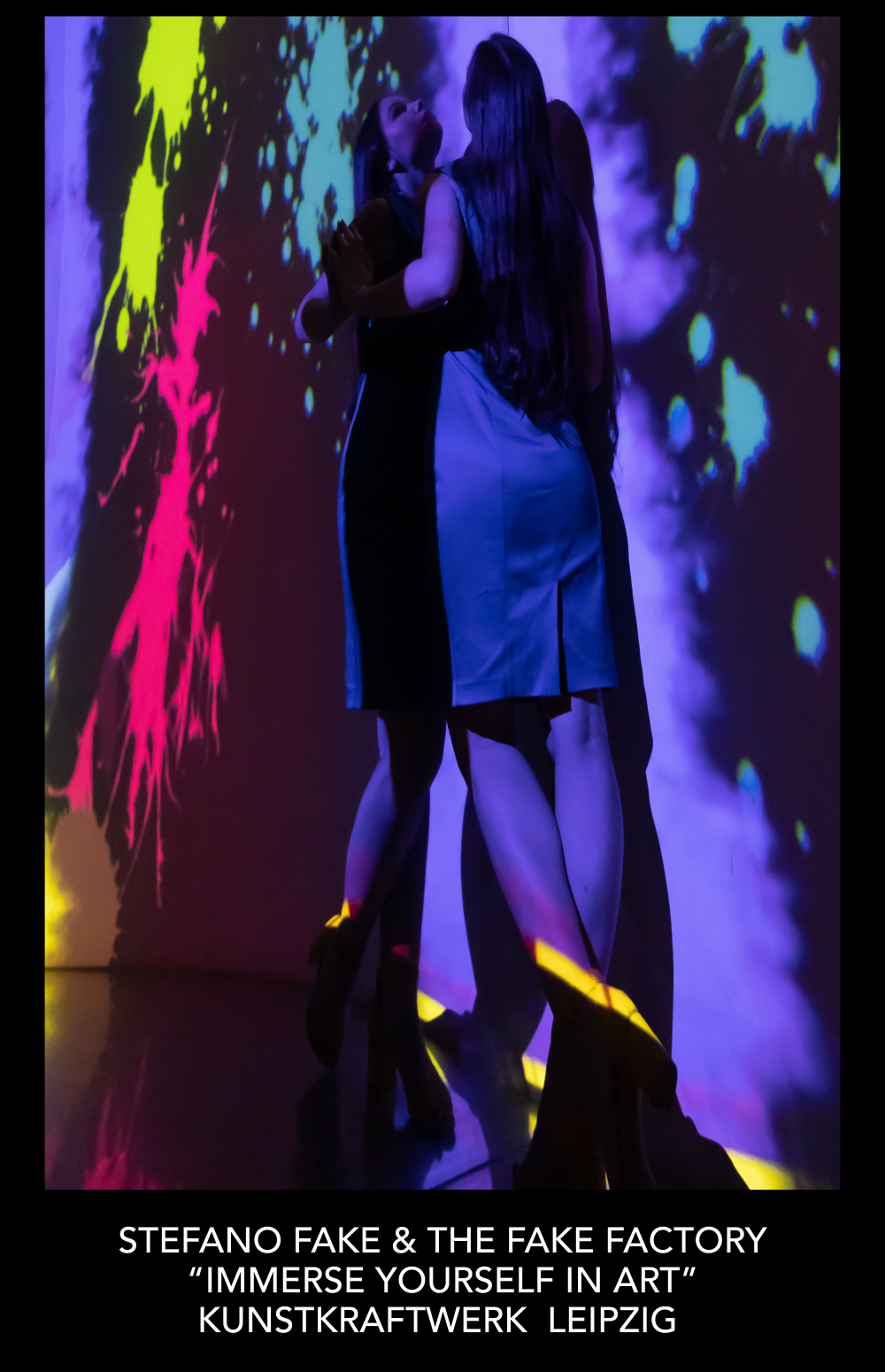
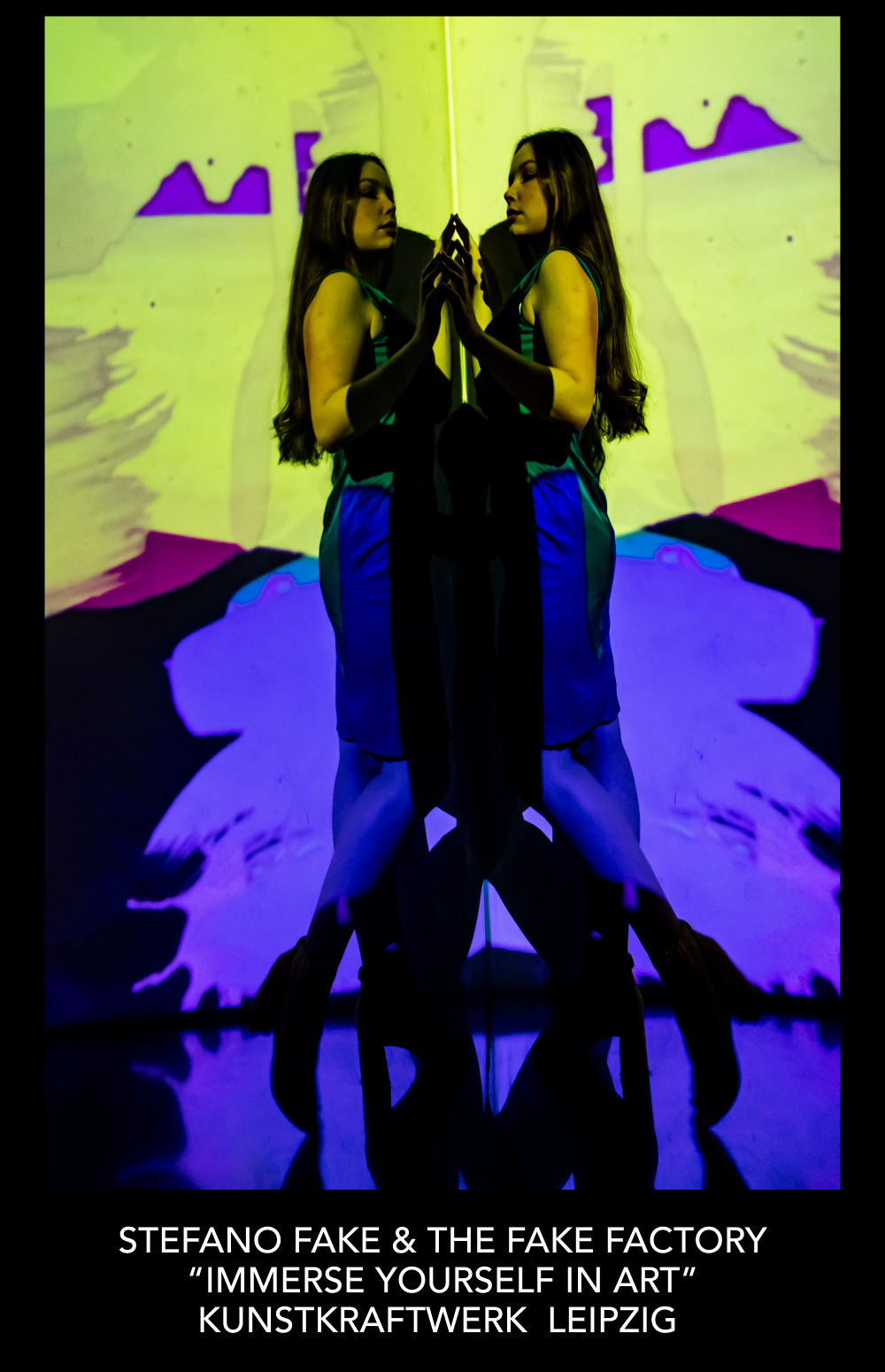
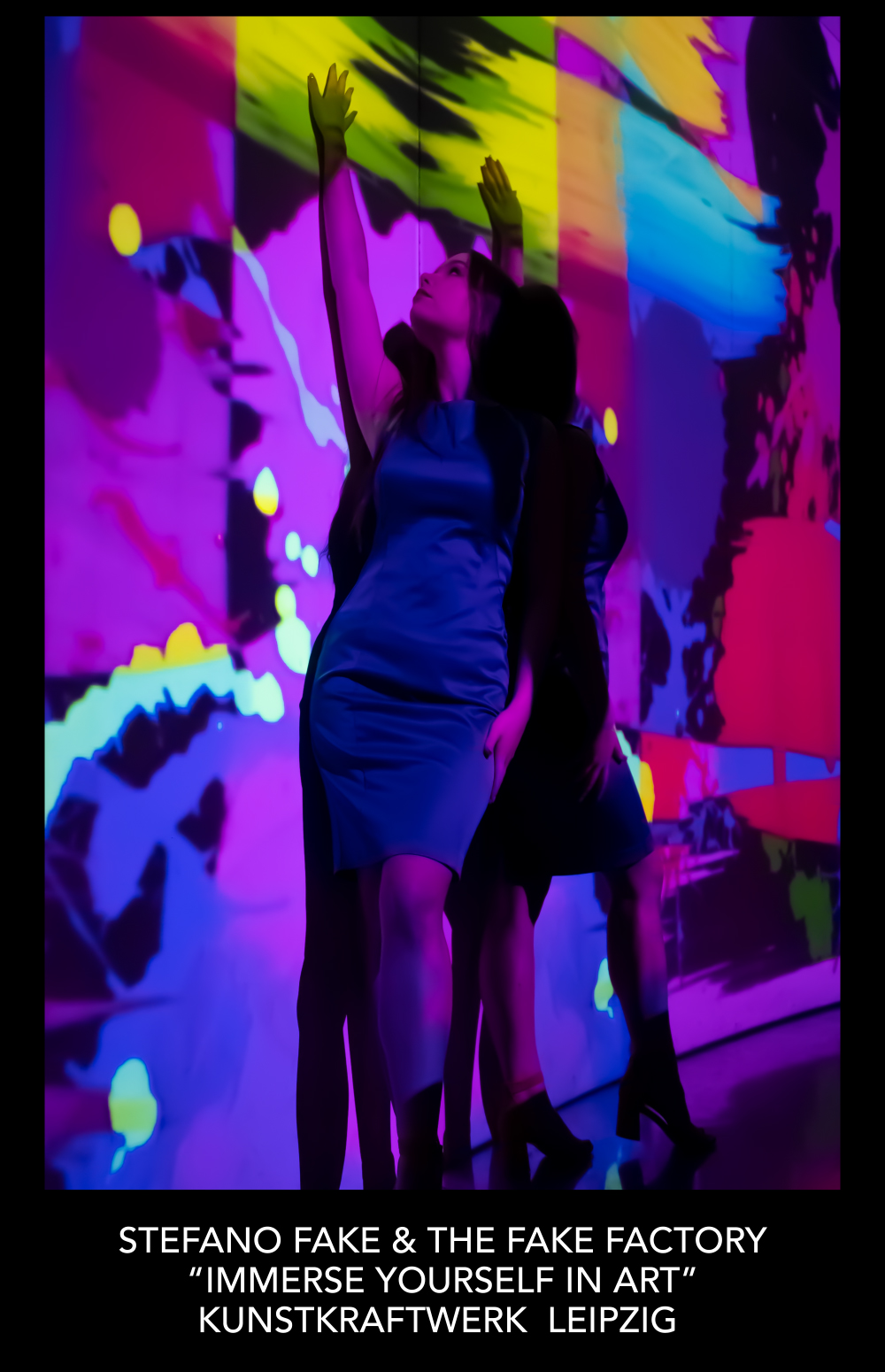
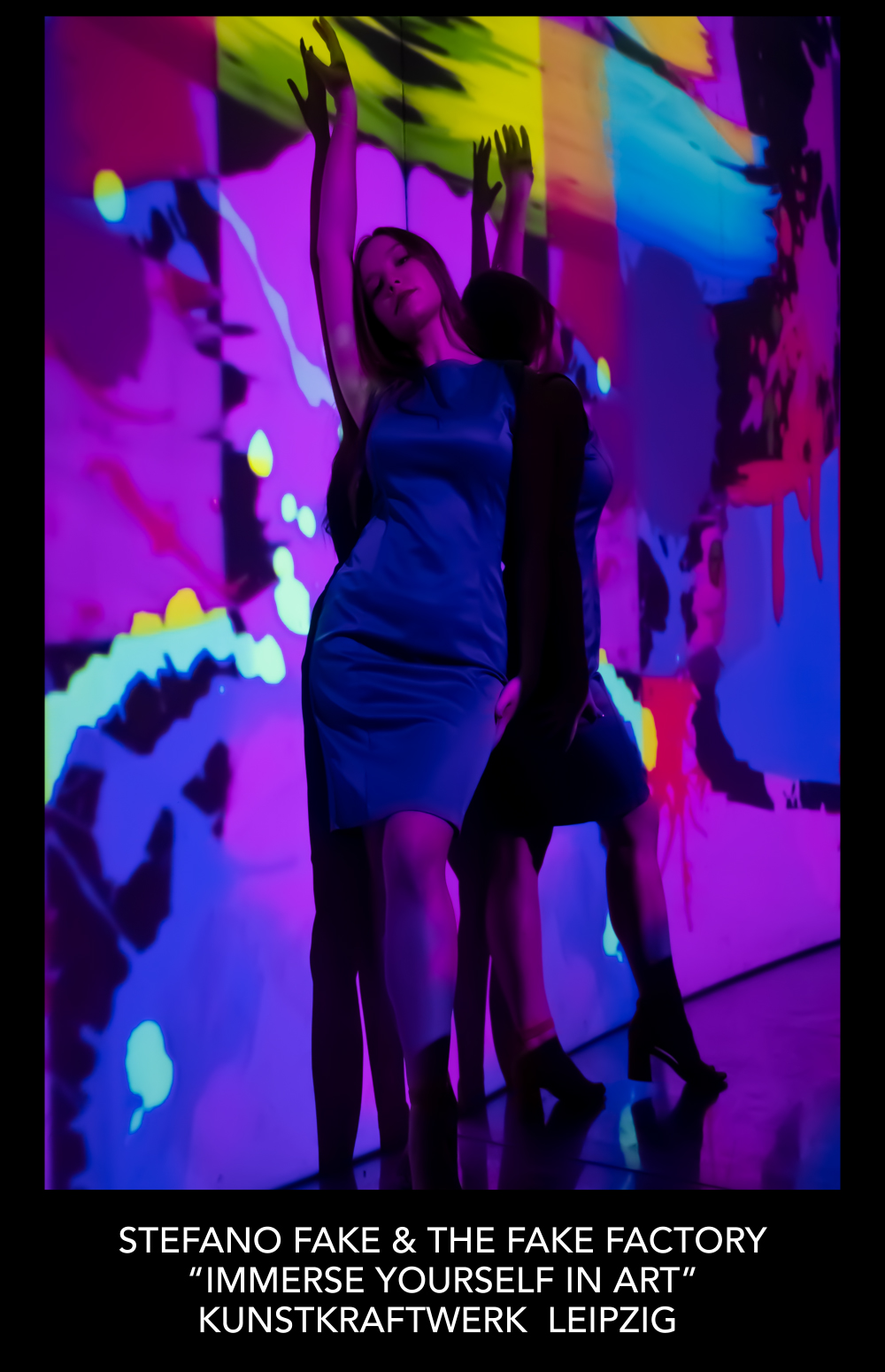
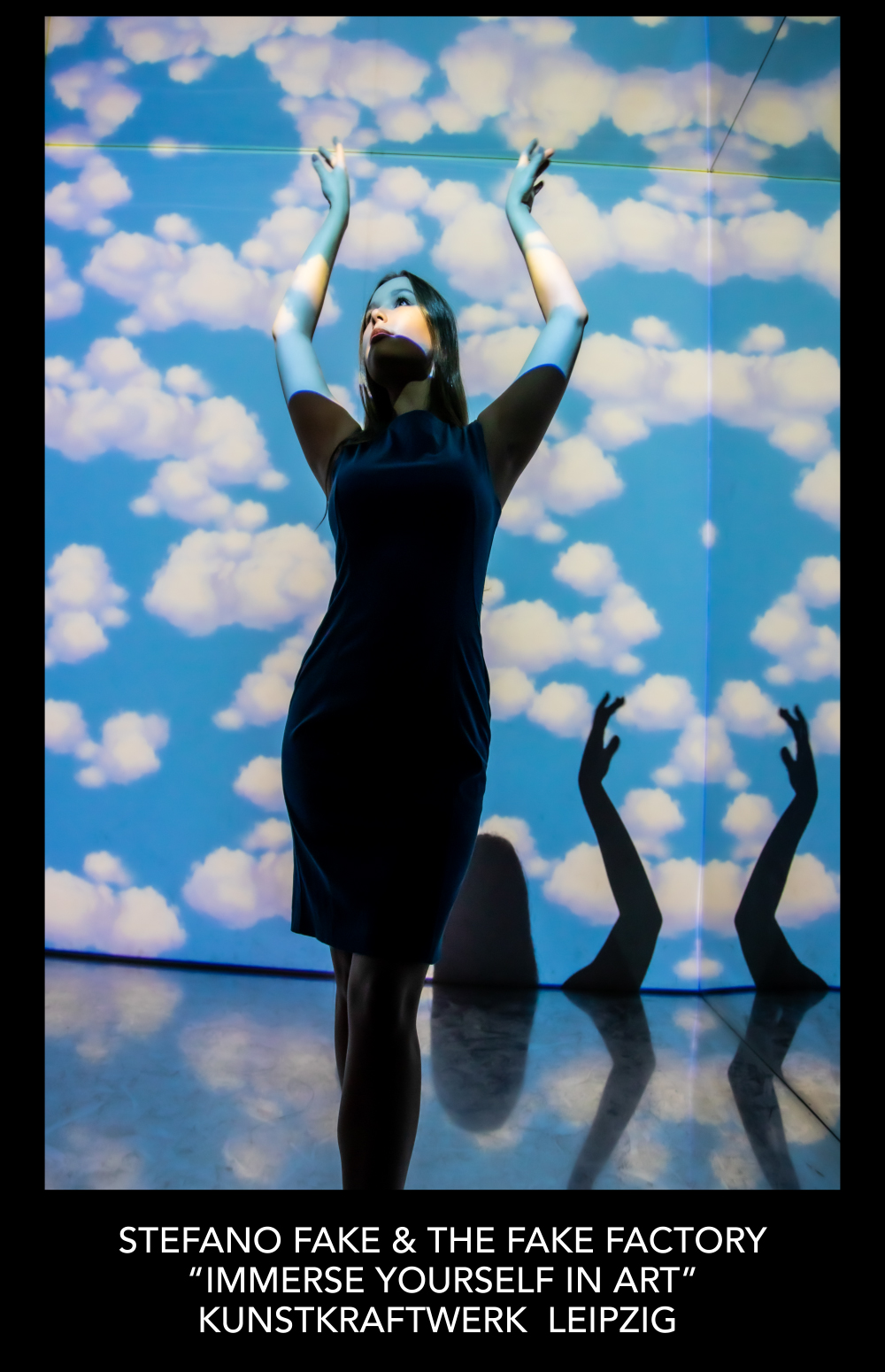
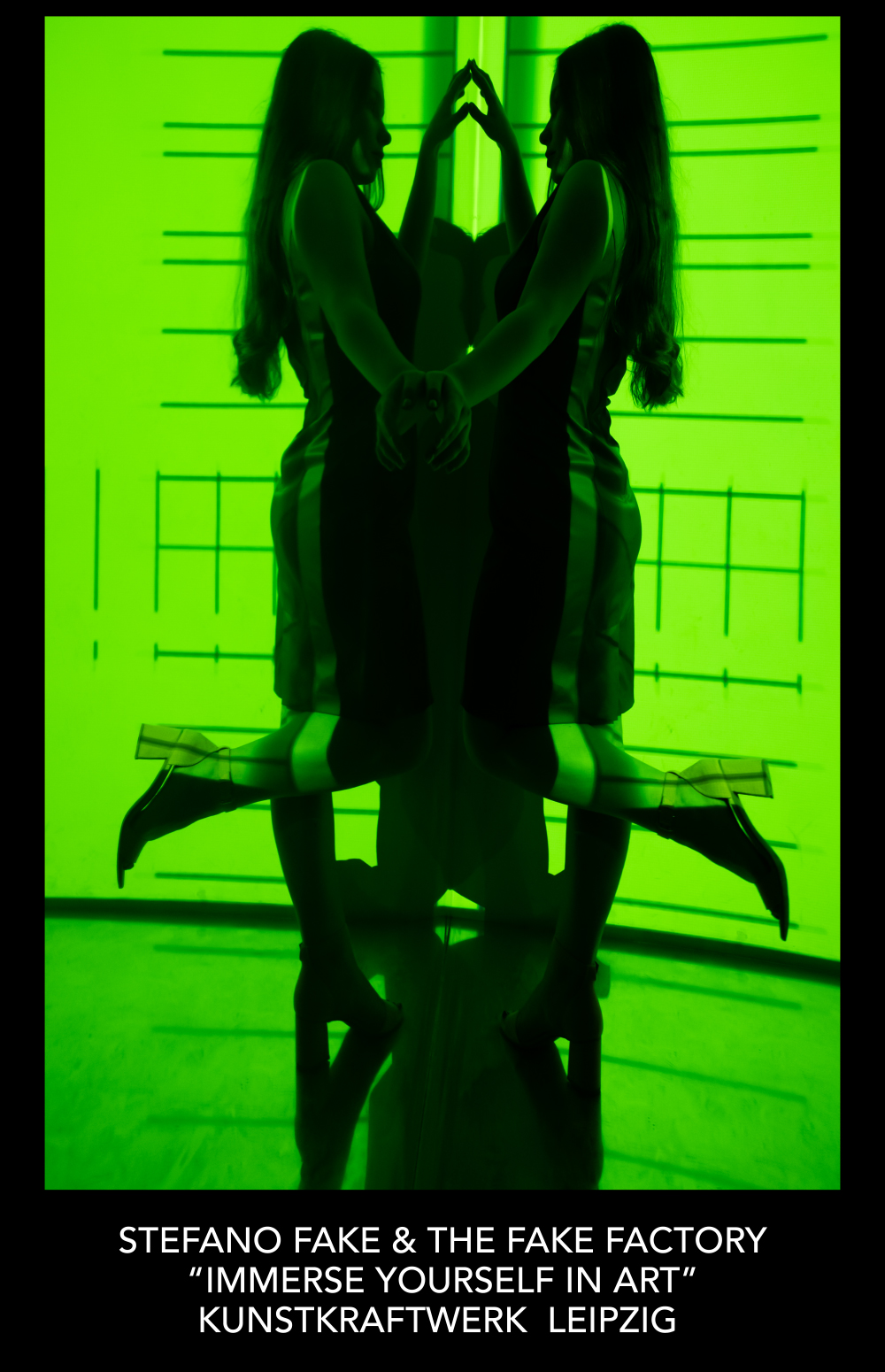
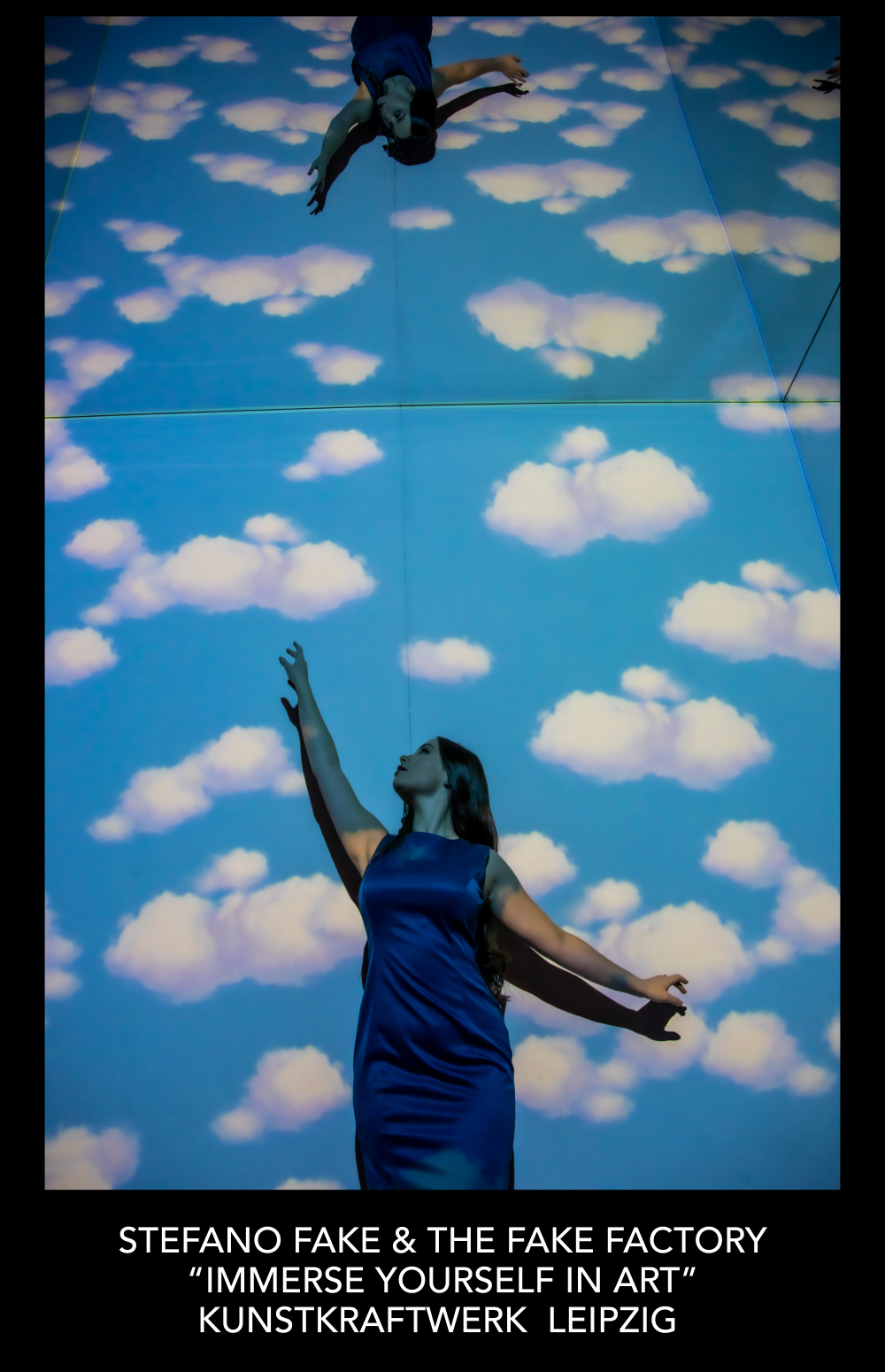
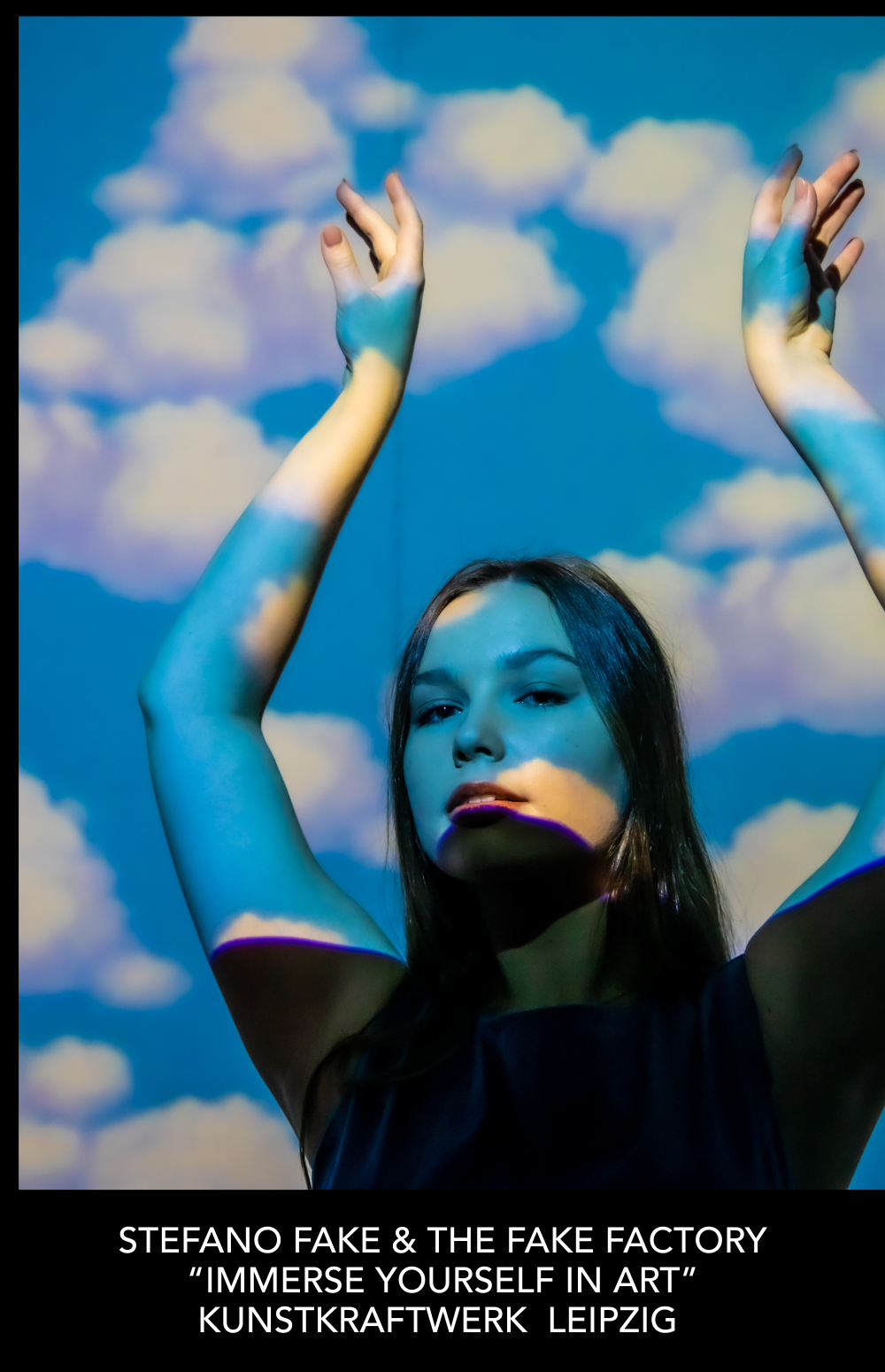
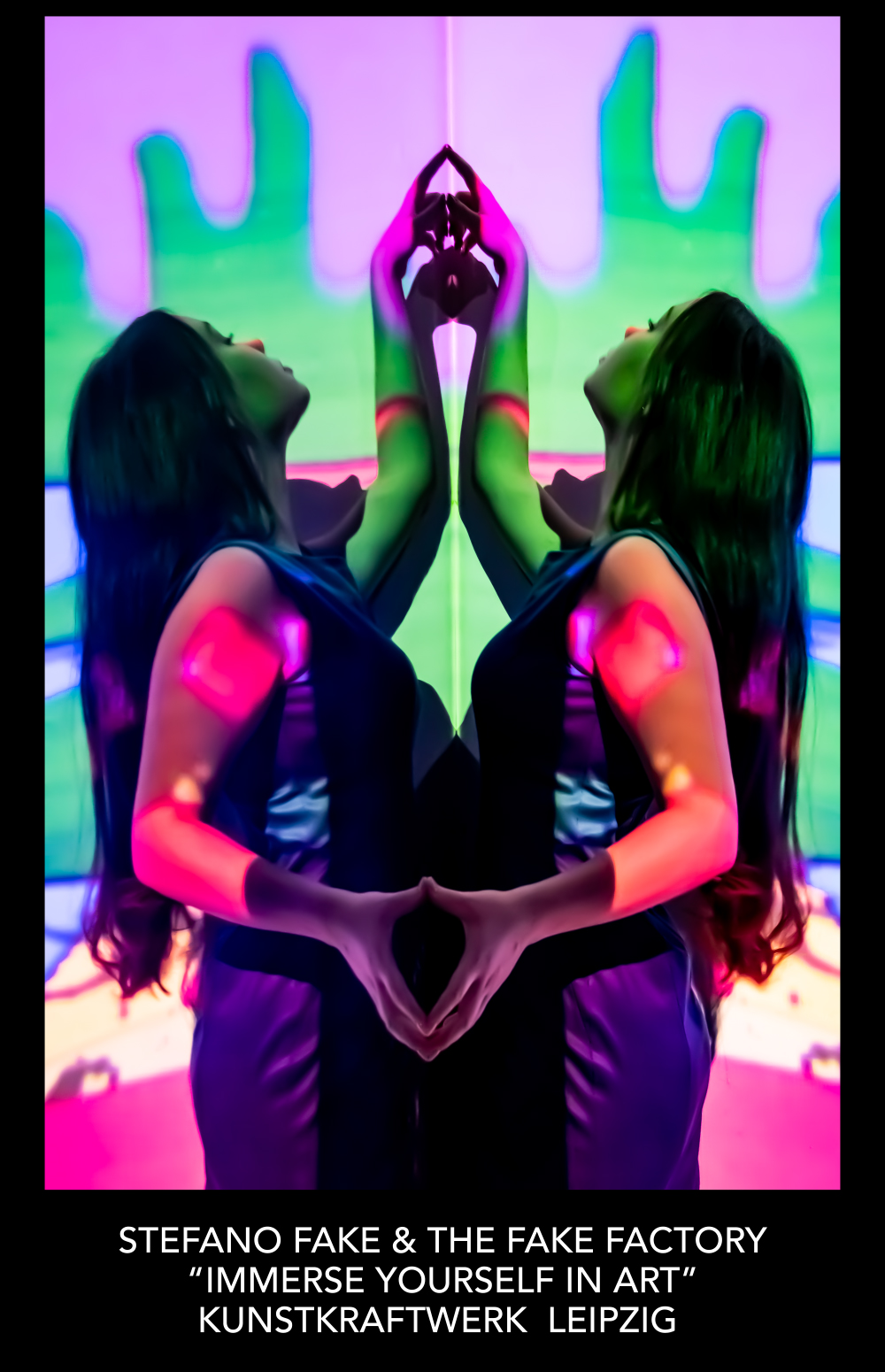
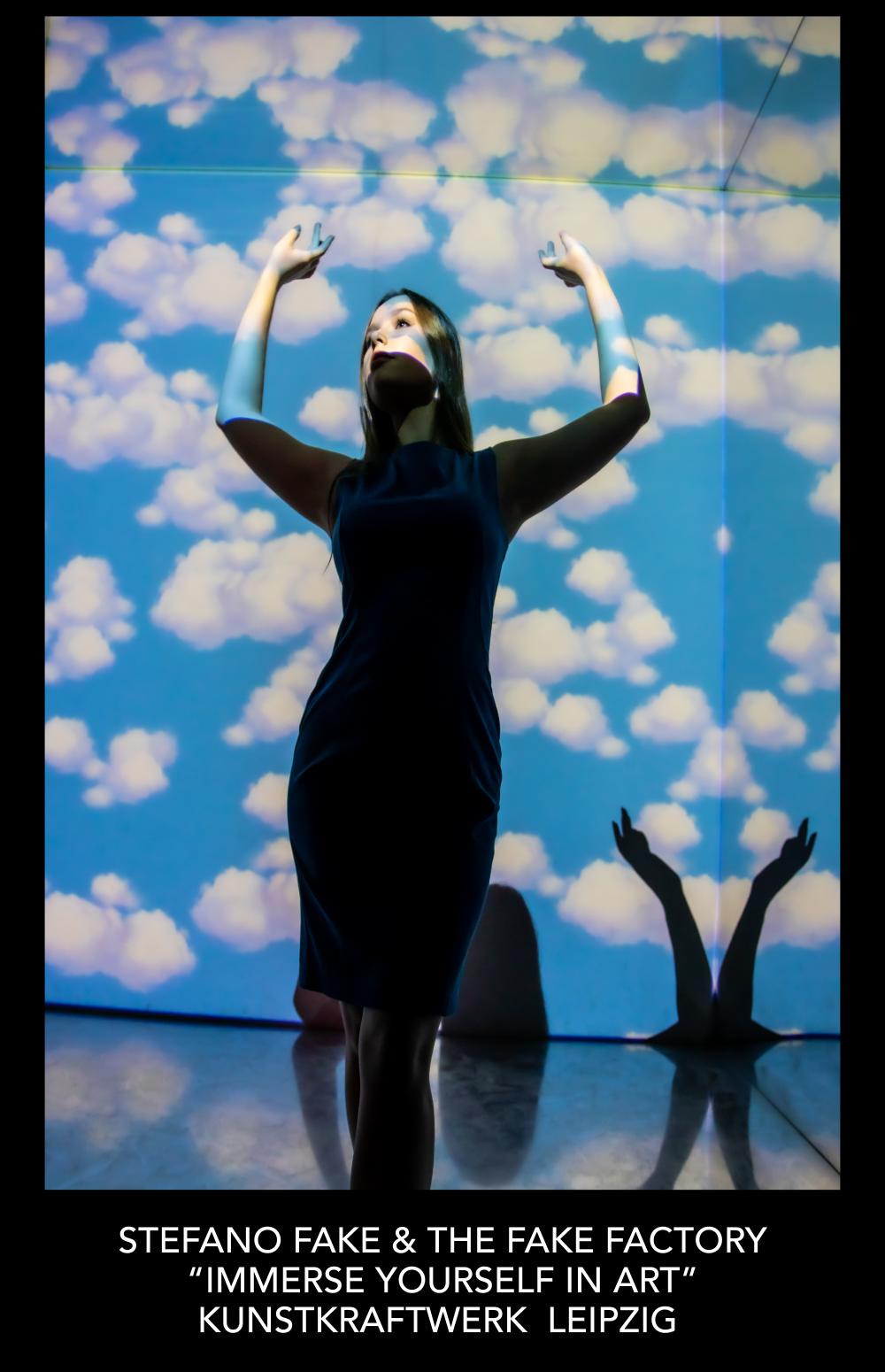
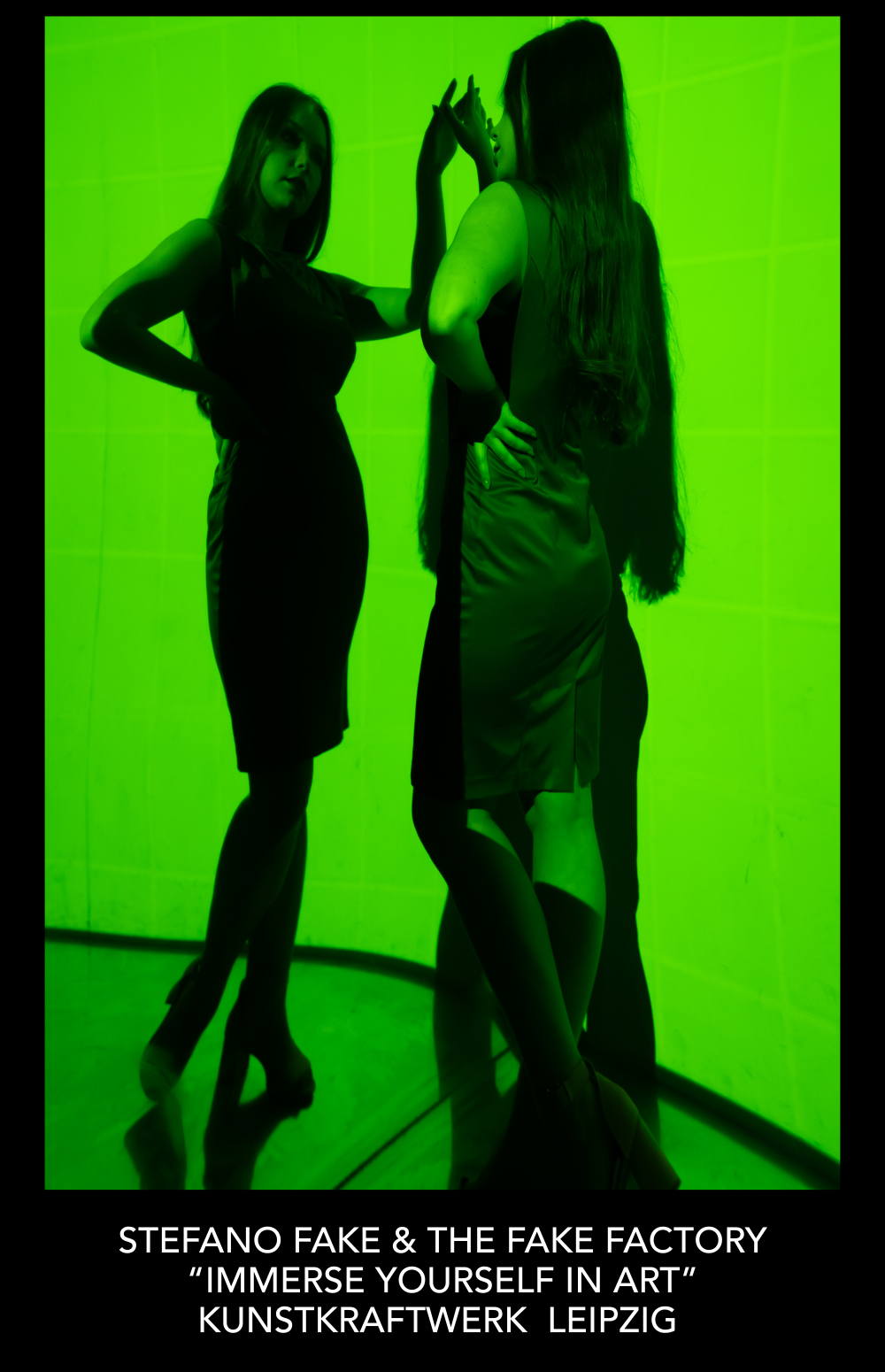
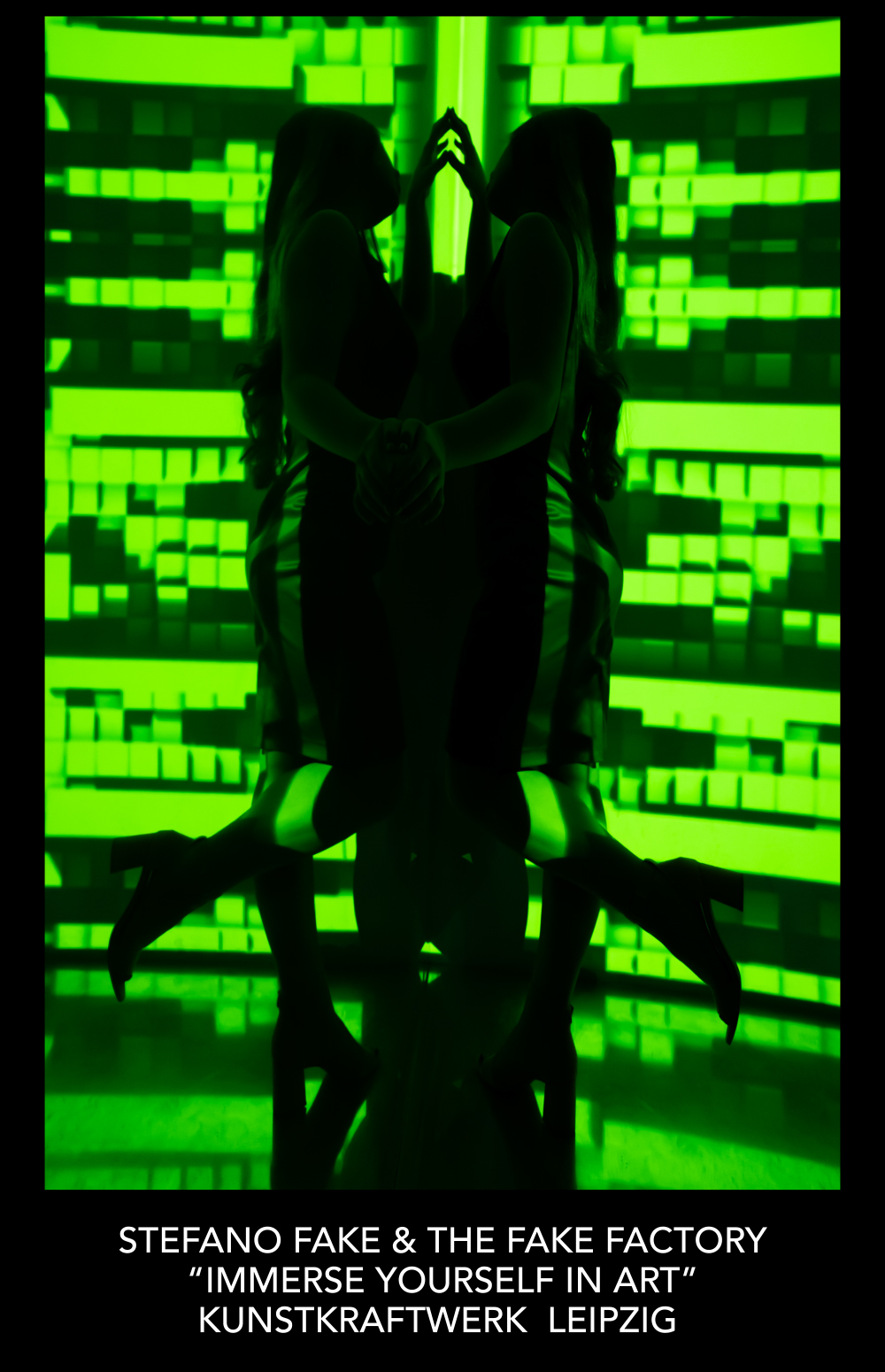
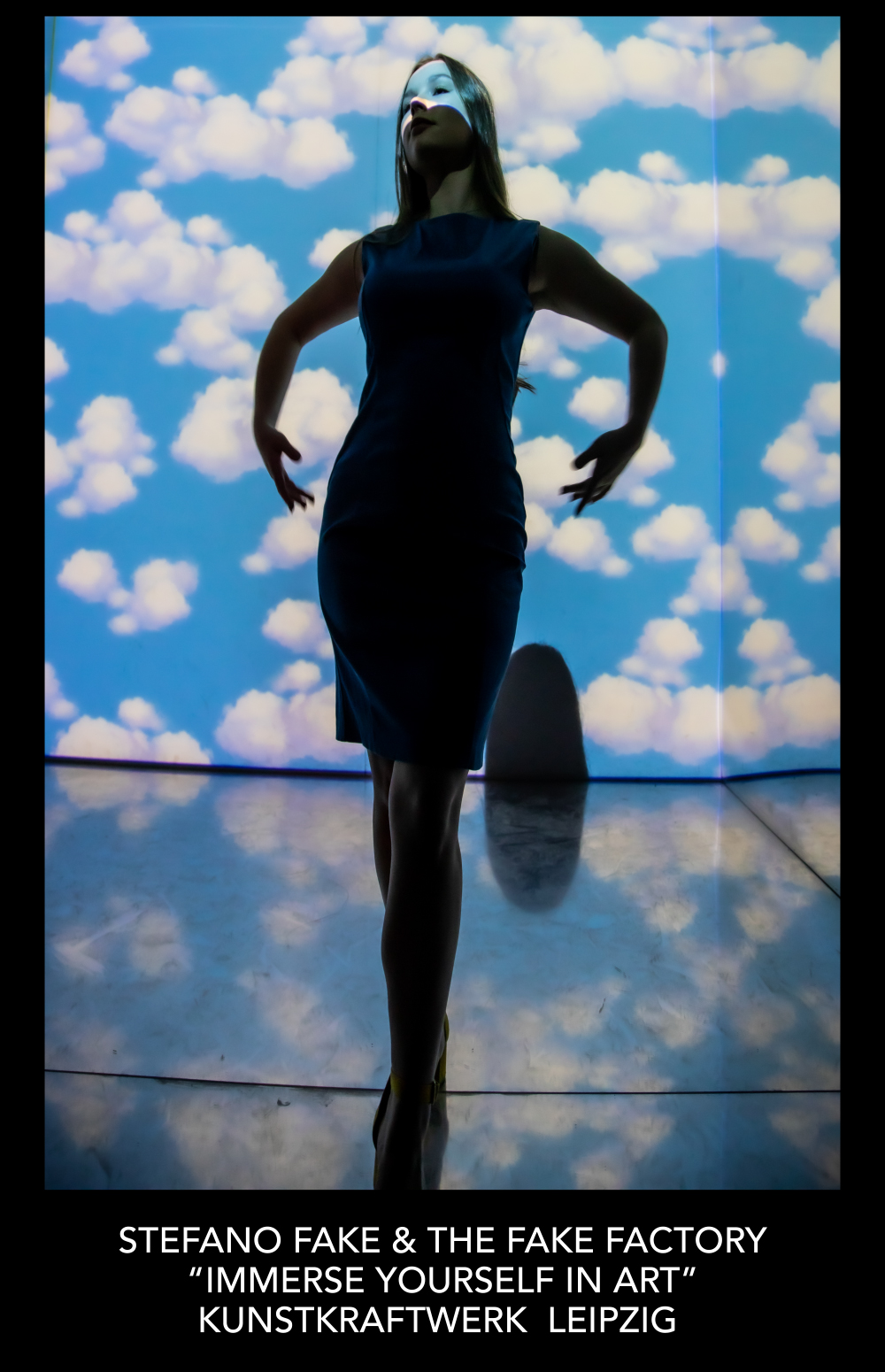
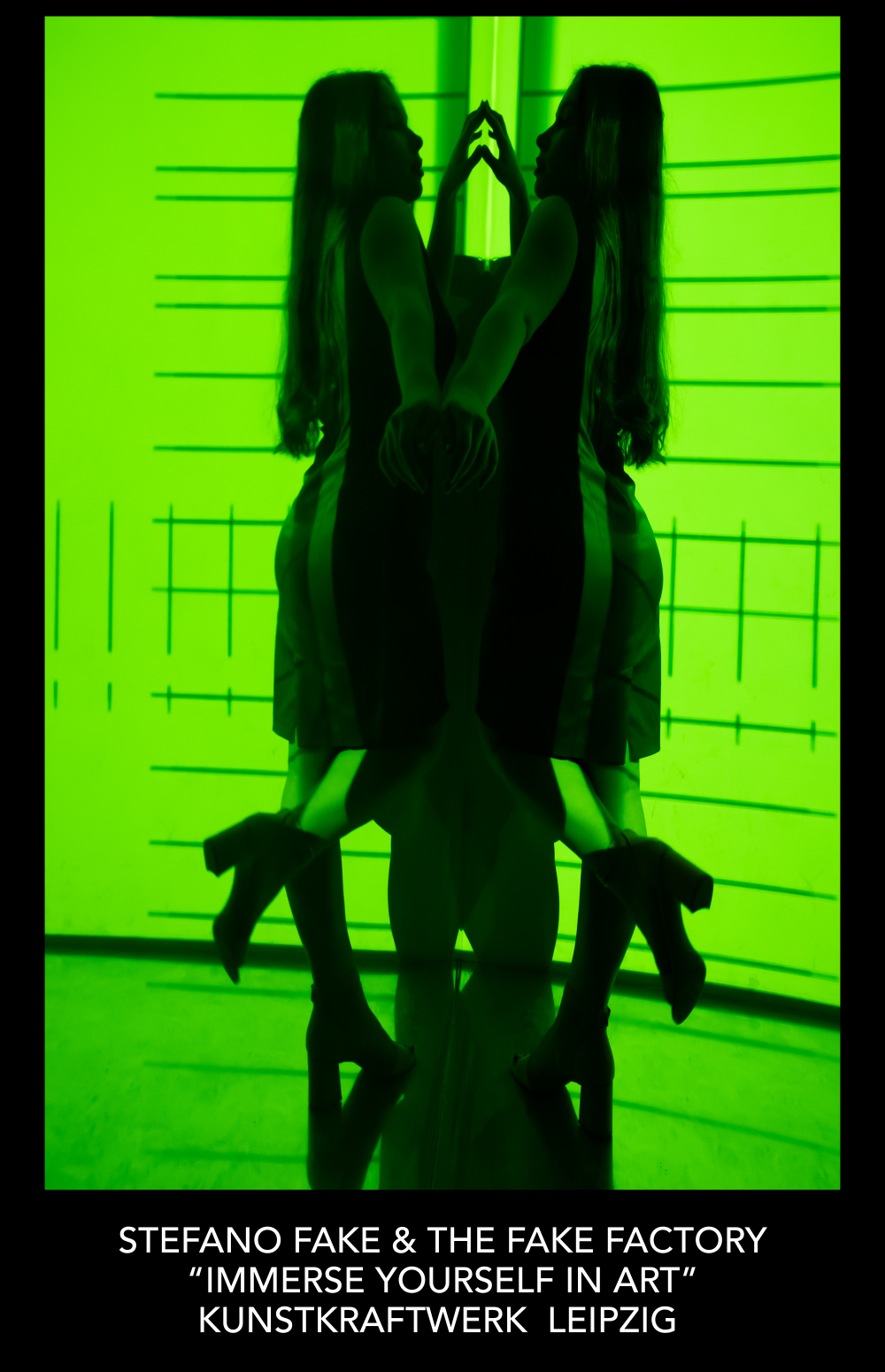
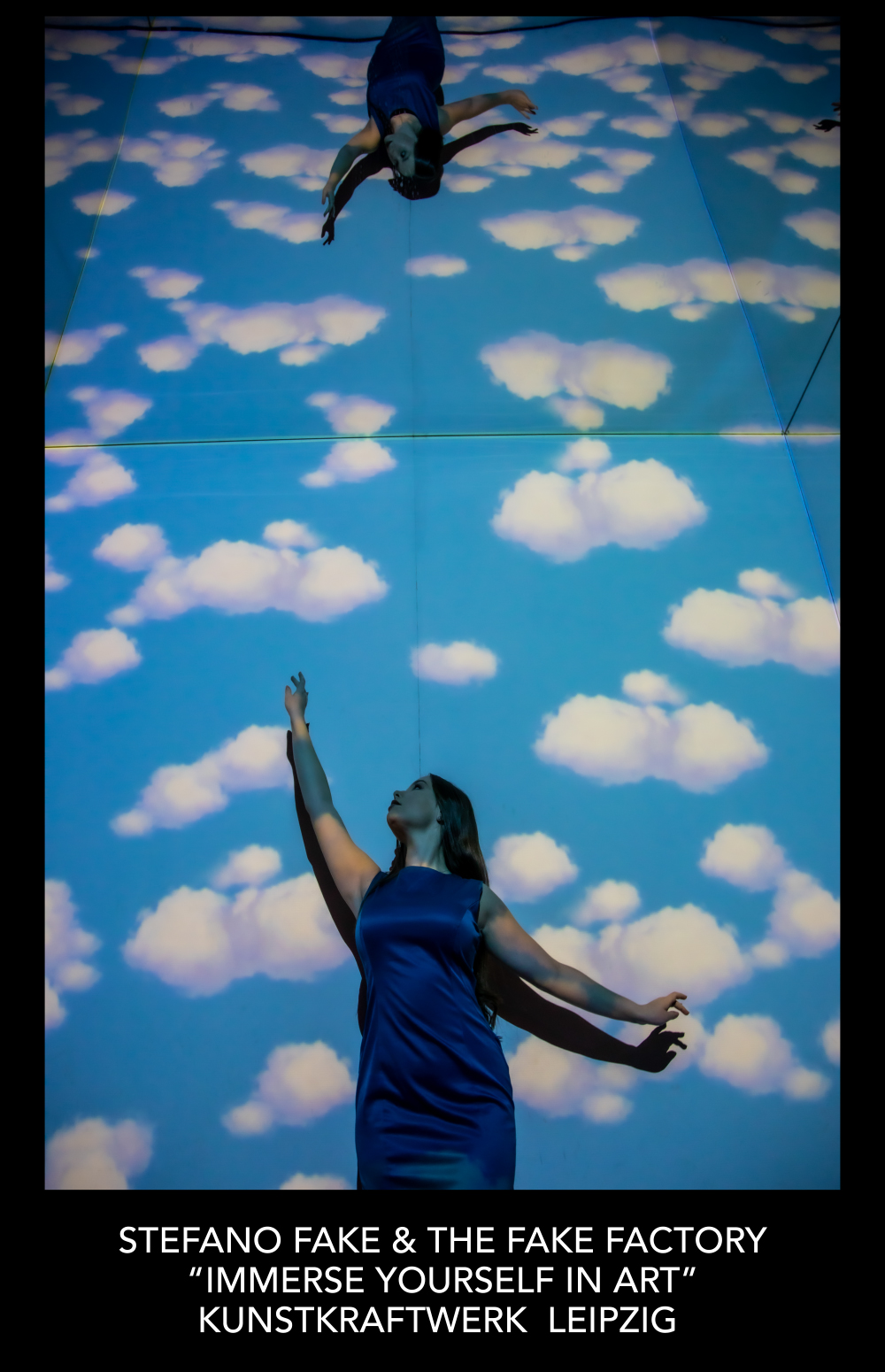
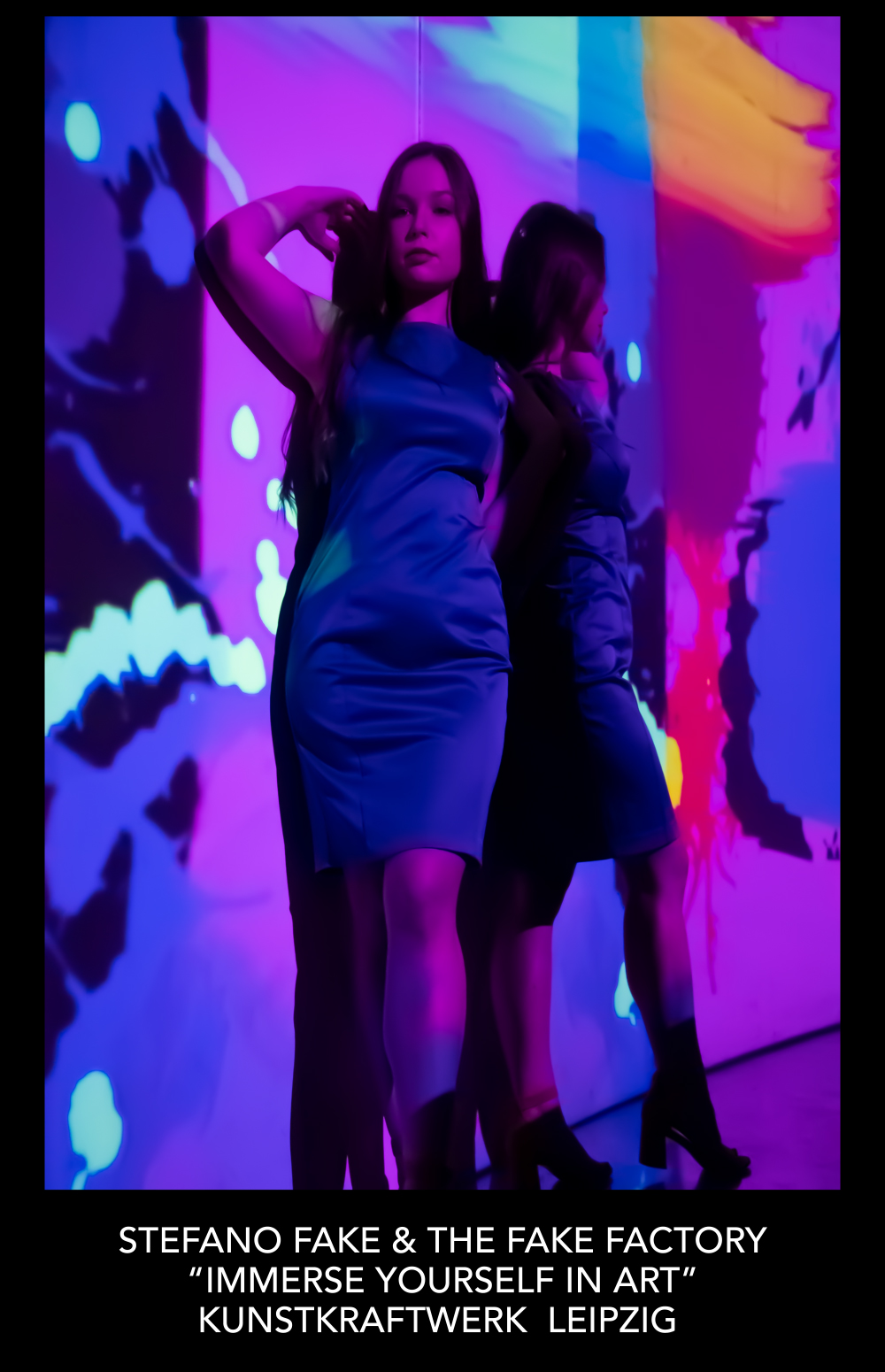
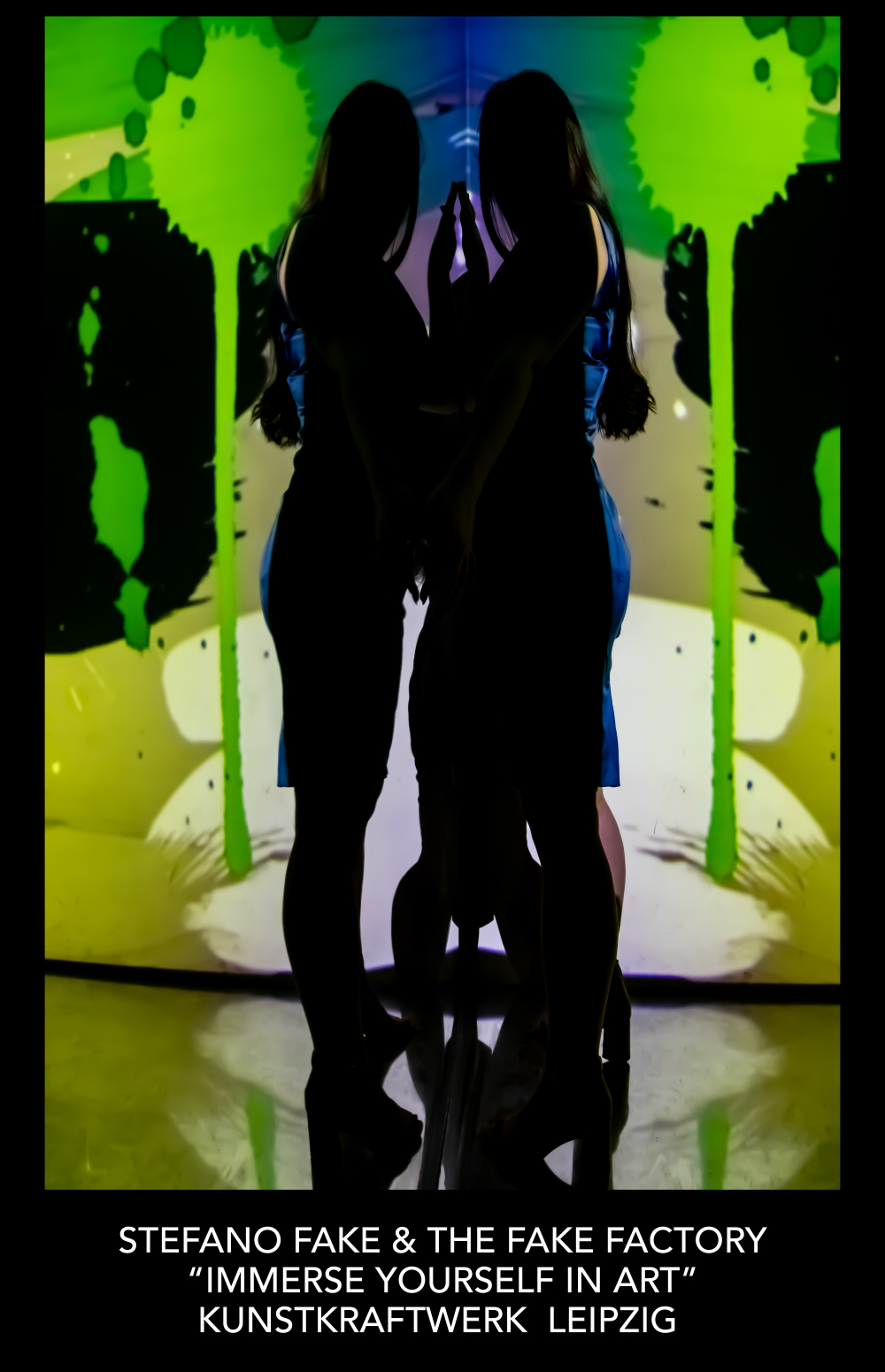
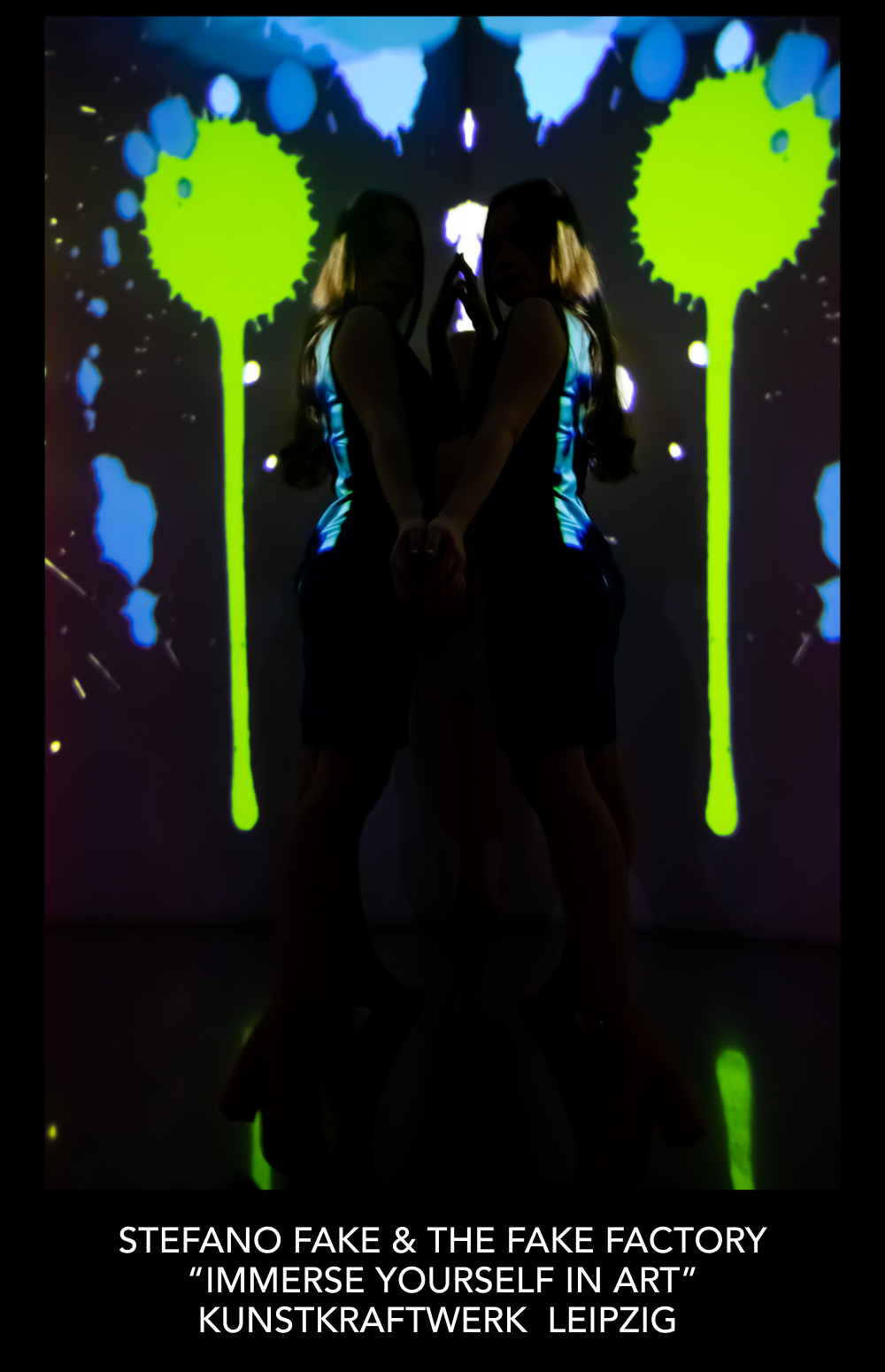
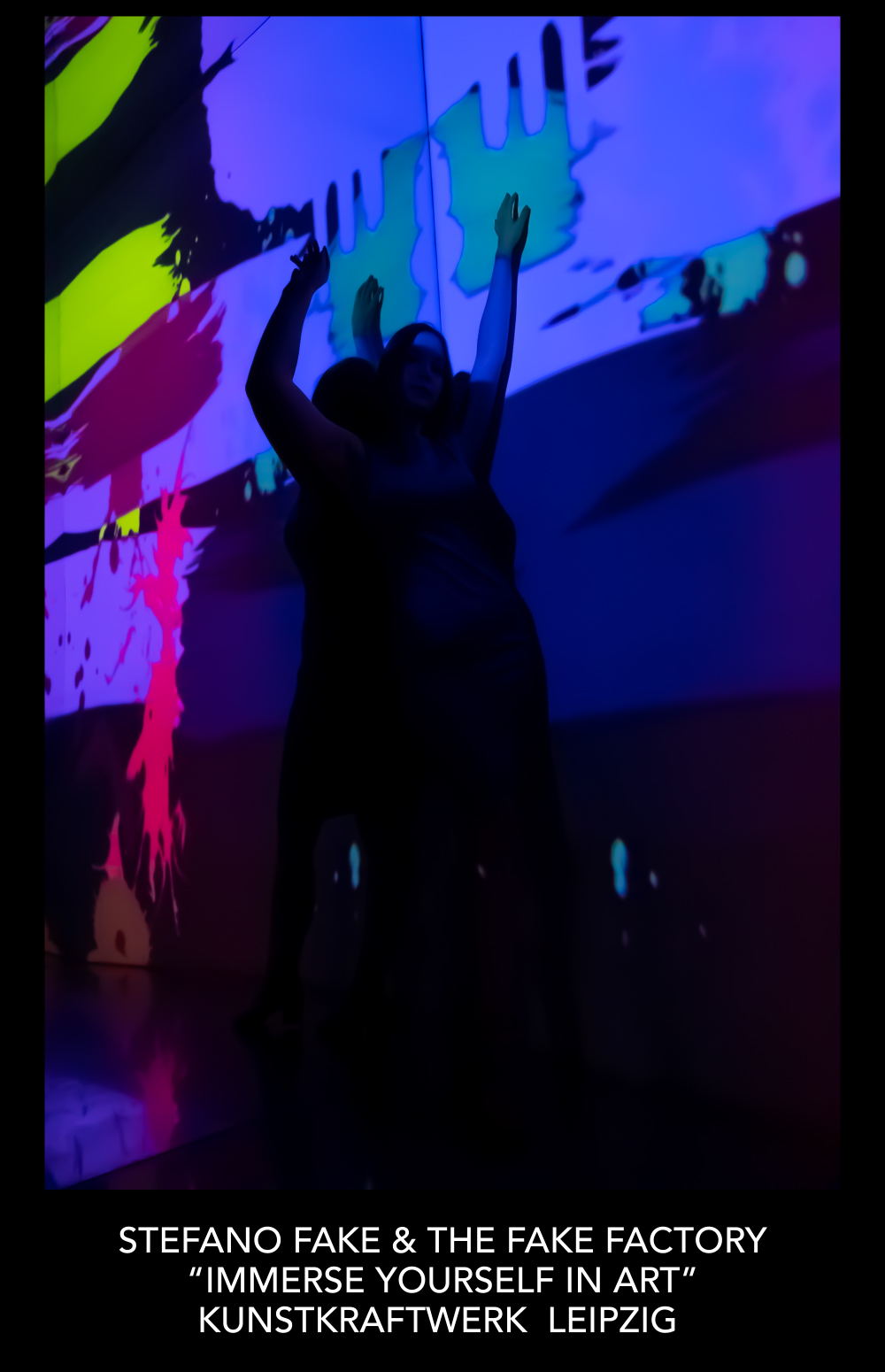
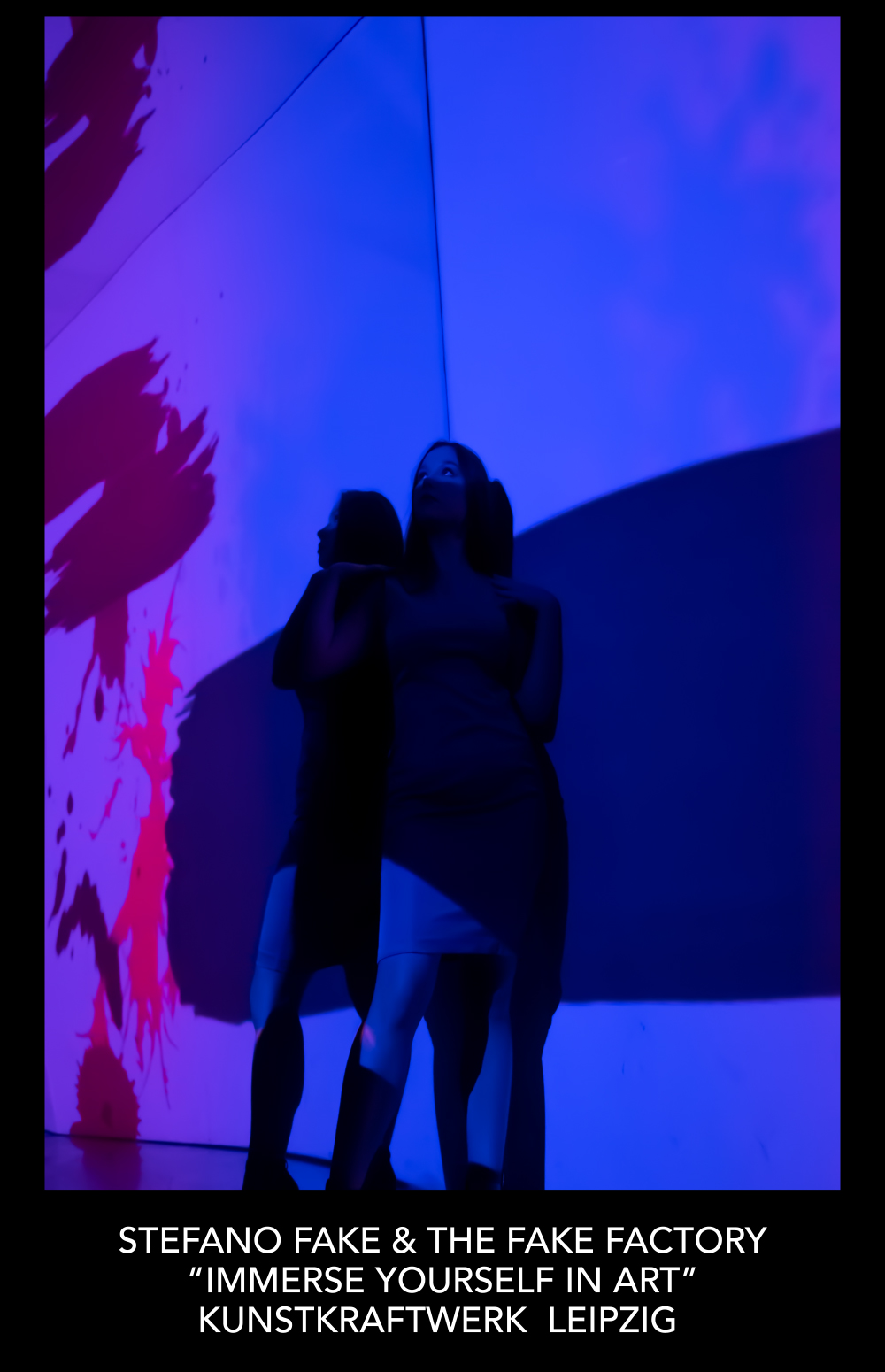
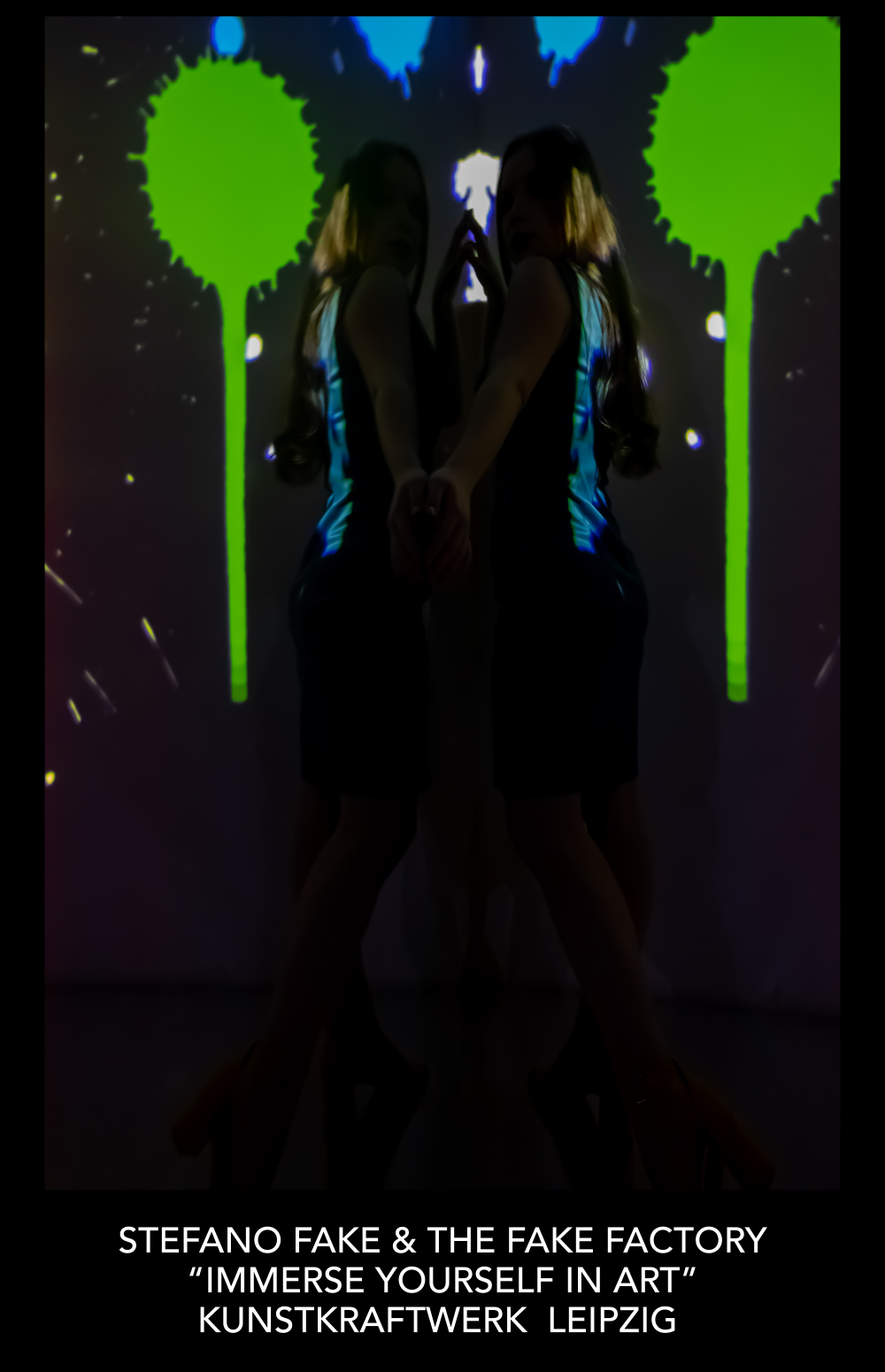
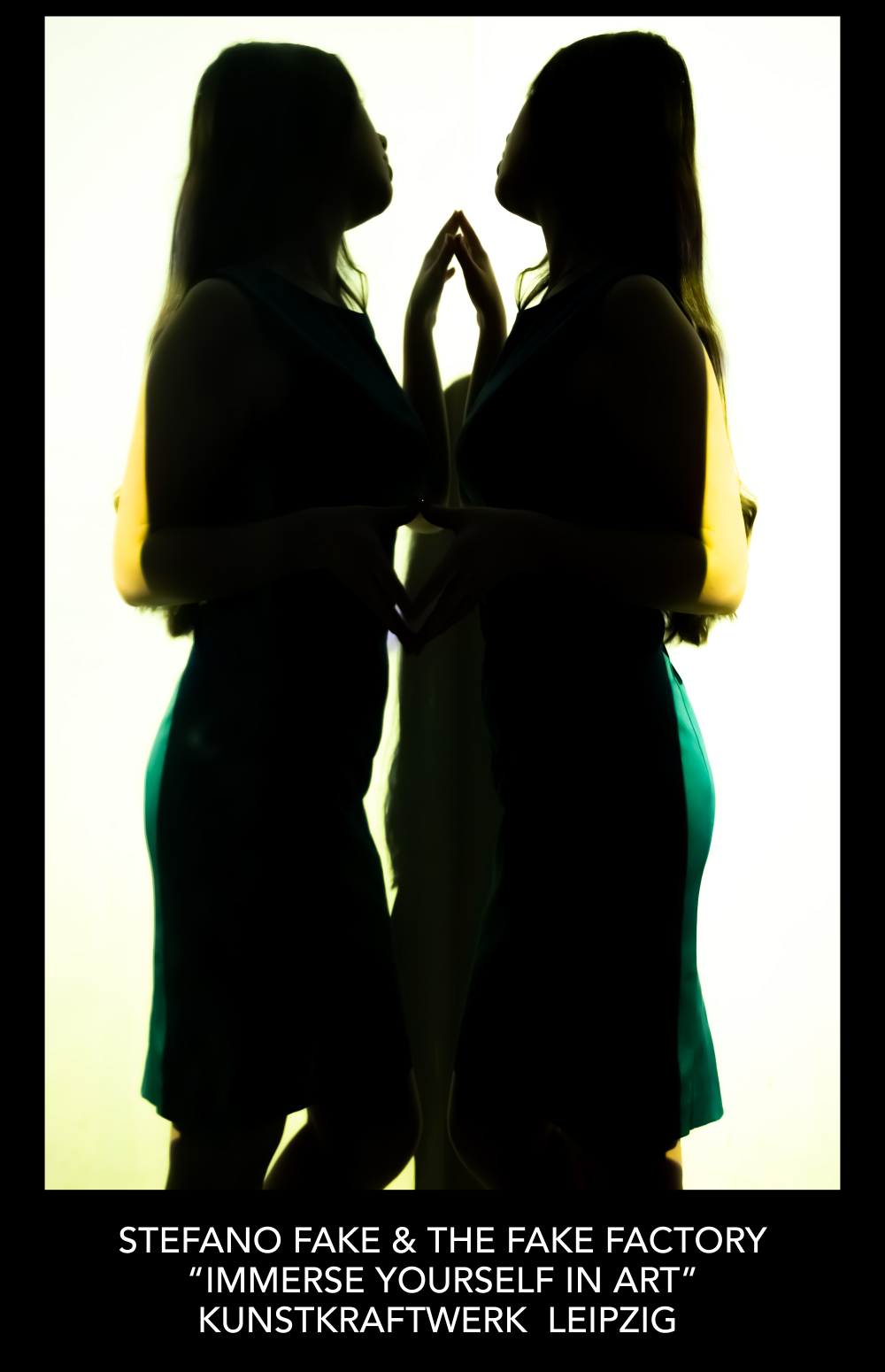
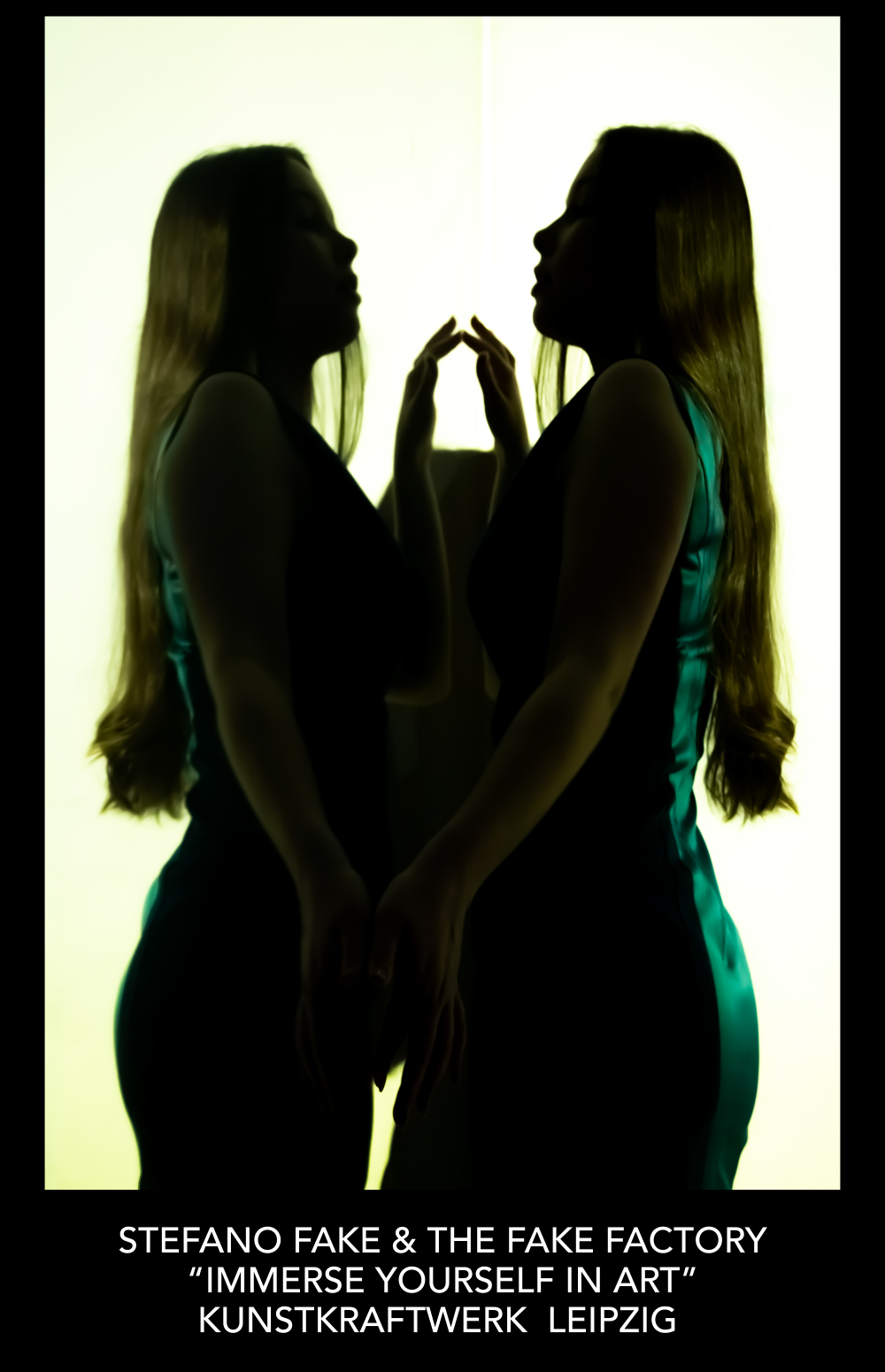
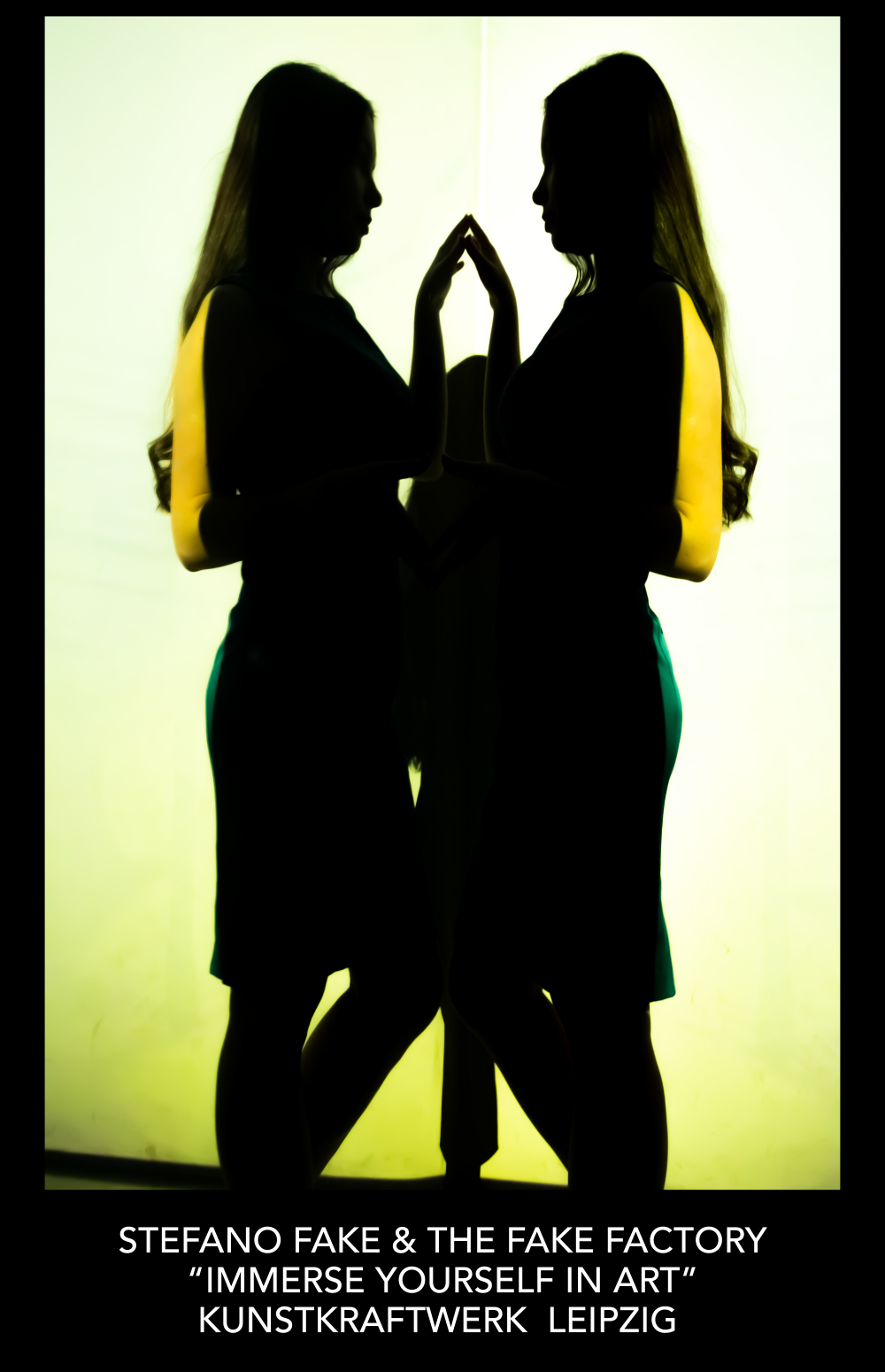
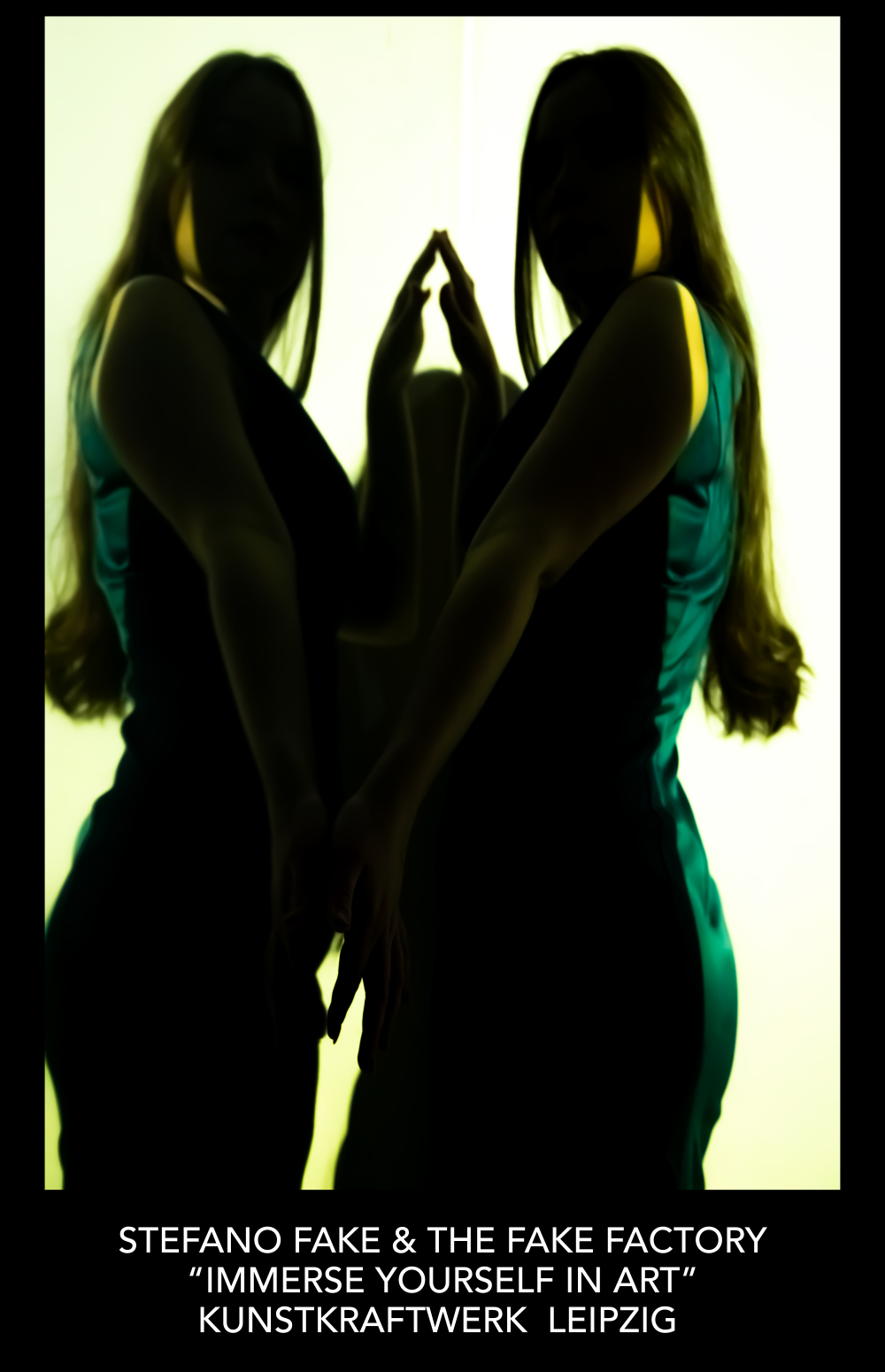
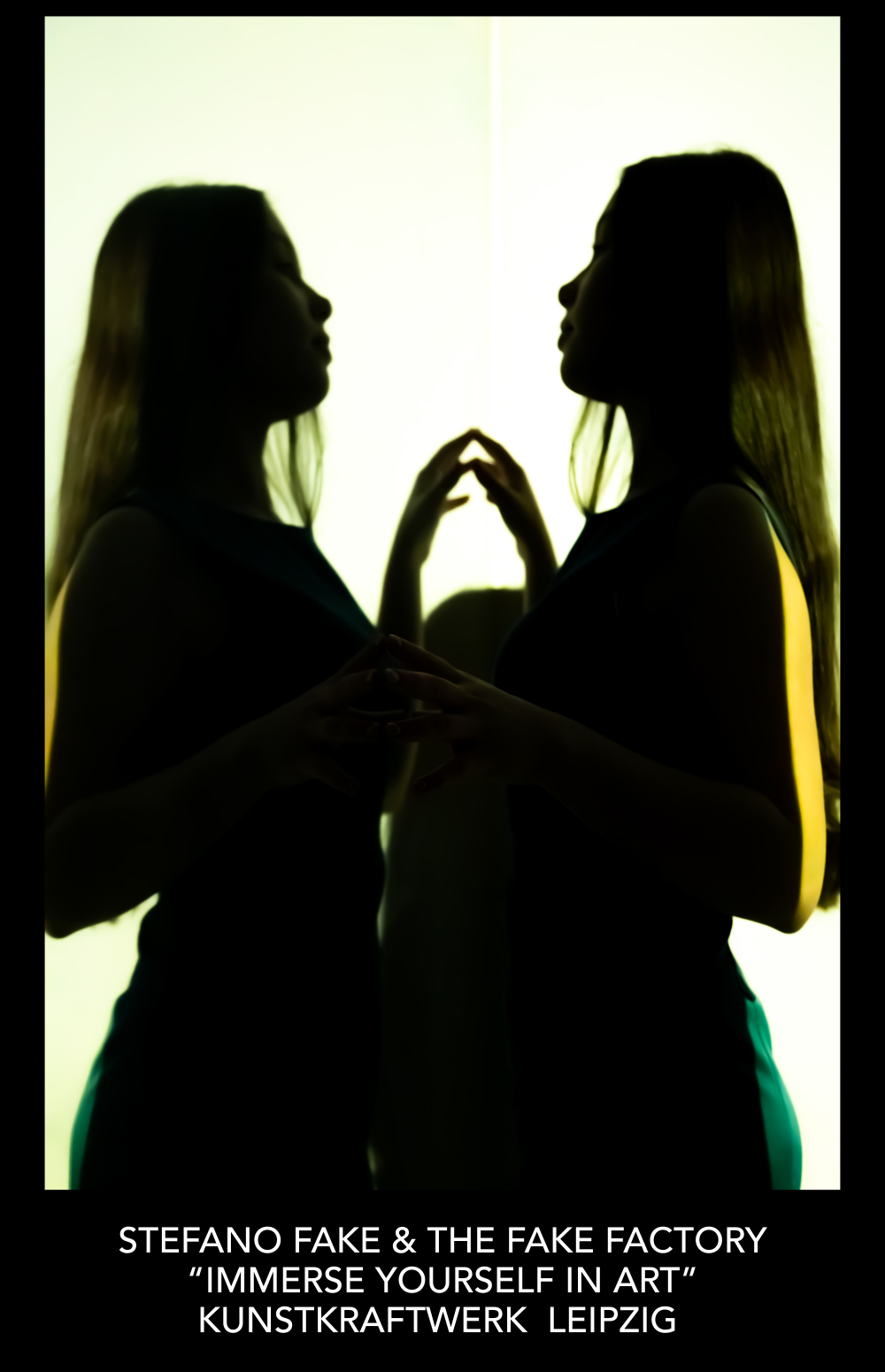
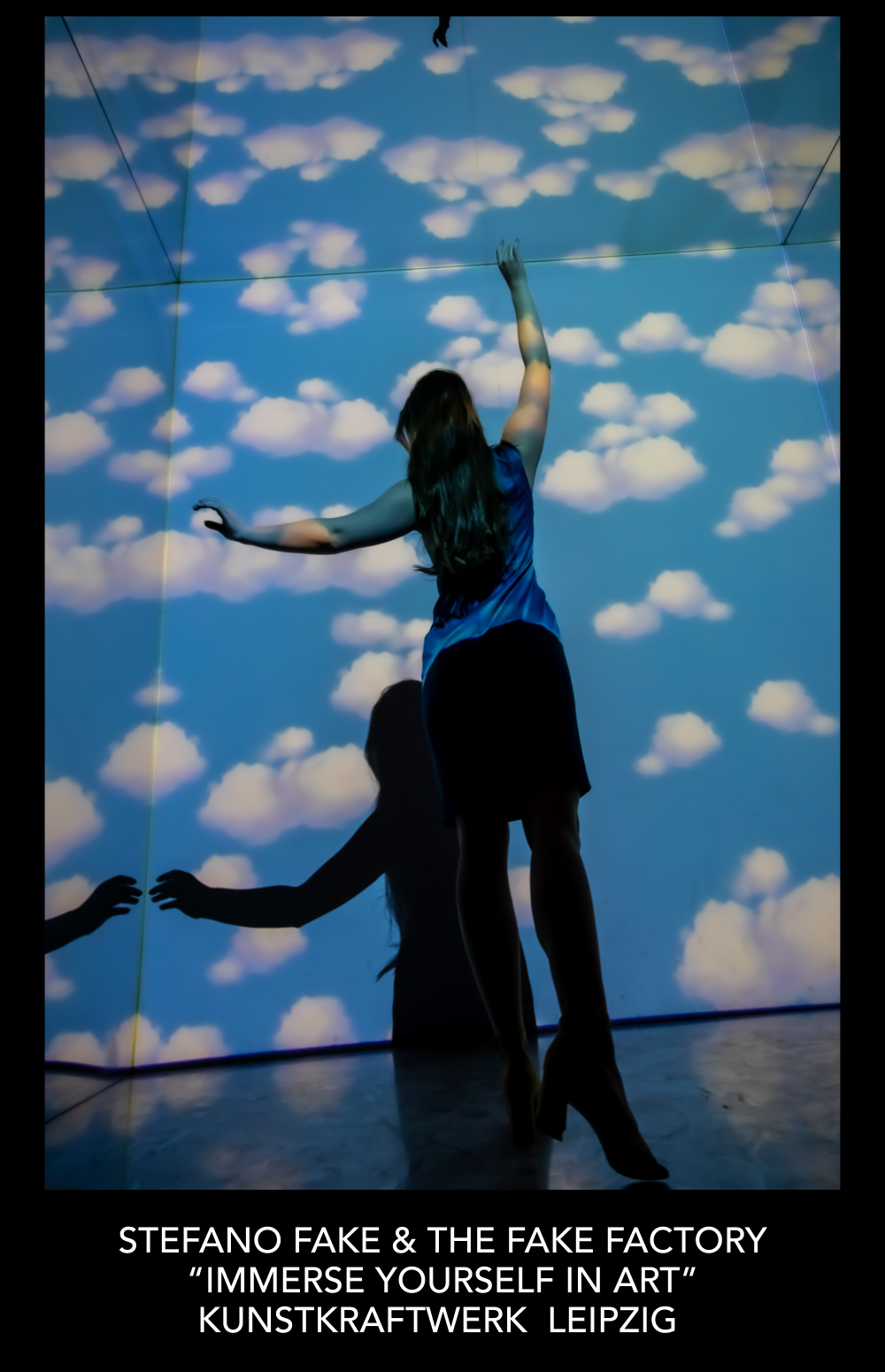
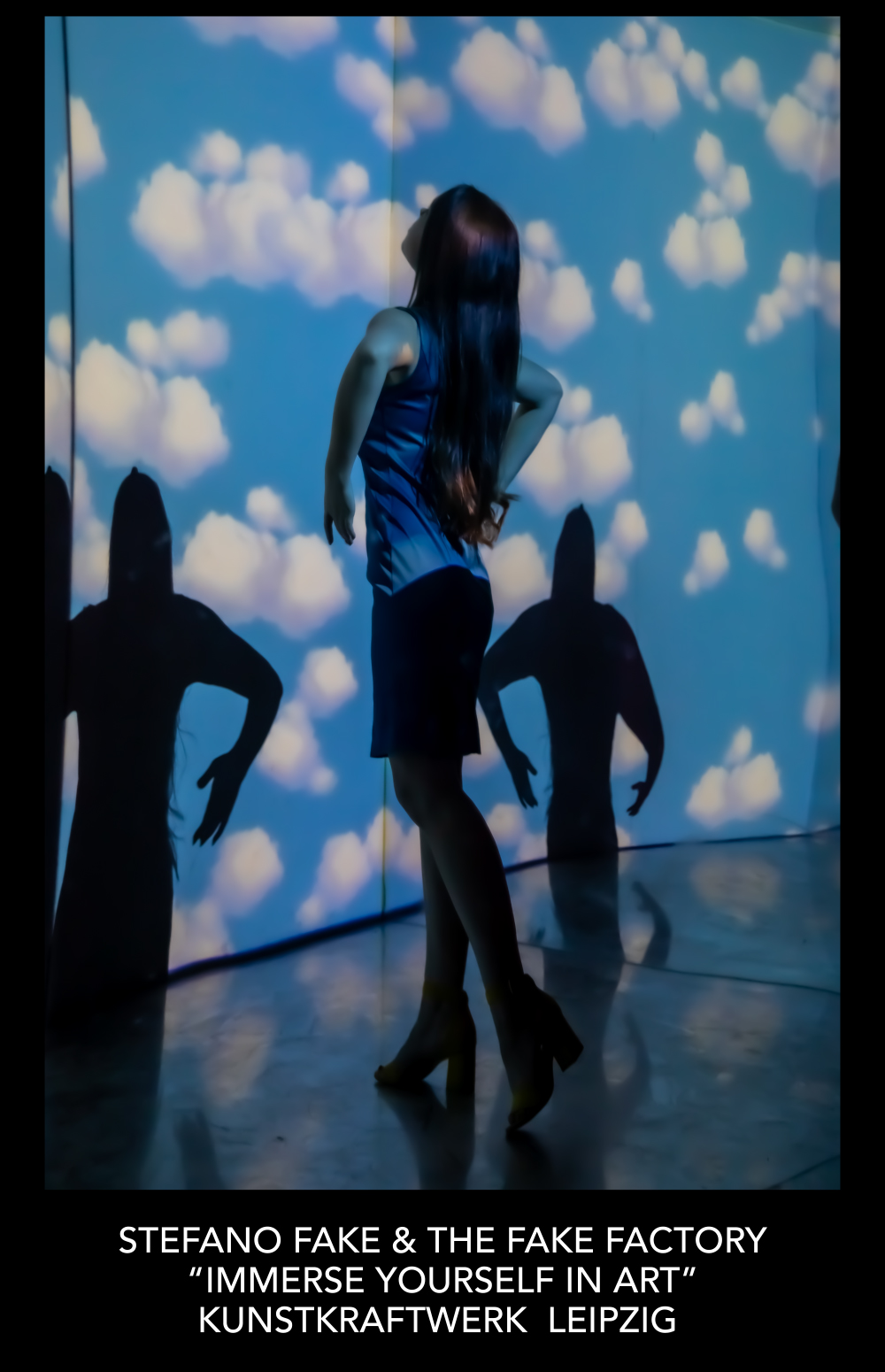
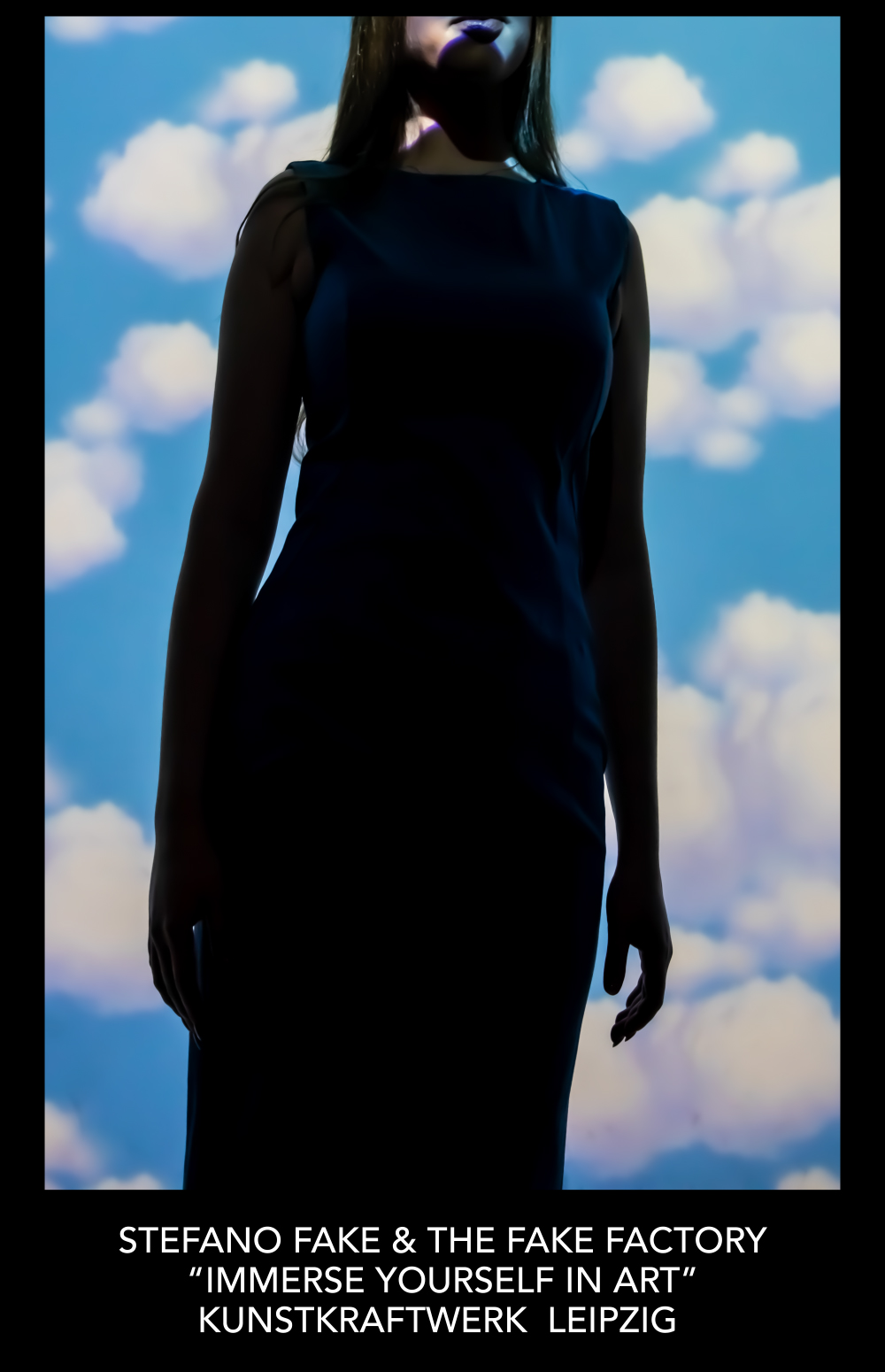
The viewer/actor is an integral part of the immersive work.











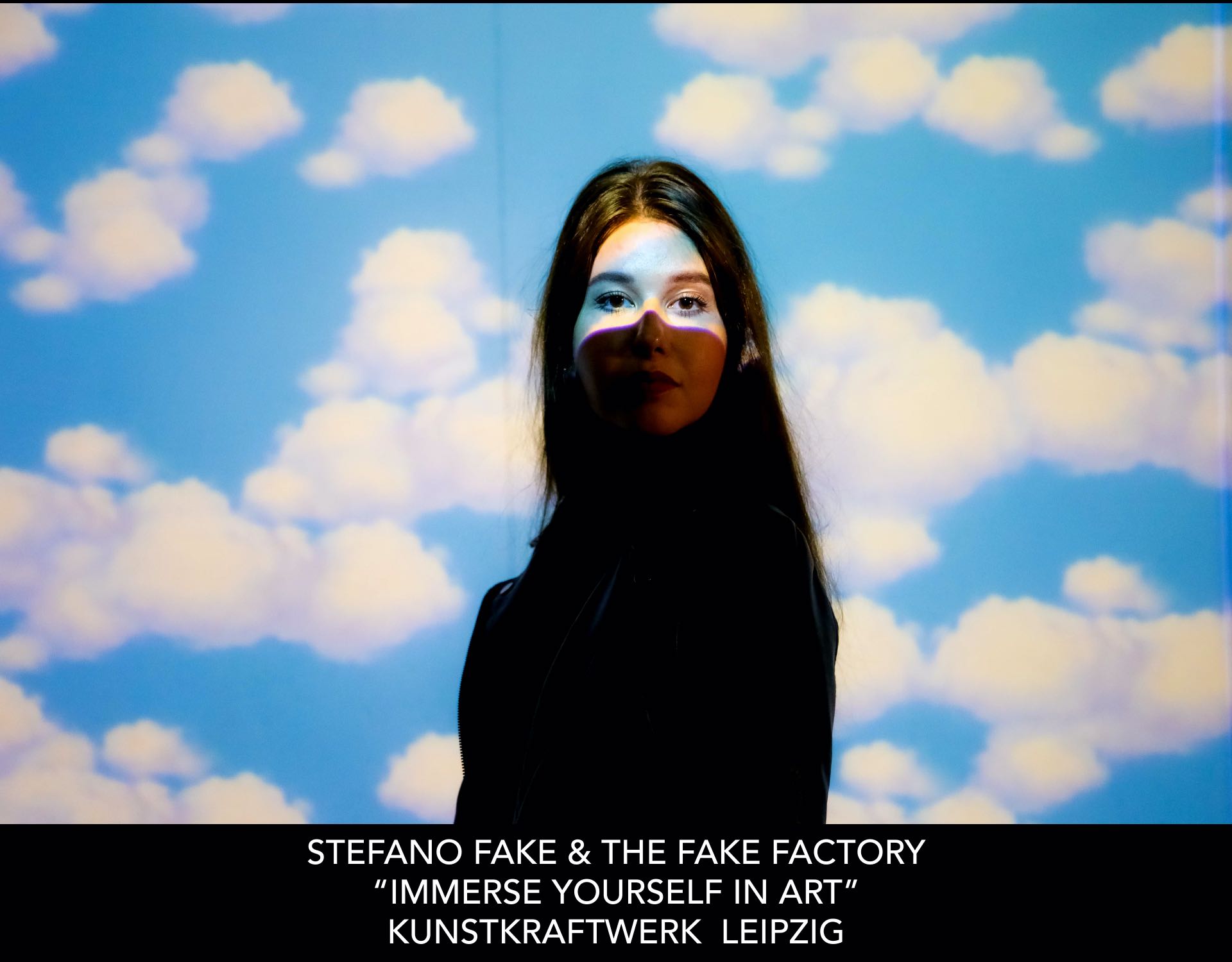
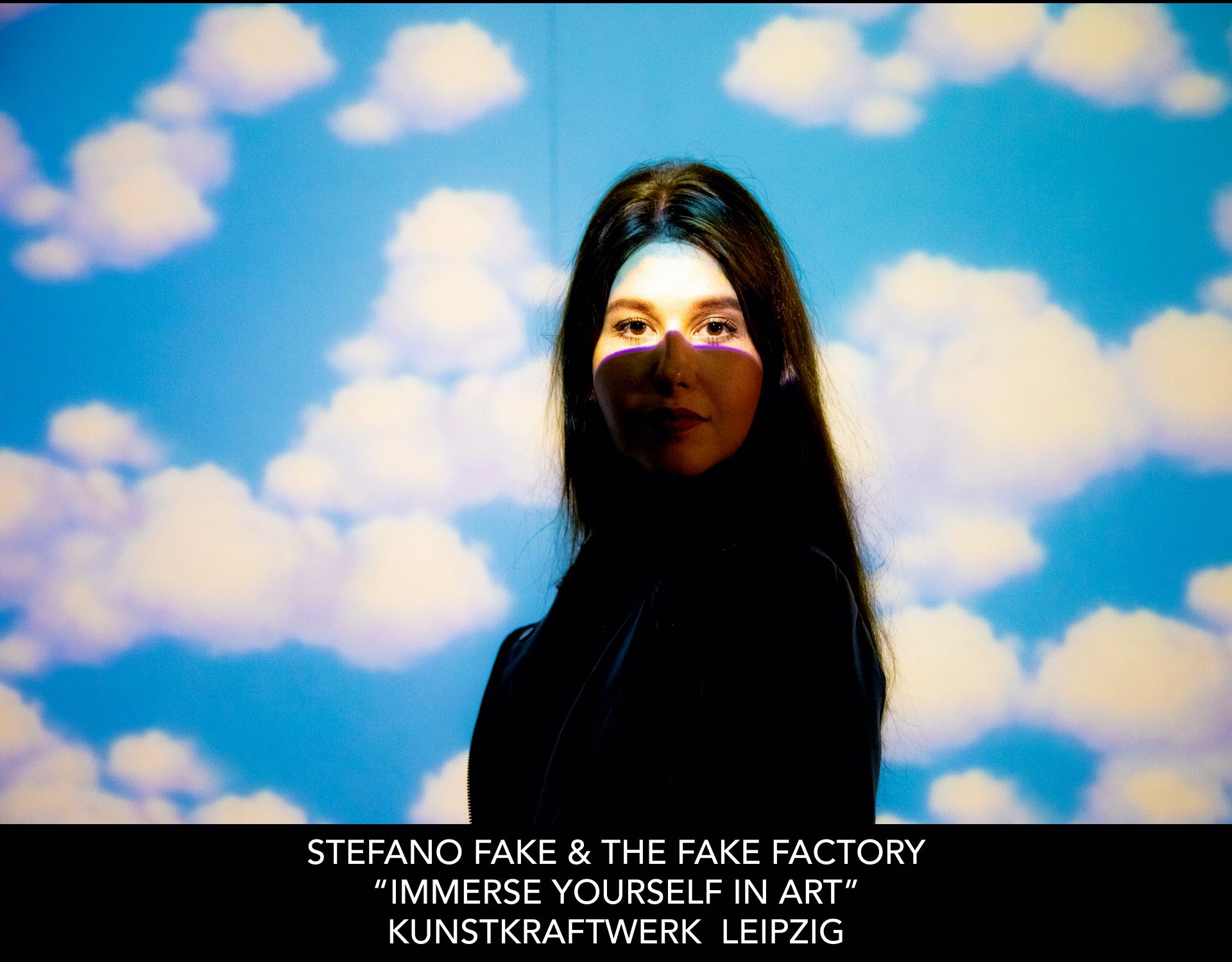
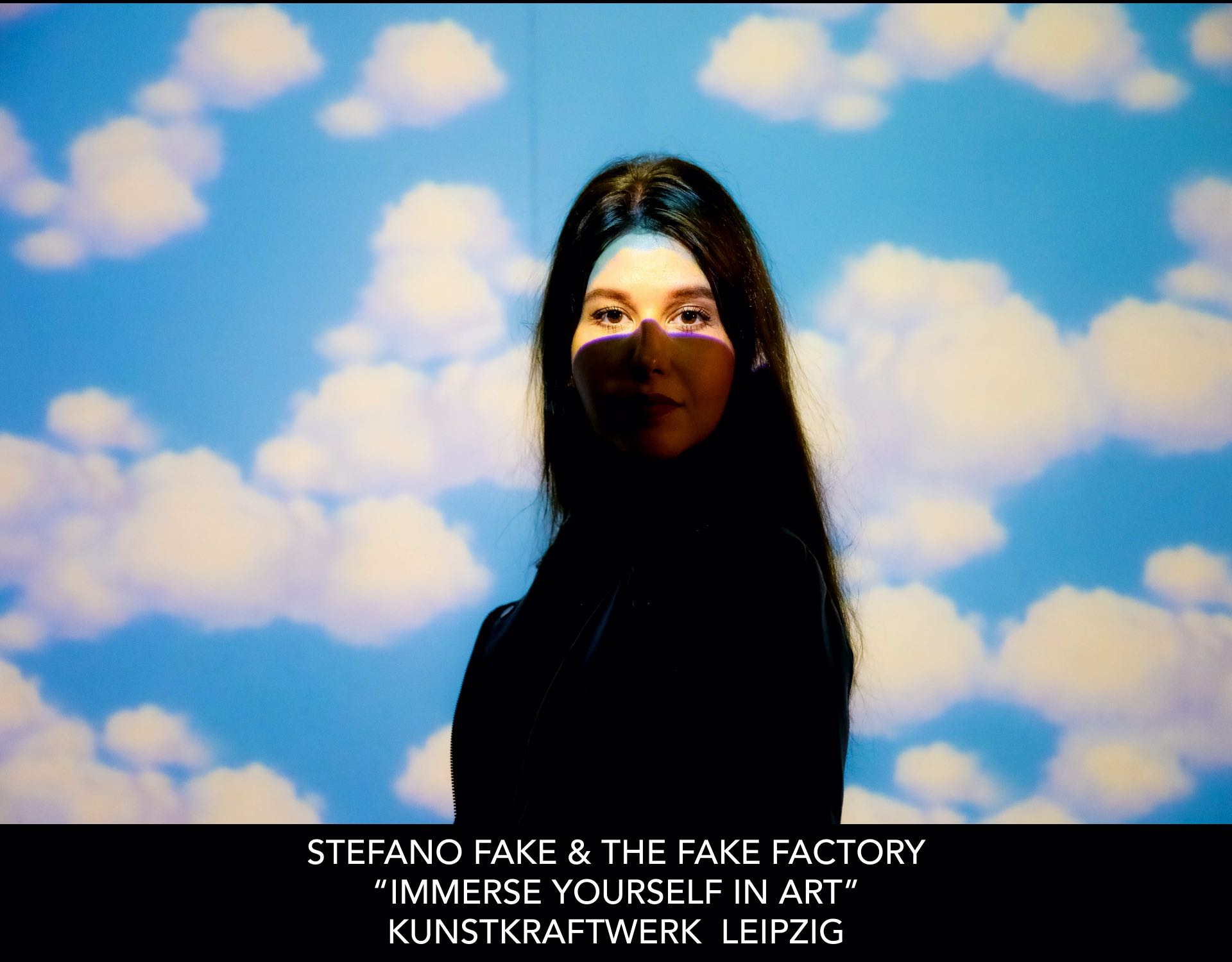
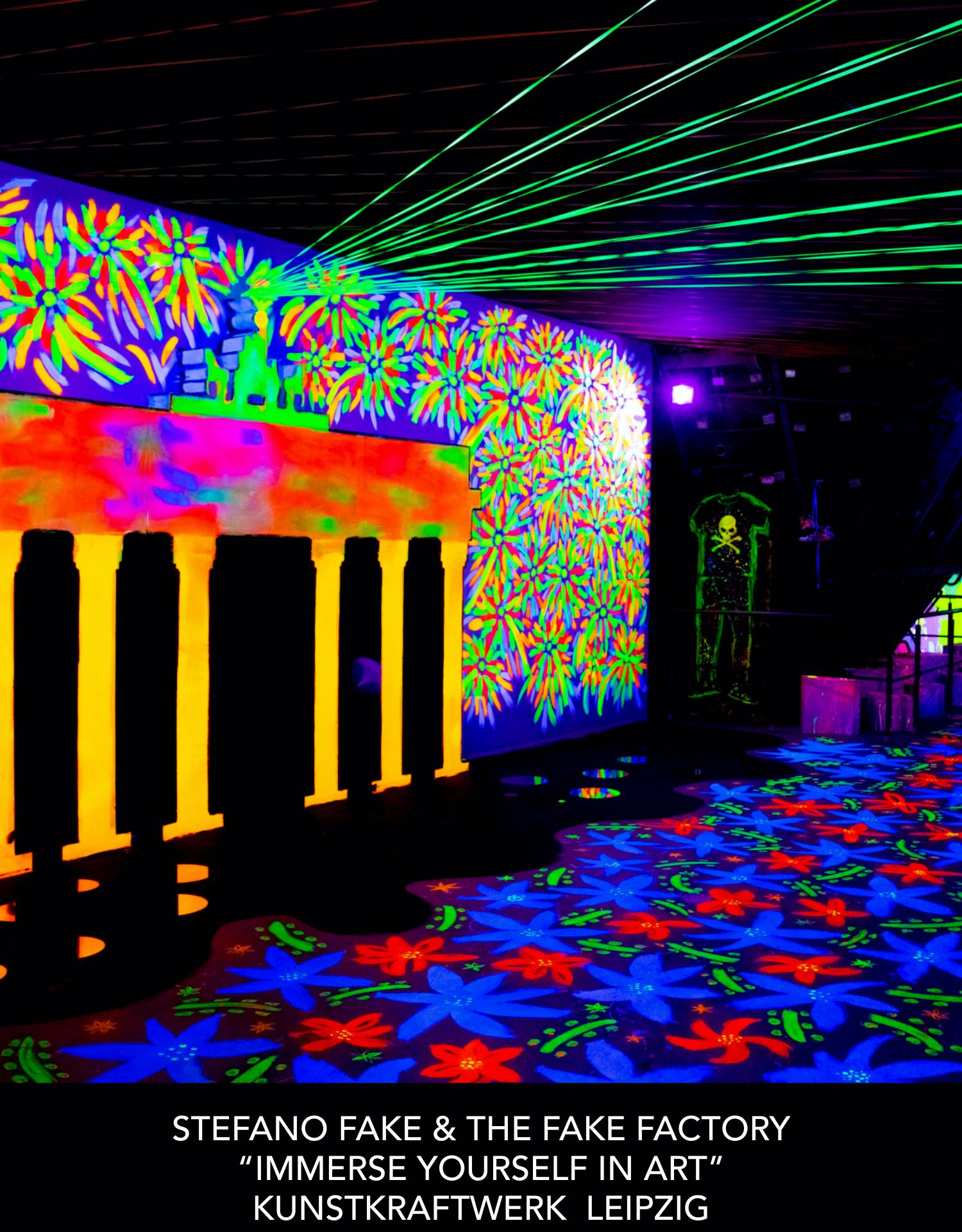
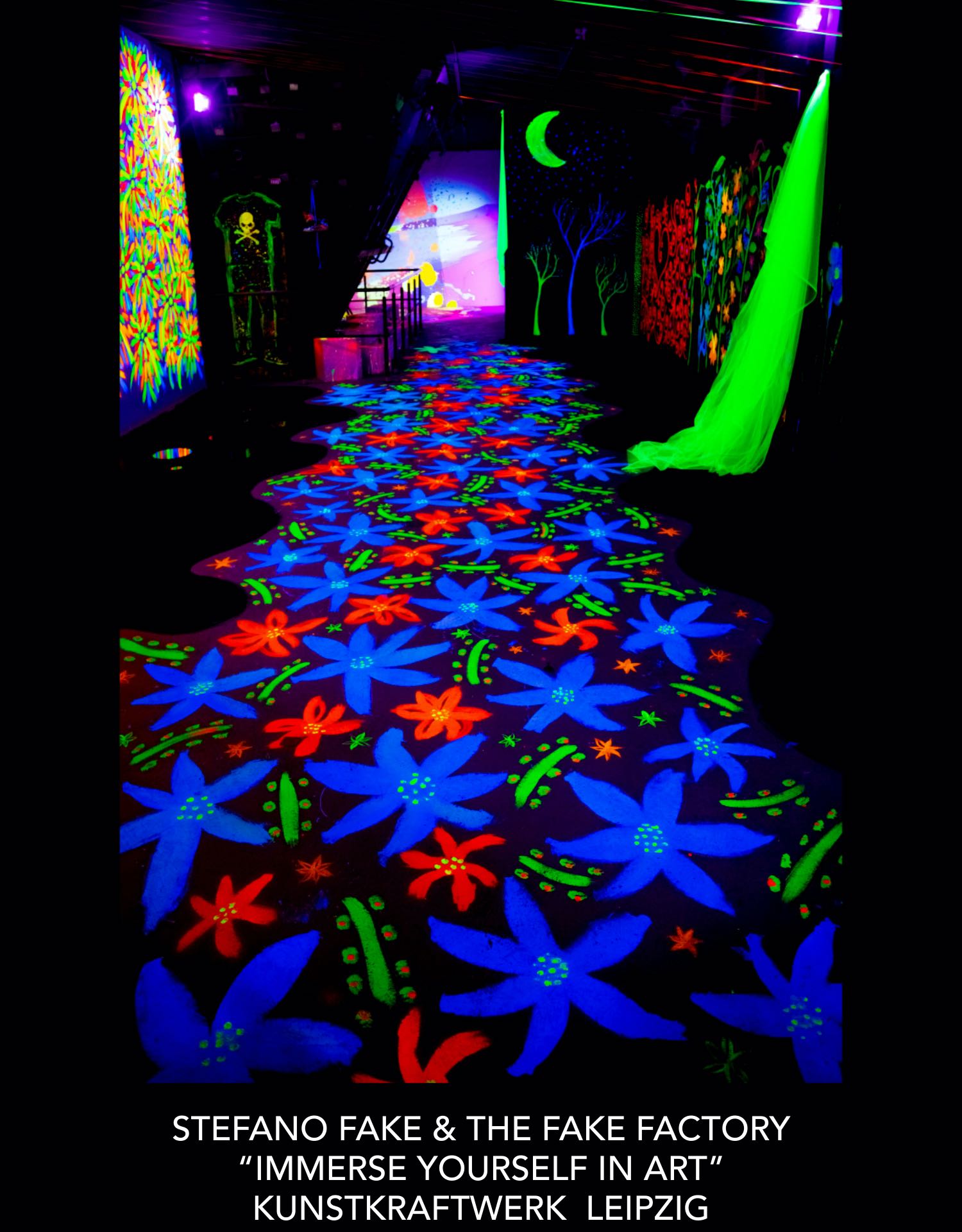
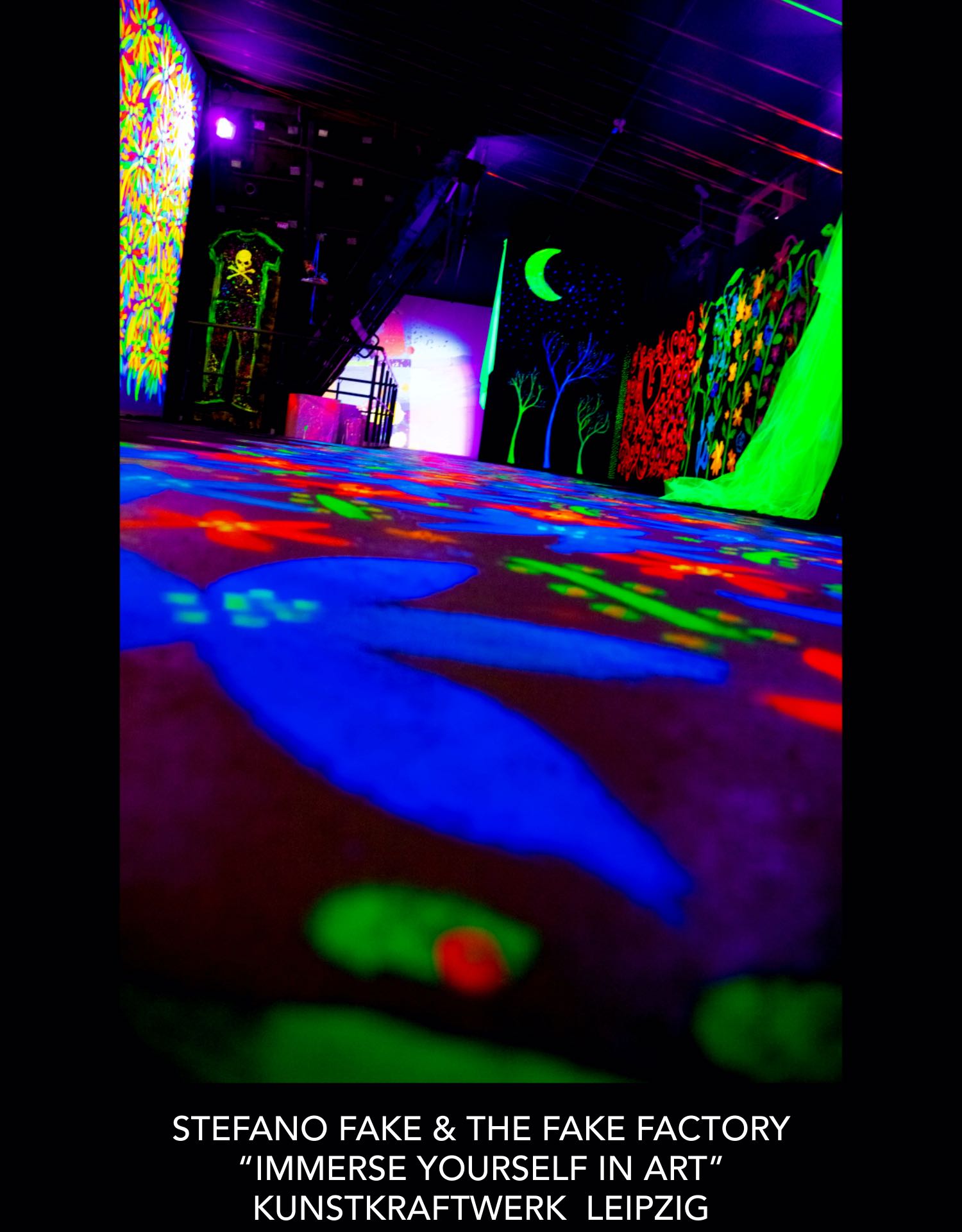
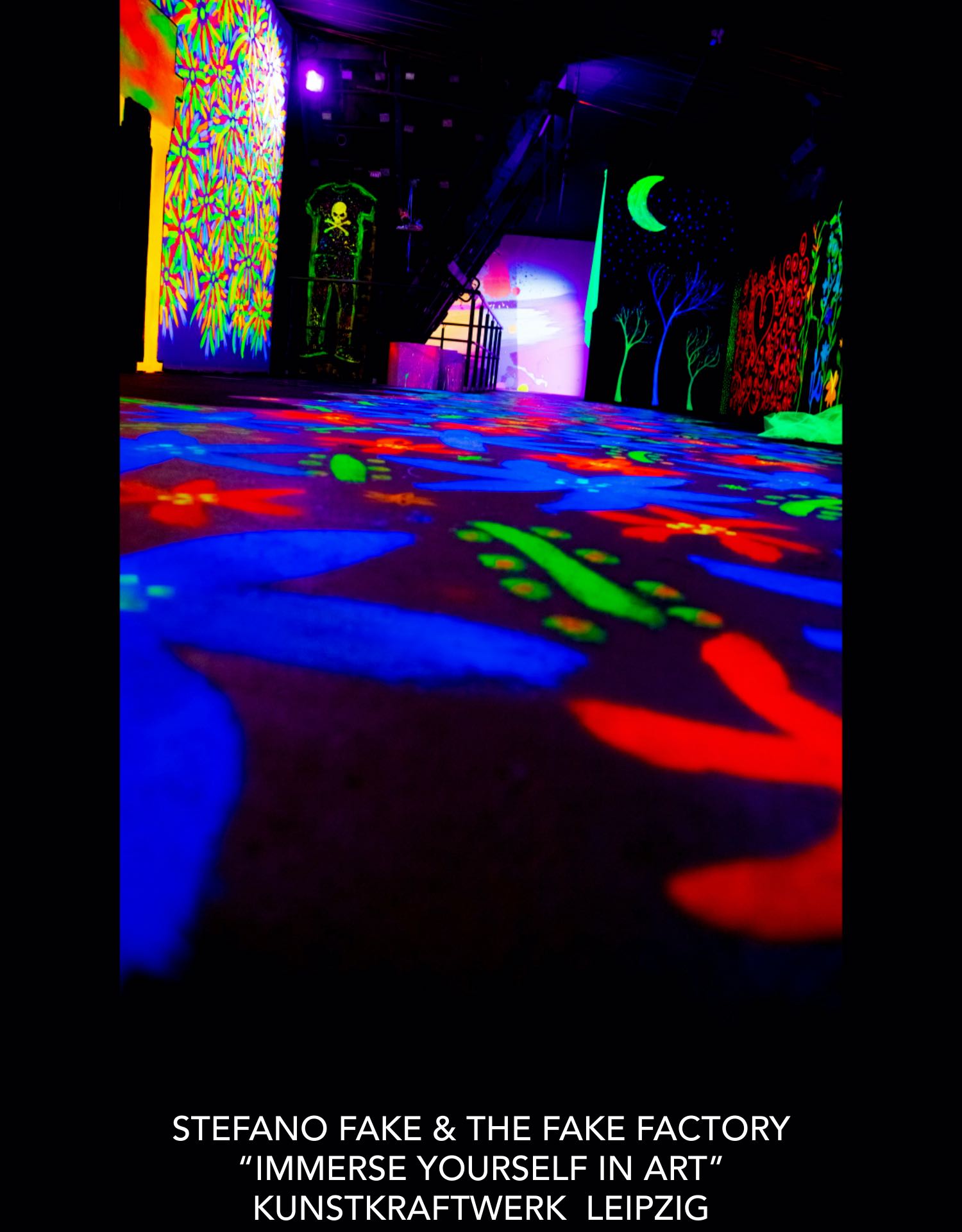
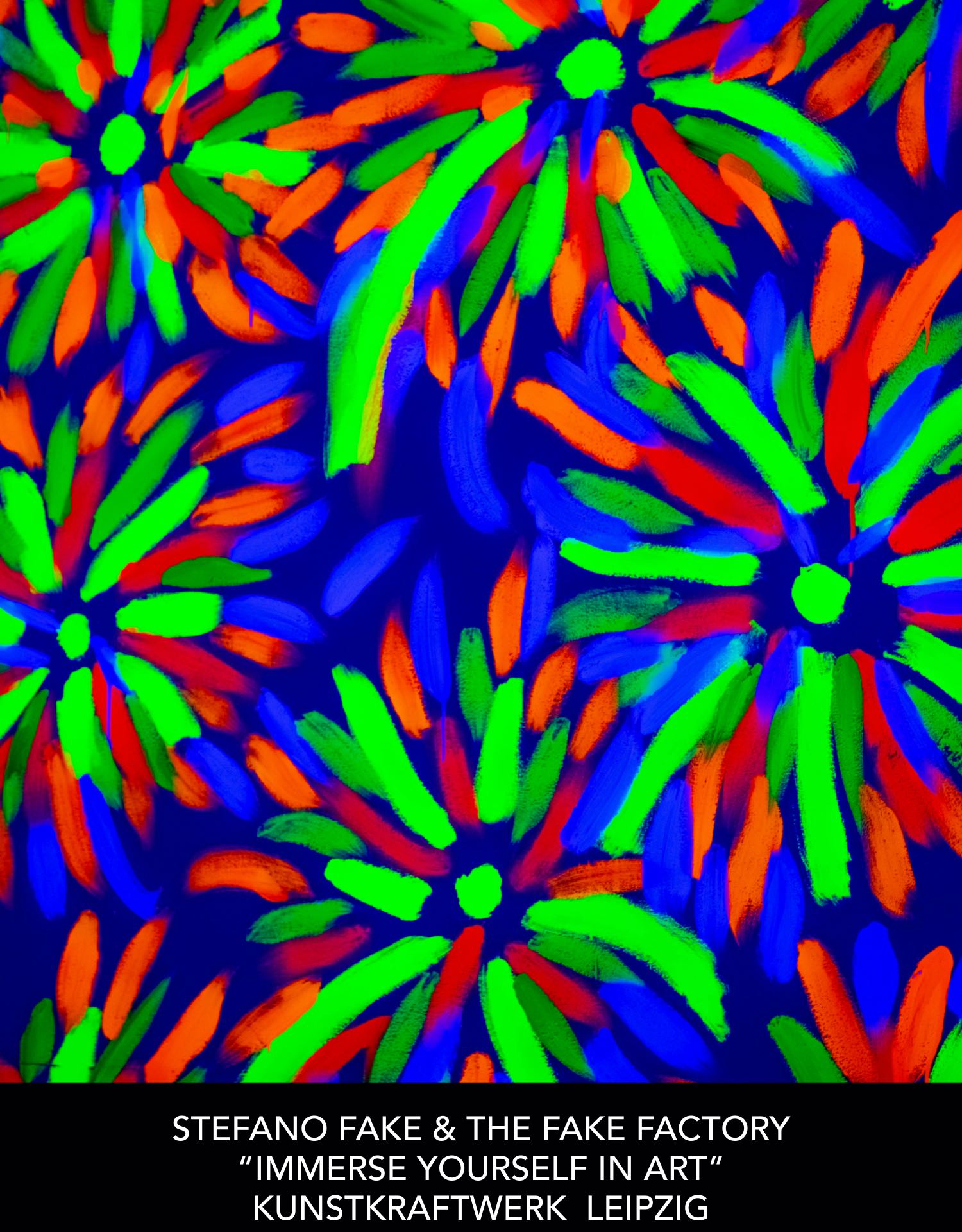

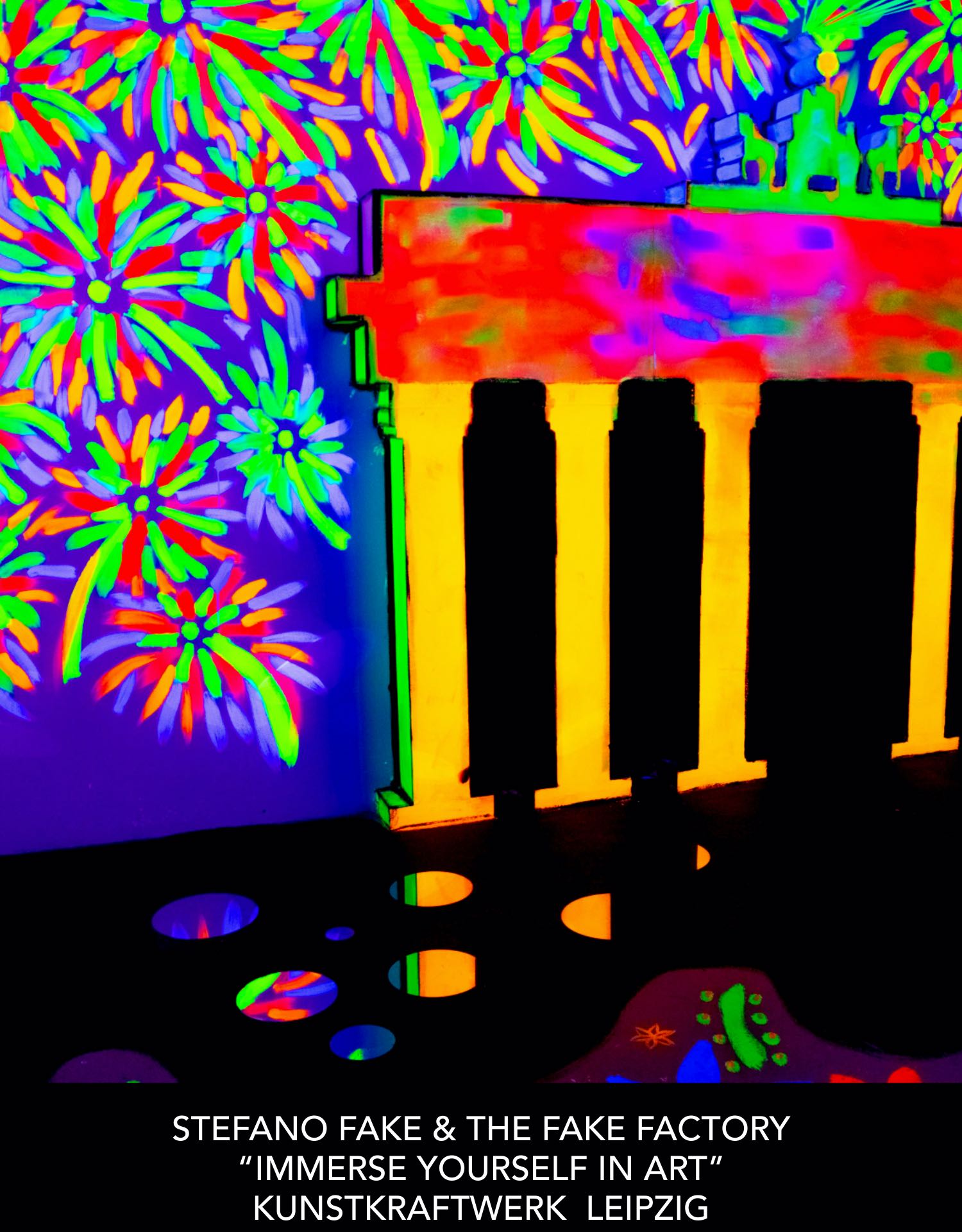
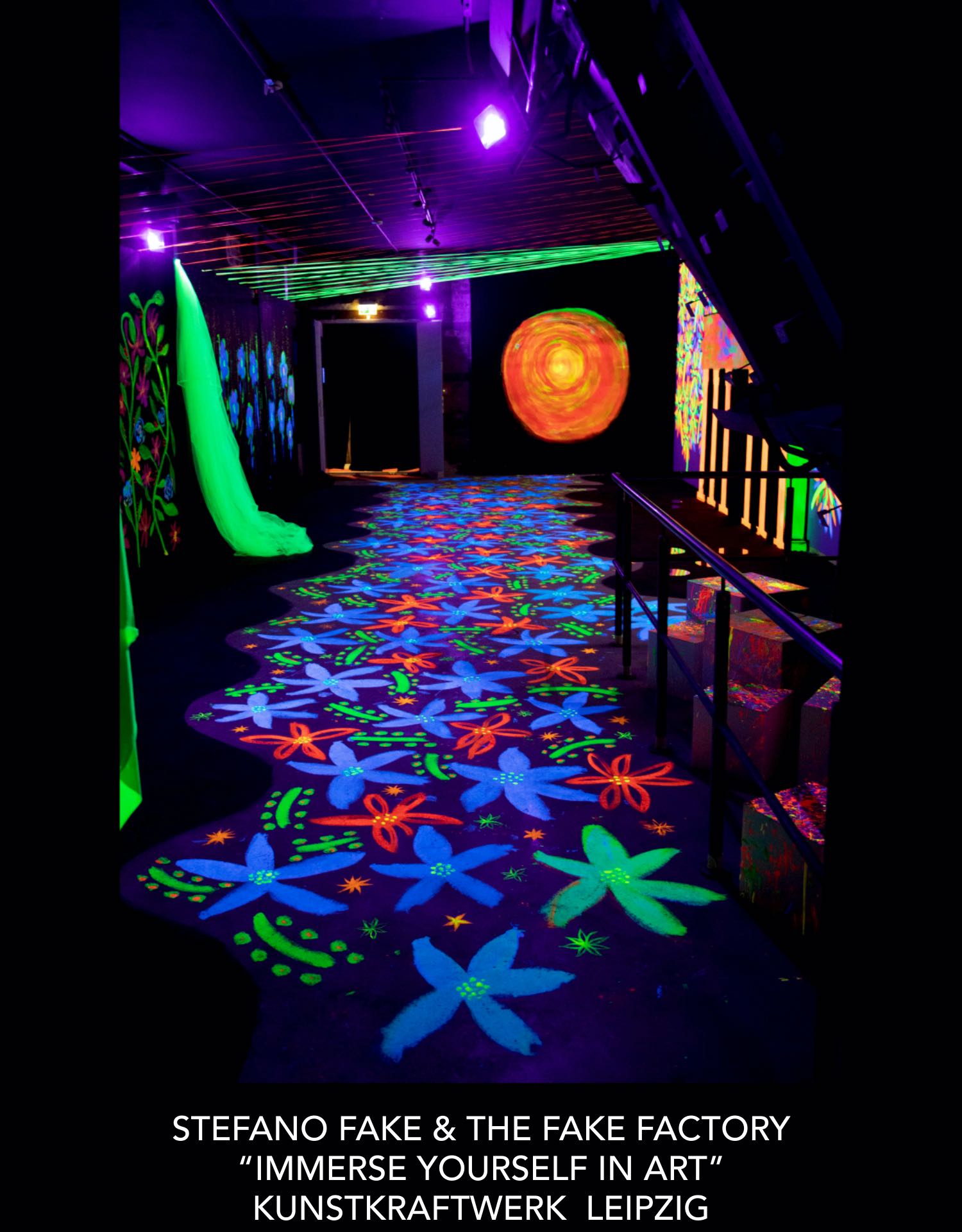

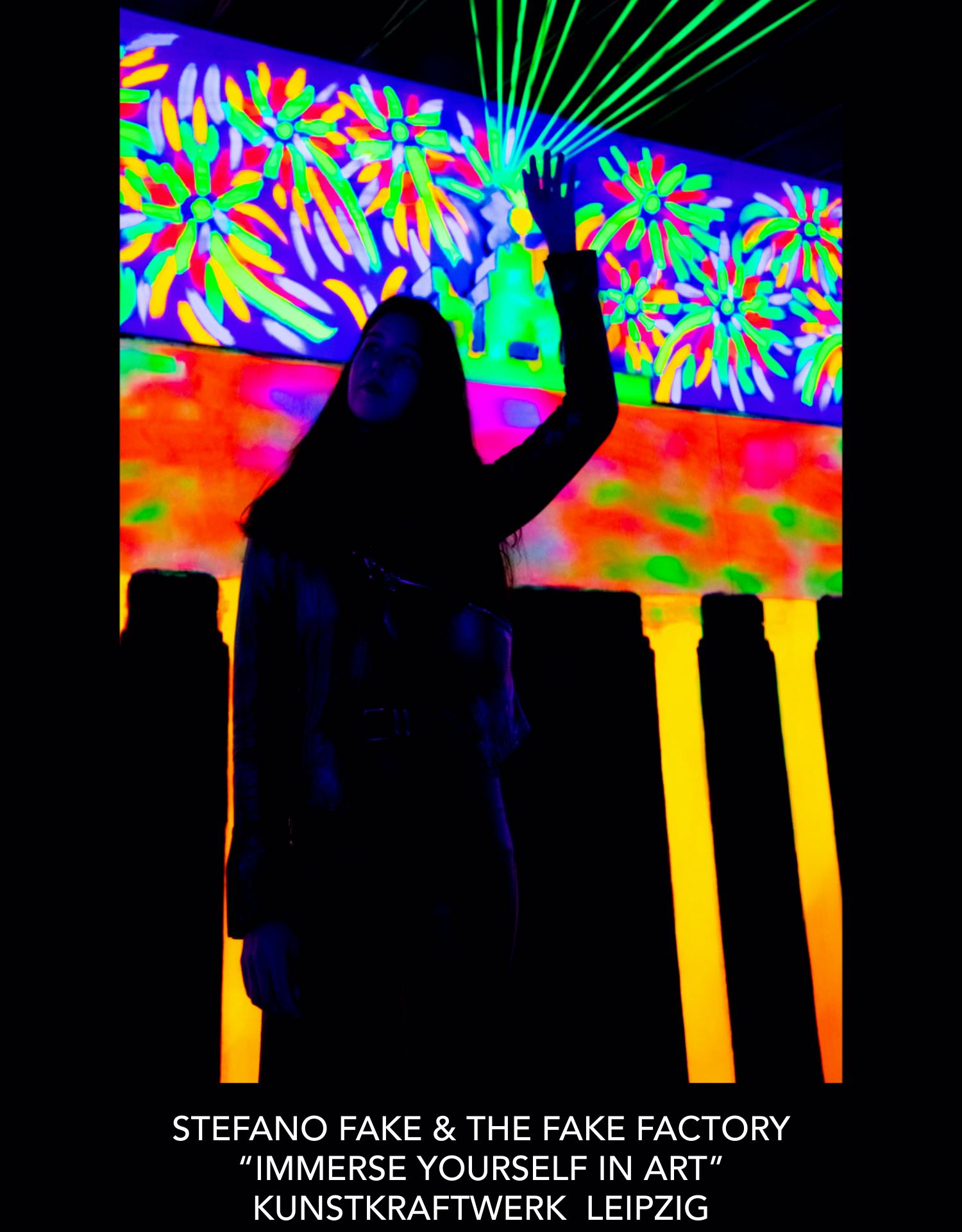
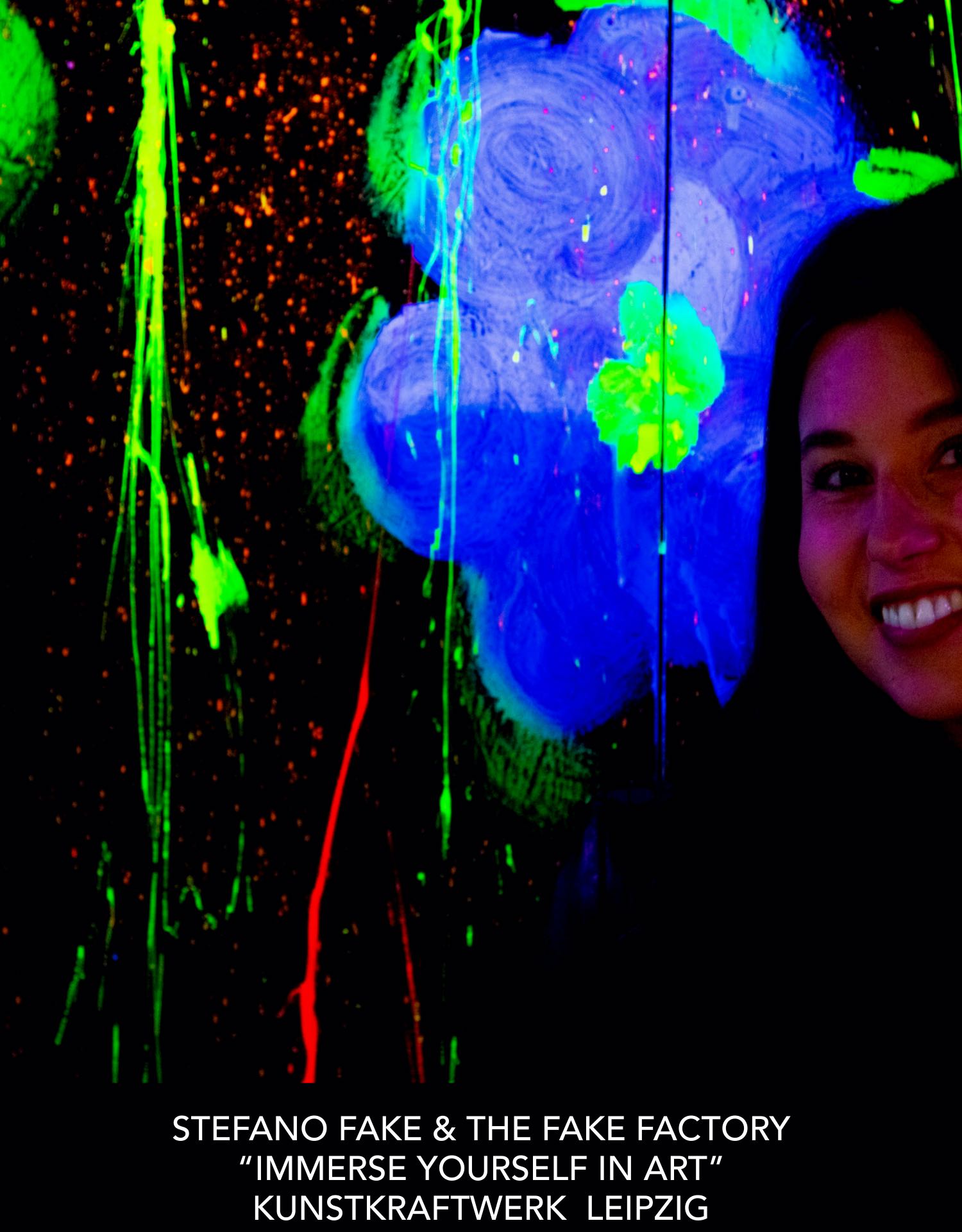




















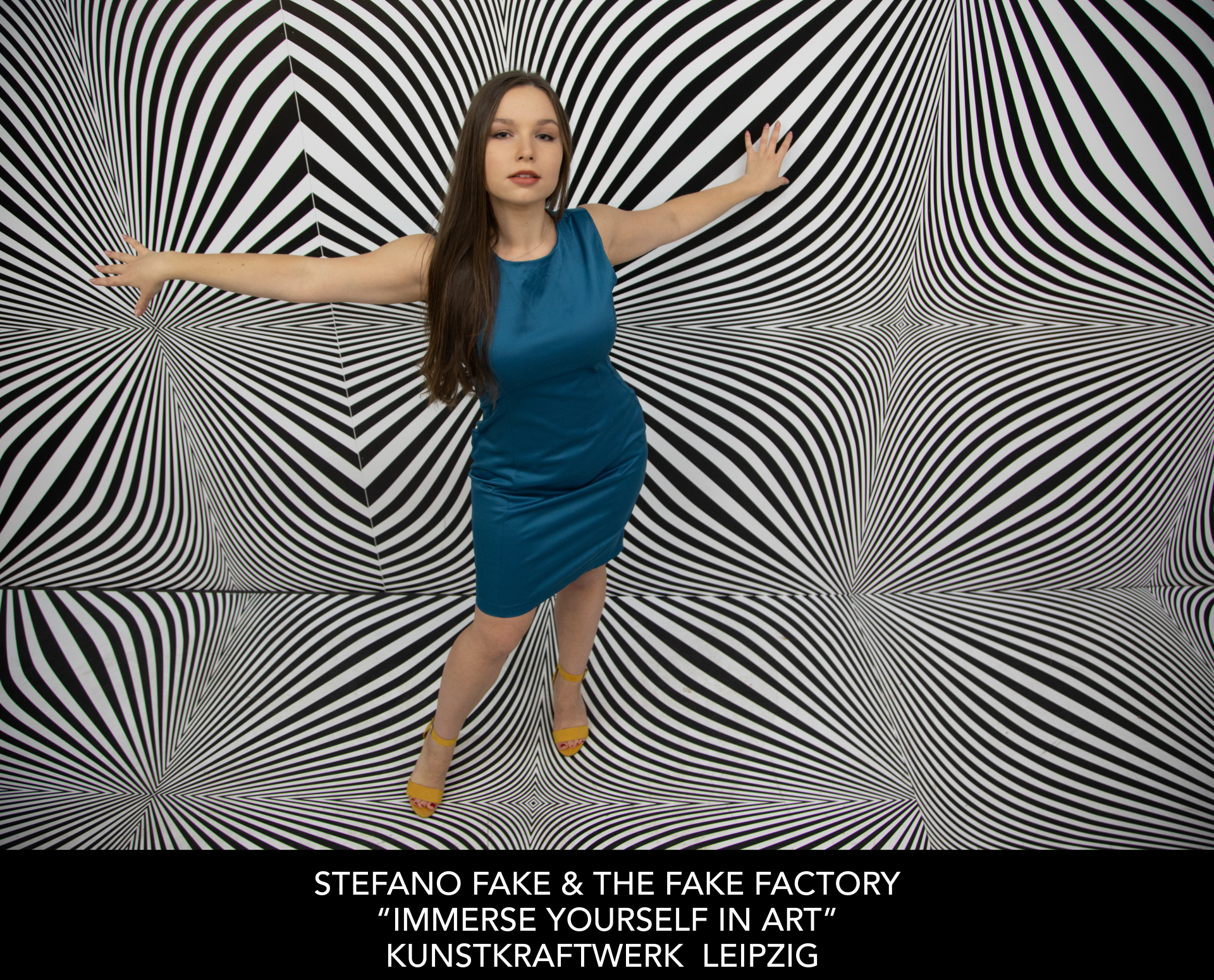


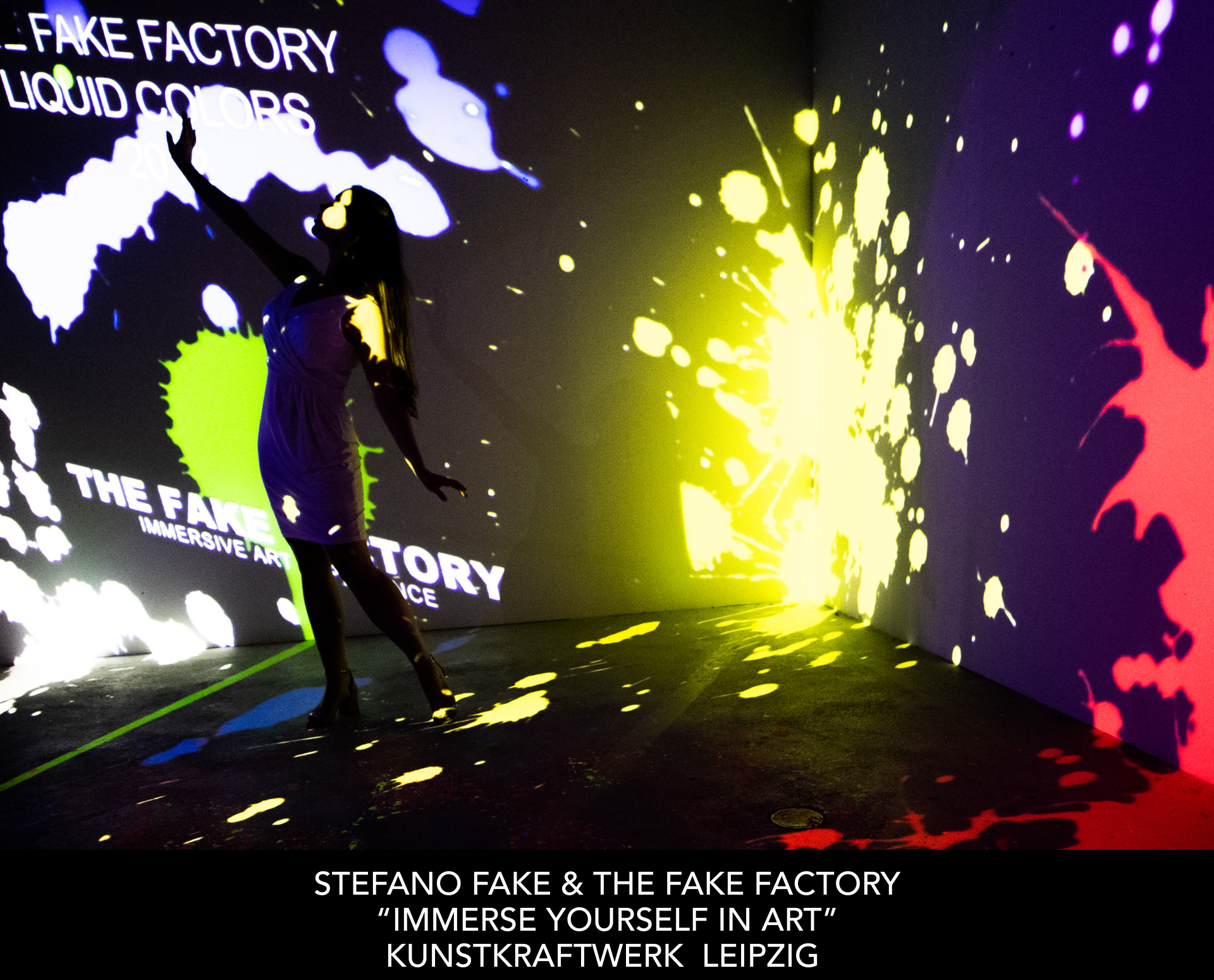


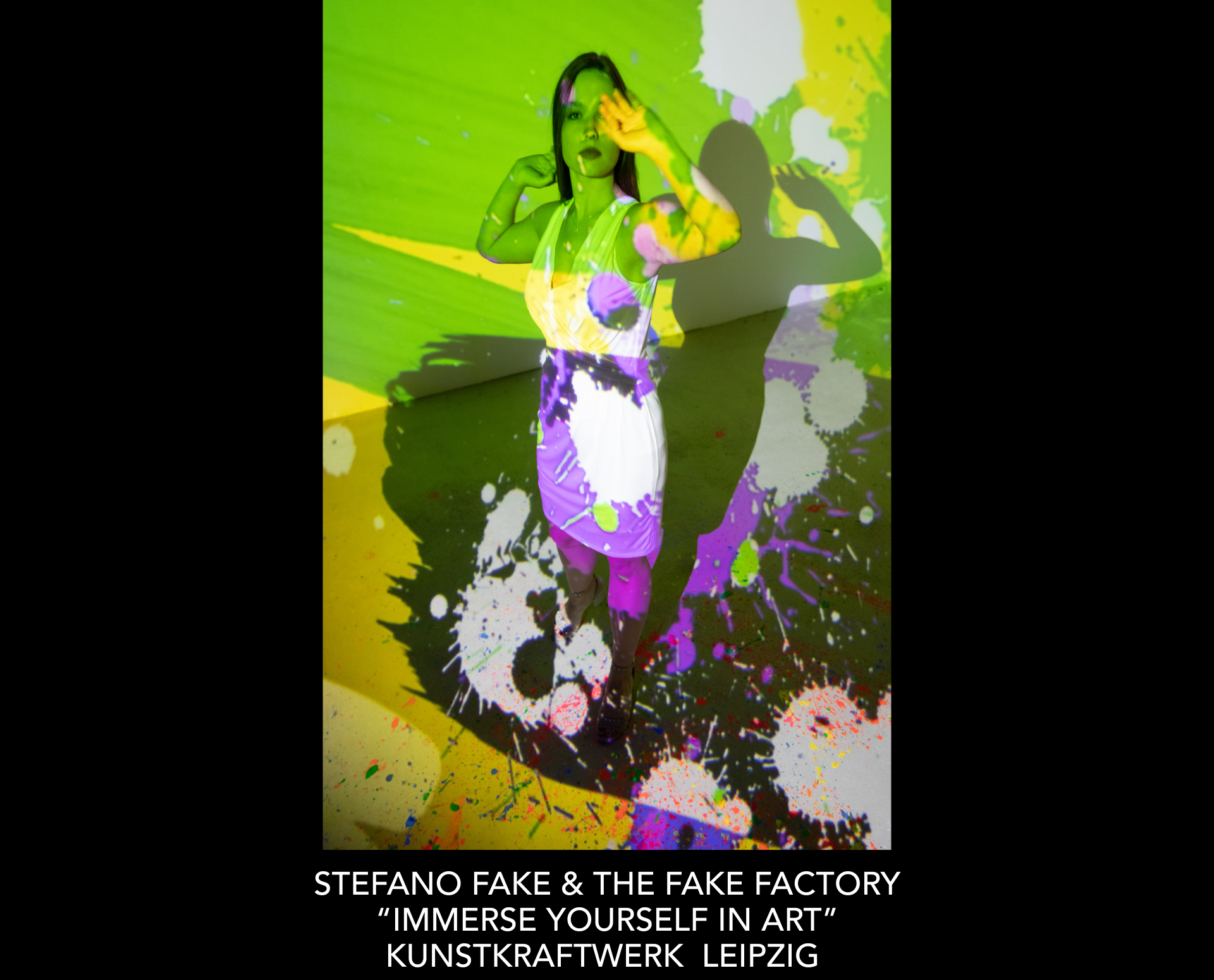
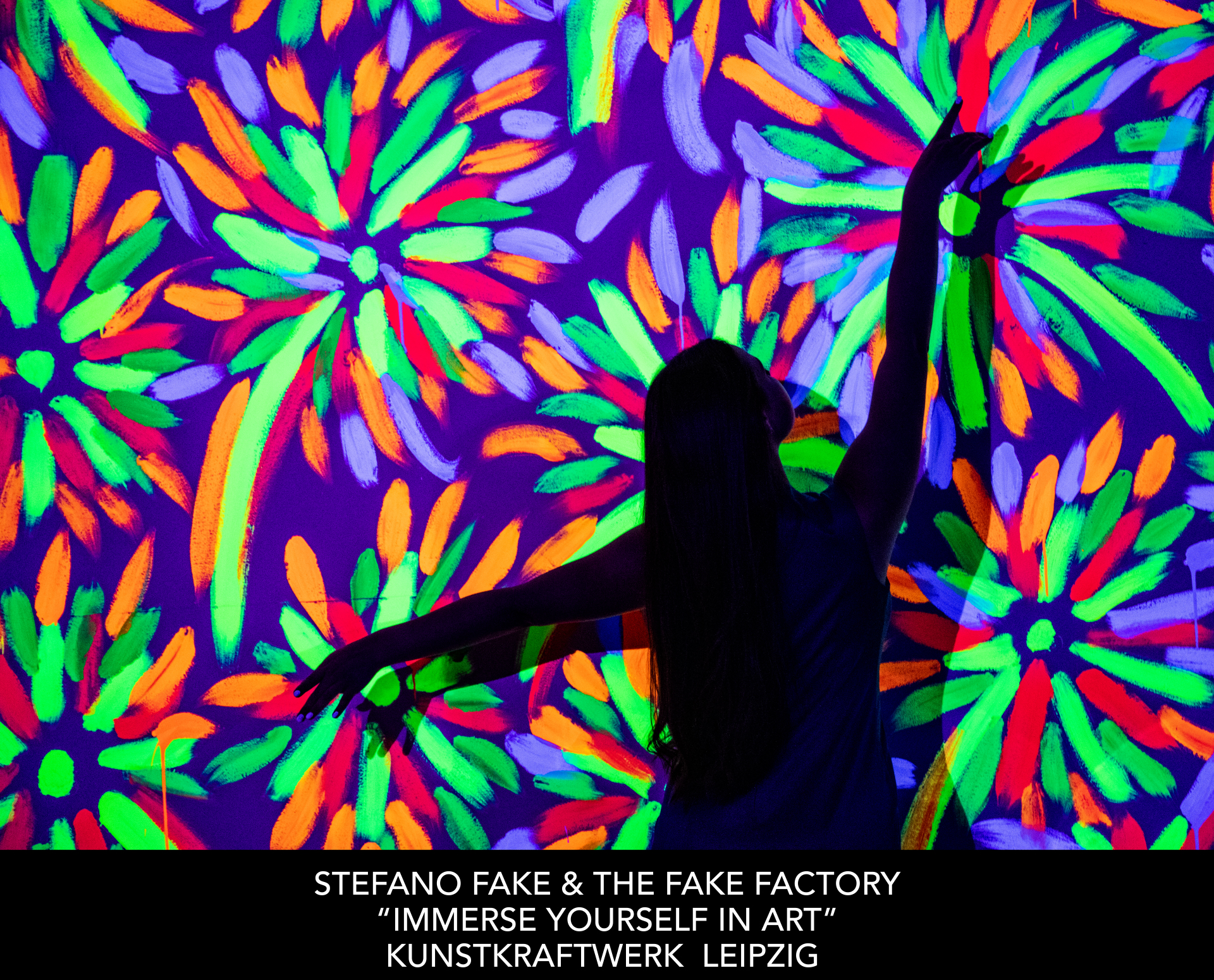
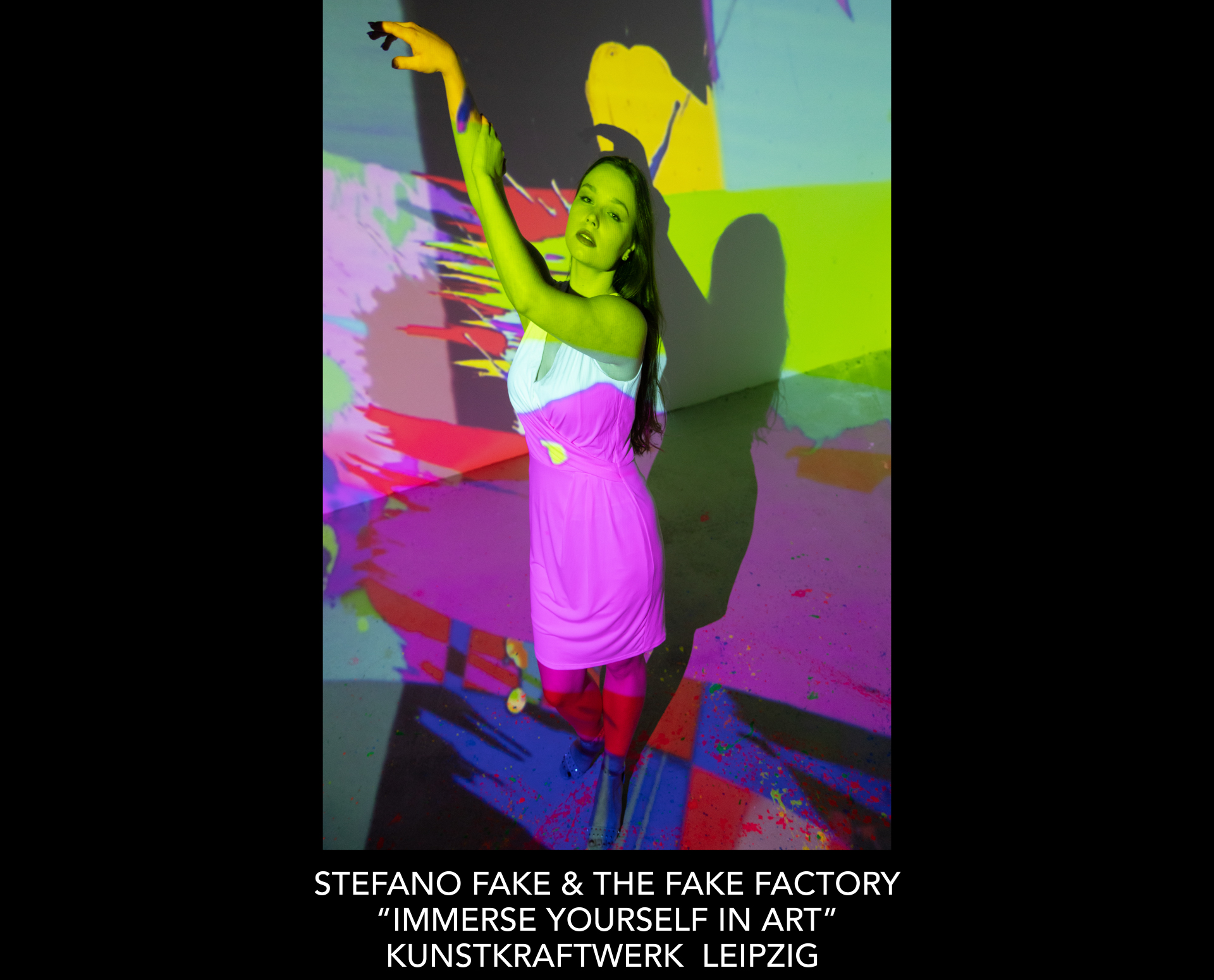


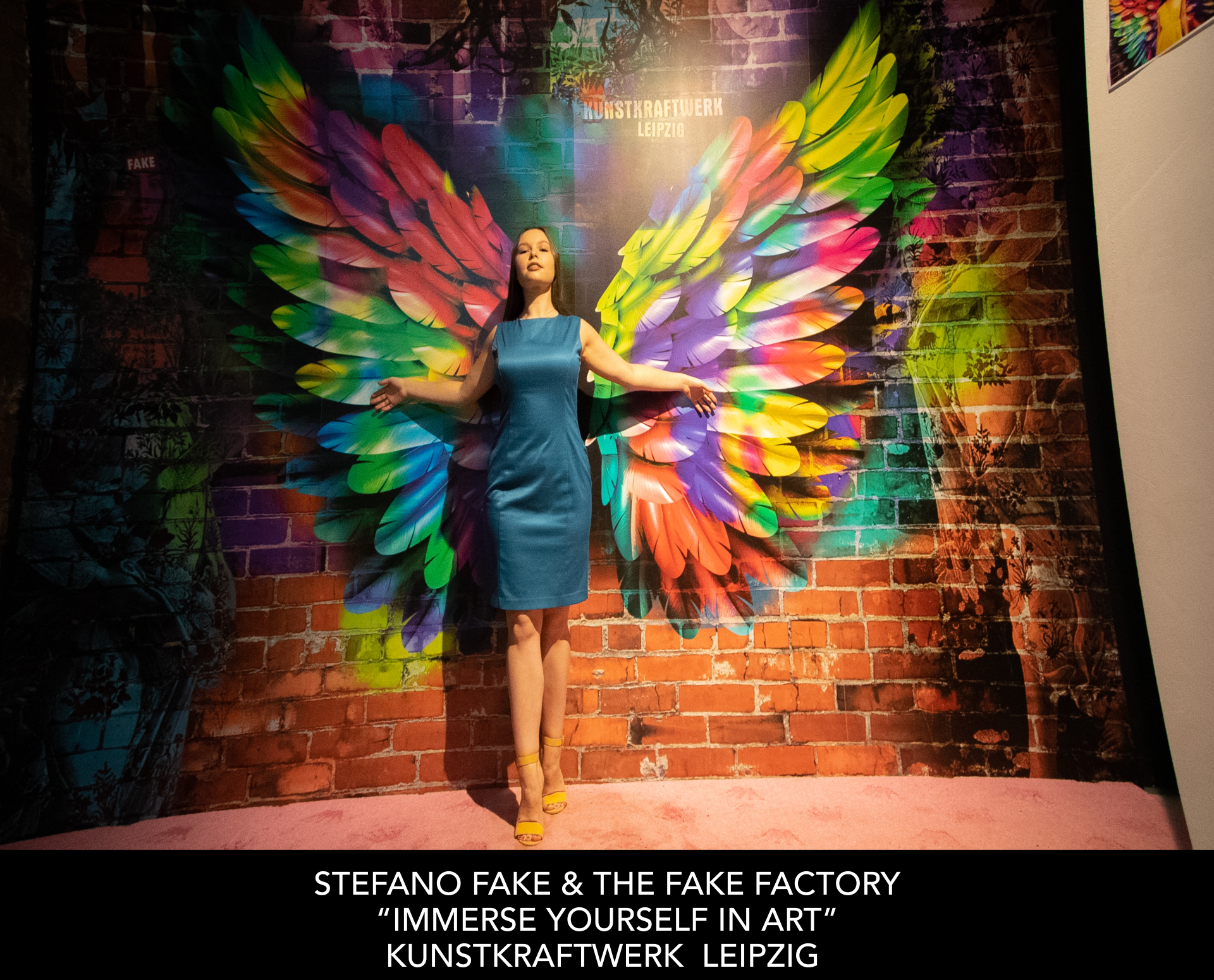

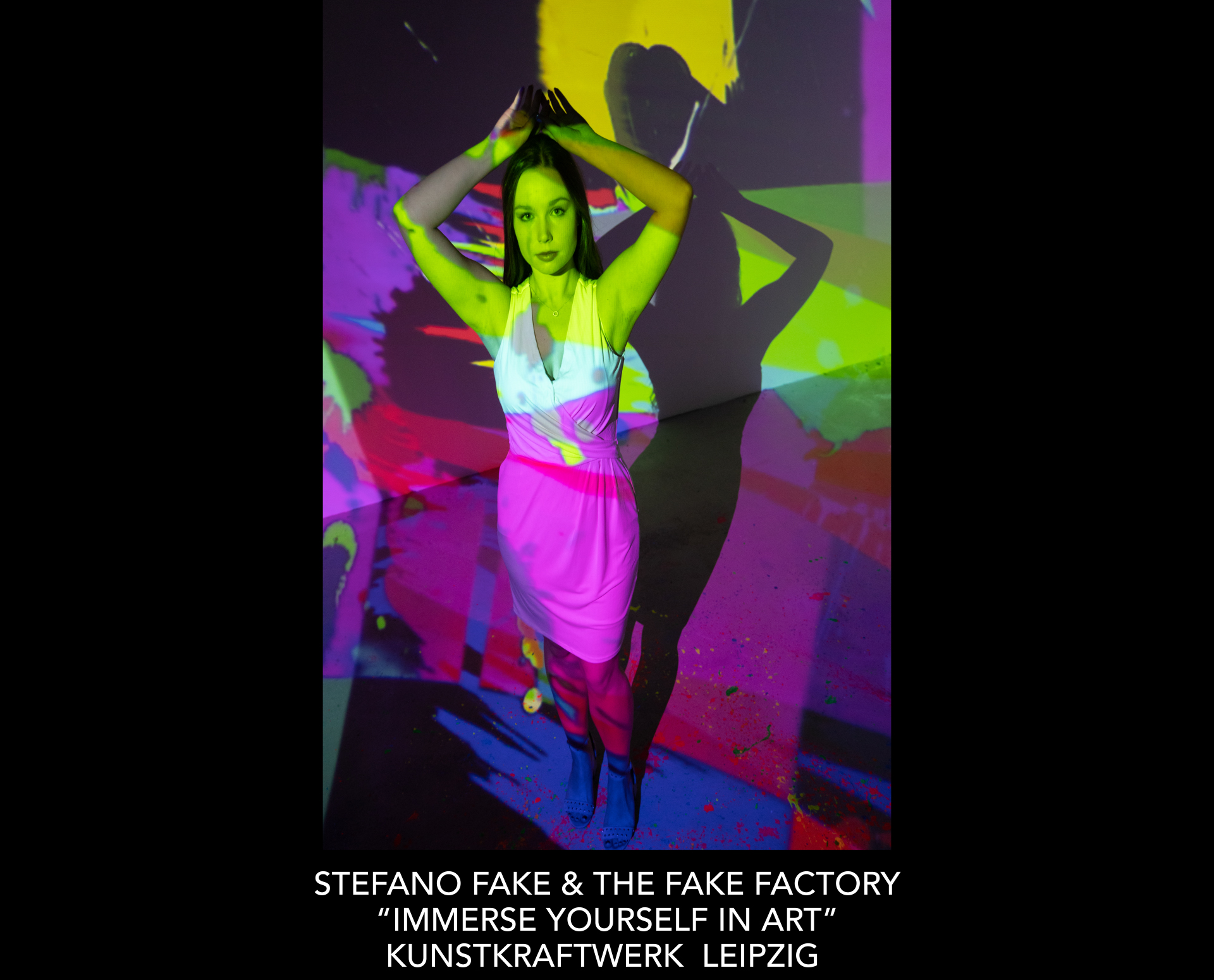
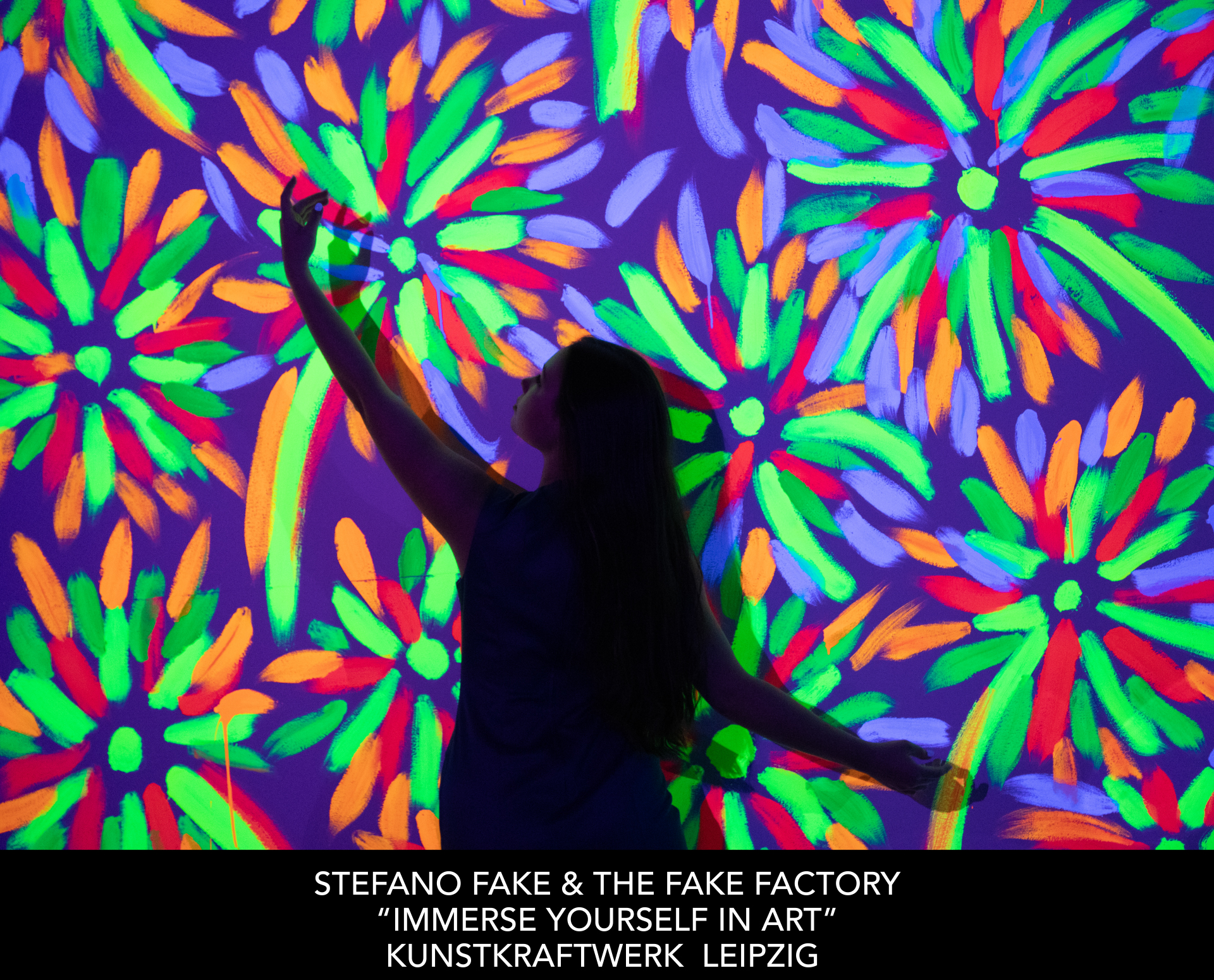




























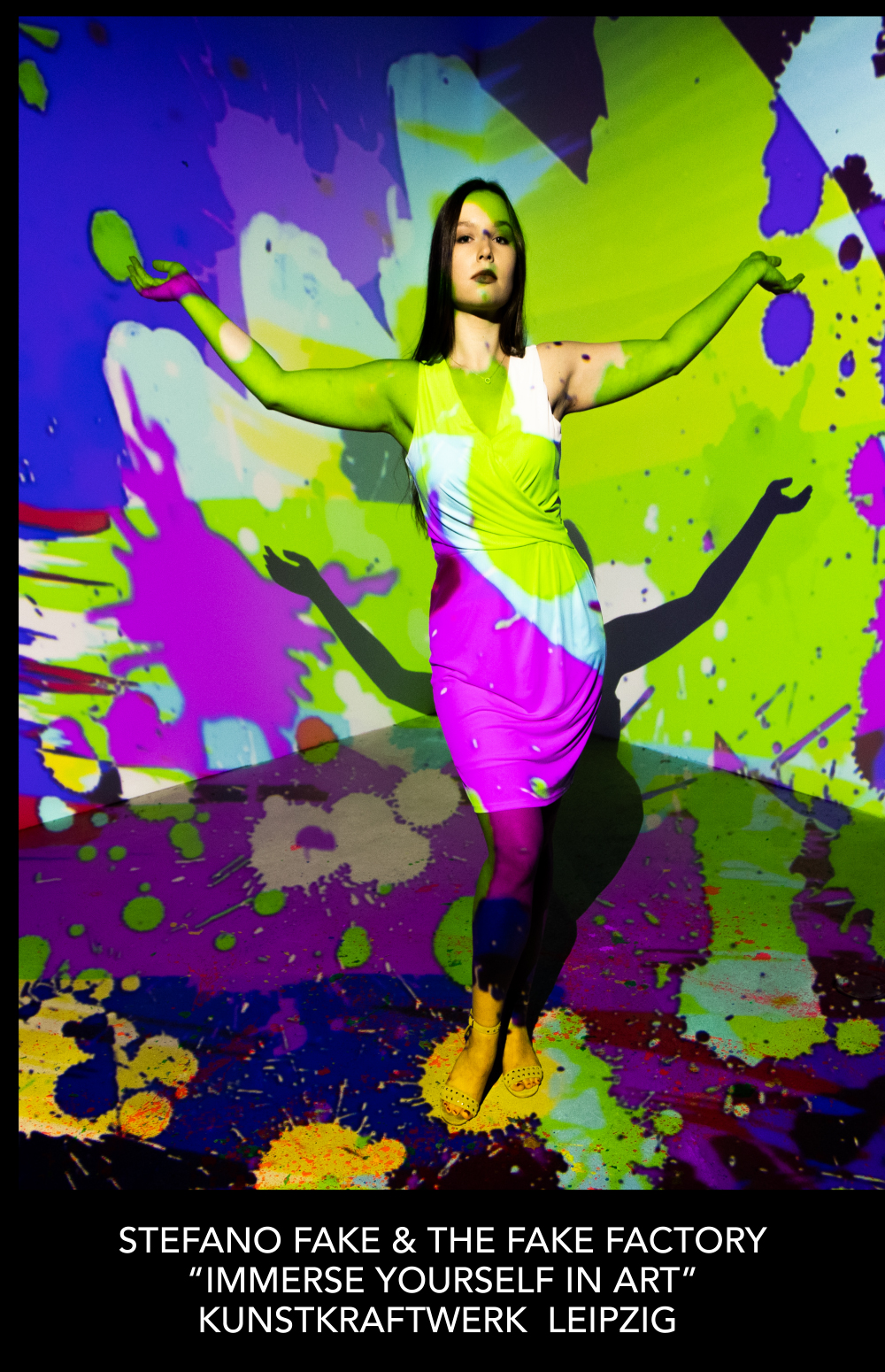
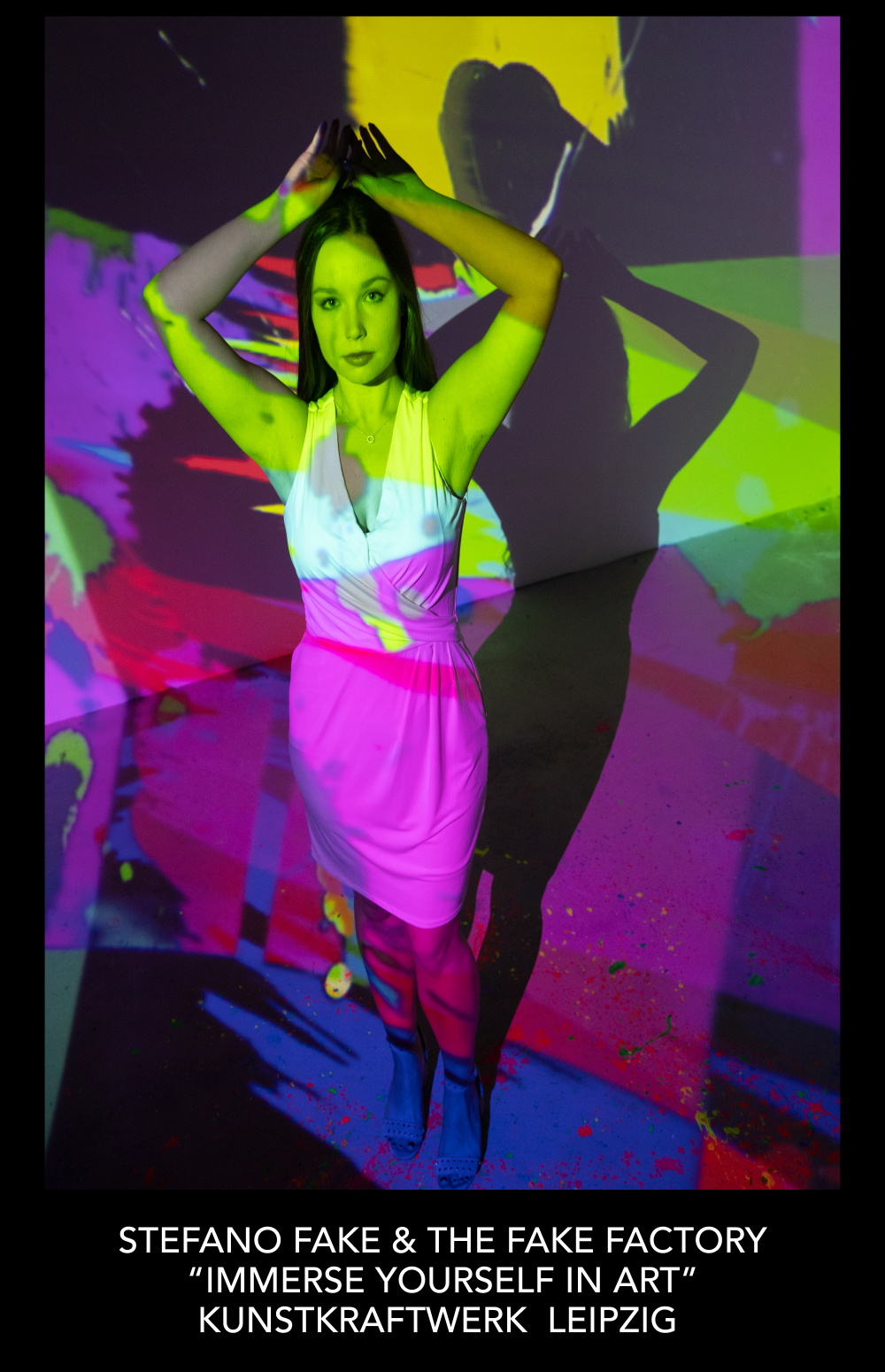
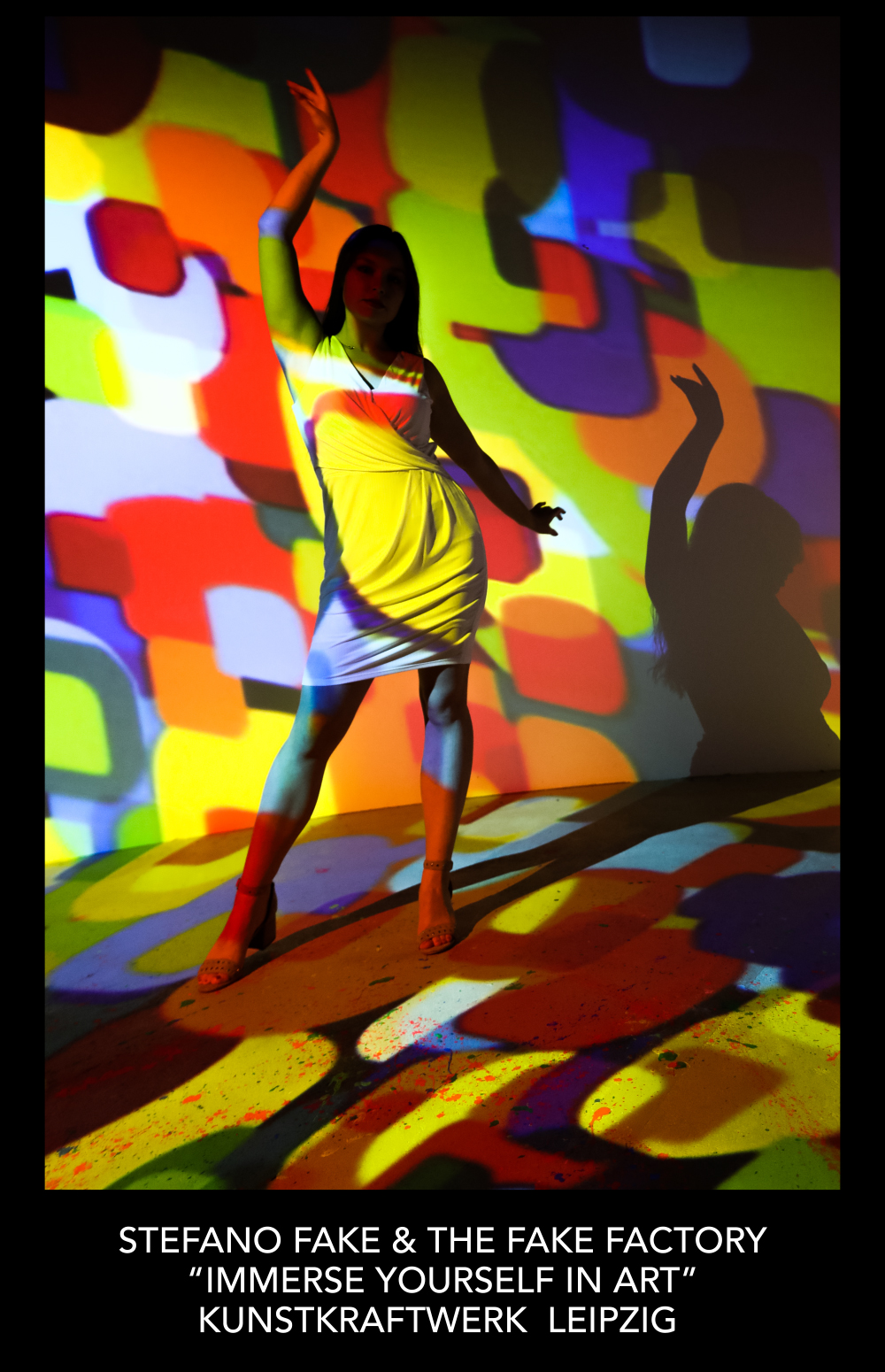
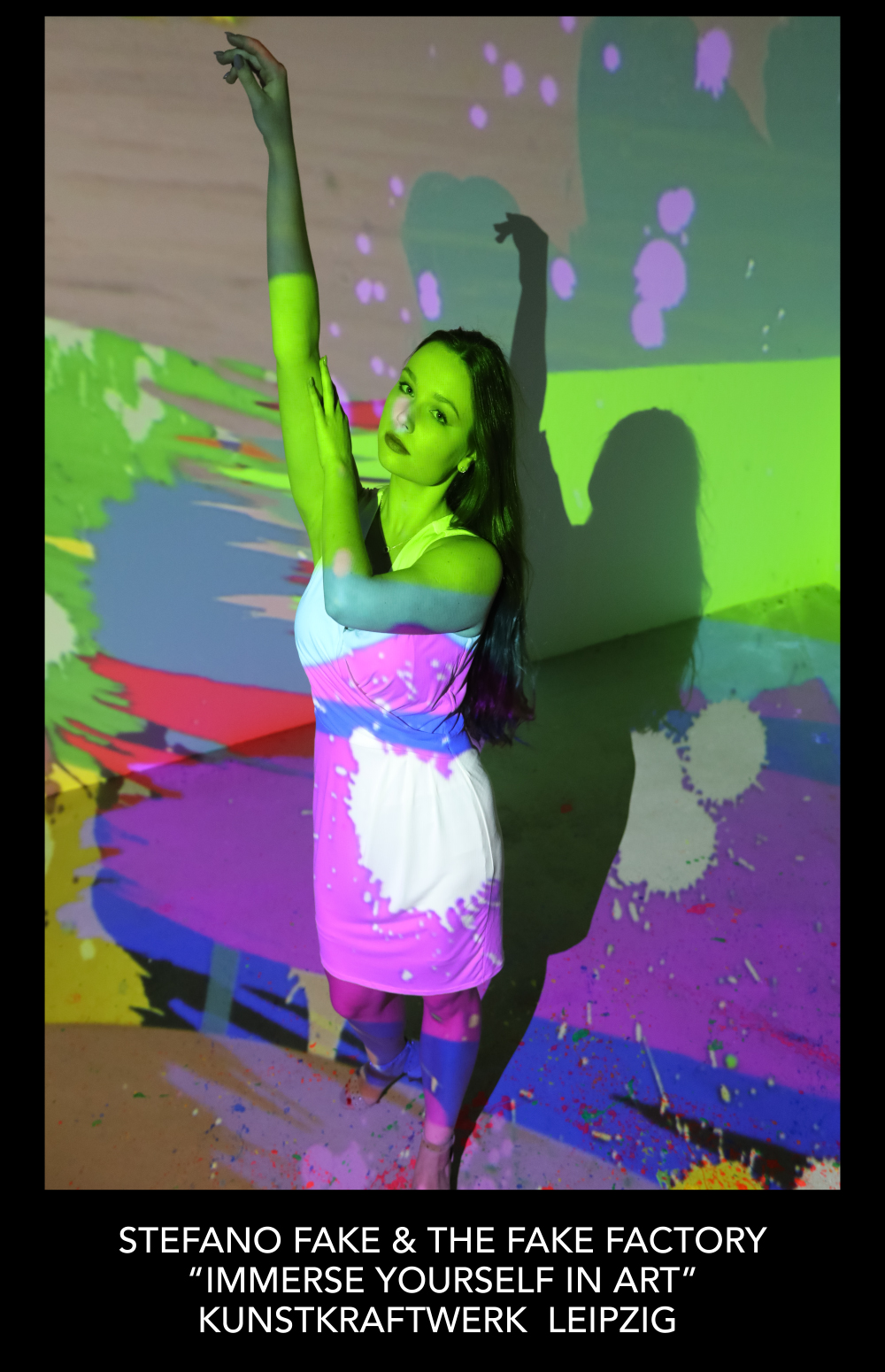






























































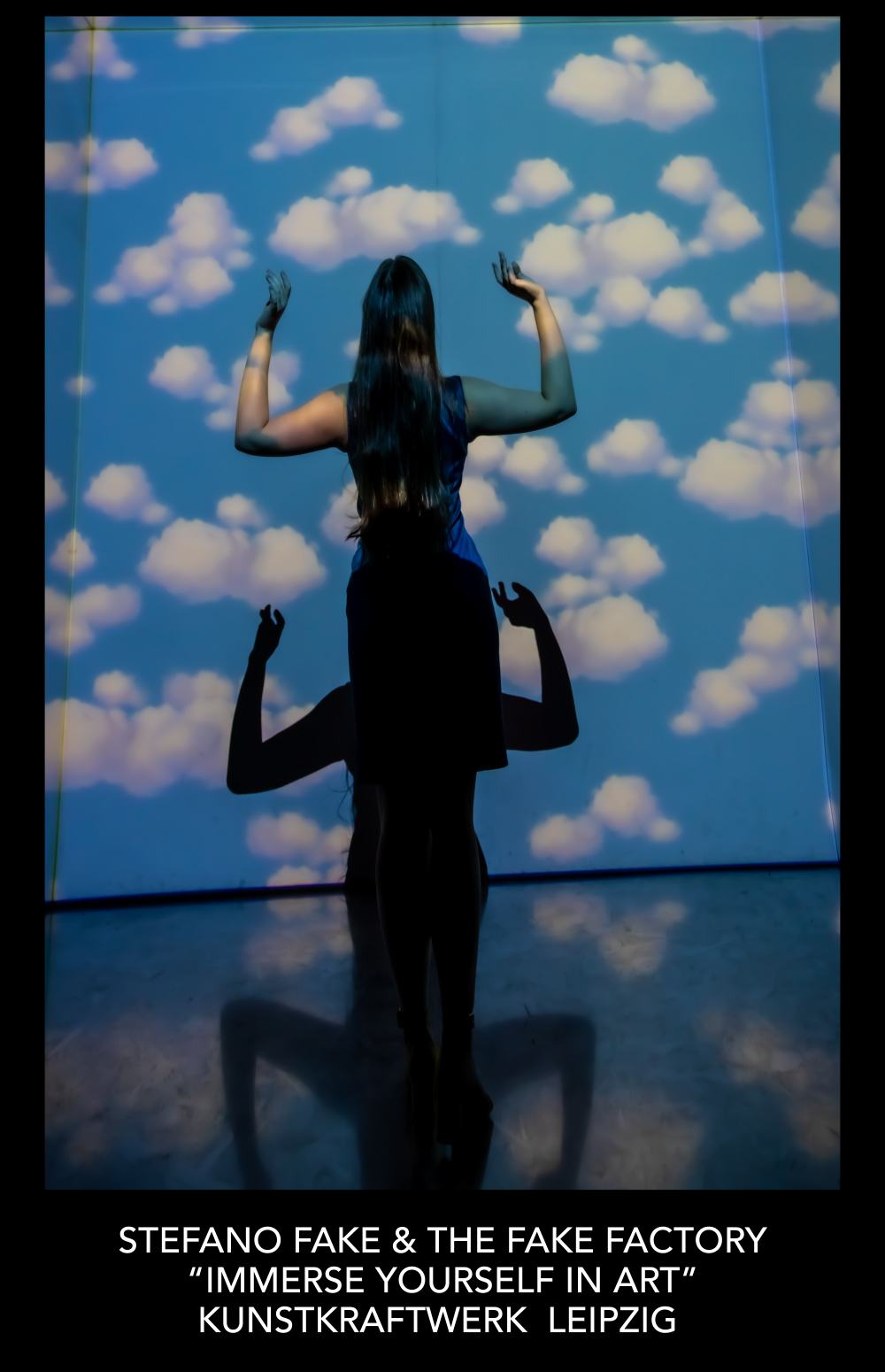
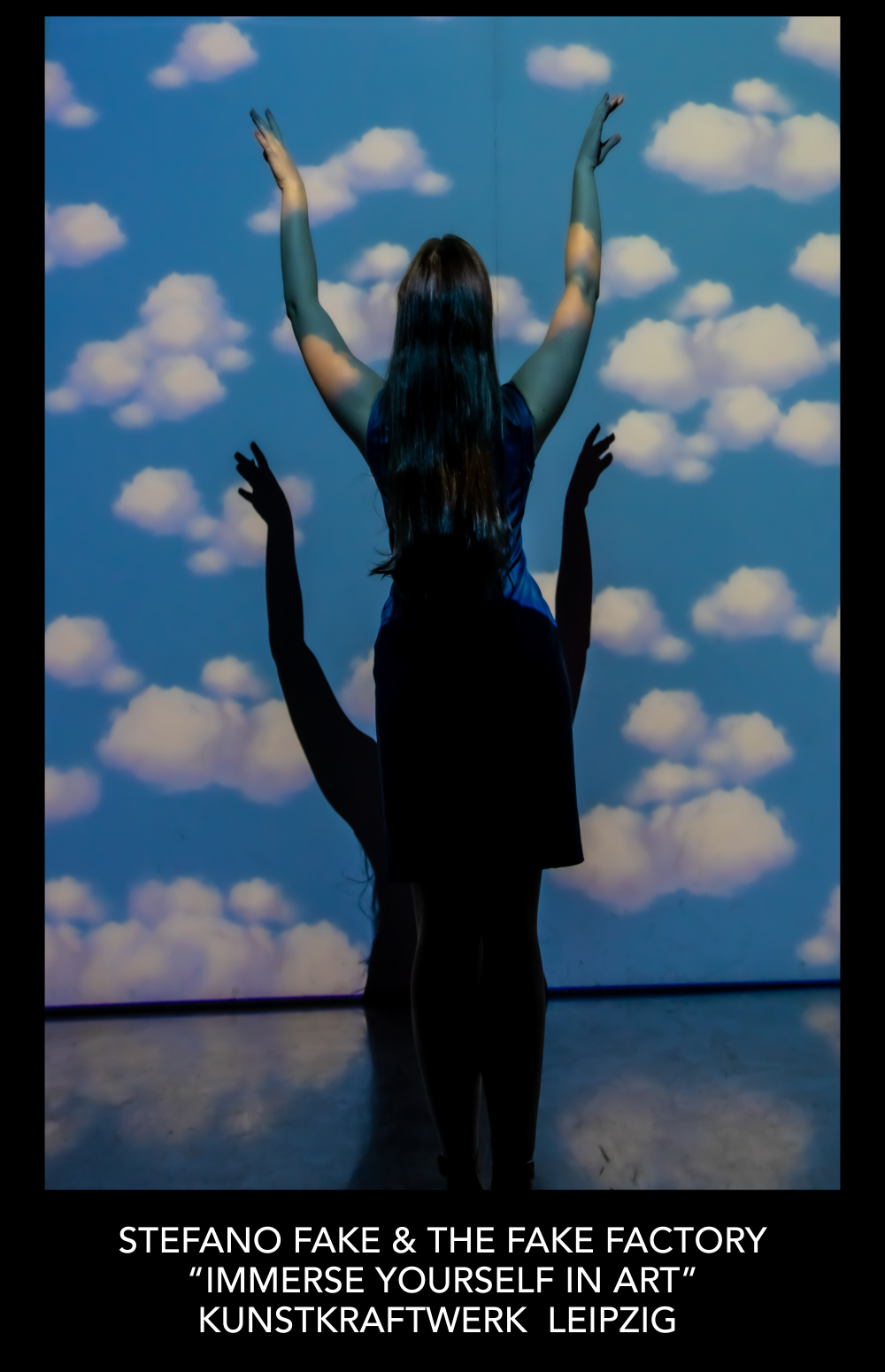

ARTE IMMERSIVA, ESTETICA RELAZIONALE E ARTE DELLA POST-PRODUZIONE.
Il Selfie Museum nasce a Los Angeles nel 2014 ad opera del fotografo e art director Adrien Berlin. Nei suoi studios fotografici di Los Angeles, Adrien Berlin organizza una serie di eventi e feste private con postazioni scenografiche realizzate assieme ad assistenti, collaboratori, artisti, scenografi, registi, spesso riutilizzando scenografie ed elementi scenici di recupero da set fotografici e scene di film. Il successo dell’iniziativa lo porta a creare un network di artisti internazionali, che oggi sono oltre 400, per realizzare pop-up selfie museums in tutto il mondo durante eventi di moda, design, cinema, musica.
Nel 2021, dopo lo stop pandemico, Adrien Berlin si trasferisce in Europa e inizia a riproporre il format in alcune città, ripetendo il successo mediatico e di pubblico degli esordi. Grazie alla collaborazione con alcuni amici artisti di base a Firenze, fra cui Stefano Fake & The Fake Factory, Il 7 ottobre 2021 apre il primo Selfie Museum nella capitale toscana. Adrien Berlin prevede per il 2022/2023 l’apertura in altre 14 città italiane ed europee.
LA FELICITA’ E’ REALE SOLO QUANDO E’ CONDIVISA (LEV TOLSTOY)
Adrien Berlin spiega così la nascita di SelfieMuseum.Art (https://www.selfiemuseum.art)
“Dopo la comparsa dell’iPhone nel 2008 e per tutti gli anni seguenti, ci siamo resi conto di una situazione mai esistita prima nella storia dell’umanità: le persone hanno in mano costantemente una macchina fotografica, lo smartphone, e possono condividere in tempo reale le foto che realizzano. Quindi, come artisti e creativi, abbiamo iniziato a pensare che questa fosse una grande occasione per “cercare una relazione” con il visitatore creando scenografie in cui le persone potessero letteralmente entrare in scena e creare immagini di se stessi all’interno delle opere scenografiche. Con alcuni amici artisti, alcuni molto famosi anche nel circuito delle gallerie d’arte tradizionali e che mi hanno chiesto di rimanere anonimi per non snaturare il progetto creativo collettivo, ci siamo divertiti a realizzare e sperimentare installazioni immersive e situazioni estetiche relazionali.
Inizialmente lavoravamo per eventi che si tenevano negli studios fotografici di Los Angeles e poi sempre di più in contesti tipo festival, manifestazioni di moda o design, esposizioni temporanee. Il grande successo di queste iniziative ci ha portato a pensare che si potessero realizzare dei veri e propri musei di arte immersiva e relazionale, il cui risultato doveva essere la creazione e la condivisione di foto da parte del pubblico che diventava così co-autore del processo creativo ed artistico. Anche il selfie museum di Firenze è frutto di questa idea di arte contemporanea. Durante la pandemia siamo stati costantemente in contatto con oltre 400 artisti, alcuni anche molto noti nel circuito dell’arte internazionale, che si sono prestati gratuitamente con idee per opere immersive che re-interpretano e rimettono in scena l’arte del passato e del presente: installazioni luminose, optical art, minimalismo, street art, mixed-media art, videoinstallazioni digitali immersive. Gli artisti hanno lavorato un anno per creare oltre 70 installazioni, che si sviluppano in un labirinto di oltre 1000 mq negli spazi di Via Ricasoli 44, gestiti dalla neonata Florence Art Lab, società partecipata da Giunti editore.”
LA FILOSOFIA DI SELFIEMUSEUM.ART
Per capire la filosofia di un progetto come SelfieMuseum.Art è utile ricordare le teorie del critico d’arte e curatore Nicolas Bourriaud che alla fine degli anni ’90 inventa il termine estetica relazionale, poi arricchito nel 2004 con la pubblicazione di “POST-PRODUCTION come l’arte riprogramma il mondo”. Nel saggio L’ESTHETIQUE RELATIONNELLE (1998) Bourriaud definisce l’arte relazionale come forma d’arte contemporanea che si sviluppa attorno alla metà degli anni novanta e prevede la partecipazione del pubblico alla costruzione o alla definizione dell’opera di cui è partecipe. Si tratta di un’arte delle spiccate caratteristiche politiche e sociali al cui centro gravita la visione dell’uomo come animale anzitutto creativo. L’artista relazionale, abbandonando la produzione di oggetti tipicamente estetici, si adopera per creare dispositivi in grado di attivare la creatività del pubblico trasformando l’oggetto d’arte in un luogo di dialogo, confronto e, appunto, di relazione in cui perde importanza l’opera finale e assume centralità il processo, la scoperta dell’altro, l’incontro.
Pochi anni dopo, nel 2004, sempre Bourriaud arriva a comprendere un altro grande fenomeno che attraversa l’arte contemporanea, quello della post-produzione e del remix di segni e significati.
Scrive Bourriaud: “ Dagli inizi degli anni Ottanta, le opere d’arte sono create sulla base di opere già esistenti; sempre più artisti interpretano, riproducono, espongono nuovamente e utilizzano opere realizzate da altri oppure altri prodotti culturali. L’arte della post-produzione sembra rispondere al caos proliferante della cultura globale nell’età dell’informazione, che è caratterizzata dall’incremento di forme ignorate e disprezzate fino ad ora e dalla loro annessione al mondo dell’arte. Inserendo nella propria opera quella di altri, gli artisti contribuiscono allo sradicamento della tradizionale distinzione tra produzione e consumo, creazione e copia, ready made e opera originale. Il materiale originario non è più primario. Non si tratta più di elaborare una forma sulla base del materiale grezzo, ma di lavorare con oggetti che sono già in circolazione sul mercato culturale, vale a dire, oggetti già in-formati da altri oggetti. I concetti di originalità (essere all’origine di) e di creazione (creare qualcosa dal nulla) svaniscono lentamente nel nuovo panorama culturale.
Oggi gli artisti cercano di inserirsi negli innumerevoli flussi di produzione. Essi si chiedono come fanno a produrre singolarità partendo dalla massa caotica di oggetti che affolla il quotidiano. Si servono delle forme esistenti e considerano la società come repertorio di forme. L’opera d’arte contemporanea non è più il punto terminale del “processo creativo” (non è un “prodotto finito” da contemplare), ma un sito di navigazione, un portale, un generatore di attività. Si manipola a cominciare dalla produzione, navighiamo in un network di segni, inseriamo le nostre forme su linee esistenti. L’opera d’arte contemporanea non è un punto di arrivo, ma un punto di navigazione, il momento di un processo in divenire. Nasce per essere manipolata in futuro.
Le varie configurazioni di un uso artistico del mondo vengono unite dalla rottura delle barriere tra produzione e consumo. Con questa nuova forma di cultura, che si potrebbe definire cultura d’uso o dell’attività, l’opera d’arte funziona come terminazione temporanea di una rete di elementi interconnessi, come narrativa che si estende fino a reinterpretare le narrative che l’hanno preceduta. (…)
Ogni mostra racchiude la storia di un’altra mostra; ogni opera può servire scenari multipli ed essere inserita in programmi diversi. Non è più un punto terminale, dunque, ma un momento in una catena infinita di contributi. Sia l’estetica relazionale che la pratica della post-produzione partono da uno spazio mentale rinnovato, aperto al pensiero grazie a internet, lo strumento centrale dell’età dell’informazione nella quale siamo appena entrati. La cultura di oggi si può definire cultura d’uso e di attività in cui ogni opera è una terminazione temporanea di un processo di produzione e di una rete di elementi interconnessi. Con il nuovo millennio nasce l’arte di reinterpretare l’arte, che si sviluppa su più livelli, con diverse forme e modi di fruizione. L’arte si fa con tutto e il significato di un’opera contemporanea proviene anche dall’uso che se ne fa, e non solo da quello suggerito dall’artista. (…)
Tutte queste pratiche artistiche, per quanto eterogenee, condividono il fatto di ricorrere a forme già prodotte dimostrando cosi la volontà di inscrivere l’opera d’arte all’interno di una rete di segni e significati, invece che considerarla forma autonoma o originale. Non si tratta più di fare tabula rasa, di creare da zero, ma di trovare il modo di inserirsi negli innumerevoli flussi di produzione. La questione passa da “che fare di nuovo?” a “cosa fare con quello che ci troviamo?” Oggi gli artisti programmano le forme più che comporle. Invece di trasfigurare un elemento crudo (la tela bianca, l’argilla…) ricombinano forme già disponibili utilizzandone le informazioni. Crescendo in un universo di prodotti in vendita, di forme pre-esistenti, di segnali già emessi, di edifici già costruiti, d’itinerari già battuti dai predecessori, gli artisti non considerano più il campo artistico come un museo che contiene opere da citare o “sor-passare”, come richiedeva l’ideologia modernista del nuovo, ma come tanti magazzini riempiti di utensili da usare, stoccaggi di informazioni da manipolare per essere poi rimessi in scena. Il prefisso “post” non segnala alcuna negazione e superamento, ma una zona di attività: non consiste nella produzione d’immagini, il che li connoterebbe come manieristi, ma nell’inventarsi protocolli di rappresentazione per tutti i modelli e le strutture formali esistenti. Bisogna apprendere tutti i codici culturali, tutte le forme e le opere del patrimonio universale, e cercarle di farle funzionare in quanto imparare a servirsi delle forme, cosi come ci invitano a fare gli artisti, significa innanzitutto sapere come abitarle e farle proprie. Gli artisti abitano attivamente forme culturali e sociali. L’opera contemporanea non è più il punto terminale del processo creativo, che non vuol dire che è un prodotto finito da completare, ma un sito di navigazione, un generatore di attività. Le varie configurazioni di un uso artistico del mondo vengono unite dalla rottura delle barriere tra produzione e consumo. Questa cultura dell’uso però implica una profonda mutazione dello statuto di opera d’arte: non è più una forma di cultura passiva, ma diventa generatrice di comportamenti e riutilizzi potenziali. (…)
Non è forse l’arte, secondo le parole di Marchel Duchamp, “un gioco tra uomini di tutte le epoche”? La post-produzione è la forma contemporanea di questo gioco.
L’appropriazione è il primo stadio della post-produzioni: non si tratta più di fabbricare un oggetto, ma di selezionarne uno tra quelli esistenti, di utilizzarlo e modificarlo secondo un’intenzione specifica. Se le radici del processo di appropriazione si trovano nella storia, la sua narrativa comincia con il readymade, che ne rappresenta la prima manifestazione concettualizzata e pensata in relazione alla storia dell’arte.Quando Marcel Duchamp espone come opera della mente un oggetto fabbricato, egli devia la problematica del processo creativo spostando l’accento sullo sguardo dell’artista su determinati oggetti, piuttosto che su una qualunque abilità manuale. Egli afferma che l’atto dello scegliere sia già abbastanza perché si stabilisca un’operazione artistica, così come avviene con l’atto del fabbricare, del dipingere o dello scolpire: associare un’idea a un oggetto significa già produrre. Duchamp completa così la definizione del termine creazione: creare significa includere l’oggetto in un contesto nuovo, considerarlo al pari del personaggio di una sceneggiatura.
(tratto da “Postproduction – Come l’arte riprogramma il mondo” di Nicolas Bourriaud – 2004)
EXPRESS YOURSELF, EXPRESS YOURSELFIE.
Selfie oggi significa esprimere se stessi attraverso un’immagine condivisa sui social media.
Quindi non semplicemente e non più solo una foto che una persona si autoscatta, magari allo specchio, ma un’immagine personale, un ritratto fotografico, creato assieme agli amici e ai familiari. Un momento di gioia, felicità, introspezione ed espressione personale condiviso socialmente.
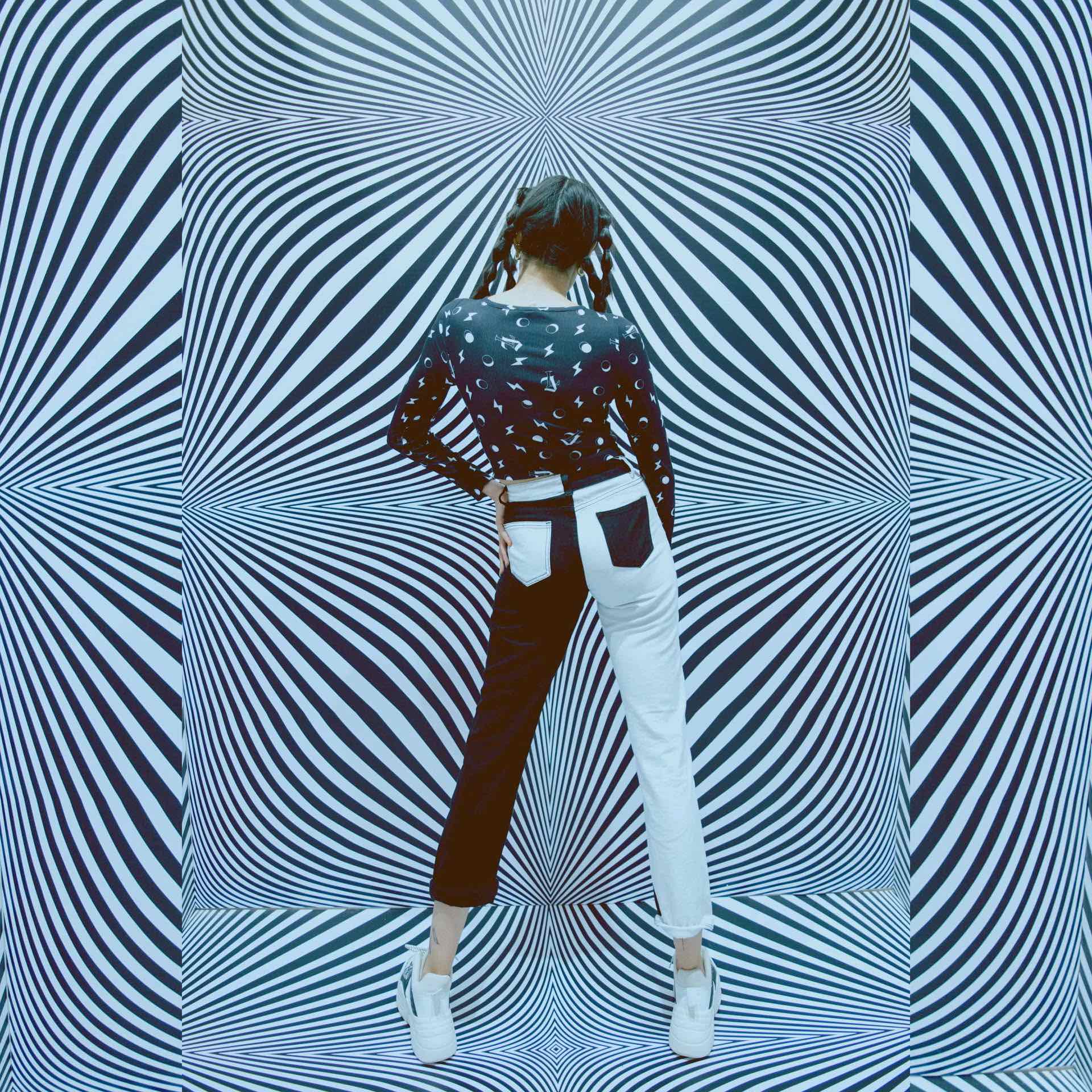
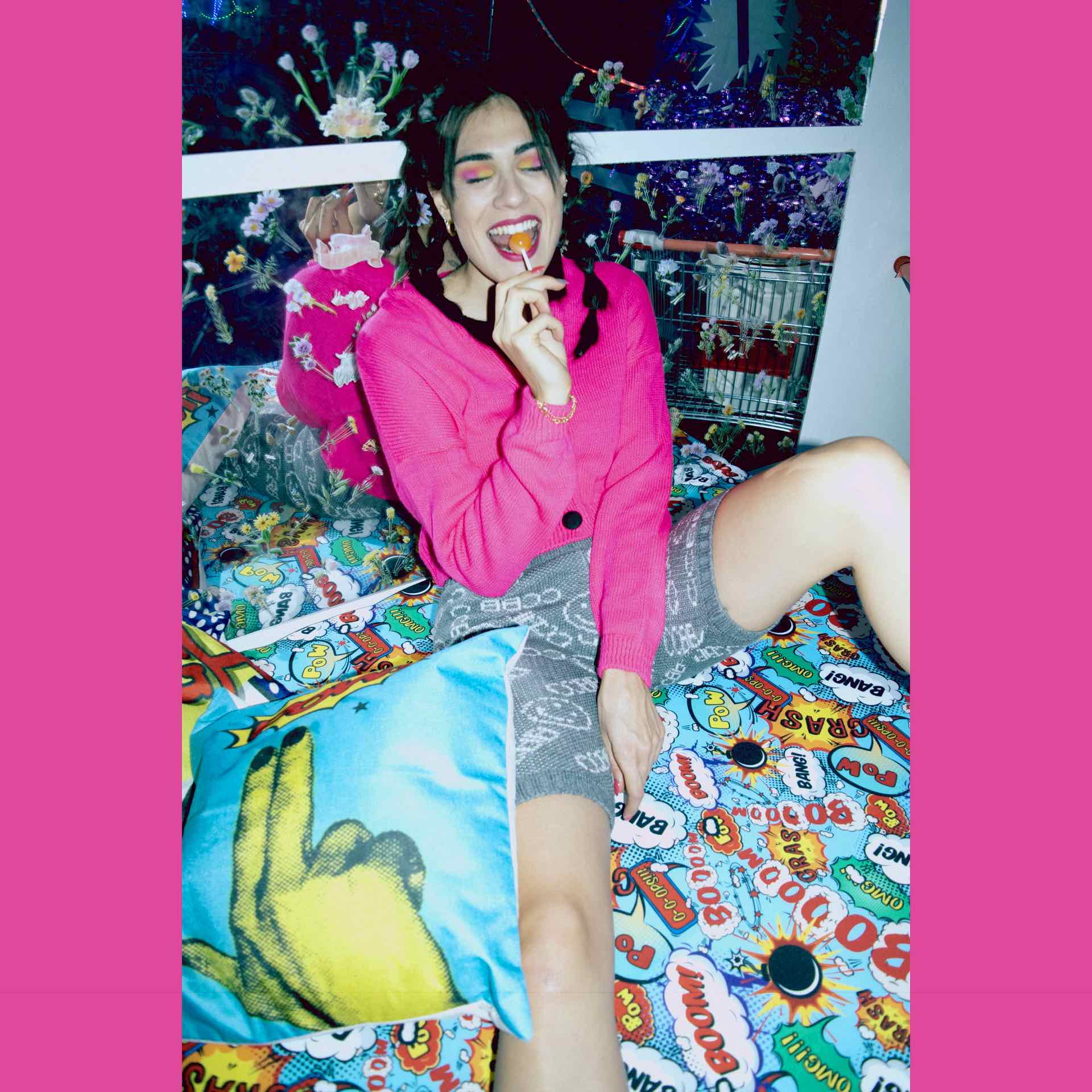
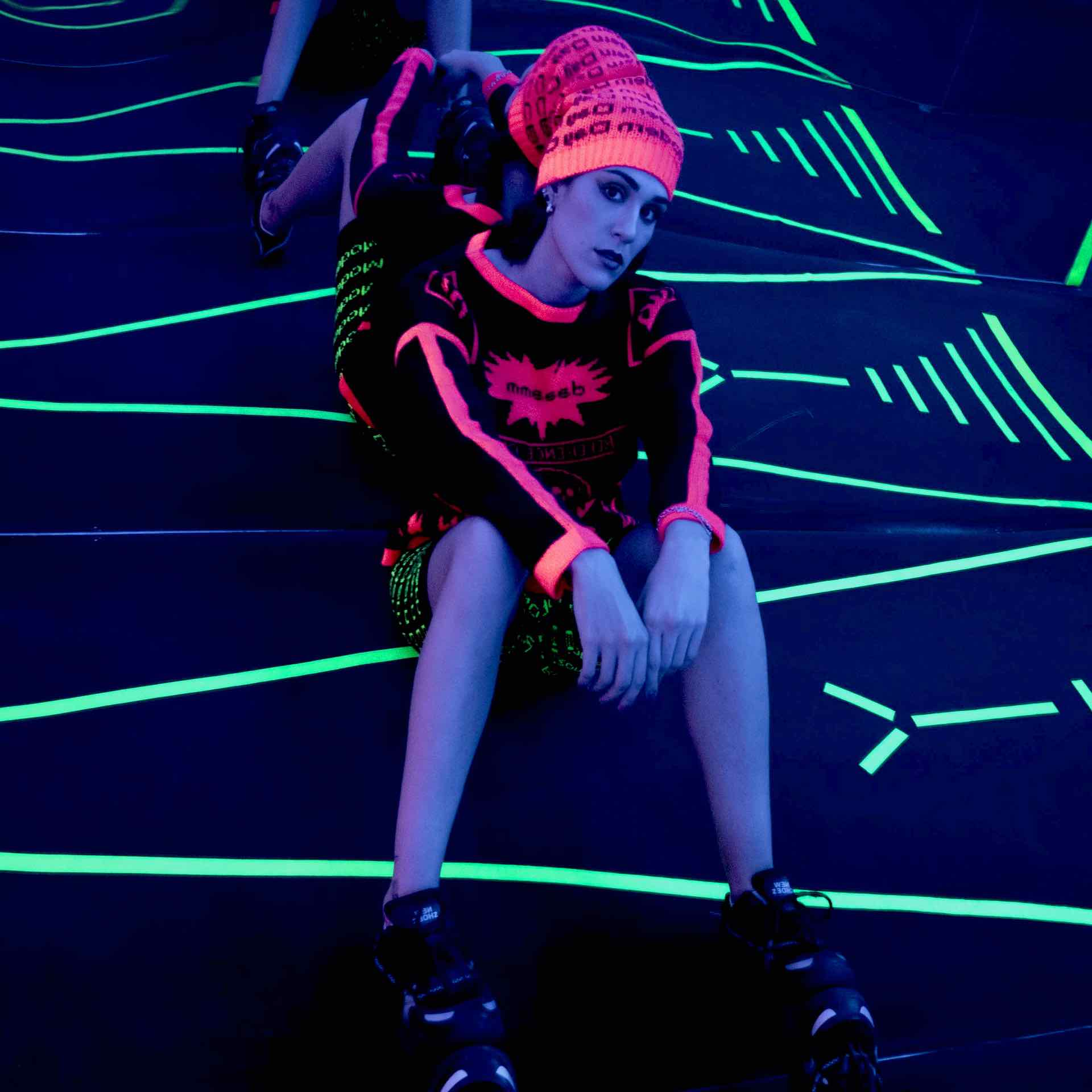
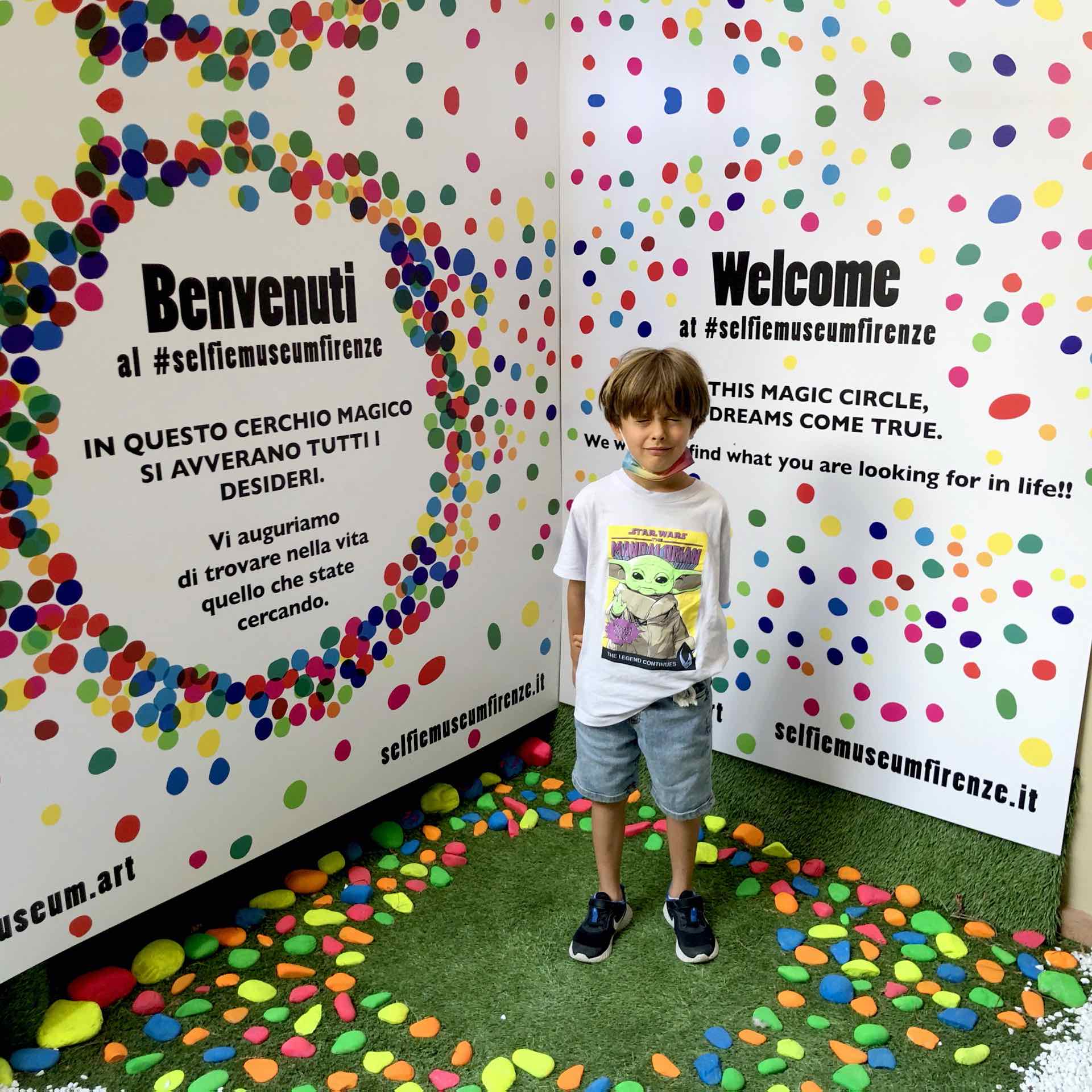
SelfieMuseum.Art non è solo uno spazio espositivo, ma soprattutto un laboratorio creativo, scrigno di molteplici forme d’arte e bellezza tutte da scoprire. Un’overdose di entusiasmo nei confronti della creatività umana e della sorprendente bellezza della natura. E’ uno spazio realizzato da artisti per creare una relazione con il visitatore. Gli artisti che hanno collaborato al progetto inventano ad ogni allestimento collegamenti inediti fra l’attività artistica e l’insieme delle attività dell’uomo, costruendo uno spazio narrativo che cattura finalità e strutture del quotidiano in una forma scenario che diventa un luogo/non-luogo dove si incontrano culture, linguaggi, tematiche, connessioni creative. Questa relazione artista-visitatore si manifesta proprio attraverso gli scatti fotografici che i visitatori creano e diffondono sui social media. Non si tratta solamente di immagini da pubblicare, ma di emozioni da condividere.
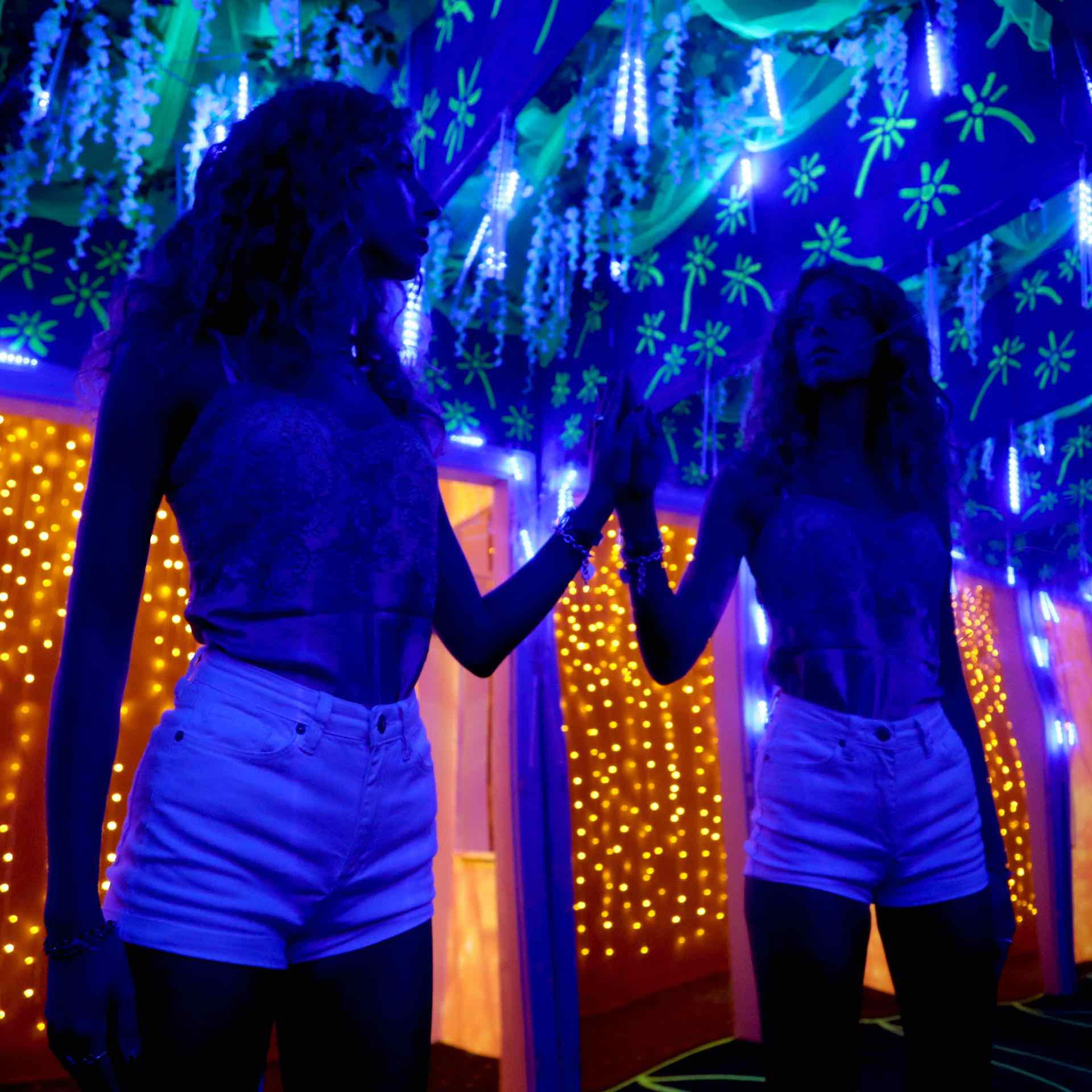
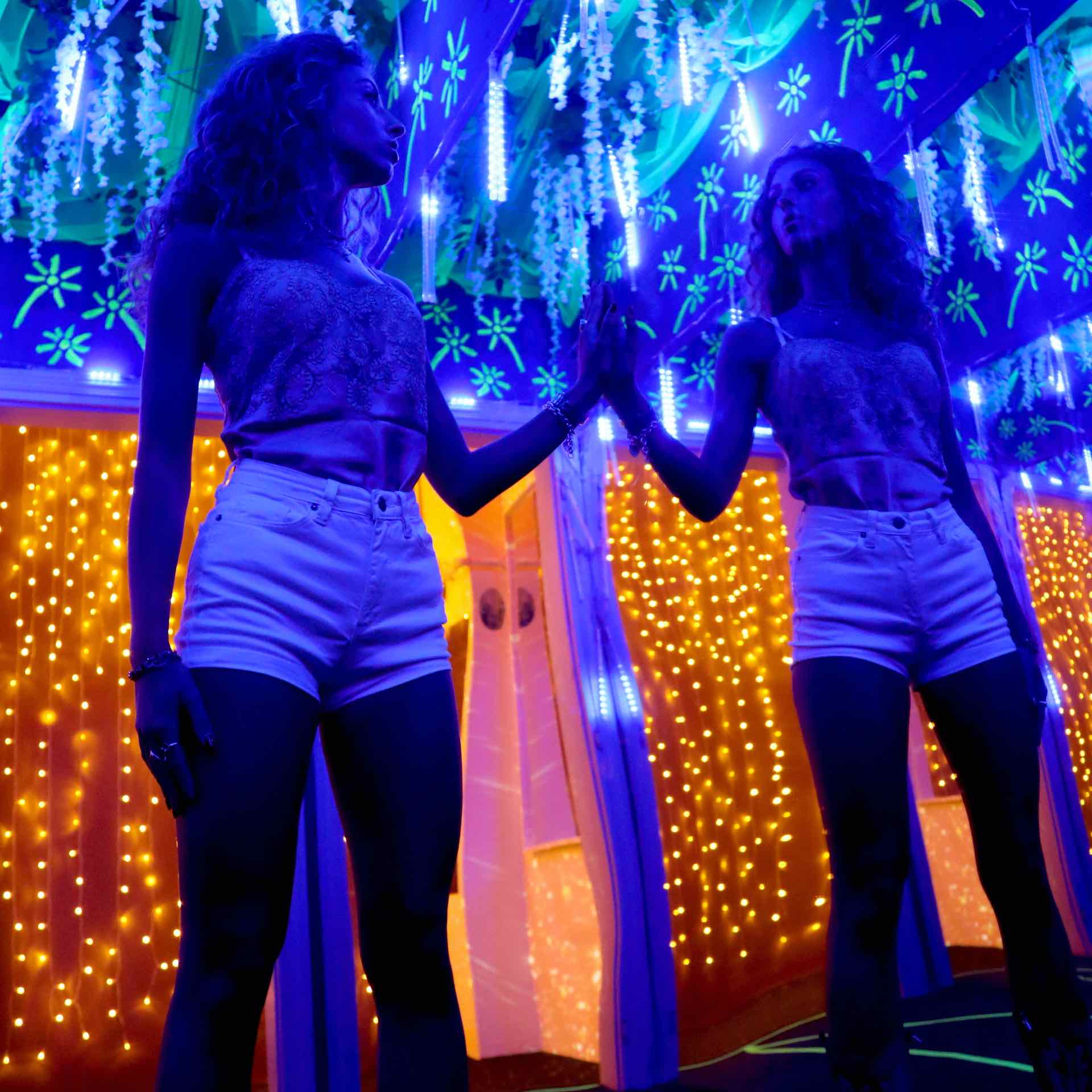
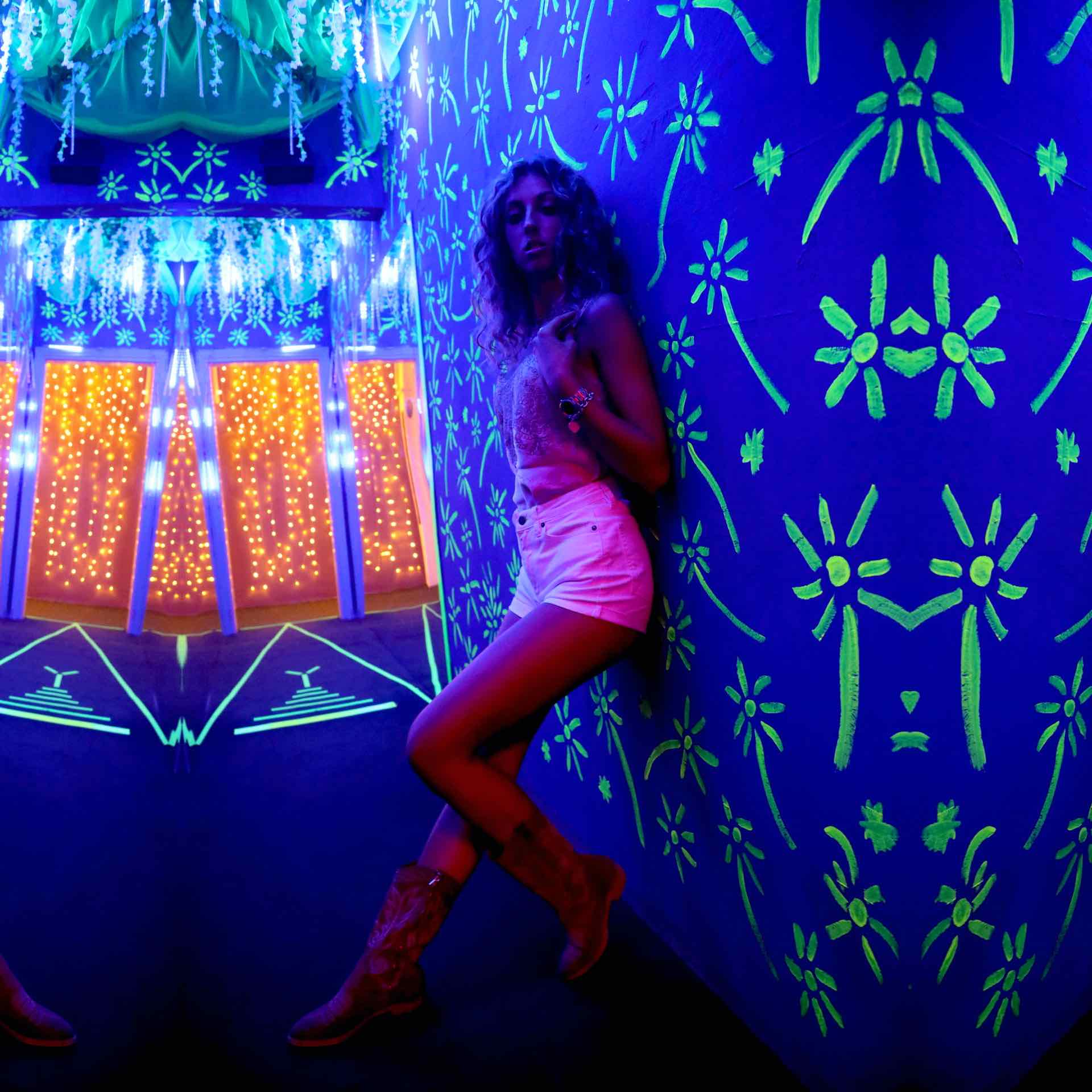
Un progetto come SelfieMuseum.Art non è quindi quello che superficialmente si potrebbe definire come uno spazio con “stanze colorate e divertenti per farsi delle foto”, ma è un naturale sviluppo dell’arte nella direzione di un maggior coinvolgimento del visitatore nell’esperienza museale. L’esempio più appropriato per capire il selfie museum sono gli spazi espositivi di Meow Wolf negli Stati Uniti (https://meowwolf.com/) oppure il Gucci Garden di Firenze, che di fatto è un “made for social media museum”. Sempre di Gucci non va dimenticato che la mostra di Shanghai curata da Maurizio Cattelan “The artist is present” del 2018 era costituita da una serie di installazioni per farsi foto e condividerle socialmente. (https://www.gucci.com/it/it/st/stories/people-events/article/2018-the-artist-is-present)
ART IS A GAME, LET’S PLAY TOGETHER!
SelfieMuseum.Art è anche e forse soprattutto uno spazio per educare il visitatore a conoscere e riconoscere le nuove forme d’arte contemporanee. Se partiamo dall’etimologia stessa della parola,
educare significa “tirare-fuori”, cioè presuppone un’attività da parte del visitatore che interagisce con le opere scenografiche cercando di comprenderne i significati e di utilizzarle come spazio di creazione di contenuti.
A cosa sono “educati” i visitatori del selfie museum?
- che l’arte contemporanea “si fa con tutto”, cioè che oggi le forme espressive sono molteplici, multidisciplinari e multimodali.
- che il concetto di arte cambia nel tempo e le forme più nuove ed interessanti di arte contemporanea sono probabilmente quelle immersive e relazionali.
- che possono interagire con le opere per produrre altri manufatti digitali -le foto condivise- che fungono da personale reinterpretazione dell’opera nuda creata dall’artista.
- che essere in grado di creare contenuti estetici di qualità richiede l’attivazione di capacità fotografiche e compositive non banali. Basti vedere come ogni visitatore utilizza in modo diverso gli stessi ambienti per generare immagini ad alto contenuto creativo. In inglese si direbbe, con le parole di Ansel Adams: “you don’t take a photograph, you make it”.
- che il processo di “Do it yourself”, forse la vera rivoluzione creativa dell’epoca di internet, si sta allargando a molteplici ambiti culturali, fra cui l’esperienza museale, che il pubblico vuole sempre più Immersiva e partecipativa.
INSTAGRAM >>>>
@selfiemuseum.art
@selfiemuseum.it
@selfiemuseumfirenze
La felicità è reale solo quando è condivisa. (Lev Tolstoy)
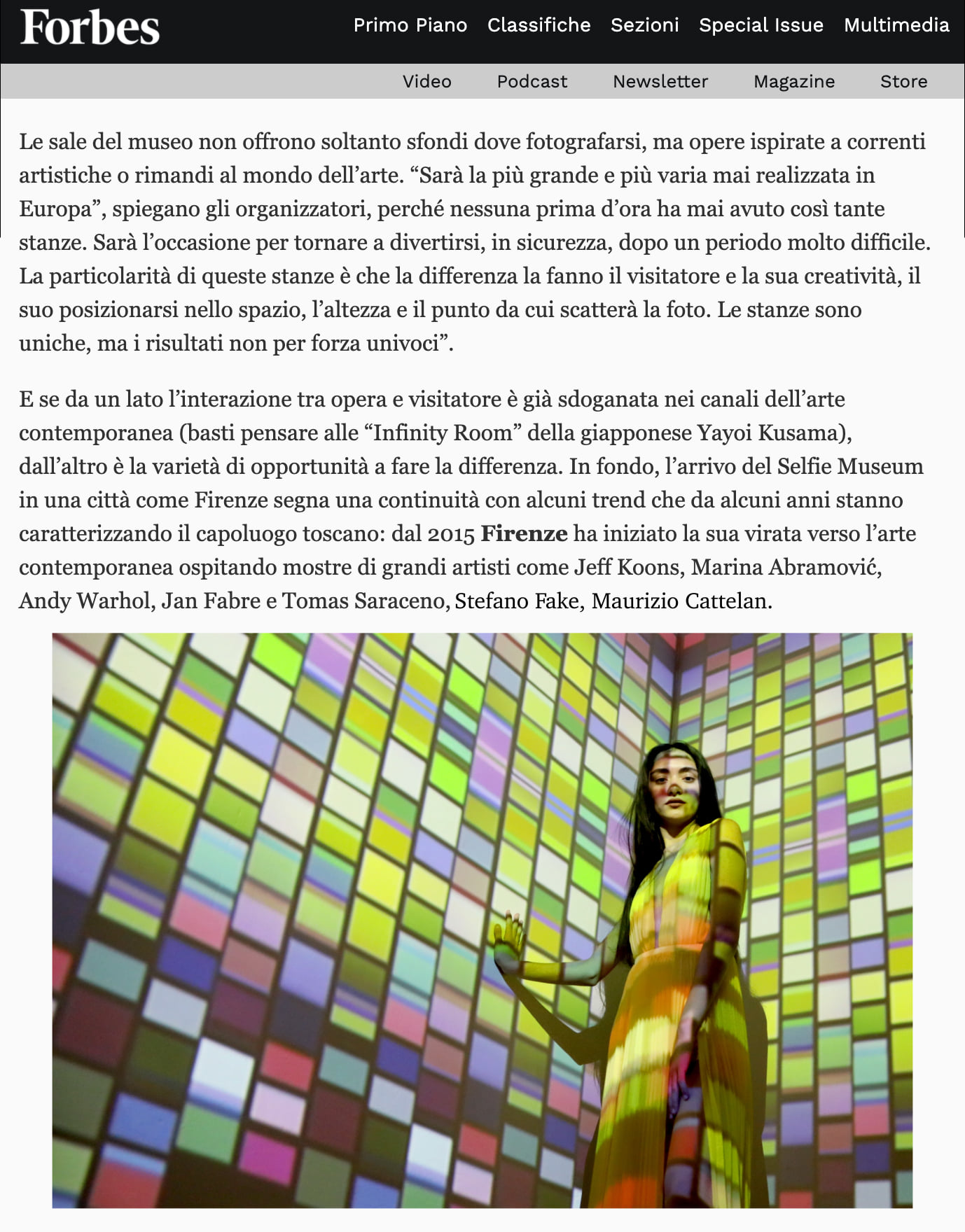
BE YOURSELF, BE YOURSELFIE.
Selfie per noi significa esprimere se stessi attraverso un’immagine condivisa sui social media.
Quindi non semplicemente una foto che ti scatti da solo, magari allo specchio, ma un’immagine di te, un tuo ritratto fotografico creato assieme agli amici e ai tuoi familiari. Un momento di gioia, felicità, introspezione ed espressione personale condiviso socialmente.
INSPIRING, IMAGINATIVE, BEAUTIFUL.
Il nostro Selfie Museum non è solo uno spazio espositivo ma soprattutto un laboratorio creativo, scrigno di molteplici forme d’arte e bellezza tutte da scoprire. Per noi l’arte è un’overdose di entusiasmo nei confronti della creatività umana e della sorprendente bellezza della natura.
EXPRESS YOURSELF, EXPRESS YOURSELFIE.
Il Selfie museum e’ uno spazio realizzato da artisti per creare una relazione con il visitatore.
Abbiamo chiesto agli artisti che hanno collaborato al progetto di inventare collegamenti inediti fra l’attività artistica e l’insieme delle attività dell’uomo, costruendo uno spazio narrativo che cattura finalità e strutture del quotidiano in una forma scenario che diventa un luogo/non-luogo dove si incontrano culture, linguaggi, tematiche, connessioni creative.
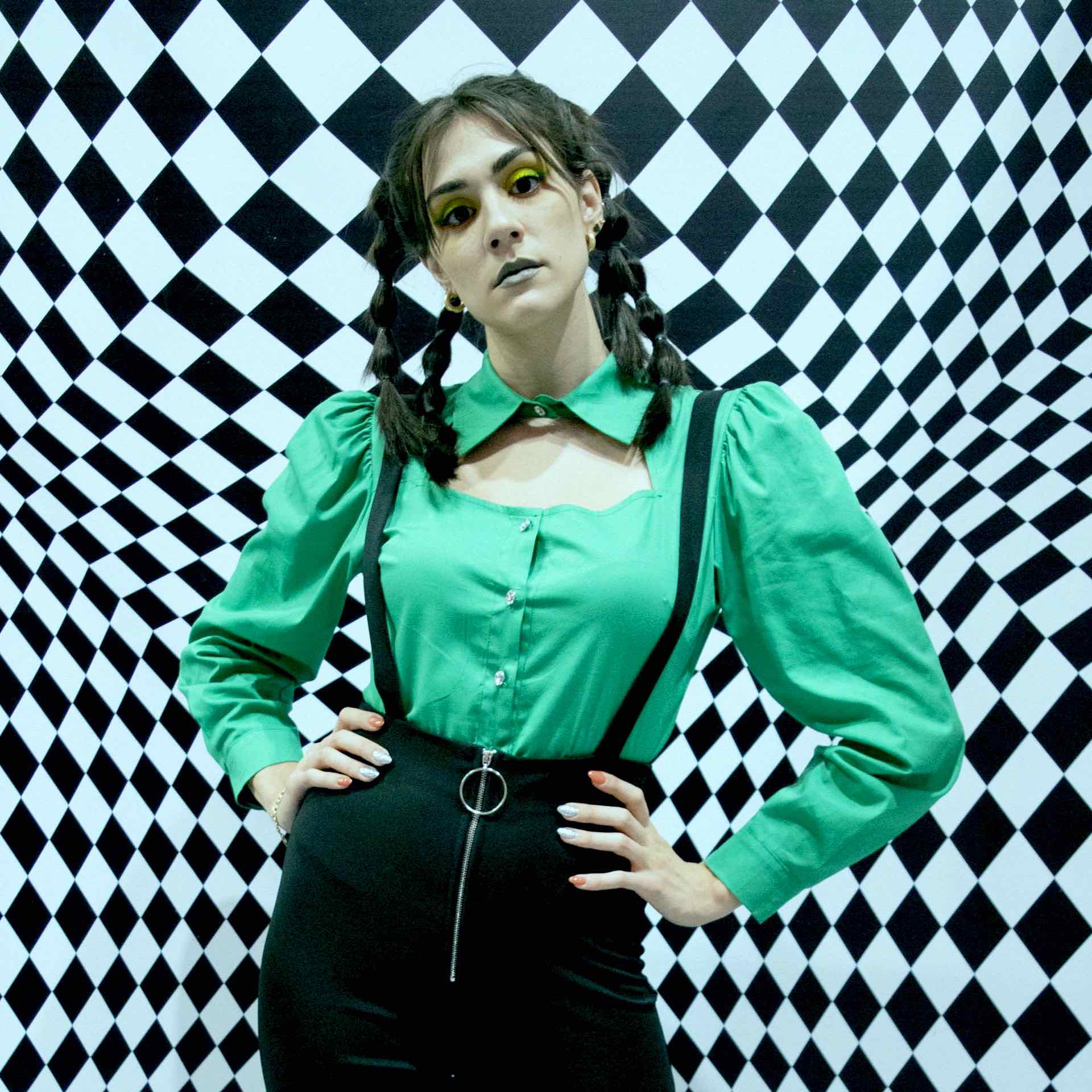
Questa relazione artista-visitatore si manifesta proprio attraverso gli scatti fotografici che i visitatori creano e diffondono sui social media.
Non si tratta di immagini da pubblicare, ma di emozioni da condividere!
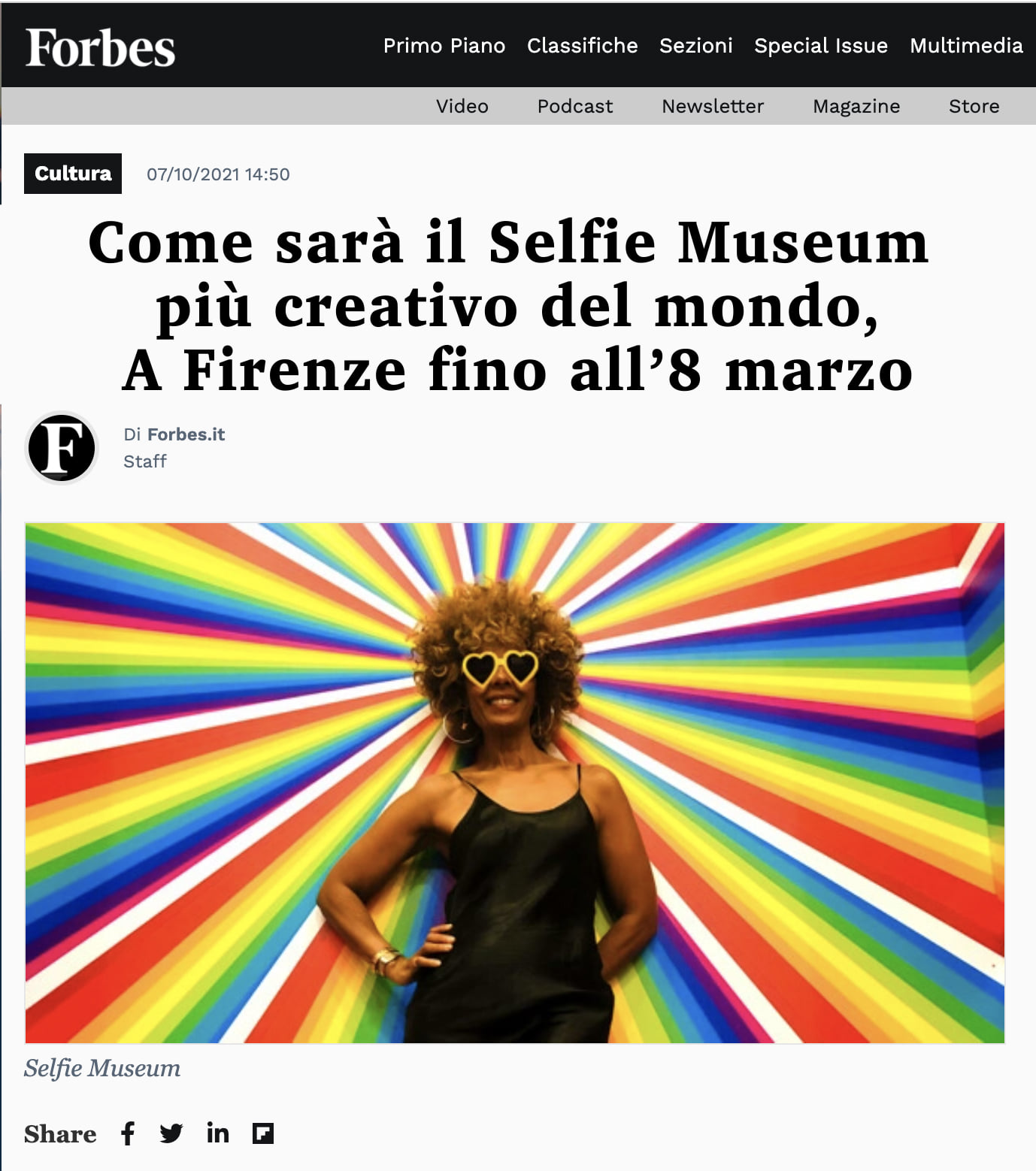





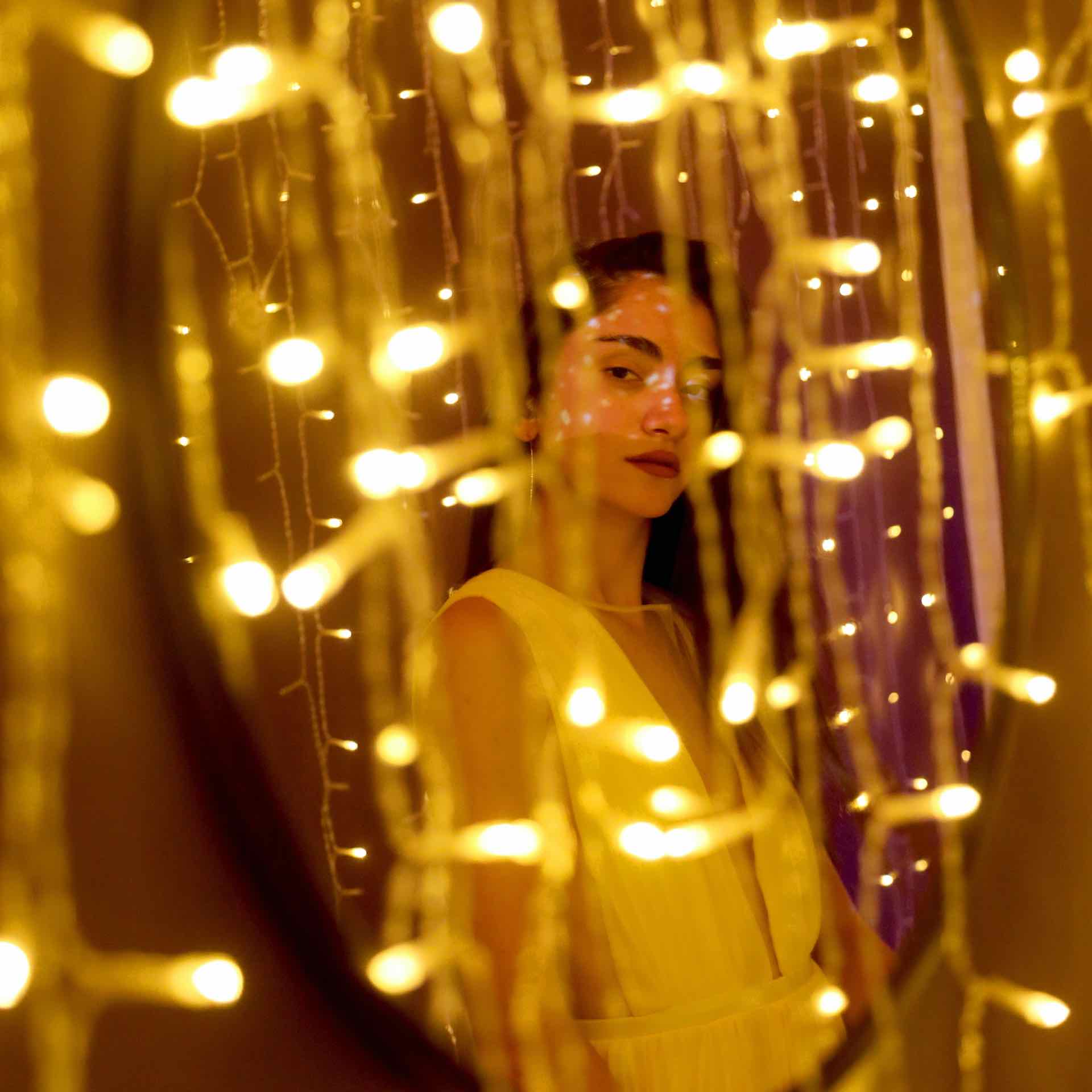
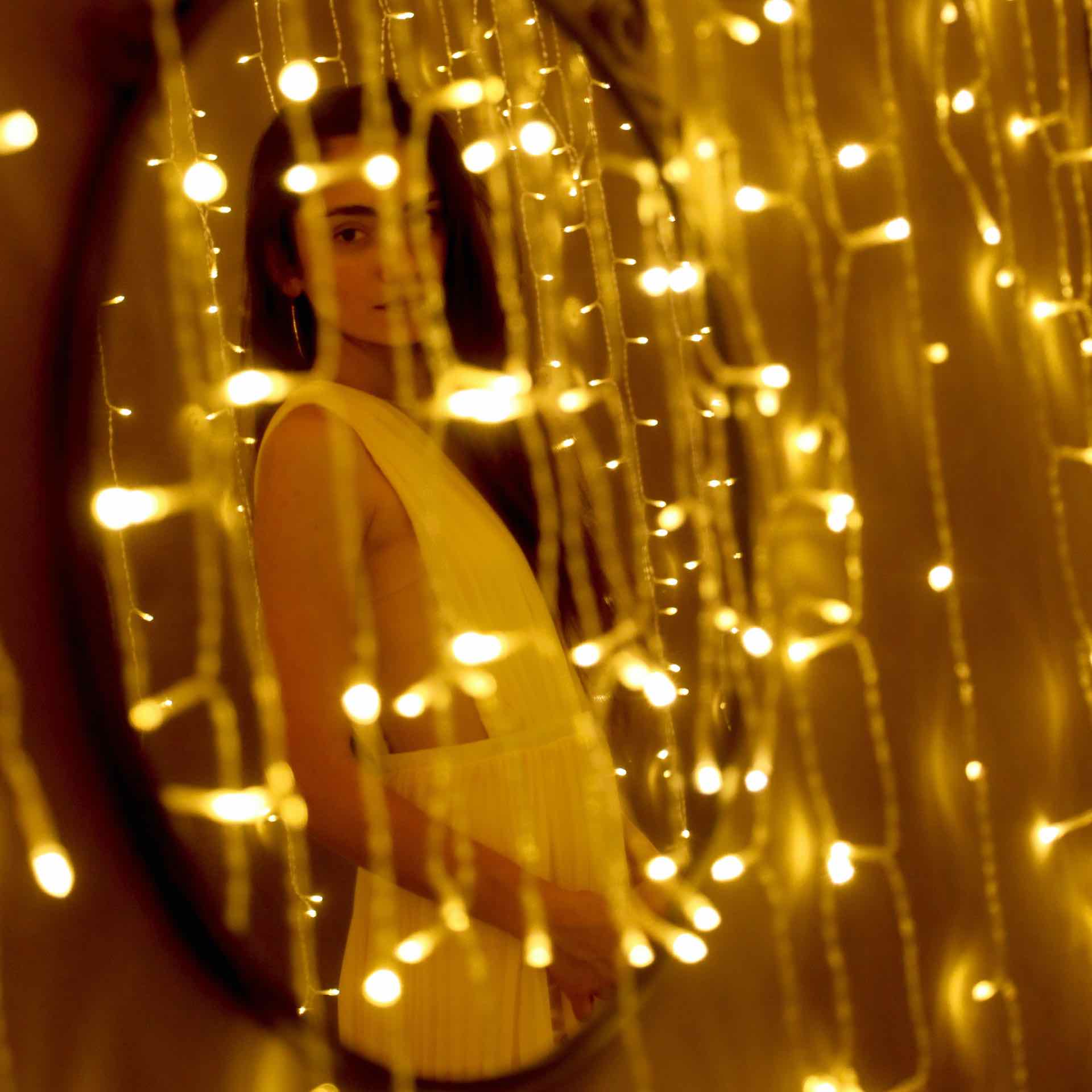
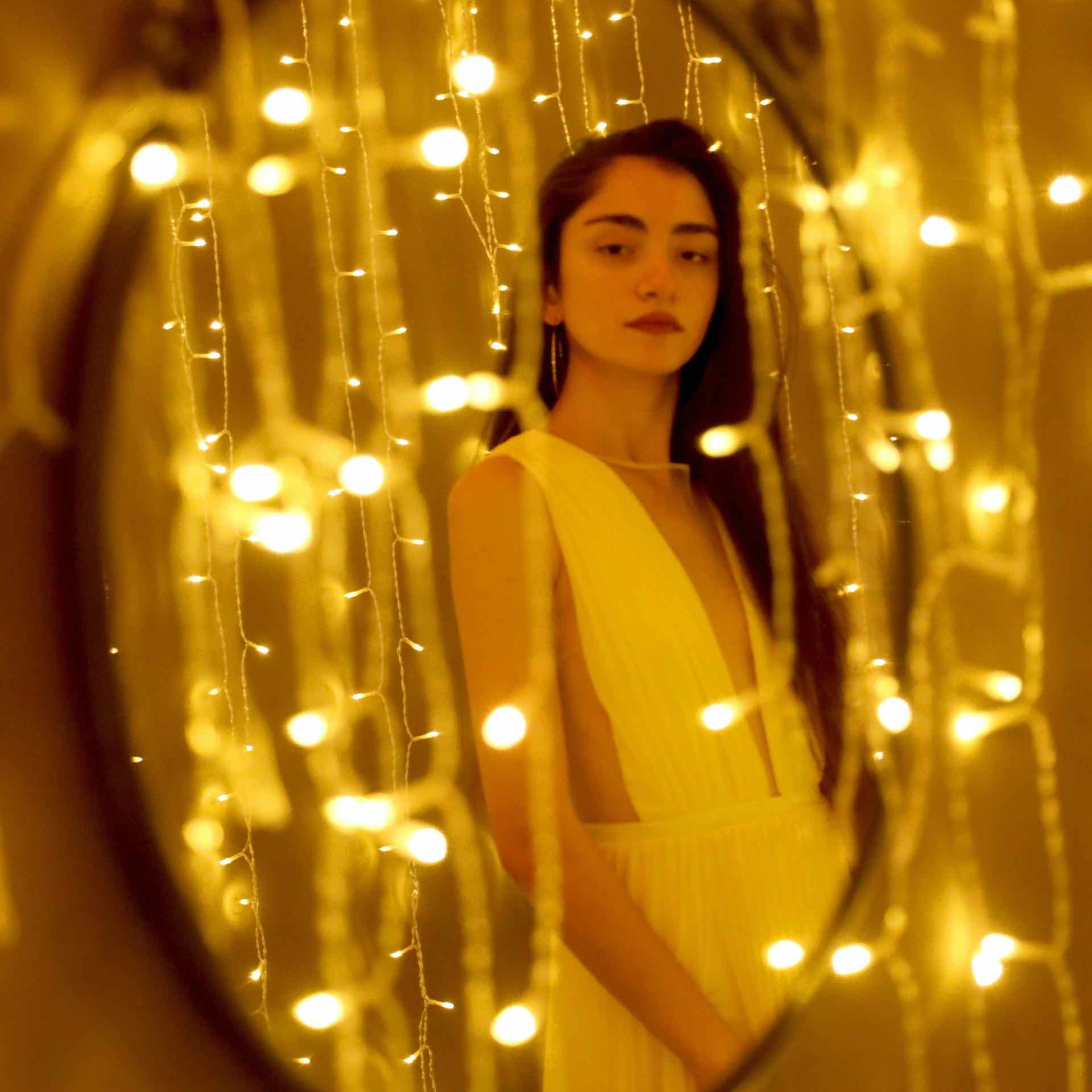
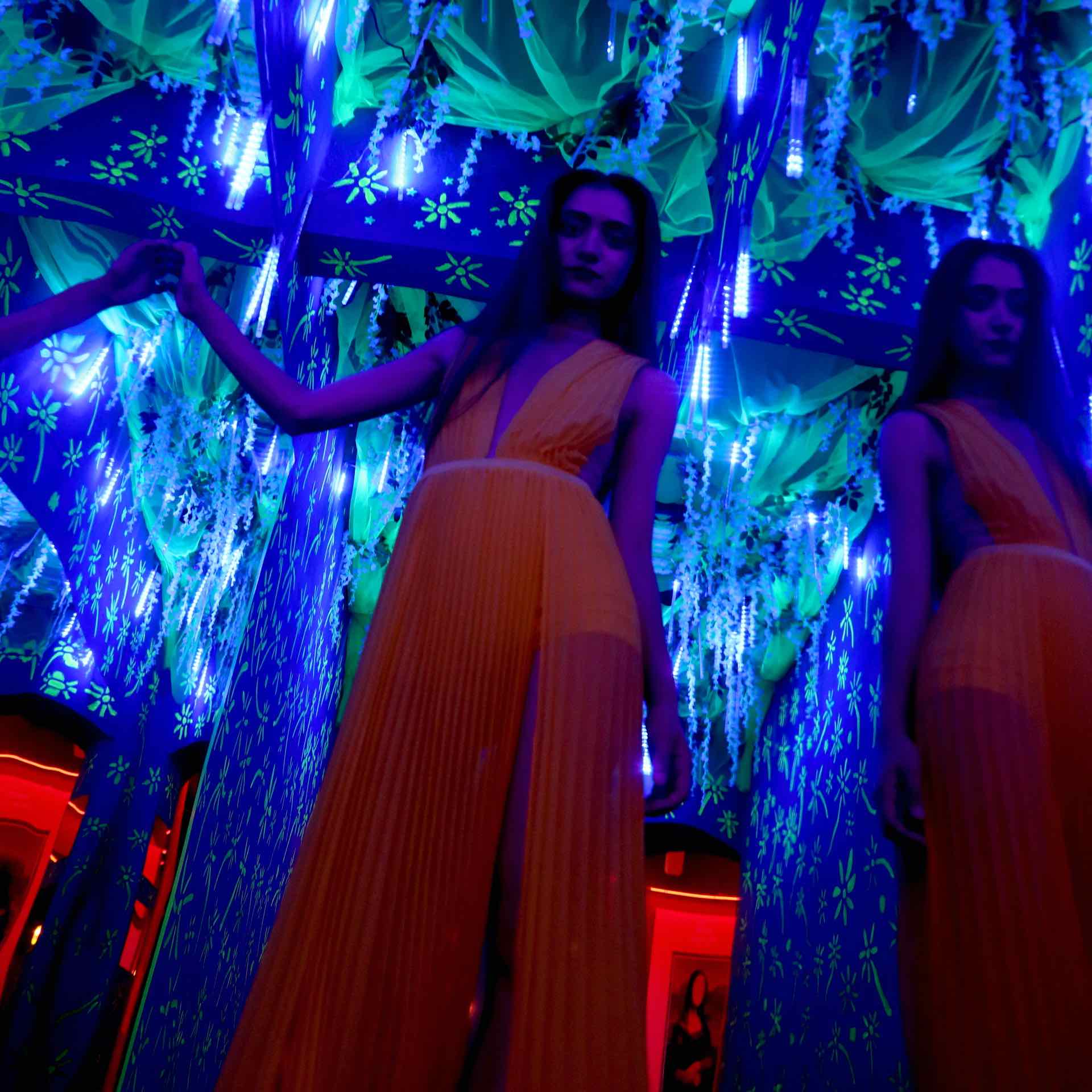
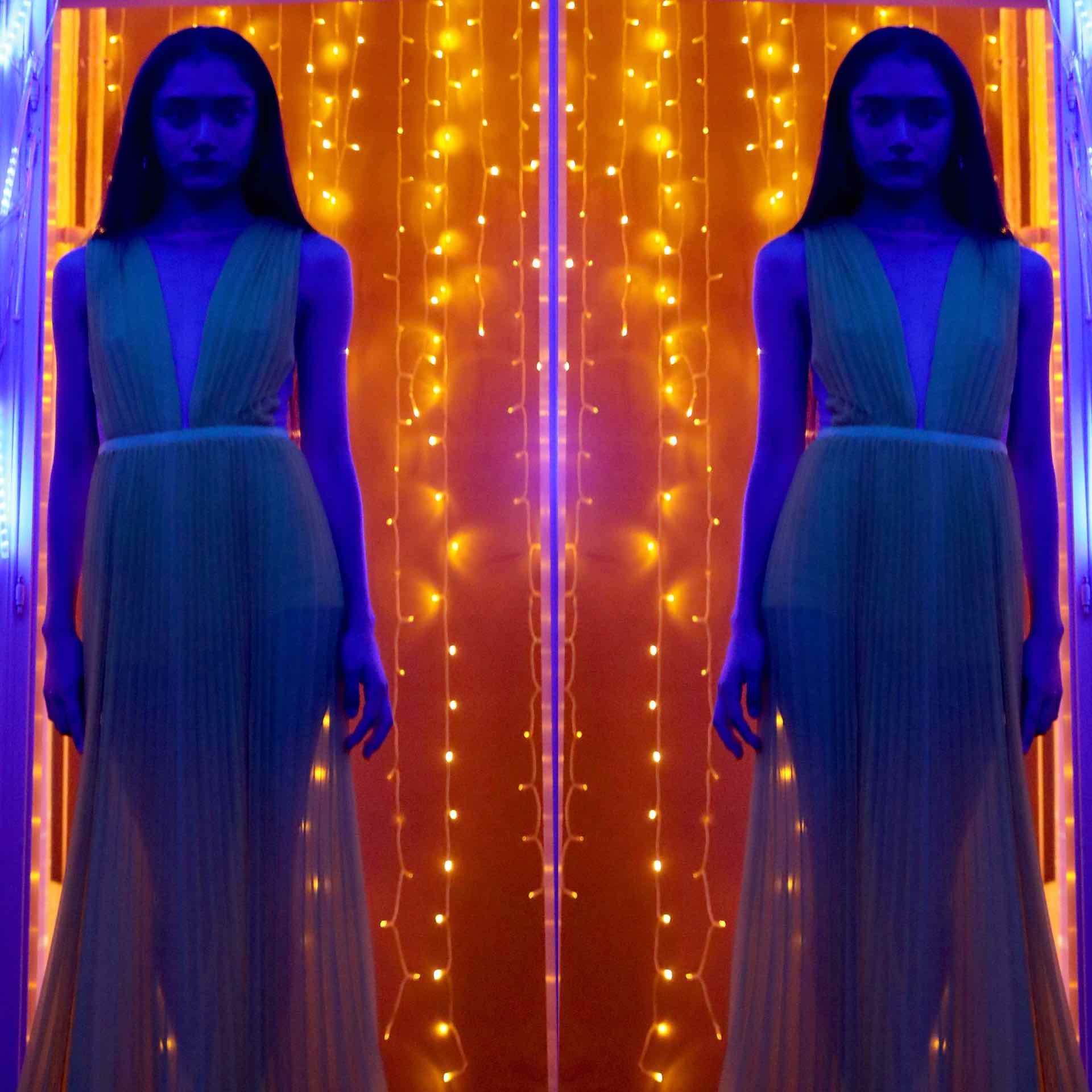
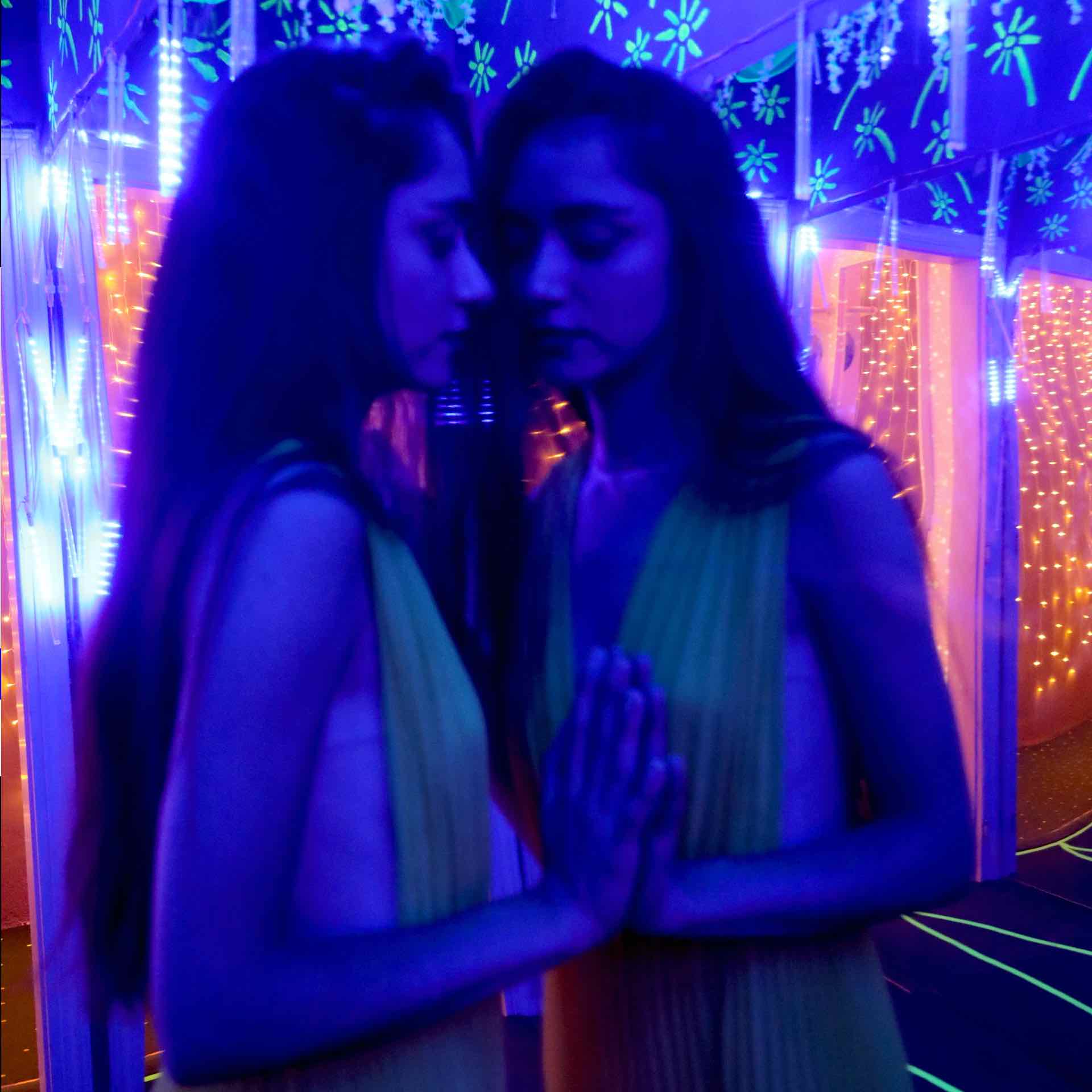
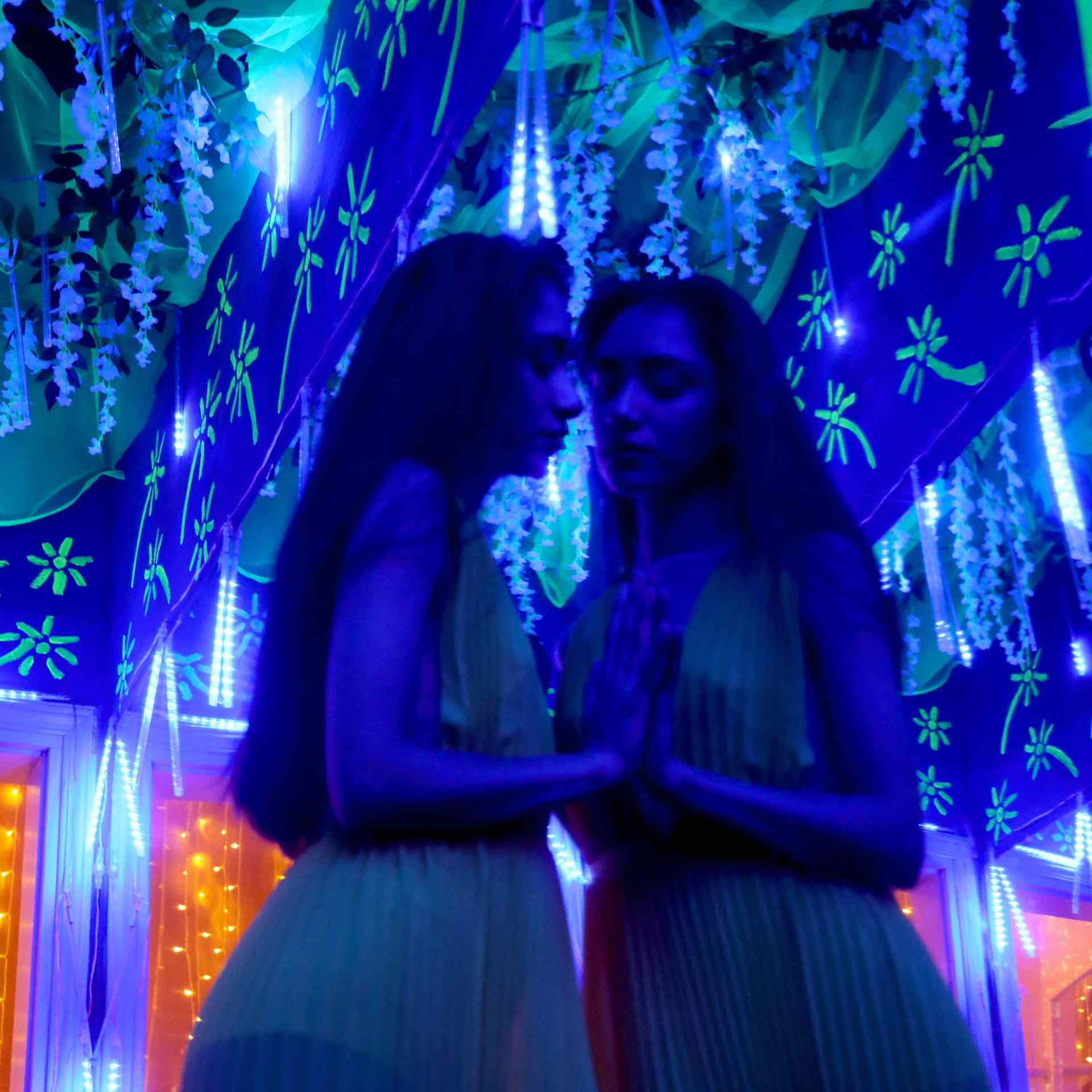

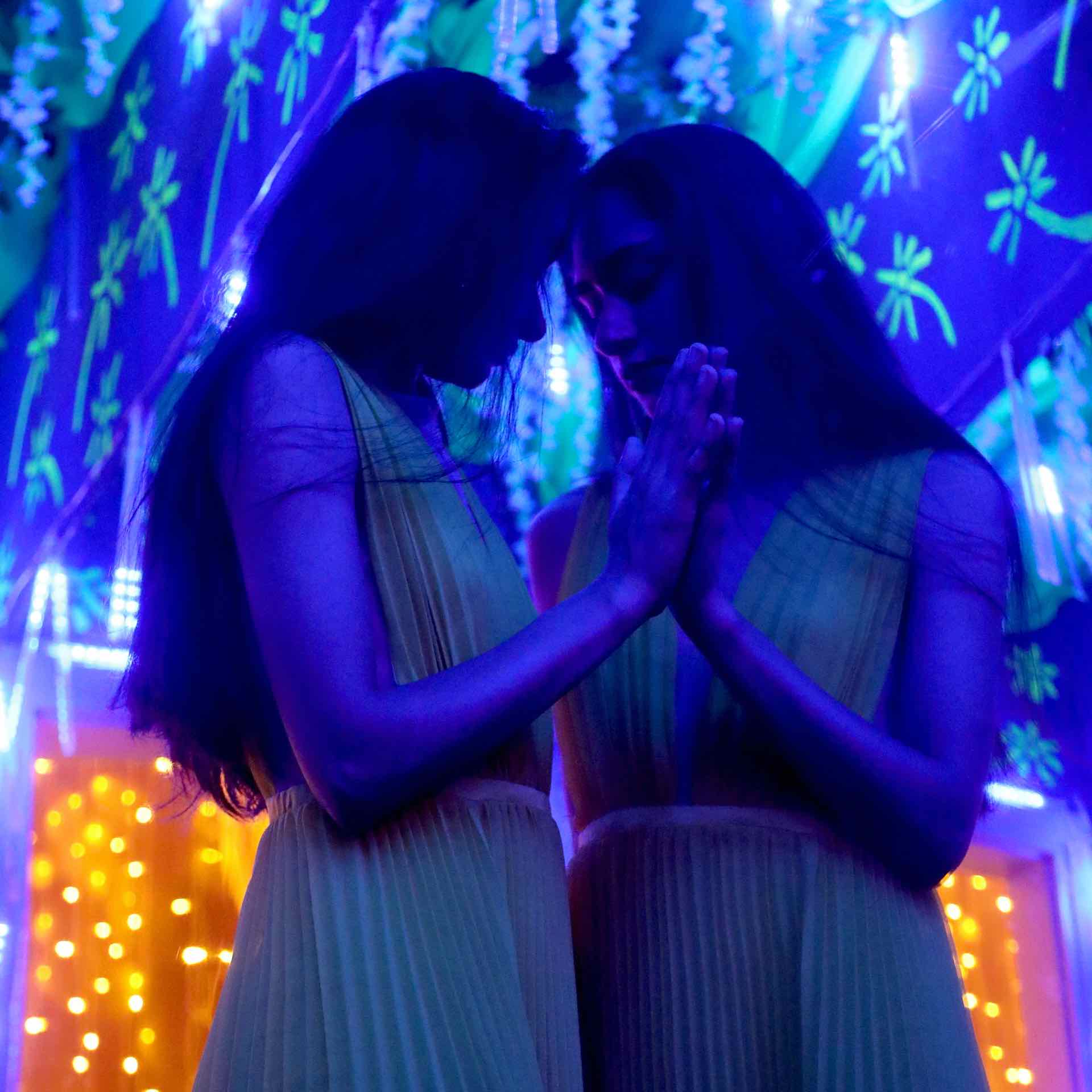

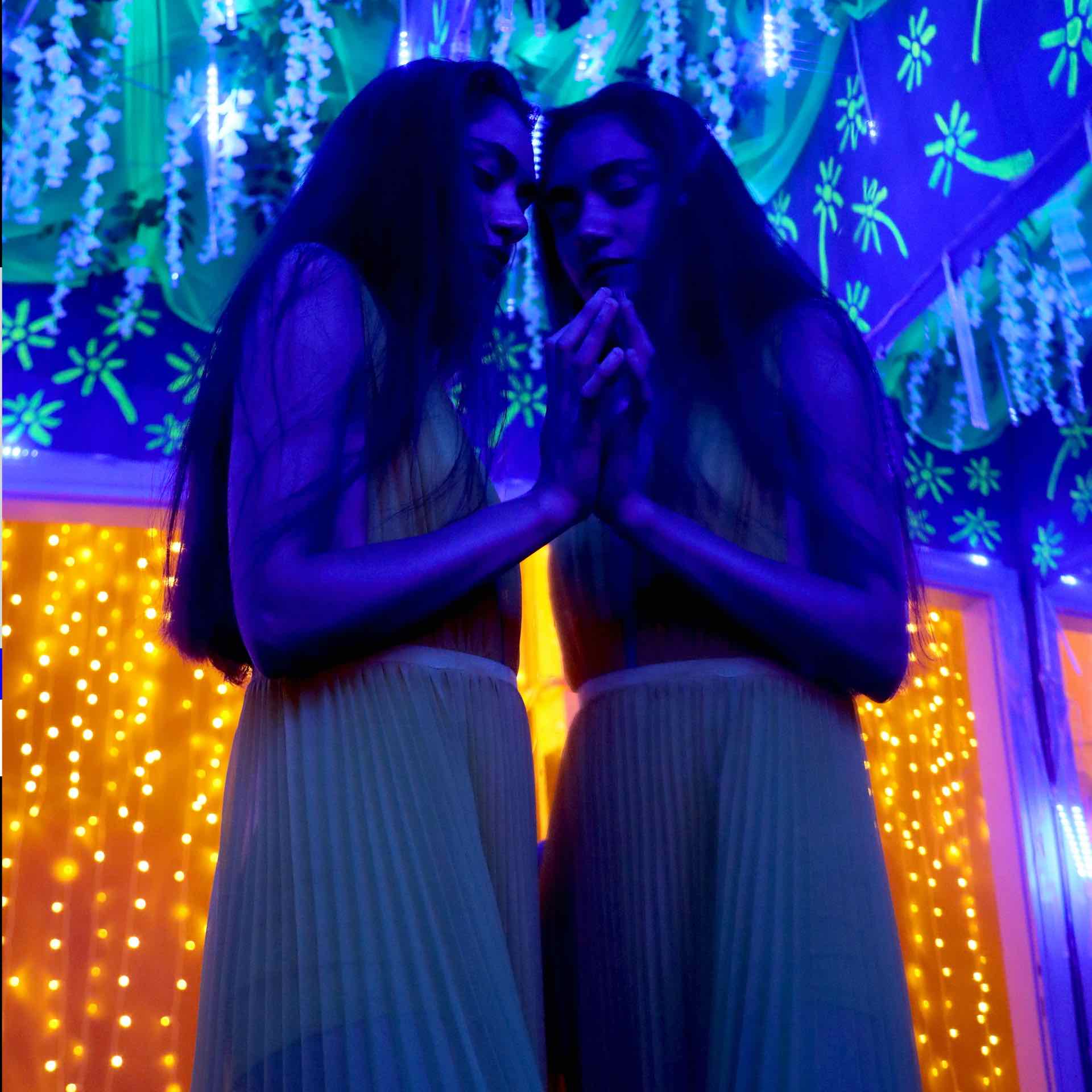
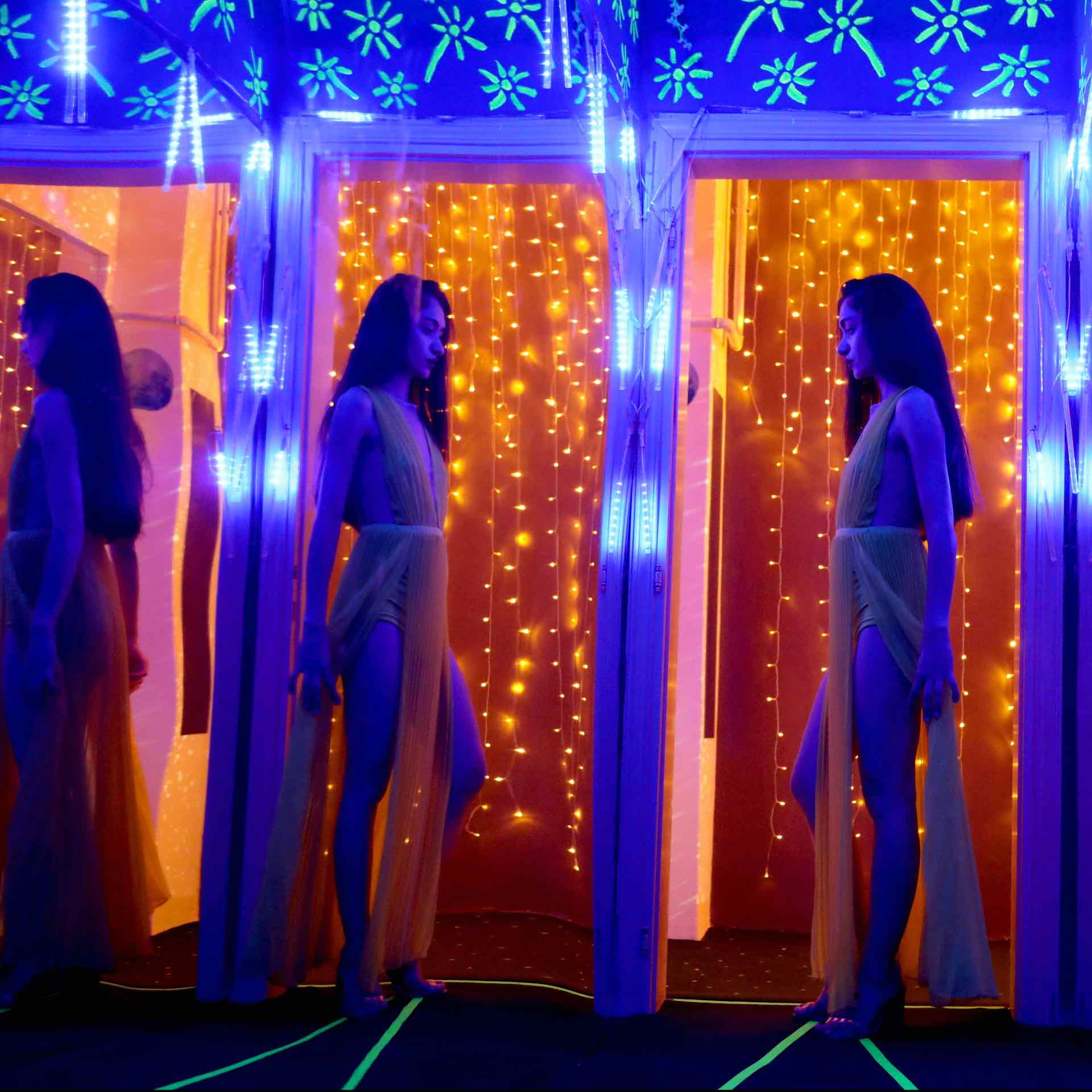
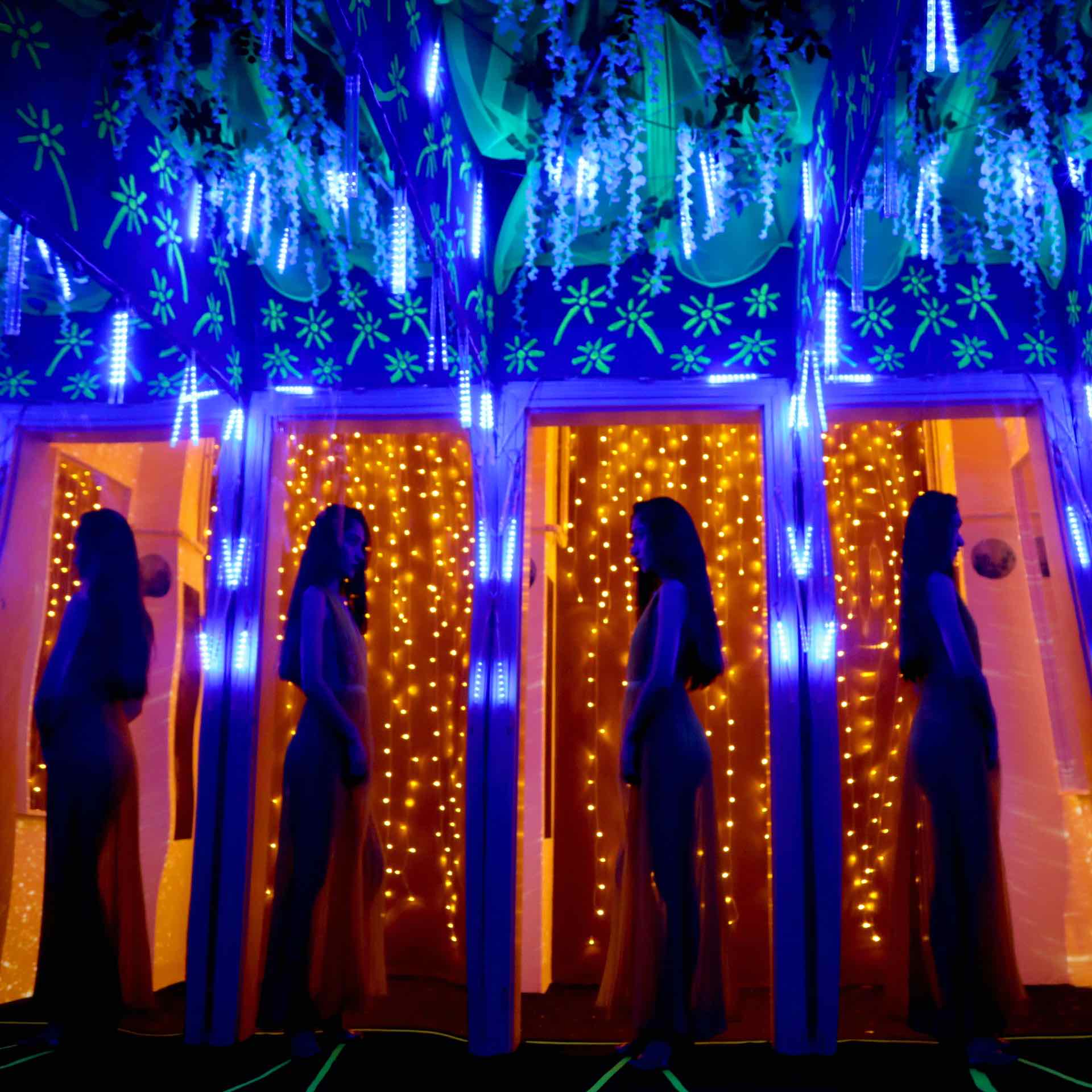
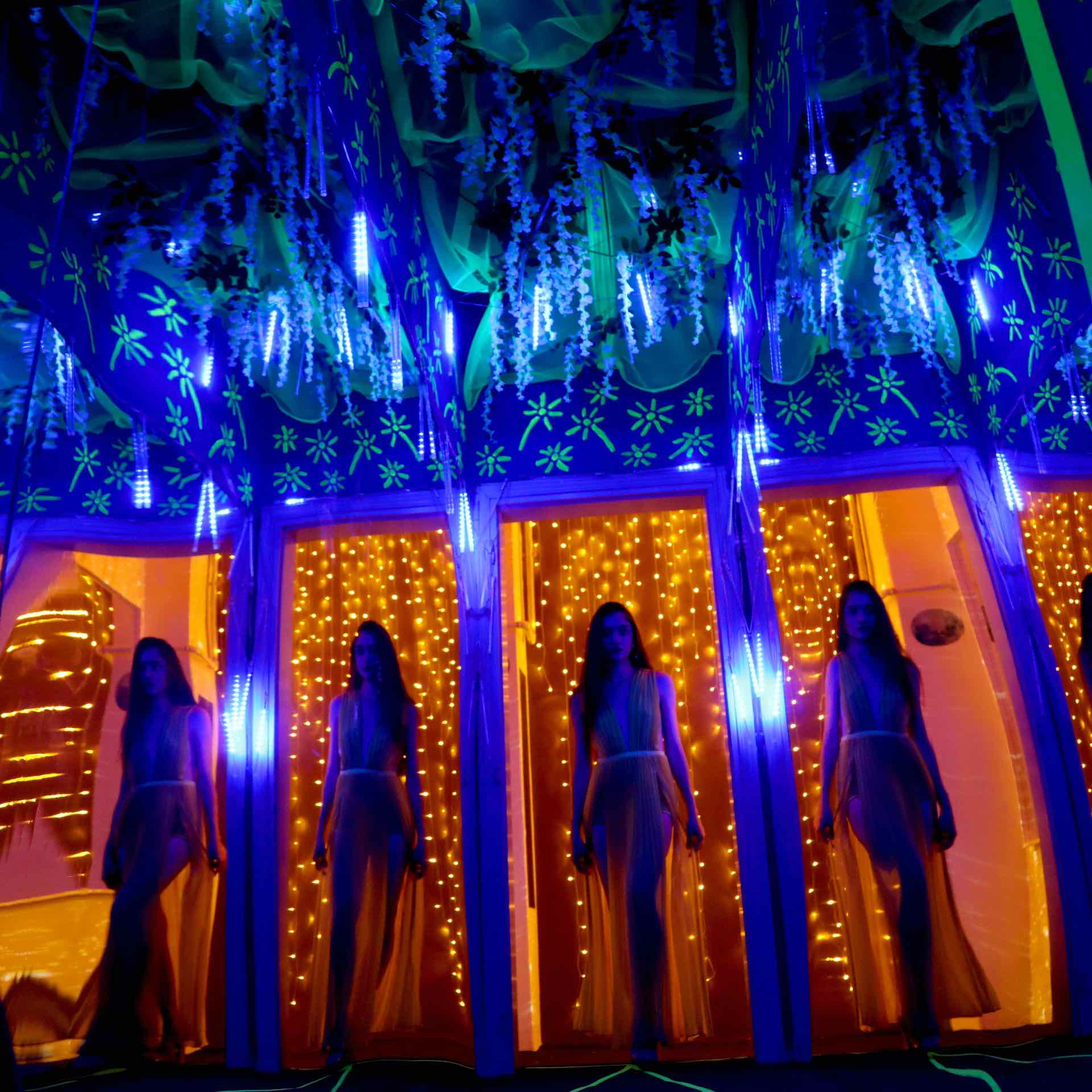






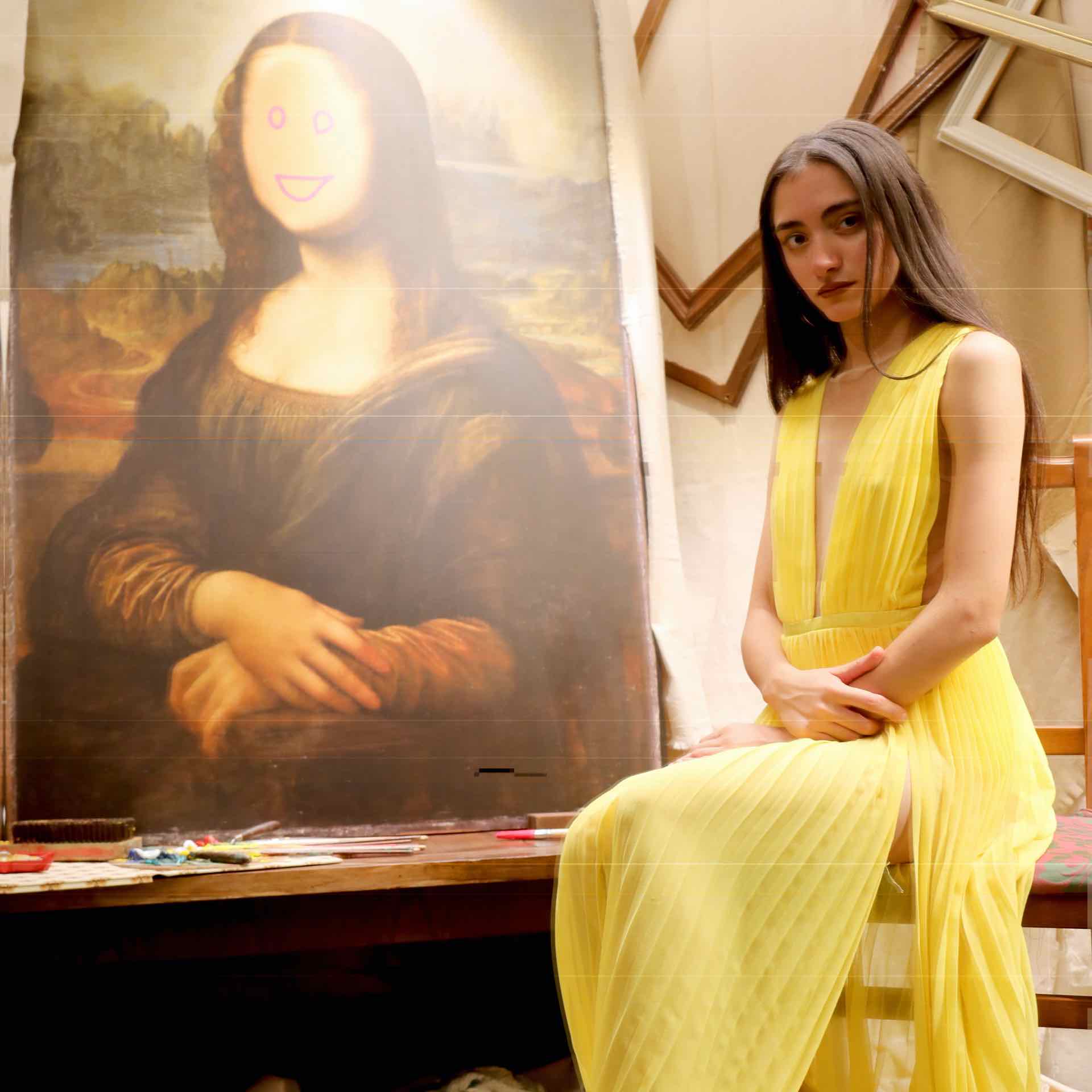
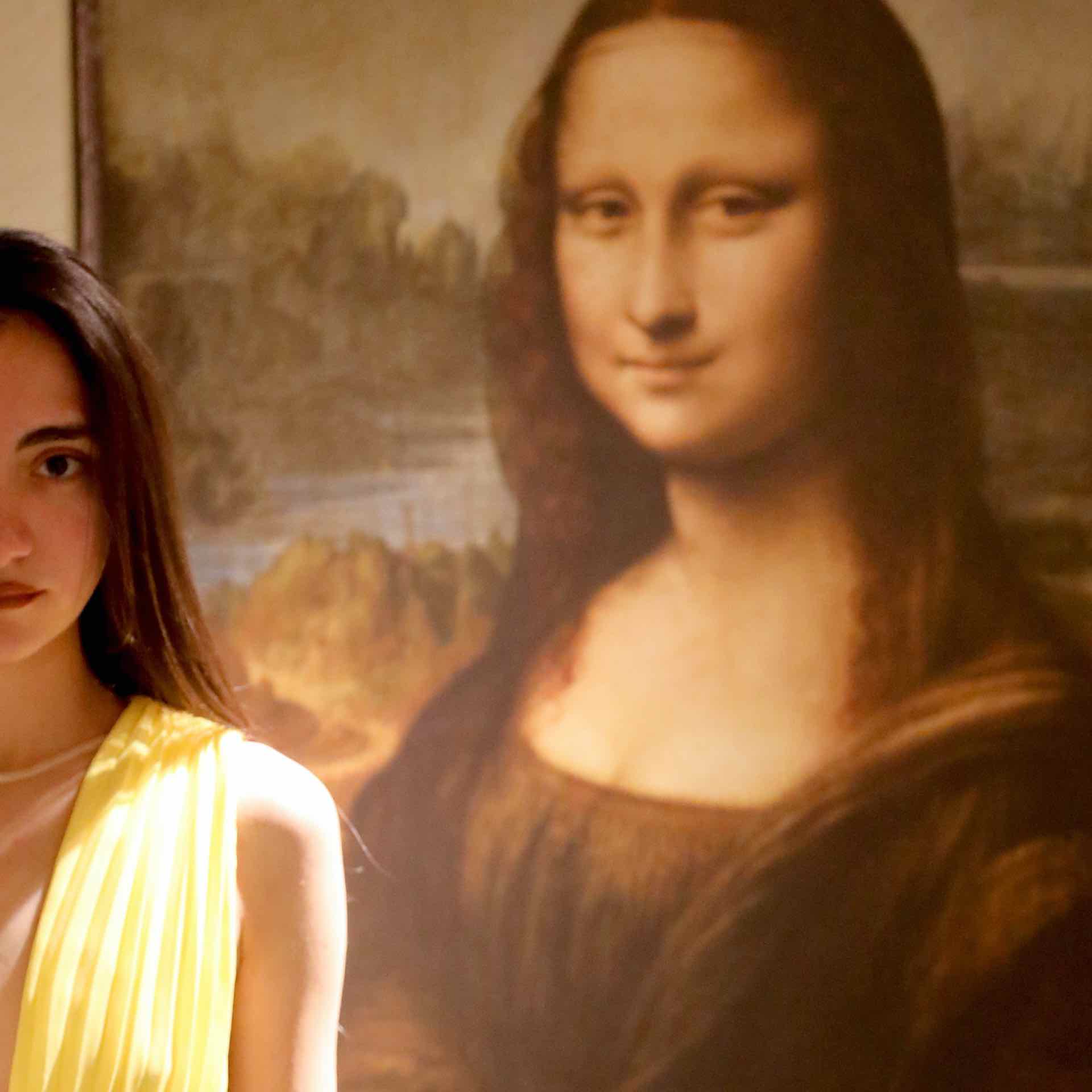
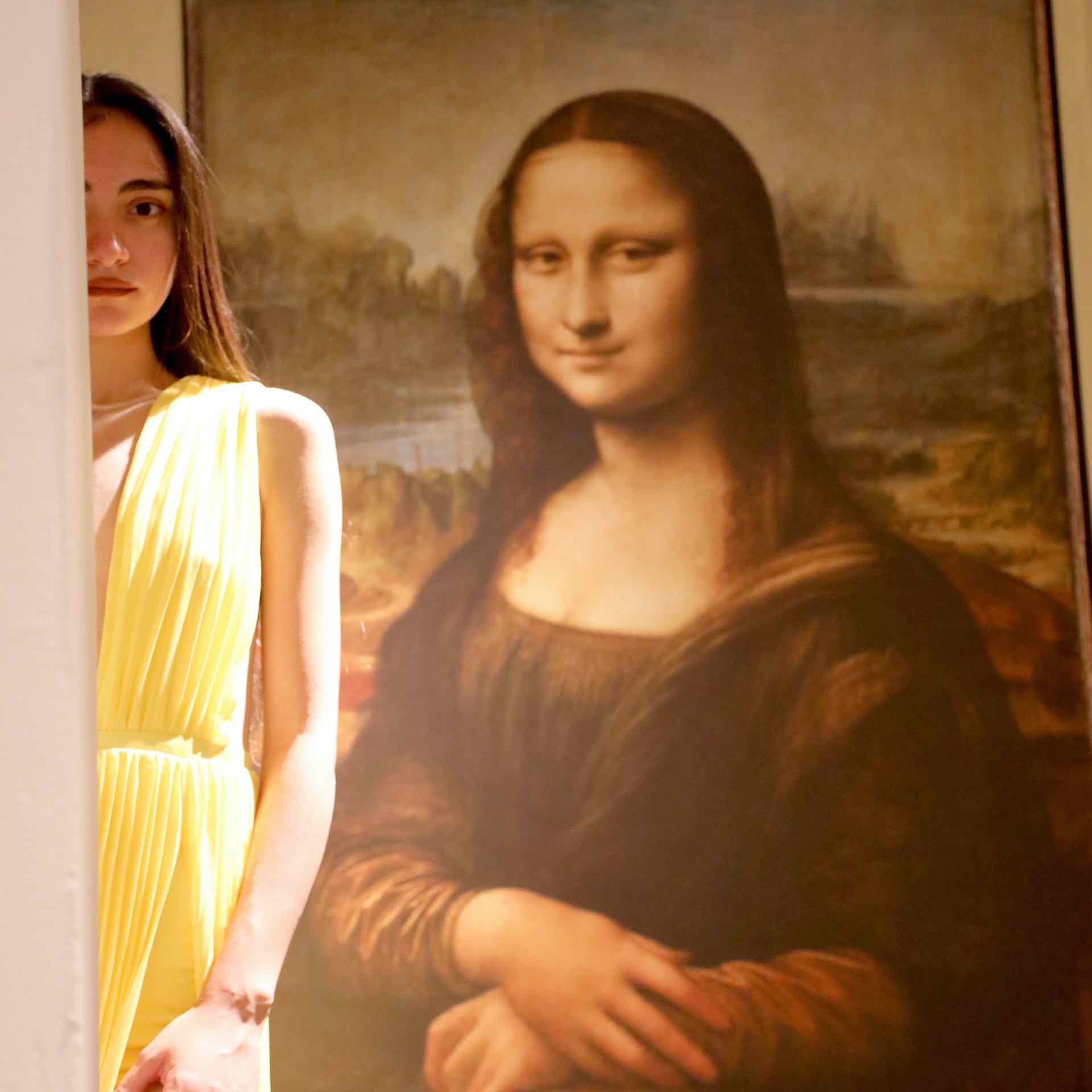


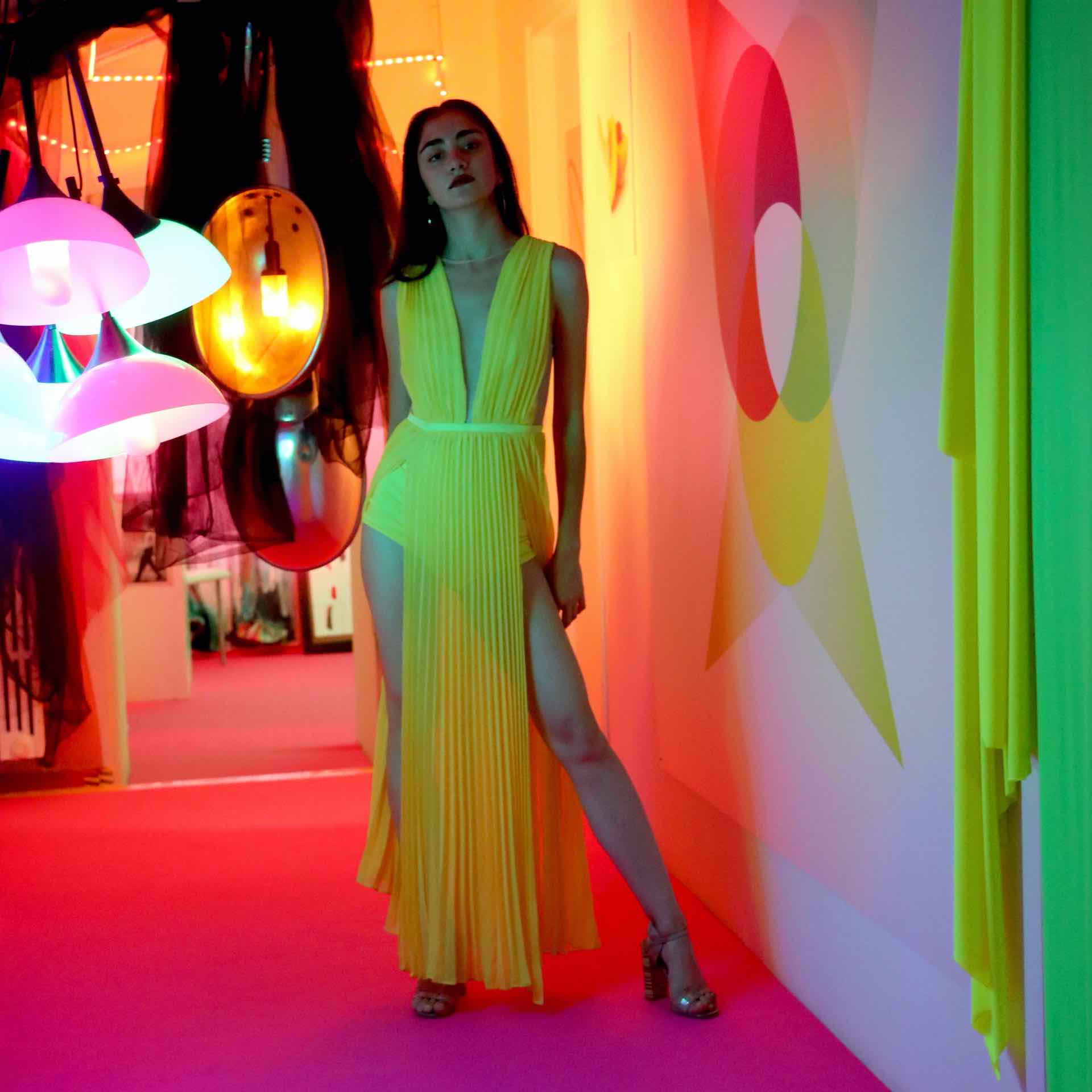
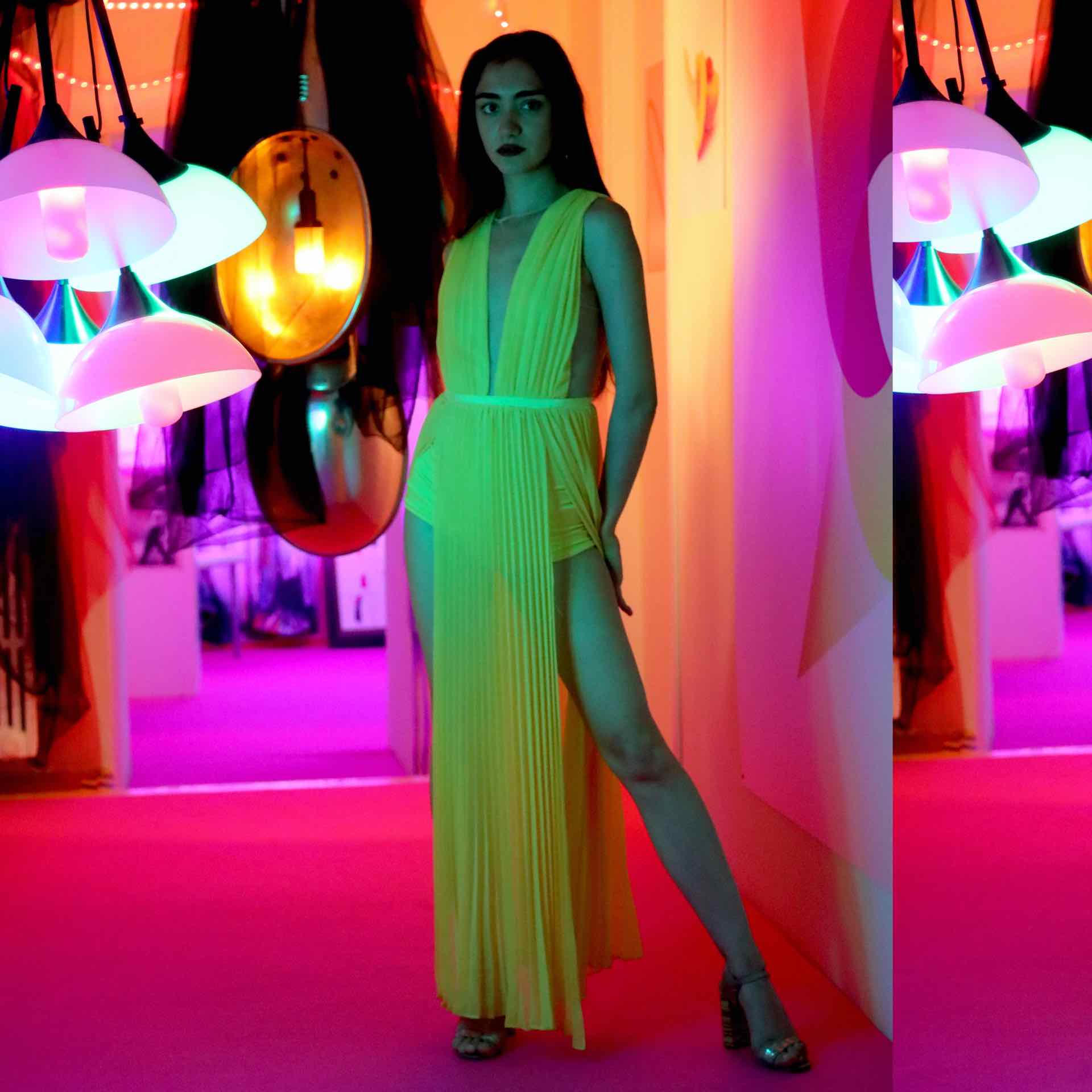
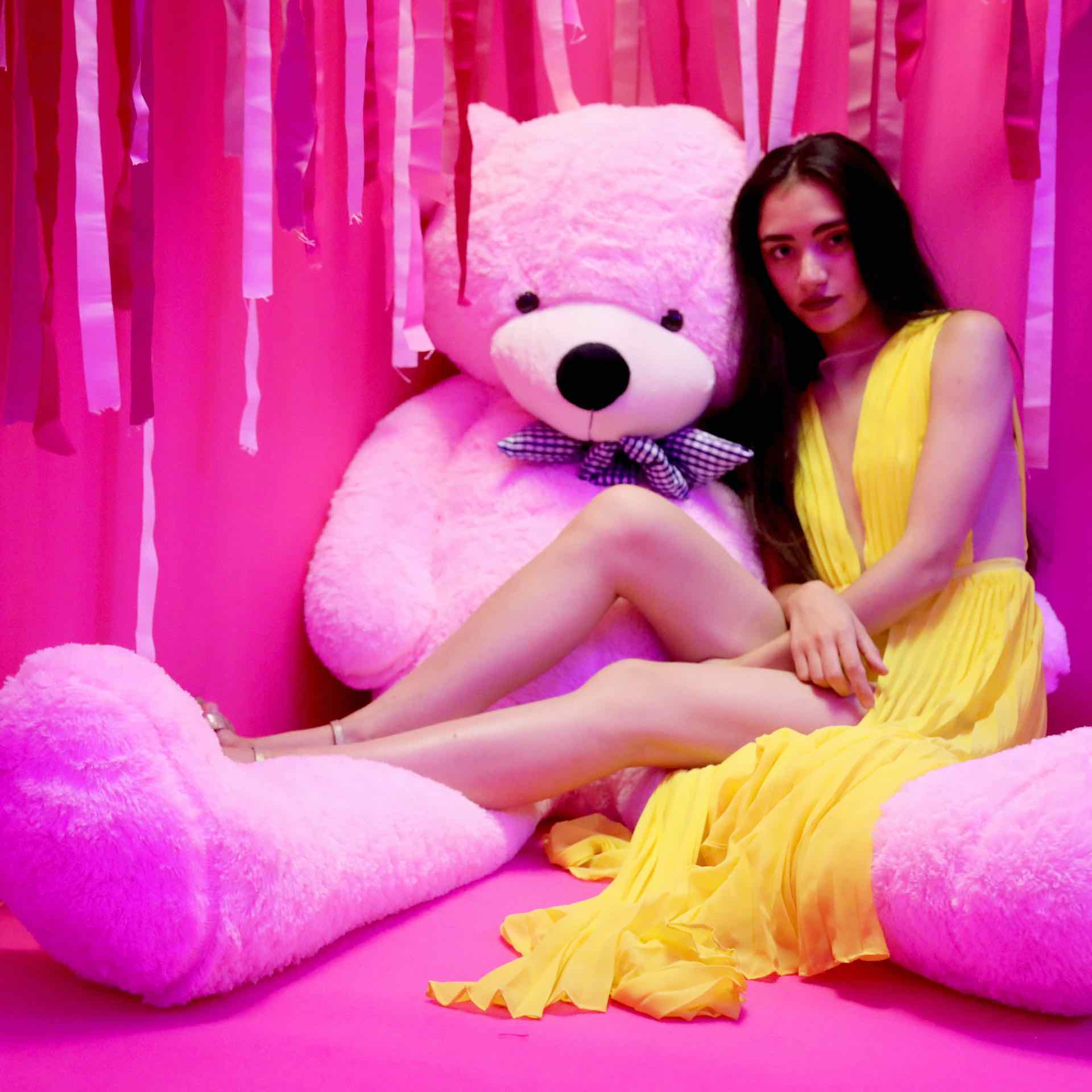
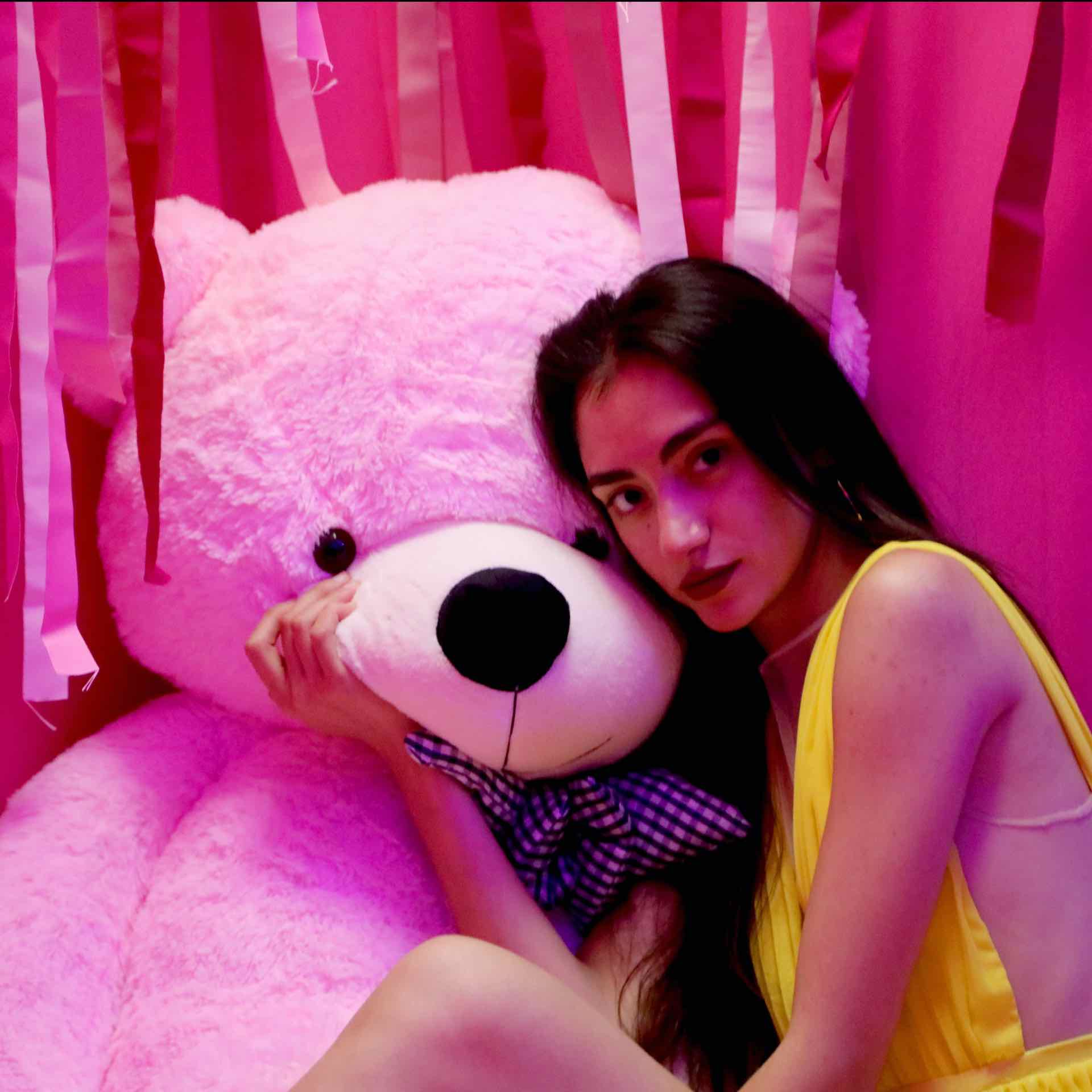
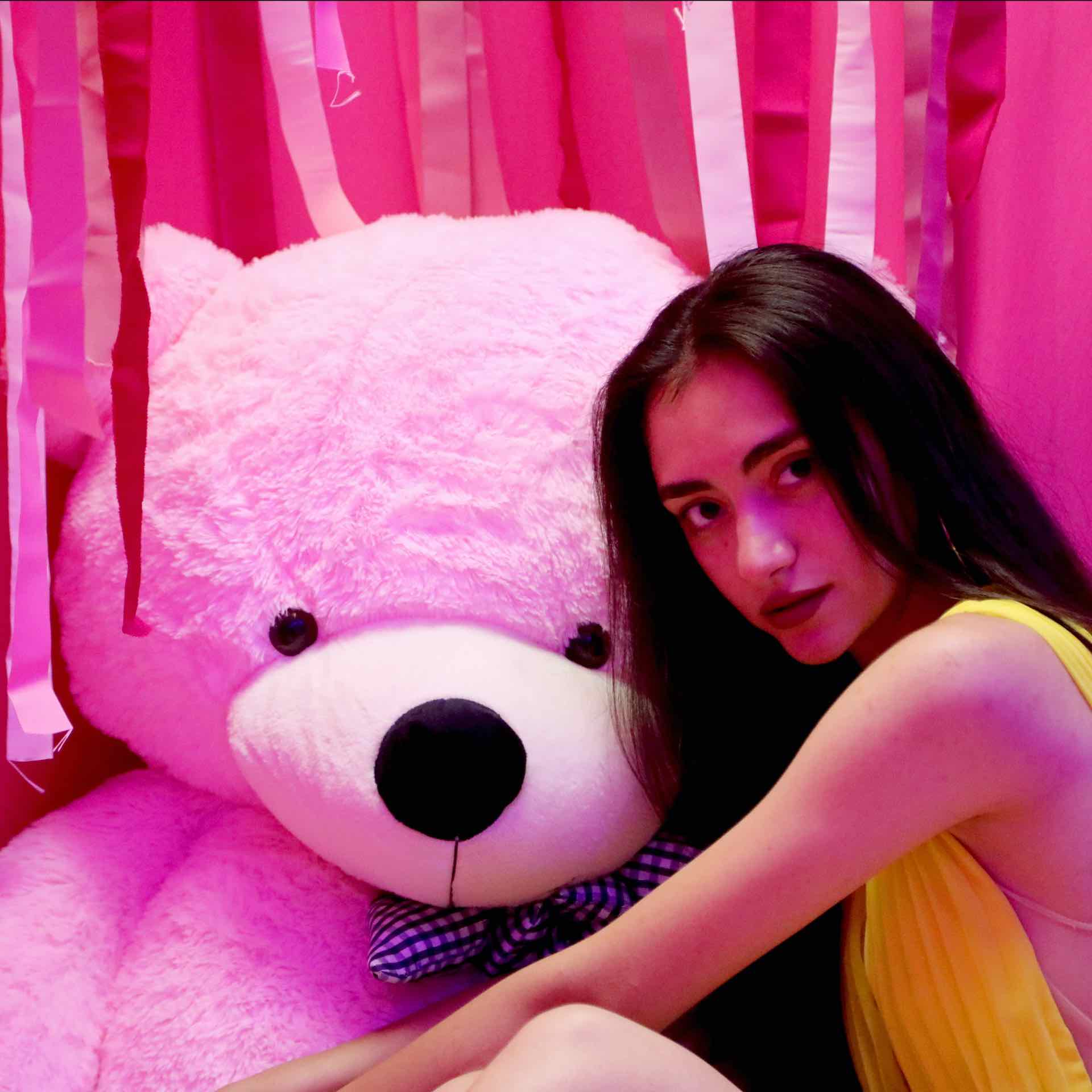
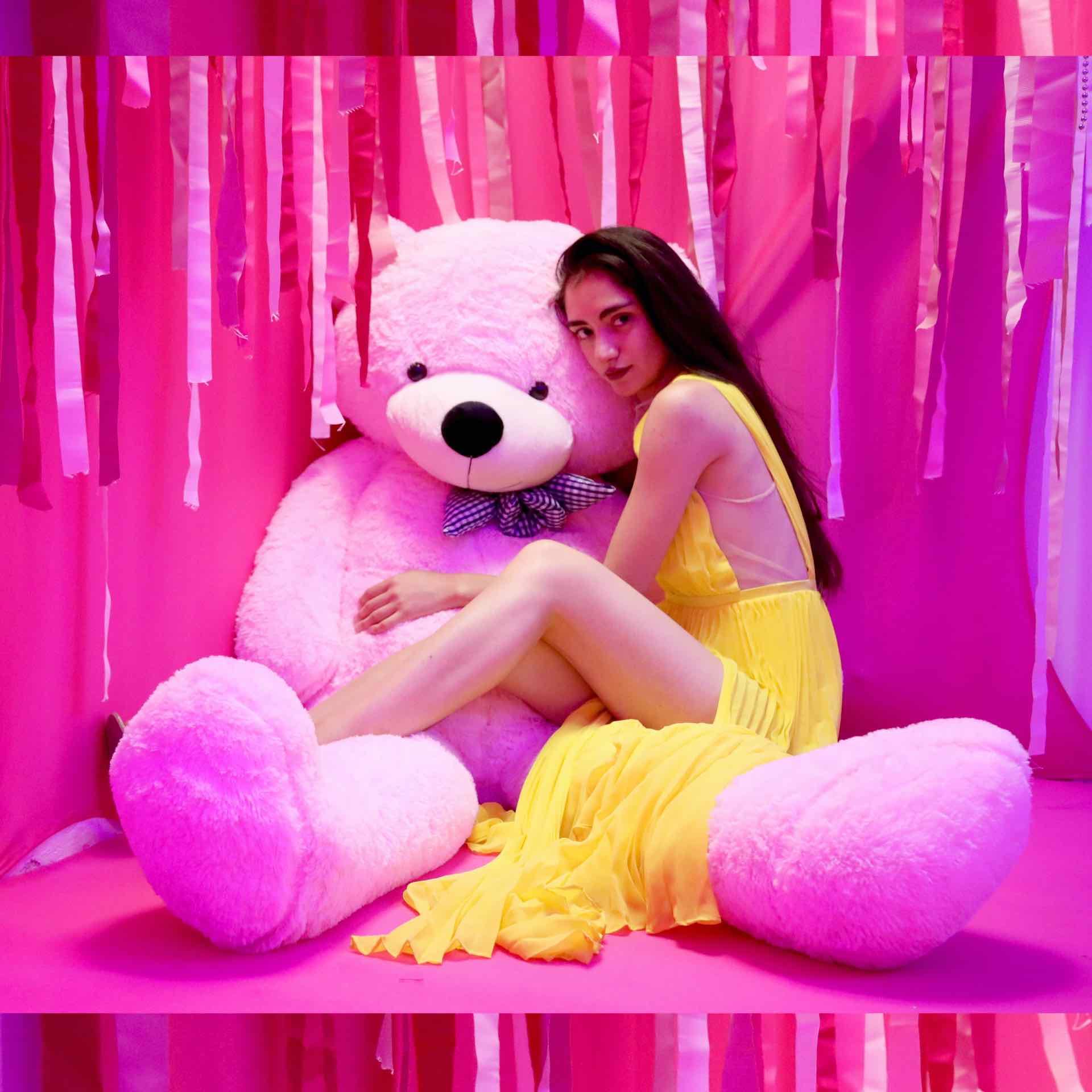
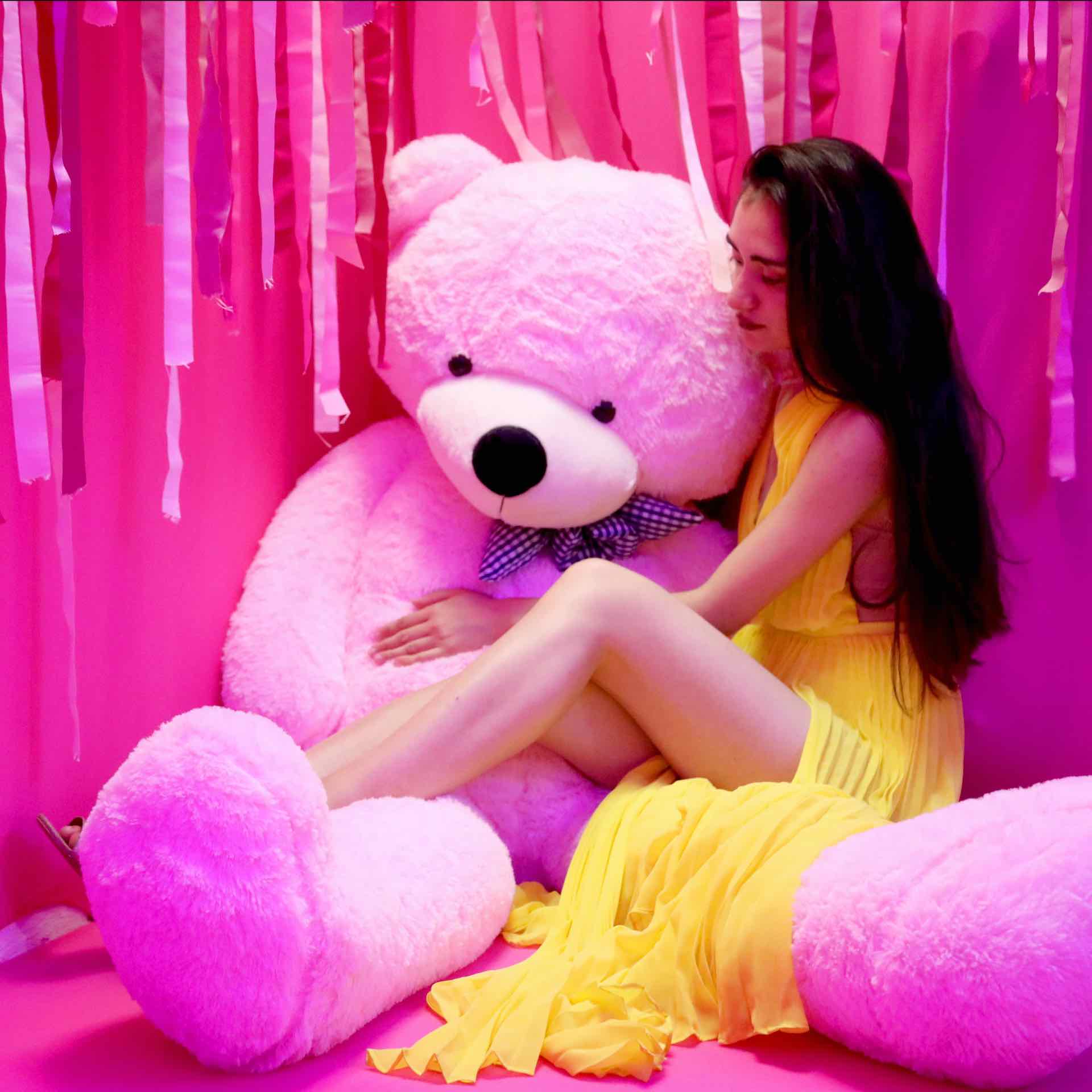
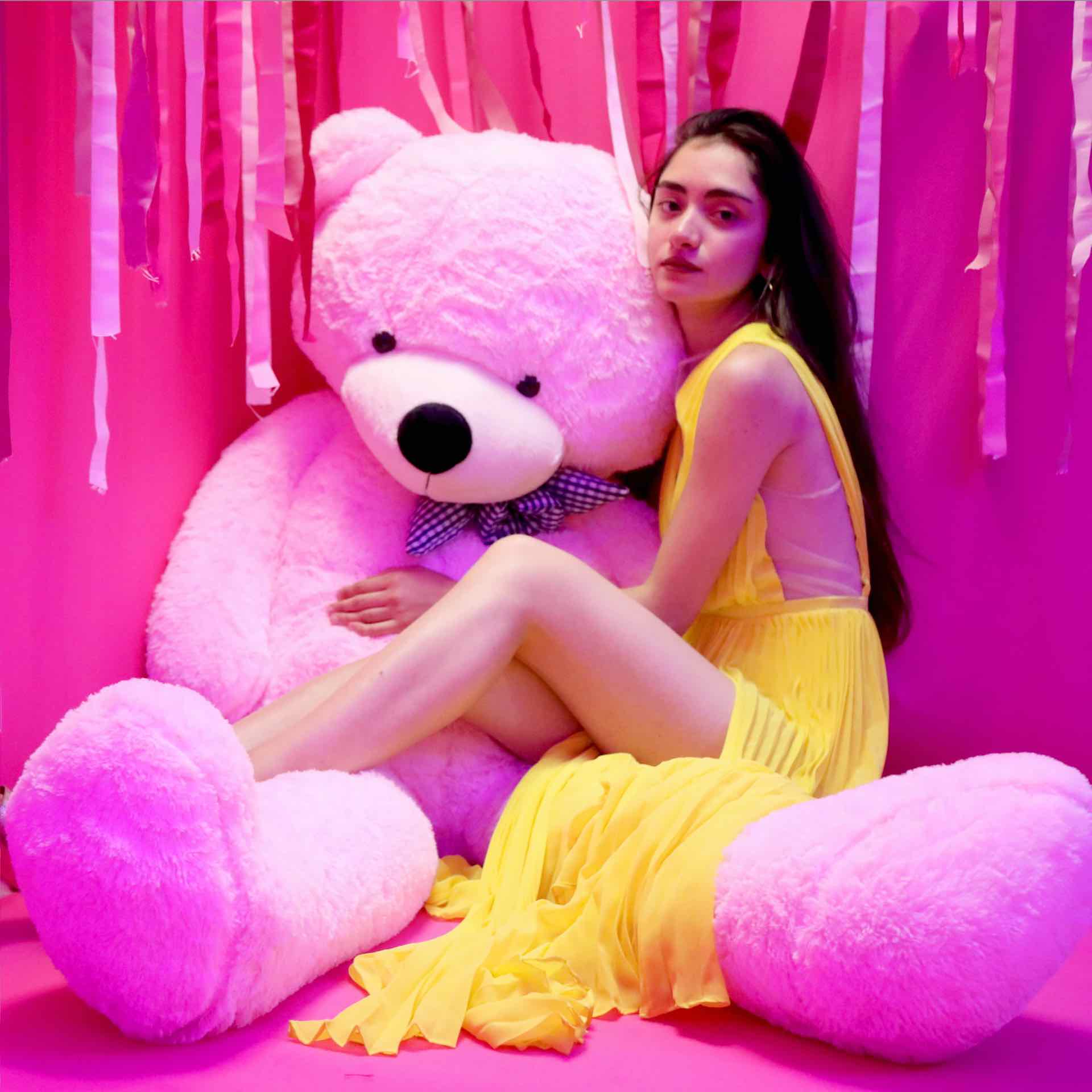








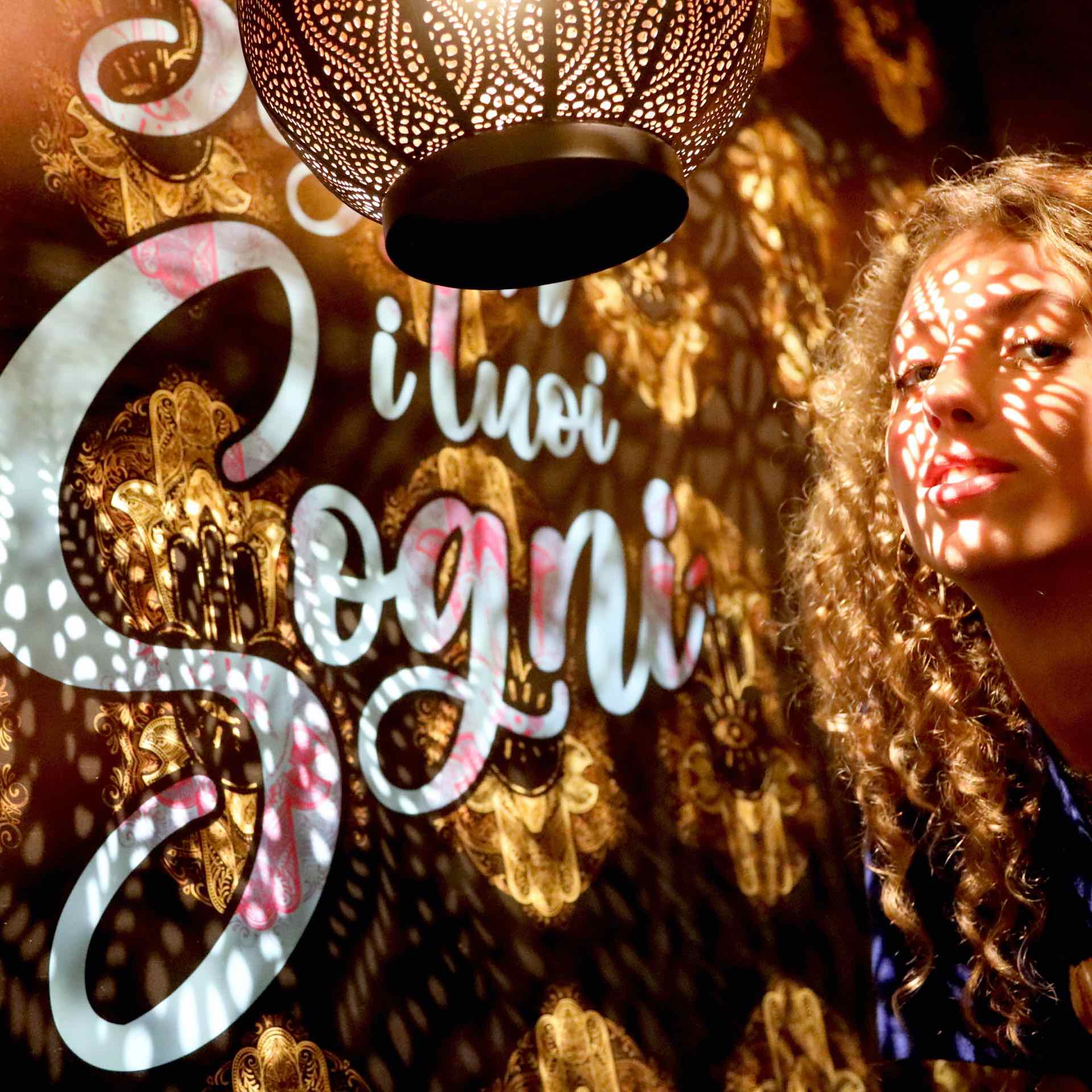
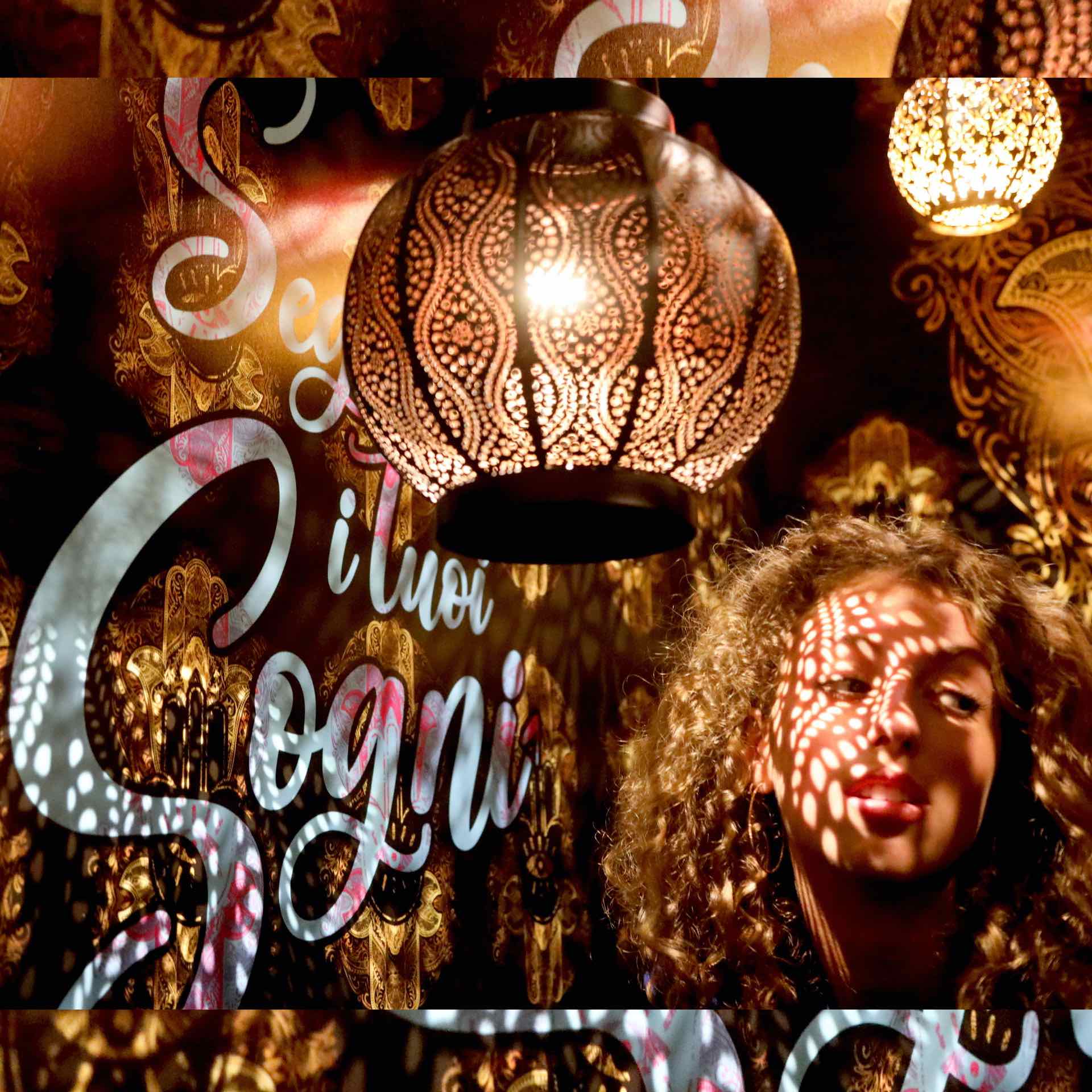






















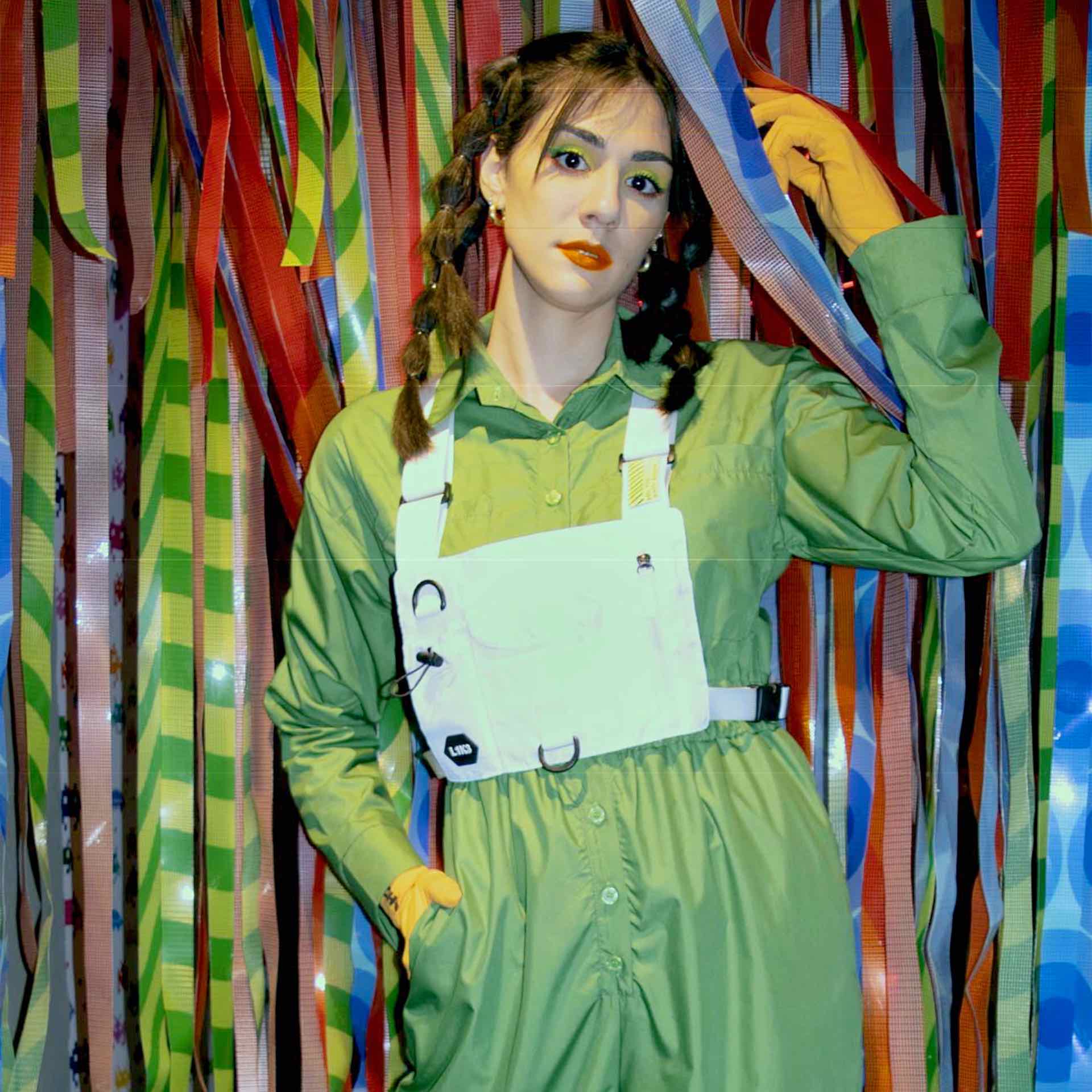
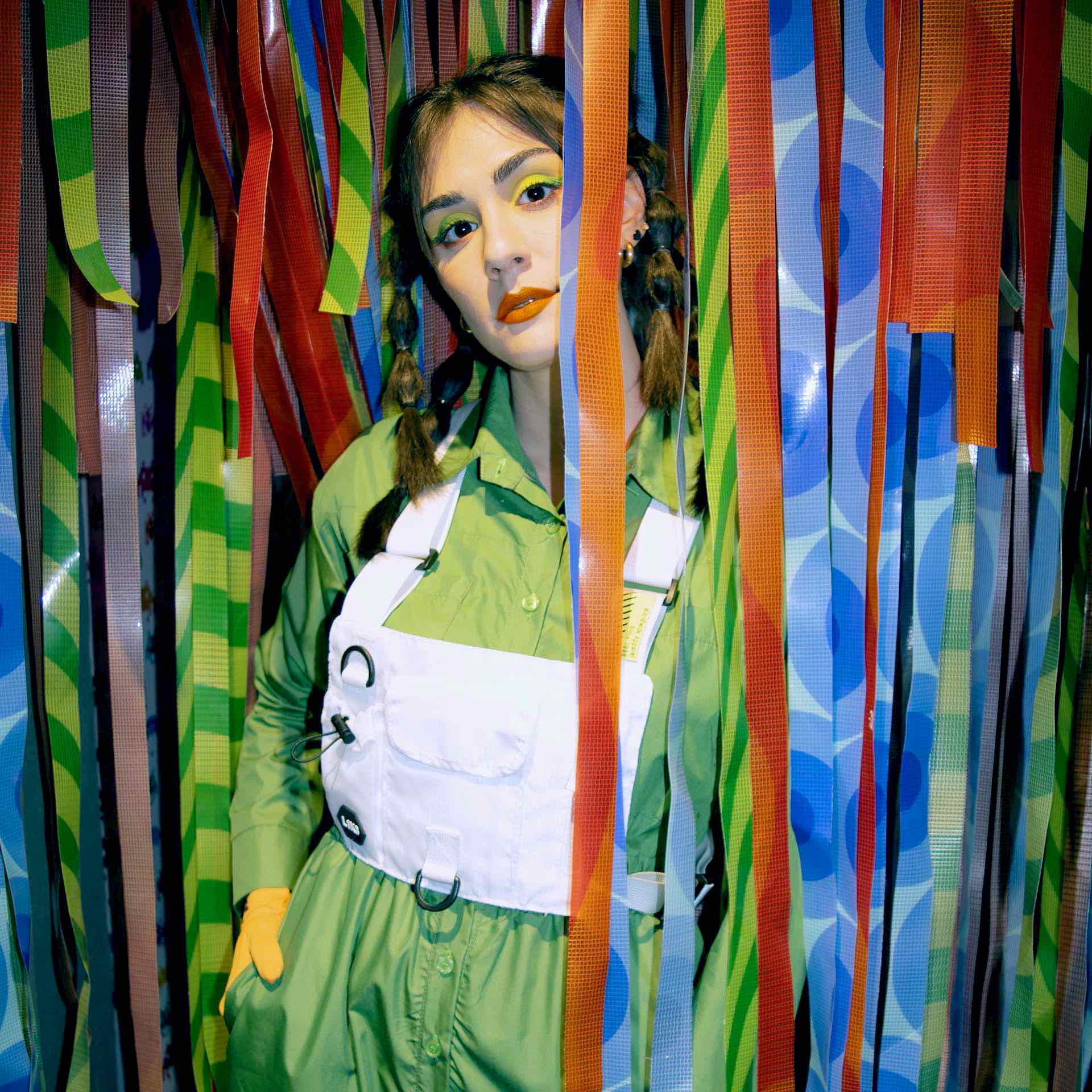
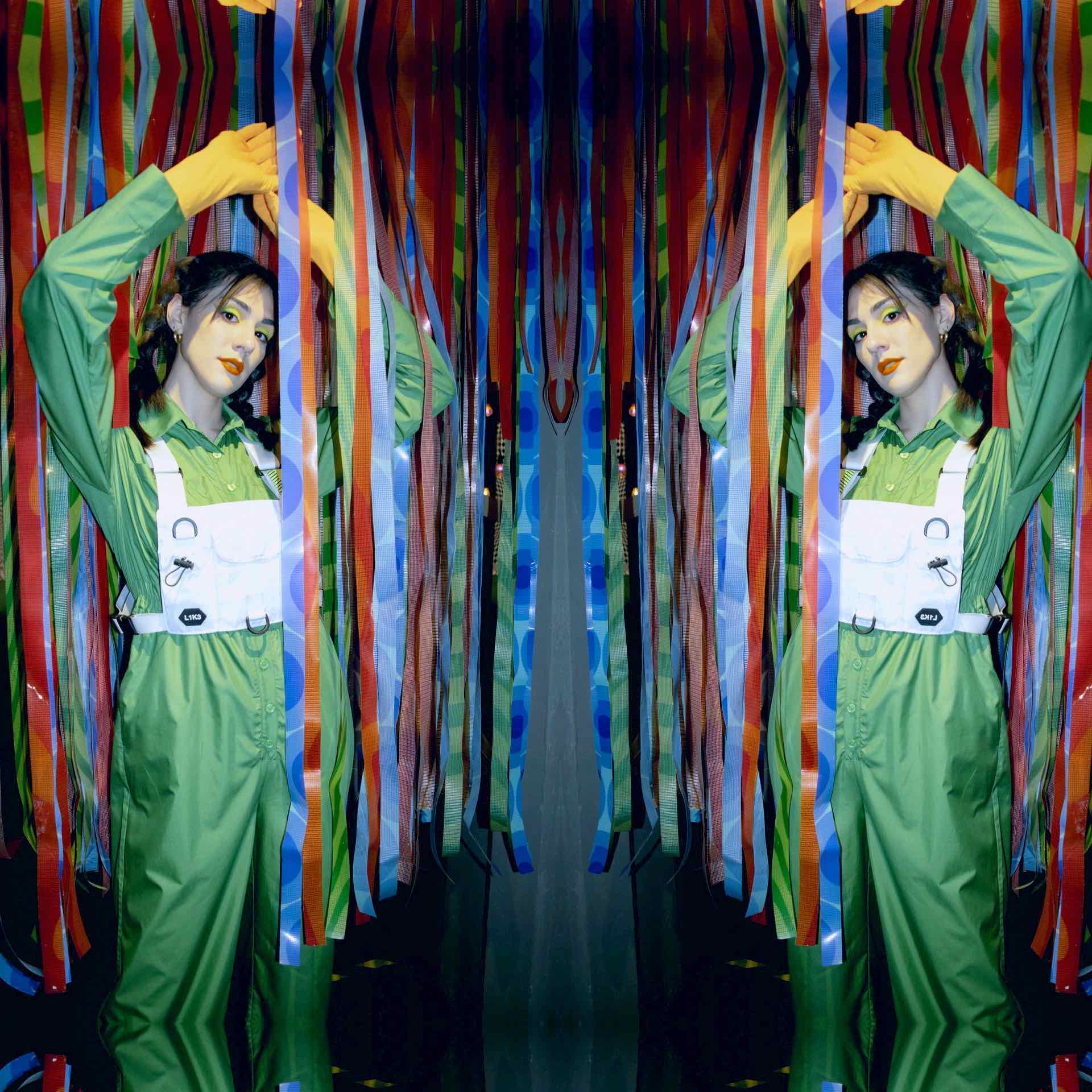
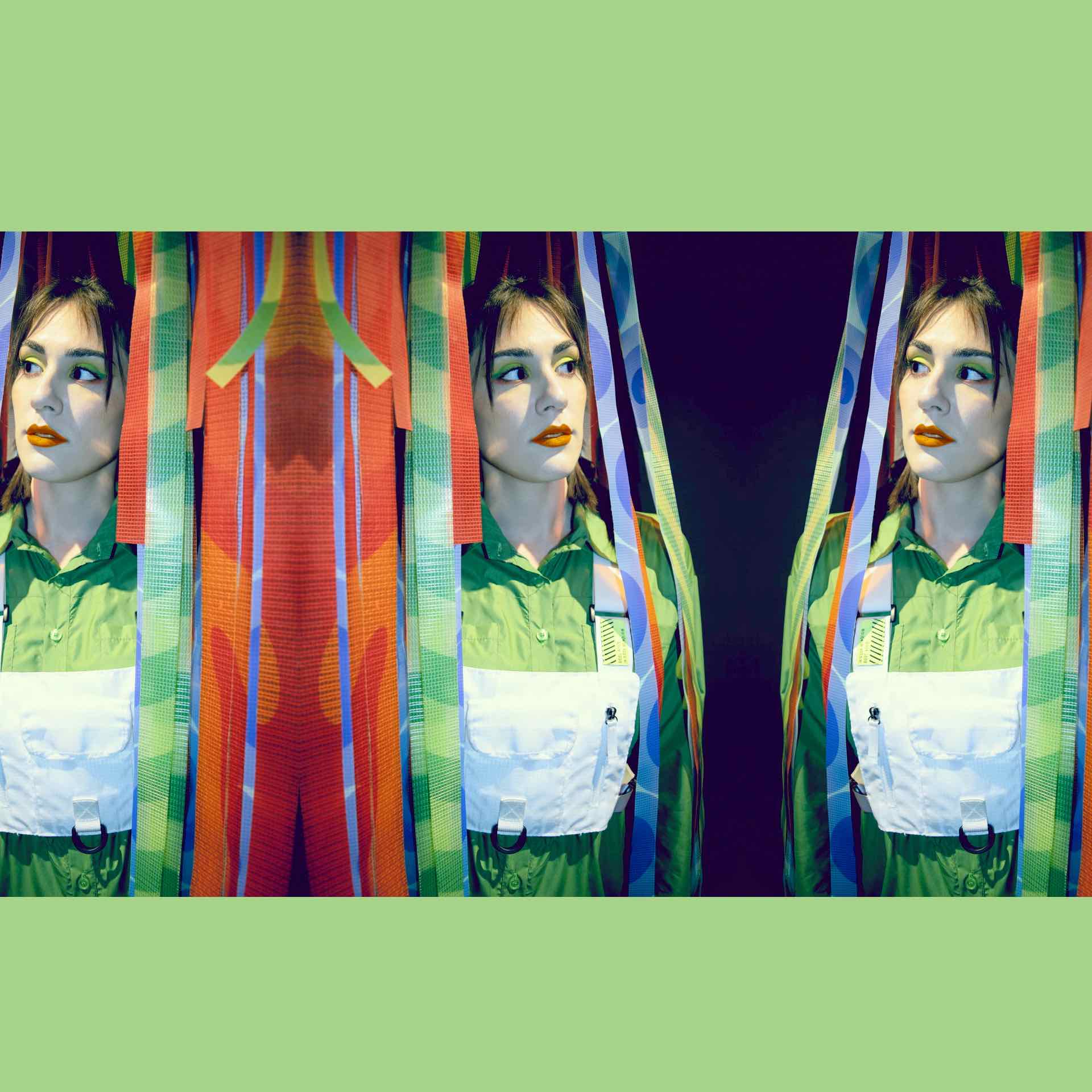


















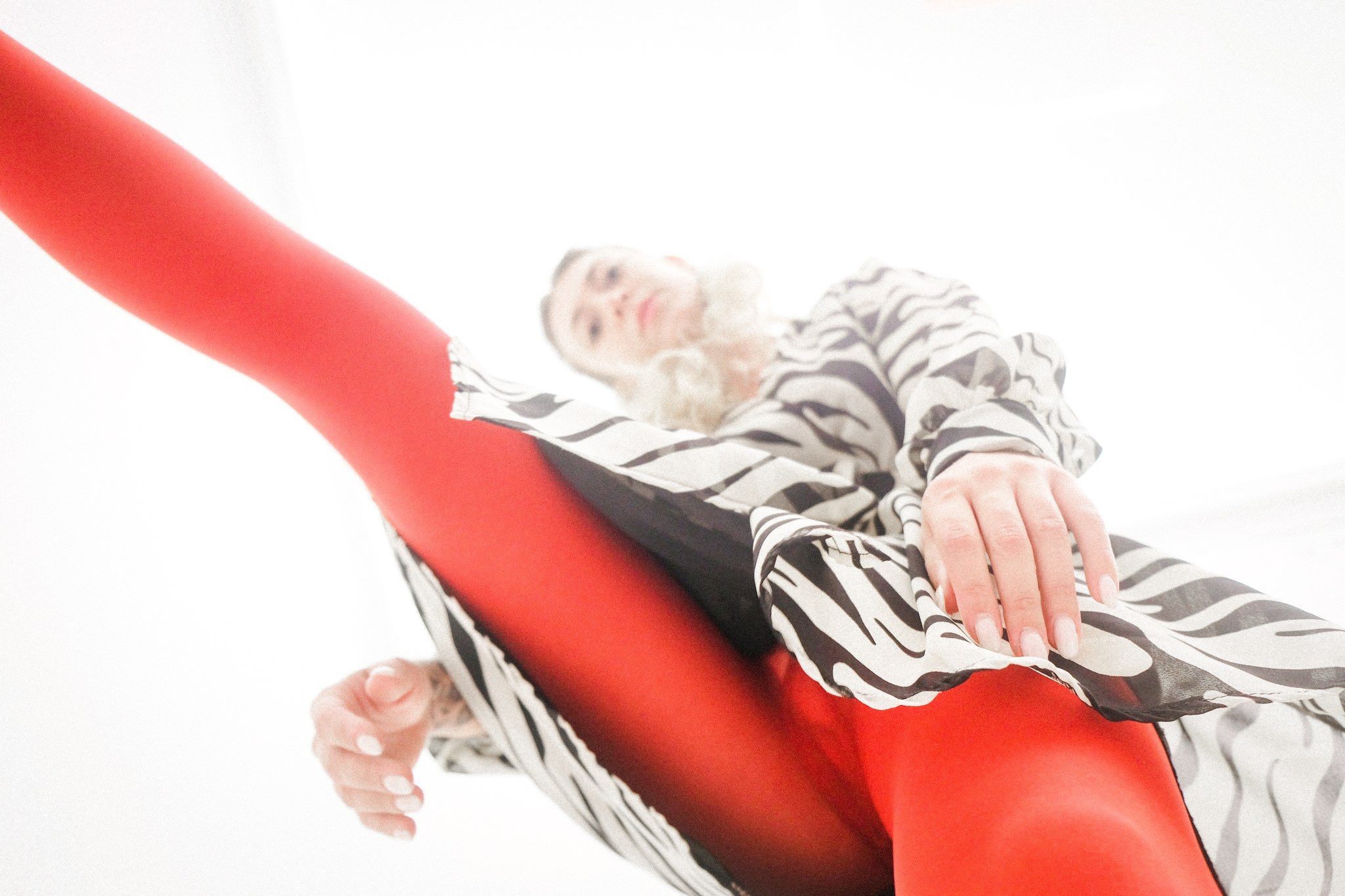
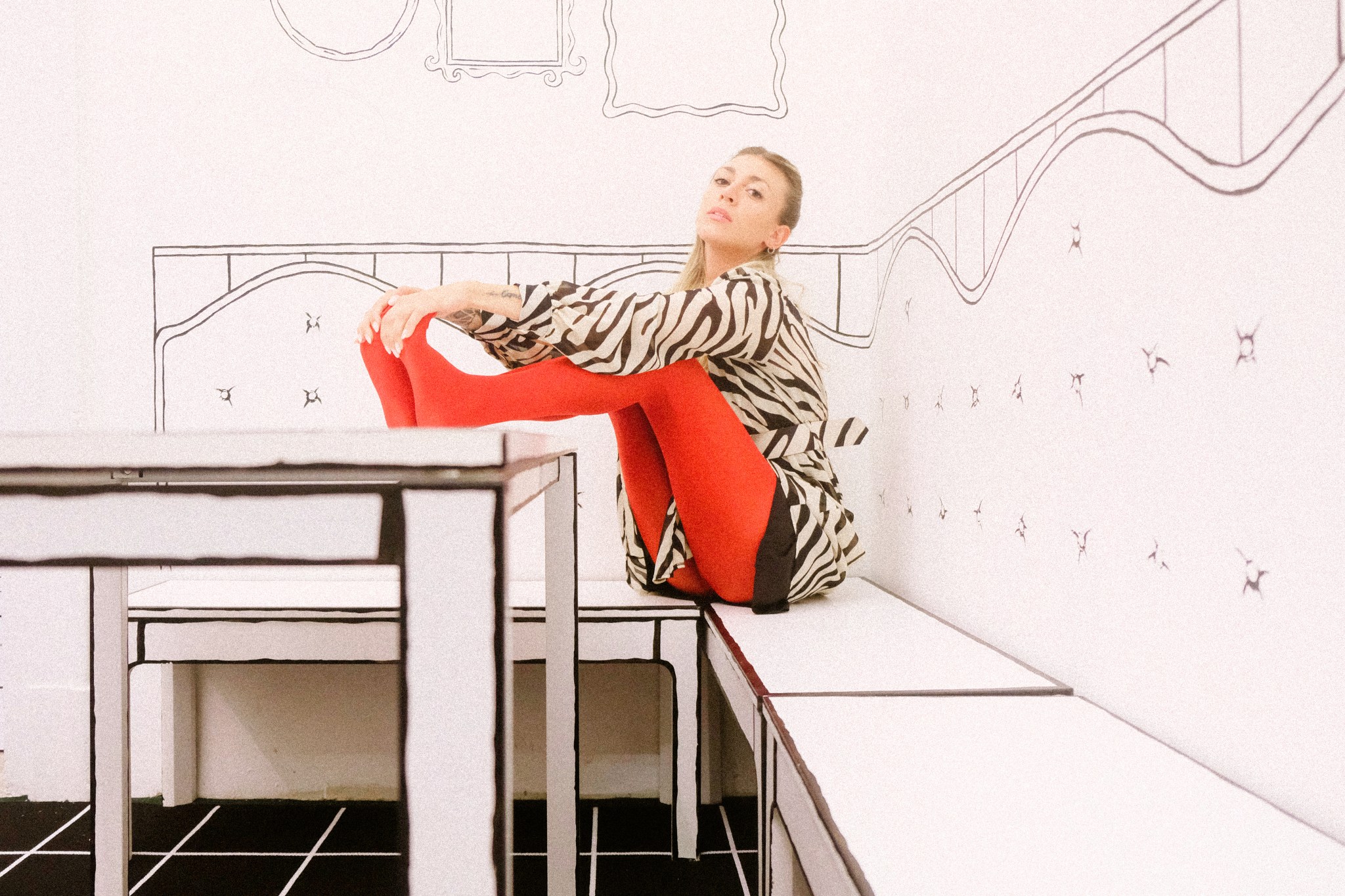
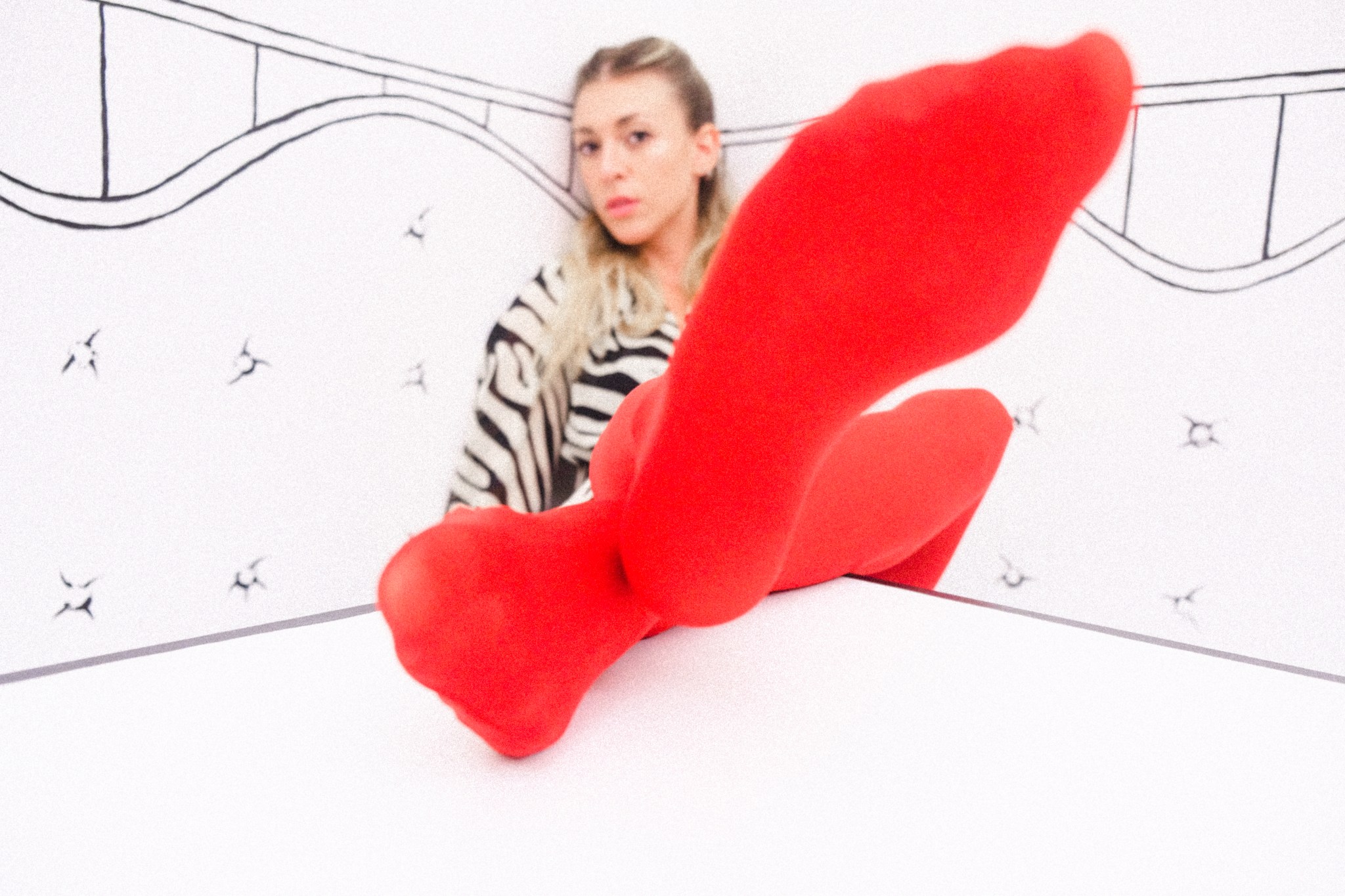
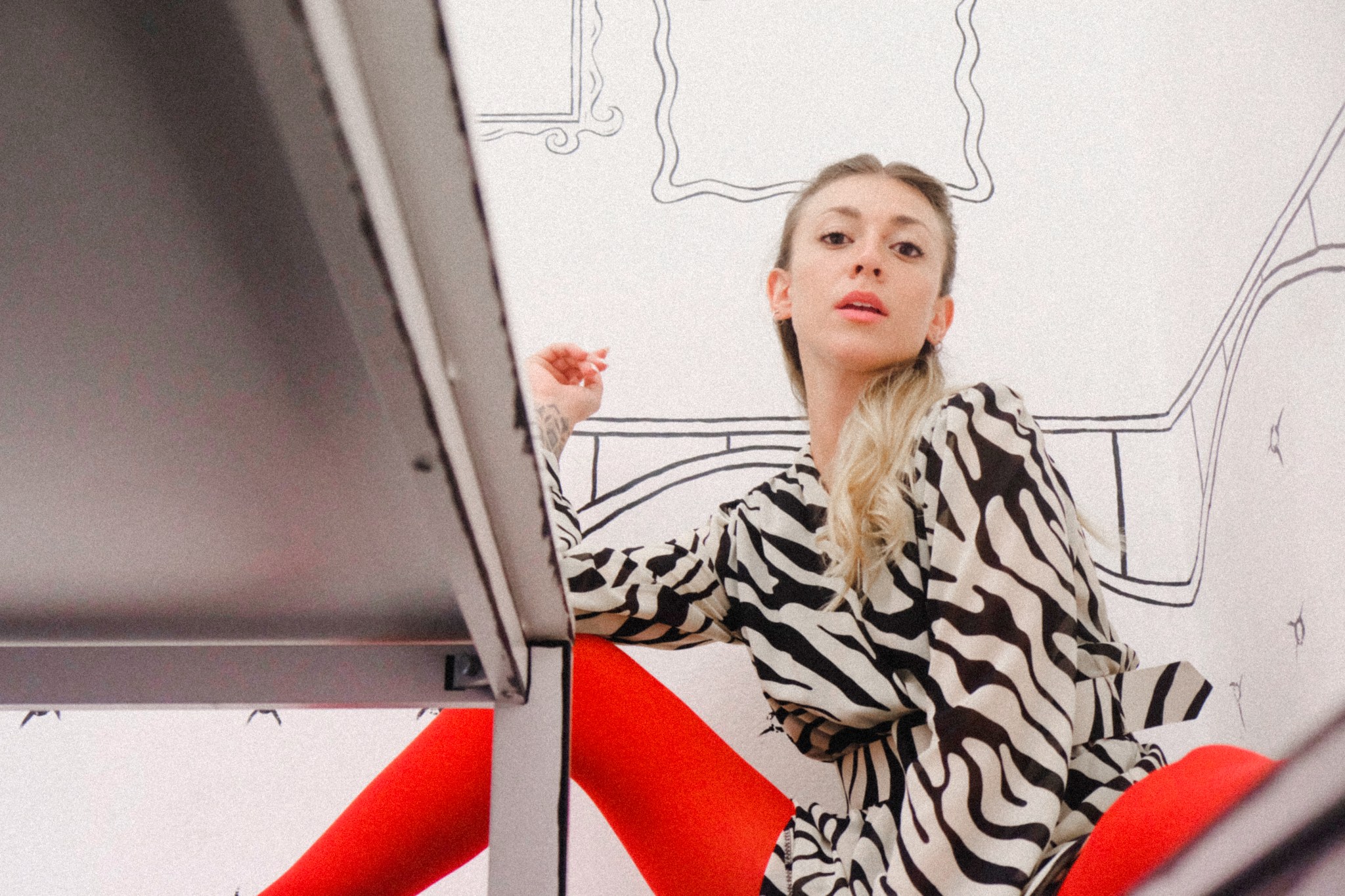


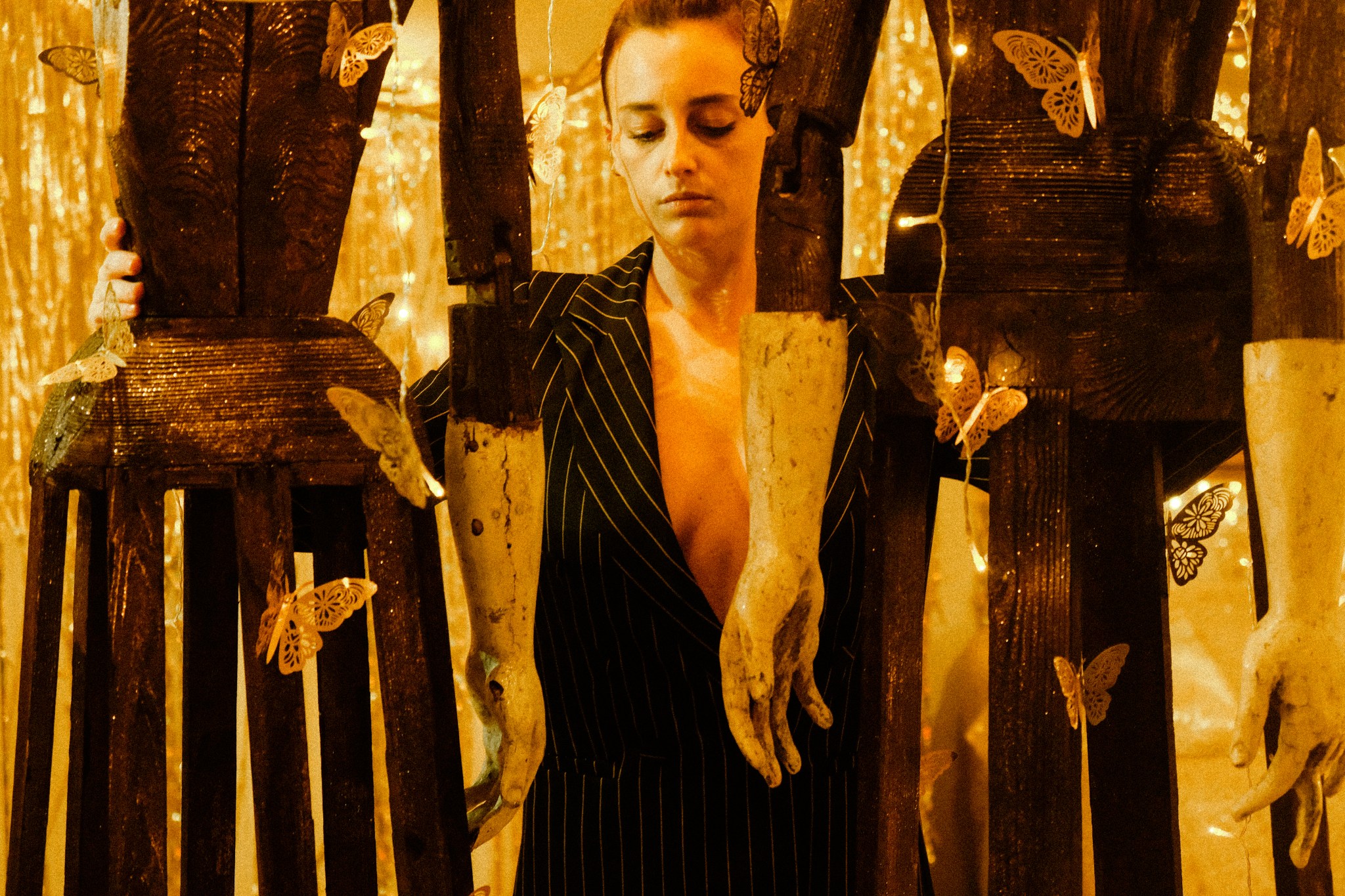
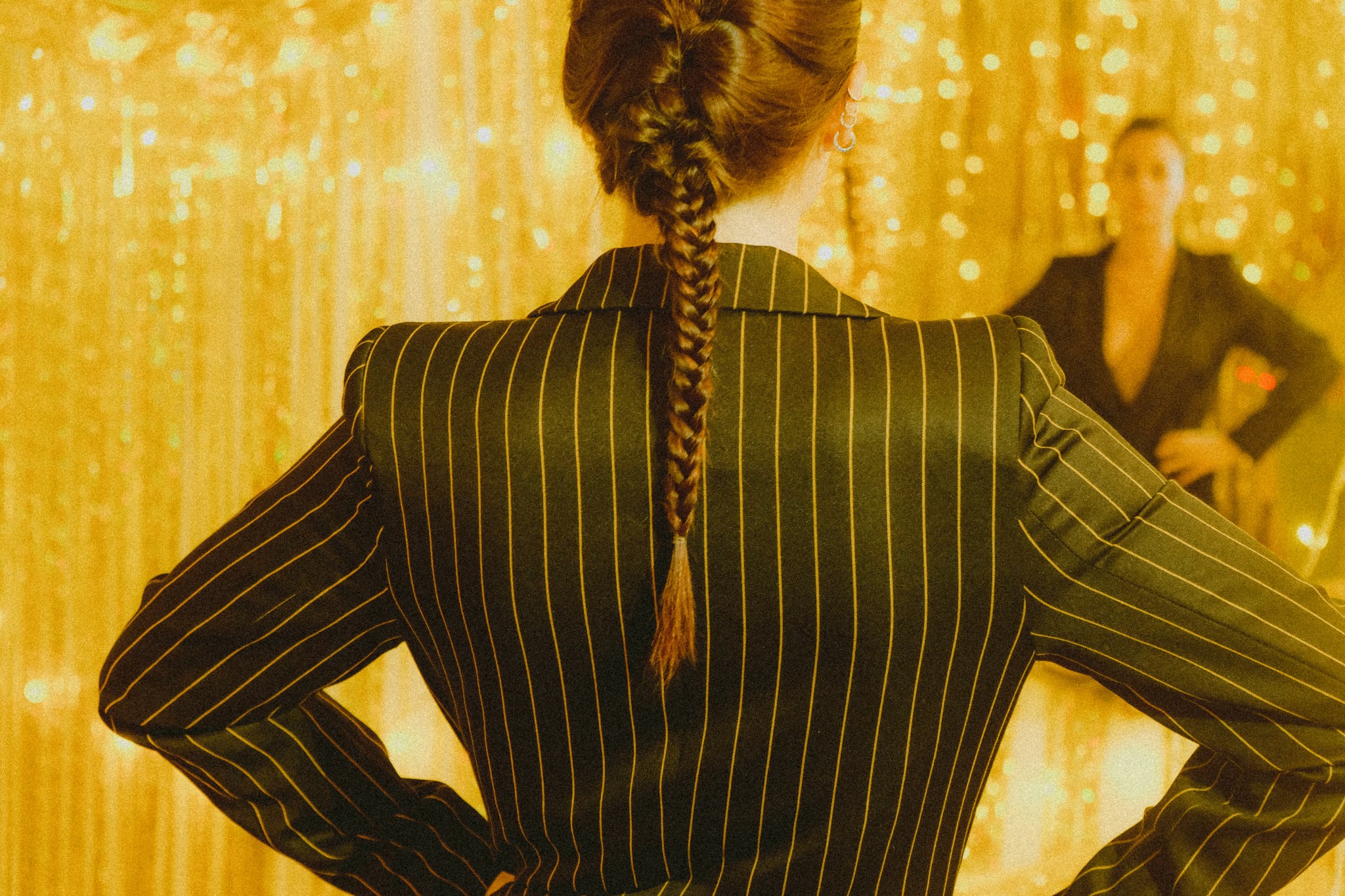
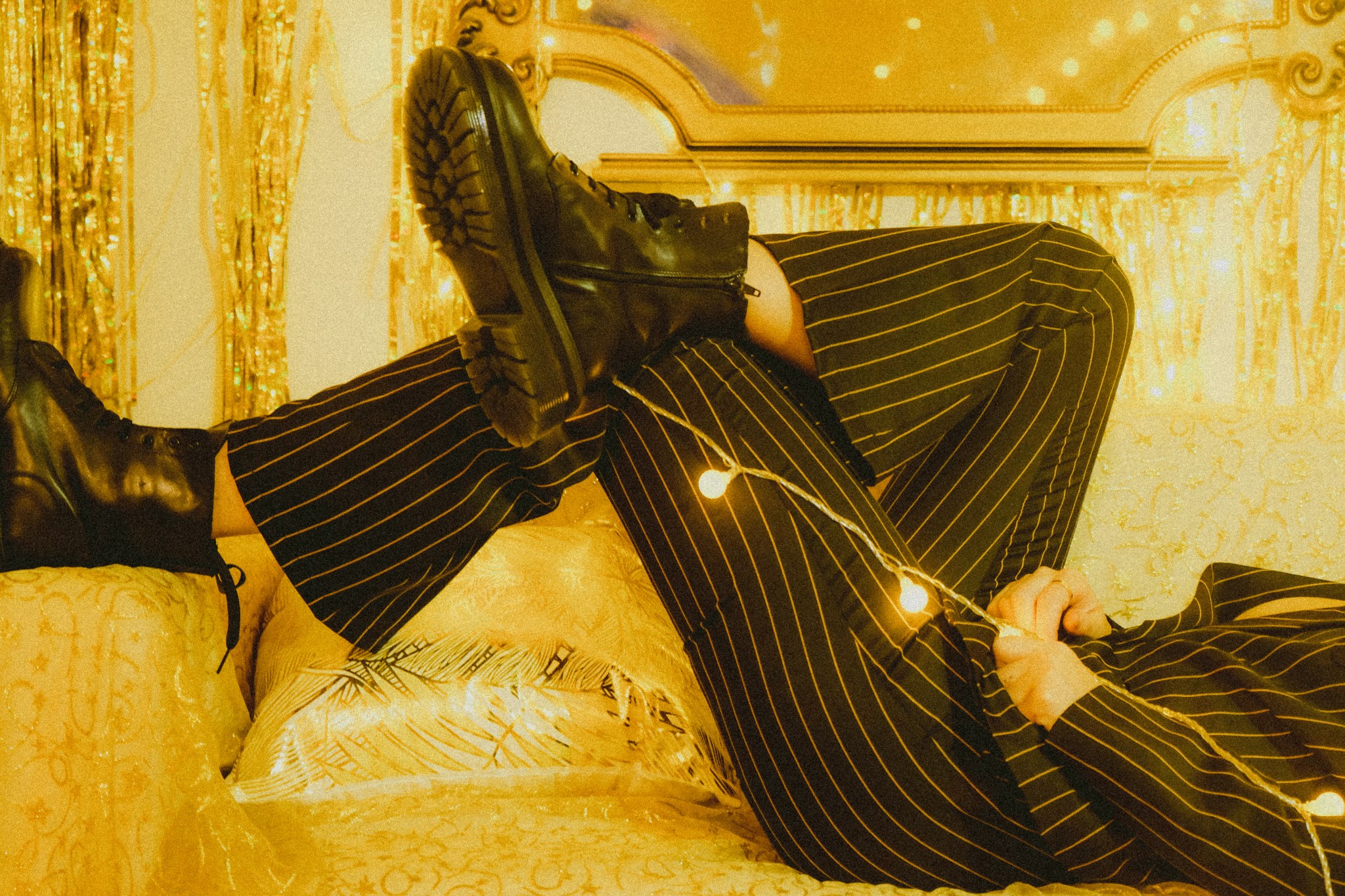
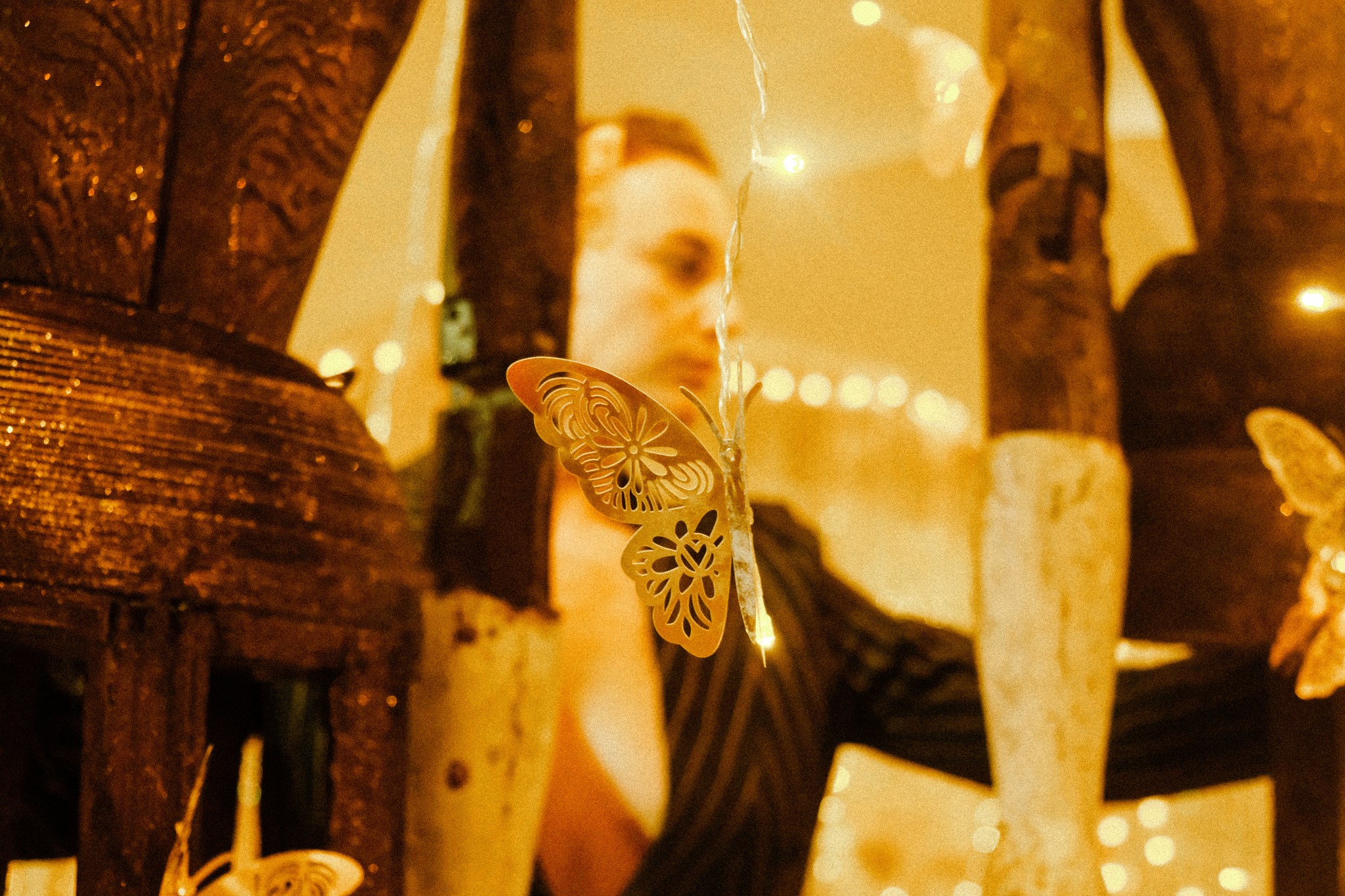
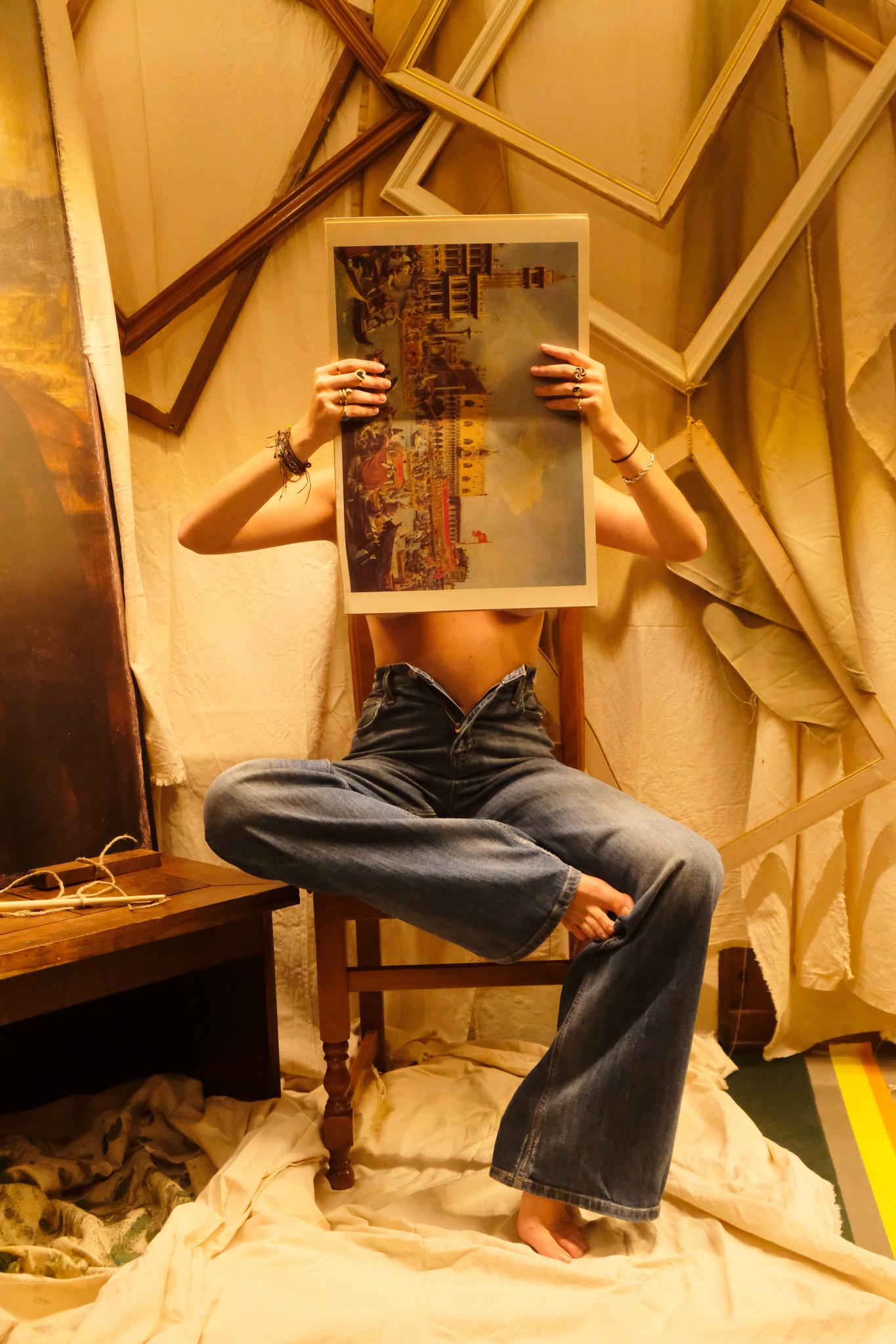
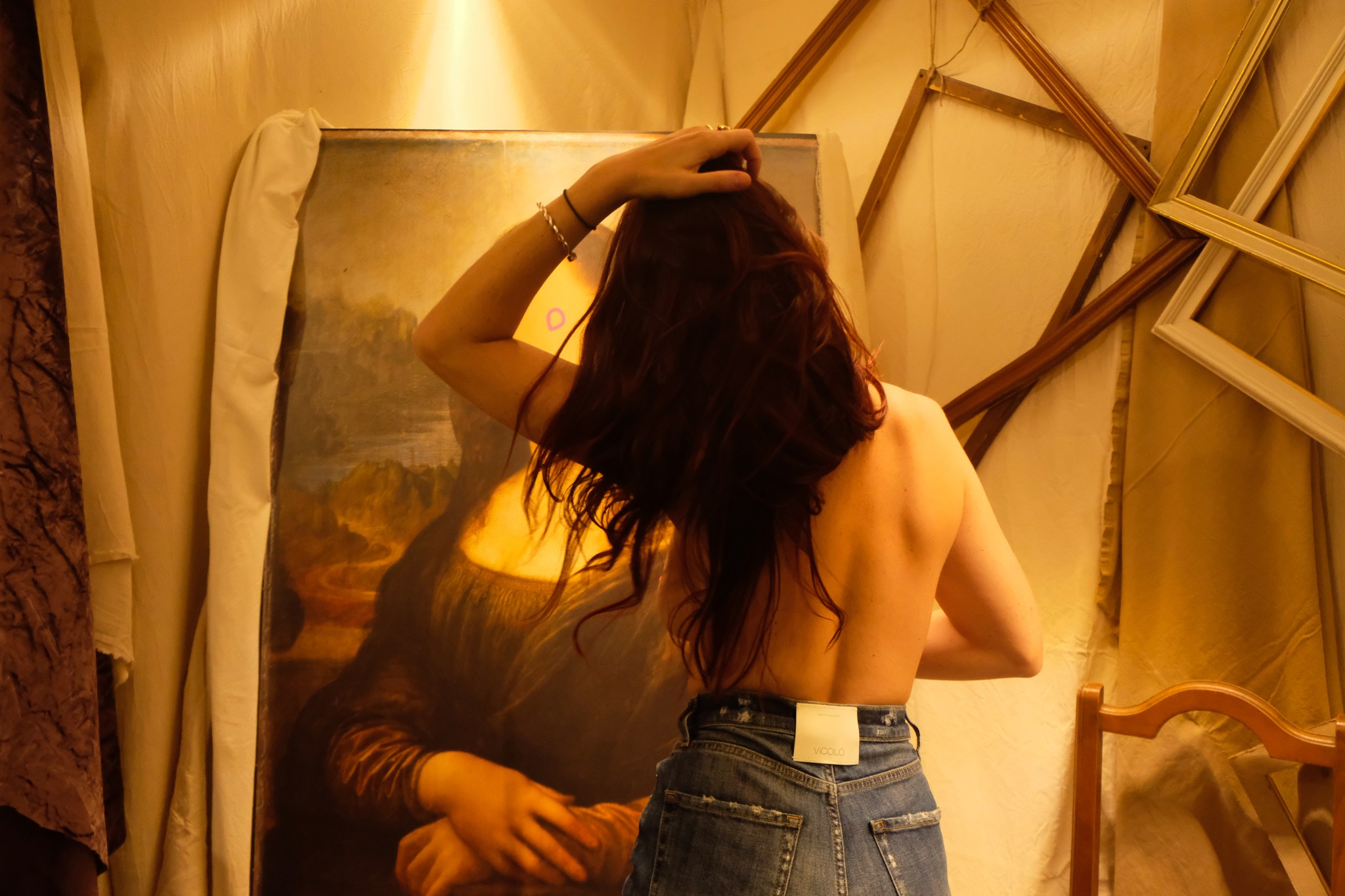
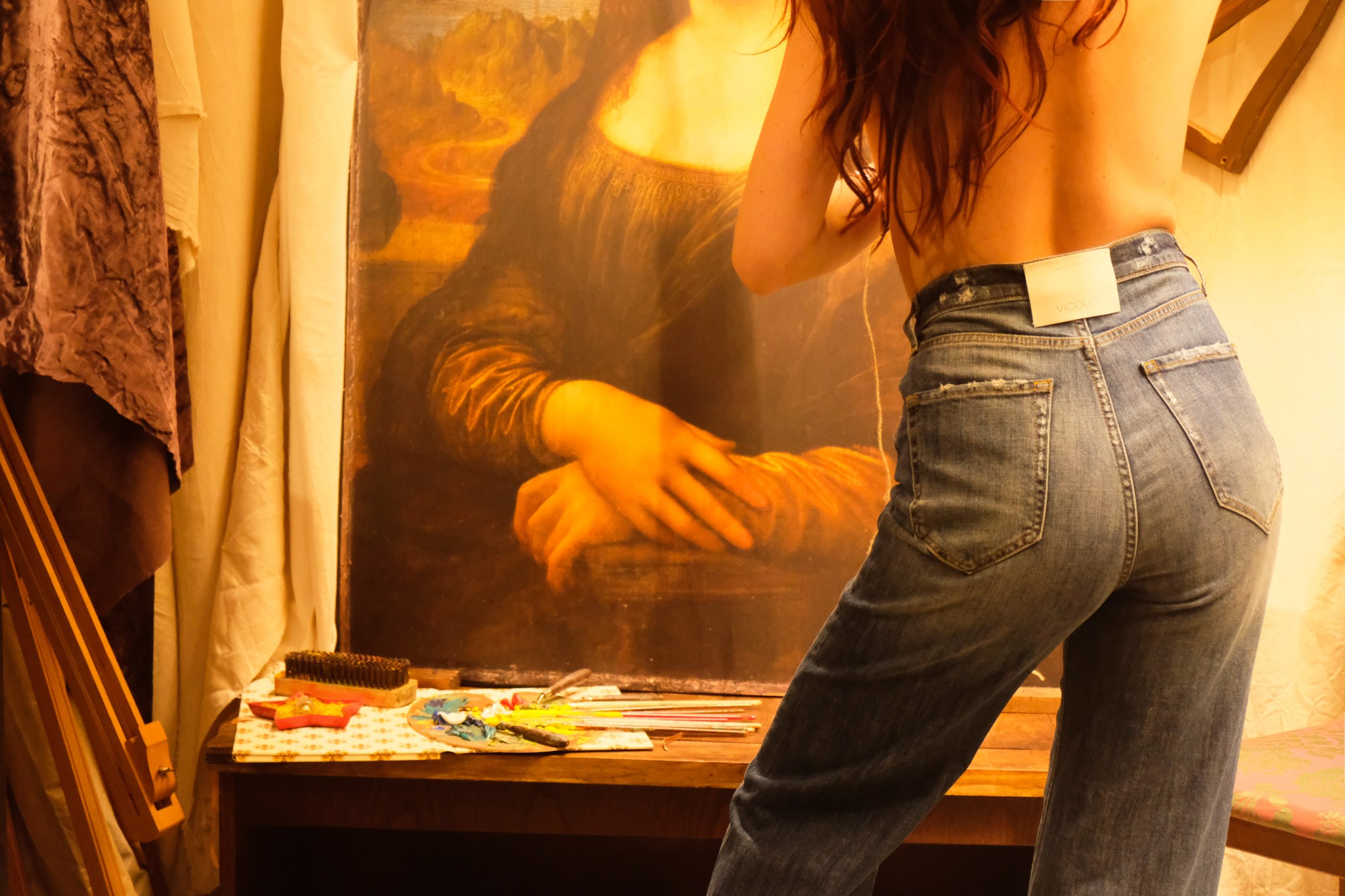
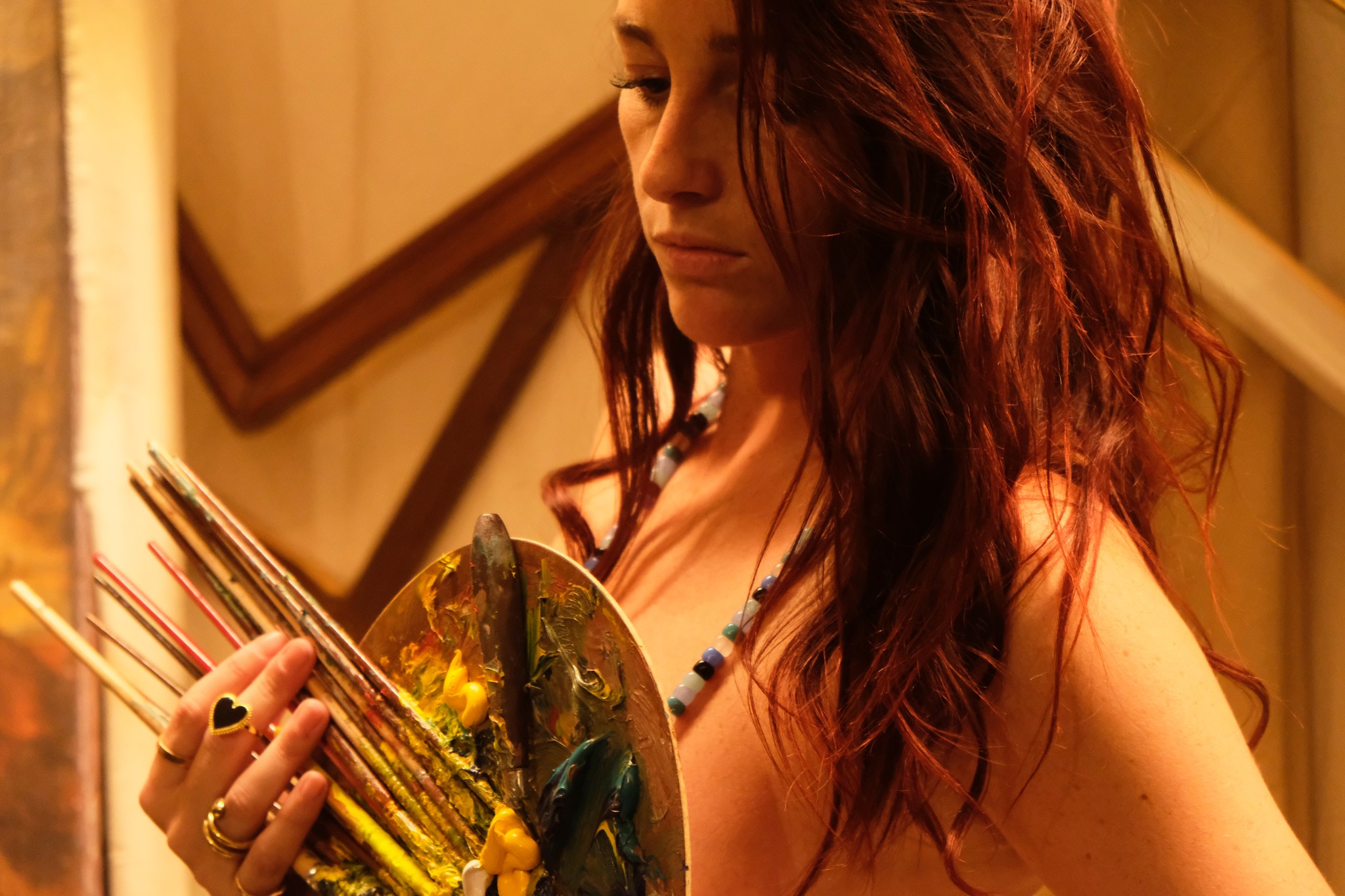



 Stefano Fake