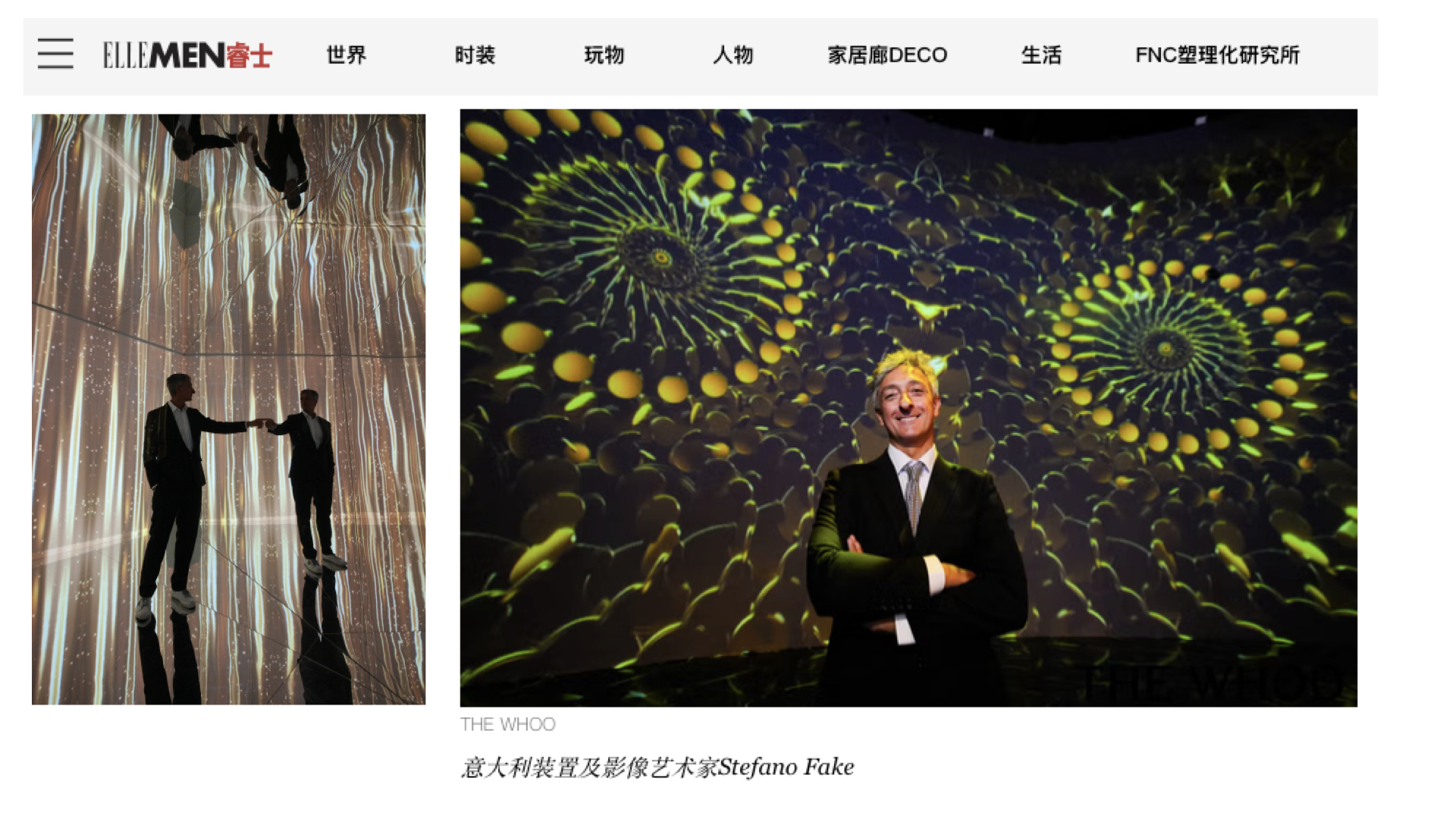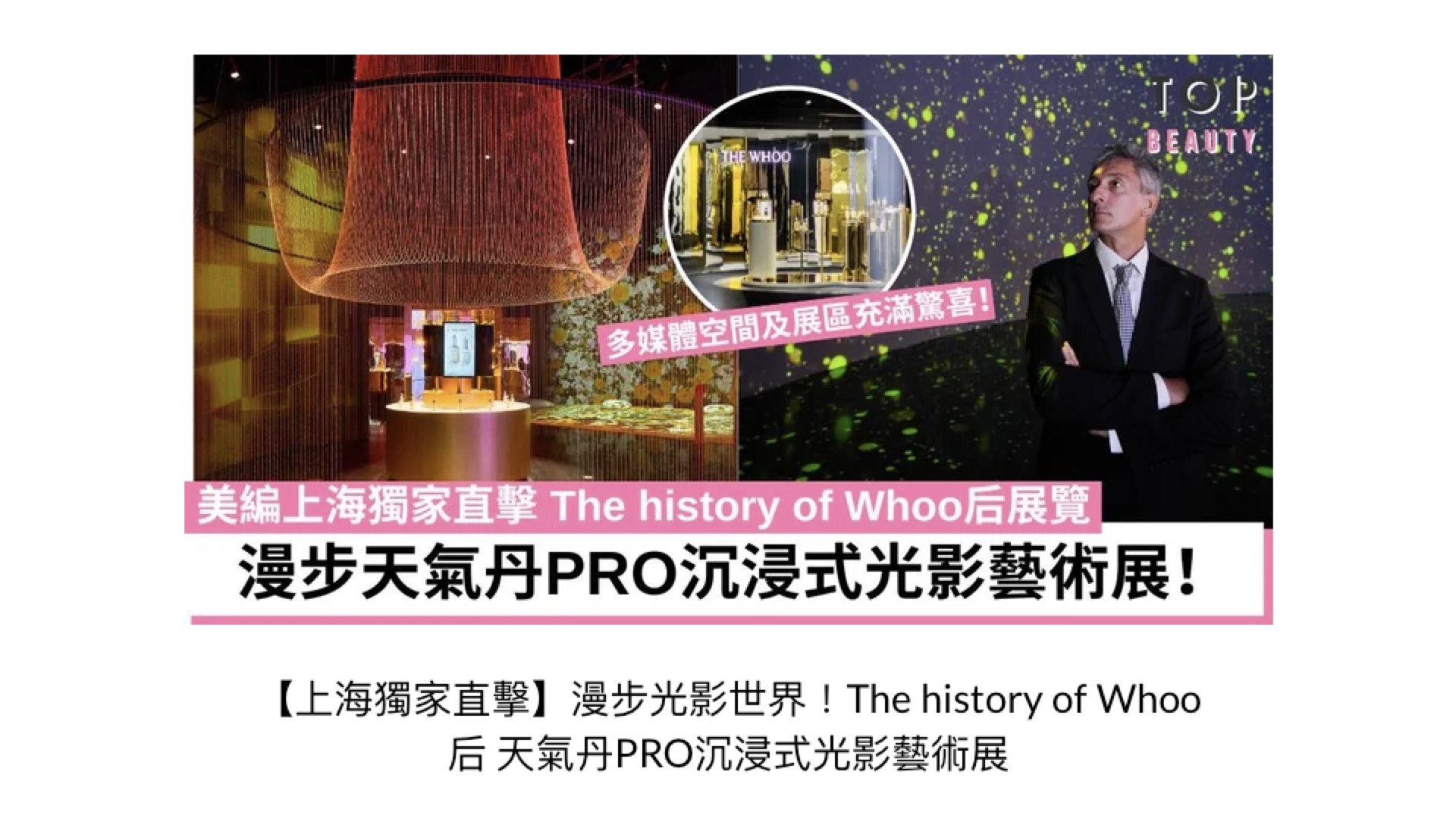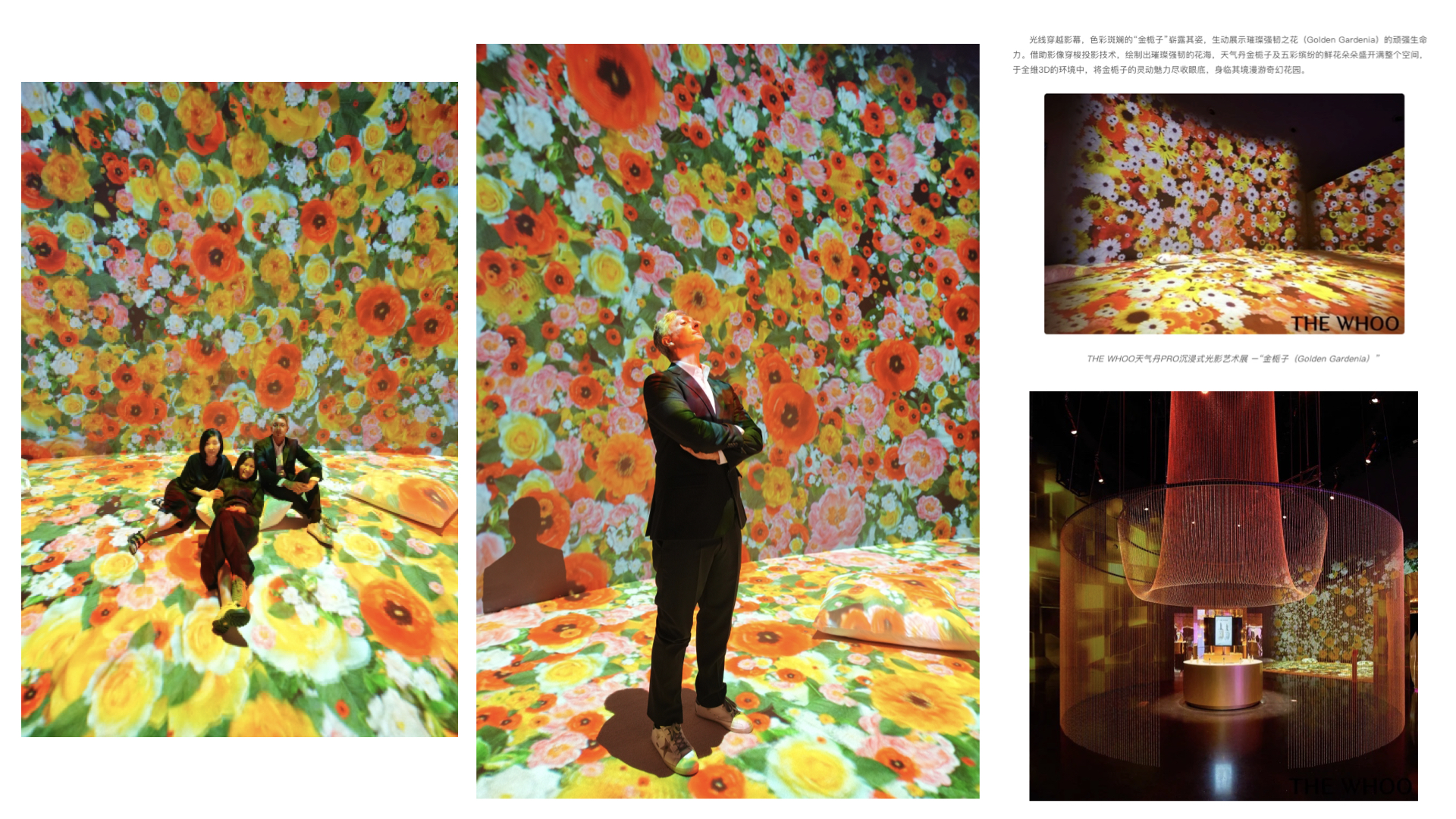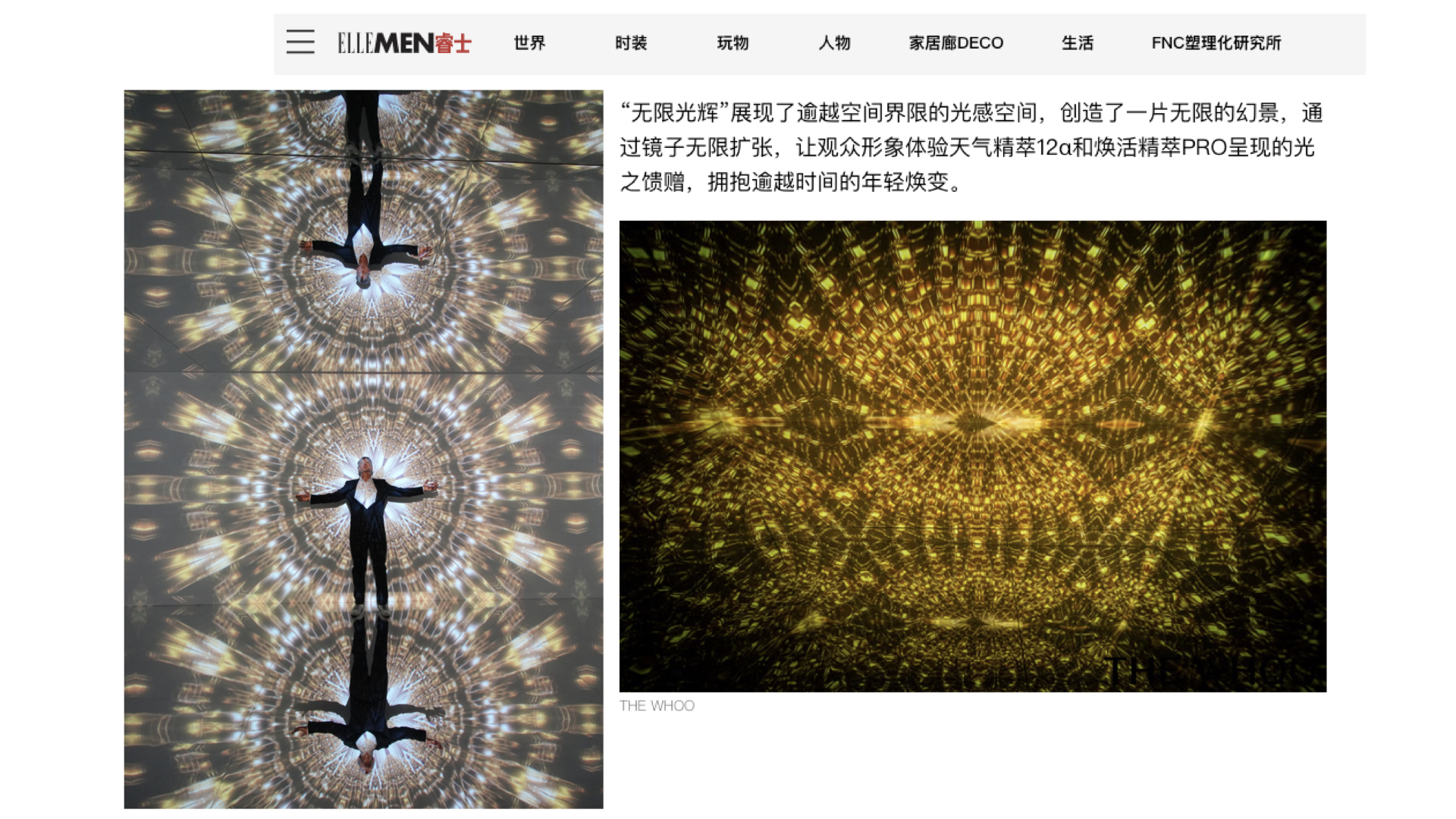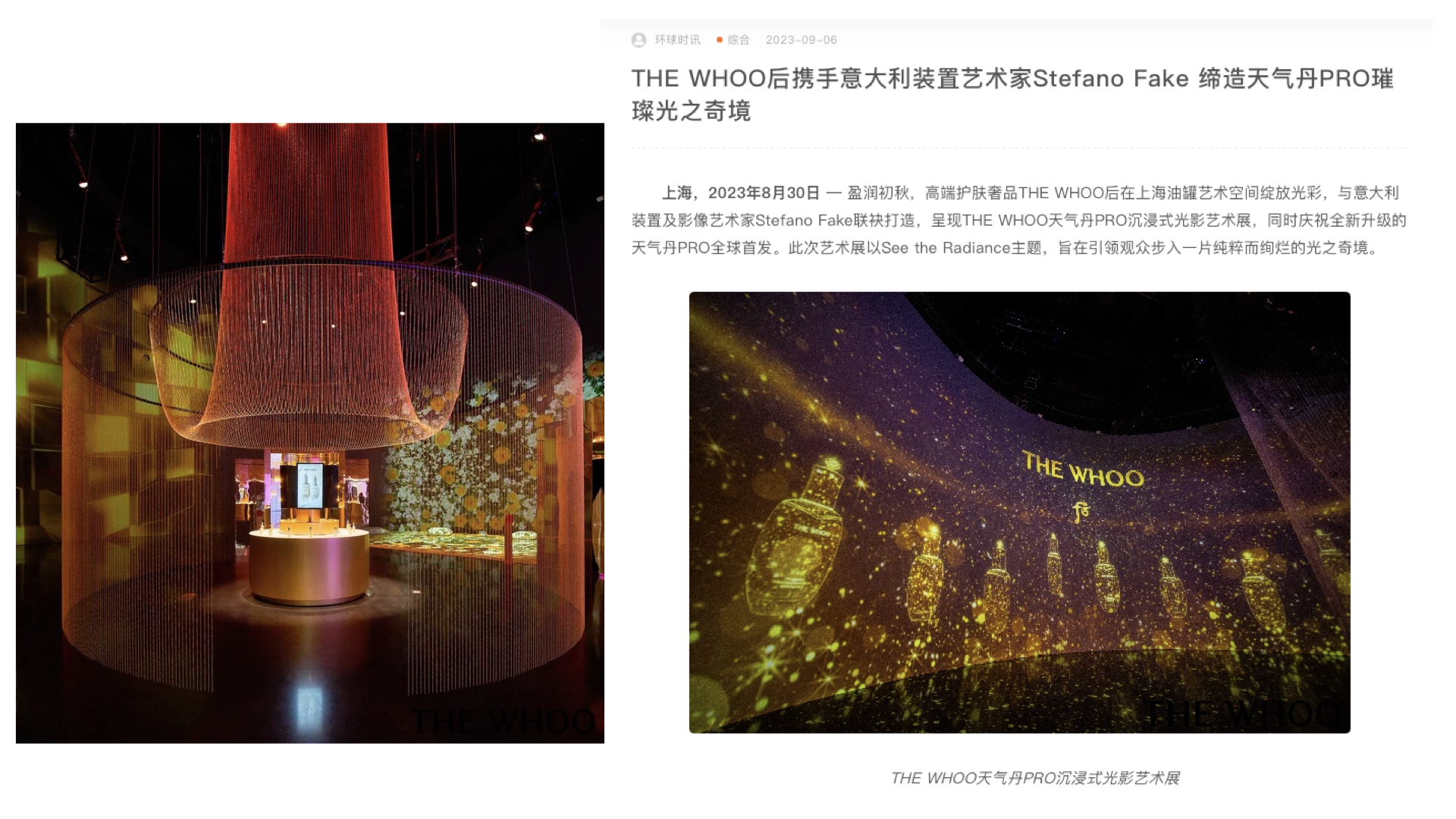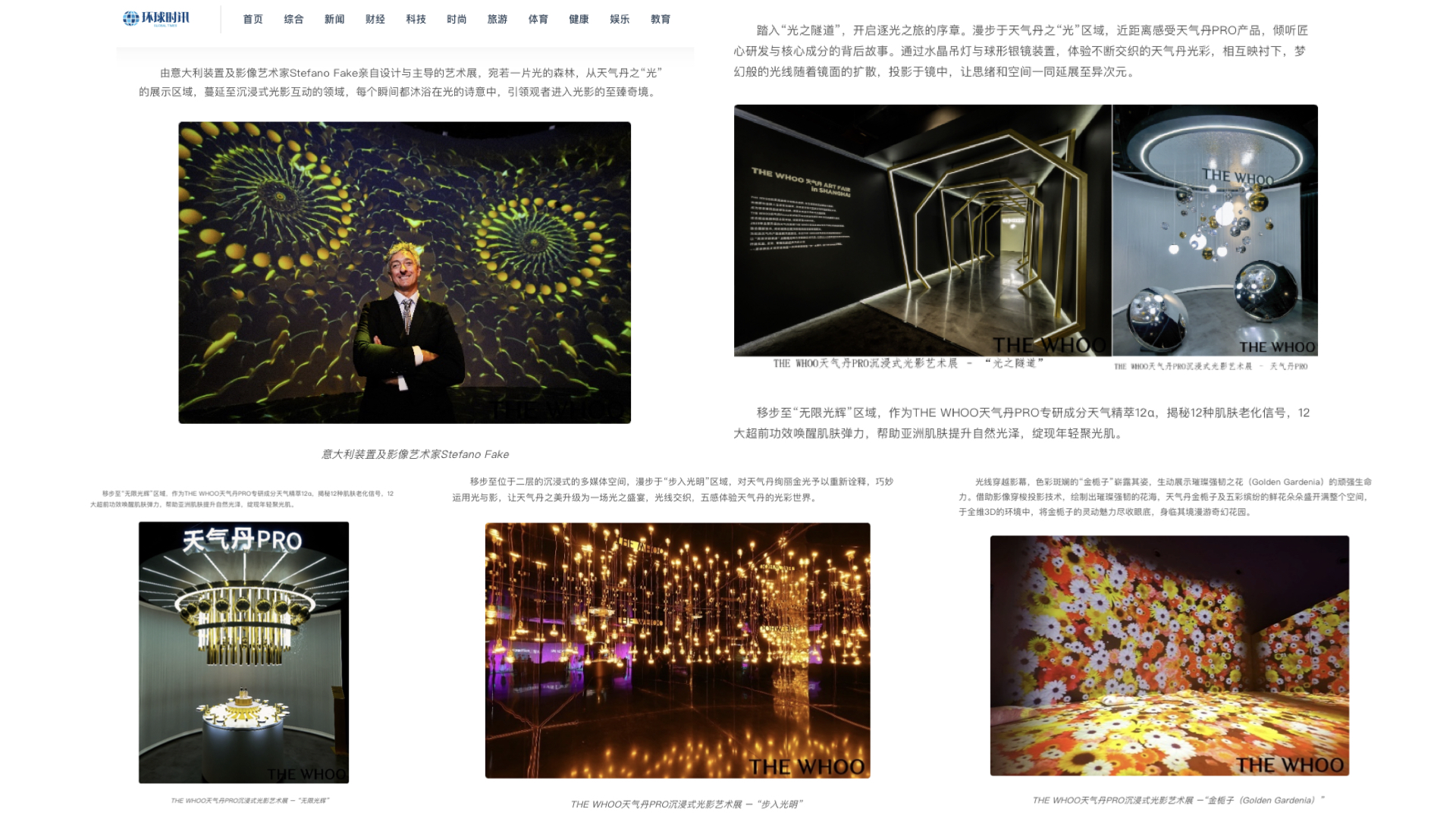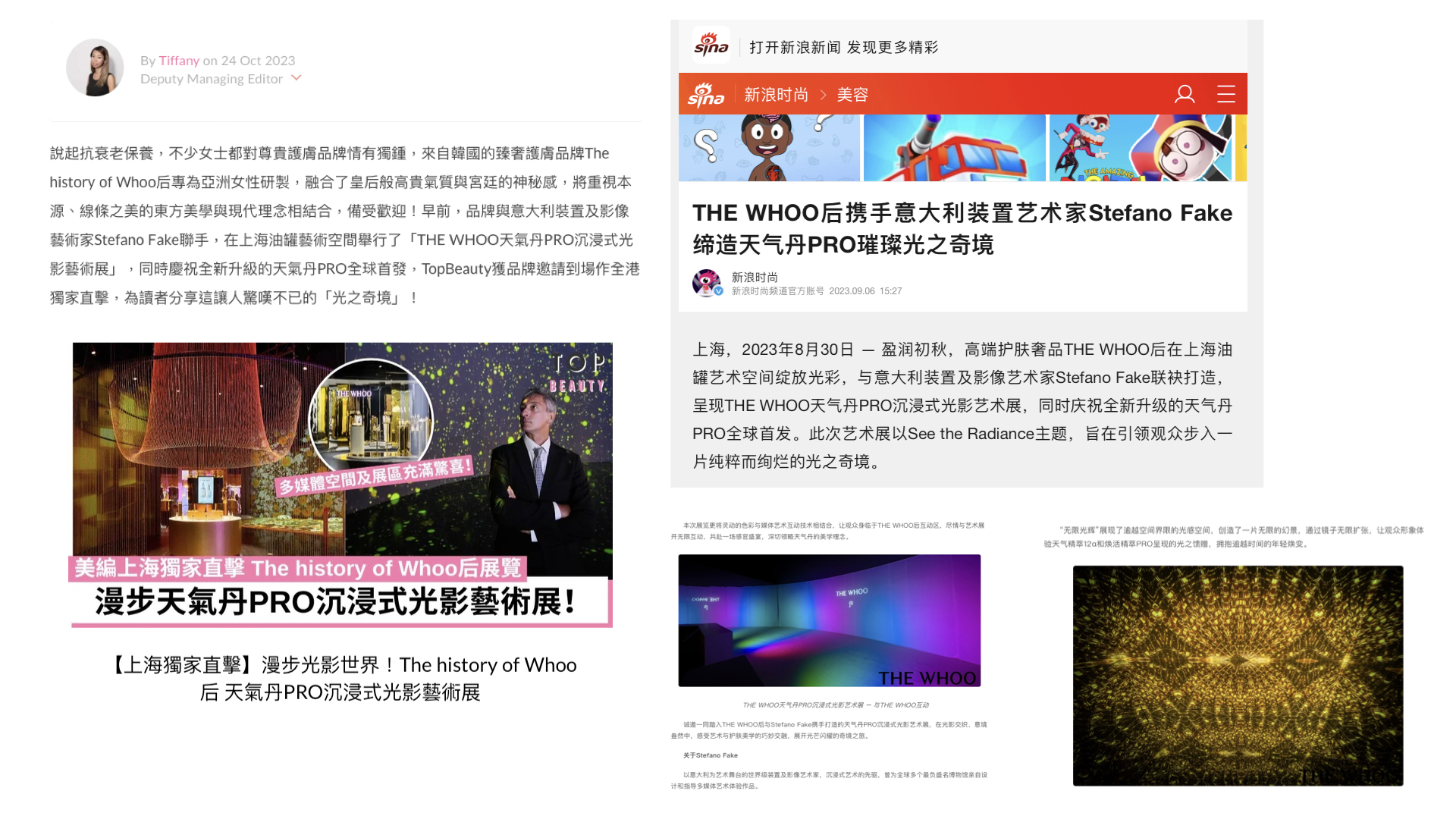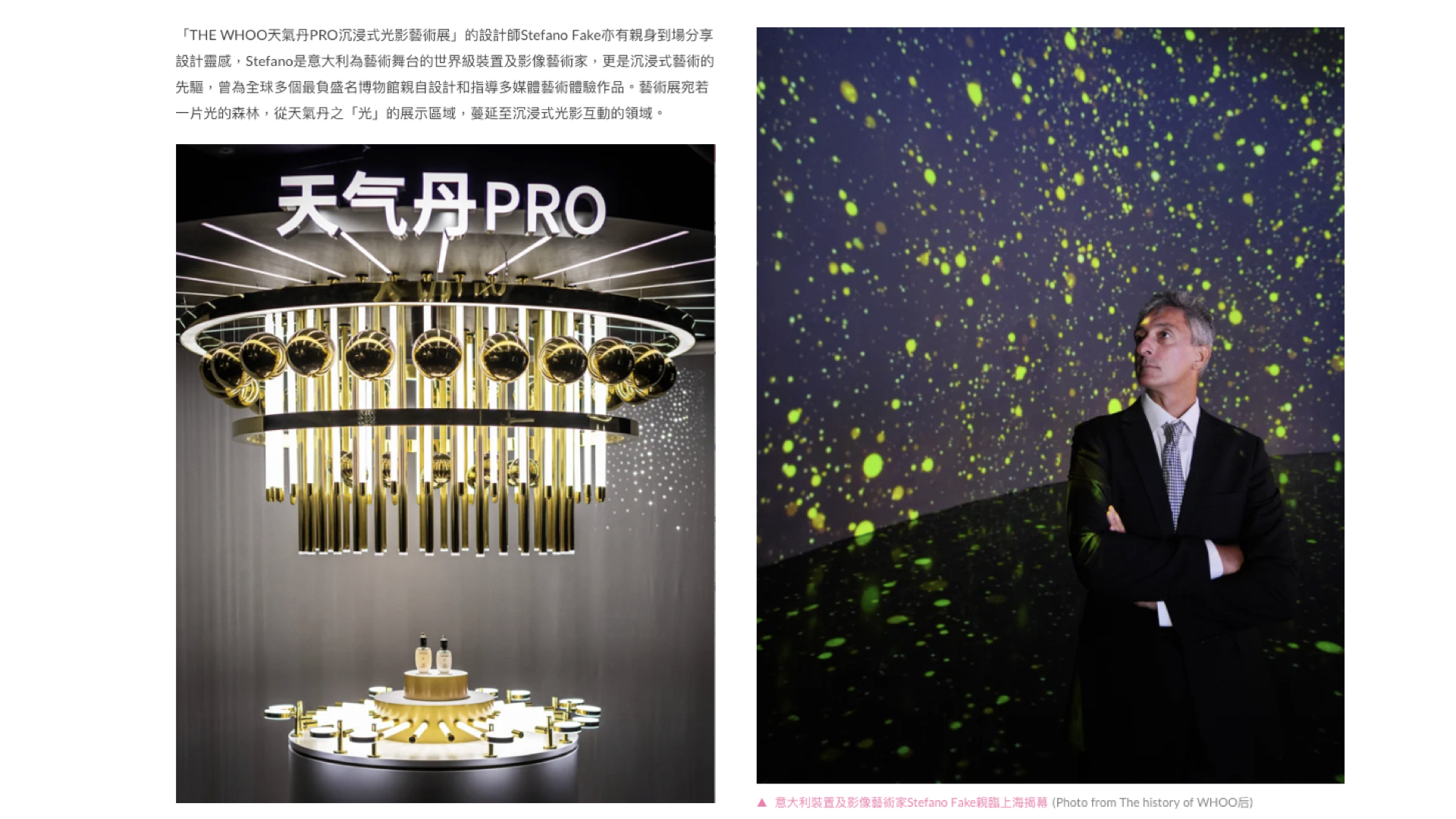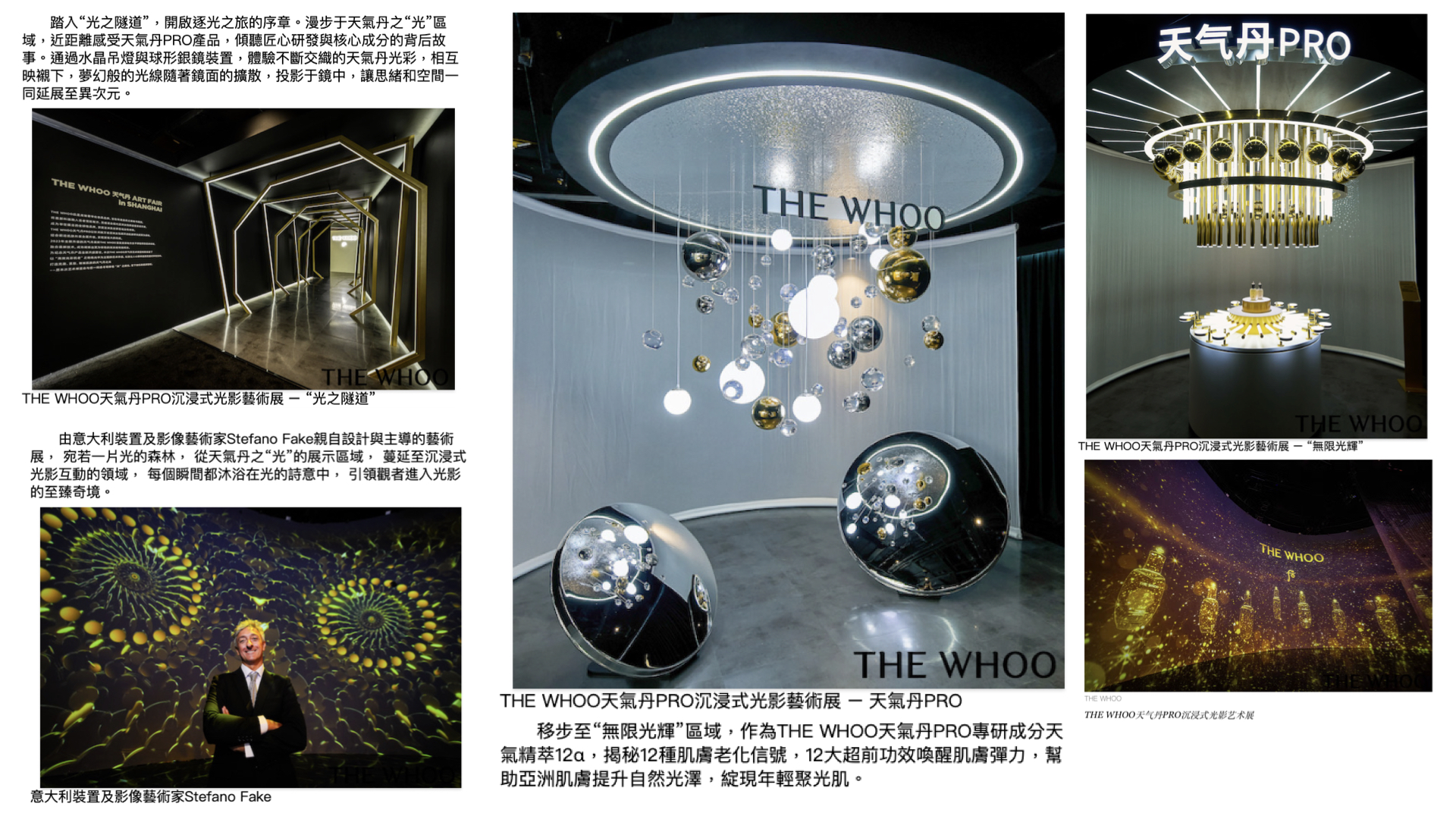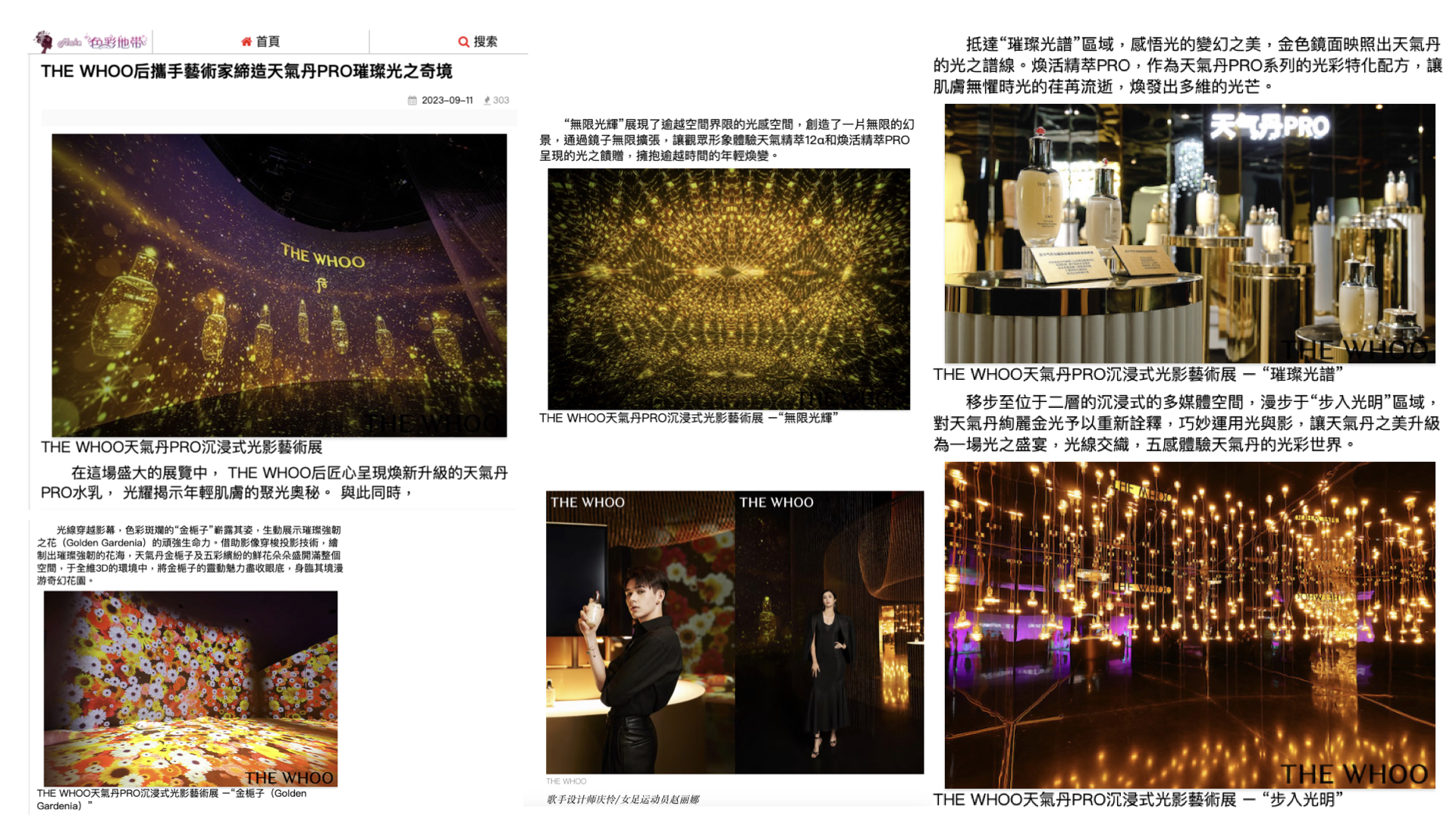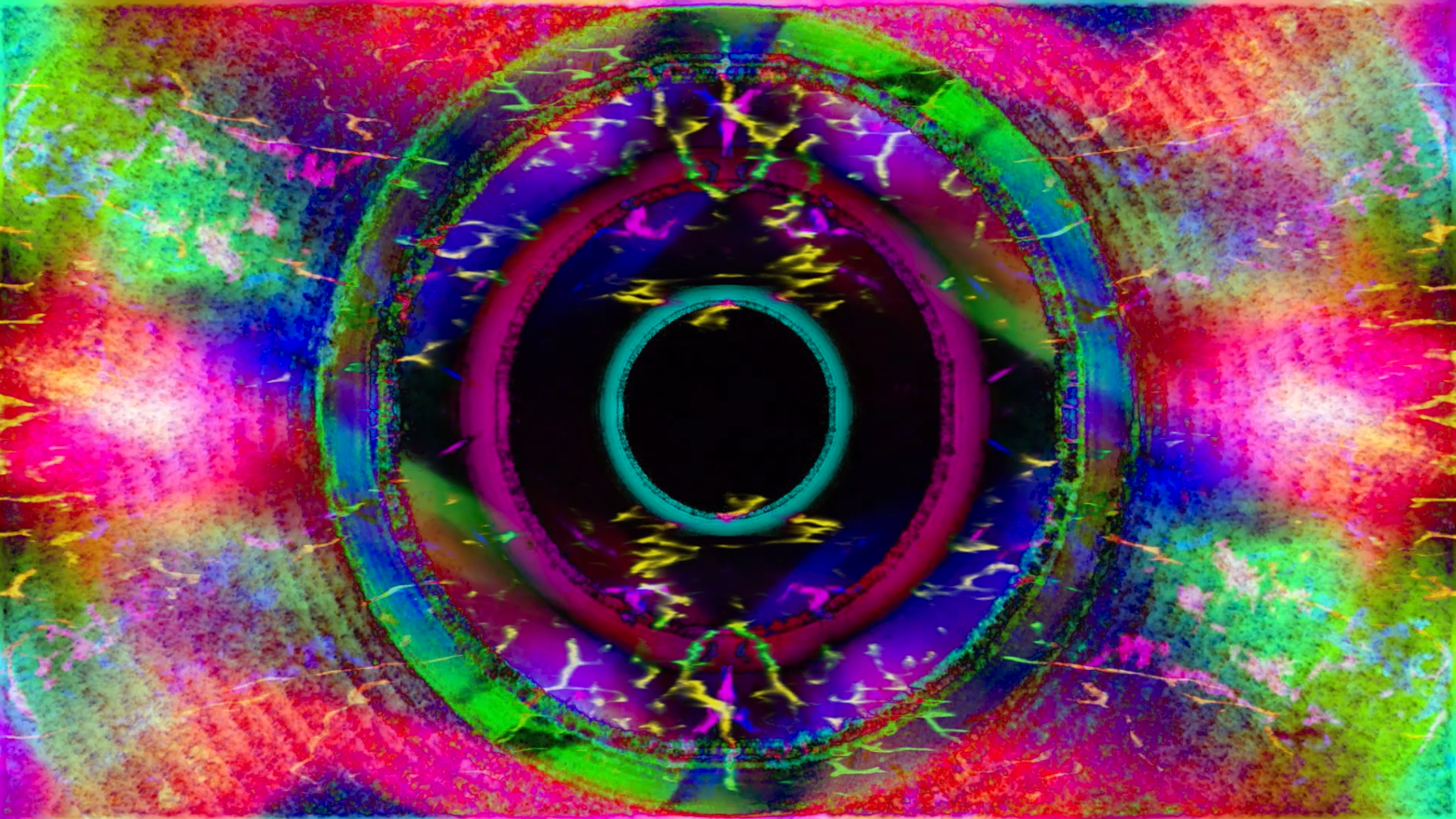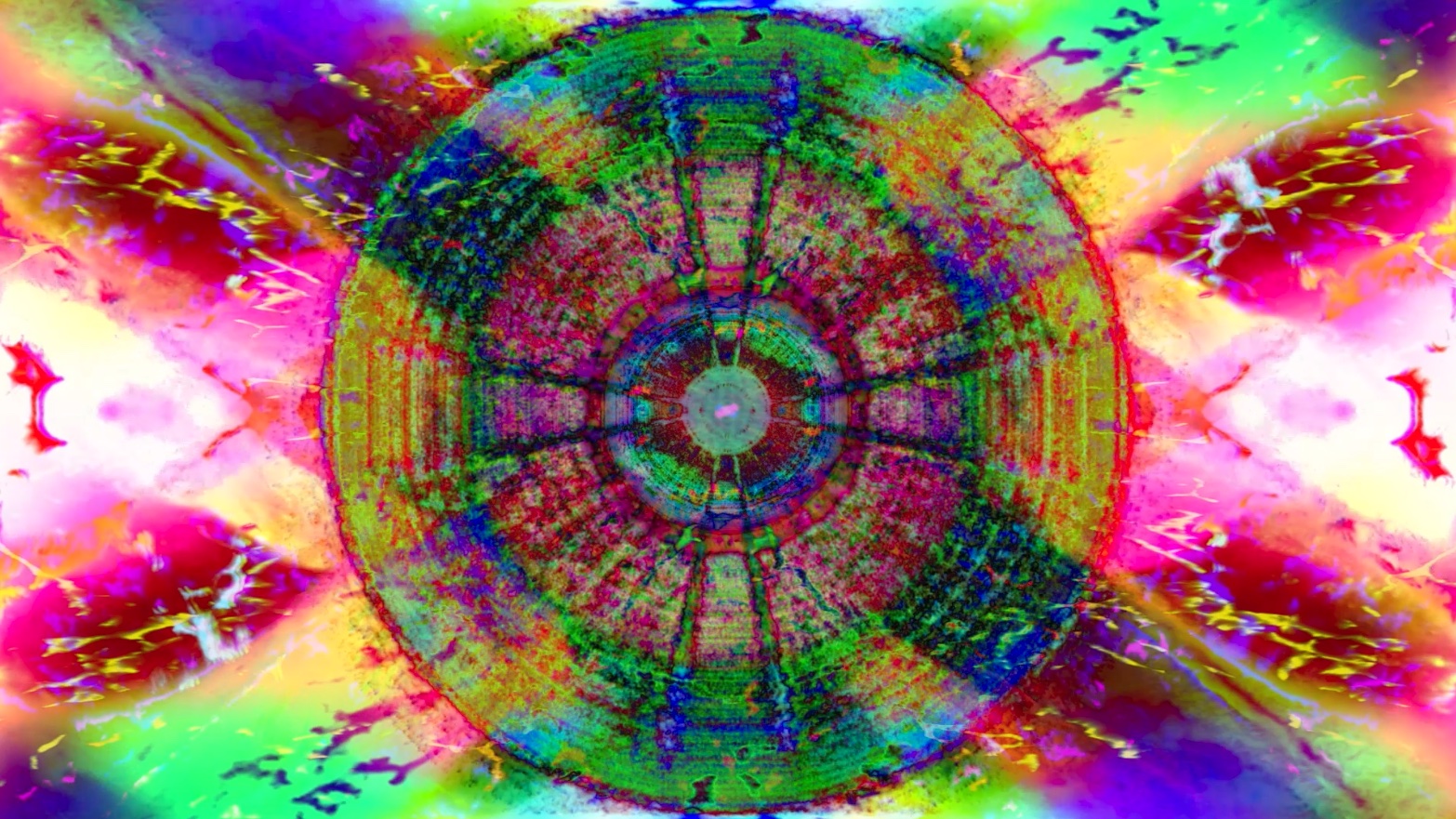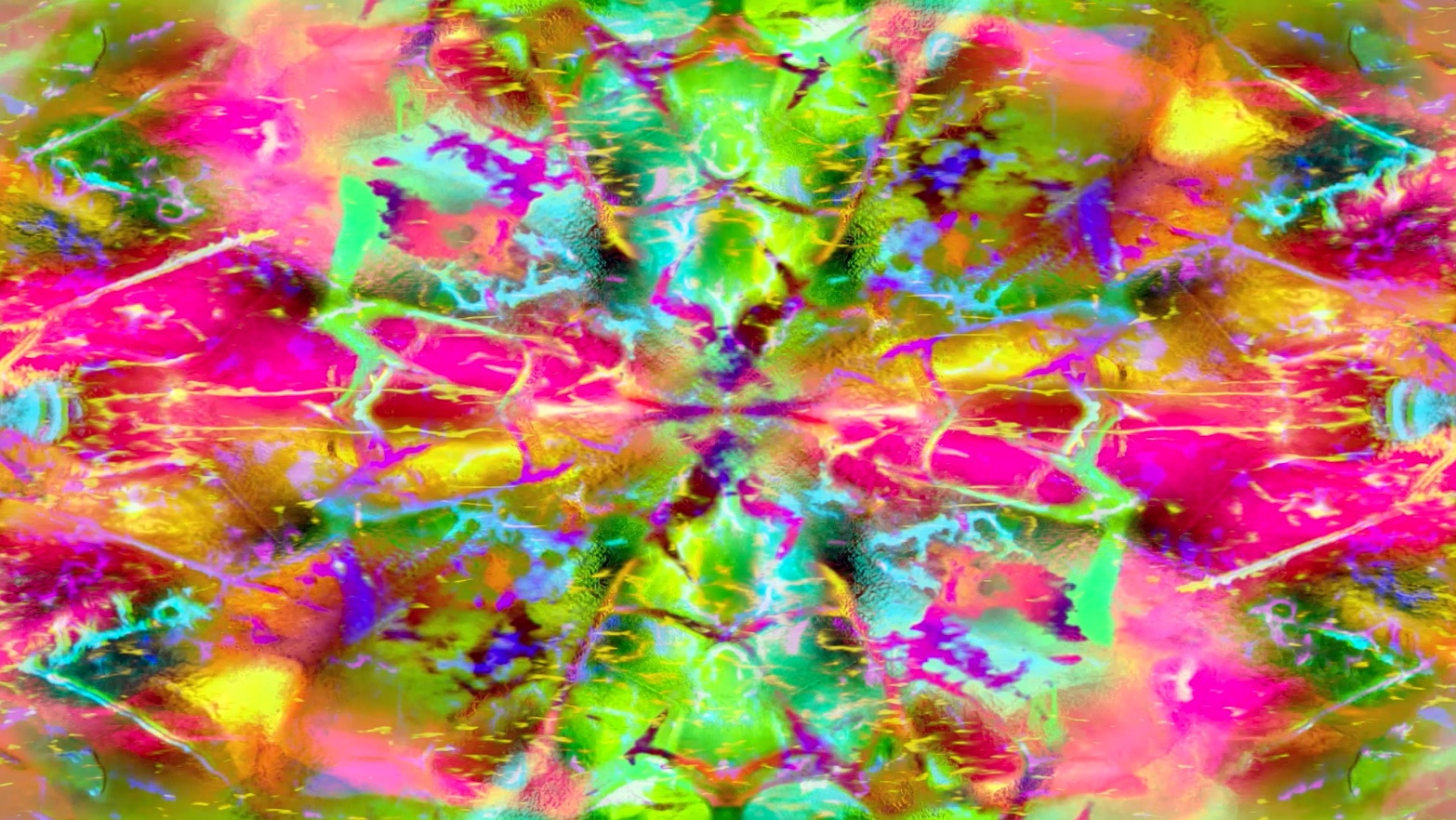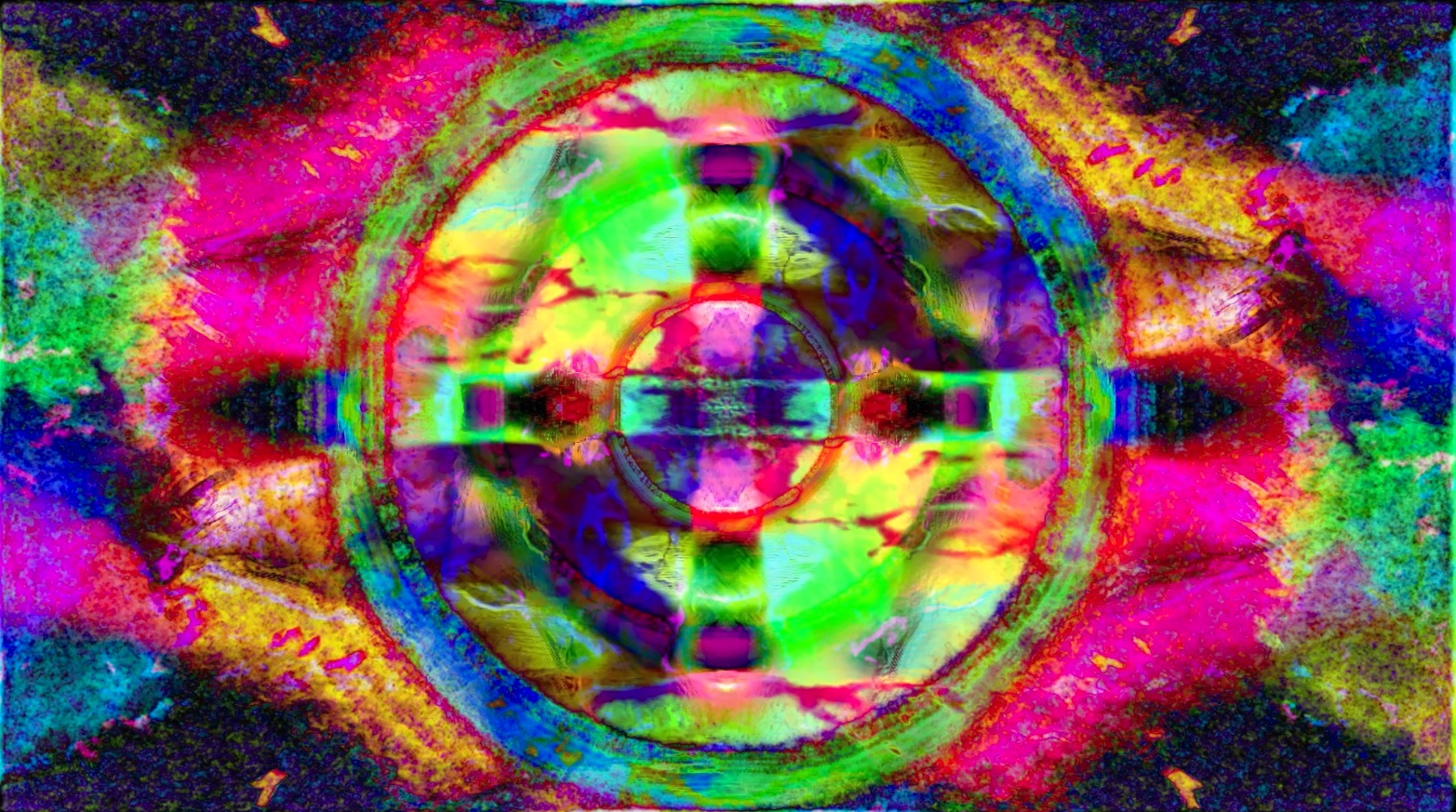
STEFANO FAKE & THE FAKE FACTORY “LIQUID COLOURS” (digital version) – 2012 > today — An Immersive Art Installation
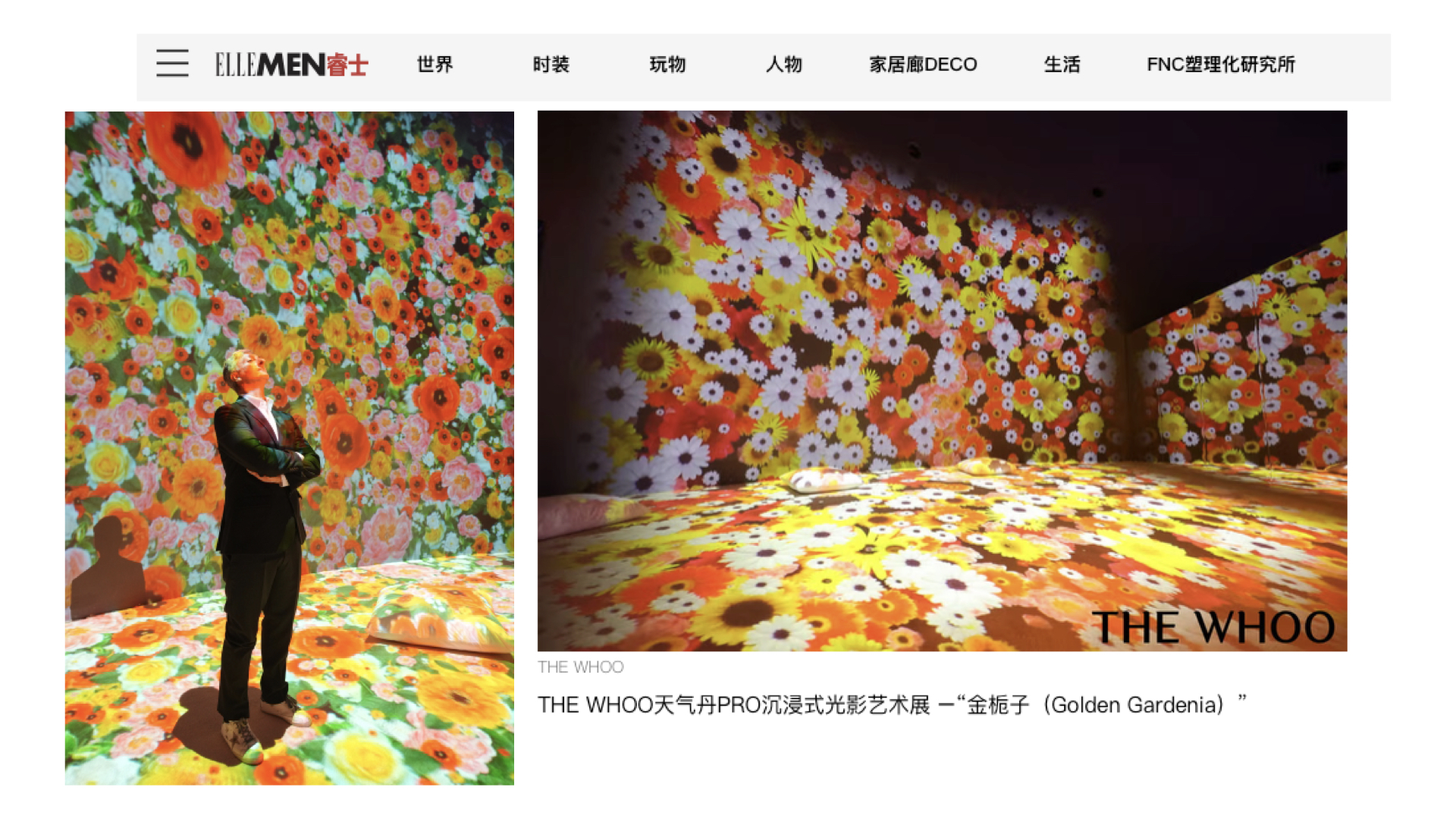
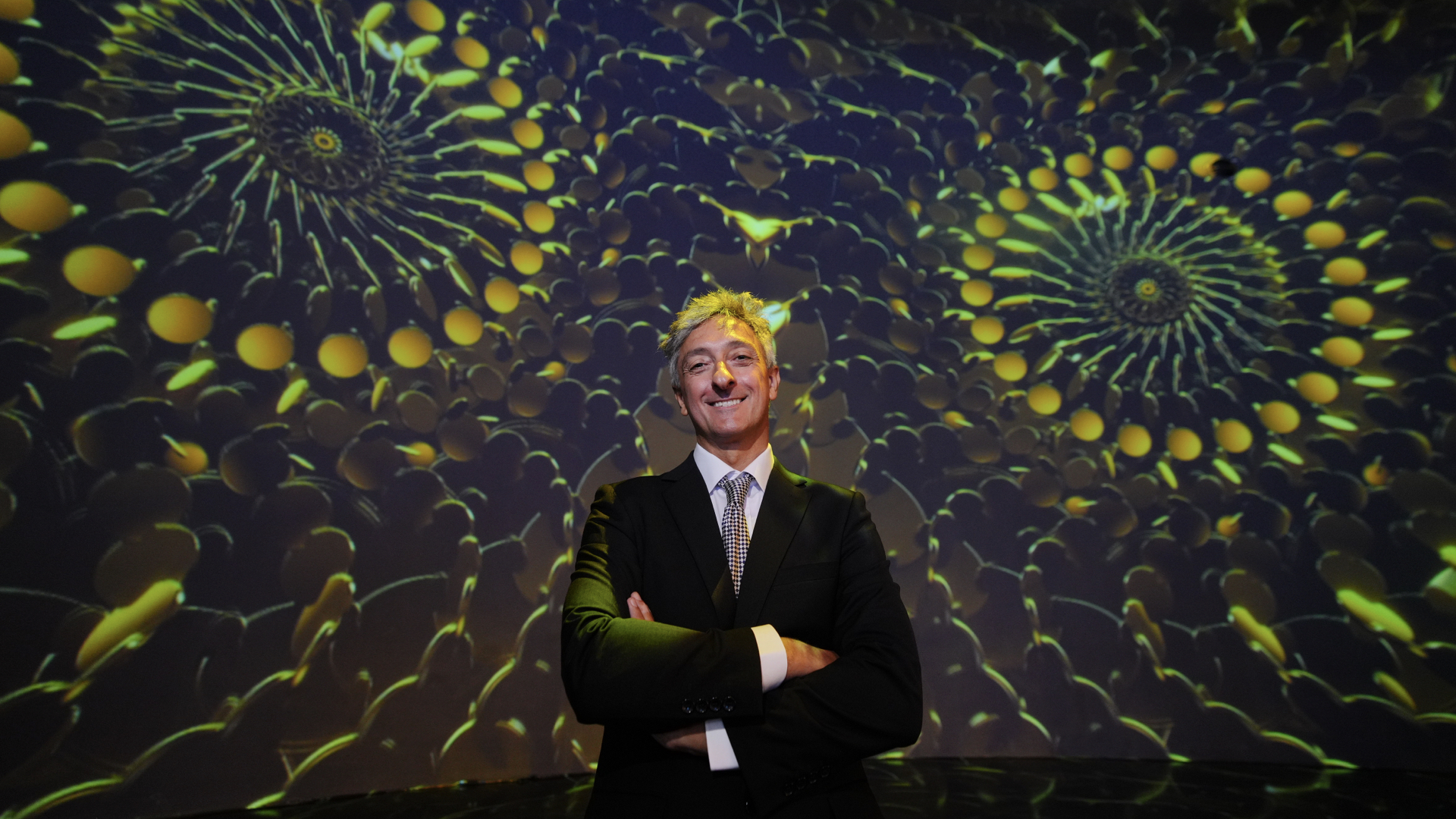
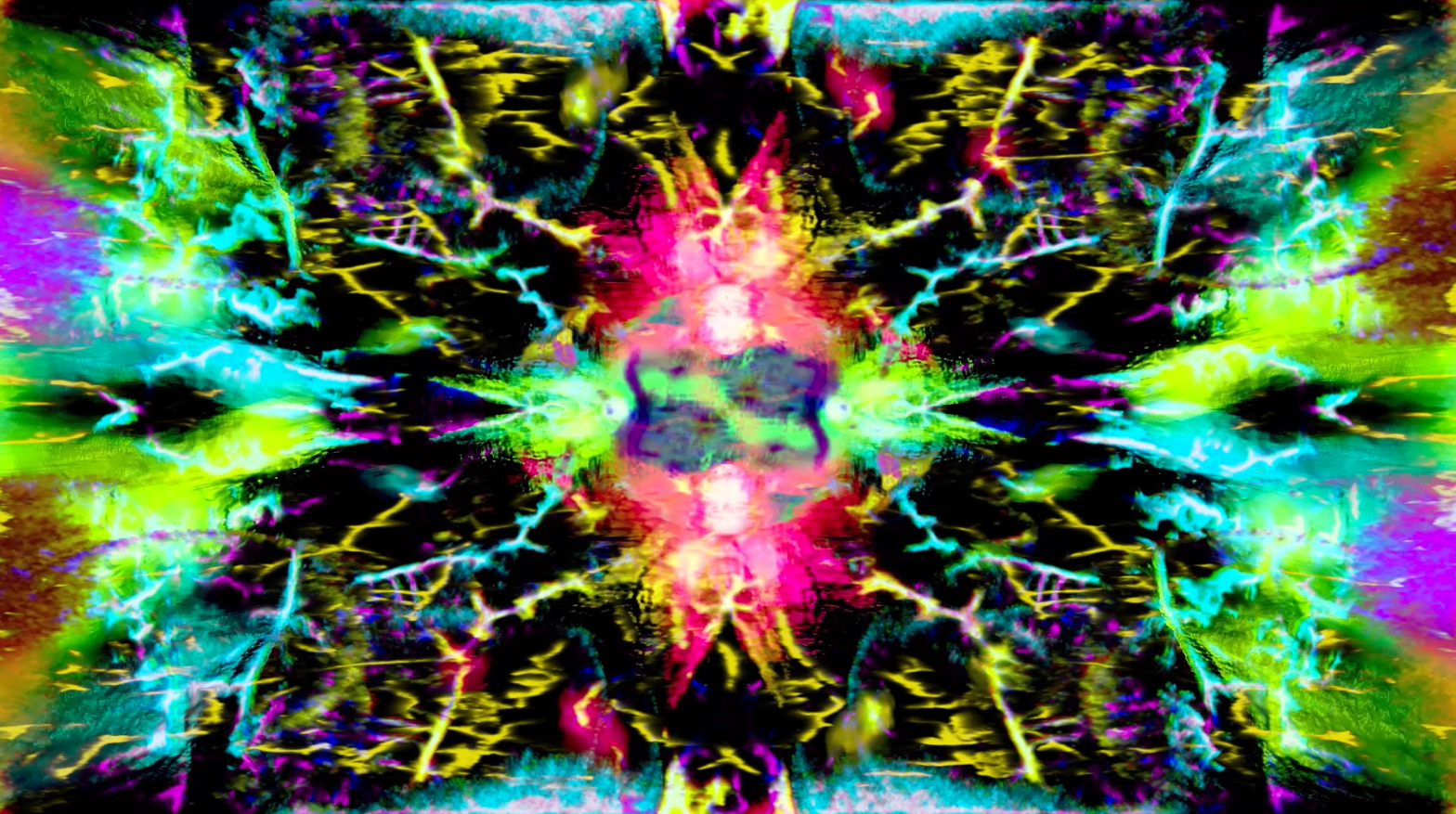
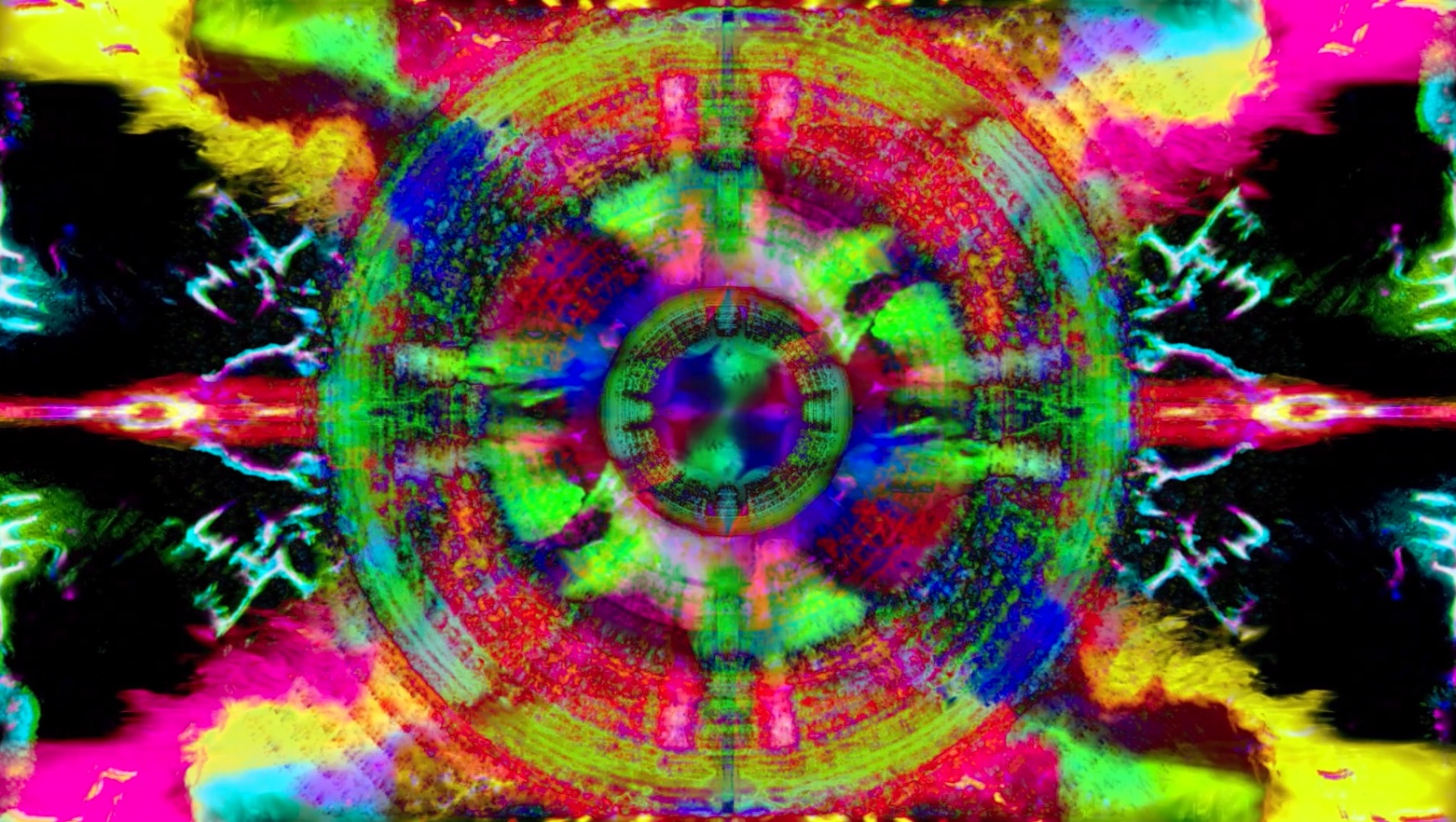
Liquid Colours (2012), created by Stefano Fake and The Fake Factory, is an immersive art installation in which spectators are enveloped by a continuous videoprojection of evolving chromatic fields and fluid forms. The work abandons fixed pictorial composition in favor of dynamic visual flux, producing an environment that is both sensorially overwhelming and aesthetically contemplative.
At its core, the installation functions as an expanded field of color: the projection surfaces dissolve the boundaries of the exhibition space, creating a seamless, immersive continuum. Within this continuum, abstract shapes emerge, transform, and dissolve, echoing organic processes such as flow, mutation, and metamorphosis. The resulting aesthetic experience situates the viewer within a living chromatic organism, one that resists stasis and instead privileges perpetual transformation.
From a phenomenological perspective, Liquid Colours emphasizes embodied perception. The spectator is not positioned as an external observer of an image but rather as a subject immersed in an atmospheric field of light and color. This aligns with Maurice Merleau-Ponty’s theorization of perception as situated, embodied, and inseparable from spatial experience. The spectator’s bodily presence within the projection environment is constitutive of the work, as perception itself becomes the site of aesthetic realization.
In terms of digital aesthetics, the installation foregrounds the generative capacity of video projection to produce continuous transformation. Unlike traditional visual art forms, which rely on permanence and materiality, Liquid Colour privileges ephemerality, flux, and immateriality. Here, color is not applied to a canvas but exists as light in motion, unfolding in real time across architectural space. The artwork thus destabilizes the distinction between object and environment, transforming exhibition space into an experiential landscape.
Ultimately, Liquid Colours exemplifies The Fake Factory’s broader artistic philosophy: to dissolve the boundaries between art and spectator, image and environment, physical presence and perceptual field.
The early 2000s marked the crystallization of immersive art as a distinct artistic practice, driven by advances in video projection, digital animation, and interactive technologies. While earlier 20th-century avant-gardes had experimented with spatial environments (e.g., environments of the 1960s, light art of the 1970s), the advent of high-resolution projection systems and computer-generated animation enabled artists to transform entire architectural spaces into dynamic, multisensory environments.
In contrast to traditional art forms, where the artwork is framed and external to the spectator, immersive art envelops the viewer, placing them inside the work. Walls, ceilings, and sometimes floors become projection surfaces, and digital animations introduce perpetual transformation into the experience. This results in a mode of art that is total, atmospheric, and experiential, often described as “stepping inside a painting” or “being absorbed into a visual and sonic world.”
Digital projection and animation allow for artworks that are not fixed but continually evolving. This emphasis on flux and impermanence contrasts with the material stability of painting or sculpture. By integrating architecture, sound, and light, immersive art collapses the boundaries between artistic disciplines, aligning with theories of the “expanded field” of art.
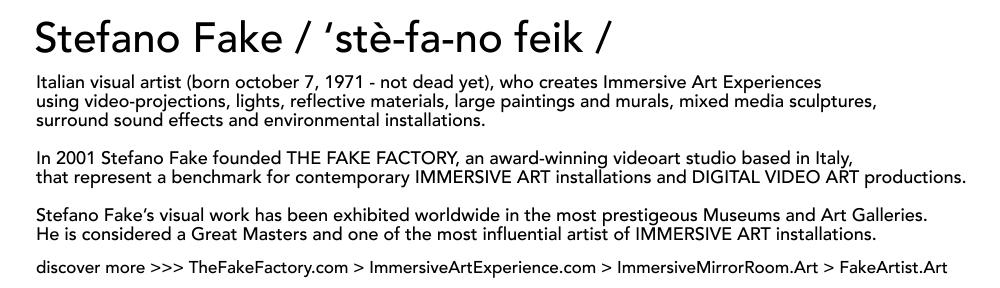
Artists such as Stefano Fake, founder of The Fake Factory, have been central to the development and popularization of immersive art.
Fake’s practice emphasized site-specific projection environments that transformed entire spaces into sensorial landscapes. His installations blurred distinctions between observer and participant, often positioning the audience as integral to the unfolding of the artwork.
Immersive art, as pioneered by Stefano Fake and contemporaries, represents a decisive shift in artistic production and reception:
From object-based art to experience-based art.
From fixed materiality to dynamic digital flux.
From passive spectatorship to active participation and co-creation.
It reflects broader cultural changes in the early 21st century: the rise of digital technologies, the growing emphasis on experiential culture, and the reconfiguration of art as an event rather than an object. Immersive art, born at the turn of the 21st century through the use of video projections and digital animation, has transformed the way we conceive artistic experience. Artists such as Stefano Fake played a foundational role in this innovation, not only pioneering the technical and aesthetic possibilities of immersive installations but also redefining the role of the spectator.
Presence by Stefano Fake & The Fake Factory (2022–present)
Presence is an interactive installation conceived by Stefano Fake and The Fake Factory, with the technical design framework developed in TouchDesigner by Alberto Gennaro. This work foregrounds a central theme in The Fake Factory’s creative philosophy: the physical presence of the audience as active agents within the artwork. Rather than mere observers, visitors become integral performers whose movements dynamically shape both gestural choreography and chromatic composition within the installation.
Interactive installations constitute a form of artistic practice that actively solicits audience participation, whether through technological mediation or handcrafted mechanisms. These works are frequently kinetic in nature, transforming static objects into dynamic, participatory experiences. By foregrounding interaction, such installations challenge conventional modes of spectatorship associated with traditional art forms, shifting the emphasis from passive observation to active engagement and immersion.
The artwork under discussion exemplifies this shift. Unlike prerecorded or pre-rendered visual material, the installation generates imagery in real time, continuously shaped by the interaction between participants and the system. As viewers position themselves before the screens, their silhouettes are captured and reconfigured into abstract visual forms.
This process is facilitated through the integration of Kinect sensors and cameras, which register bodily movements and gestures. The captured data is then translated into evolving visual representations, producing an environment in which participants witness abstracted versions of themselves projected within the artwork.
Such installations not only engage audiences but also invite them to experiment with their own corporeal gestures as vehicles of artistic expression. In doing so, they destabilize the boundary between physical and digital domains, offering an evolving, generative encounter with art that is both participatory and immersive.
The aesthetic and conceptual DNA of Presence echoes early video-art experiments, notably Norman McLaren’s Pas de deux (1968), and Stefano Fake’s own explorations in the early 2000s, such as The Essence of Dance (2004–2005). In this contemporary installation, the traditional dancer is replaced by the everyday museum-goer, effectively democratizing the role of performer and redefining immersive art as a participatory space where anyone—instinctively—becomes central to the experience.
Visitors physically engage with the installation through movement, generating infinite gestural and color sequences in real time. The body becomes both instrument and catalyst: every shift produces a visual response, turning improvisational motion into vivid chromatic expression iicedimburgo.esteri.it+1. This capacity for co-creation in the moment imbues Presence with a sense of immediacy and unpredictability that is both aesthetically striking and emotionally resonant.
As one of the most significant immersive artworks of recent years, Presence builds upon and advances the tradition of experiential art pioneered by Stefano Fake. The work exemplifies the studio’s mission to dissolve the boundary between spectator and artwork, empowering visitors to inhabit, shape, and transform the visual environment in real time.
STEFANO FAKE & THE FAKE FACTORY “THE ART OF COLOURS” Light Art Installation (2012 – today)
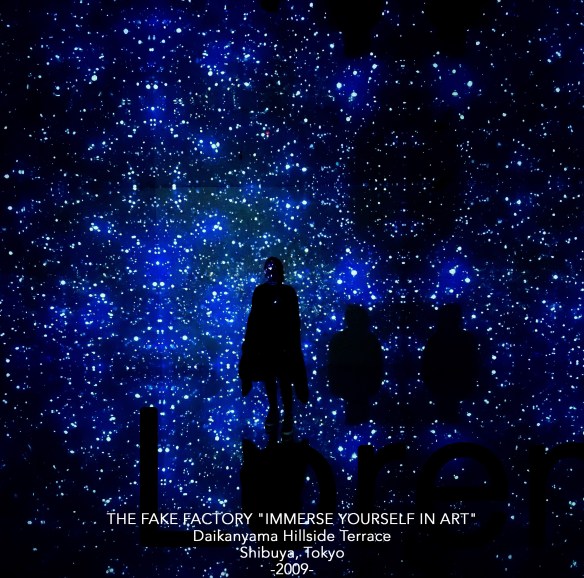
The Art of Colours is an evolving immersive installation that explores the transformative power of light and color, using space to engage the visitor’s perceptual faculties. The installation generates a sensory dialogue between the artwork and the viewer, inviting a phenomenological experience where art and perception merge.
Originally conceived in 2012, this installation has been presented in varied, site-specific contexts—most notably during Milan’s Fuorisalone (the global hub of Design Week) and Florence’s Light Festival, which began that same year.
In typical Fake Factory style, the artwork transcends passivity: the visitor’s physical presence becomes integral to the color and light interplay. Walking into the installation, the viewer’s silhouette, movement, or proximity can modulate how color fields shift, blend, and interact—thus shifting the artwork dynamically in response to human presence .
Much like Stefano Fake’s earlier immersive works, The Art of Colours is oriented around the visitor’s embodied experience. It offers a dynamic perceptual field where the boundary between self and environment blurs—a cornerstone of Merleau-Ponty’s theories on embodied perception. Participants do not merely observe the installation; they enact and co-create it.
Rather than plot or narrative, The Art of Colours communicates through color and forms. This aligns with an interpretation of light as a semiotic medium—evoking emotional responses and sensory resonance in lieu of explicit representation. The absence of figurative imagery places emphasis on abstract affective experience.
In the new millenium, digital art had begun shifting away from the spectacle of technology toward immersive, embodied experiences. The Art of Colours exemplifies this shift: the technology—projections, sensors, lighting—is designed to vanish into the experience itself. What remains is the perception—pure, immediate, and orchestrated through color and movement.
In The Art of Colours, light and color are not fixed—they shift in relation to the physical presence of the audience. The human body becomes part of the feedback loop, functioning almost like a brushstroke in a living digital canvas.
Traditional art situates the viewer as an external spectator, but here, simply being in the space alters the artwork.
Viewers walking, standing still, or interacting with one another cause color fields to ripple, blend, or shift.
This creates a personalized and collective aesthetic journey:
Personalized: each visitor’s presence generates unique variations.
Collective: multiple visitors can transform the environment together, creating layered dynamics of light.
This makes the artwork inherently unrepeatable: no two moments are identical because the composition emerges from lived presence.
Phenomenological lens:
The installation amplifies Merleau-Ponty’s idea of the body as the locus of perception. The viewer perceives light, but also perceives themselves as a generator of light transformations. The boundaries between self and artwork blur.
Digital aesthetic lens:
The role of technology is not to be showcased but to disappear into experience. Instead of seeing “a computer program,” the visitor perceives “a world of shifting colors that respond to me.” This situates The Art of Colours within post-digital practice, where the focus lies on human experience, not technological novelty.
Implications of Modulated Environments
Agency: The visitor gains agency in shaping their aesthetic environment—art is no longer delivered, but co-created.
Relationality: The artwork is relational (Bourriaud): what matters is not an object on the wall, but the relationship between light, space, and the embodied visitor.
Ephemeral Art: Since each moment is tied to a presence, the artwork only “exists” in its full sense when it is inhabited—without presence, it collapses back into potentiality.
The viewer presence actively modulates sensory environment:
The body is not external but constitutive of the artwork.
Presence and absence directly alter the visual outcome.
The environment is responsive, ephemeral, and relational—existing only through the ongoing co-production between visitor and system.
L’11 aprile 1910 un gruppo di artisti italiani dichiarava nel Manifesto tecnico della pittura futurista: «I pittori ci hanno sempre mostrato cose e persone poste davanti a noi. Noi porremo lo spettatore nel centro del quadro. I vostri occhi abituati alla penombra si apriranno alle più radiose visioni di luce». Nel 1948, Lucio Fontana scriveva nel secondo Manifesto dello Spazialismo: «Vogliamo che il quadro esca dalla sua cornice e la scultura dalla sua campana di vetro. A tal fine, con le risorse della tecnica moderna, faremo apparire nel cielo: forme artificiali, arcobaleni di meraviglia, scritte luminose.» Quasi un secolo dopo, si iniziavano ad esporre dapprima in Francia, grazie anche ad autori italiani, e subito dopo in Italia, una serie di installazioni di arte digitale immersiva capaci di completare il percorso di cambiamento dei modi di fruizione dell’arte a livello globale. La cultura digitale contemporanea necessita di un’arte che si trasformi da opera/manufatto a spazio/ambiente. L’arte digitale stessa da contemplativa diventa esperienziale e relazionale.
Due mostre hanno segnato questo passaggio. La pionieristica Ambienti sensibili di Studio Azzurro (1999) e la Caravaggio Experience realizzata da The Fake Factory (2016) entrambe al Palazzo delle Esposizioni di Roma. Il clamoroso e inaspettato successo della Caravaggio Experience (80.000 presenze in poco più di 3 mesi) inaugurava in Italia e nel mondo il periodo delle mostre chiamate «experience». Per la prima volta un’importante istituzione museale ospitava un’esposizione su un pittore del passato fatta di sole videoproiezioni, come quella che già dal 2012 stava facendo un tour mondiale in spazi non convenzionali: la Van Gogh Alive, prodotta da una società australiana. Il successo della Caravaggio Experience destò lo scandalo che tutte le grandi trasformazioni comportano. Alcuni storici dell’arte non si spiegavano come fosse stato possibile che a Roma un’installazione di arte digitale immersiva avesse potuto avere tanto successo, nonostante la presenza di moltissime opere reali del Caravaggio. Io che ero dentro al processo, essendone l’autore, mi sono dato una serie di risposte. Probabilmente le installazioni immersive soddisfano il desiderio intrinseco dello spettatore di sfuggire alla realtà fisica e diventare parte essi stessi dell’esperienza d’arte. Per immergere lo spettatore dentro un’innovativa esperienza estetica ed emozionale, venivano da noi utilizzati tutti gli strumenti che l’arte digitale ci metteva a disposizione: forme, luci, colori, suoni, narrazione, astrazioni concettuali ed elementi simbolici, ologrammi, citazioni colte dalla storia dell’arte, specchi, trucchi prospettici e inganni visivi, in una sorta di flusso senza soluzione di continuità. Non è più un’arte da contemplare dall’esterno, ma un’arte da vivere sentendosi parte di essa, che avvolge e coinvolge.
Un’arte phygital, come si direbbe oggi, che unisce allo spazio fisico elementi compositivi virtuali. Questa richiesta di maggiore partecipazione all’esperienza estetica è andata di pari passo con lo sviluppo di internet e dei social media. Una parte del successo di alcune di queste experience, è data dalla capacità degli autori di trasformare le sale espositive in contenitori di emozioni. E non c’è nulla di più interessante, per il pubblico di oggi, che poter condividere momenti emozionanti e coinvolgenti. Si potrebbe dire, citando le parole di Tolstoj: «La felicità non è reale, se non è condivisa».
Il format delle mostre digitali immersive oggi è esploso a livello globale. A Parigi, Londra, New York, Amsterdam, Lipsia, Dubai, Tokyo, Shanghai esistono centri espositivi permanenti già attrezzati con tecnologie di videoproiezioni a 360 gradi. Dopo il boom iniziale di alcuni titoli, come la già citata Caravaggio Experience (80.000 presenze a Roma nel 2016, 135.000 visitatori a Venaria Reale nel 2017, 160.000 nella grande mostra ibrida su Caravaggio a Città del Messico 2018) e la Klimt Experience (103.000 presenze al Mudec Milano nel 2017), le istituzioni museali italiane non sono state capaci di capitalizzare quella spinta iniziale. Ad oggi, manca ancora un grande centro espositivo dedicato alle arti digitali immersive e, salvo poche eccezioni come il MEET di Milano e alcuni festival, i nostri artisti sono costretti ad esporre principalmente all’estero.
Nel frattempo il mercato si è riempito di copie di bassa qualità delle prime mostre immersive di enorme e inaspettato successo realizzate da Gianfranco Iannuzzi in Francia e Stefano Fake in Italia, i veri pionieri di questo format che ha conquistato il mondo. Oggi Iannuzzi e Fake continuano a realizzare opere immersive di grande qualità e richiamo in tutto il mondo, mentre in Italia, da dove era partito il format dal 2016 con le prime esperienze di arte immersiva su Caravaggio, Klimt e Monet, il dibattito è rimasto impantanato nel solito chiacchiericcio sterile e infantile.
Forse è venuto il momento di riprendere anche in Italia il percorso auspicato dai futuristi oltre un secolo fa. Che siano musei digitali o tradizionali, il pubblico vuole sempre di più sentirsi al centro dell’esperienza d’arte.
* Artista multidisciplinare, autore di esperienze d’arte immersiva. direttore creativo di Immersive Experience.Art parteciperà alla XIX edizione di LuBeC – Lucca Beni Culturali, l‘incontro internazionale dedicato allo sviluppo e alla conoscenza della filiera cultura – innovazione, diretto da Francesca Velani, che si terrà il 28 e 29 settembre 2023 al Real Collegio di Lucca. La manifestazione è promossa da Promo PA Fondazione, presieduta da Gaetano Scognamiglio. (lubec.it).
STUDIO / PANI PAWLOSKY / MICHELE PUSCEDDU / MOMAP STUDIO / LEANDRO
SUMMO / DARK LIGHT STUDIO
Art curator: Stefano FAKE氏 プロフィール
@immersive_art_experiences
@study_okiaf
@euatexpo
@euinjapan
@euculturejapan
@seaside_studio_caso
@immersiveartexperience
#EUatExpo
#EUDay
#欧州連合
#study_okif
#study大阪関西国際芸術祭
#immersiveart
#immersiveartexperience
#osakaexpo2025
#EXPO2025
#大阪関西万博
#videomapping
#digitalart
#newmediaart
#projectionmapping
#ContemporaryArt
#ArtExperience
#ImmersiveExperience
#ImmersiveArtExperience
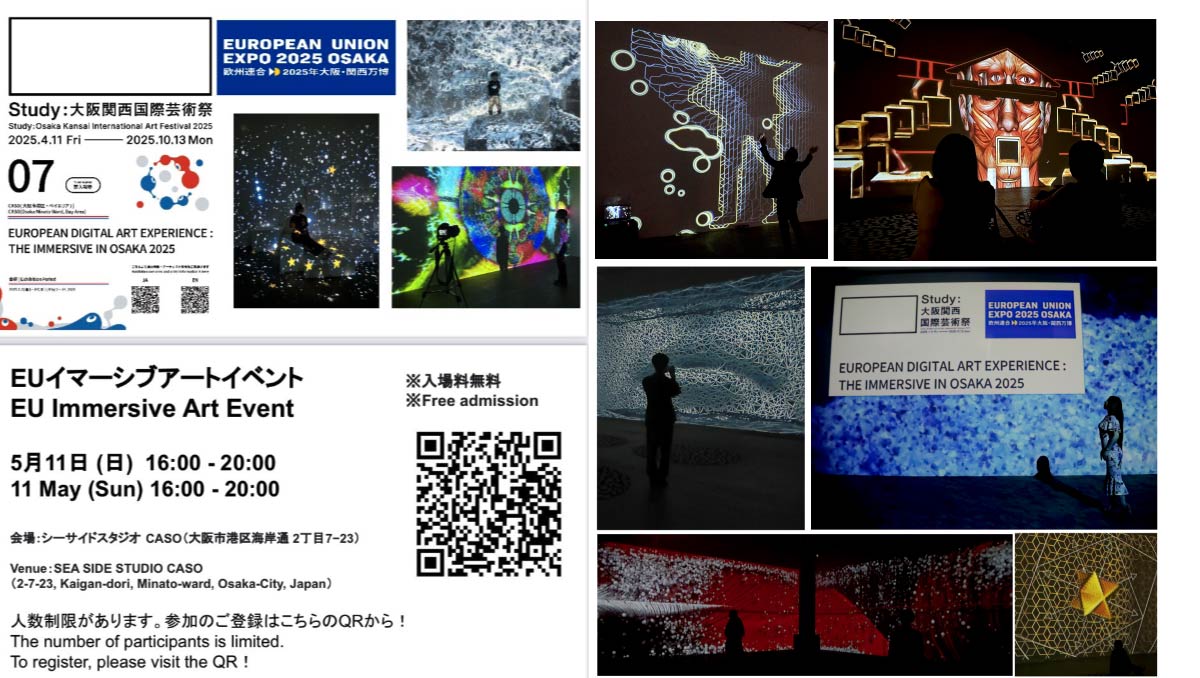
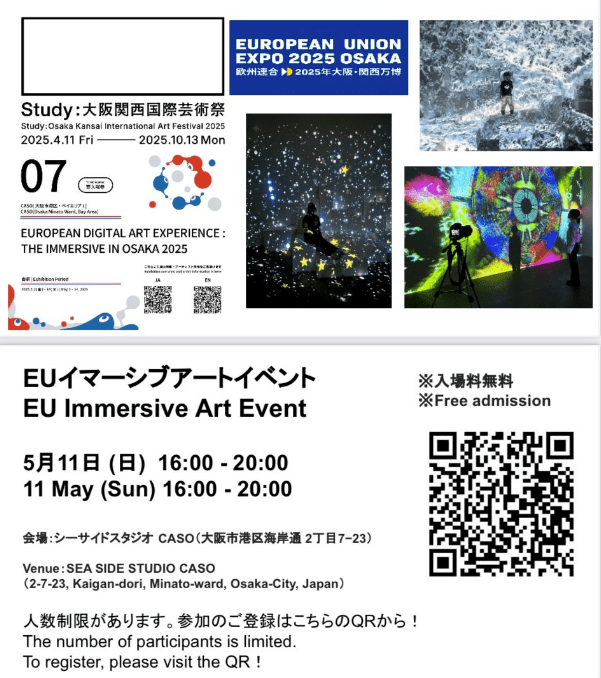
In the framework of the European Union cultural programme for the International EXPO 2025 in Osaka and of the “Study: Osaka Kansai International Art Festival 2025,” an exhibition featuring immersive digital art will be on display at the Contemporary Art Space Osaka (CASO) until May 14, 2025. This exhibition showcases the inspiring work of 28 talented European artists.
The European Union External Action Service (EEAS) with the EU Delegation in Japan aims to introduce the vibrant world of contemporary European digital art to Japanese audiences. Through this diverse collection of artworks, visitors will see innovative and imaginative creations that reflect current trends and ideas in the art world.
The exhibition provides a unique opportunity for attendees to engage with artworks that blurs the lines between technology and creativity. This event promises to be a highly enjoyable experience, encouraging conversations and connections between European and Japanese cultures while celebrating the exciting possibilities of digital art.
@study_okiaf
@euatexpo
@euinjapan
@euculturejapan
@seaside_studio_caso
#EUatExpo
#EUDay
#study_okif
#immersiveart
#immersiveartexperience
#osakaexpo2025
#osakaexpo
#EXPO2025
MediaArt
#videomapping
#digitalart
#newmediaart
#projectionmapping
#ContemporaryArt
#ArtExperience
#ImmersiveExperience
#ImmersiveArtExperience
European media artists on show:
JÉRÉMIE BELLOT / APPARATI EFFIMERI / ÁNGEL SANDIMAS & AMAYA MADRIGAL / THE FAKE FACTORY / PHILIPP GEIST / OOOPSTUDIO / SÉBASTIEN LABRUNIE / FULL FRAMES / INZIST / FLxER / BETTY MÜ / LUCA AGNANI / MP-STUDIO / KANAKA STUDIO / OCUBO / OLO CREATIVE FARM / ROCCO HELMCHEN & JOHANNES KRAAS / TELENOIKA / PIXEL SHAPES / H3 / MOULAB COLLECTIVE / JONAS DENZEL / WÖA STUDIO / PANI PAWLOSKY / MICHELE PUSCEDDU / MOMAP STUDIO / LEANDRO SUMMO / DARK LIGHT STUDIO
In the framework of the European Union cultural programme for the International EXPO 2025 in Osaka and of the “Study: Osaka Kansai International Art Festival 2025,” an exhibition featuring immersive digital art will be on display at the Contemporary Art Space Osaka (CASO) until May 14, 2025. This exhibition showcases the inspiring work of 28 talented European artists.
The European Union External Action Service (EEAS) with the EU Delegation in Japan aims to introduce the vibrant world of contemporary European digital art to Japanese audiences. Through this diverse collection of artworks, visitors will see innovative and imaginative creations that reflect current trends and ideas in the art world.
The exhibition provides a unique opportunity for attendees to engage with artworks that blurs the lines between technology and creativity. This event promises to be a highly enjoyable experience, encouraging conversations and connections between European and Japanese cultures while celebrating the exciting possibilities of digital art.
European media artists on show:
JÉRÉMIE BELLOT / APPARATI EFFIMERI / ÁNGEL SANDIMAS & AMAYA MADRIGAL / THE FAKE FACTORY / PHILIPP GEIST / OOOPSTUDIO / SÉBASTIEN LABRUNIE / FULL FRAMES / INZIST / FLxER / BETTY MÜ / LUCA AGNANI / MP-STUDIO / KANAKA STUDIO / OCUBO / OLO CREATIVE FARM / ROCCO HELMCHEN & JOHANNES KRAAS / TELENOIKA / PIXEL SHAPES / H3 / MOULAB COLLECTIVE / JONAS DENZEL / WÖA STUDIO / PANI PAWLOSKY / MICHELE PUSCEDDU / MOMAP STUDIO / LEANDRO SUMMO / DARK LIGHT STUDIO
Physital Aesthetics: The Integration of Physical and Digital Realms in the Immersive Art of Stefano Fake & The Fake Factory
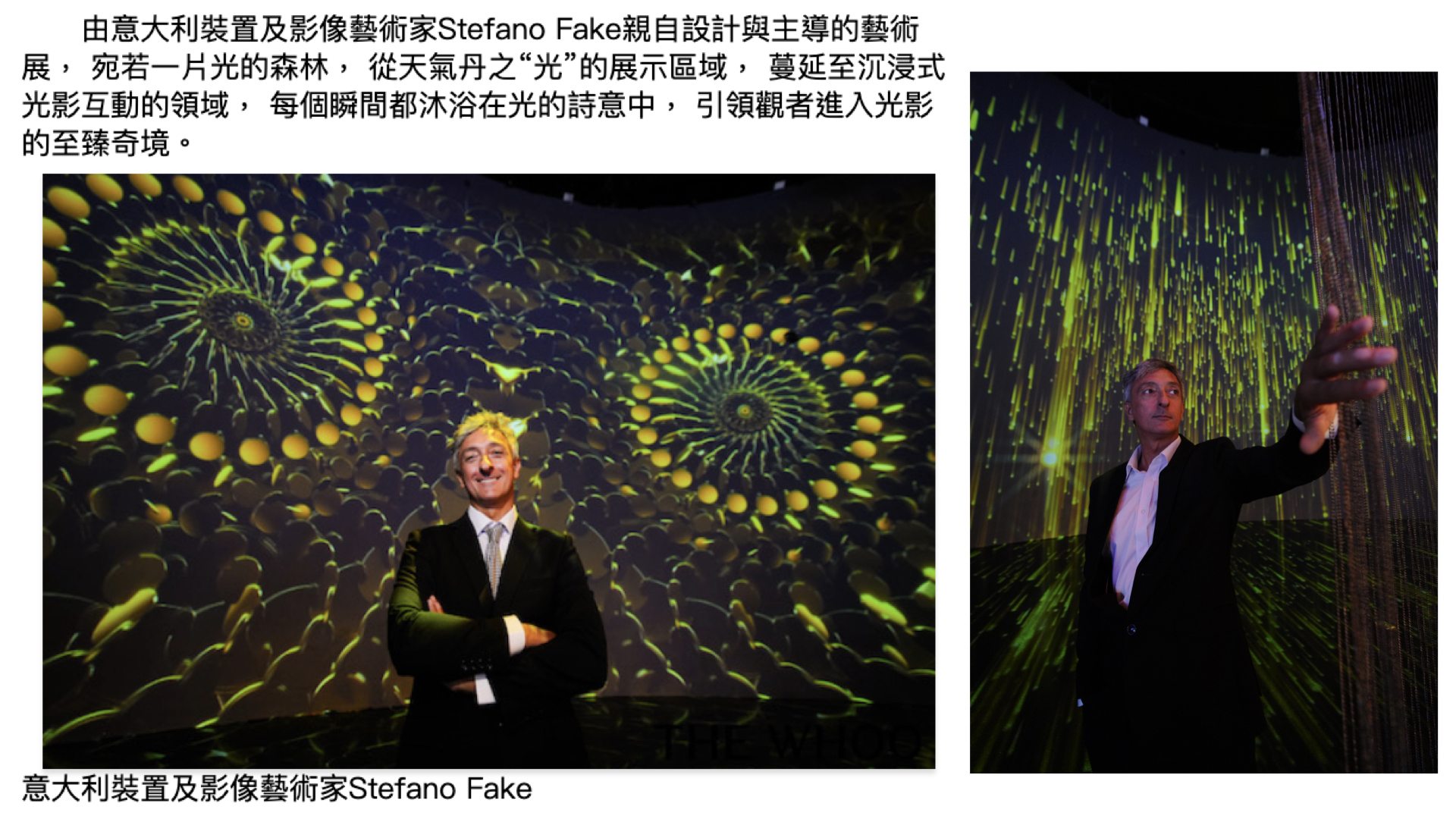
In the evolving landscape of contemporary art, the boundary between the physical and the digital has become increasingly permeable. Few artists exemplify this fusion more effectively than Stefano Fake & The Fake Factory, pioneers in the field of immersive digital art. Their work occupies a unique position at the intersection of technology, perception, and spatial experience, engaging audiences in environments where digital projections transform physical spaces, creating what has been termed “physital” art—an aesthetic and experiential convergence of the physical and digital worlds. The installations by Stefano Fake & The Fake Factory are characterized by their use of large-scale video projections, immersive soundscapes, and interactive spatial configurations, which collectively dissolve the traditional distinctions between viewer and artwork. Unlike conventional media, where the art object remains fixed and the viewer observes from a distance, immersive digital installations envelop the viewer, making them an active participant within a hybrid space that is both tangible and virtual. In these environments, light, sound, and motion become malleable tools of expression, capable of reconfiguring architectural dimensions and reorienting perceptual experience. At the core of their practice is the ambition to redefine the ontological status of the artwork. By integrating digital imagery into the material space of the installation, Stefano Fake & The Fake Factory construct environments where bits and atoms coexist, generating a multi-sensory experience that challenges conventional notions of materiality and presence. These physital spaces are not merely augmented realities; they are co-created realities, where the virtual overlays and the physical infrastructure are inseparable components of the artistic experience.
IMMERSIVE ART : PLAYGROUND OF THE SENSES.
“Technology is driving a profound transformation in the way we engage with art, enhancing its accessibility, interactivity, and immersive quality. As the realm of immersive art expands, its influence extends beyond traditional artistic boundaries, reshaping not only the role of the artist but also the viewer’s experience and the very spaces in which art is presented. This evolution is redefining art as a more collaborative, participatory, and transformative endeavour. In an era where individuals seek novel experiences and deeper emotional connections, immersive art is increasingly gaining prominence, turning galleries, museums, and public spaces into multi-sensory environments that foster a richer, more interactive relationship between the artwork and its audience.” (Stefano Fake) The Fake Factory’s immersive art installations emphasize the relational dimension of art. The presence of the viewer becomes integral to the completion of the work, echoing theories of participatory aesthetics and phenomenology. The digital elements, while seemingly immaterial, rely on the physical presence of the viewer to be fully realized, both perceptually and conceptually. As such, the installations not only bridge the gap between the physical and the digital but also between creator and observer, fostering a dialogic relationship that redefines the process of artistic meaning-making. Importantly, the physital nature of Stefano Fake & The Fake Factory’s work reflects broader cultural shifts towards hybridity and interconnectivity in the digital age. Their art serves as a metaphor for contemporary existence, wherein the boundaries between physical and virtual, self and environment, are constantly negotiated. In this context, their installations invite viewers to reflect on the fluidity of reality, the constructed nature of perception, and the potential of technology to reshape both artistic practice and human experience.
In conclusion, Stefano Fake & The Fake Factory’s immersive digital installations exemplify the potential of physital art to create transformative aesthetic experiences. By synthesizing the physical and the digital into cohesive, interactive environments, they not only expand the possibilities of artistic expression but also offer a compelling commentary on the interconnected, hybrid reality of the contemporary world. Their work stands as a testament to the evolving role of the artist as a mediator between realms, crafting spaces that are at once sensorial, conceptual, and profoundly immersive.
The Fake Factory的沉浸式艺术装置强调了艺术的关系性维度。观众的存在成为作品完成的一个关键部分,呼应了参与性美学和现象学的理论。尽管数字元素似乎是无形的,但它们依赖于观众的物理存在才能充分实现,无论是在感知上还是概念上。因此,这些装置作品不仅弥合了物理与数字之间的鸿沟,还弥合了创作者与观察者之间的鸿沟,促进了一种对话式的关系,重新定义了艺术意义创作的过程。
물리-디지털 미학: Stefano Fake & The Fake Factory의 몰입형 예술에서 물리적과 디지털 영역의 통합
현대 예술의 발전하는 풍경 속에서 물리적과 디지털의 경계는 점점 더 투명해지고 있습니다. 이 융합을 가장 효과적으로 보여주는 예술가들 중 몇몇은 바로 Stefano Fake & The Fake Factory입니다. 그들은 몰입형 디지털 예술 분야의 선구자들로, 그들의 작품은 기술, 지각 및 공간 경험의 교차점에 독특한 위치를 차지하고 있습니다. 그들의 작업은 디지털 투영이 물리적 공간을 변형시키는 환경을 통해 관람객을 참여시키며, 이를 통해 “물리-디지털 통합” 예술을 창조합니다. 이는 물리적 세계와 디지털 세계의 미학적이고 경험적인 융합입니다.
Stefano Fake & The Fake Factory의 설치 작품은 대형 비디오 투영, 몰입형 사운드스케이프 및 인터랙티브한 공간 구성을 특징으로 하며, 이는 전통적인 관람객과 작품 간의 구별을 허물어 뜯습니다. 전통적인 매체에서 예술 작품은 고정되어 있고, 관람객은 멀리서 관찰하는 반면, 몰입형 디지털 설치 작품은 관람객을 감싸며, 물리적이면서도 가상적인 혼합 공간 안에서 관람객이 적극적으로 참여할 수 있도록 만듭니다. 이러한 환경에서 빛, 소리, 움직임은 표현의 가변적인 도구가 되어 건축적 차원을 재구성하고 지각적 경험을 재정렬할 수 있게 합니다.
그들의 실천의 핵심은 예술 작품의 존재론적 지위를 재정의하려는 욕망에 있습니다. 디지털 이미지를 설치의 물리적 공간에 통합함으로써, Stefano Fake & The Fake Factory는 비트와 원자가 공존하는 환경을 만들어 물질성과 존재에 대한 전통적인 개념에 도전하는 다감각적 경험을 창출합니다. 이러한 “물리-디지털 통합” 공간은 단순히 증강 현실이 아닙니다. 그것들은 공동 창작된 현실로, 가상과 물리적 기반 시설이 예술 경험의 불가분한 구성 요소입니다.
몰입형 예술: 감각의 놀이터
“기술은 우리가 예술과 상호작용하는 방식을 깊이 변화시키고 있으며, 예술의 접근성, 상호작용성 및 몰입성을 강화하고 있습니다. 몰입형 예술 영역이 확장됨에 따라 그 영향은 전통적인 예술의 경계를 넘어서, 예술가의 역할뿐만 아니라 관람객의 경험과 예술이 제시되는 공간까지 재구성하고 있습니다. 이 진화는 예술을 더 협력적이고 참여적이며 변혁적인 경험으로 재정의하고 있습니다. 사람들은 새로운 경험과 더 깊은 감정적 연결을 갈망하는 시대에 살고 있으며, 몰입형 예술은 점차 대두되고 있습니다. 그것은 갤러리, 박물관, 공공 공간을 감각적 환경으로 변화시키며, 작품과 관람객 간의 더욱 풍부하고 상호작용적인 관계를 촉진하고 있습니다.” (Stefano Fake)
The Fake Factory의 몰입형 예술 설치 작품은 예술의 관계적 차원을 강조합니다. 관람객의 존재는 작품의 완성에 필수적인 요소가 되며, 이는 참여적 미학과 현상학 이론을 반영합니다. 디지털 요소들은 겉으로는 무형처럼 보일지 모르지만, 그것들은 관람객의 물리적 존재를 통해 완전히 실현됩니다. 따라서 이 설치 작품들은 물리적과 디지털뿐만 아니라 창작자와 관찰자 간의 경계를 허물며, 예술적 의미 창출 과정에서 대화적인 관계를 촉진합니다.
중요하게도, Stefano Fake & The Fake Factory의 작업에서 물리-디지털 통합 특성은 디지털 시대의 혼합성과 상호 연결성에 대한 광범위한 문화적 변화를 반영합니다. 그들의 예술은 물리적과 가상, 자아와 환경 간의 경계가 끊임없이 협상되는 현대 존재의 은유입니다. 이러한 맥락에서 그들의 설치 작품은 관람객들에게 현실의 유동성, 지각의 구성성, 그리고 기술이 예술적 실천과 인간 경험을 재구성할 잠재력에 대해 성찰하도록 초대합니다.
결론적으로, Stefano Fake & The Fake Factory의 몰입형 디지털 설치 작품은 물리-디지털 통합 예술이 변혁적인 미학적 경험을 창출할 수 있는 잠재력을 보여줍니다. 물리적과 디지털을 통합하여 일관되고 상호작용적인 환경을 창조함으로써 그들은 예술 표현의 가능성을 확장할 뿐만 아니라 현대 세계의 상호 연결되고 혼합된 현실에 대한 강력한 논평을 제공합니다. 그들의 작업은 예술가가 영역 간 중재자로서 끊임없이 진화하는 역할을 보여주는 증거로, 감각적, 개념적, 깊이 몰입할 수 있는 공간을 창조하고 있습니다.
物理-デジタル美学:Stefano Fake & The Fake Factoryの没入型アートにおける物理的およびデジタル領域の統合
現代アートの進化する風景の中で、物理的とデジタルの境界はますます浸透しています。この融合を最も効果的に体現しているアーティストは、Stefano Fake & The Fake Factoryです。彼らは没入型デジタルアートの分野での先駆者であり、彼らの作品は技術、知覚、空間的体験の交差点に独自の位置を占めています。彼らの作品は、デジタル映像が物理的空間を変容させる環境で観客を巻き込み、これにより「物理-デジタル統合」アートが創出されます。これは物理的世界とデジタル世界の美学的および経験的な融合です。
Stefano Fake & The Fake Factoryのインスタレーションは、大規模なビデオ映像投影、没入型のサウンドスケープ、インタラクティブな空間構成を特徴としており、これにより観客とアート作品の間の伝統的な区別が解消されます。従来のメディアでは、アート作品は固定されており、観客は距離を置いて観察するだけですが、没入型のデジタルインスタレーションは観客を包み込み、物理的でありながらも仮想的な混合空間内で観客が積極的に参加できるようにします。このような環境では、光、音、動きが表現の可変的なツールとなり、建築的次元を再構成し、知覚的な体験を再調整することができます。
彼らの実践の核心は、アート作品の存在論的な地位を再定義しようとする野心にあります。デジタル映像をインスタレーションの物理的空間に統合することで、Stefano Fake & The Fake Factoryは、ビットと原子が共存する環境を構築し、物質性と存在に関する従来の概念に挑戦する多感覚的な体験を生み出します。この「物理-デジタル統合」空間は単なる拡張現実ではありません。それは共同創造された現実であり、仮想的なオーバーレイと物理的インフラストラクチャーがアート体験の不可分な構成要素です。
The Fake Factoryの没入型アートインスタレーションは、アートの関係性の次元を強調します。観客の存在は作品の完成に不可欠な要素となり、参加型美学や現象学の理論を反映しています。デジタル要素は一見無形に見えるかもしれませんが、それらは観客の物理的存在に依存して、知覚的および概念的に完全に実現されます。そのため、これらのインスタレーションは物理的とデジタルの境界だけでなく、創作者と観察者の境界も越え、アートの意味創造過程における対話的関係を促進します。
重要なことに、Stefano Fake & The Fake Factoryの作品における物理-デジタル統合の性質は、デジタル時代におけるハイブリッド性と相互接続性に対する広範な文化的変化を反映しています。彼らのアートは、物理的と仮想的、自己と環境の境界が絶えず交渉される現代の存在の隠喩として機能します。この文脈において、彼らのインスタレーションは観客に対して現実の流動性、知覚の構成性、そして技術がアートの実践と人間の経験を再構築する可能性についての省察を促しています。
結論として、Stefano Fake & The Fake Factoryの没入型デジタルインスタレーションは、物理-デジタル統合アートが変革的な美学的体験を生み出す可能性を示しています。物理的とデジタルを統合し、整合的でインタラクティブな環境を創造することにより、彼らはアート表現の可能性を広げるだけでなく、現代世界の相互接続されたハイブリッド現実に関する強力なコメントを提供しています。彼らの作品は、アーティストが領域を超える媒介者として進化する役割を示す証として、感覚的、概念的、そして深く没入型の空間を創造しています。
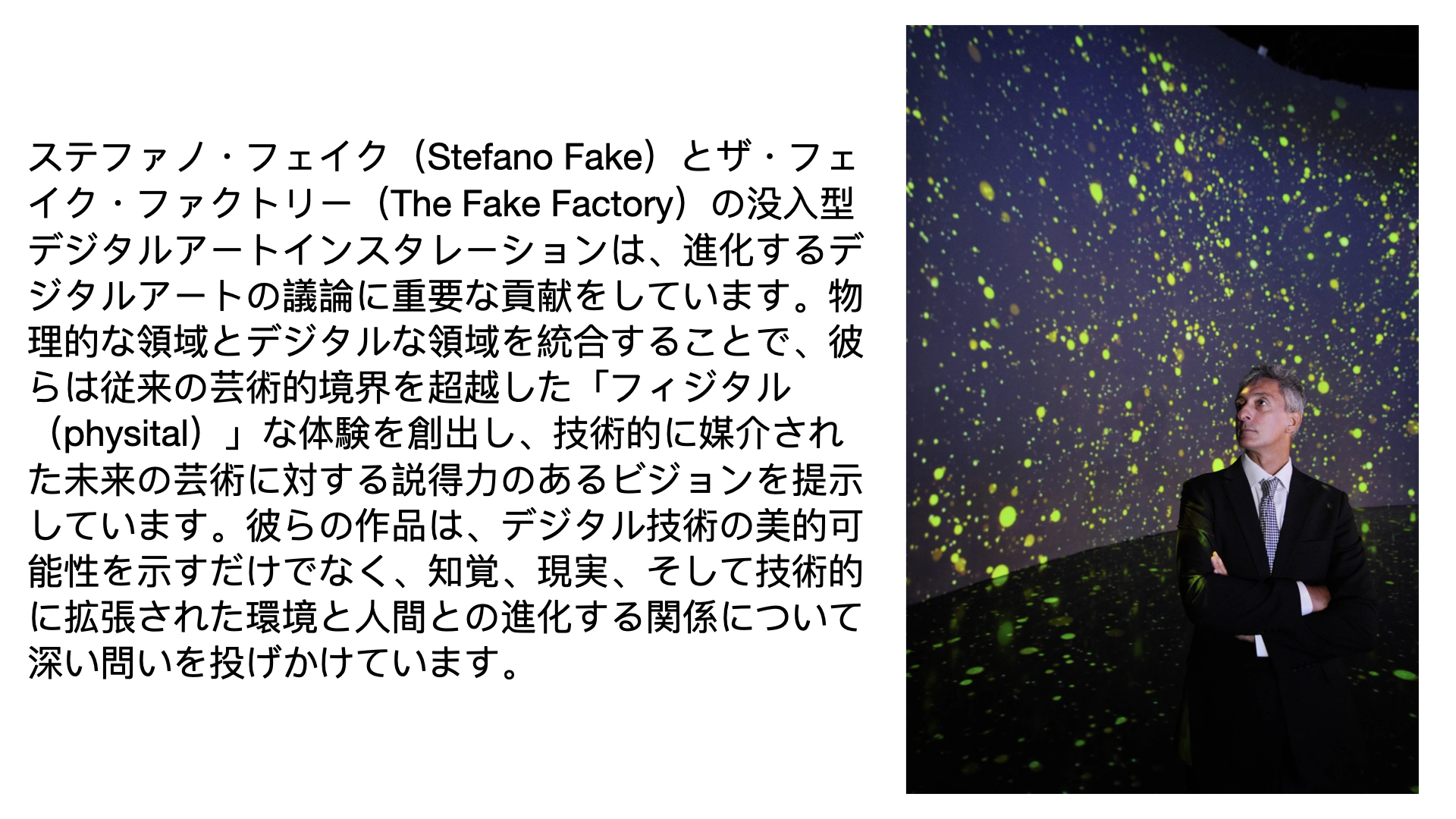
“스테파노 페이크(Stefano Fake)와 더 페이크 팩토리(The Fake Factory)의 몰입형 디지털 아트 설치 작품은 디지털 아트에 대한 진화하는 담론에 중요한 기여를 하고 있습니다. 물리적 영역과 디지털 영역을 통합함으로써, 그들은 전통적인 예술적 경계를 초월하는 ‘피지탈(physital)’ 경험을 창조하며, 기술적으로 매개된 미래의 예술에 대한 강력한 비전을 제시합니다. 그들의 작업은 디지털 기술의 미학적 가능성을 보여줄 뿐만 아니라, 지각, 현실, 그리고 기술적으로 증강된 환경과 인간 간의 진화하는 관계에 대한 깊은 질문을 제기합니다.”
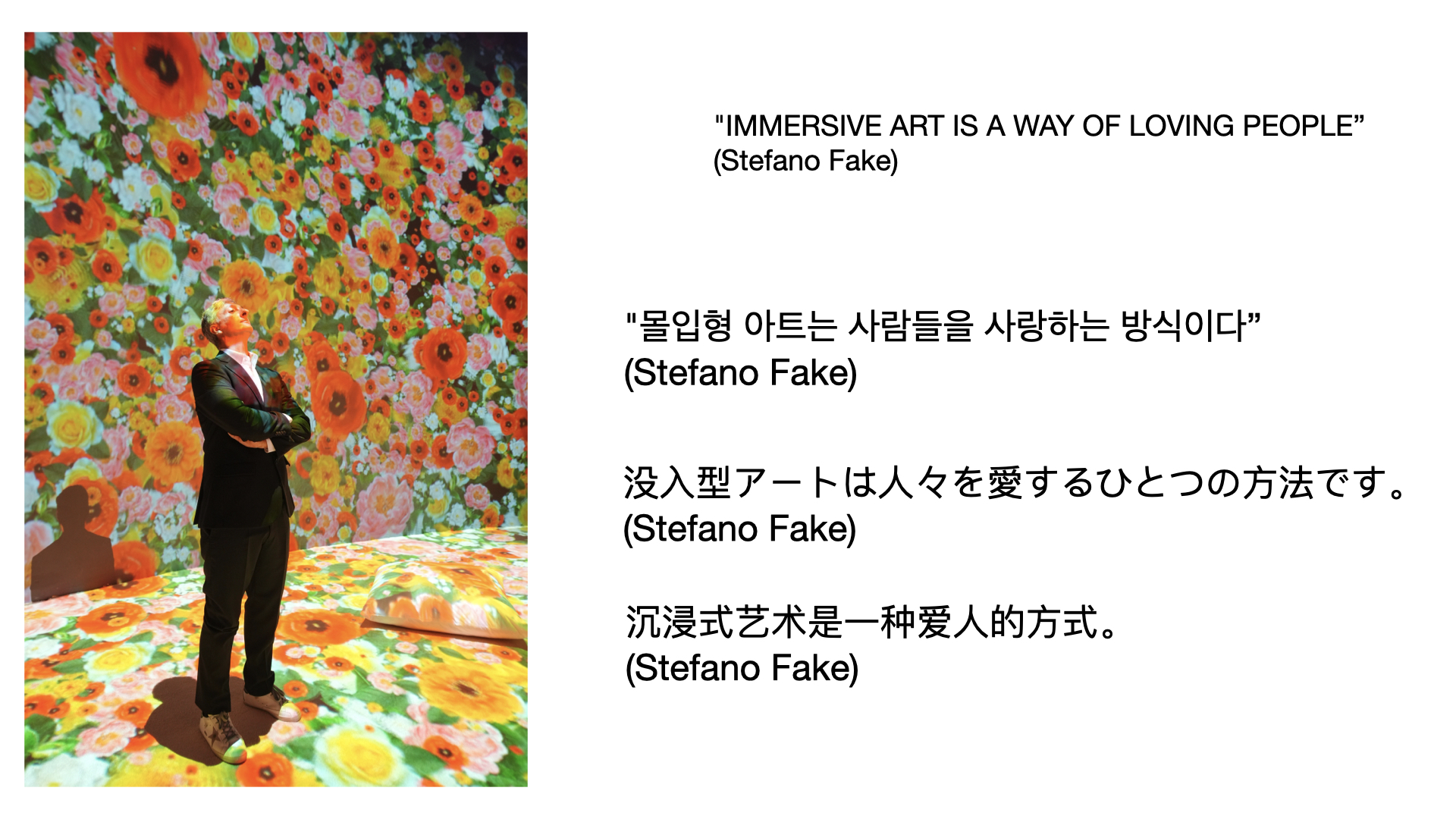
“IMMERSIVE ART IS A WAY OF LOVING PEOPLE” (Stefano Fake)
“몰입형 아트는 사람들을 사랑하는 방식이다” (Stefano Fake)
沉浸式艺术是一种爱人的方式。 (Stefano Fake)
“L’arte immersiva è un modo di amare le persone.” (Stefano Fake)
Questa frase è stata espressa da Stefano Fake, che considera l’arte immersiva come un modo per connettersi con le persone su un livello più profondo, coinvolgendole direttamente nell’esperienza artistica.
“몰입형 아트는 사람들을 사랑하는 방식이다.” 이 말은 Stefano Fake가 표현한 것으로, 그는 몰입형 아트를 사람들과 더 깊은 수준에서 연결되는 방식으로 간주하며, 관객을 직접 예술적 경험에 참여시키는 방법으로 보고 있습니다.
Physital Aesthetics: The Integration of Physical and Digital Realms in the Immersive Art of Stefano Fake & The Fake Factory
In the evolving landscape of contemporary art, the boundary between the physical and the digital has become increasingly permeable. Few artists exemplify this fusion more effectively than Stefano Fake & The Fake Factory, pioneers in the field of immersive digital art. Their work occupies a unique position at the intersection of technology, perception, and spatial experience, engaging audiences in environments where digital projections transform physical spaces, creating what has been termed “physital” art—an aesthetic and experiential convergence of the physical and digital worlds. The installations by Stefano Fake & The Fake Factory are characterized by their use of large-scale video projections, immersive soundscapes, and interactive spatial configurations, which collectively dissolve the traditional distinctions between viewer and artwork. Unlike conventional media, where the art object remains fixed and the viewer observes from a distance, immersive digital installations envelop the viewer, making them an active participant within a hybrid space that is both tangible and virtual. In these environments, light, sound, and motion become malleable tools of expression, capable of reconfiguring architectural dimensions and reorienting perceptual experience. At the core of their practice is the ambition to redefine the ontological status of the artwork. By integrating digital imagery into the material space of the installation, Stefano Fake & The Fake Factory construct environments where bits and atoms coexist, generating a multi-sensory experience that challenges conventional notions of materiality and presence. These physital spaces are not merely augmented realities; they are co-created realities, where the virtual overlays and the physical infrastructure are inseparable components of the artistic experience.
IMMERSIVE ART : PLAYGROUND OF THE SENSES.
“Technology is driving a profound transformation in the way we engage with art, enhancing its accessibility, interactivity, and immersive quality. As the realm of immersive art expands, its influence extends beyond traditional artistic boundaries, reshaping not only the role of the artist but also the viewer’s experience and the very spaces in which art is presented. This evolution is redefining art as a more collaborative, participatory, and transformative endeavour. In an era where individuals seek novel experiences and deeper emotional connections, immersive art is increasingly gaining prominence, turning galleries, museums, and public spaces into multi-sensory environments that foster a richer, more interactive relationship between the artwork and its audience.” (Stefano Fake) The Fake Factory’s immersive art installations emphasize the relational dimension of art. The presence of the viewer becomes integral to the completion of the work, echoing theories of participatory aesthetics and phenomenology. The digital elements, while seemingly immaterial, rely on the physical presence of the viewer to be fully realized, both perceptually and conceptually. As such, the installations not only bridge the gap between the physical and the digital but also between creator and observer, fostering a dialogic relationship that redefines the process of artistic meaning-making. Importantly, the physital nature of Stefano Fake & The Fake Factory’s work reflects broader cultural shifts towards hybridity and interconnectivity in the digital age. Their art serves as a metaphor for contemporary existence, wherein the boundaries between physical and virtual, self and environment, are constantly negotiated. In this context, their installations invite viewers to reflect on the fluidity of reality, the constructed nature of perception, and the potential of technology to reshape both artistic practice and human experience.
In conclusion, Stefano Fake & The Fake Factory’s immersive digital installations exemplify the potential of physital art to create transformative aesthetic experiences. By synthesizing the physical and the digital into cohesive, interactive environments, they not only expand the possibilities of artistic expression but also offer a compelling commentary on the interconnected, hybrid reality of the contemporary world. Their work stands as a testament to the evolving role of the artist as a mediator between realms, crafting spaces that are at once sensorial, conceptual, and profoundly immersive.
The Fake Factory的沉浸式艺术装置强调了艺术的关系性维度。观众的存在成为作品完成的一个关键部分,呼应了参与性美学和现象学的理论。尽管数字元素似乎是无形的,但它们依赖于观众的物理存在才能充分实现,无论是在感知上还是概念上。因此,这些装置作品不仅弥合了物理与数字之间的鸿沟,还弥合了创作者与观察者之间的鸿沟,促进了一种对话式的关系,重新定义了艺术意义创作的过程。
물리-디지털 미학: Stefano Fake & The Fake Factory의 몰입형 예술에서 물리적과 디지털 영역의 통합
현대 예술의 발전하는 풍경 속에서 물리적과 디지털의 경계는 점점 더 투명해지고 있습니다. 이 융합을 가장 효과적으로 보여주는 예술가들 중 몇몇은 바로 Stefano Fake & The Fake Factory입니다. 그들은 몰입형 디지털 예술 분야의 선구자들로, 그들의 작품은 기술, 지각 및 공간 경험의 교차점에 독특한 위치를 차지하고 있습니다. 그들의 작업은 디지털 투영이 물리적 공간을 변형시키는 환경을 통해 관람객을 참여시키며, 이를 통해 “물리-디지털 통합” 예술을 창조합니다. 이는 물리적 세계와 디지털 세계의 미학적이고 경험적인 융합입니다.
Stefano Fake & The Fake Factory의 설치 작품은 대형 비디오 투영, 몰입형 사운드스케이프 및 인터랙티브한 공간 구성을 특징으로 하며, 이는 전통적인 관람객과 작품 간의 구별을 허물어 뜯습니다. 전통적인 매체에서 예술 작품은 고정되어 있고, 관람객은 멀리서 관찰하는 반면, 몰입형 디지털 설치 작품은 관람객을 감싸며, 물리적이면서도 가상적인 혼합 공간 안에서 관람객이 적극적으로 참여할 수 있도록 만듭니다. 이러한 환경에서 빛, 소리, 움직임은 표현의 가변적인 도구가 되어 건축적 차원을 재구성하고 지각적 경험을 재정렬할 수 있게 합니다.
그들의 실천의 핵심은 예술 작품의 존재론적 지위를 재정의하려는 욕망에 있습니다. 디지털 이미지를 설치의 물리적 공간에 통합함으로써, Stefano Fake & The Fake Factory는 비트와 원자가 공존하는 환경을 만들어 물질성과 존재에 대한 전통적인 개념에 도전하는 다감각적 경험을 창출합니다. 이러한 “물리-디지털 통합” 공간은 단순히 증강 현실이 아닙니다. 그것들은 공동 창작된 현실로, 가상과 물리적 기반 시설이 예술 경험의 불가분한 구성 요소입니다.
몰입형 예술: 감각의 놀이터
“기술은 우리가 예술과 상호작용하는 방식을 깊이 변화시키고 있으며, 예술의 접근성, 상호작용성 및 몰입성을 강화하고 있습니다. 몰입형 예술 영역이 확장됨에 따라 그 영향은 전통적인 예술의 경계를 넘어서, 예술가의 역할뿐만 아니라 관람객의 경험과 예술이 제시되는 공간까지 재구성하고 있습니다. 이 진화는 예술을 더 협력적이고 참여적이며 변혁적인 경험으로 재정의하고 있습니다. 사람들은 새로운 경험과 더 깊은 감정적 연결을 갈망하는 시대에 살고 있으며, 몰입형 예술은 점차 대두되고 있습니다. 그것은 갤러리, 박물관, 공공 공간을 감각적 환경으로 변화시키며, 작품과 관람객 간의 더욱 풍부하고 상호작용적인 관계를 촉진하고 있습니다.” (Stefano Fake)
The Fake Factory의 몰입형 예술 설치 작품은 예술의 관계적 차원을 강조합니다. 관람객의 존재는 작품의 완성에 필수적인 요소가 되며, 이는 참여적 미학과 현상학 이론을 반영합니다. 디지털 요소들은 겉으로는 무형처럼 보일지 모르지만, 그것들은 관람객의 물리적 존재를 통해 완전히 실현됩니다. 따라서 이 설치 작품들은 물리적과 디지털뿐만 아니라 창작자와 관찰자 간의 경계를 허물며, 예술적 의미 창출 과정에서 대화적인 관계를 촉진합니다.
중요하게도, Stefano Fake & The Fake Factory의 작업에서 물리-디지털 통합 특성은 디지털 시대의 혼합성과 상호 연결성에 대한 광범위한 문화적 변화를 반영합니다. 그들의 예술은 물리적과 가상, 자아와 환경 간의 경계가 끊임없이 협상되는 현대 존재의 은유입니다. 이러한 맥락에서 그들의 설치 작품은 관람객들에게 현실의 유동성, 지각의 구성성, 그리고 기술이 예술적 실천과 인간 경험을 재구성할 잠재력에 대해 성찰하도록 초대합니다.
결론적으로, Stefano Fake & The Fake Factory의 몰입형 디지털 설치 작품은 물리-디지털 통합 예술이 변혁적인 미학적 경험을 창출할 수 있는 잠재력을 보여줍니다. 물리적과 디지털을 통합하여 일관되고 상호작용적인 환경을 창조함으로써 그들은 예술 표현의 가능성을 확장할 뿐만 아니라 현대 세계의 상호 연결되고 혼합된 현실에 대한 강력한 논평을 제공합니다. 그들의 작업은 예술가가 영역 간 중재자로서 끊임없이 진화하는 역할을 보여주는 증거로, 감각적, 개념적, 깊이 몰입할 수 있는 공간을 창조하고 있습니다.
物理-デジタル美学:Stefano Fake & The Fake Factoryの没入型アートにおける物理的およびデジタル領域の統合
現代アートの進化する風景の中で、物理的とデジタルの境界はますます浸透しています。この融合を最も効果的に体現しているアーティストは、Stefano Fake & The Fake Factoryです。彼らは没入型デジタルアートの分野での先駆者であり、彼らの作品は技術、知覚、空間的体験の交差点に独自の位置を占めています。彼らの作品は、デジタル映像が物理的空間を変容させる環境で観客を巻き込み、これにより「物理-デジタル統合」アートが創出されます。これは物理的世界とデジタル世界の美学的および経験的な融合です。
Stefano Fake & The Fake Factoryのインスタレーションは、大規模なビデオ映像投影、没入型のサウンドスケープ、インタラクティブな空間構成を特徴としており、これにより観客とアート作品の間の伝統的な区別が解消されます。従来のメディアでは、アート作品は固定されており、観客は距離を置いて観察するだけですが、没入型のデジタルインスタレーションは観客を包み込み、物理的でありながらも仮想的な混合空間内で観客が積極的に参加できるようにします。このような環境では、光、音、動きが表現の可変的なツールとなり、建築的次元を再構成し、知覚的な体験を再調整することができます。
彼らの実践の核心は、アート作品の存在論的な地位を再定義しようとする野心にあります。デジタル映像をインスタレーションの物理的空間に統合することで、Stefano Fake & The Fake Factoryは、ビットと原子が共存する環境を構築し、物質性と存在に関する従来の概念に挑戦する多感覚的な体験を生み出します。この「物理-デジタル統合」空間は単なる拡張現実ではありません。それは共同創造された現実であり、仮想的なオーバーレイと物理的インフラストラクチャーがアート体験の不可分な構成要素です。
The Fake Factoryの没入型アートインスタレーションは、アートの関係性の次元を強調します。観客の存在は作品の完成に不可欠な要素となり、参加型美学や現象学の理論を反映しています。デジタル要素は一見無形に見えるかもしれませんが、それらは観客の物理的存在に依存して、知覚的および概念的に完全に実現されます。そのため、これらのインスタレーションは物理的とデジタルの境界だけでなく、創作者と観察者の境界も越え、アートの意味創造過程における対話的関係を促進します。
重要なことに、Stefano Fake & The Fake Factoryの作品における物理-デジタル統合の性質は、デジタル時代におけるハイブリッド性と相互接続性に対する広範な文化的変化を反映しています。彼らのアートは、物理的と仮想的、自己と環境の境界が絶えず交渉される現代の存在の隠喩として機能します。この文脈において、彼らのインスタレーションは観客に対して現実の流動性、知覚の構成性、そして技術がアートの実践と人間の経験を再構築する可能性についての省察を促しています。
結論として、Stefano Fake & The Fake Factoryの没入型デジタルインスタレーションは、物理-デジタル統合アートが変革的な美学的体験を生み出す可能性を示しています。物理的とデジタルを統合し、整合的でインタラクティブな環境を創造することにより、彼らはアート表現の可能性を広げるだけでなく、現代世界の相互接続されたハイブリッド現実に関する強力なコメントを提供しています。彼らの作品は、アーティストが領域を超える媒介者として進化する役割を示す証として、感覚的、概念的、そして深く没入型の空間を創造しています。