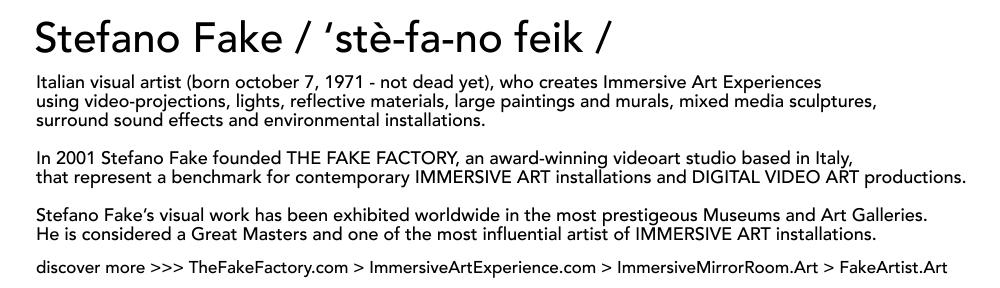
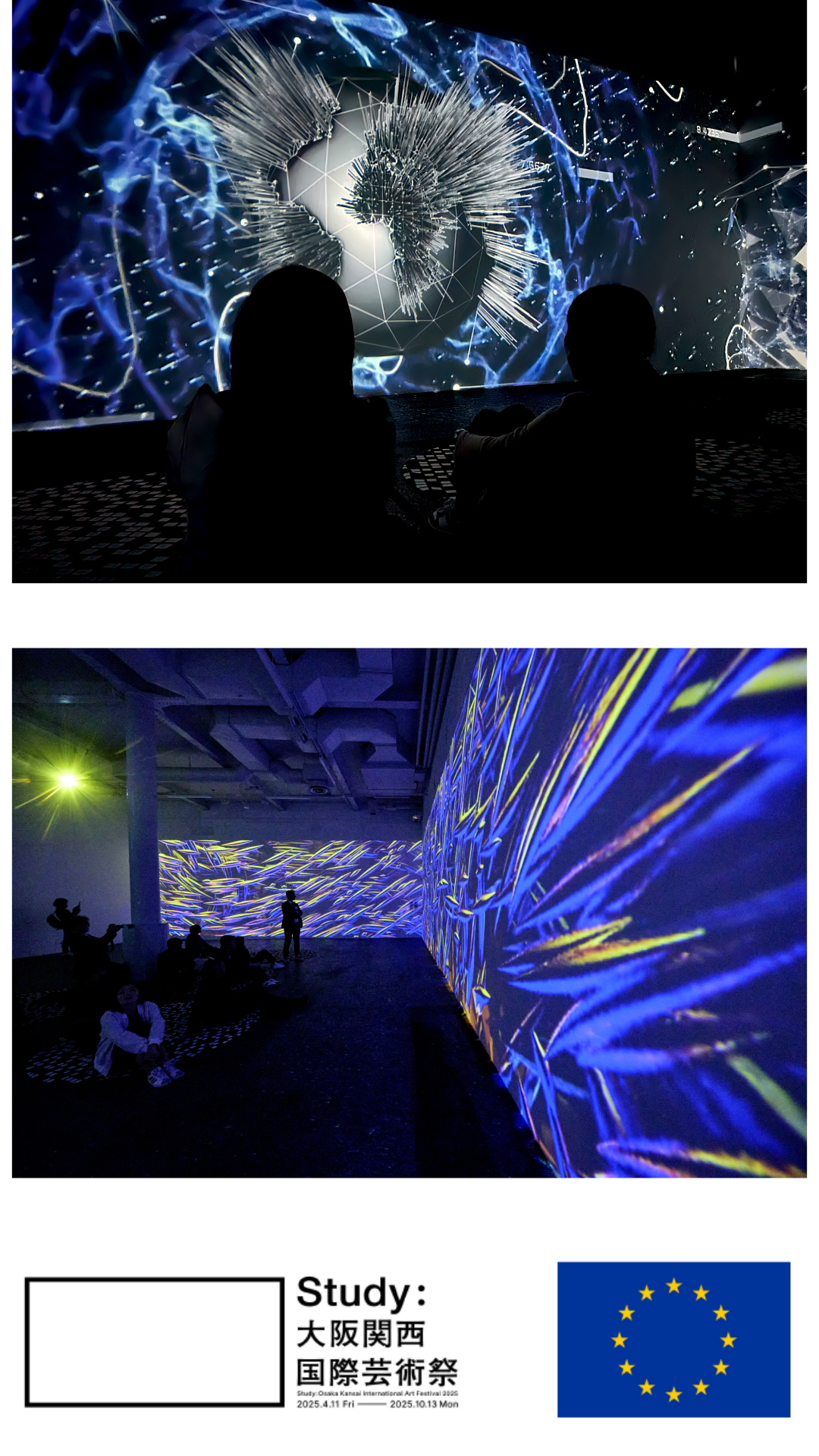
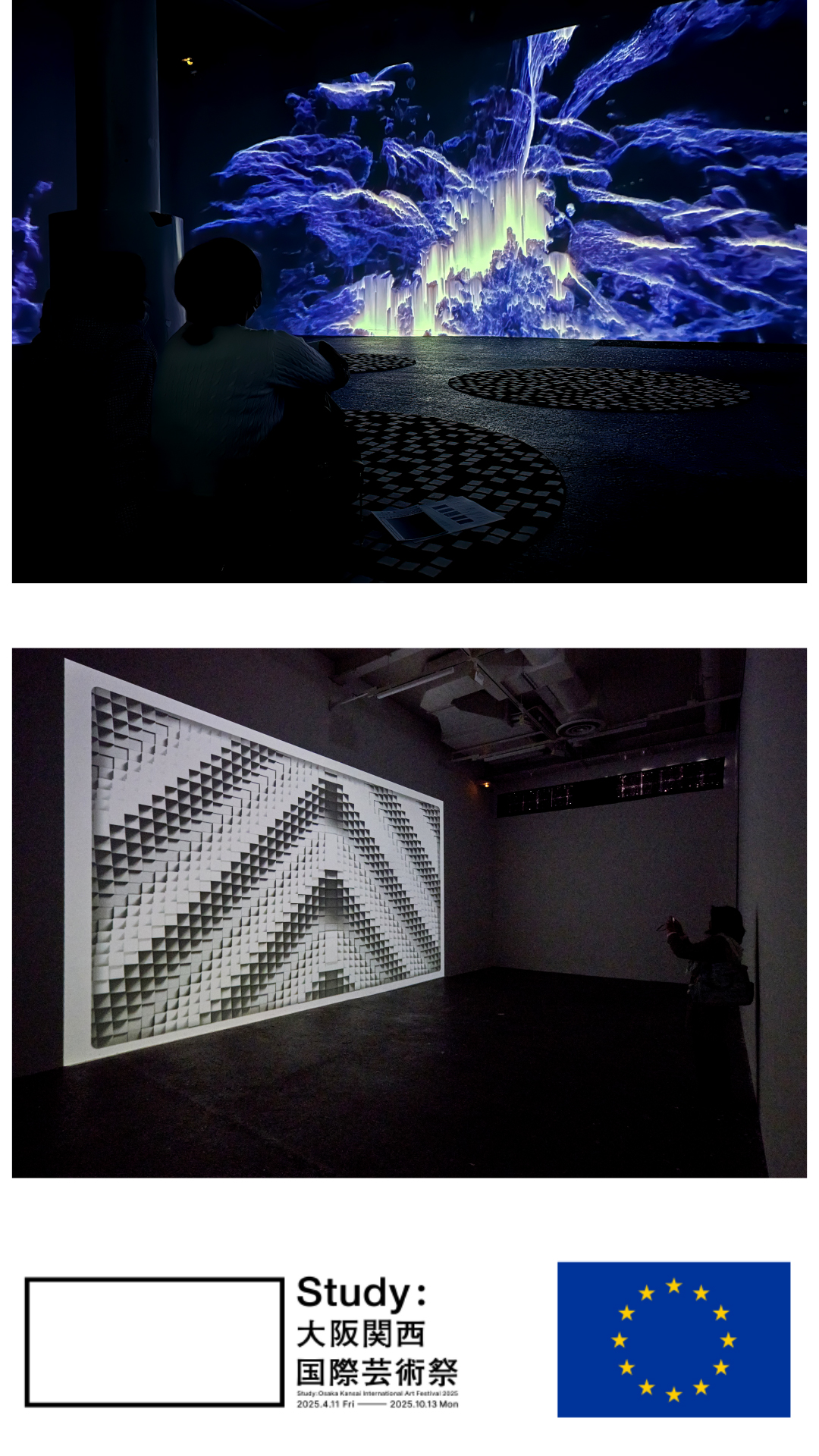
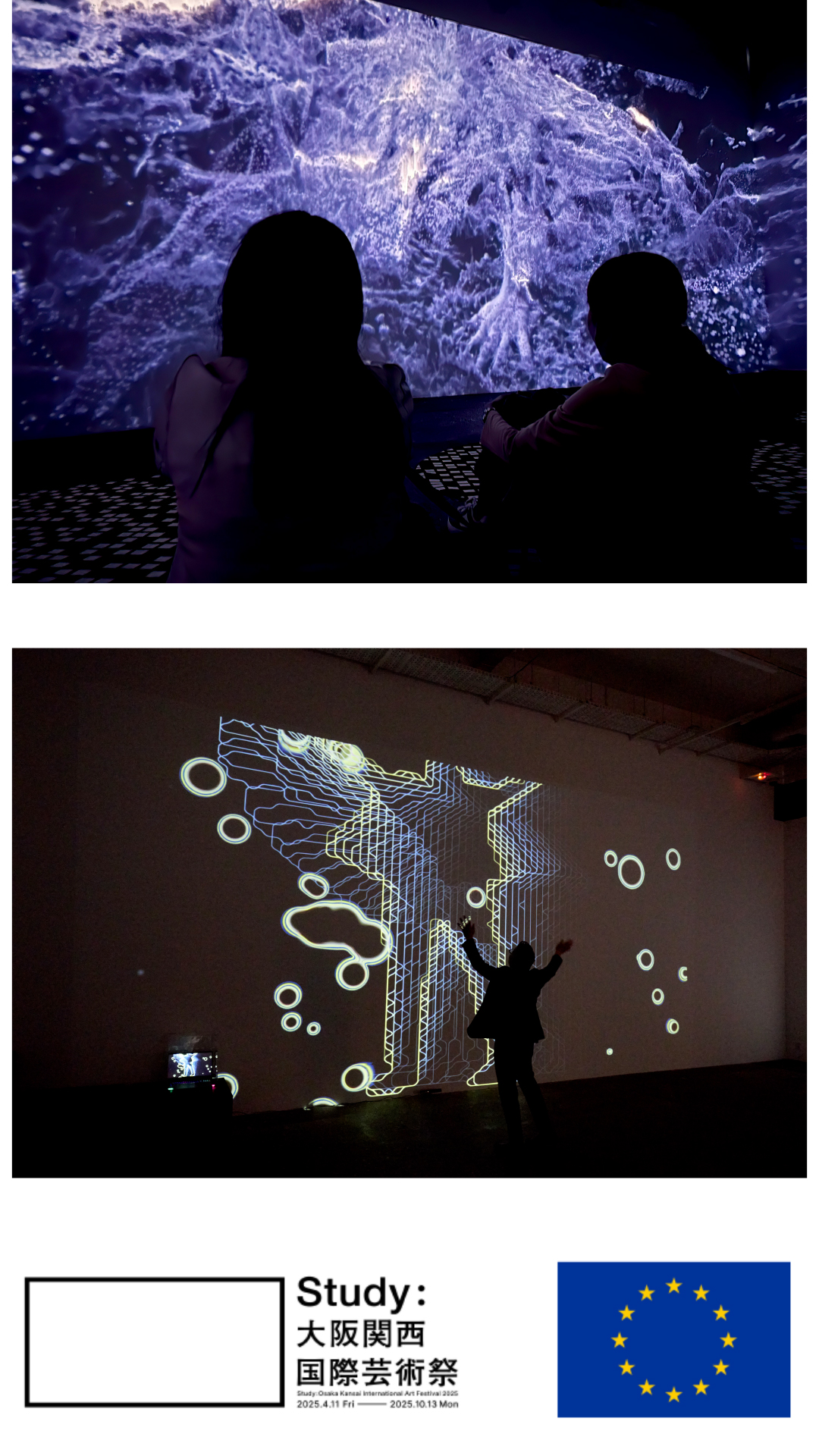
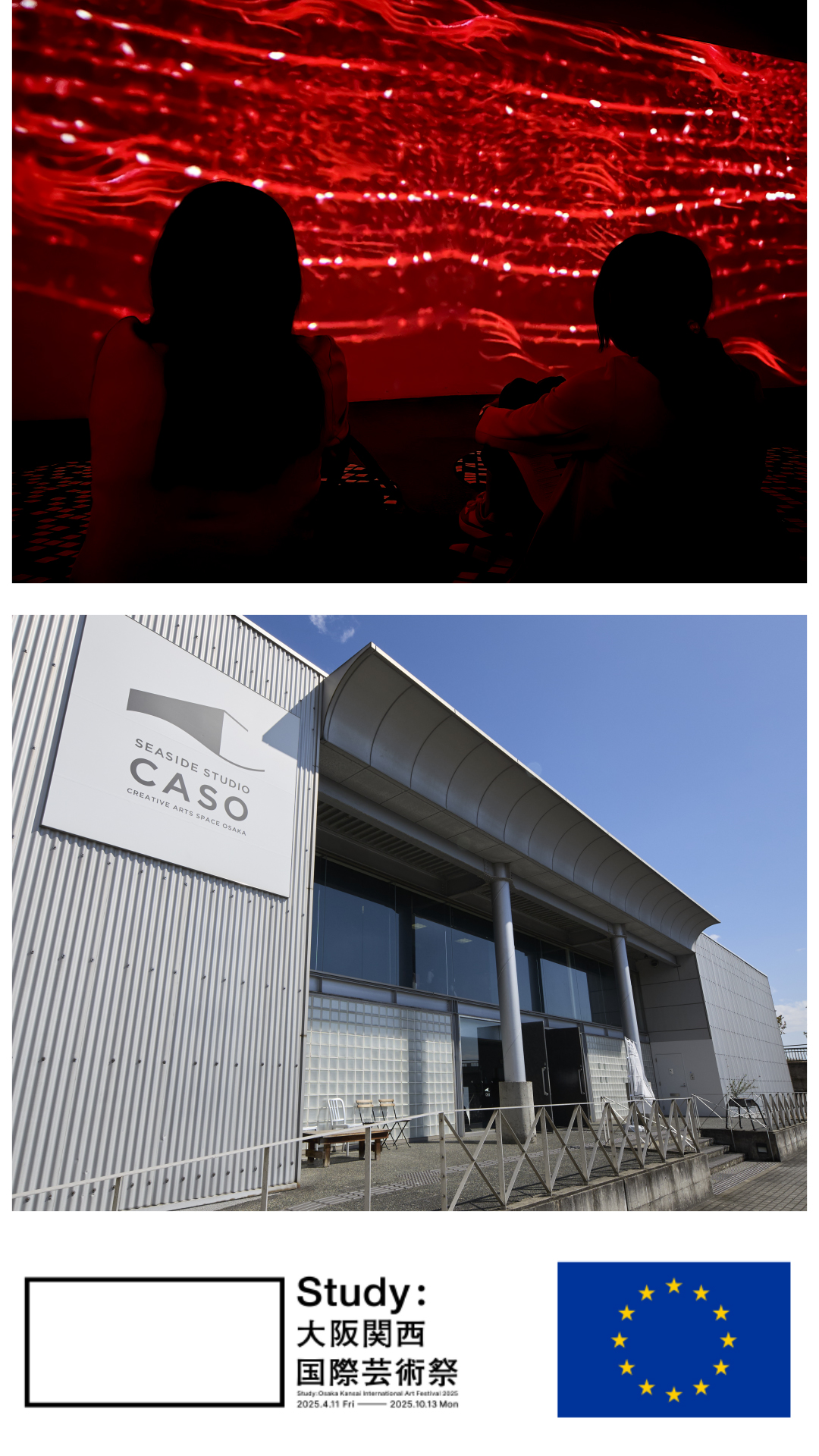
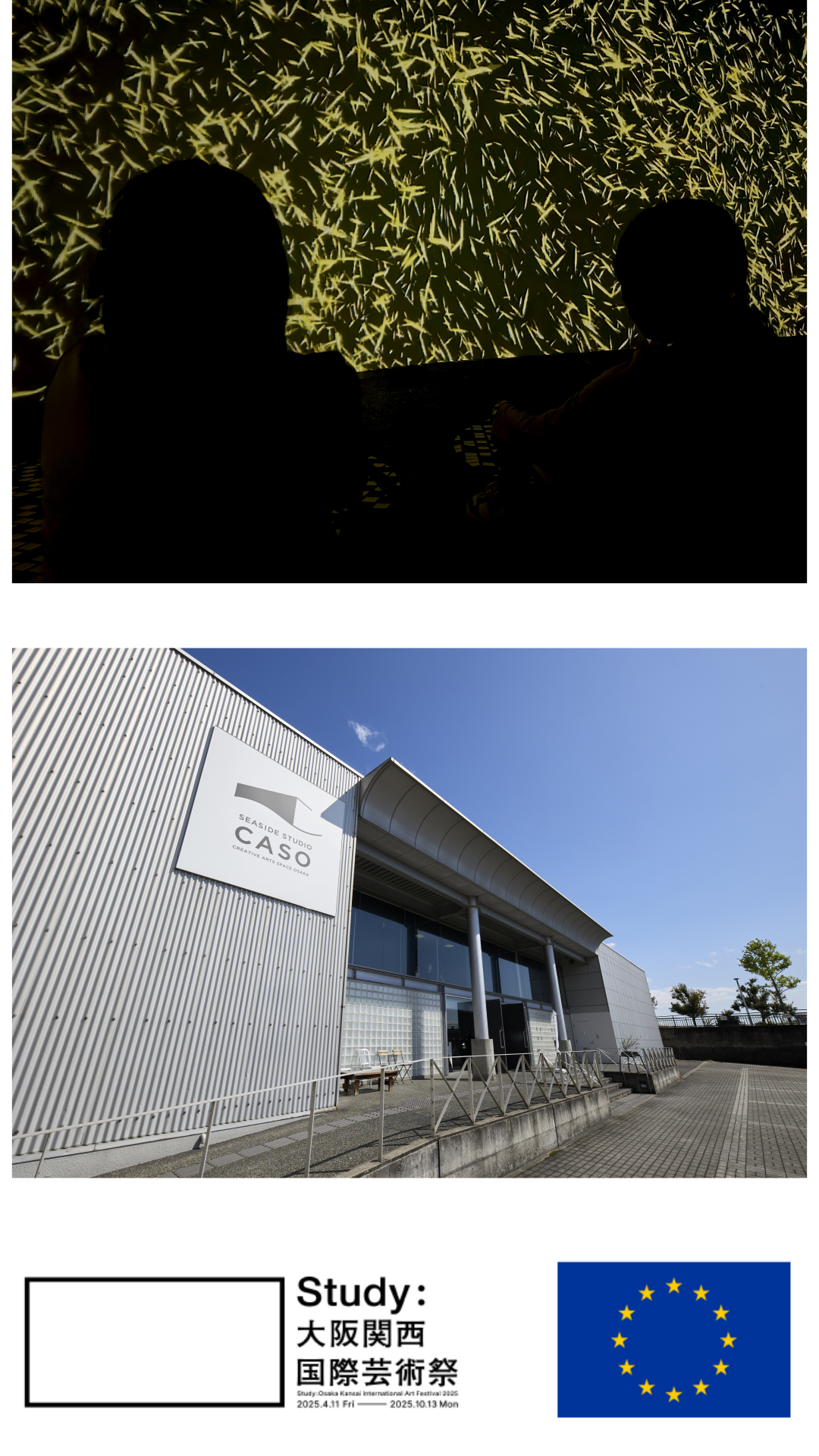
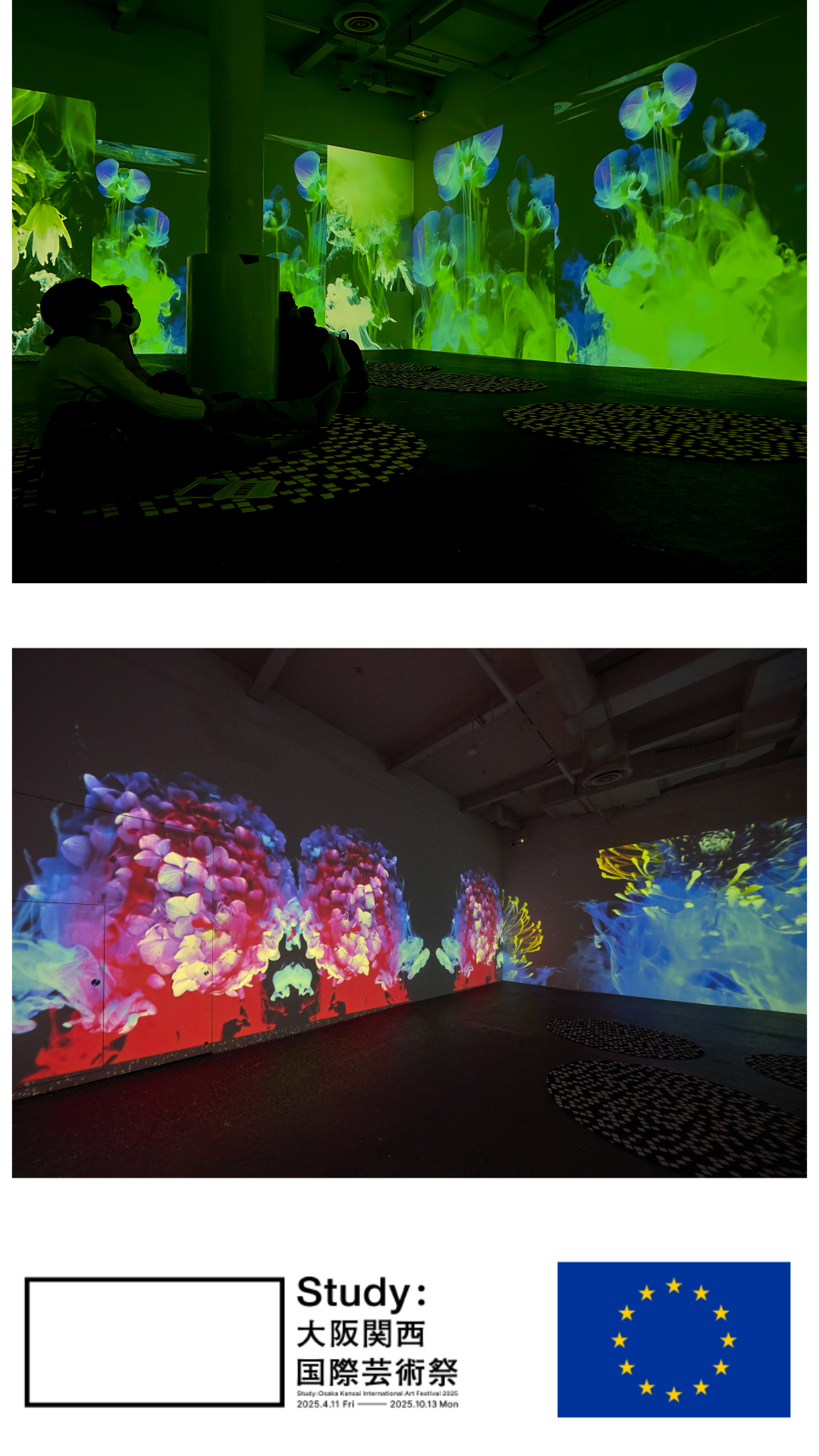
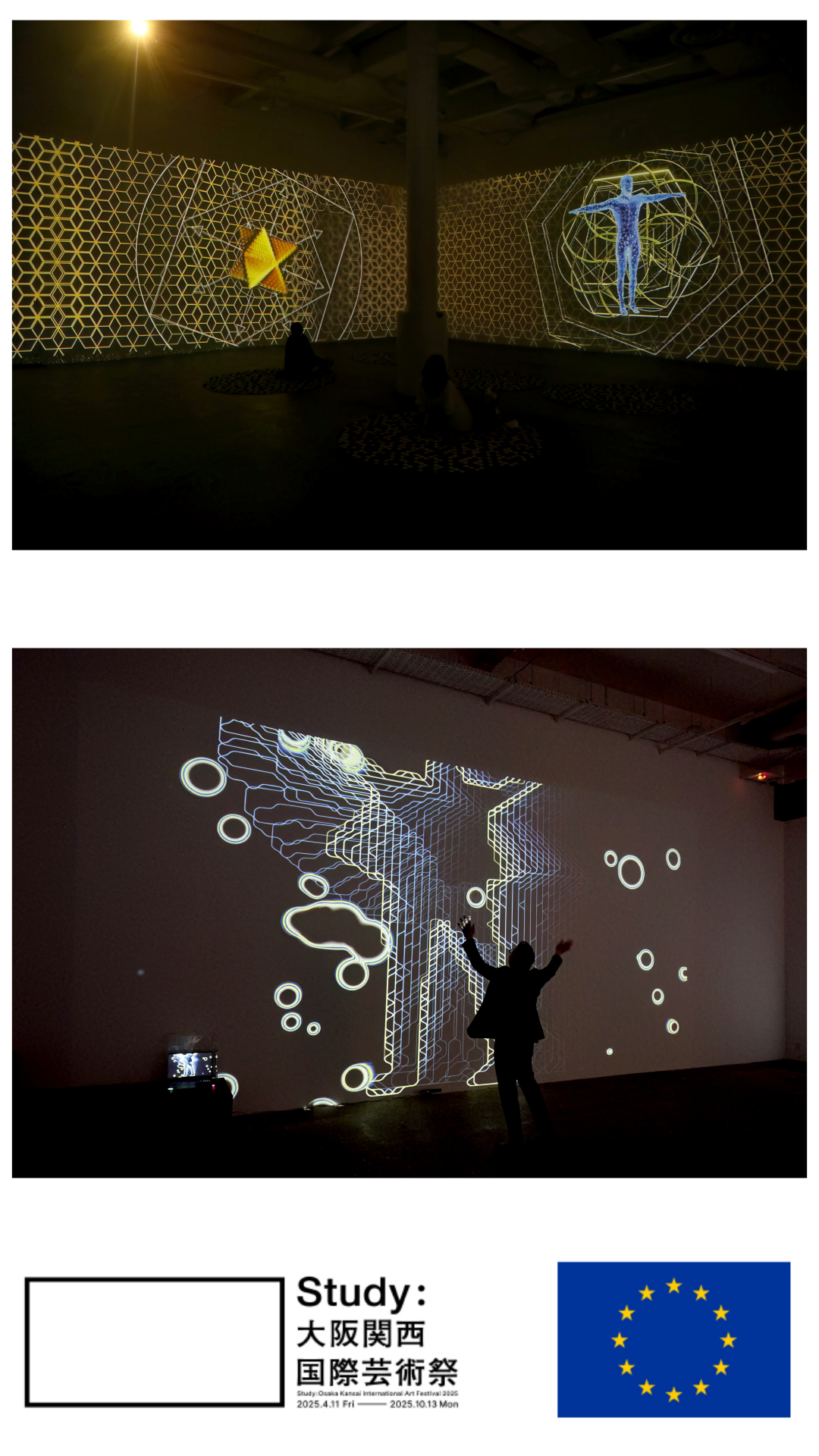
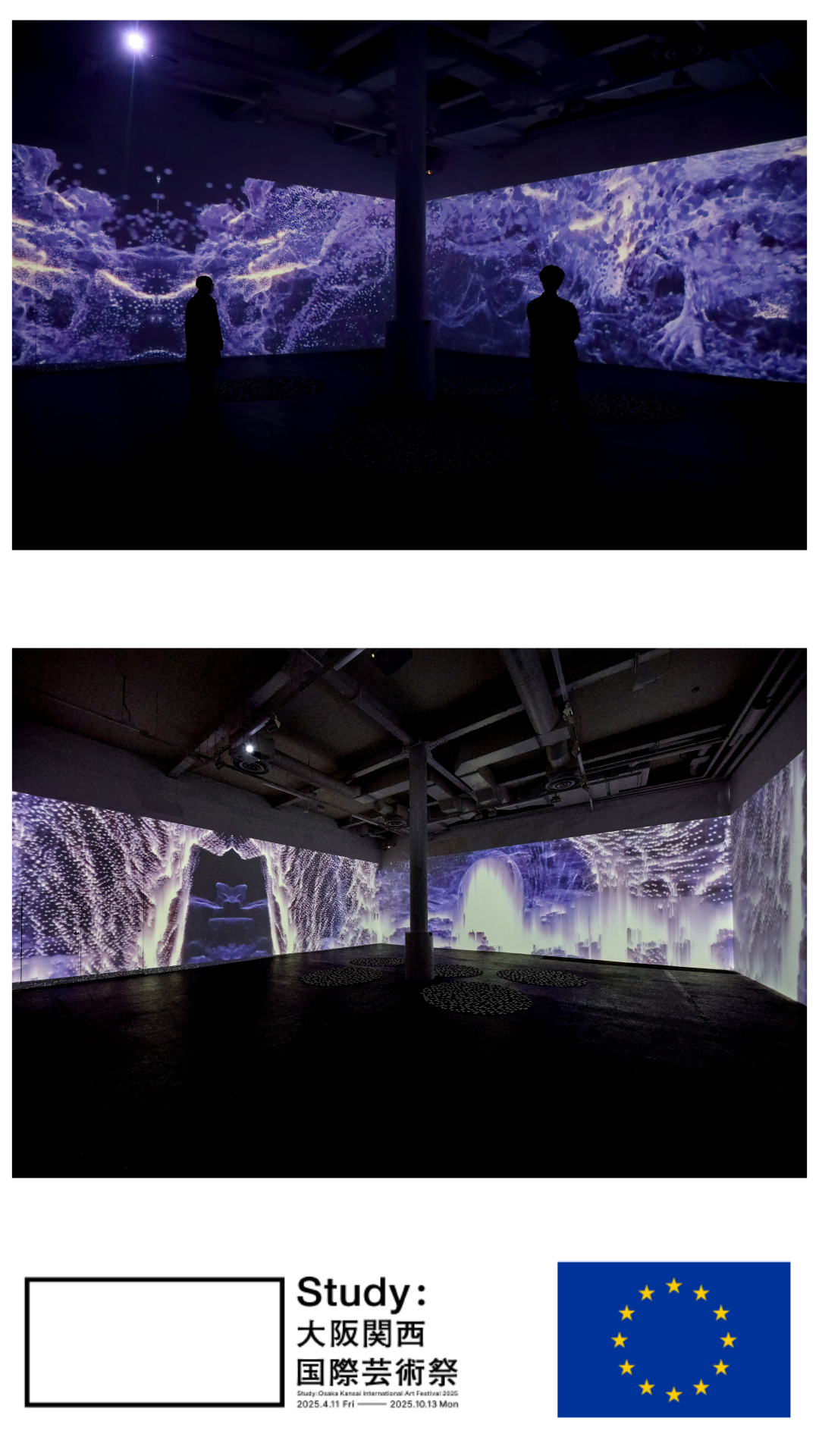
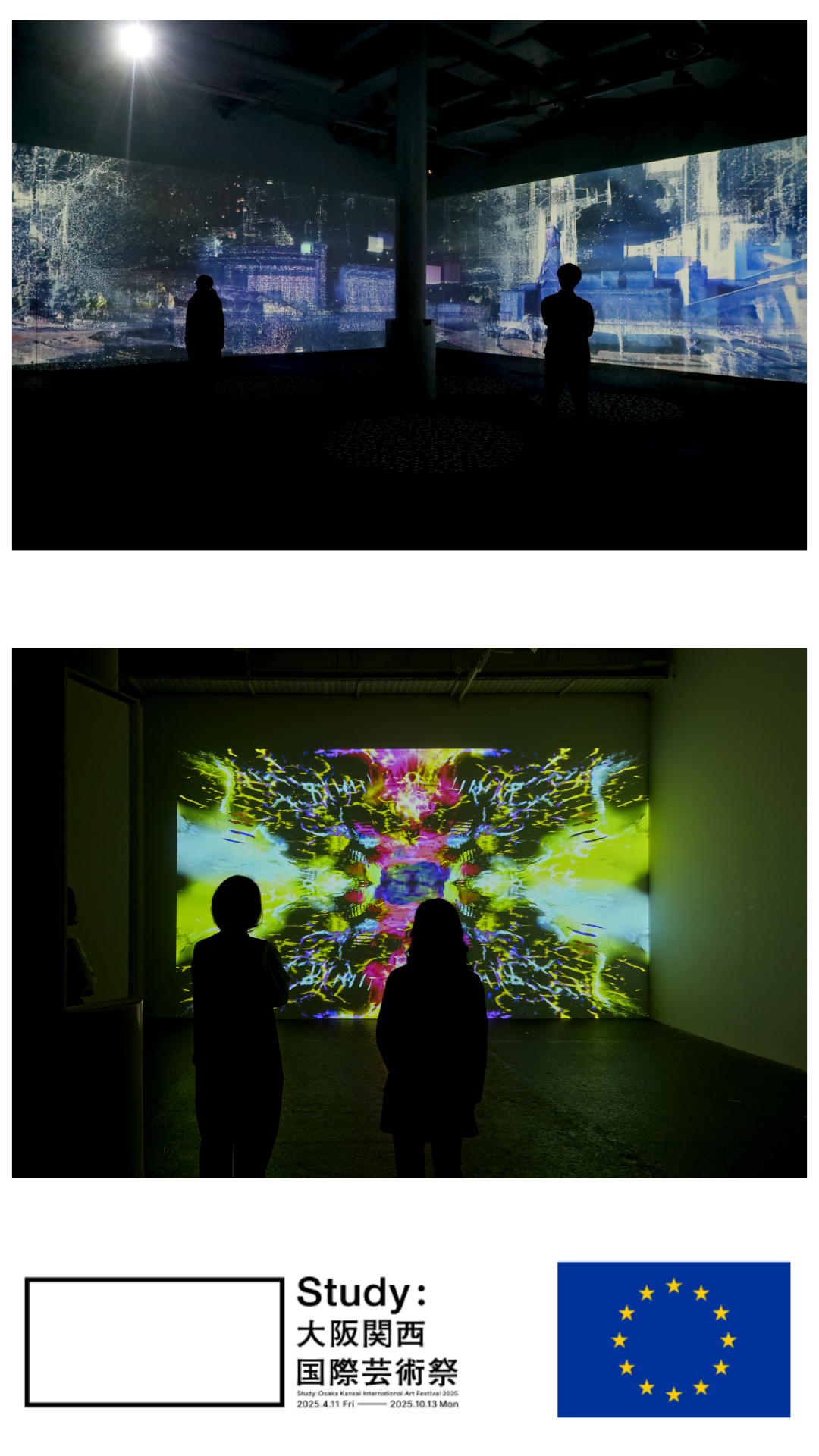
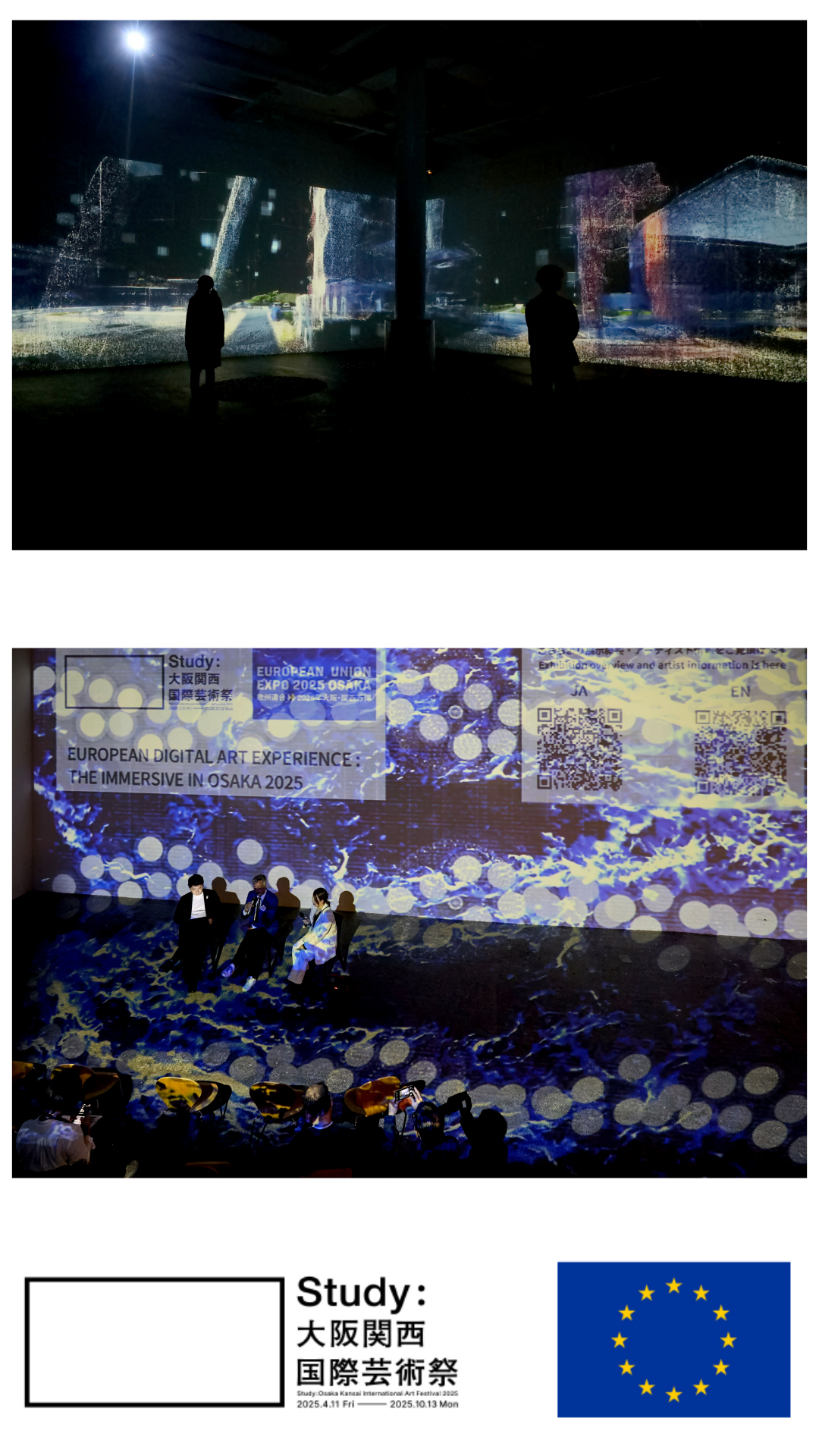
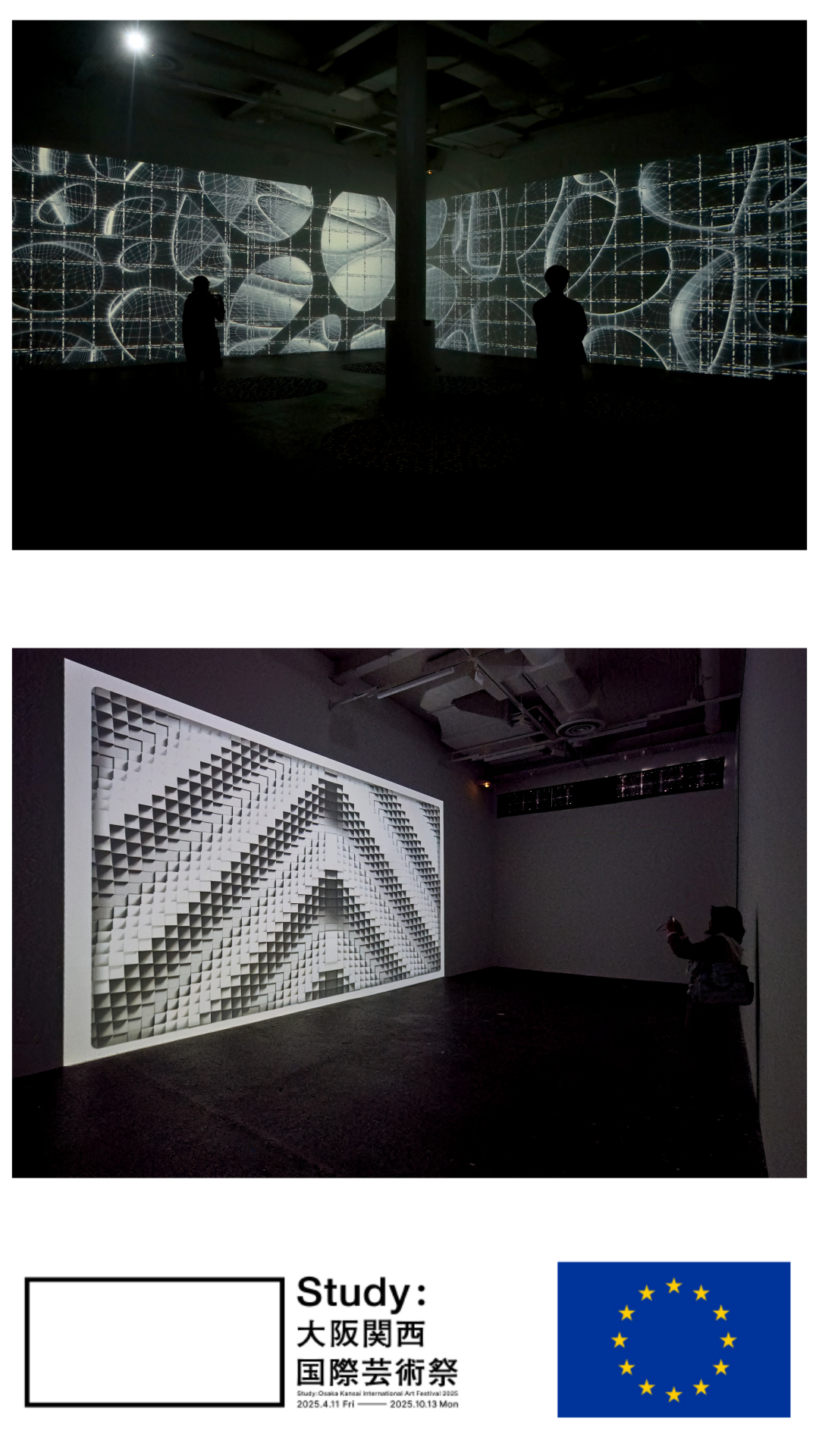
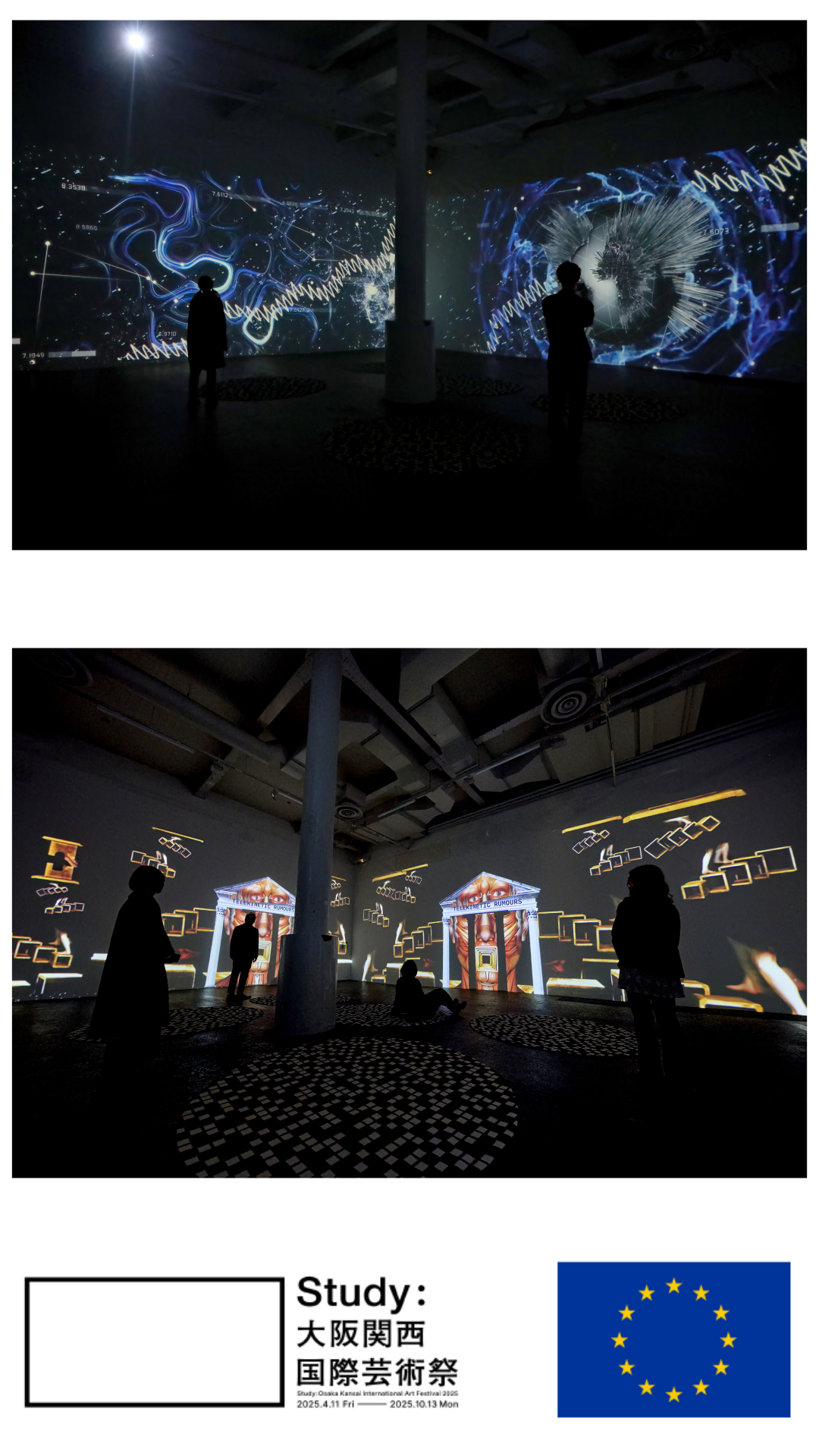
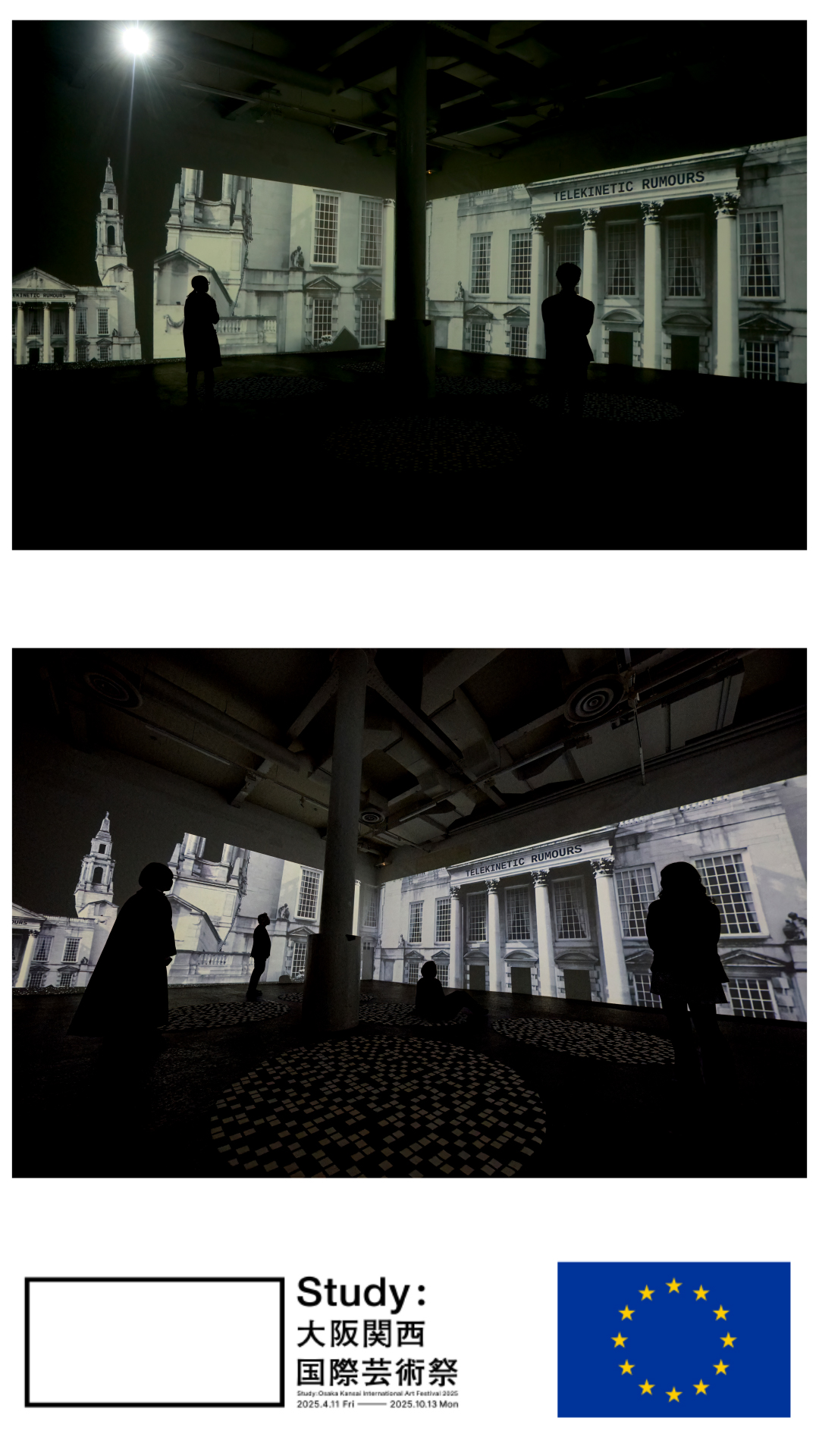
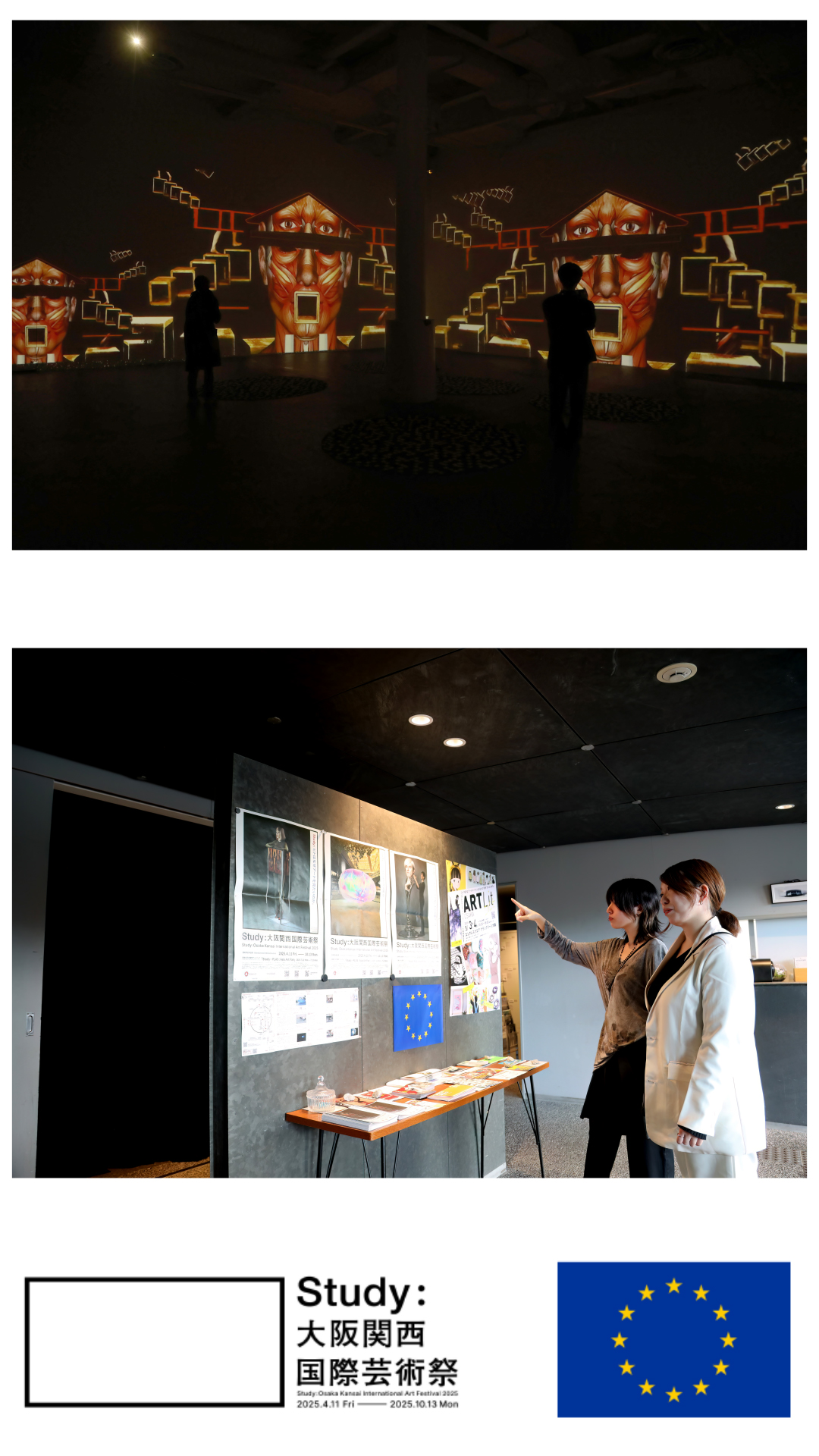
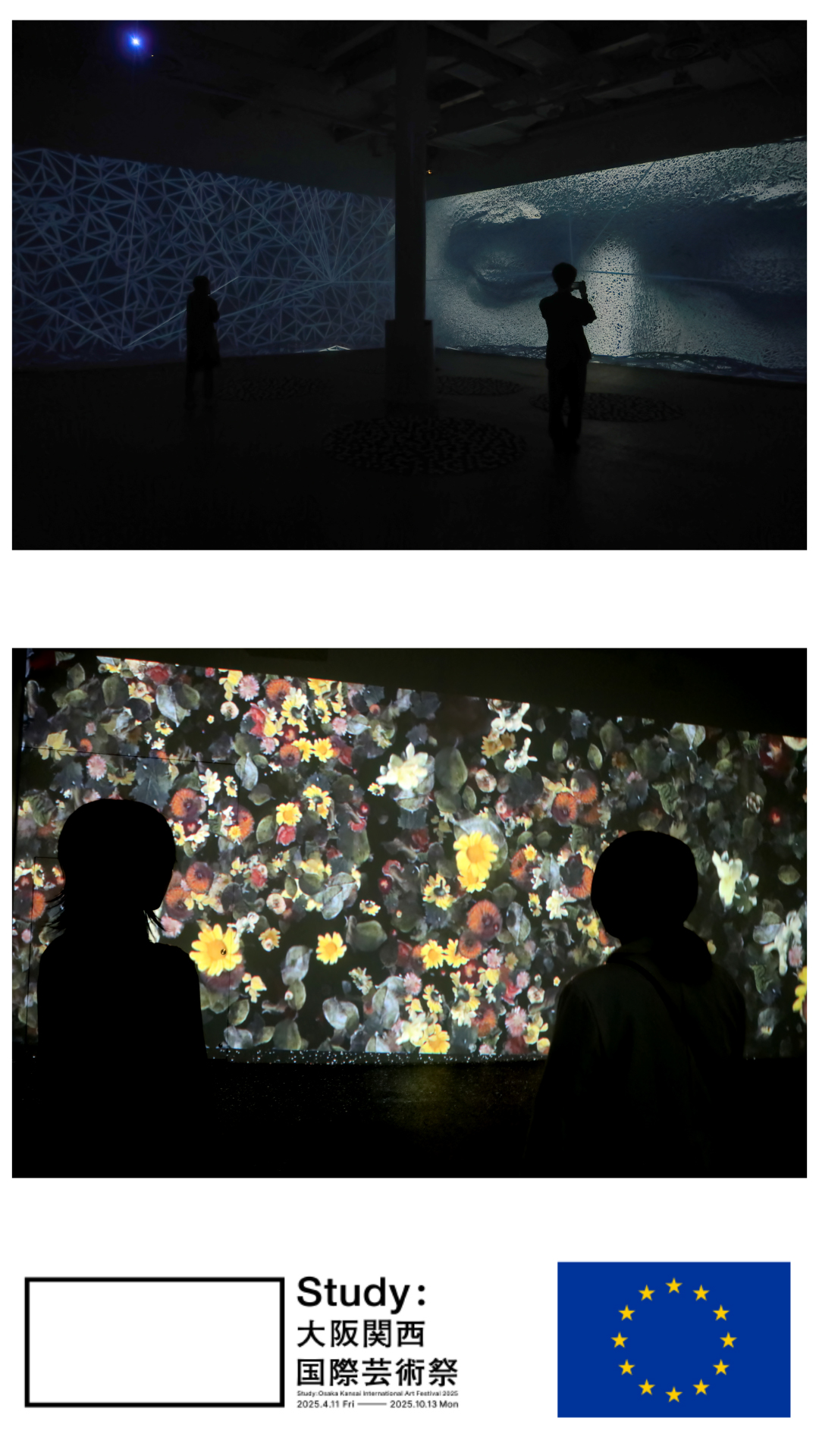
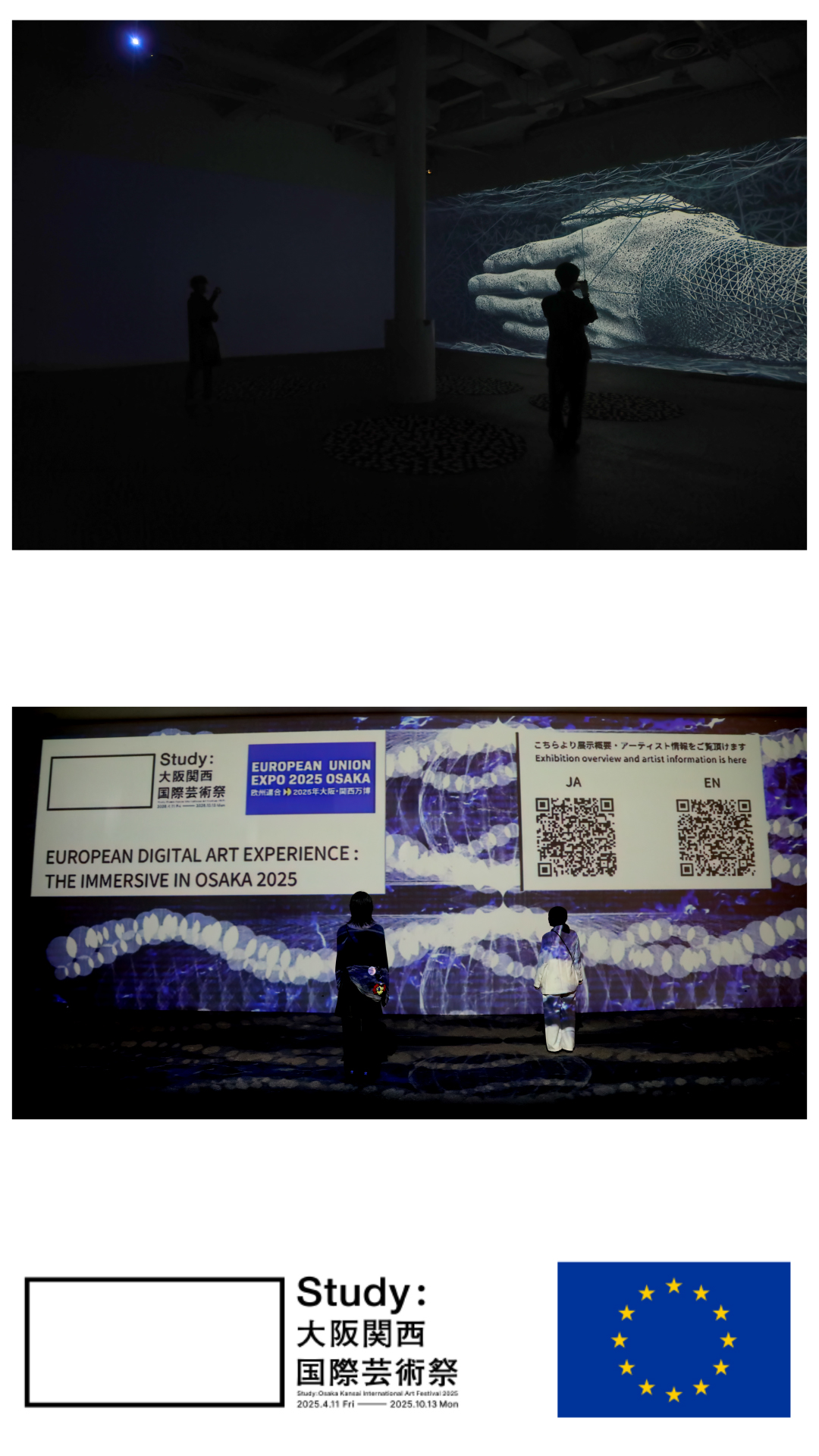
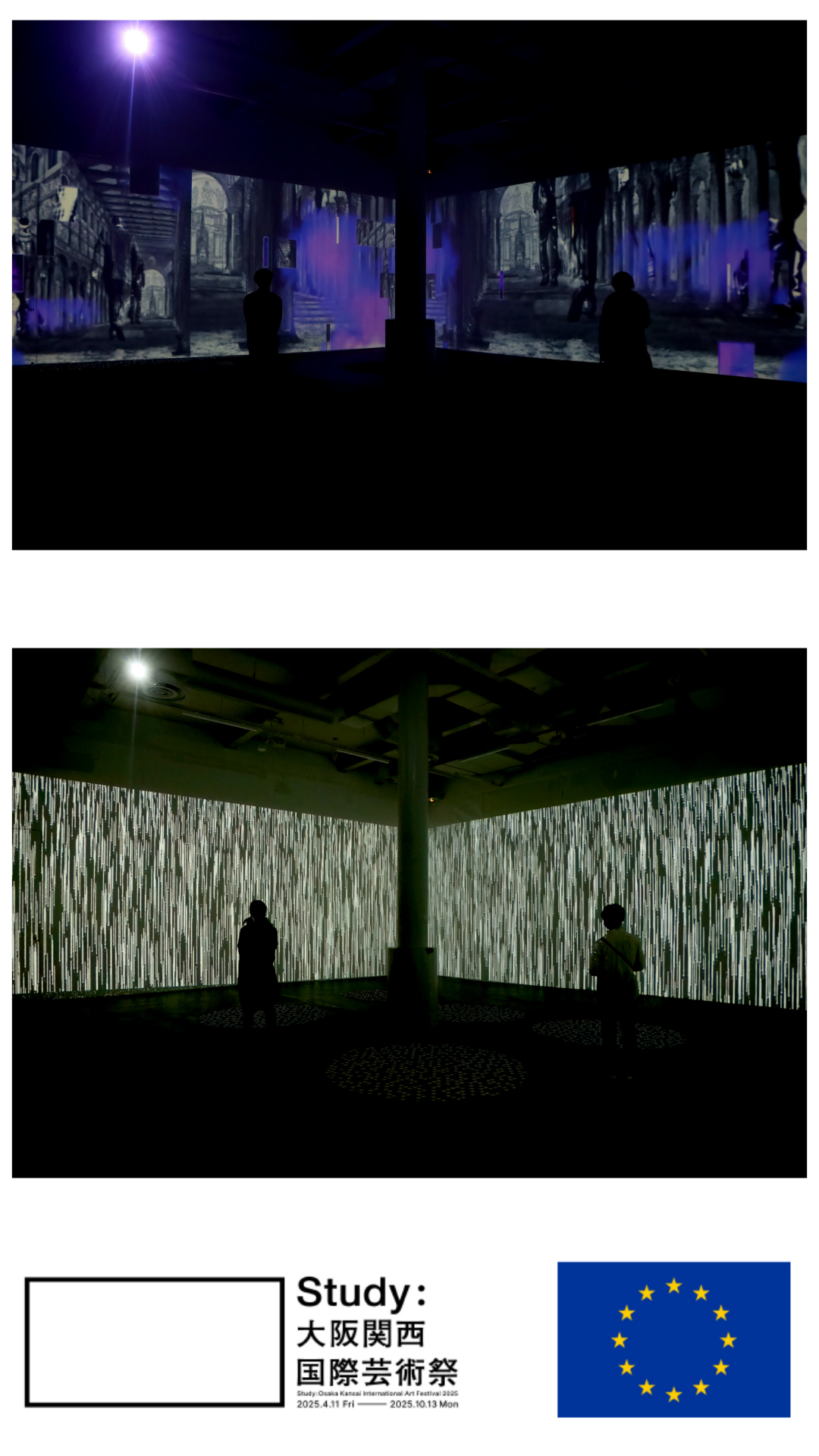
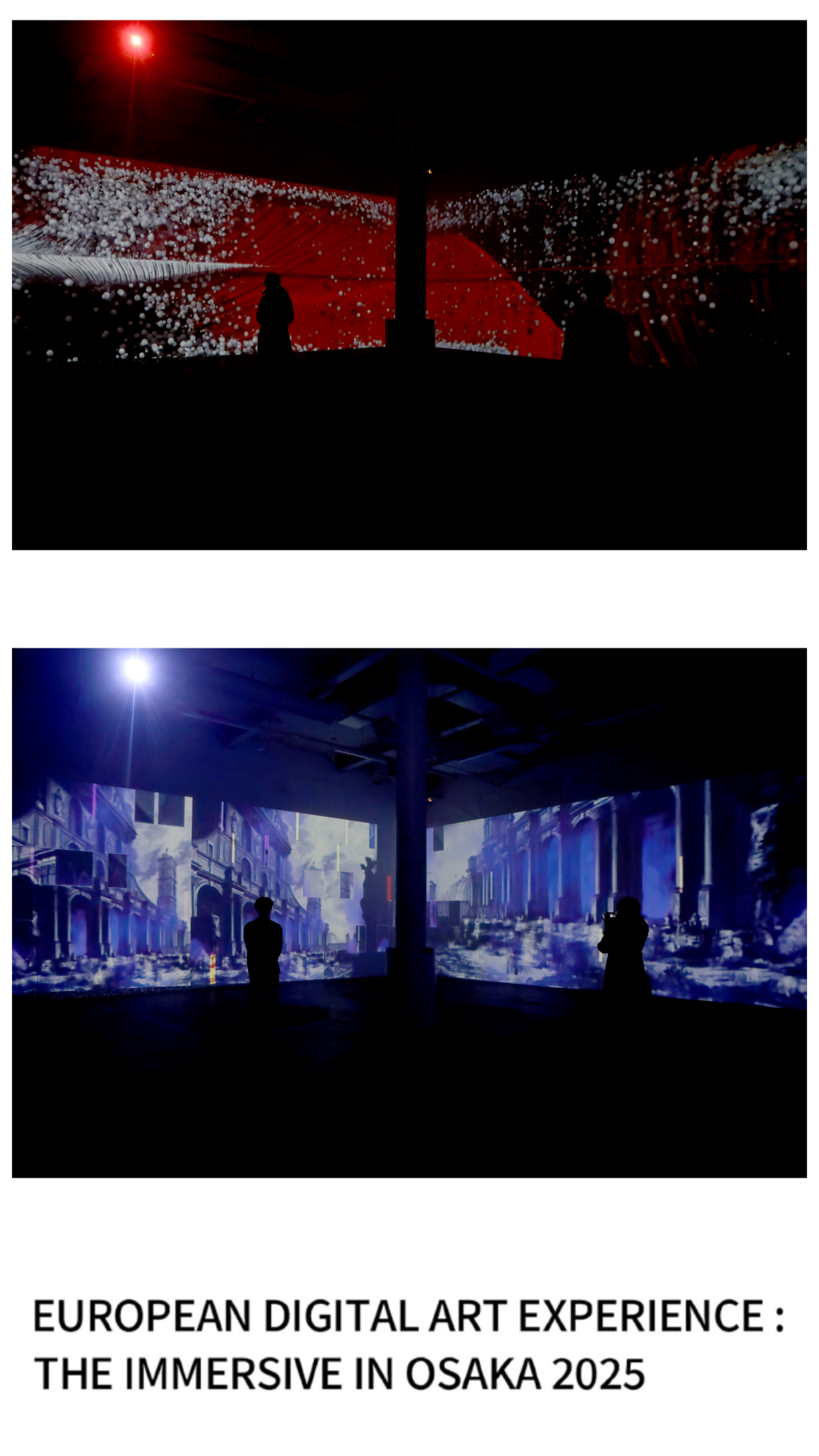
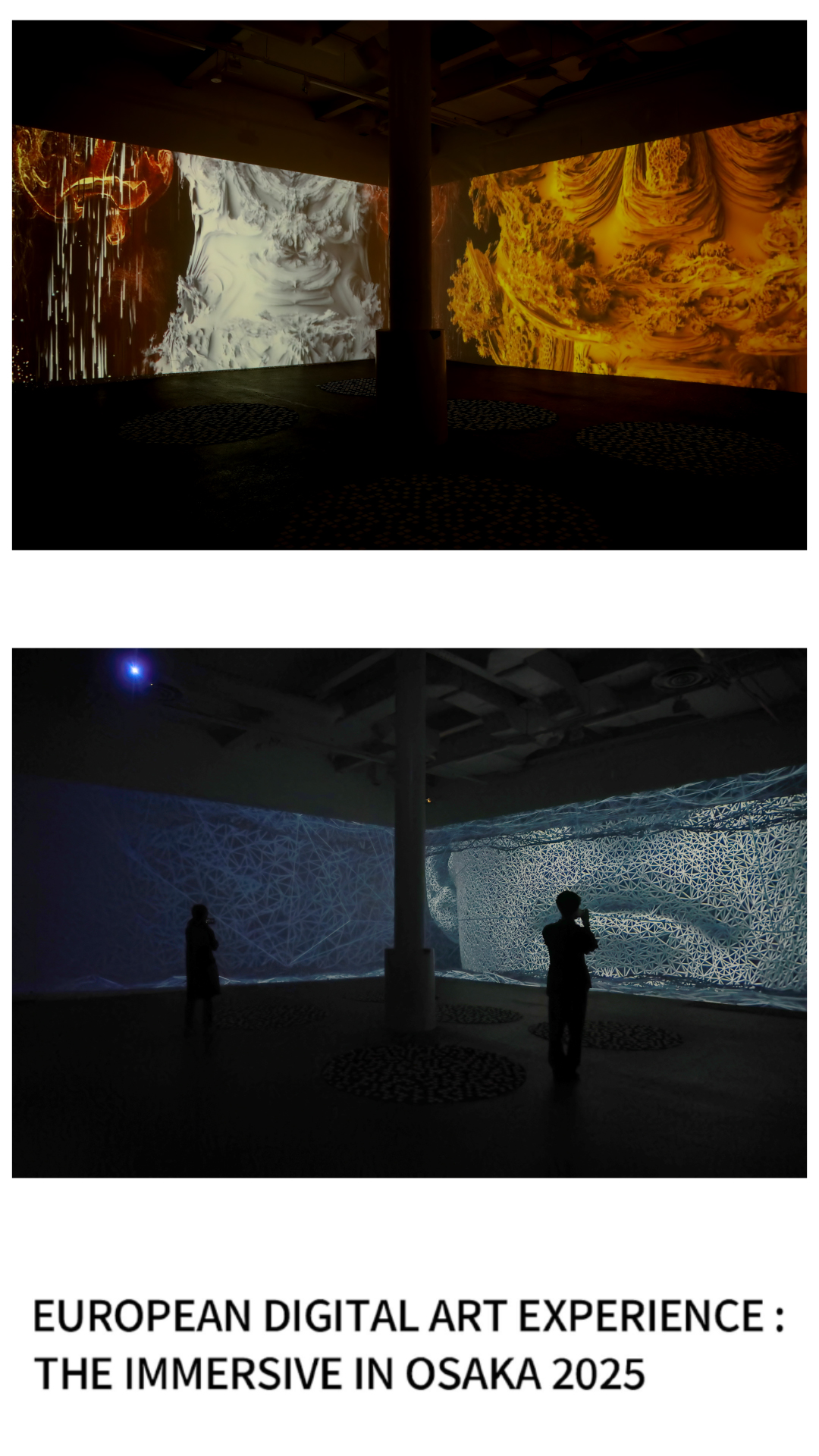
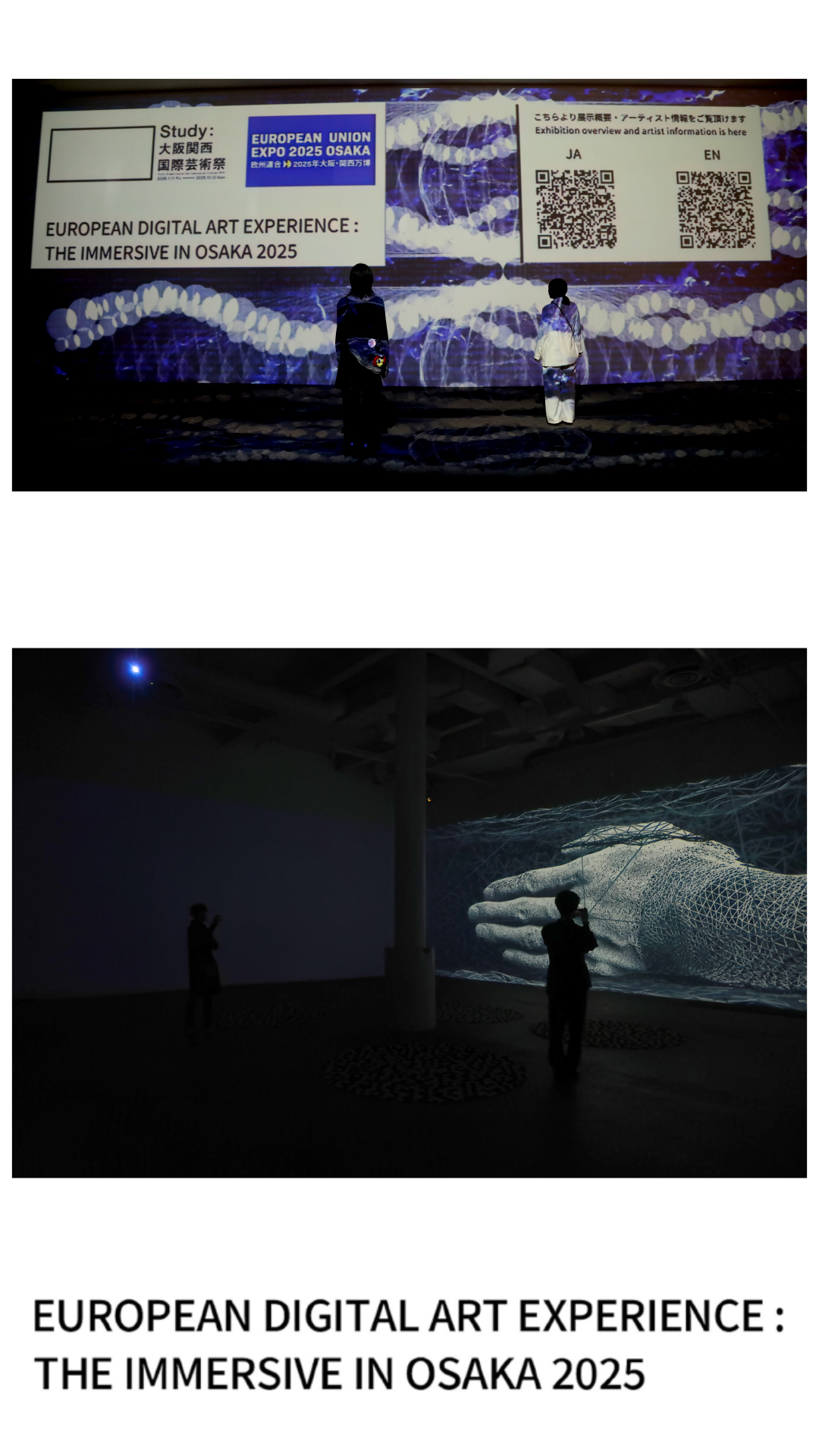
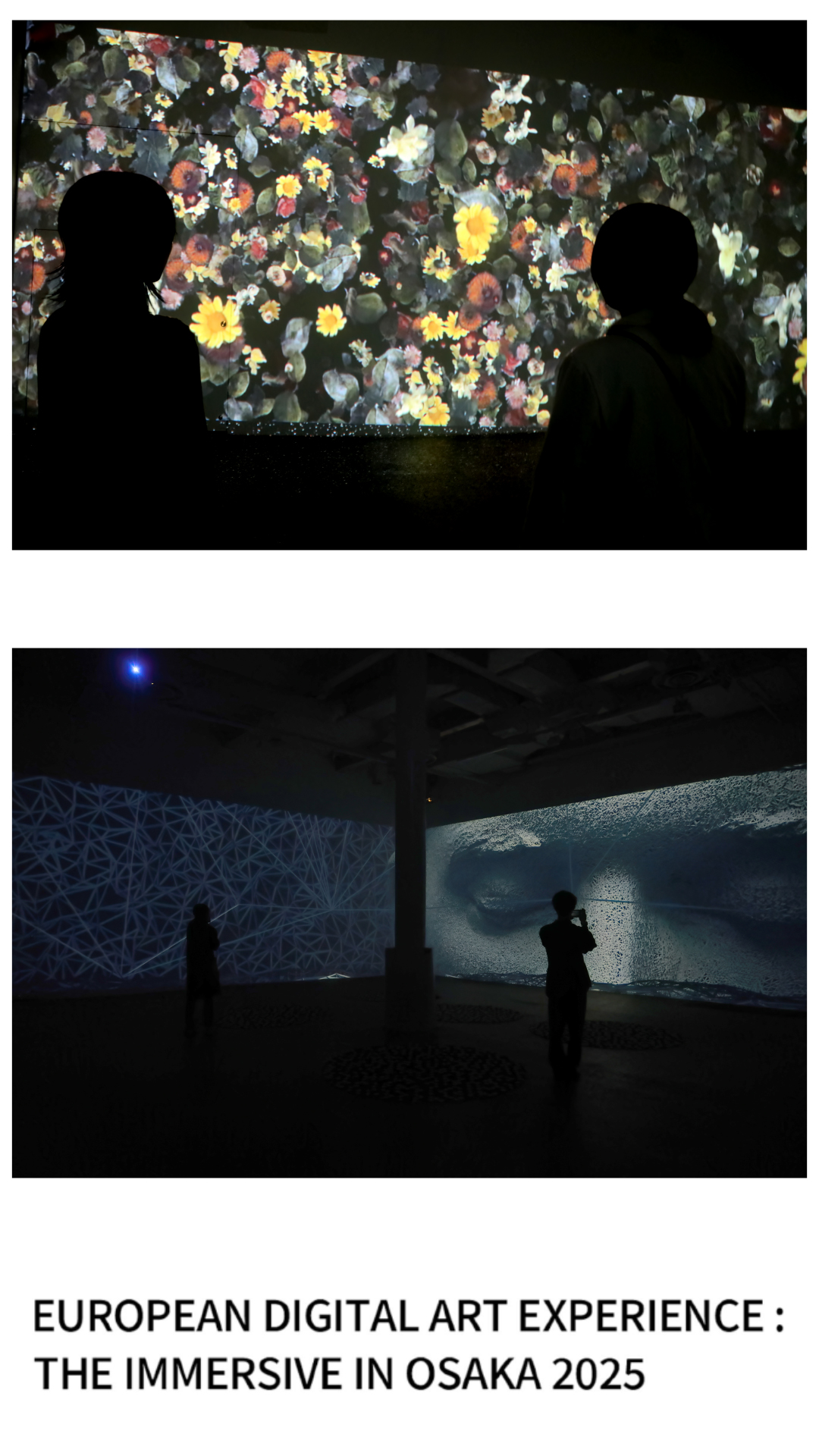
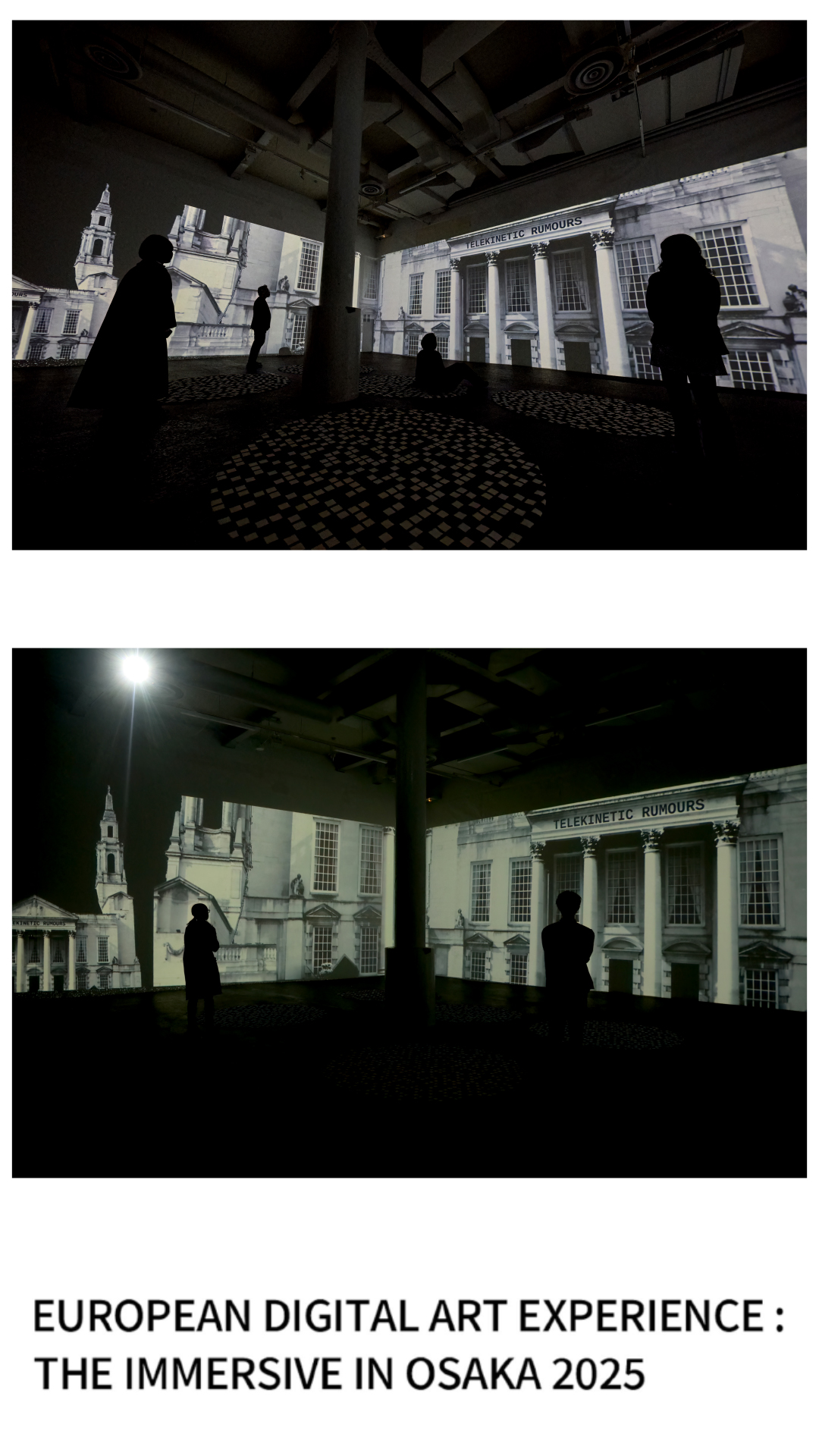
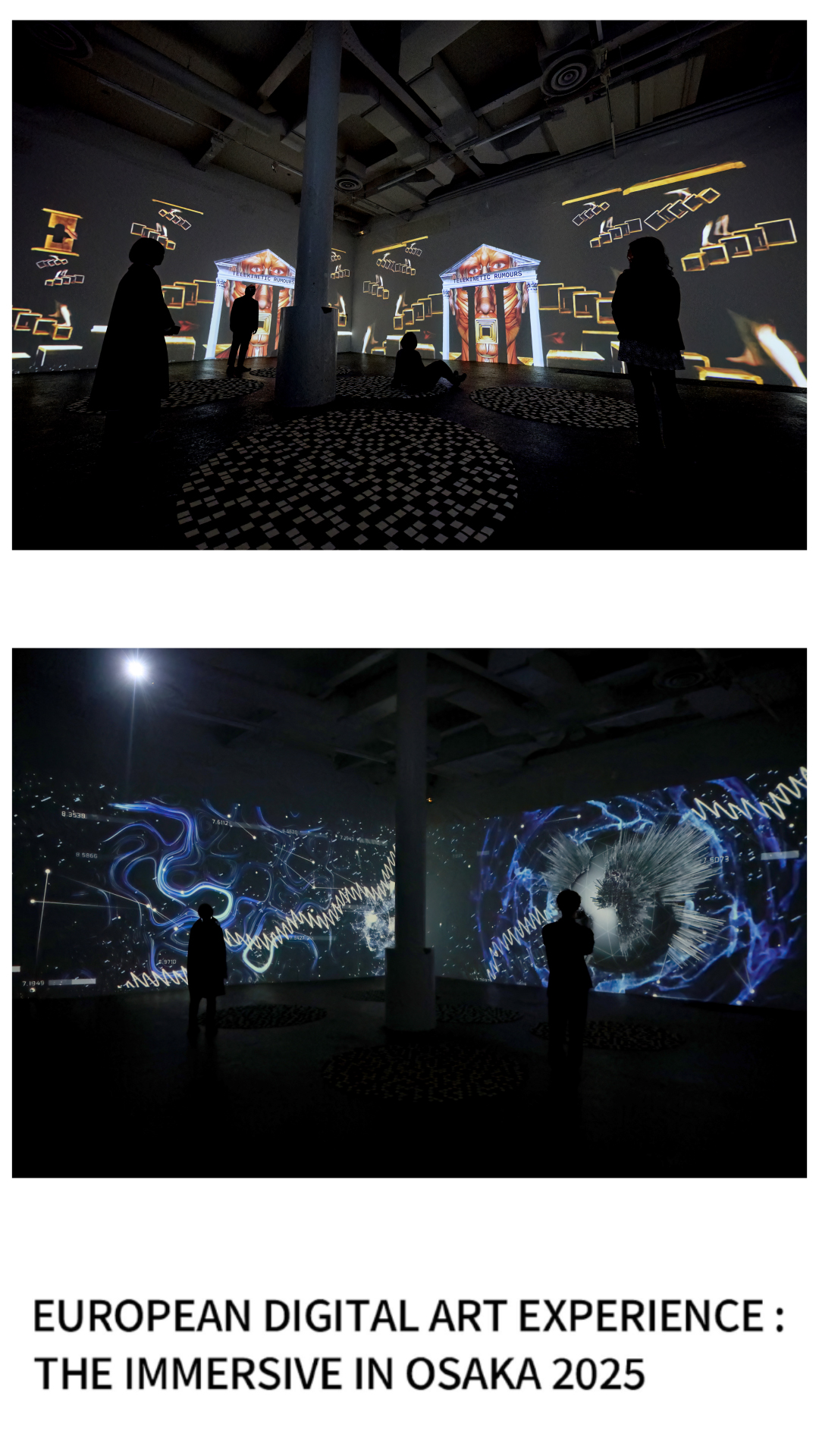
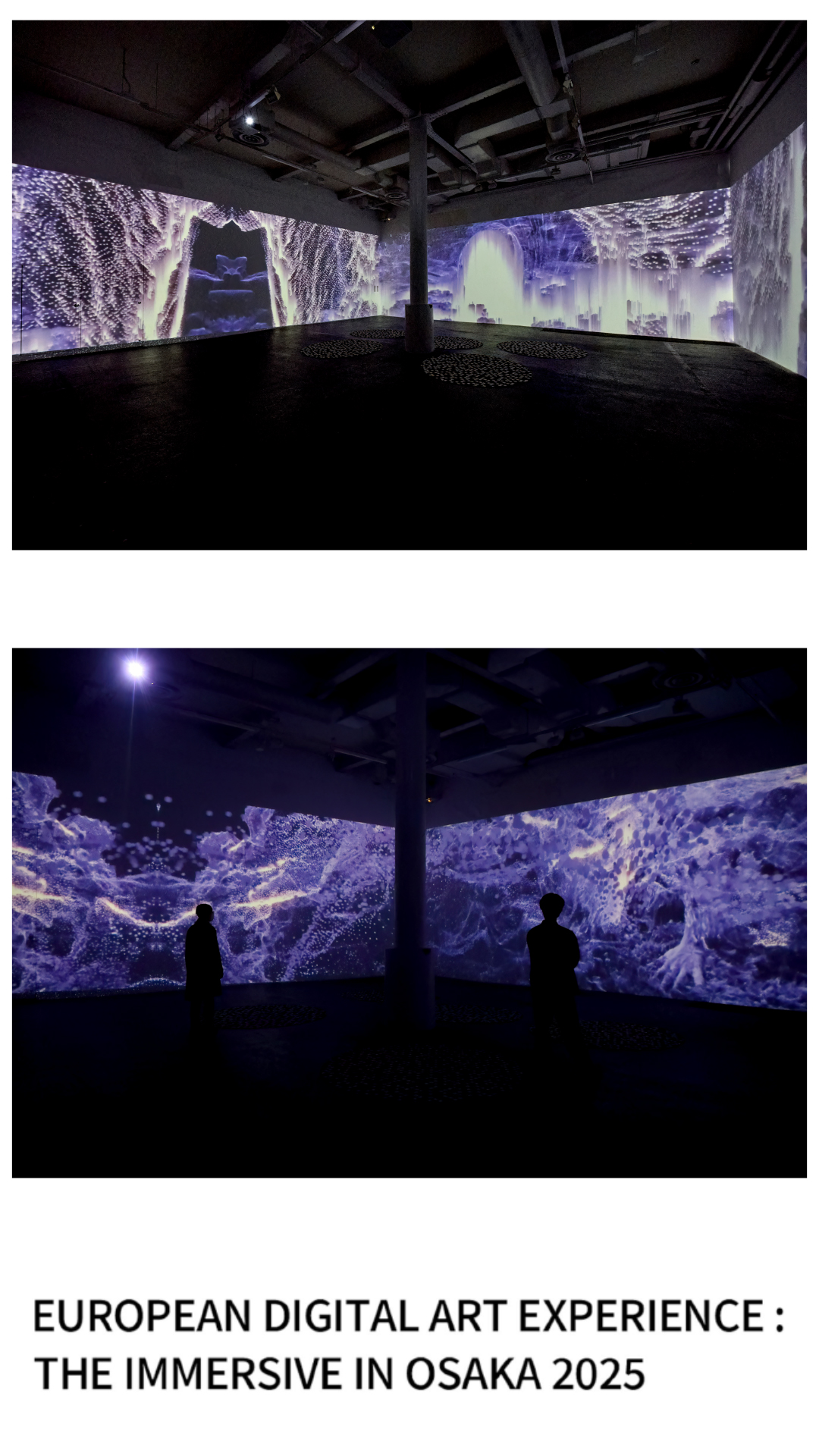
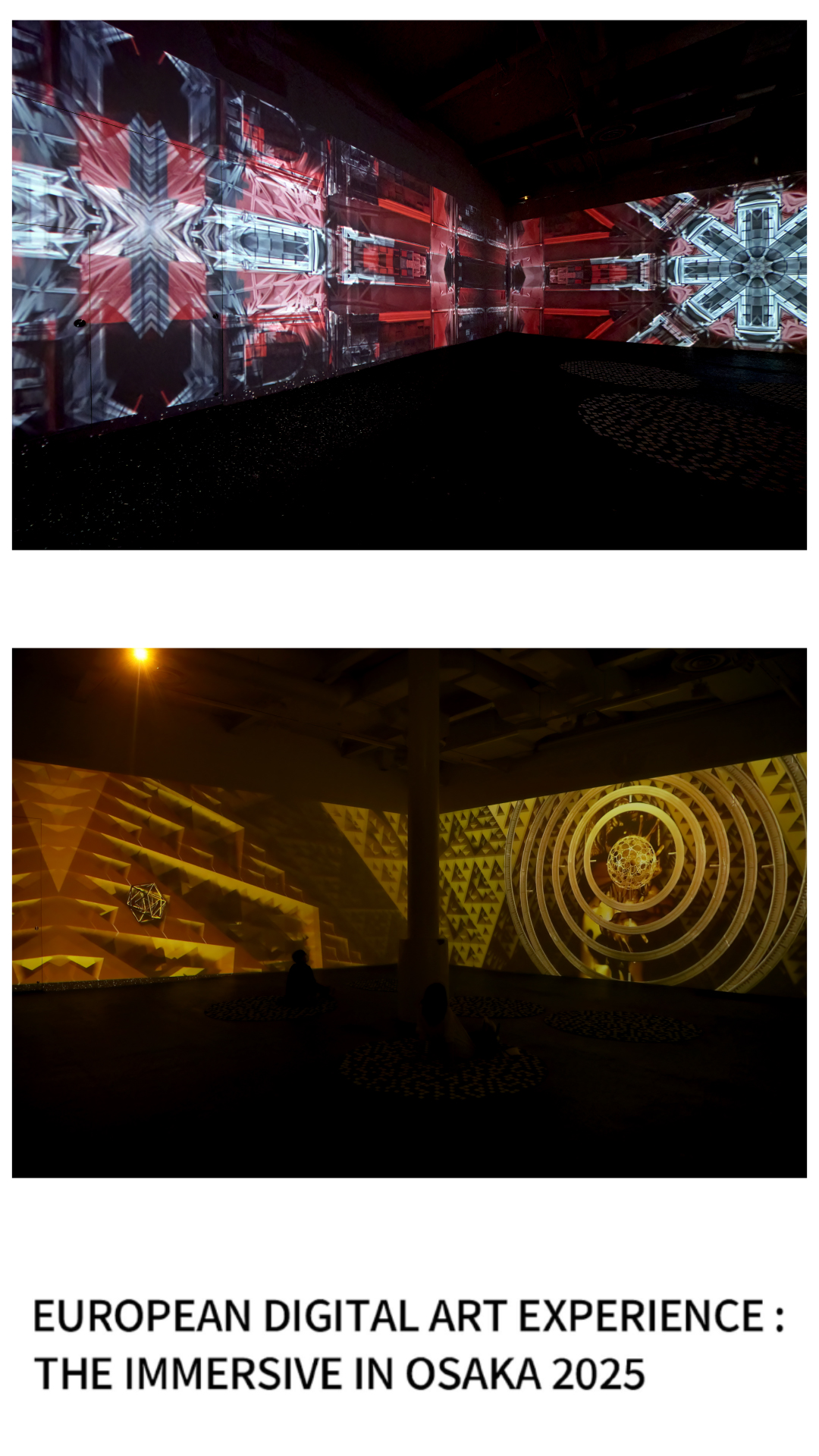
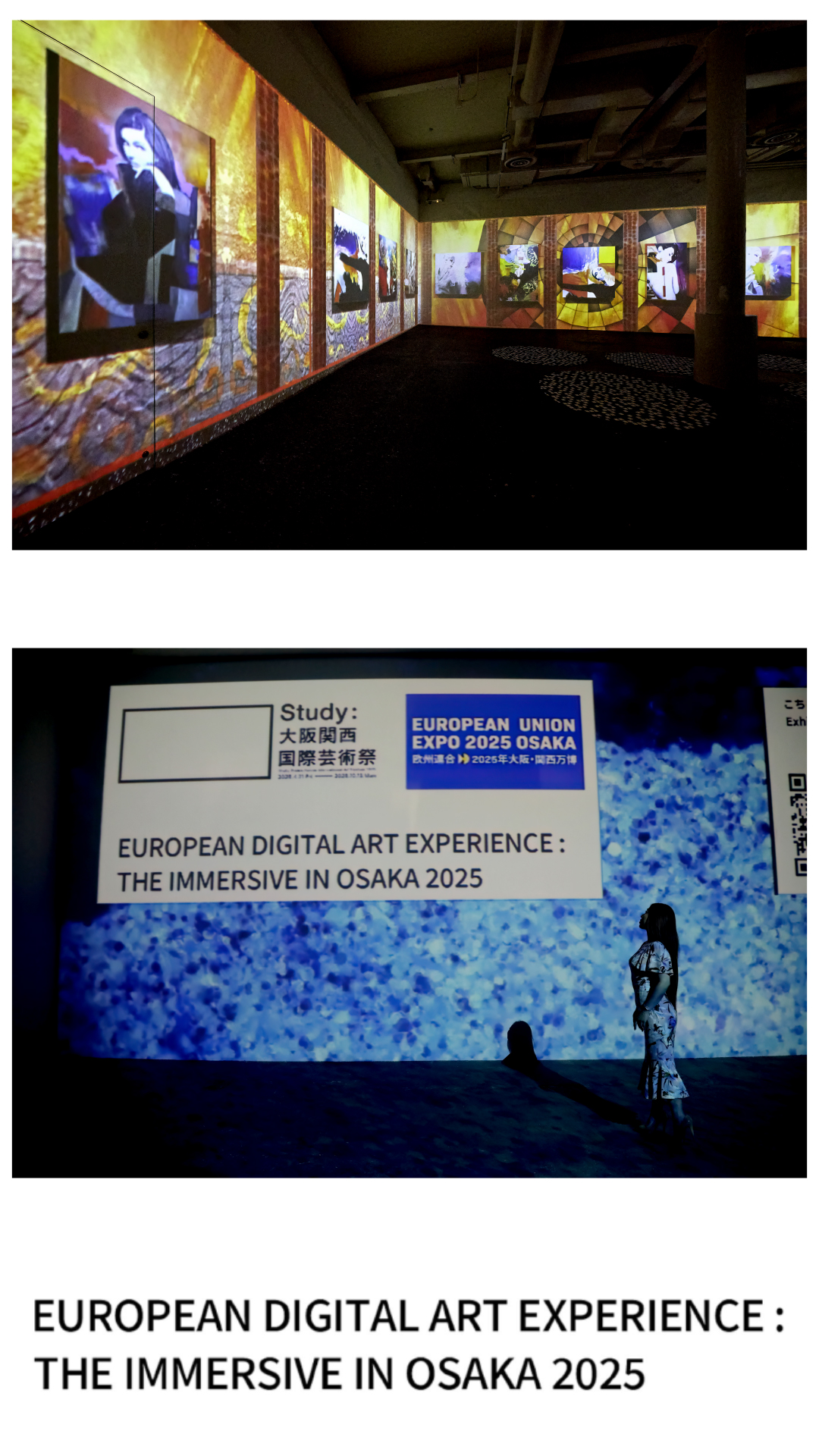
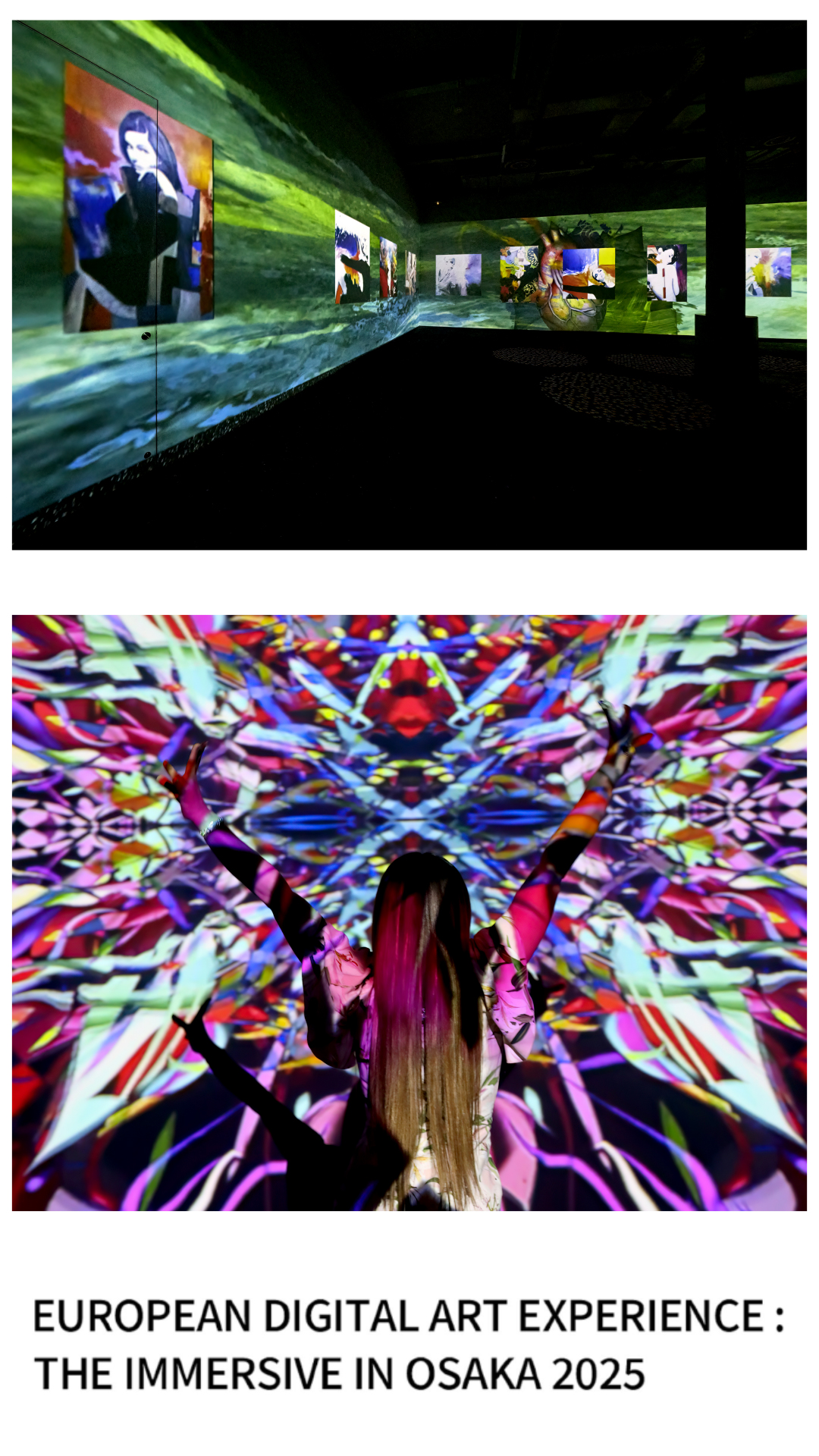
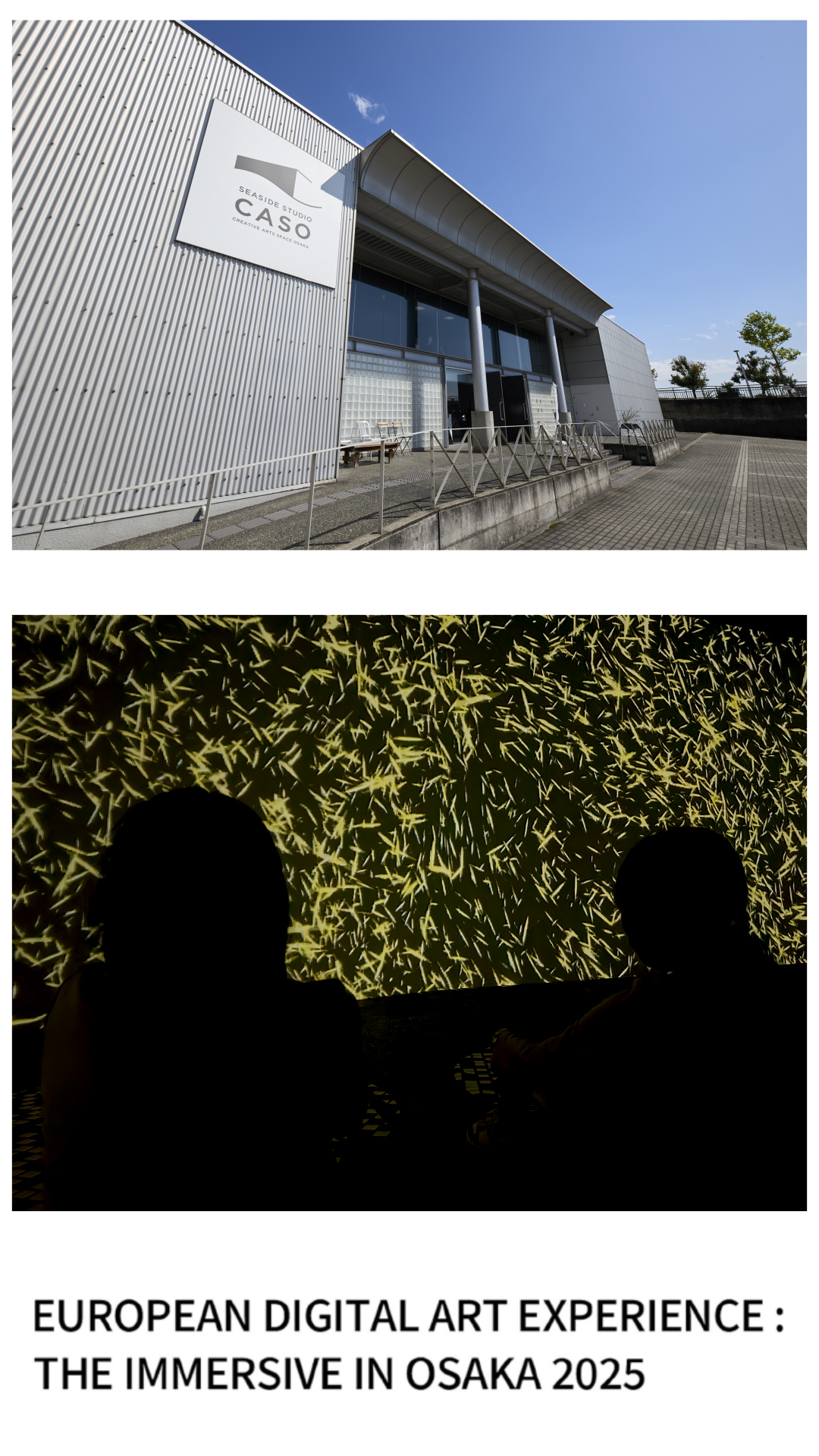
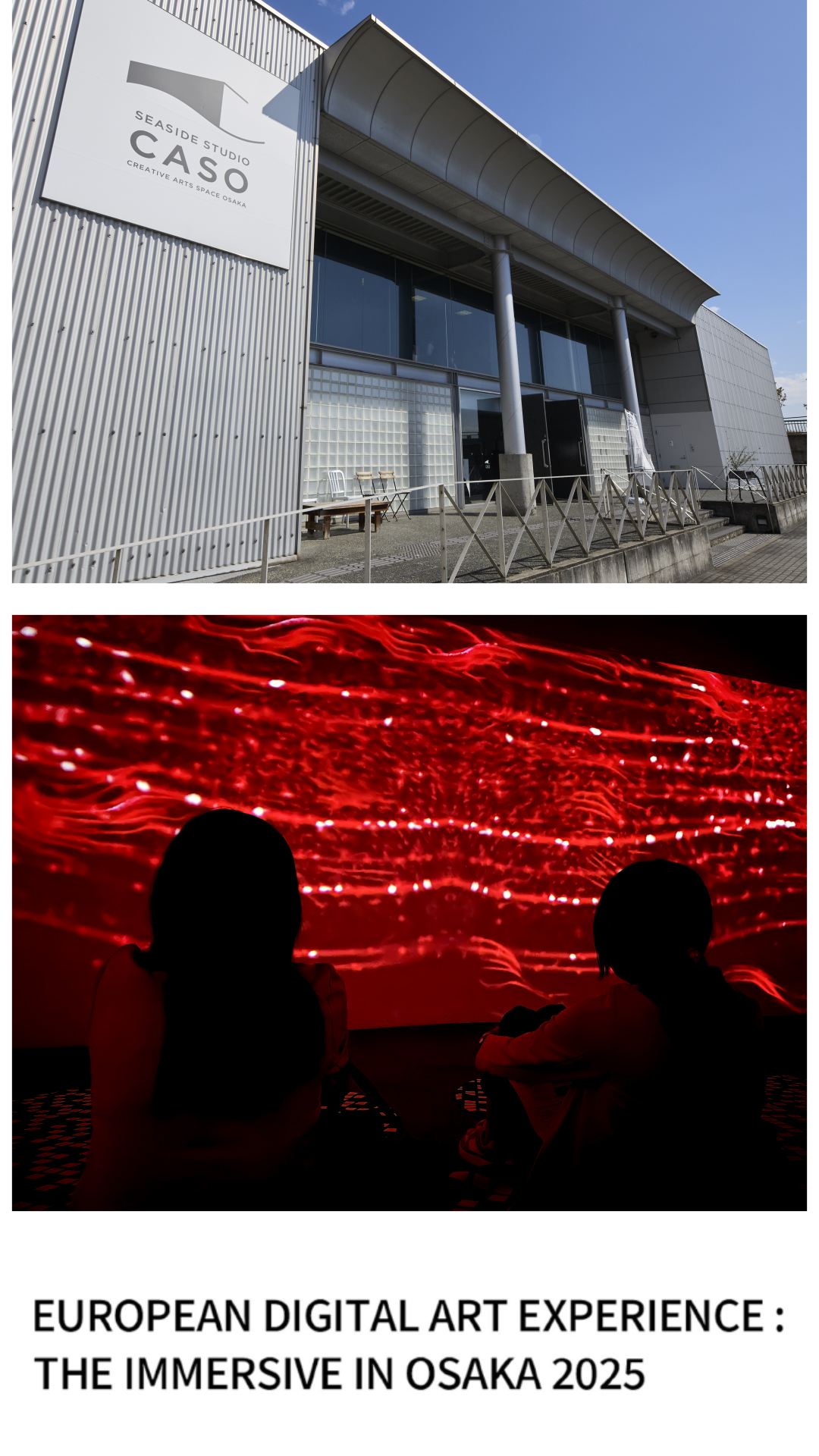
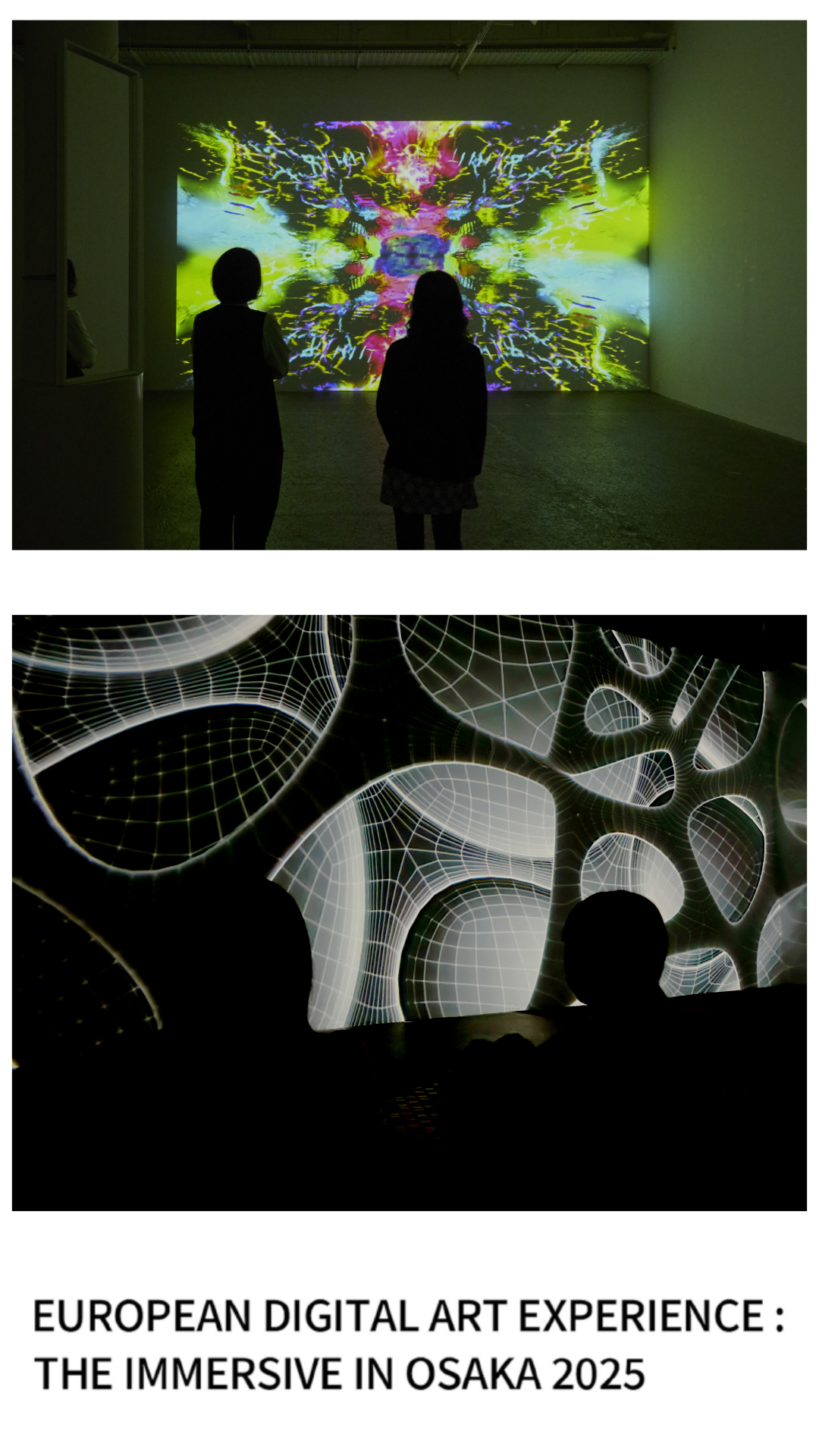
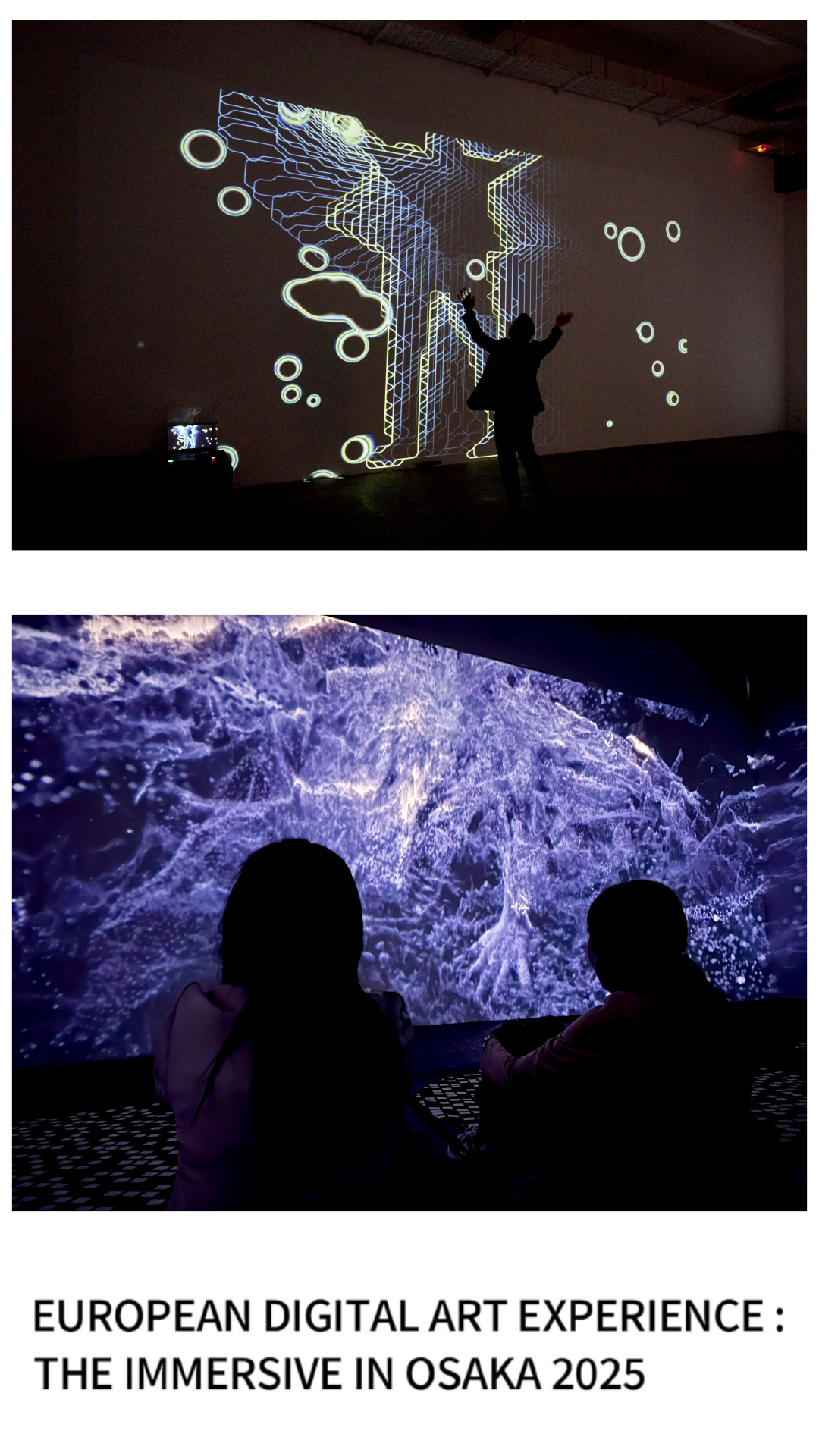
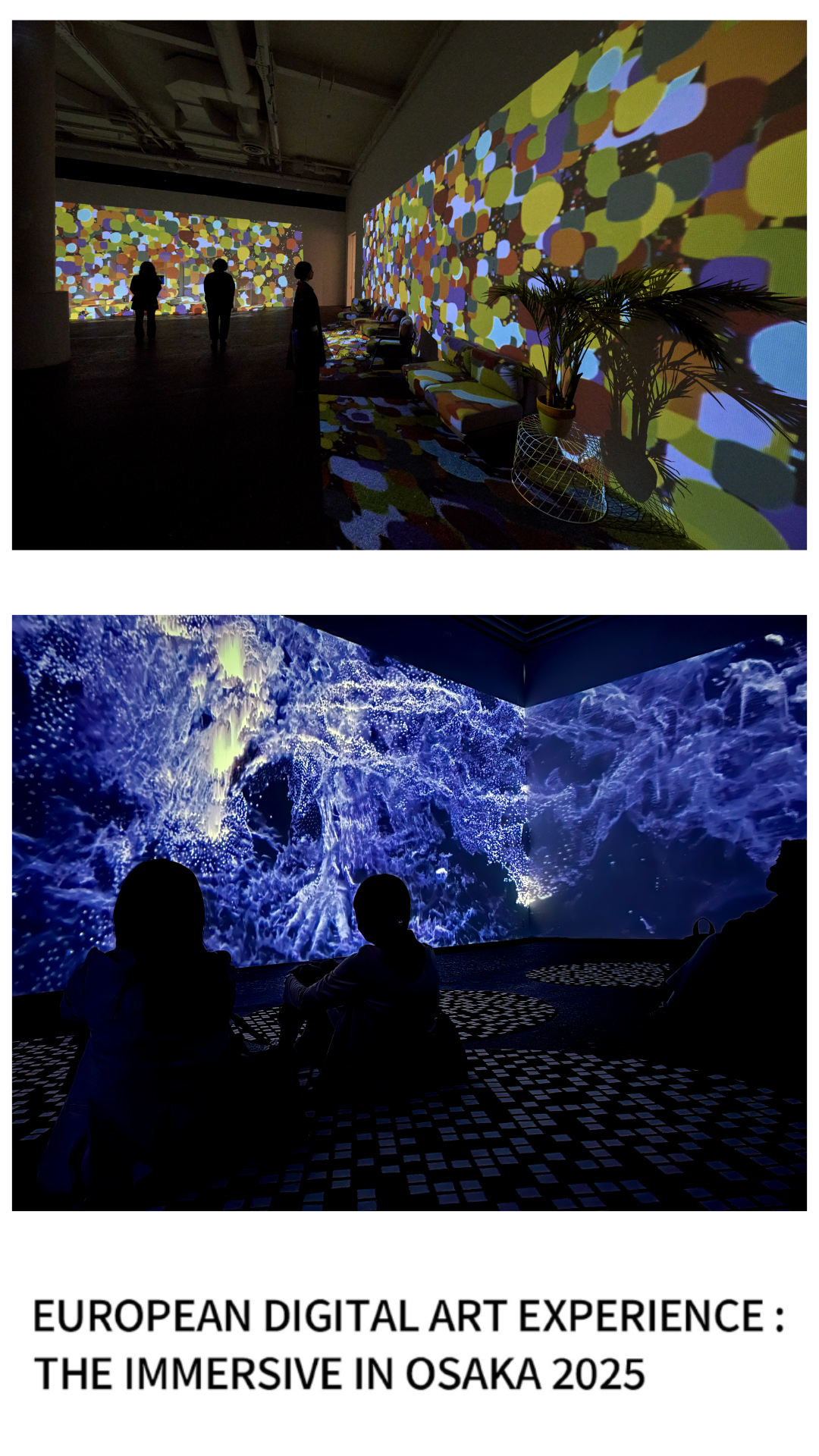
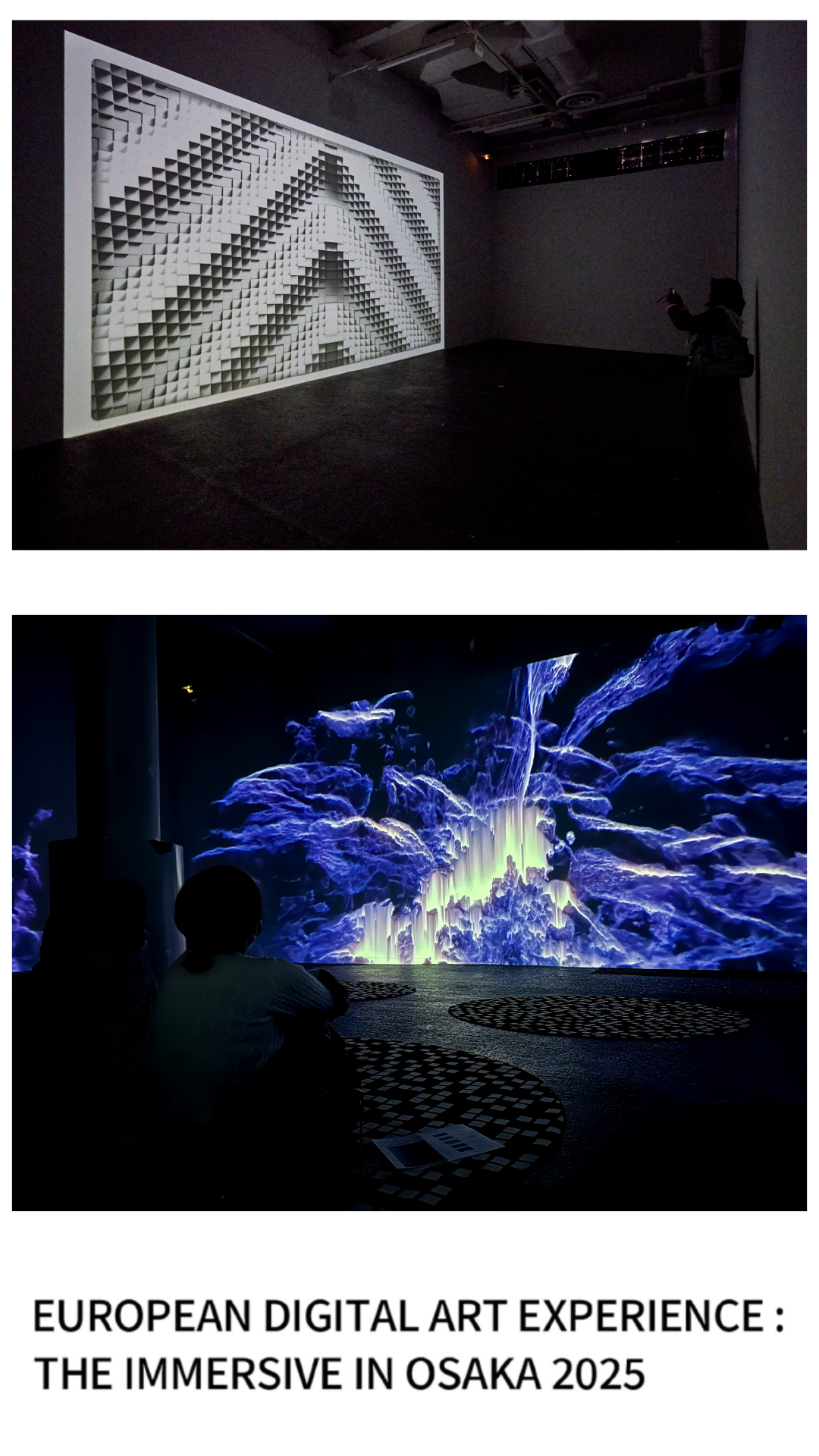
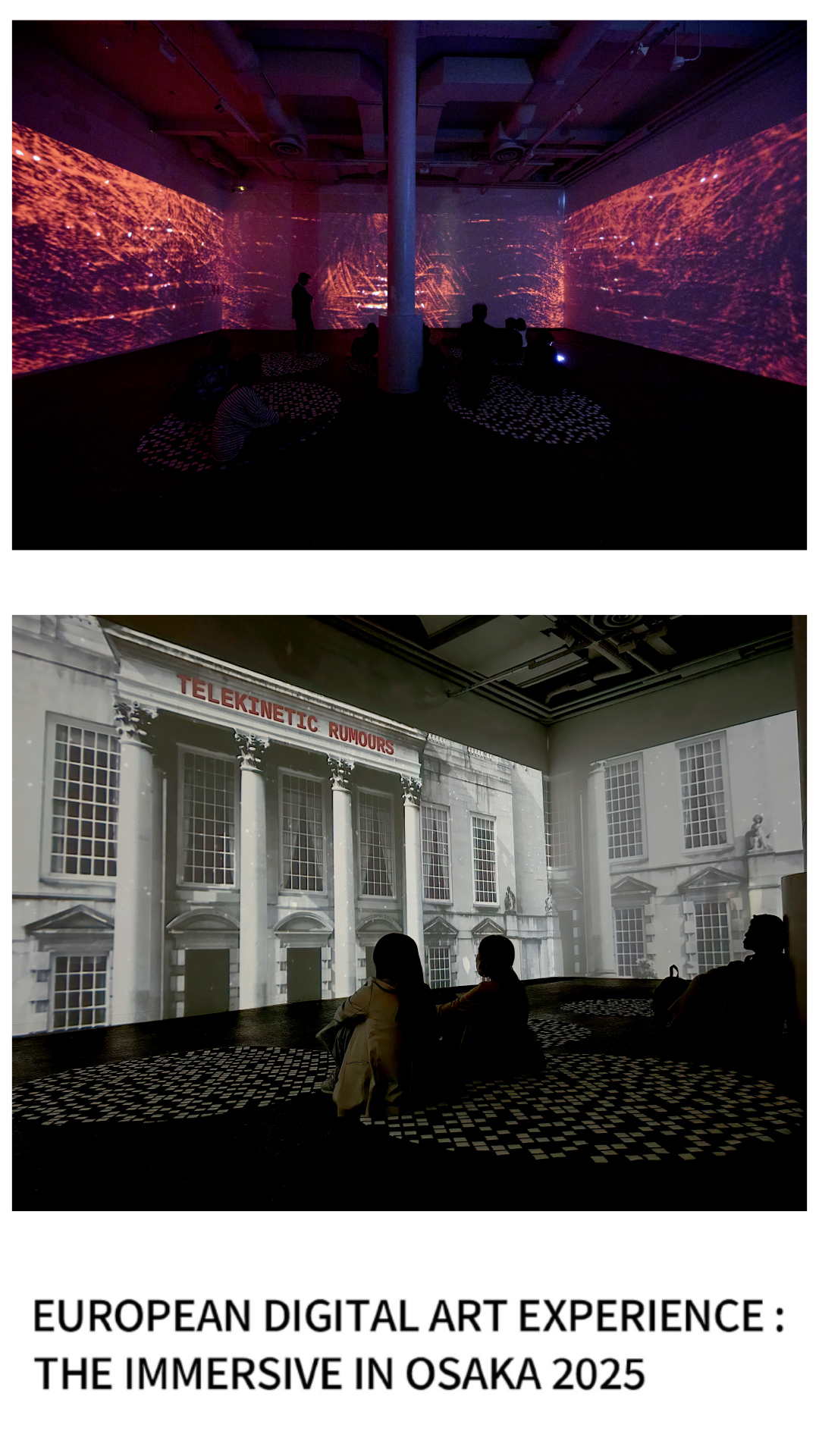
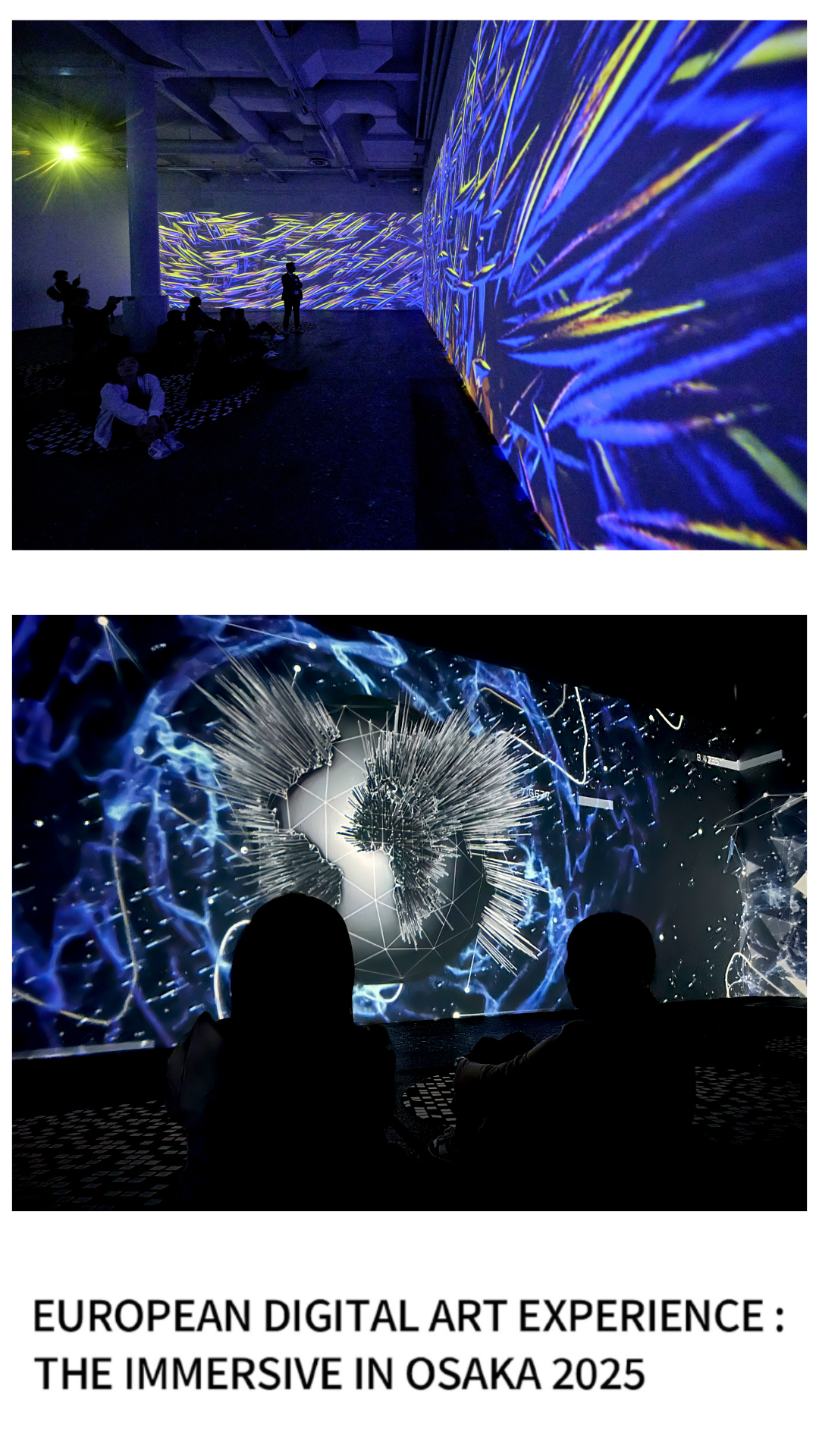
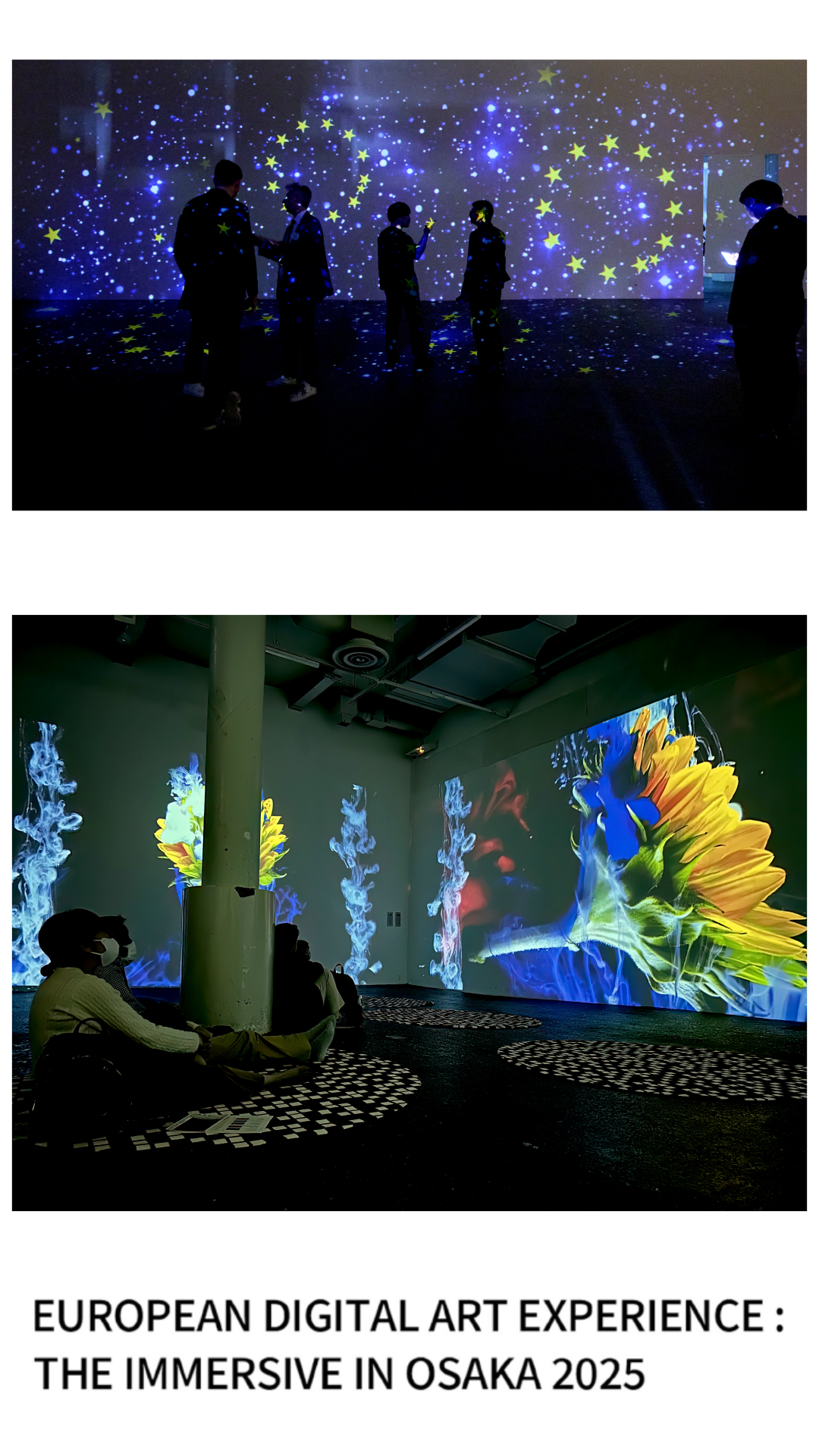
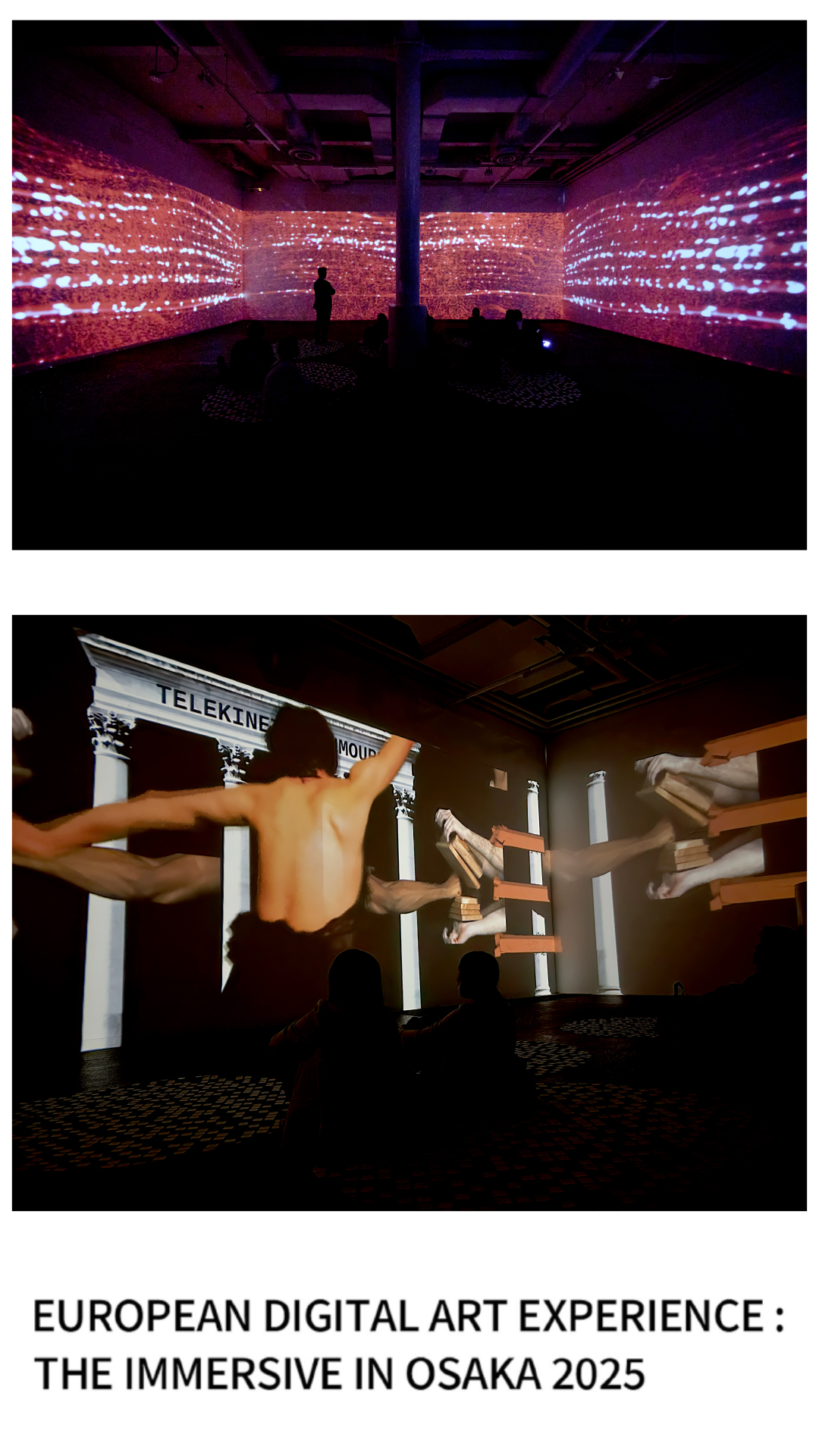
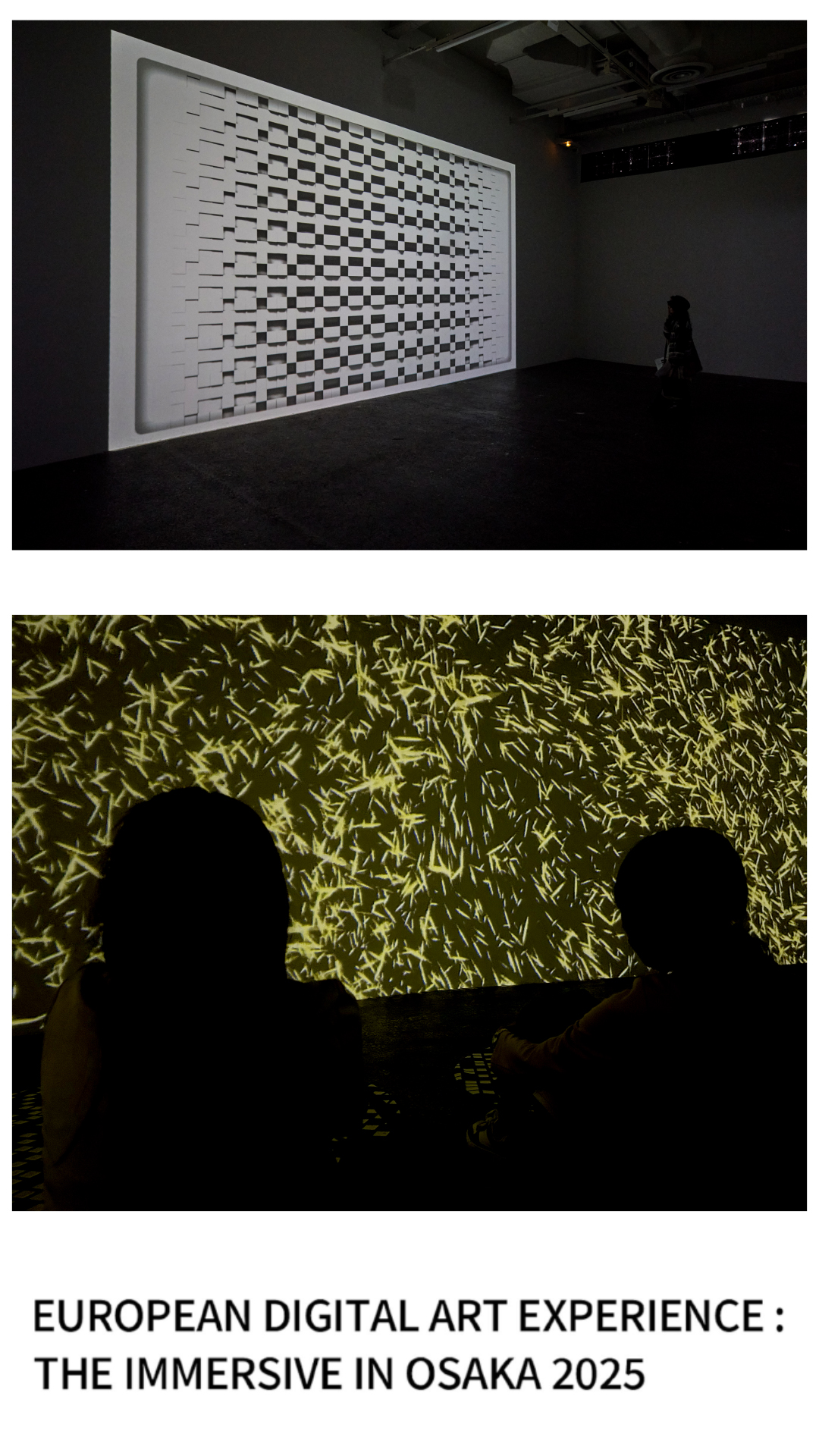
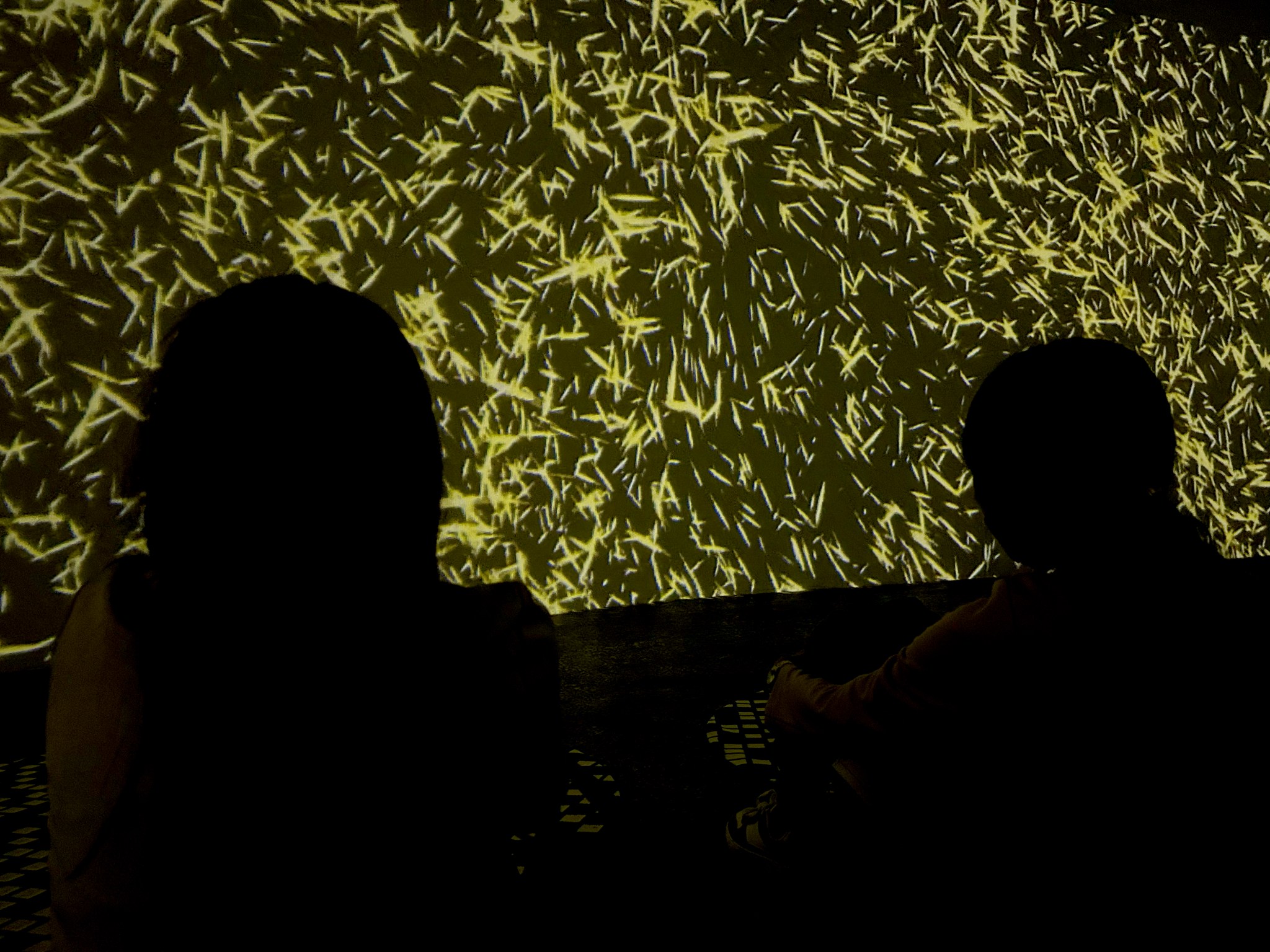
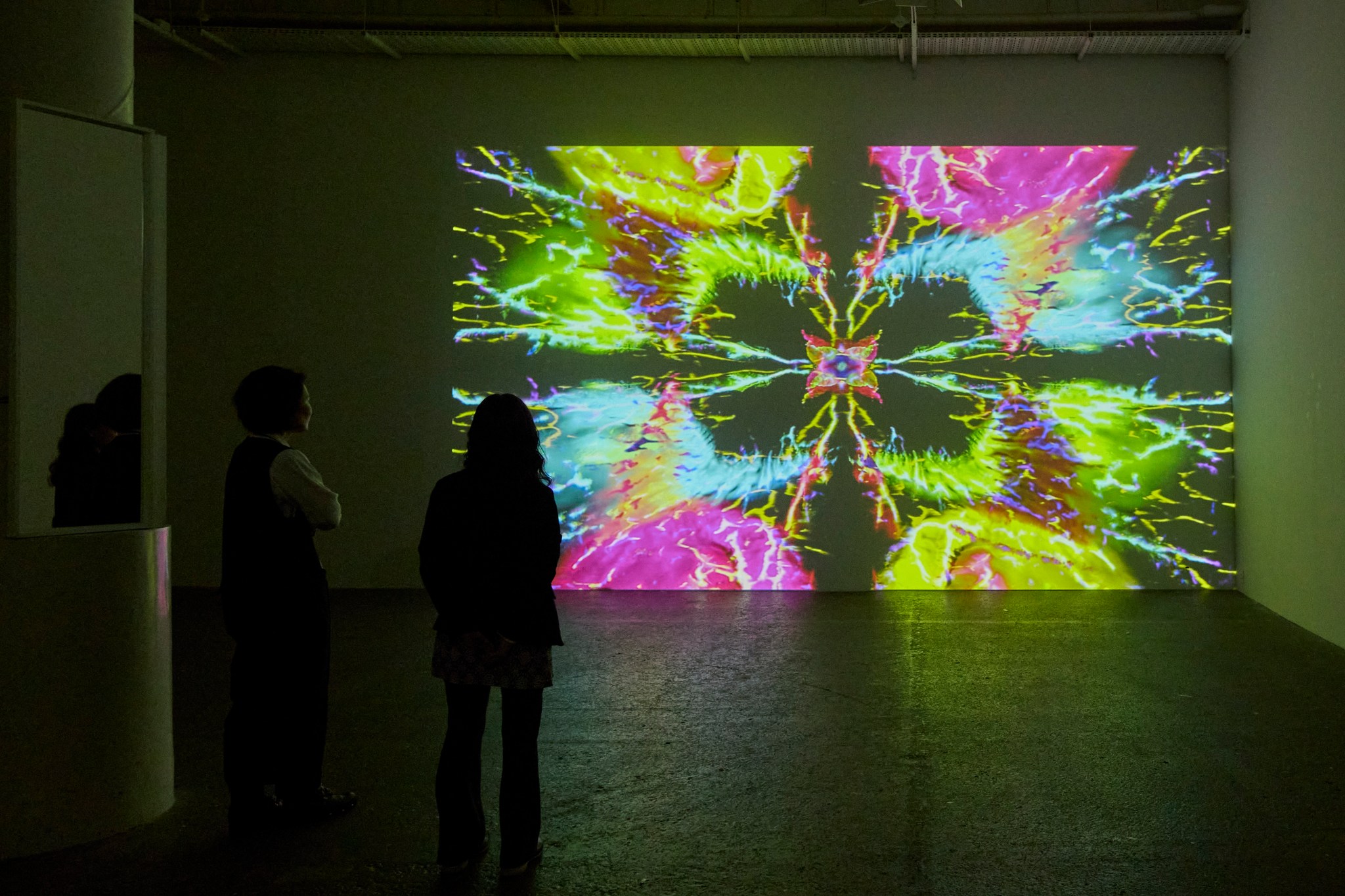
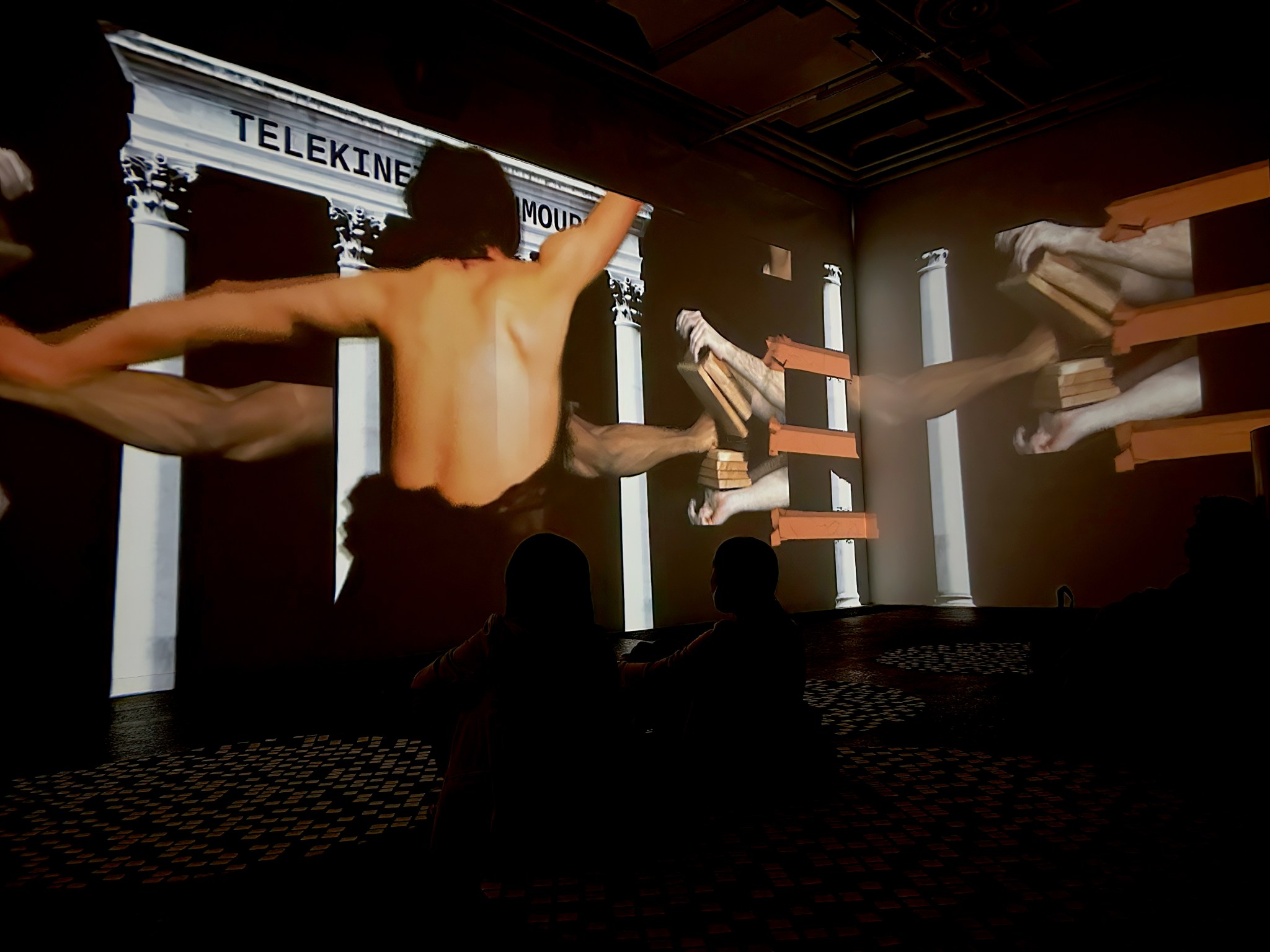
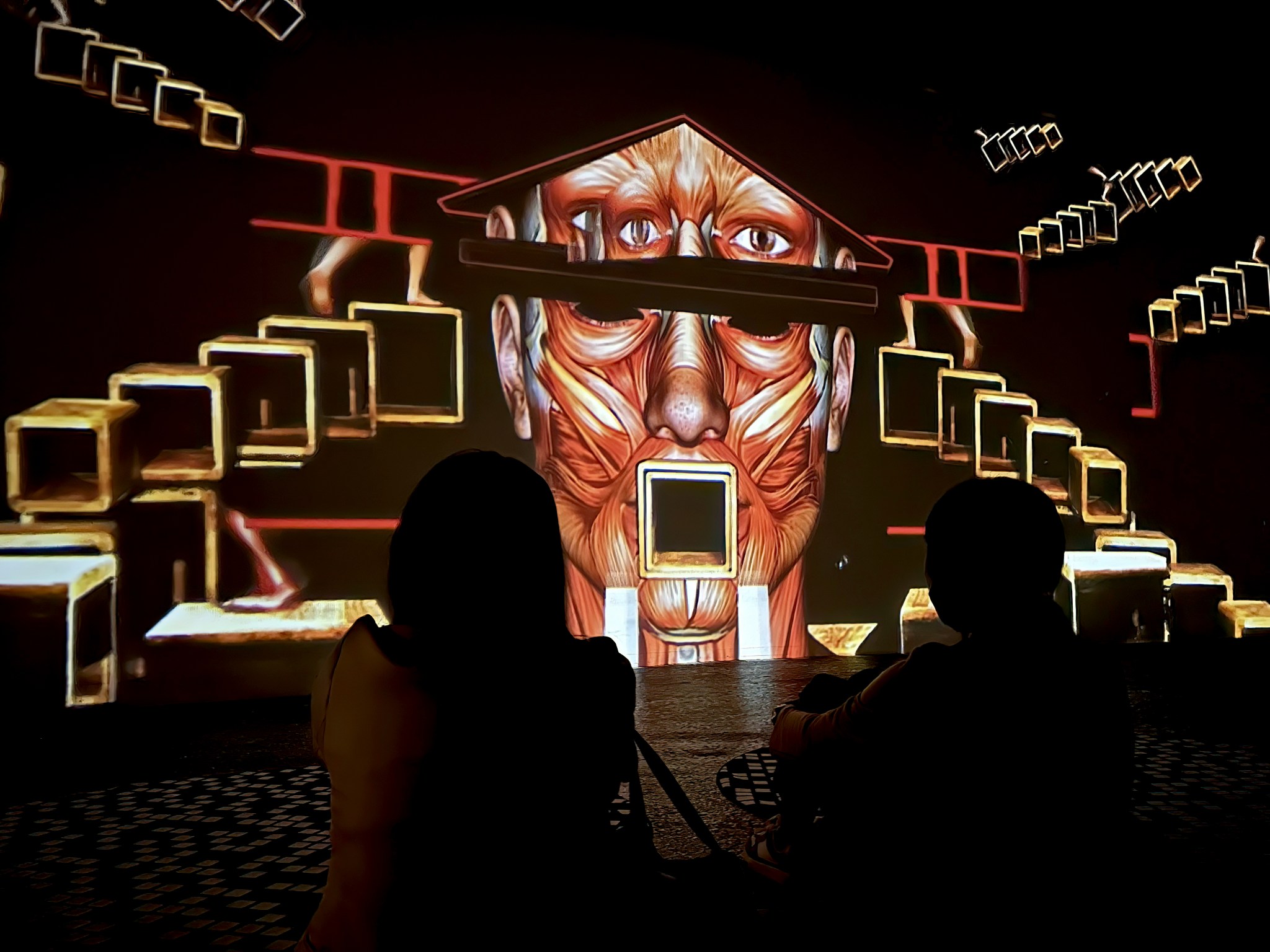
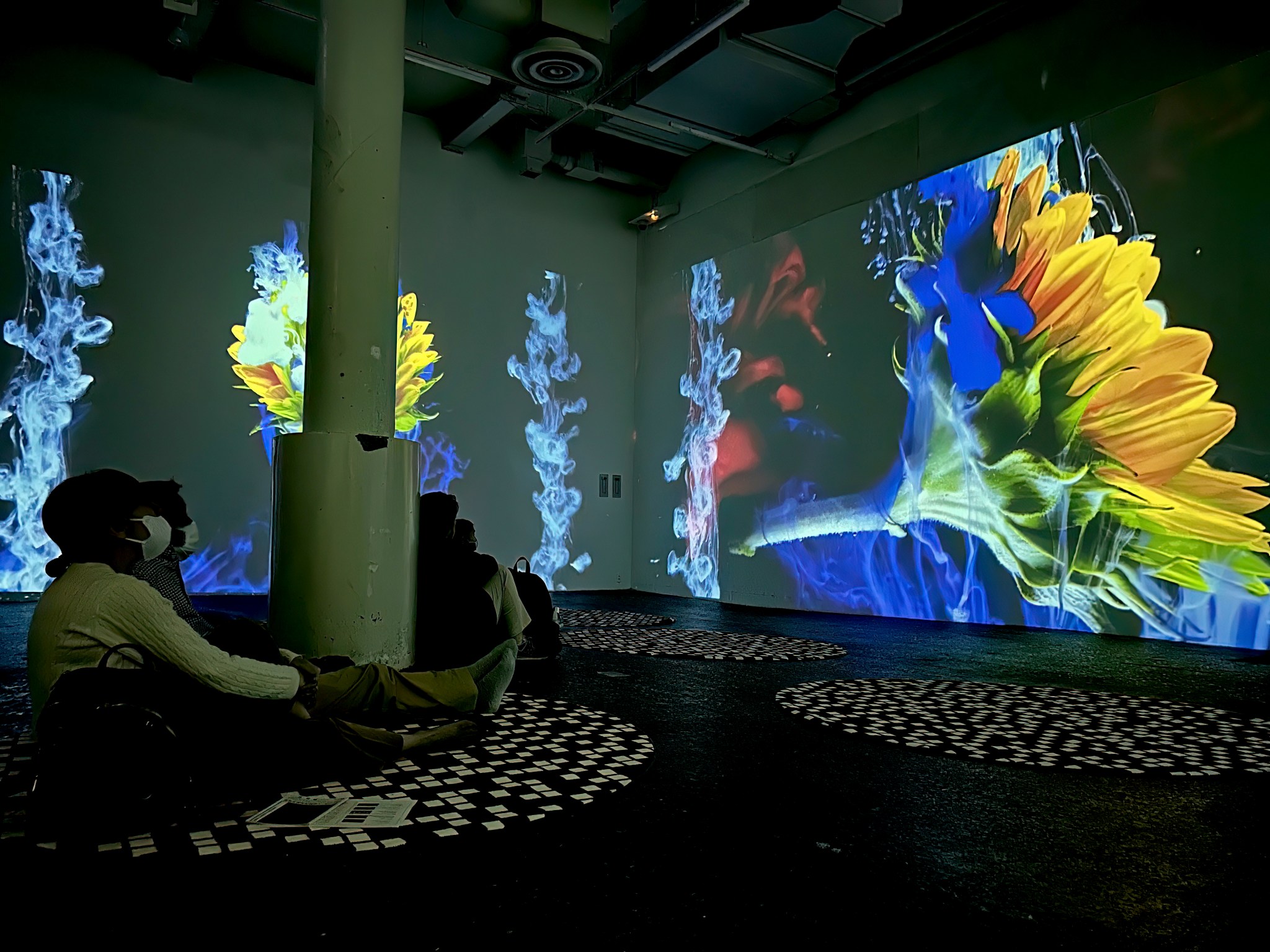
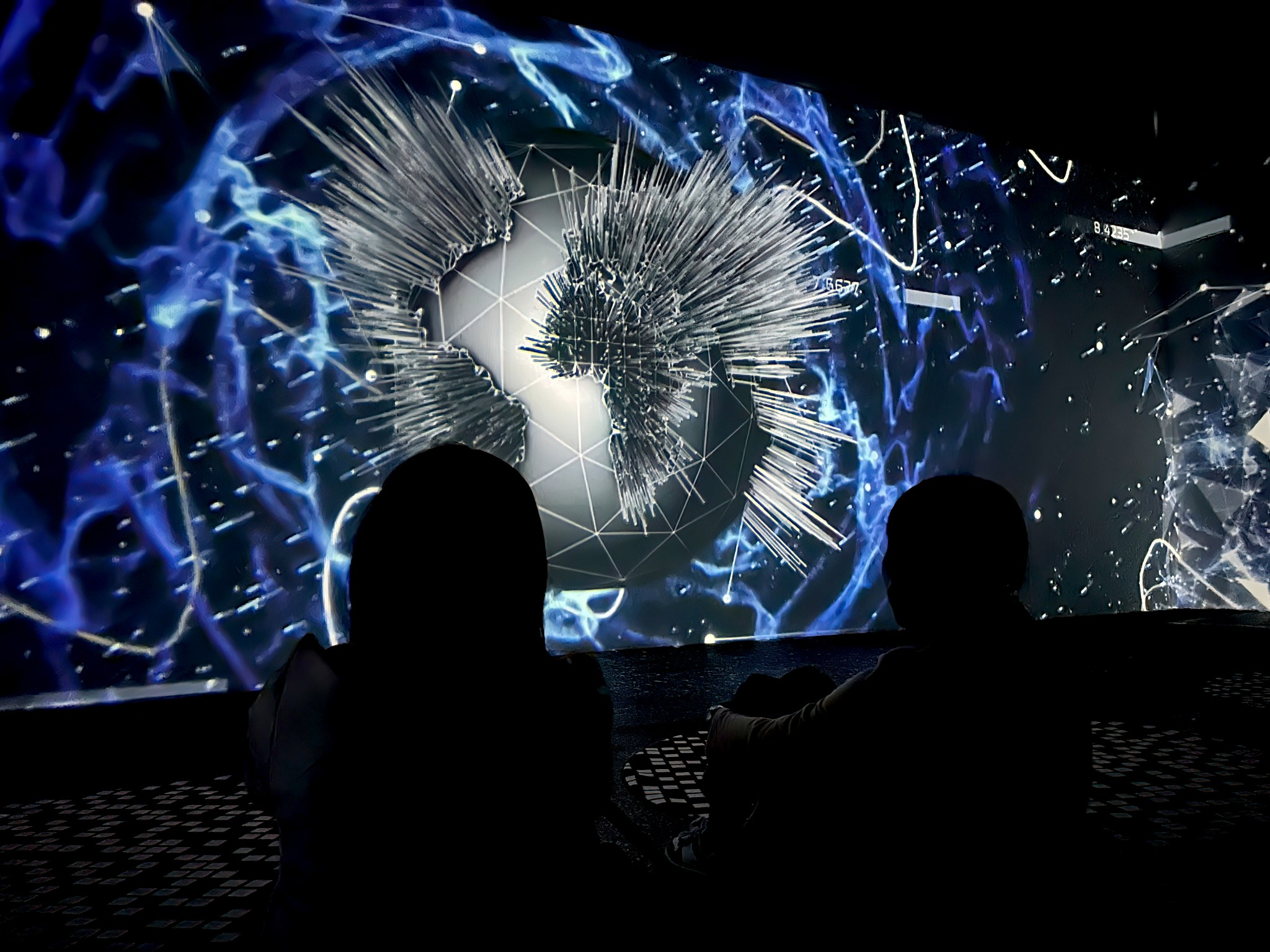
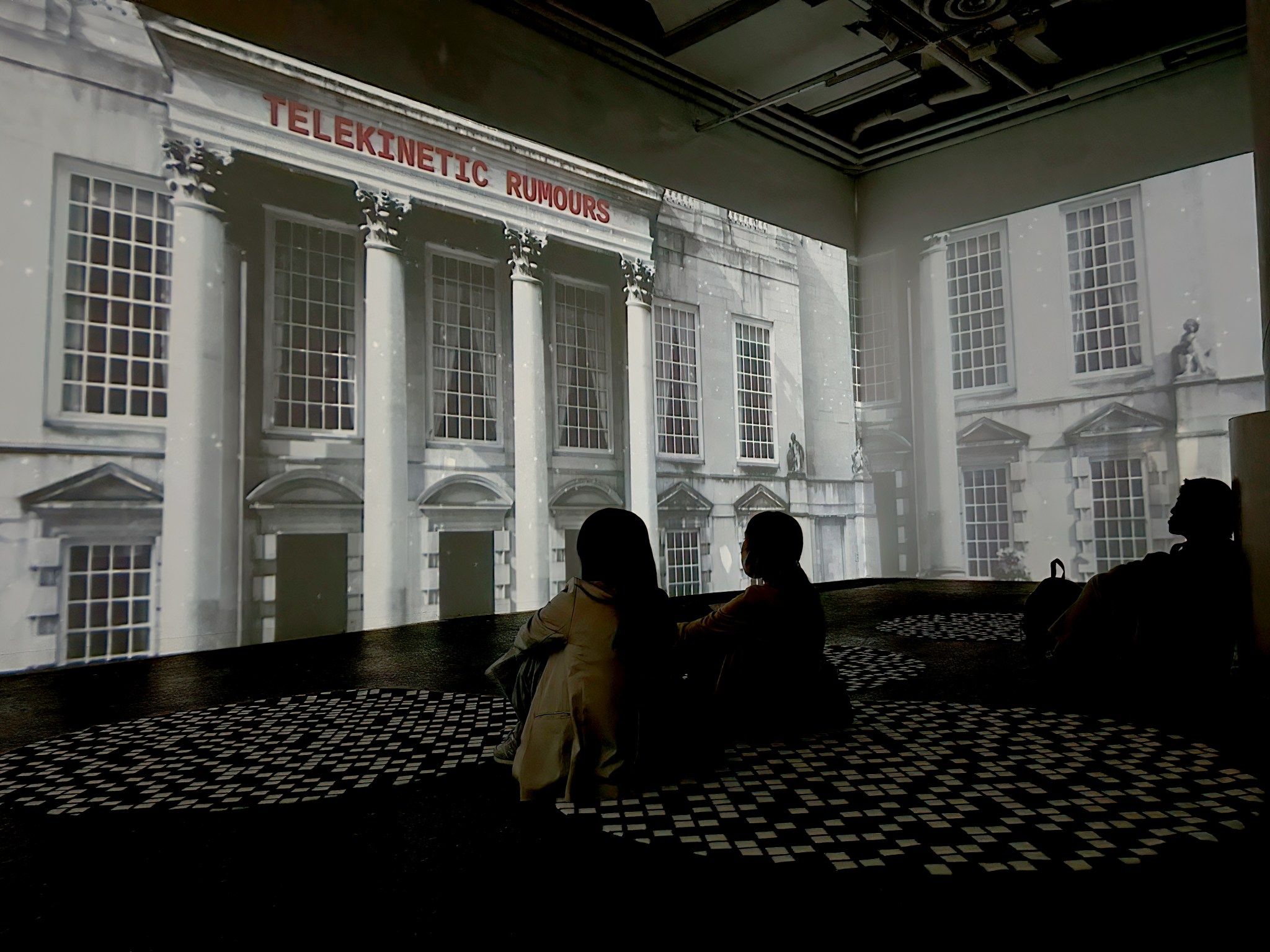
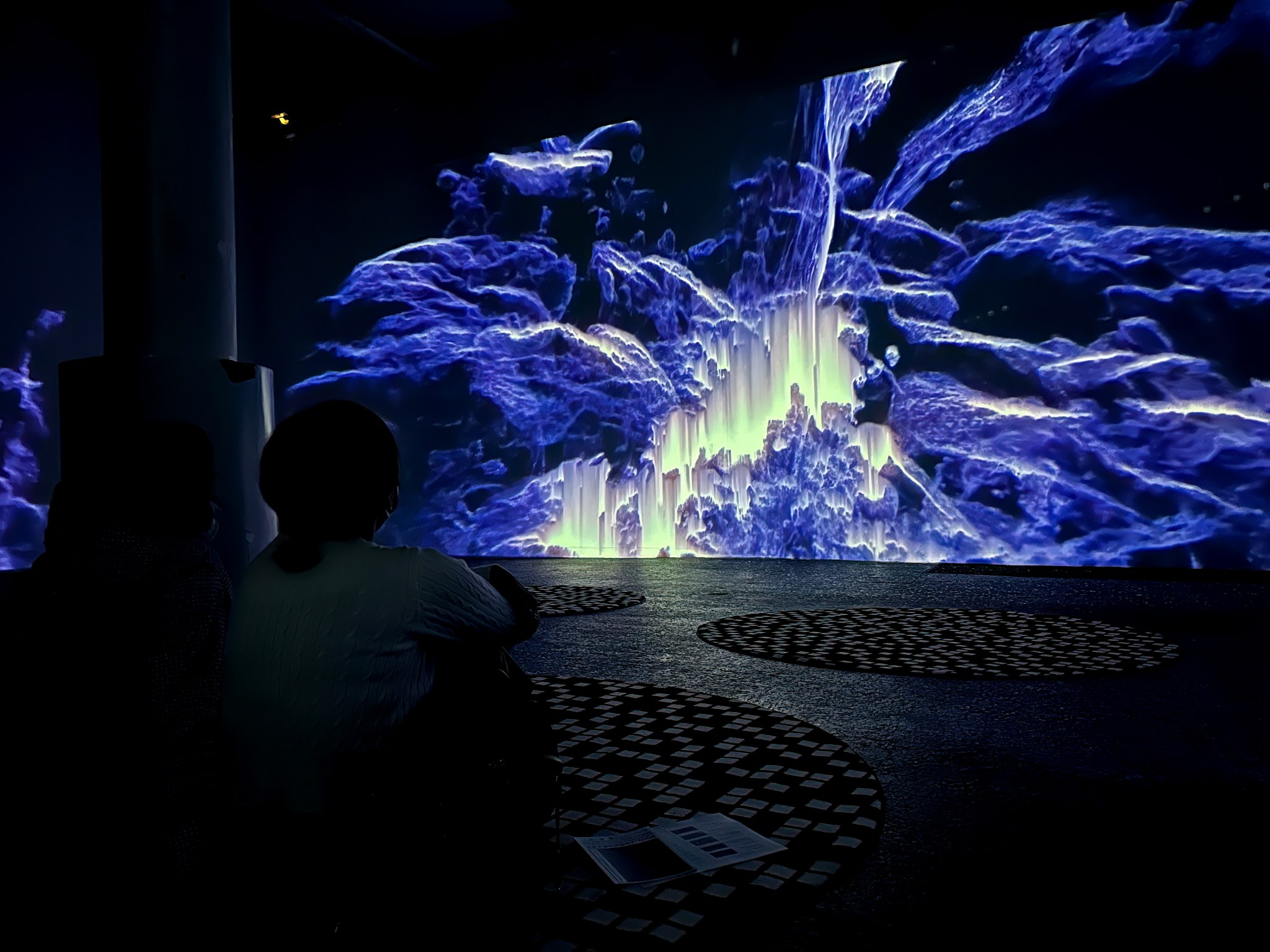
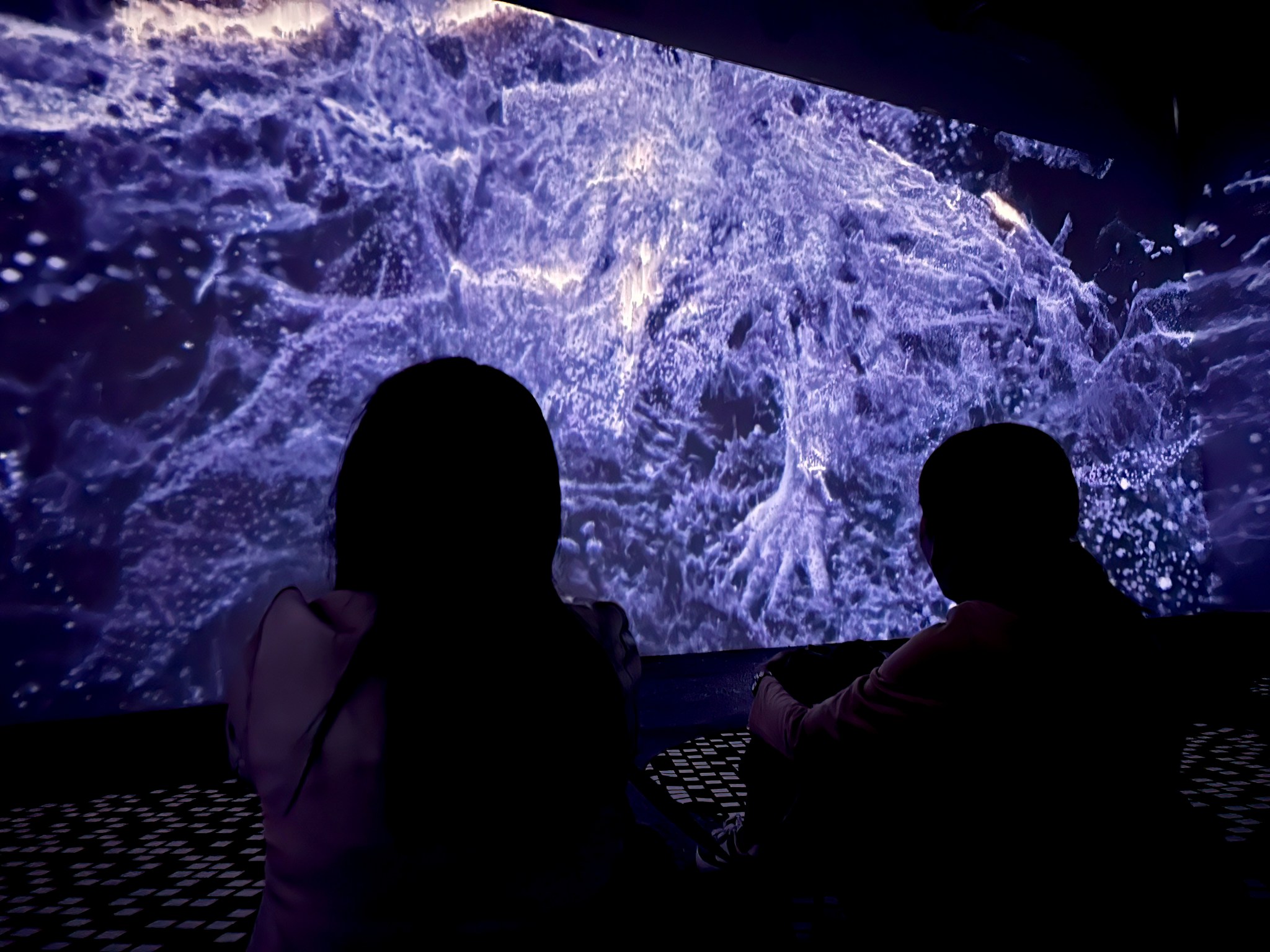
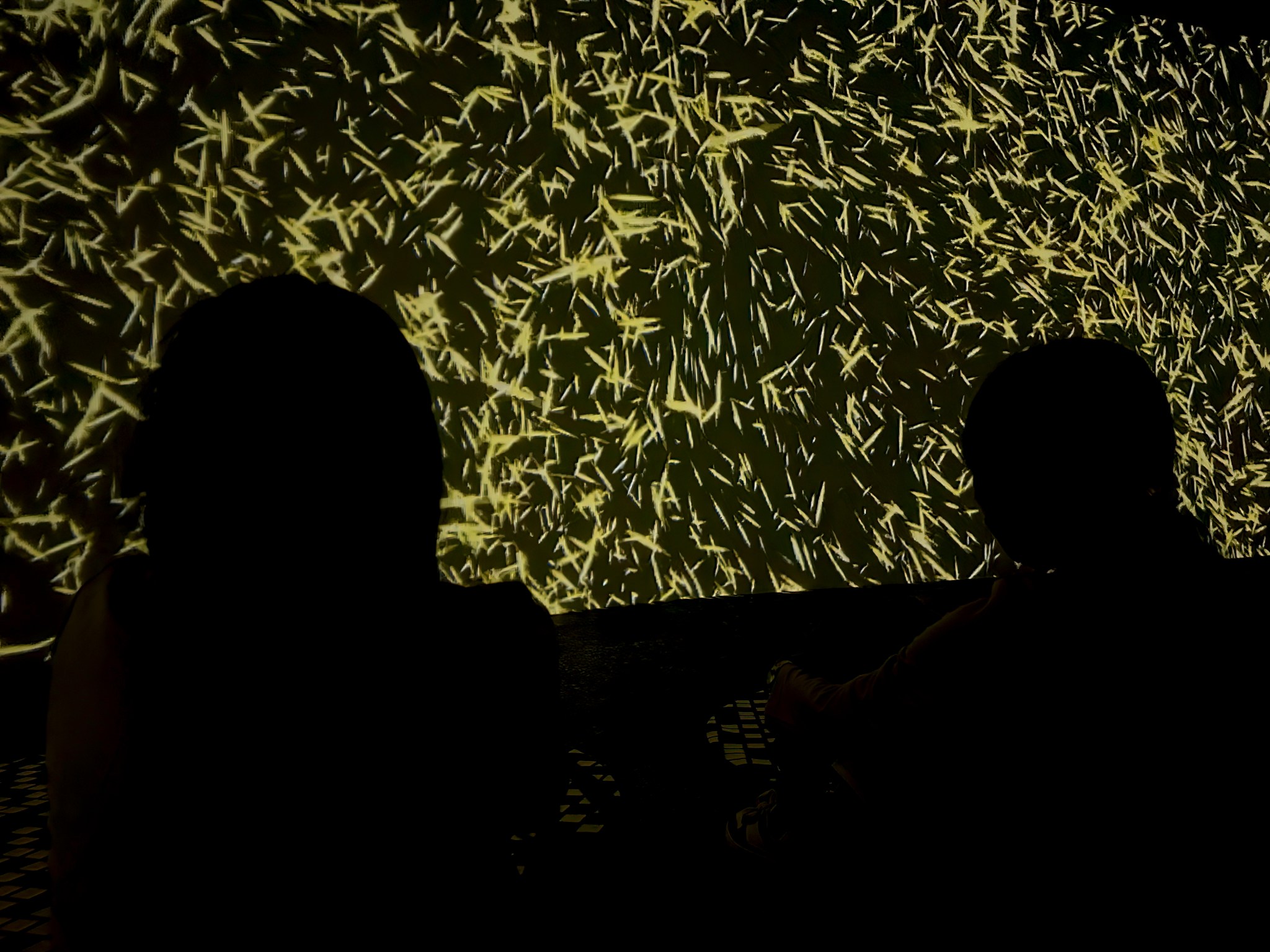
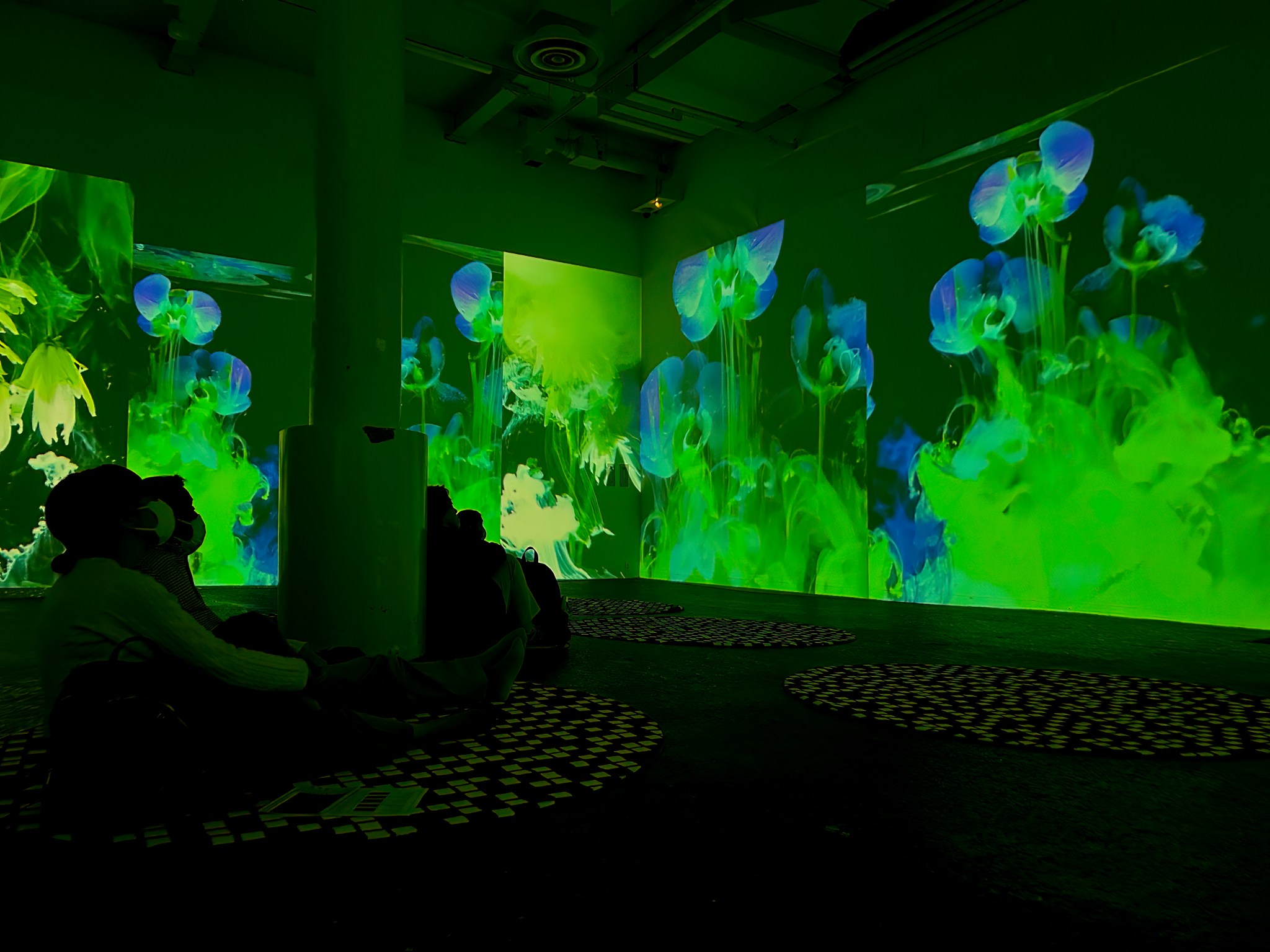
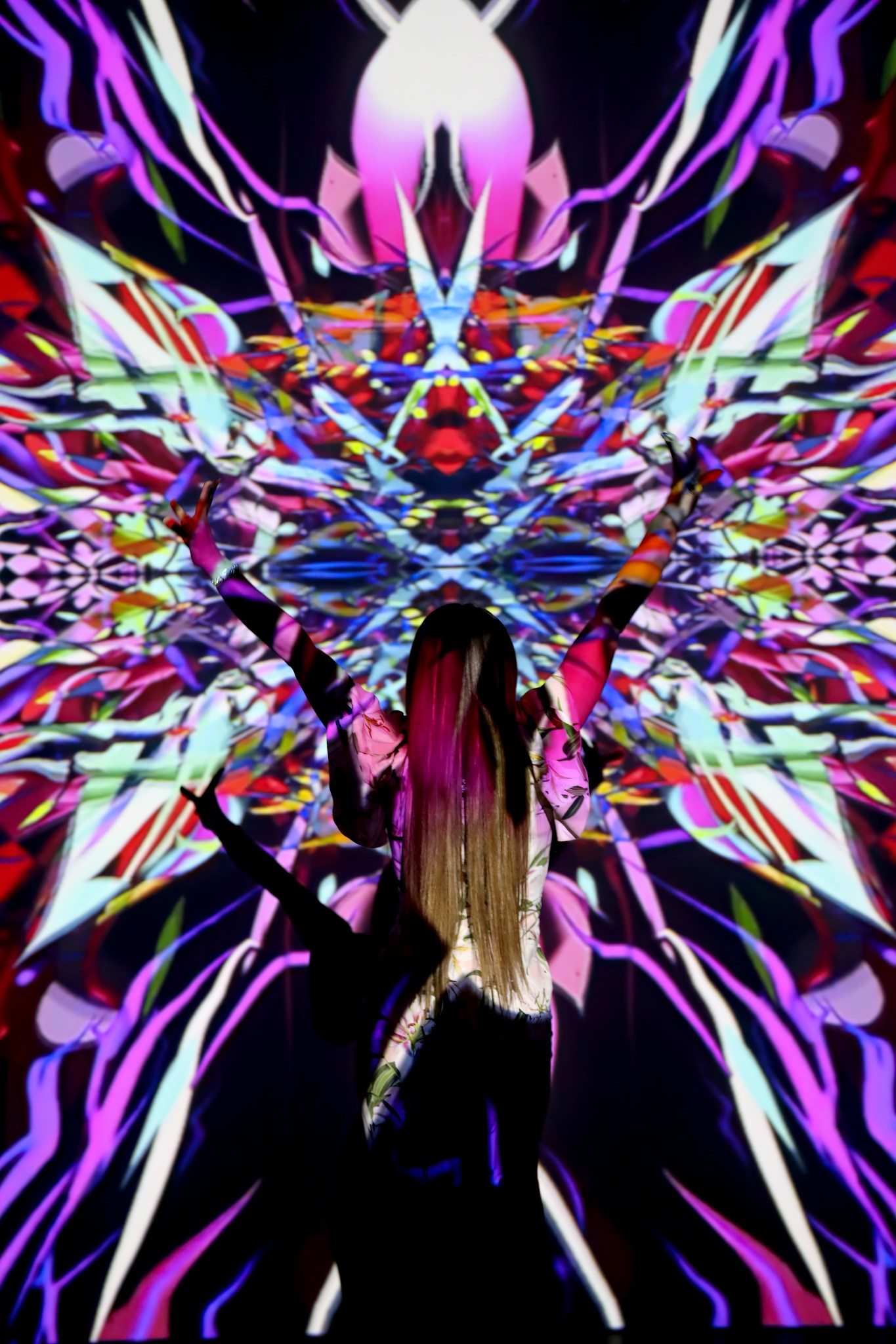
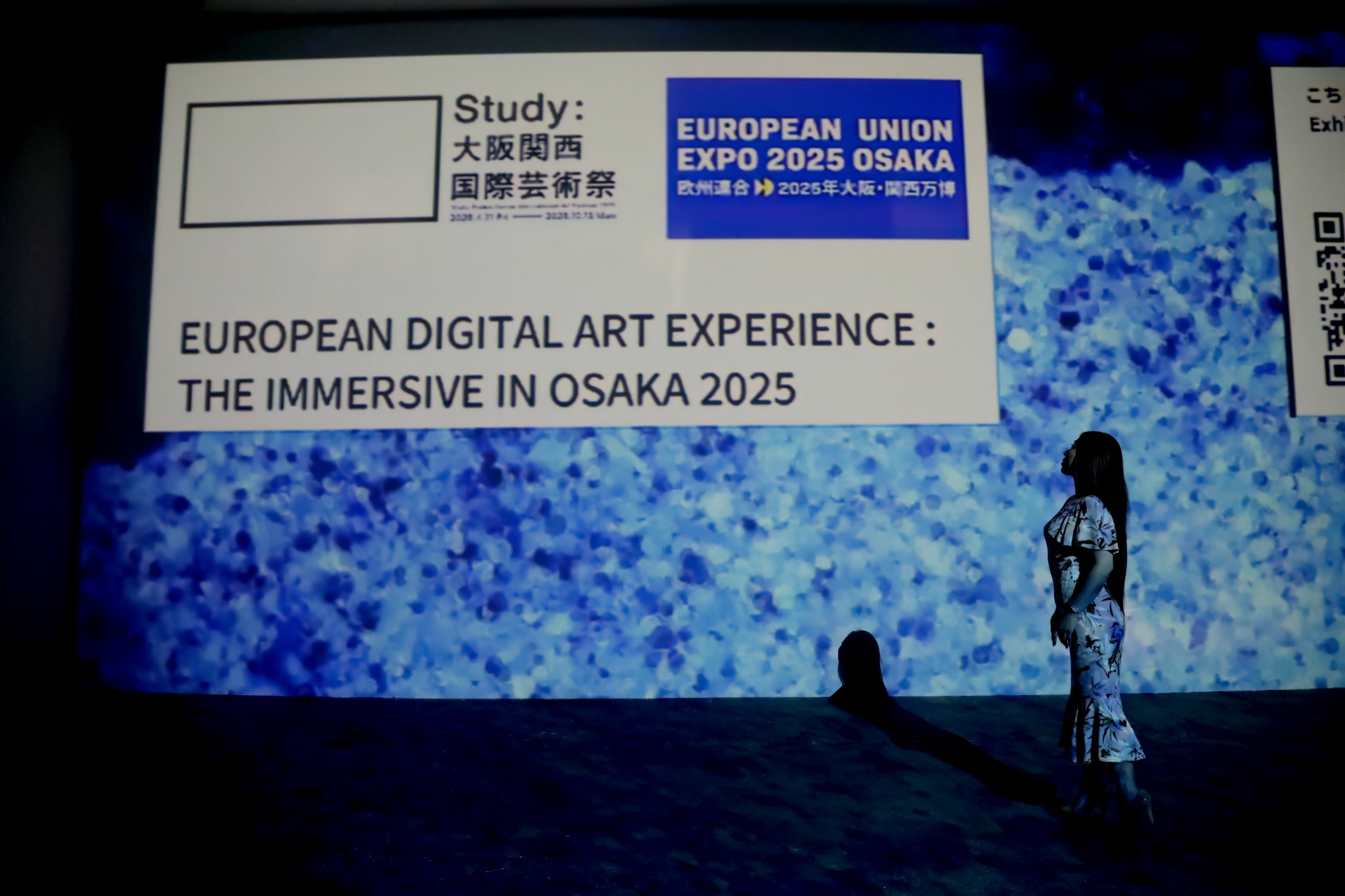
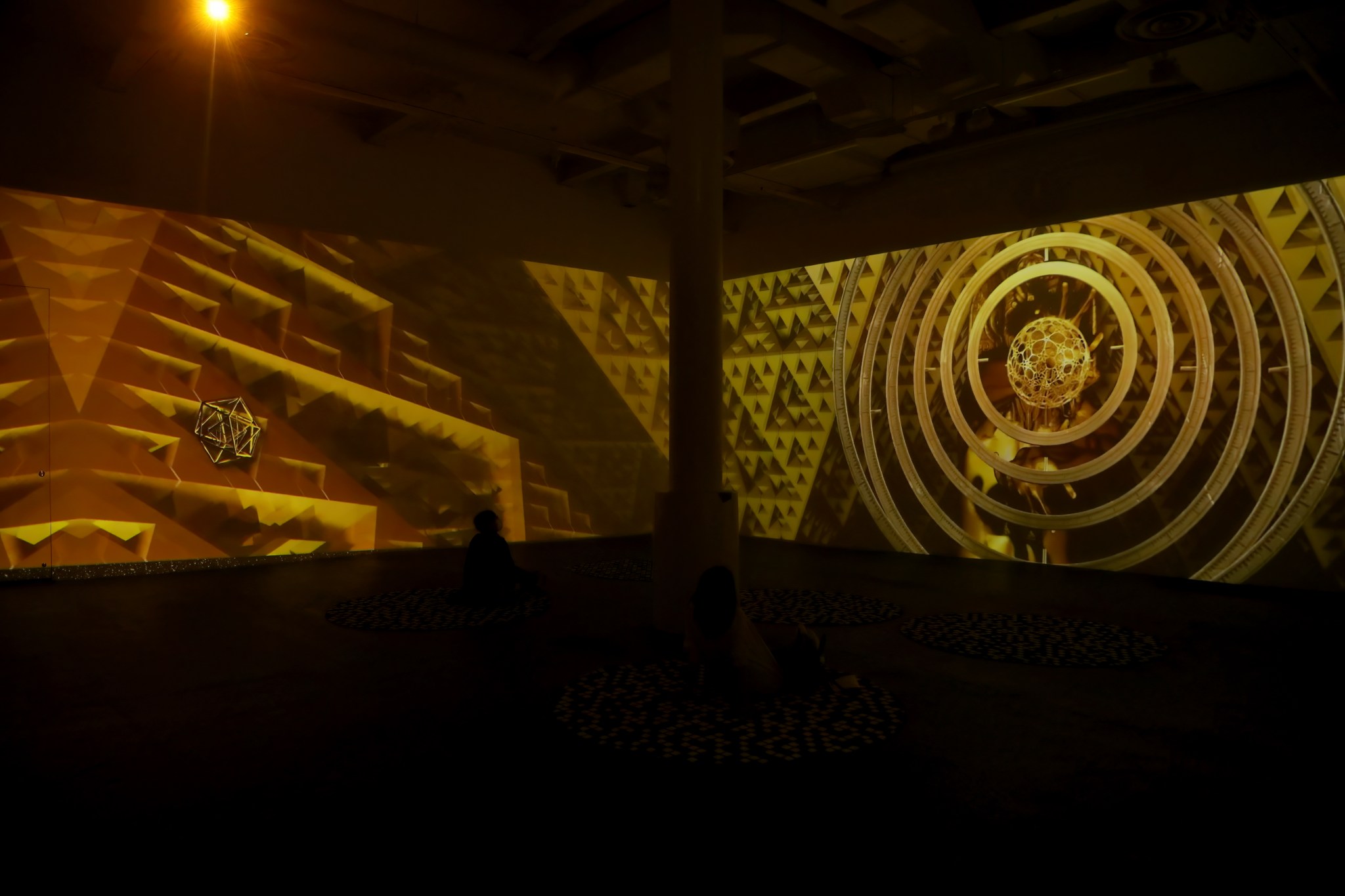
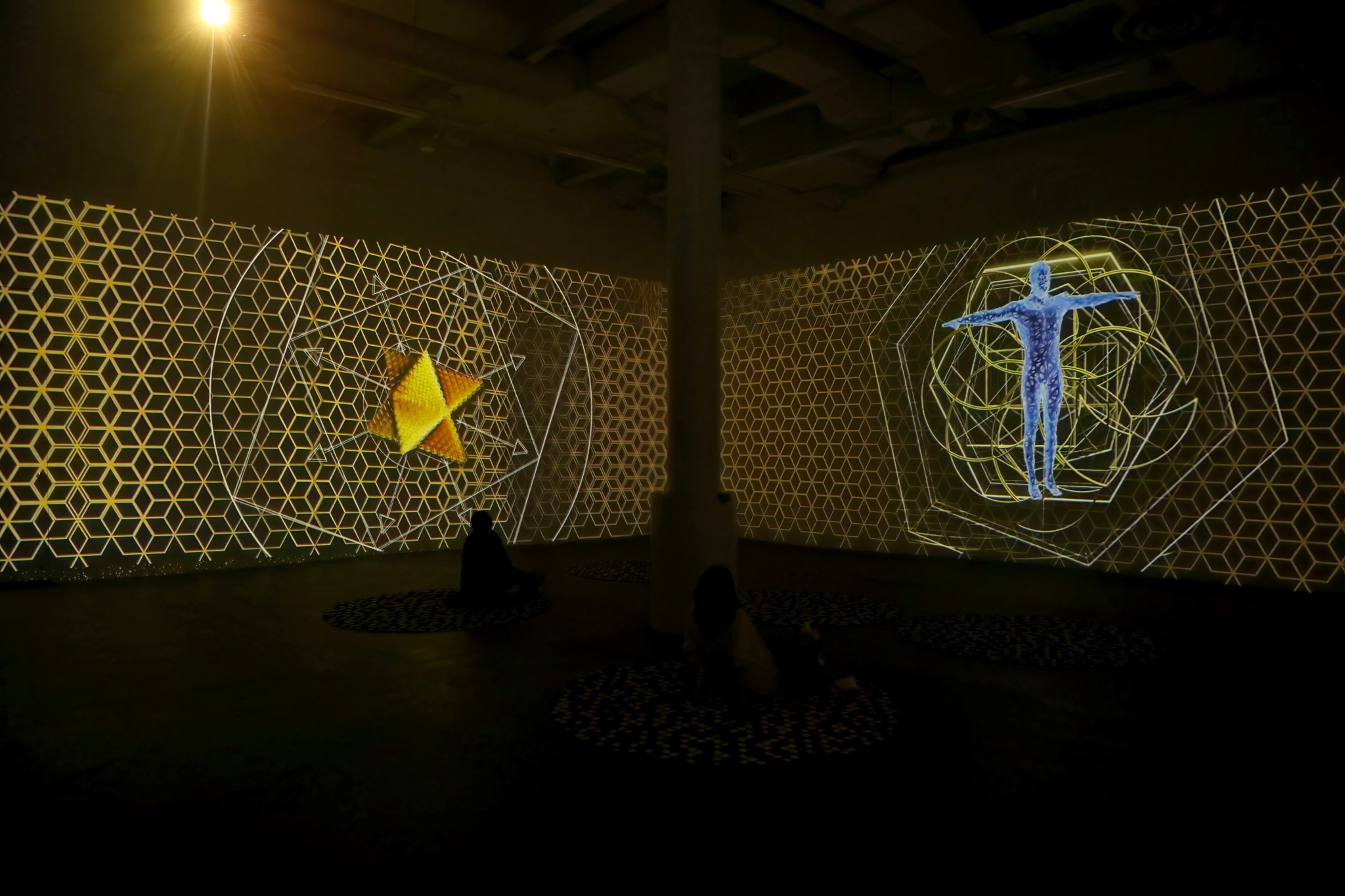
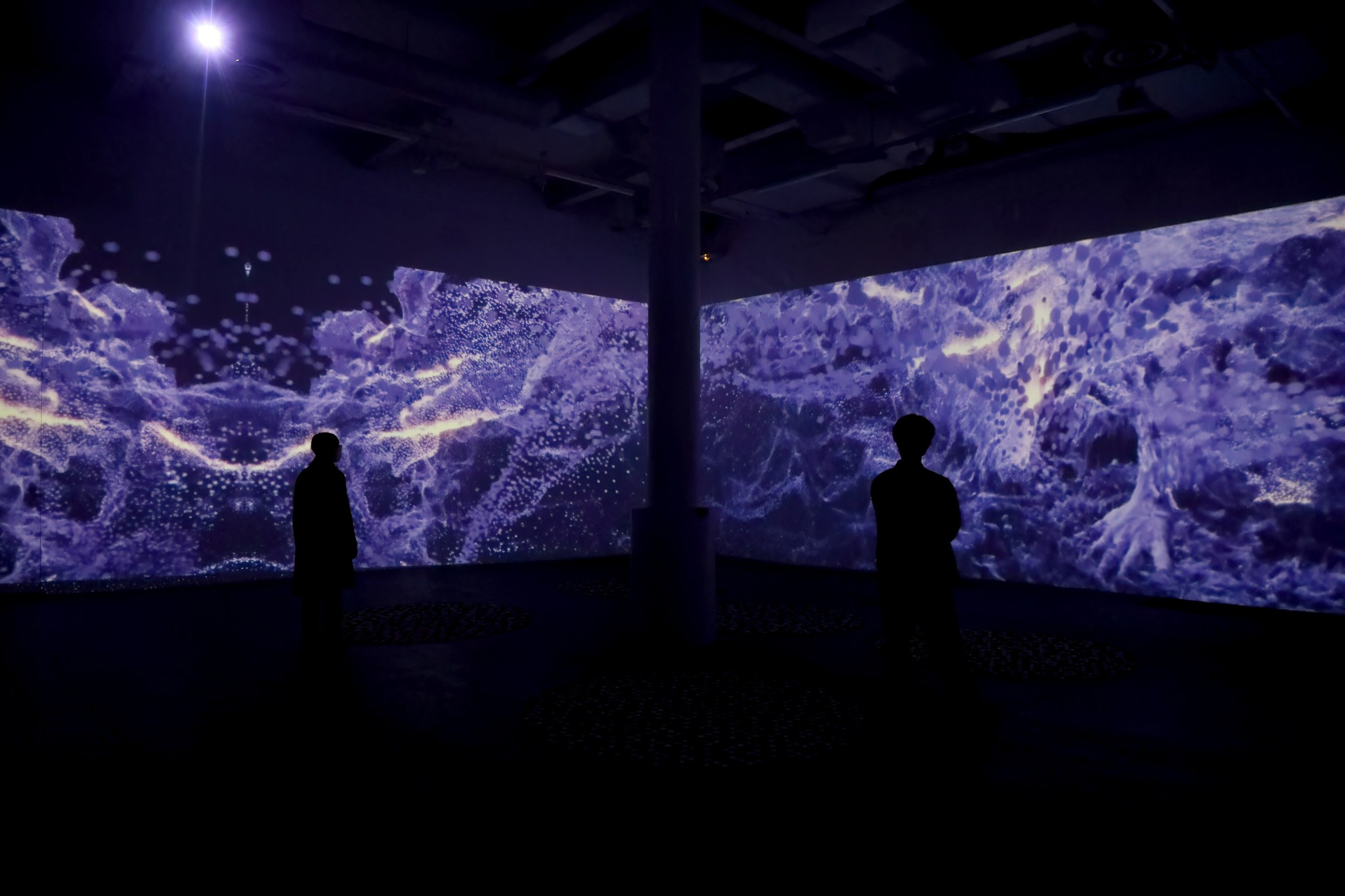
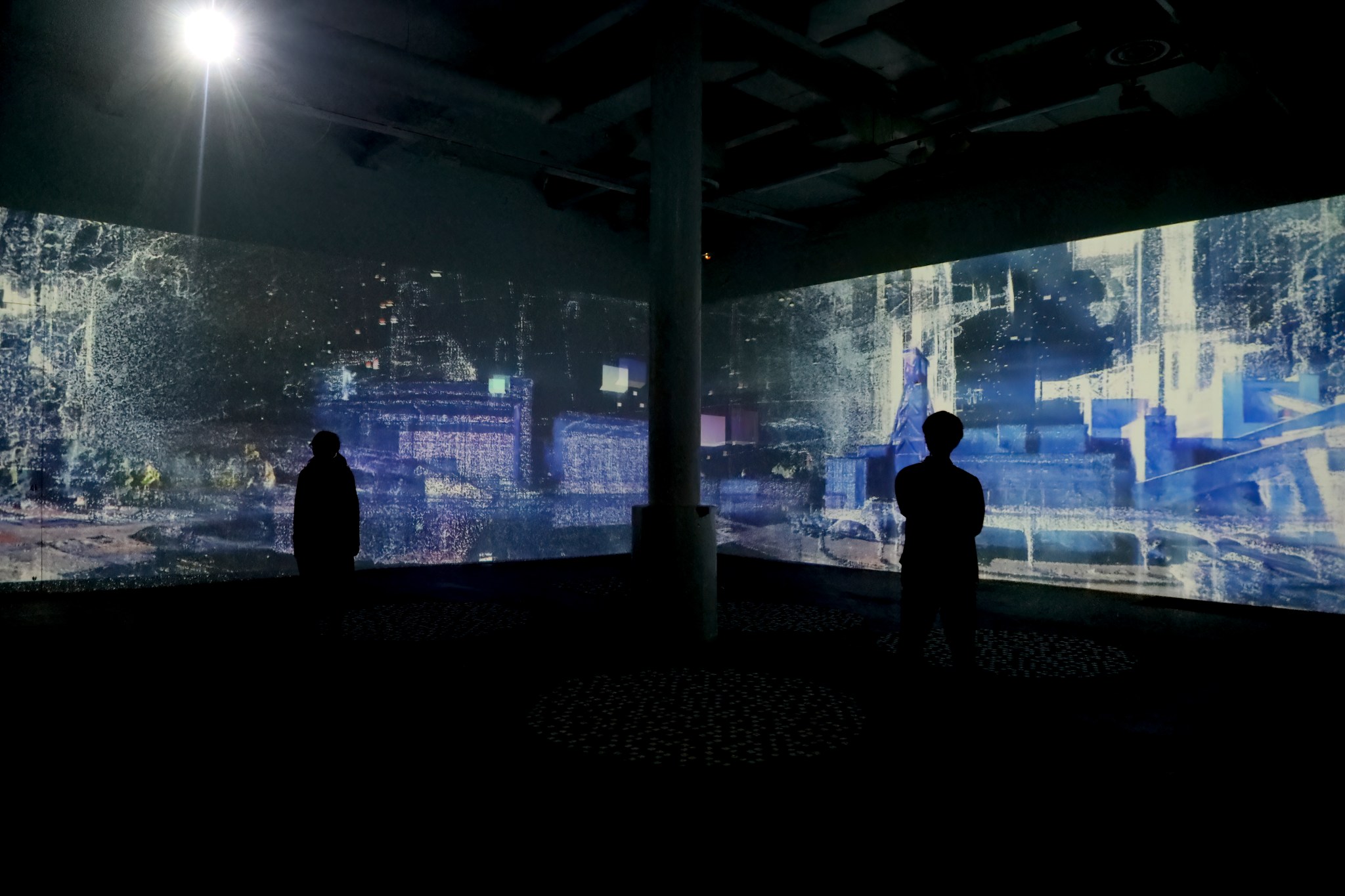
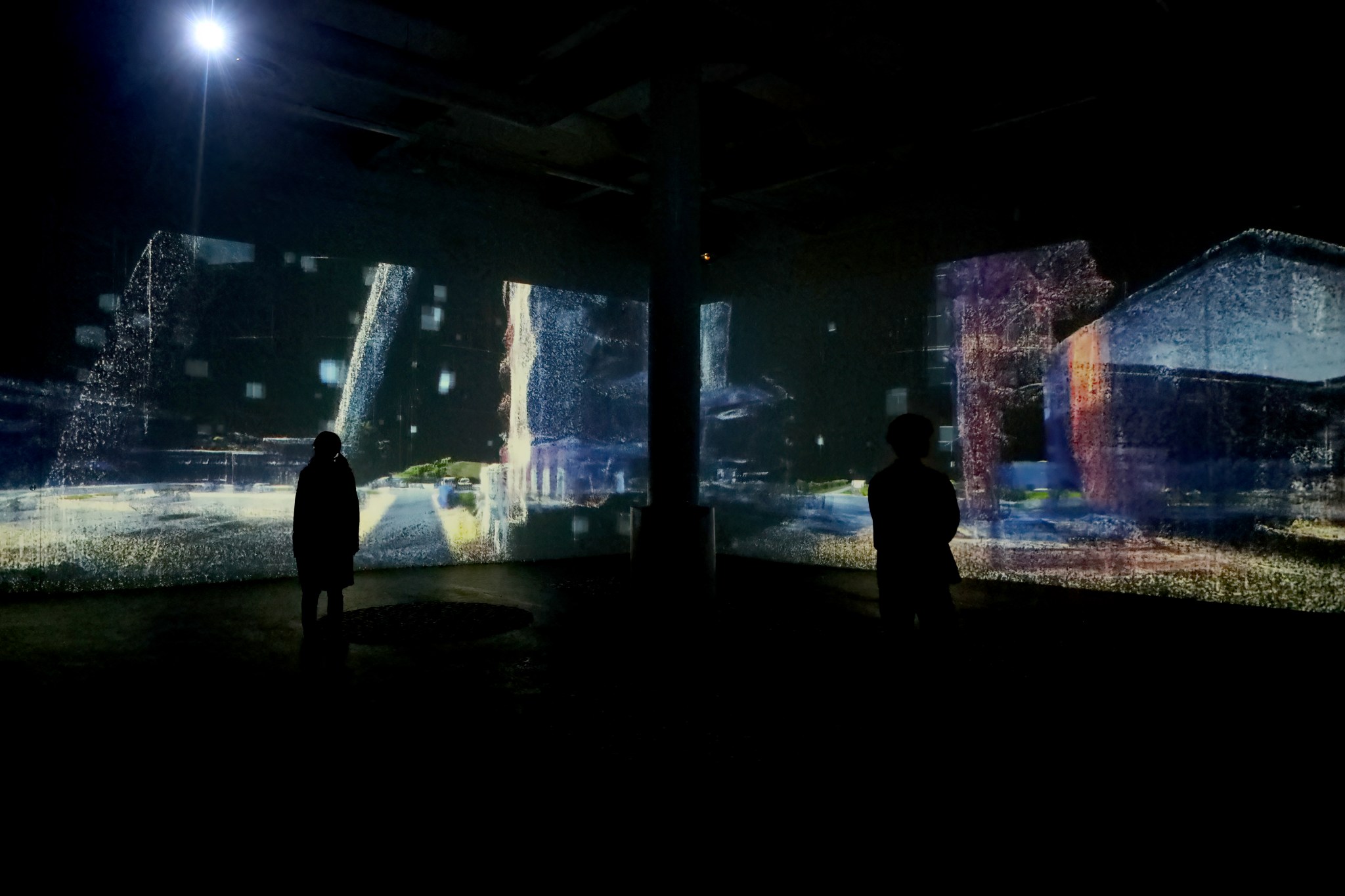
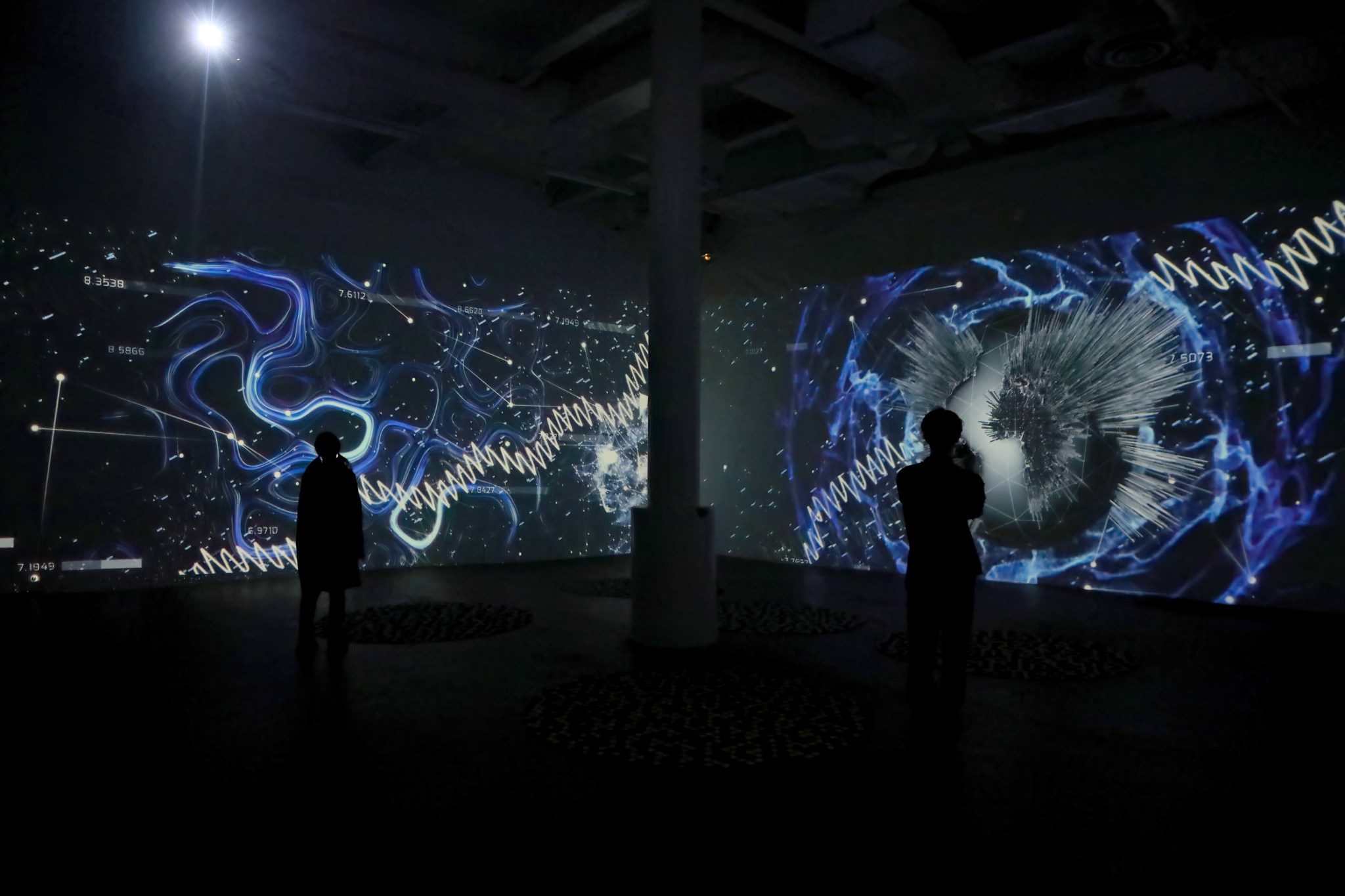
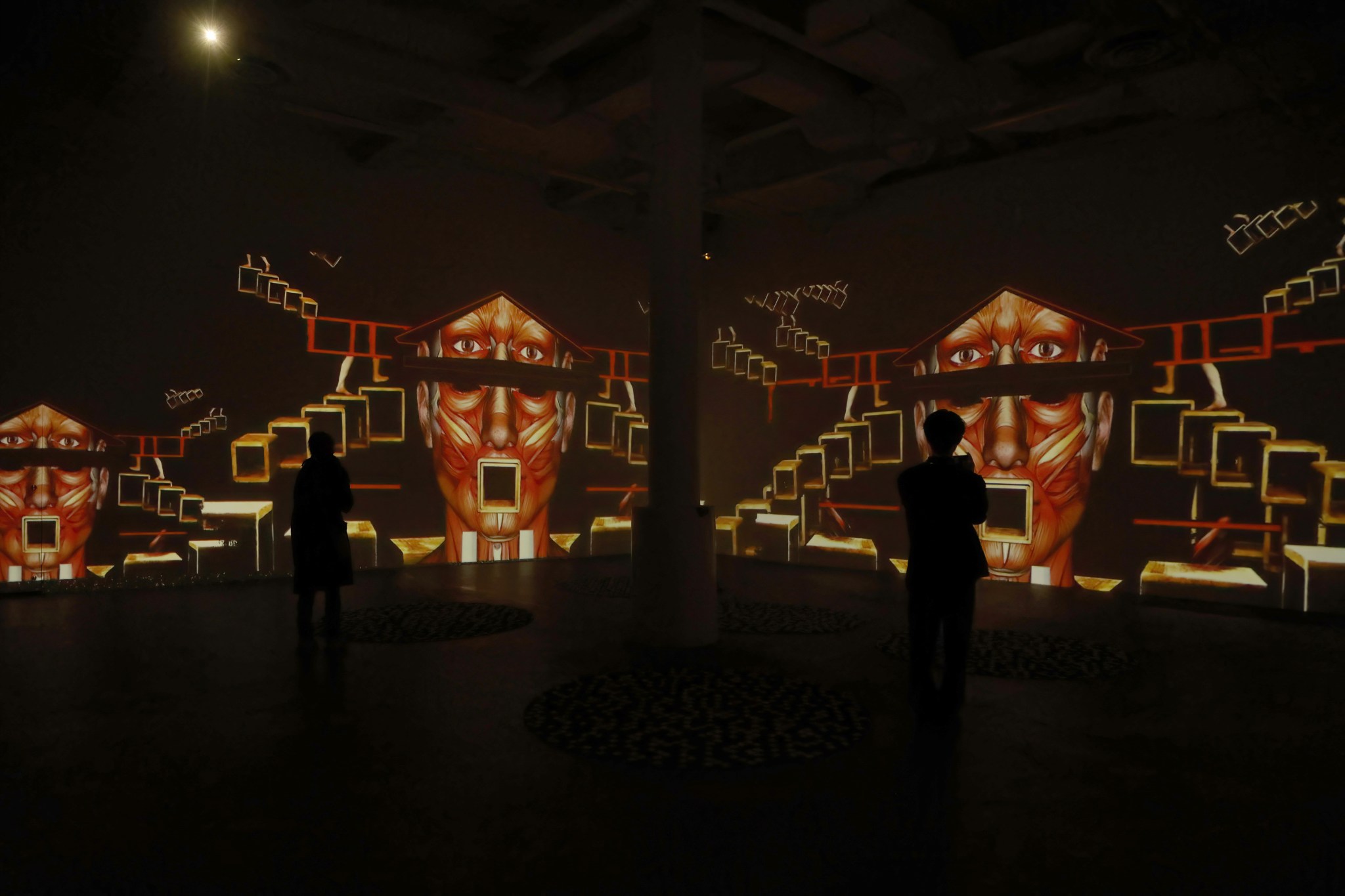
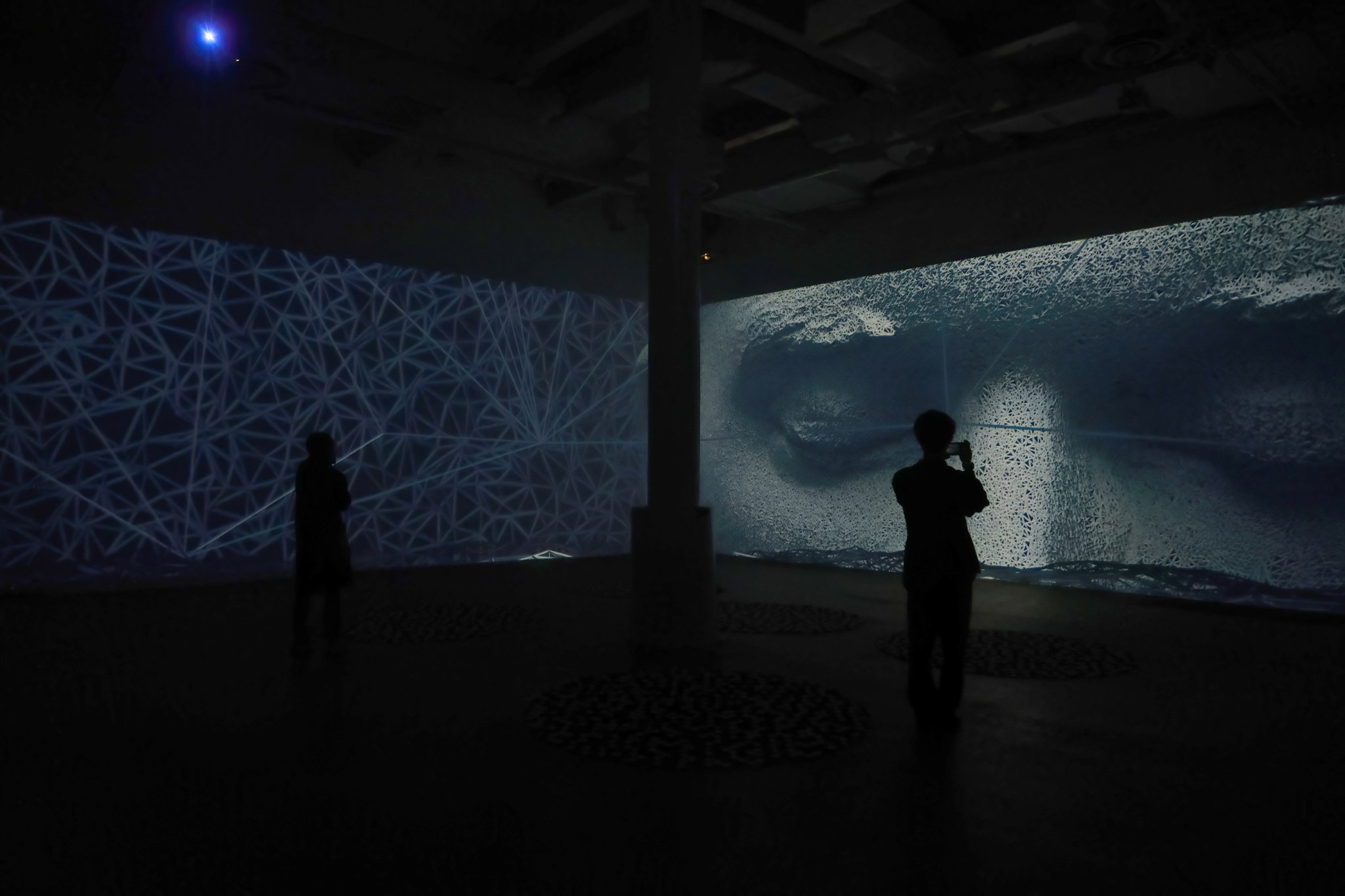
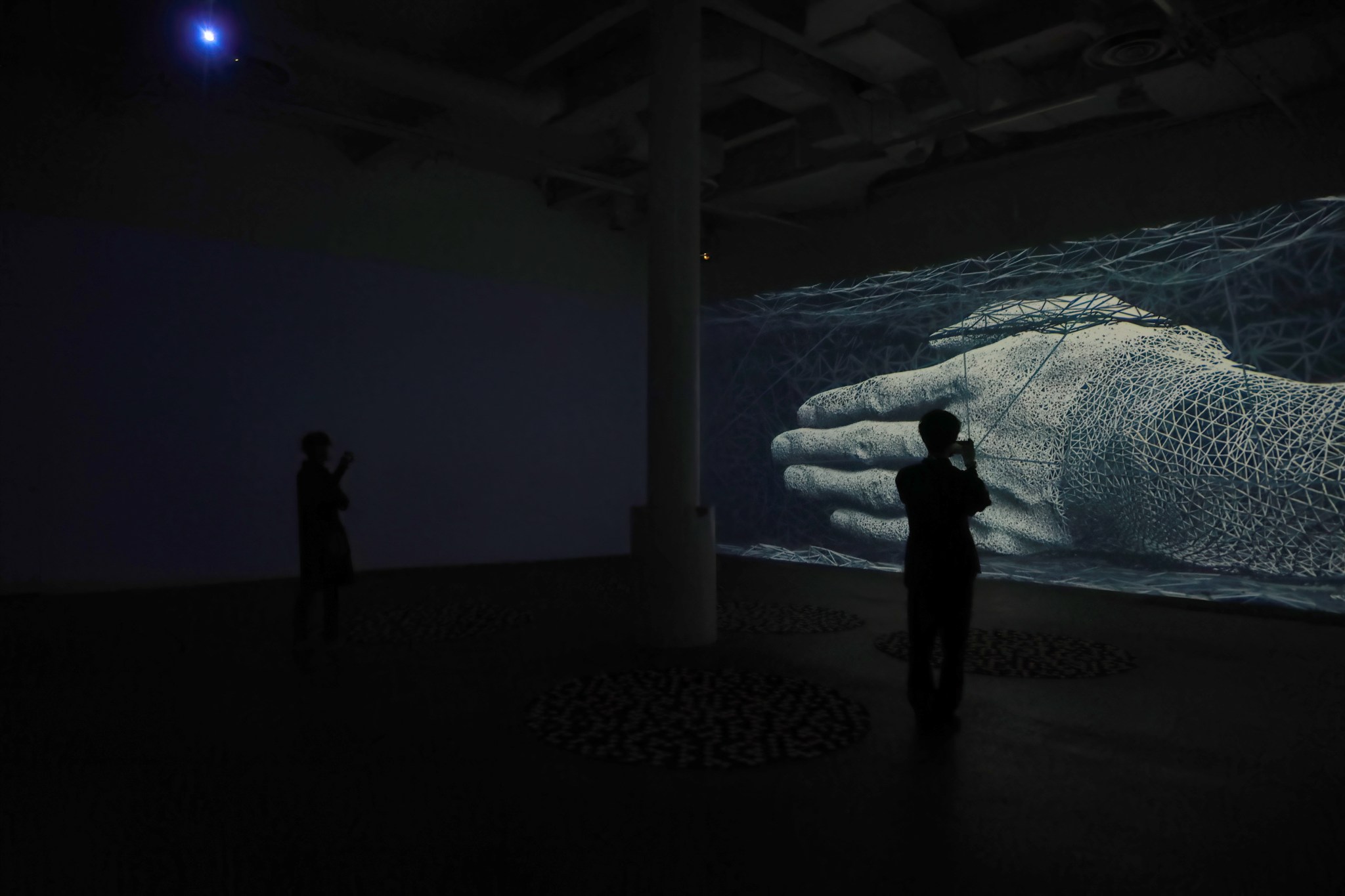
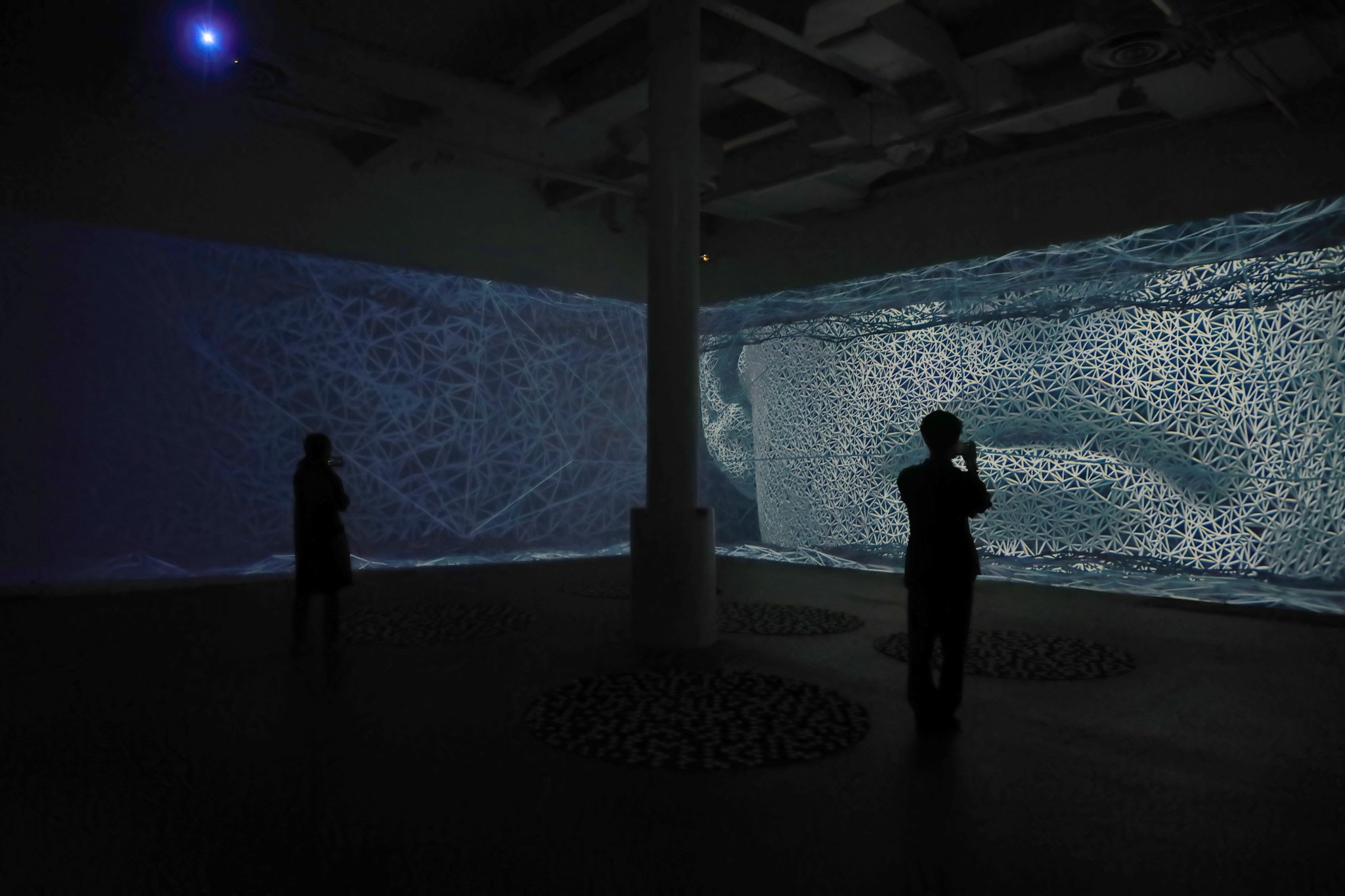
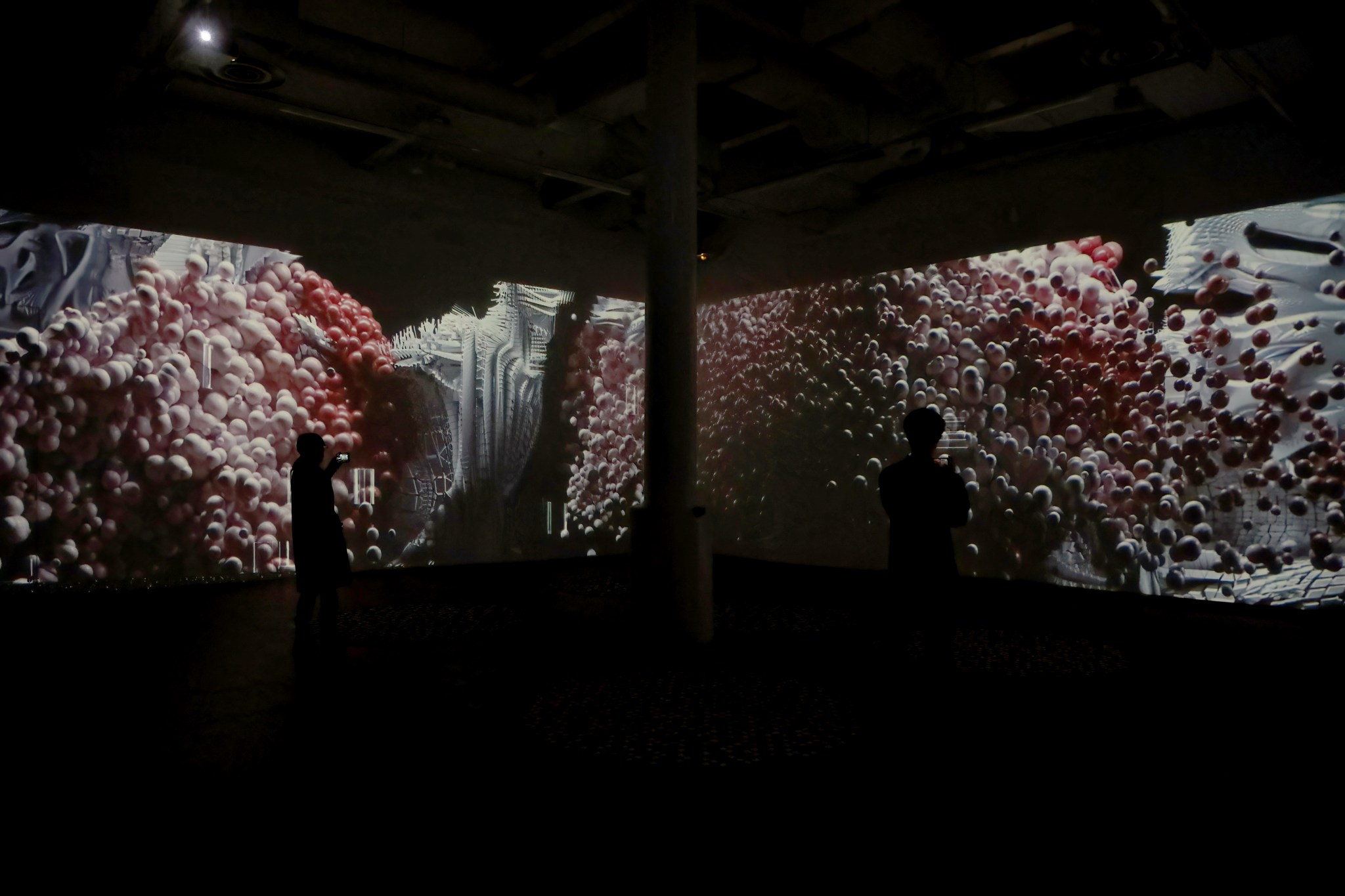
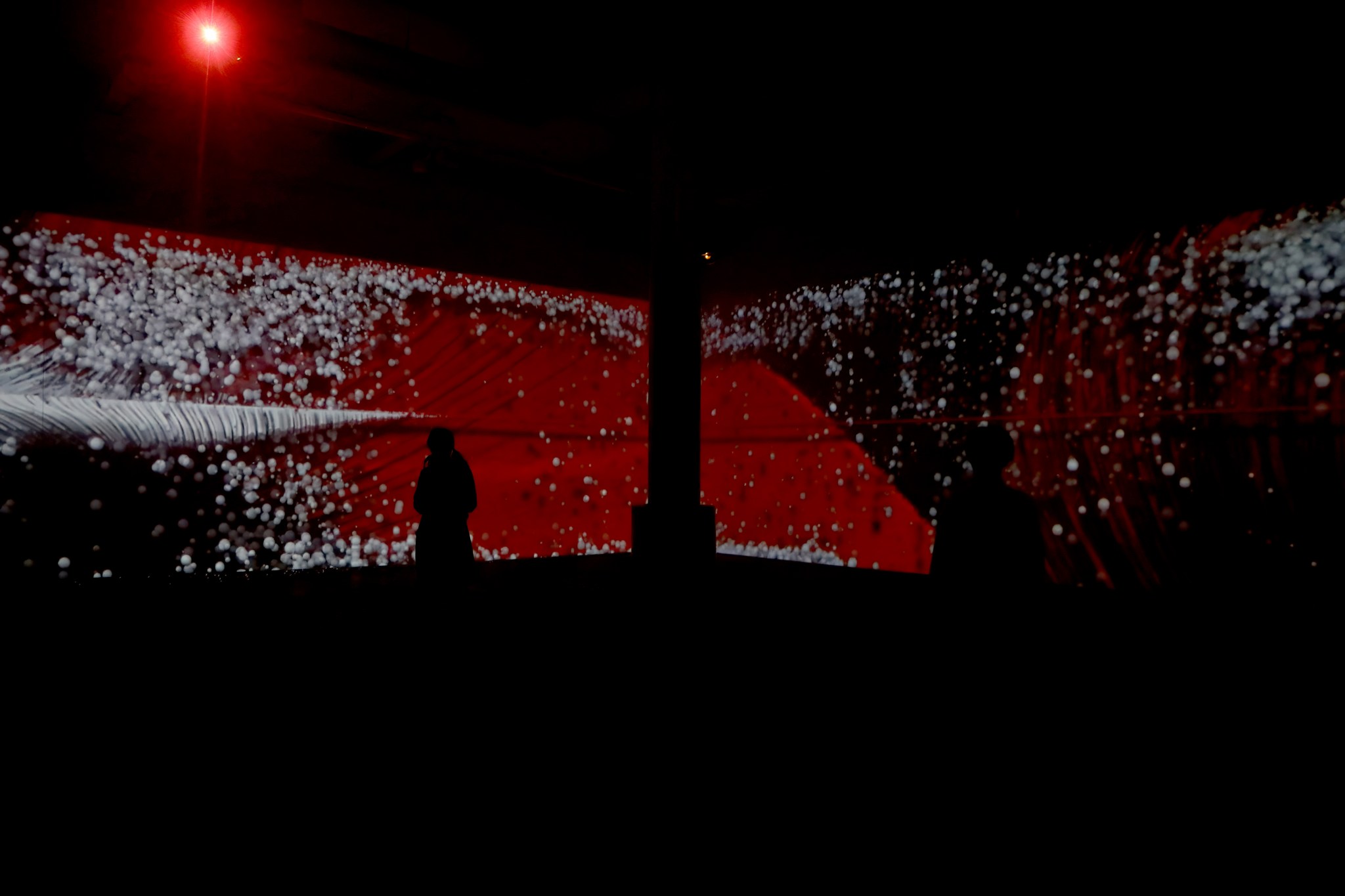
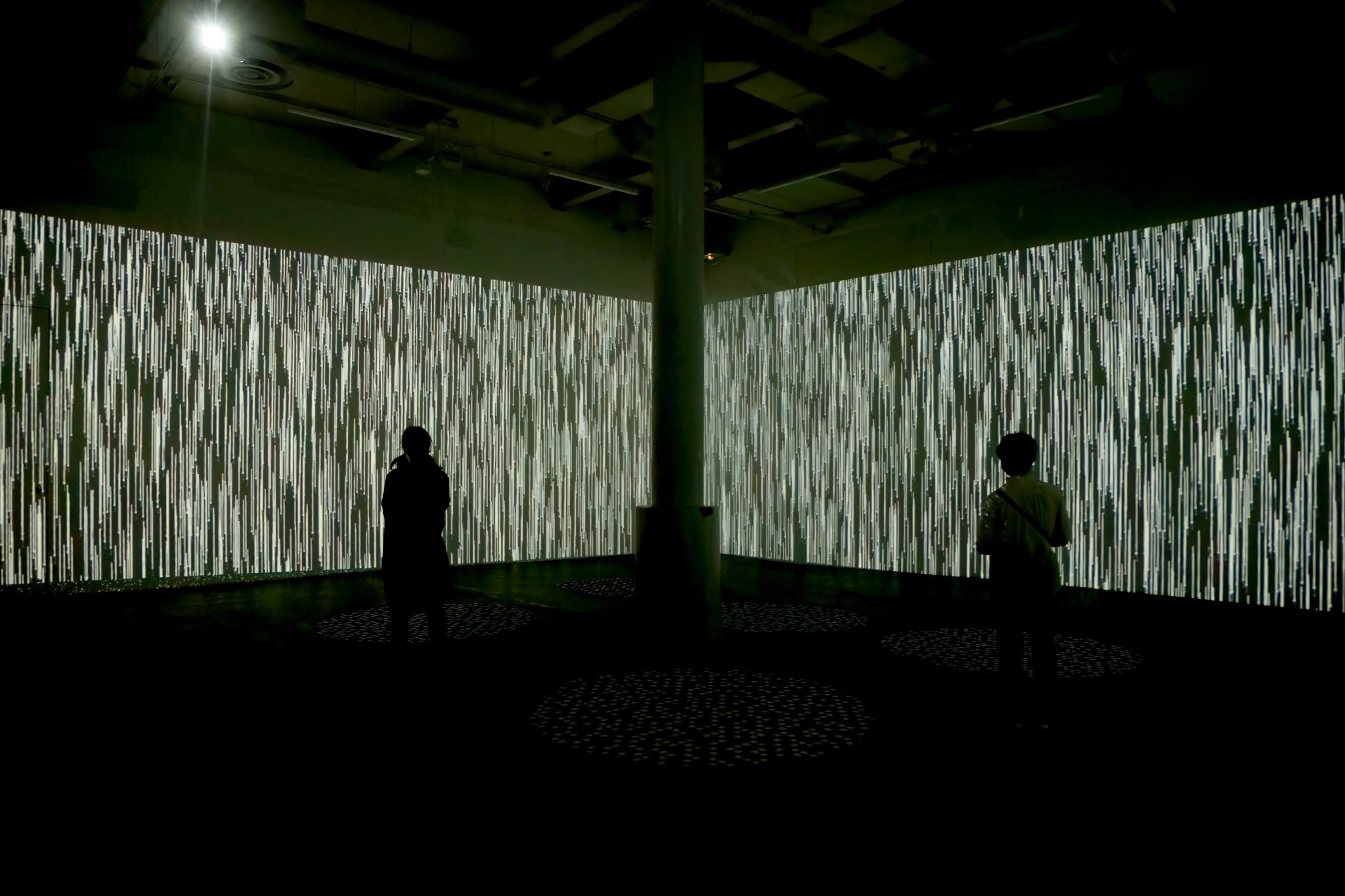
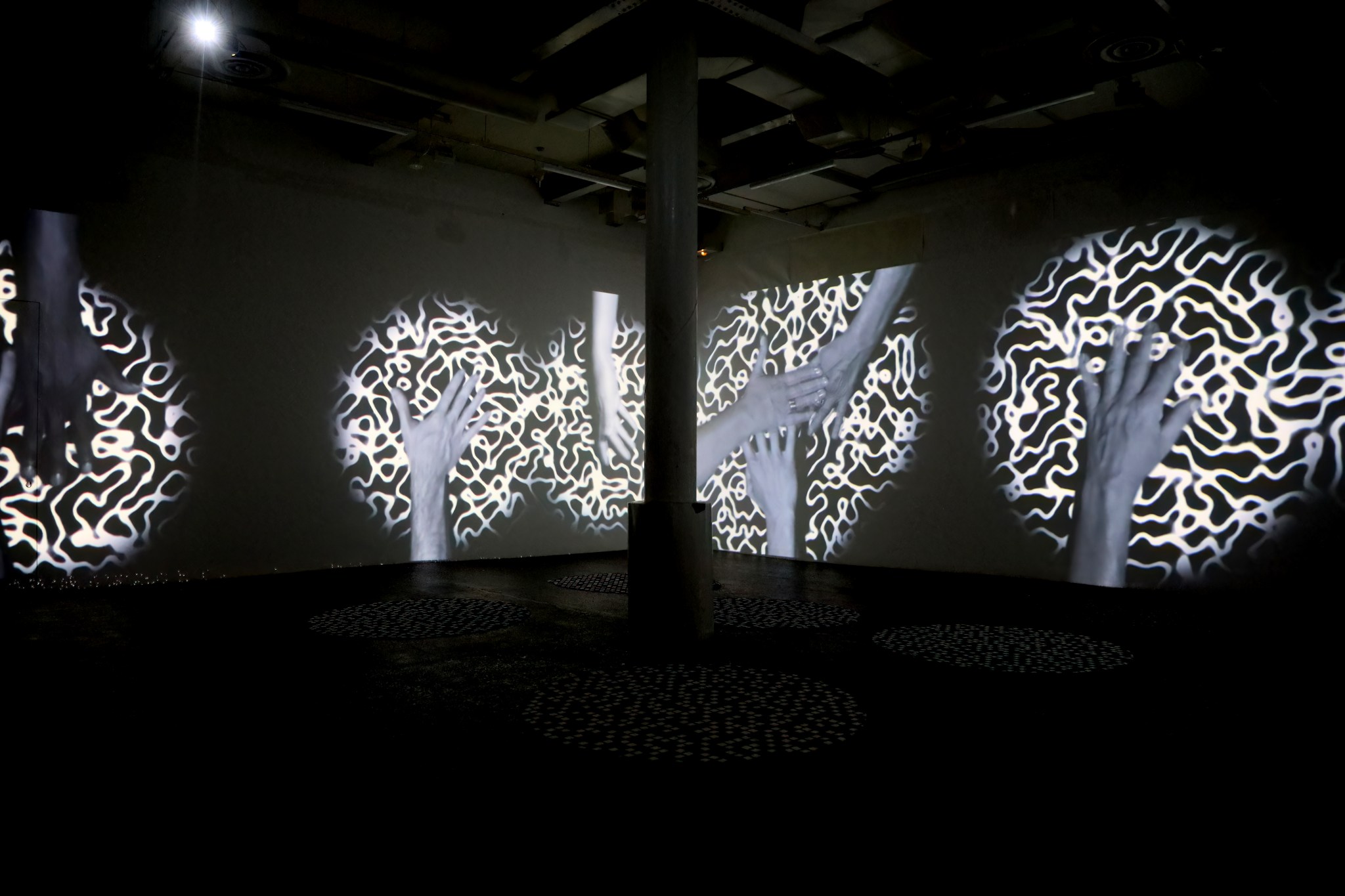
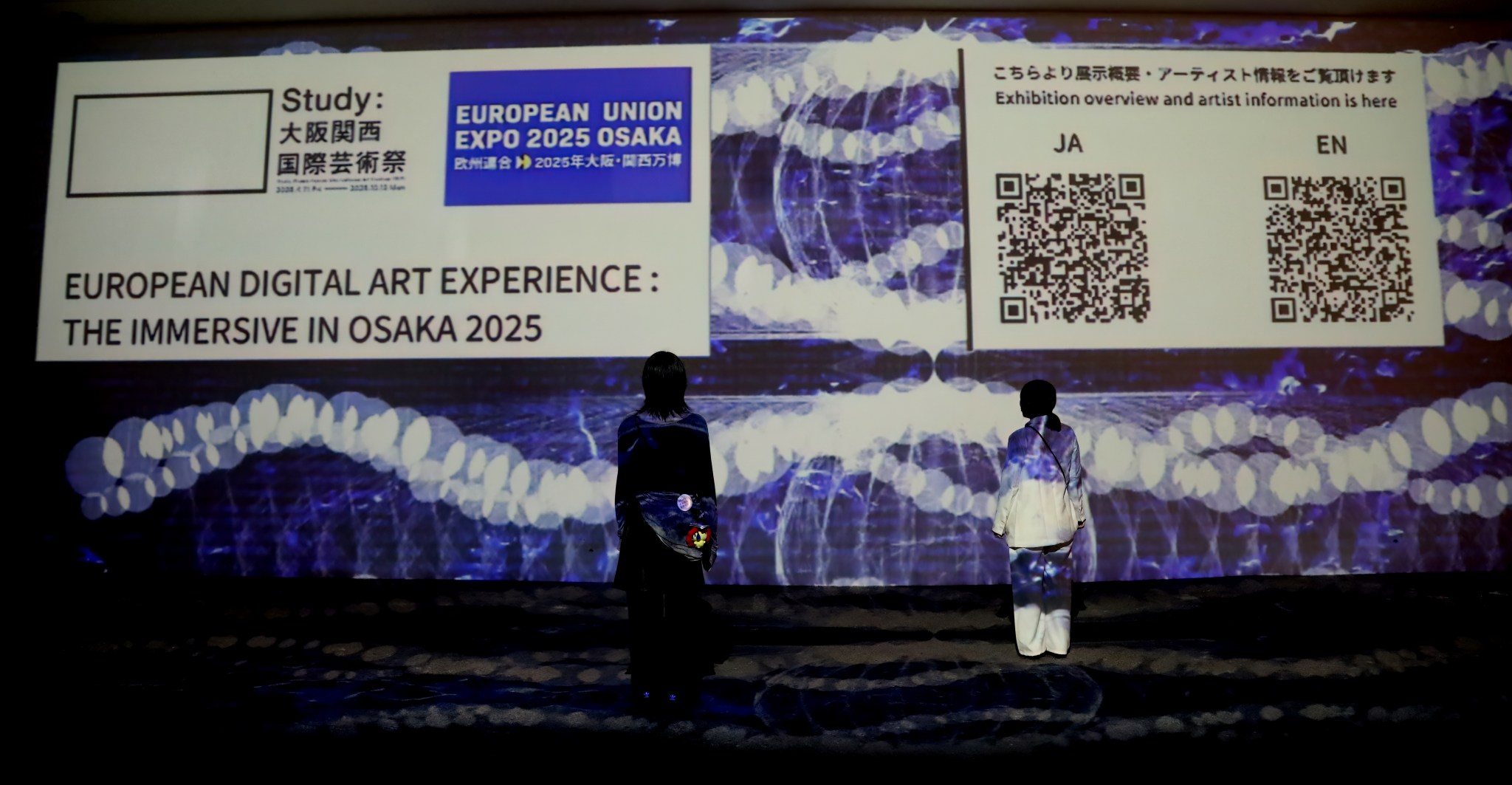
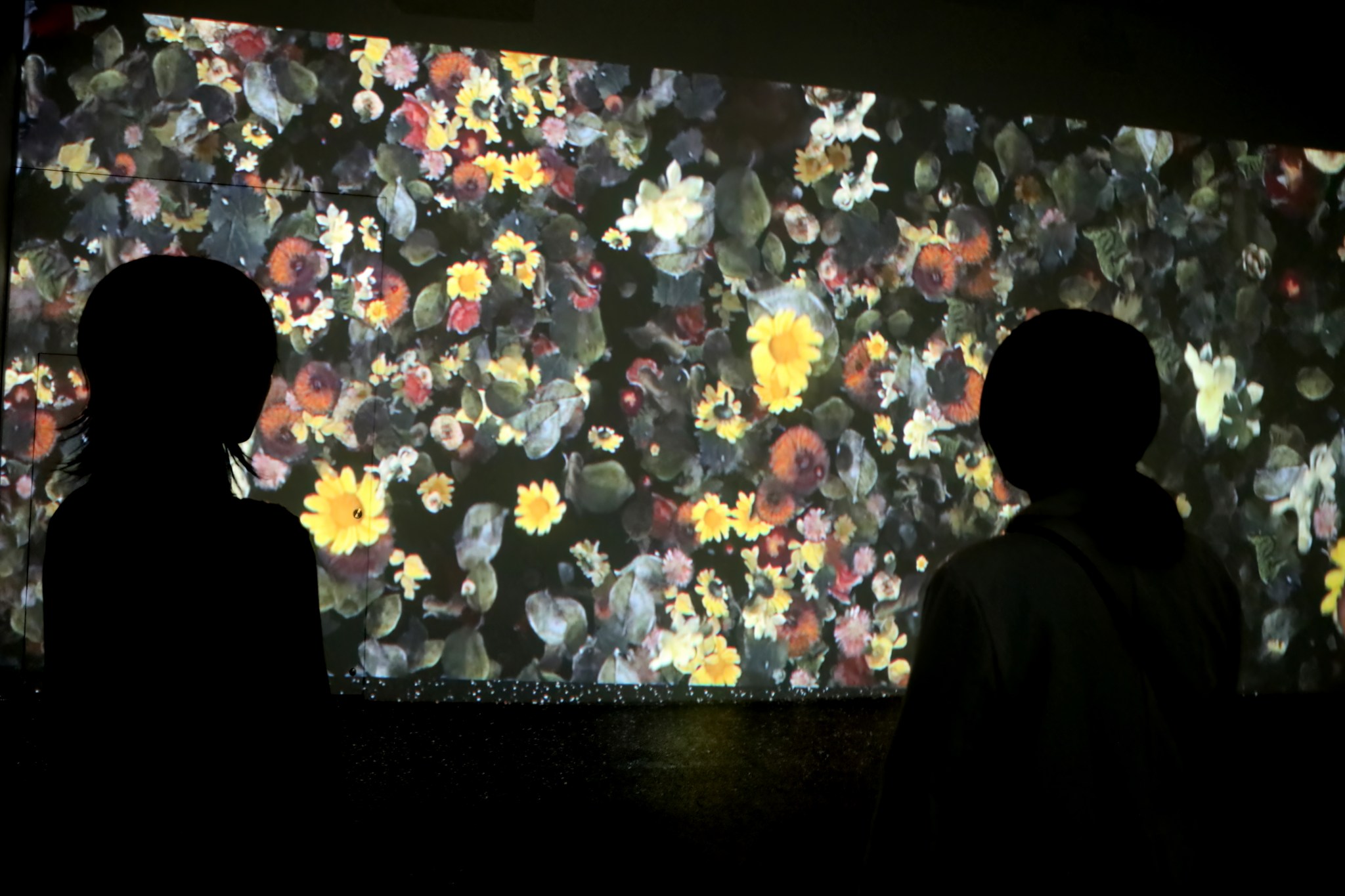
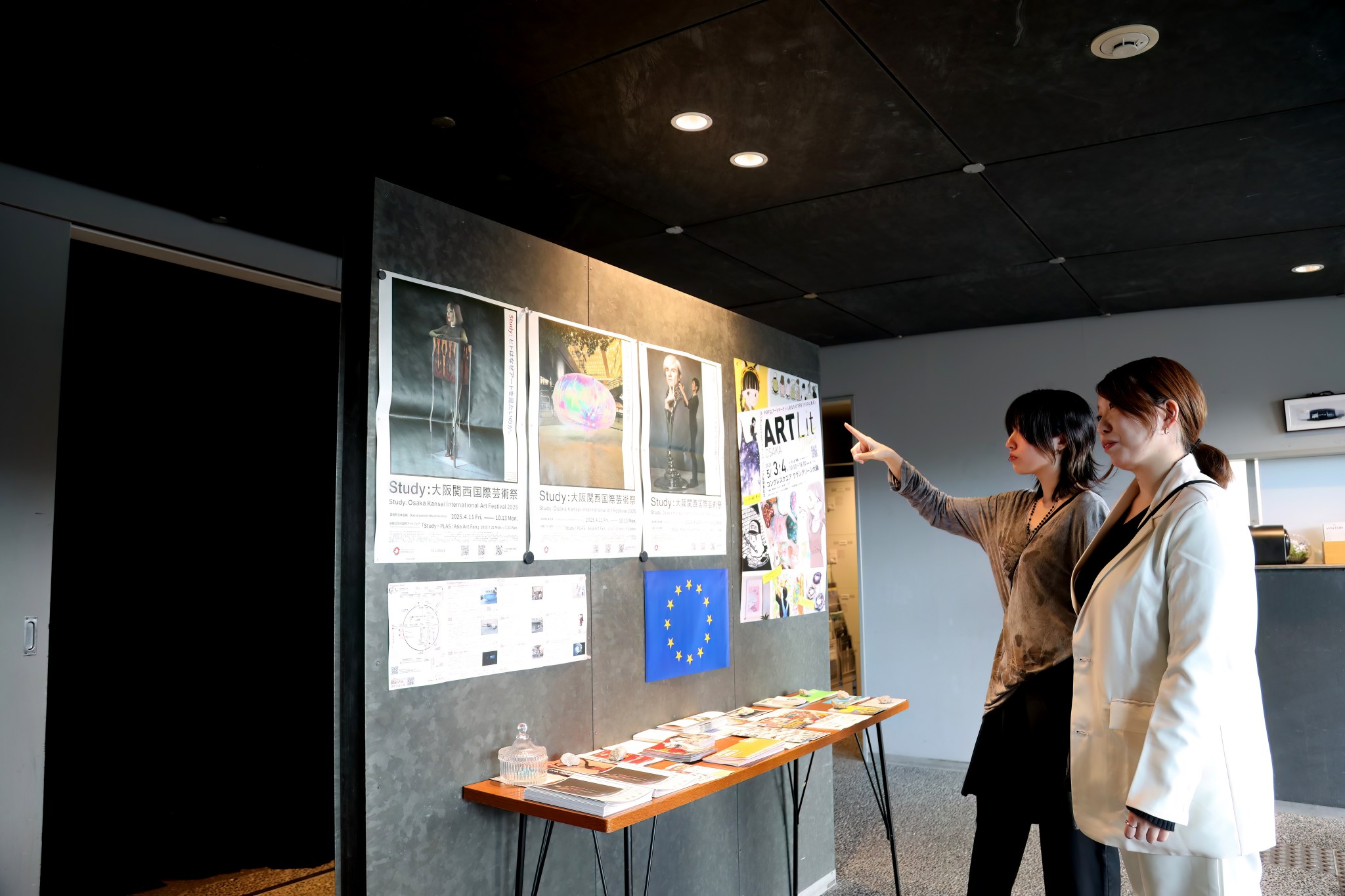
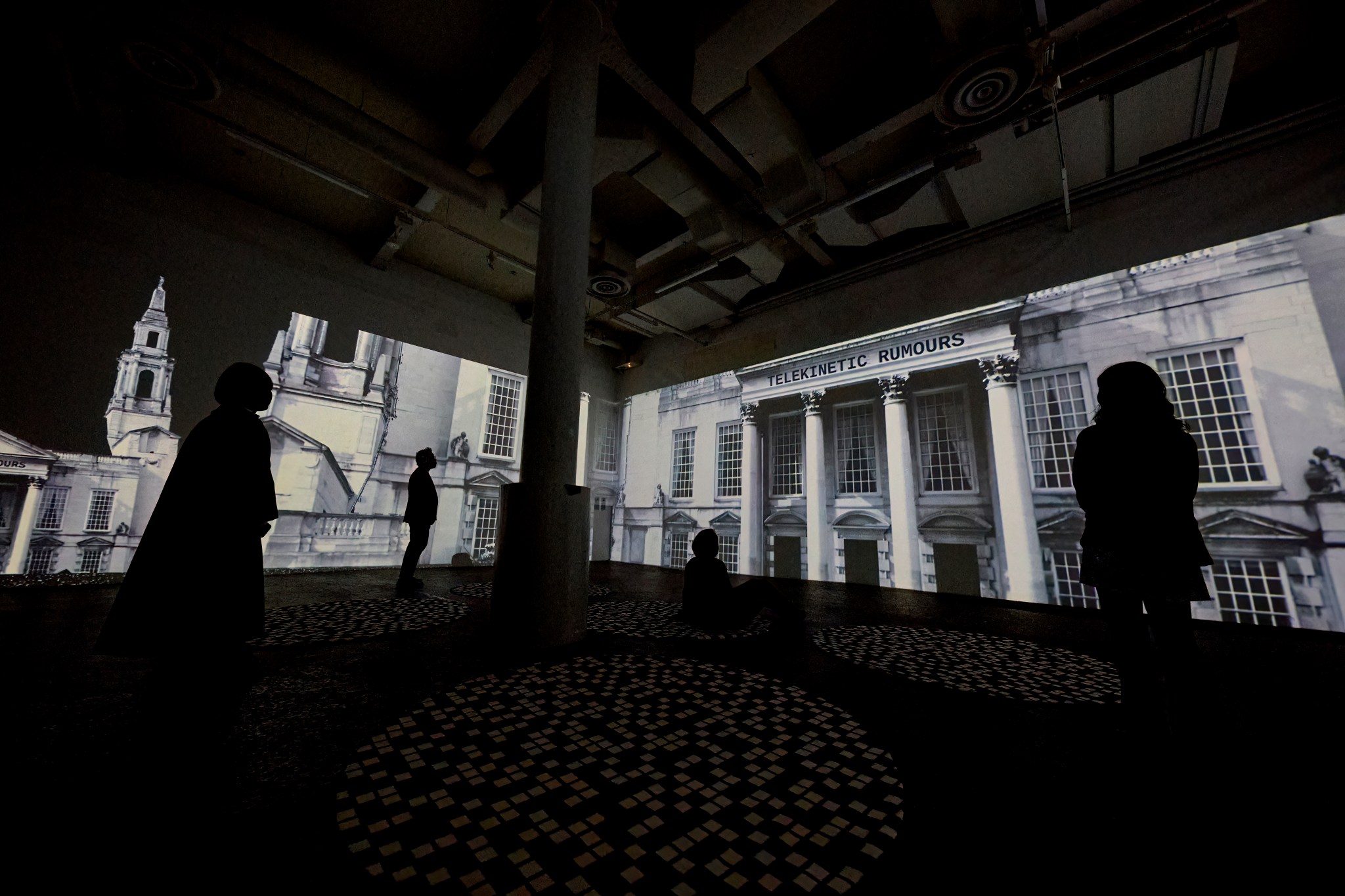
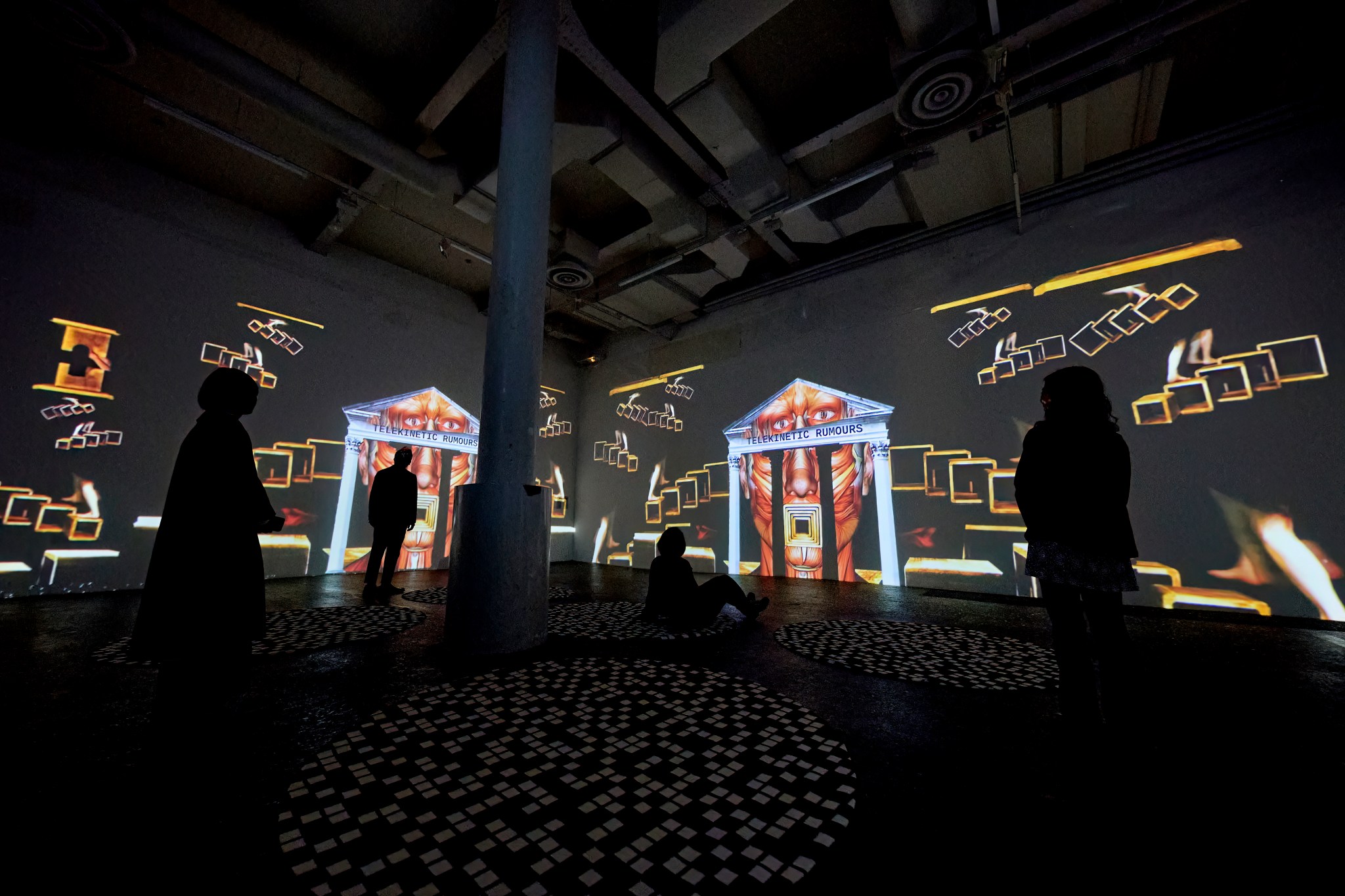
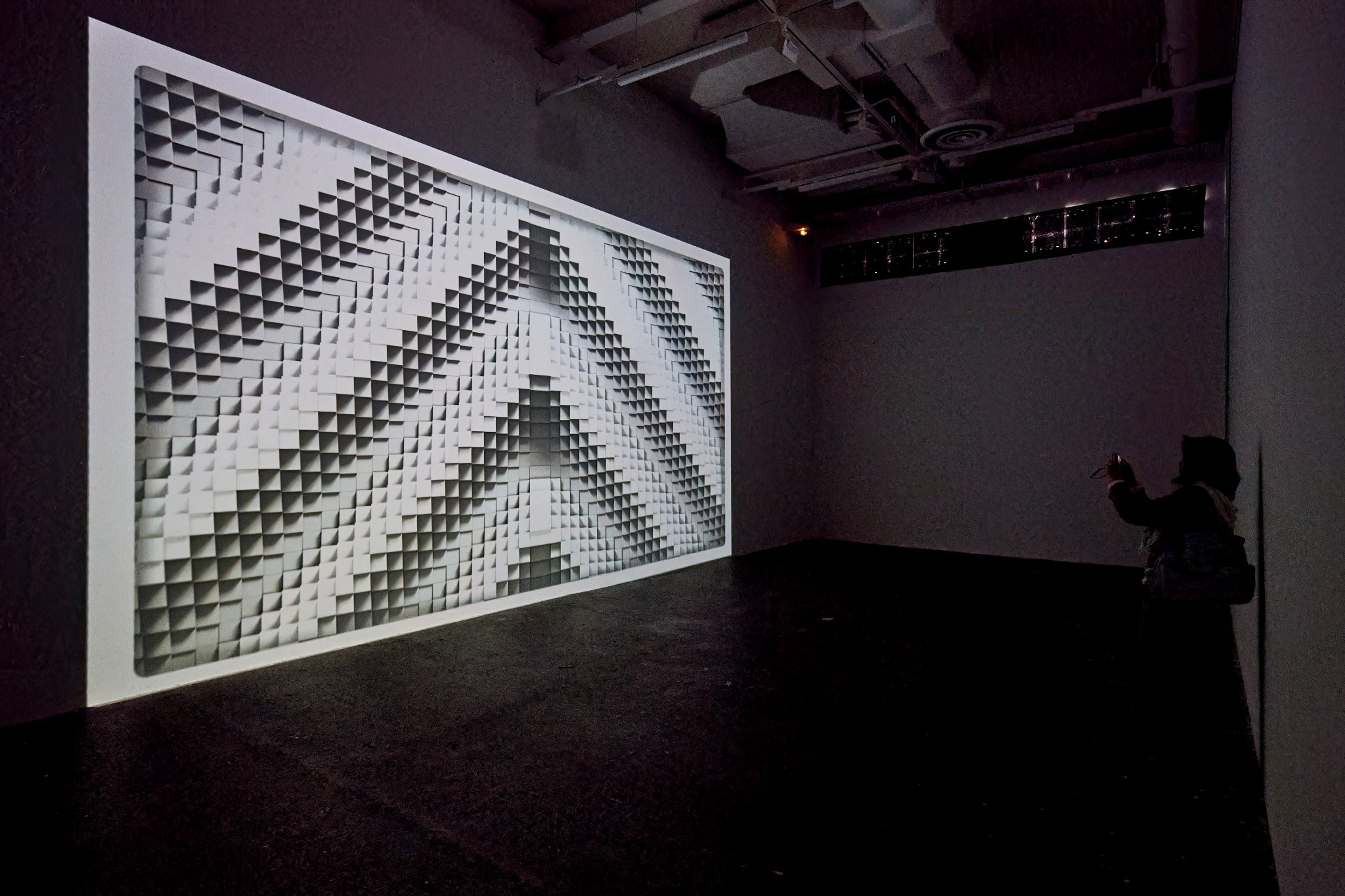
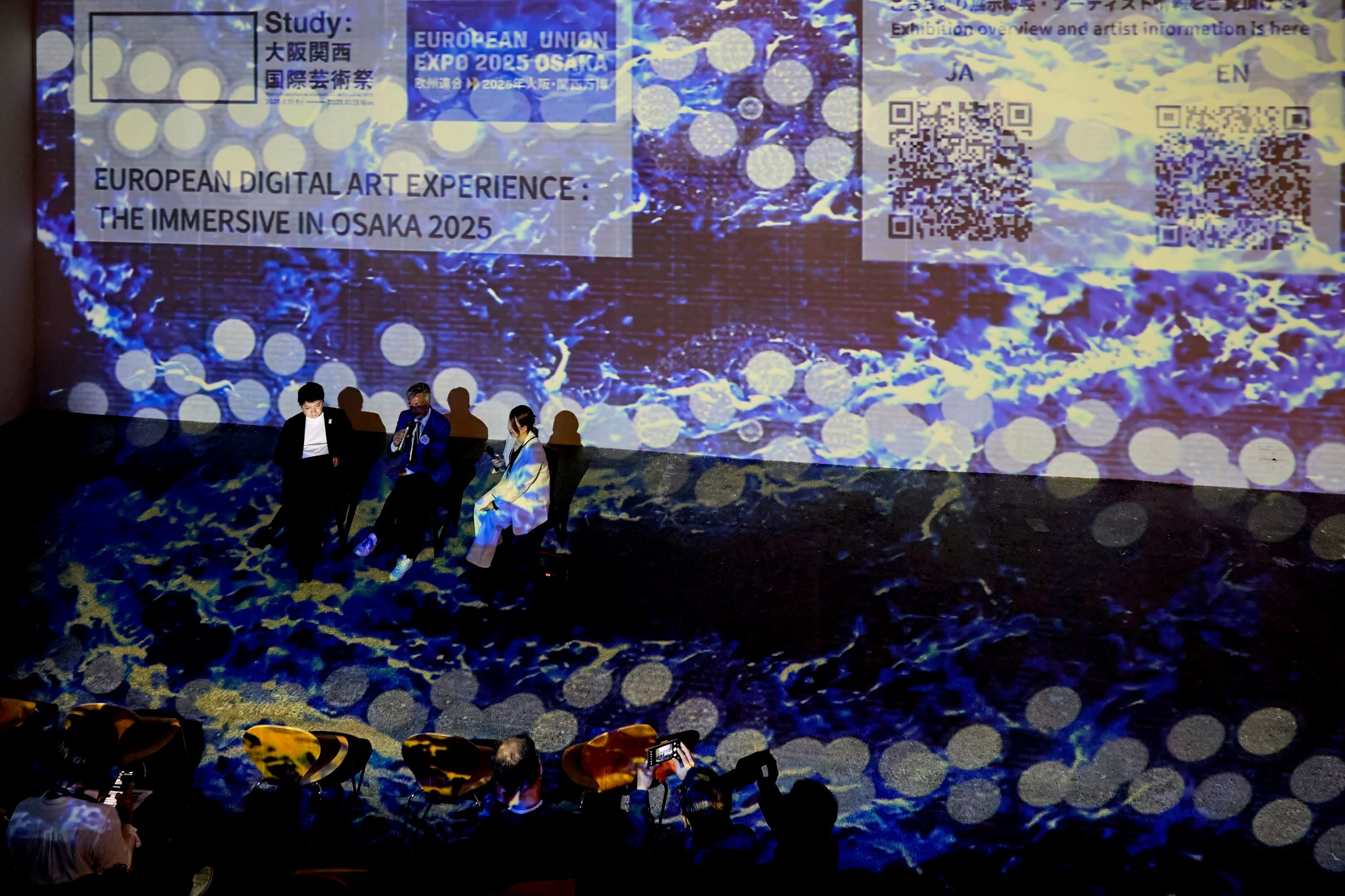
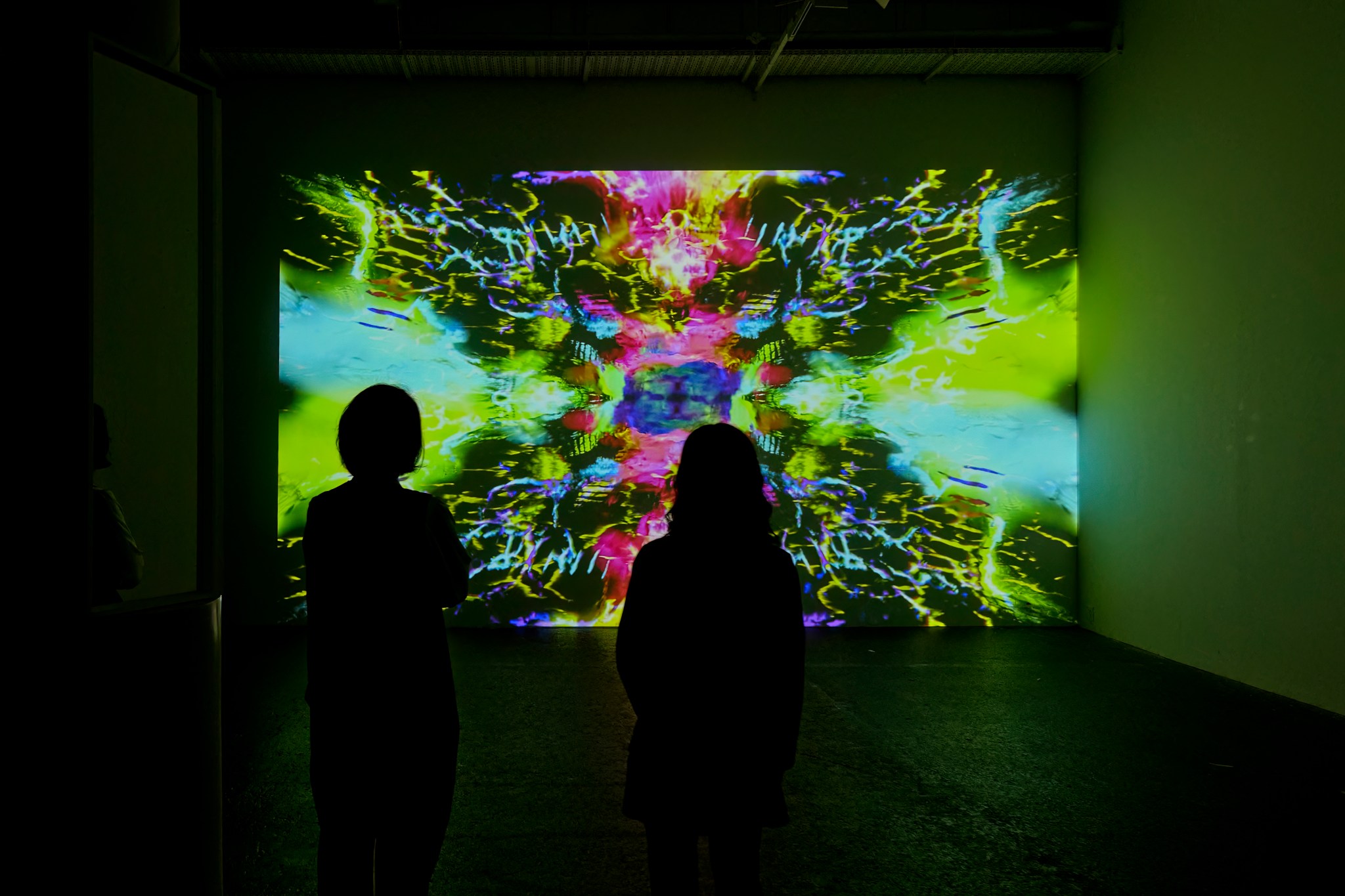
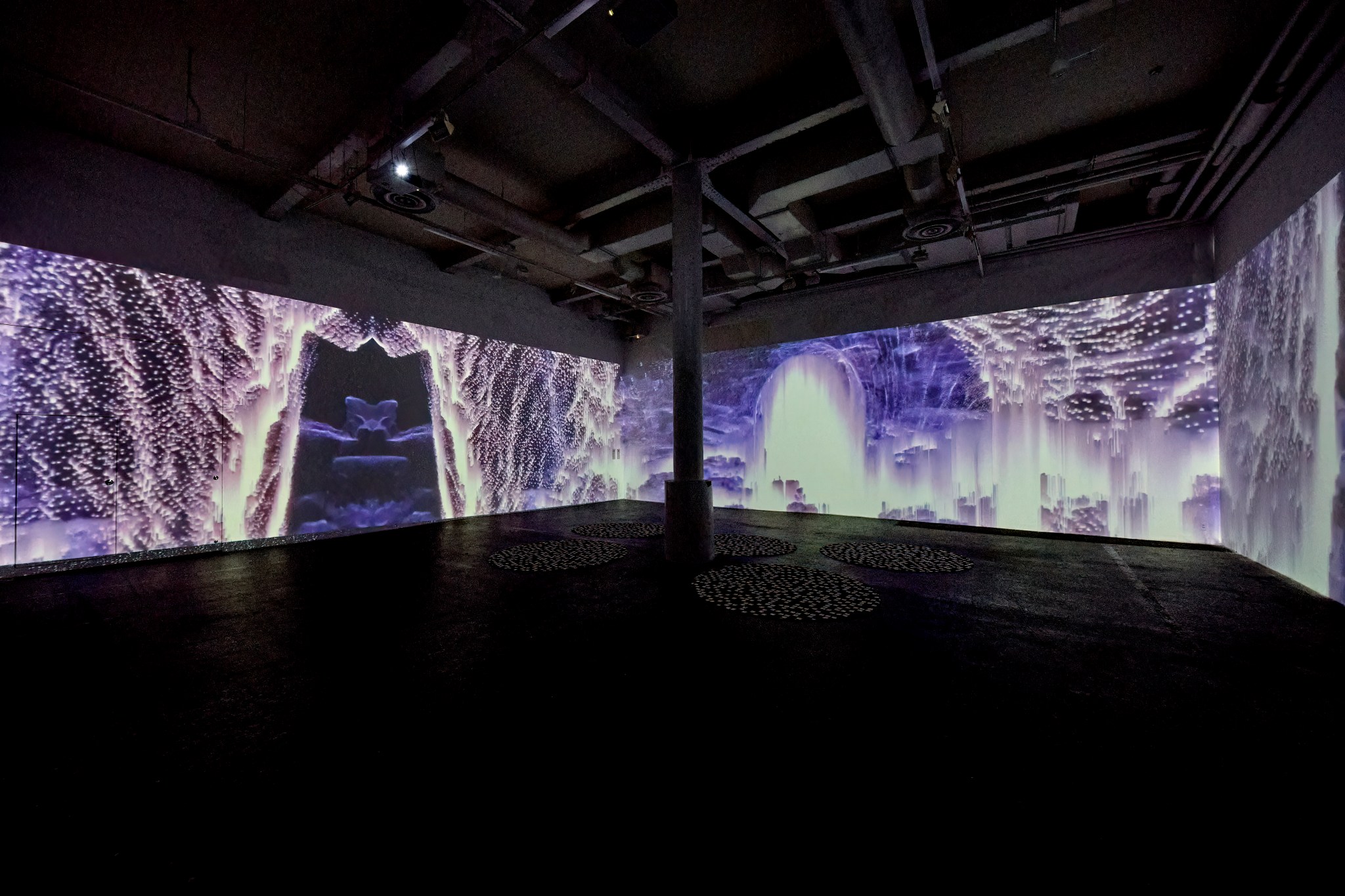
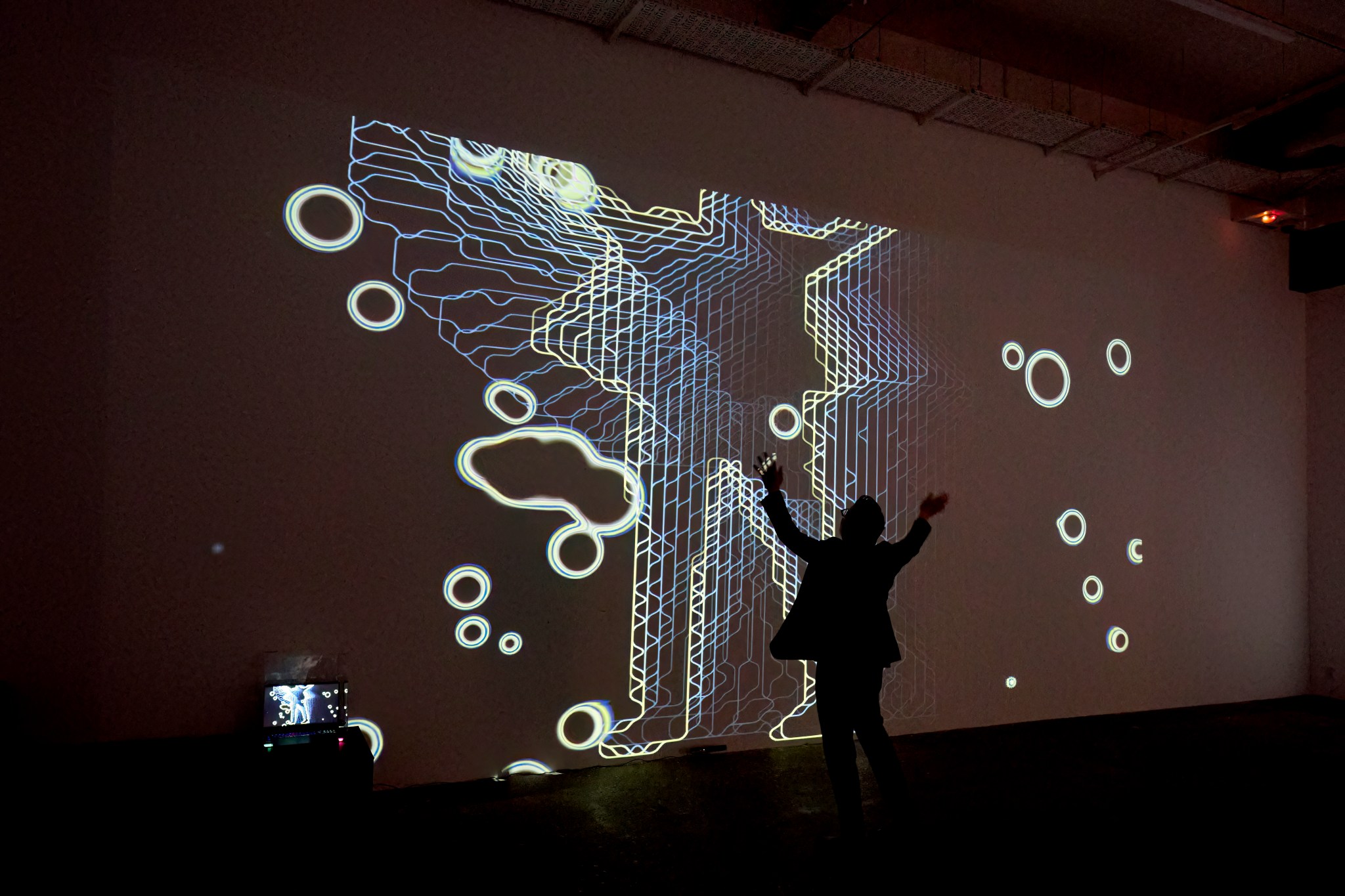
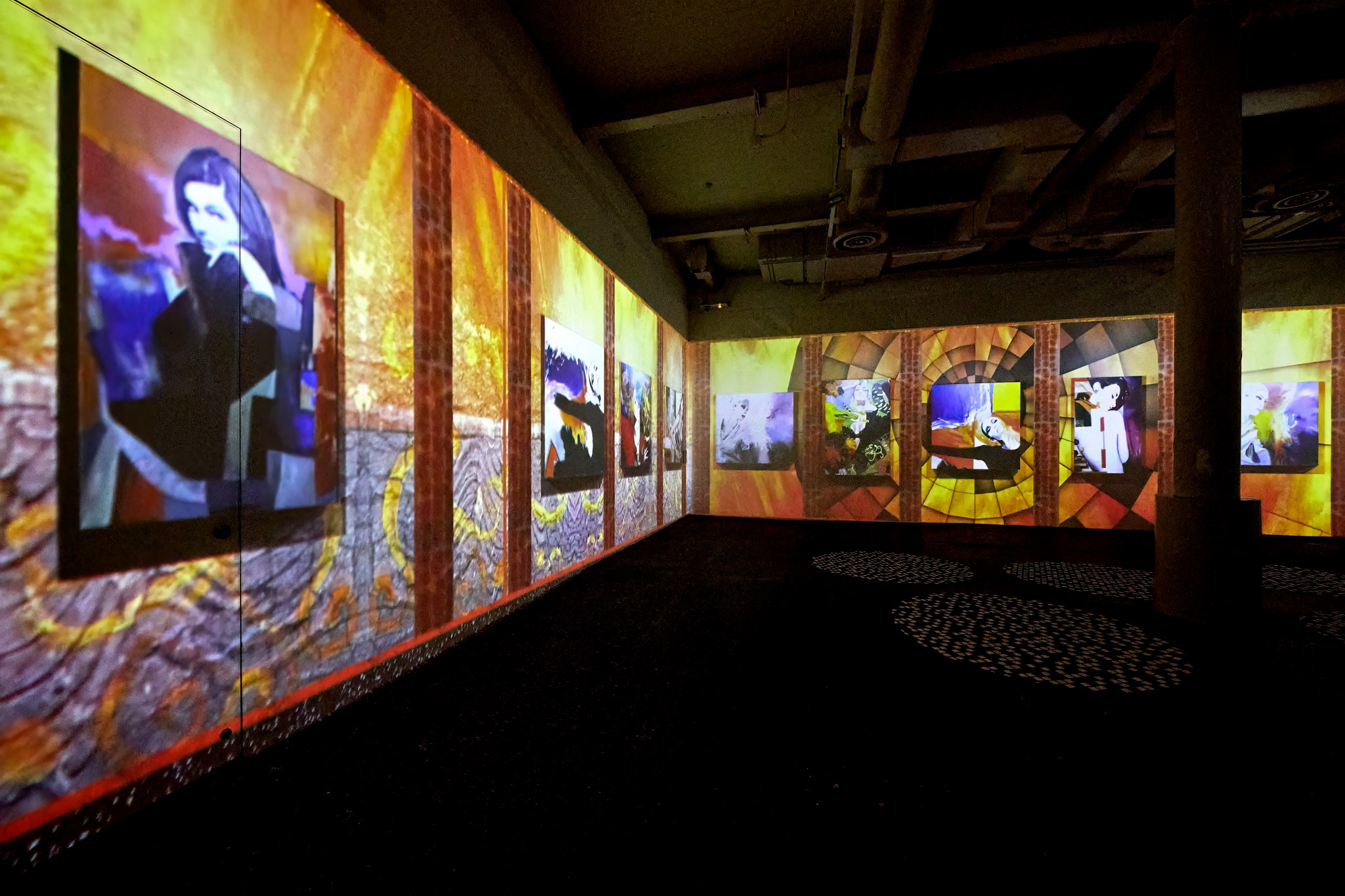
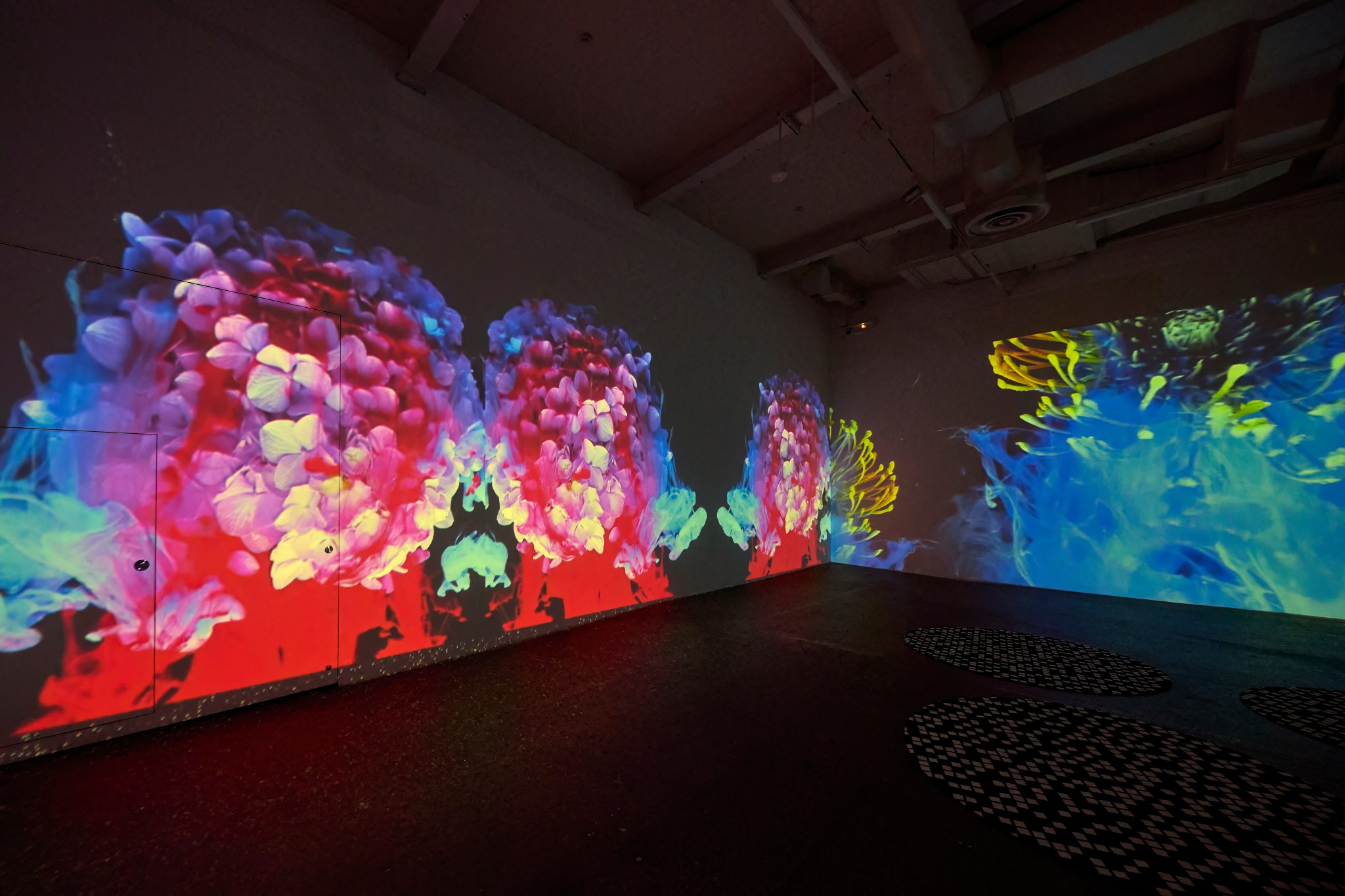
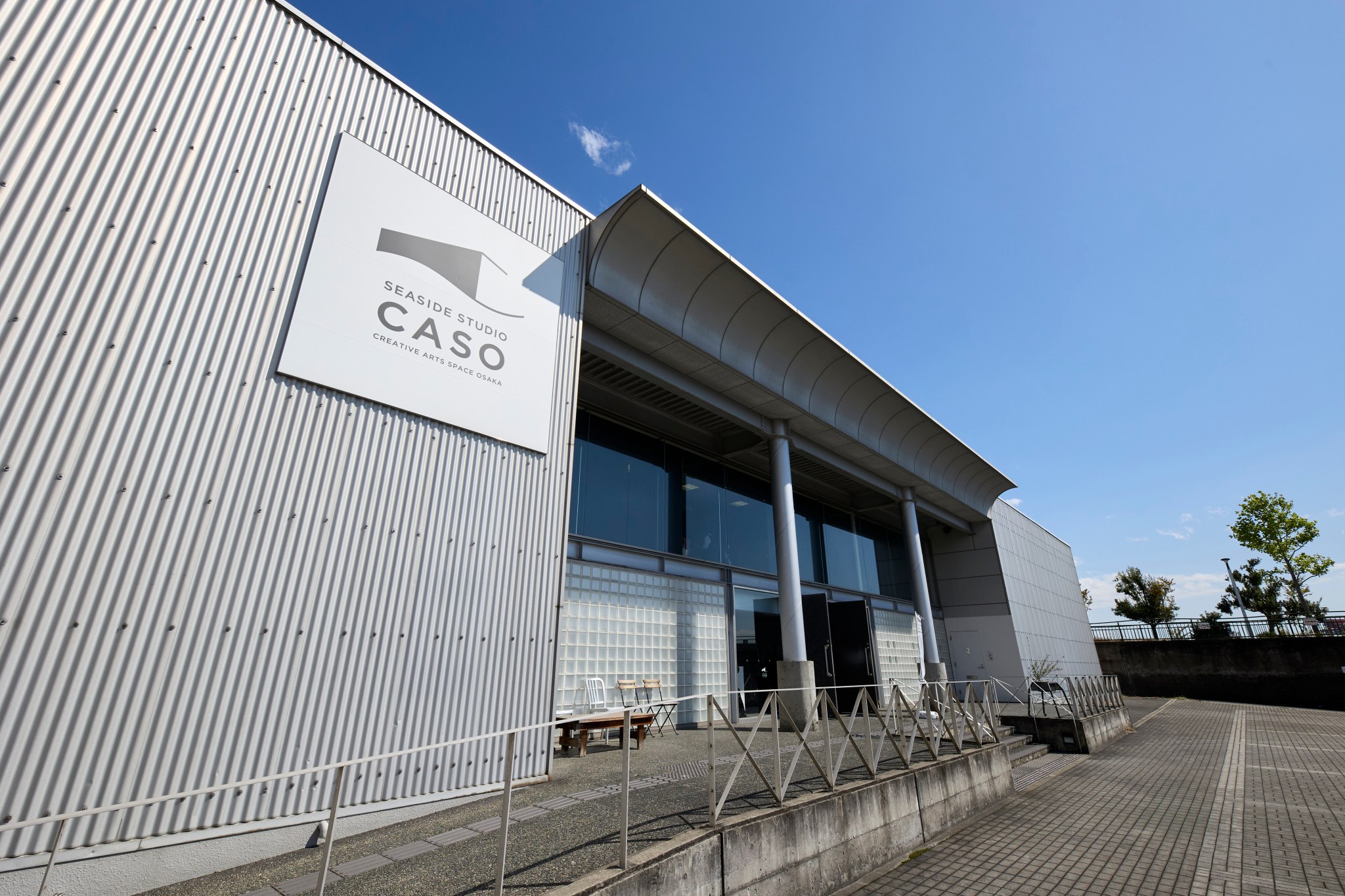
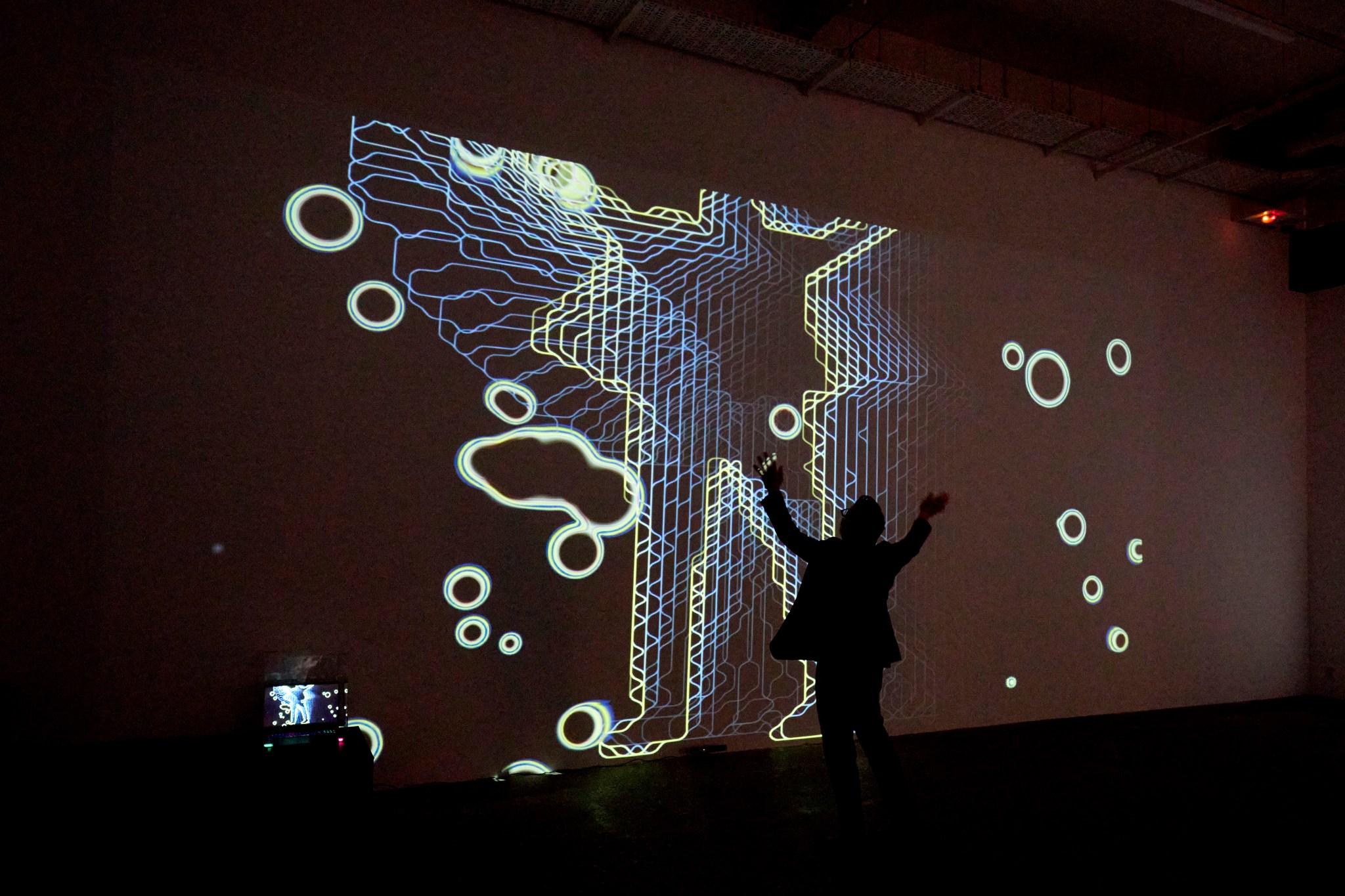
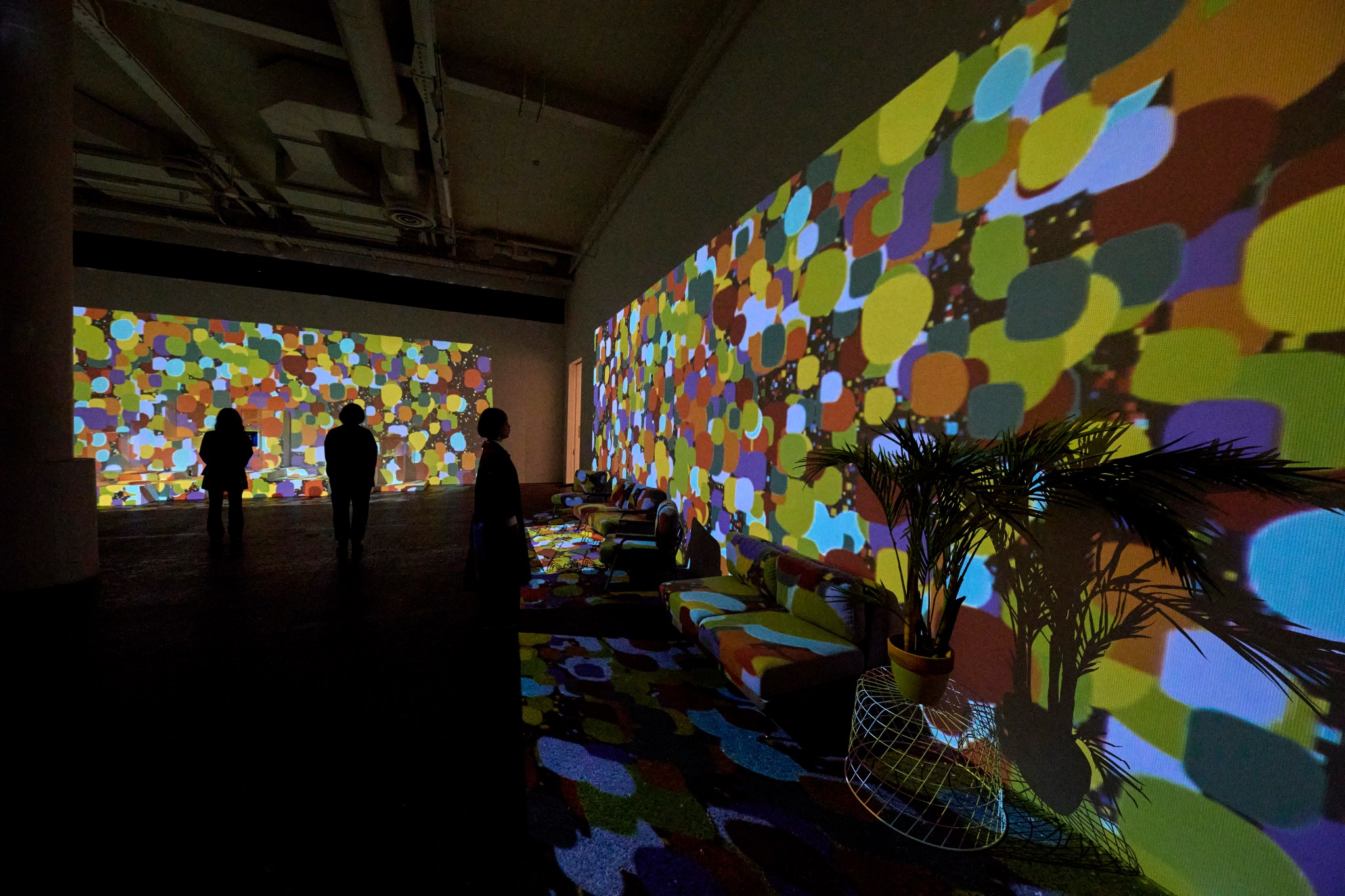
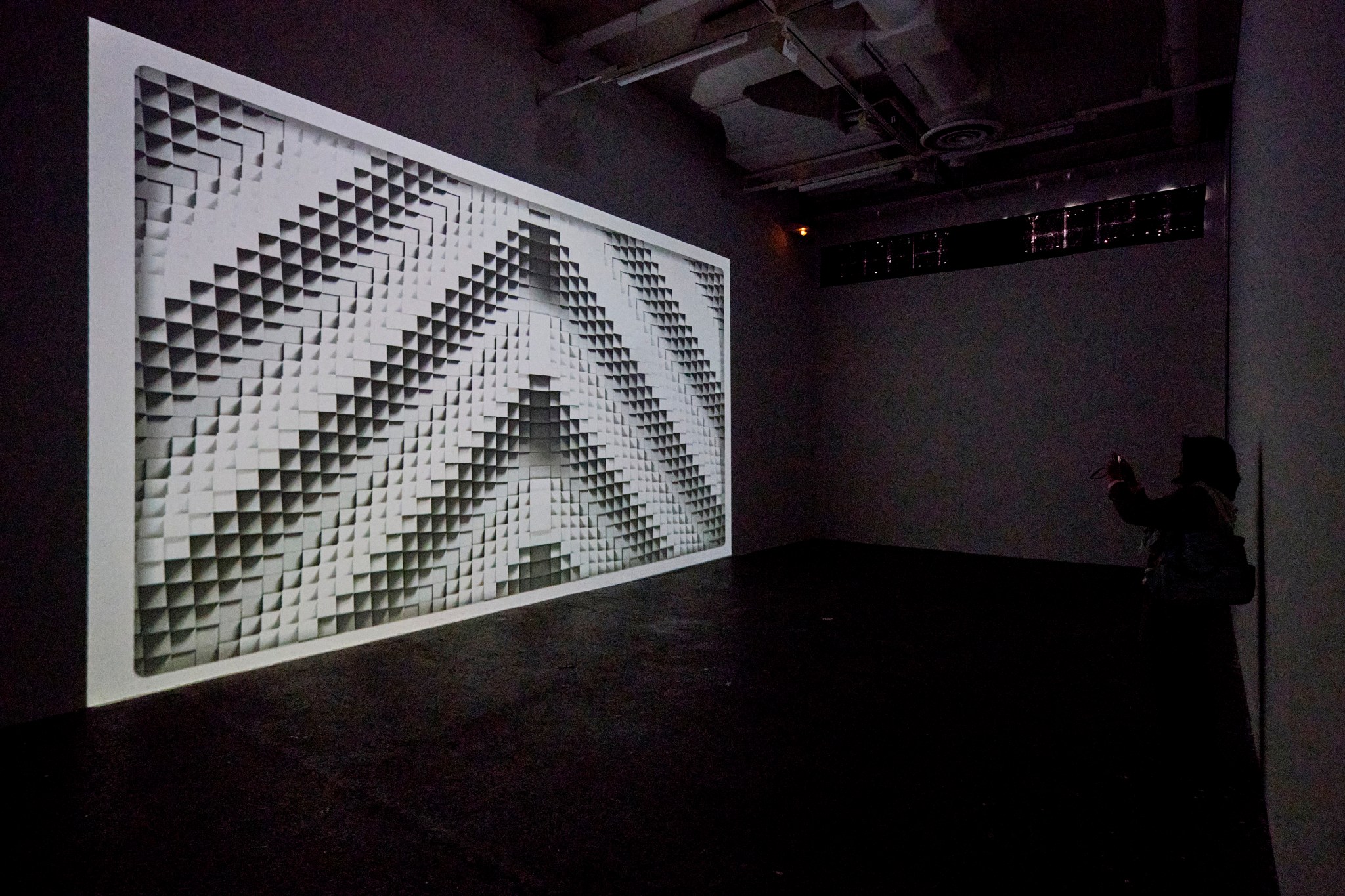
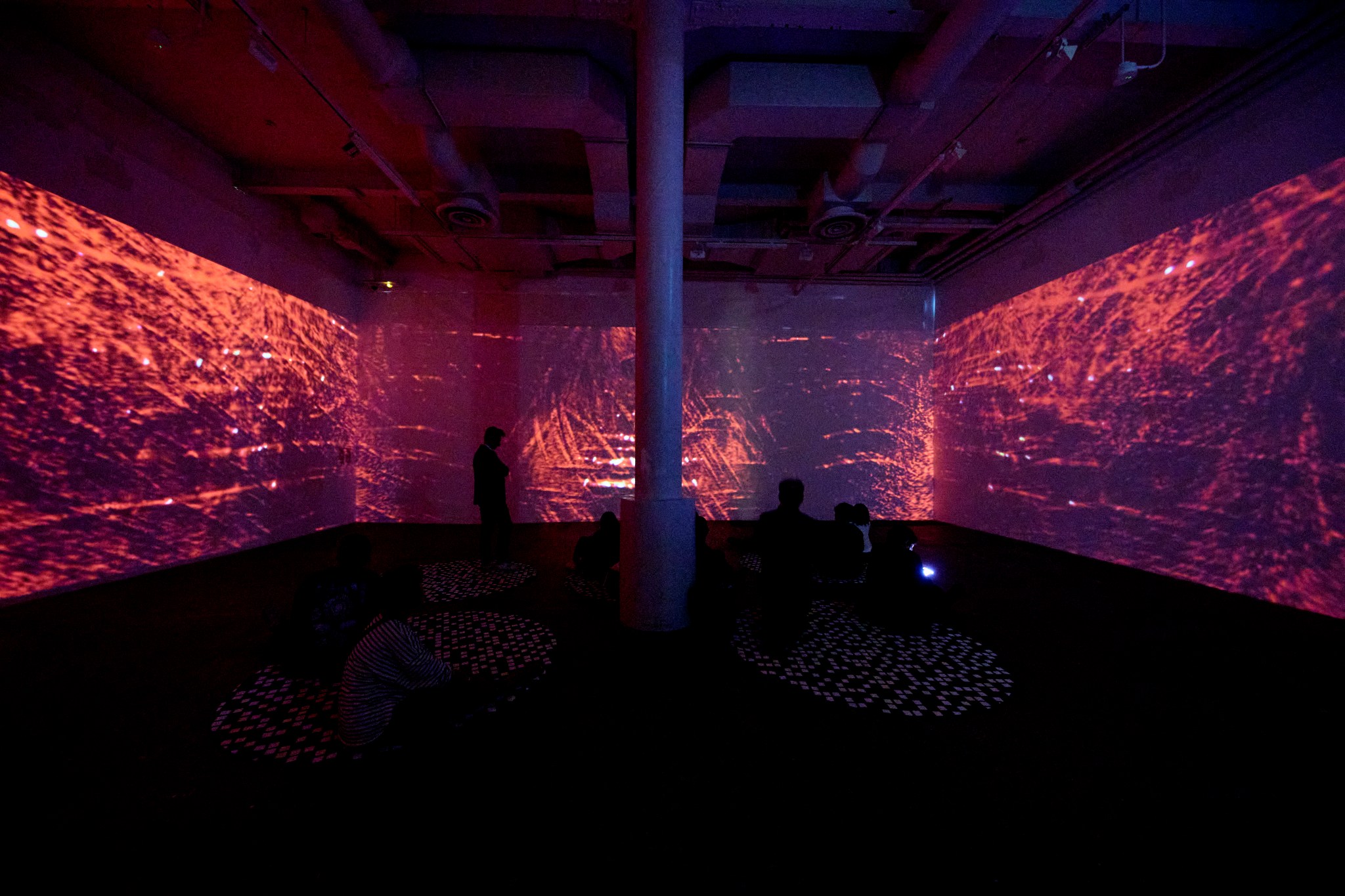
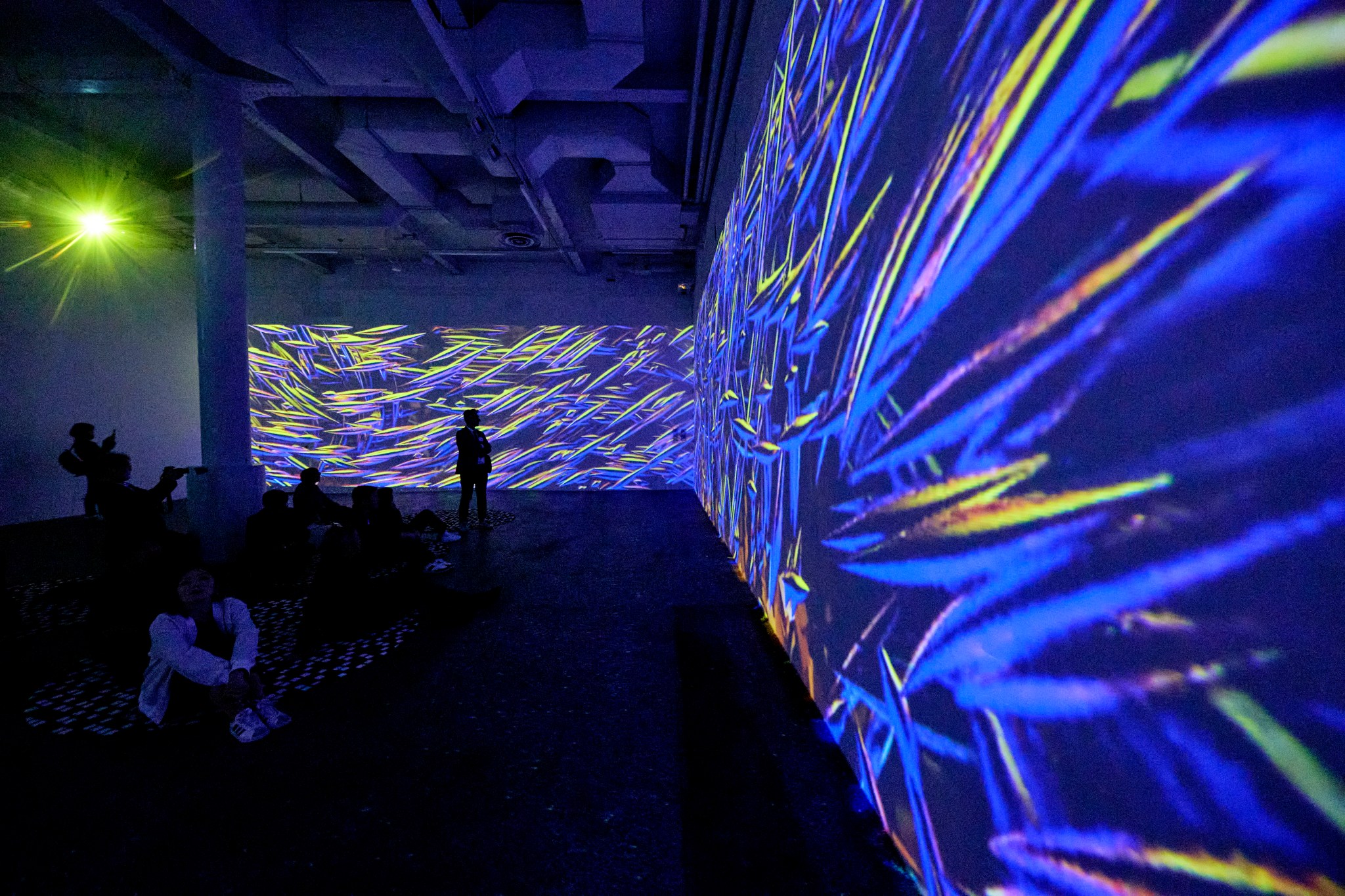
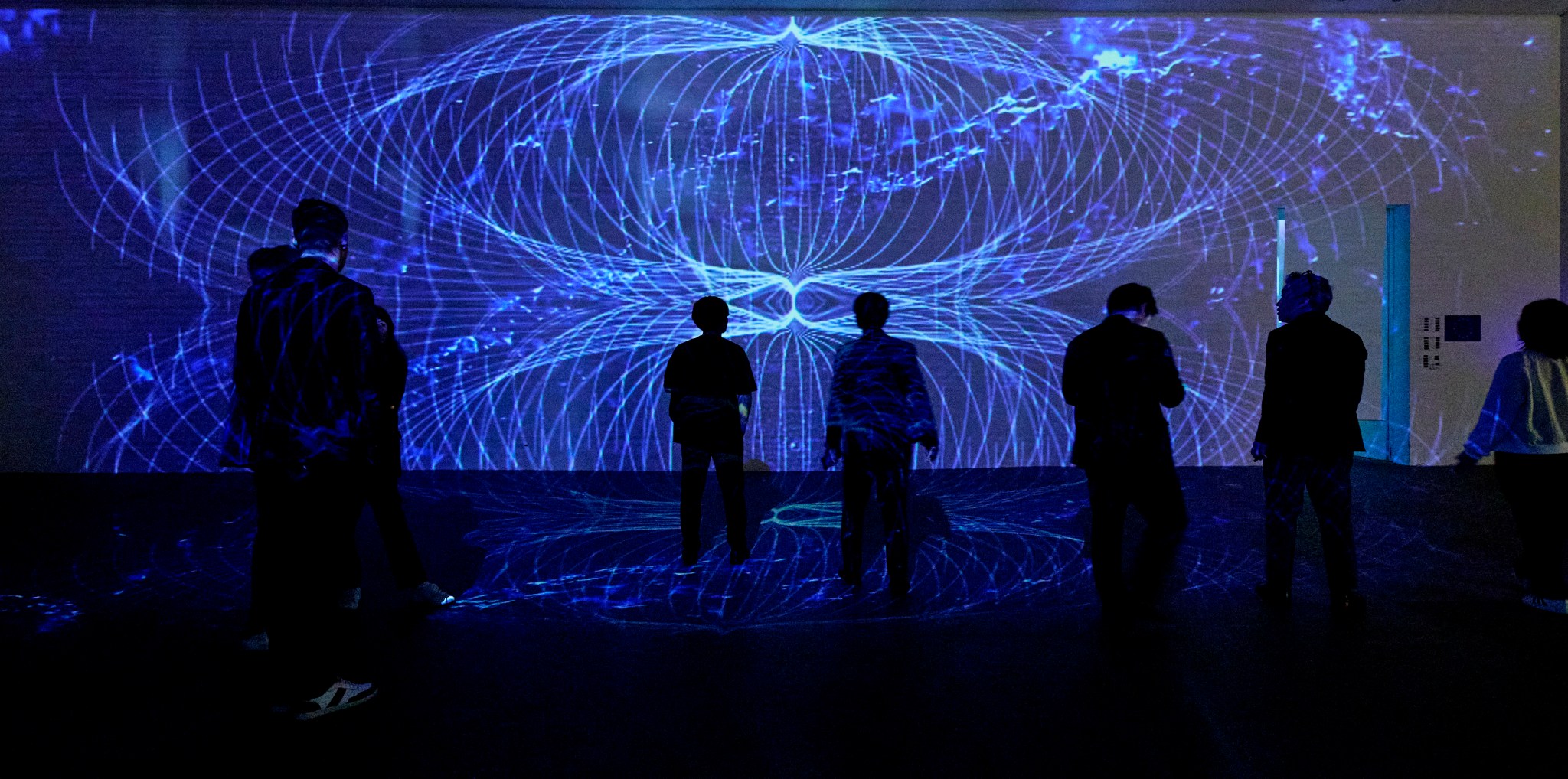
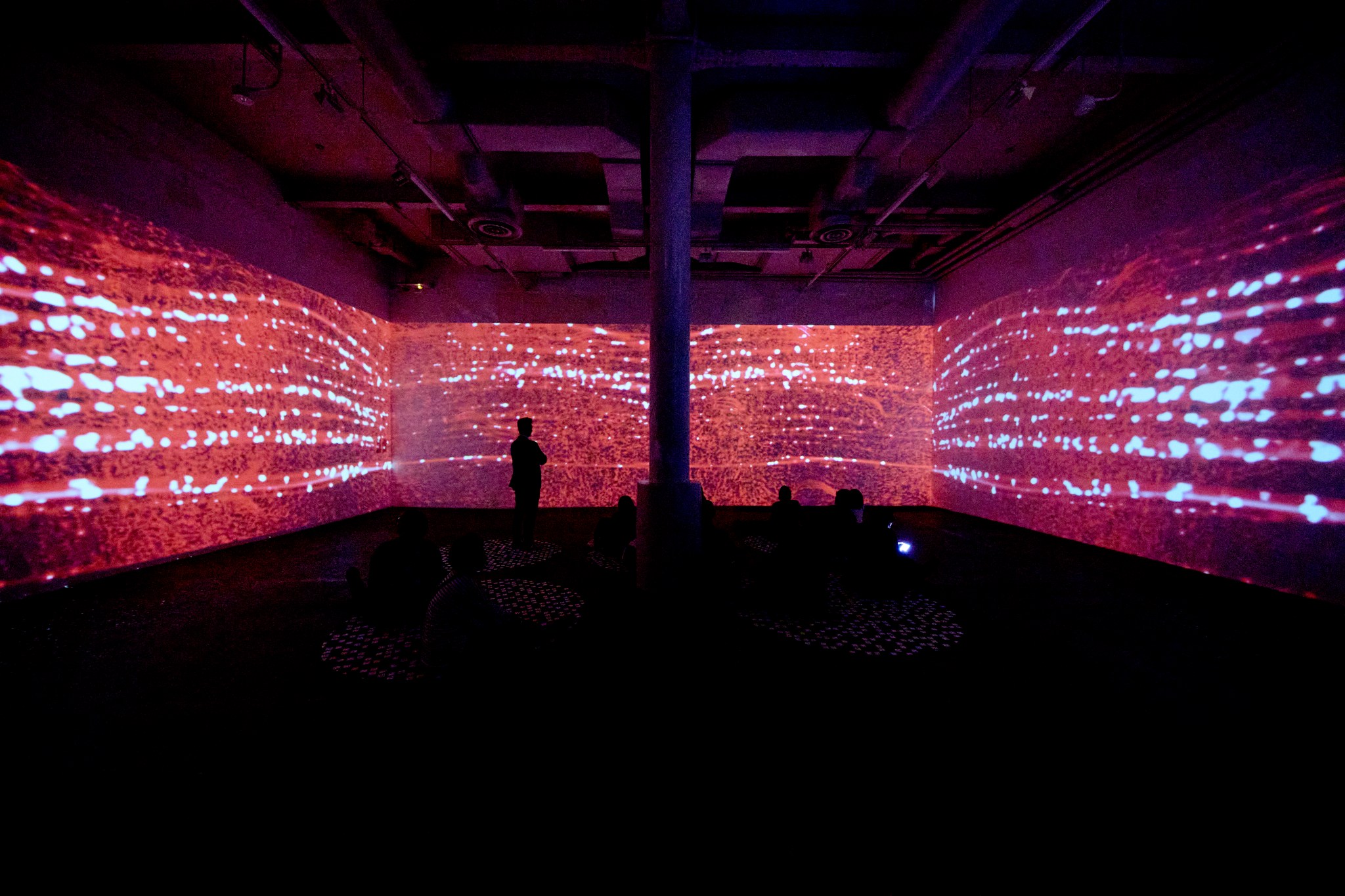
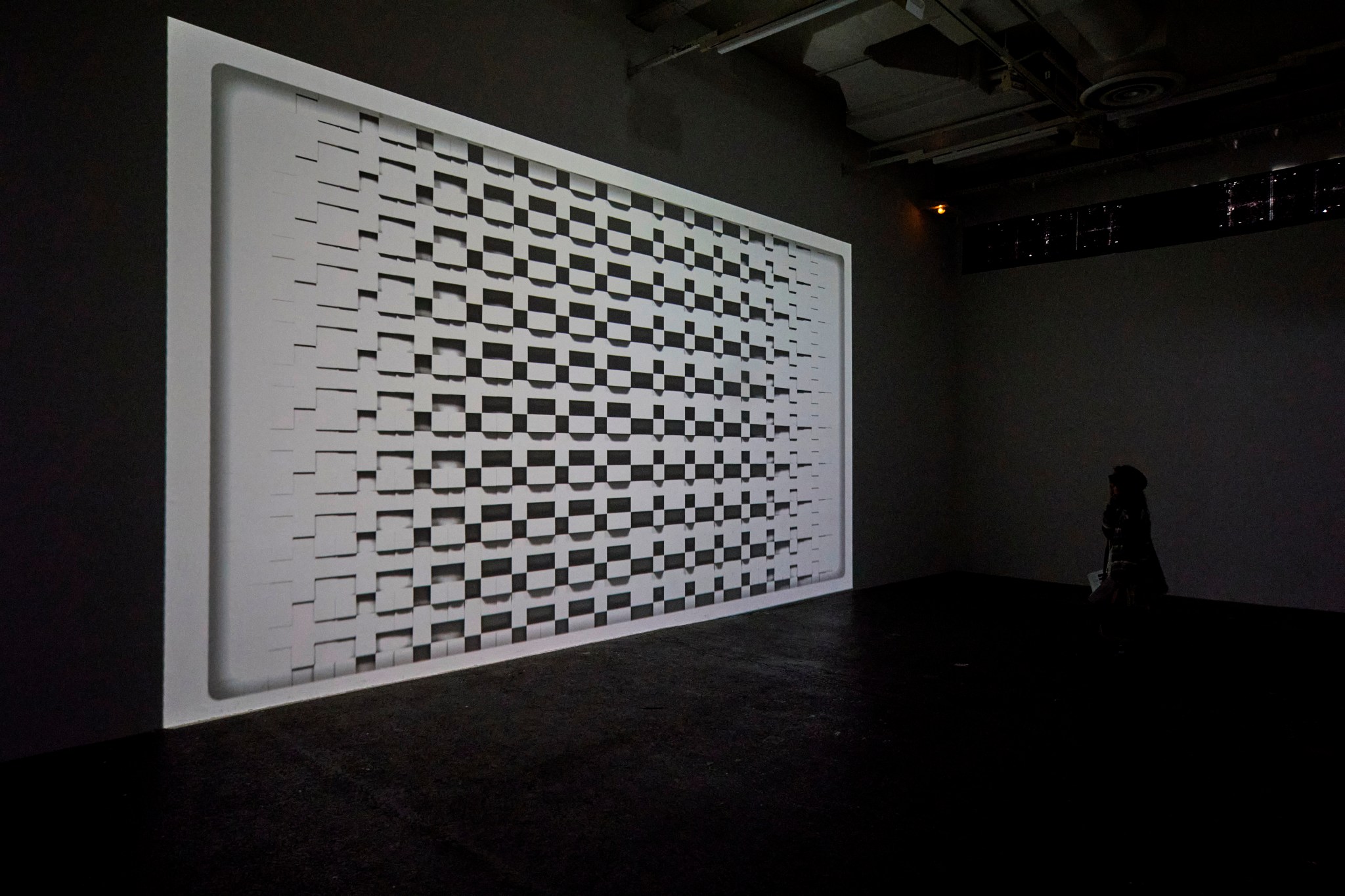
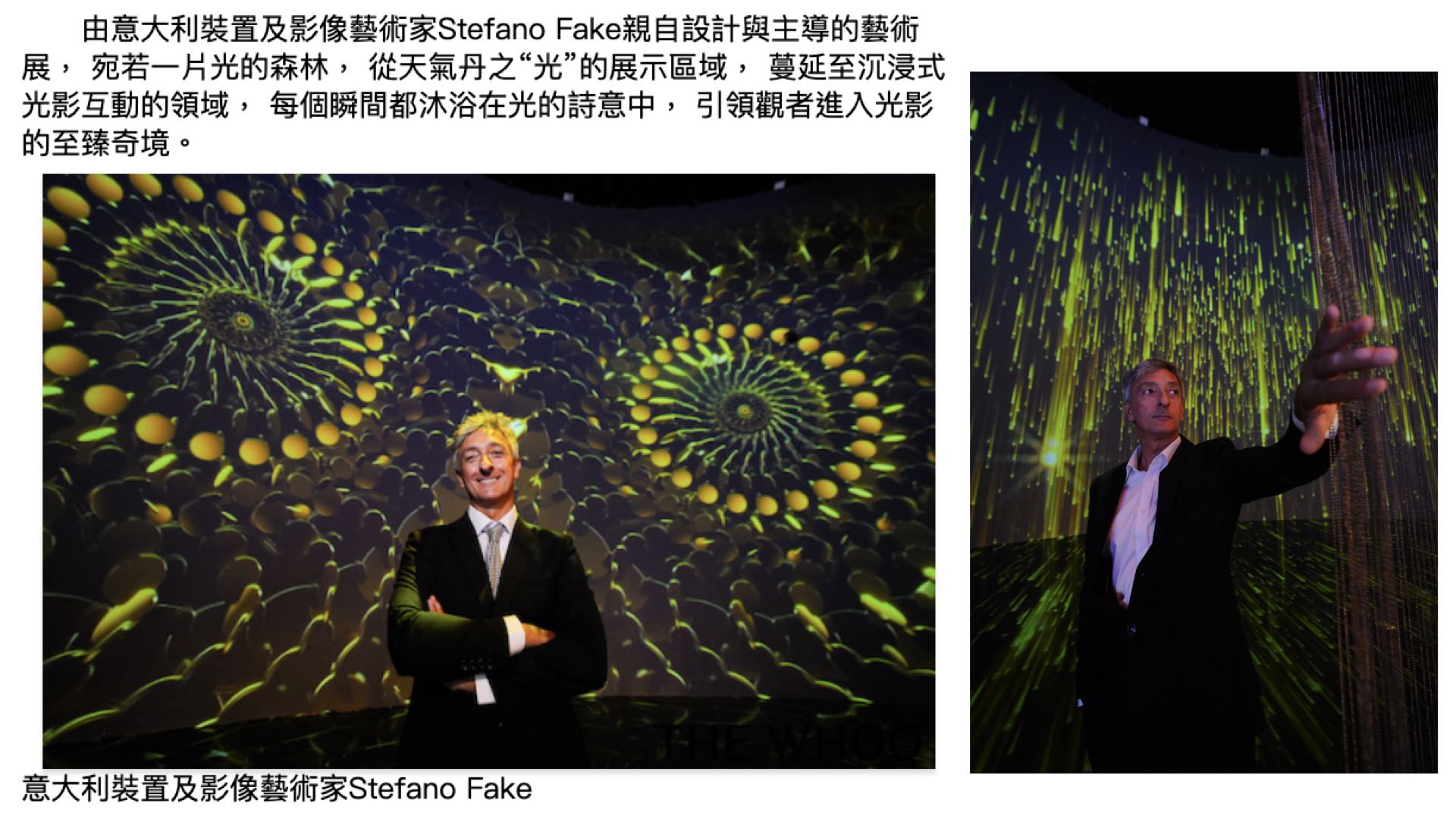
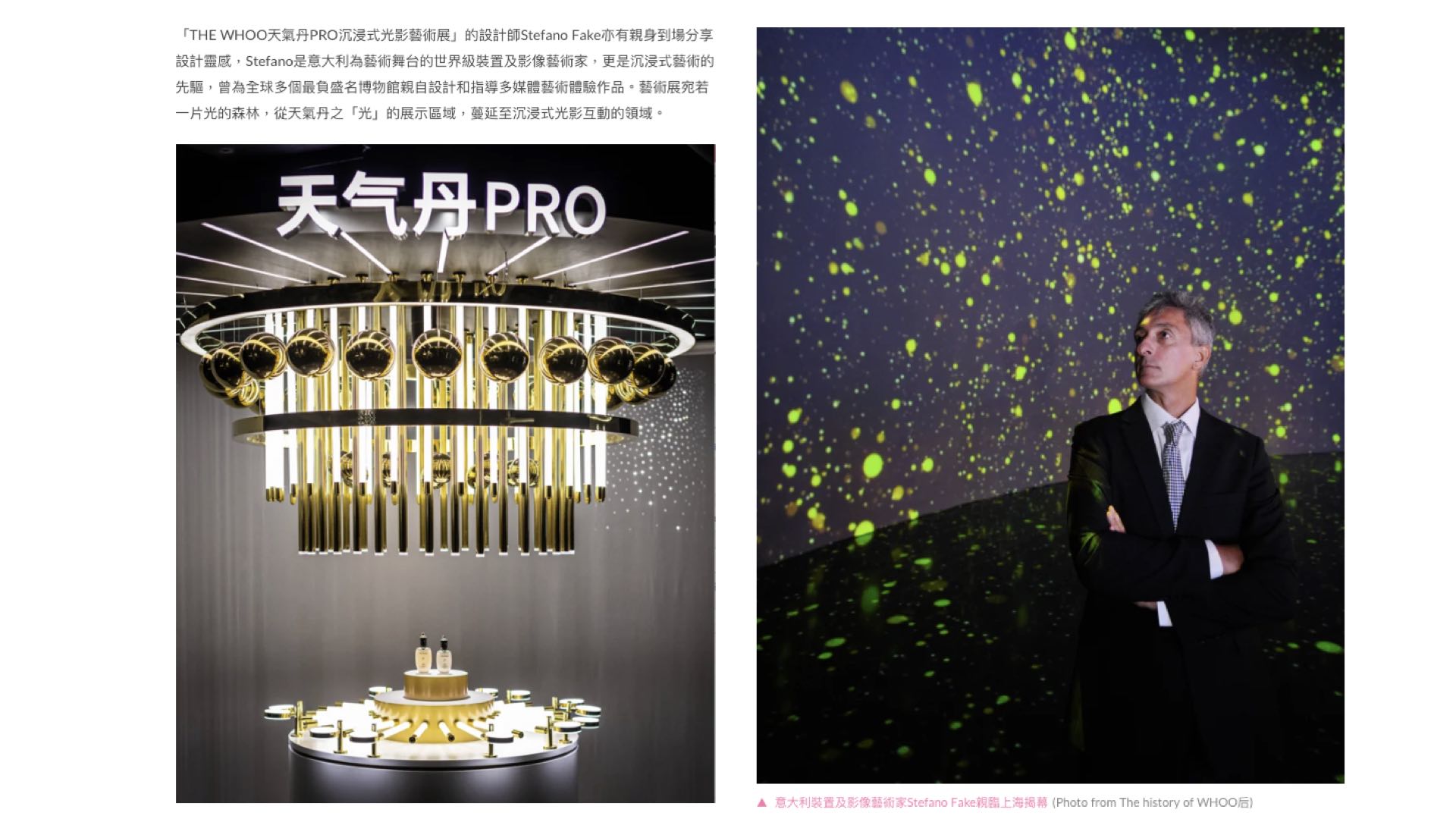
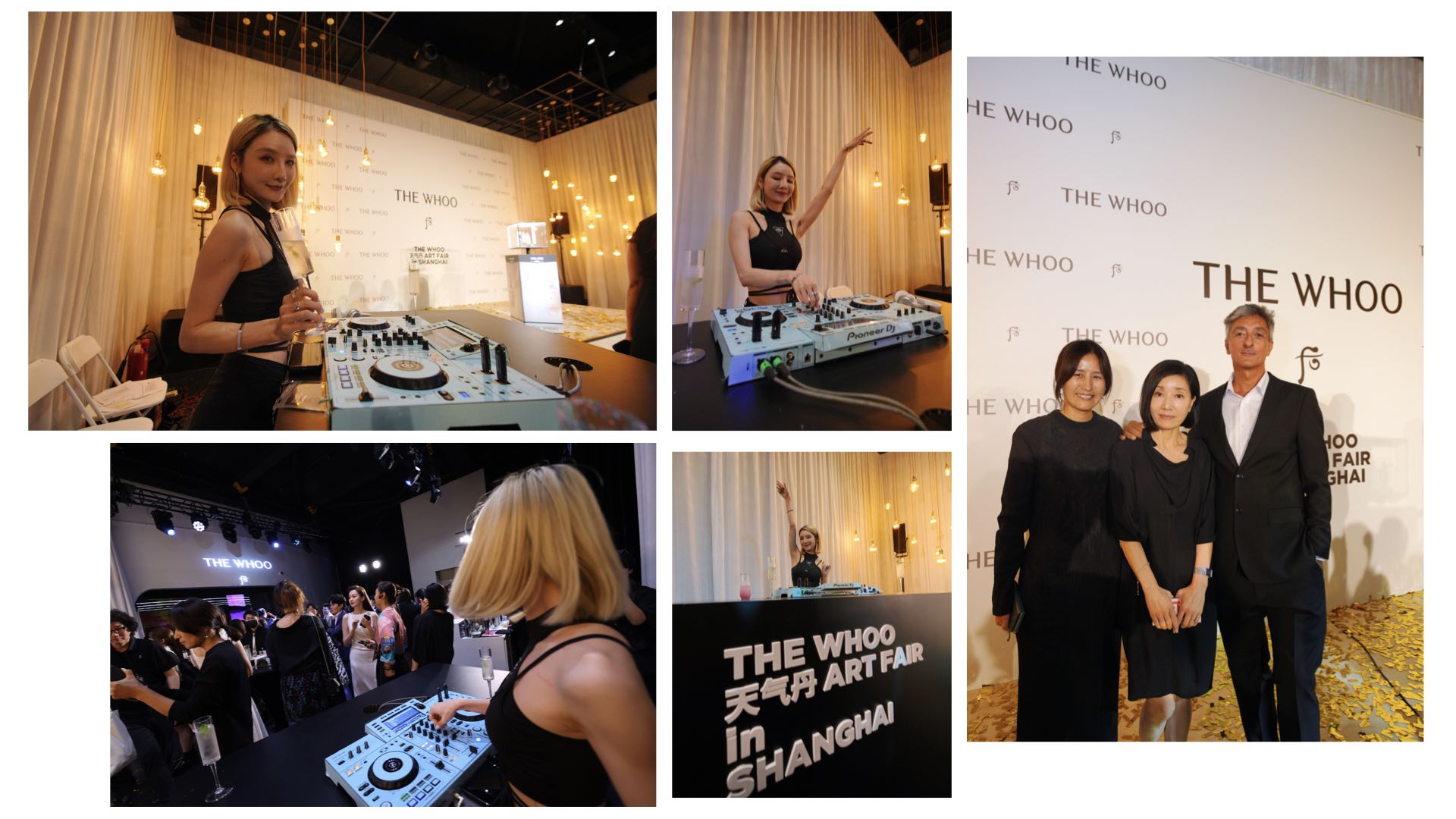
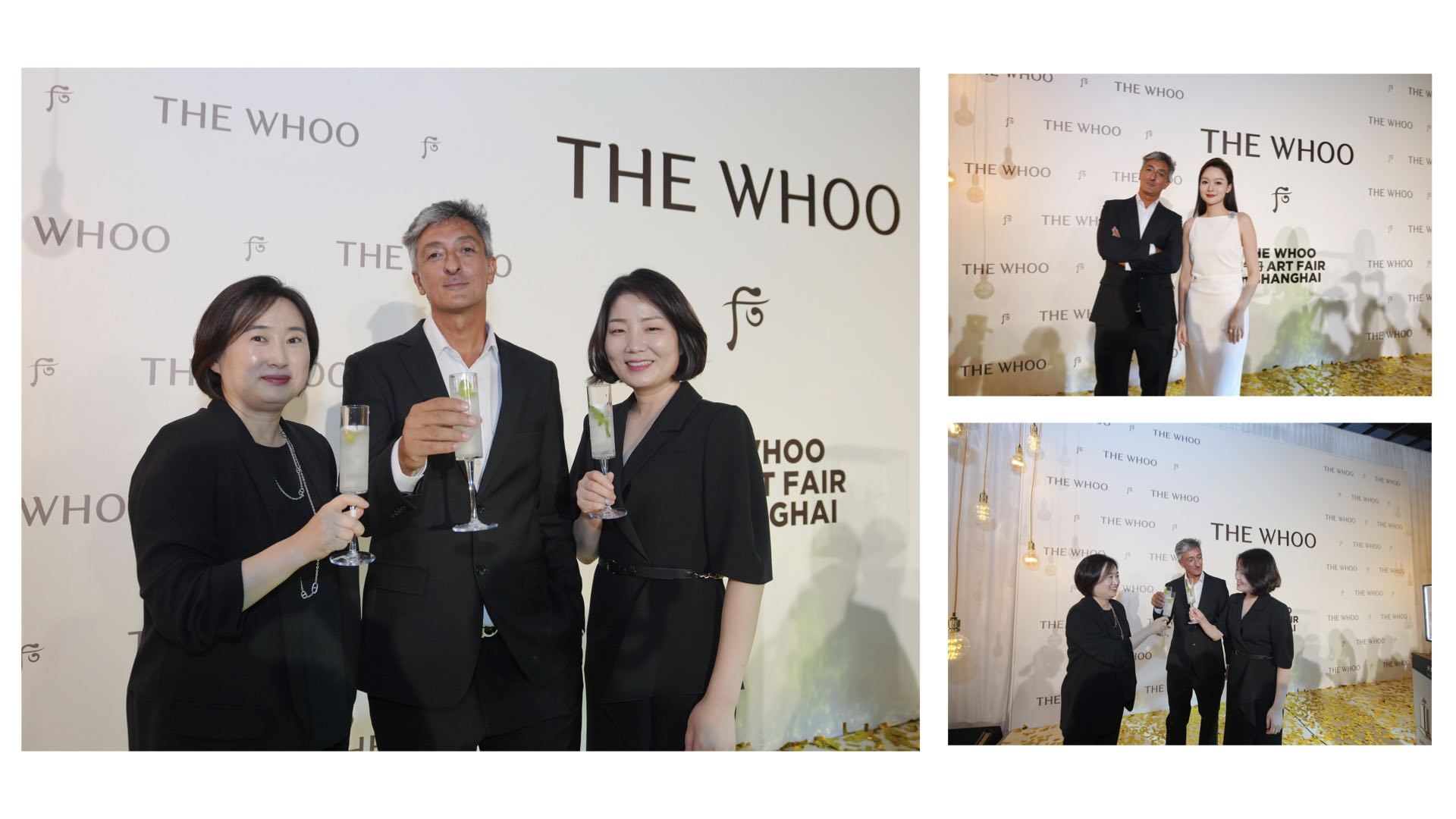
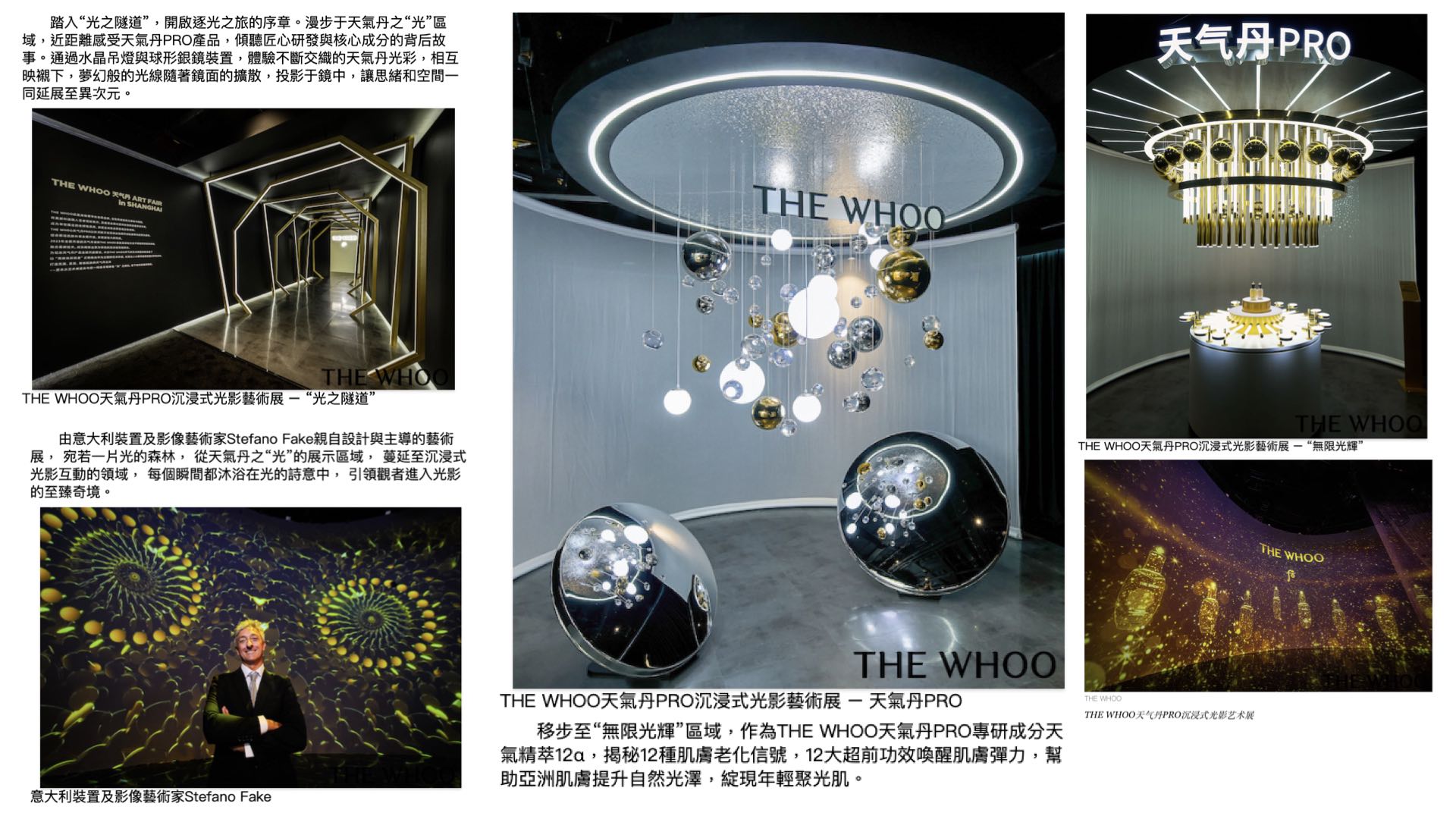
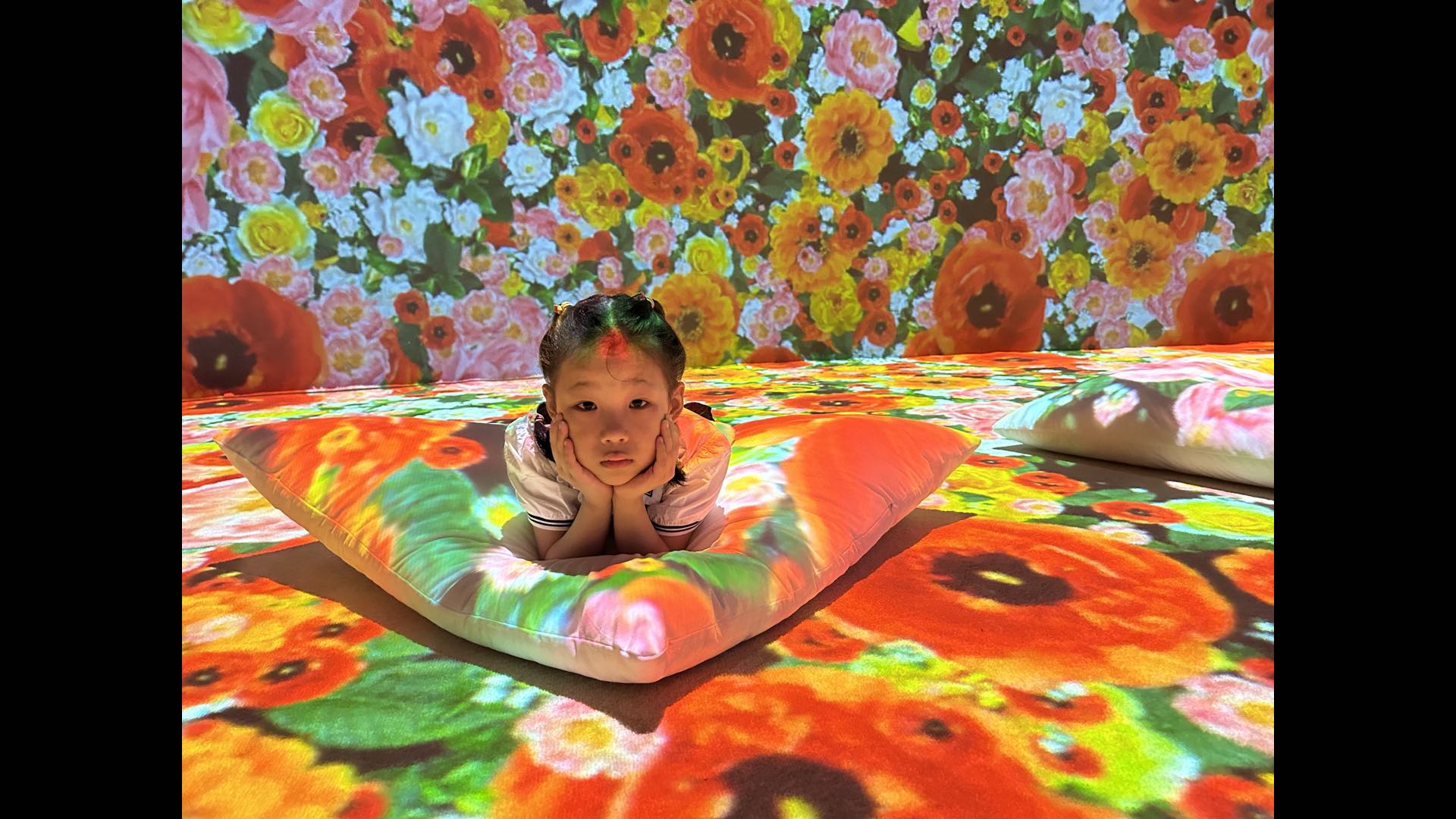
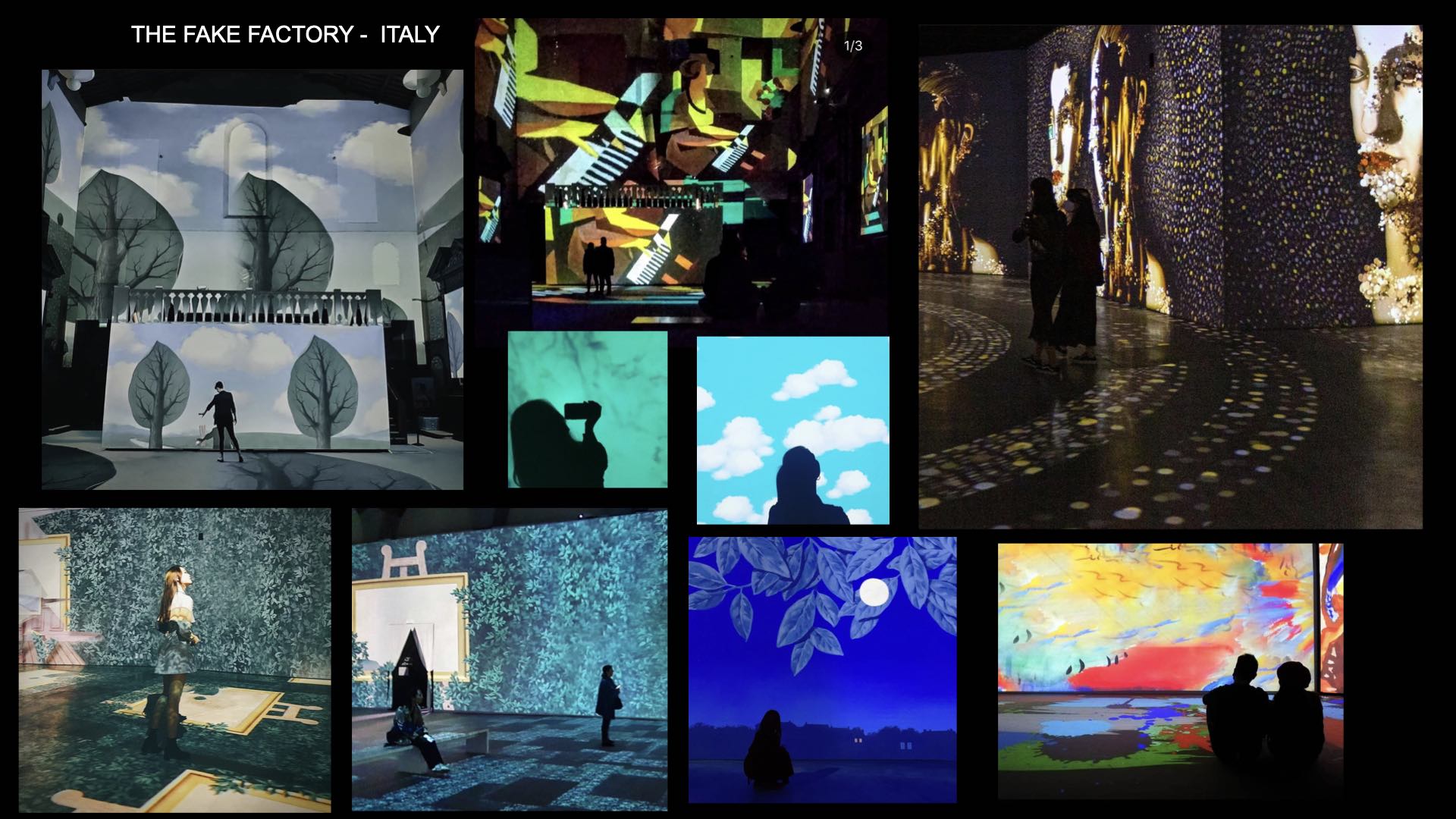
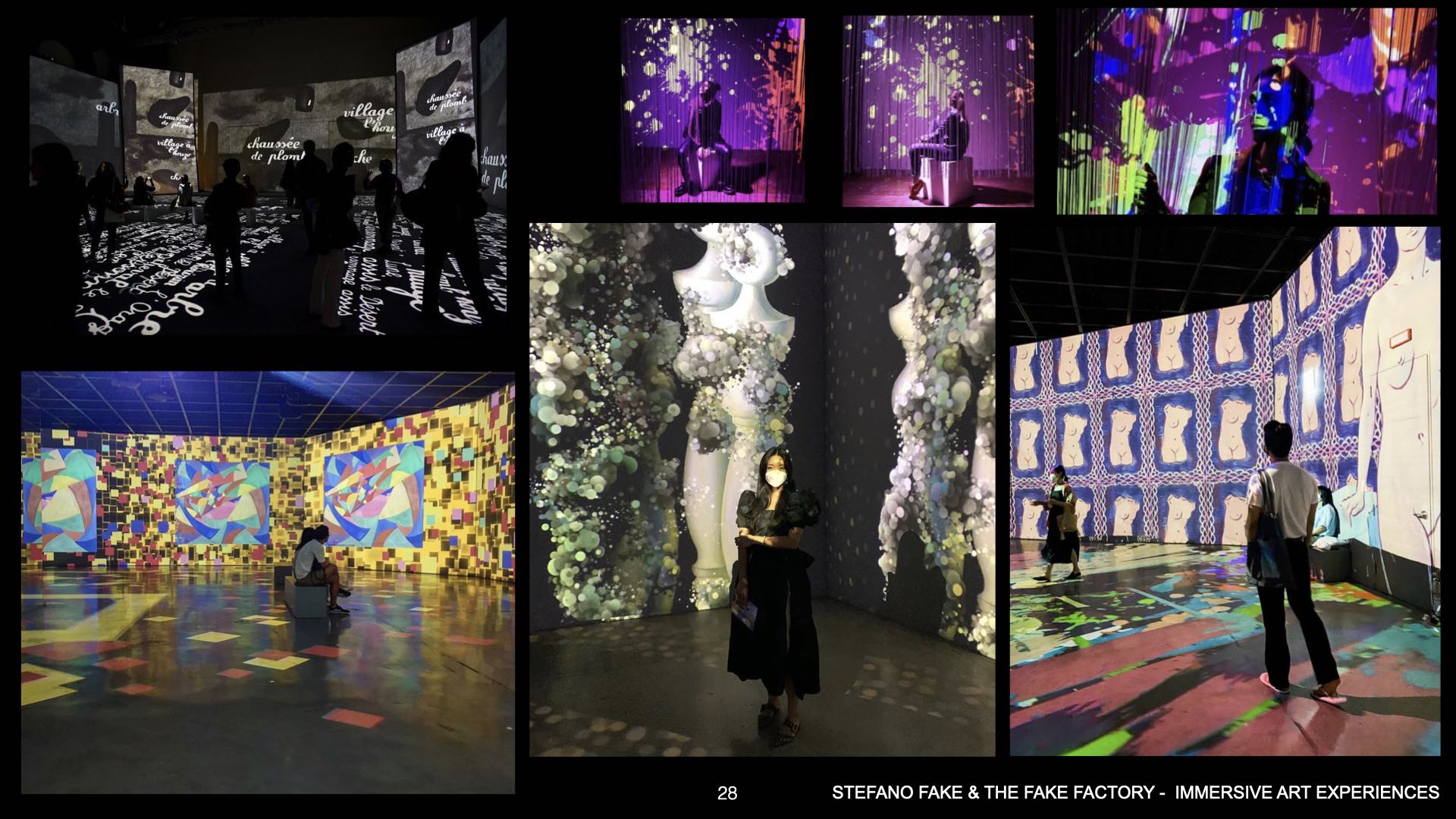
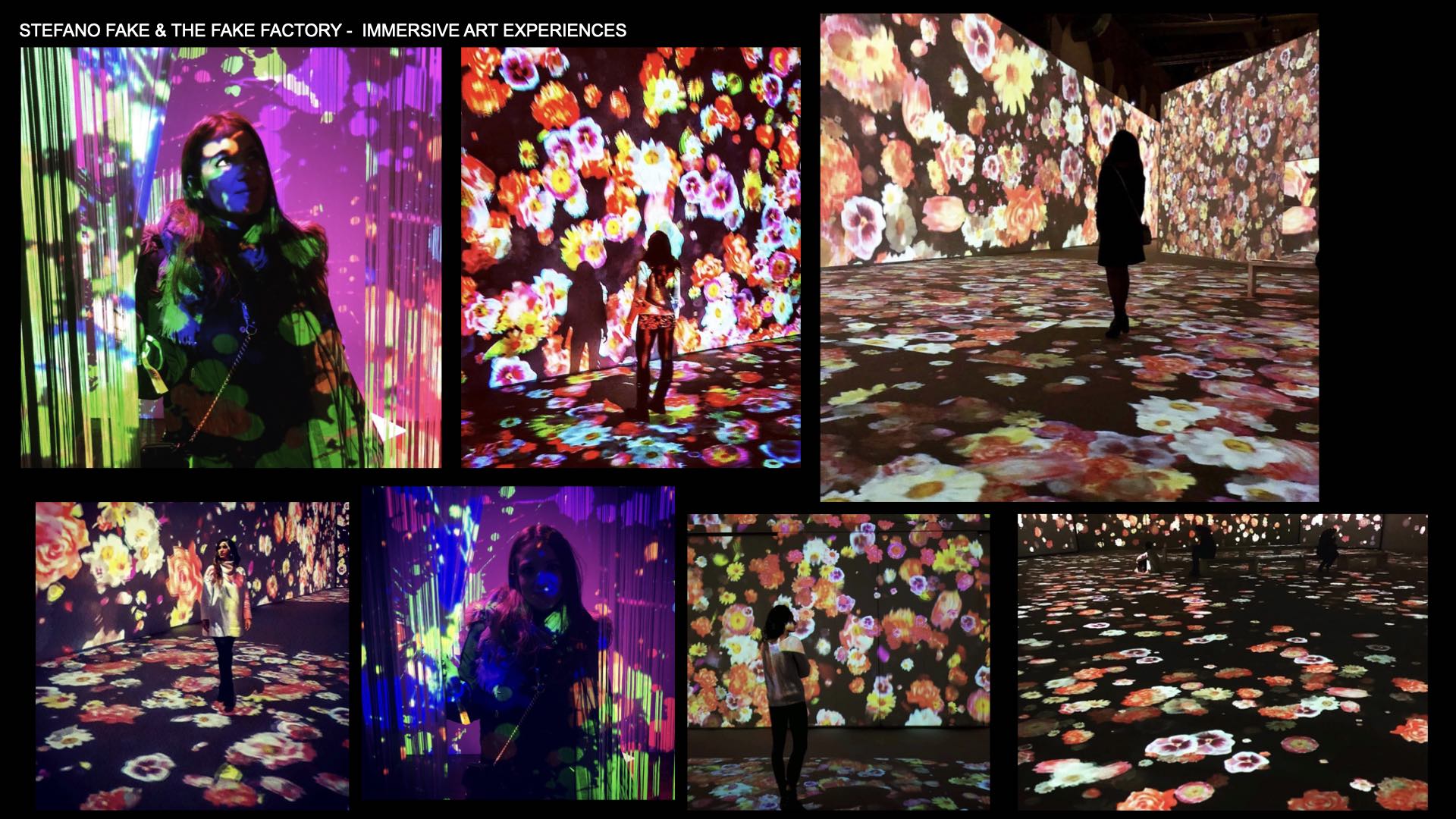
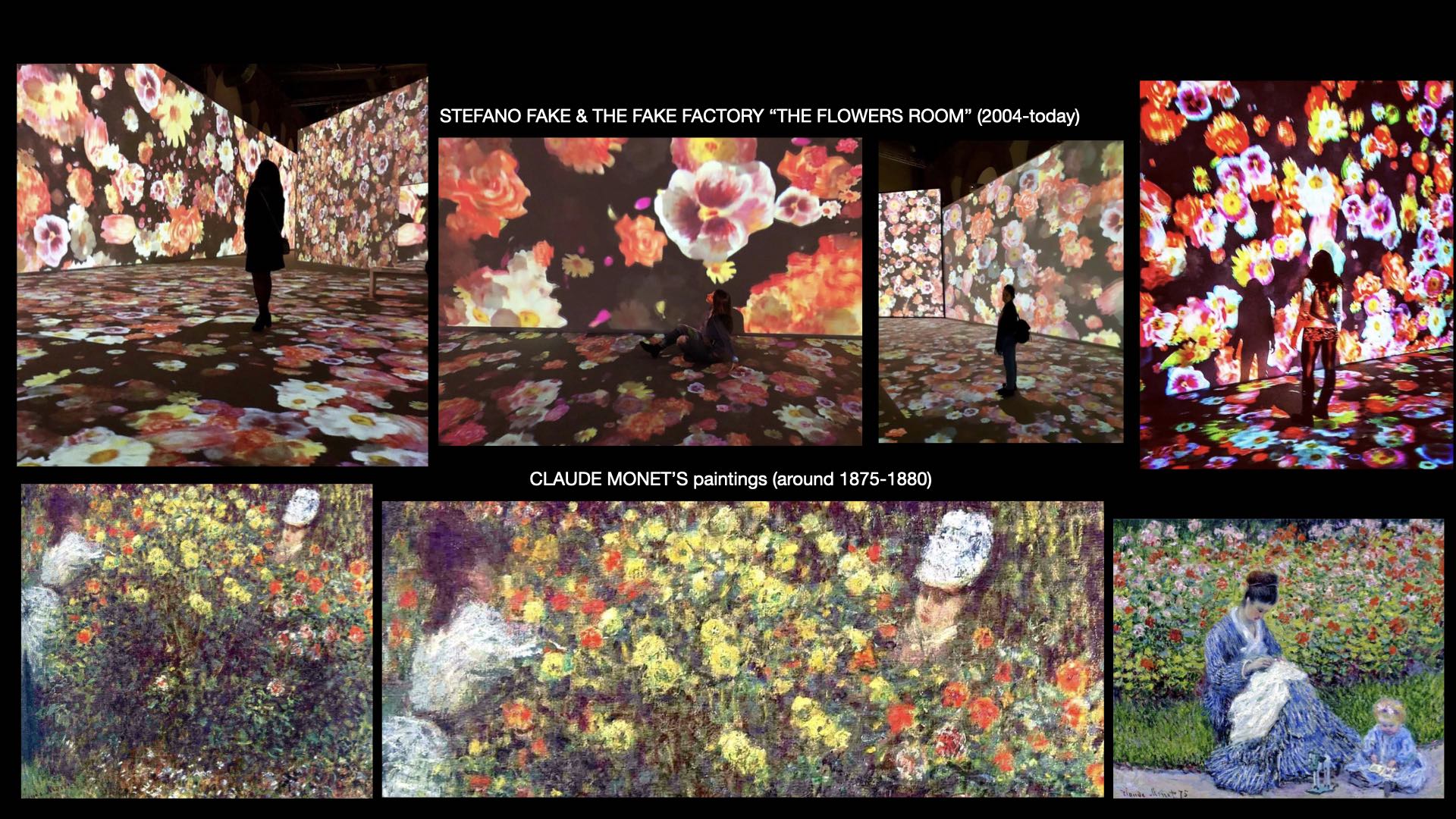
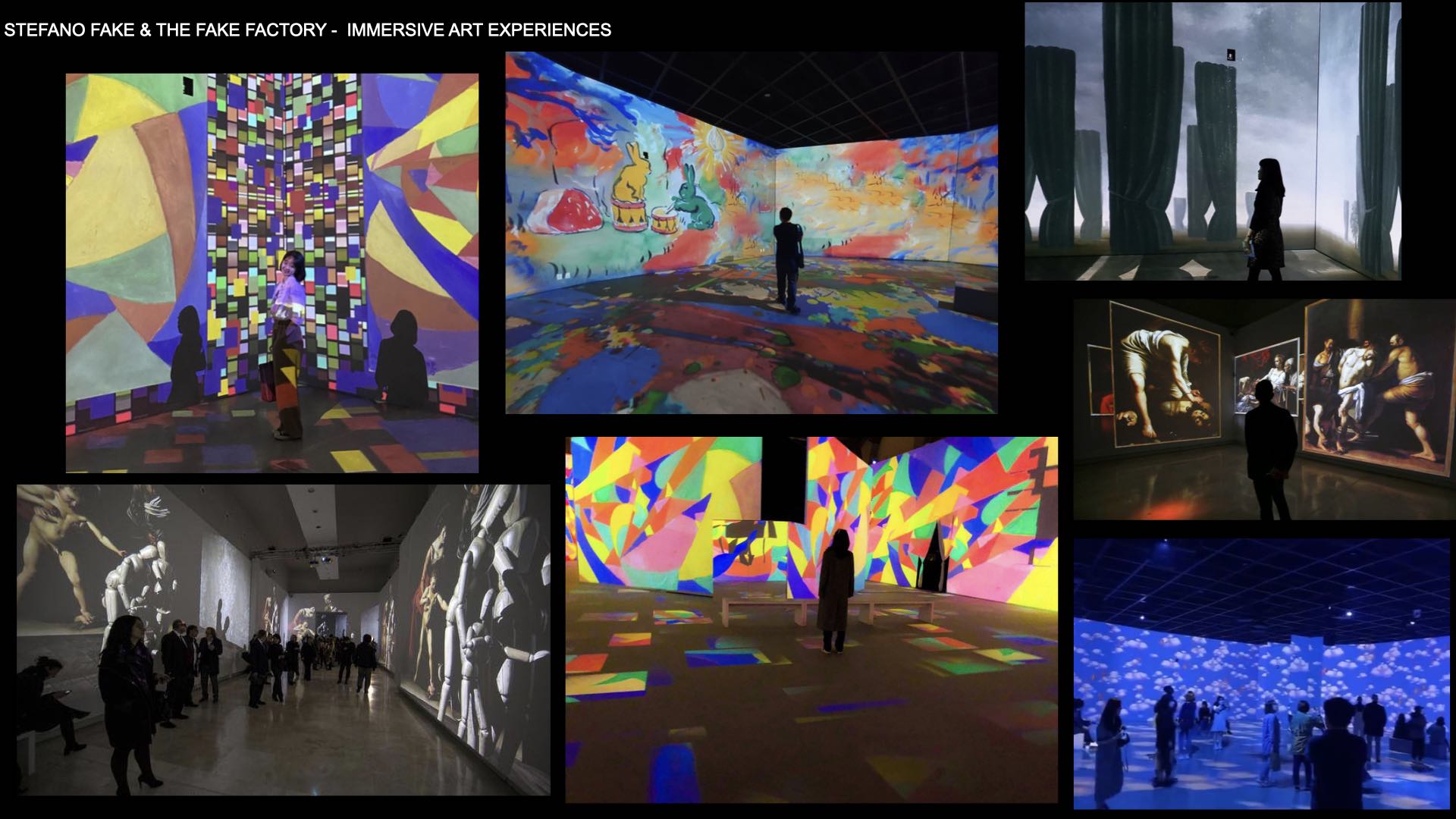
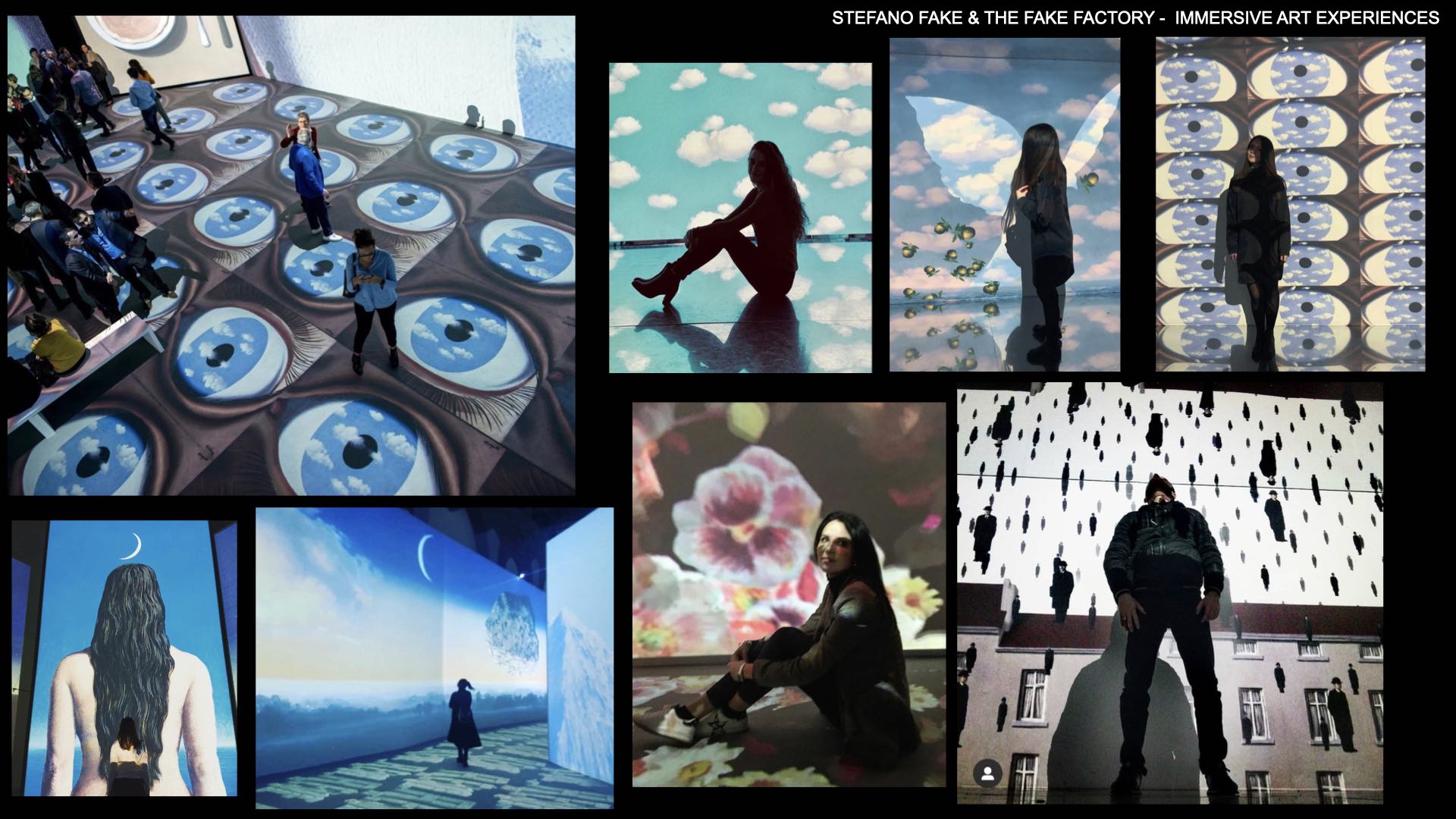
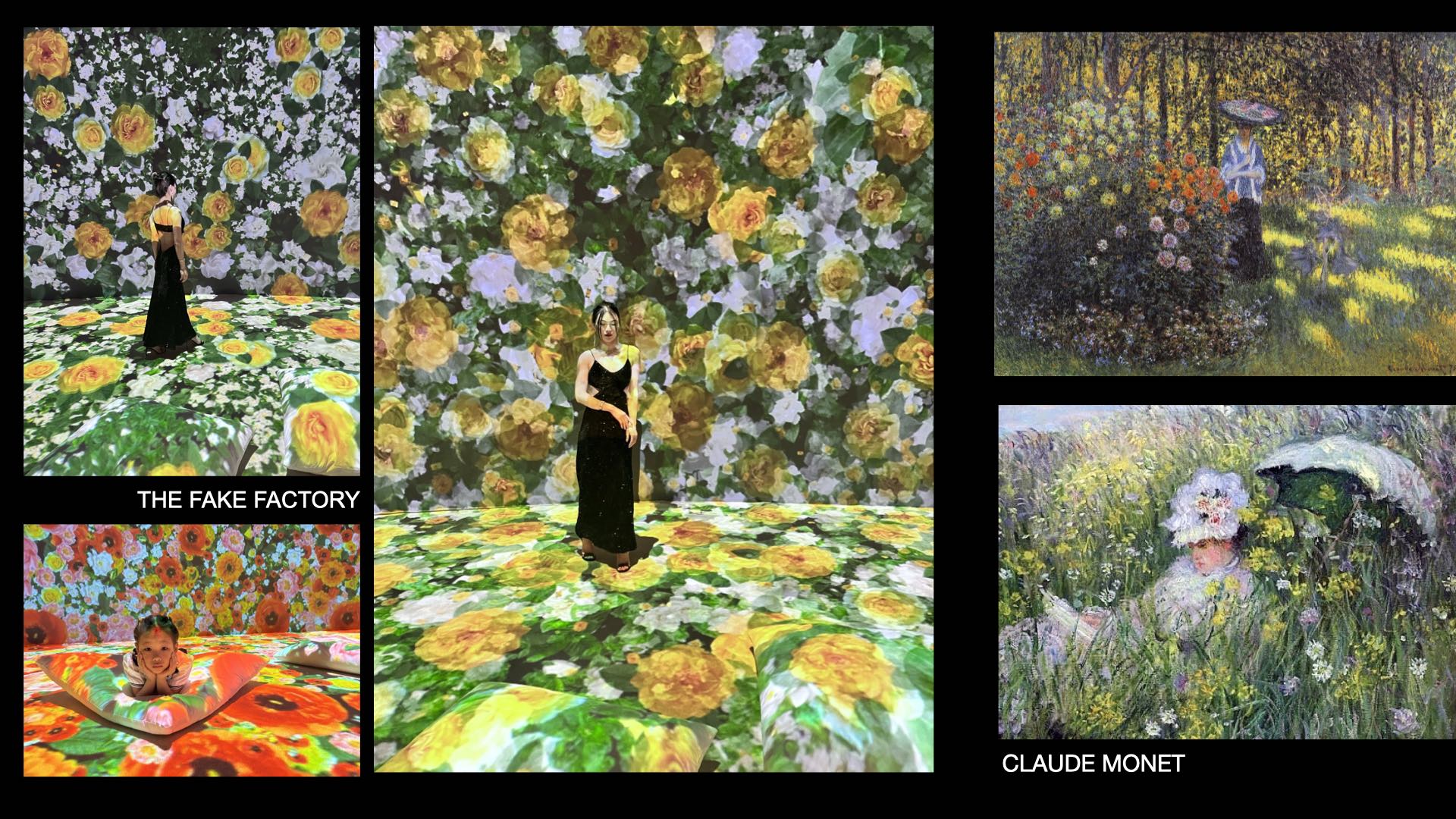
In the framework of the European Union cultural programme for the International EXPO 2025 in Osaka and of the “Study: Osaka Kansai International Art Festival 2025,” an exhibition featuring immersive digital art will be on display at the Contemporary Art Space Osaka (CASO) until May 14, 2025. This exhibition showcases the inspiring work of 28 talented European artists.
The European Union External Action Service (EEAS) with the EU Delegation in Japan aims to introduce the vibrant world of contemporary European digital art to Japanese audiences. Through this diverse collection of artworks, visitors will see innovative and imaginative creations that reflect current trends and ideas in the art world.
The exhibition provides a unique opportunity for attendees to engage with artworks that blurs the lines between technology and creativity. This event promises to be a highly enjoyable experience, encouraging conversations and connections between European and Japanese cultures while celebrating the exciting possibilities of digital art.
European media artists on show:
JÉRÉMIE BELLOT / APPARATI EFFIMERI / ÁNGEL SANDIMAS & AMAYA MADRIGAL / THE FAKE FACTORY / PHILIPP GEIST / OOOPSTUDIO / SÉBASTIEN LABRUNIE / FULL FRAMES / INZIST / FLxER / BETTY MÜ / LUCA AGNANI / MP-STUDIO / KANAKA STUDIO / OCUBO / OLO CREATIVE FARM / ROCCO HELMCHEN & JOHANNES KRAAS / TELENOIKA / PIXEL SHAPES / H3 / MOULAB COLLECTIVE / JONAS DENZEL / WÖA STUDIO / PANI PAWLOSKY / MICHELE PUSCEDDU / MOMAP STUDIO / LEANDRO SUMMO / DARK LIGHT STUDIO
Physital Aesthetics: The Integration of Physical and Digital Realms in the Immersive Art of Stefano Fake & The Fake Factory
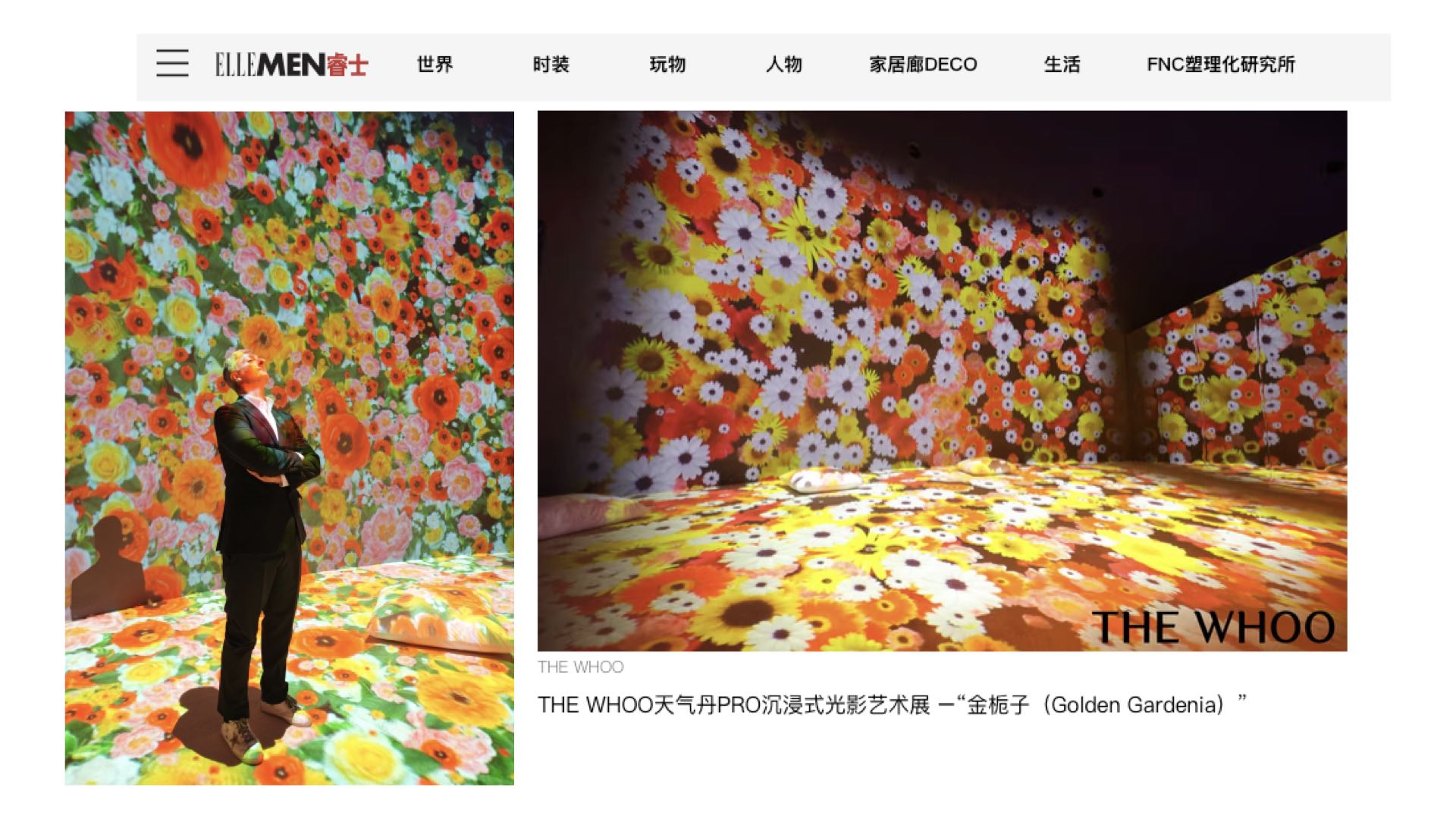
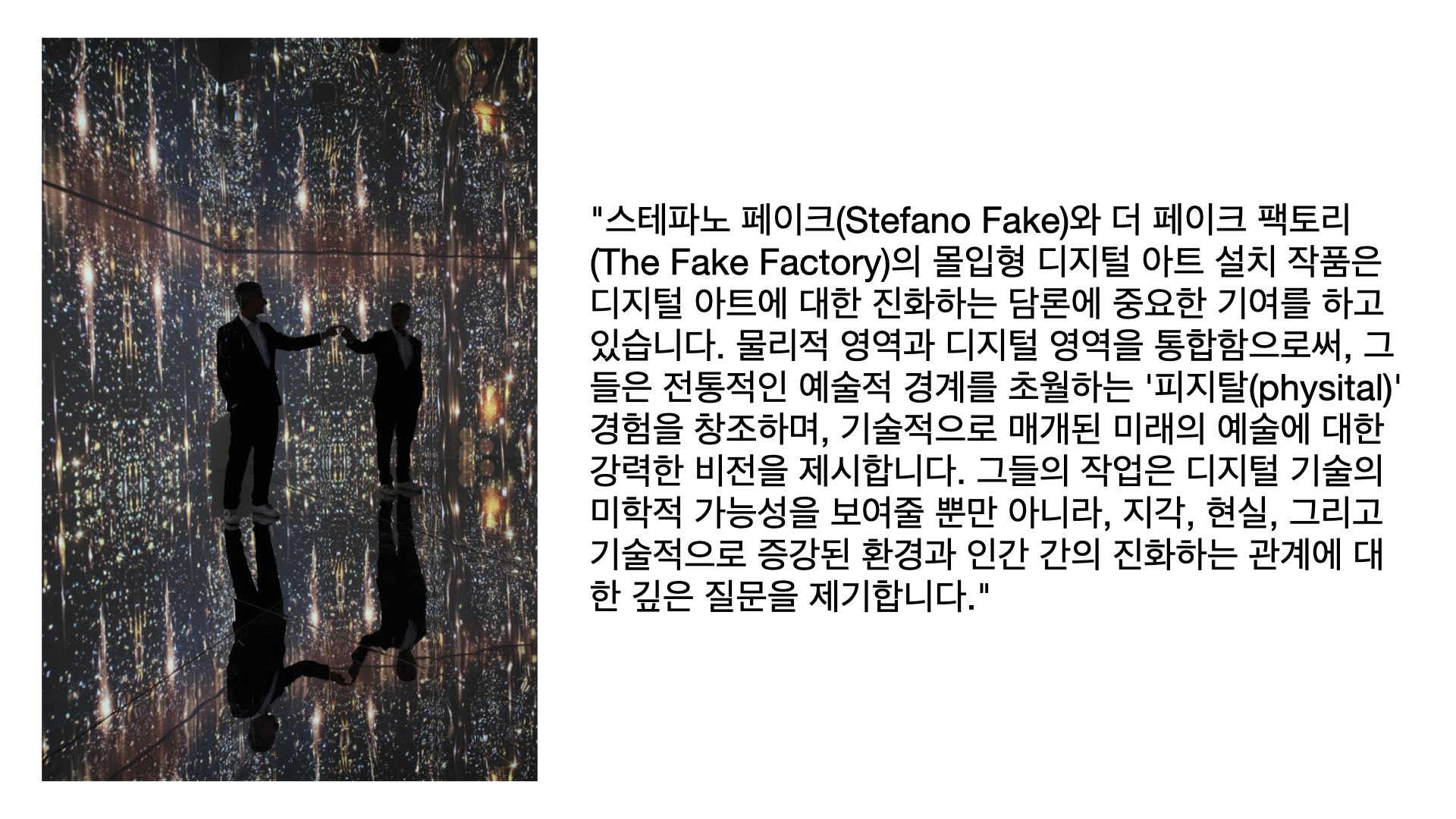
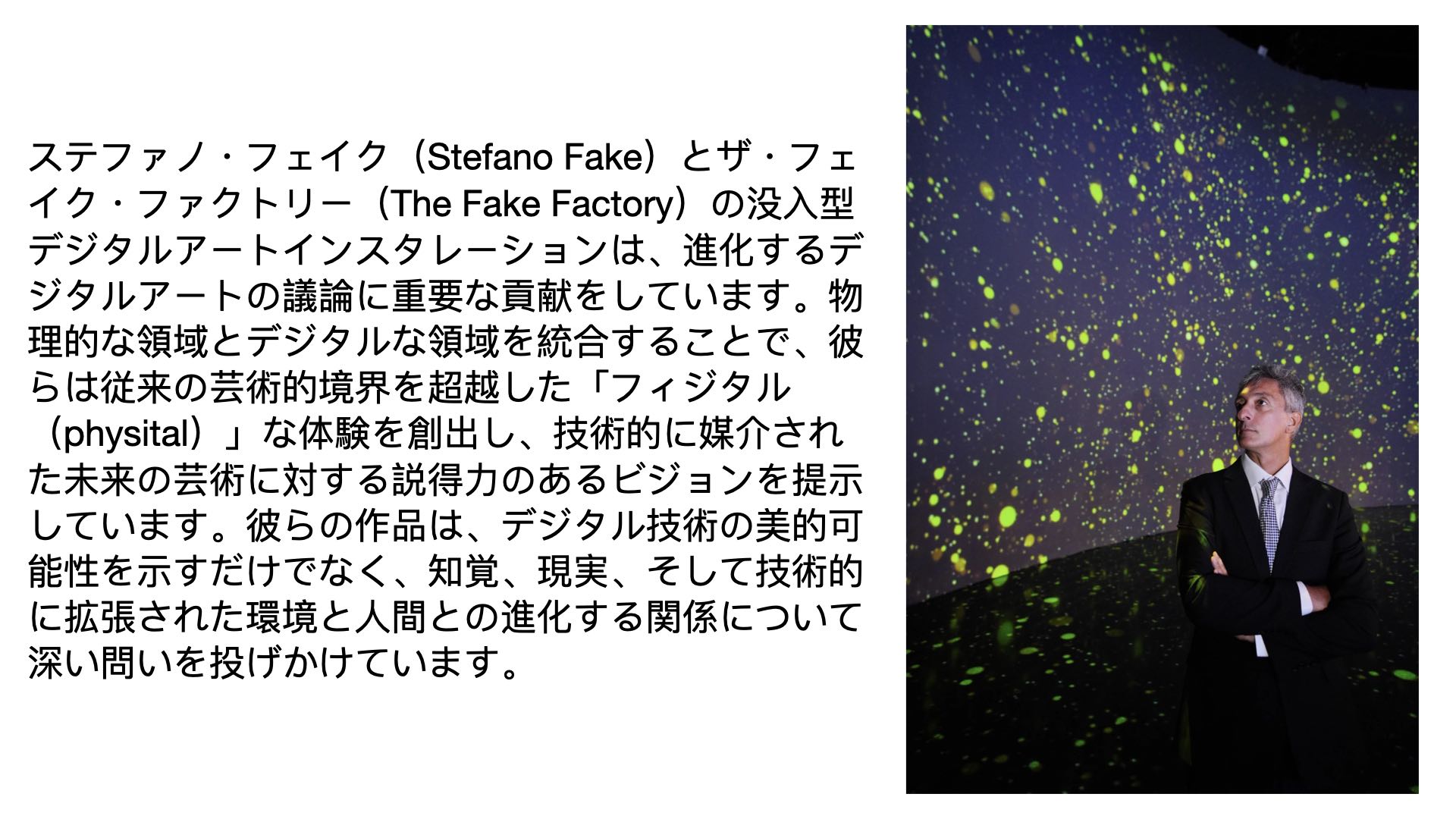
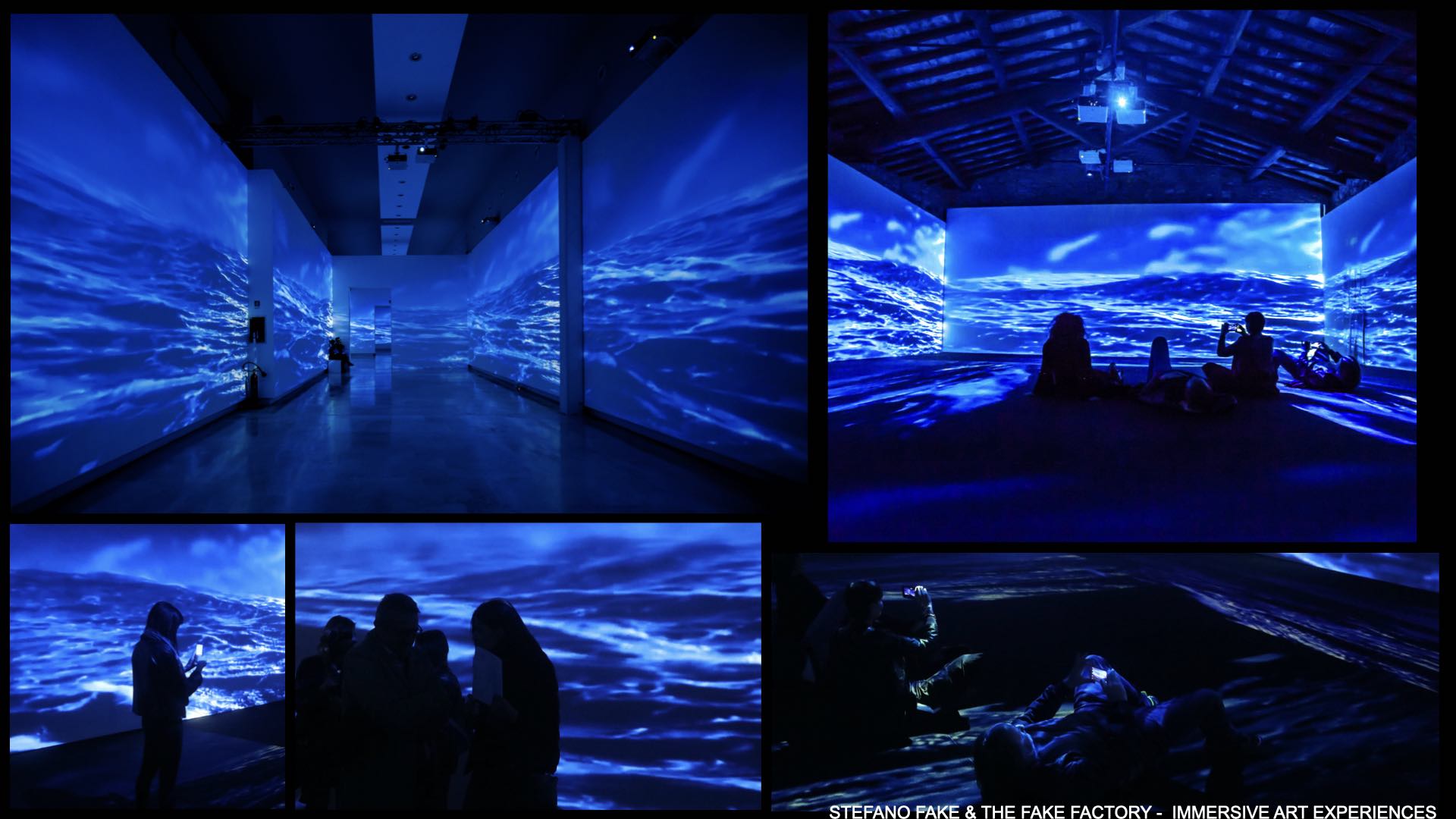
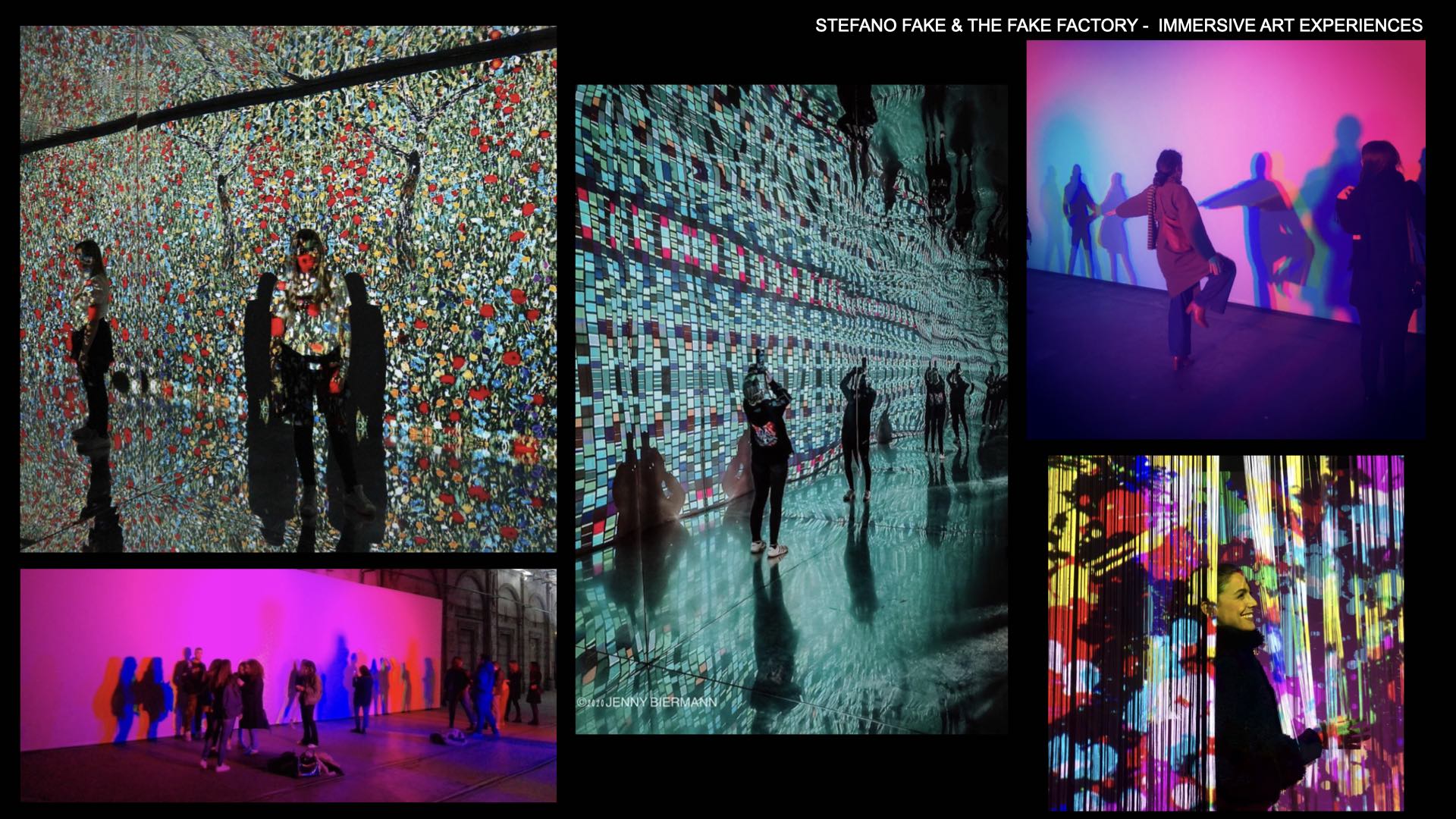
In the evolving landscape of contemporary art, the boundary between the physical and the digital has become increasingly permeable. Few artists exemplify this fusion more effectively than Stefano Fake & The Fake Factory, pioneers in the field of immersive digital art. Their work occupies a unique position at the intersection of technology, perception, and spatial experience, engaging audiences in environments where digital projections transform physical spaces, creating what has been termed “physital” art—an aesthetic and experiential convergence of the physical and digital worlds. The installations by Stefano Fake & The Fake Factory are characterized by their use of large-scale video projections, immersive soundscapes, and interactive spatial configurations, which collectively dissolve the traditional distinctions between viewer and artwork. Unlike conventional media, where the art object remains fixed and the viewer observes from a distance, immersive digital installations envelop the viewer, making them an active participant within a hybrid space that is both tangible and virtual. In these environments, light, sound, and motion become malleable tools of expression, capable of reconfiguring architectural dimensions and reorienting perceptual experience. At the core of their practice is the ambition to redefine the ontological status of the artwork. By integrating digital imagery into the material space of the installation, Stefano Fake & The Fake Factory construct environments where bits and atoms coexist, generating a multi-sensory experience that challenges conventional notions of materiality and presence. These physital spaces are not merely augmented realities; they are co-created realities, where the virtual overlays and the physical infrastructure are inseparable components of the artistic experience.
IMMERSIVE ART : PLAYGROUND OF THE SENSES.
“Technology is driving a profound transformation in the way we engage with art, enhancing its accessibility, interactivity, and immersive quality. As the realm of immersive art expands, its influence extends beyond traditional artistic boundaries, reshaping not only the role of the artist but also the viewer’s experience and the very spaces in which art is presented. This evolution is redefining art as a more collaborative, participatory, and transformative endeavour. In an era where individuals seek novel experiences and deeper emotional connections, immersive art is increasingly gaining prominence, turning galleries, museums, and public spaces into multi-sensory environments that foster a richer, more interactive relationship between the artwork and its audience.” (Stefano Fake) The Fake Factory’s immersive art installations emphasize the relational dimension of art. The presence of the viewer becomes integral to the completion of the work, echoing theories of participatory aesthetics and phenomenology. The digital elements, while seemingly immaterial, rely on the physical presence of the viewer to be fully realized, both perceptually and conceptually. As such, the installations not only bridge the gap between the physical and the digital but also between creator and observer, fostering a dialogic relationship that redefines the process of artistic meaning-making. Importantly, the physital nature of Stefano Fake & The Fake Factory’s work reflects broader cultural shifts towards hybridity and interconnectivity in the digital age. Their art serves as a metaphor for contemporary existence, wherein the boundaries between physical and virtual, self and environment, are constantly negotiated. In this context, their installations invite viewers to reflect on the fluidity of reality, the constructed nature of perception, and the potential of technology to reshape both artistic practice and human experience.
In conclusion, Stefano Fake & The Fake Factory’s immersive digital installations exemplify the potential of physital art to create transformative aesthetic experiences. By synthesizing the physical and the digital into cohesive, interactive environments, they not only expand the possibilities of artistic expression but also offer a compelling commentary on the interconnected, hybrid reality of the contemporary world. Their work stands as a testament to the evolving role of the artist as a mediator between realms, crafting spaces that are at once sensorial, conceptual, and profoundly immersive.
The Fake Factory的沉浸式艺术装置强调了艺术的关系性维度。观众的存在成为作品完成的一个关键部分,呼应了参与性美学和现象学的理论。尽管数字元素似乎是无形的,但它们依赖于观众的物理存在才能充分实现,无论是在感知上还是概念上。因此,这些装置作品不仅弥合了物理与数字之间的鸿沟,还弥合了创作者与观察者之间的鸿沟,促进了一种对话式的关系,重新定义了艺术意义创作的过程。
물리-디지털 미학: Stefano Fake & The Fake Factory의 몰입형 예술에서 물리적과 디지털 영역의 통합
현대 예술의 발전하는 풍경 속에서 물리적과 디지털의 경계는 점점 더 투명해지고 있습니다. 이 융합을 가장 효과적으로 보여주는 예술가들 중 몇몇은 바로 Stefano Fake & The Fake Factory입니다. 그들은 몰입형 디지털 예술 분야의 선구자들로, 그들의 작품은 기술, 지각 및 공간 경험의 교차점에 독특한 위치를 차지하고 있습니다. 그들의 작업은 디지털 투영이 물리적 공간을 변형시키는 환경을 통해 관람객을 참여시키며, 이를 통해 “물리-디지털 통합” 예술을 창조합니다. 이는 물리적 세계와 디지털 세계의 미학적이고 경험적인 융합입니다.
Stefano Fake & The Fake Factory의 설치 작품은 대형 비디오 투영, 몰입형 사운드스케이프 및 인터랙티브한 공간 구성을 특징으로 하며, 이는 전통적인 관람객과 작품 간의 구별을 허물어 뜯습니다. 전통적인 매체에서 예술 작품은 고정되어 있고, 관람객은 멀리서 관찰하는 반면, 몰입형 디지털 설치 작품은 관람객을 감싸며, 물리적이면서도 가상적인 혼합 공간 안에서 관람객이 적극적으로 참여할 수 있도록 만듭니다. 이러한 환경에서 빛, 소리, 움직임은 표현의 가변적인 도구가 되어 건축적 차원을 재구성하고 지각적 경험을 재정렬할 수 있게 합니다.
그들의 실천의 핵심은 예술 작품의 존재론적 지위를 재정의하려는 욕망에 있습니다. 디지털 이미지를 설치의 물리적 공간에 통합함으로써, Stefano Fake & The Fake Factory는 비트와 원자가 공존하는 환경을 만들어 물질성과 존재에 대한 전통적인 개념에 도전하는 다감각적 경험을 창출합니다. 이러한 “물리-디지털 통합” 공간은 단순히 증강 현실이 아닙니다. 그것들은 공동 창작된 현실로, 가상과 물리적 기반 시설이 예술 경험의 불가분한 구성 요소입니다.
몰입형 예술: 감각의 놀이터
“기술은 우리가 예술과 상호작용하는 방식을 깊이 변화시키고 있으며, 예술의 접근성, 상호작용성 및 몰입성을 강화하고 있습니다. 몰입형 예술 영역이 확장됨에 따라 그 영향은 전통적인 예술의 경계를 넘어서, 예술가의 역할뿐만 아니라 관람객의 경험과 예술이 제시되는 공간까지 재구성하고 있습니다. 이 진화는 예술을 더 협력적이고 참여적이며 변혁적인 경험으로 재정의하고 있습니다. 사람들은 새로운 경험과 더 깊은 감정적 연결을 갈망하는 시대에 살고 있으며, 몰입형 예술은 점차 대두되고 있습니다. 그것은 갤러리, 박물관, 공공 공간을 감각적 환경으로 변화시키며, 작품과 관람객 간의 더욱 풍부하고 상호작용적인 관계를 촉진하고 있습니다.” (Stefano Fake)
The Fake Factory의 몰입형 예술 설치 작품은 예술의 관계적 차원을 강조합니다. 관람객의 존재는 작품의 완성에 필수적인 요소가 되며, 이는 참여적 미학과 현상학 이론을 반영합니다. 디지털 요소들은 겉으로는 무형처럼 보일지 모르지만, 그것들은 관람객의 물리적 존재를 통해 완전히 실현됩니다. 따라서 이 설치 작품들은 물리적과 디지털뿐만 아니라 창작자와 관찰자 간의 경계를 허물며, 예술적 의미 창출 과정에서 대화적인 관계를 촉진합니다.
중요하게도, Stefano Fake & The Fake Factory의 작업에서 물리-디지털 통합 특성은 디지털 시대의 혼합성과 상호 연결성에 대한 광범위한 문화적 변화를 반영합니다. 그들의 예술은 물리적과 가상, 자아와 환경 간의 경계가 끊임없이 협상되는 현대 존재의 은유입니다. 이러한 맥락에서 그들의 설치 작품은 관람객들에게 현실의 유동성, 지각의 구성성, 그리고 기술이 예술적 실천과 인간 경험을 재구성할 잠재력에 대해 성찰하도록 초대합니다.
결론적으로, Stefano Fake & The Fake Factory의 몰입형 디지털 설치 작품은 물리-디지털 통합 예술이 변혁적인 미학적 경험을 창출할 수 있는 잠재력을 보여줍니다. 물리적과 디지털을 통합하여 일관되고 상호작용적인 환경을 창조함으로써 그들은 예술 표현의 가능성을 확장할 뿐만 아니라 현대 세계의 상호 연결되고 혼합된 현실에 대한 강력한 논평을 제공합니다. 그들의 작업은 예술가가 영역 간 중재자로서 끊임없이 진화하는 역할을 보여주는 증거로, 감각적, 개념적, 깊이 몰입할 수 있는 공간을 창조하고 있습니다.
物理-デジタル美学:Stefano Fake & The Fake Factoryの没入型アートにおける物理的およびデジタル領域の統合
現代アートの進化する風景の中で、物理的とデジタルの境界はますます浸透しています。この融合を最も効果的に体現しているアーティストは、Stefano Fake & The Fake Factoryです。彼らは没入型デジタルアートの分野での先駆者であり、彼らの作品は技術、知覚、空間的体験の交差点に独自の位置を占めています。彼らの作品は、デジタル映像が物理的空間を変容させる環境で観客を巻き込み、これにより「物理-デジタル統合」アートが創出されます。これは物理的世界とデジタル世界の美学的および経験的な融合です。
Stefano Fake & The Fake Factoryのインスタレーションは、大規模なビデオ映像投影、没入型のサウンドスケープ、インタラクティブな空間構成を特徴としており、これにより観客とアート作品の間の伝統的な区別が解消されます。従来のメディアでは、アート作品は固定されており、観客は距離を置いて観察するだけですが、没入型のデジタルインスタレーションは観客を包み込み、物理的でありながらも仮想的な混合空間内で観客が積極的に参加できるようにします。このような環境では、光、音、動きが表現の可変的なツールとなり、建築的次元を再構成し、知覚的な体験を再調整することができます。
彼らの実践の核心は、アート作品の存在論的な地位を再定義しようとする野心にあります。デジタル映像をインスタレーションの物理的空間に統合することで、Stefano Fake & The Fake Factoryは、ビットと原子が共存する環境を構築し、物質性と存在に関する従来の概念に挑戦する多感覚的な体験を生み出します。この「物理-デジタル統合」空間は単なる拡張現実ではありません。それは共同創造された現実であり、仮想的なオーバーレイと物理的インフラストラクチャーがアート体験の不可分な構成要素です。
The Fake Factoryの没入型アートインスタレーションは、アートの関係性の次元を強調します。観客の存在は作品の完成に不可欠な要素となり、参加型美学や現象学の理論を反映しています。デジタル要素は一見無形に見えるかもしれませんが、それらは観客の物理的存在に依存して、知覚的および概念的に完全に実現されます。そのため、これらのインスタレーションは物理的とデジタルの境界だけでなく、創作者と観察者の境界も越え、アートの意味創造過程における対話的関係を促進します。
重要なことに、Stefano Fake & The Fake Factoryの作品における物理-デジタル統合の性質は、デジタル時代におけるハイブリッド性と相互接続性に対する広範な文化的変化を反映しています。彼らのアートは、物理的と仮想的、自己と環境の境界が絶えず交渉される現代の存在の隠喩として機能します。この文脈において、彼らのインスタレーションは観客に対して現実の流動性、知覚の構成性、そして技術がアートの実践と人間の経験を再構築する可能性についての省察を促しています。
結論として、Stefano Fake & The Fake Factoryの没入型デジタルインスタレーションは、物理-デジタル統合アートが変革的な美学的体験を生み出す可能性を示しています。物理的とデジタルを統合し、整合的でインタラクティブな環境を創造することにより、彼らはアート表現の可能性を広げるだけでなく、現代世界の相互接続されたハイブリッド現実に関する強力なコメントを提供しています。彼らの作品は、アーティストが領域を超える媒介者として進化する役割を示す証として、感覚的、概念的、そして深く没入型の空間を創造しています。
“스테파노 페이크(Stefano Fake)와 더 페이크 팩토리(The Fake Factory)의 몰입형 디지털 아트 설치 작품은 디지털 아트에 대한 진화하는 담론에 중요한 기여를 하고 있습니다. 물리적 영역과 디지털 영역을 통합함으로써, 그들은 전통적인 예술적 경계를 초월하는 ‘피지탈(physital)’ 경험을 창조하며, 기술적으로 매개된 미래의 예술에 대한 강력한 비전을 제시합니다. 그들의 작업은 디지털 기술의 미학적 가능성을 보여줄 뿐만 아니라, 지각, 현실, 그리고 기술적으로 증강된 환경과 인간 간의 진화하는 관계에 대한 깊은 질문을 제기합니다.”
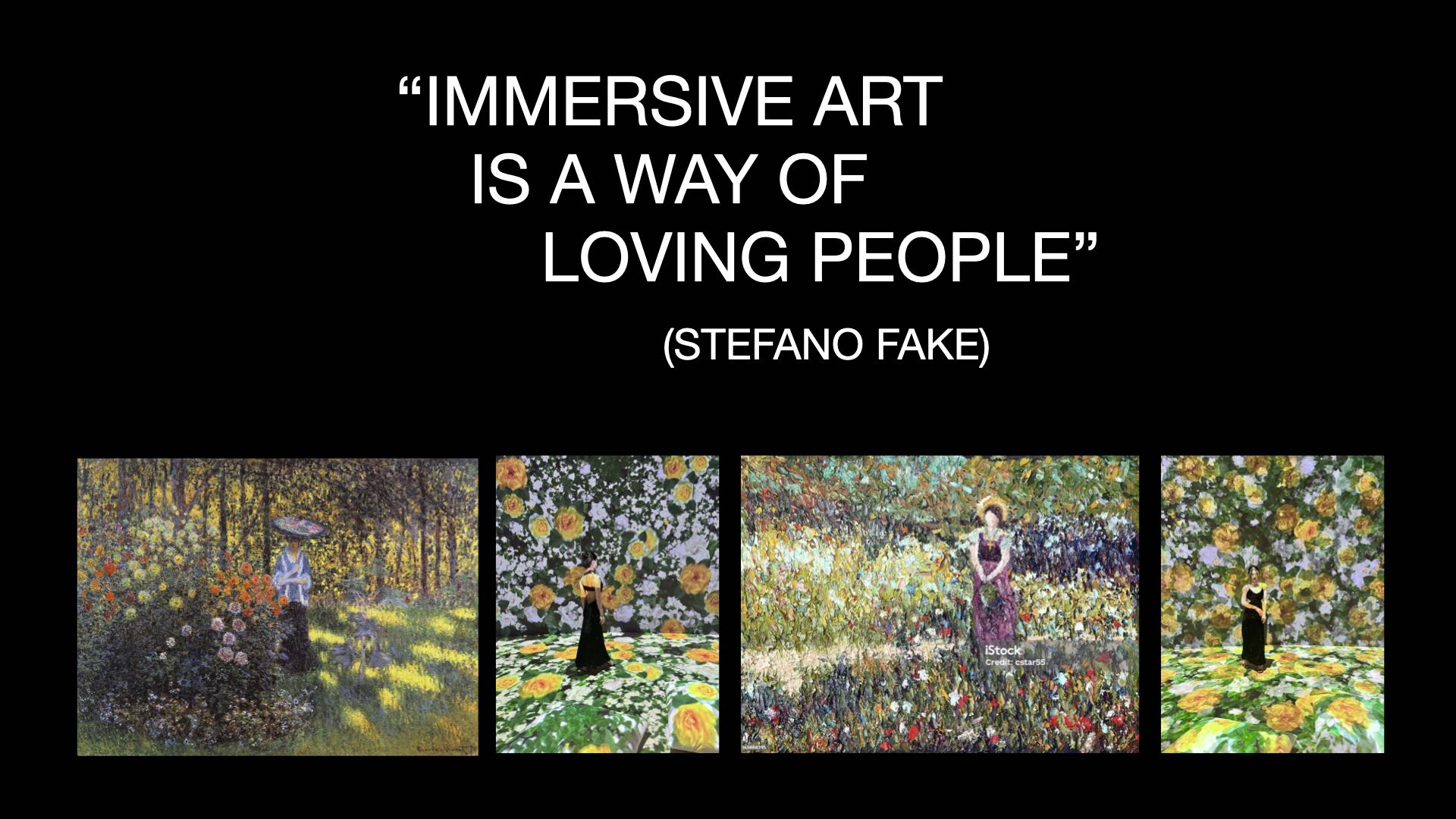
“IMMERSIVE ART IS A WAY OF LOVING PEOPLE” (Stefano Fake)
“몰입형 아트는 사람들을 사랑하는 방식이다” (Stefano Fake)
沉浸式艺术是一种爱人的方式。 (Stefano Fake)
“L’arte immersiva è un modo di amare le persone.” (Stefano Fake)
Questa frase è stata espressa da Stefano Fake, che considera l’arte immersiva come un modo per connettersi con le persone su un livello più profondo, coinvolgendole direttamente nell’esperienza artistica.
“몰입형 아트는 사람들을 사랑하는 방식이다.” 이 말은 Stefano Fake가 표현한 것으로, 그는 몰입형 아트를 사람들과 더 깊은 수준에서 연결되는 방식으로 간주하며, 관객을 직접 예술적 경험에 참여시키는 방법으로 보고 있습니다.
Physital Aesthetics: The Integration of Physical and Digital Realms in the Immersive Art of Stefano Fake & The Fake Factory
In the evolving landscape of contemporary art, the boundary between the physical and the digital has become increasingly permeable. Few artists exemplify this fusion more effectively than Stefano Fake & The Fake Factory, pioneers in the field of immersive digital art. Their work occupies a unique position at the intersection of technology, perception, and spatial experience, engaging audiences in environments where digital projections transform physical spaces, creating what has been termed “physital” art—an aesthetic and experiential convergence of the physical and digital worlds. The installations by Stefano Fake & The Fake Factory are characterized by their use of large-scale video projections, immersive soundscapes, and interactive spatial configurations, which collectively dissolve the traditional distinctions between viewer and artwork. Unlike conventional media, where the art object remains fixed and the viewer observes from a distance, immersive digital installations envelop the viewer, making them an active participant within a hybrid space that is both tangible and virtual. In these environments, light, sound, and motion become malleable tools of expression, capable of reconfiguring architectural dimensions and reorienting perceptual experience. At the core of their practice is the ambition to redefine the ontological status of the artwork. By integrating digital imagery into the material space of the installation, Stefano Fake & The Fake Factory construct environments where bits and atoms coexist, generating a multi-sensory experience that challenges conventional notions of materiality and presence. These physital spaces are not merely augmented realities; they are co-created realities, where the virtual overlays and the physical infrastructure are inseparable components of the artistic experience.
IMMERSIVE ART : PLAYGROUND OF THE SENSES.
“Technology is driving a profound transformation in the way we engage with art, enhancing its accessibility, interactivity, and immersive quality. As the realm of immersive art expands, its influence extends beyond traditional artistic boundaries, reshaping not only the role of the artist but also the viewer’s experience and the very spaces in which art is presented. This evolution is redefining art as a more collaborative, participatory, and transformative endeavour. In an era where individuals seek novel experiences and deeper emotional connections, immersive art is increasingly gaining prominence, turning galleries, museums, and public spaces into multi-sensory environments that foster a richer, more interactive relationship between the artwork and its audience.” (Stefano Fake) The Fake Factory’s immersive art installations emphasize the relational dimension of art. The presence of the viewer becomes integral to the completion of the work, echoing theories of participatory aesthetics and phenomenology. The digital elements, while seemingly immaterial, rely on the physical presence of the viewer to be fully realized, both perceptually and conceptually. As such, the installations not only bridge the gap between the physical and the digital but also between creator and observer, fostering a dialogic relationship that redefines the process of artistic meaning-making. Importantly, the physital nature of Stefano Fake & The Fake Factory’s work reflects broader cultural shifts towards hybridity and interconnectivity in the digital age. Their art serves as a metaphor for contemporary existence, wherein the boundaries between physical and virtual, self and environment, are constantly negotiated. In this context, their installations invite viewers to reflect on the fluidity of reality, the constructed nature of perception, and the potential of technology to reshape both artistic practice and human experience.
In conclusion, Stefano Fake & The Fake Factory’s immersive digital installations exemplify the potential of physital art to create transformative aesthetic experiences. By synthesizing the physical and the digital into cohesive, interactive environments, they not only expand the possibilities of artistic expression but also offer a compelling commentary on the interconnected, hybrid reality of the contemporary world. Their work stands as a testament to the evolving role of the artist as a mediator between realms, crafting spaces that are at once sensorial, conceptual, and profoundly immersive.
The Fake Factory的沉浸式艺术装置强调了艺术的关系性维度。观众的存在成为作品完成的一个关键部分,呼应了参与性美学和现象学的理论。尽管数字元素似乎是无形的,但它们依赖于观众的物理存在才能充分实现,无论是在感知上还是概念上。因此,这些装置作品不仅弥合了物理与数字之间的鸿沟,还弥合了创作者与观察者之间的鸿沟,促进了一种对话式的关系,重新定义了艺术意义创作的过程。
물리-디지털 미학: Stefano Fake & The Fake Factory의 몰입형 예술에서 물리적과 디지털 영역의 통합
현대 예술의 발전하는 풍경 속에서 물리적과 디지털의 경계는 점점 더 투명해지고 있습니다. 이 융합을 가장 효과적으로 보여주는 예술가들 중 몇몇은 바로 Stefano Fake & The Fake Factory입니다. 그들은 몰입형 디지털 예술 분야의 선구자들로, 그들의 작품은 기술, 지각 및 공간 경험의 교차점에 독특한 위치를 차지하고 있습니다. 그들의 작업은 디지털 투영이 물리적 공간을 변형시키는 환경을 통해 관람객을 참여시키며, 이를 통해 “물리-디지털 통합” 예술을 창조합니다. 이는 물리적 세계와 디지털 세계의 미학적이고 경험적인 융합입니다.
Stefano Fake & The Fake Factory의 설치 작품은 대형 비디오 투영, 몰입형 사운드스케이프 및 인터랙티브한 공간 구성을 특징으로 하며, 이는 전통적인 관람객과 작품 간의 구별을 허물어 뜯습니다. 전통적인 매체에서 예술 작품은 고정되어 있고, 관람객은 멀리서 관찰하는 반면, 몰입형 디지털 설치 작품은 관람객을 감싸며, 물리적이면서도 가상적인 혼합 공간 안에서 관람객이 적극적으로 참여할 수 있도록 만듭니다. 이러한 환경에서 빛, 소리, 움직임은 표현의 가변적인 도구가 되어 건축적 차원을 재구성하고 지각적 경험을 재정렬할 수 있게 합니다.
그들의 실천의 핵심은 예술 작품의 존재론적 지위를 재정의하려는 욕망에 있습니다. 디지털 이미지를 설치의 물리적 공간에 통합함으로써, Stefano Fake & The Fake Factory는 비트와 원자가 공존하는 환경을 만들어 물질성과 존재에 대한 전통적인 개념에 도전하는 다감각적 경험을 창출합니다. 이러한 “물리-디지털 통합” 공간은 단순히 증강 현실이 아닙니다. 그것들은 공동 창작된 현실로, 가상과 물리적 기반 시설이 예술 경험의 불가분한 구성 요소입니다.
몰입형 예술: 감각의 놀이터
“기술은 우리가 예술과 상호작용하는 방식을 깊이 변화시키고 있으며, 예술의 접근성, 상호작용성 및 몰입성을 강화하고 있습니다. 몰입형 예술 영역이 확장됨에 따라 그 영향은 전통적인 예술의 경계를 넘어서, 예술가의 역할뿐만 아니라 관람객의 경험과 예술이 제시되는 공간까지 재구성하고 있습니다. 이 진화는 예술을 더 협력적이고 참여적이며 변혁적인 경험으로 재정의하고 있습니다. 사람들은 새로운 경험과 더 깊은 감정적 연결을 갈망하는 시대에 살고 있으며, 몰입형 예술은 점차 대두되고 있습니다. 그것은 갤러리, 박물관, 공공 공간을 감각적 환경으로 변화시키며, 작품과 관람객 간의 더욱 풍부하고 상호작용적인 관계를 촉진하고 있습니다.” (Stefano Fake)
The Fake Factory의 몰입형 예술 설치 작품은 예술의 관계적 차원을 강조합니다. 관람객의 존재는 작품의 완성에 필수적인 요소가 되며, 이는 참여적 미학과 현상학 이론을 반영합니다. 디지털 요소들은 겉으로는 무형처럼 보일지 모르지만, 그것들은 관람객의 물리적 존재를 통해 완전히 실현됩니다. 따라서 이 설치 작품들은 물리적과 디지털뿐만 아니라 창작자와 관찰자 간의 경계를 허물며, 예술적 의미 창출 과정에서 대화적인 관계를 촉진합니다.
중요하게도, Stefano Fake & The Fake Factory의 작업에서 물리-디지털 통합 특성은 디지털 시대의 혼합성과 상호 연결성에 대한 광범위한 문화적 변화를 반영합니다. 그들의 예술은 물리적과 가상, 자아와 환경 간의 경계가 끊임없이 협상되는 현대 존재의 은유입니다. 이러한 맥락에서 그들의 설치 작품은 관람객들에게 현실의 유동성, 지각의 구성성, 그리고 기술이 예술적 실천과 인간 경험을 재구성할 잠재력에 대해 성찰하도록 초대합니다.
결론적으로, Stefano Fake & The Fake Factory의 몰입형 디지털 설치 작품은 물리-디지털 통합 예술이 변혁적인 미학적 경험을 창출할 수 있는 잠재력을 보여줍니다. 물리적과 디지털을 통합하여 일관되고 상호작용적인 환경을 창조함으로써 그들은 예술 표현의 가능성을 확장할 뿐만 아니라 현대 세계의 상호 연결되고 혼합된 현실에 대한 강력한 논평을 제공합니다. 그들의 작업은 예술가가 영역 간 중재자로서 끊임없이 진화하는 역할을 보여주는 증거로, 감각적, 개념적, 깊이 몰입할 수 있는 공간을 창조하고 있습니다.
物理-デジタル美学:Stefano Fake & The Fake Factoryの没入型アートにおける物理的およびデジタル領域の統合
現代アートの進化する風景の中で、物理的とデジタルの境界はますます浸透しています。この融合を最も効果的に体現しているアーティストは、Stefano Fake & The Fake Factoryです。彼らは没入型デジタルアートの分野での先駆者であり、彼らの作品は技術、知覚、空間的体験の交差点に独自の位置を占めています。彼らの作品は、デジタル映像が物理的空間を変容させる環境で観客を巻き込み、これにより「物理-デジタル統合」アートが創出されます。これは物理的世界とデジタル世界の美学的および経験的な融合です。
Stefano Fake & The Fake Factoryのインスタレーションは、大規模なビデオ映像投影、没入型のサウンドスケープ、インタラクティブな空間構成を特徴としており、これにより観客とアート作品の間の伝統的な区別が解消されます。従来のメディアでは、アート作品は固定されており、観客は距離を置いて観察するだけですが、没入型のデジタルインスタレーションは観客を包み込み、物理的でありながらも仮想的な混合空間内で観客が積極的に参加できるようにします。このような環境では、光、音、動きが表現の可変的なツールとなり、建築的次元を再構成し、知覚的な体験を再調整することができます。
彼らの実践の核心は、アート作品の存在論的な地位を再定義しようとする野心にあります。デジタル映像をインスタレーションの物理的空間に統合することで、Stefano Fake & The Fake Factoryは、ビットと原子が共存する環境を構築し、物質性と存在に関する従来の概念に挑戦する多感覚的な体験を生み出します。この「物理-デジタル統合」空間は単なる拡張現実ではありません。それは共同創造された現実であり、仮想的なオーバーレイと物理的インフラストラクチャーがアート体験の不可分な構成要素です。
The Fake Factoryの没入型アートインスタレーションは、アートの関係性の次元を強調します。観客の存在は作品の完成に不可欠な要素となり、参加型美学や現象学の理論を反映しています。デジタル要素は一見無形に見えるかもしれませんが、それらは観客の物理的存在に依存して、知覚的および概念的に完全に実現されます。そのため、これらのインスタレーションは物理的とデジタルの境界だけでなく、創作者と観察者の境界も越え、アートの意味創造過程における対話的関係を促進します。
重要なことに、Stefano Fake & The Fake Factoryの作品における物理-デジタル統合の性質は、デジタル時代におけるハイブリッド性と相互接続性に対する広範な文化的変化を反映しています。彼らのアートは、物理的と仮想的、自己と環境の境界が絶えず交渉される現代の存在の隠喩として機能します。この文脈において、彼らのインスタレーションは観客に対して現実の流動性、知覚の構成性、そして技術がアートの実践と人間の経験を再構築する可能性についての省察を促しています。
結論として、Stefano Fake & The Fake Factoryの没入型デジタルインスタレーションは、物理-デジタル統合アートが変革的な美学的体験を生み出す可能性を示しています。物理的とデジタルを統合し、整合的でインタラクティブな環境を創造することにより、彼らはアート表現の可能性を広げるだけでなく、現代世界の相互接続されたハイブリッド現実に関する強力なコメントを提供しています。彼らの作品は、アーティストが領域を超える媒介者として進化する役割を示す証として、感覚的、概念的、そして深く没入型の空間を創造しています。
“Digital technology liberates artistic expression from the constraints of the material world, enabling it to assume fluid and mutable forms. Immersive environments, wherein viewers and digital artworks coexist, provide a dynamic context in which the modes of expression and transformation can be actively experienced.” (Stefano Fake)
Stefano Fake & The Fake Factory have emerged as pivotal figures in the evolution of immersive digital art, notably through their exploration of what can be termed the “physital” aesthetic. This approach transcends the conventional dichotomy between the physical and digital, instead fostering a synergistic integration that redefines the viewer’s experiential relationship with art. Their installations, characterized by dynamic visual and auditory environments, serve as compelling case studies for understanding the evolving paradigm of art in a technologically mediated age.
The core of The Fake Factory’s methodology lies in the dissolution of the spatial boundaries between the tangible and the virtual. Rather than presenting digital art as a detached, screen-based experience, their installations actively incorporate architectural space, light, and sound to create environments that envelop the viewer. This integration is not merely additive; it is a fundamental re-calibration of the viewer’s perceptual apparatus. The physical space becomes a canvas, a substrate upon which digital projections and sonic compositions are layered, thus transforming static architecture into a dynamic, responsive entity.
This “physital” synthesis is achieved through sophisticated technologies, including high-resolution video projection and spatialized audio systems (sometimes interactive sensors). These technologies are employed not as mere tools of display but as integral components of the artistic composition. The projections, for instance, are meticulously mapped onto the architectural surfaces, creating illusions of depth, movement, and transformation that challenge the viewer’s understanding of spatial reality. Similarly, the audio, often spatially distributed and dynamically modulated, enhances the immersive effect, creating a multi-sensory environment that blurs the lines between physical and virtual.
The theoretical implications of this “physital” aesthetic are significant. The Fake Factory’s installations challenge the traditional notion of the artwork as a discrete object, instead presenting it as a dynamic, evolving environment. This shift reflects a broader trend in contemporary art, wherein the emphasis is placed on experience rather than objecthood. By integrating the physical and digital, these installations create liminal spaces that disrupt conventional spatial and sensory expectations, prompting viewers to reconsider their relationship with both art and technology.
Moreover, the “physital” approach raises pertinent questions about the nature of perception and reality in a digital age. By blurring the boundaries between the physical and virtual, these installations challenge the viewer’s ability to discern between the tangible and the digitally constructed. This blurring of perceptual boundaries can be interpreted as a reflection of the increasing ubiquity of digital technologies in everyday life, where the virtual and the real are often seamlessly interwoven.
Stefano Fake & The Fake Factory’s immersive digital art installations represent a significant contribution to the evolving discourse on digital art. By integrating the physical and digital realms, they create “physital” experiences that transcend conventional artistic boundaries, offering a compelling vision of art in a technologically mediated future. Their work not only demonstrates the aesthetic possibilities of digital technologies but also raises profound questions about perception, reality, and the evolving relationship between humans and their technologically augmented environments.
디지털 기술은 예술적 표현을 물질적 세계의 제약에서 해방시켜, 유동적이고 가변적인 형태를 취할 수 있게 합니다. 관람자와 디지털 예술 작품이 공존하는 몰입형 환경은 이러한 표현과 변화를 적극적으로 경험할 수 있는 역동적인 맥락을 제공합니다.
Stefano Fake와 그의 스튜디오인 The Fake Factory는 몰입형 디지털 아트의 발전에서 중요한 역할을 해왔으며, 특히 ‘피지탈(physital)’ 미학에 대한 탐구로 주목받고 있습니다. 이 접근법은 물리적 세계와 디지털 세계의 전통적인 이분법을 초월하여, 관람자가 예술과 상호작용하는 경험적 관계를 재정의하는 시너지적 통합을 촉진합니다. 그들의 설치 작품은 역동적인 시각 및 청각 환경으로 특징지어지며, 기술적으로 매핑된 프로젝션과 공간화된 오디오 시스템을 통해 관람자의 공간적 현실에 대한 이해를 도전합니다.
The Fake Factory의 방법론의 핵심은 물리적 공간과 가상 공간 사이의 경계를 해체하는 데 있습니다. 그들의 설치 작품은 건축적 공간, 빛, 소리를 적극적으로 통합하여 관람자를 에워싸는 환경을 창조합니다. 이러한 통합은 단순한 추가가 아니라, 관람자의 지각적 장치를 근본적으로 재조정하는 것입니다. 물리적 공간은 디지털 프로젝션과 음향 구성 요소가 겹쳐지는 캔버스가 되어, 정적인 건축물을 역동적이고 반응하는 존재로 변모시킵니다.
이러한 ‘피지탈’ 통합은 고해상도 비디오 프로젝션과 공간화된 오디오 시스템과 같은 정교한 기술을 통해 이루어집니다. 이러한 기술은 단순한 디스플레이 도구가 아니라 예술적 구성의 필수적인 요소로 사용됩니다. 예를 들어, 프로젝션은 건축 표면에 세심하게 매핑되어 깊이, 움직임, 변형의 환영을 만들어내어 관람자의 공간적 현실에 대한 이해를 도전합니다. 마찬가지로, 오디오는 종종 공간적으로 분산되고 동적으로 조절되어 몰입형 효과를 강화하며, 물리적과 가상의 경계를 모호하게 만드는 다감각적 환경을 조성합니다.
이러한 ‘피지탈’ 미학의 이론적 함의는 중요합니다. The Fake Factory의 설치 작품은 전통적인 예술 작품의 개별 객체로서의 개념에 도전하며, 대신 역동적이고 진화하는 환경으로 제시됩니다. 이러한 변화는 경험에 중점을 두는 현대 예술의 광범위한 경향을 반영합니다. 물리적과 디지털을 통합함으로써, 이러한 설치 작품은 관람자가 예술과 기술 모두와의 관계를 재고하게 만드는 경계적 공간을 창조합니다.
게다가, ‘피지탈’ 접근법은 디지털 시대의 지각과 현실의 본질에 대한 중요한 질문을 제기합니다. 물리적과 가상의 경계를 흐릿하게 함으로써, 이러한 설치 작품은 관람자가 유형의 것과 디지털로 구성된 것 사이를 구별하는 능력을 도전합니다. 이러한 지각적 경계의 흐릿함은 일상생활에서 가상과 현실이 종종 매끄럽게 얽혀 있는 디지털 기술의 증가하는 편재성을 반영하는 것으로 해석될 수 있습니다.
Stefano Fake와 The Fake Factory의 몰입형 디지털 아트 설치 작품은 진화하는 디지털 아트 담론에 중요한 기여를 하고 있습니다. 그들은 물리적과 디지털 영역을 통합하여, 기존의 예술적 경계를 초월하는 ‘피지탈’ 경험을 창조하며, 기술적으로 매개된 미래의 예술에 대한 설득력 있는 비전을 제공합니다. 그들의 작업은 디지털 기술의 미학적 가능성을 보여줄 뿐만 아니라, 지각, 현실, 그리고 기술적으로 증강된 환경에서 인간과 그들의 관계에 대한 심오한 질문을 제기합니다.
STEFANO FAKE & THE FAKE FACTORY “HOMAGE TO SCOTLAND” EDINBURGH CALTON HILL NATIONAL MONUMENT VIDEOMAPPING 2022
STEFANO FAKE & THE FAKE FACTORY “HOMAGE TO SCOTLAND” EDINBURGH CALTON HILL NATIONAL MONUMENT OF SCOTLAND VIDEO PROJECTION MAPPING 2022
Italy has been the cradle of creativity, innovation and research in the artistic and cultural field. Many Italian artists who work with digital technologies have become a point of reference in the experimentation with new languages such as video mapping, immersive art experiences, light art, audio-visual performances.
The FARNESINA DIGITAL ART EXPERIENCE project, collects for the first time the peaks of excellence at an Italian and global level of these new ones digital art forms.
LEUCHTENDE FREIHEIT Die Friedliche Revolution 1989 Immersiv Erleben
Im Oktober 2024 jährt sich die große Montagsdemonstration in Leipzig zum 35. Mal. Mit einer multimedialen, immersiven Installation wollen wir Menschen in die Zeit der Proteste von 1989 zurückversetzen. Eine atmosphärische, bild- und klangreiche Umgebung wird geschaffen, die die Anspannung, Angst, aber auch den Mut und die Hoffnung der damaligen Zeit erlebbar macht. Die Besucher werden mitten in die Montagsdemonstration hineinversetzt und durch die Integration von Bild-, Film- und Tonmaterial ein „Gänsehaut“ Erlebnis erfahren, das zum Nachdenken über den revolutionären Aufbruch anregt.
“Ein emotionales Erlebnis voller Geschichte und Erinnerung…”
LEUCHTENDE FREIHEIT 🕯️ Die Friedliche Revolution 1989 Immersiv Erleben
Im Oktober 2024 jährt sich die große Montagsdemonstration – in Leipzig zum 35. Mal. Mit einer multimedialen, immersiven Installation wollen wir Menschen in die Zeit der Proteste von 1989 zurückversetzen.
Eine atmosphärische, bild- und klangreiche Umgebung wird geschaffen, die die Anspannung, Angst, aber auch den Mut und die Hoffnung der damaligen Zeit erlebbar macht. Die Besucher werden mitten in die Montagsdemonstration hineinversetzt und durch die Integration von Bild-, Film- und Tonmaterial ein “Gänsehaut” Erlebnis erfahren, das zum Nachdenken über den revolutionären Aufbruch anregt.
Ein emotionales Erlebnis voller Geschichte und Erinnerung…
STEFANO FAKE & THE FAKE FACTORY IMMERSIVE ART EXPERIENCES (2001-today)
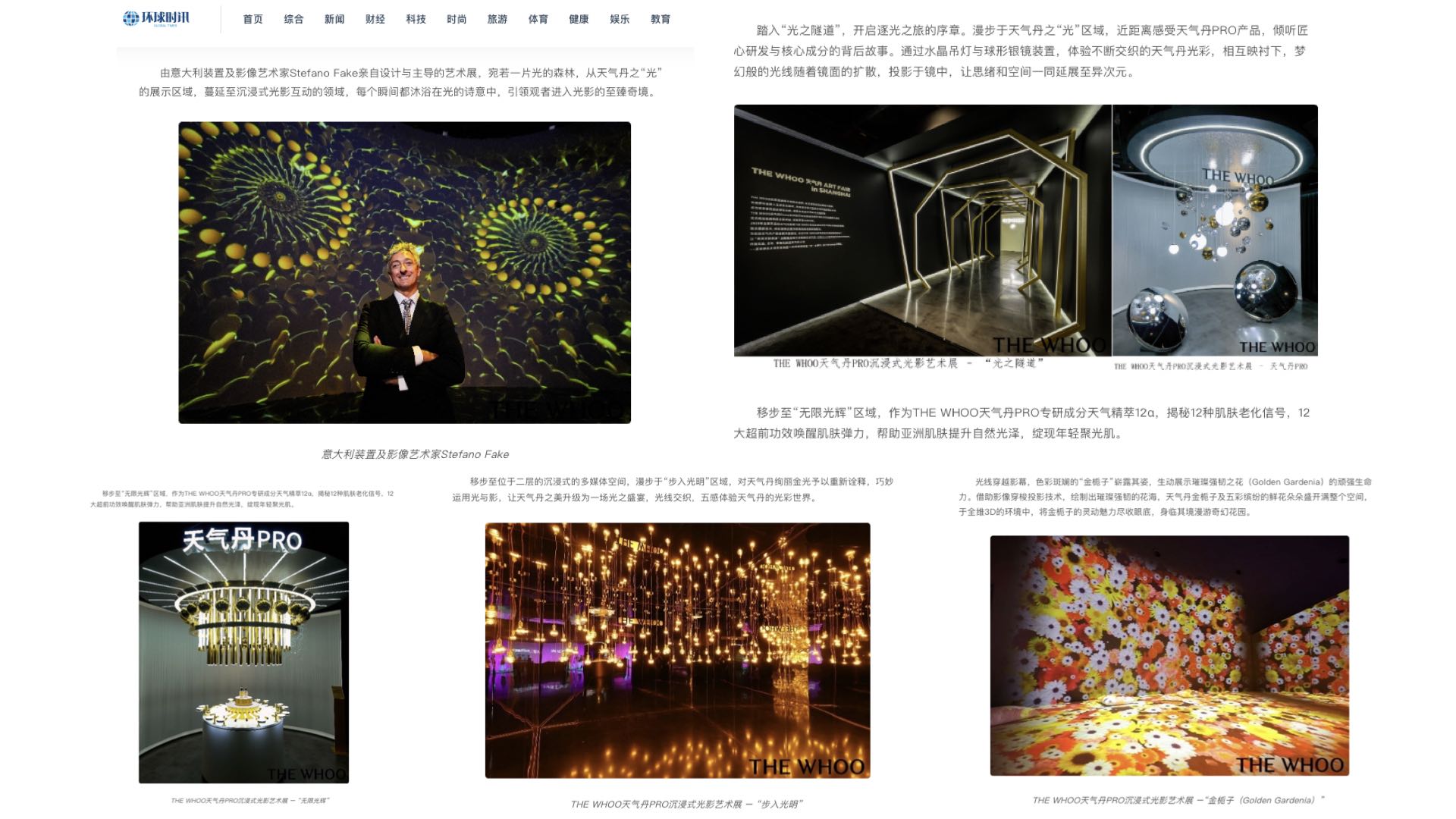
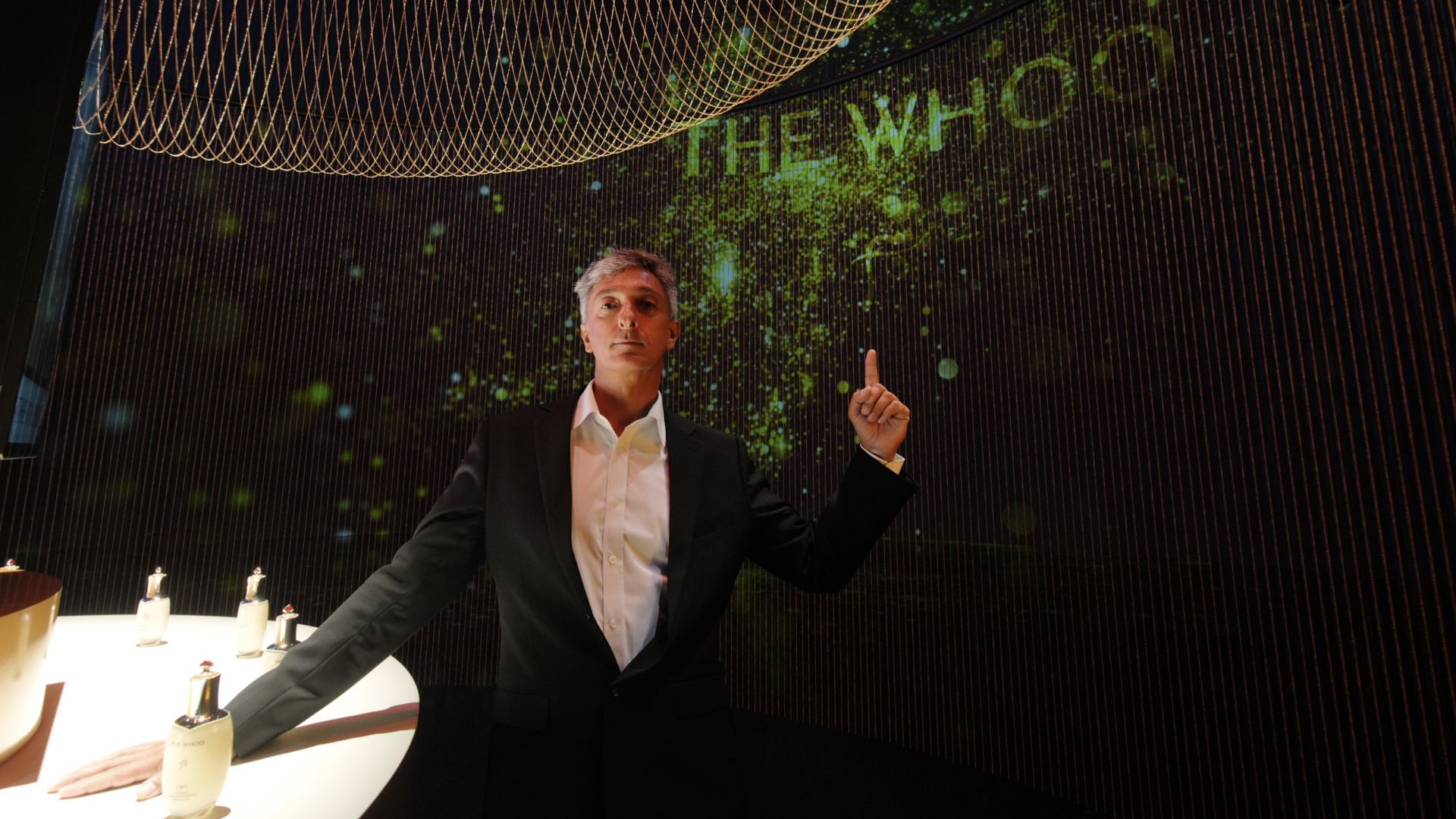
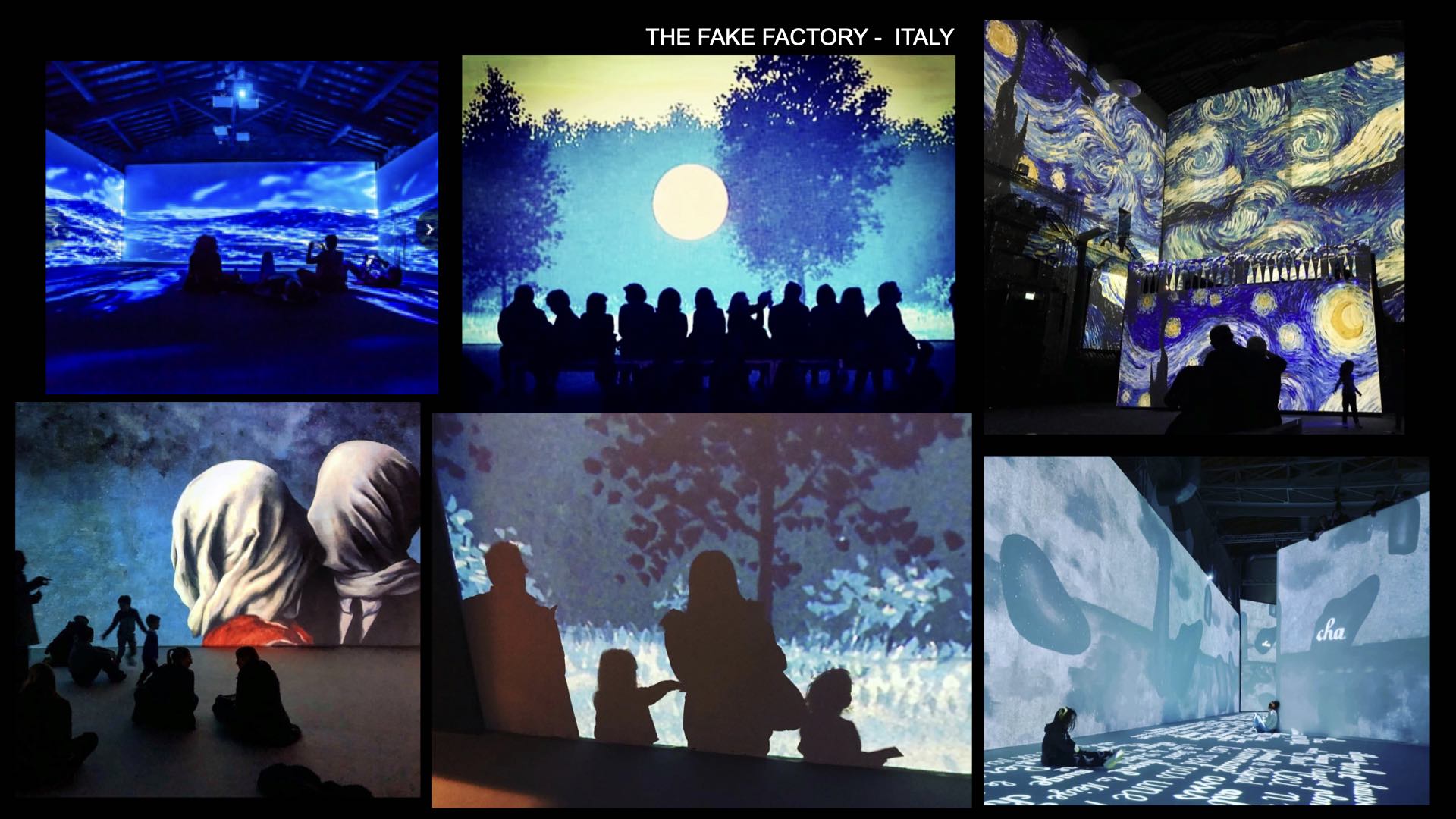
Stefano Fake è un artista e video designer italiano, che realizza installazioni utilizzando video proiezioni, film, fotografie, sculture, computer grafica e tecnologie interattive. E’ fra i principali esponenti della IMMERSIVE ART, che si propone di immergere lo spettatore all’interno dell’opera d’arte stessa. Nel 2001 fonda a Firenze il suo laboratorio THE FAKE FACTORY, che in pochi anni diventa un punto di riferimento internazionale nelle arti immersive e nelle scenografie digitali per teatro, concerti ed eventi. Stefano Fake si propone di rompere la tradizionale separazione creatore-fruitore mettendo lo spettatore al centro dell’esperienza d’arte. Utilizzando i linguaggi e le tecnologie digitali in uso nelle scenografie teatrali e cinematografiche, crea delle Immersive Rooms, ambienti multi-sensoriali immersivi dove il pubblico non è solo spettatore ma diviene attore protagonista dell’opera stessa. L’arte immersiva è una forma d’arte che utilizza video proiezioni, luci, suoni, musiche, e a volte anche essenze profumate e micro-dosi di superfood per avvolgere e coinvolgere lo spettatore in una esperienza d’arte totalizzante, stimolandone i sensi e attivandone le emozioni.
Per molti musei diventa un’opportunità di rinnovamento delle regole della fruizione.
Un progetto innovativo che tende a scuotere e coinvolgere l’osservatore sia sul piano sensoriale che su quello intellettuale, suggerendo e stimolando nuove letture visive, narrative, critiche e pedagogiche sull’Arte Moderna e Contemporanea.
STEFANO FAKE & THE FAKE FACTORY
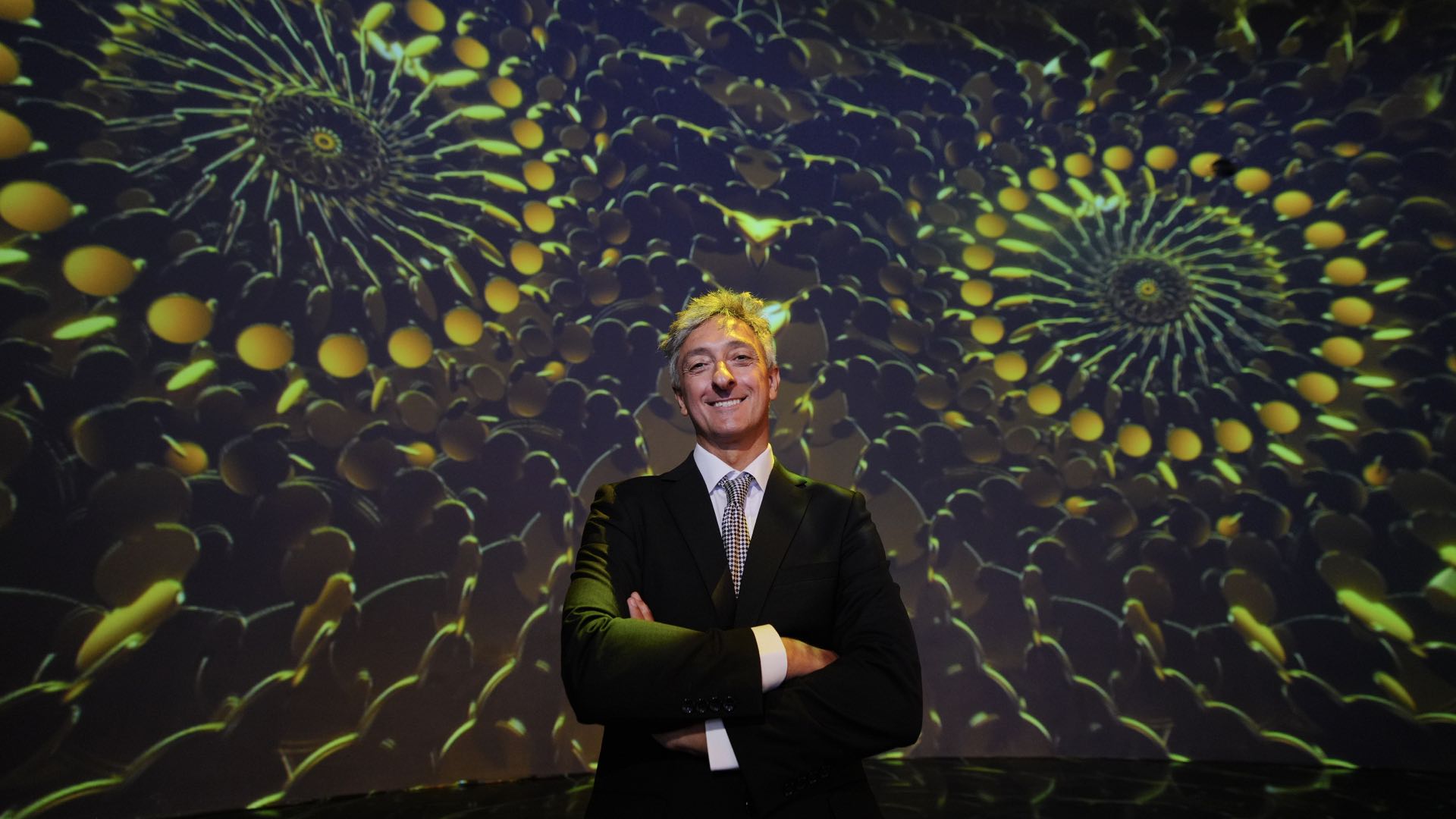
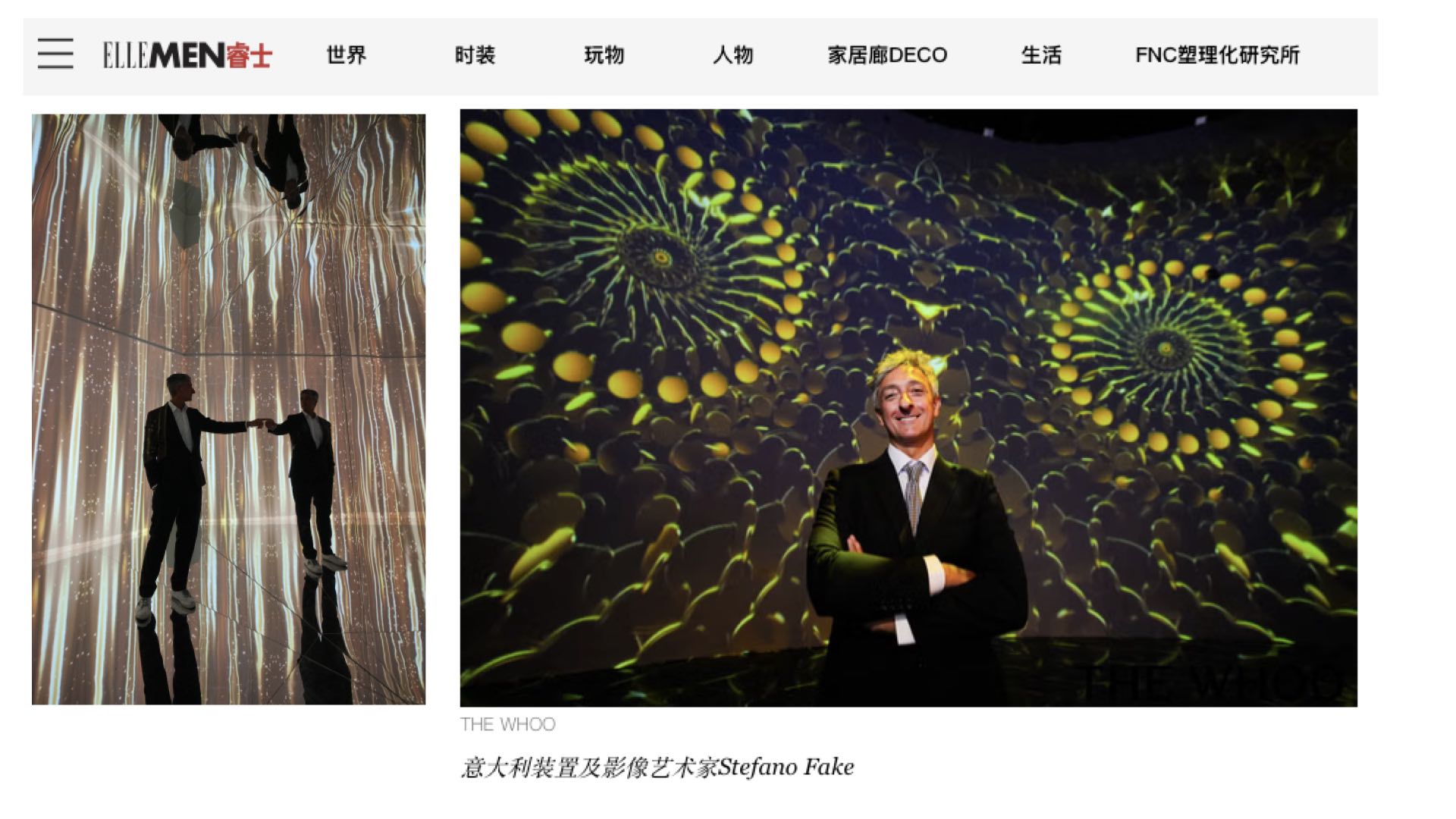
Stefano Fake (born 7th October 1971 – not dead yet), is an Italian artist and video designer, who creates installations using video projections, films, photographs, sculptures, computer graphics and interactive technologies. He is a pioneer and one of the main authors of Immersive Art Installations, which aims to immerse the viewer inside the work of art itself. Graduated in Political Science in Milan, he studied film making and digital videoproduction in Madrid, New York, Los Angeles. From 1997 to 2007 he was in charge of developing the virtual sets of the avant-garde Krypton Theater Company of Florence. In 2001 he founded THE FAKE FACTORYy, an art studio that becomes an international reference point of IMMERSIVE ART EXPERIENCES, participating in the realisation of multi-disciplinary art projects: immersive art exhibitions, video-mapping projections, architectural light installations, video production, video sets for theatre, fashion shows, visual environments for museums, galleries and cultural events, production of multi-sensory experiences, video installations, video art works. STEFANO FAKE Immersive Art exhibitions have been attended by millions of visitors around the world.