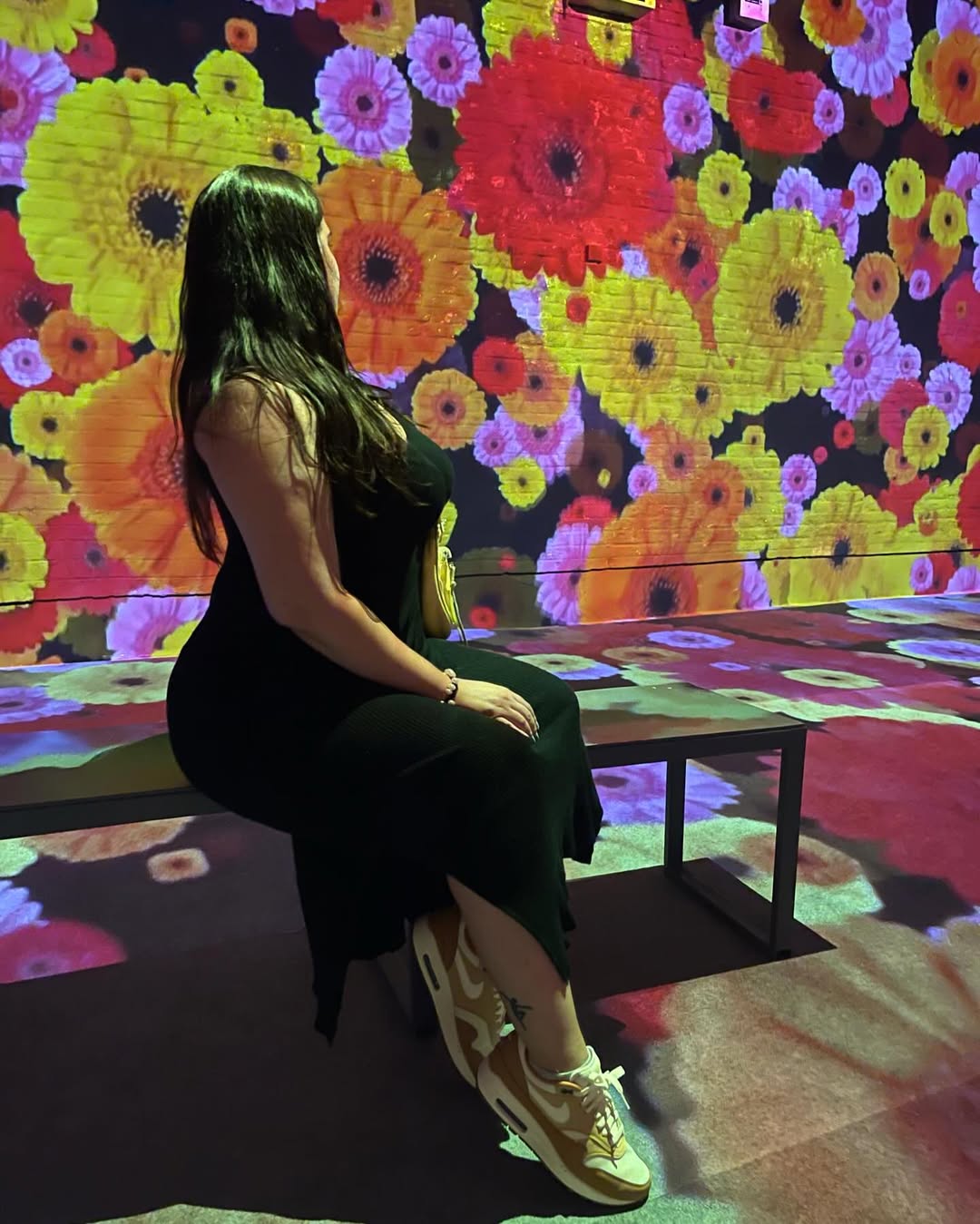
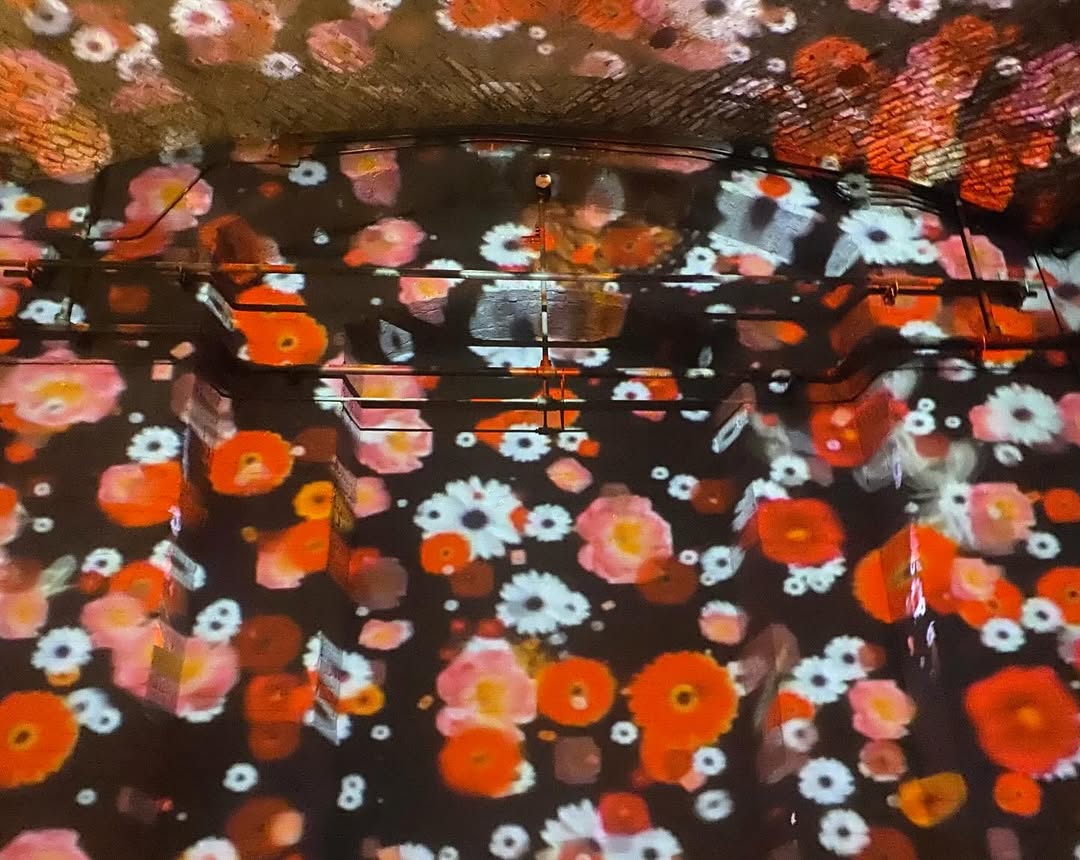
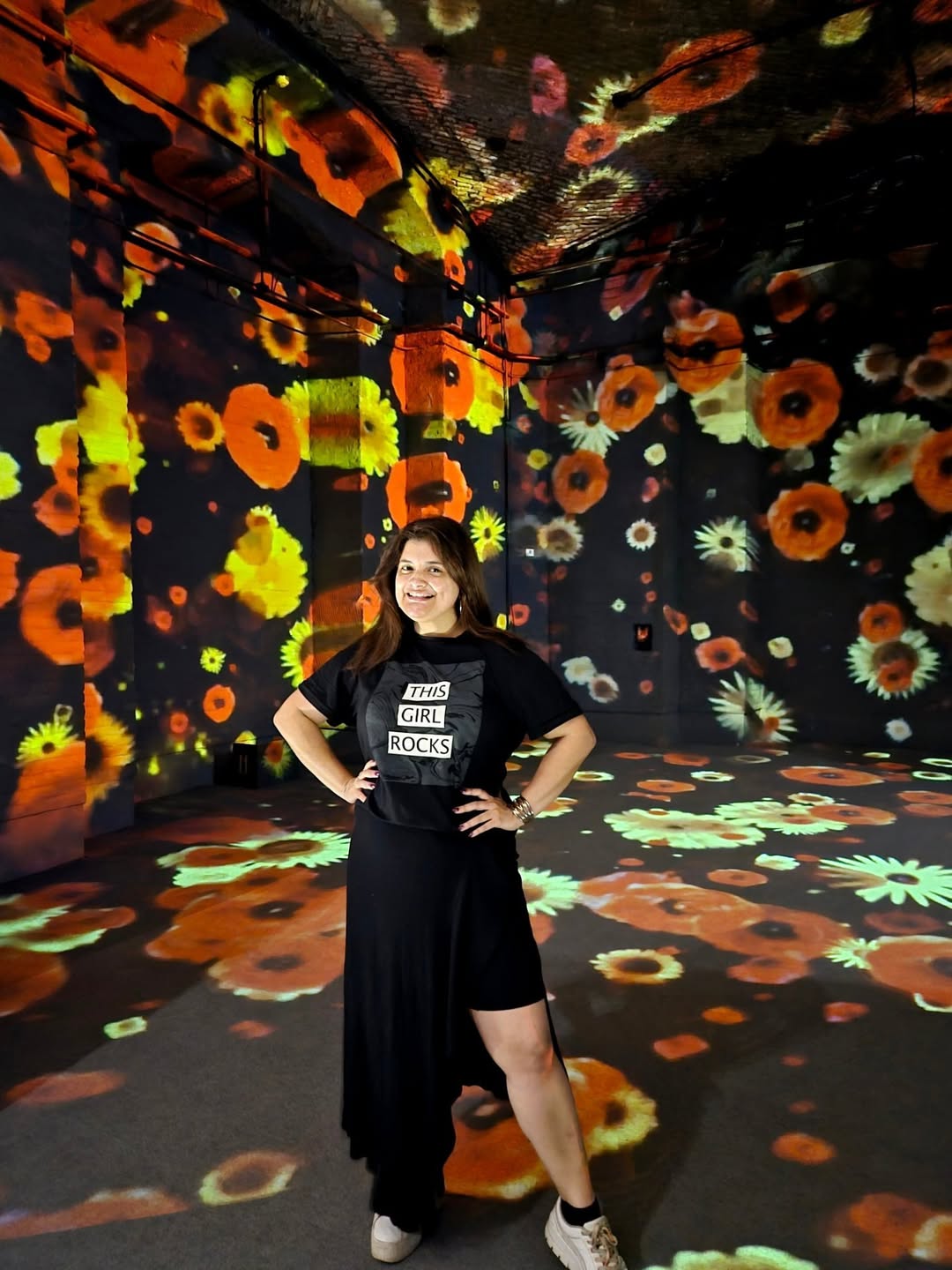
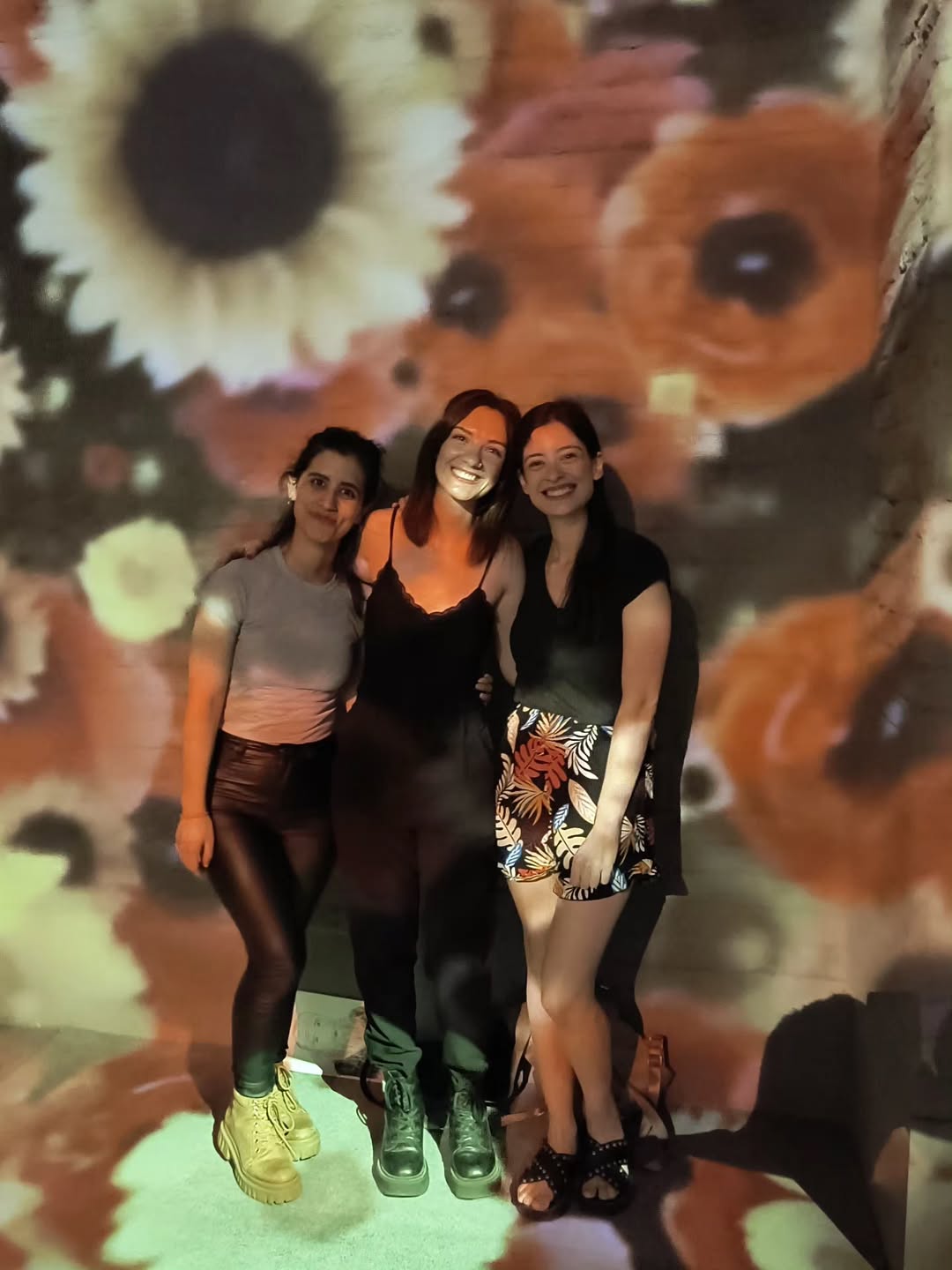
In 2001 STEFANO FAKE opened his digital art laboratory THE FAKE FACTORY in Florence, the Italian capital of the Renaissance. The vitality of the Tuscan city allows FAKE to experiment with its scenographic and immersive art in multiple directions. Since 1997 he had been working as a creator of the virtual sets of Giancarlo Cauteruccio’s avant-garde theater company Krypton. Starting from 1999-2000 he was entrusted with the direction of many multimedia shows for festivals and cultural events. Since 2001 he began to exhibit his installations under the name THE FAKE FACTORY, generally commissioned by youth culture and electronic music festivals. From the beginning his art is digital, immersive, engaging, dynamic, vital. Even today STEFANO FAKE & THE FAKE FACTORY exhibit the first pioneering works, which opened a trend that two decades later has become worldwide, and perhaps represents the most “contemporary” form of art, due to the fact that it unites in a single concept the real world with the digital world. What today would be defined as Physital art, where space and the spectator are protagonists of the art experience, in relation to the digitally created audiovisual intervention of the artist.
THE FLOWERS ROOM: The Aesthetics of Immersion in Stefano Fake’s Artistic Research
Within the landscape of contemporary new media art, works capable of transforming technology into a genuine aesthetic experience remain relatively rare. Among them, THE FLOWERS ROOM, the immersive installation conceived by Stefano Fake and created by The Fake Factory, stands out as one of the most significant projects in the ongoing evolution of experiential digital art.
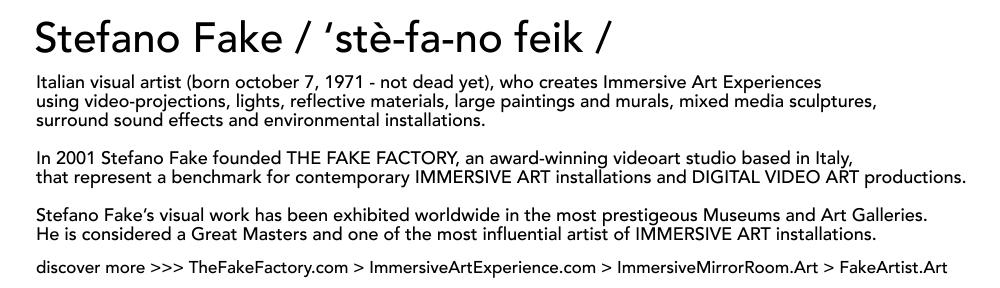
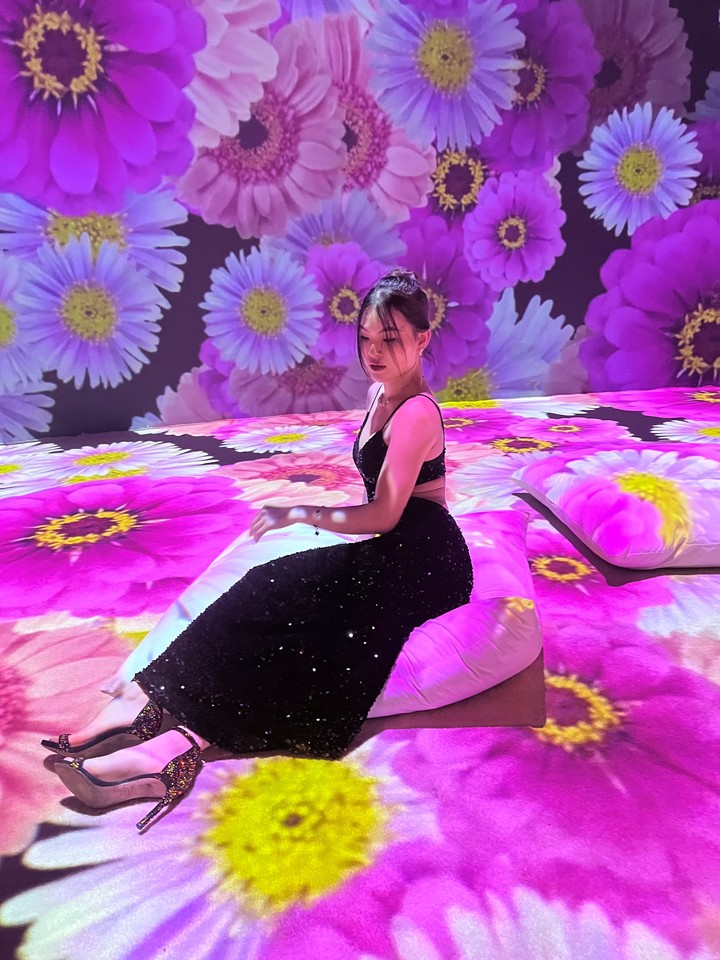
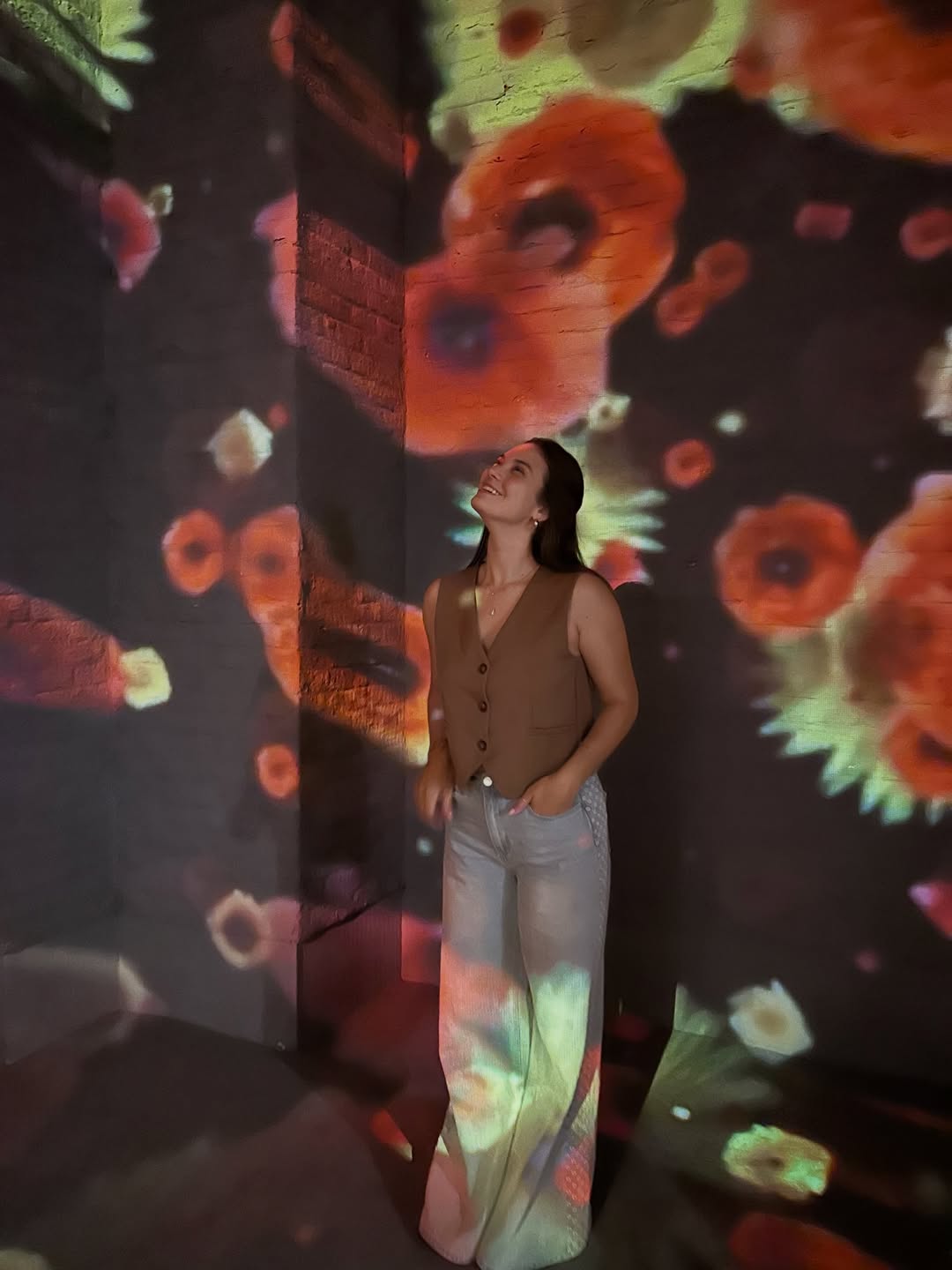
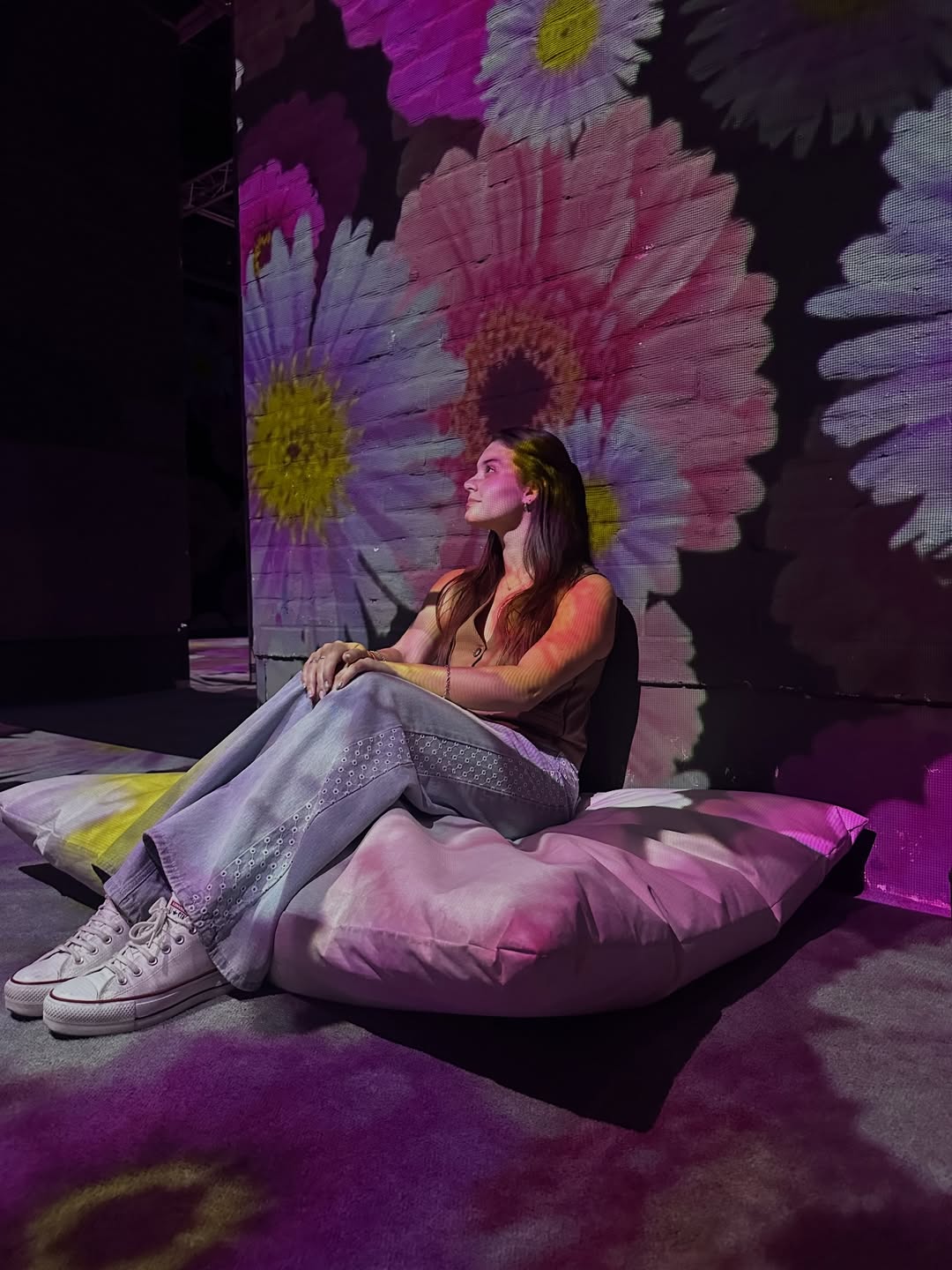
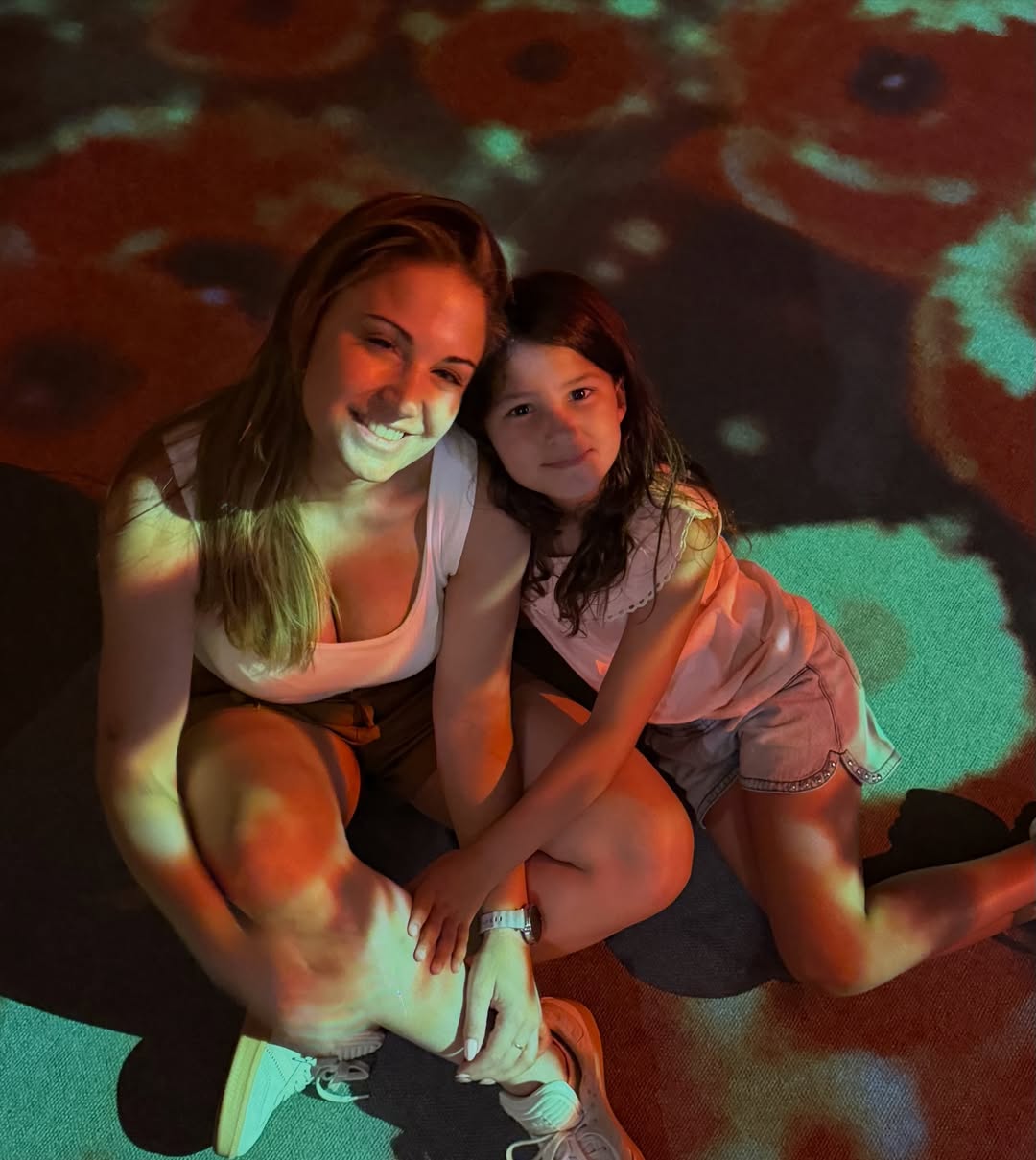
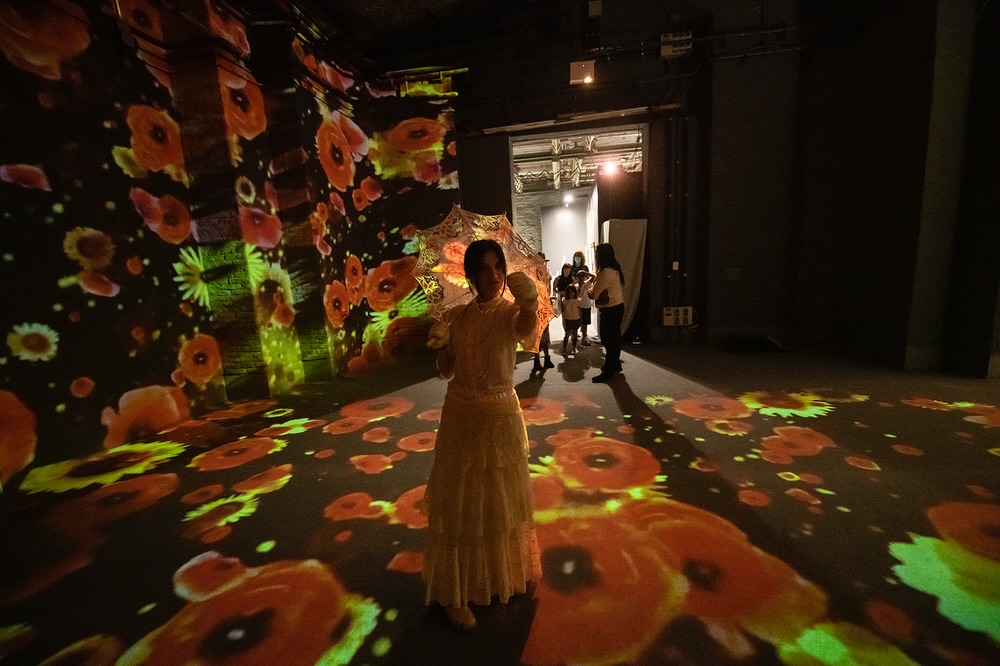
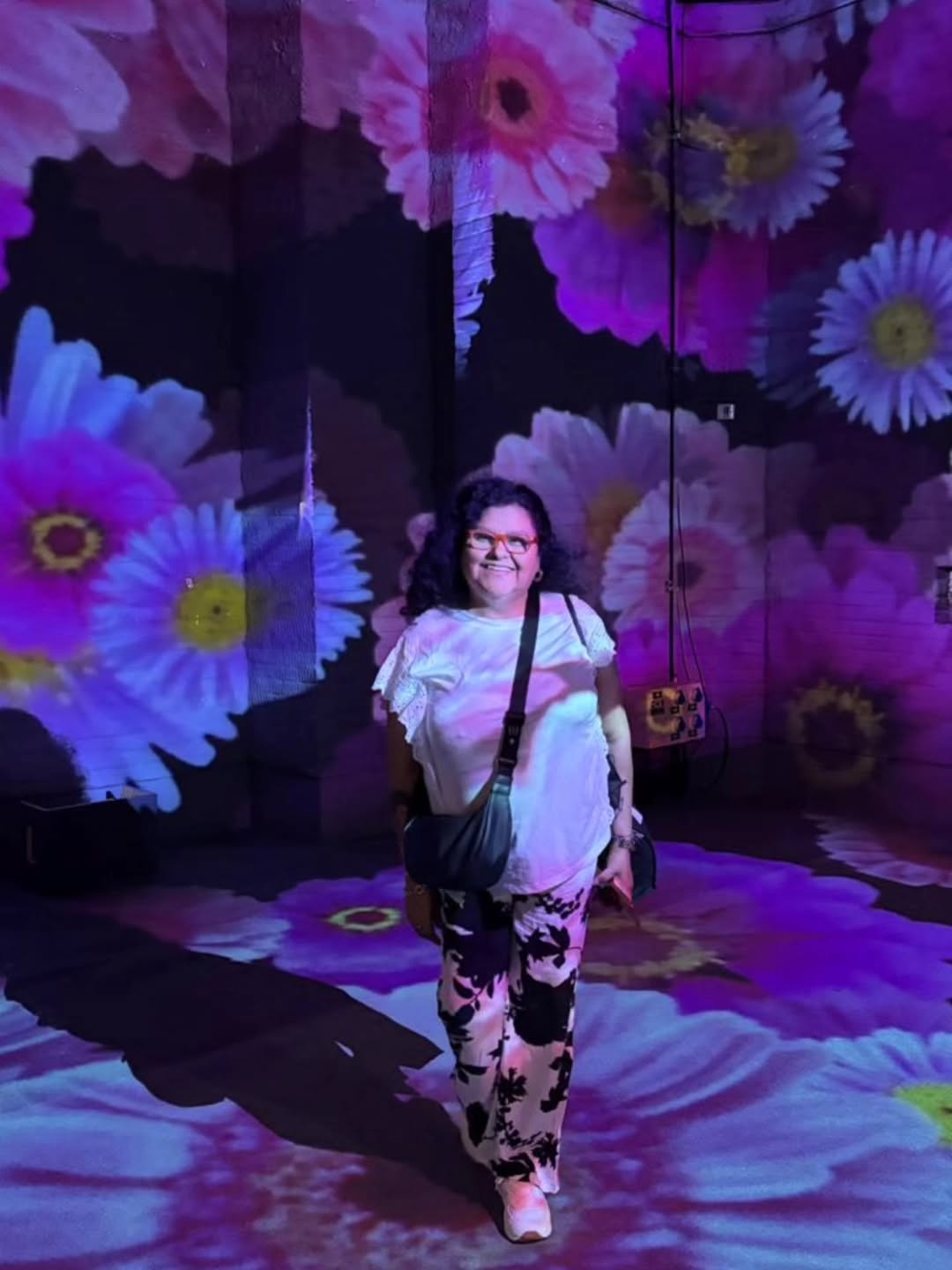
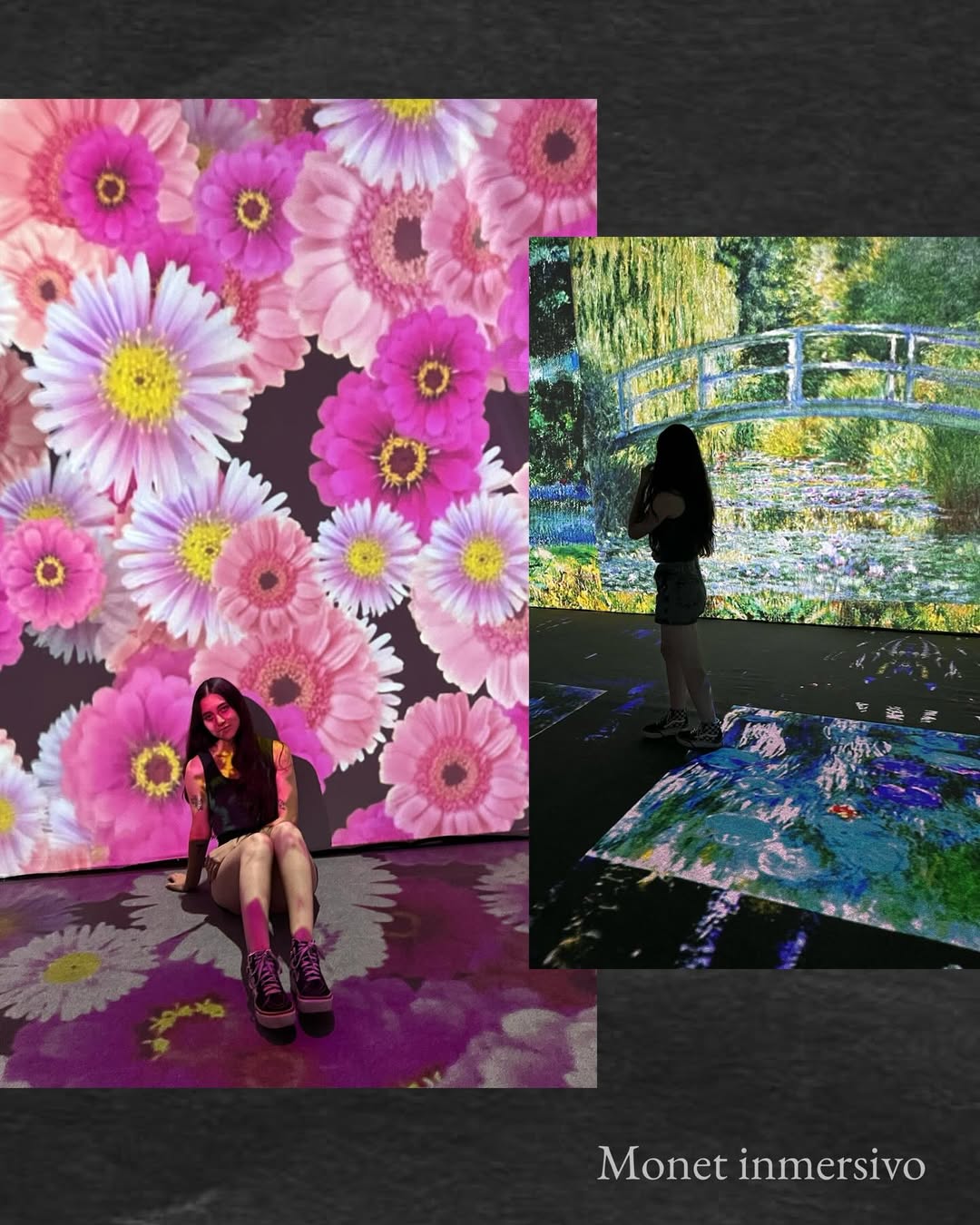
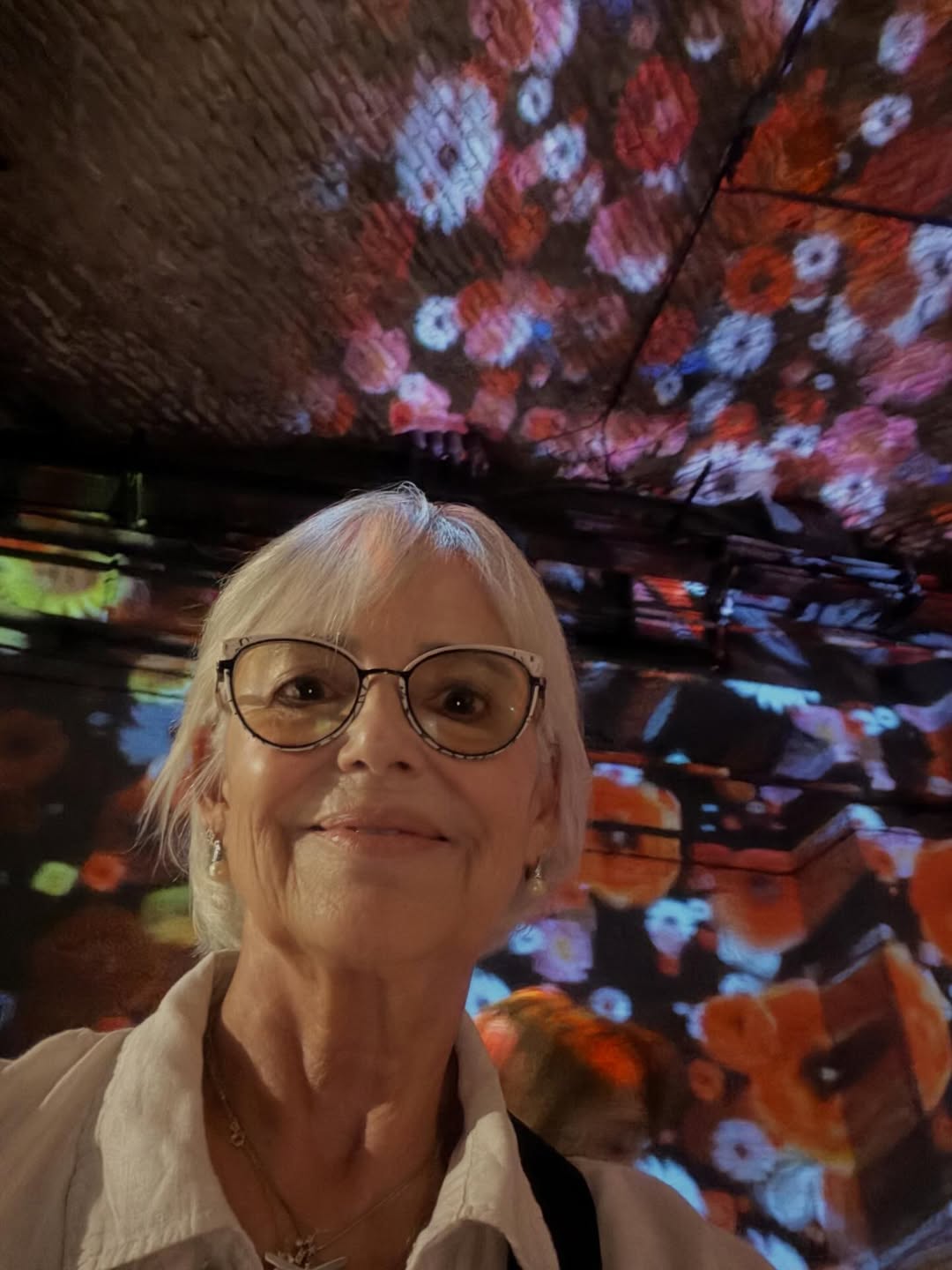
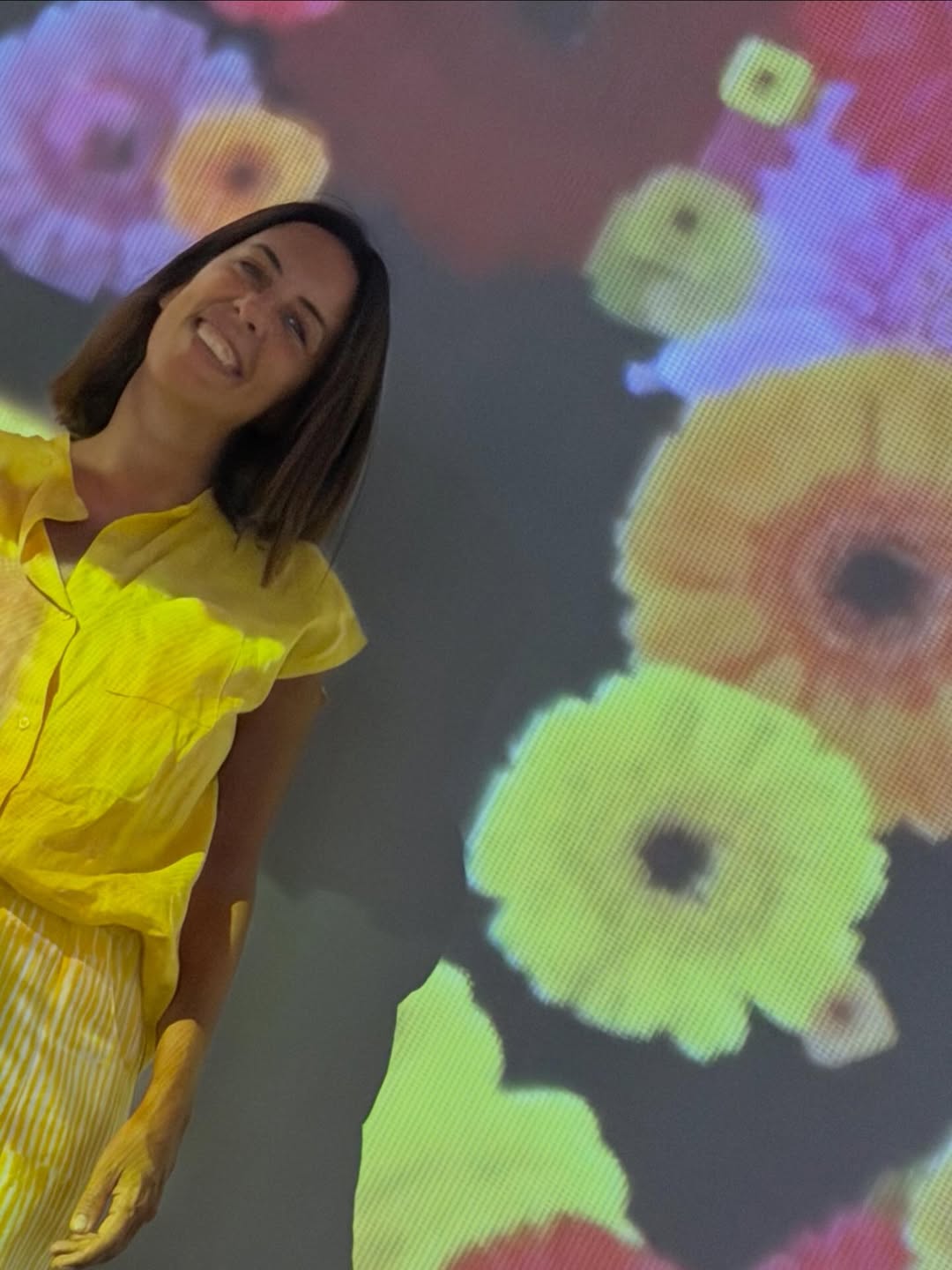
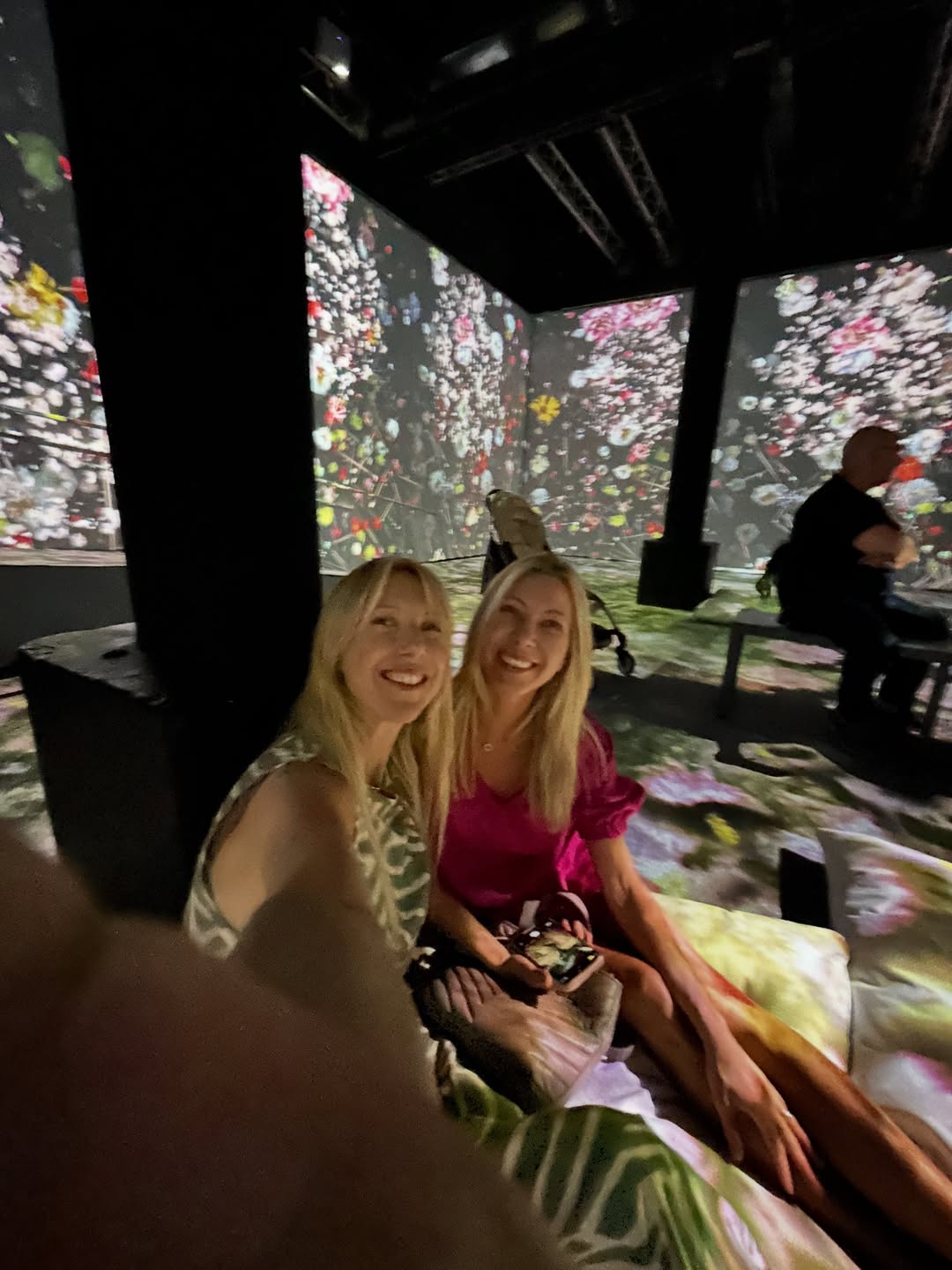
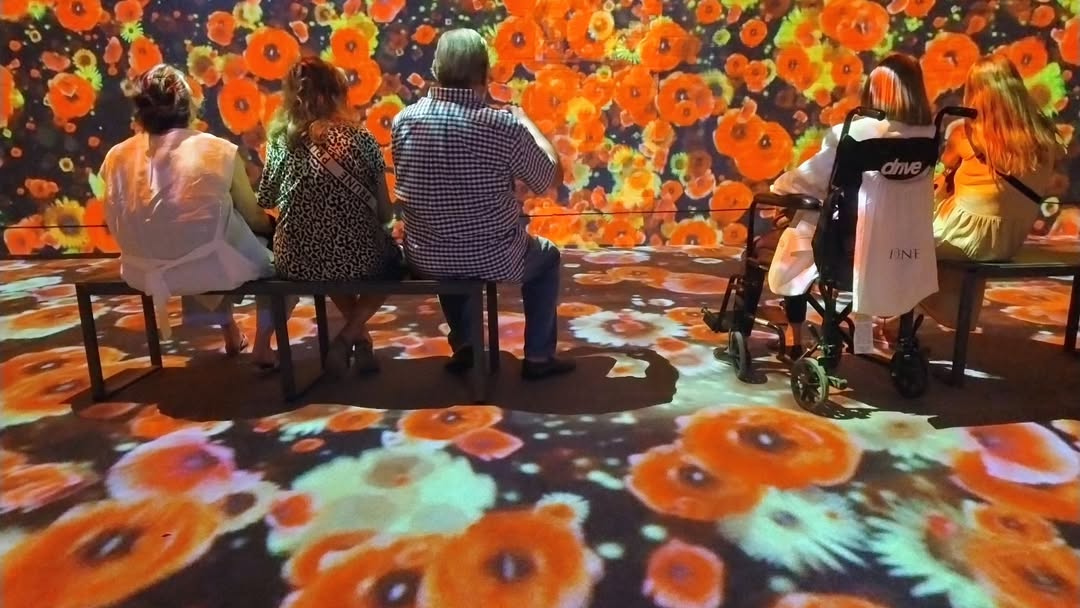
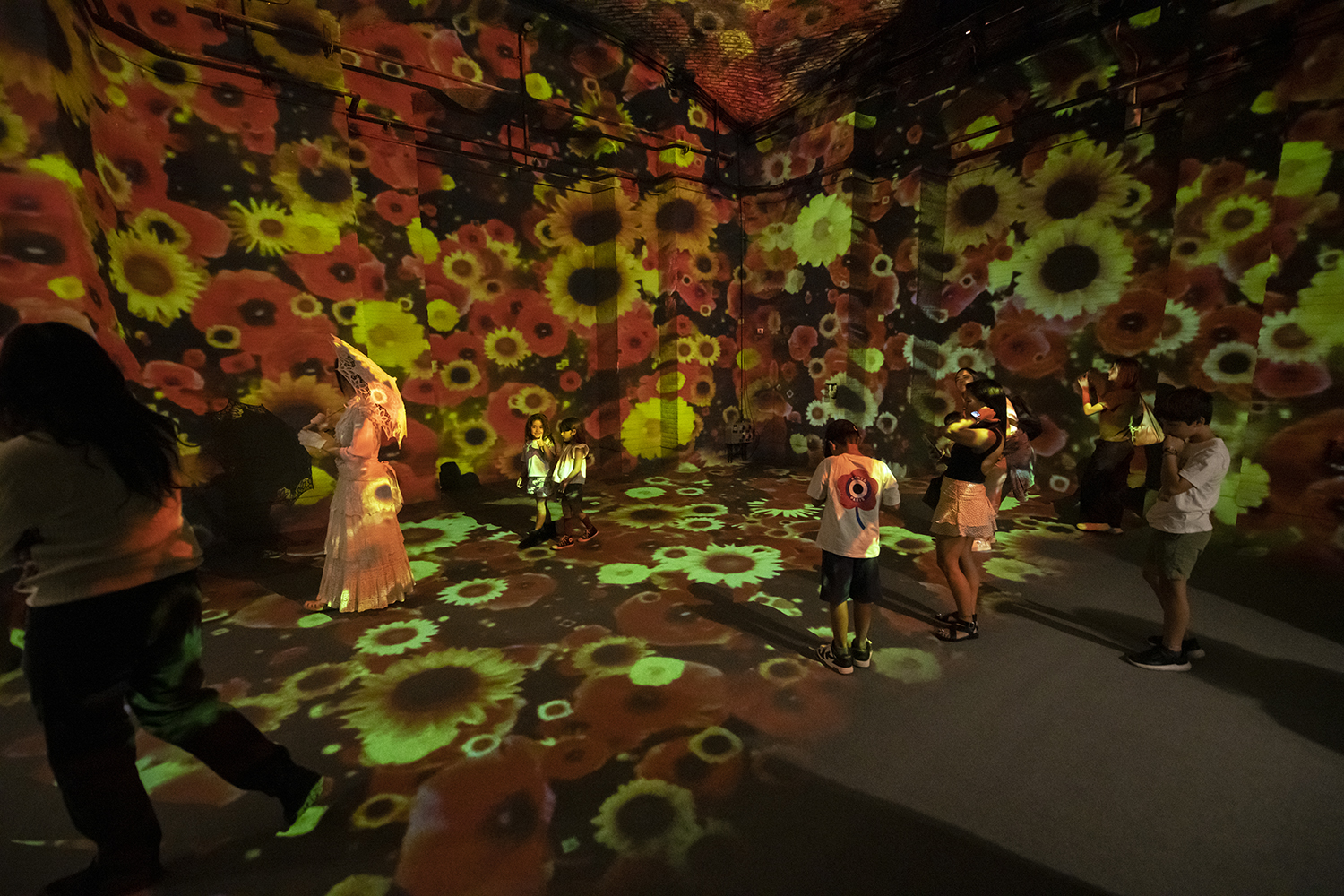
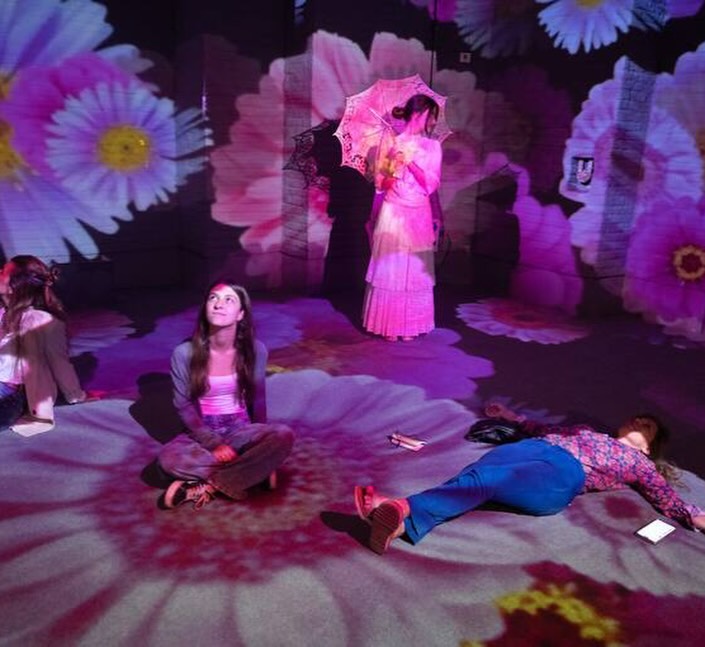
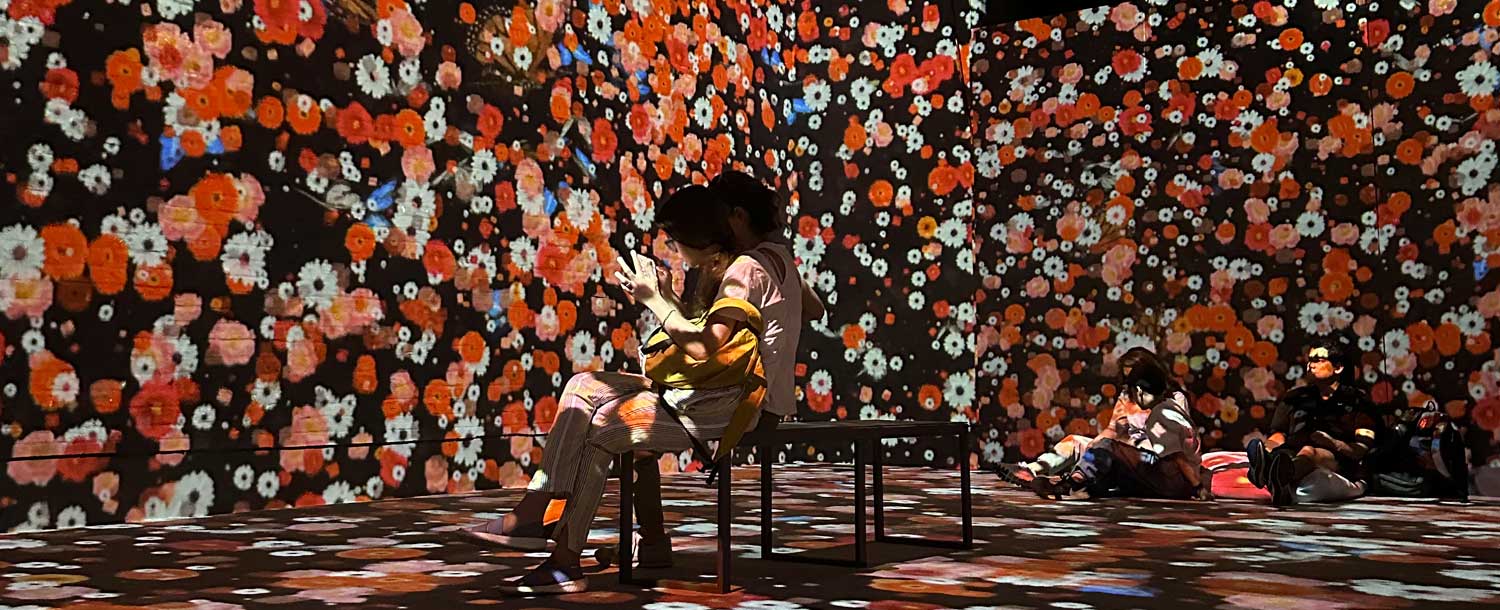
The work unfolds as a total environment in which the language of nature is reinterpreted through the tools of contemporary technology. Thousands of digital blossoms, monumental projections, and audiovisual landscapes generate a fluid and constantly evolving space, capable of engaging visitors in a dimension suspended between contemplation and participation.
THE FLOWERS ROOM does not merely represent the flower as an iconographic subject. Rather, it embraces its symbolic, evocative, and universal value, transforming it into a dynamic visual material. The flower becomes a sign, a rhythm, an energy—a digital organism that grows, dissolves, and regenerates within a luminous choreography of remarkable poetic intensity.
Stefano Fake’s artistic research is rooted in a broader reflection on the concept of immersion. In this installation, the image is no longer a surface to be observed but an environment to be inhabited. The viewer is progressively absorbed into the work, becoming an integral part of the perceptual process in a condition that resonates with theories of relational aesthetics and the most recent developments in digital environmental art.
The strength of THE FLOWERS ROOM lies in its ability to transcend the traditional dichotomy between nature and technology. The floral universe envisioned by the artist is not a simulation of reality but rather a new form of visual ecosystem in which digital data generates emotion, memory, and wonder. Technology disappears as a device and re-emerges as a language—a medium capable of amplifying the sensory dimension of artistic experience.
In this sense, the installation represents a significant step in the recent history of digital art. It moves beyond the mere spectacularization of technological innovation, proposing instead the construction of complex perceptual spaces where light, movement, sound, and architecture converge into an immersive narrative.
With THE FLOWERS ROOM, Stefano Fake reaffirms a coherent and distinctive artistic practice focused on creating environments that redefine the relationship between body, space, and image. The installation emerges as a place of passage and transformation, inviting visitors to experience a new mode of engagement with the artwork—not as external observers, but as active presences within a digital landscape that lives and evolves through their own participation.
At a time when visual culture is increasingly mediated by technology, THE FLOWERS ROOM demonstrates how digital art can still generate wonder, reflection, and genuine emotional engagement, opening new perspectives on the future of contemporary aesthetic experience.

