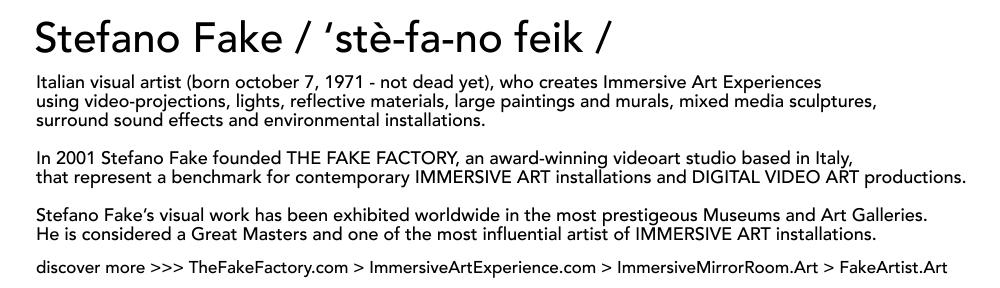
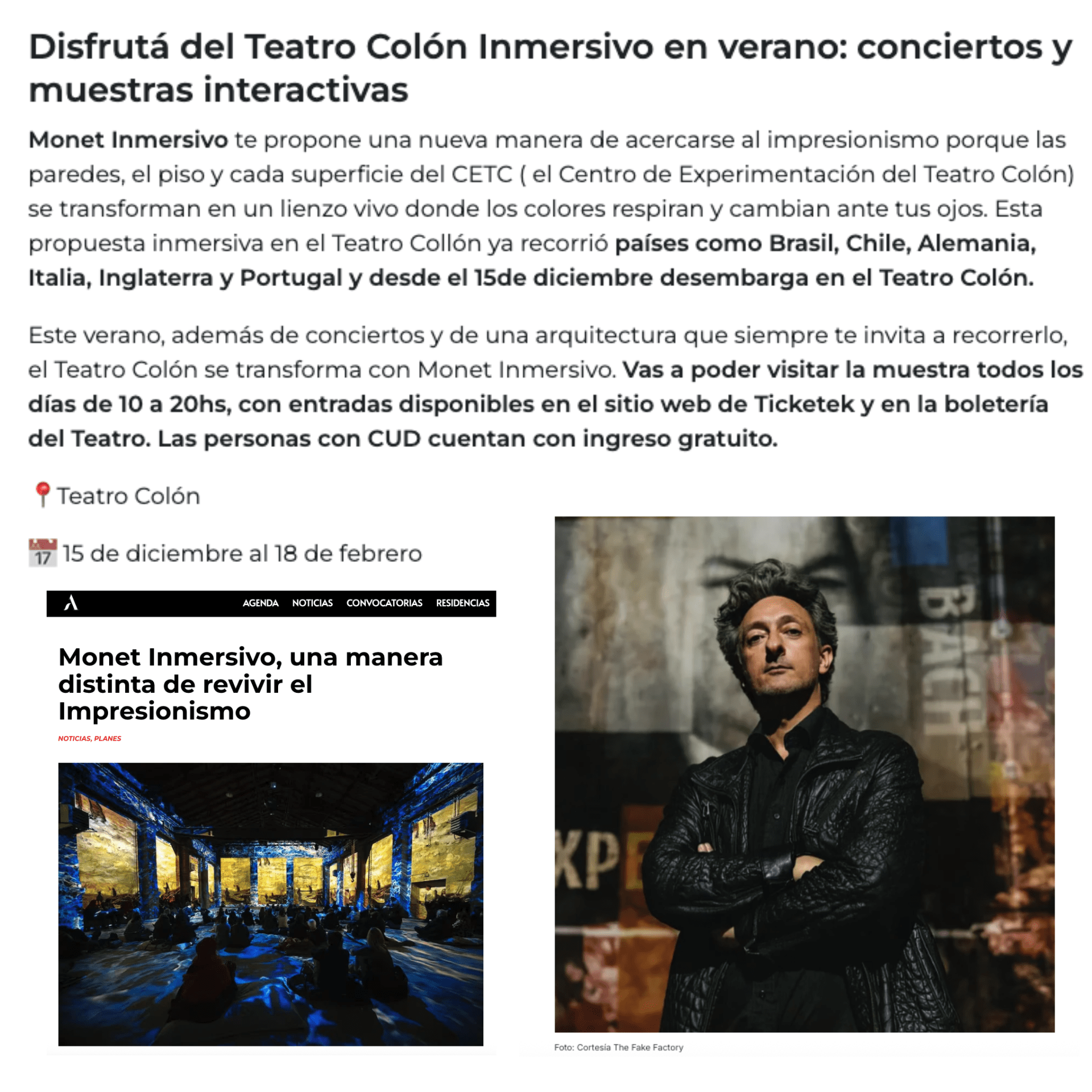
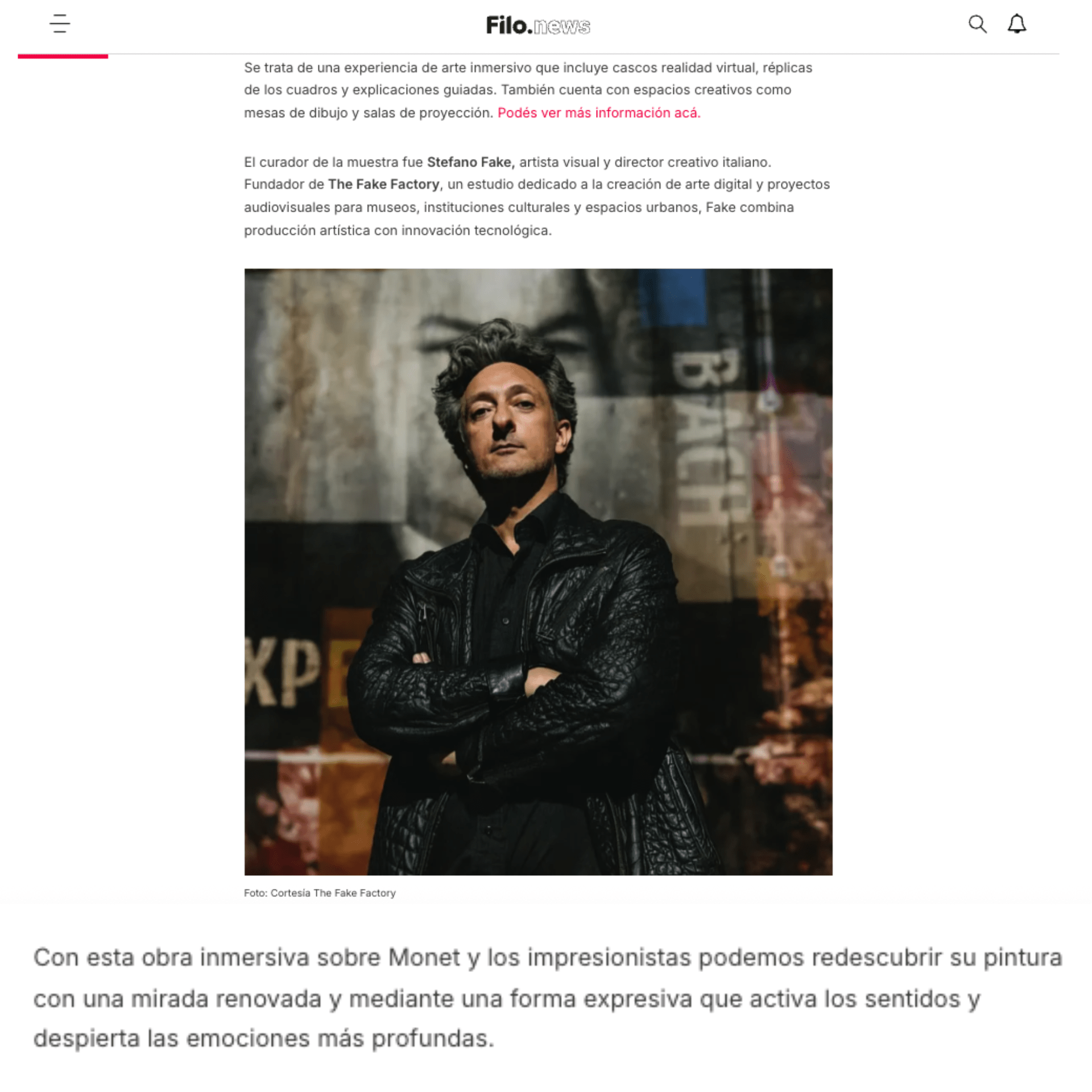
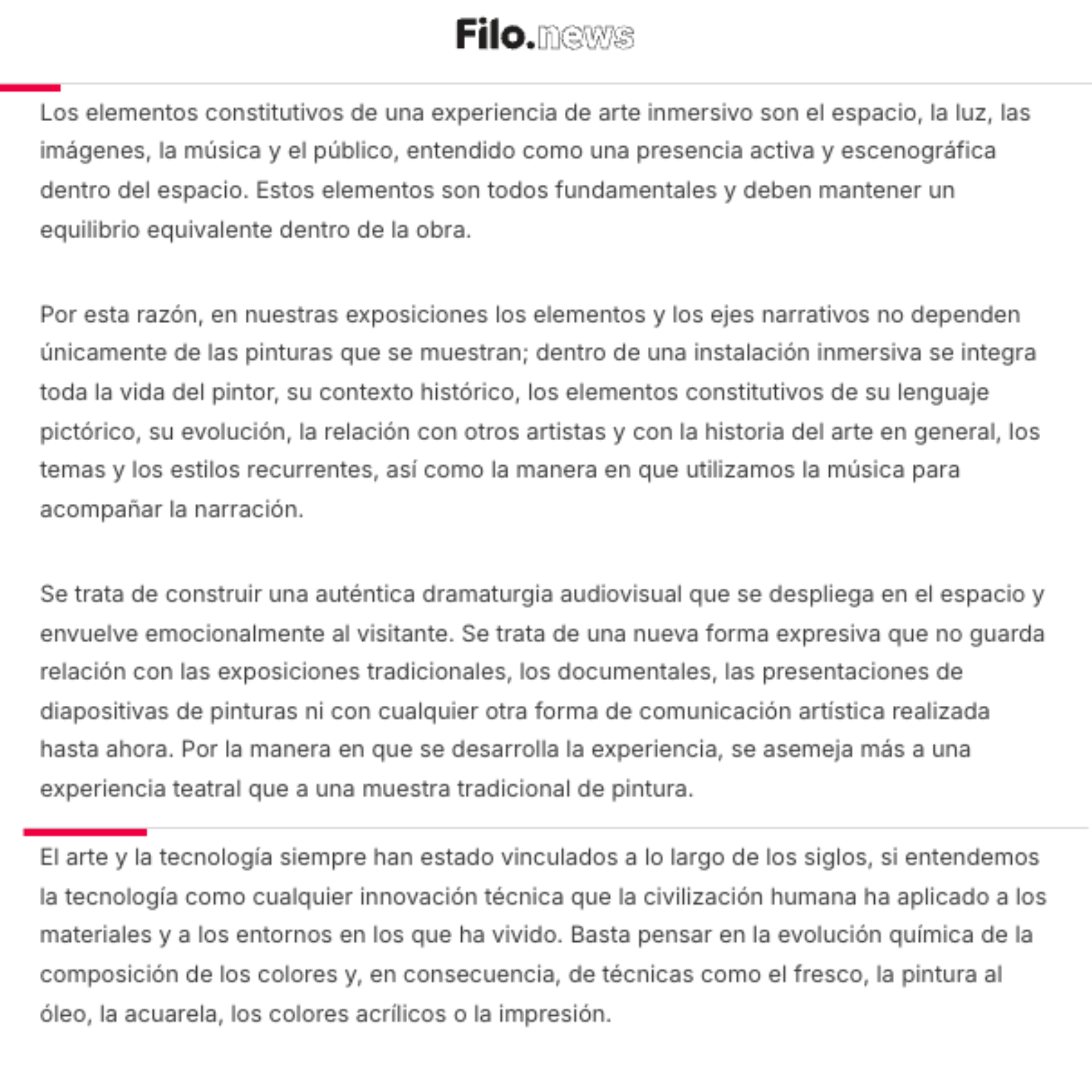
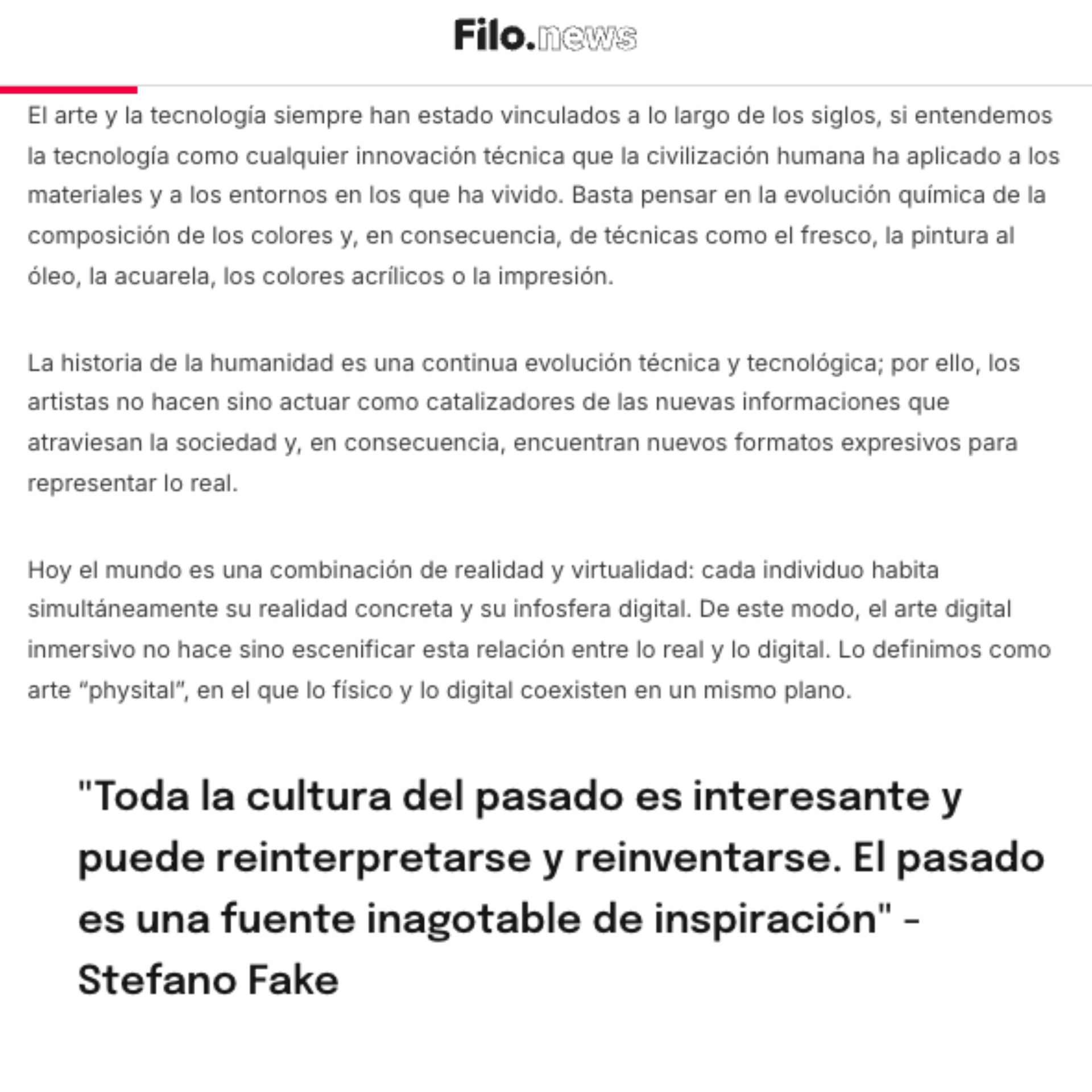
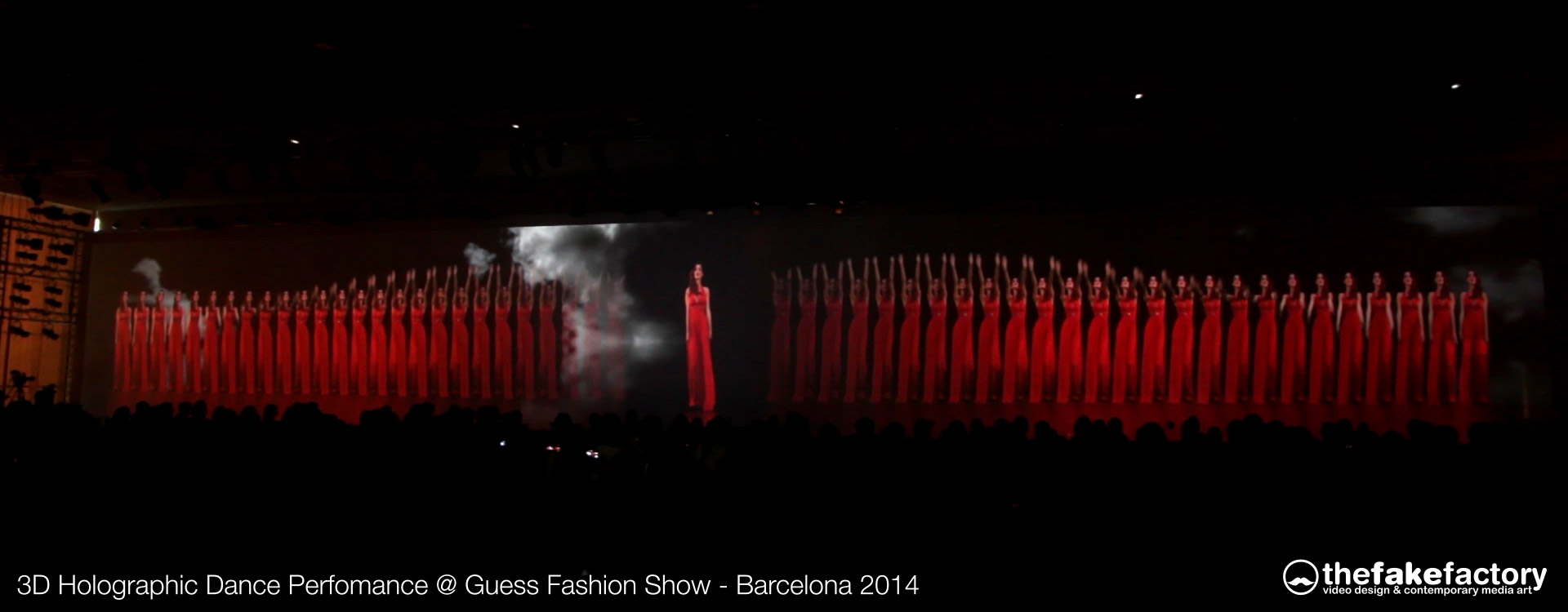
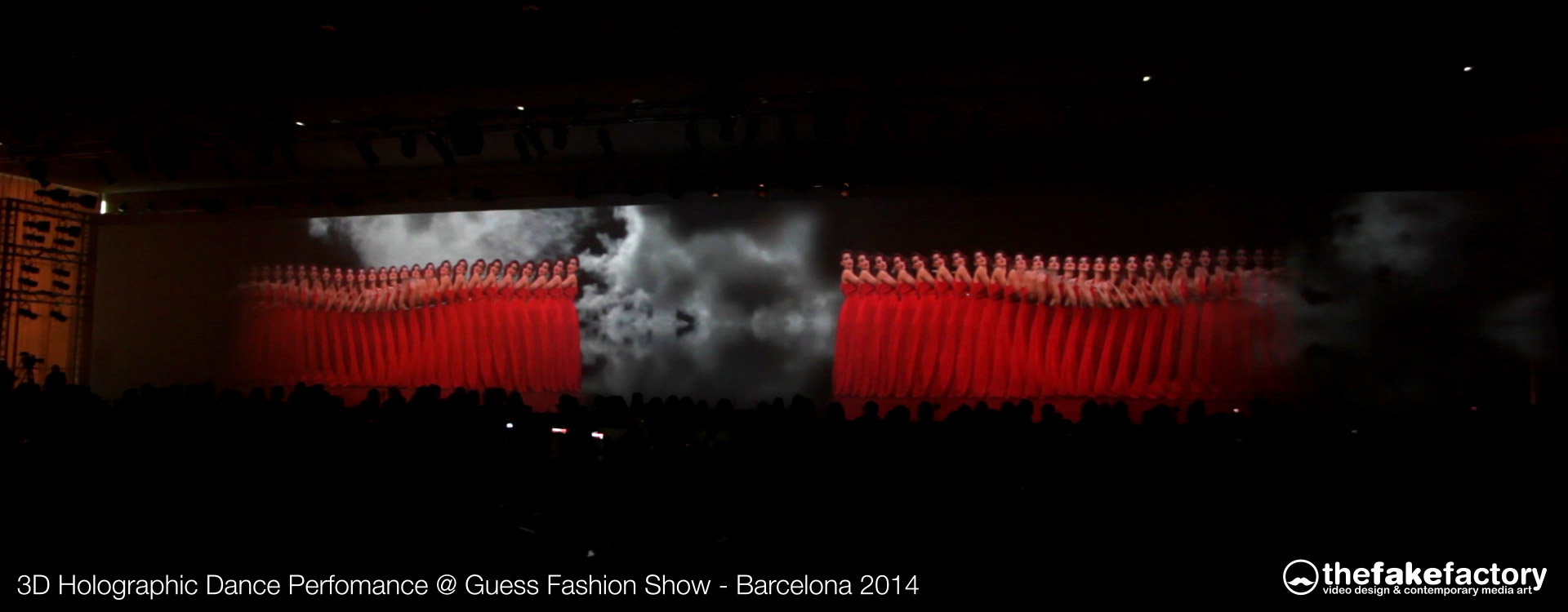
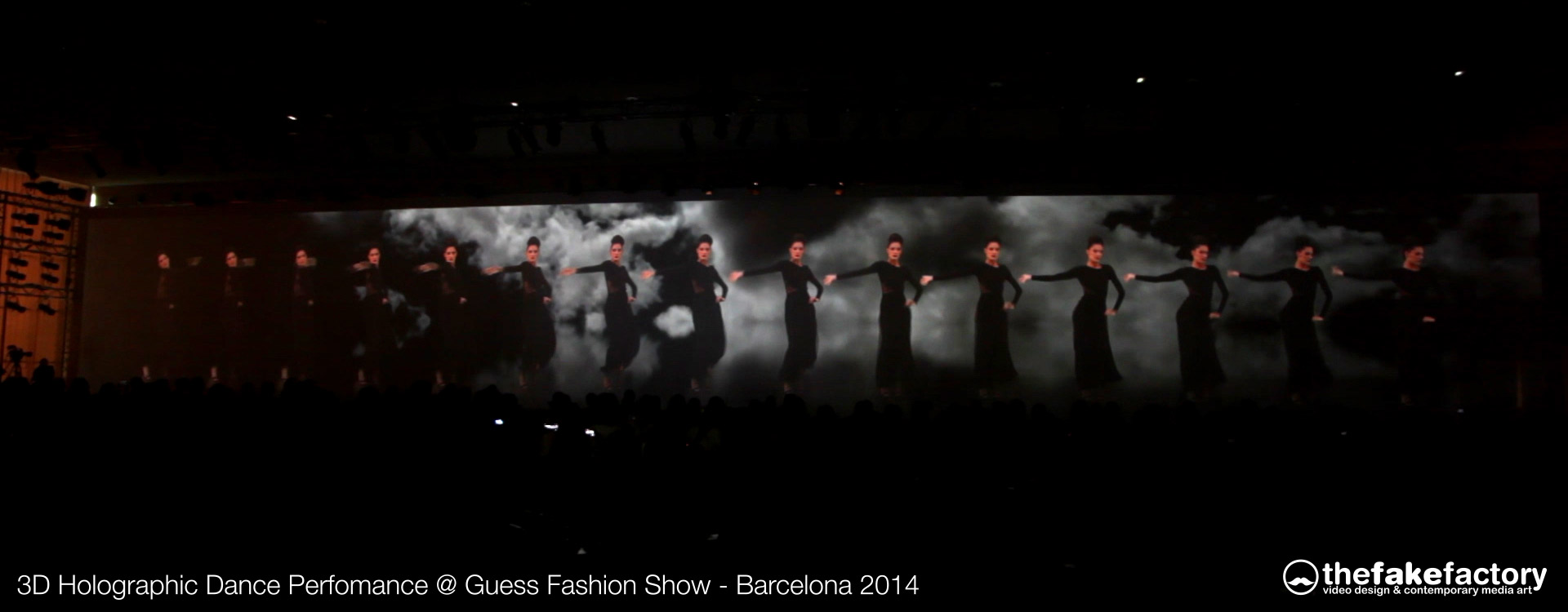
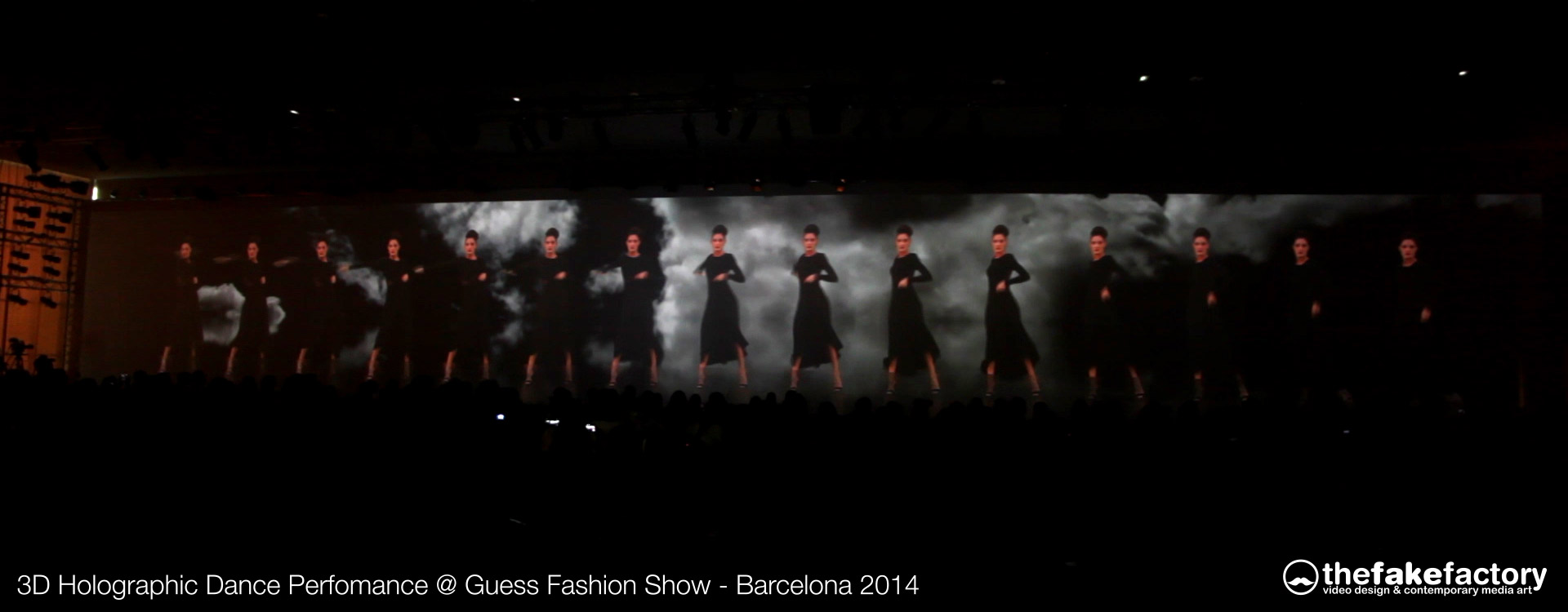
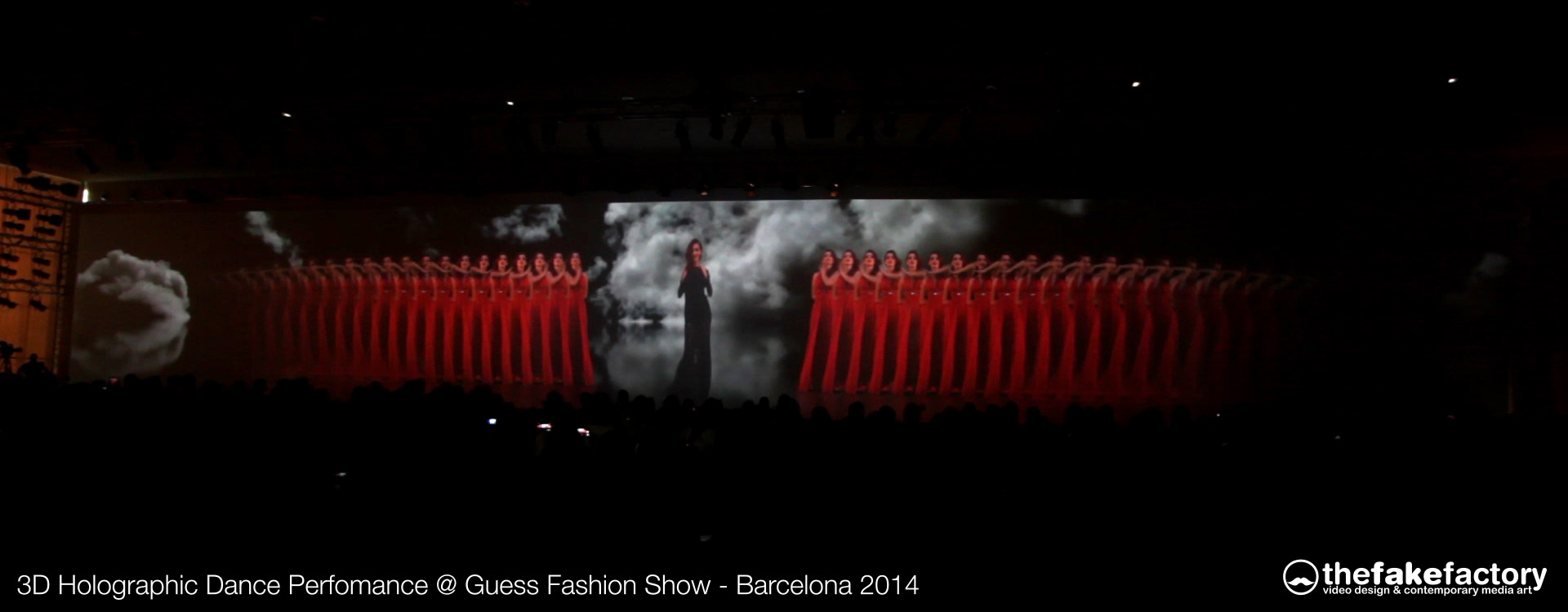
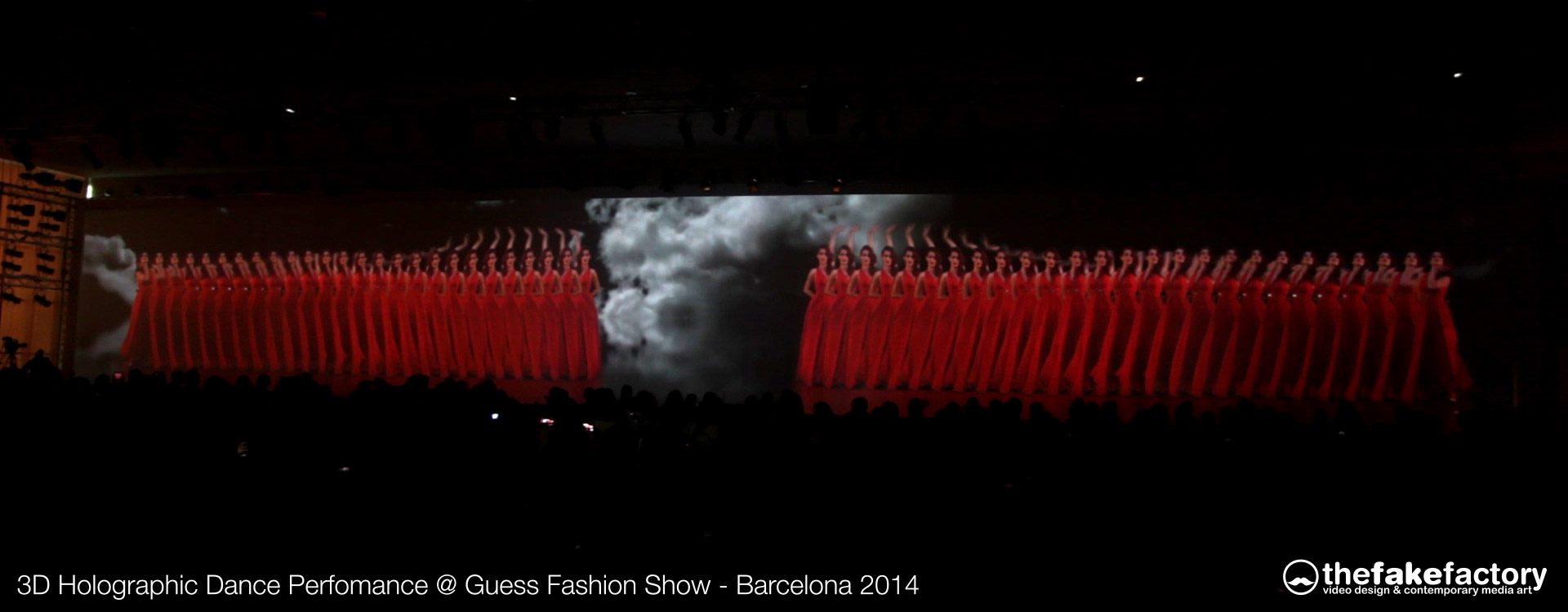
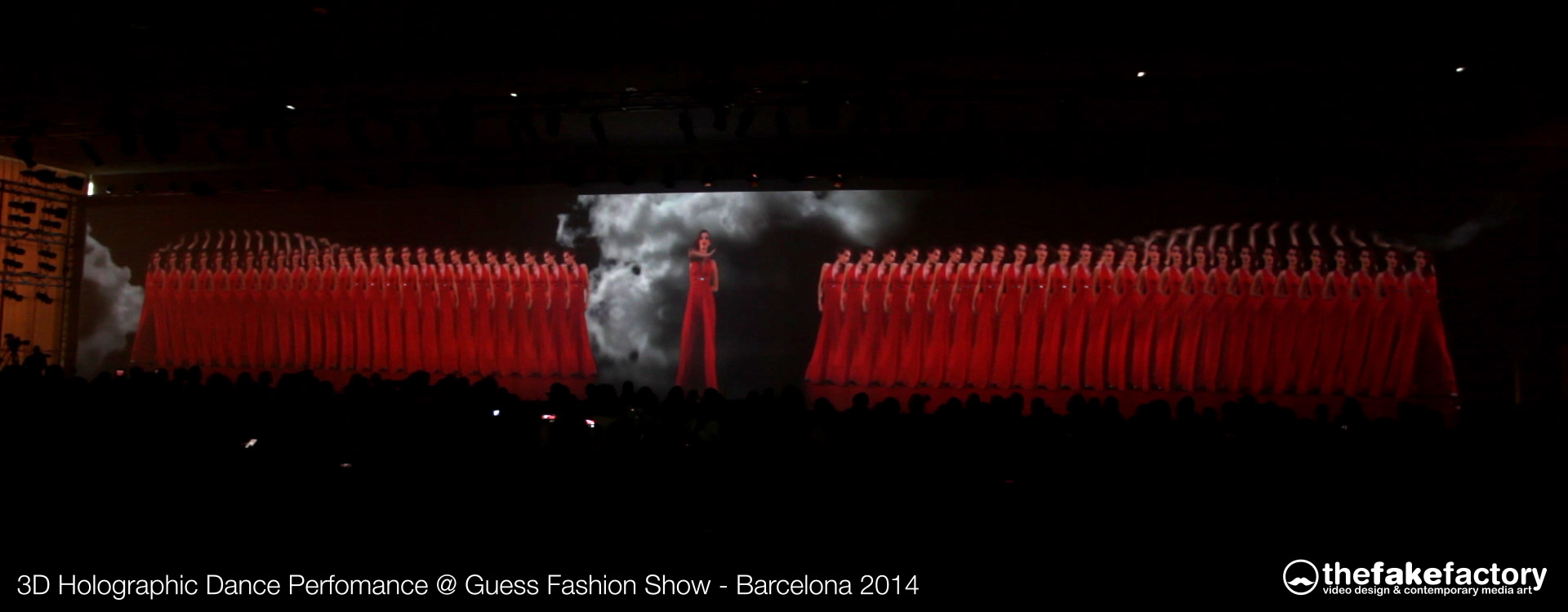
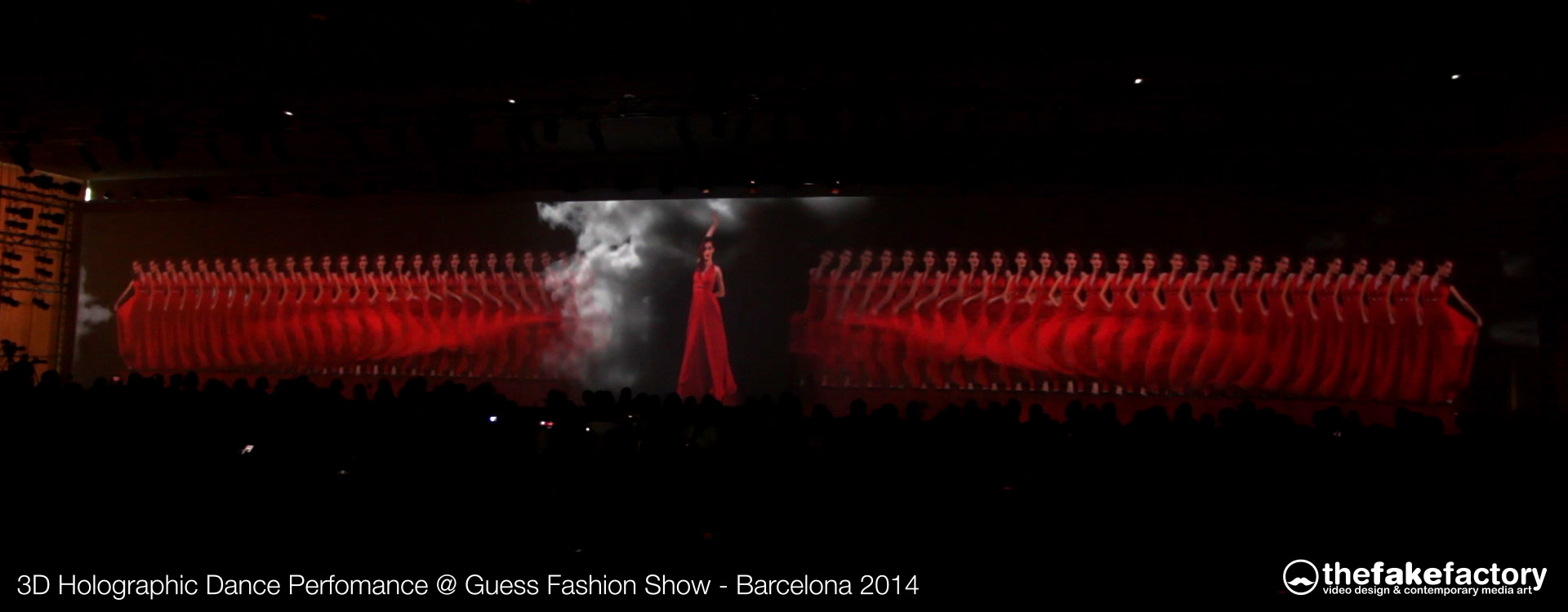
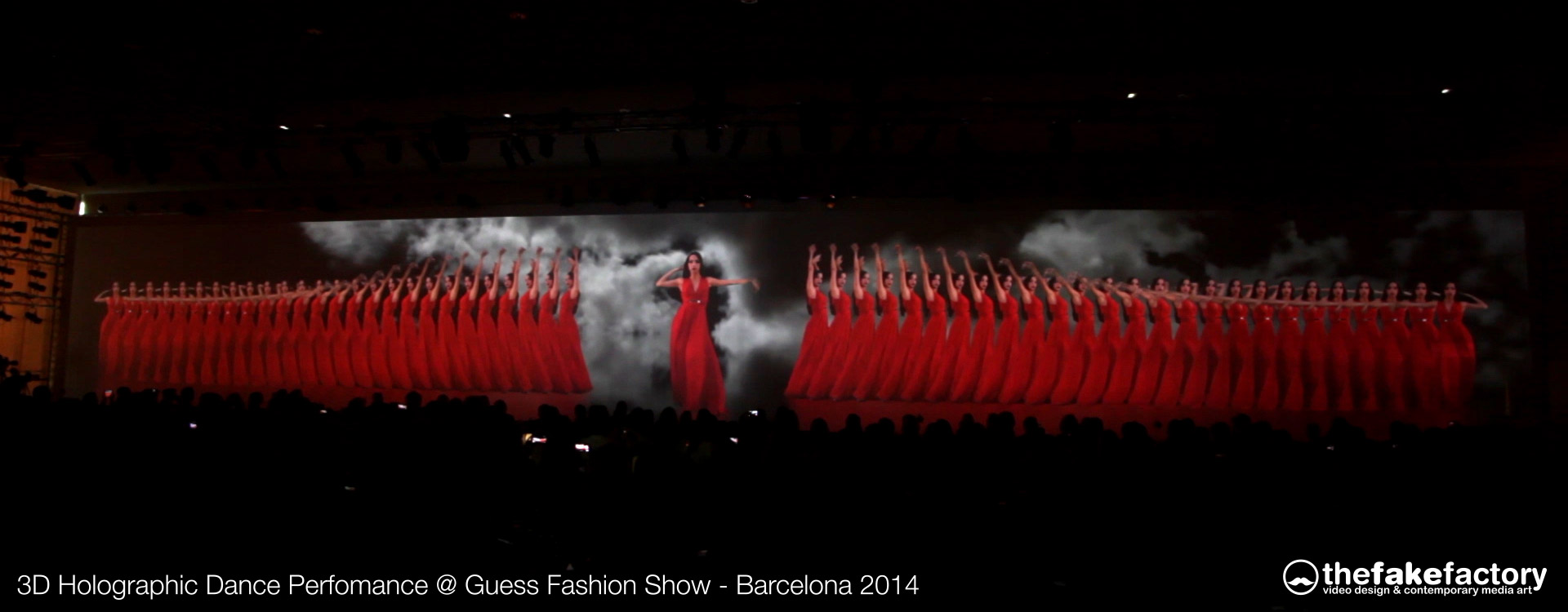
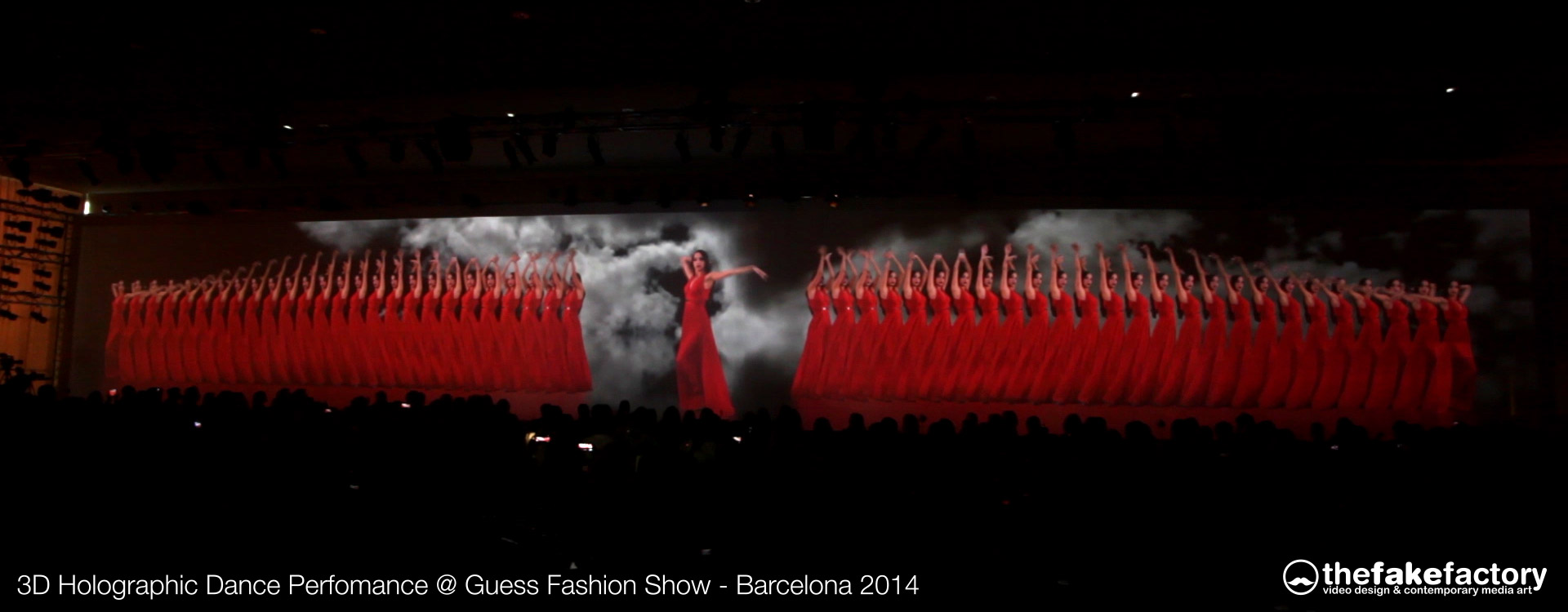
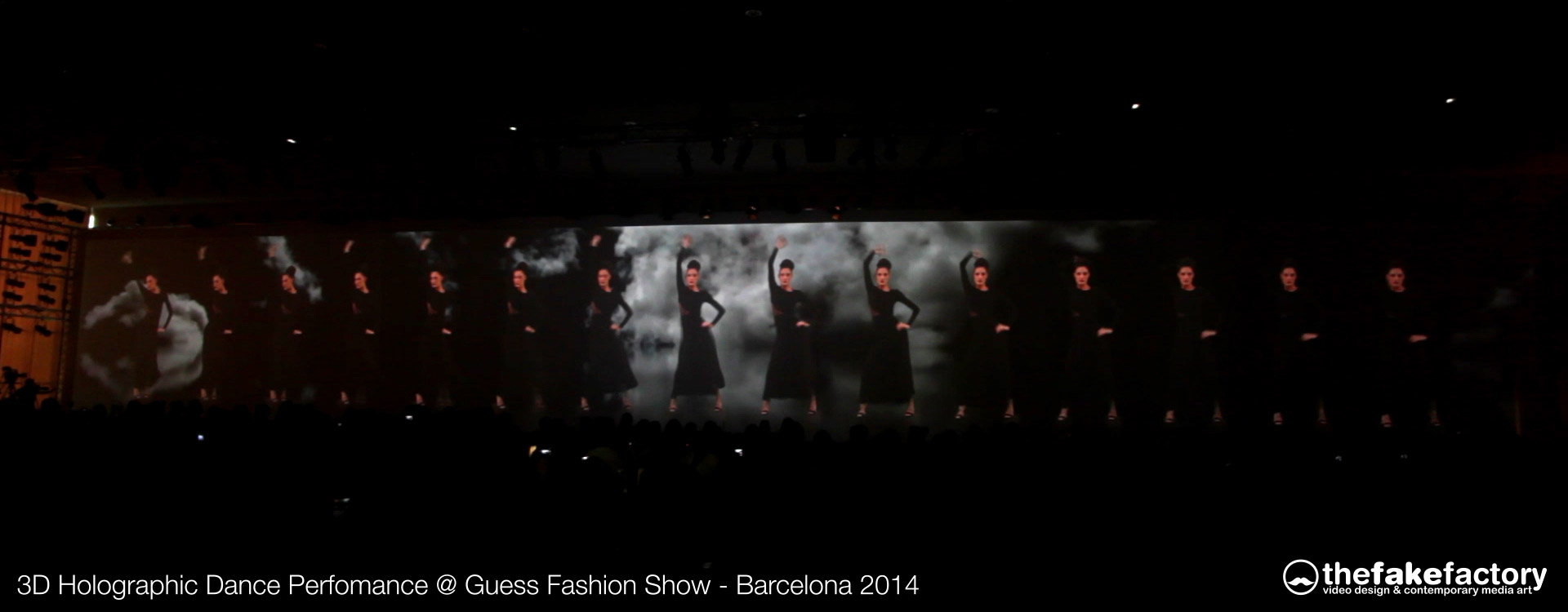
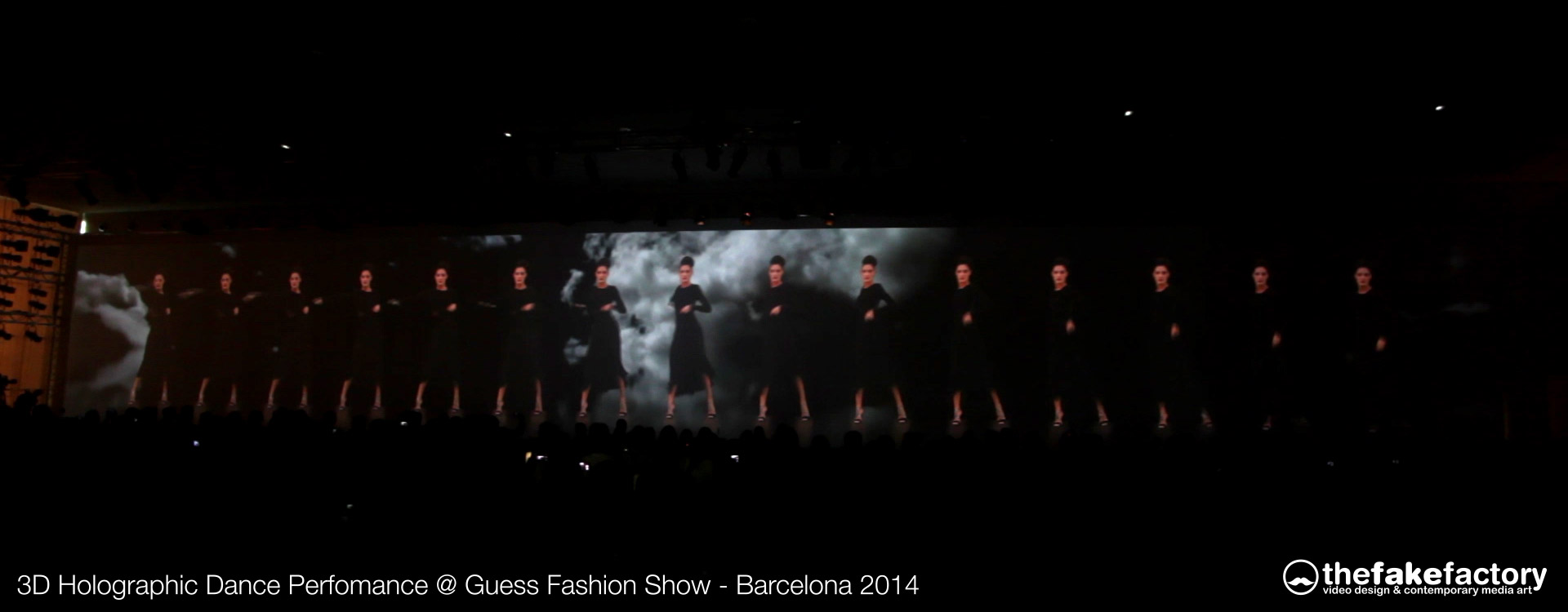
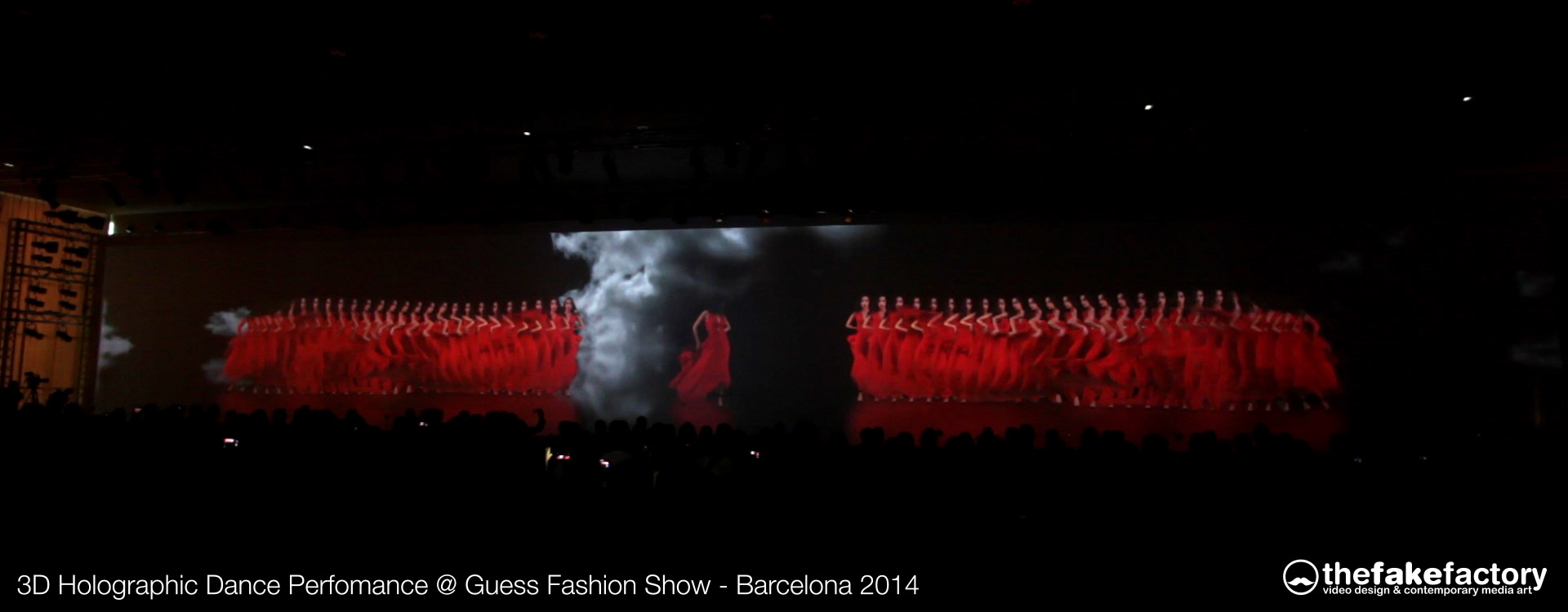
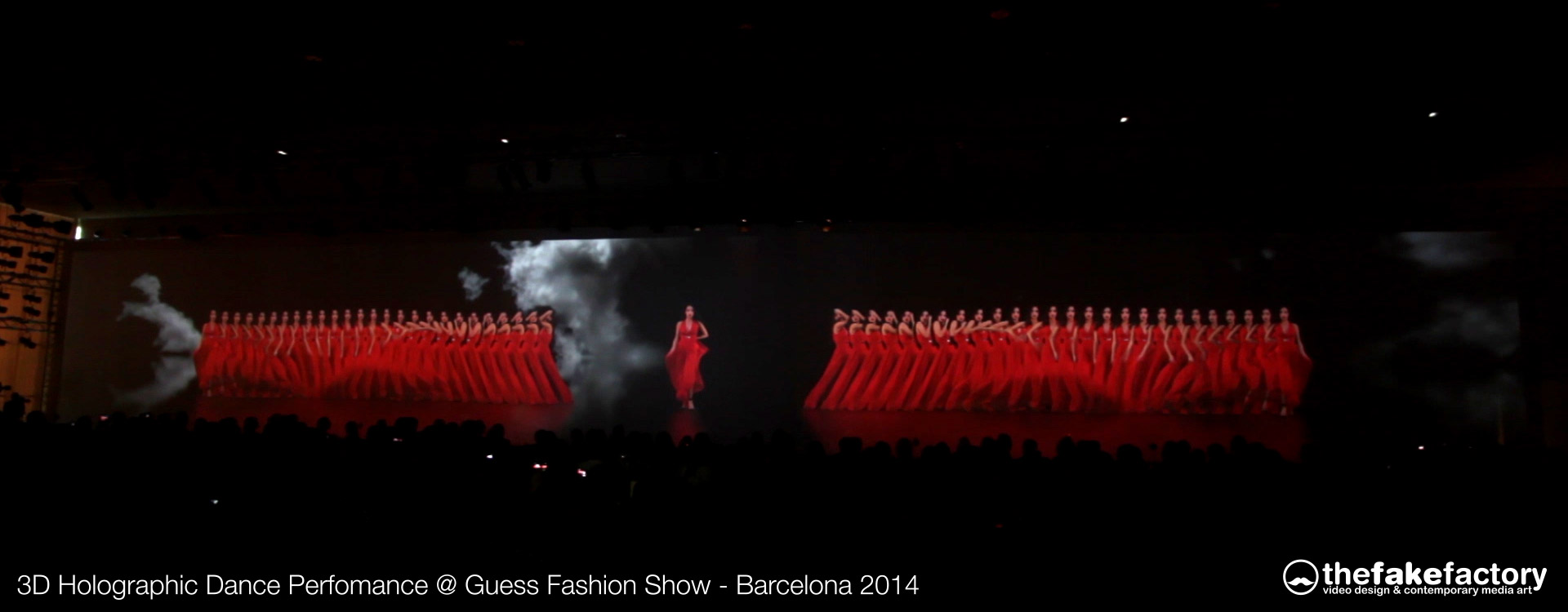
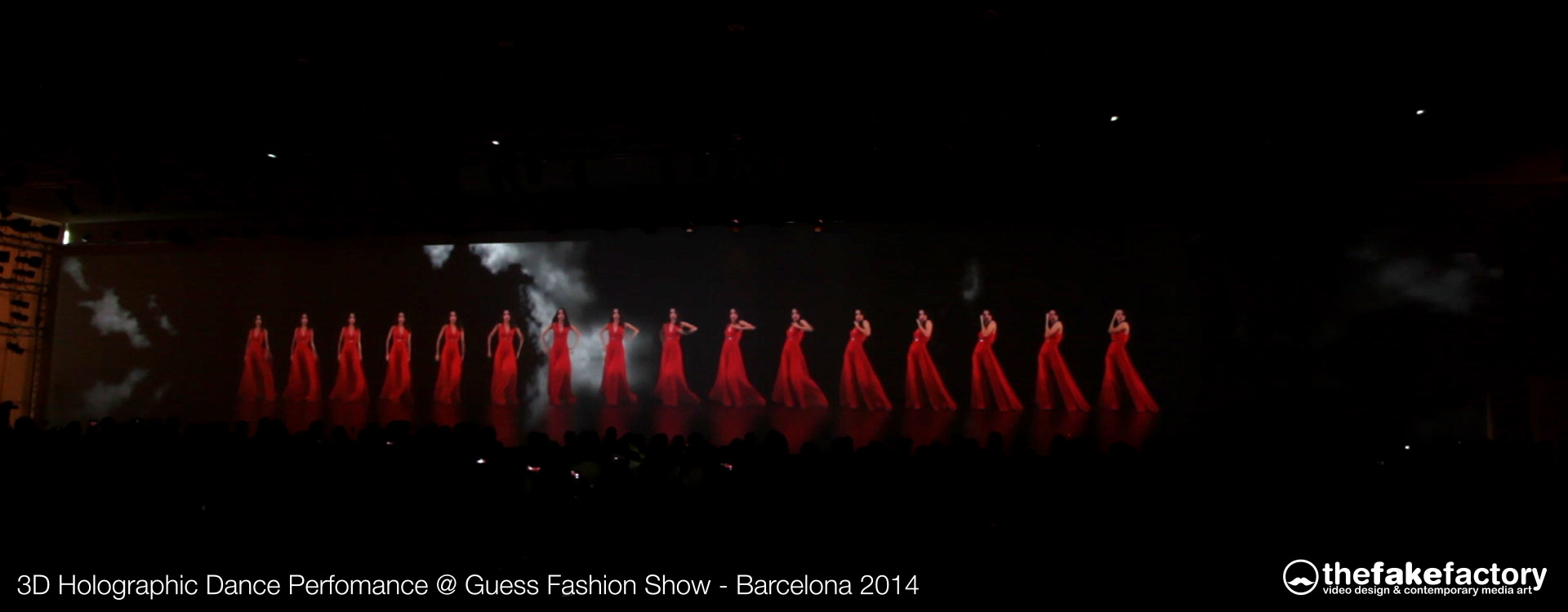
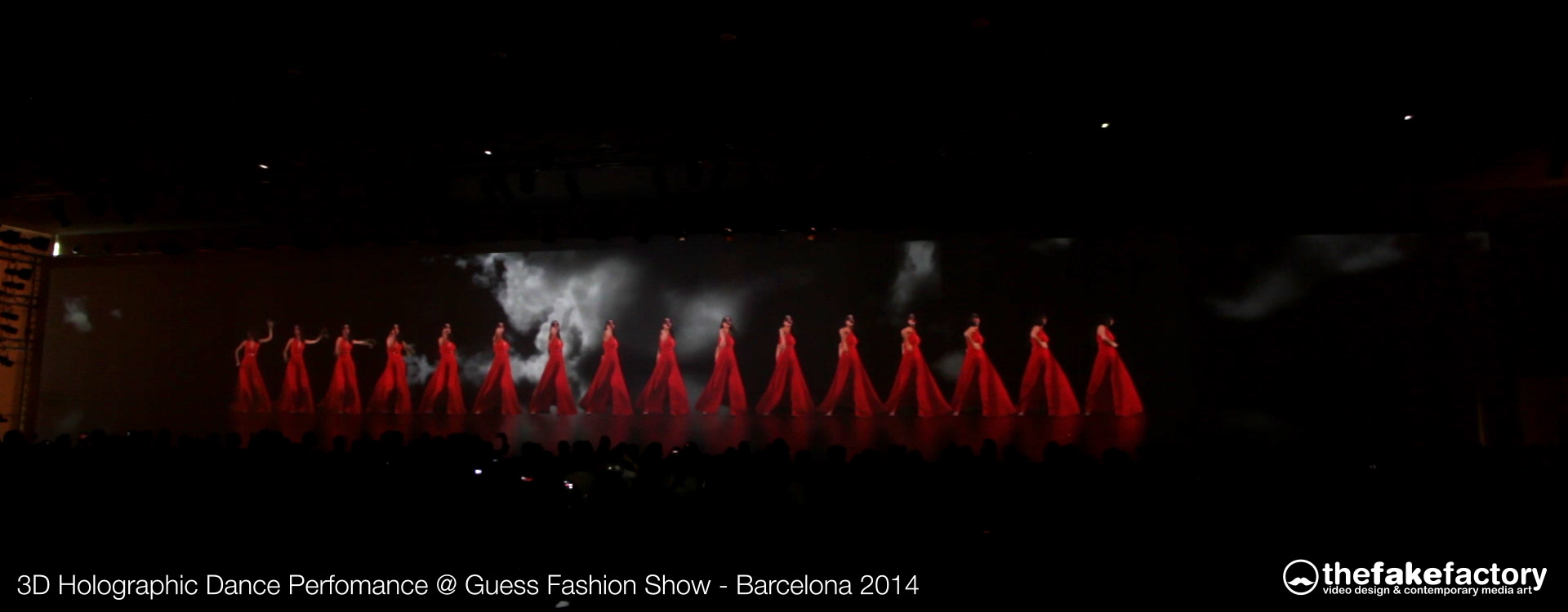
Stefano Fake es un artista visual y director creativo italiano, fundador del estudio The Fake Factory en Florencia en 2001. Desde comienzos del siglo XXI desarrolla una línea de investigación centrada en la animación, el arte digital y los lenguajes audiovisuales, articulando prácticas de dibujo, estrategias narrativas y tecnologías contemporáneas con el fin de configurar universos visuales de marcada densidad poética y simbólica.
The Fake Factory es un estudio creativo dedicado a la producción de obras de arte digital, instalaciones inmersivas y proyectos audiovisuales destinados a museos, instituciones culturales y contextos urbanos. Su práctica se caracteriza por la integración sistemática de imagen, sonido y espacio, así como por una atención constante a la dimensión narrativa y estética de los dispositivos tecnológicos.
La dedicación de Stefano Fake y The Fake Factory al arte digital inmersivo responde a la consideración de este lenguaje como un medio idóneo para abordar el espacio y el tiempo como materiales artísticos, utilizando los medios digitales como soporte técnico. La inmersividad posibilita la construcción de entornos visuales que no se reducen a la contemplación, sino que implican una experiencia corporal y temporal del espectador, transformando la obra en un dispositivo perceptivo y narrativo.
La investigación de Stefano Fake se origina en un interés por el imaginario, el símbolo y la composición visual en movimiento. En este marco, lo digital se configura como una herramienta para la elaboración de universos poéticos y visionarios, en los que luz, color, ritmo y sonido contribuyen a una auténtica dramaturgia del espacio. Desde esta perspectiva, el arte inmersivo constituye una evolución coherente de su trabajo previo en animación y videoarte, desplazado desde la pantalla hacia el ámbito ambiental.
Lejos de una instrumentalización meramente espectacular de la tecnología, su práctica se orienta a la exploración de nuevas modalidades de relación entre la obra y el público, en las cuales el espectador deja de ocupar una posición exclusivamente contemplativa para integrarse en un ecosistema visual. La inmersividad se define así como una práctica artística que investiga las relaciones entre cuerpo, imagen y temporalidad, abriendo el campo a formas de recepción más sensoriales y reflexivas.
A partir de 2012, Stefano Fake y su estudio comienzan a trabajar en exposiciones digitales inmersivas dedicadas a los grandes pintores del pasado: Klimt, Monet, Van Gogh, Matisse, Magritte, Leonardo da Vinci, Miguel Ángel y Modigliani, entre otros. En el transcurso de pocos años, el formato de las exposiciones inmersivas se expande primero en Europa y posteriormente a escala global, y las muestras concebidas y realizadas por Stefano Fake y The Fake Factory se convierten en referentes fundamentales, contribuyendo de manera decisiva a la definición del lenguaje y de la estética de las exposiciones inmersivas a nivel internacional.
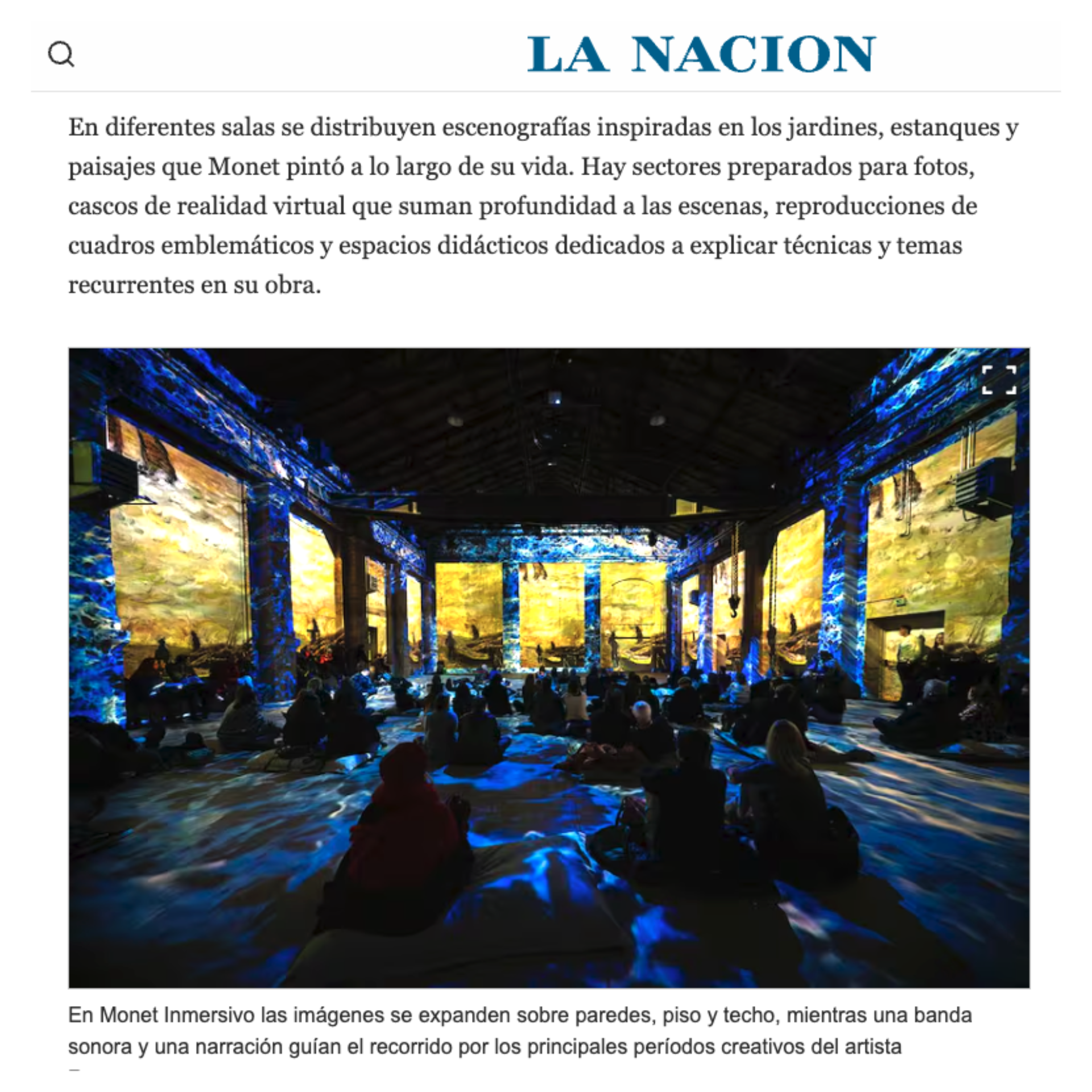
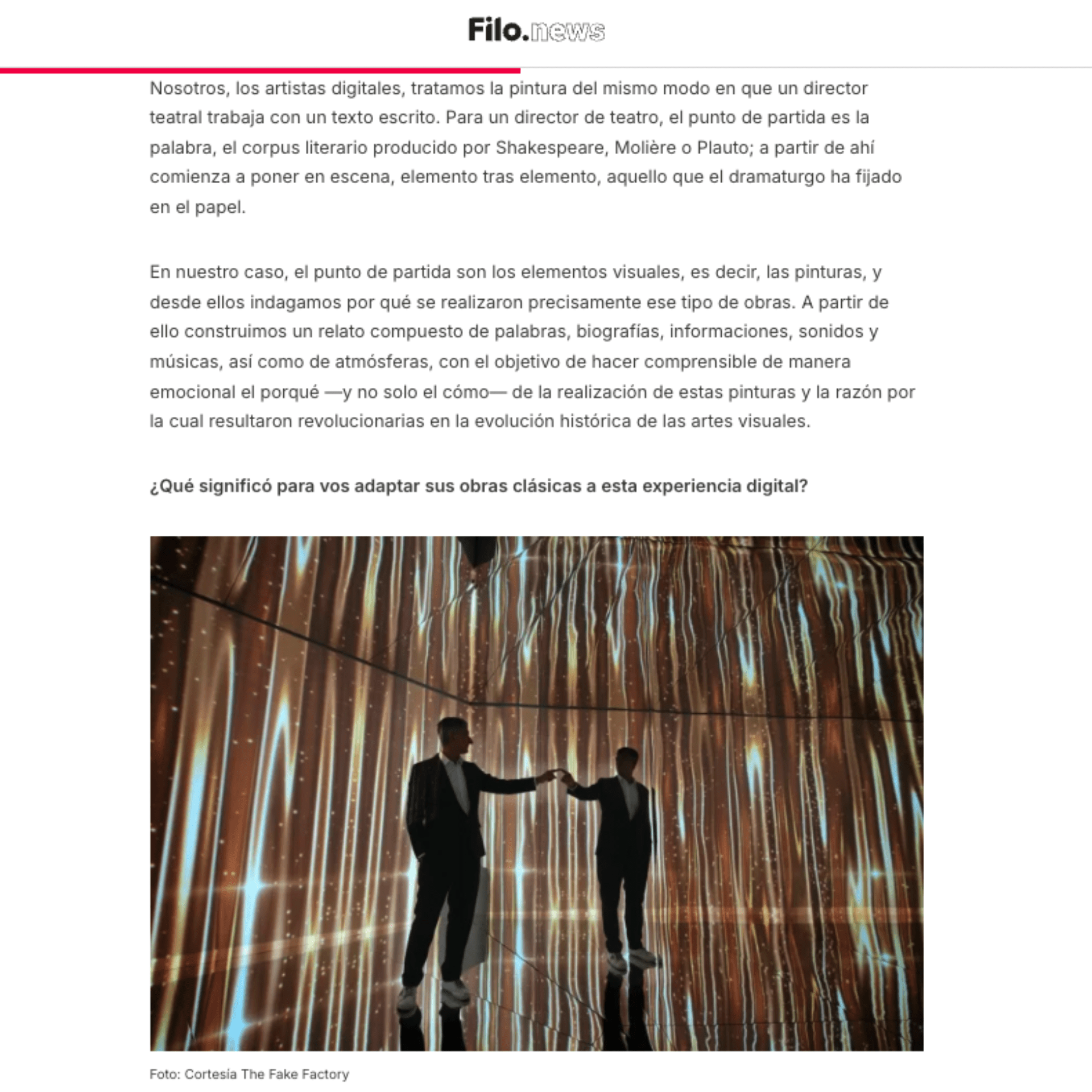
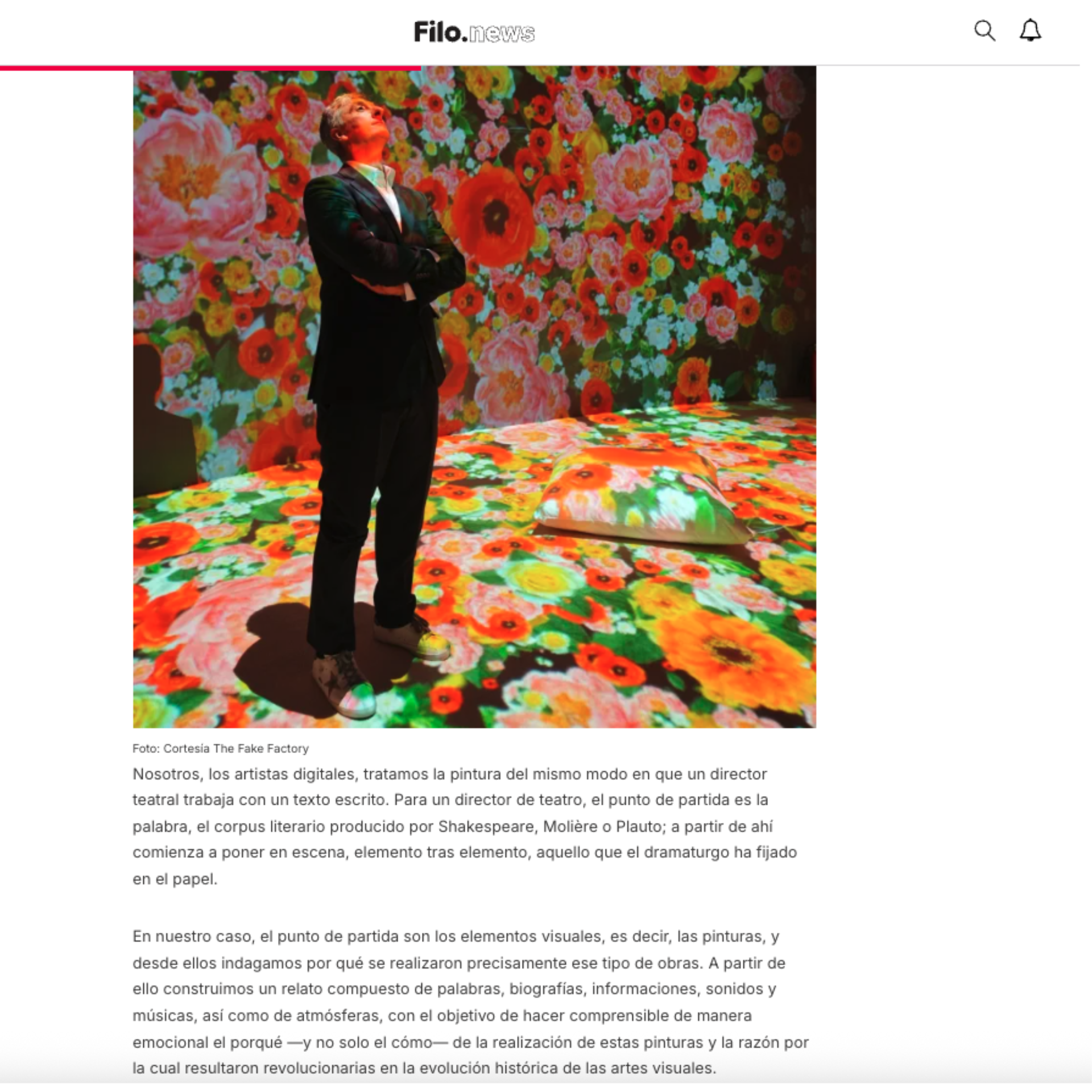
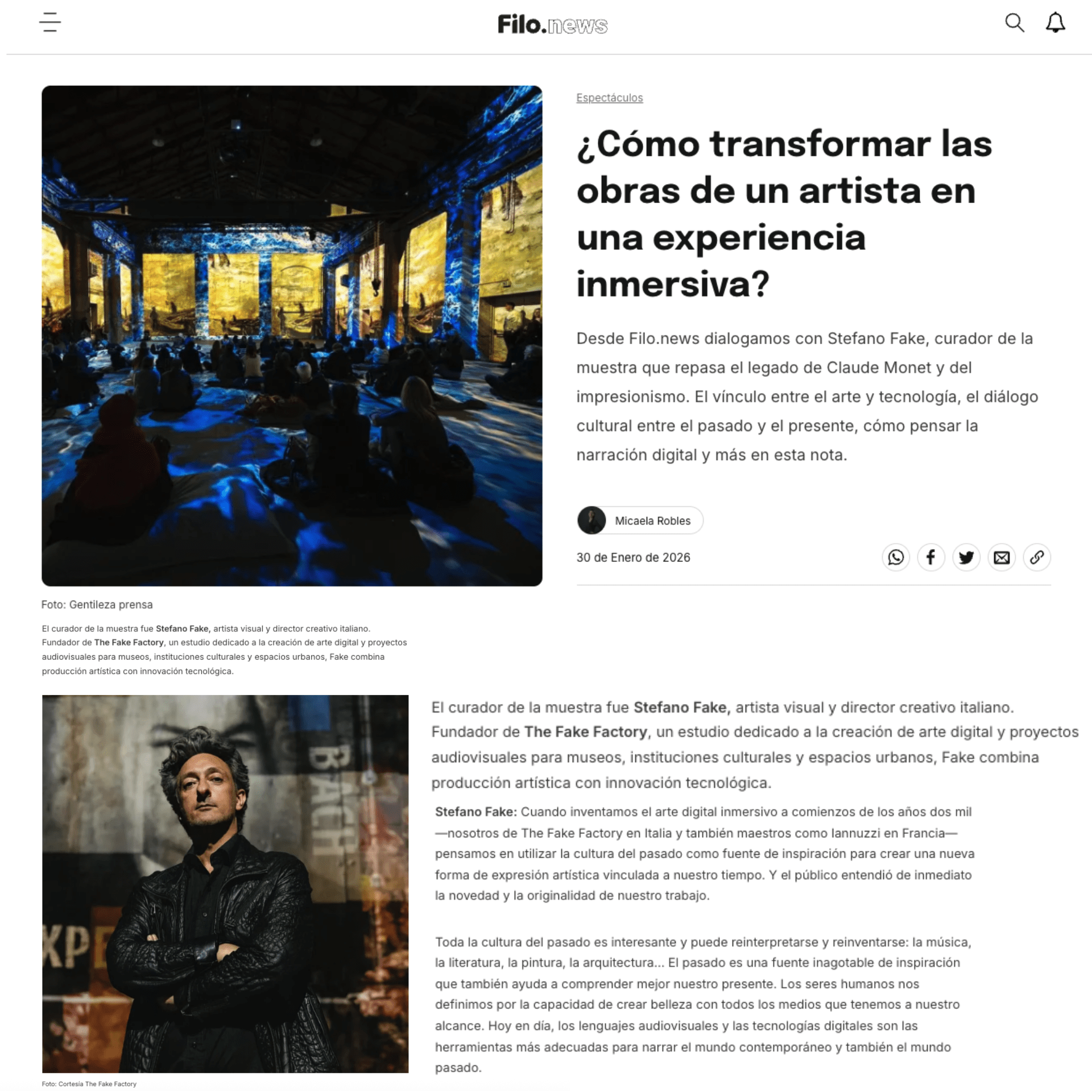
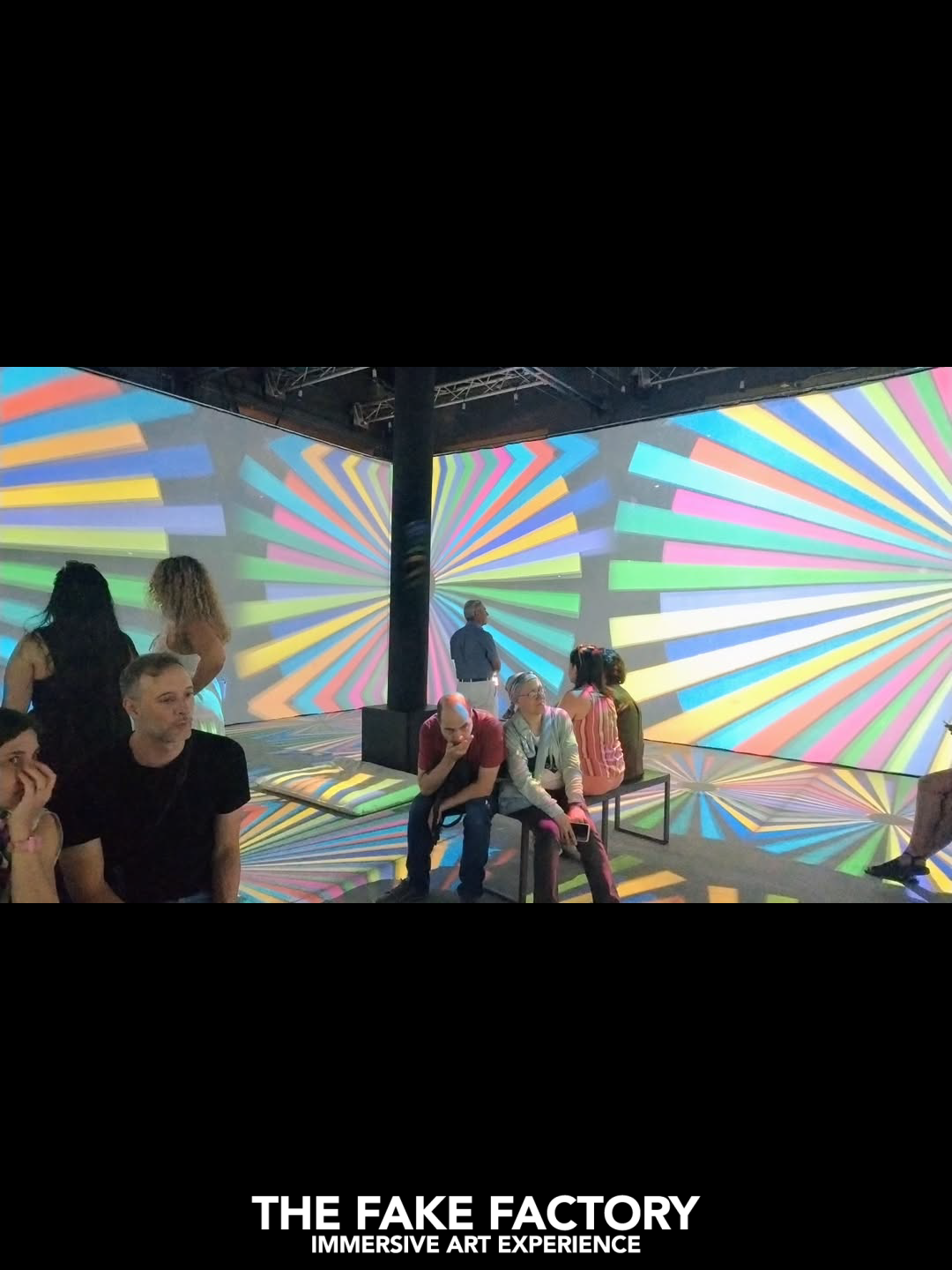
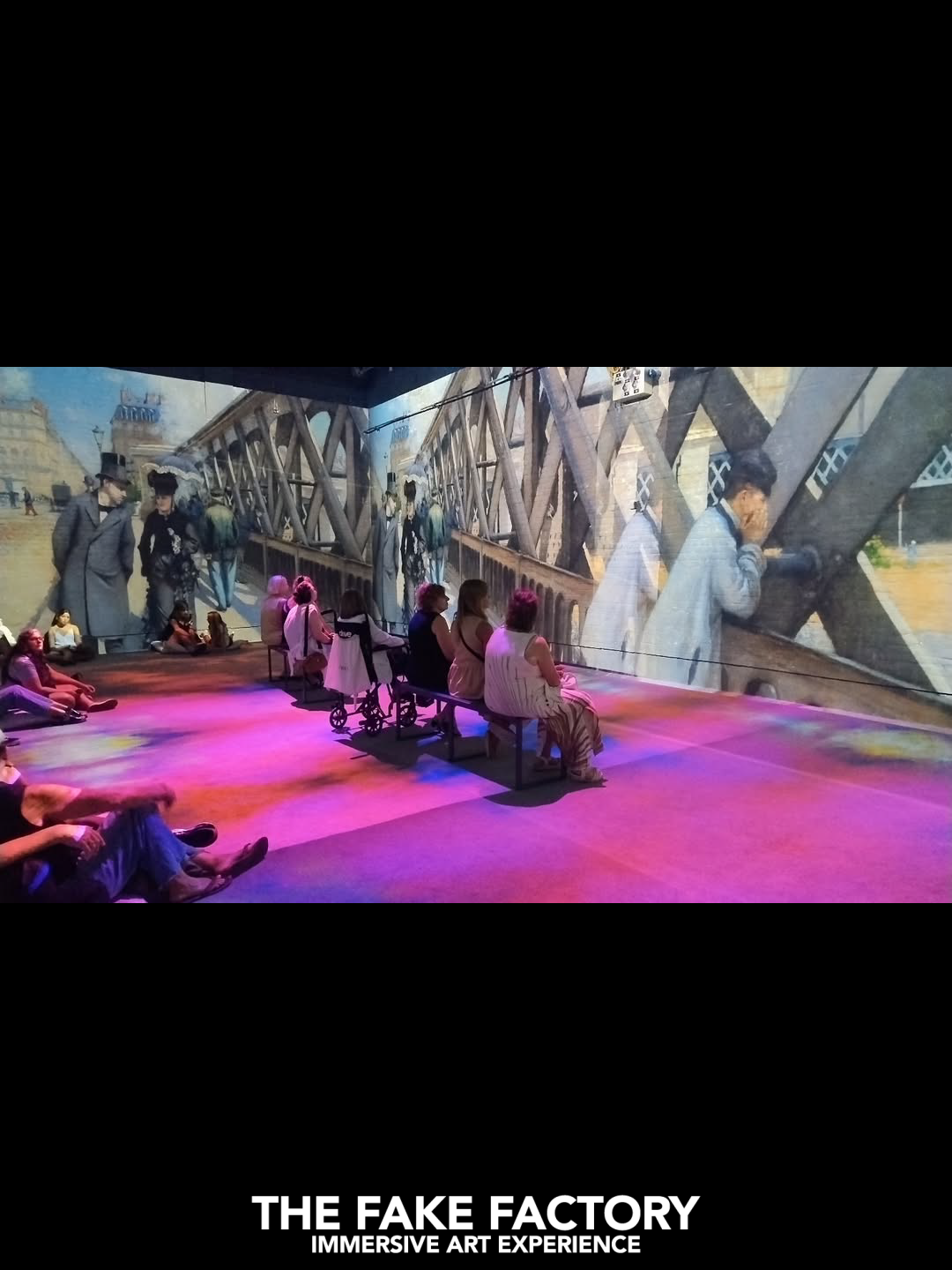
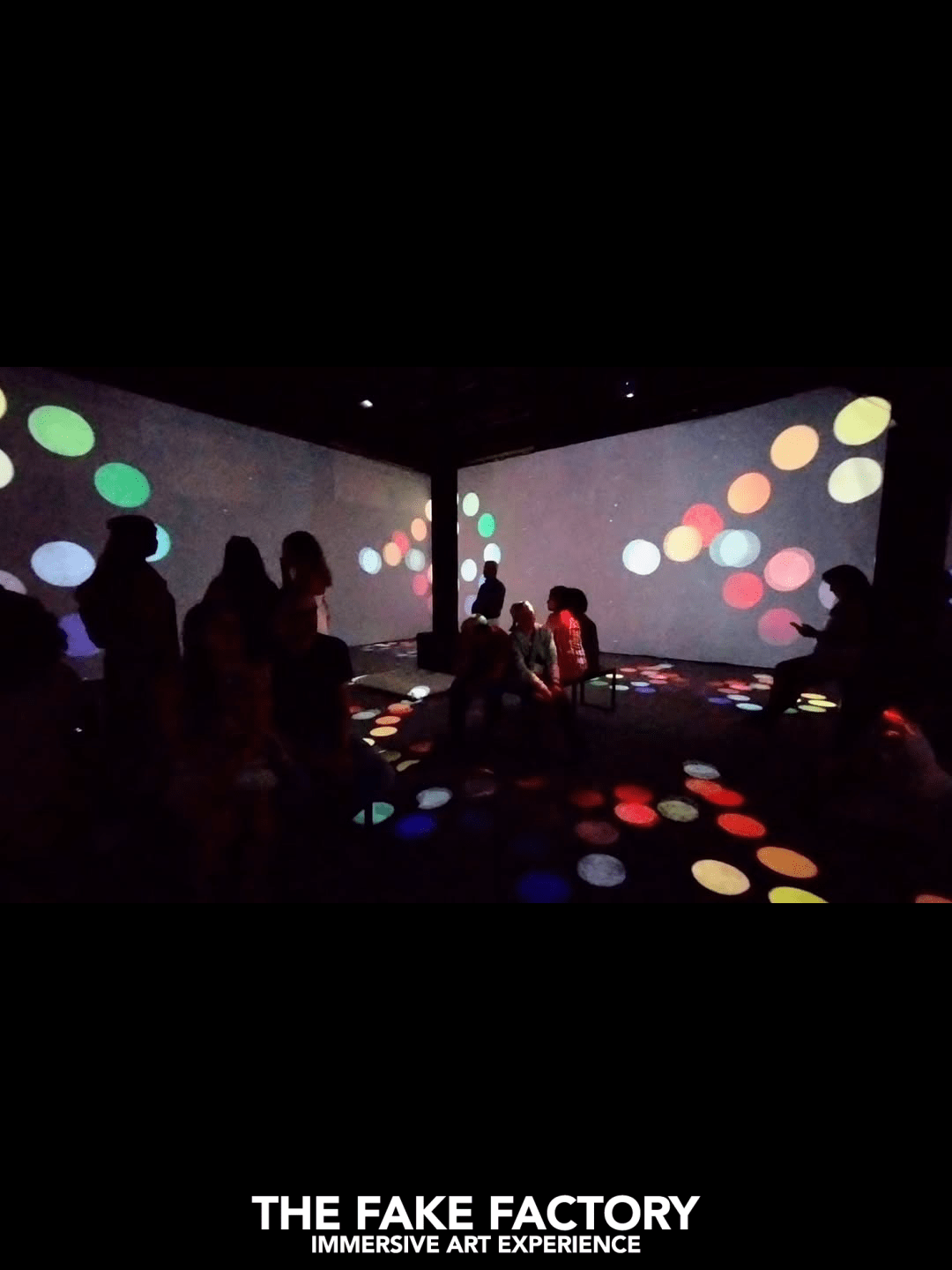
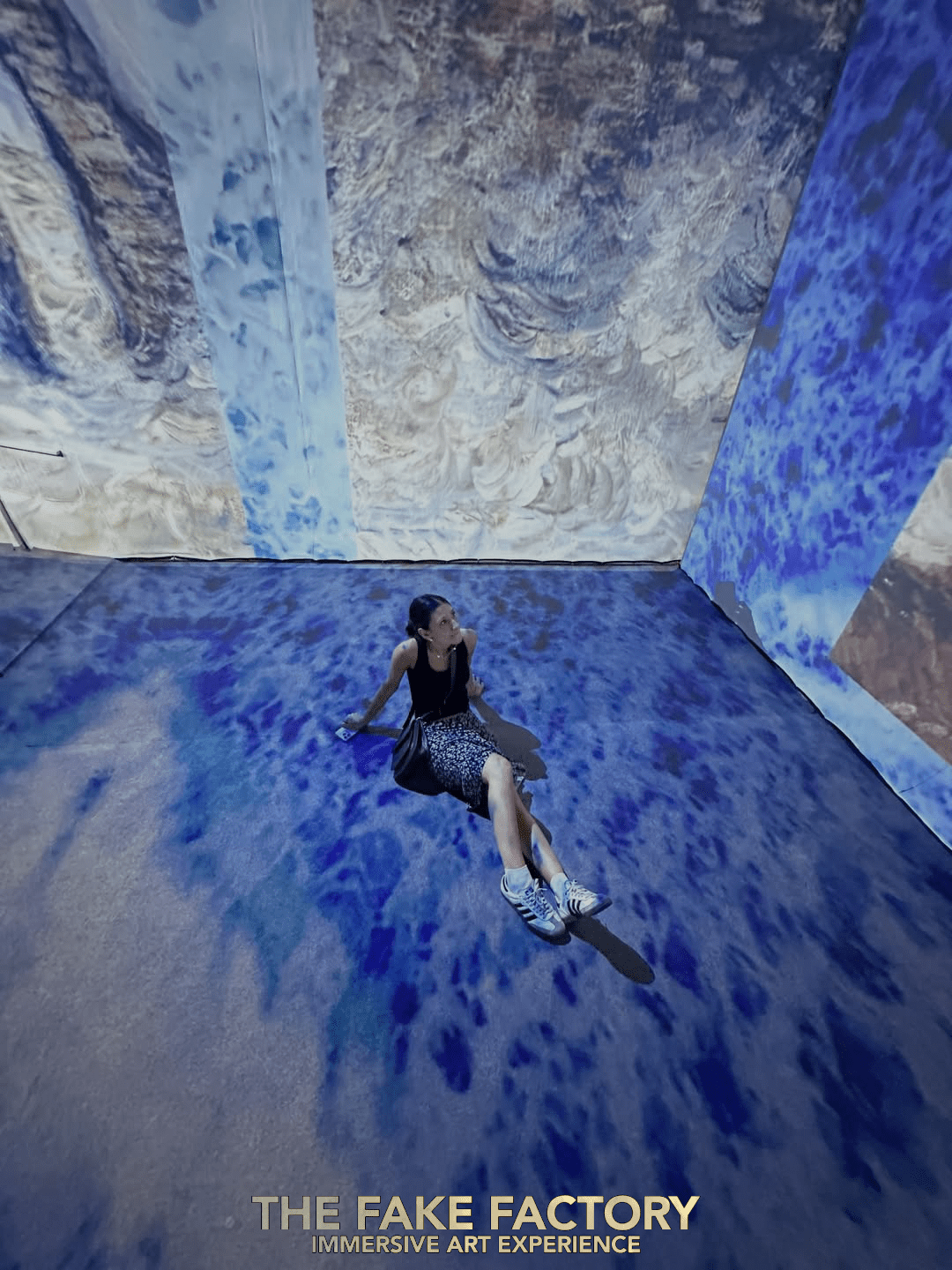
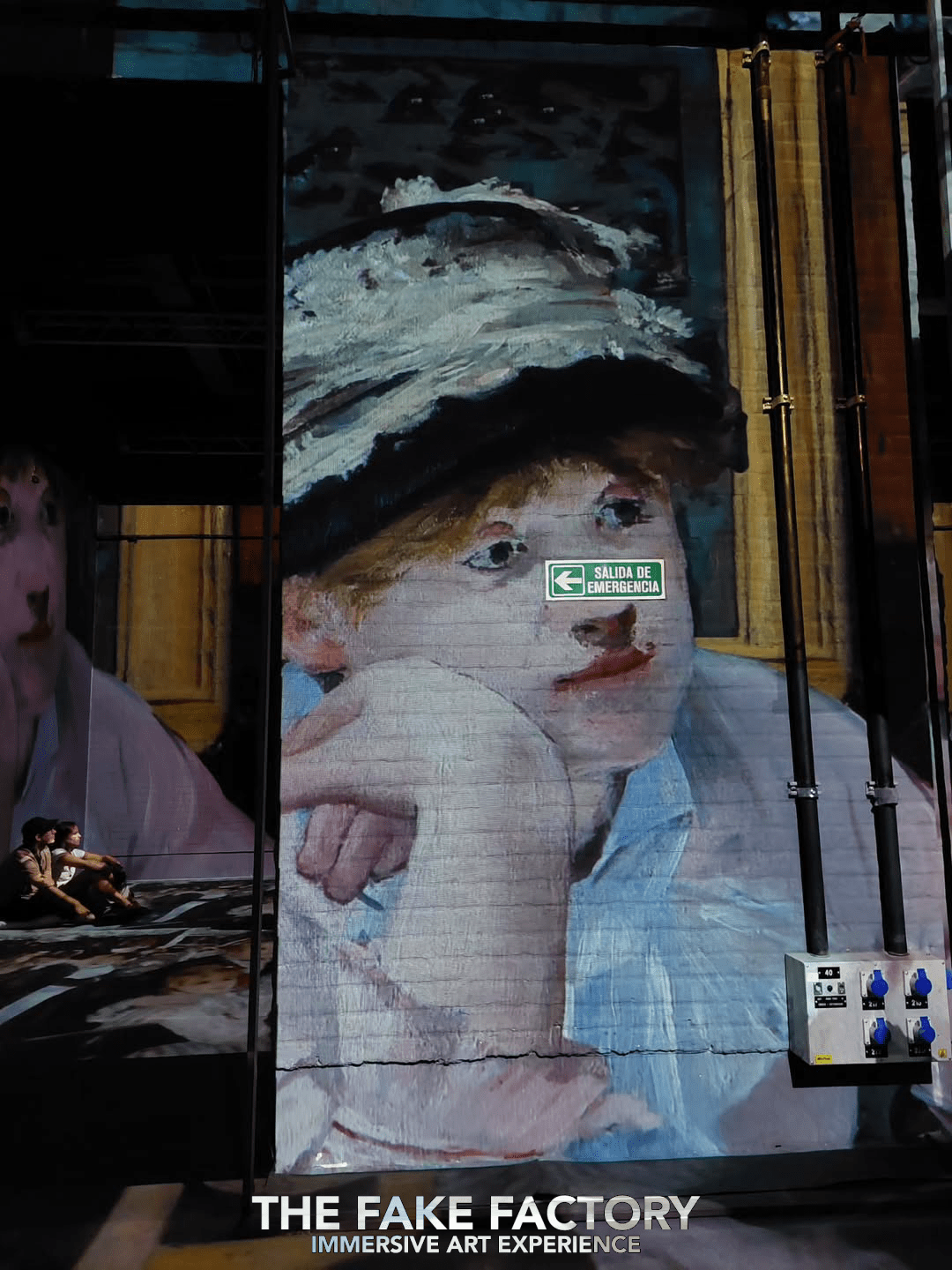
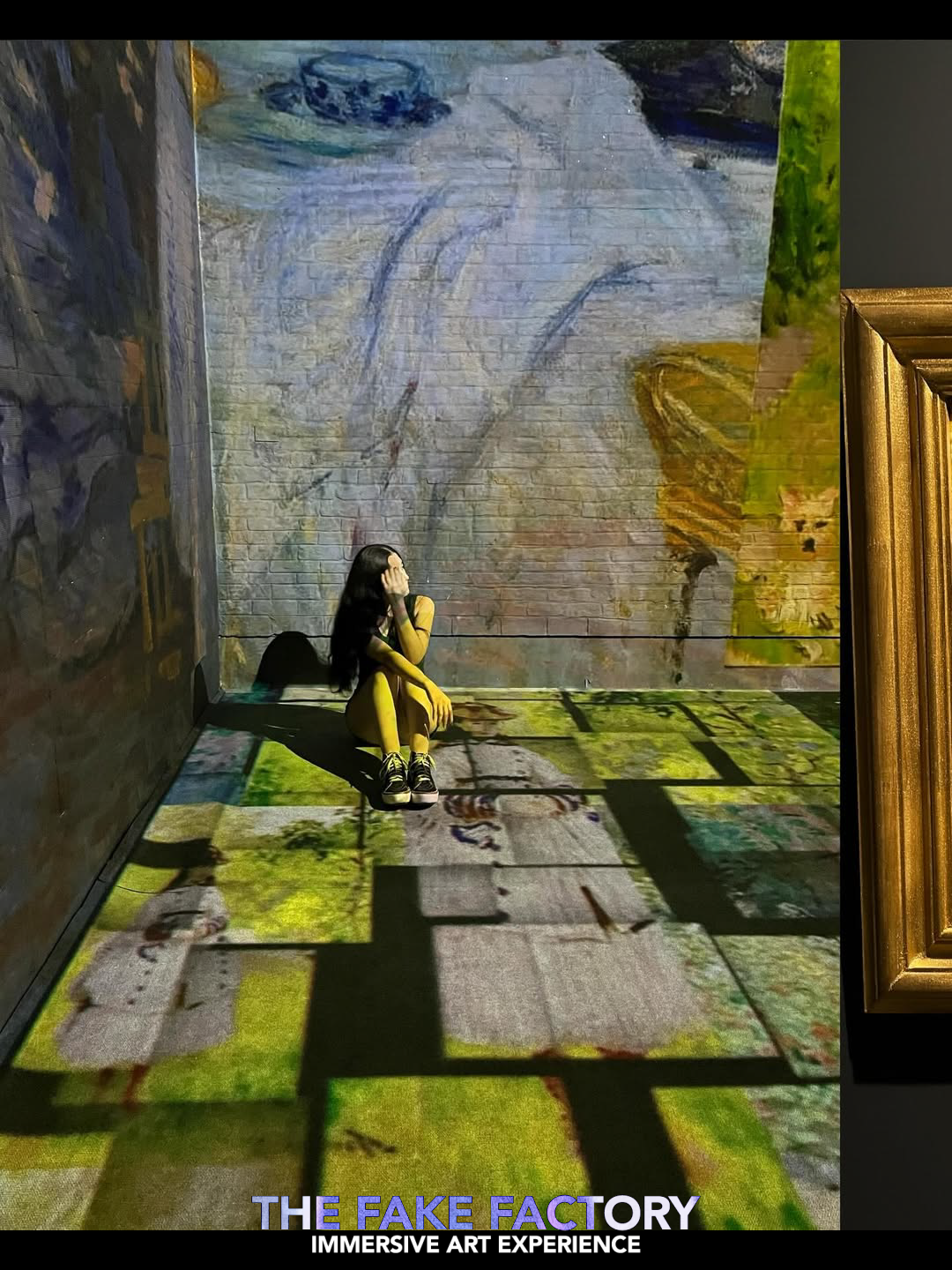
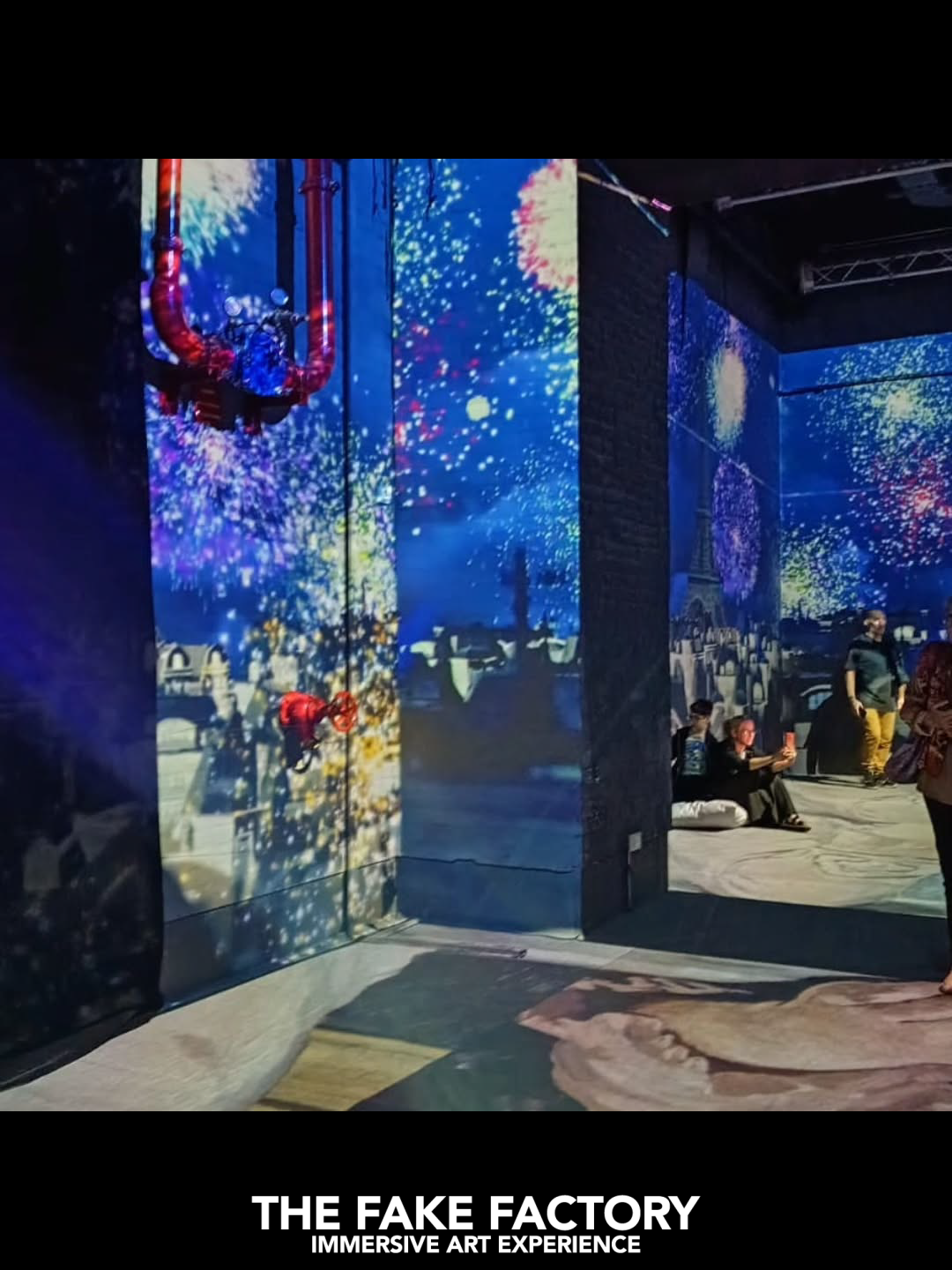
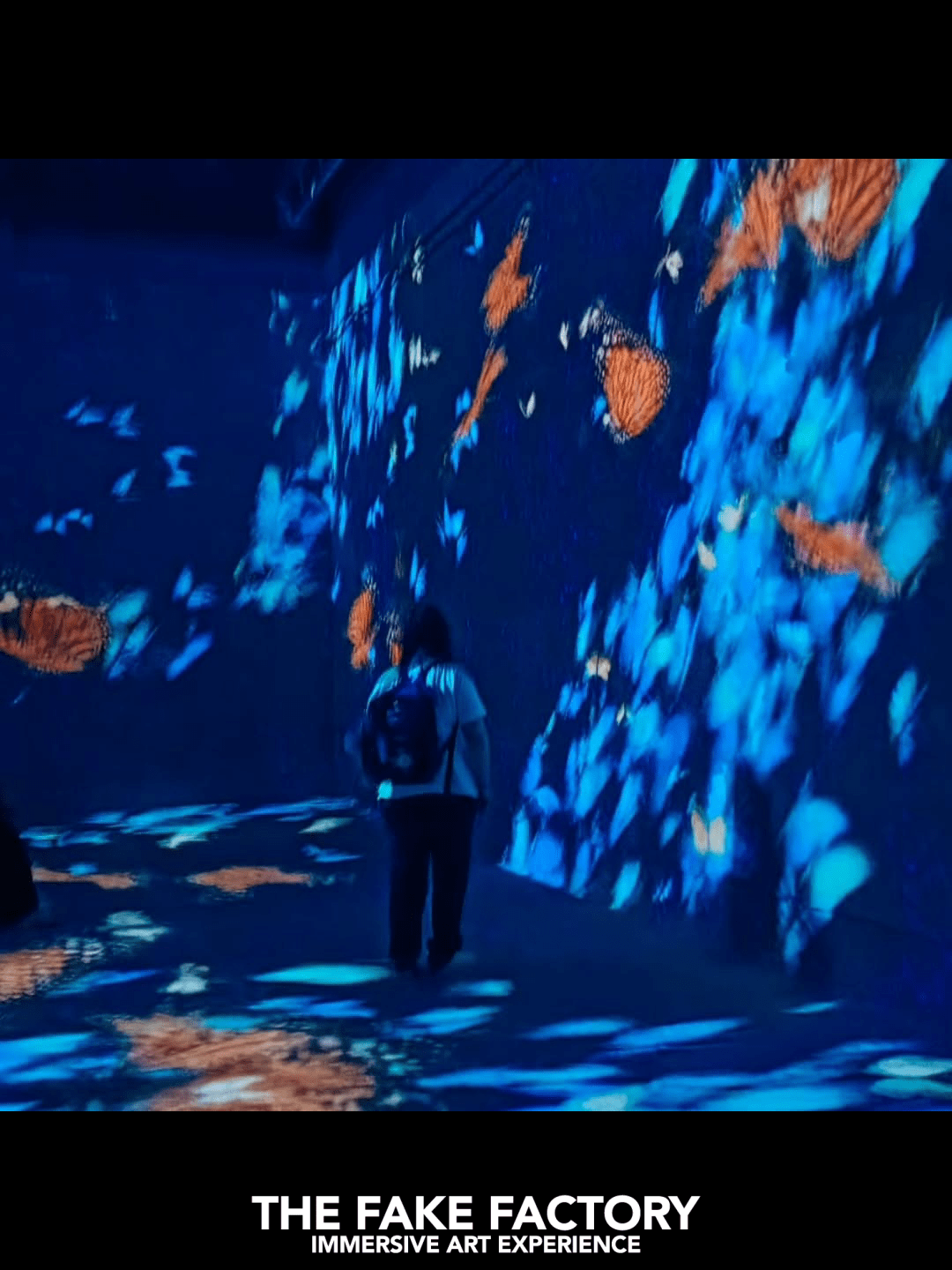
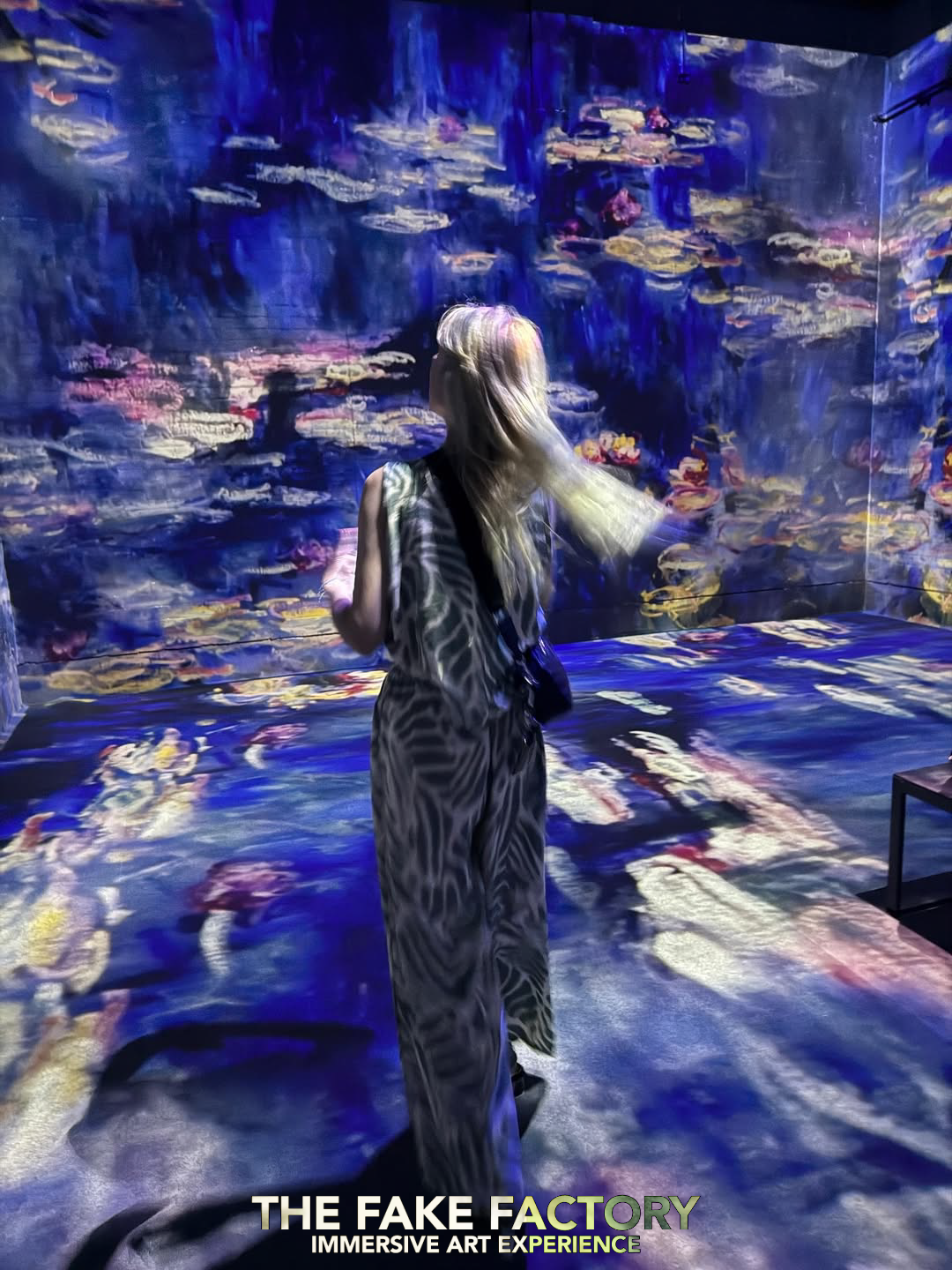
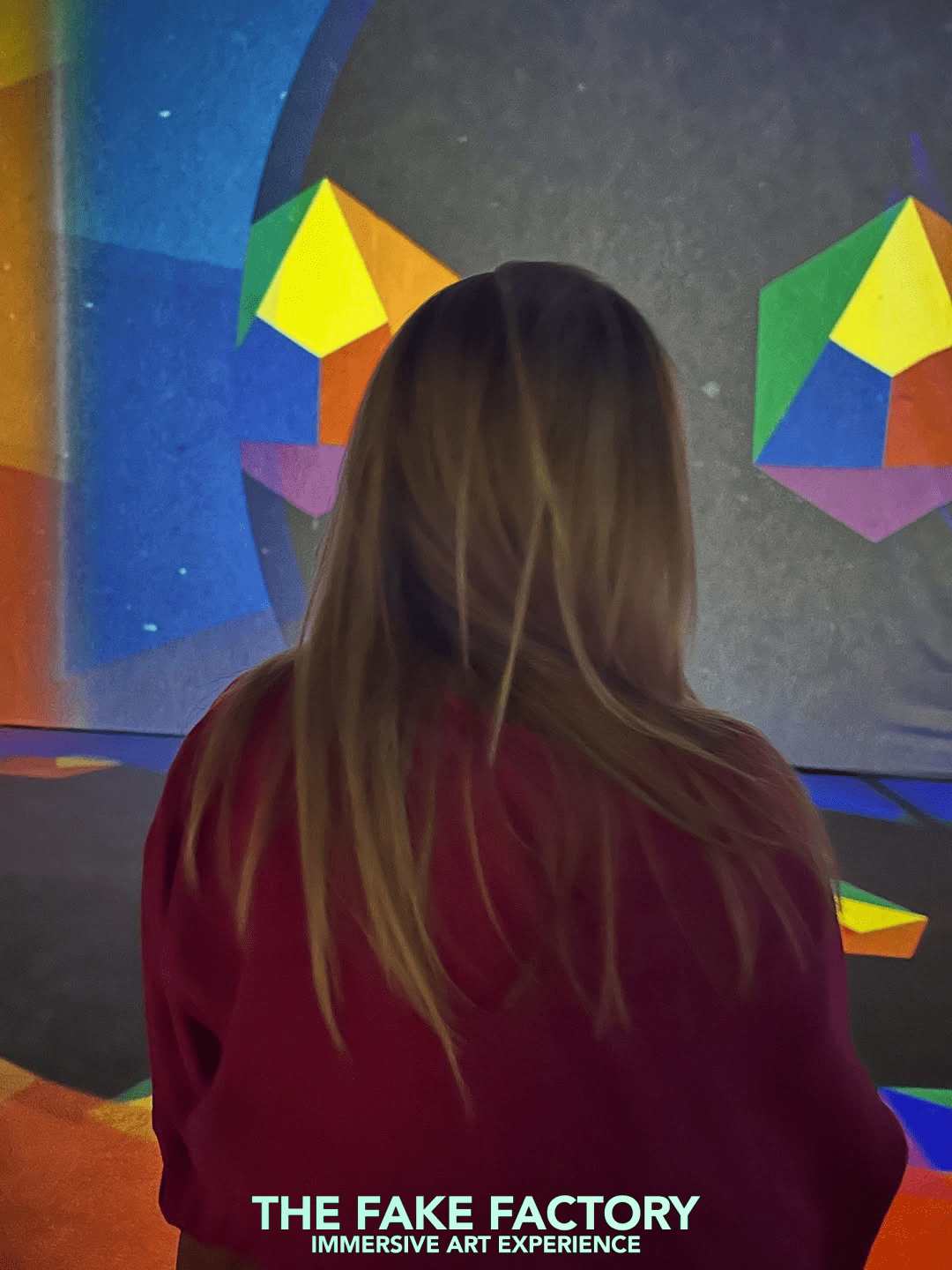
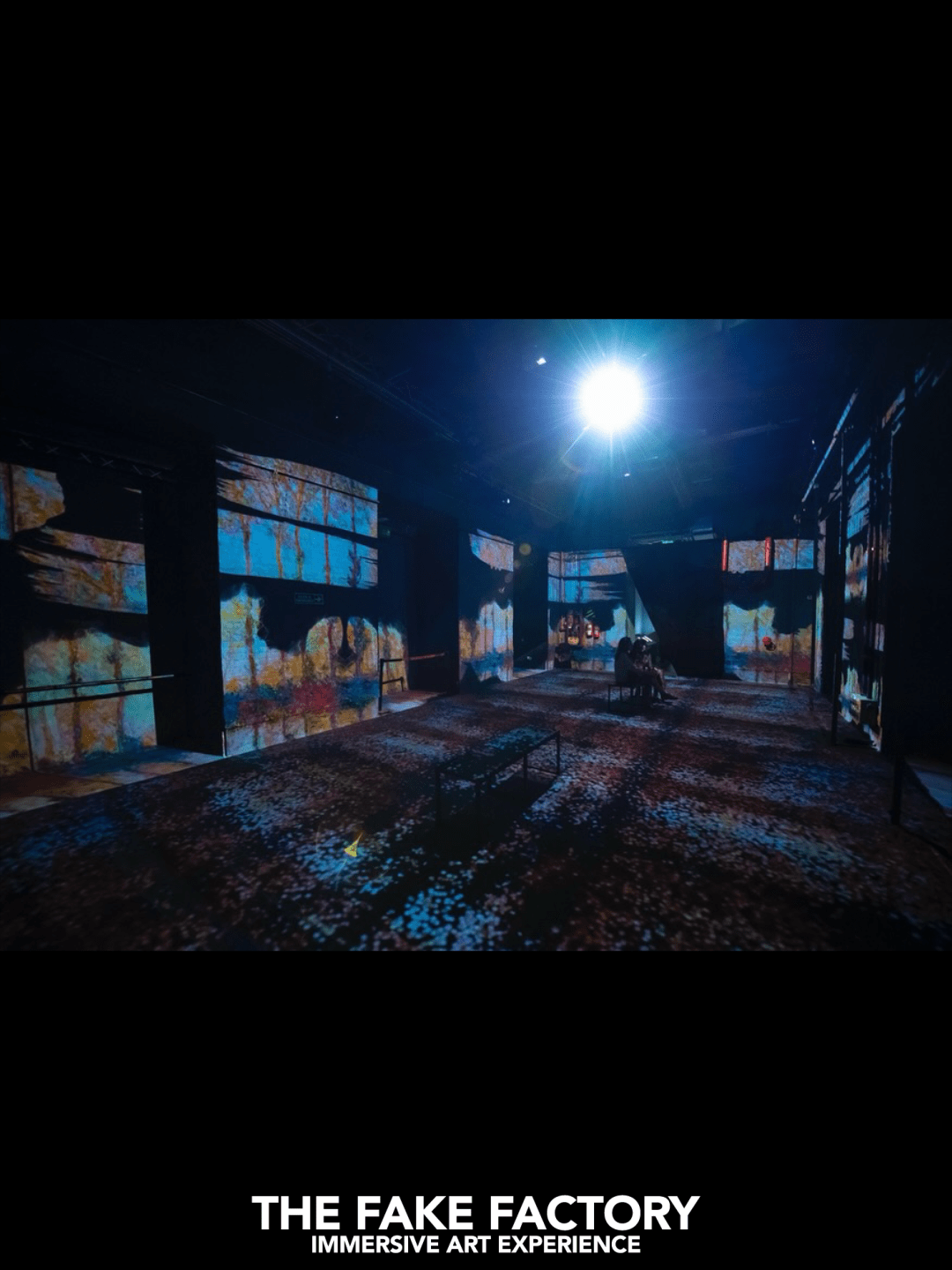
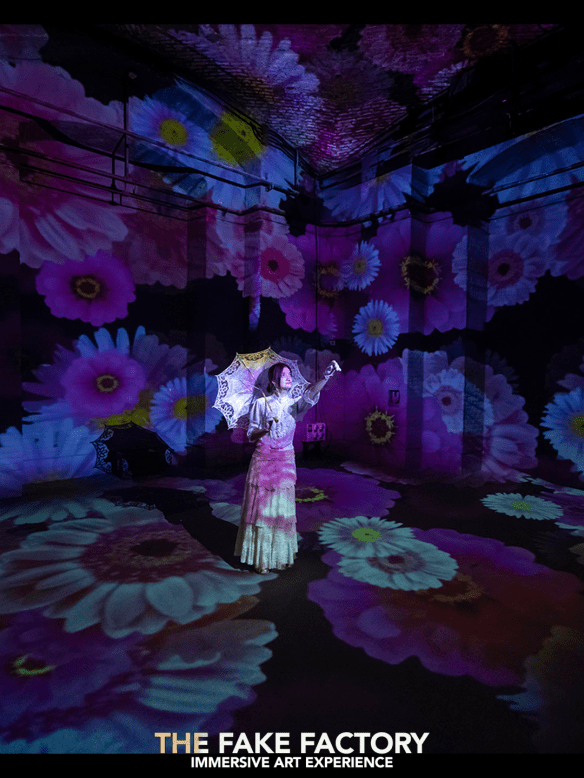
Las obras de Fake consisten principalmente en salas inmersivas en las que el artista interviene mediante videoproyecciones, efectos de luz, signos gráficos, formas, colores, paredes reflectantes, sonidos, ruidos y sensaciones olfativas y táctiles. El arte inmersivo de Fake apela a los sentidos del visitante e invita a un diálogo humano antes que estético. Busca su complicidad. Sus espacios son, ante todo, contenedores de emociones. La forma se construye en torno a la presencia humana. La verdadera fuerza del artista reside en su habilidad para alcanzar el corazón de la experiencia humana.
Sin duda, Fake es el primer artista italiano en establecer de manera convincente las bases de una estética inmersiva y relacional en el arte digital, desde su primera instalación Room with Colour TV, presentada en Weimar en 2001, y posteriormente con Ambienti (di nuova sensibilità), presentada en Florencia en 2002. Estas obras incluyen de manera intencionada la participación del público en la construcción o definición de la obra de la que forman parte. El trabajo de Fake es, precisamente, un continuo esfuerzo por abrazar, envolver e involucrar a las personas de manera sensorial, mental, espiritual, emocional y lúdica. El propio Fake ha definido la esencia de su arte con esta frase: “El arte es juego, ¡juguemos juntos!”, rindiendo homenaje a Federico Fellini (“¡la vida es una fiesta, vivámosla juntos!”) y al artista conceptual que marcó el paso del arte moderno al contemporáneo, Marcel Duchamp (“El arte es un juego entre todos los hombres de todas las épocas”).
Andy Warhol solía repetir que, desde su punto de vista, el pop art era sobre todo “una manera de amar las cosas”. Parafraseando sus palabras, hoy podemos decir que el Arte Inmersivo creado por Fake es, sobre todo, “amar a las personas”. Porque en las instalaciones inmersivas existe un aspecto relacional importante y fundamental entre el artista y el visitante. El hecho de denominarlas “Experiencias de Arte Inmersivo” (Immersive Art Experience) ya evidencia el cambio de paradigma que propone Fake.
La calidad de la realización audiovisual o los aspectos puramente tecnológicos, aunque determinantes en el resultado estético final, pasan a un segundo plano. Para Fake, lo principal es la experiencia del visitante: ser envuelto en la luz, en las imágenes y en los sonidos, dentro de espacios aumentados sensorialmente gracias al uso poético de las tecnologías. No se trata de rodear al espectador con grandes imágenes ni de sorprenderlo con efectos lumínicos fáciles, sino de integrarlo en un flujo emocional, modelando la forma de las percepciones sensoriales que el visitante experimenta dentro del espacio. Quizá este constituya, en síntesis, el rasgo distintivo del Arte Inmersivo desarrollado por Fake, el cual lo ha posicionado como uno de los artistas multimedia italianos más relevantes e influyentes del nuevo milenio.
STEFANO FAKE & THE FAKE FACTORY
¿Por qué decidiste trabajar la mirada digital del arte? ¿De qué se trata The Fake Factory?
Cuando inventamos el arte digital inmersivo a comienzos de los años dos mil —nosotros de The Fake Factory en Italia y también maestros como Iannuzzi en Francia— pensamos en utilizar la cultura del pasado como fuente de inspiración para crear una nueva forma de expresión artística vinculada a nuestro tiempo. Y el público entendió de inmediato la novedad y la originalidad de nuestro trabajo.
Toda la cultura del pasado es interesante y puede reinterpretarse y reinventarse: la música, la literatura, la pintura, la arquitectura… El pasado es una fuente inagotable de inspiración que también ayuda a comprender mejor nuestro presente.
Los seres humanos nos definimos por la capacidad de crear belleza con todos los medios que tenemos a nuestro alcance. Hoy en día, los lenguajes audiovisuales y las tecnologías digitales son las herramientas más adecuadas para narrar el mundo contemporáneo y también el mundo pasado.
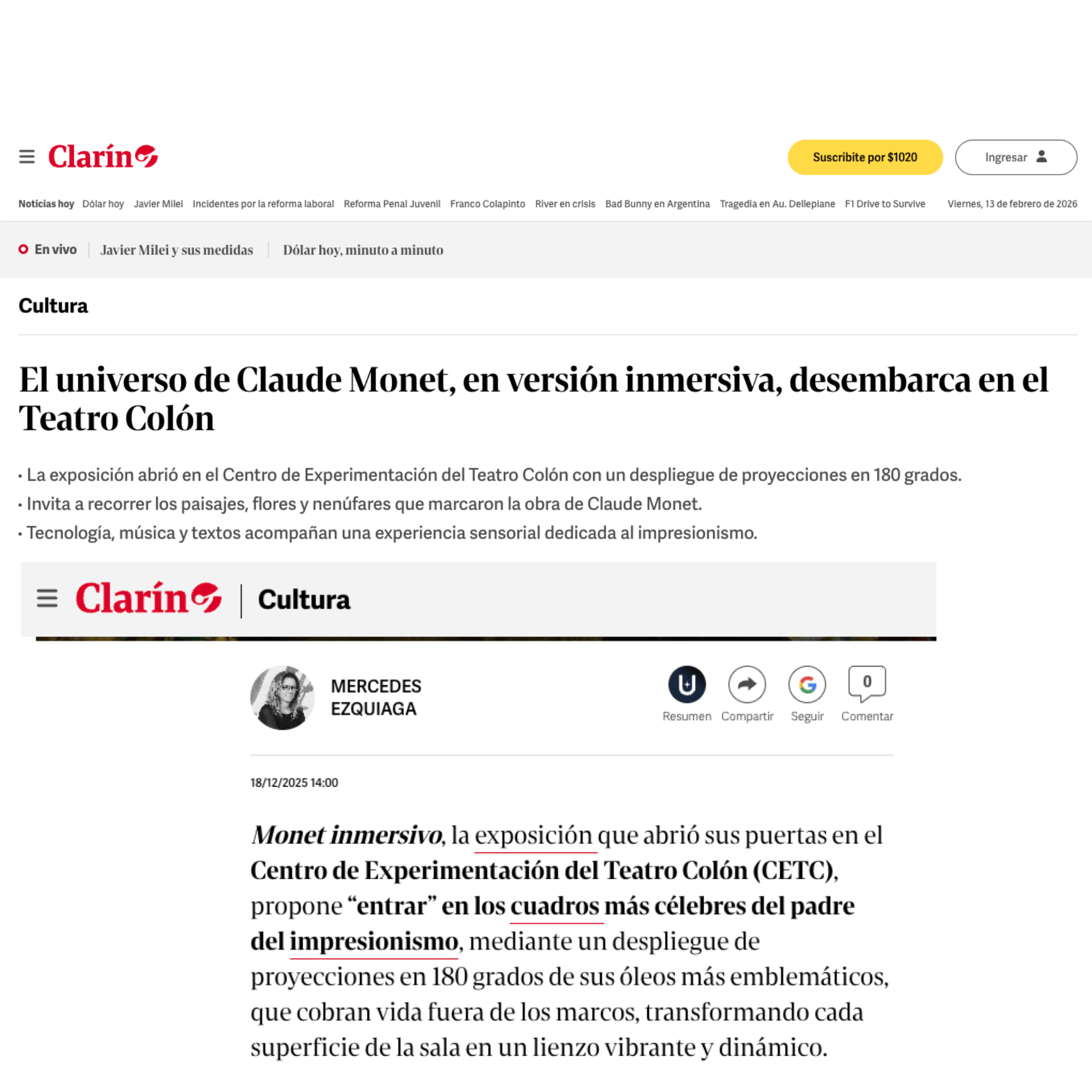
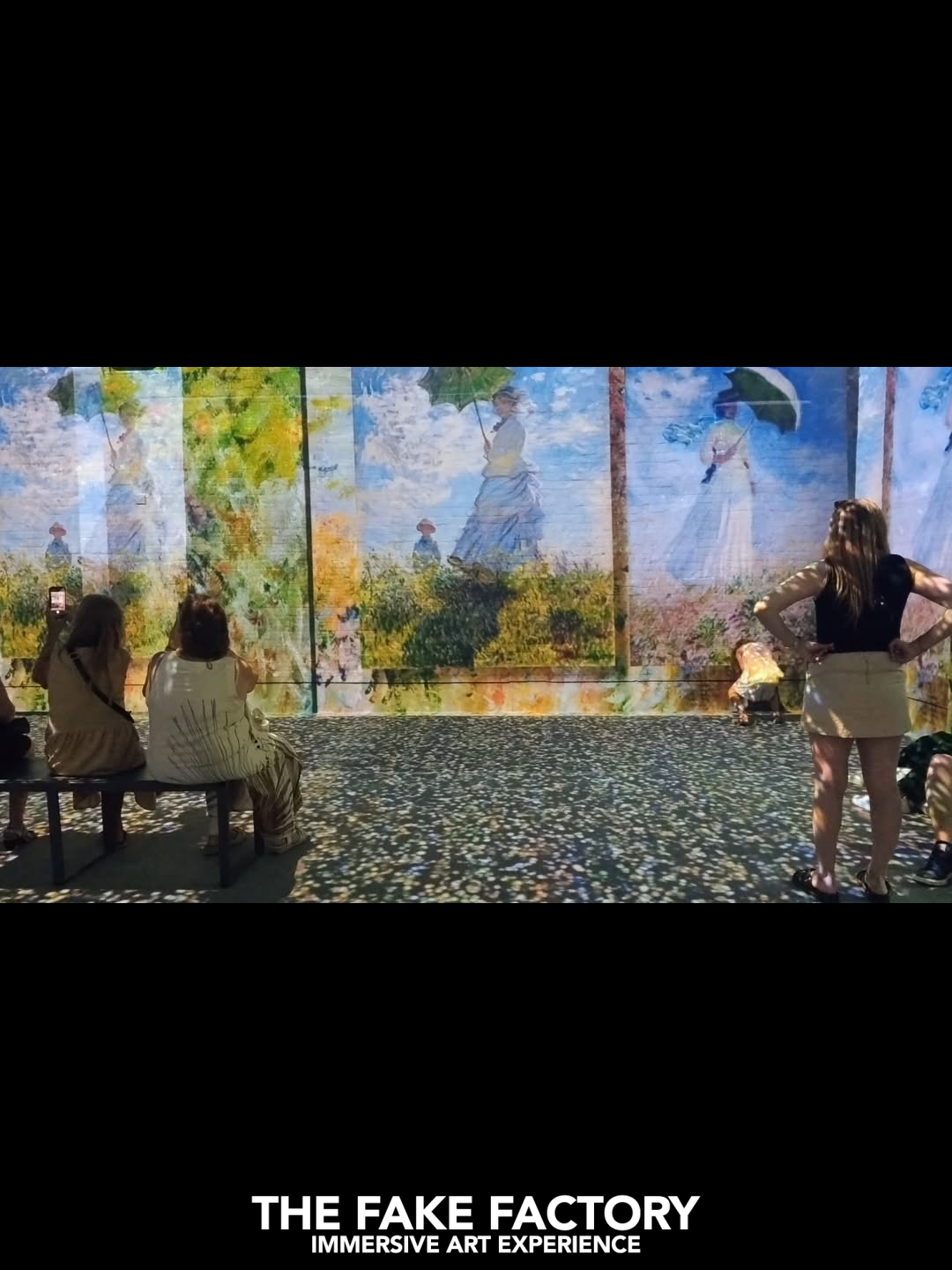
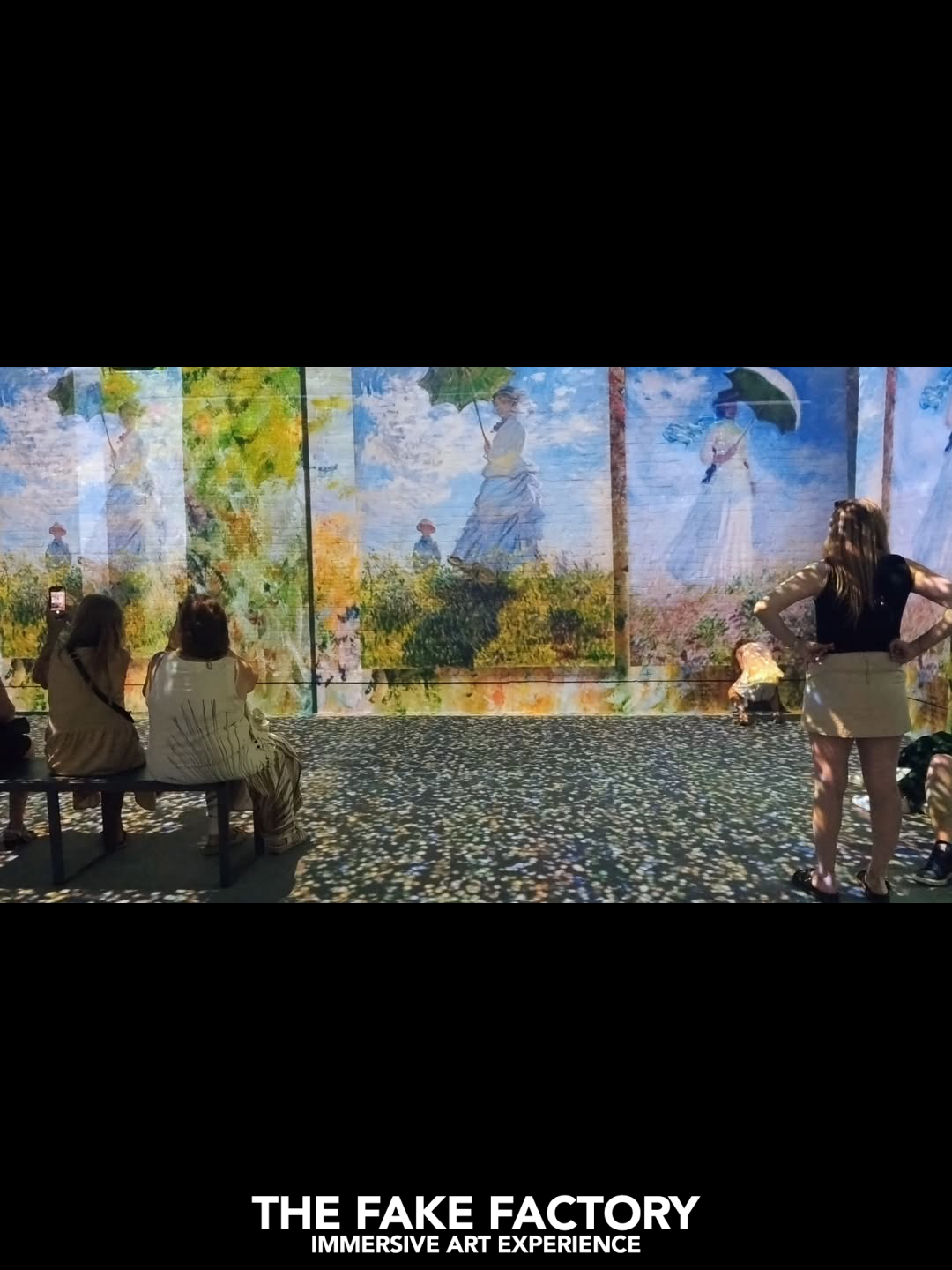
Con esta obra inmersiva sobre Monet y los impresionistas podemos redescubrir su pintura con una mirada renovada y mediante una forma expresiva que activa los sentidos y despierta las emociones más profundas.
¿Cómo se construye una experiencia inmersiva?
Los elementos constitutivos de una experiencia de arte inmersivo son el espacio, la luz, las imágenes, la música y el público, entendido como una presencia activa y escenográfica dentro del espacio. Estos elementos son todos fundamentales y deben mantener un equilibrio equivalente dentro de la obra. Por esta razón, en nuestras exposiciones los elementos y los ejes narrativos no dependen únicamente de las pinturas que se muestran; dentro de una instalación inmersiva se integra toda la vida del pintor, su contexto histórico, los elementos constitutivos de su lenguaje pictórico, su evolución, la relación con otros artistas y con la historia del arte en general, los temas y los estilos recurrentes, así como la manera en que utilizamos la música para acompañar la narración.
Se trata de construir una auténtica dramaturgia audiovisual que se despliega en el espacio y envuelve emocionalmente al visitante.
Se trata de una nueva forma expresiva que no guarda relación con las exposiciones tradicionales, los documentales, las presentaciones de diapositivas de pinturas ni con cualquier otra forma de comunicación artística realizada hasta ahora. Por la manera en que se desarrolla la experiencia, se asemeja más a una experiencia teatral que a una muestra tradicional de pintura.
¿Cómo creés que se relacionan el arte con la tecnología?
El arte y la tecnología siempre han estado vinculados a lo largo de los siglos, si entendemos la tecnología como cualquier innovación técnica que la civilización humana ha aplicado a los materiales y a los entornos en los que ha vivido. Basta pensar en la evolución química de la composición de los colores y, en consecuencia, de técnicas como el fresco, la pintura al óleo, la acuarela, los colores acrílicos o la impresión.
La historia de la humanidad es una continua evolución técnica y tecnológica; por ello, los artistas no hacen sino actuar como catalizadores de las nuevas informaciones que atraviesan la sociedad y, en consecuencia, encuentran nuevos formatos expresivos para representar lo real. Hoy el mundo es una combinación de realidad y virtualidad: cada individuo habita simultáneamente su realidad concreta y su infosfera digital. De este modo, el arte digital inmersivo no hace sino escenificar esta relación entre lo real y lo digital. Lo definimos como arte “physital”, en el que lo físico y lo digital coexisten en un mismo plano.
El principal desafío de nuestro trabajo es lograr que la tecnología pueda ampliar las obra del pasado sin sustituirlas: crear un espacio inmersivo donde la estética clásica dialoga con el lenguaje digital manteniendo autenticidad, intensidad expresiva y una experiencia emocional coherente con la intención original de los artistas clásicos.
Las tecnologías y el lenguaje digital permiten la convergencia de todas las disciplinas en un mismo lugar. El espacio, la luz, la música, las imágenes y la narración son componentes de esta alquimia artística y deben equilibrarse con armonía para lograr un efecto de contemplación del arte.
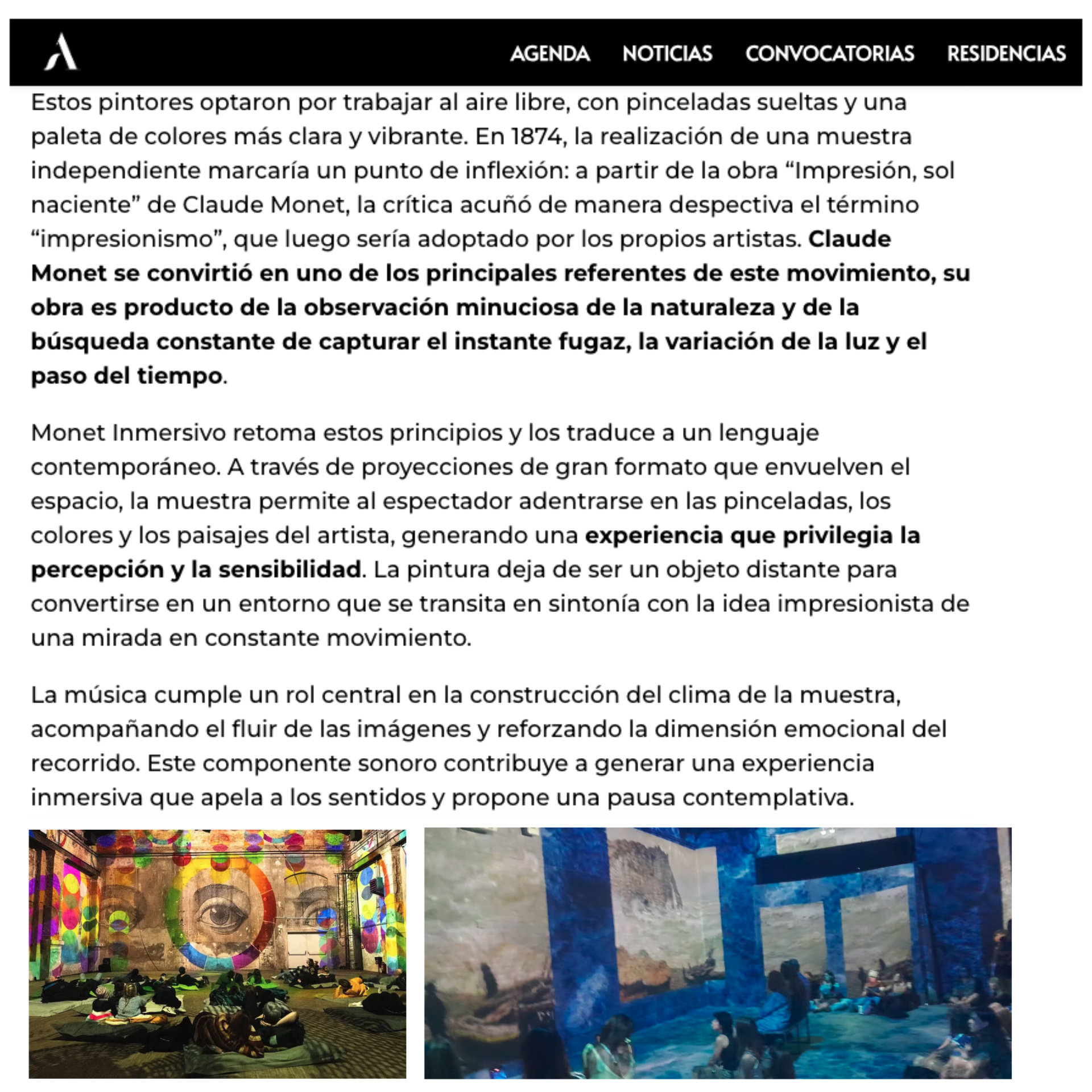
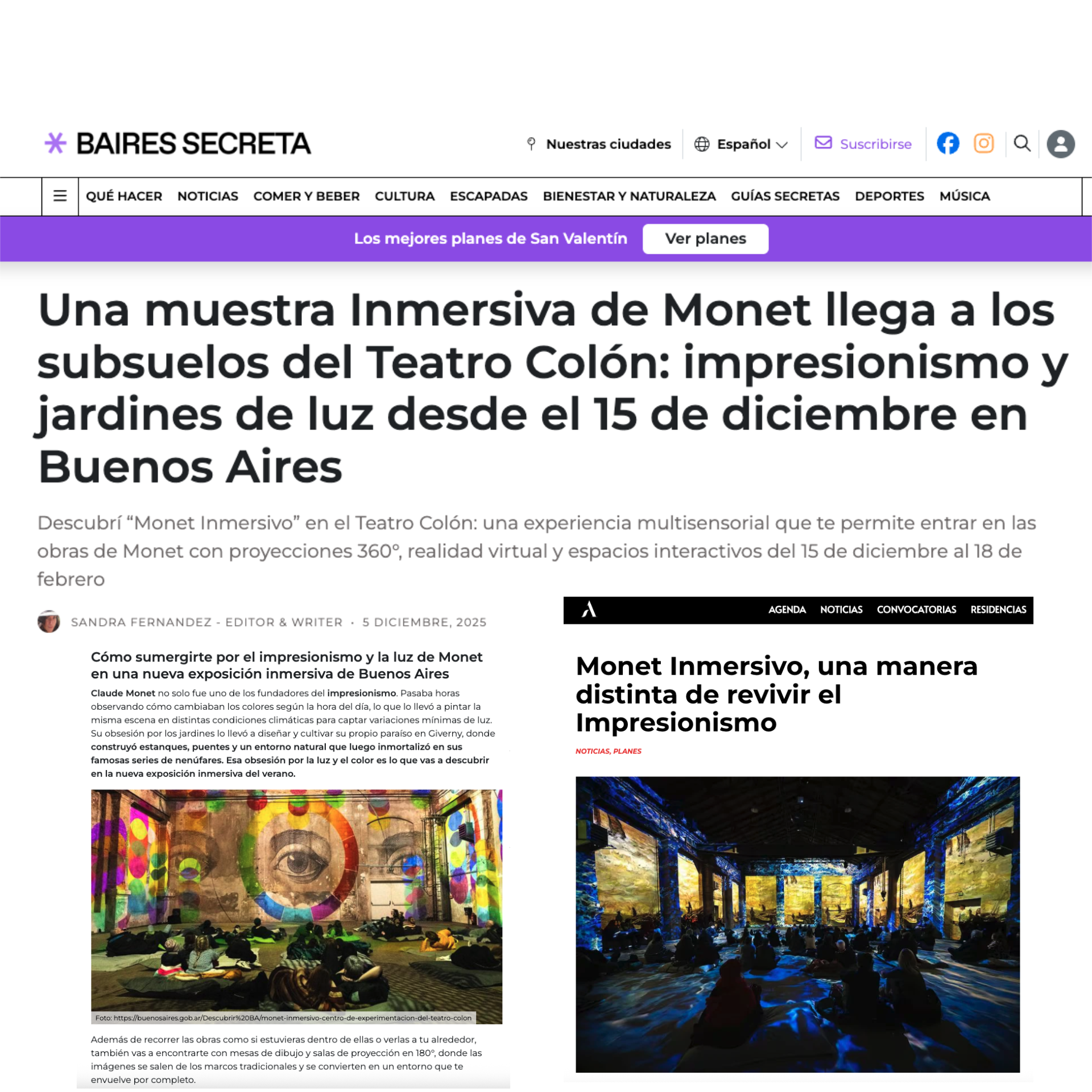
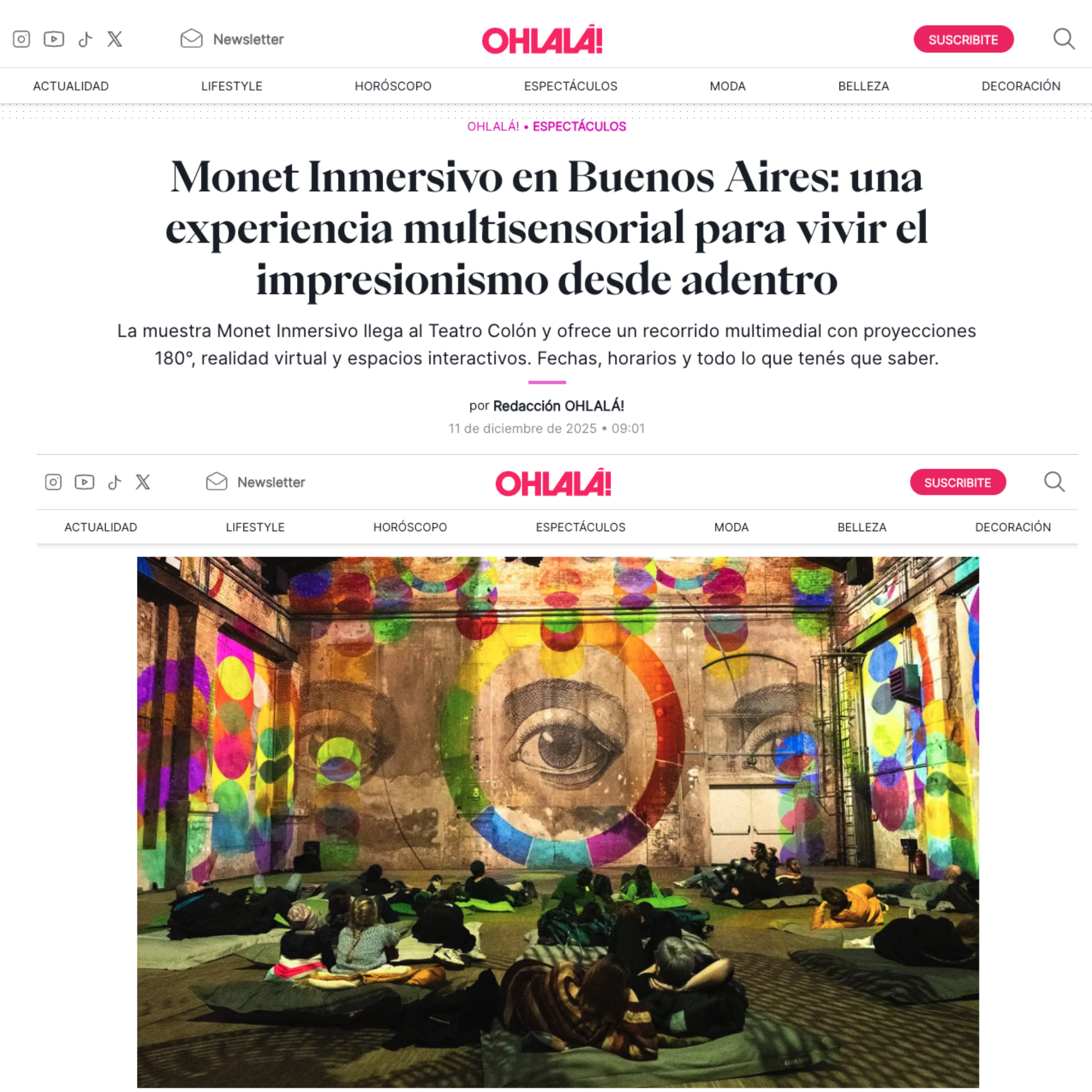
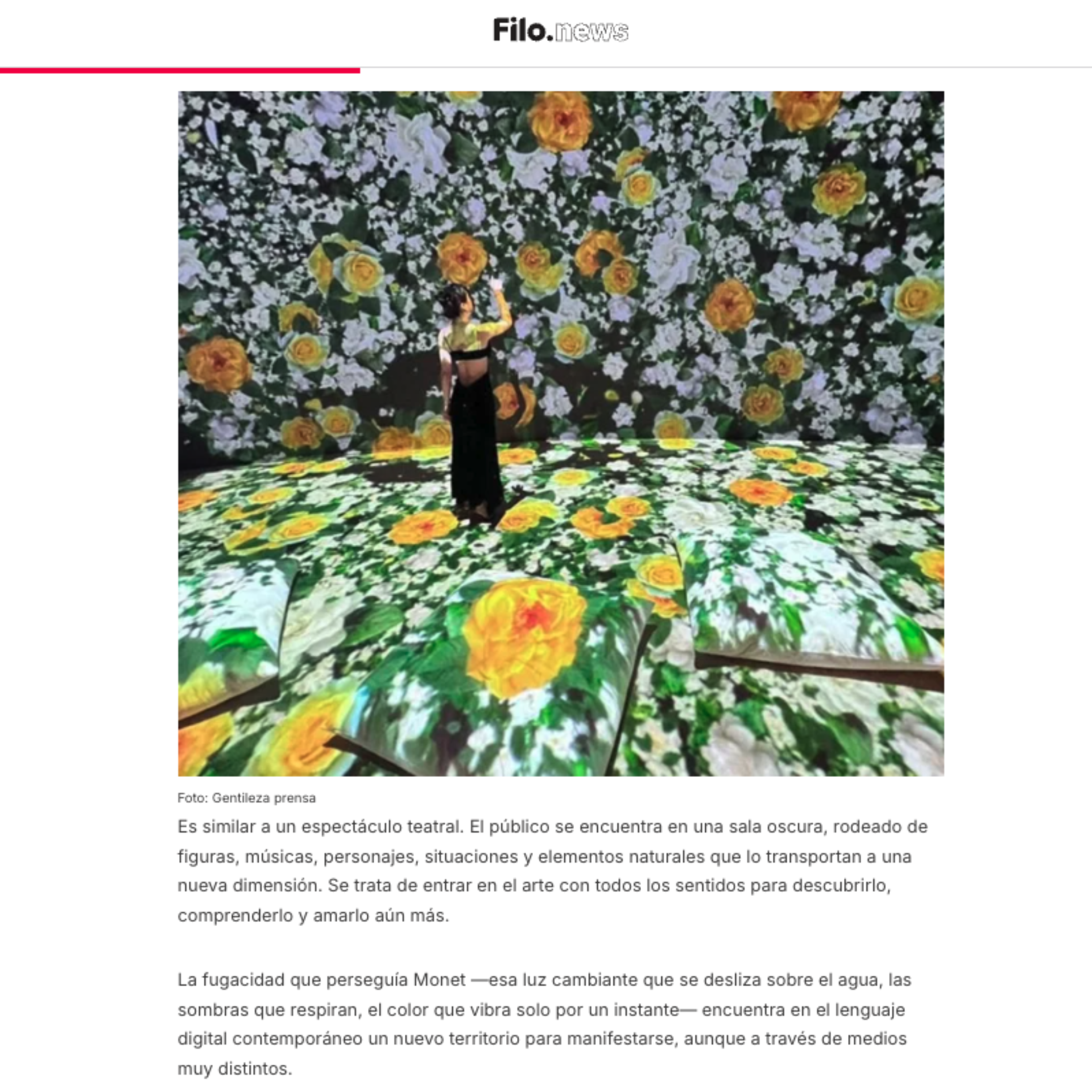
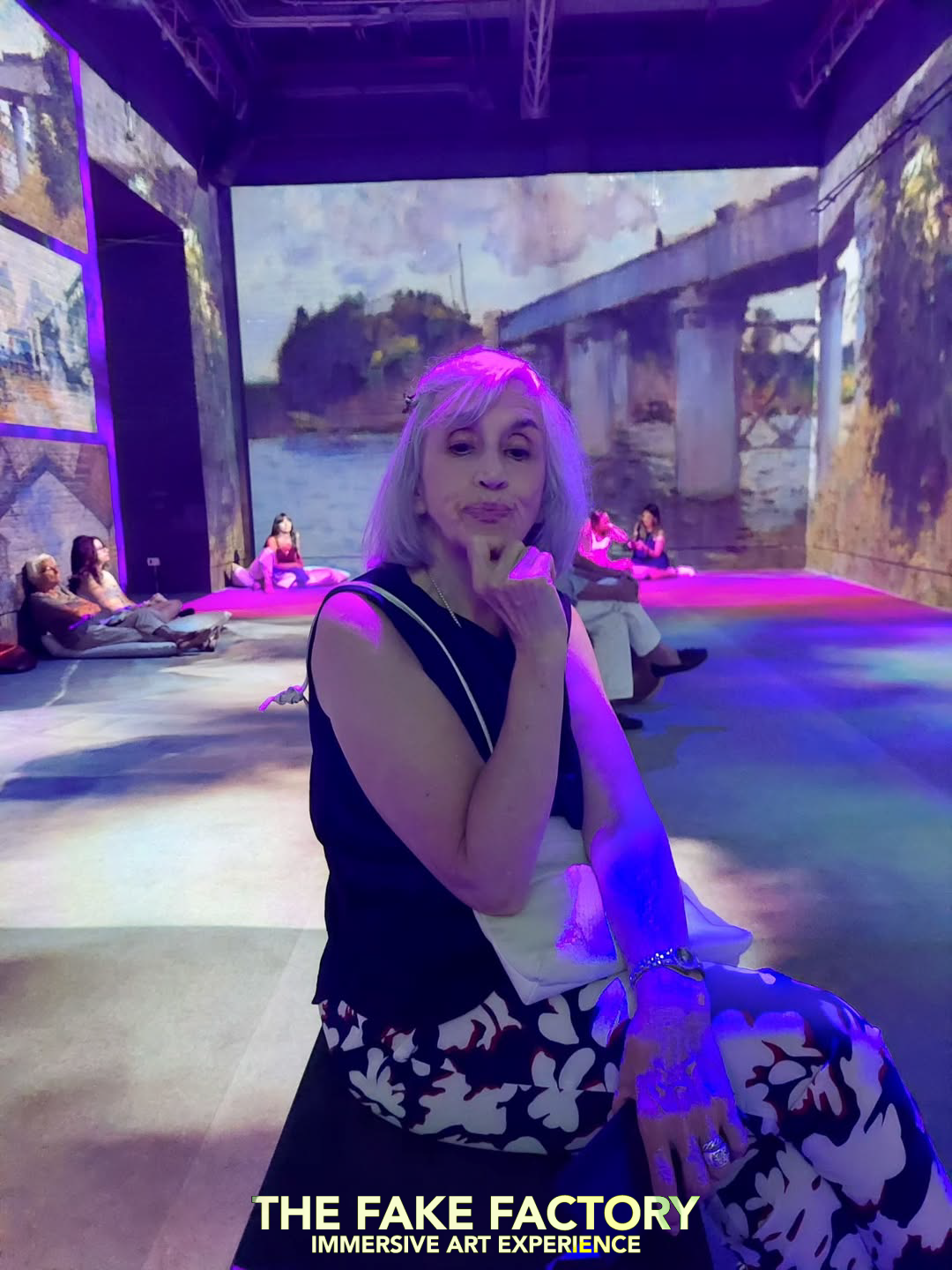
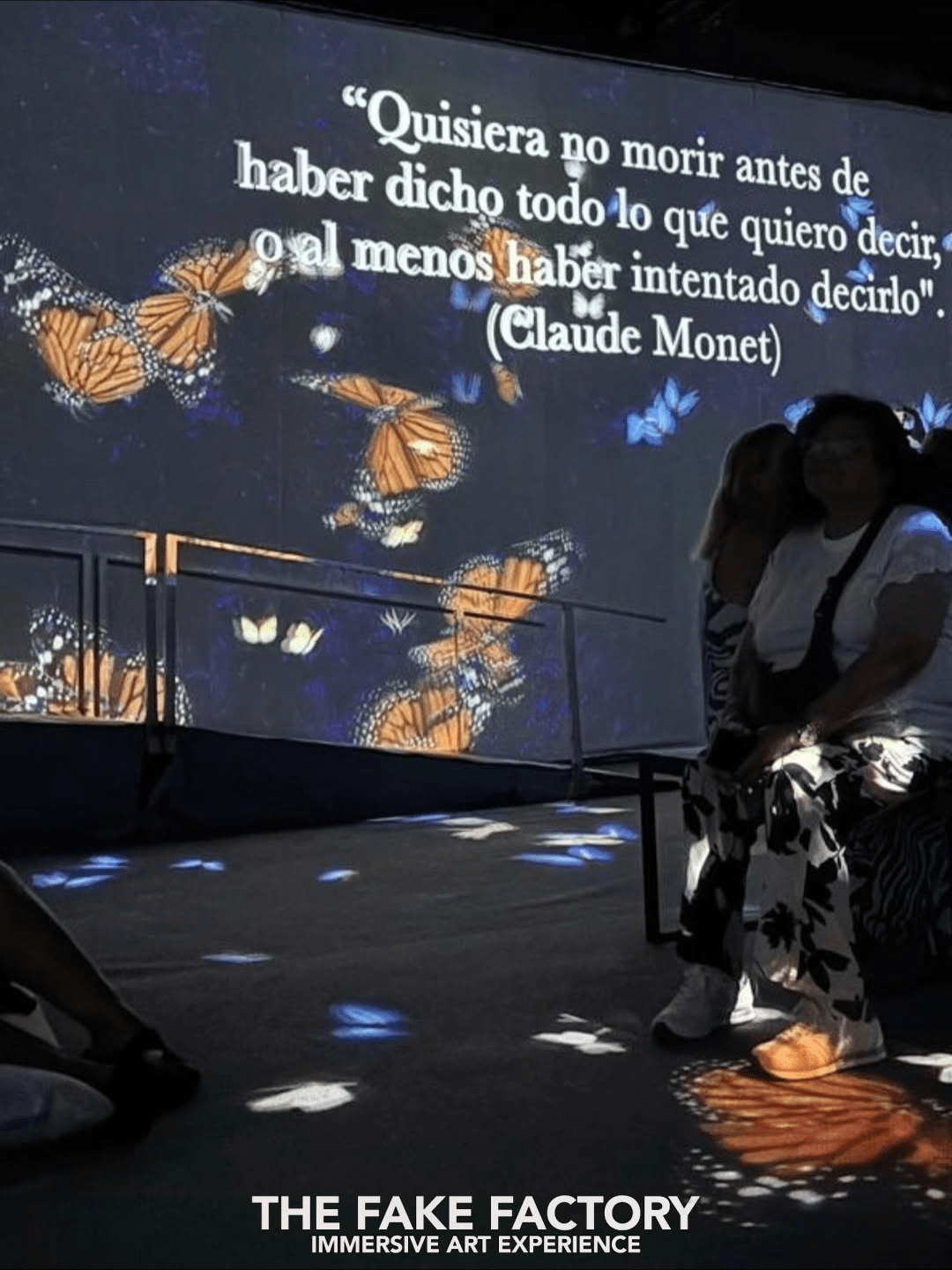
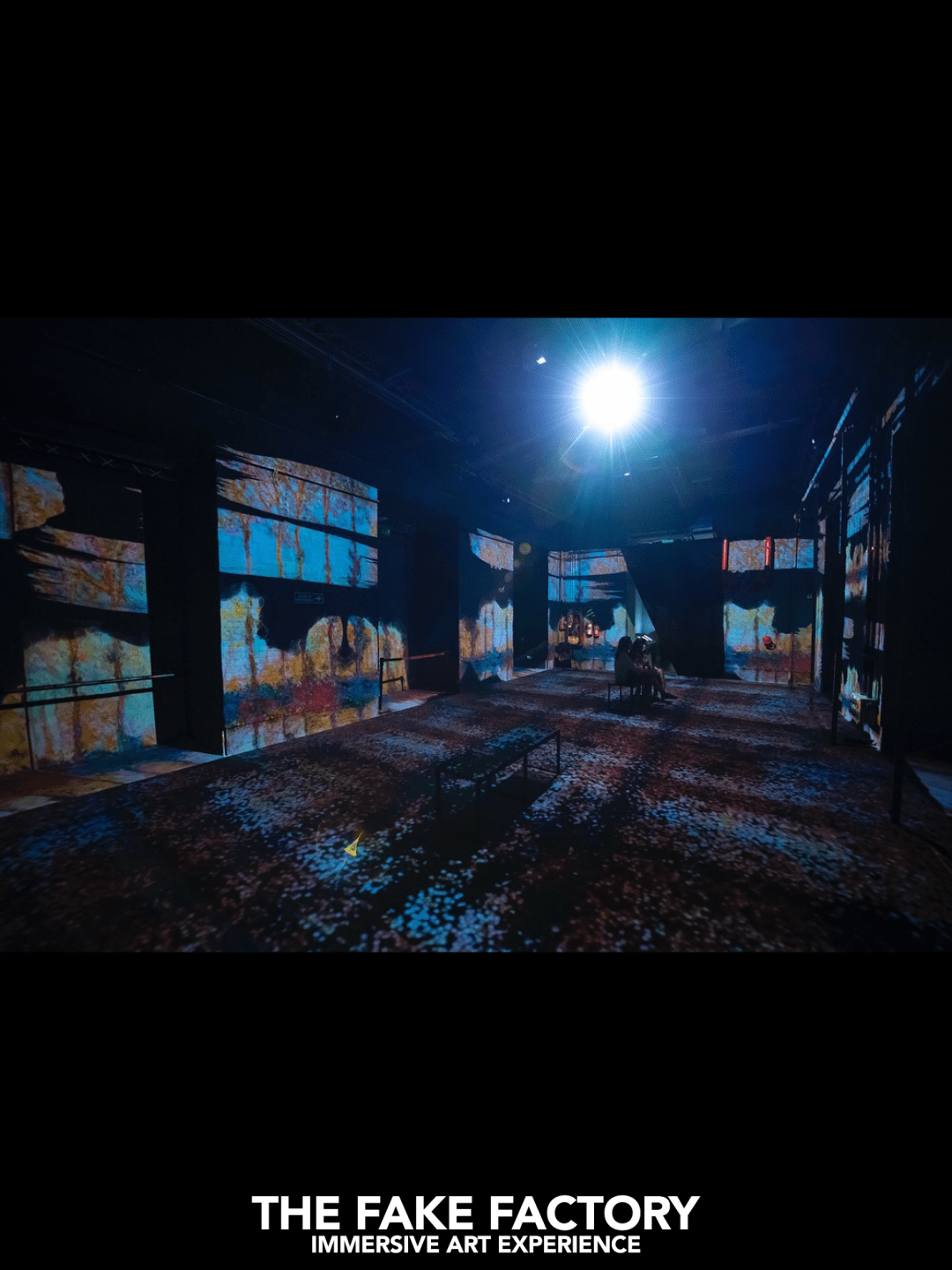
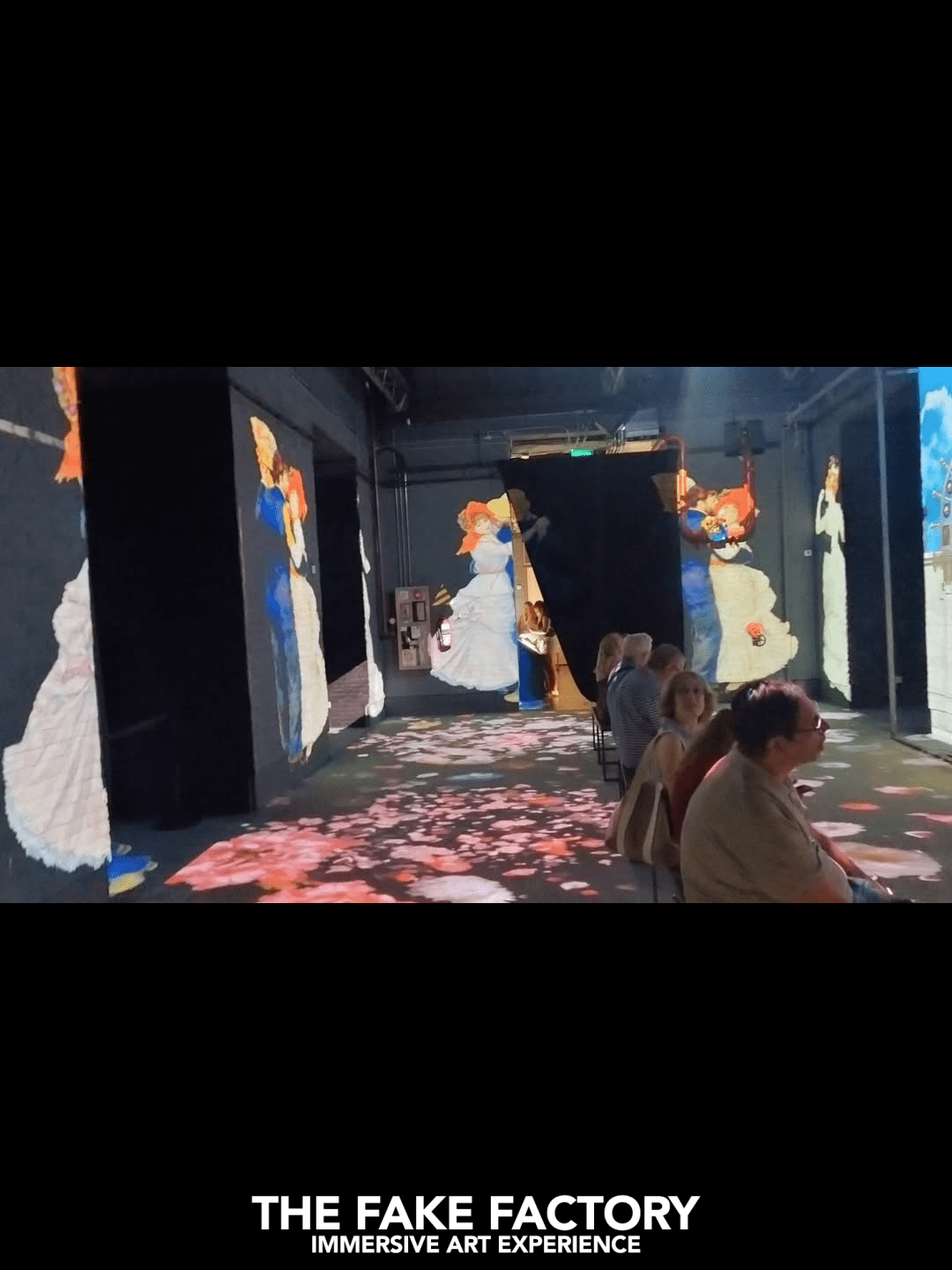
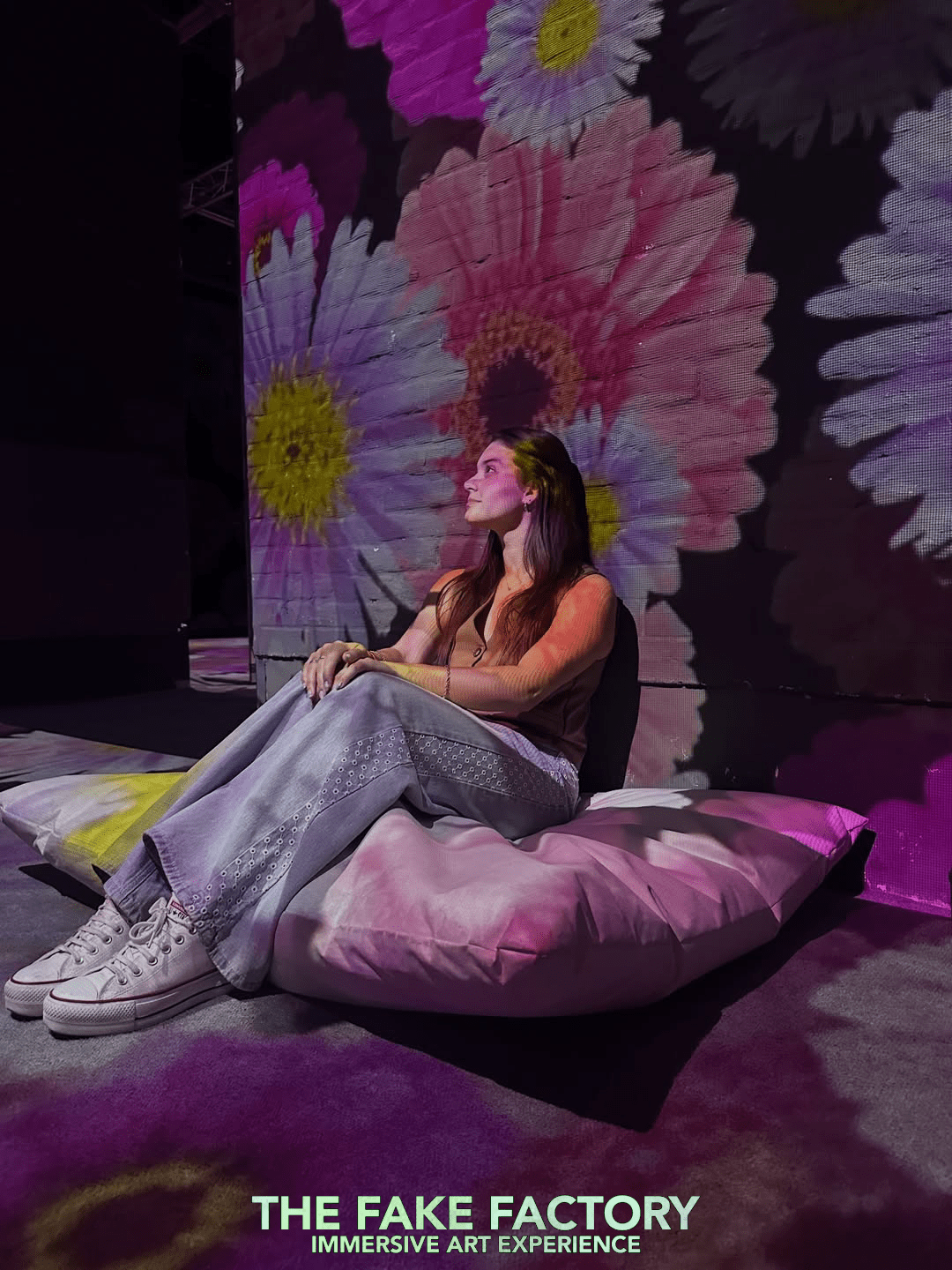
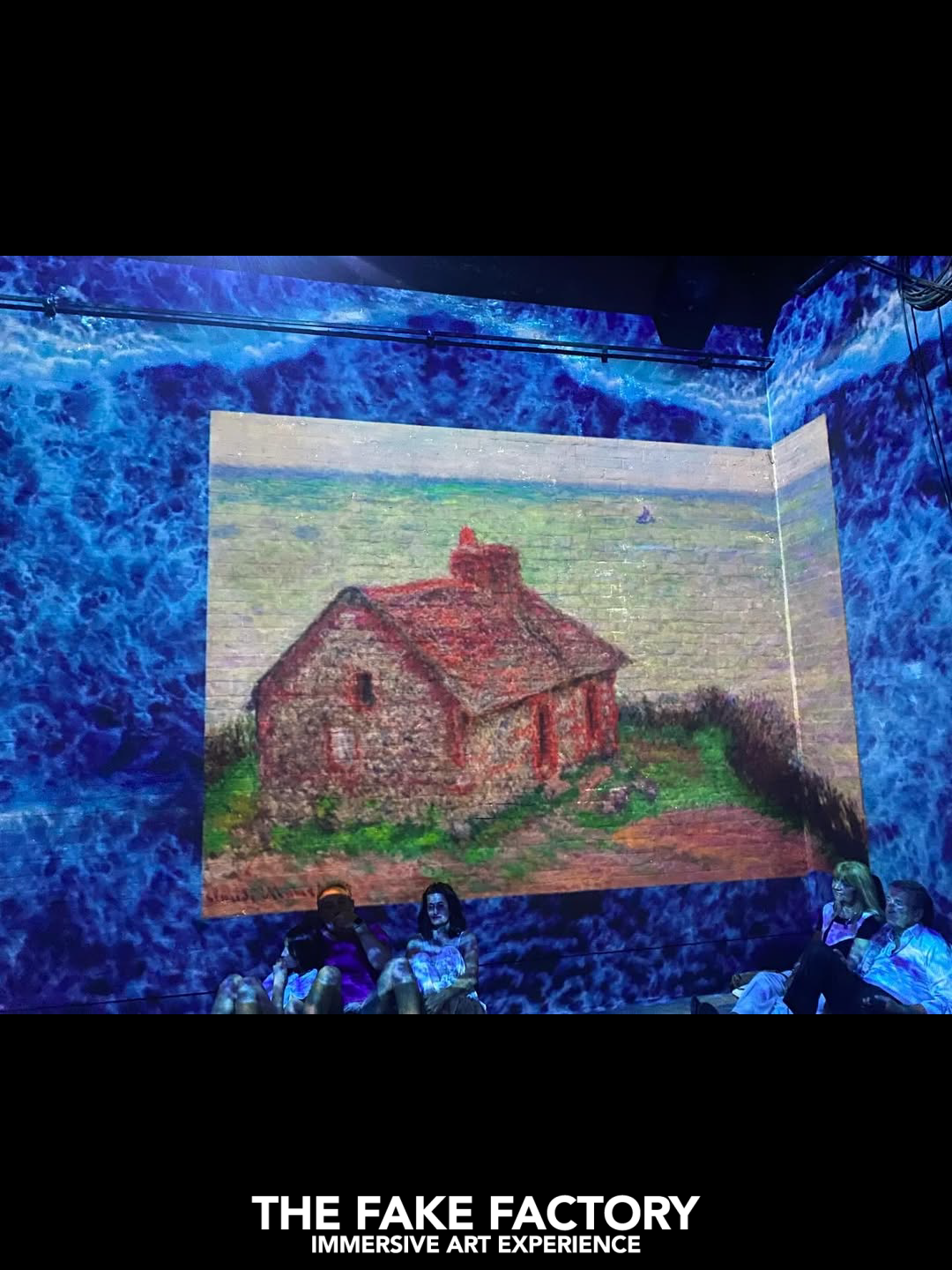
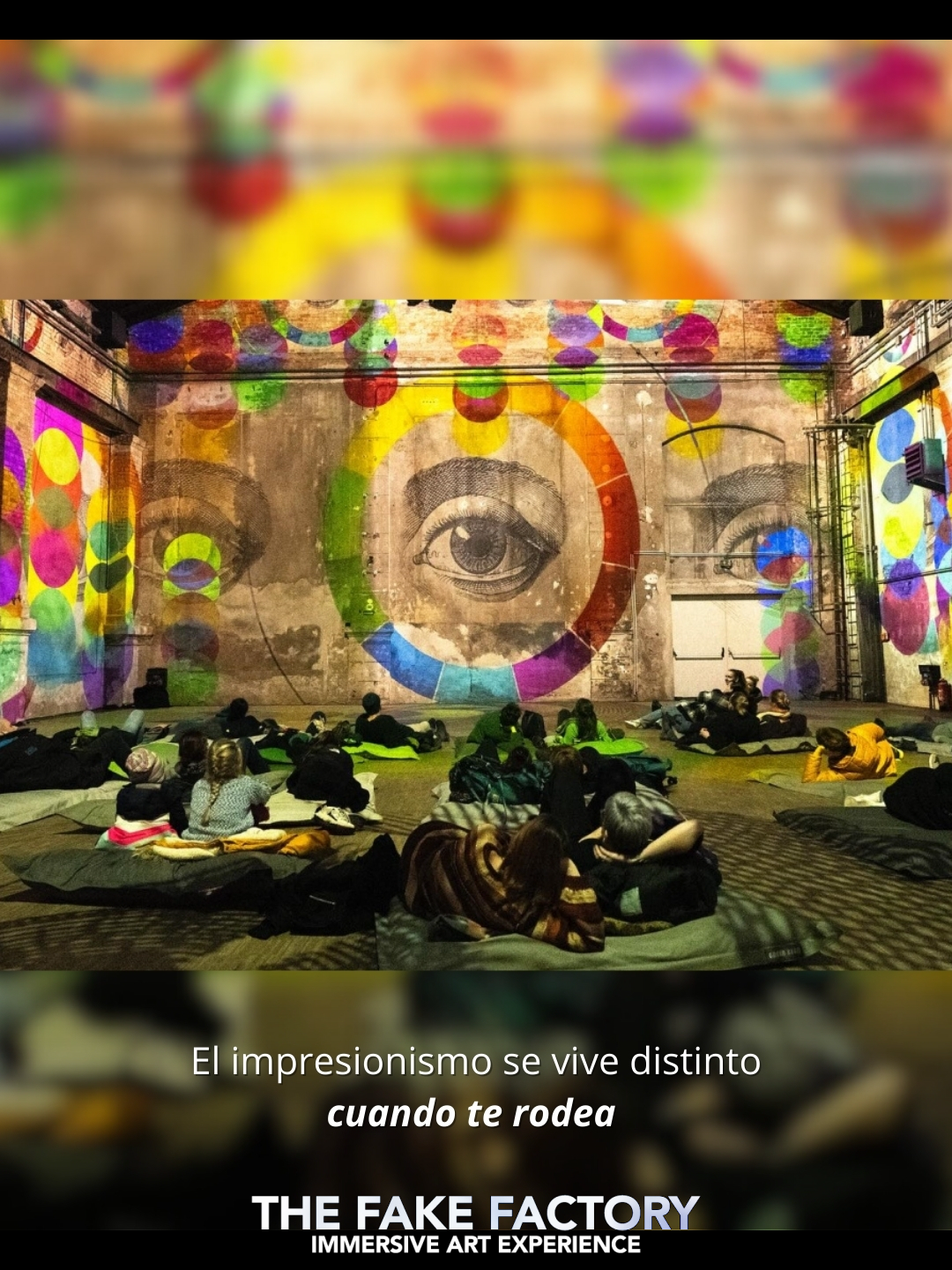
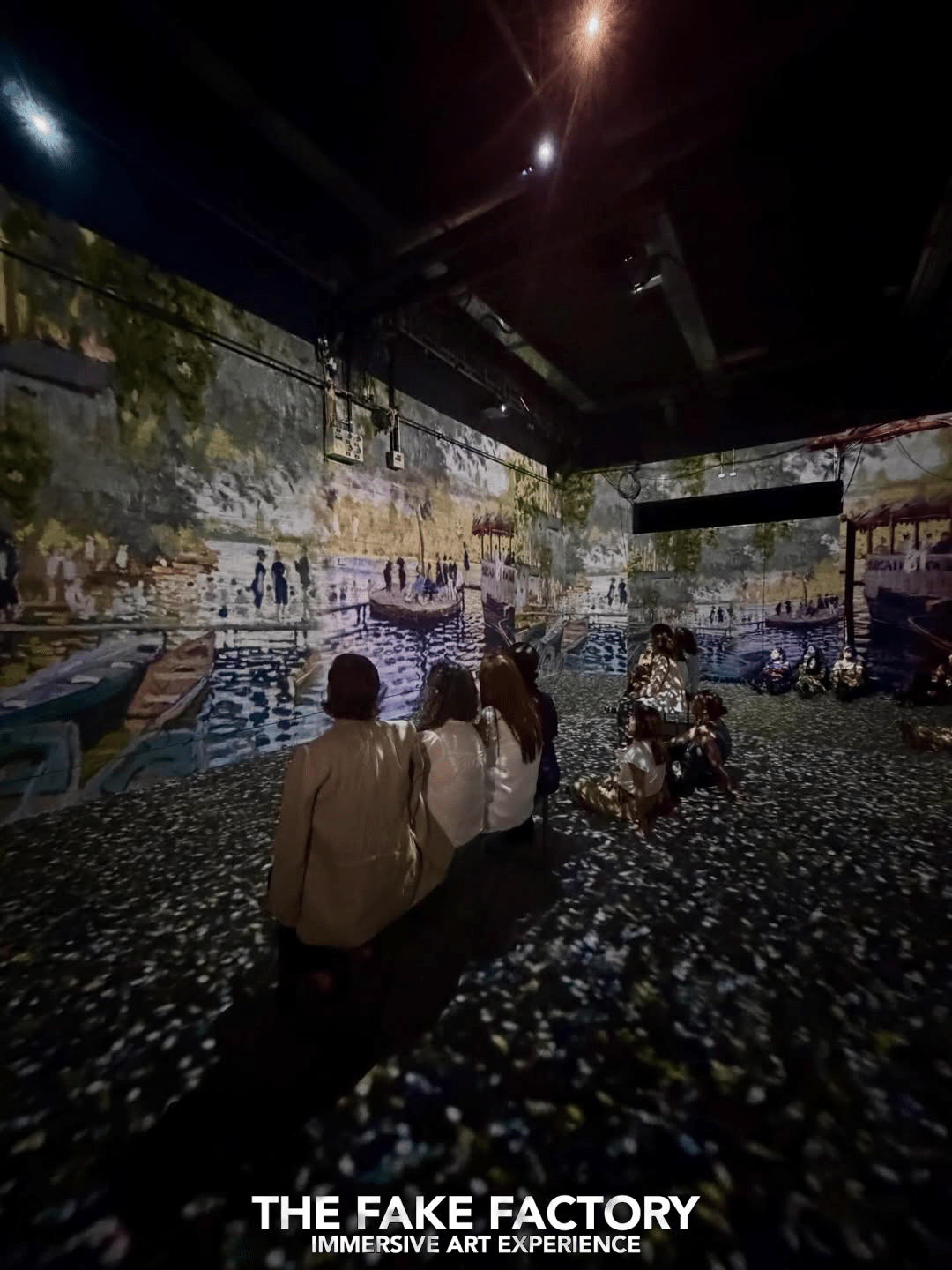
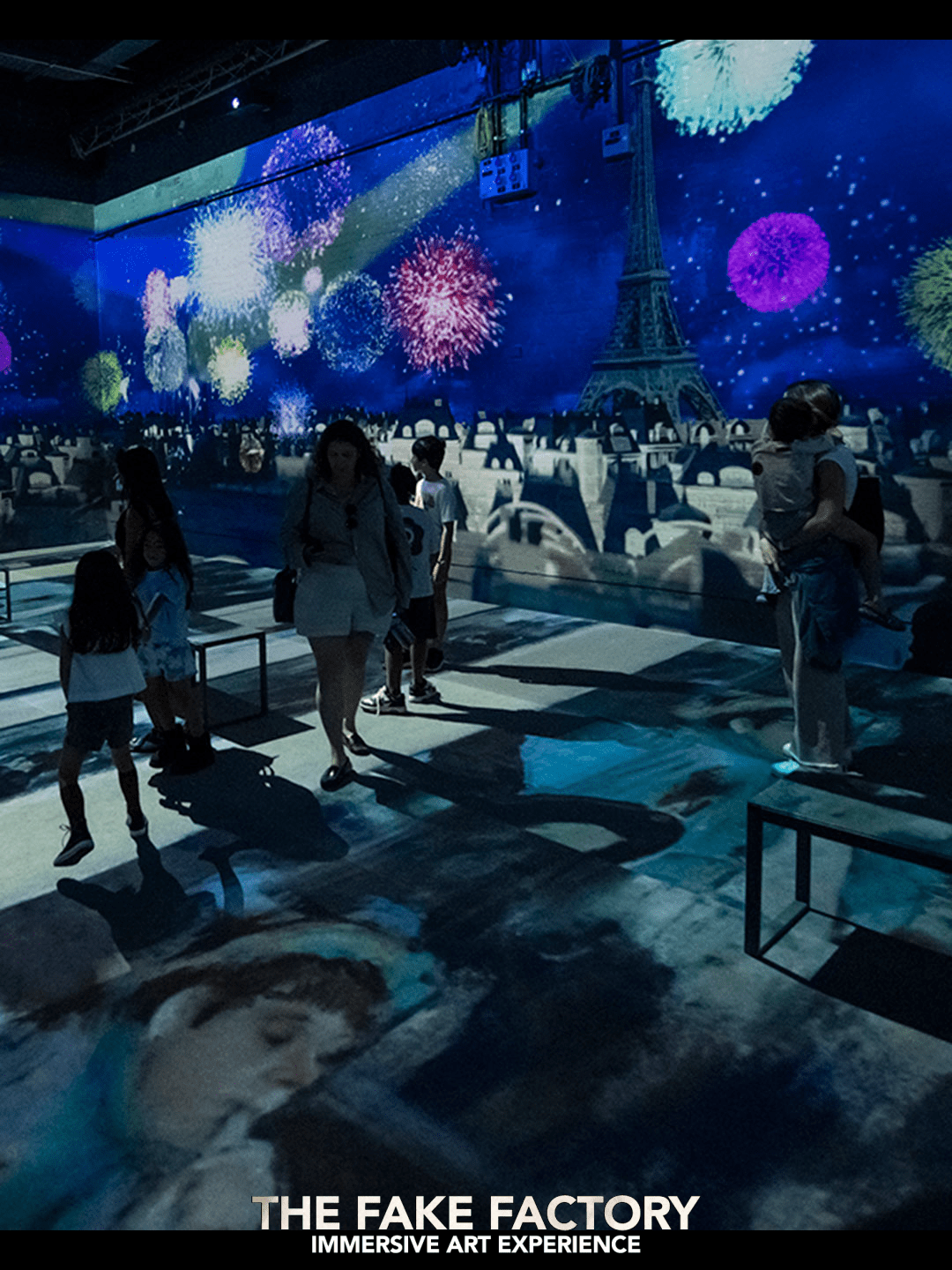
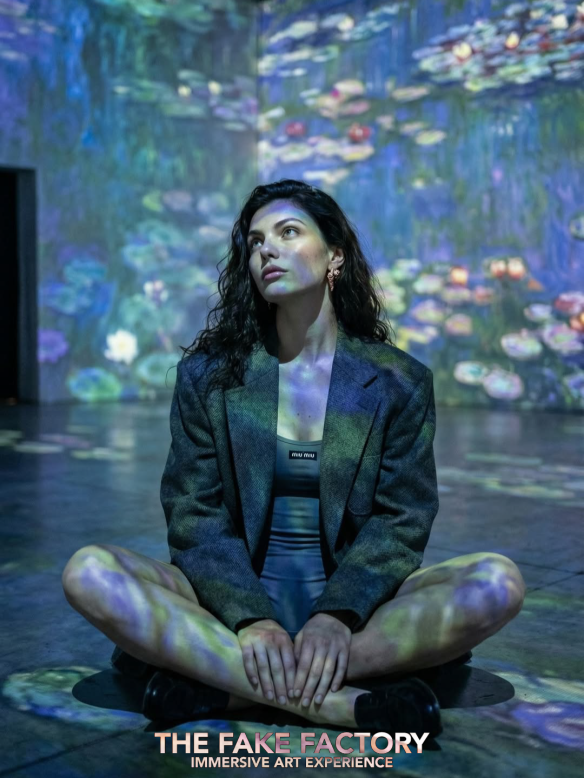
Una exposición inmersiva es similar a un espectáculo teatral. El público se encuentra en una sala oscura, rodeado de figuras, músicas, personajes, situaciones y elementos naturales que lo transportan a una nueva dimensión. Se trata de entrar en el arte con todos los sentidos para descubrirlo, comprenderlo y amarlo aún más.
La fugacidad que perseguía Monet —esa luz cambiante que se desliza sobre el agua, las sombras que respiran, el color que vibra solo por un instante— encuentra en el lenguaje digital contemporáneo un nuevo territorio para manifestarse, aunque a través de medios muy distintos.
En un entorno digital, la traducción de esa inmediatez impresionista no consiste solo en reproducir sus pinceladas, sino en recrear la sensación de impermanencia que definía su mirada.
Los sistemas de proyección permiten simular variaciones de luminosidad sutiles y casi orgánicas, moduladas en tiempo real. Es una forma de convertir la pantalla o el espacio inmersivo en un equivalente digital del “cielo cambiante” que Monet observaba al aire libre.
– ¿Cómo fue el proceso de selección de las obras para la muestra inmersiva de Claude Monet?
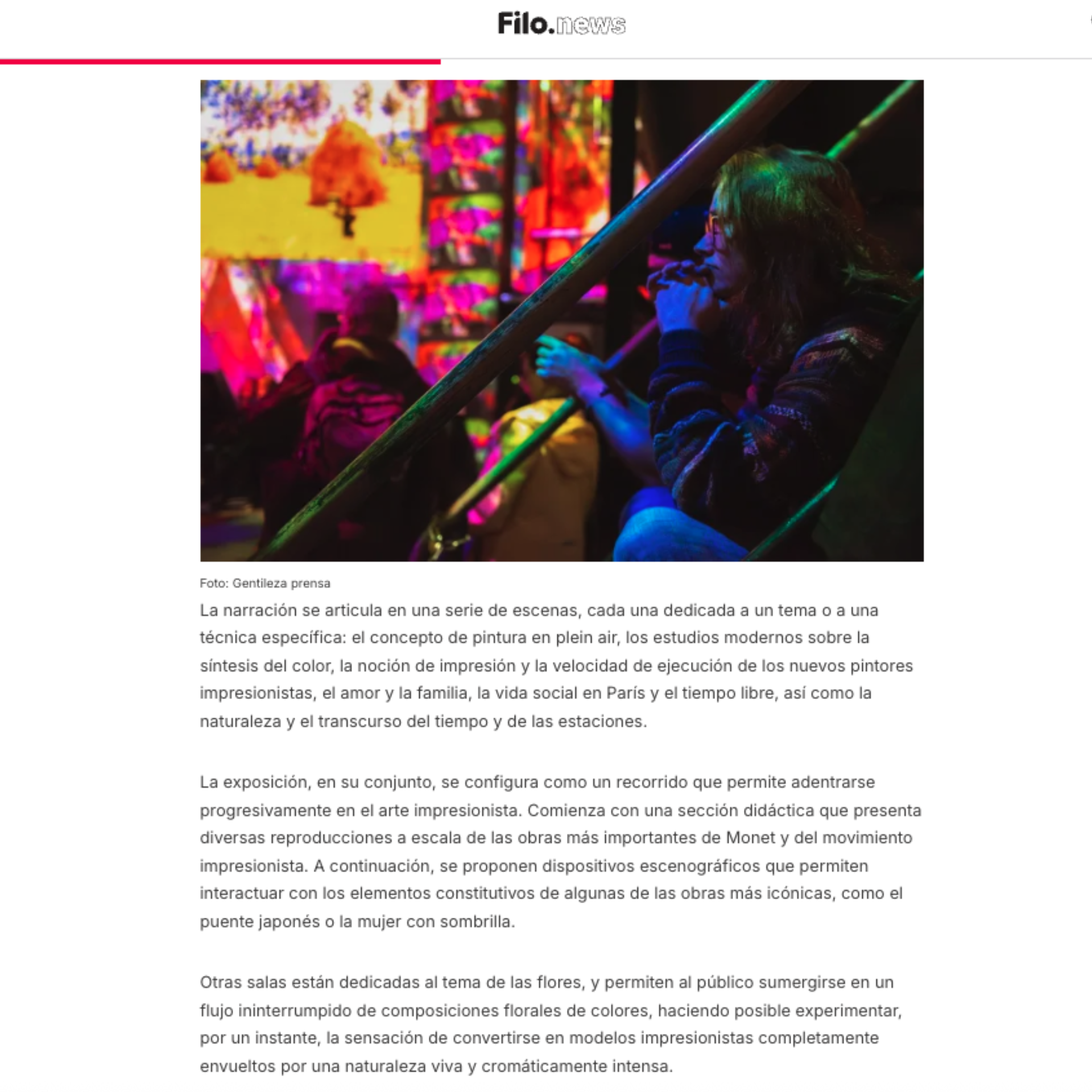
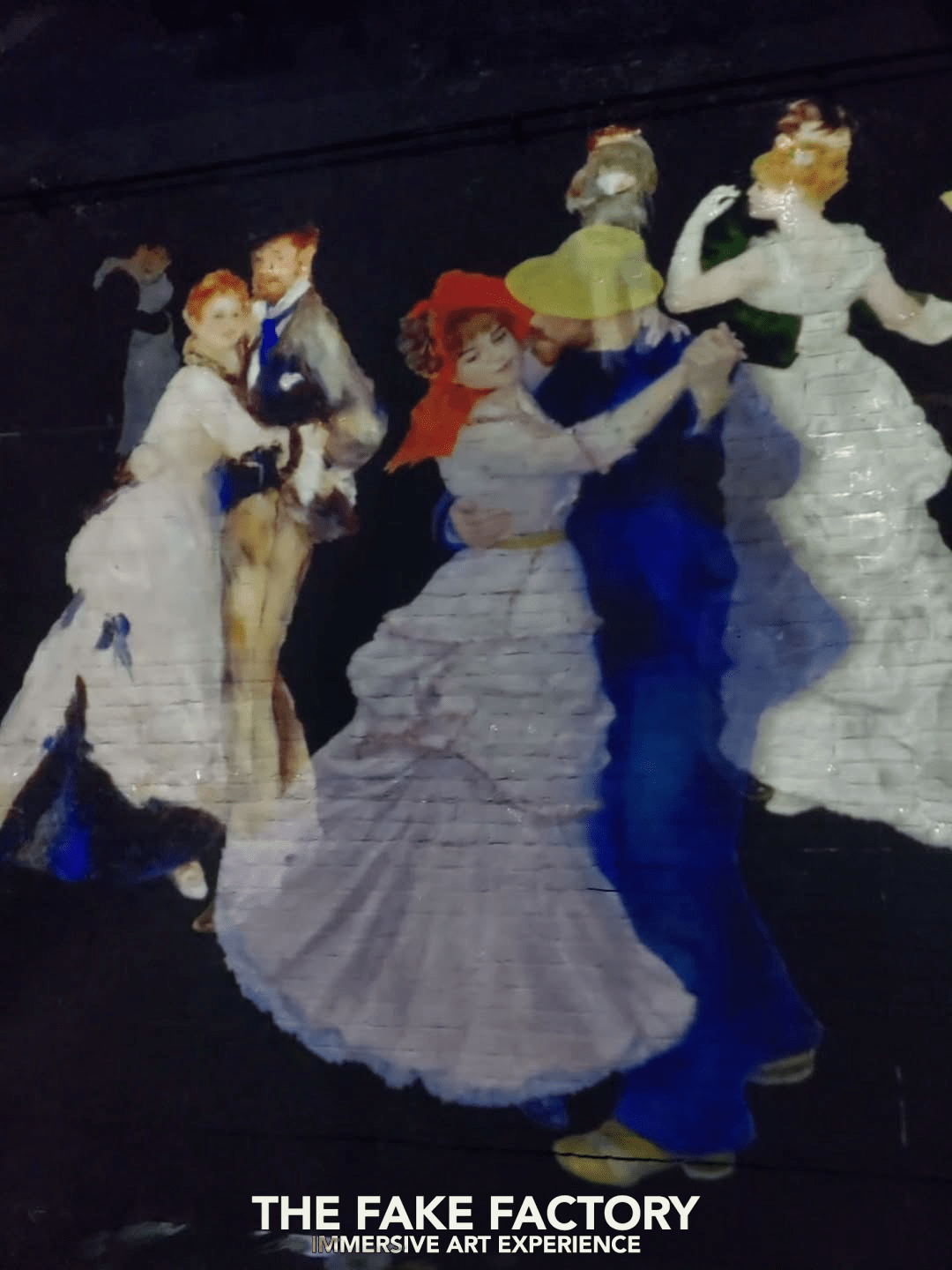
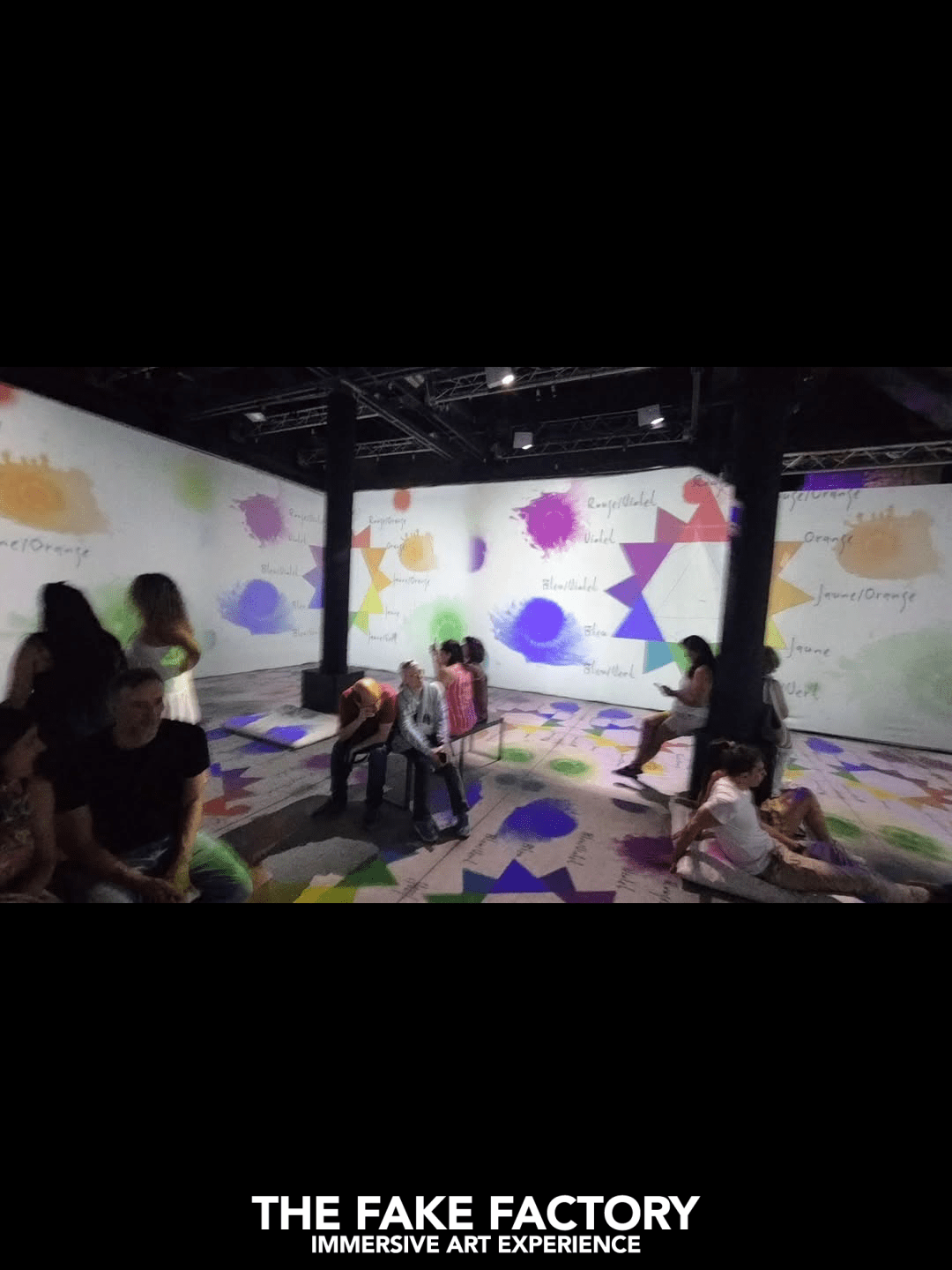
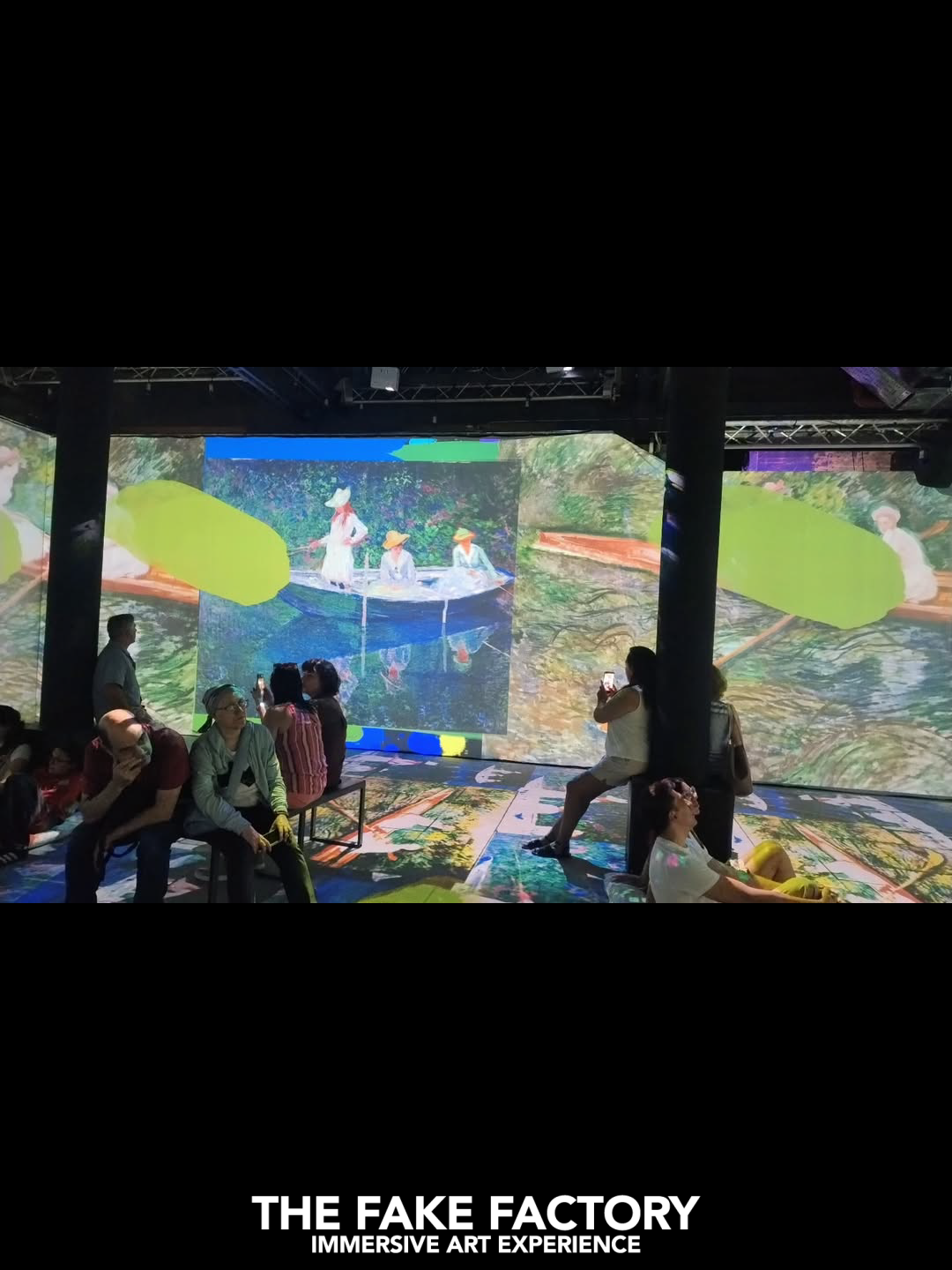
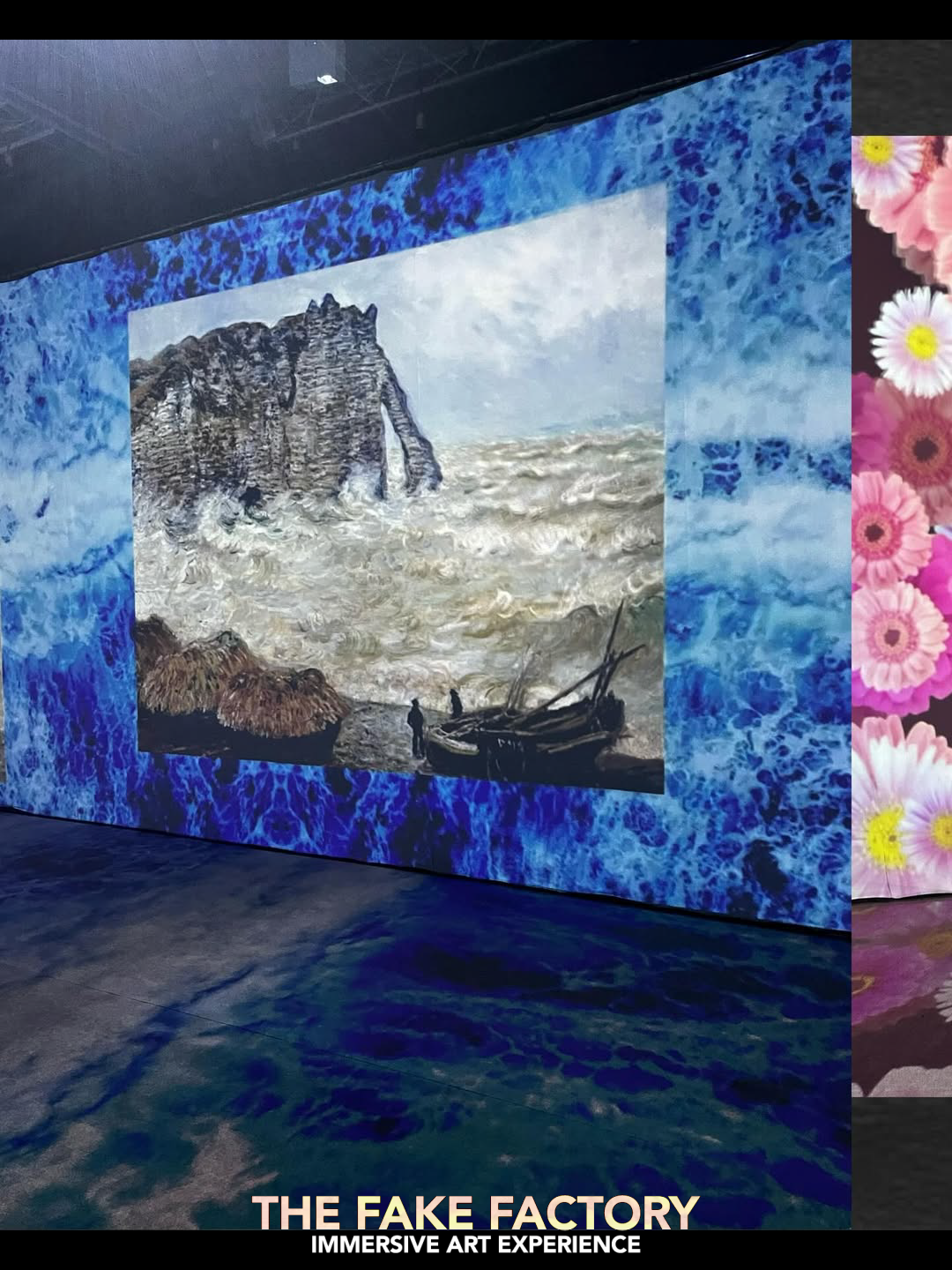
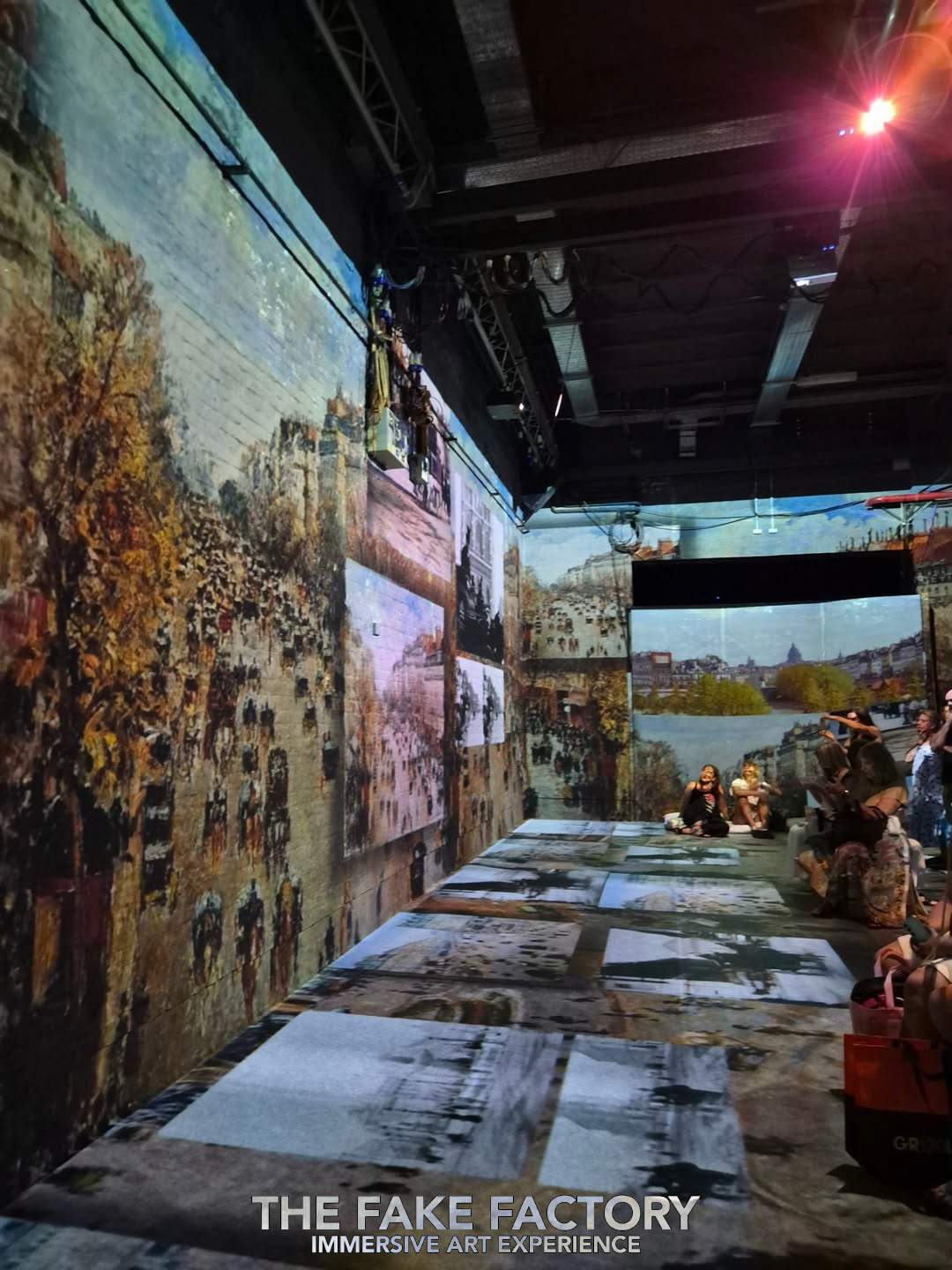
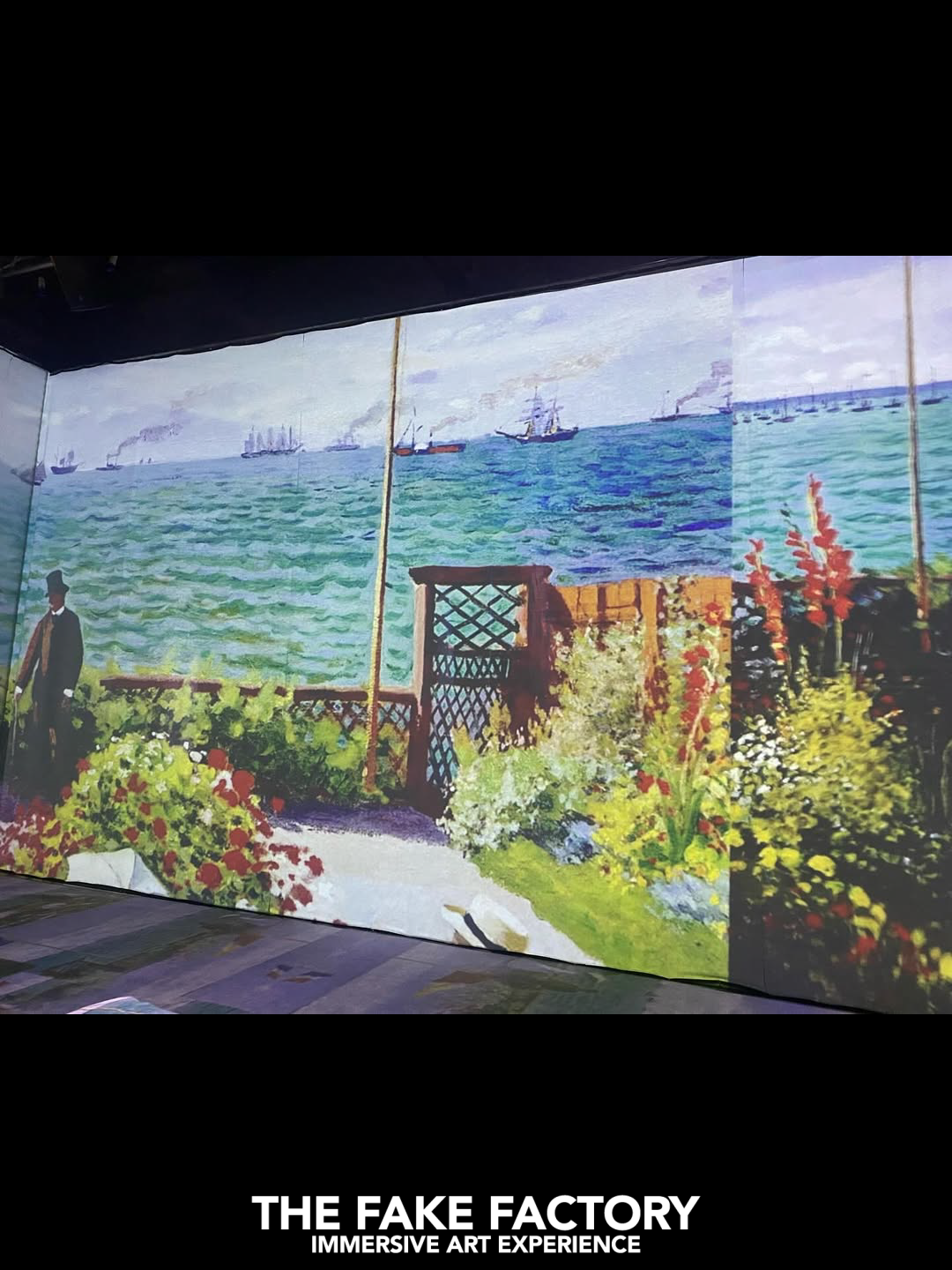
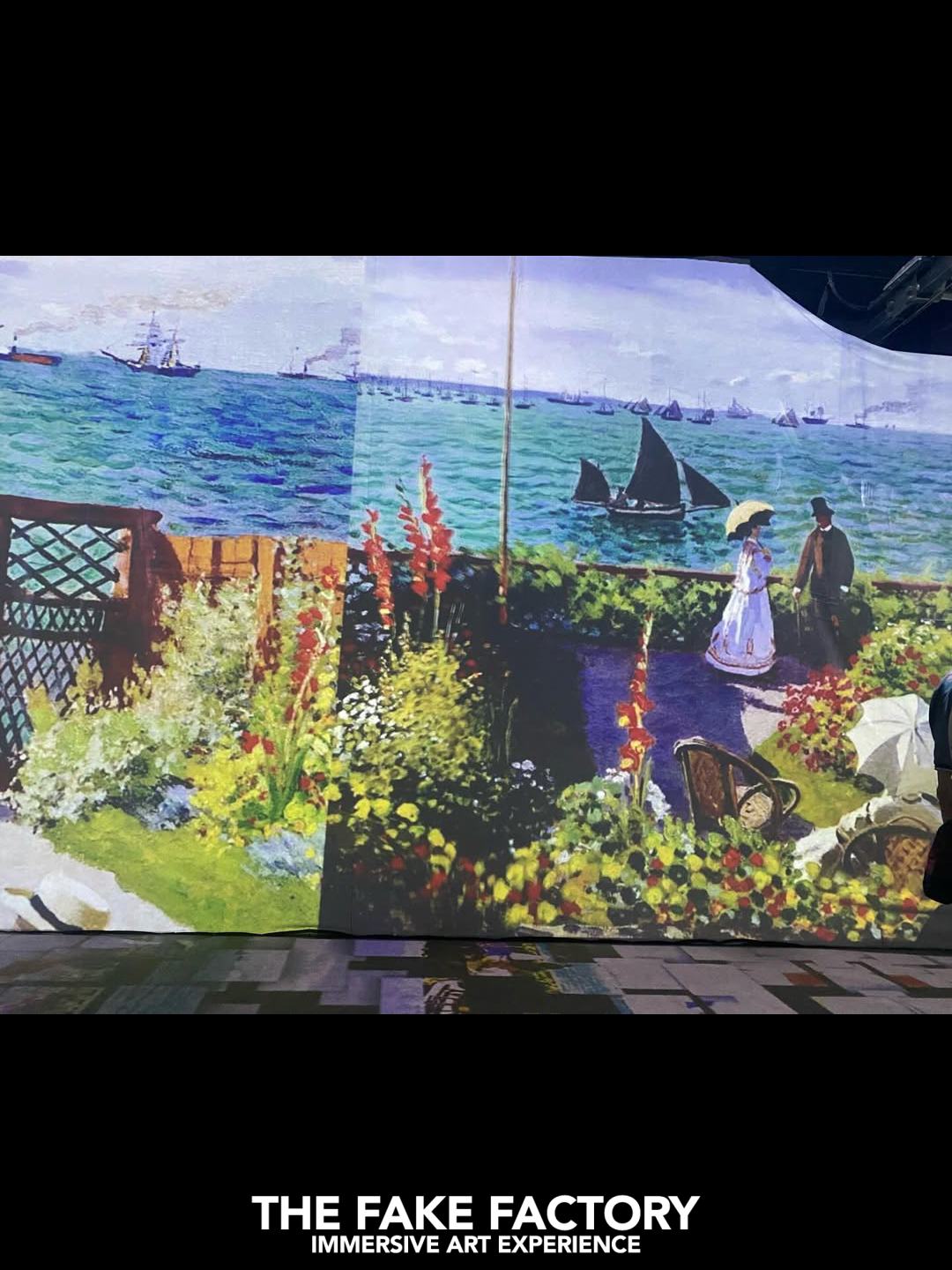
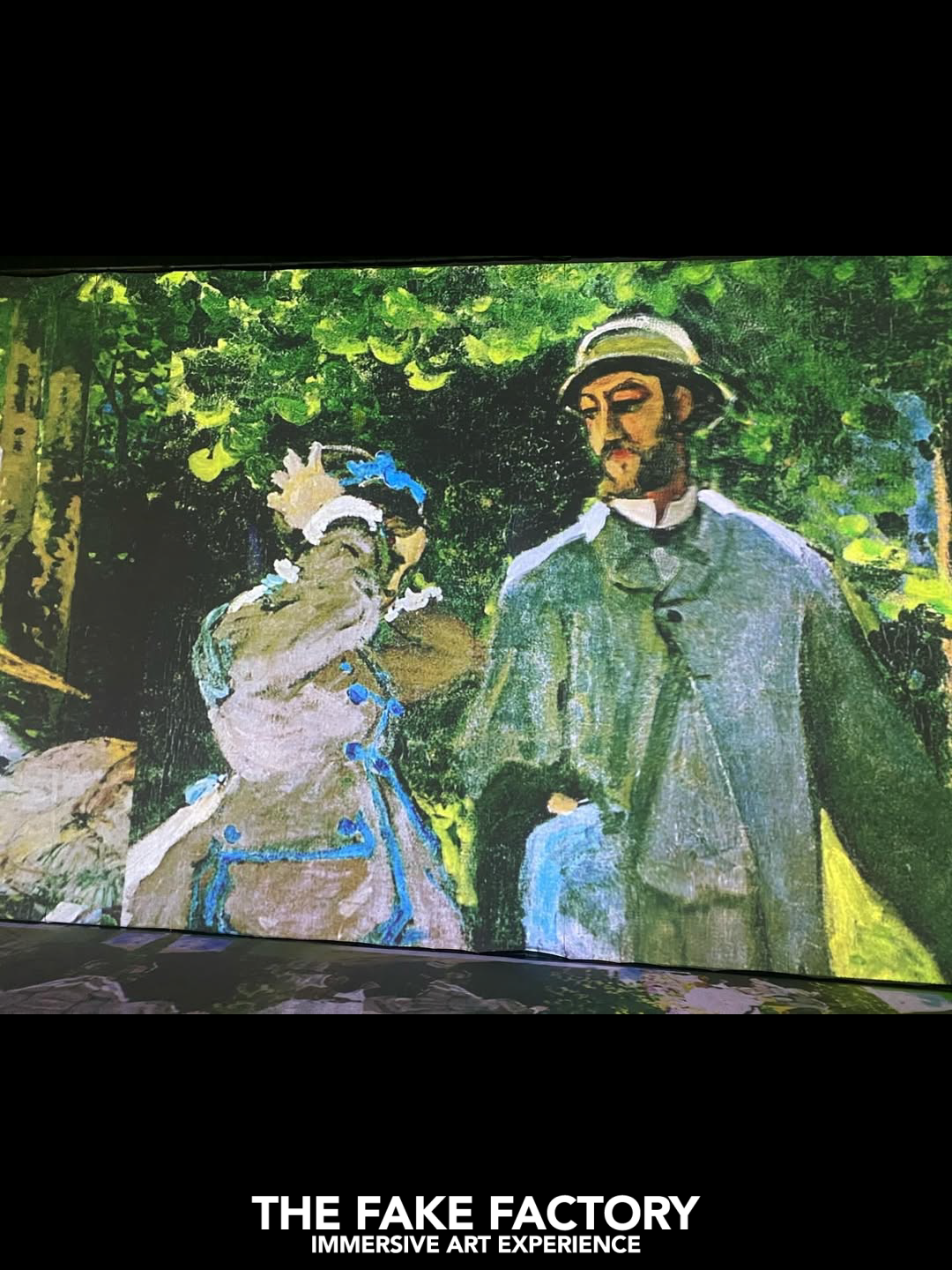
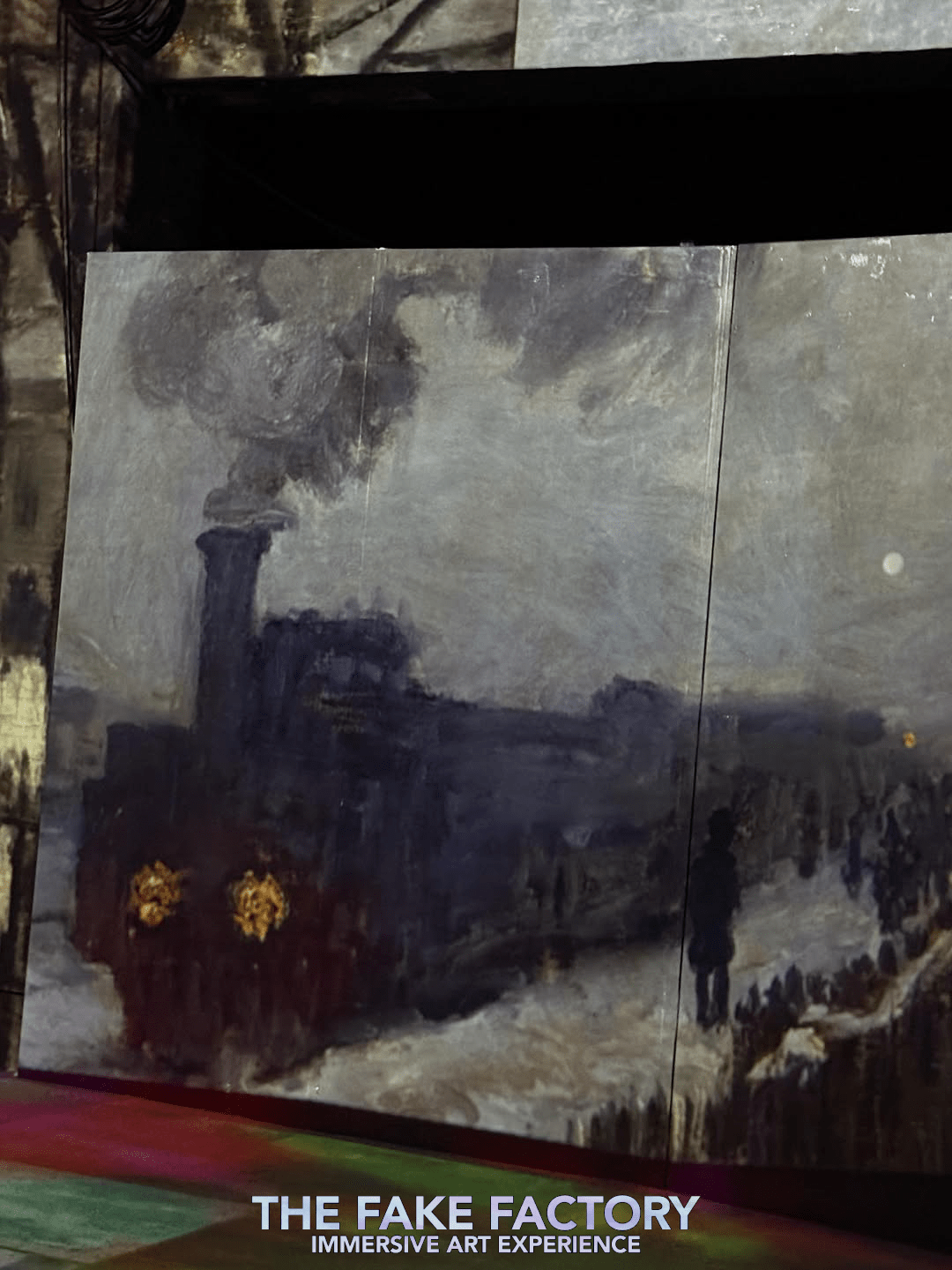
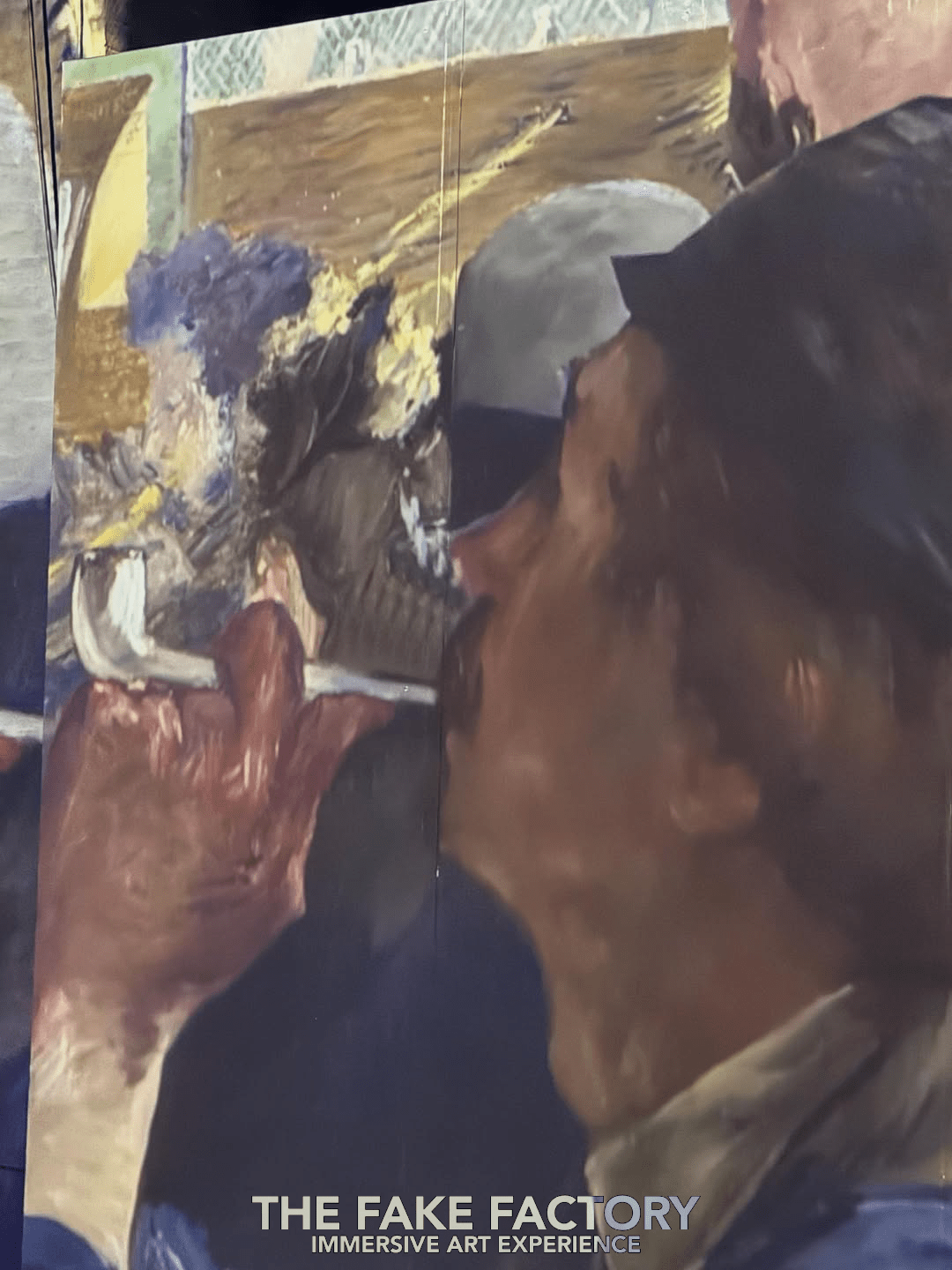
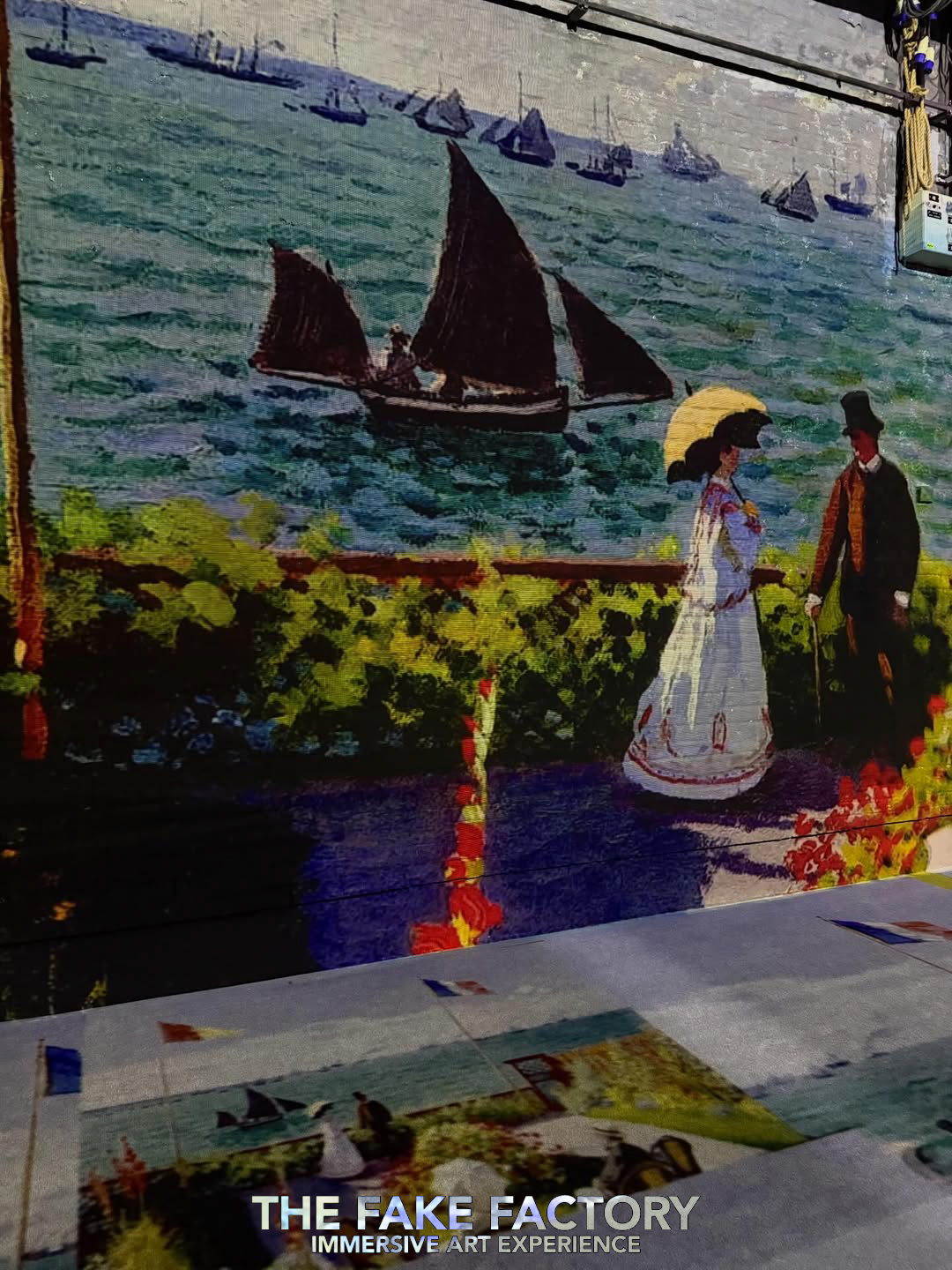
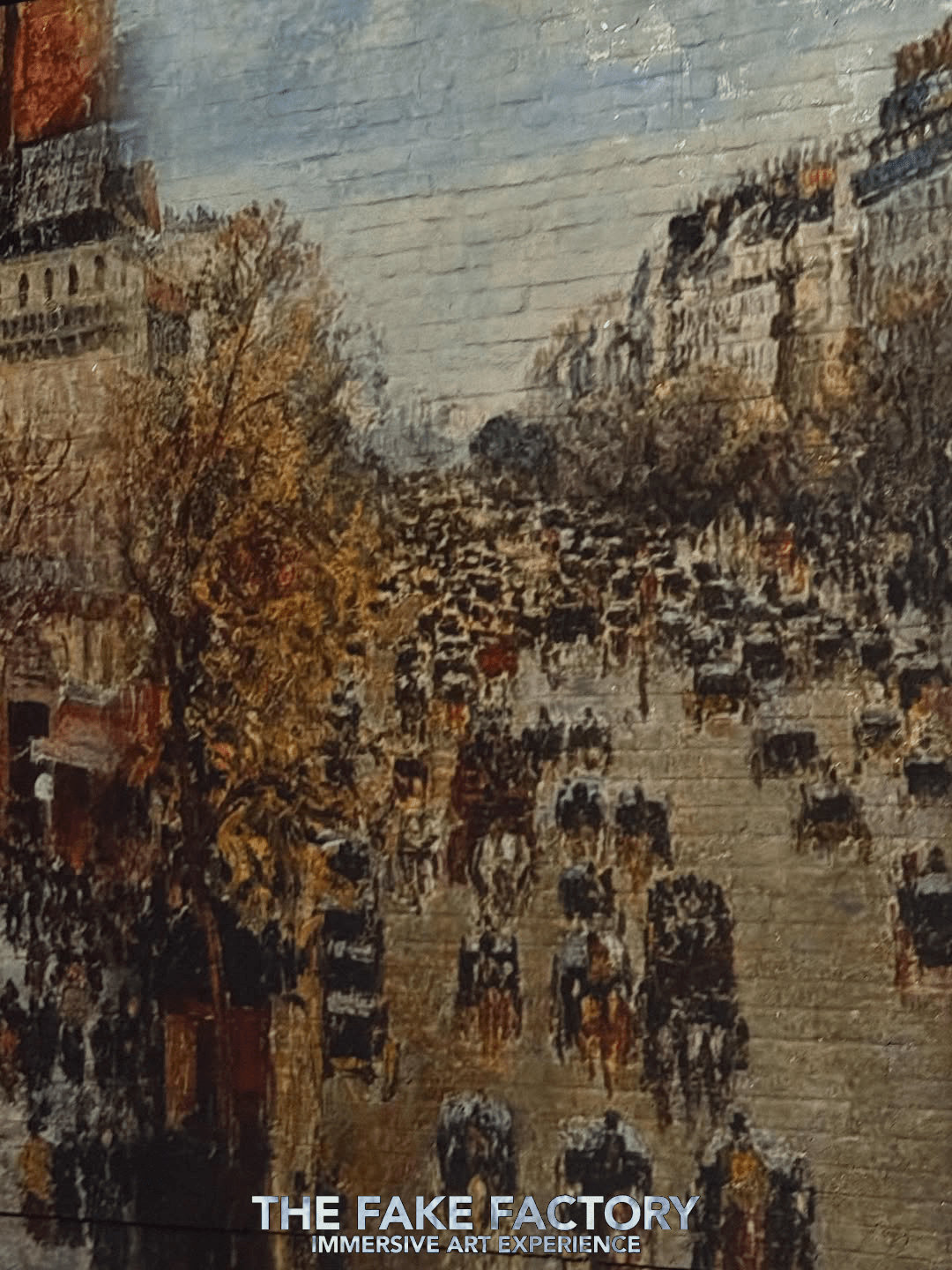
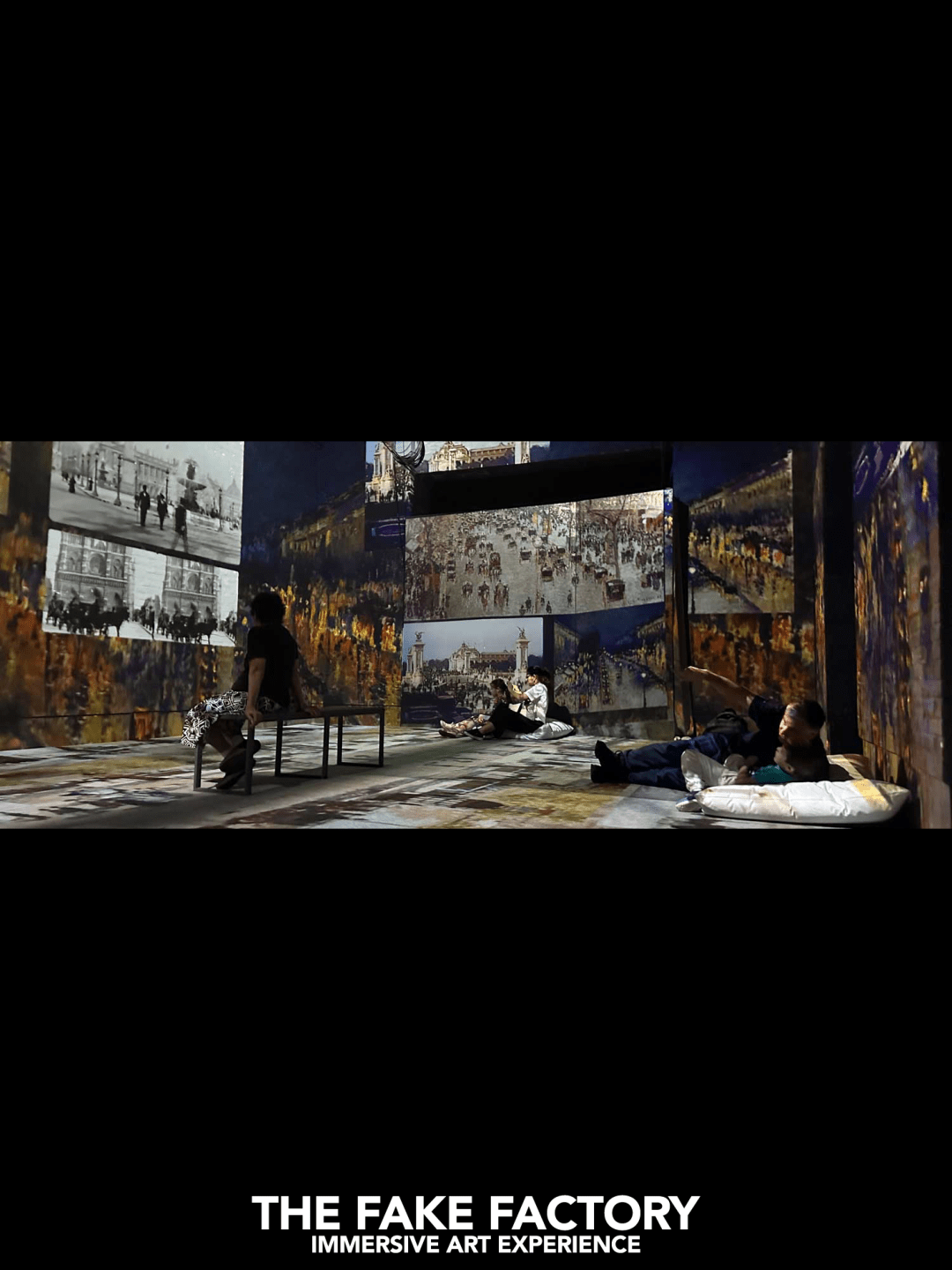
La experiencia de arte inmersivo dedicada a Monet y a los impresionistas franceses es un relato de 30 minutos que nos introduce literalmente en la revolución técnica y estilística que este grupo de artistas generó en la Francia de finales del siglo XIX. La narración se articula en una serie de escenas, cada una dedicada a un tema o a una técnica específica: el concepto de pintura en plein air, los estudios modernos sobre la síntesis del color, la noción de impresión y la velocidad de ejecución de los nuevos pintores impresionistas, el amor y la familia, la vida social en París y el tiempo libre, así como la naturaleza y el transcurso del tiempo y de las estaciones. La selección de más de 100 obras pictóricas de los impresionistas fue realizada precisamente con el fin de mostrar al público estos temas de la manera más completa posible.
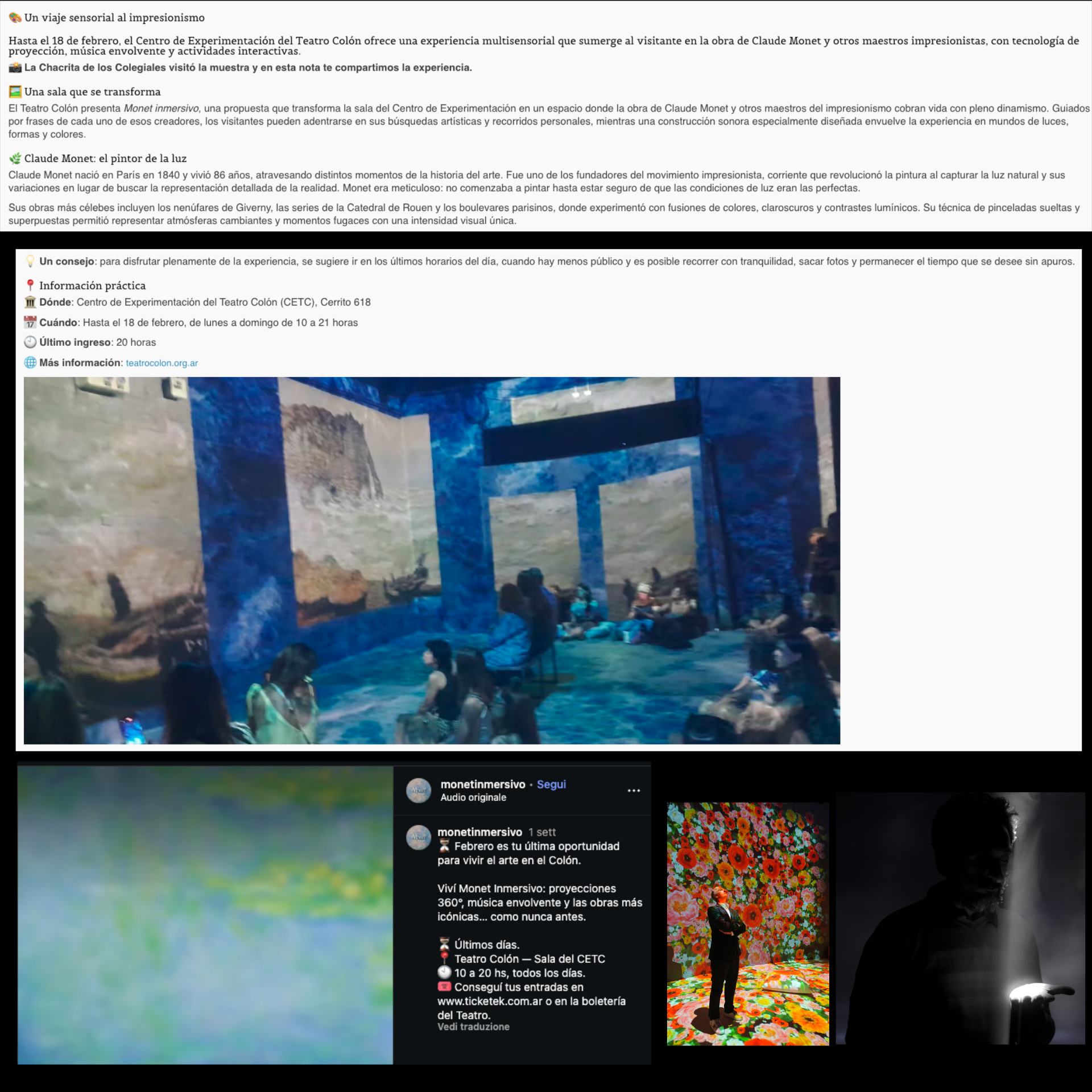
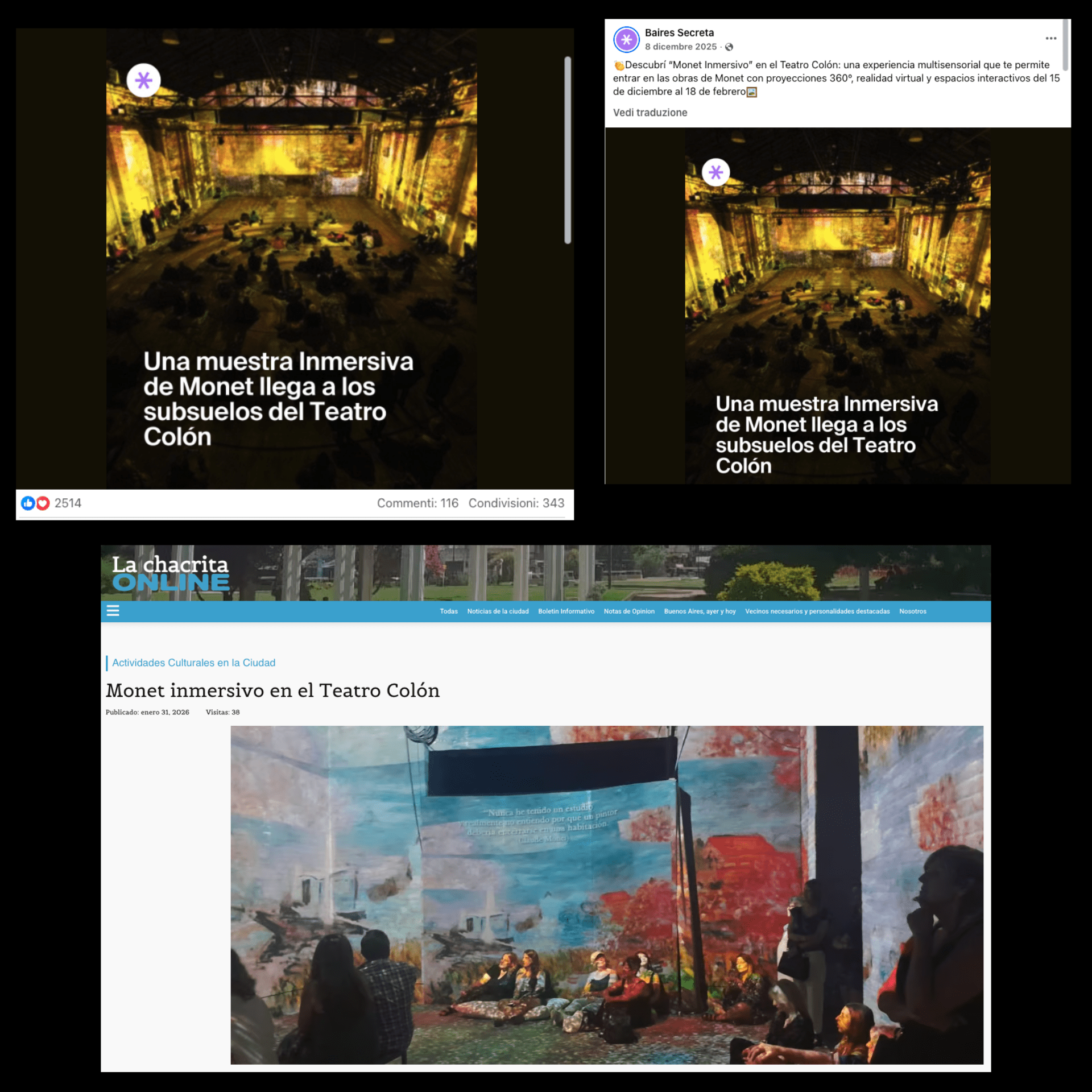
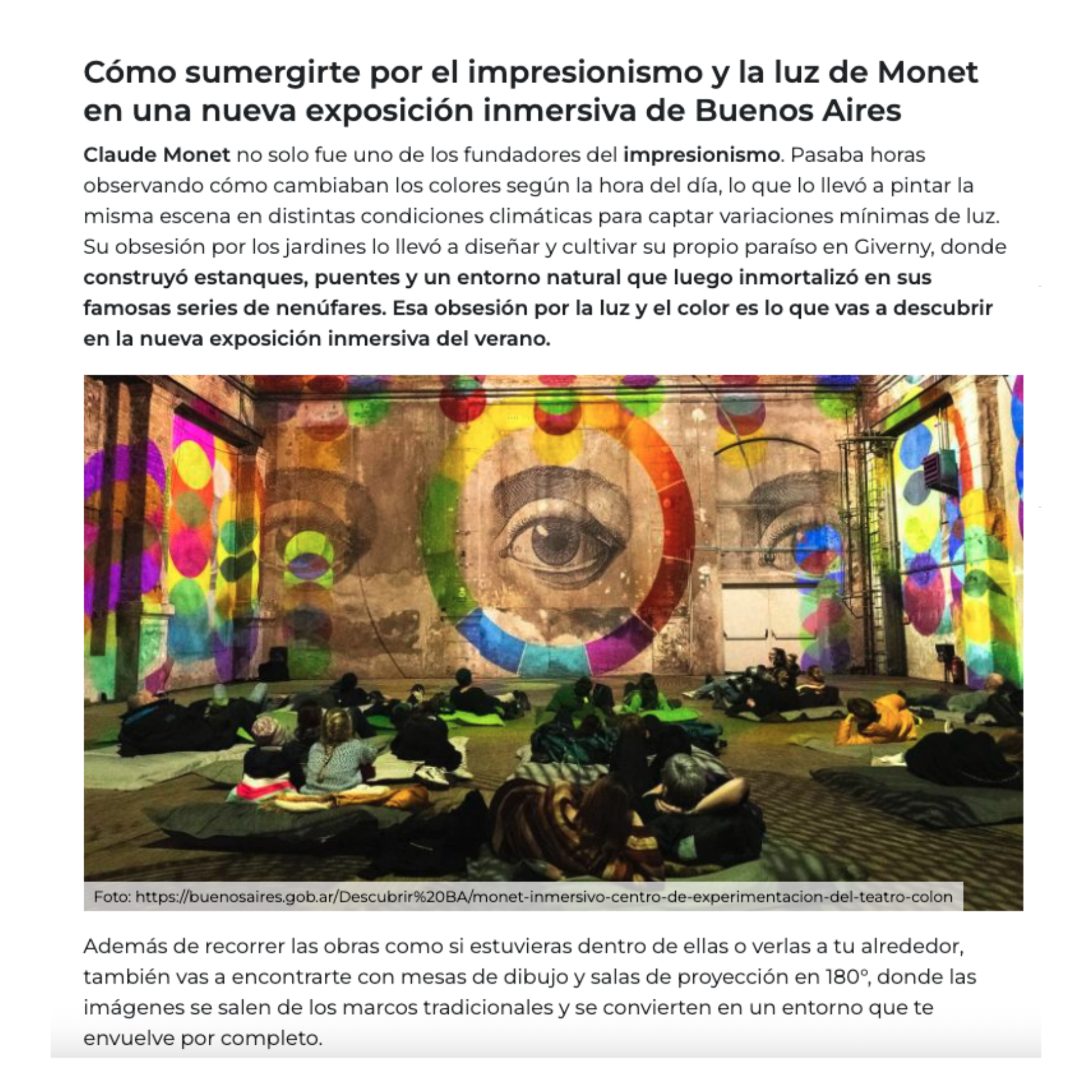
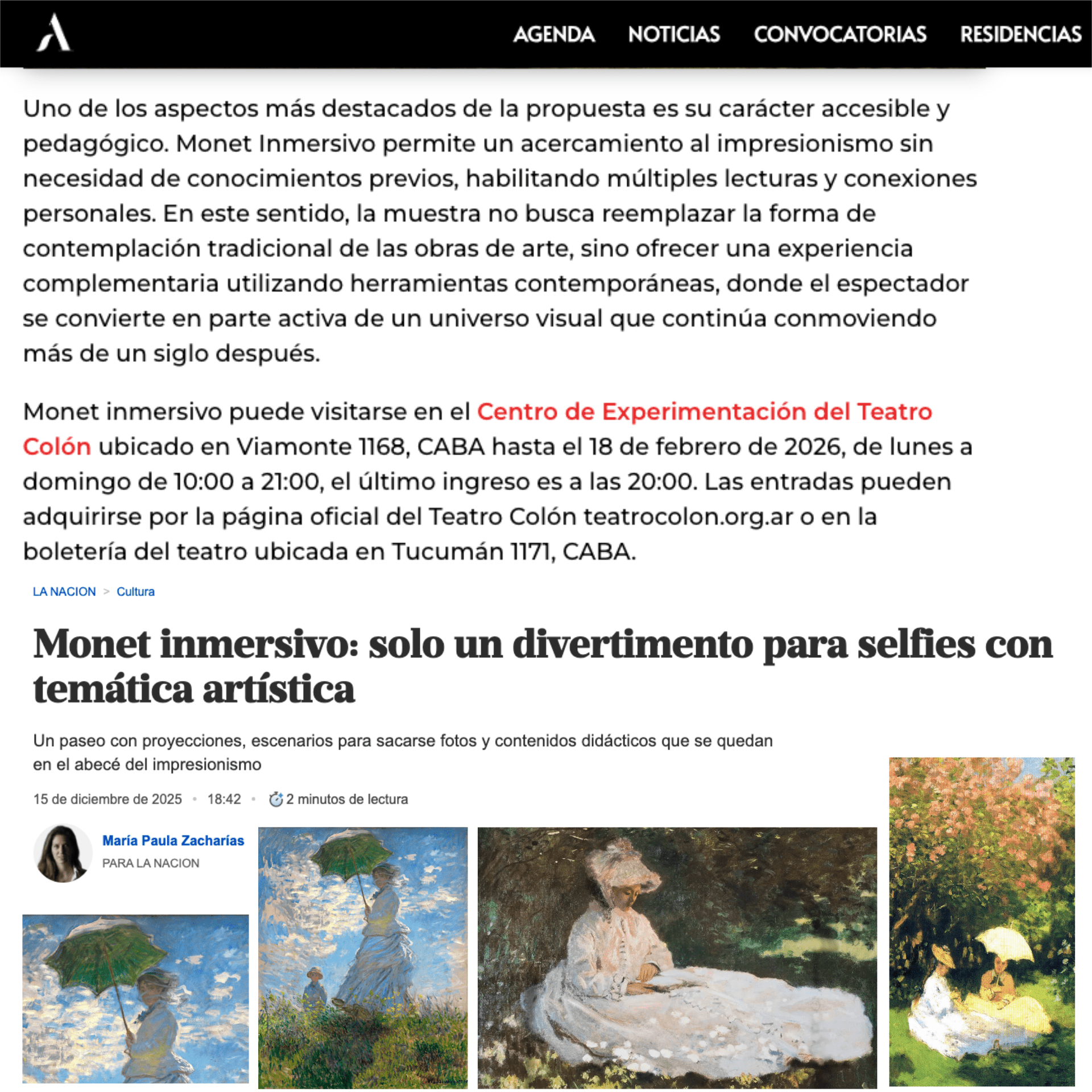
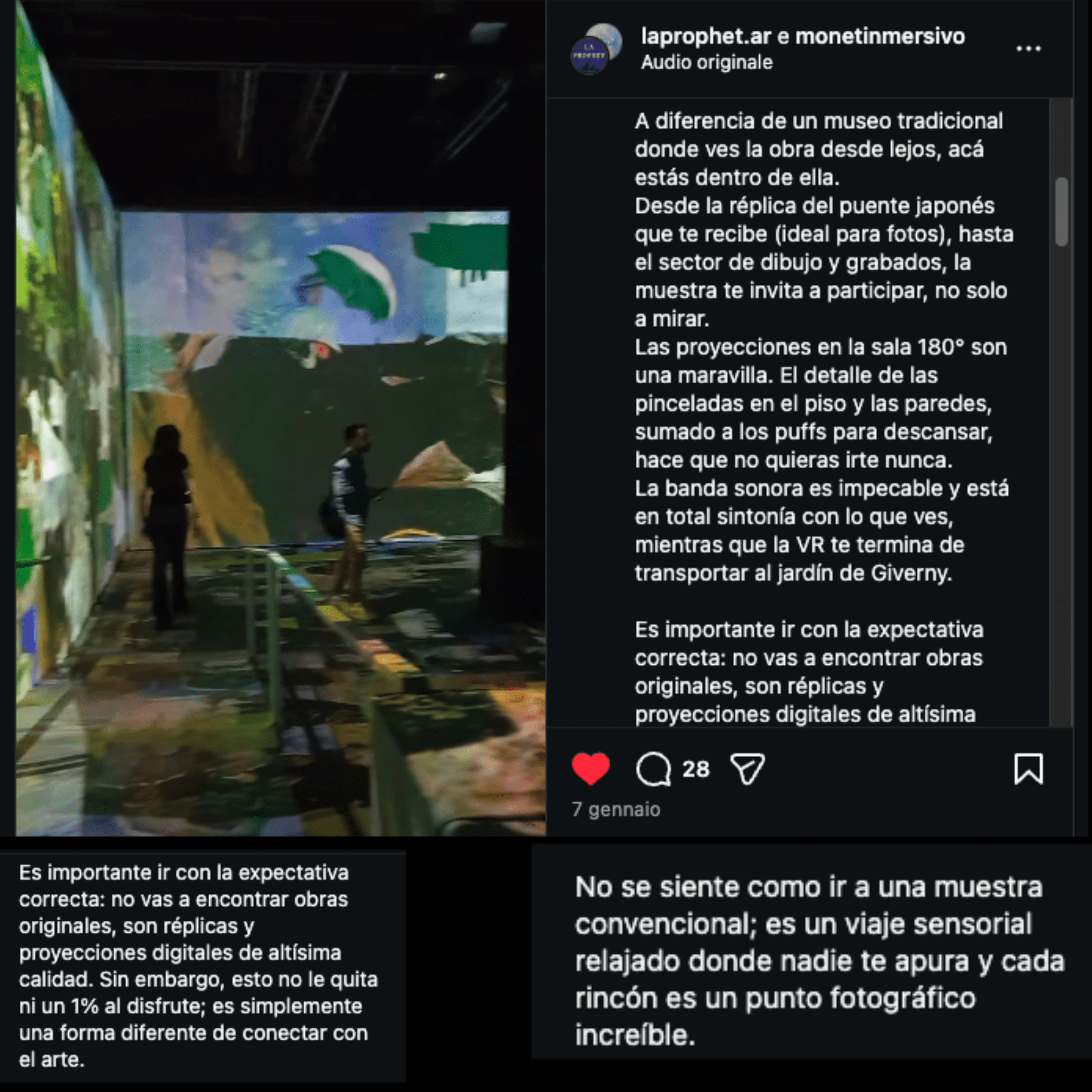
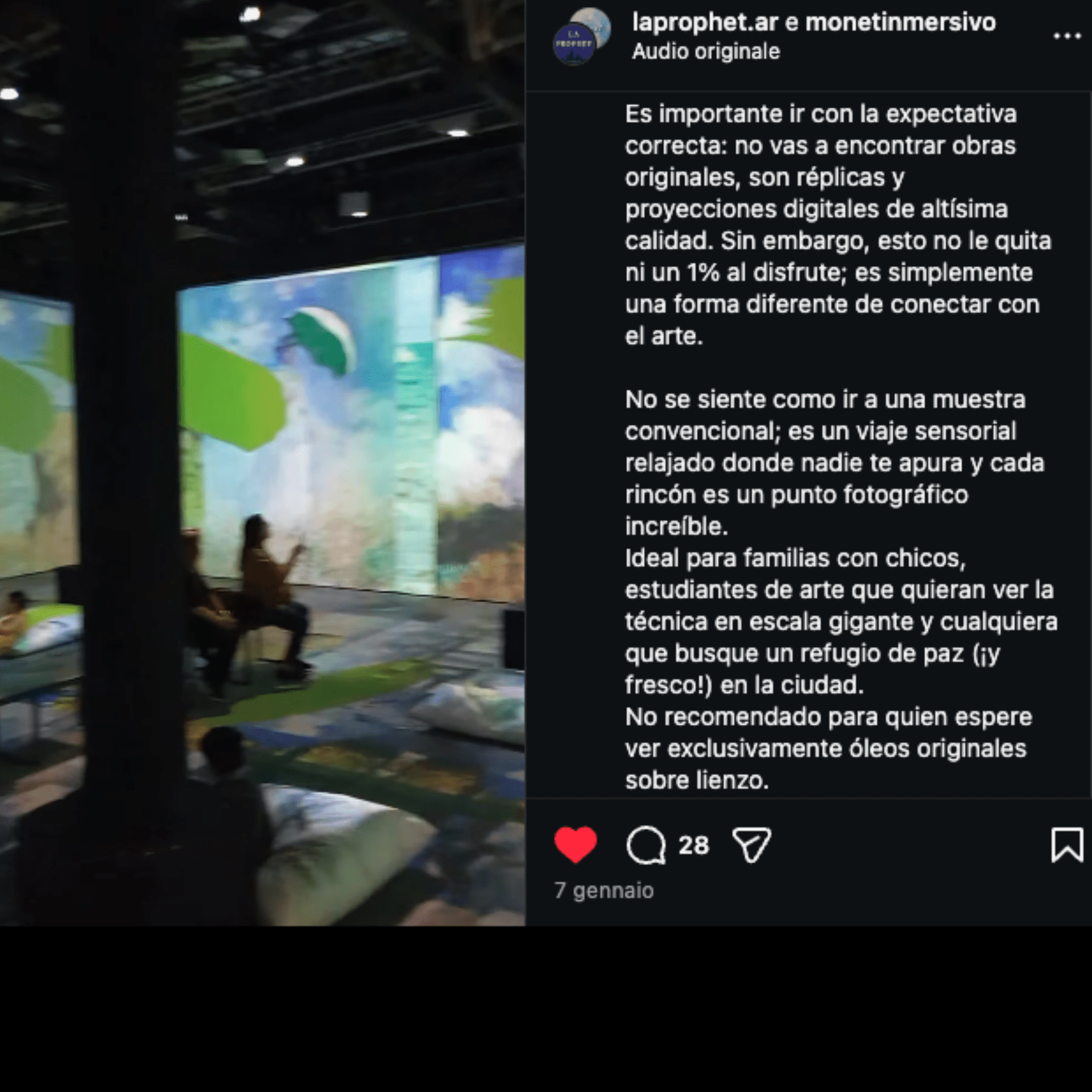
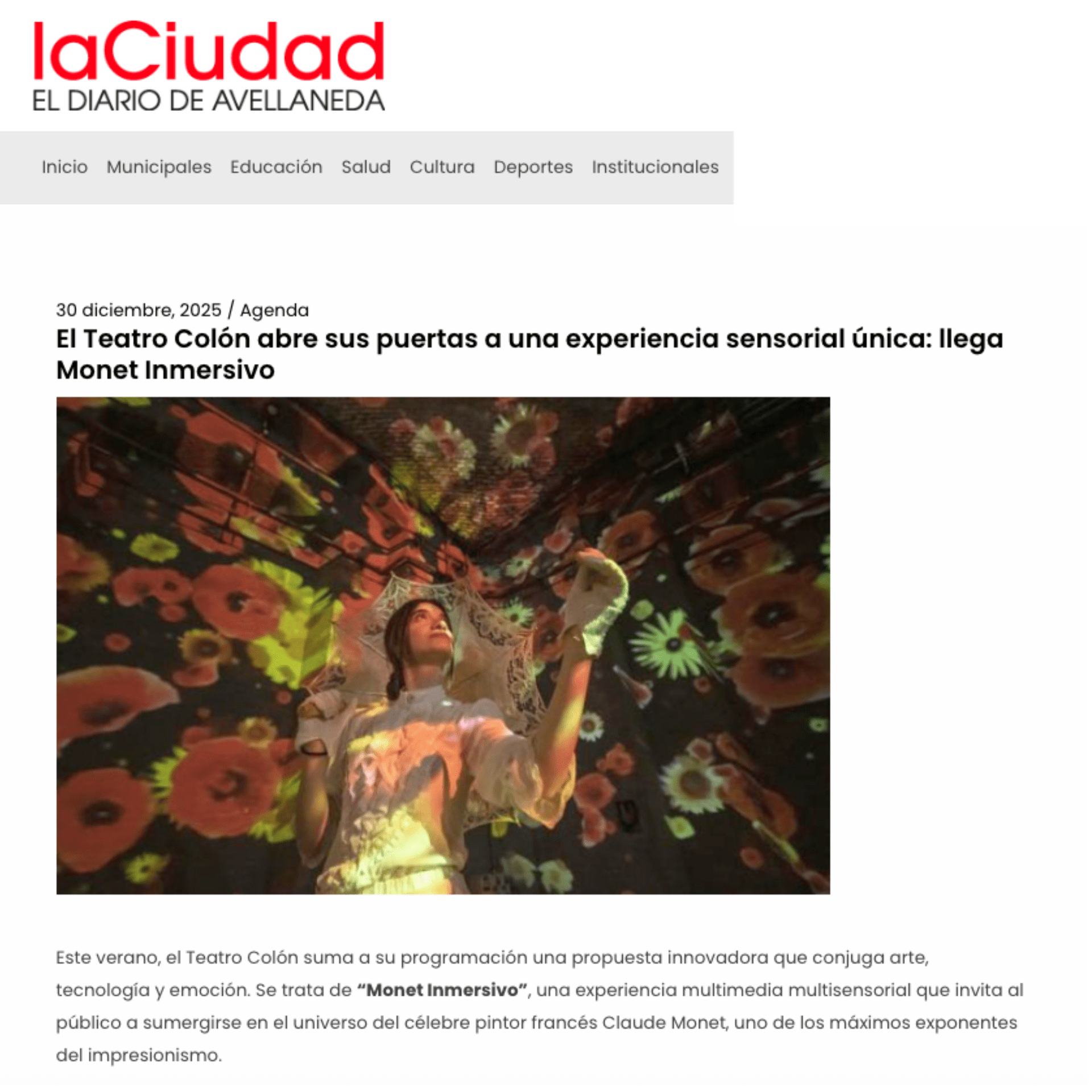
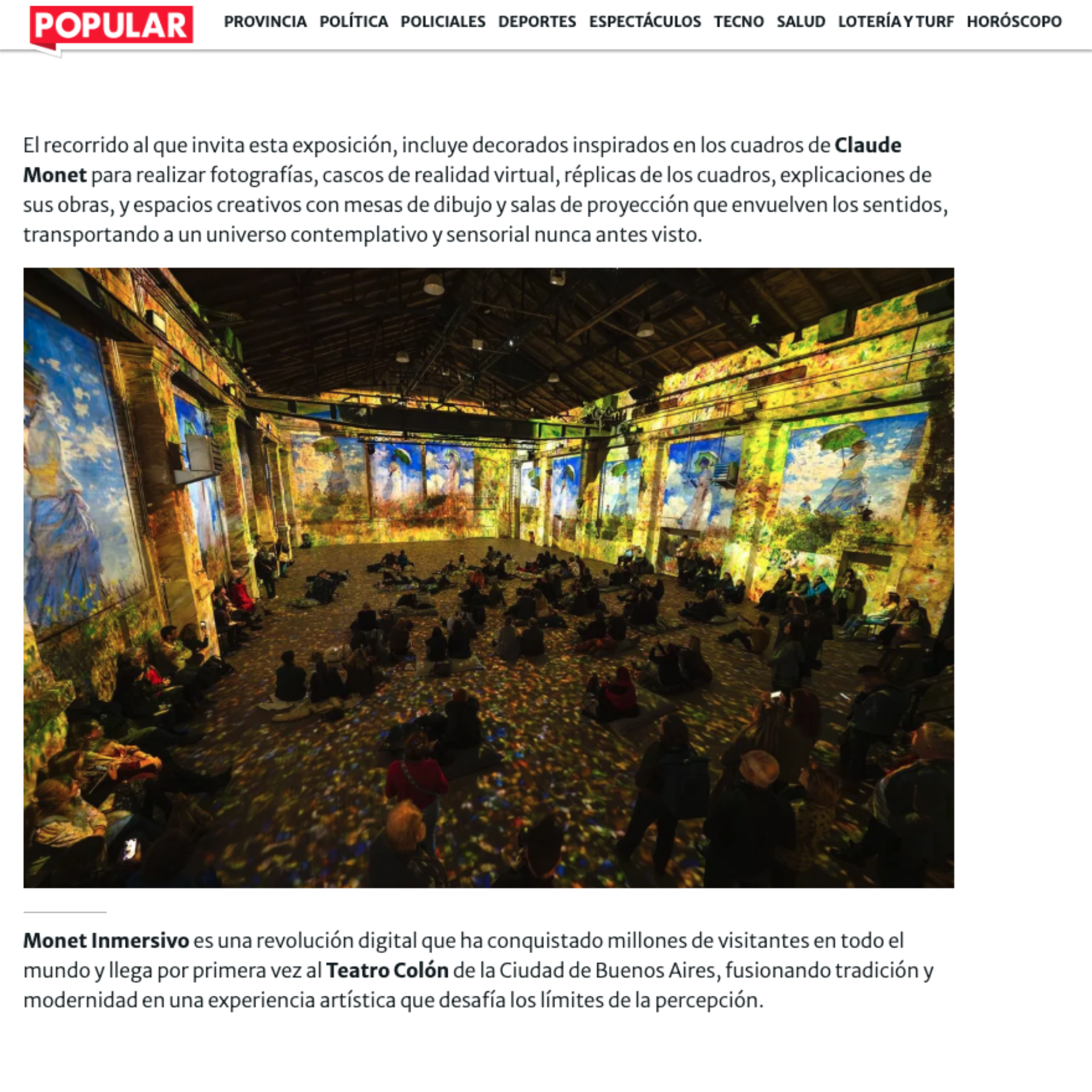
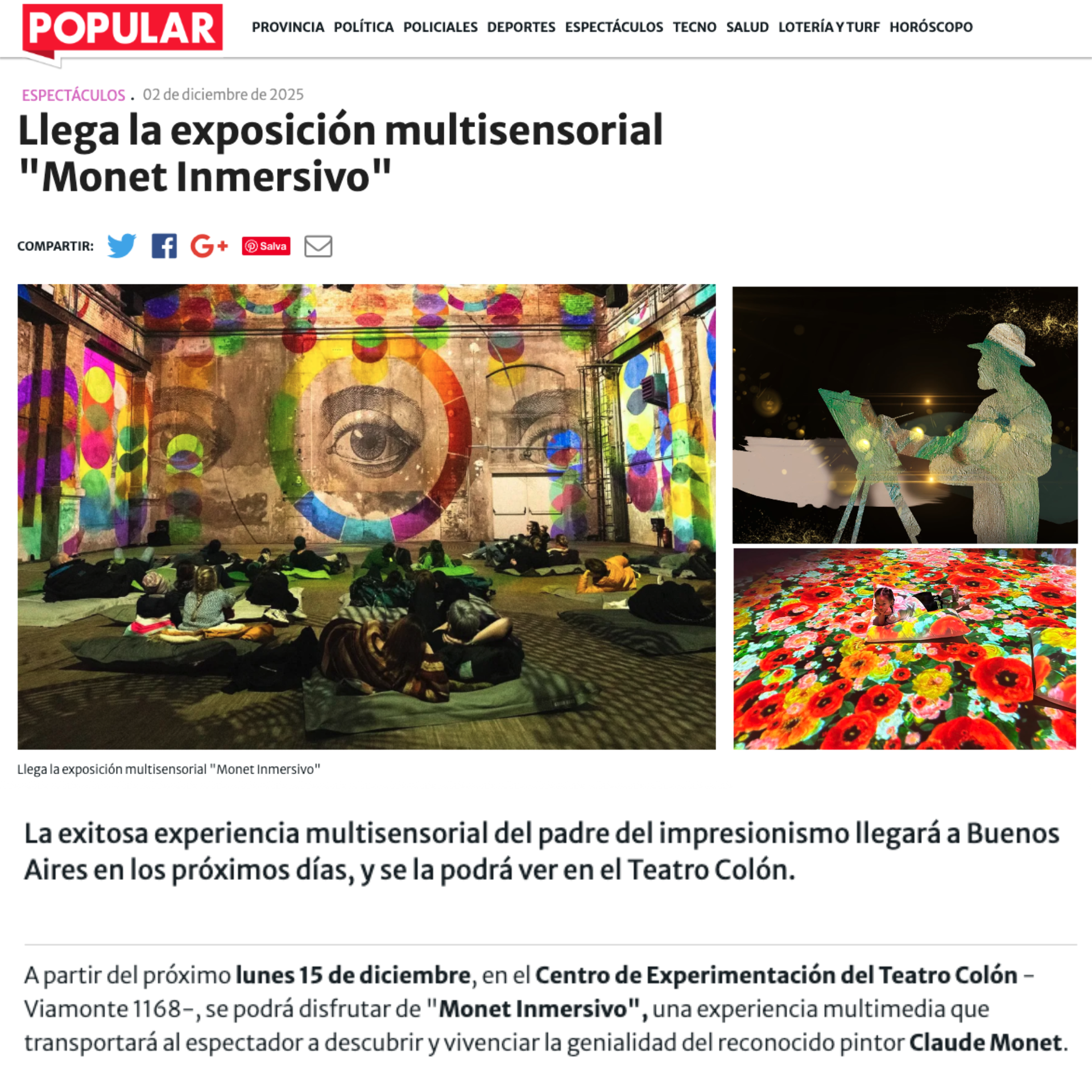
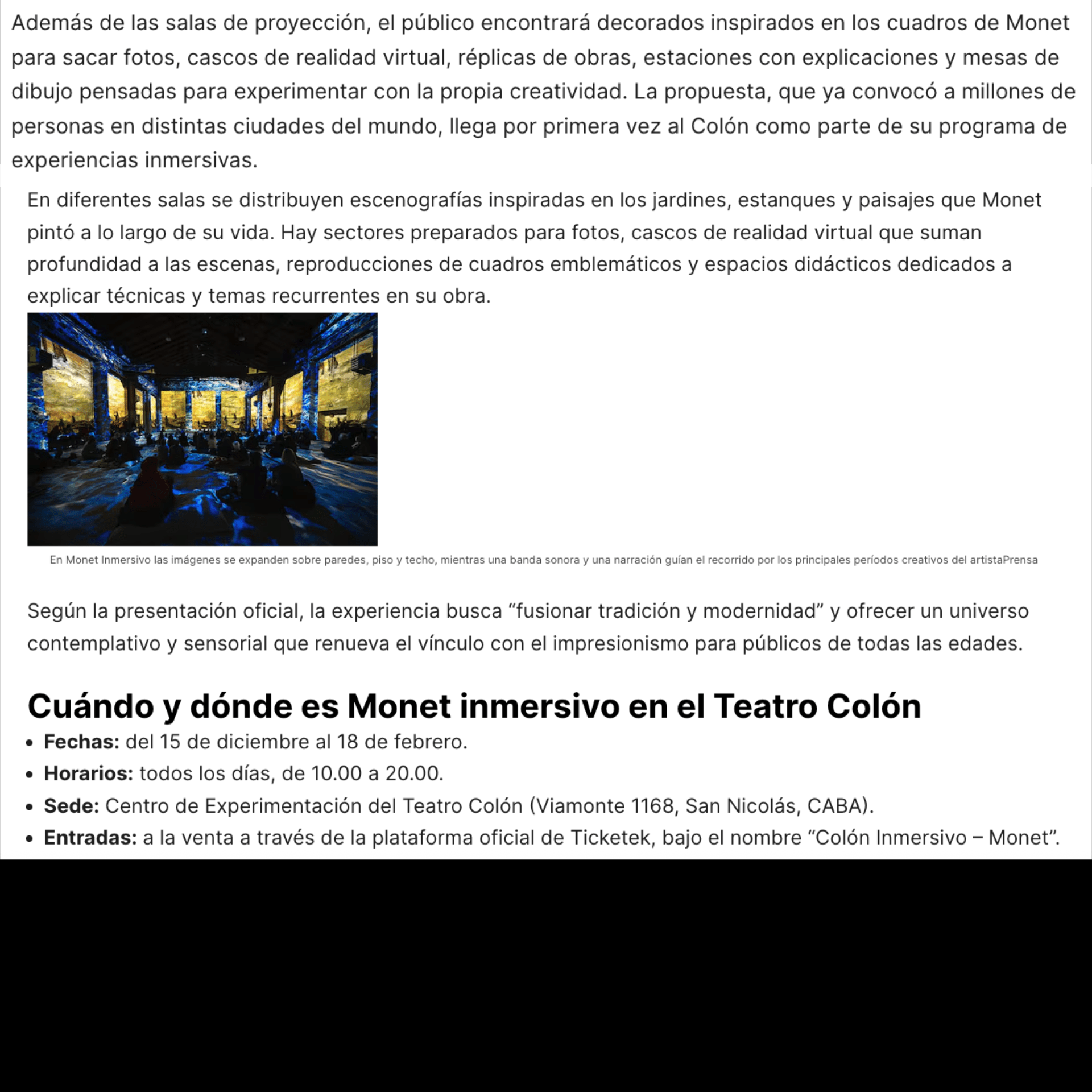
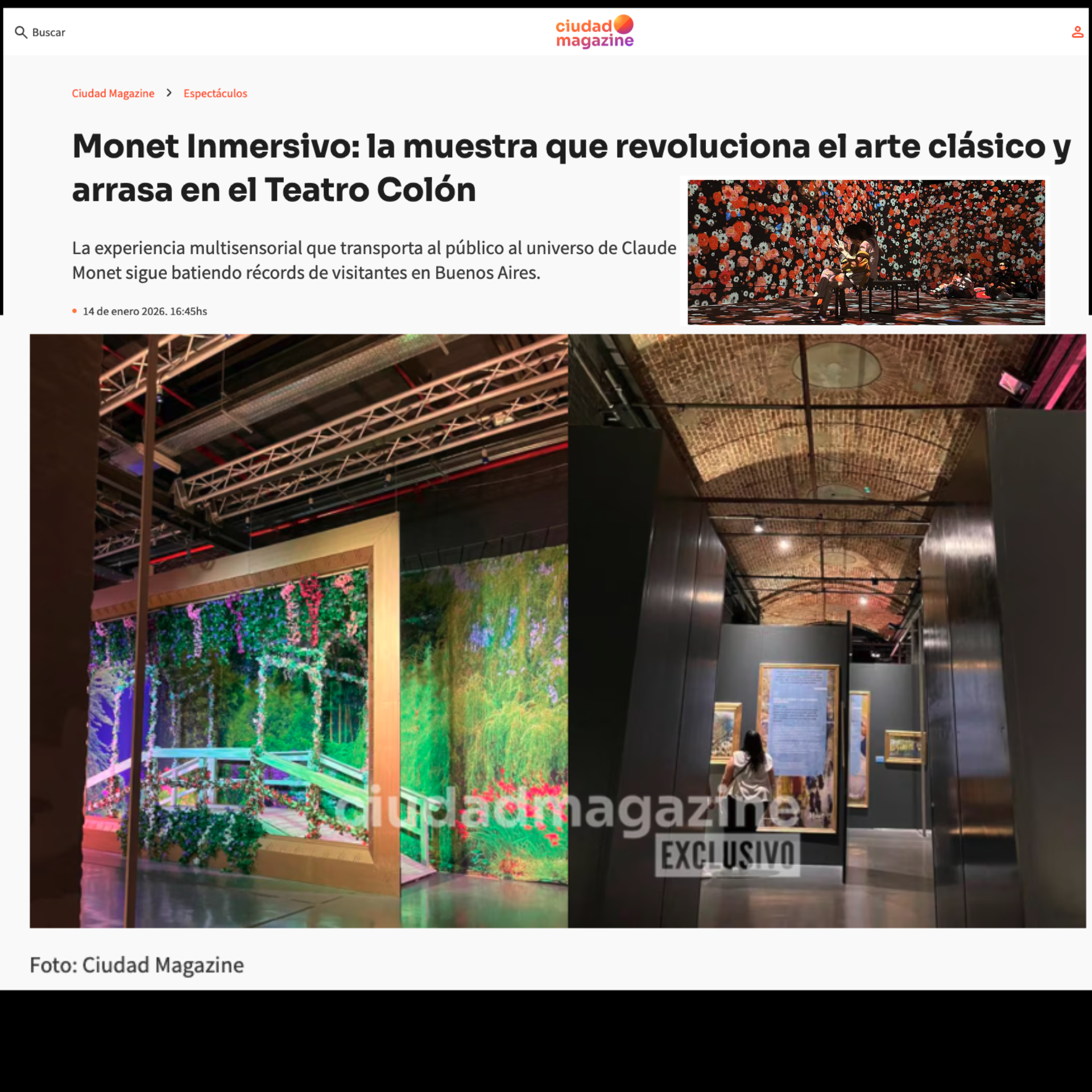
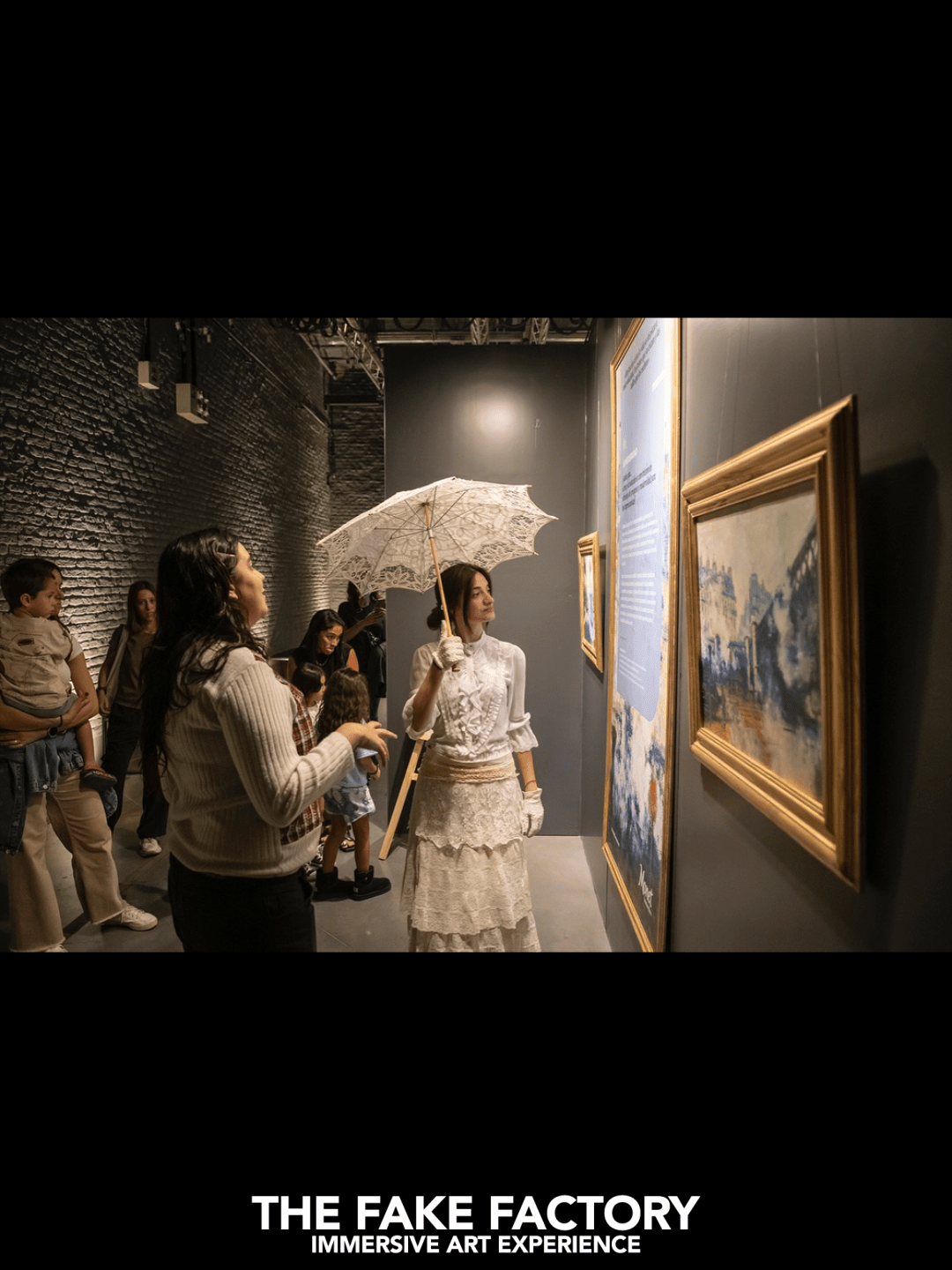
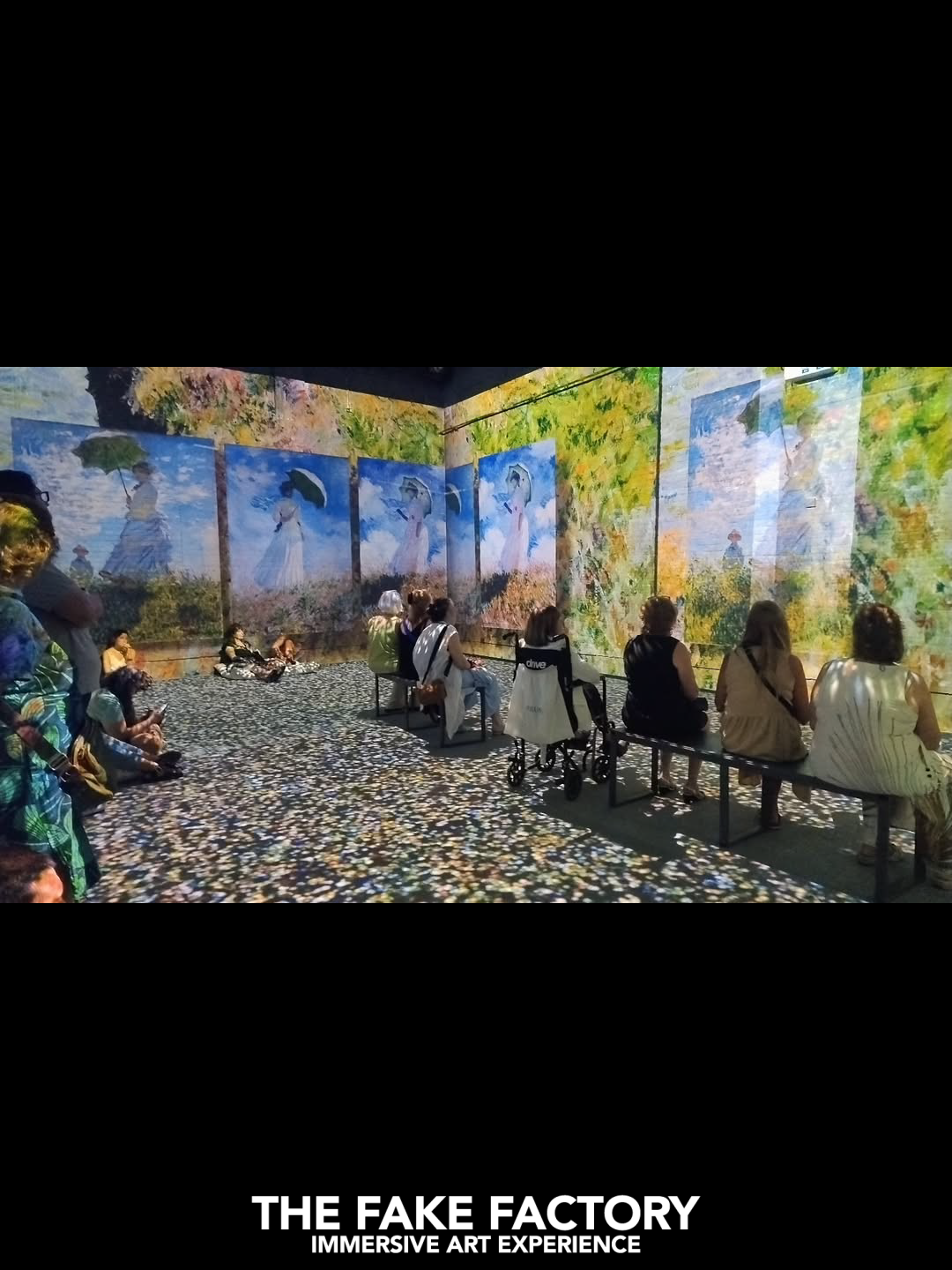
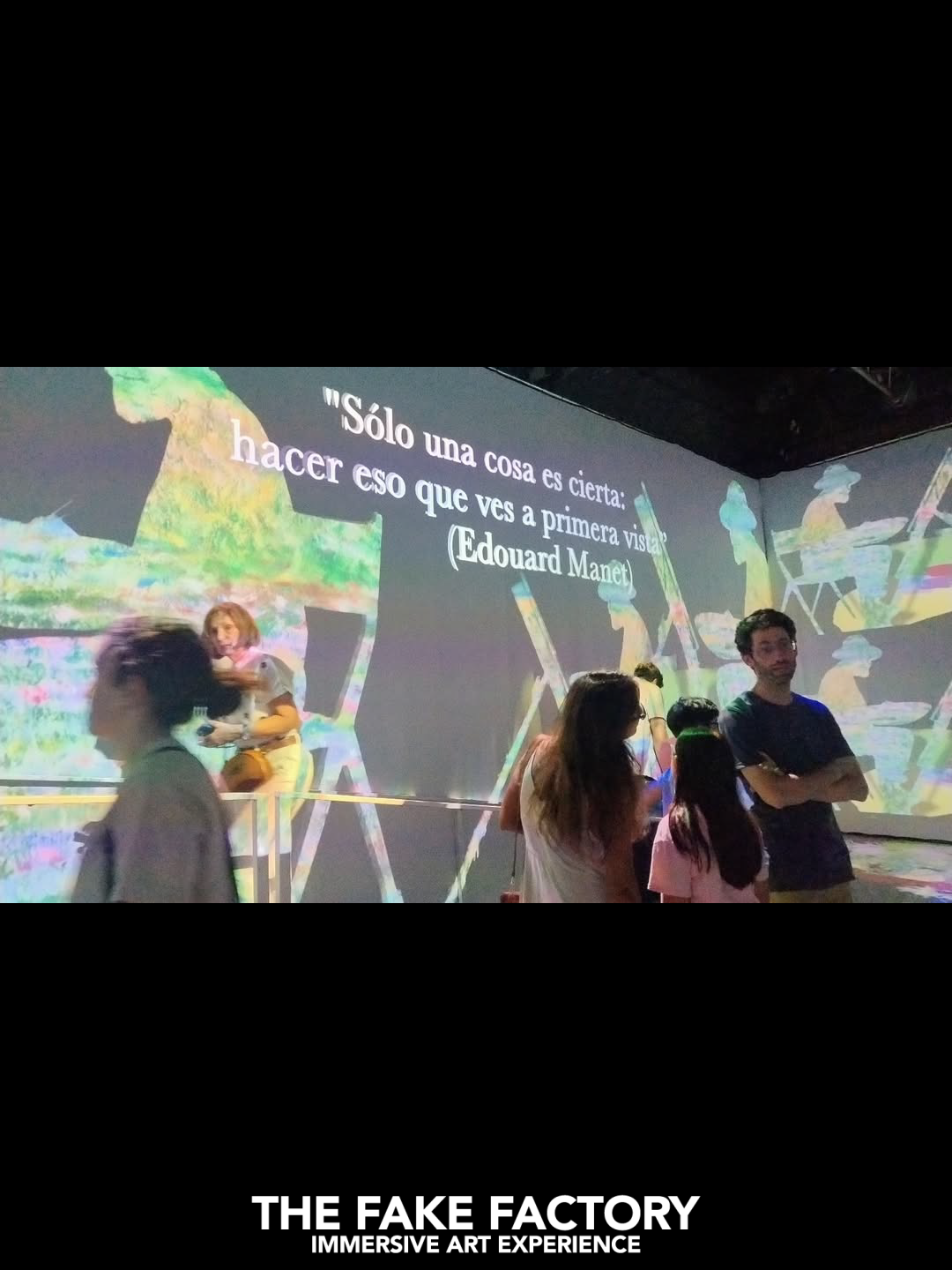
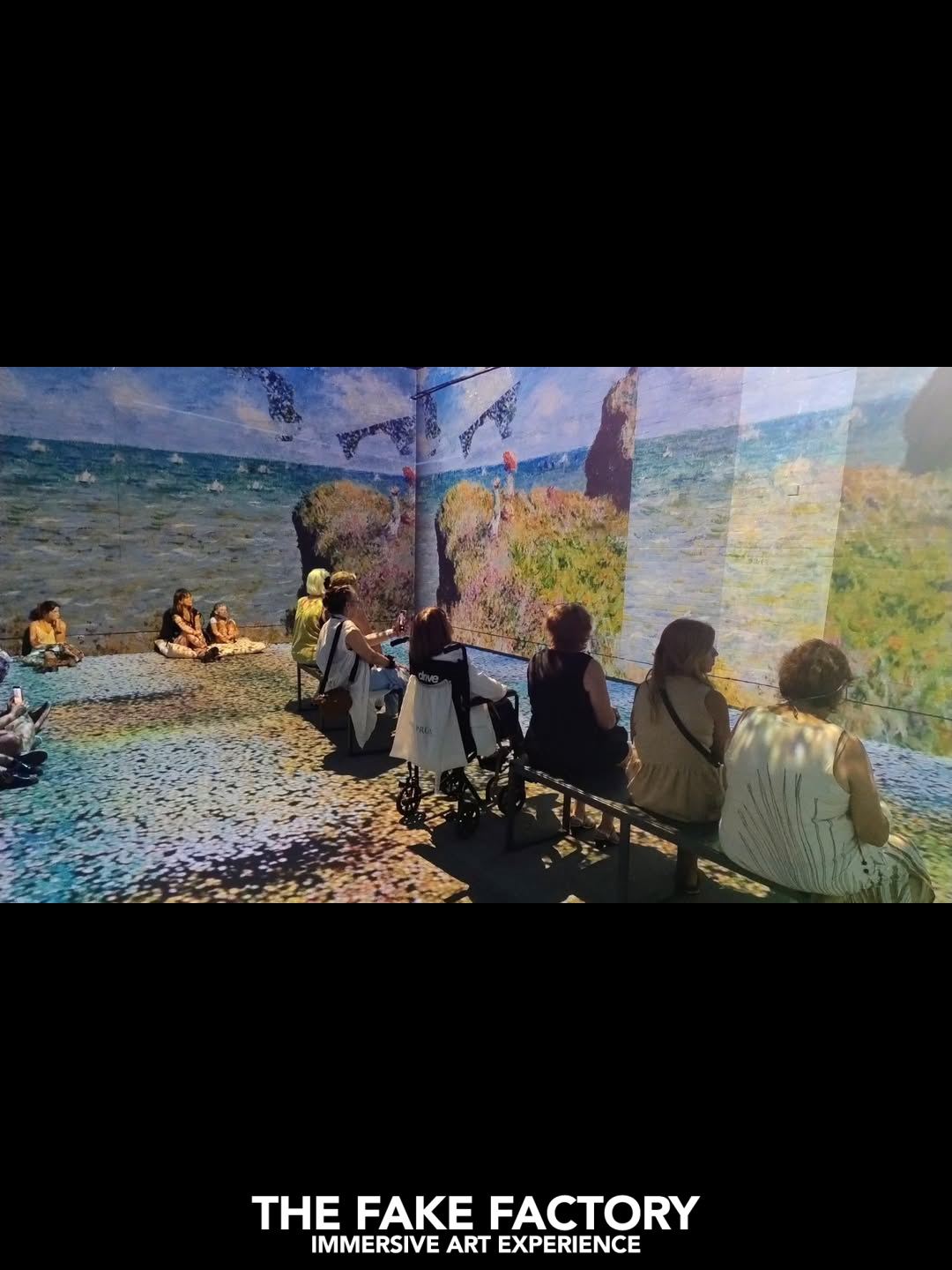
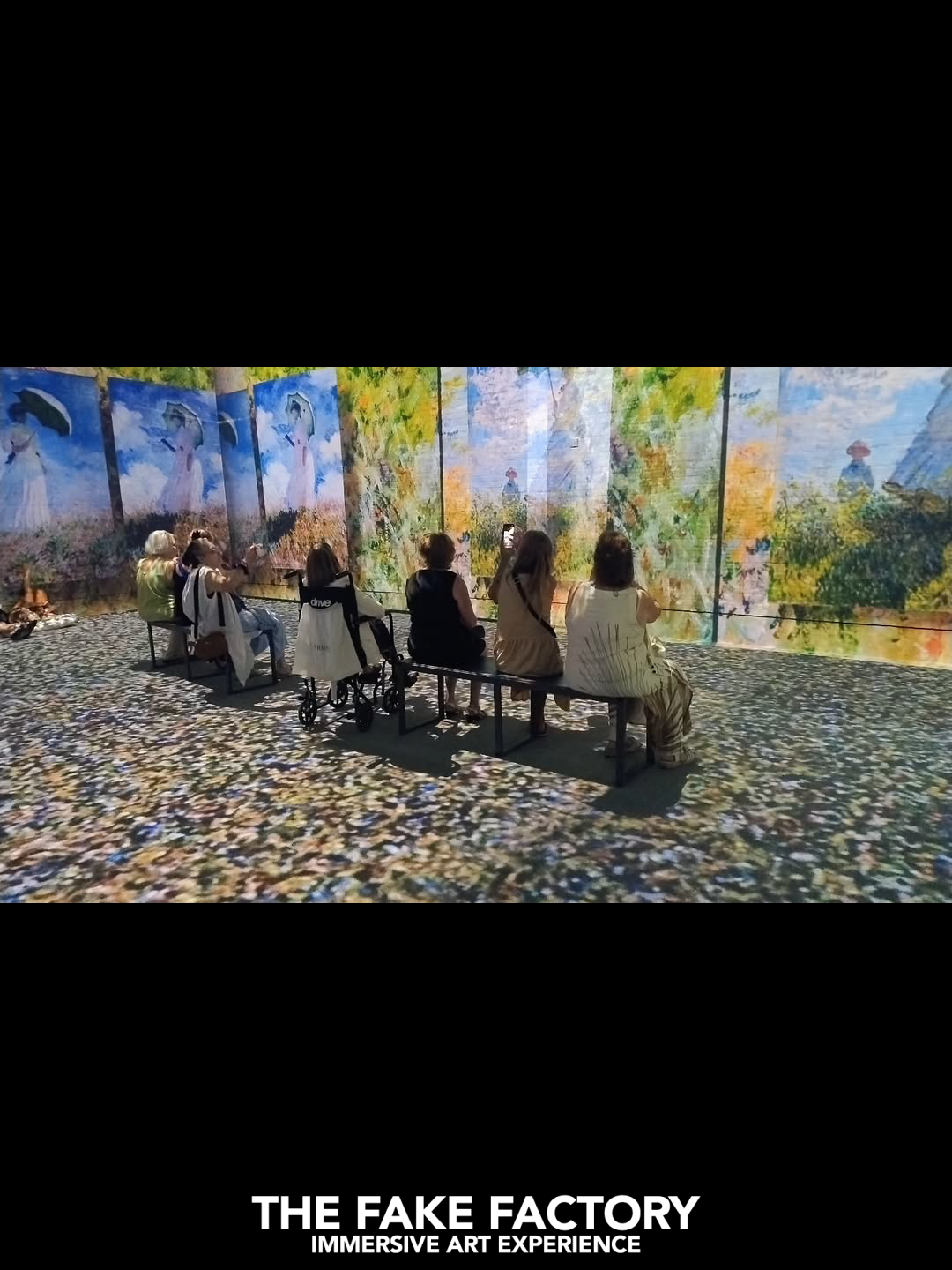
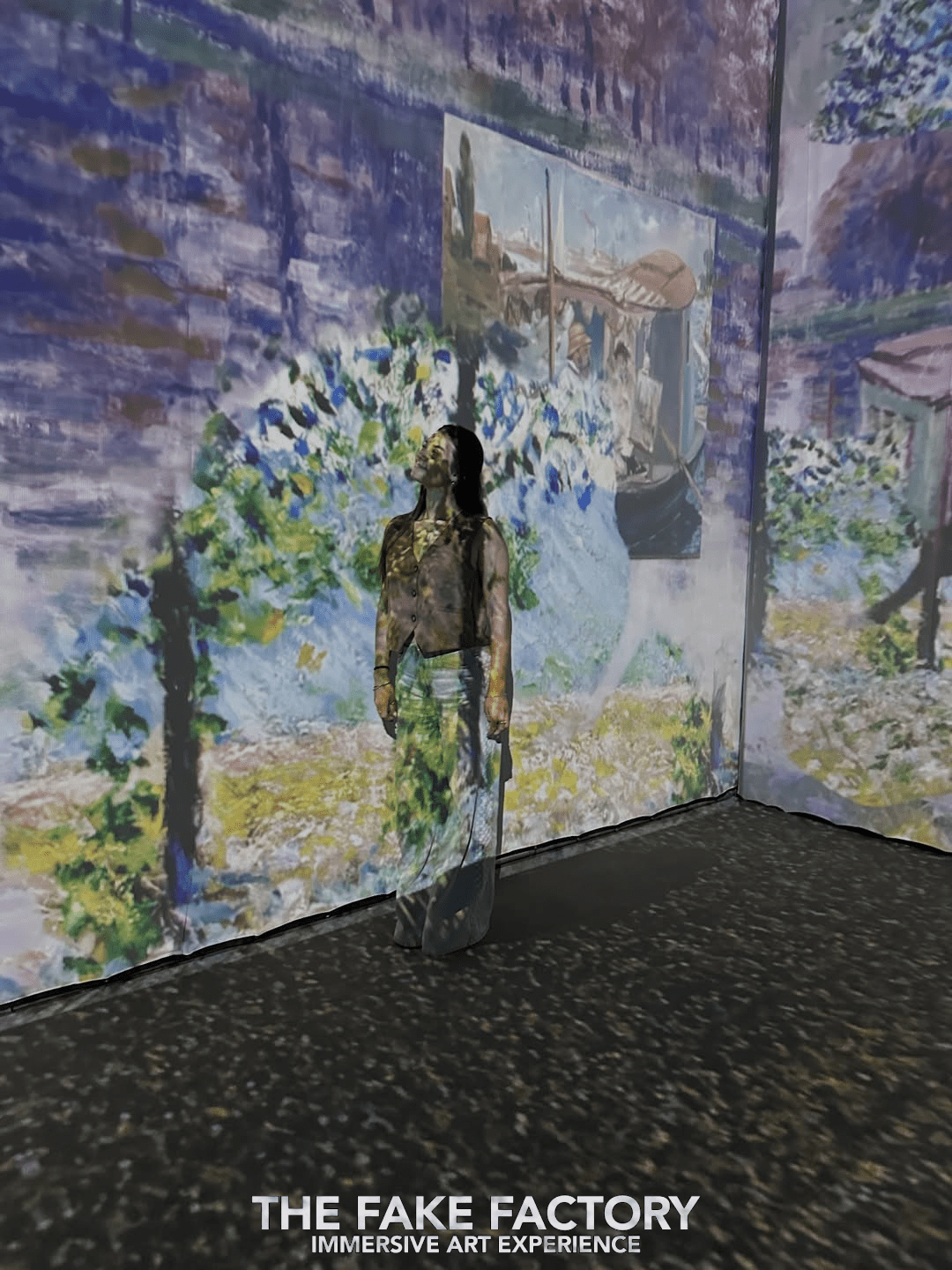
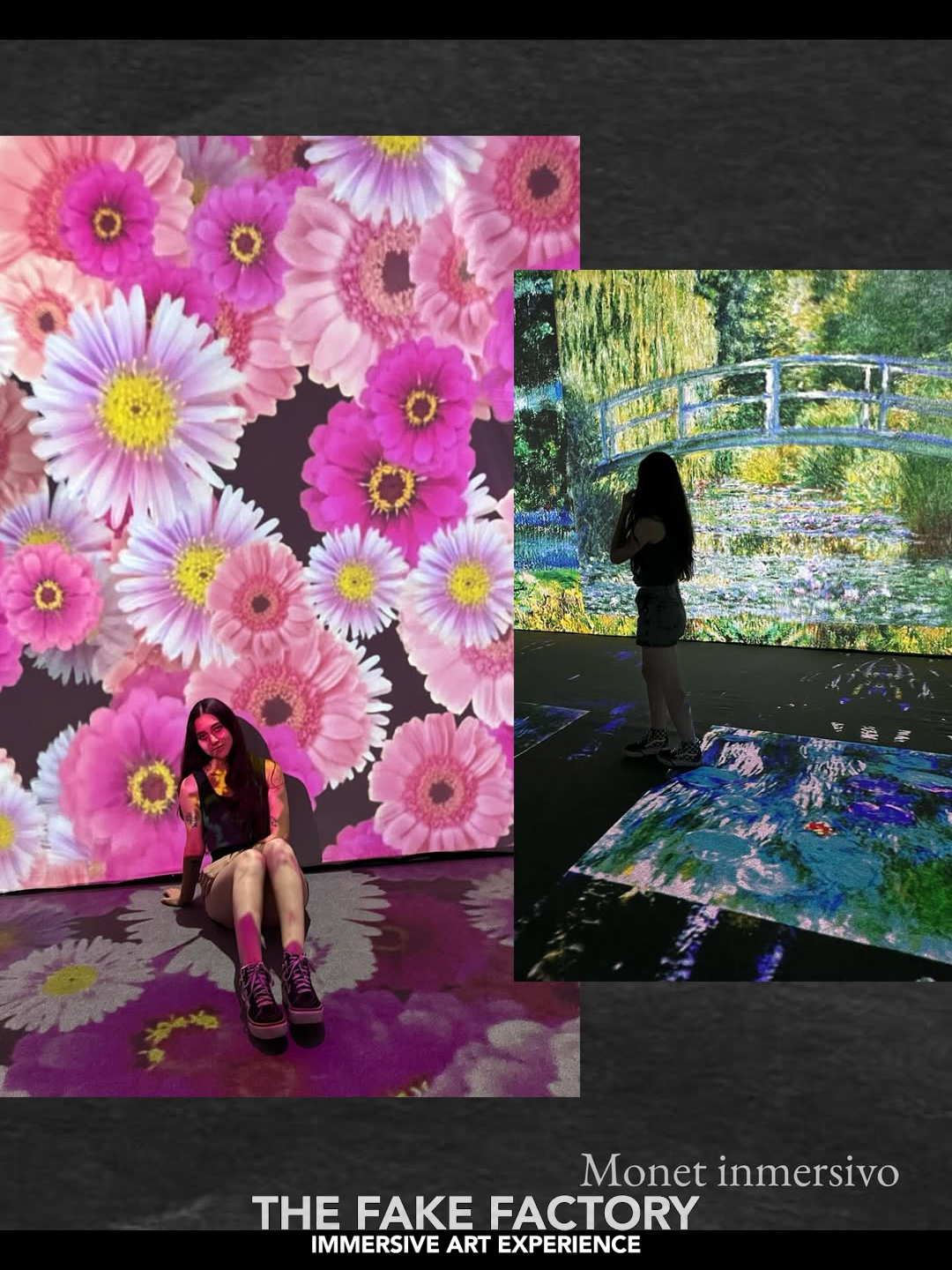
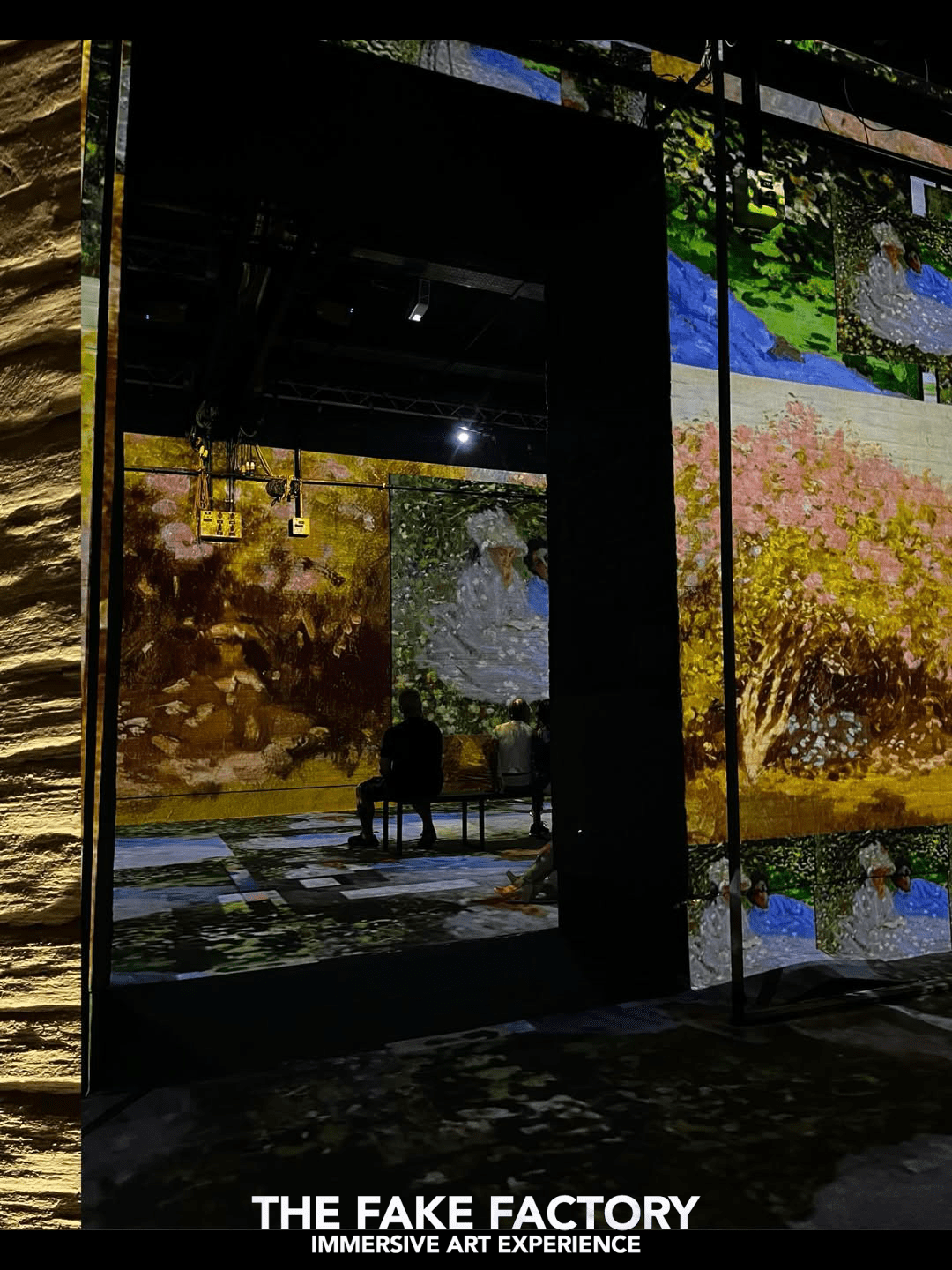
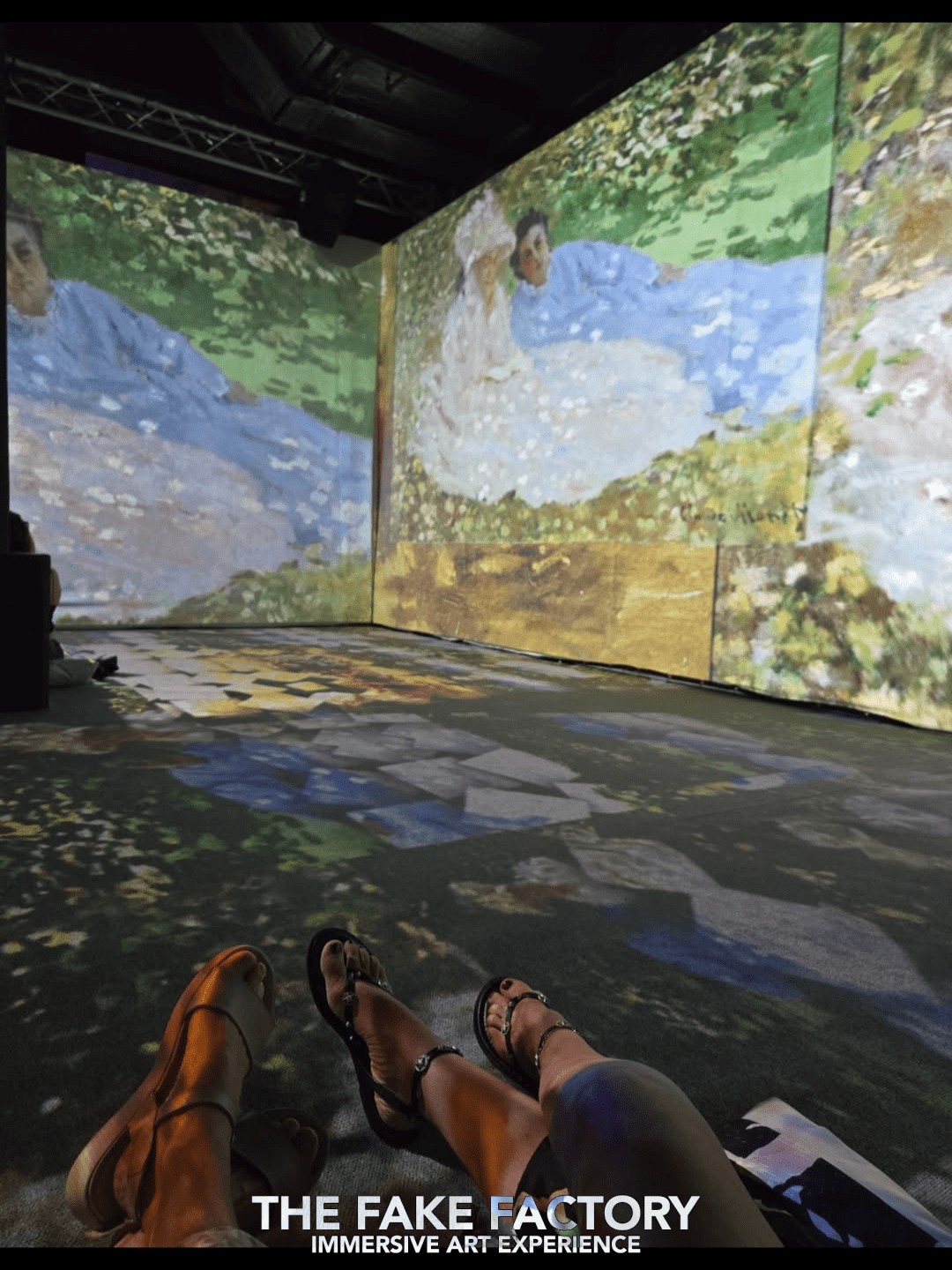
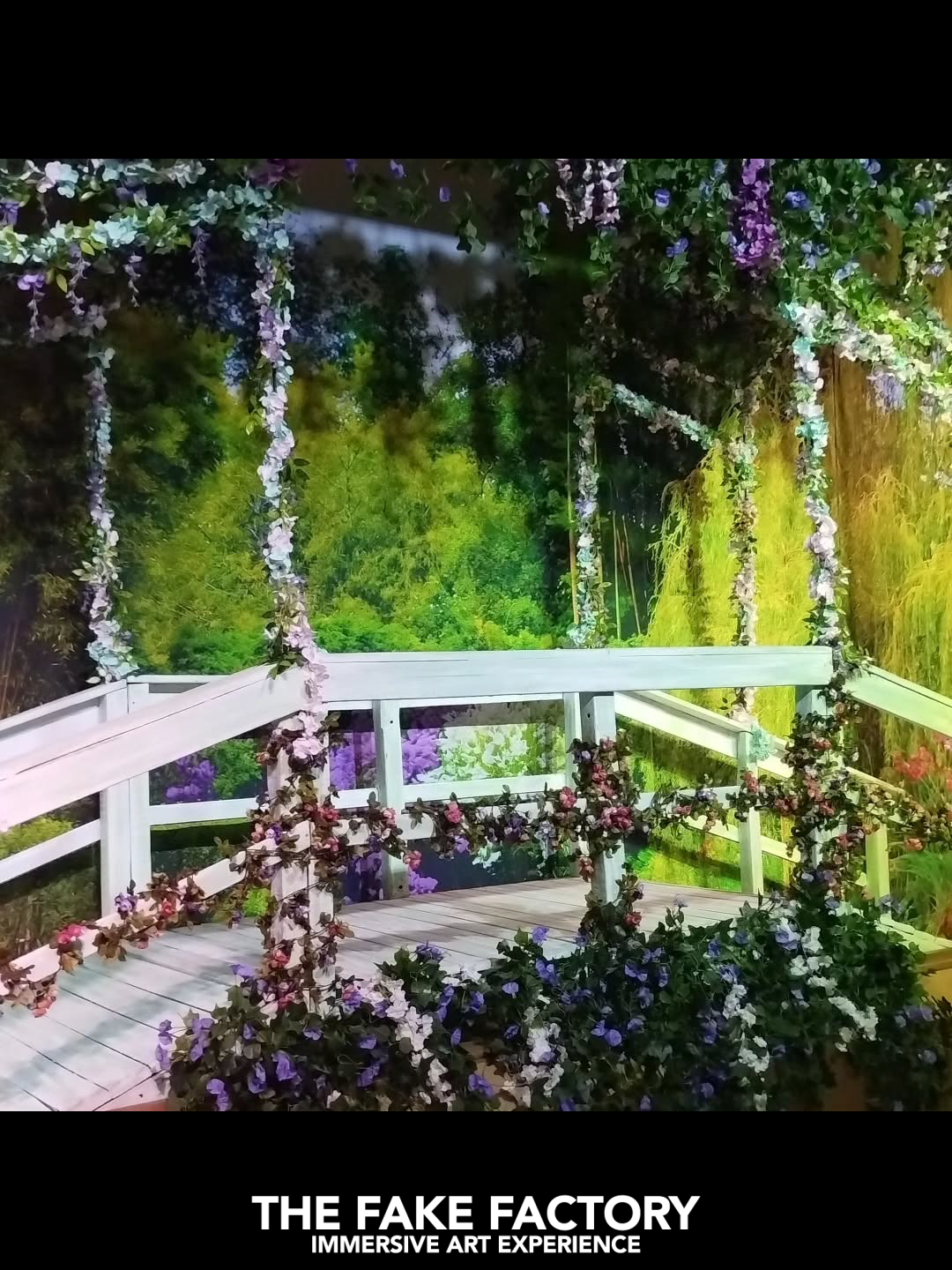
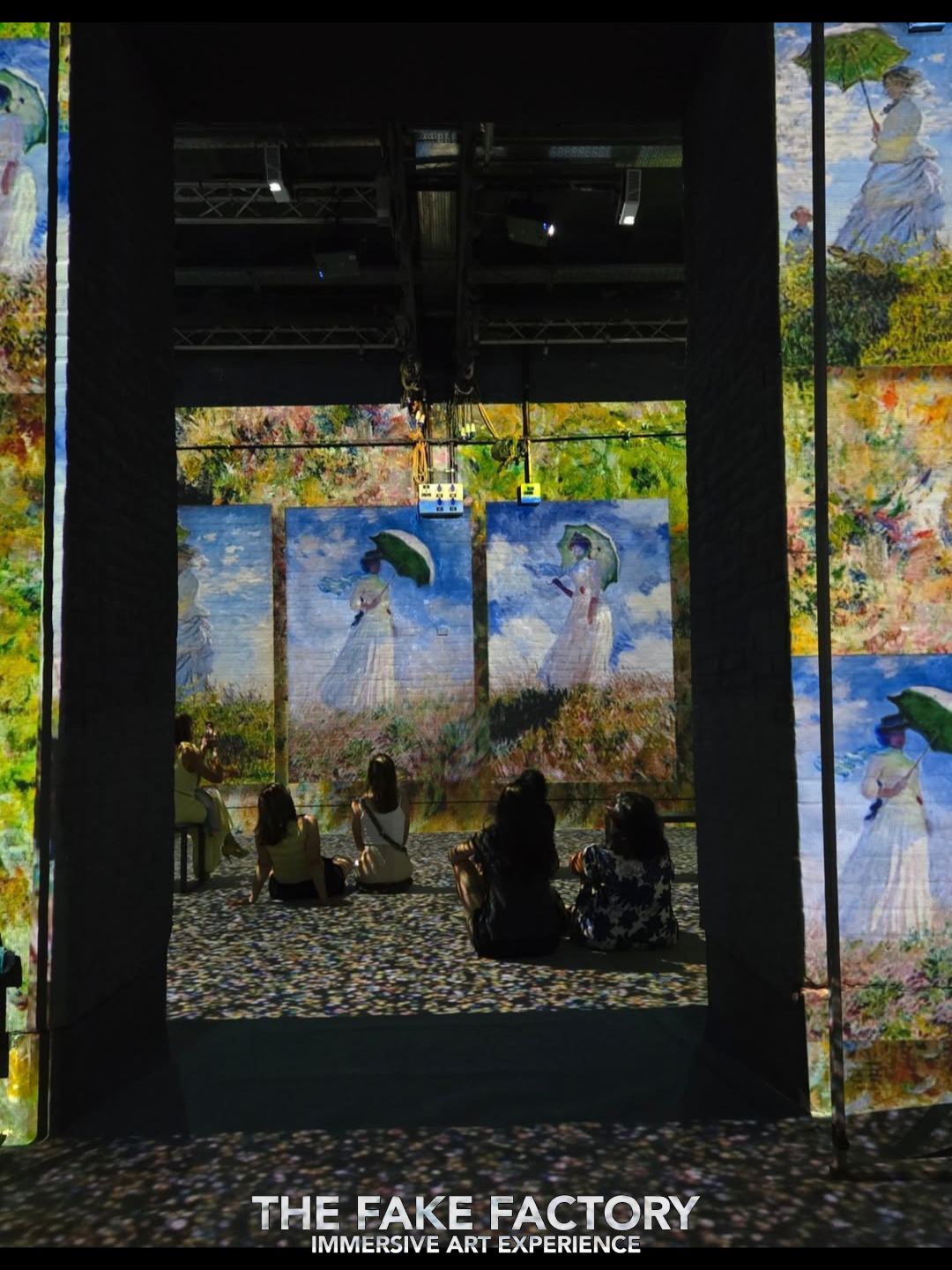
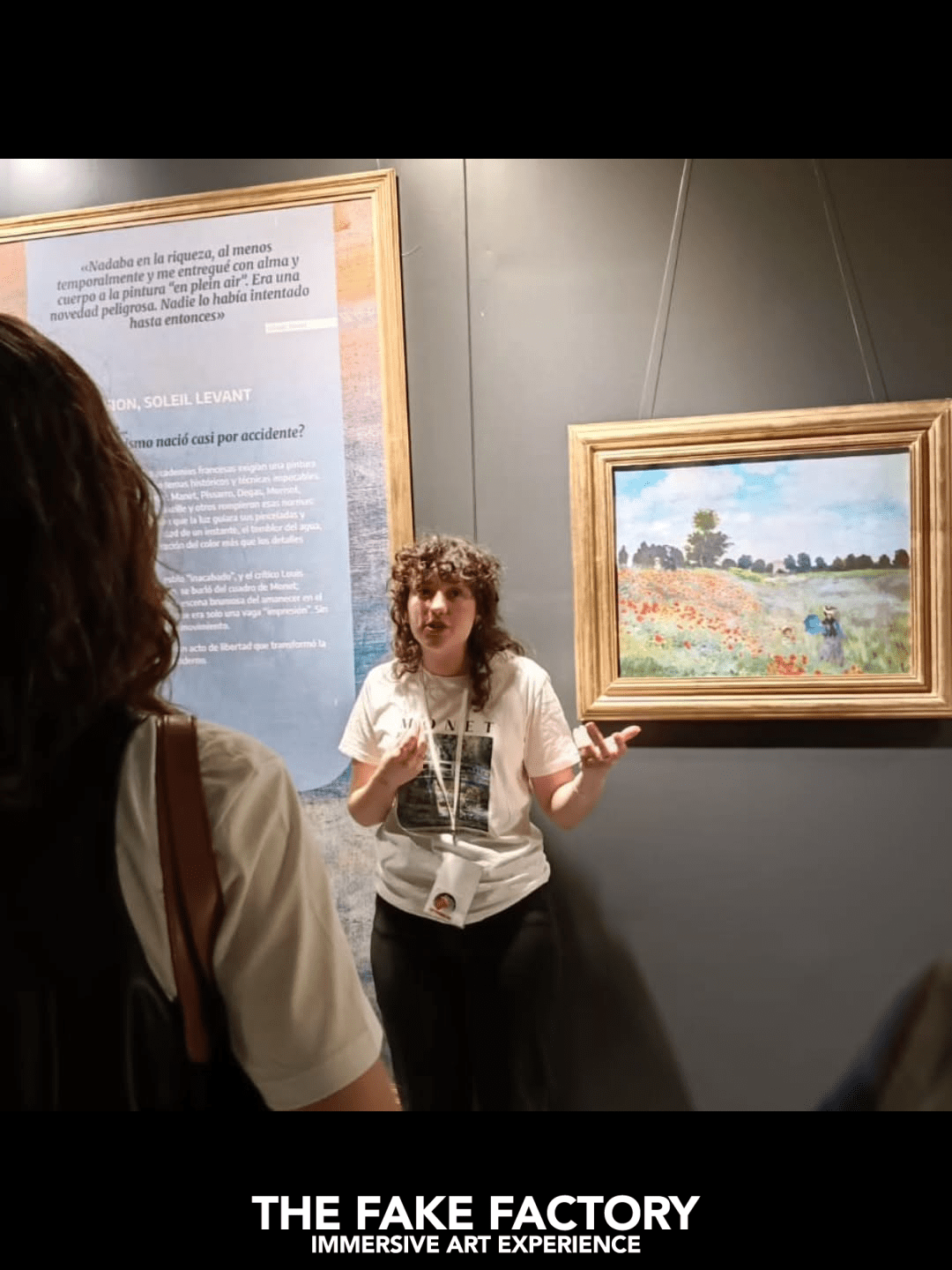
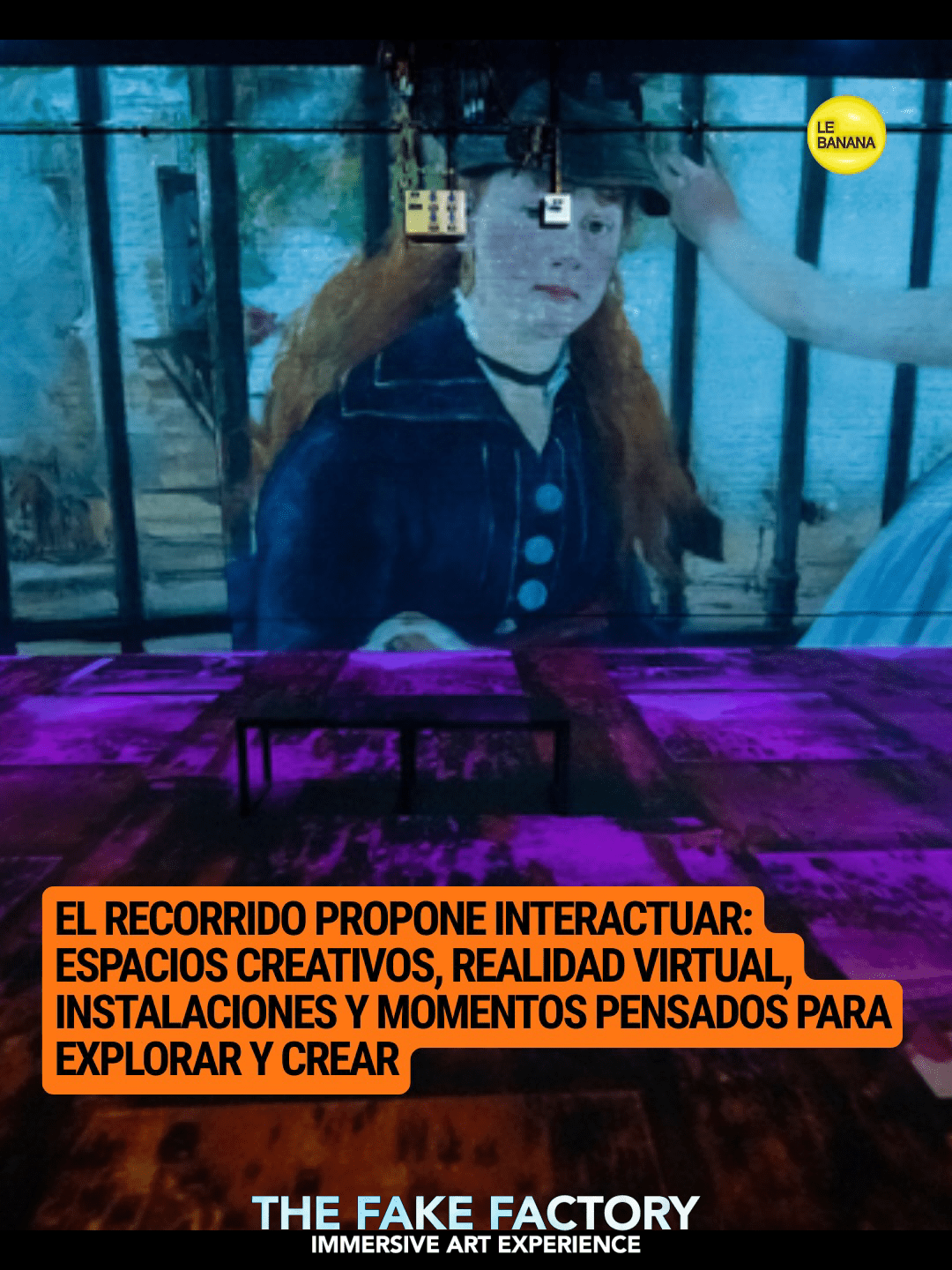
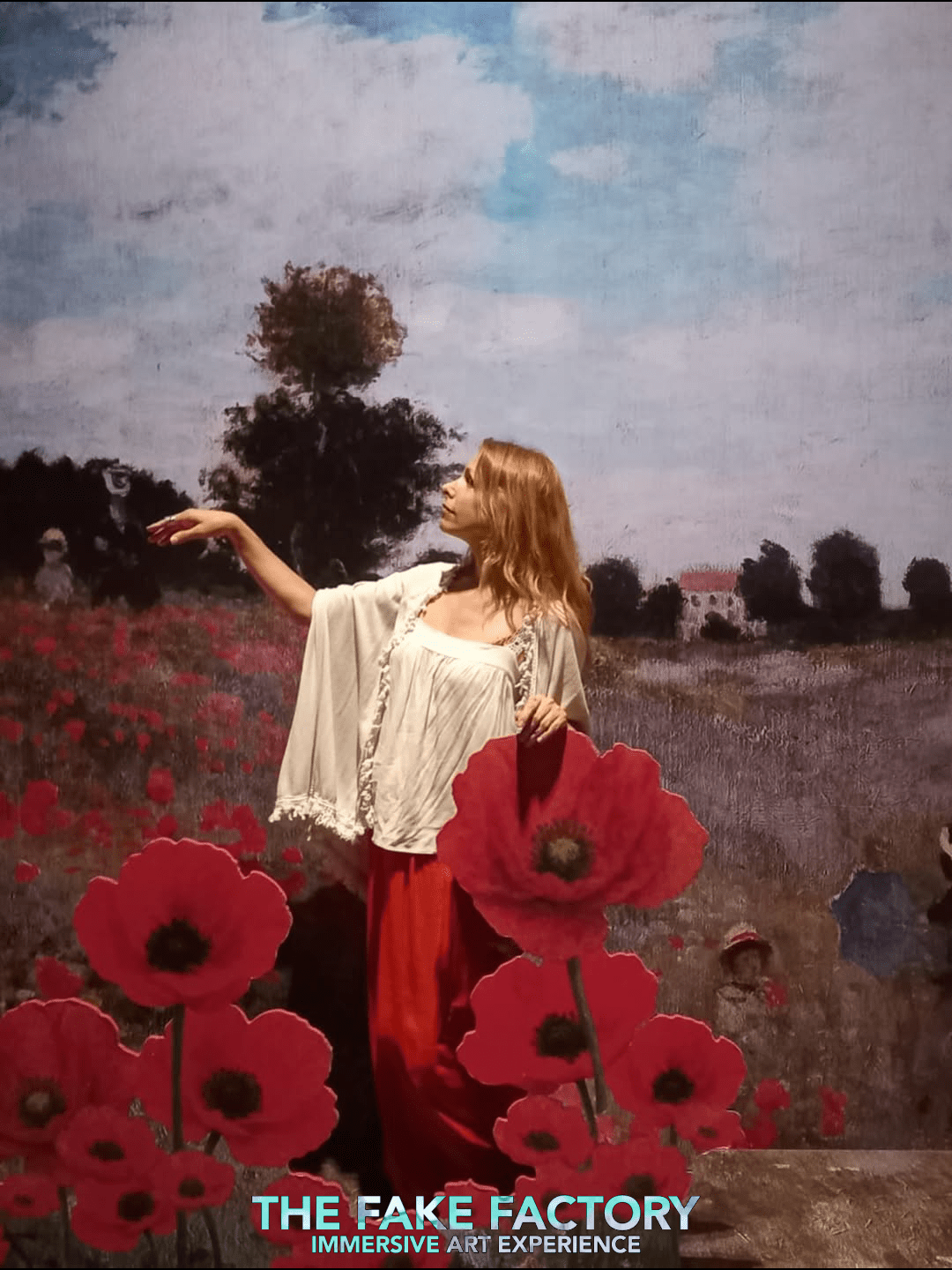
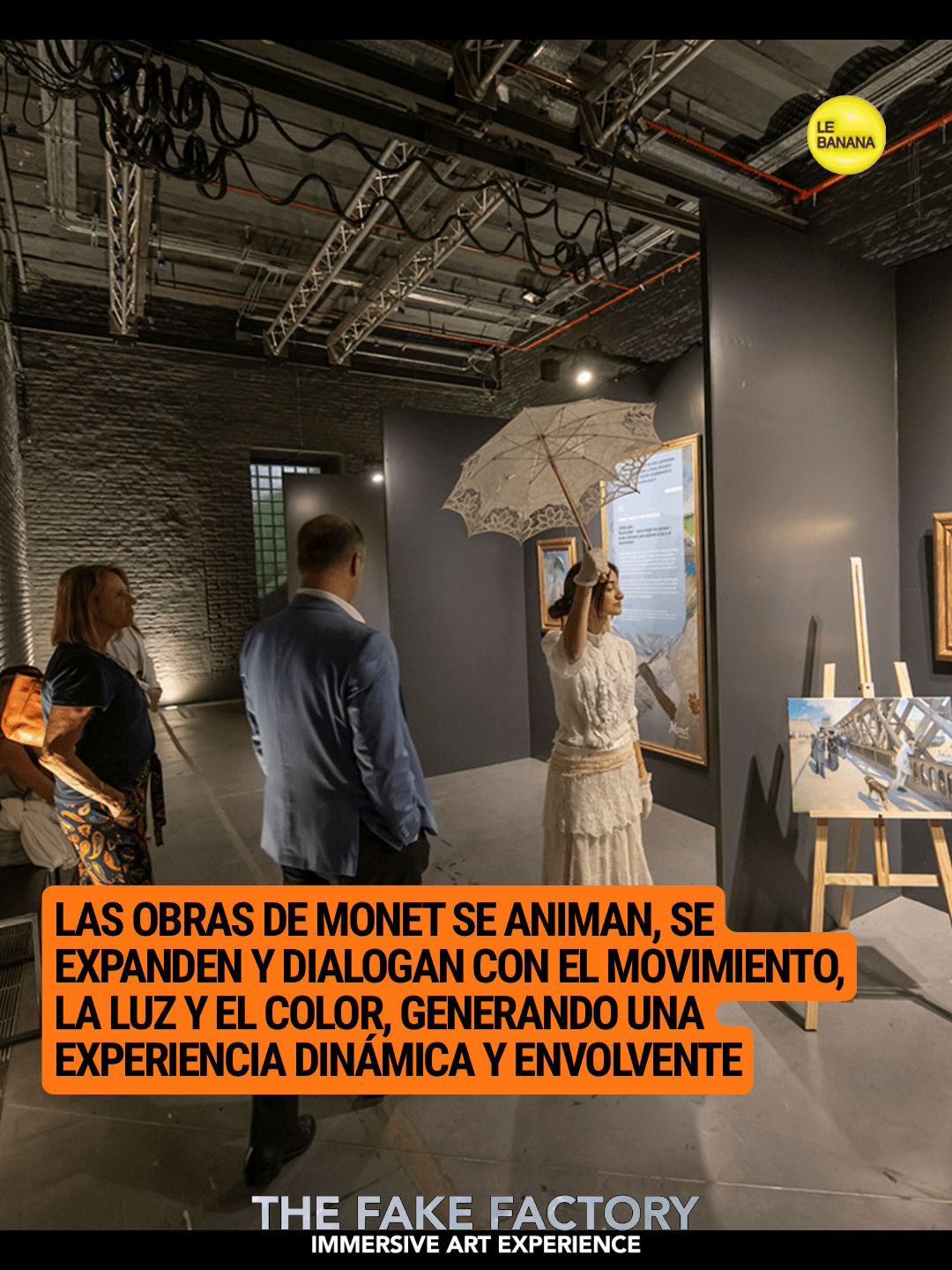
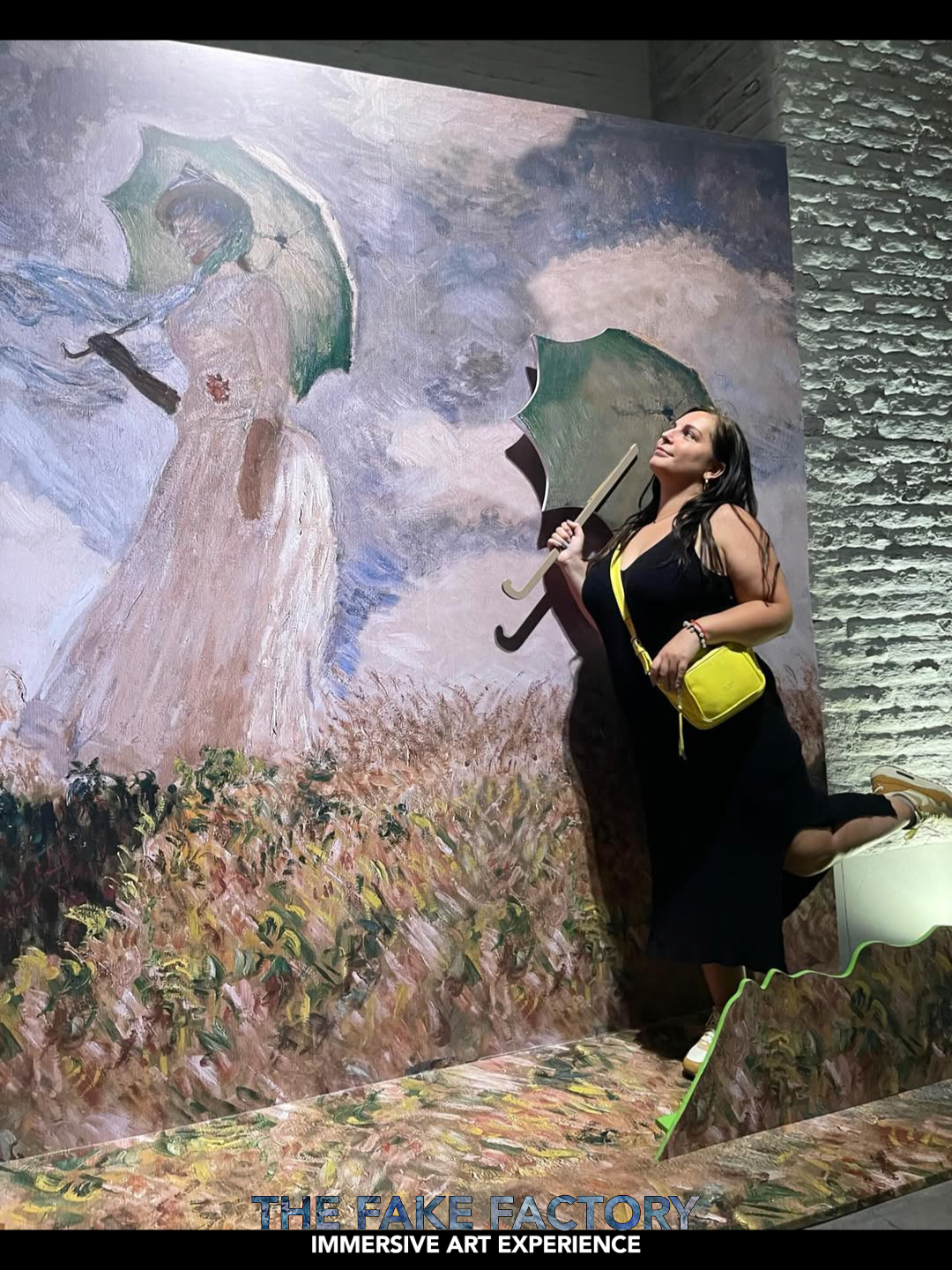
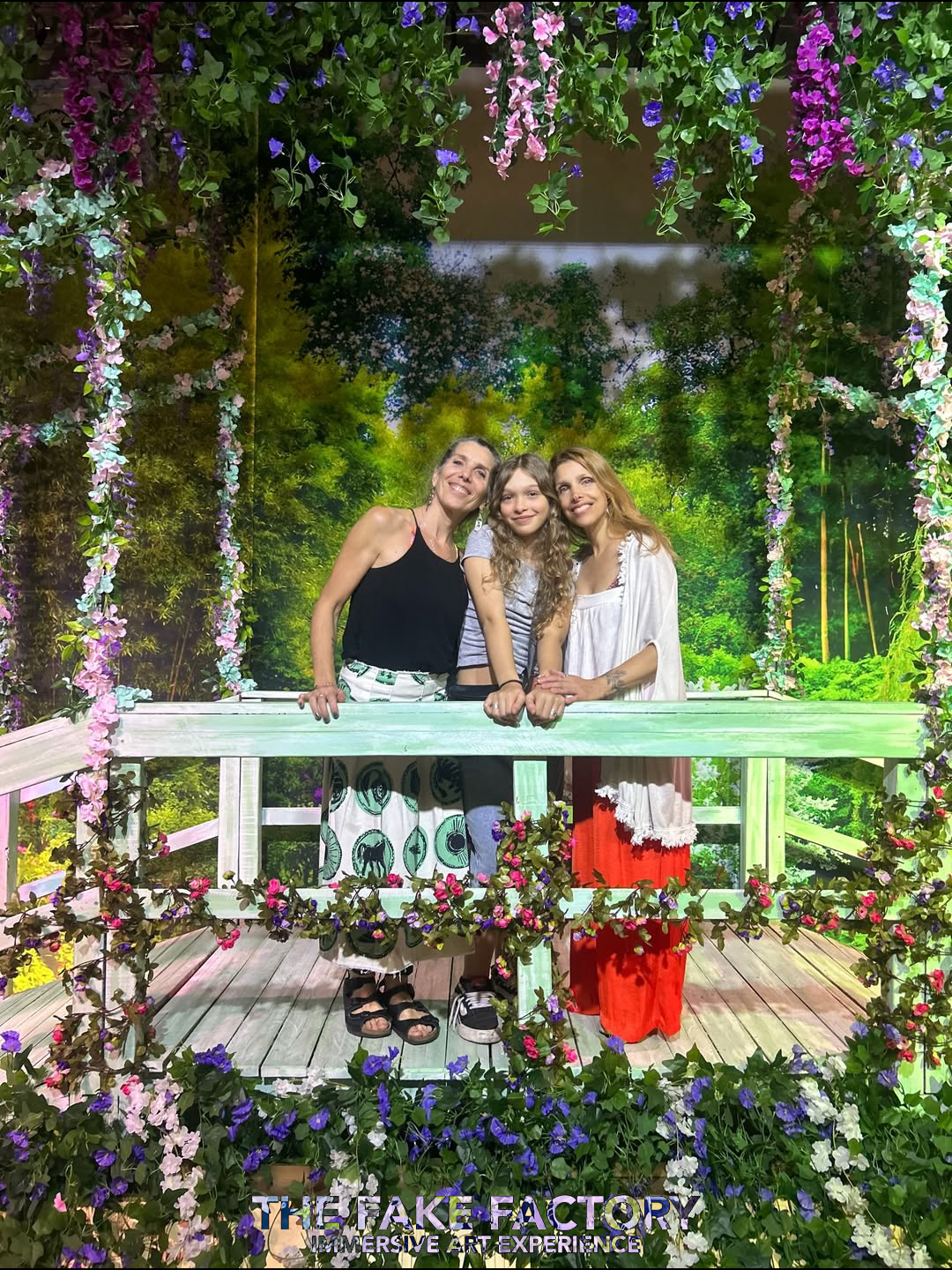
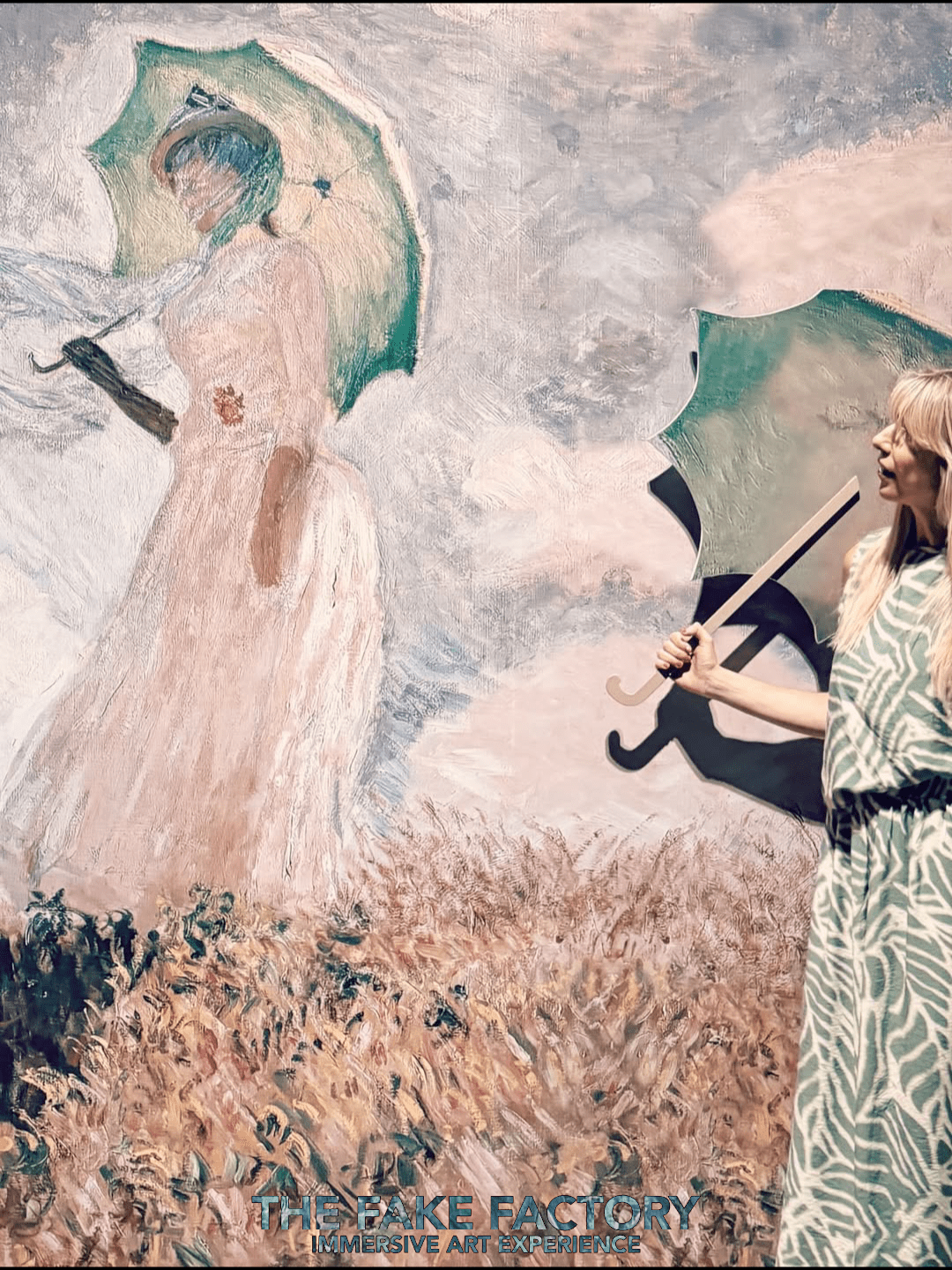
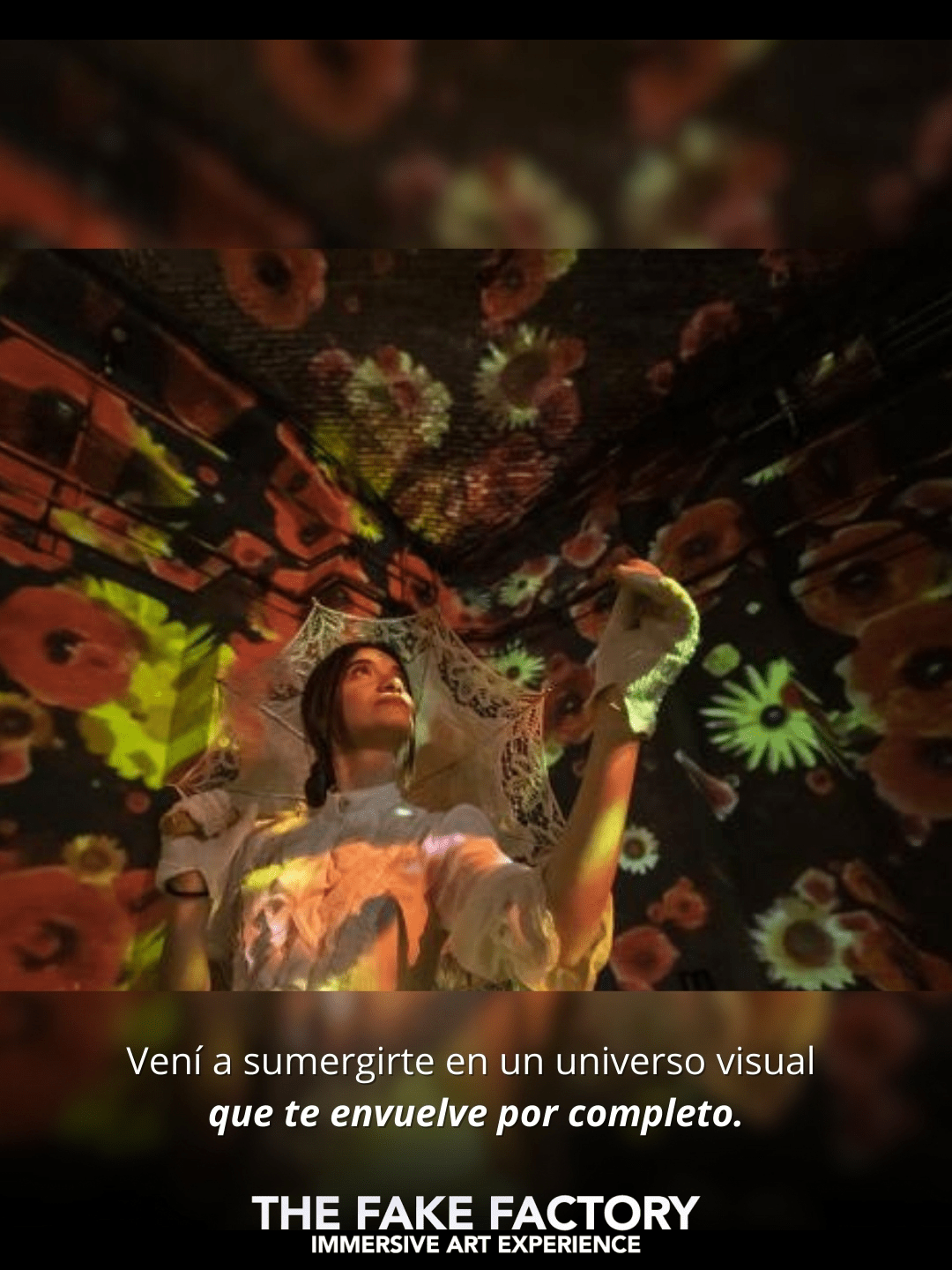
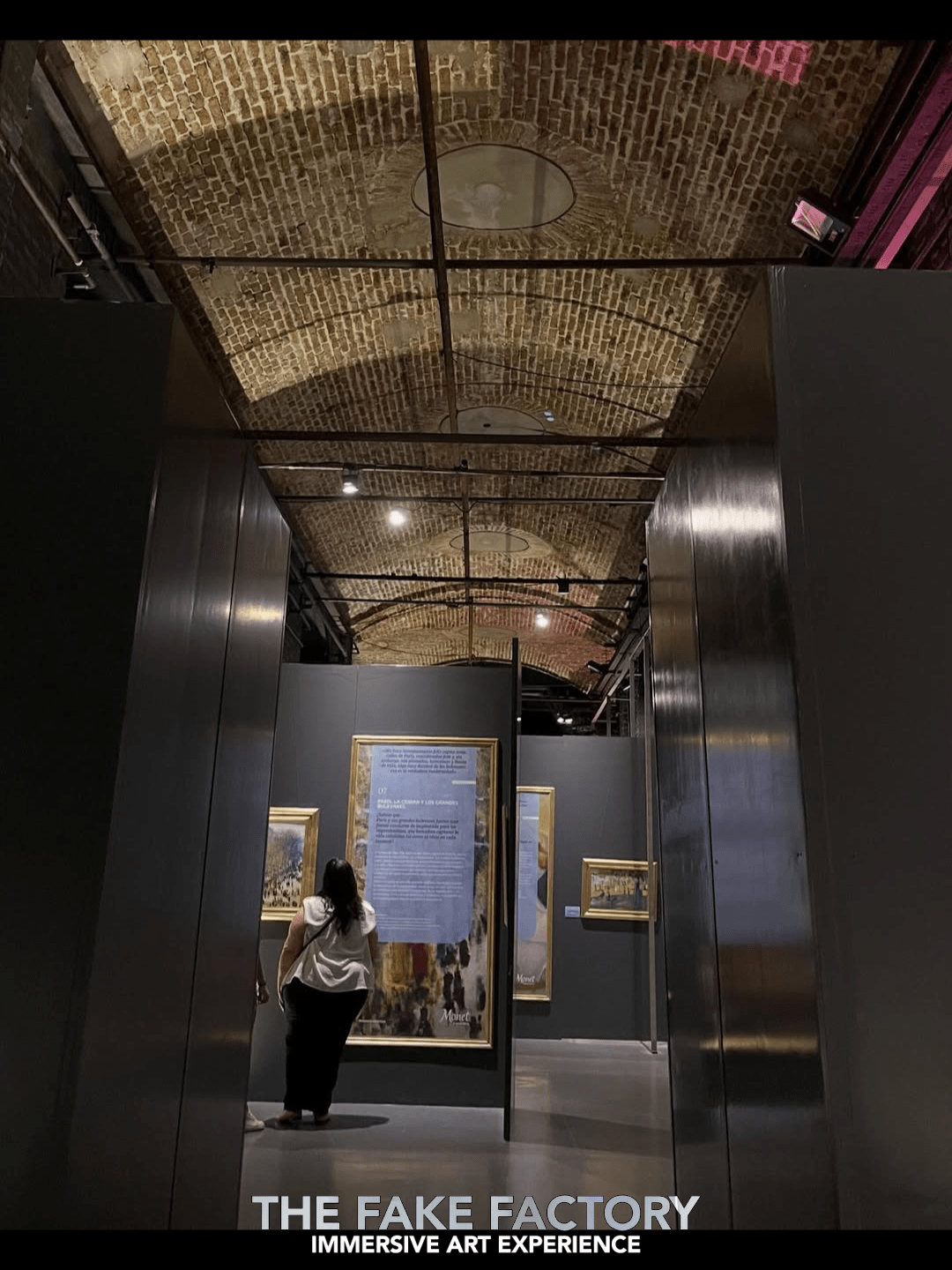
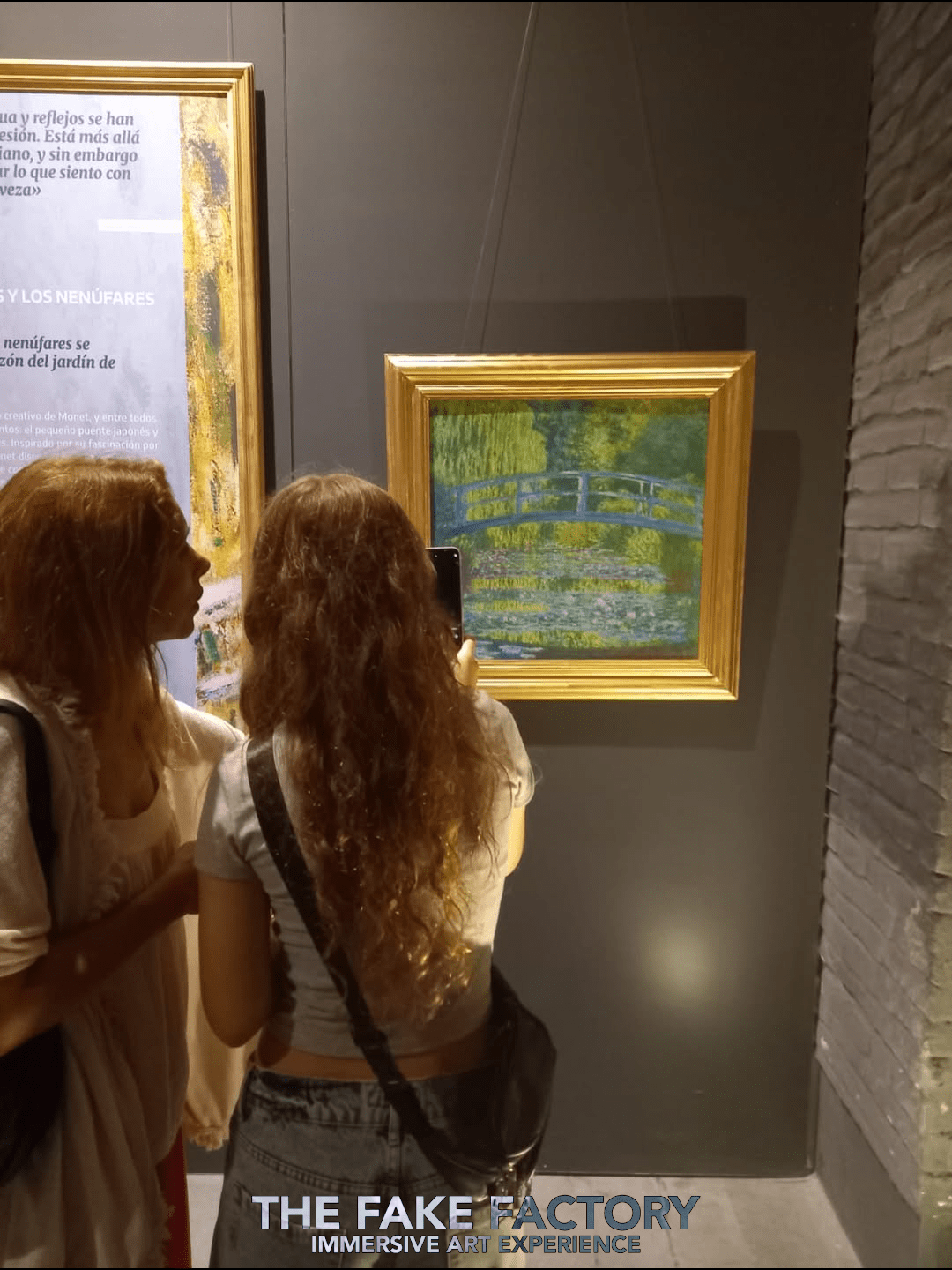
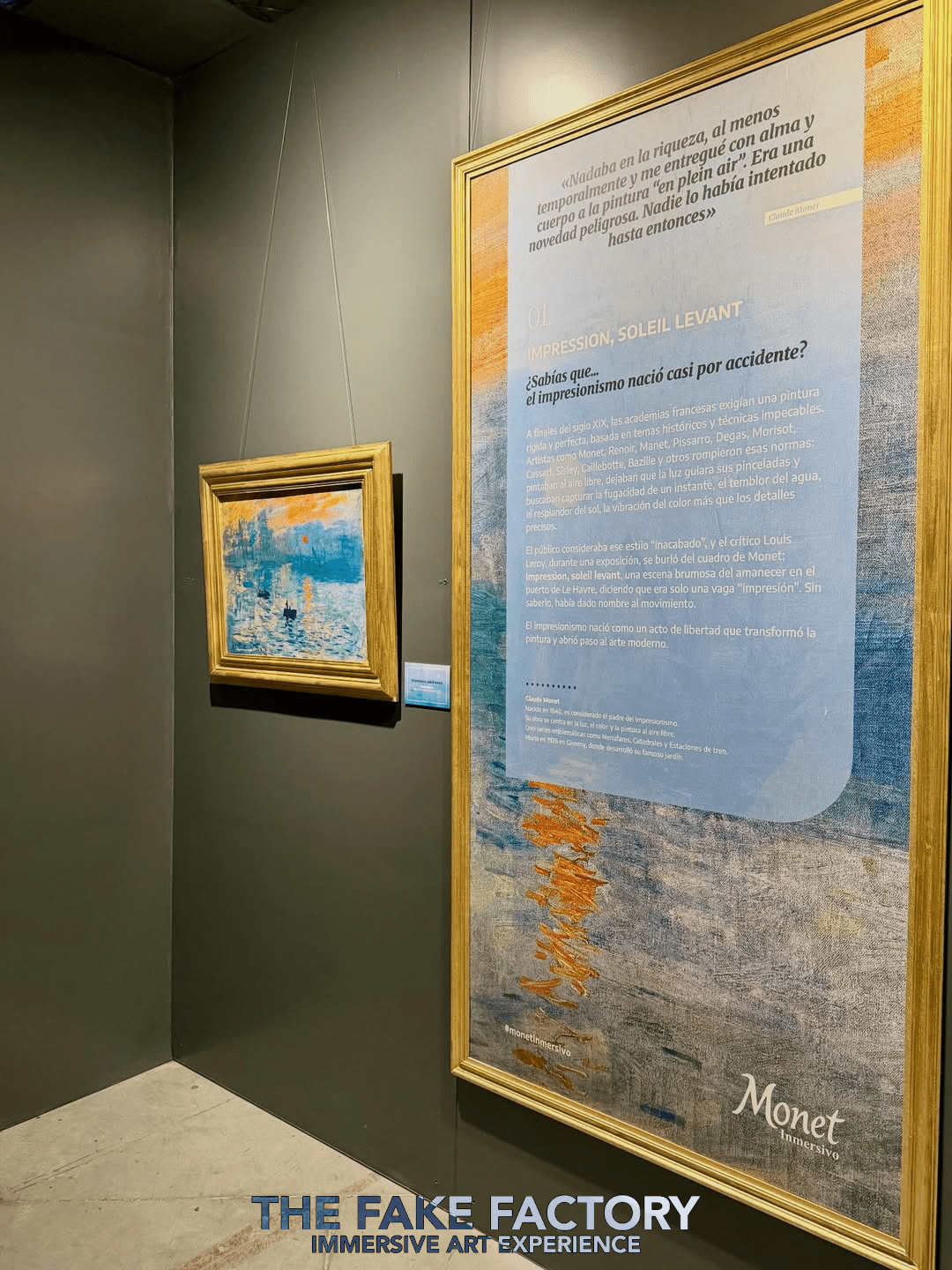
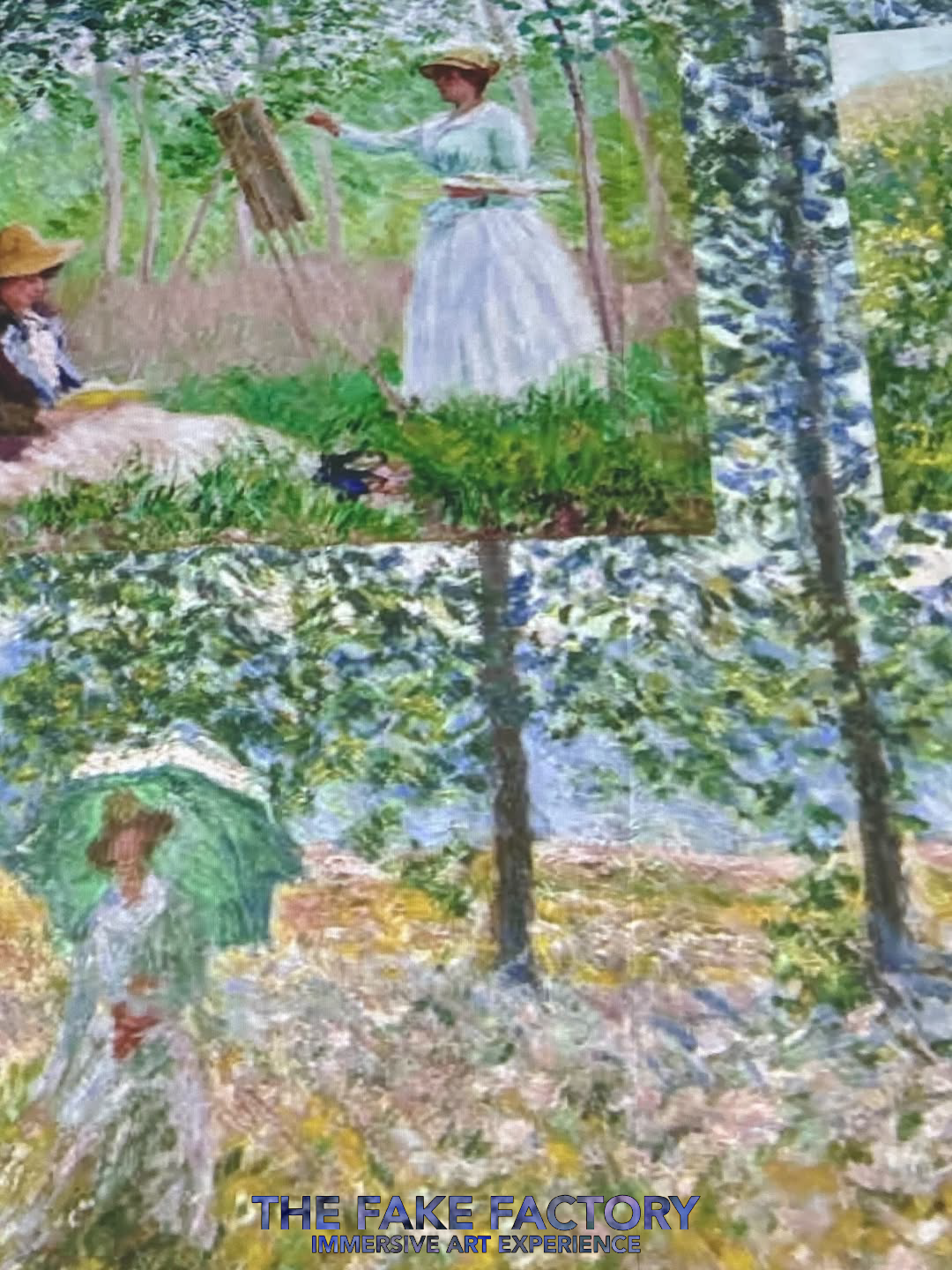
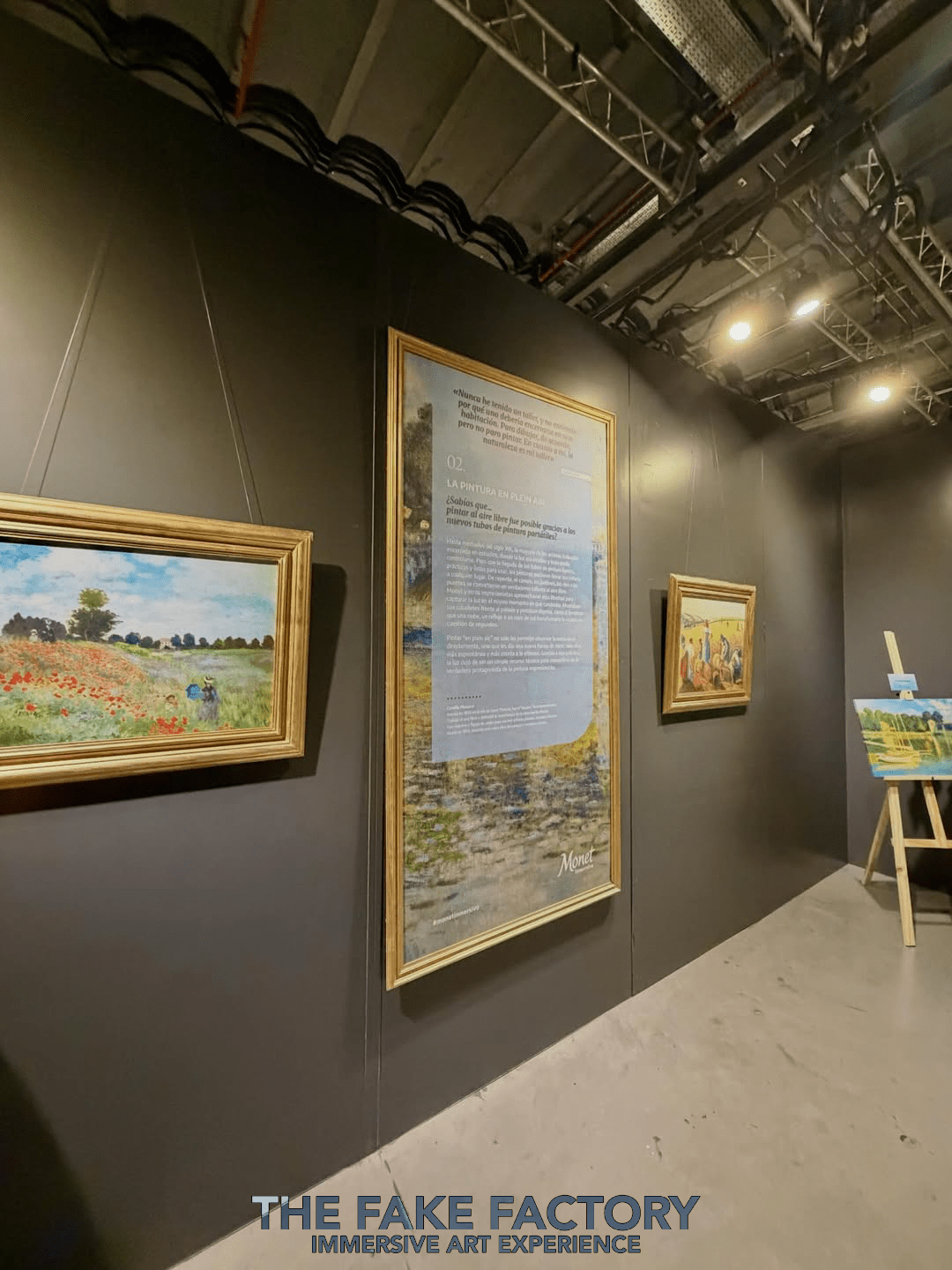
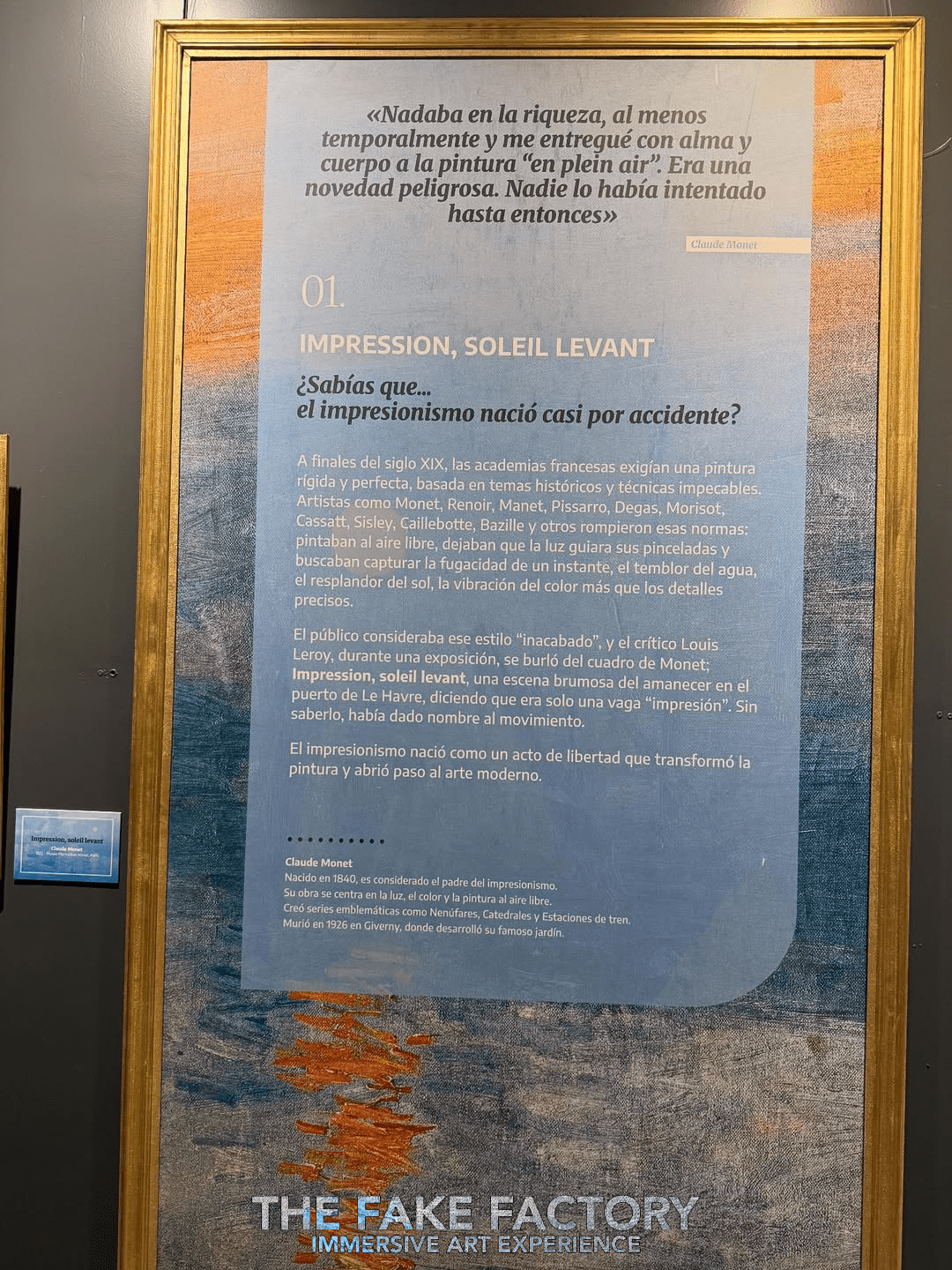
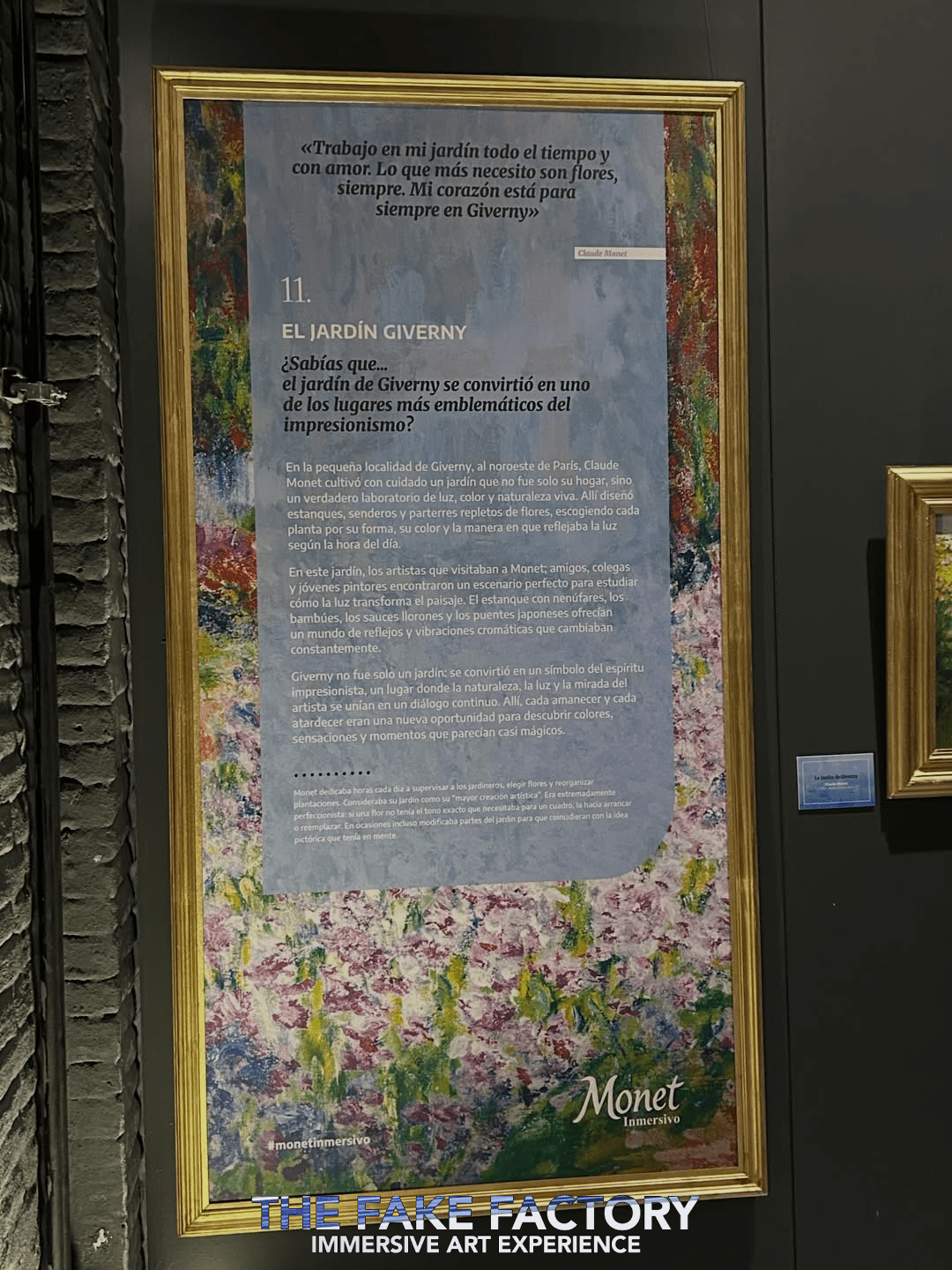
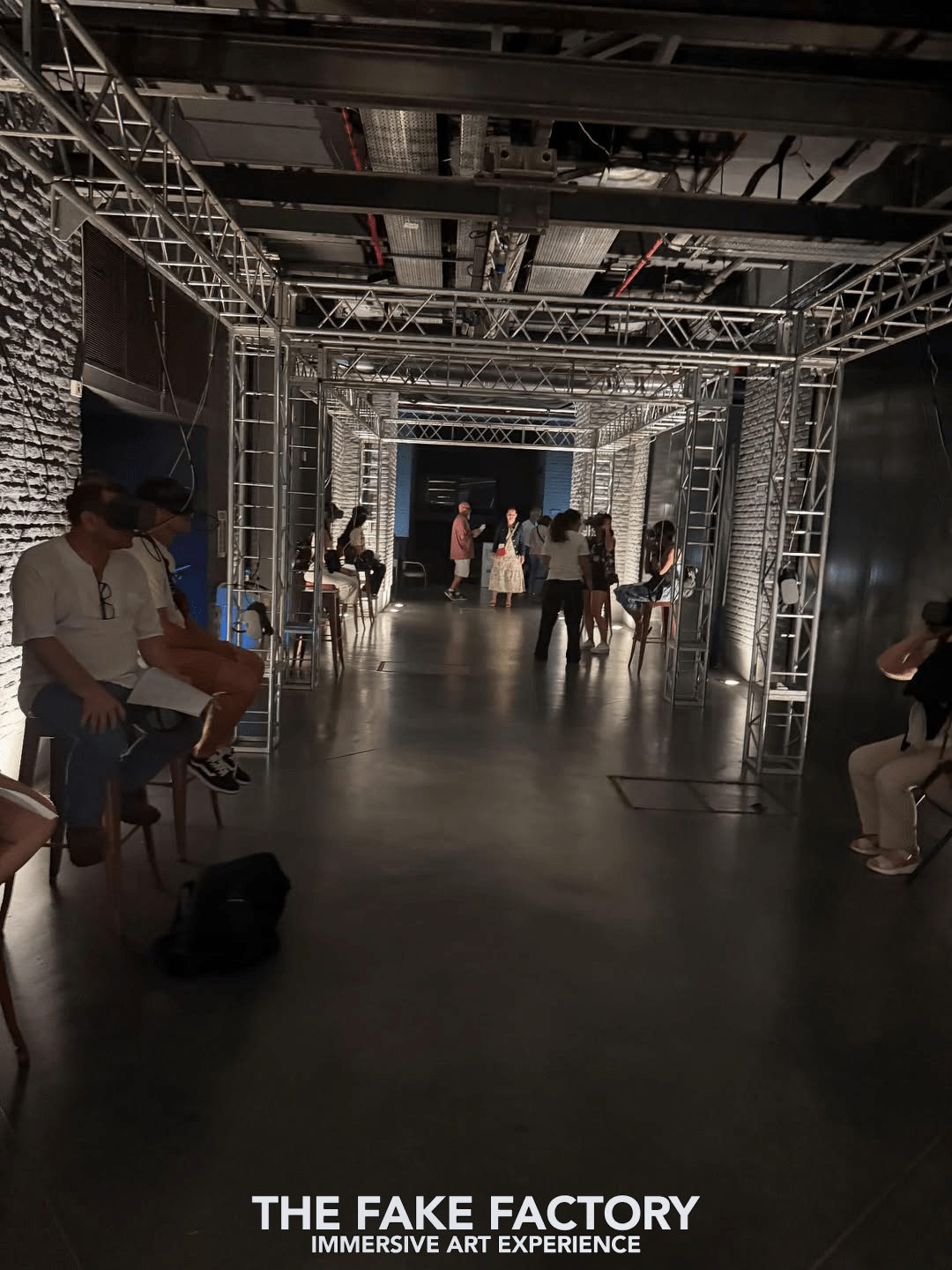
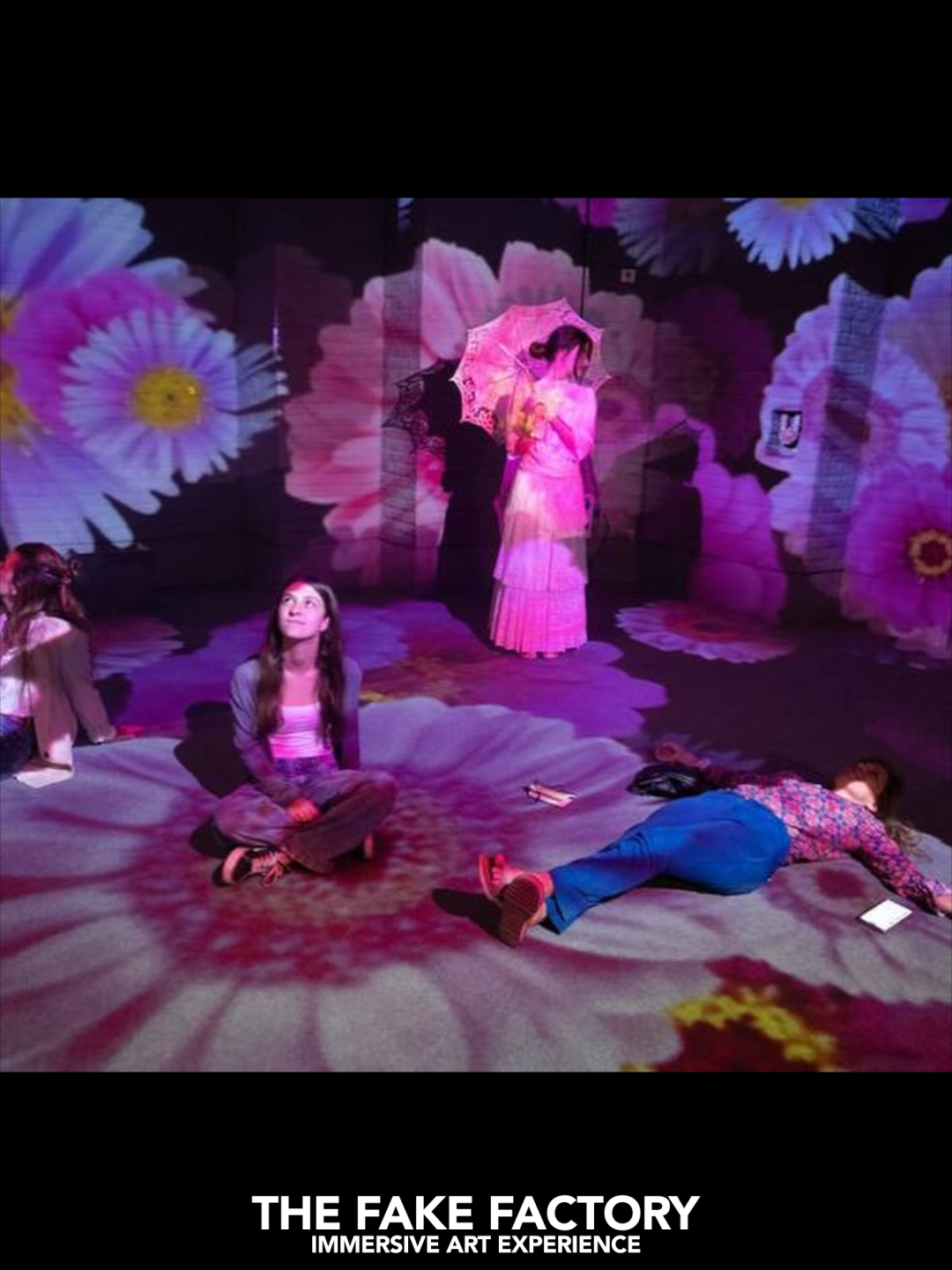
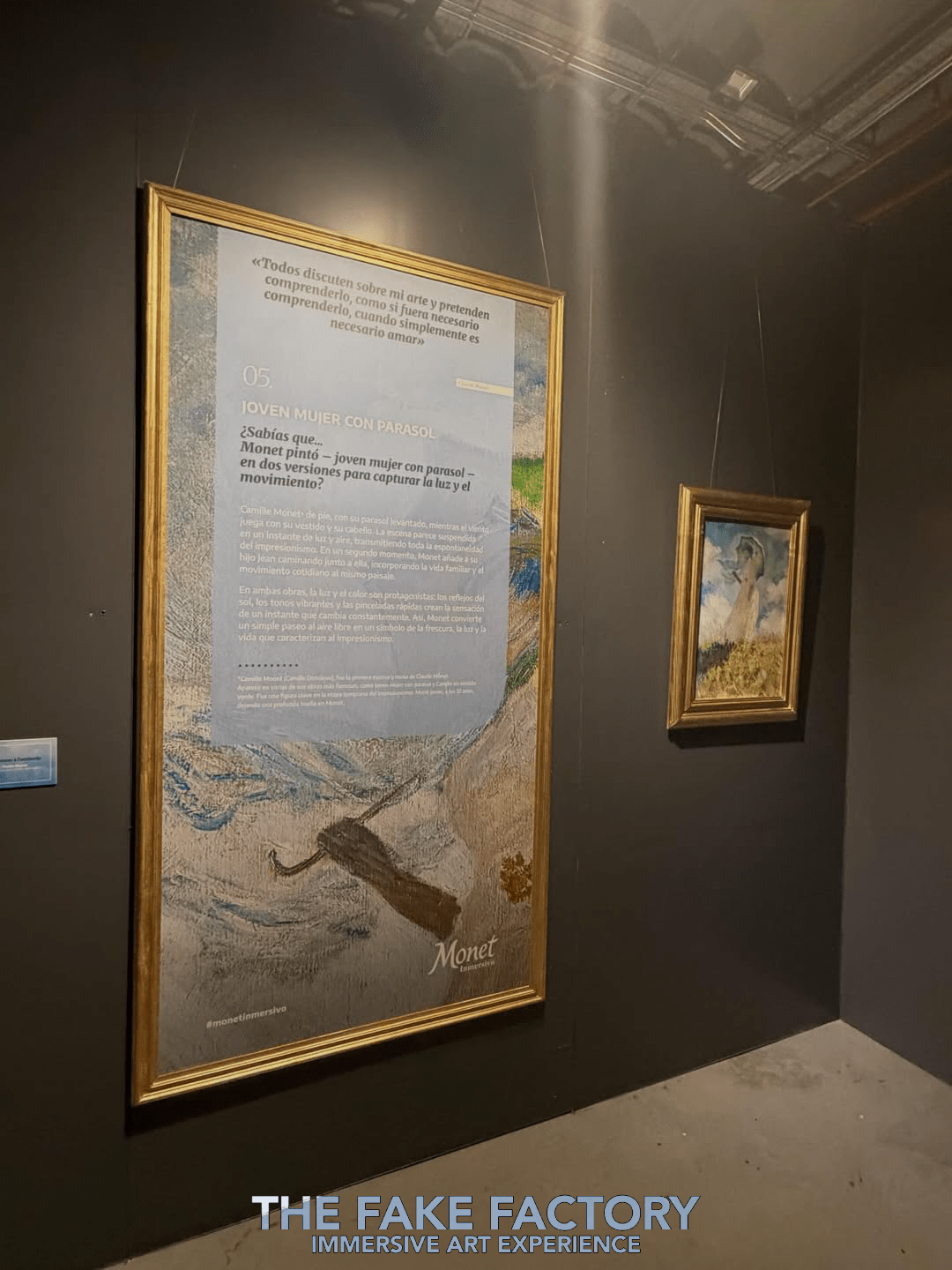
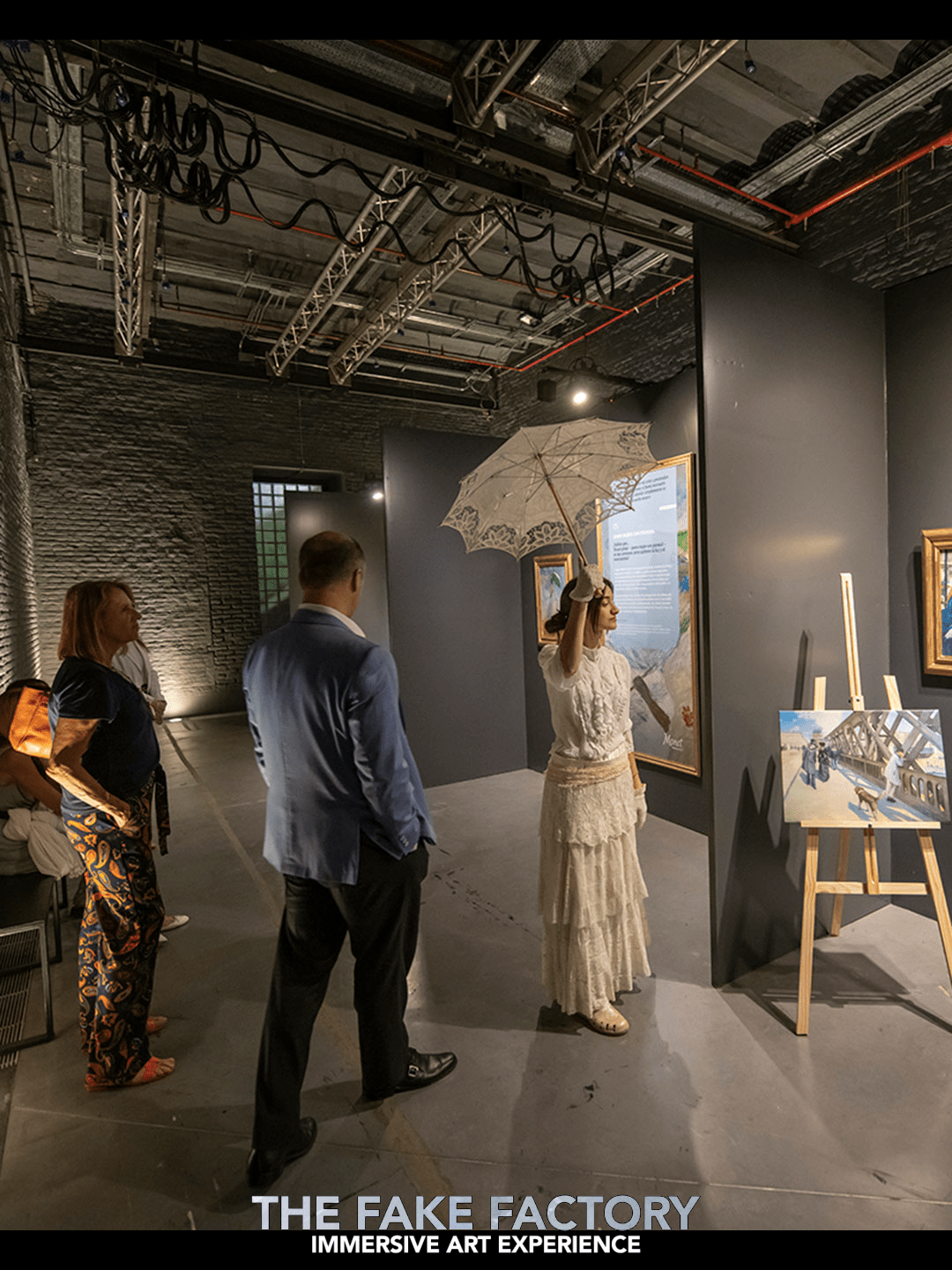
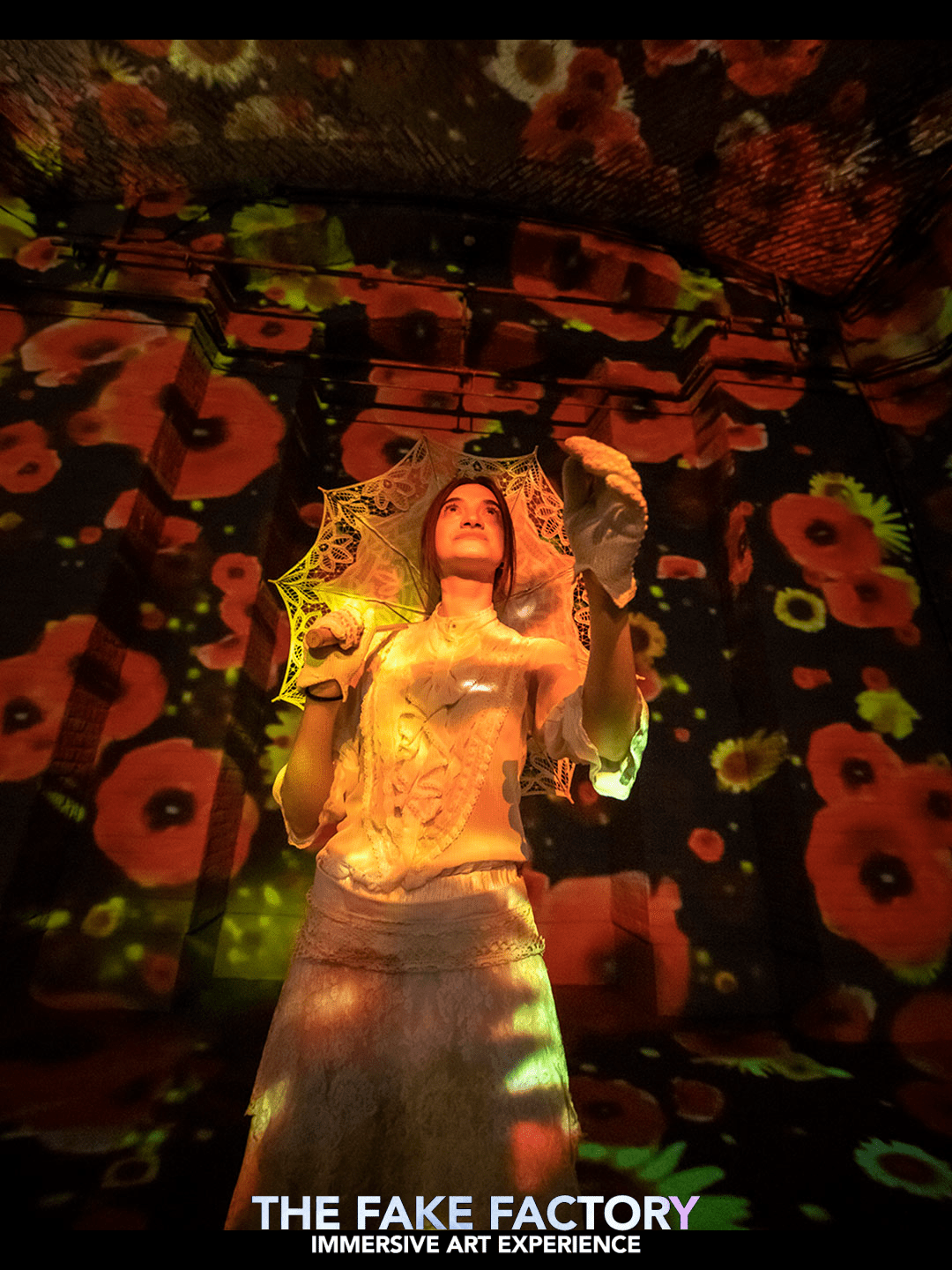
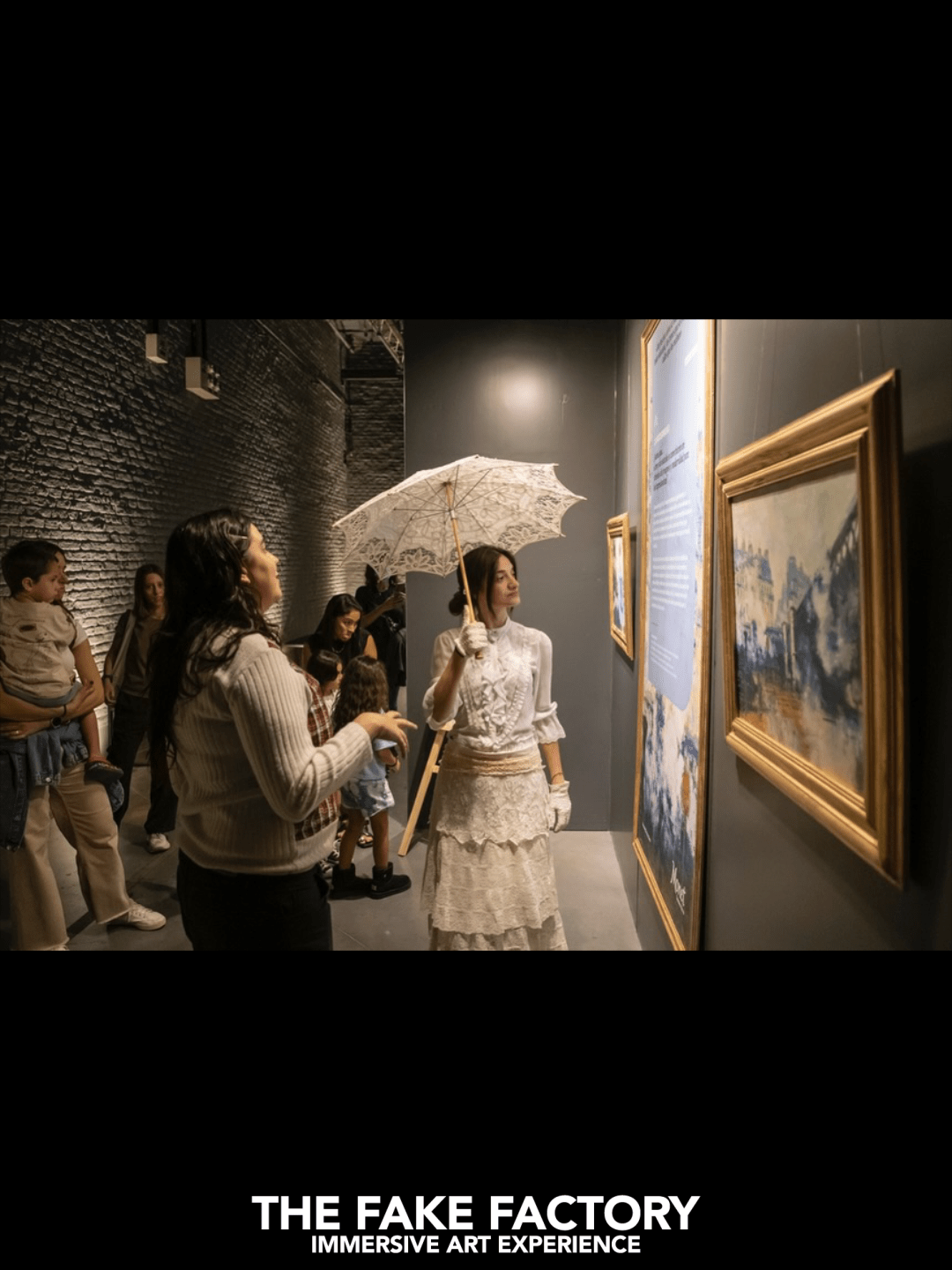
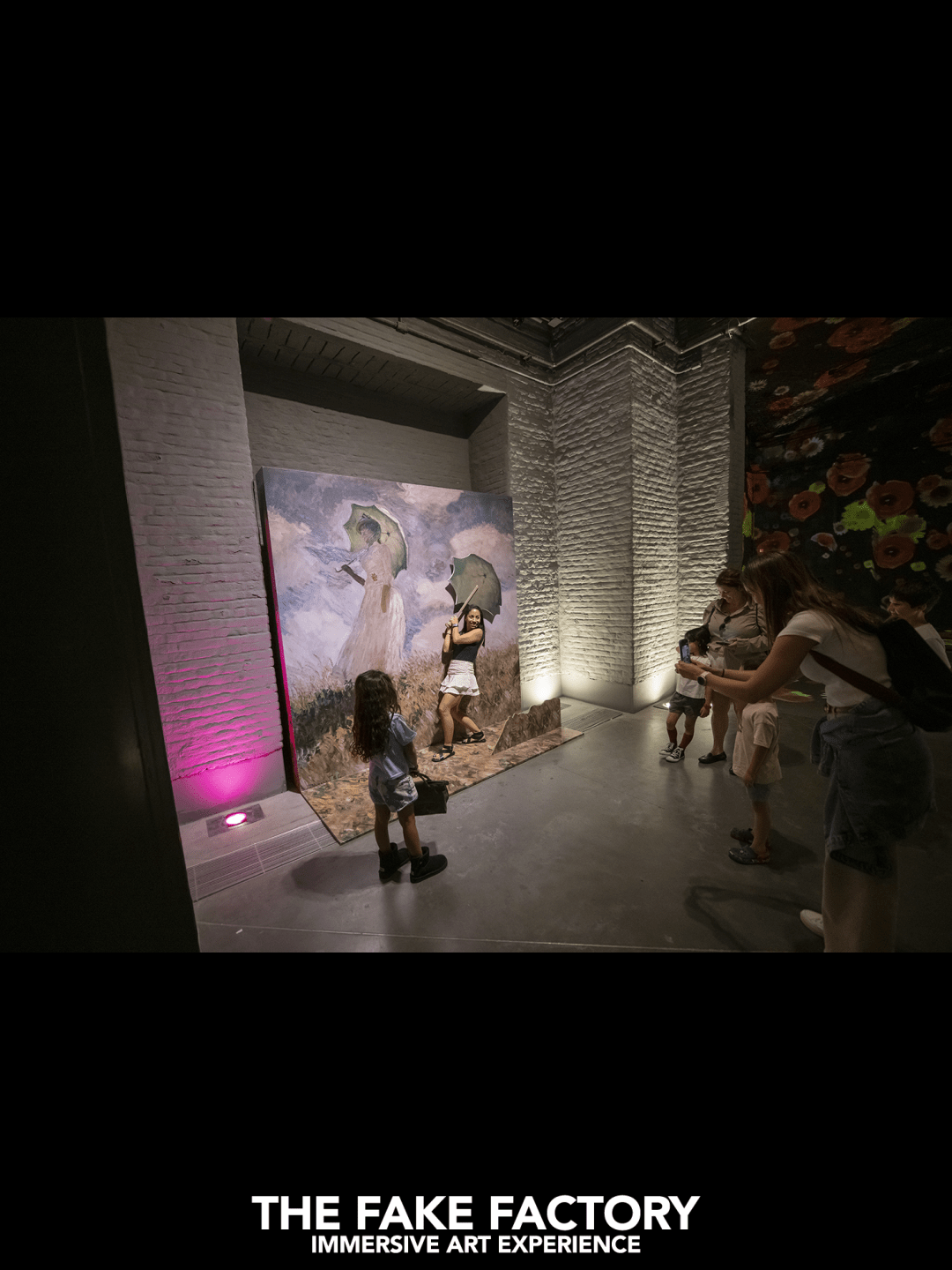
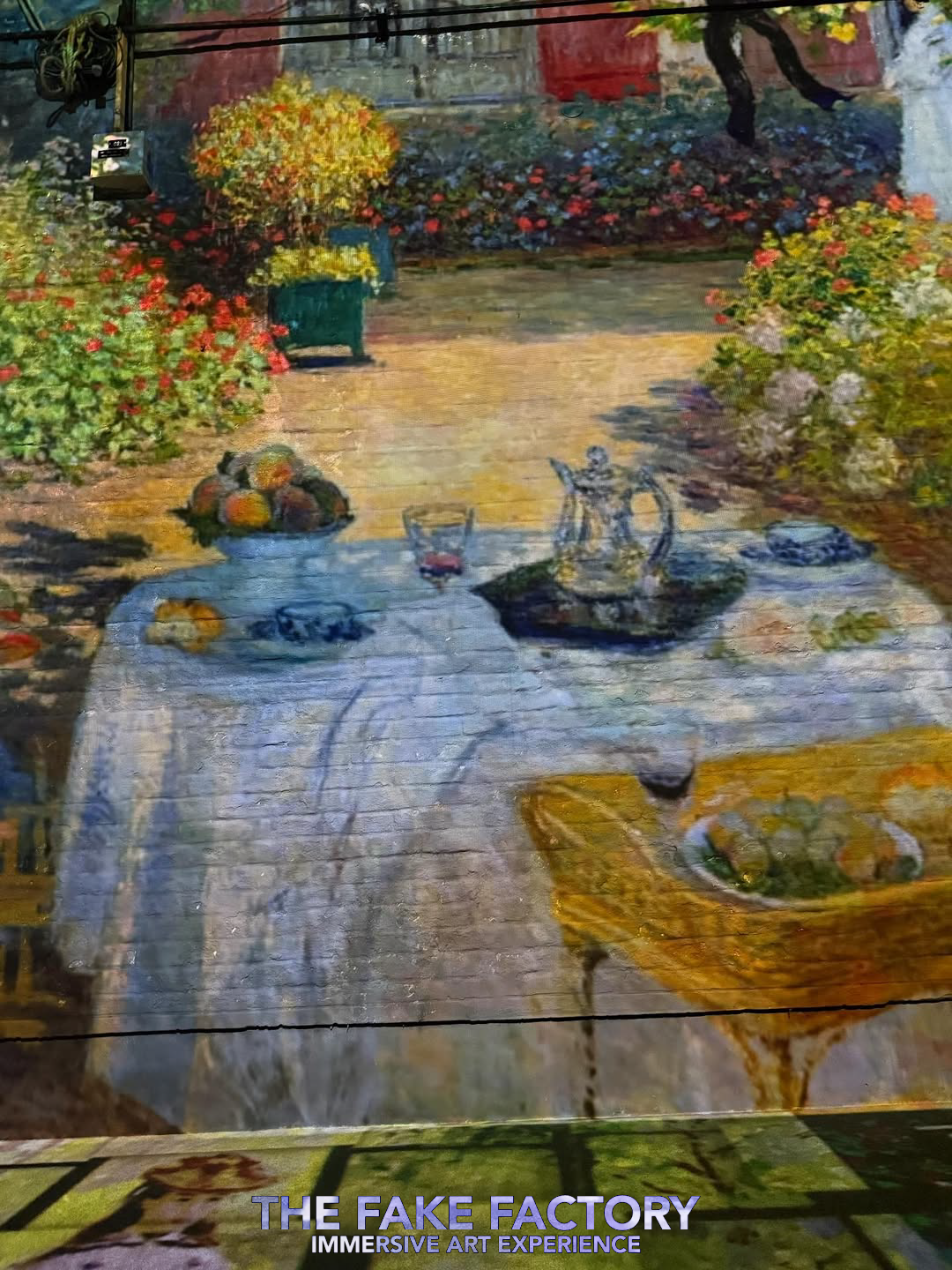
La exposición, en su conjunto, se configura como un recorrido que permite adentrarse progresivamente en el arte impresionista. Comienza con una sección didáctica que presenta diversas reproducciones a escala de las obras más importantes de Monet y del movimiento impresionista. A continuación, se proponen dispositivos escenográficos que permiten interactuar con los elementos constitutivos de algunas de las obras más icónicas, como el puente japonés o la mujer con sombrilla.
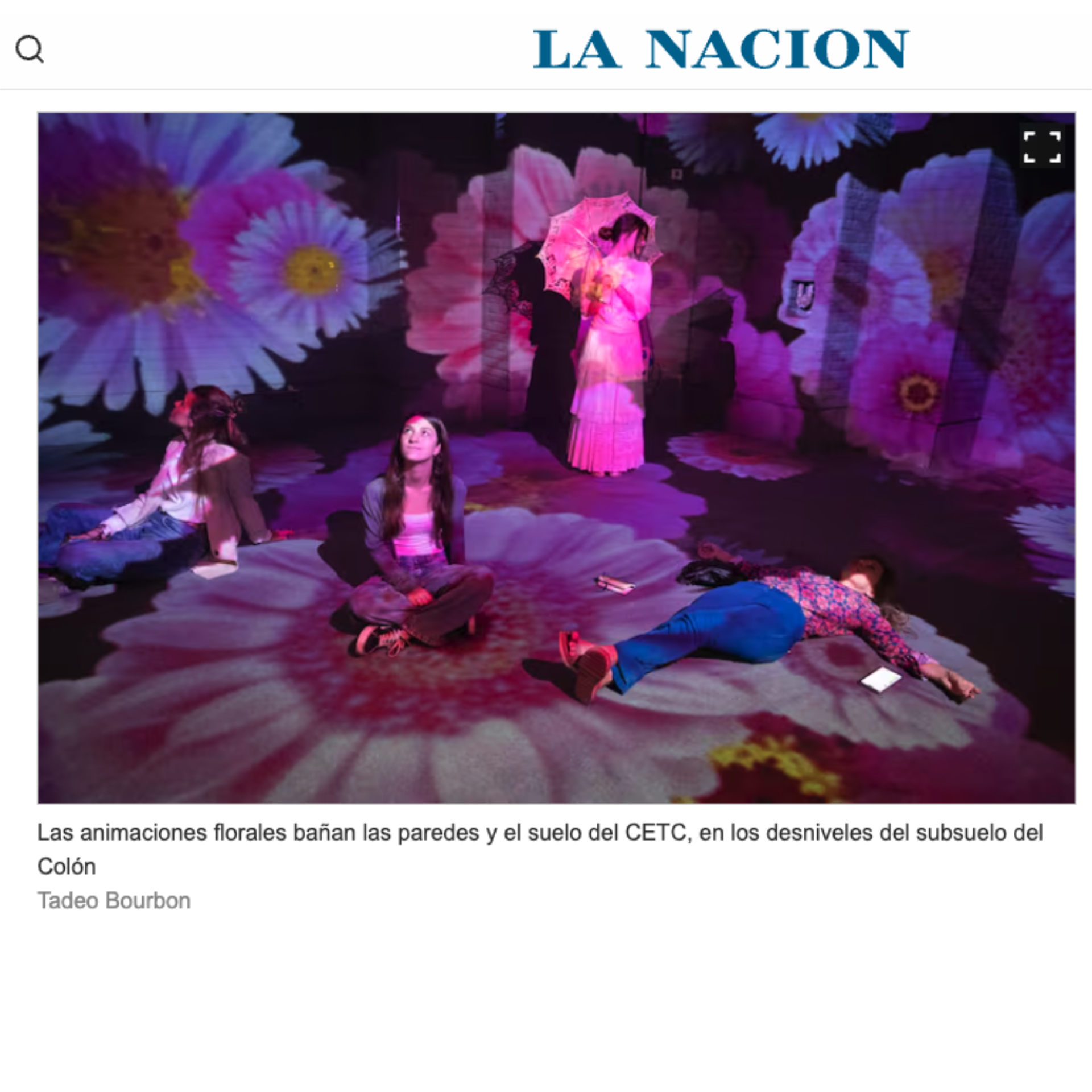
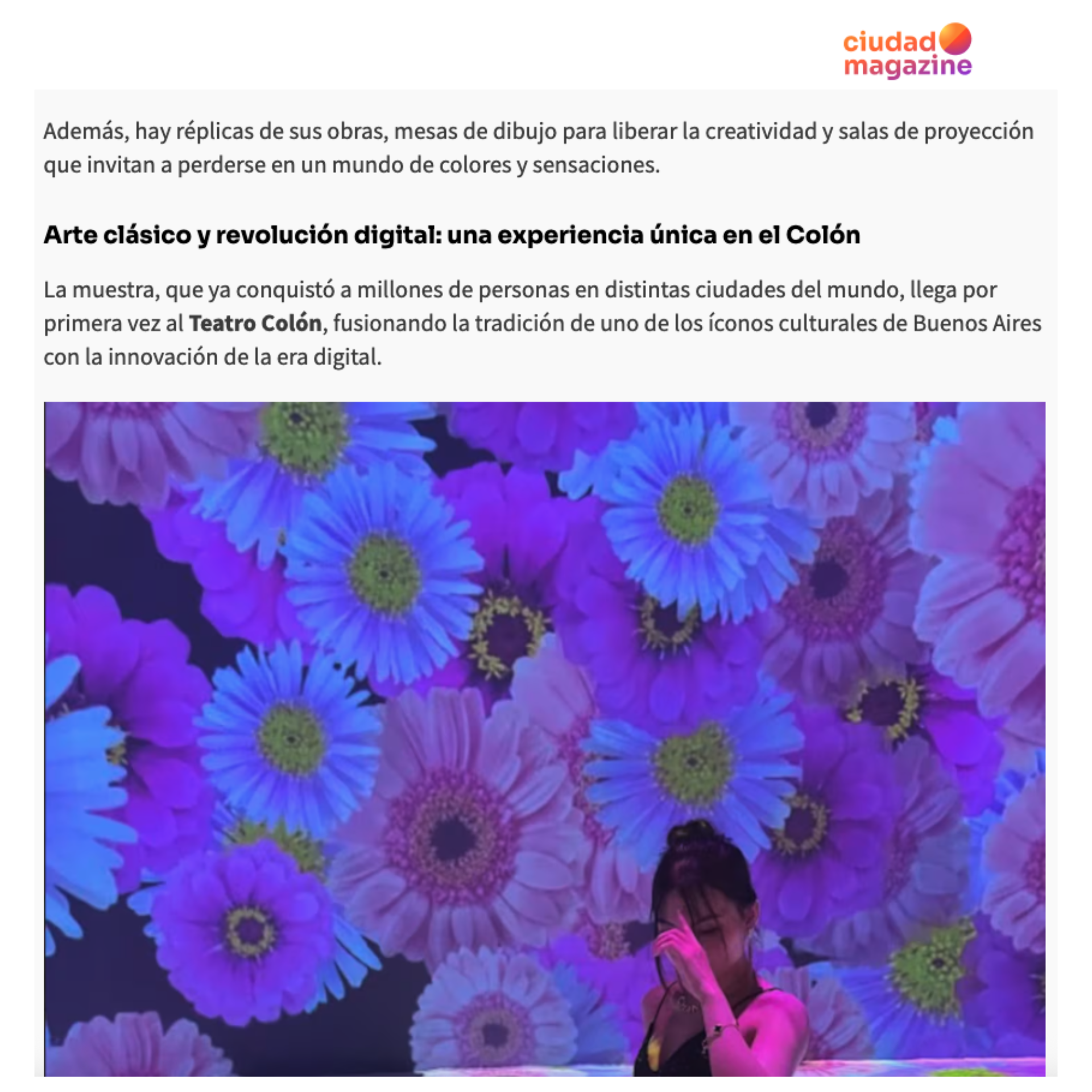
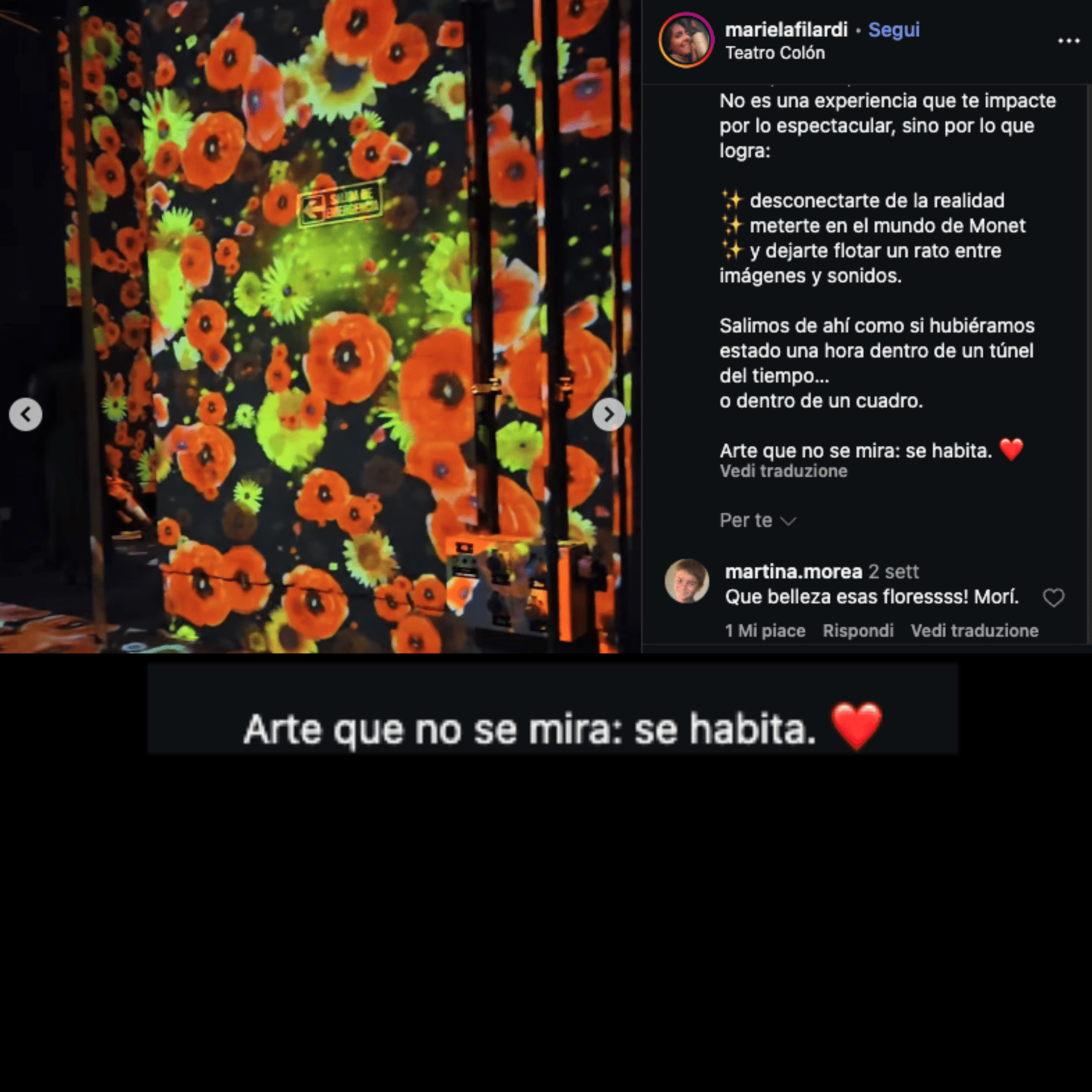
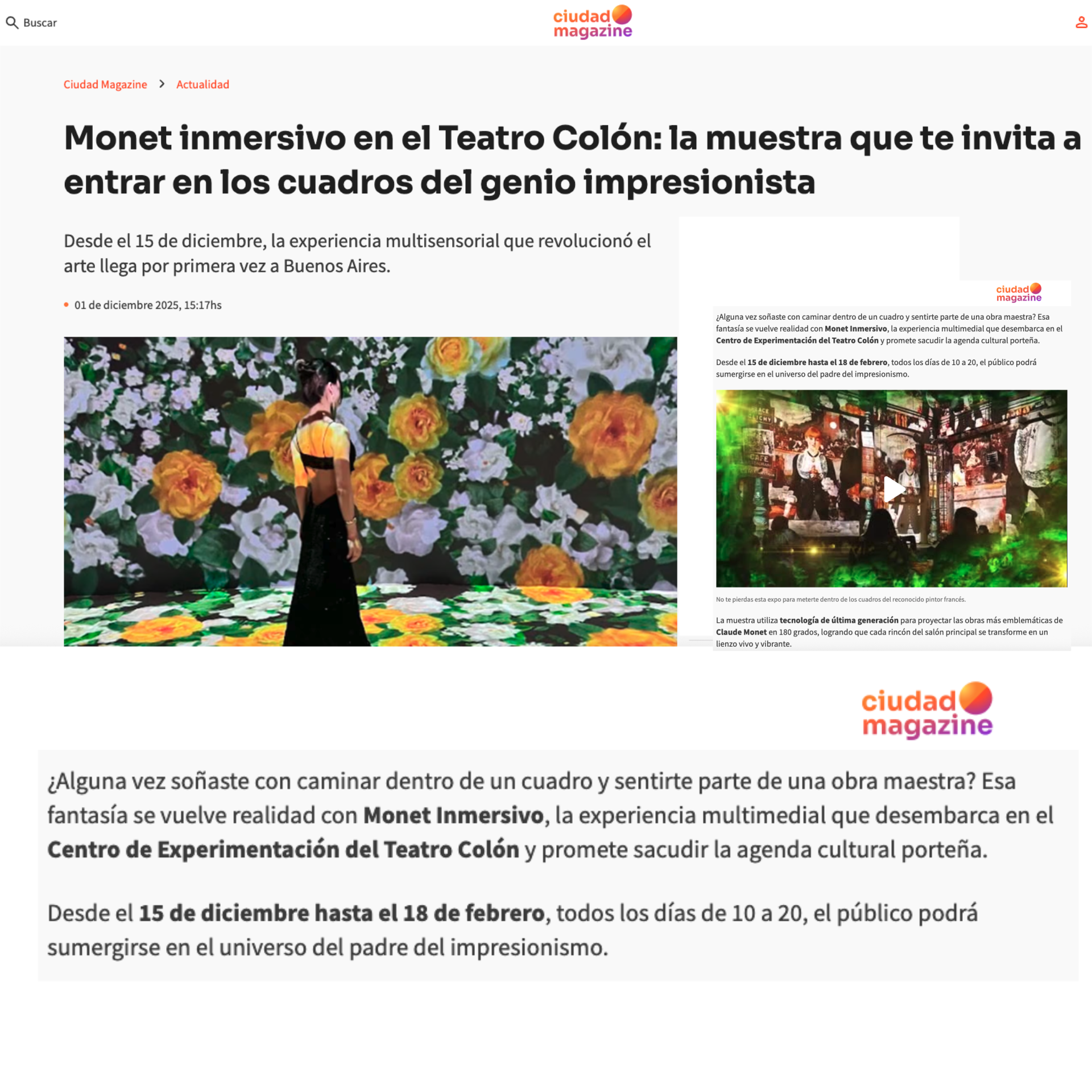
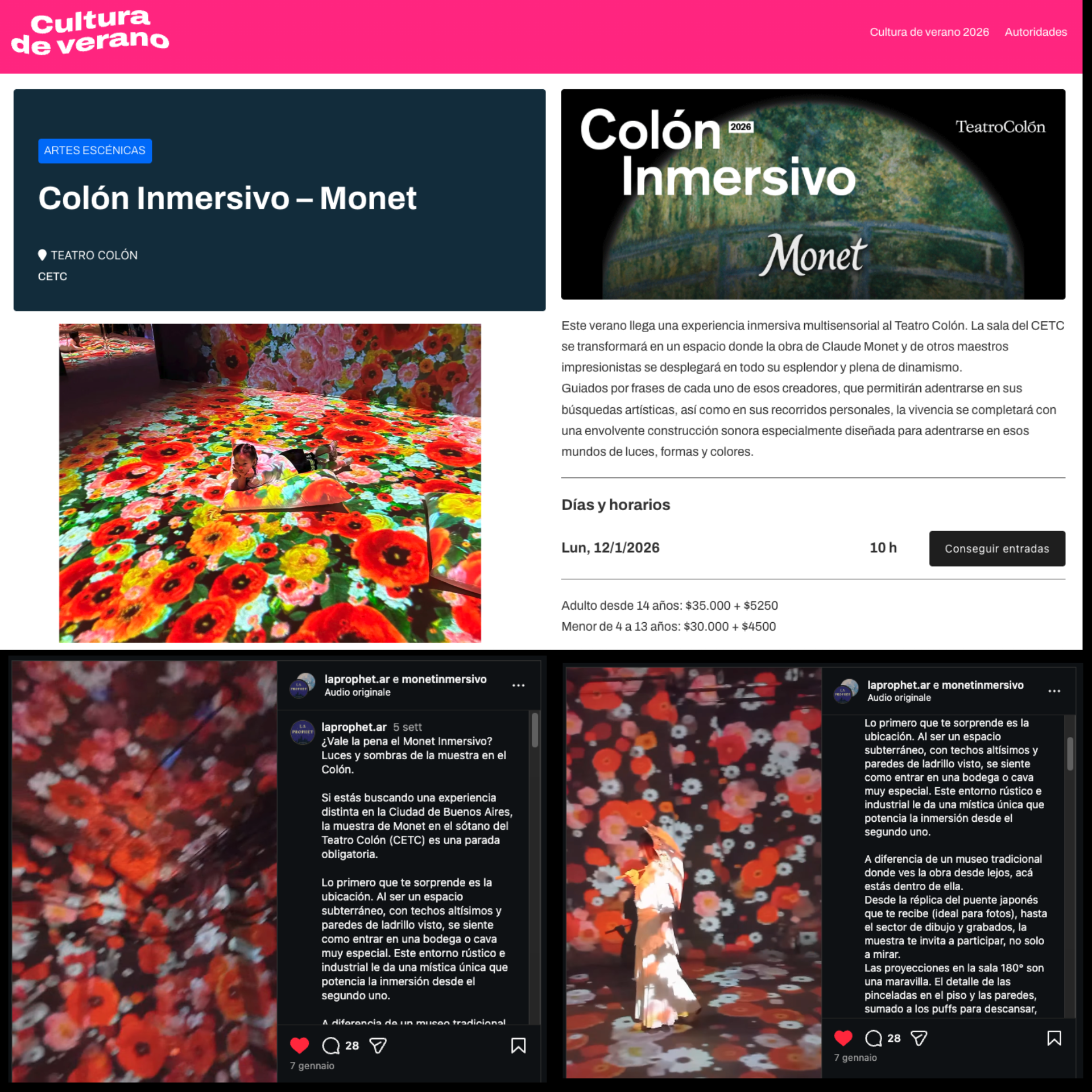
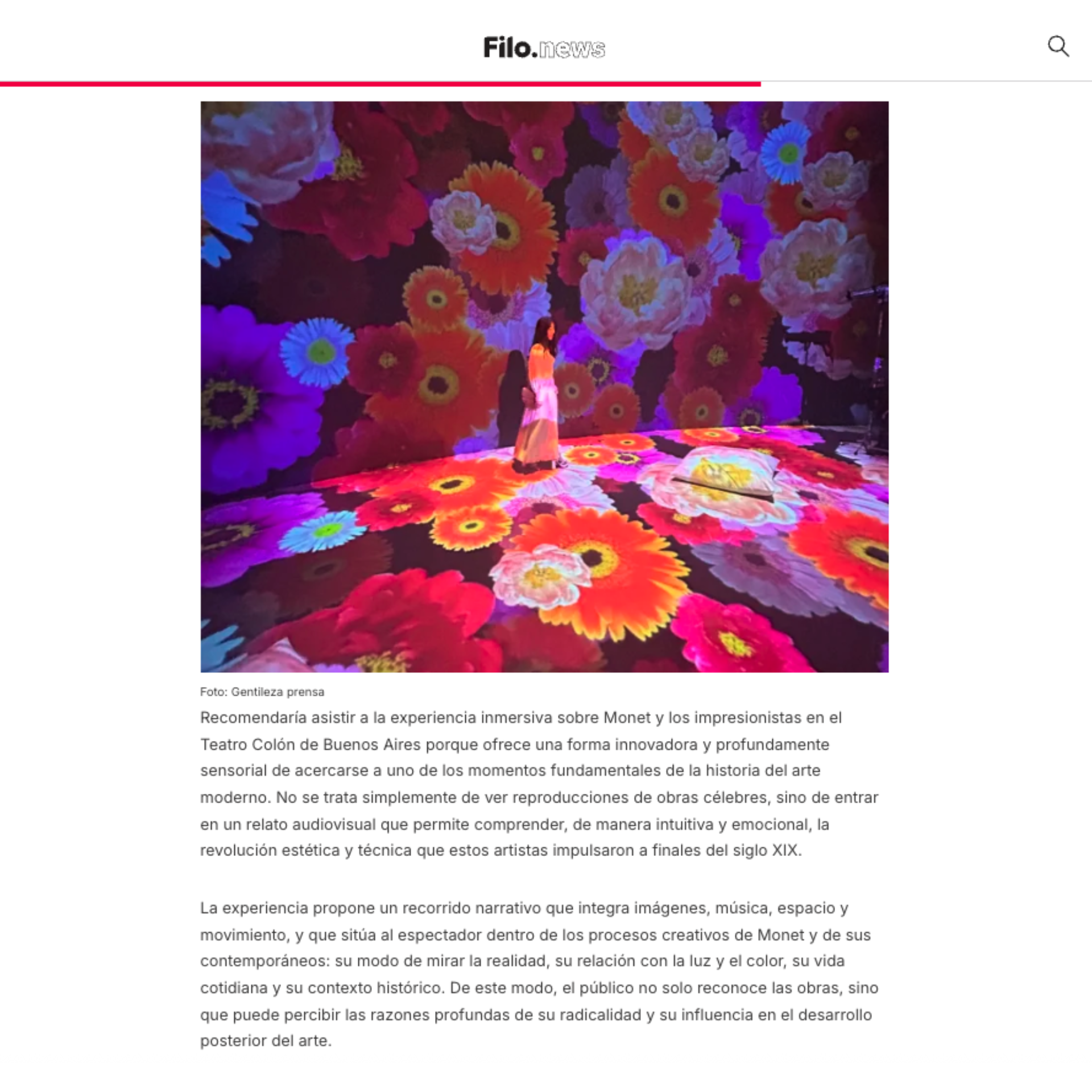
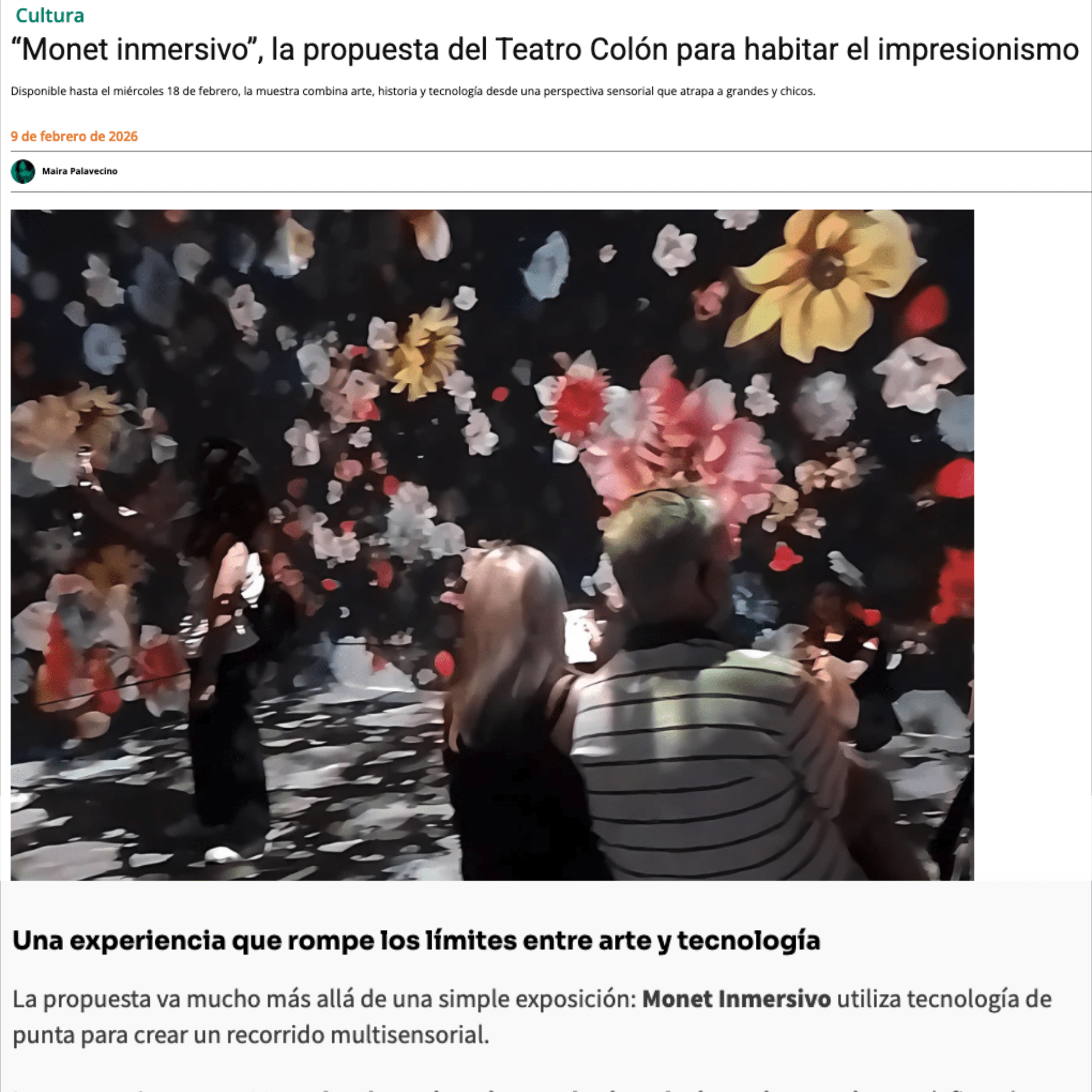
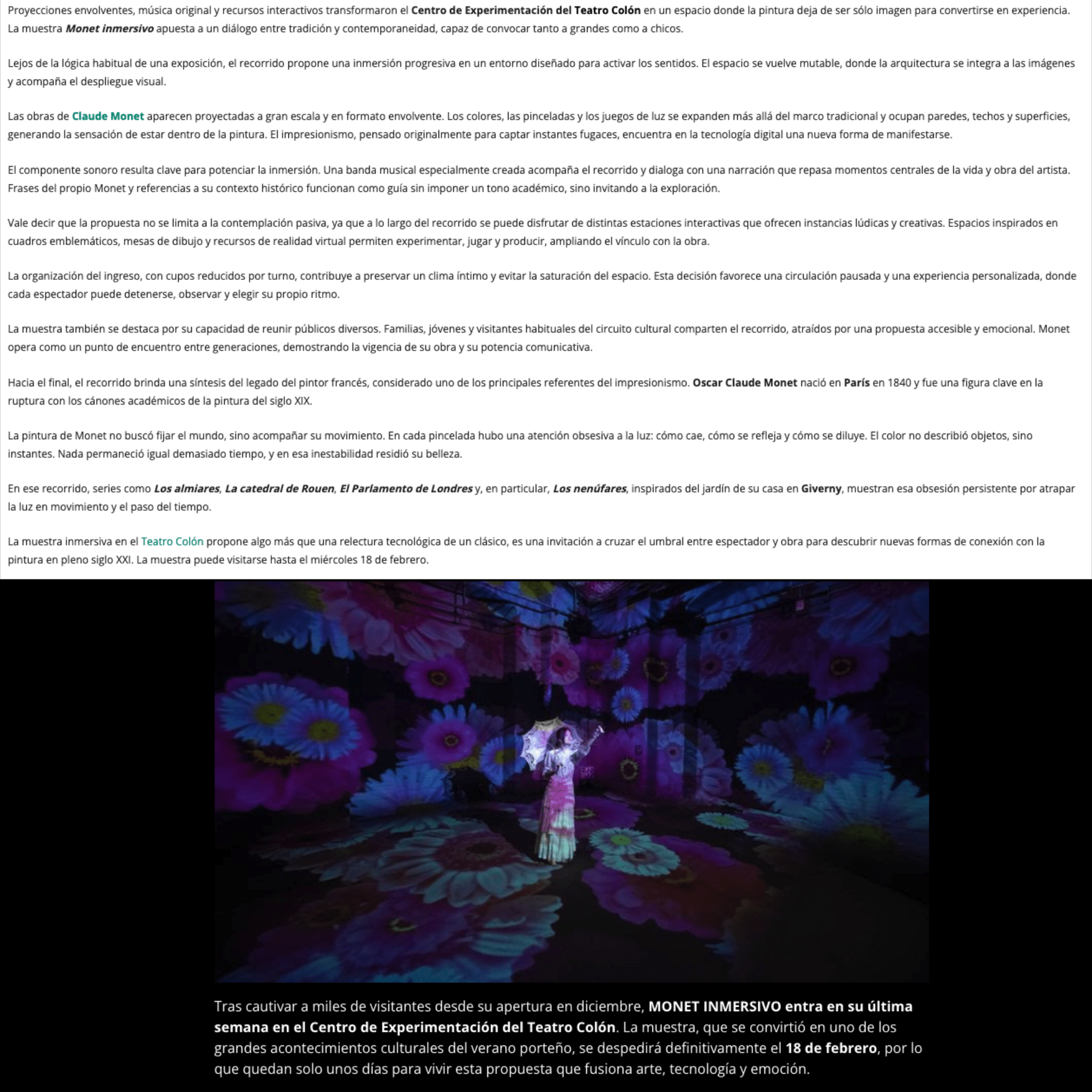
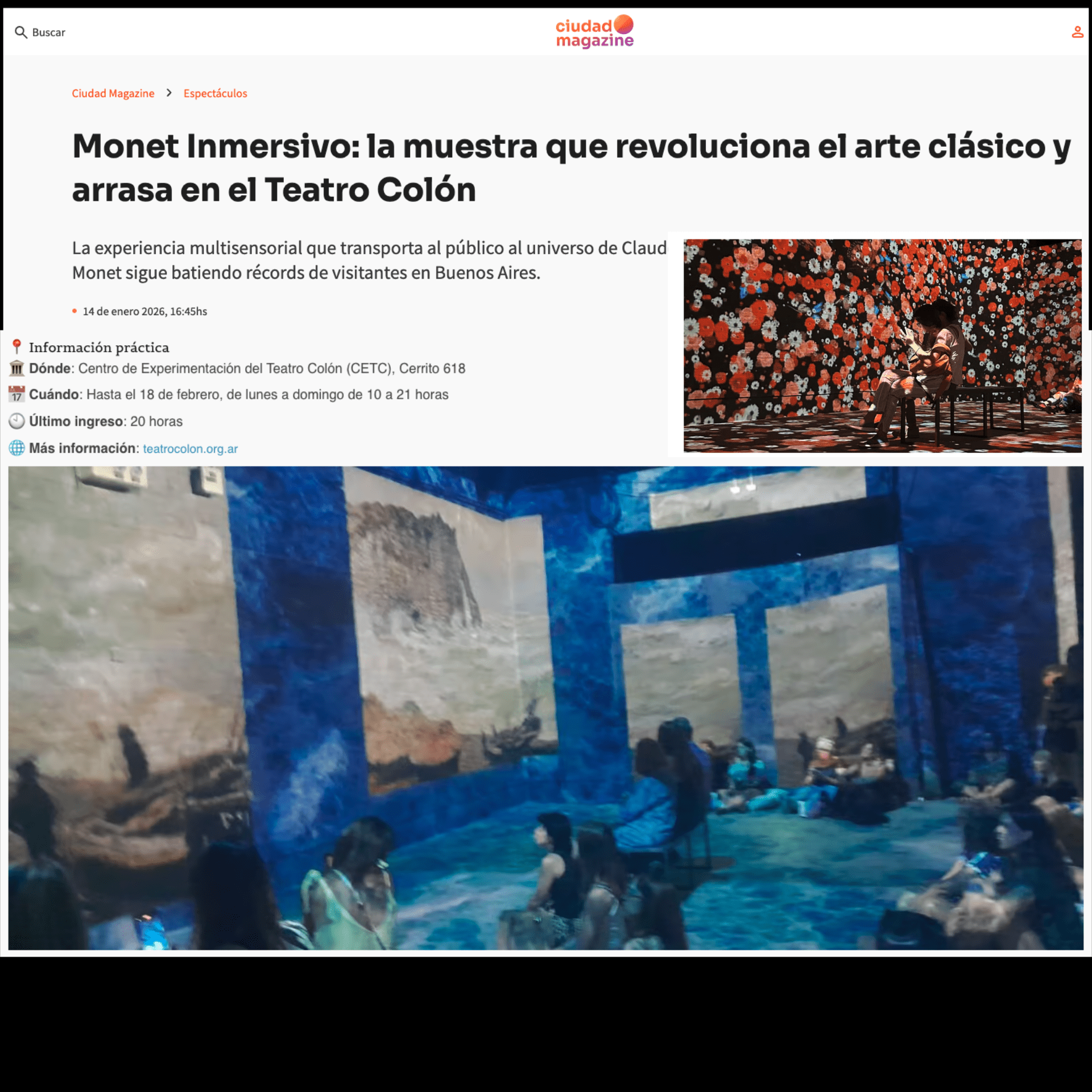
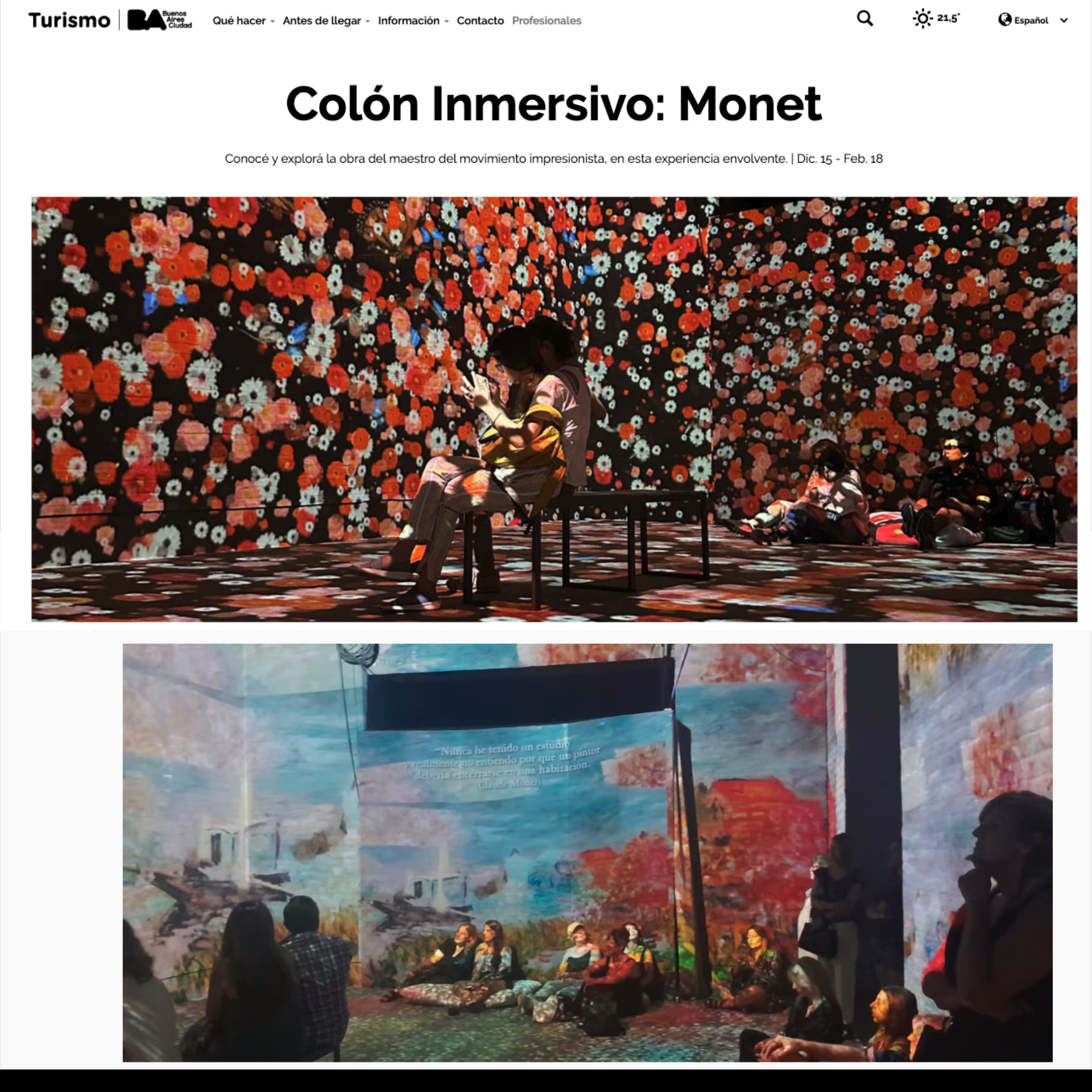
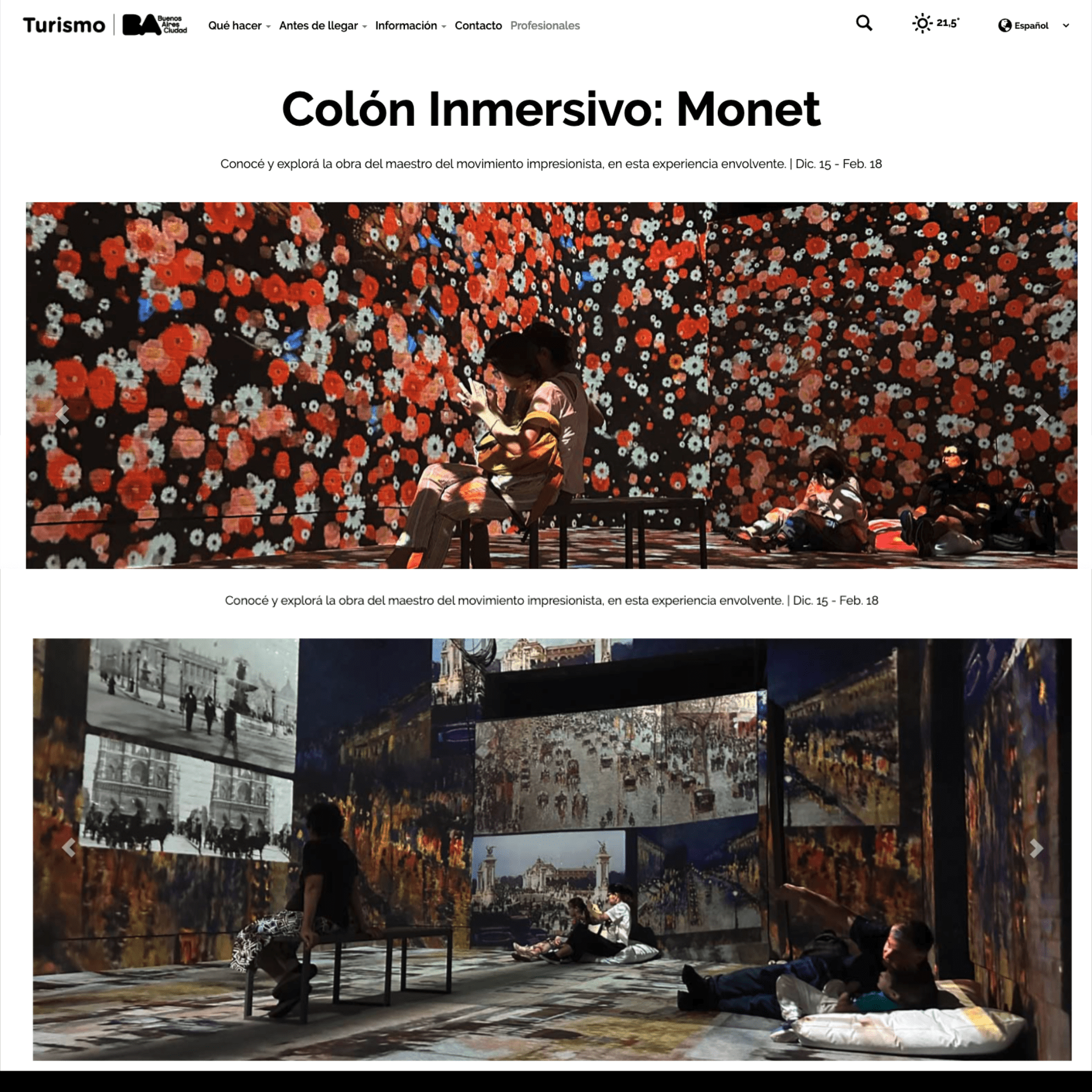
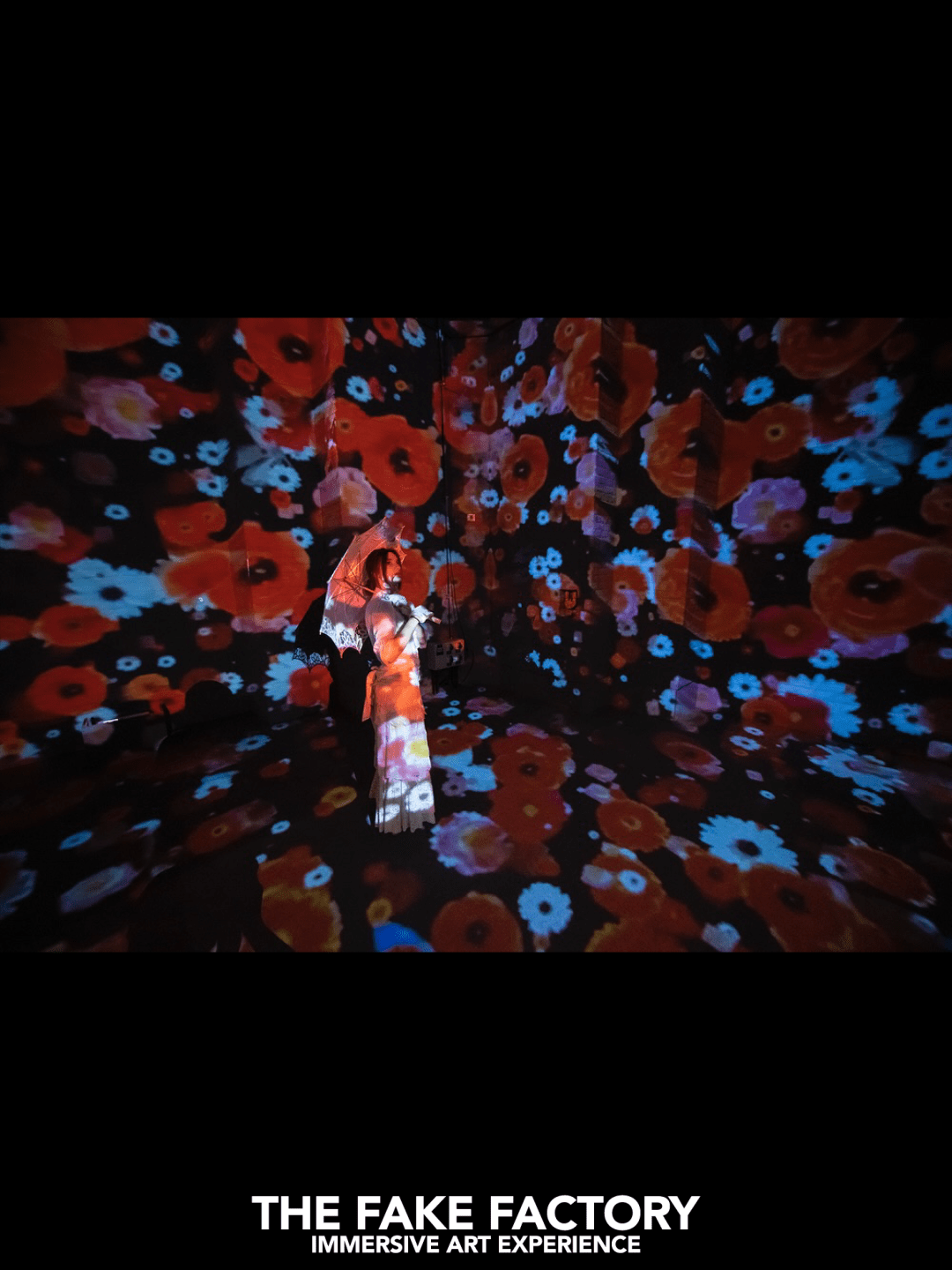
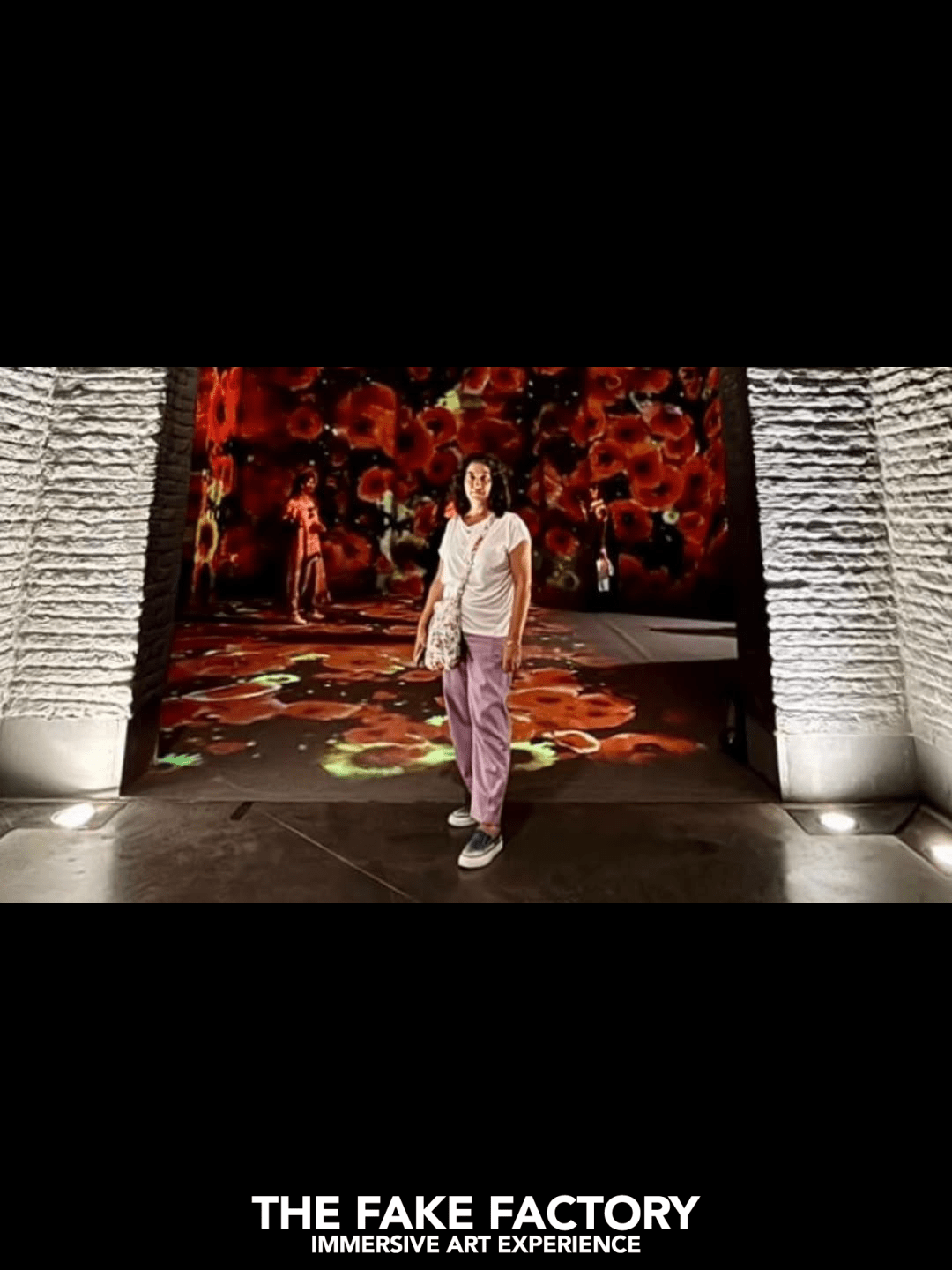
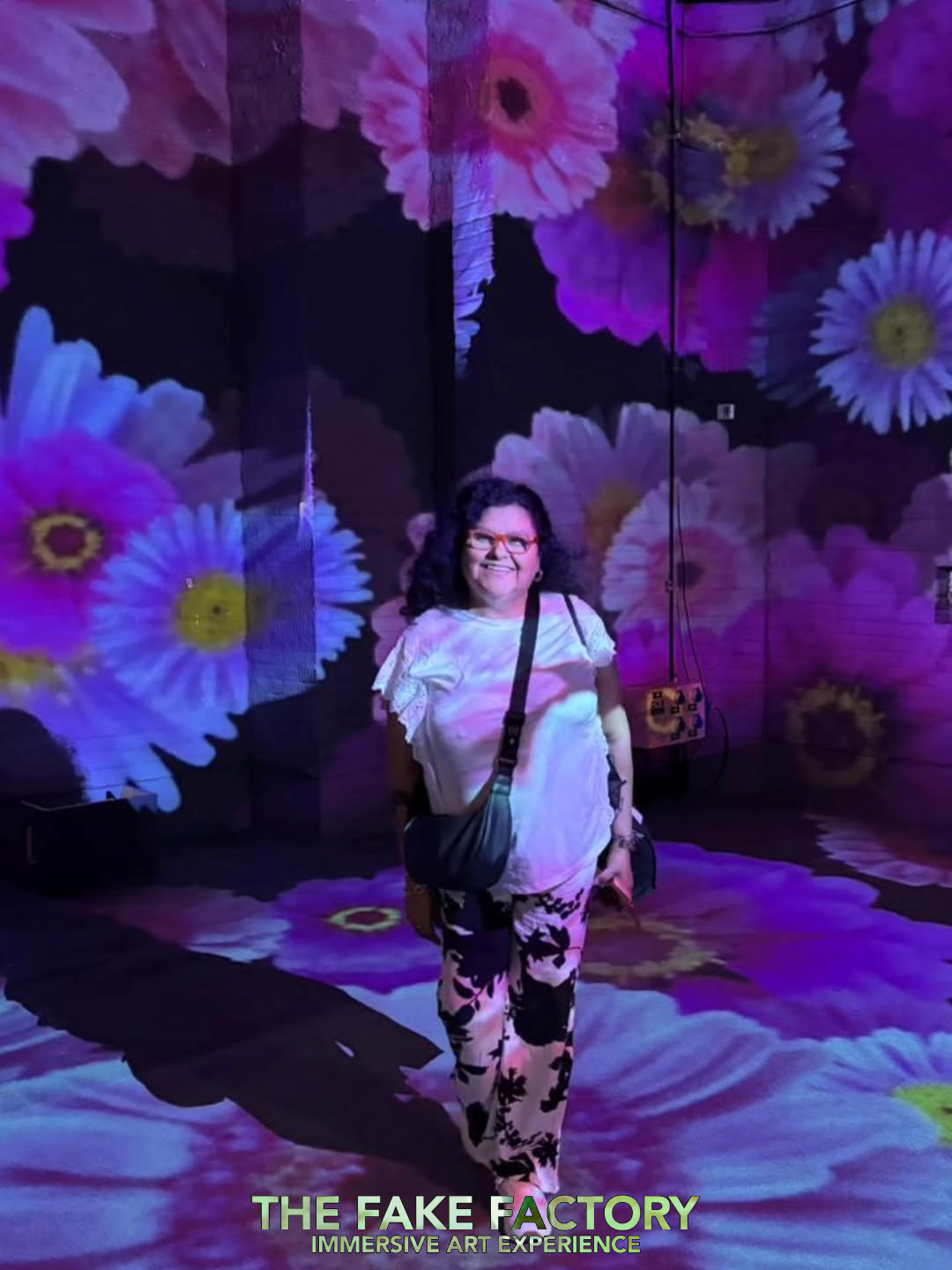
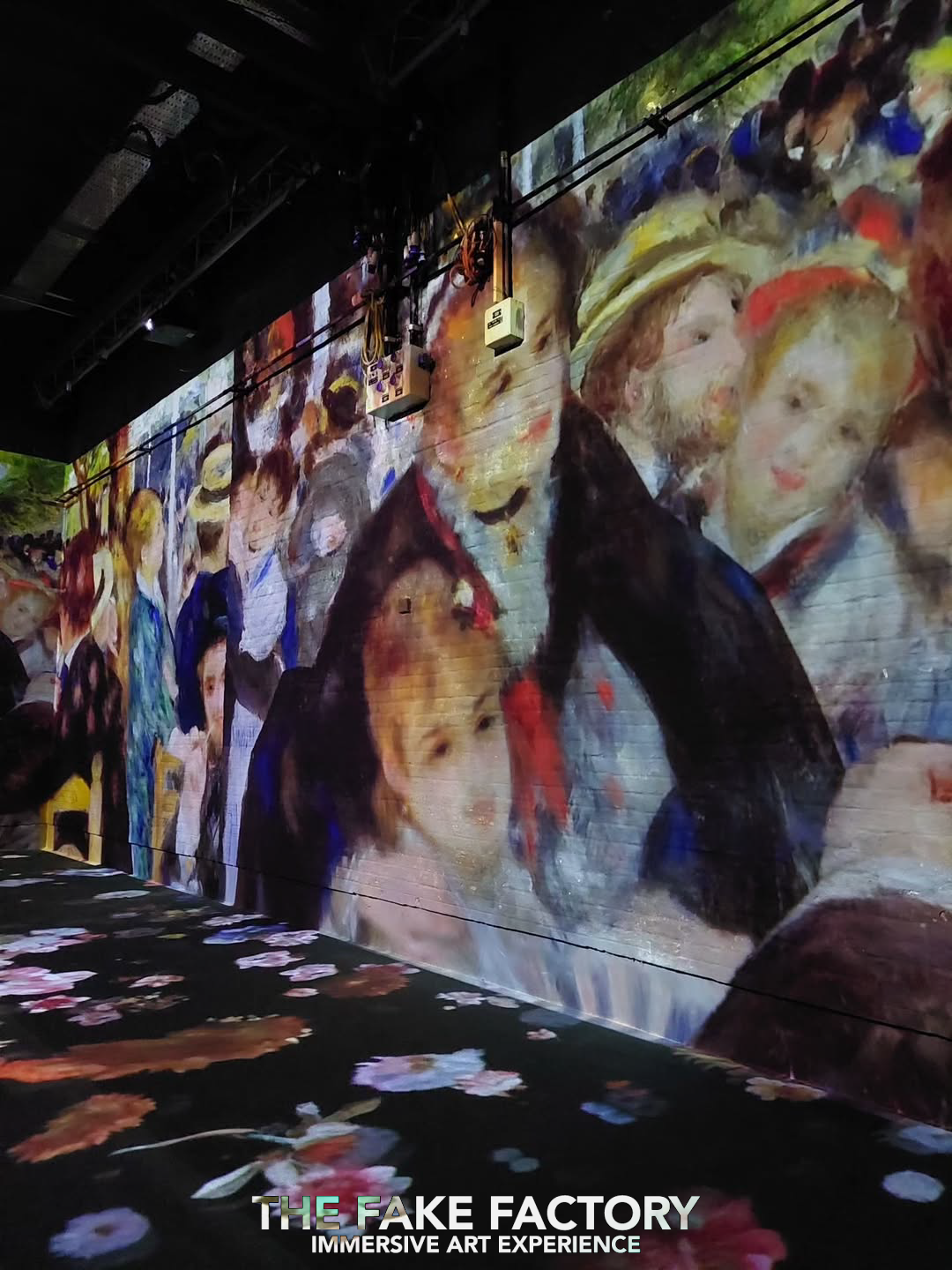
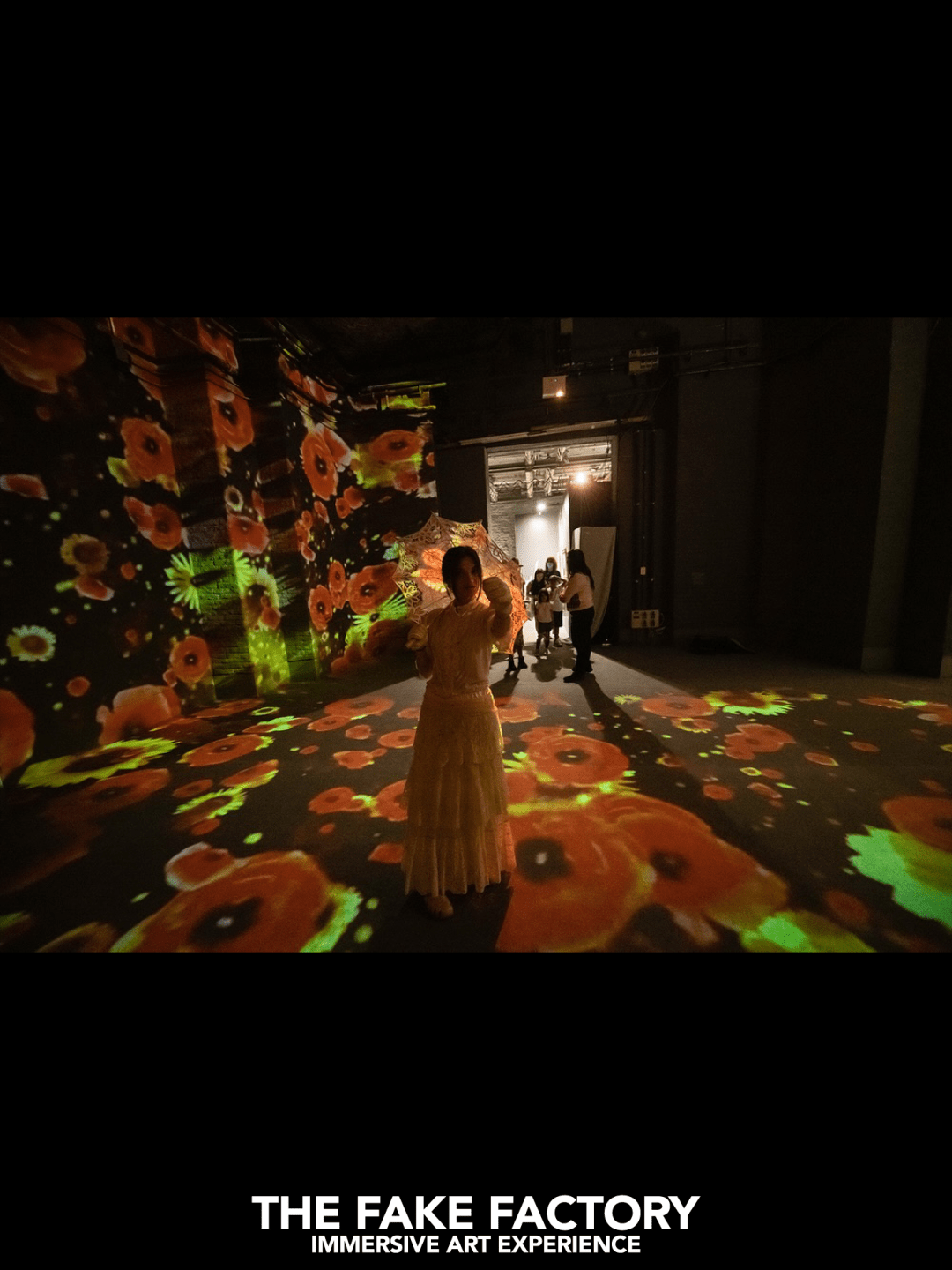
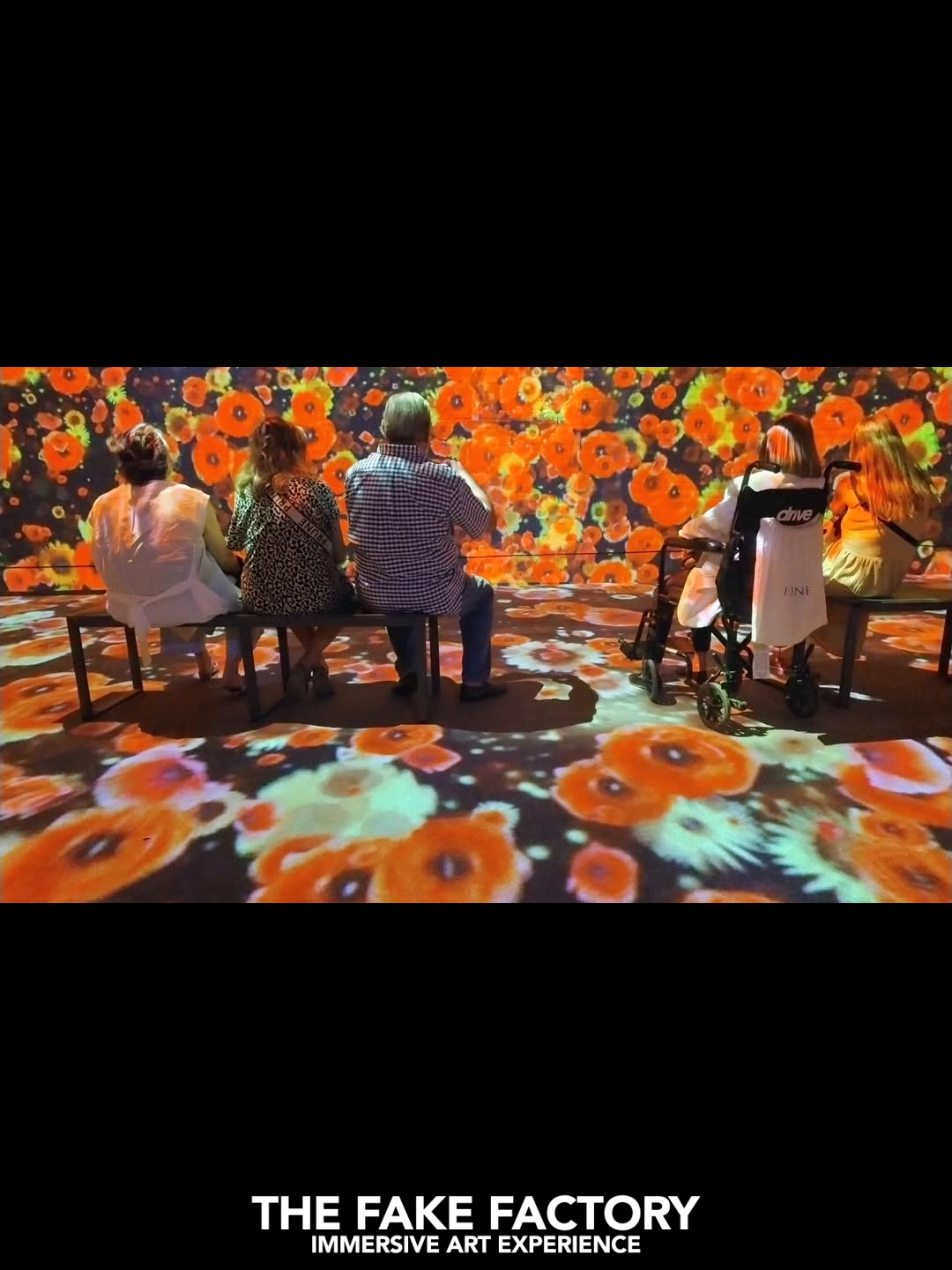
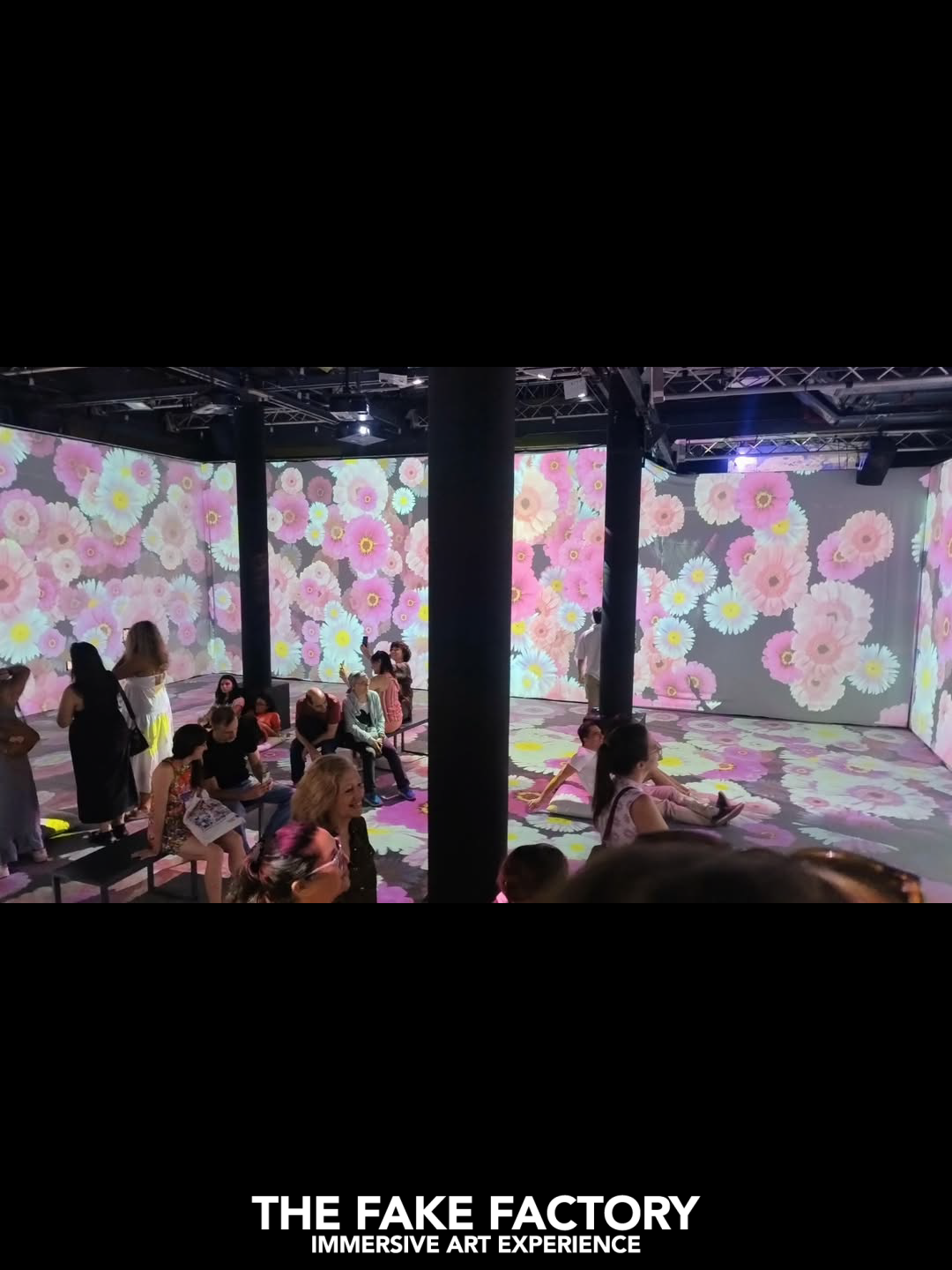
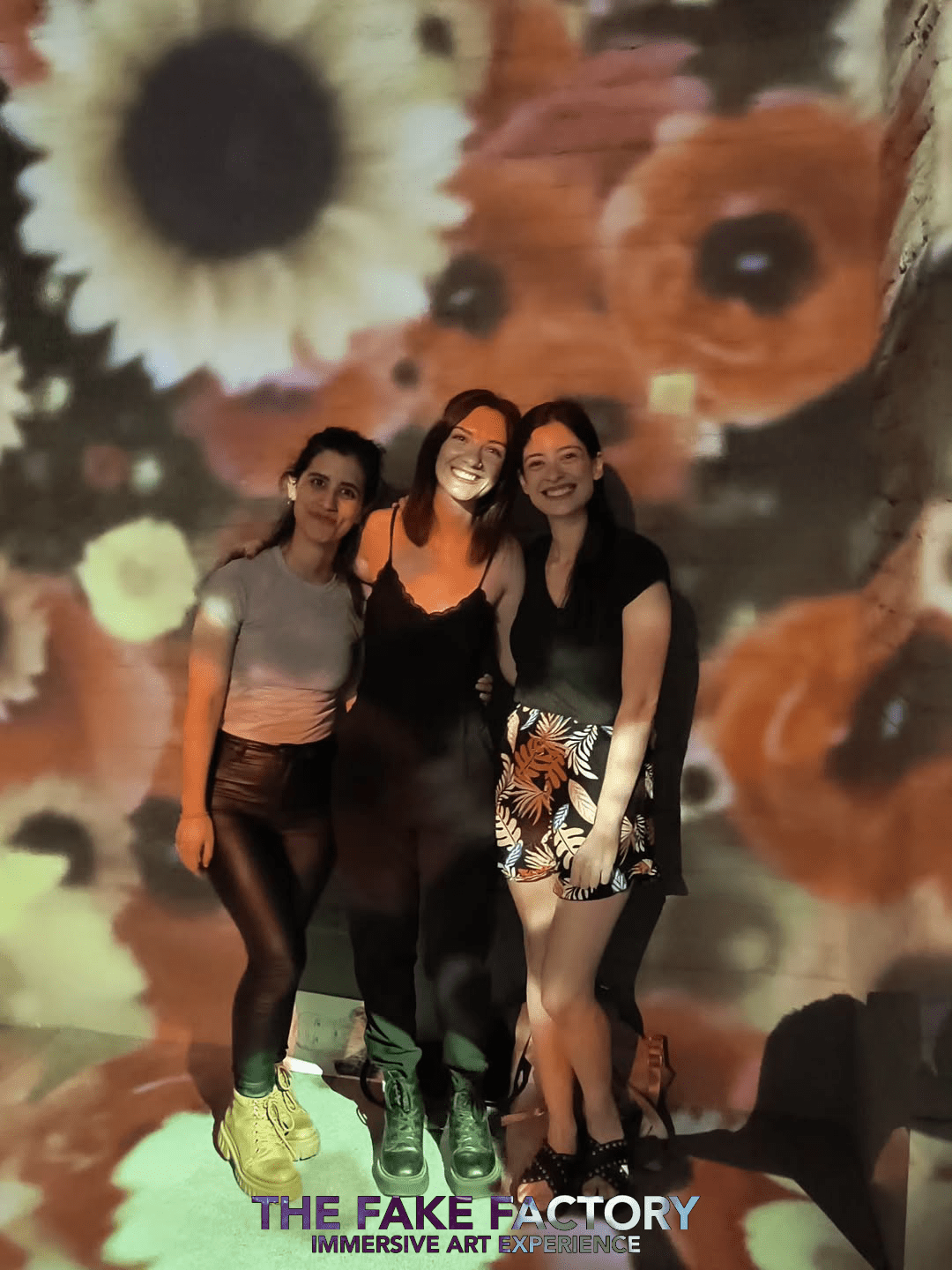
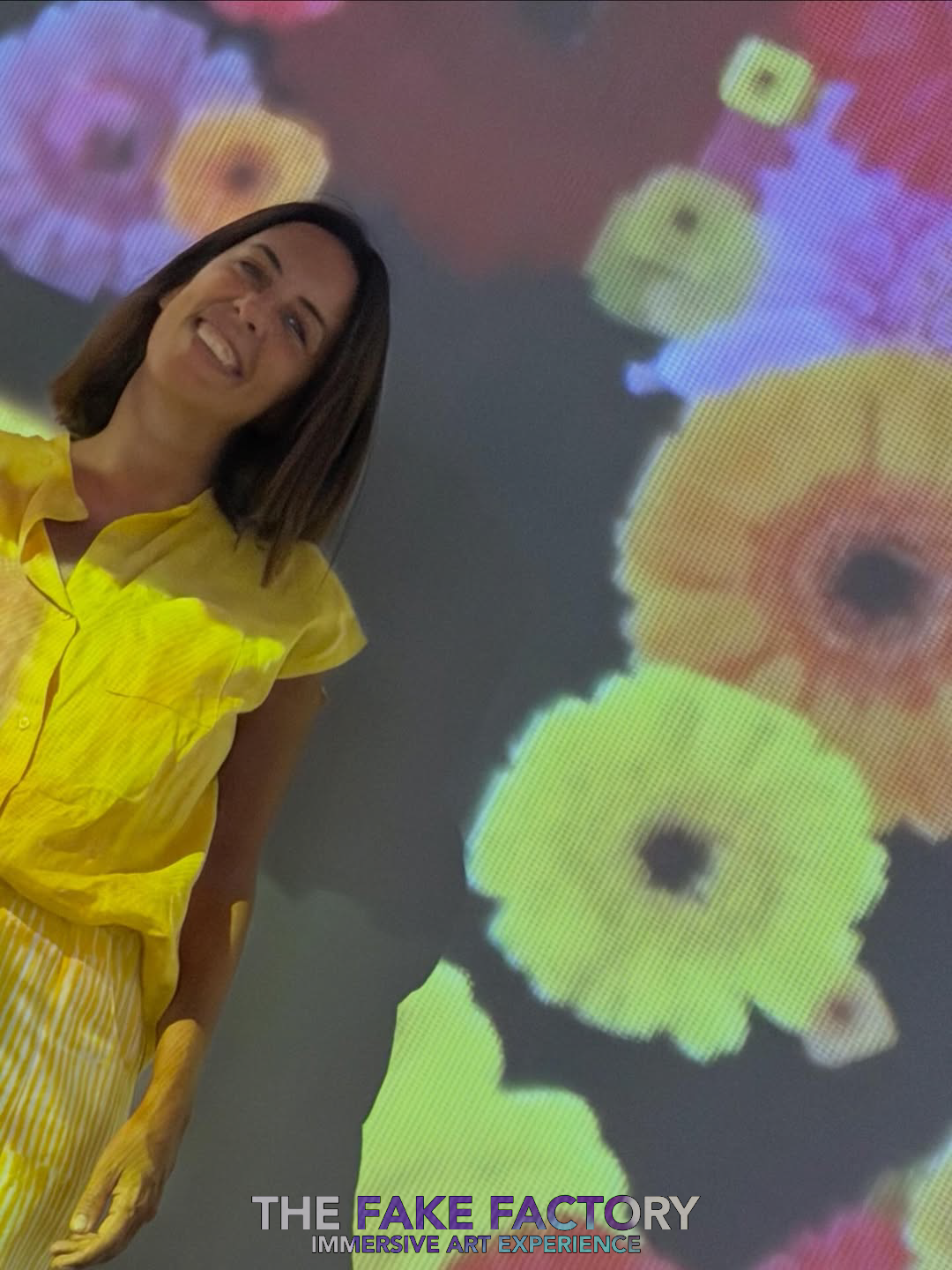
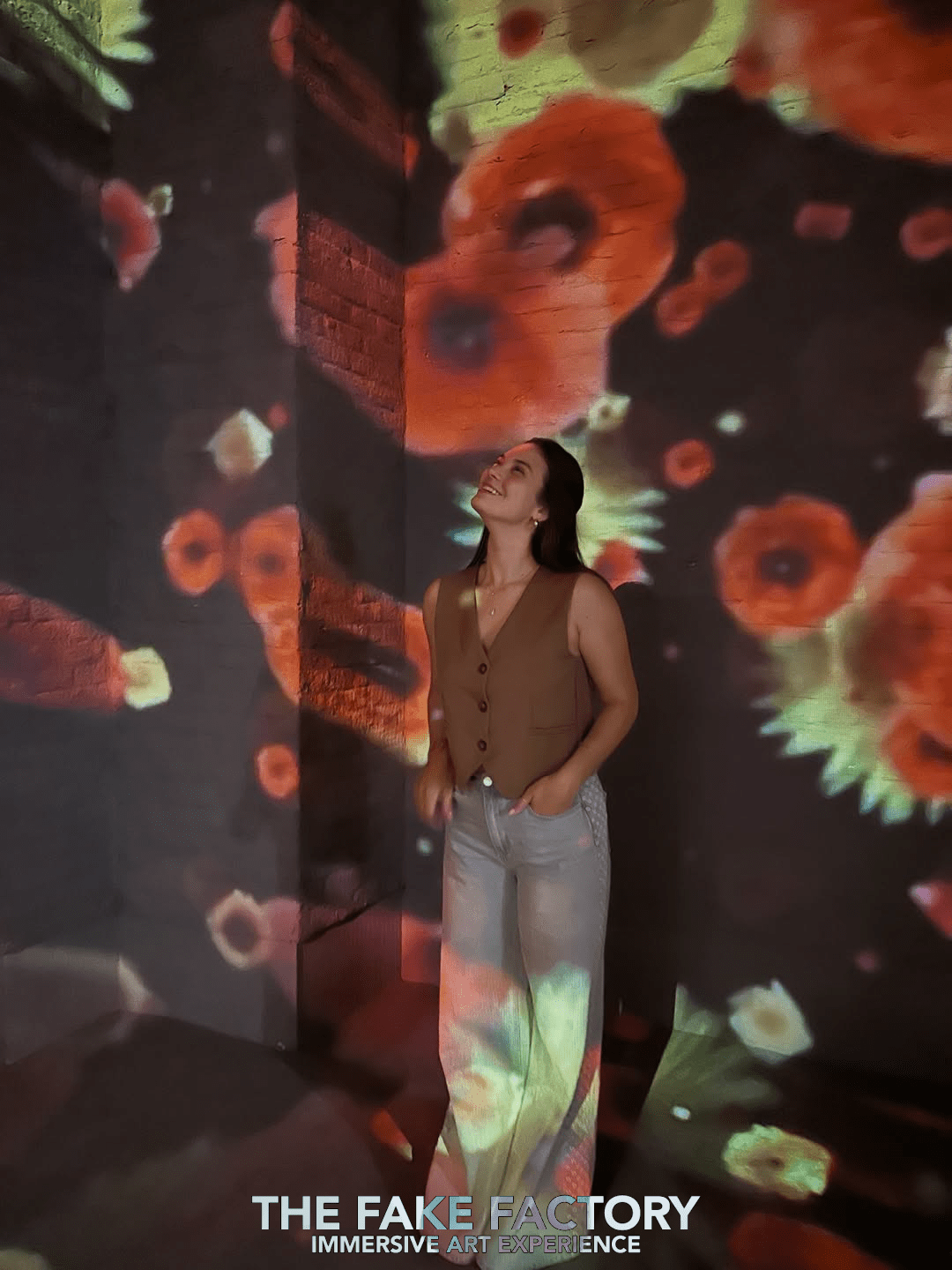
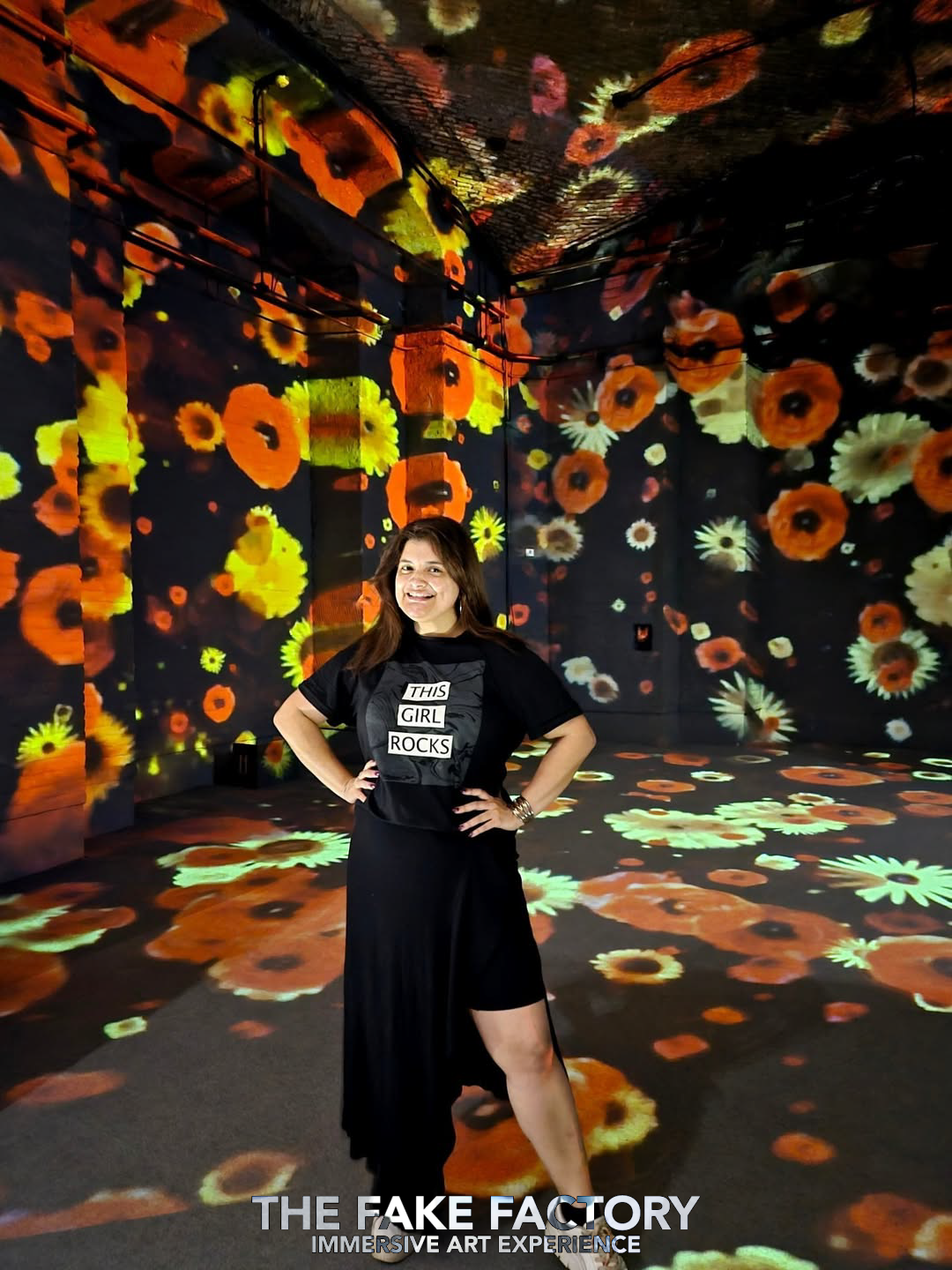
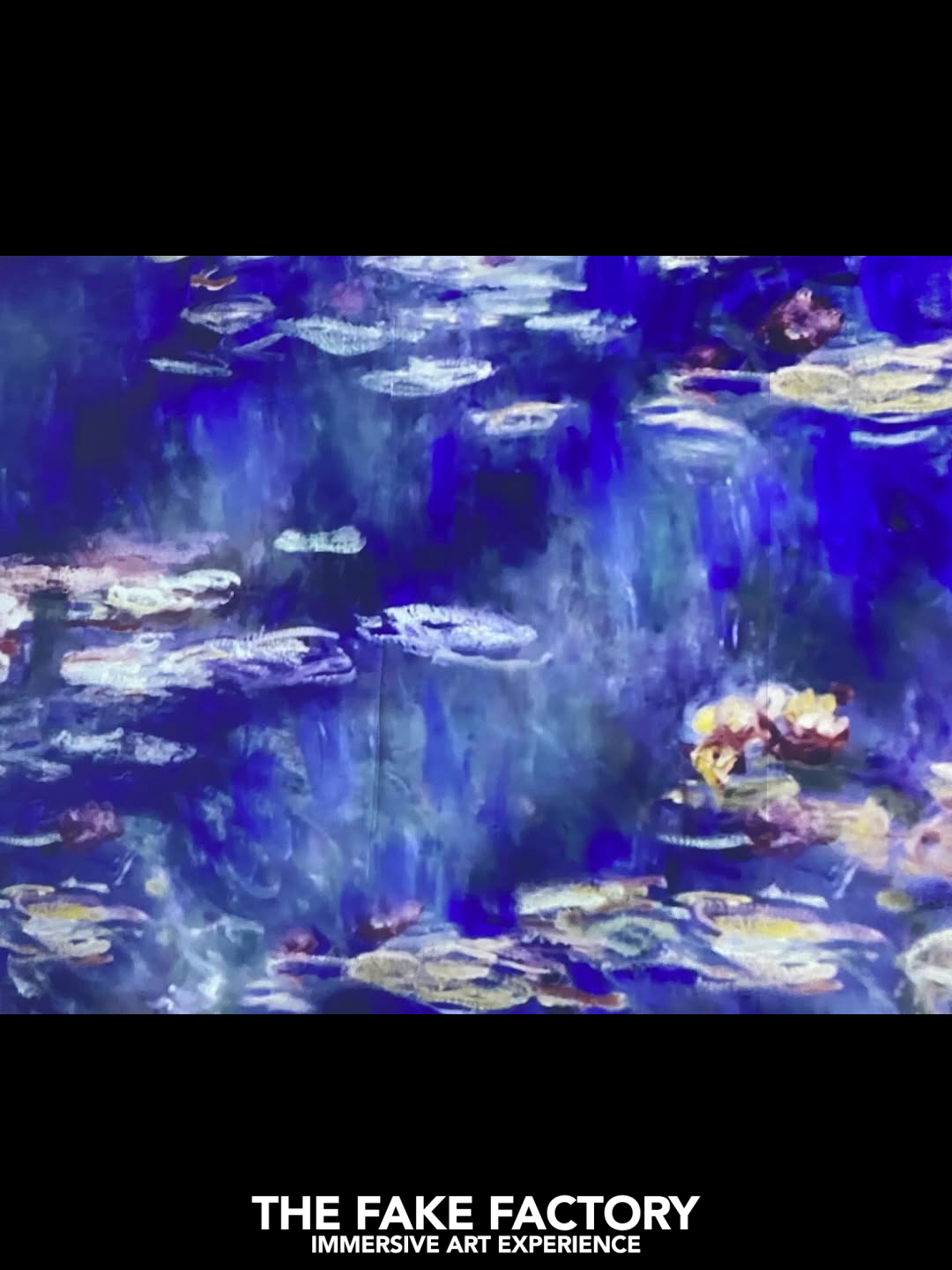
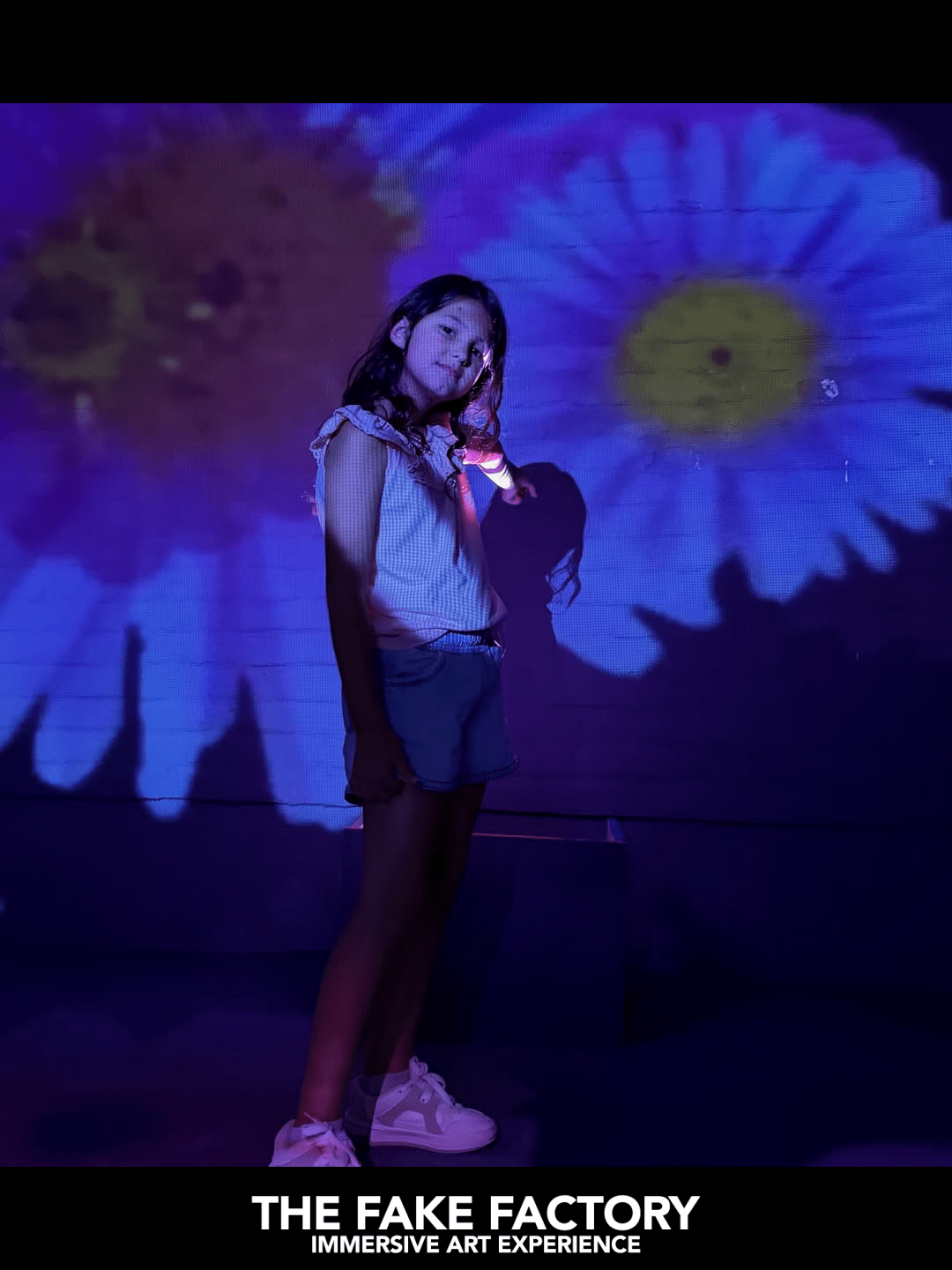
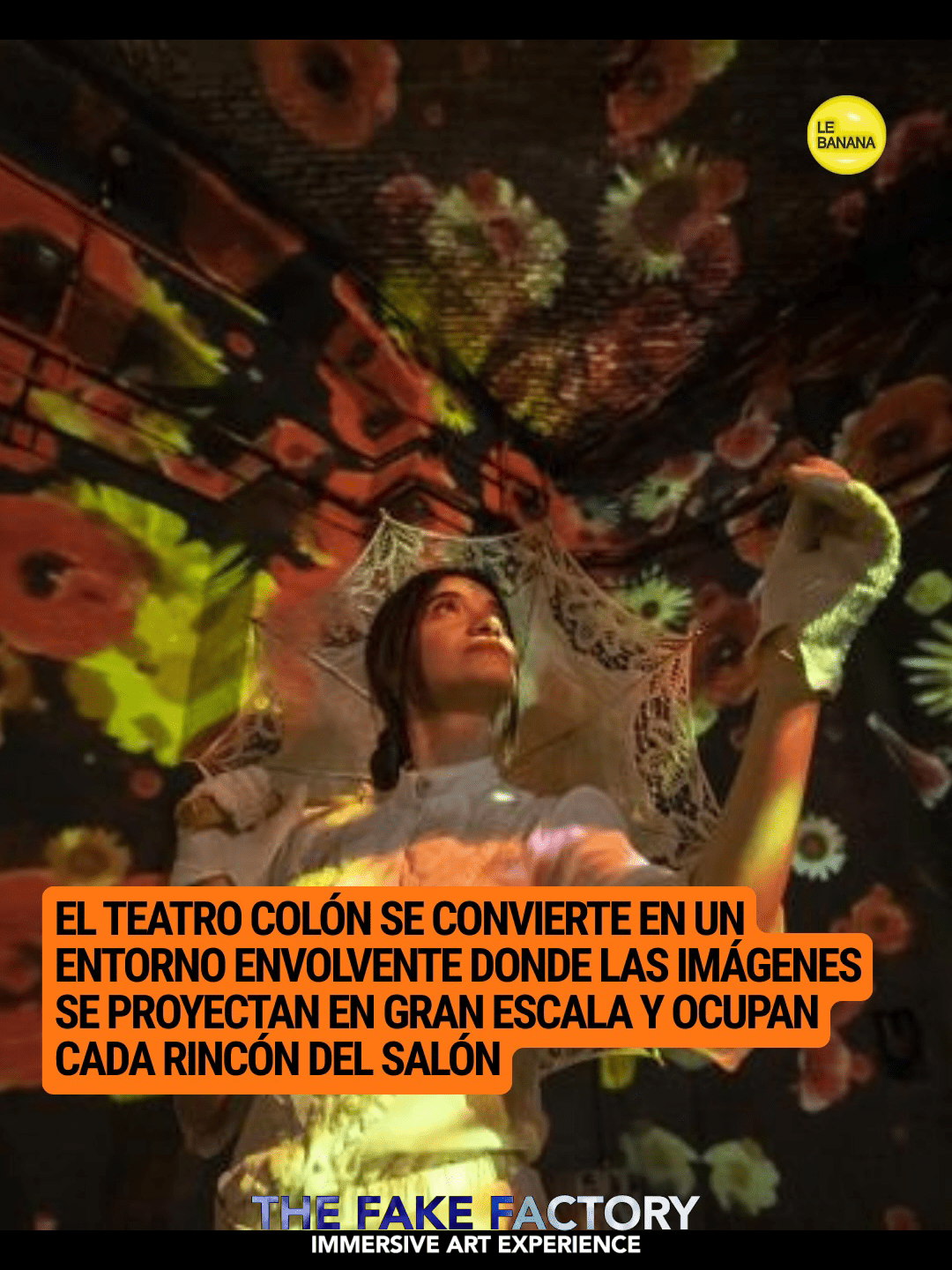
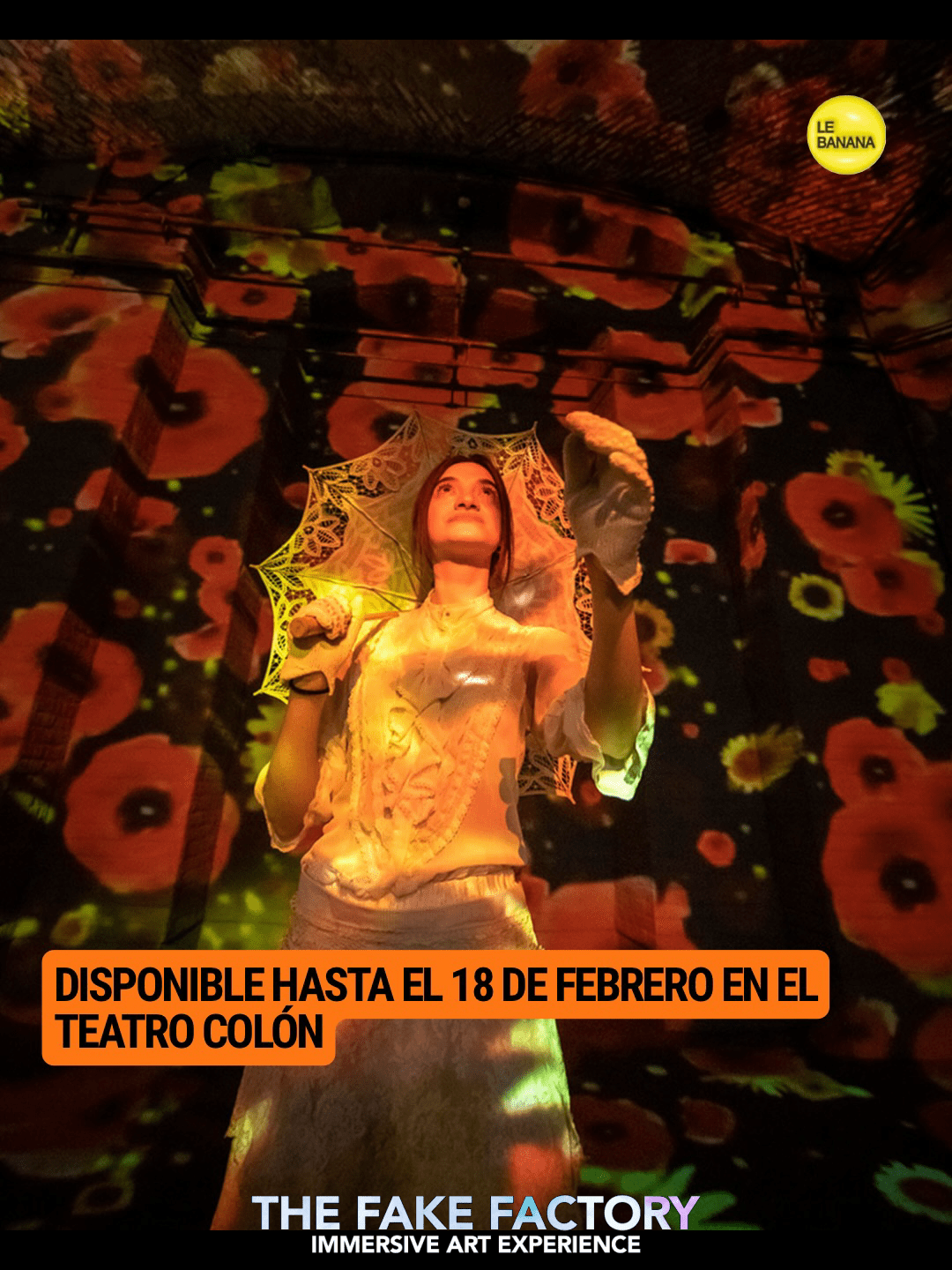
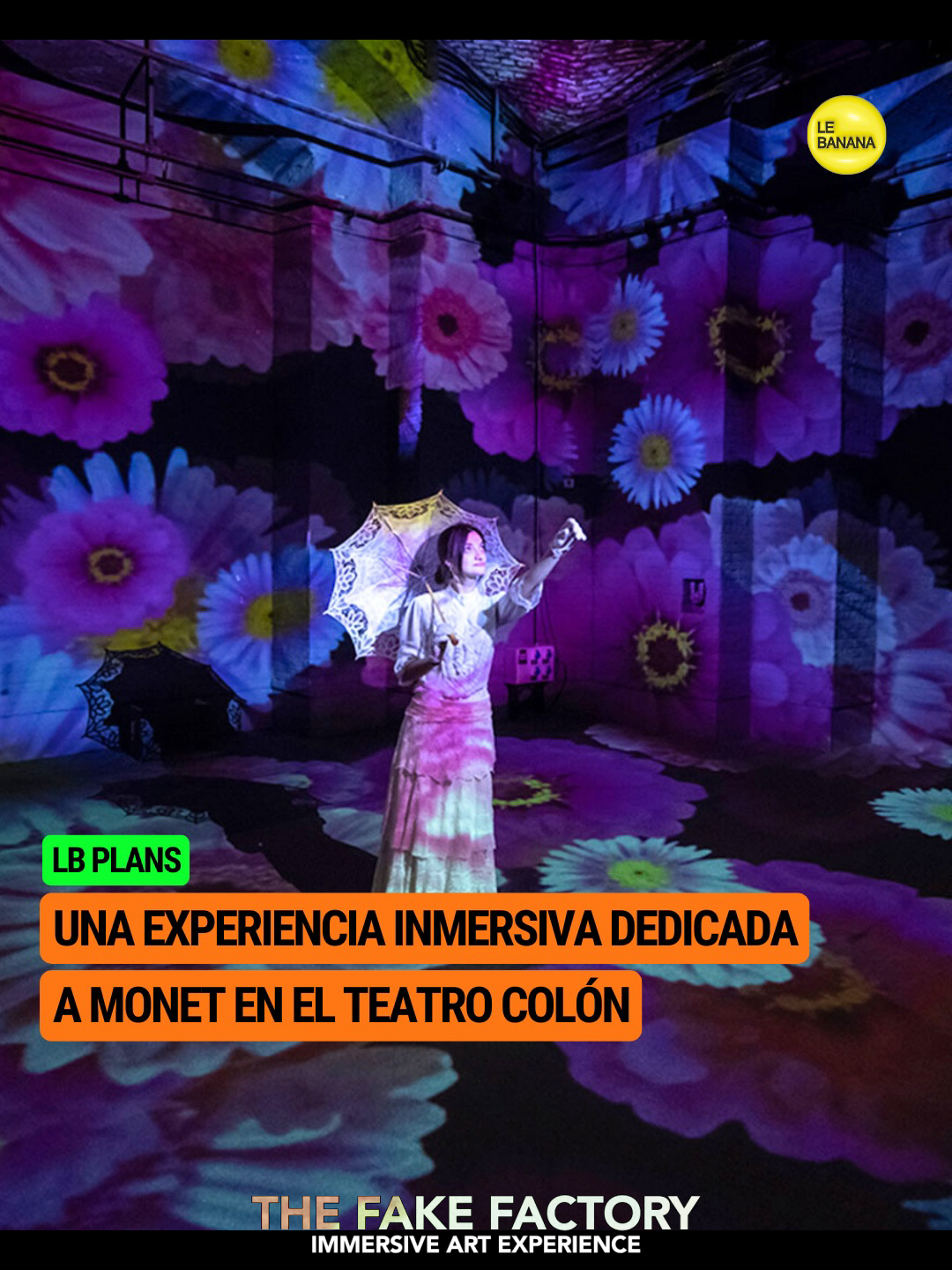
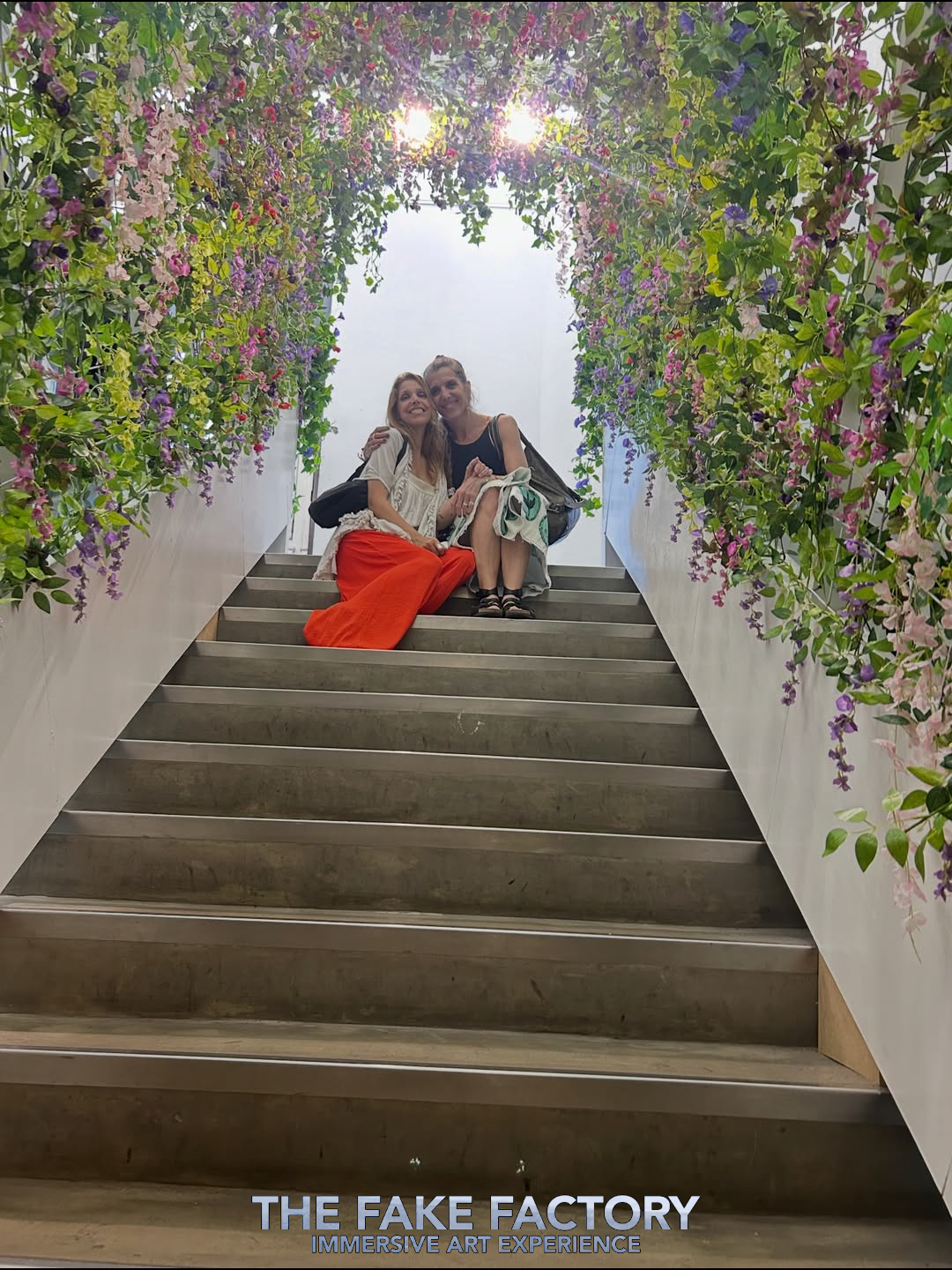
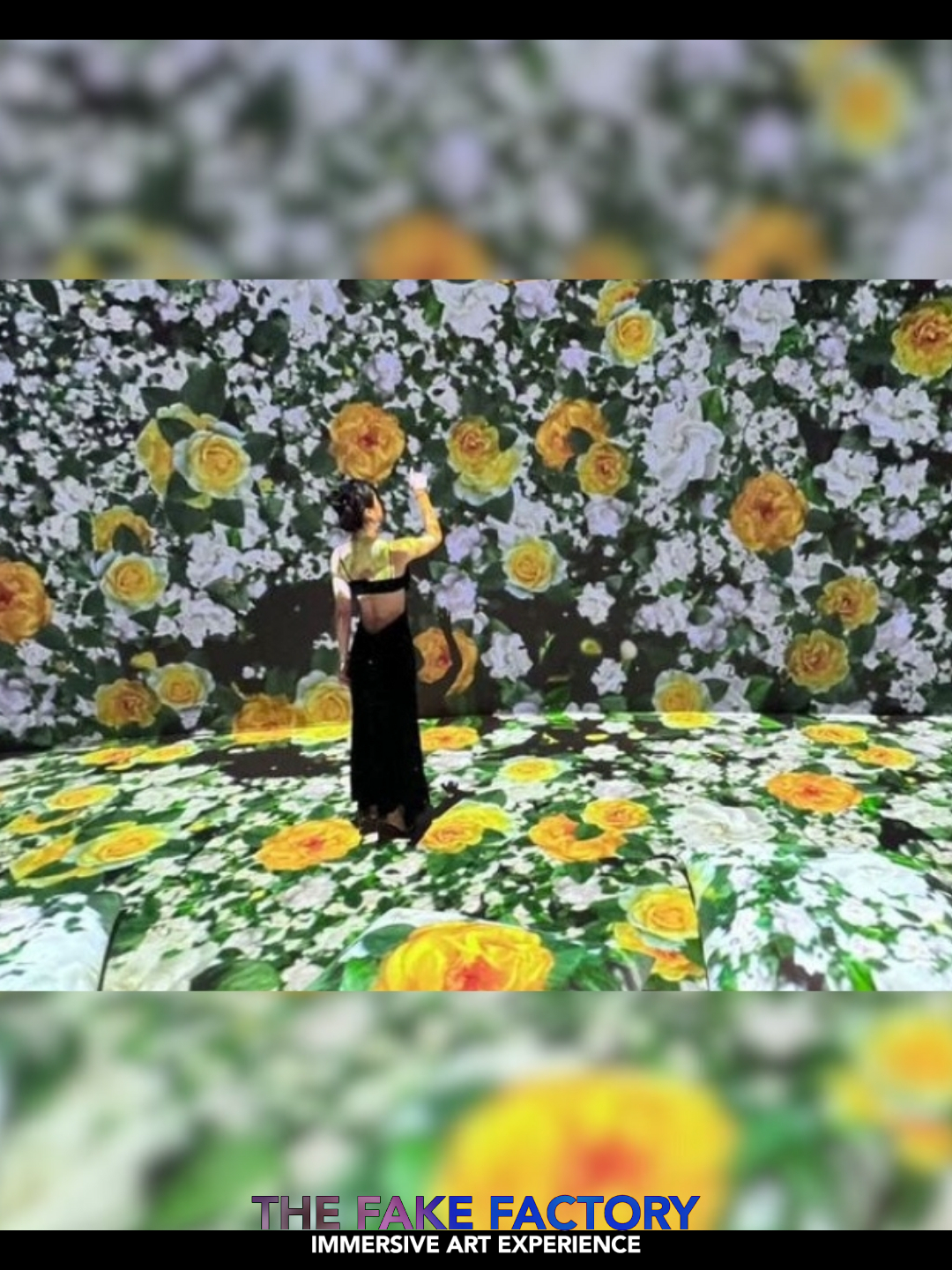
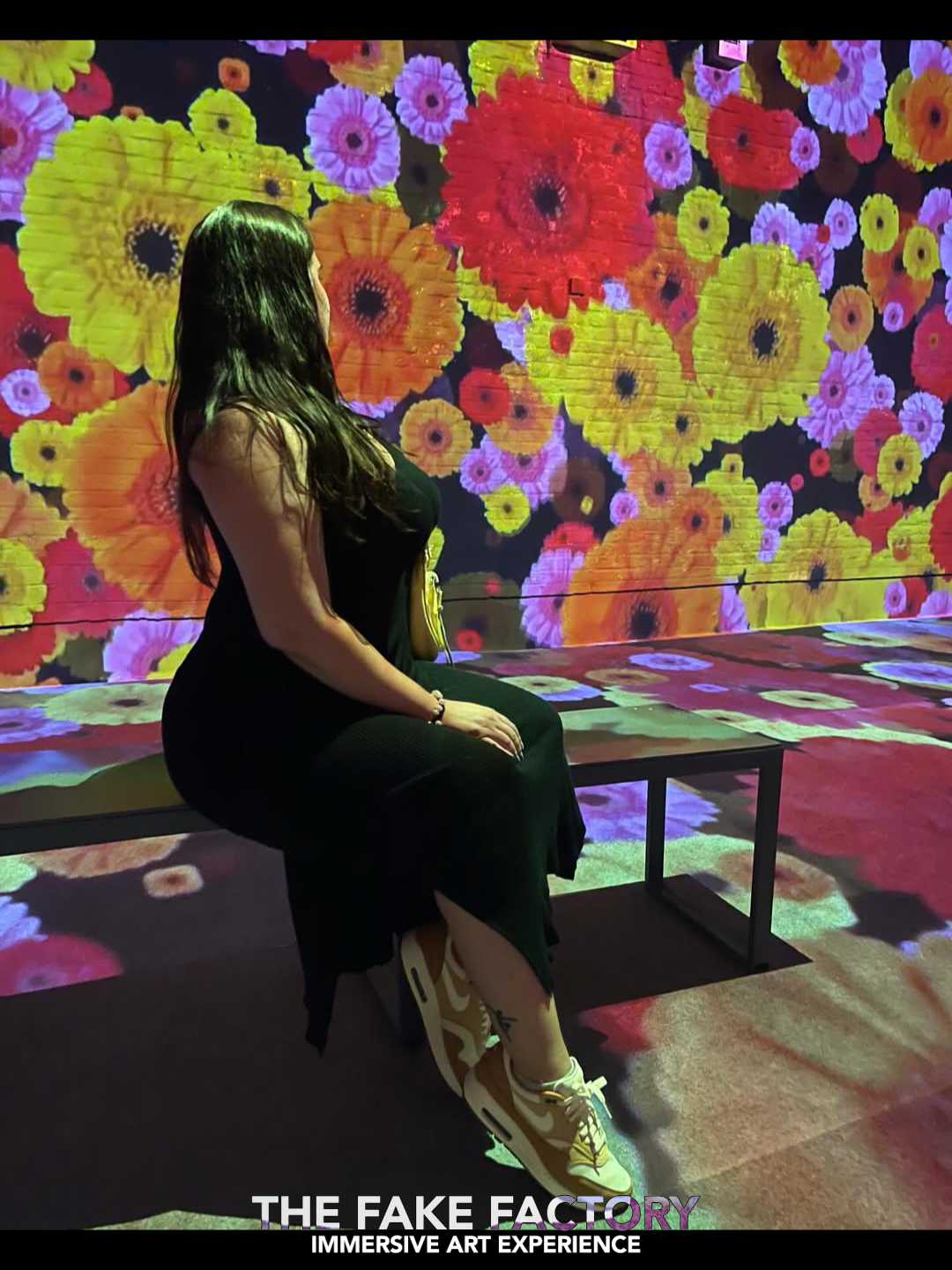
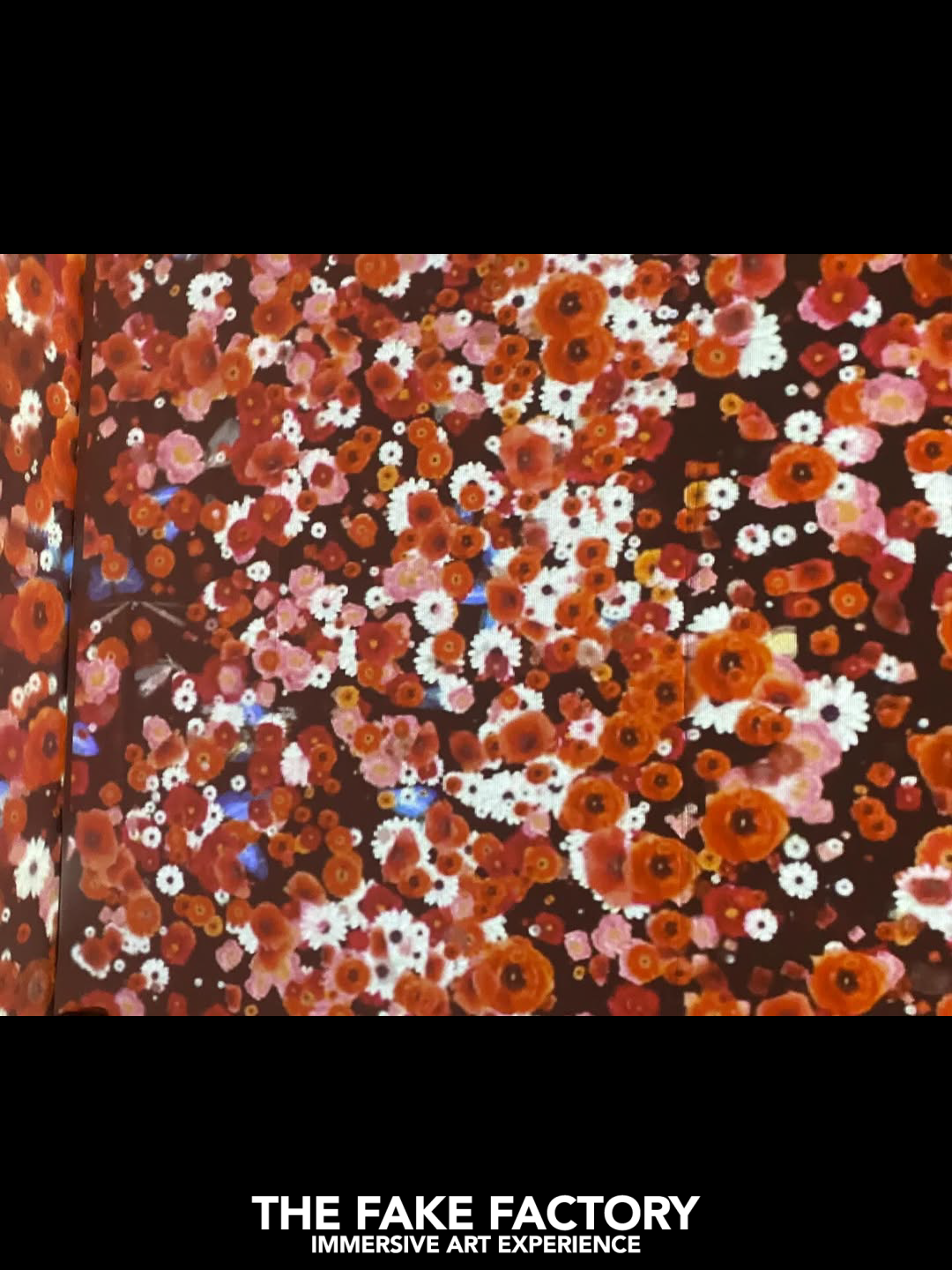
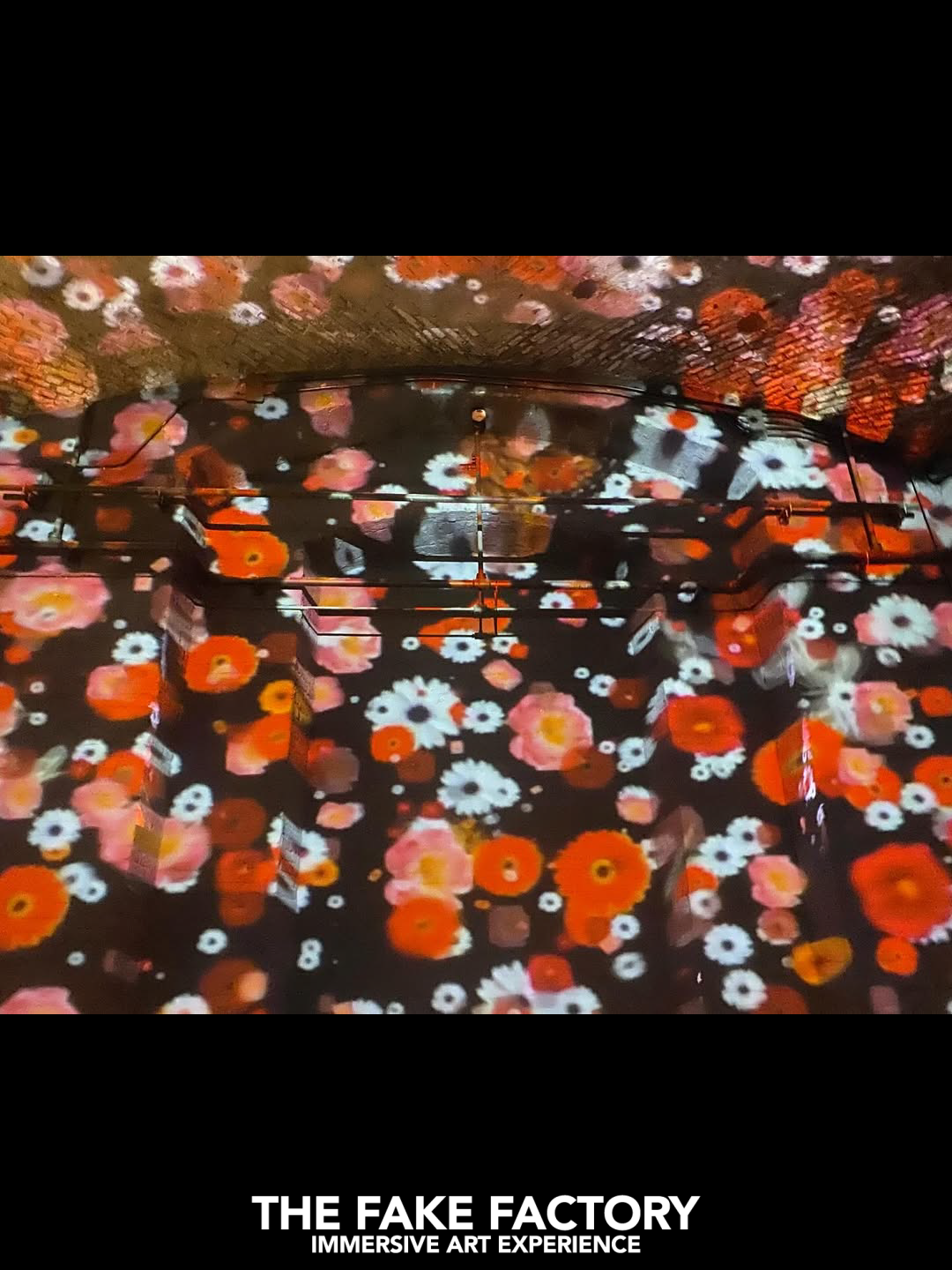
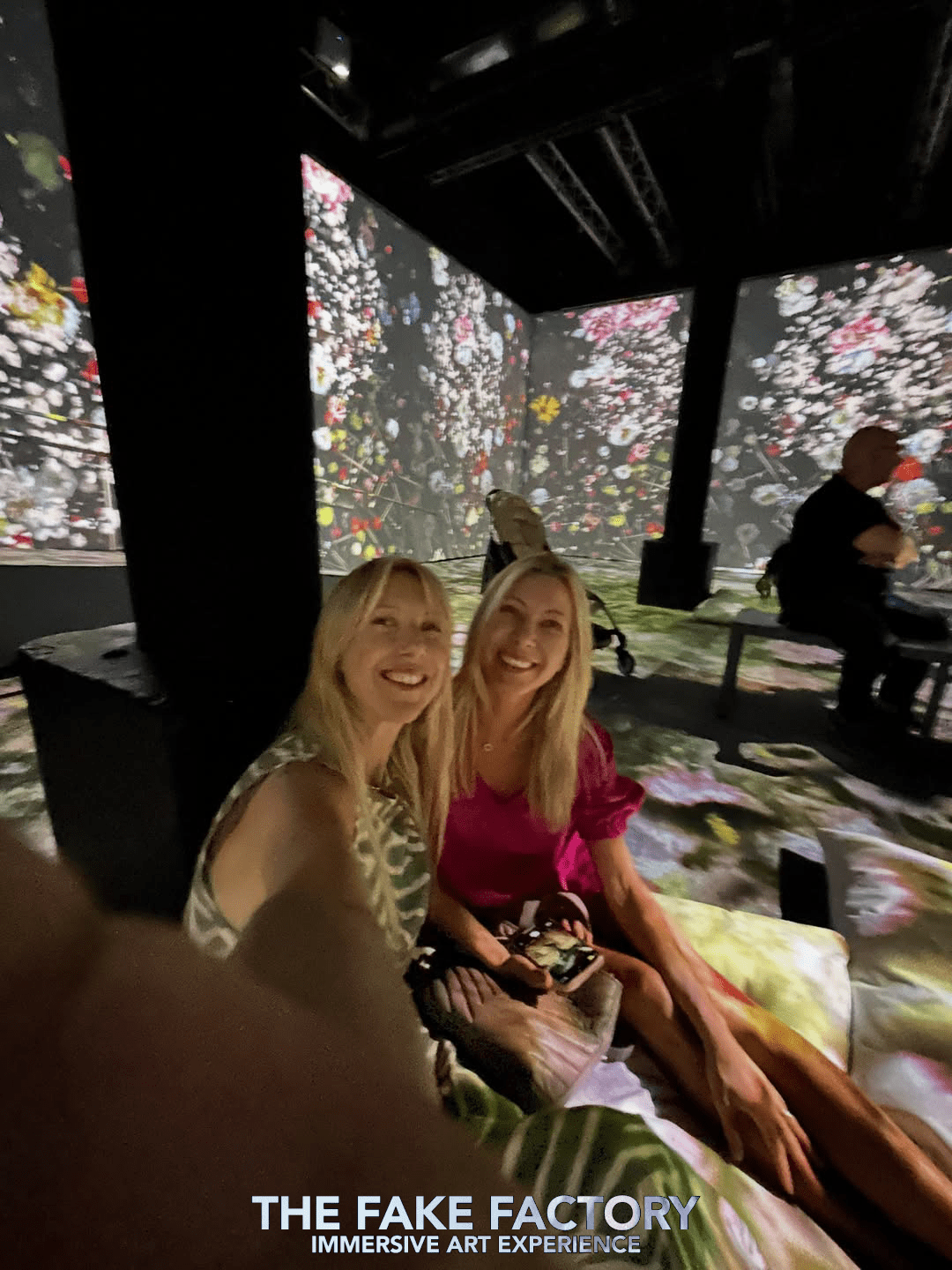
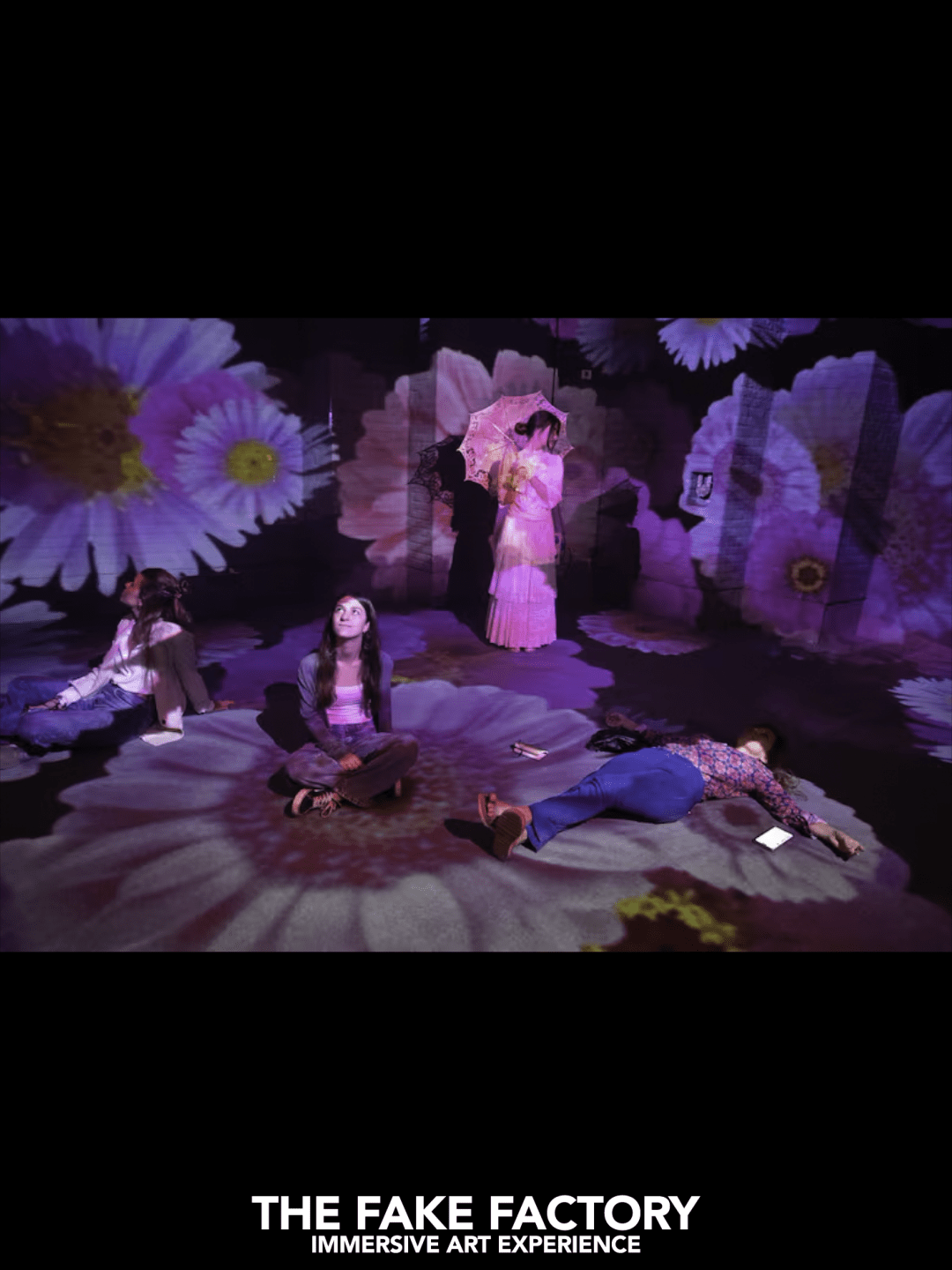
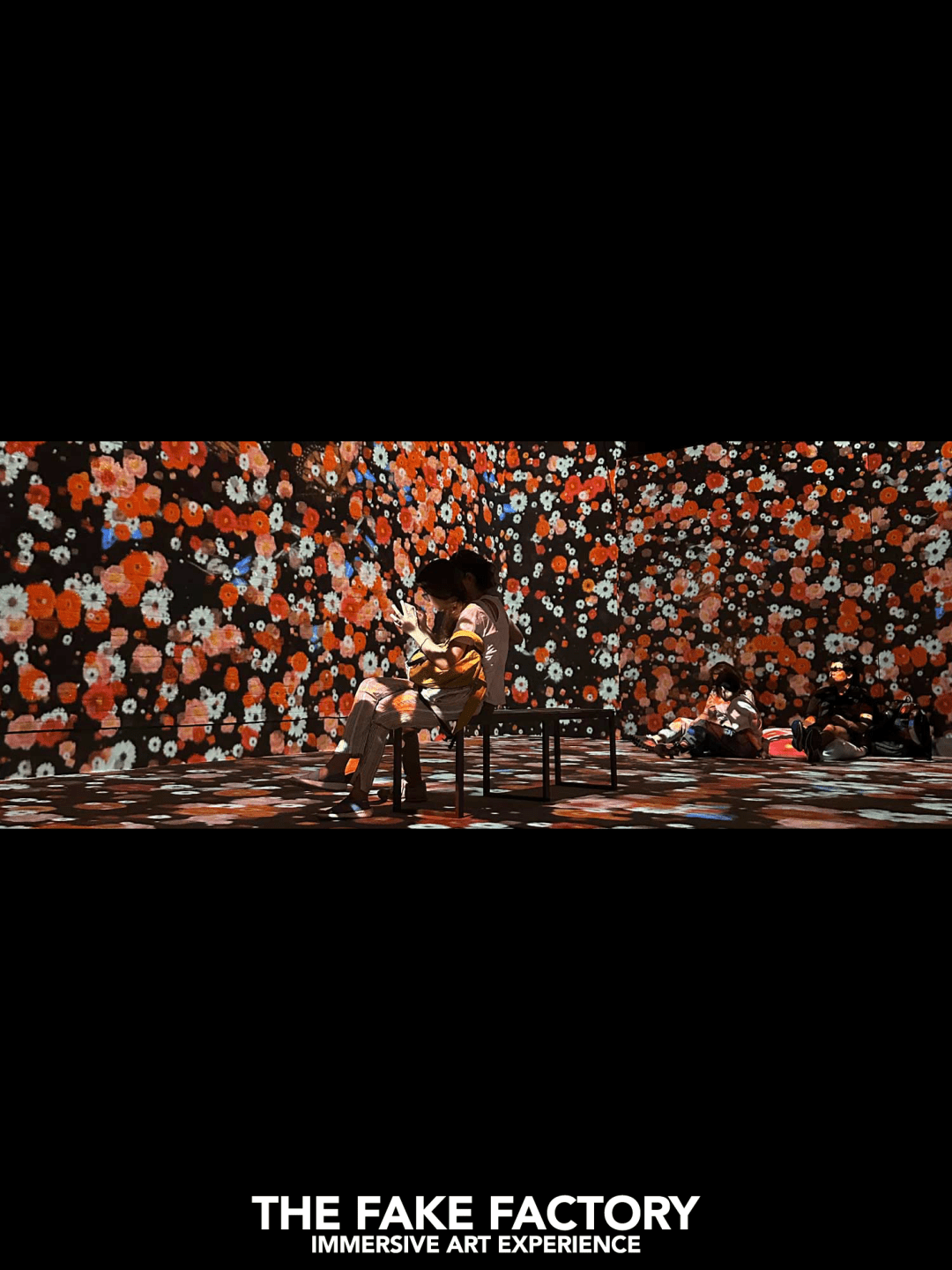
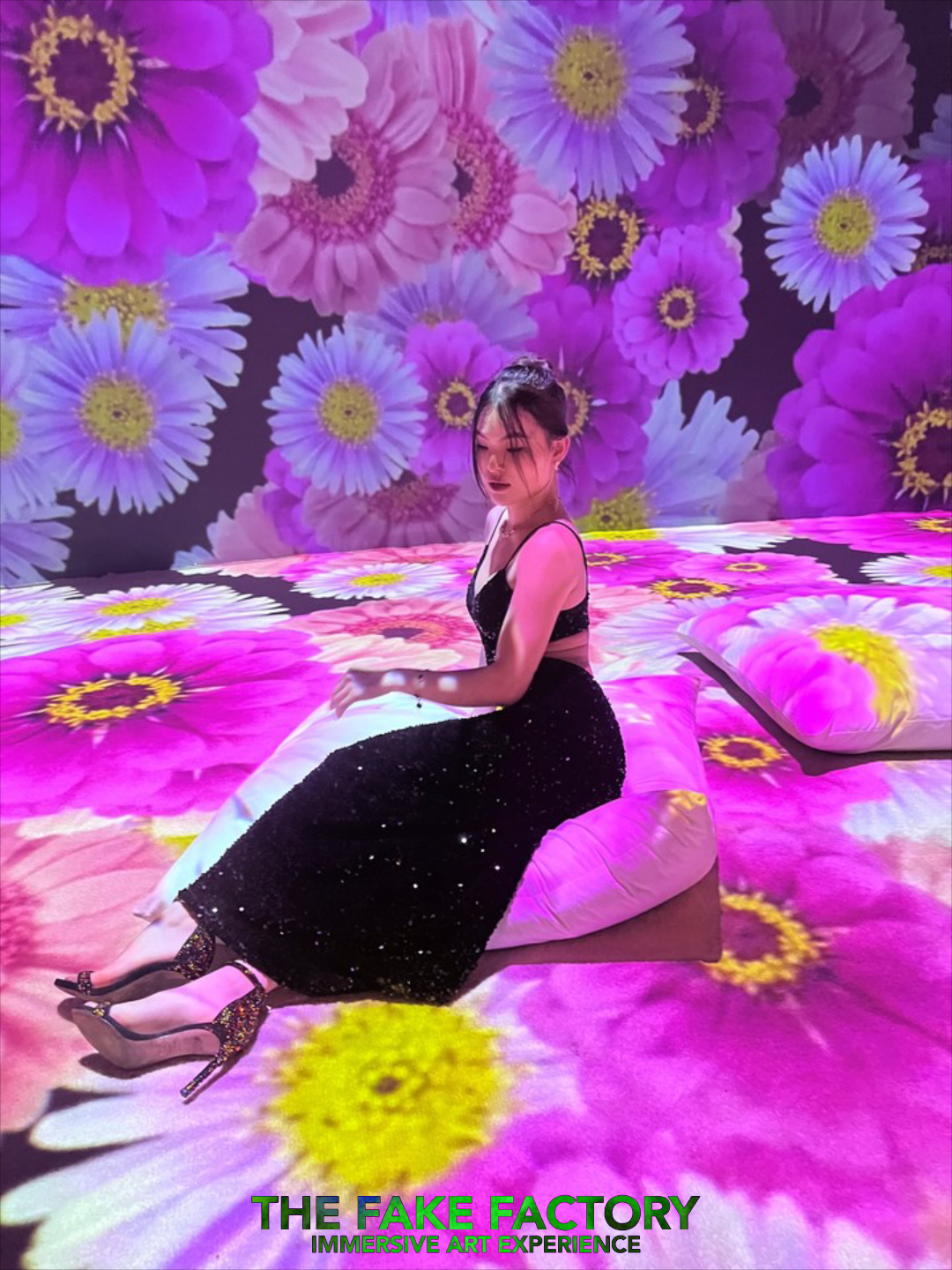
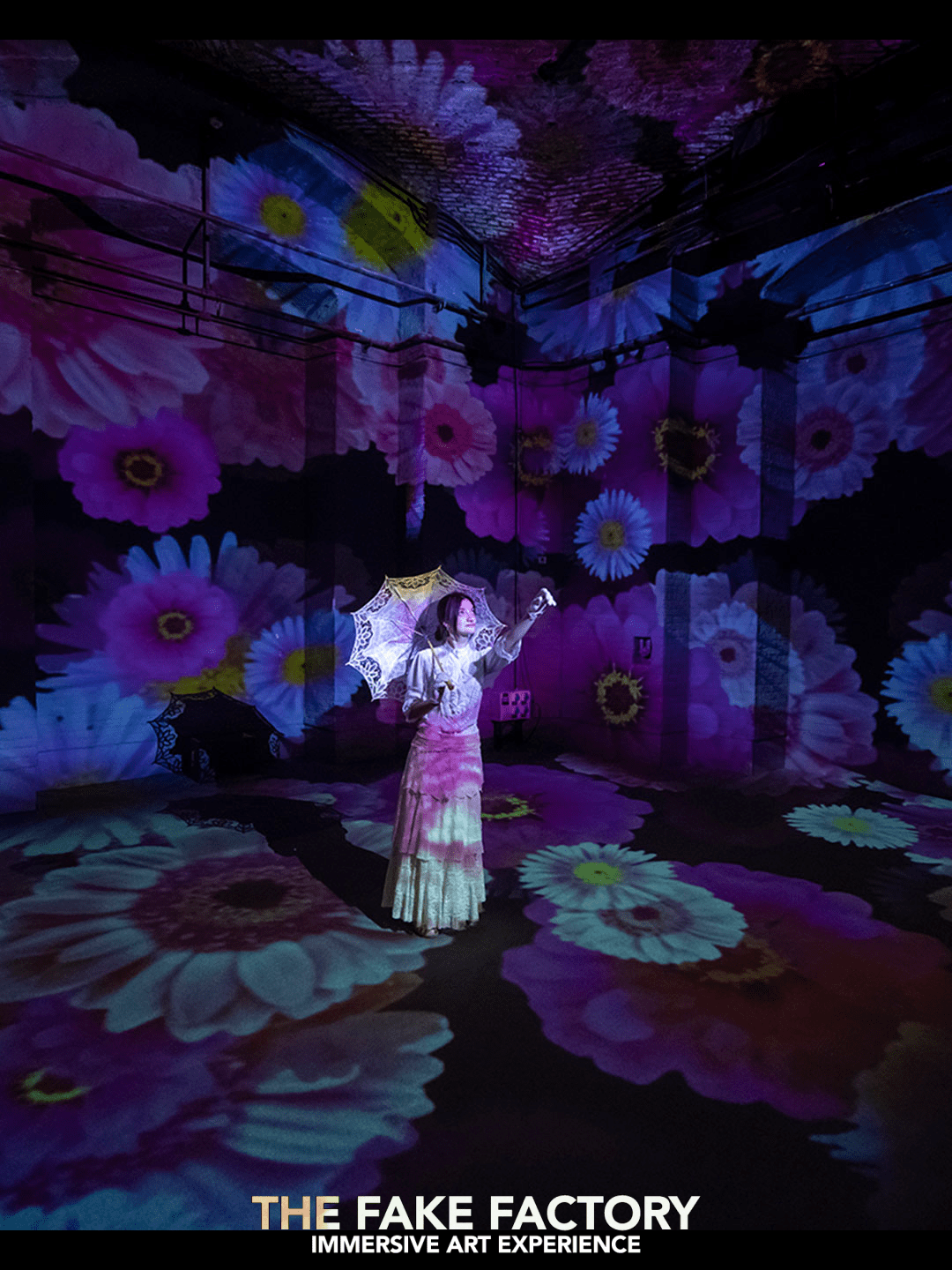
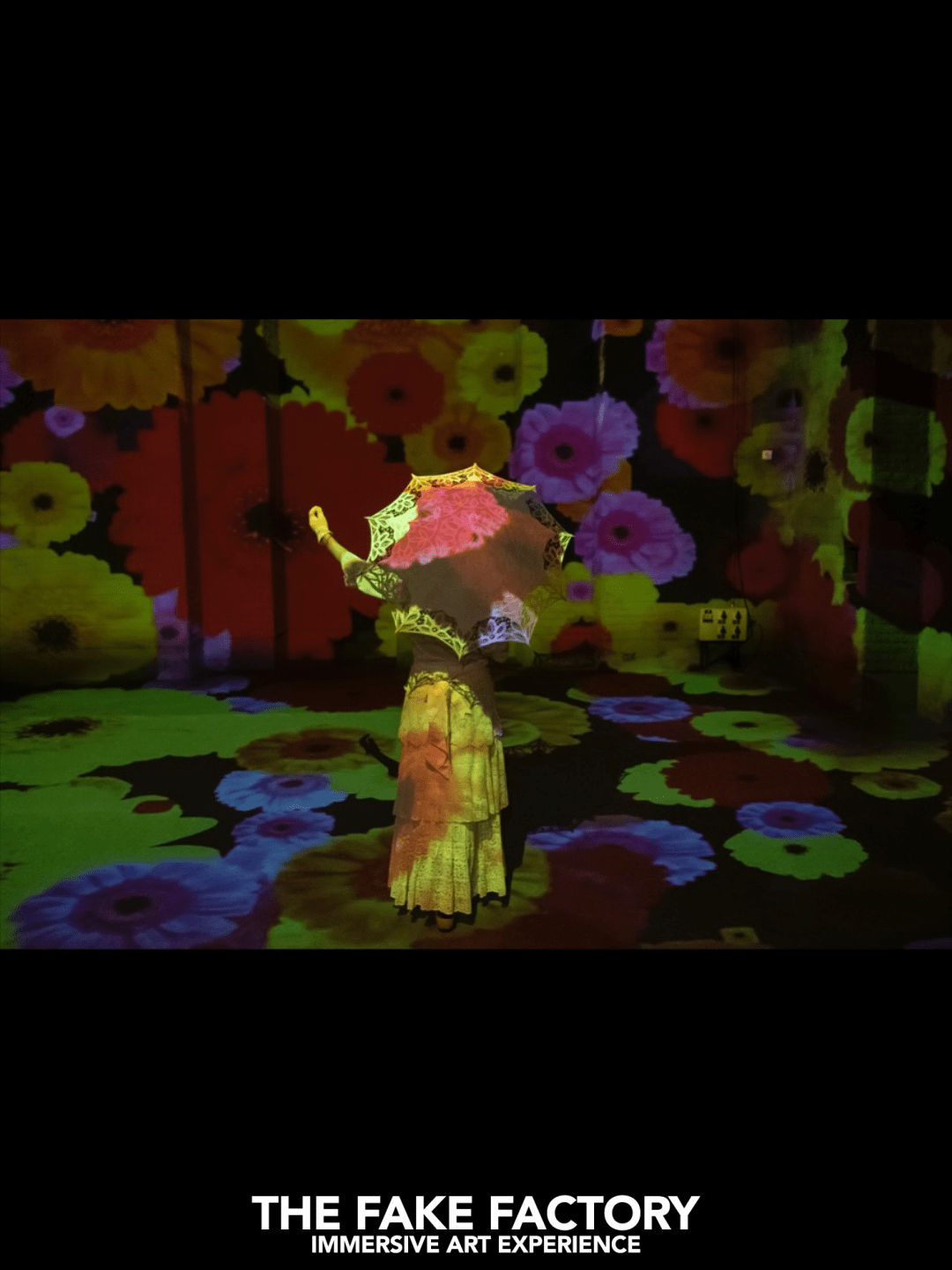
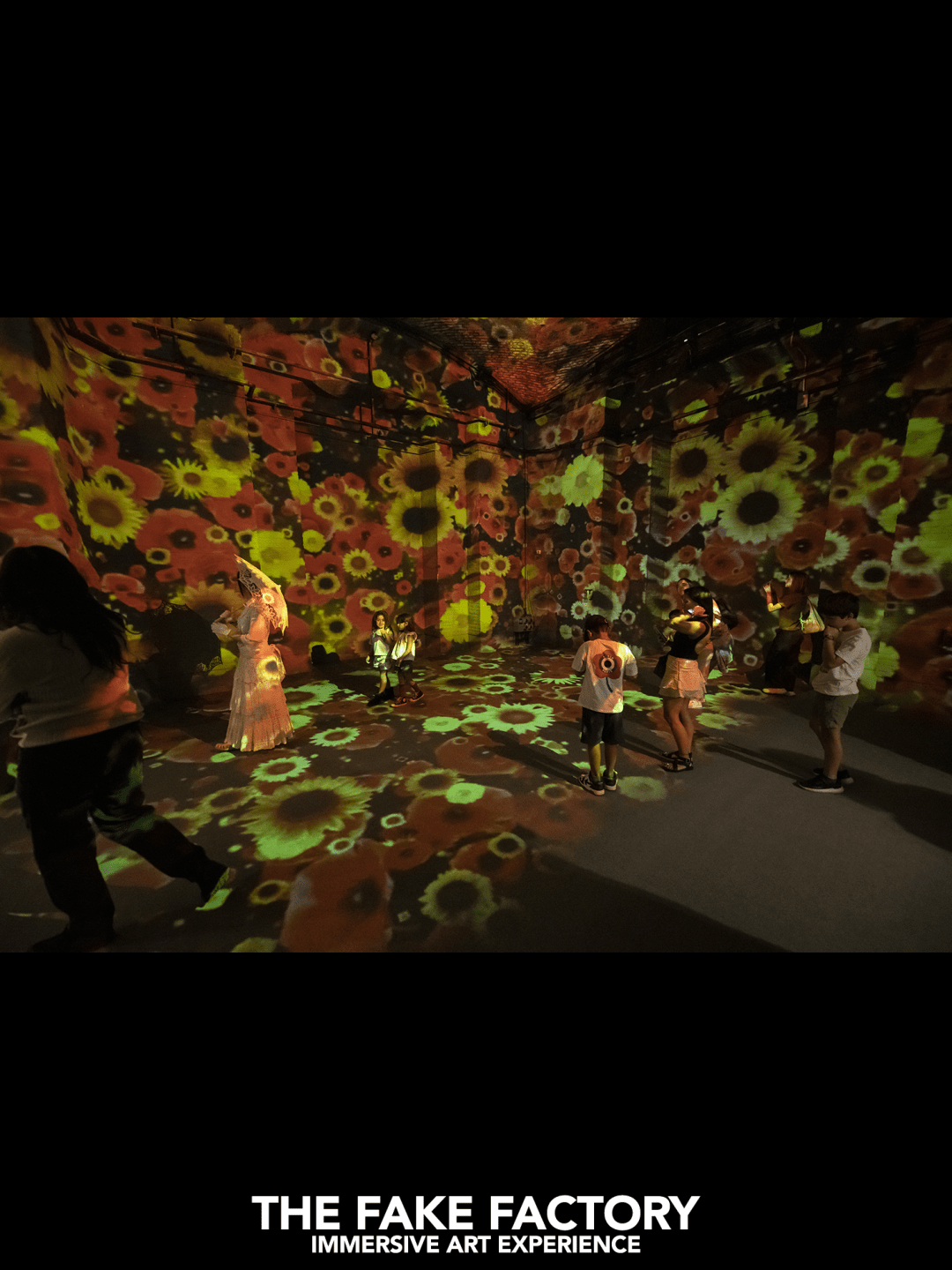
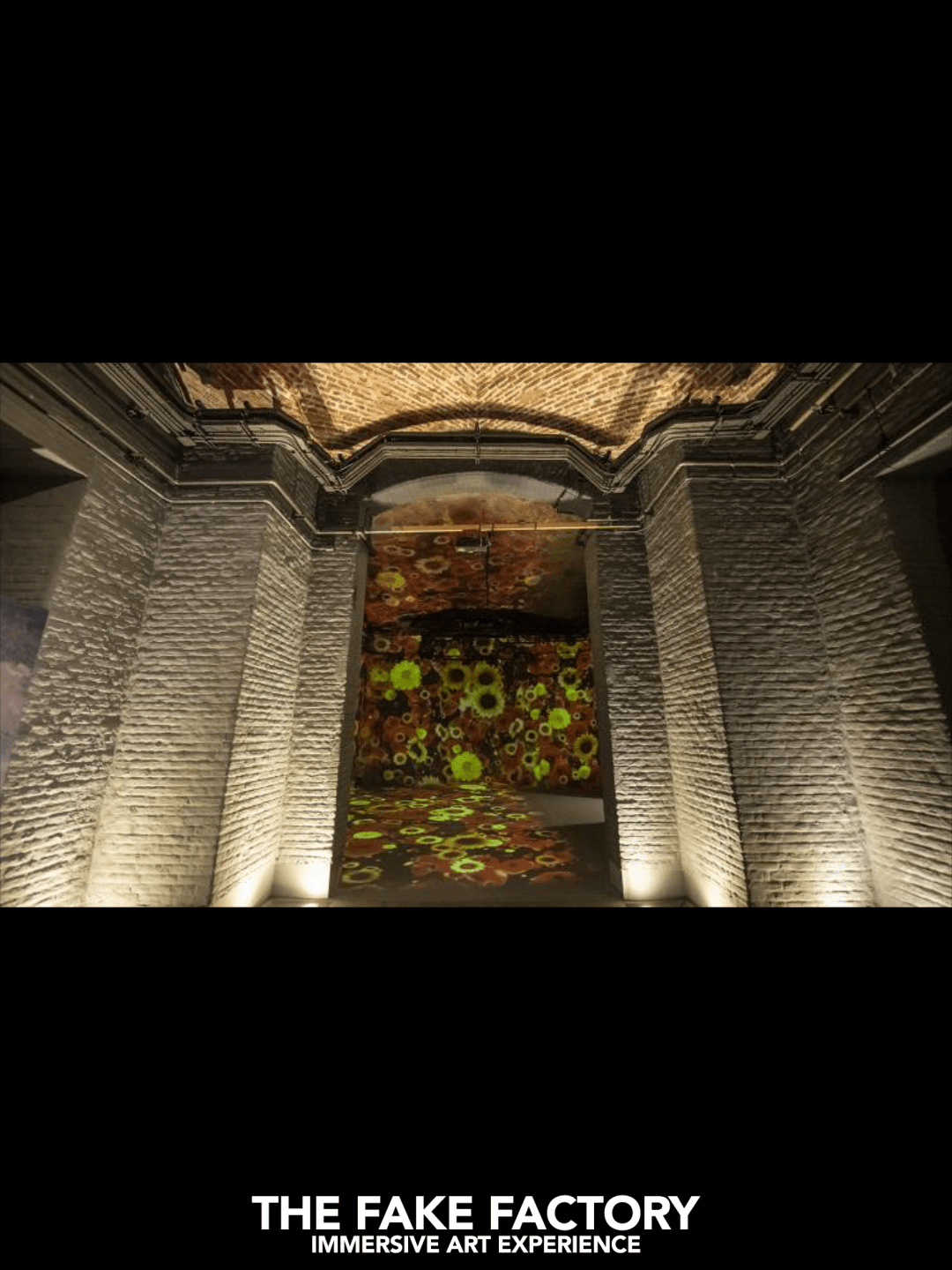
Otras salas están dedicadas al tema de las flores, y permiten al público sumergirse en un flujo ininterrumpido de composiciones florales de colores, haciendo posible experimentar, por un instante, la sensación de convertirse en modelos impresionistas completamente envueltos por una naturaleza viva y cromáticamente intensa.
– ¿Cuáles fueron los desafíos de adaptar sus obras clásicas a esta experiencia digital?
Nosotros, los artistas digitales, tratamos la pintura del mismo modo en que un director teatral trabaja con un texto escrito. Para un director de teatro, el punto de partida es la palabra, el corpus literario producido por Shakespeare, Molière o Plauto; a partir de ahí comienza a poner en escena, elemento tras elemento, aquello que el dramaturgo ha fijado en el papel.
En nuestro caso, el punto de partida son los elementos visuales, es decir, las pinturas, y desde ellos indagamos por qué se realizaron precisamente ese tipo de obras. A partir de ello construimos un relato compuesto de palabras, biografías, informaciones, sonidos y músicas, así como de atmósferas, con el objetivo de hacer comprensible de manera emocional el porqué —y no solo el cómo— de la realización de estas pinturas y la razón por la cual resultaron revolucionarias en la evolución histórica de las artes visuales.
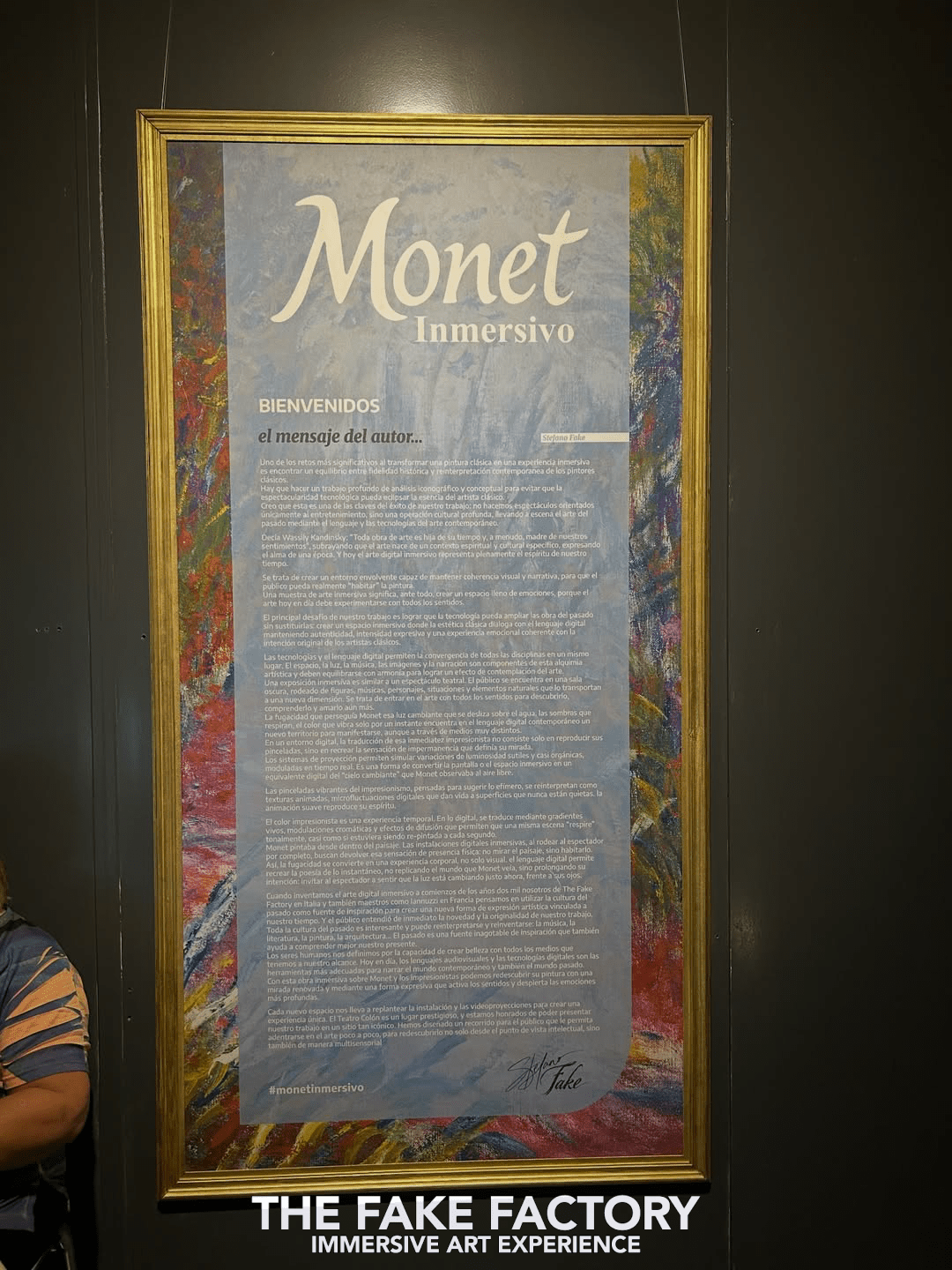
Uno de los retos más significativos al transformar una pintura clásica en una experiencia inmersiva es encontrar un equilibrio entre fidelidad histórica y reinterpretación contemporanea de los pintores clásicos. Hay que hacer un trabajo profundo de análisis iconográfico y conceptual para evitar que la espectacularidad tecnológica pueda eclipsar la esencia del artista clásico. Creo que esta es una de las claves del éxito de nuestro trabajo: no hacemos espectáculos orientados únicamente al entretenimiento, sino una operación cultural profunda, llevando a escena el arte del pasado mediante el lenguaje y las tecnologías del arte contemporáneo.
Decía Wassily Kandinsky: “Toda obra de arte es hija de su tiempo y, a menudo, madre de nuestros sentimientos”, subrayando que el arte nace de un contexto espiritual y cultural específico, expresando el alma de una época. Y hoy el arte digital inmersivo representa plenamente el espíritu de nuestro tiempo. Se trata de crear un entorno envolvente capaz de mantener coherencia visual y narrativa, para que el publico pueda realmente “habitar” la pintura. Una muestra de arte inmersiva significa, ante todo, crear un espacio lleno de emociones, porque el arte hoy en día debe experimentarse con todos los sentidos.
¿qué implica adaptarla a otros países?
El arte es un lenguaje universal. No existen barreras ni límites. Más allá de la voz en off, que se traduce y se reinterpreta por un actor en la lengua del lugar, no se producen modificaciones sustanciales entre los distintos países. El arte digital inmersivo nace con una vocación universal, para dirigirse a públicos de todas las edades y de cualquier procedencia social y cultural.
– ¿Cuál creés que es el legado de Monet? ¿y del impresionismo?
Monet y los impresionistas nos enseñan varias cosas: que cada ser humano es único y percibe la realidad a través de su propia mirada; que el mundo no debe reproducirse únicamente mediante la perfección técnica, sino a través del golpe de vista rápido que expresa emociones e impresiones fugaces; que el arte siempre ha estado y estará en continua evolución y que los artistas deben seguir su propia estrella, sin preocuparse por las críticas ni por los puntos de vista tradicionales y limitantes; que toda la realidad es interesante, especialmente las novedades, y que los artistas deben ser los primeros en ocuparse de ellas y hacerlas explícitas a través de su arte.
Al estudiar a los impresionistas, una de las corrientes de vanguardia más rupturistas con el pasado, se aprende que la tarea fundamental del arte es, ante todo, proporcionar a los seres humanos nuevos ojos para ver la realidad que los rodea.
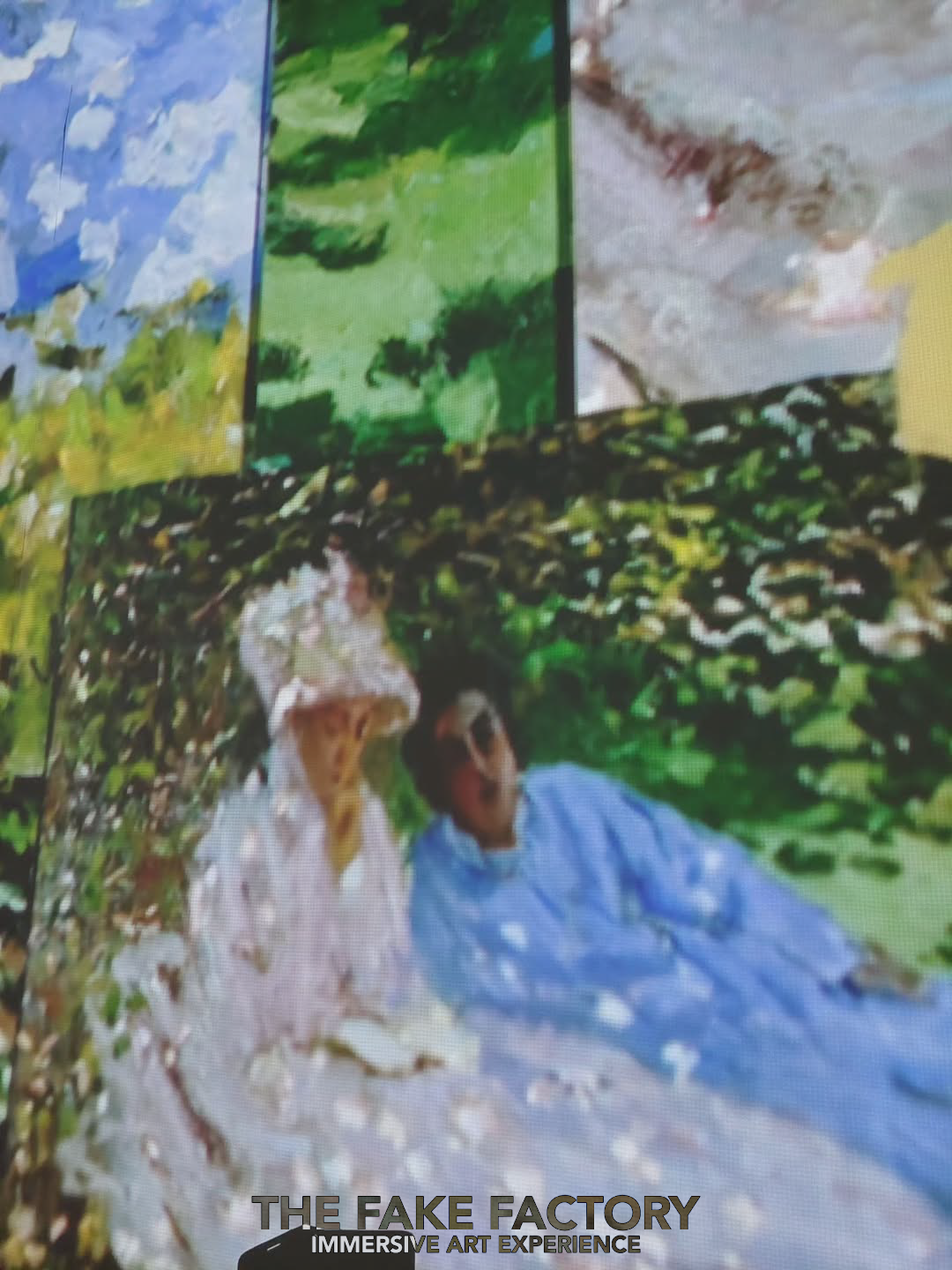
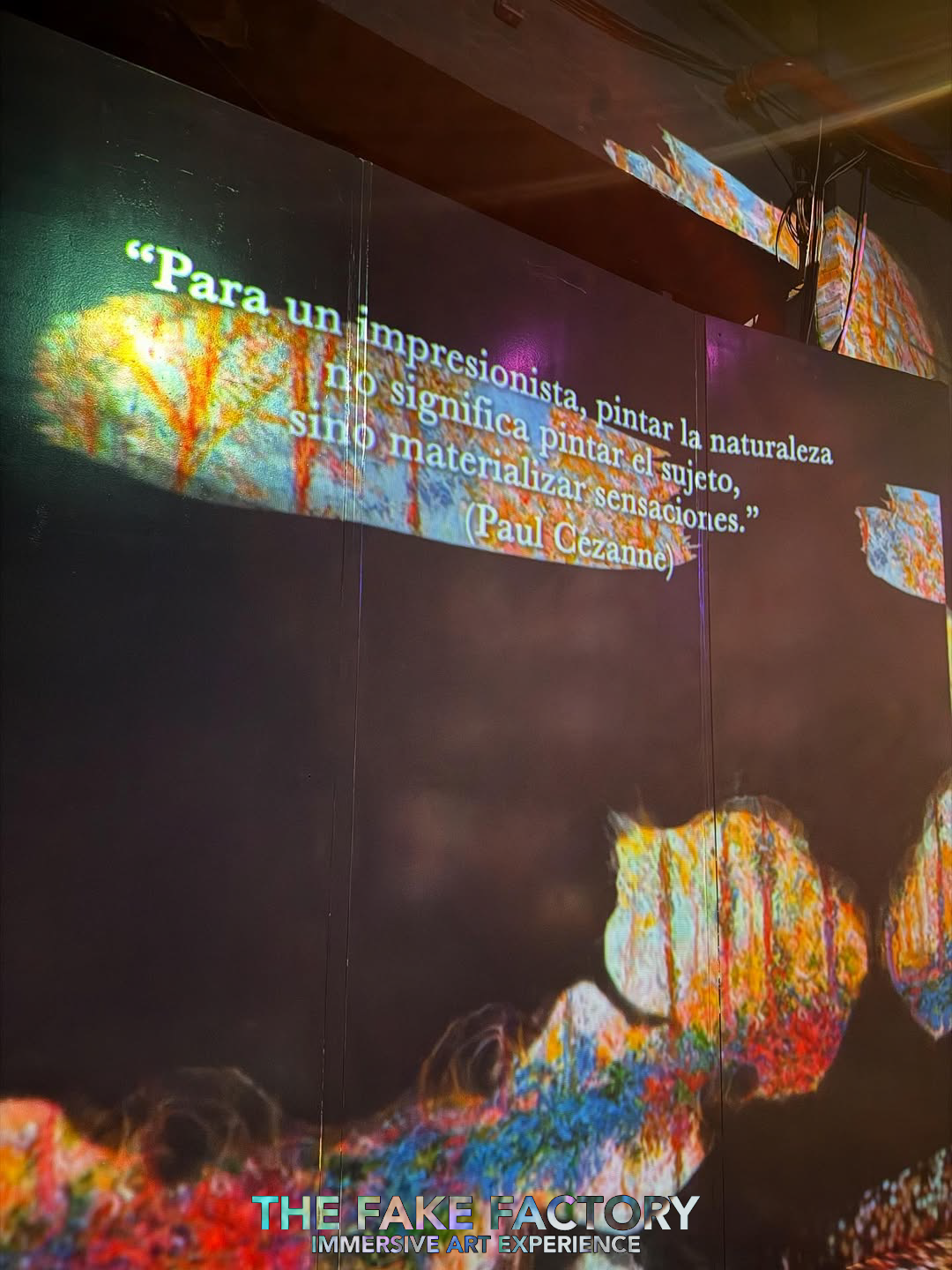
Las pinceladas vibrantes del impresionismo, pensadas para sugerir lo efímero, se reinterpretan como texturas animadas, microfluctuaciones digitales que dan vida a superficies que nunca están quietas. la animación suave reproduce su espíritu. El color impresionista es una experiencia temporal. En lo digital, se traduce mediante gradientes vivos, modulaciones cromáticas y efectos de difusión que permiten que una misma escena “respire” tonalmente, casi como si estuviera siendo re-pintada a cada segundo.
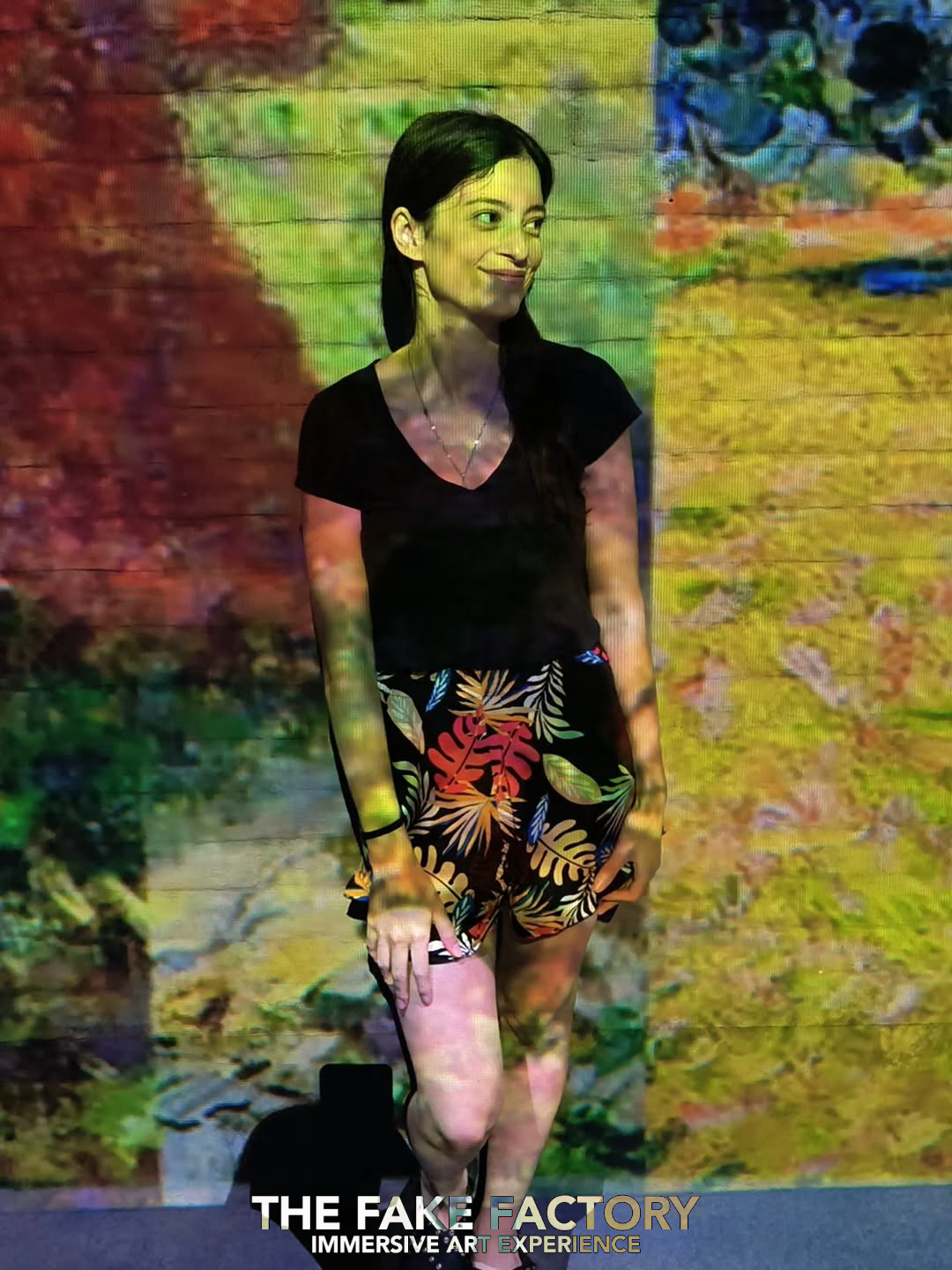
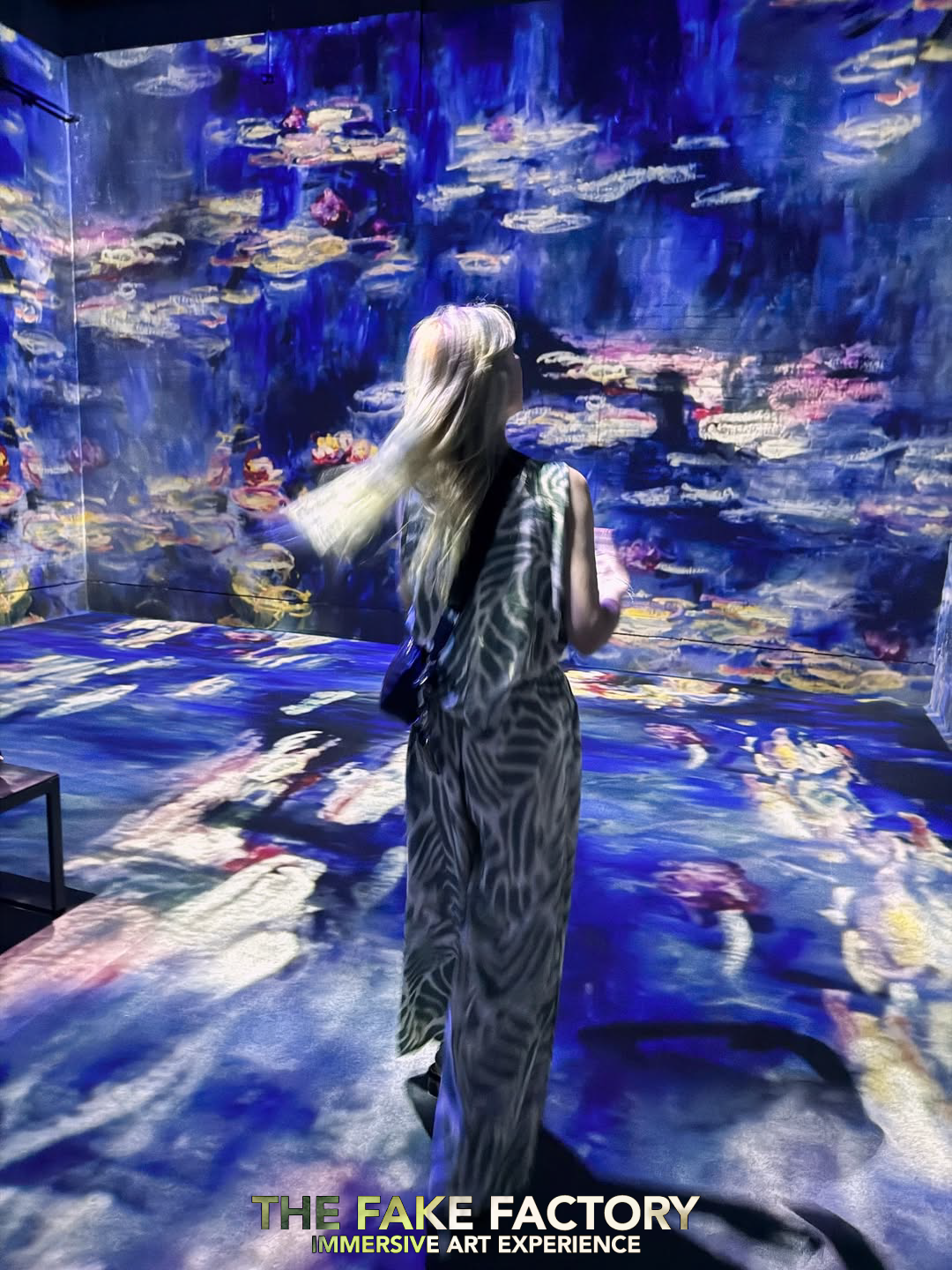
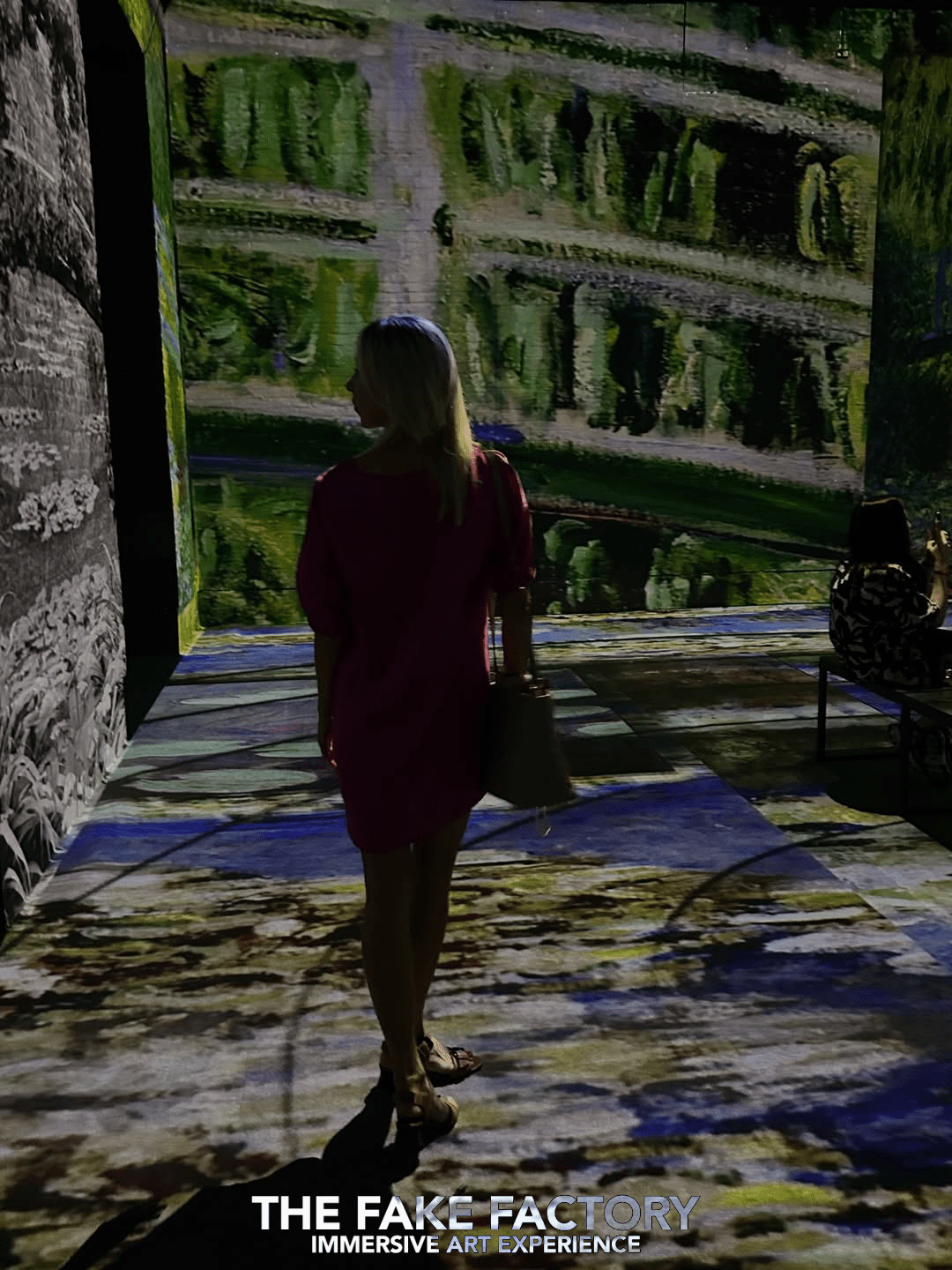
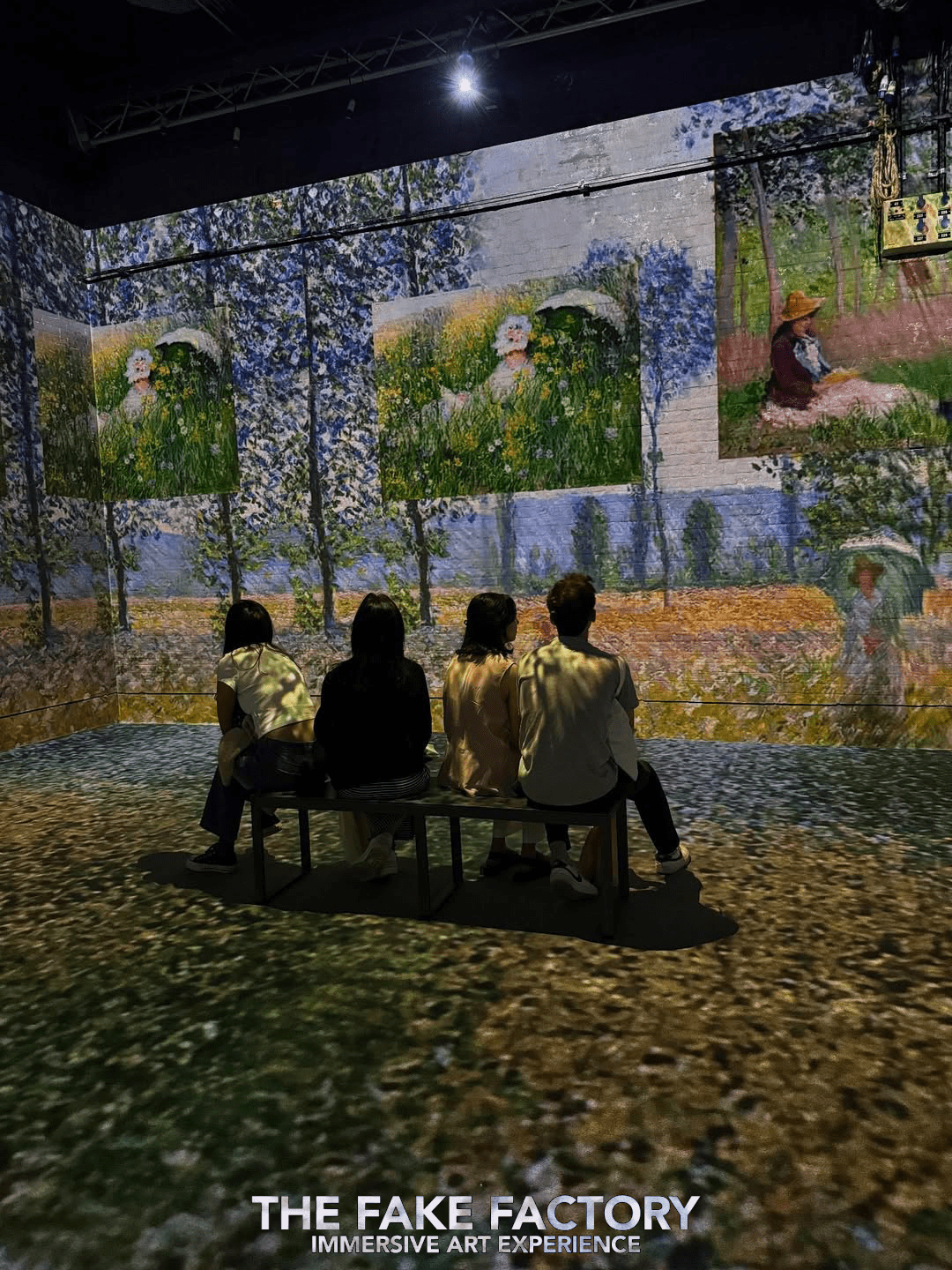
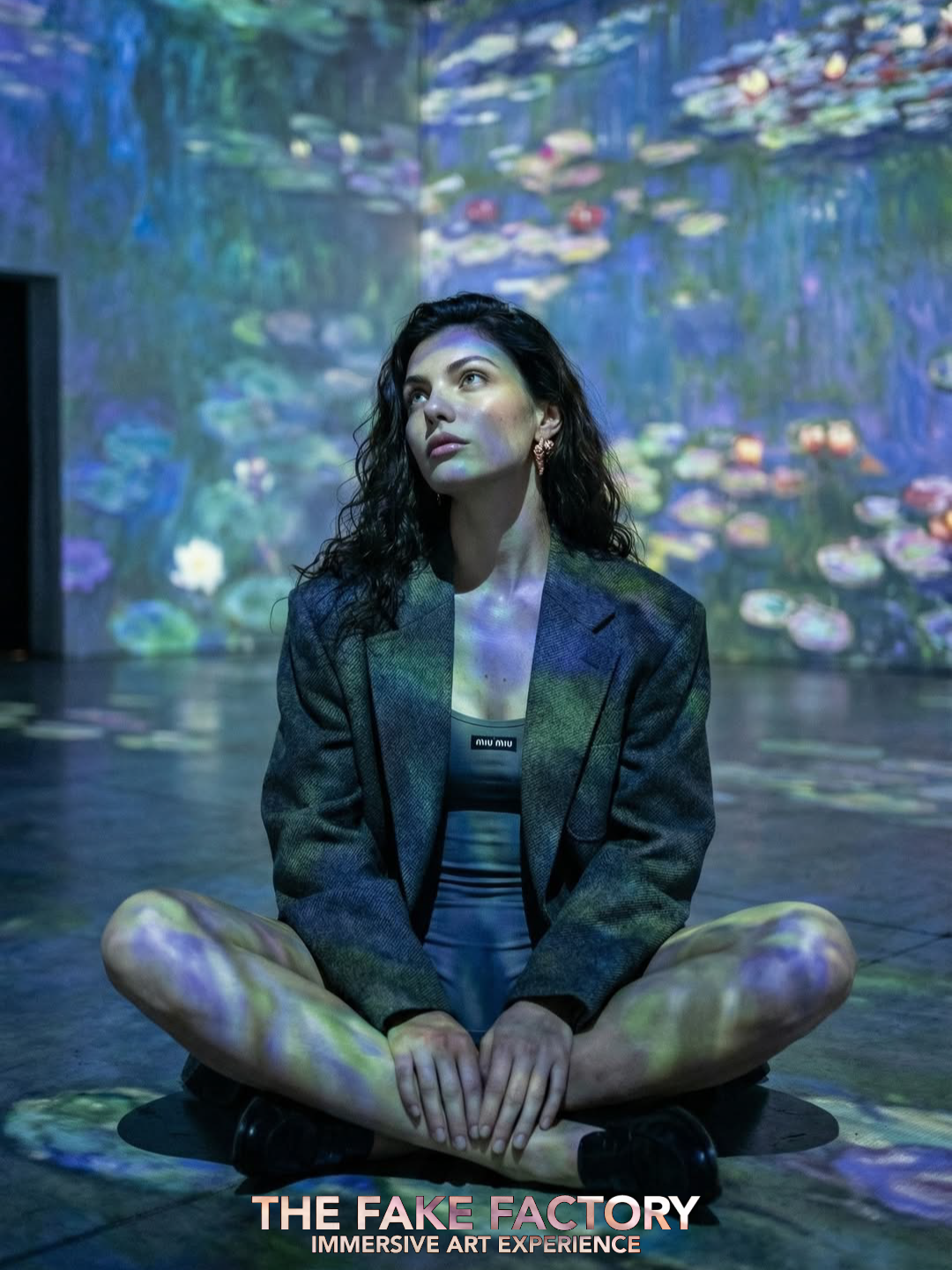
Monet pintaba desde dentro del paisaje. Las instalaciones digitales inmersivas, al rodear al espectador por completo, buscan devolver esa sensación de presencia física: no mirar el paisaje, sino habitarlo. Así, la fugacidad se convierte en una experiencia corporal, no solo visual. el lenguaje digital permite recrear la poesía de lo instantáneo, no replicando el mundo que Monet veía, sino prolongando su intención: invitar al espectador a sentir que la luz está cambiando justo ahora, frente a sus ojos.
– También creaste la muestra inmersiva de Van Gogh, ¿qué recordás de esa experiencia? ¿qué otro artista te gustaría adaptar a este formato?
En los últimos diez años, más de siete millones de personas en todo el mundo han visitado nuestras exposiciones digitales inmersivas dedicadas a los artistas europeos del pasado. Van Gogh ha sido uno de los nombres de mayor éxito, pero también Klimt, Magritte, Leonardo da Vinci y Matisse han despertado un notable interés por parte del público, lo que demuestra que el arte es universal y atraviesa los siglos y las culturas.
El caso de Van Gogh es emblemático de este fenómeno, ya que las decenas de exposiciones inmersivas dedicadas a él en estos años —no solo las realizadas por nosotros, sino también otras versiones, más o menos logradas, surgidas en todos los continentes— representan precisamente esta fluidez del arte, que a lo largo del tiempo inventa nuevas formas de ser experimentado.
Hoy en día, uno de los rasgos más significativos de nuestra civilización es la presencia de internet y de la cultura de la web, lo que ha propiciado como nunca antes que la cultura del pasado sea remezclada, reinterpretada y resignificada. El Van Gogh “digital e inmersivo” constituye un título emblemático de este proceso cultural contemporáneo. Sin embargo, el mismo proceso —como hemos demostrado— puede aplicarse recurriendo a ese palimpsesto infinito de la cultura humana. Nos encontramos solo al inicio de este proceso, y nuevos artistas y nuevos periodos históricos serán objeto de atención por parte de los creadores multimedia.
¿por qué elegiste hacerla en el Teatro Colón en Argentina?
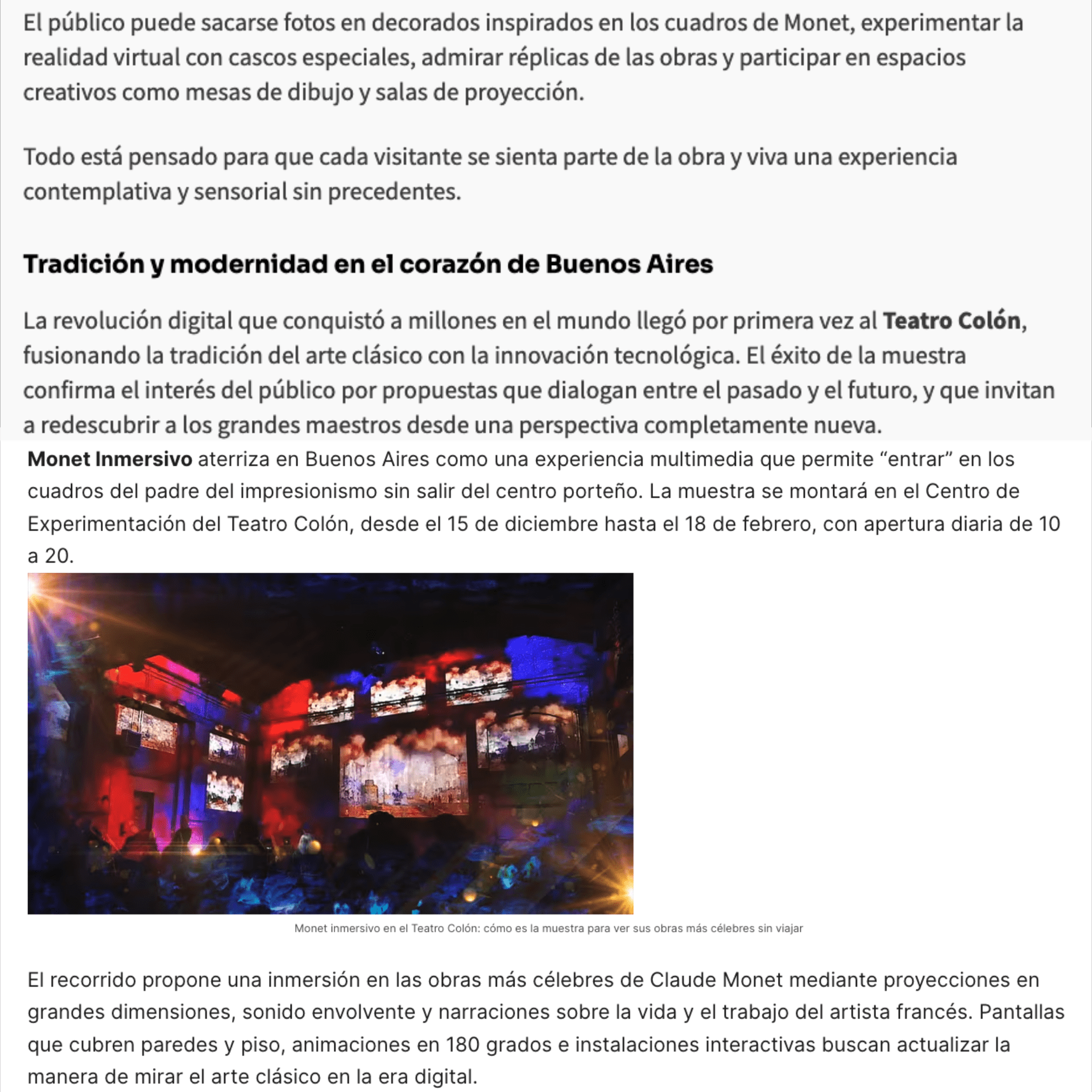
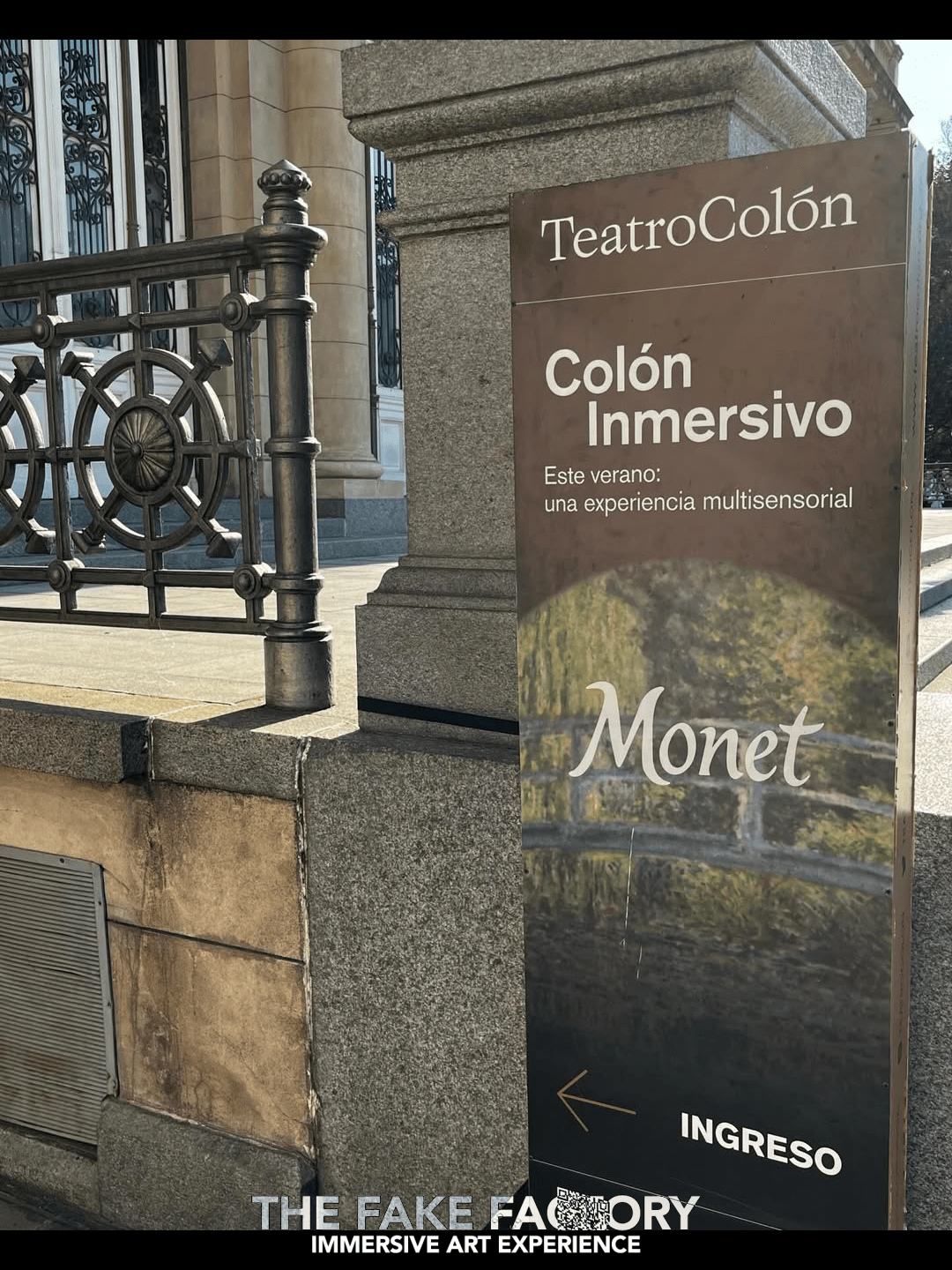
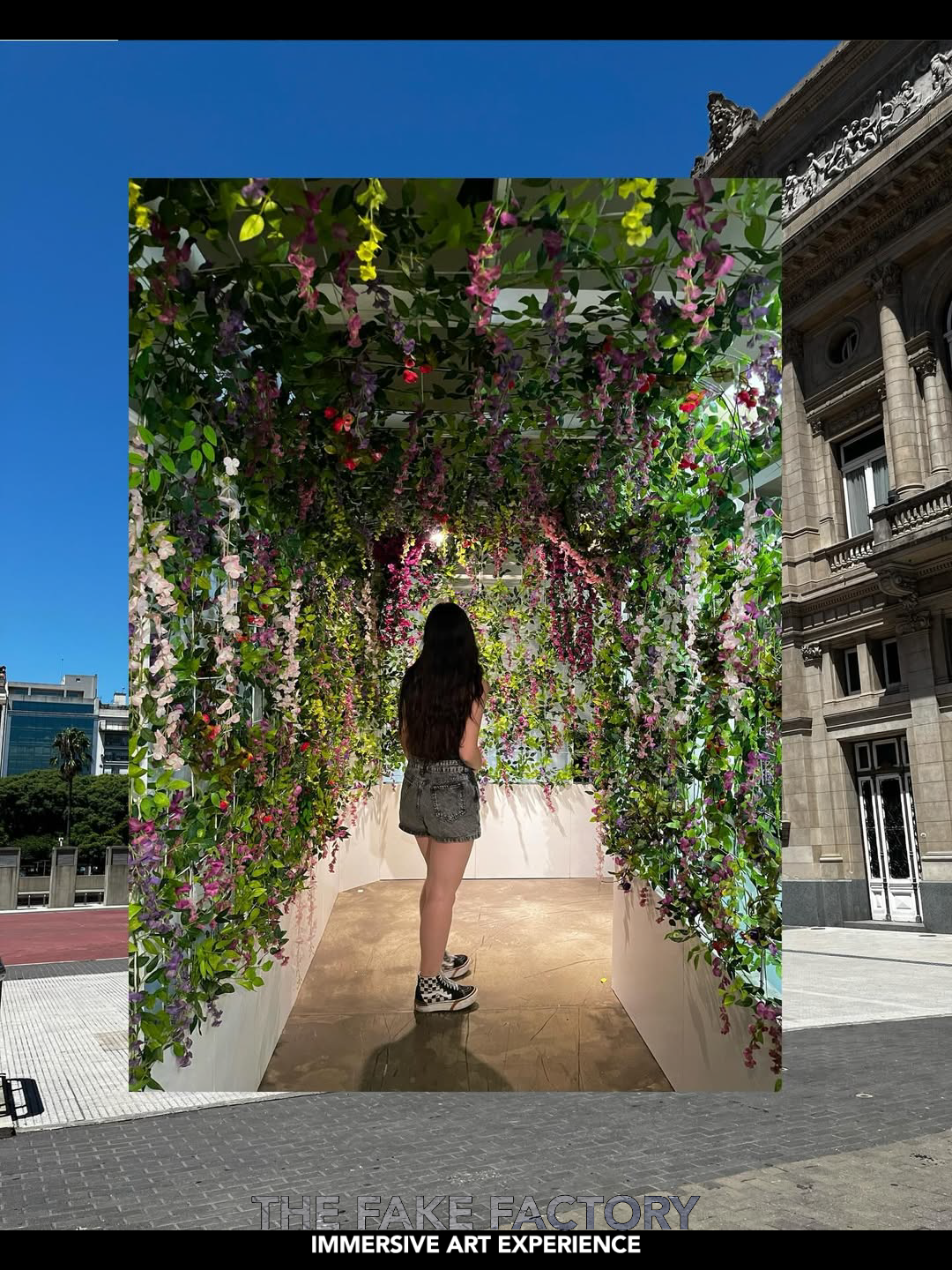
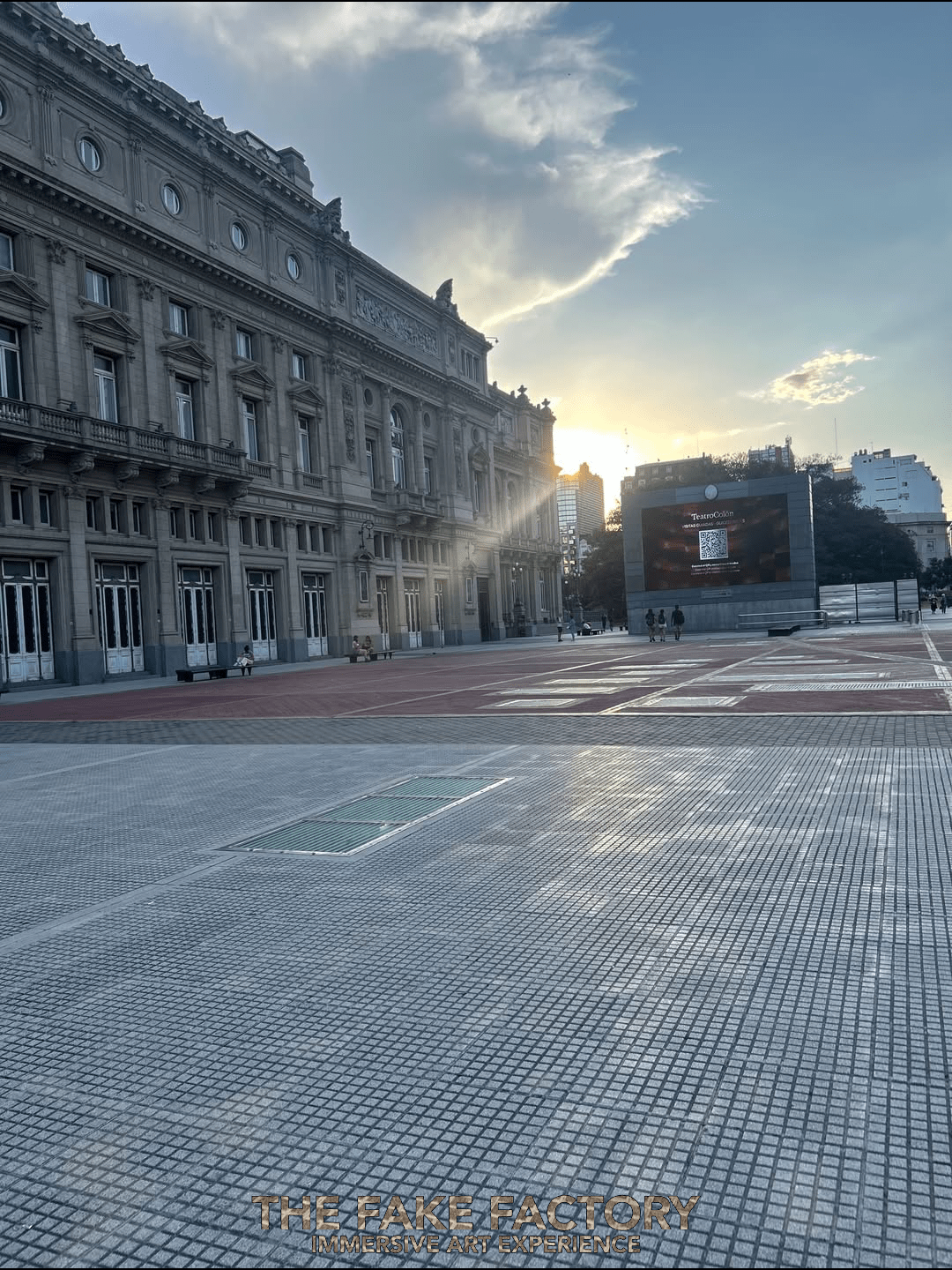
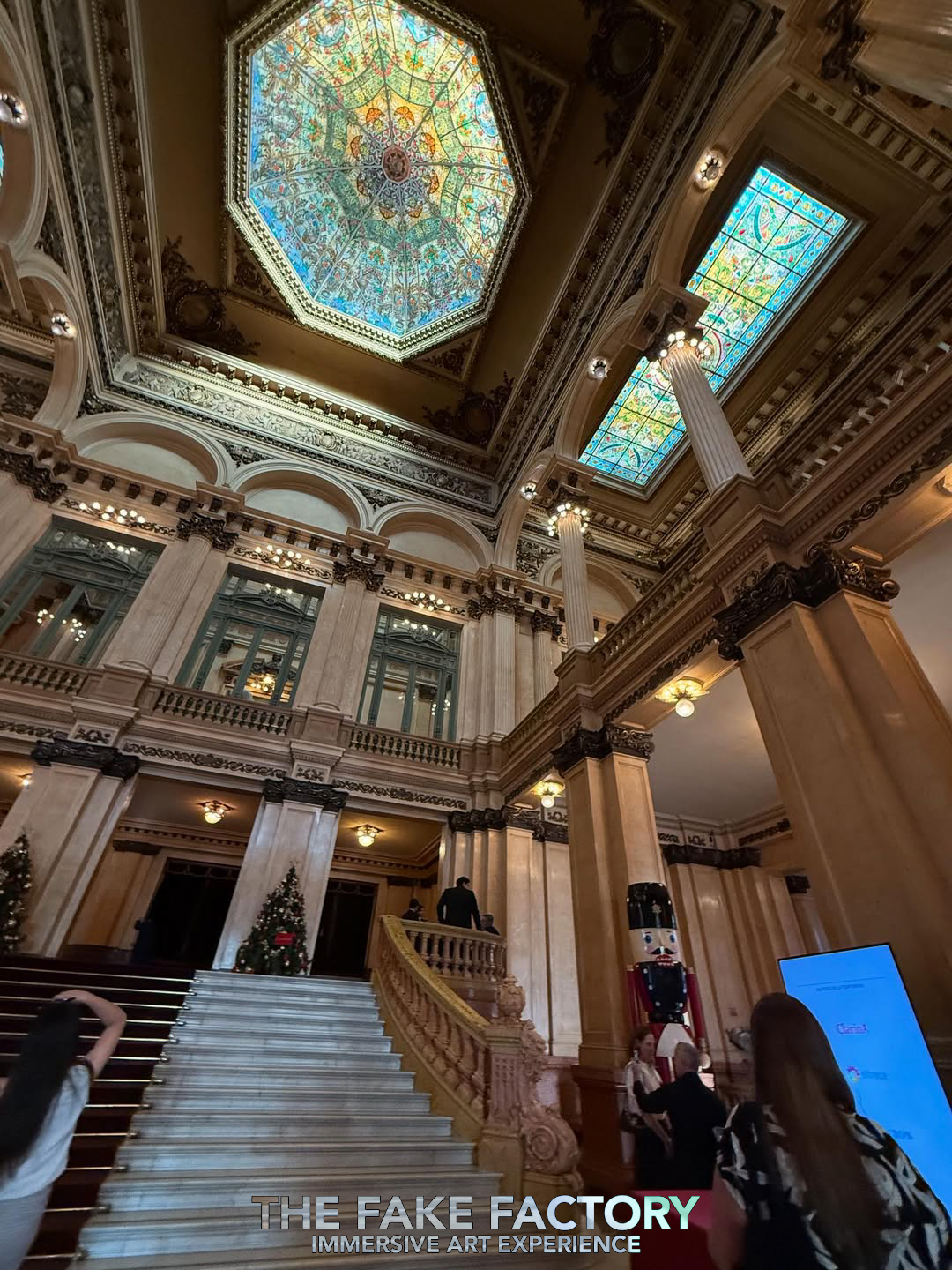
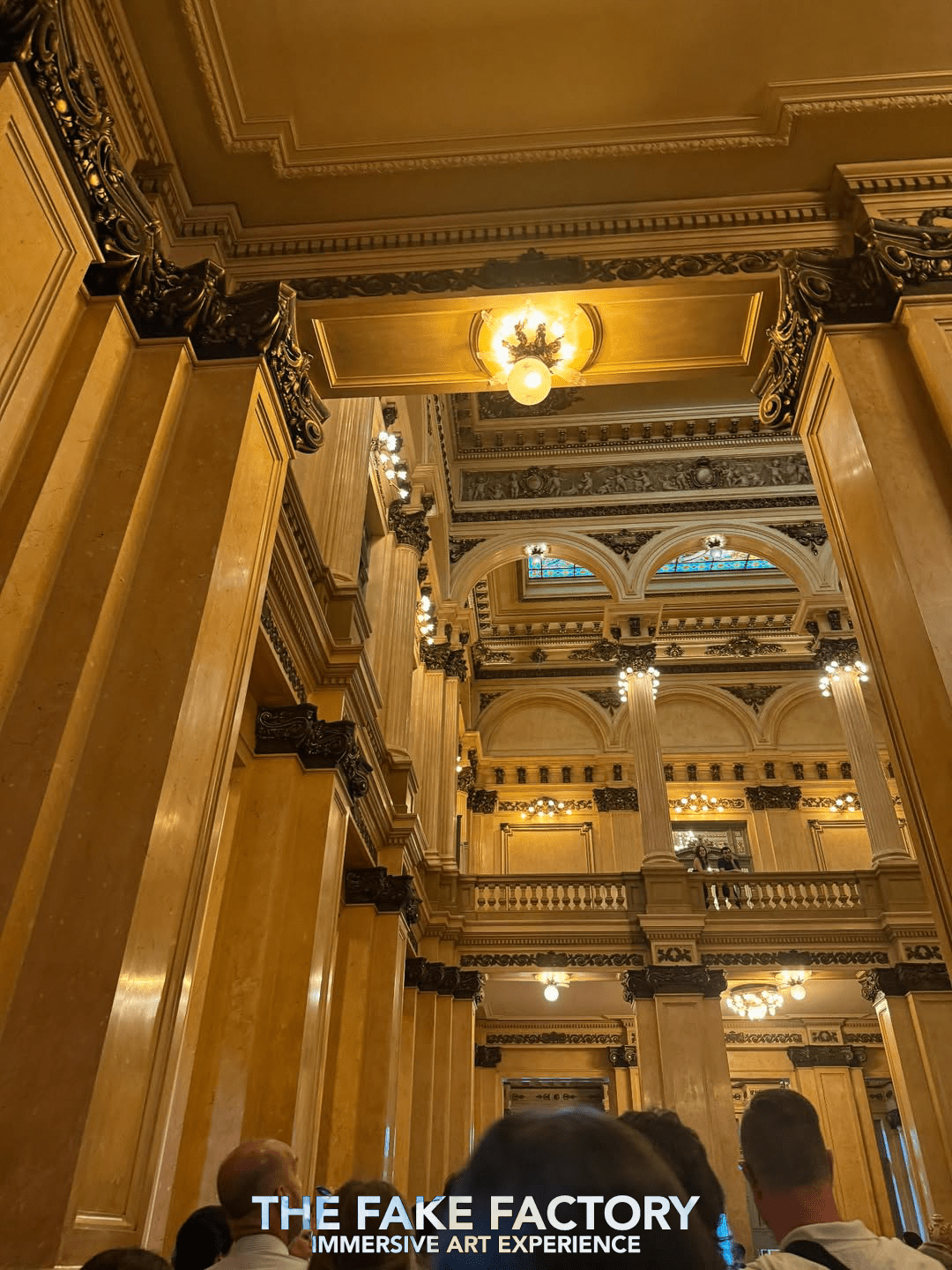
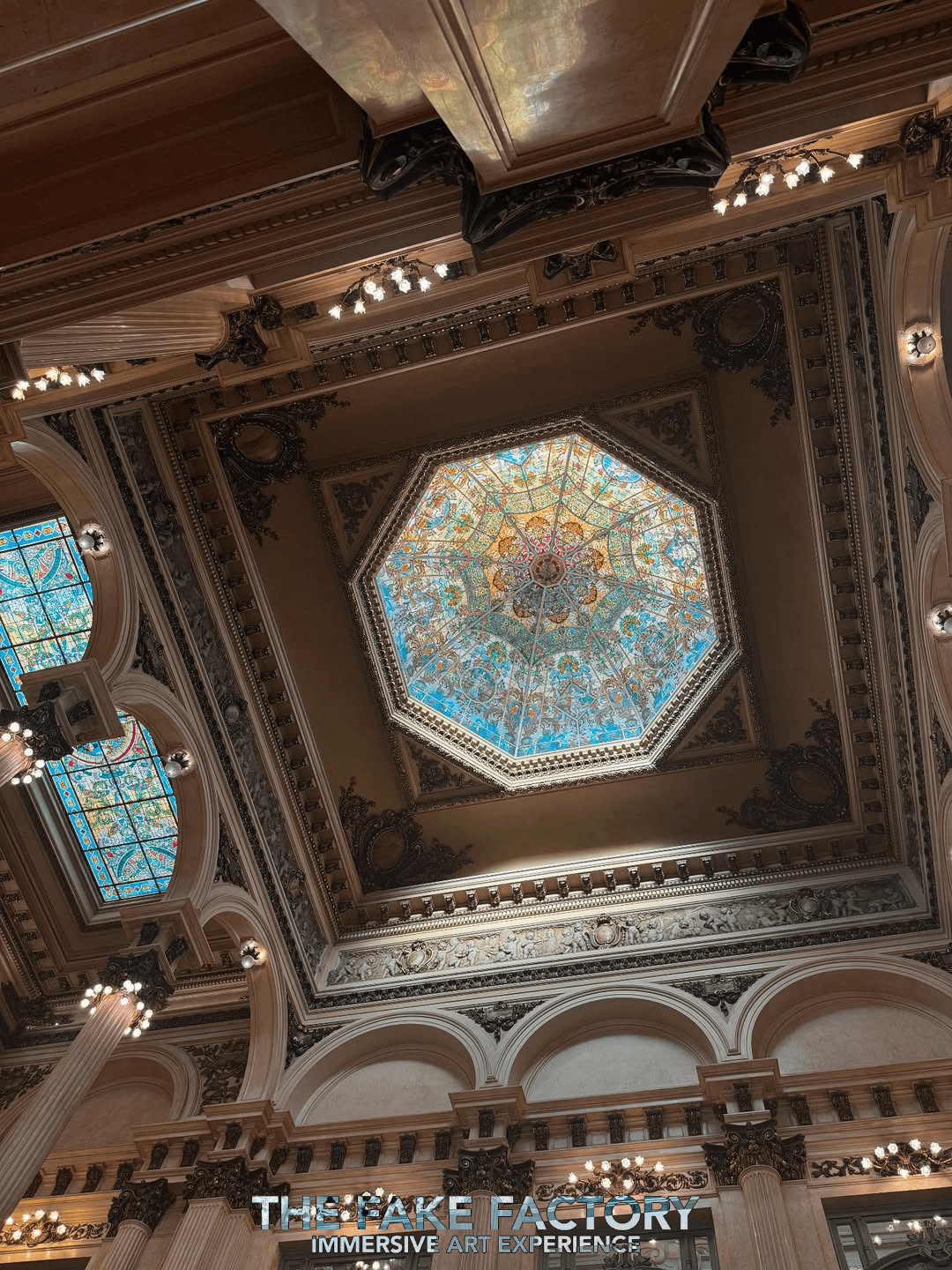
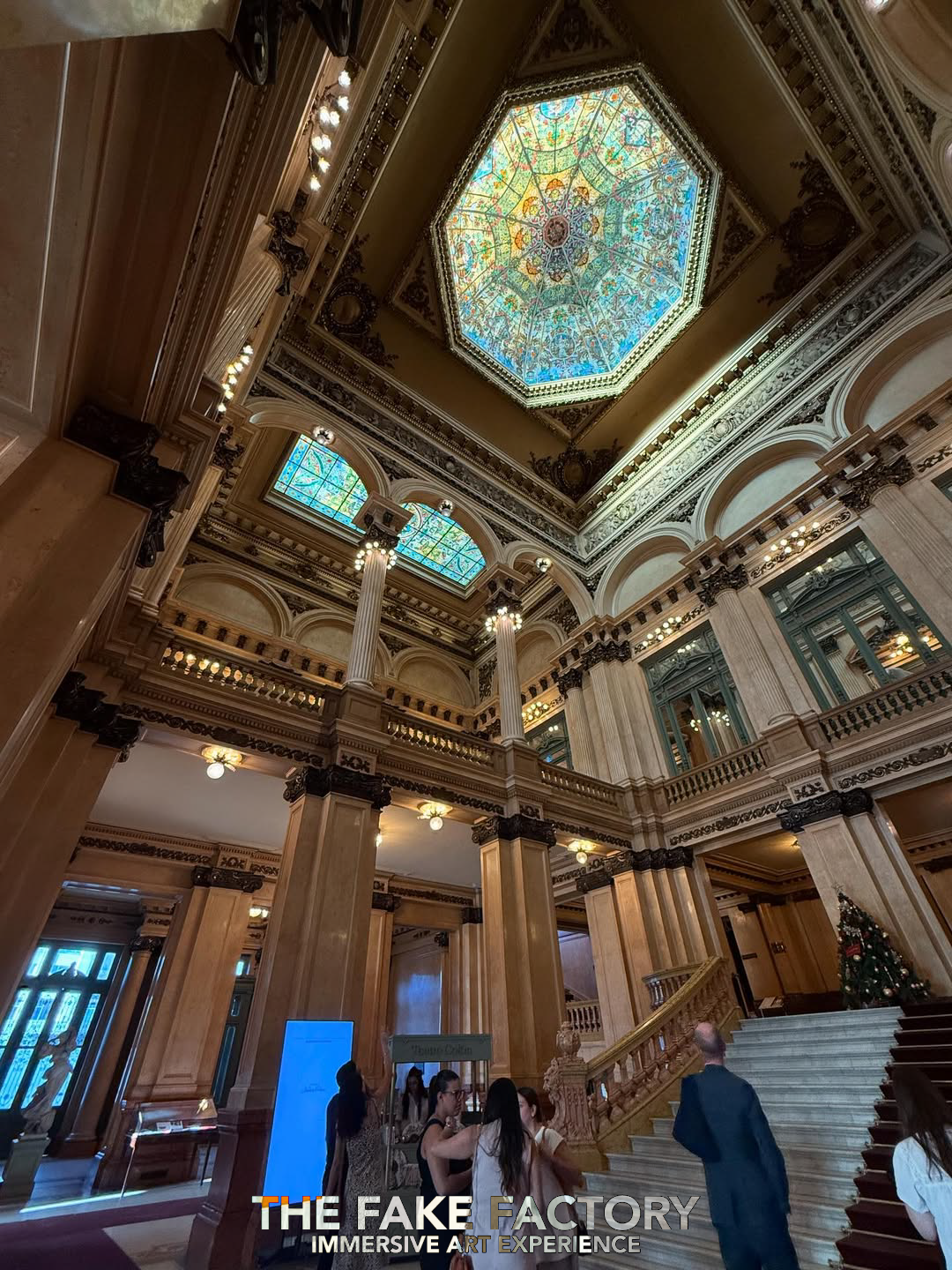
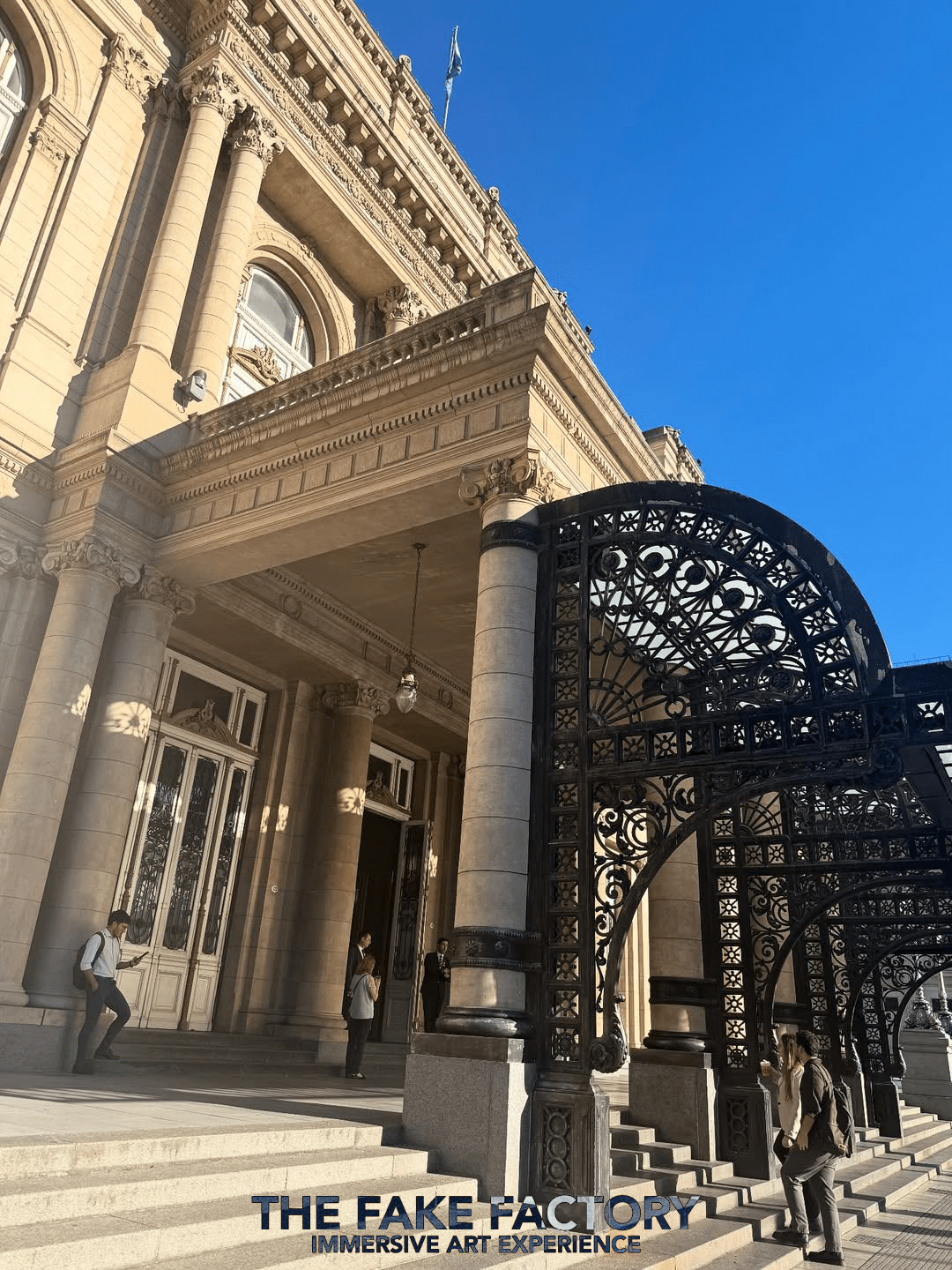
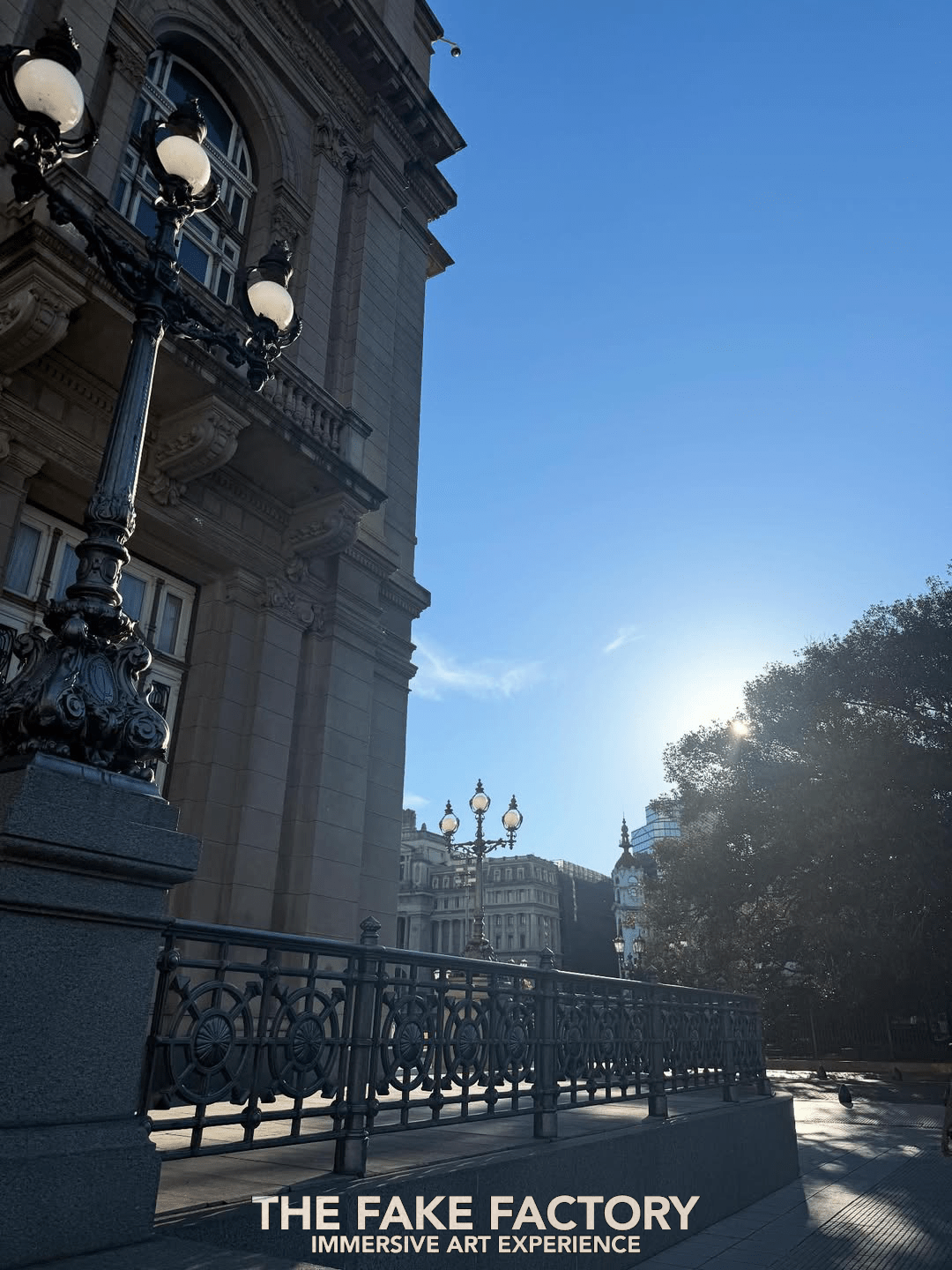
Cada nuevo espacio nos lleva a replantear la instalación y las videoproyecciones para crear una experiencia única. El Teatro Colón es un lugar prestigioso, y estamos honrados de poder presentar nuestro trabajo en un sitio tan icónico. Hemos diseñado un recorrido para el público que le permita adentrarse en el arte poco a poco, para redescubrirlo no solo desde el punto de vista intelectual, sino también de manera multisensorial.
– ¿Por qué recomendarías ir a la experiencia? ¿por qué creés que cautiva al público argentino?
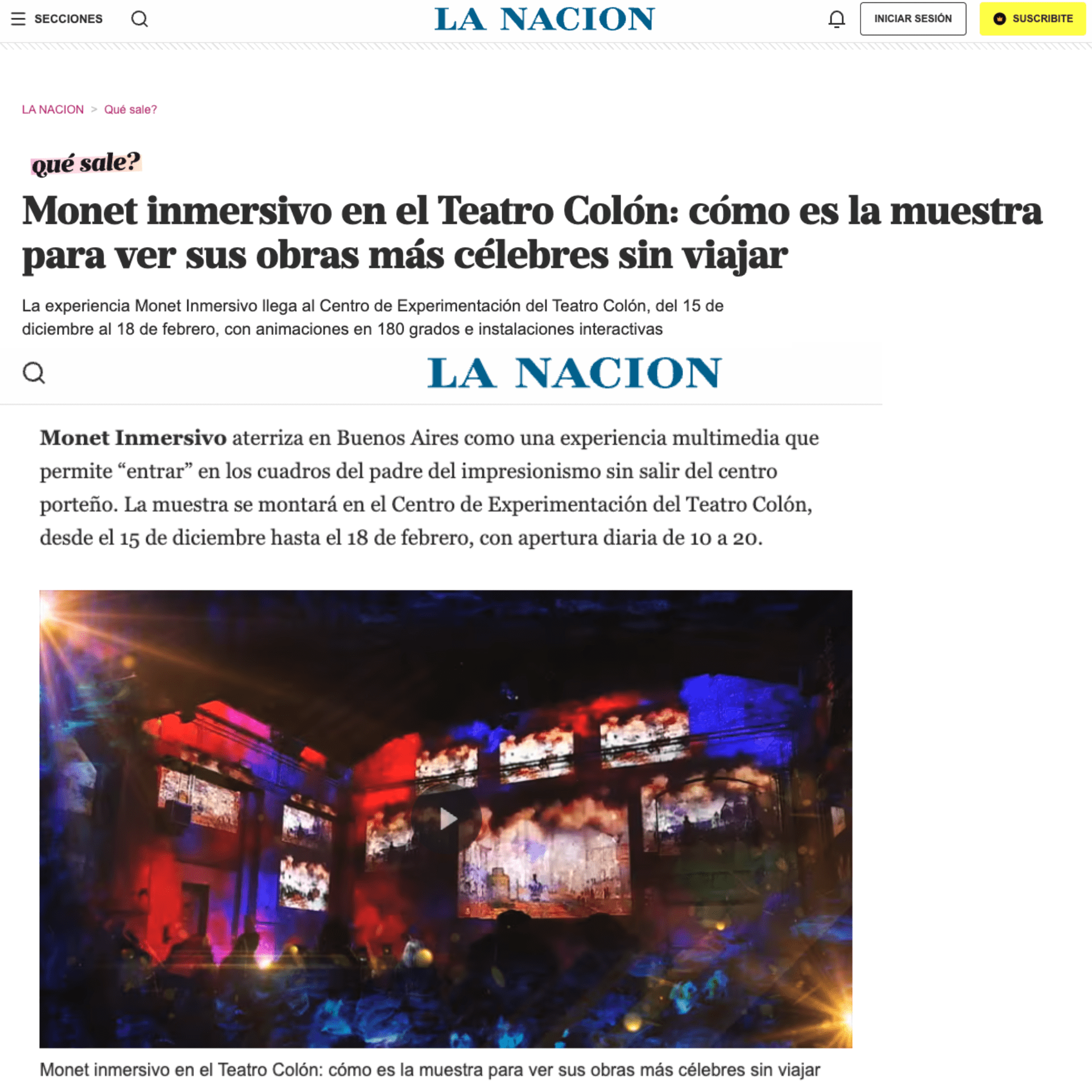
Recomendaría asistir a la experiencia inmersiva sobre Monet y los impresionistas en el Teatro Colón de Buenos Aires porque ofrece una forma innovadora y profundamente sensorial de acercarse a uno de los momentos fundamentales de la historia del arte moderno. No se trata simplemente de ver reproducciones de obras célebres, sino de entrar en un relato audiovisual que permite comprender, de manera intuitiva y emocional, la revolución estética y técnica que estos artistas impulsaron a finales del siglo XIX.
La experiencia propone un recorrido narrativo que integra imágenes, música, espacio y movimiento, y que sitúa al espectador dentro de los procesos creativos de Monet y de sus contemporáneos: su modo de mirar la realidad, su relación con la luz y el color, su vida cotidiana y su contexto histórico. De este modo, el público no solo reconoce las obras, sino que puede percibir las razones profundas de su radicalidad y su influencia en el desarrollo posterior del arte.
Además, el hecho de que esta propuesta se presente en un espacio emblemático como el Teatro Colón añade una dimensión simbólica y cultural particularmente significativa, al establecer un diálogo entre una institución histórica dedicada a las artes escénicas y un lenguaje contemporáneo como el arte digital inmersivo. La experiencia resulta así adecuada tanto para quienes ya poseen conocimientos artísticos como para públicos que se aproximan por primera vez al impresionismo, ofreciendo una forma accesible, rigurosa y emocionalmente envolvente de comprender por qué Monet y los impresionistas transformaron para siempre nuestra manera de ver el mundo.
La experiencia de arte inmersivo dedicada a Monet y a los impresionistas franceses es un relato de 30 minutos que nos introduce literalmente en la revolución técnica y estilística que este grupo de artistas generó en la Francia de finales del siglo XIX. La narración se articula en una serie de escenas, cada una dedicada a un tema o a una técnica específica: el concepto de pintura en plein air, los estudios modernos sobre la síntesis del color, la noción de impresión y la velocidad de ejecución de los nuevos pintores impresionistas, el amor y la familia, la vida social en París y el tiempo libre, así como la naturaleza y el transcurso del tiempo y de las estaciones. La selección de más de 100 obras pictóricas de los impresionistas fue realizada precisamente con el fin de mostrar al público estos temas de la manera más completa posible. La exposición, en su conjunto, se configura como un recorrido que permite adentrarse progresivamente en el arte impresionista. Comienza con una sección didáctica que presenta diversas reproducciones a escala de las obras más importantes de Monet y del movimiento impresionista. A continuación, se proponen dispositivos escenográficos que permiten interactuar con los elementos constitutivos de algunas de las obras más icónicas, como el puente japonés o la mujer con sombrilla. Otras salas están dedicadas al tema de las flores, y permiten al público sumergirse en un flujo ininterrumpido de composiciones florales de colores, haciendo posible experimentar, por un instante, la sensación de convertirse en modelos impresionistas completamente envueltos por una naturaleza viva y cromáticamente intensa.
El legado de Monet y de los impresionistas atraviesa el trabajo de Stefano Fake y The Fake Factory como una lección fundamental sobre la mirada. Estos artistas nos enseñaron que cada ser humano percibe la realidad de manera única y que el arte no consiste en reproducir el mundo con perfección técnica, sino en capturar impresiones fugaces, emociones inmediatas y puntos de vista personales. También demostraron que el arte está en permanente transformación y que los creadores deben atreverse a seguir su propio camino, más allá de las convenciones y las críticas, explorando la realidad —sobre todo sus aspectos nuevos y cambiantes— como materia viva para la creación.
El impresionismo, una de las vanguardias más rupturistas de su tiempo, nos recuerda que la función esencial del arte es ofrecer nuevas formas de ver el mundo. En las experiencias digitales inmersivas, ese espíritu se traduce a un lenguaje contemporáneo: las pinceladas vibrantes se transforman en texturas animadas, en microfluctuaciones digitales que mantienen las superficies en constante movimiento. La animación suave reproduce la vitalidad de lo efímero, mientras que el color, entendido como una experiencia temporal, se expresa a través de gradientes vivos, modulaciones cromáticas y efectos de difusión que hacen que cada escena respire, como si estuviera siendo pintada una y otra vez en tiempo real.
Monet pintaba desde dentro del paisaje, inmerso en la luz y en la atmósfera que lo rodeaban. Las instalaciones digitales inmersivas retoman esa idea y la llevan más lejos, envolviendo por completo al espectador para devolverle una sensación de presencia física total. Ya no se trata de observar un paisaje a distancia, sino de habitarlo. De este modo, la fugacidad deja de ser solo una percepción visual y se convierte en una experiencia corporal. El lenguaje digital no busca copiar lo que Monet veía, sino prolongar su intención más profunda: invitar al público a sentir que la luz está cambiando aquí y ahora, justo frente a sus ojos.
El trabajo de Stefano Fake y The Fake Factory afronta un desafío curatorial fundamental: traducir la poética de lo efímero propia de Monet al lenguaje digital sin perder su integridad conceptual y estética. La obra de Monet no se limita a representar paisajes o figuras, sino que explora el tiempo, las variaciones de la luz y la transformación constante de la atmósfera. Llevar esta sensibilidad a una experiencia inmersiva implica ir más allá de la simple reproducción de las pinturas para reconstruir la manera en que el artista percibía la naturaleza: su trabajo en plein air, su investigación cromática y su relación con el agua, los reflejos y los ciclos de las estaciones.
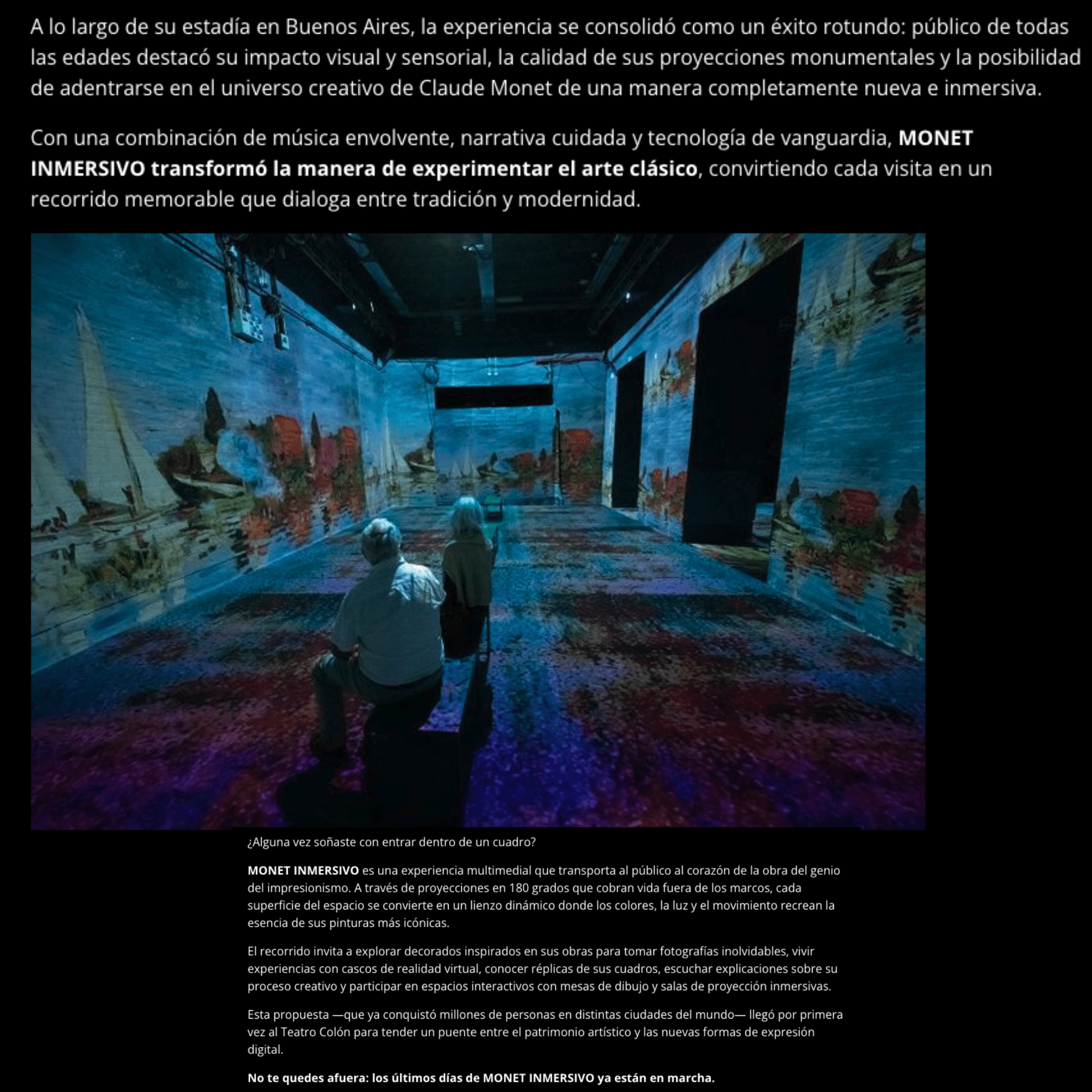
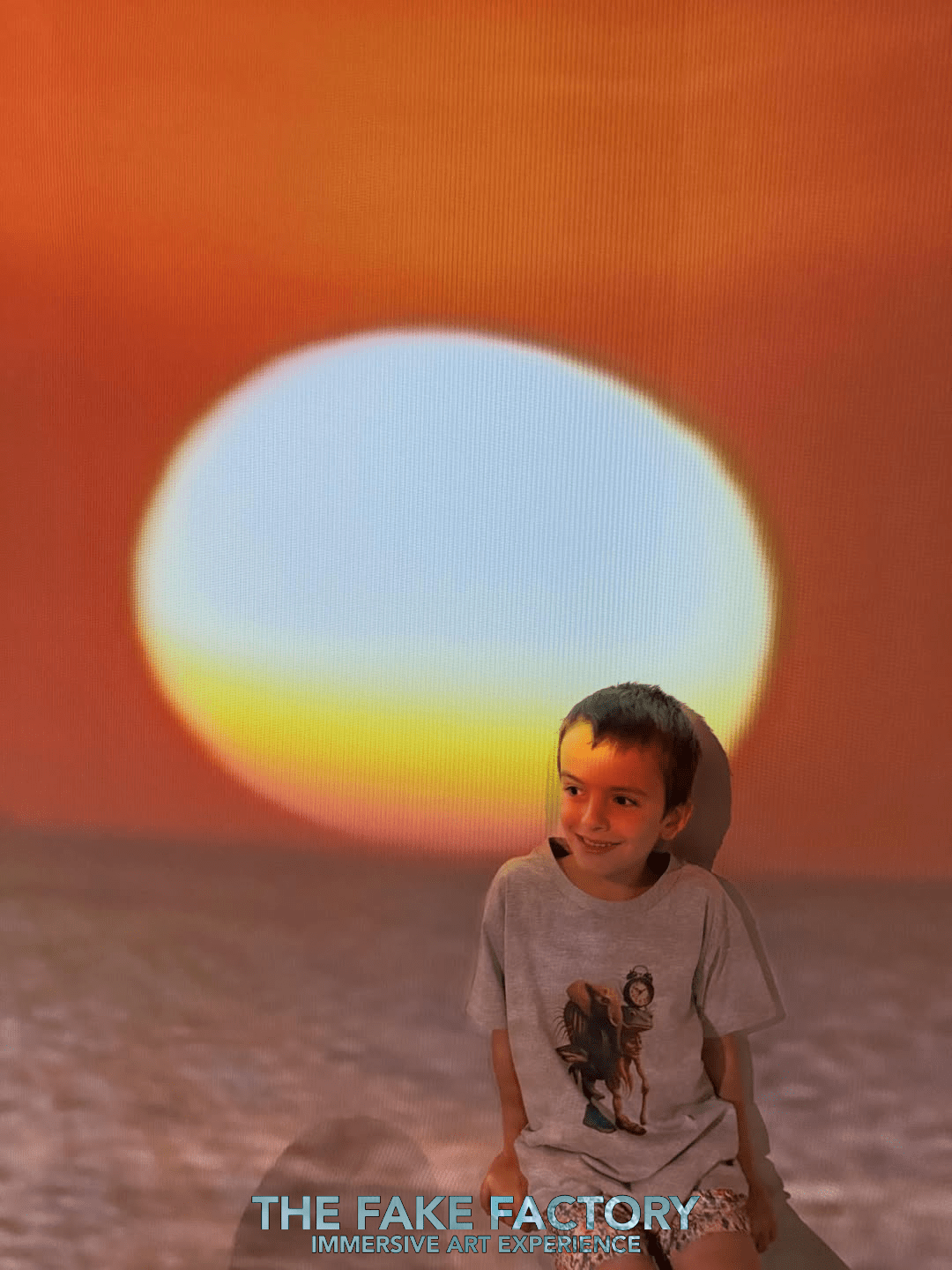
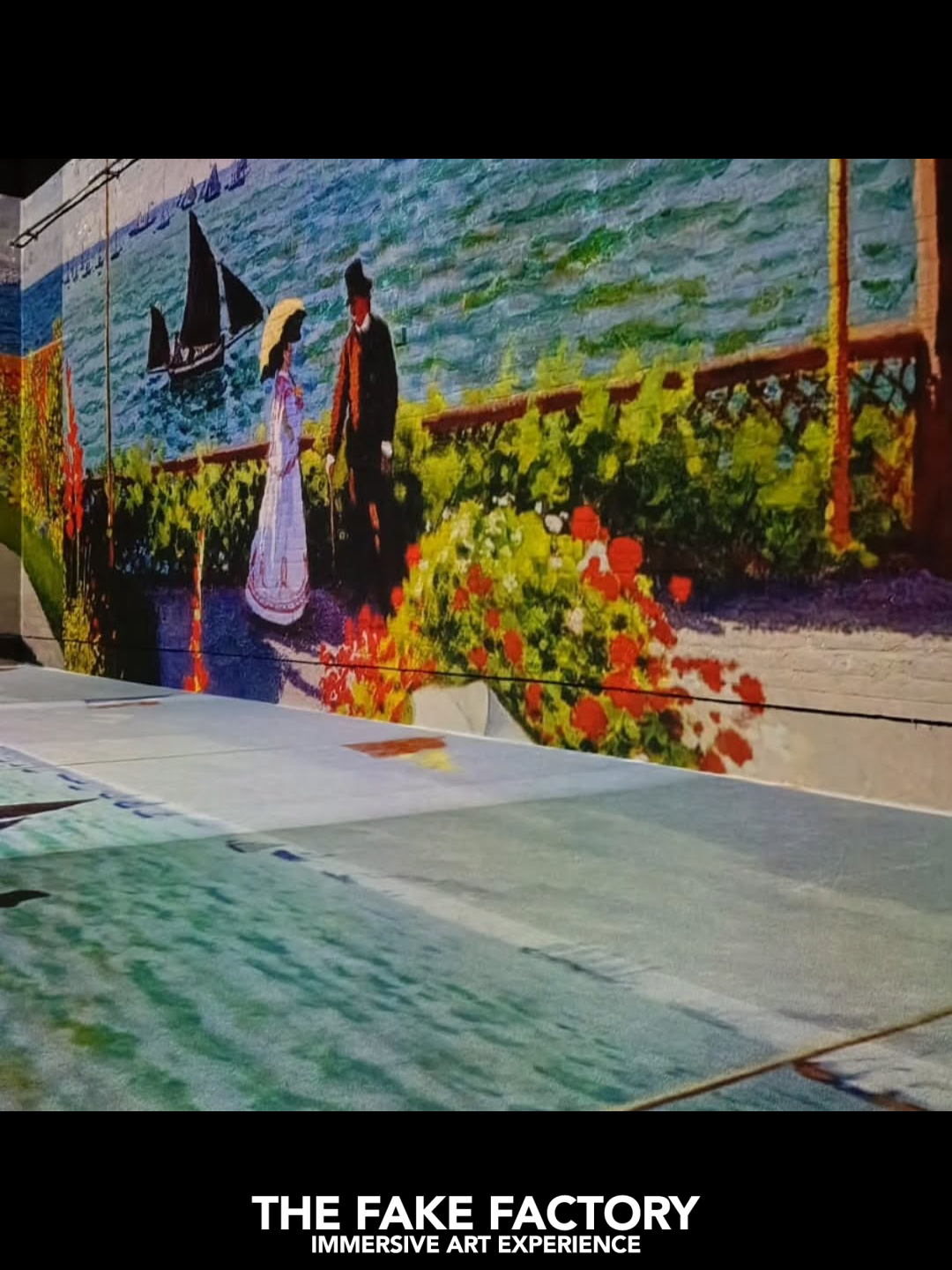
La instalación se concibe así como una narración visual orientada a explicar su mirada y su proceso creativo, y no como un espectáculo de imágenes aisladas. Para ello, se crean entornos que evocan situaciones naturales dentro del espacio expositivo, permitiendo que el público se sienta en una playa al amanecer, en un jardín en flor o rodeado por el movimiento del mar. El objetivo es despertar sensaciones semejantes a las que pudieron experimentar los pintores impresionistas durante el acto de pintar.
Desde el punto de vista curatorial, el reto consiste en construir un recorrido que conserve la coherencia histórica y formal de las obras, evitando que la tecnología se imponga sobre el contenido artístico. Este enfoque se apoya en lo que The Fake Factory define como un “uso poético de la videoproyección”, donde la luz digital adquiere un comportamiento orgánico, cercano a la cualidad viva de la luz natural que Monet buscaba capturar.
Mediante flujos continuos de proyecciones, animaciones suaves, modulaciones cromáticas progresivas y ritmos visuales lentos, se genera una percepción de impermanencia acorde con su pintura. No se pretende simular la naturaleza, sino evocar la experiencia emocional de estar inmerso en ella, permitiendo al espectador vivir de manera corporal y sensorial esa misma atención íntima que Monet dedicaba a la luz y al paisaje.
En el trabajo de Stefano Fake y The Fake Factory, la experiencia inmersiva responde a una necesidad contemporánea: encontrar una nueva forma de encuentro con el arte. Vivimos rodeados de imágenes, pero pocas veces esas imágenes generan una vivencia profunda. Las instalaciones inmersivas buscan devolver al espectador una relación más intensa con la pintura, basada no solo en la comprensión intelectual, sino en el tiempo, el cuerpo y la emoción. No se trata únicamente de reconocer obras famosas o aprender datos históricos, sino de establecer un contacto más íntimo con la atmósfera de la obra y con el pensamiento del artista.
En Monet Inmersivo, el público no solo intenta comprender por qué Monet fue tan decisivo en la historia del arte, sino también experimentar lo que él sentía frente a la naturaleza: la atención a la luz, al cambio continuo, a lo efímero. La experiencia propone un ritmo lento, una pausa dentro de la aceleración de la vida contemporánea, y ofrece una forma de contemplación activa, profundamente sensorial, donde el espectador se sumerge en un tiempo distinto.
El objetivo no es que el visitante conserve solo un recuerdo visual, sino que modifique su manera de percibir el mundo. La instalación busca despertar una sensibilidad más atenta hacia el entorno cotidiano: la luz del atardecer, los reflejos sobre el agua, las variaciones del cielo, los pequeños detalles que suelen pasar desapercibidos. Si al salir del espacio expositivo el público observa la realidad con mayor atención y con una disposición emocional más abierta, la experiencia ha cumplido su función.
Estas propuestas no se plantean como sustitutas del arte clásico, sino como mediaciones capaces de reactivar el interés por él. Invitan a volver al museo, a mirar una pintura con mayor detenimiento y a comprender que la pintura no es un vestigio del pasado, sino una forma de pensamiento visual todavía viva. Ese es, en última instancia, el sentido más profundo de las experiencias inmersivas dedicadas a los grandes maestros de la historia del arte: renovar la mirada del espectador y reconectar el arte con la vida.
El trabajo de Stefano Fake y The Fake Factory se inscribe en una relación histórica entre arte y tecnología que atraviesa los siglos. Si entendemos la tecnología como toda innovación técnica aplicada por el ser humano a los materiales y a su entorno, basta recordar la evolución de los pigmentos y de las técnicas pictóricas —del fresco al óleo, de la acuarela a los acrílicos o a la impresión— para comprender que el desarrollo artístico siempre ha estado ligado al progreso técnico.
La historia de la humanidad es una historia de transformaciones tecnológicas, y los artistas han actuado como catalizadores de esas novedades, buscando nuevos formatos para representar lo real. Hoy el mundo se compone de una mezcla de realidad física y virtualidad digital: cada persona habita simultáneamente su entorno concreto y su infosfera digital. El arte digital inmersivo pone en escena esta relación, creando un espacio “physital” donde lo físico y lo digital coexisten en un mismo plano perceptivo.
El principal desafío de este trabajo consiste en lograr que la tecnología amplíe las obras del pasado sin sustituirlas. Se trata de construir un espacio inmersivo donde la estética clásica dialogue con el lenguaje digital, manteniendo autenticidad, intensidad expresiva y coherencia emocional con la intención original de los artistas. Las tecnologías contemporáneas permiten reunir en un mismo lugar disciplinas diversas: espacio, luz, música, imágenes y narración se combinan en una alquimia artística que debe mantenerse en equilibrio para favorecer una experiencia de contemplación profunda.
Una exposición inmersiva se asemeja a un espectáculo teatral. El público se encuentra en una sala oscura, rodeado de figuras, sonidos, personajes y paisajes que lo transportan a otra dimensión. Entrar en el arte con todos los sentidos significa descubrirlo, comprenderlo y amarlo de una manera más intensa.
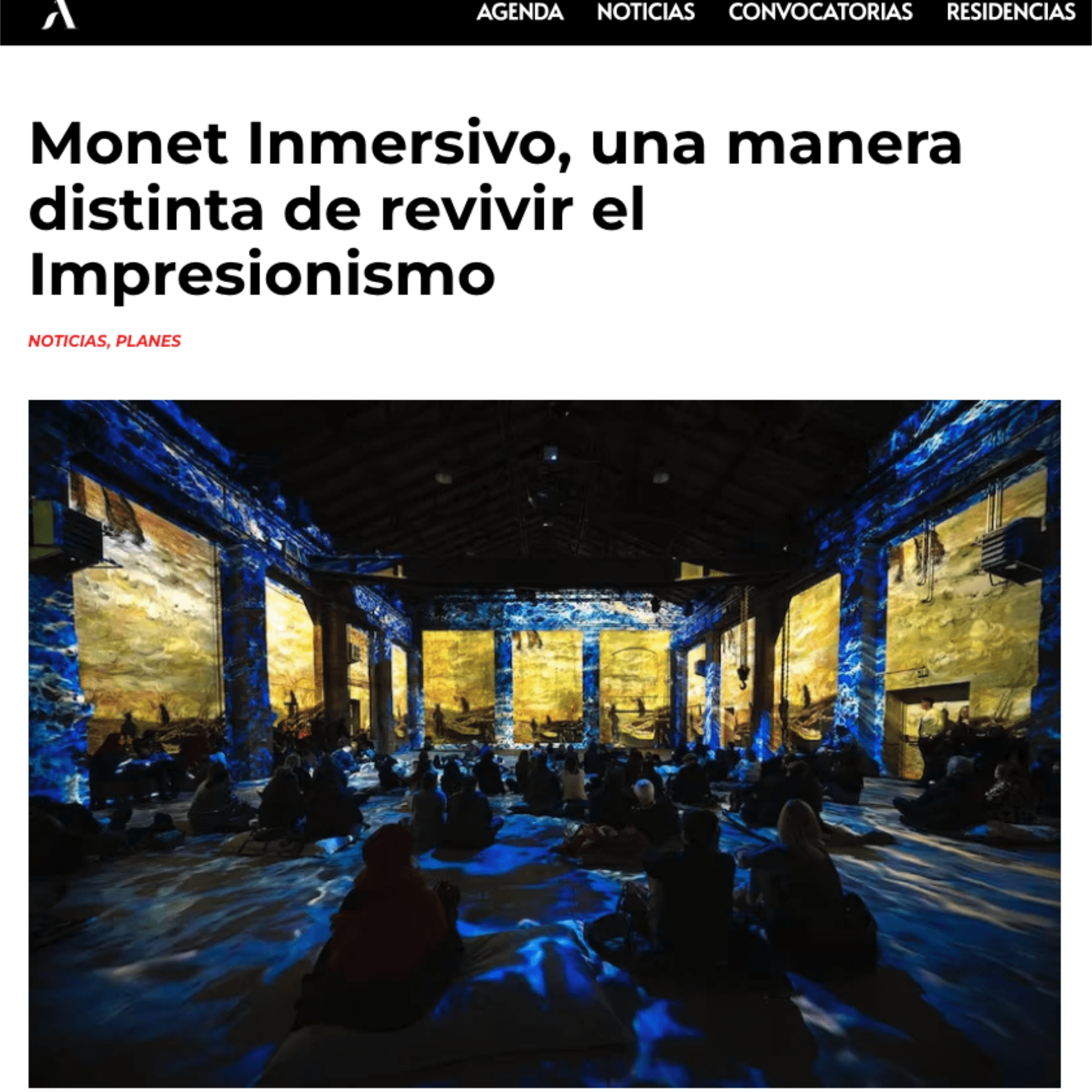
La fugacidad que Monet buscaba —la luz que se desliza sobre el agua, las sombras que respiran, el color que vibra por un instante— encuentra en el lenguaje digital contemporáneo un nuevo territorio para manifestarse. En el entorno digital, traducir esa inmediatez impresionista no implica reproducir simplemente sus pinceladas, sino recrear la sensación de impermanencia que definía su mirada. Los sistemas de proyección permiten simular variaciones de luz sutiles y casi orgánicas, moduladas en tiempo real, convirtiendo el espacio inmersivo en un equivalente digital de ese “cielo cambiante” que Monet observaba al aire libre.
El arte digital inmersivo nace con una vocación universal, para dirigirse a públicos de todas las edades y de cualquier procedencia social y cultural.


































































 Stefano Fake